



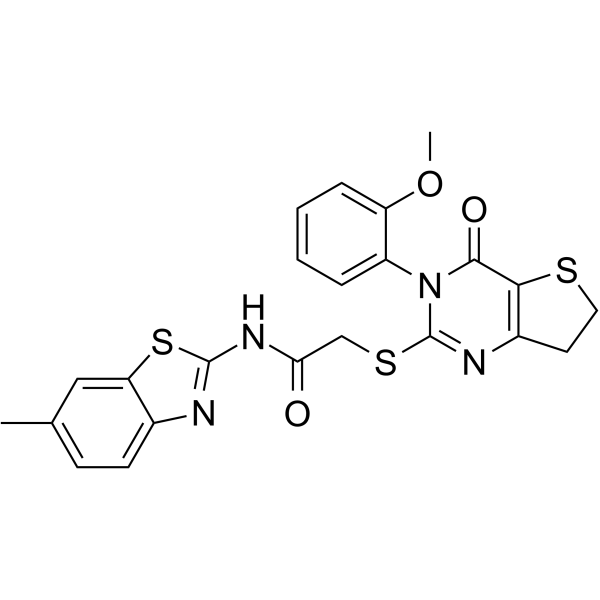
IWP-4 (GMP) is the GMP-grade form of IWP-4 (HY-12879). IWP-4 is a Wnt inhibitor with an IC50 of 25 nM. IWP-4 specifically inhibits casein kinase 1δ/ε (CK1δ/ε), with an IC50 of 1.06 μM against wild-type CK1δ, 1.02 μM against the CK1δ kinase domain, and 7.07 μM against CK1ε; it shows enhanced inhibitory activity against the M82F CK1δ mutant (IC50 = 0.14 μM). IWP-4 is applicable to research related to cancer, Alzheimer's disease (AD), and heart failure.
Nos produits utilisent uniquement pour la recherche. Nous ne vendons pas aux patients.
- CAS No.: 686772-17-8
- Formule: C23H20N4O3S3
- Masse moléculaire:496.62
-
Stockage:
Please store the product under the recommended conditions in the Certificate of Analysis.


To place orders, for customer services and technical support, please contact: MedChemExpress USA
Tel: 609-228-6898 E-mail: [email protected] [email protected]


-
 Activité biologique
-
Chemical Information
- Protocole
- Pureté et documentation
- Références
-
 Help & FAQs


-
HY-13912
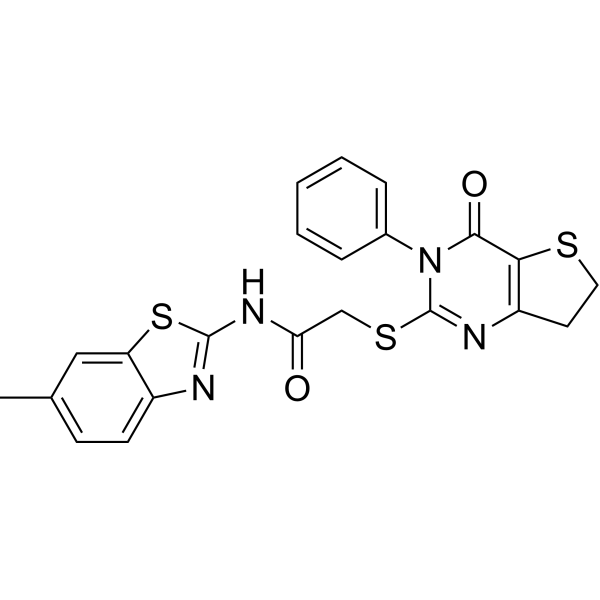
IWP-2Wnt Production Inhibitor -
HY-12879
IWP-4Wnt/CK1δ/ε Inhibitor -
HY-13912G
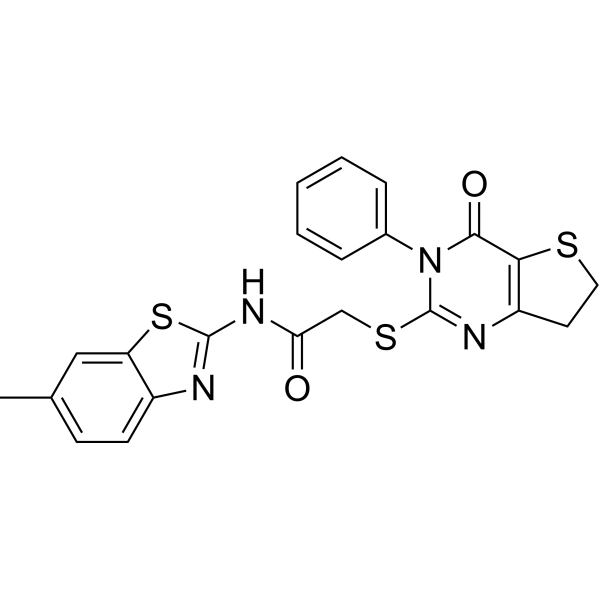
IWP-2 (GMP)Wnt Inhibitor (GMP) -
HY-15659
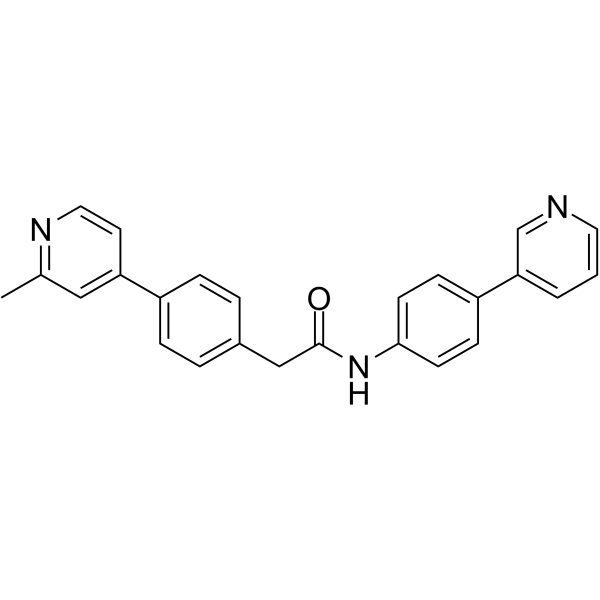
Wnt-C59PORCN Inhibitor -
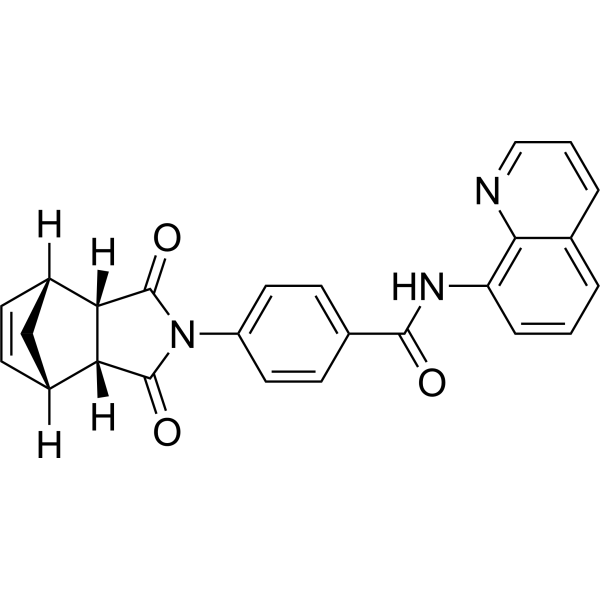
HY-12238
IWR-1Wnt Signaling Inhibitor -
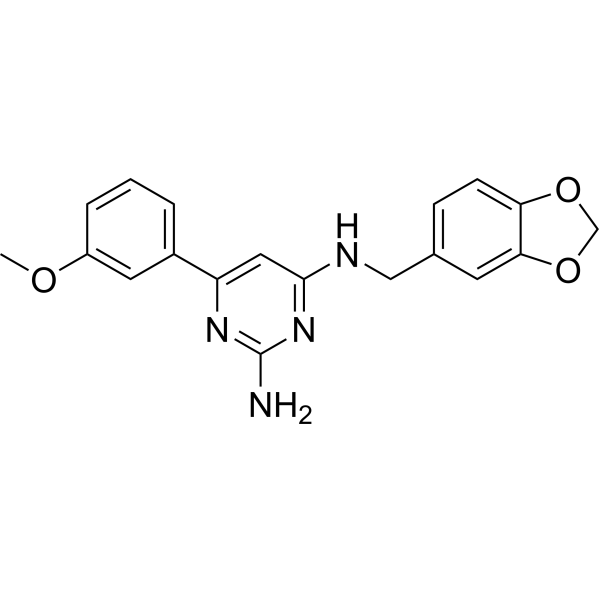
HY-19987
BML-284Wnt Signaling Activator -
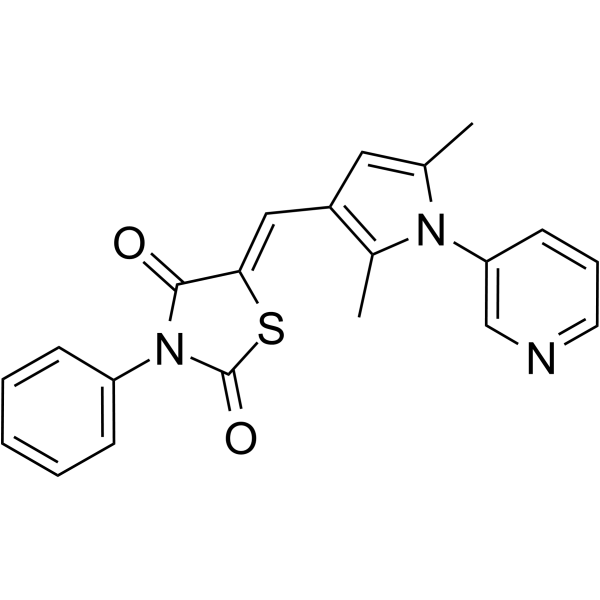
HY-16665
iCRT 14Wnt Inhibitor -
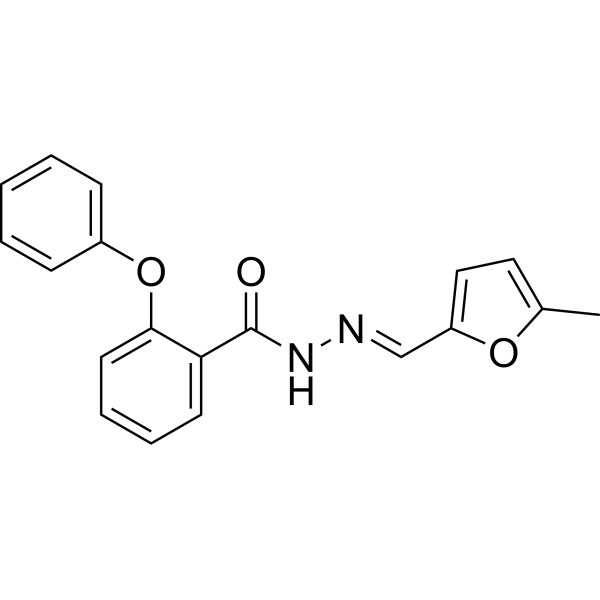
HY-101130
PNU-74654β-catenin/TCF Interaction Inhibitor -
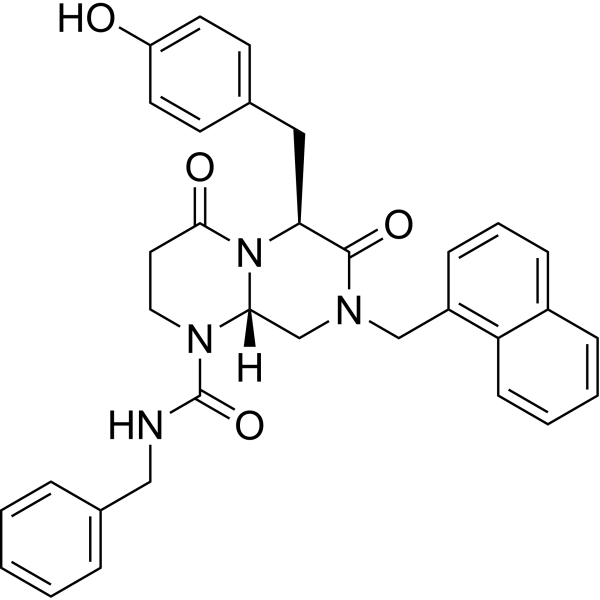
HY-14428
ICG-001Apoptosis Inducer -
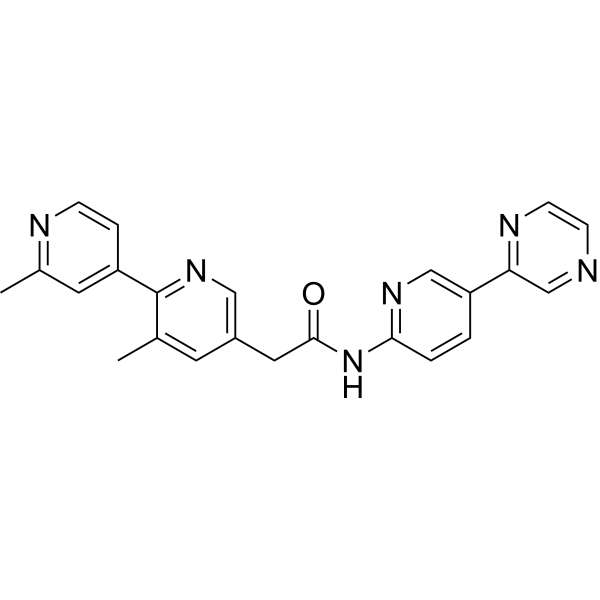
HY-17545
LGK974PORCN Inhibitor -
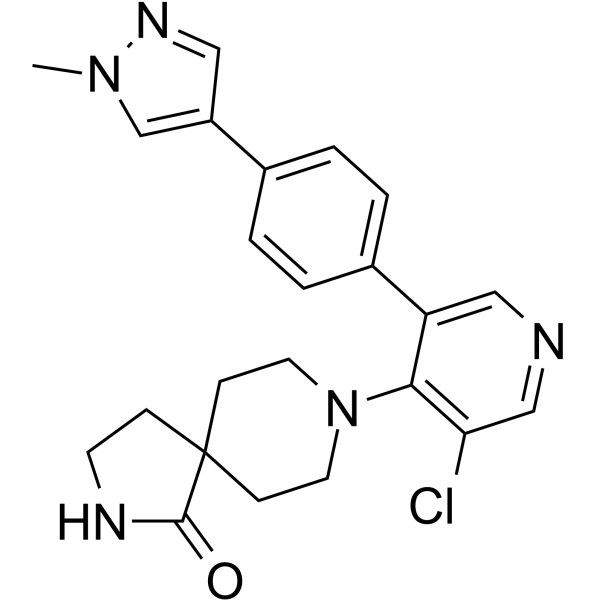
HY-12681
CCT251545WNT Pathway Inhibitor -
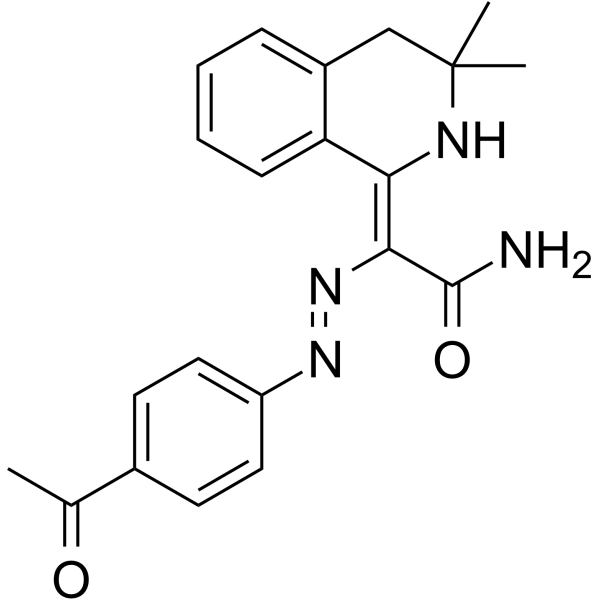
HY-10593
IQ 1Wnt/β-catenin/CBP Signaling Sustainer


Activité biologique
Description
IC50 & Target
[1]|
CK1δ 1.06 μM (IC50) |
CK1ε 7.07 μM (IC50) |
Cellular Effect
|
Cell Line

|
Type | Value | Description | References |
|---|---|---|---|---|
| CAPAN-1 | EC50 |
0.23 μM
Compound: IWP-4
|
Antiproliferative activity against human Capan1 cells after 48 hrs by MTT assay
Antiproliferative activity against human Capan1 cells after 48 hrs by MTT assay
|
[PMID: 29630366] |
In Vitro
IWP-4 (GMP) (48 h) inhibits the proliferation of all tested cancer cell lines, with submicromolar EC50 values ranging from 0.23 μM to 0.93 μM[1].
IWP-4 (GMP) (1 μM; 24 h) antagonizes the protective effect of Ginkgolide B (HY-N0784) on primary rat cortical astrocytes against glutamate-induced injury by reversing Ginkgolide B-mediated regulation of apoptosis-related genes and proteins, as well as glutamate transporter genes and proteins[2].
MedChemExpress (MCE) has not independently confirmed the accuracy of these methods. They are for reference only.


Chemical Information
-
CAS No. 686772-17-8
-
Masse moléculaire 496.62
-
Formule C23H20N4O3S3
-
SMILES
O=C(NC1=NC2=CC=C(C)C=C2S1)CSC3=NC(CCS4)=C4C(N3C5=CC=CC=C5OC)=O
-
Livraison
Room temperature in continental US; may vary elsewhere.
-
Stockage
Please store the product under the recommended conditions in the Certificate of Analysis.


Pureté et documentation
Références
[1]. García-Reyes B, et al. Discovery of Inhibitor of Wnt Production 2 (IWP-2) and Related Compounds As Selective ATP-Competitive Inhibitors of Casein Kinase 1 (CK1) δ/ε. J Med Chem. 2018;61(9):4087-4102. [Content Brief]
[2]. Wang J, et al. A RNA-seq approach for exploring the protective effect of ginkgolide B on glutamate-induced astrocytes injury. J Ethnopharmacol. 2021;270:113807. [Content Brief]
[3].
Hudson J, et al. Primitive cardiac cells from human embryonic stem cells. Stem Cells Dev. 2012 Jun 10;21(9):1513-23.
[Content Brief]

Calculators
Concentration (start) × Volume (start) = Concentration (final) × Volume (final)


IWP-4 (GMP) Related Classifications
HY-12879G Related Classifications
 Powered by Bioz