Search Result
Results for "
Doxorubicin-
" in MedChemExpress (MCE) Product Catalog:
13
Biochemical Assay Reagents
12
Isotope-Labeled Compounds
| Cat. No. |
Product Name |
Target |
Research Areas |
Chemical Structure |
-
- HY-15142
-
|
Hydroxydaunorubicin hydrochloride; ADR
|
Topoisomerase
ADC Payload
AMPK
Autophagy
Apoptosis
HIV
HBV
Mitophagy
Antibiotic
Bacterial
Fluorescent Dye
|
Infection
Cancer
|
|
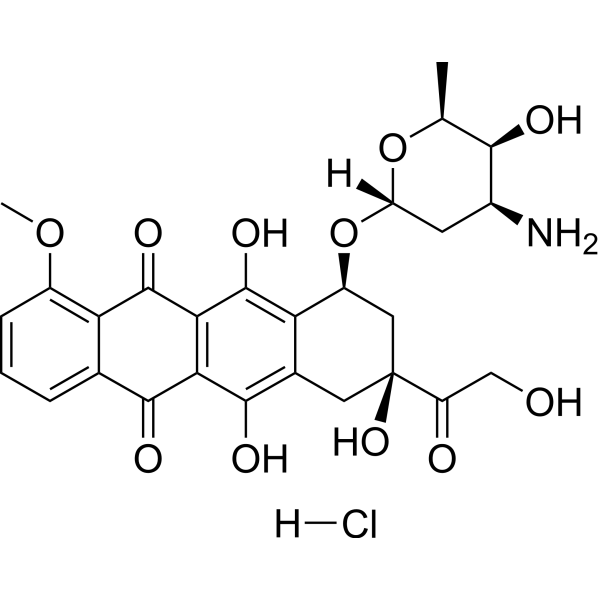
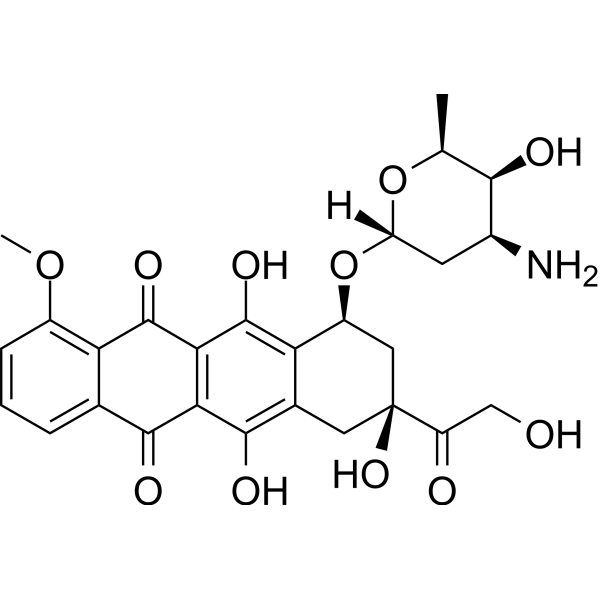
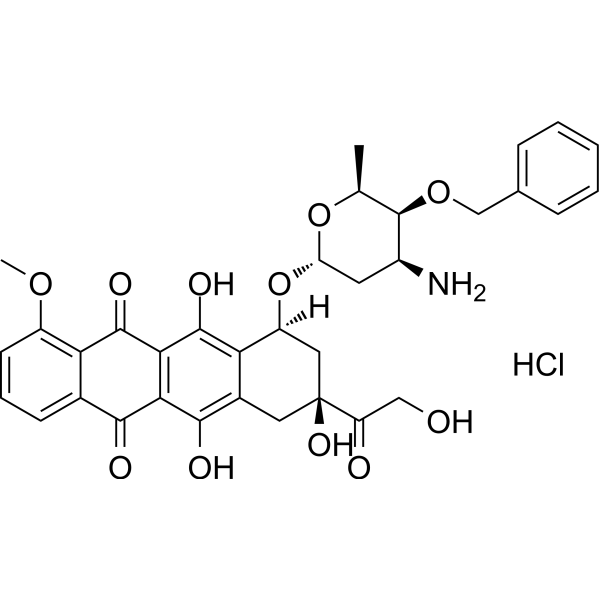
Doxorubicin hydrochloride (Hydroxydaunorubicin hydrochloride; ADR), a cytotoxic anthracycline antibiotic, is an anti-cancer chemotherapy agent. Doxorubicin hydrochloride is a potent human DNA topoisomerase I and topoisomerase II inhibitor with IC50s of 0.8 μM and 2.67 μM, respectively. Doxorubicin hydrochloride reduces basal phosphorylation of AMPK and its downstream target acetyl-CoA carboxylase. Doxorubicin hydrochloride induces apoptosis and autophagy .
|
-
-
- HY-100489
-
|
tert-Butylhydroquinone
|
Environmental Pollutants
Keap1-Nrf2
ERK
Autophagy
Apoptosis
Ferroptosis
|
Cancer
|
|
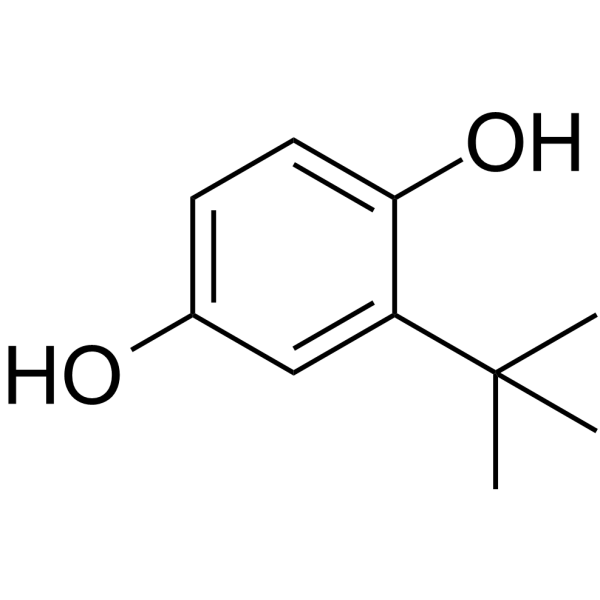
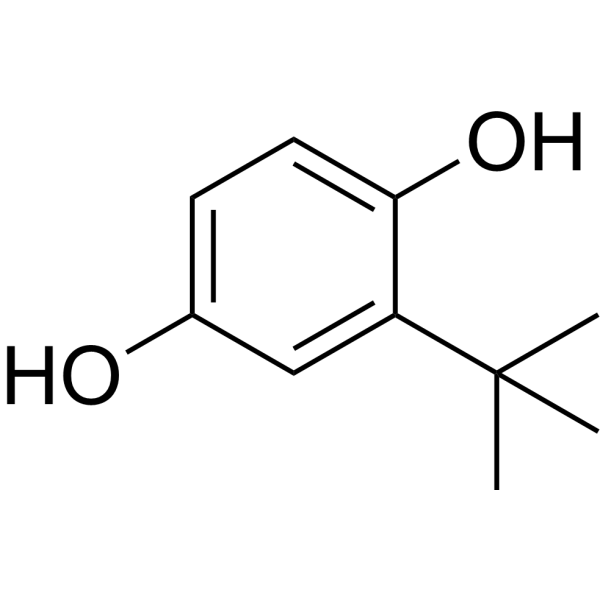
TBHQ (tert-Butylhydroquinone) is a widely used Nrf2 activator, protects against Doxorubicin (DOX)-induced cardiotoxicity through activation of Nrf2 . TBHQ (tert-Butylhydroquinone) is also an ERK activator; rescues Dehydrocorydaline (DHC)-induced cell proliferation inhibitionin melanoma .
|
-
-
- HY-13624A
-
-
-
- HY-16700
-
|
|
ADC Payload
Topoisomerase
|
Cancer
|
|
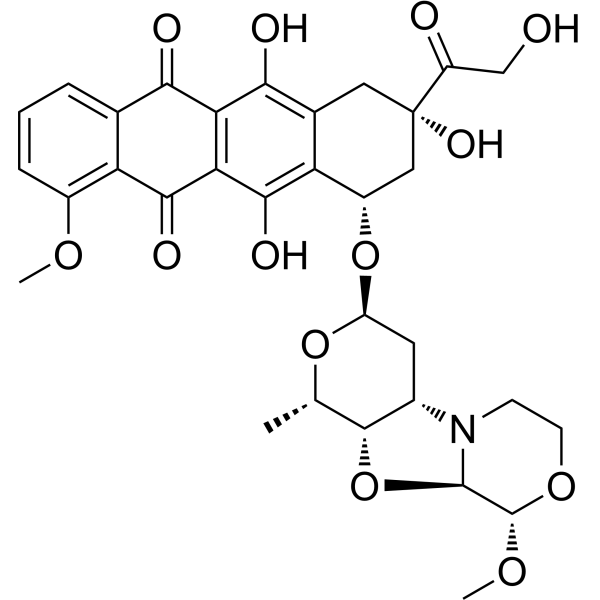
PNU-159682, a metabolite of the anthracycline Nemorubicin, is a highly potent DNA topoisomerase II inhibitor with excellent cytotoxicity. PNU-159682 acts as a more potent and tolerated ADC cytotoxin than Doxorubicin for ADC synthesis. PNU-159682 can be used in EDV-nanocell technology to overcome agent resistance.
|
-
-
- HY-15142R
-
|
Hydroxydaunorubicin hydrochloride (Standard); ADR (Standard)
|
Reference Standards
Topoisomerase
ADC Payload
AMPK
Autophagy
Apoptosis
HIV
HBV
Mitophagy
Antibiotic
Bacterial
Fluorescent Dye
|
Infection
Cancer
|
|
Doxorubicin hydrochloride (Standard) is the analytical standard of Doxorubicin hydrochloride. This product is intended for research and analytical applications. Doxorubicin (Hydroxydaunorubicin) hydrochloride, a cytotoxic anthracycline antibiotic, is an anti-cancer chemotherapy agent. Doxorubicin hydrochloride is a potent human DNA topoisomerase I and topoisomerase II inhibitor with IC50s of 0.8 μM and 2.67 μM, respectively. Doxorubicin hydrochloride reduces basal phosphorylation of AMPK and its downstream target acetyl-CoA carboxylase. Doxorubicin hydrochloride induces apoptosis and autophagy .
|
-

-
- HY-13624
-
|
4'-EpiDoxorubicin
|
DNA/RNA Synthesis
Topoisomerase
Apoptosis
Antibiotic
|
Cancer
|
|
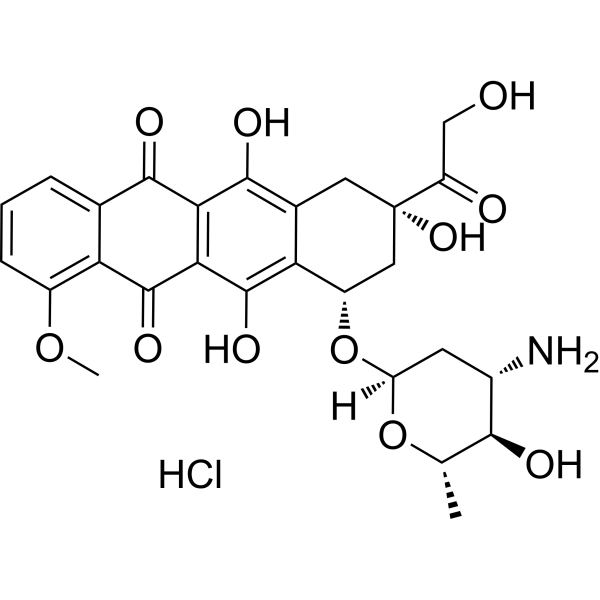
Epirubicin (4'-Epidoxorubicin), a semisynthetic L-arabino derivative of doxorubicin, has an antineoplastic agent by inhibiting Topoisomerase . Epirubicin inhibits DNA and RNA synthesis. Epirubicin is a Forkhead box protein p3 (Foxp3) inhibitor and inhibits regulatory T cell activity .
|
-
-
- HY-116063
-
|
|
Drug-Linker Conjugates for ADC
|
Cancer
|
|
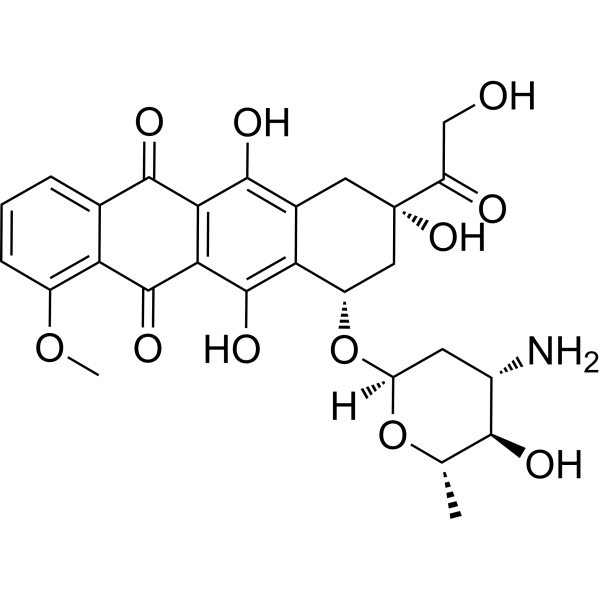
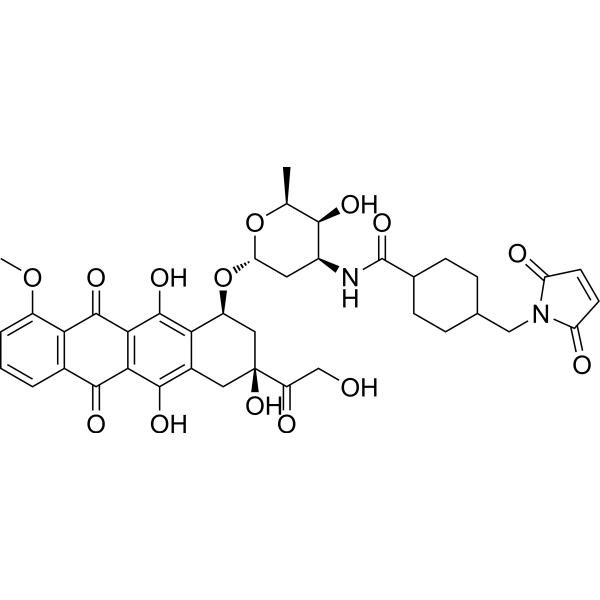
Doxorubicin-SMCC is a agent-linker conjugate for ADC. Doxorubicin-SMCC contains a non-cleavable ADC linker and a DNA topoisomerase II inhibitor Doxorubicin .
|
-
-
- HY-15142A
-
-
-
- HY-16261
-
|
INNO-206; DOXO-EMCH
|
Topoisomerase
ADC Payload
|
Cancer
|
|
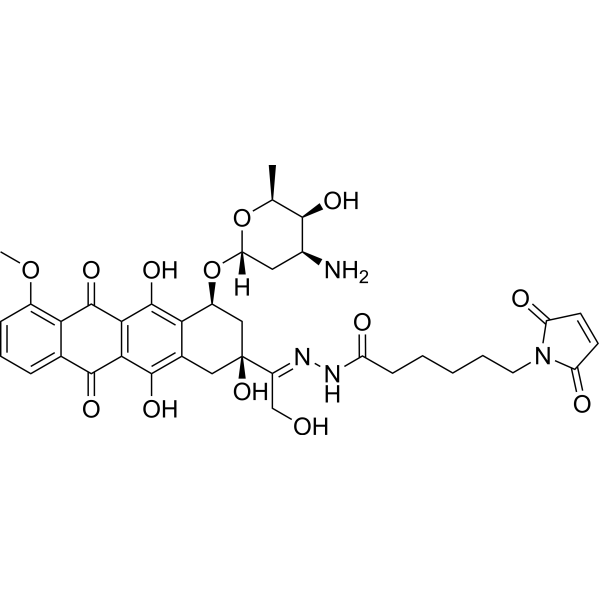
Aldoxorubicin (INNO-206) is an albumin-binding proagent of Doxorubicin (DNA topoisomerase II inhibitor), which is released from albumin under acidic conditions. Aldoxorubicin (INNO-206) has potent antitumor activities in various cancer cell lines and in murine tumor models.
|
-
-
- HY-15794
-
|
Methoxymorpholinyl Doxorubicin; FCE 23762; PNU 152243
|
G-quadruplex
|
Cancer
|
|
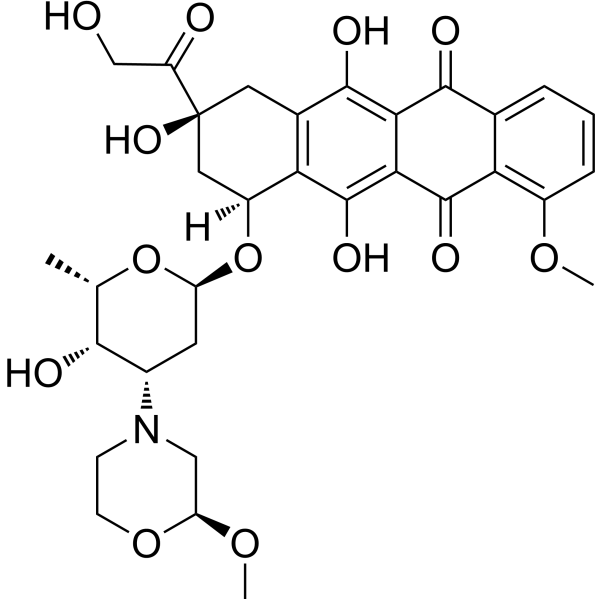
Nemorubicin (Methoxymorpholinyl doxorubicin) is a Doxorubicin derivative with potent antitumor activity. Nemorubicin is highly cytotoxic to a variety of tumor cell lines presenting a multidrug-resistant phenotype. Nemorubicin not only intercalate into the duplex DNA, but also result in significant ligands for G-quadruplex DNA segments, stabilizing their structure. Nemorubicin requirs an intact nucleotide excision repair (NER) system to exert its activity .
|
-
-
- HY-P3669
-
|
|
ADC Linker
Drug Intermediate
|
Cancer
|
|
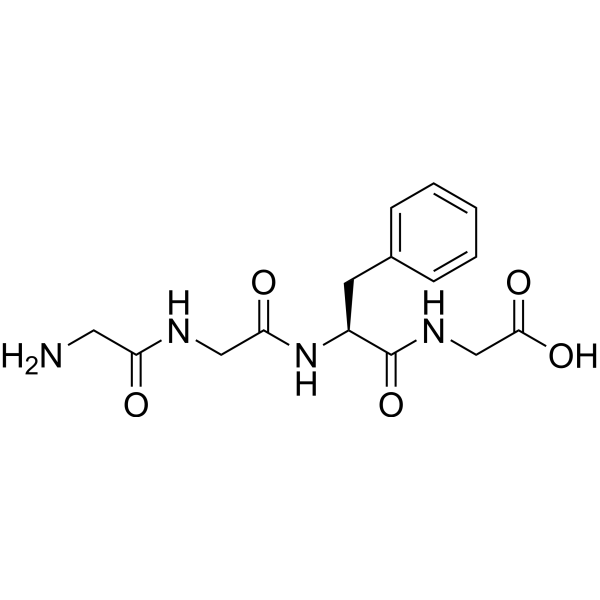
Gly-Gly-Phe-Gly is a peptide spacer and can be applied to Doxorubicin (HY-15142A) (DXR) conjugates. Gly-Gly-Phe-Gly can be used as an ADC linker to synthesize ADCs, such as Puxitatug samrotecan (AZD 8205) (HY-171689) .
|
-
-
- HY-W190927
-
|
MC-Val-Cit-PAB-Doxorubicin
|
Drug-Linker Conjugates for ADC
|
Cancer
|
|
MC-Val-Cit-Doxorubicin (MC-Val-Cit-PAB-Doxorubicin) is drug-linker conjugate for ADC. The maleimide can conjugate with thiol containing molecules. Doxorubicin is an anthracycline antibiotic with antineoplastic activity
|
-

-
- HY-B0006B
-
|
(S)-BM 14190
|
Adrenergic Receptor
|
Cardiovascular Disease
|
|
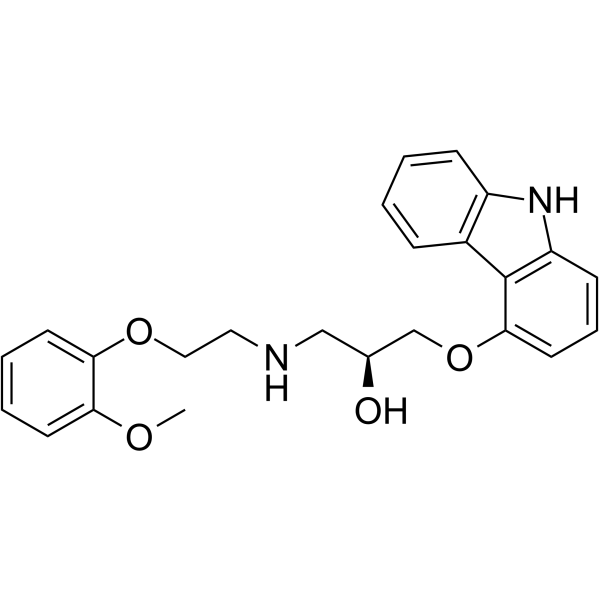
(S)-Carvedilol, the S-enantiomer of Carvedilol, is a non-selective β/α-1 blocker. (S)-Carvedilol exerts protection against the vascular or cardiac toxicity of Doxorubicin (DOX) .
|
-
-
- HY-16261B
-
|
(E/Z)-AlDoxorubicin hydrochloride; Doxorubicin(6-maleimidocaproyl)hydrazone hydrochloride
|
ADC Payload
Topoisomerase
|
Cancer
|
|
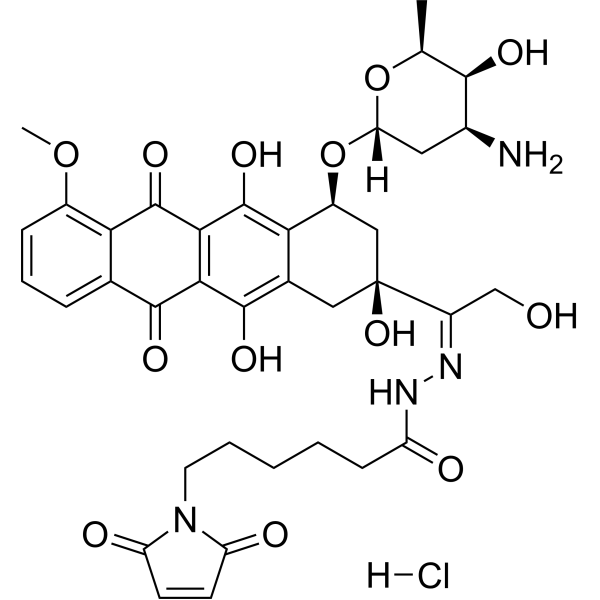
MC-DOXHZN ((E/Z)-Aldoxorubicin; Doxorubicin(6-maleimidocaproyl)hydrazone) hydrochloride is an albumin-binding proagent of Doxorubicin (HY-15142A) (DNA topoisomerase II inhibitor), with acid-sensitive properties. MC-DOXHZN hydrochloride can be used to synthesize ADC .
|
-
-
- HY-N2591
-
|
|
Endogenous Metabolite
|
Cancer
|
|
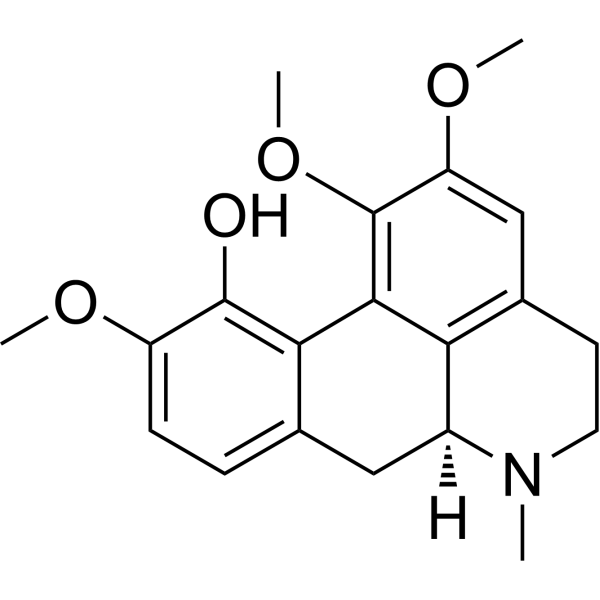
Isocorydine is isolated from Dicranostigma leptopodum (Maxim.) Fedde (DLF). Isocorydine combines with Doxorubicin (DOX) has a promising potential to eradicate hepatocellular carcinoma (HCC) .
|
-
-
- HY-N6635
-
|
|
Fungal
|
Infection
Cancer
|
|
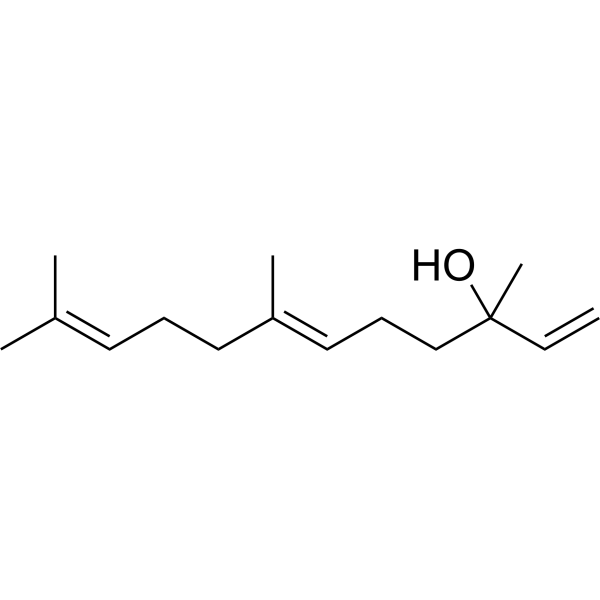
trans-Nerolidol improves the anti-proliferative effect of Doxorubicin (DOX) (HY-15142A) against intestinal cancer and breast cancer cells in vitro. trans-Nerolidol increases accumulation of DOX inside cells in vitro. trans-Nerolidol activates apoptosis in vivo .
|
-
-
- HY-G0022
-
|
13-Dihydroadriamycin hydrochloride
|
Drug Metabolite
|
Cancer
|
|
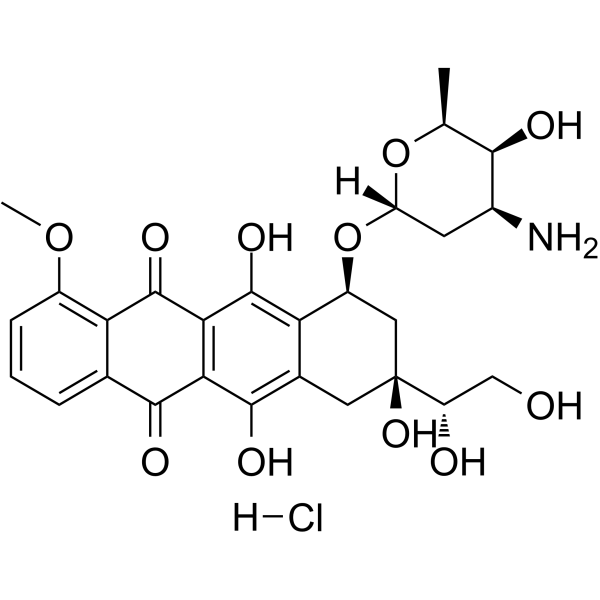
Doxorubicinol hydrochloride (13-Dihydroadriamycin hydrochloride) is a secondary alcohol metabolite of Doxorubicin .
|
-
-
- HY-W067427
-
|
|
IKK
|
Cancer
|
|
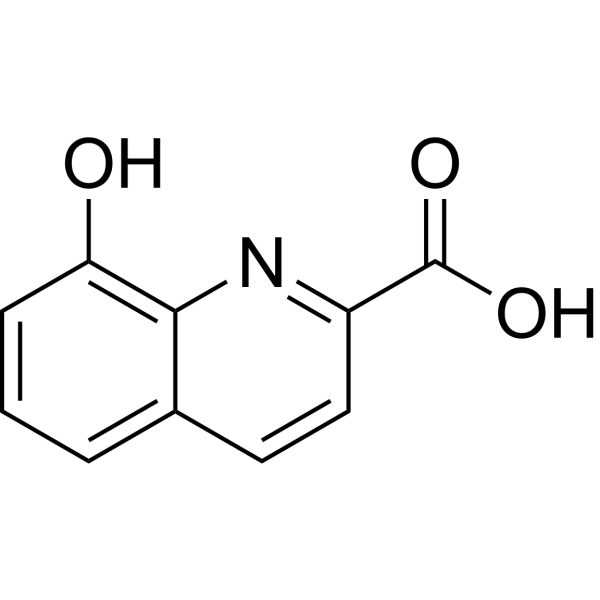
BAY32-5915 is a potent IKKα inhibitor with an IC50 value of 60 nM. BAY32-5915 has not affect Doxorubicin (HY-15142A)-induced NF-κB activation .
|
-
-
- HY-117071
-
|
Ro 115-1240
|
Adrenergic Receptor
Apoptosis
|
Cardiovascular Disease
Endocrinology
|
|
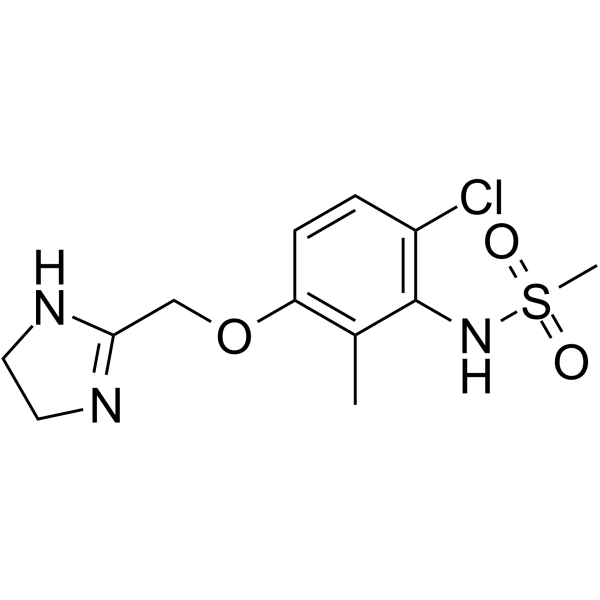
Dabuzalgron (Ro 115-1240) is an orally active and selective α-1A adrenergic receptor agonist for the treatment of urinary incontinence. Dabuzalgron protects against Doxorubicin-induced cardiotoxicity by preserving mitochondrial function .
|
-
-
- HY-121309
-
|
Adriamycin aglycone; Adriamycinone
|
NF-κB
TNF Receptor
Interleukin Related
Drug Derivative
|
Inflammation/Immunology
Cancer
|
|
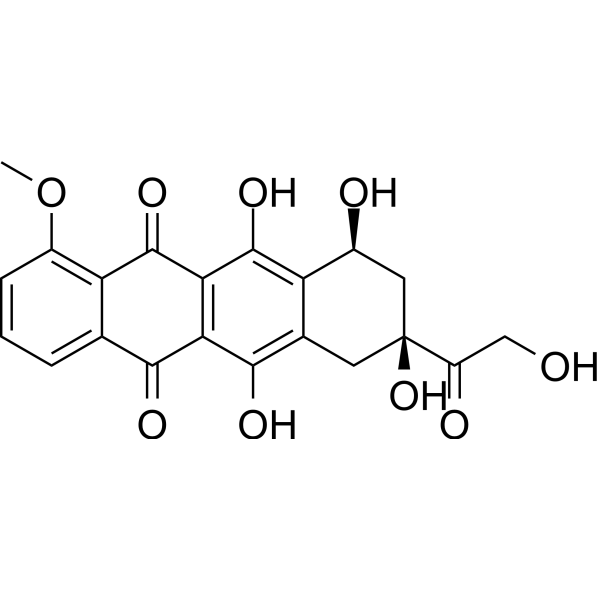
Doxorubicinone (Adriamycin aglycone) is the aglycone of the antibiotic Doxorubicin (HY-15142A), i.e., its sugar-free parent nucleus structure. Doxorubicinone does not induce DNA damage or bind to RelA, but still downregulates the expression of pro-inflammatory cytokines (such as TNF, IL-12, etc.) regulated by the NF-κB pathway. Doxorubicinone can be used in sepsis-related research .
|
-
-
- HY-16532
-
|
AEZS-108; AN-152
|
Peptide-Drug Conjugates (PDCs)
GnRH Receptor
|
Cancer
|
|
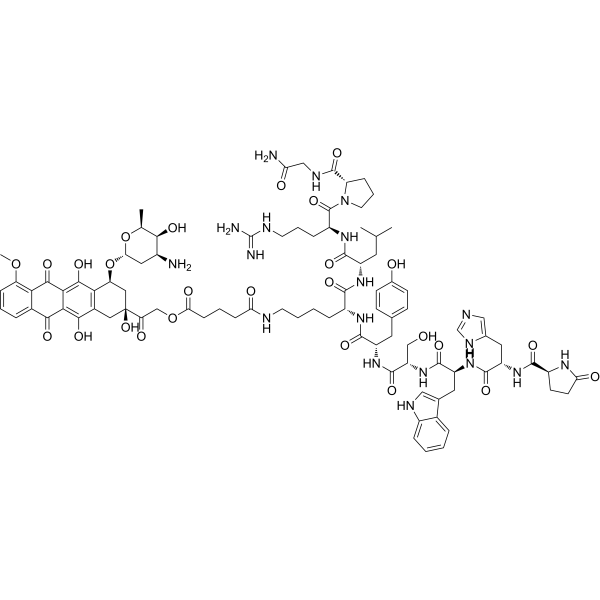
Zoptarelin doxorubicin (AEZS-108; AN-152) is a hybrid anticancer agent, containing Zoptarelin and Doxorubicin. Zoptarelin doxorubicin has been used to research targeting tumors expressing LHRH receptors. Zoptarelin doxorubicin abolishes tumor progression and induces remarkable apoptosis in vitro .
|
-
-
- HY-176806
-
|
Doxorubicin-LNAA-Boc
|
Drug Derivative
|
Cancer
|
|
Legubicin (Doxorubicin-LNAA-Boc) is a novel conjugate of Doxorubicin (HY-15142A) and a Legumain-cleavable peptide linker. Legubicin is activated by Legumain to release leucine-doxorubicin while sparing normal tissues. Legubicin inhibits tumor cell growth and reduces DNA binding in non-legumain expressing cells. Legubicin completely arrests tumor growth in mice bearing CT26 tumors. Legubicin can be used for the study of colon carcinoma (CRC) .
|
-

-
- HY-136288
-
|
|
Drug-Linker Conjugates for ADC
|
Cancer
|
|
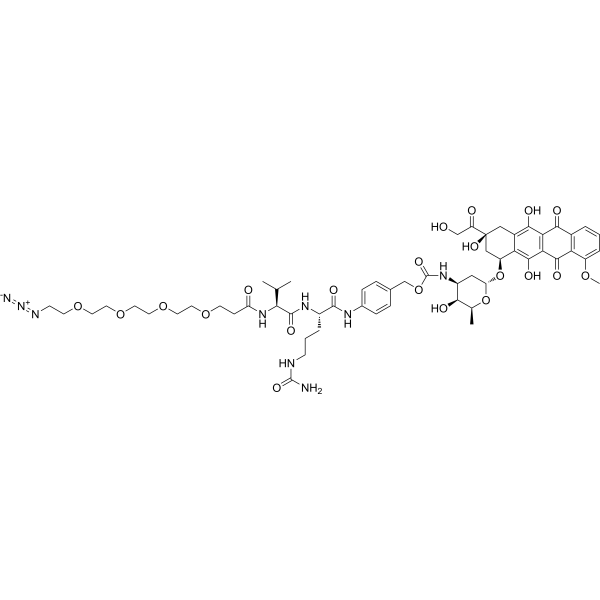
Azide-PEG4-VC-PAB-Doxorubicin is a agent-linker conjugate composed of a cytotoxic anthracycline antibiotic Doxorubicin and a linker Azide-PEG4-VC-PAB to make antibody agent conjugate (ADC) . Azide-PEG4-VC-PAB-Doxorubicin is a click chemistry reagent, it contains an Azide group and can undergo copper-catalyzed azide-alkyne cycloaddition reaction (CuAAc) with molecules containing Alkyne groups. It can also undergo strain-promoted alkyne-azide cycloaddition (SPAAC) reactions with molecules containing DBCO or BCN groups.
|
-
-
- HY-D0226
-
|
1,4-Dihydroxyanthraquinone
|
DNA/RNA Synthesis
Fungal
|
Infection
Cancer
|
|
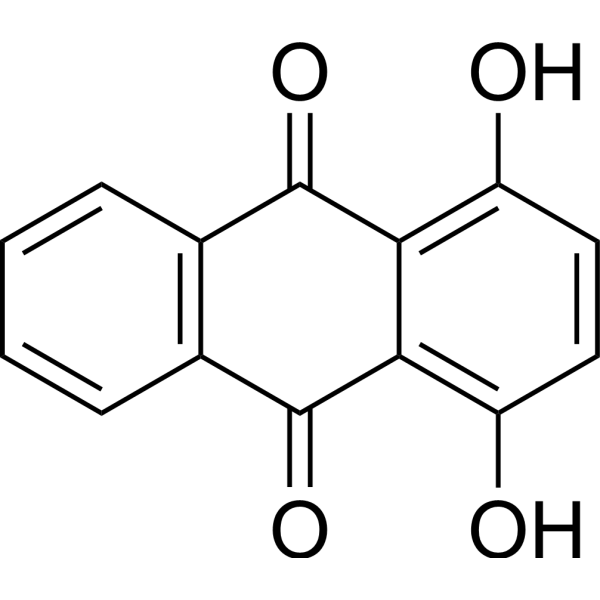
Quinizarin (1,4-Dihydroxyanthraquinone), a part of the anticancer agents such as Doxorubicin, Daunorubicin, and Adriamycin, interacts with DNA by intercalating mode (Kd=86.1 μM). Quinizarin is used as a fungicide and pesticide chemical and has shown the ability to inhibit tumor cell growth .
|
-
-
- HY-120504
-
|
|
Bacterial
|
Infection
Cancer
|
|
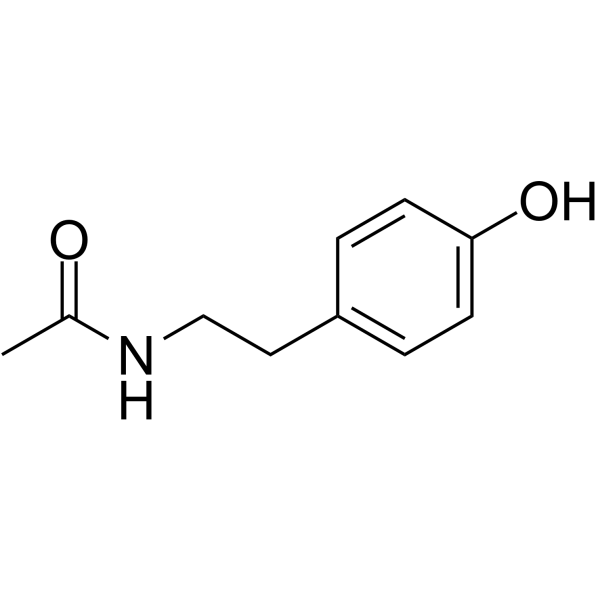
N-Acetyltyramine is a quorum-sensing inhibitor (QSI) compound produced by V. alginolyticus M3-10. N-Acetyltyramine is capable of inhibiting the QS of C. violaceum ATCC 12472. N-acetyltyramine reverses resistance in Doxorubicin-resistant leukemia P388 cells .
|
-
-
- HY-153797
-
-
-
- HY-16261A
-
|
(E/Z)-AlDoxorubicin; Doxorubicin(6-maleimidocaproyl)hydrazone
|
ADC Payload
Topoisomerase
|
Cancer
|
|
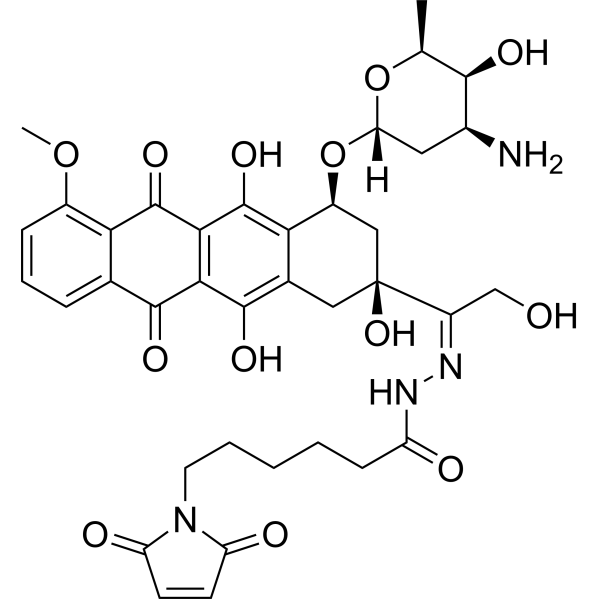
MC-DOXHZN ((E/Z)-Aldoxorubicin; Doxorubicin(6-maleimidocaproyl)hydrazone) is an albumin-binding proagent of Doxorubicin (HY-15142A) (DNA topoisomerase II inhibitor), with acid-sensitive properties. MC-DOXHZN can be used to synthesize ADC .
|
-
-
- HY-B1041A
-
|
Pimagedine; GER-11free base ; Aminoguanidinium
|
NO Synthase
Apoptosis
|
Endocrinology
|
|
Aminoguanidine (Pimagedine hydrochloride) is an inhibitor of diamine oxidase and nitric oxide synthase. Aminoguanidine has a dose-dependent inhibitory effect on apoptosis induced by Doxorubicin (HY-15142). Aminoguanidine has antioxidant properties. Aminoguanidine can be used in diabetic nephropathy research .
|
-

-
- HY-W441002
-
|
|
Drug Derivative
Drug Intermediate
|
Cancer
|
|
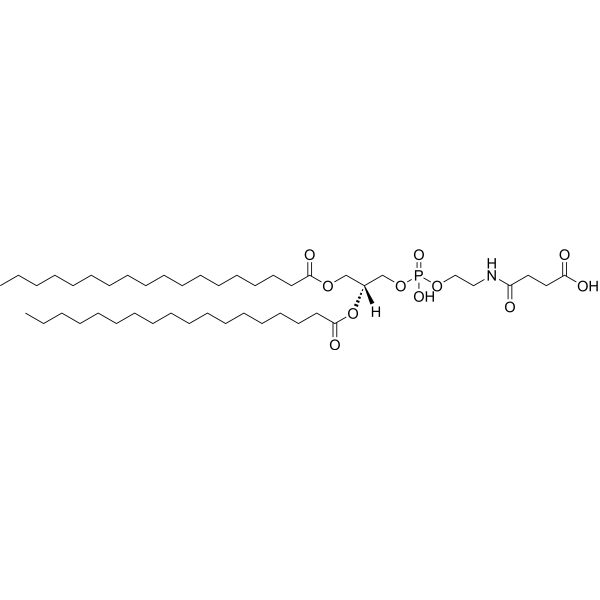
DSPE-succinic acid is a derivative of Succinic acid (HY-N0420) and an intermediate of DSPE-Doxorubicin. DSPE-succinic acid can be used to synthesize DSPE-Doxorubicin via EDC/NHS activation. DSPE-succinic acid is applicable to the research of triple-negative breast cancer .
|
-
-
- HY-N1514
-
|
|
P-glycoprotein
|
Cancer
|
|
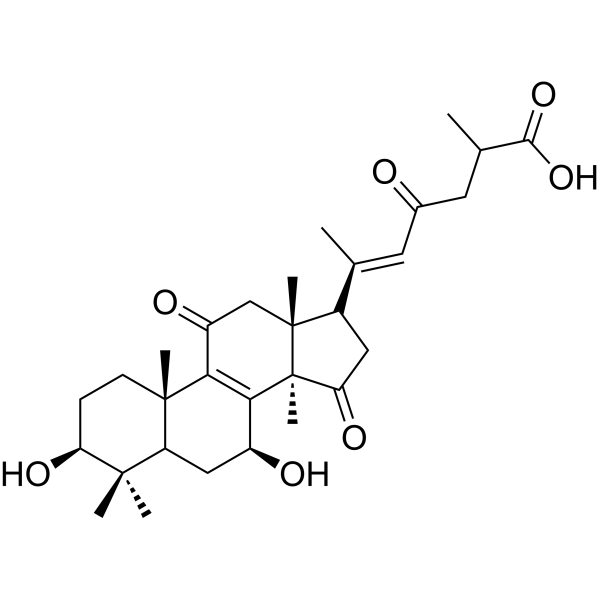
Ganoderenic acid B is a lanostane-type triterpene isolated from Ganoderma lucidum. Ganoderenic acid B exhibits potent reversal effect on ABCB1-mediated multidrug resistance of HepG2/ADM cells to Doxorubicin .
|
-
-
- HY-119823
-
|
|
P-glycoprotein
|
Cancer
|
|
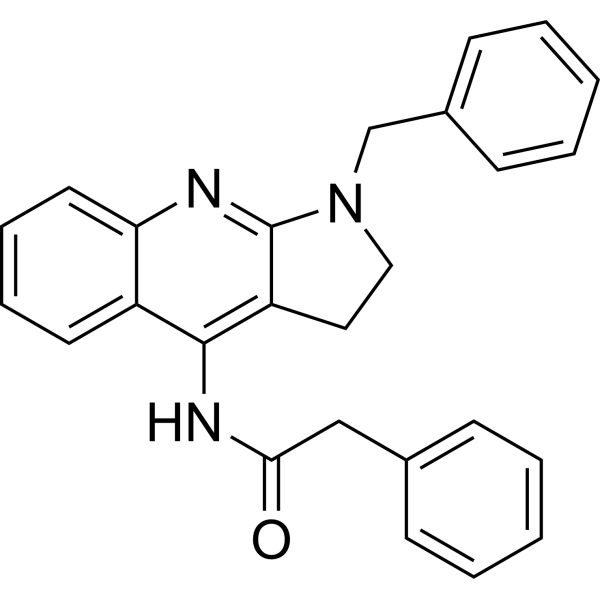
PGP-4008 is a specific P-glycoprotein (Pgp) inhibitor. PGP-4008 inhibits tumor growth in a murine syngeneic Pgp-mediated multiple agent resistance (MDR) solid tumor model when given in combination with Doxorubicin .
|
-
-
- HY-160774
-
|
|
Drug-Linker Conjugates for ADC
Topoisomerase
|
Cancer
|
|
Val-Cit-PABC-DOX (compound 10109), an epsilon-poly-L-lysine-based drug conjugate, is an agent-linker conjugate for ADC by using a DNA topoisomerase I and topoisomerase II inhibitor, Doxorubicin (HY-15142), linked via the linker, Val-Cit-PABC .
|
-

-
- HY-158329
-
-

-
- HY-15142AS1
-
|
Hydroxydaunorubicin-13C,d3 TFA
|
Isotope-Labeled Compounds
Antibiotic
Endogenous Metabolite
|
Infection
Cancer
|
|
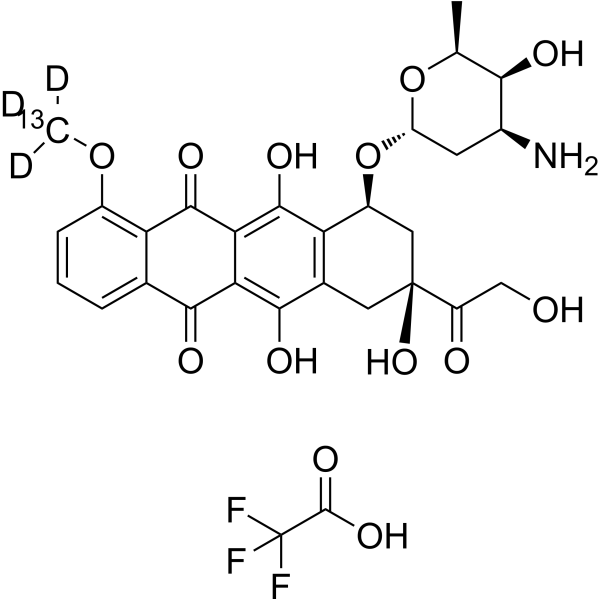
Doxorubicin- 13C,d3 TFA is the deuterium and 13C labeled Doxorubicin. Doxorubicin (Hydroxydaunorubicin), a cytotoxic anthracycline antibiotic, is an anti-cancer chemotherapy agent. Doxorubicin inhibits topoisomerase II with an IC50 of 2.67 μM, thus stoppin
|
-
-
- HY-177083
-
|
AVA-6000
|
FAP
|
Cancer
|
|
Faridoxorubicin (AVA-6000) is a prodrug targeting fibroblast activation protein α (FAPα). Faridoxorubicin releases active doxorubicin through FAPα-mediated cleavage, enhancing intratumoral drug exposure and reducing cardiac toxicity. Faridoxorubicin is promising for research of solid tumors (e.g., colorectal cancer liver metastasis) .
|
-

-
- HY-152965
-
-
-
- HY-141158
-
|
|
ADC Linker
|
Cancer
|
|
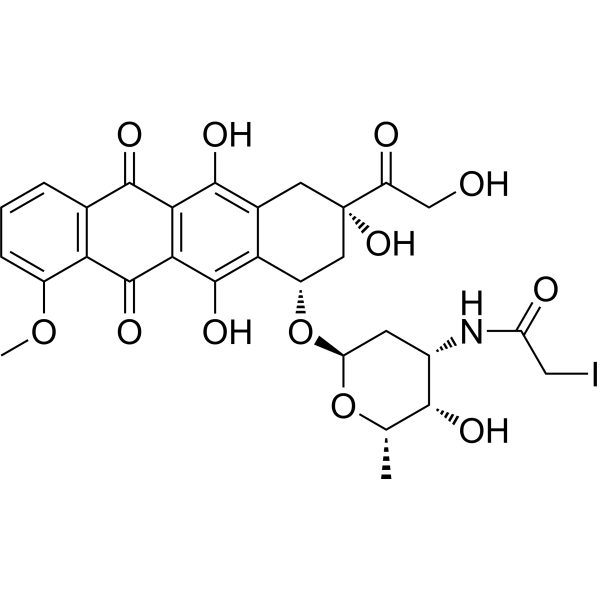
N-(Iodoacetamido)-Doxorubicin is a cleavable ADC linker used in the synthesis of antibody-drug conjugates (ADCs) .
|
-
-
- HY-162324
-
|
|
Survivin
|
Cancer
|
|
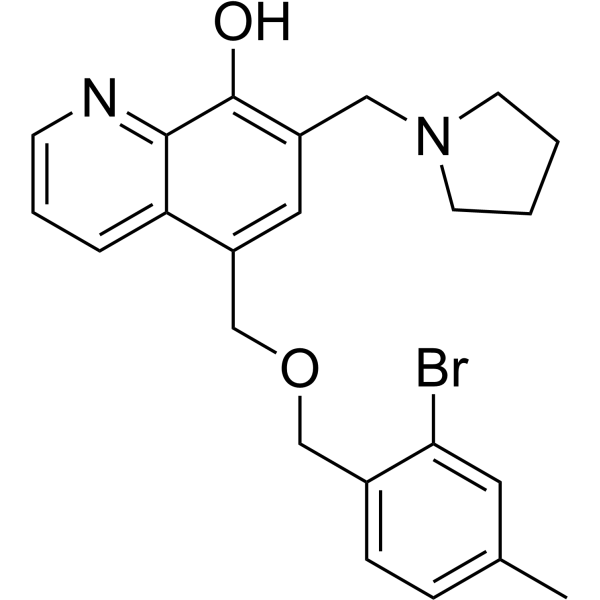
MX106-4C is a survivin inhibitor that selectively kills ABCB1-positive colorectal cancer cells. MX106-4C can exert synergistic anticancer effects with Doxorubicin or resensitize drug-resistant ABCB1 cells to Doxorubicin .
|
-
-
- HY-P10759
-
|
|
Peptide-Drug Conjugates (PDCs)
Aminopeptidase
|
Cancer
|
|
DTS-201 sodium (CPI-0004Na) is a peptidic prodrug of Doxorubicin (HY-15142A). DTS-201, comprising the tetrapeptide portion, is cleaved by endopeptidases in the tumor environment to produce metabolites that subsequently enter the cell and are converted to active Doxorubicin. DTS-201 shows antitumoral efficacy in tumor xenograft models of prostate, breast, and lung cancer .
|
-

-
- HY-P11153
-
|
|
Estrogen Receptor/ERR
|
Cancer
|
|
HGH fragment 176-191 is a fragment of Human Growth Hormone. HGH fragment 176-191 binds with high affinity to Ki-67, MiB protein, and the estrogen receptor. HGH fragment 176-191 enhances the toxicity of Doxorubicin (HY-15142A)-loaded Chitosan nanoparticles against breast cancer .
|
-

-
- HY-13745
-
|
MEN 10755
|
Topoisomerase
|
Cancer
|
|
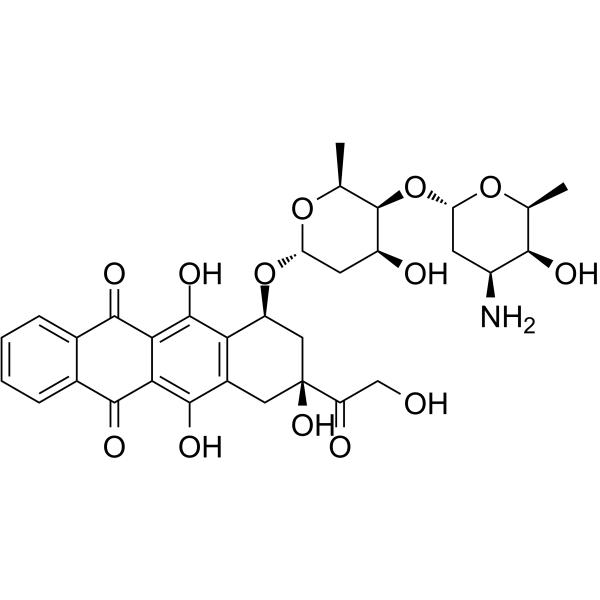
Sabarubicin is a doxorubicin disaccharide analogue with striking antitumor activity. Sabarubicin is more effective than doxorubicin as a topoisomerase II poison and stimulated DNA fragmentation at lower intracellular concentrations.
|
-
-
- HY-129410
-
|
|
Endogenous Metabolite
|
Others
|
|
ADR-925 is an active chelated iron metabolite with the ability to protect neonatal rat cardiomyocytes from doxorubicin (HY-15142A)-induced damage .
|
-

-
- HY-125807
-
|
|
G Protein-coupled Receptor Kinase (GRK)
Apoptosis
Reactive Oxygen Species (ROS)
Akt
p38 MAPK
|
Cardiovascular Disease
Cancer
|
|
IS20 is a Prokineticin receptor 1 (PKR1) agonist. IS20 diminishes Doxorubicin (HY-15142A) mediated apoptosis and ROS production by activating Akt or MAPK pathways. IS20 protects the heart against Doxorubicin-induced cardiovascular toxicity and improves the survival rate and cardiac function in mouse models. IS20 does not alter the cytotoxicity and antitumor activity of acute DOX treatment in breast cancer cells and MDA-MB-231 xenograft mouse models. IS20 can be used for cancers research .
|
-

-
- HY-154797
-
|
|
Topoisomerase
|
Cancer
|
|
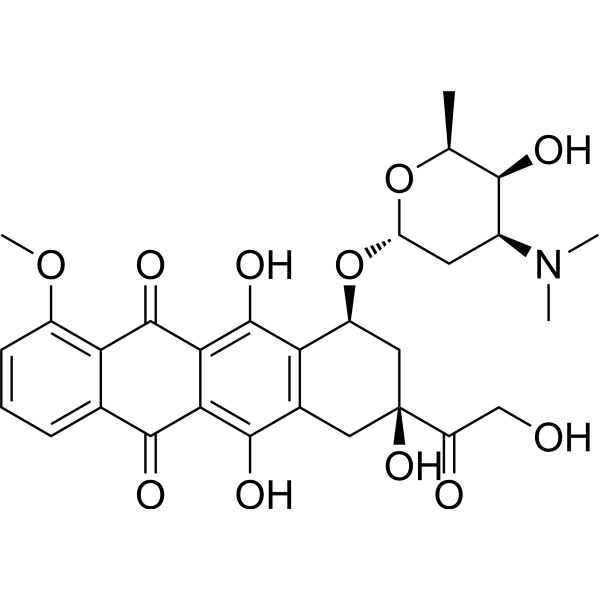
N,N-Dimethyldoxorubicin is a Doxorubicin (HY-15142A) analogue. N,N-Dimethyldoxorubicin shows cytotoxicity against a panel of tumor cell lines (IC50s < 0.3 μM) .
|
-
-
- HY-N3486
-
|
|
Autophagy
|
Cardiovascular Disease
|
|
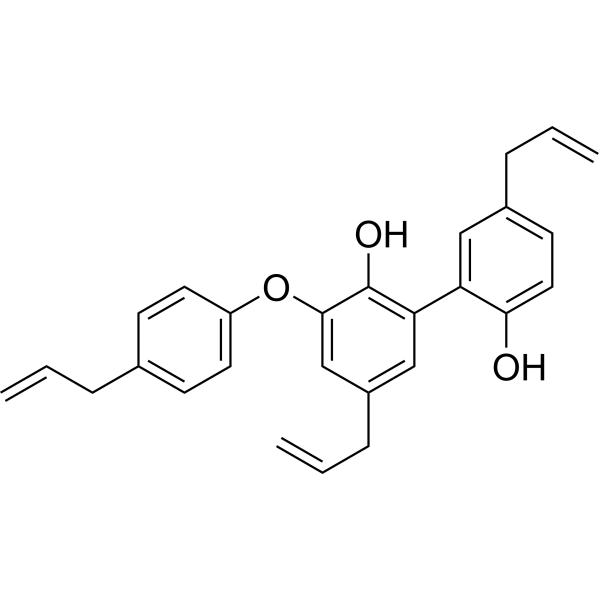
Isodunnianol is a autophagy inducer. Isodunnianol induces autophagy and increases he expression of pAMPK172, pULK1555,decreases teh expression of pULK1757, SQSTM2. Isodunnianol decreases Doxorubicin (HY-15142A)-induced cardiotoxicity .
|
-
-
- HY-146391
-
|
|
P-glycoprotein
|
Cancer
|
|
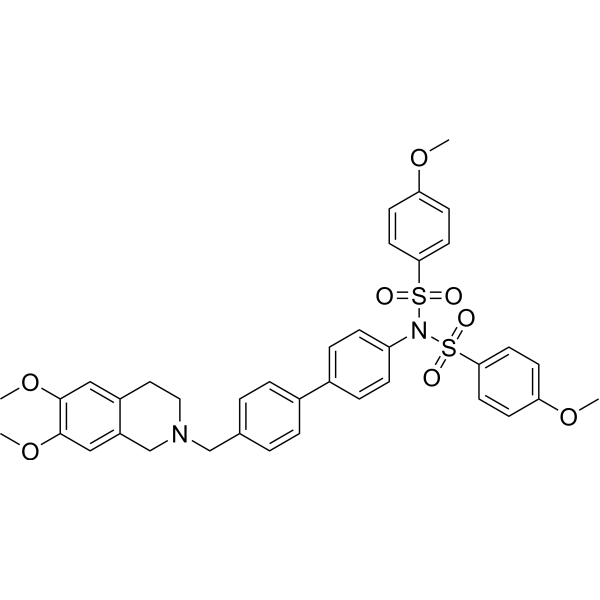
P-gp inhibitor 4 (Compound 8b) is a selective P-glycoprotein modulator with an EC50 of 94 nM. P-gp inhibitor 4 increases agent transport across gastro-intestinal barrier and recovers doxorubicin toxicity in multidrug resistant cancer cells .
|
-
-
- HY-W440899
-
|
|
Liposome
|
Others
|
|
DSPE-PEG1000-SPDP is a thiol reactive PEG lipid. The polymer is amphiphilic and spontaneously forms lipid bilayer in water. It can be used to encapsulate nutrients or therapeutics for targeted drug delivery, for example mRNA or DNA vaccine, liposomal doxorubicin for anti tumor.
|
-

-
- HY-16261C
-
|
INNO-206 hydrochloride; DOXO-EMCH hydrochloride
|
Topoisomerase
ADC Payload
|
Cancer
|
|
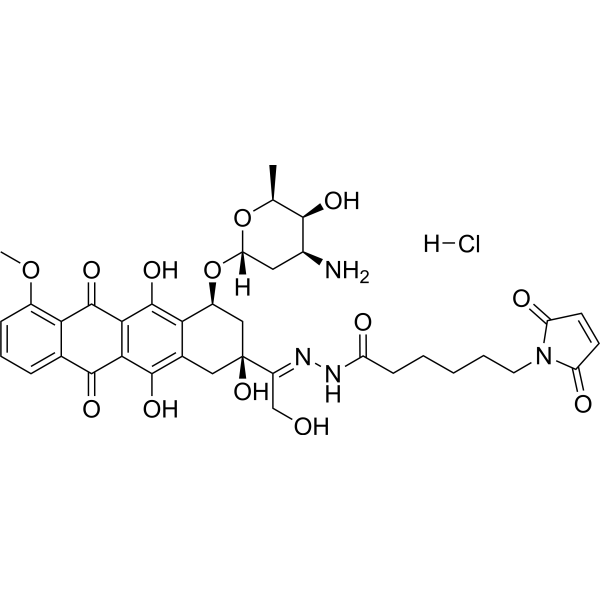
Aldoxorubicin (INNO-206) hydrochloride is an albumin-binding proagent of Doxorubicin (DNA topoisomerase II inhibitor), which is released from albumin under acidic conditions. Aldoxorubicin hydrochloride (INNO-206) has potent antitumor activities in various cancer cell lines and in murine tumor models.
|
-
-
- HY-130908
-
|
|
Biochemical Assay Reagents
|
Cancer
|
|
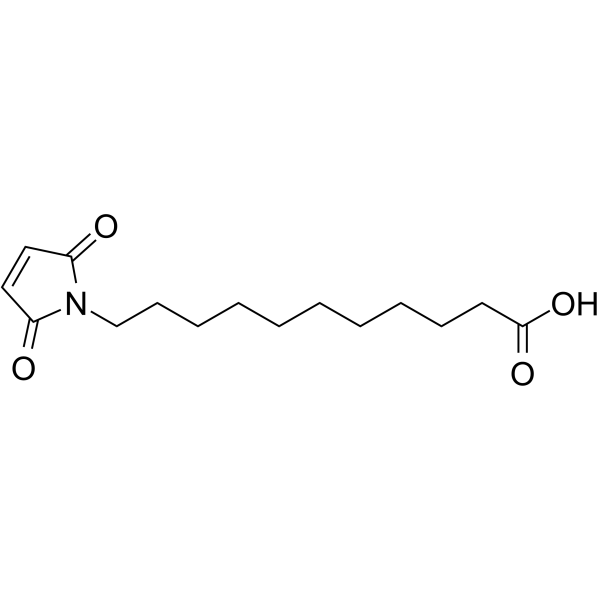
11-Maleimidoundecanoic acid is a maleimide-containing hydrophobic core former. 11-Maleimidoundecanoic acid forms a hydrophobic core via maleimide-thiol coupling with cysteine residues on polypeptides, enabling stable loading and controllable release of Doxorubicin (HY-15142A). 11-Maleimidoundecanoic acid can be used for the research of breast cancer .
|
-
-
- HY-145427
-
|
|
DNA-PK
|
Cancer
|
|
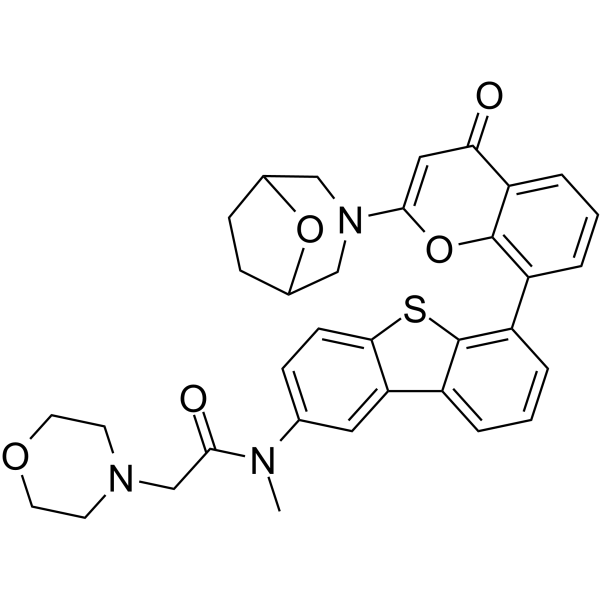
NU5455 is a potent, selective, and orally active inhibitor of DNA-PKcs. NU5455 administration increases both the efficacy and the toxicity of a parenterally administered topoisomerase inhibitor. NU5455 enhances the activity of Doxorubicin released locally in liver tumor xenografts without inducing any adverse effect .
|
-
- HY-147971
-
|
|
Parasite
Topoisomerase
|
Infection
Cancer
|
|
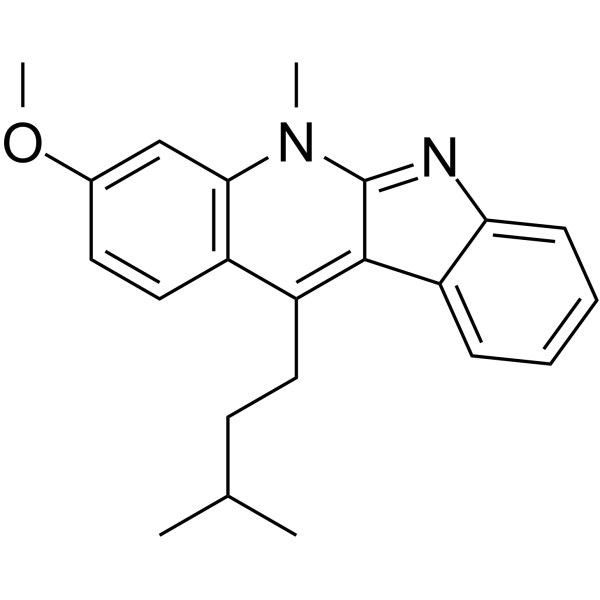
Anticancer agent 75 is a potent anticancer agent. Anticancer agent 75 shows cytotoxicity and selectivity in cancer cell lines. Anticancer agent 75 shows cytotoxicity to normal human kidney cell lines is at least 35 times lower than that of the Doxorubicin standard. Anticancer agent 75 shows good activity of antiplasmodial .
|
-
- HY-12458
-
|
|
DNA/RNA Synthesis
|
Infection
Cancer
|
|
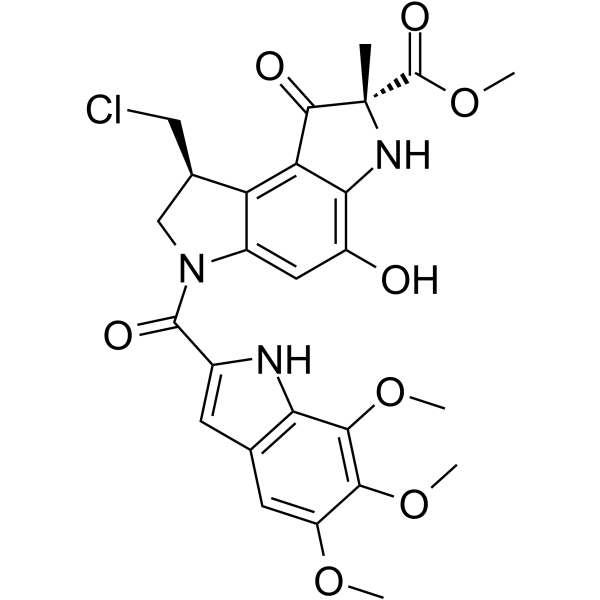
Pyrindamycin A is an antibiotic that inhibits DNA synthesis. Pyrindamycin A shows antitumor activities against murine leukemia, exhibits stronger cytotoxic activities towards murine and human tumor cell lines and especially towards doxorubicin-resistant cells, inhibits P388 and P388/ADR cells with the same IC50 of 3.9 μg/ml .
|
-
- HY-121309R
-
|
Adriamycin aglycone (Standard); Adriamycinone (Standard)
|
Reference Standards
NF-κB
TNF Receptor
Interleukin Related
Drug Derivative
|
Inflammation/Immunology
Cancer
|
|
Doxorubicinone (Adriamycin aglycone) (Standard) is the analytical standard of Doxorubicinone. This product is intended for research and analytical applications. Doxorubicinone is the aglycone of the antibiotic Doxorubicin (HY-15142A), i.e., its sugar-free parent nucleus structure. Doxorubicinone does not induce DNA damage or bind to RelA, but still downregulates the expression of pro-inflammatory cytokines (such as TNF, IL-12, etc.) regulated by the NF-κB pathway. Doxorubicinone can be used in sepsis-related research.
|
-

- HY-167021
-
|
|
Biochemical Assay Reagents
|
Cancer
|
|
Cholesterol-doxorubicin is a cholesterol conjugate with good storage stability, low hematotoxicity, and controllable drug delivery properties. Cholesterol-doxorubicin can be used in drug delivery research .
|
-

- HY-15794A
-
|
Methoxymorpholinyl Doxorubicin hydrochloride; FCE 23762 hydrochloride; PNU 152243A
|
G-quadruplex
|
Cancer
|
|
Nemorubicin hydrochloride is a derivative of doxorubicin, and has antitumor activity. Nemorubicin hydrochloride, not only intercalate into the duplex DNA, but also result in significant ligands for G-quadruplex DNA segments, stabilizing their structure.
|
-

- HY-15794G
-
|
Methoxymorpholinyl Doxorubicin; FCE 23762; PNU 152243
|
G-quadruplex
|
Cancer
|
|
Nemorubicin (Methoxymorpholinyl doxorubicin) GMP is a GMP-class Nemorubicin (HY-15794). Nemorubicin is a Doxorubicin derivative with potent antitumor activity. Nemorubicin is highly cytotoxic to a variety of tumor cell lines presenting a multidrug-resistant phenotype. Nemorubicin not only intercalate into the duplex DNA, but also result in significant ligands for G-quadruplex DNA segments, stabilizing their structure. Nemorubicin requirs an intact nucleotide excision repair (NER) system to exert its activity .
|
-
- HY-106154
-
|
|
Peptide-Drug Conjugates (PDCs)
Aminopeptidase
|
Cancer
|
|
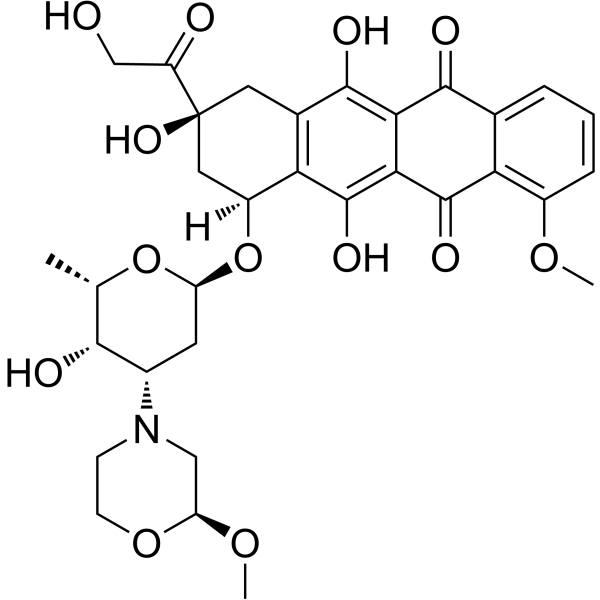
DTS-201 (CPI-0004) is a peptidic prodrug of Doxorubicin (HY-15142A). DTS-201, comprising the tetrapeptide portion, is cleaved by endopeptidases in the tumor environment to produce metabolites that subsequently enter the cell and are converted to active Doxorubicin. DTS-201 shows antitumoral efficacy in tumor xenograft models of prostate, breast, and lung cancer .
|
-

- HY-147968
-
|
|
Others
|
Cancer
|
|
Anticancer agent 74 is a moderate anticancer agent. Anticancer agent 74 has lower selectivity and cytotoxicity than doxorubicin to normal cell .
|
-
- HY-126735
-
|
|
Antibiotic
Bacterial
|
Infection
|
|
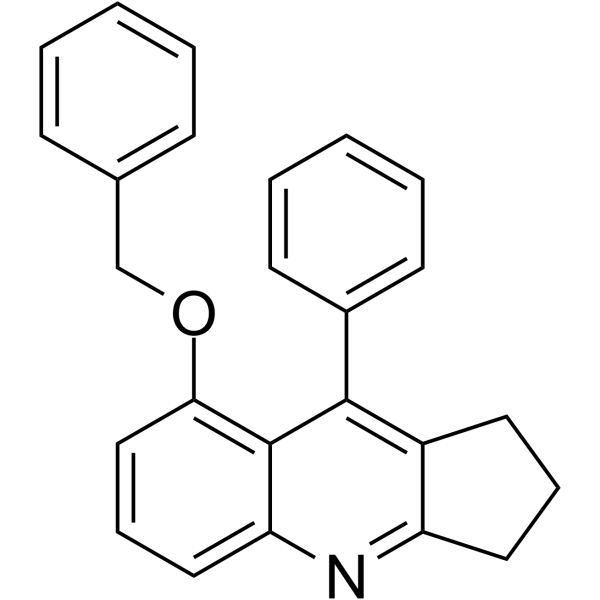
Saquayamycin D is an antibiotic, which can be isolated from Streptomyces nodosus culture broth. Saquayamycin D exhibits antibacterial activity against various gram-positive bacteria with MIC of 12.5-50 μg/mL. Saquayamycin D inhibits the proliferation of Doxorubicin (HY-15142)-sensitive P388/S and Doxorubicin-resistant P388/ADR with IC50 of 0.15 and 0.15 μg/mL .
|
-

- HY-N2591A
-
|
|
Endogenous Metabolite
|
Cancer
|
|
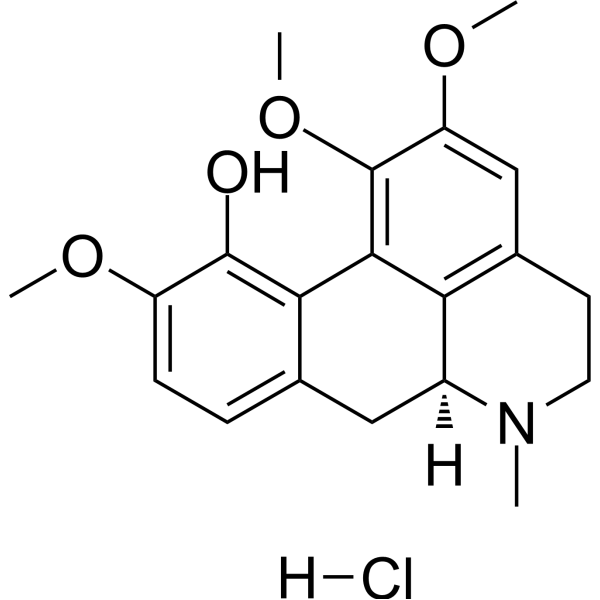
Isocorydine hydrochloride is isolated from Dicranostigma leptopodum (Maxim.) Fedde (DLF). Isocorydine hydrochloride combines with Doxorubicin (DOX) has a promising potential to eradicate hepatocellular carcinoma (HCC) .
|
-
- HY-N2591R
-
|
|
Reference Standards
Endogenous Metabolite
|
Cancer
|
|
Isocorydine is isolated from Dicranostigma leptopodum (Maxim.) Fedde (DLF). Isocorydine combines with Doxorubicin (DOX) has a promising potential to eradicate hepatocellular carcinoma (HCC) .
|
-

- HY-126170
-
|
|
Antibiotic
Bacterial
|
Infection
Cancer
|
|
Valanimycin is an antibiotic, which inhibits Escherichia coli (BE1121) through interaction with DNA. Valanimycin exhibits cytotoxicity to mouse leukemia L1210, P388/S (doxorubicin (HY-15142A)-sensitive), and P388/ADR (doxorubicin-resistant), with IC50 of 0.79, 2.65, and 1.44 μg/mL, respectively. Valanimycin exhibits antitumor efficacy against ehrlich ascites tumors or L1210 in mice .
|
-

- HY-P2004
-
|
|
MMP
|
Cancer
|
|
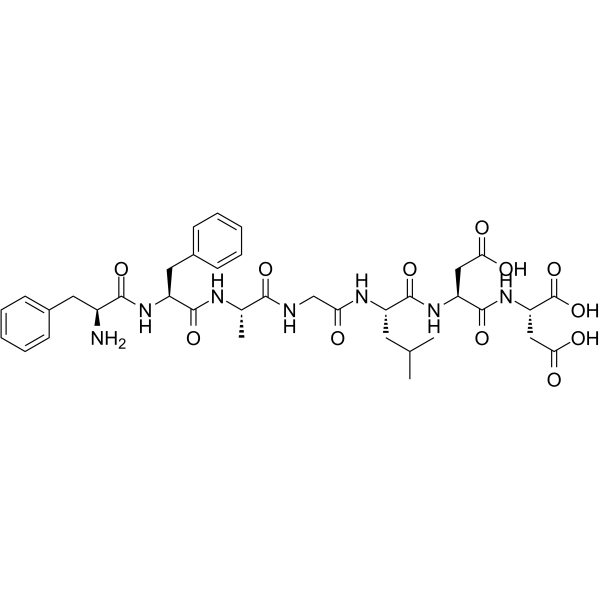
FFAGLDD is MMP9 selective cleavage peptides, which used for cytosolic delivery of Doxorubi-cin (DOX) and achieve temporally and spatially controlled slow drug delivery and release .
|
-
- HY-157330
-
|
|
P-glycoprotein
Apoptosis
|
Cancer
|
|
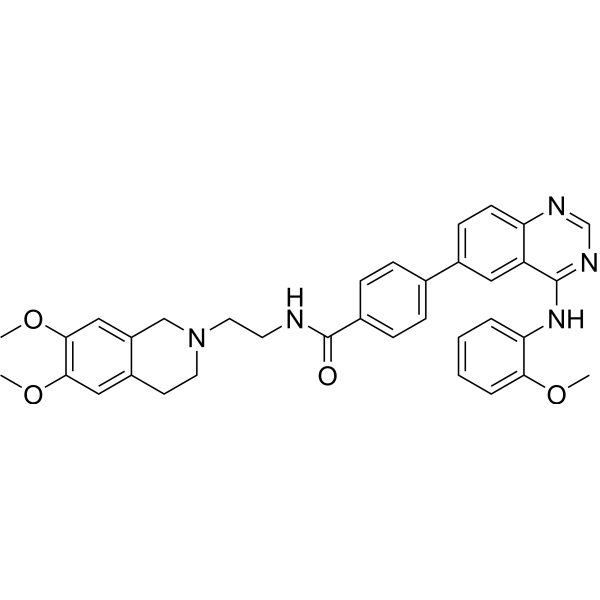
P-gp inhibitor 16 (compound 14) is a p-glycoprotein inhibitor. P-gp inhibitor 16 significantly increases Doxorubicin-induced apoptosis and shows anticancer effects .
|
-
- HY-N3674
-
|
|
TGF-beta/Smad
|
Inflammation/Immunology
|
|
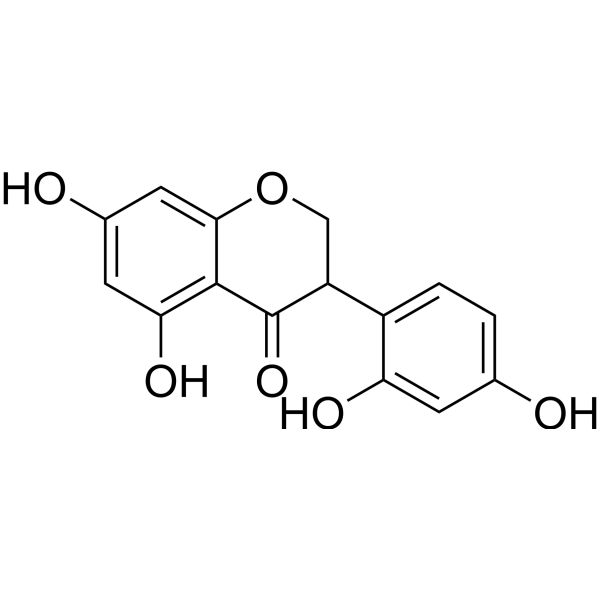
Dalbergioidin, a well-known anthocyanin, ameliorates doxorubicin-induced renal fibrosis by suppressing the TGF-β signal pathway. Dalbergioidin exhibits tyrosinase inhibitory activity with an IC50 of 20 mM .
|
-
- HY-W741181
-
|
EpiDoxorubicinol; 4'-EpiDoxorubicinol
|
Drug Metabolite
|
Cancer
|
|
Epirubicinol is a 13-dihydro metabolite of Epirubicin (HY-13624). Epirubicin has activity similar to Doxorubicin (HY-15142A) in a variety of solid neoplasms and haematologic malignancies .
|
-

- HY-P2004A
-
|
|
MMP
|
Cancer
|
|
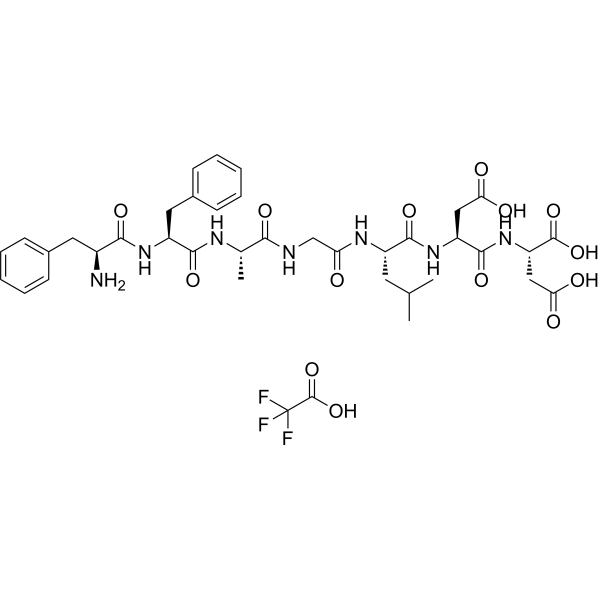
FFAGLDD TFA is MMP9 selective cleavage peptides, which used for cytosolic delivery of Doxorubi-cin (DOX) and achieve temporally and spatially controlled slow drug delivery and release .
|
-
- HY-119034
-
|
|
Drug Derivative
|
Cancer
|
|
AD-20 is an o-methoxyphenylacetyl dehydroalanine derivative. AD-20 can not only reduce the acute and subchronic toxicity of Doxorubicin (HY-15142A), but also enhance its anti-tumor effect .
|
-

- HY-138074
-
|
5-Ketomilbemycin A4 oxime; 5-Oxomilbemycin A4 5-oxime
|
Parasite
|
Infection
|
|
Milbemycin A4 oxime (5-Ketomilbemycin A4 oxime; 5-Oxomilbemycin A4 5-oxime) is a derivative of Milbemycin A4 (HY-126906) and a component of Milbemycin oxime (HY-B0778), both of which have insecticidal and nematicidal activities. Milbemycin A4 oxime (0.05 mg/kg) reduces the number of microfilariae in naturally infected dogs with D. immitis and inhibits the growth of clinical isolates of Candida glabrata (MIC80=16-32 μg/mL). Milbemycin A4 oxime (2.5 μg/mL) blocks the efflux of Fluconazole (HY-B0101) from clinical isolates of Candida glabrata. Milbemycin A4 oxime enhances doxorubicin-induced cell growth inhibition and increases the intracellular accumulation of doxorubicin and P-glycoprotein substrate Rhodamine 123 (HY-D0816) in doxorubicin-resistant but not sensitive MCF-7 breast cancer cells in a concentration-dependent manner.
|
-

- HY-117071A
-
|
Ro 115-1240 hydrochloride
|
Adrenergic Receptor
Apoptosis
|
Cardiovascular Disease
Endocrinology
|
|
Dabuzalgron (Ro 115-1240) hydrochloride is an orally active and selective α-1A adrenergic receptor agonist for the treatment of urinary incontinence. Dabuzalgron hydrochloride protects against Doxorubicin-induced cardiotoxicity by preserving mitochondrial function .
|
-

- HY-144769
-
|
|
Topoisomerase
|
Cancer
|
|
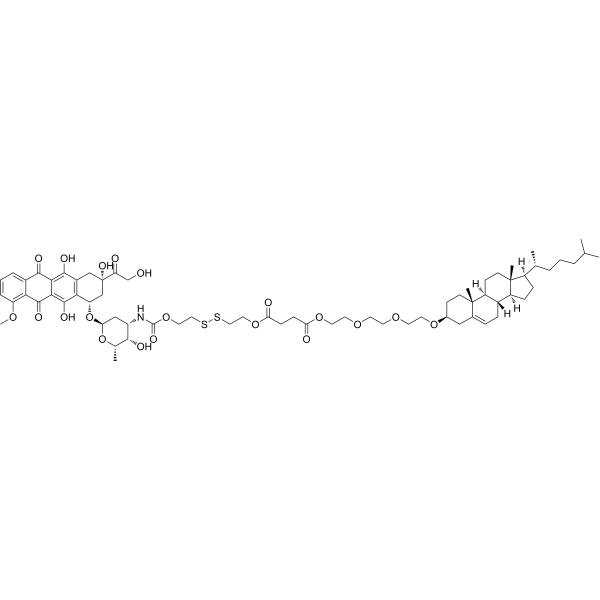
SDOX is the Doxorubicin (DOX) proagent. The loaded DOX proagents (SDOX) which can release the parent agents DOX triggered by excessive GSH in tumor cells, minimize the unexpected side effects on normal tissues without compromising the potency .
|
-
- HY-168779
-
-

- HY-162714
-
|
|
P-glycoprotein
|
Cancer
|
|
C3N-Dbn-Trp2 is an inhibitor for ATP-binding cassette transporter ABCB1. C3N-Dbn-Trp2 inhibits the ABCB1-mediated Rhodamine 123 (HY-D0816) efflux in cells HEK293T and HCT-15 with IC50 of 5.9 µM and 2.2 µM. C3N-Dbn-Trp2 inhibits the Doxorubicin (HY-15142A) efflux, enhances the cytotoxicity of Doxorubicin in ABCB1-expressing cells .
|
-

- HY-167671
-
|
|
Topoisomerase
|
Cancer
|
|
BE-10988 is a DNA topoisomerase inhibitor. BE-10988 inhibits the growth of Doxorubicin (HY-15142A)-resistant and vincristine-resistant P388 mouse leukemia cell lines by increasing the formation of DNA topoisomerase complexes .
|
-

- HY-B0006BS
-
-
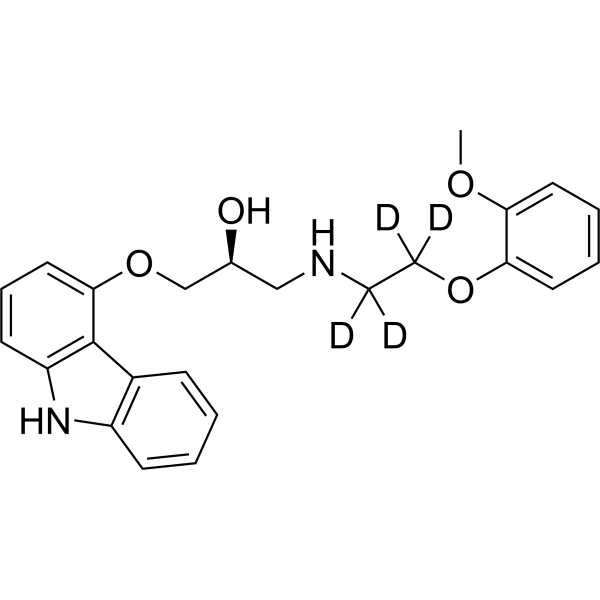
- HY-106195
-
|
|
Peptide-Drug Conjugates (PDCs)
Prostaglandin Receptor
|
Cancer
|
|
L 377202 is a peptide-drug conjugate (PDC). L 377202 consists of Doxorubicin (HY-15142A) and a prostate-specific antigen (PSA)-hydrolyzable peptide. L 377202 demonstrates strong inhibitory effects on PSA-secreting prostate cancer cells. L 377202 is promising for research of prostate cancer .
|
-

- HY-N144114
-
|
|
P-glycoprotein
|
Cancer
|
|
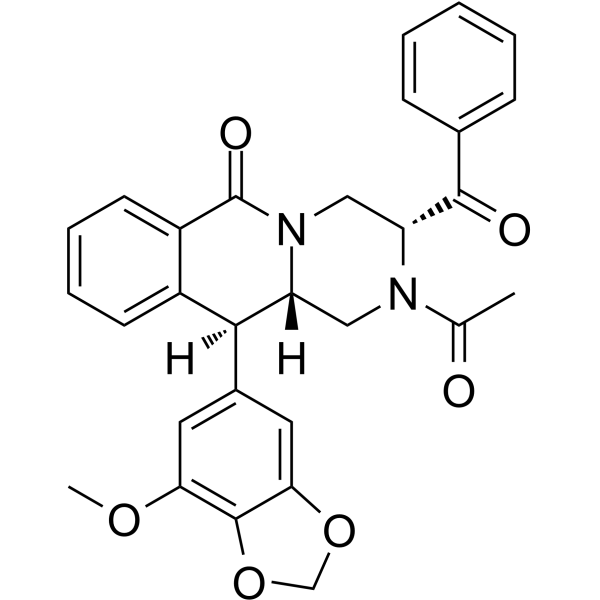
P-gp inhibitor 2 is a potent P-gp inhibitor. P-gp inhibitor 2 shows reverse Doxorubicin resistance (IC50=0.22 µM) in P-gp overexpressing human colorectal carcinoma cells (SW600 Ad300) .
|
-
- HY-N10642
-
|
|
Others
|
Others
|
|
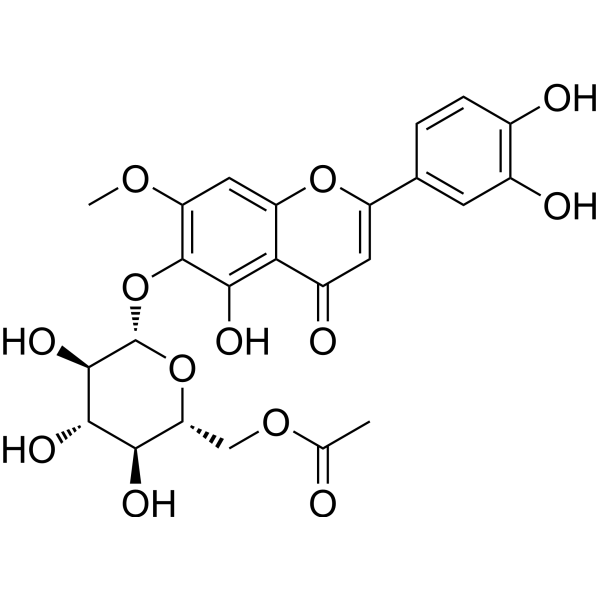
Pedaliin 6''-acetate (compound 10) is a natural product that can be isolated from Dracocephalum tanguticum. Pedaliin 6''-acetate shows antioxidative activity and cytoprotective effect on doxorubicin (DOX)-induced toxicity in H9c2 cardiomyocytes with an EC50 value of 19.1 μM .
|
-
- HY-15434A
-
|
|
MAP3K
MAP4K
|
Cancer
|
|
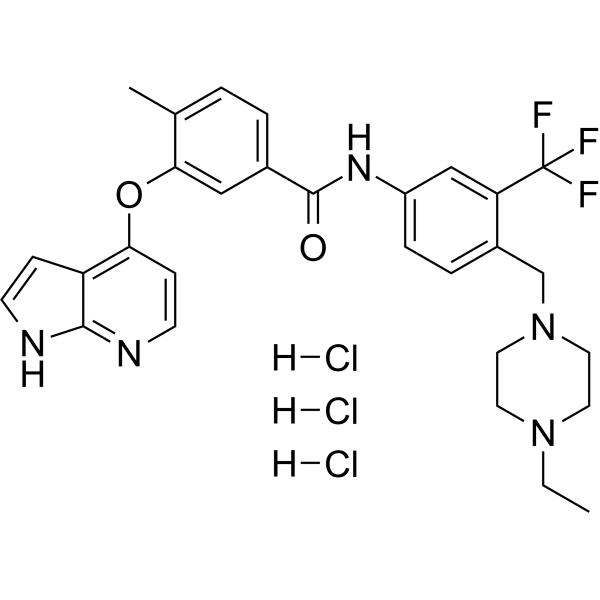
NG25 trihydrochloride is a dual TAK1 and MAP4K2 inhibitor (IC50: 149 nM and 21.7 nM respectively). NG25 sensitizes the breast cancer cells to Doxorubicin (HY-15142A), and enhances apoptosis. NG25 trihydrochloride can be used for research of various cancers .
|
-
- HY-163918
-
|
|
P-glycoprotein
|
Cancer
|
|
N,N-Dimethyl-idarubicin, an Idarubicin (HY-17381) derivative, is a potent histone evictor which does not induce DNA double-strand breaks. N,N-Dimethyl-idarubicin, an anthracycline, is an effective cytotoxic agent for ABCB1-overexpressing, Doxorubicin-resistant cells .
|
-

- HY-162128
-
|
|
Histone Acetyltransferase
|
Cancer
|
|
Antitumor agent-130 (Compound 7b) is a p300 histone acetyltransferases (HAT) inhibitor with an IC50 of 1.51 μM. Antitumor agent-130 combinates with doxorubicin (HY-15142A) can significantly inhibit tumor growth and invasion in vitro and in vivo .
|
-
- HY-W441003
-
|
|
Biochemical Assay Reagents
|
Others
|
|
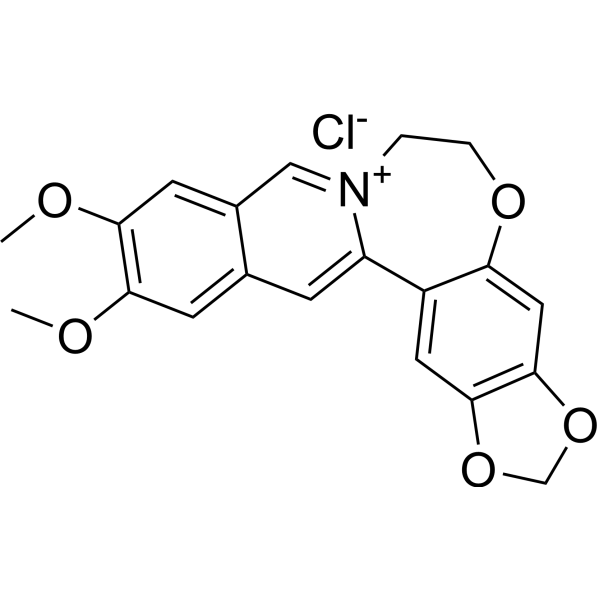
DSPE-PEG2000-IA is a thiol reactive phospholipid polyPEG. The iodoacetyll group is reactive with thiol to produce a thioether linkage. The polymer can self-assemble in water to form lipid bilayer and can be used to encapsulate drugs in targeted delivery application, such as liposomal doxorubicin as an anti cancer drug or mRNA vaccine.
|
-

- HY-150650
-
|
|
Aldose Reductase
|
Cancer
|
|
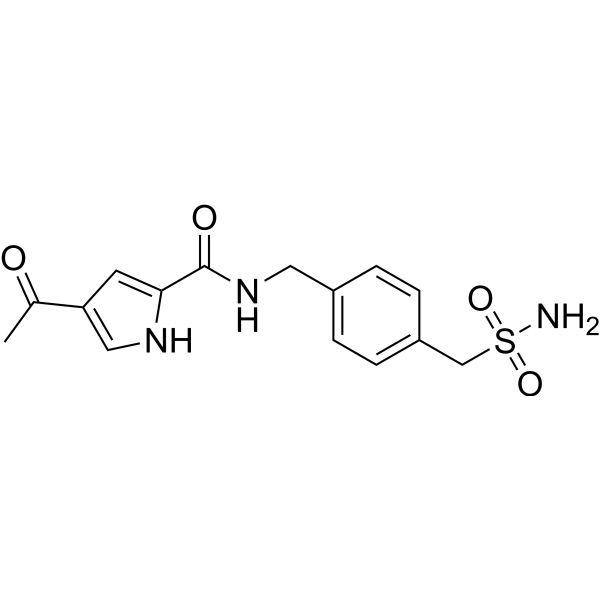
S07-2001 is a potent and selective aldo-keto reductase 1C3 (AKR1C3) inhibitor with an IC50 value of 2.08 μM. S07-2001 enhances the activity of Doxorubicin against cancer cells. S07-2001 has potential as a chemotherapeutic potentiator for cancer agent resistance .
|
-
- HY-N10595
-
|
|
Others
|
Others
|
|
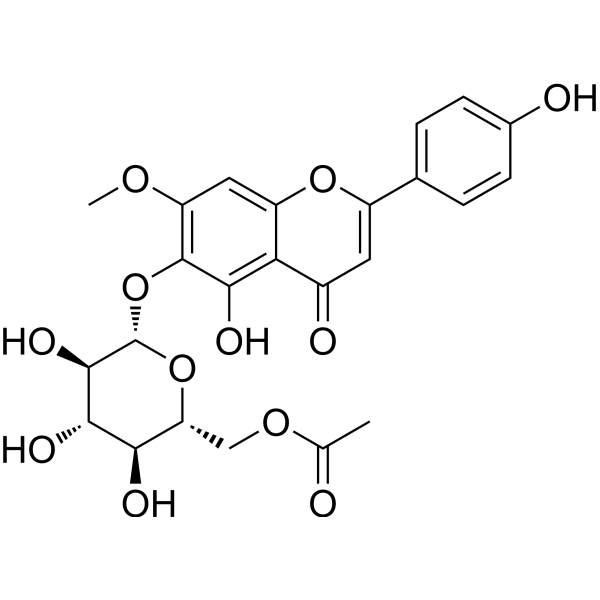
Ladanetin-6-O-β-(6′′-O-acetyl)glucoside is a flavonoid isolated from the whole plants of Dracocephalum tanguticum, with antioxidant ability. Flavonoids from Dracocephalum tanguticum show cardioprotective effects against Doxorubicin (HY-15142A)-induced toxicity in H9c2 cells .
|
-
- HY-185370
-
|
Pegylated liposomal Doxorubicin; Liposomal Doxorubicin; Doxorubicin hydrochloride liposome
|
Liposome
Topoisomerase
Antibiotic
|
Cancer
|
|
Doxorubicin liposome is a liposome-encapsulated form of doxorubicin hydrochloride (HY-15142). Doxorubicin hydrochloride, a cytotoxic anthracycline antibiotic, is a potent human DNA topoisomerase I and topoisomerase II inhibitor. Compared to traditional doxorubicin, liposome encapsulation reduces its cardiotoxicity and prolongs its circulation time, thus enabling it to effectively target tumor tissue.
|
-

- HY-169775
-
|
|
Drug Intermediate
|
Cancer
|
|
Doxorubicin-Boc (Dox-Boc) is a drug intermediate that can be used for the synthesis of Adamantane (HY-N2427)-Doxorubicin (HY-15142A) produrg .
|
-

- HY-W742156
-
|
|
Drug Derivative
|
Others
|
|
N-(9-Fluorenylmethoxycarbonyl) doxorubicin is a derivative of Doxorubicin (HY-15142A) .
|
-

- HY-183866
-
|
Maleimide-KGDEVD-Doxorubicin
|
Peptide-Drug Conjugates (PDCs)
HSP
IFNAR
|
Cancer
|
|
MPD-1 (Maleimide-KGDEVD-doxorubicin) is a peptide drug conjugate (PDC). MPD-1 releases Doxorubicin (HY-15142) via radiation-activated caspase-3 cleavage, triggering a cytotoxic amplification cascade at the tumor site. MPD-1 enhances CD8 + T cell tumor infiltration, and activates antigen-presenting cells. MPD-1 enables dual-trigger payload release, amplifies cytotoxicity via in situ feedback, and selectively delivers payload to tumor microenvironments via enhanced albumin metabolism and macropinocytosis. MPD-1 exhibits antitumor efficacy in mouse colorectal cancer models. MPD-1 can be used for the research of colorectal cancer .
|
-

- HY-101003
-
|
|
Drug Derivative
|
Cancer
|
|
Iododoxorubicin is a derivative of Doxorubicin (HY-15142A) and anticancer agent. Iododoxorubicin has stronger activity against Lewis lung carcinoma than Doxorubicin .
|
-

- HY-178247
-
|
4-Demethoxyadriamycinone
|
Drug Derivative
|
Cancer
|
|
4-Demethoxydoxorubicinone is a derivative of Doxorubicin (HY-15142A). 4-Demethoxydoxorubicinone can be used for the research of cancer .
|
-

- HY-183567
-
|
|
Ferroptosis
Glutathione Peroxidase
Reactive Oxygen Species (ROS)
|
Cardiovascular Disease
|
|
Ferroptosis-IN-27 is a glutathione peroxidase (GPx) mimetic. Ferroptosis-IN-27 inhibits oxidative stress, reduces intracellular ROS levels, decreases lipid peroxidation and alleviates ferrous ion overload, thereby inhibiting ferroptosis and protecting cardiomyocytes from Doxorubicin (HY-15142A)-induced injury. Ferroptosis-IN-27 can be used in studies related to Doxorubicin-induced cardiotoxicity .
|
-

- HY-106502
-
|
|
Drug Derivative
|
Cancer
|
|
4′-Deoxydoxorubicin (Esorubicin) is the derivative of Doxorubicin (HY-15142A). 4′-Deoxydoxorubicin can be used for the research of cancer .
|
-

- HY-180935
-
|
|
Drug Derivative
P-glycoprotein
|
Cancer
|
|
Doxorubamine is a Doxorubicin (HY-15142A) derivative. Doxorubamine is a poor substrate of P-glycoprotein. Doxorubamine efficiently kills agent-sensitive ovarian cancer .
|
-

- HY-106172A
-
|
|
Drug Derivative
|
Cancer
|
|
13-Deoxydoxorubicin (GPX-100) hydrochloride is a non-cardiotoxic analogue of Doxorubicin (HY-15142A). 13-Deoxydoxorubicin hydrochloride can be used in the research of soft tissue sarcoma .
|
-

- HY-180575
-
|
|
Nucleoside Antimetabolite/Analog
Apoptosis
AMPK
Acetyl-CoA Carboxylase
|
Cardiovascular Disease
|
|
LCB-2122 is an adenosine-like nucleoside analogue bearing a C2'-stereogenic all-carbon quaternary center. LCB-2122 can prevent Doxorubicin (HY-15142A)-induced cardiomyocytes apoptosis with an IC50 of 0.5 μM and prevent Imatinib (HY-15463)-induced apoptosis. LCB-2122 can activate AMPK signaling and induce the phosphorylation of AMPK and its downstream substrate, acetyl-CoA carboxylase (ACC). LCB-2122 can reduce Doxorubicin-induced mitochondrial damage. LCB-2122 can be used for the research of heart failure .
|
-

- HY-W207224
-
|
|
MAP4K
|
Cardiovascular Disease
Inflammation/Immunology
|
|
F1386-0303 is a highly selective MAP4K4 inhibitor with an IC50 of 34 nM against human targets. F1386-0303 exerts cardiomyocyte protective and function-preserving effects through mechanisms such as alleviating oxidative stress, inhibiting caspases, and maintaining mitochondrial membrane potential, while it does not interfere with the activity of Doxorubicin (HY-15142A) in cancer cells. F1386-0303 is rapidly cleared and has no bioavailability in mice, but it is well-suited as a tool compound for target validation. F1386-0303 can be applied to studies related to cardiac ischemia-reperfusion injury, Doxorubicin-induced cardiotoxicity, myocardial infarction and other related conditions .
|
-

- HY-183136
-
|
BMY 25801
|
5-HT Receptor
|
Cancer
|
|
Batanopride (BMY 25801) is a selective 5-HT3 receptor antagonist. Batanopride inhibits chemotherapy-induced emesis, and prevents Cisplatin (HY-17394)-, Cyclophosphamide (HY-17420)-, Doxorubicin (HY-15142A)-, and total body irradiation-induced emesis .
|
-

- HY-D3190
-
|
|
Fluorescent Dye
Apoptosis
|
Inflammation/Immunology
|
|
BODIPY-DOX is a conjugate composed of BODIPY and Doxorubicin (HY-15142A), as well as a pH-activated fluorescent probe for M1 macrophages and an apoptosis inducer. BODIPY-DOX undergoes pH-induced hydrazone bond cleavage in acidic M1 macrophage phagosomes, thereby releasing cytotoxic Doxorubicin (Dox) and inhibiting the function of pro-inflammatory M1 macrophages. BODIPY-DOX highly selectively inhibits the production of relevant pro-inflammatory cytokines by mouse and human monocyte-derived M1 macrophages, while exerting minimal effects on M2 or unactivated macrophages. Therefore, BODIPY-DOX enables simultaneous fluorescent tracing, differentiation and elimination of specific macrophage subsets, and exhibits the potential to regulate tissue regeneration in zebrafish models .
|
-

- HY-183140
-
|
|
Acyltransferase
Caspase
|
Cancer
|
|
DH20931 is a ceramide synthase 2 (CerS2) activator. DH20931 inhibits growth of cancer cells by inducing lipotoxic endoplasmic reticulum (ER) stress. DH20931 shows synergistic anti-tumor efficacy with Doxorubicin (HY-15142A). DH20931 can be used for the research of breast cancer .
|
-

- HY-183629
-
|
|
Zinc Finger Protein
Apoptosis
|
Cardiovascular Disease
Cancer
|
|
ZNF281-IN-1 is a ZNF281 inhibitor. ZNF281-IN-1 disrupts the binding of transcriptionally active DNA-bound ZNF281 to the promoters of target genes including TRIM35 and ZEB1. ZNF281-IN-1 inhibits tumor cell proliferation, stabilizes P53 and upregulates PUMA to induce apoptosis, while triggering cellular senescence. ZNF281-IN-1 completely prevents Doxorubicin (HY-15142A)-induced cardiotoxicity (AIC), and enhances rather than impairs the antitumor efficacy of Doxorubicin. ZNF281-IN-1 completely blocks the distant metastasis of melanoma to the lungs. ZNF281-IN-1 can be used in the research of cardiotoxicity, lung cancer and metastatic melanoma .
|
-

- HY-D0226R
-
|
1,4-Dihydroxyanthraquinone (Standard)
|
Reference Standards
DNA/RNA Synthesis
Fungal
|
Infection
Cancer
|
|
Quinizarin (Standard) is the analytical standard of Quinizarin. This product is intended for research and analytical applications. Quinizarin (1,4-Dihydroxyanthraquinone), a part of the anticancer agents such as Doxorubicin, Daunorubicin, and Adriamycin, interacts with DNA by intercalating mode (Kd=86.1 μM). Quinizarin is used as a fungicide and pesticide chemical and has shown the ability to inhibit tumor cell growth .
|
-

- HY-146565
-
|
|
DNA-PK
|
Cancer
|
|
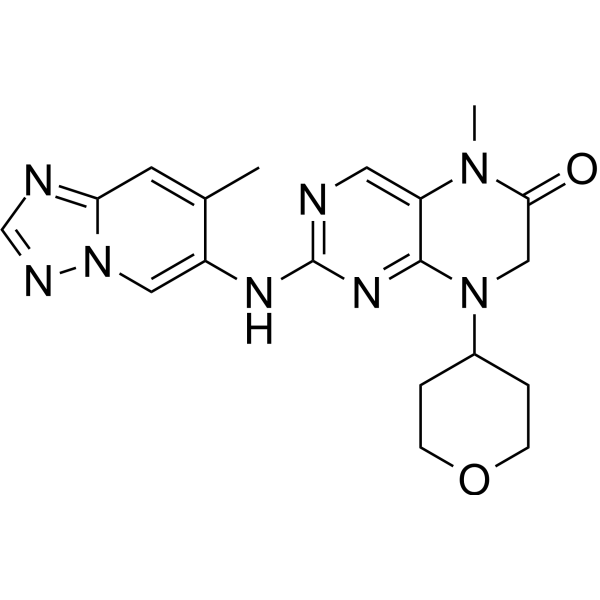
DNA-PK-IN-8 is a highly potent, selective and orally active DNA-dependent protein kinase (DNA-PK) inhibitor with an IC50 value of 0.8 nM. DNA-PK-IN-8 exhibits synergistic antiproliferative activity against a series of cancer cell lines and significantly suppresses HL-60 tumor growth, when using in combination with Doxorubicin .
|
-
- HY-109113
-
|
GPX-150
|
Topoisomerase
|
Cancer
|
|
Camsirubicin (GPX-150) is a non-cardiotoxic Doxorubicin (HY-15142) analog that selectively targets topoisomerase IIβ. Camsirubicin reduces cell viability and clone formation of MDA-MB-468 breast cancer cells. Camsirubicin increases the exposure of CALR and HSP90 on the cell surface. Camsirubicin can be used for the study of breast cancer .
|
-

- HY-B0655
-
|
SQ26991
|
Angiotensin-converting Enzyme (ACE)
Reactive Oxygen Species (ROS)
|
Cardiovascular Disease
|
|
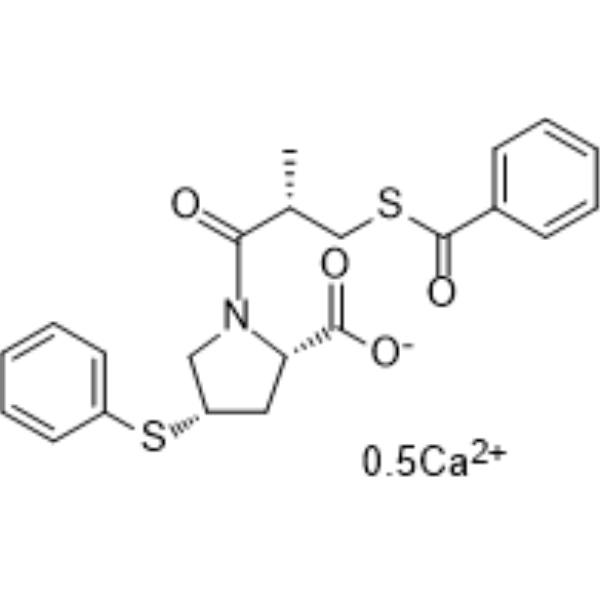
Zofenopril Calcium (SQ26991) is an orally active angiotensin-converting enzyme (ACE) inhibitor with antioxidant activity and cardioprotective effects. Zofenopril Calcium reduces ROS production and GSH consumption and helps inhibit foam cell formation, thus slowing the progression of atherosclerosis. Zofenopril Calcium prevents cardiac damage caused by chronic Doxorubicin (HY-15142A) .
|
-
- HY-176869
-
|
|
Drug Derivative
|
Cancer
|
|
EMC-AANL-DOX is a legumain-activated prodrug conjugate of Doxorubicin (DOX) (HY-15142A). EMC-AANL-DOX shows antitumor activity in mouse models of neuroblastoma (NB), breast cancer (4T1), fibrosarcoma (HT1080), and colorectal cancer liver metastases (CT26). EMC-AANL-DOX can be used for cancer research .
|
-

- HY-151165R
-
|
|
Reference Standards
Antibiotic
Bacterial
|
Infection
|
|
Quinizarin (Standard) is the analytical standard of Quinizarin. This product is intended for research and analytical applications. Quinizarin (1,4-Dihydroxyanthraquinone), a part of the anticancer agents such as Doxorubicin, Daunorubicin, and Adriamycin, interacts with DNA by intercalating mode (Kd=86.1 μM). Quinizarin is used as a fungicide and pesticide chemical and has shown the ability to inhibit tumor cell growth .
|
-

- HY-13624AR
-
|
4'-EpiDoxorubicin hydrochloride (Standard)
|
Reference Standards
DNA/RNA Synthesis
Topoisomerase
Apoptosis
Antibiotic
|
Cancer
|
|
Epirubicin (hydrochloride) (Standard) is the analytical standard of Epirubicin (hydrochloride). This product is intended for research and analytical applications. Epirubicin hydrochloride (4'-Epidoxorubicin hydrochloride), a semisynthetic L-arabino derivative of doxorubicin, has an antineoplastic agent by inhibiting Topoisomerase . Epirubicin hydrochloride inhibits DNA and RNA synthesis. Epirubicin hydrochloride is a Forkhead box protein p3 (Foxp3) inhibitor and inhibits regulatory T cell activity .
|
-

- HY-100489R
-
|
tert-Butylhydroquinone (Standard)
|
Reference Standards
Keap1-Nrf2
ERK
Autophagy
Apoptosis
Ferroptosis
|
Cancer
|
|
TBHQ (Standard) is the analytical standard of TBHQ. This product is intended for research and analytical applications. TBHQ (tert-Butylhydroquinone) is a widely used Nrf2 activator, protects against Doxorubicin (DOX)-induced cardiotoxicity through activation of Nrf2 . TBHQ (tert-Butylhydroquinone) is also an ERK activator; rescues Dehydrocorydaline (DHC)-induced cell proliferation inhibitionin melanoma .
|
-
- HY-155035
-
|
|
17β-HSD
|
Cancer
|
|
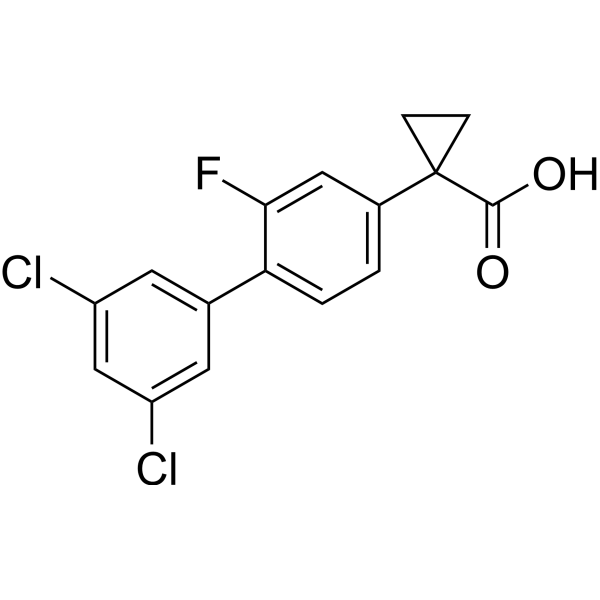
S07-1066 is an aldo-keto reductase 1C3 (AKR1C3) inhibitor, synergizing doxorubicin (DOX) cytotoxicity. S07-1066 selectively blocks AKR1C3-mediated reduction of DOX, and reverses the DOX resistance in overexpressing AKR1C3 cells .
|
-
- HY-N6635R
-
|
|
Reference Standards
Fungal
|
Infection
Cancer
|
|
trans-Nerolidol (Standard) is the analytical standard of trans-Nerolidol. This product is intended for research and analytical applications. trans-Nerolidol improves the anti-proliferative effect of Doxorubicin (DOX) (HY-15142A) against intestinal cancer and breast cancer cells in vitro. trans-Nerolidol increases accumulation of DOX inside cells in vitro. trans-Nerolidol activates apoptosis in vivo .
|
-

- HY-B1041R
-
|
Pimagedine hydrochloride (Standard); GER-11 (Standard); Aminoguanidinium chloride (Standard)
|
NO Synthase
Apoptosis
Reference Standards
|
Endocrinology
|
|
Aminoguanidine (hydrochloride) (Standard) is the analytical standard of Aminoguanidine (hydrochloride). This product is intended for research and analytical applications. Aminoguanidine hydrochloride (Pimagedine hydrochloride) is an inhibitor of diamine oxidase and nitric oxide synthase. Aminoguanidine hydrochloride has a dose-dependent inhibitory effect on apoptosis induced by Doxorubicin (HY-15142). Aminoguanidine hydrochloride has antioxidant properties. Aminoguanidine hydrochloride can be used in diabetic nephropathy research .
|
-

- HY-17507
-
|
BY1023; SKF96022
|
Proton Pump
Autophagy
Apoptosis
Bacterial
|
Inflammation/Immunology
Cancer
|
|
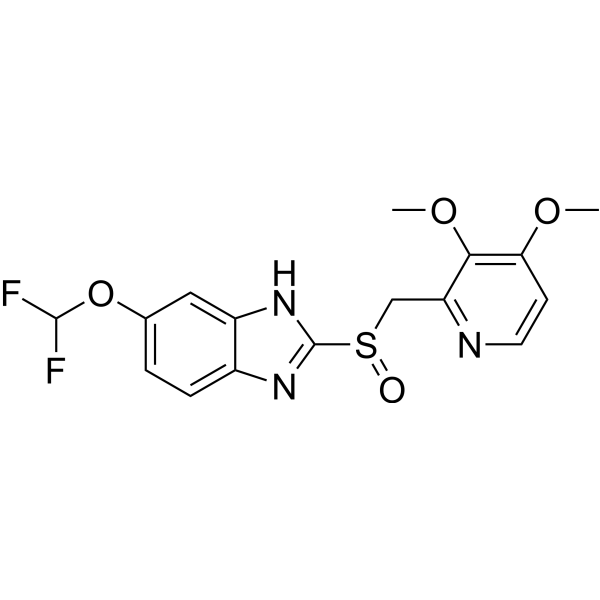
Pantoprazole (BY10232) is an orally active and potent proton pump inhibitor (PPI) . Pantoprazole, a substituted benzimidazole, is a potent H +/K +-ATPase inhibitor with an IC50 of 6.8 μM. Pantoprazole improves pH stability and has anti-secretory, anti-ulcer activities. Pantoprazole significantly increased tumor growth delay combined with Doxorubicin (HY-15142) .
|
-
- HY-120436
-
|
|
Drug Derivative
|
Cancer
|
|
RM 49 is the derivative of Mitomycin C (HY-13316). RM 49 exhibits cytotoxicity in SCLC and NSCLC lung cancer cells with IC50 of 0.01-0.5 μg/mL. RM 49 exhibits high relative antitumor activity in compared with Mitomycin C, Cisplatin (HY-17394), Carboplatin (HY-17393) and Doxorubicin (HY-15142) .
|
-

- HY-17507B
-
|
BY1023 sodium hydrate; SKF96022 sodium hydrate
|
Proton Pump
Autophagy
Apoptosis
Bacterial
|
Inflammation/Immunology
Cancer
|
|
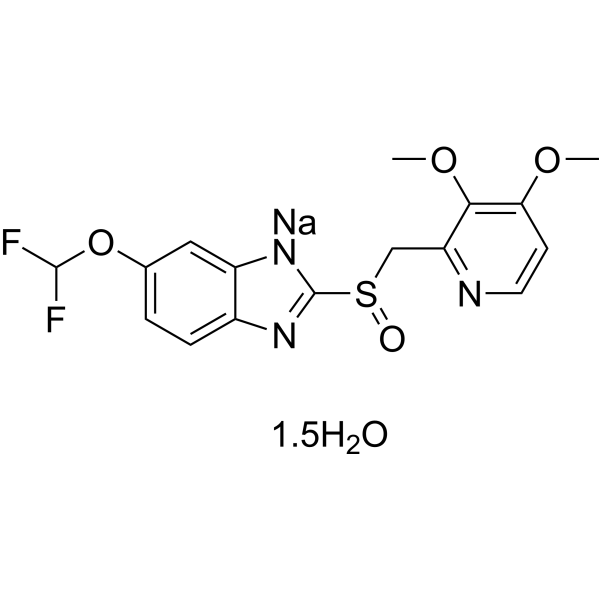
Pantoprazole sodium hydrate (BY10232 sodium hydrate) is an orally active and potent proton pump inhibitor (PPI) . Pantoprazole sodium hydrate, a substituted benzimidazole, is a potent H +/K +-ATPase inhibitor with an IC50 of 6.8 μM. Pantoprazole sodium hydrate improves pH stability and has anti-secretory, anti-ulcer activities. Pantoprazole sodium hydrate significantly increased tumor growth delay combined with Doxorubicin (HY-15142) .
|
-
- HY-17507A
-
|
BY1023 sodium; SKF96022 sodium
|
Proton Pump
Autophagy
Apoptosis
Bacterial
|
Inflammation/Immunology
Cancer
|
|
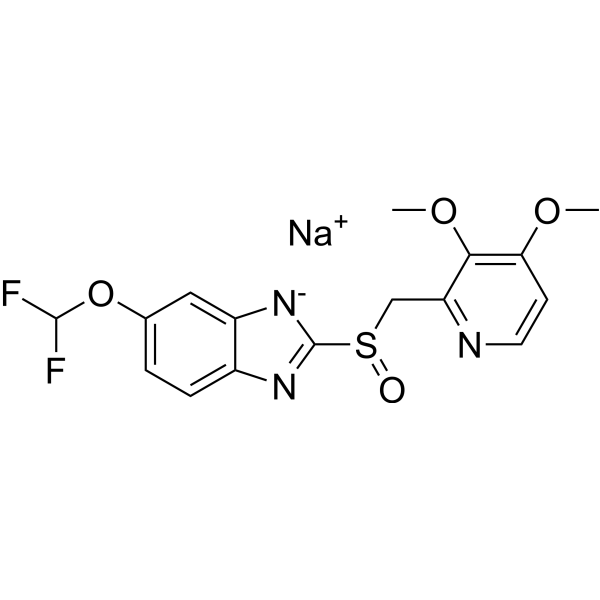
Pantoprazole sodium (BY10232 sodium) is an orally active and potent proton pump inhibitor (PPI) . Pantoprazole sodium, a substituted benzimidazole, is a potent H +/K +-ATPase inhibitor with an IC50 of 6.8 μM. Pantoprazole sodium improves pH stability and has anti-secretory, anti-ulcer activities. Pantoprazole sodium significantly increased tumor growth delay combined with Doxorubicin (HY-15142) .
|
-
- HY-Y1832
-
|
3-Methoxysalicylaldehyde
|
Fungal
|
Infection
Cancer
|
|
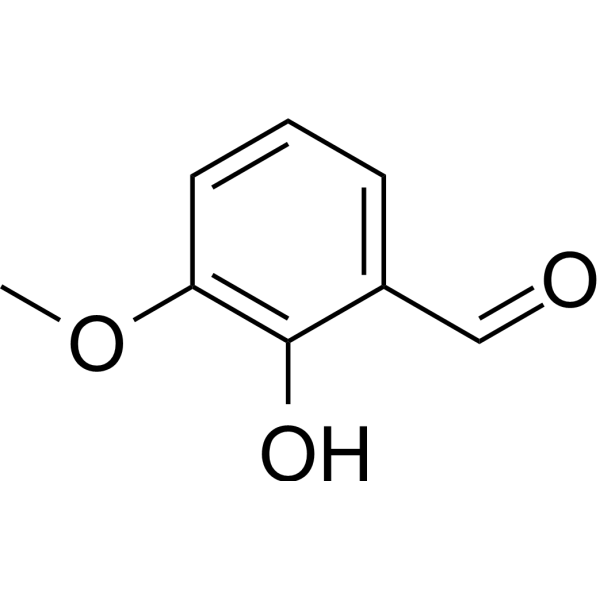
o-Vanillin (2-Vanillin) is a nature product, could be extracted from Vanilla planifolia, Pinus koraiensis fruit. o-Vanillin is a potent antifungal agent. o-Vanillin inhibits the growth of mycelia by disrupting the integrity of cell walls and cell membranes. o-Vanillin inhibits Doxorubicin (HY-15142A)- and 4-hydroperoxycyclophosphamide-induced NF-κB activation .
|
-
- HY-155463
-
|
|
NOD-like Receptor (NLR)
Interleukin Related
|
Inflammation/Immunology
|
|
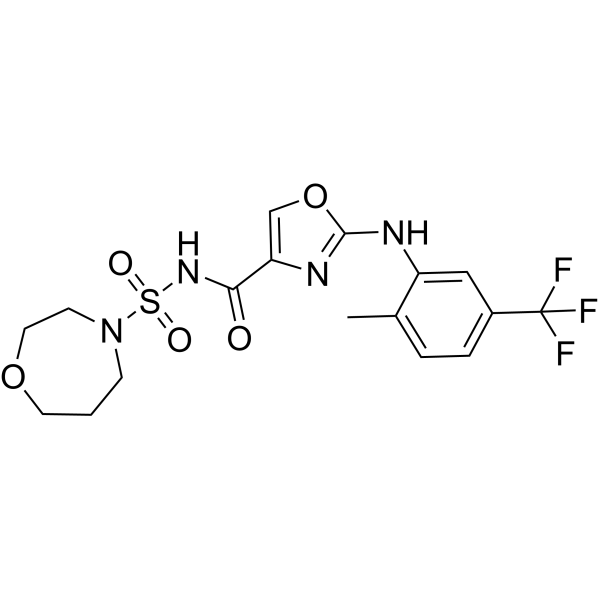
NLRP3-IN-25 (compound 32) is an orally available NLRP3 inhibitor with anti-inflammatory activity. NLRP3-IN-25 attenuates renal injury in doxorubicin-induced glomerulonephritis in mice. NLRP3-IN-25 inhibits IL-1β secretion in THP-1 cells with an IC50 of 21 nM .
|
-
- HY-152188
-
|
|
Aldose Reductase
|
Cancer
|
|
AKR1C3-IN-9 is a selective inhibitor of Aldo-keto Reductase 1C3 (AKR1C3) with an IC50 value of 8.92 nM. AKR1C3-IN-9 significantly reverses the Doxorubicin (HY-15142A) (DOX) resistance in a resistant breast cancer cell line .
|
-
- HY-P10770
-
|
|
Peptide-Drug Conjugates (PDCs)
E-Selectin
|
Cardiovascular Disease
Cancer
|
|
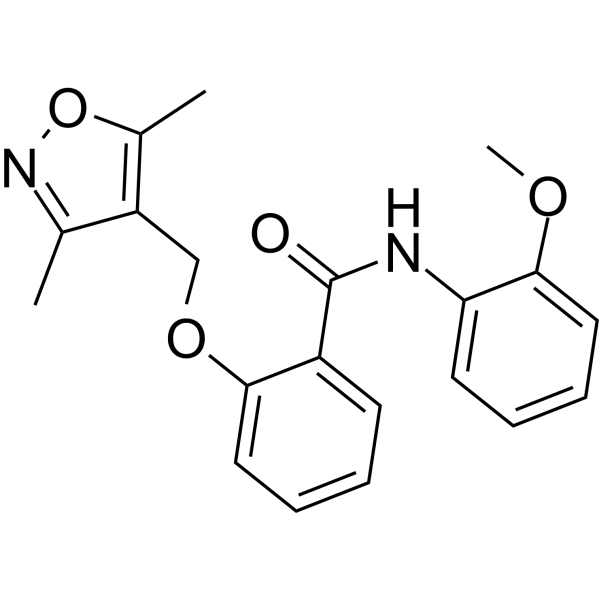
P-ESBP-DOX is a HPMA copolymer-drug conjugate, which is consistituted of the E-selectin binding peptide and the Doxorubicin (HY-15142). P-ESBP-DOX exhibits cytotoxicity against TNFα-activated human vascular endothelial cells IVECs with an IC50 of 0.28 μM. P-ESBP-DOX can be used in research about tumor vasculature .
|
-

- HY-167825
-
-

- HY-B1041
-
|
Pimagedine hydrochloride; GER-11; Aminoguanidinium chloride
|
NO Synthase
Apoptosis
ERK
|
Neurological Disease
Metabolic Disease
Inflammation/Immunology
|
|
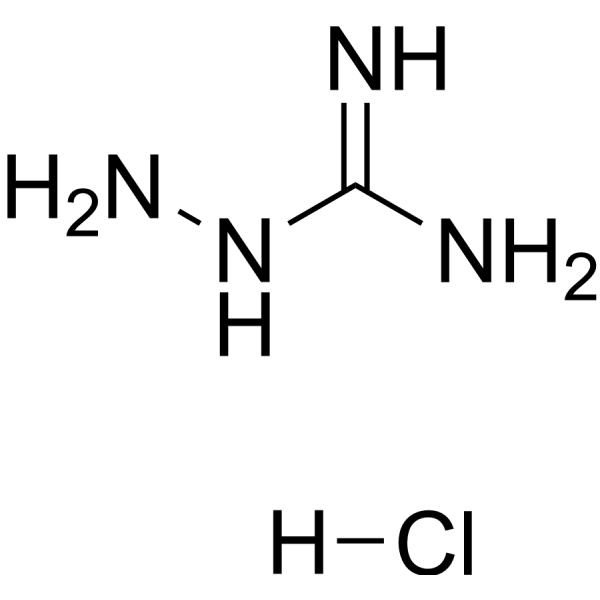
Aminoguanidine (Pimagedine) hydrochloride is an inhibitor of diamine oxidase (DAO) and nitric oxide synthase (NOS). Aminoguanidine hydrochloride can reduce the formation of advanced glycation end products (AGEs). Aminoguanidine hydrochloride has a dose-dependent inhibitory effect on Doxorubicin (HY-15142)-induced cell apoptosis. Aminoguanidine hydrochloride has antioxidant properties. Aminoguanidine hydrochloride can be used in the research of diabetic nephropathy .
|
-
- HY-D2437
-
|
|
Fluorescent Dye
Antibiotic
|
Cardiovascular Disease
Cancer
|
|
DOX-PEG-Cy3 (Doxorubicin-PEG-Cy3) is a Cy3 (HY-D0822) labeled DOX-PEG conjugate. The Cy3 fluorophore is commonly used in applications such as immunolabeling, nucleic acid labeling, fluorescence microscopy, and flow cytometry. Cy3 has an emission maximum around 562-570 nm. DOX is a broad-spectrum anthracycline antibiotic with cytotoxic properties .
|
-

- HY-W440901
-
|
|
Liposome
|
Others
|
|
DSPE-PEG5000-SPDP is an amphiphilic polyPEG which forms lipid bilayer in water. It can be used to encapsualte therapeutic agents. The core can encapsulate hydrophilic nutrients, such as protein/peptide and mRNA/DNA/siRNA etc. while the lipid bilayer can solubilize hydrophobic drugs, such as doxorubicin, curcumin etc. The SPDP moiety can react with thiol molecule to form a disulfide bond.
|
-

- HY-100353
-
|
N-Lauroyl-D-erythro-sphingosine; N-Laurylsphingosine
|
Endogenous Metabolite
|
Metabolic Disease
Cancer
|
|
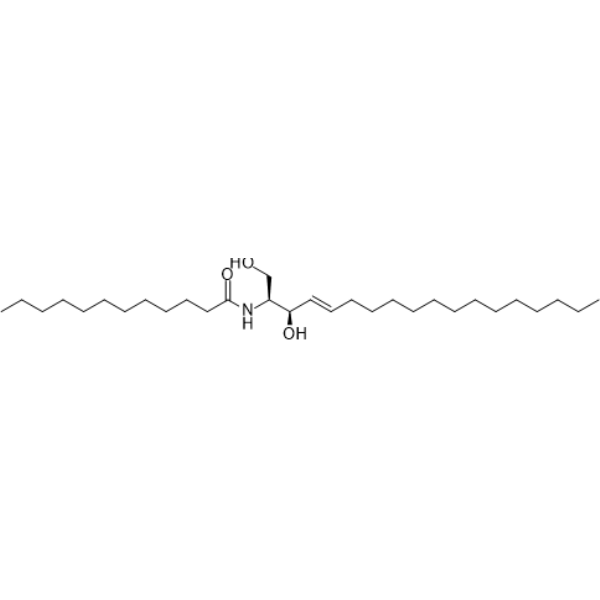
C12-Ceramide (N-Lauroyl-D-erythro-sphingosine), a naturally occurring ceramide, is formed by hydrolysis of C12 sphingomyelin. C12-Ceramide can enhance the Doxorubicin toxicity in MDA-MB-231 cells. C12-Ceramide also can be used to diagnose types A and B Niemann-Pick disease .
|
-
- HY-100489S
-
|
tert-Butylhydroquinone-d12
|
Isotope-Labeled Compounds
Apoptosis
ERK
Autophagy
Keap1-Nrf2
Ferroptosis
|
Cancer
|
|
TBHQ-d12 (tert-Butylhydroquinone-d12) is the deuterium labeled TBHQ (HY-100489). TBHQ (tert-Butylhydroquinone) is a widely used Nrf2 activator, protects against Doxorubicin (DOX)-induced cardiotoxicity through activation of Nrf2 . TBHQ (tert-Butylhydroquinone) is also an ERK activator; rescues Dehydrocorydaline (DHC)-induced cell proliferation inhibitionin melanoma[2].
|
-

- HY-16700G
-
|
|
ADC Payload
Topoisomerase
|
Cancer
|
|
PNU-159682 GMP is a GMP grade PNU-159682 (HY-16700). PNU-159682, a metabolite of the anthracycline Nemorubicin, is a highly potent DNA topoisomerase II inhibitor with excellent cytotoxicity. PNU-159682 acts as a more potent and tolerated ADC cytotoxin than Doxorubicin for ADC synthesis. PNU-159682 can be used in EDV-nanocell technology to overcome agent resistance.
|
-
- HY-179037
-
|
|
Necroptosis
Reactive Oxygen Species (ROS)
Mitochondrial Metabolism
|
Neurological Disease
|
|
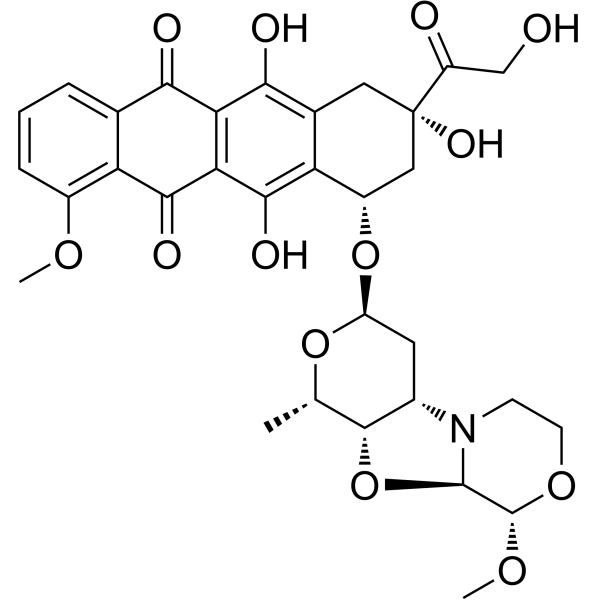
NecroX-2 is a potent inhibitor of caspase-independent necrosis. NecroX-2 exhibits antioxidant activity by scavenging DPPH radicals and peroxynitrite. NecroX-2 inhibits t-BHP-induced mitochondrial ROS/RNS generation, and protects t-BHP and Doxorubicin (HY-15142A)-induced cell death in vitro. NecroX-2 can be used for research on neurological diseases .
|
-

- HY-N15297
-
|
|
P-glycoprotein
|
Cancer
|
|
Isotenulin inhibits the efflux function of P-glycoprotein by stimulation of P-glycoprotein ATPase, thereby overcoming the multidrug resistance (MDR) of cancer cells. Isotenulin exhibits cytotoxicity in multidrug-resistant cancer cell KB-vin and sensitive cancer cell HeLaS3. Isotenulin exhibits synergistic effect with Paclitaxel (HY-B0015), Vinblastine (HY-13780) and Doxorubicin (HY-15142) .
|
-

- HY-178174
-
|
|
DNA/RNA Synthesis
Topoisomerase
|
Cancer
|
|
MGB4 is a DNA minor groove binder. MGB4 binds to ARE-containing DNA and inhibition of topoisomerase I activity. MGB4 can impacts key cellular pathways, including inhibition oftranslation and alterations in sphingolipid and amino acid metabolism. MGB4 also reduces spermine and spermidine metabolism companied with Doxorubicin (HY-15142A). MGB4 can be used for the research of cancer, such as Prostate cancer .
|
-

- HY-17507S
-
|
BY1023-d6; SKF96022-d6
|
Isotope-Labeled Compounds
Proton Pump
Autophagy
Apoptosis
|
Inflammation/Immunology
Cancer
|
|
Pantoprazole-d6 is deuterium labeled Pantoprazole. Pantoprazole (BY10232) is an orally active and potent proton pump inhibitor (PPI) . Pantoprazole, a substituted benzimidazole, is a potent H+/K+-ATPase inhibitor with an IC50 of 6.8 μM. Pantoprazole improves pH stability and has anti-secretory, anti-ulcer activities. Pantoprazole significantly increased tumor growth delay combined with Doxorubicin (HY-15142) .
|
-
- HY-17507S1
-
|
BY1023-d3; SKF96022-d3
|
Isotope-Labeled Compounds
Proton Pump
Autophagy
Apoptosis
|
Inflammation/Immunology
Cancer
|
|
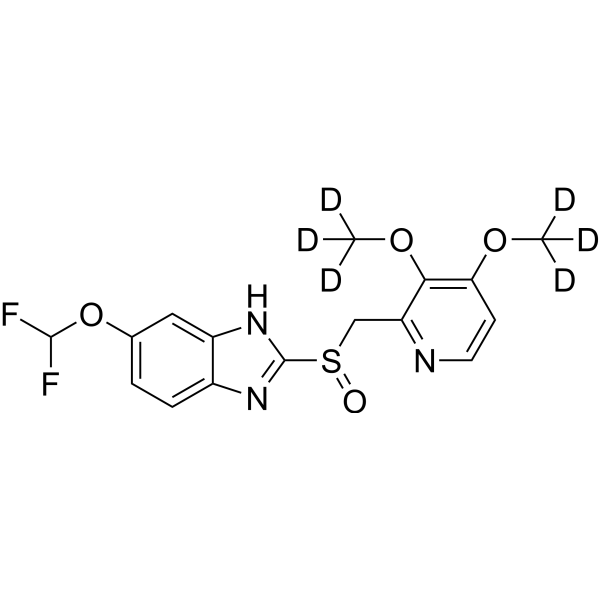
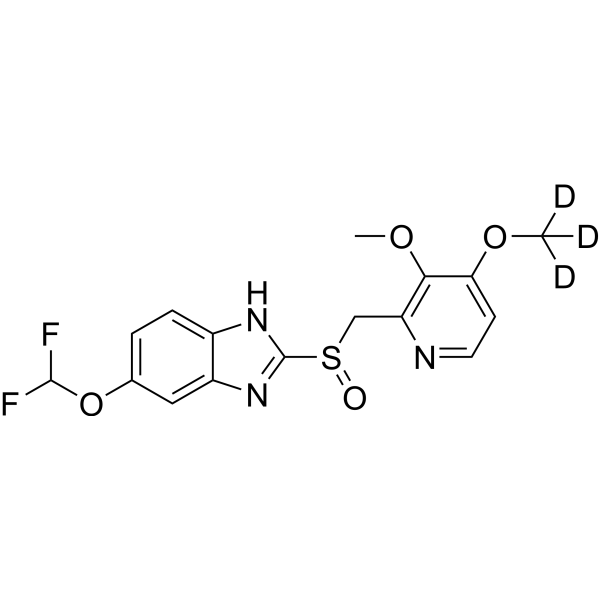
Pantoprazole-d3 is deuterium labeled Pantoprazole. Pantoprazole (BY10232) is an orally active and potent proton pump inhibitor (PPI) . Pantoprazole, a substituted benzimidazole, is a potent H+/K+-ATPase inhibitor with an IC50 of 6.8 μM. Pantoprazole improves pH stability and has anti-secretory, anti-ulcer activities. Pantoprazole significantly increased tumor growth delay combined with Doxorubicin (HY-15142) .
|
-
- HY-144876
-
|
|
Reactive Oxygen Species (ROS)
|
Cancer
|
|
RIDR-PI-103 is a reactive oxygen species (ROS)-induced agent release proagent with a self-cyclizing moiety linked to a pan-PI3K inhibitor (PI-103). Doxorubicin and RIDR-PI-103 shows a synergistic effect in MDA-MB-361 and MDA-MB-231 cells to inhibit cancer cell proliferation .
|
-
- HY-122275
-
|
|
Bcl-2 Family
|
Cancer
|
|
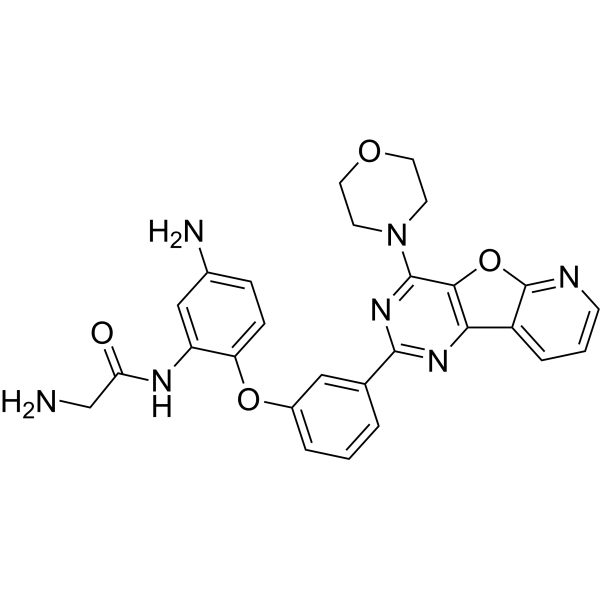
A-371191 is a selective Bcl-XL antagonist with a Ki <0.5 μM, and also acts as a mitochondria-targeting agent and chemosensitizer. A-371191 restores the sensitivity of cancer cells overexpressing Bcl-XL to Cisplatin (HY-17394) and Doxorubicin (HY-15142A). A-371191 reduces tumor volume in mice with intraperitoneal tumors. A-371191 can be used in the research of acute myeloid leukemia .
|
-

- HY-40161
-
|
|
Endogenous Metabolite
Bacterial
|
Metabolic Disease
Cancer
|
|
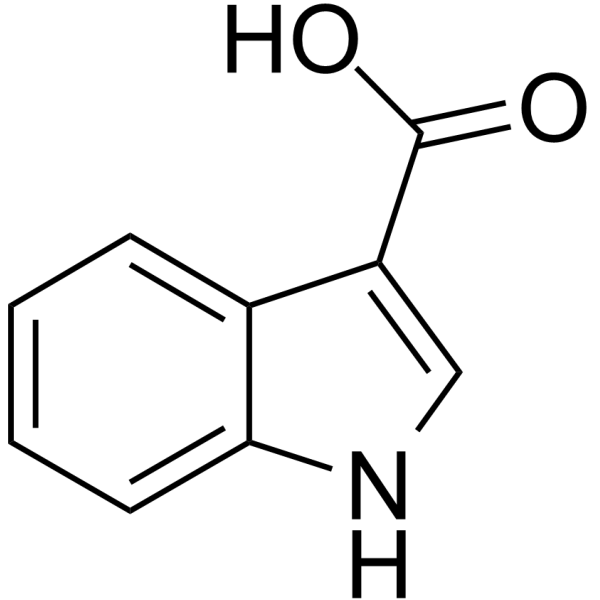
Indole-3-carboxylic acid is an orally active urinary indolic tryptophan metabolite. Indole-3-carboxylic acid is a mediator of priming against Plectosphaerella cucumerina. Indole-3-carboxylic acid enhances the anti-colorectal cancer potency of Doxorubicin (HY-15142A) by inducing cell senescence. Indole-3-carboxylic acid can be used in liver disease research .
|
-
- HY-19541A
-
|
|
Epigenetic Reader Domain
|
Cancer
|
|
I-CBP112 hydrochloride is a selective inhibitor of CBP/P300 that directly binds their bromodomains (Kds = 142 and 625 nM, respectively). I-CBP112 significantly reduces the leukemia-initiating potential of MLL-AF9(+) acute myeloid leukemia cells in a dose-dependent manner in vitro and in vivo. I-CBP112 increases the cytotoxic activity of BET bromodomain inhibitor JQ1 as well as doxorubicin .
|
-
- HY-155152
-
|
|
P-glycoprotein
BCRP
|
Cancer
|
|
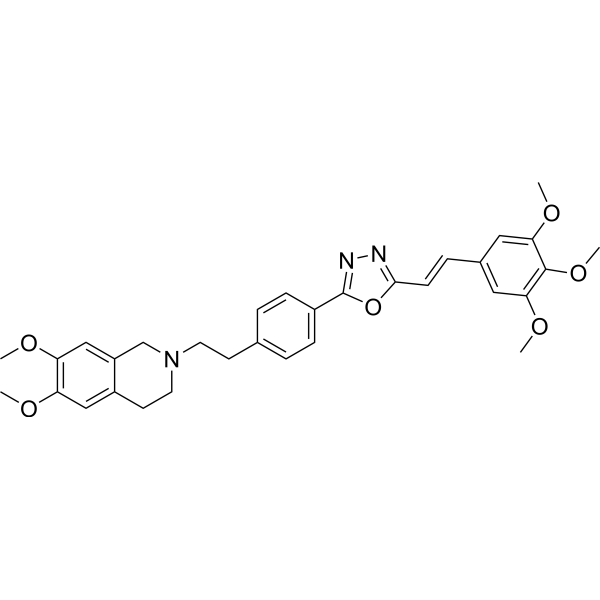
P-gp/BCRP-IN-2 (compound 15) is an oxadiazole derivative and a dual inhibitor of the ABC transporter P-glycoprotein (IC50: 1.6 nM) and BCRP (IC50: 600 nM). P-gp/BCRP-IN-2 also enhances the anti-proliferative effects of Doxorubicin (HY-15142A) in drug-resistant human adenocarcinoma colon cancer cell lines HT29/DX and MDCK-MDR1 cells .
|
-
- HY-144825
-
|
|
Apoptosis
Reactive Oxygen Species (ROS)
|
Cancer
|
|
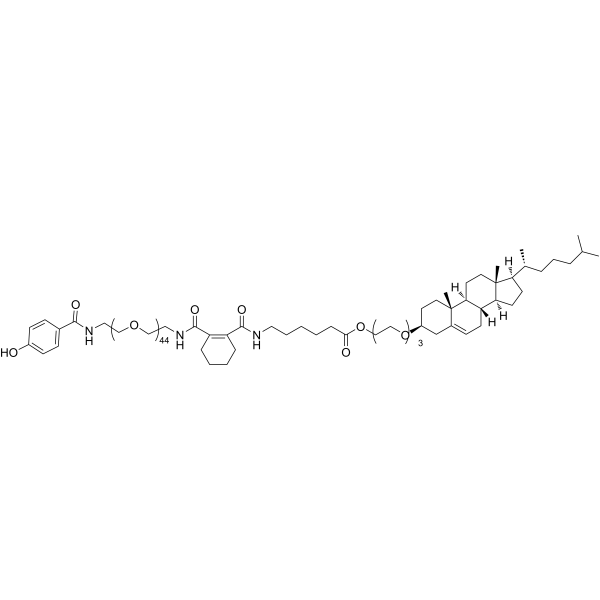
Chol-CTPP is a ligand with dual targeting effect on blood-brain barrier (BBB) and glioma cells. Lip-CTPP can be gained by Chol-CTPP and another mitochondria targeting ligand (Chol-TPP). Lip-CTPP is a promising potential carrier to exert the anti-glioma effect of doxorubicin (DOX) and lonidamine (LND) collaboratively. Lip-CTPP elevates the inhibition rate of tumor cell proliferation, migration and invasion, promote apoptosis and necrosis, and interfere with mitochondrial function .
|
-
- HY-173572
-
|
|
Sirtuin
Autophagy
|
Cardiovascular Disease
|
|
SKLB-11A is a selective, orally active and allosteric SIRT3 (sirtuin 3) agonist with a Kd value of 4.7 μM. SKLB-11A is highly selective for other members of the SIRT family. SKLB-11A activates autophagy-related signaling pathways, prevents mitochondrial dysfunction, improves cardiac function in Doxorubicin (HY-15142A)-induced cardiotoxicity and myocardial ischemia/reperfusion models .
|
-

- HY-182103
-
|
|
MAP3K
Caspase
p38 MAPK
|
Cardiovascular Disease
|
|
ZAK-IN-2 (Compound 8) is a selective, covalent ZAK inhibitor with an IC50 of 11.5 nM. ZAK-IN-2 forms a covalent bond with Cys22 in the P-loop of ZAK to inhibit its kinase activity. ZAK-IN-2 inhibits the phosphorylation of the downstream target p38. ZAK-IN-2 blocks Doxorubicin (HY-15142A)-induced cleavage of Caspase 3. ZAK-IN-2 is applicable to research related to myocardial hypertrophy .
|
-

- HY-129379
-
|
|
ADC Payload
|
Cancer
|
|
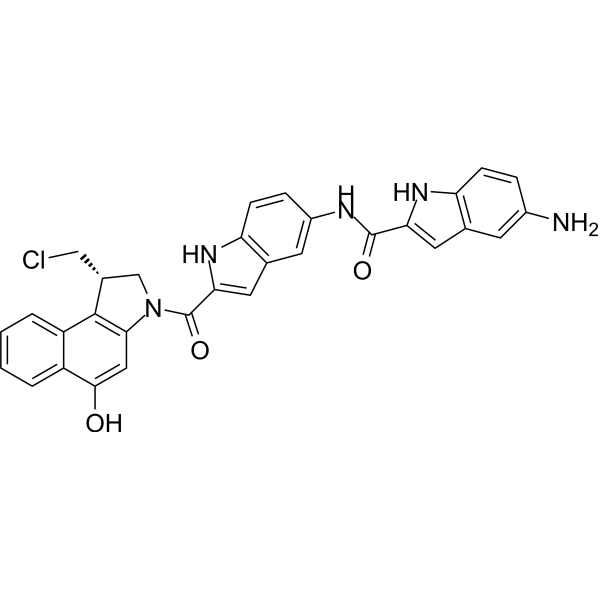
DC0-NH2 is an effector moiety for ADC and a simplified analog of DC1 with better stability. DC0-NH2 is about 1000-fold more cytotoxic than commonly used anticancer agents (ex. Doxorubicin). DC0-NH2 can bind to the minor groove of DNA, followed by alkylation of adenine residues by its propabenzindole (CBI) component .
|
-
- HY-B1041AS
-
|
Pimagedine-13C, 15N4; GER-11free base-13C, 15N4; Aminoguanidinium-13C, 15N4
|
Isotope-Labeled Compounds
NO Synthase
Apoptosis
|
Endocrinology
|
|
Aminoguanidine- 13C, 15N4 (Pimagedine- 13C, 15N4) is the 13C- and 15N-labeled Aminoguanidine (HY-B1041A). Aminoguanidine (Pimagedine hydrochloride) is an inhibitor of diamine oxidase and nitric oxide synthase. Aminoguanidine has a dose-dependent inhibitory effect on apoptosis induced by Doxorubicin (HY-15142). Aminoguanidine has antioxidant properties. Aminoguanidine can be used in diabetic nephropathy research .
|
-

- HY-14942A
-
|
RTA 744; WP 744; WP 769 hydrochloride
|
NF-κB
Apoptosis
Caspase
Drug Derivative
|
Neurological Disease
Cancer
|
|
Berubicin (RTA 744) hydrochloride is a Doxorubicin (HY-15142A) analog that can cross the blood-brain barrier. Berubicin hydrochloride inhibits P-gp and MRP1-mediated efflux and suppresses glioblastoma multiforme (GBM). Berubicin hydrochloride exerts toxic effects on leukemia cells by activating nuclear factor κB (NF-κB) and induces apoptosis in neuroblastoma cells. Berubicin hydrochloride can be used in the study of tumors related to the nervous system .
|
-
- HY-17507R
-
|
BY1023 (Standard); SKF96022 (Standard)
|
Reference Standards
Proton Pump
Autophagy
Apoptosis
Bacterial
|
Inflammation/Immunology
Cancer
|
|
Pantoprazole (Standard) is the analytical standard of Pantoprazole. This product is intended for research and analytical applications. Pantoprazole (BY10232) is an orally active and potent proton pump inhibitor (PPI) . Pantoprazole, a substituted benzimidazole, is a potent H +/K +-ATPase inhibitor with an IC50 of 6.8 μM. Pantoprazole improves pH stability and has anti-secretory, anti-ulcer activities. Pantoprazole significantly increased tumor growth delay combined with Doxorubicin (HY-15142) .
|
-

- HY-16160
-
|
|
Autophagy
ICMT
|
Neurological Disease
Cancer
|
|
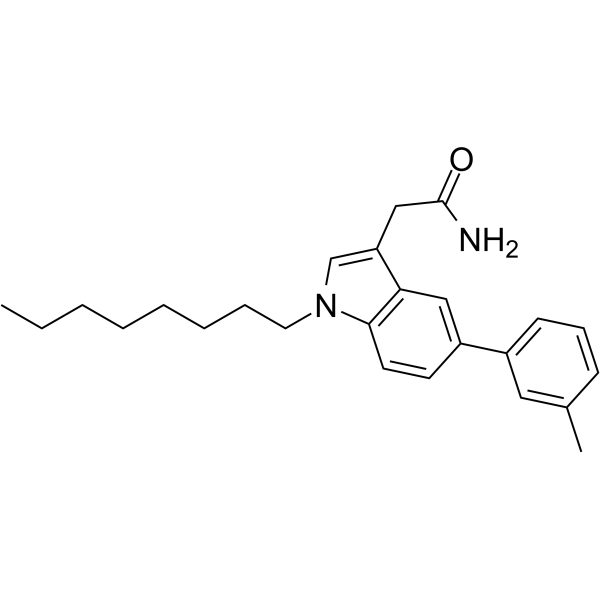
Cysmethynil is an Icmt inhibitor(IC50 = 2.4 μM). Cysmethynil inhibites RAS membrane binding and EGF signal transduction. Cysmethynil prevents the cells in the G1 phase and induces autophagy. Cysmethynil inhibits PC3 cells proliferation, has synergistic effect with Paclitaxel (HY-B0015) and Doxorubicin (HY-15142A). Cysmethynil has anti-tumor effects and can be used for solid tumor (such as prostate cancer et al.) research .
|
-
- HY-161929
-
|
|
Glutathione Peroxidase
Ferroptosis
|
Cardiovascular Disease
|
|
GPX4 activator 2 is a GPX4 activator with a Ka value of 0.426 μM for human GPX4. GPX4 activator 2 reduces lipid hydroperoxide levels, prevents lipid peroxide accumulation, and inhibits ferroptosis. GPX4 activator 2 rescues cell death induced by Erastin (HY-15763). GPX4 activator 2 exerts cardioprotective effects in a mouse model of doxorubicin (HY-15142A)-induced myocardial injury .
|
-

- HY-114211
-
|
|
Histone Methyltransferase
HSP
|
Cancer
|
|
SGC8158 is an inhibitor of PRMT7 and can be used to study the cellular function of PRMT7. SGC8158 decreases monomethylarginine levels of Hsp70 (the best characterized PRMT7 substrate). SGC8158 induces growth inhibition in various cancer cells (IC50: 2-9 μM), as well as multidrug-resistant (MDR) cancer cells. SGC8158 also enhances Doxorubicin (HY-15142A) induced DNA damage and Its cytotoxicity .
|
-

- HY-14942
-
|
RTA 744 free base; WP 744 free base; WP 769
|
NF-κB
Apoptosis
Caspase
Drug Derivative
|
Neurological Disease
Cancer
|
|
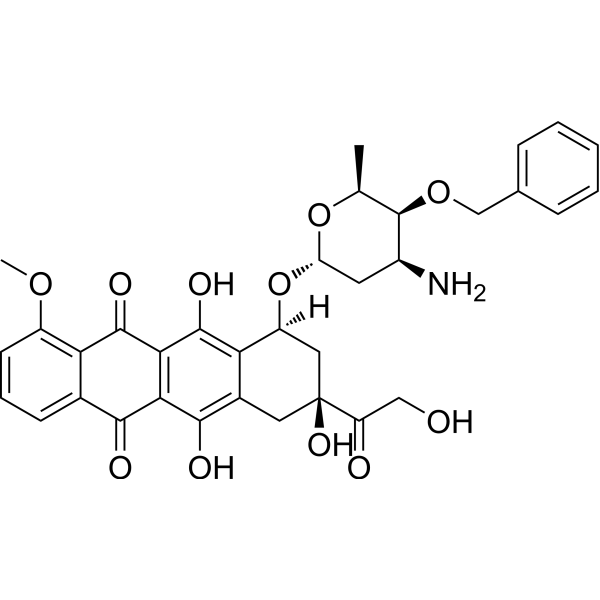
Berubicin (RTA 744 free base) is a Doxorubicin (HY-15142A) analog that can cross the blood-brain barrier. Berubicin inhibits P-gp and MRP1-mediated efflux and suppresses glioblastoma multiforme (GBM). Berubicin exerts toxic effects on leukemia cells by activating nuclear factor κB (NF-κB) and induces apoptosis in neuroblastoma cells. Berubicin can be used in the study of tumors related to the nervous system .
|
-
- HY-17507AR
-
|
BY1023 sodium (Standard); SKF96022 sodium (Standard)
|
Reference Standards
Proton Pump
Autophagy
Apoptosis
Bacterial
|
Inflammation/Immunology
Cancer
|
|
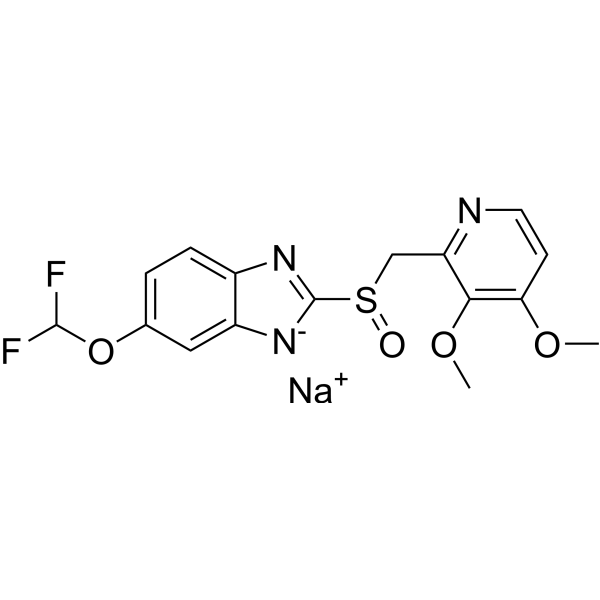
Pantoprazole (sodium) (Standard) is the analytical standard of Pantoprazole (sodium). This product is intended for research and analytical applications. Pantoprazole sodium (BY10232 sodium) is an orally active and potent proton pump inhibitor (PPI) . Pantoprazole sodium, a substituted benzimidazole, is a potent H +/K +-ATPase inhibitor with an IC50 of 6.8 μM. Pantoprazole sodium improves pH stability and has anti-secretory, anti-ulcer activities. Pantoprazole sodium significantly increased tumor growth delay combined with Doxorubicin (HY-15142) .
|
-
- HY-17507BR
-
|
BY1023 sodium hydrate (Standard); SKF96022 sodium hydrate (Standard)
|
Reference Standards
Proton Pump
Autophagy
Apoptosis
Bacterial
|
Inflammation/Immunology
Cancer
|
|
Pantoprazole (sodium hydrate) (Standard) is the analytical standard of Pantoprazole (sodium hydrate). This product is intended for research and analytical applications. Pantoprazole sodium hydrate (BY10232 sodium hydrate) is an orally active and potent proton pump inhibitor (PPI) . Pantoprazole sodium hydrate, a substituted benzimidazole, is a potent H+/K+-ATPase inhibitor with an IC50 of 6.8 μM. Pantoprazole sodium hydrate improves pH stability and has anti-secretory, anti-ulcer activities. Pantoprazole sodium hydrate significantly increased tumor growth delay combined with Doxorubicin (HY-15142) .
|
-

- HY-179683
-
|
|
P-glycoprotein
|
Cancer
|
|
MRP1-IN-2 (Compound 21) is a selective MRP1 inhibitor with a relatively weak inhibitory effect on P-gp. MRP1-IN-2 exhibits a strong accumulation effect of calcein, with its EC50 value being 177 nM. MRP1-IN-2 enhances the activity of Doxorubicin (HY-15142A) on drug-resistant cells. MRP1-IN-2 can be used for the study of multidrug-resistant cancers .
|
-

- HY-W739793
-
|
BY1023-d8 sodium; SKF96022-d8 sodium
|
Isotope-Labeled Compounds
Proton Pump
Autophagy
Apoptosis
Bacterial
|
Inflammation/Immunology
Cancer
|
|
Pantoprazole-d8 (BY1023-d8) sodium is a deuterium labeled Pantoprazole (HY-17507). Pantoprazole (BY10232) is an orally active and potent proton pump inhibitor (PPI) . Pantoprazole, a substituted benzimidazole, is a potent H +/K +-ATPase inhibitor with an IC50 of 6.8 μM. Pantoprazole improves pH stability and has anti-secretory, anti-ulcer activities. Pantoprazole significantly increased tumor growth delay combined with Doxorubicin (HY-15142) .
|
-

- HY-17507S2
-
|
BY1023-d8; SKF96022-d8
|
Isotope-Labeled Compounds
Bacterial
Autophagy
Apoptosis
Proton Pump
|
Inflammation/Immunology
Cancer
|
|
Pantoprazole-d8 (BY1023-d8) is deuterium labeled Pantoprazole. Pantoprazole (BY10232) is an orally active and potent proton pump inhibitor (PPI) . Pantoprazole, a substituted benzimidazole, is a potent H +/K +-ATPase inhibitor with an IC50 of 6.8 μM. Pantoprazole improves pH stability and has anti-secretory, anti-ulcer activities. Pantoprazole significantly increased tumor growth delay combined with Doxorubicin (HY-15142) .
|
-

- HY-172771
-
|
|
PI3K
DNA-PK
P-glycoprotein
|
Cancer
|
|
Multi-target kinase inhibitor 4 (Compound 2) is a PI3K/DNA-PK inhibitor and potent chemosensitizer that can increase the amount of DNA double strand breaks induced by Doxorubicin (HY-15142A). Multi-target kinase inhibitor 4, is an efficient inhibitor of multidrug resistance (MDR) that exhibits inhibitory activity toward P-glycoprotein-mediated drug efflux. Multi-target kinase inhibitor 4 can be loaded into PEG-coated LNPs .
|
-

- HY-17507S4
-
|
BY1023-d4; SKF96022-d4
|
Isotope-Labeled Compounds
|
Inflammation/Immunology
Cancer
|
|
Pantoprazole-d4 (BY1023-d4) is deuterium labeled Pantoprazole. Pantoprazole (BY10232) is an orally active and potent proton pump inhibitor (PPI) . Pantoprazole, a substituted benzimidazole, is a potent H +/K +-ATPase inhibitor with an IC50 of 6.8 μM. Pantoprazole improves pH stability and has anti-secretory, anti-ulcer activities. Pantoprazole significantly increased tumor growth delay combined with Doxorubicin (HY-15142) .
|
-

- HY-175594
-
|
|
DNA Methyltransferase
|
Cancer
|
|
DNMT2-IN-2 is a selective DNA methyltransferase 2 (DNMT2) inhibitor with a KD value of 3.04 μM. DNMT2-IN-2 targets to a cryptic allosteric binding site of DNMT2. DNMT2-IN-2 reduces m5C levels in MOLM-13 tRNA and synergizes with Doxorubicin (HY-15142A) to impair cell viability. DNMT2-IN-2 can be used for cancer research, such as cervical cancer and leukemia .
|
-

- HY-162000
-
|
|
Apoptosis
|
Cancer
|
hCAIX/XII-IN-13 is an inhibitor of human carbonic anhydrases (hCA). hCAIX/XII-IN-13 shows good inhibitory activity against the tumor-related CA subtypes IX and XII, with Ki values of 0.08 µM and 0.06 µM, respectively. Under hypoxic conditions, hCAIX/XII-IN-13 can restore the cytotoxicity of Doxorubicin (HY-15142A) on MCF-7 cells, increasing G2/M phase cell cycle arrest and apoptosis .
|
-

- HY-122182
-
|
|
Histone Methyltransferase
Apoptosis
|
Cancer
|
|
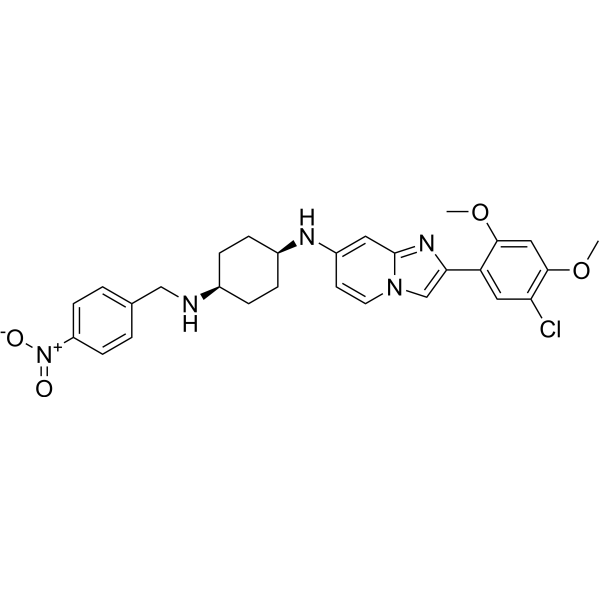
OTS193320, a imidazo[1,2-a]pyridine compound, is a SUV39H2 methyltransferase activity inhibitor. OTS193320 decreases global histone H3 lysine 9 tri-methylation levels in breast cancer cells and triggers apoptotic cell death. Combination of OTS193320 with Doxorubicin (HY-15142A) results in reduction of γ-H2AX levels as well as cancer cell viability compared to a single agent OTS193320 or DOX .
|
-
- HY-N1346
-
Robinin
5 Publications Verification
|
Toll-like Receptor (TLR)
Apoptosis
|
Inflammation/Immunology
Cancer
|
|
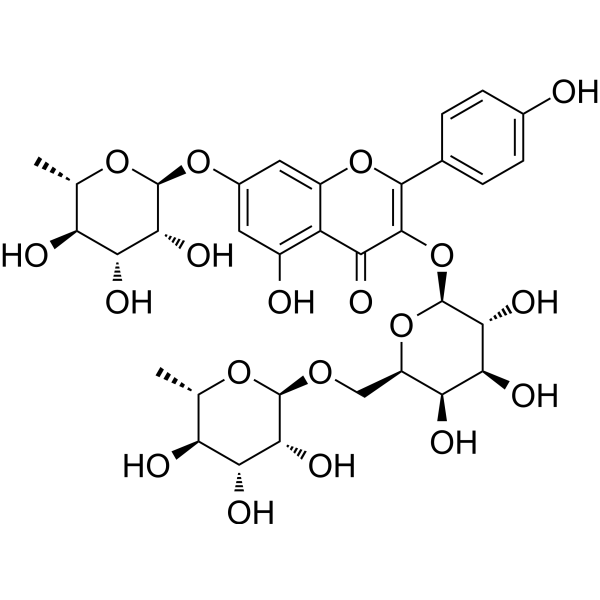
Robinin is a flavonoid that can be extracted from the leaves of purple cowpea, inhibiting TGF-β, TLR4/NF-κB and TLR2-PI3k-AKT signaling pathways. Robinin exerts anti-inflammatory and anti-tumor effects. The combination of Robinin and Methotrexate (HY-14519) reduces inflammation in experimental arthritis, Robinin can decrease the Doxorubicin (HY-15142A) induced cardiac toxicity effect .
|
-
- HY-100353R
-
|
N-Lauroyl-D-erythro-sphingosine (Standard); N-Laurylsphingosine (Standard)
|
Reference Standards
Others
|
Metabolic Disease
Cancer
|
|
C12-Ceramide (Standard) is the analytical standard of C12-Ceramide. This product is intended for research and analytical applications. C12-Ceramide (N-Lauroyl-D-erythro-sphingosine), a naturally occurring ceramide, is formed by hydrolysis of C12 sphingomyelin. C12-Ceramide can enhance the Doxorubicin toxicity in MDA-MB-231 cells. C12-Ceramide also can be used to diagnose types A and B Niemann-Pick disease .
|
-

- HY-P11455
-
|
|
Liposome
|
Others
|
|
Lipopeptide CPE4 is a PEG-modified peptide E4 [(EIAALEK) 4]. Lipopeptide CPE4 is capable of coiled-coil formation when attached to liposomes. Lipopeptide CPE4 triggers membrane fusion between liposomes and living cells with concomitant efficient cytosolic delivery of a variety of compounds such as fluorescent dyes Propidium Iodide (PI) (HY-D0815) and TO-PRO-3 iodide (HY-117070), and Doxorubicin (DOX) (HY-15142A). Lipopeptide CPE4 can be used for drug delivery research .
|
-

- HY-178349
-
|
|
P-glycoprotein
Apoptosis
Autophagy
|
Cancer
|
|
P-gp inhibitor 30 is a potent P-gp inhibitor that reverses multidrug resistance in breast cancer by sensitizing resistant cells to Doxorubicin (ADM) (HY-15142). P-gp inhibitor 30 promotes apoptosis, induces autophagy, and suppresses proliferation, migration, and invasion of drug-resistant breast cancer cells when combined with ADM. P-gp inhibitor 30 inhibits breast tumor growth both in vitro and in vivo. P-gp inhibitor 30 can be used for drug-resistant breast cancer research .
|
-

- HY-N0566
-
|
Anemosapogenin
|
Apoptosis
Autophagy
Bcl-2 Family
Caspase
Survivin
p38 MAPK
MMP
|
Cancer
|
|
23-Hydroxybetulinic acid (Anemosapogenin) is an orally active triterpenoid with broad-spectrum anticancer activity. 23-Hydroxybetulinic acid reduces the levels of Bcl-2 and survivin, elevates the level of Bax, promotes the cleavage/activation of caspase-3 and caspase-9, and induces apoptosis via the endogenous mitochondrial pathway involving cytochrome C release and mitochondrial membrane potential disruption. 23-Hydroxybetulinic acid arrests the cell cycle at S and G1 phases, inhibits cancer cell proliferation, blocks the MAPK signaling pathway, regulates MMP2, and induces autophagic apoptosis by upregulating beclin-1. 23-Hydroxybetulinic acid inhibits the activity and efflux function of P-gp, increases the intracellular accumulation of chemotherapeutic drugs, and synergistically enhances cytotoxicity with Doxorubicin (HY-15142). 23-Hydroxybetulinic acid inhibits the phosphorylation and nuclear translocation of STAT6, blocks M2 macrophage polarization, and reduces M2 macrophage-mediated apoptosis resistance of colon cancer cells. 23-Hydroxybetulinic acid can be used in related studies on chronic myeloid leukemia, hepatocellular carcinoma, sarcoma 180, multidrug-resistant breast cancer, leukemia, Doxorubicin-induced cardiotoxicity, and colorectal cancer .
|
-
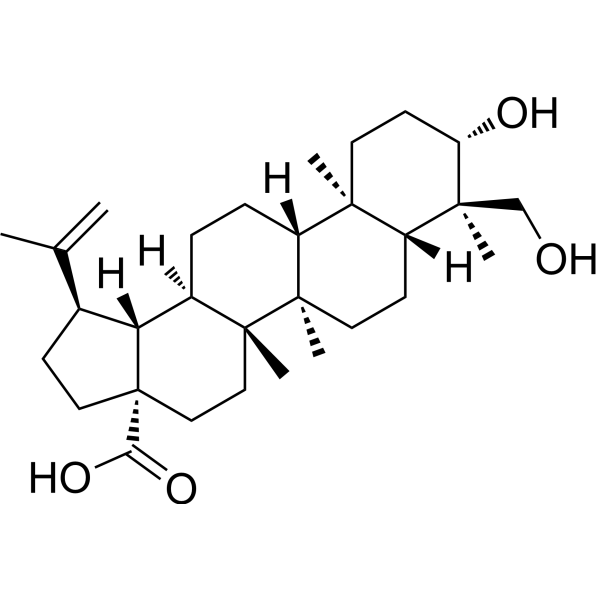
- HY-P11455A
-
|
|
Liposome
|
Others
|
|
Lipopeptide CPE4 TFA is a PEG-modified peptide E4 [(EIAALEK) 4]. Lipopeptide CPE4 TFA is capable of coiled-coil formation when attached to liposomes. Lipopeptide CPE4 TFA triggers membrane fusion between liposomes and living cells with concomitant efficient cytosolic delivery of a variety of compounds such as fluorescent dyes Propidium Iodide (PI) (HY-D0815) and TO-PRO-3 iodide (HY-117070), and Doxorubicin (DOX) (HY-15142A). Lipopeptide CPE4 TFA can be used for drug delivery research .
|
-

- HY-157169
-
|
AMU302
|
Pim
mTOR
Akt
PI3K
|
Cancer
|
|
IBL-302 (AMU302) is an orally available dual-signaling inhibitor of PIM and PI3K/AKT/mTOR with activity against breast cancer and neuroblastoma. IBL-302 demonstrated in vivo efficacy in a nude mouse xenograft model, inhibiting trastuzumab (HY-P9907) resistance challenges. IBL-302 also enhances the effects of common cytotoxic chemotherapy drugs cisplatin (HY-17394), doxorubicin (HY-15142A), and etoposide (HY-13629) .
|
-
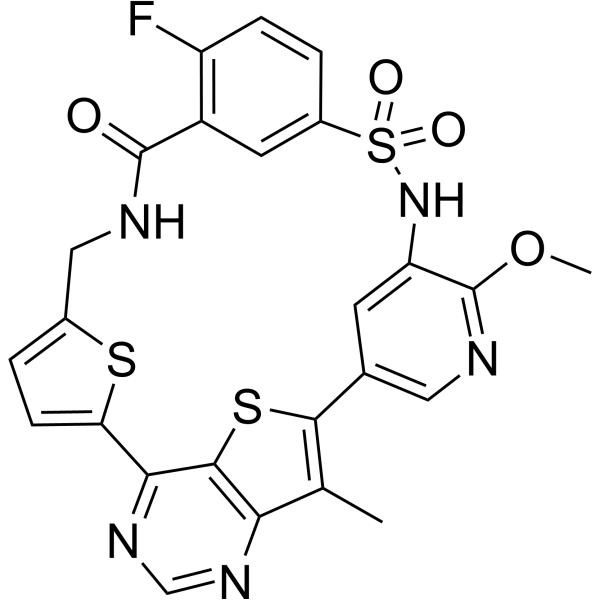
- HY-175838
-
|
|
P-glycoprotein
|
Cancer
|
|
P-gp-IN-32 is a P-glycoprotein (P-gp) inhibitor. P-gp-IN-32 exhibits low cytotoxicity and potent multidrug resistance (MDR) reversal activity against Doxorubicin (HY-15142A) in MCF7/ADR cells (IC50 = 0.11 μM, reversal fold (RF) = 215.9). P-gp-IN-32 can bind to P-gp directly, induce a conformation change of P-gp and inhibit the efflux function. P-gp-IN-32 can be used for the research of cancer, such as breast cancer .
|
-

- HY-W014118
-
|
|
Environmental Pollutants
|
Inflammation/Immunology
Cancer
|
|
α-Hexylcinnamaldehyde is an O-acetyltransferase (OAT) inhibitor. α-Hexylcinnamaldehyde inhibits OAT-mediated bioactivation of nitroarene mutagens, exerts antimutagenic activity through demutagenic and bioantimutagenic mechanisms, and interferes with ATP-binding cassette (ABC) transporter function to reduce substrate efflux. α-Hexylcinnamaldehyde alters membrane permeability, fluidizes phospholipid membranes, exerts antioxidant effects, and enhances the antiproliferative effect of Doxorubicin on human cancer cells. α-Hexylcinnamaldehyde can be used in the research of colorectal adenocarcinoma, T-cell leukemia, and multidrug-resistant cancers .
|
-
- HY-P11099
-
|
|
Transferrin Receptor
|
Neurological Disease
Cancer
|
|
Cys-LT7 is a transferrin receptor (TfR)-targeting peptide ligand. Cys-LT7 binds to a TfR site distinct from endogenous transferrin, mediates conjugated Doxorubicin (HY-15142A) delivery to TfR-overexpressed tumor cells, and exhibits low toxicity to TfR-low-expressed normal cells. Cys-LT7 is an L-configuration peptide susceptible to proteolytic enzymes, leading to poor biostability in peptide-drug conjugates. Cys-LT7 can be used for the research of glioblastoma, hepatocellular carcinoma, lung carcinoma .
|
-

- HY-N0566R
-
|
Anemosapogenin (Standard)
|
Reference Standards
Apoptosis
Autophagy
Bcl-2 Family
Caspase
Survivin
p38 MAPK
MMP
|
Cancer
|
|
23-Hydroxybetulinic acid (Standard) is the analytical standard of 23-Hydroxybetulinic acid (HY-N0566). This product is intended for research and analytical applications. 23-Hydroxybetulinic acid (Anemosapogenin) is an orally active triterpenoid with broad-spectrum anticancer activity. 23-Hydroxybetulinic acid reduces the levels of Bcl-2 and survivin, elevates the level of Bax, promotes the cleavage/activation of caspase-3 and caspase-9, and induces apoptosis via the endogenous mitochondrial pathway involving cytochrome C release and mitochondrial membrane potential disruption. 23-Hydroxybetulinic acid arrests the cell cycle at S and G1 phases, inhibits cancer cell proliferation, blocks the MAPK signaling pathway, regulates MMP2, and induces autophagic apoptosis by upregulating beclin-1. 23-Hydroxybetulinic acid inhibits the activity and efflux function of P-gp, increases the intracellular accumulation of chemotherapeutic drugs, and synergistically enhances cytotoxicity with Doxorubicin (HY-15142). 23-Hydroxybetulinic acid inhibits the phosphorylation and nuclear translocation of STAT6, blocks M2 macrophage polarization, and reduces M2 macrophage-mediated apoptosis resistance of colon cancer cells. 23-Hydroxybetulinic acid can be used in related studies on chronic myeloid leukemia, hepatocellular carcinoma, sarcoma 180, multidrug-resistant breast cancer, leukemia, Doxorubicin-induced cardiotoxicity, and colorectal cancer.
|
-

- HY-N6932
-
|
|
Cannabinoid Receptor
P-glycoprotein
PI3K
Akt
mTOR
Apoptosis
Autophagy
EGFR
|
Metabolic Disease
Cancer
|
|
Voacamine is an indole alkaloid with cannabinoid 1 (CB1) antagonistic activity. Voacamine can inhibit nuclear translocation. Voacamine is effective in enhancing the effect of Doxorubicin (HY-15142A) as it interferes with the P-glycoprotein (P-gp) function. Voacamine promotes apoptosis-independent autophagic cell death in human osteosarcoma cells. Voacamine activates mitochondrial-associated apoptosis signaling pathway and inhibition of PI3K/Akt/mTOR signaling pathway to suppress breast cancer progression. Voacamine inhibits EGFR to exert oncogenic activity against colorectal cancer .
|
-
- HY-N1346R
-
|
|
Reference Standards
Toll-like Receptor (TLR)
Apoptosis
|
Inflammation/Immunology
|
|
Robinin (Standard) is the analytical standard of Robinin. This product is intended for research and analytical applications. Robinin is a flavonoid that can be extracted from the leaves of purple cowpea, inhibiting TGF-β, TLR4/NF-κB and TLR2-PI3k-AKT signaling pathways. Robinin exerts anti-inflammatory and anti-tumor effects. The combination of Robinin and Methotrexate (HY-14519) reduces inflammation in experimental arthritis, Robinin can decrease the Doxorubicin (HY-15142A) induced cardiac toxicity effect .
|
-

- HY-P11456
-
|
|
Liposome
|
Others
|
|
Lipopeptide CPK4 is a Cholesterol (HY-N0322)-modified peptide K4 [(KIAALKE) 3]. Lipopeptide CPK4 is capable of coiled-coil formation when attached to liposomes. Lipopeptide CPK4 triggers membrane fusion between liposomes and living cells with concomitant efficient cytosolic delivery of a variety of compounds such as fluorescent dyes Propidium Iodide (PI) (HY-D0815) and TO-PRO-3 iodide (HY-117070), and Doxorubicin (DOX) (HY-15142A). Lipopeptide CPK4 can be used for drug delivery research .
|
-

- HY-W009203
-
|
|
Endogenous Metabolite
Apoptosis
Keap1-Nrf2
Reactive Oxygen Species (ROS)
Ferroptosis
|
Metabolic Disease
Inflammation/Immunology
Cancer
|
|
L-Cystine dihydrochloride is the dihydrochloride salt form of L-Cystine (HY-N0394). L-Cystine dihydrochloride elevates Nrf2 protein expression and activates Nrf2 transcription factor. L-cystine dihydrochloride reduces ROS generation and protects against oxidant- or Doxorubicin (HY-15142A)-induced apoptosis. L-Cystine dihydrochloride combined with L-theanine (HY-15121) enhances the production of antigen-specific IgG by increasing glutathione (GSH) levels and T helper 2 (Th2) mediated responses in mice. L-Cystine dihydrochloride is promising for research of cystinuria and kidney stones
|
-
- HY-181546
-
|
|
Btk
PERK
Syk
HMG Family
|
Cancer
|
|
Ibt-DOX is a BTK inhibitor with an IC50 of 2.89 nM. Ibt-DOX is also a targeted covalent activated chemotherapeutic agent composed of the targeting ligand Ibrutinib (HY-10997), Doxorubicin (DOX) (HY-15142A), α-MAA (HY-W017180), and a linker (HY-Y0892). Ibt-DOX specifically binds to BTK and releases DOX, synergistically achieving BTK inhibition and chemotherapeutic killing, significantly enhancing toxicity against B-cell lymphoma cells and greatly reducing the toxic side effects of DOX on BTK-negative cells. Ibt-DOX can be used in lymphoma-related research .
|
-

- HY-P11143A
-
|
|
Interleukin Related
Liposome
|
Cancer
|
|
IL4RPep-1 acetate is an interleukin-4 receptor (IL-4R) binding agent. IL4RPep-1 acetate preferentially binds to cells with high levels of IL-4R expression compared to those with low levels of expression. IL4RPep-1-labeled liposomes containing Doxorubicin (HY-15142A) are internalized by cells more efficiently. IL4RPep-1-labeled liposomes accumulate more effectively within H226 tumors .
|
-

- HY-164236
-
|
|
Endogenous Metabolite
|
Metabolic Disease
|
|
C22 Glucosylceramide (d18:1/22:0) is a bioactive sphingolipid composed of a d18:1 sphingoid base and a 22:0 fatty acid chain. C22 Glucosylceramide (d18:1/22:0) specifically exists in Doxorubicin (HY-15142A)-sensitive cancer cells, and its circulating concentration is positively correlated with the incidence of cardiovascular events. C22 Glucosylceramide (d18:1/22:0) has been widely used in research related to cardiovascular diseases, hypercholesterolemia, metabolic syndrome, breast adenocarcinoma and other fields .
|
-

- HY-Y0850K
-
|
PVA (Mw 31000-50000, 98-99% hydrolyzed); Poly(Ethenol) (Mw 31000-50000, 98-99% hydrolyzed)
|
Environmental Pollutants
Biochemical Assay Reagents
|
Cancer
|
|
Polyvinyl alcohol (Mw 31000-50000, 98-99% hydrolyzed), also known as PVA, is a vinyl water-soluble polymer that can be used as a non-ionic surfactant. It can also be used as a biodegradable polymer and can be used in adhesives, coatings, textiles, ceramics and cosmetics. Polyvinyl alcohol can be used in tissue engineering by electrospinning. Polyvinyl alcohol can achieve high cellular density, infiltration, and uniform distribution, facilitating functional connections between cells. Polyvinyl alcohol can improve cell vitality through in vitro cultivation. Polyvinyl alcohol demonstrates promising inhibition of ostersarcoma cancer cells with Doxorubicin (HY-15142A) .
|
-
- HY-P11456A
-
|
|
Liposome
|
Others
|
|
Lipopeptide CPK4 TFA is a Cholesterol (HY-N0322)-modified peptide K4 [(KIAALKE) 3]. Lipopeptide CPK4 TFA is capable of coiled-coil formation when attached to liposomes. Lipopeptide CPK4 TFA triggers membrane fusion between liposomes and living cells with concomitant efficient cytosolic delivery of a variety of compounds such as fluorescent dyes Propidium Iodide (PI) (HY-D0815) and TO-PRO-3 iodide (HY-117070), and Doxorubicin (DOX) (HY-15142A). Lipopeptide CPK4 TFA can be used for drug delivery research .
|
-

- HY-N6712
-
|
Acetopyrrothin
|
Antibiotic
Bacterial
Deubiquitinase
NOD-like Receptor (NLR)
DNA/RNA Synthesis
Pyroptosis
HMG-CoA Reductase (HMGCR)
|
Infection
Cardiovascular Disease
Cancer
|
|
Thiolutin (Acetopyrrothin) is a sulfur-containing antibiotic, which is a potent inhibitor of bacterial and yeast RNA polymerases. Thiolutin can be produced by Streptomyces. Thiolutin inhibits AMSH (IC50 = 4 μM) and Rpn11 (IC50 = 0.53 μM). Thiolutin is a dual inhibitor of BRCC36 and the NLRP3 inflammasome, exhibiting anti-inflammatory effects. Thiolutin effectively suppresses the interaction between BRCC36 and HMGCR, leading to the inhibition of HCC growth. Thiolutin attenuates pyroptosis and NLRP3 inflammasome activation. Thiolutin markedly alleviates renal injury and inflammatory process in IgAN. Thiolutin is an anti-angiogenic compound which can ease Doxorubicin-induced cardiotoxicity (DOXIC) [1][2][3][4][5].
|
-
- HY-W014118R
-
|
|
Reference Standards
Environmental Pollutants
|
Cancer
|
|
α-Hexylcinnamaldehyde (Standard) is the analytical standard of α-Hexylcinnamaldehyde. This product is intended for research and analytical applications. α-Hexylcinnamaldehyde is an O-acetyltransferase (OAT) inhibitor. α-Hexylcinnamaldehyde inhibits OAT-mediated bioactivation of nitroarene mutagens, exerts antimutagenic activity through demutagenic and bioantimutagenic mechanisms, and interferes with ATP-binding cassette (ABC) transporter function to reduce substrate efflux. α-Hexylcinnamaldehyde alters membrane permeability, fluidizes phospholipid membranes, exerts antioxidant effects, and enhances the antiproliferative effect of Doxorubicin on human cancer cells. α-Hexylcinnamaldehyde can be used in the research of colorectal adenocarcinoma, T-cell leukemia, and multidrug-resistant cancers .
|
-

- HY-N1441
-
|
Kaempferol-3-O-rhamnoside
|
Mitochondrial Metabolism
PTEN
Autophagy
Bacterial
|
Infection
Cardiovascular Disease
Neurological Disease
Inflammation/Immunology
|
|
Afzelin (Kaempferol-3-O-rhamnoside)It is a flavonol glycoside that has anti-inflammatory, anti-oxidative stress response, anti-apoptotic, and anti-cardiac cytotoxic effects. AfzelinIt can reduce mitochondrial damage, enhance mitochondrial biosynthesis, and reduce mitochondria-related proteins. Parkinand PTENinduced putative kinase 1 (putative kinase 1)s level. AfzelinCan be improved D-galactosamine(GalN)/LPSSurvival rate of mice treated with doxorubicin prophylaxis (HY-15142A)Induced cardiotoxicity and scopolamine (HY-N0296)-induced neurological injury. AfzelinAlso inhibits asthma and allergies caused by ovalbumin .
|
-
- HY-W700452
-
|
|
Isotope-Labeled Compounds
Apoptosis
ROCK
|
Cancer
|
|
Y-27632-d4 hydrochloride hydrate is the deuterium labeled Y-27632 hydrochloride hydrate (HY-10071A). Y-27632 hydrochloride hydrate is an orally active, ATP-competitive inhibitor of ROCK-I and ROCK-II, with Kis of 220 and 300 nM, respectively. Y-27632 hydrochloride hydrate attenuates Doxorubicin-induced apoptosis of human cardiac stem cells. Y-27632 hydrochloride hydrate also suppresses dissociation-induced apoptosis of murine prostate stem/progenitor cells. Y-27632 hydrochloride hydrate primes human induced pluripotent stem cells (hIPSCs) to selectively differentiate towards mesendodermal lineage via epithelial-mesenchymal transition-like modulation .
|
-

- HY-W009356
-
|
|
Endogenous Metabolite
Ferroptosis
ROS Kinase
Keap1-Nrf2
Reactive Oxygen Species (ROS)
|
Others
|
|
L-Cystine hydrochloride is an orally active extracellular form of L-Cysteine (HY-Y0337), occurring in proteins of plants and animals. L-Cystine hydrochloride elevates Nrf2 protein expression and activates Nrf2 transcription factor. L-Cystine hydrochloride reduces ROS generation and protects against oxidant- or Doxorubicin (HY-15142A)-induced apoptosis. L-Cystine hydrochloride combined with L-theanine (HY-15121) enhances the production of antigen-specific IgG by increasing glutathione (GSH) levels and T helper 2 (Th2) mediated responses in mice. L-Cystine hydrochloride is promising for research of cystinuria and kidney stones
|
-

- HY-N0394
-
|
|
Endogenous Metabolite
Ferroptosis
ROS Kinase
Keap1-Nrf2
Reactive Oxygen Species (ROS)
|
Metabolic Disease
Inflammation/Immunology
Cancer
|
|
L-Cystine is an orally active extracellular form of L-Cysteine (HY-Y0337), occurring in proteins of plants and animals. L-Cystine elevates Nrf2 protein expression and activates Nrf2 transcription factor. L-cystine reduces ROS generation and protects against oxidant- or Doxorubicin (HY-15142A)-induced apoptosis. L-Cystine combined with L-theanine (HY-15121) enhances the production of antigen-specific IgG by increasing glutathione (GSH) levels and T helper 2 (Th2) mediated responses in mice. L-Cystine is promising for research of cystinuria and kidney stones
|
-
- HY-175201
-
|
|
LPL Receptor
STAT
|
Cancer
|
|
pro-FTY, a FTY720 (HY-12005) anticancer prodrug, is a sphingosine-1-phosphate (S1P) (HY-108496) inhibitor. pro-FTY specifically inhibits S1P signaling in cancer cells using a drug delivery system (DDS) that reacts with acrolein. pro-FTY significantly inhibits the survival of breast cancer cells, including multidrug-resistant cells and its organoids resistant to Paclitaxel (HY-B0015) or Doxorubicin (HY-15142A). pro-FTY potently suppresses tumor growth in 4T1 cells or organoids xenograft tumors mice model while avoiding lymphocytopenia .
|
-

- HY-176755
-
|
|
Toll-like Receptor (TLR)
|
Inflammation/Immunology
|
|
CCL-34 is a Toll-like receptor 4 (TLR4) activator. CCL-34 significantly induced dendritic cell (DC) CD83 expression and IL-12p70 production in a dose-dependent manner, thereby inducing DC maturation. CCL-34 enhanced the allostimulatory activity of DC on naive CD4+CD45+RA+ T cell proliferation and IFN-γ secretion. CCL-34 further induced antigen presentation ability in mice inoculated with doxorubicin-treated colorectal cancer cells. CCL-34 can be used in studies of immune stimulation.
|
-

- HY-Y0850I
-
|
PVA (Mw 9000-10000, 80% hydrolyzed); Poly(Ethenol) (Mw 9000-10000, 80% hydrolyzed)
|
Environmental Pollutants
Biochemical Assay Reagents
|
Cancer
|
|
Polyvinyl alcohol (Mw 9000-10000, 80% hydrolyzed) also known as PVA, is a vinyl water-soluble polymer that can be used as a non-ionic surfactant. Polyvinyl alcohol (Mw 9000-10000, 80% hydrolyzed) can be used as a biodegradable polymer and can be used in adhesives, coatings, textiles, ceramics, and cosmetics. Polyvinyl alcohol can be used in tissue engineering by electrospinning. Polyvinyl alcohol can achieve high cellular density, infiltration, and uniform distribution, facilitating functional connections between cells. Polyvinyl alcohol can improve cell vitality through in vitro cultivation. Polyvinyl alcohol demonstrates promising inhibition of ostersarcoma cancer cells with Doxorubicin (HY-15142A) .
|
-
- HY-W772717
-
|
|
Endogenous Metabolite
Ferroptosis
Reactive Oxygen Species (ROS)
Keap1-Nrf2
Apoptosis
|
Metabolic Disease
Inflammation/Immunology
Cancer
|
|
L-Cystine disodium monohydrate is an orally active extracellular form of L-Cysteine (HY-Y0337), occurring in proteins of plants and animals. L-Cystine disodium monohydrate elevates Nrf2 protein expression and activates Nrf2 transcription factor. L-Cystine disodium monohydrate reduces ROS generation and protects against oxidant- or Doxorubicin (HY-15142A)-induced apoptosis. L-Cystine disodium monohydrate combined with L-theanine (HY-15121) enhances the production of antigen-specific IgG by increasing glutathione (GSH) levels and T helper 2 (Th2) mediated responses in mice. L-Cystine disodium monohydrate is promising for research of cystinuria and kidney stones .
|
-

- HY-B1398
-
|
4-Aminophenazone
|
COX
Drug Metabolite
|
Neurological Disease
Inflammation/Immunology
Cancer
|
|
Ampyrone (4-Aminophenazone; 4-Aminoantipyrine) is a reversible and low-damage optical clearing agent and non-selective COX inhibitor based on UV absorption properties. Ampyrone can improve the optical transmittance of mouse skin and other tissues. Ampyrone can induce tissue refractive index matching by enhancing UV absorption, reduce light scattering, and achieve tissue transparency in vivo. Ampyrone reduces the synthesis of prostaglandin PGE2, thereby exerting anti-inflammatory, analgesic and antipyretic effects. Ampyrone inhibits DNA damage, cell apoptosis and immune cell phagocytosis induced by Doxorubicin (HY-15142A) and Cisplatin (HY-17394), etc., and participates in the regulation of toxicity in tumor chemotherapy .
|
-
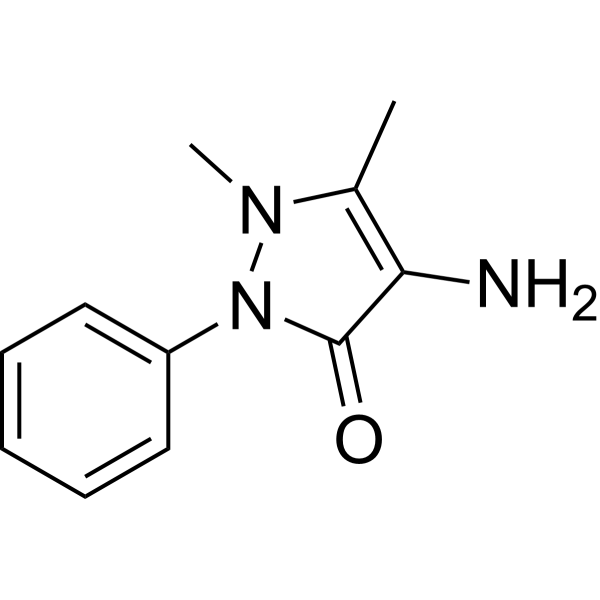
- HY-P5321
-
|
|
FGFR
|
Cancer
|
|
bFGF (119-126) is a ligand of bFGF. The complex formed by bFGF (119-126) and bFGF can bind to FGFR1, while inhibiting the bFGF-FGFR1 interaction, FGFR1 phosphorylation and downstream signaling pathways. Therefore, bFGF (119-126) induces cell apoptosis and inhibits cell proliferation, migration, angiogenesis and metastasis. When conjugated with a carrier, bFGF (119-126) enhances cellular uptake via FGFR-mediated endocytosis and serves as an effective FGFR-targeted ligand. When used in combination with ultrasound and Doxorubicin (HY-15142A), bFGF (119-126) significantly enhances the inhibitory effect on tumors. bFGF (119-126) is applicable to research related to lung cancer, breast cancer, glioblastoma and ovarian cancer .
|
-

- HY-W009203R
-
|
|
Endogenous Metabolite
Apoptosis
Keap1-Nrf2
Reactive Oxygen Species (ROS)
Ferroptosis
Reference Standards
|
Metabolic Disease
Inflammation/Immunology
Cancer
|
|
L-Cystine (dihydrochloride) (Standard) is the analytical standard of L-Cystine (dihydrochloride) (HY-W009203). This product is intended for research and analytical applications. L-Cystine dihydrochloride is the dihydrochloride salt form of L-Cystine (HY-N0394). L-Cystine dihydrochloride elevates Nrf2 protein expression and activates Nrf2 transcription factor. L-cystine dihydrochloride reduces ROS generation and protects against oxidant- or Doxorubicin (HY-15142A)-induced apoptosis. L-Cystine dihydrochloride combined with L-theanine (HY-15121) enhances the production of antigen-specific IgG by increasing glutathione (GSH) levels and T helper 2 (Th2) mediated responses in mice. L-Cystine dihydrochloride is promising for research of cystinuria and kidney stones
|
-

- HY-171955
-
|
|
Lipoxygenase
Apoptosis
Reactive Oxygen Species (ROS)
FAK
|
Cancer
|
|
LXG6403 is an orally active and irreversible LOX inhibitor (IC50 = 1.3 μM). LXG6403 is ~3.5-fold more specific for LOX than LOXL2 and does not inhibit LOXL1. LXG6403 inhibits FAK signaling and induces ROS generation and DNA damage, leading to G1 arrest and apoptosis in chemoresistant triple-negative breast cancer (TNBC) cell lines. LXG6403 alters the extracellular matrix (ECM) and collagen structure, reducing collagen cross-linking and deposition, thereby increasing drug penetration and reducing tumor stiffness. LXG6403 overcomes Doxorubicin (HY-15142) resistance in chemoresistant TNBC PDX in vivo and can be used to study high-stiffness resistant tumors .
|
-

- HY-Y0850P
-
|
PVA (Mw 146000-186000, 87-89% hydrolyzed); Poly(Ethenol) (Mw 146000-186000, 87-89% hydrolyzed)
|
Environmental Pollutants
Biochemical Assay Reagents
|
Cancer
|
|
Polyvinyl alcohol (Mw 146000-186000, 87-89% hydrolyzed) is a polyvinyl alcohol with a molecular weight of 146000-186000 and hydrolytic properties. Polyvinyl alcohol (Mw 146000-186000, 87-89% hydrolyzed) is the hydrolysis and removal of acetate groups after the polymerization of ethylene acetate. And polyvinyl alcohol is obtained. Polyvinyl alcohol with different degrees of hydrolysis can be used to self-crosslink to form cryogel, which can be used as biological excipient. Polyvinyl alcohol can be used in tissue engineering by electrospinning. Polyvinyl alcohol can achieve high cellular density, infiltration, and uniform distribution, facilitating functional connections between cells. Polyvinyl alcohol can improve cell vitality through in vitro cultivation. Polyvinyl alcohol demonstrates promising inhibition of ostersarcoma cancer cells with Doxorubicin (HY-15142A) .
|
-
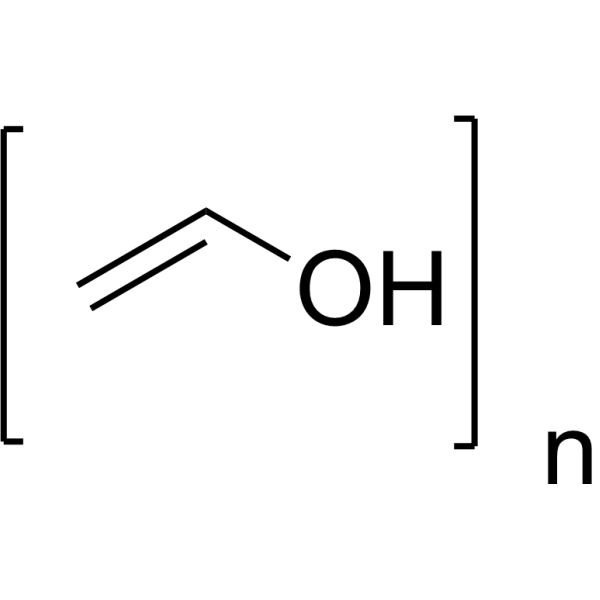
- HY-172723
-
|
|
Liposome
Transferrin Receptor
|
Neurological Disease
Cancer
|
|
DSPE-PEG2000-T7 is a PEGylated compound composed of DSPE and peptideT7. T7 (HAIYPRH) specifically binds to TfR. DSPE-PEG2000-T7 can be used to prepare T7-modified liposomes, where liposomes modified with both T7 and DA7R peptides can effectively co-deliver Doxorubicin (HY-15142A) and Vincristine (HY-N0488A) to gliomas. DSPE-PEG2000-T7 can also be used to prepare nanomodulators that mediate the co-delivery of tyrosine hydroxylase mRNA and interferon gene stimulator antagonists for synergistic intervention in Parkinson's disease .
|
-

- HY-N1441R
-
|
Kaempferol-3-O-rhamnoside (Standard)
|
Mitochondrial Metabolism
PTEN
Autophagy
Bacterial
Reference Standards
|
Infection
Cardiovascular Disease
Neurological Disease
Inflammation/Immunology
|
|
Afzelin (Standard) is the analytical standard of Afzelin. This product is intended for research and analytical applications. Afzelin (Kaempferol-3-O-rhamnoside)It is a flavonol glycoside that has anti-inflammatory, anti-oxidative stress response, anti-apoptotic, and anti-cardiac cytotoxic effects. AfzelinIt can reduce mitochondrial damage, enhance mitochondrial biosynthesis, and reduce mitochondria-related proteins. Parkinand PTENinduced putative kinase 1 (putative kinase 1)s level. AfzelinCan be improved D-galactosamine(GalN)/LPSSurvival rate of mice treated with doxorubicin prophylaxis (HY-15142A)Induced cardiotoxicity and scopolamine (HY-N0296)-induced neurological injury. AfzelinAlso inhibits asthma and allergies caused by ovalbumin .
|
-

- HY-N0394S5
-
|
|
Isotope-Labeled Compounds
|
Others
|
|
L-Cystine- 13C6, 15N2 is the 13C- and 15N-labeled L-Cystine (HY-N0394). L-Cystine is an orally active extracellular form of L-Cysteine (HY-Y0337), occurring in proteins of plants and animals. L-Cystine elevates Nrf2 protein expression and activates Nrf2 transcription factor. L-cystine reduces ROS generation and protects against oxidant- or Doxorubicin (HY-15142A)-induced apoptosis. L-Cystine combined with L-theanine (HY-15121) enhances the production of antigen-specific IgG by increasing glutathione (GSH) levels and T helper 2 (Th2) mediated responses in mice. L-Cystine is promising for research of cystinuria and kidney stones.
|
-

- HY-N9362
-
|
EmodAN
|
Ferroptosis
Antibiotic
|
Cardiovascular Disease
Infection
|
|
Emodinanthrone (EmodAn) is a MARCH7 stabilizer that inhibits ferroptosis (EC50=70 nM). Emodinanthrone is also a precursor to Emodin (HY-14393) and possesses antibiotic activity. Emodinanthrone directly binds to MARCH7 and blocks its ubiquitination-mediated degradation at the K608 site; this action enhances MARCH7-mediated K48 ubiquitination and degradation of NCOA4, as well as its regulation of the intracellular localization of TFR1 via K63 ubiquitination, thereby reducing the intracellular labile iron pool and blocking ferroptosis. Emodinanthrone demonstrates in vivo cardioprotective effects and exhibits a favorable safety profile. Emodinanthrone is applicable to research on ferroptosis-related cardiovascular diseases, including Doxorubicin (HY-15142A)-induced cardiomyopathy and myocardial ischemia-reperfusion injury .
|
-
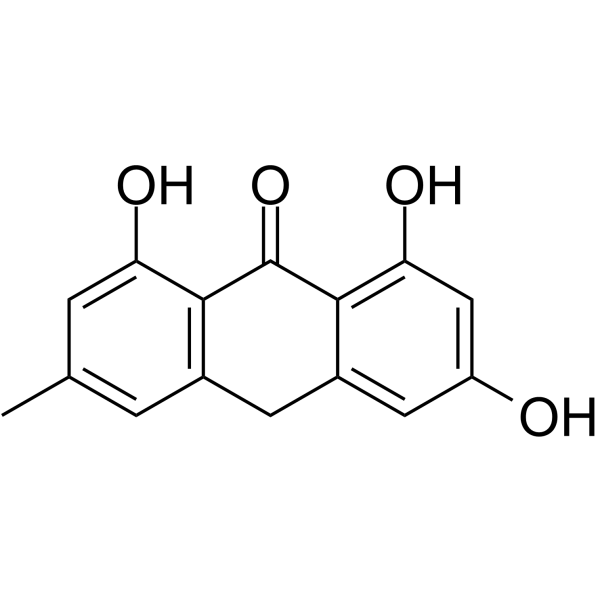
- HY-P1723
-
Spexin
2 Publications Verification
Neuropeptide Q
|
Neuropeptide Y Receptor
Apoptosis
Ferroptosis
Autophagy
|
Cardiovascular Disease
Neurological Disease
|
|
Spexin (Neuropeptide Q) is a selective agonist of galanin receptors GAL2 and GAL3, and is a conserved peptide that functions as a neurotransmitter/neuromodulator and endocrine factor. Spexin can function through both central and peripheral actions. Spexin upregulates Beclin 1 to inhibit ferroptosis induced by excessive autophagy, reduces the uptake of long-chain fatty acids by adipocytes, and regulates energy metabolism by increasing lipid oxidation (e.g., reducing the respiratory exchange ratio in rodents). Spexin improves cardiac function in the Doxorubicin hydrochloride (HY-15142)-induced cardiotoxicity model, protects mitochondrial membrane potential, and reduces iron accumulation and lipid peroxidation. Spexin can be used to study obesity and its related metabolic disorders, cardiovascular diseases (e.g., cardioprotection), and side effects of tumor chemotherapy .
|
-
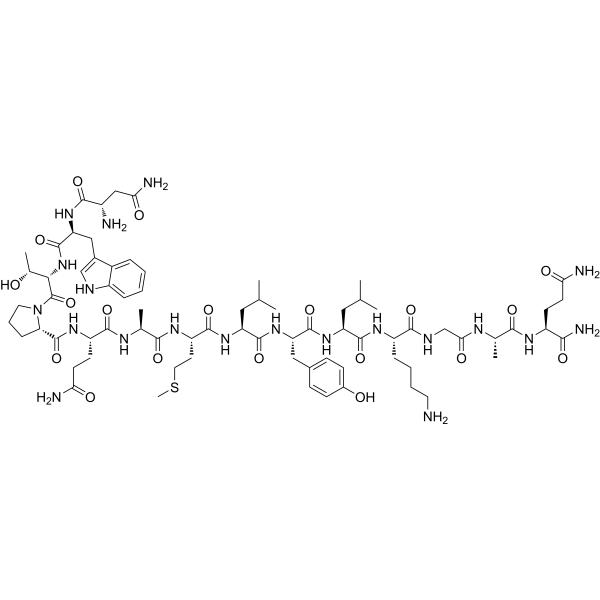
- HY-P1723A
-
|
Neuropeptide Q TFA
|
Neuropeptide Y Receptor
Apoptosis
Ferroptosis
Autophagy
|
Cardiovascular Disease
Metabolic Disease
|
|
Spexin (Neuropeptide Q) TFA is a selective agonist of galanin receptors GAL2 and GAL3, and is a conserved peptide that functions as a neurotransmitter/neuromodulator and endocrine factor. Spexin TFA can function through both central and peripheral actions. Spexin TFA upregulates Beclin 1 to inhibit ferroptosis induced by excessive autophagy, reduces the uptake of long-chain fatty acids by adipocytes, and regulates energy metabolism by increasing lipid oxidation (e.g., reducing the respiratory exchange ratio in rodents). Spexin TFA improves cardiac function in the Doxorubicin hydrochloride (HY-15142)-induced cardiotoxicity model, protects mitochondrial membrane potential, and reduces iron accumulation and lipid peroxidation. Spexin TFA can be used to study obesity and its related metabolic disorders, cardiovascular diseases (e.g., cardioprotection), and side effects of tumor chemotherapy .
|
-
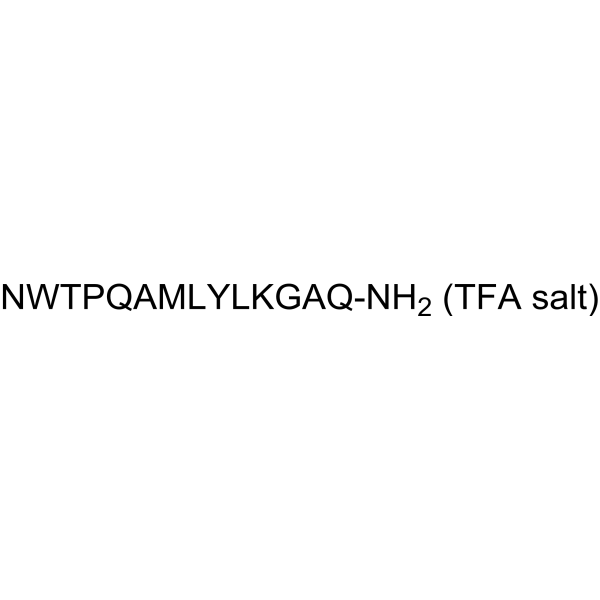
- HY-B1398S
-
|
4-Aminoantipyrine-d3
|
Isotope-Labeled Compounds
COX
Drug Metabolite
|
Neurological Disease
Inflammation/Immunology
Cancer
|
|
Ampyrone-d3 is the deuterium labeled Ampyrone (HY-B1398). Ampyrone (4-Aminophenazone; 4-Aminoantipyrine) is a reversible and low-damage optical clearing agent and non-selective COX inhibitor based on UV absorption properties. Ampyrone can improve the optical transmittance of mouse skin and other tissues. Ampyrone can induce tissue refractive index matching by enhancing UV absorption, reduce light scattering, and achieve tissue transparency in vivo. Ampyrone reduces the synthesis of prostaglandin PGE2, thereby exerting anti-inflammatory, analgesic and antipyretic effects. Ampyrone inhibits DNA damage, cell apoptosis and immune cell phagocytosis induced by Doxorubicin (HY-15142A) and Cisplatin (HY-17394), etc., and participates in the regulation of toxicity in tumor chemotherapy .
|
-
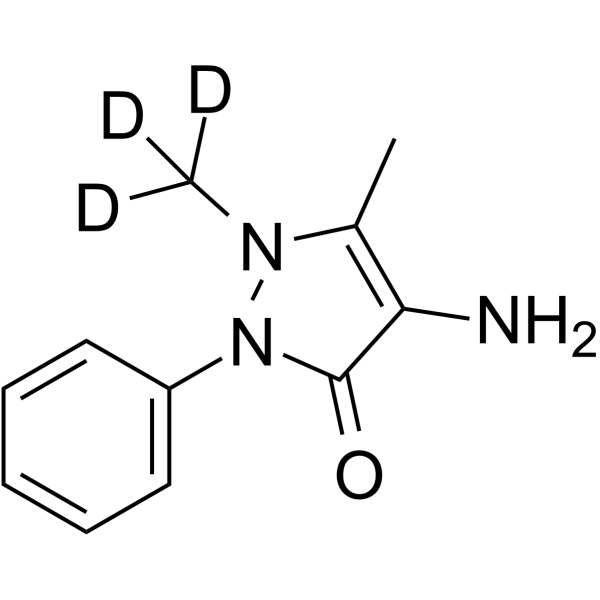
- HY-N6712R
-
|
Acetopyrrothin (Standard)
|
Reference Standards
Antibiotic
Bacterial
Deubiquitinase
NOD-like Receptor (NLR)
DNA/RNA Synthesis
Pyroptosis
HMG-CoA Reductase (HMGCR)
|
Cardiovascular Disease
Inflammation/Immunology
Cancer
|
|
Thromycin (Standard) is the analytical standard of thromycin (Acetopyrrothin) (HY-N6712). Thiolutin is a sulfur-containing antibiotic, which is a potent inhibitor of bacterial and yeast RNA polymerases. Thiolutin can be produced by Streptomyces. Thiolutin inhibits AMSH (IC50 = 4 μM) and Rpn11 (IC50 = 0.53 μM). Thiolutin is a dual inhibitor of BRCC36 and the NLRP3 inflammasome, exhibiting anti-inflammatory effects. Thiolutin effectively suppresses the interaction between BRCC36 and HMGCR, leading to the inhibition of HCC growth. Thiolutin attenuates pyroptosis and NLRP3 inflammasome activation. Thiolutin markedly alleviates renal injury and inflammatory process in IgAN. Thiolutin is an anti-angiogenic compound which can ease Doxorubicin (HY-15142A)-induced cardiotoxicity (DOXIC) [1][2][3][4][5].
|
-

- HY-164236S
-
|
|
Isotope-Labeled Compounds
Endogenous Metabolite
|
Metabolic Disease
|
|
C22 Glucosylceramide (d18:1/22:0)-d4 is deuterium labeled C22 Glucosylceramide (d18:1/22:0) (HY-164236). C22 Glucosylceramide (d18:1/22:0) is a bioactive sphingolipid composed of a d18:1 sphingoid base and a 22:0 fatty acid chain. C22 Glucosylceramide (d18:1/22:0) specifically exists in Doxorubicin (HY-15142A)-sensitive cancer cells, and its circulating concentration is positively correlated with the incidence of cardiovascular events. C22 Glucosylceramide (d18:1/22:0) has been widely used in research related to cardiovascular diseases, hypercholesterolemia, metabolic syndrome, breast adenocarcinoma and other fields .
|
-

- HY-B1398R
-
|
4-Aminophenazone (Standard)
|
Reference Standards
COX
Drug Metabolite
|
Neurological Disease
Inflammation/Immunology
Cancer
|
|
Ampyrone (4-Aminophenazone) (Standard) is the analytical standard of Ampyrone (HY-B1398). This product is intended for research and analytical applications. Ampyrone (4-Aminophenazone; 4-Aminoantipyrine) is a reversible and low-damage optical clearing agent and non-selective COX inhibitor based on UV absorption properties. Ampyrone can improve the optical transmittance of mouse skin and other tissues. Ampyrone can induce tissue refractive index matching by enhancing UV absorption, reduce light scattering, and achieve tissue transparency in vivo. Ampyrone reduces the synthesis of prostaglandin PGE2, thereby exerting anti-inflammatory, analgesic and antipyretic effects. Ampyrone inhibits DNA damage, cell apoptosis and immune cell phagocytosis induced by Doxorubicin (HY-15142A) and Cisplatin (HY-17394), etc., and participates in the regulation of toxicity in tumor chemotherapy .
|
-

- HY-N9362R
-
|
EmodAN (Standard)
|
Reference Standards
Antibiotic
Ferroptosis
|
Infection
|
|
Pro-xylane (Standard) is the analytical standard of Pro-xylane. This product is intended for research and analytical applications. Emodinanthrone (EmodAn) is a MARCH7 stabilizer that inhibits ferroptosis (EC50=70 nM). Emodinanthrone is also a precursor to Emodin (HY-14393) and possesses antibiotic activity. Emodinanthrone directly binds to MARCH7 and blocks its ubiquitination-mediated degradation at the K608 site; this action enhances MARCH7-mediated K48 ubiquitination and degradation of NCOA4, as well as its regulation of the intracellular localization of TFR1 via K63 ubiquitination, thereby reducing the intracellular labile iron pool and blocking ferroptosis. Emodinanthrone demonstrates in vivo cardioprotective effects and exhibits a favorable safety profile. Emodinanthrone is applicable to research on ferroptosis-related cardiovascular diseases, including Doxorubicin (HY-15142A)-induced cardiomyopathy and myocardial ischemia-reperfusion injury .
|
-

- HY-N0103A
-
|
|
Autophagy
Apoptosis
NF-κB
PI3K
Akt
MEK
ERK
|
Cardiovascular Disease
Inflammation/Immunology
Cancer
|
|
Sophocarpine monohydrate is a PTEN activator and an inhibitor of PI3K/Akt, MEK/ERK, and NF-κB signaling pathways. Sophocarpine monohydrate upregulates PTEN expression and inhibits PI3K/Akt phosphorylation, arrests tumor cell cycle and induces apoptosis. Sophocarpine monohydrate inhibits MEK/ERK phosphorylation and VEGF secretion, reducing tumor cell migration. Sophocarpine monohydrate can also inhibit NF-κB activation and p38 and JNK phosphorylation, reduce the expression of inflammatory factors such as iNOS and COX-2, and activate the Nrf2/HO-1 pathway to reduce oxidative stress. Sophocarpine monohydrate has anti-tumor, anti-inflammatory, antioxidant and anti-apoptotic effects, and can be used in the research of cancers such as glioblastoma and colorectal cancer, inflammation-related diseases, and Doxorubicin (HY-15142A)-induced cardiac damage .
|
-
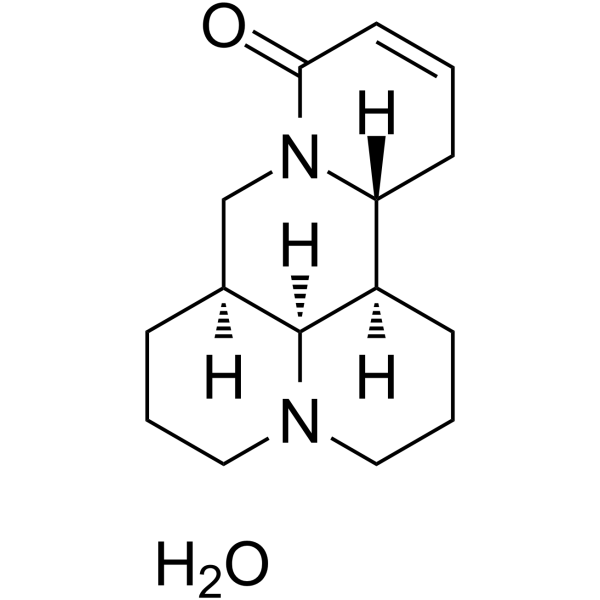
- HY-Y0850J
-
|
PVA (Mw 13000-23000, 87-89% hydrolyzed); Poly(Ethenol) (Mw 13000-23000, 87-89% hydrolyzed)
|
Environmental Pollutants
Biochemical Assay Reagents
|
Cancer
|
|
Polyvinyl alcohol (Mw 13000-23000, 87-89% hydrolyzed) is a polyvinyl alcohol with a molecular weight of 130000-23000 and hydrolytic properties. Polyvinyl alcohol (Mw 13000-23000, 87-89% hydrolyzed) is the hydrolysis and removal of acetate groups after the polymerization of ethylene acetate and polyvinyl alcohol is obtained. A degree of hydrolysis of 87-89% indicates that a large part of the acetate groups have been removed, resulting in a large number of hydroxyl groups in the PVA structure. Polyvinyl alcohol with different degrees of hydrolysis can be used to self-crosslink to form cryogel, which can be used as biological excipient. Polyvinyl alcohol can be used in tissue engineering by electrospinning. Polyvinyl alcohol can achieve high cellular density, infiltration, and uniform distribution, facilitating functional connections between cells. Polyvinyl alcohol can improve cell vitality through in vitro cultivation. Polyvinyl alcohol demonstrates promising inhibition of ostersarcoma cancer cells with Doxorubicin (HY-15142A) .
|
-
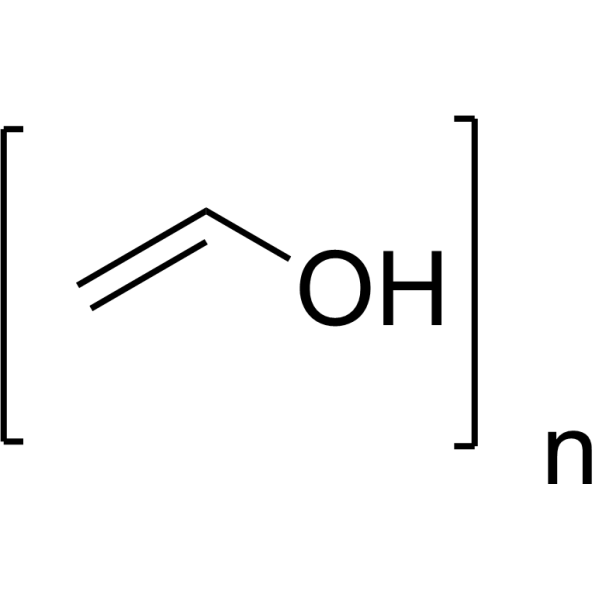
- HY-N0103
-
|
|
Autophagy
Apoptosis
NF-κB
PI3K
Akt
MEK
ERK
PTEN
|
Cardiovascular Disease
Inflammation/Immunology
Cancer
|
|
Sophocarpine is a PTEN activator and an inhibitor of PI3K/Akt, MEK/ERK, and NF-κB signaling pathways. Sophocarpine upregulates PTEN expression and inhibits PI3K/Akt phosphorylation, arrests tumor cell cycle and induces apoptosis. Sophocarpine inhibits MEK/ERK phosphorylation and VEGF secretion, reducing tumor cell migration. Sophocarpine can also inhibit NF-κB activation and p38 and JNK phosphorylation, reduce the expression of inflammatory factors such as iNOS and COX-2, and activate the Nrf2/HO-1 pathway to reduce oxidative stress. Sophocarpine has anti-tumor, anti-inflammatory, antioxidant and anti-apoptotic effects, and can be used in the research of cancers such as glioblastoma and colorectal cancer, inflammation-related diseases, and Doxorubicin (HY-15142A)-induced cardiac damage .
|
-
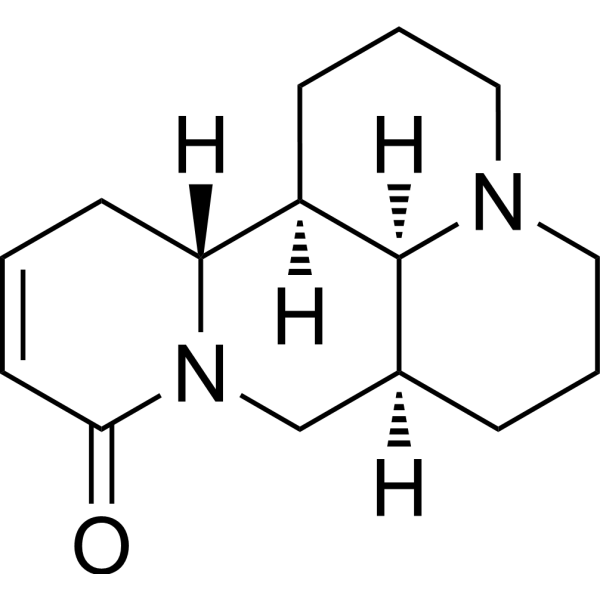
- HY-N0103R
-
|
|
Reference Standards
Autophagy
Apoptosis
NF-κB
PI3K
Akt
MEK
ERK
|
Cardiovascular Disease
Inflammation/Immunology
Cancer
|
|
Sophocarpine (Standard) is the analytical standard of Sophocarpine (HY-N0103). This product is intended for research and analytical applications. Sophocarpine is a PTEN activator and an inhibitor of PI3K/Akt, MEK/ERK, and NF-κB signaling pathways. Sophocarpine upregulates PTEN expression and inhibits PI3K/Akt phosphorylation, arrests tumor cell cycle and induces apoptosis. Sophocarpine inhibits MEK/ERK phosphorylation and VEGF secretion, reducing tumor cell migration. Sophocarpine can also inhibit NF-κB activation and p38 and JNK phosphorylation, reduce the expression of inflammatory factors such as iNOS and COX-2, and activate the Nrf2/HO-1 pathway to reduce oxidative stress. Sophocarpine has anti-tumor, anti-inflammatory, antioxidant and anti-apoptotic effects, and can be used in the research of cancers such as glioblastoma and colorectal cancer, inflammation-related diseases, and Doxorubicin (HY-15142A)-induced cardiac damage .
|
-

- HY-N0394R
-
|
|
Reference Standards
Endogenous Metabolite
Ferroptosis
ROS Kinase
Keap1-Nrf2
|
Metabolic Disease
Inflammation/Immunology
Cancer
|
|
L-Cystine (Standard) is the analytical standard of L-Cystine. This product is intended for research and analytical applications. L-Cystine, the extracellular form of L-Cysteine (HY-Y0337), is a nutritionally dispensable semiessential sulfur-containing amino acid, occurring in proteins of plants and animals. L-Cystine induces Nrf2 protein elevation in a Keap1 (HY-P75897)-dependent manner and activates Nrf2 transcription factor. L-cystine can elicit cytoprotection by reducing ROS generation and protecting against oxidant- or doxorubicin-induced apoptosis. The reduced reabsorption of L-Cystine in renal tubules and its poor solubility in urine are the important causes of cystine precipitation and cystine crystal formation eventually leading to kidney stones. L-Cystine combined with L-theanine (HY-15121) enhances the production of antigen-specific IgG by increasing glutathione (GSH) levels and T helper 2 (Th2) mediated responses in mice. L-Cystine is promising for research of cystinuria and cystinosis
|
-

- HY-173132
-
|
|
Aldose Reductase
|
Cancer
|
|
AKR1Cs-IN-1 (Compound 29) is a potent and broad-spectrum inhibitor targeting members of the Aldo-Keto Reductase 1C family (AKR1C1-1C4). By simultaneously occupying the SP2 and SP3 pockets, it effectively inhibits multiple isoforms and disrupts metabolic pathways associated with drug resistance. In enzymatic activity assays, AKR1Cs-IN-1 exhibited significant inhibitory potency, with IC50 values of 0.09, 0.28, 0.05, and 0.51 µM against AKR1C1, AKR1C2, AKR1C3, and AKR1C4, respectively. In the doxorubicin (DOX)-resistant breast cancer cell line MCF-7/ADR, AKR1Cs-IN-1 showed remarkable resensitization effects and significantly enhanced the cytotoxicity of DOX. AKR1Cs-IN-1 holds promise for research on overcoming drug resistance in breast cancer .
|
-

- HY-N0353R
-
|
(+)-Curdione (Standard)
|
Reference Standards
Ferroptosis
Apoptosis
Reactive Oxygen Species (ROS)
Autophagy
Glutathione Peroxidase
Keap1-Nrf2
Heme Oxygenase (HO)
TGF-β Receptor
Indoleamine 2,3-Dioxygenase (IDO)
|
Others
|
|
Curdione (Standard) is the analytical standard of Curdione. This product is intended for research and analytical applications. Curdione ((+)-Curdione) is an orally active sesquiterpenoid. Curdione inhibits platelet aggregation. Curdione induces ferroptosis in colorectal cancer via m6A methylation mediated by METTL14 and YTHDF2. Curdione inhibits ferroptosis in Isoproterenol (HY-B0468)-induced myocardial infarction by regulating the Keap1/Trx1/GPX4 signaling pathway, suppressing oxidative stress (ROS) and apoptosis. Curdione ameliorates Doxorubicin (HY-15142)-induced cardiotoxicity by inhibiting oxidative stress (ROS) and activating the Nrf2/HO-1 pathway. Curdione ameliorates sepsis-induced lung injury by inhibiting platelet-mediated neutrophil extracellular trap formation. Curdione ameliorates Bleomycin (HY-17565A)-induced pulmonary fibrosis by inhibiting TGF-β-induced fibroblast-to-myofibroblast differentiation. Curdione exhibits neuroprotective effects against focal cerebral ischemia-reperfusion injury in rats. Curdione exerts antiproliferative effects against human uterine leiomyosarcoma by targeting IDO1. Curdione protects vascular endothelial cells and atherosclerosis by regulating DNMT1-mediated ERBB4 promoter methylation. Curdione inhibits inducible prostaglandin E2 production (IC50 = 1.1 μM) and cyclooxygenase 2 expression .
|
-

- HY-N0353
-
|
(+)-Curdione
|
Ferroptosis
Apoptosis
Reactive Oxygen Species (ROS)
Autophagy
Glutathione Peroxidase
Keap1-Nrf2
Heme Oxygenase (HO)
TGF-β Receptor
Indoleamine 2,3-Dioxygenase (IDO)
|
Cardiovascular Disease
Neurological Disease
Cancer
|
|
Curdione ((+)-Curdione) is an orally active sesquiterpenoid. Curdione inhibits platelet aggregation. Curdione induces ferroptosis in colorectal cancer via m6A methylation mediated by METTL14 and YTHDF2. Curdione inhibits ferroptosis in Isoproterenol (HY-B0468)-induced myocardial infarction by regulating the Keap1/Trx1/GPX4 signaling pathway, suppressing oxidative stress (ROS) and apoptosis. Curdione ameliorates Doxorubicin (HY-15142)-induced cardiotoxicity by inhibiting oxidative stress (ROS) and activating the Nrf2/HO-1 pathway. Curdione ameliorates sepsis-induced lung injury by inhibiting platelet-mediated neutrophil extracellular trap formation. Curdione ameliorates Bleomycin (HY-17565A)-induced pulmonary fibrosis by inhibiting TGF-β-induced fibroblast-to-myofibroblast differentiation. Curdione exhibits neuroprotective effects against focal cerebral ischemia-reperfusion injury in rats. Curdione exerts antiproliferative effects against human uterine leiomyosarcoma by targeting IDO1. Curdione protects vascular endothelial cells and atherosclerosis by regulating DNMT1-mediated ERBB4 promoter methylation. Curdione inhibits inducible prostaglandin E2 production (IC50 = 1.1 μM) and cyclooxygenase 2 expression .
|
-
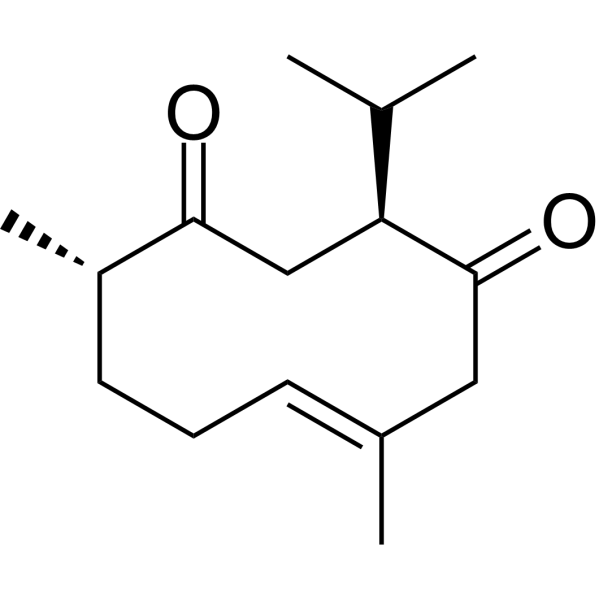
-
-
HY-L254
-
|
|
62 compounds
|
|
Bacteria-derived natural products have long been recognized as an important resource for innovative drug discovery due to their remarkable structural diversity and broad spectrum of biological activities. Microorganisms such as actinomycetes, Bacillus species, and marine bacteria can produce a wide range of small molecules with unique chemical scaffolds, showing extensive application potential in anti-infective, anticancer, immunomodulatory, and metabolic disease research. Many classic drugs, including Streptomycin, Tetracycline, and Doxorubicin, are derived from bacteria-related natural products.
|
| Cat. No. |
Product Name |
Type |
-
- HY-D0226
-
|
1,4-Dihydroxyanthraquinone
|
Fluorescent Dyes
|
|
Quinizarin (1,4-Dihydroxyanthraquinone), a part of the anticancer agents such as Doxorubicin, Daunorubicin, and Adriamycin, interacts with DNA by intercalating mode (Kd=86.1 μM). Quinizarin is used as a fungicide and pesticide chemical and has shown the ability to inhibit tumor cell growth .
|
-
- HY-D2437
-
|
|
Fluorescent Dyes
|
|
DOX-PEG-Cy3 (Doxorubicin-PEG-Cy3) is a Cy3 (HY-D0822) labeled DOX-PEG conjugate. The Cy3 fluorophore is commonly used in applications such as immunolabeling, nucleic acid labeling, fluorescence microscopy, and flow cytometry. Cy3 has an emission maximum around 562-570 nm. DOX is a broad-spectrum anthracycline antibiotic with cytotoxic properties .
|
-
- HY-16700G
-
|
|
Fluorescent Dyes
|
|
PNU-159682 GMP is a GMP grade PNU-159682 (HY-16700). PNU-159682, a metabolite of the anthracycline Nemorubicin, is a highly potent DNA topoisomerase II inhibitor with excellent cytotoxicity. PNU-159682 acts as a more potent and tolerated ADC cytotoxin than Doxorubicin for ADC synthesis. PNU-159682 can be used in EDV-nanocell technology to overcome agent resistance.
|
-
- HY-15794G
-
|
Methoxymorpholinyl Doxorubicin; FCE 23762; PNU 152243
|
Fluorescent Dyes
|
|
Nemorubicin (Methoxymorpholinyl doxorubicin) GMP is a GMP-class Nemorubicin (HY-15794). Nemorubicin is a Doxorubicin derivative with potent antitumor activity. Nemorubicin is highly cytotoxic to a variety of tumor cell lines presenting a multidrug-resistant phenotype. Nemorubicin not only intercalate into the duplex DNA, but also result in significant ligands for G-quadruplex DNA segments, stabilizing their structure. Nemorubicin requirs an intact nucleotide excision repair (NER) system to exert its activity .
|
-
- HY-D0226R
-
|
1,4-Dihydroxyanthraquinone (Standard)
|
Fluorescent Dyes
|
|
Quinizarin (Standard) is the analytical standard of Quinizarin. This product is intended for research and analytical applications. Quinizarin (1,4-Dihydroxyanthraquinone), a part of the anticancer agents such as Doxorubicin, Daunorubicin, and Adriamycin, interacts with DNA by intercalating mode (Kd=86.1 μM). Quinizarin is used as a fungicide and pesticide chemical and has shown the ability to inhibit tumor cell growth .
|
-
- HY-D3190
-
|
|
Fluorescent Dyes
|
|
BODIPY-DOX is a conjugate composed of BODIPY and Doxorubicin (HY-15142A), as well as a pH-activated fluorescent probe for M1 macrophages and an apoptosis inducer. BODIPY-DOX undergoes pH-induced hydrazone bond cleavage in acidic M1 macrophage phagosomes, thereby releasing cytotoxic Doxorubicin (Dox) and inhibiting the function of pro-inflammatory M1 macrophages. BODIPY-DOX highly selectively inhibits the production of relevant pro-inflammatory cytokines by mouse and human monocyte-derived M1 macrophages, while exerting minimal effects on M2 or unactivated macrophages. Therefore, BODIPY-DOX enables simultaneous fluorescent tracing, differentiation and elimination of specific macrophage subsets, and exhibits the potential to regulate tissue regeneration in zebrafish models .
|
| Cat. No. |
Product Name |
Type |
-
- HY-Y0850J
-
|
PVA (Mw 13000-23000, 87-89% hydrolyzed); Poly(Ethenol) (Mw 13000-23000, 87-89% hydrolyzed)
|
Biochemical Assay Reagents
|
|
Polyvinyl alcohol (Mw 13000-23000, 87-89% hydrolyzed) is a polyvinyl alcohol with a molecular weight of 130000-23000 and hydrolytic properties. Polyvinyl alcohol (Mw 13000-23000, 87-89% hydrolyzed) is the hydrolysis and removal of acetate groups after the polymerization of ethylene acetate and polyvinyl alcohol is obtained. A degree of hydrolysis of 87-89% indicates that a large part of the acetate groups have been removed, resulting in a large number of hydroxyl groups in the PVA structure. Polyvinyl alcohol with different degrees of hydrolysis can be used to self-crosslink to form cryogel, which can be used as biological excipient. Polyvinyl alcohol can be used in tissue engineering by electrospinning. Polyvinyl alcohol can achieve high cellular density, infiltration, and uniform distribution, facilitating functional connections between cells. Polyvinyl alcohol can improve cell vitality through in vitro cultivation. Polyvinyl alcohol demonstrates promising inhibition of ostersarcoma cancer cells with Doxorubicin (HY-15142A) .
|
-
- HY-Y0850I
-
|
PVA (Mw 9000-10000, 80% hydrolyzed); Poly(Ethenol) (Mw 9000-10000, 80% hydrolyzed)
|
Biochemical Assay Reagents
|
|
Polyvinyl alcohol (Mw 9000-10000, 80% hydrolyzed) also known as PVA, is a vinyl water-soluble polymer that can be used as a non-ionic surfactant. Polyvinyl alcohol (Mw 9000-10000, 80% hydrolyzed) can be used as a biodegradable polymer and can be used in adhesives, coatings, textiles, ceramics, and cosmetics. Polyvinyl alcohol can be used in tissue engineering by electrospinning. Polyvinyl alcohol can achieve high cellular density, infiltration, and uniform distribution, facilitating functional connections between cells. Polyvinyl alcohol can improve cell vitality through in vitro cultivation. Polyvinyl alcohol demonstrates promising inhibition of ostersarcoma cancer cells with Doxorubicin (HY-15142A) .
|
-
- HY-Y0850P
-
|
PVA (Mw 146000-186000, 87-89% hydrolyzed); Poly(Ethenol) (Mw 146000-186000, 87-89% hydrolyzed)
|
Biochemical Assay Reagents
|
|
Polyvinyl alcohol (Mw 146000-186000, 87-89% hydrolyzed) is a polyvinyl alcohol with a molecular weight of 146000-186000 and hydrolytic properties. Polyvinyl alcohol (Mw 146000-186000, 87-89% hydrolyzed) is the hydrolysis and removal of acetate groups after the polymerization of ethylene acetate. And polyvinyl alcohol is obtained. Polyvinyl alcohol with different degrees of hydrolysis can be used to self-crosslink to form cryogel, which can be used as biological excipient. Polyvinyl alcohol can be used in tissue engineering by electrospinning. Polyvinyl alcohol can achieve high cellular density, infiltration, and uniform distribution, facilitating functional connections between cells. Polyvinyl alcohol can improve cell vitality through in vitro cultivation. Polyvinyl alcohol demonstrates promising inhibition of ostersarcoma cancer cells with Doxorubicin (HY-15142A) .
|
-
- HY-172723
-
|
|
Biochemical Assay Reagents
|
|
DSPE-PEG2000-T7 is a PEGylated compound composed of DSPE and peptideT7. T7 (HAIYPRH) specifically binds to TfR. DSPE-PEG2000-T7 can be used to prepare T7-modified liposomes, where liposomes modified with both T7 and DA7R peptides can effectively co-deliver Doxorubicin (HY-15142A) and Vincristine (HY-N0488A) to gliomas. DSPE-PEG2000-T7 can also be used to prepare nanomodulators that mediate the co-delivery of tyrosine hydroxylase mRNA and interferon gene stimulator antagonists for synergistic intervention in Parkinson's disease .
|
-
- HY-Y0850K
-
|
PVA (Mw 31000-50000, 98-99% hydrolyzed); Poly(Ethenol) (Mw 31000-50000, 98-99% hydrolyzed)
|
Biochemical Assay Reagents
|
|
Polyvinyl alcohol (Mw 31000-50000, 98-99% hydrolyzed), also known as PVA, is a vinyl water-soluble polymer that can be used as a non-ionic surfactant. It can also be used as a biodegradable polymer and can be used in adhesives, coatings, textiles, ceramics and cosmetics. Polyvinyl alcohol can be used in tissue engineering by electrospinning. Polyvinyl alcohol can achieve high cellular density, infiltration, and uniform distribution, facilitating functional connections between cells. Polyvinyl alcohol can improve cell vitality through in vitro cultivation. Polyvinyl alcohol demonstrates promising inhibition of ostersarcoma cancer cells with Doxorubicin (HY-15142A) .
|
-
- HY-W441002
-
|
|
Biochemical Assay Reagents
|
|
DSPE-succinic acid is a derivative of Succinic acid (HY-N0420) and an intermediate of DSPE-Doxorubicin. DSPE-succinic acid can be used to synthesize DSPE-Doxorubicin via EDC/NHS activation. DSPE-succinic acid is applicable to the research of triple-negative breast cancer .
|
-
- HY-W440899
-
|
|
Biochemical Assay Reagents
|
|
DSPE-PEG1000-SPDP is a thiol reactive PEG lipid. The polymer is amphiphilic and spontaneously forms lipid bilayer in water. It can be used to encapsulate nutrients or therapeutics for targeted drug delivery, for example mRNA or DNA vaccine, liposomal doxorubicin for anti tumor.
|
-
- HY-16700G
-
|
|
Biochemical Assay Reagents
|
|
PNU-159682 GMP is a GMP grade PNU-159682 (HY-16700). PNU-159682, a metabolite of the anthracycline Nemorubicin, is a highly potent DNA topoisomerase II inhibitor with excellent cytotoxicity. PNU-159682 acts as a more potent and tolerated ADC cytotoxin than Doxorubicin for ADC synthesis. PNU-159682 can be used in EDV-nanocell technology to overcome agent resistance.
|
-
- HY-167021
-
|
|
Biochemical Assay Reagents
|
|
Cholesterol-doxorubicin is a cholesterol conjugate with good storage stability, low hematotoxicity, and controllable drug delivery properties. Cholesterol-doxorubicin can be used in drug delivery research .
|
-
- HY-15794G
-
|
Methoxymorpholinyl Doxorubicin; FCE 23762; PNU 152243
|
Biochemical Assay Reagents
|
|
Nemorubicin (Methoxymorpholinyl doxorubicin) GMP is a GMP-class Nemorubicin (HY-15794). Nemorubicin is a Doxorubicin derivative with potent antitumor activity. Nemorubicin is highly cytotoxic to a variety of tumor cell lines presenting a multidrug-resistant phenotype. Nemorubicin not only intercalate into the duplex DNA, but also result in significant ligands for G-quadruplex DNA segments, stabilizing their structure. Nemorubicin requirs an intact nucleotide excision repair (NER) system to exert its activity .
|
-
- HY-W441003
-
|
|
Biochemical Assay Reagents
|
|
DSPE-PEG2000-IA is a thiol reactive phospholipid polyPEG. The iodoacetyll group is reactive with thiol to produce a thioether linkage. The polymer can self-assemble in water to form lipid bilayer and can be used to encapsulate drugs in targeted delivery application, such as liposomal doxorubicin as an anti cancer drug or mRNA vaccine.
|
-
- HY-W440901
-
|
|
Biochemical Assay Reagents
|
|
DSPE-PEG5000-SPDP is an amphiphilic polyPEG which forms lipid bilayer in water. It can be used to encapsualte therapeutic agents. The core can encapsulate hydrophilic nutrients, such as protein/peptide and mRNA/DNA/siRNA etc. while the lipid bilayer can solubilize hydrophobic drugs, such as doxorubicin, curcumin etc. The SPDP moiety can react with thiol molecule to form a disulfide bond.
|
-
- HY-W772717
-
|
|
Biochemical Assay Reagents
|
|
L-Cystine disodium monohydrate is an orally active extracellular form of L-Cysteine (HY-Y0337), occurring in proteins of plants and animals. L-Cystine disodium monohydrate elevates Nrf2 protein expression and activates Nrf2 transcription factor. L-Cystine disodium monohydrate reduces ROS generation and protects against oxidant- or Doxorubicin (HY-15142A)-induced apoptosis. L-Cystine disodium monohydrate combined with L-theanine (HY-15121) enhances the production of antigen-specific IgG by increasing glutathione (GSH) levels and T helper 2 (Th2) mediated responses in mice. L-Cystine disodium monohydrate is promising for research of cystinuria and kidney stones .
|
| Cat. No. |
Product Name |
Target |
Research Area |
-
- HY-W009203
-
|
|
Endogenous Metabolite
Apoptosis
Keap1-Nrf2
Reactive Oxygen Species (ROS)
Ferroptosis
|
Metabolic Disease
Inflammation/Immunology
Cancer
|
|
L-Cystine dihydrochloride is the dihydrochloride salt form of L-Cystine (HY-N0394). L-Cystine dihydrochloride elevates Nrf2 protein expression and activates Nrf2 transcription factor. L-cystine dihydrochloride reduces ROS generation and protects against oxidant- or Doxorubicin (HY-15142A)-induced apoptosis. L-Cystine dihydrochloride combined with L-theanine (HY-15121) enhances the production of antigen-specific IgG by increasing glutathione (GSH) levels and T helper 2 (Th2) mediated responses in mice. L-Cystine dihydrochloride is promising for research of cystinuria and kidney stones
|
-
- HY-P5321
-
|
|
FGFR
|
Cancer
|
|
bFGF (119-126) is a ligand of bFGF. The complex formed by bFGF (119-126) and bFGF can bind to FGFR1, while inhibiting the bFGF-FGFR1 interaction, FGFR1 phosphorylation and downstream signaling pathways. Therefore, bFGF (119-126) induces cell apoptosis and inhibits cell proliferation, migration, angiogenesis and metastasis. When conjugated with a carrier, bFGF (119-126) enhances cellular uptake via FGFR-mediated endocytosis and serves as an effective FGFR-targeted ligand. When used in combination with ultrasound and Doxorubicin (HY-15142A), bFGF (119-126) significantly enhances the inhibitory effect on tumors. bFGF (119-126) is applicable to research related to lung cancer, breast cancer, glioblastoma and ovarian cancer .
|
-
- HY-P3669
-
|
|
ADC Linker
Drug Intermediate
|
Cancer
|
|
Gly-Gly-Phe-Gly is a peptide spacer and can be applied to Doxorubicin (HY-15142A) (DXR) conjugates. Gly-Gly-Phe-Gly can be used as an ADC linker to synthesize ADCs, such as Puxitatug samrotecan (AZD 8205) (HY-171689) .
|
-
- HY-P11099
-
|
|
Transferrin Receptor
|
Neurological Disease
Cancer
|
|
Cys-LT7 is a transferrin receptor (TfR)-targeting peptide ligand. Cys-LT7 binds to a TfR site distinct from endogenous transferrin, mediates conjugated Doxorubicin (HY-15142A) delivery to TfR-overexpressed tumor cells, and exhibits low toxicity to TfR-low-expressed normal cells. Cys-LT7 is an L-configuration peptide susceptible to proteolytic enzymes, leading to poor biostability in peptide-drug conjugates. Cys-LT7 can be used for the research of glioblastoma, hepatocellular carcinoma, lung carcinoma .
|
-
- HY-P1723
-
Spexin
2 Publications Verification
Neuropeptide Q
|
Neuropeptide Y Receptor
Apoptosis
Ferroptosis
Autophagy
|
Cardiovascular Disease
Neurological Disease
|
|
Spexin (Neuropeptide Q) is a selective agonist of galanin receptors GAL2 and GAL3, and is a conserved peptide that functions as a neurotransmitter/neuromodulator and endocrine factor. Spexin can function through both central and peripheral actions. Spexin upregulates Beclin 1 to inhibit ferroptosis induced by excessive autophagy, reduces the uptake of long-chain fatty acids by adipocytes, and regulates energy metabolism by increasing lipid oxidation (e.g., reducing the respiratory exchange ratio in rodents). Spexin improves cardiac function in the Doxorubicin hydrochloride (HY-15142)-induced cardiotoxicity model, protects mitochondrial membrane potential, and reduces iron accumulation and lipid peroxidation. Spexin can be used to study obesity and its related metabolic disorders, cardiovascular diseases (e.g., cardioprotection), and side effects of tumor chemotherapy .
|
-
- HY-16532
-
|
AEZS-108; AN-152
|
Peptide-Drug Conjugates (PDCs)
GnRH Receptor
|
Cancer
|
|
Zoptarelin doxorubicin (AEZS-108; AN-152) is a hybrid anticancer agent, containing Zoptarelin and Doxorubicin. Zoptarelin doxorubicin has been used to research targeting tumors expressing LHRH receptors. Zoptarelin doxorubicin abolishes tumor progression and induces remarkable apoptosis in vitro .
|
-
- HY-W009356
-
|
|
Endogenous Metabolite
Ferroptosis
ROS Kinase
Keap1-Nrf2
Reactive Oxygen Species (ROS)
|
Others
|
|
L-Cystine hydrochloride is an orally active extracellular form of L-Cysteine (HY-Y0337), occurring in proteins of plants and animals. L-Cystine hydrochloride elevates Nrf2 protein expression and activates Nrf2 transcription factor. L-Cystine hydrochloride reduces ROS generation and protects against oxidant- or Doxorubicin (HY-15142A)-induced apoptosis. L-Cystine hydrochloride combined with L-theanine (HY-15121) enhances the production of antigen-specific IgG by increasing glutathione (GSH) levels and T helper 2 (Th2) mediated responses in mice. L-Cystine hydrochloride is promising for research of cystinuria and kidney stones
|
-
- HY-P11455A
-
|
|
Liposome
|
Others
|
|
Lipopeptide CPE4 TFA is a PEG-modified peptide E4 [(EIAALEK) 4]. Lipopeptide CPE4 TFA is capable of coiled-coil formation when attached to liposomes. Lipopeptide CPE4 TFA triggers membrane fusion between liposomes and living cells with concomitant efficient cytosolic delivery of a variety of compounds such as fluorescent dyes Propidium Iodide (PI) (HY-D0815) and TO-PRO-3 iodide (HY-117070), and Doxorubicin (DOX) (HY-15142A). Lipopeptide CPE4 TFA can be used for drug delivery research .
|
-
- HY-P10759
-
|
|
Peptide-Drug Conjugates (PDCs)
Aminopeptidase
|
Cancer
|
|
DTS-201 sodium (CPI-0004Na) is a peptidic prodrug of Doxorubicin (HY-15142A). DTS-201, comprising the tetrapeptide portion, is cleaved by endopeptidases in the tumor environment to produce metabolites that subsequently enter the cell and are converted to active Doxorubicin. DTS-201 shows antitumoral efficacy in tumor xenograft models of prostate, breast, and lung cancer .
|
-
- HY-P11153
-
|
|
Estrogen Receptor/ERR
|
Cancer
|
|
HGH fragment 176-191 is a fragment of Human Growth Hormone. HGH fragment 176-191 binds with high affinity to Ki-67, MiB protein, and the estrogen receptor. HGH fragment 176-191 enhances the toxicity of Doxorubicin (HY-15142A)-loaded Chitosan nanoparticles against breast cancer .
|
-
- HY-P11456A
-
|
|
Liposome
|
Others
|
|
Lipopeptide CPK4 TFA is a Cholesterol (HY-N0322)-modified peptide K4 [(KIAALKE) 3]. Lipopeptide CPK4 TFA is capable of coiled-coil formation when attached to liposomes. Lipopeptide CPK4 TFA triggers membrane fusion between liposomes and living cells with concomitant efficient cytosolic delivery of a variety of compounds such as fluorescent dyes Propidium Iodide (PI) (HY-D0815) and TO-PRO-3 iodide (HY-117070), and Doxorubicin (DOX) (HY-15142A). Lipopeptide CPK4 TFA can be used for drug delivery research .
|
-
- HY-P1723A
-
|
Neuropeptide Q TFA
|
Neuropeptide Y Receptor
Apoptosis
Ferroptosis
Autophagy
|
Cardiovascular Disease
Metabolic Disease
|
|
Spexin (Neuropeptide Q) TFA is a selective agonist of galanin receptors GAL2 and GAL3, and is a conserved peptide that functions as a neurotransmitter/neuromodulator and endocrine factor. Spexin TFA can function through both central and peripheral actions. Spexin TFA upregulates Beclin 1 to inhibit ferroptosis induced by excessive autophagy, reduces the uptake of long-chain fatty acids by adipocytes, and regulates energy metabolism by increasing lipid oxidation (e.g., reducing the respiratory exchange ratio in rodents). Spexin TFA improves cardiac function in the Doxorubicin hydrochloride (HY-15142)-induced cardiotoxicity model, protects mitochondrial membrane potential, and reduces iron accumulation and lipid peroxidation. Spexin TFA can be used to study obesity and its related metabolic disorders, cardiovascular diseases (e.g., cardioprotection), and side effects of tumor chemotherapy .
|
-
- HY-P11113
-
|
|
Peptides
|
Cancer
|
|
PFVYLI is a hydrophobic penetrating peptide that can be used to modify doxorubicin-loaded stealth persistent liposomes (PFV-ssls-dox) for breast cancer research .
|
-
- HY-P2004
-
|
|
MMP
|
Cancer
|
|
FFAGLDD is MMP9 selective cleavage peptides, which used for cytosolic delivery of Doxorubi-cin (DOX) and achieve temporally and spatially controlled slow drug delivery and release .
|
-
- HY-P2004A
-
|
|
MMP
|
Cancer
|
|
FFAGLDD TFA is MMP9 selective cleavage peptides, which used for cytosolic delivery of Doxorubi-cin (DOX) and achieve temporally and spatially controlled slow drug delivery and release .
|
-
- HY-P10453
-
|
|
Peptides
|
Others
|
|
Myr5A peptide is an acylated peptide composed of apolipoprotein A1 (ApoA1) analog peptide 5A peptide coupled to the saturated fatty acid myristate. Myr5A peptide self-assembled into lipid nanostructures can be used to encapsulate anthracycline Doxorubicin (HY-15142A) and Valrubicin (HY-13772) for compound release studies in vitro .
|
-
- HY-P10770
-
|
|
Peptide-Drug Conjugates (PDCs)
E-Selectin
|
Cardiovascular Disease
Cancer
|
|
P-ESBP-DOX is a HPMA copolymer-drug conjugate, which is consistituted of the E-selectin binding peptide and the Doxorubicin (HY-15142). P-ESBP-DOX exhibits cytotoxicity against TNFα-activated human vascular endothelial cells IVECs with an IC50 of 0.28 μM. P-ESBP-DOX can be used in research about tumor vasculature .
|
-
- HY-P11455
-
|
|
Liposome
|
Others
|
|
Lipopeptide CPE4 is a PEG-modified peptide E4 [(EIAALEK) 4]. Lipopeptide CPE4 is capable of coiled-coil formation when attached to liposomes. Lipopeptide CPE4 triggers membrane fusion between liposomes and living cells with concomitant efficient cytosolic delivery of a variety of compounds such as fluorescent dyes Propidium Iodide (PI) (HY-D0815) and TO-PRO-3 iodide (HY-117070), and Doxorubicin (DOX) (HY-15142A). Lipopeptide CPE4 can be used for drug delivery research .
|
-
- HY-P11456
-
|
|
Liposome
|
Others
|
|
Lipopeptide CPK4 is a Cholesterol (HY-N0322)-modified peptide K4 [(KIAALKE) 3]. Lipopeptide CPK4 is capable of coiled-coil formation when attached to liposomes. Lipopeptide CPK4 triggers membrane fusion between liposomes and living cells with concomitant efficient cytosolic delivery of a variety of compounds such as fluorescent dyes Propidium Iodide (PI) (HY-D0815) and TO-PRO-3 iodide (HY-117070), and Doxorubicin (DOX) (HY-15142A). Lipopeptide CPK4 can be used for drug delivery research .
|
-
- HY-P11143A
-
|
|
Interleukin Related
Liposome
|
Cancer
|
|
IL4RPep-1 acetate is an interleukin-4 receptor (IL-4R) binding agent. IL4RPep-1 acetate preferentially binds to cells with high levels of IL-4R expression compared to those with low levels of expression. IL4RPep-1-labeled liposomes containing Doxorubicin (HY-15142A) are internalized by cells more efficiently. IL4RPep-1-labeled liposomes accumulate more effectively within H226 tumors .
|
-
- HY-W009203R
-
|
|
Endogenous Metabolite
Apoptosis
Keap1-Nrf2
Reactive Oxygen Species (ROS)
Ferroptosis
Reference Standards
|
Metabolic Disease
Inflammation/Immunology
Cancer
|
|
L-Cystine (dihydrochloride) (Standard) is the analytical standard of L-Cystine (dihydrochloride) (HY-W009203). This product is intended for research and analytical applications. L-Cystine dihydrochloride is the dihydrochloride salt form of L-Cystine (HY-N0394). L-Cystine dihydrochloride elevates Nrf2 protein expression and activates Nrf2 transcription factor. L-cystine dihydrochloride reduces ROS generation and protects against oxidant- or Doxorubicin (HY-15142A)-induced apoptosis. L-Cystine dihydrochloride combined with L-theanine (HY-15121) enhances the production of antigen-specific IgG by increasing glutathione (GSH) levels and T helper 2 (Th2) mediated responses in mice. L-Cystine dihydrochloride is promising for research of cystinuria and kidney stones
|
| Cat. No. |
Product Name |
Category |
Target |
Chemical Structure |
-
- HY-15142
-
-
-
- HY-15142R
-
-
-
- HY-N0394
-
-
-
- HY-W009203
-
-
-
- HY-15142A
-
-
-
- HY-40161
-
-
-
- HY-N0103
-
|
|
Infection
Alkaloids
Piperidine Alkaloids
Classification of Application Fields
Leguminosae
Sophora flavescens Aiton
Plants
Inflammation/Immunology
Disease Research Fields
Source Classification
|
Autophagy
Apoptosis
NF-κB
PI3K
Akt
MEK
ERK
PTEN
|
|
Sophocarpine is a PTEN activator and an inhibitor of PI3K/Akt, MEK/ERK, and NF-κB signaling pathways. Sophocarpine upregulates PTEN expression and inhibits PI3K/Akt phosphorylation, arrests tumor cell cycle and induces apoptosis. Sophocarpine inhibits MEK/ERK phosphorylation and VEGF secretion, reducing tumor cell migration. Sophocarpine can also inhibit NF-κB activation and p38 and JNK phosphorylation, reduce the expression of inflammatory factors such as iNOS and COX-2, and activate the Nrf2/HO-1 pathway to reduce oxidative stress. Sophocarpine has anti-tumor, anti-inflammatory, antioxidant and anti-apoptotic effects, and can be used in the research of cancers such as glioblastoma and colorectal cancer, inflammation-related diseases, and Doxorubicin (HY-15142A)-induced cardiac damage .
|
-
-
- HY-N1346
-
-
-
- HY-N1441
-
-
-
- HY-N6712
-
-
-
- HY-N0353
-
-
-
- HY-N2591
-
-
-
- HY-N6635
-
-
-
- HY-121309
-
-
-
- HY-D0226
-
-
-
- HY-N0566
-
|
Anemosapogenin
|
Triterpenes
Structural Classification
other families
Classification of Application Fields
Terpenoids
Plants
Disease Research Fields
Source Classification
Cancer
|
Apoptosis
Autophagy
Bcl-2 Family
Caspase
Survivin
p38 MAPK
MMP
|
|
23-Hydroxybetulinic acid (Anemosapogenin) is an orally active triterpenoid with broad-spectrum anticancer activity. 23-Hydroxybetulinic acid reduces the levels of Bcl-2 and survivin, elevates the level of Bax, promotes the cleavage/activation of caspase-3 and caspase-9, and induces apoptosis via the endogenous mitochondrial pathway involving cytochrome C release and mitochondrial membrane potential disruption. 23-Hydroxybetulinic acid arrests the cell cycle at S and G1 phases, inhibits cancer cell proliferation, blocks the MAPK signaling pathway, regulates MMP2, and induces autophagic apoptosis by upregulating beclin-1. 23-Hydroxybetulinic acid inhibits the activity and efflux function of P-gp, increases the intracellular accumulation of chemotherapeutic drugs, and synergistically enhances cytotoxicity with Doxorubicin (HY-15142). 23-Hydroxybetulinic acid inhibits the phosphorylation and nuclear translocation of STAT6, blocks M2 macrophage polarization, and reduces M2 macrophage-mediated apoptosis resistance of colon cancer cells. 23-Hydroxybetulinic acid can be used in related studies on chronic myeloid leukemia, hepatocellular carcinoma, sarcoma 180, multidrug-resistant breast cancer, leukemia, Doxorubicin-induced cardiotoxicity, and colorectal cancer .
|
-
-
- HY-W014118
-
|
|
Classification of Application Fields
Ketones, Aldehydes, Acids
Endogenous metabolite
Disease Research Fields
Source Classification
Cancer
|
Environmental Pollutants
|
|
α-Hexylcinnamaldehyde is an O-acetyltransferase (OAT) inhibitor. α-Hexylcinnamaldehyde inhibits OAT-mediated bioactivation of nitroarene mutagens, exerts antimutagenic activity through demutagenic and bioantimutagenic mechanisms, and interferes with ATP-binding cassette (ABC) transporter function to reduce substrate efflux. α-Hexylcinnamaldehyde alters membrane permeability, fluidizes phospholipid membranes, exerts antioxidant effects, and enhances the antiproliferative effect of Doxorubicin on human cancer cells. α-Hexylcinnamaldehyde can be used in the research of colorectal adenocarcinoma, T-cell leukemia, and multidrug-resistant cancers .
|
-
-
- HY-N9362
-
-
-
- HY-N1514
-
-
-
- HY-N6932
-
-
-
- HY-N0394R
-
|
|
Structural Classification
Human Gut Microbiota Metabolites
Microorganisms
Amino acids
Endogenous metabolite
Source Classification
|
Reference Standards
Endogenous Metabolite
Ferroptosis
ROS Kinase
Keap1-Nrf2
|
|
L-Cystine (Standard) is the analytical standard of L-Cystine. This product is intended for research and analytical applications. L-Cystine, the extracellular form of L-Cysteine (HY-Y0337), is a nutritionally dispensable semiessential sulfur-containing amino acid, occurring in proteins of plants and animals. L-Cystine induces Nrf2 protein elevation in a Keap1 (HY-P75897)-dependent manner and activates Nrf2 transcription factor. L-cystine can elicit cytoprotection by reducing ROS generation and protecting against oxidant- or doxorubicin-induced apoptosis. The reduced reabsorption of L-Cystine in renal tubules and its poor solubility in urine are the important causes of cystine precipitation and cystine crystal formation eventually leading to kidney stones. L-Cystine combined with L-theanine (HY-15121) enhances the production of antigen-specific IgG by increasing glutathione (GSH) levels and T helper 2 (Th2) mediated responses in mice. L-Cystine is promising for research of cystinuria and cystinosis
|
-
-
- HY-N1441R
-
|
Kaempferol-3-O-rhamnoside (Standard)
|
Flavonols
Structural Classification
Flavonoids
Saururaceae
Houttuynia cordata Thunb.
Phenols
Polyphenols
Plants
Source Classification
|
Mitochondrial Metabolism
PTEN
Autophagy
Bacterial
Reference Standards
|
|
Afzelin (Standard) is the analytical standard of Afzelin. This product is intended for research and analytical applications. Afzelin (Kaempferol-3-O-rhamnoside)It is a flavonol glycoside that has anti-inflammatory, anti-oxidative stress response, anti-apoptotic, and anti-cardiac cytotoxic effects. AfzelinIt can reduce mitochondrial damage, enhance mitochondrial biosynthesis, and reduce mitochondria-related proteins. Parkinand PTENinduced putative kinase 1 (putative kinase 1)s level. AfzelinCan be improved D-galactosamine(GalN)/LPSSurvival rate of mice treated with doxorubicin prophylaxis (HY-15142A)Induced cardiotoxicity and scopolamine (HY-N0296)-induced neurological injury. AfzelinAlso inhibits asthma and allergies caused by ovalbumin .
|
-
-
- HY-N0103A
-
|
|
Infection
Alkaloids
Piperidine Alkaloids
Classification of Application Fields
Leguminosae
Sophora japonica L.
Plants
Inflammation/Immunology
Disease Research Fields
Source Classification
|
Autophagy
Apoptosis
NF-κB
PI3K
Akt
MEK
ERK
|
|
Sophocarpine monohydrate is a PTEN activator and an inhibitor of PI3K/Akt, MEK/ERK, and NF-κB signaling pathways. Sophocarpine monohydrate upregulates PTEN expression and inhibits PI3K/Akt phosphorylation, arrests tumor cell cycle and induces apoptosis. Sophocarpine monohydrate inhibits MEK/ERK phosphorylation and VEGF secretion, reducing tumor cell migration. Sophocarpine monohydrate can also inhibit NF-κB activation and p38 and JNK phosphorylation, reduce the expression of inflammatory factors such as iNOS and COX-2, and activate the Nrf2/HO-1 pathway to reduce oxidative stress. Sophocarpine monohydrate has anti-tumor, anti-inflammatory, antioxidant and anti-apoptotic effects, and can be used in the research of cancers such as glioblastoma and colorectal cancer, inflammation-related diseases, and Doxorubicin (HY-15142A)-induced cardiac damage .
|
-
-
- HY-N3486
-
-
-
- HY-167825
-
-
-
- HY-121309R
-
-
-
- HY-N2591A
-
-
-
- HY-N2591R
-
-
-
- HY-126170
-
|
|
Microorganisms
Ketones, Aldehydes, Acids
Source Classification
|
Antibiotic
Bacterial
|
|
Valanimycin is an antibiotic, which inhibits Escherichia coli (BE1121) through interaction with DNA. Valanimycin exhibits cytotoxicity to mouse leukemia L1210, P388/S (doxorubicin (HY-15142A)-sensitive), and P388/ADR (doxorubicin-resistant), with IC50 of 0.79, 2.65, and 1.44 μg/mL, respectively. Valanimycin exhibits antitumor efficacy against ehrlich ascites tumors or L1210 in mice .
|
-
-
- HY-N3674
-
-
-
- HY-167671
-
-
-
- HY-N144114
-
-
-
- HY-N10642
-
-
-
- HY-N10595
-
-
-
- HY-D0226R
-
-
-
- HY-N6635R
-
-
-
- HY-N15297
-
-
-
- HY-N0566R
-
|
Anemosapogenin (Standard)
|
Triterpenes
Structural Classification
other families
Terpenoids
Plants
Source Classification
|
Reference Standards
Apoptosis
Autophagy
Bcl-2 Family
Caspase
Survivin
p38 MAPK
MMP
|
|
23-Hydroxybetulinic acid (Standard) is the analytical standard of 23-Hydroxybetulinic acid (HY-N0566). This product is intended for research and analytical applications. 23-Hydroxybetulinic acid (Anemosapogenin) is an orally active triterpenoid with broad-spectrum anticancer activity. 23-Hydroxybetulinic acid reduces the levels of Bcl-2 and survivin, elevates the level of Bax, promotes the cleavage/activation of caspase-3 and caspase-9, and induces apoptosis via the endogenous mitochondrial pathway involving cytochrome C release and mitochondrial membrane potential disruption. 23-Hydroxybetulinic acid arrests the cell cycle at S and G1 phases, inhibits cancer cell proliferation, blocks the MAPK signaling pathway, regulates MMP2, and induces autophagic apoptosis by upregulating beclin-1. 23-Hydroxybetulinic acid inhibits the activity and efflux function of P-gp, increases the intracellular accumulation of chemotherapeutic drugs, and synergistically enhances cytotoxicity with Doxorubicin (HY-15142). 23-Hydroxybetulinic acid inhibits the phosphorylation and nuclear translocation of STAT6, blocks M2 macrophage polarization, and reduces M2 macrophage-mediated apoptosis resistance of colon cancer cells. 23-Hydroxybetulinic acid can be used in related studies on chronic myeloid leukemia, hepatocellular carcinoma, sarcoma 180, multidrug-resistant breast cancer, leukemia, Doxorubicin-induced cardiotoxicity, and colorectal cancer.
|
-
-
- HY-N1346R
-
|
|
Structural Classification
Flavonoids
Flavones
Leguminosae
Plants
Vigna unguiculata
|
Reference Standards
Toll-like Receptor (TLR)
Apoptosis
|
|
Robinin (Standard) is the analytical standard of Robinin. This product is intended for research and analytical applications. Robinin is a flavonoid that can be extracted from the leaves of purple cowpea, inhibiting TGF-β, TLR4/NF-κB and TLR2-PI3k-AKT signaling pathways. Robinin exerts anti-inflammatory and anti-tumor effects. The combination of Robinin and Methotrexate (HY-14519) reduces inflammation in experimental arthritis, Robinin can decrease the Doxorubicin (HY-15142A) induced cardiac toxicity effect .
|
-
-
- HY-W014118R
-
|
|
Ketones, Aldehydes, Acids
Endogenous metabolite
Source Classification
|
Reference Standards
Environmental Pollutants
|
|
α-Hexylcinnamaldehyde (Standard) is the analytical standard of α-Hexylcinnamaldehyde. This product is intended for research and analytical applications. α-Hexylcinnamaldehyde is an O-acetyltransferase (OAT) inhibitor. α-Hexylcinnamaldehyde inhibits OAT-mediated bioactivation of nitroarene mutagens, exerts antimutagenic activity through demutagenic and bioantimutagenic mechanisms, and interferes with ATP-binding cassette (ABC) transporter function to reduce substrate efflux. α-Hexylcinnamaldehyde alters membrane permeability, fluidizes phospholipid membranes, exerts antioxidant effects, and enhances the antiproliferative effect of Doxorubicin on human cancer cells. α-Hexylcinnamaldehyde can be used in the research of colorectal adenocarcinoma, T-cell leukemia, and multidrug-resistant cancers .
|
-
-
- HY-N6712R
-
-
-
- HY-N9362R
-
|
EmodAN (Standard)
|
Structural Classification
Phenols
Polyphenols
Plants
Rhamnaceae
Aconitum nagarum var. acaule (Finet & Gagnep.) Q. E. Yang
Source Classification
|
Reference Standards
Antibiotic
Ferroptosis
|
|
Pro-xylane (Standard) is the analytical standard of Pro-xylane. This product is intended for research and analytical applications. Emodinanthrone (EmodAn) is a MARCH7 stabilizer that inhibits ferroptosis (EC50=70 nM). Emodinanthrone is also a precursor to Emodin (HY-14393) and possesses antibiotic activity. Emodinanthrone directly binds to MARCH7 and blocks its ubiquitination-mediated degradation at the K608 site; this action enhances MARCH7-mediated K48 ubiquitination and degradation of NCOA4, as well as its regulation of the intracellular localization of TFR1 via K63 ubiquitination, thereby reducing the intracellular labile iron pool and blocking ferroptosis. Emodinanthrone demonstrates in vivo cardioprotective effects and exhibits a favorable safety profile. Emodinanthrone is applicable to research on ferroptosis-related cardiovascular diseases, including Doxorubicin (HY-15142A)-induced cardiomyopathy and myocardial ischemia-reperfusion injury .
|
-
-
- HY-N0103R
-
|
|
Alkaloids
Piperidine Alkaloids
Structural Classification
Leguminosae
Sophora flavescens Aiton
Plants
Source Classification
|
Reference Standards
Autophagy
Apoptosis
NF-κB
PI3K
Akt
MEK
ERK
|
|
Sophocarpine (Standard) is the analytical standard of Sophocarpine (HY-N0103). This product is intended for research and analytical applications. Sophocarpine is a PTEN activator and an inhibitor of PI3K/Akt, MEK/ERK, and NF-κB signaling pathways. Sophocarpine upregulates PTEN expression and inhibits PI3K/Akt phosphorylation, arrests tumor cell cycle and induces apoptosis. Sophocarpine inhibits MEK/ERK phosphorylation and VEGF secretion, reducing tumor cell migration. Sophocarpine can also inhibit NF-κB activation and p38 and JNK phosphorylation, reduce the expression of inflammatory factors such as iNOS and COX-2, and activate the Nrf2/HO-1 pathway to reduce oxidative stress. Sophocarpine has anti-tumor, anti-inflammatory, antioxidant and anti-apoptotic effects, and can be used in the research of cancers such as glioblastoma and colorectal cancer, inflammation-related diseases, and Doxorubicin (HY-15142A)-induced cardiac damage .
|
-
-
- HY-N0353R
-
|
(+)-Curdione (Standard)
|
Structural Classification
Terpenoids
Sesquiterpenes
Curcuma phaeocaulis Valeton
Plants
Source Classification
Zingiberaceae
|
Reference Standards
Ferroptosis
Apoptosis
Reactive Oxygen Species (ROS)
Autophagy
Glutathione Peroxidase
Keap1-Nrf2
Heme Oxygenase (HO)
TGF-β Receptor
Indoleamine 2,3-Dioxygenase (IDO)
|
|
Curdione (Standard) is the analytical standard of Curdione. This product is intended for research and analytical applications. Curdione ((+)-Curdione) is an orally active sesquiterpenoid. Curdione inhibits platelet aggregation. Curdione induces ferroptosis in colorectal cancer via m6A methylation mediated by METTL14 and YTHDF2. Curdione inhibits ferroptosis in Isoproterenol (HY-B0468)-induced myocardial infarction by regulating the Keap1/Trx1/GPX4 signaling pathway, suppressing oxidative stress (ROS) and apoptosis. Curdione ameliorates Doxorubicin (HY-15142)-induced cardiotoxicity by inhibiting oxidative stress (ROS) and activating the Nrf2/HO-1 pathway. Curdione ameliorates sepsis-induced lung injury by inhibiting platelet-mediated neutrophil extracellular trap formation. Curdione ameliorates Bleomycin (HY-17565A)-induced pulmonary fibrosis by inhibiting TGF-β-induced fibroblast-to-myofibroblast differentiation. Curdione exhibits neuroprotective effects against focal cerebral ischemia-reperfusion injury in rats. Curdione exerts antiproliferative effects against human uterine leiomyosarcoma by targeting IDO1. Curdione protects vascular endothelial cells and atherosclerosis by regulating DNMT1-mediated ERBB4 promoter methylation. Curdione inhibits inducible prostaglandin E2 production (IC50 = 1.1 μM) and cyclooxygenase 2 expression .
|
-
-
- HY-W009203R
-
|
|
Ketones, Aldehydes, Acids
Endogenous metabolite
Source Classification
|
Endogenous Metabolite
Apoptosis
Keap1-Nrf2
Reactive Oxygen Species (ROS)
Ferroptosis
Reference Standards
|
|
L-Cystine (dihydrochloride) (Standard) is the analytical standard of L-Cystine (dihydrochloride) (HY-W009203). This product is intended for research and analytical applications. L-Cystine dihydrochloride is the dihydrochloride salt form of L-Cystine (HY-N0394). L-Cystine dihydrochloride elevates Nrf2 protein expression and activates Nrf2 transcription factor. L-cystine dihydrochloride reduces ROS generation and protects against oxidant- or Doxorubicin (HY-15142A)-induced apoptosis. L-Cystine dihydrochloride combined with L-theanine (HY-15121) enhances the production of antigen-specific IgG by increasing glutathione (GSH) levels and T helper 2 (Th2) mediated responses in mice. L-Cystine dihydrochloride is promising for research of cystinuria and kidney stones
|
-
| Cat. No. |
Product Name |
Chemical Structure |
-
- HY-15142AS1
-
|
|
|
Doxorubicin- 13C,d3 TFA is the deuterium and 13C labeled Doxorubicin. Doxorubicin (Hydroxydaunorubicin), a cytotoxic anthracycline antibiotic, is an anti-cancer chemotherapy agent. Doxorubicin inhibits topoisomerase II with an IC50 of 2.67 μM, thus stoppin
|
-
-
- HY-164236S
-
|
|
|
C22 Glucosylceramide (d18:1/22:0)-d4 is deuterium labeled C22 Glucosylceramide (d18:1/22:0) (HY-164236). C22 Glucosylceramide (d18:1/22:0) is a bioactive sphingolipid composed of a d18:1 sphingoid base and a 22:0 fatty acid chain. C22 Glucosylceramide (d18:1/22:0) specifically exists in Doxorubicin (HY-15142A)-sensitive cancer cells, and its circulating concentration is positively correlated with the incidence of cardiovascular events. C22 Glucosylceramide (d18:1/22:0) has been widely used in research related to cardiovascular diseases, hypercholesterolemia, metabolic syndrome, breast adenocarcinoma and other fields .
|
-
-
- HY-17507S
-
|
|
|
Pantoprazole-d6 is deuterium labeled Pantoprazole. Pantoprazole (BY10232) is an orally active and potent proton pump inhibitor (PPI) . Pantoprazole, a substituted benzimidazole, is a potent H+/K+-ATPase inhibitor with an IC50 of 6.8 μM. Pantoprazole improves pH stability and has anti-secretory, anti-ulcer activities. Pantoprazole significantly increased tumor growth delay combined with Doxorubicin (HY-15142) .
|
-
-
- HY-W700452
-
|
|
|
Y-27632-d4 hydrochloride hydrate is the deuterium labeled Y-27632 hydrochloride hydrate (HY-10071A). Y-27632 hydrochloride hydrate is an orally active, ATP-competitive inhibitor of ROCK-I and ROCK-II, with Kis of 220 and 300 nM, respectively. Y-27632 hydrochloride hydrate attenuates Doxorubicin-induced apoptosis of human cardiac stem cells. Y-27632 hydrochloride hydrate also suppresses dissociation-induced apoptosis of murine prostate stem/progenitor cells. Y-27632 hydrochloride hydrate primes human induced pluripotent stem cells (hIPSCs) to selectively differentiate towards mesendodermal lineage via epithelial-mesenchymal transition-like modulation .
|
-
-
- HY-B0006BS
-
|
|
|
(S)-Carvedilol-d4 is deuterium labeled (S)-Carvedilol. (S)-Carvedilol, the S-enantiomer of Carvedilol, is a non-selective β/α-1 blocker. (S)-Carvedilol exerts protection against the vascular or cardiac toxicity of Doxorubicin (DOX) .
|
-
-
- HY-17507S1
-
|
|
|
Pantoprazole-d3 is deuterium labeled Pantoprazole. Pantoprazole (BY10232) is an orally active and potent proton pump inhibitor (PPI) . Pantoprazole, a substituted benzimidazole, is a potent H+/K+-ATPase inhibitor with an IC50 of 6.8 μM. Pantoprazole improves pH stability and has anti-secretory, anti-ulcer activities. Pantoprazole significantly increased tumor growth delay combined with Doxorubicin (HY-15142) .
|
-
-
- HY-W739793
-
|
|
|
Pantoprazole-d8 (BY1023-d8) sodium is a deuterium labeled Pantoprazole (HY-17507). Pantoprazole (BY10232) is an orally active and potent proton pump inhibitor (PPI) . Pantoprazole, a substituted benzimidazole, is a potent H +/K +-ATPase inhibitor with an IC50 of 6.8 μM. Pantoprazole improves pH stability and has anti-secretory, anti-ulcer activities. Pantoprazole significantly increased tumor growth delay combined with Doxorubicin (HY-15142) .
|
-
-
- HY-17507S2
-
|
|
|
Pantoprazole-d8 (BY1023-d8) is deuterium labeled Pantoprazole. Pantoprazole (BY10232) is an orally active and potent proton pump inhibitor (PPI) . Pantoprazole, a substituted benzimidazole, is a potent H +/K +-ATPase inhibitor with an IC50 of 6.8 μM. Pantoprazole improves pH stability and has anti-secretory, anti-ulcer activities. Pantoprazole significantly increased tumor growth delay combined with Doxorubicin (HY-15142) .
|
-
-
- HY-17507S4
-
|
|
|
Pantoprazole-d4 (BY1023-d4) is deuterium labeled Pantoprazole. Pantoprazole (BY10232) is an orally active and potent proton pump inhibitor (PPI) . Pantoprazole, a substituted benzimidazole, is a potent H +/K +-ATPase inhibitor with an IC50 of 6.8 μM. Pantoprazole improves pH stability and has anti-secretory, anti-ulcer activities. Pantoprazole significantly increased tumor growth delay combined with Doxorubicin (HY-15142) .
|
-
-
- HY-B1398S
-
|
|
|
Ampyrone-d3 is the deuterium labeled Ampyrone (HY-B1398). Ampyrone (4-Aminophenazone; 4-Aminoantipyrine) is a reversible and low-damage optical clearing agent and non-selective COX inhibitor based on UV absorption properties. Ampyrone can improve the optical transmittance of mouse skin and other tissues. Ampyrone can induce tissue refractive index matching by enhancing UV absorption, reduce light scattering, and achieve tissue transparency in vivo. Ampyrone reduces the synthesis of prostaglandin PGE2, thereby exerting anti-inflammatory, analgesic and antipyretic effects. Ampyrone inhibits DNA damage, cell apoptosis and immune cell phagocytosis induced by Doxorubicin (HY-15142A) and Cisplatin (HY-17394), etc., and participates in the regulation of toxicity in tumor chemotherapy .
|
-
-
- HY-100489S
-
|
|
|
TBHQ-d12 (tert-Butylhydroquinone-d12) is the deuterium labeled TBHQ (HY-100489). TBHQ (tert-Butylhydroquinone) is a widely used Nrf2 activator, protects against Doxorubicin (DOX)-induced cardiotoxicity through activation of Nrf2 . TBHQ (tert-Butylhydroquinone) is also an ERK activator; rescues Dehydrocorydaline (DHC)-induced cell proliferation inhibitionin melanoma[2].
|
-
-
- HY-N0394S5
-
|
|
|
L-Cystine- 13C6, 15N2 is the 13C- and 15N-labeled L-Cystine (HY-N0394). L-Cystine is an orally active extracellular form of L-Cysteine (HY-Y0337), occurring in proteins of plants and animals. L-Cystine elevates Nrf2 protein expression and activates Nrf2 transcription factor. L-cystine reduces ROS generation and protects against oxidant- or Doxorubicin (HY-15142A)-induced apoptosis. L-Cystine combined with L-theanine (HY-15121) enhances the production of antigen-specific IgG by increasing glutathione (GSH) levels and T helper 2 (Th2) mediated responses in mice. L-Cystine is promising for research of cystinuria and kidney stones.
|
-
| Cat. No. |
Product Name |
|
Classification |
-
- HY-136288
-
|
|
|
Azide
|
|
Azide-PEG4-VC-PAB-Doxorubicin is a agent-linker conjugate composed of a cytotoxic anthracycline antibiotic Doxorubicin and a linker Azide-PEG4-VC-PAB to make antibody agent conjugate (ADC) . Azide-PEG4-VC-PAB-Doxorubicin is a click chemistry reagent, it contains an Azide group and can undergo copper-catalyzed azide-alkyne cycloaddition reaction (CuAAc) with molecules containing Alkyne groups. It can also undergo strain-promoted alkyne-azide cycloaddition (SPAAC) reactions with molecules containing DBCO or BCN groups.
|
-
- HY-175201
-
|
|
|
Azide
|
|
pro-FTY, a FTY720 (HY-12005) anticancer prodrug, is a sphingosine-1-phosphate (S1P) (HY-108496) inhibitor. pro-FTY specifically inhibits S1P signaling in cancer cells using a drug delivery system (DDS) that reacts with acrolein. pro-FTY significantly inhibits the survival of breast cancer cells, including multidrug-resistant cells and its organoids resistant to Paclitaxel (HY-B0015) or Doxorubicin (HY-15142A). pro-FTY potently suppresses tumor growth in 4T1 cells or organoids xenograft tumors mice model while avoiding lymphocytopenia .
|
| Cat. No. |
Product Name |
|
Classification |
-
- HY-Y0850J
-
|
PVA (Mw 13000-23000, 87-89% hydrolyzed); Poly(Ethenol) (Mw 13000-23000, 87-89% hydrolyzed)
|
|
Polymers
|
|
Polyvinyl alcohol (Mw 13000-23000, 87-89% hydrolyzed) is a polyvinyl alcohol with a molecular weight of 130000-23000 and hydrolytic properties. Polyvinyl alcohol (Mw 13000-23000, 87-89% hydrolyzed) is the hydrolysis and removal of acetate groups after the polymerization of ethylene acetate and polyvinyl alcohol is obtained. A degree of hydrolysis of 87-89% indicates that a large part of the acetate groups have been removed, resulting in a large number of hydroxyl groups in the PVA structure. Polyvinyl alcohol with different degrees of hydrolysis can be used to self-crosslink to form cryogel, which can be used as biological excipient. Polyvinyl alcohol can be used in tissue engineering by electrospinning. Polyvinyl alcohol can achieve high cellular density, infiltration, and uniform distribution, facilitating functional connections between cells. Polyvinyl alcohol can improve cell vitality through in vitro cultivation. Polyvinyl alcohol demonstrates promising inhibition of ostersarcoma cancer cells with Doxorubicin (HY-15142A) .
|
-
- HY-Y0850P
-
|
PVA (Mw 146000-186000, 87-89% hydrolyzed); Poly(Ethenol) (Mw 146000-186000, 87-89% hydrolyzed)
|
|
Polymers
|
|
Polyvinyl alcohol (Mw 146000-186000, 87-89% hydrolyzed) is a polyvinyl alcohol with a molecular weight of 146000-186000 and hydrolytic properties. Polyvinyl alcohol (Mw 146000-186000, 87-89% hydrolyzed) is the hydrolysis and removal of acetate groups after the polymerization of ethylene acetate. And polyvinyl alcohol is obtained. Polyvinyl alcohol with different degrees of hydrolysis can be used to self-crosslink to form cryogel, which can be used as biological excipient. Polyvinyl alcohol can be used in tissue engineering by electrospinning. Polyvinyl alcohol can achieve high cellular density, infiltration, and uniform distribution, facilitating functional connections between cells. Polyvinyl alcohol can improve cell vitality through in vitro cultivation. Polyvinyl alcohol demonstrates promising inhibition of ostersarcoma cancer cells with Doxorubicin (HY-15142A) .
|
-
- HY-172723
-
|
|
|
Pegylated Lipids
|
|
DSPE-PEG2000-T7 is a PEGylated compound composed of DSPE and peptideT7. T7 (HAIYPRH) specifically binds to TfR. DSPE-PEG2000-T7 can be used to prepare T7-modified liposomes, where liposomes modified with both T7 and DA7R peptides can effectively co-deliver Doxorubicin (HY-15142A) and Vincristine (HY-N0488A) to gliomas. DSPE-PEG2000-T7 can also be used to prepare nanomodulators that mediate the co-delivery of tyrosine hydroxylase mRNA and interferon gene stimulator antagonists for synergistic intervention in Parkinson's disease .
|
-
- HY-Y0850K
-
|
PVA (Mw 31000-50000, 98-99% hydrolyzed); Poly(Ethenol) (Mw 31000-50000, 98-99% hydrolyzed)
|
|
Polymers
|
|
Polyvinyl alcohol (Mw 31000-50000, 98-99% hydrolyzed), also known as PVA, is a vinyl water-soluble polymer that can be used as a non-ionic surfactant. It can also be used as a biodegradable polymer and can be used in adhesives, coatings, textiles, ceramics and cosmetics. Polyvinyl alcohol can be used in tissue engineering by electrospinning. Polyvinyl alcohol can achieve high cellular density, infiltration, and uniform distribution, facilitating functional connections between cells. Polyvinyl alcohol can improve cell vitality through in vitro cultivation. Polyvinyl alcohol demonstrates promising inhibition of ostersarcoma cancer cells with Doxorubicin (HY-15142A) .
|
-
- HY-W441002
-
|
|
|
Phospholipids
|
|
DSPE-succinic acid is a derivative of Succinic acid (HY-N0420) and an intermediate of DSPE-Doxorubicin. DSPE-succinic acid can be used to synthesize DSPE-Doxorubicin via EDC/NHS activation. DSPE-succinic acid is applicable to the research of triple-negative breast cancer .
|
-
- HY-W440899
-
|
|
|
Pegylated Lipids
|
|
DSPE-PEG1000-SPDP is a thiol reactive PEG lipid. The polymer is amphiphilic and spontaneously forms lipid bilayer in water. It can be used to encapsulate nutrients or therapeutics for targeted drug delivery, for example mRNA or DNA vaccine, liposomal doxorubicin for anti tumor.
|
-
- HY-185370
-
|
Pegylated liposomal Doxorubicin; Liposomal Doxorubicin; Doxorubicin hydrochloride liposome
|
|
Liposome
|
|
Doxorubicin liposome is a liposome-encapsulated form of doxorubicin hydrochloride (HY-15142). Doxorubicin hydrochloride, a cytotoxic anthracycline antibiotic, is a potent human DNA topoisomerase I and topoisomerase II inhibitor. Compared to traditional doxorubicin, liposome encapsulation reduces its cardiotoxicity and prolongs its circulation time, thus enabling it to effectively target tumor tissue.
|
| Cat. No. |
Product Name |
Target |
Research Areas |
Chemical Structure |
-
- HY-15794G
-
|
Methoxymorpholinyl Doxorubicin; FCE 23762; PNU 152243
|
G-quadruplex
|
Cancer
|
|
Nemorubicin (Methoxymorpholinyl doxorubicin) GMP is a GMP-class Nemorubicin (HY-15794). Nemorubicin is a Doxorubicin derivative with potent antitumor activity. Nemorubicin is highly cytotoxic to a variety of tumor cell lines presenting a multidrug-resistant phenotype. Nemorubicin not only intercalate into the duplex DNA, but also result in significant ligands for G-quadruplex DNA segments, stabilizing their structure. Nemorubicin requirs an intact nucleotide excision repair (NER) system to exert its activity .
|
-
-
- HY-16700G
-
|
|
ADC Payload
Topoisomerase
|
Cancer
|
|
PNU-159682 GMP is a GMP grade PNU-159682 (HY-16700). PNU-159682, a metabolite of the anthracycline Nemorubicin, is a highly potent DNA topoisomerase II inhibitor with excellent cytotoxicity. PNU-159682 acts as a more potent and tolerated ADC cytotoxin than Doxorubicin for ADC synthesis. PNU-159682 can be used in EDV-nanocell technology to overcome agent resistance.
|
-
Your information is safe with us. * Required Fields.
Inquiry Information
- Product Name:
- Cat. No.:
- Quantity:
- MCE Japan Authorized Agent:











