1. Search Result
Search Result
Results for "

gtp-

" in MedChemExpress (MCE) Product Catalog:

249

Inhibitors & Agonists

1

Fluorescent Dyes

10

Biochemical Assay Reagents

8

Peptides

1

Inhibitory Antibodies

23

Natural
Products

10

Recombinant Proteins

21

Isotope-Labeled Compounds

37

Antibodies

2

Click Chemistry

22

Oligonucleotides

1

GMP Molecules

Cat. No. Product Name Target Research Areas Chemical Structure
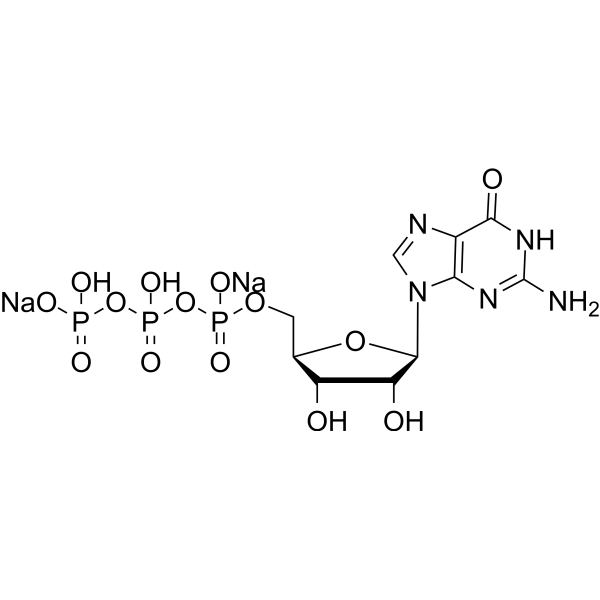
  • HY-W010737
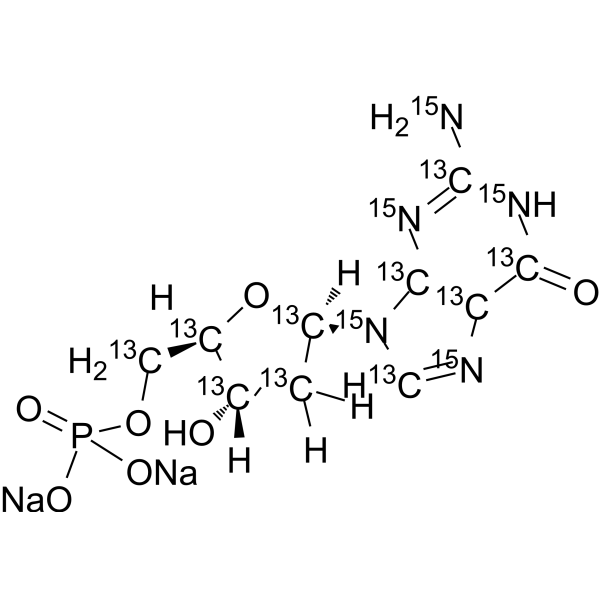
    Guanosine-5'-triphosphate disodium salt
    Maximum Cited Publications
    8 Publications Verification

    5'-gtp disodium salt

    Exosomes Endogenous Metabolite MicroRNA Metabolic Disease
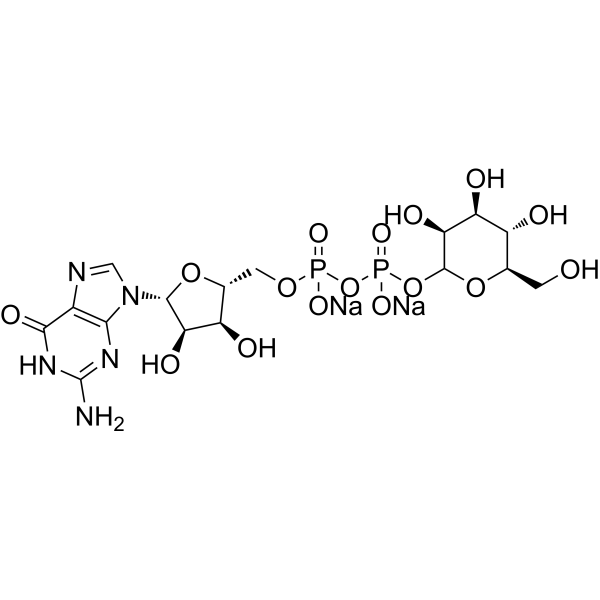
    Guanosine 5'-triphosphate (5'-GTP) trisodium salt is a G protein (G proteins) signaling activator and a high-energy precursor in the biosynthesis of nucleotide units in DNA and RNA. Guanosine 5'-triphosphate trisodium salt can promote myogenic cell differentiation by upregulating miRNA (miR133a, miR133b) and myogenic regulatory factor expression, and by inducing human myogenic precursor cells to release exosomes containing guanosine molecules. Guanosine-5'-triphosphate disodium salt holds promise for research in biosynthesis and skeletal muscle regeneration .
    Guanosine-5'-triphosphate disodium salt
  • HY-173632

    Ras Cancer
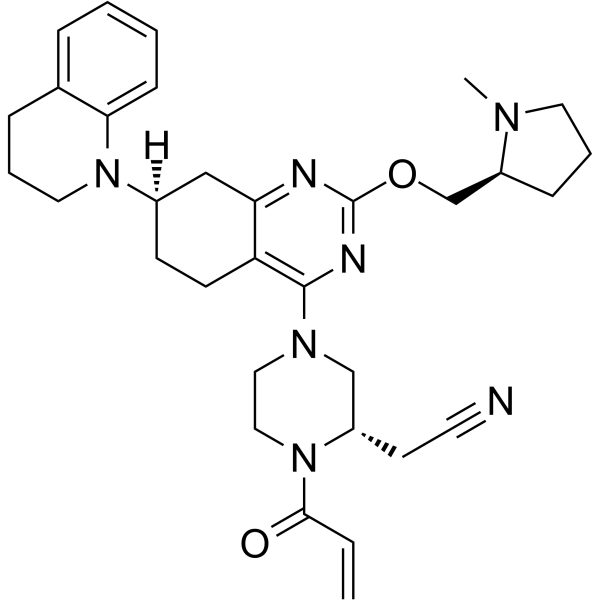
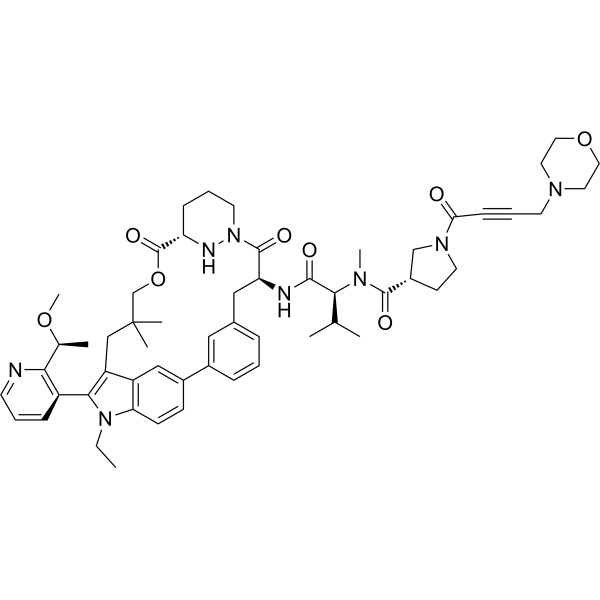
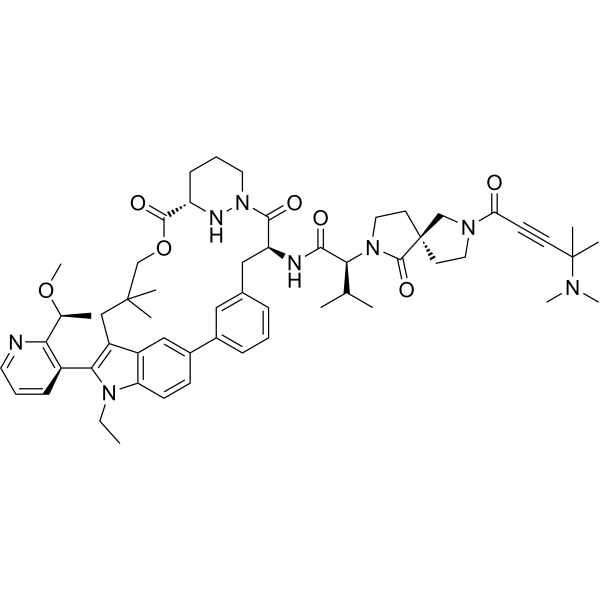
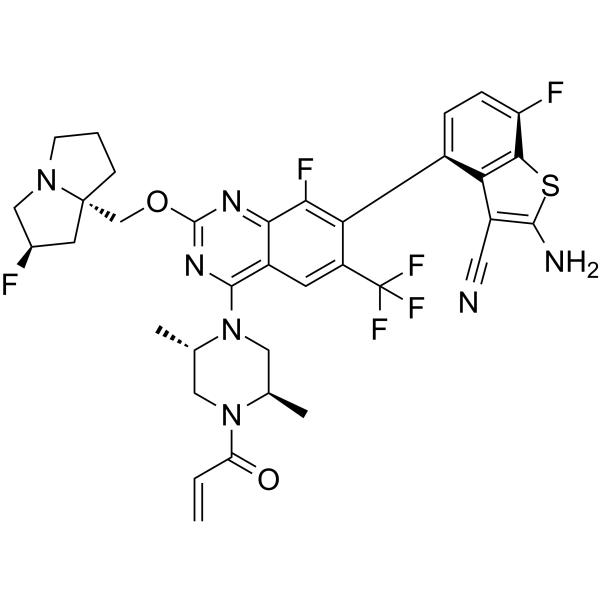
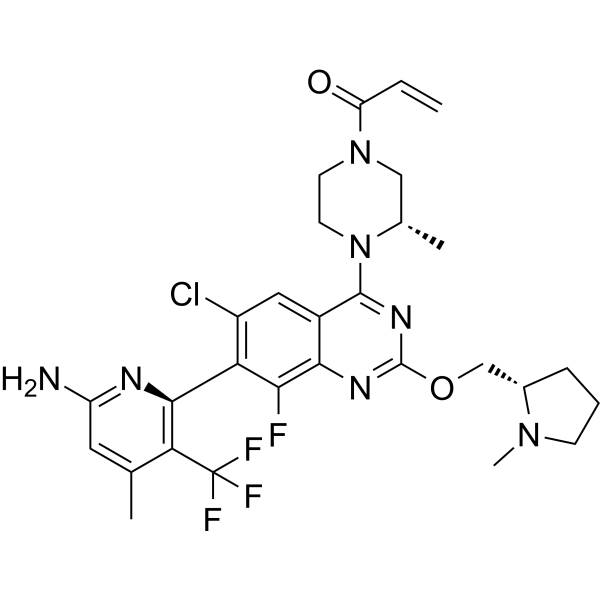
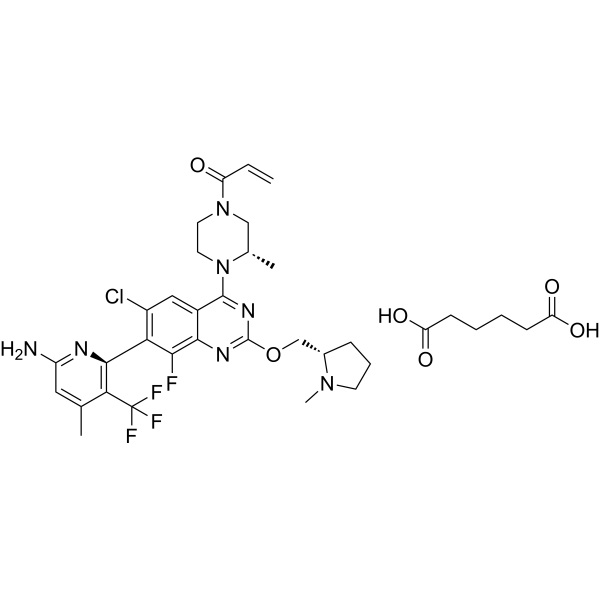
    AMG410 is a non-covalent and selective pan-KRAS inhibitor with IC50 values of 1-4 nM for KRAS G12D, KRAS G12V, and KRAS G13D. AMG410 shows greater than 100-fold selectivity against both HRAS and NRAS. AMG410 is a dual GTP(on)- and GDP(off)-state inhibitor (Kd(GDP-state) of 1 nM; Kd(GTP-state) of 22 nM). AMG410 blocks KRAS signaling in a cycling state-independent manner and also blocks proliferation in wildtype KRAS-amplified tumor cells. AMG410 can be used for the study of colorectal, pancreatic, and lung cancers .
    AMG410
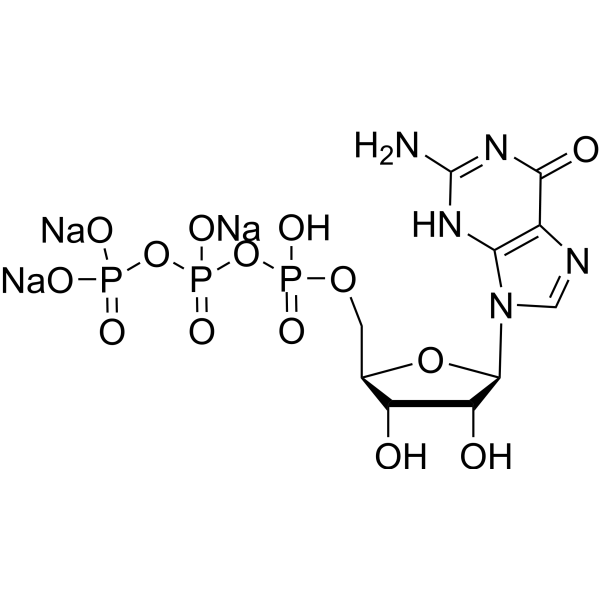
  • HY-12695
    Guanosine 5'-triphosphate trisodium
    5 Publications Verification

    5'-gtp trisodium

    Exosomes Endogenous Metabolite DNA/RNA Synthesis Metabolic Disease
    Guanosine 5'-triphosphate (5'-GTP) trisodium salt is a G protein (G proteins) signaling activator and a high-energy precursor in the biosynthesis of nucleotide units in DNA and RNA. Guanosine 5'-triphosphate trisodium salt can promote myogenic cell differentiation by upregulating miRNA (miR133a, miR133b) and myogenic regulatory factor expression, and by inducing human myogenic precursor cells to release exosomes containing guanosine molecules. Guanosine-5'-triphosphate trisodium salt holds promise for research in biosynthesis and skeletal muscle regeneration .
    Guanosine 5'-triphosphate trisodium
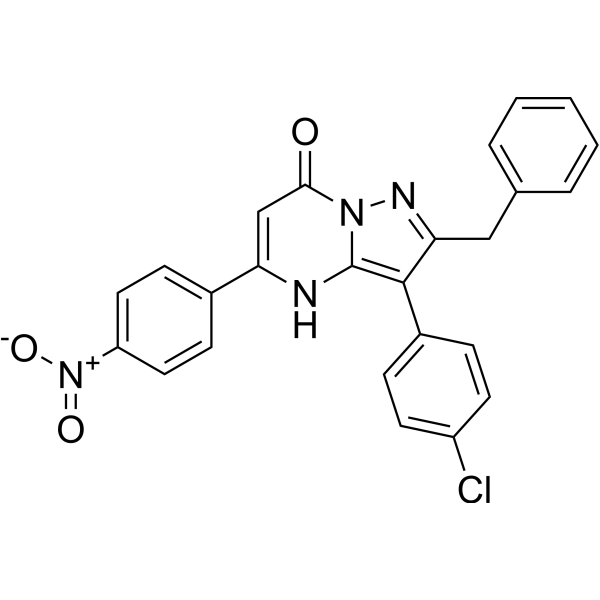
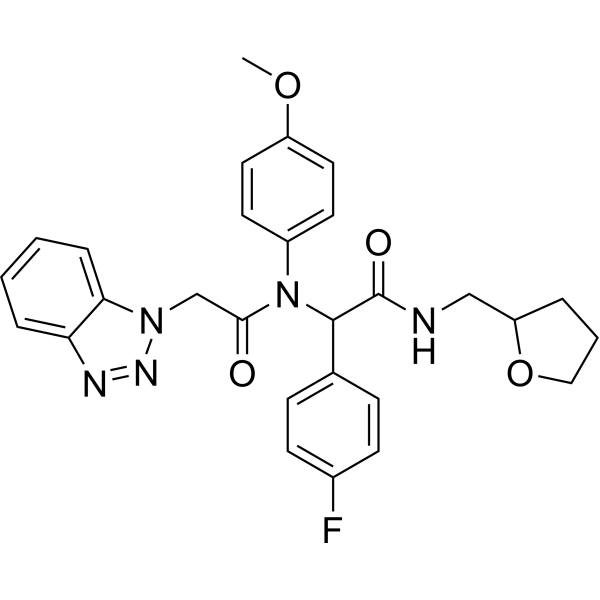
  • HY-112473
    Grassofermata
    10+ Cited Publications

    NAV-2729

    Ras Cancer
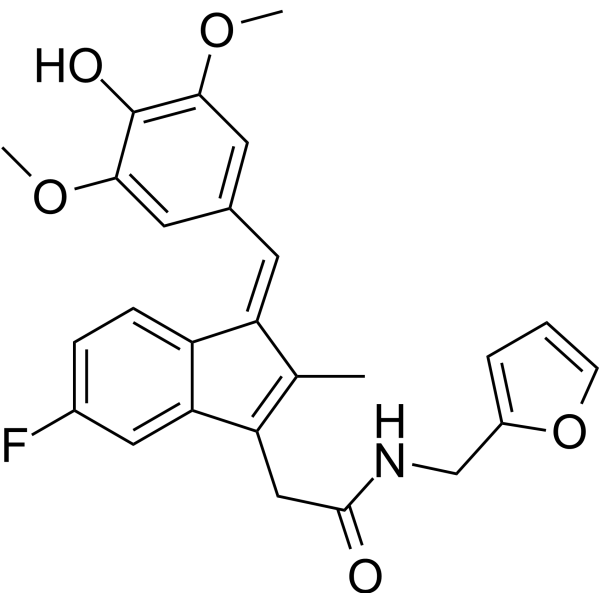
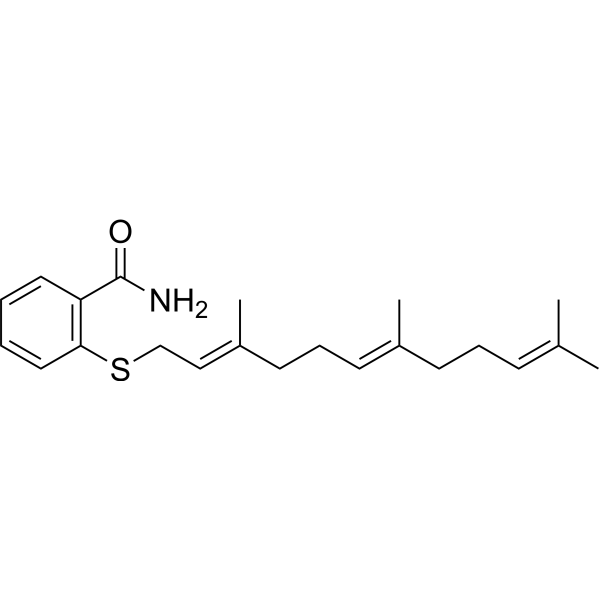
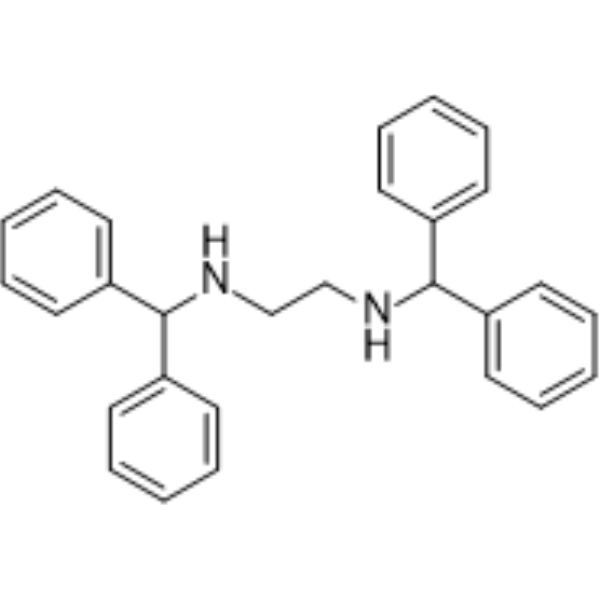
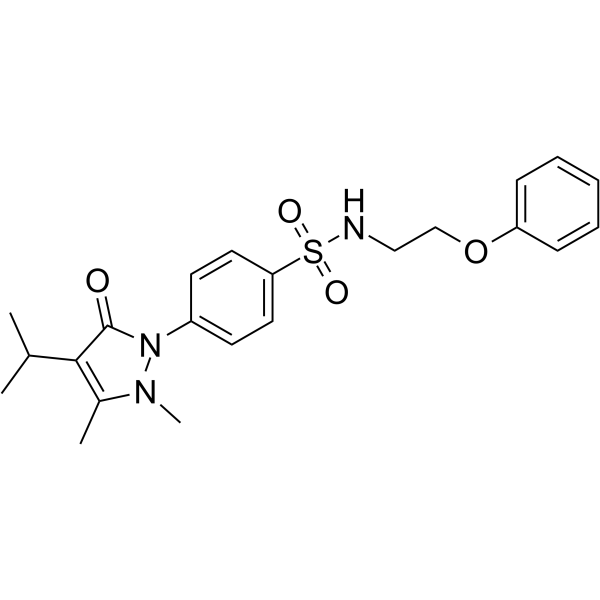
    Grassofermata is a dual Arf1/Arf6 activation inhibitor. ADP ribosylation factors (Arfs) are members of the Arf family of GTP-binding proteins of the Ras superfamily.
    Grassofermata
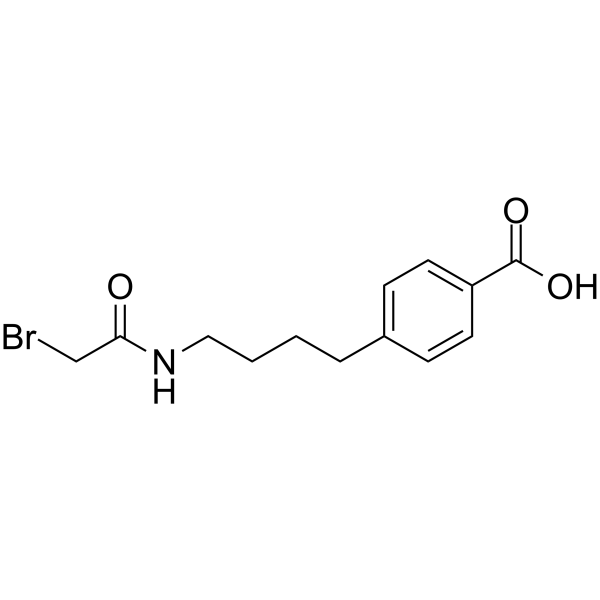
  • HY-138188
    KRA-533
    1 Publications Verification

    Ras Cancer
    KRA-533 is a potent KRAS agonist. KRA-533 binds to the GTP/GDP binding pocket in the KRAS protein to prevent GTP cleavage, resulting in the accumulation of constitutively active GTP-bound KRAS that triggers both apoptotic and autophagic cell death pathways in cancer cells.
    KRA-533
  • HY-137677B

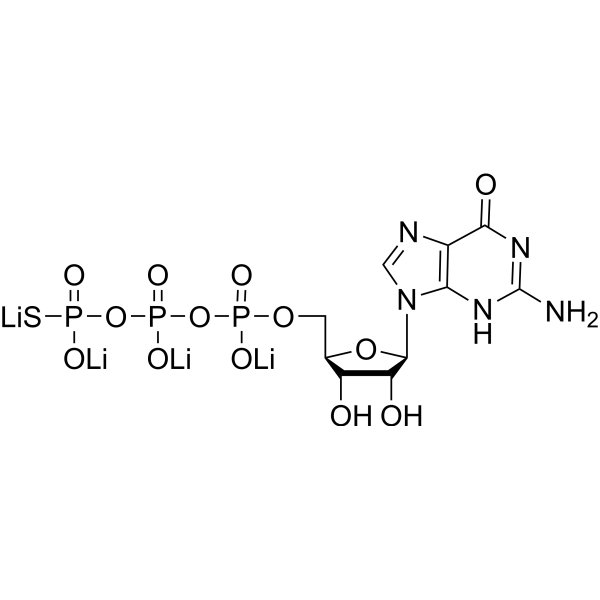
    Guanosine 5'-[γ-thio]triphosphate tetralithium

    GLUT Metabolic Disease
    GTPγS (Guanosine 5'-[γ-thio]triphosphate) tetralithium is a G-protein activator that protects proteins from proteolytic degradation, stimulates GLUT4 translocation in a tyrosine kinase-dependent manner, stimulate phospholipases and induce actin polymerization. GTPγS tetralithium to couple with G- protein α, to study its effect on kinase activity. GTPγS tetralithium acts as a component of lysis buffer .
    GTPγS tetralithium
  • HY-19800
    ML-098
    10+ Cited Publications

    CID-7345532

    Ras Cancer
    ML-098 (CID-7345532) is an activator of the GTP-binding protein Rab7 with an EC50 of 77.6 nM.
    ML-098
  • HY-125792
    Nexinhib20
    1 Publications Verification

    Reactive Oxygen Species (ROS) Ras Integrin Cardiovascular Disease Inflammation/Immunology
    Nexinhib20 is an inhibitor that targets the interactions of Rab27a-JFC1 (IC50: 2.6 μM) and Rac-1-GTP. Nexinhib20 can inhibit neutrophil exocytosis, adhesion, and β2 integrin activation, and has anti-inflammatory activity. Nexinhib20 can be used in the research of diseases such as systemic inflammation and myocardial ischemia-reperfusion injury .
    Nexinhib20
  • HY-10680
    MK-6892
    5+ Cited Publications

    GPR109A Cancer
    MK-6892 is a potent, selective, and full agonist for the high affinity nicotinic acid (NA) receptor GPR109A. Ki and GTPγS EC50 of MK-6892 on the Human GPR109A is 4 nM and 16 nM, respectively.
    MK-6892
  • HY-137167

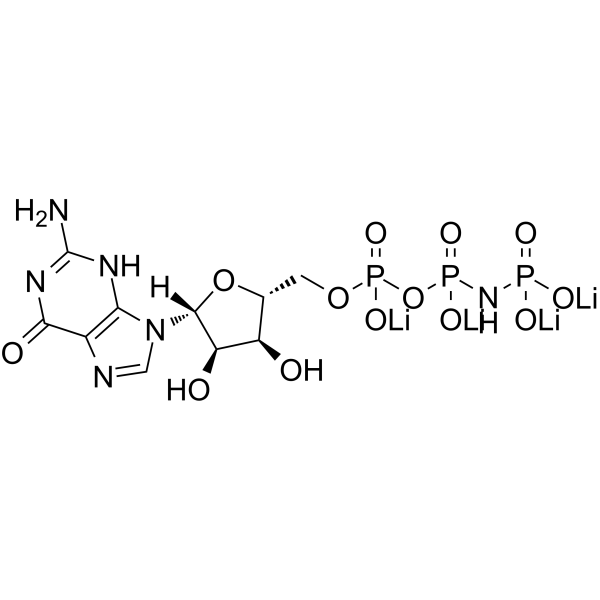
    Gpp(NH)p lithium

    Adenylate Cyclase Metabolic Disease
    Guanylyl imidodiphosphate lithium (Gpp (NH) p lithium) is a non-hydrolyzable GTP analog. Guanylyl imidodiphosphate lithium increases adenylate cyclase activity. Guanylyl imidodiphosphate lithium binds to and irreversibly activates G proteins .
    Guanylyl imidodiphosphate lithium
  • HY-12695B
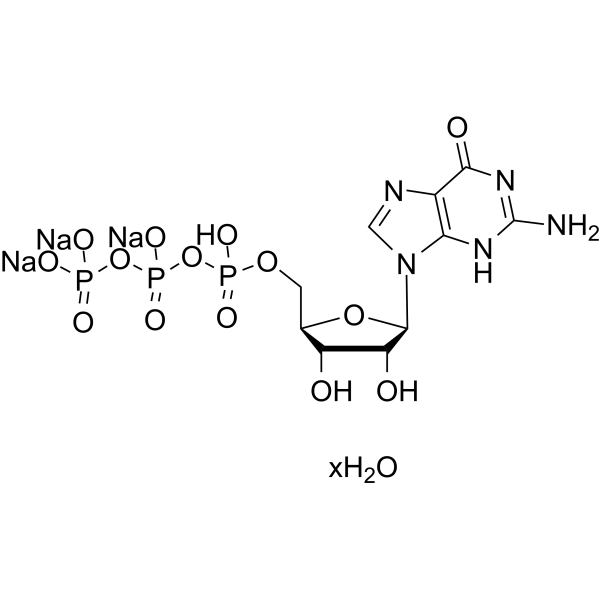
    Guanosine 5'-triphosphate trisodium salt hydrate
    Maximum Cited Publications
    8 Publications Verification

    5'-gtp trisodium salt hydrate

    Exosomes Endogenous Metabolite DNA/RNA Synthesis Metabolic Disease
    Guanosine 5'-triphosphate (5'-GTP) trisodium salt hydrate is a G protein (G proteins) signaling activator and a high-energy precursor in the biosynthesis of nucleotide units in DNA and RNA. Guanosine 5'-triphosphate trisodium salt hydrate can promote myogenic cell differentiation by upregulating miRNA (miR133a, miR133b) and myogenic regulatory factor expression, and by inducing human myogenic precursor cells to release exosomes containing guanosine molecules. Guanosine-5'-triphosphate disodium salt hydrate holds promise for research in biosynthesis and skeletal muscle regeneration .
    Guanosine 5'-triphosphate trisodium salt hydrate
  • HY-113225H

    Guanosine triphosphate trisodium salt, 100 mM Solution, PCR Grade

    Biochemical Assay Reagents Cancer
    GTP trisodium salt, 100 mM Solution, PCR Grade (Guanosine triphosphate trisodium salt, 100 mM Solution, PCR Grade) is a solution prepared from GTP at a concentration of 100 mM, free of DNase, RNase and phosphatase contamination, and suitable for molecular biology research .
    GTP trisodium salt, 100 mM Solution, PCR Grade
  • HY-111454
    SR17018
    1 Publications Verification

    Opioid Receptor Neurological Disease
    SR17018 is an mu-opioid-receptor (MOR) agonist, binding with GTPγS, with an EC50 of 97 nM.
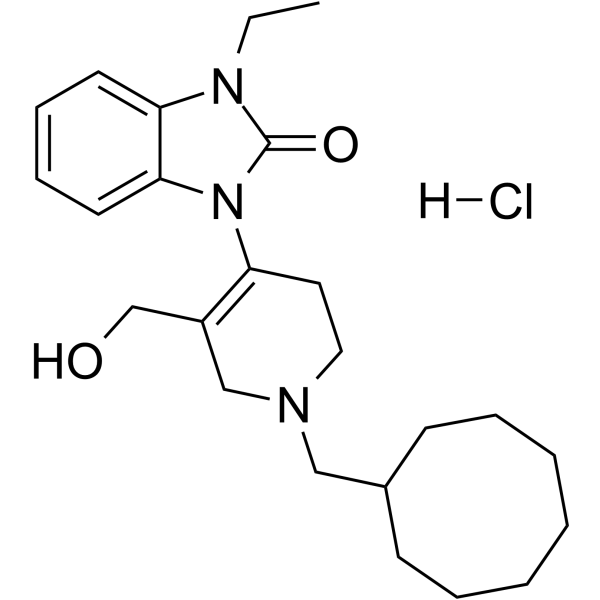
    SR17018
  • HY-15799

    P2Y Receptor Cardiovascular Disease
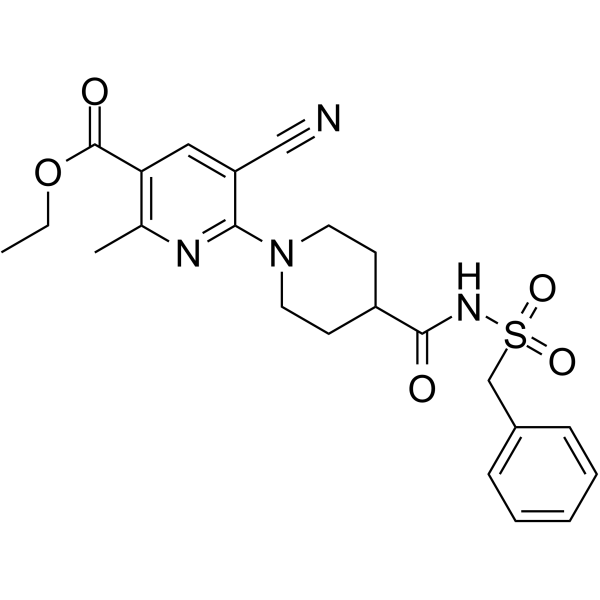
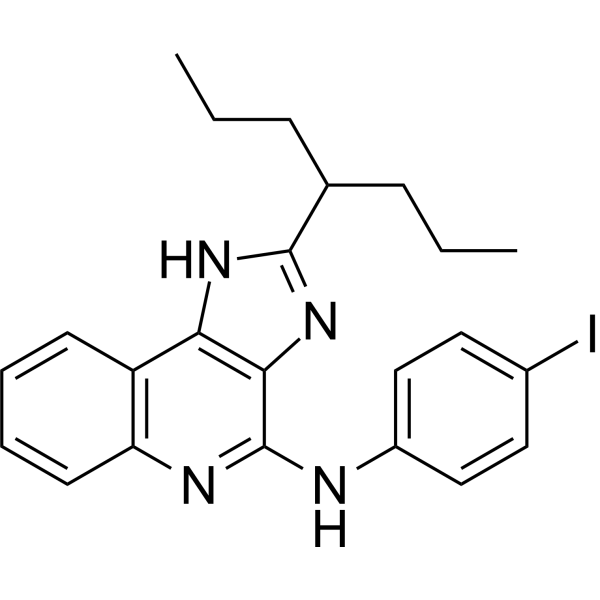
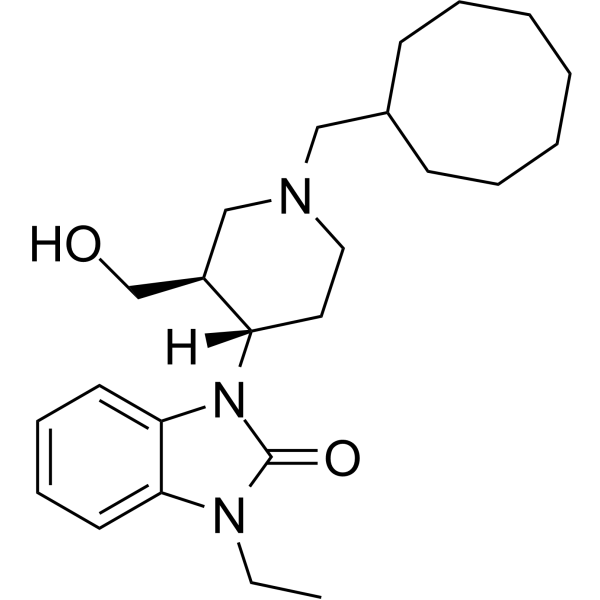
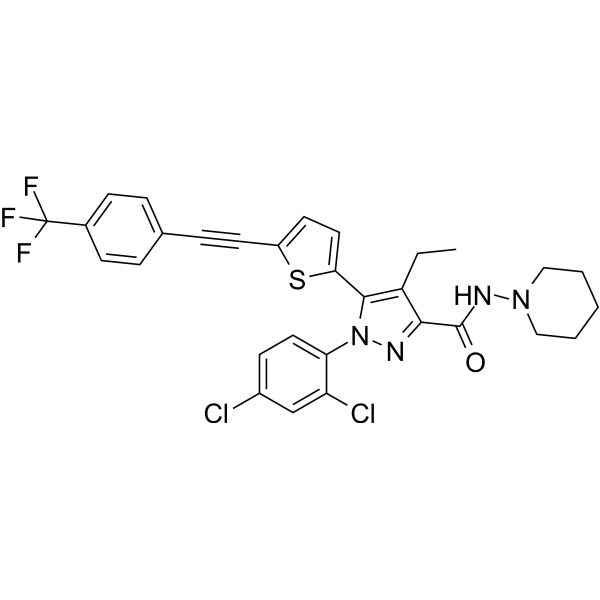
    AZD1283 is a potent P2Y12 receptor antagonist with a binding IC50 of 11 nM and a GTPγS IC50 of 25 nM. AZD1283 has excellent antiplatelet aggregation potency. AZD1283 can be used to research thromboembolic disorders .
    AZD1283
  • HY-14530
    Pelitrexol
    2 Publications Verification

    AG 2037

    Antifolate Cancer
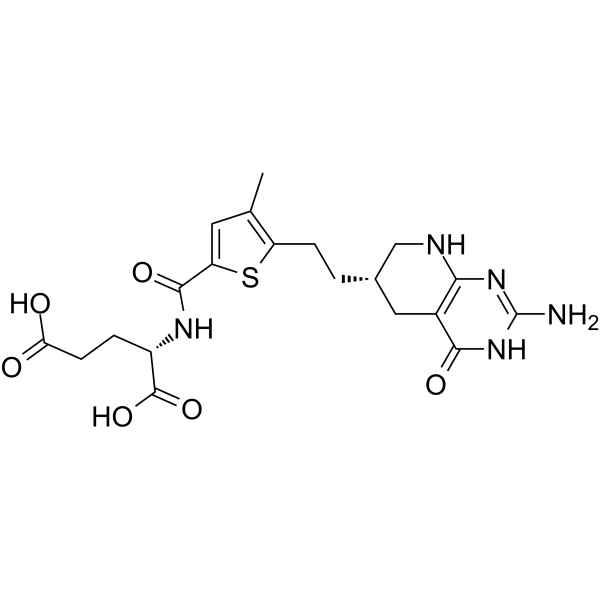
    Pelitrexol (AG 2037) is an inhibitor of glycinamide ribonucleotide formyltransferase (GARFT), a purine biosynthetic enzyme. Pelitrexol also inhibits mTORC1 by reducing GTP-bound Rheb level, a mTORC1 obligate activator. Pelitrexol shows robust tumor growth suppression in mice .
    Pelitrexol
  • HY-100767

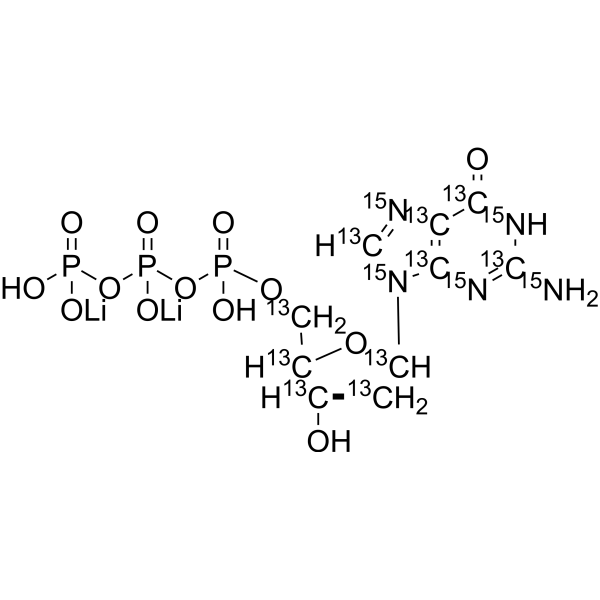
    Guanosine 5'-[β,γ-imido]triphosphate trisodium

    Adenylate Cyclase Endocrinology
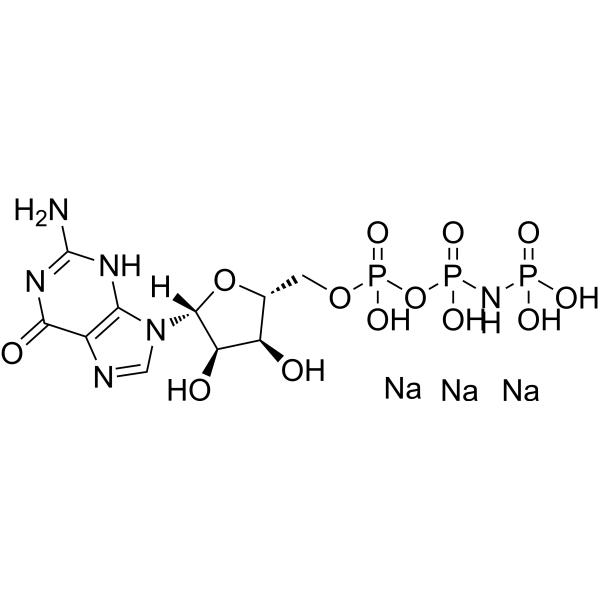
    Guanylyl Imidodiphosphate (Guanosine 5'-[β,γ-imido]triphosphate) trisodium is a non-hydrolysable GTP analogue, an activator of ADP-ribosylation factor (ARF) and a potent stimulator of adenylate cyclase. Imidodiphosphate trisodium can be used in protein synthesis studies .
    Guanylyl Imidodiphosphate trisodium
  • HY-113225

    gtp

    Endogenous Metabolite DNA/RNA Synthesis Apoptosis Mitosis Cancer
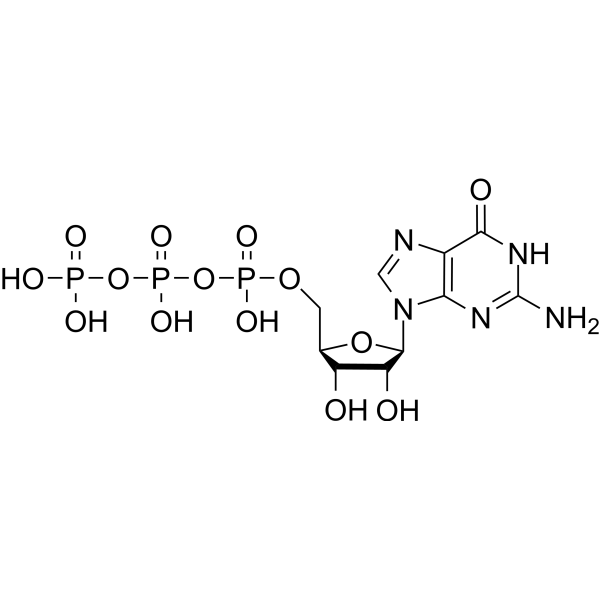
    Guanosine triphosphate (GTP) is a critical nucleotide and regulator of cellular metabolism. Guanosine triphosphate promotes ribosomal DNA localization, pre-rRNA transcription and ribosome biogenesis by binding to RNA polymerase I and GPN proteins (GPN1/3). Guanosine triphosphate links MYC-dependent ribosome biogenesis to nucleotide sufficiency, acts as a metabolic gatekeeper supporting protein synthesis, DNA/RNA synthesis and cellular signal transduction, while also participating in the physiological activities of pancreatic β-cells and serving as an oxidative substrate for reactive oxygen species. In small cell lung cancer with high MYC expression, Guanosine triphosphate accumulates through the IMPDH-driven synthetic pathway, thereby affecting apoptosis and mitotic processes. Guanosine triphosphate is used in the research of small cell lung cancer, hepatoblastoma and cellular metabolism .
    Guanosine triphosphate
  • HY-N2438
    Methylophiopogonanone B
    2 Publications Verification

    Ras Microtubule/Tubulin Cancer
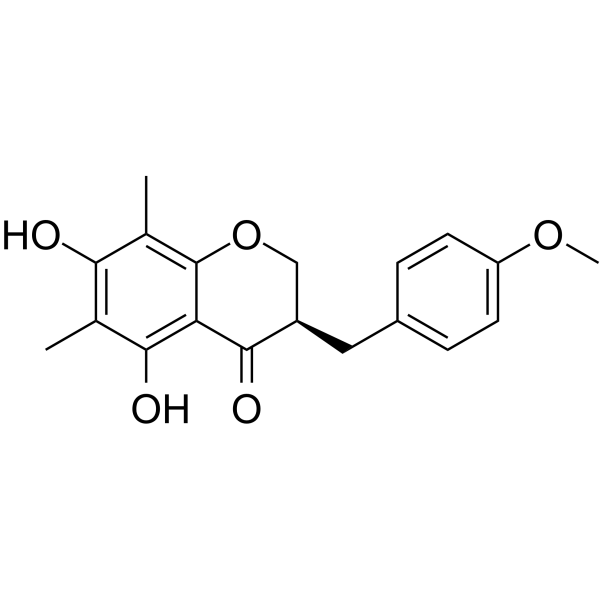
    Methylophiopogonanone B is a homoisoflavonoid compound. Methylophiopogonanone B can be isolated from O. japonicus root. Methylophiopogonanone B promotes Rho activation and Tubulin depolymerization. Methylophiopogonanone B significantly increases GTP-Rho, but not GTP-Rac or GTP-CDC42. Methylophiopogonanone B induces cell morphological change via melanocyte dendrite retraction and stress fiber formation. Methylophiopogonanone B exhibits strong antioxidant activity. Methylophiopogonanone B can be used in the research of cervical cancer .
    Methylophiopogonanone B
  • HY-15716
    Kobe0065
    4 Publications Verification

    Ras Apoptosis Cancer
    Kobe0065 is a novel and effective inhibitor of Ras-Raf interaction, competitively inhibiting the binding of H-Ras·GTP to c-Raf-1 RBD with a Ki value of 46±13 μM.
    Kobe0065
  • HY-21586B

    m7gtp sodium

    Nucleoside Antimetabolite/Analog Others
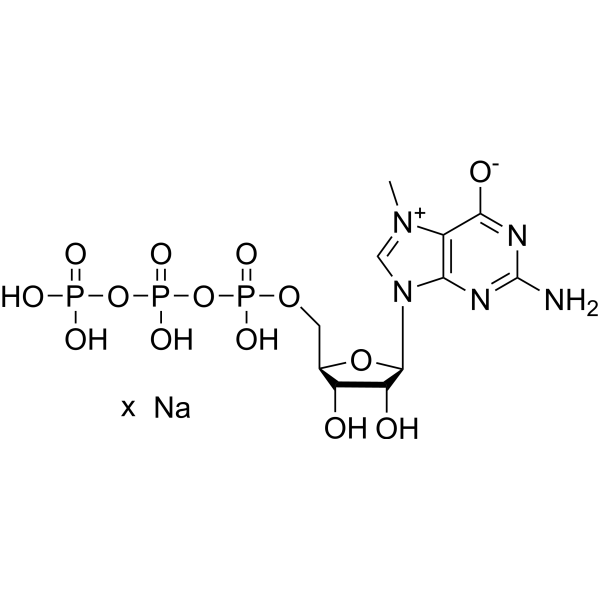
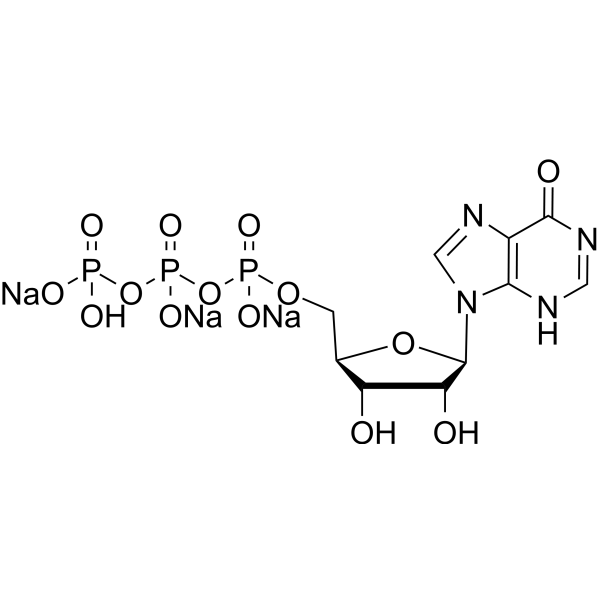
    7-Methyl-guanosine-5'-triphosphate (m7GTP) sodium is a guanosine 5'-phosphate. 7-Methyl-guanosine-5'-triphosphate sodium phosphorothioate analog is a potent cap-dependent translation inhibitor .
    7-Methyl-guanosine-5'-triphosphate sodium
  • HY-102078
    ZINC69391
    1 Publications Verification

    Ras Apoptosis Cancer
    ZINC69391, a specific Rac1 inhibitor, interferes with Rac1-GEF interaction by masking Trp56 residue on Rac1 surface. ZINC69391 interferes with the interaction of Rac1 with Dock180 and reduces Rac1-GTP levels. ZINC69391 induces apoptosis, and shows antiproliferative and antimetastatic effects .
    ZINC69391
  • HY-Y1766

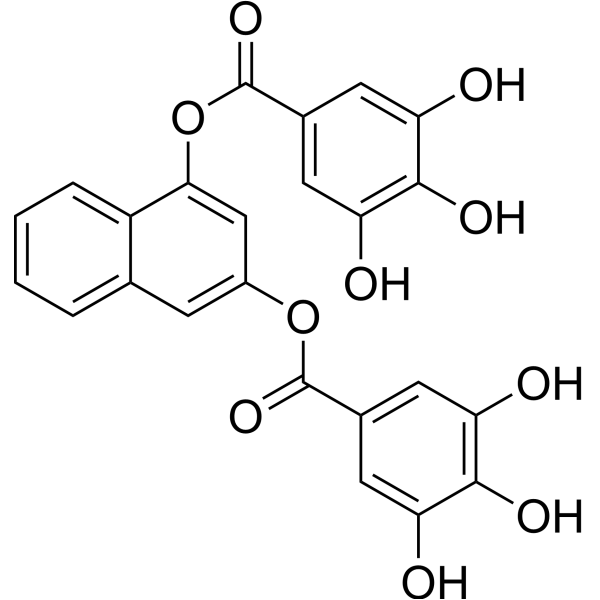
    2,3,4-Trihydrooxy Benzaldehyde

    Biochemical Assay Reagents Others
    2,3,4-Trimethoxybenzaldehyde (2,3,4-Trihydrooxy Benzaldehyde) can be used to study the effects on tubulin-dependent GTP hydrolysis .
    2,3,4-Trimethoxybenzaldehyde
  • HY-117149

    Ras Cancer
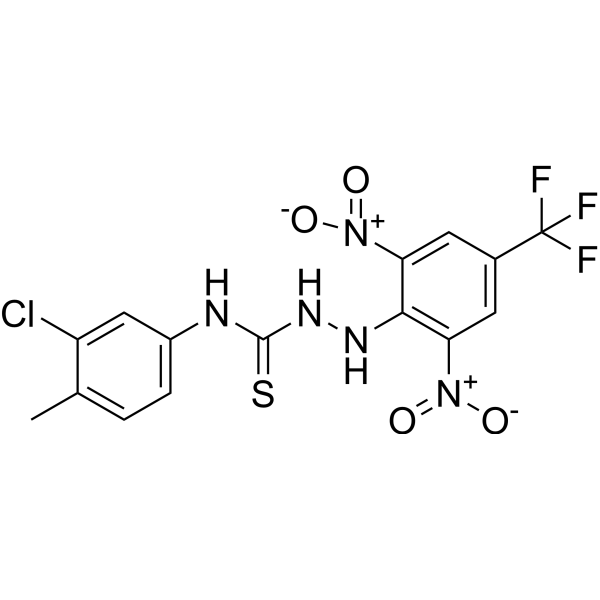
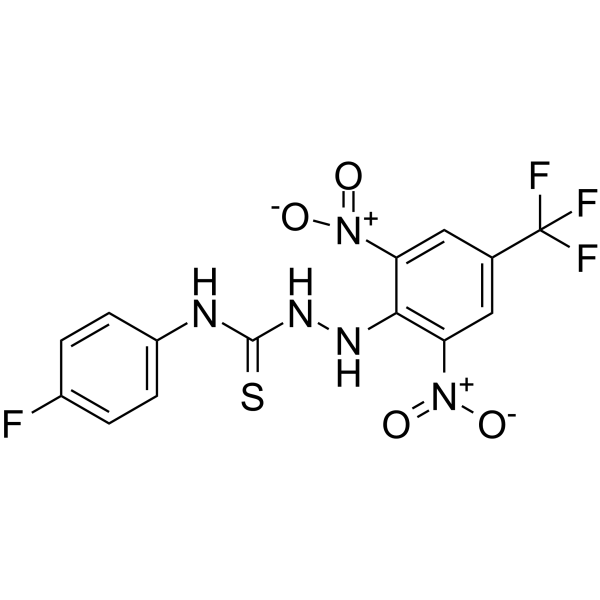
    MLS000532223 is a high affinity, selective inhibitor of Rho family GTPases, with EC50 values ranging from 16 μM to 120 μM. MLS000532223 prevents GTP binding to several GTPases .
    MLS000532223
  • HY-15717
    Kobe2602
    1 Publications Verification

    Ras Cancer
    Kobe2602 is a Ras-Raf interaction inhibitor. Kobe2602 inhibits the binding of H-Ras·GTP to c-Raf-1 RBD with a Ki of 149 μM. Kobe2602 has antitumor activity .
    Kobe2602
  • HY-131598

    6-Thioguanosine-5'-triphosphate

    Ras Inflammation/Immunology Cancer
    6-Thio-GTP is an analogue of GTP, and a metabolite of an immunosuppressive drug, Azathioprine (HY-B0256) .
    6-Thio-GTP
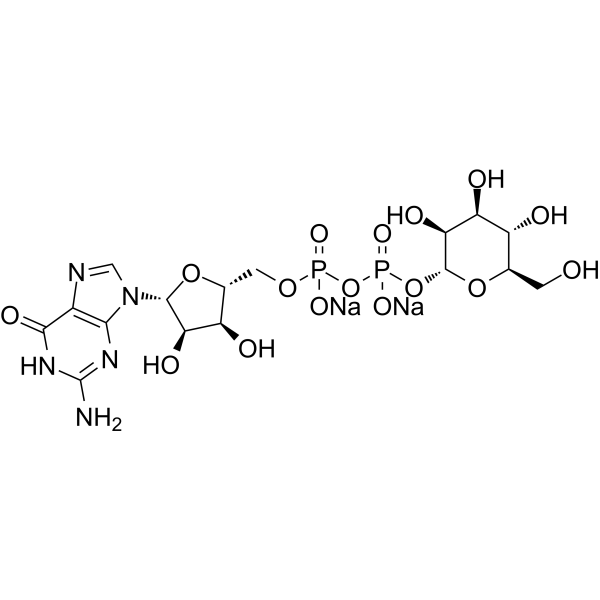
  • HY-155600

    β,γ-Methylene-gtp sodium

    Nucleoside Antimetabolite/Analog Others
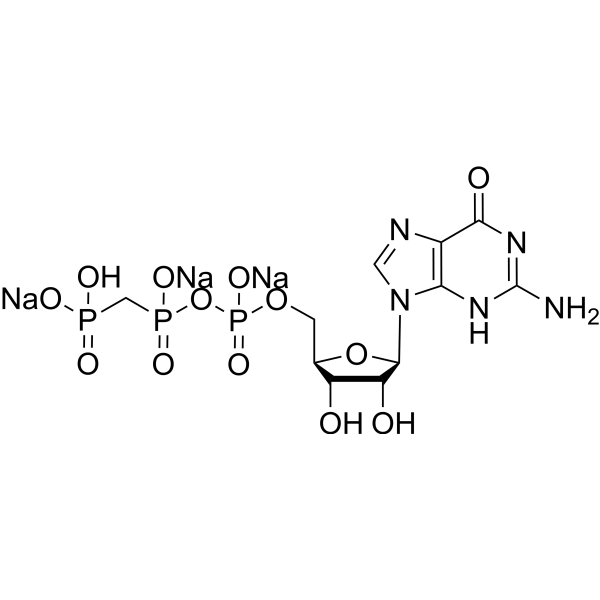
    5′-Guanylyl methylenediphosphonate (sodium) is a GTP analogue and a specific, competitive inhibitor of the GTP reaction in protein synthesis .
    5′-Guanylyl methylenediphosphonate sodium
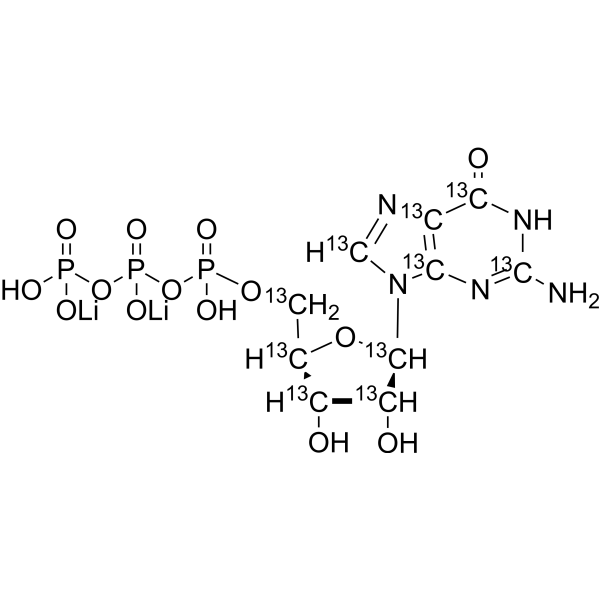
  • HY-113225S2

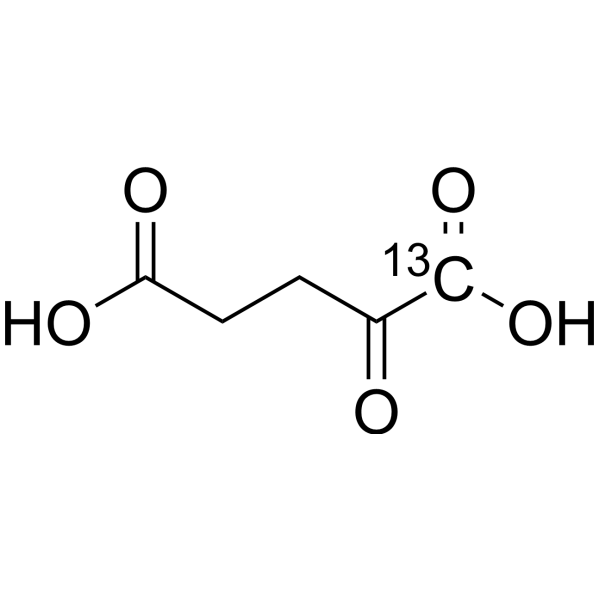
    gtp-13C dilithium

    Isotope-Labeled Compounds Endogenous Metabolite Mitosis Apoptosis DNA/RNA Synthesis Infection Cancer
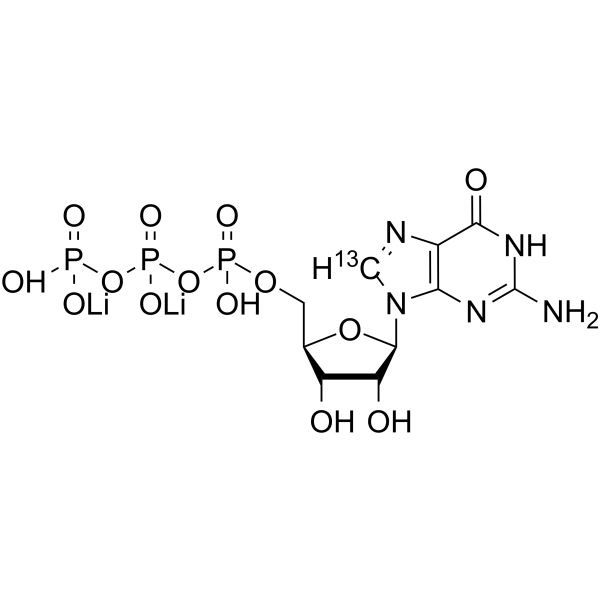
    Guanosine triphosphate- 13C (GTP- 13C) dilithium is 13C-labeled Guanosine triphosphate (HY-113225). Guanosine triphosphate (GTP) is a critical nucleotide and regulator of cellular metabolism. Guanosine triphosphate promotes ribosomal DNA localization, pre-rRNA transcription and ribosome biogenesis by binding to RNA polymerase I and GPN proteins (GPN1/3). Guanosine triphosphate links MYC-dependent ribosome biogenesis to nucleotide sufficiency, acts as a metabolic gatekeeper supporting protein synthesis, DNA/RNA synthesis and cellular signal transduction, while also participating in the physiological activities of pancreatic β-cells and serving as an oxidative substrate for reactive oxygen species. In small cell lung cancer with high MYC expression, Guanosine triphosphate accumulates through the IMPDH-driven synthetic pathway, thereby affecting apoptosis and mitotic processes. Guanosine triphosphate is used in the research of small cell lung cancer, hepatoblastoma and cellular metabolism .
    Guanosine triphosphate-13C dilithium
  • HY-113225S3

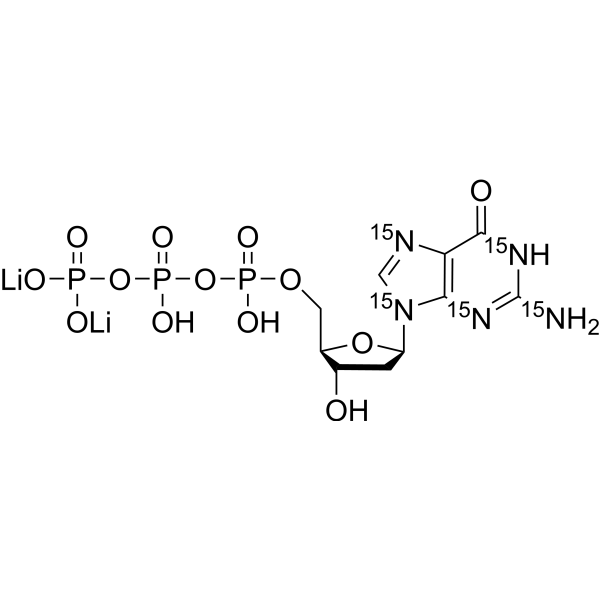
    gtp-15N5 dilithium

    Isotope-Labeled Compounds Endogenous Metabolite Mitosis Apoptosis DNA/RNA Synthesis Infection Cancer
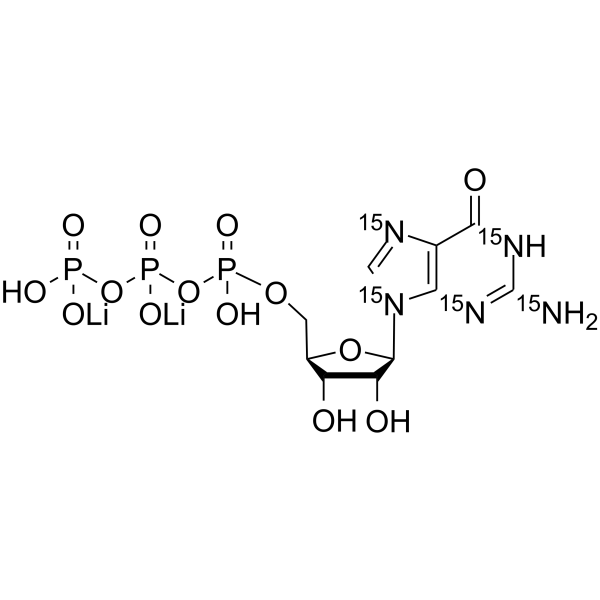
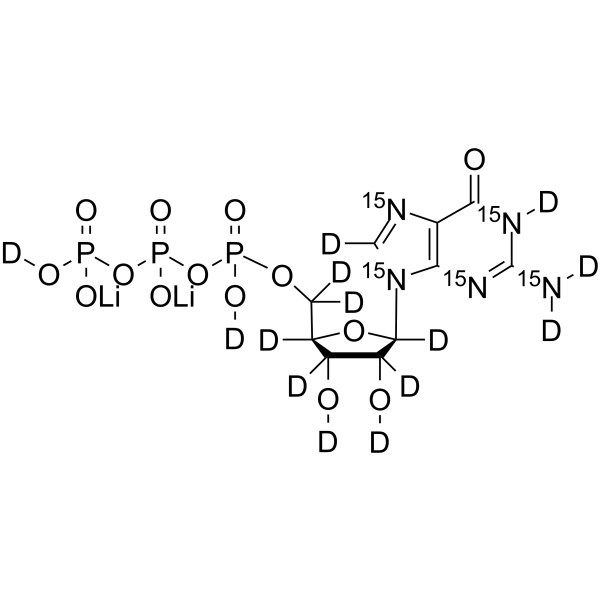
    Guanosine triphosphate- 15N5 (GTP- 15N5) dilithium is 15N labeled Guanosine triphosphate (HY-113225). Guanosine triphosphate dilithium (GTP) is a critical nucleotide and regulator of cellular metabolism. Guanosine triphosphate dilithium promotes ribosomal DNA localization, pre-rRNA transcription and ribosome biogenesis by binding to RNA polymerase I and GPN proteins (GPN1/3). Guanosine triphosphate dilithium links MYC-dependent ribosome biogenesis to nucleotide sufficiency, acts as a metabolic gatekeeper supporting protein synthesis, DNA/RNA synthesis and cellular signal transduction, while also participating in the physiological activities of pancreatic β-cells and serving as an oxidative substrate for reactive oxygen species. In small cell lung cancer with high MYC expression, Guanosine triphosphate dilithium accumulates through the IMPDH-driven synthetic pathway, thereby affecting apoptosis and mitotic processes. Guanosine triphosphate dilithium is used in the research of small cell lung cancer, hepatoblastoma and cellular metabolism .
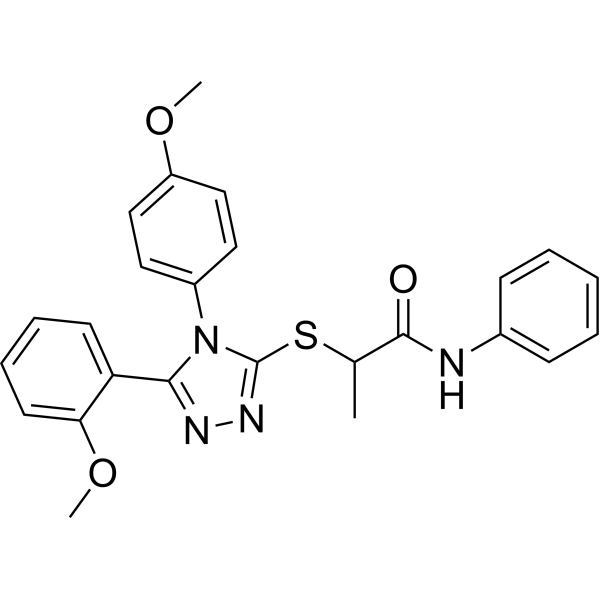
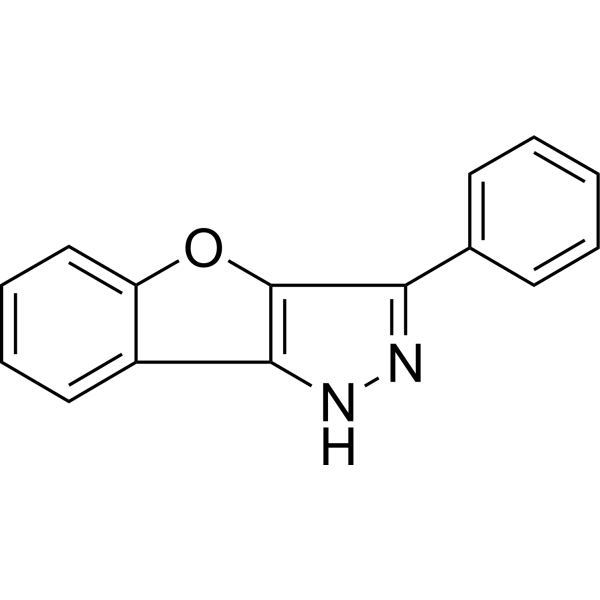
    Guanosine triphosphate-15N5 dilithium
  • HY-113225S5

    gtp-13C10 dilithium

    Isotope-Labeled Compounds Endogenous Metabolite Mitosis Apoptosis DNA/RNA Synthesis Infection Cancer
    Guanosine triphosphate- 13C10 (GTP- 13C10) dilithium is 13C-labeled Guanosine triphosphate (HY-113225). Guanosine triphosphate dilithium (GTP) is a critical nucleotide and regulator of cellular metabolism. Guanosine triphosphate dilithium promotes ribosomal DNA localization, pre-rRNA transcription and ribosome biogenesis by binding to RNA polymerase I and GPN proteins (GPN1/3). Guanosine triphosphate dilithium links MYC-dependent ribosome biogenesis to nucleotide sufficiency, acts as a metabolic gatekeeper supporting protein synthesis, DNA/RNA synthesis and cellular signal transduction, while also participating in the physiological activities of pancreatic β-cells and serving as an oxidative substrate for reactive oxygen species. In small cell lung cancer with high MYC expression, Guanosine triphosphate dilithium accumulates through the IMPDH-driven synthetic pathway, thereby affecting apoptosis and mitotic processes. Guanosine triphosphate dilithium is used in the research of small cell lung cancer, hepatoblastoma and cellular metabolism .
    Guanosine triphosphate-13C10 dilithium
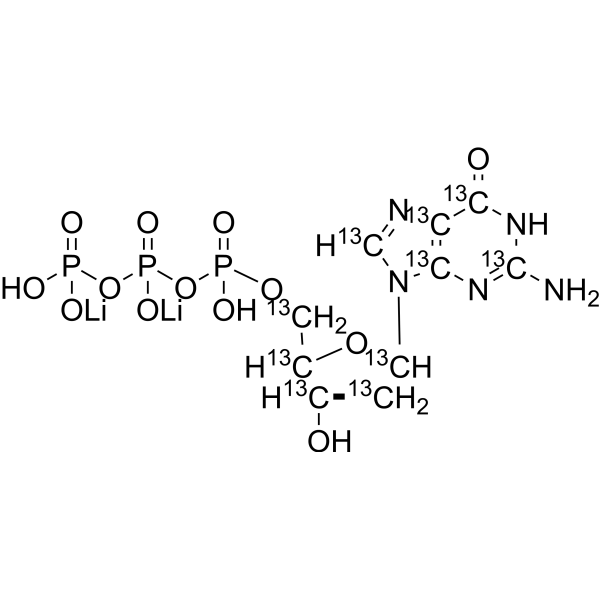
  • HY-138616S3

    2'-Deoxyguanosine-5'-triphosphate-13C10 dilithium

    Isotope-Labeled Compounds DNA/RNA Synthesis Nucleoside Antimetabolite/Analog Infection Cancer
    dGTP- 13C10 (2'-Deoxyguanosine-5'-triphosphate- 13C10) dilithium is 13C-labeled dGTP (HY-138616). dGTP (2'-Deoxyguanosine-5'-triphosphate), a guanosine nucleotide, can be used in deoxyribonucleic acid synthesis. Guanosine nucleotides (GDP, GTP, dGDP, and dGTP) are highly susceptible to oxidative damage to 8-oxo-GDP (8-O-GDP), 8-O-dGTP, 8-O-GTP, and 8-O-dGTP.
    dGTP-13C10 dilithium
  • HY-P2705

    Endogenous Metabolite Others
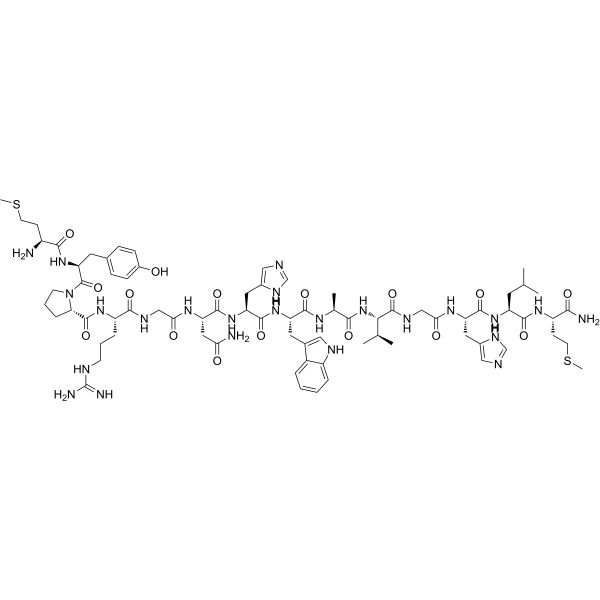
    Mastoparan X is a GTP-binding regulatory protein (G protein)-activating peptide, and a tetradecapeptide from wasp venom. Mastoparan X acts function by the direct activation of G protein that couple to phospholipase C to cause secretion from various kinds of cells .
    Mastoparan X
  • HY-131598C

    6-Thioguanosine-5'-triphosphate tetrasodium

    Ras Inflammation/Immunology
    6-Thio-GTP (tetrasodium) is a Vav1-Rac inhibitor. 6-Thio-GTP (tetrasodium) inhibits TCR-stimulated T cell proliferation and CD28-mediated T cell survival. 6-Thio-GTP (tetrasodium) has an immunosuppressive effect in a mouse cardiac allograft transplant model and prolongs cardiac allograft survival .
    6-Thio-GTP tetrasodium
  • HY-113667

    Transmembrane Glycoprotein Cardiovascular Disease Neurological Disease
    ASN04885796 (compound IV) is an GPR17 activator with an EC50 of 2.27 nM for GPR17 induced GTPγS binding. ASN04885796 has neuroprotective property and can be used for research of neurological diseases .
    ASN04885796
  • HY-138616S4

    2'-Deoxyguanosine-5'-triphosphate-13C10,15N5 dilithium

    Isotope-Labeled Compounds DNA/RNA Synthesis Nucleoside Antimetabolite/Analog Infection Cancer
    dGTP- 13C10, 15N5 (2'-Deoxyguanosine-5'-triphosphate- 13C10, 15N5) dilithium is 13C and 15N-labeled dGTP (HY-138616). dGTP (2'-Deoxyguanosine-5'-triphosphate), a guanosine nucleotide, can be used in deoxyribonucleic acid synthesis. Guanosine nucleotides (GDP, GTP, dGDP, and dGTP) are highly susceptible to oxidative damage to 8-oxo-GDP (8-O-GDP), 8-O-dGTP, 8-O-GTP, and 8-O-dGTP.
    dGTP-13C10,15N5 dilithium
  • HY-150773S

    Isotope-Labeled Compounds Others
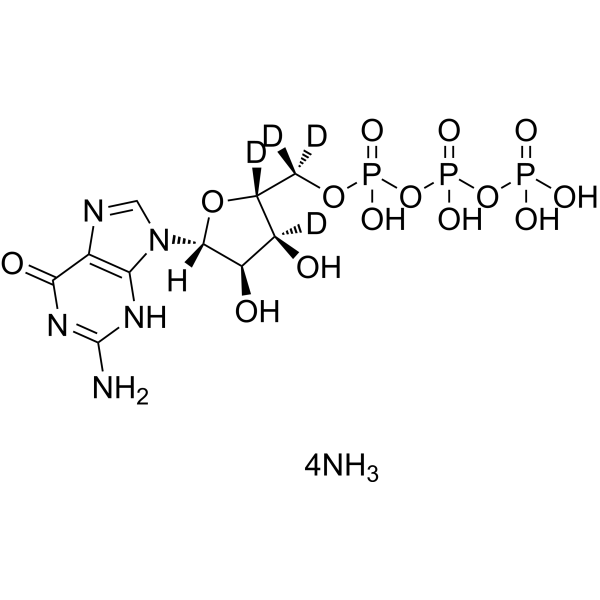
    Guanosine 5'-triphosphate(GTP)-d4 (ammonium salt) is the deuterium labeled Guanosine 5'-triphosphate(GTP) ammonium salt .
    Guanosine 5'-triphosphate(GTP)-d4 ammonium salt
  • HY-150768S

    Isotope-Labeled Compounds Others
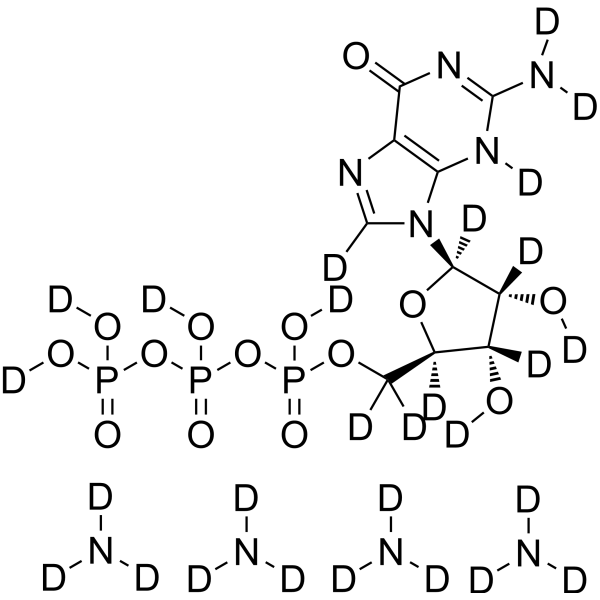
    Guanosine 5'-triphosphate (GTP), ammonium salt-d27 is the deuterium labeled Guanosine 5'-triphosphate (GTP), ammonium salt .
    Guanosine 5'-triphosphate (GTP), ammonium salt-d27
  • HY-150773S1

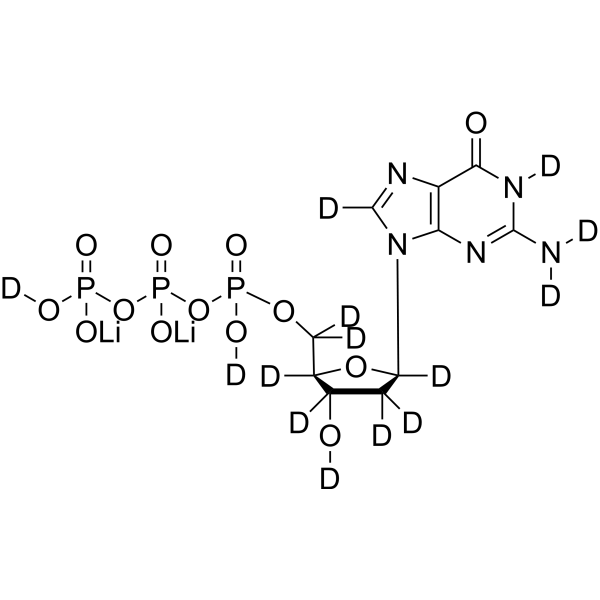
    gtp-d14 dilithium

    Isotope-Labeled Compounds SARS-CoV Nucleoside Antimetabolite/Analog DNA/RNA Synthesis Endogenous Metabolite Infection Cancer
    Guanosine triphosphate-d14 (GTP-d14) dilithium is a deuterium labeled Guanosine triphosphate (HY-113225). Guanosine triphosphate is a native nucleotide. The derivatives of GTP may be used as specific inhibitors against COVID-19 .
    Guanosine triphosphate-d14 dilithium
  • HY-128111

    Transmembrane Glycoprotein Neurological Disease
    ASN02563583, a compound that regulates the activity of the GPR17 receptor, has a IC50 value of 0.64 nM in [35S]GTPγS binding assay. ASN02563583 can be used in the study of neurological diseases .
    ASN02563583
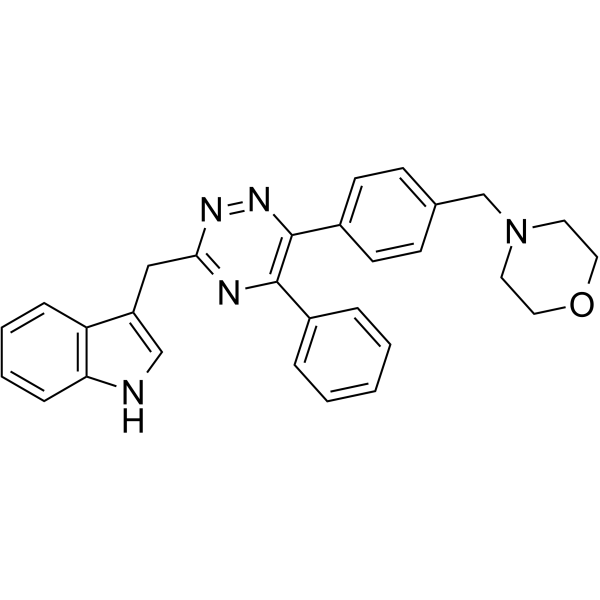
  • HY-110026

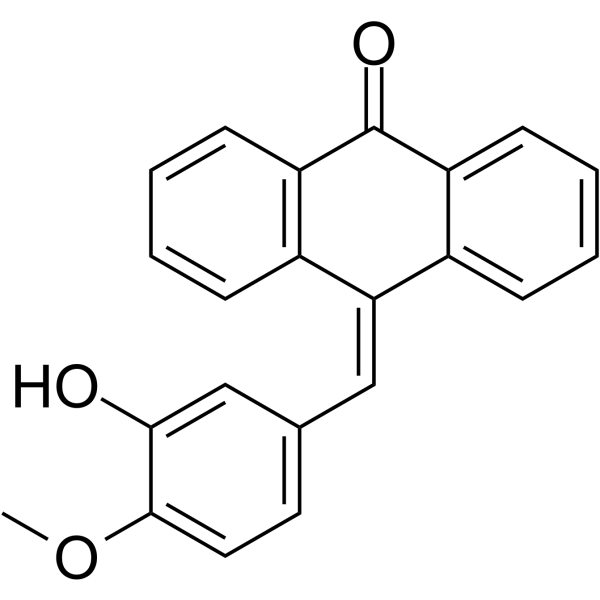
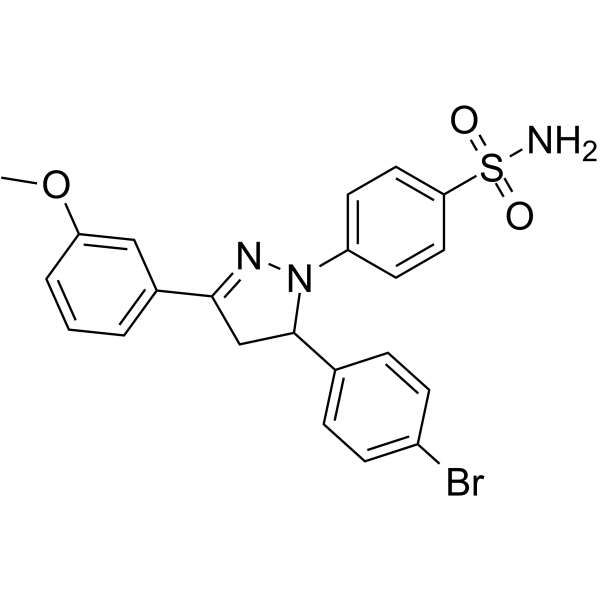
    FLT3 Cancer
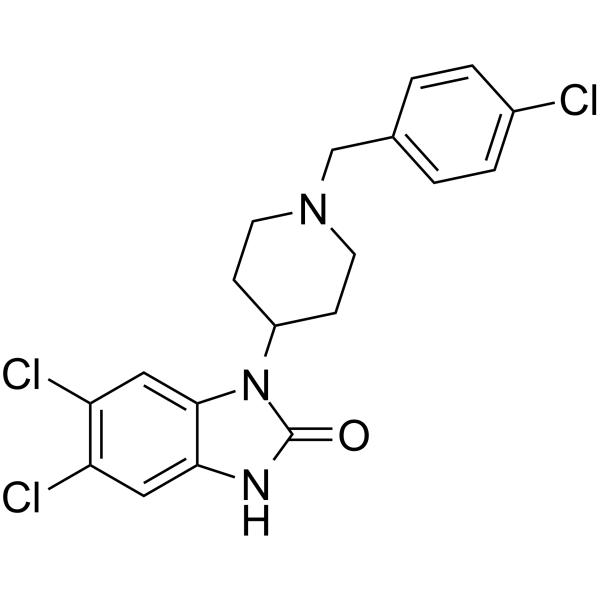
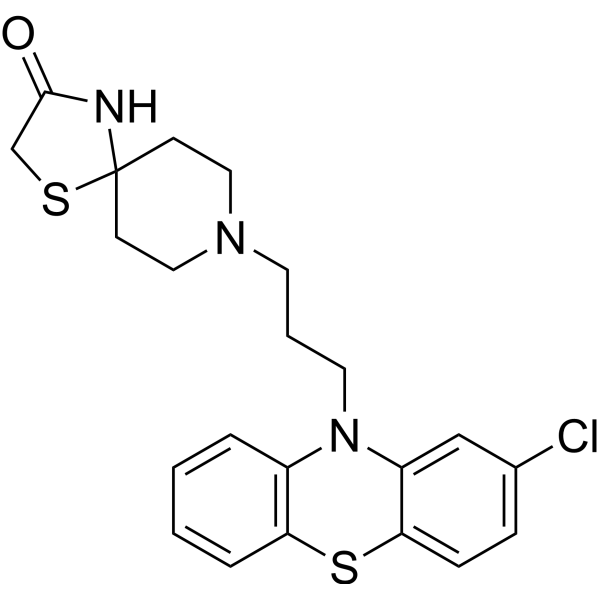
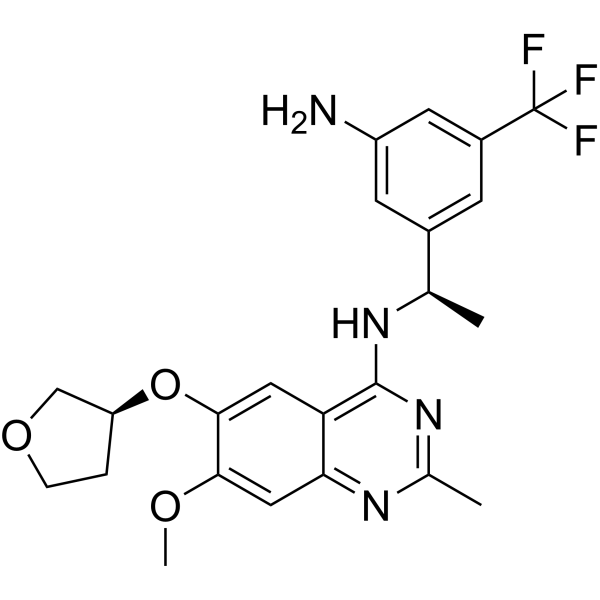
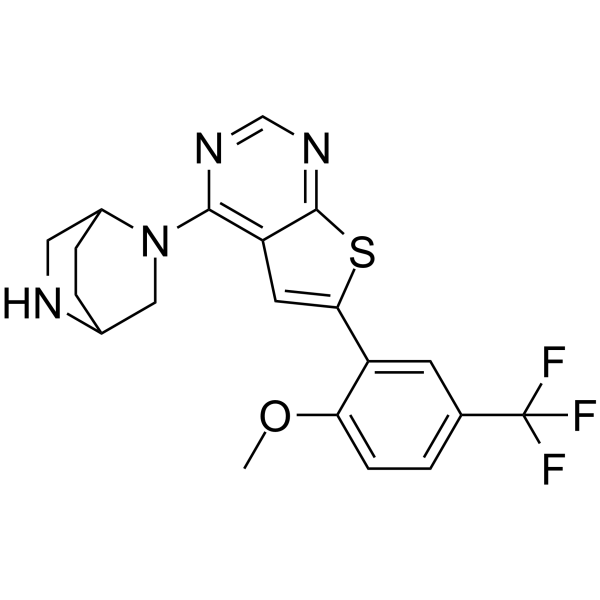
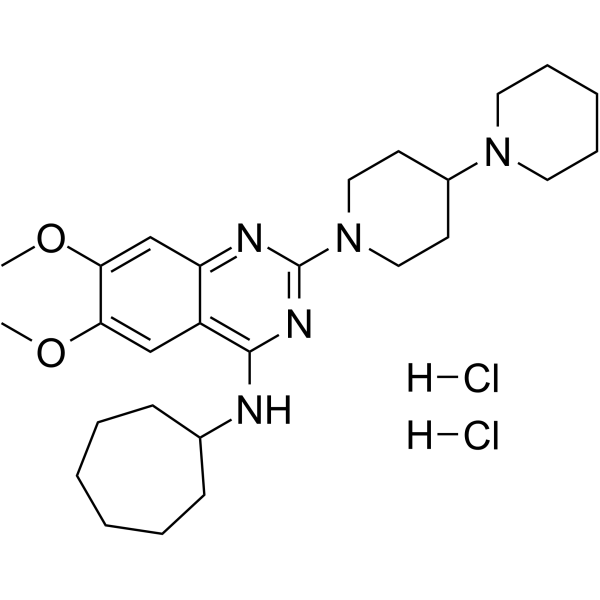
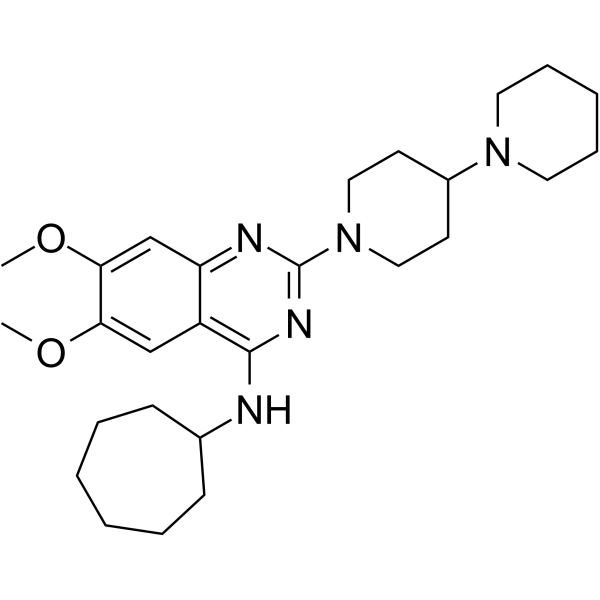
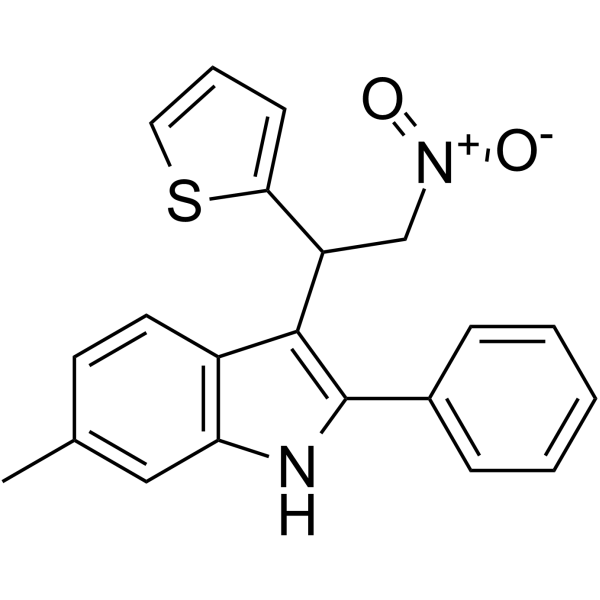
    GTP-14564 is a tyrosine kinase inhibitor targeting to internal tandem duplication (ITD) and FLT3. GTP-14564 inhibits FLT3 ligand-dependent growth in Ba/F3 leukemia cells .
    GTP-14564
  • HY-131597

    8-Hydroxyguanosine triphosphate

    Reactive Oxygen Species (ROS) Infection Cancer
    8-Oxo-GTP is an oxidized guanine nucleotide, produced by reactive oxygen species (ROS). 8-Oxo-GTP serves as a substrate for MutT protein, GTP cyclohydrolase II, Mycobacterium tuberculosis MutT1, and Mycobacterium tuberculosis Rv1700, which hydrolyze it to corresponding nucleoside monophosphates or diphosphates. 8-Oxo-GTP causes detrimental effects including mutations and mistranslation when incorporated into nucleic acids. 8-Oxo-GTP can be used for the research of cancer and tuberculosis .
    8-Oxo-GTP
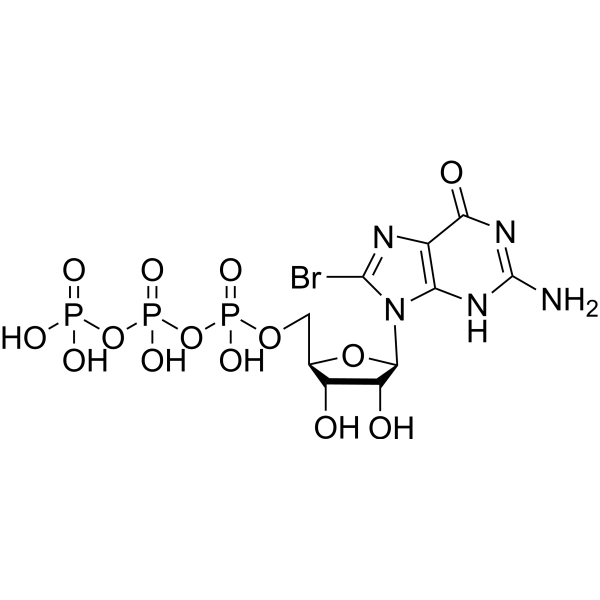
  • HY-134274

    8-Bromoguanosine-5'-triphosphate

    Bacterial Infection
    8-Br-GTP, a GTP analog, is a competitive FtsZ polymerization and GTPase activity (Ki of 31.8 μM) inhibitor. 8-Br-GTP can be used for nucleic acid modification .
    8-Br-GTP
  • HY-134274A

    8-Bromoguanosine-5'-triphosphate tetrasodium

    Bacterial Metabolic Disease
    8-Br-GTP (tetrasodium) (8-Bromoguanosine-5'-triphosphate (tetrasodium)) is a derivative of the energy substrate – GTP, for protein synthesis and gluconeogenesis. 8-Br-GTP (tetrasodium) inhibits the E. coli GTPase FtsZ with a Ki of 31.8 μM. 8-Br-GTP (tetrasodium) promotes the assembly of porcine brain microtubules .
    8-Br-GTP tetrasodium
  • HY-171573

    AZddgtp

    Telomerase Others
    3′-Azido-2′,3′-dideoxy-GTP (AZddGTP) is a selective telomerase inhibitor with a Ki value of 1.5 μM. 3′-Azido-2′,3′-dideoxy-GTP can be incorporated into the 3′-terminus of DNA by telomerase. 3′-Azido-2′,3′-dideoxy-GTP inhibits telomerase activity in HeLa cells in vitro .
    3′-Azido-2′,3′-dideoxy-GTP
  • HY-113225B

    gtp tritris

    Endogenous Metabolite Exosomes Cancer
    Guanosine triphosphate tritris (GTP tritris) serves as a vital enhancer of myogenic cell differentiation and plays a critical role in modulating miRNA-myogenic regulator factors. It also facilitates the release of exosomes enriched with guanosine and guanosine-derived molecules, and is regarded as an activated precursor for RNA synthesis. In mitochondrial function, GTP participates in the import of proteins into the matrix, which is essential for various regulated pathways, and is involved in initiating peptide synthesis through the binding of formylmethionyl-tRNA to the ribosome, as well as polypeptide chain elongation. Additionally, GTP acts as a phosphate and pyrophosphate carrier that channels chemical energy into specific biosynthetic pathways. It activates signal transducing G proteins that regulate cellular processes such as proliferation and differentiation, and its hydrolysis by small GTPases, including Ras and Rho, is integral to both proliferation and apoptosis. Furthermore, the small GTPase Rab is instrumental in vesicle docking, fusion, and formation. Beyond signal transduction, GTP is an energy-rich precursor in the enzymatic biosynthesis of DNA and RNA.
    Guanosine triphosphate tritris
  • HY-113225S4

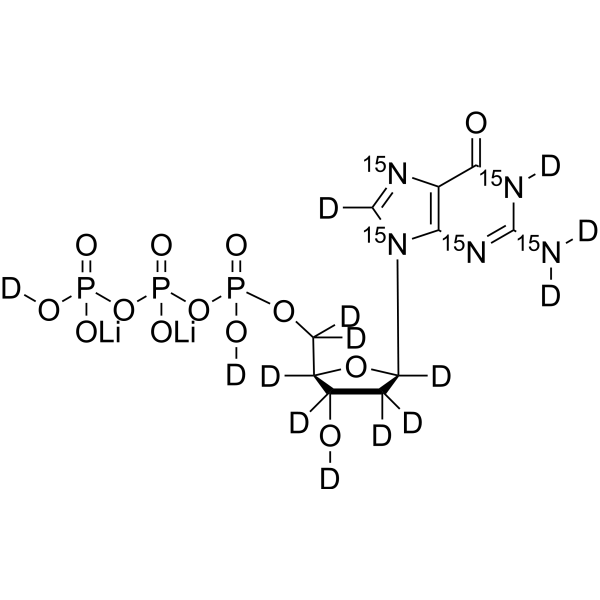
    gtp-15N5,d14 dilithium

    Isotope-Labeled Compounds Endogenous Metabolite Mitosis Apoptosis DNA/RNA Synthesis Infection Cancer
    Guanosine triphosphate- 15N5,d14 (GTP- 15N5,d14) dilithium is deuterium and 15N labeled Guanosine triphosphate (HY-113225). Guanosine triphosphate dilithium (GTP) is a critical nucleotide and regulator of cellular metabolism. Guanosine triphosphate dilithium promotes ribosomal DNA localization, pre-rRNA transcription and ribosome biogenesis by binding to RNA polymerase I and GPN proteins (GPN1/3). Guanosine triphosphate dilithium links MYC-dependent ribosome biogenesis to nucleotide sufficiency, acts as a metabolic gatekeeper supporting protein synthesis, DNA/RNA synthesis and cellular signal transduction, while also participating in the physiological activities of pancreatic β-cells and serving as an oxidative substrate for reactive oxygen species. In small cell lung cancer with high MYC expression, Guanosine triphosphate dilithium accumulates through the IMPDH-driven synthetic pathway, thereby affecting apoptosis and mitotic processes. Guanosine triphosphate dilithium is used in the research of small cell lung cancer, hepatoblastoma and cellular metabolism .
    Guanosine triphosphate-15N5,d14 dilithium
  • HY-113225S1

    gtp-13C10,15N5 tetraammonium

    Endogenous Metabolite Mitosis Apoptosis DNA/RNA Synthesis Cancer
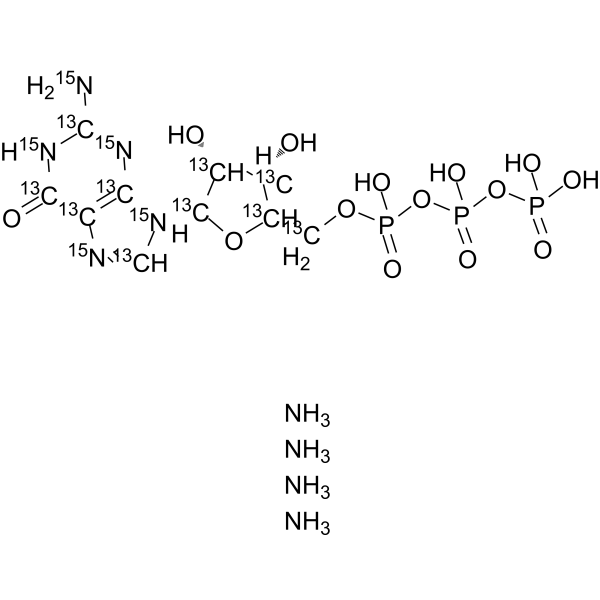
    Guanosine triphosphate- 13C10, 15N5 tetraammonium is the 13C and 15N labeled Guanosine triphosphate tetraammonium. Guanosine triphosphate tetraammonium (GTP) is a critical nucleotide and regulator of cellular metabolism. Guanosine triphosphate tetraammonium promotes ribosomal DNA localization, pre-rRNA transcription and ribosome biogenesis by binding to RNA polymerase I and GPN proteins (GPN1/3). Guanosine triphosphate tetraammonium links MYC-dependent ribosome biogenesis to nucleotide sufficiency, acts as a metabolic gatekeeper supporting protein synthesis, DNA/RNA synthesis and cellular signal transduction, while also participating in the physiological activities of pancreatic β-cells and serving as an oxidative substrate for reactive oxygen species. In small cell lung cancer with high MYC expression, Guanosine triphosphate tetraammonium accumulates through the IMPDH-driven synthetic pathway, thereby affecting apoptosis and mitotic processes. Guanosine triphosphate tetraammonium is used in the research of small cell lung cancer, hepatoblastoma and cellular metabolism .
    Guanosine triphosphate-13C10,15N5 tetraammonium solution (100 mM)
  • HY-P5072

    Bombesin Receptor Metabolic Disease
    GRP (14-27) (human, porcine, canine) is a bombesin receptor ligand. The specific binding of GRP (14-27) is inhibited by GTP and GDP, whereas GMP was without effect .
    GRP (14-27) (human, porcine, canine)
  • HY-131801A

    Nucleoside Antimetabolite/Analog Others
    3'-NH2-GTP tetrasodium is a substitute for GTP, produced by inserting an amino acid into the C3 position of GTP .
    3'-NH2-GTP tetrasodium
  • HY-171534

    Nucleoside Antimetabolite/Analog Others
    LNA-GTP is a nucleotide analog that can be used in the synthesis of oligonucleotides .
    LNA-GTP
  • HY-172557

    Nucleoside Antimetabolite/Analog Fluorescent Dye Others
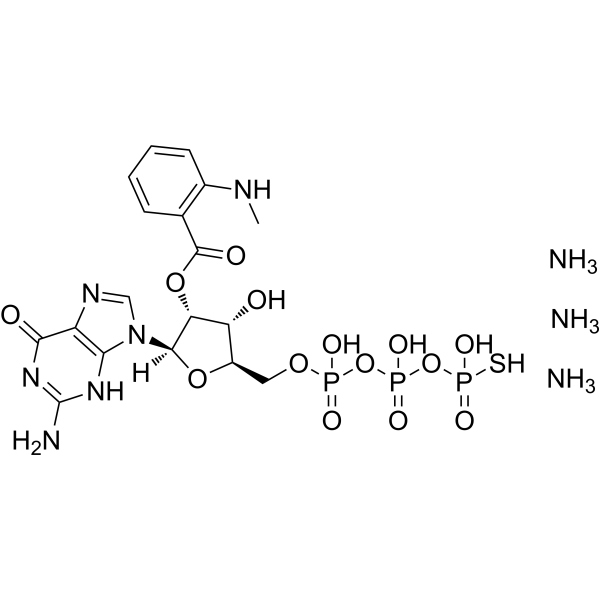
    2'(3')-Br-ANT-GTP tetrasodium is a derivative of GTP. 2'(3')-Br-ANT-GTP tetrasodium can be excited at 350 nm and emit at 380-550 nm .
    2'(3')-Br-ANT-GTP tetrasodium

Inquiry Online

Your information is safe with us. * Required Fields.

Salutation


Country or Region *

Applicant Name *


Organization Name *

Department *


Email Address *


Product Name *

Cat. No.


Requested quantity *

Phone Number *


Remarks

Inquiry Online

Inquiry Information

Product Name:
Cat. No.:
Quantity:
MCE Japan Authorized Agent: