1. Search Result
Search Result
Results for "

β/α-1

" in MedChemExpress (MCE) Product Catalog:

247

Inhibitors & Agonists

1

Screening Libraries

2

Fluorescent Dyes

4

Biochemical Assay Reagents

10

Peptides

4

Inhibitory Antibodies

35

Natural
Products

8

Recombinant Proteins

28

Isotope-Labeled Compounds

6

Antibodies

1

Click Chemistry

1

Oligonucleotides

Cat. No. Product Name Target Research Areas Chemical Structure
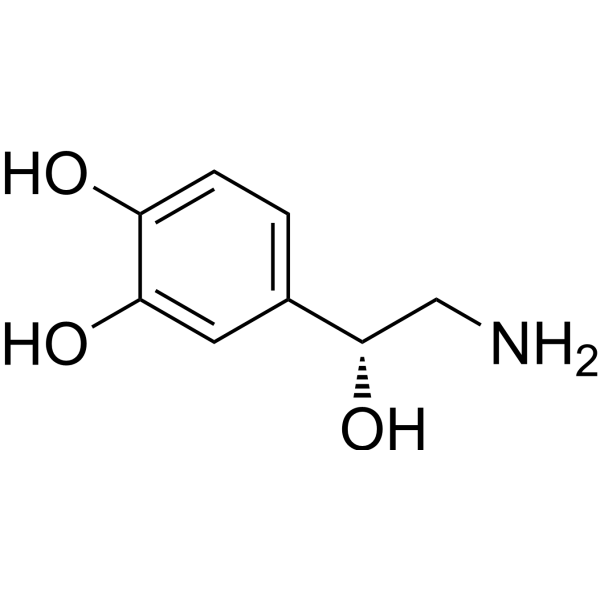
  • HY-13715
    Norepinephrine
    Maximum Cited Publications
    61 Publications Verification

    Levarterenol; L-Noradrenaline

    Endogenous Metabolite Adrenergic Receptor Autophagy Cardiovascular Disease Metabolic Disease Cancer
    Norepinephrine (Levarterenol; L-Noradrenaline) is a potent adrenergic receptor (AR) agonist. Norepinephrine activates α1, α2, β1 receptors .
    Norepinephrine
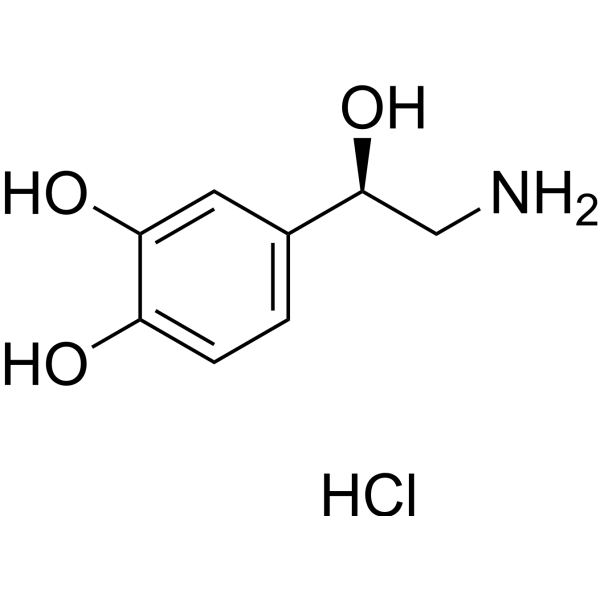
  • HY-13715A
    Norepinephrine hydrochloride
    Maximum Cited Publications
    61 Publications Verification

    Levarterenol hydrochloride; L-Noradrenaline hydrochloride

    Adrenergic Receptor Autophagy Endogenous Metabolite Cardiovascular Disease Neurological Disease Metabolic Disease Cancer
    Norepinephrine (Levarterenol; L-Noradrenaline) hydrochloride is a potent adrenergic receptor (AR) agonist. Norepinephrine activates α1, α2, β1 receptors .
    Norepinephrine hydrochloride
  • HY-103456
    PHTPP
    25+ Cited Publications

    Estrogen Receptor/ERR Cancer
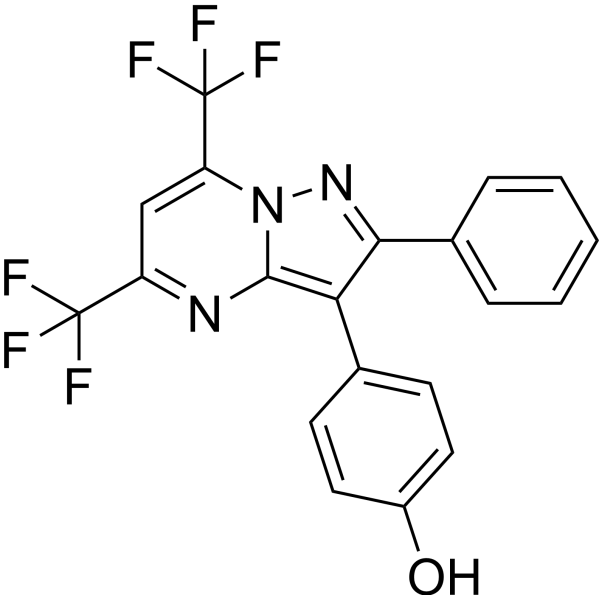
    PHTPP is a selective estrogen receptor β (ERβ) antagonist with 36-fold selectivity over ERα .
    PHTPP
  • HY-15746
    Dobutamine hydrochloride
    5 Publications Verification

    Adrenergic Receptor Cardiovascular Disease Endocrinology Cancer
    Dobutamine hydrochloride is a synthetic catecholamine that acts on α1-AR, β1-AR, β2-AR (α-1, β-1 andβ-2 adrenoceptors). Dobutamine hydrochloride is a selective β1-AR agonist, relatively weak activity at α1-AR and β2-AR. Dobutamine hydrochloride can increase cardiac output and correct hypoperfusion .
    Dobutamine hydrochloride
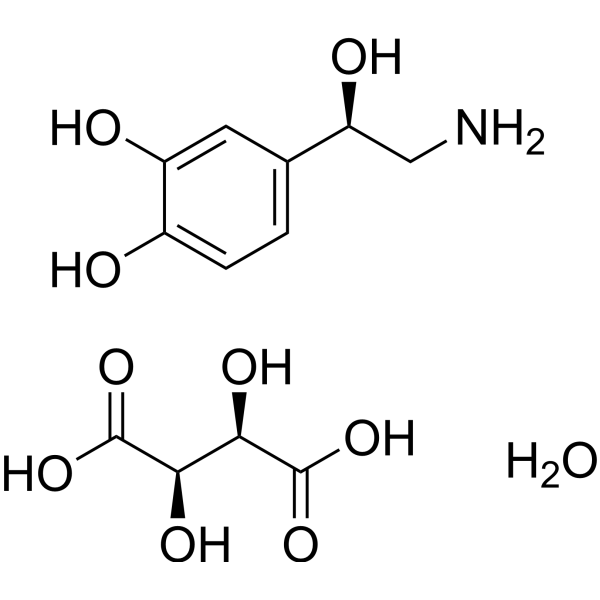
  • HY-13715B
    Norepinephrine bitartrate monohydrate
    Maximum Cited Publications
    61 Publications Verification

    Levarterenol bitartrate monohydrate; L-Noradrenaline bitartrate monohydrate

    Adrenergic Receptor Autophagy Endogenous Metabolite Cardiovascular Disease Metabolic Disease Cancer
    Norepinephrine (Levarterenol; L-Noradrenaline) bitartrate monohydrate is a potent adrenergic receptor (AR) agonist. Norepinephrine activates α1, α2, β1 receptors .
    Norepinephrine bitartrate monohydrate
  • HY-B1108
    Labetalol hydrochloride
    5 Publications Verification

    AH-5158 hydrochloride; Sch-15719W

    Adrenergic Receptor Cardiovascular Disease Inflammation/Immunology Endocrinology
    Labetalol (AH5158) hydrochloride is an orally available, selective α1-adrenergic recepto and non-selective β-adrenergic receptor competitive antagonist. Labetalol hydrochloride is an antihypertensive molecule that partially crosses the blood-brain barrier and has little effect on cardiac output. Labetalol hydrochloride can be used in the study of cardiovascular diseases, such as hypertension during pregnancy .
    Labetalol hydrochloride
  • HY-121383
    Labetalol
    5 Publications Verification

    AH5158; Sch-15719W free base

    Adrenergic Receptor Cardiovascular Disease Inflammation/Immunology Endocrinology
    Labetalol (AH5158) is an orally available, selective α1-adrenergic recepto and non-selective β-adrenergic receptor competitive antagonist. Labetalol is an antihypertensive molecule that partially crosses the blood-brain barrier and has little effect on cardiac output. Labetalol can be used in the study of cardiovascular diseases, such as hypertension during pregnancy .
    Labetalol
  • HY-N2037
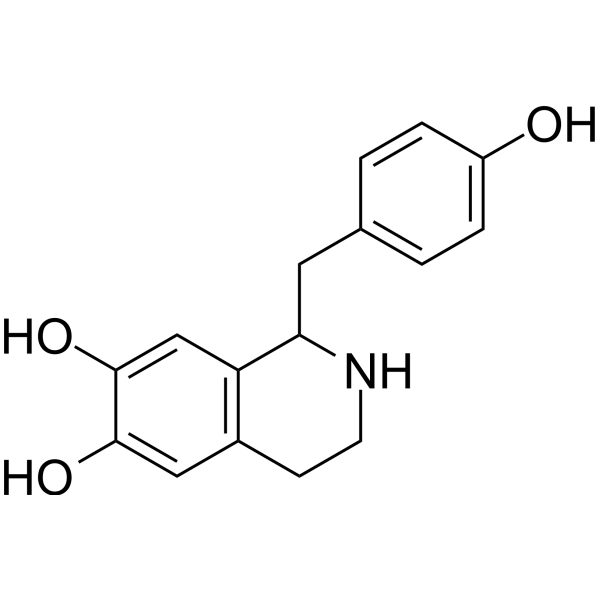
    Higenamine
    5+ Cited Publications

    Norcoclaurine; Demethyl-Coclaurine

    MAP3K MDM-2/p53 Adrenergic Receptor ROS Kinase Apoptosis Cardiovascular Disease Endocrinology
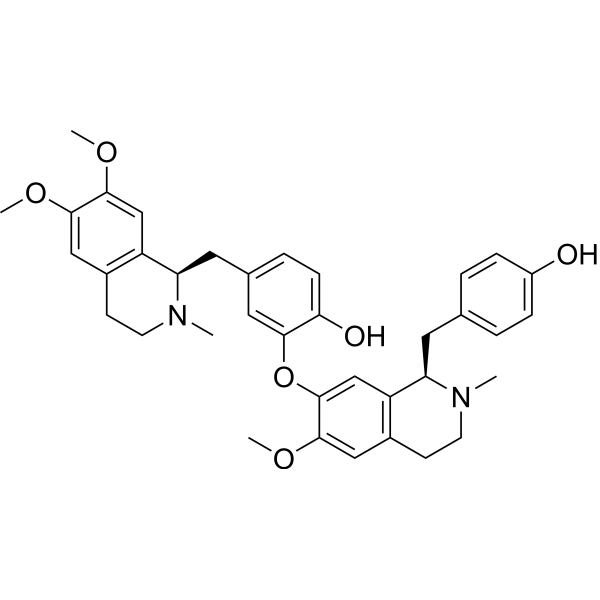
    Higenamine (Norcoclaurine), a β2-AR agonist with antioxidant capability, is a key component of the Chinese herb aconite root that prescribes for treating symptoms of heart failure in the oriental Asian countries. Higenamine is also a α1-adrenergic receptor antagonist with hypotensive effect. is a selective LSD1 inhibitor (IC50=1.47 μM) that can be isolated from aconite. Higenamine hydrochloride has anti-inflammatory and antibacterial activity. Higenamine protects myocyte Apoptosis and ischemia/reperfusion (I/R) injury through selective activation of beta2-adrenergic receptor (β2-AR). Higenamine also reduces I/R-induced myocardial infarction in mice. Higenamine can attenuate IL-1β-induced Apoptosis through ROS-mediated PI3K/Akt signaling pathway. Higenamine protects brain cells from oxygen deprivation. Higenamine can promote bone formation in osteoporosis through the SMAD2/3 pathway. Higenamine can be used to study cancer, inflammation, cardiorenal syndrome and other diseases .
    Higenamine
  • HY-13715C
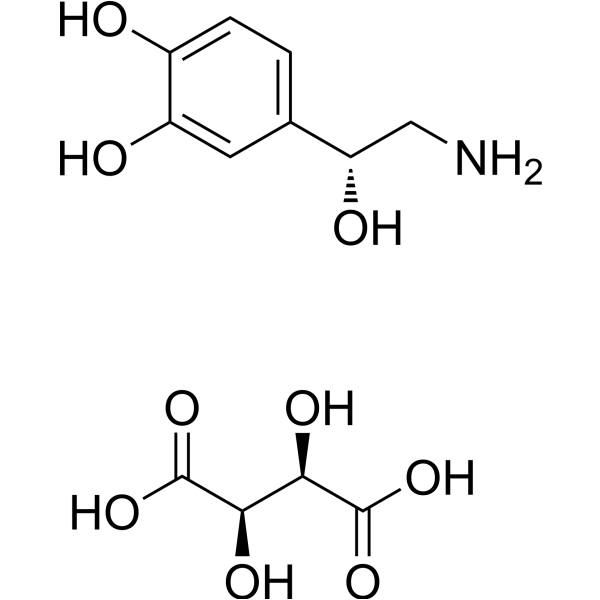
    Norepinephrine tartrate
    Maximum Cited Publications
    61 Publications Verification

    Levarterenol tartrate; L-Noradrenaline tartrate

    Endogenous Metabolite Adrenergic Receptor Autophagy Cardiovascular Disease Metabolic Disease Cancer
    Norepinephrine (Levarterenol; L-Noradrenaline) tartrate is a potent adrenergic receptor (AR) agonist. Norepinephrine tartrate activates α1, α2, β1 receptors .
    Norepinephrine tartrate
  • HY-170316

    Ras Cancer
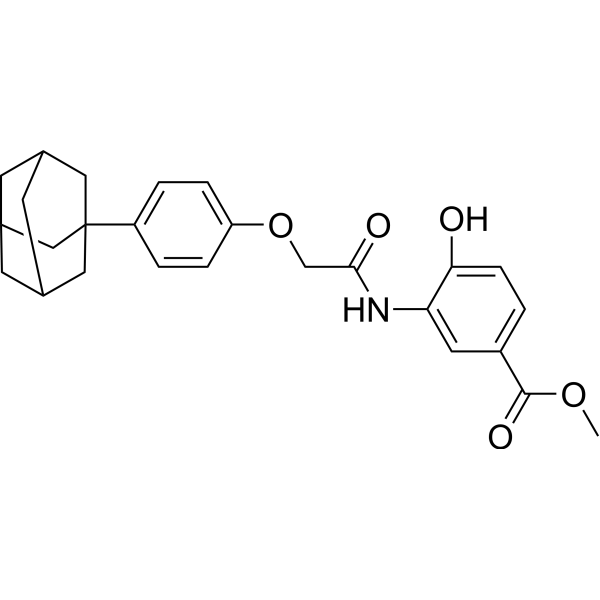
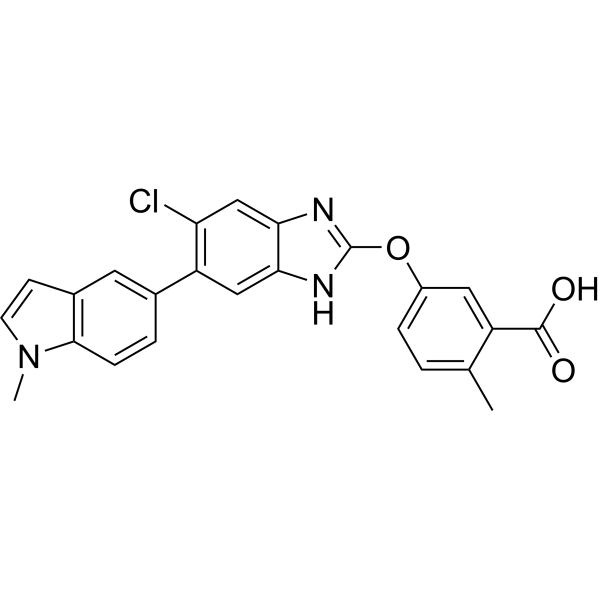
    Ibetazol is a Importin β1 (KPNB1) inhibitor and nucleocytoplasmic transport disruptor. Ibetazol binds covalently to Cys585 of Importin β1, blocks both Importin β1-mediated direct transport and Importin α-dependent nuclear import processes, without affecting transport mediated by other nucleocytoplasmic transport proteins. Ibetazol induces cytoplasmic accumulation of Importin α1, and inhibits nuclear import of substrates carrying nuclear localization signals (NLS), including the NLS-cMyc reporter gene, RelA/p65 and SREBP1. Ibetazol triggers spindle malformation and chromosome misalignment by disrupting the mitotic function of Importin β1. Ibetazol inhibits the proliferation of cells expressing wild-type Importin β1. Ibetazol has a high activity-cytotoxicity window, lacks intrinsic fluorescence, and acts rapidly on nucleocytoplasmic transport processes. Ibetazol serves as a tool compound for investigating nuclear import processes specifically mediated by Importin β1 .
    Ibetazol
  • HY-15746A
    Dobutamine
    5 Publications Verification

    Adrenergic Receptor Cardiovascular Disease Endocrinology Cancer
    Dobutamine is a synthetic catecholamine that acts on α1-AR, β1-AR, β2-AR (α-1, β-1 andβ-2 adrenoceptors). Dobutamine is a selective β1-AR agonist, relatively weak activity at α1-AR and β2-AR. Dobutamine can increase cardiac output and correct hypoperfusion .
    Dobutamine
  • HY-E70134

    Endo F3

    Others Metabolic Disease
    Endo-β-N-acetylglucosaminidase D (Endo F3) cleaves free or Asparagine-linked triantennary oligosaccharides or α1-6 fucosylated biantennary oligosaccharides, as well as triamnnosyl chitobiose core structures .
    Endo-β-N-acetylglucosaminidase F3
  • HY-B0379A
    Adiphenine hydrochloride
    3 Publications Verification

    nAChR Neurological Disease
    Adiphenine hydrochloride is a non-competitive inhibitor of nicotinic acetylcholine receptor (nAChR), with an IC50s of 1.9, 1.8, 3.7, and 6.3 μM for α1, α3β4, α4β2, and α4β4, respectively. Adiphenine hydrochloride has anticonvulsant effects .
    Adiphenine hydrochloride
  • HY-10564
    Sarpogrelate hydrochloride
    1 Publications Verification

    MCI-9042

    5-HT Receptor Cardiovascular Disease
    Sarpogrelate hydrochloride (MCI-9042) is a selective 5-HT2R antagonist, with pKis of 8.52, 6.57, and 7.43 for 5-HT2A, 5-HT2B, and 5-HT2C receptors, respectively. Sarpogrelate hydrochloride displays selectivity over 5-HT1, 5-HT3, 5-HT4, α1-, α2- and β-adrenoreceptor, histamine H1, H2 and muscarinic M3 receptors. Sarpogrelate hydrochloride can be used for the research of vascular disease associated with thrombosis .
    Sarpogrelate hydrochloride
  • HY-16579
    Etifoxine hydrochloride
    3 Publications Verification

    HOE 36-801 hydrochloride

    GABA Receptor Neurological Disease
    Etifoxine hydrochloride, a non-benzodiazepine GABAergic compound, is a positive allosteric modulator of α1β2γ2 and α1β3γ2 subunit-containing GABAA receptors. Etifoxine hydrochloride reveals anxiolytic and anticonvulsant properties in rodents .
    Etifoxine hydrochloride
  • HY-121186

    Adrenergic Receptor Calcium Channel Cardiovascular Disease Neurological Disease Metabolic Disease
    Bevantolol hydrochloride is a selective β1 and α1-adrenergic receptor antagonist with pKi values of 7.83, 6.9 in rat cerebral cortex, respectively. Bevantolol hydrochloride is a potent Ca 2+ antagonist .
    Bevantolol hydrochloride
  • HY-16579A
    Etifoxine
    3 Publications Verification

    HOE 36-801

    GABA Receptor Neurological Disease
    Etifoxine, a non-benzodiazepine GABAergic compound, is a positive allosteric modulator of α1β2γ2 and α1β3γ2 subunit-containing GABAA receptors. Etifoxine reveals anxiolytic and anticonvulsant properties in rodents .
    Etifoxine
  • HY-100991

    ZK 39106; LSU-65

    GABA Receptor Neurological Disease
    FG 7142 (ZK 39106; LSU-65), a non-selectively benzodiazepine inverse agonist, has high affinity for the α1 subunit-containing GABAA receptor (Ki=91 nM). FG 7142 (ZK 39106; LSU-65) also modulates GABA-induced chloride flux at GABAA receptors expressing the α1 subunit (EC50= 137 nM). FG 7142 (ZK 39106; LSU-65) can increase tyrosine hydroxylation and cause upregulation of β-adrenoceptors in mouse cerebral cortex .
    FG 7142
  • HY-100369A

    GABA Receptor Neurological Disease
    DMCM hydrochloride is a nonselective full inverse agonist of benzodiazepine. DMCM shows bnding afinity at human recombinant GABAA αxβ3γ2 receptor subtypes with Kis of 10 nM, 13 nM, 7.5 nM, 2.2 nM for α1, α2, α3, and α5 receptors, respectively .
    DMCM hydrochloride
  • HY-15831

    Isotope-Labeled Compounds GABA Receptor Neurological Disease
    L-838417-d9 is the deuterium labeled L-838417 (HY-W009009). L-838417 is a selective partial agonist at the α2, α3 and α5 subtypes of the GABAA receptor and an antagonist at the α1, with binding Ki values of 0.79 nM, 0.67 nM, 1.67 nM, 267 nM, 2.25 nM and 2183 nM for α1β3γ2, α2β3γ2, α3β3γ2, α4β3γ2, α5β3γ2 and α6β3γ2. L-838417 has anti-anxiety activity .
    L-838417-d9
  • HY-126236
    3,5-Diiodothyropropionic acid
    1 Publications Verification

    Thyroid Hormone Receptor Cardiovascular Disease Endocrinology
    3,5-Diiodothyropropionic acid is a thyroid hormone analog, induces α-myosin heavy chain mRNA expression, binds to thyroid hormone receptor (TR), with Ka of 2.40 and 4.06 M -1 for TRα1 and TRβ1, respectively. 3,5-Diiodothyropropionic acid promotes angiogenesis in 3-D human dermal microvascular endothelial cell sprouting assay. 3,5-Diiodothyropropionic acid prevents myocardial arteriolar loss in thyroidectomized rats and enhances cardiac energy-generating capacity in postinfarction heart failure rats. 3,5-Diiodothyropropionic can be used in studies related to angiogenesis and heart failure .
    3,5-Diiodothyropropionic acid
  • HY-12753A
    Debutyldronedarone hydrochloride
    2 Publications Verification

    SR35021 hydrochloride

    Thyroid Hormone Receptor Cardiovascular Disease
    Debutyldronedarone (SR35021) hydrochloride, the main metabolite of Dronedarone, is a selective thyroid hormone receptor α1 (TRα1) inhibitor. Debutyldronedarone hydrochloride inhibits T3 binding to TRα1 and TRβ1 by 77% and 25%, respectively. Debutyldronedarone hydrochloride can be used for the research of arrhythmic .
    Debutyldronedarone hydrochloride
  • HY-A0144A

    Adrenergic Receptor AMPK Akt Cardiovascular Disease
    Etilefrine hydrochloride is a sympathetic nerve agonist and AMPK activator that selectively targets α1/β1 adrenergic receptors. Etilefrine hydrochloride stimulates α1 adrenergic receptors, leading to contraction of vascular smooth muscle and increased peripheral resistance. Etilefrine hydrochloride also stimulates β1 receptors to enhance myocardial contractility and increase heart rate, thereby increasing blood pressure and improving cardiac output. Etilefrine hydrochloride also bidirectionally regulates the AMPK/Akt pathway and modulates the phosphorylation levels. Etilefrine hydrochloride can be used in cardiovascular research, such as postural hypotension, chylothorax, and improving low cardiac output .
    Etilefrine hydrochloride
  • HY-A0144

    Adrenergic Receptor AMPK Akt Cardiovascular Disease
    Etilefrine is a sympathetic nerve agonist and AMPK activator that selectively targets α1/β1 adrenergic receptors. Etilefrine stimulates α1 adrenergic receptors, leading to contraction of vascular smooth muscle and increased peripheral resistance. Etilefrine also stimulates β1 receptors to enhance myocardial contractility and increase heart rate, thereby increasing blood pressure and improving cardiac output. Etilefrine also bidirectionally regulates the AMPK/Akt pathway and modulates the phosphorylation levels. Etilefrine can be used in cardiovascular research, such as postural hypotension, chylothorax, and improving low cardiac output .
    Etilefrine
  • HY-13715R

    Levarterenol (Standard); L-Noradrenaline (Standard)

    Reference Standards Endogenous Metabolite Adrenergic Receptor Autophagy Cardiovascular Disease Endocrinology Cancer
    Norepinephrine (Standard) is the analytical standard of Norepinephrine. This product is intended for research and analytical applications. Norepinephrine (Levarterenol; L-Noradrenaline) is a potent adrenergic receptor (AR) agonist. Norepinephrine activates α1, α2, β1 receptors .
    Norepinephrine (Standard)
  • HY-N6630
    6-Methylflavone
    2 Publications Verification

    GABA Receptor Neurological Disease
    6-Methylflavone is an activator of α1β2γ2L and α1β2 GABAA receptors.
    6-Methylflavone
  • HY-E70058

    α-1-3,4 FucT; Hp3/4FT

    Endogenous Metabolite Metabolic Disease
    alpha-1,3/4-Fucosyltransferase (α1,3/4FucT) (EC 2.4.1.65) (Hp3/4FT) can be found in Helicobacter pylori. alpha-1,3/4-Fucosyltransferase (α1,3/4FucT) catalyzes fucose transfer from donor GDP-beta-l-fucose to the GlcNAc .
    α-1-3,4 Fucosyltransferase, helicobacter pylori
  • HY-W009009

    GABA Receptor Neurological Disease
    L-838417 is a selective partial agonist at the α2, α3 and α5 subtypes of the GABAA receptor and an antagonist at the α1, with binding Ki values of 0.79 nM, 0.67 nM, 1.67 nM, 267 nM, 2.25 nM and 2183 nM for α1β3γ2, α2β3γ2, α3β3γ2, α4β3γ2, α5β3γ2 and α6β3γ2. L-838417 has anti-anxiety activity .
    L-838417
  • HY-E70052

    GGTA1

    Endogenous Metabolite Metabolic Disease
    alpha-1,3-Galactosyltransferase (a1,3GalT) (GGTA1) catalyzes the generation of the α-gal glycan via the transfer of a galactose (Gal) in α1-3 linkage, from a uridyl-diphosphate (UDP) donor onto the N-acetyllactosamine (Galβ1,4GlcNAc-R) of glycoproteins. alpha-1,3-Galactosyltransferase (a1,3GalT) is responsible for the synthesis of the α-galactose (α-Gal) epitope found in most mammalian species .
    alpha-1,3-Galactosyltransferase (a1,3GalT)
  • HY-B1108R
    Labetalol hydrochloride (Standard)
    4 Publications Verification

    AH-5158 hydrochloride(Standard); Sch-15719W (Standard)

    Reference Standards Adrenergic Receptor Cardiovascular Disease Inflammation/Immunology Endocrinology
    Labetalol hydrochloride (Standard) is the analytical standard of Labetalol hydrochloride (HY-B1108). This product is intended for research and analytical applications. Labetalol (AH5158) hydrochloride is an orally available, selective α1-adrenergic recepto and non-selective β-adrenergic receptor competitive antagonist. Labetalol hydrochloride is an antihypertensive molecule that partially crosses the blood-brain barrier and has little effect on cardiac output. Labetalol hydrochloride can be used in the study of cardiovascular diseases, such as hypertension during pregnancy .
    Labetalol hydrochloride (Standard)
  • HY-141488

    Galβ1-3GlcNAc

    Endogenous Metabolite Endocrinology
    Lacto-N-biose I (Galβ1-3GlcNAc), as an endogenous metabolite, is an acceptor for the α1,2-fucosyltransferase enzyme from Helicobacter pylori .
    Lacto-N-biose I
  • HY-115597

    Calcium Channel Neurological Disease
    BTT-266 is an antagonist forcalcium channel, through suppression of the CaVα1-AID-CaVβ3 interaction, with a Ki of 1.4 μM. BTT-266 modulates the activation of voltage-dependent CaV2.2. BTT-266 exhibits analgesic efficacy against neuropathic pain in rats model .
    BTT-266
  • HY-101393A

    (±)-CGP 12177 hydrochloride

    Adrenergic Receptor Cardiovascular Disease Metabolic Disease
    CGP 12177 ((±)-CGP 12177) hydrochloride is a β-Adrenergic receptor (β-AR) ligand. CGP 12177 hydrochloride is a β3-AR (Ki = 88 nM) agonist with β12-AR (Ki = 0.9 nM for β1; Ki = 4 nM for β2) antagonist action. CGP 12177 hydrochloride exhibits partial agonist properties for α1-AR in rat pulmonary artery. CGP 12177 hydrochloride regulates the expression of ucp and leptin genes in NMRI mice adipose tissues. CGP 12177 hydrochloride can be used for cardiovascular and metabolic disease research [1][2][3][4].
    CGP 12177 hydrochloride
  • HY-13715AR

    Levarterenol hydrochloride (Standard); L-Noradrenaline hydrochloride (Standard)

    Reference Standards Adrenergic Receptor Autophagy Endogenous Metabolite Cardiovascular Disease Endocrinology Cancer
    Norepinephrine (hydrochloride) (Standard) is the analytical standard of Norepinephrine (hydrochloride). This product is intended for research and analytical applications. Norepinephrine (Levarterenol; L-Noradrenaline) hydrochloride is a potent adrenergic receptor (AR) agonist. Norepinephrine activates α1, α2, β1 receptors[1][2][3][4].
    Norepinephrine hydrochloride (Standard)
  • HY-N10639

    Others Others
    (1α,2α,6β,8α,9α)-1,2,6,8,12-Pentakis(acetyloxy)-9-(benzoyloxy)dihydro-β-agarofuran is a sesquiterpene polyol ester. (1α,2α,6β,8α,9α)-1,2,6,8,12-Pentakis(acetyloxy)-9-(benzoyloxy)dihydro-β-agarofuran can be used for the research of various biochemical .
    (1α,2α,6β,8α,9α)-1,2,6,8,12-Pentakis(acetyloxy)-9-(benzoyloxy)dihydro-β-agarofuran
  • HY-121045

    KO 1366

    Adrenergic Receptor Cardiovascular Disease
    Bunitrolol hydrochloride is an orally active β-adrenergic blocker that has a high affinity for β-adrenergic receptors. Bunitrolol hydrochloride exerts significant β-receptor antagonist activity and has weak α1-blocking activity. Bunitrolol hydrochloride is mainly used in the study of cardiovascular diseases such as hypertension and angina pectoris, and is also used in placental transport research .
    Bunitrolol
  • HY-13715S

    Isotope-Labeled Compounds Endogenous Metabolite Adrenergic Receptor Autophagy Cardiovascular Disease Endocrinology
    (Rac)-Norepinephrine-d3 (formate) is deuterium labeled Norepinephrine. Norepinephrine (Levarterenol; L-Noradrenaline) is a potent adrenergic receptor (AR) agonist. Norepinephrine activates α1, α2, β1 receptors .
    (Rac)-Norepinephrine-d3 formate
  • HY-13715BR

    Levarterenol bitartrate monohydrate (Standard); L-Noradrenaline bitartrate monohydrate (Standard)

    Reference Standards Adrenergic Receptor Autophagy Endogenous Metabolite Cardiovascular Disease Endocrinology Cancer
    Norepinephrine (bitartrate monohydrate) (Standard) is the analytical standard of Norepinephrine (bitartrate monohydrate). This product is intended for research and analytical applications. Norepinephrine (Levarterenol; L-Noradrenaline) bitartrate monohydrate is a potent adrenergic receptor (AR) agonist. Norepinephrine activates α1, α2, β1 receptors .
    Norepinephrine bitartrate monohydrate (Standard)
  • HY-117167

    Thyroid Hormone Receptor Cancer
    KB-141 is a potent and selective TRβ agonist. The IC50 values are 23.9 nM and 3.3 nM for binding affinities from displacement of T3 from hTRα1 and hTRβ1, respectively. KB-141 has anti-obesity, anti-diabetic, and lipid-lowering effects?and can be used as an anti-cholesteremic agent in vivo .
    KB-141
  • HY-121383R

    AH5158 (Standard); Sch-15719W free base (Standard)

    Reference Standards Adrenergic Receptor Cardiovascular Disease Inflammation/Immunology Endocrinology
    Labetalol (Standard) is the analytical standard of Labetalol. This product is intended for research and analytical applications. Labetalol (AH5158) is an orally available, selective α1-adrenergic recepto and non-selective β-adrenergic receptor competitive antagonist. Labetalol is an antihypertensive molecule that partially crosses the blood-brain barrier and has little effect on cardiac output. Labetalol can be used in the study of cardiovascular diseases, such as hypertension during pregnancy .
    Labetalol (Standard)
  • HY-E70064
    alpha-1,3-Fucosyltransferase (α1,3FucT)
    1 Publications Verification

    Endogenous Metabolite Others
    alpha-1,3-Fucosyltransferase (α1,3FucT) catalyzes the transfer of L-fucose moiety from guanosine diphosphate-beta-L-fucose (GDP-Fuc) to acceptor sugars. alpha-1,3-Fucosyltransferase (α1,3FucT) is often used in biochemical studies, and it can be used to form fucoglycoconjugates .
    alpha-1,3-Fucosyltransferase (α1,3FucT)
  • HY-E70793

    AMPK Cancer
    AMPK is an αβγ heterotrimeric serinethreonine kinase activated by decreasing concentrations of adenosine triphosphate (ATP) and increasing AMP concentrations. Biotin-AMPKα1β1γ1 Recombinant Human Active Protein Kinase is obtained by co-expressing AMPKα1, AMPKβ1, and AMPKγ1 proteins and is biotinylated .
    Biotin-AMPKα1β1γ1 Recombinant Human Active Protein Kinase
  • HY-101393

    (±)-CGP 12177

    Adrenergic Receptor Cardiovascular Disease Metabolic Disease
    CGP 12177 ((±)-CGP 12177) is a β-Adrenergic receptor (β-AR) ligand. CGP 12177 is a β3-AR (Ki = 88 nM) agonist with β12-AR (Ki = 0.9 nM for β1; Ki = 4 nM for β2) antagonist action. CGP 12177 exhibits partial agonist properties for α1-AR in rat pulmonary artery. CGP 12177 regulates the expression of ucp and leptin genes in NMRI mice adipose tissues. CGP 12177 can be used for cardiovascular and metabolic disease research .
    CGP 12177
  • HY-N2037R

    Norcoclaurine (Standard); Demethyl-Coclaurine (Standard)

    Reference Standards MAP3K MDM-2/p53 Adrenergic Receptor ROS Kinase Apoptosis Cardiovascular Disease Endocrinology
    Higenamine (Norcoclaurine), a β2-AR agonist with antioxidant capability, is a key component of the Chinese herb aconite root that prescribes for treating symptoms of heart failure in the oriental Asian countries. Higenamine is also a α1-adrenergic receptor antagonist with hypotensive effect. is a selective LSD1 inhibitor (IC50=1.47 μM) that can be isolated from aconite. Higenamine hydrochloride has anti-inflammatory and antibacterial activity. Higenamine protects myocyte Apoptosis and ischemia/reperfusion (I/R) injury through selective activation of beta2-adrenergic receptor (β2-AR). Higenamine also reduces I/R-induced myocardial infarction in mice. Higenamine can attenuate IL-1β-induced Apoptosis through ROS-mediated PI3K/Akt signaling pathway. Higenamine protects brain cells from oxygen deprivation. Higenamine can promote bone formation in osteoporosis through the SMAD2/3 pathway. Higenamine can be used to study cancer, inflammation, cardiorenal syndrome and other diseases .
    Higenamine (Standard)
  • HY-10564R

    MCI-9042 (Standard)

    Reference Standards 5-HT Receptor Cardiovascular Disease
    Sarpogrelate (hydrochloride) (Standard) is the analytical standard of Sarpogrelate (hydrochloride). This product is intended for research and analytical applications. Sarpogrelate hydrochloride (MCI-9042) is a selective 5-HT2R antagonist, with pKis of 8.52, 6.57, and 7.43 for 5-HT2A, 5-HT2B, and 5-HT2C receptors, respectively. Sarpogrelate hydrochloride displays selectivity over 5-HT1, 5-HT3, 5-HT4, α1-, α2- and β-adrenoreceptor, histamine H1, H2 and muscarinic M3 receptors. Sarpogrelate hydrochloride can be used for the research of vascular disease associated with thrombosis .
    Sarpogrelate hydrochloride (Standard)
  • HY-169870

    (+)-Mecamylamine; TC-5214

    nAChR Neurological Disease
    Dexmecamylamine ((+)-Mecamylamine) is the antagonist for nicotinic acetylcholine receptor (nAChR), that antagonises the α3β4/α4β2/α7/α1β1γδ receptor with IC50 of micromolare levels. Dexmecamylamine exhibits anxiolytic and antidepressant-like activities .
    Dexmecamylamine
  • HY-W145655

    Biochemical Assay Reagents Others
    Gal-β1,3-GalNAc-α1-OBn is a biochemical reagent that can be used as a biological material or organic compound for life science related research.
    Gal-β1,3-GalNAc-α1-OBn
  • HY-E70787

    AMPK Cancer
    AMPK is an αβγ heterotrimeric serinethreonine kinase activated by decreasing concentrations of adenosine triphosphate (ATP) and increasing AMP concentrations. AMPK α1β1γ1 Recombinant Human Active Protein Kinase is an ortholog of AMPK. AMPK α1β1γ1 Recombinant Human Active Protein Kinase is obtained by co-expressing AMPKα1, AMPKβ1, and AMPKγ1 proteins .
    AMPK α1β1γ1 Recombinant Human Active Protein Kinase
  • HY-100740C

    (1α,1'S,4β)-AZD3293; (1α,1'S,4β)-LY3314814

    Beta-secretase Neurological Disease
    (1α,1'S,4β)-Lanabecestat ((1α,1'S,4β)-AZD3293) a less active enantiomer of Lanabecestat. Lanabecestat is a potent, orally active and blood-brain barrier penetrating BACE1 inhibitor with a Ki of 0.4 nM .
    (1α,1'S,4β)-Lanabecestat
  • HY-15746B

    Adrenergic Receptor Cardiovascular Disease Endocrinology Cancer
    Dobutamine tartrate is a synthetic catecholamine that acts on α1-AR, β1-AR, β2-AR (α-1, β-1 andβ-2 adrenoceptors). Dobutamine tartrate is a selective β1-AR agonist, relatively weak activity at α1-AR and β2-AR. Dobutamine tartrate can increase cardiac output and correct hypoperfusion .
    Dobutamine tartrate

Inquiry Online

Your information is safe with us. * Required Fields.

Salutation


Country or Region *

Applicant Name *


Organization Name *

Department *


Email Address *


Product Name *

Cat. No.


Requested quantity *

Phone Number *


Remarks

Inquiry Online

Inquiry Information

Product Name:
Cat. No.:
Quantity:
MCE Japan Authorized Agent:

