Delivery of temperature sensitive items including proteins and kits will be paused on 6/19 for the Juneteenth holiday. For urgent orders please contact customer service.
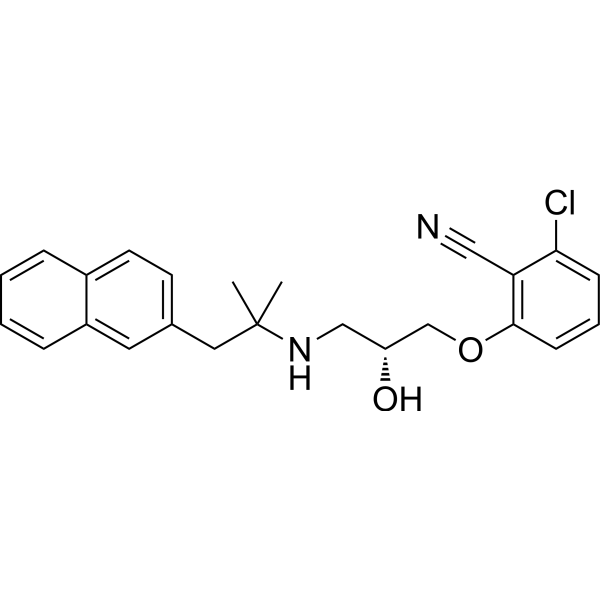
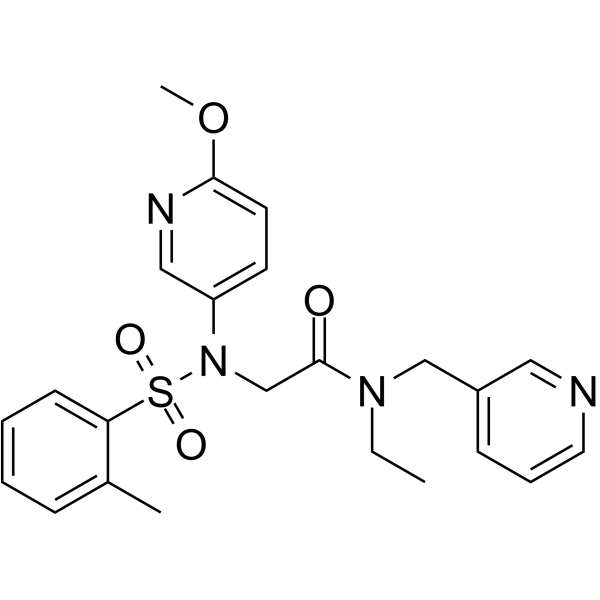
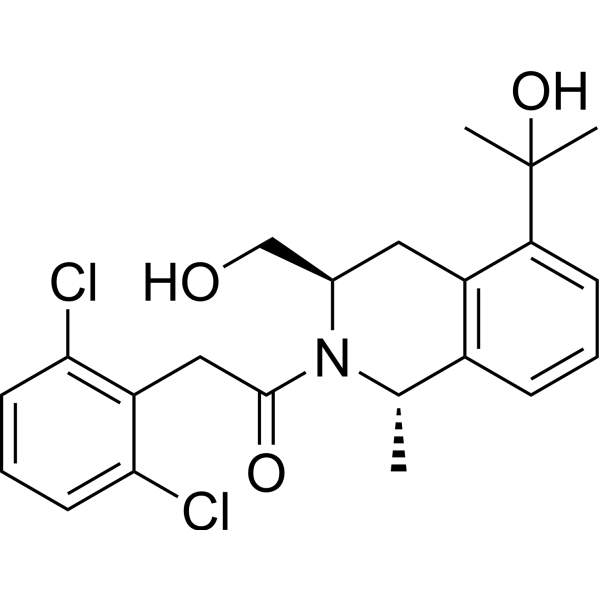
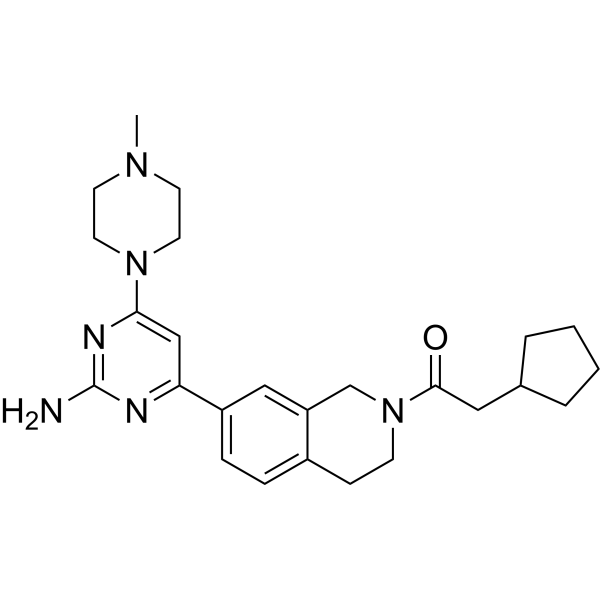
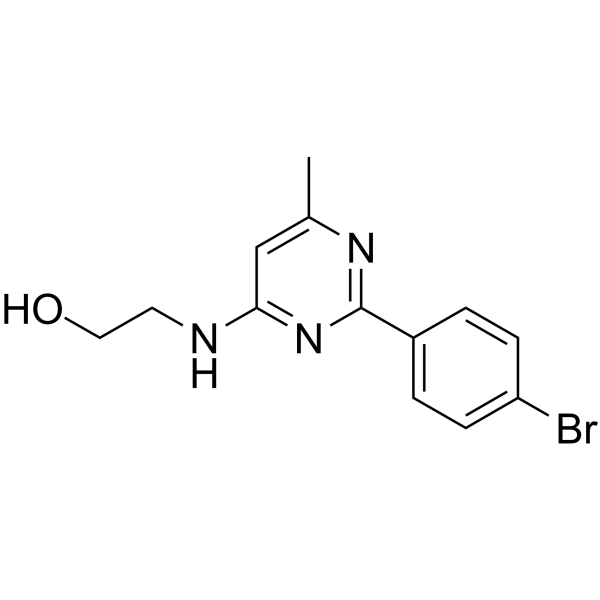
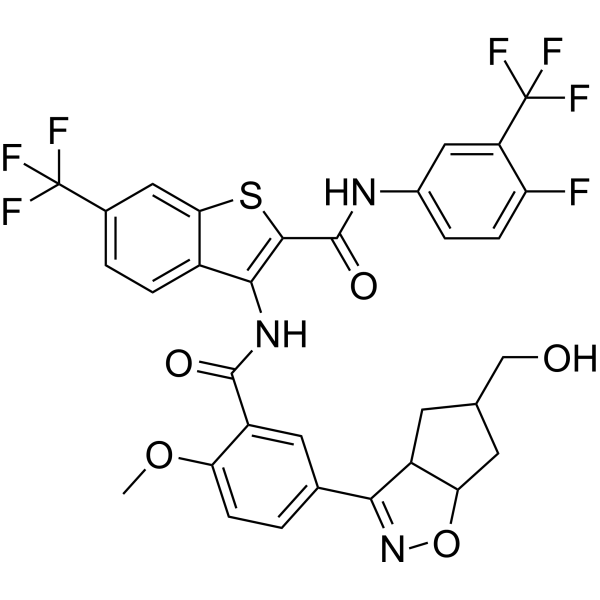
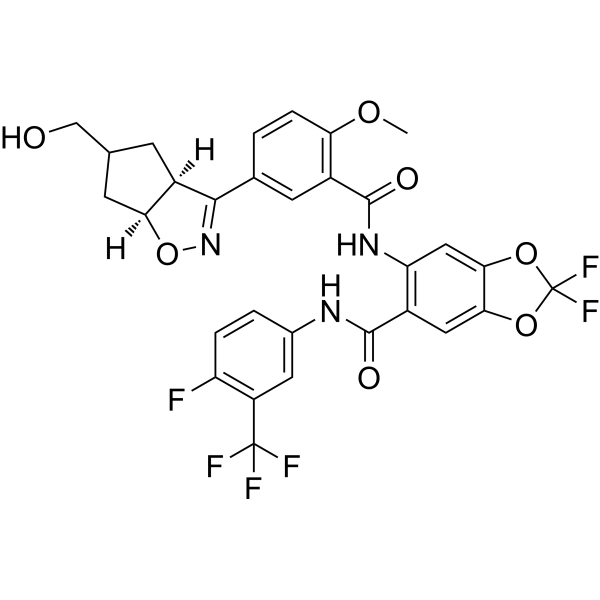
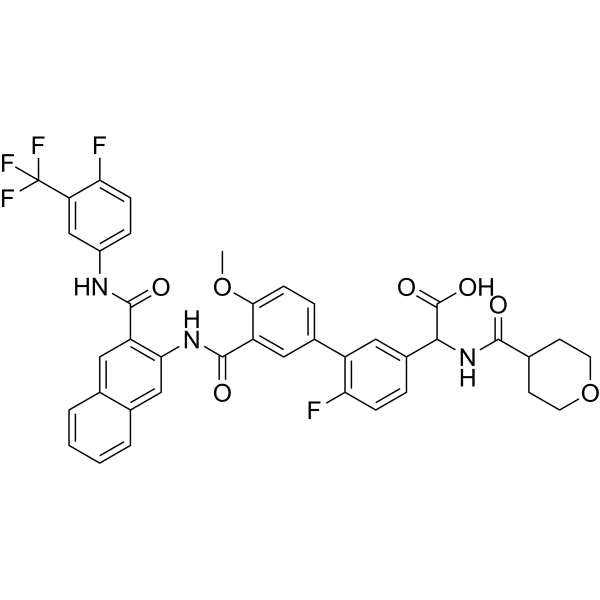
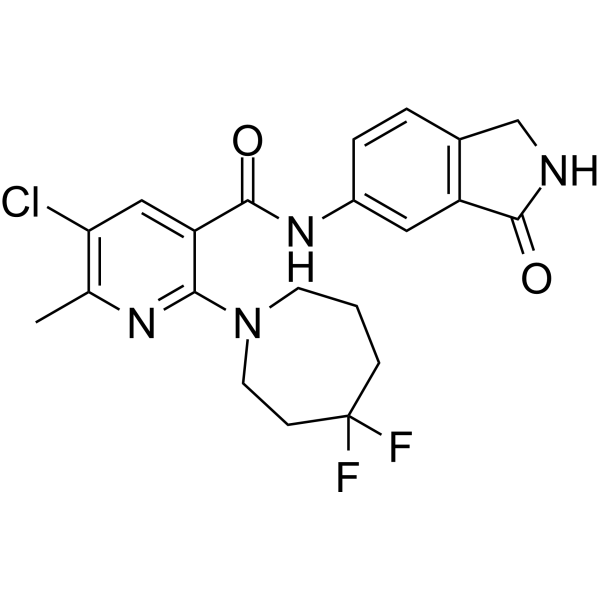
NPS-2143 (SB-262470A), an orally active calcilytic agent, is a selective and potent calcium ion-sensing receptor (CaSR) antagonist. NPS-2143 (SB-262470A) blocks increases in cytoplasmic Ca 2+ concentrations (IC50=43 nM) elicited by activating the Ca 2+ receptor in HEK 293 cells expressing the human Ca 2+ receptor .
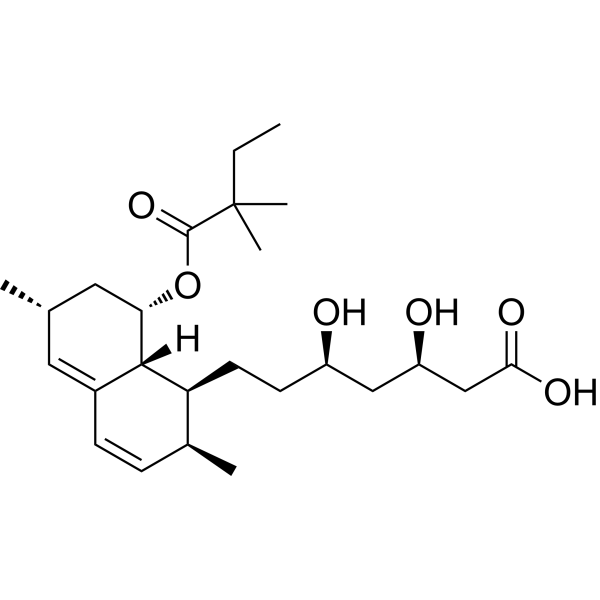
Simvastatin acid (Tenivastatin), a hydrolysate of Simvastatin (HY-17502), is a HMG-CoA reductase (HMGCR) inhibitor. Simvastatin acid reduces Indoxyl sulfate-mediated reactive oxygen species (ROS) production in human cardiomyocytes. Simvastatin acid can also modulates OATP3A1 expression in cardiomyocytes and HEK293 cells transfected with the OATP3A1 gene .
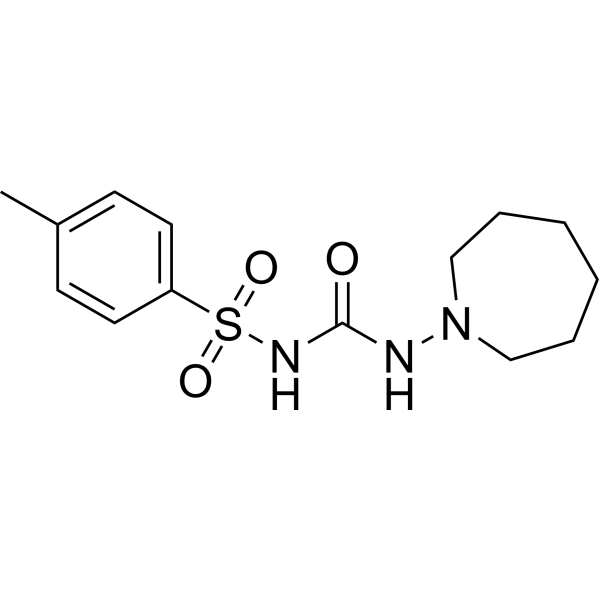
Tolazamide (U-17835) is an orally active sulfonylurea agent that inhibits sulfonylurea receptor 1 (SUR1) linked to the inwardly rectifying potassium channel (IC50 = 4.2 µM in HEK293 cells transfected with the human receptor). Tolazamide has anti-diabetic properties. Tolazamide can lower blood glucose in sulfonylurea class. Tolazamide decreases insulin dose while continuing to maintain adequate metabolic control. Tolazamide is able to improve or normalize hyperglycemia and HbA .
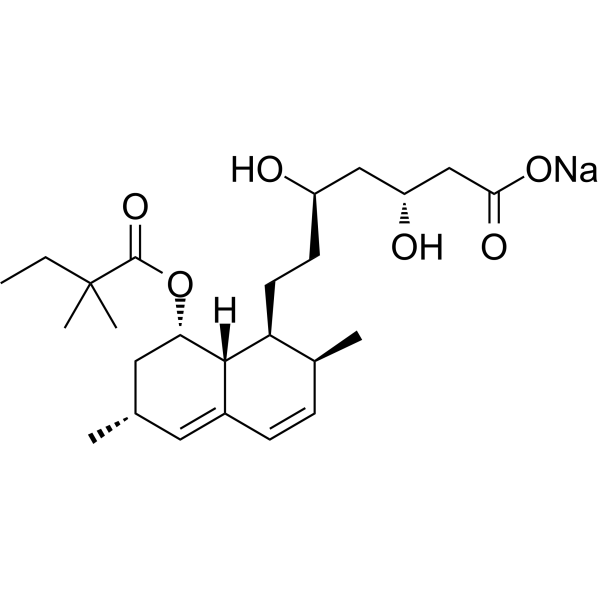
Simvastatin hydroxy acid (Tenivastatin) sodium is a potent HMG-CoA reductase (HMGCR) inhibitor. Simvastatin hydroxy acid sodium reduces Indoxyl sulfate-mediated reactive oxygen species (ROS) production in human cardiomyocytes. Simvastatin hydroxy acid sodium can also modulates OATP3A1 expression in cardiomyocytes and HEK293 cells transfected with the OATP3A1 gene .
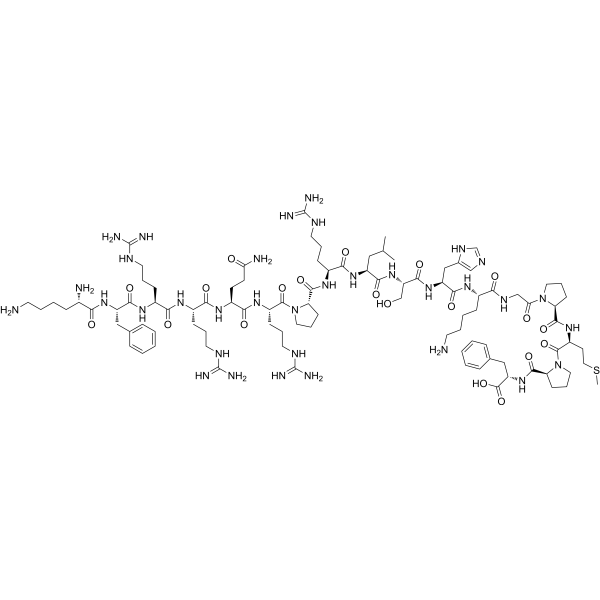
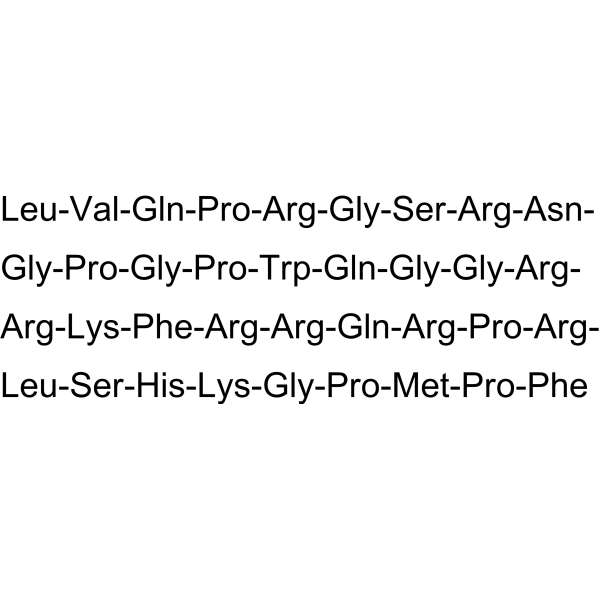
PACAP (1-38) free acid is a desamido-PACAP (1-38), human, ovine, rat (HY-P0221). PACAP (1-38) free acid can activate the human PAC1 receptor. PACAP (1-38) free acid induces cyclic AMP (cAMP) generation in both NS-1 neuroendocrine cells and non-neuroendocrine HEK293 cells .
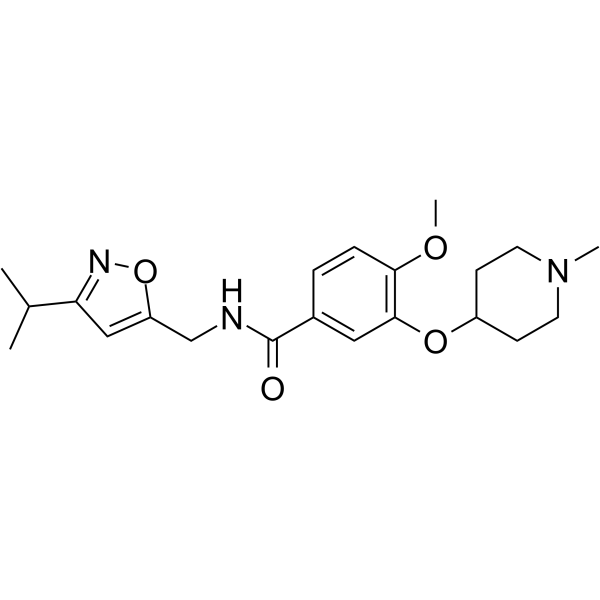
EMPA is a high-affinity, reversible and selective orexin OX2 receptor antagonist. [ 3H]EMPA binds to human and rat OX2-HEK293 membranes with KD values of 1.1 and 1.4 nM respectively .
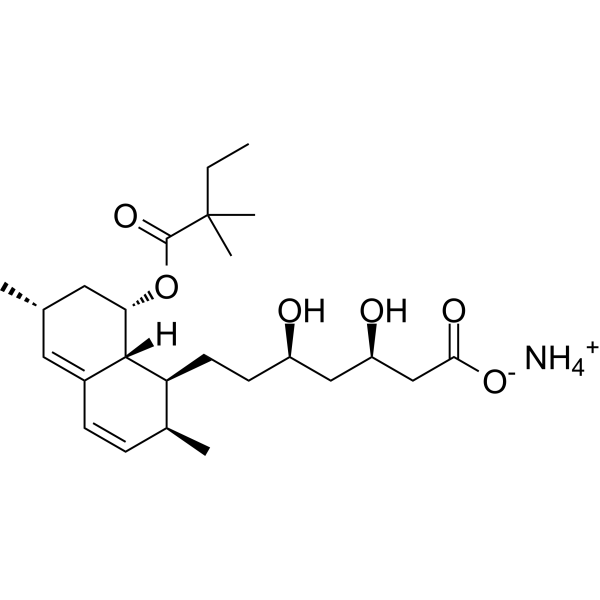
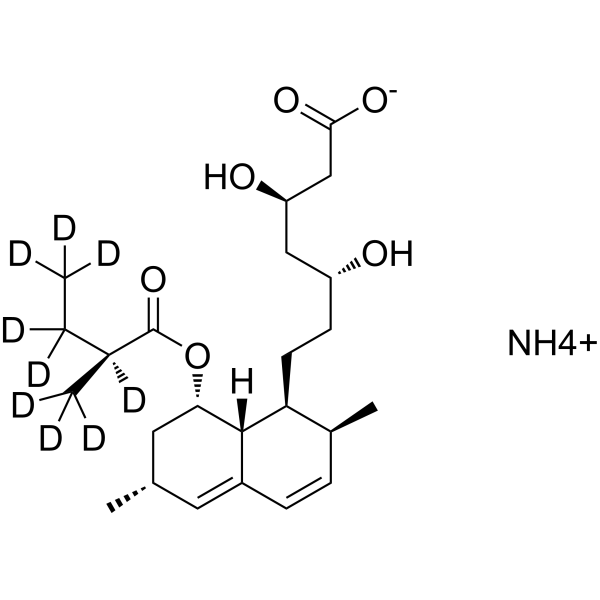
Simvastatin acid (Tenivastatin) ammonium is a potent HMG-CoA reductase (HMGCR) inhibitor. Simvastatin acid ammonium reduces Indoxyl sulfate-mediated reactive oxygen species (ROS) production in human cardiomyocytes. Simvastatin acid ammonium can also modulates OATP3A1 expression in cardiomyocytes and HEK293 cells transfected with the OATP3A1 gene .
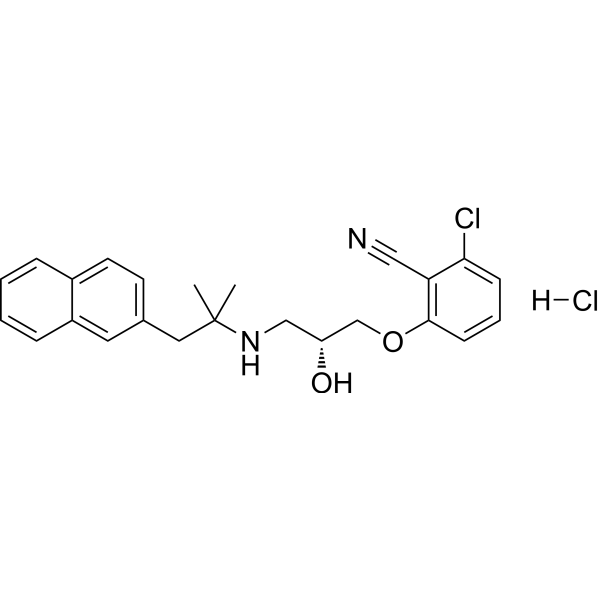
NPS-2143 hydrochloride (SB-262470A hydrochloride), an orally active calcilytic agent, is a selective and potent calcium ion-sensing receptor (CaSR) antagonist. NPS-2143 hydrochloride (SB-262470A hydrochloride) blocks increases in cytoplasmic Ca 2+ concentrations (IC50=43 nM) elicited by activating the Ca 2+ receptor in HEK 293 cells expressing the human Ca 2+ receptor .
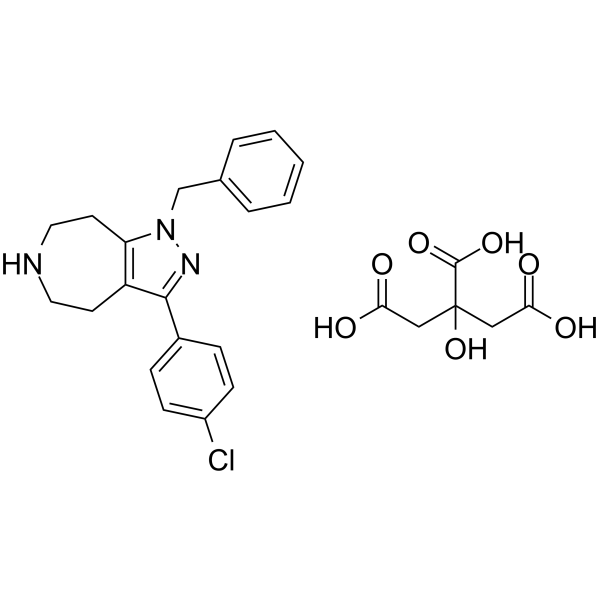
PF-915275 is a potent, selective and orally active human 11β-hydroxysteroid dehydrogenase type 1 (11βHSD1) inhibitor with a Ki of 2.3 nM and an EC50 of 15 nM (in HEK293 cells). The dose-dependent effect of PF-915275 on conversion of cortisone to cortisol in primary human and monkey hepatocytes, with an EC50 of 20 and 100 nM, respectively .
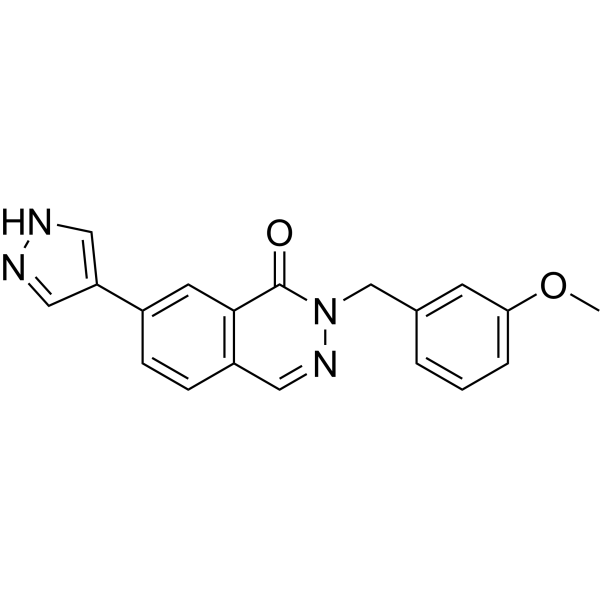
GRK2 Inhibitor 2 is an orally active and selective G protein-coupled receptor kinase 2 (GRK) inhibitor with an IC50 of 19 nM. GRK2 Inhibitor 2 also inhibits Aurora-A with an IC50 of 137 nM. GRK2 Inhibitor 2 can be used in the study of congestive heart failure (HF) .
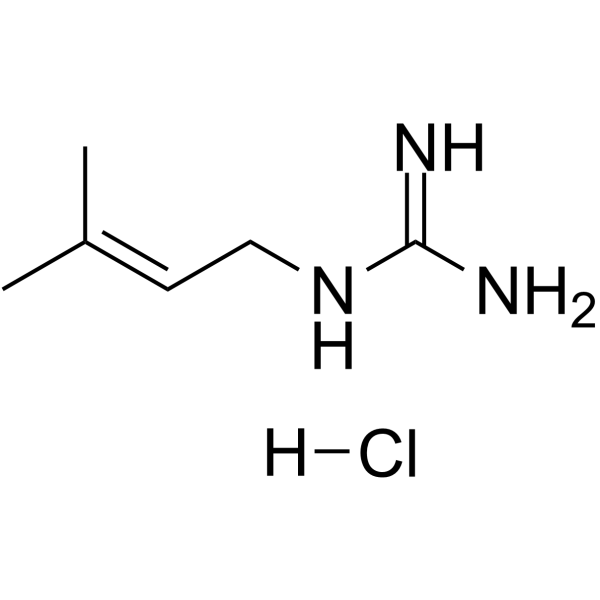
Galegine hydrochloride, a guanidine derivative, contributes to weight loss in mice. Guanidine hydrochloride is the compound derived from G. officinalis, which gave rise to the biguanides, metformin and phenformin. Galegine hydrochloride activates AMPK in 3T3-L1 adipocytes and L6 myotubes, as well as in the H4IIE rat hepatoma and HEK293human kidney cell lines. Galegine hydrochloride has antibacterial activity, with minimum inhibitory concentration of 4 mg/L against Staphylococcus aureus strains .
Cetrelimab (JNJ 63723283; JNJ 3283) is a human IgG4κ mAb targeting PD-1. Cetrelimab binds PD-1 (Kd=1.72 nM, HEK293) to block the interaction of PD-1 with PD-L1 and PD-L2 (IC50s=111.7 ng/mL and 138.6 ng/mL, respectively). Cetrelimab stimulates peripheral T cells, increases IFN-γ, IL-2, TNF-α level and inhibits tumor growth in vivo .
JNJ-18038683 is a 5-Hydroxytryptamine Type 7 (5-HT7) receptor antagonist, with pKis of 8.19, 8.20 for rat and human 5-HT7 in HEK293 cells, respectively.
AMZ30 is selective protein phosphatase methylesterase-1(PME-1) inhibitor with IC50s of 600 nM and 3.5 µM in human cell lysates and in HEK 293T cells, respectively. AMZ30 shows >100-fold selectivity relative to other serine hydrolases. AMZ30 reduces the demethylated form of PP2A in living cells. AMZ30 attenuates muscle cell differentiation. AMZ30 increases the resistance of U87MG and U251MG glioblastoma cells to t-BHP-induced oxidative stress. AMZ30can be used for the study of glioblastoma .
Galegine hemisulfate, a guanidine derivative, contributes to weight loss in mice. Galegine hemisulfate activates AMPK in 3T3-L1 adipocytes and L6 myotubes, as well as in the H4IIE rat hepatoma and HEK293human kidney cell lines. Galegine hemisulfate has antibacterial activity, with minimum inhibitory concentration of 4 mg/L against Staphylococcus aureus strains .
Apelin-17(human, bovine) is an endogenous orphan G protein-coupled receptor APJ agonist. Apelin-17(human, bovine) binds to human APJ receptors expressed in HEK 293 cells (pIC50=9.02). Apelin-17(human, bovine) inhibits the entry of some HIV-1 and HIV-2 into the NP2/CD4 cells expressing APJ .
DETQ is a selective, allosteric and orally active dopamine D1 receptor (Dopamine Receptor) potentiator. In HEK293 cells expressing the human D1 receptor, DETQ increases cAMP with an EC50 of 5.8 nM and a Kb of 26 nM. DETQ shows ~30-fold less potent at rat and mouse D1 receptors and is inactive at the human D5 receptor .
BayCysLT2, an isophthalic acid derivative, is a selective and potent cysteinyl leukotriene 2 (CysLT2) receptor antagonist with an IC50 value of 53 nM. BayCysLT2 inhibits calcium mobilization induced by leukotriene D4 in HEK293 cells expressing human CysLT2 receptors. BayCysLT2 reverses LTC4-induced increases in coronary artery perfusion pressure and decreases in contractility in isolated perfused guinea pig hearts .
RJW103 is an acid-stable SF-1 (NR5A1) and LRH-1 agonist with pEC50 values of 6.5 and 5.9, respectively. RJW103 activates SF-1- and LRH-1-mediated transcription of endogenous target genes. RJW103 can be used in research on cancer, endocrinology and metabolic diseases, such as adrenocortical tumors .
Perenostobart (SRF617) is a human IgG4 antibody with inhibitory activity against CD39 ATPase. Perenostobart inhibits CD39-mediated hydrolysis of extracellular ATP to AMP, with IC50 values of 1.9 nM (HEK293 OE cells), 0.7 nM (MOLP-8 cells), and 1.2 nM (RBC-lysed whole blood). Perenostobart enhances CD4 + T-cell proliferation, promotes dendritic cell maturation, and boosts inflammasome activation in macrophages in the presence of ATP. Perenostobart demonstrates significant single-agent anti-tumor efficacy in MOLP-8 and H520 xenograft models. Perenostobart can be used for the study of cancer .
ML352 is a noncompetitive inhibitor of the presynaptic choline transporter (CHT) with Ki
values of 92 and 166 nM for HEK293 cells expressing human CHT and mouse forebrain synaptosomes, respectively .
Apelin-36(human) is an endogenous orphan G protein-coupled receptor APJ agonist, with an EC50 of 20 nM. Apelin-36(human) shows high affinity to human APJ receptors expressed in HEK 293 cells (pIC50=8.61). Apelin-36 has been linked to two major types of biological activities: cardiovascular and metabolic. Apelin-36(human) inhibits the entry of some HIV-1 and HIV-2 into the NP2/CD4 cells expressing APJ .
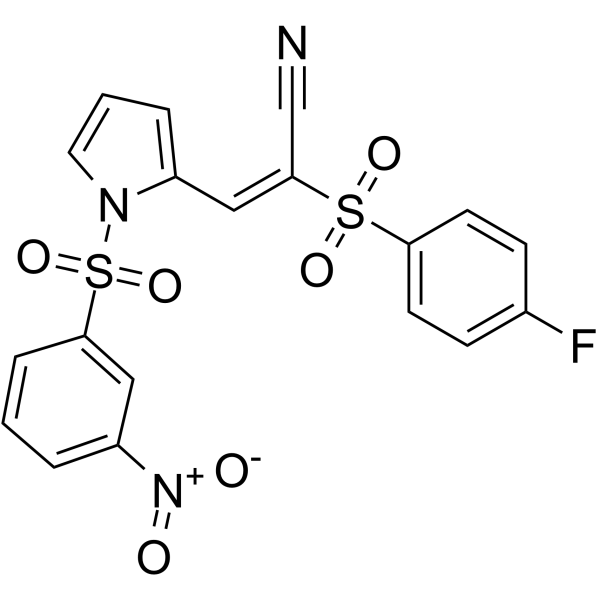
Cyano-myracrylamide is an inhibitor of zinc finger DHHC domain-containing palmitoyltransferase 20 (zDHHC20) with an IC50 value of 1.35 µM. Cyano-myracrylamide also inhibits the S-Acylation of EGFR and CD36. Cyano-myracrylamide also inhibits S-acylation of Legionella E3 ligase GobX, MyD88, and Ras, which are substrates of zDHHC20, zDHHC9, and zDHHC6, respectively, in HEK293T cells expressing recombinant Legionella GobX, recombinant human MyD88, or endogenous Ras .
VU0546110 is a selective inhibitor of the sperm-specific potassium channel SLO3, with IC50s of 1.287 μM (SLO3) and 59.80 μM (SLO1) in HEK293 cells, respectively. VU0546110 blocks heterologous SLO3 currents and endogenous K + currents in human sperm. VU0546110 halts sperm hyperpolarization, induced acrosome reaction, and hyper-activated motility. VU0546110 has contraceptive potential .
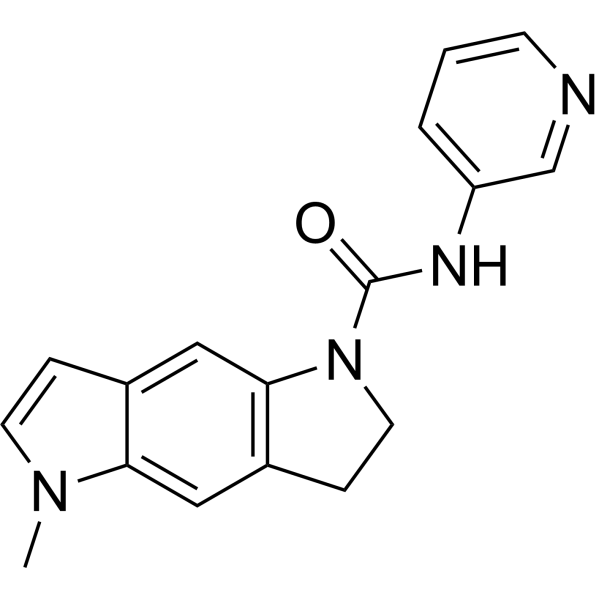
SB 206553 is a 5-HT2C inverse agonist. SB 206553 can attenuate methamphetamine-seeking in rats. SB 206553 has activity for 5-HT2 receptor ligands in HEK-293 or CHO-K1 cells expressing human recombinant 5-HT2 receptors with pKi values of 5.6 nM (5-HT2A), 7.7 nM (5-HT2B) and 7.8 nM (5-HT2C), respectively. SB 206553 can be used for the research of psychostimulant abuse disorders .
NNMT-IN-3 (Compound 14) is a potent and selective nicotinamide N-methyltransferase (NNMT) inhibitor, with IC50 values of 1.1 nM and 0.4 μM in cell-free and cell-based assays, respectively. NNMT-IN-3 can be used in the research of diseases such as obesity, type 2 diabetes and cancer .
2-Chloro-ATP sodium (2-Chloro ATP) is an adenine nucleotide and an analog of ATP. It is an antagonist of the purinergic P2Y1 receptor and inhibits intracellular calcium mobilization induced by ADP (HY-W010918) in Jurkat cells expressing the human receptor (Ki=2.3 μM). 2-Chloro-ATP sodium is an agonist of the purinergic P2X receptor and induces inward currents in HEK293 cells expressing human bladder smooth muscle or rat PC12 forms of the receptor (EC50=0.5 and 2.5 μM). 2-Chloro-ATP sodium induces relaxation of precontracted guinea pig cecal strips in a concentration-dependent manner. 2-Chloro-ATP sodium has been used to study the substrate specificity of cyclic nucleotide-dependent protein kinases such as protein kinase A (PKA) and PKG.
(S)-CE-123 is a potent, selective, and novel atypical dopamine transporter (DAT) inhibitor with an EC50 of 2.76 μM in uptake inhibition assays conducted in HEK293 cells stably expressing human isoforms of DAT. (S)-CE-123, a Modafinil analogue, is able to penetrate the blood–brain barrier. (S)-CE-123 improves cognitive and motivational processes in experimental animals .
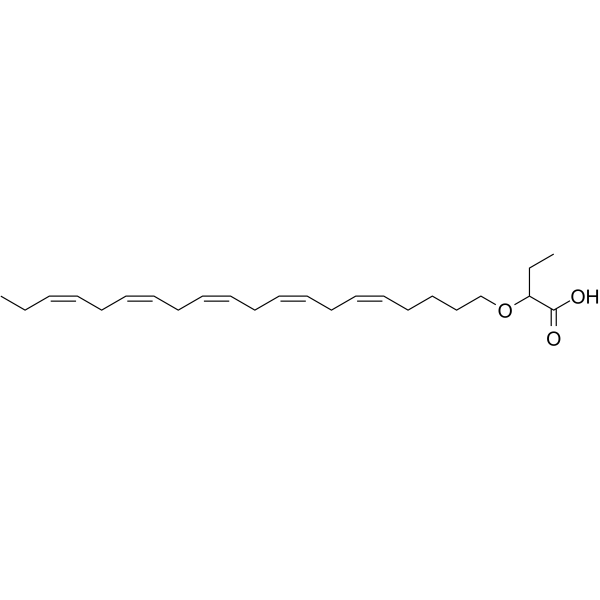
Icosabutate is an orally active engineered fatty acid and a dual FFAR1/FFAR4 (GPR40/GPR120) agonist with EC50 values of 10 μM and 15.5 μM, respectively. Icosabutate acts as a partial agonist of PPAR-α, with an EC50 of 208 nM. Icosabutate inhibits the arachidonic acid cascade and exhibits antioxidant and anti-apoptotic activities. Icosabutate can be used in the research of nonalcoholic steatohepatitis, metabolic dysfunction-associated steatohepatitis, and atherosclerosis .
TLR9 antagonist 1 is a selective hTLR9 antagonist with an IC50 of 0.1 nM against hTLR9. TLR9 antagonist 1 exhibits favorable pharmacokinetic and pharmacodynamic properties. TLR9 antagonist 1 can be used in the research of systemic lupus erythematosus .
Apelin-36(human) TFA is an endogenous orphan G protein-coupled receptor APJ agonist, with an EC50 of 20 nM. Apelin-36(human) TFA shows high affinity to human APJ receptors expressed in HEK 293 cells (pIC550=8.61). Apelin-36(human) TFA has been linked to two major types of biological activities: cardiovascular and metabolic. Apelin-36(human) TFA inhibits the entry of some HIV-1 and HIV-2 into the NP2/CD4 cells expressing APJ .
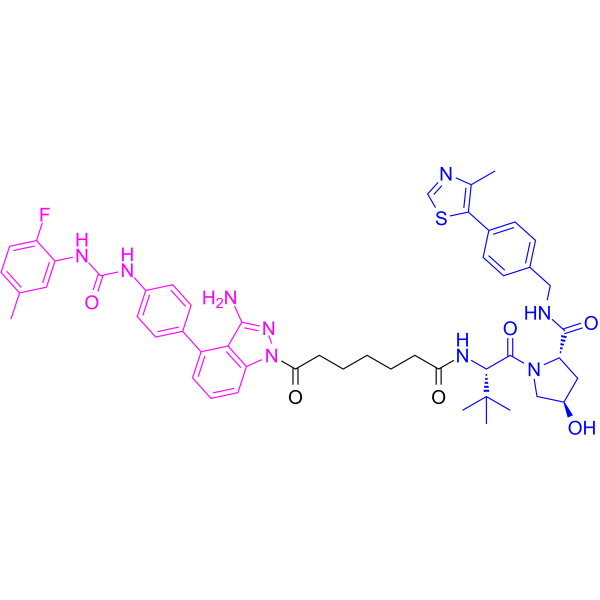
PROTAC STAT6 degrader-2 is a highly efficient PROTAC degrader targeting STAT6. PROTAC STAT6 degrader-2 has a DC50 value of 1-10 nM for STAT6 in human PBMC cells and a DC50 value of less than 100 nM for STAT6 in HEK293-HIBiT-STAT6 cells. PROTAC STAT6 degrader-2 can be used for STAT6-mediated diseases .
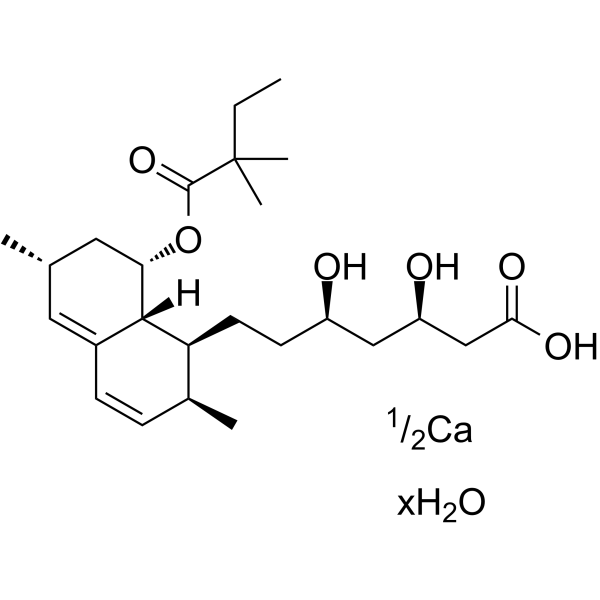
Simvastatin acid (Tenivastatin) calcium hydrate is a potent HMG-CoA reductase (HMGCR) inhibitor. Simvastatin acid calcium hydrate reduces Indoxyl sulfate-mediated reactive oxygen species (ROS) production in human cardiomyocytes. Simvastatin acid calcium hydrate can also modulates OATP3A1 expression in cardiomyocytes and HEK293 cells transfected with the OATP3A1 gene .
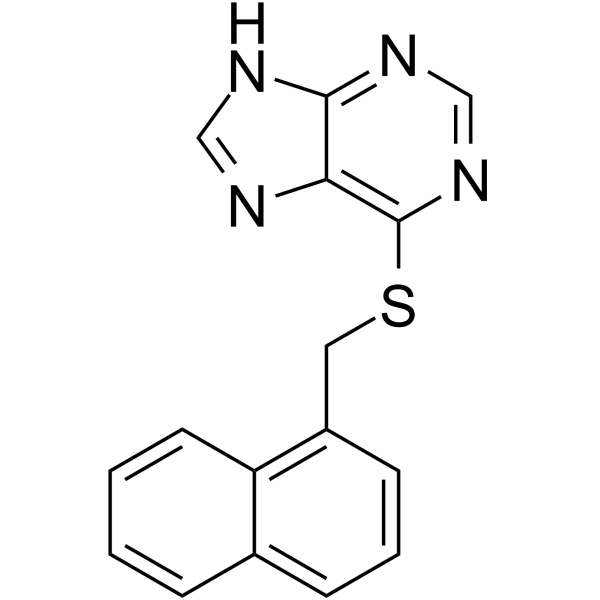
PU02, a derivative of 6-MP (HY-13677), is a negative allosteric modulator (NAM) of 5-HT3 receptor, with IC50 values of 0.36 and 0.73 μM in HEK293 cells transfected with human 5-HT3A and 5-HT3AB receptors respectively .
AS1269574 is a potent, orally available GPR119 agonist, with an EC50 of 2.5 μM in HEK293 cells expressing human GPR119. AS1269574 activates TRPA1 cation channels to stimulate glucagon-like peptide-1 (GLP-1) secretion. AS1269574 specifically induces glucose-dependent insulin secretion from pancreatic β-cells only under high-glucose conditions. AS1269574 has the potential for the research of type 2 diabetes .
PROTAC VEGFR-2 degrader-2 is a VEGFR-2 (KDR)PROTAC degrader with weak inhibitory activity against VEGFR-2 (IC50 > 1 μM). It is applicable to the research of cancer-related pathological angiogenesis .
U-101958 (PNU-101958) maleate is a highly selective ligand and antagonist for dopamine D4 receptor, with an IC50 of 2.7 nM. U-101958 maleate behaves as an agonist in HEK-293 cells expressing the human recombinant D4.4 receptor. U-101958 maleate is an antipsychotic .
AZ513 is a reversible FAAH inhibitor with an IC50s of 551 nM and 27 nM for human FAAH and rat FAAH, respectively. AZ513 inhibits Anandamide (HY-10863) hydrolysis in human FAAH-transfected HEK293 cells (IC50 of 360 nM) .
RXFP1 receptor agonist-1 (Example 2 peak2) is a RXFP1 receptor agonist. RXFP1 receptor agonist-1 stimulates cAMP production in HEK293 cells stably expressing human RXFP1, with an EC50 value of 300 nM .
E197 is the inhibitor for DOCK5 that destroys the podosome belt structure of osteoclasts, thereby inhibiting the bone resorption (IC50=3.44 μM in human osteoclast). E197 inhibits the Rac in DOCK5 expressing HEK293 cell with an IC50 of 36 μM. E197 prevents the bone loss in mouse ovariectomized models .
IKE16 is a fungi-selective eukaryotic topoisomerase II inhibitor, with an IC50 value of 13.68 μM. IKE16 suppresses both the DNA relaxation activity and the decatenation activity of yTOPOII selectively. IKE16 shows moderate activity against standard fungal strains (Candida albicans ATCC 10231, Saccharomyces cerevisiae ATCC 89763) with a minimum inhibitory concentration (MIC) of 2 μg/mL against S. cerevisiae ATCC 89763. IKE16 exhibits high cytotoxicity against human cells, with an EC50 of 0.07 μM in HepG2 and 0.045 μM in HEK-293. IKE16 can be used for the study of antifungal infection .
Akuammine is an indole alkaloid that has been found in Picralima nitida and has analgesic activity. It selectively binds to the μ- and κ-opioid receptors over the δ-opioid receptor (Kis=0.3, 1.68, and 10.4 μM for the human receptors, respectively). Akuammine inhibits forskolin-induced cAMP production in HEK293 cells expressing human μ- or κ-opioid receptors (IC50s=2.6 and 0.073 μM, respectively). It increases the latency to withdrawal in the tail-flick or hot plate test in mice when administered at a dose of 60 mg/kg.
TNP-ATP is an antagonist of purinergic P2Y1, P2X3, and P2X2/3 receptors (IC50 = 6, 0.9, and 7 nM, respectively, in HEK293 cells expressing human receptors). TNP-ATP reduces acetate-induced calcium flux in 1321N1 cells expressing P2X3 and P2X2/3 receptors (IC50 = 100 and 62 nM, respectively). TNP-ATP dose-dependently attenuates acetate-induced abdominal contractions in a mouse visceral pain model (ED50 = 6.35 µmol/kg) [1][2].
Aspartate aminotransferase (EC 2.6.1.1), Human (HEK293) is a metabolic regulator with the highest activity in the heart, liver and skeletal muscle. Aspartate aminotransferase, Human (HEK293) comprises two isozymes: the cytoplasmic form (AST1) and the mitochondrial form (AST2). By catalyzing reversible transamination reactions between oxaloacetate, L-glutamate and other substances, it is deeply involved in key physiological processes such as amino acid metabolism, the tricarboxylic acid cycle and neurotransmitter synthesis. Aspartate aminotransferase, Human (HEK293) also provides substrate support for the synthesis of urea and purines/pyrimidines. Aspartate aminotransferase, Human (HEK293) is a serum marker reflecting cardiac and hepatic injury, and its abnormal levels are also closely associated with myocardial infarction, cardiovascular diseases and various cancers .
γ-glutamyltransferase, Human (HEK293) is a γ-glutamyltransferase expressed in HEK293 cells. γ-glutamyltransferase participates in glutathione metabolism. Serum γ-glutamyltransferase activity is identified as a predictor of atherosclerotic complications, and has prognostic value for cardiovascular diseases and stroke. γ-glutamyltransferase also serves as a biomarker for carcinogenesis and tumor progression .
[Orn8]-Urotensin II (human), a peptide analog of urotensin II, is a UT receptor agonist. [Orn8]-Urotensin II (human) increases intracellular calcium levels in HEK293 .
JNJ-18038683 free base is a 5-Hydroxytryptamine Type 7 (5-HT7) receptor antagonist, with pKis of 8.19, 8.20 for rat and human 5-HT7 in HEK293 cells, respectively.
RXFP1 receptor agonist-6 (Example 7) is a RXFP1 receptor agonist. RXFP1 receptor agonist-6 stimulates cAMP production in HEK293 cells stably expressing human RXFP1, with an EC50 value of 12 nM .
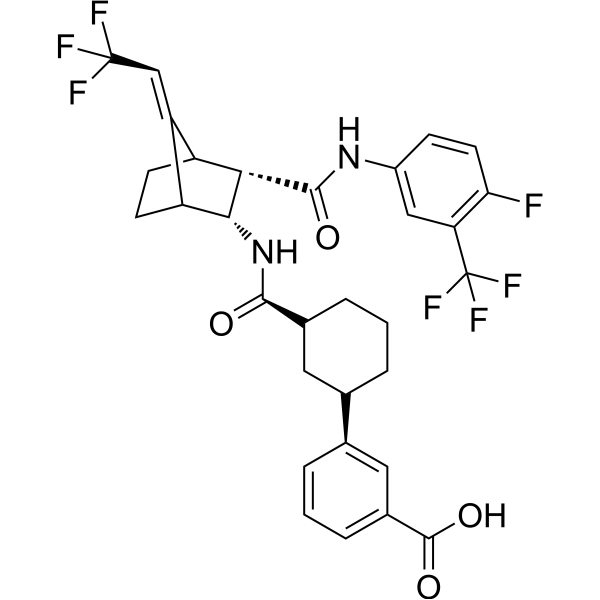
RXFP1 receptor agonist-3 (Example 223) is a RXFP1 receptor agonist. RXFP1 receptor agonist-3 stimulates cAMP production in HEK293 cells stably expressing human RXFP1, with an EC50 value of 2 nM .
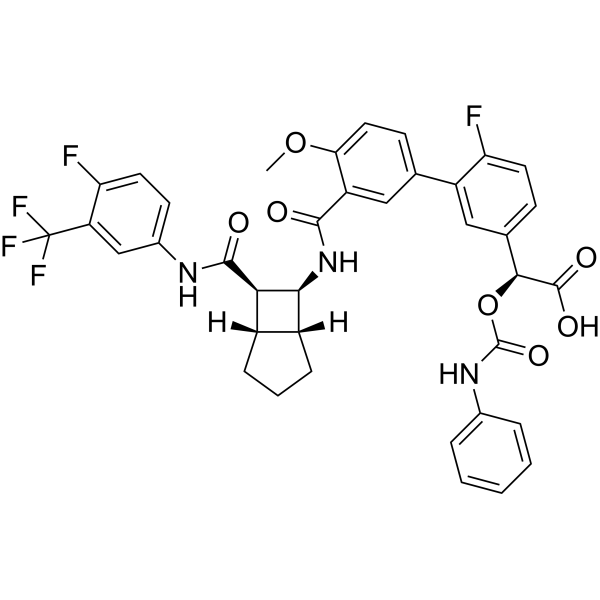
RXFP1 receptor agonist-2 (Example 124) is a RXFP1 receptor agonist. RXFP1 receptor agonist-2 stimulates cAMP production in HEK293 cells stably expressing human RXFP1, with an EC50 value of 1 nM .
WYJ-2 is a selective agonist for toll-like receptor 2/1 (TLR2/1) with EC50 of 18.57 nM in human TLR2 and TLR1 transient-cotransfected HEK 293T cells. WYJ-2 induces pyroptosis and exhibits anticancer activity against non-small cell lung cancer (NSCLC) .
RXFP1 receptor agonist-8 (Example 2) is a RXFP1 receptor agonist. RXFP1 receptor agonist-8 stimulates cAMP production in HEK293 cells stably expressing human RXFP1, with an EC50 value of 1.8 nM .
RXFP1 receptor agonist-4 (Example 268) is a RXFP1 receptor agonist. RXFP1 receptor agonist-4 stimulates cAMP production in HEK293 cells stably expressing human RXFP1, with an EC50 value of 4.9 nM .
RXFP1 receptor agonist-5 (Example 98) is a RXFP1 receptor agonist. RXFP1 receptor agonist-5 stimulates cAMP production in HEK293 cells stably expressing human RXFP1, with an EC50 value of 1.3 nM .
Tembetarine chloride is a alkaloid that can be isolated from Tinospora cordifolia that exhibits antibacterial activity. Tembetarine chloride exhibits weak cytotoxicity against mouse fibroblasts (L929) and human embryonic kidney cells (HEK293) with IC50 of 1245.33 μg/mL and 1642.81 μg/mL, respectively .
RXFP1 receptor agonist-7 (Example 2) is a RXFP1 receptor agonist. RXFP1 receptor agonist-7 stimulates cAMP production in HEK293 cells stably expressing human RXFP1, with an EC50 value of 4.2 nM .
Apelin-17(human, bovine) TFA is an endogenous orphan G protein-coupled receptor APJ agonist. Apelin-17(human, bovine) TFA binds to human APJ receptors expressed in HEK 293 cells (pIC50=9.02). Apelin-17(human, bovine) TFA inhibits the entry of some HIV-1 and HIV-2 into the NP2/CD4 cells expressing APJ .
Analgesic agent-2 is a selective and orally active NaV1.8 Channel inhibitor, with an IC50 of 50.18 nM in HEK293 cells stably expressing human NaV1.8 channel. Analgesic agent-2 has analgesic activity .
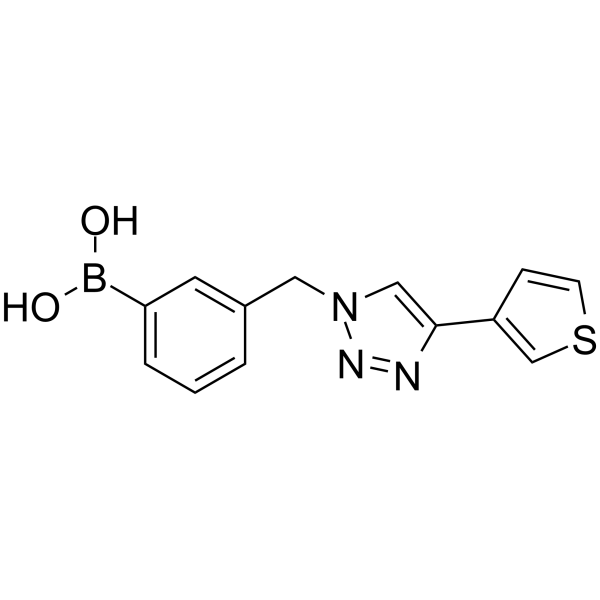
KPC-2-IN-1, boronic acid derivative, is a potent KPC-2 inhibitor with Ki of 0.032 μM. KPC-2-IN-1 enhances the activity of cefotaxime in KPC-2 expressing E. coli. KPC-2-IN-1 exhibits well tolerated in humanHEK-293 cells, which can be used for the study of E. coli resistance to β-lactam antibiotics .
BRL-32872 is a potent human ether-a-go-go-related gene (hERG) potassium channel blocker (IC50=241 nM in isolated cardiomyocytes; 19.8 nM in HEK293 cells). BRL-32872 is promising for research of cardiac arrhythmias (e.g., atrial/ventricular rhythms) .
11β-HSD1-IN-14 (Compound 17) is a selective inhibitor for 11β-Hydroxysteroid Dehydrogenase Type 1 (11β-HSD1), with IC50 of 74 nM for human HSD1, and 603 nM for HSD1 expressed HEK293 cell .
Alkaline phosphatase (Apase), Human (HEK293) is an orally active membrane-bound glycoprotein that catalyzes the hydrolysis of phosphate monoesters at alkaline pH. Alkaline phosphatase reduces myeloperoxidase activity and bacterial translocation. Alkaline phosphatase improves survival rate of mice infected with E. coli. Alkaline phosphatase improves TNBS-induced colon inflammation .
Simvastatin acid (ammonium) (Standard) is the analytical standard of Simvastatin acid (ammonium). This product is intended for research and analytical applications. Simvastatin acid (Tenivastatin) ammonium is a potent HMG-CoA reductase (HMGCR) inhibitor. Simvastatin acid ammonium reduces Indoxyl sulfate-mediated reactive oxygen species (ROS) production in human cardiomyocytes. Simvastatin acid ammonium can also modulates OATP3A1 expression in cardiomyocytes and HEK293 cells transfected with the OATP3A1 gene .
RO5323441 (TB-403) is a human IgG1 monoclonal antibody (mAb) targeting PlGF. RO5323441 inhibits the binding of human PlGF-1 or PlGF-2 to VEGFR-1 (IC50 values are 0.1 and 0.2 nM, respectively). RO5323441 blocks PlGF-induced VEGFR-1 phosphorylation in Flt-1-transfected HEK293 cells. RO5323441 has antitumor activity .
Simvastatin acid-d6 (Tenivastatin-d6) is deuterium labeled Simvastatin acid. Simvastatin acid (Tenivastatin), a hydrolysate of Simvastatin (HY-17502), is a HMG-CoA reductase (HMGCR) inhibitor. Simvastatin acid reduces Indoxyl sulfate-mediated reactive oxygen species (ROS) production in human cardiomyocytes. Simvastatin acid can also modulates OATP3A1 expression in cardiomyocytes and HEK293 cells transfected with the OATP3A1 gene .
Simvastatin acid-d9 ammonium is deuterated labeled Simvastatin acid ammonium (HY-119695A). Simvastatin acid (Tenivastatin) ammonium is a potent HMG-CoA reductase (HMGCR) inhibitor. Simvastatin acid ammonium reduces Indoxyl sulfate-mediated reactive oxygen species (ROS) production in human cardiomyocytes. Simvastatin acid ammonium can also modulates OATP3A1 expression in cardiomyocytes and HEK293 cells transfected with the OATP3A1 gene .
PF-915275 (Standard) is the analytical standard of PF-915275. This product is intended for research and analytical applications. PF-915275 is a potent, selective and orally active human 11β-hydroxysteroid dehydrogenase type 1 (11βHSD1) inhibitor with a Ki of 2.3 nM and an EC50 of 15 nM (in HEK293 cells). The dose-dependent effect of PF-915275 on conversion of cortisone to cortisol in primary human and monkey hepatocytes, with an EC50 of 20 and 100 nM, respectively .
(E/Z)-DMU2105 (Compound 7k) is a potent and highly selective CYP1B1 inhibitor. (E/Z)-DMU2105 inhibits human CYP1B1 enzyme bound to yeast-derived microsomes with an IC50 value of 10 nM. (E/Z)-DMU2105 also potently inhibits CYP1B1 expressed within ‘live’ recombinant yeast and humanHEK293 kidney cells with an IC50 value of 63.65 nM. (E/Z)-DMU2105 can be used for the research of cancer, glaucoma, ischemia and obesity .
Tolazamide (U-17835) (Standard) is the analytical standard of Tolazamide. This product is intended for research and analytical applications. Tolazamide is an orally active sulfonylurea agent that inhibits sulfonylurea receptor 1 (SUR1) linked to the inwardly rectifying potassium channel (IC50 = 4.2 µM in HEK293 cells transfected with the human receptor). Tolazamide has anti-diabetic properties. Tolazamide can lower blood glucose in sulfonylurea class. Tolazamide decreases insulin dose while continuing to maintain adequate metabolic control. Tolazamide is able to improve or normalize hyperglycemia and HbA .
RQ-00311651 is a T-type calcium channel blocker that specifically targets the Cav3.2 isoform with a role in neuropathic and visceral pain. RQ-00311651 significantly inhibits T currents in HEK293 cells expressing human Cav3.1 or Cav3.2. RQ-00311651 also inhibited high potassium-induced calcium signaling. RQ-00311651 also inhibits antiallergic properties in rats and mice with neuropathic pain induced by spinal nerve injury or Paclitaxel (HY-B0015). Oral and intraperitoneal injection (10-20 mg/kg) inhibits Cerulein (HY-A0190)-induced acute pancreatitis and cyclophosphamide-induced cystitis in mice .
Val-CDCA is a chenodeoxycholate (CDCA) and C-24 L-Valine (HY-N0717) conjugate. Val-CDCA inhibits taurocholate uptake in human NTCP-stably transfected HEK293 cells. Val-CDCA can be used for HBV infection .
PROTAC hCAII degrader-1 is a potent PROTAC human carbonic anhydrase II (hCAII) degrader with an DC50 of 0.5 nM in HEK293 cells. PROTAC hCAII degrader-1 recruits cereblon (CRBN) E3 ubiquitin ligase to form a ternary complex. PROTAC hCAII degrader-1 enables ubiquitination and subsequent proteasomal degradation of hCAII .
EMPA (Standard) is the analytical standard of EMPA (HY-108682). This product is intended for research and analytical applications. EMPA is a high-affinity, reversible and selective orexin OX2 receptor antagonist. [3H]EMPA binds to human and rat OX2-HEK293 membranes with Kd values of 1.1 and 1.4 nM respectively .
Dopamine D4 receptor ligand 3 (Compound 16) is a dopamine D4 receptor (D4R) antagonist (pKi: 8.86). Dopamine D4 receptor ligand 3 has pIC50 values of 5.78, 5.55, and 6.17 for Go, Gi, and βArr2 sensors in HEK-293T cells, respectively. Dopamine D4 receptor ligand 3 inhibits the viability of three human glioma cell lines, U87 MG, T98G, and U251 MG. Dopamine D4 receptor ligand 3 induces ROS production and mitochondrial dysfunction in glioma cells .
LN6023 (hydrochloride) (Compound 27) is a CXCR7 agonist. LN6023 (hydrochloride) induces the recruitment of β-arrestin in HEK293T cells expressing human CXCR7 (EC50 = 3.5 µM). LN6023 (hydrochloride) reduces the surface level of P-selectin in isolated and washed human platelets. LN6023 (hydrochloride) can be used to study platelet-mediated thrombosis .
M04 is an agonist of STING. It induces the expression of the IFN reporter gene in HEK293T cells expressing wild-type humanSTING, but does not induce this expression in HEK293T cells expressing the R71H-G230A-R293Q (HAQ) STING variant or in mouse RAW 264.7 cells, indicating that its activity is dependent on allelic and species variations. M04 induces the production of TNF-α, IL-10, IL-1β, and IL-12p70 in human peripheral blood mononuclear cells (PBMCs). At a concentration of 50 µM, M04 stimulates dendritic cells isolated from PBMCs to express the MHC class II cell surface receptor HLA-DR and co-stimulatory molecules CD40, CD80, and CD86, and also enhances their ability to activate T cells in an ex vivo assay. M04 can be used in research on inflammatory immune diseases .
YSY01A is a proteasome inhibitor that can suppress cancer cell survival by inducing apoptosis (Apoptosis). Its IC50 values are 51.0 nM for HEK293T, 9.2 nM for A549, 5.2 nM for MCF-7, 8.9 nM for MGC-803, and 35.4 nM for PC-3M cells. Additionally, YSY01A eliminates constitutive STAT3 signaling by downregulating gp130 and JAK2 in human A549 lung cancer cells. YSY01A holds promise for research in the field of cancer therapy .
BCFTP is a potent, orally active and selective human Mas-related G protein-coupled receptor X1 (MrgprX1)-positive allosteric modulator. BCFTP selectively potentiates MrgprX1 signaling in HEK293 cells. BCFTP alleviates specific neuropathic pain-related behaviors in a humanized MrgprX1 mouse model of chronic constrictive injury (CCI) in a MrgprX1-dependent manner. BCFTP synergistically enhances psychoactive substances analgesia in CCI MrgprX1 mice. BCFTP can be used for neuropathic pain research .
4″-C18 EGCG is a potent inhibitor of α-amylase and α-glucosidase with IC50 values of 3.74 and 0.81 μM, respectively. 4″-C18 EGCG inhibits carbohydrate hydrolases, reduces oxidative stress and inflammation, and exhibits antidiabetic activity. 4″-C18 EGCG also downregulates proinflammatory cytokines and is cytotoxic to primary human peripheral blood mononuclear cells (PBMCs), non-cancer cell lines 3T3-L1, and HEK 293 at 50 μM .
2'-Deoxyadenosine-5'-O-diphosphoribose sodium is a TRPM2 agonist. 2'-Deoxyadenosine-5'-O-diphosphoribose sodium enhances calcium-induced currents in inside-out patch-clamp experiments using HEK293 cells expressing human TRPM2. 2'-Deoxyadenosine-5'-O-diphosphoribose sodium is a substrate for Nucleoside Triphosphate Diphosphatase 9 (NUDT9) .
Simvastatin hydroxy acid-d6 sodium (Tenivastatin-d6 sodium) is the deuterium labeled Simvastatin hydroxy acid sodium (HY-115292). Simvastatin hydroxy acid (Tenivastatin) sodium is a potent HMG-CoA reductase (HMGCR) inhibitor. Simvastatin hydroxy acid sodium reduces Indoxyl sulfate-mediated reactive oxygen species (ROS) production in human cardiomyocytes. Simvastatin hydroxy acid sodium can also modulates OATP3A1 expression in cardiomyocytes and HEK293 cells transfected with the OATP3A1 gene .
URAT1-IN-14 is a potent and orally active Urate transporter 1 (URAT1) inhibitor. URAT1-IN-14 inhibits the human URAT1 in HEK293 cells with an IC50 of 0.72 μM. URAT1-IN-14 exhibits low cytotoxic in Hep-G2 cells. URAT1-IN-14 shows urate-lowering effect in hyperuricemia mouse models. URAT1-IN-14 can be used for the study of hyperuricemia and gout .
AS1269574 (Standard) is the analytical standard of AS1269574 (HY-107535). This product is intended for research and analytical applications. AS1269574 is a potent, orally available GPR119 agonist, with an EC50 of 2.5 μM in HEK293 cells expressing human GPR119. AS1269574 activates TRPA1 cation channels to stimulate glucagon-like peptide-1 (GLP-1) secretion. AS1269574 specifically induces glucose-dependent insulin secretion from pancreatic β-cells only under high-glucose conditions. AS1269574 has the potential for the research of type 2 diabetes .
NPS-2143 (Standard) is the analytical standard of NPS-2143 (HY-10007). This product is intended for research and analytical applications. NPS-2143 (SB-262470A), an orally active calcilytic agent, is a selective and potent calcium ion-sensing receptor (CaSR) antagonist. NPS-2143 (SB-262470A) blocks increases in cytoplasmic Ca2+ concentrations (IC50=43 nM) elicited by activating the Ca2+ receptor in HEK 293 cells expressing the human Ca2+ receptor .
ADAMTS-5-IN-4 (Compound 4b) is a selective ADAMTS5 inhibitor with an IC₅₀ of 9.4 μM. ADAMTS-5-IN-4 significantly inhibits the degradation of Aggrecan in the implants of the osteoarthritis model. ADAMTS-5-IN-4 effectively inhibits the pseudopod elongation and directional migration of ovarian cancer cells. ADAMTS-5-IN-4 shows significant cytotoxicity to HEK293T cells, human chondrocytes, and porcine chondrocyte implants. ADAMTS-5-IN-4 can be used for the study of osteoarthritis and ovarian cancer .
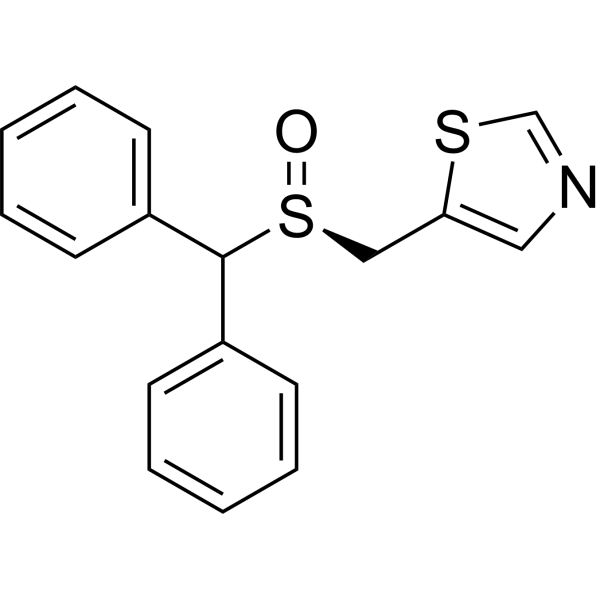
SRA-36 is a CLC-K chloride channel inhibitor with selectivity over CLC-5 and CLC-1 chloride channels. SRA-36 blocks CLC-Ka currents with an IC50 of 6.6 μM and a Kd of 3.8 μM. SRA-36 blocks chloride currents mediated by targeted channels, and inhibits currents from hypertension-associated CLC-Ka A447T and CLC-Ka Y315F polymorphisms. SRA-36 can be used for the research of hypertension .
P2X3 antagonist 40 is a P2X3 antagonist with a human P2X3 receptor pIC50 < 4.52. P2X3 antagonist 40 can be used for research on ATP-mediated proinflammatory fingerprint, including overactive bladder, pain, and chronic cough .
GPR17 agonist 2 (compound 10) is a human GPR17 agonist and selective P2Y receptor non-activator.GPR17 agonist 2 modulates intracellular cAMP levels through functional activation of its target receptor.GPR17 agonist 2 can be used for the research of multiple sclerosis, cerebral ischemia, traumatic brain injury, spinal cord injury .
Dimethyloctadecyl[3-(trimethoxysilyl) propyl]ammonium chloride is a quaternary ammonium silane monomer-based disinfectant/antimicrobial agent. Dimethyloctadecylammonium chloride exhibits bactericidal activity against Gram-positive and Gram-negative bacteria, as well as fungicidal activity against Candida albicans in solution; it can form a hydrophobic glass coating that displays bactericidal activity against Gram-positive and Gram-negative bacteria but has limited fungicidal activity against Candida albicans .
GLP-1 receptor agonist 22 is an orally active GLP-1 receptor agonist. GLP-1 receptor agonist 22 promotes the accumulation of cAMP. GLP-1 receptor agonist 22 reduces blood glucose levels and inhibits feeding behavior in human glucagon-like peptide-1 receptor knock-in mice. GLP-1 receptor agonist 22 can be used in the research of type 2 diabetes and obesity .
Creatine transporter-IN-1 is a synthetic creatine transporter (CT1/SLC6A8) inhibitor. Creatine transporter-IN-1 inhibits creatine uptake and shows anticancer activity against cancer cells .
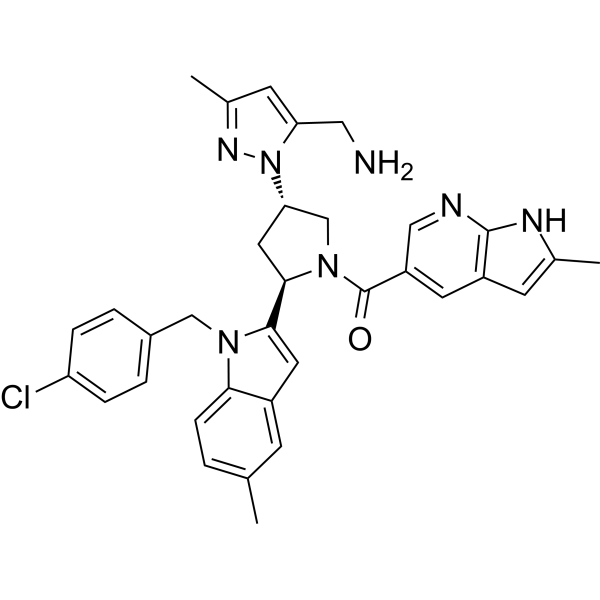
GLP-1R/GIPR agonist-2 is a GIPR agonist. GLP-1R/GIPR agonist-2 potentiates GIP(1-42)-induced intracellular cAMP production in cells expressing human GIPR. GLP-1R/GIPR agonist-2 can be used for the research of type II diabetes mellitus .
CP-432 (CP-734432) is a EP4 receptor agonist with an IC50 of 2 nM for human sources, 8 nM for canine sources, and an EC50 of 1 nM for human sources. CP-432 stimulates cAMP production and activates β-lactamase (β-lactamase) activity via the cAMP response element signaling pathway. CP-432 is applicable to research related to glaucoma .
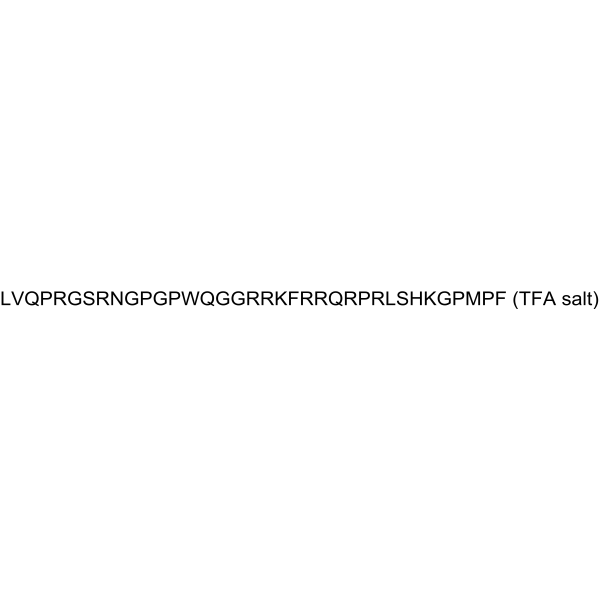
PACAP (1-38) free acid is a desamido-PACAP (1-38), human, ovine, rat (HY-P0221). PACAP (1-38) free acid can activate the human PAC1 receptor. PACAP (1-38) free acid induces cyclic AMP (cAMP) generation in both NS-1 neuroendocrine cells and non-neuroendocrine HEK293 cells .
Apelin-17(human, bovine) is an endogenous orphan G protein-coupled receptor APJ agonist. Apelin-17(human, bovine) binds to human APJ receptors expressed in HEK 293 cells (pIC50=9.02). Apelin-17(human, bovine) inhibits the entry of some HIV-1 and HIV-2 into the NP2/CD4 cells expressing APJ .
Apelin-36(human) is an endogenous orphan G protein-coupled receptor APJ agonist, with an EC50 of 20 nM. Apelin-36(human) shows high affinity to human APJ receptors expressed in HEK 293 cells (pIC50=8.61). Apelin-36 has been linked to two major types of biological activities: cardiovascular and metabolic. Apelin-36(human) inhibits the entry of some HIV-1 and HIV-2 into the NP2/CD4 cells expressing APJ .
Apelin-36(human) TFA is an endogenous orphan G protein-coupled receptor APJ agonist, with an EC50 of 20 nM. Apelin-36(human) TFA shows high affinity to human APJ receptors expressed in HEK 293 cells (pIC550=8.61). Apelin-36(human) TFA has been linked to two major types of biological activities: cardiovascular and metabolic. Apelin-36(human) TFA inhibits the entry of some HIV-1 and HIV-2 into the NP2/CD4 cells expressing APJ .
[Orn8]-Urotensin II (human), a peptide analog of urotensin II, is a UT receptor agonist. [Orn8]-Urotensin II (human) increases intracellular calcium levels in HEK293 .
Apelin-17(human, bovine) TFA is an endogenous orphan G protein-coupled receptor APJ agonist. Apelin-17(human, bovine) TFA binds to human APJ receptors expressed in HEK 293 cells (pIC50=9.02). Apelin-17(human, bovine) TFA inhibits the entry of some HIV-1 and HIV-2 into the NP2/CD4 cells expressing APJ .
Cetrelimab (JNJ 63723283; JNJ 3283) is a human IgG4κ mAb targeting PD-1. Cetrelimab binds PD-1 (Kd=1.72 nM, HEK293) to block the interaction of PD-1 with PD-L1 and PD-L2 (IC50s=111.7 ng/mL and 138.6 ng/mL, respectively). Cetrelimab stimulates peripheral T cells, increases IFN-γ, IL-2, TNF-α level and inhibits tumor growth in vivo .
Perenostobart (SRF617) is a human IgG4 antibody with inhibitory activity against CD39 ATPase. Perenostobart inhibits CD39-mediated hydrolysis of extracellular ATP to AMP, with IC50 values of 1.9 nM (HEK293 OE cells), 0.7 nM (MOLP-8 cells), and 1.2 nM (RBC-lysed whole blood). Perenostobart enhances CD4 + T-cell proliferation, promotes dendritic cell maturation, and boosts inflammasome activation in macrophages in the presence of ATP. Perenostobart demonstrates significant single-agent anti-tumor efficacy in MOLP-8 and H520 xenograft models. Perenostobart can be used for the study of cancer .
RO5323441 (TB-403) is a human IgG1 monoclonal antibody (mAb) targeting PlGF. RO5323441 inhibits the binding of human PlGF-1 or PlGF-2 to VEGFR-1 (IC50 values are 0.1 and 0.2 nM, respectively). RO5323441 blocks PlGF-induced VEGFR-1 phosphorylation in Flt-1-transfected HEK293 cells. RO5323441 has antitumor activity .
Simvastatin acid (Tenivastatin) ammonium is a potent HMG-CoA reductase (HMGCR) inhibitor. Simvastatin acid ammonium reduces Indoxyl sulfate-mediated reactive oxygen species (ROS) production in human cardiomyocytes. Simvastatin acid ammonium can also modulates OATP3A1 expression in cardiomyocytes and HEK293 cells transfected with the OATP3A1 gene .
Galegine hydrochloride, a guanidine derivative, contributes to weight loss in mice. Guanidine hydrochloride is the compound derived from G. officinalis, which gave rise to the biguanides, metformin and phenformin. Galegine hydrochloride activates AMPK in 3T3-L1 adipocytes and L6 myotubes, as well as in the H4IIE rat hepatoma and HEK293human kidney cell lines. Galegine hydrochloride has antibacterial activity, with minimum inhibitory concentration of 4 mg/L against Staphylococcus aureus strains .
Tembetarine chloride is a alkaloid that can be isolated from Tinospora cordifolia that exhibits antibacterial activity. Tembetarine chloride exhibits weak cytotoxicity against mouse fibroblasts (L929) and human embryonic kidney cells (HEK293) with IC50 of 1245.33 μg/mL and 1642.81 μg/mL, respectively .
Simvastatin acid (ammonium) (Standard) is the analytical standard of Simvastatin acid (ammonium). This product is intended for research and analytical applications. Simvastatin acid (Tenivastatin) ammonium is a potent HMG-CoA reductase (HMGCR) inhibitor. Simvastatin acid ammonium reduces Indoxyl sulfate-mediated reactive oxygen species (ROS) production in human cardiomyocytes. Simvastatin acid ammonium can also modulates OATP3A1 expression in cardiomyocytes and HEK293 cells transfected with the OATP3A1 gene .
Wnt3a Surrogate protein is a Wnt recombination protein that plays an important role in embryonic development, adult tissue homeostasis and injury repair. Wnt3a Surrogate protein, consisting of the domain and Fc portion of Wnt3a, helps organoids expand and maintain a source of Wnt. Organoids are a rapidly evolving model system for tissue development, and Wnt3a is considered as the essential protein for organoid growth. Wnt3a or the small molecule glycogen synthase kinase 3 (GSK3) inhibitor CHIR are commonly used as Wnt sources in experiments. However, the application of Wnt3a is hampered by Wnt lipidation, and cross-reactivity with Wnt frizzled (Fzd). Therefore, Wnt3a Surrogate protein was used instead of Wnt3a, as a water-soluble and Fzd-specific alternative Wnt agonist. And the Wnt3a Surrogate protein exhibits tissue selectivity consistent with Fzd isoform specificity. Wnt3a Surrogate Protein, Human (HEK293, Fc) is a recombinant Wnt3a protein of human origin, expressed by HEK293 cells with an Fc tag.
Noggin Protein is a glycosylated cysteine knot chemokine protein. Noggin is a potent bone morphogenetic protein (BMP) antagonist. Noggin Protein antagonizes BMP4-induced hypertension, inhibits angiogenesis, regulates mesenchymal stem cell differentiation, and maintains embryonic stem cell pluripotency. Noggin Protein, Human (HEK293) is a recombinant Noggin protein produced by HEK293 cells.
Probetacellulin Protein, Human (HEK293) is a glycoprotein produced in HEK293 cells, improves glucose tolerance by promoting β-cell differentiation and regeneration from ductal and/or acinar cells.
IKKβ protein is a serine kinase that is critical in the NF-kappa-B signaling pathway and can respond to various stimuli such as cytokines or cellular stress. As part of the classical IKK complex, IKKβ activates NF-kappa-B through phosphorylation inhibitors, leading to its degradation and release of NF-kappa-B for gene transcription. IKBKB Protein, Human (HEK293, His, Strep) is the recombinant IKBKB, expressed by HEK293, with His labeled tag.
Wnt3a Surrogate protein is a Wnt recombination protein that plays an important role in embryonic development, adult tissue homeostasis and injury repair. Wnt3a Surrogate protein, consisting of the domain and Fc portion of Wnt3a, helps organoids expand and maintain a source of Wnt. Organoids are a rapidly evolving model system for tissue development, and Wnt3a is considered as the essential protein for organoid growth. Wnt3a or the small molecule glycogen synthase kinase 3 (GSK3) inhibitor CHIR are commonly used as Wnt sources in experiments. However, the application of Wnt3a is hampered by Wnt lipidation, and cross-reactivity with Wnt frizzled (Fzd). Therefore, Wnt3a Surrogate protein was used instead of Wnt3a, as a water-soluble and Fzd-specific alternative Wnt agonist. And the Wnt3a Surrogate protein exhibits tissue selectivity consistent with Fzd isoform specificity. Wnt3a Surrogate Protein, Human (HEK293, N-hFc) is the recombinant human-derived Wnt3a Surrogate, expressed by HEK293, with N-hFc labeled tag.
Prolactin Protein acts on the mammary gland, promoting lactation through its interaction with the receptor PRLR. Prolactin Protein, Human (HEK293, His) is the recombinant human-derived Prolactin protein, expressed by HEK293 , with C-His labeled tag.
Noggin is an antagonist of bone morphogenetic proteins (BMPs) and a member of the TGF-β superfamily, existing as a homodimer. Noggin binds to BMP-2/-4/-7 and inhibits their binding to BMPR-I/II receptors, thereby synergistically inducing bone differentiation in HMSCs, maintaining pluripotency in hESCs, inhibiting angiogenesis in HUVECs, and promoting myelination in oligodendrocytes, exerting neural activity. Noggin Protein, Human (HEK293, Fc) is a recombinant human Noggin protein expressed in HEK293 cells with C-hFc tag.
OSM protein is a multifunctional growth regulator with dual functions of inhibiting tumor cell lines and stimulating the proliferation of AIDS-KS cells. It coordinates the production of cytokines, including IL-6, G-CSF, and GM-CSF, and binds to type I and type II OSM receptors, forming heterodimers with LIFR/IL6ST and OSMR/IL6ST, respectively. OSM Protein, Human (HEK293) is the recombinant human-derived OSM protein, expressed by HEK293 , with tag free.
Statherin, a salivary protein, crucially regulates saliva's calcium salt supersaturation by inhibiting calcium phosphate salt precipitation. Beyond preventing crystallization, statherin significantly influences hydroxyapatite crystal formation on teeth, highlighting its dual role in dental health. It prevents undesirable mineral deposition and impacts tooth mineralization dynamics. Statherin Protein, Human (HEK293, Fc) is the recombinant human-derived Statherin protein, expressed by HEK293 , with C-mFc labeled tag.
Amelotin Protein is a key promoter of calcium phosphate mineralization, crucial in amelogenesis maturation. It plays a vital role in forming the compact and mineralized aprismatic enamel surface layer, emphasizing its crucial involvement in orchestrating molecular events for robust enamel structure during tooth maturation. Amelotin Protein, Human (HEK293, Fc) is the recombinant human-derived Amelotin, expressed by HEK293, with C-mFc labeled tag. The total length of Amelotin Protein, Human (HEK293, Fc) is 193 a.a..
PSMP Protein acts as a ligand for CCR2, inducing chemotaxis and calcium mobilization. It attracts monocytes and lymphocytes, not neutrophils. It contributes to neuropathic pain and enhances synaptic transmission in dopamine neurons. PSMP Protein exists as a monomer or homodimer, binding to endothelial cells via proteoglycans. It interacts with TNFAIP6. PSMP Protein, Human (HEK293, Fc) is the recombinant human-derived PSMP protein, expressed by HEK293 , with C-hFc labeled tag.
Vimentin, a class-III intermediate filament, predominantly exists in non-epithelial cells, particularly mesenchymal cells. This structural protein forms networks linking the nucleus, endoplasmic reticulum, and mitochondria. Teaming up with LARP6, vimentin stabilizes messenger RNAs (mRNAs) of type I collagen, notably CO1A1 and CO1A2, showcasing its role in regulating extracellular matrix components crucial for cellular structure and integrity. Vimentin Protein, Human (HEK293, His) is the recombinant human-derived Vimentin protein, expressed by HEK293, with C-His labeled tag.
The RTBDN Protein, binding riboflavin, potentially transports retinal flavins, playing a crucial role in essential vitamin transport. Its specific riboflavin binding suggests importance in supporting retinal health through flavin molecule regulation, impacting various biological processes. RTBDN Protein, Human (HEK293, His) is the recombinant human-derived RTBDN protein, expressed by HEK293 , with C-6*His labeled tag.
CNTF is a pluripotent neurotrophic factor, belonging to the IL-6 cytokine family. CNTF could protect retinal cone and rod photoreceptors. CNTF has neuroprotective effects on a variety of central and also peripheral nervous system neurons. CNTF Protein, Human (HEK293) is produced by HEK293 cells (M1-M200) with tag free.
IFN-beta Protein, Human (HEK293) is a cytokine with immunomodulatory properties.IFN-beta Protein, Human (HEK293) can be used for the study of severe COVID-19 (coronavirus disease), it reduce viral load and improve lung pathology in a marmoset model.
Renin, a specialized endopeptidase, uniquely converts angiotensinogen to angiotensin I, initiating a cascade that elevates blood pressure and enhances kidney sodium retention. Renin's precision in initiating the angiotensin pathway underscores its pivotal role in regulating blood pressure and electrolyte balance. Renin Protein, Human (HEK293, His) is the recombinant human-derived Renin protein, expressed by HEK293 , with C-10*His labeled tag.
OSM protein is a multifunctional growth regulator with dual functions of inhibiting tumor cell lines and stimulating the proliferation of AIDS-KS cells. It coordinates the production of cytokines, including IL-6, G-CSF, and GM-CSF, and binds to type I and type II OSM receptors, forming heterodimers with LIFR/IL6ST and OSMR/IL6ST, respectively. OSM Protein, Human (HEK293, His) is the recombinant human-derived OSM protein, expressed by HEK293 , with C-His labeled tag.
Vinculin Protein, an actin-binding protein, is crucial for cell adhesion, morphology, and mechanosensing. It regulates E-cadherin expression and enhances mechanosensing. Vinculin forms complexes with THSD1, PTK2/FAK1, TLN1, and VCL, and interacts with APBB1IP, NRAP, CTNNB1, SYNM, SORBS1, and CTNNA1. Its interaction with CTNNA1 is necessary for localization to cell-cell junctions. Vinculin also binds to ACTN4, causing conformational changes. Vinculin Protein, Human (HEK293, His) is the recombinant human-derived Vinculin protein, expressed by HEK293 , with C-His labeled tag.
Noggin protein is an important BMP inhibitor that plays an indispensable role in the neural tube, somite growth, cartilage morphogenesis, and joint formation. Its homodimeric structure promotes significant interactions with GDF5 and possibly GDF6, inhibiting chondrocyte differentiation. GMP Noggin Protein, Human (HEK293, His) is the recombinant human-derived Noggin protein, expressed by HEK293 , with C-6*His labeled tag.
PICALM Protein, Human (HEK293, His) plays a critical role in recruiting clathrin and adapter protein complex 2 (AP2) to the cell membrane during coated pit formation and clathrin-vesicle assembly effect. It regulates the size of the clathrin cage and determines membrane recycling. PICALM Protein, Human (HEK293, His) is the recombinant human-derived PICALM protein, expressed by HEK293 , with C-10*His labeled tag.
SCGN Protein is a calcium-sensor protein with a regulatory role in glucose metabolism and the secretion of several peptide hormones. Secretagogin (SCGN) is a three-domain hexa-EF-hand Ca2+-binding protein. SCGN is a Ca2+-dependent generic molecular chaperone involved in protein homeostasis with broad substrate specificity. The overexpression of SCGN efficiently prevents cells from heat shock and oxidative damage. SCGN enhances pancreatic insulin secretion and is a useful biomarker of endocrine tumors, stroke, and psychiatric conditions. SCGN Protein, Human (HEK293, His) is the recombinant human-derived SCGN protein, expressed by HEK293 , with C-6*His labeled tag.
The RGMA protein is a member of the repulsion guidance molecule (RGM) family and plays multiple roles in nervous system development and function. It controls neural tube closure, inhibits neurite growth, inhibits neuronal branching, and regulates the formation of mature synapses. RGMA Protein, Human (HEK293, His-Avi) is the recombinant human-derived RGMA protein, expressed by HEK293 , with C-Avi, C-His labeled tag.
The IgG1 protein is the constant region of the immunoglobulin heavy chain and serves as a receptor during the recognition phase of humoral immunity. It triggers clonal expansion and differentiation of B lymphocytes into immunoglobulin-secreting plasma cells. IgG1 Protein, Human (HEK293, gD) is the recombinant human-derived IgG1 protein, expressed by HEK293 , with C-gD labeled tag.
The IgG1 protein is the constant region of the immunoglobulin heavy chain and serves as a receptor during the recognition phase of humoral immunity. It triggers clonal expansion and differentiation of B lymphocytes into immunoglobulin-secreting plasma cells. IgG1 Protein, Human (HEK293, Flag) is the recombinant human-derived IgG1 protein, expressed by HEK293 , with C-Flag labeled tag.
ACVR2B is a transmembrane kinase that forms the activin receptor complex and is essential for transducing activin signals. It regulates diverse processes including neuronal differentiation, hair follicle development, FSH production, wound healing, matrix production, immunosuppression, and carcinogenesis. ACVR2B Protein, Human/Cynomolgus (HEK293, mFc) is the recombinant human/cynomolgus-derived RIIB/ACVR2B protein, expressed by HEK293, with C-mFc labeled tag.
APJ Protein-VLP, Human (HEK293) is the recombinant human-derived APJ protein, expressed by HEK293, with tag free tag.It is not recommended for receptor-ligand interaction detection and SPR/BLI assay since there are other irrelevant membrane proteins of the host on the VLP envelope, and the receptor-ligand interaction will have strong background interference. High requirements for chips and experimental protocols are needed for SPR/BLI assays. If VLP control is required, it is recommended HY-P701236.
TrkA Protein, Human (HEK293) is the high affinity catalytic receptor for the neurotrophin, nerve growth factor (NGF), and mediates the multiple effects of NGF, which include neuronal differentiation and avoidance of programmed cell death.
AGER Protein, Human (HEK293, His) is human recombinant AGER with a His tag at the C-terminus. AGER Protein, Human (HEK293, His) is expressed by mammalian expression system and the target gene encoding Ala23-Ala344 is expressed.
Epiregulin Protein, a ligand for EGFR and ERBB4, crucially influences inflammation, wound healing, tissue repair, and oocyte maturation. It stimulates tyrosine phosphorylation of both receptors, regulating angiogenesis, vascular remodeling, and cell proliferation. Interactions with EGFR and ERBB4 contribute to intricate signaling pathways, essential for diverse physiological responses and cellular functions. Epiregulin Protein, Human (HEK293, Fc) is the recombinant human-derived Epiregulin protein, expressed by HEK293 , with N-hFc labeled tag.
Ameloblastin Protein, Human (HEK293, His), a recombinant human Ameloblastin produced in HEK293 cells, has a His tag at the C-terminus. Ameloblastin, an enamel matrix protein, is expressed by differentiating ameloblasts.
TSLP Protein, a cytokine, stimulates T-cell-attracting chemokine release from monocytes and enhances CD11c(+) dendritic cell maturation. It directly activates mast cells, possibly inducing allergic inflammation. TSLP may also possess antimicrobial properties in the oral cavity and on the skin. TSLP Protein, Human (HEK293, His) is the recombinant human-derived TSLP protein, expressed by HEK293 , with C-10*His labeled tag.
ZYX protein is a focal adhesion protein that binds α-actin and CRP to target TES and ENA/VASP to focal adhesions to form actin-rich structures. It may play a crucial role in adhesion-stimulated gene expression. ZYX Protein, Human (HEK293, His) is the recombinant human-derived ZYX protein, expressed by HEK293 , with N-6*His labeled tag.
Biotinidase is our subject of interest, playing a key role in the catalytic release of biotin from biocytin, a by-product formed during biotin-dependent carboxylase degradation. This enzymatic process is essential to recycle biotin, an important cofactor, and ensure its participation in various carboxylation reactions. Biotinidase/BTD Protein, Human (HEK293, His) is the recombinant human-derived Biotinidase/BTD protein, expressed by HEK293 , with C-10*His labeled tag.
Layilin/LAYN Protein serves as a receptor for hyaluronate and interacts with NF2, RDX, and TLN1. Layilin/LAYN Protein, Human (HEK293, His) is the recombinant human-derived Layilin/LAYN protein, expressed by HEK293 , with C-His labeled tag.
Nicastrin Protein, a crucial gamma-secretase complex subunit, catalyzes intramembrane cleavage of Notch receptors and APP.Operating in Notch and Wnt signaling, the complex modulates regulatory proteins and CTNNB1 levels.Collaborating with PSEN1/2, APH1A/B, and PSENEN/PEN2, Nicastrin binds to proteolytically processed C83 and C99 fragments, emphasizing its pivotal role in molecular pathways and cellular processes.Nicastrin Protein, Human (HEK293, His) is the recombinant human-derived Nicastrin protein, expressed by HEK293 , with C-His labeled tag.
PTPRD protein is a receptor-type protein tyrosine phosphatase involved in various cellular processes related to cytoskeletal proteins. It regulates cell adhesion, motility, migration, cell cycle, neuronal growth, ion channel regulation, immune response, cancer cell invasion and apoptosis. PTPRD Protein, Human (HEK293, His) is the recombinant human-derived PTPRD protein, expressed by HEK293 , with C-His labeled tag.
SOST proteins act as potent inhibitors of bone growth by effectively inhibiting Wnt signaling and subsequent bone formation. SOST exerts its inhibitory effect by interacting with key Wnt pathway components, including LRP4, LRP5, and LRP6. SOST Protein, Human (Biotinylated, HEK293, His, Avi) is the recombinant human-derived SOST protein, expressed by HEK293 , with C-Avi, N-10*His labeled tag.
Gliomedin protein is a collagen-rich homotrimer that critically binds to NRCAM and NFASC and plays a key role in establishing and preserving nodes of Ranvier on myelinated axons. It mediates Schwann cell-axon interactions and promotes sodium channel clustering for efficient action potential propagation. Gliomedin Protein, Human (HEK293, N-hFc) is the recombinant human-derived Gliomedin protein, expressed by HEK293 , with N-hFc labeled tag.
IL-15 protein regulates immune cells, stimulates the proliferation of NK cells, T cells, and B cells, and promotes cytokine secretion. IL-15 Protein, Human (HEK293) is the recombinant human-derived IL-15 protein, expressed by HEK293, with tag free.
Layilin/LAYN Protein serves as a receptor for hyaluronate and interacts with NF2, RDX, and TLN1. Layilin/LAYN Protein, Human (HEK293, Fc) is the recombinant human-derived Layilin/LAYN protein, expressed by HEK293 , with C-hFc labeled tag.
GLTP Protein is pivotal in facilitating the intermembrane transfer of diverse glycolipids, specifically catalyzing the transfer of various glycosphingolipids while excluding phospholipids. Its potential role in intracellular translocation of glucosylceramides underscores its significance in lipid metabolism. Notably, GLTP operates as a monomer in executing these lipid transfer activities. GLTP Protein, Human (HEK293, His) is the recombinant human-derived GLTP protein, expressed by HEK293 , with N-His labeled tag.
TECTB protein is a key noncollagenous component of the tegmental membrane of the inner ear that interacts with the stereocilia bundles of sensory hair cells. In response to sound stimulation, the movement of stereocilia relative to the tectorial membrane causes fluctuations in the hair cell membrane potential, converting sound into electrical signals. TECTB Protein, Human (HEK293, His) is the recombinant human-derived TECTB protein, expressed by HEK293 , with C-His labeled tag.
ECSCR Protein plays a crucial role in regulating endothelial chemotaxis and tube formation, emphasizing its significance in angiogenesis. Additionally, it contributes to apoptosis by modulating the actin cytoskeleton and facilitating the proteasomal degradation of apoptosis inhibitors BIRC3/IAP1 and BIRC2/IAP2. ECSCR Protein interacts with FLNA and the 20S proteasome subunit PSMA7, indicating its involvement in multiple cellular processes. ECSCR Protein, Human (HEK293, Fc) is the recombinant human-derived ECSCR protein, expressed by HEK293 , with C-hFc labeled tag.
The RGMA protein is a member of the repulsion guidance molecule (RGM) family and plays multiple roles in nervous system development and function. It controls neural tube closure, inhibits neurite growth, inhibits neuronal branching, and regulates the formation of mature synapses. RGMA Protein, Human (Biotinylated, HEK293, His-Avi) is the recombinant human-derived RGMA protein, expressed by HEK293 , with C-Avi, C-His labeled tag.
The Prolactin Protein, a vital somatotropin/prolactin family member, regulates physiological processes, including growth and lactation. Its study enhances understanding of endocrine regulation, with therapeutic applications. Classification within the family underscores unique mechanisms and signaling pathways. Further exploration promises insights into Prolactin's contributions to normal physiology and pathological conditions. Prolactin Protein, Human (Biotinylated, HEK293, Fc-Avi) is the recombinant human-derived Prolactin protein, expressed by HEK293 , with C-Avi, C-hFc labeled tag. The total length of Prolactin Protein, Human (Biotinylated, HEK293, Fc-Avi) is 199 a.a., with molecular weight of 57-66 kDa.
VEGF165 Protein is a subtype of Vascular Endothelial Growth Factor A (VEGF-A). VEGF-A is a key member of the VEGF family of cytokines that can promote neovascularization and increase vascular permeability. VEGF165 Protein, Human (HEK293, Strep, His) is the recombinant human-derived VEGF165, expressed by HEK293, with Strep, His labeled tag.
SMO Protein-VLP, Human (760a.a, HEK293) is recommended for animal immunization, ELISA. It is not recommended for receptor-ligand interaction detection and SPR/BLI assay since there are other irrelevant membrane proteins of the host on the VLP envelope, and the receptor-ligand interaction will have strong background interference. High requirements for chips and experimental protocols are needed for SPR/BLI assays. If VLP control is required, it is recommended HY-P705433.
IL-13 Protein, Human (HEK293, His) is a cytokine which affects the morphology, growth, and surface antigen expression and phenotype of monocytes and elicits B cell proliferation. IL-13 Protein, Human (HEK293, His) is a recombinant human interleukin-13 (rhIL-13) expressed in HEK 293 cells with a His tag.
Cathepsin B Protein, Human (HEK293, His) functions in intracellular protein catabolism and in certain situations may also be involved in other physiological processes, such as processing of antigens in the immune response, hormone activation and bone turnover.
HPRG protein is a multifunctional plasma glycoprotein with the ability to bind multiple ligands, including heme, heparin, thrombospondin, etc. HPRG regulates immune processes, angiogenesis, coagulation, and fibrinolysis through zinc-dependent binding to heparin and glycosaminoglycans. HPRG Protein, Human (HEK293, His) is the recombinant human-derived HPRG protein, expressed by HEK293 , with C-His, C-10*His labeled tag.
Prothrombin or factor II is a key protein in a variety of physiological processes. The serine protease thrombin, derived from prothrombin, cleaves the bond behind arginine and lysine residues, converting fibrinogen to fibrin. Prothrombin Protein, Human (HEK293, His) is the recombinant human-derived Prothrombin protein, expressed by HEK293 , with C-10*His labeled tag.
BOC Protein, Human (HEK293, His) is a recombinant human BOC produced in HEK293 cells. BOC is a receptor-like protein that, with the related factor CDO, belongs to a newly recognized subfamily within the immunoglobulin superfamily of cell-surface molecules. BOC and CDO form complexes that positively regulate myogenesis in vitro.
Calmegin Protein, Human (HEK293, His), a recombinant human Calmegin produced in HEK293 cells, has a His tag at the N-terminus. Calmegin is a testis-specific molecular chaperon playing a key role in spermatogenesis.
IL-13 Protein, Human (HEK293, Fc) is a cytokine which affects the morphology, growth, and surface antigen expression and phenotype of monocytes and elicits B cell proliferation. IL-13 Protein, Human (HEK293, Fc) is a recombinant human interleukin-13 (rhIL-13) expressed in HEK 293 cells with the Fc tag.
IL-13 Protein, Human (HEK 293, mFc) is a cytokine which affects the morphology, growth, and surface antigen expression and phenotype of monocytes and elicits B cell proliferation. IL-13 Protein, Human (HEK 293, mFc) is a recombinant human interleukin-13 (rhIL-13) expressed in HEK 293 cells with the mFc tag.
MOG proteins play a key role in homogeneous cell-to-cell adhesion, promoting important junctions. As a minor but integral component of myelin, it contributes to its underlying completion and maintenance. MOG Protein, Human (HEK293, His, solution) is the recombinant human-derived MOG protein, expressed by HEK293 , with C-6*His labeled tag.
Dermatopontin/DPT Protein facilitates adhesion by binding to integrins on the cell surface. It acts as a conduit for communication between dermal fibroblast cells and the extracellular matrix. Furthermore, it enhances TGFB1 activity, inhibits cell proliferation, promotes collagen fibril formation, and stabilizes them at low temperatures. DPT Protein interacts with TGFB1, DCN, and collagen. Dermatopontin/DPT Protein, Human (HEK293, Fc, His) is the recombinant human-derived Dermatopontin/DPT protein, expressed by HEK293 , with C-hFc, C-6*His labeled tag.
Mer protein is a receptor tyrosine kinase that transduces signals by binding to ligands such as LGALS3, TUB, TULP1, or GAS6, regulating cell survival, migration, differentiation, and apoptotic cell phagocytosis (endocytosis). Ligand binding induces autophosphorylation of MERTK, creating a docking site for downstream molecules. Mer Protein, Human (HEK293) is the recombinant human-derived Mer protein, expressed by HEK293 , with tag free.
The NPTXR protein may mediate synaptic processes, suggesting its involvement in synaptic material uptake during remodeling or AMPA receptor clustering at specific excitatory synapses. These effects suggest that NPTXR dynamically regulates synaptic structure and function. NPTXR Protein, Human (HEK293, His) is the recombinant human-derived NPTXR protein, expressed by HEK293 , with N-His labeled tag.
PSCA protein plays a role in the regulation of cell proliferation and has shown an inhibitory effect on cell proliferation in vitro. In addition, PSCA may act as a modulator of nicotinic acetylcholine receptor (nAChR) activity, specifically inhibiting nicotine-induced signaling in vitro, possibly affecting α-3:β-2 or α-7-containing nAChRs. PSCA Protein, Human (HEK293, Fc) is the recombinant human-derived PSCA protein, expressed by HEK293 , with N-hFc labeled tag.
The PTK7 protein is an inactive tyrosine kinase that plays a key role in both non-canonical and canonical Wnt signaling pathways. Effects include cell adhesion, migration, polarity, proliferation, actin cytoskeleton reorganization, and apoptosis. PTK7 Protein, Human (HEK293, His-Avi) is the recombinant human-derived PTK7 protein, expressed by HEK293 , with C-His labeled tag.
TSLP Protein, a cytokine, stimulates T-cell-attracting chemokine release from monocytes and enhances CD11c(+) dendritic cell maturation. It directly activates mast cells, possibly inducing allergic inflammation. TSLP may also possess antimicrobial properties in the oral cavity and on the skin. TSLP Protein, Human (HEK293, His-Avi) is the recombinant human-derived TSLP protein, expressed by HEK293 , with C-Avi, C-His labeled tag.
The IGFL1 protein is a possible ligand of the IGFLR1 receptor and mediates cellular responses through receptor binding. As a homodimer with disulfide bonds, the structural arrangement of IGFL1 suggests involvement in specific signaling events. IGFL1 Protein, Human (HEK293, hFc) is the recombinant human-derived IGFL1 protein, expressed by HEK293 , with C-hFc labeled tag.
DKK-1 Proteinas are potent antagonists of canonical Wnt signaling, inhibiting LRP5/6-Wnt interactions and forming a ternary complex with KREMEN to promote LRP5/6 internalization.In addition to its proapoptotic function by antagonizing KREMEN1 independently of Wnt, DKK-1 also exhibits antiapoptotic activity. DKK-1 Protein, Human (HEK293) is the recombinant human-derived DKK-1 protein, expressed by HEK293 , with tag free.
FGF-19 Protein, Human could activate a physiologically important, insulin-independent endocrine pathway that regulates hepatic protein and glycogen metabolism.
Latexin, a protein, powerfully inhibits CPA1, CPA2, and CPA4, playing a crucial role in controlling carboxypeptidase activity. It may also regulate inflammation, expanding its physiological significance beyond enzyme inhibition. Latexin Protein, Human (HEK293, Fc) is the recombinant human-derived Latexin protein, expressed by HEK293 , with N-hFc labeled tag.
Neurofascin Protein, Human (Biotinylated, HEK293, hFc) is the recombinant human-derived Neurofascin protein, expressed by HEK293, with C-hFc labeled tag.
The OMGP protein is a cell adhesion molecule that plays a crucial role in the complex myelination process in the central nervous system. Its function involves binding to RTN4R, which facilitates molecular interactions required for fundamental steps in myelination. OMGP Protein, Human (HEK293, His) is the recombinant human-derived OMGP protein, expressed by HEK293 , with C-His labeled tag.
LRRC15 protein actively modulates SARS-CoV-2 infectivity by directly interacting with the spike protein, inhibiting ACE2(+) cell infection. While not an entry receptor, LRRC15, expressed on nearby cells, sequesters virions, and its direct interaction with the spike protein's RBD domain leads to virion sequestration at the cell surface. LRRC15 Protein, Human (HEK293, His-Avi) is the recombinant human-derived LRRC15 protein, expressed by HEK293 , with C-Avi, C-His labeled tag.
Mesothelin Protein, especially in its membrane-anchored forms, potentially mediates cellular adhesion, implicating its role in cell interactions. Furthermore, the associated Megakaryocyte-potentiating factor (MPF) actively enhances in vitro megakaryocyte colony formation, indicating its participation in fostering specialized blood cell colonies' development. FITC-Labeled Mesothelin Protein, Human (HEK293, His) is the recombinant human-derived FITC-Labeled Mesothelin protein, expressed by HEK293 , with C-His labeled tag.
Simvastatin acid-d6 (Tenivastatin-d6) is deuterium labeled Simvastatin acid. Simvastatin acid (Tenivastatin), a hydrolysate of Simvastatin (HY-17502), is a HMG-CoA reductase (HMGCR) inhibitor. Simvastatin acid reduces Indoxyl sulfate-mediated reactive oxygen species (ROS) production in human cardiomyocytes. Simvastatin acid can also modulates OATP3A1 expression in cardiomyocytes and HEK293 cells transfected with the OATP3A1 gene .
Simvastatin acid-d9 ammonium is deuterated labeled Simvastatin acid ammonium (HY-119695A). Simvastatin acid (Tenivastatin) ammonium is a potent HMG-CoA reductase (HMGCR) inhibitor. Simvastatin acid ammonium reduces Indoxyl sulfate-mediated reactive oxygen species (ROS) production in human cardiomyocytes. Simvastatin acid ammonium can also modulates OATP3A1 expression in cardiomyocytes and HEK293 cells transfected with the OATP3A1 gene .
Simvastatin hydroxy acid-d6 sodium (Tenivastatin-d6 sodium) is the deuterium labeled Simvastatin hydroxy acid sodium (HY-115292). Simvastatin hydroxy acid (Tenivastatin) sodium is a potent HMG-CoA reductase (HMGCR) inhibitor. Simvastatin hydroxy acid sodium reduces Indoxyl sulfate-mediated reactive oxygen species (ROS) production in human cardiomyocytes. Simvastatin hydroxy acid sodium can also modulates OATP3A1 expression in cardiomyocytes and HEK293 cells transfected with the OATP3A1 gene .
Inquiry Online
Your information is safe with us. * Required Fields.
Western blot analysis of extracts from THP-1(lane 2(20μg), Jurkat (lane 3(20μg) and NIH3T3(lane 4(20μg) using FOXO1A (HY-P80132) Rabbit mAb. Proteins were transferred
to a PVDF membrane and blocked with 5% non-fat milk in TBST for 2 hour at room temperature. The primary antibody (1/1000) and Loading control antibody (Beta Actin, HY-P80438, 1/10000) was
used in 5% non-fat milk in TBST at 4°C overnight. Goat Anti-Mouse/Rabbit IgG-HRP Secondary Antibody (1/10000) was used for 1 hour at room temperature.
Western blot analysis of extracts from THP-1(lane 2(20μg), Jurkat (lane 3(20μg) and NIH3T3(lane 4(20μg) using FOXO1A (HY-P80132) Rabbit mAb. Proteins were transferred
to a PVDF membrane and blocked with 5% non-fat milk in TBST for 2 hour at room temperature. The primary antibody (1/1000) and Loading control antibody (Beta Actin, HY-P80438, 1/10000) was
used in 5% non-fat milk in TBST at 4°C overnight. Goat Anti-Mouse/Rabbit IgG-HRP Secondary Antibody (1/10000) was used for 1 hour at room temperature.
Western blot analysis of extracts from THP-1(lane 2(20μg), Jurkat (lane 3(20μg) and NIH3T3(lane 4(20μg) using FOXO1A (HY-P80132) Rabbit mAb. Proteins were transferred
to a PVDF membrane and blocked with 5% non-fat milk in TBST for 2 hour at room temperature. The primary antibody (1/1000) and Loading control antibody (Beta Actin, HY-P80438, 1/10000) was
used in 5% non-fat milk in TBST at 4°C overnight. Goat Anti-Mouse/Rabbit IgG-HRP Secondary Antibody (1/10000) was used for 1 hour at room temperature.
Western blot analysis of extracts from THP-1(lane 2(20μg), Jurkat (lane 3(20μg) and NIH3T3(lane 4(20μg) using FOXO1A (HY-P80132) Rabbit mAb. Proteins were transferred
to a PVDF membrane and blocked with 5% non-fat milk in TBST for 2 hour at room temperature. The primary antibody (1/1000) and Loading control antibody (Beta Actin, HY-P80438, 1/10000) was
MedchemExpress Validation 03
Western blot analysis of extracts from THP-1(lane 2(20μg), Jurkat (lane 3(20μg) and NIH3T3(lane 4(20μg) using FOXO1A (HY-P80132) Rabbit mAb. Proteins were transferred
MedchemExpress Validation 04
Western blot analysis of extracts from THP-1(lane 2(20μg), Jurkat (lane 3(20μg) and NIH3T3(lane 4(20μg) using FOXO1A (HY-P80132) Rabbit mAb. Proteins were transferred
to a PVDF membrane and blocked with 5% non-fat milk in TBST for 2 hour at room temperature. The primary antibody (1/1000) and Loading control antibody (Beta Actin, HY-P80438, 1/10000) was
used in 5% non-fat milk in TBST at 4°C overnight. Goat Anti-Mouse/Rabbit IgG-HRP Secondary Antibody (1/10000) was used for 1 hour at room temperature.
MedchemExpress Validation
Western blot analysis of extracts from THP-1(lane 2(20μg), Jurkat (lane 3(20μg) and NIH3T3(lane 4(20μg) using FOXO1A (HY-P80132) Rabbit mAb. Proteins were transferred
to a PVDF membrane and blocked with 5% non-fat milk in TBST for 2 hour at room temperature. The primary antibody (1/1000) and Loading control antibody (Beta Actin, HY-P80438, 1/10000) was
used in 5% non-fat milk in TBST at 4°C overnight. Goat Anti-Mouse/Rabbit IgG-HRP Secondary Antibody (1/10000) was used for 1 hour at room temperature.
Western blot analysis of extracts from THP-1(lane 2(20μg), Jurkat (lane 3(20μg) and NIH3T3(lane 4(20μg) using FOXO1A (HY-P80132) Rabbit mAb. Proteins were transferred
to a PVDF membrane and blocked with 5% non-fat milk in TBST for 2 hour at room temperature. The primary antibody (1/1000) and Loading control antibody (Beta Actin, HY-P80438, 1/10000) was
used in 5% non-fat milk in TBST at 4°C overnight. Goat Anti-Mouse/Rabbit IgG-HRP Secondary Antibody (1/10000) was used for 1 hour at room temperature.
MedchemExpress Validation
Western blot analysis of extracts from THP-1(lane 2(20μg), Jurkat (lane 3(20μg) and NIH3T3(lane 4(20μg) using FOXO1A (HY-P80132) Rabbit mAb. Proteins were transferred
to a PVDF membrane and blocked with 5% non-fat milk in TBST for 2 hour at room temperature. The primary antibody (1/1000) and Loading control antibody (Beta Actin, HY-P80438, 1/10000) was
used in 5% non-fat milk in TBST at 4°C overnight. Goat Anti-Mouse/Rabbit IgG-HRP Secondary Antibody (1/10000) was used for 1 hour at room temperature.
MedchemExpress Validation
Western blot analysis of extracts from THP-1(lane 2(20μg), Jurkat (lane 3(20μg) and NIH3T3(lane 4(20μg) using FOXO1A (HY-P80132) Rabbit mAb. Proteins were transferred
to a PVDF membrane and blocked with 5% non-fat milk in TBST for 2 hour at room temperature. The primary antibody (1/1000) and Loading control antibody (Beta Actin, HY-P80438, 1/10000) was
used in 5% non-fat milk in TBST at 4°C overnight. Goat Anti-Mouse/Rabbit IgG-HRP Secondary Antibody (1/10000) was used for 1 hour at room temperature.
MedchemExpress Validation
Western blot analysis of extracts from THP-1(lane 2(20μg), Jurkat (lane 3(20μg) and NIH3T3(lane 4(20μg) using FOXO1A (HY-P80132) Rabbit mAb. Proteins were transferred
to a PVDF membrane and blocked with 5% non-fat milk in TBST for 2 hour at room temperature. The primary antibody (1/1000) and Loading control antibody (Beta Actin, HY-P80438, 1/10000) was
used in 5% non-fat milk in TBST at 4°C overnight. Goat Anti-Mouse/Rabbit IgG-HRP Secondary Antibody (1/10000) was used for 1 hour at room temperature.
MedchemExpress Validation
Western blot analysis of extracts from THP-1(lane 2(20μg), Jurkat (lane 3(20μg) and NIH3T3(lane 4(20μg) using FOXO1A (HY-P80132) Rabbit mAb. Proteins were transferred
to a PVDF membrane and blocked with 5% non-fat milk in TBST for 2 hour at room temperature. The primary antibody (1/1000) and Loading control antibody (Beta Actin, HY-P80438, 1/10000) was
used in 5% non-fat milk in TBST at 4°C overnight. Goat Anti-Mouse/Rabbit IgG-HRP Secondary Antibody (1/10000) was used for 1 hour at room temperature.
MedchemExpress Validation
Western blot analysis of extracts from THP-1(lane 2(20μg), Jurkat (lane 3(20μg) and NIH3T3(lane 4(20μg) using FOXO1A (HY-P80132) Rabbit mAb. Proteins were transferred
to a PVDF membrane and blocked with 5% non-fat milk in TBST for 2 hour at room temperature. The primary antibody (1/1000) and Loading control antibody (Beta Actin, HY-P80438, 1/10000) was
used in 5% non-fat milk in TBST at 4°C overnight. Goat Anti-Mouse/Rabbit IgG-HRP Secondary Antibody (1/10000) was used for 1 hour at room temperature.
MedchemExpress Validation
Western blot analysis of extracts from THP-1(lane 2(20μg), Jurkat (lane 3(20μg) and NIH3T3(lane 4(20μg) using FOXO1A (HY-P80132) Rabbit mAb. Proteins were transferred
to a PVDF membrane and blocked with 5% non-fat milk in TBST for 2 hour at room temperature. The primary antibody (1/1000) and Loading control antibody (Beta Actin, HY-P80438, 1/10000) was
used in 5% non-fat milk in TBST at 4°C overnight. Goat Anti-Mouse/Rabbit IgG-HRP Secondary Antibody (1/10000) was used for 1 hour at room temperature.
MedChemExpress values your privacy and your trust is important to us. We use cookies to enhance your website experience. Some cookies are necessary to run the website.
Privacy and Cookie Policy














![Ac-c[Cys-Glu-His-d-Phe-Arg-Trp-d-Cys]-Pro-Pro-Lys-Asp-NH2](http://file.medchemexpress.com/product_pic/hy-p4665.gif)






![[Orn8]-Urotensin II (human)](http://file.medchemexpress.com/product_pic/hy-p1168.gif)










![Dimethyloctadecyl[3-(trimethoxysilyl)propyl]ammonium chloride](http://file.medchemexpress.com/product_pic/hy-w010790.gif)








