Search Result
Results for "
HepG2+cells
" in MedChemExpress (MCE) Product Catalog:
2
Biochemical Assay Reagents
15
Isotope-Labeled Compounds
| Cat. No. |
Product Name |
Target |
Research Areas |
Chemical Structure |
-
- HY-13623
-
|
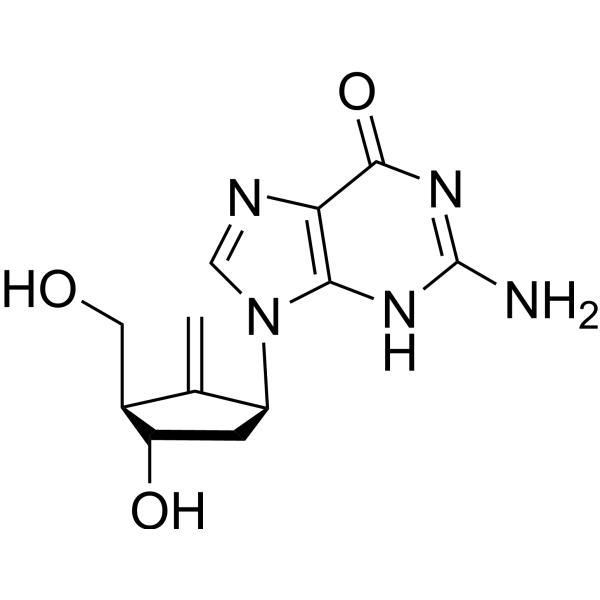
BMS200475; SQ34676
|
HBV
|
Infection
Cancer
|
|
Entecavir (SQ 34676; BMS 200475) is a potent and selective inhibitor of HBV, with an EC50 of 3.75 nM in HepG2 cell.
|
-
-
- HY-N0125
-
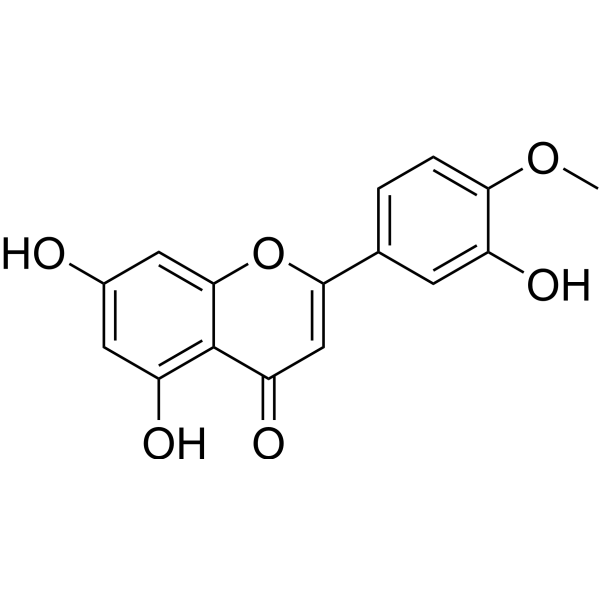
Diosmetin
Maximum Cited Publications
20 Publications Verification
|
Cytochrome P450
|
Cancer
|
|
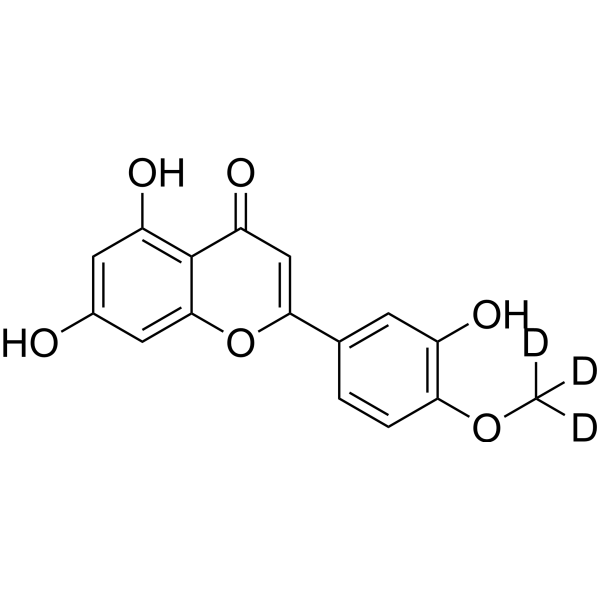
Diosmetin is a natural flavonoid which inhibits human CYP1A enzyme activity with an IC50 of 40 μM in HepG2 cell.
|
-
-
- HY-19937
-
|
|
PPAR
|
Metabolic Disease
|
|
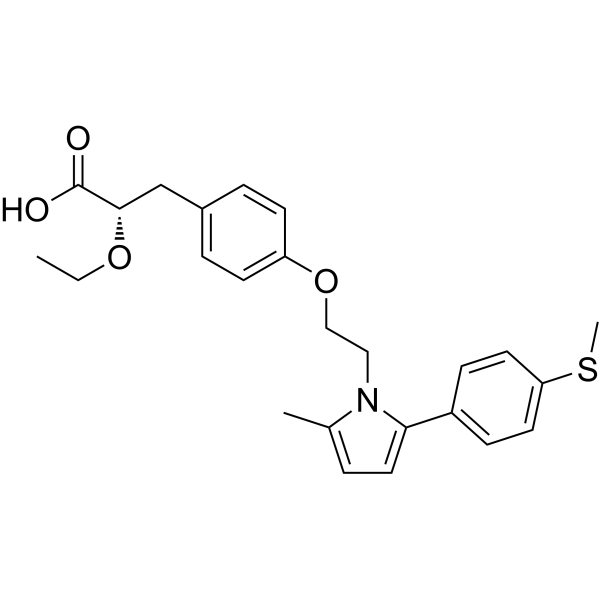
Saroglitazar is a novel peroxisome proliferator-activated receptor (PPAR) agonist with predominant PPARα and moderate PPARγ activity with EC50 values of 0.65 pM and 3 nM in HepG2 cells, respectively.
|
-
-
- HY-N0316
-
|
|
JAK
NF-κB
Reactive Oxygen Species (ROS)
Apoptosis
VEGFR
c-Myc
|
Cancer
|
|
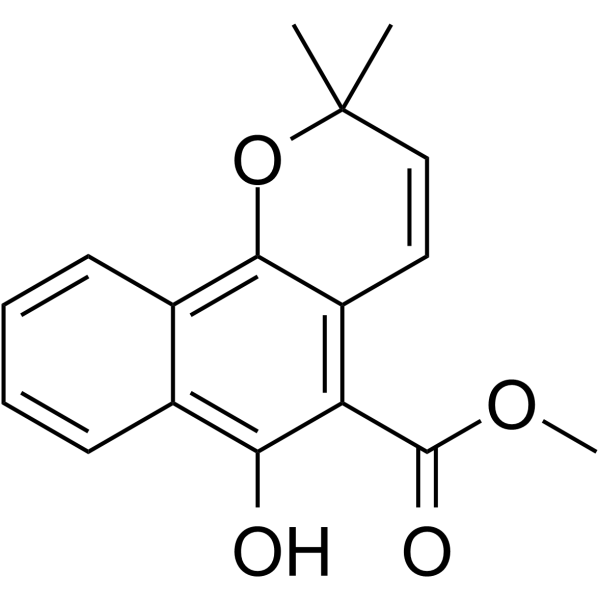
Mollugin is an orally active and potent NF-κB inhibitor. Mollugin induces S-phase arrest of HepG2 cells, and increased intracellular reactive oxygen species (ROS) levels. Mollugin induces DNA damage in HepG2 cells, as well as an increase in the expression of p-H2AX. Mollugin shows anti-cancer effect by inhibiting TNF-α-induced NF-κB activation. Mollugin enhances the osteogenic action of BMP-2 (bone morphogenetic protein 2) via the p38-Smad signaling pathway [2] .
|
-
-
- HY-19937A
-
|
|
PPAR
|
Metabolic Disease
|
|
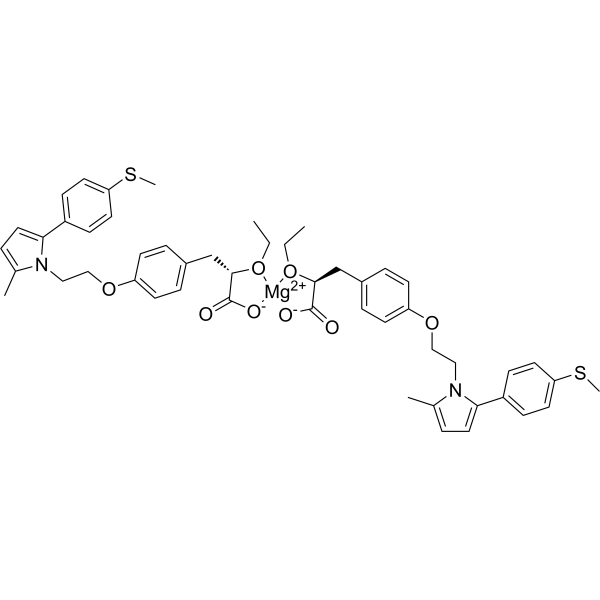
Saroglitazar magnesium is a novel peroxisome proliferator-activated receptor (PPAR) agonist with predominant PPARα and moderate PPARγ activity with EC50 values of 0.65 pM and 3 nM in HepG2 cells, respectively.
|
-
-
- HY-13623A
-
|
BMS200475 monohydrate; SQ34676 monohydrate
|
HBV
|
Infection
Cancer
|
|
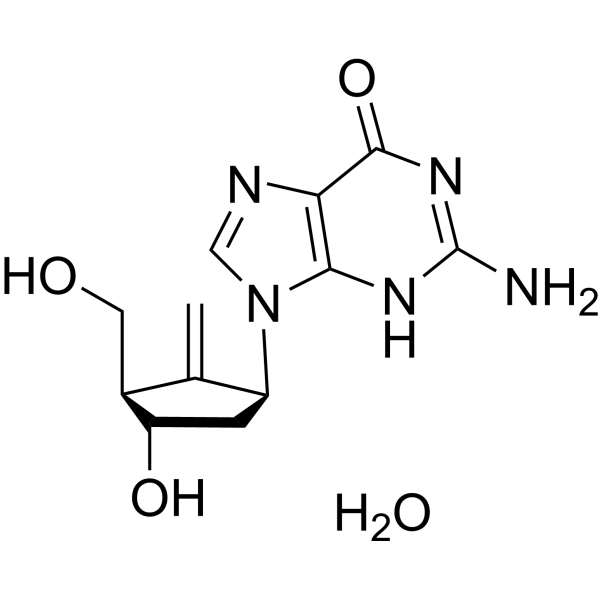
Entecavir monohydrate (BMS200475 monohydrate; SQ34676 monohydrate) is a potent and selective inhibitor of HBV, with an EC50 of 3.75 nM in HepG2 cell.
|
-
-
- HY-178018
-
|
iOXCT1
|
Mitochondrial Metabolism
|
Cancer
|
|
D574-0246 is a dual-activity inhibitor of OXCT1, inhibiting both the ketolytic and succinyltransferase activities of OXCT1. D574-0246 reduces substrate-specific (LACTB K284) and global protein succinylation and decreases OXCT1 ketolytic activity in HepG2 cells. D574-0246 inhibits the viability of HCC cells (IC50: 16.49 μM in PLC cells, 6.656 μM in HepG2 cells). D574-0246 exerts anti-tumor efficacy in nude mice bearing OXCT1-overexpressing HepG2 xenograft tumors. D574-0246 can be used for the study of hepatocellular carcinoma (HCC) .
|
-

-
- HY-N0906
-
-
-
- HY-N0907
-
-
-
- HY-10332
-
|
(Z)-SU5416
|
c-Met/HGFR
|
Cancer
|
|
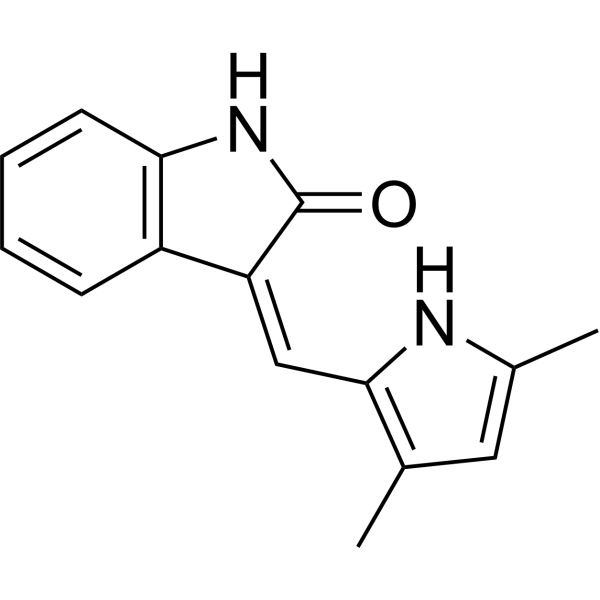
(Z)-Semaxanib (compound (z)-1) is a potent tyrosine kinase inhibitor. (Z)-Semaxanib shows cytotoxicity for TAMH and HepG2 cells with IC50s of 6.28 µM and 8.17 µM, respectively .
|
-
-
- HY-113064
-
|
|
Endogenous Metabolite
|
Cancer
|
|
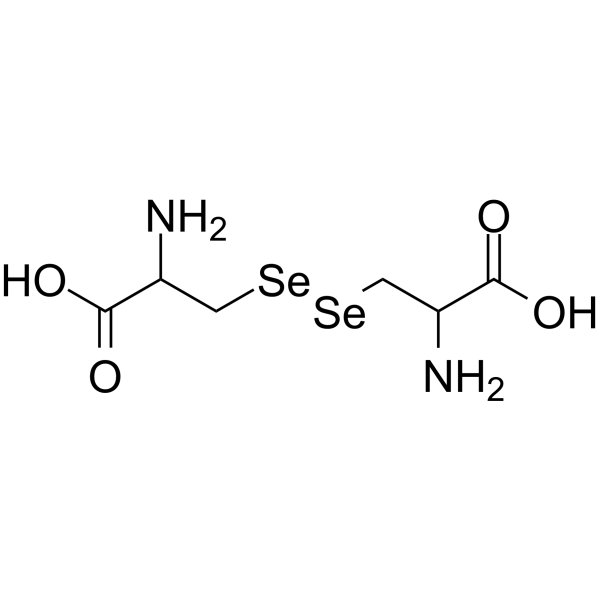
Selenocystine is a broad-spectrum anti-cancer agent. Selenocystine induces DNA damage in HepG2 cells, particularly in the form of DNA double strand breaks (DSBs). Selenocystine exhibits great promise as a therapeutic or adjuvant agent targeting DNA repair for cancer treatment .
|
-
-
- HY-113000
-
|
|
Endogenous Metabolite
|
Cardiovascular Disease
|
|
Cetoleic acid is a long-chain monounsaturated fatty acid found in deep-sea fish. Cetoleic acid can promote the synthesis of ALA in human HepG2 cells and EPA in vitro in salmon liver cells, affecting cholesterol levels in rodents. Cetoleic acid has potential applications in cardiovascular disease research [2].
|
-

-
- HY-N7905
-
|
|
Others
|
Inflammation/Immunology
|
|
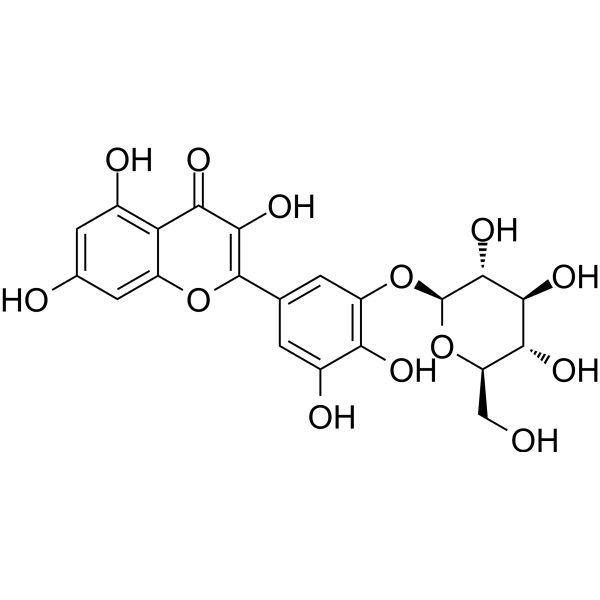
Myricetin 3'-glucoside is a glycoside derivative of quercetin. Myricetin 3'-glucoside significantly prevents ethanol-induced hepatotoxicity by reducing hepatic transaminase activity and inflammatory response in HepG2 cells. Myricetin 3'-glucoside has a certain protective effect on alcohol-induced liver injury .
|
-
-
- HY-N6683
-
|
|
Drug Metabolite
|
Cancer
|
|
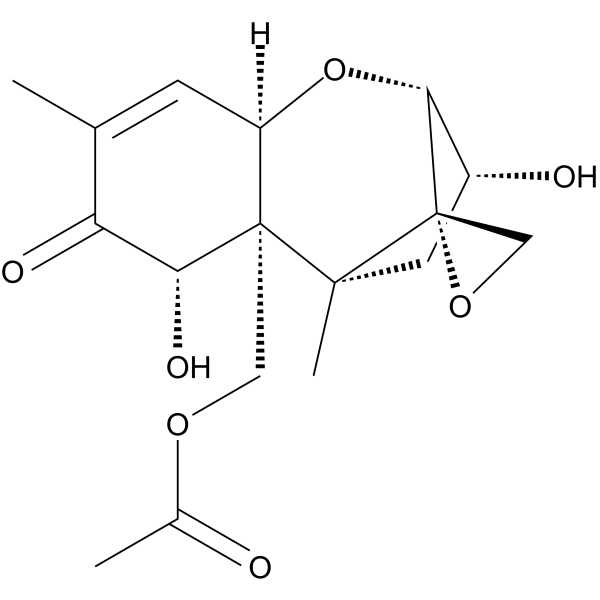
15-Acetyl-deoxynivalenol is a highly toxic trichothecene found in cereals, and a metabolite of deoxynivalenol, exhibits toxicity to HepG2 cells .
|
-
-
- HY-100303A
-
-
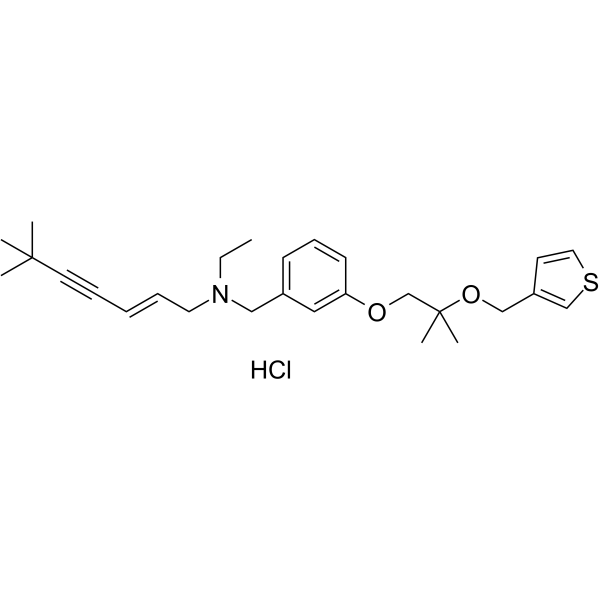
-
- HY-100303
-
-
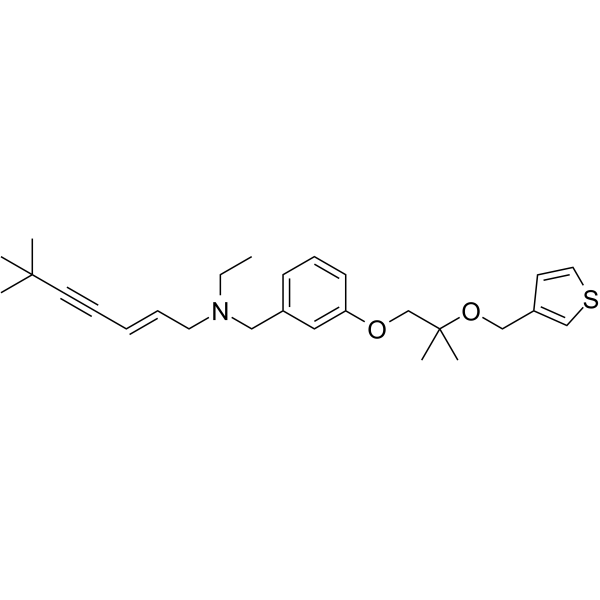
-
- HY-D1255
-
|
|
Fluorescent Dye
|
Cancer
|
|
Sel-green, a selective selenol fluorescent probe, is applied to quantify the Sec content in the selenoenzyme thioredoxin reductase and image endogenous Sec in live HepG2 cells .
|
-
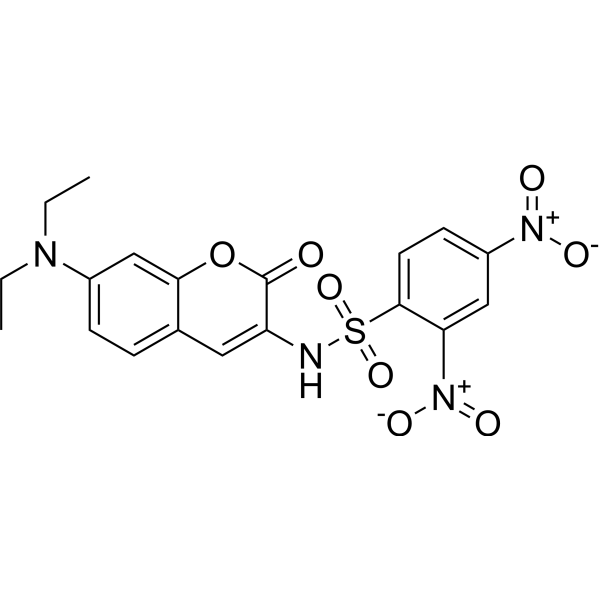
-
- HY-157434
-
|
|
PCSK9
|
Cardiovascular Disease
|
|
PCSK9-IN-23 (compound 5C) is a potent PCSK9 inhibitor. PCSK9-IN-23 blocks PCSK9 secretion from HepG2 cells, significantly increases LDL receptor (LDLR) expression .
|
-
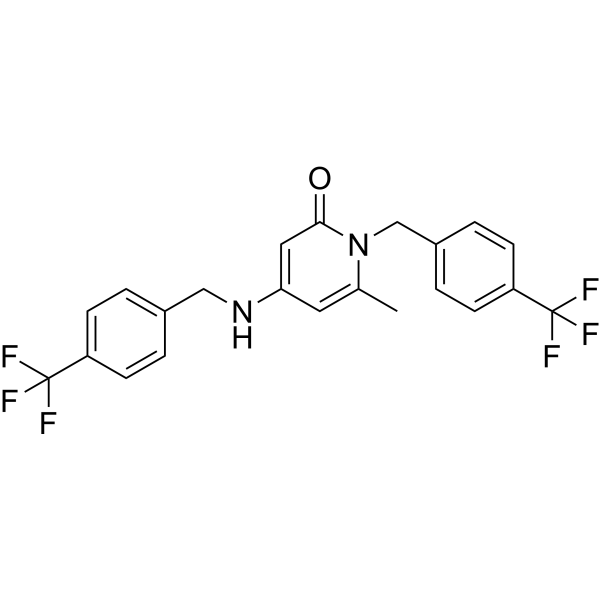
-
- HY-100249
-
-
-
- HY-175208
-
|
|
Hippo (MST)
Caspase
Bcl-2 Family
Apoptosis
|
Cancer
|
|
MST3-IN-1 is a selective and orally active MST3 inhibitor, with an IC50 of 122.4 nM. MST3-IN-1 shows antiproliferative activity against HepG2 cell. MST3-IN-1 effectively induces apoptosis in HepG2 cells, and halts the cell cycle at the G2/M transition. MST3-IN-1 significantly suppressed tumor growth in HepG2 xenograft mice. MST3-IN-1 can be used for the study of liver cancer .
|
-

-
- HY-N7321
-
|
|
Others
|
Cancer
|
|
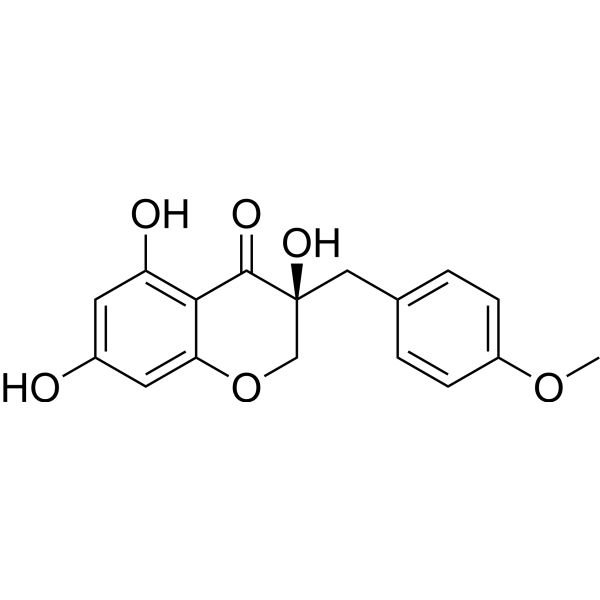
Eucomol has potent cytotoxicity against KKU-M156 and HepG2 cells with the IC50 values of 7.12 and 25.76? μg/mL, respectively. Eucomol can be isolated from an ethanolic extract of D. cochinchinensis .
|
-
-
- HY-N3542
-
|
|
Glycosidase
|
Cancer
|
|
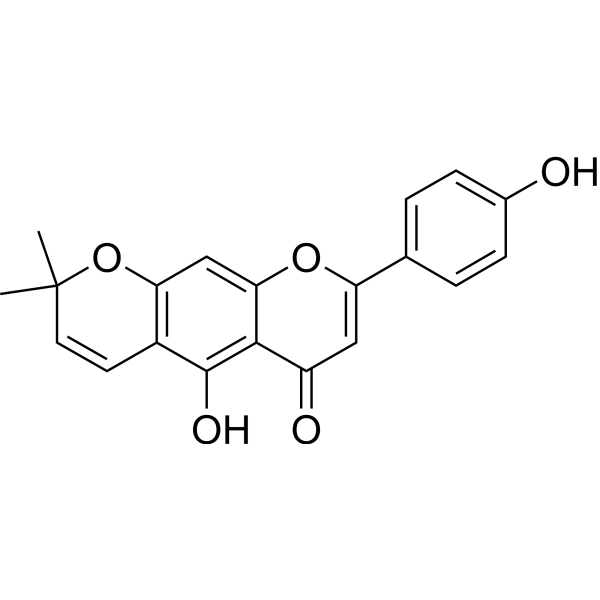
Carpachromene is a potent α-glucosidase enzyme inhibitor. Carpachromene ameliorates insulin resistance in HepG2 cells via modulating IR/IRS1/PI3k/Akt/GSK3/FoxO1 pathway .
|
-
-
- HY-118224
-
|
|
Parasite
|
Infection
|
|
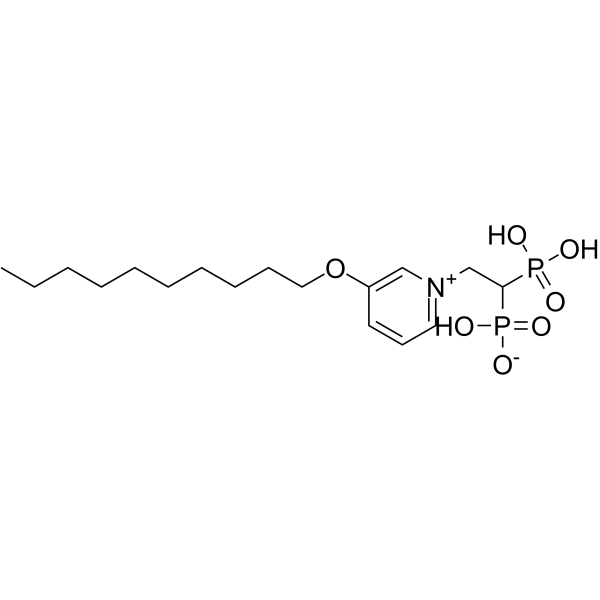
BPH-715 is a bisphosphonate, inhibits Plasmodium liver-stage growth, with an IC50 of 10 μM for Plasmodium exoerythrocytic forms in HepG2 cells .
|
-
-
- HY-N8679
-
|
|
Endogenous Metabolite
|
Cancer
|
|
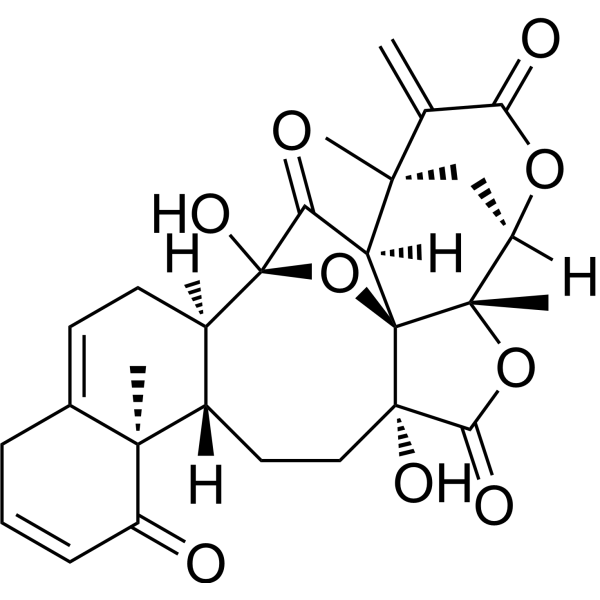
Physalin C is a natural product that can be found in physalis angulata. Physalin C shows cytotoxic activities against MCF-7 and HepG2 cells .
|
-
-
- HY-168187
-
|
|
Src
|
Cancer
|
|
Src Inhibitor 3 (Compound 7d) is a Src inhibitor with an IC50 of 285 nM. Src Inhibitor 3 inhibits HepG2 cells proliferative with an IC50 of 1.55 μM .
|
-

-
- HY-N0125R
-
|
|
Reference Standards
Cytochrome P450
|
Cancer
|
|
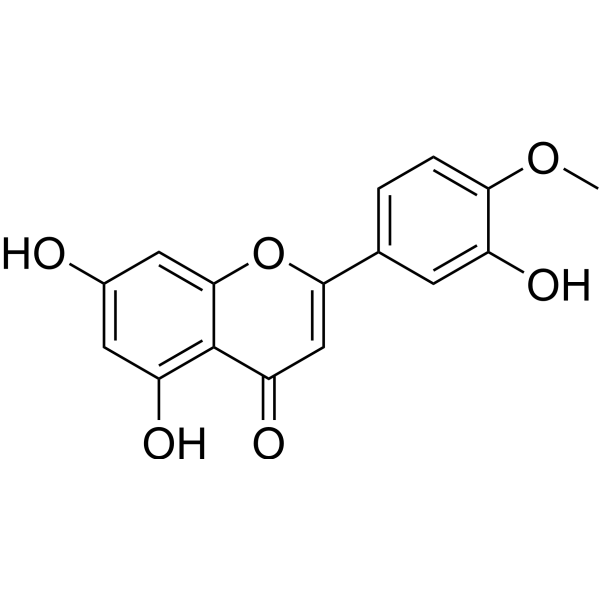
Diosmetin (Standard) is the analytical standard of Diosmetin. This product is intended for research and analytical applications. Diosmetin is a natural flavonoid which inhibits human CYP1A enzyme activity with an IC50 of 40 μM in HepG2 cell.
|
-
-
- HY-N7605
-
|
|
Others
|
Metabolic Disease
|
|
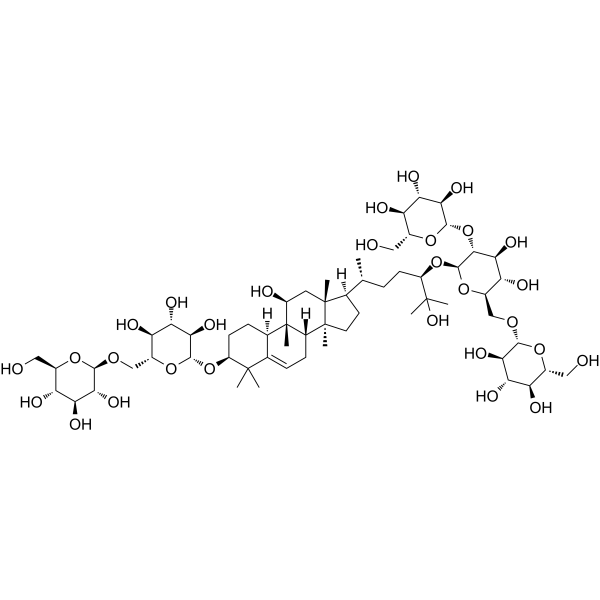
11-epi-mogroside V is a mogroside in the fruit of Siraitia grosvenori. 11-epi-mogroside V exhibits considerable bioactivity in promoting glucose uptake in human HepG2 cells in vitro .
|
-
-
- HY-170992
-
|
|
Autophagy
CDK
Atg8/LC3
PINK1/Parkin
|
Cancer
|
|
Autophagy agonist-1 (compound 22) is an Autophagy agonist. Autophagy agonist-1 exhibits significant anticancer activity against HepG2 cells and normal cells with IC50s of 8.8 μM and > 50 μM. Autophagy agonist-1 induces G1/S phase cell cycle arrest and inhibits CDK4 and CyclinD1 expression while upregulating P21. Autophagy agonist-1 promotes the accumulation of autophagosomes and the proteins LC3 and PINK1, enhancing autophagy and mitophagy in HepG2 cells .
|
-

-
- HY-142101
-
|
|
Others
|
Inflammation/Immunology
|
|
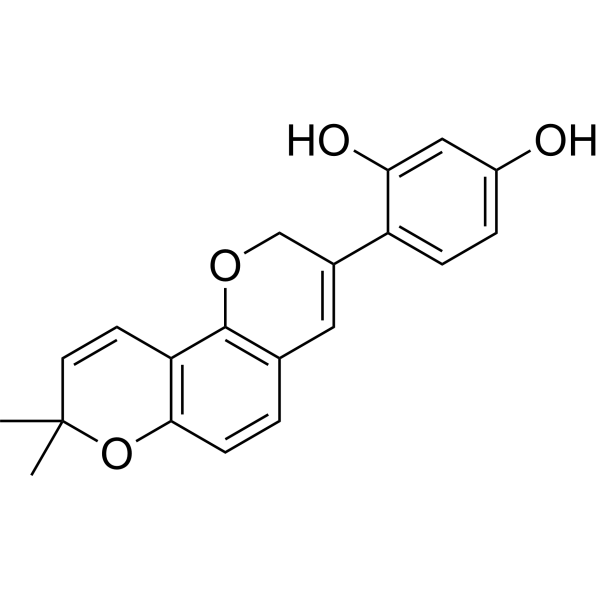
3,4-Didehydroglabridin is a natural product that can be found in licorice. 3,4-Didehydroglabridin exhibits protective activities against carbon tetrachloride-induced HepG2 cells injury. 3,4-Didehydroglabridin has the potential for the research of liver injury [2].
|
-
-
- HY-N12158
-
|
|
Apoptosis
|
Cancer
|
|
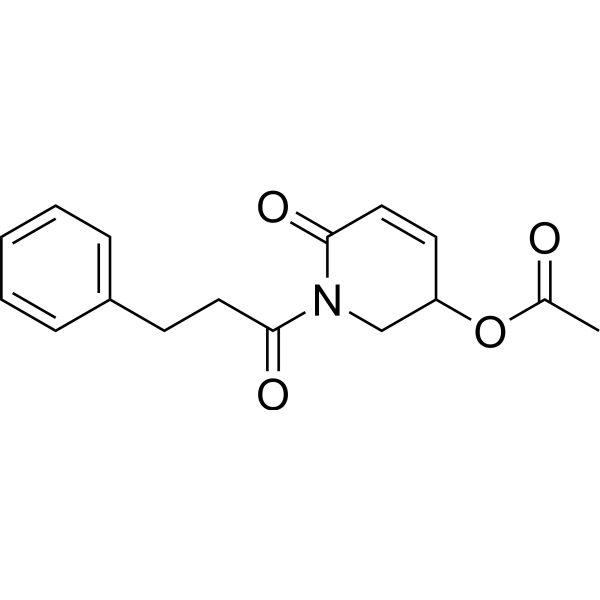
Pipermethystine is an alkaloid that can be isolated from the Kava plant. Pipermethystine decreases HepG2 cell cellular ATP levels, mitochondrial membrane potential, and induces apoptosis .
|
-
-
- HY-N8361
-
|
|
HIV
Apoptosis
|
Infection
Cancer
|
|
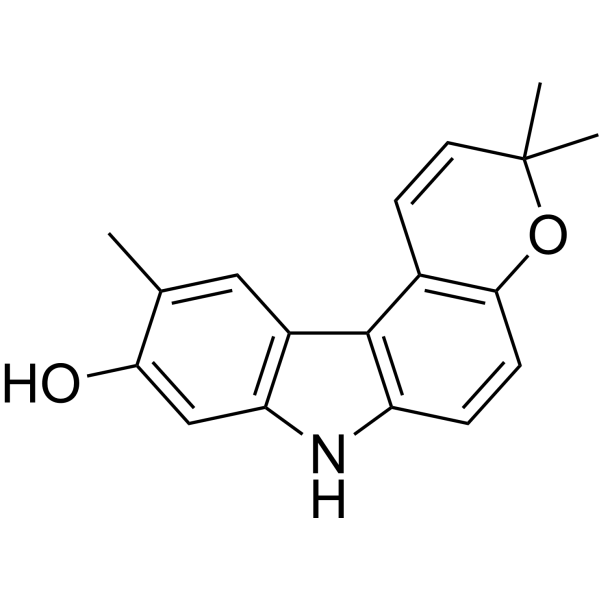
Glycoborinine, a natural carbazole alkaloid, can be isolated from Glycosmis pentaphylla. Glycoborinine induces HepG2 cell apoptosis through mitochondrial pathway. Glycoborinine also inhibits HIV replication in cells [2].
|
-
-
- HY-176416
-
|
|
Deubiquitinase
|
Cancer
|
|
USP7-IN-17 (compound M15) is a potent USP7 inhibitor. USP7-IN-17 inhibits HepG2 cell activity with an IC50 of 4.38 μM .
|
-

-
- HY-126644
-
|
|
Bacterial
Fungal
|
Infection
Cancer
|
|
Halocyamine B exhibits antimicrobial activity against a variety of bacteria and yeasts. Halocyamine B exhibits cytotoxicity to cultured neural cells of rat fetal brain, mouse neuroblastoma N18 cells, and human hepatoma HepG2 cells .
|
-

-
- HY-175208A
-
|
|
Hippo (MST)
Caspase
Bcl-2 Family
Apoptosis
|
Cancer
|
|
MST3-IN-1 TFA (Compound LD-1) is a selective and orally active MST3 inhibitor, with an IC50 of 122.4 nM. MST3-IN-1 TFA shows antiproliferative activity against HepG2 cell. MST3-IN-1 TFA effectively induces Apoptosis in HepG2 cells, and halts the cell cycle at the G2/M transition. MST3-IN-1 TFA significantly suppressed tumor growth in HepG2 xenograft mice. MST3-IN-1 TFA can be used for the study of liver cancer .
|
-

-
- HY-N0316R
-
|
|
JAK
Reference Standards
NF-κB
Reactive Oxygen Species (ROS)
Apoptosis
VEGFR
c-Myc
|
Cancer
|
|
Mollugin (Standard) is the analytical standard of Mollugin. This product is intended for research and analytical applications. Mollugin is an orally active and potent NF-κB inhibitor. Mollugin induces S-phase arrest of HepG2 cells, and increased intracellular reactive oxygen species (ROS) levels. Mollugin induces DNA damage in HepG2 cells, as well as an increase in the expression of p-H2AX. Mollugin shows anti-cancer effect by inhibiting TNF-α-induced NF-κB activation. Mollugin enhances the osteogenic action of BMP-2 (bone morphogenetic protein 2) via the p38-Smad signaling pathway [2] .
|
-

-
- HY-N8466
-
|
|
Reactive Oxygen Species (ROS)
|
Metabolic Disease
|
|
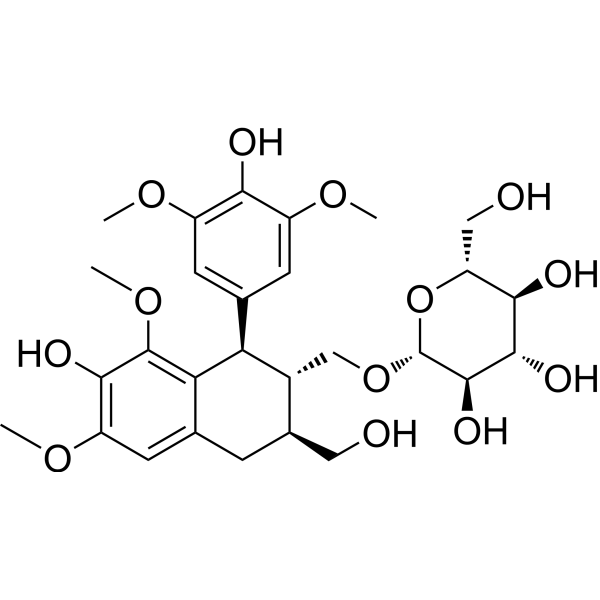
(-)-Lyoniresinol 9'-O-glucoside is an inhibitor of ROS. (-)-Lyoniresinol 9'-O-glucoside reduces lipid accumulation and lipid metabolic disorders in FFAs-exposed HepG2 cells. (-)-Lyoniresinol 9'-O-glucoside inhibits high glucose-induced reactive oxygen species production .
|
-
-
- HY-N10063
-
-
-
- HY-173140
-
|
|
Apoptosis
|
Cancer
|
|
Anticancer agent 268 (Compound 4k) is a potential anti-tumor agent. Anticancer agent 268 exhibits anti-proliferative effects against HepG2 cells, with an IC50 of 6.08 μM. Anticancer agent 268 can induce apoptosis and inhibit colony formation and migration of HepG2 cells .
|
-

-
- HY-N9010
-
|
|
Others
|
Metabolic Disease
|
|
Chartarlactam A is a novel compound with anti-hyperlipidemic activity. Chartarlactam A exhibits inhibitory potential in HepG2 cells .
|
-

-
- HY-N11433
-
|
|
Others
|
Others
|
|
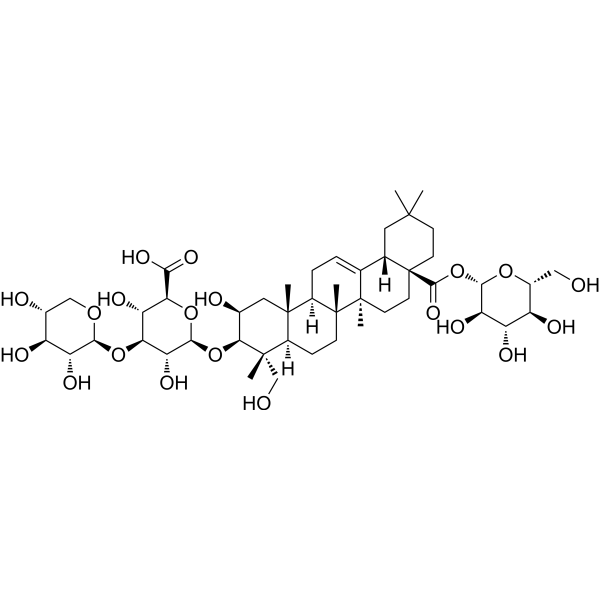
Celosin L is a triterpenoid saponin with hepaprotective activity. Celosin L exhibits protective effects against APAP-induced hepatotoxicity in HepG2 cells .
|
-
-
- HY-122324
-
|
(+)-(S)-Tylophorine; DCB-3500; NSC-717335
|
Others
|
Cancer
|
|
Tylophorine and its analogs are benzoindole alkaloids, most of which are derived from Garcinia plants. Tylophorine analogs all show potent growth inhibition against human hepatocellular carcinoma HepG2 and human nasopharyngeal carcinoma KB cell lines. Tylophorine analogs can also induce increased albumin expression and inhibit α-fetoprotein expression in HepG2 cells, and have the potential to induce HepG2 cell differentiation .
|
-

-
- HY-N10207
-
|
|
Endogenous Metabolite
|
Infection
Cancer
|
|
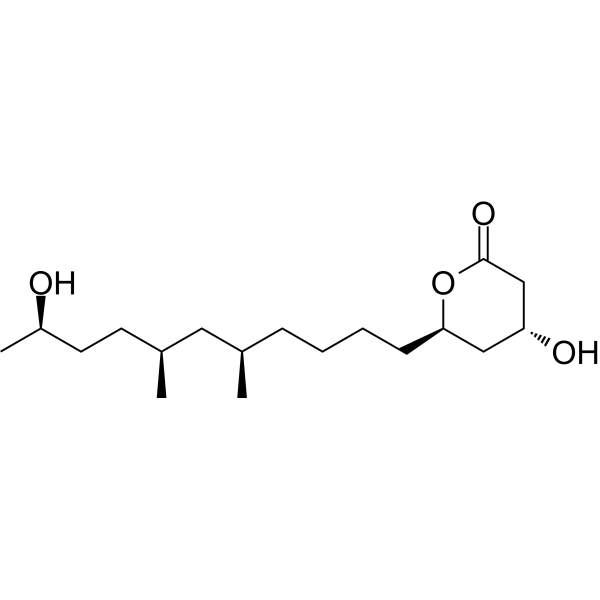
Penicitide A is a marine secondary metabolite. Penicitide A shows moderate cytotoxicity against pathogen A. brassicae and the human hepatocellular liver carcinoma (HepG2) cell line .
|
-
-
- HY-145821
-
|
|
Microtubule/Tubulin
|
Cancer
|
|
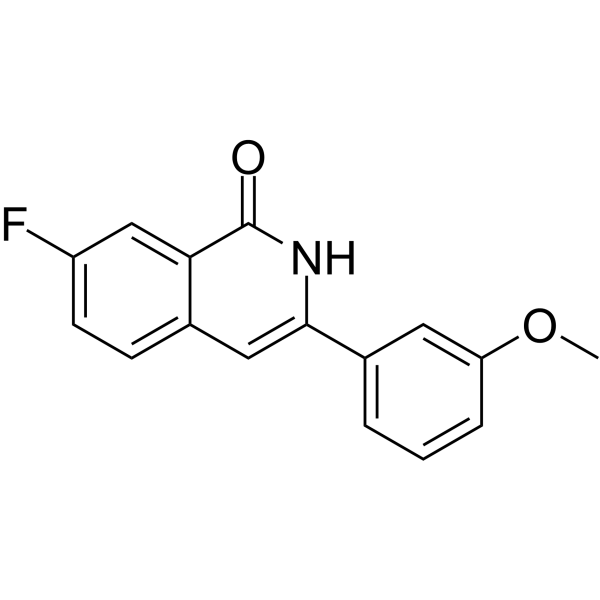
Tubulin inhibitor 15 is a potent tubulin inhibitor. Tubulin inhibitor 15 shows antiproliferative activity. Tubulin inhibitor 15 shows cytotoxicity in HepG2 cells .
|
-
-
- HY-N12426
-
|
|
Endogenous Metabolite
|
Metabolic Disease
|
|
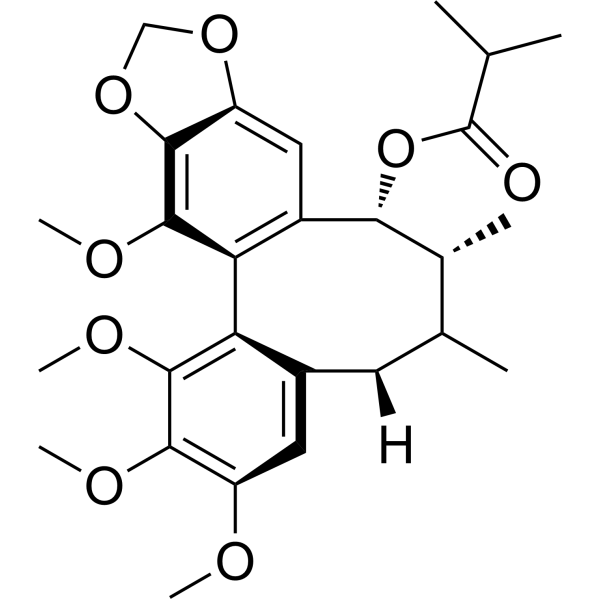
Heilaohuguosu F (compound 6) is a tetrahydrofuranolignan with weak hepatoprotective effects. Heilaohuguosu F has a mild protective effect against APAP-induced hepatotoxicity in HepG2 cells.
|
-
-
- HY-145822
-
|
|
Microtubule/Tubulin
|
Cancer
|
|
Tubulin inhibitor 16 is a potent tubulin inhibitor. Tubulin inhibitor 16 shows antiproliferative activity. Tubulin inhibitor 16 shows cytotoxicity in HepG2 cells .
|
-
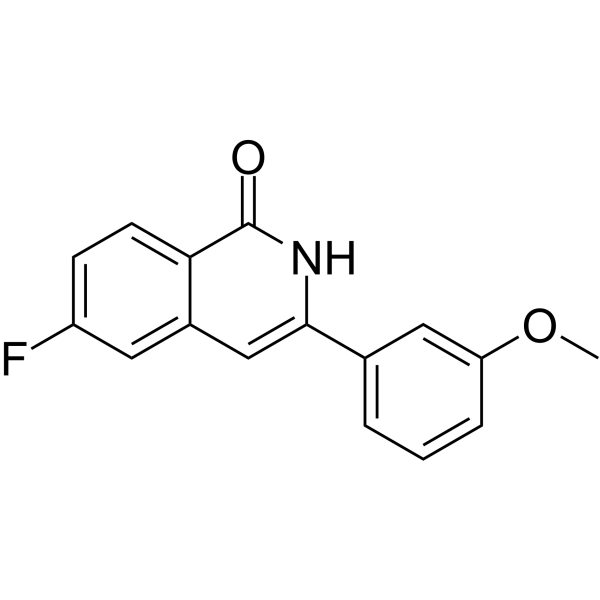
-
- HY-13623S
-
|
BMS200475-d2; SQ34676-d2
|
Isotope-Labeled Compounds
HBV
|
Infection
|
|
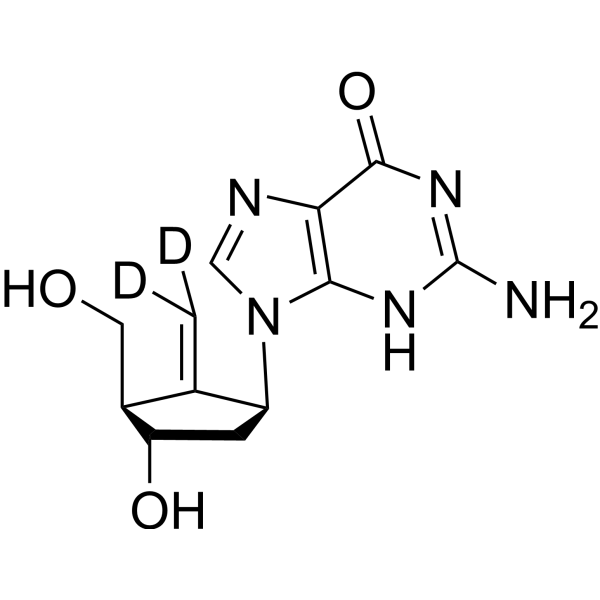
Entecavir-d2 is the deuterium labeled Entecavir. Entecavir (SQ 34676; BMS 200475) is a potent and selective inhibitor of HBV, with an EC50 of 3.75 nM in HepG2 cell.
|
-
-
- HY-N10089
-
|
|
Others
|
Cancer
|
|
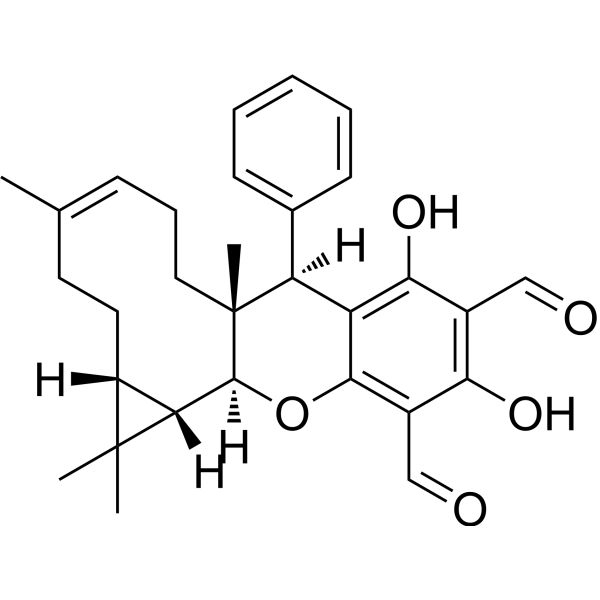
Psiguadial D is a terpenoid that can be isolated from Psidium guajava, and it has a strong inhibitory effect on the growth of HepG2 cells, with an IC50value of 128.3 nM .
|
-
-
- HY-N12288
-
|
|
Others
|
Cancer
|
|
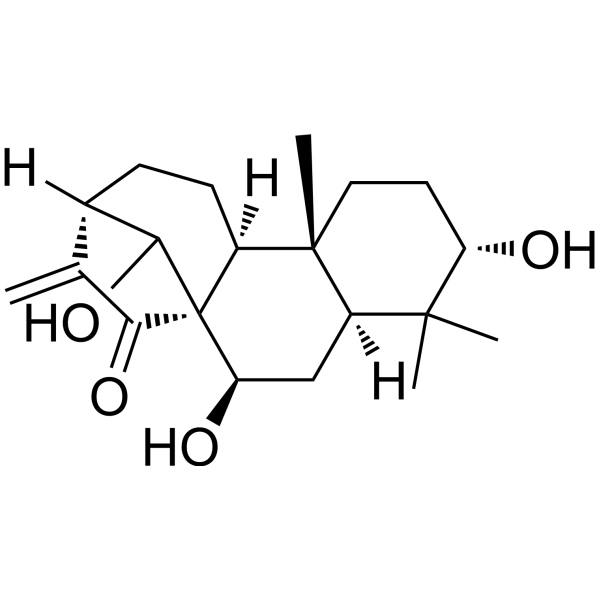
Wangzaozin A is an ent-kaurene diterpenoid. Wangzaozin A has cytotoxic against HepG2 cells and Tb cells with IC50 of 1.41 μM and 0.32 μM, respectively .
|
-
-
- HY-N0125S
-
-
-
- HY-N12440
-
|
|
Others
|
Others
|
|
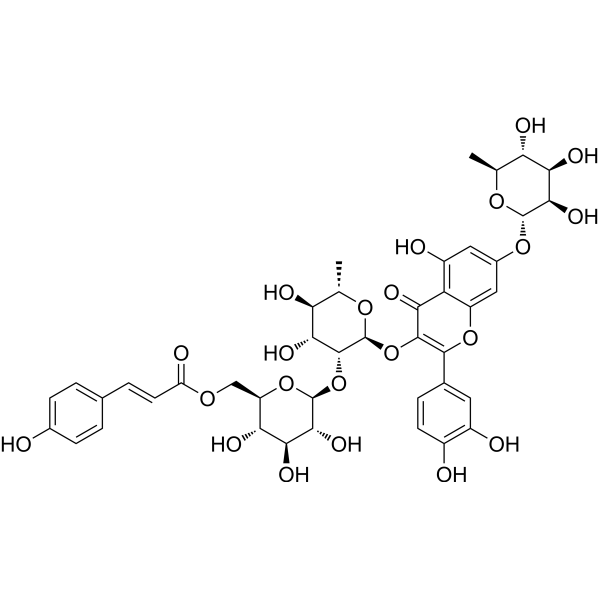
Sarmenoside II is a flavonol glycoside with activity that inhibits lipid accumulation. Sarmenoside II inhibits albumin-oleate-induced lipid accumulation in HepG2 cells by approximately 30% at 100 μM.
|
-
- HY-115962
-
|
|
Drug Derivative
|
Cancer
|
|
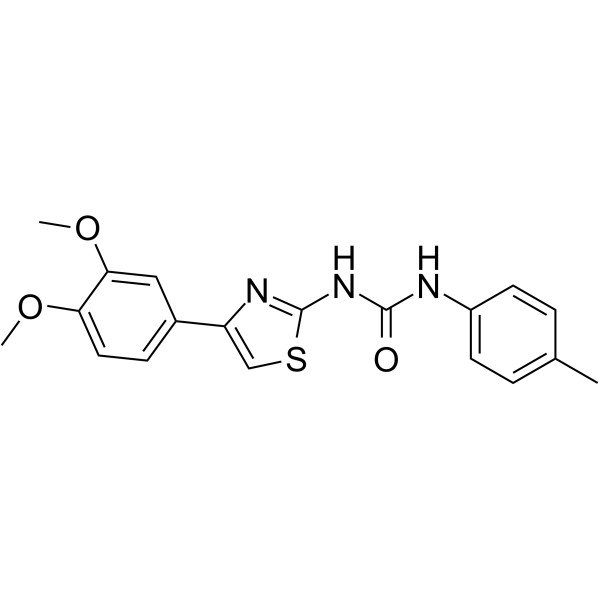
Anticancer agent 37 (compound 18), a sulfonylurea derivative, is a potent anticancer agent. Anticancer agent 37 inhibits HePG2 cell growth with an IC50 of 17.2 µg/mL .
|
-
- HY-N12706
-
|
|
Endogenous Metabolite
|
Endocrinology
|
|
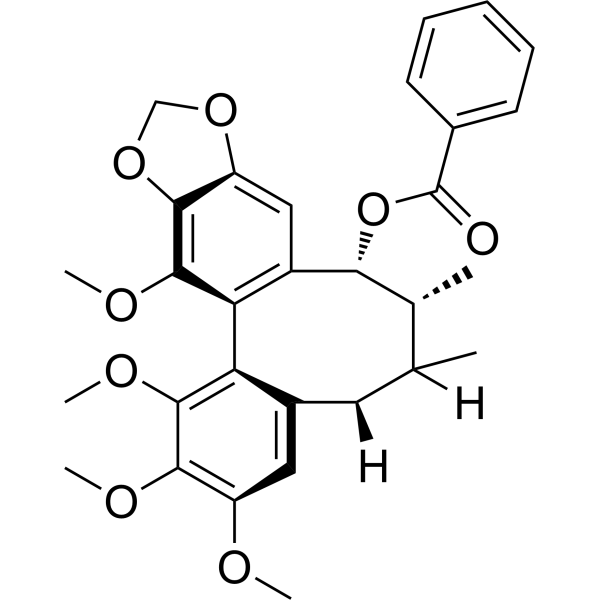
Heilaohuguosu G (compound 7) is a cyclolignan with hepatoprotective activity. Heilaohuguosu G against APAP toxicity with cell survival rates at 10 μM of 45.7% in HepG-2 cells .
|
-
- HY-N9532
-
|
Anhydrobyakangelicin
|
Others
|
Cancer
|
|
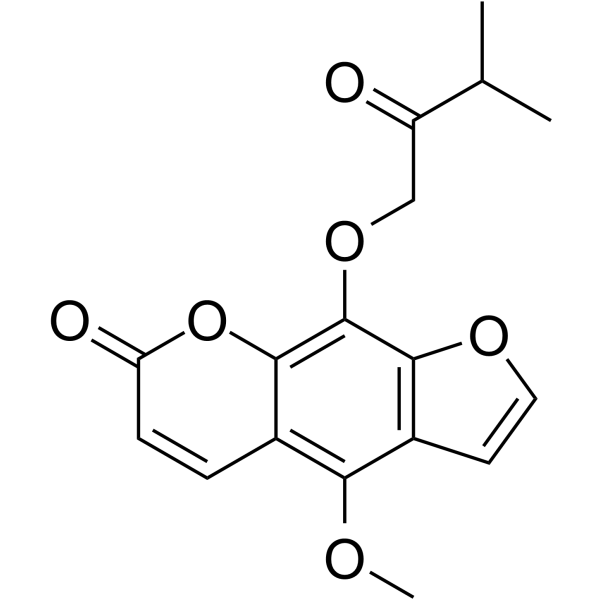
Isobyakangelicol is a coumarin that can be found in the roots of Angelica dahurica. Isobyakangelicol inhibits the growth of HeLa and HepG2 cells, with IC50s of 70.04 μM and 17.97 μM .
|
-
- HY-13623AR
-
|
BMS200475 monohydrate (Standard); SQ34676 monohydrate (Standard)
|
Reference Standards
HBV
|
Infection
Cancer
|
|
Entecavir (monohydrate) (Standard) is the analytical standard of Entecavir (monohydrate). This product is intended for research and analytical applications. Entecavir monohydrate (BMS200475 monohydrate; SQ34676 monohydrate) is a potent and selective inhibitor of HBV, with an EC50 of 3.75 nM in HepG2 cell.
|
-

- HY-121613
-
|
|
Others
|
Infection
|
|
Resistoflavine is a metabolite of the marine actinomycete S. chibaensis. It slows the growth of and is cytotoxic to HMO2 and HepG2 cells with mean lethal concentrations (LC50) of 0.013 and 0.016 μg/mL, respectively.
|
-

- HY-126981
-
|
|
Others
|
Cancer
|
|
Sarasinoside B1 is a glycoside compound. Sarasinoside B1 exhibits moderate cytotoxicity against Neuro-2a and HepG2 cell lines (IC50=~5-18 μM).
|
-

- HY-N2936
-
|
|
Others
|
Others
|
|
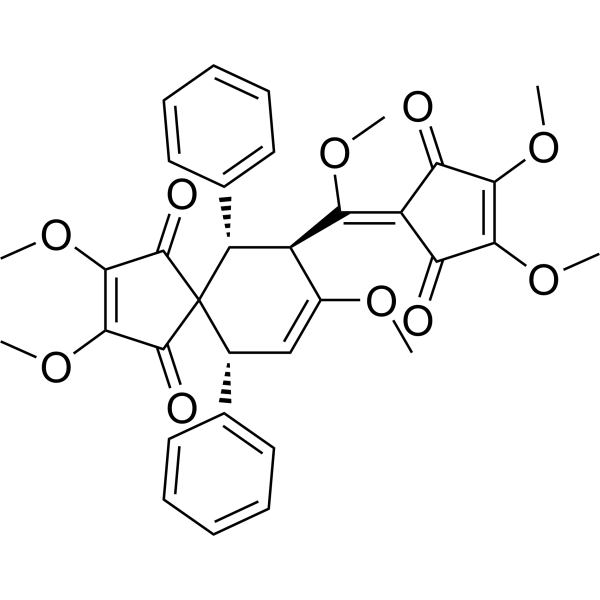
Bi-linderone is isolated as racemate from the traditional Chinese medicinal plant Lindera aggregata. Bi-linderone has activity against glucosamine-induced insulin resistance in HepG2 cells at a concentration of 1 μg/mL .
|
-
- HY-146082
-
|
|
Biochemical Assay Reagents
|
Cancer
|
|
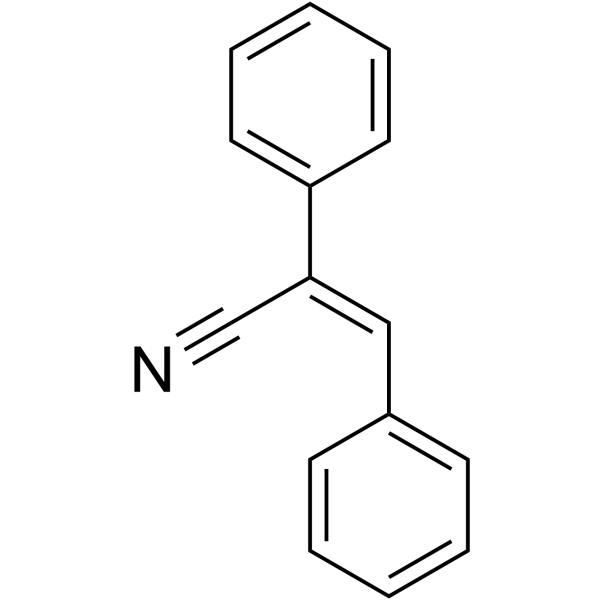
(Z)-α-Cyanostilbene (compound 8), a dicyano substituted acrylonitrile, shows selective antiproliferative activity against HeLa and HepG2 cells, with IC50s of 0.33 and 0.52 μM, respectively .
|
-
- HY-111030
-
|
|
Histone Methyltransferase
|
Cancer
|
|
PRMT1-IN-2 (RM65) is a potent PRMT1 inhibitor with an IC50 of 55.4 μM. PRMT1-IN-2 shows histone hypomethylation in HepG2 cells .
|
-

- HY-146465
-
|
|
Microtubule/Tubulin
|
Cancer
|
|
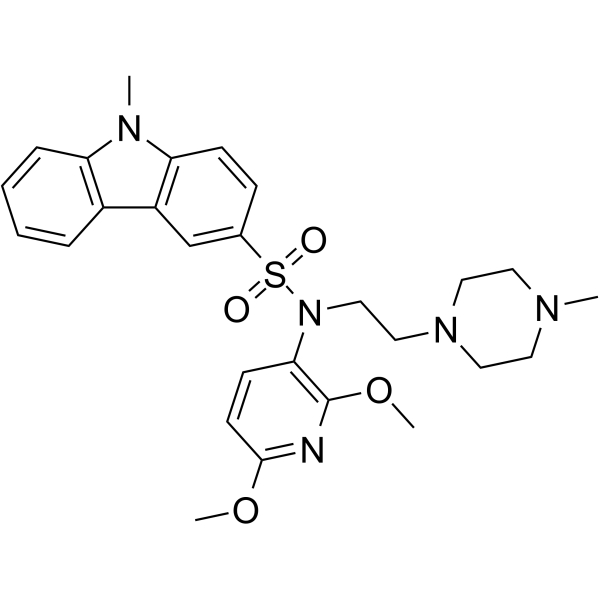
Anticancer agent 60 (compound 3h) has antiproliferative activity against human HepG2 cells (IC50 = 4.13 μM) and presents antitumor efficacy in a human HepG2 xenograft mouse model .
|
-
- HY-N15562
-
|
|
Parasite
|
Infection
|
|
Batzelladine L is a potent Plasmodium falciparum inhibitor (IC50= 0.4 μM). Batzelladine L shows moderate cytotoxicity to HepG2 cells (CC50= 14 μM) with antimalarial properties. Batzelladine L is promising for research of antimalarial agents .
|
-

- HY-176431
-
-

- HY-N1324
-
|
|
Others
|
Others
|
|
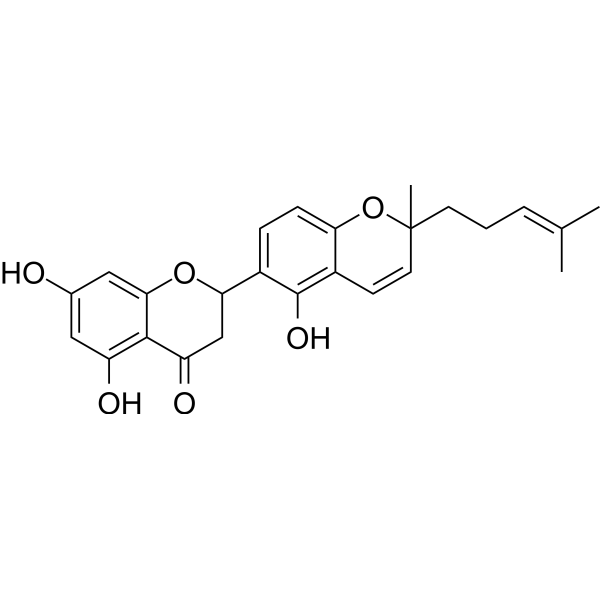
Sanggenon N is an isoprenylated flavonoid that can be isolated from the root bark of Morus alba.Sanggenon N has hepatoprotective activities on t-BHP-induced cell cytotoxicity in HepG2 cells with an EC50 of 23.45 μM .
|
-
- HY-162564
-
|
|
Bacterial
|
Infection
|
|
Antibacterial agent 221 (compound 3k) is a potent inhibitor of Gram-positive Methicillin-resistant Staphylococcus aureus (MRSA). Antibacterial agent 221 shows significant cytotoxicity against human LO2 and HepG2 cells .
|
-

- HY-149061
-
|
|
Apoptosis
|
Cancer
|
|
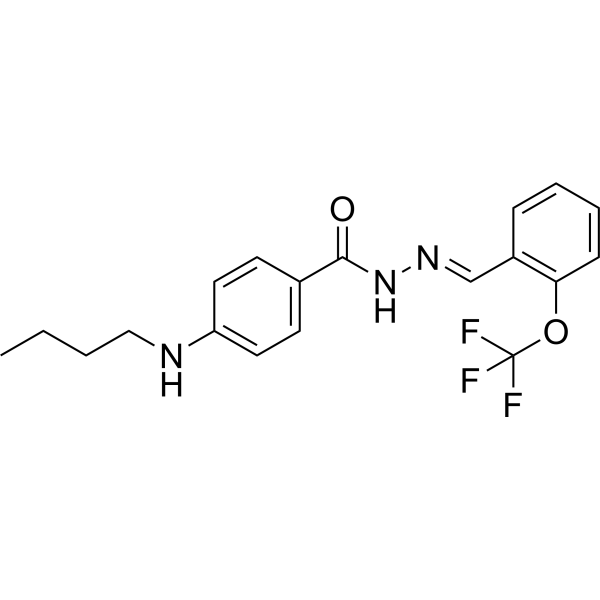
Anticancer agent 99 (compound 2p) has good anticancer activity against HepG2 cells, with an IC50 value of 35.9 μM. Anticancer agent 99 can induce apoptosis and has anti-proliferation effect .
|
-
- HY-144795
-
|
|
VEGFR
Apoptosis
|
Cancer
|
|
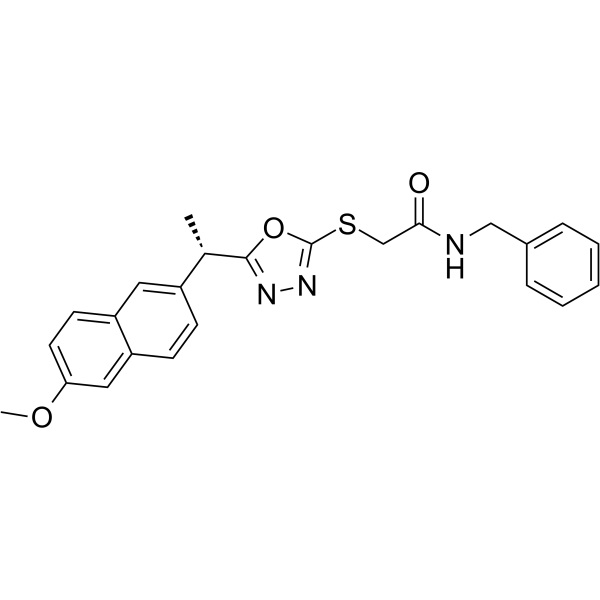
VEGFR-2-IN-14 (Compound 5) is a potent VEGFR-2 inhibitor. VEGFR-2-IN-14 arrests the HepG2 cell growth at the Pre-G1 phase and induces apoptosis .
|
-
- HY-168469
-
|
|
EGFR
|
Cancer
|
|
EGFR-IN-148 (compound 8c) is a potent inhibitor of EGFR , with the IC50 of 0.161 μM. EGFR-IN-148 causes G1/S arrest and markedly enhances apoptosis in HepG2 cells .
|
-

- HY-144796
-
|
|
VEGFR
Apoptosis
|
Cancer
|
|
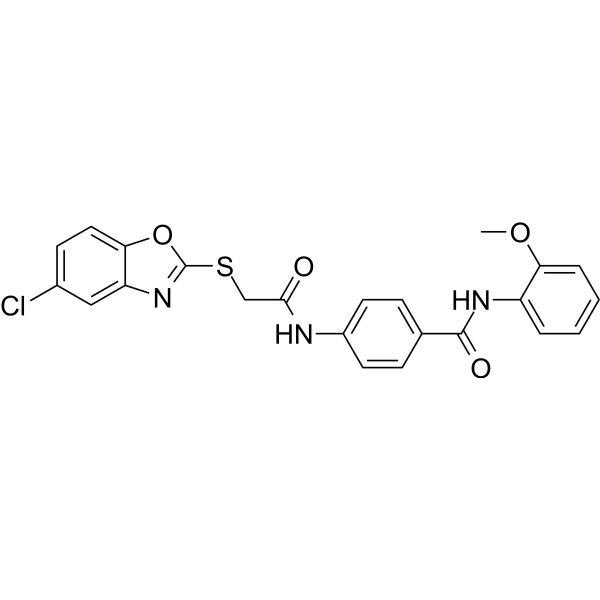
VEGFR-2-IN-15 (Compound 14b) is a potent VEGFR-2 inhibitor. VEGFR-2-IN-15 arrests the HepG2 cell growth at the Pre-G1 phase and induces apoptosis .
|
-
- HY-163286
-
|
|
Fluorescent Dye
Ferroptosis
|
Others
|
|
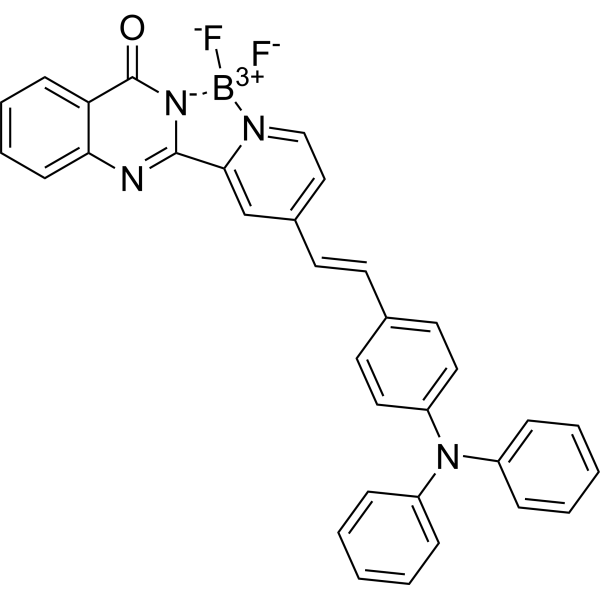
BODIQPy-TPA is a lipophilic probes, which induces ferroptosis in B16 and HepG2 cells upon light irradiation through lipid peroxidation. BODIQPy-TPA reveals a maximum absorption wavelength of 488 nm and a maximum emission wavelength above 640 nm .
|
-
- HY-175565
-
|
|
Microtubule/Tubulin
VEGFR
Reactive Oxygen Species (ROS)
Apoptosis
|
Cancer
|
|
Tubulin/VEGFR-2-IN-1 is a dual inhibitor of tubulin and VEGFR-2 (IC50 = 1.52 μM) with anti-angiogenic activity. Tubulin/VEGFR-2-IN-1 exhibits potent cytotoxicity against the cancer cells. Tubulin/VEGFR-2-IN-1 elevates ROS production, induces apoptosis and causes G0/G1 phase arrest in HepG-2 cells. Tubulin/VEGFR-2-IN-1 inhibits the migratory ability and the clonogenic ability in HepG-2 cells. Tubulin/VEGFR-2-IN-1 can be used for the study of cancer .
|
-

- HY-163287
-
|
|
Fluorescent Dye
|
Others
|
|
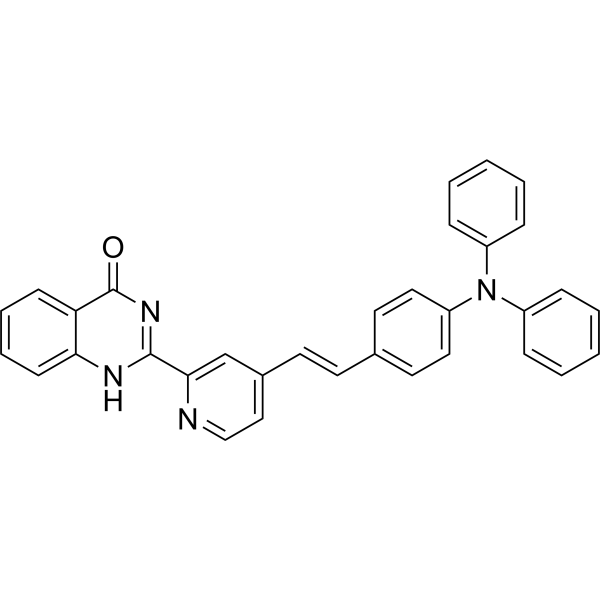
QPy-TPA is a lipopjilc probes, which induces non-ferroptotic cell death and lipid dynamic regularion in B16 and HepG2 cells upon light irradiation. QPy-TPA reveals a maximum absorption wavelength of 400 nm and a maximum emission wavelength of 590 nm .
|
-
- HY-162453
-
|
|
Apoptosis
MMP
|
Cancer
|
|
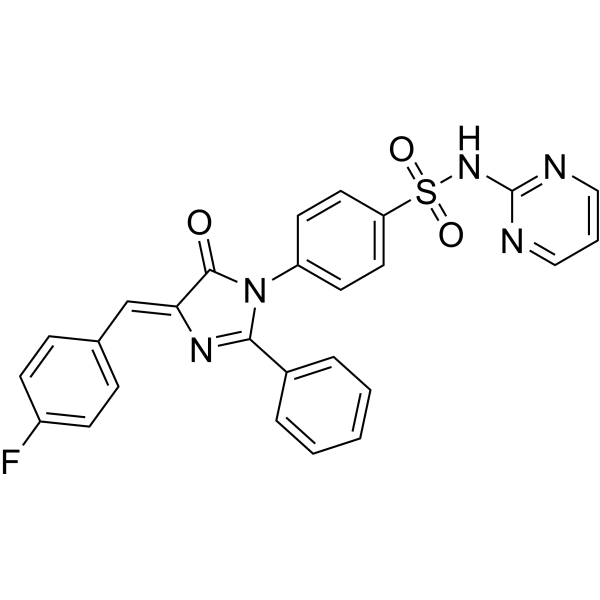
Anticancer agent 204 (Compound 6), a cinnamide fluorinated derivative, possesses anticancer activity. Anticancer agent 204 can arrest the cell cycle of HepG2 cells in the G1 phase and induce apoptosis by reducing the level of mitochondrial membrane polarization (MMP) .
|
-
- HY-N6683R
-
|
|
Reference Standards
Drug Metabolite
|
Cancer
|
|
15-Acetyl-deoxynivalenol (Standard) is the analytical standard of 15-Acetyl-deoxynivalenol. This product is intended for research and analytical applications. 15-Acetyl-deoxynivalenol is a highly toxic trichothecene found in cereals, and a metabolite of deoxynivalenol, exhibits toxicity to HepG2 cells .
|
-

- HY-169315
-
|
|
Keap1-Nrf2
|
Cancer
|
|
Nrf2 activator 17 (compound 10) is an Nrf2 activator that inhibits the interaction between Keap1 and Nrf2 with an IC50 of < 0.1 pM. Additionally, Nrf2 activator 17 has an EC50 of < 10 μM in HepG2 cells .
|
-

- HY-164031
-
|
|
Cytochrome P450
|
Cancer
|
|
Cloperidone is an inhibitor for cytochrome P450 2C9 (CYP2C9) with an IC50 of 17.7 μM. Cloperidone exhibits cytotoxicity on HepG2 cells expressing CYP2C9 (60% survival rate at 10 μM) .
|
-

- HY-N10952
-
|
|
Others
|
Cancer
|
|
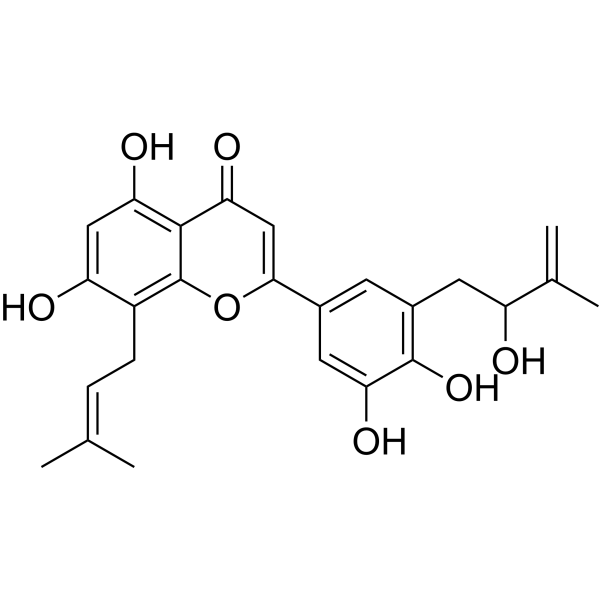
Epicornuin F is a prenylated flavonoid. Epicornuin F can be isolated from the leaves of Epimedium brevicornu. Epicornuin F has the cytotoxic activity against HepG2 cells with an IC50 value of 33.4 μM. Epicornuin F can be used for the research of cancer .
|
-
- HY-N4251
-
|
(-)-Periplocoside M
|
Others
|
Cancer
|
|
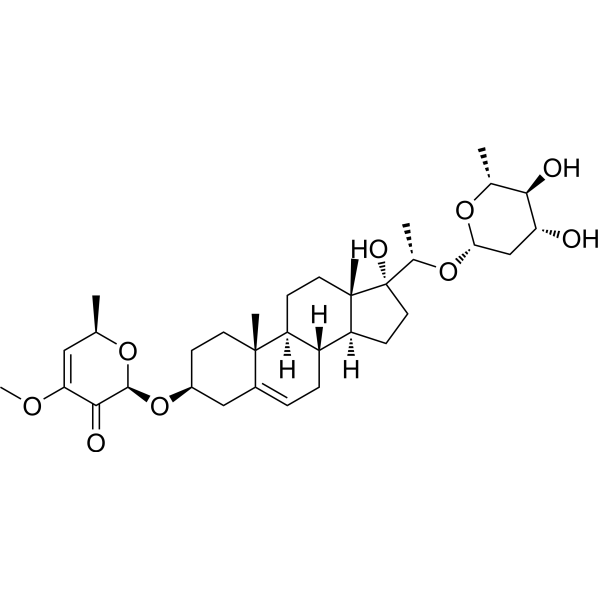
Periplocoside M (compound 8) is a natural product isolated from the root bark of Periploca sepium. Periplocoside M shows antitumor activity against human A-549 and HepG2 cell lines, with the IC50 of 4.84 and 7.06 μM .
|
-
- HY-N4043
-
|
Hirsutanonol 5-O-glucoside
|
Others
|
Cancer
|
|
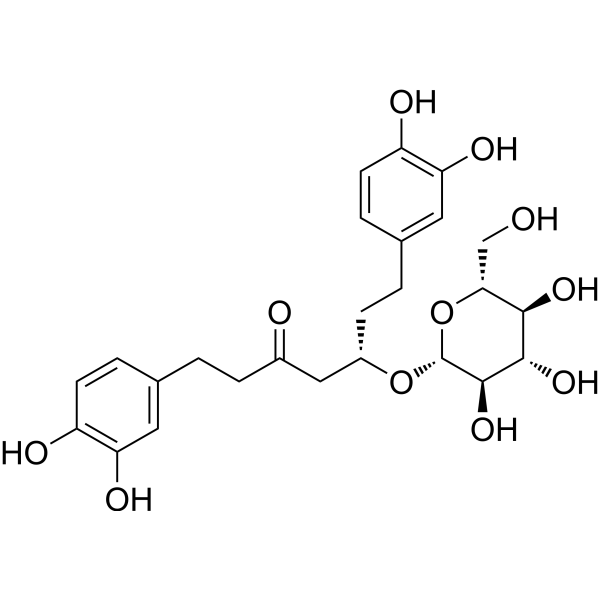
Hirsutanonol 5-O-glucoside is a diarylheptanoid derivatives that can be isolated from Alnus hirsuta. Hirsutanonol 5-O-glucoside exhibits significant hepatoprotective effects against t-BHP-induced toxicity in HepG2 cells with 42.8% protection .
|
-
- HY-163077
-
|
|
Reactive Oxygen Species (ROS)
Apoptosis
|
Cancer
|
|
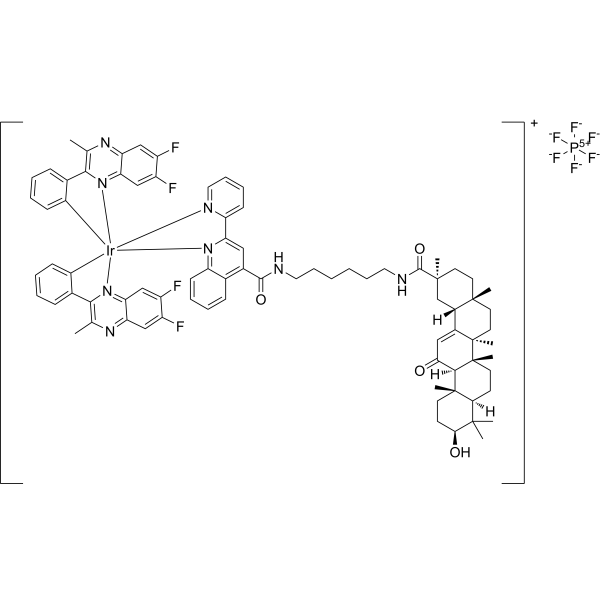
Anticancer agent 175 (complex 1) ia a near-infrared (NIR) luminescent theranostic complex. Anticancer agent 175 induces ROS accumulation, mitochondrial damage, disruption of Bax/Bcl-2 equilibrium, and tumor cell apoptosis in HepG2 cell line .
|
-
- HY-115928
-
|
|
Bcl-2 Family
|
Cancer
|
|
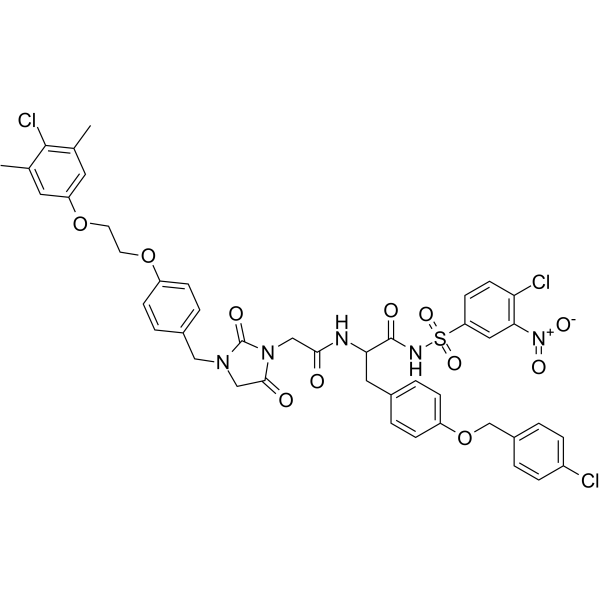
M24 is a Mcl-1 selective inhibitor. M24 exhibits good binding affinity against Mcl-1 with Ki value of 0.33 μM. M24 exhibits good anti-proliferative activity and induce apoptosis in HepG2 cells .
|
-
- HY-144754
-
|
|
VEGFR
Apoptosis
|
Cancer
|
|
VEGFR-2-IN-13 (Compound 19a) is a potent VEGFR-2 inhibitor with an IC50 of 3.4 nM. VEGFR-2-IN-13 disrupts the HepG2 cell cycle by arresting the G2/M phase and induces apoptosis .
|
-
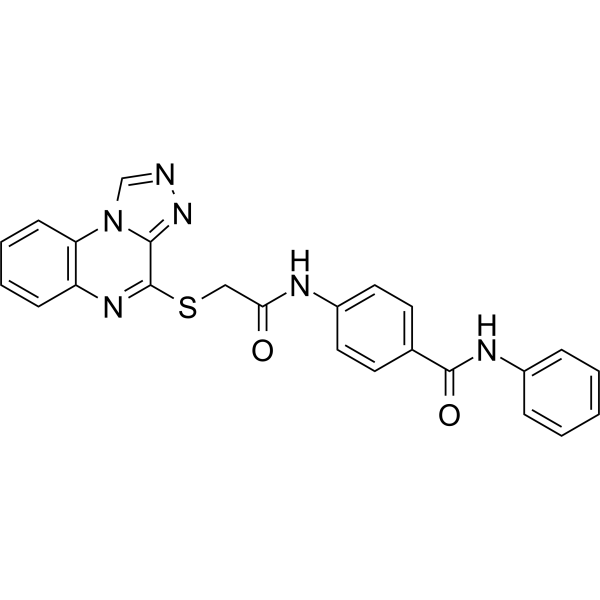
- HY-N6595
-
|
|
Others
|
Others
|
|
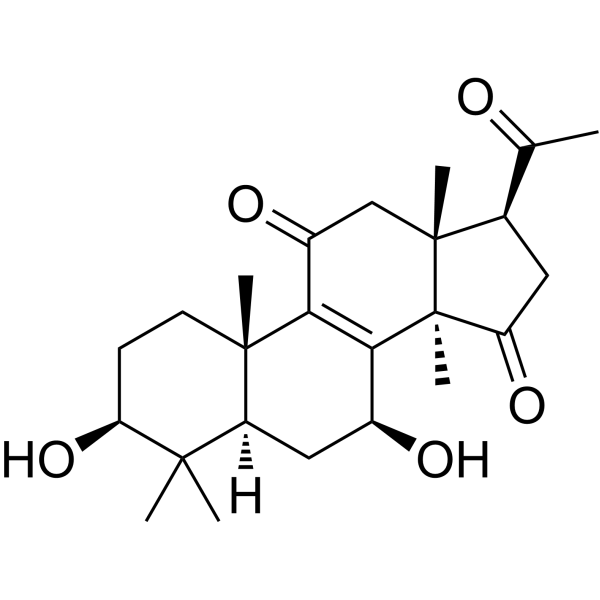
Lucidone A is a lanostanoid isolated from the fruiting bodies of G. resinaceum. lucidone A showed inhibitory effects against the increase of ALT and AST levels in HepG2 cells induced by H2O2 compared to a control group in the range of their maximum non-toxic concentration (MNTC) .
|
-
- HY-111315
-
|
|
Stearoyl-CoA Desaturase (SCD)
|
Metabolic Disease
|
|
XEN103 is a SCD1 inhibitor, with IC50s of 14 nM and 12 nM for mSCD1 and SCD1 in HepG2 cell. XEN103 can be used for research of obesity and type 2 diabetes. XEN103 also induces sebaceous gland atrophy in mice [2].
|
-

- HY-149937
-
|
|
Parasite
|
Infection
|
|
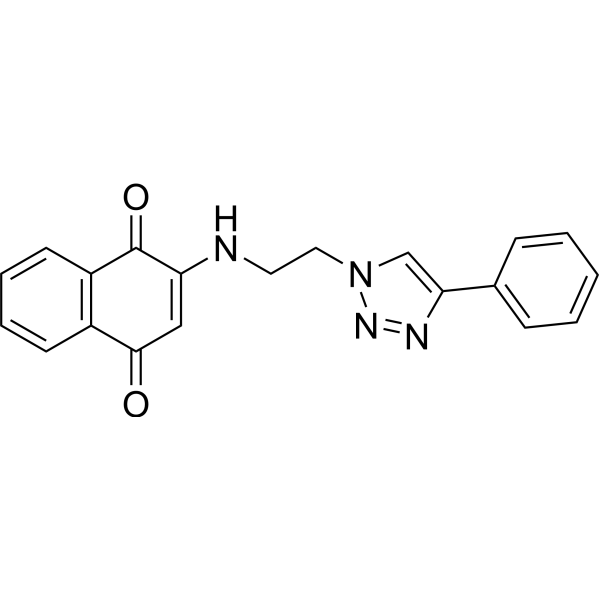
Antimalarial agent 24 (Compound 7) is an antimalarial agent in vitro. Antimalarial agent 24 inhibits P. falciparum W2 strain with an IC50 of 0.81 μM. Antimalarial agent 24 displays a CC50 higher than 200 μM against HepG2 cells .
|
-
- HY-160059
-
|
|
Fluorescent Dye
|
Cancer
|
|
JHIT2e aptamer sodium is a molecular probe based on the aptamer JHIT2 of human liver cancer cell line HepG2 cells. JHIT2e aptamer sodiu retains the ability to specifically bind HepG2 and can deliver fluorescent materials or radionuclides to tumors .
|
-
- HY-N6683S1
-
|
|
Isotope-Labeled Compounds
|
Cancer
|
|
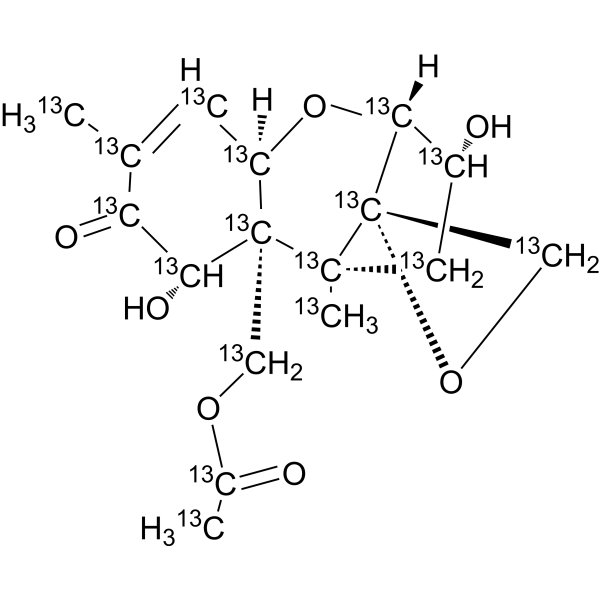
15-Acetyl-deoxynivalenol- 13C17 is the 13C labeled 15-Acetyl-deoxynivalenol (HY-N6683) . 15-Acetyl-deoxynivalenol is a highly toxic trichothecene found in cereals, and a metabolite of deoxynivalenol, exhibits toxicity to HepG2 cells [2].
|
-
- HY-143266
-
|
|
Topoisomerase
Apoptosis
|
Cancer
|
|
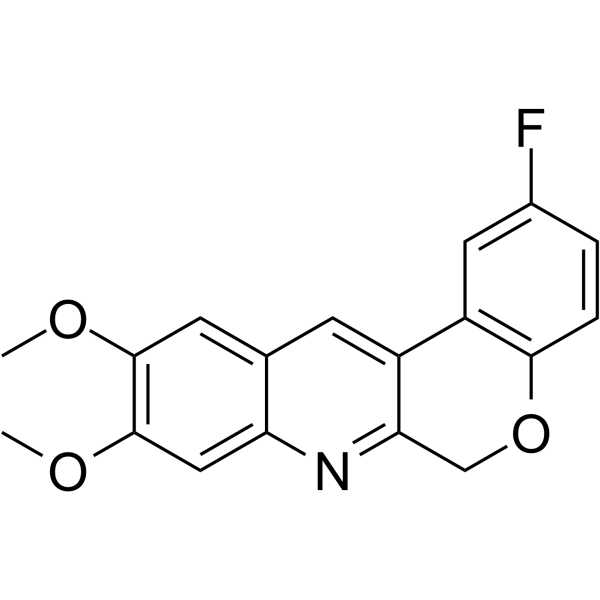
Topoisomerase I inhibitor 3 (Compound ZML-14) is a topoisomerase I inhibitor and can interact with topoisomerase I-DNA complex. Topoisomerase I inhibitor 3 induces HepG2 cell apoptosis and arrests cell cycle at G2/M phase .
|
-
- HY-N10447
-
|
|
Apoptosis
|
Cancer
|
|
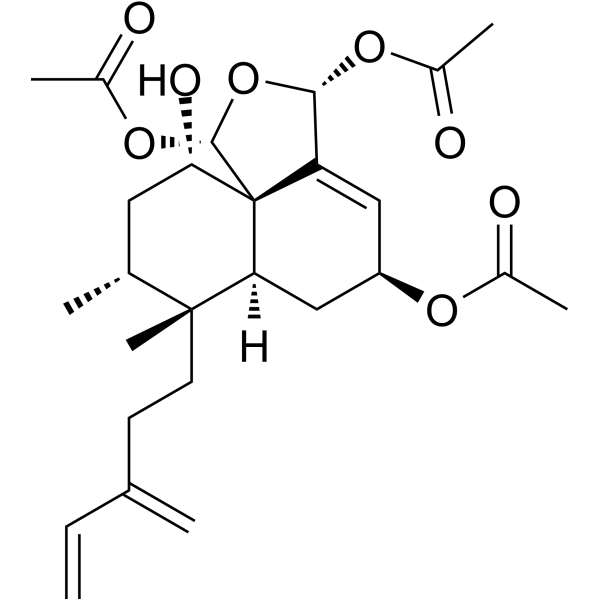
Kurzipene D (compound 4) is a potent anticancer agent. Kurzipene D induces the apoptosis and arrested the HepG2 cell cycle at S stage. Kurzipene D shows anti-tumor effects using in vivo zebrafish model. Kurzipene D has the property of inhibiting tumor proliferation and migration .
|
-
- HY-N3761
-
|
(-)-Maculatin; Methylarctigenin
|
Endogenous Metabolite
|
Others
|
|
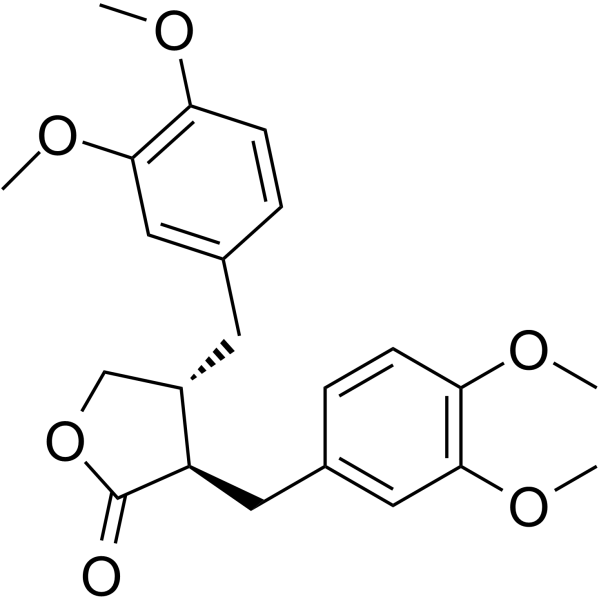
Dimethylmatairesinol (compound 8) is a lignan compound isolated from the seed of Hernandia nymphaeifolia. Dimethylmatairesinol shows cytotoxicity against the KKU-M156 and HepG2 cell line with IC50s of 5.4 μM (Emax 59%) and 5.2 μM (Emax 78%), respectively .
|
-
- HY-156593
-
|
|
ROCK
|
Cancer
|
|
ROCK-IN-9 (Compound T345) is a ROCK inhibitor. ROCK-IN-9 shows cytotoxicity in HepG2 cell, with an IC50 of 40.8 μM. ROCK-IN-9 has good pharmacokinetic properties in mice, and shows high in vivo exposure and oral bioavailability at lower doses .
|
-
- HY-19937S1
-
|
|
Isotope-Labeled Compounds
|
Others
|
|
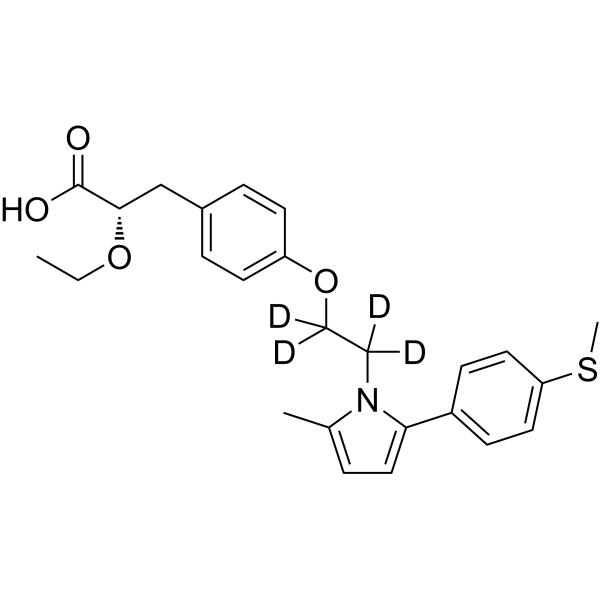
Saroglitazar-d4 is the deuterium-labeled Saroglitazar (HY-19937). Saroglitazar-d4 is a novel peroxisome proliferator-activated receptor (PPAR) agonist with predominant PPARα and moderate PPARγ activity with EC50 values of 0.65 pM and 3 nM in HepG2 cells, respectively.
|
-
- HY-149475
-
|
|
VEGFR
|
Cancer
|
|
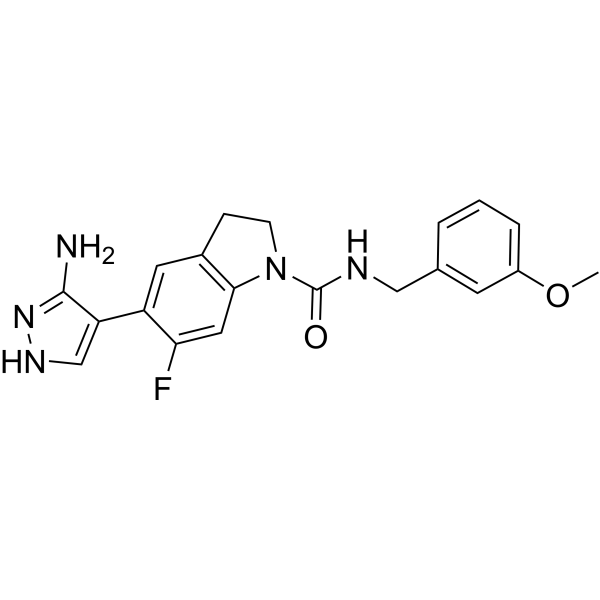
VEGFR-2-IN-33 (Compound 4d) is a VEGFR inhibitor (IC50: 61.04 nM). VEGFR-2-IN-33 inhibits HepG2 cell proliferation with an IC50 of 4.31 nM. VEGFR-2-IN-33 can be used for research of hepatocellular carcinoma (HCC) .
|
-
- HY-156431
-
|
|
TNF Receptor
|
Inflammation/Immunology
|
|
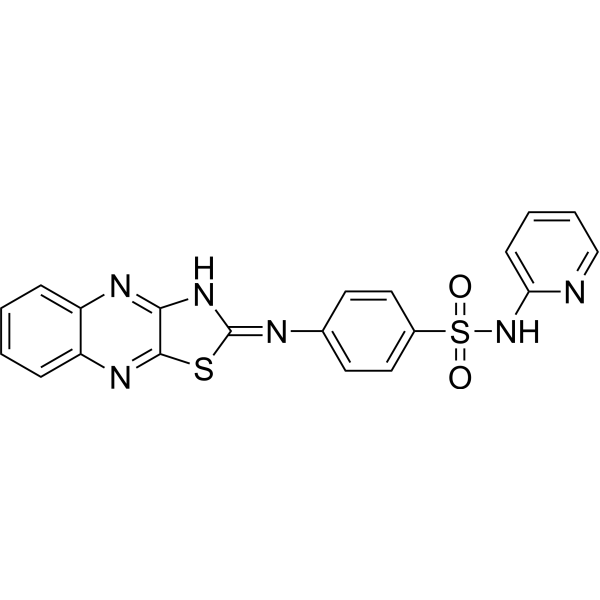
Anti-inflammatory agent 61 (Compound 5b) is a potent anti-inflammatory agent. Anti-inflammatory agent 61 reduces TNF-α expression in LPS-induced inflammation in RAW 264.7 cells. Anti-inflammatory agent 61 alleviates APAP-induced inflammation in HepG2 cells .
|
-
- HY-N11651
-
|
|
Others
|
Others
|
|
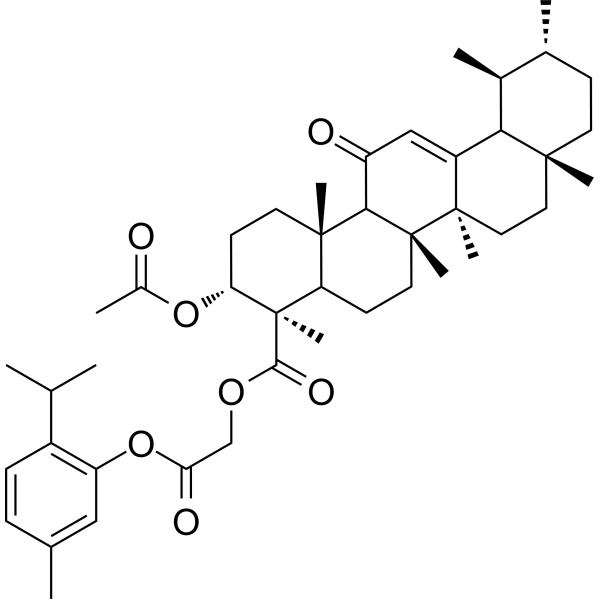
Peganumine A is a natural product that can be found in Peganum harmala. Peganumine A shows cytotoxicity with IC50s of5.8, 38.5, 40.2, 55.4 µM for HL-60, MCF-7, PC-3, and HepG2 cells ,respectively .
|
-
- HY-145908
-
|
|
NO Synthase
|
Cancer
|
|
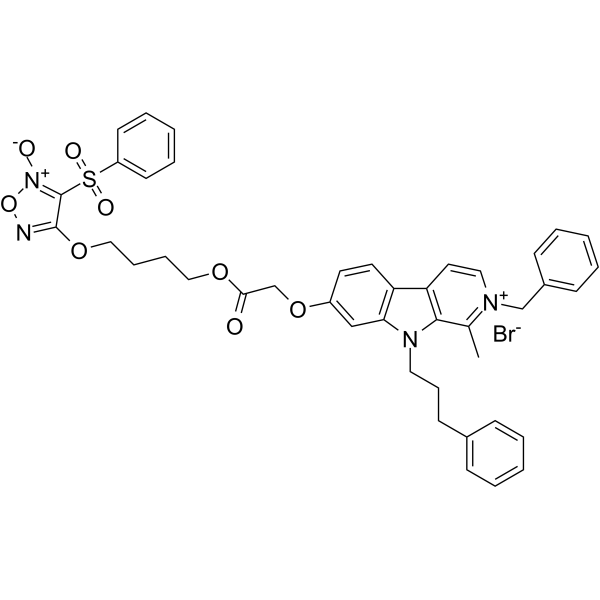
Antitumor agent-49 (Compound 10) is a Harmine derivative-furoxan hybrids containing NO donor, with antitumor activities. Antitumor agent-49 shows cytotoxic activity against HepG2 cells with an IC50 of 1.79 µM. Antitumor agent-49 produces high levels of NO in vitro .
|
-
- HY-181419
-
|
|
Bacterial
|
Infection
|
|
Antimycobacterial agent-16 is a pyrazinamide derivative and antimycobacterial agent with a selectivity index >25 against HepG2 cells.Antimycobacterial agent-16 does not undergo hydrolysis by mycobacterial pyrazinamidase.Antimycobacterial agent-16 exerts activity against Mycobacterium tuberculosis H37Rv, multidrug-resistant Mycobacterium tuberculosis strains, and Mycobacterium kansasii.Antimycobacterial agent-16 shows no inhibitory activity against mycobacterial enoyl-ACP reductase (InhA).Antimycobacterial agent-16 has low cytotoxicity against HepG2 cells.Antimycobacterial agent-16 can be used for the research of tuberculosis .
|
-

- HY-181134
-
|
|
PROTACs
|
Cancer
|
|
PROTAC HMGCR Degrader-2 is a HMGCR PROTAC degrader with an IC50 value of 0.25 μM. PROTAC degrades HMGCR-2 in Insig-silenced HepG2 cells with a DC50 of 0.12 μM. PROTAC HMGCR Degrader-2 takes PROTAC HMGCR Degrader-1 (HY-171823) as the oral prodrug. PROTAC HMGCR Degrader-2 degrades HMGCR by the VHL-dependent ubiquitin-proteasome system and reduces cellular cholesterol in HepG2 cells. PROTAC CDK2/4/6 Degrader-2 can be used for hyperlipidemia research .
|
-

- HY-Z2862S
-
|
|
Isotope-Labeled Compounds
HBV
|
Infection
Cancer
|
|
Entecavir- 13C2, 15N-1 is the 13C- and 15N-labeled Entecavir. Entecavir (SQ 34676; BMS 200475) is a potent and selective inhibitor of HBV, with an EC50 of 3.75 nM in HepG2 cell.
|
-

- HY-100303AR
-
|
|
Others
Reference Standards
|
Metabolic Disease
|
|
FR194738 (Standard) is the analytical standard of FR194738 (HY-100303A). This product is intended for research and analytical applications. FR194738 is a squalene epoxidase inhibitor. FR194738 inhibits squalene epoxidase activity in HepG2 cell homogenates with an IC50 of 9.8 nM.
|
-

- HY-100249R
-
|
|
Stearoyl-CoA Desaturase (SCD)
Reference Standards
|
Metabolic Disease
|
|
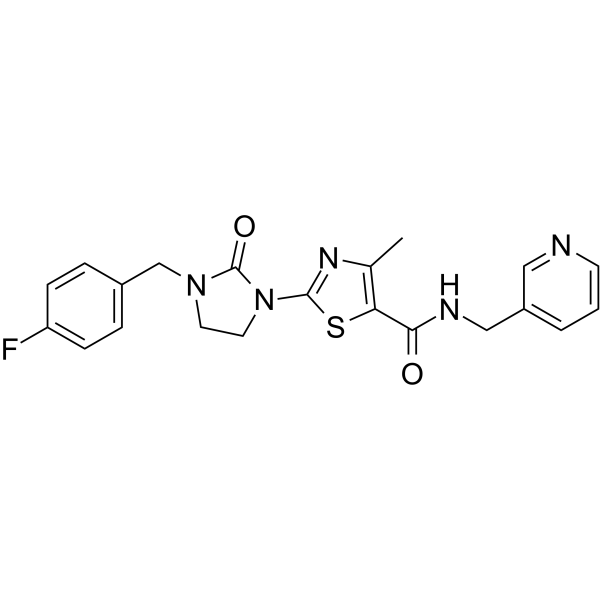
XEN723 (Standard) is the analytical standard of XEN723 (HY-100249). This product is intended for research and analytical applications. XEN723 is a novel and potent thiazolylimidazolidinone inhibitor of Stearoyl-CoA Desaturase (SCD1) with IC50s of 45 and 524 nM in mouse and HepG2 cell, respectively.
|
-

- HY-100303R
-
|
|
Others
Reference Standards
|
Metabolic Disease
|
|
FR194738 free base (Standard) is the analytical standard of FR194738 free base (HY-100303). This product is intended for research and analytical applications. FR194738 free base is a squalene epoxidase inhibitor. FR194738 inhibits squalene epoxidase activity in HepG2 cell homogenates with an IC50 of 9.8 nM.
|
-

- HY-N10853
-
|
|
Others
|
Cancer
|
|
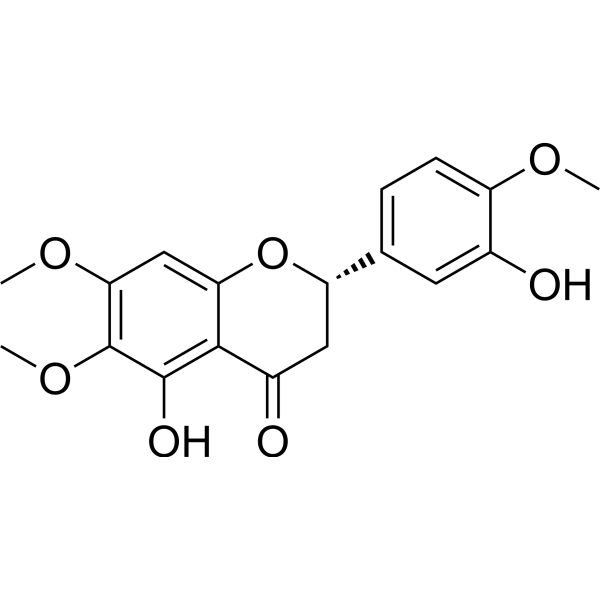
3′,5-Dihydroxy-4′,6,7-trimethoxyflavanone is a nature product that could be isolated from the fruits of Vitex rotundifolia. 3′,5-Dihydroxy-4′,6,7-trimethoxyflavanone has potent cytotoxic activity against A549 and HepG-2 cell lines .
|
-
- HY-114196
-
|
ZGN-1061
|
MetAP
|
Metabolic Disease
|
|
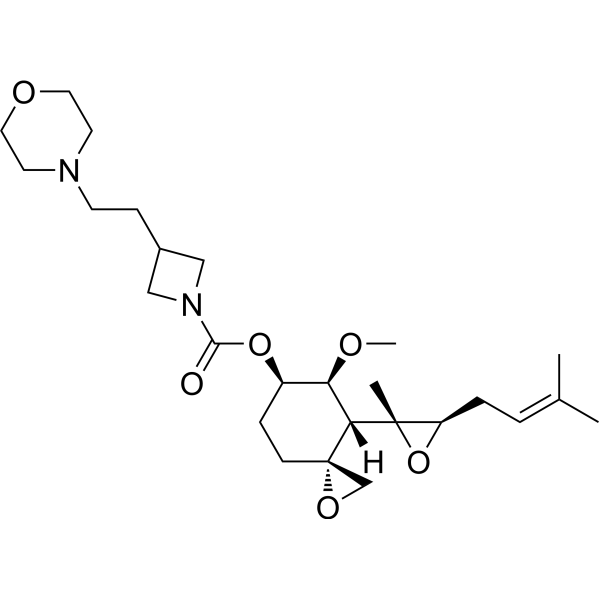
Aclimostat (ZGN-1061) is a potent inhibitor of the MetAP2 enzyme and displays favorable efficacy and safety in preclinical studies. ZGN-1061 produced similar efficacy as beloranib for weight loss, improvements in metabolic parameters in a mouse model of obesity and insulin resistance, and concordant changes in gene transcription in HepG2 cells .
|
-
- HY-167893
-
|
|
5-HT Receptor
|
Neurological Disease
|
|
AGH-107 is a high selective and brain-penetrant agonist of 5-HT7 receptor, with a Ki of 6 nM and EC50 of 19 nM. AGH-107 exhibits high selectivity over related CNS targets, high metabolic stability and low toxicity in HEK-293 and HepG2 cell cultures .
|
-

- HY-151573
-
|
|
EGFR
CDK
|
Cancer
|
|
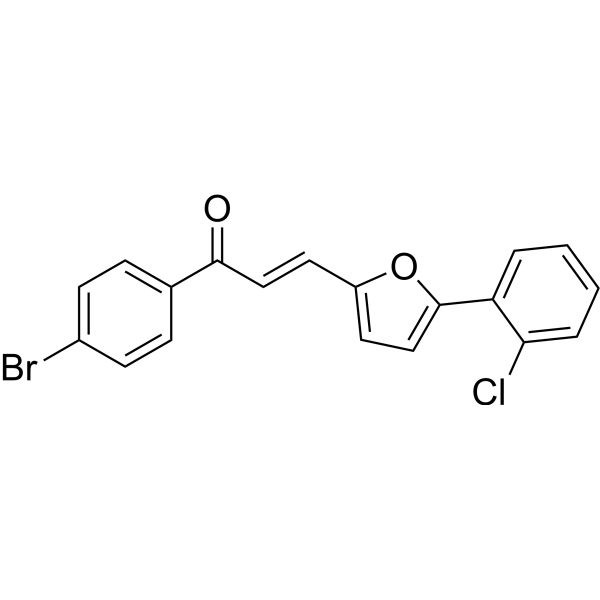
EGFR/CDK2-IN-1 (Compound 3b) is an EGFR/CDK2 inhibitor. EGFR/CDK2-IN-1 shows good cytotoxicity against MCF7 and HepG2 cells. EGFR/CDK2-IN-1 can be used in cancer research .
|
-
- HY-126535
-
|
|
Glycosidase
|
Metabolic Disease
Cancer
|
|
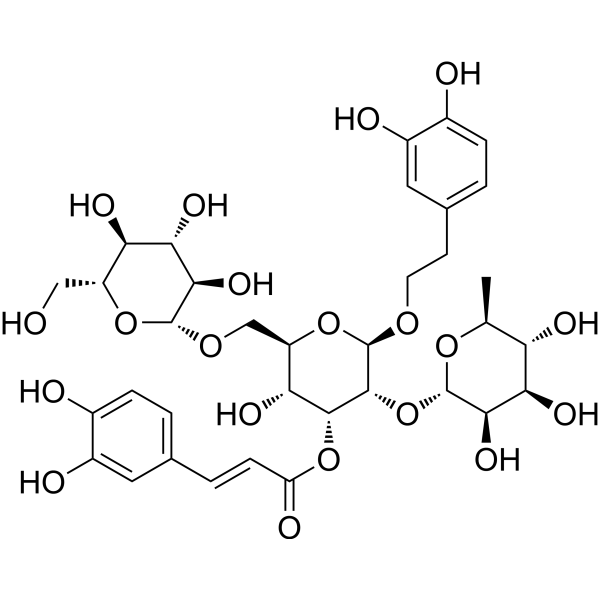
Magnoloside B is an α-glucosidase inhibitor (IC50=0.69 mM), which can be obtained from Magnolia officinalis stem bark. Magnoloside B shows moderate inhibitory activity against MGC-803 and HepG2 cells. Magnoloside B has the potential to study cancer and diabetes .
|
-
- HY-14914
-
-
- HY-N0069
-
|
Solamargin; δ-Solanigrine
|
P-glycoprotein
Apoptosis
|
Cancer
|
|
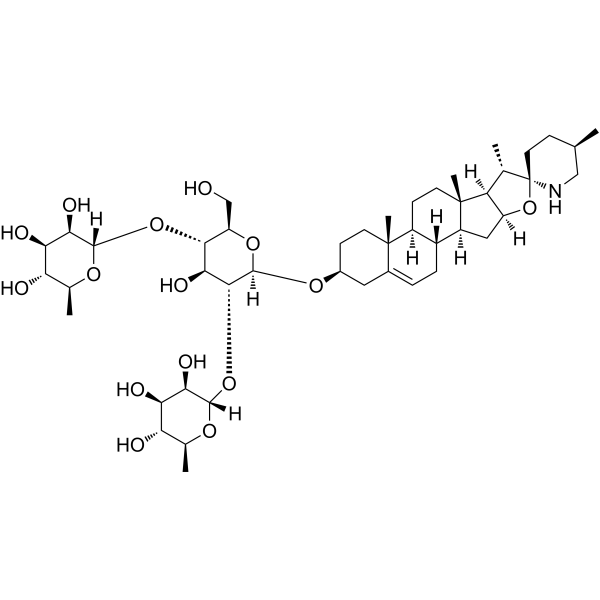
Solamargine, a derivative from the steroidal solasodine in Solanum species, exhibits anticancer activities in numerous types of cancer. Solamargine induces non-selective cytotoxicity and P-glycoprotein inhibition. Solamargine significantly inhibits migration and invasion of HepG2 cells by down-regulating MMP-2 and MMP-9 expression and activity [2].
|
-
- HY-151066
-
|
|
PD-1/PD-L1
|
Cancer
|
|
BMS-1233 is an orally active inhibitor for programmed cell death-ligand 1 (PD-L1), with IC50 of 14.5 nM. BMS-1233 promotes cell death of HepG2 in a Jurkat T cell and HepG2 cell co-culture model, exhibits antitumor activity against melanoma in mouse model .
|
-

- HY-164799
-
|
|
FXR
|
Inflammation/Immunology
|
|
FXR agonist 12 (Compound C7) is the orally active agonist for FXR. FXR agonist 12 down-regulates bile acid synthesis-related genes, and up-regulates bile acid transport-related genes in HepG2 cells. FXR agonist 12 improves ANIT-induced cholestasis, ameliorates the liver damage and fibrosis in mouse NASH models .
|
-

- HY-N12140
-
|
GHSC-74
|
Apoptosis
|
Cancer
|
|
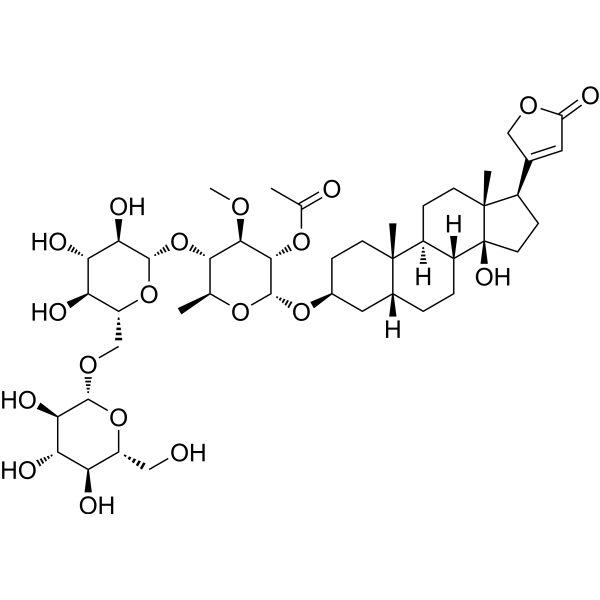
2'-epi-2'-O-Acetylthevetin B (GHSC-74) is a cardiac glycoside that can be isolated from the seeds of Cerbera manghas L. 2'-epi-2'-O-Acetylthevetin B inhibits cell viability, induces apoptosis and loss of mitochondrial membrane potential in HepG2 cells .
|
-
- HY-B0144AS1
-
|
NK-104-d5 sodium
|
Apoptosis
HMG-CoA Reductase (HMGCR)
Mitophagy
Autophagy
|
Metabolic Disease
Cancer
|
|
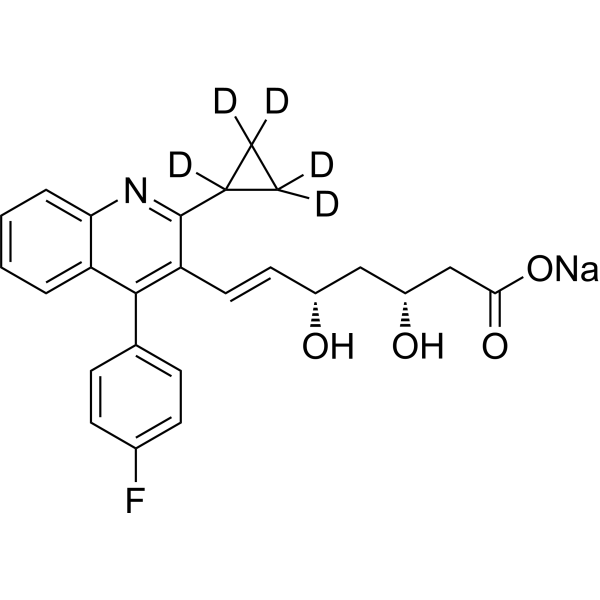
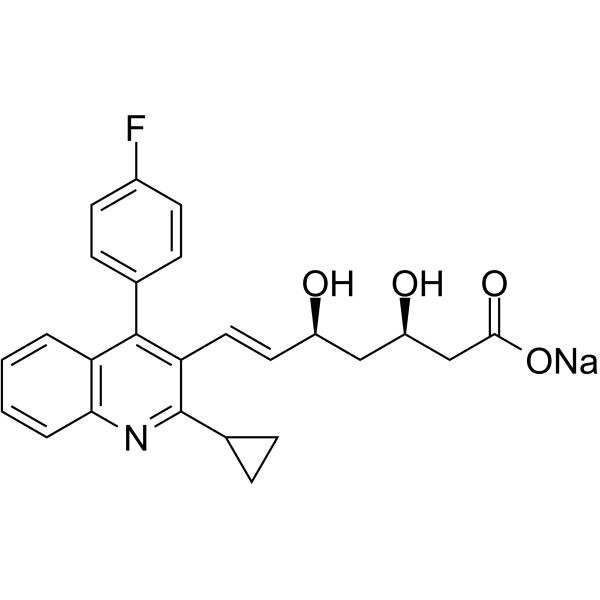
Pitavastatin-d5 (sodium) is the deuterium labeled Pitavastatin sodium. Pitavastatin (NK-104) is a potent hydroxymethylglutaryl-CoA (HMG-CoA) reductase inhibitor. Pitavastatin inhibits cholesterol synthesis from acetic acid with an IC50 of 5.8 nM in HepG2 cells. Pitavastatin is an efficient hepatocyte low-density lipoprotein-cholesterol (LDL-C) receptor inducer. Anti-cancer activity.
|
-
- HY-N15349
-
|
|
Others
|
Cancer
|
|
Nocapyrone Q is a polyketide compound discovered in the karst cave mold Streptomyces sp. FD-2-6. At a dose of 100 μM, Nocapyrone Q exhibits inhibitory activity against human hepatocellular carcinoma HepG2 cells and human cervical cancer HeLa cells. Nocapyrone Q holds potential for research in the field of cancer therapy .
|
-

- HY-N8441
-
|
17β-Neriifolin
|
Atg8/LC3
Na+/K+ ATPase
Apoptosis
Beclin1
|
Cardiovascular Disease
Inflammation/Immunology
Cancer
|
|
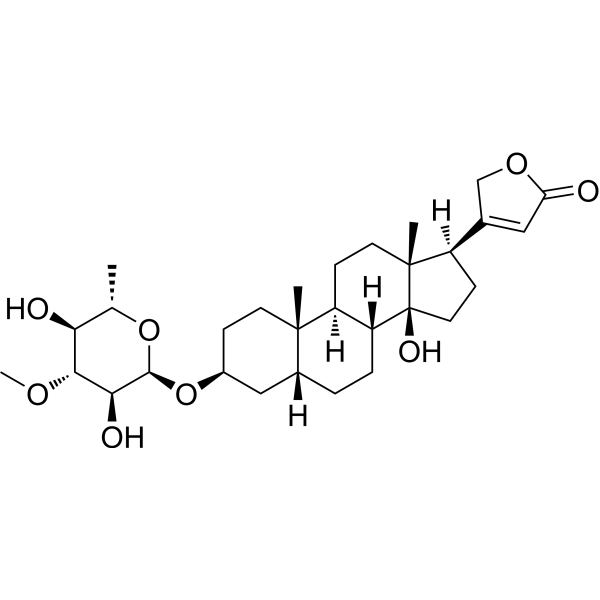
Neriifolin, a CNS-penetrating cardiac glycoside, is an inhibitor of the Na +, K +-ATPase. Neriifolin can target beclin 1, inhibits the formation of LC3-associated phagosomes and ameliorates experimental autoimmune encephalomyelitis (EAE) development. Neriifolin induces cell cycle arrest and apoptosis in human hepatocellular carcinoma HepG2 cells [2.
|
-
- HY-174424
-
|
|
PD-1/PD-L1
Apoptosis
|
Cancer
|
|
NPH16 is an orally active PD-1/PD-L1 inhibitor with an IC50 of 24.4 nM. NPH16 can promote HepG2 cell apoptosis. NPH16 shows excellent in vivo antitumor efficacy and favorable pharmacokinetic properties. NPH16 can be used for the study of liver cancer .
|
-

- HY-117617
-
|
|
Histone Acetyltransferase
|
Cancer
|
|
CAY10669 (compound 6d) is an anacardic acid (HY-N2020) derivative that inhibits histone acetyltransferase PCAF with an IC50 of 662 μM . CAY10669 enhances the SAHA-induced acetylation in HEPG2 cells, exhibits cytotoxicity in zebrafish embryo, promotes transgene expression in CHO-K1 cells [2] .
|
-
- HY-172169
-
|
|
PPAR
|
Inflammation/Immunology
|
|
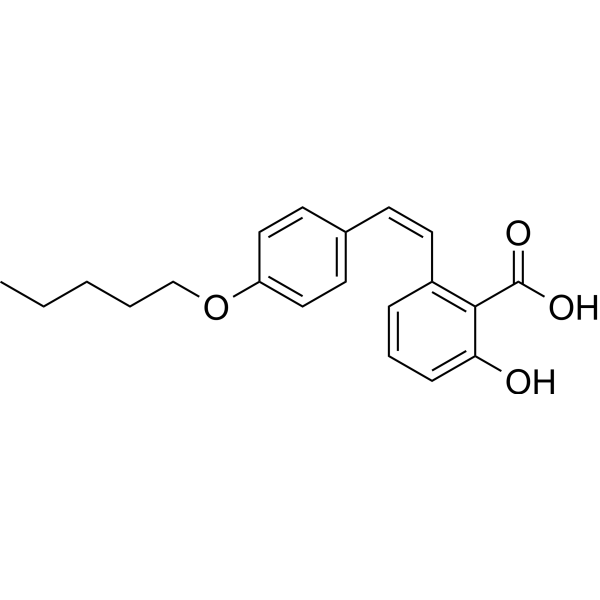
PPARγ-IN-5 (Compound A3) is the inhibitor for PPARγ. PPARγ-IN-5 inhibits lipid accumulation in hepatocytes without significant cytotoxicity in HepG2 cell (400 µM). PPARγ-IN-5 can be used in research of non-alcoholic fatty liver disease .
|
-

- HY-157324
-
|
|
EGFR
Apoptosis
VEGFR
|
Cancer
|
|
EGFR-IN-94 (compound 5a) is a EGFR inhibitor with IC50 of 0.086?μM, and also has IC50 of 0.107μM and 2.52 μM for VEGFR-2 and Topo II, respectively. EGFR-IN-94 induces cell apoptosis and arrests cell cycle at the S phase in HepG-2 cells .
|
-
- HY-13623S1
-
|
BMS200475-13C2,15N; SQ34676-13C2,15N
|
Isotope-Labeled Compounds
HBV
|
Infection
|
|
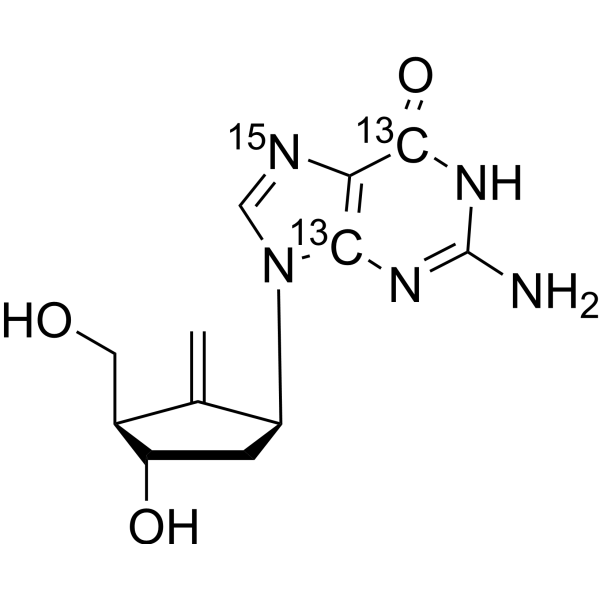
Entecavir- 13C2, 15N (BMS200475- 13C2, 15N; SQ34676- 13C2, 15N) is a 13C- and 15N-labeled Entecavir (HY-13623). Entecavir (SQ 34676; BMS 200475) is a potent and selective inhibitor of HBV, with an EC50 of 3.75 nM in HepG2 cell.
|
-
- HY-152169
-
|
|
Interleukin Related
Apoptosis
TNF Receptor
IFNAR
NF-κB
Bcl-2 Family
|
Inflammation/Immunology
|
|
BIHC is a TNF blocker with anti-inflammatory activity. BIHC can significantly inhibit the proliferation of hepatocellular carcinoma (HCC) cells and exhibits potent cytotoxicity against the HepG2 cell line, capable of inducing cell apoptosis , while demonstrating relatively low toxicity towards normal hepatocytes. Additionally, BIHC can be used for research on inflammatory bowel disease (IBD) .
|
-

- HY-12841
-
|
|
Ketohexokinase
|
Metabolic Disease
|
|
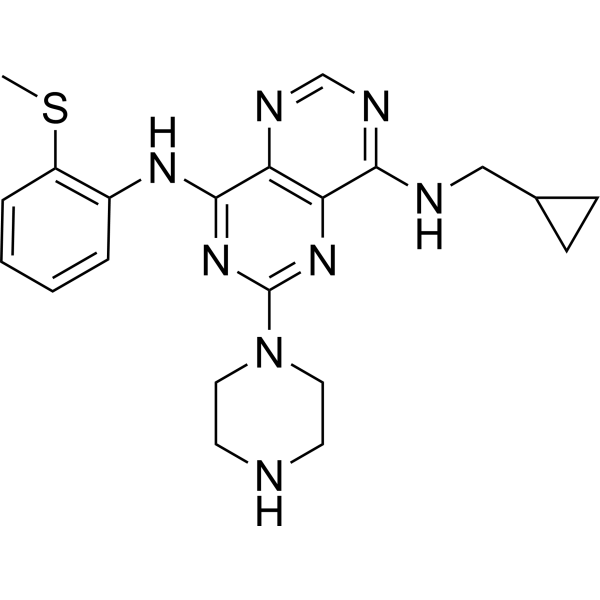
KHK-IN-1 (compound 8) is a selective and cell membrane permeable ketohexokinase (KHK) inhibitor (IC50=12 nM; F=34%). KHK-IN-1 inhibits the production of F1P in HepG2 cell lysates (IC>sub>50=400 nM). KHK-IN-1 has potential for the study of diabetes and obesity .
|
-
- HY-12841A
-
|
|
Ketohexokinase
|
Metabolic Disease
|
|
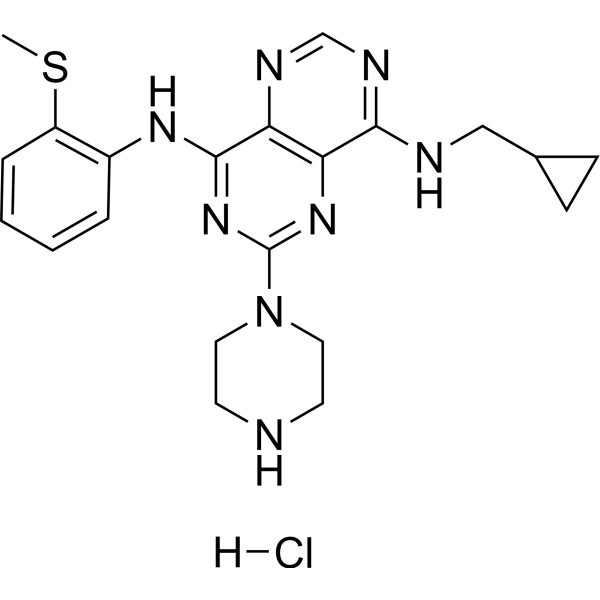
KHK-IN-1 hydrochloride (compound 8) is a selective and cell membrane permeable ketohexokinase (KHK) inhibitor (IC50=12 nM; F=34%). KHK-IN-1 hydrochloride inhibits the production of F1P in HepG2 cell lysates (IC>sub>50=400 nM). KHK-IN-1 hydrochloride has potential for the study of diabetes and obesity .
|
-
- HY-14914S1
-
|
TAK-536-d4
|
Apoptosis
Angiotensin Receptor
Reactive Oxygen Species (ROS)
|
Cancer
|
|
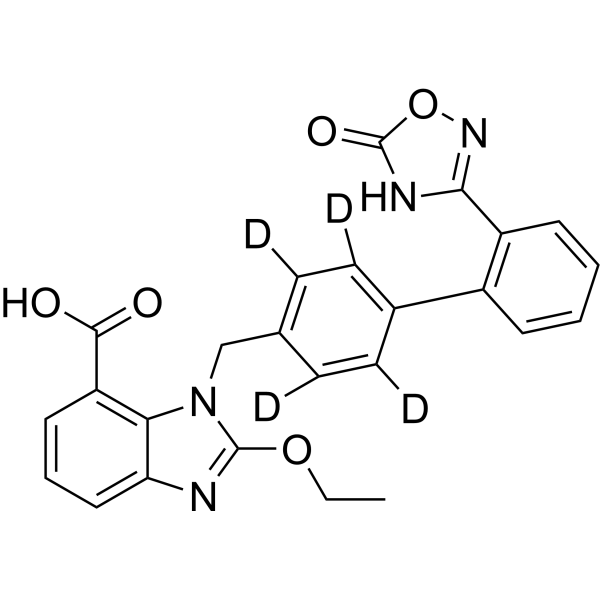
Azilsartan-d4 is the deuterium labeled Azilsartan . Azilsartan is an orally active, potent, selective and specific angiotensin II type 1 receptor (AT1) antagonist. Azilsartan induces ROS formation and apoptosis in HepG2 cells. Azilsartan shows neuroprotective and anticancer activity. Azilsartan can be used for hypertension and stroke research [2] .
|
-
- HY-146395
-
|
|
HBV
DNA/RNA Synthesis
Apoptosis
|
Infection
Cancer
|
|
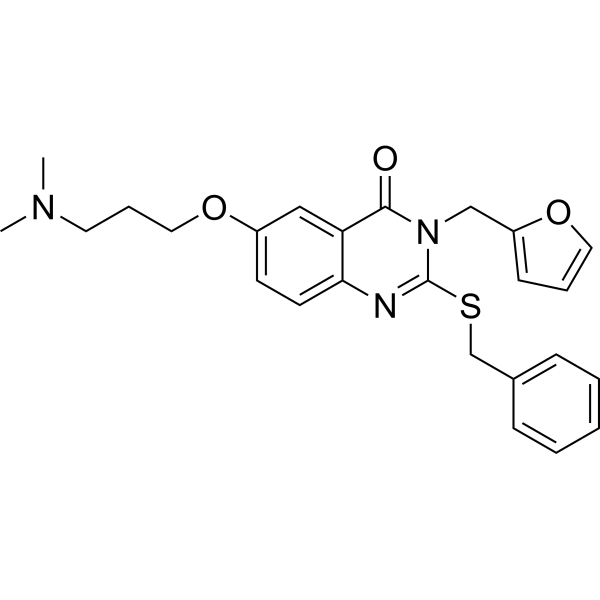
HBV-IN-23 (Compound 5k) is an inhibitor of HBV DNA replication with an IC50 of 0.58 μM. HBV-IN-23 inhibits HBV DNA replication in both agent sensitive and resistant HBV strains. HBV-IN-23 shows anti-hepatocellular carcinoma cell (HCC) activities. HBV-IN-23 induces HepG2 cells apoptosis .
|
-
- HY-161067
-
|
|
EGFR
Apoptosis
|
Cancer
|
|
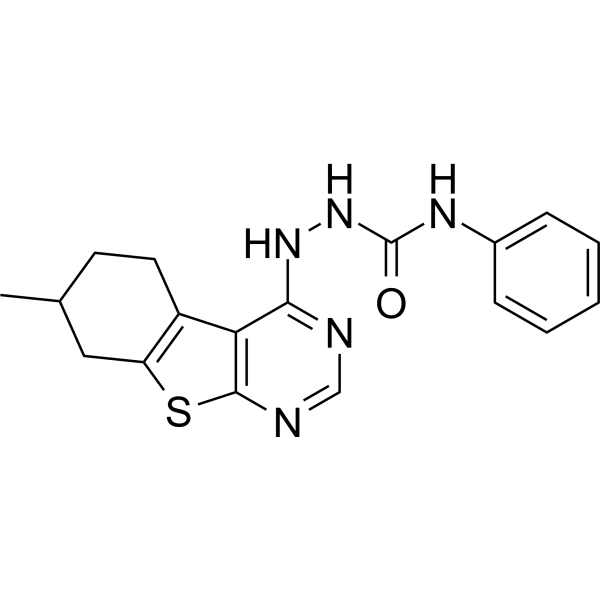
EGFR-IN-96 (compound 7a) is a thieno[2,3-d]pyrimidine EGFR inhibitor that can induce apoptosis. EGFR-IN-96 arrests the growth of HepG2 cells in the S phase and G2/M phase, and inhibits the growth of cancer cells bearing EGFR wild-type and EGFR T790M .
|
-
- HY-172958
-
|
|
Anaplastic lymphoma kinase (ALK)
|
Cancer
|
|
F6524-1593 is an ALK inhibitor. F6524-1593 has inhibitory activity against A549 and HepG-2 cells with IC50 values of 161.1 μM and 91.03 μM, respectively. F6524-1593 can be used in the research of ALK-related cancers (such as non-small cell lung cancer, lymphoma and neuroblastoma) .
|
-

- HY-N0213
-
|
Verticinone; Raddeanine
|
Autophagy
Caspase
Bcl-2 Family
PARP
p38 MAPK
ERK
NF-κB
Apoptosis
|
Inflammation/Immunology
Cancer
|
|
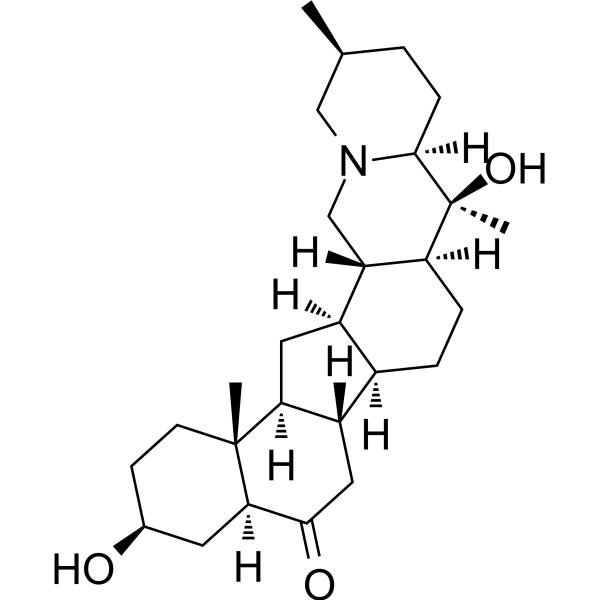
Peiminine is a compound that can be isolated from Bolbostemma paniculatum (Maxim) Franquet (Cucurbitaceae family). Peiminine can induce apoptosis in human hepatocellular carcinoma HepG2 cells through both extrinsic and intrinsic apoptotic pathways. Peiminine has anti-inflammatory, anticancer, anti-osteoporosis, cardioprotective and other activities in many animal models [2] .
|
-
- HY-128135
-
|
|
PPAR
|
Inflammation/Immunology
|
|
MHY 553 is a PPARα agonist that is effective when taken orally. MHY 553 helps alleviate liver fat accumulation by increasing fatty acid oxidation and reducing inflammation during the aging process. MHY 553 inhibits the accumulation of triglycerides induced by liver X receptor agonists in HepG2 cells. MHY 553 significantly suppresses the expression of inflammatory mRNA in aging rats .
|
-

- HY-139140
-
|
|
Phosphorylase
|
Metabolic Disease
|
|
BAY R3401 is an orally active glycogen phosphorylase inhibitor that can achieve irreversible and non-selective inhibition of hepatic glycogenolysis. BAY R3401 inhibits glycogenolysis in liver cells, with IC50 values of 27.06 and 52.83 μM in HL-7702 and HepG2 cells, respectively. BAY R3401 can be used for the research of type 2 diabetes .
|
-

- HY-N8214
-
|
|
Others
|
Cardiovascular Disease
|
|
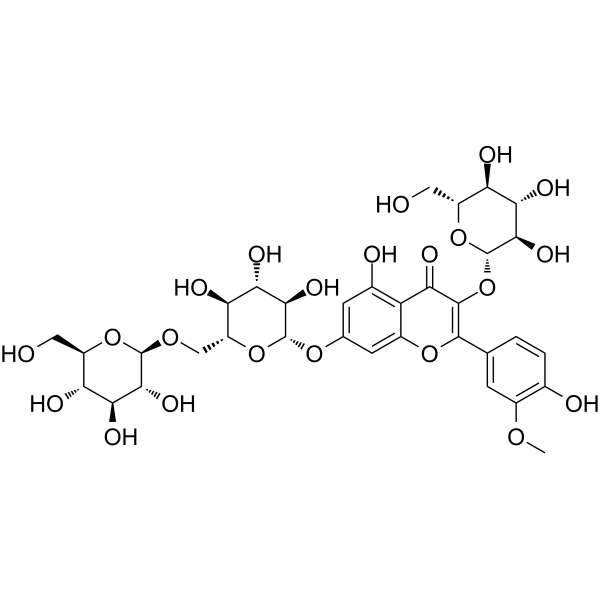
Isorhamnetin 3-O-β-D-glucose-7-O-β-D-gentiobioside is a bioactive constituent that can be found in the seeds of Lepidium apetalum Willd. Isorhamnetin 3-O-β-D-glucose-7-O-β-D-gentiobioside exhibits significant triglyceride (TG)-lowering effects in HepG2 cells .
|
-
- HY-P11216
-
|
|
PCSK9
|
Cancer
|
|
Pep2-8 analogue 18 is a high affinity PCSK9 (KD = 6 nM) inhibitory peptide. Pep2-8 analogue 18 restores LDL uptake in HepG2 cells (EC50 = 175 nM). Pep2-8 analogue 18 has good cellular safety. Pep2-8 analogue 18 can be used for research on cardiovascular conditions .
|
-

- HY-168713
-
|
|
FXR
|
Metabolic Disease
|
|
LZ-007 is an agonist for farnesoid X receptor (FXR) with an EC50 of 51 nM measuring by TR-FRET assay, or an EC50 of 76 nM in HepG2 cell. LZ-007 exhibits good pharmacokinetic characheristics in SD rats. LZ-007 ameliorates western diet and CCl4 (HY-Y0298)-induced mice metabolic dysfunction-associated steatohepatitis
|
-

- HY-175037
-
|
|
NF-κB
p38 MAPK
Bcl-2 Family
Caspase
Apoptosis
|
Cancer
|
|
DNH28 is a potent NF-κB and MAPK inhibitor with an IC50 of 0.93 μM against HepG2 cells. DNH28 promotes apoptosis by down-regulating the expression of Bcl-2, up-regulating the expression of BAX and Cleaved-caspase-3. DNH28 blocks the cell cycle and inhibits migration. DNH28 can be used for the study of hepatocellular carcinoma (HCC) .
|
-

- HY-175472
-
|
|
Phosphatase
Apoptosis
|
Cancer
|
|
(GalNAc)3-CPT is a glycoconjugate prodrug that targets the asialoglyco-protein receptor (ASGR) overexpressed on hepatocytes. (GalNAc)3-CPT exhibits significant antitumor activity (IC50 value of 3.07 μM in HepG2 cells) by activating the cGAS-STING pathway and promoting CD8+ T cell infiltration into tumors, thereby inducing tumor cell apoptosis .
|
-

- HY-W720329
-
|
|
Herbicide
DNA/RNA Synthesis
|
Others
|
|
Indaziflam is an alkyltriazine herbicide. Indaziflam targets the cellulose synthase complex and inhibits cellulose biosynthesis in plant cell walls. Indaziflam induces radial swelling of plants, ectopic lignification, inhibition of root and hypocotyl elongation, abnormal root and cell morphology, and also induces DNA strand breaks and micronucleus formation in HepG2 cells. Indaziflam can be used for research on monocot weed control [2] .
|
-

- HY-162867
-
|
|
Ferroptosis
|
Cancer
|
Photosensitizer-5 is a photosensitizer. Photosensitizer-5 has cytotoxicity against HeLa and HepG2 cells, with IC50 values of 10.4 nM and 6.9 nM, respectively. Photosensitizer-5 can lead to lipid peroxidation and induces cell death through an iron-independent ferroptosis-like pathway. Photosensitizer-5 shows anti-tumor activity in HeLa tumor-bearing mice .
|
-

- HY-N0069R
-
|
Solamargin (Standard); δ-Solanigrine (Standard)
|
P-glycoprotein
Reference Standards
Apoptosis
|
Cancer
|
|
Solamargine (Standard) is the analytical standard of Solamargine. This product is intended for research and analytical applications. Solamargine, a derivative from the steroidal solasodine in Solanum species, exhibits anticancer activities in numerous types of cancer. Solamargine induces non-selective cytotoxicity and P-glycoprotein inhibition. Solamargine significantly inhibits migration and invasion of HepG2 cells by down-regulating MMP-2 and MMP-9 expression and activity [2].
|
-

- HY-171983
-
|
|
RSV
|
Infection
|
|
RSV-IN-13 (compound 24) is a selective RSV fusion protein inhibitor with antiviral activity. RSV-IN-13 has an EC50 of 444.2 nM against RSV A2 strain and a CC90 of 23.7 μM in HepG2 cells. RSV-IN-13 can block the virus from entering host cells. RSV-IN-13 can be used to study RSV infection .
|
-

- HY-125254
-
LEI110
1 Publications Verification
|
Phospholipase
HRASLS
|
Infection
Metabolic Disease
|
|
LEI110 is a potent, selective and cell-permeable pan-inhibitor of the HRASLS family of thiol hydrolases. LEI110 inhibits PLA2G16, HRASLS2, RARRES3 and iNAT, with pIC50 values of 7.0, 6.8, 6.8, and 7.6, respectively. LEI110 reduces cellular arachidonic acid levels and oleic acid-induced lipolysis in HepG2 cells .
|
-
- HY-14914R
-
-

- HY-149717
-
|
|
Ferroptosis
Apoptosis
Autophagy
|
Cancer
|
|
Antitumor agent-122 (Compound 5j) is an antitumor agent with good efficacy, limited toxicity and low resistance. Antitumor agent-122 has antiproliferative activity for MGC-803 cell, HepG2 cell, SKOV3 cell and T24 cell with IC50 values of 5.23 μM, 3.60 μM, 1.43 μM, 3.03 μM, respectively .
|
-
- HY-N0231
-
|
Broussochalcone B
|
Bacterial
Antibiotic
NF-κB
PERK
Akt
Autophagy
Apoptosis
|
Infection
Neurological Disease
Inflammation/Immunology
Cancer
|
|
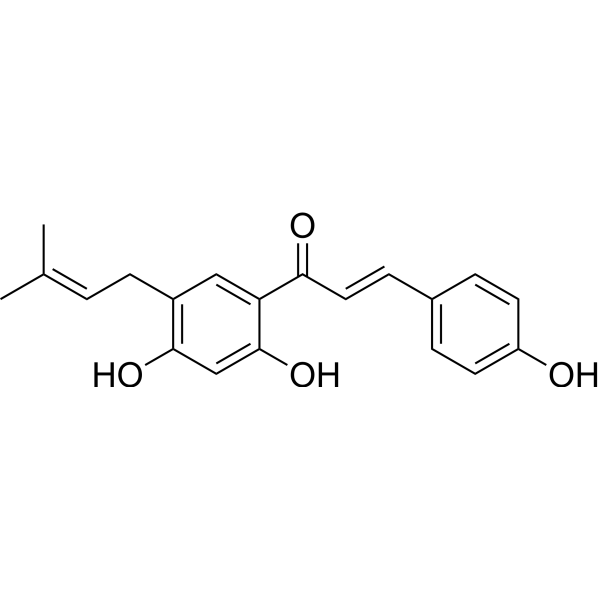
Bavachalcone is a potent inducer of apoptosis. Bavachalcone exerts anticancer activity by promoting autophagy and apoptosis in HepG2 cells. Bavachalcone acts as an anti-neuroinflammatory and antidepressant through the NF-κB pathway. Bavachalcone inhibits osteoclasts by interfering with ERK and Akt signaling pathways and the expression of c-Fos and NFATc1. Bavachalcone exhibits a significant inhibitory effect on baculovirus-expressed BACE-1 in vitro [2] .
|
-
- HY-N16714
-
|
|
Others
|
Cancer
|
|
Clausine K is a carbazole alkaloid anticancer agent. Clausine K exhibits strong cytotoxicity against human hepatoma HepG2 cells (IC50 = 1.05 μg/mL), superior to the standard drug Etoposide (HY-13629) (IC50 13.40 μg/mL). Clausine K can be naturally extracted from the dried stems of Clausena excavata (a plant of the Rutaceae family) through chromatographic separation and other methods .
|
-

- HY-W017378R
-
|
|
Drug Intermediate
Reference Standards
|
Others
|
|
Solamargine (Standard) is the analytical standard of Solamargine. This product is intended for research and analytical applications. Solamargine, a derivative from the steroidal solasodine in Solanum species, exhibits anticancer activities in numerous types of cancer. Solamargine induces non-selective cytotoxicity and P-glycoprotein inhibition. Solamargine significantly inhibits migration and invasion of HepG2 cells by down-regulating MMP-2 and MMP-9 expression and activity [2].
|
-

- HY-B0144A
-
|
NK-104
|
HMG-CoA Reductase (HMGCR)
Autophagy
Mitophagy
Apoptosis
|
Cardiovascular Disease
Neurological Disease
Metabolic Disease
Cancer
|
|
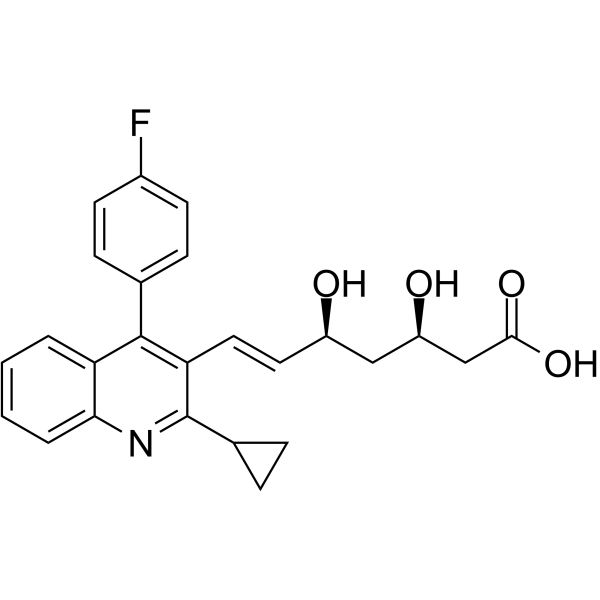
Pitavastatin (NK-104) is a potent hydroxymethylglutaryl-CoA (HMG-CoA) reductase inhibitor. Pitavastatin inhibits cholesterol synthesis from acetic acid with an IC50 of 5.8 nM in HepG2 cells. Pitavastatin is an efficient hepatocyte low-density lipoprotein-cholesterol (LDL-C) receptor inducer. Pitavastatin also possesses anti-atherosclerotic, anti-asthmatic, anti-osteoarthritis, antineoplastic, neuroprotective, hepatoprotective and reno-protective effects [2] .
|
-
- HY-179521
-
|
|
CDK
Apoptosis
|
Cancer
|
|
CDK1-IN-8 is a CDK1 inhibitor. CDK1-IN-8 inhibits cell migration, induces apoptosis, and arrests the cell cycle at the G2/M phase. CDK1-IN-8 leads to a significant downregulation of CDK1 protein levels in HepG2 cells. CDK1-IN-8 can be used for the study of hepatocellular carcinoma .
|
-

- HY-146006
-
|
|
Microtubule/Tubulin
MMP
|
Cancer
|
|
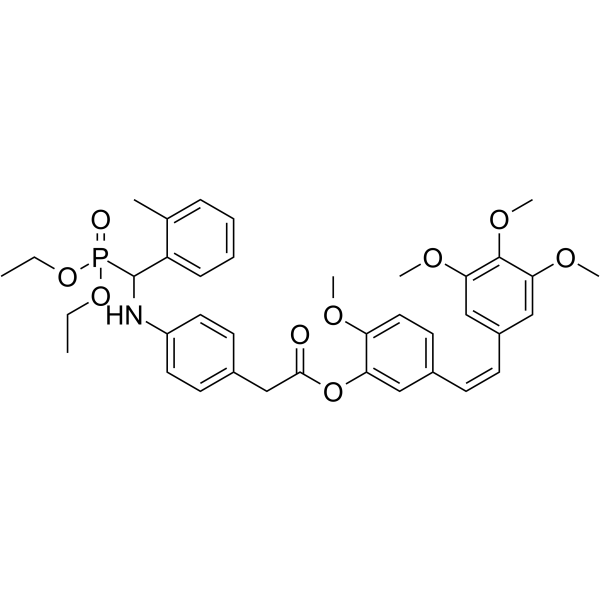
Tubulin/MMP-IN-1 (compound 15g) is a potent inhibitor of tubulin and MMP. Tubulin/MMP-IN-1 has the potential for the research of cancer diseases. Tubulin/MMP-IN-1 suppresses tubulin polymerization, induces cell cycle arrest at the G2/M phase, leads to reactive oxidative stress (ROS) generation of HepG2 cells, and results in apoptosis by the mitochondrial-dependent apoptotic pathway .
|
-
- HY-152223
-
|
|
PCSK9
|
Cardiovascular Disease
|
|
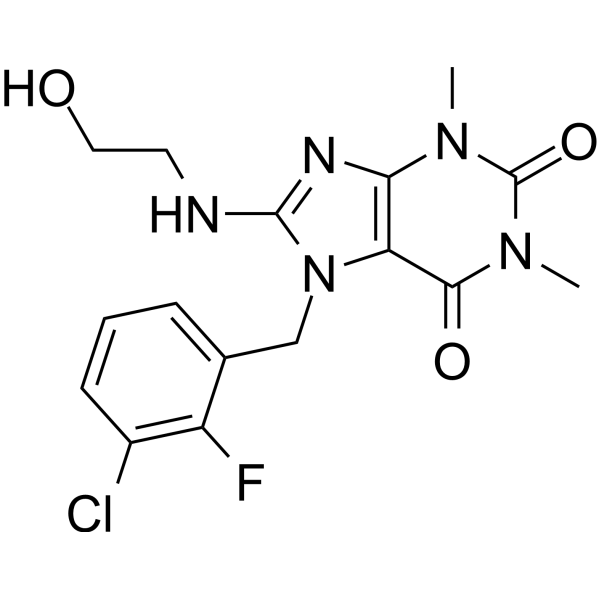
PCSK9-IN-11 (compound 5r) is a potent and orally active PCSK9 inhibitor. PCSK9-IN-11 exhibits PCSK9 transcriptional inhibitory activity in HepG2 cells, with an IC50 of 5.7 μM. PCSK9-IN-11 increases LDL receptor (LDLR) protein level. PCSK9-IN-11 can be used for atherosclerosis research .
|
-
- HY-146240
-
|
|
Aldehyde Dehydrogenase (ALDH)
|
Metabolic Disease
|
|
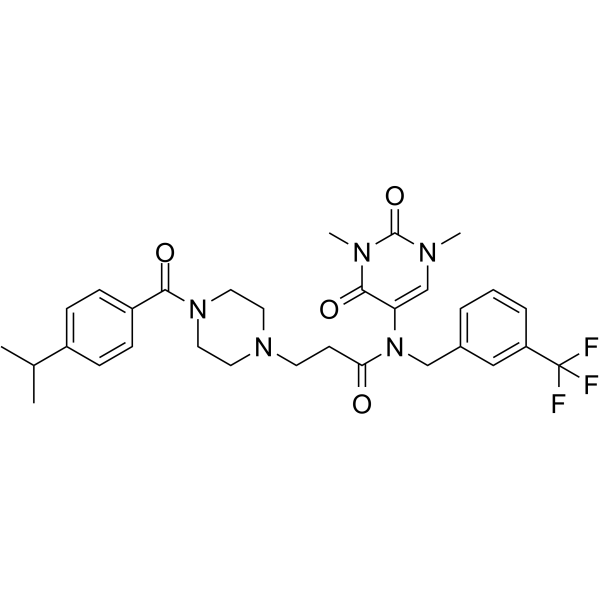
ALDH1A1-IN-3 (compound 57) is an excellent and selective aldehyde dehydrogenase 1A1 (ALDH1A1) inhibitor with an IC50 value of 0.379 μM. ALDH1A1-IN-3 can effectively improve glucose consumption in HepG2 cells. ALDH1A1-IN-3 can be used for researching glucose metabolism improvement .
|
-
- HY-B0144B
-
|
NK-104 sodium
|
HMG-CoA Reductase (HMGCR)
Autophagy
Mitophagy
Apoptosis
|
Cardiovascular Disease
Neurological Disease
Metabolic Disease
Cancer
|
|
Pitavastatin (NK-104) sodium is a potent hydroxymethylglutaryl-CoA (HMG-CoA) reductase inhibitor. Pitavastatin sodium inhibits cholesterol synthesis from acetic acid with an IC50 of 5.8 nM in HepG2 cells. Pitavastatin sodium is an efficient hepatocyte low-density lipoprotein-cholesterol (LDL-C) receptor inducer. Pitavastatin sodium also possesses anti-atherosclerotic, anti-asthmatic, anti-osteoarthritis, antineoplastic, neuroprotective, hepatoprotective and reno-protective effects [2] .
|
-
- HY-179116
-
|
BS2463
|
Parasite
|
Infection
|
|
BL-1005 (BS2463), thiophen-2-yl pyrimidine (TTP), is a potent paralytic of Schistosoma mansoni with an EC50 of 37 nM. BL-1005 shows low cytotoxicity for HEK293, HeLa and HepG2 cell with CC50 >20 μM. BL-1005 can induce paralysis in both adult and juvenile S. mansoni. BL-1005 can be used for the research of infection .
|
-

- HY-158196
-
|
|
PERK
Apoptosis
|
Cancer
|
|
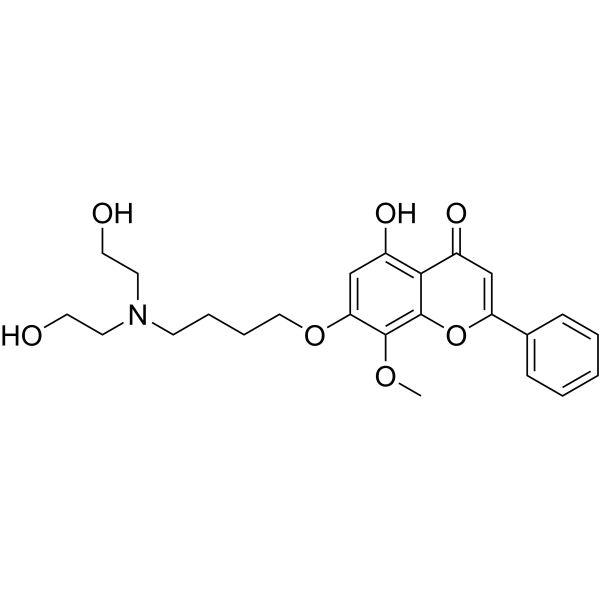
PERK/eIF2α activator 1 (compound V8) is a flavonoid with an anti-tumor activity. PERK/eIF2α activator 1 induces apoptosis and activates the PERK-eIF2α-ATF4 pathway. PERK/eIF2α activator 1 inhibits HepG2 cell proliferation with an IC50 value of 23 μM .
|
-
- HY-134635R
-
|
|
Bacterial
Fungal
HIV
|
Infection
Neurological Disease
Cancer
|
|
Dehydrozingerone (Standard) is the analytical standard of Dehydrozingerone. This product is intended for research and analytical applications. Dehydrozingerone (Compound 10), a structural half analogue of Curcumin (HY-N0005), is a phenolic compound with antibacterial, anticancer, antioxidant, anti-Alzheimer’s and antifungal activity, which is isolated from ginger (Zingiber officinale) rhizomes. Dehydrozingerone shows moderate inhibitory activities on the secretion of HBsAg in HepG 2 cells with an IC50 value of 0.50 mM [2] .
|
-

- HY-16558
-
|
2’,3,4,4’-tetrahydroxy Chalcone
|
EGFR
Autophagy
Apoptosis
Phosphodiesterase (PDE)
|
Cancer
|
|
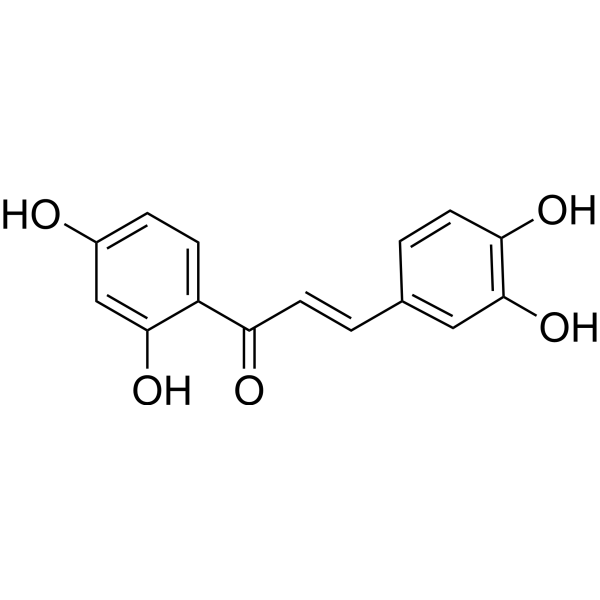
Butein is a cAMP-specific PDE inhibitor with an IC50 of 10.4 μM for PDE4 . Butein is a specific protein tyrosine kinase inhibitor with IC50s of 16 and 65 μM for EGFR and p60 c-src in HepG2 cells [2]. Butein sensitizes HeLa cells to Cisplatin through AKT and ERK/p38 MAPK pathways by targeting FoxO3a . Butein is a SIRT1 activator (STAC).
|
-
- HY-168085
-
|
|
YAP
Apoptosis
|
Cancer
|
|
CV-4-26 (Compound 22) is a covalent inhibitor of TEAD. CV-4-26 inhibits YAP/TEAD-based transcription, leading to the reduction of CTGF and CYR61 expression. CV-4-26 inhibits Huh7 and HepG2 cell colony formation, induces cell cycle arrest, and apoptosis. CV-4-26 shows antitumor activity against hepatocellular carcinoma (HCC) and hepatoblastoma (HB) .
|
-

- HY-157940
-
|
|
Endothelin Receptor
|
Infection
|
|
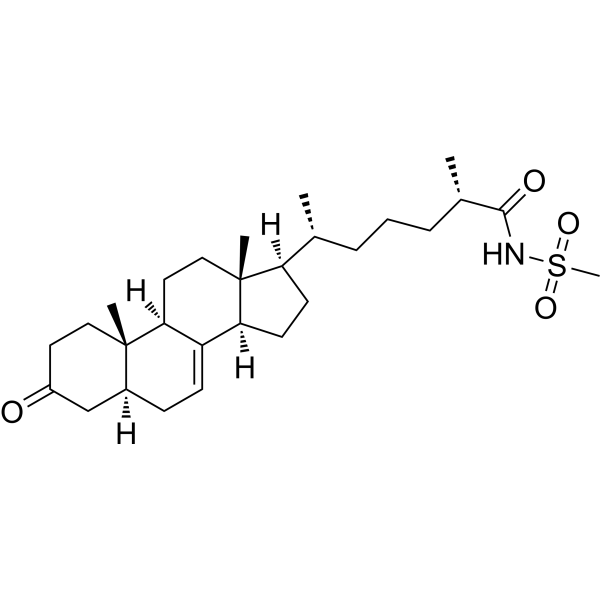
Methylsolfonyl 25(S)-Δ7-dafachronic acid (compound 3) is a selective ssDAF-12 agonist with the IC50 of 0.41 μM. Methylsolfonyl 25(S)-Δ7-dafachronic acid shows low cell cytotoxicity in HepG2 cells with IC50 of >200 μM. Methylsolfonyl 25(S)-Δ7-dafachronic acid can be used for study of parasitism .
|
-
- HY-W001288
-
|
|
NF-κB
|
Metabolic Disease
|
|
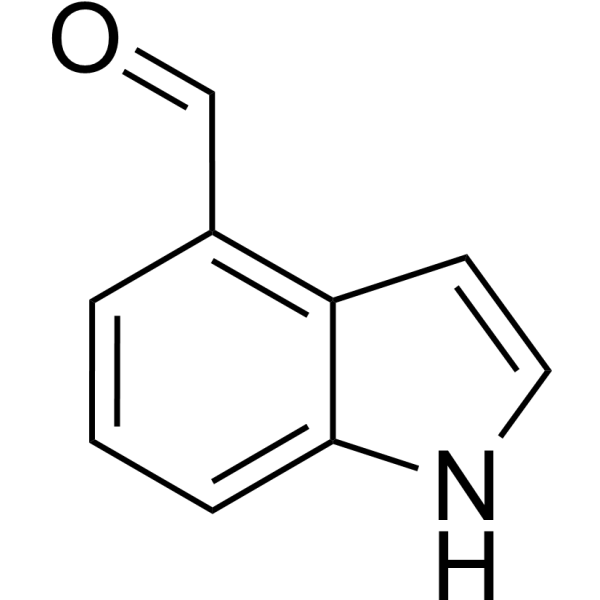
Indole-4-carboxaldehyde is an ergot alkaloid precursor. Indole-4-carboxaldehyde attenuates the methylglyoxal (MGO)-induced expression of inflammatory-related genes, such asTNF-α and IFN-γ by activating NF-κB without toxicity in HepG2 cells. Indole-4-carboxaldehyde reduces the MGO-induced AGE formation and the expression of the receptor for AGE (RAGE). Indole-4-carboxaldehyde can be used for the study of hepatic steatosis [2].
|
-
- HY-15823
-
|
|
Stearoyl-CoA Desaturase (SCD)
|
Cancer
|
|
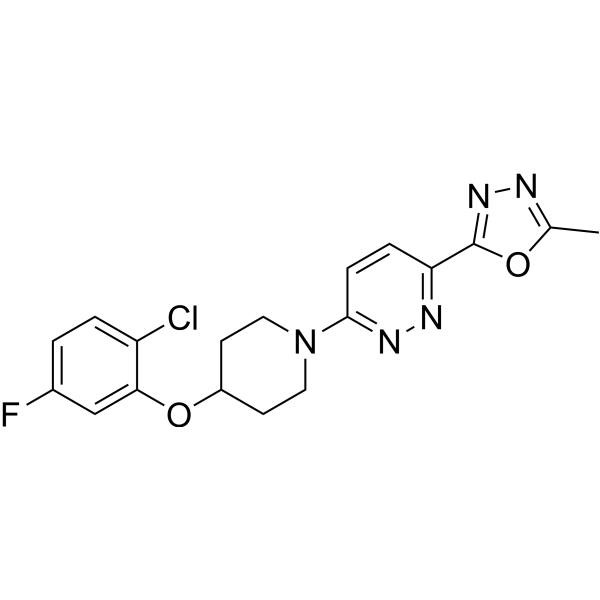
CAY10566 is a potent, orally bioavailable and selective stearoyl-CoA desaturase1 (SCD1) inhibitor with IC50s of 4.5 and 26 nM in mouse and human enzymatic assays, respectively.
CAY10566 also shows excellent cellular activity in blocking the conversion of saturated long-chain fatty acid-CoAs (LCFA-CoAs) to monounsaturated LCFA-CoAs in HepG2 cells (IC50=7.9 nM or 6.8 nM) [2].
|
-
- HY-156085
-
|
|
PD-1/PD-L1
|
Cancer
|
|
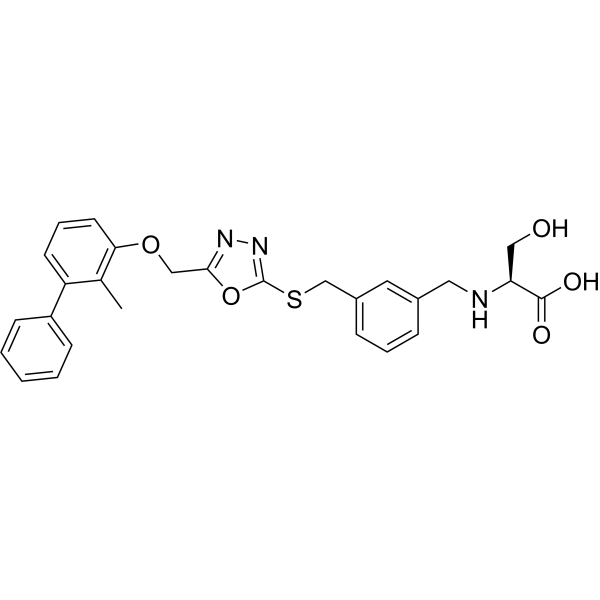
LP23 is a non-arylmethylamine PD-1/PD-L1 inhibitor (IC50: 16.7 nM) with anti-tumor activity. LP23 restores immune cell function in HepG2/Jurkat T cells and promotes HepG2 cell death. LP23 is active in vivo in the B16-F10 tumor model (TGI=88.6% at 30 mg/kg) .
|
-
- HY-N0396
-
|
|
COX
NO Synthase
|
Inflammation/Immunology
Cancer
|
|
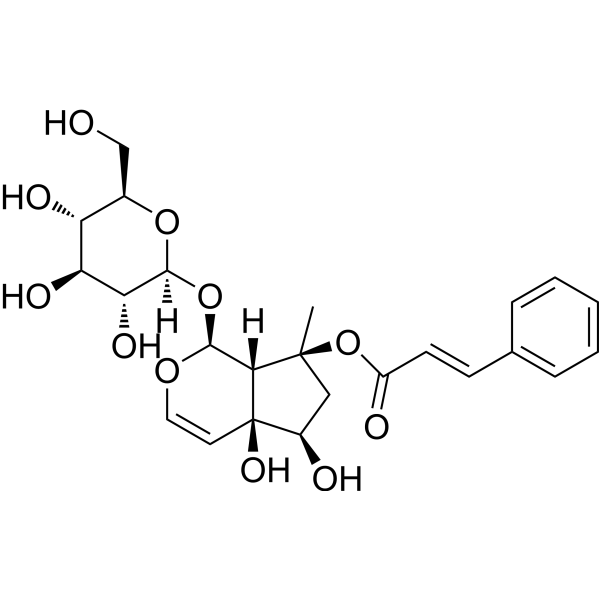
Harpagoside can be obtained by Harpagophytum procumbens, which has anti-inflammatory, anti-cancer, protective activity, and efficacy. Harpagoside has an inhibitory effect on COX-1 and COX-2 active, and suppresses NO production. Harpagoside inhibits HepG2 cell lipid polysaccharide, which is a protein that is expressed horizontally and selectively, and has anti-inflammatory and latent pain effects. Harpagoside has the ability to protect the body, and has a degenerative effect on the β-oxidation (Aβ).
|
-
- HY-139398
-
TBI-223
1 Publications Verification
|
Antibiotic
Bacterial
|
Infection
|
|
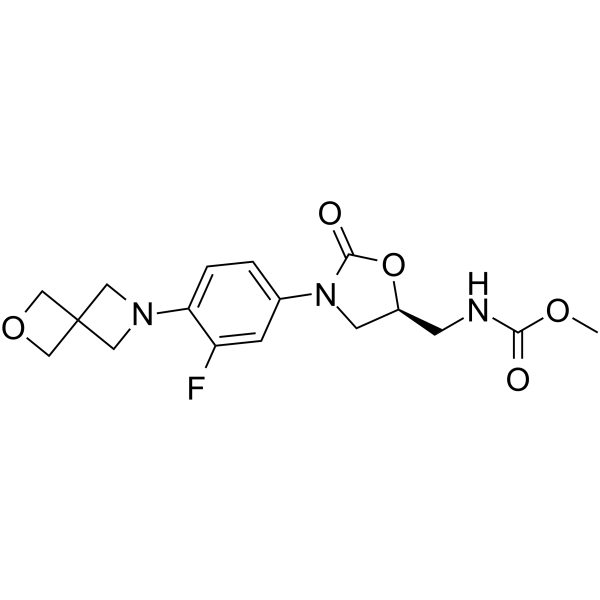
TBI-223 is an orally active oxazolidinone antibiotic and an antimicrobial. TBI-223 shows activity against Mycobacterium tuberculosis (Mtb). TBI-223 exhibits an IC50 of 68 μg/mL for inhibiting mitochondrial protein synthesis (MPS) in HepG2 cells. TBI-223 is effective in three mouse models (bloodstream infection, skin infection, and bone infection) of methicillin-resistant staphylococcus aureus infection. TBI-223 can be used for the study of tuberculosis [2].
|
-
- HY-W015892
-
|
γ-Caprolactone
|
Interleukin Related
TNF Receptor
Insecticide
|
Infection
|
|
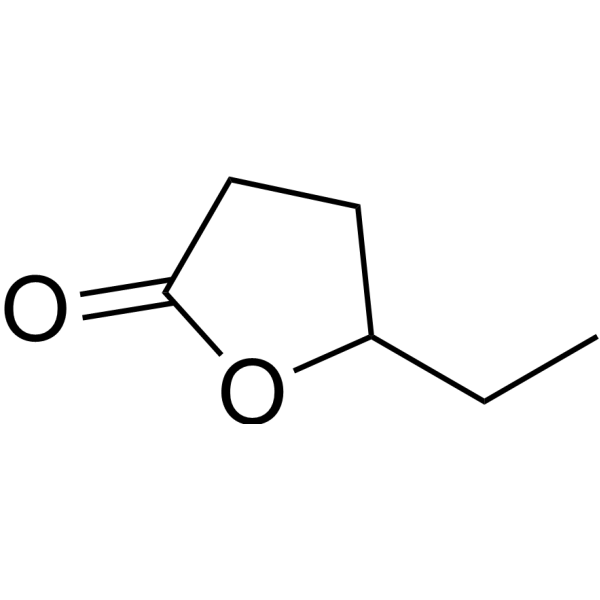
γ-Hexalactone (γ-Caprolactone) is a gamma-lactone found in ripe fruits. γ-Hexalactone induces DNA damage in human lymphocytes and HepG2 cells, modulates cytokine secretion in human lymphocytes, and reduces recombinant PON1 activity. γ-Hexalactone serves as a dose-dependent oviposition inhibitor against Bactrocera oleae. γ-Hexalactone can be used for the research of Bactrocera oleae pest management [2] .
|
-
- HY-147839
-
|
|
Topoisomerase
Apoptosis
|
Cancer
|
|
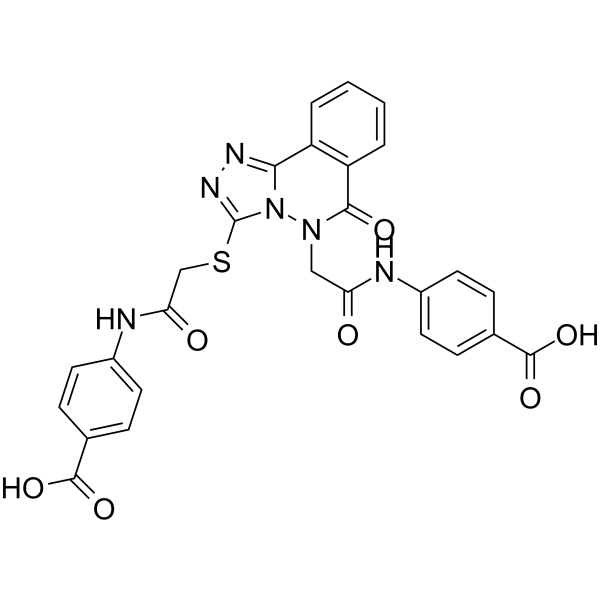
Topoisomerase II inhibitor 10 (compound 32a) is a potent topoisomerase II inhibitor with an IC50 value of 7.45 μM. Topoisomerase II inhibitor 10 causes cell cycle arrest at G2-M phase and induces apoptosis of HepG-2 cells. Topoisomerase II inhibitor 10 has excellent anti-proliferative activities against HepG-2, MCF-7, and HCT-116 cells .
|
-
- HY-N0213R
-
|
Verticinone (Standard); Raddeanine (Standard)
|
Reference Standards
Autophagy
Caspase
Bcl-2 Family
PARP
p38 MAPK
ERK
NF-κB
Apoptosis
|
Inflammation/Immunology
Cancer
|
|
Peiminine (Standard) is the analytical standard of Peiminine. This product is intended for research and analytical applications. Peiminine is a compound that can be isolated from Bolbostemma paniculatum (Maxim) Franquet (Cucurbitaceae family). Peiminine can induce apoptosis in human hepatocellular carcinoma HepG2 cells through both extrinsic and intrinsic apoptotic pathways. Peiminine has anti-inflammatory, anticancer, anti-osteoporosis, cardioprotective and other activities in many animal models [2] .
|
-

- HY-165422
-
|
|
Anaplastic lymphoma kinase (ALK)
|
Cancer
|
|
ALKBH5-IN-3 is a selective, cell active ALKBH5 inhibitor with an IC50 of 0.021 μM. ALKBH5-IN-3 stabilizes ALKBH5 in HepG2 cells, and increases m 6A level in intact cells. ALKBH5-IN-3 can be used as a versatile chemical probe to explore the biological function of ALKBH5. ALKBH5-IN-3 can be used for the research of Cancer .
|
-

- HY-B0144S
-
|
NK-104-d4 hemicalcium; Pitavastatin-d4 hemicalcium
|
Isotope-Labeled Compounds
HMG-CoA Reductase (HMGCR)
Autophagy
Mitophagy
Apoptosis
|
Metabolic Disease
Cancer
|
|
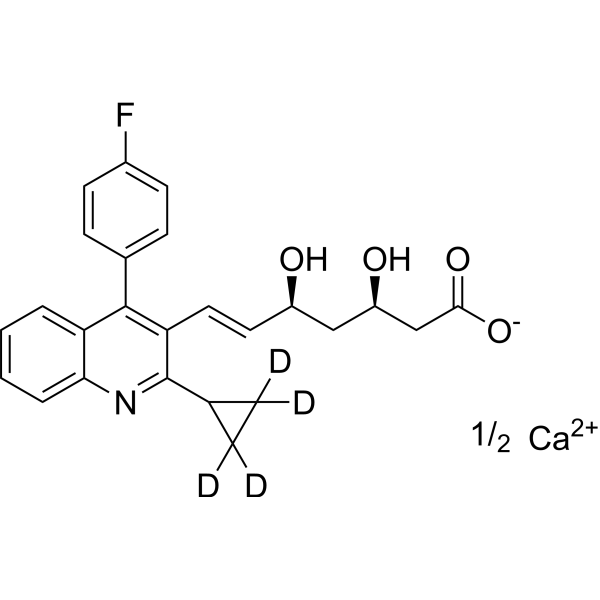
Pitavastatin-d4 (hemicalcium) is deuterium labeled Pitavastatin (Calcium). Pitavastatin Calcium (NK-104 hemicalcium) is a potent hydroxymethylglutaryl-CoA (HMG-CoA) reductase inhibitor. Pitavastatin Calcium (NK-104 hemicalcium) inhibits cholesterol synthesis from acetic acid with an IC50 of 5.8 nM in HepG2 cells. Pitavastatin Calcium is an efficient hepatocyte low-density lipoprotein-cholesterol (LDL-C) receptor inducer. Anti-cancer activity[1][2][3].
|
-
- HY-N11996
-
|
|
NO Synthase
NF-κB
|
Others
|
|
Aloenin aglycone (compound 13) is an NF-κB inhibitor that can be isolated from aloe exudate. Aloenin aglycone inhibits TNFα-induced NF-κB transcriptional activity (IC50: 18.7 μM). Aloenin aglycone (10 μM) also reduced inducible nitric oxide synthase (iNOS) and intercellular adhesion molecule 1 (ICAM-1) gene expression after treatment of HepG2 cells with 10 ng/mL TNFα .
|
-
- HY-130783
-
|
|
Fluorescent Dye
|
Others
|
|
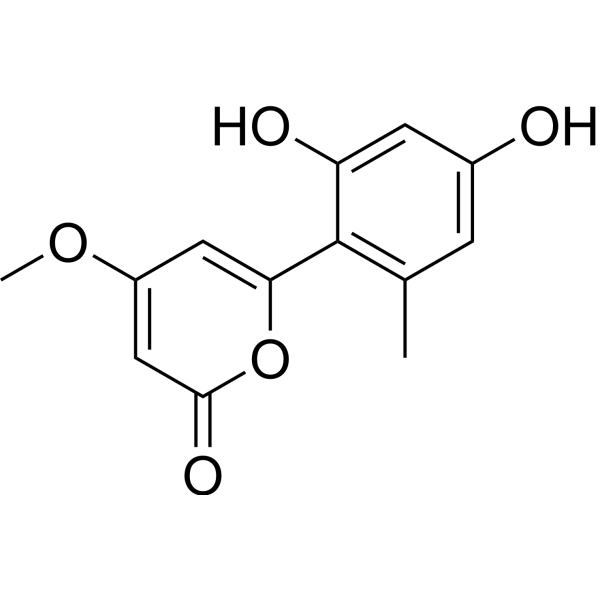
LysoFP-NO2 is a turn-on fluorescent probe for carbon monoxide (CO) that localizes to the lysosome. In the presence of lysosomal CO, lysoFP-NO2 is transformed into lysoFP-NH2, which is highly fluorescent. LysoFP-NO2 is selective for CO over various reactive nitrogen, oxygen, and sulfur species. It displays excitation/emission maxima of 440/528 nm, respectively, and is not cytotoxic to HepG2 cells for up to five hours when used at a concentration of 30 μM.
|
-

- HY-121174
-
|
Catharticin
|
NO Synthase
CDK
Tyrosinase
Reactive Oxygen Species (ROS)
|
Metabolic Disease
|
|
Alaternin (Catharticin) is an anthraquinone compound with antioxidant and hepatoprotective activities. Alaternin has an inhibitory activity against hydroxyl radicals generated in a cell-free chemical system (FeSO4/H2O2) with an IC50 value of 3.05 μM. Alaternin exhibits hepatoprotective activity against Tacrine (HY-111338)-induced toxicity in human hepatic HepG2 cells with an EC50 value of 4.02 μM .
|
-

- HY-N0573
-
|
7-Hydroxycoumarin; Hydrangin; NSC 19790
|
Apoptosis
Fluorescent Dye
|
Neurological Disease
Inflammation/Immunology
Cancer
|
|
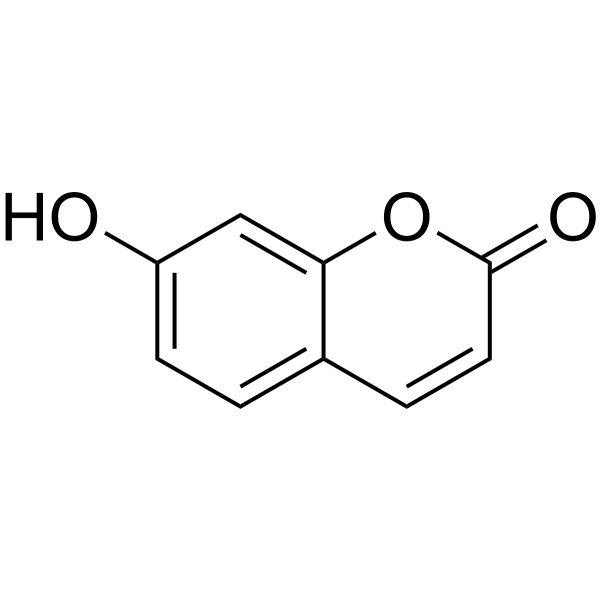
Umbelliferone (7-Hydroxycoumarin), a natural orally active product of the coumarin family, is a fluorescing compound which can be used as a sunscreen agent. Umbelliferone induces cell cycle arrest, apoptosis and DNA fragmentation in HepG2 cells. Umbelliferone exhibits significant anticancer effects. Umbelliferone attenuates the alteration characteristics of allergic airway inflammation. Umbelliferone displays the neuroprotective effects and cross the blood-brain barrier. Umbelliferone exhibits anti-inflammatory and antioxidant effects in
chronic alcohol-fed rats [2] .
|
-
- HY-163615
-
|
|
Bacterial
|
Infection
|
|
Antimicrobial agent-32 (Compound 4g) is an antimicrobial agent that exhibits significant activity against various bacteria, including Staphylococcus aureus, Bacillus subtilis, Bacillus cereus (MIC=1000 µg/mL), Klebsiella pneumonia, and Staphylococcus aureus (MRSA) (MIC=500 µg/mL), as well as Escherichia coli (MIC=250 µg/mL). Additionally, Antimicrobial agent-32 inhibits the proliferation of MCF-7, HCT-116, and HepG-2 cells, demonstrating anticancer activity .
|
-

- HY-D2315
-
|
|
Fluorescent Dye
|
Cancer
|
|
Probe-Cys is a water-soluble and selective near-infrared fluorescent probe for Cysteine (Cys) (λex= 680 nm, λem=710 nm) that is not interfered by Hcy, GSH, and HS-. Probe-Cys can react with the stimulant DTT (HY-15917) and the NEM (HY-D0843) in HepG2 cells and zebrafish for the detection of endogenous Cys. Probe-Cys can also be used for imaging Cys in Arabidopsis thaliana. Probe-Cys provides a method for cancer diagnosis and exploration of plant sulfur metabolism .
|
-

- HY-144389
-
|
|
Cholinesterase (ChE)
Amyloid-β
|
Neurological Disease
|
|
hAChE/Aβ1-42-IN-1 (Compound 16) is a potent inhibitor of hAChE and Aβ1-42 aggregation. hAChE/Aβ1-42-IN-1 shows acceptable relative safety upon hepG2 cell line and excellent BBB penetration with wide safety margin. hAChE/Aβ1-42-IN-1 has the potential for the research of Alzheimer disease (AD) .
|
-
- HY-146172
-
|
|
Reactive Oxygen Species (ROS)
|
Inflammation/Immunology
Cancer
|
|
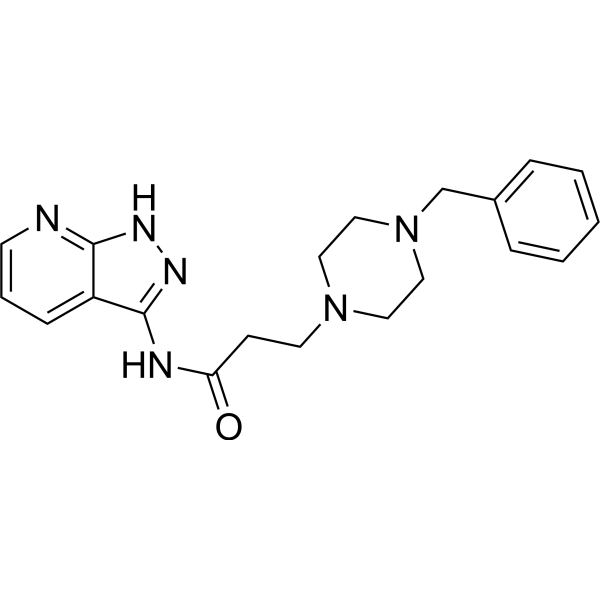
Antioxidant agent-3 (Compound 14q), an potent antioxidant, displays potent DPPH radicals scavenging activity and ABTS + scavenging activity with IC50s of 26.58 and 30.31 μM, respectively. Antioxidant agent-3 (Compound 14q) increases reactive oxygen species (ROS), superoxide dismutase (SOD) and glutathione (GSH), and reduced lactate dehydrogenase (LDH) in H2O2-treated HepG2 cells .
|
-
- HY-151486
-
|
|
GLUT
|
Cancer
|
|
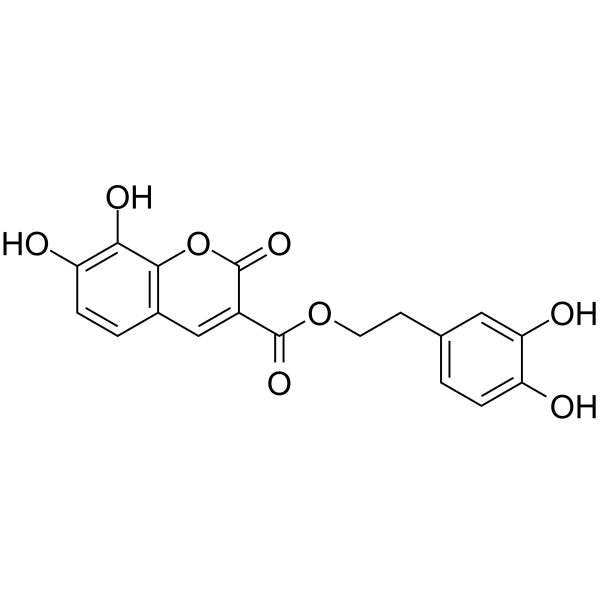
GLUT1-IN-1 is a glucose transporter 1 (GLUT1) inhibitor and has a GLUT1-specific inactivation ability. GLUT1-IN-1 exhibits concentration-dependent cytotoxicity for HeLa, A549 and HepG2 cells with IC50 values of 5.49 μM, 11.14 μM, and 8.73 μM, respectively. GLUT1-IN-1 can be used for the research of photodynamic therapy (PDT) and severals cancer .
|
-
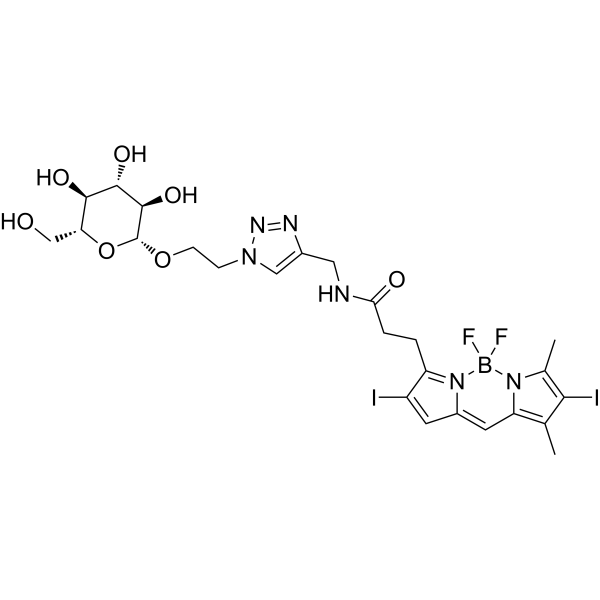
- HY-N0231R
-
|
Broussochalcone B (Standard)
|
Reference Standards
Bacterial
Antibiotic
NF-κB
PERK
Apoptosis
Autophagy
|
Infection
Neurological Disease
Inflammation/Immunology
Cancer
|
|
Bavachalcone (Standard) is the analytical standard of Bavachalcone. This product is intended for research and analytical applications. Bavachalcone is a potent inducer of apoptosis. Bavachalcone exerts anticancer activity by promoting autophagy and apoptosis in HepG2 cells. Bavachalcone acts as an anti-neuroinflammatory and antidepressant through the NF-κB pathway. Bavachalcone inhibits osteoclasts by interfering with ERK and Akt signaling pathways and the expression of c-Fos and NFATc1. Bavachalcone exhibits a significant inhibitory effect on baculovirus-expressed BACE-1 in vitro [2] .
|
-

- HY-B0144AR
-
|
NK-104 (Standard)
|
HMG-CoA Reductase (HMGCR)
Autophagy
Mitophagy
Apoptosis
Reference Standards
|
Cardiovascular Disease
Neurological Disease
Metabolic Disease
Cancer
|
|
Pitavastatin (Standard) is the analytical standard of Pitavastatin. This product is intended for research and analytical applications. Pitavastatin (NK-104) is a potent hydroxymethylglutaryl-CoA (HMG-CoA) reductase inhibitor. Pitavastatin inhibits cholesterol synthesis from acetic acid with an IC50 of 5.8 nM in HepG2 cells. Pitavastatin is an efficient hepatocyte low-density lipoprotein-cholesterol (LDL-C) receptor inducer. Pitavastatin also possesses anti-atherosclerotic, anti-asthmatic, anti-osteoarthritis, antineoplastic, neuroprotective, hepatoprotective and reno-protective effects [2] .
|
-

- HY-W402074
-
|
Butenolide
|
Mitochondrial Metabolism
Reactive Oxygen Species (ROS)
|
Metabolic Disease
|
|
5-Acetamide-Butenolide (Butenolide) is a mycotoxin with pro-oxidant activity, which is found in Fusarium. 5-Acetamide-Butenolide disrupts the mitochondrial membrane potential in primary neonatal rat cardiomyocytes. 5-Acetamide-Butenolide also induces the production of thiobarbituric acid reactive substances (TBARS) in isolated rat myocardial mitochondria. 5-Acetamide-Butenolide increases the production of reactive oxygen species (ROS), decreases the levels of GSH and reduces the viability of HepG2 cells [2] .
|
-

- HY-B0144
-
|
NK-104 hemicalcium; Pitavastatin hemicalcium
|
HMG-CoA Reductase (HMGCR)
Autophagy
Mitophagy
Apoptosis
|
Cardiovascular Disease
Neurological Disease
Metabolic Disease
Cancer
|
|
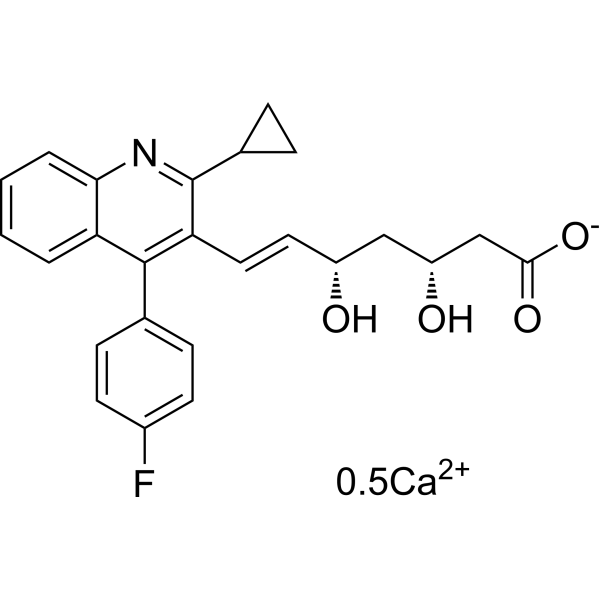
Pitavastatin Calcium (NK-104 hemicalcium) is a potent hydroxymethylglutaryl-CoA (HMG-CoA) reductase inhibitor. Pitavastatin Calcium (NK-104 hemicalcium) inhibits cholesterol synthesis from acetic acid with an IC50 of 5.8 nM in HepG2 cells. Pitavastatin Calcium is an efficient hepatocyte low-density lipoprotein-cholesterol (LDL-C) receptor inducer. Pitavastatin Calcium also possesses anti-atherosclerotic, anti-asthmatic, anti-osteoarthritis, antineoplastic, neuroprotective, hepatoprotective and reno-protective effects [2] .
|
-
- HY-B0822
-
|
|
Environmental Pollutants
Cytochrome P450
GABA Receptor
Apoptosis
|
Neurological Disease
|
|
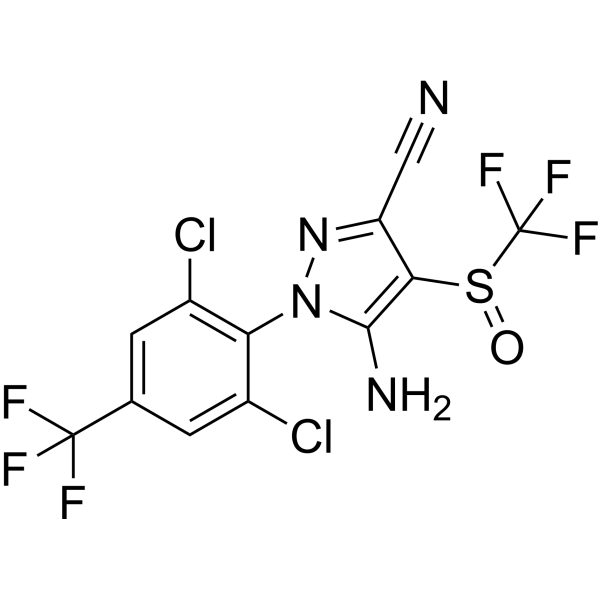
Fipronil is a broad-spectrum insecticide effective against Lepidoptera species as well as thrips, locusts, ants, cockroaches, fleas and ticks. Fipronil selectively inhibits GABA receptor with IC50s of 30 nM and 1600 nM for cockroach and rat GABA receptors, respectively. Glutamate-gated chloride channels (GluCls), which are present in cockroaches but not in mammals, are sensitive to the blocking effect of Fipronil. Fipronil also induces apoptosis in HepG2 cells and promotes the expression of CYP1A1 and CYP3A4 mRNA in human hepatocytes [2].
|
-
- HY-16558R
-
|
2’,3,4,4’-tetrahydroxy Chalcone (Standard)
|
Reference Standards
EGFR
Autophagy
Apoptosis
Phosphodiesterase (PDE)
|
Cancer
|
|
Butein (Standard) is the analytical standard of Butein. This product is intended for research and analytical applications. Butein is a cAMP-specific PDE inhibitor with an IC50 of 10.4 μM for PDE4 . Butein is a specific protein tyrosine kinase inhibitor with IC50s of 16 and 65 μM for EGFR and p60c-src in HepG2 cells [2]. Butein sensitizes HeLa cells to Cisplatin through AKT and ERK/p38 MAPK pathways by targeting FoxO3a . Butein is a SIRT1 activator (STAC).
|
-

- HY-158721
-
|
Marinamide
|
Endogenous Metabolite
Parasite
|
Infection
Cancer
|
|
Penicinoline (Marinamide) (Compound 1), a pyrrolyl 4-quinolinone alkaloid, is a microbial secondary metabolite. Penicinoline can be isolated from endophytic fungus Penicillium sp. Penicinoline has antimalarial activity against Chloroquine (HY-17589A) sensitive strain (pf3d7) and against Chloroquine resistant strain (pfDd2) of plasmodium falciparum. Penicinoline also has strong insecticidal activity against Aphis gossypii and selective anticancer effect with significant cytotoxicity for 95-D and HepG2 cells [2].
|
-

- HY-N0876R
-
|
|
Reference Standards
Apoptosis
Autophagy
PI3K
Akt
mTOR
PARP
Caspase
Atg8/LC3
|
Cancer
|
|
Arenobufagin is a natural bufadienolide that can be extracted from toad venom. Arenobufagin can induce apoptosis and autophagy in human hepatocellular carcinoma cells through inhibition of PI3K/Akt/mTOR pathway. Arenobufagin has potent antineoplastic activity against HCC HepG2 cells as well as corresponding multidrug-resistant HepG2/ADM cells. Arenobufagin can inhibit VEGF-mediated angiogenesis through suppression of VEGFR-2 signaling pathway [2].
|
-

- HY-177291
-
|
|
Microsomal Triglyceride Transfer Protein (MTP)
Smo
Hedgehog
LDLR
|
Cardiovascular Disease
Cancer
|
|
LAB687 is a microsomal triglyceride transfer protein (MTP) inhibitor with an IC50 of 0.9 nM for apolipoprotein B (apoB) secretion in HepG2 cells. LAB687 also acts as a Smoothened (Smo) antagonist, with IC50 values of 2.48 μM and 3.42 μM against mouse and human Smo receptors, respectively. LAB687 reduces triglyceride and low-density lipoprotein cholesterol (LDL-C) levels, and inhibits the Hedgehog signaling pathway. LAB687 can be used in studies related to Hedgehog-dependent cancers [2] .
|
-

- HY-151453
-
|
|
Topoisomerase
Apoptosis
|
Cancer
|
|
Topoisomerase IIα-IN-4 (F2) is a non-intercalative ATP-competitive human DNA topoisomerase II inhibitor with an IC50 value of 3.8 and 10.1 μM for TopoIIα and TopoIIβ, respectively. Topoisomerase IIα-IN-4 shows potent potency in apoptosis induction and cell cycle arrest in HepG2 cells. Topoisomerase IIα-IN-4 exhibits strong antitumor activities against human cancer cell lines, it can be used for the research of cancer .
|
-
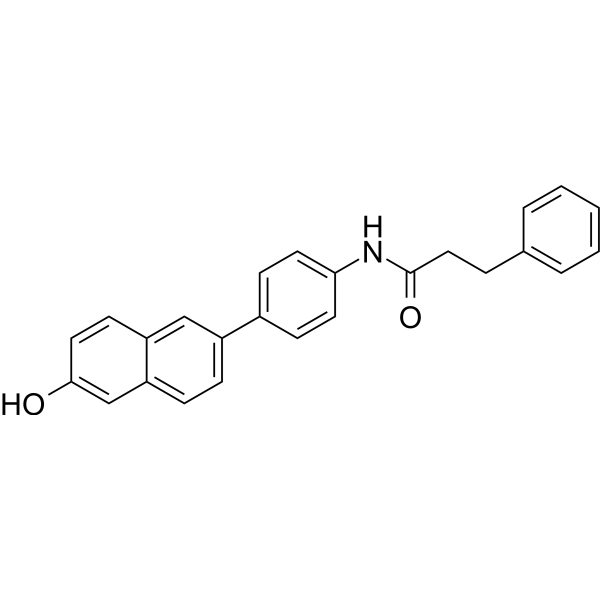
- HY-N0876
-
|
|
Apoptosis
Autophagy
PI3K
Akt
mTOR
PARP
Caspase
Atg8/LC3
|
Cancer
|
|
Arenobufagin is a natural bufadienolide that can be extracted from toad venom. Arenobufagin can induce apoptosis and autophagy in human hepatocellular carcinoma cells through inhibition of PI3K/Akt/mTOR pathway. Arenobufagin has potent antineoplastic activity against HCC HepG2 cells as well as corresponding multidrug-resistant HepG2/ADM cells. Arenobufagin can inhibit VEGF-mediated angiogenesis through suppression of VEGFR-2 signaling pathway [2].
|
-
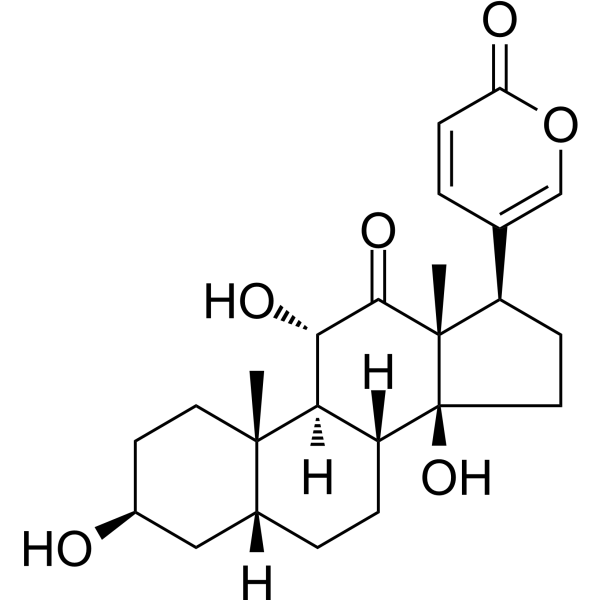
- HY-N0882
-
|
Deacetylcinobufotalin
|
Apoptosis
Bcl-2 Family
|
Inflammation/Immunology
Cancer
|
|
Desacetylcinobufotalin is an active component isolated from Venenum Bufonis, which exhibits significant cytotoxicity against human hepatocellular carcinoma HepG2 cells (IC50 = 0.0279 µmol/mL). Desacetylcinobufotalin upregulates Bax protein expression, downregulates Bcl-2 protein expression, and induces apoptosis via the mitochondrial pathway. Desacetylcinobufotalin inhibits cancer cell survival, and shows lower cytotoxicity compared to its parent compound Cinobufagin (HY-N0421). Desacetylcinobufotalin can be used in hepatocellular carcinoma-related research [2].
|
-
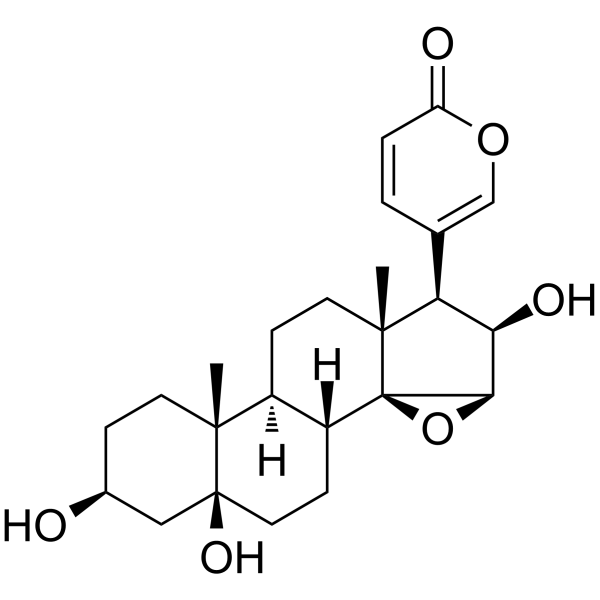
- HY-180823
-
|
|
Topoisomerase
EGFR
Apoptosis
Caspase
Bcl-2 Family
|
Cancer
|
|
Topoisomerase II/EGFR-IN-2 (Compound 3) is an inhibitor of Topoisomerase IIα (IC50 = 0.122 μM) and EGFR-TK WT (IC50 = 16.8 μM). Topoisomerase II/EGFR-IN-2 inhibits the proliferation of HeLa and HepG2 cells, inducing cell cycle arrest and apoptosis. Topoisomerase II/EGFR-IN-2 upregulates caspase-3 and Bax, and downregulates Bcl-2. Topoisomerase II/EGFR-IN-2 can be used to study liver cancer and cervical cancer .
|
-

- HY-N7676
-
Marein
3 Publications Verification
|
AMPK
HDAC
|
Cardiovascular Disease
Neurological Disease
Metabolic Disease
|
|
Marein has the neuroprotective effect due to a reduction of damage to mitochondria function and activation of the AMPK signal pathway. Marein improves insulin resistance induced by high glucose in HepG2 cells through CaMKK/AMPK/GLUT1 to promote glucose uptake, through IRS/Akt/GSK-3β to increase glycogen synthesis, and through Akt/FoxO1 to decrease gluconeogenesis. Marein is a HDAC inhibitor with an IC50 of 100 μM. Marein has beneficial antioxidative, antihypertensive, antihyperlipidemic and antidiabetic effects [2] .
|
-
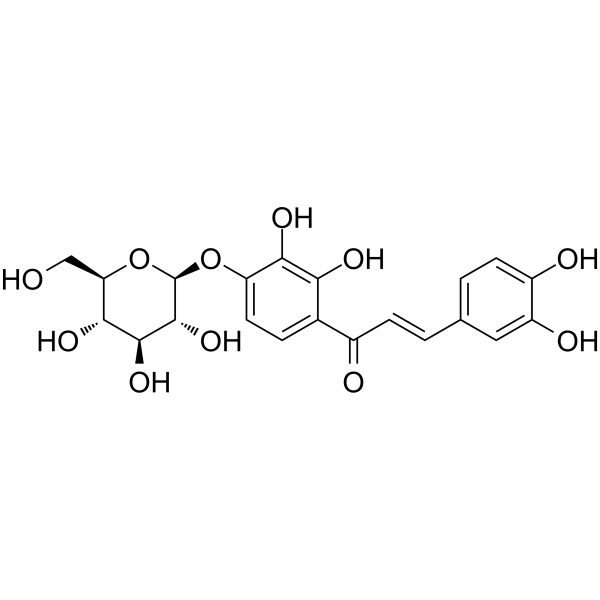
- HY-175016
-
|
|
Endogenous Metabolite
|
Infection
Metabolic Disease
|
|
NADH-IN-3 (Compound C4-1) is a NADH inhibitor with a MIC of 4 μg/mL (13.042 μM) for type II NADH dehydrogenase of Mycobacterium tuberculosis (Mtb). NADH-IN-3 significantly interrupts ATP synthesis, shows potent inhibitory effects against mono (Rifampicin (HY-B0272) and Isoniazid (HY-B0329)) and multi drug-resistant (Mtb) strains and an anti-bactericidal activity against HepG2 cells with low cytotoxicity (SI: 16.52) .
|
-

- HY-P11334
-
|
|
Aminopeptidase
Phosphatase
Angiotensin-converting Enzyme (ACE)
DNA/RNA Synthesis
|
Cancer
|
|
Cyanostatin B, a cyanobacterial lipopeptide, is a leucine aminopeptidase M (LAP) inhibitor (IC50 = 12 ng/mL). Cyanostatin B is a weak inhibitor of protein phosphatase (PP2A) and also exhibits weak inhibitory activity against angiotensin-converting enzyme (ACE), with an IC50 value of 130 μg/mL. Cyanostatin B demonstrates both cytotoxic and genotoxic effects on human hepatocytes, although non-toxic to Artemia salina. Cyanostatin B inhibits the proliferation of HepG2 cells, induces DNA single-strand breaks, and causes genomic instability. [2].
|
-

- HY-B0852
-
|
|
Environmental Pollutants
Apoptosis
Cytochrome P450
Fungal
|
Infection
|
|
Tebuconazole is an orally active agricultural azole fungicide which can also inhibit CYP51 with IC50s of 0.9 and 1.3 μM for Candida albicans CYP51 (CaCYP51) and truncated Homo sapiens CYP51 (Δ60HsCYP51), respectively. Tebuconazole induces lipid accumulation and oxidative stress in HepG2 Cells. Tebuconazole decreases MAC-T cells viability and proliferation, induces ER-stress-mediated apoptosis and increases oxidative stress levels in MAC-T cells [2] .
|
-
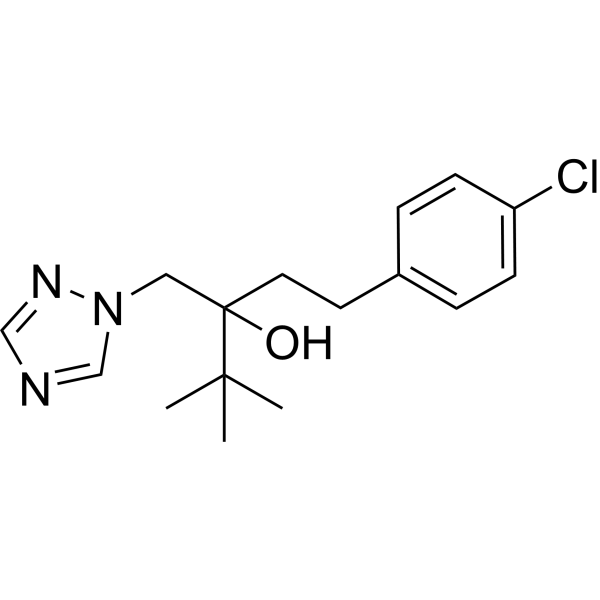
- HY-175517
-
|
|
Parasite
|
Infection
|
|
PEX5-PEX14 PPI-IN-3 (Compound 7) is an inhibitor of the PEX5-PEX14 protein-protein interaction (PPI) with an EC50 of 95 μM. PEX5-PEX14 PPI-IN-3 has an EC50 of 7.2 μM against Trypanosoma brucei (T. brucei). PEX5-PEX14 PPI-IN-3 exhibits low cytotoxicity towards HepG2 cells and possesses antiparasitic activity .
|
-

- HY-N13772
-
|
(+)-Dihydroisorhamnetin
|
Apoptosis
|
Cancer
|
|
3'-O-Methyltaxifolin ((+)-Dihydroisorhamnetin) is a dihydroflavanol found in Pulicaria jaubertii. A mixture of these alcohol compounds including 3'-O-Methyltaxifolin found in Pulicaria jaubertii exhibits antitumor activity with IC50 values of 19.1 μg, 20.0 μg, and 24.1 μg against prostate cancer (PC-3), breast cancer (MCF-7), and hepatocellular carcinoma (HepG-2) cell lines, respectively. Furthermore, 3'-O-Methyltaxifolin can induce cell apoptosis, making it a promising candidate for anticancer research. .
|
-

- HY-131710
-
|
|
Phosphodiesterase (PDE)
EGFR
Wnt
Apoptosis
|
Cancer
|
|
PDE5-IN-3 (compound 11j) is a potent PDE5 inhibitor with an IC50 of 1.57 nM. PDE5-IN-3 shows moderate EGFR inhibition with IC50 of 5.827 µM. PDE5-IN-3 significantly inhibits the Wnt/β-catenin pathway (IC50=1286.96 ng/mL). PDE5-IN-3 induces the intrinsic apoptotic mitochondrial pathway in HepG2 cells. PDE5-IN-3 has strong antitumor activity .
|
-
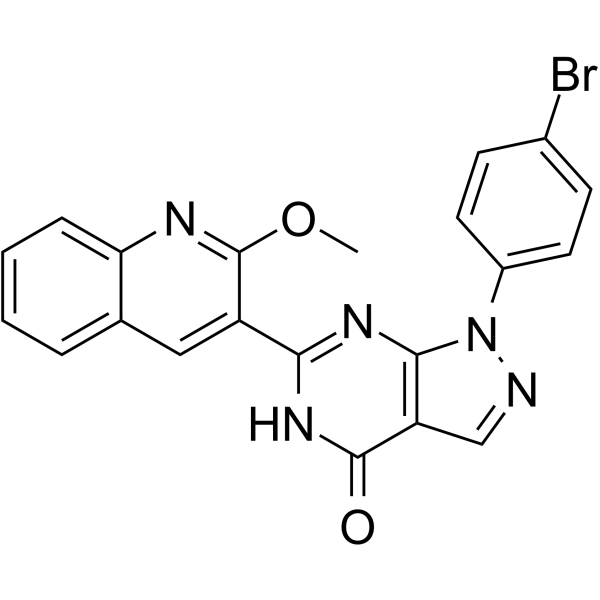
- HY-179580
-
|
|
PPAR
Phosphodiesterase (PDE)
|
Inflammation/Immunology
|
|
EL244 is a dua Autotaxin (ATX) (IC50 = 50 nM) inhibitor and PPARγ (IC50 = 1.3 μM; Kd = 1.3 μM) agonist. EL244 demonstrates low cytotoxicity in human HepG2 cells (EC50 = 81.2 μM) with minimal inhibition of the cardiac hERG potassium channel (12% at 25 μM). EL244 significantly reduces pulmonary Lysophosphatidic Acid (LPA) levels, attenuates fibrosis, and restores respiratory function with limited systemic absorption in vivo. EL244 can be used for idiopathic pulmonary fibrosis and interstitial lung disease (ILD) research .
|
-

- HY-149636
-
|
|
EGFR
CDK
VEGFR
Apoptosis
|
Cancer
|
|
Multi-target kinase inhibitor 2 is a multi-targeted kinase inhibitor, and exhibits activity against EGFR, Her2, VEGFR2, and CDK2 enzymes, with IC50 values of 79 nM, 40 nM,136 nM, and 204 nM, respectively. Multi-target kinase inhibitor 2 shows cytotoxic effects were observed against HepG2, HeLa , MDA-MB-231 and MCF-7, with IC50 of 41, 57, 51 and 59 μM. Multi-target kinase inhibitor 2 induces cell cycle arrest and apoptosis in HepG2 cells .
|
-
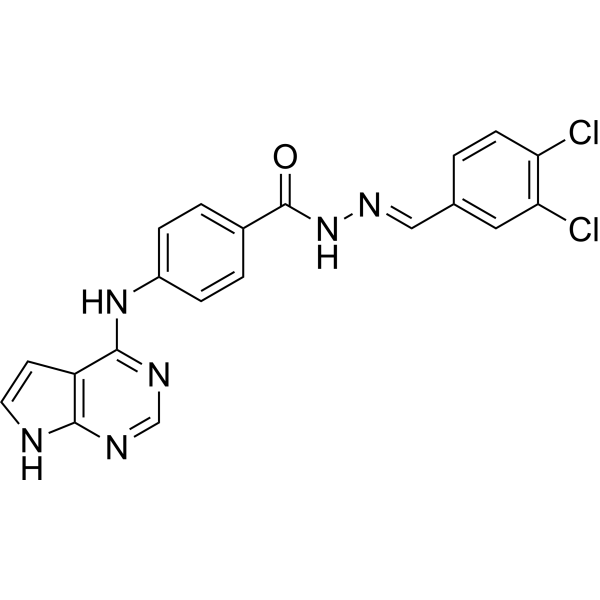
- HY-P11604
-
|
|
Phosphatase
|
Inflammation/Immunology
|
|
C16 acid-I-{Lys (C10 diacid)}-KQELRRIGDEF is a cell-permeable and internalizable PTPN1/2 inhibitor, with IC50 values of 107.6 nM and 3375 nM, respectively. C16 acid-I-{Lys (C10 diacid)}-KQELRRIGDEF restores insulin signaling in HepG2 cells. C16 acid-I-{Lys (C10 diacid)}-KQELRRIGDEF achieves glycemic control in db/db diabetic mice. C16 acid-I-{Lys (C10 diacid)}-KQELRRIGDEF can be used in the research of type 2 diabetes .
|
-

- HY-125990
-
|
|
Sodium Channel
|
Cardiovascular Disease
Metabolic Disease
|
|
SLC13A5-IN-1 is a selective sodium-citrate co-transporter (SLC13A5) inhibitor. SLC13A5-IN-1 completely blocks the uptake of 14C-citrate with an IC50 value of 0.022 μM in HepG2 cells. SLC13A5-IN-1 has the potential for the treatment of metabolic and/or cardiovascular diseases. SLC13A5-IN-1 is extracted from patent WO2018104220A1, Compound I-5 .
|
-
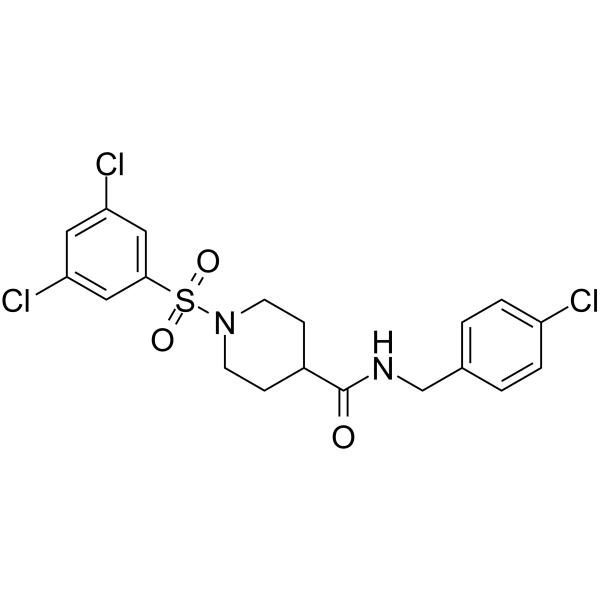
- HY-N0396R
-
|
|
Reference Standards
COX
NO Synthase
|
Inflammation/Immunology
|
|
Harpagoside (Standard) is the analytical standard of Harpagoside. This product is intended for research and analytical applications. Harpagoside can be obtained by Harpagophytum procumbens, which has anti-inflammatory, anti-cancer, protective activity, and efficacy. Harpagoside has an inhibitory effect on COX-1 and COX-2 active, and suppresses NO production. Harpagoside inhibits HepG2 cell lipid polysaccharide, which is a protein that is expressed horizontally and selectively, and has anti-inflammatory and latent pain effects. Harpagoside has the ability to protect the body, and has a degenerative effect on the β-oxidation (Aβ) [2] .
|
-

- HY-126876
-
GL-V9
1 Publications Verification
|
Apoptosis
AMPK
Reactive Oxygen Species (ROS)
|
Cancer
|
|
GL-V9 inhibits proliferation of HepG2 cell (IC50 is 35.2 μM) through induction of apoptosis and cell cycle arrest at G2/M phase. GL-V9 regulates mitochondrial membrane potential and increases the production of intracellular reactive oxygen species. GL-V9 inhibits the pentose phosphate pathway (PPP), enhances fatty acid oxidation (FAO) through activation of AMPK, and thus inhibits the metastasis of cancer cells. GL-V9 exhibits antitumor efficacy in mouse model [2].
|
-

- HY-155027
-
|
|
Dipeptidyl Peptidase
TNF Receptor
Interleukin Related
|
Inflammation/Immunology
Cancer
|
|
DPP-4-IN-8 (compound 27) is a potent and selective DPP4 (dipeptidyl peptidase 4) inhibitor, with a Ki of 0.96 μM. DPP-4-IN-8 blocks the dipeptidase activity of DPP4 in both Caco-2 and HepG-2 cells. DPP-4-IN-8 also dose-dependently suppresses the expression levels of the chemokines tumor necrosis factor-α (TNF-α), interleukin-6 (IL-6), and interleukin-1β (IL-1β) .
|
-
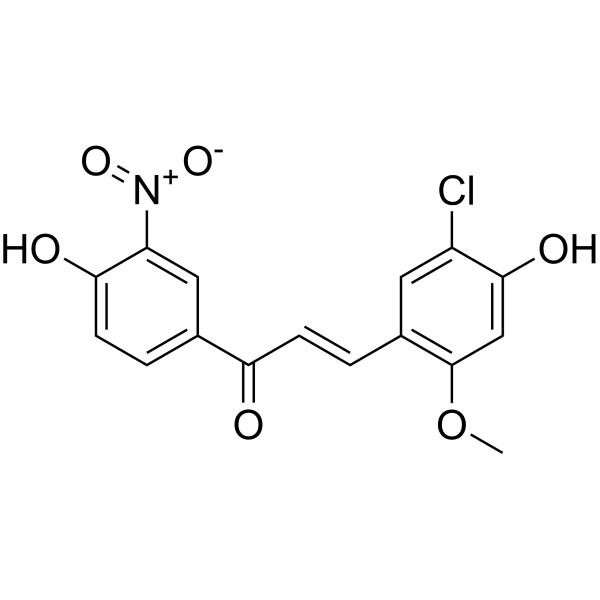
- HY-B0144AS3
-
|
NK-104-d4-1 sodium
|
Isotope-Labeled Compounds
HMG-CoA Reductase (HMGCR)
Autophagy
Mitophagy
Apoptosis
|
Cardiovascular Disease
Neurological Disease
Metabolic Disease
|
|
Pitavastatin-d4-1 (NK-104-d4-1) sodium is the deuterium labeled Pitavastatin sodium (HY-B0144B). Pitavastatin (NK-104) is a potent hydroxymethylglutaryl-CoA (HMG-CoA) reductase inhibitor. Pitavastatin inhibits cholesterol synthesis from acetic acid with an IC50 of 5.8 nM in HepG2 cells. Pitavastatin is an efficient hepatocyte low-density lipoprotein-cholesterol (LDL-C) receptor inducer. Pitavastatin also possesses anti-atherosclerotic, anti-asthmatic, anti-osteoarthritis, antineoplastic, neuroprotective, hepatoprotective and reno-protective effects [2] .
|
-

- HY-159595
-
|
|
LDLR
PCSK9
|
Metabolic Disease
Inflammation/Immunology
|
PCSK9-IN-29 is a lipid-lowering agent. PCSK9-IN-29 can increase low-density lipoprotein receptor (LDLR) protein expression and decrease PCSK9 protein expression in hepG2 cells. PCSK9-IN-29 can reduce the levels of serum LDL-C, TC, and liver enzyme ALT in crab eating macaques fed a high-fat diet, lower body weight and fat, and increase bone mineral content. PCSK9-IN-29 can be used for research on non-alcoholic fatty liver disease and obesity .
|
-

- HY-178479
-
|
|
Indoleamine 2,3-Dioxygenase (IDO)
Cytochrome P450
|
Inflammation/Immunology
Cancer
|
|
IDO1-IN-30 (Compound (R)-100) is a potent and highly selective IDO1 inhibitor. IDO1-IN-30 has an IC50 of 4.8 nM to IDO1 in SKOV3 cells. IDO1-IN-30 does not show significant cytotoxicity at 25 µM in HepG2 cells. IDO1-IN-30 can eliminate inhibition of CYP450 enzymes (such as 3A4, 2C9, 2D6). IDO1-IN-30 can be used for research on cancer and inflammatory conditions .
|
-

- HY-B0822R
-
|
|
Reference Standards
GABA Receptor
Cytochrome P450
Apoptosis
|
Neurological Disease
|
|
Fipronil (Standard) is the analytical standard of Fipronil. This product is intended for research and analytical applications. Fipronil is a broad-spectrum insecticide effective against Lepidoptera species as well as thrips, locusts, ants, cockroaches, fleas and ticks. Fipronil selectively inhibits GABA receptor with IC50s of 30 nM and 1600 nM for cockroach and rat GABA receptors, respectively. Glutamate-gated chloride channels (GluCls), which are present in cockroaches but not in mammals, are sensitive to the blocking effect of Fipronil. Fipronil also induces apoptosis in HepG2 cells and promotes the expression of CYP1A1 and CYP3A4 mRNA in human hepatocytes [2].
|
-
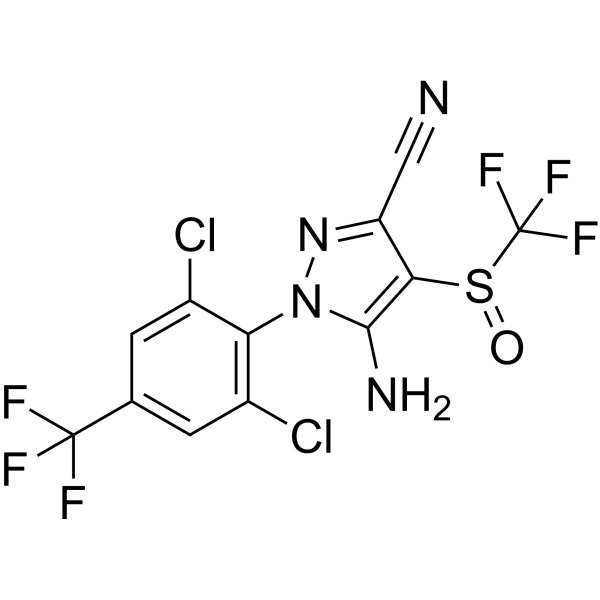
- HY-B0144R
-
|
NK-104 hemicalcium (Standard); Pitavastatin hemicalcium (Standard)
|
Reference Standards
HMG-CoA Reductase (HMGCR)
Autophagy
Mitophagy
Apoptosis
|
Cardiovascular Disease
Neurological Disease
Metabolic Disease
Cancer
|
|
Pitavastatin (Calcium) (Standard) is the analytical standard of Pitavastatin (Calcium). This product is intended for research and analytical applications. Pitavastatin Calcium (NK-104 hemicalcium) is a potent hydroxymethylglutaryl-CoA (HMG-CoA) reductase inhibitor. Pitavastatin Calcium (NK-104 hemicalcium) inhibits cholesterol synthesis from acetic acid with an IC50 of 5.8 nM in HepG2 cells. Pitavastatin Calcium is an efficient hepatocyte low-density lipoprotein-cholesterol (LDL-C) receptor inducer. Pitavastatin Calcium also possesses anti-atherosclerotic, anti-asthmatic, anti-osteoarthritis, antineoplastic, neuroprotective, hepatoprotective and reno-protective effects [2] .
|
-

- HY-179243
-
|
|
PROTACs
STAT
MDM-2/p53
|
Cancer
|
|
S3D5 is a highly efficient and selective PROTAC degrader targeting STAT3 (KD = 4.35 μM). S3D5 induces degradation of STAT3 in HepG2 cells without significant effects on other STAT proteins. S3D5 exhibits good anti-hepatocellular carcinoma cell proliferation activity, which can be explained by activating the p53 pathway. S3D5 degradation of the STAT3 protein is mediated by the ubiquitin–proteasome system (UPS). S3D5 can be used for the study of hepatocellular carcinoma .
|
-

- HY-155531
-
|
|
Biochemical Assay Reagents
|
Infection
|
|
PEX5-PEX14 PPI-IN-2 (compound 12) is a PEX14-PEX5 protein-protein interaction (PPI) inhibitor. PEX5-PEX14 PPI-IN-2 inhibits PEX14-PEX5 PPI with EC50 values of 5 and 17 µM in T. b. brucei and HepG2 cells, respectively. PEX5-PEX14 PPI-IN-2 can be used in the research of diseases related to trypanosome infection .
|
-
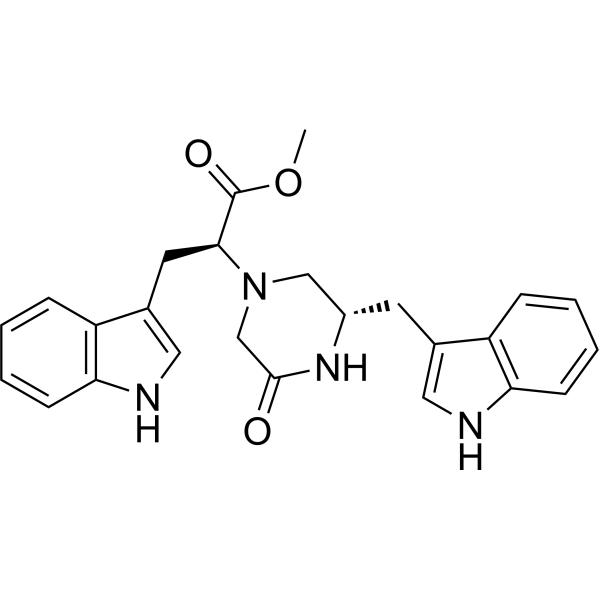
- HY-N0573R
-
|
7-Hydroxycoumarin (Standard); Hydrangin (Standard); NSC 19790 (Standard)
|
Reference Standards
Apoptosis
Fluorescent Dye
|
Neurological Disease
Inflammation/Immunology
Cancer
|
|
Umbelliferone (Standard) (7-Hydroxycoumarin (Standard)) is the analytical standard of Umbelliferone (HY-N0573). This product is intended for research and analytical applications. Umbelliferone (7-Hydroxycoumarin), a natural orally active product of the coumarin family, is a fluorescing compound which can be used as a sunscreen agent. Umbelliferone induces cell cycle arrest, apoptosis and DNA fragmentation in HepG2 cells. Umbelliferone exhibits significant anticancer effects. Umbelliferone attenuates the alteration characteristics of allergic airway inflammation. Umbelliferone displays the neuroprotective effects and cross the blood-brain barrier. Umbelliferone exhibits anti-inflammatory and antioxidant effects in
chronic alcohol-fed rats.
|
-

- HY-D3000
-
|
|
Fluorescent Dye
|
Metabolic Disease
|
|
NIR-RED ROS-H2O2 Probe is a near-infrared fluorescent probe used for detecting hydrogen peroxide (H₂O₂) and featuring dual-modal fluorescence/photoacoustic imaging capabilities. NIR-RED ROS-H2O2 Probe successfully detects the upregulated fluorescence signal of H₂O₂ in HepG2 cells and a mouse liver injury model. NIR-RED ROS-H2O2 Probe can be used as a biomarker detection tool for drug-induced liver injury (DILI) .
|
-

- HY-W001288S
-
|
|
Isotope-Labeled Compounds
NF-κB
|
Metabolic Disease
|
|
Indole-4-carboxaldehyde- 13C is the 13C-labeled Indole-4-carboxaldehyde (HY-W001288). Indole-4-carboxaldehyde is an ergot alkaloid precursor. Indole-4-carboxaldehyde attenuates the methylglyoxal (MGO)-induced expression of inflammatory-related genes, such asTNF-α and IFN-γ by activating NF-κB without toxicity in HepG2 cells. Indole-4-carboxaldehyde reduces the MGO-induced AGE formation and the expression of the receptor for AGE (RAGE). Indole-4-carboxaldehyde can be used for the study of hepatic steatosis [2].
|
-

- HY-W015892R
-
|
γ-Caprolactone (Standard)
|
Reference Standards
Interleukin Related
TNF Receptor
Insecticide
|
Infection
|
|
γ-Hexalactone (Standard) is the analytical standard of γ-Hexalactone (γ-Caprolactone) (HY-W015892). This product is intended for research and analytical applications. γ-Hexalactone is a gamma-lactone found in ripe fruits. γ-Hexalactone induces DNA damage in human lymphocytes and HepG2 cells, modulates cytokine secretion in human lymphocytes, and reduces recombinant PON1 activity. γ-Hexalactone serves as a dose-dependent oviposition inhibitor against Bactrocera oleae. γ-Hexalactone can be used for the research of Bactrocera oleae pest management [2] .
|
-

- HY-174830
-
|
|
PD-1/PD-L1
|
Cancer
|
|
GJ19 is a PD-L1 inhibitor with an IC50 of 32.06 nM. GJ19 can effectively bind to human/murine PD-L1 protein with Kd values of 171 and 290 nM, respectively. GJ19 concentration-dependently promotes HepG2 cell mortality in a co-culture model of HepG2/hPD-L1 and Jurkat T/hPD-1 cells. GJ19 effectively suppresses tumor growth in a B16-F10 melanoma mouse model. GJ19 can be used for the study of tumor immunotherapy .
|
-

- HY-N0043
-
-
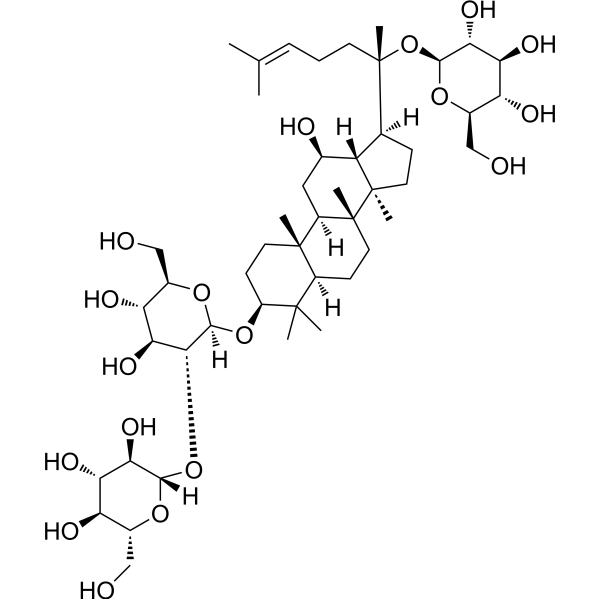
- HY-N0573S
-
|
7-Hydroxycoumarin-d5; Hydrangin-d5; NSC 19790-d5
|
Isotope-Labeled Compounds
Apoptosis
Fluorescent Dye
|
Neurological Disease
Inflammation/Immunology
Cancer
|
|
Umbelliferone-d5 (7-Hydroxycoumarin-d5) is the deuterium labeled Umbelliferone (HY-N0573 ). Umbelliferone (7-Hydroxycoumarin), a natural orally active product of the coumarin family, is a fluorescing compound which can be used as a sunscreen agent. Umbelliferone induces cell cycle arrest, apoptosis and DNA fragmentation in HepG2 cells. Umbelliferone exhibits significant anticancer effects. Umbelliferone attenuates the alteration characteristics of allergic airway inflammation. Umbelliferone displays the neuroprotective effects and cross the blood-brain barrier. Umbelliferone exhibits anti-inflammatory and antioxidant effects in chronic alcohol-fed rats [2].
|
-
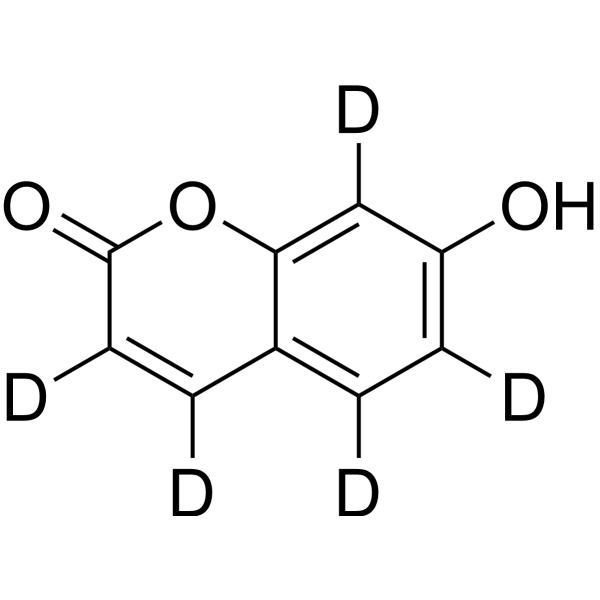
- HY-169431
-
|
|
VEGFR
Akt
Caspase
Bcl-2 Family
Apoptosis
|
Cancer
|
|
VEGFR-2/AKT-IN-2 (Compound 5) is a VEGFR-2/AKT inhibitor (IC50: 0.061 μM for VEGFRin HepG2 cell). VEGFR-2/AKT-IN-2 reduces total and phosphorylated AKT as well as up-regulates BAX and Caspase-3 and down-regulates Bcl-2 in cells, thereby promoting Apoptosis. VEGFR-2/AKT-IN-2 causes cell cycle arrest in S phase. VEGFR-2/AKT-IN-2 inhibits the growth of human liver tumor cells .
|
-

- HY-N8504
-
|
NSC 260179; Spectinabilin
|
Bacterial
|
Infection
|
|
Neoaureothin is a bacterial metabolite that has been found in Streptomyces. It is an androgen receptor (AR) antagonist that inhibits binding of dihydrotestosterone (DHT) to ARs (IC50=13 μM) and inhibits DHT-induced expression of prostate-specific antigen in LNCaP cells (IC50=1.75 nM). Neoaureothin is cytotoxic to A549, HCT116, and HepG2 cells (IC50s=34.3, 47, and 37.2 μg/mL, respectively). It also has nematocidal activity against the pine wood nematode B. xylophilus (LC50=0.84 μg/mL) and increases survival of P. densiflora trees inoculated with B. xylophilus.
|
-

- HY-W724326
-
|
|
Isotope-Labeled Compounds
Fungal
Apoptosis
Cytochrome P450
|
Infection
|
|
Tebuconazole-d4 is the deuterium labeled Tebuconazole (HY-B0852). Tebuconazole is an orally active agricultural azole fungicide which can also inhibit CYP51 with IC50s of 0.9 and 1.3 μM for Candida albicans CYP51 (CaCYP51) and truncated Homo sapiens CYP51 (Δ60HsCYP51), respectively. Tebuconazole induces lipid accumulation and oxidative stress in HepG2 Cells. Tebuconazole decreases MAC-T cells viability and proliferation, induces ER-stress-mediated apoptosis and increases oxidative stress levels in MAC-T cells [2] .
|
-

- HY-B0852S2
-
|
|
Isotope-Labeled Compounds
Cytochrome P450
Fungal
|
Infection
|
|
Tebuconazole-d6 is a deuterium labeled Tebuconazole (HY-B0852). Tebuconazole is an orally active agricultural azole fungicide which can also inhibit CYP51 with IC50s of 0.9 and 1.3 μM for Candida albicans CYP51 (CaCYP51) and truncated Homo sapiens CYP51 (Δ60HsCYP51), respectively. Tebuconazole induces lipid accumulation and oxidative stress in HepG2 Cells. Tebuconazole decreases MAC-T cells viability and proliferation, induces ER-stress-mediated apoptosis and increases oxidative stress levels in MAC-T cells [2] .
|
-

- HY-W777393
-
|
7-Hydroxycoumarin-13C6; Hydrangin-13C6; NSC 19790-13C6
|
Isotope-Labeled Compounds
Apoptosis
Fluorescent Dye
|
Neurological Disease
Inflammation/Immunology
Cancer
|
|
Umbelliferone- 13C6 (7-Hydroxycoumarin- 13C6) is the 13C-labeled Umbelliferone (HY-N0573). Umbelliferone (7-Hydroxycoumarin), a natural orally active product of the coumarin family, is a fluorescing compound which can be used as a sunscreen agent. Umbelliferone induces cell cycle arrest, apoptosis and DNA fragmentation in HepG2 cells. Umbelliferone exhibits significant anticancer effects. Umbelliferone attenuates the alteration characteristics of allergic airway inflammation. Umbelliferone displays the neuroprotective effects and cross the blood-brain barrier. Umbelliferone exhibits anti-inflammatory and antioxidant effects in
chronic alcohol-fed rats [2] .
|
-

- HY-B0852R
-
|
|
Reference Standards
Cytochrome P450
Fungal
Apoptosis
|
Infection
|
|
Tebuconazole (Standard) is the analytical standard of Tebuconazole. This product is intended for research and analytical applications. Tebuconazole is an orally active agricultural azole fungicide which can also inhibit CYP51 with IC50s of 0.9 and 1.3 μM for Candida albicans CYP51 (CaCYP51) and truncated Homo sapiens CYP51 (Δ60HsCYP51), respectively. Tebuconazole induces lipid accumulation and oxidative stress in HepG2 Cells. Tebuconazole decreases MAC-T cells viability and proliferation, induces ER-stress-mediated apoptosis and increases oxidative stress levels in MAC-T cells [2] .
|
-
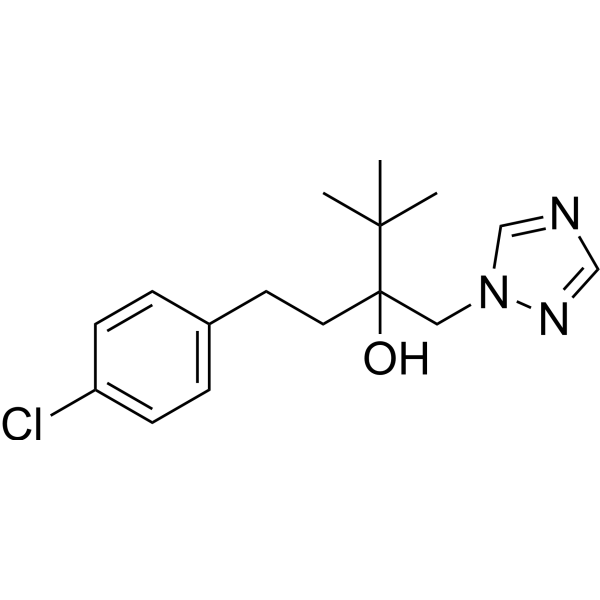
- HY-176740
-
|
|
PROTACs
Bcl-2 Family
p38 MAPK
Reactive Oxygen Species (ROS)
Mitochondrial Metabolism
Apoptosis
ERK
JNK
|
Cancer
|
|
PROTAC Bcl-xL degrader-4 (Compound 2-38-III) is a Bcl-xL PROTAC degrader. PROTAC Bcl-xL degrader-4 has strong anti-tumor activity against HepG2 cells and HUVEC cells. PROTAC Bcl-xL degrader-4 induces cells apoptosis by decreasing mitochondrial membrane potential and activating the MAPK signaling pathway. PROTAC Bcl-xL degrader-4 significantly inhibits tumor growth in xenograft tumor mouse models . Pink: MAPK ligand (HY-176741); Blue: CRBN ligase ligand (HY-10984); Black: linker (HY-W017440)
|
-

- HY-175176
-
|
|
HDAC
Apoptosis
Pyroptosis
Reactive Oxygen Species (ROS)
Caspase
|
Cancer
|
|
HDAC1/6-IN-3 is a potent HDAC inhibitor. HDAC1/6-IN-3 shows excellent inhibitory activities against HDAC1 (IC50 = 1.1 nM) and HDAC6 (IC50 = 2.7 nM). HDAC1/6-IN-3 significantly arrests HepG2 cells at the G0/G1 phase and induces apoptosis and pyroptosis. HDAC1/6-IN-3 exhibits significant antitumor activity in the HepG2 xenograft mode. HDAC1/6-IN-3 can be used for the study of cancers such as liver cancer, lung cancer, colon cancer and breast cancer .
|
-

- HY-172965
-
|
|
SARS-CoV
Virus Protease
|
Infection
Inflammation/Immunology
|
|
SARS-CoV-2 Mpro-IN-43 (Compound 1) is a coronavirus main protease (Mpro) inhibitor (IC50: 72 μM). SARS-CoV-2 Mpro-IN-43 interacts with key residues in the active site of Mpro via non-covalent binding, exerting its anti-coronavirus effect. SARS-CoV-2 Mpro-IN-43 exhibits moderate to low cytotoxicity, with CC50 values of 13.24, 41.02, and 42.26 µM in HaCaT, HEK293T, and HepG2 cells, respectively. SARS-CoV-2 Mpro-IN-43 can be used in anti-SARS-CoV-2 research .
|
-

- HY-149407
-
|
|
VEGFR
CDK
EGFR
Necroptosis
Apoptosis
|
Cancer
|
|
Multi-kinase-IN-4 (compound 5d) is multi-targeted kinase inhibitor, including VEGFR2, EGFR, HER2, and CDK2, with IC50 values of 0.33, 0.22, 0.18 and 2.09 μM, respectively. Multi-kinase-IN-4 shows broad-spectrum anti-cancer activities against HepG2, MCF-7, MDA-231, and HeLa cell lines (IC50 = 1.94–7.1 µM), but exhibits lower toxicity in the WI-38 cells (IC50 = 40.85 µM). Multi-kinase-IN-4 induces apoptosis and arrests cell cycle at S phase in HepG2 cells. Multi-kinase-IN-4 has the potential for the research of cancer .
|
-
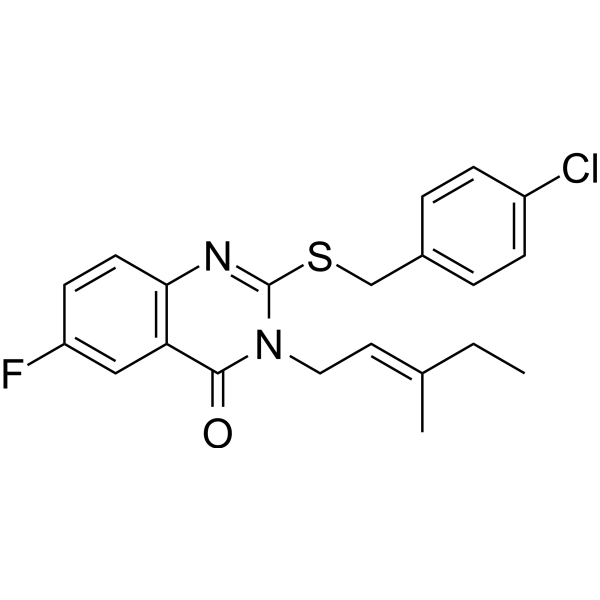
- HY-N0043R
-
|
Gypenoside VIII (Standard)
|
Reference Standards
NF-κB
COX
Calcium Channel
Cytochrome P450
Endogenous Metabolite
|
Cardiovascular Disease
Inflammation/Immunology
Cancer
|
|
Ginsenoside Rd (Standard) is the analytical standard of Ginsenoside Rd. This product is intended for research and analytical applications. Ginsenoside Rd inhibits TNFα-induced NF-κB transcriptional activity with an IC50 of 12.05±0.82 μM in HepG2 cells. Ginsenoside Rd inhibits expression of COX-2 and iNOS mRNA. Ginsenoside Rd also inhibits Ca2+ influx. Ginsenoside Rd inhibits CYP2D6, CYP1A2, CYP3A4, and CYP2C9, with IC50s of 58.0±4.5 μM, 78.4±5.3 μM, 81.7±2.6 μM, and 85.1±9.1 μM, respectively.
|
-
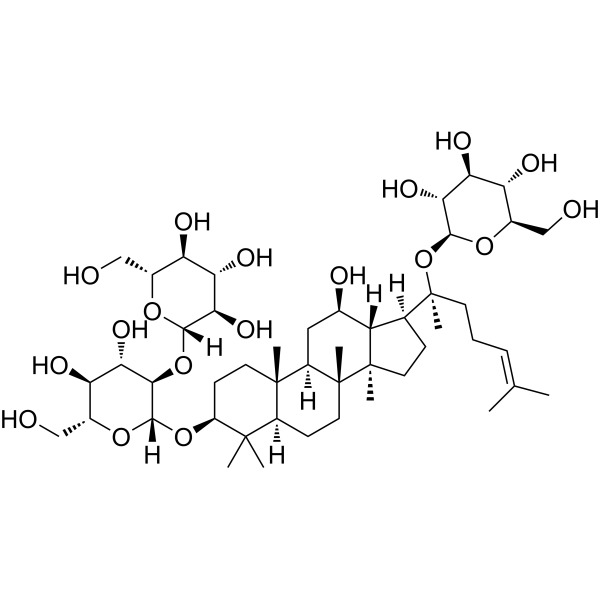
- HY-173331
-
|
|
Chloride Channel
Apoptosis
Autophagy
|
Cancer
|
|
Antitumor agent-201 (Compound 10) is a chloride transport activator that targets the Golgi apparatus. Its EC50 for promoting the transmembrane transport of chloride ions is 1.53 mol%, and its IC50 against HepG2 cells is 7.13 μM. Antitumor agent-201 exerts its anti-cancer activity by selectively acting on the Golgi apparatus, disrupting the chloride ion homeostasis within it, reducing the expression of key proteins such as GM130 and GRASP55, altering the structure and function of the Golgi apparatus, triggering Autophagy of the Golgi apparatus, and further inducing Apoptosis of cancer cells and arresting cancer cells in the G2/M phase. Antitumor agent-201 can be used in the research field of cancer diseases .
|
-

- HY-175204
-
|
|
AUTACs
SHP2
Apoptosis
Autophagy
Atg8/LC3
|
Cancer
|
|
SHP2 protein degrader-3 is a SHP2 AUTAC degrader. SHP2 protein degrader-3 shows dose-dependent SHP2 degradation ability (DC50 = 3.22 μM) and anti-tumor activity (IC50 = 5.59 μM) in HeLa cells. SHP2 protein degrader-3 induces degradation through the LC3-mediated autophagy pathway, which can be inhibited by lysosome inhibitors. SHP2 protein degrader-3 induces apoptosis in various cancer cells (HeLa cells, HepG2 cells, LoVo cells, Huh-7 cells) (SHP2 Ligand : (HY-100388); LC3 Ligand: (HY-10542); Linker : (HY-128834)) .
|
-

- HY-173033
-
|
|
Pregnane X Receptor (PXR)
Constitutive Androstane Receptor
Cytochrome P450
|
Metabolic Disease
|
|
MI-883 is the orally active agonist for Constitutive Androstane Receptor (CAR, EC50=73 nM) and the antagonist for Pregnane X Receptor (PXR, IC50=0.1 μM). MI-883 stimulates CAR LBD assembly (EC50=0.38 µM) and CAR3 variant activation (EC50=0.074 µM), induces CYP2B6 mRNA expression in HepaRG and primary human hepatocytes. MI-883 inhibits basal PXR activity IC50=2.03 µM) in transiently transfected HepG2 cells, blocks CYP3A4 mRNA expression in HepG2. MI-883 regulates cholesterol metabolism and bile acid excretion, improves hypercholesterolemia in mouse models .
|
-

- HY-147913
-
|
|
PI3K
Akt
mTOR
Apoptosis
|
Cancer
|
|
PI3K/Akt/mTOR-IN-3 (compound 3d) is a potent PI3K/AKT/mTOR inhibitor. PI3K/Akt/mTOR-IN-3 displays the inhibitory activity in MCF-7, HeLa and HepG2 cells, with IC50 values of 0.77, 1.23, and 4.57μM, respectively. PI3K/Akt/mTOR-IN-3 inhibits the migration of MCF-7 and HeLa cells at the concentration of 4 μM. PI3K/Akt/mTOR-IN-3 induces cell apoptosis and S phase arrest .
|
-
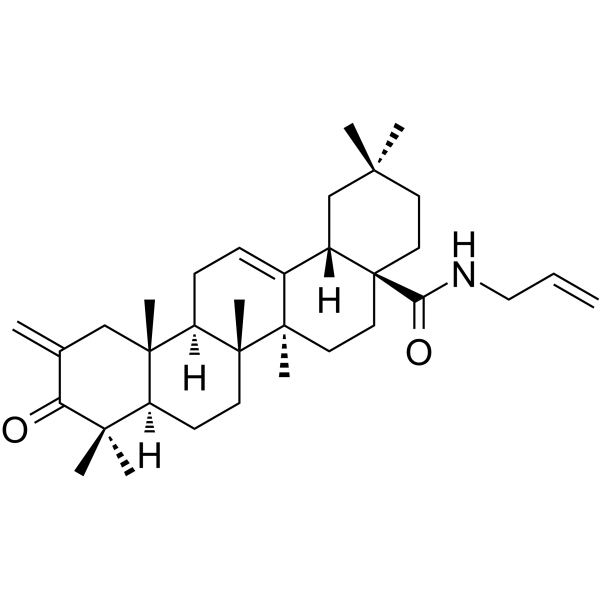
- HY-124187
-
|
Ethyl pinolenate
|
Biochemical Assay Reagents
|
Others
|
|
Pinolenic acid is a polyunsaturated fatty acid found in the seed oils of red pine (Pinus orientalis) and maritime pine (Pinus pinaster). Both oils were found to have lipid-lowering properties. A diet containing marine pine nut oil (MPSO) reduces HDL and ApoA1 levels in transgenic mice expressing human ApoA1. MPSO was found to reduce cholesterol efflux in vitro. Korean pine nut oil supplements may help obesity by reducing appetite. People who take this oil experience an increase in the satiety hormones CCK and GLP-1 and a decrease in appetite. The activity of the oil is attributed to pinolenic acid. Pinolenic acid is not metabolized to arachidonic acid and can reduce the level of arachidonic acid in the phosphatidylinositol fraction of HepG2 cells from 15.9% to 7.0%. Pinolenic acid ethyl ester is a neutral, more lipophilic form of the free acid.
|
-
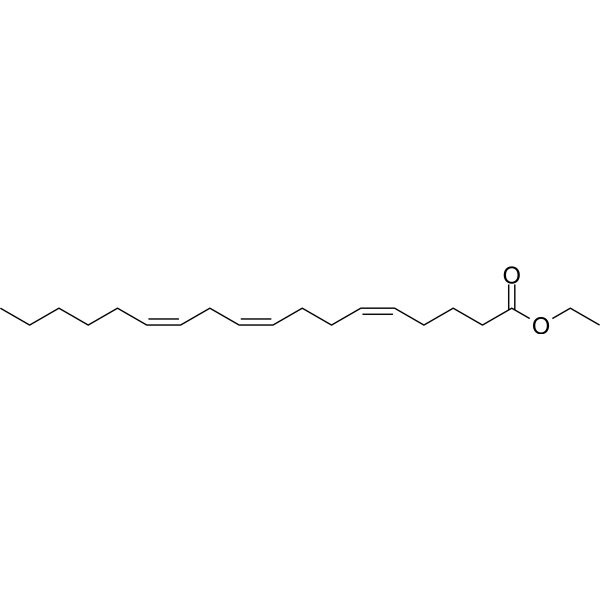
| Cat. No. |
Product Name |
Type |
-
- HY-D1255
-
|
|
Fluorescent Dyes
|
|
Sel-green, a selective selenol fluorescent probe, is applied to quantify the Sec content in the selenoenzyme thioredoxin reductase and image endogenous Sec in live HepG2 cells .
|
-
- HY-D2315
-
|
|
Fluorescent Dyes
|
|
Probe-Cys is a water-soluble and selective near-infrared fluorescent probe for Cysteine (Cys) (λex= 680 nm, λem=710 nm) that is not interfered by Hcy, GSH, and HS-. Probe-Cys can react with the stimulant DTT (HY-15917) and the NEM (HY-D0843) in HepG2 cells and zebrafish for the detection of endogenous Cys. Probe-Cys can also be used for imaging Cys in Arabidopsis thaliana. Probe-Cys provides a method for cancer diagnosis and exploration of plant sulfur metabolism .
|
-
- HY-D3000
-
|
|
Fluorescent Dyes
|
|
NIR-RED ROS-H2O2 Probe is a near-infrared fluorescent probe used for detecting hydrogen peroxide (H₂O₂) and featuring dual-modal fluorescence/photoacoustic imaging capabilities. NIR-RED ROS-H2O2 Probe successfully detects the upregulated fluorescence signal of H₂O₂ in HepG2 cells and a mouse liver injury model. NIR-RED ROS-H2O2 Probe can be used as a biomarker detection tool for drug-induced liver injury (DILI) .
|
-
- HY-163286
-
|
|
Fluorescent Dyes
|
|
BODIQPy-TPA is a lipophilic probes, which induces ferroptosis in B16 and HepG2 cells upon light irradiation through lipid peroxidation. BODIQPy-TPA reveals a maximum absorption wavelength of 488 nm and a maximum emission wavelength above 640 nm .
|
-
- HY-163287
-
|
|
Fluorescent Dyes
|
|
QPy-TPA is a lipopjilc probes, which induces non-ferroptotic cell death and lipid dynamic regularion in B16 and HepG2 cells upon light irradiation. QPy-TPA reveals a maximum absorption wavelength of 400 nm and a maximum emission wavelength of 590 nm .
|
| Cat. No. |
Product Name |
Type |
-
- HY-124187
-
|
Ethyl pinolenate
|
Biochemical Assay Reagents
|
|
Pinolenic acid is a polyunsaturated fatty acid found in the seed oils of red pine (Pinus orientalis) and maritime pine (Pinus pinaster). Both oils were found to have lipid-lowering properties. A diet containing marine pine nut oil (MPSO) reduces HDL and ApoA1 levels in transgenic mice expressing human ApoA1. MPSO was found to reduce cholesterol efflux in vitro. Korean pine nut oil supplements may help obesity by reducing appetite. People who take this oil experience an increase in the satiety hormones CCK and GLP-1 and a decrease in appetite. The activity of the oil is attributed to pinolenic acid. Pinolenic acid is not metabolized to arachidonic acid and can reduce the level of arachidonic acid in the phosphatidylinositol fraction of HepG2 cells from 15.9% to 7.0%. Pinolenic acid ethyl ester is a neutral, more lipophilic form of the free acid.
|
-
- HY-W001288
-
|
|
Biochemical Assay Reagents
|
|
Indole-4-carboxaldehyde is an ergot alkaloid precursor. Indole-4-carboxaldehyde attenuates the methylglyoxal (MGO)-induced expression of inflammatory-related genes, such asTNF-α and IFN-γ by activating NF-κB without toxicity in HepG2 cells. Indole-4-carboxaldehyde reduces the MGO-induced AGE formation and the expression of the receptor for AGE (RAGE). Indole-4-carboxaldehyde can be used for the study of hepatic steatosis [2].
|
| Cat. No. |
Product Name |
Target |
Research Area |
-
- HY-113064
-
|
|
Endogenous Metabolite
|
Cancer
|
|
Selenocystine is a broad-spectrum anti-cancer agent. Selenocystine induces DNA damage in HepG2 cells, particularly in the form of DNA double strand breaks (DSBs). Selenocystine exhibits great promise as a therapeutic or adjuvant agent targeting DNA repair for cancer treatment .
|
-
- HY-P11334
-
|
|
Aminopeptidase
Phosphatase
Angiotensin-converting Enzyme (ACE)
DNA/RNA Synthesis
|
Cancer
|
|
Cyanostatin B, a cyanobacterial lipopeptide, is a leucine aminopeptidase M (LAP) inhibitor (IC50 = 12 ng/mL). Cyanostatin B is a weak inhibitor of protein phosphatase (PP2A) and also exhibits weak inhibitory activity against angiotensin-converting enzyme (ACE), with an IC50 value of 130 μg/mL. Cyanostatin B demonstrates both cytotoxic and genotoxic effects on human hepatocytes, although non-toxic to Artemia salina. Cyanostatin B inhibits the proliferation of HepG2 cells, induces DNA single-strand breaks, and causes genomic instability. [2].
|
-
- HY-P11216
-
|
|
PCSK9
|
Cancer
|
|
Pep2-8 analogue 18 is a high affinity PCSK9 (KD = 6 nM) inhibitory peptide. Pep2-8 analogue 18 restores LDL uptake in HepG2 cells (EC50 = 175 nM). Pep2-8 analogue 18 has good cellular safety. Pep2-8 analogue 18 can be used for research on cardiovascular conditions .
|
-
- HY-P11604
-
|
|
Phosphatase
|
Inflammation/Immunology
|
|
C16 acid-I-{Lys (C10 diacid)}-KQELRRIGDEF is a cell-permeable and internalizable PTPN1/2 inhibitor, with IC50 values of 107.6 nM and 3375 nM, respectively. C16 acid-I-{Lys (C10 diacid)}-KQELRRIGDEF restores insulin signaling in HepG2 cells. C16 acid-I-{Lys (C10 diacid)}-KQELRRIGDEF achieves glycemic control in db/db diabetic mice. C16 acid-I-{Lys (C10 diacid)}-KQELRRIGDEF can be used in the research of type 2 diabetes .
|
| Cat. No. |
Product Name |
Category |
Target |
Chemical Structure |
-
- HY-N0125
-
-
-
- HY-N0069
-
-
-
- HY-N0573
-
-
-
- HY-N0043
-
-
-
- HY-N0316
-
-
-
- HY-16558
-
-
-
- HY-N0876
-
-
-
- HY-N8441
-
-
-
- HY-N0213
-
-
-
- HY-N0231
-
-
-
- HY-N0396
-
-
-
- HY-N0906
-
-
-
- HY-W015892
-
-
-
- HY-N0907
-
-
-
- HY-113064
-
-
-
- HY-N7905
-
-
-
- HY-N7676
-
-
-
- HY-N6683
-
-
-
- HY-N0573R
-
|
7-Hydroxycoumarin (Standard); Hydrangin (Standard); NSC 19790 (Standard)
|
Structural Classification
Monophenols
Coumarins
Phenols
Phenylpropanoids
Endogenous metabolite
Source Classification
|
Reference Standards
Apoptosis
Fluorescent Dye
|
|
Umbelliferone (Standard) (7-Hydroxycoumarin (Standard)) is the analytical standard of Umbelliferone (HY-N0573). This product is intended for research and analytical applications. Umbelliferone (7-Hydroxycoumarin), a natural orally active product of the coumarin family, is a fluorescing compound which can be used as a sunscreen agent. Umbelliferone induces cell cycle arrest, apoptosis and DNA fragmentation in HepG2 cells. Umbelliferone exhibits significant anticancer effects. Umbelliferone attenuates the alteration characteristics of allergic airway inflammation. Umbelliferone displays the neuroprotective effects and cross the blood-brain barrier. Umbelliferone exhibits anti-inflammatory and antioxidant effects in
chronic alcohol-fed rats.
|
-
-
- HY-N7321
-
-
-
- HY-N3542
-
-
-
- HY-126535
-
-
-
- HY-N8679
-
-
-
- HY-N0125R
-
-
-
- HY-N7605
-
-
-
- HY-142101
-
-
-
- HY-N10853
-
-
-
- HY-N13772
-
|
(+)-Dihydroisorhamnetin
|
Flavanonols
Flavonoids
Pulicaria jaubertii E.Gamal-Eldin
Asteraceae
Plants
Source Classification
|
Apoptosis
|
|
3'-O-Methyltaxifolin ((+)-Dihydroisorhamnetin) is a dihydroflavanol found in Pulicaria jaubertii. A mixture of these alcohol compounds including 3'-O-Methyltaxifolin found in Pulicaria jaubertii exhibits antitumor activity with IC50 values of 19.1 μg, 20.0 μg, and 24.1 μg against prostate cancer (PC-3), breast cancer (MCF-7), and hepatocellular carcinoma (HepG-2) cell lines, respectively. Furthermore, 3'-O-Methyltaxifolin can induce cell apoptosis, making it a promising candidate for anticancer research. .
|
-
-
- HY-N12158
-
-
-
- HY-N8361
-
-
-
- HY-126644
-
-
-
- HY-N0316R
-
-
-
- HY-N8466
-
-
-
- HY-N0882
-
|
Deacetylcinobufotalin
|
Structural Classification
Animals
Classification of Application Fields
Disease Research Fields
Steroids
Source Classification
Cancer
|
Apoptosis
Bcl-2 Family
|
|
Desacetylcinobufotalin is an active component isolated from Venenum Bufonis, which exhibits significant cytotoxicity against human hepatocellular carcinoma HepG2 cells (IC50 = 0.0279 µmol/mL). Desacetylcinobufotalin upregulates Bax protein expression, downregulates Bcl-2 protein expression, and induces apoptosis via the mitochondrial pathway. Desacetylcinobufotalin inhibits cancer cell survival, and shows lower cytotoxicity compared to its parent compound Cinobufagin (HY-N0421). Desacetylcinobufotalin can be used in hepatocellular carcinoma-related research [2].
|
-
-
- HY-16558R
-
-
-
- HY-158721
-
|
Marinamide
|
Structural Classification
Alkaloids
Microorganisms
Indole Alkaloids
Source Classification
|
Endogenous Metabolite
Parasite
|
|
Penicinoline (Marinamide) (Compound 1), a pyrrolyl 4-quinolinone alkaloid, is a microbial secondary metabolite. Penicinoline can be isolated from endophytic fungus Penicillium sp. Penicinoline has antimalarial activity against Chloroquine (HY-17589A) sensitive strain (pf3d7) and against Chloroquine resistant strain (pfDd2) of plasmodium falciparum. Penicinoline also has strong insecticidal activity against Aphis gossypii and selective anticancer effect with significant cytotoxicity for 95-D and HepG2 cells [2].
|
-
-
- HY-N10063
-
-
-
- HY-N9010
-
-
-
- HY-N11433
-
-
-
- HY-122324
-
|
(+)-(S)-Tylophorine; DCB-3500; NSC-717335
|
Apocynaceae
Plants
Tylophora
Source Classification
|
Others
|
|
Tylophorine and its analogs are benzoindole alkaloids, most of which are derived from Garcinia plants. Tylophorine analogs all show potent growth inhibition against human hepatocellular carcinoma HepG2 and human nasopharyngeal carcinoma KB cell lines. Tylophorine analogs can also induce increased albumin expression and inhibit α-fetoprotein expression in HepG2 cells, and have the potential to induce HepG2 cell differentiation .
|
-
-
- HY-N10207
-
-
-
- HY-N12426
-
-
-
- HY-N10089
-
-
-
- HY-N12288
-
-
-
- HY-N12440
-
-
-
- HY-N12706
-
-
-
- HY-N9532
-
-
-
- HY-126981
-
-
-
- HY-N2936
-
-
-
- HY-N15562
-
-
- HY-N1324
-
-
- HY-N6683R
-
-
- HY-N10952
-
-
- HY-N4251
-
-
- HY-N4043
-
-
- HY-N6595
-
-
- HY-N10447
-
-
- HY-N12140
-
-
- HY-N15349
-
|
|
Natural Products
Microorganisms
Source Classification
|
Others
|
|
Nocapyrone Q is a polyketide compound discovered in the karst cave mold Streptomyces sp. FD-2-6. At a dose of 100 μM, Nocapyrone Q exhibits inhibitory activity against human hepatocellular carcinoma HepG2 cells and human cervical cancer HeLa cells. Nocapyrone Q holds potential for research in the field of cancer therapy .
|
-
- HY-N8214
-
-
- HY-N0069R
-
-
- HY-N0213R
-
-
- HY-N11996
-
|
|
Liliaceae
Phenols
Polyphenols
Aloe vera (L.) Burm. f.
Plants
Source Classification
|
NO Synthase
NF-κB
|
|
Aloenin aglycone (compound 13) is an NF-κB inhibitor that can be isolated from aloe exudate. Aloenin aglycone inhibits TNFα-induced NF-κB transcriptional activity (IC50: 18.7 μM). Aloenin aglycone (10 μM) also reduced inducible nitric oxide synthase (iNOS) and intercellular adhesion molecule 1 (ICAM-1) gene expression after treatment of HepG2 cells with 10 ng/mL TNFα .
|
-
- HY-121174
-
-
- HY-N0231R
-
-
- HY-W402074
-
-
- HY-N0876R
-
-
- HY-N0396R
-
|
|
Structural Classification
Iridoids
Terpenoids
Pedaliaceae
Plants
Harpagophytum procumbens
|
Reference Standards
COX
NO Synthase
|
|
Harpagoside (Standard) is the analytical standard of Harpagoside. This product is intended for research and analytical applications. Harpagoside can be obtained by Harpagophytum procumbens, which has anti-inflammatory, anti-cancer, protective activity, and efficacy. Harpagoside has an inhibitory effect on COX-1 and COX-2 active, and suppresses NO production. Harpagoside inhibits HepG2 cell lipid polysaccharide, which is a protein that is expressed horizontally and selectively, and has anti-inflammatory and latent pain effects. Harpagoside has the ability to protect the body, and has a degenerative effect on the β-oxidation (Aβ) [2] .
|
-
- HY-W015892R
-
|
γ-Caprolactone (Standard)
|
Structural Classification
Natural Products
other families
Plants
Source Classification
|
Reference Standards
Interleukin Related
TNF Receptor
Insecticide
|
|
γ-Hexalactone (Standard) is the analytical standard of γ-Hexalactone (γ-Caprolactone) (HY-W015892). This product is intended for research and analytical applications. γ-Hexalactone is a gamma-lactone found in ripe fruits. γ-Hexalactone induces DNA damage in human lymphocytes and HepG2 cells, modulates cytokine secretion in human lymphocytes, and reduces recombinant PON1 activity. γ-Hexalactone serves as a dose-dependent oviposition inhibitor against Bactrocera oleae. γ-Hexalactone can be used for the research of Bactrocera oleae pest management [2] .
|
-
- HY-N0043R
-
-
- HY-N16714
-
-
| Cat. No. |
Product Name |
Chemical Structure |
-
- HY-N0573S
-
|
|
|
Umbelliferone-d5 (7-Hydroxycoumarin-d5) is the deuterium labeled Umbelliferone (HY-N0573 ). Umbelliferone (7-Hydroxycoumarin), a natural orally active product of the coumarin family, is a fluorescing compound which can be used as a sunscreen agent. Umbelliferone induces cell cycle arrest, apoptosis and DNA fragmentation in HepG2 cells. Umbelliferone exhibits significant anticancer effects. Umbelliferone attenuates the alteration characteristics of allergic airway inflammation. Umbelliferone displays the neuroprotective effects and cross the blood-brain barrier. Umbelliferone exhibits anti-inflammatory and antioxidant effects in chronic alcohol-fed rats [2].
|
-
-
- HY-B0144AS1
-
|
|
|
Pitavastatin-d5 (sodium) is the deuterium labeled Pitavastatin sodium. Pitavastatin (NK-104) is a potent hydroxymethylglutaryl-CoA (HMG-CoA) reductase inhibitor. Pitavastatin inhibits cholesterol synthesis from acetic acid with an IC50 of 5.8 nM in HepG2 cells. Pitavastatin is an efficient hepatocyte low-density lipoprotein-cholesterol (LDL-C) receptor inducer. Anti-cancer activity.
|
-
-
- HY-13623S1
-
|
|
|
Entecavir- 13C2, 15N (BMS200475- 13C2, 15N; SQ34676- 13C2, 15N) is a 13C- and 15N-labeled Entecavir (HY-13623). Entecavir (SQ 34676; BMS 200475) is a potent and selective inhibitor of HBV, with an EC50 of 3.75 nM in HepG2 cell.
|
-
-
- HY-14914S1
-
|
|
|
Azilsartan-d4 is the deuterium labeled Azilsartan . Azilsartan is an orally active, potent, selective and specific angiotensin II type 1 receptor (AT1) antagonist. Azilsartan induces ROS formation and apoptosis in HepG2 cells. Azilsartan shows neuroprotective and anticancer activity. Azilsartan can be used for hypertension and stroke research [2] .
|
-
-
- HY-B0144S
-
|
|
|
Pitavastatin-d4 (hemicalcium) is deuterium labeled Pitavastatin (Calcium). Pitavastatin Calcium (NK-104 hemicalcium) is a potent hydroxymethylglutaryl-CoA (HMG-CoA) reductase inhibitor. Pitavastatin Calcium (NK-104 hemicalcium) inhibits cholesterol synthesis from acetic acid with an IC50 of 5.8 nM in HepG2 cells. Pitavastatin Calcium is an efficient hepatocyte low-density lipoprotein-cholesterol (LDL-C) receptor inducer. Anti-cancer activity[1][2][3].
|
-
-
- HY-B0144AS3
-
|
|
|
Pitavastatin-d4-1 (NK-104-d4-1) sodium is the deuterium labeled Pitavastatin sodium (HY-B0144B). Pitavastatin (NK-104) is a potent hydroxymethylglutaryl-CoA (HMG-CoA) reductase inhibitor. Pitavastatin inhibits cholesterol synthesis from acetic acid with an IC50 of 5.8 nM in HepG2 cells. Pitavastatin is an efficient hepatocyte low-density lipoprotein-cholesterol (LDL-C) receptor inducer. Pitavastatin also possesses anti-atherosclerotic, anti-asthmatic, anti-osteoarthritis, antineoplastic, neuroprotective, hepatoprotective and reno-protective effects [2] .
|
-
-
- HY-13623S
-
|
|
|
Entecavir-d2 is the deuterium labeled Entecavir. Entecavir (SQ 34676; BMS 200475) is a potent and selective inhibitor of HBV, with an EC50 of 3.75 nM in HepG2 cell.
|
-
-
- HY-N0125S
-
|
|
|
Diosmetin-d3 is the deuterium labeled Diosmetin. Diosmetin is a natural flavonoid which inhibits human CYP1A enzyme activity with an IC50 of 40 μM in HepG2 cell.
|
-
-
- HY-N6683S1
-
|
|
|
15-Acetyl-deoxynivalenol- 13C17 is the 13C labeled 15-Acetyl-deoxynivalenol (HY-N6683) . 15-Acetyl-deoxynivalenol is a highly toxic trichothecene found in cereals, and a metabolite of deoxynivalenol, exhibits toxicity to HepG2 cells [2].
|
-
-
- HY-19937S1
-
|
|
|
Saroglitazar-d4 is the deuterium-labeled Saroglitazar (HY-19937). Saroglitazar-d4 is a novel peroxisome proliferator-activated receptor (PPAR) agonist with predominant PPARα and moderate PPARγ activity with EC50 values of 0.65 pM and 3 nM in HepG2 cells, respectively.
|
-
-
- HY-B0852S2
-
|
|
|
Tebuconazole-d6 is a deuterium labeled Tebuconazole (HY-B0852). Tebuconazole is an orally active agricultural azole fungicide which can also inhibit CYP51 with IC50s of 0.9 and 1.3 μM for Candida albicans CYP51 (CaCYP51) and truncated Homo sapiens CYP51 (Δ60HsCYP51), respectively. Tebuconazole induces lipid accumulation and oxidative stress in HepG2 Cells. Tebuconazole decreases MAC-T cells viability and proliferation, induces ER-stress-mediated apoptosis and increases oxidative stress levels in MAC-T cells [2] .
|
-
-
- HY-W777393
-
|
|
|
Umbelliferone- 13C6 (7-Hydroxycoumarin- 13C6) is the 13C-labeled Umbelliferone (HY-N0573). Umbelliferone (7-Hydroxycoumarin), a natural orally active product of the coumarin family, is a fluorescing compound which can be used as a sunscreen agent. Umbelliferone induces cell cycle arrest, apoptosis and DNA fragmentation in HepG2 cells. Umbelliferone exhibits significant anticancer effects. Umbelliferone attenuates the alteration characteristics of allergic airway inflammation. Umbelliferone displays the neuroprotective effects and cross the blood-brain barrier. Umbelliferone exhibits anti-inflammatory and antioxidant effects in
chronic alcohol-fed rats [2] .
|
-
-
- HY-Z2862S
-
|
|
|
Entecavir- 13C2, 15N-1 is the 13C- and 15N-labeled Entecavir. Entecavir (SQ 34676; BMS 200475) is a potent and selective inhibitor of HBV, with an EC50 of 3.75 nM in HepG2 cell.
|
-
-
- HY-W001288S
-
|
|
|
Indole-4-carboxaldehyde- 13C is the 13C-labeled Indole-4-carboxaldehyde (HY-W001288). Indole-4-carboxaldehyde is an ergot alkaloid precursor. Indole-4-carboxaldehyde attenuates the methylglyoxal (MGO)-induced expression of inflammatory-related genes, such asTNF-α and IFN-γ by activating NF-κB without toxicity in HepG2 cells. Indole-4-carboxaldehyde reduces the MGO-induced AGE formation and the expression of the receptor for AGE (RAGE). Indole-4-carboxaldehyde can be used for the study of hepatic steatosis [2].
|
-
-
- HY-W724326
-
|
|
|
Tebuconazole-d4 is the deuterium labeled Tebuconazole (HY-B0852). Tebuconazole is an orally active agricultural azole fungicide which can also inhibit CYP51 with IC50s of 0.9 and 1.3 μM for Candida albicans CYP51 (CaCYP51) and truncated Homo sapiens CYP51 (Δ60HsCYP51), respectively. Tebuconazole induces lipid accumulation and oxidative stress in HepG2 Cells. Tebuconazole decreases MAC-T cells viability and proliferation, induces ER-stress-mediated apoptosis and increases oxidative stress levels in MAC-T cells [2] .
|
-
| Cat. No. |
Product Name |
|
Classification |
-
- HY-160059
-
|
|
|
Aptamers
|
|
JHIT2e aptamer sodium is a molecular probe based on the aptamer JHIT2 of human liver cancer cell line HepG2 cells. JHIT2e aptamer sodiu retains the ability to specifically bind HepG2 and can deliver fluorescent materials or radionuclides to tumors .
|
Your information is safe with us. * Required Fields.
Inquiry Information
- Product Name:
- Cat. No.:
- Quantity:
- MCE Japan Authorized Agent:








