Search Result
Results for "
AR antagonist
" in MedChemExpress (MCE) Product Catalog:
-
- HY-16985
-
|
ODM-201; BAY-1841788
|
Androgen Receptor
|
Cancer
|
|
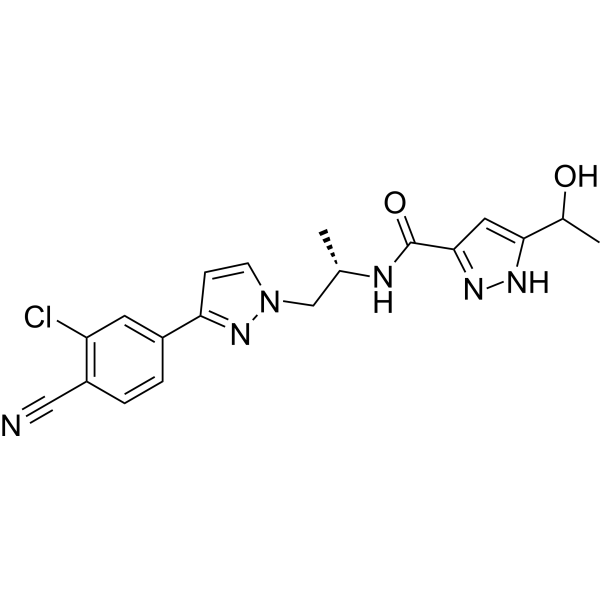
Darolutamide (ODM-201) is an orally active competitive androgen receptor (AR) antagonist. Darolutamide has a Ki of 11 nM for rat wild-type AR (wtAR) and IC50 of 26 nM for human wild-type AR (hAR)-mediated transcriptional activation . Darolutamide inhibits testosterone-induced AR nuclear translocation and transcriptional activation . Darolutamide exerts selective effects on AR-positive cells by inhibiting AR-dependent signaling pathways, and its active metabolite retains full antagonistic activity against AR mutants . Darolutamide can be used for the research of prostate cancer, including androgen receptor-dependent prostate cancer .
|
-
-
- HY-16060
-
|
ARN-509
|
Androgen Receptor
|
Cancer
|
|
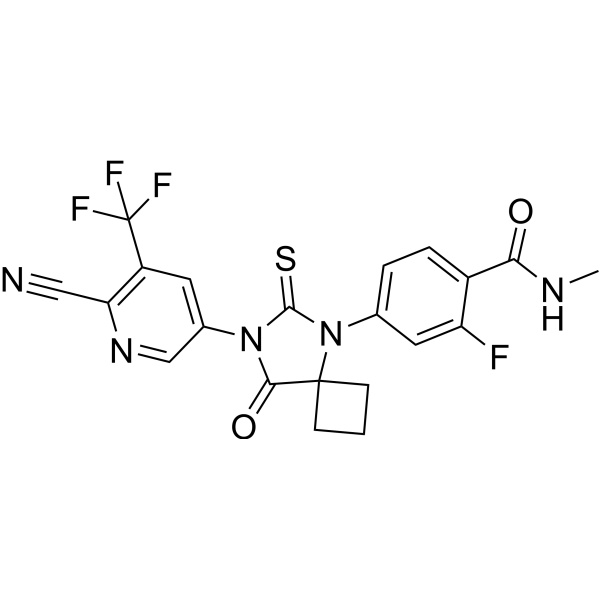
Apalutamide (ARN-509) is a potent and competitive androgen receptor (AR) antagonist, binding AR with an IC50 of 16 nM .
|
-
-
- HY-15758
-
-
-
- HY-101106
-
|
|
RAR/RXR
|
Neurological Disease
Cancer
|
|
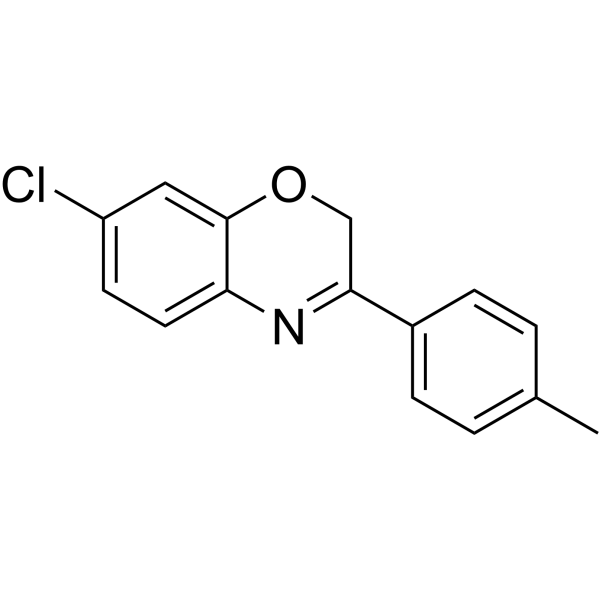
AR7 is an atypical RARA/RARα (retinoic acid receptor, alpha) antagonist. AR7 specifically activates chaperone-mediated-autophagy (CMA) activity without affecting macroautophagy .
|
-
-
- HY-A0295
-
-
-
- HY-110136
-
-
-
- HY-100186
-
|
|
Androgen Receptor
|
Cardiovascular Disease
Others
Metabolic Disease
Inflammation/Immunology
Endocrinology
Cancer
|
|
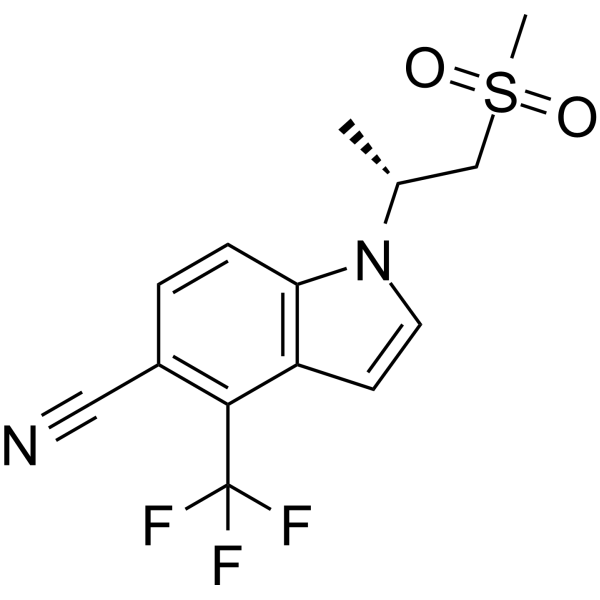
GSK-2881078 is an orally active and nonsteroidal selective androgen receptor modulator (SARM) which act as partial AR agonists in androgenic tissues while mainly as complete AR agonists in synthetic metabolic tissues,induces AR-mediated transcriptional activation in PC3(AR)2 cells (EC50 = 3.99 nM) and the effect can be inhibited by the non-steroidal AR antagonist Bicalutamide. GSK-2881078 can be used in research of muscle weakness and cachexia associated with both chronic and acute illness .
|
-
-
- HY-110136A
-
-
-
- HY-130845A
-
-
-
- HY-19337
-
|
BAY 1896953; ORM-15341
|
Androgen Receptor
|
Cancer
|
|
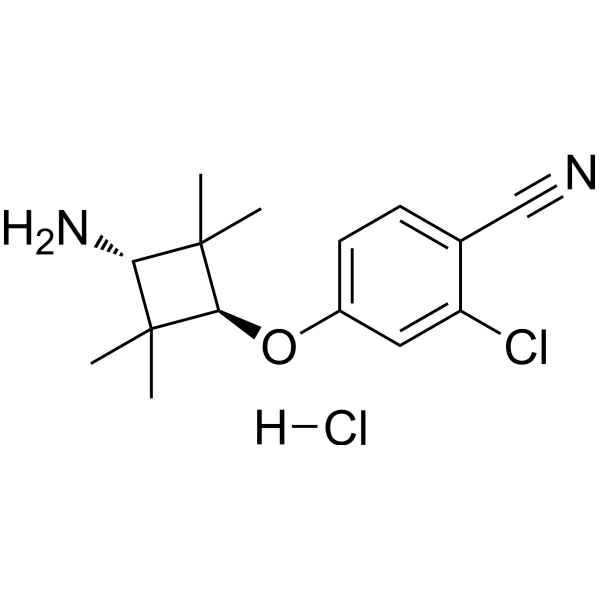
Ketodarolutamide (ORM-15341) is a potent, high-affinity nonsteroidal competitive full antagonist of androgen receptor (AR). Ketodarolutamide displays a Ki value of 8 nM for rat wild-type AR and an IC50 value of 38 nM in AR-HEK293 cells . Ketodarolutamide inhibits testosterone-induced nuclear translocation of the AR and antagonizes both overexpressed and mutant ARs . Ketodarolutamide specifically suppresses the proliferation of AR-dependent prostate cancer cells and exhibits antitumor activity in models of castration-resistant prostate cancer (CRPC) . Ketodarolutamide is suitable for the mechanistic and therapeutic research of prostate cancer .
|
-
-
- HY-130992
-
|
|
Androgen Receptor
Ligands for Target Protein for PROTAC
|
Cancer
|
|
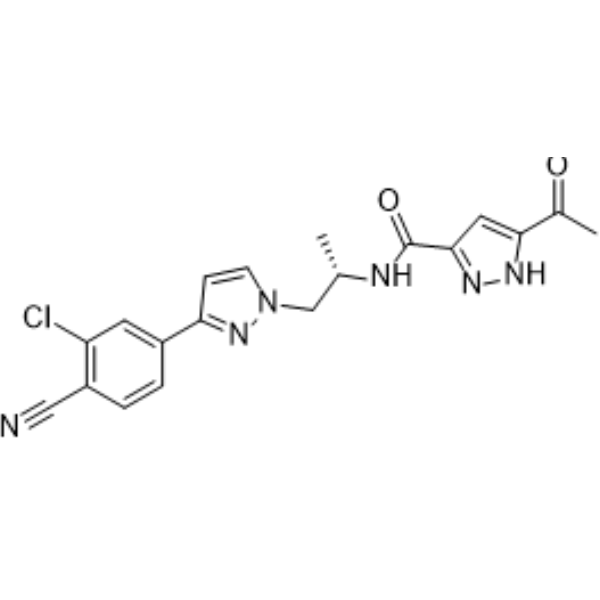
Androgen receptor antagonist 1 is an orally available full androgen receptor (AR) antagonist with an IC50 of 59 nM . Androgen receptor antagonist 1 (Compound 6) can be used in the synthesis of PROTAC AR degraders, which results 24% and 47 % AR protein degradation in LNCaP cells at 1 μM and 10 μM, respectively .
|
-
-
- HY-112895
-
UT-155
2 Publications Verification
|
Androgen Receptor
|
Cancer
|
|
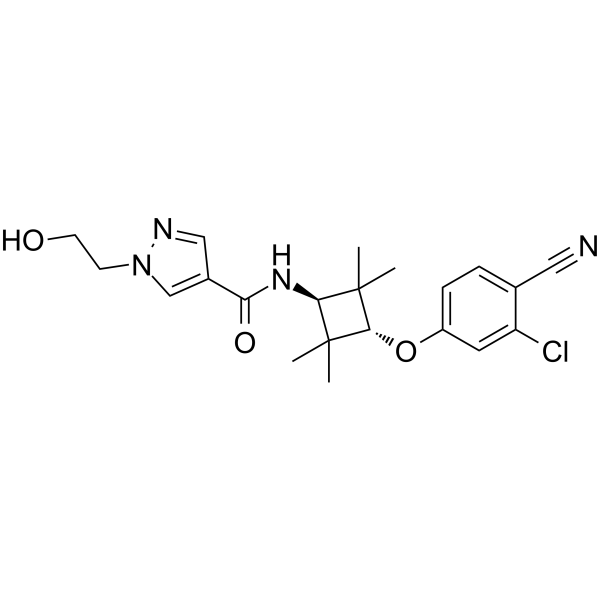
UT-155 is a selective and potent androgen receptor (AR) antagonist, with a Ki of 267 nM for UT-155 binding to AR-LBD.
|
-
-
- HY-136242
-
|
|
Estrogen Receptor/ERR
|
Endocrinology
Cancer
|
|
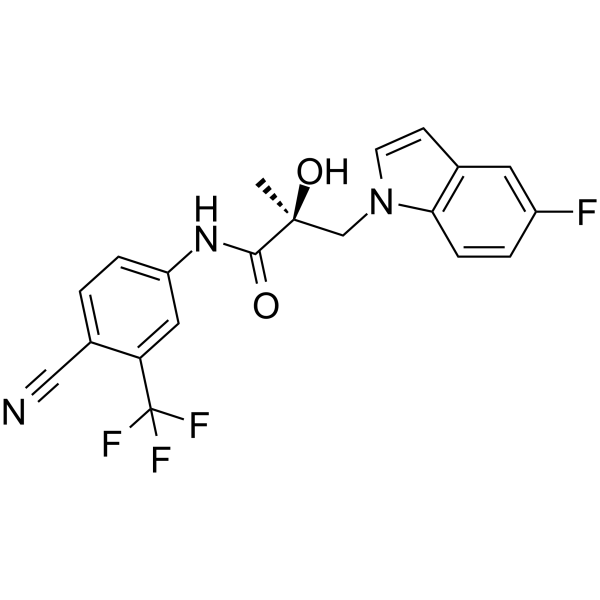
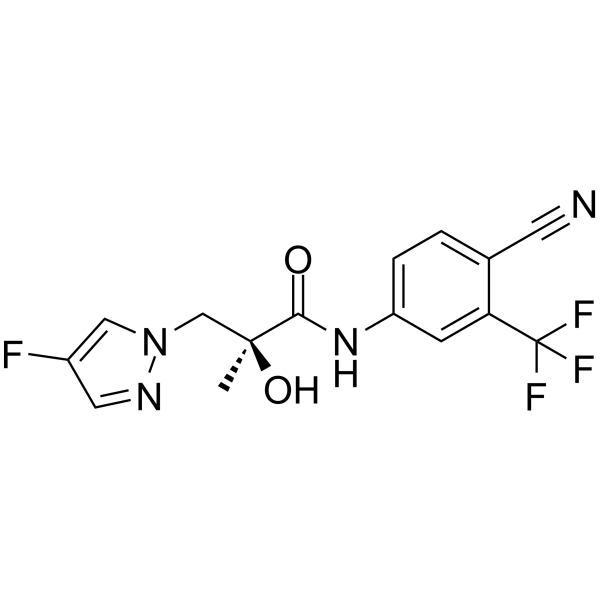
UT-34 is a potent, selective, orally bioactive second-generation pan-androgen receptor (AR) antagonist and degrader, with IC50 values of 211.7 nM, 262.4 nM, and 215.7 nM for wild-type AR, F876L-AR, and W741L-AR, respectively. UT-34 binds to the ligand-binding domain (LBD) and functional 1 (AF-1) domain of AR and requires the ubiquitin-proteasome pathway for AR degradation. UT-34 has anti-prostate cancer effects.
|
-
-
- HY-162412
-
|
|
PROTACs
Adrenergic Receptor
Apoptosis
|
Cancer
|
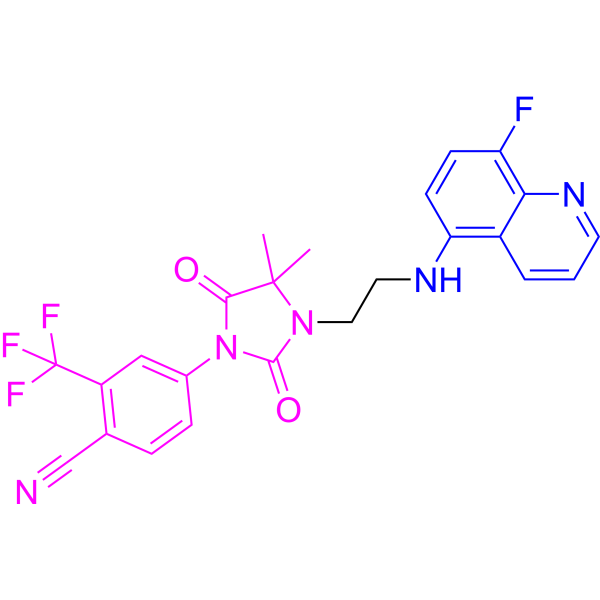
PROTAC AR/AR-V7 degrader-1 (27c) is a PROTAC-based and dual AR, AR-V7 degrader, with DC50 values of 2.67 and 2.64 μM for AR and AR-V7, respectively. PROTAC AR/AR-V7 degrader-1 (27c) induces apoptosis (Red: AR antagonist; Blue: E3 ligase ligand; Black: linker) .
|
-
-
- HY-150102
-
|
|
Androgen Receptor
|
Cancer
|
|
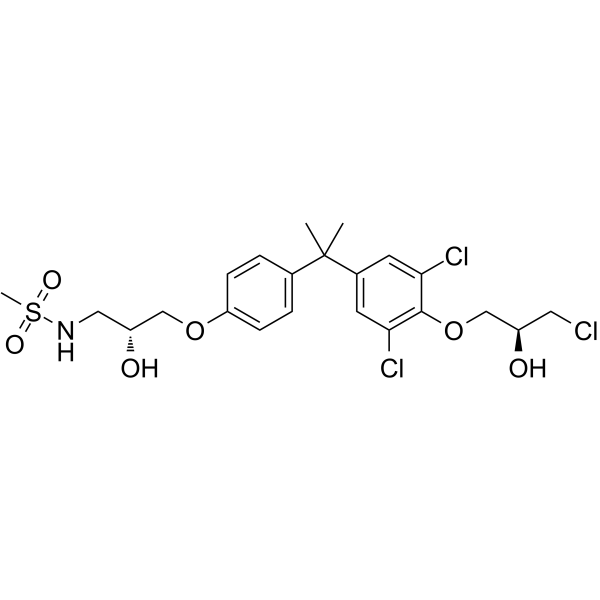
EPI-7170, a ralaniten analogue, is a potent androgen receptor N-terminal structural domain antagonist that blocks the transcriptional activity of full-length AR (FL-AR) and AR splice variants (AR-Vs). EPI-7170 has antitumor effects against enzalutamide resistant castration-resistant prostate cancer (CRPC) .
|
-
-
- HY-115282A
-
|
TRC-253
|
Androgen Receptor
|
Cancer
|
|
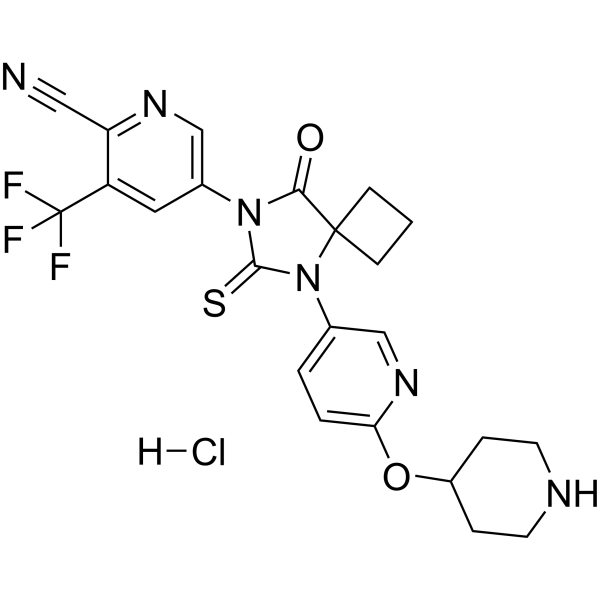
JNJ-63576253 (TRC-253) is a potent and orally active full antagonist of androgen receptor (AR), with IC50s of 37 and 54 nM for F877L mutant AR and wild-type AR in LNCaP cells. JNJ-63576253 can be used for the research of castration-resistant prostate cancer (CRPC) .
|
-
-
- HY-103162
-
|
|
Adenosine Receptor
|
Neurological Disease
|
|
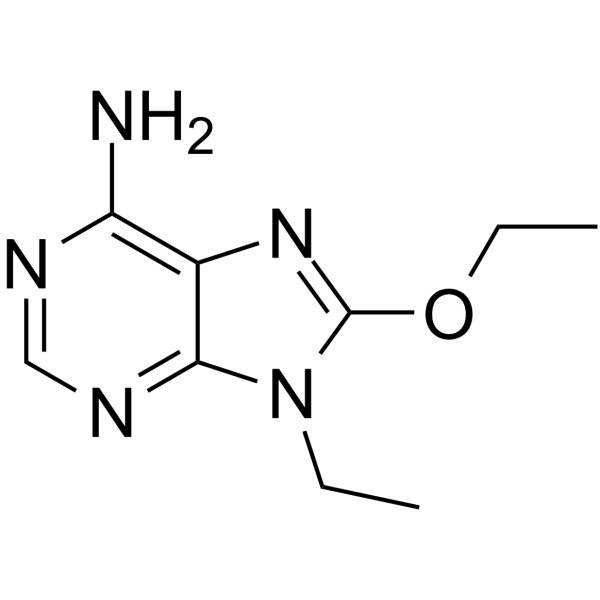
ANR94 is a potent and selective adenosine A2A receptor (AA2AR) antagonist with an Ki of 46 nM for hAA2AR. ANR94 has the potential for the research of Parkinson's disease .
|
-
-
- HY-16985S
-
|
ODM-201-d4; BAY-1841788-d4
|
Isotope-Labeled Compounds
Androgen Receptor
|
Cancer
|
|
Darolutamide-d4 (ODM-201-d4) is deuterium labeled Darolutamide (HY-16985). Darolutamide (ODM-201) is an orally active competitive androgen receptor (AR) antagonist, with a Ki of 11 nM for rat wild-type AR (wtAR) and an IC50 of 26 nM for human wild-type AR (hAR)-mediated transcriptional activation . Darolutamide inhibits testosterone-induced AR nuclear translocation and transcriptional activation . Darolutamide exerts selective effects on AR-positive cells by inhibiting AR-dependent signaling pathways, and its active metabolite retains full antagonistic activity against AR mutants . Darolutamide can be used for the research of prostate cancer, including androgen receptor-dependent prostate cancer .
|
-

-
- HY-136596
-
|
|
Drug Metabolite
|
Cancer
|
|
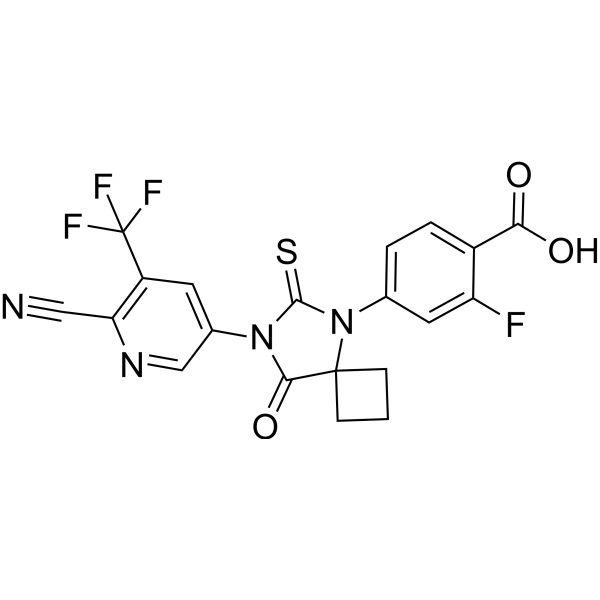
Apalutamide-COOH is a metabolite of Apalutamide. Apalutamide is a potent and competitive androgen receptor (AR) antagonist, binding AR with an IC50 of 16 nM .
|
-
-
- HY-136960
-
|
|
Adrenergic Receptor
|
Others
|
|
β2AR antagonist 1 is a potent β2-adrenergic receptor (β2AR) inhibitor. β2AR antagonist 1 exhibits high selectivity for β2AR over β1AR, vasopressin receptor type 2, and angiotensin type 1 receptor. β2AR antagonist 1 stabilizes the inactive conformation of β2AR and interferes with its coupling to G proteins and β-arrestins .
|
-

-
- HY-149916
-
|
|
Adenosine Receptor
|
Cancer
|
|
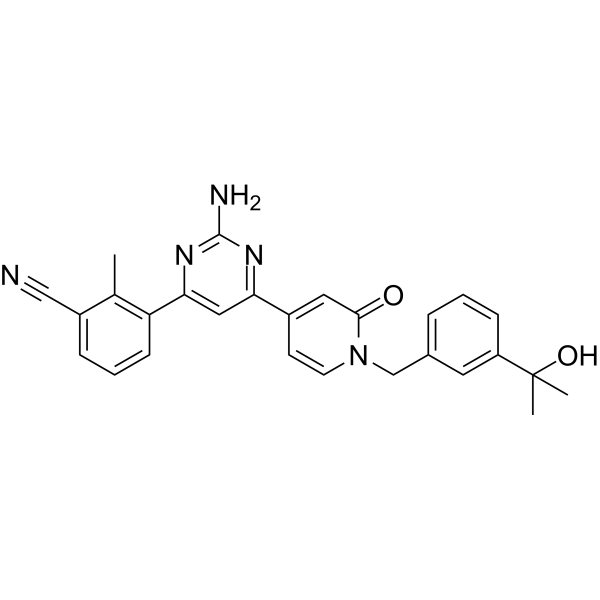
A2AR-antagonist-1 (compound 38) is an orally active adenosine A2A receptor (A2AR) antagonist (IC50=29 nM). A2AR-antagonist-1 exhibits anti-tumor activity and mouse liver microsomal metabolic stability (t1/2=86.1 min). A2AR-antagonist-1 is also a T cells activator, via inhibiting immunosuppressive molecules (LAG-3 and TIM-3) and enhancing effector molecules (GZMB, IFNG, and IL-2) .
|
-
-
- HY-16985R
-
|
ODM-201 (StandARd); BAY-1841788 (StandARd)
|
Reference Standards
Androgen Receptor
|
Cancer
|
|
Darolutamide (Standard) is the analytical standard of Darolutamide (HY-16985). This product is intended for research and analytical applications. Darolutamide (ODM-201) is an orally active competitive androgen receptor (AR) antagonist, with a Ki of 11 nM for rat wild-type AR (wtAR) and an IC50 of 26 nM for human wild-type AR (hAR)-mediated transcriptional activation . Darolutamide inhibits testosterone-induced AR nuclear translocation and transcriptional activation . Darolutamide exerts selective effects on AR-positive cells by inhibiting AR-dependent signaling pathways, and its active metabolite retains full antagonistic activity against AR mutants . Darolutamide can be used for the research of prostate cancer, including androgen receptor-dependent prostate cancer .
|
-

-
- HY-16060S
-
|
ARN-509-d4
|
Androgen Receptor
|
Cancer
|
|
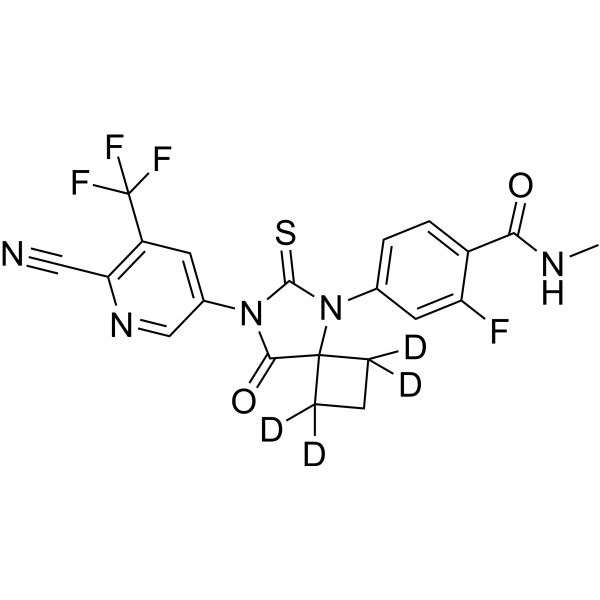
Apalutamide-d4 is a deuterium labeled Apalutamide. Apalutamide is a potent and competitive androgen receptor (AR) antagonist, binding AR with an IC50 of 16 nM .
|
-
-
- HY-134555
-
|
|
Adenosine Receptor
|
Neurological Disease
|
|
A3AR antagonist 4 (Compd 1) is an A3AR antagonist, with Ki values of 30.8 nM (hA3) and 203 nM (hA1), repectively. A3AR antagonist 4 (Compd 1) can be used for the study of cerebral ischemia .
|
-

-
- HY-130845
-
-
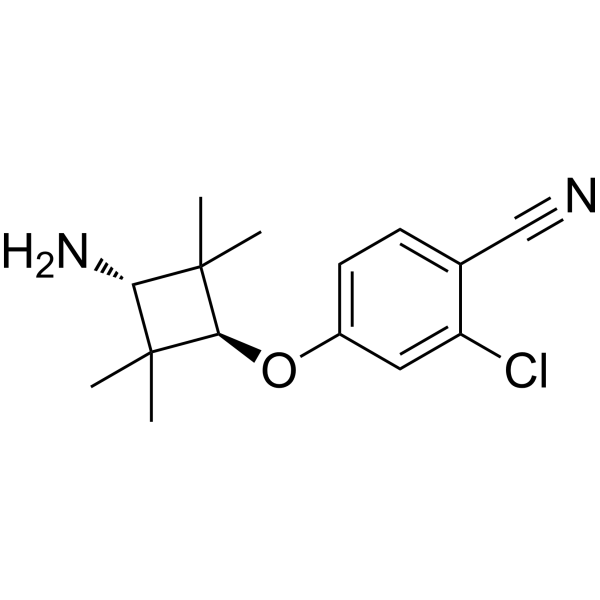
-
- HY-147545
-
-
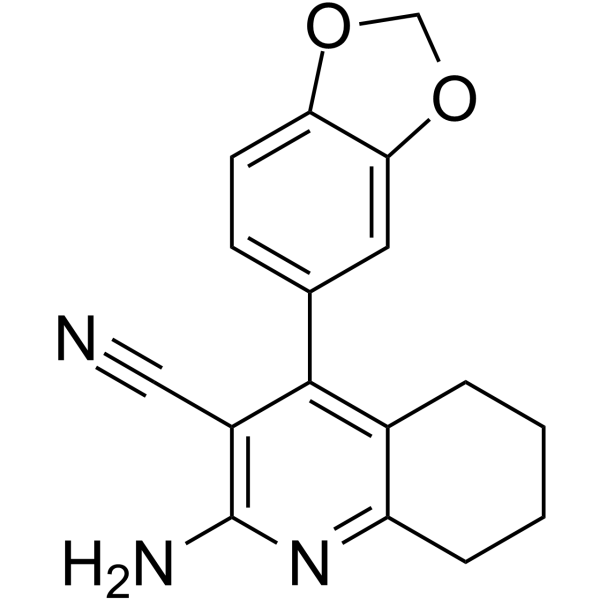
-
- HY-158057
-
|
|
Adenosine Receptor
|
Cancer
|
|
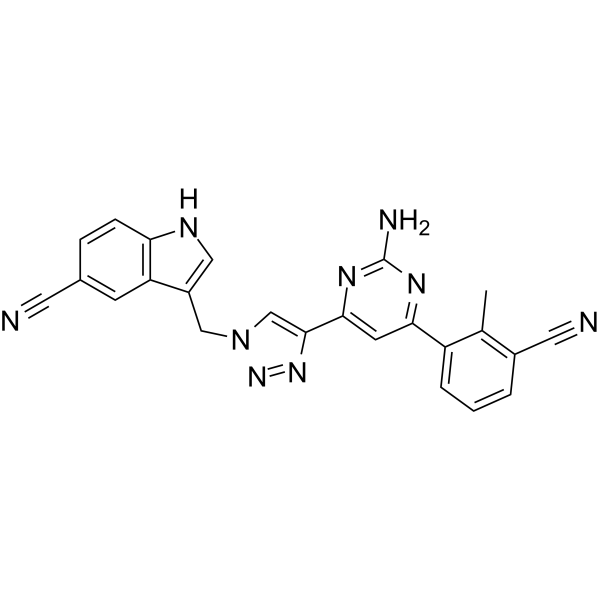
A2AR/A2BR antagonist 1 (compound 7ai) has a dual antagonistic effect on A2AR/A2BR, with the IC50 values of 11.2 nM and 6.4 nM for A2AR and A2BR, respectively. A2AR/A2BR antagonist 1 promotes T cell-mediated cancer cell death .
|
-
-
- HY-152524
-
|
|
Androgen Receptor
|
Cancer
|
|
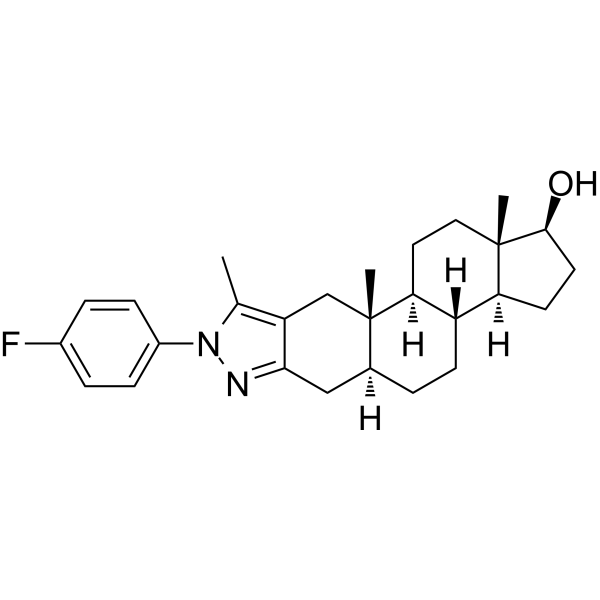
Androgen receptor antagonist 7 is an effective androgen receptor (AR) antagonist with an IC50 value of 1.18 µM. Androgen receptor antagonist 7 has biological activity in vitro and inhibits the expression of AR target in a time and dose dependent manner with an GI50 value of 7.9 µM .
|
-
-
- HY-16060S1
-
|
ARN-509-d3
|
Androgen Receptor
|
Cancer
|
|
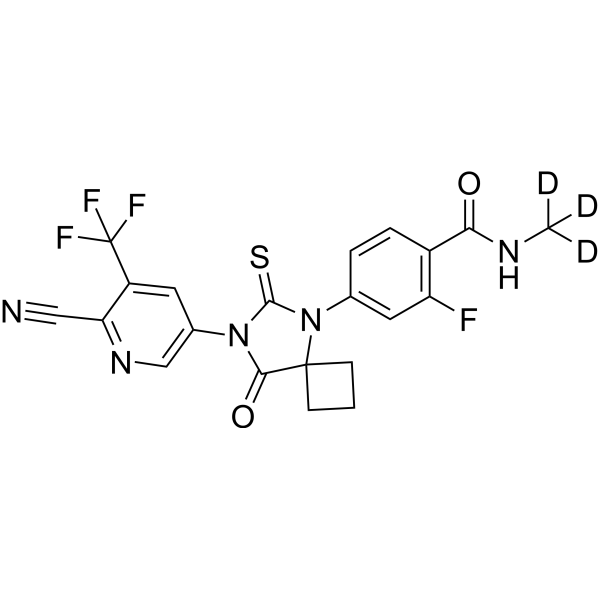
Apalutamide-d3 is the deuterium labeled Apalutamide . Apalutamide (ARN-509) is a potent and competitive androgen receptor (AR) antagonist, binding AR with an IC50 of 16 nM .
|
-
-
- HY-174391
-
|
|
Androgen Receptor
Apoptosis
|
Cancer
|
|
AR antagonist 15 is an orally active androgen receptor (AR) antagonist with the IC50 of 97 nM for ART787A. AR antagonist 15 disrupts AR nuclear translocation, hinders AR homodimerization, and suppresses transcription of AR-regulated genes by competitive binding to the ligand binding pocket. AR antagonist 15 can significantly lower the prostate-specific antigen (PSA) level. AR antagonist 15 induces apoptosis by reducing the expression of apoptosis pathway related proteins. AR antagonist 15 can be used for the research of prostate cancer.
|
-

-
- HY-144127
-
|
|
Androgen Receptor
|
Cancer
|
|
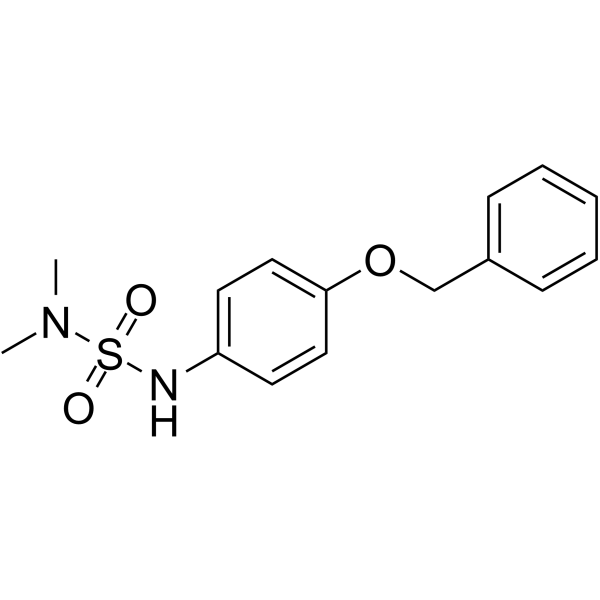
AR antagonist 3 is a potent and selective androgen receptor (AR) antagonist with an IC50 of 0.47 µM. AR antagonist 3 exhibits a dose-dependent decrease of the FRET signal (IC50= 18.05 μM). AR antagonist 3 shows effective inhibition on tumor growth when administered intratumorally .
|
-
-
- HY-160692
-
|
|
Androgen Receptor
|
Others
|
|
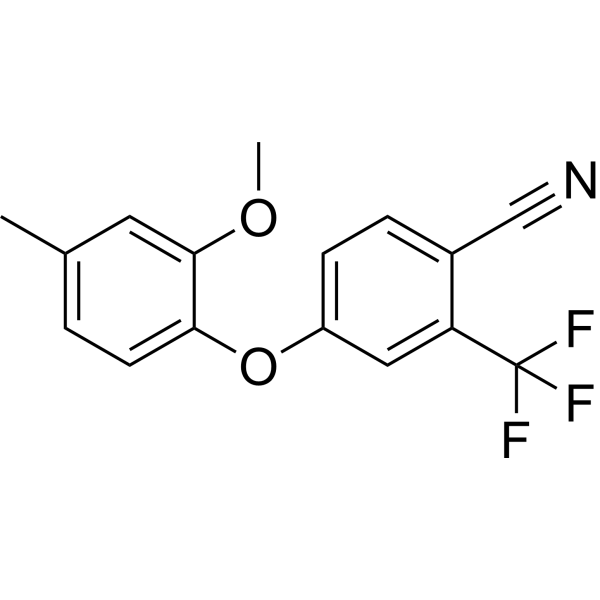
AR antagonist 7 (86) is an androgen receptor (AR) antagonist that can be used in the research of hair loss .
|
-
-
- HY-146457
-
|
|
Adenosine Receptor
|
Inflammation/Immunology
|
|
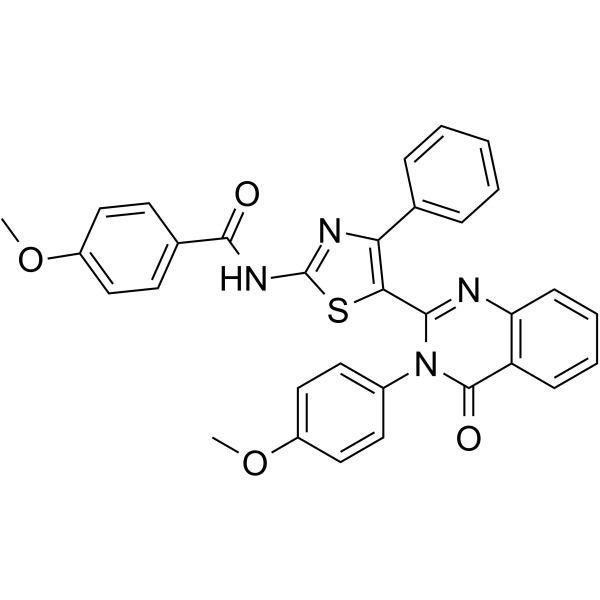
A3AR antagonist 1 (compound 17) is a potent and selective human A3 adenosine receptor (AR) antagonist, with an Ki of 4.63 nM. A3AR antagonist 1 shows no affinity for the rat A3 AR even at high concentrations .
|
-
-
- HY-120652
-
|
|
Adenosine Receptor
|
Inflammation/Immunology
|
|
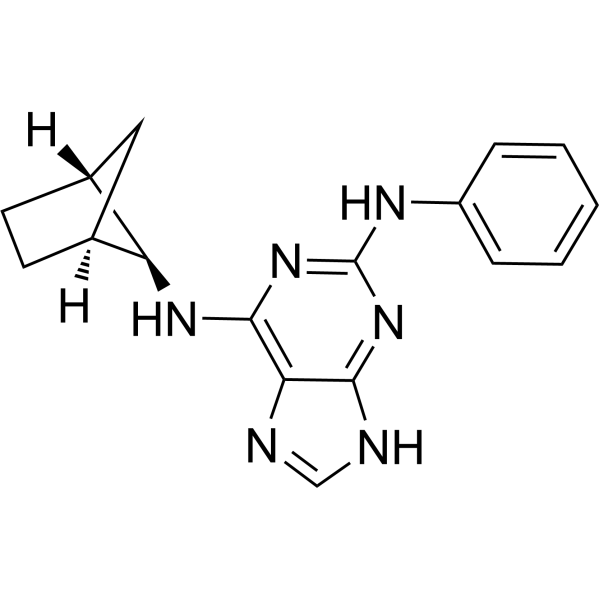
A3AR antagonist 3 (compound 21) is a selective A3 adenosine receptor (A3AR) antagonist with a Ki of 37 nM. A3AR antagonist 3 shows >60-fold selectivity in comparison to A1 and A2A adenosine receptors .
|
-
-
- HY-163378
-
|
|
Complement System
|
Inflammation/Immunology
|
|
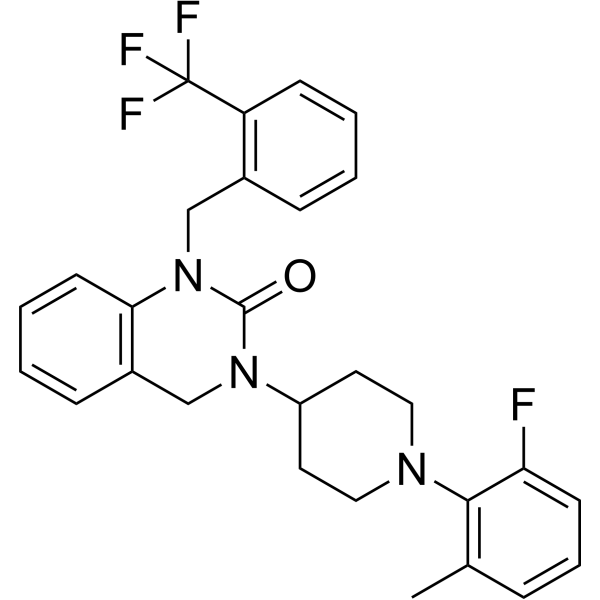
C5aR1 antagonist 1 (Compound 7e) is an orally active C5a receptor 1 (C5aR1) antagonist. C5aR1 antagonist 1 is active in DISCO and migration assays, with IC50 values of 38 nM and 17 nM, respectively. C5aR1 antagonist 1 can be used for the research of acute and chronic inflammatory diseases .
|
-
-
- HY-163379
-
|
|
Complement System
|
Inflammation/Immunology
|
|
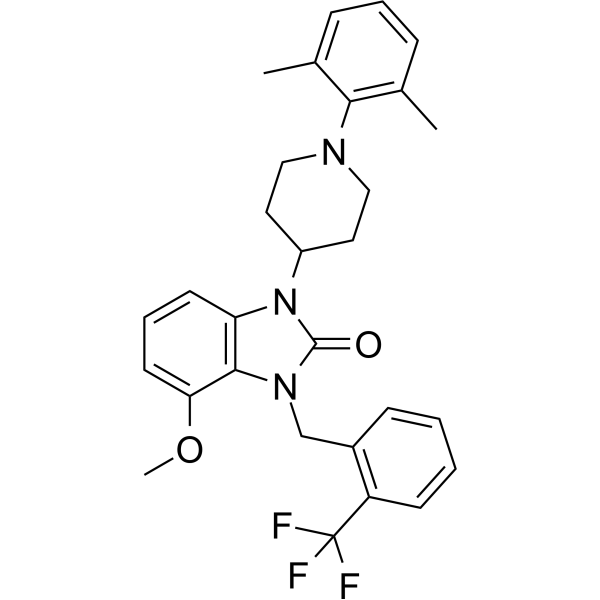
C5aR1 antagonist 2 (Compound 6a) is an orally active C5a receptor 1 (C5aR1) antagonist that shows efficacy in inhibiting the C5a-induced neutrophil count increase. C5aR1 antagonist 2 is potent in the DISCO and migration assays, with IC50 values of 21 and 3 nM, respectively. C5aR1 antagonist 2 can be used for the research of acute and chronic inflammatory diseases .
|
-
-
- HY-148533
-
|
|
mAChR
Adrenergic Receptor
|
Neurological Disease
|
|
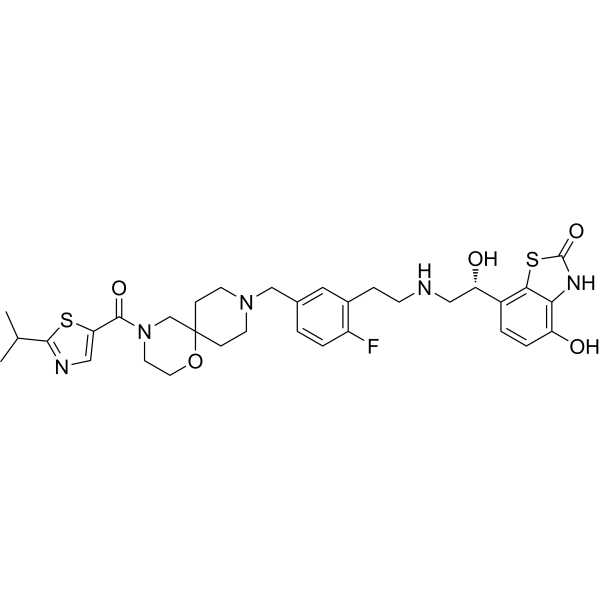
β2AR agonist /M-receptor antagonist-1 is a potent dual muscarinic antagonist/beta 2 agonist (MABA). β2AR agonist /M-receptor antagonist-1 potently relaxes either Carbachol?(HY-B1208)-induced contraction, in the absence (MABA) or presence of Propranolol?(HY-B1208), or Histamine(HY-B1204)-induced contraction (β2) .
|
-
-
- HY-149434
-
|
|
Androgen Receptor
PROTACs
Apoptosis
|
Cancer
|
|
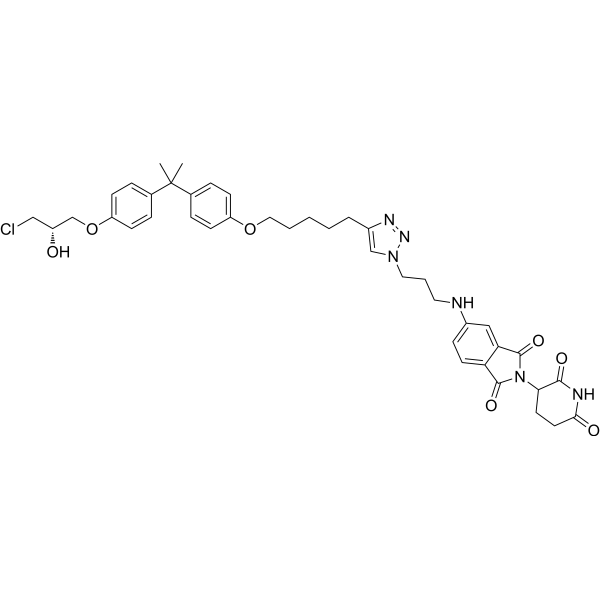
PROTAC AR-NTD antagonist 1 (compound 18) is a small molecule protein-targeting chimera (PROTACs) targeting the Androgen Receptor AR-V7. PROTAC AR-NTD antagonist 1 antagonizes the N-terminal domain of AR (AR-NTD), degrades AR-V7 protein, and induces apoptosis in prostate cancer (PC) cells. The efficiencies of PROTAC AR-NTD antagonist 1 in degrading AR-V7 in VCaP cells were 62.2% (1 μM) and 71.1% (5 μM), respectively .
|
-
-
- HY-170951
-
|
|
Androgen Receptor
|
Cancer
|
AR antagonist 10 (Compound Y5) is potent and orally active androgen receptor (AR) antagonist with an IC50 of 0.04 μM. AR antagonist 10 demonstrates dual mechanisms of action, antagonizes AR by disrupting AR dimerization, and induces AR degradation via the ubiquitin-proteasome pathway. AR antagonist 10 exhibits excellent activity against variant drug-resistant AR mutants. AR antagonist 10 effectively suppresses the tumor growth of the LNCaP xenograft. AR antagonist 10 is potential to be used for drug-resistant prostate cancer .
|
-

-
- HY-108633
-
|
|
PARP
|
Cancer
|
|
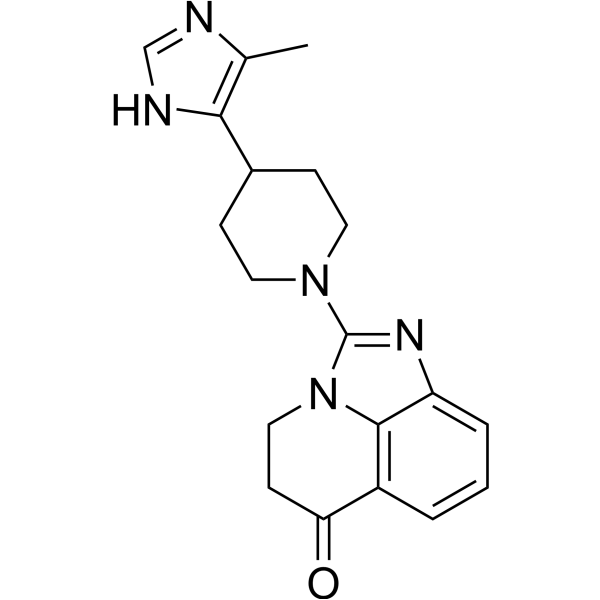
AR-C66096 (FPL 66096) tetrasodium is a selective platelet P2YT receptor antagonist. AR-C66096 tetrasodium effectively blocks ADP-induced platelet aggregation. AR-C66096 tetrasodium can be used in the research of thromboembolism .
|
-
-
- HY-16060S3
-
|
ARN-509-d7
|
Androgen Receptor
Isotope-Labeled Compounds
|
Cancer
|
|
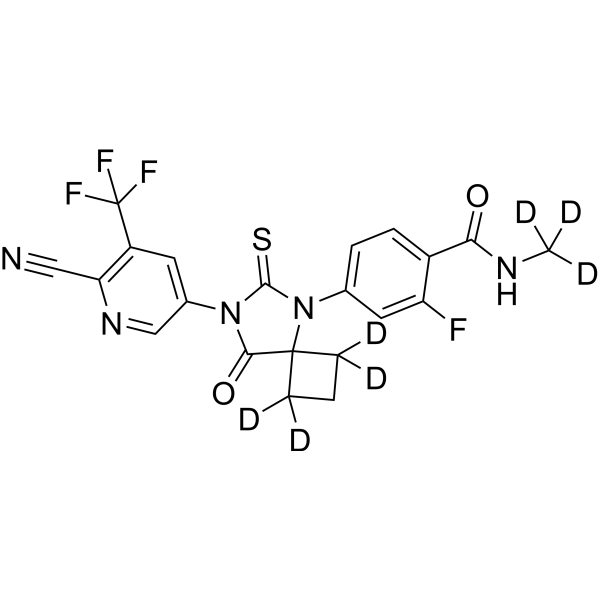
Apalutamide-d7 is deuterated labeled Apalutamide (HY-16060). Apalutamide (ARN-509) is a potent and competitive androgen receptor (AR) antagonist, binding AR with an IC50 of 16 nM .
|
-
-
- HY-16060R
-
|
ARN-509 (StandARd)
|
Reference Standards
Androgen Receptor
|
Cancer
|
|
Apalutamide (Standard) is the analytical standard of Apalutamide. This product is intended for research and analytical applications. Apalutamide (ARN-509) is a potent and competitive androgen receptor (AR) antagonist, binding AR with an IC50 of 16 nM .
|
-

-
- HY-148300
-
|
|
P2Y Receptor
|
Cardiovascular Disease
|
|
AR-C66096 is a potent and selective antagonist of the Gi-coupled P2Y12 receptor. AR-C66096 suppresses platelet thrombus stability under physiological flow conditions. AR-C66096 inhibits ADP-induced aggregation in whole blood aggregometry. AR-C66096 can be used for antithrombotic research .
|
-

-
- HY-16060S2
-
|
ARN-509-13C,d3
|
Isotope-Labeled Compounds
Androgen Receptor
|
Cancer
|
|
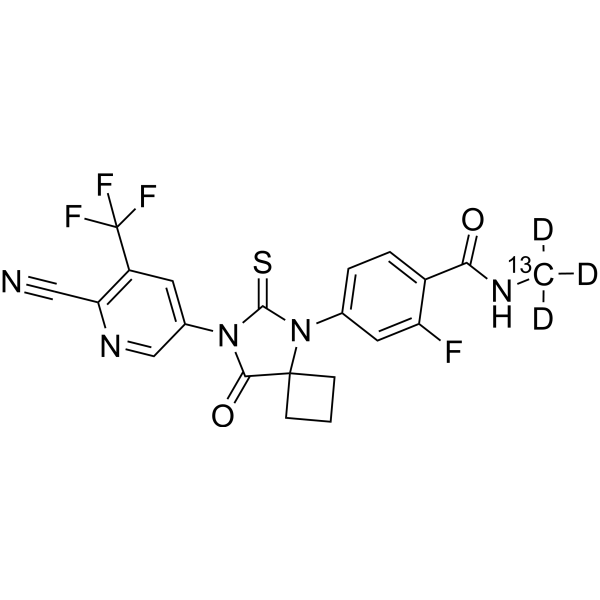
Apalutamide- 13C,d3 is the 13C- and deuterium labeled Apalutamide. Apalutamide (ARN-509) is a potent and competitive androgen receptor (AR) antagonist, binding AR with an IC50 of 16 nM .
|
-
-
- HY-173409
-
|
|
Androgen Receptor
Ser/Thr Protease
|
Inflammation/Immunology
|
|
AR antagonist 11 (Compound c2) is a selective AR antagonist with an IC50 of 0.019 μM. AR antagonist 11 is also effective against AR F877L/T878A mutant (IC50: 1.03 μM). AR antagonist 11 inhibits LNCaP cell proliferation and reduces PSA protein expression (IC50: 0.54 μM). AR antagonist 11 can be used for research of prostate cancer (PCa) .
|
-

-
- HY-160680
-
|
|
Androgen Receptor
|
Endocrinology
|
|
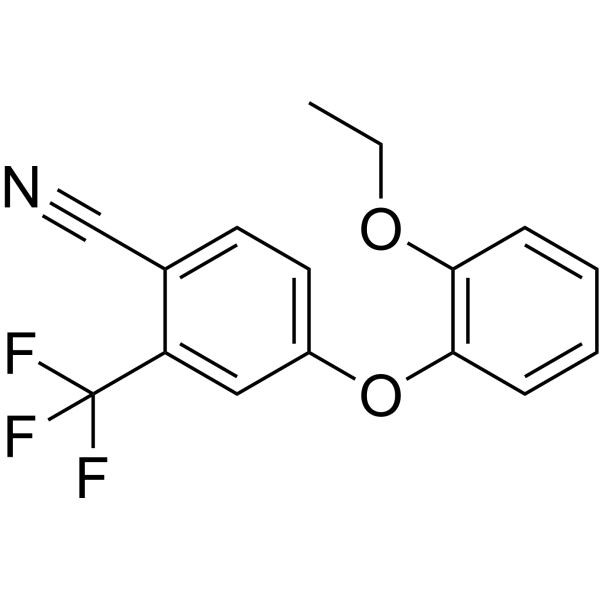
AR antagonist 6 (compound 6i) is a diphenyl ether androgen receptor (AR) antagonist that binds AR at a concentration of 120 nM. AR antagonist 6 exhibits low toxicity and in vitro activity against the golden Syrian hamster ear model .
|
-
-
- HY-173559
-
|
|
Androgen Receptor
|
Cancer
|
|
AR antagonist 12 (compound 20i) is an orally active androgen receptor antagonist wiith IC50 values of 119.3 μM and 98.2 μM for wt-AR and AR-F877L,respectively. AR antagonist 12 induces a dose-dependent and time-dependent reduction in AR, AR-V7, and PSA protein levels. AR antagonist 1 shows anticancer activuty and can be used for the study of Enzalutamide (HY-70002)-resistant Prostate cancer .
|
-

-
- HY-178148
-
|
|
Androgen Receptor
|
Endocrinology
Cancer
|
|
AR antagonist 17 is a selective, orally active, low brain-penetrant Androgen Receptor (AR) antagonist (IC50 = 0.010 μM), effectively blocking AR dimerization and nuclear translocation, and demonstrating potent efficacy in several castration-resistant prostate cancer (CRPC) cells. AR antagonist 17 showed superior efficacy against variant drug-resistant AR mutants. AR antagonist 17 can inhibit tumor growth in an LNCaP xenograft model without apparent toxicity. AR antagonist 17 can be used for the study of castration-resistant prostate cancer (CRPC) .
|
-

-
- HY-151266
-
|
|
Androgen Receptor
|
Cancer
|
|
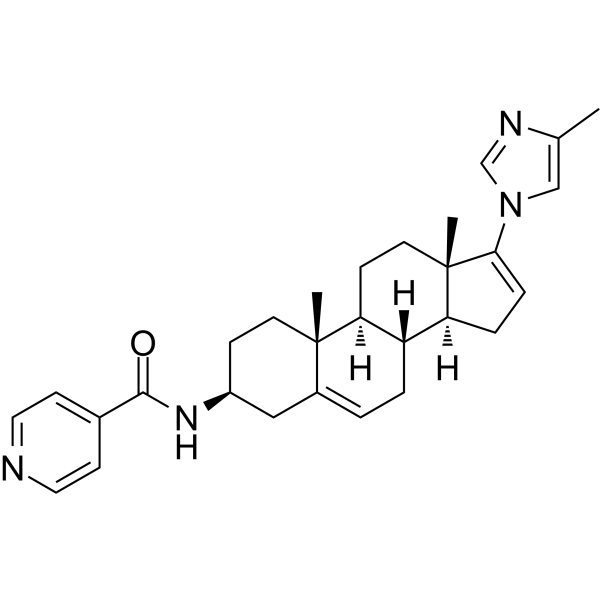
AR antagonist 4 (Compound 67-b) is an orally active androgen receptor (AR) antagonist with an IC50 of 246.6 nM against wt-AR, and is also an AR degrader with a DC50 of 2.84 μM .
|
-
-
- HY-142923
-
|
|
Androgen Receptor
|
Cancer
|
|
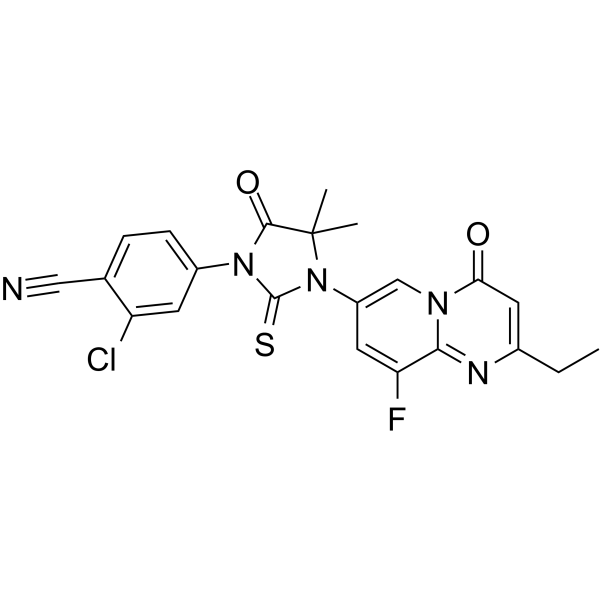
AR antagonist 2 (compound 58) is a potent androgen receptor (AR) inhibitor with an IC50 of 0.95 μM. AR antagonist 2 has the potential for cancer research .
|
-
- HY-157455
-
|
|
Androgen Receptor
|
Cancer
|
|
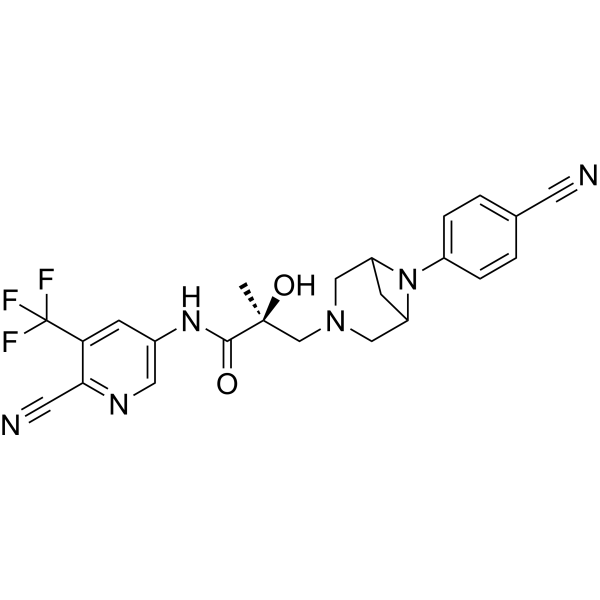
AR antagonist 5 (compound 30a) is a selective androgen receptor (AR) antagonist with an IC50 value of 134.8 nM. AR antagonist 5 has favorable pharmacokinetic properties and shows a high skin exposure and low plasma exposure [1.
|
-
- HY-159922
-
|
|
Androgen Receptor
|
Cancer
|
|
AR antagonist 9 is an orally bioavailable selective androgen receptor (AR) antagonist that exerts anticancer effects by disrupting the dimerization of AR ligand-binding domains, showing potential for overcoming drug resistance in prostate cancer (PCa). Its AR antagonistic activity has an IC50 value of 0.051 μM, comparable to Enzalutamide (HY-70002) (IC50 = 0.060 μM). AR antagonist 9 demonstrated superior efficacy against ARF876L/T877A and ARW741C mutants compared to Enzalutamide (HY-70002). Furthermore, AR antagonist 9 exhibited favorable pharmacokinetic properties, with an oral bioavailability of F = 66.24% in rats. In the LNCaP xenograft mouse model, oral administration of AR antagonist 9 significantly inhibited tumor growth. AR antagonist 9 holds promise for research into overcoming PCa drug resistance .
|
-

- HY-172612
-
|
|
Androgen Receptor
|
Cancer
|
|
AR antagonist 13 (compound 19) is an androgen receptor antagonist with inhibition rates exceeding 71.5% at 10 μM. AR antagonist 13 inhibits prostate cancer cell growth .
|
-

- HY-163485
-
|
|
Androgen Receptor
|
Endocrinology
|
|
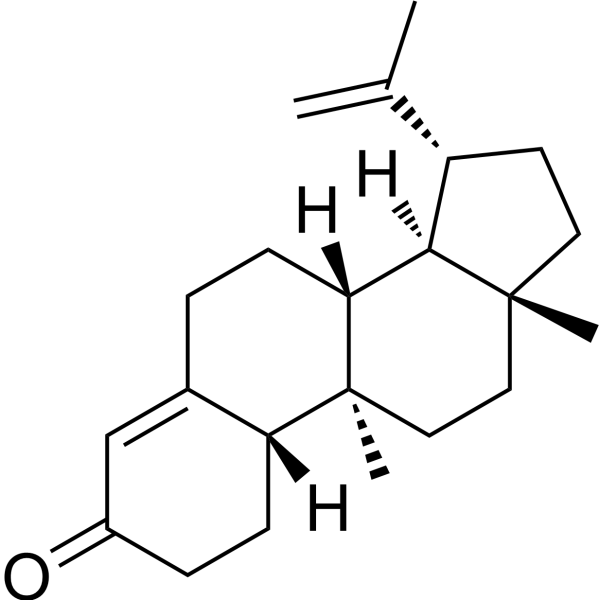
AR antagonist 8 (compound 16), an unnatural entestrane, is a potent Lupeol-inspired androgen receptor (AR) antagonist with an IC50 of 0.76 μM .
|
-
- HY-144115
-
|
|
Adenosine Receptor
|
Neurological Disease
|
|
A1AR antagonist 1 (compound 18g) is a potent A1 adenosine receptor (AR) antagonist with Kis of 2.08, 6.91, and 31.2 nM for hA1, hA2A and hA2B, respectively .
|
-
- HY-147544
-
-
- HY-147543
-
-
- HY-172624
-
|
|
Ligands for Target Protein for PROTAC
|
Cancer
|
|
AR antagonist 14 is is a PROTAC target protein ligand (Ligands for Target Protein for PROTAC). AR antagonist 14 can be combined with VH 101-amide-piperidine-Pip-alkyne (HY-172625) to synthesize PROTAC degraders (ARD-69 (HY-114402)) .
|
-

- HY-163363
-
|
|
Adrenergic Receptor
|
Cancer
|
|
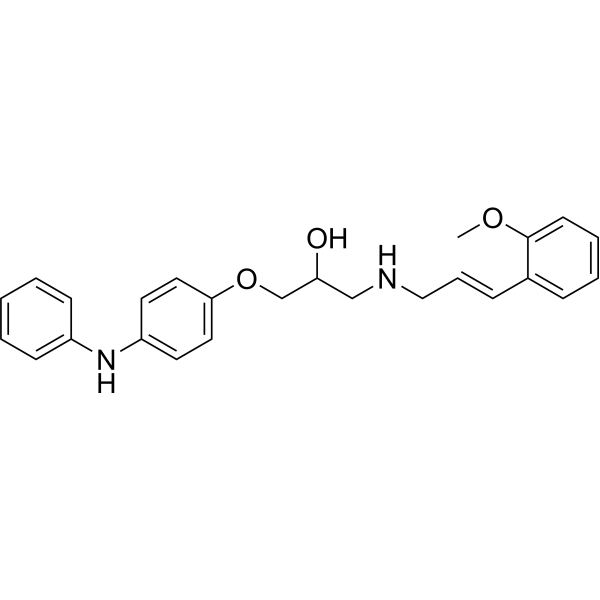
β-AR antagonist 2 (compound 43) is an antagonist of β-AR (IC50: 0.17 μM). β-AR-IN-1 inhibits the growth of mouse A549 xenograft tumors and shows cardioprotective efficacy against DOX-induced HF in C57 mice .
|
-
- HY-146456
-
|
|
Adenosine Receptor
|
Neurological Disease
|
|
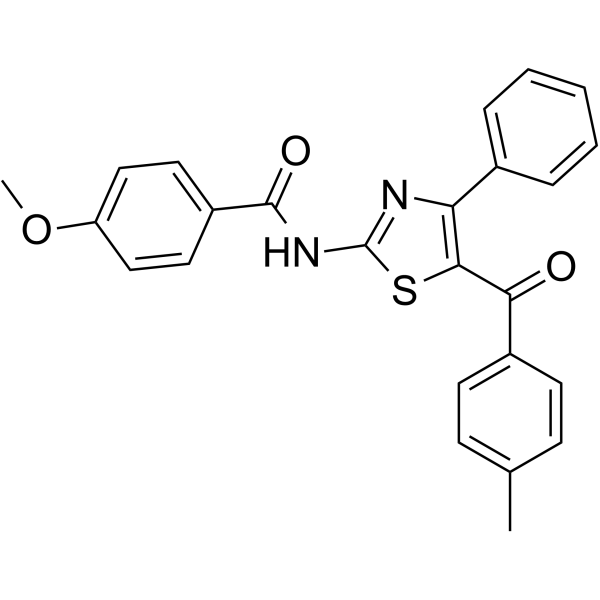
A1AR antagonist 3 (compound 13) is a selective adenosine 1 (A1) receptor antagonist with Kis of 9.69 nM and 0.529 nM for human A1 and rat A1, respectively. A1AR antagonist 3 can be used for researching neurological diseases .
|
-
- HY-144116
-
|
|
Adenosine Receptor
|
Neurological Disease
|
|
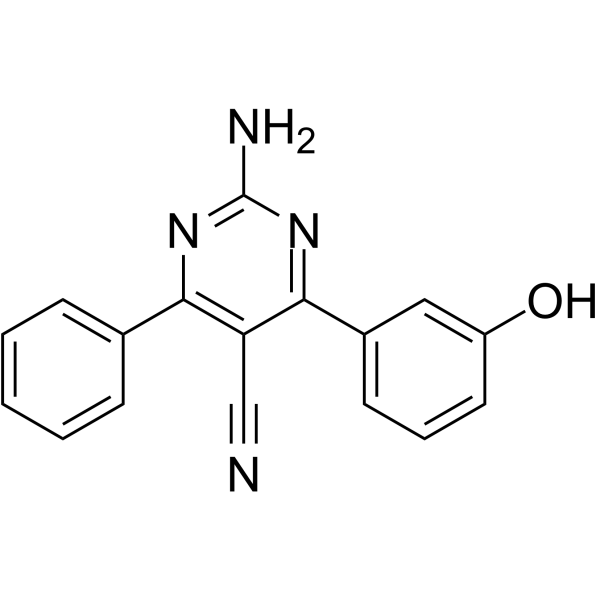
A1AR antagonist 2 (compound 18h) is a potent A1 adenosine receptor (AR) antagonist with Kis of 1.49, 10.2, and 50.1 nM for hA1, hA2A and hA2B, respectively .
|
-
- HY-W471937
-
-
- HY-12099
-
-
- HY-164621
-
|
|
Adenosine Receptor
|
Others
|
|
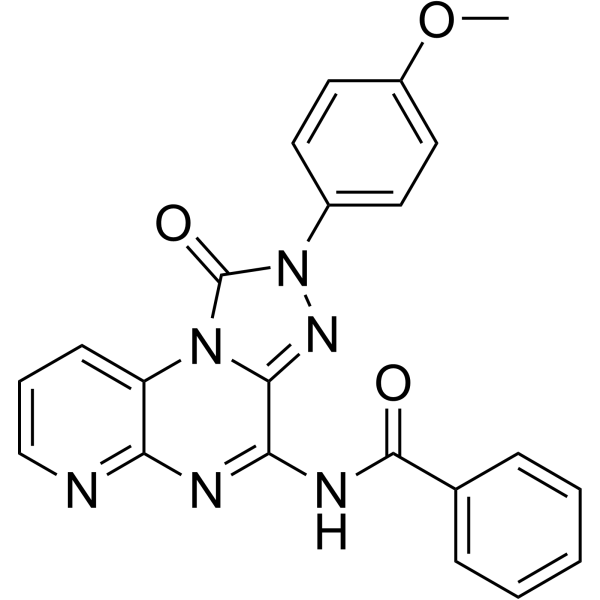
A3AR antagonist 5 (Compound 16) is a selective antagonist for human adenosine A3 receptor with an affinity pC of 4.542 μM .
|
-

- HY-145862
-
-
- HY-153333
-
|
|
Adenosine Receptor
|
Cardiovascular Disease
|
|
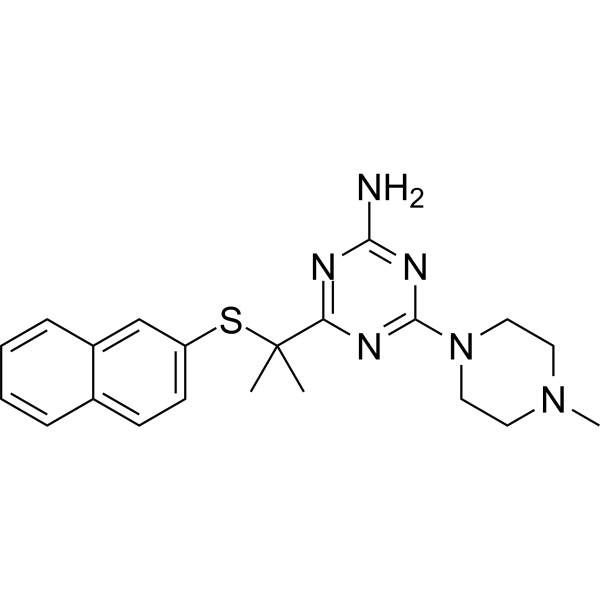
A1/A3 AR antagonist 3 is an A1R/A3R dual antagonist with high affinity at low-micromolar to low-nanomolar. A1/A3 AR antagonist 3 can be used for the research of chronic heart diseases .
|
-
- HY-145706
-
|
|
Adenosine Receptor
|
Neurological Disease
|
|
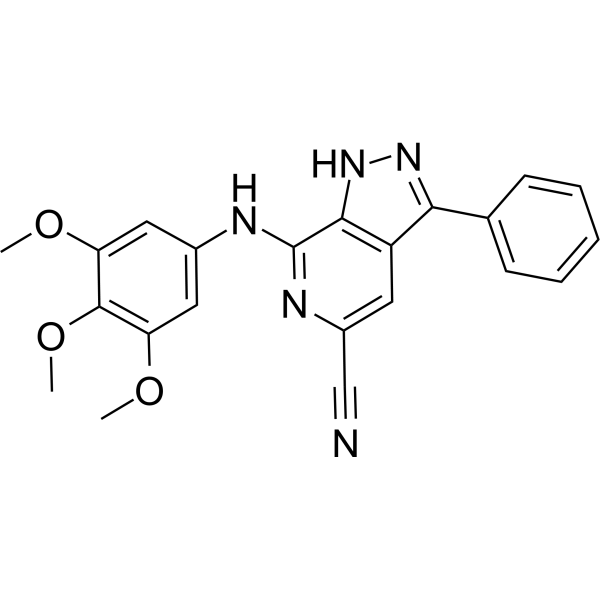
A2A/A1 AR antagonist-1 (compound 1a) is dual potent A2A/A1 AR antagonist with Kis of 5.58 and 24.2 nM, respectively. A2A/A1 AR antagonist-1 has the potential for the research of ischemic stroke .
|
-
- HY-147541
-
|
|
Adenosine Receptor
|
Inflammation/Immunology
|
|
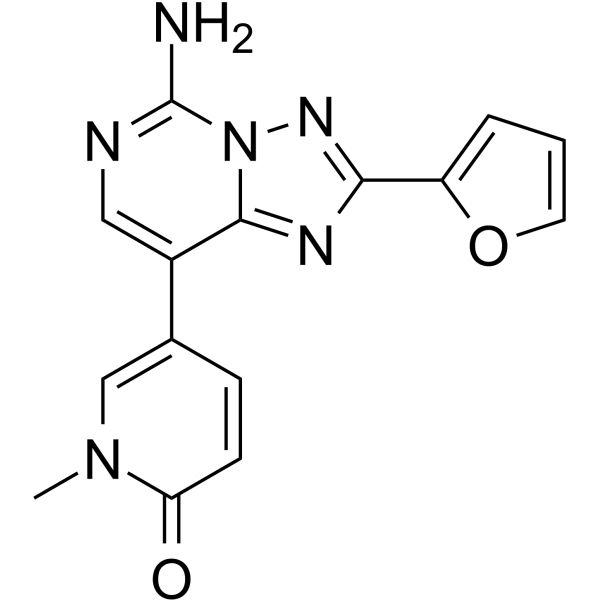
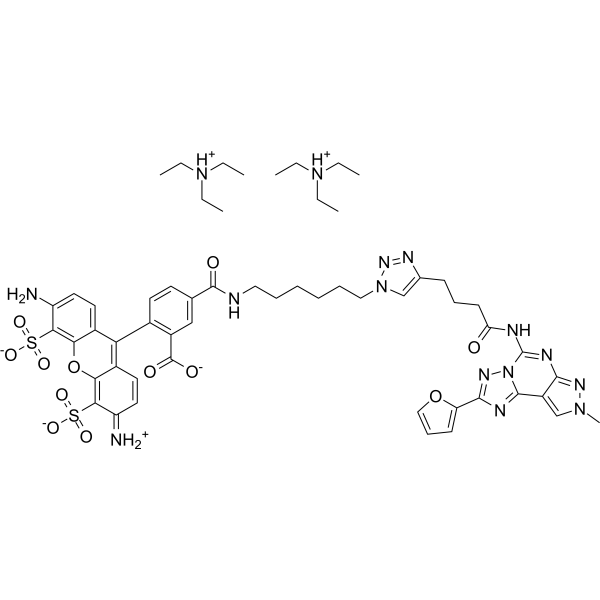
A2A/A3 AR antagonist-1 (compound 23) is a dual A2A/A3 adenosine receptor (AR) fluorescent ligand, with Kis of 90 nM and 31.8 nM for hA2A AR and hA3 AR, respectively .
|
-
- HY-146478
-
|
|
Adenosine Receptor
|
Neurological Disease
Inflammation/Immunology
|
|
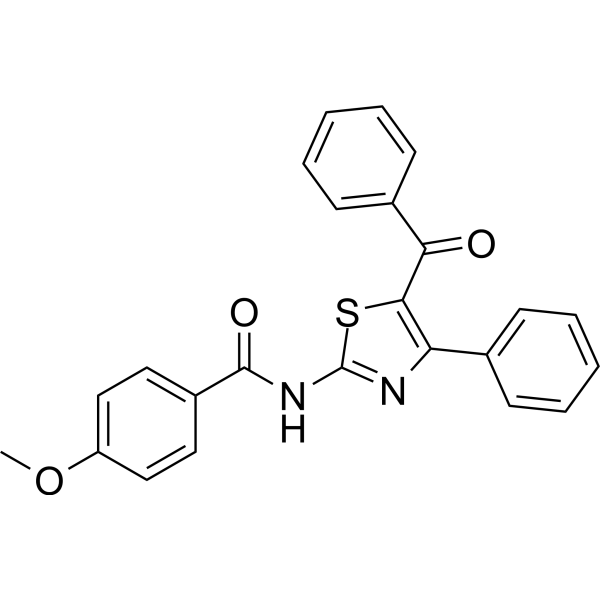
A1/A3 AR antagonist 1 (compound 10) is a potent adenosine 1 (A1) and adenosine 3 (A3) receptor dual antagonist with Kis of 36.7 nM, 25.4 nM and 1.47 nM for human A1, human A3 and rat A1, respectively. A1/A3 AR antagonist 1 can be used for researching kidney failure, inflammatory pulmonary diseases, and Alzheimer’s disease .
|
-
- HY-105122
-
|
WIN 49596
|
Androgen Receptor
|
Endocrinology
Cancer
|
|
Zanoterone is an orally active antagonist of the androgen receptor (AR) with a Ki of 2.2 μM. Zanoterone blocks the binding of androgens such as testosterone and dihydrotestosterone (DHT), inhibiting the androgen signaling pathway, thereby reducing androgen-dependent prostate hyperplasia and prostate cancer growth .
|
-

- HY-146479
-
-
- HY-146027
-
|
|
Androgen Receptor
|
Cancer
|
|
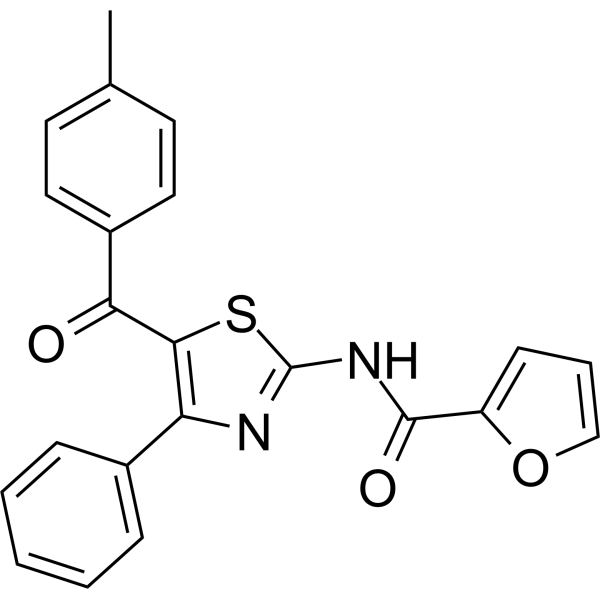
Androgen receptor antagonist 4 (Compound AT2) is an androgen receptor (AR) antagonist with an IC50 of 0.15 μM. Androgen receptor antagonist 4 efficiently antagonizes AR transcriptional activity, suppresses downstream target gene of AR, and blocks the DHT-induced AR nuclear translocation. Androgen receptor antagonist 4 shows anticancer activities .
|
-
- HY-106769B
-
|
(3AR,9AR)-GR50360
|
Adrenergic Receptor
|
Neurological Disease
|
|
(3aR,9aR)-Fluparoxan ((3aR,9aR)-GR50360) is a highly selective and potent α2B adrenaline receptor antagonist with the activity of preventing, improving or inhibiting neurodevelopmental disorders and neurodegenerative diseases. As an α2B receptor antagonist, (3aR,9aR)-Fluparoxan can promote the recovery of neurological function. The mechanism of action of (3aR,9aR)-Fluparoxan makes it have important application potential in neuroscience research .
|
-

- HY-146494
-
|
|
Androgen Receptor
|
Cancer
|
|
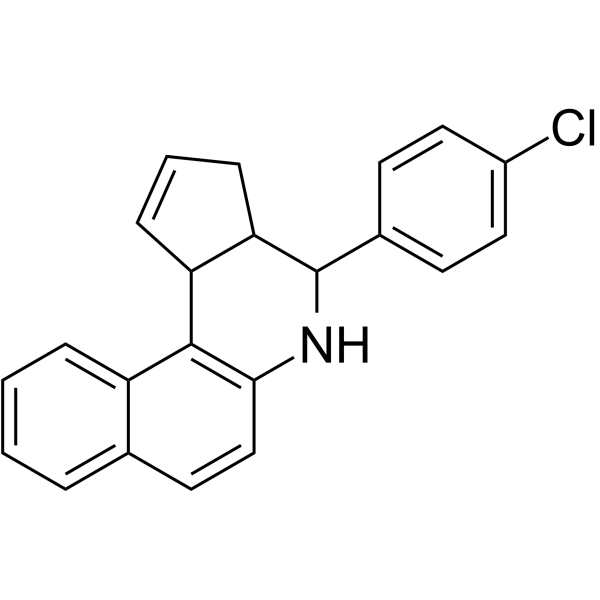
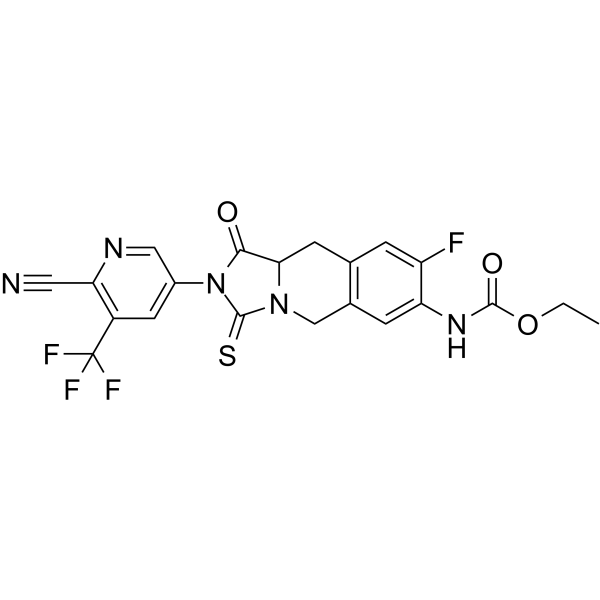
Androgen receptor antagonist 5 (compound 42f) is a potent androgen receptor (AR) antagonist with an IC50 value of 6.17 μM. Androgen receptor antagonist 5 can effectively impair AR nuclear translocation, reducing the levels of nuclear AR, and disrupts AR-mediated gene regulation. Androgen receptor antagonist 5 has antiproliferative activity against LNCaP and exhibits antitumor activity in LNCaP xenograft tumor mice model. Androgen receptor antagonist 5 can be used for researching prostate cancer .
|
-
- HY-169349
-
|
|
Androgen Receptor
|
Cancer
|
|
Androgen receptor antagonist 12 (Compound EF2) is an orally active Androgen receptor (AR) antagonist (IC50: 0.30 μM). Androgen receptor antagonist 12 inhibits transcriptional activity of variant AR mutants and and the proliferation of AR-positive PCa cell lines. Androgen receptor antagonist 12 blocks AR nuclear translocation. Androgen receptor antagonist 12 inhibits tumor growth in a C4-2B xenograft mouse model. Androgen receptor antagonist 12 can be used for prostate cancer (PCa) research .
|
-

- HY-168141
-
|
|
Androgen Receptor
|
Cancer
|
|
Androgen receptor antagonist 11 (compund N29) is a derivative of the androgen receptor (AR) antagonist M17-B15, and is a selective and orally active AR antagonist (IC50=18 nM). .
|
-

- HY-141865
-
|
|
Adenosine Receptor
|
Cancer
|
|
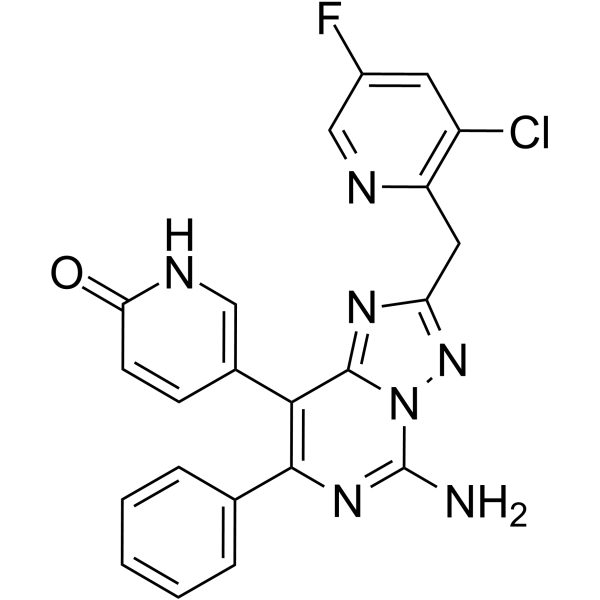
Adenosine receptor antagonist 1 is a A2aR-selective antagonist with an IC50 of 0.29 nM and displays 14-fold more selective for A2aR than A2bR.
|
-
- HY-178998
-
|
|
5-HT Receptor
|
Cancer
|
|
5-HT7R antagonist 5 (Compound (R)-4) is a 5-HT7AR antagonist, with a Ki of 46.4 nM. 5-HT7R antagonist 5 shows anticancer effects against prostate cancer .
|
-

- HY-146026
-
|
|
Androgen Receptor
|
Cancer
|
|
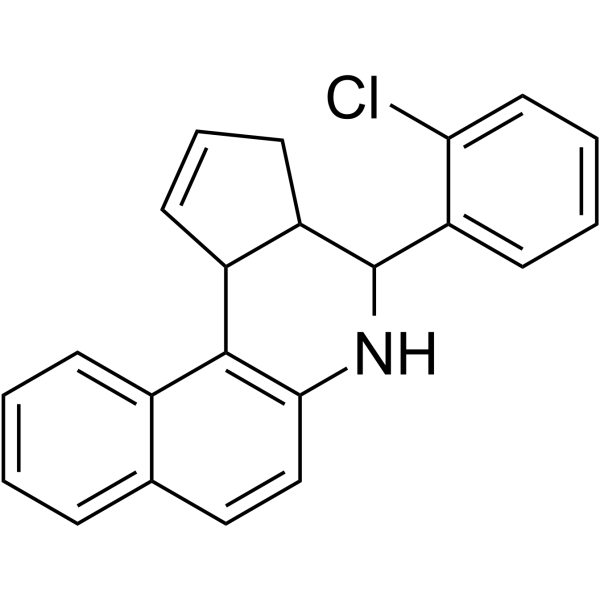
Androgen receptor antagonist 3 (Compound C18) is an androgen receptor (AR) antagonist with an IC50 of 2.4 μM. Androgen receptor antagonist 3 shows anticancer activities .
|
-
- HY-155543
-
|
|
Androgen Receptor
|
Cancer
|
|
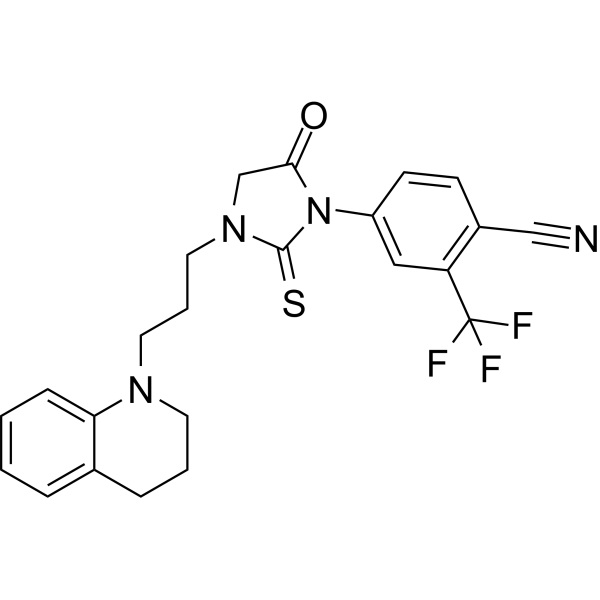
Anticancer agent 135 (compound 26h) is a potent androgen receptor (AR) antagonist. Anticancer agent 135 can effectively block AR nuclear translocation and inhibit AR/AR-V7 heterodimerization, thereby inhibiting downstream gene transcription. Anticancer agent 135 displays potent robust efficacy in prostate cancer xenograft models .
|
-
- HY-167905
-
-

- HY-403733C
-
|
|
Androgen Receptor
|
Cancer
|
|
JJ-450 is a non-competitive antagonist androgen receptor (AR) that inhibits the transcriptional activity of wild-type AR and mutant AR F876L. JJ-450 has an IC50 of approximately 1-10 μM in inhibiting AR transcriptional activity in PC3 cells. It is selective for AR binding and does not compete with androgens for binding to the ligand binding domain (LBD) of AR. JJ-450 inhibits the transcriptional activity of AR and its splice variants (such as AR F876L) by inhibiting AR nuclear translocation and promoting the degradation of unliganded AR in the nucleus. JJ-450 can be used in castration-resistant prostate cancer (CRPC) studies that are resistant to Enzalutamide (MDV3100) (HY-70003) .
|
-

- HY-144672
-
-
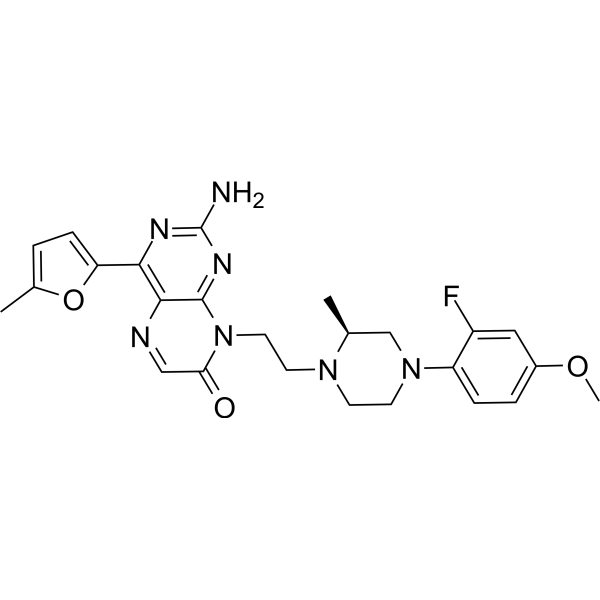
- HY-120090
-
-
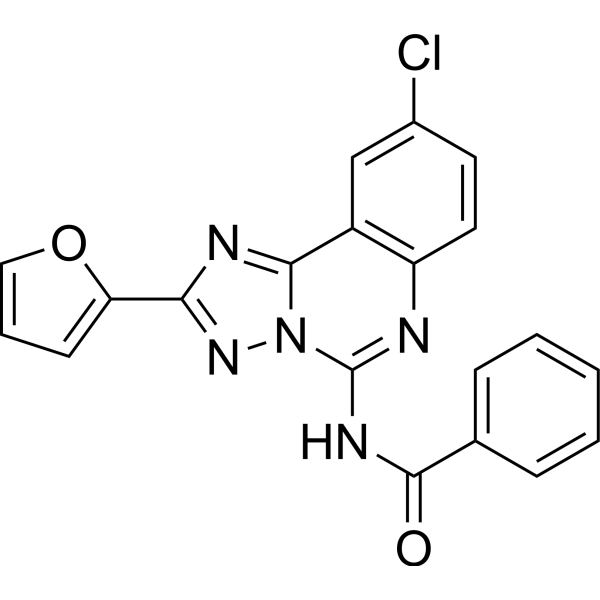
- HY-118678
-
-
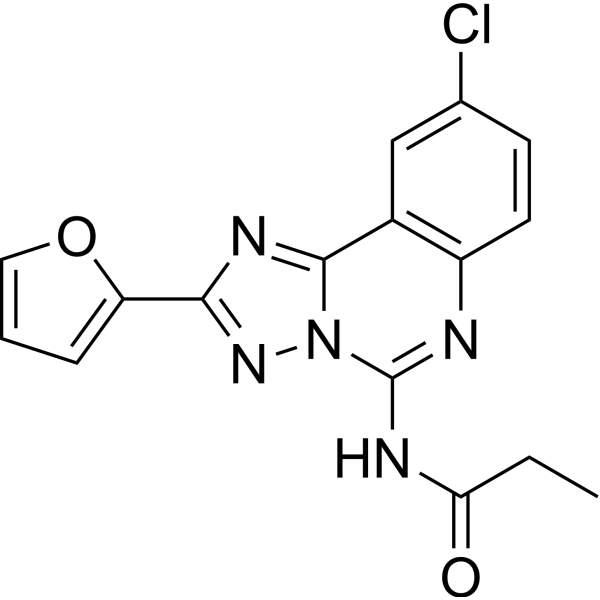
- HY-403733A
-
|
|
Androgen Receptor
|
Cancer
|
|
(-)-JJ-450 is a non-competitive antagonist targeting the androgen receptor (AR). (-)-JJ-450 is more potent than (+)-JJ-450 (HY-403733B) in inhibiting androgen-induced AR activity, and the mechanism of AR inhibition by (+)-JJ-450 is different from that of Enzalutamide (MDV3100) (HY-70003), which may target the ligand binding domain (LBD) of AR. (-)-JJ-450 inhibits the transcriptional activity of wild-type AR and mutant AR F876L by inhibiting AR nuclear translocation and promoting nuclear degradation of unbound AR. (-)-JJ-450 can be used in the study of castration-resistant prostate cancer (CRPC) resistant to Enzalutamide .
|
-

- HY-179671
-
|
|
Adenosine Receptor
|
Cancer
|
|
A3AR antagonist 6 (Compound 5p) is a selective A3AR antagonist with a Ki of 6.8 nM. A3AR antagonist 6 can be used in tumor research .
|
-

- HY-183414
-
|
|
Complement System
|
Endocrinology
|
|
C5aR antagonist-1 is a potent C5aR antagonist with an IC50 of < 5 nM. C5aR antagonist-1 is applicable to the research of crescentic and necrotizing glomerular lesions .
|
-

- HY-182432
-
|
|
Adenosine Receptor
|
Cancer
|
|
A3AR antagonist-7 is a conjugable human A3 adenosine receptor (A3AR) antagonist with a Ki value of 31.8 nM. A3AR antagonist-7 is applicable to the research of melanoma, breast cancer and colorectal cancer .
|
-

- HY-183239
-
|
|
Adenosine Receptor
|
Inflammation/Immunology
Cancer
|
|
A2AR/A2BR antagonist 2 is a dual A2A/A2B adenosine receptor antagonist with selectivity for the A1 receptor. A2AR/A2BR antagonist 2 reverses adenosine-mediated T-cell immunosuppression in the tumor microenvironment. A2AR/A2BR antagonist 2 can be used in cancer-related research .
|
-

- HY-119436
-
|
|
Androgen Receptor
|
Metabolic Disease
|
|
LG-120907 is a selective androgen receptor (AR) antagonist with a Ki value of 26 nM. LG-120907 inhibits Testosterone-induced increases in ventral prostate (VP) tissue weight and seminal vesicles (SV) tissue weight in vivo .
|
-

- HY-19337S1
-
|
BAY 1896953-d6; ORM-15341-d6
|
Isotope-Labeled Compounds
Androgen Receptor
|
Cancer
|
|
Ketodarolutamide-d6 (BAY 1896953-d6) is the deuterium labeled Ketodarolutamide (HY-19337). Ketodarolutamide (ORM-15341) is a potent, high-affinity nonsteroidal competitive full antagonist of androgen receptor (AR). Ketodarolutamide displays a Ki value of 8 nM for rat wild-type AR and an IC50 value of 38 nM in AR-HEK293 cells . Ketodarolutamide inhibits testosterone-induced nuclear translocation of the AR and antagonizes both overexpressed and mutant ARs . Ketodarolutamide specifically suppresses the proliferation of AR-dependent prostate cancer cells and exhibits antitumor activity in models of castration-resistant prostate cancer (CRPC) . Ketodarolutamide is suitable for the mechanistic and therapeutic research of prostate cancer .
|
-

- HY-19337S
-
|
BAY 1896953-d3; ORM-15341-d3
|
Isotope-Labeled Compounds
Androgen Receptor
|
Cancer
|
|
Ketodarolutamide-d3 (BAY 1896953-d3) is the deuterium labeled Ketodarolutamide (HY-19337). Ketodarolutamide (ORM-15341) is a potent, high-affinity nonsteroidal competitive full antagonist of androgen receptor (AR). Ketodarolutamide displays a Ki value of 8 nM for rat wild-type AR and an IC50 value of 38 nM in AR-HEK293 cells . Ketodarolutamide inhibits testosterone-induced nuclear translocation of the AR and antagonizes both overexpressed and mutant ARs . Ketodarolutamide specifically suppresses the proliferation of AR-dependent prostate cancer cells and exhibits antitumor activity in models of castration-resistant prostate cancer (CRPC) . Ketodarolutamide is suitable for the mechanistic and therapeutic research of prostate cancer .
|
-

- HY-183287
-
|
|
Androgen Receptor
|
Cancer
|
|
Androgen receptor antagonist-14 (Compound S-94) is a selective antagonist of the T878A mutant androgen receptor (AR) with an IC50 of 0.38 μM. Androgen receptor antagonist-14 selectively antagonizes the transcriptional activity of the AR T878A, AR F877L/T878A and AR H875Y/T878A mutant androgen receptors. Androgen receptor antagonist-14 exhibits anticancer activity against prostate cancer. Androgen receptor antagonist-14 can be used in the research of prostate cancer .
|
-

- HY-101106R
-
|
|
RAR/RXR
Reference Standards
|
Neurological Disease
Cancer
|
|
AR7 (Standard) is the analytical standard of AR7 (HY-101106). This product is intended for research and analytical applications. AR7 is an atypical RARA/RARα (retinoic acid receptor, alpha) antagonist. AR7 specifically activates chaperone-mediated-autophagy (CMA) activity without affecting macroautophagy .
|
-

- HY-174413
-
|
|
Adenosine Receptor
|
Cancer
|
|
A2AAR antagonist 3 is a selective and potent A2A adenosine receptor (A2A AR) antagonist with an IC50 of 1.57 nM. A2AAR antagonist 3 demonstrates high and selective binding affinities to the A2A AR. A2AAR antagonist 3 demonstrates favorable stability in rat liver microsomes in vitro and acceptable pharmacokinetic profiles in vivo. A2AAR antagonist 3 can be used in cancer research.
|
-

- HY-179605
-
|
|
Androgen Receptor
|
Others
|
|
AR ligand-49 (Compound 4q) is a dual ligand for the adenosine A2A receptor (A2AAR) and the A3 receptor (A3AR). Its Ki values are 15 and 4.5 nM respectively. AR ligand-49 exhibits reverse agonistic activity at hA2AAR and antagonistic activity at hA3AR. AR ligand-49 can be used for the study of the design and development of adenosine receptor ligands .
|
-

- HY-77833
-
|
|
Androgen Receptor
Drug Metabolite
|
Endocrinology
Cancer
|
|
RU 56279 is an androgen receptor (AR) antagonist with strong and systemic anti-androgenic activity. RU 56279 is also a common, potent and long-lasting anti-androgen metabolite of RU 56187 (HY-117486) and RU 58841 (HY-10561) in vivo. RU 56279 can be used as an AR ligand to construct an AR-targeted prodrug system for the study of AR-positive tumor cells .
|
-

- HY-180410
-
|
|
Androgen Receptor
|
Endocrinology
|
|
YM-1758735 is an orally active androgen receptor (AR) antagonist with an IC50 of 0.2 μM. YM-1758735 inhibits AR-mediated transcriptional activation. YM-1758735 can be used for the research of prostate .
|
-

- HY-181427
-
|
|
Androgen Receptor
|
Cancer
|
|
UT-143 is an orally active, selective irreversible covalent antagonist of androgen receptor (AR). UT-143 inhibits the proliferation of AR-positive prostate cancer cells, reduces the weight of androgen target tissues in rats, and suppresses the growth of AR-positive xenograft tumors. UT-143 can be used for the research of prostate cancer .
|
-

- HY-164552
-
|
|
Apoptosis
Androgen Receptor
|
Cancer
|
|
ZNU-IMB-Z15 (Compound Z15) is an antagonist of the androgen receptor (AR) and also a selective degrader of AR and ARV7. ZNU-IMB-Z15 can directly bind to the ligand-binding domain (LBD) and activation function-1 region of AR, and promote AR degradation through the proteasome pathway. ZNU-IMB-Z15 effectively inhibits the transcriptional activity of AR, AR mutants, and AR splice variants (ARVs), downregulating the mRNA and protein levels of AR downstream target genes, thereby overcoming the resistance to second-generation antiandrogen drugs induced by AR LBD mutations, AR amplification, and ARVs in castration-resistant prostate cancer (CRPC). ZNU-IMB-Z15 can inhibit the proliferation of AR-positive CRPC cell lines and induce their apoptosis, demonstrating anticancer activity both in vivo and in vitro .
|
-

- HY-122048
-
|
AR-C67085MX; PSB 0413; FPL 67085
|
P2Y Receptor
|
Cardiovascular Disease
|
|
AR-C67085 (PSB 0413; FPL 67085) is a potent platelet P2T receptor antagonist with an pIC50 value of 8.60. AR-C67085 inhibits ADP-induced platelet aggregation .
|
-

- HY-115282
-
|
TRC-253 free base
|
Androgen Receptor
|
Cancer
|
|
JNJ-63576253 (TRC-253) free base is a potent and orally active full antagonist of androgen receptor (AR), with IC50s of 37 and 54 nM for F877L mutant AR and wild-type AR in LNCaP cells. JNJ-63576253 free base can be used for the research of castration-resistant prostate cancer (CRPC) .
|
-
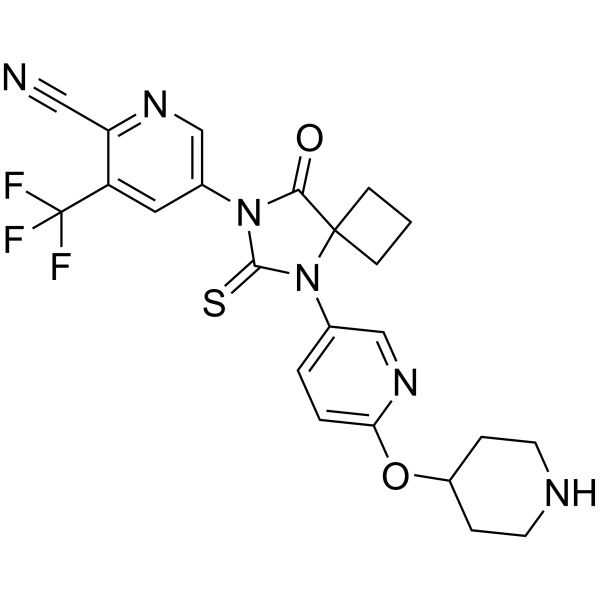
- HY-14249
-
|
|
Androgen Receptor
Autophagy
|
Cancer
|
|
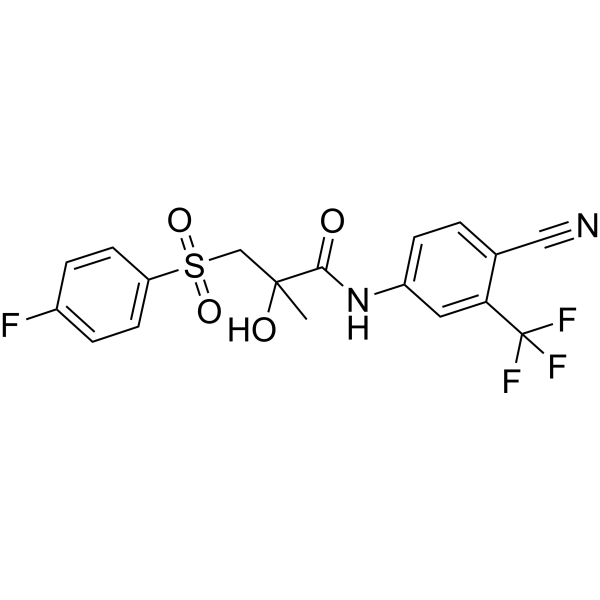
Bicalutamide is an orally active non-steroidal androgen receptor (AR) antagonist. Bicalutamide can be used for the research of prostate cancer .
|
-
- HY-70002B
-
|
MDV3100 cARboxylic acid
|
Drug Metabolite
|
Cancer
|
|
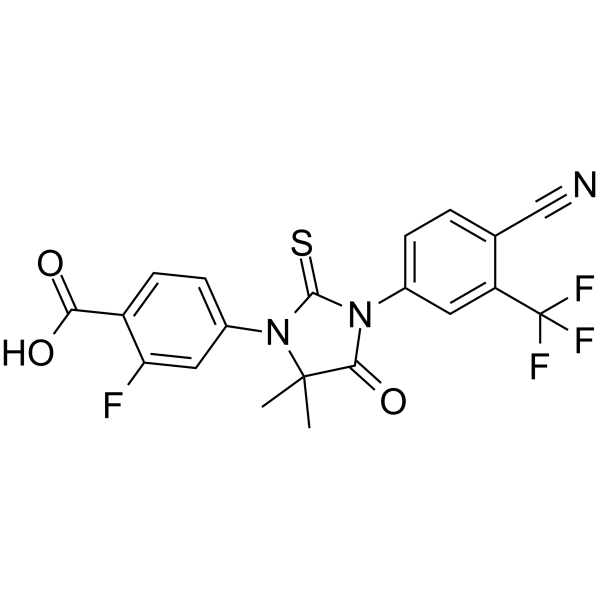
Enzalutamide carboxylic acid (MDV3100 carboxylic acid) is an inactive metabolite of Enzalutamide (MDV3100). Enzalutamide is an androgen receptor (AR) antagonist .
|
-
- HY-178259
-
-

- HY-101393
-
|
(±)-CGP 12177
|
Adrenergic Receptor
|
Cardiovascular Disease
Metabolic Disease
|
|
CGP 12177 ((±)-CGP 12177) is a β-Adrenergic receptor (β-AR) ligand. CGP 12177 is a β3-AR (Ki = 88 nM) agonist with β1/β2-AR (Ki = 0.9 nM for β1; Ki = 4 nM for β2) antagonist action. CGP 12177 exhibits partial agonist properties for α1-AR in rat pulmonary artery. CGP 12177 regulates the expression of ucp and leptin genes in NMRI mice adipose tissues. CGP 12177 can be used for cardiovascular and metabolic disease research .
|
-

- HY-101393A
-
|
(±)-CGP 12177 hydrochloride
|
Adrenergic Receptor
|
Cardiovascular Disease
Metabolic Disease
|
|
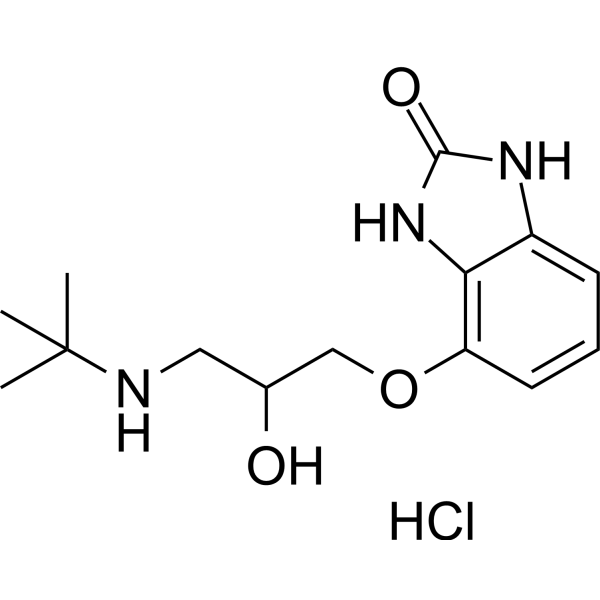
CGP 12177 ((±)-CGP 12177) hydrochloride is a β-Adrenergic receptor (β-AR) ligand. CGP 12177 hydrochloride is a β3-AR (Ki = 88 nM) agonist with β1/β2-AR (Ki = 0.9 nM for β1; Ki = 4 nM for β2) antagonist action. CGP 12177 hydrochloride exhibits partial agonist properties for α1-AR in rat pulmonary artery. CGP 12177 hydrochloride regulates the expression of ucp and leptin genes in NMRI mice adipose tissues. CGP 12177 hydrochloride can be used for cardiovascular and metabolic disease research [1][2][3][4].
|
-
- HY-70002
-
Enzalutamide
Maximum Cited Publications
214 Publications Verification
MDV3100
|
Androgen Receptor
Autophagy
|
Cancer
|
|
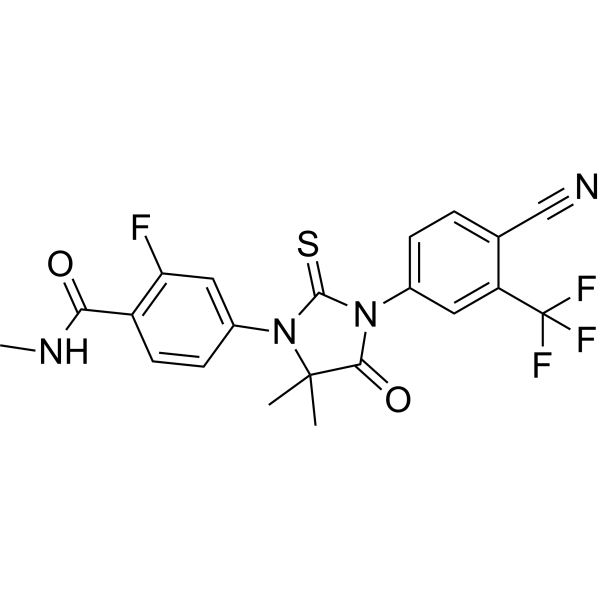
Enzalutamide (MDV3100) is an androgen receptor (AR) antagonist with an IC50 of 36 nM in LNCaP prostate cells. Enzalutamide is an autophagy activator .
|
-
- HY-164371
-
|
|
Androgen Receptor
|
Cancer
|
|
(+)-JJ-74-138, a novel non-competitive androgen receptor (AR) antagonist, is capable of inhibiting Enzalutamide-resistant CRPC .
|
-

- HY-119170
-
-

- HY-148954
-
-

- HY-14250A
-
|
|
Androgen Receptor
|
Endocrinology
|
|
(Rac)-PF-998425 is a potent, selective, nonsteroidal androgen receptor (AR) antagonist. (Rac)-PF-998425 has IC50 values of 26 and 90 nM in the AR binding and cellular assays, respectively. (Rac)-PF-998425 has the potential for the research of the androgenetic alopecia .
|
-
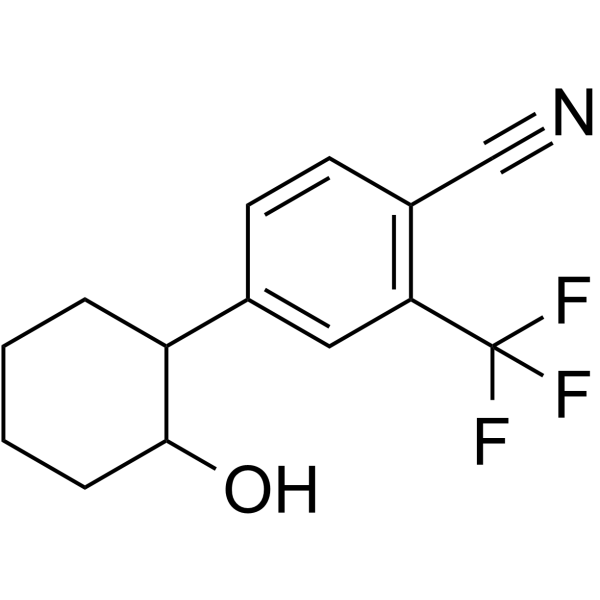
- HY-109070
-
|
EPI-002
|
Androgen Receptor
|
Cancer
|
|
Ralaniten (EPI-002) is a potent and orally active antagonist of the androgen receptor-N-terminal domain (AR-NTD). Ralaniten inhibits AR transcriptional activity, with IC50 of 7.4 μM. Ralaniten can be used for the research of castration-resistant prostate cancer (CRPC) .
|
-
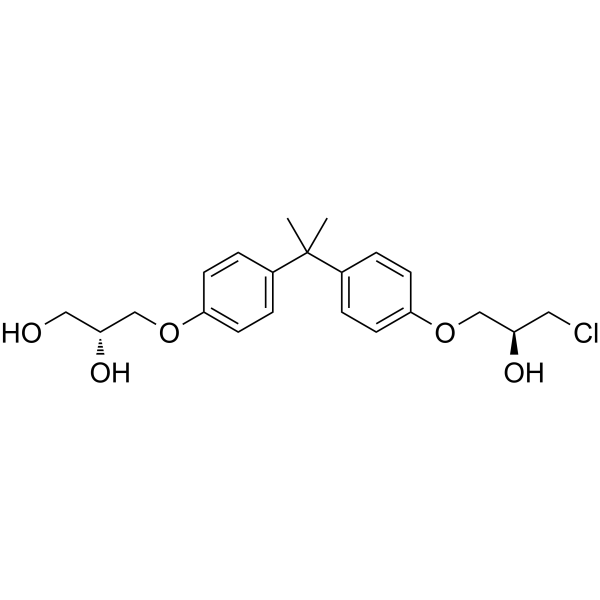
- HY-101980
-
|
HTL1071; AZD4635
|
Adenosine Receptor
|
Cancer
|
|
AZD4635 (HTL1071) is a potent, selective and orally active adenosine A2A receptor (A2AR) antagonist. AZD4635 binds to human A2AR with a Ki of 1.7 nM and shows >30-fold selectivity over other adenosine receptors .
|
-
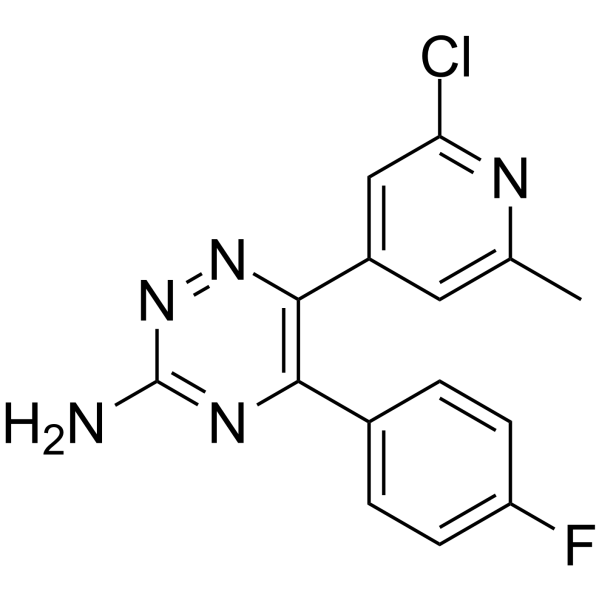
- HY-173640
-
|
|
Androgen Receptor
Phosphodiesterase (PDE)
|
Cancer
|
|
ID11916 is an orally active androgen receptor (AR) antagonist and a phosphodiesterase 5 (PDE5) inhibitor. ID11916 blocks androgen binding to AR, nuclear translocation, and androgen-dependent transcriptional activity of AR, while increasing intracellular cGMP levels and activating PKG via inhibition. ID11916 shows potent anti-cancer effect in prostate cancer cell lines VCaP and 22Rv1 and in AR-positive breast cancer cell lines SK-BR-3 .
|
-

- HY-110126
-
|
|
P2Y Receptor
|
Inflammation/Immunology
Cancer
|
|
AR-C118925XX is a selective P2Y2 receptor antagonist. AR-C118925XX inhibits ATP-induced IL-6 production and phosphorylation of p38. AR-C118925XX also inhibits Bleomycin (HY-108345)-induced dermal fibrosis in mice. AR-C118925XX also inhibits ATP-induced tumor growth .
|
-
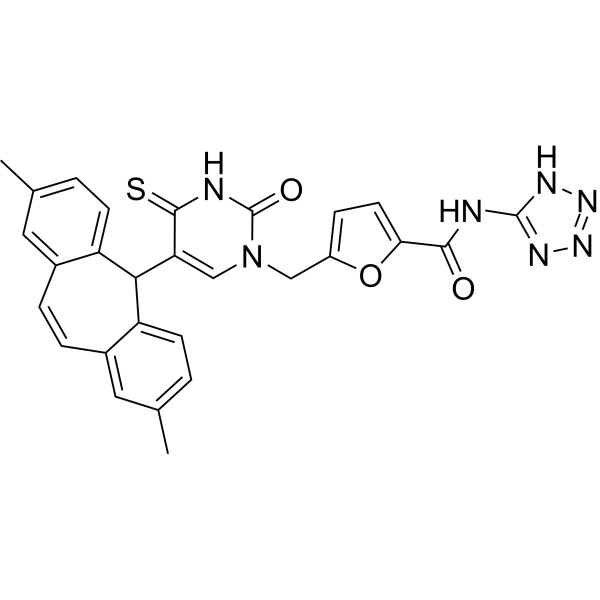
- HY-118944
-
|
|
Adrenergic Receptor
|
Endocrinology
|
|
L-748328 is a potent and selective human β3-adrenergic receptor antagonist. L-748328 has a Ki of 3.7 nM against human cloned β3-AR expressed in Chinese hamster ovary (CHO) cells. In addition, L-748328 inhibits the lipolytic response induced by the β3-AR agonist L-742791 in isolated non-human primate adipocytes .
|
-

- HY-111231
-
|
|
Androgen Receptor
|
Cancer
|
|
CH4933468 is a thiohydantoin derivative, shows androgen receptor (AR) pure antagonist activity in vitro. CH4933468 inhibits AR-mediated transactivation and proliferation of LNCaP and LNCaP-BC2 cells. CH4933468 can be used for castration-resistant prostate cancer (CRPC) research .
|
-

- HY-116042
-
|
|
Adenosine Receptor
|
Cardiovascular Disease
|
|
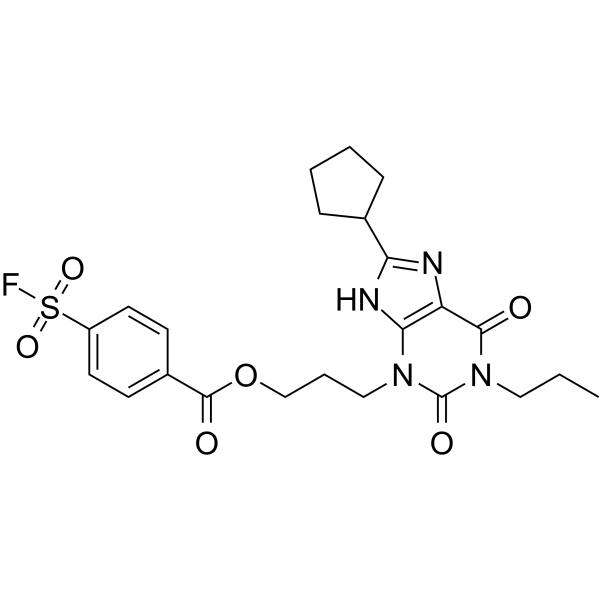
FSCPX is a potent and selective irreversible antagonist of A1 adenosine receptor (A1AR), with low nanomolar potency for binding to the A1AR. FSCPX could modify the effect of NBTI, a nucleoside transport inhibitor, by reducing the interstitial adenosine level in the guinea pig atrium .
|
-
- HY-153152
-
-
- HY-157472
-
|
|
Complement System
|
Inflammation/Immunology
|
|
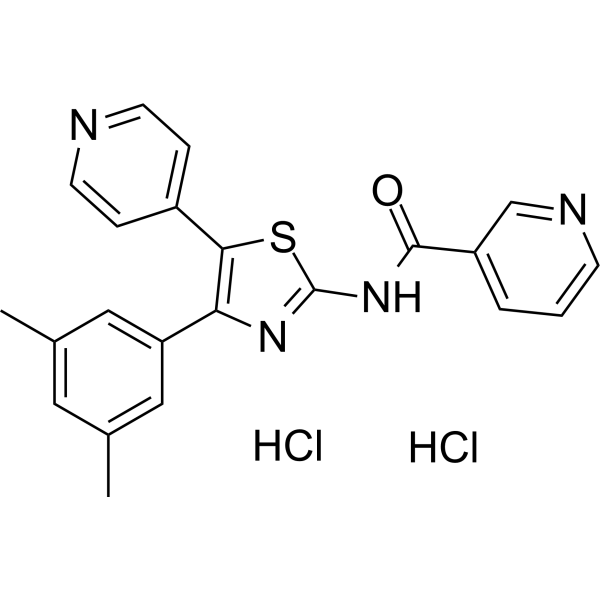
ACT-1014-6470 is an orally active, potent, reversible, and selective C5aR1 antagonist. ACT-1014-6470 demonstrates potent inhibition of C5aR1 activation. ACT-1014-6470 can be used in the research of inflammatory diseases .
|
-

- HY-141487
-
-
- HY-B1866
-
Linuron
1 Publications Verification
|
Environmental Pollutants
Androgen Receptor
Herbicide
|
Infection
Metabolic Disease
Cancer
|
|
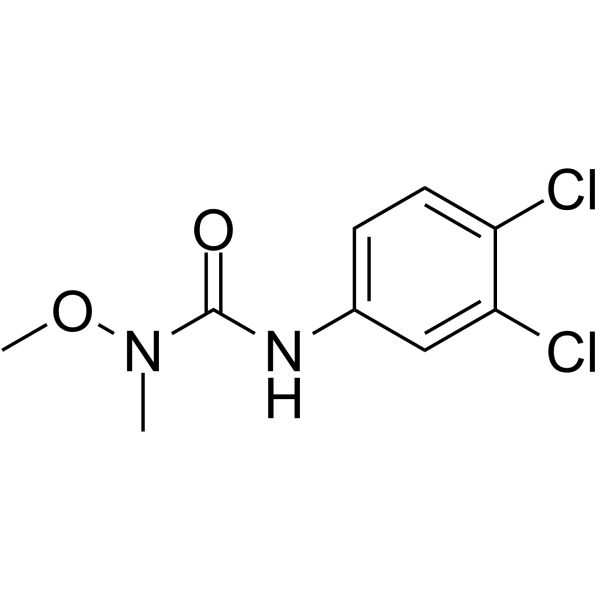
Linuron is a phenylurea herbicide widely used to control the growth of grasses and weeds in various crops and orchards. Linuron acts as a photosystem II inhibitor. It also functions as a competitive androgen receptor (AR) antagonist, with an EC50 of 200 μM and a Ki of 100 μM against rat AR, and an EC50 of 20 μM against human AR. Linuron exhibits reproductive toxicity in animals and acts as an endocrine disruptor .\n
|
-
- HY-19532
-
-
- HY-403733B
-
|
|
Androgen Receptor
Prostaglandin Receptor
|
Cancer
|
|
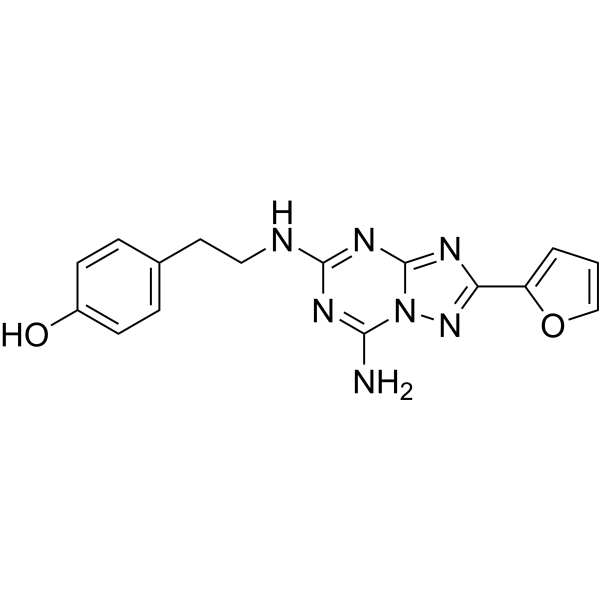
(+)-JJ-450 is a non-competitive antagonist targeting the androgen receptor (AR) that inhibits AR nuclear localization and transcriptional activity in the absence of androgen. (+)-JJ-450 is less active than (-)-JJ-450 (HY-403733A) in inhibiting prostate-specific antigen (PSA) expression in LN95 cells, possibly because (+)-JJ-450 targets the ligand binding domain (LBD) of AR. (+)-JJ-450 inhibits the transcriptional activity of AR and its splice variants (e.g., ARv7) by promoting the degradation of unliganded AR in the nucleus and reducing the binding of AR to androgen response elements (AREs). (+)-JJ-450 can be used in castration-resistant prostate cancer (CRPC) studies that are resistant to enzalutamide (MDV3100) (HY-70003) .
|
-

- HY-123310
-
|
|
Androgen Receptor
|
Cancer
|
|
JNJ-26146900 is a potent and orally active androgen receptor antagonist with a Ki value of 400nM for rat AR. JNJ-26146900 is a nonsteroidal androgen receptor (AR) ligand. JNJ-26146900 reduces prostate tumor size and prevents bone loss. JNJ-26146900 can be used in research of cancer .
|
-
- HY-101978
-
|
CPI-444; V81444
|
Adenosine Receptor
|
Cancer
|
|
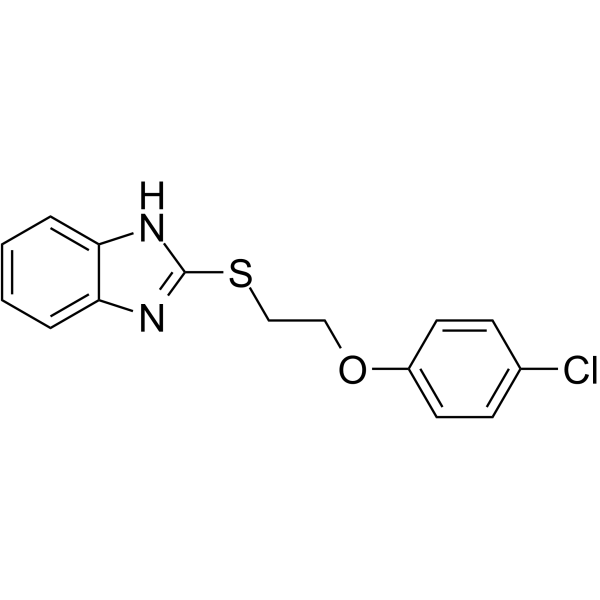
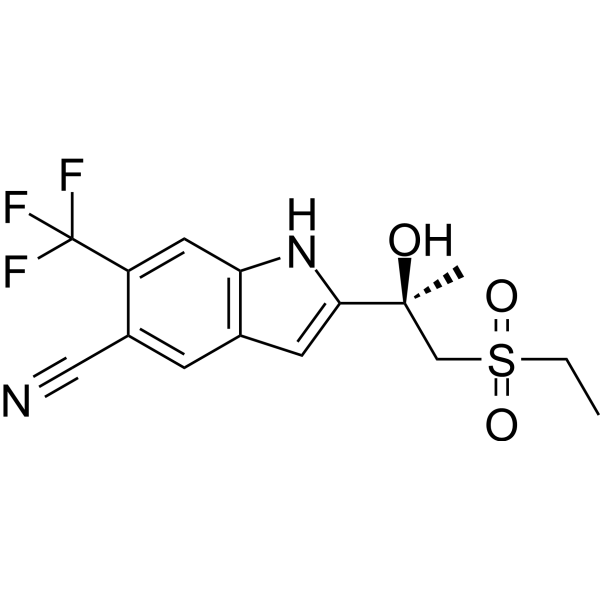
Ciforadenant (CPI-444) is a potent, orally active and selective adenosine A2A receptor (A2AR) antagonist, which induces antitumor responses .
|
-
- HY-103162R
-
|
|
Reference Standards
Adenosine Receptor
|
Neurological Disease
|
|
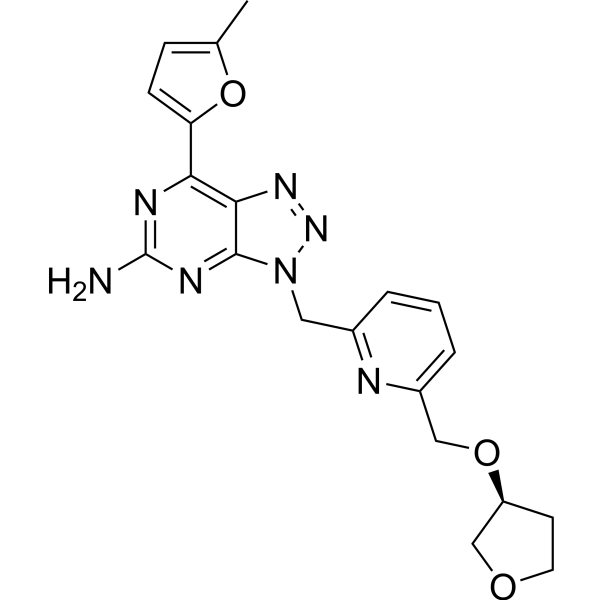
ANR94 (Standard) is the analytical standard of ANR94 (HY-103162). This product is intended for research and analytical applications. ANR94 is a potent and selective adenosine A2A receptor (AA2AR) antagonist with an Ki of 46 nM for hAA2AR. ANR94 has the potential for the research of Parkinson's disease .
|
-

- HY-14250
-
|
|
Androgen Receptor
|
Endocrinology
|
|
PF-998425 is a potent, selective nonsteroidal androgen receptor (AR) antagonist with an IC50 of 37 nM and 43 nM in AR binding and cellular assays, respectively. PF-998425 has low activity on common receptors and enzymes, such as progesterone receptor. PF-998425 can be used for sebum control and androgenetic alopecia research .
|
-
- HY-121094
-
|
|
Estrogen Receptor/ERR
|
Cancer
|
|
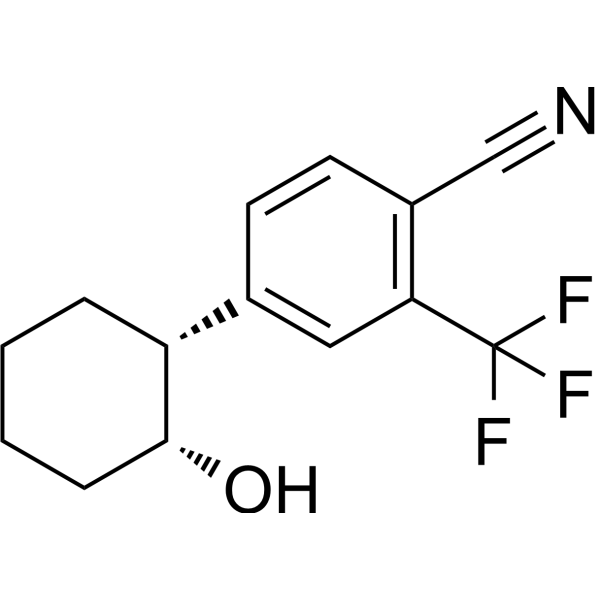
Androgen receptor allosteric antagonist 1(compound D36)is a a llosteric, competitive androgen receptor (AR) antagonist with the Ki of 9 μM. Androgen receptor allosteric antagonist 1 inhibits R1881-mediated transcription and proliferation and can be used for study of prostate cancer .
|
-

- HY-121837
-
|
|
Adrenergic Receptor
Arrestin
|
Cardiovascular Disease
Inflammation/Immunology
|
|
β2AR-IN-15 is a selective β2-adrenergic receptor (β2AR) antagonist with a Kd of 1.7 μM. β2AR-IN-15 binds to an intracellular β2AR region overlapping the G-protein binding site, enhancing orthosteric inverse agonist binding while negatively modulating binding of orthosteric agonists with EC50 values of 1.9 and 0.48 μM. β2AR-IN-15 shows inhibitory effect on cAMP production and β-arrestin recruitment to activated β2AR. β2AR-IN-15 can be used for the research of cardiovascular and pulmonary diseases .
|
-

- HY-101986C
-
|
AR-H 053591 dihydrochloride
|
Neuropeptide Y Receptor
|
Neurological Disease
|
|
BIIE-0246 dihydrochloride (AR-H 053591 dihydrochloride) is a potent and highly selective non-peptide neuropeptide Y (NPY) Y2 receptor antagonist, with an IC50 value of 15 nM .
|
-
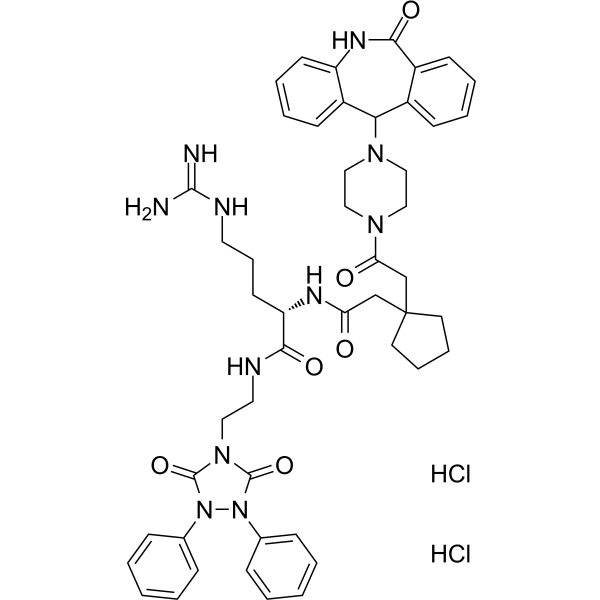
- HY-70002S
-
|
Enzalutamide-d3; MDV3100-d3
|
Androgen Receptor
Autophagy
|
Cancer
|
|
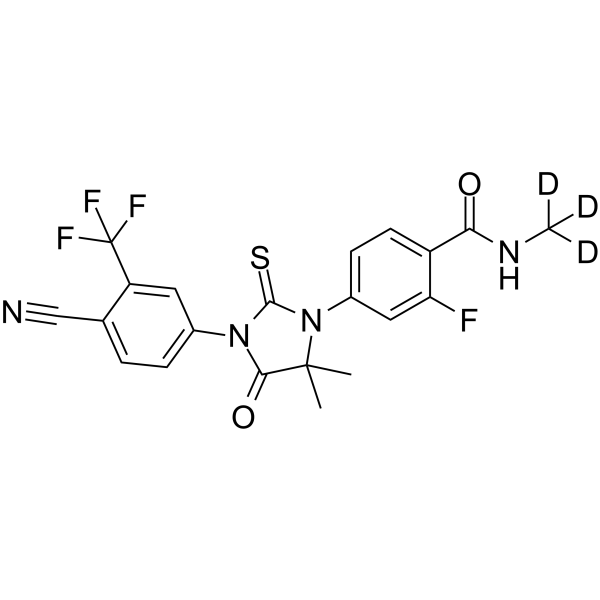
Deutenzalutamide (Enzalutamide-d3) is a developed deuterium labeled Enzalutamide (MDV3100). Enzalutamide is an androgen receptor (AR) antagonist with an IC50 of 36 nM in LNCaP prostate cells .
|
-
- HY-149914
-
|
|
Androgen Receptor
|
Cancer
|
|
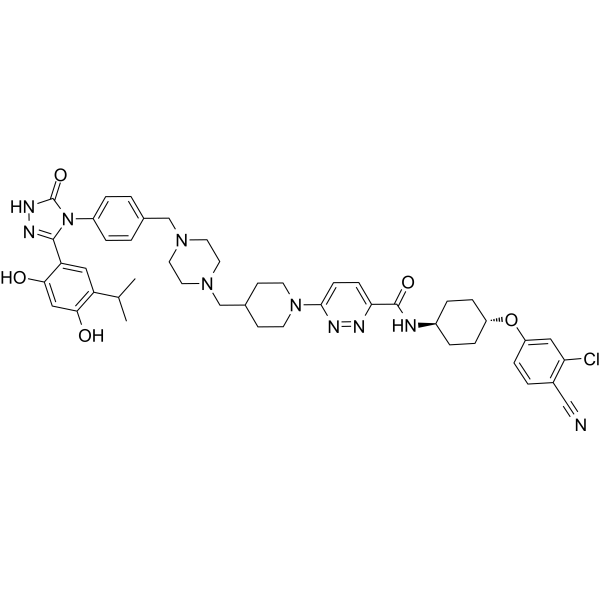
WCA-814 is an androgen receptor (AR) antagonist-Hsp90 inhibitor conjugate. WCA-814 induces the degradation of full-length and AR-V7. WCA-814 has cytotoxic effect in prostatic cancer cells (IC50: 171.2 nM, 26.5 nM for LNCaP, 22Rv1 cell) .
|
-
- HY-15011
-
|
|
Oxytocin Receptor
|
Others
|
|
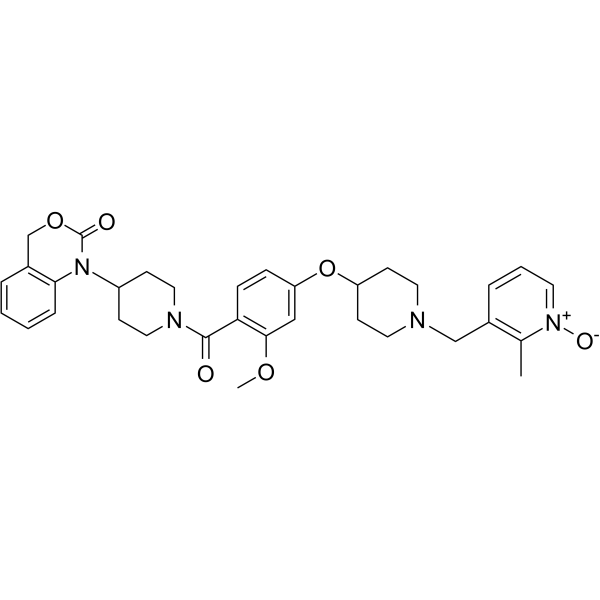
L-372662 is a potent and orally active non-peptide oxytocin antagonist with a Ki value of 4.8. The Kd value of L-372662 for wild-type hOTR and [A318G]OTR is 5.8 nM and 73 nM. L-372662 shows selectivity to OTR:V1aR .
|
-
- HY-14249S
-
-
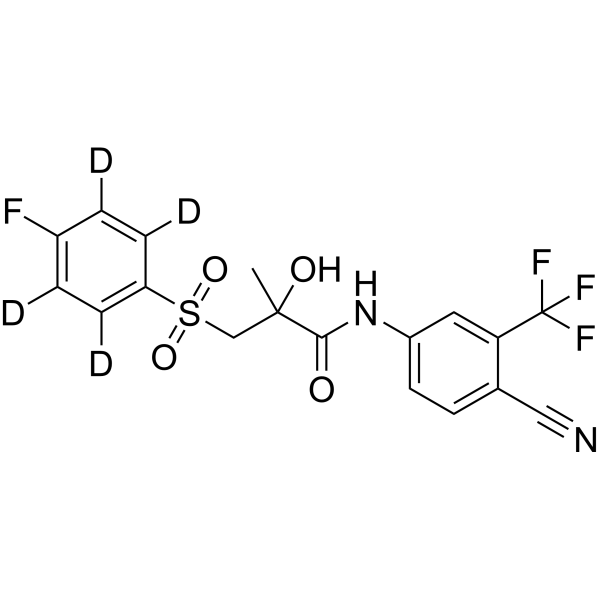
- HY-B1486
-
|
Ba 39089
|
Adrenergic Receptor
|
Cardiovascular Disease
|
|
Oxprenolol hydrochloride (Ba 39089) is an orally bioavailable β-adrenergic receptor (β-AR) antagonist with a Ki of 7.10 nM in a radioligand binding assay using rat heart muscle .
|
-
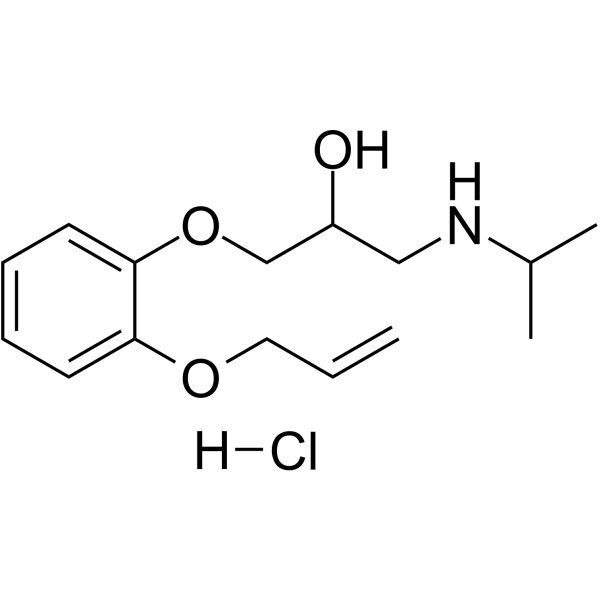
- HY-159639
-
-

- HY-123059A
-
|
(2S,3S)-ICI-118551 hydrochloride
|
Adrenergic Receptor
|
Cardiovascular Disease
|
|
(2S,3S)-Zenidolol ((2S,3S)-ICI-118551) hydrochloride is a β2-adrenergic receptor (β2AR) antagonist with pKi values for β1AR and β2AR of 7.51 and 9.27 respectively. (2S,3S)-Zenidolol hydrochloride can be used in the research of heart failure, ischemic heart disease and hypertension .
|
-

- HY-B0484
-
|
|
Adrenergic Receptor
|
Cardiovascular Disease
|
|
Buflomedil hydrochloride, a vasodilator agent, is an orally active α1A-adrenoceptor antagonist with Kis of 4.06 µM and 6.84 µM for α1A-AR and α1B-AR, respectively. Buflomedil hydrochloride can be used for the study of peripheral circulatory disorders .
|
-
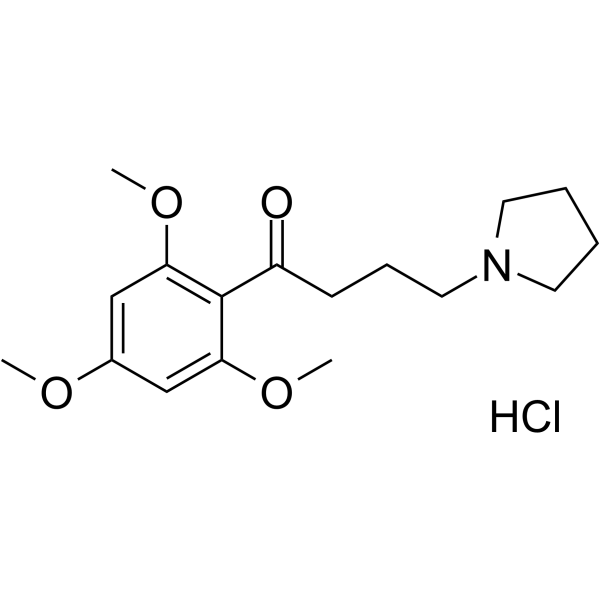
- HY-159686
-
|
|
Adrenergic Receptor
|
Inflammation/Immunology
Endocrinology
|
|
Aclidinium is a long-acting muscarinic antagonist and long-acting β2-adrenoceptor (β2-AR) agonist with bronchodilator activity. Aclidinium can reduce hyperinflation of the lungs and increase lung function and exercise endurance time. Aclidinium is used in research on chronic obstructive pulmonary disease (COPD) .
|
-

- HY-173498
-
|
|
Adenosine Receptor
|
Cancer
|
|
AR ligand 40 (compound 19c) is an Adenosine A1 Receptor ligand with antagonist activity. AR ligand 40 exhibits antiproliferative effect on SW480, SW48, HCT116, K562, MDA-MB-231, and A549 cells with EC50s of 7, 10, 12, 13, 15 and 39 μM .
|
-

- HY-B0484A
-
|
|
Adrenergic Receptor
|
Cardiovascular Disease
|
|
Buflomedil, a vasodilator agent, is an orally active α1A-adrenoceptor antagonist with Kis of 4.06 µM and 6.84 µM for α1A-AR and α1B-AR, respectively. Buflomedil can be used for the study of peripheral circulatory disorders .
|
-
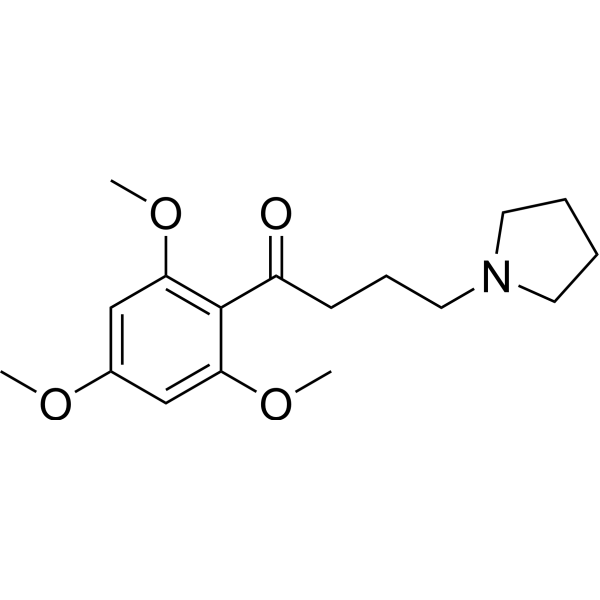
- HY-N0475
-
|
Hypolide; (+)-Triptophenolide
|
Androgen Receptor
Pyroptosis
Caspase
Bcl-2 Family
Apoptosis
|
Inflammation/Immunology
Cancer
|
|
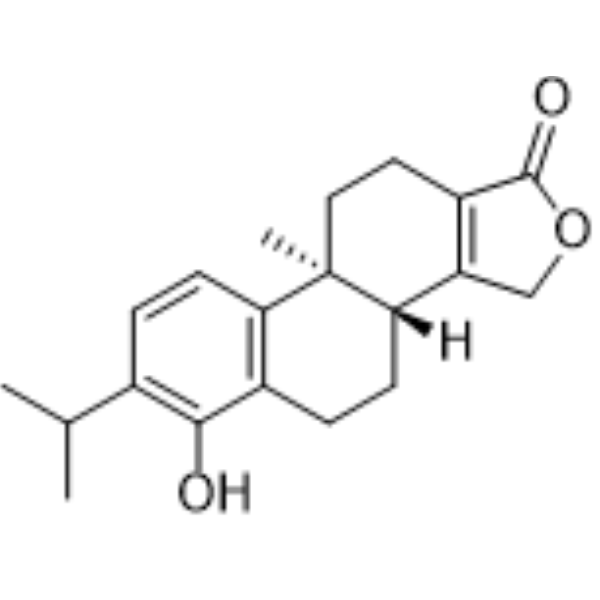
Triptophenolide (Hypolide) is a colorless crystal isolated from the ethyl acetate extract of Tripterygium wilfordii. Triptophenolide is an orally active pan‑antagonist of the androgen receptor (AR) with an IC50 of 467 nM against human wild‑type AR. Triptophenolide reduces AR expression, inhibits AR nuclear translocation, downregulates prostate‑specific antigen mRNA levels, and suppresses the growth of AR‑positive prostate cancer cells. Triptophenolide shows anti-tumor effects against breast cancer by inhibiting cell proliferation and migration, inducing G1-phase arrest and apoptosis, repressing xenograft tumor growth. Triptophenolide inhibits pyroptosis, alleviates tissue inflammation, and ameliorates synovial injury. Triptophenolide can be used for the study of prostate cancer, rheumatoid arthritis and breast cancer .
|
-
- HY-17497A
-
-
- HY-17497
-
-
- HY-108250
-
|
|
Androgen Receptor
|
Cancer
|
|
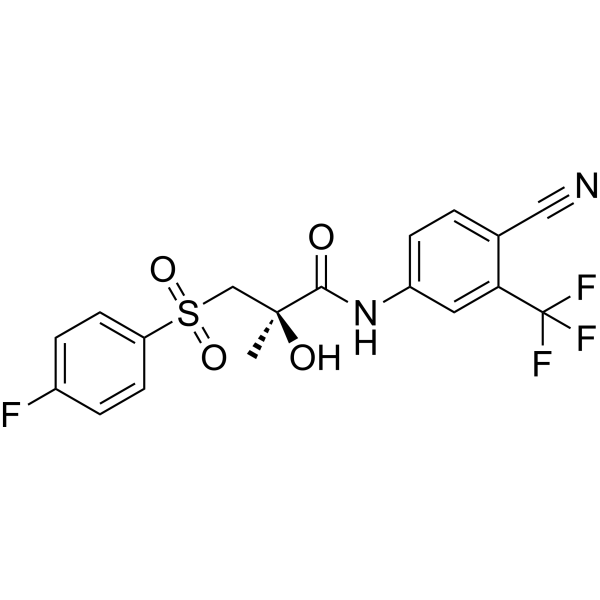
(R)-Bicalutamide is the (R)-enantiomer of Bicalutamide (HY-14249). (R)-Bicalutamide is an androgen receptor (AR) antagonist, with antineoplastic activity. (R)-Bicalutamide is widely used for the research of prostate cancer .
|
-
- HY-183357
-
|
|
GABA Receptor
5-HT Receptor
Reactive Oxygen Species (ROS)
TNF Receptor
Interleukin Related
COX
NF-κB
IKK
NO Synthase
|
Neurological Disease
Inflammation/Immunology
|
|
GABAAR/5-HT2AR modulator-1 is an orally active and brain-penetrant GABAAR agonist and 5-HT2AR antagonist with Kd values of 0.89 and 0.78 μM. GABAAR/5-HT2AR modulator-1 blocks 5-HT-stimulated IP1 accumulation, inducing a chloride current, reduces LPS (HY-D1056)-induced increases of ROS, NO, TNF-α, IL-6, IL-1β, iNOS, and COX-2 levels. Antidepressant agent 11 dihydrochloride inhibits NF-κB pathway activation by reducing IκBα and p65 phosphorylation and blocking p65 nuclear translocation. GABAAR/5-HT2AR modulator-1 alleviates depression-like behaviors in LPS-challenged and chronic restraint stress-challenged mice, and protects hippocampal neurons against inflammation-mediated damage .
|
-

- HY-B1486A
-
|
Ba 39089 free base
|
Adrenergic Receptor
|
Cardiovascular Disease
|
|
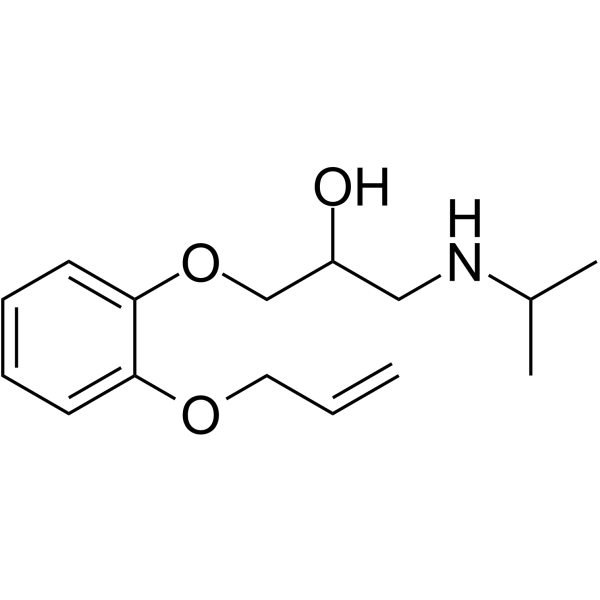
Oxprenolol (Ba 39089 free base) is an orally bioavailable β-adrenergic receptor (β-AR) antagonist with a Ki of 7.10 nM in a radioligand binding assay using rat heart muscle .
|
-
- HY-P5010
-
|
|
Vasopressin Receptor
|
Cardiovascular Disease
|
|
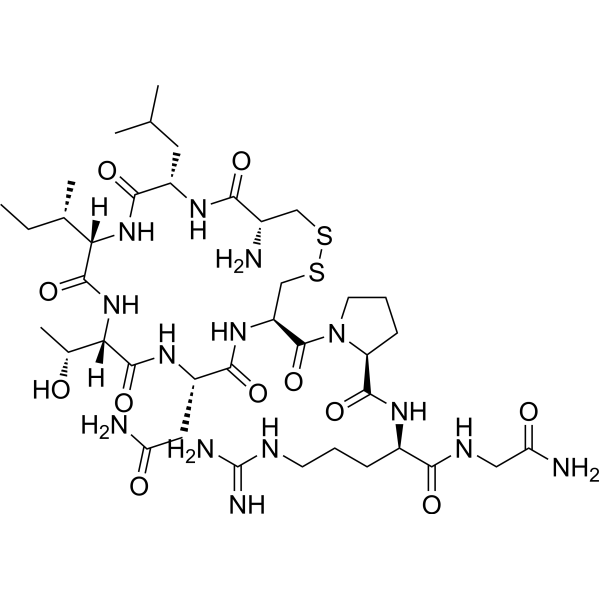
(D-Arg8)-Inotocin is a potent, selective and competitive antagonist of vasopressin receptor (V1aR), with a Ki of 1.3 nM. (D-Arg8)-Inotocin shows more than 3000-fold selectivity for the human V1aR over the other three subtypes, OTR, V1bR and V2R .
|
-
- HY-100554
-
|
|
Adrenergic Receptor
5-HT Receptor
|
Cardiovascular Disease
|
|
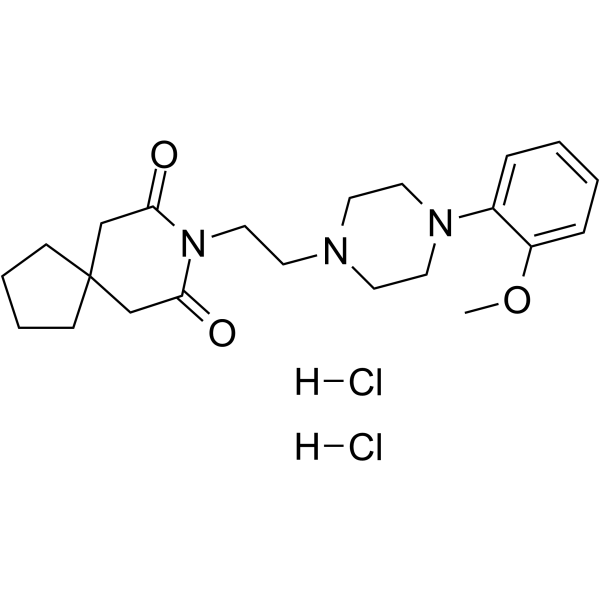
BMY 7378 is a selective antagonist of α1D-adrenoceptor (α1D-AR). BMY 7378 binds to membranes expressing the cloned rat α1D-AR with a >100-fold higher affinity (Ki=2 nM) than binding to either the cloned rat α1A-AR (Ki=800 nM) or the hamster α1B-AR (Ki=600 nM). BMY 7378 is a 5-HT1A receptor partial agonist .
|
-
- HY-14249R
-
|
|
Reference Standards
Androgen Receptor
Autophagy
|
Cancer
|
|
Bicalutamide (Standard) is the analytical standard of Bicalutamide. This product is intended for research and analytical applications. Bicalutamide is an orally active non-steroidal androgen receptor (AR) antagonist. Bicalutamide can be used for the research of prostate cancer .
|
-

- HY-77734
-
|
|
Drug Metabolite
|
Cardiovascular Disease
|
|
AR-C124910XX is a metabolite of Ticagrelor (HY-10064 ). Ticagrelor is a reversible oral P2Y12 receptor antagonist, and can be used for study of platelet aggregation .
|
-

- HY-N9917
-
|
6′-O-Galloylalbiflorin
|
Androgen Receptor
|
Endocrinology
Cancer
|
|
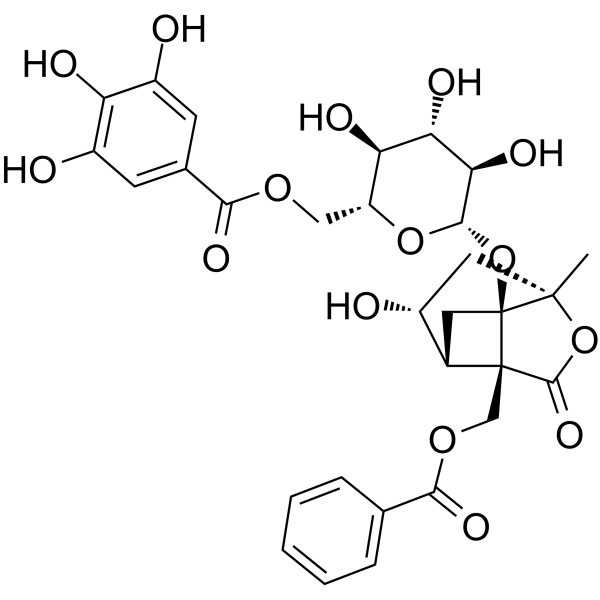
Galloylalbiflorin (6′-O-Galloylalbiflorin) is an androgen receptor (AR) antagonist (IC50=53.3 μM) and can be found in the roots of Paeonia lactiflora. Galloylalbiflorin shows anti-androgens activity .
|
-
- HY-15758R
-
|
DIM (StandARd); ARundine (StandARd); HB 236 (StandARd)
|
Reference Standards
Androgen Receptor
Autophagy
|
Cancer
|
|
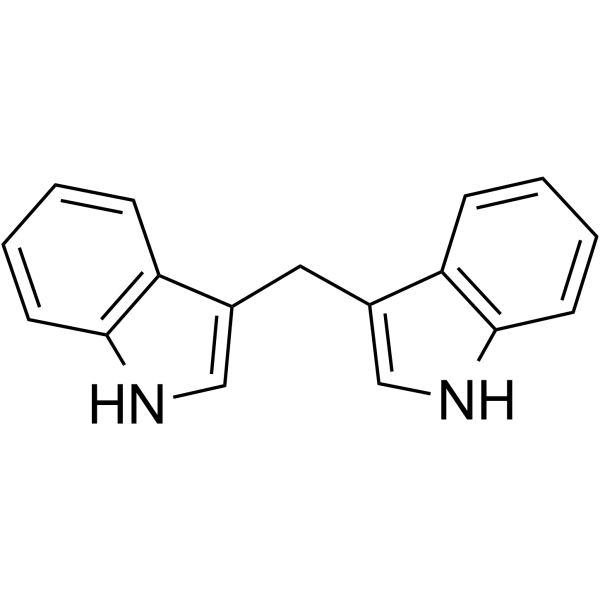
3,3'-Diindolylmethane (Standard) is the analytical standard of 3,3'-Diindolylmethane. This product is intended for research and analytical applications. 3,3'-Diindolylmethane is a strong, pure androgen receptor (AR) antagonist.
|
-

- HY-101980R
-
|
HTL1071 (StandARd); AZD4635 (StandARd)
|
Reference Standards
Adenosine Receptor
|
Cancer
|
|
Imaradenant (Standard) is the analytical standard of Imaradenant (HY-101980). This product is intended for research and analytical applications. AZD4635 (HTL1071) is a potent, selective and orally active adenosine A2A receptor (A2AR) antagonist. AZD4635 binds to human A2AR with a Ki of 1.7 nM and shows >30-fold selectivity over other adenosine receptors .
|
-

- HY-109070R
-
|
EPI-002 (StandARd)
|
Reference Standards
Androgen Receptor
|
Cancer
|
|
Ralaniten (Standard) is the analytical standard of Ralaniten (HY-109070). This product is intended for research and analytical applications. Ralaniten (EPI-002) is a potent and orally active antagonist of the androgen receptor-N-terminal domain (AR-NTD). Ralaniten inhibits AR transcriptional activity, with IC50 of 7.4 μM. Ralaniten can be used for the research of castration-resistant prostate cancer (CRPC) .
|
-

- HY-125065
-
|
|
Androgen Receptor
5 alpha Reductase
|
Endocrinology
Cancer
|
|
MK-4541 is an orally active and selective androgen receptor (AR) modulator. MK-4541 acts as an antagonist to inhibit 5α-reductase. MK-4541 inhibits proliferation and induces apoptosis in AR positive prostate cancer cells. MK-4541 significantly inhibited the growth of R3327-G prostate tumors in xenograft mouse model .
|
-
- HY-113701
-
|
|
Androgen Receptor
|
Cancer
|
|
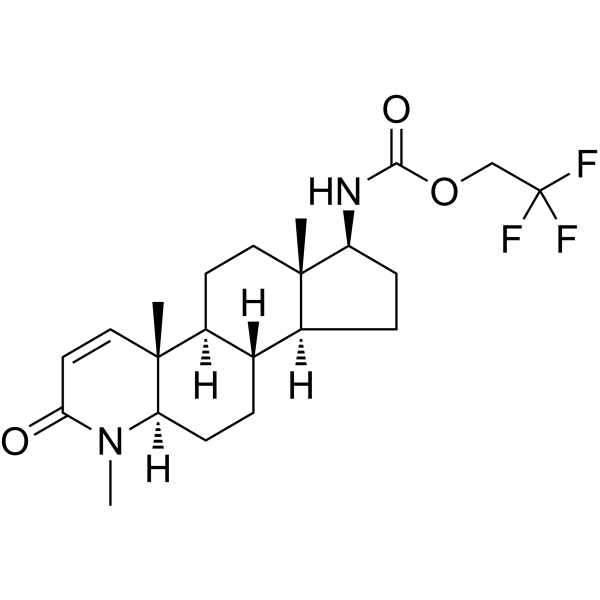
CH5137291 is an orally active pure antagonist of the androgen receptor (AR), without generating agonist metabolites. CCH5137291 directly blocks the transfer of AR from the cytoplasm to the nucleus. H5137291 can completely inhibit tumor growth in cells and mouse models of castration-resistant prostate cancer models. CH5137291 can be used for the study of castration-resistant prostate cancer (CRPC) .
|
-

- HY-116379
-
|
|
Adrenergic Receptor
|
Metabolic Disease
|
|
RS-100329 is an α1-adrenergic receptor (α1-AR) antagonist that effectively inhibits α1-adrenergic receptor-mediated contractions of lower urinary tract tissues in vitro and in vivo. RS-100329 can be used in the research of symptoms related to benign prostatic hyperplasia .
|
-

- HY-173044
-
|
|
5-HT Receptor
Dopamine Receptor
|
Neurological Disease
|
|
5-HT1AR/5-HT6R ligand-1 (Compound PP13) is the ligand for 5-HT receptor that exhibits good affinity to 5-HT1AR, 5-HT6R and 5-HT7R (Ki of 19, 69 and 198 nM, respectively), thereby inhibiting the cAMP production in HEK293 cell with EC50 of 1535, 488 and 53 nM, respectively. 5-HT1AR/5-HT6R ligand-1 exhibits anti-proliferative activity against a variety of cancer cells (IC50 for 1321N1, U87MG, MCF7, and AsPC-1 is 9.6, 13.6, 19.3 and 14.6 μM, respectively). 5-HT1AR/5-HT6R ligand-1 also exhibits antagonist activity for dopamine receptor D2R with Ki of 1903 nM .
|
-

- HY-12715S
-
-
- HY-70002R
-
|
MDV3100 (StandARd)
|
Reference Standards
Androgen Receptor
Autophagy
|
Cancer
|
|
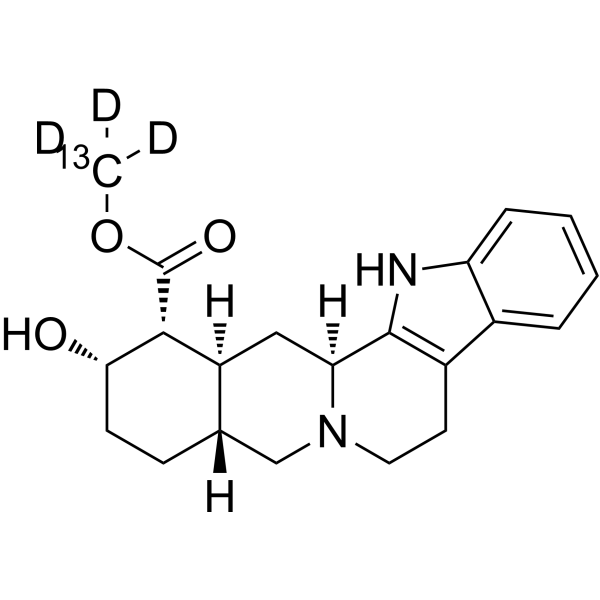
Enzalutamide (Standard) is the analytical standard of Enzalutamide. This product is intended for research and analytical applications. Enzalutamide (MDV3100) is an androgen receptor (AR) antagonist with an IC50 of 36 nM in LNCaP prostate cells. Enzalutamide is an autophagy activator .
|
-

- HY-70002S1
-
-
- HY-148524
-
|
|
mAChR
Adrenergic Receptor
|
Cardiovascular Disease
|
|
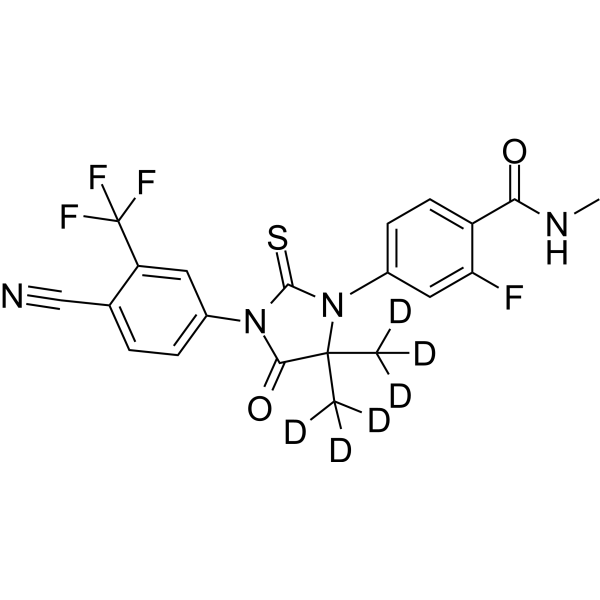
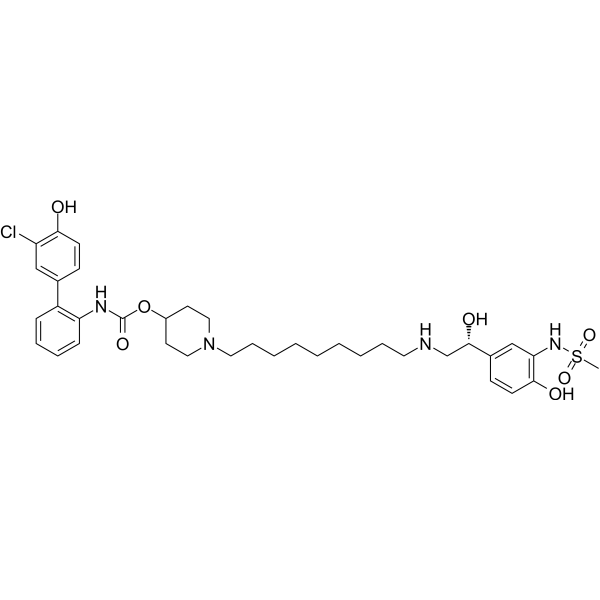
β2AR/M-receptor agonist-1 (example 131) is a muscarinic antagonist and β2 adrenoceptor agonist (MABA). β2AR/M-receptor agonist-1 shows potency to β2 adrenoceptor with an EC50 value of 9.2 nM. β2AR/M-receptor agonist-1 also has potency to muscarinic receptor with a Ki value of 30.2 nM. β2AR/M-receptor agonist-1 shows MABA potency with an EC50 value of 4.0 nM .
|
-
- HY-19638
-
|
AR-C69931MX
|
P2Y Receptor
|
Cardiovascular Disease
Inflammation/Immunology
|
|
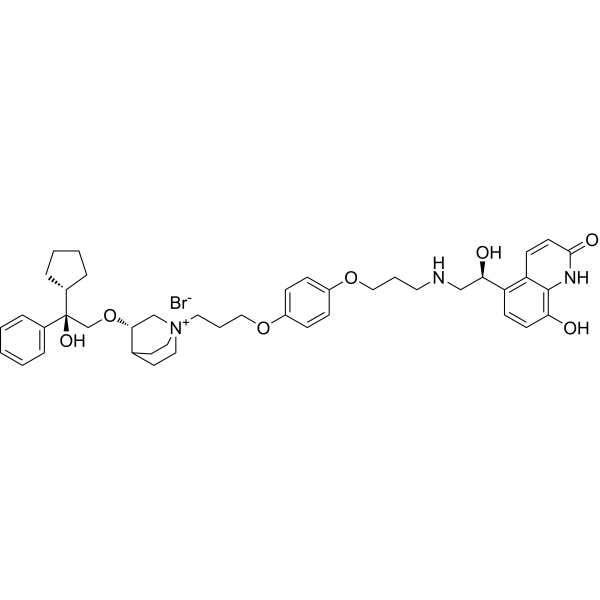
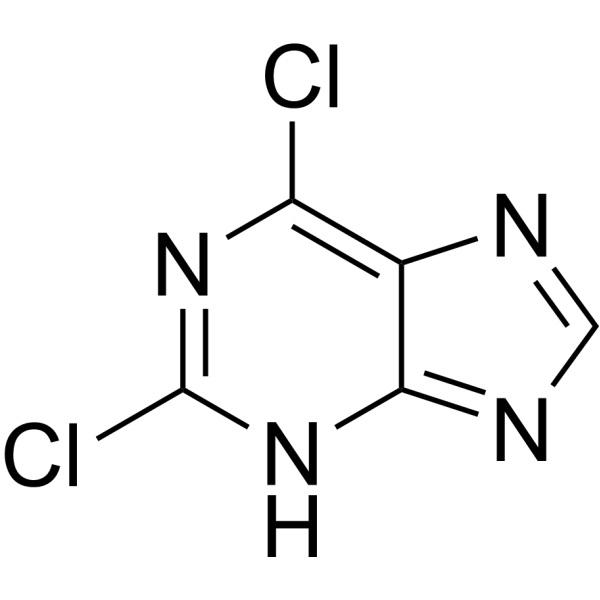
Cangrelor (AR-C69931MX), an adenosine triphosphate analogue, is an intravenous, reversible and selective platelet P2Y12 antagonist, with prompt and potent antiplatelet effects. Cangrelor directly blocks adenosine diphosphate (ADP)-induced activation and aggregation of platelets. Cangrelor is also a nonspecific GPR17 antagonist .
|
-
- HY-14249S1
-
|
|
Androgen Receptor
Autophagy
Isotope-Labeled Compounds
|
Cancer
|
|
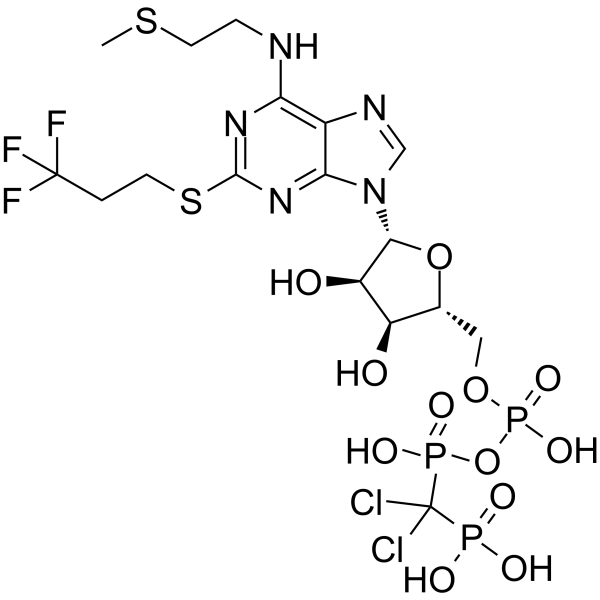
(R)-Bicalutamide-d5 is deuterated labeled (R)-Bicalutamide (HY-108250). (R)-Bicalutamide is an androgen receptor (AR) antagonist, with antineoplastic activity. (R)-Bicalutamide is widely used for the research of prostate cancer .
|
-
- HY-W007367
-
|
|
Drug Intermediate
|
Others
|
|
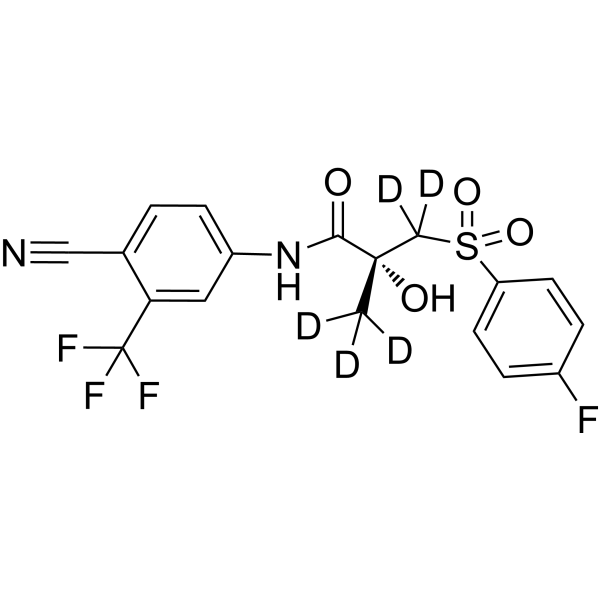
2,6-Dichloropurine is a pharmaceutical intermediate. 2,6-Dichloropurine can be used to synthesize various PDE inhibitors, human A3 adenosine receptor (AR) antagonists, and CDK inhibitors .
|
-
- HY-116982
-
|
|
Adrenergic Receptor
5-HT Receptor
|
|
|
BMY 7378 (free base) is a selective antagonist of α1D-adrenoceptor (α1D-AR). BMY 7378 (free base) binds to membranes expressing the cloned rat α1D-AR with a >100-fold higher affinity (Ki=2 nM) than binding to either the cloned rat α1A-AR (Ki=800 nM) or the hamster α1B-AR (Ki=600 nM). BMY 7378 (free base) is a 5-HT1A receptor partial agonist .
|
-

- HY-148525
-
|
β2AR/M-receptor agonist-2
|
mAChR
Adrenergic Receptor
|
Cardiovascular Disease
Inflammation/Immunology
|
|
β2AR/M-receptor agonist-2 (compound 15) is a muscarinic antagonist and β2 adrenoceptor agonist (MABA). β2AR/M-receptor agonist-2 shows potency to β2 adrenoceptor with an EC50 value of 3.7 nM. β2AR/M-receptor agonist-2 also has potency to human cloned M3 receptor with a Ki value of 0.73 nM. β2AR/M-receptor agonist-2 is a potent bronchodilator, it can be used for the research of chronic obstructive pulmonary disease (COPD) .
|
-
- HY-N0475R
-
|
Hypolide (StandARd); (+)-Triptophenolide (StandARd)
|
Reference Standards
Androgen Receptor
Pyroptosis
Caspase
Bcl-2 Family
Apoptosis
|
Inflammation/Immunology
Cancer
|
|
Triptophenolide (Standard) (Hypolide) is the analytical standard of Triptophenolide (HY-N0475). This product is intended for research and analytical applications. Triptophenolide is a colorless crystal isolated from the ethyl acetate extract of Tripterygium wilfordii. Triptophenolide is an orally active pan‑antagonist of the androgen receptor (AR) with an IC50 of 467 nM against human wild‑type AR. Triptophenolide reduces AR expression, inhibits AR nuclear translocation, downregulates prostate‑specific antigen mRNA levels, and suppresses the growth of AR‑positive prostate cancer cells. Triptophenolide shows anti-tumor effects against breast cancer by inhibiting cell proliferation and migration, inducing G1-phase arrest and apoptosis, repressing xenograft tumor growth. Triptophenolide inhibits pyroptosis, alleviates tissue inflammation, and ameliorates synovial injury. Triptophenolide can be used for the study of prostate cancer, rheumatoid arthritis and breast cancer .
|
-

- HY-136702
-
|
|
Adenosine Receptor
|
Inflammation/Immunology
|
|
L-97-1 is a A1 adenosine receptor (A1AR) antagonist. L-97-1 is a water-soluble small molecule compound with high affinity and high selectivity against human A1 adenosine receptors. L-97-1 works by blocking A1 adenosine receptors. In patients with asthma, adenosine is an important signaling molecule capable of causing bronchoconstriction by activating A1AR. L-97-1 reduces airway hyperreactivity (BHR) by competitively binding to A1AR, thereby alleviating or blocking adenosine-induced bronchoconstriction and inflammation .
|
-

- HY-106178
-
|
3D53
|
Complement System
|
Cardiovascular Disease
Inflammation/Immunology
Cancer
|
|
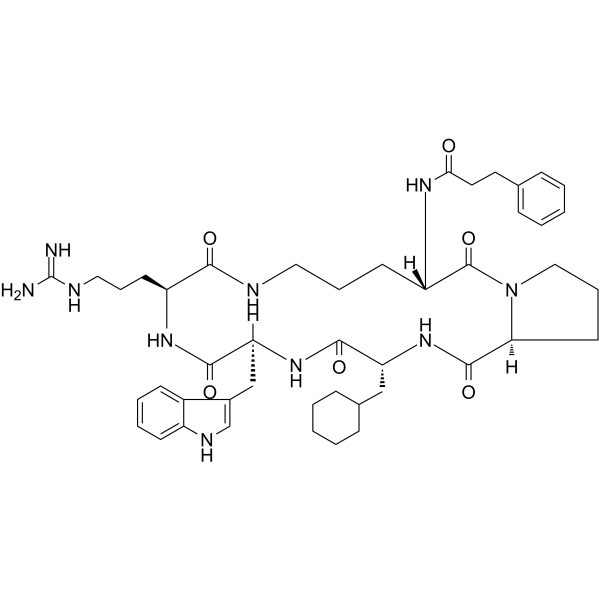
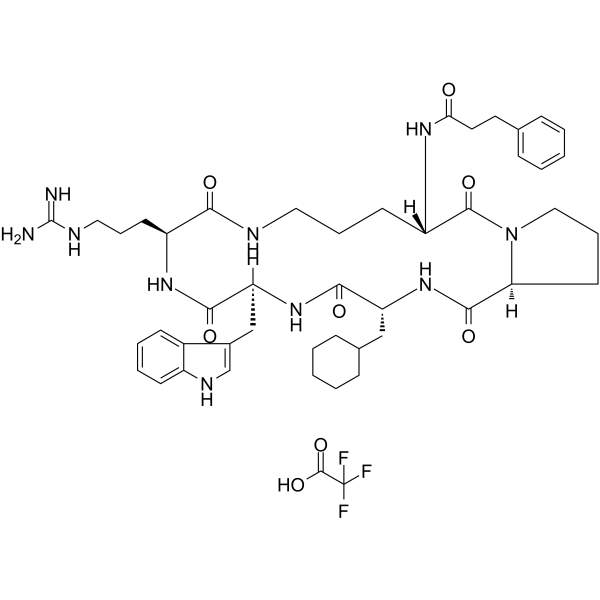
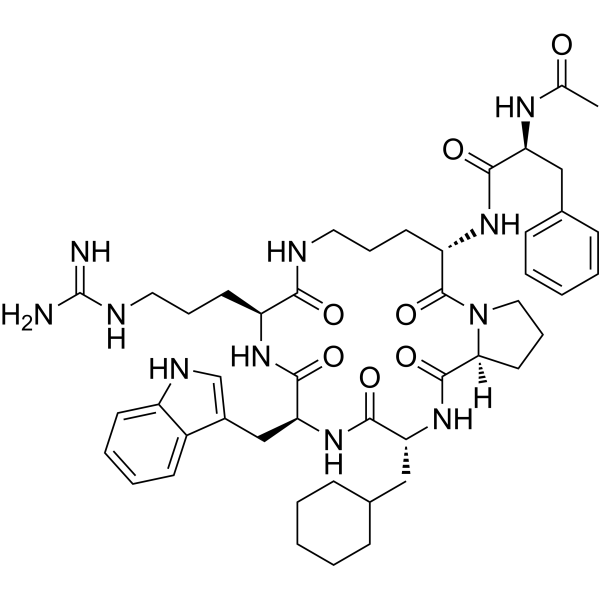
PMX-53 (3D53) is a synthetic peptidic and a potent and orally active complement C5a receptor (CD88) antagonist with an IC50 of 20 nM. PMX-53 is also a low-affinity MrgX2 agonist that stimulates MrgX2-mediated mast cell degranulation. PMX-53 specifically binds to C5aR1 and does not bind to the second C5aR (C5L2) and C3aR. PMX-53 has anti-inflammatory, anticancer and antiatherosclerotic effects .
|
-
- HY-119088
-
|
|
Estrogen Receptor/ERR
|
Others
|
|
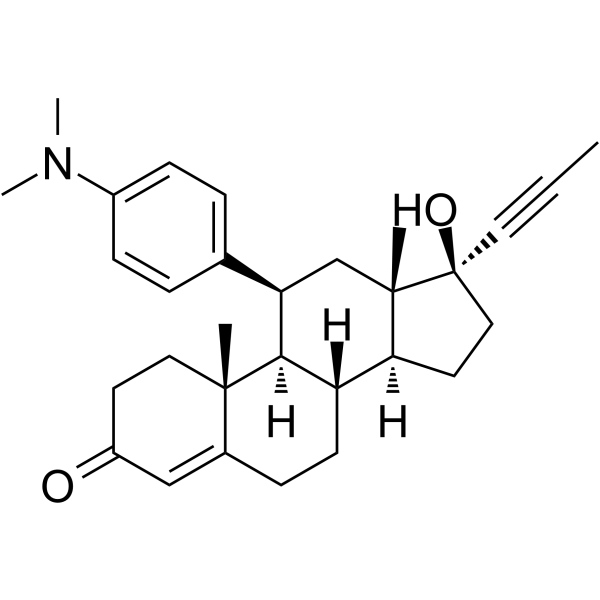
Estrogen receptor modulator 12 (compound 1a-(R)) is a selective estrogen receptor modulator with estrogen agonist and antagonist activities in in vivo models. Estrogen receptor modulator 12 exhibits antagonist effects on the uterus and estrogen agonist activities on bone, plasma lipids, hot flashes, and vagina in in vivo models, and is a potential compound for suppressing postmenopausal symptoms.
|
-

- HY-125839
-
|
|
Glucocorticoid Receptor
|
Inflammation/Immunology
Endocrinology
|
|
OP-3633 is a potent and selective steroidal glucocorticoid receptor (GR) antagonist with an IC50 of 29 nM, with inhibition of GR transcriptional activity. OP-3633 exhibits low progesterone receptor (PR) agonism and androgen receptor (AR) antagonism .
|
-
- HY-B1486S
-
|
Ba 39089-d7
|
Adrenergic Receptor
|
Cardiovascular Disease
|
|
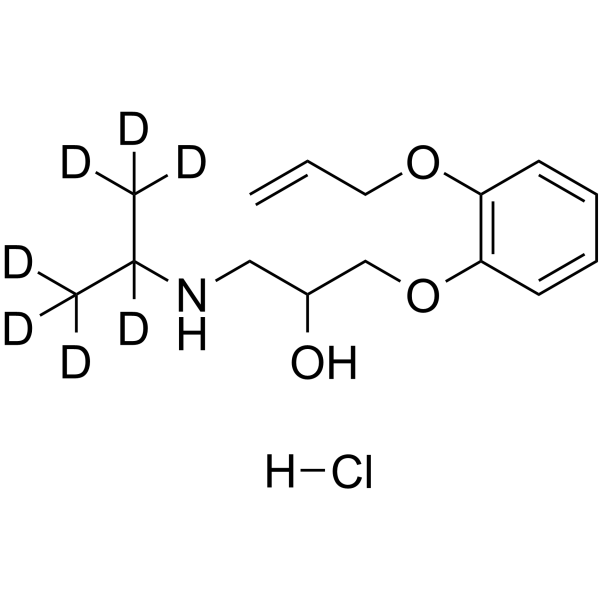
Oxprenolol-d7 (hydrochloride) is the deuterium labeled Oxprenolol hydrochloride. Oxprenolol hydrochloride (Ba 39089) is an orally bioavailable β-adrenergic receptor (β-AR) antagonist with a Ki of 7.10 nM in a radioligand binding assay using rat heart muscle .
|
-
- HY-W076756
-
|
|
mAChR
|
Inflammation/Immunology
|
|
4-Piperidyl N-(2-biphenyl)carbamate (compound MA) is a competitive muscarinic acetylcholine receptor (mAChR) antagonist. 4-Piperidyl N-(2-biphenyl)carbamate exhibits higher affinity for M2 and M3 mAChR than β2AR (M2 pKi = 7.33; M3 pKi = 7.51; β2AR pKi = 4.94) .
|
-

- HY-173474
-
|
|
Estrogen Receptor/ERR
Androgen Receptor
|
Cancer
|
|
ERβ agonist-1 (Compound 8) is a dual-active selective ERβ agonist (EC50: 46.8 nM) and AR antagonist (IC50: 1555 nM). ERβ agonist-1 activates ERβ signaling by binding to ERβ and inhibits AR activity. ERβ agonist-1 retains selective ERβ agonist activity in mouse models and can be used to study prostate cancer .
|
-

- HY-14561
-
|
RX 781094
|
Adrenergic Receptor
Imidazoline Receptor
|
Neurological Disease
|
|
Idazoxan (RX 781094) is a potent antagonist of α2 adrenergic receptor (α2AR) and potential I2 imidazoline receptor agonist. Idazoxan can be used in the research of antidepression and schizophrenia. Idazoxan has oral bioactivity .
|
-

- HY-B0573
-
|
|
Adrenergic Receptor
Bacterial
|
Cardiovascular Disease
Infection
Neurological Disease
Metabolic Disease
Cancer
|
|
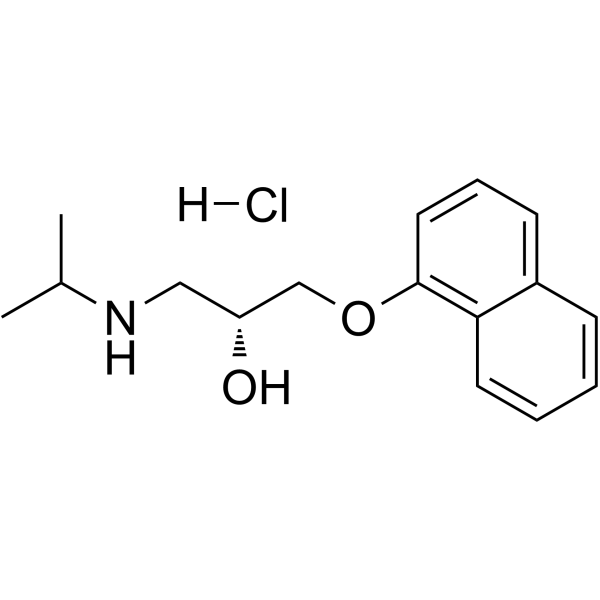
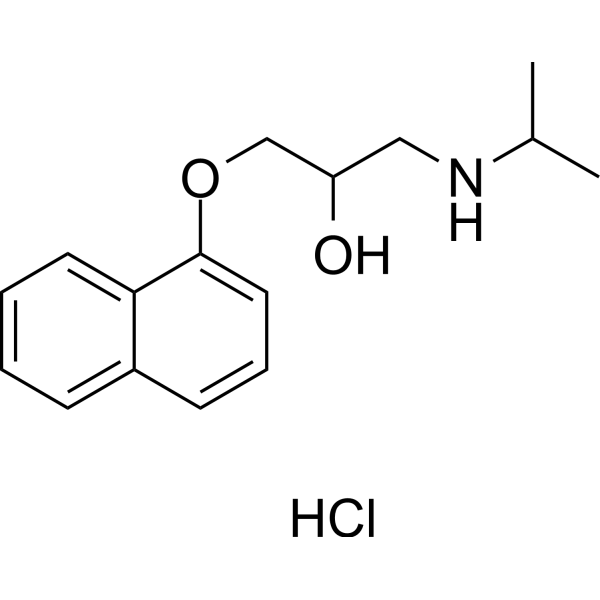
Propranolol hydrochloride is a nonselective and BBB-permeableβ-adrenergic receptor (βAR) antagonist, has high affinity for the β1AR and β2AR with Ki values of 1.8 nM and 0.8 nM, respectively. Propranolol hydrochloride inhibits [ 3H]-DHA binding to rat brain membrane preparation with an IC50 of 12 nM. Propranolol hydrochloride is used for study of hypertension, pheochromocytoma, myocardial infarction, cardiac arrhythmias, angina pectoris, and hypertrophic cardiomyopathy .
|
-
- HY-B0573B
-
Propranolol
Maximum Cited Publications
44 Publications Verification
|
Adrenergic Receptor
Bacterial
|
Cardiovascular Disease
Infection
Neurological Disease
Metabolic Disease
Cancer
|
|
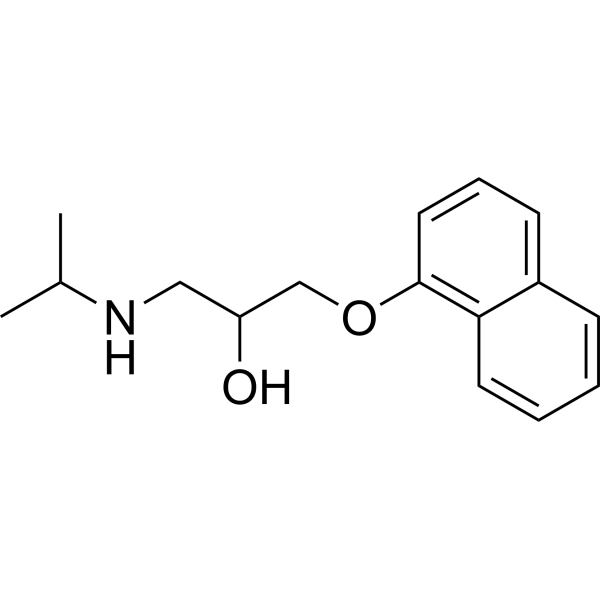
Propranolol is a nonselective and BBB-permeable β-adrenergic receptor (βAR) antagonist, has high affinity for the β1AR and β2AR with Ki values of 1.8 nM and 0.8 nM, respectively . Propranolol inhibits [ 3H]-DHA binding to rat brain membrane preparation with an IC50 of 12 nM . Propranolol is used for the study of hypertension, pheochromocytoma, myocardial infarction, cardiac arrhythmias, angina pectoris, and hypertrophic cardiomyopathy .
|
-
- HY-114246
-
|
|
Androgen Receptor
|
Cancer
|
|
ONC1-13B is a potent androgen receptor (AR) antagonist with the activity of effectively inhibiting PSA expression in prostate cancer cells. ONC1-13B can effectively inhibit PSA expression and prostate cancer cell proliferation under DHT stimulation. ONC1-13B exerts its anti-tumor effect by preventing androgen from binding to AR and its nuclear translocation .
|
-

- HY-114402
-
|
|
PROTACs
Androgen Receptor
|
Cancer
|
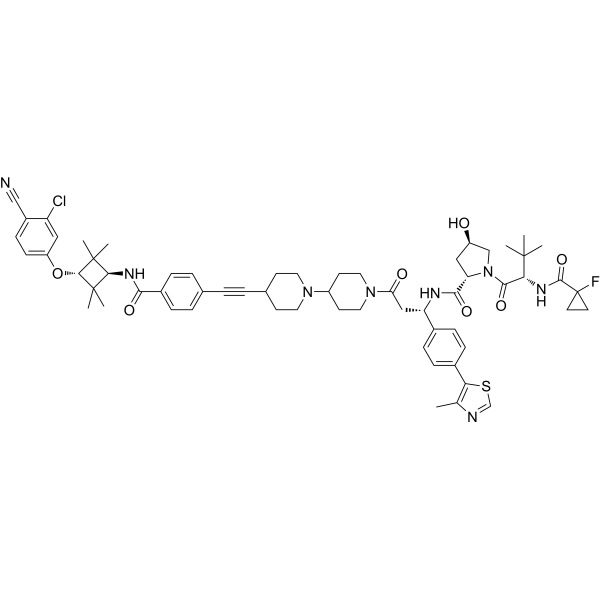
ARD-69 is a PROTAC degrader based on the E3 ubiquitin ligase VHL and targeting the androgen receptor, which can induce androgen receptor (AR) protein degradation in AR-positive prostate cancer cells. ARD-69 inhibits AR-regulated gene expression, binds to the AR ligand binding domain at one end and binds to VHL at the other end, prompting AR to be recruited to the E3 ubiquitin ligase complex, triggering proteasome degradation, thereby inhibiting AR signaling pathways and downstream gene expression (such as PSA, TMPRSS2). ARD-69 can be used to study of castration-resistant prostate cancer (mCRPC) .
ARD-69 is composed of a target protein ligand (pink part) AR antagonist 14 (HY-172624), a PROTAC linker (black part) tert-Butyl 4-ethynyl-[1,4'-bipiperidine]-1'-carboxylate (HY-W442074), and a VHL-type E3 ubiquitinase ligand (blue part) VH 101, acid (HY-47070); among them, the VHL ligand and the linker can form a conjugate VH 101-amide-piperidine-Pip-alkyne (HY-172625).
|
-
- HY-100554R
-
|
|
Adrenergic Receptor
Reference Standards
5-HT Receptor
|
Cardiovascular Disease
|
|
BMY 7378 (Standard) is the analytical standard of BMY 7378 (HY-100554). This product is intended for research and analytical applications. BMY 7378 is a selective antagonist of α1D-adrenoceptor (α1D-AR). BMY 7378 binds to membranes expressing the cloned rat α1D-AR with a >100-fold higher affinity (Ki=2 nM) than binding to either the cloned rat α1A-AR (Ki=800 nM) or the hamster α1B-AR (Ki=600 nM). BMY 7378 is a 5-HT1A receptor partial agonist .
|
-

- HY-19532R
-
|
|
Adenosine Receptor
|
Neurological Disease
Cancer
|
|
ZM241385 (Standard) is the analytical standard of ZM241385. This product is intended for research and analytical applications. ZM241385 is a potent, high affinity and selective adenosine A2a receptor (A2AR) antagonist with a Ki value of 1.4 nM .
|
-

- HY-B1486AS
-
-
- HY-W008226R
-
|
2,4,6-trihydroxyacetophenone (StandARd); 1-(2,4,6-Trihydroxyphenyl)ethanone (StandARd)
|
Reference Standards
Cytochrome P450
Bacterial
Antibiotic
|
Infection
Metabolic Disease
|
|
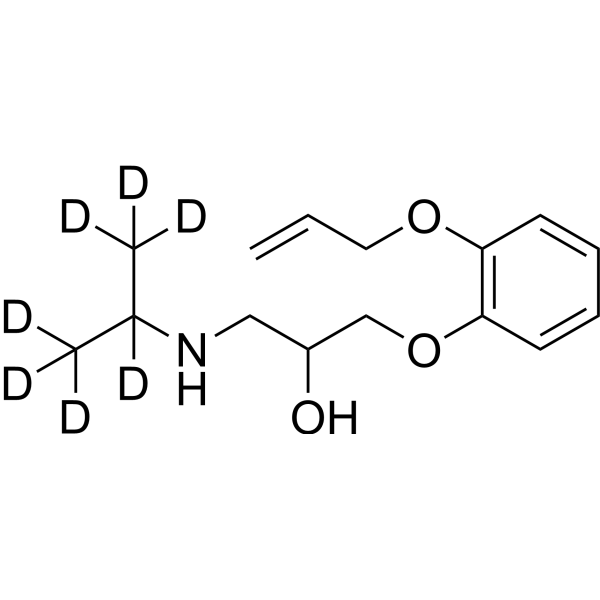
Oxprenolol (hydrochloride) (Standard) is the analytical standard of Oxprenolol (hydrochloride). This product is intended for research and analytical applications. Oxprenolol hydrochloride (Ba 39089) is an orally bioavailable β-adrenergic receptor (β-AR) antagonist with a Ki of 7.10 nM in a radioligand binding assay using rat heart muscle .
|
-

- HY-B1486R
-
|
Ba 39089 (StandARd)
|
Reference Standards
Adrenergic Receptor
|
Cardiovascular Disease
|
|
Oxprenolol (hydrochloride) (Standard) is the analytical standard of Oxprenolol (hydrochloride). This product is intended for research and analytical applications. Oxprenolol hydrochloride (Ba 39089) is an orally bioavailable β-adrenergic receptor (β-AR) antagonist with a Ki of 7.10 nM in a radioligand binding assay using rat heart muscle .
|
-

- HY-129393
-
|
AB928
|
Adenosine Receptor
|
Inflammation/Immunology
Cancer
|
|
Etrumadenant (AB928) is an orally bioavailable, selective dual adenosine receptor (A2aR/A2bR) antagonist. Etrumadenant relieves adenosine-mediated immune suppression. Etrumadenant has immunomodulatory and antitumor activities .
|
-
- HY-W087006
-
|
|
Androgen Receptor
|
Cancer
|
|
p-Hydroxyphenylacetone, a Raspberry ketone (HY-N1426) derivative, is an androgen receptor (AR) antagonist with an IC50 of 420 μM in MDA-kb2 human breast cancer cells. p-Hydroxyphenylacetone can be used for breast cancer research .
|
-

- HY-B0573BS
-
|
|
Adrenergic Receptor
|
Cardiovascular Disease
Neurological Disease
Endocrinology
|
|
Propranolol-d7 is the deuterium labeled Propranolol. Propranolol is a nonselective β-adrenergic receptor (βAR) antagonist, has high affinity for the β1AR and β2AR with Ki values of 1.8 nM and 0.8 nM, respectively . Propranolol inhibits [3H]-DHA binding to rat brain membrane preparation with an IC50 of 12 nM . Propranolol is used for the study of hypertension, pheochromocytoma, myocardial infarction, cardiac arrhythmias, angina pectoris, and hypertrophic cardiomyopathy .
|
-
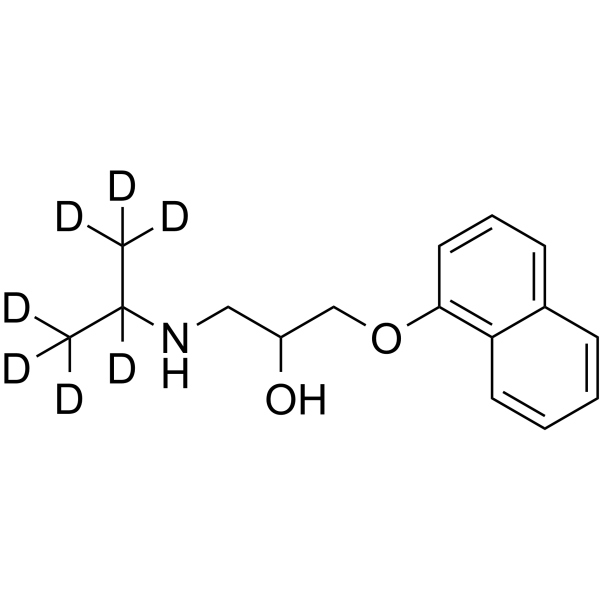
- HY-B0573S
-
|
|
Adrenergic Receptor
|
Cardiovascular Disease
Neurological Disease
Endocrinology
|
|
Propranolol-d7 (hydrochloride) is a deuterium labeled Propranolol hydrochloride. Propranolol hydrochloride is a nonselective β-adrenergic receptor (βAR) antagonist, has high affinity for the β1AR and β2AR with Ki values of 1.8 nM and 0.8 nM, respectively . Propranolol hydrochloride inhibits [3H]-DHA binding to rat brain membrane preparation with an IC50 of 12 nM . Propranolol hydrochloride is used for the study of hypertension, pheochromocytoma, myocardial infarction, cardiac arrhythmias, angina pectoris, and hypertrophic cardiomyopathy .
|
-
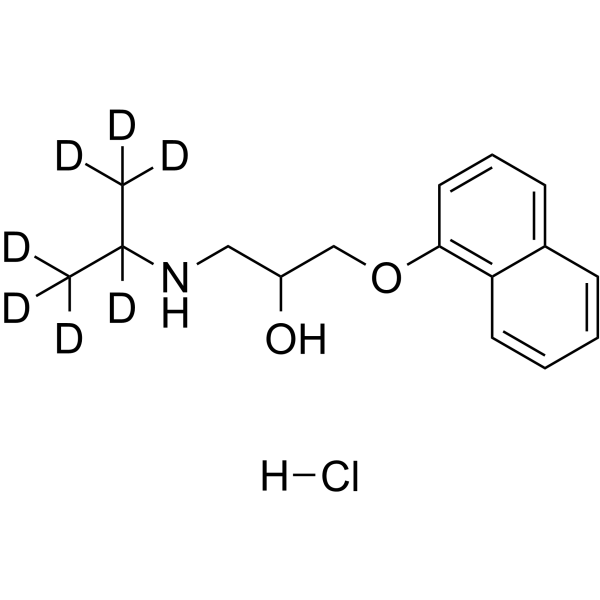
- HY-B0484R
-
|
|
Reference Standards
Adrenergic Receptor
|
Cardiovascular Disease
|
|
Buflomedil hydrochloride (Standard) is the analytical standard of Buflomedil hydrochloride (HY-B0484). This product is intended for research and analytical applications. Buflomedil hydrochloride (Standard), a vasodilator agent, is an orally active α1A-adrenoceptor antagonist with Kis of 4.06 µM and 6.84 µM for α1A-AR and α1B-AR, respectively. Buflomedil hydrochloride can be used for the study of peripheral circulatory disorders .
|
-

- HY-101978R
-
|
CPI-444 (StandARd); V81444 (StandARd)
|
Reference Standards
Adenosine Receptor
|
Cancer
|
|
Ciforadenant (Standard) is the analytical standard of Ciforadenant (HY-101978). This product is intended for research and analytical applications. Ciforadenant (CPI-444) is a potent, orally active and selective adenosine A2A receptor (A2AR) antagonist, which induces antitumor responses .
|
-

- HY-138161
-
|
|
Complement System
|
Inflammation/Immunology
|
|
JR14a is a potent thiophene antagonist of human complement C3a receptor. JR14a shows selectivity for the human C3a receptor over C5a receptor. JR14a can suppress C3aR-mediated inflammation .
|
-
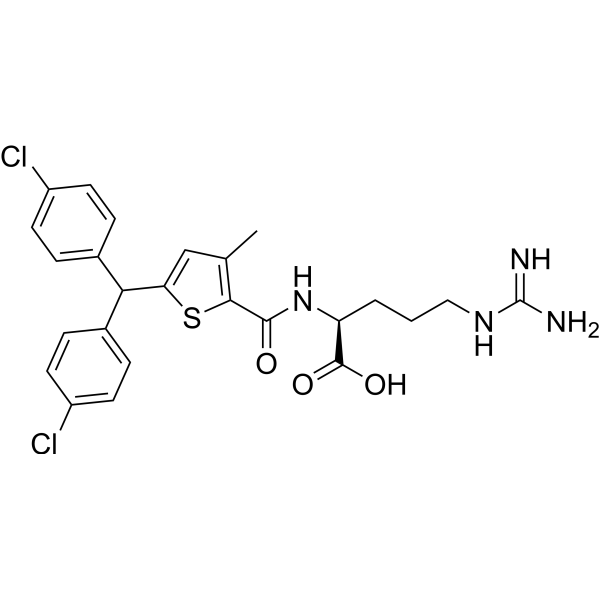
- HY-19532S
-
-

- HY-17497AR
-
|
|
Reference Standards
Adrenergic Receptor
|
Cardiovascular Disease
Endocrinology
|
|
Acebutolol (hydrochloride) (Standard) is the analytical standard of Acebutolol (hydrochloride). This product is intended for research and analytical applications. Acebutolol hydrochloride is an orally active β1 adrenergic receptor (β1AR) antagonist. Acebutolol hydrochloride is used in the treatment of hypertension, angina pectoris and cardiac arrhythmias .
|
-

- HY-145480
-
|
Silodosin β-D-glucuronide sodium
|
Drug Metabolite
|
Others
|
|
Silodosin Glucuronide sodium (Silodosin β-D-glucuronide sodium) is the metabolite of Silodosin (HY-10122). Silodosin is a selective and orally active antagonist for α1A-adrenergic receptor (α1A-AR) with Ki of 0.036 nM .
|
-

- HY-15996
-
|
VT-464
|
Cytochrome P450
Androgen Receptor
|
Cancer
|
|
Seviteronel (VT-464) is a potent CYP17 lyase inhibitor(h-Lyase IC50=69 nM) and an AR antagonist. Seviteronel demonstrates both exceptional in vitro lyase/hydroxylase selectivity (~10-fold) and oral activity in a hamster model of androgen biosynthesis inhibition.
|
-
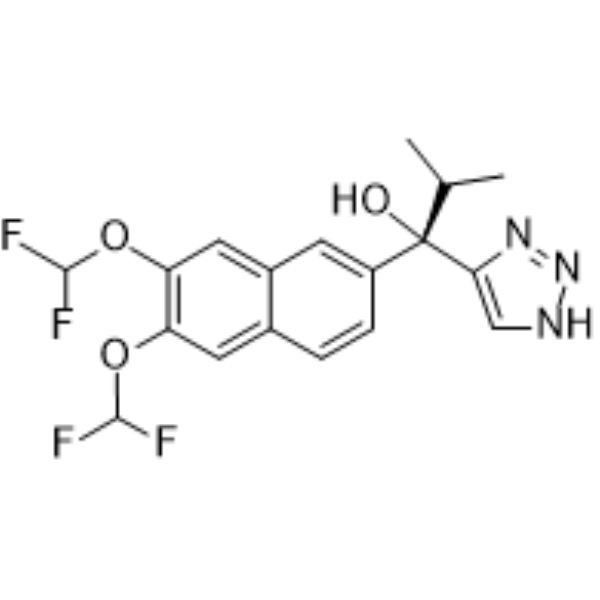
- HY-171467
-
|
DPTN
|
Adenosine Receptor
|
Inflammation/Immunology
Cancer
|
|
MRS7799 is a selective A 3 Adenosine Receptor antagonist agsinst human, mouse, and rat A3AR with Kds of 0.55, 3.74 and 2.80 nM, respectively. MRS7799 can be used in the study of neurodegeneration, cancer, ischemia of the heart and brain, autoimmune inflammatory diseases .
|
-

- HY-103190
-
|
|
Adenosine Receptor
|
Neurological Disease
Cancer
|
|
MRS1220, a highly potent and selective human A3 adenosine receptor (hA3AR) antagonist with a Ki of 0.59 nM, has therapeutic potential for the research of diseases of the central nervous system . MRS1220 reduces glioblastoma tumor size and blood vessel formation in vivo .
|
-
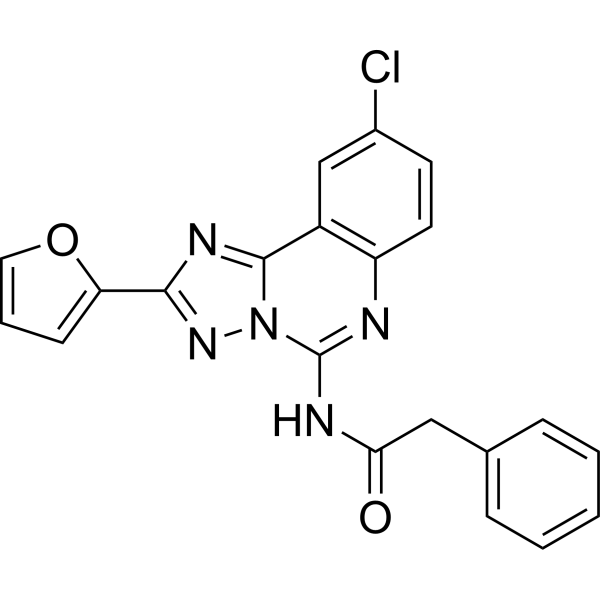
- HY-B0845
-
-
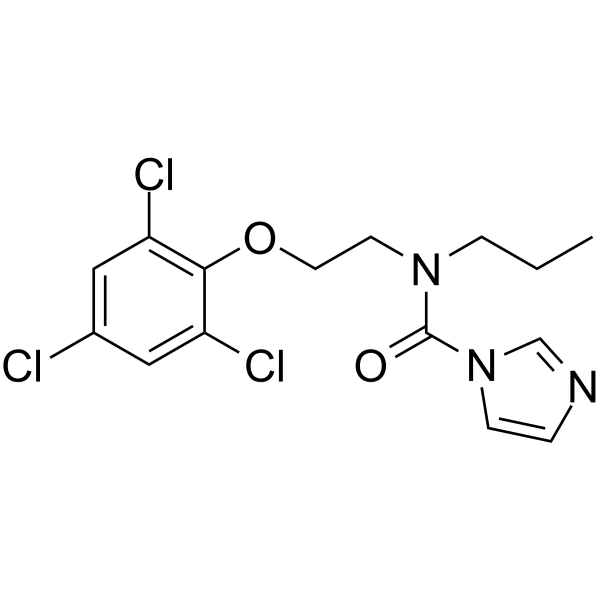
- HY-B1562C
-
|
(±)-Bopindolol fumARate
|
Adrenergic Receptor
Renin
5-HT Receptor
|
Cardiovascular Disease
Neurological Disease
|
|
Bopindolol ((±)-Bopindolol) fumarate is an orally active antagonist of β-adrenoceptors (ARs) with partial agonist activity. Bopindolol fumarate is non-selective for β1- and β2-ARs and has low affinity for β3-AR subtype. Bopindolol fumarate has intrinsic sympathomimetic as well as membrane stabilizing actions, inhibits renin secretion, and interacts with 5-HT receptors. Bopindolol fumarate is a proagent of Pindolol (HY-B0982). Bopindolol fumarate can be used for essential and renovascular hypertension research.
|
-
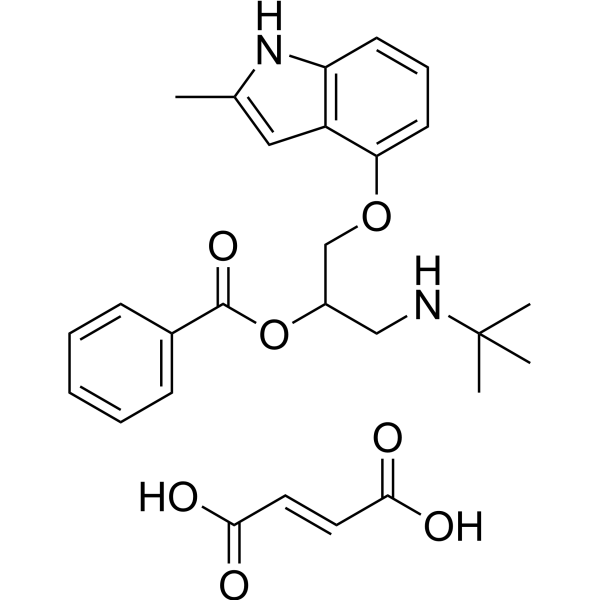
- HY-B0573R
-
|
|
Reference Standards
Adrenergic Receptor
Bacterial
|
Neurological Disease
Endocrinology
Cancer
|
|
Propranolol (hydrochloride) (Standard) is the analytical standard of Propranolol (hydrochloride). This product is intended for research and analytical applications. Propranolol hydrochloride is a nonselective β-adrenergic receptor (βAR) antagonist, has high affinity for the β1AR and β2AR with Ki values of 1.8 nM and 0.8 nM, respectively . Propranolol hydrochloride inhibits [ 3H]-DHA binding to rat brain membrane preparation with an IC50 of 12 nM . Propranolol hydrochloride is used for study of hypertension, pheochromocytoma, myocardial infarction, cardiac arrhythmias, angina pectoris, and hypertrophic cardiomyopathy .
|
-

- HY-W192276
-
|
N-Desisopropylpropranolol
|
Drug Metabolite
Adrenergic Receptor
|
Cardiovascular Disease
Neurological Disease
Endocrinology
Cancer
|
|
(±)-Desisopropylpropranolol (N-Desisopropylpropranolol) is a metabolite of Propranolol (HY-B0573B). Propranolol is a nonselective β-adrenergic receptor (βAR) antagonist, has high affinity for the β1AR and β2AR with Kis of 1.8 nM and 0.8 nM, respectively. Propranolol inhibits [ 3H]-DHA binding to rat brain membrane preparation with an IC50 of 12 nM. Propranolol is used for the study of hypertension, pheochromocytoma, myocardial infarction, cardiac arrhythmias, angina pectoris, and hypertrophic cardiomyopathy .
|
-

- HY-103169
-
|
|
Adenosine Receptor
|
Neurological Disease
|
|
SCH442416 is a potent, selective and brain-penetrant antagonist of adenosine A2A receptor (A2AR), with Kis of 0.048 and 0.5 nM for human and rat A2AR respectively. SCH442416 displays more than 23000-fold selectivity over A1R, A2BR, and A3R (Ki=1111, 10000, and 10000 nM, respectively). SCH442416 can be used for imaging of adenosine A2A receptors in rat and primate brain .
|
-
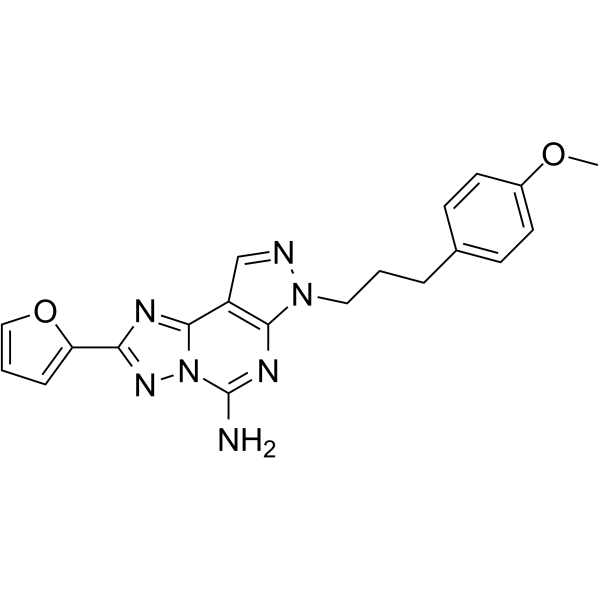
- HY-D1606
-
|
|
Adrenergic Receptor
|
Metabolic Disease
|
|
BODIPY FL prazosin is a fluorescent α1-adrenergic antagonist with Ki values of 14.5, 43.3 nM for α1a-AR and α1b-AR, respectively. BODIPY FL prazosin also is a fluorescent ligand with the excitation and emission wavelengths are 485 and 535 nm, respectively. BODIPY FL prazosin can be used for study the differences in the subcellular localization of α1-adrenoceptor subtypes .
|
-
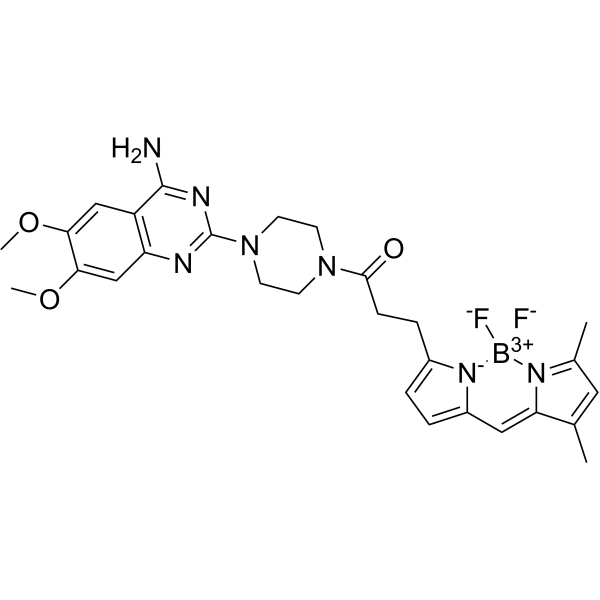
- HY-B0573S1
-
|
|
Adrenergic Receptor
|
Neurological Disease
Endocrinology
|
|
Propranolol-d7 (ring-d7) is the deuterium labeled Propranolol hydrochloride. Propranolol hydrochloride is a nonselective β-adrenergic receptor (βAR) antagonist, has high affinity for the β1AR and β2AR with Ki values of 1.8 nM and 0.8 nM, respectively . Propranolol hydrochloride inhibits [3H]-DHA binding to rat brain membrane preparation with an IC50 of 12 nM . Propranolol hydrochloride is used for study of hypertension, pheochromocytoma, myocardial infarction, cardiac arrhythmias, angina pectoris, and hypertrophic cardiomyopathy .
|
-
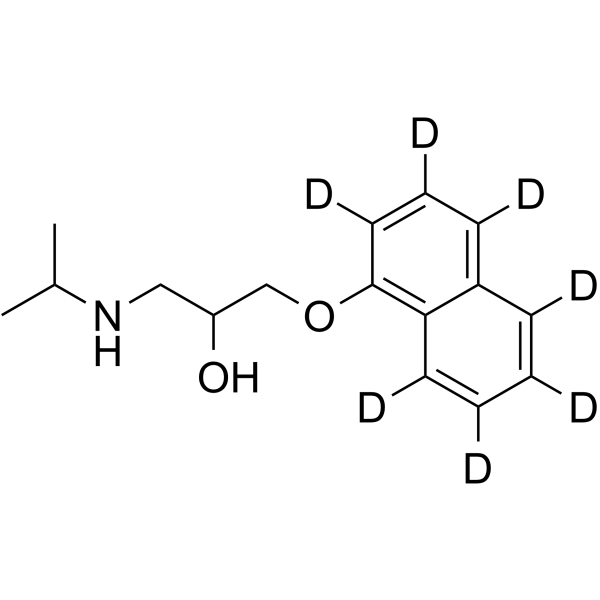
- HY-109139A
-
|
NIR178 mesylate; PBF509 mesylate
|
Adenosine Receptor
|
Cancer
|
|
Taminadenant mesylate (NIR178 mesylate) is a potent adenosine A2A receptor antagonist with potential anti-tumor activity. Taminadenant mesylate can selectively bind and inhibit A2AR on T lymphocytes, thereby releasing adenosine/A2AR-mediated inhibition of T lymphocytes and activating T cell-mediated immune responses against tumor cells. Taminadenant mesylate works by reducing the proliferation of susceptible tumor cells. Taminadenant mesylate also showed effectiveness in reversing dyskinesias in Parkinson's disease models and was able to inhibit dyskinesias caused by L-DOPA .
|
-

- HY-B1562
-
|
(±)-Bopindolol
|
Adrenergic Receptor
Renin
5-HT Receptor
|
Cardiovascular Disease
Neurological Disease
|
|
Bopindolol ((±)-Bopindolol) is an orally active antagonist of β-adrenoceptors (ARs) with partial agonist activity. Bopindolol is non-selective for β1- and β2-ARs and has low affinity for β3-AR subtype. Bopindolol has intrinsic sympathomimetic as well as membrane stabilizing actions, inhibits renin secretion, and interacts with 5-HT receptors. Bopindolol is a proagent of Pindolol (HY-B0982). Bopindolol can be used for essential and renovascular hypertension research.
|
-
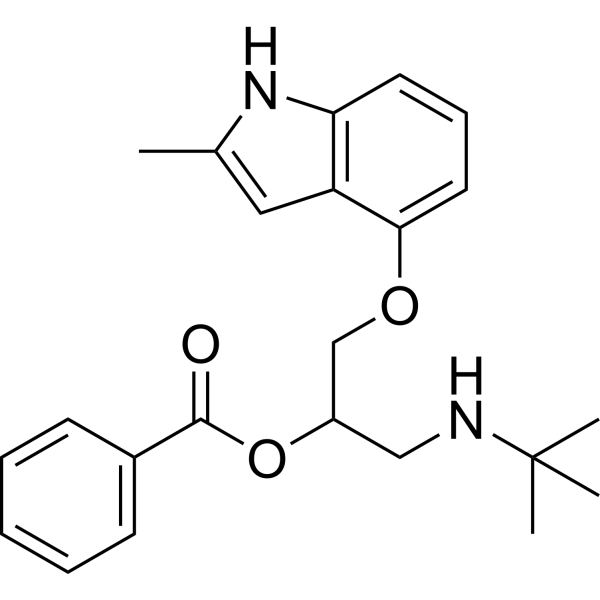
- HY-148252
-
|
|
Adrenergic Receptor
|
Endocrinology
|
|
ADRA1D receptor antagonist 1 (free base) (compound (R)-9s) is an orally active, potent and selective human α1D-adrenoceptor (α1D-AR) antagonist (Ki=1.6 nM). ADRA1D receptor antagonist 1 (free base) dose-dependently inhibits bladder contraction with an IC30 value of 15 nM. ADRA1D receptor antagonist 1 (free base) can be used in studies of overactive bladder disorders such as urinary urgency, frequency and incontinence.
|
-
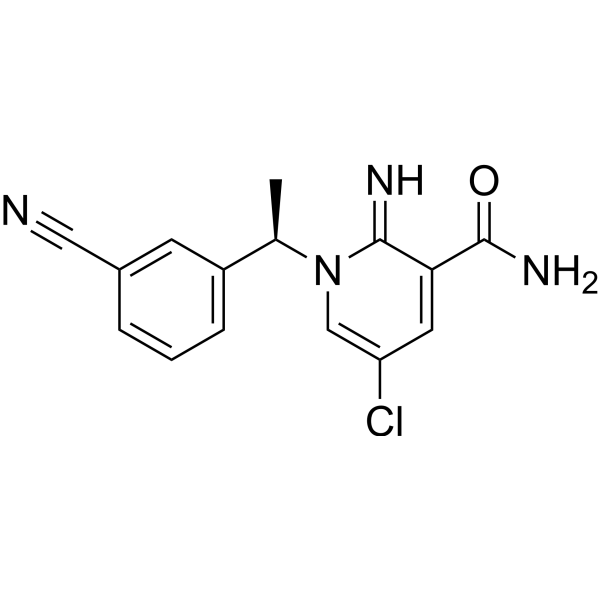
- HY-179248
-
|
|
Adenosine Receptor
ERK
JNK
MMP
|
Cancer
|
|
Adenosine receptor antagonist 7 is an orally active triple A1/A2A/A2B adenosine receptor antagonist with Ki values of 1.5, 0.6 and 21 nM. Adenosine receptor antagonist 7 shows potent inhibitory activity (IC50 = 0.8 nM) of cAMP production in A2AR-HEK293 cells. Adenosine receptor antagonist 7 can enhance infiltration of effector T cells and increase the CD8+/Treg ratio companied with Avelumab (HY-108730). Adenosine receptor antagonist 7can be used for the research of cancer, such as colon cancer .
|
-

- HY-16741
-
|
OBE001
|
Oxytocin Receptor
|
Endocrinology
|
|
Erlosiban (OBE001) is an orally active non-peptide type oxytocin receptor antagonist. Erlosiban inhibits the increase of intracellular calcium concentration, thereby reducing uterine smooth muscle contraction. Erlosiban can be used for research on premature birth and to improve embryo implantation and pregnancy rate in assisted reproductive technology (AR).
|
-

- HY-109139
-
|
NIR178; PBF509
|
Adenosine Receptor
|
Neurological Disease
Cancer
|
|
Taminadenant (NIR178; PBF509) is a highly potent and orally active adenosine A2A receptor (A2AR) antagonist. Taminadenant can antagonize A2AR agonist-mediated cAMP accumulation and impedance responses with KB values of 72.8 nM and 8.2 nM, respectively. Taminadenant reverses motor impairments in several rat models of movement disorders, including catalepsy, tremor, and hemiparkinsonism. Taminadenant can also inhibit tumor growth when combined with Spartalizumab (HY-P9972). Taminadenant reactivate the antitumor immune response .
|
-
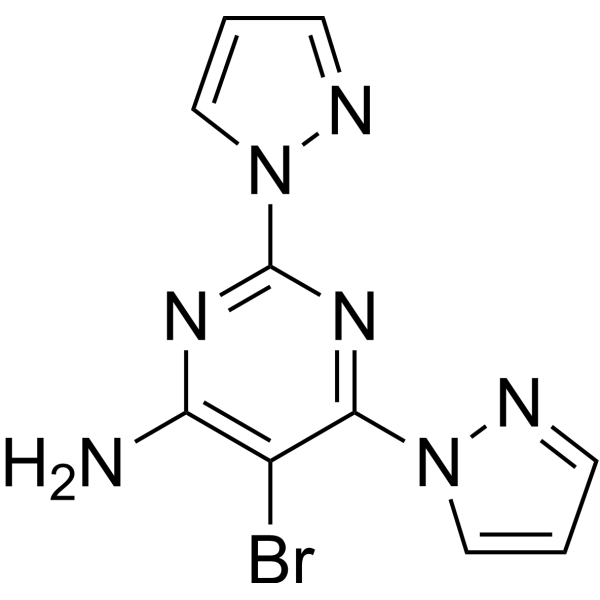
- HY-B1562B
-
|
(±)-Bopindolol malonate
|
Adrenergic Receptor
Renin
5-HT Receptor
|
Cardiovascular Disease
Neurological Disease
|
|
Bopindolol ((±)-Bopindolol) malonate is an orally active antagonist of β-adrenoceptors (ARs) with partial agonist activity. Bopindolol malonate is non-selective for β1- and β2-ARs and has low affinity for β3-AR subtype. Bopindolol malonate has intrinsic sympathomimetic as well as membrane stabilizing actions, inhibits renin secretion, and interacts with 5-HT receptors. Bopindolol malonate is a proagent of Pindolol (HY-B0982). Bopindolol malonate can be used for essential and renovascular hypertension research.
|
-
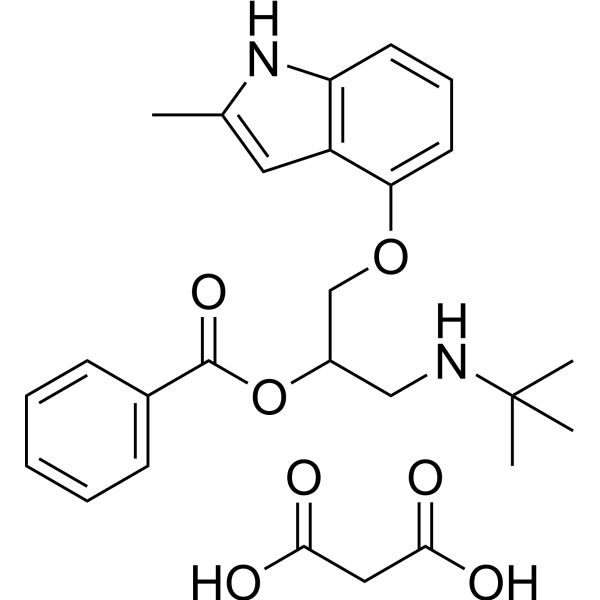
- HY-106954
-
|
Rec 15/2739; Recordati 15/2739; SB 216469
|
Adrenergic Receptor
|
Inflammation/Immunology
|
|
Upidosin (Rec 15/2739) is an α-1 adrenoceptor (α-1 AR) antagonist. Upidosin shows moderate selectivity for the α-1A AR subtype. Upidosin shows uroselectivity in urethra and prostate with a Kb value of 2-3 nM higher than in ear artery and aorta with a Kb value of 20-100 nM. Upidosin inhibits [3H]prazosin binding to cloned human α-1A adrenergic receptor. Upidosin can be used for the research of urethral obstruction .
|
-
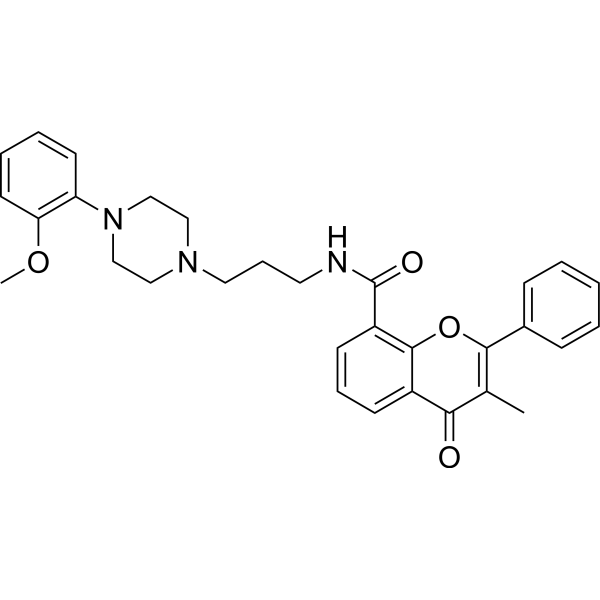
- HY-111372A
-
|
(Rac)-BAY 94-8862
|
Mineralocorticoid Receptor
|
Cardiovascular Disease
|
|
(Rac)-Finerenone ((Rac)-BAY 94-8862) is the racemate of Finerenone. Finerenone is a third-generation, selective, and orally available nonsteroidal mineralocorticoid receptor (MR) antagonist (IC50=18 nM). Finerenone displays excellent selectivity versus glucocorticoid receptor (GR), androgen receptor (AR), and progesterone receptor (>500-fold) .
|
-
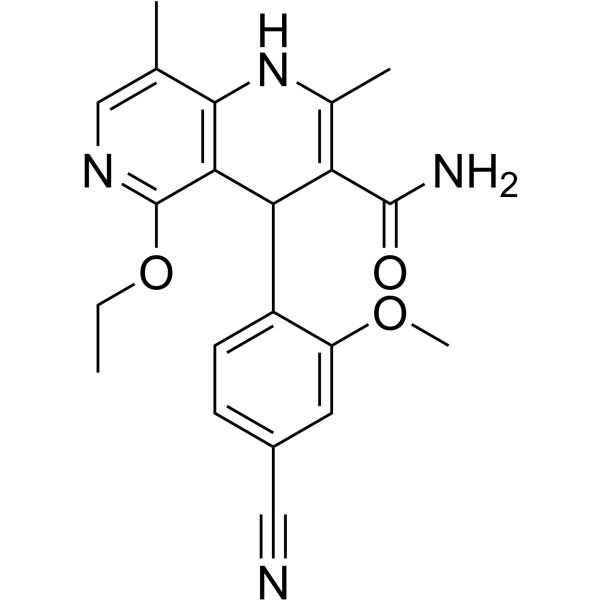
- HY-108250R
-
|
|
Reference Standards
Androgen Receptor
|
Cancer
|
|
(R)-Bicalutamide (Standard) is the analytical standard of (R)-Bicalutamide (HY-108250). This product is intended for research and analytical applications. (R)-Bicalutamide is the (R)-enantiomer of Bicalutamide (HY-14249). (R)-Bicalutamide is an androgen receptor (AR) antagonist, with antineoplastic activity. (R)-Bicalutamide is widely used for the research of prostate cancer .
|
-

- HY-153157
-
|
|
Adenosine Receptor
Arrestin
|
Cardiovascular Disease
|
|
MRS542 is a nucleoside A3 AR antagonist with a pKi of 8.74. MRS542 also acts as a partial agonist (pEC50 = 7.76) in promoting β-arrestin translocation. MRS542 can be converted into an agonist by LUF6000 (HY-13236). MRS542 can be used for cardiovascular disease research .
|
-

- HY-106684A
-
|
|
Adrenergic Receptor
|
Cardiovascular Disease
|
|
Ridazolol hydrochloride is a β-adrenergic receptor (βAR) antagonist. Ridazolol hydrochloride exhibits a high degree of selectivity for β-1 adrenergic receptor (β1AR) and possesses moderate intrinsic sympathomimetic activity (ISA). Ridazolol hydrochloride can competitively antagonize the relaxation effects induced by isoproterenol. Ridazolol hydrochloride is utilized in the research of cardiovascular diseases .
|
-

- HY-106684
-
|
|
Adrenergic Receptor
|
Cardiovascular Disease
|
|
Ridazolol is a β-adrenergic receptor (βAR) antagonist. Ridazolol exhibits a high degree of selectivity for β-1 adrenergic receptor (β1AR) and possesses moderate intrinsic sympathomimetic activity (ISA). Ridazolol can competitively antagonize the relaxation effects induced by isoproterenol. Ridazolol is utilized in the research of cardiovascular diseases .
|
-

- HY-103169R
-
|
|
Reference Standards
Adenosine Receptor
|
Neurological Disease
|
|
SCH442416 (Standard) is the analytical standard of SCH442416. This product is intended for research and analytical applications. SCH442416 is a potent, selective and brain-penetrant antagonist of adenosine A2A receptor (A2AR), with Kis of 0.048 and 0.5 nM for human and rat A2AR respectively. SCH442416 displays more than 23000-fold selectivity over A1R, A2BR, and A3R (Ki=1111, 10000, and 10000 nM, respectively). SCH442416 can be used for imaging of adenosine A2A receptors in rat and primate brain .
|
-

- HY-B0004
-
-
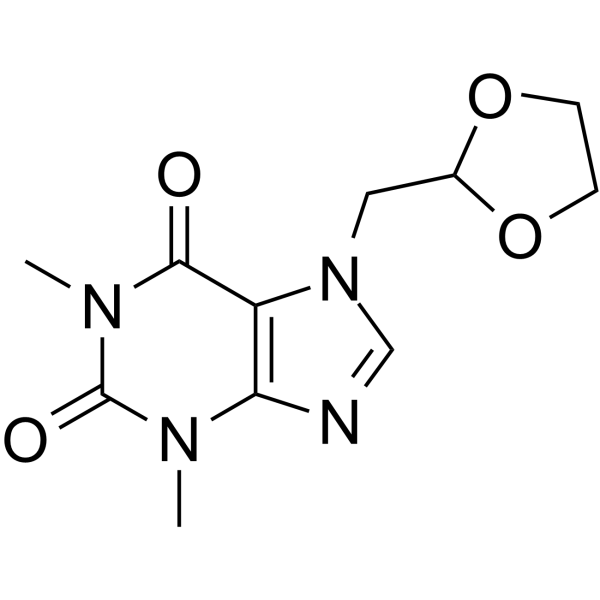
- HY-123012A
-
|
LY-591281; LY-488756 fumARate
|
Androgen Receptor
|
Others
|
|
Lubabegron fumarate is a potent modulator of β-adrenergic receptor (β-AR). Lubabegron fumarate demonstrates antagonistic behavior at the β1 and β 2 receptor subtypes and agonistic behavior at the β 3 receptor subtype in cattle. Lubabegron fumarate reduces NH3 gas emissions from an animal or its waste. Lubabegron fumarate is available as an animal supplement .
|
-
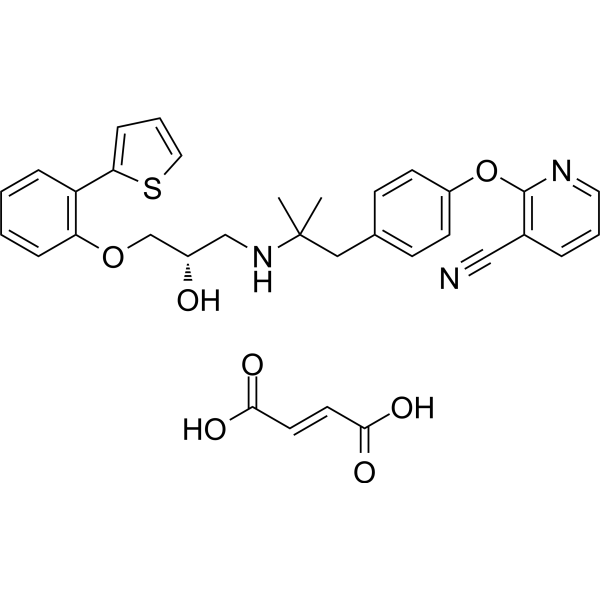
- HY-123012
-
|
LY-488756
|
Adrenergic Receptor
|
Others
|
|
Lubabegron is a potent modulator of β-adrenergic receptor (β-AR). Lubabegron demonstrates antagonistic behavior at the β1 and β 2 receptor subtypes and agonistic behavior at the β 3 receptor subtype in cattle. Lubabegron reduces NH3 gas emissions from an animal or its waste. Lubabegron is available as an animal supplement .
|
-
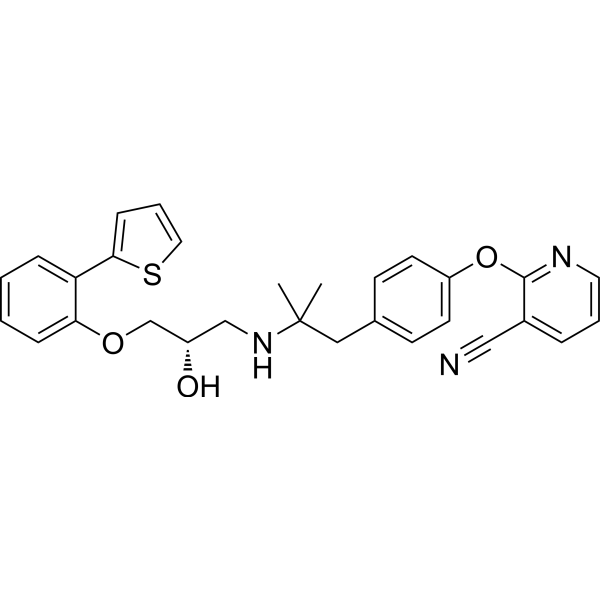
- HY-180423
-
|
|
Adenosine Receptor
|
Neurological Disease
|
|
IRFI-165 is a potent and selective A1 adenosine receptor antagonist with a Ki of 7.9 nM for rat A1 AR. IRFI-165 exhibies high selectivity versus A2A and A3 receptors. IRFI-165 induces antidepressant activity in vivo. IRFI-165 can be used for the research of psychiatric and neurological disorders .
|
-

- HY-46286
-
|
N-(4-tert-butyl-1,3-thiazol-2-yl)-3-fluorobenzamide
|
5-HT Receptor
nAChR
GABA Receptor
Glycine Receptor (GlyR)
|
Neurological Disease
|
|
TTFB (N-(4-tert-butyl-1,3-thiazol-2-yl)-3-fluorobenzamide) is a selective, non-competitive zinc-activated channel (ZAC) antagonist. TTFB inhibits Zn 2+- and H +-induced ZAC currents with IC50 values of 3 μM and 8.5 μM, respectively, and has an IC50 of 4.7 μM against spontaneous activity. TTFB shows no significant agonistic, antagonistic or modulatory activity towards representative classical Cys-loop receptors including m5-HT3AR, hα3β4 nAChR, hα1β2γ2S GABAAR and hα1 GlyR. TTFB can be used to investigate the physiological and pathological functions of ZAC.
|
-

- HY-148141
-
|
|
Complement System
|
Inflammation/Immunology
|
|
JPE-1375 is a complement C5a receptor 1 (C5aR1) antagonist. JPE-1375 effectively inhibits polymorphonuclear leukocyte mobilization (EC50=6.9 μM) and reduces TNF levels (EC50=4.5 μM) in mice. JPE-1375 can be used in studies of autoimmune and inflammatory diseases .
|
-
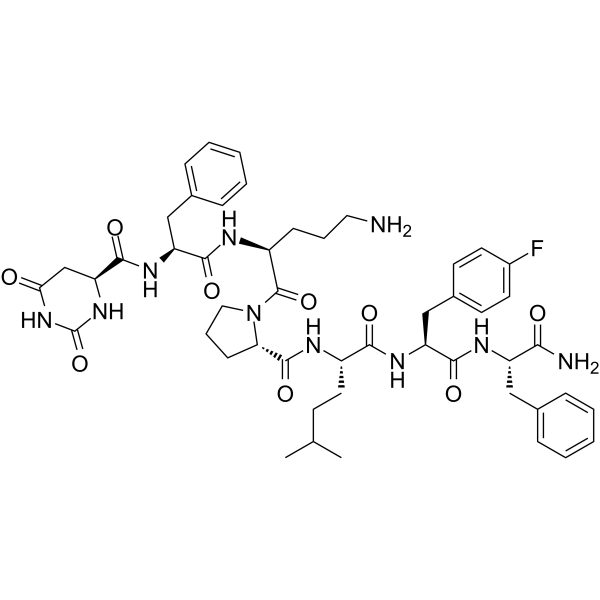
- HY-145388
-
|
|
PROTACs
SWI/SNF Complex
|
Cancer
|
|
AU-15330 is a proteolysis-targeting chimera (PROTAC) degrader of the SWI/SNF ATPase subunits, SMARCA2 and SMARCA4. AU-15330 induces potent inhibition of tumour growth in xenograft models of prostate cancer and synergizes with the AR antagonist enzalutamide. AU-15330 induces disease remission in castration-resistant prostate cancer (CRPC) models without toxicity .
|
-
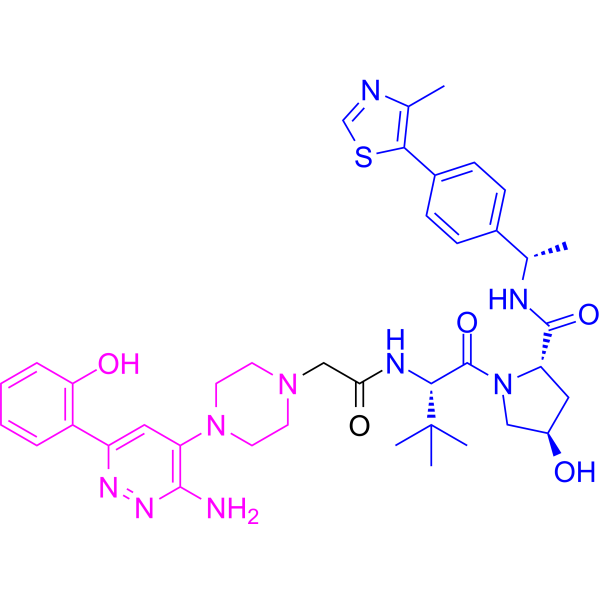
- HY-B0845R
-
|
BTS 40542 (StandARd)
|
Reference Standards
Fungal
Estrogen Receptor/ERR
Androgen Receptor
Aryl Hydrocarbon Receptor
|
Infection
Endocrinology
|
|
Prochloraz (Standard) is the analytical standard of Prochloraz. This product is intended for research and analytical applications. Prochloraz is an imidazole antifungal. Prochloraz is as an estrogen receptor (ER) and androgen receptor (AR) antagonist and an aromatase inhibitor with IC50 values of 25 μM, 4 μM and 0.3 μM, respectively. Prochloraz is able to activate the aryl hydrocarbon receptor (AhR) having an EC50 of 1 μM .
|
-

- HY-111372
-
|
BAY 94-8862
|
Mineralocorticoid Receptor
|
Cardiovascular Disease
Metabolic Disease
|
|
Finerenone (BAY 94-8862) is a third-generation, selective, and orally active nonsteroidal mineralocorticoid receptor (MR) antagonist (IC50 = 18 nM). Finerenone displays excellent selectivity versus glucocorticoid receptor (GR), androgen receptor (AR), and progesterone receptor (> 500-fold). Finerenone has the potential for cardiorenal diseases research, such as type 2 diabetes mellitus and chronic kidney disease .
|
-
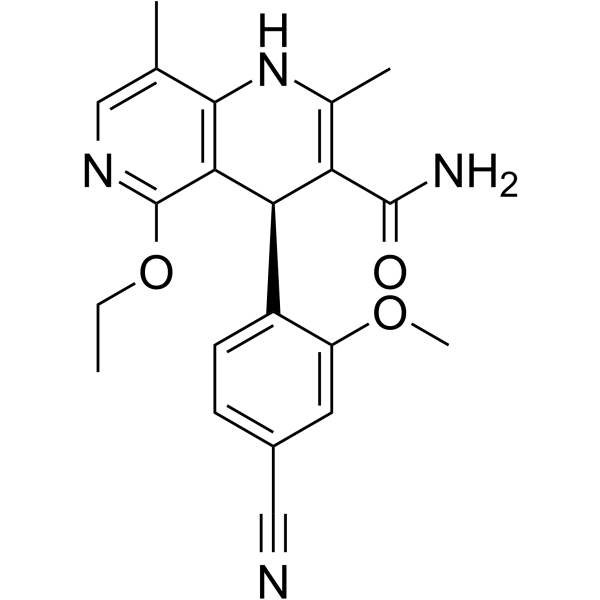
- HY-107018
-
|
AR-A 000002
|
5-HT Receptor
|
Neurological Disease
|
|
AR-A 2 is a selective 5-HT1B receptor antagonist, with high affinity to guinea pig cortex 5HT1B/1D and recombinant guinea pig 5-HT1B receptors (Ki=0.24 and 0.47 nM) and with 10-fold lower affinity to guinea pig 5-HT1D receptor (Ki, 5 nM), and shows an EC50 of 4.5 nM for the guinea pig 5-HT1B receptor; AR-A 2 can be used in the research of depression and anxiety.
|
-
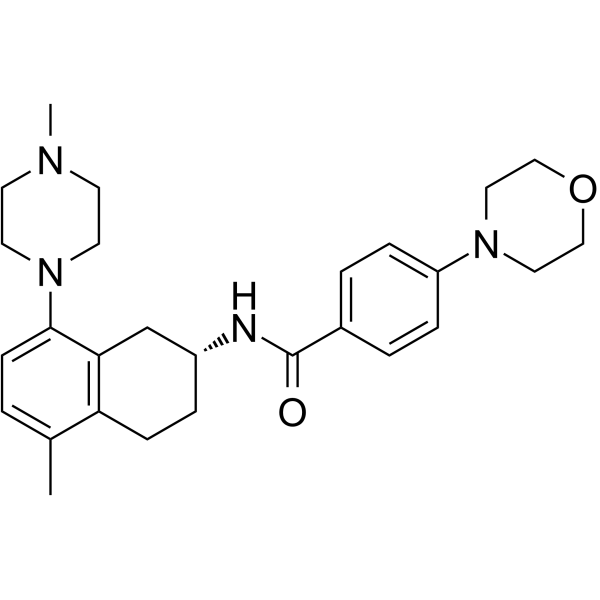
- HY-100543
-
-
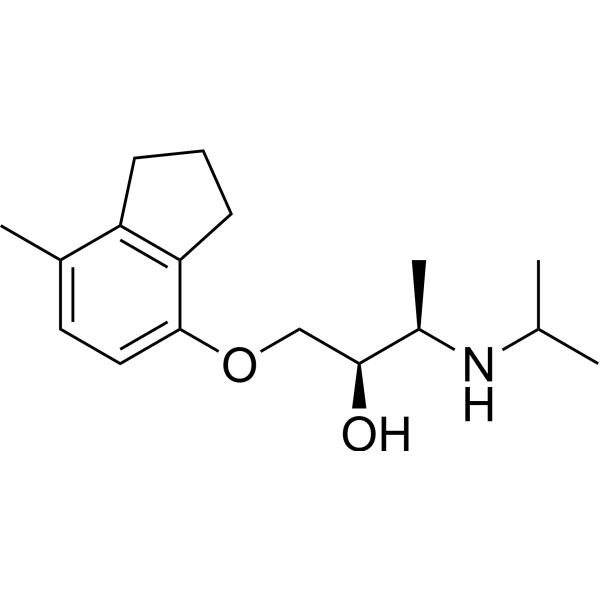
- HY-W742404
-
|
(±)-Bopindolol-d9
|
Isotope-Labeled Compounds
Adrenergic Receptor
5-HT Receptor
|
Neurological Disease
|
|
Bopindolol-d9 ((±)-Bopindolol-d9) is the deuterium labeled Bopindolol (HY-B1562). Bopindolol ((±)-Bopindolol) is an orally active antagonist of β-adrenoceptors (ARs) with partial agonist activity. Bopindolol is non-selective for β1- and β2-ARs and has low affinity for β3-AR subtype. Bopindolol has intrinsic sympathomimetic as well as membrane stabilizing actions, inhibits renin secretion, and interacts with 5-HT receptors. Bopindolol is a proagent of Pindolol (HY-B0982). Bopindolol can be used for essential and renovascular hypertension research.
|
-

- HY-182714
-
|
N6-Cyclopentyl-9-methyladenine
|
Adenosine Receptor
|
Cardiovascular Disease
Neurological Disease
|
|
N 0840 is a neutral antagonist of adenosine A1 receptor (A1AR), with a Ki value of 279 nM in rats and 1185 nM in humans. N 0840 modulates adenosine A1 receptor to increase forskolin-induced cyclic 3′,5′-adenosine monophosphate production, with a GTP shift value close to 1. N 0840 can be used in studies of neuroprotection, cardiovascular/renal function[1].
|
-

- HY-N2908
-
|
Methyl atrARate
|
Environmental Pollutants
NF-κB
Androgen Receptor
p38 MAPK
NO Synthase
|
Inflammation/Immunology
Cancer
|
|
Atraric acid (Methyl atrarate) is a specific androgen receptor (AR) antagonist with anti-inflammatory and anticancer effects. Atraric acid represses the expression of the endogenous prostate specific antigen gene in both LNCaP and C4-2 cells. Atraric acid can also inhibit the synthesis of NO and cytokine, and suppress the MAPK-NFκB signaling pathway. Atraric acid can be used to research prostate diseases and inflammatory diseases .
|
-
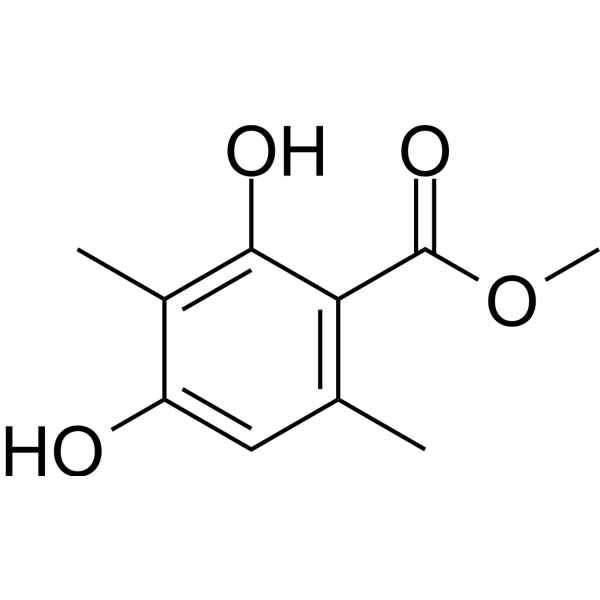
- HY-117971
-
|
|
CXCR
Formyl Peptide Receptor (FPR)
|
Others
|
|
BVT173187 is a selective inhibitor of the neutrophil formyl peptide receptor FPR1, with activity that inhibits FPR1 activation. BVT173187 inhibits FPR1 agonist-induced activation in neutrophils, reduces adhesion molecule mobilization and superoxide anion production, and has inhibitory activity on FPR1 similar to that of earlier described peptide antagonists, but also has effects on C5aR and CXCR signaling.
|
-

- HY-B1866R
-
|
|
Reference Standards
Androgen Receptor
|
Endocrinology
|
|
Linuron (Standard) is the analytical standard of Linuron. This product is intended for research and analytical applications. Linuron is a phenylurea herbicide that is widely used to control the growth of grass and weeds in various agriculture crops and in orchards. Linuron is a photosystem II inhibitor. Linuron is also a competitive androgen receptor (AR) antagonist with a Ki of 100 μM. Linuron shows reproductive toxicity in animals that acts as an endocrine disruptor .
|
-

- HY-B1866S
-
|
|
Androgen Receptor
Isotope-Labeled Compounds
|
Others
|
|
Linuron-d6 is the deuterium labeled Linuron (HY-B1866). Linuron is a phenylurea herbicide that is widely used to control the growth of grass and weeds in various agriculture crops and in orchards. Linuron is a photosystem II inhibitor. Linuron is also a competitive androgen receptor (AR) antagonist with a Ki of 100 μM. Linuron shows reproductive toxicity in animals that acts as an endocrine disruptor .
|
-
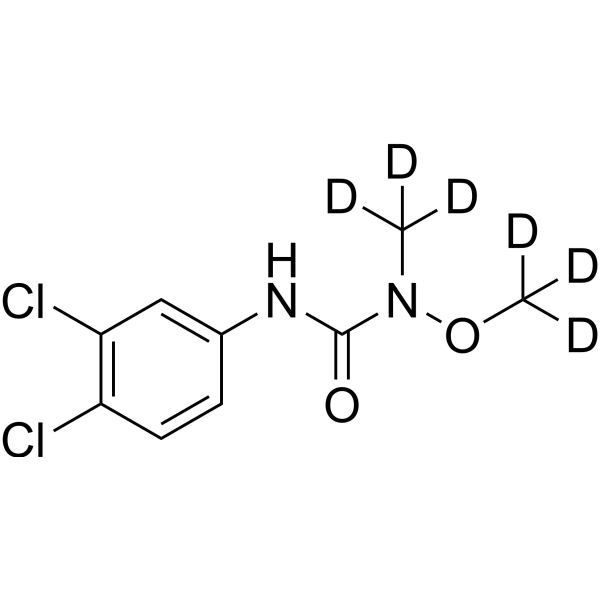
- HY-106954R
-
|
Rec 15/2739 (StandARd); Recordati 15/2739 (StandARd); SB 216469 (StandARd)
|
Reference Standards
Adrenergic Receptor
|
Inflammation/Immunology
|
|
Upidosin (Standard) (Rec 15/2739 (Standard)) is the analytical standard of Upidosin (HY-106954). This product is intended for research and analytical applications. Upidosin (Rec 15/2739) is an α-1 adrenoceptor (α-1 AR) antagonist. Upidosin shows moderate selectivity for the α-1A AR subtype. Upidosin shows uroselectivity in urethra and prostate with a Kb value of 2-3 nM higher than in ear artery and aorta with a Kb value of 20-100 nM. Upidosin inhibits [3H]prazosin binding to cloned human α-1A adrenergic receptor. Upidosin can be used for the research of urethral obstruction .
|
-

- HY-146979
-
|
|
Adenosine Receptor
Carbonic Anhydrase
|
Cancer
|
|
hA2A/hCA XII modulator 1 (compound 14), a triazolopirazine, is a potent hA2A adenosine receptor (hA2AAR) antagonist with Kis of 6.4 nM, 4.819 μM, >30 μM for hA2AAR, hA1AR, hA3AR, respectively. hA2A/hCA XII modulator 1 is a potent human carbonic anhydrase XII (hCA XII) inhibitor with Kis of 6.2 nM, 46 nM, 466 nM, 8.351 μM for hCA XII, hCA II, hCA IX and hCA I, respectively. hA2A/hCA XII modulator 1 has the potential for cancer research .
|
-
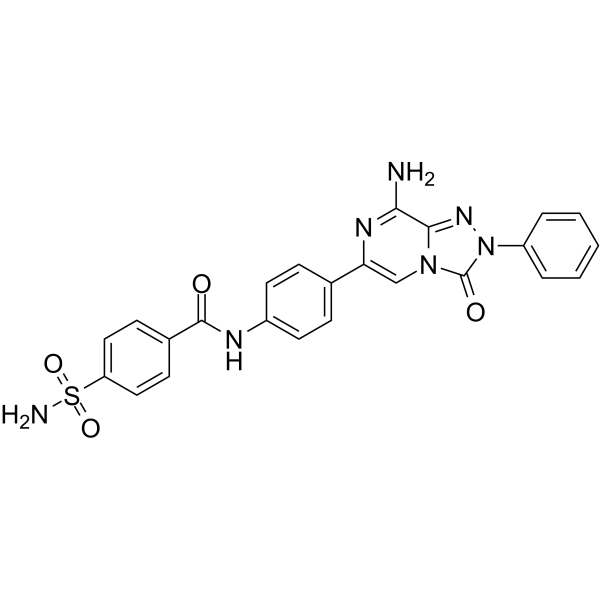
- HY-103190R
-
|
|
Reference Standards
Adenosine Receptor
|
Neurological Disease
Cancer
|
|
MRS1220 (Standard) is the analytical standard of MRS1220 (HY-103190). This product is intended for research and analytical applications. MRS1220, a highly potent and selective human A3 adenosine receptor (hA3AR) antagonist with a Ki of 0.59 nM, has therapeutic potential for the research of diseases of the central nervous system . MRS1220 reduces glioblastoma tumor size and blood vessel formation in vivo .
|
-

- HY-19682A
-
|
|
5-HT Receptor
Adrenergic Receptor
|
Neurological Disease
|
|
Enciprazine dihydrochloride is an orally active non-benzodiazepine anxiolytic. Enciprazine dihydrochloride acts as an agonist of 5-HT1A receptor (5-HT1AR) and an antagonist of α1-adrenergic receptor (α1-adrenergic receptor) . Enciprazine dihydrochloride induces drug-related electroencephalogram changes by reducing the average power of δ waves and θ waves, and increasing the average power of α waves and fast β waves. Enciprazine dihydrochloride exhibits anti-aggressive activity, with only weak sedative and ataxic effects. Enciprazine dihydrochloride regulates plasma corticosterone levels and activates the hypothalamic-pituitary-adrenal axis. Enciprazine dihydrochloride can be used in research related to anxiety disorders, generalized anxiety syndrome and psychosis .
|
-

- HY-100543R
-
|
ICI-118551 (StandARd)
|
Adrenergic Receptor
Reference Standards
Apoptosis
Caspase
Bcl-2 Family
HIF/HIF Prolyl-Hydroxylase
|
Cardiovascular Disease
Neurological Disease
Cancer
|
|
Zenidolol (ICI-118551) (Standard) is the analytical standard of Zenidolol (HY-100543). This product is intended for research and analytical applications. Zenidolol is a selective β2-adrenergic receptor antagonist with Ki values of Zenidolol for β2, β1 and β3 adrenergic receptors of 0.7, 49.5 and 611 nM, respectively. Zenidolol exerts antitumor effects via inducing apoptosis, inhibiting tumor sphere formation, and downregulating the HIF pathway by blocking β2-AR on tumor cells. Zenidolol exhibits a unique pulmonary vessel-specific vasodilatory effect in mouse models. Zenidolol can be used as an intraocular pressure-lowering agent in ophthalmic disease research.
|
-

- HY-19682
-
|
|
5-HT Receptor
Adrenergic Receptor
|
Neurological Disease
|
|
Enciprazine is an orally active non-benzodiazepine anxiolytic. Enciprazine acts as an agonist of 5-HT1A receptor (5-HT1AR) and an antagonist of α1-adrenergic receptor (α1-adrenergic receptor) . Enciprazine induces drug-related electroencephalogram changes by reducing the average power of δ waves and θ waves, and increasing the average power of α waves and fast β waves. Enciprazine exhibits anti-aggressive activity, with only weak sedative and ataxic effects. Enciprazine regulates plasma corticosterone levels and activates the hypothalamic-pituitary-adrenal axis. Enciprazine can be used in research related to anxiety disorders, generalized anxiety syndrome and psychosis .
|
-

- HY-W716464
-
-

- HY-N2037
-
|
Norcoclaurine; Demethyl-Coclaurine
|
MAP3K
MDM-2/p53
Adrenergic Receptor
ROS Kinase
Apoptosis
|
Cardiovascular Disease
Endocrinology
|
|
Higenamine (Norcoclaurine), a β2-AR agonist with antioxidant capability, is a key component of the Chinese herb aconite root that prescribes for treating symptoms of heart failure in the oriental Asian countries. Higenamine is also a α1-adrenergic receptor antagonist with hypotensive effect. is a selective LSD1 inhibitor (IC50=1.47 μM) that can be isolated from aconite. Higenamine hydrochloride has anti-inflammatory and antibacterial activity. Higenamine protects myocyte Apoptosis and ischemia/reperfusion (I/R) injury through selective activation of beta2-adrenergic receptor (β2-AR). Higenamine also reduces I/R-induced myocardial infarction in mice. Higenamine can attenuate IL-1β-induced Apoptosis through ROS-mediated PI3K/Akt signaling pathway. Higenamine protects brain cells from oxygen deprivation. Higenamine can promote bone formation in osteoporosis through the SMAD2/3 pathway. Higenamine can be used to study cancer, inflammation, cardiorenal syndrome and other diseases .
|
-
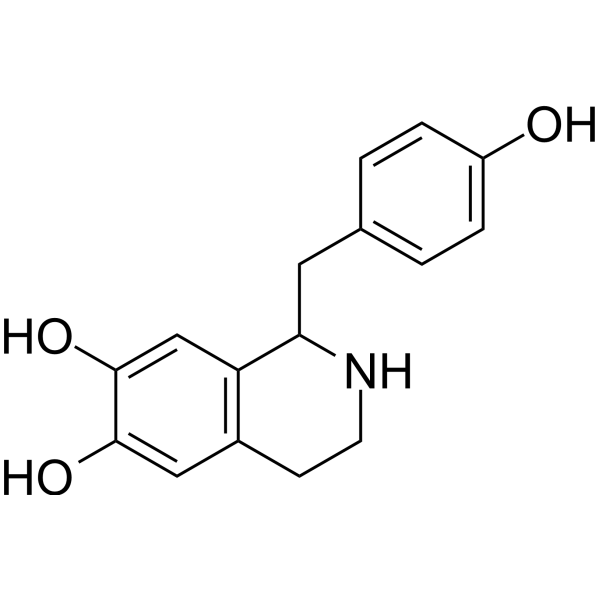
- HY-N2037R
-
|
Norcoclaurine (StandARd); Demethyl-Coclaurine (StandARd)
|
Reference Standards
MAP3K
MDM-2/p53
Adrenergic Receptor
ROS Kinase
Apoptosis
|
Cardiovascular Disease
Endocrinology
|
|
Higenamine (Norcoclaurine), a β2-AR agonist with antioxidant capability, is a key component of the Chinese herb aconite root that prescribes for treating symptoms of heart failure in the oriental Asian countries. Higenamine is also a α1-adrenergic receptor antagonist with hypotensive effect. is a selective LSD1 inhibitor (IC50=1.47 μM) that can be isolated from aconite. Higenamine hydrochloride has anti-inflammatory and antibacterial activity. Higenamine protects myocyte Apoptosis and ischemia/reperfusion (I/R) injury through selective activation of beta2-adrenergic receptor (β2-AR). Higenamine also reduces I/R-induced myocardial infarction in mice. Higenamine can attenuate IL-1β-induced Apoptosis through ROS-mediated PI3K/Akt signaling pathway. Higenamine protects brain cells from oxygen deprivation. Higenamine can promote bone formation in osteoporosis through the SMAD2/3 pathway. Higenamine can be used to study cancer, inflammation, cardiorenal syndrome and other diseases .
|
-

- HY-101986A
-
|
AR-H 053591 hydrochloride
|
Neuropeptide Y Receptor
|
Metabolic Disease
|
|
BIIE-0246 hydrochloride (AR-H 053591 hydrochloride) is a potent and selective NPY2R (neuropeptide Y receptor 2) antagonist with an IC50 value of 15 nM for rat [ 125I]PYY3-36. BIIE-0246 hydrochloride decreases the expression of p-AKT S473, P-p44/42 MAPK under the NPY-stimulated. BIIE-0246 hydrochloride reduces albuminuria in ADR nephropathy .
|
-
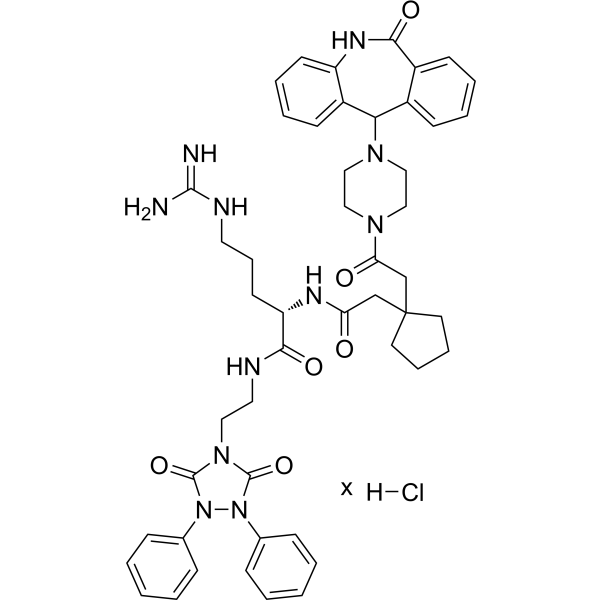
- HY-B0004R
-
|
|
Reference Standards
Adenosine Receptor
Phosphodiesterase (PDE)
Reactive Oxygen Species (ROS)
|
Inflammation/Immunology
|
|
Doxofylline (Standard) is the analytical standard of Doxofylline. This product is intended for research and analytical applications. Doxofylline is an orally active PDE IV inhibitor and A1AR antagonist. Doxofylline reduces inflammation in epithelial cells via inhibiting mitochondrial ROS production and amelioration of multiple cellular pathways (NLRP3-TXNIP inflammasome activation). Doxophylline can be used in studies of asthma, chronic obstructive pulmonary disease, and bronchospasm .
|
-

- HY-101986
-
|
AR-H 053591
|
Neuropeptide Y Receptor
|
Metabolic Disease
Endocrinology
|
|
BIIE-0246 (AR-H 053591) is a potent and selective NPY2R (neuropeptide Y receptor 2) antagonist with an IC50 value of 15 nM for rat [ 125I]PYY3-36. BIIE-0246 decreases the expression of p-AKT S473, P-p44/42 MAPK under the NPY-stimulated. BIIE-0246 reduces albuminuria in ADR nephropathy .
|
-
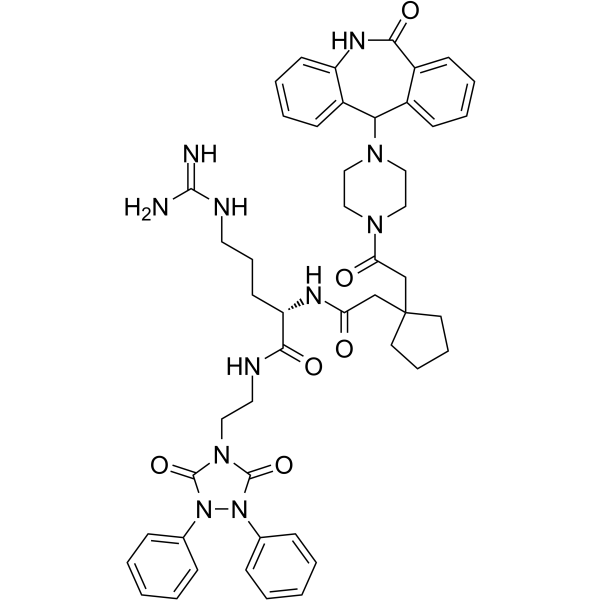
- HY-180409
-
|
|
Androgen Receptor
|
Cancer
|
|
YM580 is a potent, orally active and selective Androgen Receptor (AR) antagonist (IC50 = 0.11 μM, hAR Ki = 4.6 nM, rAR Ki = 6.2 nM). YM580 exhibits good selectivity over PR, GR, and ERα (Kis > 3300 nM). YM580 decreases ventral prostate weight in mature intact rats dose-dependently without affecting serum testosterone levels. YM580 can be used for the research of prostate cancer .
|
-

- HY-111372R
-
|
BAY 94-8862 (StandARd)
|
Reference Standards
Mineralocorticoid Receptor
|
Cardiovascular Disease
|
|
Finerenone (Standard) is the analytical standard of Finerenone. This product is intended for research and analytical applications. Finerenone (BAY 94-8862) is a third-generation, selective, and orally available nonsteroidal mineralocorticoid receptor (MR) antagonist (IC50=18 nM). Finerenone displays excellent selectivity versus glucocorticoid receptor (GR), androgen receptor (AR), and progesterone receptor (>500-fold). Finerenone has the potential for cardiorenal diseases research, such as type 2 diabetes mellitus and chronic kidney disease .
|
-

- HY-111372S
-
|
BAY 94-8862-d3
|
Mineralocorticoid Receptor
|
Others
|
|
Finerenone-d3 is the deuterium labeled finerenone (HY-111372). Finerenone is a third-generation, selective, and orally available nonsteroidal mineralocorticoid receptor (MR) antagonist (IC50=18 nM). Finerenone displays excellent selectivity versus glucocorticoid receptor (GR), androgen receptor (AR), and progesterone receptor (>500-fold). Finerenone has the potential for cardiorenal diseases research, such as type 2 diabetes mellitus and chronic kidney disease .
|
-
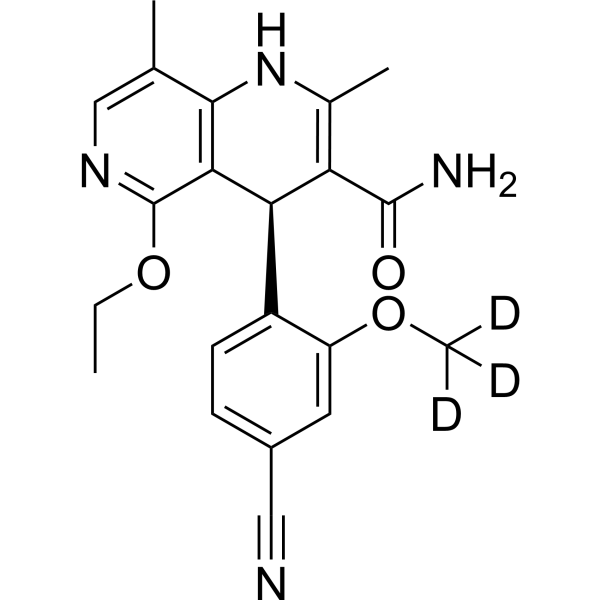
- HY-103177
-
|
|
Adenosine Receptor
|
Inflammation/Immunology
|
|
PSB-10 hydrochloride is a potent and selective antagonist of human adenosine A3 receptor (A3AR), with a Ki of 0.44 nM. PSB-10 hydrochloride shows more than 800-fold selectivity for hA3 over rA1, rA2A, hA1, hA2A and hA2B receptors (Ki=805, 6040, 1700, 2700, 30000 nM, respectively). PSB-10 hydrochloride produces thermal hyperalgesia in mice .
|
-
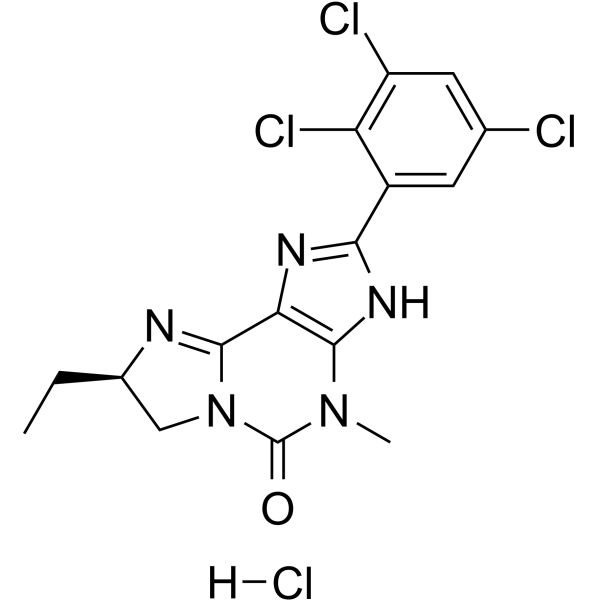
- HY-106178D
-
|
3D53 monoacetate
|
Endogenous Metabolite
|
Inflammation/Immunology
|
|
PMX 53 monoacetate (3D53 monoacetate) is a potent orally active CD88 (C5aR) antagonist that inhibits C5a-induced neutrophil myeloperoxide release and chemotactic activity. PMX 53 monoacetate has an IC50 value of 20 nM against C5a-induced neutrophil myeloperoxide release. >The value is 22 nM, and the IC50 value of the chemotactic activity is 75 nM. PMX 53 monoacetate is also an agonist of MrgX2 .
|
-

- HY-181877
-
|
|
HDAC
Adenosine Receptor
|
Cancer
|
IHCH-3185 is an orally active class I HDAC inhibitor (HDAC1 IC50 =102.9 nM) and A2AR antagonist (A2AR Ki =7.6 nM). IHCH-3185 reverses immune gene silencing by inducing histone acetylation and blocks the adenosine signaling pathway to relieve T-cell suppression. IHCH-3185 exhibits antiproliferative activity, induces cell cycle arrest, and significantly improves the tumor microenvironment. IHCH-3185 reduces the proportion of regulatory T cells, increases the CD8 +/Treg ratio, and upregulates the expression of key factors such as H2-K1, Cxcl9 and Cxcl10. IHCH-3185 shows significant antitumor potential in CT26 and MC38 mouse tumor models and is suitable for related cancer research .
|
-

- HY-W004425
-
|
3,7-Dimethyl-1-propARgylxanthine
|
Adenosine Receptor
|
Neurological Disease
|
|
DMPX (3,7-Dimethyl-1-propargylxanthine) is a selective A2A adenosine receptor (A2A AR) antagonist that crosses the blood-brain barrier, with a Ki of 11 μM for rat A2 adenosine receptor and a Ki of 45 μM for rat A1 adenosine receptor. By blocking A2A receptors in specific brain regions, DMPX protects dopaminergic and GABAergic neurons from mitochondrial dysfunction. DMPX is applicable to research related to depression, Parkinson's disease and Huntington's disease .
|
-

- HY-111372S1
-
|
BAY 94-8862-d5
|
Isotope-Labeled Compounds
Mineralocorticoid Receptor
|
Cardiovascular Disease
|
|
Finerenone-d5 (BAY 94-8862-d5) is deuterium labeled Finerenone. Finerenone (BAY 94-8862) is a third-generation, selective, and orally available nonsteroidal mineralocorticoid receptor (MR) antagonist (IC50=18 nM). Finerenone displays excellent selectivity versus glucocorticoid receptor (GR), androgen receptor (AR), and progesterone receptor (>500-fold). Finerenone has the potential for cardiorenal diseases research, such as type 2 diabetes mellitus and chronic kidney disease .
|
-

- HY-123163
-
|
RWJ-66826; RTI-6617-003
|
Progesterone Receptor
Glucocorticoid Receptor
Androgen Receptor
Estrogen Receptor/ERR
|
Endocrinology
Cancer
|
|
JNJ-1250132 (RWJ-66826) is an orally active and potent steroidal progesterone receptor (PR) antagonist, with an IC50 of 1.3 nM. JNJ-1250132 inhibits binding of the receptor to DNA in vitro. JNJ-1250132 is a potent competitive inhibitor of binding to the human glucocorticoid receptor (GR) (IC50=0.50 nM) and the rat androgen receptor (AR) (IC50=5.6 nM), and was a weak inhibitor of binding to human Estrogen receptor (ER) (IC50 >3000 nM) .
|
-

- HY-N2908R
-
|
Methyl atrARate (StandARd)
|
Reference Standards
Androgen Receptor
NO Synthase
p38 MAPK
NF-κB
|
Inflammation/Immunology
Cancer
|
|
Atraric acid (Standard) is the analytical standard of Atraric acid. This product is intended for research and analytical applications. Atraric acid (Methyl atrarate) is a specific androgen receptor (AR) antagonist with anti-inflammatory and anticancer effects. Atraric acid represses the expression of the endogenous prostate specific antigen gene in both LNCaP and C4-2 cells. Atraric acid can also inhibit the synthesis of NO and cytokine, and suppress the MAPK-NFκB signaling pathway. Atraric acid can be used to research prostate diseases and inflammatory diseases[1][2].
|
-

- HY-B1470
-
|
R-1929
|
Dopamine Receptor
Adrenergic Receptor
|
Neurological Disease
|
|
Azaperone is an antagonist of dopamine D2 receptor (Dopamine D2 Receptor) and α-adrenergic receptor (AR). Azaperone reduces vasomotor tone, mean arterial pressure, hematocrit, hemoglobin concentration, and etorphine-induced duration; induces transient tachycardia followed by bradycardia, splenic uptake of red blood cells, and sedation; alters animal behaviors; and produces sedation with distinct onset and duration in foals. Azaperone is used for sedation and tranquilization in various animals to reduce stress and aggressive behaviors, and serves as a preanesthetic agent .
|
-
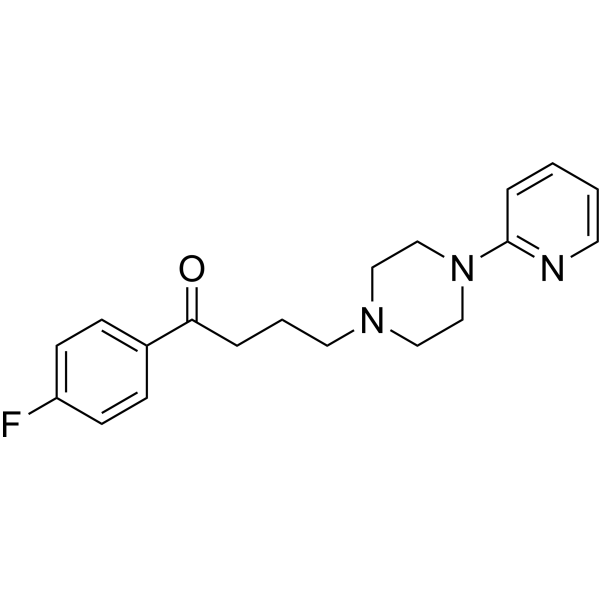
- HY-P1345C
-
|
|
Drug Derivative
Complement System
|
Neurological Disease
Metabolic Disease
Inflammation/Immunology
|
|
[DArg10, Aib20] TLQP-21, TLQP-21 (HY-P1345) analogue, is a C3aRpartial agonist, C3aR functional antagonist (EC50: 854 nM for β-arrestin recruitment). [DArg10, Aib20] TLQP-21 shows no significant calcium flux activity. [DArg10, Aib20] TLQP-21 shows no activity in potentiating adrenergic-induced lipolysis. [DArg10, Aib20] TLQP-21 can be used in the research of inflammatory diseases, metabolic disorders, and neurological conditions .
|
-
![[DArg10, Aib20] TLQP-21](//file.medchemexpress.com/product_pic/hy-p1345c.gif)
- HY-125627
-
|
|
Glucocorticoid Receptor
Androgen Receptor
|
Neurological Disease
Metabolic Disease
|
|
CP-394531 is an efficient and highly selective non-steroidal glucocorticoid receptor (GR) antagonist, with a Ki value of 0.1 nM. CP-394531 has a weak binding to androgen receptor (AR) (Ki = 130 nM), and has almost no effect on progesterone receptor (PR) and estrogen receptors (ERα, ERβ). CP-394531 completely blocks the half-maximal agonistic effect induced by Dexamethasone (HY-14648G), with a Kif of 4.1 nM. CP-394531 can be used to study various diseases such as diabetes, obesity, depression, neurodegenerative diseases, glaucoma and Cushing's disease .
|
-

- HY-101986R
-
|
AR-H 053591 (StandARd)
|
Reference Standards
Neuropeptide Y Receptor
|
Metabolic Disease
Endocrinology
|
|
BIIE-0246 (Standard) is the analytical standard of BIIE-0246 (HY-101986). This product is intended for research and analytical applications. BIIE-0246 (AR-H 053591) is a potent and selective NPY2R (neuropeptide Y receptor 2) antagonist with an IC50 value of 15 nM for rat [125I]PYY3-36. BIIE-0246 decreases the expression of p-AKT S473, P-p44/42 MAPK under the NPY-stimulated. BIIE-0246 reduces albuminuria in ADR nephropathy .
|
-

- HY-B1470R
-
|
R-1929 (StandARd)
|
Reference Standards
Dopamine Receptor
Adrenergic Receptor
|
Neurological Disease
|
|
Azaperone (R-1929) (Standard) is the analytical standard of Azaperone (HY-B1470). This product is intended for research and analytical applications. Azaperone is an antagonist of dopamine D2 receptor (Dopamine D2 Receptor) and α-adrenergic receptor (AR). Azaperone reduces vasomotor tone, mean arterial pressure, hematocrit, hemoglobin concentration, and etorphine-induced duration; induces transient tachycardia followed by bradycardia, splenic uptake of red blood cells, and sedation; alters animal behaviors; and produces sedation with distinct onset and duration in foals. Azaperone is used for sedation and tranquilization in various animals to reduce stress and aggressive behaviors, and serves as a preanesthetic agent.
|
-

- HY-Z7733
-
|
DesmethylcARvedilol; BM-14242
|
Calcium Channel
|
Metabolic Disease
|
|
O-Desmethylcarvedilol (Desmethylcarvedilol) is an active metabolite of the non-selective β-adrenergic receptor (β-AR) antagonist Carvedilol (HY-B0006). O-Desmethylcarvedilol inhibits store-overload-induced calcium release in HEK293 cells expressing the ryanodine receptor 2 (RyR2) R4496C (RyR2 R4496C) mutation (IC50 = 7.62 µM). O-Desmethylcarvedilol reduces increases in heart rate and prevents decreases in diastolic blood pressure induced by Isoproterenol (HY-B0468) in conscious rabbits (ED50s = 32 and 5 µg/kg, respectively) .
|
-

- HY-B1470S
-
|
R-1929-d4
|
Isotope-Labeled Compounds
Dopamine Receptor
Adrenergic Receptor
|
Neurological Disease
|
|
Azaperone-d4 (R-1929-d4) is the deuterium labeled Azaperone (HY-B1470). Azaperone is an antagonist of dopamine D2 receptor (Dopamine D2 Receptor) and α-adrenergic receptor (AR). Azaperone reduces vasomotor tone, mean arterial pressure, hematocrit, hemoglobin concentration, and etorphine-induced duration; induces transient tachycardia followed by bradycardia, splenic uptake of red blood cells, and sedation; alters animal behaviors; and produces sedation with distinct onset and duration in foals. Azaperone is used for sedation and tranquilization in various animals to reduce stress and aggressive behaviors, and serves as a preanesthetic agent.
|
-
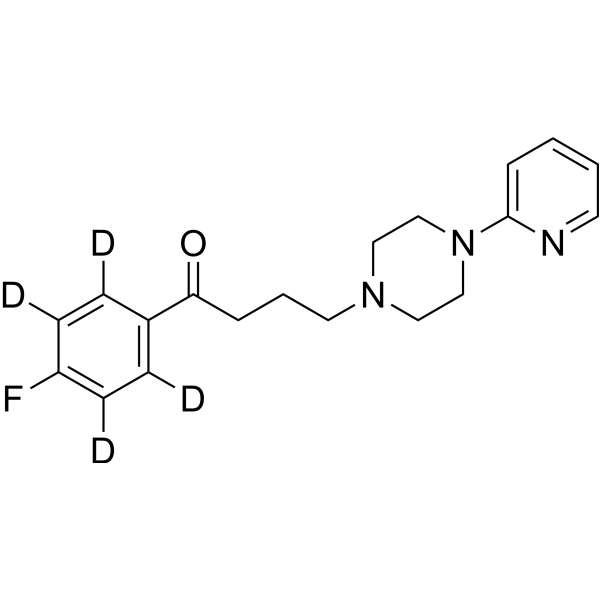
- HY-N8504
-
|
NSC 260179; Spectinabilin
|
Bacterial
|
Infection
|
|
Neoaureothin is a bacterial metabolite that has been found in Streptomyces. It is an androgen receptor (AR) antagonist that inhibits binding of dihydrotestosterone (DHT) to ARs (IC50=13 μM) and inhibits DHT-induced expression of prostate-specific antigen in LNCaP cells (IC50=1.75 nM). Neoaureothin is cytotoxic to A549, HCT116, and HepG2 cells (IC50s=34.3, 47, and 37.2 μg/mL, respectively). It also has nematocidal activity against the pine wood nematode B. xylophilus (LC50=0.84 μg/mL) and increases survival of P. densiflora trees inoculated with B. xylophilus.
|
-

- HY-166478S
-
|
DesmethylcARvedilol-d5; BM-14242-d5
|
Isotope-Labeled Compounds
Calcium Channel
|
Metabolic Disease
|
|
O-Desmethyl carvedilol-d5 (Desmethylcarvedilol-d5) is deuterium labeled O-Desmethylcarvedilol. O-Desmethylcarvedilol (Desmethylcarvedilol) is an active metabolite of the non-selective β-adrenergic receptor (β-AR) antagonist Carvedilol (HY-B0006). O-Desmethylcarvedilol inhibits store-overload-induced calcium release in HEK293 cells expressing the ryanodine receptor 2 (RyR2) R4496C (RyR2 R4496C) mutation (IC50 = 7.62 μM). O-Desmethylcarvedilol reduces increases in heart rate and prevents decreases in diastolic blood pressure induced by Isoproterenol (HY-B0468) in conscious rabbits (ED50s = 32 and 5 μg/kg, respectively) .
|
-

-
- HY-D1606
-
|
|
蛍光色素
|
|
BODIPY FL prazosin is a fluorescent α1-adrenergic antagonist with Ki values of 14.5, 43.3 nM for α1a-AR and α1b-AR, respectively. BODIPY FL prazosin also is a fluorescent ligand with the excitation and emission wavelengths are 485 and 535 nm, respectively. BODIPY FL prazosin can be used for study the differences in the subcellular localization of α1-adrenoceptor subtypes .
|
-
- HY-W007367
-
|
|
生化学アッセイ試薬
|
|
2,6-Dichloropurine is a pharmaceutical intermediate. 2,6-Dichloropurine can be used to synthesize various PDE inhibitors, human A3 adenosine receptor (AR) antagonists, and CDK inhibitors .
|
-
- HY-106178
-
|
3D53
|
Complement System
|
Cardiovascular Disease
Inflammation/Immunology
Cancer
|
|
PMX-53 (3D53) is a synthetic peptidic and a potent and orally active complement C5a receptor (CD88) antagonist with an IC50 of 20 nM. PMX-53 is also a low-affinity MrgX2 agonist that stimulates MrgX2-mediated mast cell degranulation. PMX-53 specifically binds to C5aR1 and does not bind to the second C5aR (C5L2) and C3aR. PMX-53 has anti-inflammatory, anticancer and antiatherosclerotic effects .
|
-
- HY-110136
-
-
- HY-P5010
-
|
|
Vasopressin Receptor
|
Cardiovascular Disease
|
|
(D-Arg8)-Inotocin is a potent, selective and competitive antagonist of vasopressin receptor (V1aR), with a Ki of 1.3 nM. (D-Arg8)-Inotocin shows more than 3000-fold selectivity for the human V1aR over the other three subtypes, OTR, V1bR and V2R .
|
-
- HY-P5509
-
|
|
ペプチド
|
Others
|
|
C5aR1 antagonist peptide is a biological active peptide. (This linear peptide is derived from the C-terminus of the chemokine, complement fragment 5 anaphylatoxin (C5a). This peptide functions to inhibit C5a binding and function at human and rat C5a receptors. C5a is crucial to triggering cellular immune responses and its overexpression is involved in arthritis, Alzheimer’s disease, cystic fibrosis, systemic lupus erythematosus, and other immunoinflammatory diseases.)
|
-
- HY-P1345C
-
|
|
Drug Derivative
Complement System
|
Neurological Disease
Metabolic Disease
Inflammation/Immunology
|
|
[DArg10, Aib20] TLQP-21, TLQP-21 (HY-P1345) analogue, is a C3aRpartial agonist, C3aR functional antagonist (EC50: 854 nM for β-arrestin recruitment). [DArg10, Aib20] TLQP-21 shows no significant calcium flux activity. [DArg10, Aib20] TLQP-21 shows no activity in potentiating adrenergic-induced lipolysis. [DArg10, Aib20] TLQP-21 can be used in the research of inflammatory diseases, metabolic disorders, and neurological conditions .
|
| 製品番号 |
製品名 |
Category |
Target |
構造式 |
-
- HY-B0573
-
-
-
- HY-B0573B
-
-
-
- HY-15758
-
-
-
- HY-N2037
-
-
-
- HY-N2908
-
-
-
- HY-N0475
-
-
-
- HY-15758R
-
-
-
- HY-B0573R
-
|
|
Alkaloids
Other Alkaloids
Endogenous metabolite
Source Classification
|
Reference Standards
Adrenergic Receptor
Bacterial
|
|
Propranolol (hydrochloride) (Standard) is the analytical standard of Propranolol (hydrochloride). This product is intended for research and analytical applications. Propranolol hydrochloride is a nonselective β-adrenergic receptor (βAR) antagonist, has high affinity for the β1AR and β2AR with Ki values of 1.8 nM and 0.8 nM, respectively . Propranolol hydrochloride inhibits [ 3H]-DHA binding to rat brain membrane preparation with an IC50 of 12 nM . Propranolol hydrochloride is used for study of hypertension, pheochromocytoma, myocardial infarction, cardiac arrhythmias, angina pectoris, and hypertrophic cardiomyopathy .
|
-
-
- HY-N9917
-
-
-
- HY-N2037R
-
|
Norcoclaurine (StandARd); Demethyl-Coclaurine (StandARd)
|
Alkaloids
Structural Classification
Ranunculaceae
Phenols
Polyphenols
Aconitum carmichaeli Debx.
Plants
Isoquinoline Alkaloids
Source Classification
|
Reference Standards
MAP3K
MDM-2/p53
Adrenergic Receptor
ROS Kinase
Apoptosis
|
|
Higenamine (Norcoclaurine), a β2-AR agonist with antioxidant capability, is a key component of the Chinese herb aconite root that prescribes for treating symptoms of heart failure in the oriental Asian countries. Higenamine is also a α1-adrenergic receptor antagonist with hypotensive effect. is a selective LSD1 inhibitor (IC50=1.47 μM) that can be isolated from aconite. Higenamine hydrochloride has anti-inflammatory and antibacterial activity. Higenamine protects myocyte Apoptosis and ischemia/reperfusion (I/R) injury through selective activation of beta2-adrenergic receptor (β2-AR). Higenamine also reduces I/R-induced myocardial infarction in mice. Higenamine can attenuate IL-1β-induced Apoptosis through ROS-mediated PI3K/Akt signaling pathway. Higenamine protects brain cells from oxygen deprivation. Higenamine can promote bone formation in osteoporosis through the SMAD2/3 pathway. Higenamine can be used to study cancer, inflammation, cardiorenal syndrome and other diseases .
|
-
-
- HY-N0475R
-
|
Hypolide (StandARd); (+)-Triptophenolide (StandARd)
|
Structural Classification
Monophenols
Terpenoids
Celastraceae
Phenols
Diterpenoids
Tripterygium wilfordii Hook. f.
Plants
Source Classification
|
Reference Standards
Androgen Receptor
Pyroptosis
Caspase
Bcl-2 Family
Apoptosis
|
|
Triptophenolide (Standard) (Hypolide) is the analytical standard of Triptophenolide (HY-N0475). This product is intended for research and analytical applications. Triptophenolide is a colorless crystal isolated from the ethyl acetate extract of Tripterygium wilfordii. Triptophenolide is an orally active pan‑antagonist of the androgen receptor (AR) with an IC50 of 467 nM against human wild‑type AR. Triptophenolide reduces AR expression, inhibits AR nuclear translocation, downregulates prostate‑specific antigen mRNA levels, and suppresses the growth of AR‑positive prostate cancer cells. Triptophenolide shows anti-tumor effects against breast cancer by inhibiting cell proliferation and migration, inducing G1-phase arrest and apoptosis, repressing xenograft tumor growth. Triptophenolide inhibits pyroptosis, alleviates tissue inflammation, and ameliorates synovial injury. Triptophenolide can be used for the study of prostate cancer, rheumatoid arthritis and breast cancer .
|
-
-
- HY-W008226R
-
-
-
- HY-W087006
-
-
-
- HY-N2908R
-
|
Methyl atrARate (StandARd)
|
Microorganisms
Phenols
Plants
|
Reference Standards
Androgen Receptor
NO Synthase
p38 MAPK
NF-κB
|
|
Atraric acid (Standard) is the analytical standard of Atraric acid. This product is intended for research and analytical applications. Atraric acid (Methyl atrarate) is a specific androgen receptor (AR) antagonist with anti-inflammatory and anticancer effects. Atraric acid represses the expression of the endogenous prostate specific antigen gene in both LNCaP and C4-2 cells. Atraric acid can also inhibit the synthesis of NO and cytokine, and suppress the MAPK-NFκB signaling pathway. Atraric acid can be used to research prostate diseases and inflammatory diseases[1][2].
|
-
-
- HY-70002S1
-
|
|
|
Enzalutamide-d6 (MDV3100-d6) is a deuterium labeled Enzalutamide (MDV3100). Enzalutamide is an androgen receptor (AR) antagonist with an IC50 of 36 nM in LNCaP prostate cells .
|
-
-
- HY-70002S
-
|
|
|
Deutenzalutamide (Enzalutamide-d3) is a developed deuterium labeled Enzalutamide (MDV3100). Enzalutamide is an androgen receptor (AR) antagonist with an IC50 of 36 nM in LNCaP prostate cells .
|
-
-
- HY-B0573S1
-
|
|
|
Propranolol-d7 (ring-d7) is the deuterium labeled Propranolol hydrochloride. Propranolol hydrochloride is a nonselective β-adrenergic receptor (βAR) antagonist, has high affinity for the β1AR and β2AR with Ki values of 1.8 nM and 0.8 nM, respectively . Propranolol hydrochloride inhibits [3H]-DHA binding to rat brain membrane preparation with an IC50 of 12 nM . Propranolol hydrochloride is used for study of hypertension, pheochromocytoma, myocardial infarction, cardiac arrhythmias, angina pectoris, and hypertrophic cardiomyopathy .
|
-
-
- HY-B0573BS
-
|
|
|
Propranolol-d7 is the deuterium labeled Propranolol. Propranolol is a nonselective β-adrenergic receptor (βAR) antagonist, has high affinity for the β1AR and β2AR with Ki values of 1.8 nM and 0.8 nM, respectively . Propranolol inhibits [3H]-DHA binding to rat brain membrane preparation with an IC50 of 12 nM . Propranolol is used for the study of hypertension, pheochromocytoma, myocardial infarction, cardiac arrhythmias, angina pectoris, and hypertrophic cardiomyopathy .
|
-
-
- HY-B0573S
-
|
|
|
Propranolol-d7 (hydrochloride) is a deuterium labeled Propranolol hydrochloride. Propranolol hydrochloride is a nonselective β-adrenergic receptor (βAR) antagonist, has high affinity for the β1AR and β2AR with Ki values of 1.8 nM and 0.8 nM, respectively . Propranolol hydrochloride inhibits [3H]-DHA binding to rat brain membrane preparation with an IC50 of 12 nM . Propranolol hydrochloride is used for the study of hypertension, pheochromocytoma, myocardial infarction, cardiac arrhythmias, angina pectoris, and hypertrophic cardiomyopathy .
|
-
-
- HY-16985S
-
|
|
|
Darolutamide-d4 (ODM-201-d4) is deuterium labeled Darolutamide (HY-16985). Darolutamide (ODM-201) is an orally active competitive androgen receptor (AR) antagonist, with a Ki of 11 nM for rat wild-type AR (wtAR) and an IC50 of 26 nM for human wild-type AR (hAR)-mediated transcriptional activation . Darolutamide inhibits testosterone-induced AR nuclear translocation and transcriptional activation . Darolutamide exerts selective effects on AR-positive cells by inhibiting AR-dependent signaling pathways, and its active metabolite retains full antagonistic activity against AR mutants . Darolutamide can be used for the research of prostate cancer, including androgen receptor-dependent prostate cancer .
|
-
-
- HY-16060S
-
|
|
|
Apalutamide-d4 is a deuterium labeled Apalutamide. Apalutamide is a potent and competitive androgen receptor (AR) antagonist, binding AR with an IC50 of 16 nM .
|
-
-
- HY-B1866S
-
|
|
|
Linuron-d6 is the deuterium labeled Linuron (HY-B1866). Linuron is a phenylurea herbicide that is widely used to control the growth of grass and weeds in various agriculture crops and in orchards. Linuron is a photosystem II inhibitor. Linuron is also a competitive androgen receptor (AR) antagonist with a Ki of 100 μM. Linuron shows reproductive toxicity in animals that acts as an endocrine disruptor .
|
-
-
- HY-16060S1
-
|
|
|
Apalutamide-d3 is the deuterium labeled Apalutamide . Apalutamide (ARN-509) is a potent and competitive androgen receptor (AR) antagonist, binding AR with an IC50 of 16 nM .
|
-
-
- HY-B1486AS
-
|
|
|
Oxprenolol-d7 is the deuterium labeled Oxprenolol. Oxprenolol (Ba 39089 free base) is an orally bioavailable β-adrenergic receptor (β-AR) antagonist with a Ki of 7.10 nM in a radioligand binding assay using rat heart muscle .
|
-
-
- HY-111372S
-
|
|
|
Finerenone-d3 is the deuterium labeled finerenone (HY-111372). Finerenone is a third-generation, selective, and orally available nonsteroidal mineralocorticoid receptor (MR) antagonist (IC50=18 nM). Finerenone displays excellent selectivity versus glucocorticoid receptor (GR), androgen receptor (AR), and progesterone receptor (>500-fold). Finerenone has the potential for cardiorenal diseases research, such as type 2 diabetes mellitus and chronic kidney disease .
|
-
-
- HY-111372S1
-
1 Publications Verification
|
|
Finerenone-d5 (BAY 94-8862-d5) is deuterium labeled Finerenone. Finerenone (BAY 94-8862) is a third-generation, selective, and orally available nonsteroidal mineralocorticoid receptor (MR) antagonist (IC50=18 nM). Finerenone displays excellent selectivity versus glucocorticoid receptor (GR), androgen receptor (AR), and progesterone receptor (>500-fold). Finerenone has the potential for cardiorenal diseases research, such as type 2 diabetes mellitus and chronic kidney disease .
|
-
-
- HY-16060S3
-
|
|
|
Apalutamide-d7 is deuterated labeled Apalutamide (HY-16060). Apalutamide (ARN-509) is a potent and competitive androgen receptor (AR) antagonist, binding AR with an IC50 of 16 nM .
|
-
-
- HY-16060S2
-
|
|
|
Apalutamide- 13C,d3 is the 13C- and deuterium labeled Apalutamide. Apalutamide (ARN-509) is a potent and competitive androgen receptor (AR) antagonist, binding AR with an IC50 of 16 nM .
|
-
-
- HY-14249S
-
|
|
|
Bicalutamide-d4 is the deuterium labeled Bicalutamide. Bicalutamide is an orally active non-steroidal androgen receptor (AR) antagonist. Bicalutamide can be used for the research of prostate cancer .
|
-
-
- HY-B1486S
-
|
|
|
Oxprenolol-d7 (hydrochloride) is the deuterium labeled Oxprenolol hydrochloride. Oxprenolol hydrochloride (Ba 39089) is an orally bioavailable β-adrenergic receptor (β-AR) antagonist with a Ki of 7.10 nM in a radioligand binding assay using rat heart muscle .
|
-
-
- HY-B1470S
-
|
|
|
Azaperone-d4 (R-1929-d4) is the deuterium labeled Azaperone (HY-B1470). Azaperone is an antagonist of dopamine D2 receptor (Dopamine D2 Receptor) and α-adrenergic receptor (AR). Azaperone reduces vasomotor tone, mean arterial pressure, hematocrit, hemoglobin concentration, and etorphine-induced duration; induces transient tachycardia followed by bradycardia, splenic uptake of red blood cells, and sedation; alters animal behaviors; and produces sedation with distinct onset and duration in foals. Azaperone is used for sedation and tranquilization in various animals to reduce stress and aggressive behaviors, and serves as a preanesthetic agent.
|
-
-
- HY-12715S
-
1 Publications Verification
|
|
Yohimbine- 13C,d3 is the 13C- and deuterium labeled Yohimbine. Yohimbine is a potent and relatively nonselective alpha 2-adrenergic receptor (AR) antagonist, with IC50 of 0.6 μM.
|
-
-
- HY-14249S1
-
|
|
|
(R)-Bicalutamide-d5 is deuterated labeled (R)-Bicalutamide (HY-108250). (R)-Bicalutamide is an androgen receptor (AR) antagonist, with antineoplastic activity. (R)-Bicalutamide is widely used for the research of prostate cancer .
|
-
-
- HY-19532S
-
|
|
|
ZM241385-d7 is a deuterated form of ZM241385 (HY-19532). ZM241385 is a potent, high affinity and selective adenosine A2a receptor (A2AR) antagonist with a Ki value of 1.4 nM .
|
-
-
- HY-W742404
-
|
|
|
Bopindolol-d9 ((±)-Bopindolol-d9) is the deuterium labeled Bopindolol (HY-B1562). Bopindolol ((±)-Bopindolol) is an orally active antagonist of β-adrenoceptors (ARs) with partial agonist activity. Bopindolol is non-selective for β1- and β2-ARs and has low affinity for β3-AR subtype. Bopindolol has intrinsic sympathomimetic as well as membrane stabilizing actions, inhibits renin secretion, and interacts with 5-HT receptors. Bopindolol is a proagent of Pindolol (HY-B0982). Bopindolol can be used for essential and renovascular hypertension research.
|
-
-
- HY-W716464
-
|
|
|
Prochloraz-d7 (BTS 40542-d7) is the deuterium labeled Prochloraz (HY-B0845). Prochloraz is an imidazole antifungal. Prochloraz is as an estrogen receptor (ER) and androgen receptor (AR) antagonist and an aromatase inhibitor with IC50 values of 25 μM, 4 μM and 0.3 μM, respectively. Prochloraz is able to activate the aryl hydrocarbon receptor (AhR) having an EC50 of 1 μM .
|
-
-
- HY-166478S
-
|
|
|
O-Desmethyl carvedilol-d5 (Desmethylcarvedilol-d5) is deuterium labeled O-Desmethylcarvedilol. O-Desmethylcarvedilol (Desmethylcarvedilol) is an active metabolite of the non-selective β-adrenergic receptor (β-AR) antagonist Carvedilol (HY-B0006). O-Desmethylcarvedilol inhibits store-overload-induced calcium release in HEK293 cells expressing the ryanodine receptor 2 (RyR2) R4496C (RyR2 R4496C) mutation (IC50 = 7.62 μM). O-Desmethylcarvedilol reduces increases in heart rate and prevents decreases in diastolic blood pressure induced by Isoproterenol (HY-B0468) in conscious rabbits (ED50s = 32 and 5 μg/kg, respectively) .
|
-
-
- HY-19337S1
-
|
|
|
Ketodarolutamide-d6 (BAY 1896953-d6) is the deuterium labeled Ketodarolutamide (HY-19337). Ketodarolutamide (ORM-15341) is a potent, high-affinity nonsteroidal competitive full antagonist of androgen receptor (AR). Ketodarolutamide displays a Ki value of 8 nM for rat wild-type AR and an IC50 value of 38 nM in AR-HEK293 cells . Ketodarolutamide inhibits testosterone-induced nuclear translocation of the AR and antagonizes both overexpressed and mutant ARs . Ketodarolutamide specifically suppresses the proliferation of AR-dependent prostate cancer cells and exhibits antitumor activity in models of castration-resistant prostate cancer (CRPC) . Ketodarolutamide is suitable for the mechanistic and therapeutic research of prostate cancer .
|
-
-
- HY-19337S
-
|
|
|
Ketodarolutamide-d3 (BAY 1896953-d3) is the deuterium labeled Ketodarolutamide (HY-19337). Ketodarolutamide (ORM-15341) is a potent, high-affinity nonsteroidal competitive full antagonist of androgen receptor (AR). Ketodarolutamide displays a Ki value of 8 nM for rat wild-type AR and an IC50 value of 38 nM in AR-HEK293 cells . Ketodarolutamide inhibits testosterone-induced nuclear translocation of the AR and antagonizes both overexpressed and mutant ARs . Ketodarolutamide specifically suppresses the proliferation of AR-dependent prostate cancer cells and exhibits antitumor activity in models of castration-resistant prostate cancer (CRPC) . Ketodarolutamide is suitable for the mechanistic and therapeutic research of prostate cancer .
|
-
-
- HY-114402
-
|
|
|
PROTAC Synthesis
|
ARD-69 is a PROTAC degrader based on the E3 ubiquitin ligase VHL and targeting the androgen receptor, which can induce androgen receptor (AR) protein degradation in AR-positive prostate cancer cells. ARD-69 inhibits AR-regulated gene expression, binds to the AR ligand binding domain at one end and binds to VHL at the other end, prompting AR to be recruited to the E3 ubiquitin ligase complex, triggering proteasome degradation, thereby inhibiting AR signaling pathways and downstream gene expression (such as PSA, TMPRSS2). ARD-69 can be used to study of castration-resistant prostate cancer (mCRPC) .
ARD-69 is composed of a target protein ligand (pink part) AR antagonist 14 (HY-172624), a PROTAC linker (black part) tert-Butyl 4-ethynyl-[1,4'-bipiperidine]-1'-carboxylate (HY-W442074), and a VHL-type E3 ubiquitinase ligand (blue part) VH 101, acid (HY-47070); among them, the VHL ligand and the linker can form a conjugate VH 101-amide-piperidine-Pip-alkyne (HY-172625).
|
入力情報は安全に管理されます. ※ 必須入力項目.
Inquiry Information
- 製品名:
- 製品番号:
- 数量:
- MCE 日本正規代理店:





![[DArg10, Aib20] TLQP-21](http://file.medchemexpress.com/product_pic/hy-p1345c.gif)


