
Search Result
Results for "
ACE inhibitor
" in MedChemExpress (MCE) Product Catalog:
34
Isotope-Labeled Compounds
| Cat. No. |
Product Name |
Target |
Research Areas |
Chemical Structure |
-
- HY-B0331
-
-
-
- HY-137875
-
|
N-Benzoyl-Gly-His-Leu hydrate
|
Angiotensin-converting Enzyme (ACE)
Amino Acid Derivatives
|
Cardiovascular Disease
|
|
Hippuryl-His-Leu-OH (N-Benzoyl-Gly-His-Leu) hydrate is a specific substrate for angiotensin-converting enzyme ACE I and is a molecular tool used for ACE activity detection in in vitro experiments. Hippuryl-His-Leu-OH hydrate is hydrolyzed by ACE through competitive binding. Under ACE catalysis, Hippuryl-His-Leu-OH hydrate undergoes hydrolysis to produce hippuric acid (HA). The amount of HA produced can be used to quantitatively assess ACE activity or screen for ACE inhibitors. The His-Leu released from Hippuryl-His-Leu-OH hydrate can also react with o-phthalaldehyde or Fluorescamine (HY-D0715) for fluorescence detection. Hippuryl-His-Leu-OH hydrate can be applied to the in vitro screening of ACE inhibitors for hypertension and cardiovascular diseases, and is also used in the study of changes in ACE activity during physiological and pathological processes such as renal compensatory hypertrophy .
|
-
-
- HY-B0279
-
-
-
- HY-19414
-
|
|
Angiotensin-converting Enzyme (ACE)
|
Cardiovascular Disease
|
|
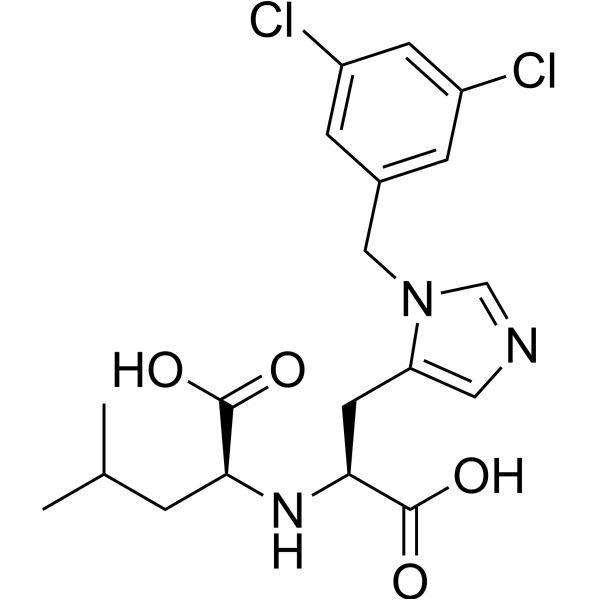
MLN-4760 is a potent and selective human ACE2 inhibitor (IC50, 0.44 nM), with excellent selectivity (>5000-fold) versus related enzymes including human testicular ACE (IC50, >100 μM) and bovine carboxypeptidase A (CPDA; IC50, 27 μM).
|
-
-
- HY-W010991
-
|
FAPGG
|
Angiotensin-converting Enzyme (ACE)
|
Others
|
|
N-[3-(2-Furyl)acryloyl]-Phe-Gly-Gly (FAPGG) is a specific substrate of angiotensin converting enzyme (ACE) with a Ki of 2.546×10 -4 M. It is used as a chromogenic probe for quantitative detection of ACE activity. N-[3-(2-Furyl)acryloyl]-Phe-Gly-Gly can be hydrolyzed by ACE to generate N-[3-(2-furyl)acryloyl]-Phe (FAP) and Gly-Gly, and the ACE inhibitory effect is monitored by photometry. FAPGG competitively binds to the active center of ACE and is a key tool for screening ACE inhibitors such as Captopril (HY-B0368) and Dioscorin. Its reversible mechanism of action supports hypertension research and drug development targeting the renin-angiotensin system .
|
-
-
- HY-P99720
-
|
ACE-536; luspatercept–aamt
|
TGF-beta/Smad
|
Metabolic Disease
Cancer
|
|
Luspatercept (ACE-536) is a recombinant modified ActRIIB fusion protein that binds with transforming growth factor β superfamily ligands. Luspatercept increases the erythrocyte numbers and promotes maturation of erythroid precursors. Luspatercept binds with GDF11 and inhibits Smad2/3 signaling. Luspatercept can be used for the research of anemia .
|
-
-
- HY-B0331A
-
-
-
- HY-B0477
-
-
-
- HY-A0115
-
-
-
- HY-18208
-
-
-
- HY-B0382
-
-
-
- HY-105858
-
-
-
- HY-B1433
-
-
-
- HY-P0095
-
|
|
Angiotensin-converting Enzyme (ACE)
|
Others
|
|
Acetyl tetrapeptide-5 inhibits glycosylation and ACE-1 activity. Acetyl tetrapeptide-5 reduces edema and relieves vascular pressure by improving the vascular system and strengthening the skin under the eyes. Acetyl tetrapeptide-5 can be used in the research of Antioxidant, anti-aging skin care .
|
-
-
- HY-P2222
-
-
-
- HY-P99818
-
|
ACE-031
|
TGF-β Receptor
|
Metabolic Disease
|
|
Ramatercept (ACE-031) is a soluble ActRIIB receptor and can be used as a soluble activin receptor 2 (ACVR2) antagonist. Ramatercept inhibits the signal pathway of muscle growth inhibition and has potential application in muscle atrophy .
|
-
-
- HY-B0331AS
-
-
-
- HY-107318
-
-
-
- HY-23093
-
-
-
- HY-127026
-
|
|
Angiotensin-converting Enzyme (ACE)
|
Cardiovascular Disease
|
|
Quinaprilat is an orally active non-mercapto Angiotensin Converting Enzyme (ACE) inhibitor, the active metabolite of Quinapril. Quinaprilat specifically blocks the conversion of angiotensin I to the vasoconstrictor angiotensin II and inhibits the degradation of bradykinin. Quinaprilat acts as anti-hypertensive agent and vasodilator .
|
-
-
- HY-107337
-
-
-
- HY-123348
-
-
-
- HY-B0279S
-
-
-
- HY-B1433R
-
|
S 9780 (Standard)
|
Angiotensin-converting Enzyme (ACE)
Reference Standards
|
Cardiovascular Disease
|
|
Perindoprilat (Standard) is the analytical standard of Perindoprilat. This product is intended for research and analytical applications. Perindoprilat (S 9780) is an angiotensin-converting enzyme (ACE) inhibitor with the IC50 value ranging from 1.5 to 3.2 nM. Perindoprilat can be used in hypertension research .
|
-
-
- HY-P11300
-
|
|
Angiotensin-converting Enzyme (ACE)
|
Cardiovascular Disease
|
|
YKYY, a antihypertensive peptide, is an Angiotensin I-converting enzyme (ACE) inhibitor with an IC50 of 64.2 μM. YKYY can be isolated for the peptic digest of wakame Undaria pinnatifida. YKYY can be used for hypertension research .
|
-
-
- HY-P11300A
-
-
-
- HY-108321
-
-
-
- HY-A0043A
-
|
Ro 31-2848 monohydrate
|
Angiotensin-converting Enzyme (ACE)
|
Cardiovascular Disease
|
|
Cilazapril monohydrate is an orally active prodrug of the angiotensin-converting enzyme (ACE) inhibitor Cilazaprilat (HY-A0113). Cilazapril monohydrate reduces plasma ACE activity. Cilazapril monohydrate can be used in the research of hypertension (including essential and renal hypertension) and congestive heart failure .
|
-
-
- HY-P4551
-
|
N-Benzoyl-Gly-His-Leu
|
Angiotensin-converting Enzyme (ACE)
Amino Acid Derivatives
|
Cardiovascular Disease
|
|
Hippuryl-His-Leu-OH (N-Benzoyl-Gly-His-Leu) is a specific substrate for angiotensin-converting enzyme (ACE I) and a molecular tool used for ACE activity detection in in vitro experiments. Hippuryl-His-Leu-OH is hydrolyzed by ACE through competitive binding. Under ACE catalysis, Hippuryl-His-Leu-OH undergoes hydrolysis to produce hippuric acid (HA). The amount of HA produced can be used to quantitatively assess ACE activity or screen for ACE inhibitors. The released His-Leu can also react with o-phthalaldehyde or Fluorescamine (HY-D0715) for fluorescence detection. Hippuryl-His-Leu-OH can be applied to the in vitro screening of ACE inhibitors for hypertension and cardiovascular diseases, and is also used in the study of ACE activity changes in physiological and pathological processes such as renal compensatory hypertrophy .
|
-
-
- HY-P3991
-
-
-
- HY-U00041
-
-
-
- HY-106446
-
-
-
- HY-Z7082
-
|
|
Angiotensin-converting Enzyme (ACE)
|
Cardiovascular Disease
|
|
Perindopril L-arginine is an orally active and selective angiotensin-converting enzyme (ACE) inhibitor. Perindopril L-arginine reduces the production of angiotensin II by inhibiting ACE, thereby dilating blood vessels, lowering blood pressure, and also exerting activities such as vasculoprotection and antithrombosis. Perindopril L-arginine is promising for research of cardiovascular diseases .
|
-
-
- HY-106816
-
-
-
- HY-A0043
-
|
Ro 31-2848
|
Angiotensin-converting Enzyme (ACE)
|
Cardiovascular Disease
|
|
Cilazapril is an orally active prodrug of the angiotensin-converting enzyme (ACE) inhibitor Cilazaprilat (HY-A0113). Cilazapril reduces plasma ACE activity. Cilazapril can be used in the research of hypertension (including essential and renal hypertension) and congestive heart failure .
|
-
-
- HY-B0331B
-
-
-
- HY-18205
-
-
-
- HY-101681
-
-
-
- HY-N3470
-
-
-
- HY-B0690
-
-
-
- HY-P2366
-
-
-
- HY-P2222A
-
-
-
- HY-U00074
-
-
-
- HY-A0230A
-
|
SCH 33844 hydrochloride
|
Angiotensin-converting Enzyme (ACE)
|
Cardiovascular Disease
|
|
Spirapril (SCH 33844) hydrochloride is a potent angiotensin converting enzyme (ACE) inhibitor with antihypertensive activity. Spirapril competitively binds to ACE and prevents the conversion of angiotensin I to angiotensin II. Spirapril is an orally active proagent of Spiraprilat and can be used for the research of hypertension, congestive heart failure .
|
-
-
- HY-116023
-
-
-
- HY-P2227
-
-
-
- HY-B0231BS
-
-
-
- HY-121232
-
-
-
- HY-W585934
-
|
Fru-Phe
|
Angiotensin-converting Enzyme (ACE)
|
Cardiovascular Disease
|
|
Fructose-phenylalanine (Fru-Phe) is a non-competitive angiotensin-converting enzyme (ACE) inhibitor (IC50 =0.19 mM) with antioxidant activities. Fructose-phenylalanine forms a stable complex with Zn 2+ ions at the ACE active site, blocking the conversion of angiotensin I to II and thereby lowering blood pressure. Fructose-phenylalanine is promising for research of cardiovascular diseases .
|
-
-
- HY-127026A
-
|
|
Angiotensin-converting Enzyme (ACE)
|
Cardiovascular Disease
|
|
Quinaprilat hydrate is a non-mercapto Angiotensin Converting Enzyme (ACE) inhibitor, the active metabolite of Quinapril. Quinaprilat hydrate specifically blocks the conversion of angiotensin I to the vasoconstrictor angiotensin II and inhibits the degradation of bradykinin. Quinaprilat hydrate acts as anti-hypertensive agent and vasodilator .
|
-
- HY-127026B
-
|
|
Angiotensin-converting Enzyme (ACE)
|
Cardiovascular Disease
|
|
Quinaprilat hydrochloride is an orally active non-mercapto Angiotensin Converting Enzyme (ACE) inhibitor, the active metabolite of Quinapril. Quinaprilat hydrochloride specifically blocks the conversion of angiotensin I to the vasoconstrictor angiotensin II and inhibits the degradation of bradykinin. Quinaprilat hydrochloride acts as anti-hypertensive agent and vasodilator .
|
-
- HY-143886
-
|
|
Angiotensin-converting Enzyme (ACE)
|
Cardiovascular Disease
|
|
AD011 is a dual inhibitor of cACE/NEP. AD011 is synthesized based on the previously reported C-domain selective ACE inhibitor lisinopril-tryptophan. AD011 has the potential for providing the potent antihypertensive and cardioprotective benefits .
|
-
- HY-143888
-
-
- HY-143887
-
|
|
Angiotensin-converting Enzyme (ACE)
|
Cardiovascular Disease
|
|
AD012 is a dual inhibitor of cACE/NEP. AD012 is synthesized based on the previously reported C-domain selective ACE inhibitor lisinopril-tryptophan. AD012 has the potential for providing the potent antihypertensive and cardioprotective benefits .
|
-
- HY-127026R
-
|
|
Reference Standards
Angiotensin-converting Enzyme (ACE)
|
Cardiovascular Disease
|
|
Quinaprilat (Standard) is the analytical standard of Quinaprilat (HY-127026) . This product is intended for research and analytical applications. Quinaprilat is an orally active non-mercapto Angiotensin Converting Enzyme (ACE) inhibitor, the active metabolite of Quinapril. Quinaprilat specifically blocks the conversion of angiotensin I to the vasoconstrictor angiotensin II and inhibits the degradation of bradykinin. Quinaprilat acts as anti-hypertensive agent and vasodilator .
|
-
- HY-B1433S
-
-
- HY-P5774
-
-
- HY-A0115S2
-
-
- HY-119195
-
-
- HY-114536
-
|
NSC 104800
|
Angiotensin Receptor
|
Others
|
|
Mitolactol (NSC 104800) is an angiotensin converting enzyme (ACE) inhibitor with the activity of inhibiting ACE (IC50 of 1.4×10 M) and inhibiting the pressor response of angiotensin I when administered intravenously at 0.3 mg/kg in rats.
|
-
- HY-P2605
-
-
- HY-156441
-
|
|
SARS-CoV
|
Infection
|
|
SARS-CoV-2-IN-65 (compound 2f (81)) is a potent,orally active and reversible SARS-CoV-2 entry inhibitor. SARS-CoV-2-IN-65 inhibits the pseudovirus entry in a ACE2-dependent pathway, via mainly inhibiting RBD:ACE2 interaction and TMPRSS2 activity in Calu-3 cells .
|
-
- HY-169405
-
|
|
AAK1
HDAC
SARS-CoV
|
Infection
|
|
AAK1/HDACs-IN-1 (Compound 12) is the dual inhibitor for AAK1 and HDAC, that inhibits AAK1, HDAC1, and HDAC6 with IC50s of 15.9, 148.6, and 5.2 nM, respectively. AAK1/HDACs-IN-1 inhibits SARS-CoV-2 infection, suppresses the endocytosis of ACE2-SARS-CoV-2 complex, as well as AP2M1-ACE2 interaction .
|
-
- HY-122032
-
-
- HY-P10808
-
|
|
Angiotensin-converting Enzyme (ACE)
|
Cardiovascular Disease
|
|
RSRGVFF (FOXP3 inhibitor P60) is a mixed-type angiotensin-converting enzyme (ACE) inhibitor with blood-brain barrier permeability, boasting an IC50 value of 5.01 μM . RSRGVFF is capable of binding to both active and non-active sites of ACE and its substrate HHL complex, thus reducing the catalytic activity of ACE. RSRGVFF can be further utilized for research on lowering hypertension .
|
-
- HY-Z8381
-
-
- HY-P0143
-
-
- HY-U00074R
-
-
- HY-123657
-
-
- HY-129714
-
|
|
Renin
|
Metabolic Disease
|
|
EMD 52297 is a Renin inhibitor, with acute hemodynamic and hormonal effects. EMD 52297 also acts as an ACE inhibitor .
|
-
- HY-167867
-
-
- HY-A0043B
-
|
Ro 31-2848 hydrochloride
|
Angiotensin-converting Enzyme (ACE)
|
Cardiovascular Disease
|
|
Cilazapril hydrochloride is an orally active prodrug of the angiotensin-converting enzyme (ACE) inhibitor Cilazaprilat (HY-A0113). Cilazapril hydrochloride reduces plasma ACE activity. Cilazapril hydrochloride can be used in the research of hypertension (including essential and renal hypertension) and congestive heart failure .
|
-
- HY-137188
-
-
- HY-P2072
-
-
- HY-A0116S
-
-
- HY-18207
-
-
- HY-A0230
-
|
SCH 33844
|
Angiotensin-converting Enzyme (ACE)
|
Cardiovascular Disease
|
|
Spirapril is a potent and cross the blood-brain barrier angiotensin converting enzyme (ACE) inhibitor with antihypertensive activity. Spirapril competitively binds to ACE and prevents the conversion of angiotensin I to angiotensin II. Spirapril is an orally active proagent of Spiraprilat and can be used for the research of hypertension, congestive heart failure .
|
-
- HY-157154
-
|
|
SARS-CoV
|
Infection
|
|
MAT-POS-e194df51-1 is an orally active, non-covalent and non-peptide SARS-CoV-2 main protease (M pro) inhibitor with an IC50 value of 37nM. MAT-POS-e194df51-1 is cytotoxic with EC50 values of 64 nM and 126 nM in A549-ACE2-TMPRSS2 cells and HeLa -ACE2 cells, respectively .
|
-
- HY-107339A
-
|
Harmonyl hydrochloride
|
Angiotensin-converting Enzyme (ACE)
|
Cardiovascular Disease
|
|
Deserpidine hydrochloride (Harmonyl hydrochloride) is an antihypertensive compound that competitively inhibits the activity of angiotensin converting enzyme (ACE). Deserpidine hydrochloride competes with angiotensin I for ACE, preventing the conversion of angiotensin I to angiotensin II, thereby lowering blood pressure. Deserpidine hydrochloride can also reduce angiotensin II-induced aldosterone secretion from the adrenal cortex .
|
-
- HY-B0231AS
-
-
- HY-108321S
-
-
- HY-18399A
-
-
- HY-113681
-
-
- HY-107337S
-
-
- HY-123227
-
-
- HY-113813
-
-
- HY-165277
-
|
|
Angiotensin-converting Enzyme (ACE)
|
Cardiovascular Disease
|
|
ε-Biotinamidocaproyl-β-alanyl-β-alanyl-lisinopril is an angiotensin-converting enzyme (ACE) inhibitor. Structurally, ε-Biotinamidocaproyl-β-alanyl-β-alanyl-lisinopril is a biotinylated derivative of lisinopril (HY-18206), with a chemical structure linking the biotin molecule and the lisinopril molecule composed of 19 atoms. ε-Biotinamidocaproyl-β-alanyl-β-alanyl-lisinopril can bind to both ACE and streptavidin (HY-P3152) simultaneously, making it possible to separate and purify ACE using streptavidin-agarose beads .
|
-
- HY-118164
-
-
- HY-101733
-
-
- HY-105266
-
-
- HY-126826
-
-
- HY-N17896
-
|
|
Tyrosinase
|
Cancer
|
|
Pinoresinol-4-O-β-D-apiosyl-(1→2)β-D-glucoside is a lignan compound and a melanogenesis inhibitor with low cytotoxicity. Pinoresinol-4-O-β-D-apiosyl-(1→2)β-D-glucoside is isolable from the stem bark of Acer buergerianum (Acer buergerianum). Pinoresinol-4-O-β-D-apiosyl-(1→2)β-D-glucoside effectively inhibits the melanogenesis process in α-MSH (HY-P0252)-stimulated B16 melanoma cells. Pinoresinol-4-O-β-D-apiosyl-(1→2)β-D-glucoside exhibits extremely high safety towards normal cells, and serves as an ideal tool molecule for studying melanoma mechanisms and developing related whitening products .
|
-
- HY-181066
-
|
|
Angiotensin-converting Enzyme (ACE)
SARS-CoV
|
Infection
|
|
ACE2-SP PPI-IN-1 is an inhibitor of the interaction between the SARS-CoV-2 spike protein and ACE2, with an IC50 of 2162.77 nM. ACE2-SP PPI-IN-1 exhibits low cytotoxicity in human fibroblasts. ACE2-SP PPI-IN-1 binds to the interface region between the spike protein RBD and ACE2, reducing the flexibility of the critical receptor-binding loop and maintaining the structural compactness of the spike protein. ACE2-SP PPI-IN-1 can be used for research related to SARS-CoV-2 .
|
-
- HY-182445
-
|
|
Angiotensin-converting Enzyme (ACE)
|
Cardiovascular Disease
|
|
FPL 66564 is a short-acting angiotensin-converting enzyme (ACE) inhibitor with an IC50 of 5.7 nM against rabbit ACE. FPL 66564 inhibits ACE activity at the functional level and is hydrolyzed in human blood into inactive hydrophilic metabolites. FPL 66564 modulates angiotensin I-induced pressor responses in anesthetized rats, and its effects rapidly return to baseline after cessation of intravenous infusion. FPL 66564 can be used for research on cardiovascular regulation related to critical illness .
|
-
- HY-182407
-
|
|
Angiotensin-converting Enzyme (ACE)
|
Cardiovascular Disease
|
|
CV 5975 is an orally active angiotensin converting enzyme (ACE) competitive inhibitor with a rabbit lung ACE IC50 of 3.1 nM and Ki values of 2.6 nM. CV 5975 inhibits ACE in plasma, aorta, kidney, and brain, intensifying inhibition with repeated administration. CV 5975 inhibits Angiotensin I (HY-P1032)-induced pressor responses and ileum contraction, and augments bradykinin-induced ileum contraction and depressor responses. CV 5975 reduces blood pressure via ACE-independent mechanisms, with sustained action across multiple hypertensive and normotensive animal models, intensified by repeated dosing or Hydrochlorothiazide (HY-B0252) co-administration. CV 5975 can be used for the research of hypertension .
|
-
- HY-105261
-
-
- HY-105858R
-
|
Ile-Trp (Standard)
|
Reference Standards
Angiotensin-converting Enzyme (ACE)
|
Cardiovascular Disease
|
|
H-Ile-Trp-OH (Standard) is the analytical standard of H-Ile-Trp-OH (HY-105858). This product is intended for research and analytical applications. H-Ile-Trp-OH (Ile-Trp), a dipeptide, is an angiotensin-converting enzyme (ACE) inhibitor with an IC50 of 0.7 μM. H-Ile-Trp-OH inhibits predominantly the C-domain of ACE .
|
-
- HY-182457
-
|
|
Angiotensin-converting Enzyme (ACE)
|
Cardiovascular Disease
|
|
N-Mercaptoacetyl-L-histidine is an angiotensin-converting enzyme (ACE) inhibitor with a target pIC50 of 3.59 M.N-Mercaptoacetyl-L-histidine binds to the zinc-containing active site of ACE, which mediates conversion of angiotensin I to angiotensin II.N-Mercaptoacetyl-L-histidine can be used for the research of hypertension .
|
-
- HY-P11572
-
-
- HY-P11740
-
|
|
Angiotensin-converting Enzyme (ACE)
Drug Intermediate
|
Others
|
|
VYPFPGPIHN is a precursor peptide of β-casomorphin (HY-P0179) and also an ACE inhibitor (IC50 = 123 μM). VYPFPGPIHN resists hydrolysis by peptidases associated with intestinal cell monolayers, maintaining structural integrity and ACE inhibitory activity. VYPFPGPIHN is not extensively taken up or transported by differentiated intestinal cell monolayers .
|
-
- HY-B0690S
-
-
- HY-158073
-
|
|
SARS-CoV
|
Infection
|
|
ML2006a4 is an orally active inhibitor for SARS-CoV-2 main protease (M pro) with IC50 in picomolare value. ML2006a4 is cell permeable and antiviral active, that inhibits replication in SARS-CoV-2 in cells Huh7.5.1-ACE2-TMPRSS2 (Huh7.5.1++) in picomolare level
|
-
- HY-106457
-
-
- HY-121180
-
-
- HY-121421
-
-
- HY-114161
-
-
- HY-B0279S1
-
-
- HY-168267
-
|
|
Deubiquitinase
|
Infection
Cancer
|
|
XH161-180 is a potent and orally active ubiquitin carboxyl-terminal hydrolase 2 (USP2) inhibitor. XH161-180 decreases the protein of cyclin D and ACE2. XH161-180 shows antiproliferative activity. XH161-180 has the potential for the research of cancer and virus infection depending on ACE2 .
|
-
- HY-117281
-
-
- HY-109592
-
-
- HY-114161A
-
-
- HY-W342283
-
-
- HY-B0279R
-
-
- HY-N8630
-
-
- HY-P3985
-
|
Bradykinin potentiating peptide B
|
Angiotensin-converting Enzyme (ACE)
|
Cardiovascular Disease
Others
|
|
Bradykinin potentiator B (Bradykinin potentiating peptide B) is venom of Agkistrodon halys blomhoffi. Bradykinin potentiator B is a potent ACE inhibitor. Bradykinin potentiator inhibits the activity of bradykinin inhibitory peptidase .
|
-
- HY-107352
-
-
- HY-A0043R
-
|
Ro 31-2848 (Standard)
|
Reference Standards
Angiotensin-converting Enzyme (ACE)
|
Cardiovascular Disease
|
|
Cilazapril (Standard) is the analytical standard of Cilazapril (HY-A0043). This product is intended for research and analytical applications. Cilazapril is an orally active prodrug of the angiotensin-converting enzyme (ACE) inhibitor Cilazaprilat (HY-A0113). Cilazapril reduces plasma ACE activity. Cilazapril can be used in the research of hypertension (including essential and renal hypertension) and congestive heart failure .
|
-
- HY-A0043AR
-
|
Ro 31-2848 monohydrate (Standard)
|
Reference Standards
Angiotensin-converting Enzyme (ACE)
|
Cardiovascular Disease
|
|
Cilazapril (monohydrate) (Standard) is the analytical standard of Cilazapril monohydrate (HY-A0043A). This product is intended for research and analytical applications. Cilazapril monohydrate is an orally active prodrug of the angiotensin-converting enzyme (ACE) inhibitor Cilazaprilat (HY-A0113). Cilazapril monohydrate reduces plasma ACE activity. Cilazapril monohydrate can be used in the research of hypertension (including essential and renal hypertension) and congestive heart failure .
|
-
- HY-19072
-
|
|
Angiotensin Receptor
|
Cardiovascular Disease
|
|
BRL-36378 is an ACE inhibitor that inhibits angiotensin-converting enzyme activity. BRL-36378 can be used in ligand-based virtual screening to identify new leading structures for chemical optimization .
|
-
- HY-114424A
-
-
- HY-B0331AR
-
-
- HY-106446R
-
-
- HY-B0279S2
-
-
- HY-114424
-
-
- HY-105572
-
|
MC-838 calcium
|
Angiotensin-converting Enzyme (ACE)
|
Cardiovascular Disease
|
|
Moveltipril calcium (MC-838 calcium) is an orally active angiotensin converting enzyme (ACE) inhibitor with antihypertensive activity. Moveltipril calcium binds via a stable thioester bond and exhibits relative resistance to enzymatic hydrolysis in rat liver homogenate. Moveltipril calcium effectively inhibits ACE extracted from rabbit lung in a concentration-dependent manner. Moveltipril calcium is able to highly specifically inhibit the contractile response to angiotensin-I (AI) in free rat aortic rings and guinea pig ileum preparations, while enhancing the contractile response to calcitonin .
|
-
- HY-A0115R
-
|
HOE 498 diacid (Standard); Ramipril diacid (Standard)
|
Drug Metabolite
Reference Standards
Angiotensin-converting Enzyme (ACE)
Endogenous Metabolite
|
Cardiovascular Disease
|
|
Alvimopan (dihydrate) (Standard) is the analytical standard of Alvimopan (dihydrate). This product is intended for research and analytical applications. Alvimopan dihydrate (ADL 8-2698 dihydrate) is a potent, selective, orally active and reversible μ-opioid receptor antagonist, with an IC50 of 1.7 nM. Alvimopan dihydrate has selectivity for μ-opioid receptor (Ki=0.47 nM) over κ- and δ-opioid receptors (Kis=100, 12 nM, respectively). Alvimopan dihydrate can be used for the research of postoperative ileus .
|
-
- HY-N1102
-
|
6-Hydroxypeganine
|
Angiotensin-converting Enzyme (ACE)
|
Cardiovascular Disease
|
|
Vasicinol is a reversible inhibitor of sucrase (IC50: 250 μM). Vasicinol is a HbF inducer. Vasicinol also inhibits Angiotensin-converting Enzyme (ACE). Vasicinol is apyrroquinazoline alkaloid that can be isolated from Adhatoda vasica .
|
-
- HY-A0116A
-
|
Trandolaprilat hydrate; RU 44403 hydrate
|
Angiotensin-converting Enzyme (ACE)
Endogenous Metabolite
|
Cardiovascular Disease
|
|
Trandolaprilate hydrate is a potent angiotensin-converting enzyme (ACE) inhibitor. Trandolaprilate hydrate partially inhibits angiotensin-I-mediated c-fos induction. Trandolaprilate is main bioactive metabolite of Trandolapril. Trandolaprilate shows high lipophilicity .
|
-
- HY-A0116
-
-
- HY-B0592S
-
-
- HY-107337R
-
-
- HY-B0378A
-
|
RS-10085
|
Angiotensin-converting Enzyme (ACE)
Apoptosis
|
Cardiovascular Disease
|
|
Moexipril hydrochloride (RS-10085) is an orally active inhibitor of angiotensin-converting enzyme (ACE), and becomes effective by being hydrolyzed to moexiprila (hydrochloride). Moexipril hydrochloride exhibits antihypertensive and neuroprotective effects - .
|
-
- HY-B0477R
-
|
CI-906 (Standard)
|
Reference Standards
Angiotensin-converting Enzyme (ACE)
|
Cardiovascular Disease
|
|
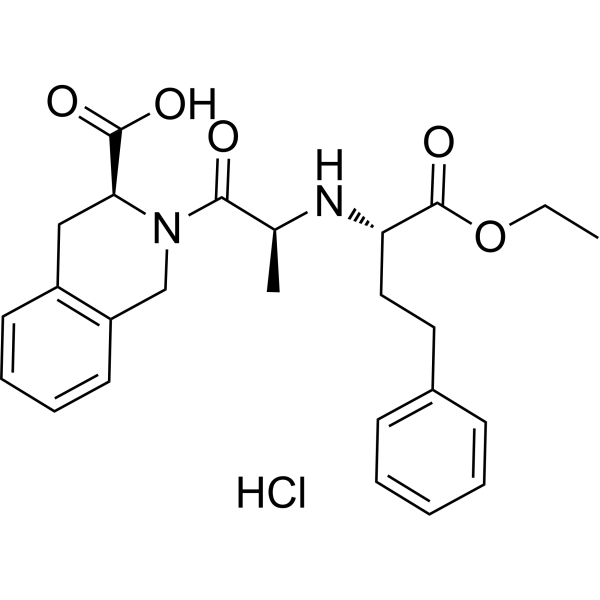
Quinapril (hydrochloride) (Standard) is the analytical standard of Quinapril (hydrochloride). This product is intended for research and analytical applications. Quinapril (hydrochloride) (CI-906) is a proagent that belongs to the angiotensin-converting enzyme (ACE) inhibitor class of medications.
|
-
- HY-19414A
-
-
- HY-162598
-
|
|
SARS-CoV
|
Infection
|
|
CET-1 is an antiviral agent that inhibits SARS-CoV-2. CET-1 significantly prevents pseudovirus from entering ACE2 h cells .
|
-
- HY-173430
-
-
- HY-50761
-
-
- HY-107318R
-
-
- HY-175325
-
|
|
SARS-CoV
Angiotensin-converting Enzyme (ACE)
|
Infection
|
|
SARS-CoV-2-IN-116 (Compound (S,S)-4) is a highly selective angiotensin-converting enzyme 2 (ACE2) inhibitor (pIC50=7.61). SARS-CoV-2-IN-116 blocks the interaction between SARS-CoV-2 spike protein and ACE2. SARS-CoV-2-IN-116 is promising for research of COVID-19 .
|
-
- HY-19200
-
|
|
Neprilysin
Angiotensin-converting Enzyme (ACE)
|
Cardiovascular Disease
|
|
RB-105 is an inhibitor of angiotensin-converting enzyme (ACE) (Ki = 4.2 nM) and neutral endopeptidase (NEP) (Ki = 1.7 nM). RB-105 after inhibiting ACE reduces the production of Ang II and increase the level of bradykinin. RB-105 after inhibiting NEP increases the level of natriuretic peptide and further increases the level of bradykinin, thereby generating a powerful synergistic effect. RB-105 has significant antihypertensive and natriuretic effects in both spontaneously hypertensive rats and normal blood pressure rats. RB-105 can be used for research on hypertension .
|
-
- HY-B0384
-
|
|
Angiotensin-converting Enzyme (ACE)
|
Cardiovascular Disease
|
|
Temocapril hydrochloride is an orally active angiotensin-converting enzyme (ACE) inhibitor. Temocapril hydrochloride can be used for the research of hypertension, congestive heart failure, acute myocardial infarction, insulin resistance, and renal diseases .
|
-
- HY-100713
-
|
|
Angiotensin-converting Enzyme (ACE)
|
Cardiovascular Disease
|
|
Temocapril is an orally active angiotensin-converting enzyme (ACE) inhibitor. Temocapril can be used for the research of hypertension, congestive heart failure, acute myocardial infarction, insulin resistance, and renal diseases .
|
-
- HY-121460
-
-
- HY-B0382R
-
|
SQ28555 (Standard)
|
Reference Standards
Angiotensin-converting Enzyme (ACE)
Apoptosis
|
Cardiovascular Disease
|
|
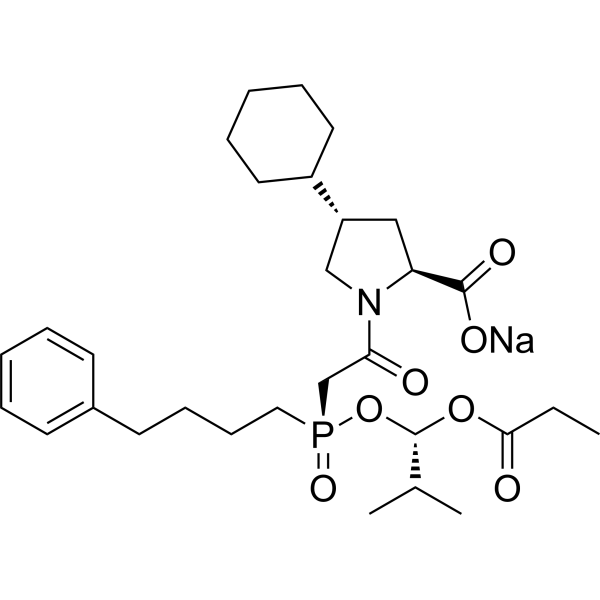
Fosinopril (sodium) (Standard) is the analytical standard of Fosinopril (sodium). This product is intended for research and analytical applications. Fosinopril Sodium is the ester prodrug of an angiotensin-converting enzyme (ACE) inhibitor, used for the treatment of hypertension and some types of chronic heart failure.
|
-
- HY-P4641
-
|
Trp-Phe
|
Angiotensin-converting Enzyme (ACE)
Endothelin Receptor
|
Cardiovascular Disease
|
|
H-Trp-Phe-OH (Trp-Phe) is an ACE inhibitor and endothelial function regulator, with an ACE IC50 of 0.318 mg/mL. H-Trp-Phe-OH increases nitric oxide concentration, reduces endothelin-1 (ET-1) levels, and reverses norepinephrine-mediated endothelial cell dysfunction. H-Trp-Phe-OH exhibits antihypertensive activity. H-Trp-Phe-OH can be used in studies related to hypertension and atherosclerosis .
|
-
- HY-121068
-
-
- HY-139801
-
|
CI-907
|
Angiotensin-converting Enzyme (ACE)
|
Cardiovascular Disease
Metabolic Disease
|
|
Indolapril hydrochloride (CI-907) is an orally active nonsulfhydryl angiotensin converting enzyme (ACE) inhibitor. Indolapril hydrochloride is highly specific in suppressing the contractile or pressor responses to Angiotensin I. Indolapril hydrochloride is a potent antihypertensive agent .
|
-
- HY-163943
-
|
|
SARS-CoV
PIKfyve
|
Infection
|
|
UNI418 is a dual inhibitor of PIKfyve and PIP5K1C with antiviral activity against SARS-CoV-2 (EC50=1.4 μM). UNI418 blocks ACE2-mediated SARS-CoV-2 viral endocytosis by inhibiting PIP5K1C (IC50=60.1 nM; Kd=61 nM). In addition, UNI418 inhibits the proteolytic activation of proteases regulated by PIKfyve (Kd=0.78 nM) to prevent SARS-CoV-2 from entering host cells .
|
-
- HY-117281S
-
-
- HY-149373
-
|
|
Angiotensin-converting Enzyme (ACE)
SARS-CoV
|
Infection
|
|
Garcinone B, a xanthone derivative, is a nature product that could be isolated from the pericarp of Mangosteen. Garcinone B is a potent ACE2 and Mpro inhibitor. Garcinone B can be used in research of COVID-19 .
|
-
- HY-109592S
-
-
- HY-P0318
-
-
- HY-W092110
-
-
- HY-P4257
-
|
|
Angiotensin-converting Enzyme (ACE)
|
Cardiovascular Disease
|
|
L-Isoleucyl-L-arginine is a dipeptide formed from L-isoleucine and L-arginine residues. L-Isoleucyl-L-arginine is a potent angiotensin-converting enzyme (ACE) inhibitor. L-Isoleucyl-L-arginine can be used for research of hypertension .
|
-
- HY-12403A
-
|
TXA127 ACEtate; Angiotensin (1-7) ACEtate; Ang-(1-7) ACEtate
|
Angiotensin Receptor
Angiotensin-converting Enzyme (ACE)
Endogenous Metabolite
|
Cardiovascular Disease
Inflammation/Immunology
Endocrinology
Cancer
|
|
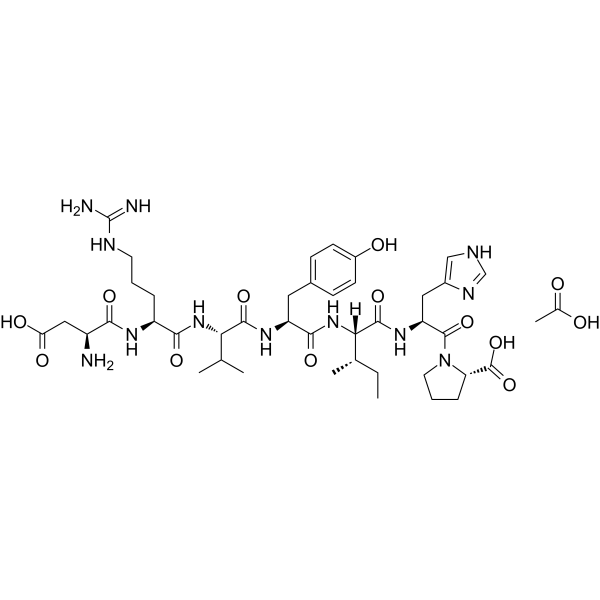
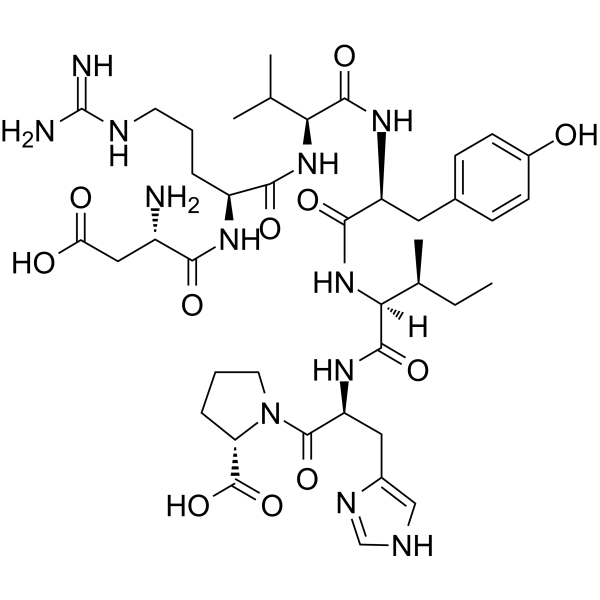
Angiotensin 1-7 (Ang-(1-7)) acetate is an endogenous heptapeptide from the renin-angiotensin system (RAS) with a cardioprotective role due to its anti-inflammatory and anti-fibrotic activities in cardiac cells. Angiotensin 1-7 acetate inhibits purified canine ACE activity (IC50=0.65 μM). Angiotensin 1-7 acetate acts as a local synergistic modulator of kinin-induced vasodilation by inhibiting ACE and releasing nitric oxide. Angiotensin 1-7 acetate blocks Ang II-induced smooth muscle cell proliferation and hypertrophy and shows antiangiogenic and growth-inhibitory effects on the endothelium .
|
-
- HY-126404
-
|
|
Environmental Pollutants
Interleukin Related
Angiotensin-converting Enzyme (ACE)
|
Cardiovascular Disease
|
|
Casein hydrolysate is an orally effective, multi-functional mixture of bioactive peptides, a hydrolysis product of casein (HY-125865), containing ACE inhibitors and immunomodulatory target regulators, among others. Casein hydrolysate releases short-chain bioactive peptides through enzymatic hydrolysis of casein, increasing cellular glutathione and catalase levels, enhancing ConA-induced IL-2 production, and exhibiting metal ion chelation, free radical scavenging, antibacterial, and mineral absorption-promoting effects. Casein hydrolysate lowers blood pressure by inhibiting angiotensin-converting enzyme (ACE) and reducing bradykinin degradation .
|
-
- HY-A0117
-
|
Temocapril diacid; Temocaprilate; RS 5139
|
Angiotensin-converting Enzyme (ACE)
|
Cardiovascular Disease
|
|
Temocaprilat (Temocapril diacid) is an inhibitor of angiotensin-converting enzyme (ACE). Temocaprilat alleviates the inhibitory effect of high glucose on the proliferation of aortic endothelial cells. Temocaprilat has potential applications in hypertension and vascular inflammation .
|
-
- HY-B0477AS1
-
-
- HY-P2619
-
-
- HY-137361
-
|
Ramipril diketopiperazine acid
|
Angiotensin-converting Enzyme (ACE)
|
Cardiovascular Disease
|
|
Ramiprilat diketopiperazine (Ramipril diketopiperazine acid; Impurity K) is an impurity of Ramiprilat (HY-A0115). Ramiprilat, an active metabolite of Ramipril (HY-B0279), is a potent and orally active angiotensin converting enzyme (ACE) inhibitor .
|
-
- HY-174373
-
|
|
SARS-CoV
Angiotensin-converting Enzyme (ACE)
|
Infection
|
|
SARS-CoV-2-IN-113 (Compound 24) is a sulfonohydrazide derivative against SARS-CoV-2 infection with an IC50 of 8.320 μM. SARS-CoV-2-IN-113 exerts potent antiviral effects by inhibiting the entry and replication of SARS-CoV-2, and downregulating the expression of genes and proteins such as Spike, ACE-2, and RdRp. SARS-CoV-2-IN-113 has high selectivity and low cytotoxicity, and can be used in the research of SARS-CoV-2 .
|
-
- HY-107352R
-
-
- HY-A0116S1
-
|
|
Angiotensin-converting Enzyme (ACE)
Endogenous Metabolite
|
Cardiovascular Disease
|
|
Trandolaprilate-d6 is the deuterium labeled Trandolaprilate . Trandolaprilate is a potent angiotensin-converting enzyme (ACE) inhibitor. Trandolaprilate partially inhibits angiotensin-I-mediated c-fos induction. Trandolaprilate is main bioactive metabolite of Trandolapril. Trandolaprilate shows high lipophilicity .
|
-
- HY-138067
-
|
|
SARS-CoV
|
Inflammation/Immunology
|
|
SSAA09E2 is an inhibitor of SARS-CoV (Severe acute respiratory syndrome-Coronavirus) replication, acting by blocking early interactions of SARS-S with the receptor for SARS-CoV, Angiotensin Converting Enzyme-2 (ACE2) .
|
-
- HY-117281S1
-
-
- HY-B0331S1
-
-
- HY-N0214A
-
-
- HY-B0231A
-
|
MK-422 anhydrous
|
Angiotensin-converting Enzyme (ACE)
|
Cardiovascular Disease
|
|
Enalaprilat (MK-422 anhydrous), the active metabolite of the oral proagent Enalapril, is a potent, competitive and long-acting angiotensin-converting enzyme (ACE) inhibitor, with an IC50 of 1.94 nM. Enalaprilat can be used for the research of hypertension .
|
-
- HY-A0043S2
-
-
- HY-100713S
-
-
- HY-N0214
-
-
- HY-N2165R
-
-
- HY-137768
-
|
|
Drug Metabolite
|
Others
|
|
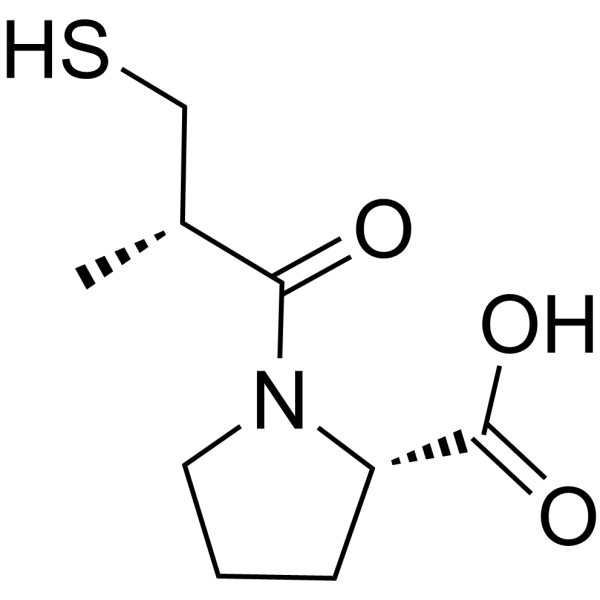
Captopril EP Impurity B is an impurity of Captopril. Captopril (SQ-14534), antihypertensive agent, is a thiol-containing competitive, orally active angiotensin-converting enzyme (ACE) inhibitor (IC50=0.025 μM) .
|
-
- HY-W013886
-
|
S-ACEtylcaptopril
|
Drug Metabolite
|
Others
|
|
Captopril EP Impurity J is an impurity of Captopril. Captopril (SQ-14534), antihypertensive agent, is a thiol-containing competitive, orally active angiotensin-converting enzyme (ACE) inhibitor (IC50=0.025 μM) .
|
-
- HY-P4281
-
-
- HY-P3424
-
-
- HY-137769
-
|
3-Mercaptoisobutyric acid
|
Drug Metabolite
|
Others
|
|
Captopril EP Impurity C is an impurity of Captopril. Captopril (SQ-14534), antihypertensive agent, is a thiol-containing competitive, orally active angiotensin-converting enzyme (ACE) inhibitor (IC50=0.025 μM) .
|
-
- HY-P1488
-
|
|
Drug Metabolite
|
Cardiovascular Disease
|
|
Bradykinin (1-5) is a major stable metabolite of Bradykinin (HY-P0206), formed by the proteolytic action of angiotensin-converting enzyme (ACE) . Bradykinin (1-5) inhibits α- and γ-thrombin-induced platelet aggregation .
|
-
- HY-B0592
-
|
RU44570
|
Angiotensin-converting Enzyme (ACE)
|
Cardiovascular Disease
|
|
Trandolapril (RU44570) is a nonsulfhydryl proagent that is hydrolysed to the active diacid Trandolaprilat. Trandolapril is an orally administered angiotensin converting enzyme (ACE) inhibitor that has been used in the treatment of hypertension and congestive heart failure (CHF), and after myocardial infarction (MI) .
|
-
- HY-N11970
-
|
|
Angiotensin-converting Enzyme (ACE)
|
Metabolic Disease
|
|
Isocrenatoside (compound 6) is a cyclic octapeptide and an inhibitor of angiotensin-converting enzyme (ACE). Isocrenatoside is isolated from the ethanolic extract of Microtoena prainiana stems. Studies have found that the inhibitory efficiency of 1 mg/mL Isocrenatoside can reach 99.3% .
|
-
- HY-130199
-
|
Parellic acid
|
Others
|
Metabolic Disease
|
|
Psoromic acid is a potent and selective RabGGTase (Rab geranylgeranyl transferase) inhibitor with an IC50 value of 1.3 µM. Psoromic acid is an antioxidative agent. Psoromic acid exhibits a competitive type of HMGR inhibition and mixed type of ACE (angiotensin converting enzyme) inhibition .
|
-
- HY-B0231
-
|
MK-422
|
Angiotensin-converting Enzyme (ACE)
|
Cardiovascular Disease
|
|
Enalaprilat dihydrate (MK-422), the active metabolite of the oral proagent Enalapril, is a potent, competitive and long-acting angiotensin-converting enzyme (ACE) inhibitor, with an IC50 of 1.94 nM. Enalaprilat dihydrate can be used for the research of hypertension .
|
-
- HY-137772
-
|
|
Drug Metabolite
|
Others
|
|
Captopril EP Impurity E is an impurity of Captopril. Captopril (SQ-14534), antihypertensive agent, is a thiol-containing competitive, orally active angiotensin-converting enzyme (ACE) inhibitor (IC50=0.025 μM) .
|
-
- HY-N2021
-
-
- HY-A0116R
-
|
Trandolaprilat (Standard); RU 44403 (Standard)
|
Reference Standards
Angiotensin-converting Enzyme (ACE)
Endogenous Metabolite
|
Cardiovascular Disease
|
|
Trandolaprilate (Standard) is the analytical standard of Trandolaprilate. This product is intended for research and analytical applications. Trandolaprilate is a potent angiotensin-converting enzyme (ACE) inhibitor. Trandolaprilate partially inhibits angiotensin-I-mediated c-fos induction. Trandolaprilate is main bioactive metabolite of Trandolapril. Trandolaprilate shows high lipophilicity .
|
-
- HY-179630
-
|
|
Deubiquitinase
SARS-CoV
VISTA
|
Infection
Cancer
|
|
MS102 is an orally active ubiquitin specific peptidase 2 (USP2) inhibitor with an IC50 of 5.46 μM. MS102 has viable antiviral activity against ACE2-dependent coronaviruses. MS102 significantly reduces V-domain Ig suppressor of T cell activation (VISTA) protein abundance in vitro and in vivo. MS102 can be used for the study of SARS-CoV-2. MS102 can be used in combination with anti-PD-1 immunotherapy to enhance the anti-tumor immune response .
|
-
- HY-114941
-
|
BP1137
|
Angiotensin-converting Enzyme (ACE)
Neprilysin
|
Cardiovascular Disease
|
|
Aladotril (BP1137) is the inhibitor for neutral endopeptidase (NEP) and angiotensin-converting enzyme (ACE), that ameliorates the cardiac hypertrophy in rats, without decreasing the blood pressure. Aladotril can be used in research about heart failure and cardiac remodeling after myocardial infarction .
|
-
- HY-131280R
-
|
|
Drug Metabolite
Reference Standards
|
Others
|
|
L-Aspartyl-L-phenylalanine (Standard) is the analytical standard of L-Aspartyl-L-phenylalanine. This product is intended for research and analytical applications. L-Aspartyl-L-phenylalanine is a metabolite of aspartame that can inhibit angiotensin converting enzyme (ACE) purified from rabbit lungs with a Ki of 11 μM .
|
-
- HY-23093R
-
-
- HY-B0130S
-
-
- HY-B0592A
-
|
RU44570 hydrochloride
|
Angiotensin-converting Enzyme (ACE)
|
Cardiovascular Disease
|
|
Trandolapril (RU44570) hydrochloride is a nonsulfhydryl proagent that is hydrolysed to the active diacid Trandolapril hydrochlorideat. Trandolapril hydrochloride is an orally active angiotensin converting enzyme (ACE) inhibitor that has been used in the treatment of hypertension and congestive heart failure (CHF), and after myocardial infarction (MI) .
|
-
- HY-P1488A
-
|
|
Drug Metabolite
|
Cardiovascular Disease
|
|
Bradykinin (1-5) (TFA) is a major stable metabolite of Bradykinin (HY-P0206), formed by the proteolytic action of angiotensin-converting enzyme (ACE). Bradykinin (1-5) (TFA) inhibits α- and γ-thrombin-induced platelet aggregation .
|
-
- HY-N2165
-
-
- HY-162550
-
|
|
SARS-CoV
|
Infection
|
|
Jobosic acid, a saturated fatty acid, is a selective SARS-CoV-2 inhibitor. Jobosic acid inhibits Mpro and spike-RBD/ACE-2 interaction with IC50 values of 7.5 μg/mL and 3 μg/mL, respectively. Jobosic acid shows viral entry inhibition for the omicron SARS-CoV-2 variant .
|
-
- HY-12403
-
Talfirastide
Maximum Cited Publications
17 Publications Verification
TXA127; Angiotensin (1-7); Ang-(1-7)
|
Angiotensin Receptor
Angiotensin-converting Enzyme (ACE)
Endogenous Metabolite
|
Cardiovascular Disease
Inflammation/Immunology
Endocrinology
Cancer
|
|
Angiotensin 1-7 (Ang-(1-7)) is an endogenous heptapeptide from the renin-angiotensin system (RAS) with a cardioprotective role due to its anti-inflammatory and anti-fibrotic activities in cardiac cells. Angiotensin 1-7 inhibits purified canine ACE activity (IC50=0.65 μM). Angiotensin 1-7 acts as a local synergistic modulator of kinin-induced vasodilation by inhibiting ACE and releasing nitric oxide. Angiotensin 1-7 blocks Ang II-induced smooth muscle cell proliferation and hypertrophy and shows antiangiogenic and growth-inhibitory effects on the endothelium. Angiotensin 1-7 shows anti-inflammatory activity .
|
-
- HY-B0378AR
-
|
RS-10085 (Standard)
|
Reference Standards
Angiotensin-converting Enzyme (ACE)
Apoptosis
|
Cardiovascular Disease
|
|
Moexipril (hydrochloride) (Standard) is the analytical standard of Moexipril (hydrochloride). This product is intended for research and analytical applications. Moexipril hydrochloride (RS-10085) is an orally active inhibitor of angiotensin-converting enzyme (ACE), and becomes effective by being hydrolyzed to moexiprila (hydrochloride). Moexipril hydrochloride exhibits antihypertensive and neuroprotective effects - .
|
-
- HY-W739949
-
-
- HY-169977
-
|
|
SARS-CoV
|
Infection
|
|
CKP-25 is an inhibitor for the interaction between Spike RBD-ACE2, that prevents the virus from entering the host cell, thereby reducing the replication and virus infection. CKP-25 inhibits SARS-CoV-2 with IC50 of 3.5 μM in Vero E6 cell .
|
-
- HY-N2021A
-
-
- HY-149767
-
|
|
SARS-CoV
|
Infection
|
|
CMX990 is a SARS-CoV-2 3CL protease inhibitor. The EC90s for inhibiting SARS-CoV-2 were 9.6 nM and 101 nM in human bronchial epithelial cells (HBECs) and HeLa-ACE2 cells, respectively. CMX990 has good ADME and pharmacokinetic properties .
|
-
- HY-127026S
-
|
|
Angiotensin-converting Enzyme (ACE)
|
Cardiovascular Disease
|
|
Quinaprilat-d5 is a deuterium-labeled Quinaprilat (HY-127026). Quinaprilat is a nonsulfhydryl ACE inhibitor, the active diacid metabolite of Quinapril. Quinaprilat specifically blocks the conversion of angiotensin I to the vasoconstrictor angiotensin II and inhibits bradykinin degradation. Quinaprilat primarily acts as a vasodilator, decreasing total peripheral and renal vascular resistance .
|
-
- HY-A0115S1
-
-
- HY-D1270
-
|
|
SARS-CoV
|
Infection
|
|
Direct Violet 1, an azo dye, is a textile dye. Direct Violet 1 is also the protein-protein interaction (PPI) between the SARS-CoV-2 spike protein and ACE2 inhibitor with IC50s of 1.47-2.63 μM .
|
-
- HY-100713R
-
|
|
Reference Standards
Angiotensin-converting Enzyme (ACE)
|
Cardiovascular Disease
|
|
Temocapril (Standard) is the analytical standard of Temocapril. This product is intended for research and analytical applications. Temocapril is an orally active angiotensin-converting enzyme (ACE) inhibitor. Temocapril can be used for the research of hypertension, congestive heart failure, acute myocardial infarction, insulin resistance, and renal diseases .
|
-
- HY-B0384R
-
|
|
Angiotensin-converting Enzyme (ACE)
Reference Standards
|
Cardiovascular Disease
|
|
Temocapril (hydrochloride) (Standard) is the analytical standard of Temocapril (hydrochloride). This product is intended for research and analytical applications. Temocapril hydrochloride is an orally active angiotensin-converting enzyme (ACE) inhibitor. Temocapril hydrochloride can be used for the research of hypertension, congestive heart failure, acute myocardial infarction, insulin resistance, and renal diseases .
|
-
- HY-107339
-
-
- HY-B0477A
-
|
CI-906 free acid
|
Angiotensin-converting Enzyme (ACE)
|
Cardiovascular Disease
|
|
Quinapril is a potent, orally active, non-peptide and nonsulfhydryl inhibitor of angiotensin-converting enzyme (ACE). Quinapril specifically interrupts the conversion of angiotensin I to angiotensin II in both plasma and tissue. Quinapril is enzymatically hydrolyzed to a pharmacologically active diacid form quinaprilat. Quinapril is efficacious in hypertensive models .
|
-
- HY-121068R
-
|
|
Reference Standards
Angiotensin-converting Enzyme (ACE)
SARS-CoV
|
Infection
|
|
Bisoxatin (Standard) is the analytical standard of Bisoxatin. This product is intended for research and analytical applications. Bisoxatin is a laxative drug used for constipation. Bisoxatin binds substantially at the S-protein-ACE2 interface. Bisoxatin has the potential for inhibiting SARS-CoV-2 entry into the host research .
|
-
- HY-19484
-
-
- HY-114782
-
|
L-Tyrosyl-L-tyrosine
|
Angiotensin-converting Enzyme (ACE)
|
Cardiovascular Disease
|
|
H-Tyr-Tyr-OH (L-Tyrosyl-L-tyrosine) is an antihypertensive peptide. H-Tyr-Tyr-OH inhibits angiotensin I-converting enzyme (ACE) with an IC50 value of 0.028 mg/mL. H-Tyr-Tyr-OH can be used for the research of high blood pressure .
|
-
- HY-14923
-
|
AVE 7688
|
Angiotensin-converting Enzyme (ACE)
|
Metabolic Disease
|
|
Ilepatril, a dual inhibitor of angiotensin-converting enzyme (ACE) and neutral endopeptidase, has inhibitory effects in the type 2 diabetic nephropathy model in obese Zucker diabetic fatty (ZDF) rats. Ilepatril significantly reduced albuminuria in a dose-dependent manner and may be a strategy distinct from metabolic control to inhibit type 2 diabetic nephropathy .
|
-
- HY-12403R
-
|
TXA127 (Standard); Angiotensin (1-7) (Standard); Ang-(1-7) (Standard)
|
Angiotensin Receptor
Angiotensin-converting Enzyme (ACE)
Endogenous Metabolite
Reference Standards
|
Cardiovascular Disease
Inflammation/Immunology
Endocrinology
Cancer
|
|
Talfirastide (Standard) is the analytical standard of Talfirastide. This product is intended for research and analytical applications. Angiotensin 1-7 (Ang-(1-7)) is an endogenous heptapeptide from the renin-angiotensin system (RAS) with a cardioprotective role due to its anti-inflammatory and anti-fibrotic activities in cardiac cells. Angiotensin 1-7 inhibits purified canine ACE activity (IC50=0.65 μM). Angiotensin 1-7 acts as a local synergistic modulator of kinin-induced vasodilation by inhibiting ACE and releasing nitric oxide. Angiotensin 1-7 blocks Ang II-induced smooth muscle cell proliferation and hypertrophy and shows antiangiogenic and growth-inhibitory effects on the endothelium. Angiotensin 1-7 shows anti-inflammatory activity .
|
-
- HY-P0266B
-
|
Ac-SdKP ACEtate
|
Angiotensin-converting Enzyme (ACE)
|
Inflammation/Immunology
|
|
N-Acetyl-Ser-dAsp-Lys-Pro (Ac-SdKP) acetate is a specific substrate for the N-terminal active site of angiotensin-converting enzyme (ACE). N-Acetyl-Ser-dAsp-Lys-Pro acetate is a natural inhibitor of pluripotent hematopoietic stem cell proliferation. Anti-inflammatory and antifibrotic properties .
|
-
- HY-W012159
-
|
H-MET-SER-OH
|
Angiotensin-converting Enzyme (ACE)
|
Cardiovascular Disease
|
|
Methionylserine (H-MET-SER-OH) is a methionine- and serine-containing dipeptide. Methionylserine binds to and translocation via intestinal di/tri-peptide transporter 1 (hPEPT1) with a Km value of 0.2 mM. Methionylserine inhibits ACE enzyme activity. Methionylserine can be used in the research of hypension .
|
-
- HY-N2533
-
|
Cyanidin-3-O-sambubioside chloride
|
Influenza Virus
Angiotensin-converting Enzyme (ACE)
Akt
MMP
|
Infection
Cardiovascular Disease
Inflammation/Immunology
Cancer
|
|
Cyanidin 3-sambubioside chloride (Cyanidin-3-O-sambubioside chloride), a major anthocyanin, a natural colorant, and is a potent NO inhibitor. Cyanidin 3-sambubioside chloride is a H274Y mutation inhibitor, and inhibits influenza neuraminidase activity with an IC50 of 72 μM. Cyanidin 3-sambubioside chloride inhibits angiotensin-converting enzyme (ACE) activity and has antioxidant, anti-angiogenic and antiviral properties .
|
-
- HY-B0655
-
|
SQ26991
|
Angiotensin-converting Enzyme (ACE)
Reactive Oxygen Species (ROS)
|
Cardiovascular Disease
|
|
Zofenopril Calcium (SQ26991) is an orally active angiotensin-converting enzyme (ACE) inhibitor with antioxidant activity and cardioprotective effects. Zofenopril Calcium reduces ROS production and GSH consumption and helps inhibit foam cell formation, thus slowing the progression of atherosclerosis. Zofenopril Calcium prevents cardiac damage caused by chronic Doxorubicin (HY-15142A) .
|
-
- HY-B0093
-
|
CGS14824A free base
|
Angiotensin-converting Enzyme (ACE)
Apoptosis
Reactive Oxygen Species (ROS)
|
Cardiovascular Disease
Cancer
|
|
Benazepril (CGS14824A free base) is an orally active angiotensin-converting enzyme (ACE) inhibitor to reduce angiotensin-II production. Benazepril inhibits oxidative stress and inhibits apoptosis by the PI3K/Akt signaling pathway. Benazepril improves diabetic nephropathy and decreases proteinuria. Benazepril can be used in the study of hypertension, heart failure and diabetic nephropathy .
|
-
- HY-B0093A
-
-
- HY-175724
-
|
|
Beta-lactamase
Bacterial
|
Infection
|
|
MBL-IN-6 (Compound 6d) is a Metallo-β-lactamase (MBL) inhibitor with Kis of 2.6 and 0.08 μM for NDM-1 and VIM-2, respectively. MBL-IN-6 has a synergistic activities with Imipenem (HY-B1369A) on MBL-producing clinical isolates (such as E. coli SI-M001, K. pneumonia T2301 and S. marcescens SI-1591) with MICs of 2-64 μg/mL. MBL-IN-6 does not have off-target effects without ACE-1 inhibition activity. MBL-IN-6 can be used for antimicrobial resistance research .
|
-
- HY-P4560
-
|
Pro-Phe
|
Angiotensin-converting Enzyme (ACE)
|
Cardiovascular Disease
|
|
H-Pro-Phe-OH is a dipeptide containing proline and phenylalanine, which can serve as a substrate for prolinase. H-Pro-Phe-OH can also be used for polypeptide synthesis, where phenylalanine is an aromatic amino acid that can inhibit the activity of Angiotensin-converting enzyme (ACE, HY-P2983) .
|
-
- HY-126419
-
|
|
SARS-CoV
PKC
|
Infection
|
|
Kobophenol A, an oligomeric stilbene, blocks the interaction between the ACE2 receptor and S1-RBD with an IC50 of 1.81 μM and inhibits SARS-CoV-2 viral infection in cells with an EC50 of 71.6 μM. Kobophenol A inhibits the activity of partially purified rat brain protein kinase C (PKC) with an IC50 of 52 µM .
|
-
- HY-121796
-
|
|
Neprilysin
|
Others
|
|
Mixanpril is a compound with the ability to modulate insulin sensitivity and has the activity of regulating insulin sensitivity and femoral blood flow in obese Zucker rats. Mixanpril can affect insulin-mediated glucose disposal in obese Zucker rats and also has a regulatory effect on femoral blood flow, with different effects compared to the ACE inhibitor captopril.
|
-
- HY-N0214R
-
-
- HY-B0592R
-
|
RU44570 (Standard)
|
Reference Standards
Angiotensin-converting Enzyme (ACE)
|
Cardiovascular Disease
|
|
Trandolapril (Standard) is the analytical standard of Trandolapril. This product is intended for research and analytical applications. Trandolapril (RU44570) is a nonsulfhydryl proagent that is hydrolysed to the active diacid Trandolaprilat. Trandolapril is an orally administered angiotensin converting enzyme (ACE) inhibitor that has been used in the treatment of hypertension and congestive heart failure (CHF), and after myocardial infarction (MI) .
|
-
- HY-N2298
-
|
|
Apoptosis
|
Cancer
|
|
Camellianin A, the main flavonoid in A. nitida leaves, displays anticancer activity and angiotensin converting enzyme (ACE)-inhibitory activity. Camellianin A inhibits the proliferation of the human Hep G2 and MCF-7 cell lines and induces the significant increase of the G0/G1 cell population .
|
-
- HY-P99590A
-
|
RAP-011
|
TGF-β Receptor
TGF-beta/Smad
|
Cardiovascular Disease
Metabolic Disease
|
|
Sotatercept (mIgG2a) (RAP-011), the murine homolog of Sotatercept (ACE-011) (HY-P99590), is a soluble activin receptor type IIA (ActRIIA) ligand trap. Sotatercept (mIgG2a) inhibits the binding of activin A and other members of the TGF-β superfamily (such as Activin A/B, GDF11 and BMP9/10) to their receptors by combining and neutralizing them, thereby regulating cell proliferation and differentiation. Sotatercept (mIgG2a) mainly inhibits the SMAD2/3 signaling pathway, and can be used in various diseases such as chronic kidney disease. Sotatercept (mIgG2a) reduces the expression of erythropoietic hepcidin (ERFE), regulates iron metabolism, and promotes red blood cell production. Sotatercept (mIgG2a) has a dual effect of promoting bone formation (anabolic) and inhibiting bone resorption (catabolic) .
|
-
- HY-N12763
-
|
SNH
|
Bacterial
Renin
|
Inflammation/Immunology
|
|
Sodium new houttuyfonate (SNH) is a partially reversible NDM-1 inhibitor with an IC50 of 14.2 μM. Sodium new houttuyfonate is an inhibitor against renin and angiotensin I converting enzyme (ACE). Sodium new houttuyfonate can recover the antibacterial activity of Meropenem (HY-13678) against E. coli BL21/pET15b-blaNDM-1 .
|
-
- HY-105319
-
|
|
Neprilysin
Angiotensin-converting Enzyme (ACE)
|
Cardiovascular Disease
|
|
CGS-30440 is a potent and orally active dual inhibitor of neutral endopeptidase (NEP) and angiotensin-converting enzyme (ACE). CGS-30440 exhibit antihypertensive and natriuretic effects. CGS-30440 also shows protective effect for chronic renal failure. CGS-30440 can be used for the research of cardiovascular disease, such as hypertension .
|
-
- HY-B0231R
-
|
MK-422 (Standard)
|
Reference Standards
Angiotensin-converting Enzyme (ACE)
|
Cardiovascular Disease
|
|
Enalaprilat (dihydrate) (Standard) is the analytical standard of Enalaprilat (dihydrate). This product is intended for research and analytical applications. Enalaprilat dihydrate (MK-422), the active metabolite of the oral proagent Enalapril, is a potent, competitive and long-acting angiotensin-converting enzyme (ACE) inhibitor, with an IC50 of 1.94 nM. Enalaprilat dihydrate can be used for the research of hypertension .
|
-
- HY-136511
-
|
SQ 14534
|
Angiotensin-converting Enzyme (ACE)
|
Cardiovascular Disease
|
|
Epicaptopril (SQ 14534) is the derivative of Captopril (HY-B0368). Epicaptopril is an inhibitor for angiotensin-converting enzyme (ACE). Epicaptopril enhances vasodilation in an endothelium-derived relaxing factor (EDRF)-dependent manner. Epicaptopril is a free radical scavenger, and can be used in research about oxidative stress and free radical damage caused cardiovascular disorders .
|
-
- HY-175475
-
|
|
SARS-CoV
Angiotensin-converting Enzyme (ACE)
|
Infection
|
|
MolPort-010-778-422 is a high-affinity inhibitor targeting the ACE2 receptor of SARS-CoV-2 virus. MolPort-010-778-422 demonstrates excellent antiviral activity (IC50=8.9 nM). MolPort-010-778-422 is promising for research of SARS-CoV-2 .
|
-
- HY-W744298
-
|
|
Isotope-Labeled Compounds
Angiotensin-converting Enzyme (ACE)
|
Cardiovascular Disease
|
|
Trandolapril-d3 is the deuterium labeled Trandolapril (HY-B0592). Trandolapril (RU44570) is a nonsulfhydryl proagent that is hydrolysed to the active diacid Trandolaprilat. Trandolapril is an orally administered angiotensin converting enzyme (ACE) inhibitor that has been used in the treatment of hypertension and congestive heart failure (CHF), and after myocardial infarction (MI) .
|
-
- HY-18209
-
|
|
Neprilysin
Angiotensin-converting Enzyme (ACE)
|
Cardiovascular Disease
|
|
Z-13752A is a mercaptopropanoyl amino acid. Z-13752A inhibits NEP and ACE, with Ki values of 1.8 and 3.2 nM, respectively. Z-13752A decreases the arterial blood pressure and increases coronary blood flow. Z-13752A can be used in the research of coronary artery occlusion .
|
-
- HY-138113
-
-
- HY-B0130R
-
|
S-9490 (Standard)
|
Angiotensin-converting Enzyme (ACE)
NF-κB
STAT
Sirtuin
Reference Standards
|
Cardiovascular Disease
Neurological Disease
Cancer
|
|
Perindopril (Standard) is the analytical standard of Perindopril. This product is intended for research and analytical applications. Perindopril (S-9490) is an orally available, long-acting angiotensin-converting enzyme (ACE) inhibitor. Perindopril inhibits inflammatory cell influx and intimal thickening, preserving elastin on the inside of the aorta. Perindopril effectively inhibits experimental abdominal aortic aneurysm (AAA) formation in a rat model and reduces pulmonary vasoconstriction in rats with pulmonary hypertension .
|
-
- HY-B0093AS
-
-
- HY-129213
-
|
|
Angiotensin-converting Enzyme (ACE)
|
Cardiovascular Disease
Others
|
|
CL-242817 is an orally available angiotensin converting enzyme (ACE) inhibitor. CL-242817 inhibits the conversion of angiotensin I to angiotensin II and has blood pressure lowering activity. CL-242817 can also improve Monocrotaline (HY-N0750) induced lung injury. CL-242817 can be used in the study of pulmonary fibrosis and hypertension-related diseases .
|
-
- HY-B0368A
-
|
SQ 14225 hydrochloride
|
Angiotensin-converting Enzyme (ACE)
|
Cardiovascular Disease
Cancer
|
|
Captopril (SQ 14225) hydrochloride, antihypertensive agent, is a thiol-containing competitive, orally active angiotensin-converting enzyme (ACE) inhibitor (IC50=0.025 μM) and has been widely used for research of hypertension and congestive heart failure. Captopril hydrochloride is also a New Delhi metallo-β-lactamase-1 (NDM-1) inhibitor with an IC50 of 7.9 μM .
|
-
- HY-110066
-
|
|
Apoptosis
VEGFR
Akt
Angiotensin-converting Enzyme (ACE)
SARS-CoV
FXR
|
Cardiovascular Disease
Cancer
|
|
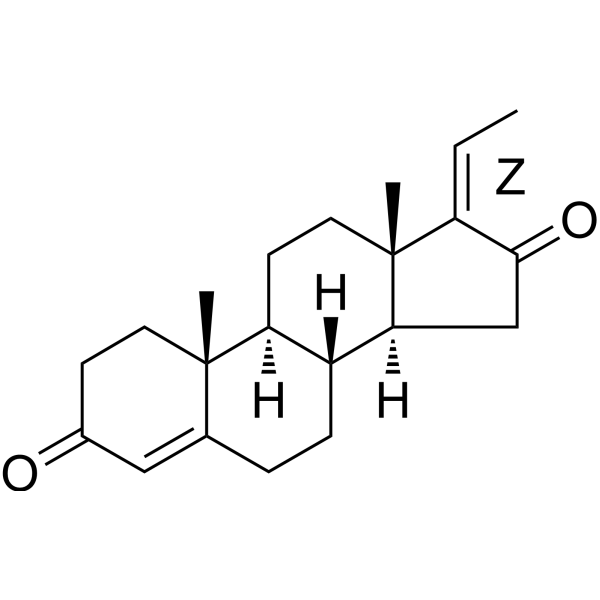
(Z)-Guggulsterone, a constituent of Indian Ayurvedic medicinal plant Commiphora mukul, inhibits the growth of human prostate cancer cells by causing apoptosis. (Z)-Guggulsterone inhibits angiogenesis by suppressing the VEGF–VEGF-R2–Akt signaling axis . (Z)-Guggulsterone is also a potent FXR antagonist. (Z)-Guggulsterone reduces ACE2 expression and SARS-CoV-2 infection .
|
-
- HY-B0368
-
|
SQ 14225
|
Angiotensin-converting Enzyme (ACE)
|
Cardiovascular Disease
Cancer
|
|
Captopril (SQ 14225), antihypertensive agent, is a thiol-containing competitive, orally active angiotensin-converting enzyme (ACE) inhibitor (IC50=0.025 μM) and has been widely used for research of hypertension and congestive heart failure. Captopril is also a New Delhi metallo-β-lactamase-1 (NDM-1) inhibitor with an IC50 of 7.9 μM .
|
-
- HY-107339R
-
|
Harmonyl (Standard)
|
Reference Standards
Angiotensin-converting Enzyme (ACE)
|
Neurological Disease
Metabolic Disease
|
|
Deserpidine (Standard) is the analytical standard of Deserpidine. This product is intended for research and analytical applications. Deserpidine (Harmonyl) is an alkaloid isolated from the root of Rauwolfia canescens related to Reserpine. Deserpidine is used as an antihypertensive agent and a tranquilizer. Deserpidine is a competitive angiotensin converting enzyme (ACE) inhibitor. Deserpidine also decreases angiotensin II-induced aldosterone secretion by the adrenal cortex .
|
-
- HY-121858
-
|
|
Angiotensin-converting Enzyme (ACE)
|
Metabolic Disease
|
|
Nicotianamine can be isolated from the leaves of Nicotiana Tabacum L.. Nicotianamine is a key biosynthetic precursor of phytosiderophores. Nicotianamine is an iron chelating agent and can promote the transport of iron. Nicotianamine is an angiotensin-converting enzyme (ACE) inhibitor with IC50 values of 76 nM and 59 nM for rhACE2 and rhACE, respectively. Nicotianamine is vital in metal nutrition and metal homeostasis of flowering plants .
|
-
- HY-P3976
-
|
|
Angiotensin-converting Enzyme (ACE)
|
Cardiovascular Disease
|
|
Lactalbumin B (50-53) Alpha [Lactorphin Alpha], bovine is a blood pressure lowering peptide containing 4 amino acids. Lactalbumin B (50-53) Alpha [Lactorphin Alpha], bovine is an angiotensin-converting Enzyme (ACE) inhibitor. Lactalbumin B (50-53) Alpha [Lactorphin Alpha], bovine can be used in research of high blood pressure .
|
-
- HY-B0093AR
-
-
- HY-B0130S1
-
-
- HY-137772R
-
|
|
Drug Metabolite
Reference Standards
|
Others
|
|
Captopril EP Impurity E (Standard) is the analytical standard of Captopril EP Impurity E. This product is intended for research and analytical applications. Captopril EP Impurity E is an impurity of Captopril. Captopril (SQ-14534), antihypertensive agent, is a thiol-containing competitive, orally active angiotensin-converting enzyme (ACE) inhibitor (IC50=0.025 μM) .
|
-
- HY-118472
-
|
CGS 14831
|
Drug Metabolite
Endogenous Metabolite
Angiotensin-converting Enzyme (ACE)
|
Cardiovascular Disease
|
|
Benazeprilat is an orally active and the active metabolite of benazepril, a carboxyl-containing ACE inhibitor with antihypertensive activity. Benazepril is a well-established antihypertensive agent, both in monoresearch and in combination with other classes of drugs including thiazide diuretics and calcium channel blockers. Benazepril is a first-line research in reducing various pathologies associated with CV risk and secondary end-organ damage .
|
-
- HY-118060
-
|
N-Valyltryptophan; Val-Trp
|
Angiotensin-converting Enzyme (ACE)
Calcium Channel
NO Synthase
|
Cardiovascular Disease
|
|
Dipeptide 2 (N-Valyltryptophan) is an orally active, competitive angiotensin-converting enzyme (ACE) inhibitory peptide with an IC50 of 10.50 μM. Dipeptide 2 reduces intracellular Calcium ions. Dipeptide 2 significantly increases the content of NO, inhibits the production of ET-1, and induces the phosphorylation of eNOS. Dipeptide 2 decreases the systolic and diastolic blood pressure of spontaneously hypertensive rats .
|
-
- HY-N0639
-
|
|
HBV
Pyroptosis
Carbonic Anhydrase
|
Infection
Inflammation/Immunology
|
|
Punicalin is a species that can be isolated from the leaves of Punica granatum. Punicalin is an active molecule against hepatitis b virus (HBV). Punicalin can induce pyroptosis. Punicalin is a Carbonic anhydrase inhibitor. Punicalin blocks the binding of S-glycoprotein and ACE2 receptors. Pnuicalin has anti-inflammatory, antioxidant and antiviral activity .
|
-
- HY-N4090
-
|
|
Angiotensin-converting Enzyme (ACE)
ERK
MMP
ADAMTS
p38 MAPK
|
Cardiovascular Disease
|
|
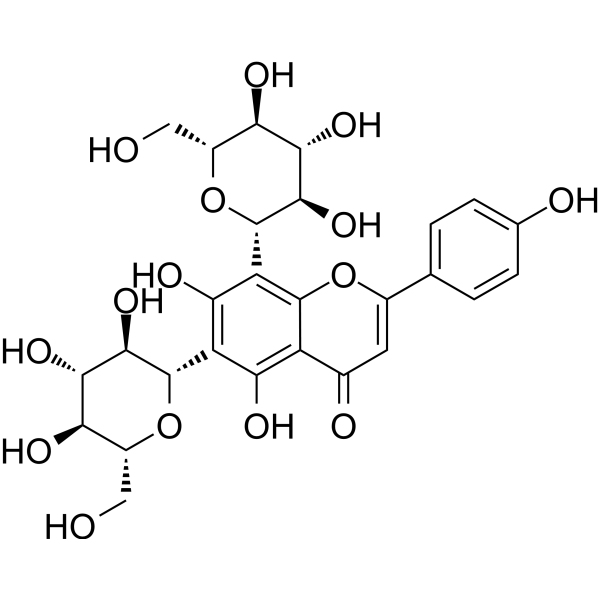
Vicenin 3 is an angiotensin-converting enzyme (ACE) inhibitor (IC50 = 46.91 μM) that can be isolated from the aerial parts of Desmodium styracifolium. Vicenin 3 ameliorates IL-1β-induced extracellular matrix degradation in SW1353 chondrocytes by regulating the MAPK pathway. Vicenin 3 can be used for the study of osteoarthritis (OA) and hypertension .
|
-
- HY-137769R
-
|
3-Mercaptoisobutyric acid (Standard)
|
Drug Metabolite
Reference Standards
|
Others
|
|
Captopril EP Impurity C (Standard) is the analytical standard of Captopril EP Impurity C. This product is intended for research and analytical applications. Captopril EP Impurity C is an impurity of Captopril. Captopril (SQ-14534), antihypertensive agent, is a thiol-containing competitive, orally active angiotensin-converting enzyme (ACE) inhibitor (IC50=0.025 μM) .
|
-
- HY-137768R
-
|
|
Drug Metabolite
Reference Standards
|
Others
|
|
Captopril EP Impurity B (Standard) is the analytical standard of Captopril EP Impurity B. This product is intended for research and analytical applications. Captopril EP Impurity B is an impurity of Captopril. Captopril (SQ-14534), antihypertensive agent, is a thiol-containing competitive, orally active angiotensin-converting enzyme (ACE) inhibitor (IC50=0.025 μM) .
|
-
- HY-P11417
-
|
|
DNA/RNA Synthesis
|
Cancer
|
|
Epidermal mitosis inhibiting pentapeptide is a five-peptide that acts as a physiological inhibitor of epidermal cell proliferation. This pentapeptide can significantly reduce the DNA synthesis rate and mitotic rate of epidermal keratinocytes. Epidermal mitosis inhibiting pentapeptide moderately enhances the occurrence of skin tumors in skin cancer models, but also shows a higher tendency to promote the regression of already formed tumors. Epidermal mitosis inhibiting pentapeptide can be hydrolyzed by angiotensin-converting enzyme (ACE). Epidermal mitosis inhibiting pentapeptide can be used in cancer process research .
|
-
- HY-116439
-
|
DINP
|
Environmental Pollutants
Biochemical Assay Reagents
Angiotensin Receptor
NO Synthase
|
Cardiovascular Disease
Cancer
|
|
Diisononyl phthalate (DINP) is an orally active polyvinyl chloride plasticizer and indirect food additive. Diisononyl phthalate activates the ACE/AT1R axis and inhibits the production of NO. Diisononyl phthalate reduces the expression of eNOS. Diisononyl phthalate induces increased blood pressure in mice. Diisononyl phthalate induces monocytic leukemia in rats. Diisononyl phthalate can be used in hypertension-related research .
|
-
- HY-B0592S2
-
|
rac-RU44570-d5
|
Isotope-Labeled Compounds
Angiotensin-converting Enzyme (ACE)
|
Cardiovascular Disease
|
|
rac-Trandolapril-d5 (rac-RU44570-d5) is deuterium labeled Trandolapril. Trandolapril (RU44570) is a nonsulfhydryl proagent that is hydrolysed to the active diacid Trandolaprilat. Trandolapril is an orally administered angiotensin converting enzyme (ACE) inhibitor that has been used in the treatment of hypertension and congestive heart failure (CHF), and after myocardial infarction (MI) .
|
-
- HY-117607
-
|
|
Neprilysin
Angiotensin-converting Enzyme (ACE)
|
Cardiovascular Disease
|
|
Alatrioprilat is an orally active inhibitor of angiotensin-converting enzyme (ACE) (IC50=19.6 nM; Ki=9.8 nM) and enkephailnase (IC50=6.1 nM; Ki=5.1 nM). Alatrioprilat plays a key role in the metabolism of hormonal peptides through the degradation of nitric oxide and atrial natriuretic factor (ANF). Alatrioprilat can be used in the study of cardiovascular diseases .
|
-
- HY-N2533R
-
|
Cyanidin-3-O-sambubioside chloride (Standard)
|
Reference Standards
Influenza Virus
Angiotensin-converting Enzyme (ACE)
Akt
MMP
|
Infection
Cardiovascular Disease
Inflammation/Immunology
Cancer
|
|
Cyanidin 3-sambubioside (chloride) (Standard) is the analytical standard of Cyanidin 3-sambubioside (chloride). This product is intended for research and analytical applications. Cyanidin 3-sambubioside chloride (Cyanidin-3-O-sambubioside chloride), a major anthocyanin, a natural colorant, and is a potent NO inhibitor. Cyanidin 3-sambubioside chloride is a H274Y mutation inhibitor, and inhibits influenza neuraminidase activity with an IC50 of 72 μM. Cyanidin 3-sambubioside chloride inhibits angiotensin-converting enzyme (ACE) activity and has antioxidant, anti-angiogenic and antiviral properties .
|
-
- HY-A0181AR
-
|
5'-AMP monohydrate (Standard)
|
Reference Standards
Endogenous Metabolite
Adenosine Receptor
HSV
|
Infection
Metabolic Disease
|
|
Cyanidin 3-sambubioside (chloride) (Standard) is the analytical standard of Cyanidin 3-sambubioside (chloride). This product is intended for research and analytical applications. Cyanidin 3-sambubioside chloride (Cyanidin-3-O-sambubioside chloride), a major anthocyanin, a natural colorant, and is a potent NO inhibitor. Cyanidin 3-sambubioside chloride is a H274Y mutation inhibitor, and inhibits influenza neuraminidase activity with an IC50 of 72 μM. Cyanidin 3-sambubioside chloride inhibits angiotensin-converting enzyme (ACE) activity and has antioxidant, anti-angiogenic and antiviral properties .
|
-
- HY-113695
-
|
|
Angiotensin-converting Enzyme (ACE)
Adrenergic Receptor
|
Cardiovascular Disease
|
|
BW A575C is a dual inhibitor against angiotensin converting enzyme (ACE) and β-adrenoceptor. BW A575C produces a competitive blockade of Isoprenaline (HY-108353)-induced tachycardia in a guinea-pig right atrial. BW A575C also inhibits Angiotensin I (HY-P1032)-induced pressor responses in rats. BW A575C is promising for research of hypertensive diseases .
|
-
- HY-B0368S
-
|
SQ 14225-d3
|
Isotope-Labeled Compounds
Angiotensin-converting Enzyme (ACE)
|
Cardiovascular Disease
|
|
Captopril-d3 is deuterium labeled Captopril. Captopril (SQ 14225), antihypertensive agent, is a thiol-containing competitive, orally active angiotensin-converting enzyme (ACE) inhibitor (IC50=0.025 μM) and has been widely used for research of hypertension and congestive heart failure. Captopril is also a New Delhi metallo-β-lactamase-1 (NDM-1) inhibitor with an IC50 of 7.9 μM .
|
-
- HY-15275
-
|
|
CDK
Angiotensin-converting Enzyme (ACE)
|
Infection
Cardiovascular Disease
Cancer
|
|
BMS-265246 is a potent and selective cyclin-dependent kinase CDK1 and CDK2 inhibitor, with IC50 values of 6 and 9 nM, respectively. BMS-265246 inhibits CHI3L1 (chitinase 3-like-1) stimulation of ACE2 (angiotensin converting enzyme 2) and SPP (viral spike protein priming proteases). BMS-265246 can be used for ovarian cancer and COVID-19 research .
|
-
- HY-B0477AS2
-
|
CI-906-d4
|
Isotope-Labeled Compounds
Angiotensin-converting Enzyme (ACE)
|
Cardiovascular Disease
|
|
Quinapril-d4 (CI-906-d4) is deuterium labeled Quinapril. Quinapril is a potent, orally active, non-peptide and nonsulfhydryl inhibitor of angiotensin-converting enzyme (ACE). Quinapril specifically interrupts the conversion of angiotensin I to angiotensin II in both plasma and tissue. Quinapril is enzymatically hydrolyzed to a pharmacologically active diacid form quinaprilat. Quinapril is efficacious in hypertensive models .
|
-
- HY-P11334
-
|
|
Aminopeptidase
Phosphatase
Angiotensin-converting Enzyme (ACE)
DNA/RNA Synthesis
|
Cancer
|
|
Cyanostatin B, a cyanobacterial lipopeptide, is a leucine aminopeptidase M (LAP) inhibitor (IC50 = 12 ng/mL). Cyanostatin B is a weak inhibitor of protein phosphatase (PP2A) and also exhibits weak inhibitory activity against angiotensin-converting enzyme (ACE), with an IC50 value of 130 μg/mL. Cyanostatin B demonstrates both cytotoxic and genotoxic effects on human hepatocytes, although non-toxic to Artemia salina. Cyanostatin B inhibits the proliferation of HepG2 cells, induces DNA single-strand breaks, and causes genomic instability. .
|
-
- HY-W009732
-
|
Sinapic acid
|
HDAC
Angiotensin-converting Enzyme (ACE)
Reactive Oxygen Species (ROS)
Apoptosis
|
Cardiovascular Disease
Metabolic Disease
Cancer
|
|
Sinapinic acid (Sinapic acid) is a phenolic compound isolated from Hydnophytum formicarum Jack. Rhizome, acts as an inhibitor of HDAC, with an IC50 of 2.27 mM , and also inhibits ACE-I activity . Sinapinic acid posssess potent anti-tumor activity, induces apoptosis of tumor cells . Sinapinic acid shows antioxidant and antidiabetic activities . Sinapinic acid reduces total cholesterol, triglyceride, and HOMA-IR index, and also normalizes some serum parameters of antioxidative abilities and oxidative damage in ovariectomized rats .
|
-
- HY-W009732R
-
|
Sinapic acid (Standard)
|
Reference Standards
HDAC
Angiotensin-converting Enzyme (ACE)
Reactive Oxygen Species (ROS)
Apoptosis
|
Cardiovascular Disease
Metabolic Disease
Cancer
|
|
Sinapinic acid (Sinapic acid) is a phenolic compound isolated from Hydnophytum formicarum Jack. Rhizome, acts as an inhibitor of HDAC, with an IC50 of 2.27 mM , and also inhibits ACE-I activity . Sinapinic acid posssess potent anti-tumor activity, induces apoptosis of tumor cells . Sinapinic acid shows antioxidant and antidiabetic activities . Sinapinic acid reduces total cholesterol, triglyceride, and HOMA-IR index, and also normalizes some serum parameters of antioxidative abilities and oxidative damage in ovariectomized rats .
|
-
- HY-B0368R
-
|
SQ 14225 (Standard)
|
Reference Standards
Angiotensin-converting Enzyme (ACE)
|
Cardiovascular Disease
Cancer
|
|
Captopril (Standard) is the analytical standard of Captopril. This product is intended for research and analytical applications. Captopril (SQ 14225), antihypertensive agent, is a thiol-containing competitive, orally active angiotensin-converting enzyme (ACE) inhibitor (IC50=0.025 μM) and has been widely used for research of hypertension and congestive heart failure. Captopril is also a New Delhi metallo-β-lactamase-1 (NDM-1) inhibitor with an IC50 of 7.9 μM .
|
-
- HY-110066R
-
|
|
Reference Standards
Apoptosis
VEGFR
Akt
Angiotensin-converting Enzyme (ACE)
SARS-CoV
FXR
|
Cancer
|
|
(Z)-Guggulsterone (Standard) is the analytical standard of (Z)-Guggulsterone. This product is intended for research and analytical applications. (Z)-Guggulsterone, a constituent of Indian Ayurvedic medicinal plant Commiphora mukul, inhibits the growth of human prostate cancer cells by causing apoptosis. (Z)-Guggulsterone inhibits angiogenesis by suppressing the VEGF–VEGF-R2–Akt signaling axis . (Z)-Guggulsterone is also a potent FXR antagonist. (Z)-Guggulsterone reduces ACE2 expression and SARS-CoV-2 infection .
|
-
- HY-N4090R
-
|
|
Reference Standards
Angiotensin-converting Enzyme (ACE)
ERK
MMP
p38 MAPK
|
Cardiovascular Disease
|
|
Vicenin 3 (Standard) is the analytical standard of Vicenin 3. Vicenin 3 is an angiotensin-converting enzyme (ACE) inhibitor (IC50 = 46.91 μM) that can be isolated from the aerial parts of Desmodium styracifolium. Vicenin 3 ameliorates IL-1β-induced extracellular matrix degradation in SW1353 chondrocytes by regulating the MAPK pathway. Vicenin 3 can be used for the study of osteoarthritis (OA) and hypertension .
|
-
- HY-18211
-
|
|
Angiotensin-converting Enzyme (ACE)
|
Cardiovascular Disease
|
|
CGS 35601 is the inhibitor for endothelin-converting enzyme-1 (ECE-1), neutral endopeptidase 24.11 (NEP), and angiotensin-converting enzyme (ACE), with IC50s of 55, 2, and 22 nM, respectively. CGS 35601 suppresses the big endothelin-1 (big ET-1)- and angiotensin I-induced pressor response, and enhances circulation of atrial natriuretic peptide (ANP), regulates the cardiovascular function in SD rats .
|
-
- HY-N0217
-
-
- HY-N2116
-
|
|
PTEN
Fatty Acid Synthase (FASN)
STAT
Apoptosis
SARS-CoV
|
Infection
Cancer
|
|
Ginkgolic acid C17:1 is a fatty acid synthase (FAS) inhibitor with an IC50 of 10.5 µM. Ginkgolic acid C17:1 shows anti-tumor activity by inhibiting the phosphorylation of STAT3 and inducing apoptosis. Ginkgolic acid C17:1 can block the interaction between S-RBD and ACE2, and has anti-SARS-CoV-2-S pseudovirus activity. Ginkgolic acid C17:1 inhibits the biofilm formation of enterohemorrhagic Escherichia coli and Staphylococcus aureus .
|
-
- HY-120852
-
JG26
1 Publications Verification
|
Angiotensin-converting Enzyme (ACE)
MMP
EGFR
ERK
SARS-CoV
|
Infection
Cardiovascular Disease
Cancer
|
|
JG26 is an ADAM inhibitor with IC50 values of 12 nM, 1.9 nM, and 150 nM for ADAM8, ADAM17, and ADAM10, respectively. JG26 inhibits MMP-12 with an IC50 value of 9.4 nM. JG26 inhibits AngII (HY-13948)-induced EGFR transactivation and ERK activation. JG26 increases the expression of ACE2, inhibits the cleavage of CD23, reduces the infection of SARS-CoV-2. JG26 inhibits colorectal cancer metastasis. JG26 can be used for research on Hodgkin lymphoma and vascular diseases .
|
-
- HY-14393
-
Emodin
Maximum Cited Publications
39 Publications Verification
Frangula emodin
|
SARS-CoV
Casein Kinase
Autophagy
11β-HSD
|
Cancer
|
|
Emodin (Frangula emodin), an anthraquinone derivative, is an anti-SARS-CoV compound. Emodin blocks the SARS coronavirus spike protein and angiotensin-converting enzyme 2 (ACE2) interaction . Emodin inhibits casein kinase-2 (CK2). Anti-inflammatory and anticancer effects . Emodin is a potent selective 11β-HSD1 inhibitor with the IC50 of 186 and 86 nM for human and mouse 11β-HSD1, respectively. Emodin ameliorates metabolic disorder in diet-induced obese mice .
|
-
- HY-175697
-
|
|
Glycosyltransferase
SARS-CoV
Angiotensin-converting Enzyme (ACE)
DNA/RNA Synthesis
|
Infection
|
|
Glycosyltransferase-IN-2 (Compound 20) is a Glycosyltransferase inhibitor. Glycosyltransferase-IN-2 has a broad-spectrum anticoronavirus activity with IC50s of 11.3, 5.5 and ~16.2 μM for MHV, HCoV-NL63 and SARS-CoV-2, respectively. Glycosyltransferase-IN-2 interferes with the coronavirus infectivity, alters viral protein glycosylation with inhibition of interaction with the ACE2 receptor or SC-VLP secretion, and inhibits RNA replication. Glycosyltransferase-IN-2 can be used for coronavirus infections research .
|
-
- HY-133829
-
|
|
Angiotensin-converting Enzyme (ACE)
NO Synthase
Reactive Oxygen Species (ROS)
|
Cardiovascular Disease
|
|
Zofenoprilat is an angiotensin-converting enzyme (ACE) inhibitor with an IC50 of 1.7 nM. Zofenoprilat exerts cardioprotective and renoprotective effects by inhibiting angiotensin II expression and lowering blood pressure. Zofenoprilat promotes NO production and reduces endothelin-1 (ET-1) expression. Zofenoprilat decreases TNFα-induced ROS production and protects vascular endothelial function. Zofenoprilat regulates oxidative stress-related molecules and possesses antioxidant activity. Zofenoprilat can be used in studies related to hypertension and congestive heart failure .
|
-
- HY-W011258
-
|
L-Tyrosyl-L-phenylalanine
|
Xanthine Oxidase
Angiotensin-converting Enzyme (ACE)
|
Inflammation/Immunology
Cancer
|
|
H-Tyr-Phe-OH (L-Tyrosyl-L-phenylalanine) is an orally active inhibitor of Angiotensin converting enzyme (ACE), with an inhibiton rate of 48% at 50 μM. H-Tyr-Phe-OH can be used as an biomarker for differentiating benign thyroid nodules (BTN) from thyroid cancer (TC). H-Tyr-Phe-OH exhibits xanthine oxidase inhibition (uric acid lowering) activity and serves as regulator in IL-8 production in neutrophil-like cells .
|
-
- HY-N0639R
-
|
|
Reference Standards
HBV
Pyroptosis
Carbonic Anhydrase
|
Infection
Inflammation/Immunology
|
|
Punicalin (Standard) is the analytical standard of Punicalin. This product is intended for research and analytical applications. Punicalin is a species that can be isolated from the leaves of Punica granatum. Punicalin is an active molecule against hepatitis b virus (HBV). Punicalin can induce pyroptosis. Punicalin is a Carbonic anhydrase inhibitor. Punicalin blocks the binding of S-glycoprotein and ACE2 receptors. Pnuicalin has anti-inflammatory, antioxidant and antiviral activity .
|
-
- HY-A0114
-
|
RS 10029
|
Angiotensin-converting Enzyme (ACE)
|
Cardiovascular Disease
|
|
Moexiprilat is an inhibitor of angiotensin-converting enzyme (ACE; IC50=2.1 nM) and an active metabolite of the prodrug Moexipril (HY-117281). It is formed from moexipril in vivo by side chain ester hydrolysis. Moexiprilat (10 nM) prevents the estrone- or angiotensin II-stimulated proliferation of primary neonatal rat cardiac fibroblasts. It reduces mean arterial blood pressure and increases the levels of atrial natriuretic peptide, a marker of hypertension, in ovariectomized mice when administered at a dose of 50 mg/kg per day.
|
-
- HY-118472R
-
|
CGS 14831 (Standard)
|
Drug Metabolite
Reference Standards
Endogenous Metabolite
Angiotensin-converting Enzyme (ACE)
|
Cardiovascular Disease
|
|
Benazeprilat (Standard) is the analytical standard of Benazeprilat. This product is intended for research and analytical applications. Benazeprilat is an orally active and the active metabolite of benazepril, a carboxyl-containing ACE inhibitor with antihypertensive activity. Benazepril is a well-established antihypertensive agent, both in monoresearch and in combination with other classes of drugs including thiazide diuretics and calcium channel blockers. Benazepril is a first-line research in reducing various pathologies associated with CV risk and secondary end-organ damage .
|
-
- HY-W016393
-
|
|
Endogenous Metabolite
|
Others
|
|
Dihydroconiferyl alcohol is a cell division factor. Dihydroconiferyl alcohol can be isolated from the American sycamore (Acer pseudoplatanus L.). Dihydroconiferyl alcohol inhibits the degradation of Indole-3-acetic acid (HY-18569). Dihydroconiferyl alcohol can stimulate the growth of soybean and tobacco callus tissue and synergistically enhance Indole-3-acetic acid-induced hypocotyl elongation in cucumber. Dihydroconiferyl alcohol can be used in the research of plant growth regulation .
|
-
- HY-P5407
-
|
|
SARS-CoV
Angiotensin-converting Enzyme (ACE)
|
Infection
Cancer
|
|
HD5 is an innate immune effector peptide and SARS-CoV Inhibitor. HD5 binds to the ligand-binding domain of angiotensin-converting enzyme-2 (ACE2) via multiple hydrogen bonds to competitively block the receptor, shielding it from viral recognition. HD5 can be used for the research of COVID-19, HPV16 infection, epithelial ovarian cancer, small-cell lung cancer, and colon cancer .
|
-
- HY-P5407A
-
|
|
SARS-CoV
Angiotensin-converting Enzyme (ACE)
|
Infection
Cancer
|
|
HD5 TFA is an innate immune effector peptide and SARS-CoV Inhibitor. HD5 TFA binds to the ligand-binding domain of angiotensin-converting enzyme-2 (ACE2) via multiple hydrogen bonds to competitively block the receptor, shielding it from viral recognition. HD5 TFA can be used for the research of COVID-19, HPV16 infection, epithelial ovarian cancer, small-cell lung cancer, and colon cancer .
|
-
- HY-N3103R
-
|
Ethyl (E)-p-hydroxycinnamate (Standard); Ethyl trans-4-hydroxycinnamate (Standard)
|
Reference Standards
Drug Metabolite
|
Inflammation/Immunology
|
|
Benazeprilat (Standard) is the analytical standard of Benazeprilat. This product is intended for research and analytical applications. Benazeprilat is an orally active and the active metabolite of benazepril, a carboxyl-containing ACE inhibitor with antihypertensive activity. Benazepril is a well-established antihypertensive agent, both in monoresearch and in combination with other classes of drugs including thiazide diuretics and calcium channel blockers. Benazepril is a first-line research in reducing various pathologies associated with CV risk and secondary end-organ damage .
|
-
- HY-113898
-
|
|
Angiotensin-converting Enzyme (ACE)
Toll-like Receptor (TLR)
Interleukin Related
|
Cardiovascular Disease
Neurological Disease
|
|
Ganoderic acid K is a triterpenoid compound. Ganoderic acid K can be isolated from Ganoderma lucidum. Ganoderic acid K inhibits ACE activity with an IC50 of 2.6×10 -5 M. Ganoderic acid K exhibits direct, high-affinity binding to recombinant MD2 protein, with a Kd value of 0.47 μM. It potently inhibits LPS-induced release of TNF-α and IL-6. It reduces cerebral infarction volume and ameliorates neurological dysfunction in mice with ischemic stroke in the tMCAO model. Ganoderic acid K can be used in studies related to hypertension and ischemic stroke .
|
-
- HY-161261
-
|
|
AAK1
SARS-CoV
|
Infection
|
|
SARS-CoV-2-IN-81 (compound 12e) is a potent AAK1 inhibitor with an IC50 value of 9.38 nM. SARS-CoV-2-IN-81 shows anti-viral property against SARS-CoV-2. SARS-CoV-2-IN-81 attenuates AAK1-induced phosphorylation of AP2M1 threonine 156 and disrupts the direct interaction between AP2M1 and ACE2, ultimately inhibiting SARS-CoV-2 infection .
|
-
- HY-B0368S1
-
|
SQ 14225-13C5,15N
|
Isotope-Labeled Compounds
Angiotensin-converting Enzyme (ACE)
|
Cardiovascular Disease
Cancer
|
|
Captopril- 13C5, 15N (SQ 14225- 13C5, 15N) is 13C and 15N labeled Captopril. Captopril (SQ 14225), antihypertensive agent, is a thiol-containing competitive, orally active angiotensin-converting enzyme (ACE) inhibitor (IC50=0.025 μM) and has been widely used for research of hypertension and congestive heart failure. Captopril is also a New Delhi metallo-β-lactamase-1 (NDM-1) inhibitor with an IC50 of 7.9 μM .
|
-
- HY-180129
-
|
|
SARS-CoV
|
Infection
|
|
SARS-CoV-2-IN-120 (Compound S22) is a SARS-CoV-2-specific entry inhibitor. SARS-CoV-2-IN-120 binds and trimerizes within the apex cavity of the SARS2 spike trimer. SARS-CoV-2-IN-120 blocks RBD-ACE2 interaction. SARS-CoV-2-IN-120 neutralizes BA.2 and subsequent Omicron variants. SARS-CoV-2-IN-120 inhibits SARS-CoV-2 replication in mice .
|
-
- HY-178160
-
|
|
SARS-CoV
Virus Protease
|
Infection
|
|
SARS-CoV-2 PLpro-IN-2 (Compound 12) is a highly selective SARS-CoV-2 papain-like protease (PLpro) inhibitor of (IC50=0.06 μM). SARS-CoV-2 PLpro-IN-2 inhibits viral replication and immune evasion. SARS-CoV-2 PLpro-IN-2 exhibits antiviral efficacy in HeLa-ACE2 cells (EC50=2.9 μM). SARS-CoV-2 PLpro-IN-2 is promising for research of COVID-19 .
|
-
- HY-14393S
-
|
Frangula emodin-d4
|
Isotope-Labeled Compounds
SARS-CoV
Casein Kinase
Autophagy
11β-HSD
|
Cancer
|
|
Emodin-d4 is the deuterium labeled Emodin. Emodin (Frangula emodin), an anthraquinone derivative, is an anti-SARS-CoV compound. Emodin blocks the SARS coronavirus spike protein and angiotensin-converting enzyme 2 (ACE2) interaction . Emodin inhibits casein kinase-2 (CK2). Anti-inflammatory and anticancer effects . Emodin is a potent selective 11β-HSD1 inhibitor with the IC50 of 186 and 86 nM for human and mouse 11β-HSD1, respectively. Emodin ameliorates metabolic disorder in diet-induced obese mice .
|
-
- HY-N2116R
-
|
|
Reference Standards
PTEN
Fatty Acid Synthase (FASN)
STAT
Apoptosis
SARS-CoV
|
Infection
Cancer
|
|
Ginkgolic acid C17:1 (Standard) is the analytical standard of Ginkgolic acid C17:1. This product is intended for research and analytical applications. Ginkgolic acid C17:1 is a fatty acid synthase (FAS) inhibitor with an IC50 of 10.5 µM. Ginkgolic acid C17:1 shows anti-tumor activity by inhibiting the phosphorylation of STAT3 and inducing apoptosis. Ginkgolic acid C17:1 can block the interaction between S-RBD and ACE2, and has anti-SARS-CoV-2-S pseudovirus activity. Ginkgolic acid C17:1 inhibits the biofilm formation of enterohemorrhagic Escherichia coli and Staphylococcus aureus .
|
-
- HY-174350
-
|
|
Casein Kinase
SARS-CoV
|
Infection
|
|
CK2-IN-15 (Compound Biv5) is a selective and potent bivalent protein kinase CK2 inhibitor with an IC50 value of 51 pM. CK2-IN-15 significantly reduces the replication of SARS-CoV-2 in HEK-ACE2-TMPRSS2 and Vero cells, and also reduces viral replication in an ex vivo model of human nasal epithelial cells. CK2-IN-15 is promising for research of β-coronavirus infection-related diseases .
|
-
- HY-A0113
-
|
Ro 31-3113
|
Angiotensin-converting Enzyme (ACE)
|
Cardiovascular Disease
|
|
Cilazaprilat is an inhibitor of angiotensin-converting enzyme (ACE; IC50=0.7 nM for the rat enzyme) and an active metabolite of Cilazapril (HY-A0043). It decreases creatine kinase release in primary neonatal rat cardiac myocytes in an in vitro model of ischemia-reperfusion injury induced by hypoxia and reoxygenation when used at a concentration of 10 μM.3 Intra-arterial administration of cilazaprilat (3 μg/kg per minute) increases coronary blood flow and fractional shortening in a dog model of coronary hypoperfusion-induced myocardial ischemia.
|
-
- HY-14393R
-
|
Frangula emodin (Standard)
|
Reference Standards
SARS-CoV
Casein Kinase
Autophagy
11β-HSD
|
Cancer
|
|
Emodin (Standard) is the analytical standard of Emodin. This product is intended for research and analytical applications. Emodin (Frangula emodin), an anthraquinone derivative, is an anti-SARS-CoV compound. Emodin blocks the SARS coronavirus spike protein and angiotensin-converting enzyme 2 (ACE2) interaction . Emodin inhibits casein kinase-2 (CK2). Anti-inflammatory and anticancer effects . Emodin is a potent selective 11β-HSD1 inhibitor with the IC50 of 186 and 86 nM for human and mouse 11β-HSD1, respectively. Emodin ameliorates metabolic disorder in diet-induced obese mice .
|
-
- HY-105111
-
|
|
Parasite
Angiotensin-converting Enzyme (ACE)
HSV
DNA/RNA Synthesis
|
Cardiovascular Disease
Metabolic Disease
|
|
P-536 is a ACE inhibitor that also inhibits herpes simplex virus HSV-1 thymidine kinase and Trypanosoma cruzi RNA polymerase. By inhibiting the renin-angiotensin system, downregulating the expression of AT1R and NOX4, and reducing oxidative stress (decreasing plasma hydrogen peroxide (H2O2) and 8-isoprostaglandin levels), P-536 effectively reduces systolic blood pressure and improves vascular reactivity. P-536 also inhibits the replication of DNA/RNA viruses such as HSV-1 by blocking nucleotide metabolism and nucleic acid synthesis, competitively inhibits RNA synthesis in Trypanosoma cruzi, and inhibits amastigote replication, thereby impeding its growth. P-536 is suitable for research on hypertension, insulin resistance, and Chagas disease .
|
-
- HY-N5063
-
|
|
Angiotensin-converting Enzyme (ACE)
IKK
Calcium Channel
PKC
Reactive Oxygen Species (ROS)
NF-κB
Apoptosis
Sirtuin
NOD-like Receptor (NLR)
|
Cardiovascular Disease
Neurological Disease
Inflammation/Immunology
|
|
Plantainoside D, a phenylethanoid glycosides, is a IKK-β inhibitor with diverse biological activities. Plantainoside D shows inhibitory activity of angiotensin-converting enzyme (ACE) with an IC50 of 2.17 mM. Plantainoside D significantly reduces the release of glutamate from nerve terminals in the cerebral cortex of rats by inhibiting the voltage-dependent calcium channel (VDCCs) and protein kinase C (PKC) signaling cascade. Plantainoside D significantly alleviates cell apoptosis by inhibiting the generation of ROS and the activation of NF-κB. Plantainoside D significantly improves acute lung injury (ALI) induced by sepsis by regulating the Sirt3/NLRP3 signaling pathway. Plantainoside D can be used for the study of neuroprotection, antioxidant, anti-inflammation, antihypertension .
|
-
- HY-B1451
-
|
TA-6366
|
Angiotensin-converting Enzyme (ACE)
MMP
JNK
|
Cardiovascular Disease
Neurological Disease
Metabolic Disease
Inflammation/Immunology
|
|
Imidapril hydrochloride (TA-6366) is an orally active dual inhibitor of angiotensin-converting enzyme (ACE) and MMP-9. Imidapril hydrochloride inhibits lipopolysaccharide-induced phosphorylation of c-Jun, MKK4 and JNK in monocytes, and downregulates the production of specific inflammatory factors such as TNF-α and IP-10, thereby exerting anti-inflammatory activity. Imidapril hydrochloride also effectively ameliorates mesangial expansion and reduces urinary albumin excretion by inhibiting angiotensin AngII production, lowering glomerular pressure and oxidative stress, thus delaying disease progression. Imidapril hydrochloride can also directly bind to the active site of MMP-9 to inhibit gelatinase activity, and suppress the enlargement of cerebral aneurysms without altering systemic blood pressure. Imidapril hydrochloride is widely applicable to related studies on autoimmune glomerulonephritis, diabetic nephropathy, cerebral aneurysms and other conditions .
|
-
- HY-179634
-
|
|
SARS-CoV
HIV
Enterovirus
Angiotensin-converting Enzyme (ACE)
RSV
Filovirus
|
Infection
|
|
ASF-006 sodium, a tetrapodal tryptophan derivative, is a potent viral invasion inhibitor. ASF-006 sodium shows potent antiviral activity against different SARS-CoV-2 Omicron variants but not against the ancestral SARS-CoV.2 strain (Wuhan-Hu-1). ASF-006 sodium competitively inhibits receptor-binding domain (RBD)-ACE2 binding via an allosteric mechanism. ASF-006 sodium inhibits Omicron BA.1, Omicron XBB.1.5, respiratory syncytial virus (RSV) and Ebola virus infection with IC50s of 0.02 μM, 0.3 μM, 1.52 μM and 0.2 μM, respectively. ASF-006 sodium inhibits cell entry of both HIV and enterovirus A71[1].
|
-
- HY-W016393R
-
|
|
Reference Standards
Endogenous Metabolite
|
Others
|
|
Dihydroconiferyl alcohol (Standard) is an analytical standard of Dihydroconiferyl alcohol (HY-W016393). This product is intended for research and analytical applications. Dihydroconiferyl alcohol is a cell division factor. Dihydroconiferyl alcohol can be isolated from the American sycamore (Acer pseudoplatanus L.). Dihydroconiferyl alcohol inhibits the degradation of Indole-3-acetic acid (HY-18569). Dihydroconiferyl alcohol can stimulate the growth of soybean and tobacco callus tissue and synergistically enhance Indole-3-acetic acid-induced hypocotyl elongation in cucumber. Dihydroconiferyl alcohol can be used in the research of plant growth regulation .
|
-
- HY-118264
-
|
|
Angiotensin-converting Enzyme (ACE)
Neprilysin
|
Cardiovascular Disease
|
|
MDL-100240 is a dual-acting angiotensin-converting enzyme (ACE) and neutral endopeptidase (NEP) inhibitor. MDL-100240 can significantly lower blood pressure, reverse left ventricular hypertrophy, and effectively prevent hypertrophy and dilatation of the aorta and resistance arteries, with an effect comparable to that of ramipril (HY-B0279). In addition, MDL-100240 can also reduce aldosterone levels, but has no significant effect on atrial natriuretic peptide and cGMP. In 3-month-old transgenic rats, MDL-100240 can reduce adrenomedullin concentrations, prevent and reverse severe hypertension and cardiovascular damage, and enhance bradykinin effects.
|
-
- HY-170767
-
|
|
SARS-CoV
|
Infection
|
|
SARS-CoV-2-IN-109 (compound 50) is an inhibitor targeting SARS-CoV with in vivo anti-infection activity. SARS-CoV-2-IN-109 targets the interaction between the SARS-CoV-2 Spike receptor-binding domain (RBD) and the human receptor angiotensin-converting enzyme 2 (ACE2) (EC50=26.5 μM), blocking the entry of SARS-CoV-2 into VeroE6 cells (EC50=17.0 μM). The CC50 of SARS-CoV-2-IN-109 for VeroE6 cells is >100 μM .
|
-
- HY-N5139
-
|
Lecithins, egg yolk; Belovo PL 85
|
Cholinesterase (ChE)
Angiotensin-converting Enzyme (ACE)
Bacterial
|
Infection
Neurological Disease
Metabolic Disease
Inflammation/Immunology
|
|
Lecithins, egg (Lecithins, egg yolk; Belovo PL 85) is an orally active natural phospholipid mixture extracted from egg yolks . Lecithins, egg inhibits the activities of acetylcholinesterase (AChE) and angiotensin-converting enzyme (ACE). Lecithins, egg exhibits antibacterial, antioxidant and anti-inflammatory activities, and helps delay cellular senescence. Lecithins, egg enhances nerve conduction, improves memory and cognitive function, and exerts positive effects on delaying neurodegenerative diseases. Lecithins, egg promotes lipid absorption and alleviates diarrhea. Lecithins, egg acts as a high-efficiency drug carrier for the preparation of targeted drug delivery systems such as liposomes .
|
-
- HY-122949
-
-
- HY-B1451A
-
|
TA-6366 free base
|
Angiotensin-converting Enzyme (ACE)
MMP
JNK
|
Cardiovascular Disease
Metabolic Disease
|
|
Imidapril (TA-6366 free base) is an orally active dual inhibitor of angiotensin-converting enzyme (ACE) and MMP-9. Imidapril inhibits lipopolysaccharide-induced phosphorylation of c-Jun, MKK4 and JNK in monocytes, and downregulates the production of specific inflammatory factors such as TNF-α and IP-10, thereby exerting anti-inflammatory activity. Imidapril also effectively ameliorates mesangial expansion and reduces urinary albumin excretion by inhibiting angiotensin AngII production, lowering glomerular pressure and oxidative stress, thus delaying disease progression. Imidapril can also directly bind to the active site of MMP-9 to inhibit gelatinase activity, and suppress the enlargement of cerebral aneurysms without altering systemic blood pressure. Imidapril is widely applicable to related studies on autoimmune glomerulonephritis, diabetic nephropathy, cerebral aneurysms and other conditions .
|
-
- HY-B1451S
-
|
|
Isotope-Labeled Compounds
Angiotensin-converting Enzyme (ACE)
MMP
JNK
|
Cardiovascular Disease
|
|
Imidapril-d3 hydrochloride (TA-6366-d3) is the deuterium labeled Imidapril hydrochloride. Imidapril hydrochloride (TA-6366) is an orally active dual inhibitor of angiotensin-converting enzyme (ACE) and MMP-9. Imidapril hydrochloride inhibits lipopolysaccharide-induced phosphorylation of c-Jun, MKK4 and JNK in monocytes, and downregulates the production of specific inflammatory factors such as TNF-α and IP-10, thereby exerting anti-inflammatory activity. Imidapril hydrochloride also effectively ameliorates mesangial expansion and reduces urinary albumin excretion by inhibiting angiotensin AngII production, lowering glomerular pressure and oxidative stress, thus delaying disease progression. Imidapril hydrochloride can also directly bind to the active site of MMP-9 to inhibit gelatinase activity, and suppress the enlargement of cerebral aneurysms without altering systemic blood pressure. Imidapril hydrochloride is widely applicable to related studies on autoimmune glomerulonephritis, diabetic nephropathy, cerebral aneurysms and other conditions .
|
-
- HY-B1451R
-
|
TA-6366 (Standard)
|
Reference Standards
Angiotensin-converting Enzyme (ACE)
MMP
JNK
|
Cardiovascular Disease
Metabolic Disease
|
|
Imidapril (hydrochloride) (Standard) is the analytical standard of Imidapril (hydrochloride). This product is intended for research and analytical applications. Imidapril hydrochloride (TA-6366) is an orally active dual inhibitor of angiotensin-converting enzyme (ACE) and MMP-9. Imidapril hydrochloride inhibits lipopolysaccharide-induced phosphorylation of c-Jun, MKK4 and JNK in monocytes, and downregulates the production of specific inflammatory factors such as TNF-α and IP-10, thereby exerting anti-inflammatory activity. Imidapril hydrochloride also effectively ameliorates mesangial expansion and reduces urinary albumin excretion by inhibiting angiotensin AngII production, lowering glomerular pressure and oxidative stress, thus delaying disease progression. Imidapril hydrochloride can also directly bind to the active site of MMP-9 to inhibit gelatinase activity, and suppress the enlargement of cerebral aneurysms without altering systemic blood pressure. Imidapril hydrochloride is widely applicable to related studies on autoimmune glomerulonephritis, diabetic nephropathy, cerebral aneurysms and other conditions .
|
-
- HY-182301
-
|
|
Renin
|
Cardiovascular Disease
|
|
CP 71362 is a renin inhibitor, a highly potent substrate-analog transition state mimic with antihypertensive properties. CP 71362 exhibits significant inhibitory activity against plasma renin from rats, dogs, and humans (IC50 values are 3 nM, 0.0033 nM, and 20 nM, respectively). CP 71362 reduces the mean arterial pressure of anesthetized and conscious sodium-depleted animals in a dose-dependent manner, and has pharmacokinetic characteristics of rapid elimination and short duration of action. CP 71362 can be used in research related to hypertension and congestive heart failure .
|
-
- HY-P990814
-
|
|
SARS-CoV
|
Infection
|
|
Anti-SARS-CoV-2 S protein Antibody (RBD epitope B, SARS2-34) is a mouse-derived IgG1 κ type antibody inhibitor, targeting to SARS-CoV-2 S protein. Anti-SARS-CoV-2 S protein Antibody (RBD epitope B, SARS2-34) reacts with the receptor binding domain (RBD) epitope B in the spike (S) protein of SARS-CoV-2 (Severe Acute Respiratory Syndrome Coronavirus 2). Anti-SARS-CoV-2 S protein Antibody (RBD epitope B, SARS2-34) can block the binding of the SARS-CoV-2 S protein to angiotensin-converting enzyme 2 (ACE2). Anti-SARS-CoV-2 S protein Antibody (RBD epitope B, SARS2-34) can be used for the research of SARS-CoV-2 infection .
|
-
- HY-P990815
-
|
|
SARS-CoV
|
Infection
|
|
Anti-SARS-CoV-2 S protein Antibody (RBD epitope A, SARS2-01) is a mouse-derived IgG1 κ type antibody inhibitor, targeting to SARS-CoV-2 S protein. Anti-SARS-CoV-2 S protein Antibody (RBD epitope A, SARS2-01) reacts with the receptor binding domain (RBD) epitope A in the spike (S) protein of SARS-CoV-2 (Severe Acute Respiratory Syndrome Coronavirus 2). Anti-SARS-CoV-2 S protein Antibody (RBD epitope A, SARS2-01) can block the binding of the SARS-CoV-2 S protein to angiotensin-converting enzyme 2 (ACE2). Anti-SARS-CoV-2 S protein Antibody (RBD epitope A, SARS2-01) can be used for the research of SARS-CoV-2 infection .
|
-
| Cat. No. |
Product Name |
Type |
-
- HY-W010991
-
|
FAPGG
|
Fluorescent Dyes
|
|
N-[3-(2-Furyl)acryloyl]-Phe-Gly-Gly (FAPGG) is a specific substrate of angiotensin converting enzyme (ACE) with a Ki of 2.546×10 -4 M. It is used as a chromogenic probe for quantitative detection of ACE activity. N-[3-(2-Furyl)acryloyl]-Phe-Gly-Gly can be hydrolyzed by ACE to generate N-[3-(2-furyl)acryloyl]-Phe (FAP) and Gly-Gly, and the ACE inhibitory effect is monitored by photometry. FAPGG competitively binds to the active center of ACE and is a key tool for screening ACE inhibitors such as Captopril (HY-B0368) and Dioscorin. Its reversible mechanism of action supports hypertension research and drug development targeting the renin-angiotensin system .
|
-
- HY-D1270
-
|
|
Fluorescent Dyes
|
|
Direct Violet 1, an azo dye, is a textile dye. Direct Violet 1 is also the protein-protein interaction (PPI) between the SARS-CoV-2 spike protein and ACE2 inhibitor with IC50s of 1.47-2.63 μM .
|
| Cat. No. |
Product Name |
Target |
Research Area |
-
- HY-12403
-
Talfirastide
Maximum Cited Publications
17 Publications Verification
TXA127; Angiotensin (1-7); Ang-(1-7)
|
Angiotensin Receptor
Angiotensin-converting Enzyme (ACE)
Endogenous Metabolite
|
Cardiovascular Disease
Inflammation/Immunology
Endocrinology
Cancer
|
|
Angiotensin 1-7 (Ang-(1-7)) is an endogenous heptapeptide from the renin-angiotensin system (RAS) with a cardioprotective role due to its anti-inflammatory and anti-fibrotic activities in cardiac cells. Angiotensin 1-7 inhibits purified canine ACE activity (IC50=0.65 μM). Angiotensin 1-7 acts as a local synergistic modulator of kinin-induced vasodilation by inhibiting ACE and releasing nitric oxide. Angiotensin 1-7 blocks Ang II-induced smooth muscle cell proliferation and hypertrophy and shows antiangiogenic and growth-inhibitory effects on the endothelium. Angiotensin 1-7 shows anti-inflammatory activity .
|
-
- HY-137875
-
|
N-Benzoyl-Gly-His-Leu hydrate
|
Angiotensin-converting Enzyme (ACE)
Amino Acid Derivatives
|
Cardiovascular Disease
|
|
Hippuryl-His-Leu-OH (N-Benzoyl-Gly-His-Leu) hydrate is a specific substrate for angiotensin-converting enzyme ACE I and is a molecular tool used for ACE activity detection in in vitro experiments. Hippuryl-His-Leu-OH hydrate is hydrolyzed by ACE through competitive binding. Under ACE catalysis, Hippuryl-His-Leu-OH hydrate undergoes hydrolysis to produce hippuric acid (HA). The amount of HA produced can be used to quantitatively assess ACE activity or screen for ACE inhibitors. The His-Leu released from Hippuryl-His-Leu-OH hydrate can also react with o-phthalaldehyde or Fluorescamine (HY-D0715) for fluorescence detection. Hippuryl-His-Leu-OH hydrate can be applied to the in vitro screening of ACE inhibitors for hypertension and cardiovascular diseases, and is also used in the study of changes in ACE activity during physiological and pathological processes such as renal compensatory hypertrophy .
|
-
- HY-W010991
-
|
FAPGG
|
Angiotensin-converting Enzyme (ACE)
|
Others
|
|
N-[3-(2-Furyl)acryloyl]-Phe-Gly-Gly (FAPGG) is a specific substrate of angiotensin converting enzyme (ACE) with a Ki of 2.546×10 -4 M. It is used as a chromogenic probe for quantitative detection of ACE activity. N-[3-(2-Furyl)acryloyl]-Phe-Gly-Gly can be hydrolyzed by ACE to generate N-[3-(2-furyl)acryloyl]-Phe (FAP) and Gly-Gly, and the ACE inhibitory effect is monitored by photometry. FAPGG competitively binds to the active center of ACE and is a key tool for screening ACE inhibitors such as Captopril (HY-B0368) and Dioscorin. Its reversible mechanism of action supports hypertension research and drug development targeting the renin-angiotensin system .
|
-
- HY-P0095
-
|
|
Angiotensin-converting Enzyme (ACE)
|
Others
|
|
Acetyl tetrapeptide-5 inhibits glycosylation and ACE-1 activity. Acetyl tetrapeptide-5 reduces edema and relieves vascular pressure by improving the vascular system and strengthening the skin under the eyes. Acetyl tetrapeptide-5 can be used in the research of Antioxidant, anti-aging skin care .
|
-
- HY-118060
-
|
N-Valyltryptophan; Val-Trp
|
Angiotensin-converting Enzyme (ACE)
Calcium Channel
NO Synthase
|
Cardiovascular Disease
|
|
Dipeptide 2 (N-Valyltryptophan) is an orally active, competitive angiotensin-converting enzyme (ACE) inhibitory peptide with an IC50 of 10.50 μM. Dipeptide 2 reduces intracellular Calcium ions. Dipeptide 2 significantly increases the content of NO, inhibits the production of ET-1, and induces the phosphorylation of eNOS. Dipeptide 2 decreases the systolic and diastolic blood pressure of spontaneously hypertensive rats .
|
-
- HY-P2222
-
-
- HY-12403A
-
|
TXA127 ACEtate; Angiotensin (1-7) ACEtate; Ang-(1-7) ACEtate
|
Angiotensin Receptor
Angiotensin-converting Enzyme (ACE)
Endogenous Metabolite
|
Cardiovascular Disease
Inflammation/Immunology
Endocrinology
Cancer
|
|
Angiotensin 1-7 (Ang-(1-7)) acetate is an endogenous heptapeptide from the renin-angiotensin system (RAS) with a cardioprotective role due to its anti-inflammatory and anti-fibrotic activities in cardiac cells. Angiotensin 1-7 acetate inhibits purified canine ACE activity (IC50=0.65 μM). Angiotensin 1-7 acetate acts as a local synergistic modulator of kinin-induced vasodilation by inhibiting ACE and releasing nitric oxide. Angiotensin 1-7 acetate blocks Ang II-induced smooth muscle cell proliferation and hypertrophy and shows antiangiogenic and growth-inhibitory effects on the endothelium .
|
-
- HY-P1488
-
|
|
Drug Metabolite
|
Cardiovascular Disease
|
|
Bradykinin (1-5) is a major stable metabolite of Bradykinin (HY-P0206), formed by the proteolytic action of angiotensin-converting enzyme (ACE) . Bradykinin (1-5) inhibits α- and γ-thrombin-induced platelet aggregation .
|
-
- HY-114161
-
-
- HY-P4560
-
|
Pro-Phe
|
Angiotensin-converting Enzyme (ACE)
|
Cardiovascular Disease
|
|
H-Pro-Phe-OH is a dipeptide containing proline and phenylalanine, which can serve as a substrate for prolinase. H-Pro-Phe-OH can also be used for polypeptide synthesis, where phenylalanine is an aromatic amino acid that can inhibit the activity of Angiotensin-converting enzyme (ACE, HY-P2983) .
|
-
- HY-W011258
-
|
L-Tyrosyl-L-phenylalanine
|
Xanthine Oxidase
Angiotensin-converting Enzyme (ACE)
|
Inflammation/Immunology
Cancer
|
|
H-Tyr-Phe-OH (L-Tyrosyl-L-phenylalanine) is an orally active inhibitor of Angiotensin converting enzyme (ACE), with an inhibiton rate of 48% at 50 μM. H-Tyr-Phe-OH can be used as an biomarker for differentiating benign thyroid nodules (BTN) from thyroid cancer (TC). H-Tyr-Phe-OH exhibits xanthine oxidase inhibition (uric acid lowering) activity and serves as regulator in IL-8 production in neutrophil-like cells .
|
-
- HY-P3985
-
|
Bradykinin potentiating peptide B
|
Angiotensin-converting Enzyme (ACE)
|
Cardiovascular Disease
Others
|
|
Bradykinin potentiator B (Bradykinin potentiating peptide B) is venom of Agkistrodon halys blomhoffi. Bradykinin potentiator B is a potent ACE inhibitor. Bradykinin potentiator inhibits the activity of bradykinin inhibitory peptidase .
|
-
- HY-P4641
-
|
Trp-Phe
|
Angiotensin-converting Enzyme (ACE)
Endothelin Receptor
|
Cardiovascular Disease
|
|
H-Trp-Phe-OH (Trp-Phe) is an ACE inhibitor and endothelial function regulator, with an ACE IC50 of 0.318 mg/mL. H-Trp-Phe-OH increases nitric oxide concentration, reduces endothelin-1 (ET-1) levels, and reverses norepinephrine-mediated endothelial cell dysfunction. H-Trp-Phe-OH exhibits antihypertensive activity. H-Trp-Phe-OH can be used in studies related to hypertension and atherosclerosis .
|
-
- HY-P5407
-
|
|
SARS-CoV
Angiotensin-converting Enzyme (ACE)
|
Infection
Cancer
|
|
HD5 is an innate immune effector peptide and SARS-CoV Inhibitor. HD5 binds to the ligand-binding domain of angiotensin-converting enzyme-2 (ACE2) via multiple hydrogen bonds to competitively block the receptor, shielding it from viral recognition. HD5 can be used for the research of COVID-19, HPV16 infection, epithelial ovarian cancer, small-cell lung cancer, and colon cancer .
|
-
- HY-P11300
-
|
|
Angiotensin-converting Enzyme (ACE)
|
Cardiovascular Disease
|
|
YKYY, a antihypertensive peptide, is an Angiotensin I-converting enzyme (ACE) inhibitor with an IC50 of 64.2 μM. YKYY can be isolated for the peptic digest of wakame Undaria pinnatifida. YKYY can be used for hypertension research .
|
-
- HY-P11300A
-
-
- HY-114424A
-
-
- HY-P4281
-
-
- HY-P4551
-
|
N-Benzoyl-Gly-His-Leu
|
Angiotensin-converting Enzyme (ACE)
Amino Acid Derivatives
|
Cardiovascular Disease
|
|
Hippuryl-His-Leu-OH (N-Benzoyl-Gly-His-Leu) is a specific substrate for angiotensin-converting enzyme (ACE I) and a molecular tool used for ACE activity detection in in vitro experiments. Hippuryl-His-Leu-OH is hydrolyzed by ACE through competitive binding. Under ACE catalysis, Hippuryl-His-Leu-OH undergoes hydrolysis to produce hippuric acid (HA). The amount of HA produced can be used to quantitatively assess ACE activity or screen for ACE inhibitors. The released His-Leu can also react with o-phthalaldehyde or Fluorescamine (HY-D0715) for fluorescence detection. Hippuryl-His-Leu-OH can be applied to the in vitro screening of ACE inhibitors for hypertension and cardiovascular diseases, and is also used in the study of ACE activity changes in physiological and pathological processes such as renal compensatory hypertrophy .
|
-
- HY-P3991
-
-
- HY-P4257
-
|
|
Angiotensin-converting Enzyme (ACE)
|
Cardiovascular Disease
|
|
L-Isoleucyl-L-arginine is a dipeptide formed from L-isoleucine and L-arginine residues. L-Isoleucyl-L-arginine is a potent angiotensin-converting enzyme (ACE) inhibitor. L-Isoleucyl-L-arginine can be used for research of hypertension .
|
-
- HY-P0266B
-
|
Ac-SdKP ACEtate
|
Angiotensin-converting Enzyme (ACE)
|
Inflammation/Immunology
|
|
N-Acetyl-Ser-dAsp-Lys-Pro (Ac-SdKP) acetate is a specific substrate for the N-terminal active site of angiotensin-converting enzyme (ACE). N-Acetyl-Ser-dAsp-Lys-Pro acetate is a natural inhibitor of pluripotent hematopoietic stem cell proliferation. Anti-inflammatory and antifibrotic properties .
|
-
- HY-P3976
-
|
|
Angiotensin-converting Enzyme (ACE)
|
Cardiovascular Disease
|
|
Lactalbumin B (50-53) Alpha [Lactorphin Alpha], bovine is a blood pressure lowering peptide containing 4 amino acids. Lactalbumin B (50-53) Alpha [Lactorphin Alpha], bovine is an angiotensin-converting Enzyme (ACE) inhibitor. Lactalbumin B (50-53) Alpha [Lactorphin Alpha], bovine can be used in research of high blood pressure .
|
-
- HY-P11334
-
|
|
Aminopeptidase
Phosphatase
Angiotensin-converting Enzyme (ACE)
DNA/RNA Synthesis
|
Cancer
|
|
Cyanostatin B, a cyanobacterial lipopeptide, is a leucine aminopeptidase M (LAP) inhibitor (IC50 = 12 ng/mL). Cyanostatin B is a weak inhibitor of protein phosphatase (PP2A) and also exhibits weak inhibitory activity against angiotensin-converting enzyme (ACE), with an IC50 value of 130 μg/mL. Cyanostatin B demonstrates both cytotoxic and genotoxic effects on human hepatocytes, although non-toxic to Artemia salina. Cyanostatin B inhibits the proliferation of HepG2 cells, induces DNA single-strand breaks, and causes genomic instability. .
|
-
- HY-P2366
-
-
- HY-P2222A
-
-
- HY-P2227
-
-
- HY-114424
-
-
- HY-W092110
-
-
- HY-P2619
-
-
- HY-P11417
-
|
|
DNA/RNA Synthesis
|
Cancer
|
|
Epidermal mitosis inhibiting pentapeptide is a five-peptide that acts as a physiological inhibitor of epidermal cell proliferation. This pentapeptide can significantly reduce the DNA synthesis rate and mitotic rate of epidermal keratinocytes. Epidermal mitosis inhibiting pentapeptide moderately enhances the occurrence of skin tumors in skin cancer models, but also shows a higher tendency to promote the regression of already formed tumors. Epidermal mitosis inhibiting pentapeptide can be hydrolyzed by angiotensin-converting enzyme (ACE). Epidermal mitosis inhibiting pentapeptide can be used in cancer process research .
|
-
- HY-P5774
-
-
- HY-P2605
-
-
- HY-P10808
-
|
|
Angiotensin-converting Enzyme (ACE)
|
Cardiovascular Disease
|
|
RSRGVFF (FOXP3 inhibitor P60) is a mixed-type angiotensin-converting enzyme (ACE) inhibitor with blood-brain barrier permeability, boasting an IC50 value of 5.01 μM . RSRGVFF is capable of binding to both active and non-active sites of ACE and its substrate HHL complex, thus reducing the catalytic activity of ACE. RSRGVFF can be further utilized for research on lowering hypertension .
|
-
- HY-P2072
-
-
- HY-114161A
-
-
- HY-P0318
-
-
- HY-P3424
-
-
- HY-12403R
-
|
TXA127 (Standard); Angiotensin (1-7) (Standard); Ang-(1-7) (Standard)
|
Angiotensin Receptor
Angiotensin-converting Enzyme (ACE)
Endogenous Metabolite
Reference Standards
|
Cardiovascular Disease
Inflammation/Immunology
Endocrinology
Cancer
|
|
Talfirastide (Standard) is the analytical standard of Talfirastide. This product is intended for research and analytical applications. Angiotensin 1-7 (Ang-(1-7)) is an endogenous heptapeptide from the renin-angiotensin system (RAS) with a cardioprotective role due to its anti-inflammatory and anti-fibrotic activities in cardiac cells. Angiotensin 1-7 inhibits purified canine ACE activity (IC50=0.65 μM). Angiotensin 1-7 acts as a local synergistic modulator of kinin-induced vasodilation by inhibiting ACE and releasing nitric oxide. Angiotensin 1-7 blocks Ang II-induced smooth muscle cell proliferation and hypertrophy and shows antiangiogenic and growth-inhibitory effects on the endothelium. Angiotensin 1-7 shows anti-inflammatory activity .
|
-
- HY-W012159
-
|
H-MET-SER-OH
|
Angiotensin-converting Enzyme (ACE)
|
Cardiovascular Disease
|
|
Methionylserine (H-MET-SER-OH) is a methionine- and serine-containing dipeptide. Methionylserine binds to and translocation via intestinal di/tri-peptide transporter 1 (hPEPT1) with a Km value of 0.2 mM. Methionylserine inhibits ACE enzyme activity. Methionylserine can be used in the research of hypension .
|
-
- HY-P11572
-
-
- HY-P11740
-
|
|
Angiotensin-converting Enzyme (ACE)
Drug Intermediate
|
Others
|
|
VYPFPGPIHN is a precursor peptide of β-casomorphin (HY-P0179) and also an ACE inhibitor (IC50 = 123 μM). VYPFPGPIHN resists hydrolysis by peptidases associated with intestinal cell monolayers, maintaining structural integrity and ACE inhibitory activity. VYPFPGPIHN is not extensively taken up or transported by differentiated intestinal cell monolayers .
|
-
- HY-P1488A
-
|
|
Drug Metabolite
|
Cardiovascular Disease
|
|
Bradykinin (1-5) (TFA) is a major stable metabolite of Bradykinin (HY-P0206), formed by the proteolytic action of angiotensin-converting enzyme (ACE). Bradykinin (1-5) (TFA) inhibits α- and γ-thrombin-induced platelet aggregation .
|
-
- HY-P5407A
-
|
|
SARS-CoV
Angiotensin-converting Enzyme (ACE)
|
Infection
Cancer
|
|
HD5 TFA is an innate immune effector peptide and SARS-CoV Inhibitor. HD5 TFA binds to the ligand-binding domain of angiotensin-converting enzyme-2 (ACE2) via multiple hydrogen bonds to competitively block the receptor, shielding it from viral recognition. HD5 TFA can be used for the research of COVID-19, HPV16 infection, epithelial ovarian cancer, small-cell lung cancer, and colon cancer .
|
| Cat. No. |
Product Name |
Target |
Research Area |
Image |
-
- HY-P99720
-
|
ACE-536; luspatercept–aamt
|
TGF-beta/Smad
|
Metabolic Disease
Cancer
|
|
Luspatercept (ACE-536) is a recombinant modified ActRIIB fusion protein that binds with transforming growth factor β superfamily ligands. Luspatercept increases the erythrocyte numbers and promotes maturation of erythroid precursors. Luspatercept binds with GDF11 and inhibits Smad2/3 signaling. Luspatercept can be used for the research of anemia .
|
-
(5)
-
- HY-P99590A
-
|
RAP-011
|
TGF-β Receptor
TGF-beta/Smad
|
Cardiovascular Disease
Metabolic Disease
|
|
Sotatercept (mIgG2a) (RAP-011), the murine homolog of Sotatercept (ACE-011) (HY-P99590), is a soluble activin receptor type IIA (ActRIIA) ligand trap. Sotatercept (mIgG2a) inhibits the binding of activin A and other members of the TGF-β superfamily (such as Activin A/B, GDF11 and BMP9/10) to their receptors by combining and neutralizing them, thereby regulating cell proliferation and differentiation. Sotatercept (mIgG2a) mainly inhibits the SMAD2/3 signaling pathway, and can be used in various diseases such as chronic kidney disease. Sotatercept (mIgG2a) reduces the expression of erythropoietic hepcidin (ERFE), regulates iron metabolism, and promotes red blood cell production. Sotatercept (mIgG2a) has a dual effect of promoting bone formation (anabolic) and inhibiting bone resorption (catabolic) .
|
-
(5)
-
- HY-P99818
-
|
ACE-031
|
TGF-β Receptor
|
Metabolic Disease
|
|
Ramatercept (ACE-031) is a soluble ActRIIB receptor and can be used as a soluble activin receptor 2 (ACVR2) antagonist. Ramatercept inhibits the signal pathway of muscle growth inhibition and has potential application in muscle atrophy .
|
-
(5)
-
- HY-P990814
-
|
|
SARS-CoV
|
Infection
|
|
Anti-SARS-CoV-2 S protein Antibody (RBD epitope B, SARS2-34) is a mouse-derived IgG1 κ type antibody inhibitor, targeting to SARS-CoV-2 S protein. Anti-SARS-CoV-2 S protein Antibody (RBD epitope B, SARS2-34) reacts with the receptor binding domain (RBD) epitope B in the spike (S) protein of SARS-CoV-2 (Severe Acute Respiratory Syndrome Coronavirus 2). Anti-SARS-CoV-2 S protein Antibody (RBD epitope B, SARS2-34) can block the binding of the SARS-CoV-2 S protein to angiotensin-converting enzyme 2 (ACE2). Anti-SARS-CoV-2 S protein Antibody (RBD epitope B, SARS2-34) can be used for the research of SARS-CoV-2 infection .
|
-
(5)
-
- HY-P990815
-
|
|
SARS-CoV
|
Infection
|
|
Anti-SARS-CoV-2 S protein Antibody (RBD epitope A, SARS2-01) is a mouse-derived IgG1 κ type antibody inhibitor, targeting to SARS-CoV-2 S protein. Anti-SARS-CoV-2 S protein Antibody (RBD epitope A, SARS2-01) reacts with the receptor binding domain (RBD) epitope A in the spike (S) protein of SARS-CoV-2 (Severe Acute Respiratory Syndrome Coronavirus 2). Anti-SARS-CoV-2 S protein Antibody (RBD epitope A, SARS2-01) can block the binding of the SARS-CoV-2 S protein to angiotensin-converting enzyme 2 (ACE2). Anti-SARS-CoV-2 S protein Antibody (RBD epitope A, SARS2-01) can be used for the research of SARS-CoV-2 infection .
|
-
(5)
| Cat. No. |
Product Name |
Category |
Target |
Chemical Structure |
- HY-118472R
-
-
- HY-N3103R
-
|
Ethyl (E)-p-hydroxycinnamate (Standard); Ethyl trans-4-hydroxycinnamate (Standard)
|
Structural Classification
Monophenols
other families
Simple Phenylpropanols
Phenols
Phenylpropanoids
Plants
Source Classification
|
Reference Standards
Drug Metabolite
|
|
Benazeprilat (Standard) is the analytical standard of Benazeprilat. This product is intended for research and analytical applications. Benazeprilat is an orally active and the active metabolite of benazepril, a carboxyl-containing ACE inhibitor with antihypertensive activity. Benazepril is a well-established antihypertensive agent, both in monoresearch and in combination with other classes of drugs including thiazide diuretics and calcium channel blockers. Benazepril is a first-line research in reducing various pathologies associated with CV risk and secondary end-organ damage .
|
-
- HY-N2116R
-
-
- HY-N17896
-
|
|
Structural Classification
Lignans
Sapindaceae
Phenylpropanoids
Acer buergerianum Miq.
Plants
Source Classification
|
Tyrosinase
|
|
Pinoresinol-4-O-β-D-apiosyl-(1→2)β-D-glucoside is a lignan compound and a melanogenesis inhibitor with low cytotoxicity. Pinoresinol-4-O-β-D-apiosyl-(1→2)β-D-glucoside is isolable from the stem bark of Acer buergerianum (Acer buergerianum). Pinoresinol-4-O-β-D-apiosyl-(1→2)β-D-glucoside effectively inhibits the melanogenesis process in α-MSH (HY-P0252)-stimulated B16 melanoma cells. Pinoresinol-4-O-β-D-apiosyl-(1→2)β-D-glucoside exhibits extremely high safety towards normal cells, and serves as an ideal tool molecule for studying melanoma mechanisms and developing related whitening products .
|
-
| Cat. No. |
Product Name |
Chemical Structure |
-
- HY-B0331AS
-
|
|
|
Enalapril-d5 (maleate) is deuterium labeled Enalapril, which is an angiotensin converting enzyme (ACE) inhibitor.
|
-
-
- HY-B0279S
-
|
|
|
Ramipril-d5 is the deuterium labeled Ramipril. Ramipril (HOE-498) is an angiotensin-converting enzyme (ACE) inhibitor with IC50 of 5 nM.
|
-
-
- HY-B0279S1
-
|
|
|
Ramipril-d3 is the deuterium labeled Ramipril . Ramipril (HOE-498) is an angiotensin-converting enzyme (ACE) inhibitor with IC50 of 5 nM.
|
-
-
- HY-A0115S1
-
|
|
|
Ramiprilat-d5 is deuterium labeled Ramiprilat. Ramiprilat (HOE 498 diacid), an active metabolite of Ramipril, is a potent and orally active angiotensin converting enzyme (ACE) inhibitor with a Ki value of 7 pM. Ramiprilat can be used for high blood pressure and heart failure research .
|
-
-
- HY-B0231BS
-
|
|
|
Enalaprilat-d5 (sodium) is the deuterium labeled Enalaprilat(MK-422), which is an angiotensin-converting enzyme (ACE) inhibitor.
|
-
-
- HY-14393S
-
|
|
|
Emodin-d4 is the deuterium labeled Emodin. Emodin (Frangula emodin), an anthraquinone derivative, is an anti-SARS-CoV compound. Emodin blocks the SARS coronavirus spike protein and angiotensin-converting enzyme 2 (ACE2) interaction . Emodin inhibits casein kinase-2 (CK2). Anti-inflammatory and anticancer effects . Emodin is a potent selective 11β-HSD1 inhibitor with the IC50 of 186 and 86 nM for human and mouse 11β-HSD1, respectively. Emodin ameliorates metabolic disorder in diet-induced obese mice .
|
-
-
- HY-B1433S
-
|
|
|
Perindoprilat-d3 disodium is deuterated labeled Perindoprilat (HY-B1433). Perindoprilat (S 9780) is an angiotensin-converting enzyme (ACE) inhibitor with the IC50 value ranging from 1.5 to 3.2 nM. Perindoprilat can be used in hypertension research .
|
-
-
- HY-A0115S2
-
|
|
|
Ramiprilat-d4 hydrochloride is deuterated labeled Ramiprilat (HY-A0115). Ramiprilat (HOE 498 diacid), an active metabolite of Ramipril, is a potent and orally active angiotensin converting enzyme (ACE) inhibitor with a Ki value of 7 pM. Ramiprilat can be used for high blood pressure and heart failure research .
|
-
-
- HY-A0116S
-
|
|
|
Trandolaprilate-d5 is a deuterium labeled Trandolaprilate (Trandolaprilat). Trandolaprilate is an angiotensin-converting enzyme (ACE) inhibitor .
|
-
-
- HY-B0231AS
-
|
|
|
Enalaprilat-d5 is the deuterium labeled Enalaprilat(MK-422), which is an angiotensin-converting enzyme (ACE) inhibitor.
|
-
-
- HY-108321S
-
|
|
|
Zofenopril-d5 is deuterium labeled Zofenopril. Zofenopril is an angiotensin-converting enzyme (ACE) inhibitor with an IC50 of 81 μM.
|
-
-
- HY-107337S
-
|
|
|
Delapril-d3 (hydrochloride) is the deuterium labeled Delapril hydrochloride. Delapril hydrochloride is an angiotensin-converting enzyme (ACE) inhibitor for the treatment of cardiovascular diseases .
|
-
-
- HY-B0690S
-
|
|
|
Fosinopril-d5 (SQ28555-d5 (free acid)) is deuterium labeled Fosinopril. Fosinopril (SQ28555 free acid) is the ester proagent of angiotensin-converting enzyme (ACE) inhibitor with an IC50 value of 0.18 μM. Fosinopril demonstrates a non-competitive inhibition effect on ACE activity with an Ki value of 1.675 μM .
|
-
-
- HY-B0279S2
-
|
|
|
Ramipril-d4 is deuterated labeled Ramipril (HY-B0279). Ramipril (HOE-498) is an angiotensin-converting enzyme (ACE) inhibitor with IC50 of 5 nM.
|
-
-
- HY-B0592S
-
|
|
|
Trandolapril-d5 is a deuterium labeled Trandolapril (RU44570). Trandolapril is an orally active angiotensin converting enzyme (ACE) inhibitor for hypertension and congestive heart failure (CHF) .
|
-
-
- HY-117281S
-
|
|
|
Moexipril-d5 is the deuterium labeled Moexipril. Moexipril hydrochloride is a potent orally active non-sulfhydryl angiotensin converting enzyme(ACE) inhibitor, which is used for the treatment of hypertension and congestive heart failure .
|
-
-
- HY-109592S
-
|
|
|
Imidaprilate-d5 is deuterium labeled Imidaprilate. Imidaprilate is an active metabolite of TA-6366, acts as a potent angiotensin converting enzyme (ACE) inhibitor, with an IC50 of 2.6 nM, and is used in the research of hypertensive disease.
|
-
-
- HY-B0477AS1
-
|
|
|
Quinapril-d5 hydrochloride (CI-906-d5) is the deuterium labeled Quinapril hydrochloride. Quinapril hydrochloride (CI-906) is a prodrug that belongs to the angiotensin-converting enzyme (ACE) inhibitor class of medications .
|
-
-
- HY-A0116S1
-
|
|
|
Trandolaprilate-d6 is the deuterium labeled Trandolaprilate . Trandolaprilate is a potent angiotensin-converting enzyme (ACE) inhibitor. Trandolaprilate partially inhibits angiotensin-I-mediated c-fos induction. Trandolaprilate is main bioactive metabolite of Trandolapril. Trandolaprilate shows high lipophilicity .
|
-
-
- HY-117281S1
-
|
|
|
Moexipril-d3 is deuterated labeled Moexipril (HY-117281). Moexipril is an orally active inhibitor of angiotensin-converting enzyme (ACE), and becomes effective by being hydrolyzed to moexiprila hydrochloride. Moexipril exhibits antihypertensive and neuroprotective effects - .
|
-
-
- HY-B0331S1
-
|
|
|
Enalapril-d3 (MK-421-d3) is deuterium labeled Enalapril. Enalapril (MK-421) is an angiotensin-converting enzyme (ACE) inhibitor, can be used for hypertensive diseases research .
|
-
-
- HY-A0043S2
-
|
|
|
Cilazapril-d5 (Ro 31-2848-d5) trifluoroacetate is the deuterium labeled Cilazapril (HY-A0043). Cilazapril is an angiotensin-converting enzyme (ACE) inhibitor used for the study of hypertension and congestive heart failure.
|
-
-
- HY-100713S
-
|
|
|
Temocapril-d5 is the deuterium labeled Temocapril. Temocapril is an angiotensin-converting enzyme (ACE) inhibitor. Temocapril hydrochloride can be used for the research of hypertension, congestive heart failure, acute myocardial infarction, insulin resistance, and renal diseases .
|
-
-
- HY-B0130S
-
|
|
|
Perindopril-d4 t-butylamine salt is the deuterium labeled Perindopril t-butylamine salt. Perindopril t-butylamine salt is a long-acting ACE inhibitor of which is used to treat high blood pressure, heart failure or stable coronary artery disease .
|
-
-
- HY-W739949
-
|
|
|
Imidaprilat-d3 (6366A-d3) is deuterium labeled Imidaprilate. Imidaprilate is an active metabolite of TA-6366, acts as a potent angiotensin converting enzyme (ACE) inhibitor, with an IC50 of 2.6 nM, and is used in the research of hypertensive disease .
|
-
-
- HY-127026S
-
|
|
|
Quinaprilat-d5 is a deuterium-labeled Quinaprilat (HY-127026). Quinaprilat is a nonsulfhydryl ACE inhibitor, the active diacid metabolite of Quinapril. Quinaprilat specifically blocks the conversion of angiotensin I to the vasoconstrictor angiotensin II and inhibits bradykinin degradation. Quinaprilat primarily acts as a vasodilator, decreasing total peripheral and renal vascular resistance .
|
-
-
- HY-W744298
-
|
|
|
Trandolapril-d3 is the deuterium labeled Trandolapril (HY-B0592). Trandolapril (RU44570) is a nonsulfhydryl proagent that is hydrolysed to the active diacid Trandolaprilat. Trandolapril is an orally administered angiotensin converting enzyme (ACE) inhibitor that has been used in the treatment of hypertension and congestive heart failure (CHF), and after myocardial infarction (MI) .
|
-
-
- HY-B0093AS
-
|
|
|
Benazepril-d5 hydrochloride is deuterium labeled Benazepril hydrochloride. Benazepril hydrochloride is an orally active angiotensin-converting enzyme (ACE) inhibitor to reduce angiotensin-II production. Benazepril hydrochloride inhibits oxidative stress and inhibits apoptosis by the PI3K/Akt signaling pathway. In addition, Benazepril hydrochloride improves diabetic nephropathy and decreases proteinuria. Benazepril hydrochloride can be used in the study of hypertension, heart failure and diabetic nephropathy .
|
-
-
- HY-B0130S1
-
|
|
|
Perindopril-d5 (S-9490-d5) is deuterium labeled Perindopril. Perindopril (S-9490) is an orally available, long-acting angiotensin-converting enzyme (ACE) inhibitor. Perindopril inhibits inflammatory cell influx and intimal thickening, preserving elastin on the inside of the aorta. Perindopril effectively inhibits experimental abdominal aortic aneurysm (AAA) formation in a rat model and reduces pulmonary vasoconstriction in rats with pulmonary hypertension .
|
-
-
- HY-B0592S2
-
|
|
|
rac-Trandolapril-d5 (rac-RU44570-d5) is deuterium labeled Trandolapril. Trandolapril (RU44570) is a nonsulfhydryl proagent that is hydrolysed to the active diacid Trandolaprilat. Trandolapril is an orally administered angiotensin converting enzyme (ACE) inhibitor that has been used in the treatment of hypertension and congestive heart failure (CHF), and after myocardial infarction (MI) .
|
-
-
- HY-B0368S
-
|
|
|
Captopril-d3 is deuterium labeled Captopril. Captopril (SQ 14225), antihypertensive agent, is a thiol-containing competitive, orally active angiotensin-converting enzyme (ACE) inhibitor (IC50=0.025 μM) and has been widely used for research of hypertension and congestive heart failure. Captopril is also a New Delhi metallo-β-lactamase-1 (NDM-1) inhibitor with an IC50 of 7.9 μM .
|
-
-
- HY-B0477AS2
-
|
|
|
Quinapril-d4 (CI-906-d4) is deuterium labeled Quinapril. Quinapril is a potent, orally active, non-peptide and nonsulfhydryl inhibitor of angiotensin-converting enzyme (ACE). Quinapril specifically interrupts the conversion of angiotensin I to angiotensin II in both plasma and tissue. Quinapril is enzymatically hydrolyzed to a pharmacologically active diacid form quinaprilat. Quinapril is efficacious in hypertensive models .
|
-
-
- HY-B0368S1
-
|
|
|
Captopril- 13C5, 15N (SQ 14225- 13C5, 15N) is 13C and 15N labeled Captopril. Captopril (SQ 14225), antihypertensive agent, is a thiol-containing competitive, orally active angiotensin-converting enzyme (ACE) inhibitor (IC50=0.025 μM) and has been widely used for research of hypertension and congestive heart failure. Captopril is also a New Delhi metallo-β-lactamase-1 (NDM-1) inhibitor with an IC50 of 7.9 μM .
|
-
-
- HY-B1451S
-
|
|
|
Imidapril-d3 hydrochloride (TA-6366-d3) is the deuterium labeled Imidapril hydrochloride. Imidapril hydrochloride (TA-6366) is an orally active dual inhibitor of angiotensin-converting enzyme (ACE) and MMP-9. Imidapril hydrochloride inhibits lipopolysaccharide-induced phosphorylation of c-Jun, MKK4 and JNK in monocytes, and downregulates the production of specific inflammatory factors such as TNF-α and IP-10, thereby exerting anti-inflammatory activity. Imidapril hydrochloride also effectively ameliorates mesangial expansion and reduces urinary albumin excretion by inhibiting angiotensin AngII production, lowering glomerular pressure and oxidative stress, thus delaying disease progression. Imidapril hydrochloride can also directly bind to the active site of MMP-9 to inhibit gelatinase activity, and suppress the enlargement of cerebral aneurysms without altering systemic blood pressure. Imidapril hydrochloride is widely applicable to related studies on autoimmune glomerulonephritis, diabetic nephropathy, cerebral aneurysms and other conditions .
|
-
| Cat. No. |
Product Name |
|
Classification |
-
- HY-N5139
-
|
Lecithins, egg yolk; Belovo PL 85
|
|
Emulsifiers
Liposomal Film-forming Agents
Solubilizing Agents
|
|
Lecithins, egg (Lecithins, egg yolk; Belovo PL 85) is an orally active natural phospholipid mixture extracted from egg yolks . Lecithins, egg inhibits the activities of acetylcholinesterase (AChE) and angiotensin-converting enzyme (ACE). Lecithins, egg exhibits antibacterial, antioxidant and anti-inflammatory activities, and helps delay cellular senescence. Lecithins, egg enhances nerve conduction, improves memory and cognitive function, and exerts positive effects on delaying neurodegenerative diseases. Lecithins, egg promotes lipid absorption and alleviates diarrhea. Lecithins, egg acts as a high-efficiency drug carrier for the preparation of targeted drug delivery systems such as liposomes .
|
Your information is safe with us. * Required Fields.
Inquiry Information
- Product Name:
- Cat. No.:
- Quantity:
- MCE Japan Authorized Agent: