Search Result
Results for "
carbonic+anhydrases
" in MedChemExpress (MCE) Product Catalog:
4
Biochemical Assay Reagents
18
Isotope-Labeled Compounds
| Cat. No. |
Product Name |
Target |
Research Areas |
Chemical Structure |
-
- HY-B0782
-
-
-
- HY-P99023
-
|
G250; cG250
|
Carbonic Anhydrase
|
Cancer
|
|
Girentuximab (G250) is a chimeric monoclonal antibody that binds carbonic anhydrase IX (CAIX), a cell surface glycoprotein ubiquitously expressed in clear cell renal cell carcinoma (ccRCC) .
|
-

-
- HY-B0553
-
-
-
- HY-P1775
-
|
EC 4.2.1.1
|
Carbonic Anhydrase
|
Neurological Disease
Metabolic Disease
Cancer
|
Carbonic anhydrase, Bovine erythrocytes (EC 4.2.1.1) is ubiquitous zinc-containing metalloenzyme present in prokaryotes and eukaryotes. Carbonic anhydrase can catalyze reversible conversion of carbon dioxide to bicarbonate and protons. Carbonic anhydrase can be used for the research of cancer, glaucoma, obesity and epilepsy .
|
-
-
- HY-B1480
-
-
-
- HY-B0397
-
|
Diclofenamide
|
Carbonic Anhydrase
|
Neurological Disease
|
|
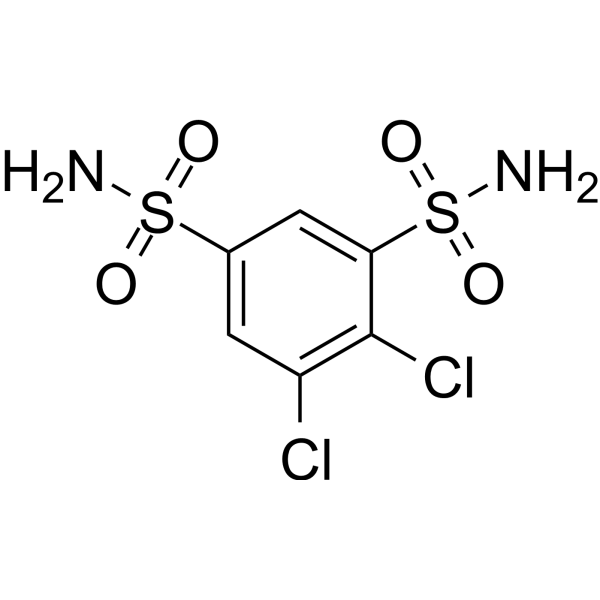
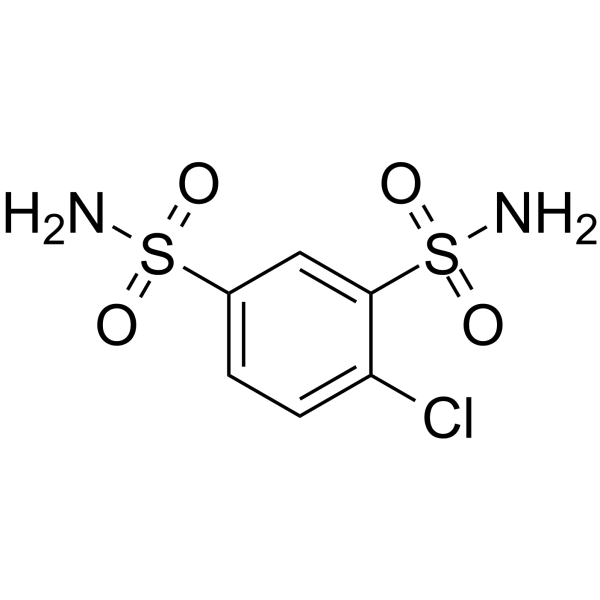
Dichlorphenamide (Diclofenamide) is an orally active, specific, carbonic anhydrase inhibitor. Dichlorphenamide can reduce intraocular pressure by inhibiting the secretion of water from the eye. Dichlorphenamide can be used for glaucoma research .
|
-
-
- HY-B0782A
-
-
-
- HY-108316
-
-
-
- HY-P1775A
-
|
|
Carbonic Anhydrase
|
Neurological Disease
Metabolic Disease
Cancer
|
|
Carbonic anhydrase isoenzyme is the isoenzyme of Carbonic anhydrase (HY-P1775). Carbonic anhydrase isoenzyme is ubiquitous zinc-containing metalloenzyme present in prokaryotes and eukaryotes. Carbonic anhydrase isoenzyme catalyzes reversible conversion of carbon dioxide to bicarbonate and protons, and can be used for the research of cancer, glaucoma, obesity and epilepsy .
|
-

-
- HY-B2147
-
-
-
- HY-B0483
-
-
-
- HY-W013316
-
|
|
Carbonic Anhydrase
|
Endocrinology
|
|
Lasamide is a potent human Carbonic Anhydrase inhibitor with Ki values of 7.54 and 2.76 nM for hCAXII and hCAIX, respectively .
|
-

-
- HY-163109
-
|
|
Carbonic Anhydrase
|
Infection
|
|
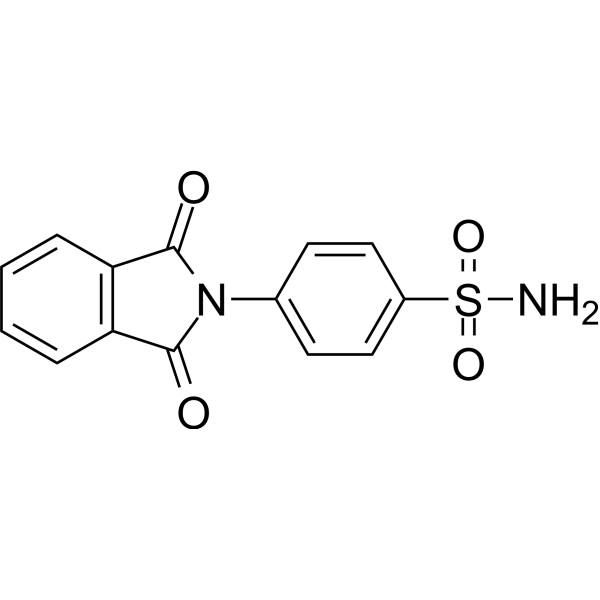
Carbonic anhydrase inhibitor 16 (compound 1) is a dengue protease inhibitor with inhibitory activity against carbonic anhydrase hCA I and hCA II (Ki: 28.5 nM, 2.2 nM) .
|
-
-
- HY-69085
-
|
|
Carbonic Anhydrase
|
Others
|
|
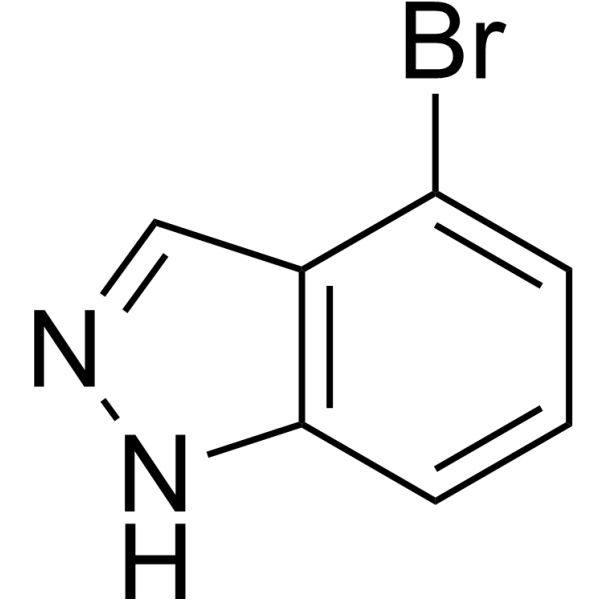
4-Bromo-1H-indazole is a carbonic anhydrase inhibitor, with an IC50 of 0.403 mM and a Ki of 0.383 mM against hCA-I, as well as an IC50 of 0.700 mM and a Ki of 0.935 mM against hCA-II. 4-Bromo-1H-indazole reduces the catalytic activity of human I and II isoforms of carbonic anhydrase .
|
-
-
- HY-W012168
-
|
|
Carbonic Anhydrase
|
Metabolic Disease
|
|
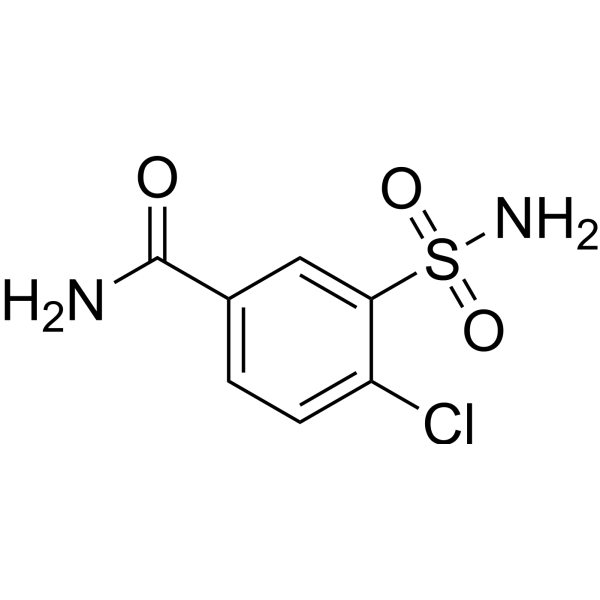
4-Chloro-3-sulfamoylbenzoic acid is a weak inhibitor of human carbonic anhydrase isoforms hCA I, hCA II, hCA IV, and hCA IX, and a synthesis intermediate for carbonic anhydrase inhibitors. 4-Chloro-3-sulfamoylbenzoic acid is the major metabolite of tripamide detected in tissues, urine, and feces of rats and rabbits following Tripamide (HY-106570) administration. 4-Chloro-3-sulfamoylbenzoic acid can be used for the study of carbonic anhydrase inhibition and species differences in drug metabolism .
|
-

-
- HY-142849
-
|
|
Carbonic Anhydrase
|
Endocrinology
|
|
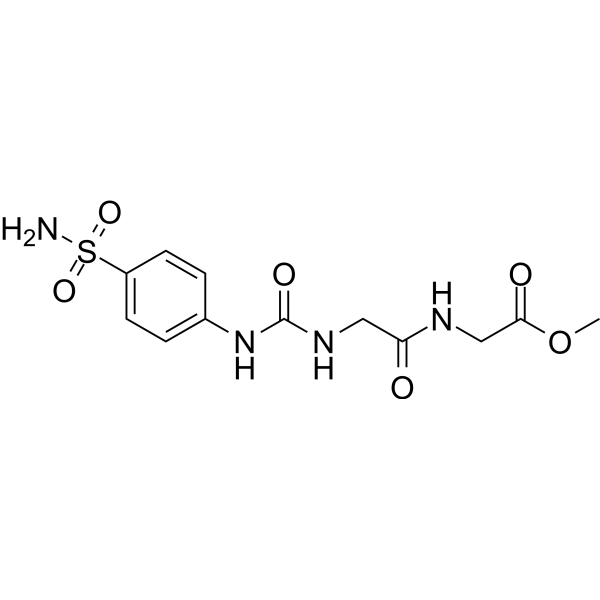
Carbonic anhydrase inhibitor 1 (compound 7c) is a carbonic anhydrase II inhibitor. Carbonic anhydrase inhibitor 3 reduces the intraocular pressure in glaucomatous rabbits .
|
-
-
- HY-N0085
-
|
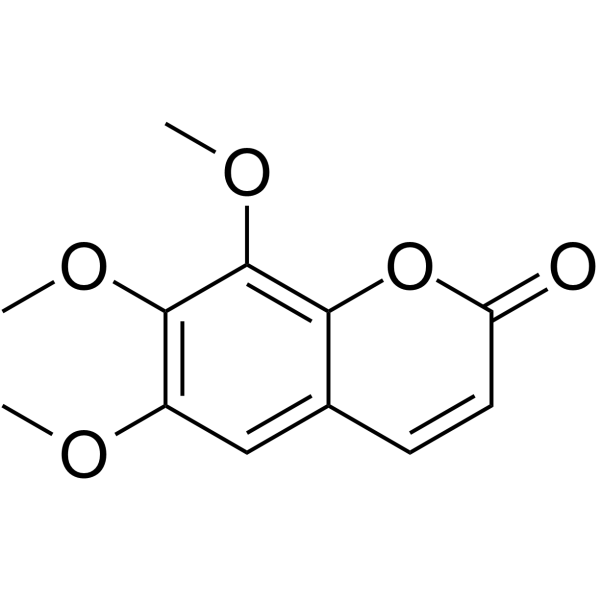
6,7,8-Trimethoxycoumarin; Fraxetin dimethyl ether
|
Carbonic Anhydrase
|
Cancer
|
|
Dimethylfraxetin is a Carbonic anhydrase inhibitor, with a Ki value of 0.0097 μM.
|
-
-
- HY-B1364
-
-
-
- HY-152140
-
|
|
Carbonic Anhydrase
|
Cancer
|
|
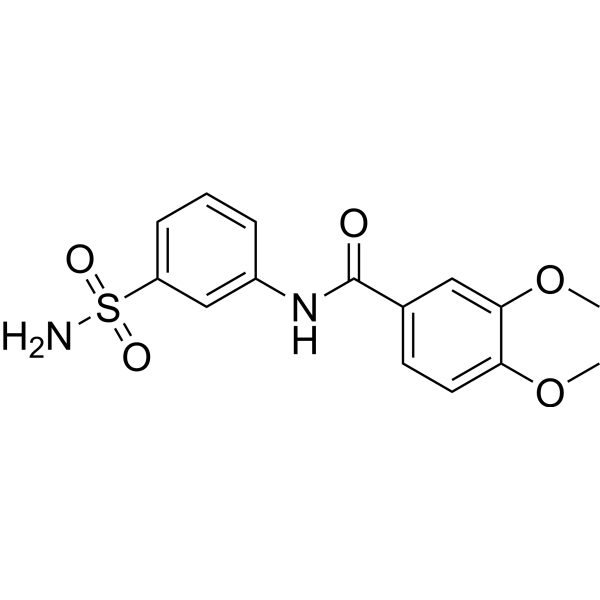
hCAII-IN-8, an amide, is a highly selective carbonic anhydrase (CA) inhibitor with an IC50 value of 0.18 μM against hCA II .
|
-
-
- HY-144376
-
|
|
Carbonic Anhydrase
|
Cancer
|
|
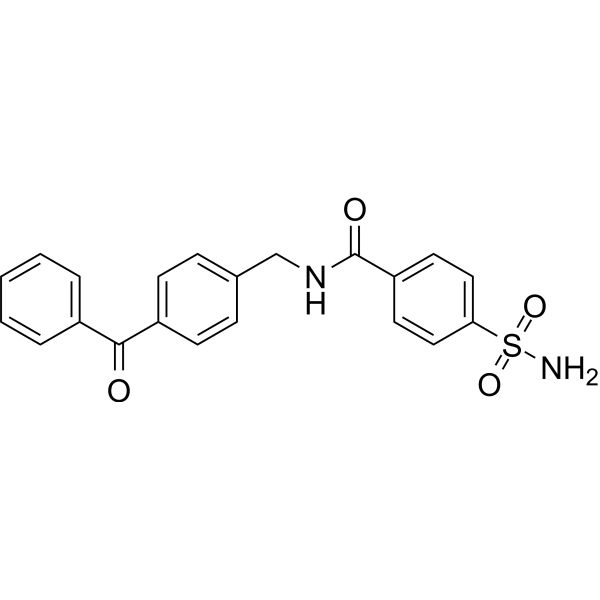
Carbonic anhydrase inhibitor 4 is carbonic anhydrase photoprobe/inhibitor. Carbonic anhydrase inhibitor 4 is against human carbonic anhydrases (hCA I-XIV) with Ki values of 640-1166 nM .
|
-
-
- HY-142853
-
|
|
Carbonic Anhydrase
|
Endocrinology
|
|
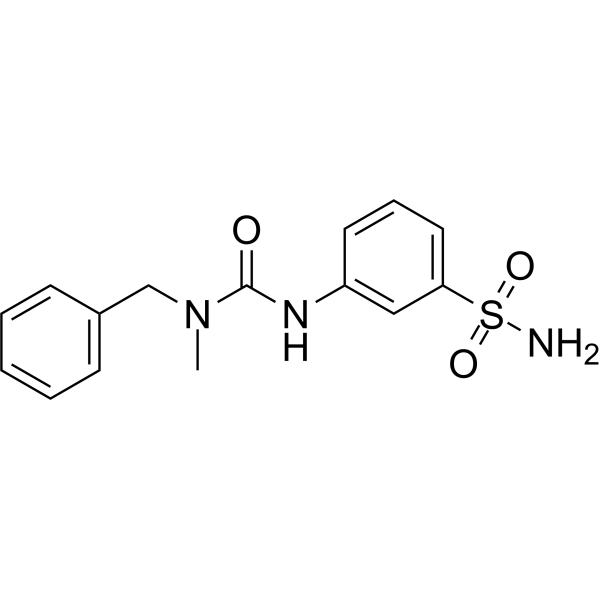
Carbonic anhydrase inhibitor 3 (compound 11g) is a carbonic anhydrase II inhibitor. Carbonic anhydrase inhibitor 3 reduces the intraocular pressure in glaucomatous rabbits .
|
-
-
- HY-150570
-
|
|
Carbonic Anhydrase
CDK
|
Cancer
|
|
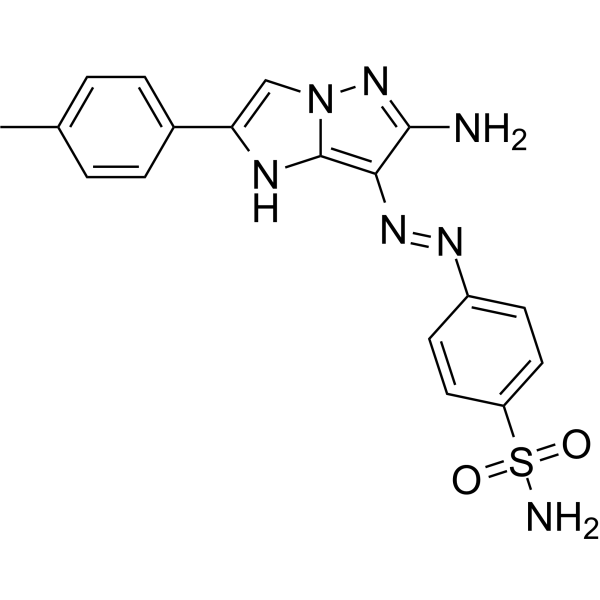
Carbonic anhydrase inhibitor 14 (Compound 8b) is a carbonic anhydrase (CA) inhibitor with Ki values of 1203, 99.7, 9.4 and 27.7 nM against hCA I, hCA II, hCA IX and hCA XII, respectively. Carbonic anhydrase inhibitor 14 can also inhibit CDK2 with an IC50 of 20.3 μM. Carbonic anhydrase inhibitor 14 shows antitumor activity .
|
-
-
- HY-119919
-
-
-
- HY-B0553S
-
|
L584601-d6
|
Isotope-Labeled Compounds
Carbonic Anhydrase
|
Inflammation/Immunology
|
|
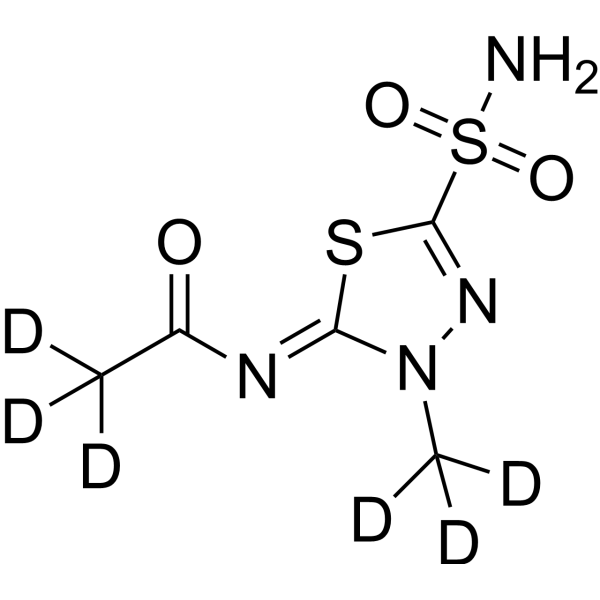
Methazolamide-d6 is the deuterium labeled Methazolamide. Methazolamide (L584601) is a sulfonamide derivative used as a carbonic anhydrase inhibitor with a Ki of 14 nM for human carbonic anhydrase II. Methazolamide, an intraocular pressure-lowering agent, reduces intraocular pressure elevations associated with glaucoma and other ocular disorders .
|
-
-
- HY-147984
-
|
|
Carbonic Anhydrase
|
Cancer
|
|
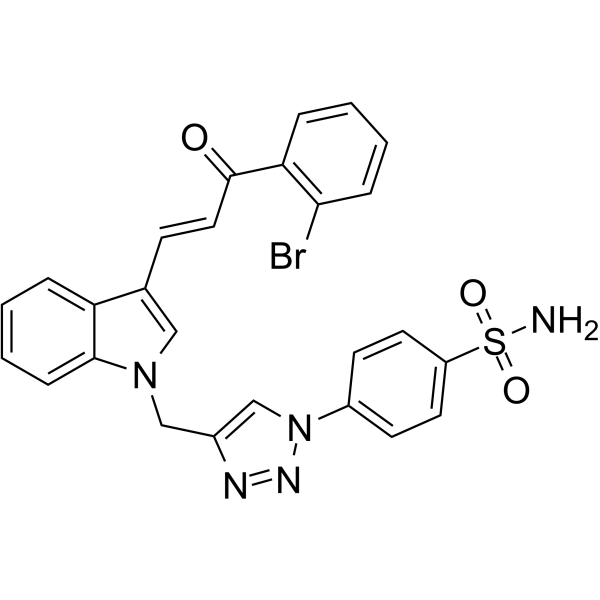
hCAXII-IN-3 (Compound 6o) is a selective human carbonic anhydrase XII (hCAXII) inhibitor with a Ki of 10.0 nM .
|
-
-
- HY-108316S
-
-
-
- HY-W011293
-
|
2,4-Disulfamyl-5-trifluoromethylaniline
|
Phosphodiesterase (PDE)
|
Others
|
|
DTA (2,4-Disulfamyl-5-trifluoromethylaniline) is a cyclic AMP phosphodiesterase inhibitor that binds to erythrocyte carbonic anhydrase .
|
-

-
- HY-W031519
-
|
|
Carbonic Anhydrase
|
Cardiovascular Disease
|
|
Chloraminophenamide (Compound 14) is a carbonic anhydrase inhibitor, with Kis of 75, 160 and 8400 nM for hCA II, bCA IV and hCA I, respectively. Chloraminophenamide has the potential for antiglaucoma research .
|
-

-
- HY-161686
-
|
|
Carbonic Anhydrase
|
Cancer
|
|
Carbonic anhydrase inhibitor 24 (Compound 11) is a human carbonic anhydrase (carbonic anhydrase) inhibitor. Ki values of Carbonic anhydrase inhibitor 24 for hCAs IX and XII were 10.7 and 7.5 nM, respectively .
|
-

-
- HY-149498
-
-
-
- HY-161374
-
|
|
Carbonic Anhydrase
|
Cancer
|
|
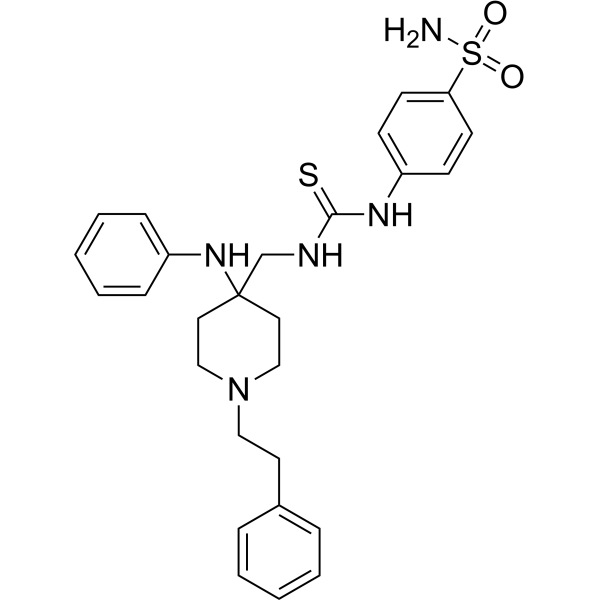
Carbonic anhydrase inhibitor 20 (compound 11) is an inhibitor of piperazinosulfonamide carbonic anhydrase (Carbonic Anhydrase). The Ki of Carbonic anhydrase inhibitor 20 for hCA I, hCA II, hCA IX, and hCA XII are 47.6 nM, 36.5 nM, 8.3 nM, and 2.7 nM respectively .
|
-

-
- HY-159960
-
|
|
Antibiotic
Bacterial
Carbonic Anhydrase
|
Infection
|
|
Carbonic anhydrase inhibitor 28 (Compound 11) is a Pseudomonas aeruginosa carbonic anhydrase inhibitor. Carbonic anhydrase inhibitor 28 exhibits antimicrobial activity, with a MIC of 0.5 μg/mL and a MBC of 1 μg/mL against P. aeruginosa. Carbonic anhydrase inhibitor 28 can be used in anti-infection research .
|
-

-
- HY-115998
-
|
|
Carbonic Anhydrase
|
Cancer
|
|
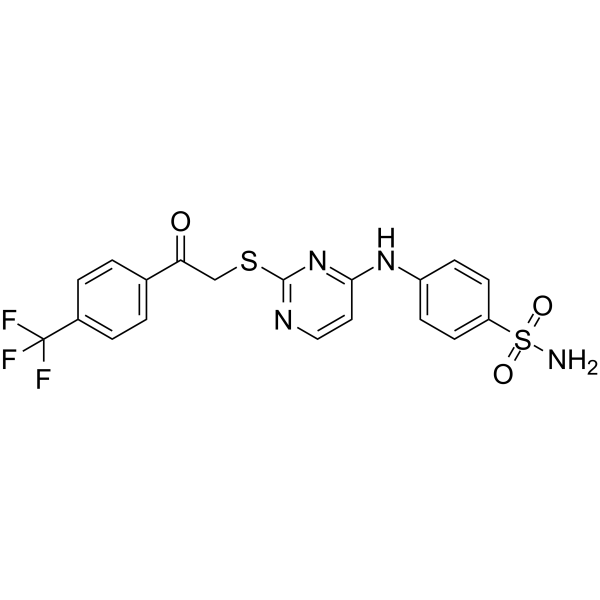
Carbonic anhydrase inhibitor 11 (compound VI) is a potent, selective carbonic anhydrase inhibitor. Carbonic anhydrase inhibitor 11 shows Ki values of 40, 39, 200 and 900 nM against CA II, IX, and XII, respectively .
|
-
-
- HY-172899
-
|
|
Carbonic Anhydrase
Apoptosis
CDK
|
Cancer
|
|
Carbonic anhydrase inhibitor 33 (11D) is a dual inhibitor of CA (Carbonic anhydrase) IX/XII and CDK6, with Ki values of 19.7 nM and 26.1 nM for hCA IX and hCA XII, respectively. Carbonic anhydrase inhibitor 33 (11D) induces G1 arrest and apoptosis. Carbonic anhydrase inhibitor 33 (11D) can be used in the research for NSCLC .
|
-

-
- HY-158078
-
|
|
Carbonic Anhydrase
|
Cancer
|
|
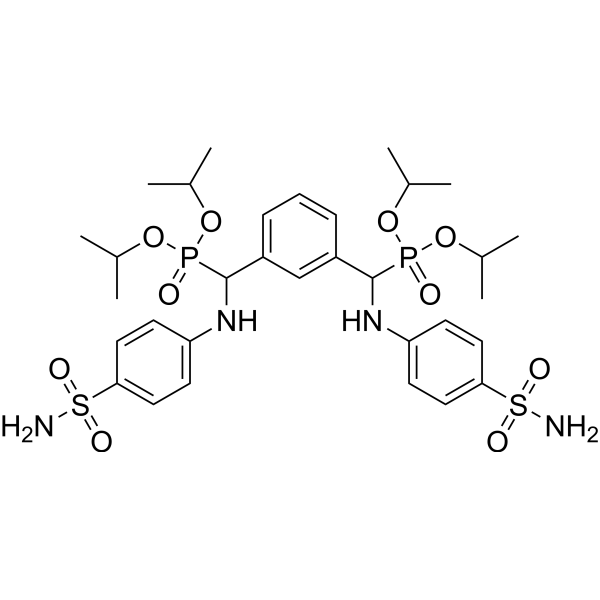
Carbonic anhydrase inhibitor 21 (Compound 5h) is a selective carbonic anhydrase (hCA IX) inhibitor, with a Ki of 15.1?nM, and is highly selective against other investigated isoform. Carbonic anhydrase inhibitor 21 can be used for anticancer research .
|
-
-
- HY-168124
-
|
|
Carbonic Anhydrase
|
Cancer
|
|
Carbonic anhydrase inhibitor 26 (compund 6T) is a carbonic anhydrase II inhibitor with IC50 of 9.10 ± 0.26 μM .
|
-

-
- HY-161174
-
-
-
- HY-126117
-
|
|
Fungal
Carbonic Anhydrase
|
Infection
|
|
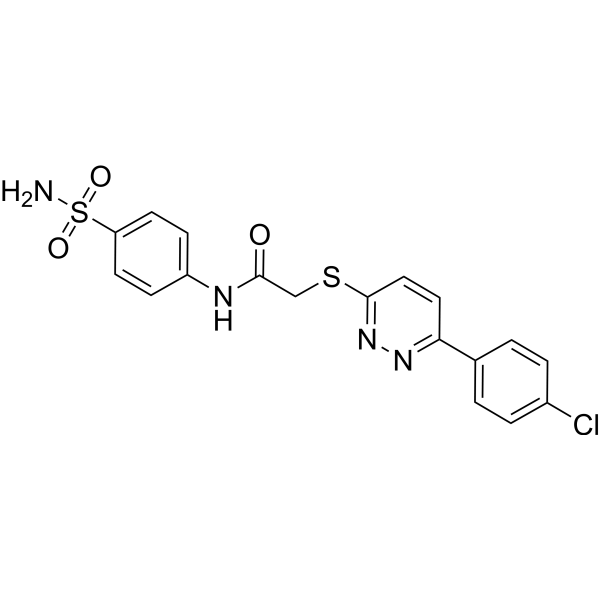
(+)-Xylariamide A (compound 6b) is a mycobacterial and fungal carbonic anhydrase probe with inhibitory activity against pathogen β-carbonic anhydrases .
|
-

-
- HY-173194
-
|
|
Carbonic Anhydrase
|
Cancer
|
|
Carbonic anhydrase inhibitor 29 (Compound 5d) is an inhibitor targeting carbonic anhydrase IX (CA IX) and XII (CA XII), with inhibition constants (Ki) of 26.6 nM for CA IX and 10.9 nM for CA XII. Carbonic anhydrase inhibitor 29 can be used in anticancer research .
|
-

-
- HY-137966A
-
|
AL-8520 oxalate
|
Carbonic Anhydrase
|
Cancer
|
|
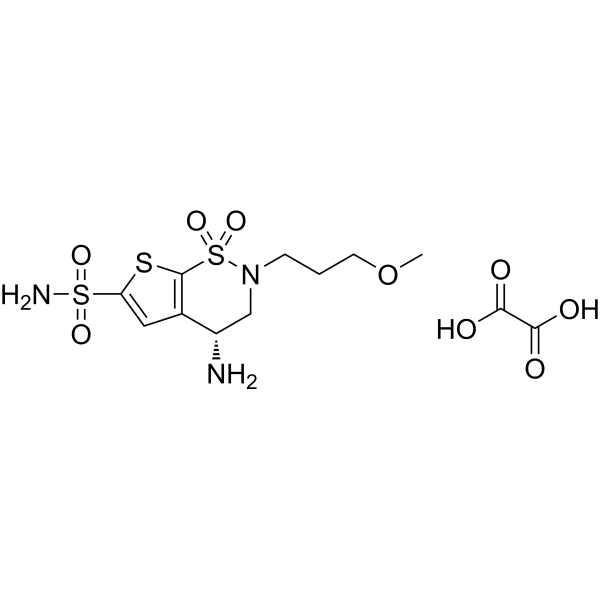
N-Desethyl Brinzolamide oxalate is a dual inhibitor of Carbonic anhydrase II and Carbonic anhydrase IV with IC50s of 1.28 and 128 nM, respectively .
|
-
-
- HY-172607
-
|
|
Carbonic Anhydrase
|
Infection
|
|
Carbonic anhydrase inhibitor 30 (compound 17) is an inhibitor of carbonic anhydrase with Ki values of 2.13 μM and 0.161 nM for hCA I and hCA II, respectively [1] .
|
-

-
- HY-144807
-
|
|
Carbonic Anhydrase
|
Cancer
|
|
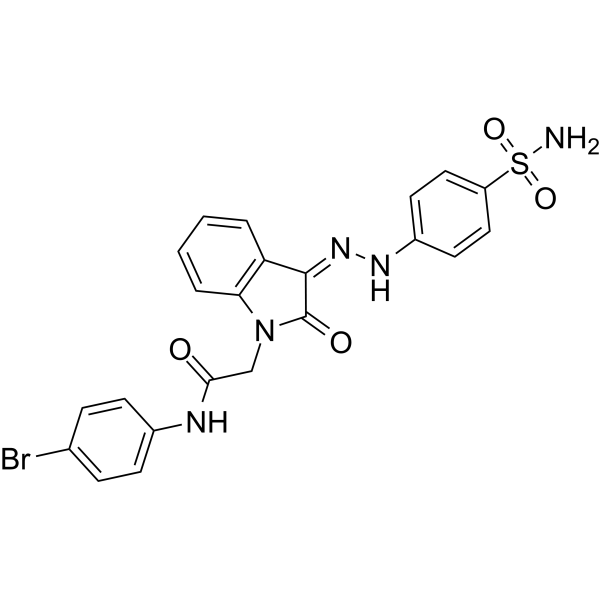
Carbonic anhydrase inhibitor 9 is a potent carbonic anhydrase (CA) inhibitor with Kis of 56.4 and 56.9 nM for hCA II and IX, respectively. Antiproliferative activity .
|
-
-
- HY-163268
-
|
|
Carbonic Anhydrase
|
Cancer
|
|
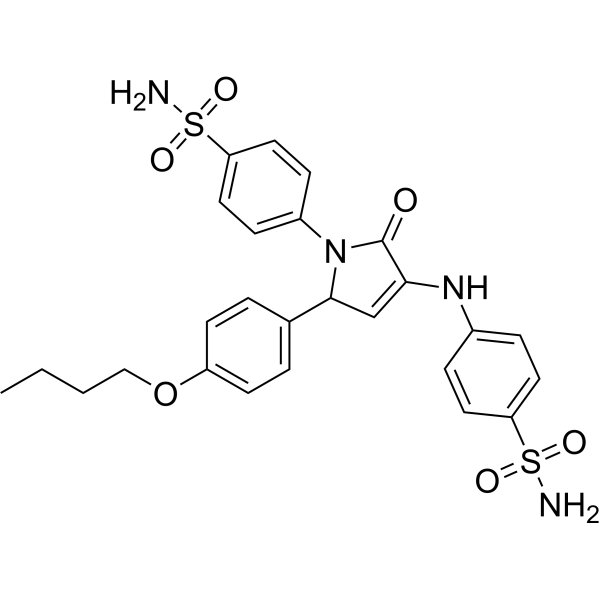
Carbonic anhydrase inhibitor 18 (Compound 9) is a human carbonic anhydrase (hCA) isoform inhibitor, with Kis of 604.8, 333.6, 1.9 and 6.7 nM for hCA I, hCA II, hCA IX and hCA XII, respectively. Carbonic anhydrase inhibitor 18 can be used for the research of cancer .
|
-
-
- HY-115994
-
|
|
Carbonic Anhydrase
|
Cancer
|
|
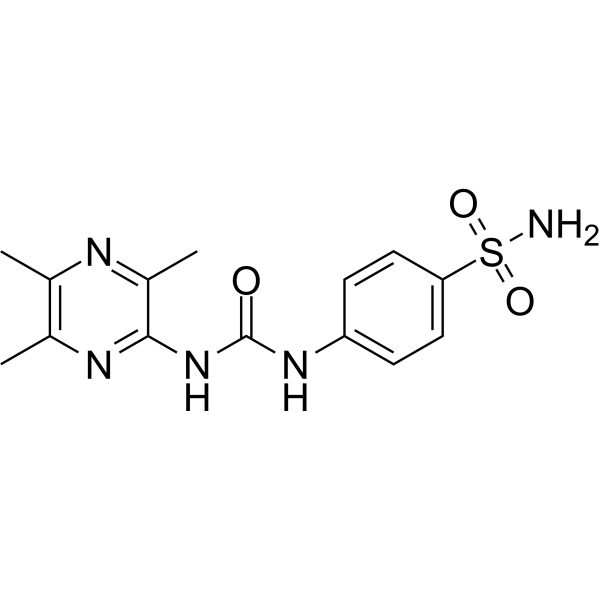
Carbonic anhydrase inhibitor 10 is a potent hCA IX inhibitor with a Ki value of 6.2 nM. Carbonic anhydrase inhibitor 10 exhibits anti-proliferative activity against MCF-7 cancer cell line with an IC50 of 11.9 μM. Carbonic anhydrase inhibitor 10 can be used for cancer research .
|
-
-
- HY-169964
-
|
|
Carbonic Anhydrase
|
Neurological Disease
|
|
TSPO/Carbonic Anhydrase Modulator 1 (Compound 3) is a dual modulator for mitochondrial translocator protein and Carbonic Anhydrase with a Ki of 1.340 μM for TSPO and a KA of 10.7 μM for CA VII. TSPO/Carbonic Anhydrase Modulator 1 promotes the production of neurosteroid, increases BDNF gene expression, exhibits neuroprotective efficacy .
|
-

-
- HY-173620
-
|
|
Carbonic Anhydrase
|
Infection
|
|
Carbonic anhydrase inhibitor 31 (Compound 3F4) is a mtCA2 inhibitor (Ki: 5.2 nM). Carbonic anhydrase inhibitor 31 can be used in the research of anti-tuberculosis .
|
-

-
- HY-163660
-
|
|
Carbonic Anhydrase
|
Infection
|
|
Carbonic anhydrase inhibitor 23 (compound 40) is a potent inhibitor of carbonic anhydrase (CA), with the Ki of 617.2 nM and 434.1 nM for hCA I (α) and hCA II (α), respectively .
|
-

-
- HY-137364
-
|
|
Carbonic Anhydrase
|
Cardiovascular Disease
Metabolic Disease
|
|
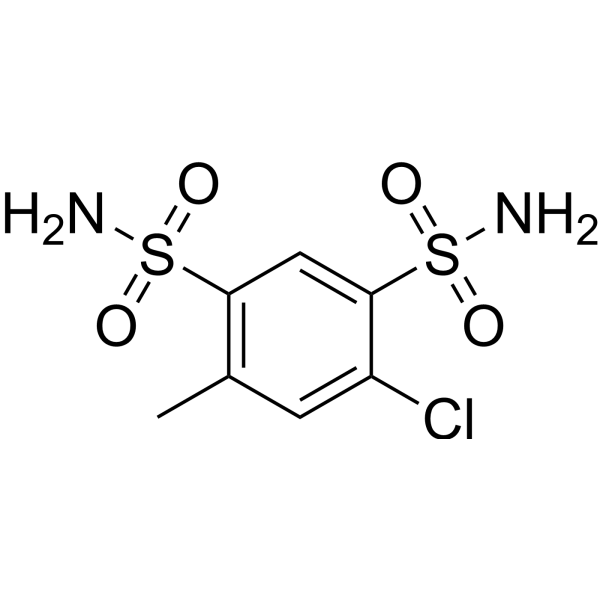
Disulfamide, an orally active diuretic, is a carbonic anhydrase inhibitor with the IC50 value of 0.07 μM. Disulfamide leads to diuresis by inhibiting carbonic anhydrase and preventing the reabsorption of sodium and bicarbonate in the proximal tubule .
|
-
-
- HY-175441
-
|
|
Carbonic Anhydrase
|
Cardiovascular Disease
Neurological Disease
Cancer
|
|
Carbonic anhydrase activator 1 (Compound 17) is an orally active and a BBB-penetrable Carbonic anhydrase (CA) activator with KAs of 7.8, 3.9 and 2.1 μM for hCA I, hCA VA and hCA VII. Carbonic anhydrase activator 1 can be used for cancers, glaucoma, cardiovascular diseases and neurodegenerative disorders like epilepsy research .
|
-

-
- HY-172816
-
|
|
Carbonic Anhydrase
mTOR
NKCC
|
Neurological Disease
|
|
Carbonic anhydrase inhibitor 32 (compound 5B) is an orally active and selective hCA (Carbonic anhydrase ) II/VII inhibitor with the Ki values of 6.3 nM, 10.1 nM and 681 nM for hCA II, hCA VII and hCA I,respectively. Carbonic anhydrase inhibitor 32 shows neuroprotective and anticonvulsant potential by reducing mTOR activation, and raising hippocampus KCC2 levels .
|
-

- HY-144639
-
-
- HY-162226
-
|
|
Carbonic Anhydrase
|
Others
|
|
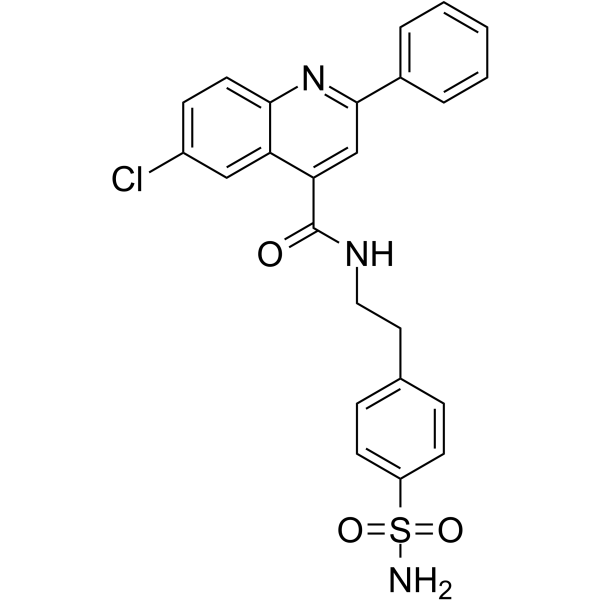
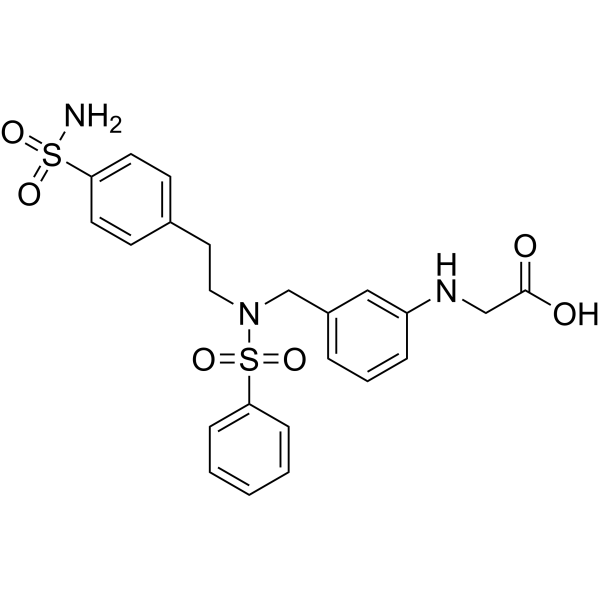
Carbonic anhydrase inhibitor 19 (compound 26a) inhibits the Glaucoma related isoforms hCA II and hCA XII with Kis of 9.4 nM and 6.7 nM, respectively. Carbonic anhydrase inhibitor 19 reveals an intraocular pressure (IOP) lowering effect .
|
-
- HY-146010
-
|
|
Carbonic Anhydrase
|
Cancer
|
|
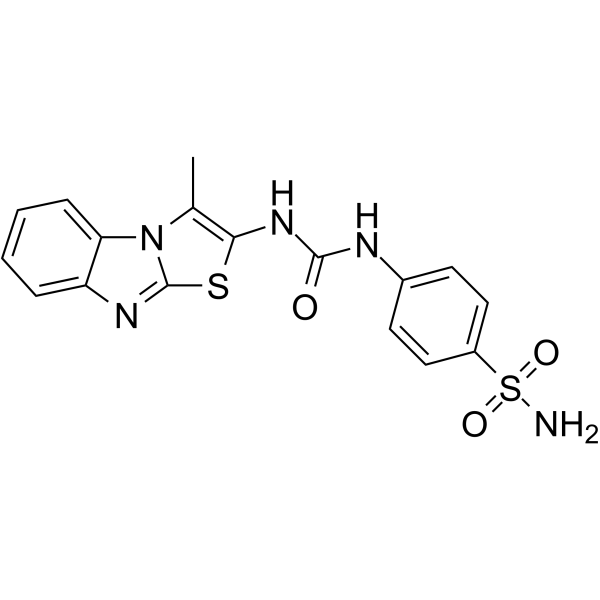
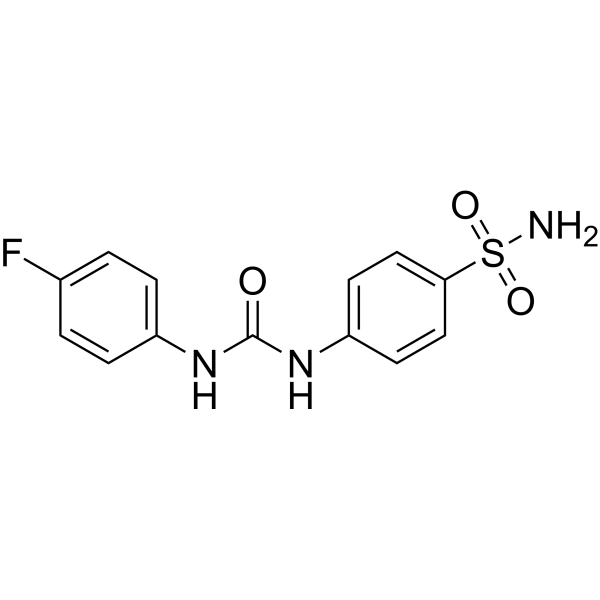
Carbonic anhydrase inhibitor 13 (compound 7) is a potent carbonic anhydrase (CA) inhibitor, which features 3-methylthiazolo[3,2-a]benzimidazole moiety (as a tail) connected to the zinc anchoring benzenesulfonamide moiety via ureido linker .
|
-
- HY-144641
-
|
|
Carbonic Anhydrase
|
Cancer
|
|
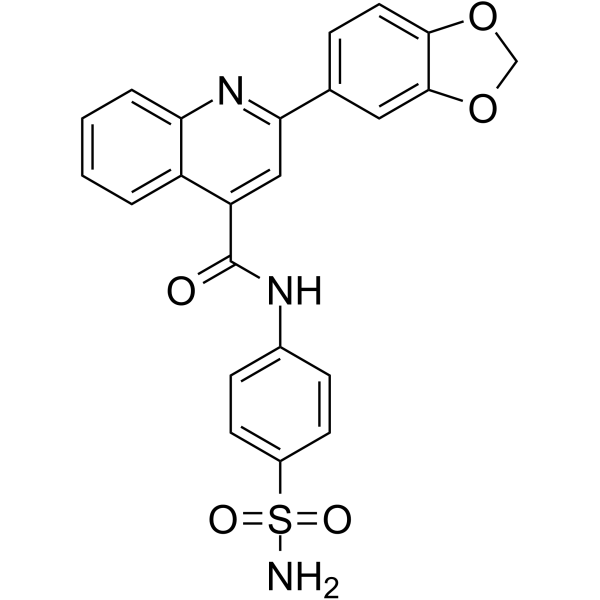
Carbonic anhydrase inhibitor 7 (compound 5b) is a potent inhibitor of human carbonic anhydrase (hCA), with Kis of 6.5 nM, 7.1 nM, 72.1 nM, and 255.8 nM for hCA IX, hCA II, hCA XII and hCA I, respectively .
|
-
- HY-144640
-
|
|
Carbonic Anhydrase
|
Cancer
|
|
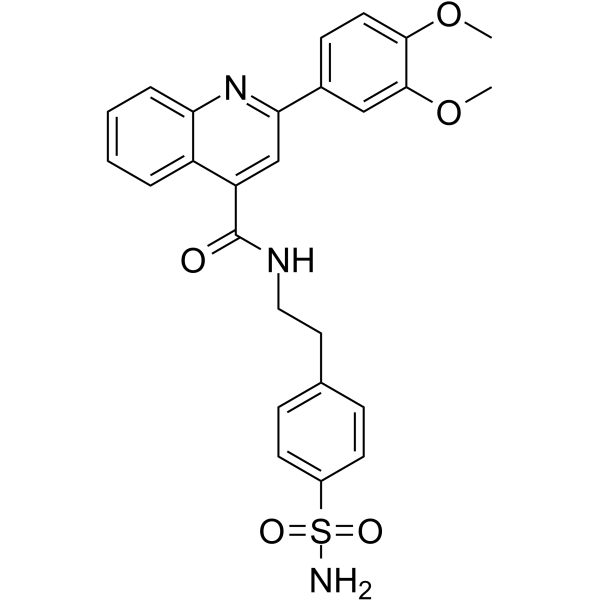
Carbonic anhydrase inhibitor 6 (compound 9b) is a potent inhibitor of human carbonic anhydrase (hCA), with Kis of 9.7 nM, 35.2 nM, 88.5 nM, and 91.8 nM for hCA IX, hCA II, hCA XII and hCA I, respectively .
|
-
- HY-132156
-
|
|
Carbonic Anhydrase
|
Neurological Disease
|
|
Carbonic anhydrase inhibitor 22 (Compd 2g), a sulfonamide carbonic anhydrase inhibitor, with Ki values of 762 nM (hCA I), 20.3 nM (hCA II), 8.3 nM (hCA VII), 17.9 nM (hCA IX) and 10.5 nM (hCA XII), repectively .
|
-

- HY-W403930
-
-
- HY-151494
-
|
|
Carbonic Anhydrase
|
Cancer
|
|
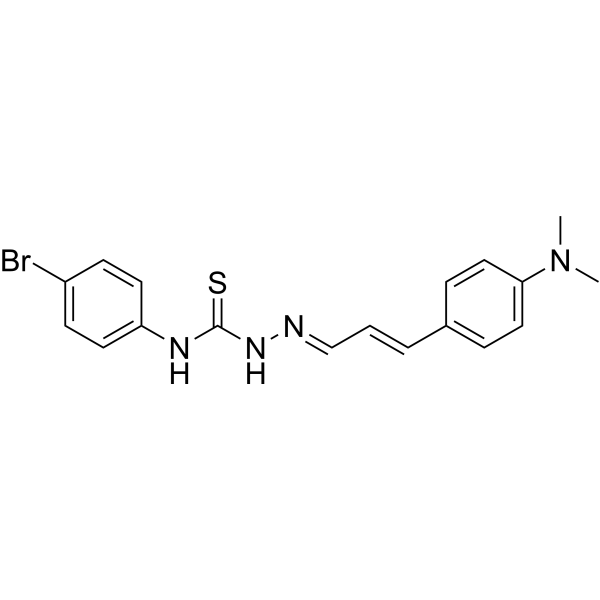
CAII-IN-2 (compound 3g), a thiosemicarbazide derivative, is a potent, selective carbonic anhydrase-II (CA-II) inhibitor with an IC50 value of 12.1 µM for bovine CA-II. CAII-IN-2 can be used in research of carbonic anhydrase related biological disorders .
|
-
- HY-151493
-
|
|
Carbonic Anhydrase
|
Cancer
|
|
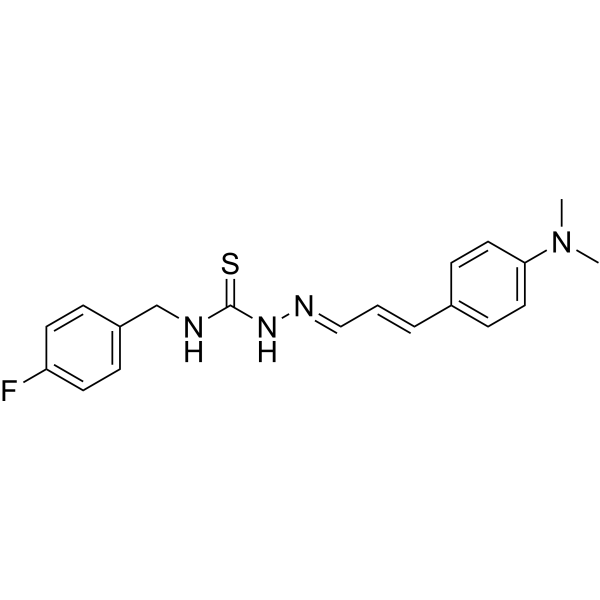
CAII-IN-1 (compound 3n), a thiosemicarbazide derivative, is a potent, selective carbonic anhydrase-II (CA-II) inhibitor with an IC50 value of 10.3 µM for bovine CA-II. CAII-IN-1 can be used in research of carbonic anhydrase related biological disorders .
|
-
- HY-169214
-
-

- HY-115999
-
|
|
Carbonic Anhydrase
|
Cancer
|
|
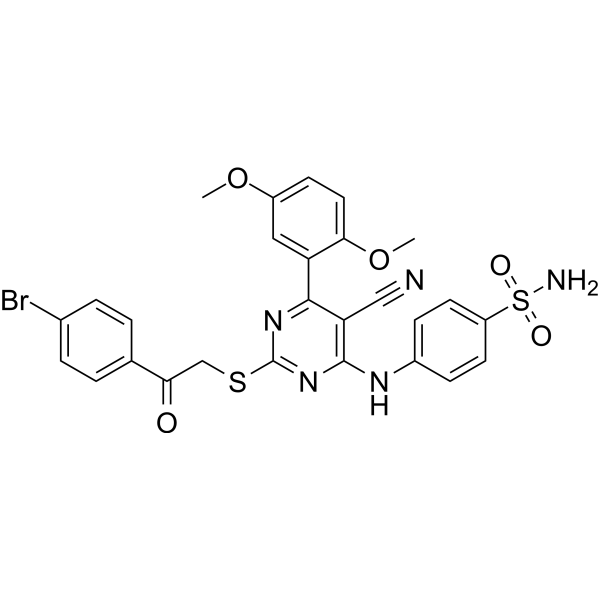
Carbonic anhydrase inhibitor 12 is a potent CA II inhibitor, also has inhibitory activity in CA I (Kis of 1.72 and 271 nM in CA II and CA I, respectively). Carbonic anhydrase inhibitor 12 has potent anticancer activity against different cancer cell lines .
|
-
- HY-19213
-
-

- HY-19213A
-
-
- HY-161286
-
-
- HY-158372
-
|
|
Carbonic Anhydrase
|
Cancer
|
|
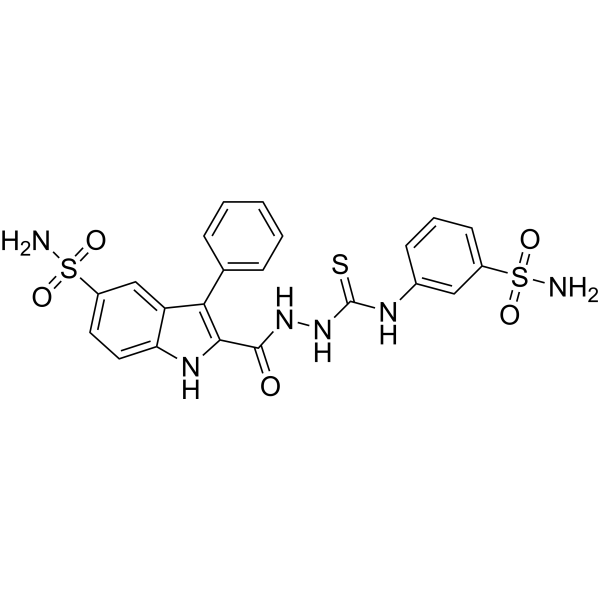
hCA I-IN-3 (compound 24), an aryl ether derivative, is a potent carbonic anhydrase inhibitor. hCA I-IN-3 can inhibit carbonic anhydrase hCA I and hCA II isoenzymes, with IC50 values of 4.77 and 9.66 nM, respectively. hCA I-IN-3 can be used for cancer research .
|
-

- HY-156013
-
-
- HY-125375
-
-

- HY-B1480R
-
-

- HY-147956
-
-
- HY-106332A
-
|
MK 417; (S)-MK-927
|
Carbonic Anhydrase
|
Endocrinology
|
|
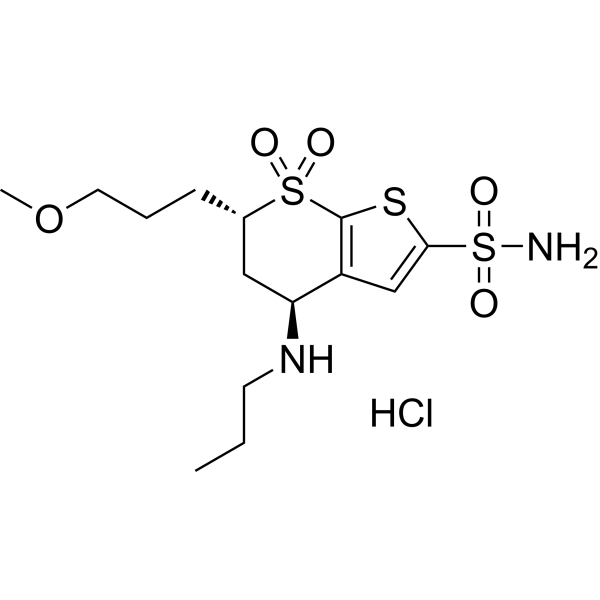
Sezolamide hydrochloride (MK 417) is a potent topical carbonic anhydrase inhibitor. Sezolamide hydrochloride can be used in studies to reduce intraocular pressure .
|
-

- HY-B1480S
-
-

- HY-174835
-
|
|
Carbonic Anhydrase
|
Cardiovascular Disease
|
|
hCA-I/hCA-II-IN-1 (Compound P4) is a potent dual human carbonic anhydrase I (hCA-I) and human carbonic anhydrase II (hCA-II) inhibitor with Ki values of 0.22 μM and 0.33 μM, respectively. hCA-I/hCA-II-IN-1 can be used in research on diseases related to CA enzymes such as glaucoma, hypertension, and ulcers .
|
-

- HY-12610
-
|
|
Parasite
|
Cancer
|
|
Carbonic anhydrase inhibitor 27 (compund 5g) is an antitrypanosomal agent that reduces parasites in the bloodstream and improves survival of infected mice .
|
-

- HY-147353
-
|
|
Carbonic Anhydrase
|
Others
|
|
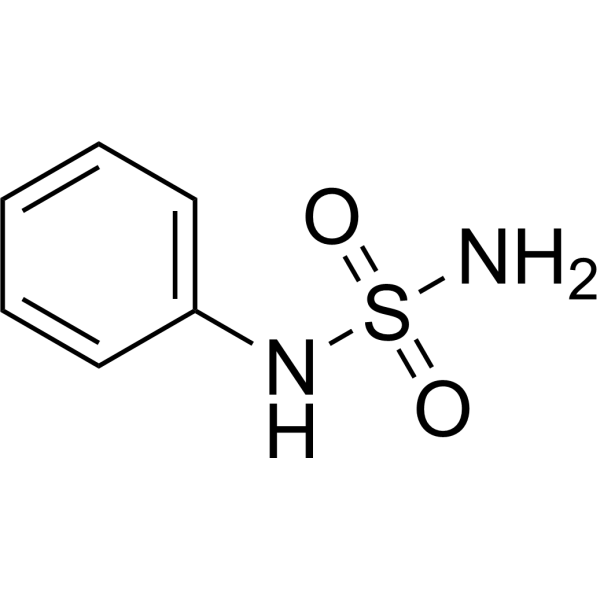
Phenylsulfamide (Compound 10) is a human carbonic anhydrase-II (hCA-II) inhibitor with a Kd of 45.50 μM and a Ki of 79.60 μM .
|
-
- HY-B0553R
-
-

- HY-B0588S
-
|
AL-4862-d5
|
Carbonic Anhydrase
|
Others
|
|
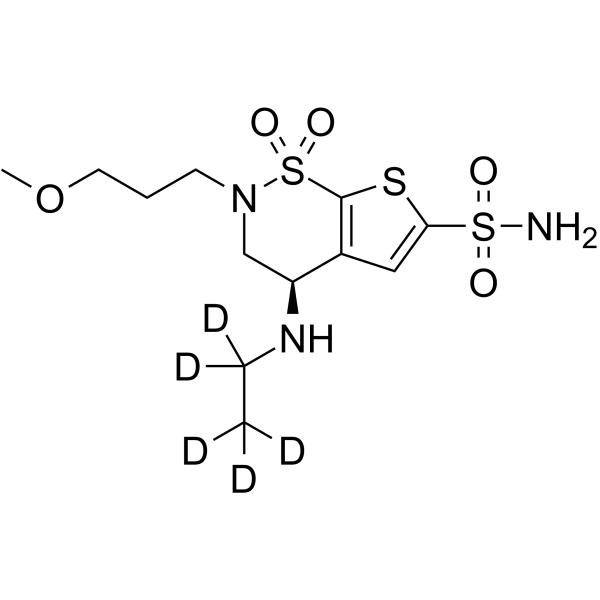
Brinzolamide-d5 is the deuterium labeled Brinzolamide. Brinzolamide (AL 4862) is a potent carbonic anhydrase II inhibitor with IC50 of 3.19 nM.
|
-
- HY-108316R
-
-

- HY-168767
-
|
|
Carbonic Anhydrase
|
Others
|
|
CA IX-IN-3 (Compound 27) is a selective and potent carbonic anhydrase IX (CA IX) inhibitor with an IC50 of 0.48 nM .
|
-

- HY-159568
-
|
|
Carbonic Anhydrase
|
Cancer
|
|
hCAIX-IN-22 is a highly selective inhibitor of human carbonic anhydrase (hCA) isoform XII (Ki=9.7 nM) with anticancer activity .
|
-

- HY-165309
-
|
|
Carbonic Anhydrase
|
Endocrinology
|
|
UK-390957 is a sulfonamide. UK-390957 binds to phosphatidylserine and carbonic anhydrase.
UK-390957 can be used in the research of premature ejaculation .
|
-

- HY-146207
-
|
|
Carbonic Anhydrase
|
Cancer
|
|
HCAIX-IN-2 (compound 9d) is a selective carbonic anhydrase inhibitor with the Ki values of 24.6 nM and 45.3 nM for hCA IX and hCA XII, respectively .
|
-
- HY-W424792A
-
-
- HY-151495
-
|
|
Carbonic Anhydrase
|
Cancer
|
|
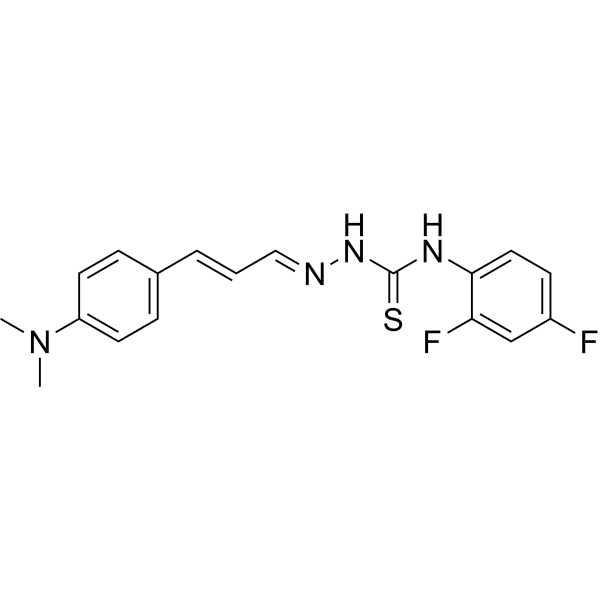
CAII-IN-3 (compound 3h), a thiosemicarbazones derivatives, is a potent carbonic anhydrase-II (CA-II) inhibitor with an IC50 value of 13.4 µM .
|
-
- HY-120677
-
|
|
Carbonic Anhydrase
|
Inflammation/Immunology
|
|
AHR-15010 is an oral active carbonic anhydrase inhibitor with the IC50 of 0.13 μM. AHR-15010 shows anti-arthritic activity and can be used for study of arthritis .
|
-

- HY-N8411R
-
|
(+)-Aromadendrene (Standard)
|
Bacterial
Reference Standards
|
Infection
|
|
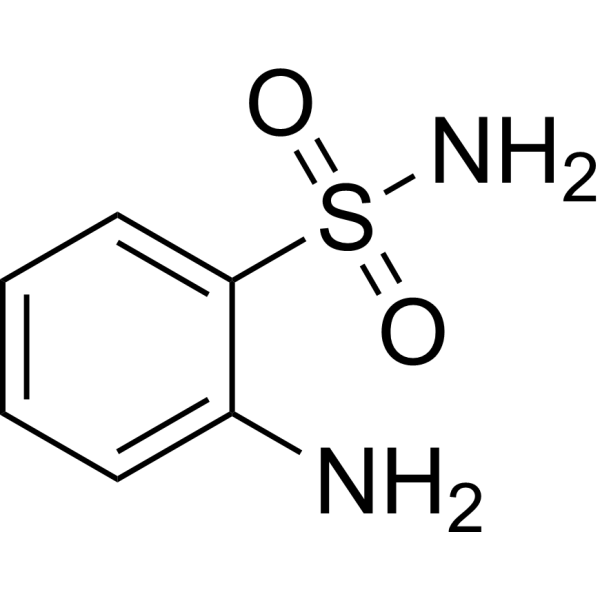
Benzenesulphonamide (Standard) is the analytical standard of Benzenesulphonamide. This product is intended for research and analytical applications. Benzenesulphonamide (compound 1) is a potent carbonic anhydrase inhibitor. Benzenesulphonamide shows CA II inhibitory activity .
|
-

- HY-B0397A
-
|
Diclofenamide disodium
|
Carbonic Anhydrase
|
Neurological Disease
|
|
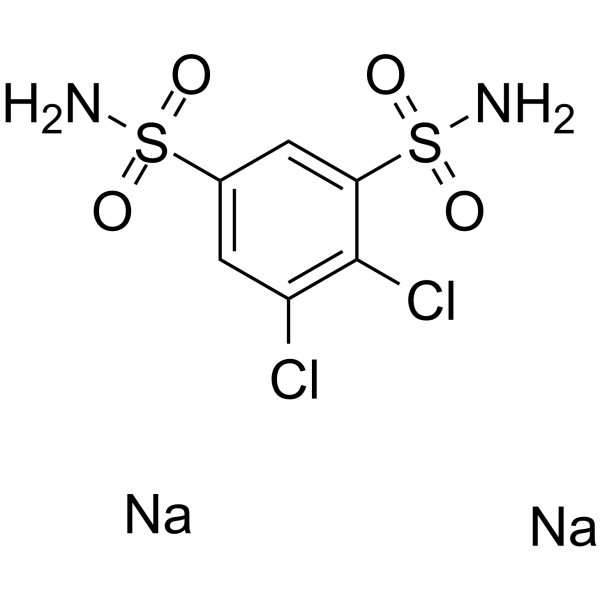
Dichlorphenamide (Diclofenamide) disodium is an orally active, specific, carbonic anhydrase inhibitor. Dichlorphenamide can reduce intraocular pressure by inhibiting the secretion of water from the eye. Dichlorphenamide can be used for glaucoma research .
|
-
- HY-W013316R
-
|
|
Reference Standards
Carbonic Anhydrase
|
Endocrinology
|
|
Lasamide (Standard) is the analytical standard of Lasamide. This product is intended for research and analytical applications. Lasamide is a potent human Carbonic Anhydrase inhibitor with Ki values of 7.54 and 2.76 nM for hCAXII and hCAIX, respectively .
|
-

- HY-161142
-
-
- HY-172103
-
|
|
Carbonic Anhydrase
|
Others
|
|
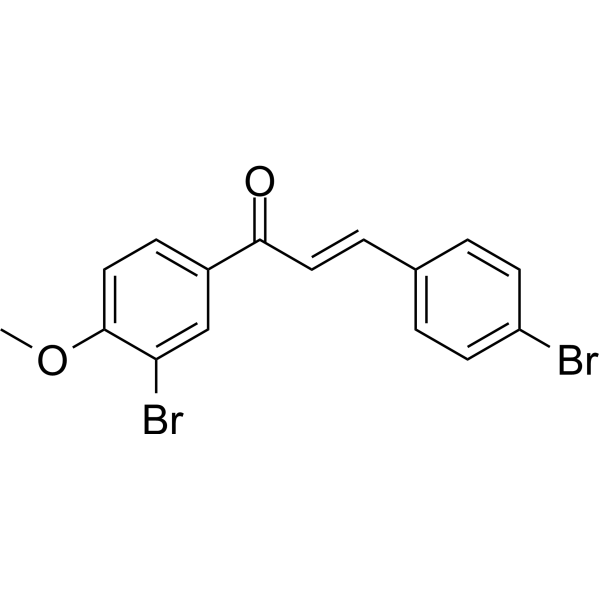
hCAI/II-IN-10 (Compound 5d) is a human carbonic anhydrase I and II (hCA I and hCA II) inhibitor with IC50 values are 4.32 and 3.89 nM respectively .
|
-

- HY-163753
-
|
|
Carbonic Anhydrase
|
Others
|
|
Carbonic anhydrase inhibitor 25 (compound 6a) is a potent carbonic anhydrase inhibitor. Carbonic anhydrase inhibitor 25 shows inhibition for hCA I and hCA II receptor .
|
-

- HY-181238
-
|
|
Carbonic Anhydrase
|
Others
|
|
CAII-IN-13 is a human carbonic anhydrase inhibitor, with a Ki of 65.9 nM against human carbonic anhydrase II and a Ki of 968.4 nM against human carbonic anhydrase I. CAII-IN-13 functionally inhibits the catalytic activities of human carbonic anhydrase II and human carbonic anhydrase I. CAII-IN-13 satisfies the Lipinski's rule of five and may possess physicochemical properties and pharmacokinetic profiles associated with in vivo bioavailability .
|
-

- HY-W566406
-
|
|
Carbonic Anhydrase
|
Neurological Disease
|
|
Aminozolamide is a carbonic anhydrase inhibitor. Aminozolamide regulates intraocular pressure by inhibiting carbonic anhydrase activity. Aminozolamide exerts local ocular effects, exhibits good retention in the ciliary body of rabbit eyes, and prevents rapid elimination from the eye. Aminozolamide is applicable to the research of ocular hypertension .
|
-

- HY-180864
-
-

- HY-P1775B
-
|
|
Endogenous Metabolite
|
Metabolic Disease
|
|
Carbonic Anhydrase, Human (EC 4.2.1.1) is a zinc metalloenzyme that catalyzes the hydration of carbon dioxide to form carbonic acid. Carbonic Anhydrase participates in a variety of important physiological processes, such as the maintenance of pH and carbon dioxide homeostasis, the transport of bicarbonate and carbon dioxide, biosynthetic reactions, bone resorption, calcification, and tumorigenesis.
|
-

- HY-129986
-
|
|
Endogenous Metabolite
|
Others
|
|
hCAI/II-IN-9 is a carbonic anhydrase inhibitor with inhibitory activity against human carbonic anhydrase isoforms I, II, IX, and XII. The inhibition constants (Ki) of hCAI/II-IN-9 for hCA I are in the range of 7.9-894 nM, for hCA II are in the range of 7.5-1645 nM, for hCA IX are in the range of 5.0-240 nM, and for hCA XII are in the range of 0.47-2.83 nM. hCAI/II-IN-9 may have potential applications in inhibiting a variety of pathologies involving these carbonic anhydrase isoforms .
|
-

- HY-E70986
-
|
|
Endogenous Metabolite
|
Metabolic Disease
|
|
Carbonic Anhydrase I, Human (EC 4.2.1.1) is a zinc metalloenzyme that catalyzes the hydration of carbon dioxide to form carbonic acid. Carbonic Anhydrase I participates in a variety of important physiological processes, such as the maintenance of pH and carbon dioxide homeostasis, the transport of bicarbonate and carbon dioxide, biosynthetic reactions, bone resorption, calcification, and tumorigenesis.
|
-

- HY-W272201
-
|
|
Carbonic Anhydrase
|
Cancer
|
|
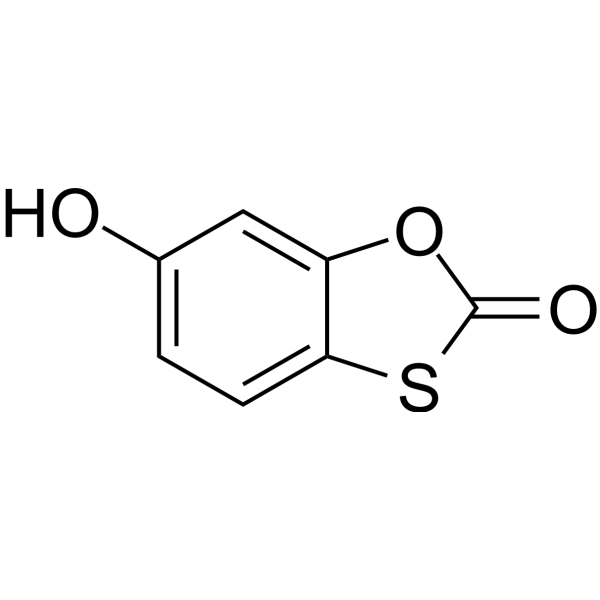
Catechol diacetate (Compound 15) is a carbonic anhydrase (CA) inhibitor. Catechol diacetate is promising for research of glaucoma, epilepsy, edema, and cancer .
|
-

- HY-106332
-
|
MK 417 free base; (S)-MK-927 free base
|
Carbonic Anhydrase
|
Neurological Disease
|
|
Sezolamide (MK 417 free base) is a potent topical carbonic anhydrase inhibitor. Sezolamide can be used in studies to reduce intraocular pressure .
|
-

- HY-E71035
-
|
|
Carbonic Anhydrase
|
Others
|
|
Carbonic anhydrase II, Bovine (EC 4.2.1.1) catalyzes the rapid interconversion of carbon dioxide and water to bicarbonate and protons (or vice versa) , a reversible reaction that occurs relatively slowly in the absence of a catalyst.
|
-

- HY-W015675R
-
|
|
Reference Standards
Endogenous Metabolite
|
Metabolic Disease
|
|
Lasamide (Standard) is the analytical standard of Lasamide. This product is intended for research and analytical applications. Lasamide is a potent human Carbonic Anhydrase inhibitor with Ki values of 7.54 and 2.76 nM for hCAXII and hCAIX, respectively .
|
-

- HY-161028
-
|
|
Carbonic Anhydrase
Bacterial
|
Infection
|
|
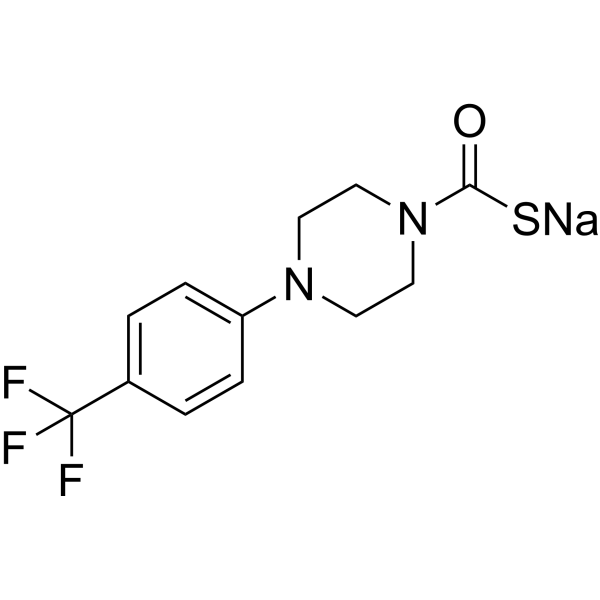
Antibacterial agent 167 (compound 13) is an inhibitor of pathogenic bacterial carbonic anhydrases. Antibacterial agent 167 inhibits the growth of N. gonorrhea strains at concentrations ranging from 16 to 64 µg/mL .
|
-
- HY-P1775C
-
|
|
Carbonic Anhydrase
|
Others
|
|
Carbonic anhydrase, E. coli (EC 4.2.1.1) catalyzes the rapid interconversion of carbon dioxide and water to bicarbonate and protons (or vice versa) , a reversible reaction that occurs relatively slowly in the absence of a catalyst.
|
-

- HY-W306065
-
|
|
Carbonic Anhydrase
|
Cancer
|
|
hCAI/II/XII-IN-1 (compound 7) is a human carbonic anhydrase hCAI/II/XII inhibitor, with Ki values of 78.5, 9.1, 605, 7.7 and 3.7 nM .
|
-

- HY-E71035A
-
|
|
Carbonic Anhydrase
|
Others
|
|
Carbonic anhydrase II, Human (EC 4.2.1.1) catalyzes the rapid interconversion of carbon dioxide and water to bicarbonate and protons (or vice versa) , a reversible reaction that occurs relatively slowly in the absence of a catalyst.
|
-

- HY-174252
-
|
|
DNA/RNA Synthesis
HSV
|
Infection
|
|
HSV-1/HSV-2-IN-3 inhibits the herpes-simplex-virus (HSV) helicase-primase complex, blocking the coordinated DNA-unwinding and primer-synthesis steps required for viral genome replication. HSV-1/HSV-2-IN-3 exhibits an EC50 of 7.0 nM against HSV-2 in a gD-immunofluorescence cell assay containing 2 % FBS and 57.5 nM when 10 % human serum is present. HSV-1/HSV-2-IN-3 achieves an EC50 of 1.1 nM in a qPCR replication assay. HSV-1/HSV-2-IN-3 shows strong selectivity over human carbonic-anhydrase off-targets (IC50 ≈ 2.9 µM for hCA II and > 35 µM for hCA I). HSV-1/HSV-2-IN-3 can be studied in anti-HSV research .
|
-

- HY-B1386
-
-
- HY-170560
-
-

- HY-157321
-
|
|
Carbonic Anhydrase
|
Neurological Disease
|
|
hCAI/II-IN-7 (compound 1F) is a potent carbonic anhydrase (CA) inhibitor with Ki values of 23 nM, 44 nM and 20.57 µM for hCA-I, hCA-II and bovine CA, respectively .
|
-
- HY-161143
-
-
- HY-163116
-
|
|
COX
Carbonic Anhydrase
|
Neurological Disease
Inflammation/Immunology
|
|
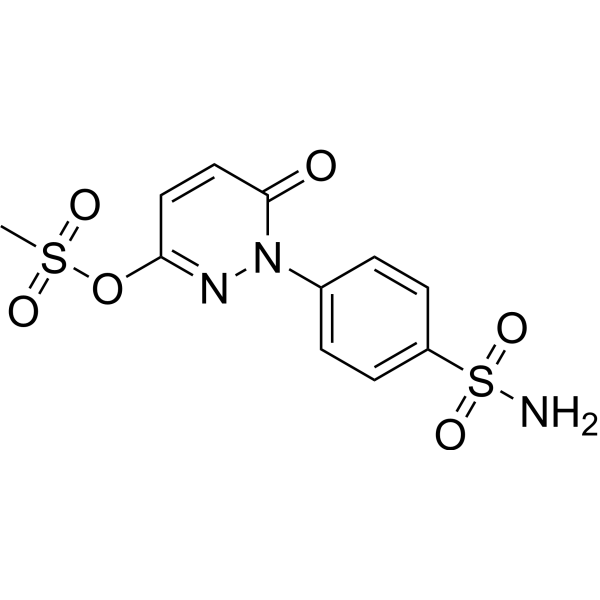
Anti-inflammatory agent 67 (compound 7a) is a dual inhibitor of carbonic anhydrase and COX-2, a sulfonamide derivative of Polmacoxib (HY-16726), and has anti-inflammatory properties and analgesic activity. Anti-inflammatory agent 67 has IC50s of 10.4 μM and 50 nM for COX-1 and COX-2, respectively. The Ki of anti-inflammatory agent 67 binding to different isoforms of carbonic anhydrase are 48.3 nM (CA I), 42.2 nM (CA II), 52.3 nM (CA IX), and 13.3 nM (CA XII) .
|
-
- HY-163117
-
|
|
COX
Carbonic Anhydrase
|
Neurological Disease
Inflammation/Immunology
|
|
Anti-inflammatory agent 68 (compound 7b) is a dual inhibitor of carbonic anhydrase and COX-2, a sulfonamide derivative of Polmacoxib (HY-16726), with anti-inflammatory properties and analgesic activity. Anti-inflammatory agent 68 has IC50s of 12.6 μM and 60 nM for COX-1 and COX-2, respectively. The Ki of anti-inflammatory agent 68 binding to different isoforms of carbonic anhydrase are 52.6 nM (CA I), 79.1 nM (CA II), 58.1 nM (CA IX), and 17.2 nM (CA XII) .
|
-
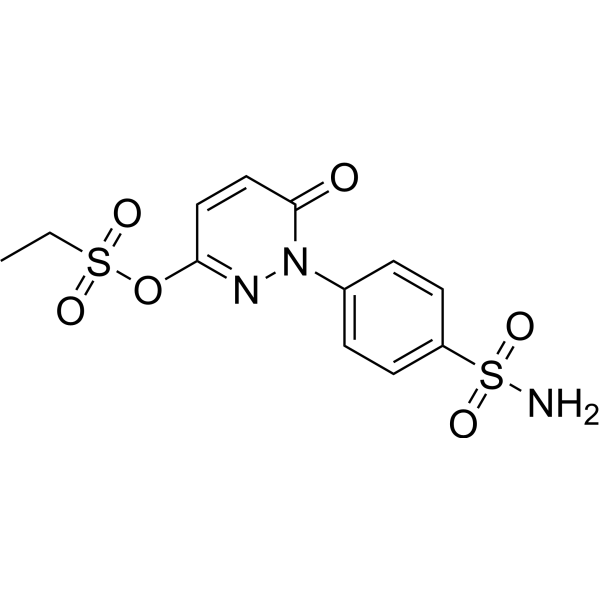
- HY-B0109
-
|
L671152; MK507
|
Carbonic Anhydrase
|
Cancer
|
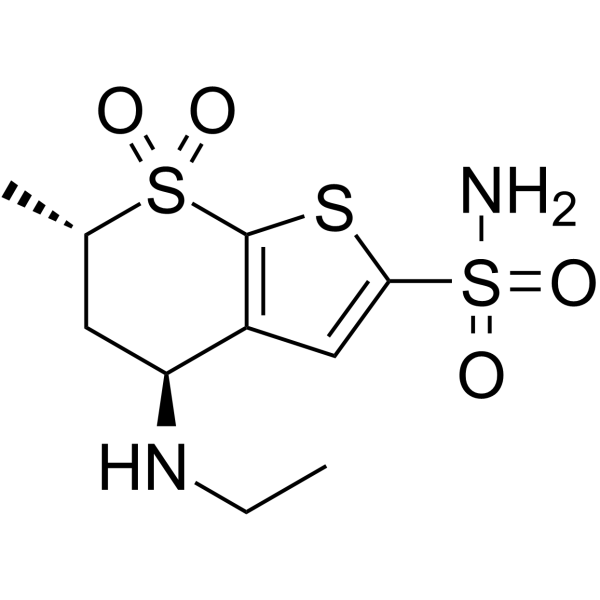
Dorzolamide (L671152) is a potent carbonic anhydrase II inhibitor, with IC50 values of 0.18 nM and 600 nM for red blood cell CA-II and CA-I respectively. Dorzolamide possesses anti-tumor activity .
|
-
- HY-B0242
-
|
Sulphanilamide
|
Environmental Pollutants
Antibiotic
Bacterial
|
Infection
|
|
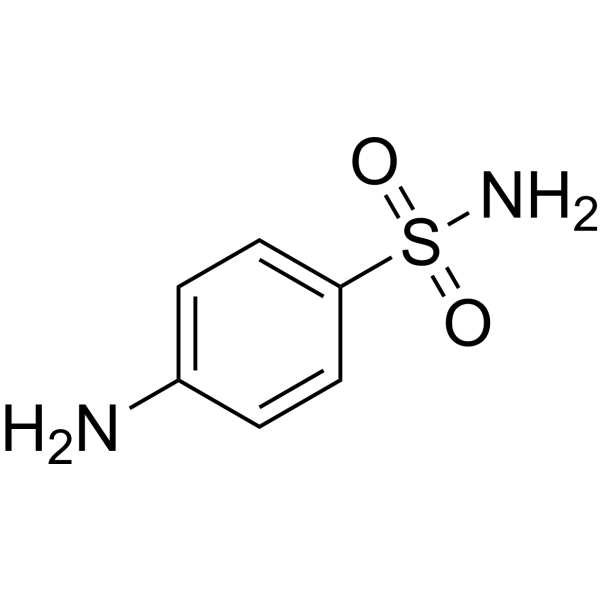
ulfanilamide (Sulphanilamide) is a potent and orally active sulfonamide antibiotic and can be a major intermediate of sulfamethoxazole biodegradation. Sulfanilamide also is a carbonic anhydrase inhibitor. Sulfanilamide shows inhibition on virus of lymphogranuloma venereum .
|
-
- HY-127003
-
|
|
PPAR
TRP Channel
|
Metabolic Disease
Inflammation/Immunology
Cancer
|
|
Neoambrosin is a sesquiterpene lactone. Neoambrosin acts as a partial agonist of PPARγ and TRPA1 receptors, with no carbonic anhydrase inhibitory activity. Neoambrosin can be used in research on hypoglycemia, analgesia, anti-inflammation and anticancer effects .
|
-

- HY-B0109A
-
|
L671152 hydrochloride; MK507 hydrochloride
|
Carbonic Anhydrase
|
Cardiovascular Disease
Others
|
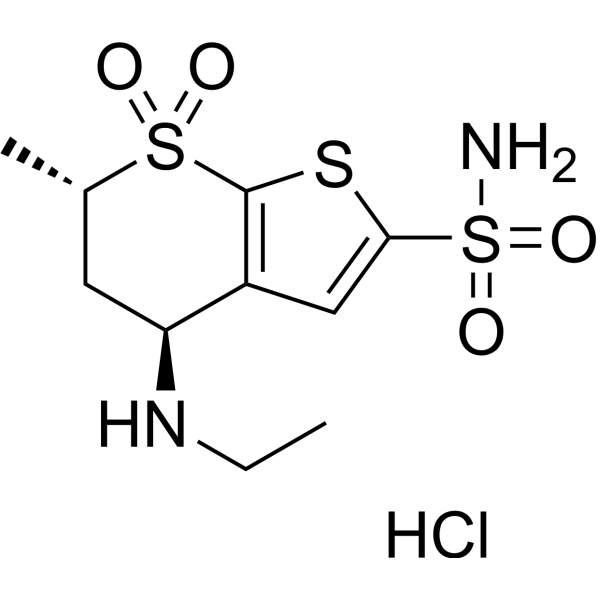
Dorzolamide (L671152) hydrochloride is a potent carbonic anhydrase II inhibitor, with IC50 values of 0.18 nM and 600 nM for red blood cell CA-II and CA-I respectively. Dorzolamide possesses anti-tumor activity .
|
-
- HY-B1056
-
|
Propazol; 2-Benzimidazolepropionic acid
|
Bacterial
Parasite
Antibiotic
Carbonic Anhydrase
|
Infection
Cancer
|
|
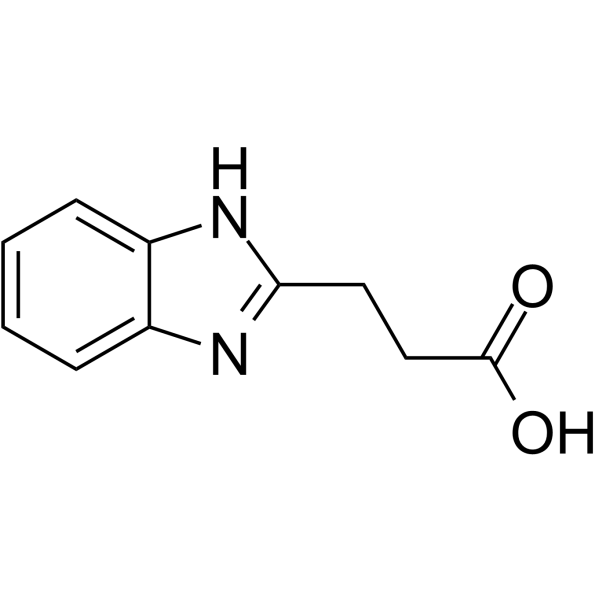
Procodazole is an orally active enhancer and a non-specific active immune protector against viral and bacterial infections. Procodazole also exhibits antiparasitic activity. In addition, Procodazole is a carbonic anhydrase inhibitor with antitumor activity .
|
-
- HY-175223
-
|
|
Carbonic Anhydrase
|
Cancer
|
|
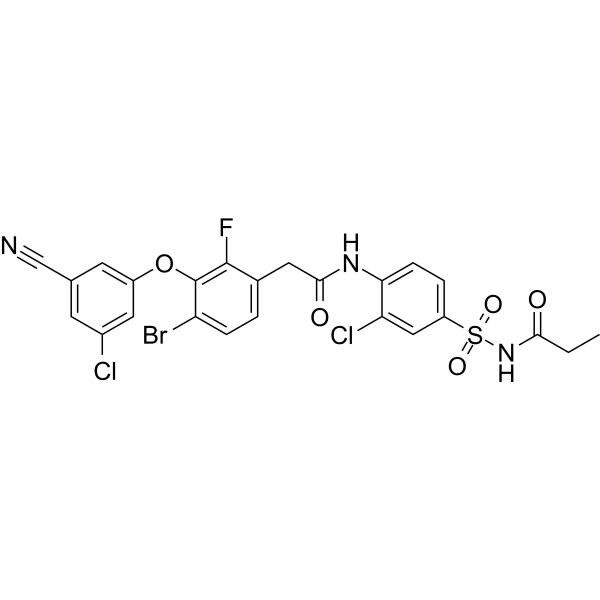
CAIX-IN-4 (Compound 8b) is a selective carbonic anhydrase IX (CAIX) inhibitor with an IC50 value of 0.32 μM. CAIX-IN-4 is promising for research of cancers such as renal cell carcinoma .
|
-

- HY-132155
-
|
NSC 91508
|
Carbonic Anhydrase
|
Neurological Disease
|
|
Indan-5-sulphonamide (Compd 1) is a carbonic anhydrase inhibitor and anticonvulsant agent, with Ki values of 0.039 nM (hCA XII), 6.5 nM (hCA XIV) and 5.1 nM (hCA XIV), respectively .
|
-

- HY-161697
-
|
|
Carbonic Anhydrase
|
Cancer
|
|
hCAIX-IN-20 (compound APBS-5m) is a potent inhibitor of carbonic anhydrase IX (hCA IX), with the Ki of 2.7 nM. hCAIX-IN-20 plays an important role in cancer research .
|
-

- HY-109056
-
|
R-1206
|
Drug Intermediate
HIV
Reverse Transcriptase
Carbonic Anhydrase
|
Infection
Cancer
|
|
Elsulfavirine (R-1206) is an orally active human carbonic anhydrase (carbonic anhydrase, CA) inhibitor and an allosteric inhibitor of HIV-1 non-nucleoside reverse transcriptase (NNRT). Elsulfavirine also targets and blocks the interaction between adenylosuccinate lyase (ADSL) and insulin-induced gene proteins INSIG1/2, blocks SREBP-1-mediated de novo lipid synthesis, and inhibits the proliferation of liver cancer cells. The combination of Elsulfavirine and Lenvatinib (HY-10981) produces a synergistic anti-tumor effect. Elsulfavirine is converted into the active metabolite VM1500A in vivo, blocks the DNA polymerase activity of reverse transcriptase, and inhibits HIV-1 replication. Elsulfavirine exhibits a Ki of 1960 nM-52400 nM against human carbonic anhydrase isoforms including I, VII, VI, VA, VB, IX, XIII, XIV. Elsulfavirine is used in studies related to HIV-1 infection and liver cancer .
|
-
- HY-109056A
-
|
R-1206 sodium
|
HIV
Drug Intermediate
Reverse Transcriptase
Carbonic Anhydrase
|
Infection
Cancer
|
|
Elsulfavirine sodium (R-1206) is an orally active human carbonic anhydrase (carbonic anhydrase, CA) inhibitor and an allosteric inhibitor of HIV-1 non-nucleoside reverse transcriptase (NNRT). Elsulfavirine sodium also targets and blocks the interaction between adenylosuccinate lyase (ADSL) and insulin-induced gene proteins INSIG1/2, blocks SREBP-1-mediated de novo lipid synthesis, and inhibits the proliferation of liver cancer cells. The combination of Elsulfavirine sodium and Lenvatinib (HY-10981) produces a synergistic anti-tumor effect. Elsulfavirine sodium is converted into the active metabolite VM1500A in vivo, blocks the DNA polymerase activity of reverse transcriptase, and inhibits HIV-1 replication. Elsulfavirine sodium exhibits a Ki of 1960 nM-52400 nM against human carbonic anhydrase isoforms including I, VII, VI, VA, VB, IX, XIII, XIV. Elsulfavirine sodium is used in studies related to HIV-1 infection and liver cancer .
|
-

- HY-B0782S
-
|
|
Carbonic Anhydrase
|
Cardiovascular Disease
|
|
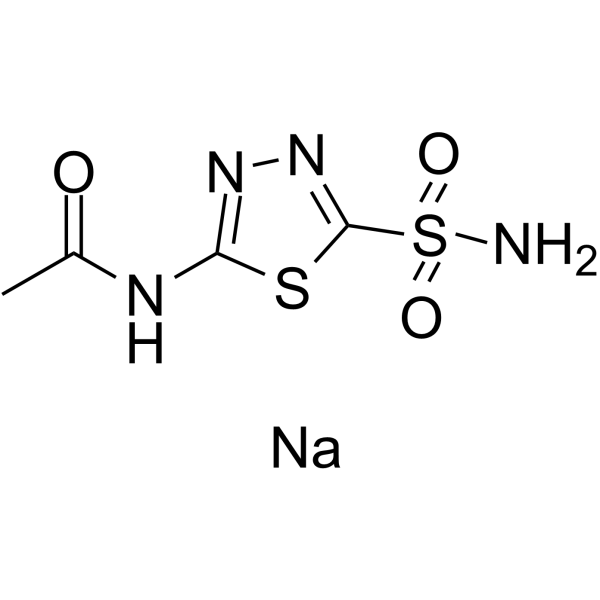
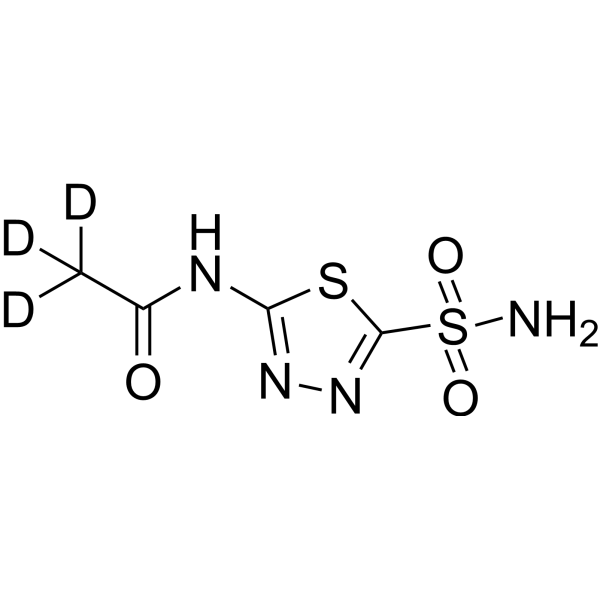
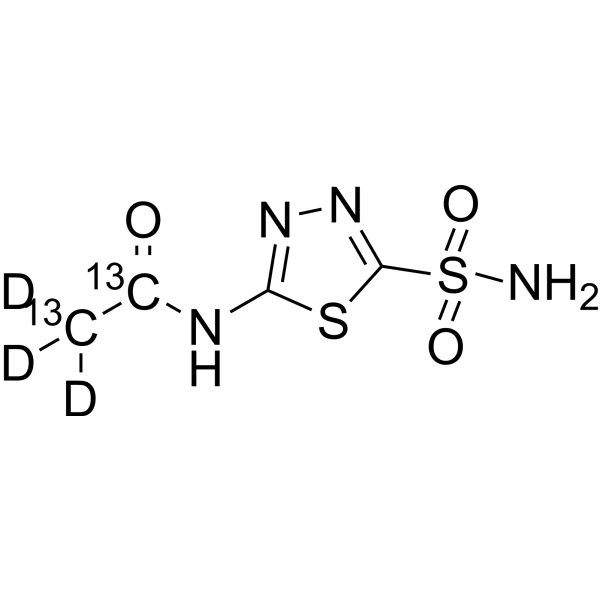
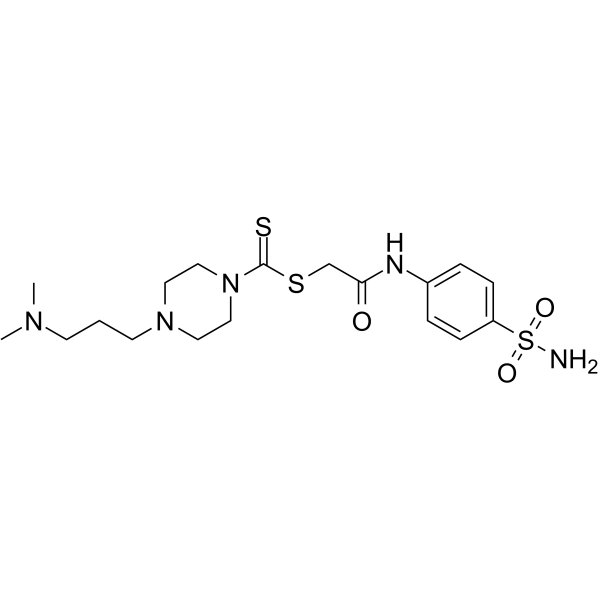
Acetazolamide-d3 is deuterium labeled Acetazolamide (HY-B0782). Acetazolamide is a carbonic anhydrase (CA) IX inhibitor with an IC50 of 30 nM for hCA IX. Acetazolamide has diuretic, antihypertensive and anti-gonococcal activities.
|
-
- HY-144268
-
|
|
Carbonic Anhydrase
|
Cancer
|
|
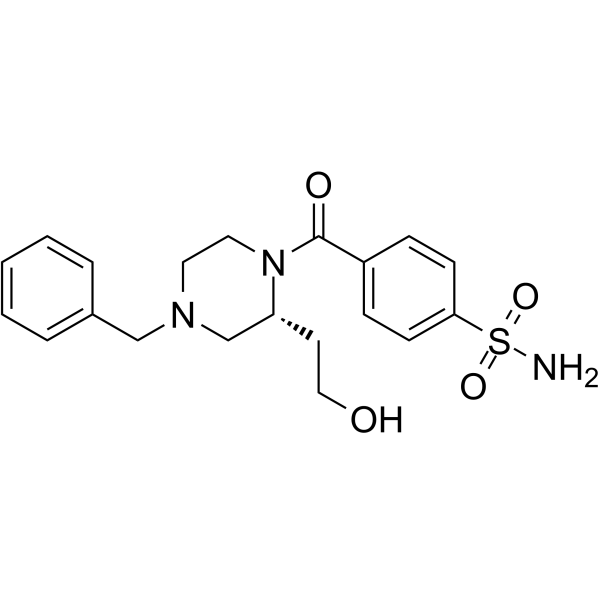
hCAII-IN-7 (Compound R-13) is a potent human carbonic anhydrase (hCA) inhibitor with Kis of 60.7, 320.7, 2298, and 35.2 nM for hCA I, II, IV and IX, respectively .
|
-
- HY-183580
-
|
|
|
Cancer
|
|
CAIX/CAXII-IN prodrug-1 is a subtype-dependent prodrug inhibitor of carbonic anhydrase IX and XII (CAIX/CAXII). CAIX/CAXII-IN prodrug-1 itself shows no activity against carbonic anhydrases, and after hydrolysis, it exhibits Ki values of 54 nM and 62 nM against hCA IX and hCA XII, respectively. CAIX/CAXII-IN prodrug-1 exerts antiproliferative activity against cancer cells and induces cell apoptosis (apoptosis) via the endogenous mitochondrial pathway. CAIX/CAXII-IN prodrug-1 can be used in the research of breast cancer, colorectal adenocarcinoma and prostate cancer .
|
-

- HY-146983
-
|
|
Carbonic Anhydrase
|
Cancer
|
|
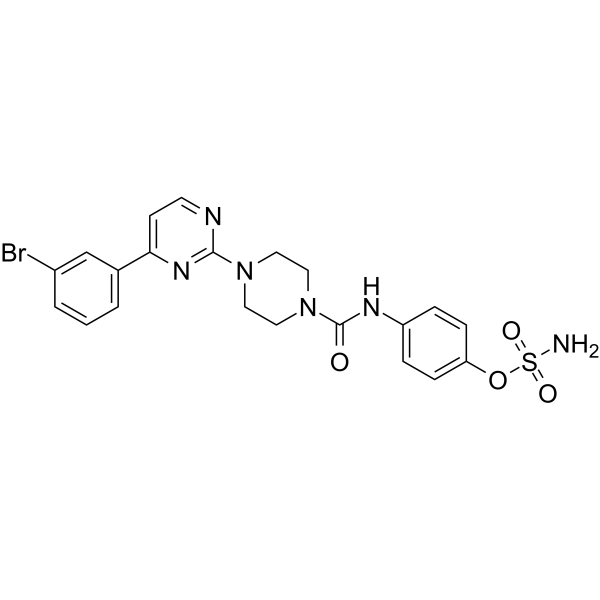
hCAII-IN-3 (compound 7e) is a potent and selective inhibitor of carbonic anhydrase (CA II/IX) with Kis of 124.2 and 30.5 nM, respectively. hCAII-IN-3 has the potential for the research of cancer diseases .
|
-
- HY-W011293R
-
|
2,4-Disulfamyl-5-trifluoromethylaniline (Standard)
|
Reference Standards
Phosphodiesterase (PDE)
|
Others
|
|
DTA (Standard) is the analytical standard of DTA. This product is intended for research and analytical applications. DTA (2,4-Disulfamyl-5-trifluoromethylaniline) is a cyclic AMP phosphodiesterase inhibitor that binds to erythrocyte carbonic anhydrase .
|
-

- HY-113719
-
|
|
Carbonic Anhydrase
|
Cancer
|
|
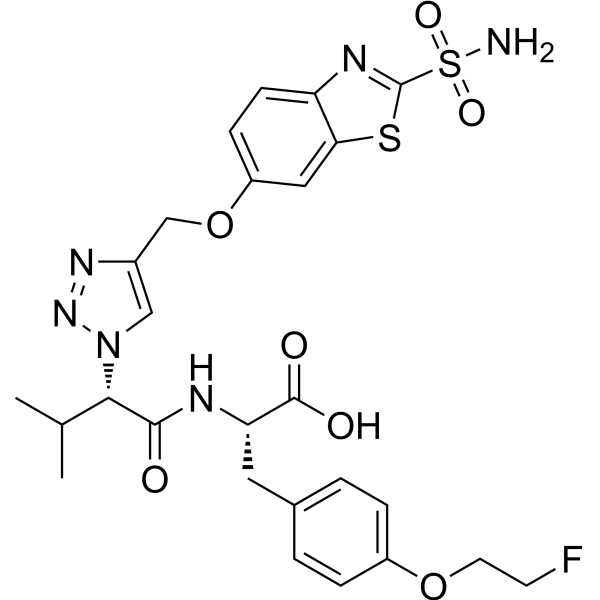
VM4-037 can be used for the synthesis of VM4-037(18F). VM4-037(18F) is a fluorinated PET imaging agent for carbonic anhydrase IX .
|
-
- HY-146982
-
|
|
Carbonic Anhydrase
|
Cancer
|
|
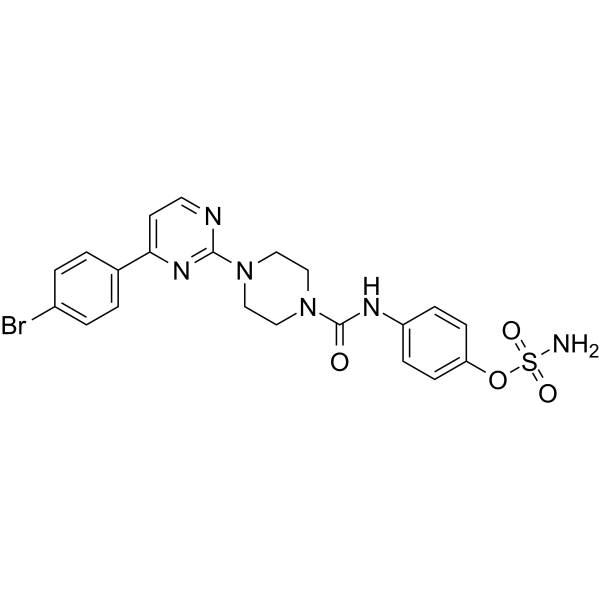
hCAII-IN-1 (compound 7f) is a potent and selective inhibitor of carbonic anhydrase (CA II/IX) with Kis of 1.2 and 113.6 nM, respectively. hCAII-IN-1 has the potential for the research of cancer diseases .
|
-
- HY-B1056R
-
|
Propazol (Standard); 2-Benzimidazolepropionic acid (Standard)
|
Reference Standards
Bacterial
Parasite
Antibiotic
Carbonic Anhydrase
|
Infection
Cancer
|
|
DTA (Standard) is the analytical standard of DTA. This product is intended for research and analytical applications. DTA (2,4-Disulfamyl-5-trifluoromethylaniline) is a cyclic AMP phosphodiesterase inhibitor that binds to erythrocyte carbonic anhydrase .
|
-

- HY-162063
-
-
- HY-B0782S1
-
-
- HY-159982
-
|
|
Carbonic Anhydrase
|
Cancer
|
|
SH7s is a potent carbonic anhydrases inhibitor, with Kis of 15.9 and 55.2 nM for hCA IX and hCA XII, respectively. SH7s is also a hypoxia-mediated chemo-sensitizing agent in colorectal cancer cells .
|
-

- HY-W412326
-
|
Guaietolin (INN); Guethral; Guethural
|
Drug Intermediate
|
Cardiovascular Disease
|
|
Guaietolin is an organic synthesis intermediate. Guaietolin is a marker of hypertension with significant reduced level in plasma metabolites. Guaietolin can be used for synthesis of sulfonamide esters with carbonic anhydrase inhibitory activity. Guaietolin can be used for glaucoma and hypertension research .
|
-

- HY-106331A
-
|
MK-927; (Rac)-MK 417
|
Carbonic Anhydrase
|
Neurological Disease
|
|
(Rac)-Sezolamide hydrochloride (MK-927; (Rac)-MK 417) is a carbonic anhydrase inhibitor (CAI) (Ki: 12.0 nM). (Rac)-Sezolamide hydrochloride has a topical intraocular pressure (IOP) lowering effect. (Rac)-Sezolamide hydrochloride can be used in glaucoma research .
|
-

- HY-129781
-
|
|
Carbonic Anhydrase
|
Endocrinology
|
|
L-650719 is a topical carbonic anhydrase inhibitor (CAI) with a Ki of 10 nM for CA II. L-650719 has shown good intraocular pressure-lowering effects in a rabbit model. L-650719 may be used in glaucoma research .
|
-

- HY-149301
-
|
|
Carbonic Anhydrase
|
Cancer
|
|
hCAIX-IN-18 (compound 30) is an inhibitor of carbonic anhydrase (CA), with Kis of 3.5 nM, 9.4 nM, 43.0 nM and 8.2 nM for hCAI, hCAII, hCAIX, hCAXII, respectively. hCAIX-IN-18 can be used for cancer research .
|
-
- HY-175847
-
|
|
Carbonic Anhydrase
|
Cancer
|
|
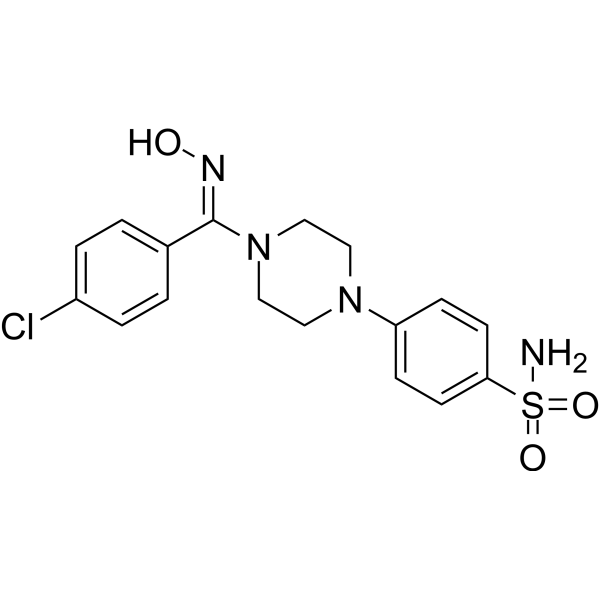
hCA-I/ HCA-II-IN-2 (compound 5 k) is an effective inhibitor of human carbonic anhydrase I (hCA-I) and II (hCA-II). The IC50 for hCA I and hCA II are 89.25 and 54.50 nM respectively .
|
-

- HY-146385
-
|
|
Carbonic Anhydrase
|
Cancer
|
|
hCAI/II-IN-1 (Compound 3h) is a human carbonic anhydrase I and II (hCA I/II) inhibitor with IC50 values of 0.047 µM and 0.024 µM against hCA I and hCA II, respectively .
|
-
- HY-B0782R
-
-
- HY-B0483R
-
-

- HY-147986
-
|
|
Carbonic Anhydrase
|
Cancer
|
|
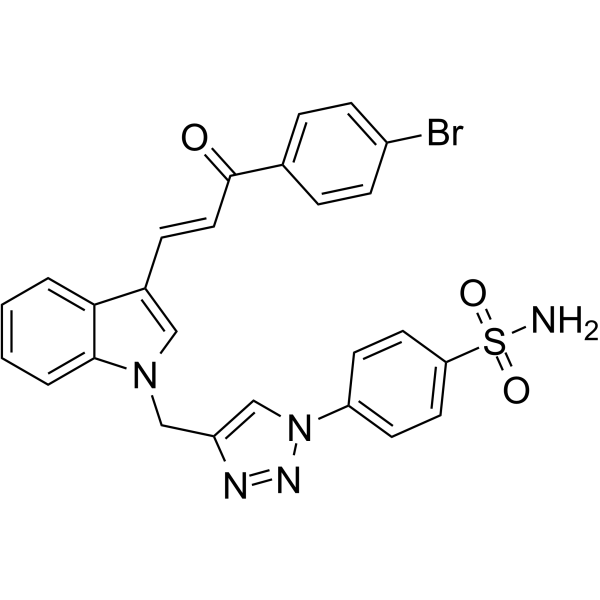
hCA I-IN-2 (Compound 6d) is a selective human carbonic anhydrase I (hCA I) inhibitor with Ki values of 18.8, 375.1, 1721 and 283.9 nM against hCA I, hCA II, hCAIX and hCAXII, respectively .
|
-
- HY-157462
-
|
|
Carbonic Anhydrase
|
Infection
|
|
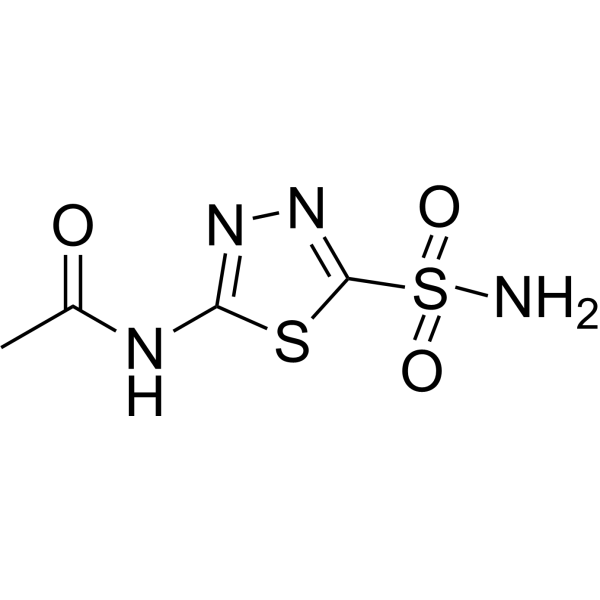
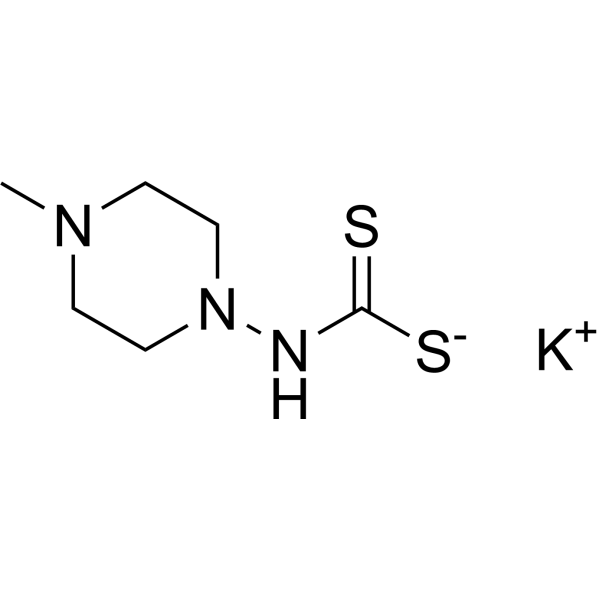
FC14-584B, a dithiocarbamate, is a β-Carbonic Anhydrase inhibitor. FC14-584B inhibits the growth of trophozoites. FC14-584B can be used for the research of tuberculosis .
|
-
- HY-147985
-
|
|
Carbonic Anhydrase
|
Cancer
|
|
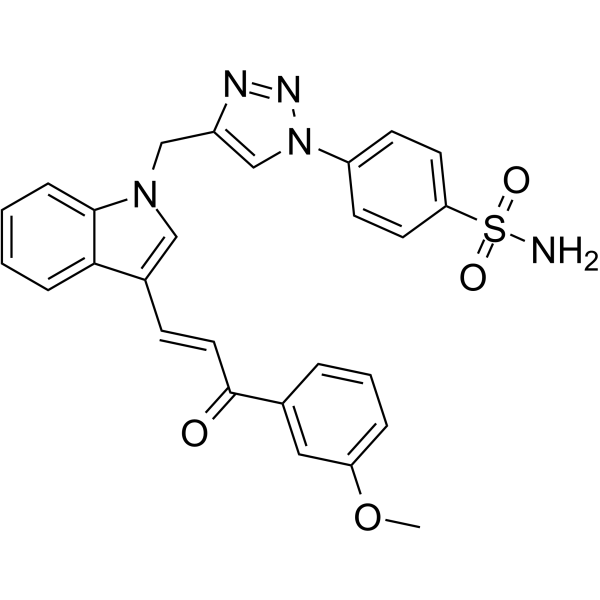
hCA I-IN-1 (Compound 6q) is a human carbonic anhydrase I (hCA I) inhibitor with Ki values of 38.3, 716.4, 940.1 and 192.8 nM against hCA I, hCA II, hCAIX and hCAXII, respectively .
|
-
- HY-176055
-
|
|
Carbonic Anhydrase
|
Infection
|
|
hCAI/II-IN-11 (compound 2c) is a Carbonic Anhydrase Inhibitor with IC50 values of 12.56 μM and 13.02 μM for hCA I and hCA II, respectively. hCAI/II-IN-11 shows antioxidant and antimicrobial effects .
|
-

- HY-169162
-
|
|
Carbonic Anhydrase
Cholinesterase (ChE)
|
Neurological Disease
|
|
hBChE-IN-3 (compound 30) is a combination of carbonic anhydrase (CA) activator and cholinesterase (ChE) inhibitor with IC50 values of 7.4 and 1.9 nM for AchE and BchE, respectively. hBChE-IN-3 can be used in the study of neurodegeneration and psychiatric disorders .
|
-

- HY-146355
-
|
|
Carbonic Anhydrase
|
Cancer
|
|
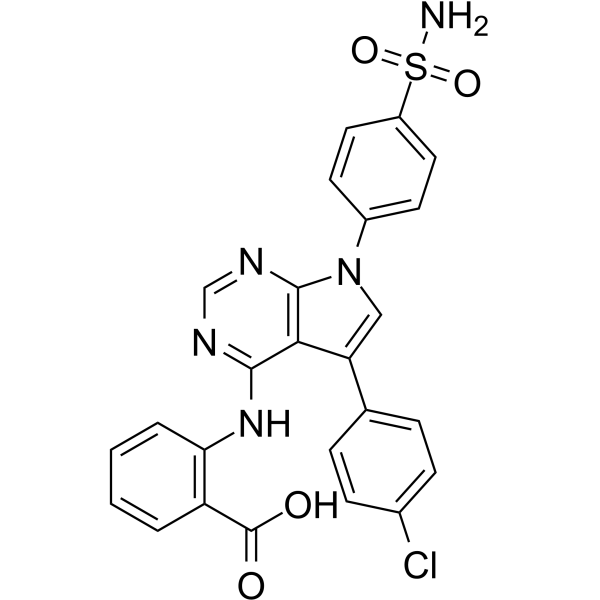
hCAII-IN-2 (Compound 11f) is a cytosolic human carbonic anhydrase (hCA) inhibitor with Ki values of 261.4, 3.8, 19.6 and 45.2 nM against hCA I, hCA II, hCA IX and hCA XII, respectively .
|
-
- HY-119063
-
|
|
Carbonic Anhydrase
|
Others
|
|
L-645151 is a carbonic anhydrase inhibitor with ocular penetration and hypotensive activity. L-645151 lowers the elevated intraocular pressure (IOP) of o-chymotripsinized (o-CT) rabbit eyes. L-645151 is promising for research of an ocular hypotensive agent .
|
-

- HY-13513
-
|
SLC-0111
|
Carbonic Anhydrase
|
Cancer
|
|
U-104 (SLC-0111) is a potent carbonic anhydrase (CA) inhibitor for CA IX and CA XII with Ki values of 45.1 nM and 4.5 nM, respectively. U-104 shows a significant delay in tumor growth in mice model .
|
-
- HY-181237
-
-

- HY-109056R
-
|
R-1206 (Standard)
|
Reference Standards
Drug Intermediate
HIV
Reverse Transcriptase
Carbonic Anhydrase
|
Infection
Cancer
|
|
Elsulfavirine (Standard) is the analytical standard of Elsulfavirine (HY-109056). This product is intended for research and analytical applications. Elsulfavirine (R-1206) is an orally active human carbonic anhydrase (carbonic anhydrase, CA) inhibitor and an allosteric inhibitor of HIV-1 non-nucleoside reverse transcriptase (NNRT). Elsulfavirine also targets and blocks the interaction between adenylosuccinate lyase (ADSL) and insulin-induced gene proteins INSIG1/2, blocks SREBP-1-mediated de novo lipid synthesis, and inhibits the proliferation of liver cancer cells. The combination of Elsulfavirine and Lenvatinib (HY-10981) produces a synergistic anti-tumor effect. Elsulfavirine is converted into the active metabolite VM1500A in vivo, blocks the DNA polymerase activity of reverse transcriptase, and inhibits HIV-1 replication. Elsulfavirine exhibits a Ki of 1960 nM-52400 nM against human carbonic anhydrase isoforms including I, VII, VI, VA, VB, IX, XIII, XIV. Elsulfavirine is used in studies related to HIV-1 infection and liver cancer .
|
-

- HY-B1424
-
|
|
Carbonic Anhydrase
|
Cardiovascular Disease
Cancer
|
|
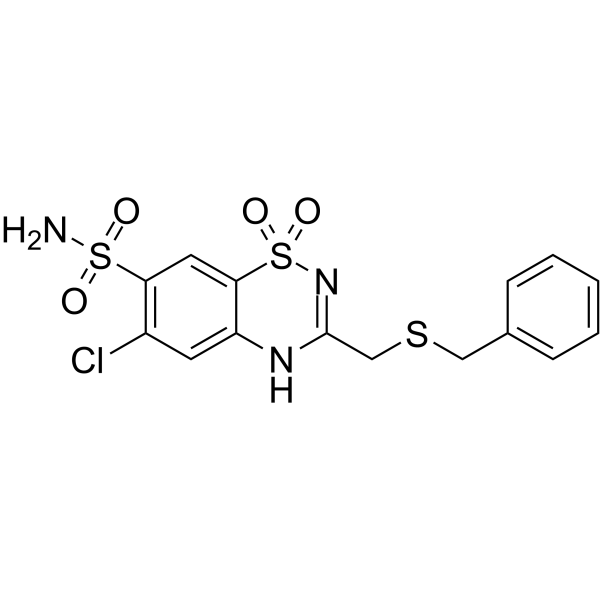
Benzthiazide is a long-acting diuretic and a hypertension agent. Benzthiazide is an inhibitor of carbonic anhydrase 9 (CA9), with Kis of 8.0, 8.8 and 10 nM for CA9, CA2 and CA1, respectively. Benzthiazide also suppresses proliferation of cancer cells .
|
-
- HY-B0588A
-
|
AL-4862 hydrochloride
|
Carbonic Anhydrase
|
Neurological Disease
|
|
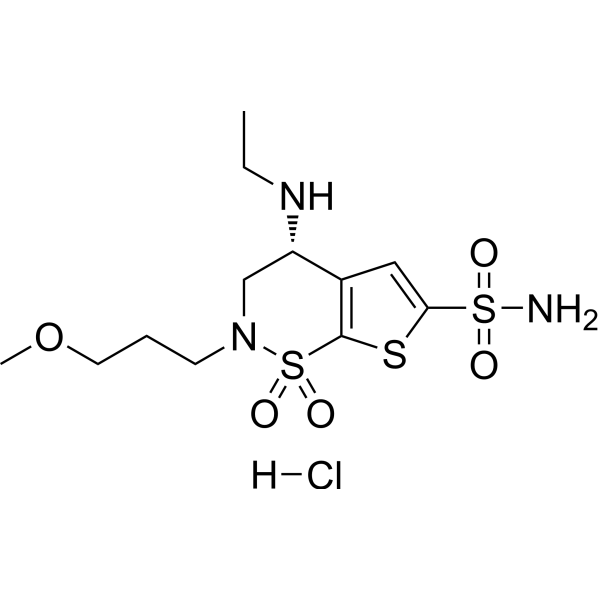
Brinzolamide (AL-4862) hydrochloride is a selective carbonic anhydrase II inhibitor with an IC50 value of 3.2 nM. Brinzolamide hydrochloride reduces intraocular pressure (IOP) by inhibiting ciliary CA-II and decreasing atrial fluid secretion. Brinzolamide hydrochloride can be used in glaucoma disease research .
|
-
- HY-106331
-
|
MK-927 free base; (Rac)-MK 417 free base
|
Carbonic Anhydrase
|
Endocrinology
|
|
(Rac)-Sezolamide (MK-927 (free base); (Rac)-MK 417 (free base)) is a carbonic anhydrase inhibitor (CAI) (Ki: 12.0 nM). (Rac)-Sezolamide has a topical intraocular pressure (IOP) lowering effect. (Rac)-Sezolamide can be used in glaucoma research .
|
-

- HY-161295
-
|
|
Carbonic Anhydrase
|
Cancer
|
|
hCAIX/XII-IN-10 (compound DK-8) is a carbonic anhydrase inhibitor. hCAIX/XII-IN-10 has potent inhibitory activity against tumor-associated membrane-bound isoforms hCA IX and XII, with Ki values of 32.5 nM and 29.2 nM .
|
-
- HY-120367
-
|
|
Carbonic Anhydrase
|
Cancer
|
|
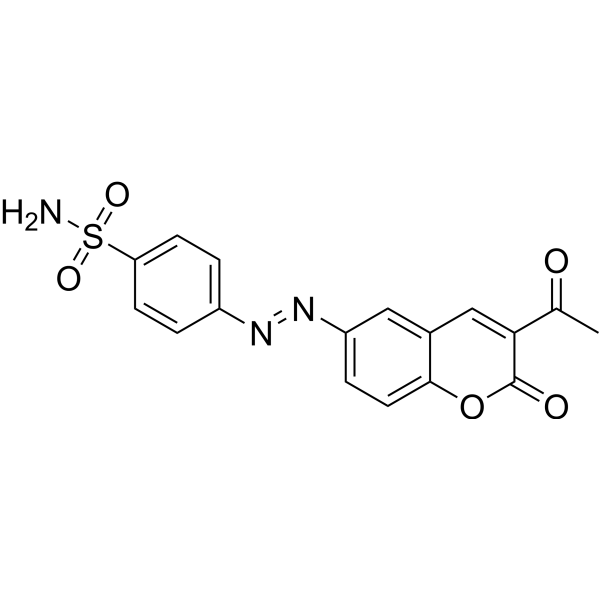
DTP348 is an inhibitor for carbonic anhydrase IX with a Ki of 8.3 nM in vitro and an IC50 of 19.26 μM in Xenopus oocytes. DTP348 exhibits slight toxicity in zebrafish embryos with LD50 of 3.5 mM. DTP348 can be used in the anti-cancer research .
|
-

- HY-147829
-
|
|
Carbonic Anhydrase
|
Cancer
|
|
hCAXII-IN-2 (compound 5i) is a potent human carbonic anhydrase XII (hCA XII) and hCA IX inhibitor with Ki values of 84.2 nM and 268.5 nM, respectively. hCAXII-IN-2 shows less active against hCA I and hCA II .
|
-
- HY-D2345
-
|
|
Fluorescent Dye
Carbonic Anhydrase
|
Cancer
|
|
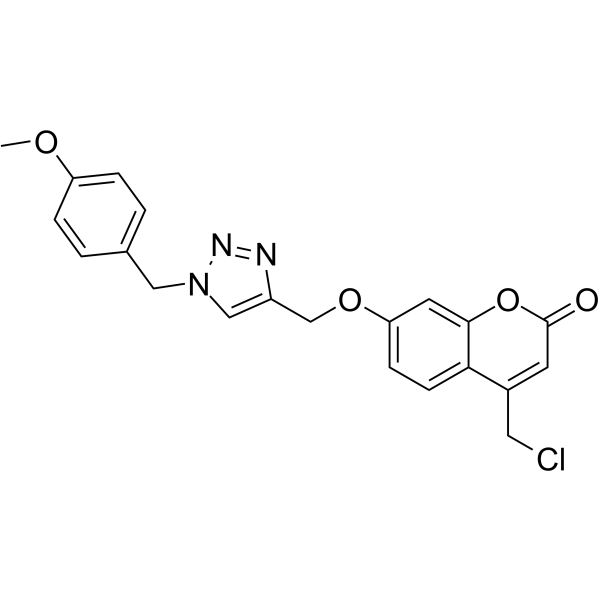
GZ22-4 is a near-infrared (NIR) fluorescent probe. GZ22-4 shows high affinity for carbonic anhydrase IX (CAIX), with a Kd of 0.2 nM. GZ22-4 can be used for the research of visualize CAIX-positive tumors .
|
-

- HY-B0397R
-
|
Diclofenamide (Standard)
|
Reference Standards
Carbonic Anhydrase
|
Neurological Disease
|
|
Dichlorphenamide (Standard) is the analytical standard of Dichlorphenamide. This product is intended for research and analytical applications. Dichlorphenamide (Diclofenamide) is an orally active, specific, carbonic anhydrase inhibitor. Dichlorphenamide can reduce intraocular pressure by inhibiting the secretion of water from the eye. Dichlorphenamide can be used for glaucoma research .
|
-
- HY-178056
-
|
|
Carbonic Anhydrase
Bacterial
|
Infection
|
|
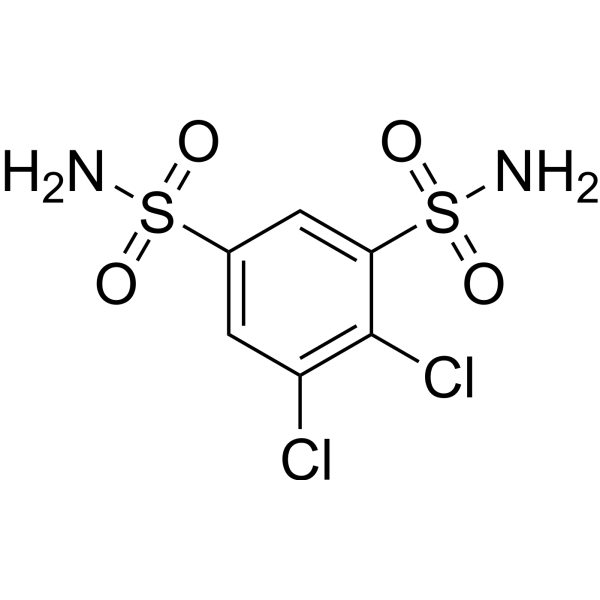
Carbonic anhydrase-IN-2 is an orally active carbonic anhydrase inhibitor. Carbonic anhydrase-IN-2 shows antibacterial effect against various vancomycin-resistant Enterococcus (VRE) strains. Carbonic anhydrase-IN-2 can be used for the research of infection, such as E. faecium .
|
-

- HY-152141
-
|
|
Carbonic Anhydrase
|
Others
|
|
hCAII-IN-9 is a potent carbonic anhydrase inhibitor with IC50s of 1.18 μM (hCA II), 0.17 μM (hCA IX), and 2.99 μM (hCA XII), respectively. hCAII-IN-9 has no blood-brain barrier permeability .
|
-
- HY-16726
-
|
CG100649
|
COX
Carbonic Anhydrase
|
Cancer
|
|
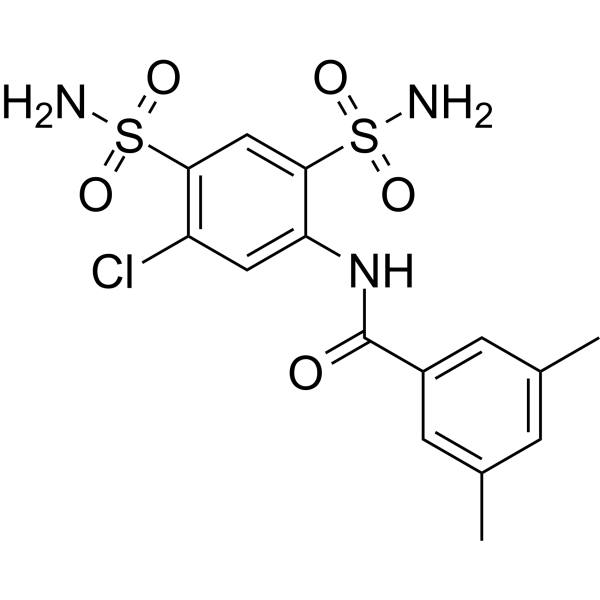
Polmacoxib (CG100649) is a first-in-class, orally active nonsteroidal anti-inflammatory agent (NSAID) which is a dual inhibitor of COX-2 (IC50 around 0.1 μg/ml) and carbonic anhydrase . Polmacoxib inhibits colorectal adenoma and tumor growth in mouse models .
|
-
- HY-B0109S
-
|
|
Isotope-Labeled Compounds
Carbonic Anhydrase
|
Cancer
|
|
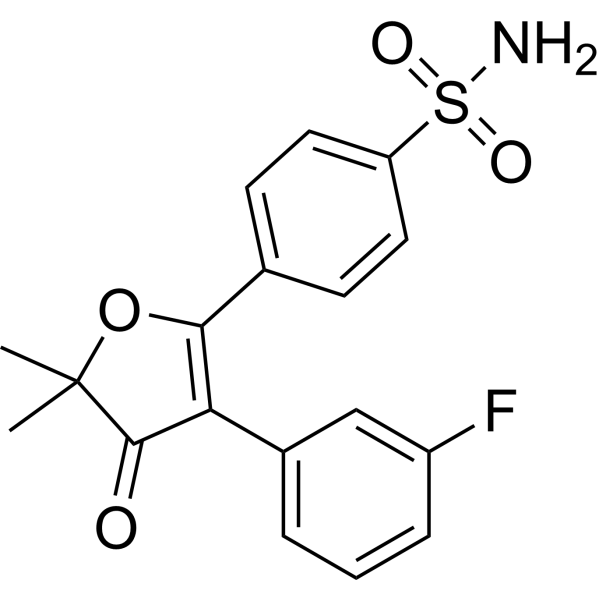
Dorzolamide-d5 is the deuterium labeled Dorzolamide. Dorzolamide (L671152) is a potent carbonic anhydrase II inhibitor, with IC50 values of 0.18 nM and 600 nM for red blood cell CA-II and CA-I respectively. Dorzolamide possesses anti-tumor activity .
|
-
- HY-44602
-
|
|
Carbonic Anhydrase
|
Neurological Disease
|
|
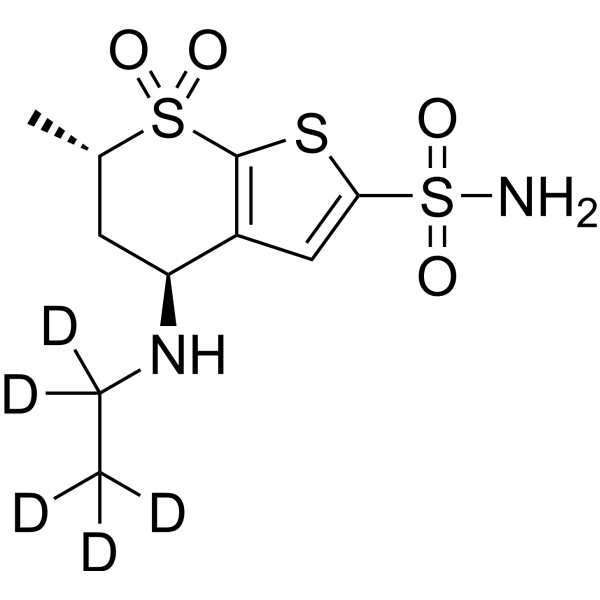
Thioaspirine is a carbonic anhydrase (CA) inhibitor with Kis of 64.3 and 10.9 μM for hCA II and hCA IX, respectively. Thioaspirine effectively relieves the inflammatory pain in CFA (HY-153808)-treated mice. Thioaspirine can be used for inflammatory pain research .
|
-

- HY-181112
-
|
|
Carbonic Anhydrase
|
Cancer
|
|
CAIX-IN-17 is a carbonic anhydrase IX (CAIX) inhibitor with an IC50 of 61 nM and accumulates specifically in CAIX-expressing xenograft tumors. CAIX-IN-17 can be labeled with 68Ga and acts as a CAIX-targeted PET tracer for detection of clear-cell renal cell carcinoma .
|
-

- HY-B0588
-
|
AL-4862
|
Carbonic Anhydrase
|
Cardiovascular Disease
Others
Neurological Disease
|
|
Brinzolamide (AL-4862) is a selective carbonic anhydrase II inhibitor with anIC50 value of 3.2 nM. Brinzolamide hydrochloride reduces intraocular pressure (IOP) by inhibiting ciliary CA-II and decreasing atrial fluid secretion. Brinzolamide can be used in glaucoma disease research .
|
-
- HY-12155
-
|
|
Sodium Channel
Calcium Channel
|
Neurological Disease
|
|
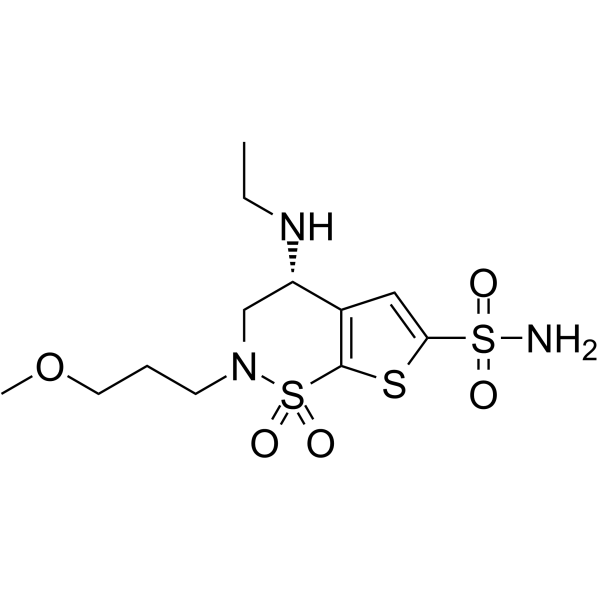
JNJ-26990990 is a broad-spectrum antiepileptic agent with oral activity. JNJ-26990990 can inhibit voltage-gated Na + channels and N-type Ca 2+ channels, but has a very weak inhibitory effect on human carbonic anhydrase-II (IC50 = 110 μM) .
|
-

- HY-182245
-
|
|
Microtubule/Tubulin
Carbonic Anhydrase
Apoptosis
MDM-2/p53
|
Cancer
|
|
Anticancer agent 314 is a multi-target anticancer agent with tubulin polymerization inhibitory activity (IC50 = 6.35 μM) and human carbonic anhydrase IX (Ki = 27.1 nM) and XII (Ki 20.9 = nM) inhibitory activity. Anticancer agent 314 binds to the colchicine-binding pocket of tubulin and inhibits tumor-associated carbonic anhydrase isoforms via zinc coordination within enzyme active sites. Anticancer agent 314 induces G2/M phase cell cycle arrest, apoptosis via p53-dependent signaling, and broad-spectrum antiproliferative activity across multiple cancer cells. Anticancer agent 314 can be used for the research of cancer, such as leukemia, melanoma, ovarian cancer .
|
-

- HY-77036
-
Furagin
1 Publications Verification
Furazidine; Furazidin
|
Antibiotic
Bacterial
Carbonic Anhydrase
|
Infection
Cancer
|
|
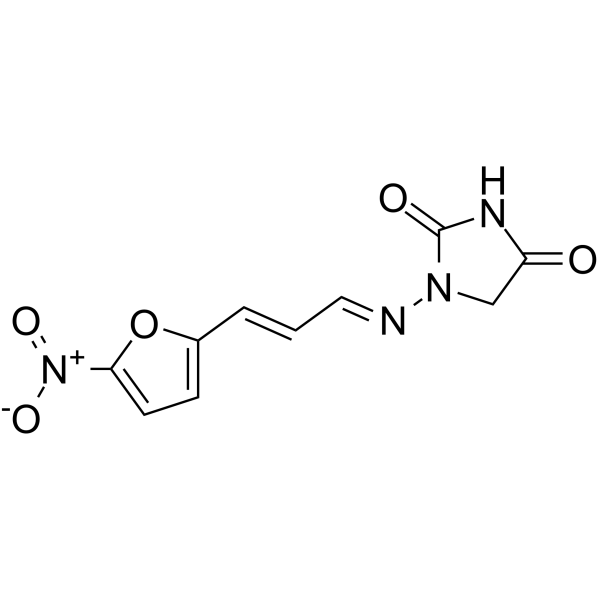
Furagin (Furazidine), an analogue of Nitrofurantoin (HY-A0090), is an antibiotic with antibacterial activity against ESKAPE pathogens with MIC values of 0-32 µg/mL. Furagin inhibits human Carbonic anhydrases . Furagin is promising for research of cancer and urinary tract infections (UTIs) .
|
-
- HY-146008
-
|
|
Carbonic Anhydrase
|
Cancer
|
|
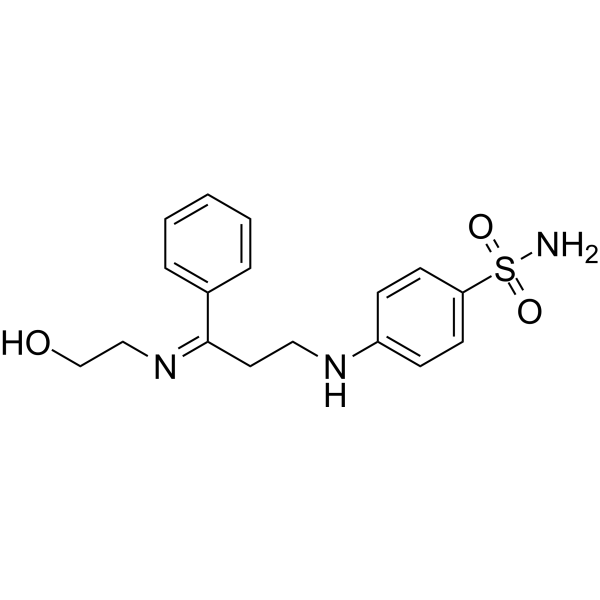
hCAII-IN-3 (Compound 16) is a human carbonic anhydrase (hCA) inhibitor with Ki values of 403.8, 5.1, 10.2 and 5.2 nM against hCA I, hCA II, hCA IX and hCA XII, respectively. hCA IX-IN-2 shows anticancer activity .
|
-
- HY-B0242R
-
|
Sulphanilamide (Standard)
|
Reference Standards
Bacterial
Antibiotic
|
Infection
|
|
Sulfanilamide (Standard) is the analytical standard of Sulfanilamide. This product is intended for research and analytical applications. ulfanilamide (Sulphanilamide) is a potent and orally active sulfonamide antibiotic and can be a major intermediate of sulfamethoxazole biodegradation. Sulfanilamide also is a carbonic anhydrase inhibitor. Sulfanilamide shows inhibition on virus of lymphogranuloma venereum .
|
-

- HY-B0109AR
-
|
L671152 hydrochloride(Standard); MK507 hydrochloride (Standard)
|
Reference Standards
Carbonic Anhydrase
|
Others
|
Dorzolamide (hydrochloride) (Standard) is the analytical standard of Dorzolamide (hydrochloride). This product is intended for research and analytical applications. Dorzolamide (L671152) hydrochloride is a potent carbonic anhydrase II inhibitor, with IC50 values of 0.18 nM and 600 nM for red blood cell CA-II and CA-I respectively. Dorzolamide possesses anti-tumor activity .
|
-
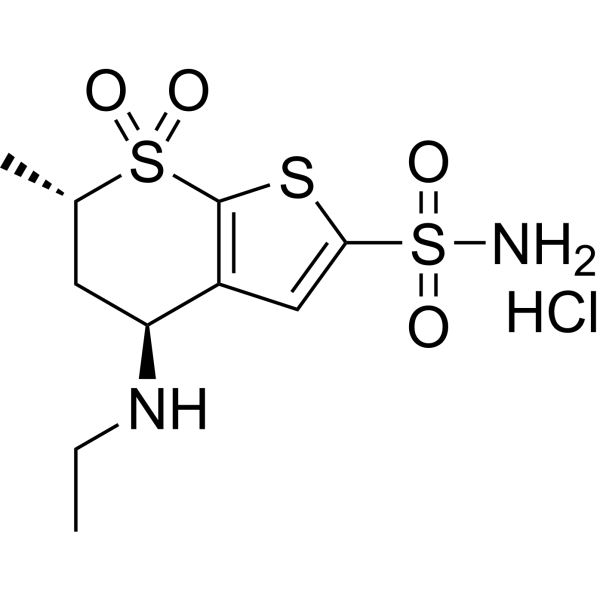
- HY-77036R
-
|
Furazidine (Standard); Furazidin (Standard)
|
Reference Standards
Antibiotic
Bacterial
Carbonic Anhydrase
|
Infection
Cancer
|
Furagin (Standard) is the analytical standard of Furagin. This product is intended for research and analytical applications. Furagin (Furazidine) is an analogue of Nitrofurantoin (HY-A0090) and has antibacterial activity. Furagin also inhibits human carbonic anhydrases (Kis: 260 and 57 nM for hCA IX and XII, respectively) .
|
-

- HY-118467
-
|
CL11366
|
Carbonic Anhydrase
|
Neurological Disease
Cancer
|
|
Benzolamide (CL11366) is a potent carbonic anhydrase (CA) inhibitor, with Kis of 15 nM, 9 nM, 94 nM and 78 nM for hCA I, hCA II, EcoCAγ and VchCAγ, respectively. Benzolamide also inhibits CAS3, with a Ki of 54 nM. Benzolamide can be used for the research of glaucoma and seizures .
|
-
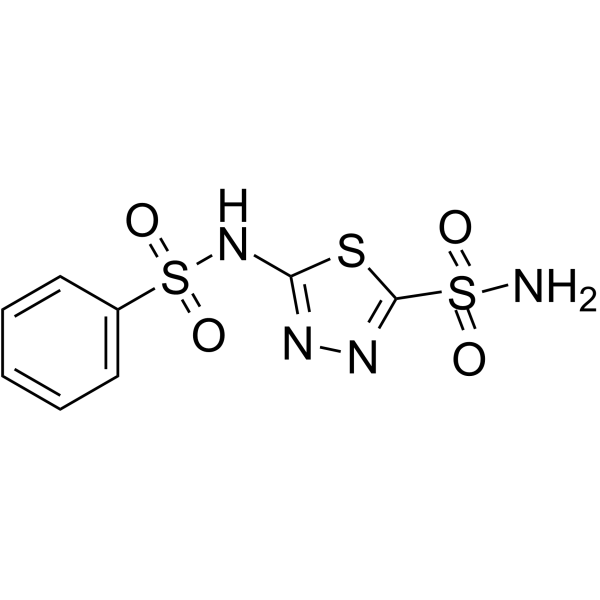
- HY-181510
-
|
|
Carbonic Anhydrase
|
Others
|
|
CAII-IN-14 (Compound 3o) is a human carbonic anhydrase II (hCA II) inhibitor with a Ki value of 1.65 nM. CAII-IN-14 also inhibits hCA I(Ki = 6.15 nM) and hCA IX(Ki = 5.43 nM). CAII-IN-14 exhibits predicted drug-like properties .
|
-

- HY-B0122
-
-
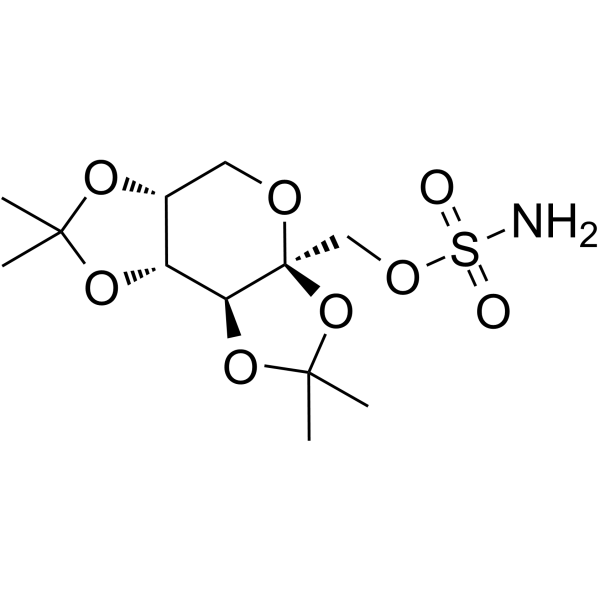
- HY-B0109AS
-
|
L671152-d3 hydrochloride; MK507-d3 hydrochloride
|
Carbonic Anhydrase
Isotope-Labeled Compounds
|
Others
|
Dorzolamide-d3 hydrochloride is deuterated labeled Dorzolamide hydrochloride (HY-B0109A). Dorzolamide (L671152) hydrochloride is a potent carbonic anhydrase II inhibitor, with IC50 values of 0.18 nM and 600 nM for red blood cell CA-II and CA-I respectively. Dorzolamide possesses anti-tumor activity .
|
-
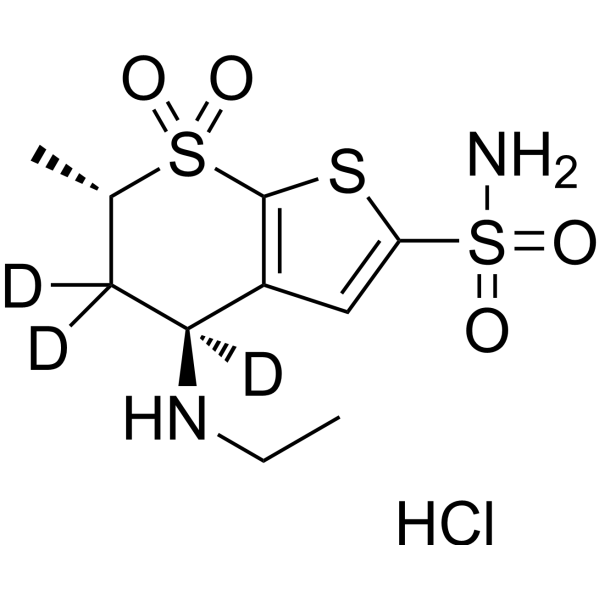
- HY-146007
-
|
|
Carbonic Anhydrase
|
Cancer
|
|
hCA IX-IN-1 (Compound 6f) is a human carbonic anhydrase (hCA) inhibitor with Ki values of 331.4, 28.4, 9.4 and 17.8 nM against hCA I, hCA II, hCA IX and hCA XII, respectively. hCA IX-IN-1 shows anticancer activity .
|
-
- HY-W587805
-
|
FHxSA
|
Carbonic Anhydrase
|
Others
|
|
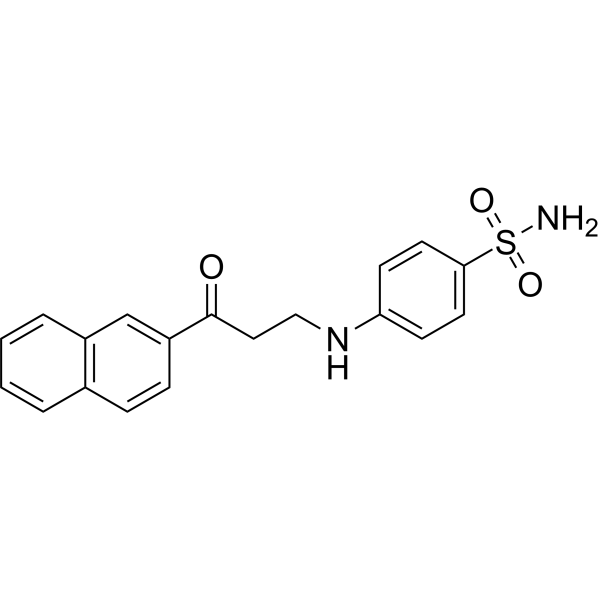
Perfluorohexane sulfonamide (FHxSA) is the inhibitor for carbonic anhydrase, that inhibits bovine CA and human CA II with IC50 of 0.122 and 1.38 μM. Perfluorohexane sulfonamide is a delayed-action insecticide, that can be used to control red fire ants (Solenopsis invicta). Perfluorohexane sulfonamide could be a environmental pollutant .
|
-

- HY-B1471
-
|
|
Carbonic Anhydrase
|
Inflammation/Immunology
|
|
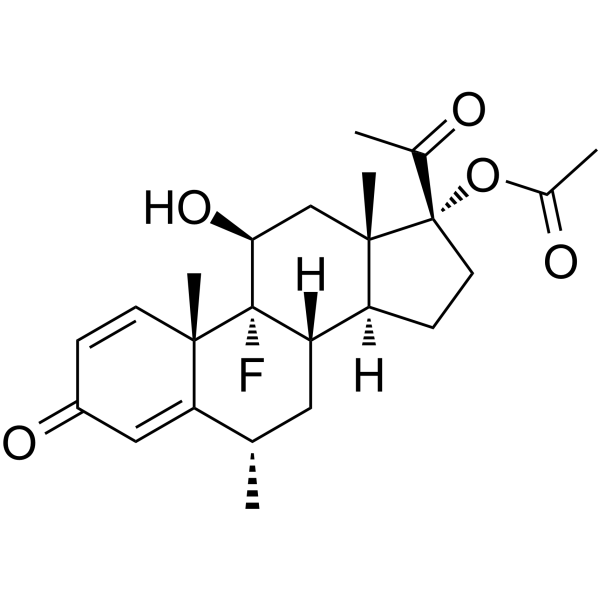
Fluorometholone acetate is a synthetic glucocorticoid corticosteroid and a corticosteroid ester. Fluorometholone acetate potently inhibits carbonic anhydrase (CA) with IC50s of 2.18 μM and 17.5 μM for hCA-I and hCA-II, respectively. Fluorometholone acetate has anti-inflammatory effect and has the potential for external ocular inflammation research .
|
-
- HY-159129
-
|
|
Ser/Thr Protease
|
Cancer
|
|
hCAXII-IN-10 (Compound 18b) is a dual inhibitor of human carbonic anhydrase isoform XII (hCAXII) and cathepsin B, with a Ki value of 2.2 nM. hCAXII-IN-10 can inhibit the role of hCAXII in providing tumors with a pH microenvironment conducive to tumor growth, and is expected to be used in the study of tumor diseases .
|
-

- HY-B0122A
-
|
McN 4853 lithium; RWJ 17021 lithium
|
iGluR
GABA Receptor
Sodium Channel
Calcium Channel
Potassium Channel
Carbonic Anhydrase
|
Neurological Disease
|
|
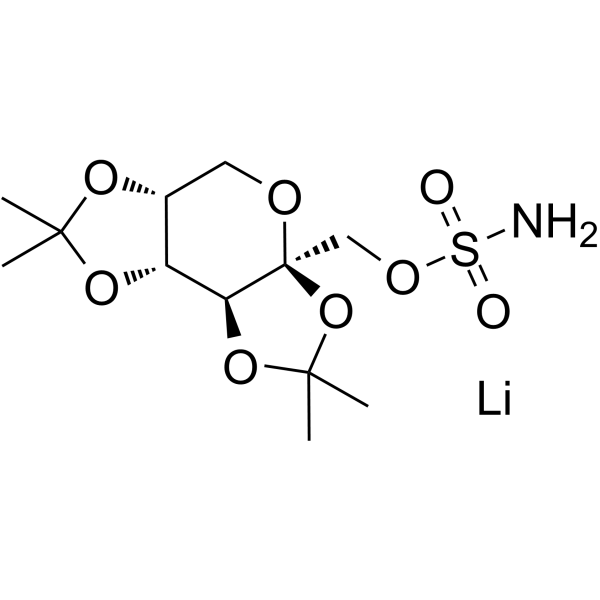
Topiramate (McN 4853) lithium is a broad-spectrum antiepileptic agent. Topiramate lithium is a GluR5 receptor antagonist. Topiramate produces its antiepileptic effects through enhancement of GABAergic activity, inhibition of kainate/AMPA receptors, inhibition of voltage-sensitive sodium and calcium channels, increases in potassium conductance, and inhibition of carbonic anhydrase .
|
-
- HY-W008343
-
|
|
Endogenous Metabolite
|
Metabolic Disease
|
|
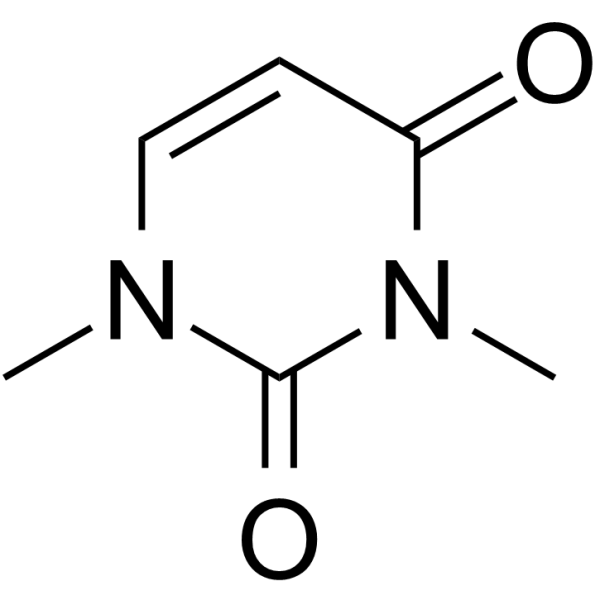
1,3-Dimethyluracil is a pyrimidone derives from a uracil. 1,3-Dimethyluracil found occasionally in human urine. 1,3-Dimethyluracil shows inhibition activity against hCA I and hCA II (human carbonic anhydrase) with Ki of 316.2 μM and 166.4 μM, respectively .
|
-
- HY-182070
-
|
|
Carbonic Anhydrase
|
Cancer
|
|
Carbonic anhydrase-IN-38 (compound 5c) is a carbonic anhydrase inhibitor with antiproliferative activity, with Ki values of 576.2 nM, 41.3 nM and 86.9 nM against hCA VII, hCA IX and hCA XII, respectively. Carbonic anhydrase-IN-38 can be used in research related to triple-negative breast cancer and glioblastoma .
|
-

- HY-171187
-
|
CL 13580
|
Carbonic Anhydrase
|
Cancer
|
|
Chlorzolamide (CL 13580) is a carbonic anhydrase (CA) inhibitor. Chlorzolamide has an effect on the skeletal muscle of rats, which can reduce the tetanic contraction force of soleus and extensor digitorum longus and prolong the relaxation time and peak time of muscle contraction. In addition, Chlorzolamide inhibits tumor cell proliferation and has antitumor activity .
|
-

- HY-169962
-
|
|
Carbonic Anhydrase
Cholinesterase (ChE)
|
Neurological Disease
Cancer
|
|
hCA I-IN-4 (Compound 14) is the inhibitor for carbonic anhydrase and cholinesterase, that inhibits hCA I, hCA II, AChE, and BChE with Ki of 29.94 nM, 17.72 nM, 21.21 nM, and 7.65 nMrespectively. hCA I-IN-4 exhibits cytotoxicity in BT-549 with IC50 of 16.59 μM .
|
-

- HY-W008343R
-
|
|
Reference Standards
Endogenous Metabolite
|
Metabolic Disease
|
|
1,3-Dimethyluracil is a pyrimidone derives from a uracil. 1,3-Dimethyluracil found occasionally in human urine. 1,3-Dimethyluracil shows inhibition activity against hCA I and hCA II (human carbonic anhydrase) with Ki of 316.2 μM and 166.4 μM, respectively .
|
-

- HY-B0109AS1
-
|
L671152 hydrochloride-d5; MK507 hydrochlorid-d5
|
Isotope-Labeled Compounds
Carbonic Anhydrase
|
Cardiovascular Disease
Others
|
Dorzolamide-d5(hydrochloride) (L671152 hydrochloride-d5) is deuterium labeled Dorzolamide (hydrochloride). Dorzolamide (L671152) hydrochloride is a potent carbonic anhydrase II inhibitor, with IC50 values of 0.18 nM and 600 nM for red blood cell CA-II and CA-I respectively. Dorzolamide possesses anti-tumor activity .
|
-

- HY-32004
-
|
|
Endogenous Metabolite
Parasite
Hydroxycarboxylic Acid Receptor (HCAR)
|
Infection
|
|
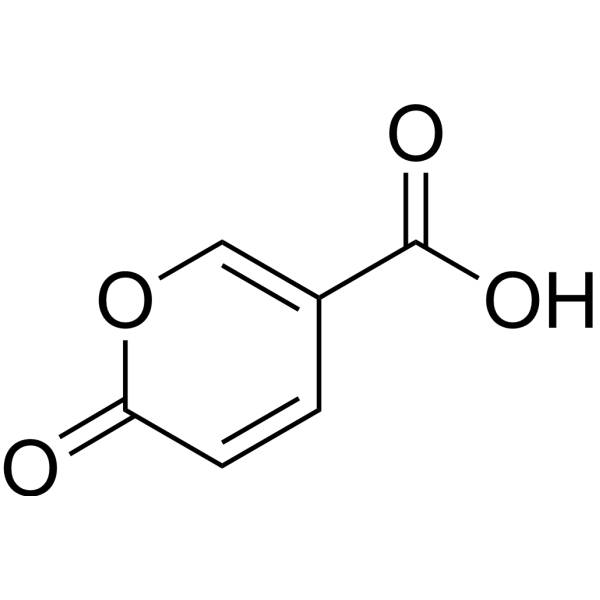
Coumalic acid is an inhibitor of human carbonic anhydrase (hCA) (KI = 0.073 μM for hCA IX; KI = 0.083 μM for hCA XII). Coumalic acid is a valuable platform compound which can be prepared from malic acid. Coumalic acid can be used in the flavorings, fragrances and cosmetics industries, as polymer components, and pharmaceutical scaffolds. Coumalic acid displays antibronchial and antimalarial activity .
|
-
- HY-B0588AS
-
|
AL-4862-d5 hydrochloride
|
Carbonic Anhydrase
|
Neurological Disease
|
|
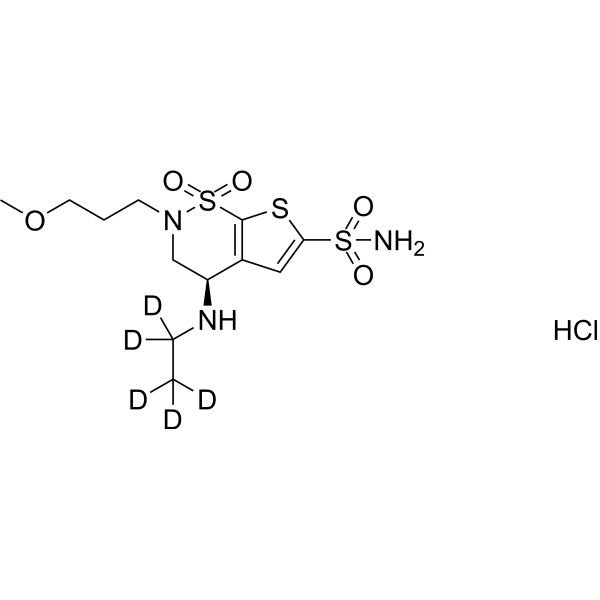
Brinzolamide-d5 (hydrochloride) is the deuterium labeled Brinzolamide hydrochloride . Brinzolamide (AL-4862) hydrochloride is a selective carbonic anhydrase II inhibitor with an IC50 value of 3.2 nM. Brinzolamide hydrochloride reduces intraocular pressure (IOP) by inhibiting ciliary CA-II and decreasing atrial fluid secretion. Brinzolamide hydrochloride can be used in glaucoma disease research .
|
-
- HY-B0124S
-
-
- HY-163380
-
|
|
Carbonic Anhydrase
|
Neurological Disease
|
|
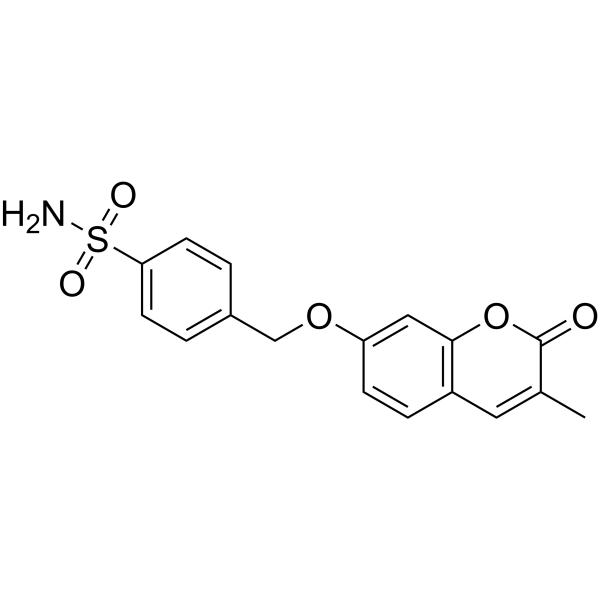
CA/MAO-B-IN-1 (Compound 78) is a dual inhibitor for human brain carbonic anhydrases (CA) and Monoamine Oxidase-B (MAO-B), with IC50s of 8.8 and 7.0 nM, respectively. CA/MAO-B-IN-1 reveals a human oral absorption of 71.9% through in silico prediction .
|
-
- HY-178017
-
|
|
Cholinesterase (ChE)
Carbonic Anhydrase
|
Neurological Disease
|
|
BChE/hCA II-IN-1 (Compound 20) is a dual-functional inhibitor of Butyrylcholinesterase (BChE) and human carbonic anhydrase II (hCA II) with IC50s of 76.50 and 10.69 μM for BChE and hCA II, respectively. BChE/hCA II-IN-1 can be used for neurodegenerative diseases like Alzheimer's and glaucoma research .
|
-

- HY-151472
-
|
|
Carbonic Anhydrase
|
Infection
|
|
hCAIX/XII-IN-6 is an orally active carbonic anhydrase (CA) inhibitor. hCAIX/XII-IN-6 inhibits human CA isoforms hCA I, II, IV, IX, and XII with Ki values of 6697 nM, 2950 nM, 4093 nM, 4.1 nM and 7.7 nM, respectively. hCAIX/XII-IN-6 can be used for the research of rheumatoid arthritis (RA) .
|
-
- HY-183590
-
|
|
Carbonic Anhydrase
Apoptosis
|
Cancer
|
|
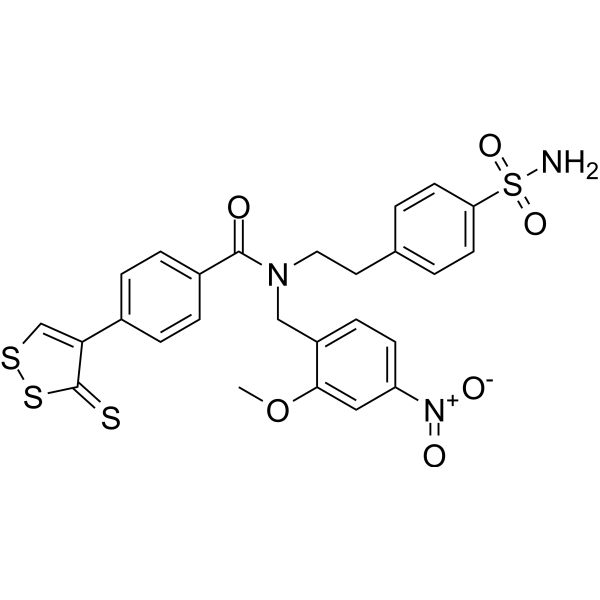
CAIX/XII-IN-17 is a selective human carbonic anhydrase IX/XII (CA IX/XII) inhibitor with Ki values of 25.1 nM (hCA IX) and 35.2 nM (hCA XII). CAIX/XII-IN-17 induces apoptosis in pancreatic cancer cells. CAIX/XII-IN-17 can be used for the research of breast cancer, pancreatic cancer .
|
-

- HY-B0588R
-
|
AL-4862 (Standard)
|
Reference Standards
Carbonic Anhydrase
|
Others
Neurological Disease
|
|
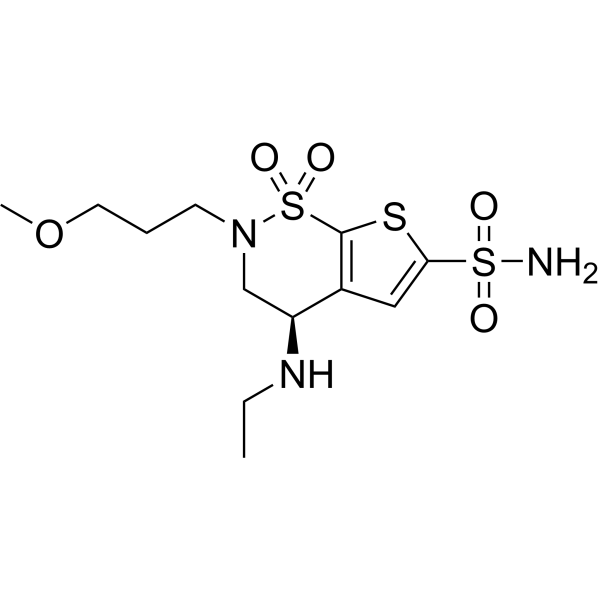
Brinzolamide (Standard) is the analytical standard of Brinzolamide. This product is intended for research and analytical applications. Brinzolamide (AL-4862) is a selective carbonic anhydrase II inhibitor with anIC50 value of 3.2 nM. Brinzolamide hydrochloride reduces intraocular pressure (IOP) by inhibiting ciliary CA-II and decreasing atrial fluid secretion. Brinzolamide can be used in glaucoma disease research .
|
-
- HY-B1424R
-
|
|
Carbonic Anhydrase
Reference Standards
|
Cardiovascular Disease
Cancer
|
|
Benzthiazide (Standard) is the analytical standard of Benzthiazide. This product is intended for research and analytical applications. Benzthiazide is a long-acting diuretic and a hypertension agent. Benzthiazide is an inhibitor of carbonic anhydrase 9 (CA9), with Kis of 8.0, 8.8 and 10 nM for CA9, CA2 and CA1, respectively. Benzthiazide also suppresses proliferation of cancer cells .
|
-

- HY-144264
-
|
|
Carbonic Anhydrase
|
Endocrinology
|
|
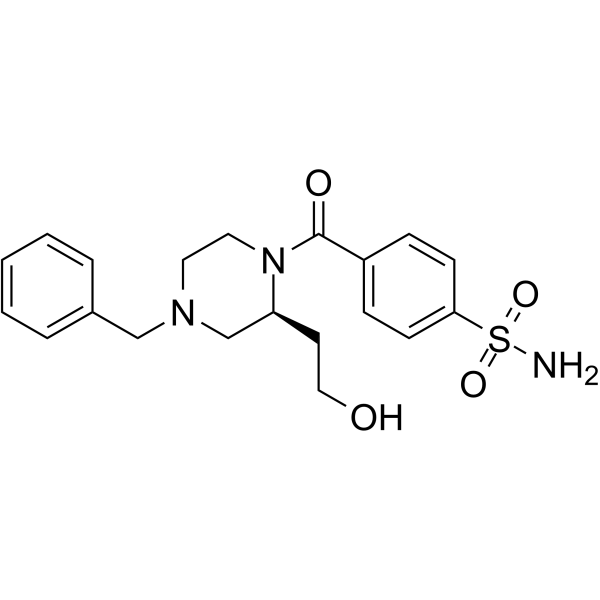
hCAII-IN-6 (Compound S-13) is a potent human carbonic anhydrase II (hCA II) inhibitor with a Ki of 4.4 nM. hCAII-IN-6 also inhibits other hCAs isoforms I, IV and IX, with Ki values of 9.2 nM, 480.2 nM and 14.7 nM, respectively. hCAII-IN-6 can be used for glaucoma research .
|
-
- HY-16726R
-
|
CG100649 (Standard)
|
Reference Standards
COX
Carbonic Anhydrase
|
Cancer
|
|
Polmacoxib (Standard) is the analytical standard of Polmacoxib. This product is intended for research and analytical applications. Polmacoxib (CG100649) is a first-in-class, orally active nonsteroidal anti-inflammatory agent (NSAID) which is a dual inhibitor of COX-2 (IC50 around 0.1 μg/ml) and carbonic anhydrase . Polmacoxib inhibits colorectal adenoma and tumor growth in mouse models .
|
-

- HY-147799
-
|
|
Carbonic Anhydrase
|
Cancer
|
|
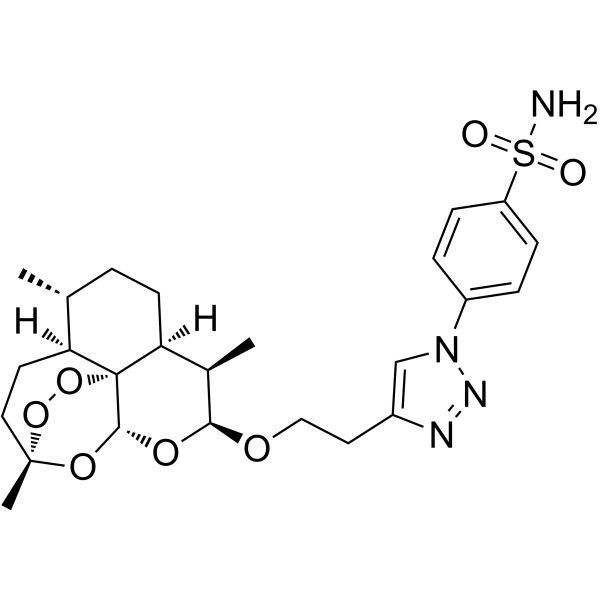
hCA XII/II/IX-IN-1 (Compound 3) is a potent human carbonic anhydrase (hCA) inhibitor with IC50 values of 2.6, 0.004, 0.005 and 0.001 μM against hCA I, hCA II, hCA IX and hCA XII, respectively. hCA XII/II/IX-IN-1 shows anticancer activity .
|
-
- HY-183374
-
|
|
Carbonic Anhydrase
Radionuclide-Drug Conjugates (RDCs)
|
Cancer
|
|
NYM074 is a carbonic anhydrase IX (CAIX) ligand. NYM074 binds specifically to human CAIX to enable targeted radionuclide delivery. NYM074 supports dual radiolabeling with 68Ga for positron emission tomography (PET) imaging and 177Lu for radionuclide applications. NYM074 can be used for the research of clear cell renal cell carcinoma .
|
-

- HY-157139
-
|
|
Carbonic Anhydrase
Phosphatase
|
Inflammation/Immunology
|
|
ALP/Carbonic anhydrase-IN-1 (Compound 1e) is a dual carbonic anhydrase (CA) and alkaline phosphatase (ALP) inhibitor. ALP/Carbonic anhydrase-IN-1 shows IC50 values of 0.44 µM, 1.61 µM, 0.51 µM, and 0.107 µM for CA-II, CA-IX, CA-XII, and ALP, respectively .
|
-
- HY-183591
-
|
|
Carbonic Anhydrase
Apoptosis
|
Cancer
|
|
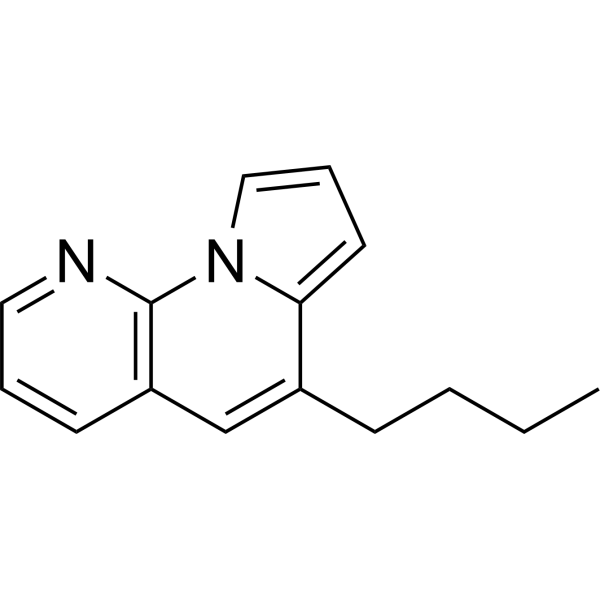
CAIX/XII-IN-18 is a selective human carbonic anhydrase IX/XII (CA IX/XII) inhibitor with Ki values of 28.1 nM (hCA IX) and 11.6 nM (hCA XII). CAIX/XII-IN-18 induces apoptosis in breast cancer cells. CAIX/XII-IN-18 can be used for the research of breast cancer, pancreatic cancer .
|
-

- HY-150573
-
|
|
CDK
Carbonic Anhydrase
|
Cancer
|
|
CDK2-IN-12 (compound 10b) is a potent CDK2 inhibitor, with an IC50 of 11.6 μM. CDK2-IN-12 inhibits hCA (carbonic anhydrase) isoforms I, II, IX and XII, with KI values of 3534, 638.4, 44.3, and 48.8 nM. CDK2-IN-12 shows anticancer activity .
|
-
- HY-179467
-
|
|
PROTACs
Carbonic Anhydrase
|
Cancer
|
|
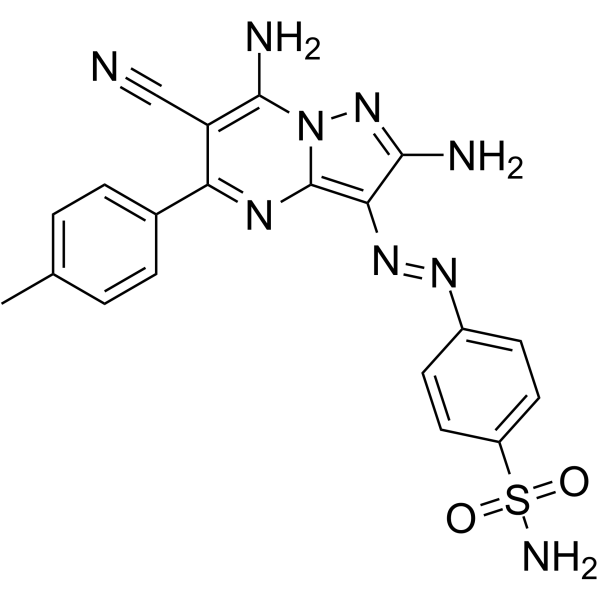
PROTAC hCAII degrader-1 is a potent PROTAC human carbonic anhydrase II (hCAII) degrader with an DC50 of 0.5 nM in HEK293 cells. PROTAC hCAII degrader-1 recruits cereblon (CRBN) E3 ubiquitin ligase to form a ternary complex. PROTAC hCAII degrader-1 enables ubiquitination and subsequent proteasomal degradation of hCAII .
|
-

- HY-B0746
-
|
dl-Flurbiprofen sodium
|
Endogenous Metabolite
|
Inflammation/Immunology
|
|
Flurbiprofen sodium (dl-Flurbiprofen sodium) is a nonsteroidal anti-inflammatory agent (NSAID) with anti-inflammatory and analgesic activities. Flurbiprofen sodium is used to reduce bone resorption in periodontal disease, and it works by inhibiting carbonic anhydrase. Flurbiprofen sodium is formulated as biodegradable microspheres for use as a compound delivery system, particularly within the periodontal pocket. The release rate of flurbiprofen sodium is related to the concentration of polymer and polyvinyl alcohol used in its preparation .
|
-

- HY-181689
-
|
|
Carbonic Anhydrase
|
Others
|
|
CAII/lX-IN-1 (compound 14 (21,301,644)) is an inhibitor belonging to the N-acyl sulfonamides class, which selectively targets Carbonic Anhydrase IX and II. The IC50 values of CAII/lX-IN-1 against hCA-IX and hCA-II are 1.2 μM and 6.7 μM, respectively, with corresponding Ki values of 0.9 and 4.8 .
|
-

- HY-110234
-
|
McN 4853 D12 ; RWJ 17021 D12
|
iGluR
GABA Receptor
Sodium Channel
Calcium Channel
Potassium Channel
Carbonic Anhydrase
|
Neurological Disease
|
|
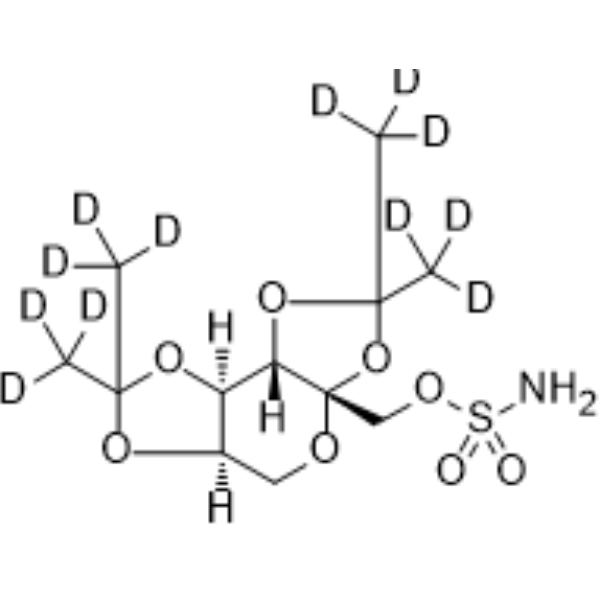
Topiramate D12 (McN 4853 D12) is a deuterium labeled Topiramate. Topiramate is a broad-spectrum antiepileptic agent. Topiramate is a GluR5 receptor antagonist. Topiramate produces its antiepileptic effects through enhancement of GABAergic activity, inhibition of kainate/AMPA receptors, inhibition of voltage-sensitive sodium and calcium channels, increases in potassium conductance, and inhibition of carbonic anhydrase .
|
-
- HY-118467R
-
|
CL11366 (Standard)
|
Carbonic Anhydrase
Reference Standards
|
Neurological Disease
Cancer
|
|
Benzolamide (Standard) is the analytical standard of Benzolamide. This product is intended for research and analytical applications. Benzolamide (CL11366) is a potent carbonic anhydrase (CA) inhibitor, with Kis of 15 nM, 9 nM, 94 nM and 78 nM for hCA I, hCA II, EcoCAγ and VchCAγ, respectively. Benzolamide also inhibits CAS3, with a Ki of 54 nM. Benzolamide can be used for the research of glaucoma and seizures .
|
-

- HY-N0639
-
|
|
HBV
Pyroptosis
Carbonic Anhydrase
|
Infection
Inflammation/Immunology
|
|
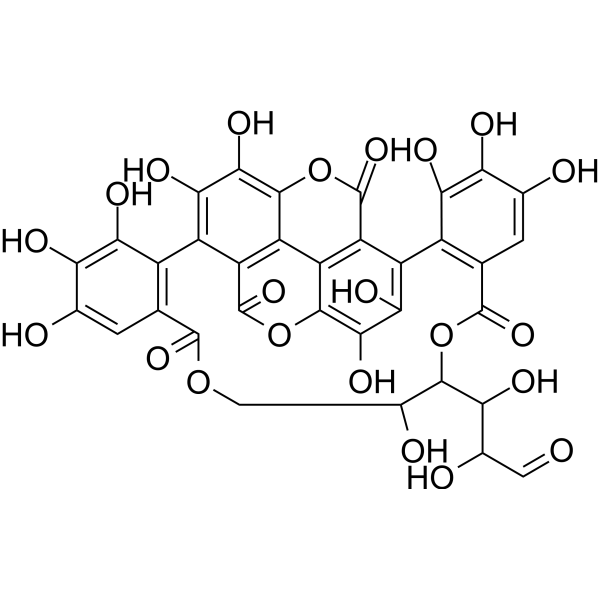
Punicalin is a species that can be isolated from the leaves of Punica granatum. Punicalin is an active molecule against hepatitis b virus (HBV). Punicalin can induce pyroptosis. Punicalin is a Carbonic anhydrase inhibitor. Punicalin blocks the binding of S-glycoprotein and ACE2 receptors. Pnuicalin has anti-inflammatory, antioxidant and antiviral activity .
|
-
- HY-150695
-
|
|
Carbonic Anhydrase
Apoptosis
|
Cancer
|
|
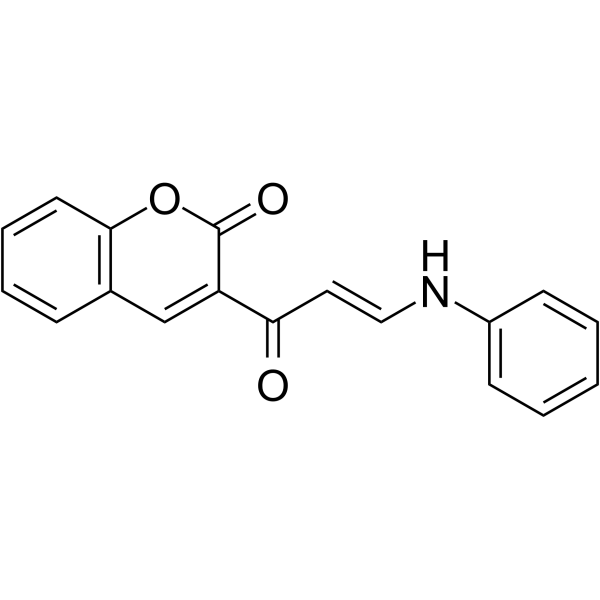
hCAIX/XII-IN-5 (Coumarin 9a) a carbonic anhydrase (CA) inhibitor, and exhibits excellent hCA IX/XII selectivity (Ki=93.9 and 85.7 nM, respectively) over hCA I and hCA II. hCAIX/XII-IN-5 shows anti-proliferative activities to cancer cells. hCAIX/XII-IN-5 can delay cell cycle and induce apoptosis .
|
-
- HY-147828
-
|
|
Carbonic Anhydrase
|
Cancer
|
|
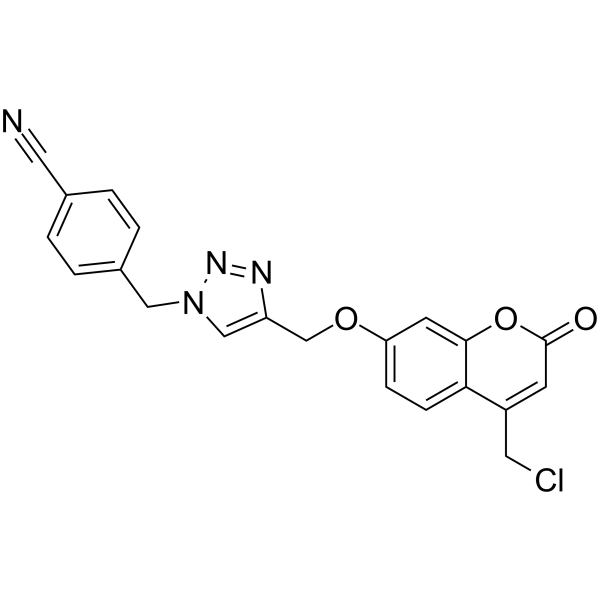
hCAIX-IN-11 (Compound 5d) is a selective carbonic anhydrase IX and XII inhibitor with Ki s of 32.7 and 623.5 nM for hCA IX and hCA XII, respectively. hCA IX and hCA XII are transmembrane isoforms which have been characterized as biomarkers for several types of tumors. The hCA XII assists in maintenance of acid-base homoeostasis in normal as well as tumor cells .
|
-
- HY-B0122S1
-
-

- HY-B1471R
-
|
|
Reference Standards
Carbonic Anhydrase
|
Inflammation/Immunology
|
|
Fluorometholone acetate (Standard) is the analytical standard of Fluorometholone acetate. This product is intended for research and analytical applications. Fluorometholone acetate is a synthetic glucocorticoid corticosteroid and a corticosteroid ester. Fluorometholone acetate potently inhibits carbonic anhydrase (CA) with IC50s of 2.18 μM and 17.5 μM for hCA-I and hCA-II, respectively. Fluorometholone acetate has anti-inflammatory effect and has the potential for external ocular inflammation research .
|
-

- HY-B0122R
-
|
McN 4853 (Standard); RWJ 17021 (Standard)
|
Reference Standards
iGluR
GABA Receptor
Sodium Channel
Calcium Channel
Potassium Channel
Carbonic Anhydrase
|
Neurological Disease
|
|
Topiramate (Standard) is the analytical standard of Topiramate. This product is intended for research and analytical applications. Topiramate (McN 4853) is a broad-spectrum antiepileptic agent. Topiramate is a GluR5 receptor antagonist. Topiramate produces its antiepileptic effects through enhancement of GABAergic activity, inhibition of kainate/AMPA receptors, inhibition of voltage-sensitive sodium and calcium channels, increases in potassium conductance, and inhibition of carbonic anhydrase .
|
-

- HY-147827
-
|
|
Carbonic Anhydrase
|
Cancer
|
|
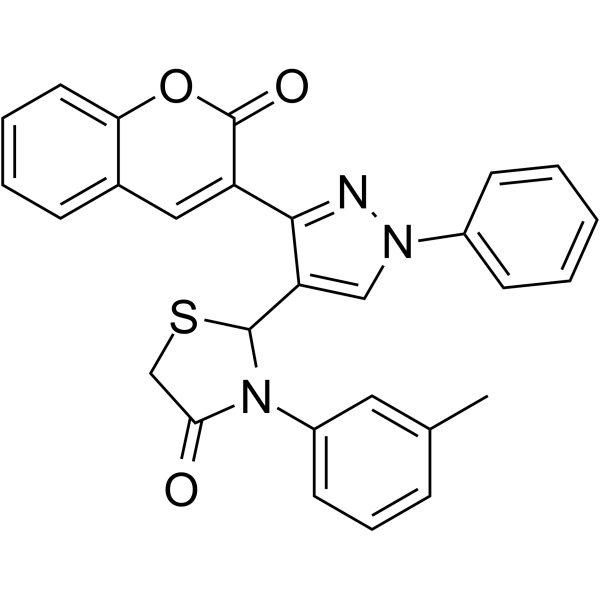
hCAIX-IN-10 (Compound 6i) is a selective carbonic anhydrase IX and XII inhibitor with Ki s of 61.5 and 586.8 nM for hCA IX and hCA XII, respectively. hCA IX and hCA XII are transmembrane isoforms which have been characterized as biomarkers for several types of tumors. The hCA XII assists in maintenance of acid-base homoeostasis in normal as well as tumor cells .
|
-
- HY-175315
-
|
|
Carbonic Anhydrase
|
Neurological Disease
Metabolic Disease
Cancer
|
|
Carbonic anhydrase-IN-34 is a carbonic anhydrases (CAs) inhibitor (compound 9d) with IC50s of 1.01 μM against hCA-II, 0.21 μM against hCA-IX and 0.88 μM against hCA-XII. Carbonic anhydrase-IN-34 has potential applications in the research of several disorders, including epilepsy, glaucoma, obesity, and cancer .
|
-

- HY-76938
-
|
4-Acetylaminophenylacetic acid; MS-932
|
Carbonic Anhydrase
TNF Receptor
IFNAR
|
Inflammation/Immunology
|
|
Actarit (4-Acetylaminophenylacetic acid) is an orally active Carbonic Anhydrase II (CAII) inhibitor with an IC50 of 422 nM. Actarit shows suppressive effects experimental autoimmune encephalomyelitis in rats. Actarit inhibits the development of type ll collagen (CII)-induced arthritis in mice by suppressing delayed-type hypersensitivity to CII. Actarit can be used for the study of Multiple Sclerosis (MS) and rheumatoid arthritis .
|
-
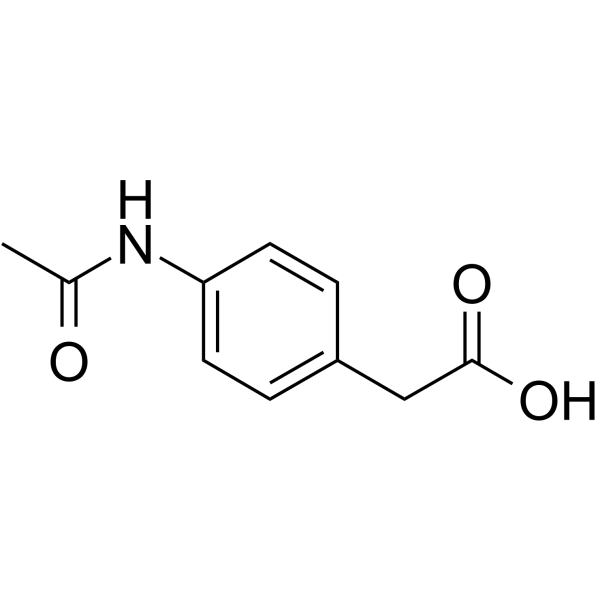
- HY-170893
-
|
|
Carbonic Anhydrase
|
Cancer
|
|
CAIX/CAXII-IN-4 (Compound 7h) is the inhibitor for carbonic anhydrase (CA) that binds CA IX, CA XII and CA II with Ki of 1.324 μM, 0.435 μM and 3.035 μM. CAIX/CAXII-IN-4 exhibits board-spectrum antitumor efficacy, inhibits the proliferation of CNS cancer U251 with GI50 of 0.361 μM .
|
-

- HY-32933
-
|
|
Carbonic Anhydrase
|
Metabolic Disease
|
|
4-Acetylphenylboronic acid is a potent inhibitor of carbonic anhydrases II(CA II), with IC50s of 246 μM and 281.40 μM for bovine CA II (bCA II) and human CA II (hCA II). 4-Acetylphenylboronic acid can be obtained via mechanochemistry and solvent evaporation. 4-Acetylphenylboronic acid has a loss of the carbonyl group at 500-550 K .
|
-

- HY-155694
-
|
|
Carbonic Anhydrase
VEGFR
|
Cancer
|
|
hCA/VEGFR-2-IN-1 (compound 13a) is a potent dual Carbonic Anhydrase(CA) IX/XII with Ki values of 4.7 nM and 8.3 nM for hCA XII and hCA IX, respectively. hCA/VEGFR-2-IN-1 (compound 13a) is a potent VEGFR-2 inhibitor with IC50 values 26.3 nM. hCA/VEGFR-2-IN-1 has anticancer activity .
|
-
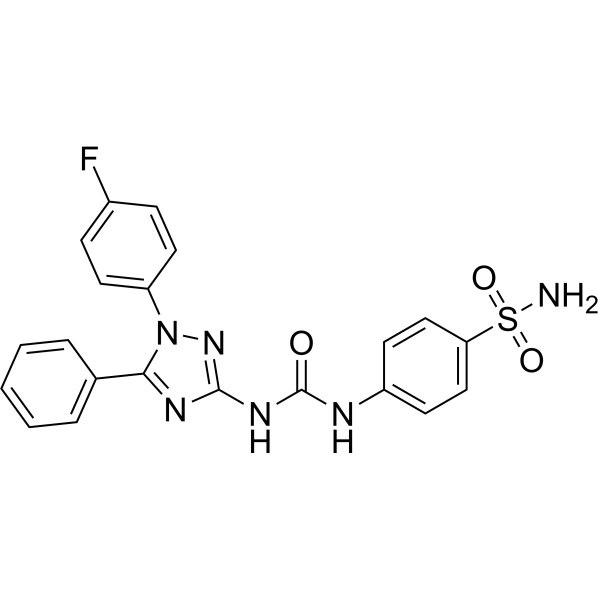
- HY-180189
-
|
|
Carbonic Anhydrase
|
Neurological Disease
|
|
Carbonic anhydrase-IN-37 (compound 9a) is a potent and orally active carbonic anhydrase (CA) inhibitor with Kis of 9.7 and 1.0 nM for hCA VA and hCA VB, respectively. Carbonic anhydrase-IN-37 shows anti allodynic and antihyperalgesic effects on Paclitaxel (HY-B0015)-induced neuropathic pain in mice. Carbonic anhydrase-IN-37 can be used for neuropathic pain research .
|
-

- HY-125575
-
|
|
Carbonic Anhydrase
|
Cancer
|
|
FC11409B is an ureido-sulfamate carbonic anhydrase IX (CAIX) inhibitor. FC11409B inhibits proliferation and migration of breast cancer cell lines in both hypoxic (0.5% O2) and normoxic conditions (21% O2). FC11409B also inhibits 3D spheroid of breast cancer subtypes invasion. FC11409B is promising for research of breast and ovarian cancers .
|
-

- HY-W748430
-
|
Furazidine-13C3; Furazidin-13C3
|
Isotope-Labeled Compounds
Carbonic Anhydrase
Bacterial
Antibiotic
|
Infection
|
|
Furagin- 13C3 (Furazidine- 13C3) is the 13C-labeled Furagin (HY-77036). Furagin (Furazidine), an analogue of Nitrofurantoin (HY-A0090), is an antibiotic with antibacterial activity against ESKAPE pathogens with MIC values of 0-32 μg/mL. Furagin inhibits human Carbonic anhydrases . Furagin is promising for research of cancer and urinary tract infections (UTIs) .
|
-

- HY-151578
-
|
|
Dipeptidyl Peptidase
Carbonic Anhydrase
|
Metabolic Disease
|
|
DPP IV/hCA II-IN-1 is a potent and selective dipeptidyl peptidase IV (DPP IV) and carbonic anhydrase (CA) inhibitor with an IC50 value of 0.049 μM for DPP IV and with Ki values of 0.0361, 0.0428, 0.0941, 0.1328, 0.2615, and 3.034 μM for CA II, CA VB, CA VA, CA IX, CA I, and CA IV, respectively .
|
-
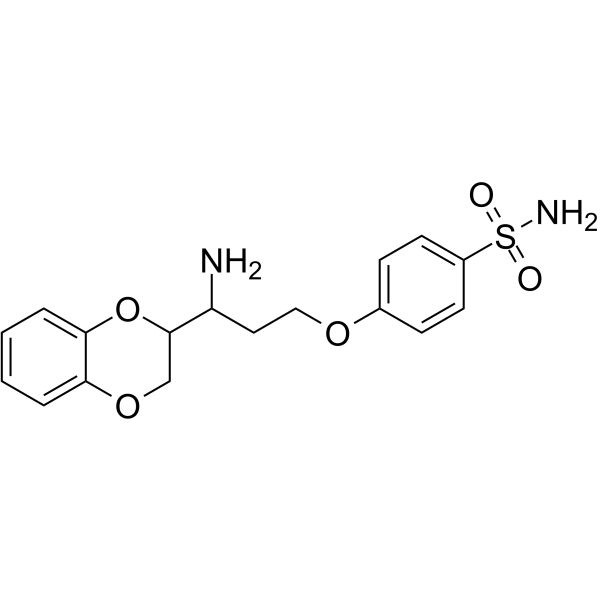
- HY-13650
-
Indisulam
Maximum Cited Publications
15 Publications Verification
E 7070
|
Molecular Glues
Carbonic Anhydrase
|
Cancer
|
|
Indisulam (E 7070) is a carbonic anhydrase inhibitor with anticancer activity. Indisulam (E 7070) is a sulfonamide agent that targets the G1 phase of the cell cycle. Indisulam (E 7070) causes a blockade in the G1/S transition through inhibition of the activation of both CDK2 and cyclin E. Indisulam (E 7070) targets splicing by inducing RBM39 degradation via recruitment to DCAF15 .
|
-
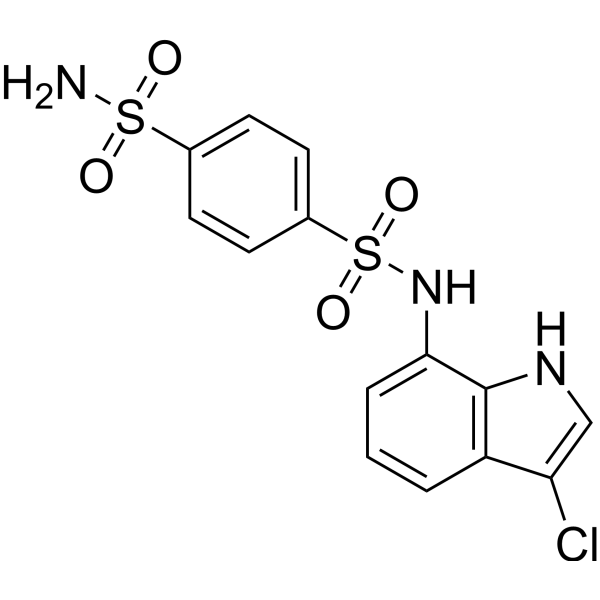
- HY-156181
-
|
|
Carbonic Anhydrase
|
Cancer
|
|
hCAIX/XII-IN-8 (compound 3g) is a potent human (carbonic anhydrase) CA IX and XII inhibitor, with Ki values of 8.5 and 6.7 nM, respectively. hCAIX/XII-IN-8 shows particularly strong inhibitory activity against the tumor-associated membrane-bound isoforms, hCA IX and XII, while maintaining a high selectivity ratio over cytosolic off-target isoforms hCA I and II .
|
-
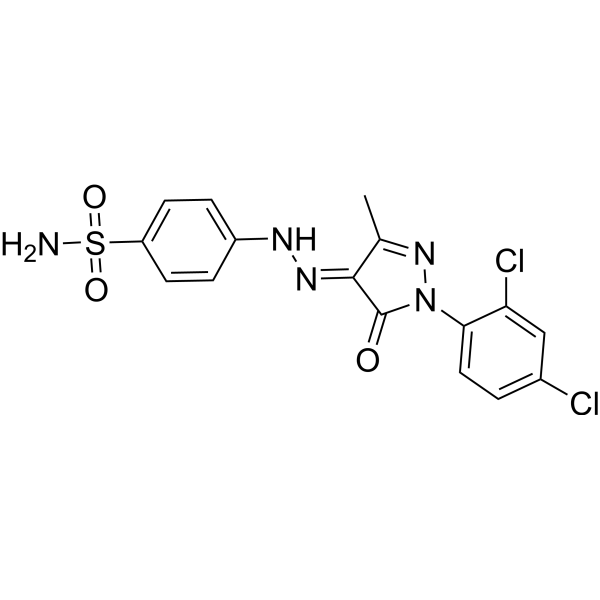
- HY-180542
-
|
|
Carbonic Anhydrase
Bacterial
Drug Derivative
|
Infection
|
|
CAI0019 is an orally active α-carbonic anhydrase inhibitor based on the Acetazolamide (HY-B0782) framework. CAI0019 exhibits narrow-spectrum antibiofilm activity, with its MIC50 being 0.094 μM and MIC90 being 0.39 μM. CAI0019 selectively inhibits Enterococcus in a septic peritonitis mouse model, without affecting most intestinal commensal bacteria .
|
-

- HY-155522
-
|
|
Carbonic Anhydrase
|
Cancer
|
|
WES-1 (Compound 8g) is an inhibitor of carbonic anhydrase IX (Ki: 55.9 μM). WES-1 has broad spectrum anti-proliferative activity against the cancer cells, such as leukemia (K-562 and MOLT-4), non-small cell lung cancer (NCI–H460), colon cancer (HCT 116 and HCT-15) and melanoma (LOX IMVI) cell lines .
|
-
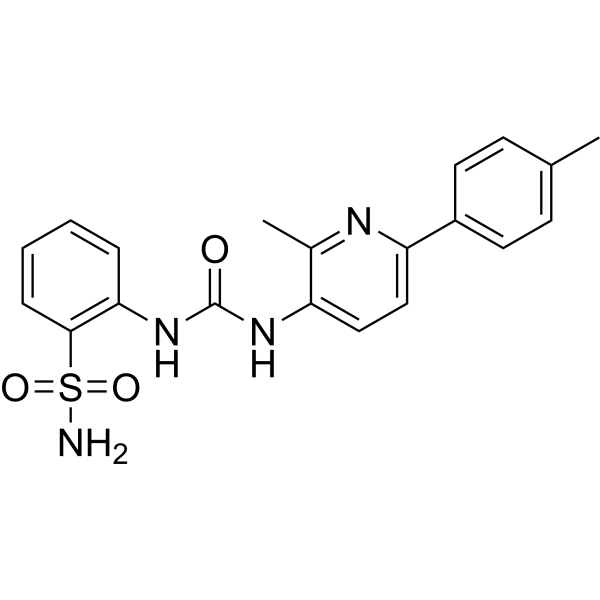
- HY-B0124A
-
|
AD 810 sodium; CI 912 sodium
|
Carbonic Anhydrase
Apoptosis
|
Cardiovascular Disease
Neurological Disease
|
|
Zonisamide (AD 810) sodium is an orally active carbonic anhydrase inhibitor, with Kis of 35.2 and 20.6 nM for hCA II and hCA V, respectively. Zonisamide sodium exerts neuroprotective effects through anti-apoptosis and upregulating MnSOD levels. Zonisamide sodium also increases the expression of Hrd1, thereby improving cardiac function in AAC rats. Zonisamide sodium can be used in studies of seizure, parkinson’s disease and cardiac hypertrophy .
|
-
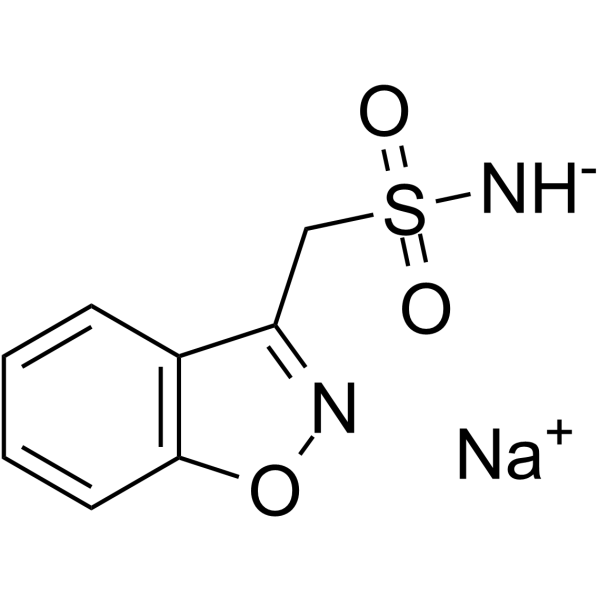
- HY-183668
-
|
|
Bacterial
Carbonic Anhydrase
|
Infection
|
|
Carbonic anhydrase-IN-39 is a bacterial carbonic anhydrase inhibitor with oral bioavailability. Carbonic anhydrase-IN-39 inhibits α-NgCA and β-NgCA from Neisseria gonorrhoeae, as well as human hCA I and hCA II. Carbonic anhydrase-IN-39 exhibits bactericidal activity against Neisseria gonorrhoeae and reduces gonococcal burden in infected mouse models. Carbonic anhydrase-IN-39 can be used in the research of gonorrhea .
|
-

- HY-110243
-
|
|
Carbonic Anhydrase
|
Cancer
|
|
CAIX Inhibitor S4 is a potent and selective inhibitor of carbonic anhydrase IX/XII (CA IX/XII), with a Ki of 7 nM and 2 nM, respectively. CAIX Inhibitor S4 also inhibits CA II and CA I (Ki=546 and 5600 nM, respectively). CAIX Inhibitor S4 can inhibit the number of lung metastasis in orthotopic MDA-MB-231 mouse model without affecting primary tumor growth .
|
-
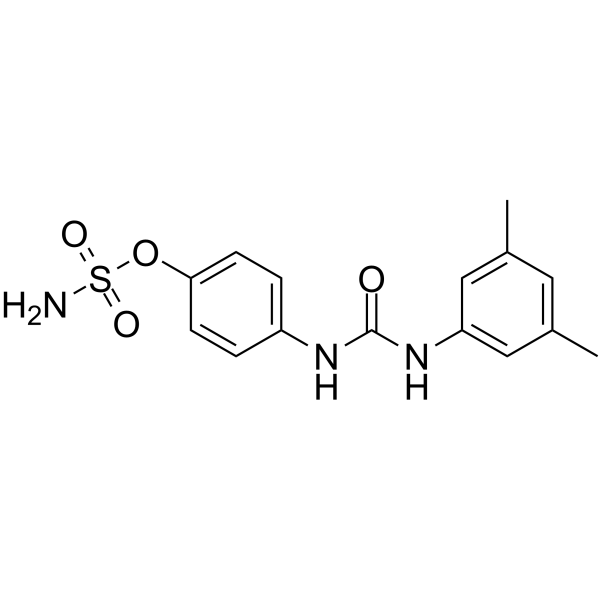
- HY-155908
-
|
DSPE-PEG10000-NH2 ammonium
|
Liposome
|
Others
|
|
DSPE-PEG10000-Amine ammonium is a phosphoethanolamine involved in the synthesis of liposomes for delivery systems. The amino group of DSPE-PEG10000-Amine ammonium can be converted into aromatic aldehydes by reacting with acetone-protected aromatic hydrazines on the surface of bovine carbonic anhydrase (BCA) molecules. Liposomes form a liposome-BAH-BCA conjugate by forming a bisarylhydrazone (BAH) with the target enzyme molecule. The conjugate catalyzes the hydration of carbon dioxide to bicarbonate.
|
-
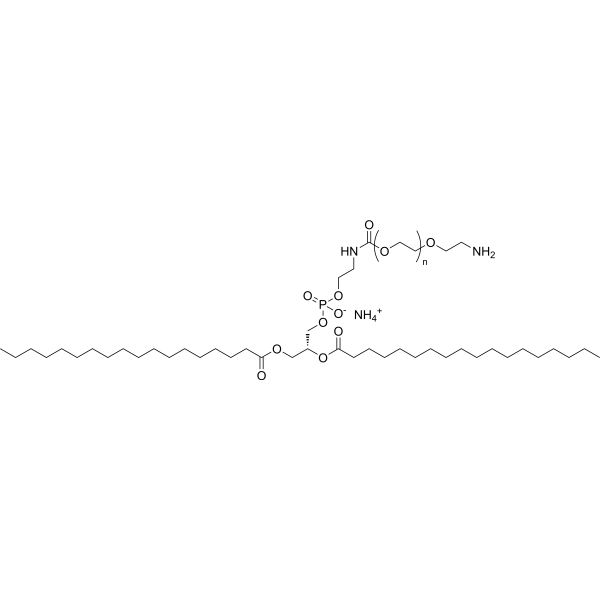
- HY-W074975R
-
|
5-Amino-1,3,4-thiadiazole-2-sulfonamide (Standard)
|
Carbonic Anhydrase
Reference Standards
|
Cancer
|
|
CL 5343 (Standard) is the analytical standard of CL 5343. This product is intended for research and analytical applications. CL 5343 (5-Amino-1,3,4-thiadiazole-2-sulfonamide) is an inhibitor of human carbonic anhydrase B (HCA-B). CL 5343 can serve as a CA9 ligand to achieve the targeted delivery of maytansinoid to the cell membrane of SKRC52 renal cancer cells .
|
-

- HY-B0124
-
|
AD 810; CI 912
|
Carbonic Anhydrase
Apoptosis
|
Neurological Disease
|
|
Zonisamide (AD 810) is an orally active carbonic anhydrase inhibitor, with Kis of 35.2 and 20.6 nM for hCA II and hCA V, respectively. Zonisamide exerts neuroprotective effects through anti-apoptosis and upregulating MnSOD levels. Zonisamide also increases the expression of Hrd1, thereby improving cardiac function in AAC rats. Zonisamide can be used in studies of seizure, parkinson’s disease and cardiac hypertrophy .
|
-
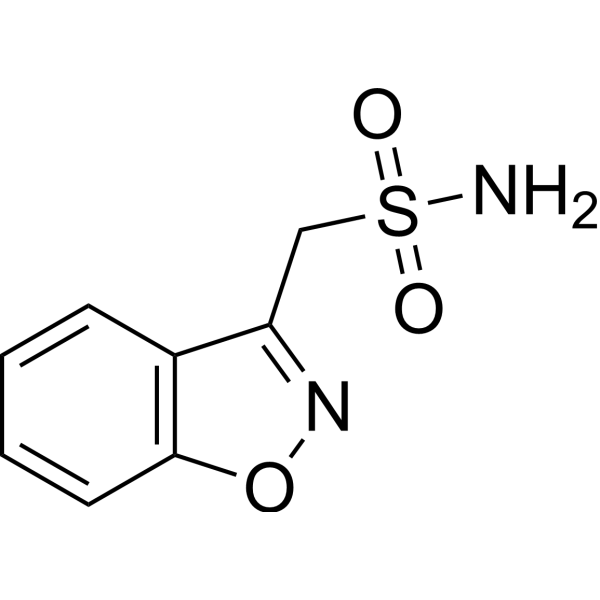
- HY-162521
-
|
|
Bacterial
Fungal
|
Infection
|
|
Antibacterial agent 215 (Compound 3b) is an inhibitor for carbonic anhydrase (CA), with Ki of 17.61, 5.14 and 43.74 nM, for hCA I, hCA II and AChE, respectively. Antibacterial agent 215 exhibits anti-tuberculosis, with MIC of 62.5 µg/ml against M. tuberculosis. Antibacterial agent 215 exhibits antifungal activities against Candida spp. strains ATCC 14053, ATCC 1369, and ATCC 15126, with MICs of 125 µg/ml .
|
-

- HY-76779
-
|
|
Drug Derivative
|
Cancer
|
|
4-(Chloromethyl)-7-hydroxycoumarin (compound 4) is a hydroxycoumarin derivative with potent antioxidant effect and high hydroxyl radical-scavenging property. 4-(Chloromethyl)-7-hydroxycoumarin contains a methyl group and a chlorine group in the heterocyclic ring. A series of coumarins incorporating hydroxy-, chloro- and/or chloromethyl-moieties has been investigated as potent inhibitors of the zinc enzyme carbonic anhydrase, expecially tumor-associated isoforms CA IX and XII .
|
-
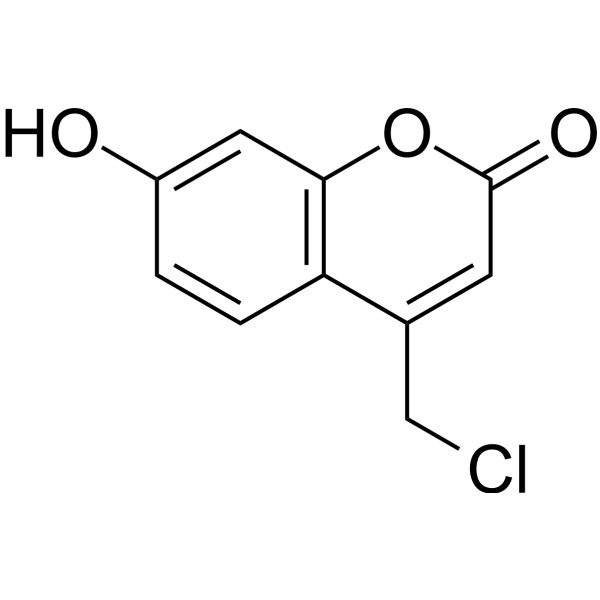
- HY-101087
-
|
|
Carbonic Anhydrase
Amyloid-β
Reactive Oxygen Species (ROS)
|
Neurological Disease
Inflammation/Immunology
Cancer
|
|
Benzenesulphonamide (Compound 1) is a carbonic anhydrase inhibitor. Benzenesulphonamide exhibits CA II inhibitory activity. Benzenesulphonamide reduces ROS and improves the gene expression of amyloid-β40 and 42. Benzenesulphonamide is beneficial for Alzheimer's disease. Benzenesulphonamide derivatives have anticancer, anti-inflammatory, and anticonvulsant activities. Benzenesulphonamide can be used in the research of Alzheimer's disease, epilepsy, inflammatory diseases, leukemia, melanoma, lung cancer, and colon cancer .
|
-
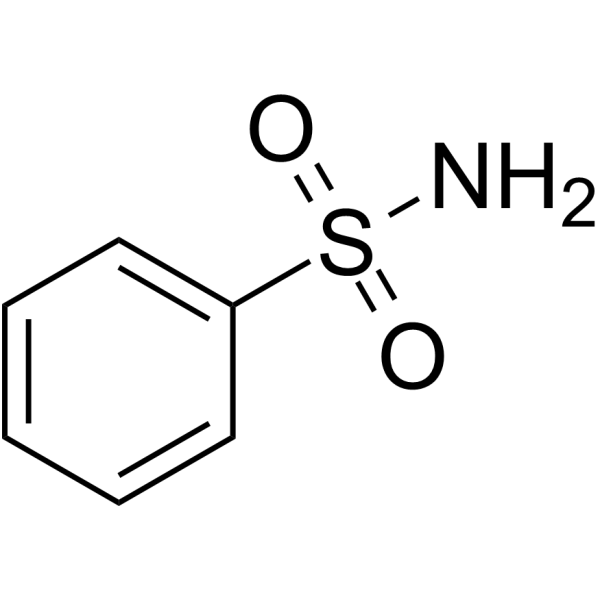
- HY-183283
-
-

- HY-76938R
-
|
4-Acetylaminophenylacetic acid (Standard); MS-932 (Standard)
|
Carbonic Anhydrase
Reference Standards
|
Inflammation/Immunology
|
|
Actarit (Standard) is the analytical standard of Actarit. This product is intended for research and analytical applications. Actarit (4-Acetylaminophenylacetic acid) is an orally active Carbonic Anhydrase II (CAII) inhibitor with an IC50 of 422 nM. Actarit shows suppressive effects experimental autoimmune encephalomyelitis in rats. Actarit inhibits the development of type ll collagen (CII)-induced arthritis in mice by suppressing delayed-type hypersensitivity to CII. Actarit can be used for the study of Multiple Sclerosis (MS) and rheumatoid arthritis .
|
-

- HY-N0639R
-
|
|
Reference Standards
HBV
Pyroptosis
Carbonic Anhydrase
|
Infection
Inflammation/Immunology
|
|
Punicalin (Standard) is the analytical standard of Punicalin. This product is intended for research and analytical applications. Punicalin is a species that can be isolated from the leaves of Punica granatum. Punicalin is an active molecule against hepatitis b virus (HBV). Punicalin can induce pyroptosis. Punicalin is a Carbonic anhydrase inhibitor. Punicalin blocks the binding of S-glycoprotein and ACE2 receptors. Pnuicalin has anti-inflammatory, antioxidant and antiviral activity .
|
-

- HY-179022
-
|
|
Carbonic Anhydrase
CDK
Apoptosis
MDM-2/p53
Caspase
Bcl-2 Family
|
Cancer
|
|
CAIX/CDK-2-IN-1 is a dual-acting inhibitor of carbonic anhydrase IX (CA IX) and cyclin-dependent kinase-2 (CDK-2) with IC50 values of 0.29 μM and 0.32 μM. The zein nanoparticls of CAIX/CDK-2-IN-1 can induce cancer cells apoptosis. CAIX/CDK-2-IN-1 can be used for the research of cancer, such as lung cancer .
|
-

- HY-101136
-
|
AT-265
|
Antibiotic
Carbonic Anhydrase
Bacterial
|
Infection
|
|
Dealanylascamycin (AT-265) (Compound 2) is a nucleoside antibiotic. AT 265 is a carbonic anhydrase (CA) inhibitor, with Ki values of 167, 65.2, 234, and 143 nM for hCA I, hCA II, hCA IV, and hCA IX respectively. Dealanylascamycin is the active form of Ascamycin (HY-121071). Dealanylascamycin exhibits broad-spectrum antibacterial activity and is effective against pathogenic bacteria such as Xanthomonas citri (MIC = 0.4 μg/mL). Dealanylascamycin has high cytotoxicity .
|
-

- HY-B0746R
-
|
dl-Flurbiprofen sodium (Standard)
|
Endogenous Metabolite
Reference Standards
|
Inflammation/Immunology
|
|
Flurbiprofen (sodium) (Standard) is the analytical standard of Flurbiprofen (sodium). This product is intended for research and analytical applications. Flurbiprofen sodium (dl-Flurbiprofen sodium) is a nonsteroidal anti-inflammatory agent (NSAID) with anti-inflammatory and analgesic activities. Flurbiprofen sodium is used to reduce bone resorption in periodontal disease, and it works by inhibiting carbonic anhydrase. Flurbiprofen sodium is formulated as biodegradable microspheres for use as a compound delivery system, particularly within the periodontal pocket. The release rate of flurbiprofen sodium is related to the concentration of polymer and polyvinyl alcohol used in its preparation .
|
-

- HY-164036R
-
|
|
Reference Standards
Antibiotic
Bacterial
|
Infection
|
|
Flurbiprofen (sodium) (Standard) is the analytical standard of Flurbiprofen (sodium). This product is intended for research and analytical applications. Flurbiprofen sodium (dl-Flurbiprofen sodium) is a nonsteroidal anti-inflammatory agent (NSAID) with anti-inflammatory and analgesic activities. Flurbiprofen sodium is used to reduce bone resorption in periodontal disease, and it works by inhibiting carbonic anhydrase. Flurbiprofen sodium is formulated as biodegradable microspheres for use as a compound delivery system, particularly within the periodontal pocket. The release rate of flurbiprofen sodium is related to the concentration of polymer and polyvinyl alcohol used in its preparation .
|
-

- HY-155907
-
|
DSPE-PEG5000-NH2 ammonium
|
Liposome
|
Others
|
|
DSPE-PEG5000-Amine ammonium is a phosphoethanolamine involved in the synthesis of liposomes for delivery systems. DSPE-PEG5000-Amine ammonium amino group can be converted to aromatic aldehydes that react with acetone-protected aromatic hydrazides on the surface of the bovine carbonic anhydrase (BCA) molecule. Liposomes produce liposome-Bah-BCA conjugates by forming diaryl hydrazone (BAH) with target enzyme molecules. The conjugate catalyzes the hydration of carbon dioxide to bicarbonate.
|
-
- HY-182007
-
|
|
Carbonic Anhydrase
|
Cancer
|
|
CA IX-IN-5 (compound 9) is a human carbonic anhydrase IX (hCA IX) inhibitor with a Ki of 7.4 nM against hCA IX and 25.0 nM against hCA II.CA IX-IN-5 functionally inhibits hCA IX and hCA II isoenzymes, with selectivity for hCA IX over hCA II.CA IX-IN-5 can be used for the research of breast, colorectal, glioblastoma, lung, head and neck, and cervical cancers .
|
-

- HY-148135
-
|
|
Carbonic Anhydrase
|
Neurological Disease
|
|
hCAI/II-IN-6 is an orally active human carbonic anhydrase (CA) inhibitor. hCAI/II-IN-6 selectively inhibits hCA II and hCA VII isoforms with Ki values of 220, 4.9, 6.5 and >50000 nM for hCA I, hCA II , hCA VII and hCA XII respectively. hCAI/II-IN-6 shows anticonvulsant activity and anti maximal electroshock (MES) activity in vivo. hCAI/II-IN-6 can be used for the research of epilepsy .
|
-
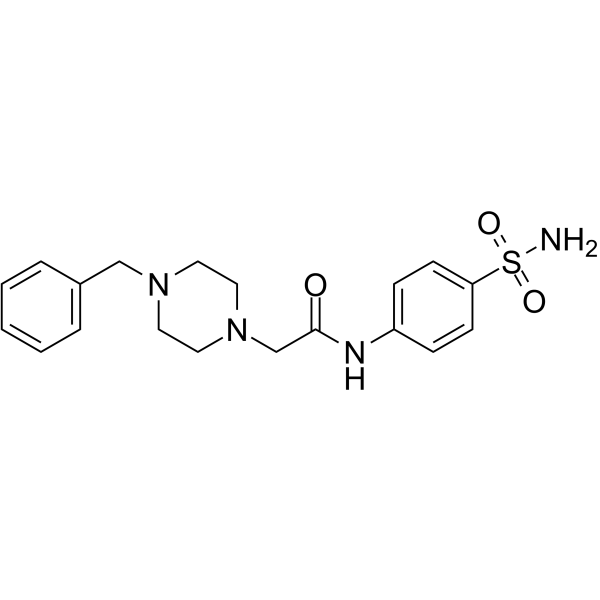
- HY-151917
-
|
|
Apoptosis
Carbonic Anhydrase
Phosphodiesterase (PDE)
|
Cancer
|
|
Enpp/Carbonic anhydrase-IN-2 (compound 1i) is a potent Enpp and carbonic anhydrase inhibitor with IC50s of 1.13, 1.07, 0.74, 0.33, 0.68 for NPP1, NPP2, NPP3, CA-IX, CA-XII respectively. Enpp/Carbonic anhydrase-IN-2 shows antiproliferative activity for cancer cells and low cytotoxic against normal cells. Enpp/Carbonic anhydrase-IN-2 induces Apoptosis .
|
-
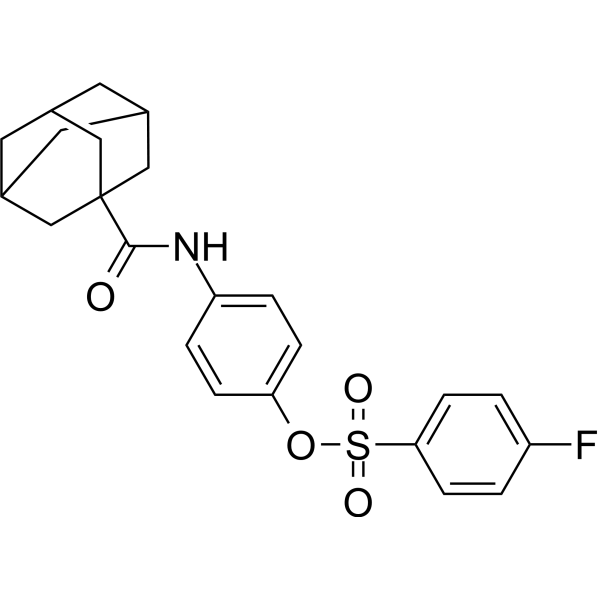
- HY-13650R
-
|
E 7070 (Standard)
|
Molecular Glues
Carbonic Anhydrase
Reference Standards
|
Cancer
|
|
Indisulam (Standard) is the analytical standard of Indisulam. This product is intended for research and analytical applications. Indisulam (E 7070) is a carbonic anhydrase inhibitor with anticancer activity. Indisulam (E 7070) is a sulfonamide agent that targets the G1 phase of the cell cycle. Indisulam (E 7070) causes a blockade in the G1/S transition through inhibition of the activation of both CDK2 and cyclin E. Indisulam (E 7070) targets splicing by inducing RBM39 degradation via recruitment to DCAF15 .
|
-

- HY-162000
-
|
|
Apoptosis
|
Cancer
|
hCAIX/XII-IN-13 is an inhibitor of human carbonic anhydrases (hCA). hCAIX/XII-IN-13 shows good inhibitory activity against the tumor-related CA subtypes IX and XII, with Ki values of 0.08 µM and 0.06 µM, respectively. Under hypoxic conditions, hCAIX/XII-IN-13 can restore the cytotoxicity of Doxorubicin (HY-15142A) on MCF-7 cells, increasing G2/M phase cell cycle arrest and apoptosis .
|
-

- HY-168030
-
|
|
Apoptosis
Ferroptosis
Carbonic Anhydrase
Reactive Oxygen Species (ROS)
Caspase
Mitochondrial Metabolism
|
Cancer
|
|
hCAIX-IN-23 (Compound 27) is a human carbonic anhydrase (hCA) inhibitor with Ki values of 10.4 and 8.5 nM for hCA IX and hCA XII, respectively. In addition to inhibiting hCA activity, hCAIX-IN-23 releases NO, exhibiting dual antitumor activity. hCAIX-IN-23 induces apoptosis by regulating mitochondrial caspase activity and the ferroptosis pathway (ferroptosis) through the downregulation of hCA IX and iron-regulatory protein expression. hCAIX-IN-23 is useful for renal cancer research .
|
-

- HY-B0122S
-
-

- HY-110234R
-
|
McN 4853 D12 (Standard); RWJ 17021 D12 (Standard)
|
Reference Standards
iGluR
GABA Receptor
Sodium Channel
Calcium Channel
Potassium Channel
Carbonic Anhydrase
|
Neurological Disease
|
|
Topiramate D12 (Standard) is the analytical standard of Topiramate D12. This product is intended for research and analytical applications. Topiramate D12 (McN 4853 D12) is a deuterium labeled Topiramate. Topiramate is a broad-spectrum antiepileptic agent. Topiramate is a GluR5 receptor antagonist. Topiramate produces its antiepileptic effects through enhancement of GABAergic activity, inhibition of kainate/AMPA receptors, inhibition of voltage-sensitive sodium and calcium channels, increases in potassium conductance, and inhibition of carbonic anhydrase .
|
-

- HY-151916
-
|
|
Apoptosis
Carbonic Anhydrase
Phosphodiesterase (PDE)
|
Cancer
|
|
Enpp/Carbonic anhydrase-IN-1 (compound 1e) is a potent Enpp and carbonic anhydrase inhibitor with IC50s of 1.36, 1.35, 3.00, 0.88, 1.02 μM for NPP1, NPP2, NPP3, CA-II, CA-IX respectively. Enpp/Carbonic anhydrase-IN-1 shows antiproliferative activity for cancer cells and low cytotoxic against normal cells. Enpp/Carbonic anhydrase-IN-1 induces Apoptosis .
|
-
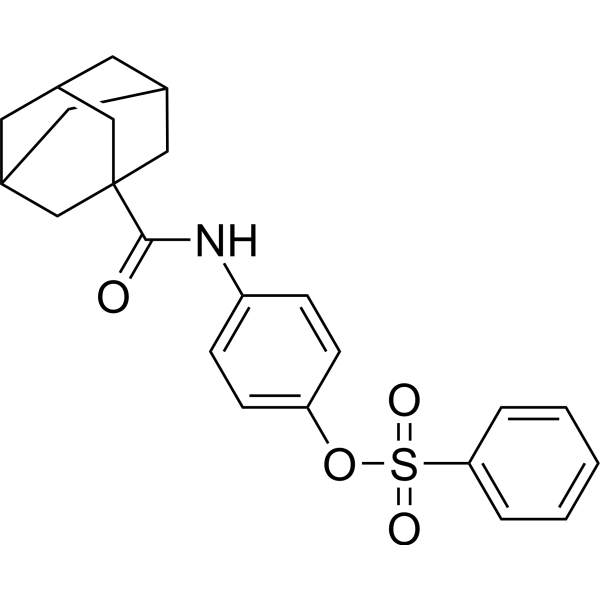
- HY-120321
-
|
|
Mineralocorticoid Receptor
Carbonic Anhydrase
|
Cardiovascular Disease
|
|
DSR-71167 is an orally active mineralocorticoid receptor (MR) antagonist with an IC50 of 0.26 μM. DSR-71167 exhibits weak carbonic anhydrase (CA) inhibitory activity with an IC50 of 19 μM. DSR-71167 can dose-dependently increase urinary sodium excretion in rat models and has a very low risk of hyperkalemia in potassium-loading rat models. DSR-71167 lowers systolic blood pressure in hypertensive rat models. DSR-71167 can be used for research on hypertension and heart failure .
|
-

- HY-113658
-
|
|
Endogenous Metabolite
|
Others
|
|
ts-SA is a carbonic anhydrase (CA) inhibitor with activity against seven human CA homologues. ts-SA can bind to the Zn(II) ion in the enzyme active site in a deprotonated form. The organic skeleton of ts-SA extends in the enzyme cavity and participates in multiple interactions with amino acid residues and water molecules. Due to its structural differences, the inhibitory performance of ts-SA is significantly better than that of another pyridine derivative. ts-SA exhibits low nanomolar inhibitory activity and is a multi-target CA inhibitor .
|
-

- HY-W074975
-
|
5-Amino-1,3,4-thiadiazole-2-sulfonamide
|
Carbonic Anhydrase
|
Cancer
|
|
CL 5343 (5-Amino-1,3,4-thiadiazole-2-sulfonamide) is a selective inhibitor of carbonic anhydrase B (HCA-B) and isoforms I, II, IV, and VII. CL 5343 has a Ki of 7.9 nM for hCA II. CL 5343 acts as a CA9 ligand to achieve targeted delivery of maytansine to the cell membrane of SKRC52 renal cancer cells. CL 5343 is useful in the development of therapeutics for diseases associated with CA overactivity, such as glaucoma, epilepsy, and cancer .
|
-
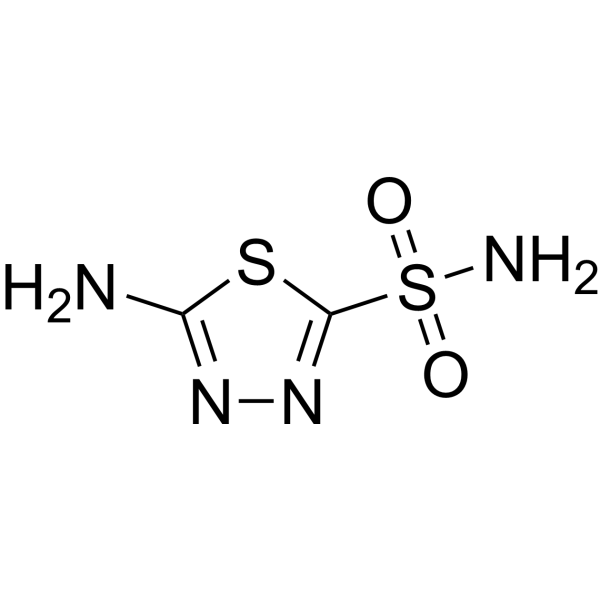
- HY-134043
-
|
Chlorthalidone EP Impurity G
|
Carbonic Anhydrase
|
Cardiovascular Disease
|
|
Chlorthalidone Impurity G (Chlorthalidone EP Impurity G) is a potential impurity found in commercial preparations of chlorthalidone with moderate antihypertensive effects. Chlorthalidone is a thiazide diuretic that inhibits the Na+/Cl- cotransporter in the distal tubule of the kidney, thereby preventing sodium and chloride reabsorption, resulting in decreased plasma volume and cardiac output. It also inhibits carbonic anhydrase (CA), including isoenzymes CAVB, VII, IX, XII, and XIII (Kis=2.8-23 nM) and to a lesser extent CAI, CAII, IV, VA, and VI (Ki=138-1,347 nM), mediating vasodilatory activity.
|
-

- HY-147955
-
|
|
Carbonic Anhydrase
Cholinesterase (ChE)
|
Neurological Disease
Metabolic Disease
|
|
hCAI/II-IN-5 (compound MZ8) is a potent hCA I and hCA II (human carbonic anhydrase isoenzymes I and II) inhibitor, with IC50 values of 37.88 and 45.23 nM, respectively. hCAI/II-IN-5 also shows inhibition profile against α-Glycosidase and AChE, with IC50 values of 48.98 and 420.14 nM, respectively. hCAI/II-IN-5 can be used for the research of many diseases such as diabetes, Alzheimer’s disease, heart failure, ulcer, and epilepsy .
|
-
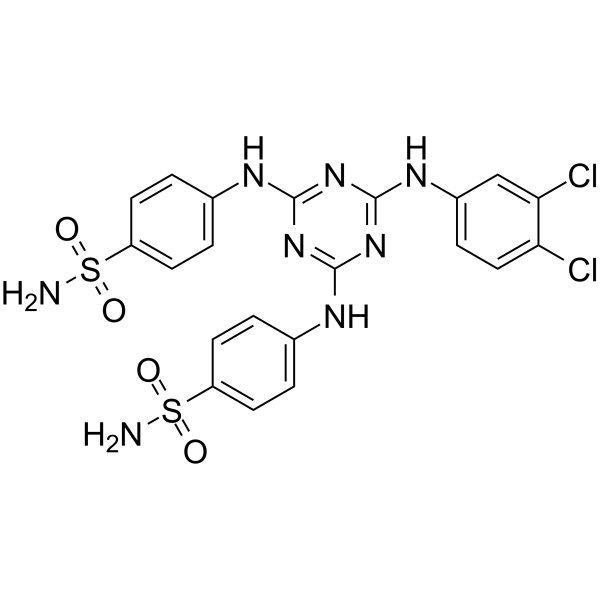
- HY-182426
-
|
|
Carbonic Anhydrase
|
Neurological Disease
|
|
NCX-278 is a human carbonic anhydrase inhibitor with a 13 nM Ki for hCA II, 410 nM Ki for hCA I, 181 nM Ki for hCA IV, and selective inhibition of hCA II over hCA IV. NCX-278 is a potent and effective stimulator of NO/sGC/cGMP signaling with an EC50 of 2.05 lM. NCX-278 exerts NO-mediated vascular relaxant effects. NCX-278 lowers intraocular pressure in normotensive rabbits. NCX-278 can be used for the research of open-angle glaucoma .
|
-

- HY-161507
-
|
|
Carbonic Anhydrase
Cholinesterase (ChE)
|
Metabolic Disease
|
|
hCAI/II-IN-8 (Compound 8) is a hydrazide derivative based on 4-hydroxybenzaldehyde. hCAI/II-IN-8 primarily targets human carbonic anhydrase isomerase I (hCA I) and II (hCA II) for inhibition (IC50 = 21.35 ± 0.39 nM (hCA I); 7.12 ± 0.12 nM (hCA II)). hCAI/II-IN-8 inhibits AChE and BChE as well(IC50 = 46.27 ±0.75 nM (AChE); 43.38 ± 0.83 nM (BChE)). . .
|
-

- HY-B0124R
-
|
AD 810 (Standard); CI 912 (Standard)
|
Reference Standards
Carbonic Anhydrase
Apoptosis
|
Neurological Disease
|
|
Zonisamide (Standard) is the analytical standard of Zonisamide. This product is intended for research and analytical applications. Zonisamide (AD 810) is an orally active carbonic anhydrase inhibitor, with Kis of 35.2 and 20.6 nM for hCA II and hCA V, respectively. Zonisamide exerts neuroprotective effects through anti-apoptosis and upregulating MnSOD levels. Zonisamide also increases the expression of Hrd1, thereby improving cardiac function in AAC rats. Zonisamide can be used in studies of seizure, parkinson’s disease and cardiac hypertrophy .
|
-

- HY-B0124S2
-
|
AD 810-13C6; CI 912-13C6
|
Isotope-Labeled Compounds
Carbonic Anhydrase
Apoptosis
|
Neurological Disease
|
|
Zonisamide- 13C6 (AD 810- 13C6) is 13C labeled Zonisamide. Zonisamide (AD 810) is an orally active carbonic anhydrase inhibitor, with Kis of 35.2 and 20.6 nM for hCA II and hCA V, respectively. Zonisamide exerts neuroprotective effects through anti-apoptosis and upregulating MnSOD levels. Zonisamide also increases the expression of Hrd1, thereby improving cardiac function in AAC rats. Zonisamide can be used in studies of seizure, parkinson’s disease and cardiac hypertrophy .
|
-

- HY-B0124S3
-
|
|
Isotope-Labeled Compounds
Carbonic Anhydrase
Apoptosis
|
Neurological Disease
|
|
Zonisamide- 15N,d4 is the 15N- and deuterium labeled Zonisamide (HY-B0124). Zonisamide (AD 810) is an orally active carbonic anhydrase inhibitor, with Kis of 35.2 and 20.6 nM for hCA II and hCA V, respectively. Zonisamide exerts neuroprotective effects through anti-apoptosis and upregulating MnSOD levels. Zonisamide also increases the expression of Hrd1, thereby improving cardiac function in AAC rats. Zonisamide can be used in studies of seizure, parkinson’s disease and cardiac hypertrophy .
|
-

- HY-W044762
-
|
|
Carbonic Anhydrase
|
Cancer
|
|
5,6-Dihydro-2H-pyran-2-one (Compound 1) is a prodrug-type carbonic anhydrase inhibitor. 5,6-Dihydro-2H-pyran-2-one can specifically inhibit the tumor-associated subtype hCA IX and the cytoplasmic subtype hCA I with Ki values of 1.35 and 8.03 μM. 5,6-Dihydro-2H-pyran-2-one can be used for the research on hypoxia-related cancer .
|
-

- HY-N1393
-
|
NSC 3778; O-Methylsalicylic acid; Salicylic acid methyl ether
|
Carbonic Anhydrase
Phospholipase
|
Cardiovascular Disease
|
|
2-Methoxybenzoic acid (NSC 3778; O-Methylsalicylic acid; Salicylic acid methyl ether) is a natural compound with potential salicylate-like effect. 2-Methoxybenzoic acid inhibits carbonic anhydrase activity, elevates intraplatelet cyclic guanosine monophosphate level, and suppresses cytosolic phospholipase A2 phosphorylation. 2-Methoxybenzoic acid suppresses platelet reactivity, including decreased spreading, retraction, and aggregation in platelets. 2-Methoxybenzoic acid ameliorates arterial thrombosis in a dose-dependent manner without affecting normal hemostasis in mice. 2-Methoxybenzoic acid can be used for the research of arterial thrombosis .
|
-
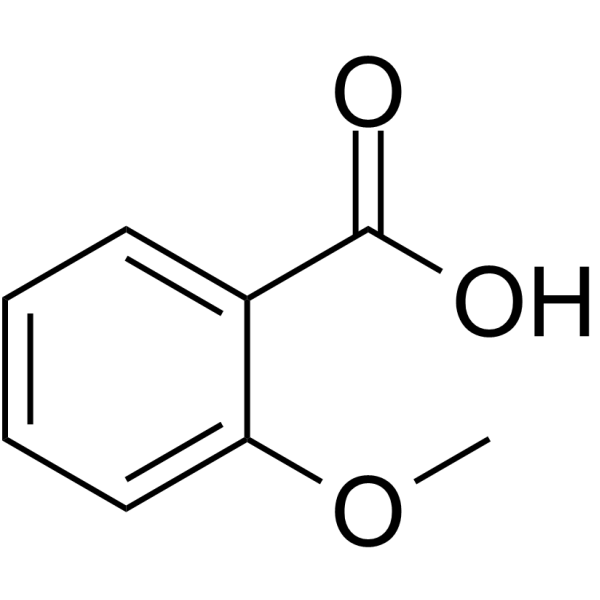
- HY-P11737
-
|
|
Radionuclide-Drug Conjugates (RDCs)
Carbonic Anhydrase
|
Cancer
|
|
IPM-N001 is a carbonic anhydrase IX (CAIX) ligand with a Kd value of <0.0337 nM for hCAIX. When radio-conjugated with 68Ga, IPM-N001 serves as a CAIX-targeted radionuclide tracer. [ 68Ga]Ga-IPM-N001 exhibits excellent tumor uptake and significantly improves the tumor-to-background ratio in PET/CT imaging studies using OS-RC-2 tumor-bearing mice. IPM-N001 can be used for the research of clear cell renal cell carcinoma .
|
-

- HY-147954
-
|
|
Carbonic Anhydrase
Cholinesterase (ChE)
|
Neurological Disease
Metabolic Disease
|
|
α-Glycosidase-IN-1 (compound MZ7) is a potent α-GLY (α-Glycosidase) inhibitor, with an IC50 of 44.72 nM and a KI of 41.74 nM. α-Glycosidase-IN-1 also shows inhibition profile against human carbonic anhydrase isoenzymes I and II (hCA I and hCA II), and acetylcholinesterase (AChE), with IC50 values of 104.87, 100.04, and 654.87 nM, respectively. α-Glycosidase-IN-1 can be used for the research of many diseases such as diabetes, Alzheimer’s disease, heart failure, ulcer, and epilepsy .
|
-
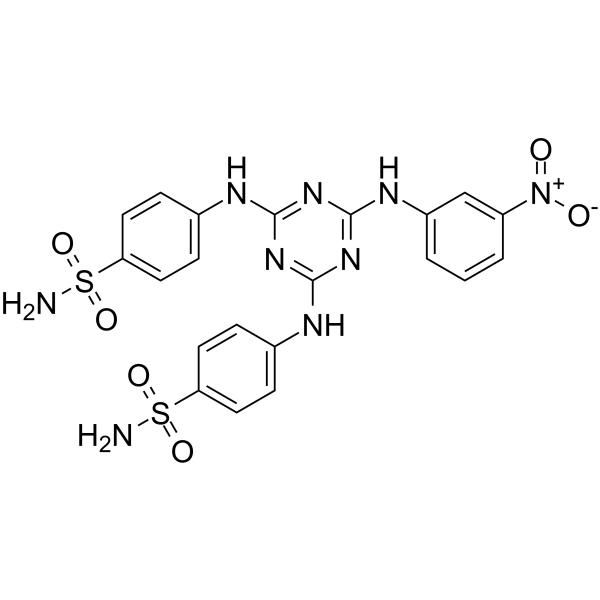
- HY-101087R
-
|
|
Reference Standards
Carbonic Anhydrase
Amyloid-β
Reactive Oxygen Species (ROS)
|
Neurological Disease
Inflammation/Immunology
Cancer
|
|
Benzenesulphonamide (Standard) is the analytical standard of Benzenesulphonamide (HY-101087). This product is intended for research and analytical applications. Benzenesulphonamide (Compound 1) is a carbonic anhydrase inhibitor. Benzenesulphonamide exhibits CA II inhibitory activity. Benzenesulphonamide reduces ROS and improves the gene expression of amyloid-β40 and 42. Benzenesulphonamide is beneficial for Alzheimer's disease. Benzenesulphonamide derivatives have anticancer, anti-inflammatory, and anticonvulsant activities. Benzenesulphonamide can be used in the research of Alzheimer's disease, epilepsy, inflammatory diseases, leukemia, melanoma, lung cancer, and colon cancer .
|
-

- HY-180056
-
|
|
Carbonic Anhydrase
NKCC
mTOR
|
Neurological Disease
|
|
CAII-IN-12 (compound 6c) is a potent and selective carbonic anhydrase (CA) II and VII inhibitor (hCA II Ki = 47.8 nM, hCA VII Ki = 3.6 nM) with anti-epilepitic activity. CAII-IN-12 displays selectivity over hCA I (Ki = 370 nM). CAII-IN-12 exhibits potent anticonvulsant activity in both Pentylenetetrazol- and Pilocarpine (HY-B0726A)-induced seizure mouse models. CAII-IN-12 increases expression of KCC2 in the hippocampus, maintains neuronal integrity, and reduces mTOR activity. CAII-IN-12 can be used for epilepsy research .
|
-

- HY-181350
-
|
|
Carbonic Anhydrase
NAMPT
Apoptosis
Reactive Oxygen Species (ROS)
ERK
Akt
DNA/RNA Synthesis
Mitochondrial Metabolism
|
Cancer
|
|
CAIX/XII/NAMPT-IN-1 is a triple inhibitor of carbonic anhydrase IX/XII and nicotinamide phosphoribosyltransferase (NAMPT) with a hCA IX Ki of 78.1 nM, hCA XII Ki of 64.4 nM, and hNAMPT IC50 of 168 nM. CAIX/XII/NAMPT-IN-1 induces apoptosis, ROS accumulation, suppresses ERK/AKT signaling, inhibits DNA synthesis, and causes mitochondrial dysfunction. CAIX/XII/NAMPT-IN-1 exerts antiproliferative effects against multiple cancer cells under normoxic and hypoxic conditions. CAIX/XII/NAMPT-IN-1 can be used for the research of cancer, such as renal carcinoma, glioblastoma and colorectal cancer .
|
-

- HY-170551
-
|
|
Carbonic Anhydrase
VEGFR
|
Cancer
|
|
CA IX/VEGFR-2-IN-3 (Compound 6i) is an inhibitor of Carbonic Anhydrase IX and VEGFR-2, with IC50 values of 41 and 48 nM, respectively. CA IX/VEGFR-2-IN-3 exhibits anticancer activity, inhibiting the growth of MCF-7 breast cancer cells (with an IC50 of 22.33 μM) and mouse fibroblast cell line 3T3 (where cell viability is less than 40% at a concentration of 100 μM). CA IX/VEGFR-2-IN-3 can be used for research in the field of cancer treatment .
|
-

- HY-181684
-
|
|
Phosphodiesterase (PDE)
Carbonic Anhydrase
|
Neurological Disease
|
|
PDE5/CA-IN-1 is a dual PDE5 and carbonic anhydrase (CA) inhibitor, with IC50 values of 0.41, 38.4, and 9.1 nM against PDE5, hCA II, and hCA VA, respectively. PDE5/CA-IN-1 inhibits multiple hCA subtypes associated with Alzheimer's disease. As a cytoprotective agent and oxidative stress alleviator, PDE5/CA-IN-1 reduces oxidative stress, and prevents recognition memory and working memory impairments. PDE5/CA-IN-1 is available for the research of Alzheimer's disease .
|
-

- HY-W440823A
-
|
DSPE-PEG1000-NH2 ammonium
|
Liposome
|
Cancer
|
|
DSPE-PEG1000-Amine (DSPE-PEG1000-NH2) ammonium is a 1,2-distearoyl-sn-glycero-3-phosphoethanolamine-polyethylene glycol conjugate with a terminal amino group. DSPE-PEG1000-Amine ammonium can functionalize the surface of PLGA-lecithin-PEG core-shell nanoparticles to introduce positive surface charges. The amino group of DSPE-PEG1000-Amine ammonium can be converted into an aromatic aldehyde to react with the acetone-protected aromatic hydrazide on the surface of bovine carbonic anhydrase (BCA) molecules .
|
-
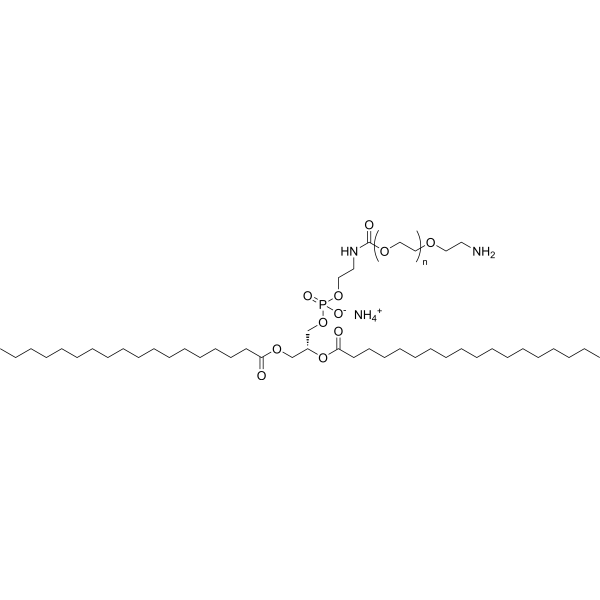
- HY-N1393R
-
|
NSC 3778 (Standard); O-Methylsalicylic acid (Standard); Salicylic acid methyl ether (Standard)
|
Reference Standards
Carbonic Anhydrase
Phospholipase
|
Cardiovascular Disease
|
|
2-Methoxybenzoic acid (NSC 3778; O-Methylsalicylic acid; Salicylic acid methyl ether) (Standard) is the analytical standard of 2-Methoxybenzoic acid (HY-N1393). 2-Methoxybenzoic acid is a natural compound with potential salicylate-like effect. 2-Methoxybenzoic acid inhibits carbonic anhydrase activity, elevates intraplatelet cyclic guanosine monophosphate level, and suppresses cytosolic phospholipase A2 phosphorylation. 2-Methoxybenzoic acid suppresses platelet reactivity, including decreased spreading, retraction, and aggregation in platelets. 2-Methoxybenzoic acid ameliorates arterial thrombosis in a dose-dependent manner without affecting normal hemostasis in mice. 2-Methoxybenzoic acid can be used for the research of arterial thrombosis .
|
-

- HY-163691
-
|
|
Carbonic Anhydrase
|
Cancer
|
|
Antitumor agent-163 (Compound 3) is a photosensitizer used in Molecular-Targeted Photodynamic Therapy (MT-PDT) targeting carbonic anhydrase IX (CAIX). Antitumor agent-163 inactivates CAIX protein via singlet oxygen under 540 nm wavelength light, without affecting internal standard proteins such as α-tubulin, β-actin, and proliferating cell nuclear antigen (PCNA). Antitumor agent-163 induces cell membrane damage, inhibits cell viability (IC50 is 0.2 and 0.05 μM for A549 and U87MG). Antitumor agent-163 exhibits antitumor efficacy in mouse model .
|
-

- HY-178030
-
|
|
Carbonic Anhydrase
Adrenergic Receptor
|
Neurological Disease
|
|
CAXII-IN-3 is an effective carbonic anhydrase (CA XII) inhibitor with a Ki of 53 nM. CAXII-IN-3 exhibits selective inhibition against multiple human CA subtypes with Kis of 5.3 μM, 75 nM, 1.9 μM, > 10 μM against CA I, CA II, CA IV and CA IX. CAXII-IN-3 mainly inhibits CA II and XII, and reduces aqueous humor production. CAXII-IN-3 exhibits β3-AR agonistic activity, can dilate retinal blood vessels, and improve optic nerve perfusion. CAXII-IN-3 can be used in the research of ocular disorders such as glaucoma .
|
-

- HY-N1393S1
-
|
NSC 3778-d3; O-Methylsalicylic acid-d3; Salicylic acid methyl ether-d3
|
Isotope-Labeled Compounds
Carbonic Anhydrase
Phospholipase
|
Cardiovascular Disease
|
|
2-Methoxybenzoic acid (NSC 3778; O-Methylsalicylic acid; Salicylic acid methyl ether)-d3 is deuterium-labeled 2-Methoxybenzoic acid (HY-N1393). 2-Methoxybenzoic acid is a natural compound with potential salicylate-like effect. 2-Methoxybenzoic acid inhibits carbonic anhydrase activity, elevates intraplatelet cyclic guanosine monophosphate level, and suppresses cytosolic phospholipase A2 phosphorylation. 2-Methoxybenzoic acid suppresses platelet reactivity, including decreased spreading, retraction, and aggregation in platelets. 2-Methoxybenzoic acid ameliorates arterial thrombosis in a dose-dependent manner without affecting normal hemostasis in mice. 2-Methoxybenzoic acid can be used for the research of arterial thrombosis .
|
-

- HY-146979
-
|
|
Adenosine Receptor
Carbonic Anhydrase
|
Cancer
|
|
hA2A/hCA XII modulator 1 (compound 14), a triazolopirazine, is a potent hA2A adenosine receptor (hA2AAR) antagonist with Kis of 6.4 nM, 4.819 μM, >30 μM for hA2AAR, hA1AR, hA3AR, respectively. hA2A/hCA XII modulator 1 is a potent human carbonic anhydrase XII (hCA XII) inhibitor with Kis of 6.2 nM, 46 nM, 466 nM, 8.351 μM for hCA XII, hCA II, hCA IX and hCA I, respectively. hA2A/hCA XII modulator 1 has the potential for cancer research .
|
-
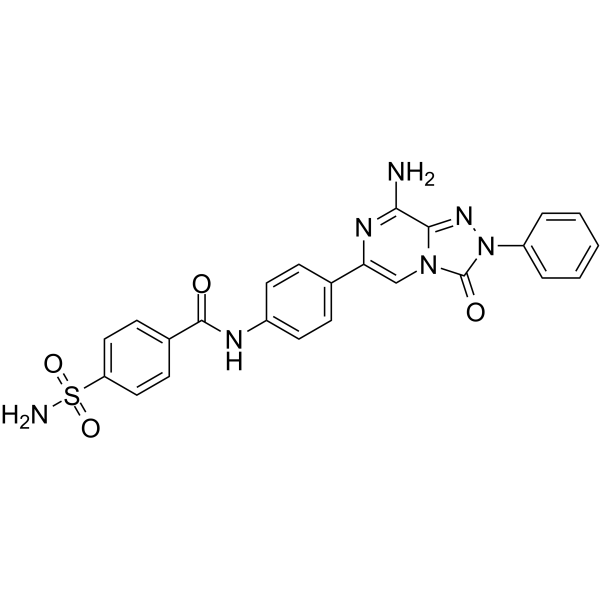
- HY-175021
-
|
|
HDAC
Carbonic Anhydrase
Microtubule/Tubulin
PARP
Apoptosis
Bcl-2 Family
Caspase
|
Cancer
|
|
HDAC-IN-91 is a multiple inhibitor of HDAC (IC50 = 134.22 nM for HDAC1, 66.29 nM for HDAC2), carbonic anhydrase (CA) (Ki = 72.03 nM for CA IX, 50.76 nM for XII), and tubulin polymerization ( IC50 = 2.56 μM). HDAC-IN-91 inhibits PARP1 and increases the Bax/Bcl-2 ratio. HDAC-IN-91 blocks the cell cycle at the G2/M phase and induces apoptosis through a mitochondrial apoptosis activation mechanism. HDAC-IN-91 can exert potent cytotoxic activity through tubulin polymerization inhibition. HDAC-IN-91 can be used in breast, colorectal, cervical and lung cancer research .
|
-

- HY-N1393S
-
|
NSC 3778-13C6; O-Methylsalicylic acid-13C6; Salicylic acid methyl ether-13C6
|
Isotope-Labeled Compounds
Carbonic Anhydrase
Phospholipase
|
Cardiovascular Disease
|
|
2-Methoxybenzoic acid (NSC 3778; O-Methylsalicylic acid; Salicylic acid methyl ether)- 13C6 is the 13C-labeled 2-Methoxybenzoic acid (HY-N1393). 2-Methoxybenzoic acid is a natural compound with potential salicylate-like effect. 2-Methoxybenzoic acid inhibits carbonic anhydrase activity, elevates intraplatelet cyclic guanosine monophosphate level, and suppresses cytosolic phospholipase A2 phosphorylation. 2-Methoxybenzoic acid suppresses platelet reactivity, including decreased spreading, retraction, and aggregation in platelets. 2-Methoxybenzoic acid ameliorates arterial thrombosis in a dose-dependent manner without affecting normal hemostasis in mice. 2-Methoxybenzoic acid can be used for the research of arterial thrombosis .
|
-
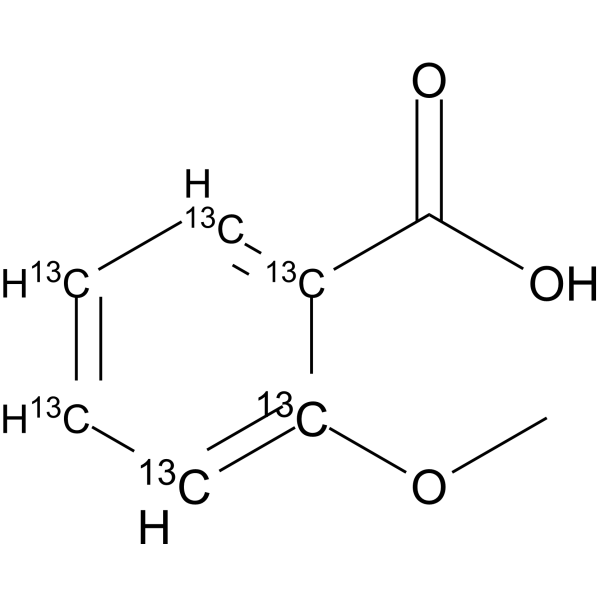
- HY-174232
-
|
|
EGFR
Carbonic Anhydrase
Caspase
|
Cancer
|
|
EGFR/CA-IX-IN-1 (Compound 14) is a dual inhibitor against epidermal growth factor receptor (EGFR) and carbonic anhydrase IX (CA-IX) with IC50 values of 5.92 nM and 63 nM, respectively. EGFR/CA-IX-IN-1 shows strong cytotoxicity against breast cancer cells (MDA-MB-231, MCF-7) with IC50 values of 5.78 μM and 8.05 μM, respectively. EGFR/CA-IX-IN-1 inhibits the catalytic activity of CA-IX, up-regulates BAX/Bcl-2, activates caspases, and arrests the cell cycle at the G1 phase. EGFR/CA-IX-IN-1 is promising for research of breast cancer .
|
-

- HY-W042301
-
|
|
Anion Exchangers
Carbonic Anhydrase
Endothelin Receptor
|
Cardiovascular Disease
|
|
Xipamide is an orally active carbonic anhydrase (CA) inhibitor and Na +/Cl --potassium transporter inhibitor with diuretic and antihypertensive effects. Xipamide reduces NaCl reabsorption by inhibiting the Cl -/NaCO3 - anion exchanger, and increases calcium reabsorption while promoting potassium and magnesium excretion. Xipamide is mainly cleared via the renal pathway and causes a temporary decrease in glomerular filtration rate under specific conditions. Xipamide does not affect Ca 2+ signaling induced by endothelin-1 and other factors, nor does it inhibit various ion cotransport or pump activities in red blood cells. Xipamide can be used in researches related to cardiovascular diseases, hypertension (especially with left ventricular hypertrophy), advanced renal failure, and liver cirrhosis with ascites .
|
-
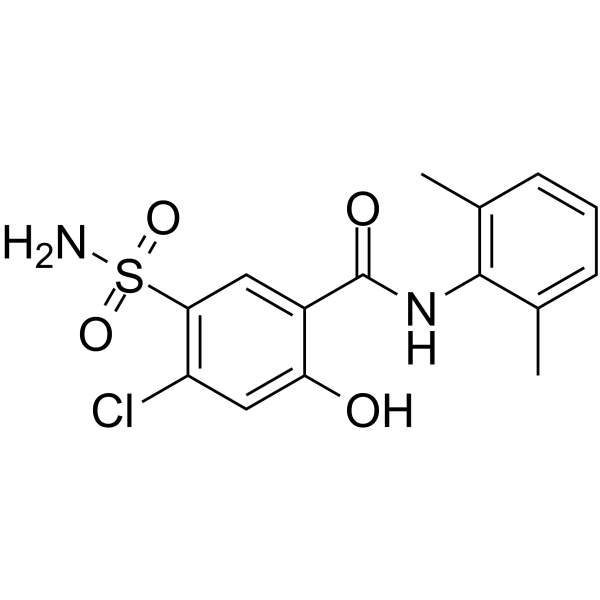
- HY-175638
-
|
|
Carbonic Anhydrase
Apoptosis
Bcl-2 Family
CDK
|
Cancer
|
|
Carbonic anhydrase-IN-35 is a selective carbonic anhydrase (CA) inhibitor. Carbonic anhydrase-IN-35 potently inhibits tumor-associated hCA IX (Ki = 0.6 nM) and hCA XII (Ki = 2.2 nM). Carbonic anhydrase-IN-35 induces apoptosis in MCF-7 cells by elevating Bax, reducing Bcl-2, and downregulating CDK4/6. Carbonic anhydrase-IN-35 exhibits potent cytotoxicity against MCF-7 (IC50 = 0.3975 μM normoxic/0.6575 μM hypoxic), MCF-7-ADR (IC50> = 0.3975 μM normoxic/4.488 μM hypoxic), MDA-MB-231, and 4T1 breast cancer cells. Carbonic anhydrase-IN-35 can be used for the study of breast cancer .
|
-

- HY-179439
-
|
|
COX
VEGFR
HIF/HIF Prolyl-Hydroxylase
Caspase
Bcl-2 Family
Apoptosis
MMP
|
Cancer
|
|
Multi-kinase-IN-8 is a muti-kinase inhibitor. Multi-kinase-IN-8 inhibits COX-1 (IC50 of 12.6 μM), COX-2 (IC50 of 0.05 μM) and VEGFR-2 (IC50 of 0.12 nM). Multi-kinase-IN-8 inhibits tumor-associated carbonic anhydrases (CA IX and CA XII with Ki of 31.5 nM and 386.9 nM, respectively). Multi-kinase-IN-8 triggers cell cycle arrest and apoptosis through upregulation of Caspase 9 and Bax along with downregulation of Bcl 2. Multi-kinase-IN-8 suppresses PGE2, p-VEGFR-2, MMP-9 and HIF-1α and exhibits growth-inhibitory activity against breast cancer, lung cancer, and colorectal adenocarcinoma .
|
-

- HY-159122
-
|
|
Carbonic Anhydrase
Reactive Oxygen Species (ROS)
Apoptosis
|
Cancer
|
|
CA IX-IN-2 (Compound 9o) is an inhibitor for carbonic anhydrase (CA), that inhibits CA IX, CA XII and CA II with an IC50 of 5.6, 7.4 and 430 nM, respectively. CA IX-IN-2 inhibits the proliferation of cancer cell HCT-116, SW480, MDA-MB 231 and MCF-7, with IC50s of 14.63-29.33 μM. CA IX-IN-2 intercalates DNA, arrests cell cycle at G1/S phase, and induces apoptosis in MDA-MB-231. CA IX-IN-2 affects the mitochondrial membrane potential (MMP), increases the intracellular ROS levels, causes mitochondrial damage, and inhibits the cell migration of MDA-MB-231. CA IX-IN-2 exhibits antitumor efficacy in mouse models .
|
-

| Cat. No. |
Product Name |
Type |
-
- HY-D2345
-
|
|
Fluorescent Dyes
|
|
GZ22-4 is a near-infrared (NIR) fluorescent probe. GZ22-4 shows high affinity for carbonic anhydrase IX (CAIX), with a Kd of 0.2 nM. GZ22-4 can be used for the research of visualize CAIX-positive tumors .
|
| Cat. No. |
Product Name |
Type |
-
- HY-W440823A
-
|
DSPE-PEG1000-NH2 ammonium
|
Biochemical Assay Reagents
|
|
DSPE-PEG1000-Amine (DSPE-PEG1000-NH2) ammonium is a 1,2-distearoyl-sn-glycero-3-phosphoethanolamine-polyethylene glycol conjugate with a terminal amino group. DSPE-PEG1000-Amine ammonium can functionalize the surface of PLGA-lecithin-PEG core-shell nanoparticles to introduce positive surface charges. The amino group of DSPE-PEG1000-Amine ammonium can be converted into an aromatic aldehyde to react with the acetone-protected aromatic hydrazide on the surface of bovine carbonic anhydrase (BCA) molecules .
|
-
- HY-69085
-
|
|
Biochemical Assay Reagents
|
|
4-Bromo-1H-indazole is a carbonic anhydrase inhibitor, with an IC50 of 0.403 mM and a Ki of 0.383 mM against hCA-I, as well as an IC50 of 0.700 mM and a Ki of 0.935 mM against hCA-II. 4-Bromo-1H-indazole reduces the catalytic activity of human I and II isoforms of carbonic anhydrase .
|
-
- HY-155908
-
|
DSPE-PEG10000-NH2 ammonium
|
Biochemical Assay Reagents
|
|
DSPE-PEG10000-Amine ammonium is a phosphoethanolamine involved in the synthesis of liposomes for delivery systems. The amino group of DSPE-PEG10000-Amine ammonium can be converted into aromatic aldehydes by reacting with acetone-protected aromatic hydrazines on the surface of bovine carbonic anhydrase (BCA) molecules. Liposomes form a liposome-BAH-BCA conjugate by forming a bisarylhydrazone (BAH) with the target enzyme molecule. The conjugate catalyzes the hydration of carbon dioxide to bicarbonate.
|
-
- HY-155907
-
|
DSPE-PEG5000-NH2 ammonium
|
Biochemical Assay Reagents
|
|
DSPE-PEG5000-Amine ammonium is a phosphoethanolamine involved in the synthesis of liposomes for delivery systems. DSPE-PEG5000-Amine ammonium amino group can be converted to aromatic aldehydes that react with acetone-protected aromatic hydrazides on the surface of the bovine carbonic anhydrase (BCA) molecule. Liposomes produce liposome-Bah-BCA conjugates by forming diaryl hydrazone (BAH) with target enzyme molecules. The conjugate catalyzes the hydration of carbon dioxide to bicarbonate.
|
| Cat. No. |
Product Name |
Target |
Research Area |
-
- HY-P11737
-
|
|
Radionuclide-Drug Conjugates (RDCs)
Carbonic Anhydrase
|
Cancer
|
|
IPM-N001 is a carbonic anhydrase IX (CAIX) ligand with a Kd value of <0.0337 nM for hCAIX. When radio-conjugated with 68Ga, IPM-N001 serves as a CAIX-targeted radionuclide tracer. [ 68Ga]Ga-IPM-N001 exhibits excellent tumor uptake and significantly improves the tumor-to-background ratio in PET/CT imaging studies using OS-RC-2 tumor-bearing mice. IPM-N001 can be used for the research of clear cell renal cell carcinoma .
|
| Cat. No. |
Product Name |
Target |
Research Area |
Image |
-
- HY-P99023
-
|
G250; cG250
|
Carbonic Anhydrase
|
Cancer
|
|
Girentuximab (G250) is a chimeric monoclonal antibody that binds carbonic anhydrase IX (CAIX), a cell surface glycoprotein ubiquitously expressed in clear cell renal cell carcinoma (ccRCC) .
|
-

(5)
| Cat. No. |
Product Name |
Category |
Target |
Chemical Structure |
| Cat. No. |
Product Name |
Chemical Structure |
-
- HY-B0782S
-
|
|
|
Acetazolamide-d3 is deuterium labeled Acetazolamide (HY-B0782). Acetazolamide is a carbonic anhydrase (CA) IX inhibitor with an IC50 of 30 nM for hCA IX. Acetazolamide has diuretic, antihypertensive and anti-gonococcal activities.
|
-
-
- HY-B0124S
-
|
|
|
Zonisamide-d4 is the deuterium labeled Zonisamide. Zonisamide (AD 810) is an inhibitor of zinc enzyme carbonic anhydrase (CA), with Kis of 35.2 nM and 20.6 nM for human mitochondrial isozyme hCA II and hCA V, respectively. Zonisamide has antiepileptic activity. Zonisamide can be used for the rsearch for epilepsy, seizures and Parkinson's disease .
|
-
-
- HY-B0122S
-
|
|
|
Topiramate-13C6 (McN 4853-13C6) is the 13C labeled isotope of Topiramate (HY-B0122). Topiramate (McN 4853) is a broad-spectrum antiepileptic agent. Topiramate is a GluR5 receptor antagonist. Topiramate produces its antiepileptic effects through enhancement of GABAergic activity, inhibition of kainate/AMPA receptors, inhibition of voltage-sensitive sodium and calcium channels, increases in potassium conductance, and inhibition of carbonic anhydrase .
|
-
-
- HY-B0553S
-
|
|
|
Methazolamide-d6 is the deuterium labeled Methazolamide. Methazolamide (L584601) is a sulfonamide derivative used as a carbonic anhydrase inhibitor with a Ki of 14 nM for human carbonic anhydrase II. Methazolamide, an intraocular pressure-lowering agent, reduces intraocular pressure elevations associated with glaucoma and other ocular disorders .
|
-
-
- HY-108316S
-
|
|
|
Sulthiame-d4 is the deuterium labeled Sultiame. Sultiame is a carbonic anhydrase inhibitor, widely used as an antiepileptic agent .
|
-
-
- HY-B1480S
-
|
|
|
Ethoxzolamide-d5 (Redupresin-d5) is deuterium labeled Ethoxzolamide. Ethoxzolamide is a carbonic anhydrase inhibitor with Ki of 1 nM.
|
-
-
- HY-B0588S
-
|
|
|
Brinzolamide-d5 is the deuterium labeled Brinzolamide. Brinzolamide (AL 4862) is a potent carbonic anhydrase II inhibitor with IC50 of 3.19 nM.
|
-
-
- HY-B0782S1
-
|
|
|
Acetazolamide- 13C2,d3 is the 13C- and deuterium labeled Acetazolamide. Acetazolamide is a carbonic anhydrase (CA) IX inhibitor with an IC50 of 30 nM for hCA IX . Diuretic effects .
|
-
-
- HY-B0109S
-
|
|
|
Dorzolamide-d5 is the deuterium labeled Dorzolamide. Dorzolamide (L671152) is a potent carbonic anhydrase II inhibitor, with IC50 values of 0.18 nM and 600 nM for red blood cell CA-II and CA-I respectively. Dorzolamide possesses anti-tumor activity .
|
-
-
- HY-B0109AS
-
|
|
Dorzolamide-d3 hydrochloride is deuterated labeled Dorzolamide hydrochloride (HY-B0109A). Dorzolamide (L671152) hydrochloride is a potent carbonic anhydrase II inhibitor, with IC50 values of 0.18 nM and 600 nM for red blood cell CA-II and CA-I respectively. Dorzolamide possesses anti-tumor activity .
|
-
-
- HY-B0109AS1
-
|
|
Dorzolamide-d5(hydrochloride) (L671152 hydrochloride-d5) is deuterium labeled Dorzolamide (hydrochloride). Dorzolamide (L671152) hydrochloride is a potent carbonic anhydrase II inhibitor, with IC50 values of 0.18 nM and 600 nM for red blood cell CA-II and CA-I respectively. Dorzolamide possesses anti-tumor activity .
|
-
-
- HY-B0588AS
-
|
|
|
Brinzolamide-d5 (hydrochloride) is the deuterium labeled Brinzolamide hydrochloride . Brinzolamide (AL-4862) hydrochloride is a selective carbonic anhydrase II inhibitor with an IC50 value of 3.2 nM. Brinzolamide hydrochloride reduces intraocular pressure (IOP) by inhibiting ciliary CA-II and decreasing atrial fluid secretion. Brinzolamide hydrochloride can be used in glaucoma disease research .
|
-
-
- HY-B0122S1
-
|
|
|
Topiramate- 13C (McN 4853- 13C) is 13C labeled Topiramate. Topiramate (McN 4853) is a broad-spectrum antiepileptic agent. Topiramate is a GluR5 receptor antagonist. Topiramate produces its antiepileptic effects through enhancement of GABAergic activity, inhibition of kainate/AMPA receptors, inhibition of voltage-sensitive sodium and calcium channels, increases in potassium conductance, and inhibition of carbonic anhydrase .
|
-
-
- HY-W748430
-
|
|
|
Furagin- 13C3 (Furazidine- 13C3) is the 13C-labeled Furagin (HY-77036). Furagin (Furazidine), an analogue of Nitrofurantoin (HY-A0090), is an antibiotic with antibacterial activity against ESKAPE pathogens with MIC values of 0-32 μg/mL. Furagin inhibits human Carbonic anhydrases . Furagin is promising for research of cancer and urinary tract infections (UTIs) .
|
-
-
- HY-B0124S2
-
|
|
|
Zonisamide- 13C6 (AD 810- 13C6) is 13C labeled Zonisamide. Zonisamide (AD 810) is an orally active carbonic anhydrase inhibitor, with Kis of 35.2 and 20.6 nM for hCA II and hCA V, respectively. Zonisamide exerts neuroprotective effects through anti-apoptosis and upregulating MnSOD levels. Zonisamide also increases the expression of Hrd1, thereby improving cardiac function in AAC rats. Zonisamide can be used in studies of seizure, parkinson’s disease and cardiac hypertrophy .
|
-
-
- HY-N1393S
-
|
|
|
2-Methoxybenzoic acid (NSC 3778; O-Methylsalicylic acid; Salicylic acid methyl ether)- 13C6 is the 13C-labeled 2-Methoxybenzoic acid (HY-N1393). 2-Methoxybenzoic acid is a natural compound with potential salicylate-like effect. 2-Methoxybenzoic acid inhibits carbonic anhydrase activity, elevates intraplatelet cyclic guanosine monophosphate level, and suppresses cytosolic phospholipase A2 phosphorylation. 2-Methoxybenzoic acid suppresses platelet reactivity, including decreased spreading, retraction, and aggregation in platelets. 2-Methoxybenzoic acid ameliorates arterial thrombosis in a dose-dependent manner without affecting normal hemostasis in mice. 2-Methoxybenzoic acid can be used for the research of arterial thrombosis .
|
-
-
- HY-B0124S3
-
|
|
|
Zonisamide- 15N,d4 is the 15N- and deuterium labeled Zonisamide (HY-B0124). Zonisamide (AD 810) is an orally active carbonic anhydrase inhibitor, with Kis of 35.2 and 20.6 nM for hCA II and hCA V, respectively. Zonisamide exerts neuroprotective effects through anti-apoptosis and upregulating MnSOD levels. Zonisamide also increases the expression of Hrd1, thereby improving cardiac function in AAC rats. Zonisamide can be used in studies of seizure, parkinson’s disease and cardiac hypertrophy .
|
-
-
- HY-N1393S1
-
|
|
|
2-Methoxybenzoic acid (NSC 3778; O-Methylsalicylic acid; Salicylic acid methyl ether)-d3 is deuterium-labeled 2-Methoxybenzoic acid (HY-N1393). 2-Methoxybenzoic acid is a natural compound with potential salicylate-like effect. 2-Methoxybenzoic acid inhibits carbonic anhydrase activity, elevates intraplatelet cyclic guanosine monophosphate level, and suppresses cytosolic phospholipase A2 phosphorylation. 2-Methoxybenzoic acid suppresses platelet reactivity, including decreased spreading, retraction, and aggregation in platelets. 2-Methoxybenzoic acid ameliorates arterial thrombosis in a dose-dependent manner without affecting normal hemostasis in mice. 2-Methoxybenzoic acid can be used for the research of arterial thrombosis .
|
-
| Cat. No. |
Product Name |
|
Classification |
-
- HY-159129
-
|
|
|
Azide
|
|
hCAXII-IN-10 (Compound 18b) is a dual inhibitor of human carbonic anhydrase isoform XII (hCAXII) and cathepsin B, with a Ki value of 2.2 nM. hCAXII-IN-10 can inhibit the role of hCAXII in providing tumors with a pH microenvironment conducive to tumor growth, and is expected to be used in the study of tumor diseases .
|
| Cat. No. |
Product Name |
|
Classification |
-
- HY-W440823A
-
|
DSPE-PEG1000-NH2 ammonium
|
|
Pegylated Lipids
|
|
DSPE-PEG1000-Amine (DSPE-PEG1000-NH2) ammonium is a 1,2-distearoyl-sn-glycero-3-phosphoethanolamine-polyethylene glycol conjugate with a terminal amino group. DSPE-PEG1000-Amine ammonium can functionalize the surface of PLGA-lecithin-PEG core-shell nanoparticles to introduce positive surface charges. The amino group of DSPE-PEG1000-Amine ammonium can be converted into an aromatic aldehyde to react with the acetone-protected aromatic hydrazide on the surface of bovine carbonic anhydrase (BCA) molecules .
|
-
- HY-155908
-
|
DSPE-PEG10000-NH2 ammonium
|
|
Pegylated Lipids
|
|
DSPE-PEG10000-Amine ammonium is a phosphoethanolamine involved in the synthesis of liposomes for delivery systems. The amino group of DSPE-PEG10000-Amine ammonium can be converted into aromatic aldehydes by reacting with acetone-protected aromatic hydrazines on the surface of bovine carbonic anhydrase (BCA) molecules. Liposomes form a liposome-BAH-BCA conjugate by forming a bisarylhydrazone (BAH) with the target enzyme molecule. The conjugate catalyzes the hydration of carbon dioxide to bicarbonate.
|
-
- HY-155907
-
|
DSPE-PEG5000-NH2 ammonium
|
|
Pegylated Lipids
|
|
DSPE-PEG5000-Amine ammonium is a phosphoethanolamine involved in the synthesis of liposomes for delivery systems. DSPE-PEG5000-Amine ammonium amino group can be converted to aromatic aldehydes that react with acetone-protected aromatic hydrazides on the surface of the bovine carbonic anhydrase (BCA) molecule. Liposomes produce liposome-Bah-BCA conjugates by forming diaryl hydrazone (BAH) with target enzyme molecules. The conjugate catalyzes the hydration of carbon dioxide to bicarbonate.
|
Your information is safe with us. * Required Fields.
Inquiry Information
- Product Name:
- Cat. No.:
- Quantity:
- MCE Japan Authorized Agent:








