1. Search Result
Search Result
Results for "

fungal+infection

" in MedChemExpress (MCE) Product Catalog:

161

Inhibitors & Agonists

3

Screening Libraries

5

Biochemical Assay Reagents

6

Peptides

62

Natural
Products

5

Isotope-Labeled Compounds

1

Click Chemistry

Cat. No. Product Name Target Research Areas Chemical Structure
  • HY-119726

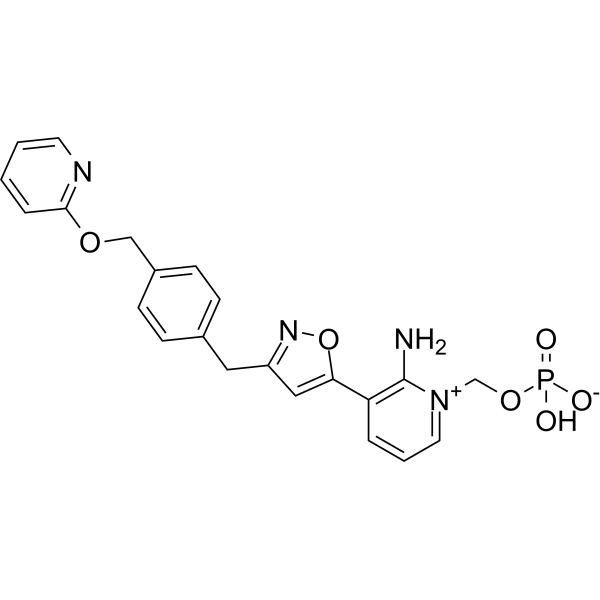
    APX001; E1211

    Fungal Infection Inflammation/Immunology Cancer
    Fosmanogepix (APX001) is a broad-spectrum agent against invasive fungal infections. Fosmanogepix (APX001) targets the conserved Gwt1 enzyme required for the localization of glycosylphosphatidylinositol-anchored mannoproteins in fungi. This inhibition prevents the appropriate localization of cell wall mannoproteins, which compromises cell wall integrity, biofilm formation, germ tube formation, and fungal growth. Fosmanogepix (APX001) can be used for invasive fungal infections research .
    Fosmanogepix
  • HY-148690

    Bacterial Fungal Infection
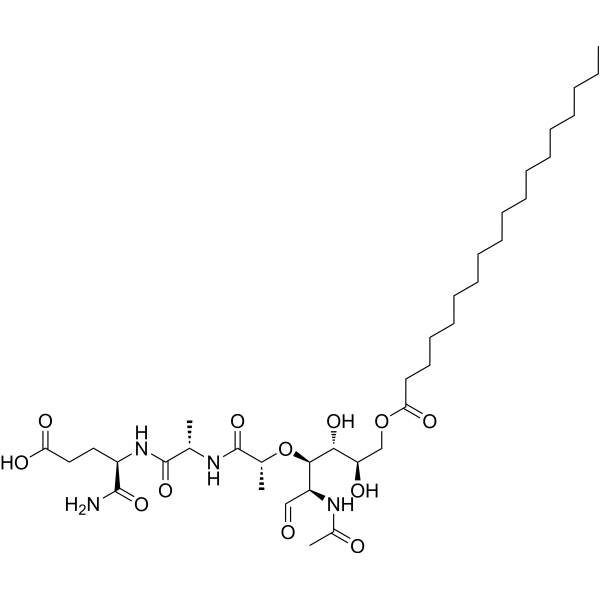
    L18-MDP is a derivative of muramyl dipeptide, an antibacterial agent. L18-MDP has antibacterial activity and has potential applications in bacterial and fungal infections .
    L18-MDP
  • HY-W017782

    Endogenous Metabolite Biochemical Assay Reagents Fungal Infection Cancer
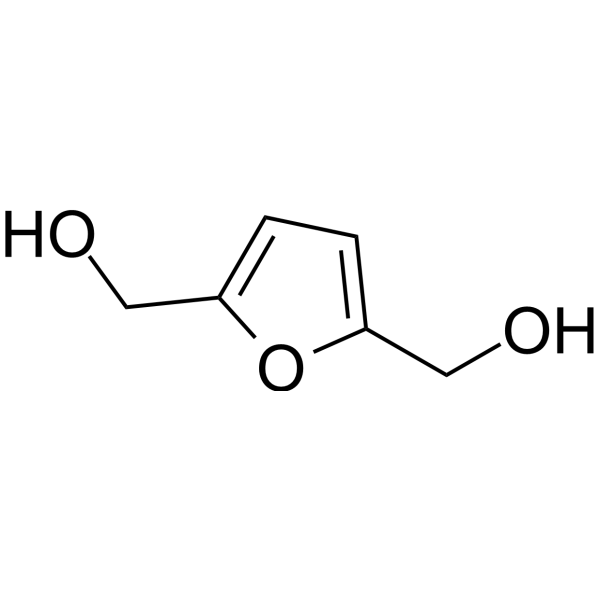
    2,5-Furandimethanol (2,5-Bis(hydroxymethyl)furan) is a building block for the enzymatic synthesis of bio-based polyesters. 2,5-Furandimethanol is also a metabolite of Phellinus linteus. 2,5-Furandimethanol affects leukemia. 2,5-Furandimethanol can be used in fungal infection research .
    2,5-Furandimethanol
  • HY-N8574

    Heptacosan-1-ol

    Biochemical Assay Reagents Infection
    1-Heptacosanol (Heptacosan-1-ol) is a long-chain fatty alcohol with antifungal, antibacterial (against Escherichia coli and Staphylococcus aureus), nematicidal, anticancer and antioxidant activities. 1-Heptacosanol can be isolated from leaf extracts of Ficus septica and Lecaniodiscus cupanioides. 1-Heptacosanol not only effectively resists pathogenic fungal infections, but also shows potential against pepper anthracnose in phytopathology. 1-Heptacosanol can be used in the research of fungal infections, cancer and oxidative stress-related diseases .
    1-Heptacosanol
  • HY-B1309

    AMAP

    Drug Derivative Mitochondrial Metabolism Infection Cancer
    Metacetamol (AMAP) is an analog of Acetaminophen (HY-66005). Metacetamol induces dose-dependent necrosis in primary hepatocytes via glutathione depletion, mitochondrial damage, and formation of mitochondrial protein adducts. Metacetamol derivatives act as anticancer and antibacterial agents. Metacetamol can be used in studies related to breast cancer, bacterial infections, and fungal infections (candidiasis) .
    Metacetamol
  • HY-W020246

    TMTM

    Squalene Monooxygenase Bacterial Infection Inflammation/Immunology
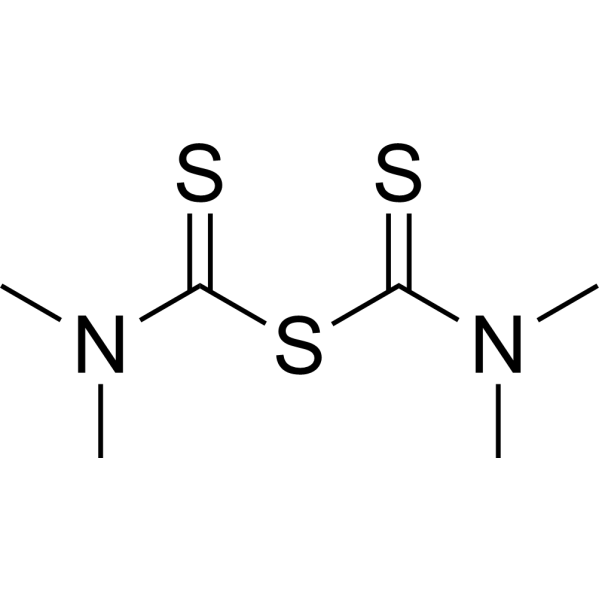
    Tetramethylthiuram monosulfide (TMTM) is an orally active microsomal monooxygenases inhibitor. Tetramethylthiuram monosulfide is used as an accelerator and activator in the processing of natural rubber and butyl rubber. Tetramethylthiuram monosulfide reduces palmitic acid incorporation into microsomal phospholipids, disrupts microsomal membrane integrity, and impairs electron transport during oxygenation. Tetramethylthiuram monosulfide can be used for the research of fungal infection, bacterial infection and allergic contact dermatitis .
    Tetramethylthiuram monosulfide
  • HY-B2012

    DPX-H6573

    Environmental Pollutants Fungal Infection
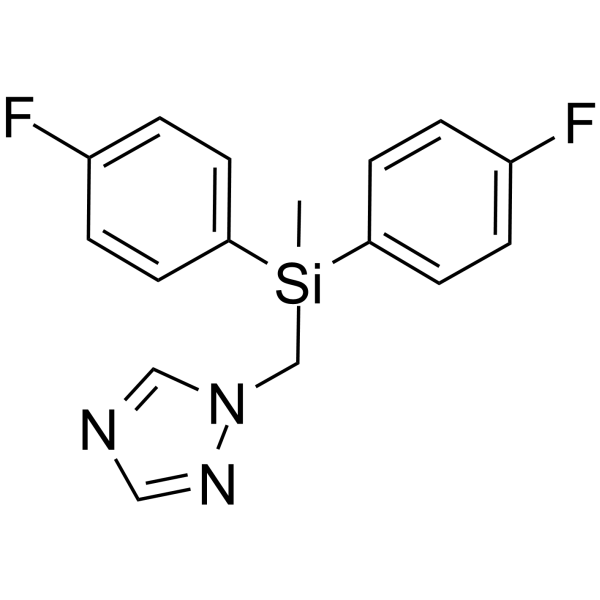
    Flusilazole (DPX-H6573) is a broad-spectrum fungicide and cytochrome P-450 inhibitor that can be used in studies related to fungal infections .
    Flusilazole
  • HY-169790

    Dihydrofolate reductase (DHFR) Parasite Fungal Infection
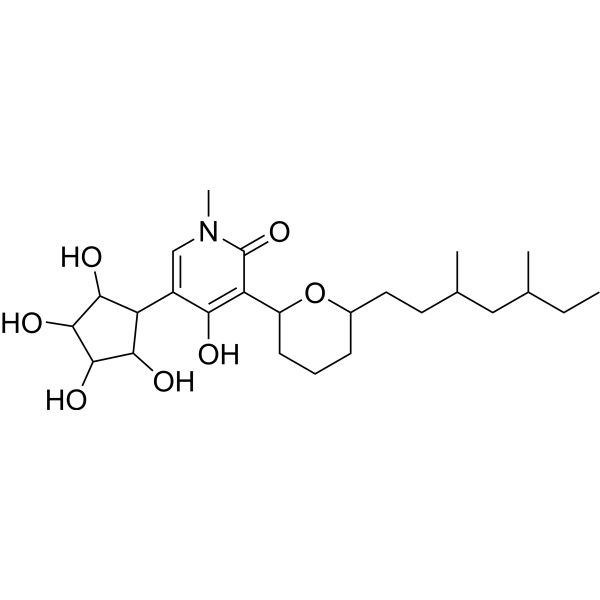
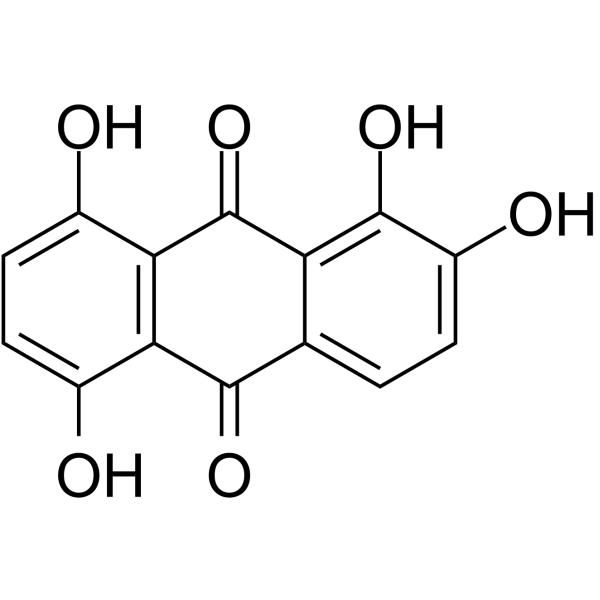
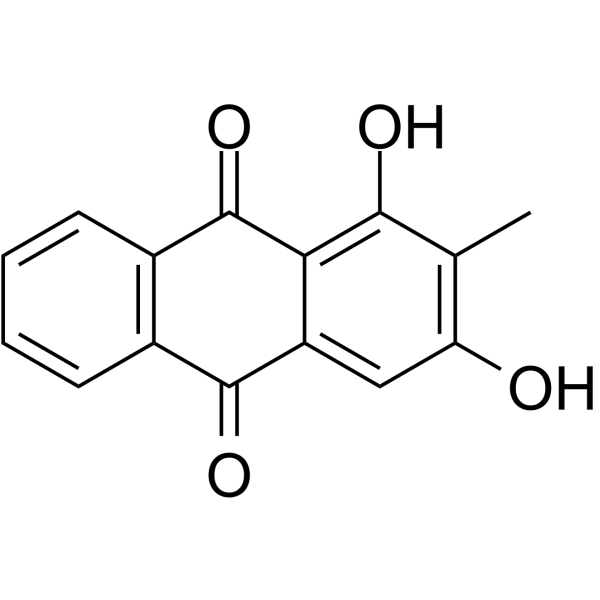
    Phomarin is an inhibitor for dihydrofolate reductase (DHFR). Phomarin exhibits activity against Plasmodium parasites and fungi including Mycrobotryum violaceum and Botrytis cinerea. Phomarin can be used for the research of malaria and fungal infections .
    Phomarin
  • HY-N1633

    Fungal Infection
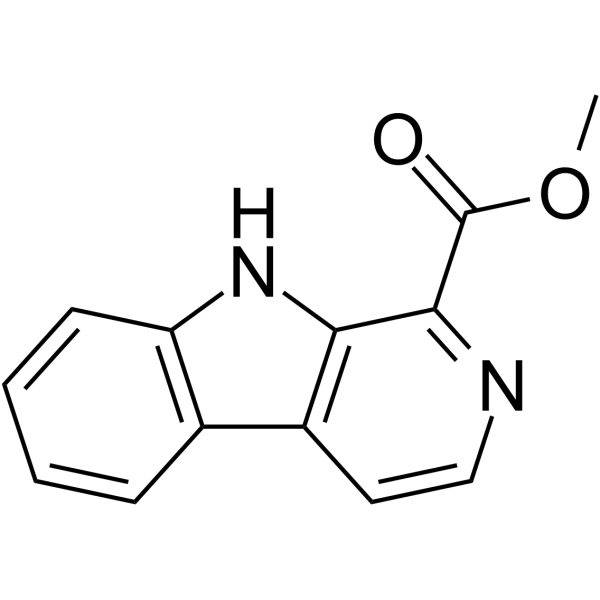
    1-Methoxycarbonyl-β-carboline is a phytopathogenic fungal growth inhibitor with moderate to weak in vitro antifungal activity. 1-Methoxycarbonyl-β-carboline can be used for the research of phytopathogenic fungal infections .
    1-Methoxycarbonyl-β-carboline
  • HY-N10895

    Fungal Infection
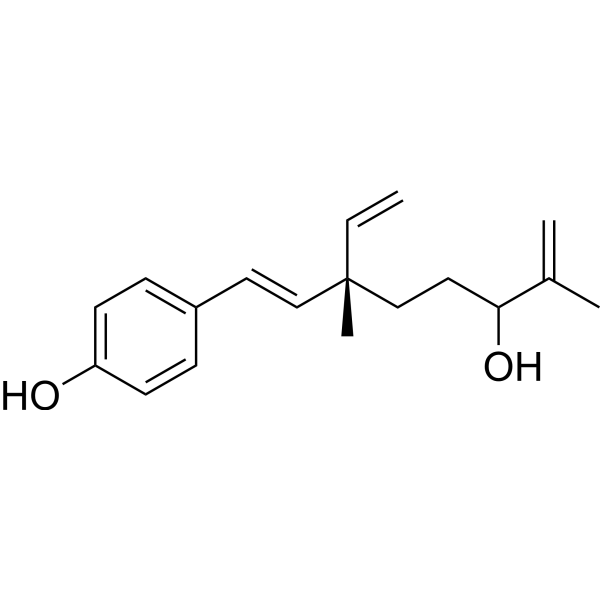
    12-Hydroxyisobakuchiol is a hemiterpenoid compound that can be isolated from the leaves of Psoralea glandulosa. 12-Hydroxyisobakuchiol inhibits mycelial growth of Botrytis cinerea in vitro. 12-Hydroxyisobakuchiol is applicable to research related to phytopathogenic fungal infections .
    12-Hydroxyisobakuchiol
  • HY-168398

    Endogenous Metabolite Infection
    9(S),12(S),13(S)-TriHODE is a plant oxylipin and trihydroxylated fatty acid. 9(S),12(S),13(S)-TriHODE can be used in research on bacterial infection and fungal infection .
    9(S),12(S),13(S)-TriHODE
  • HY-126810A

    Fungal Infection
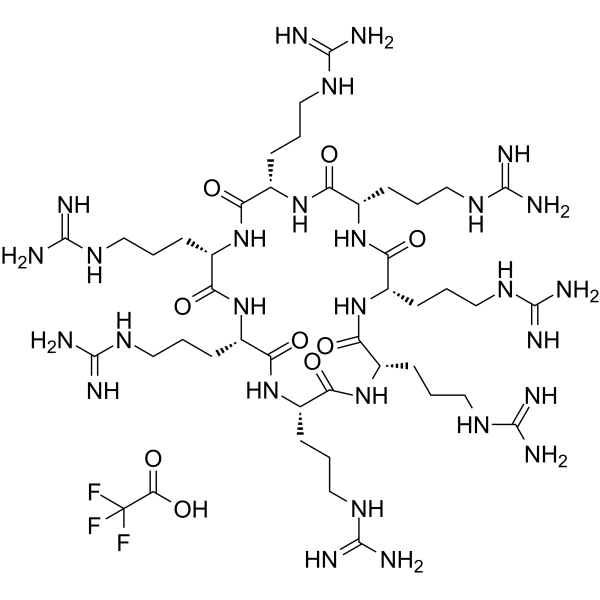
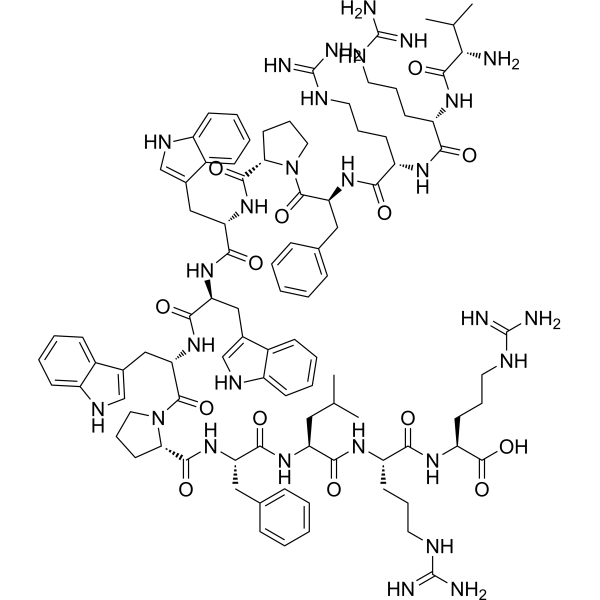
    NP213 TFA is a rapidly acting, novel, first-in-class synthetic antimicrobial peptide (AMP), has anti-fungal activities. NP213 TFA targets the fungal cytoplasmic membrane and plays it role via membrane perturbation and disruption. NP213 TFA is effective and well-tolerated in resolving nail fungal infections .
    NP213 TFA
  • HY-B0614A

    Bacterial Fungal Infection
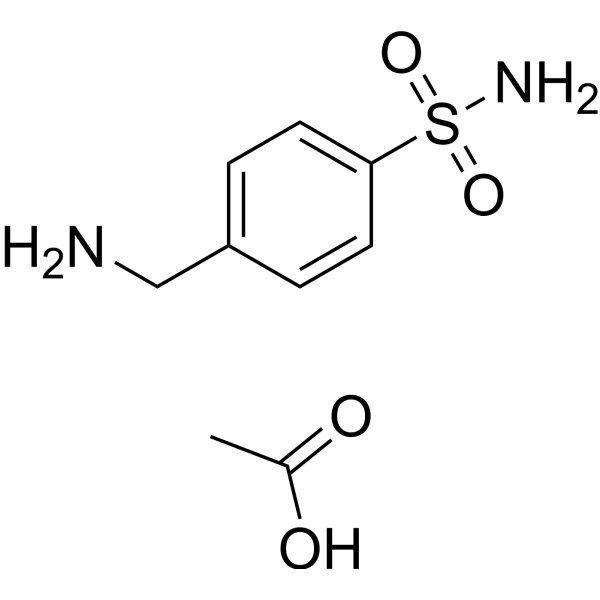
    Mafenide Acetate is a potent sulfonamide antimicrobial agent. Mafenide Acetate exhibits antibacterial activity against Staphylococcus aureus and Pseudomonas aeruginosa. Mafenide Acetate also exhibits antifungal activity against filamentous fungi (e.g., Lichtheimia and Aspergillus flavus). Mafenide Acetate can be used in the research of skin grafts on burn wounds, post-traumatic invasive fungal infections, and bacterially contaminated wounds .
    Mafenide Acetate
  • HY-N3270

    Fungal Lipoxygenase Infection
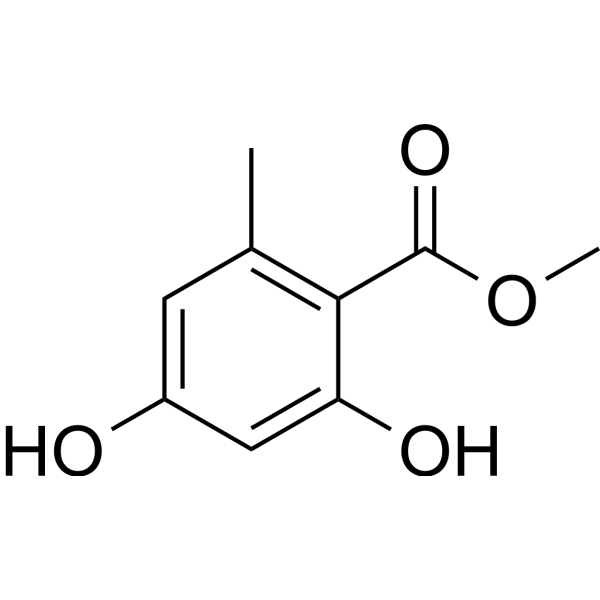
    Methyl orsellinate is a phytotoxic compound with antifungal activities. Methyl orsellinate is a 5-lipoxygenase inhibitor with an IC50 value of 59.6 μM. Methyl orsellinate can be used for fungal infection research .
    Methyl orsellinate
  • HY-W115529

    Geranate; NSC 229335; GAGE

    Environmental Pollutants Fungal Tyrosinase Infection Cancer
    Geranic acid (Geranate) acts as a tyrosinase inhibitor and antifungal agent, with an IC50 value of 0.14-2.3 mM against mushroom tyrosinase. Geranic acid reduces the viability of human pancreatic cancer cells and B-lymphoma cells. Geranic acid inhibits mycelial growth of the maize pathogens Colletotrichum graminicola and Fusarium graminearum. Geranic acid is applicable to research related to fungal infections, pancreatic cancer and B-lymphoma .
    Geranic acid
  • HY-129060
    Flutrimazole
    1 Publications Verification

    Fungal Infection
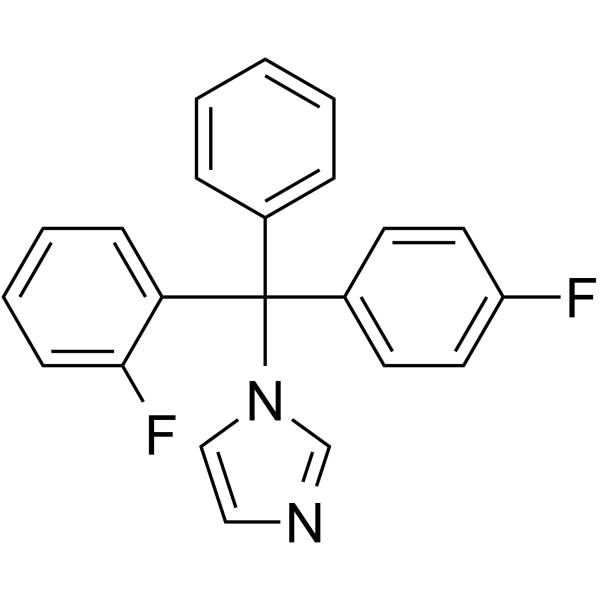
    Flutrimazole is an imidazole antifungal with dual anti-inflammatory and antifungal activity. Flutrimazole shows scarce transdermal penetration. Flutrimazole has the advantageous in the research of topical fungal infections with an inflammatory component .
    Flutrimazole
  • HY-122943

    Fungal Apoptosis Infection Cancer
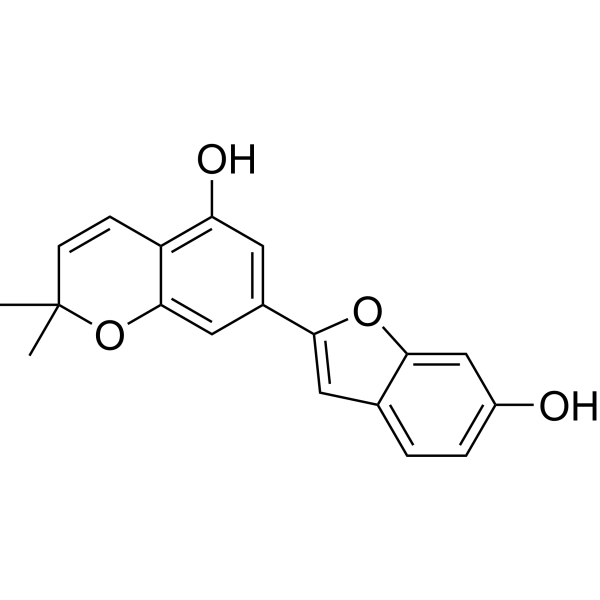
    Moracin D is a flavonoid that can be isolated from Morus alba. Moracin D induces cell apoptosis and shows hypoglycemic, antiadipogenic, antifungal and antitumor effects. Moracin D can be used for fungal infection and breast cancer research .
    Moracin D
  • HY-129671

    5β-Hydroxyecdysterone

    Parasite Fungal Infection
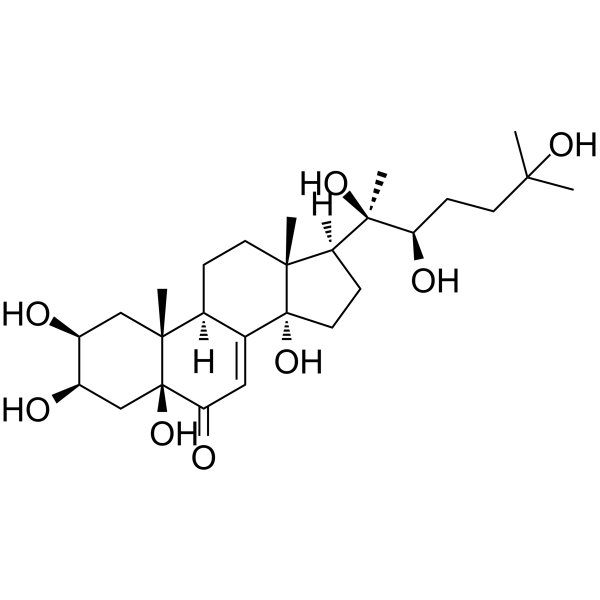
    Polypodine B is a natural ecdysone ester isolated from the bark of Dacrydium intermedium. Polypodine B significantly inhibits the activity of Acanthamoeba castellani. Polypodine B has moderate antifungal activity. Polypodine B can be used for research on parasitic diseases and fungal infections .
    Polypodine B
  • HY-N11911
    Verazine
    1 Publications Verification

    (-)-Verazine

    Fungal Infection Neurological Disease
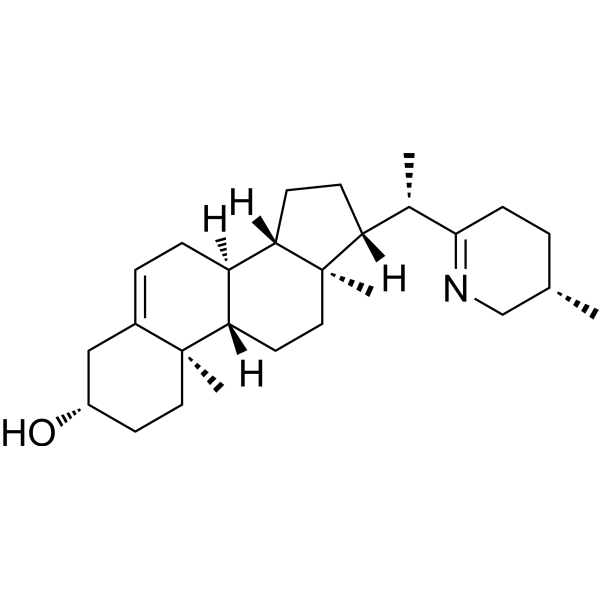
    Verazine ((-)-Verazine) is an anti-Fungal Agent that can be found in the dried roots and rhizoma of Veratrum maackii Regel. Verazine causes DNA damage in the cerebellum and cerebral cortex of mice in a dose-dependent manner. Verazine can be used in the study of fungal infections and neurological diseases .
    Verazine
  • HY-40040

    Drug Intermediate Infection
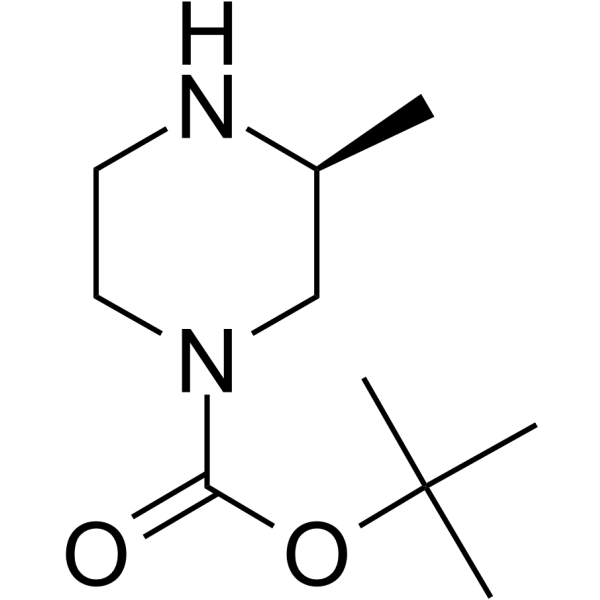
    (S)-1-Boc-3-methylpiperazine is a synthetic intermediate for indole-piperazine hybrid antimicrobial agent preparation. (S)-1-Boc-3-methylpiperazine can be used for research on bacterial infection and fungal infection .
    (S)-1-Boc-3-methylpiperazine
  • HY-N8420

    Fungal Infection Cancer
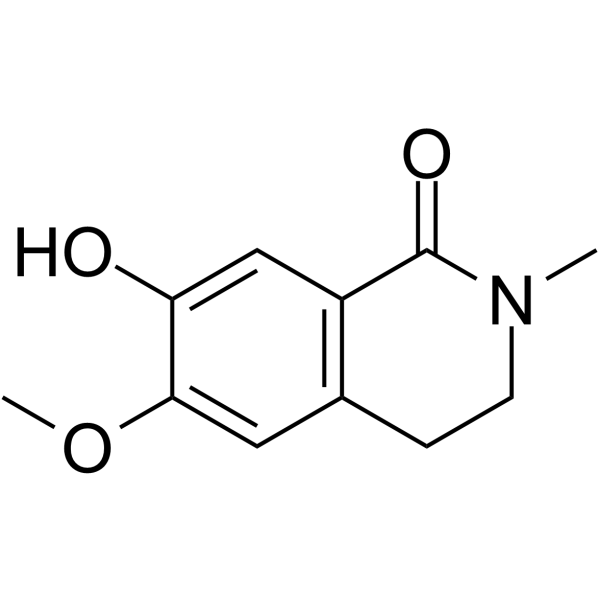
    Thalifoline is an isoquinoline alkaloid. Thalifoline exerts cytotoxic effects on cancer cells. Thalifoline inhibits the growth of Fusarium oxysporum f. sp. lycopersici. Thalifoline can be used in research related to lung adenocarcinoma, colon cancer, oral epidermoid carcinoma, and fungal infections .
    Thalifoline
  • HY-125682

    Fungal Infection
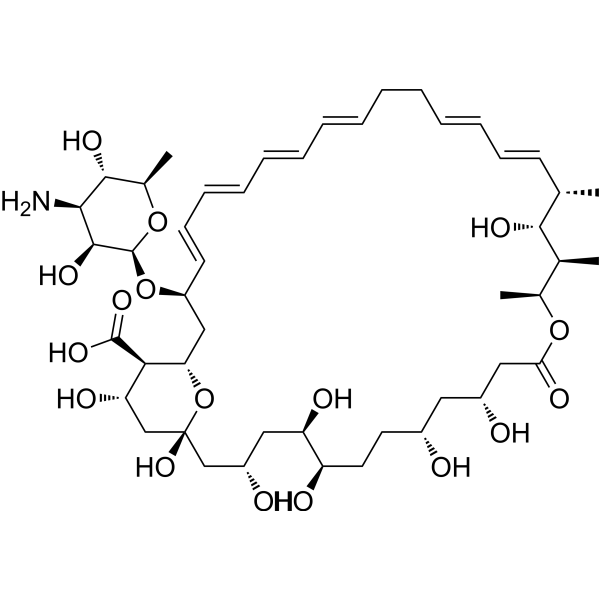
    Amphotericin A is a tetraenic polyene antifungal agent, produced in the fermentation broth of Amphotericin B (HY-B0221). Amphotericin A has a structure identical to Amphotericin B except for a single bond between carbons 28 and 29 instead of a double bond. Amphotericin A can be used for research on fungal infection .
    Amphotericin A
  • HY-126810

    Fungal Infection
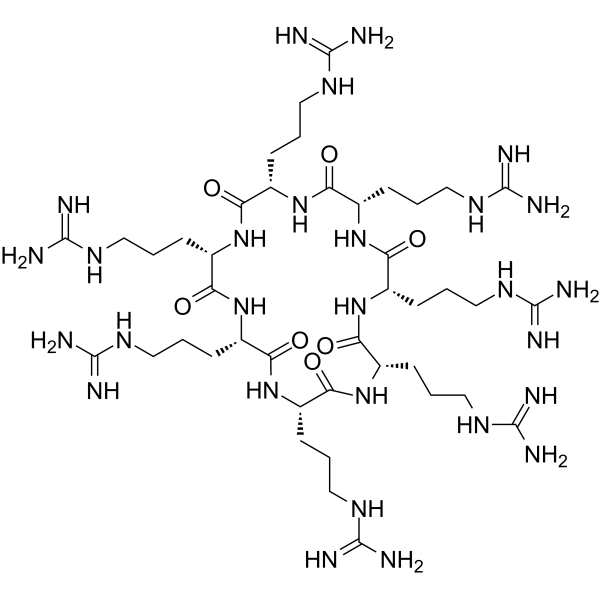
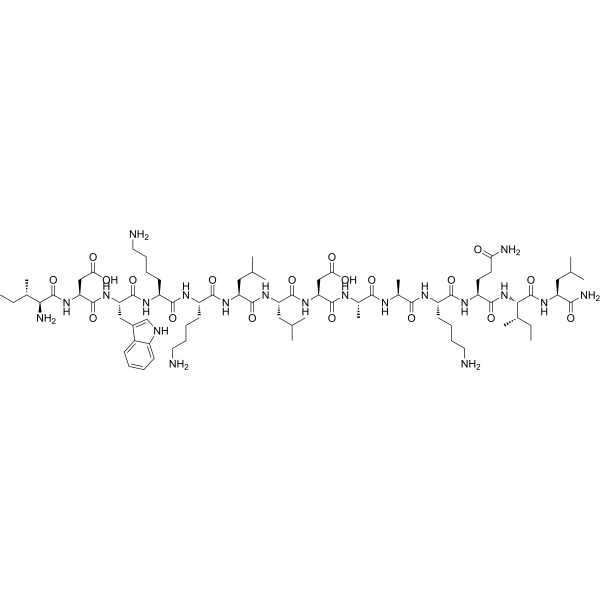
    NP213 is a rapidly acting, novel, first-in-class synthetic antimicrobial peptide (AMP), has anti-fungal activities. NP213 targets the fungal cytoplasmic membrane and plays it role via membrane perturbation and disruption. NP213 is effective and well-tolerated in resolving nail fungal infections .
    NP213
  • HY-B2053

    Fungal Infection
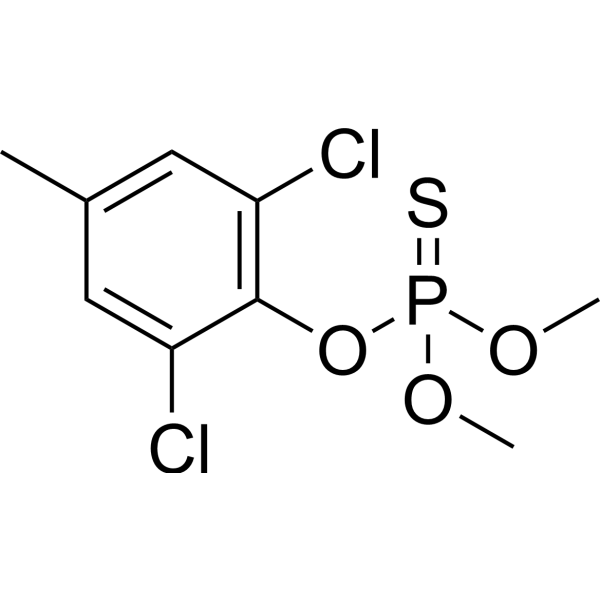
    Tolclofos-methyl is an organophosphorus fungicide. Tolclofos-methyl undergoes photoinduced oxidative degradation to form oxo-analog derivatives. Tolclofos-methyl inhibits spore division in fungi and oomycetes, induces cytoplasmic leakage, and interferes with flagellar movement. Tolclofos-methyl is rapidly metabolized and excreted in rodents. Tolclofos-methyl can be used in studies related to fungal infections .
    Tolclofos-methyl
  • HY-B1702

    Fungal Infection
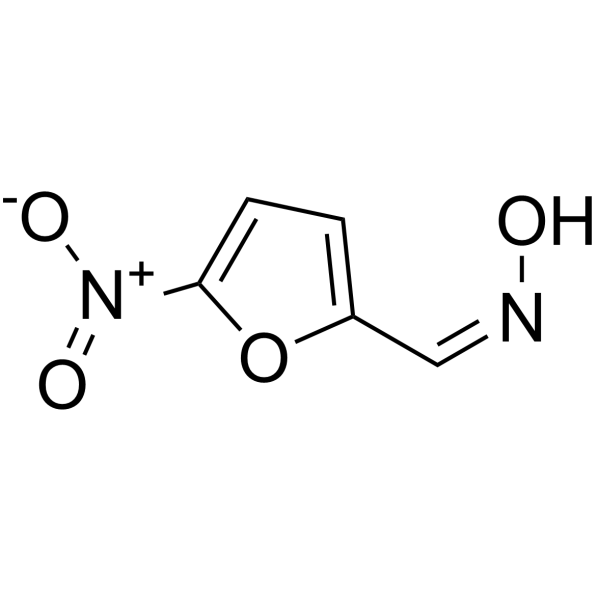
    Nifuroxime is an anti-infective agent. Nifuroxime can be used in the research of fungal infections .
    Nifuroxime
  • HY-W012617

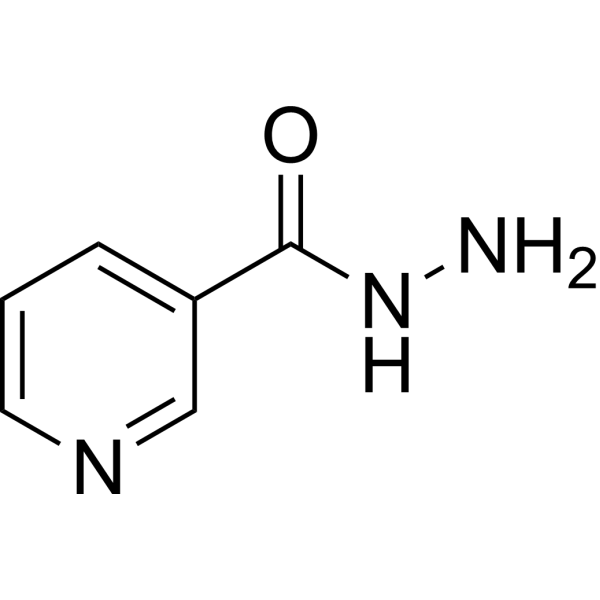
    Nicotinic acid hydrazide

    Drug Intermediate Infection
    Nicotinohydrazide (Nicotinic acid hydrazide) is a precursor used for synthesizing hydrazone derivatives with antibacterial and antifungal activities. Nicotinohydrazide can be used in studies of bacterial and fungal infections .
    Nicotinohydrazide
  • HY-N10014

    Fungal Infection
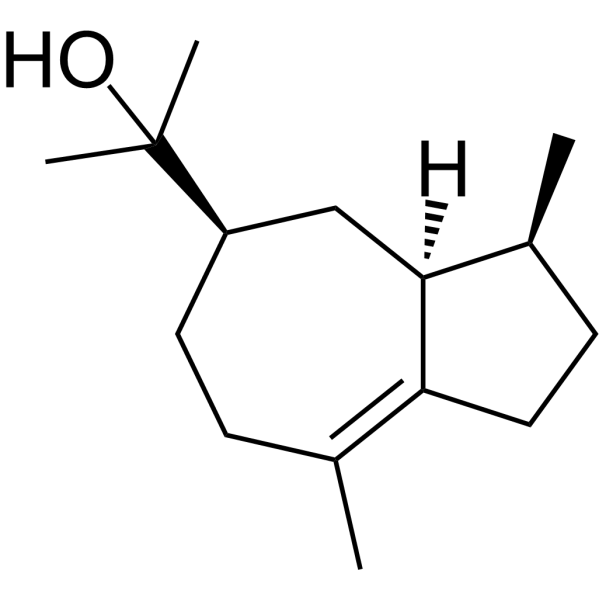
    Bulnesol is a sesquiterpenoid that can be isolated from Salvia dorystaechas. Bulnesol inhibits the activity of Fusarium moniliforme with an EC50 value of 0.6 mg/mL. Bulnesol can be used for the research of fungal infection .
    Bulnesol
  • HY-119123A

    LTX-109 trihydrochloride

    Fungal Bacterial Infection
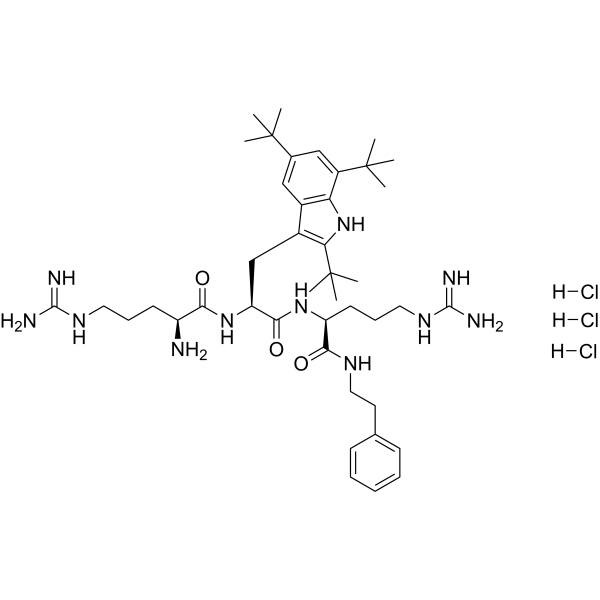
    Voxvoganan (LTX-109) trihydrochloride, a topical antimicrobial, is highly effective against S. aureus with a MIC range of 2 to 4 μg/mL. Voxvoganan trihydrochloride can be used for the research of bacterial skin infections, fungal infections and nasal decolonisation of MRSA .
    Voxvoganan trihydrochloride
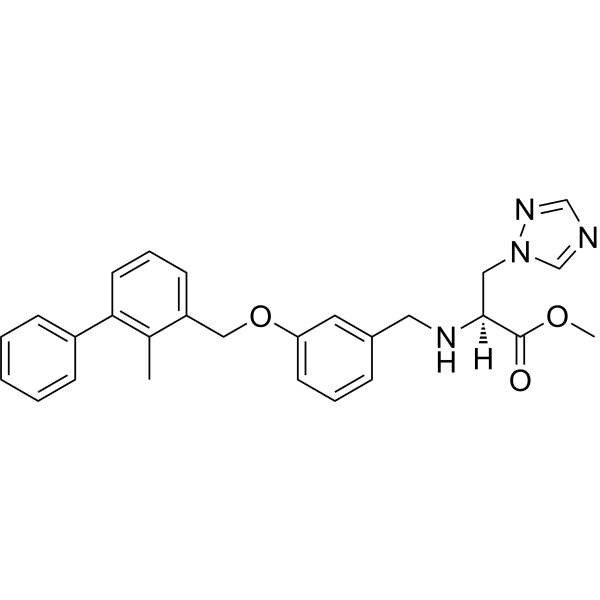
  • HY-177246A

    Kinesin Infection Cardiovascular Disease Inflammation/Immunology Cancer
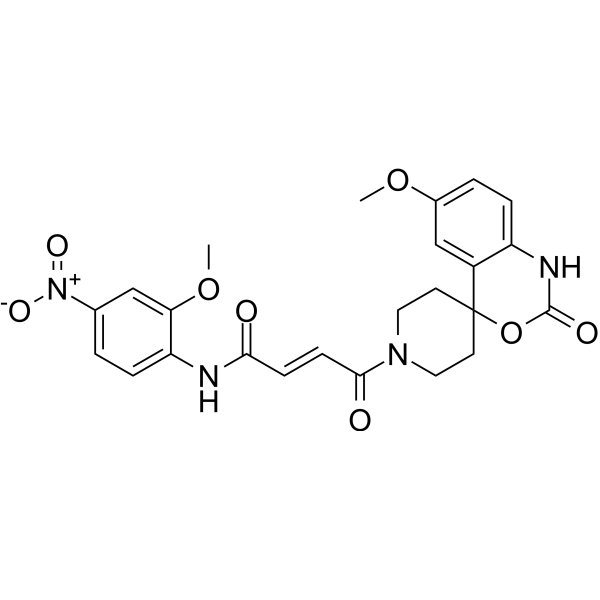
    Mitotic kinesin-IN-1 (Example 80) hydrochloride is a Mitotic kinesin inhibitor. Mitotic kinesin-IN-1 hydrochloride inhibits cell proliferation by suppressing mitosis. Mitotic kinesin-IN-1 hydrochloride can be used for cancer, cardiac hypertrophy, immune and inflammatory disorders, fungal infections research .
    Mitotic kinesin-IN-1 hydrochloride
  • HY-N8744

    (±)-Vestitol

    Fungal Infection
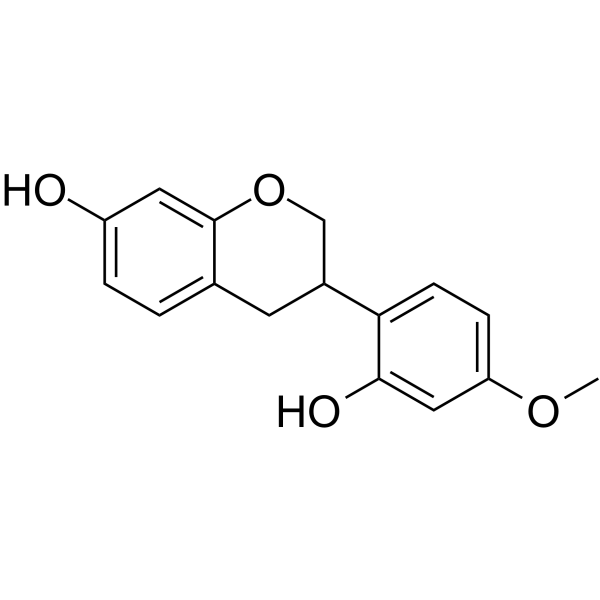
    Vestitol ((±)-Vestitol) is an isoflavonoid phytoalexin and Antifungal agent. Vestitol can be isolated from the leaves of Trifolium arvense. Vestitol inhibits the mycelial growth of Helminthosporium carbonum with a ED50 of 17 μg/mL. Vestitol can be used in the research of fungal infections (Helminthosporium carbonum-induced plant diseases) .
    Vestitol
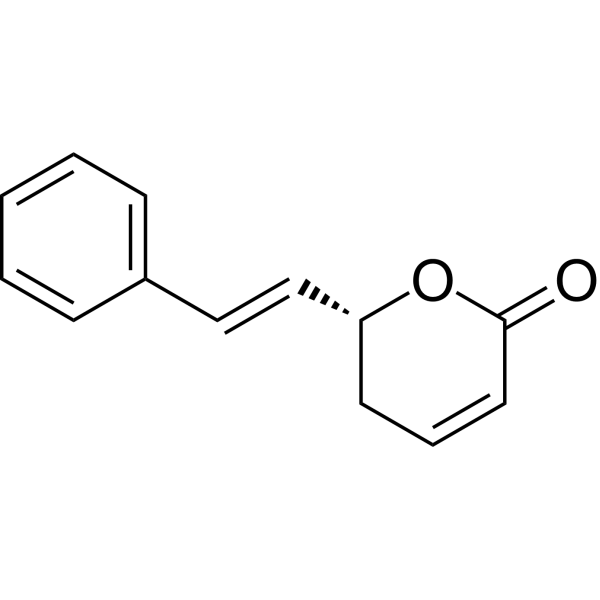
  • HY-W587956

    Fungal Infection
    α-Guaiene is a natural sesquiterpene and fungicidal agent found in Pogostemon cablin (patchouli) essential oil. α-Guaiene suppresses the growth of Aspergillus niger, Candida albicans, Microsporum gypseum, and Trichophyton mentagrophytes. α-Guaiene can be used for the study of fungal infection .
    α-Guaiene
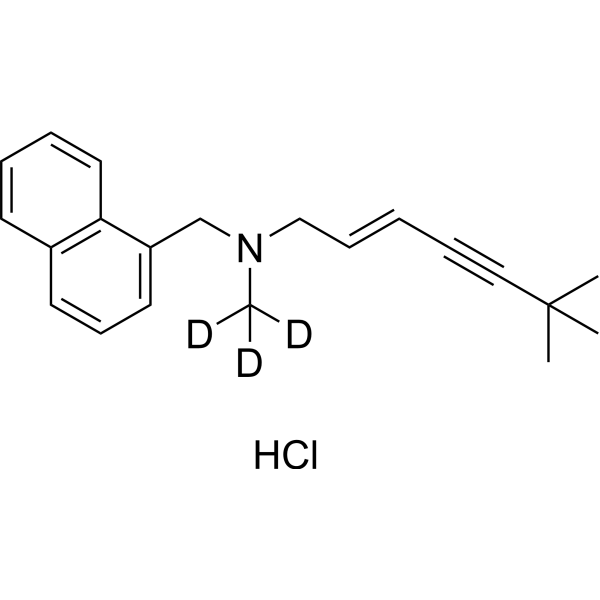
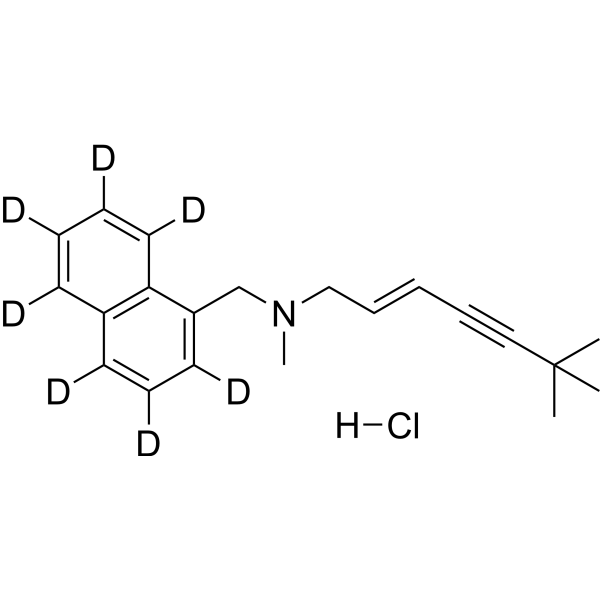
  • HY-17395S

    TDT 067-d3 hydrochloride

    Isotope-Labeled Compounds Fungal Bacterial Antibiotic Infection
    Terbinafine-d3 hydrochloride is the deuterium labeled Terbinafine hydrochloride. Terbinafine hydrochloride (TDT 067 hydrochloride) is an antifungal medication used to treat fungal infections. It is a potent non-competitive inhibitor of squalene epoxidase from Candida with a Ki of 30 nM . Terbinafine hydrochloride also antibacterial activity against certain Gram-positive and Gram-negative bacteria .
    Terbinafine-d3 hydrochloride
  • HY-W1127089

    Fungal Cytochrome P450 Interleukin Related Infection Inflammation/Immunology
    Antifungal agent 136 is a CYP51 inhibitor and antifungal agent. Antifungal agent 136 downregulates the expression of interleukin-6 to alleviate inflammatory responses. Antifungal agent 136 exhibits activity against both drug-sensitive and drug-resistant Candida albicans strains. Antifungal agent 136 can be used in the research of fungal infections and inflammatory diseases .
    Antifungal agent 136
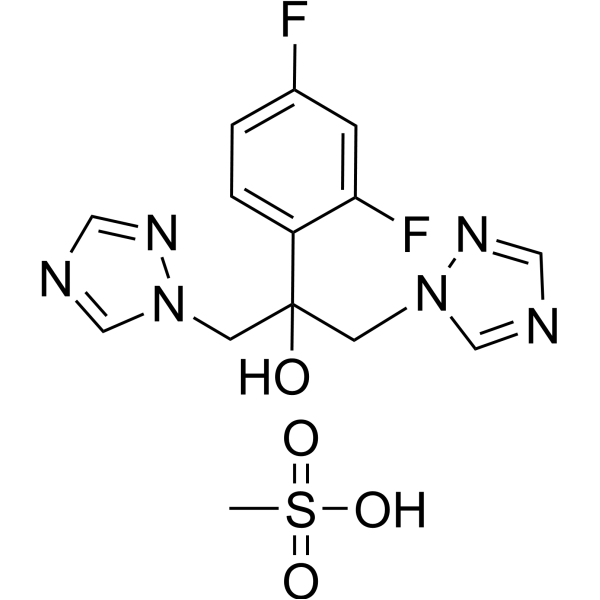
  • HY-B0101B

    UK 49858 mesylate

    Fungal Antibiotic Bacterial Infection Cancer
    Fluconazole (mesylate) is a triazole antifungal drug used in the treatment and prevention of superficial and systemic fungal infections.
    Fluconazole mesylate
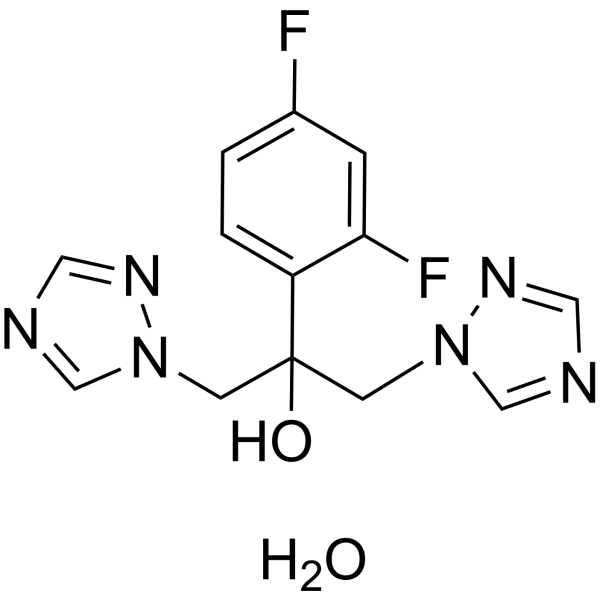
  • HY-B0101A

    UK 49858 hydrate

    Fungal Antibiotic Bacterial Infection Cancer
    Fluconazole (hydrate) is a triazole antifungal drug used in the treatment and prevention of superficial and systemic fungal infections.
    Fluconazole hydrate
  • HY-U00007

    Ba 2652; Stilbamidin

    Fungal Infection Cancer
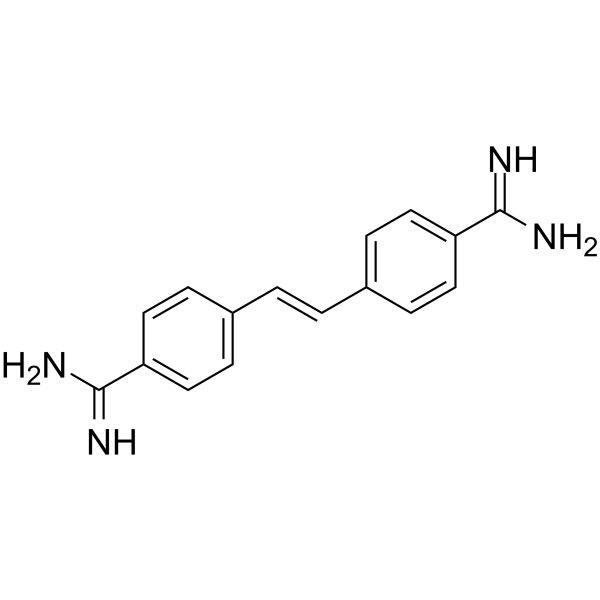
    Stilbamidine is a diamidine compound derived from Stilbene and used chiefly in the form of its crystalline isethionate salt in treating various fungal infections.
    Stilbamidine
  • HY-W752450

    Fungal Infection
    Hordatine A is an active ingredient that can be extracted from barley. Hordatine A has antifungal activity. Hordatine A can be used for research on fungal infections .
    Hordatine A
  • HY-175402

    Drug Isomer Infection Inflammation/Immunology
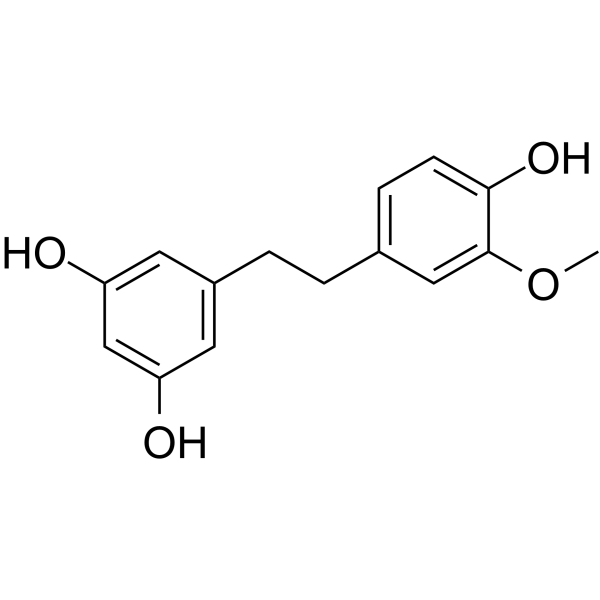
    (S)-5-Hydroxyequol is a (S)-stereochemistry of 5-Hydroxyequol. (S)-5-Hydroxyequol can be used for research on oxidative damage, fungal infections, inflammation, and immunosuppression .
    (S)-5-Hydroxyequol
  • HY-119123

    LTX-109

    Fungal Bacterial Infection
    Voxvoganan (LTX-109), a topical antimicrobial, is highly effective against S. aureus with a MIC range of 2 to 4 μg/mL. Voxvoganan can be used for the research of bacterial skin infections, fungal infections and nasal decolonisation of MRSA .
    Voxvoganan
  • HY-177247A

    Kinesin Infection Cardiovascular Disease Inflammation/Immunology Cancer
    Mitotic kinesin-IN-2 (Page 135, fifteenth) hydrochloride is a Mitotic kinesin inhibitor. Mitotic kinesin-IN-2 hydrochloride inhibits cell proliferation by suppressing mitosis. Mitotic kinesin-IN-2 hydrochloride can be used for cancer, cardiac hypertrophy, immune and inflammatory disorders, fungal infections research .
    Mitotic kinesin-IN-2 hydrochloride
  • HY-177248A

    Kinesin Infection Cardiovascular Disease Inflammation/Immunology Cancer
    Mitotic kinesin-IN-3 (Page 135, fourteenth) hydrochloride is a Mitotic kinesin inhibitor. Mitotic kinesin-IN-3 hydrochloride inhibits cell proliferation by suppressing mitosis. Mitotic kinesin-IN-3 hydrochloride can be used for cancer, cardiac hypertrophy, immune and inflammatory disorders, fungal infections research .
    Mitotic kinesin-IN-3 hydrochloride
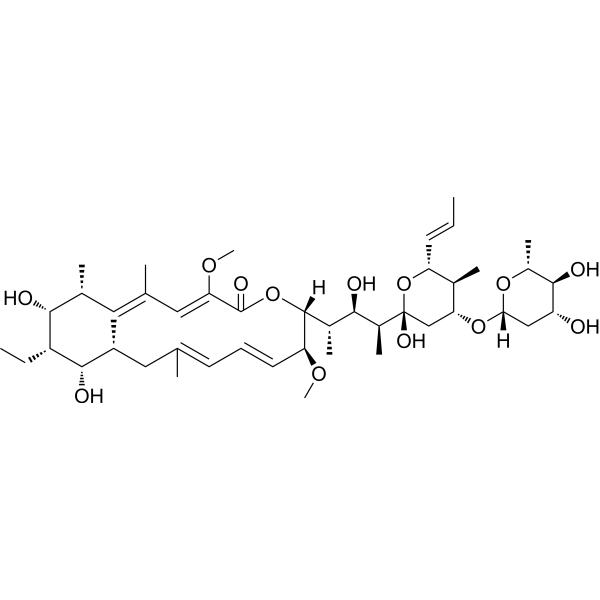
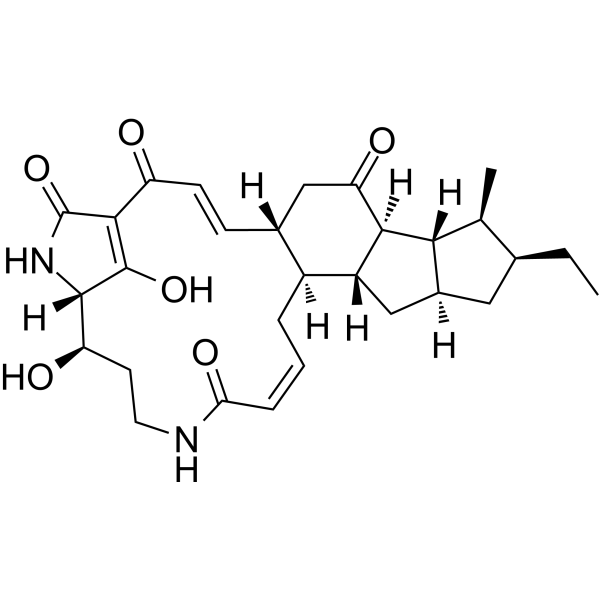
  • HY-126813

    Antibiotic Fungal Infection
    Concanamycin C is a macrolide antibiotic with inhibitory activity against certain fungi and yeasts, but no activity against bacteria. Concanamycin C inhibits the proliferation of mouse splenic lymphocytes. Concanamycin C exhibits acute toxicity in ddY mice. Concanamycin C can be used in studies related to fungal infections and yeast infections .
    Concanamycin C
  • HY-17395AS

    TDT 067-d7

    Isotope-Labeled Compounds Fungal Bacterial Antibiotic Infection
    Terbinafine-d7 is the deuterium labeled Terbinafine. Terbinafine (TDT 067) is an antifungal medication used to treat fungal infections. It is a potent non-competitive inhibitor of squalene epoxidase from Candida with a Ki of 30 nM . Terbinafine also antibacterial activity against certain Gram-positive and Gram-negative bacteria .
    Terbinafine-d7
  • HY-122955

    Antibiotic Fungal Bacterial Infection
    Xanthobaccin A is a potent antibiotic that can be isolated from the culture fluid of Stenotrophomonas sp. strain SB-K88. Xanthobaccin A exhibits activity against fungi and G+ bacteria, induces zoospore immobilization and lysis, inhibits mycelial growth. Xanthobaccin A can be used for the research of beet damping-off disease, bacterial and fungal infection .
    Xanthobaccin A
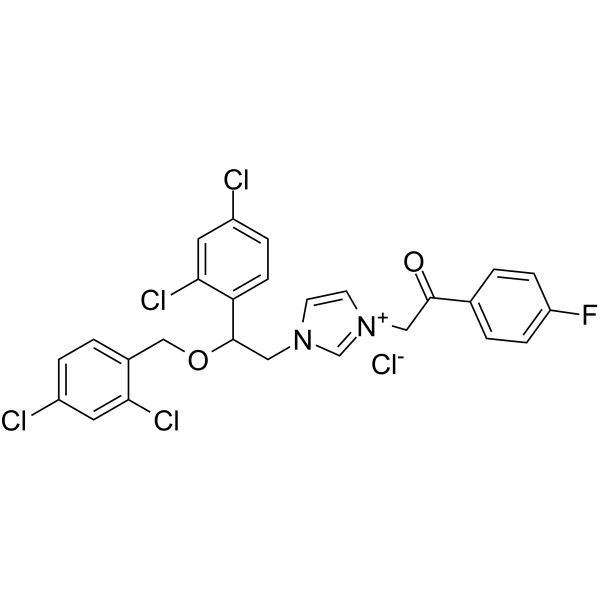
  • HY-U00181

    R23633

    Fungal Infection
    Fludazonium chloride (R23633) is an anti-fungal agent, which can be used in the treatment and prevention of superficial and systemic fungal infections.
    Fludazonium chloride
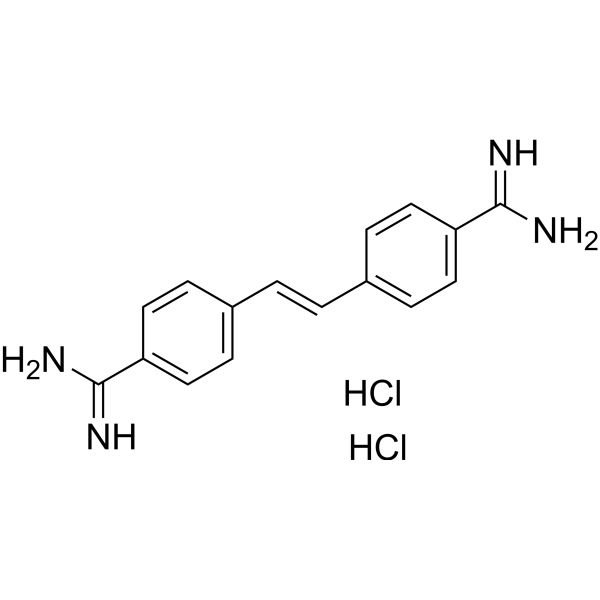
  • HY-U00007A
    Stilbamidine dihydrochloride
    1 Publications Verification

    Ba 2652 dihydrochloride; Stilbamidin dihydrochloride

    Fungal Infection Cancer
    Stilbamidine dihydrochloride is a diamidine compound derived from Stilbene and used chiefly in the form of its crystalline isethionate salt in treating various fungal infections.
    Stilbamidine dihydrochloride
  • HY-179138

    Cytochrome P450 Fungal Infection
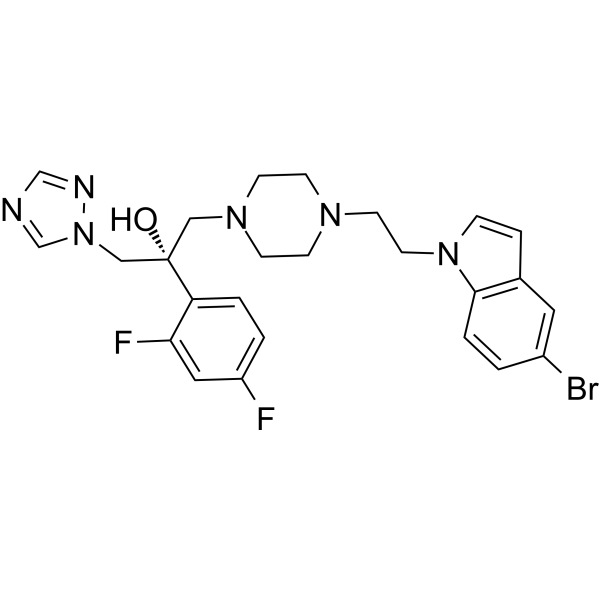
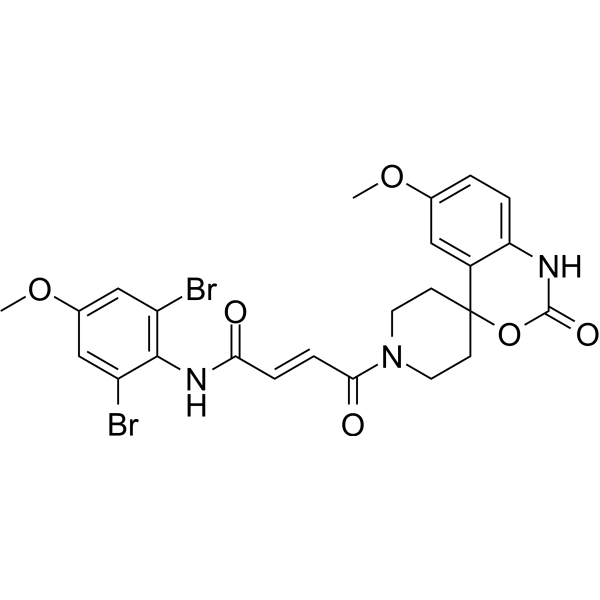
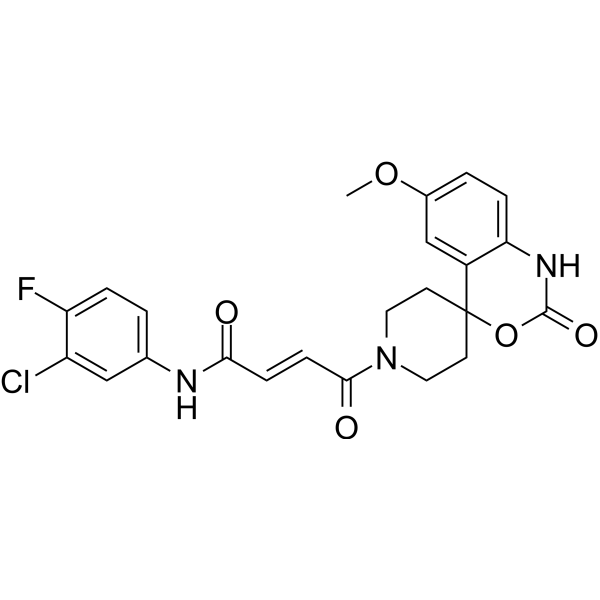
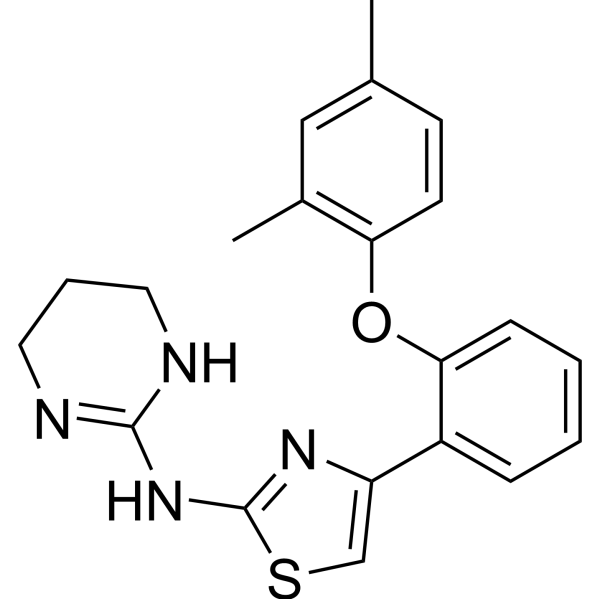
    CYP51-IN-28 (compound B9) is a CYP51 inhibitor. CYP51-IN-28 is an efficient, broad-spectrum, and low toxicity antifungal molecule. CYP51-IN-28 can be used for research on fungal infections .
    CYP51-IN-28
  • HY-171796

    Fungal Infection
    Bromomonilicin is a selective fungal cell membrane inhibitor. Bromomonilicin exerts antifungal activity by disrupting fungal cell membrane integrity. Bromomonilicin is promising for research of plant pathogenic fungal infections (e.g., Monilinia fructicola-induced brown rot) and superficial mycoses (e.g., dermatophyte infections) .
    Bromomonilicin
  • HY-N12496

    Fungal Bacterial Infection
    Di-O-methylhonokiol is a natural phenolic compound that can be isolated from magnolia flowers. Di-O-methylhonokiol has significant antibacterial activity against Gram-positive bacteria, acid-fast bacilli, and yeast-like and filamentous fungi. Di-O-methylhonokiol can be used in the study of fungal infections .
    Di-O-methylhonokiol
  • HY-N8519

    Bacterial Fungal Antibiotic Infection Cancer
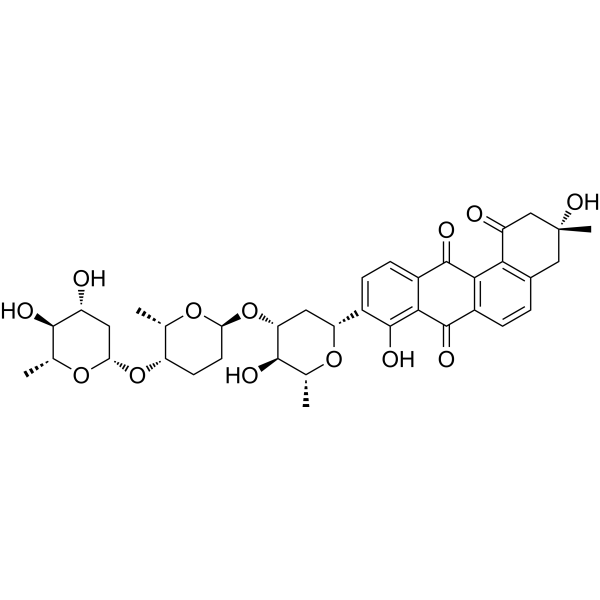
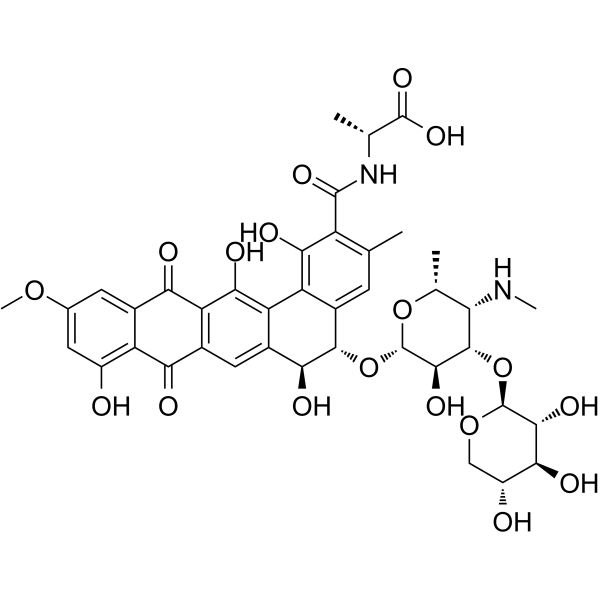
    Urdamycin B is an antibiotic that effectively inhibits fungi and bacteria. Urdamycin B also exhibits anti-proliferative activity against mouse leukemia cells L1210. Urdamycin B can be obtained from the metabolic products of Streptomyces fradiae. Urdamycin B can be used for research on cancer as well as bacterial and fungal infections .
    Urdamycin B

Inquiry Online

Your information is safe with us. * Required Fields.

Salutation


Country or Region *

Applicant Name *


Organization Name *

Department *


Email Address *


Product Name *

Cat. No.


Requested quantity *

Phone Number *


Remarks

Inquiry Online

Inquiry Information

Product Name:
Cat. No.:
Quantity:
MCE Japan Authorized Agent: