1. Search Result
Search Result
Results for "

apoptotic protein

" in MedChemExpress (MCE) Product Catalog:

172

Inhibitors & Agonists

1

Screening Libraries

1

Fluorescent Dyes

3

Biochemical Assay Reagents

15

Peptides

1

MCE Kits

2

Inhibitory Antibodies

38

Natural
Products

5

Recombinant Proteins

4

Isotope-Labeled Compounds

8

Antibodies

2

Click Chemistry

1

Oligonucleotides

Cat. No. Product Name Target Research Areas Chemical Structure
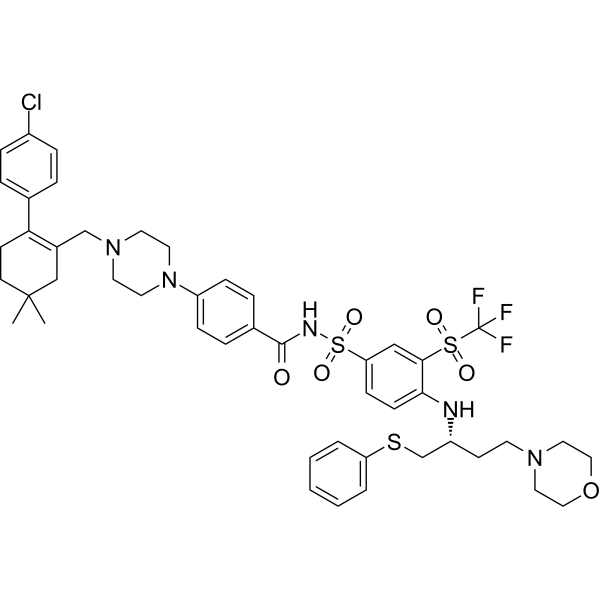
  • HY-10087
    Navitoclax
    Maximum Cited Publications
    150 Publications Verification

    ABT-263

    Bcl-2 Family Cancer
    Navitoclax (ABT-263) is a potent and orally active Bcl-2 family protein inhibitor that binds to multiple anti-apoptotic Bcl-2 family proteins, such as Bcl-xL, Bcl-2 and Bcl-w, with a Ki of less than 1 nM .
    Navitoclax
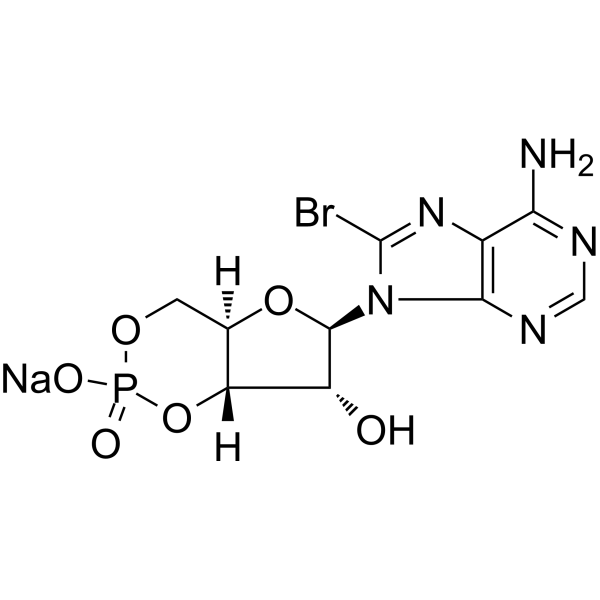
  • HY-12306
    8-Bromo-cAMP sodium salt
    35+ Cited Publications

    8-Br-Camp sodium salt

    PKA Apoptosis Cancer
    8-Bromo-cAMP sodium (8-Br-Camp) sodium salt, a cyclic AMP analog, is an activator of cyclic AMP-dependent protein kinase (PKA). 8-Bromo-cAMP sodium salt has anti-proliferative and apoptotic effects against cancer cells .
    8-Bromo-cAMP sodium salt
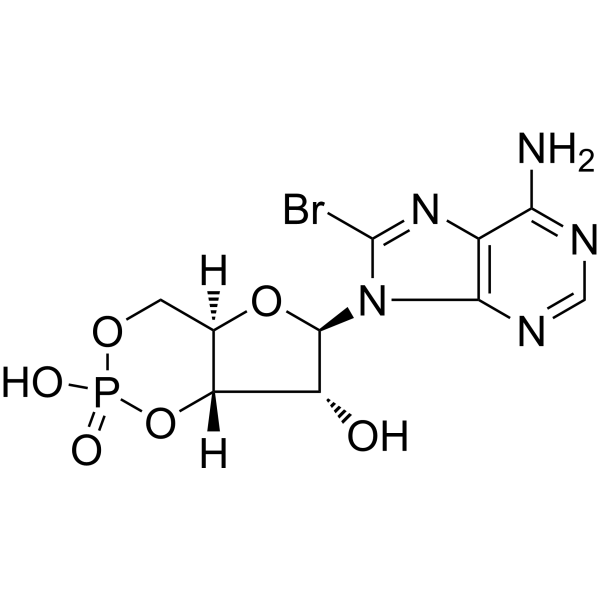
  • HY-12306A
    8-Bromo-cAMP
    35+ Cited Publications

    8-Br-Camp

    PKA Apoptosis Cancer
    8-Bromo-cAMP (8-Br-Camp), a cyclic AMP analog, is an activator of cyclic AMP-dependent protein kinase (PKA). 8-Bromo-cAMP has anti-proliferative and apoptotic effects against cancer cells .
    8-Bromo-cAMP
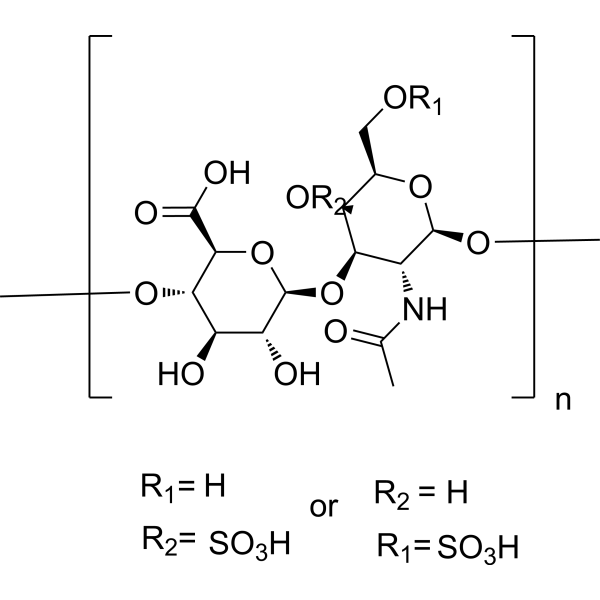
  • HY-B2162
    Chondroitin sulfate
    5+ Cited Publications

    Chondroitin polysulfate

    NO Synthase MMP Endogenous Metabolite Inflammation/Immunology Cancer
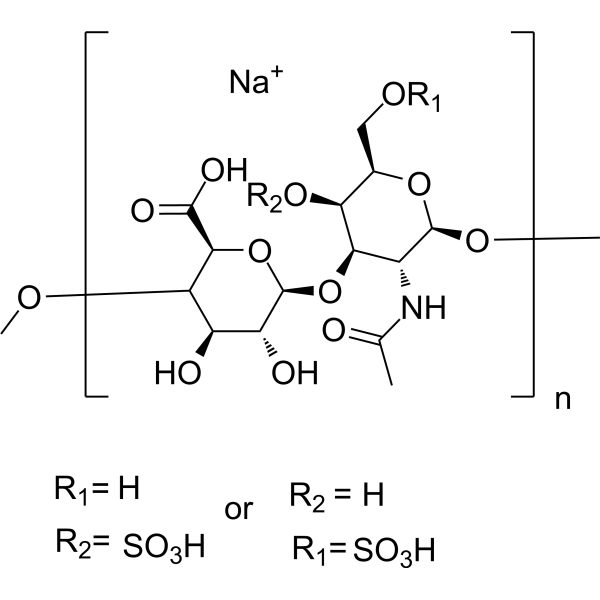
    Chondroitin sulfate, one of five classes of glycosaminoglycans, has been widely used in the treatment of osteoarthritis. Chondroitin sulfate reduces inflammation mediators and the apoptotic process and is able to reduce protein production of inflammatory cytokines, iNOS and MMPs.
    Chondroitin sulfate
  • HY-B1119
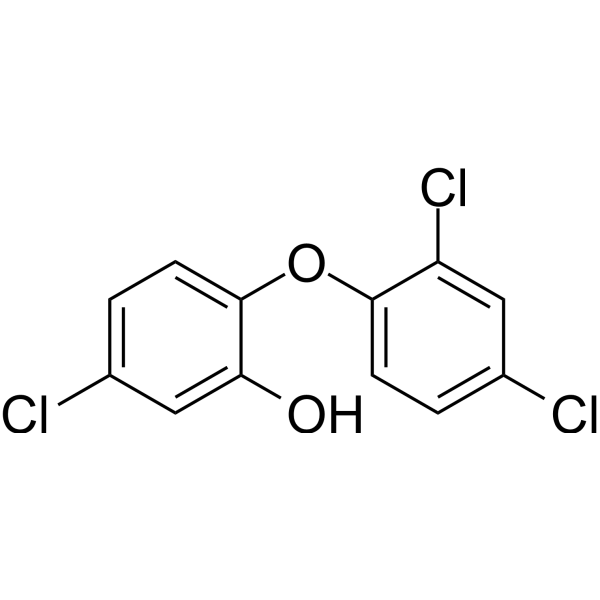
    Triclosan
    5+ Cited Publications

    Environmental Pollutants Antibiotic Apoptosis Bacterial Fungal Infection Cancer
    Triclosan is a broad-spectrum antibacterial agent that inhibits bacterial fatty acid synthesis at the enoyl-acyl carrier protein reductase (FabI) step. Triclosan inhibits E. coli enoyl-acyl carrier protein reductase (FabI) and FabI containing a glycine-to-valine substitution at position 93 (FabIG93V) with IC50s of 2 µM and 10 µM, respectively. Triclosan causes apoptotic effect in cultured rat neural stem cells (NSC). Triclosan exacerbates colitis and colitis-associated colorectal tumorigenesis in animal models .
    Triclosan
  • HY-N6791
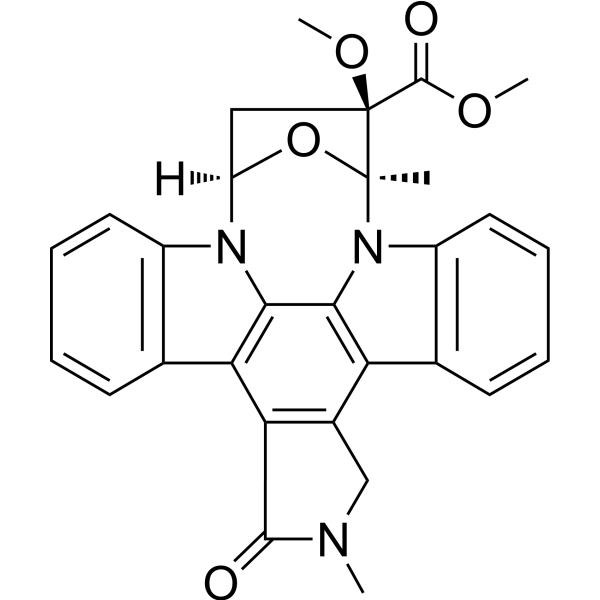
    KT5823
    10+ Cited Publications

    PKA PKC Bacterial Apoptosis Antibiotic Infection Inflammation/Immunology
    KT5823, a selective the cGMP-dependent protein kinase (PKG) inhibitor with an Ki value of 0.23 μM, it also inhibits PKA and PKC with Ki values of 10 μM and 4 μM, respectively. KT5823 is a Staurosporine-related protein kinase inhibitor, increases thyroid-stimulating hormone-induced (Na +/I - symporter) NIS expression, and iodide uptake in thyroid cells. KT5823 arrests cells after the G0/G1 boundary and causes increases in the levels of apoptotic DNA fragmentation .
    KT5823
  • HY-138188
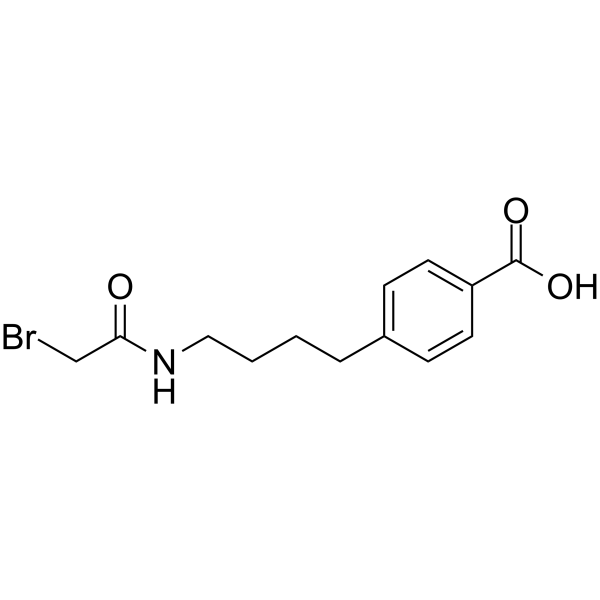
    KRA-533
    1 Publications Verification

    Ras Cancer
    KRA-533 is a potent KRAS agonist. KRA-533 binds to the GTP/GDP binding pocket in the KRAS protein to prevent GTP cleavage, resulting in the accumulation of constitutively active GTP-bound KRAS that triggers both apoptotic and autophagic cell death pathways in cancer cells.
    KRA-533
  • HY-W050044
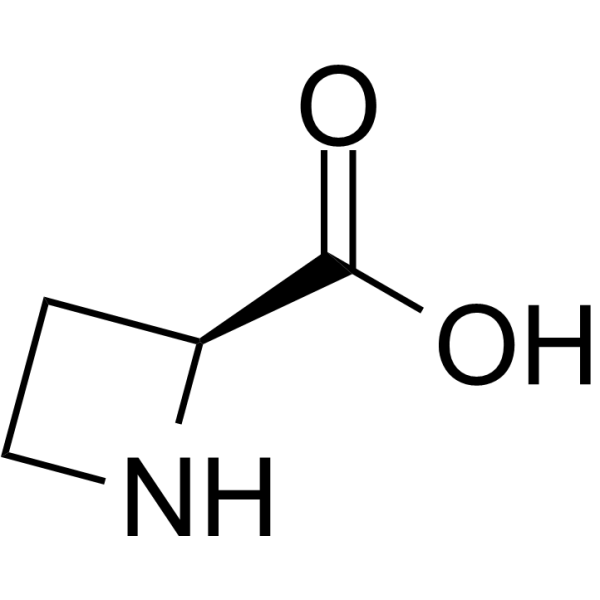
    L-Azetidine-2-carboxylic acid
    1 Publications Verification

    Endogenous Metabolite PERK Atg8/LC3 Autophagy Bcl-2 Family Apoptosis Eukaryotic Initiation Factor (eIF) ATF6 Cardiovascular Disease Neurological Disease Metabolic Disease Endocrinology Cancer
    L-Azetidine-2-carboxylic acid is a proline analog. L-Azetidine-2-carboxylic acid upregulates the lipid autophagy marker LC3-II via activation of the PERK pathway. L-Azetidine-2-carboxylic acid increases pro-apoptotic BAX protein. L-Azetidine-2-carboxylic acid induces ATF6 cleavage and upregulates phosphorylated eIF2α levels. L-Azetidine-2-carboxylic acid induces ER stress, inducing protein misfolding and aggregation. L-Azetidine-2-carboxylic acid shows teratogenic, pro-inflammatory and pro-apoptotic effects .
    L-Azetidine-2-carboxylic acid
  • HY-50868
    Bafetinib
    10+ Cited Publications

    INNO-406; NS-187

    Bcr-Abl Src Apoptosis Cancer
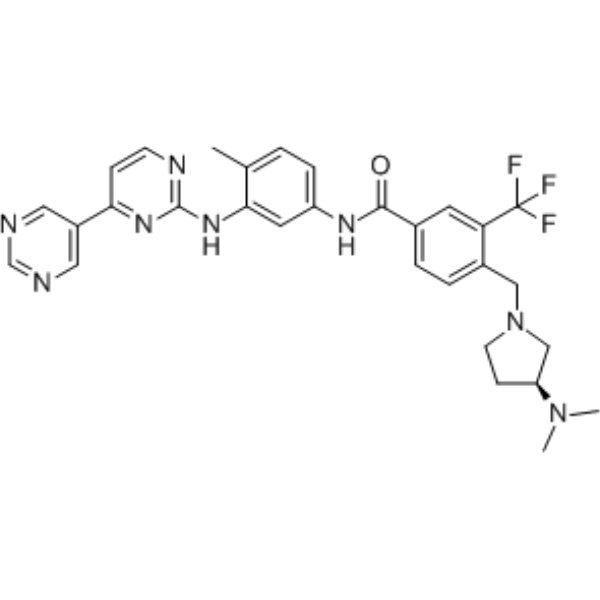
    Bafetinib is an orally active Lyn/Bcr-Abl tyrosine kinase inhibitor. Bafetinib enhances the activity of several pro-apoptotic Bcl-2 homology (BH) 3-pure proteins (Bim, Bad, Bmf, and Bik) through intrinsic apoptotic pathways regulated by the Bcl-2 family, and induces apoptosis of Ph + leukemia cells. Bafetinib has antitumor activity .
    Bafetinib
  • HY-114489A

    Apoptosis Influenza Virus Parasite Infection Neurological Disease Cancer
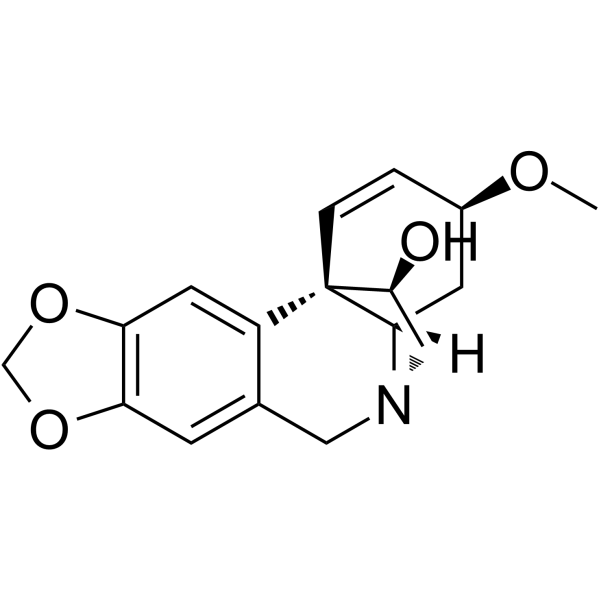
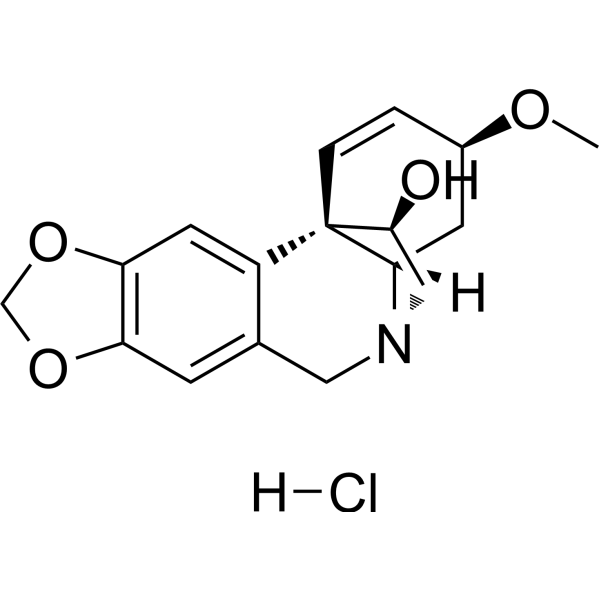
    Haemanthamine is a crinine-type alkaloid isolated from the Amaryllidaceae plants with potent anticancer activity. Haemanthamine targets ribosomal that inhibits protein biosynthesis during the elongation stage of translation. Haemanthamine has pro-apoptotic, antioxidant, antiviral, antimalarial and anticonvulsant activities .
    Haemanthamine
  • HY-B2162A

    Chondroitin polysulfate sodium (from shark cartilage)

    NO Synthase MMP Endogenous Metabolite Inflammation/Immunology Cancer
    Chondroitin sulfate sodium (from shark cartilage), one of five classes of glycosaminoglycans, has been widely used in the treatment of osteoarthritis. Chondroitin sulfate reduces inflammation mediators and the apoptotic process and is able to reduce protein production of inflammatory cytokines, iNOS and MMPs .
    Chondroitin sulfate sodium (from shark cartilage)
  • HY-100472

    Caspase Cancer
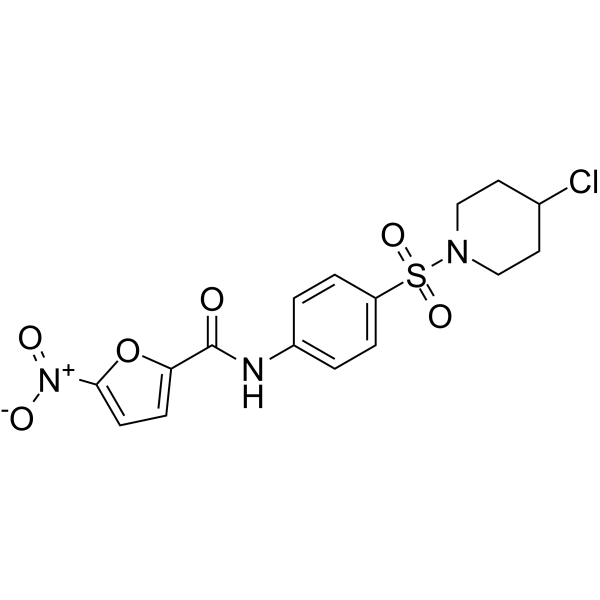
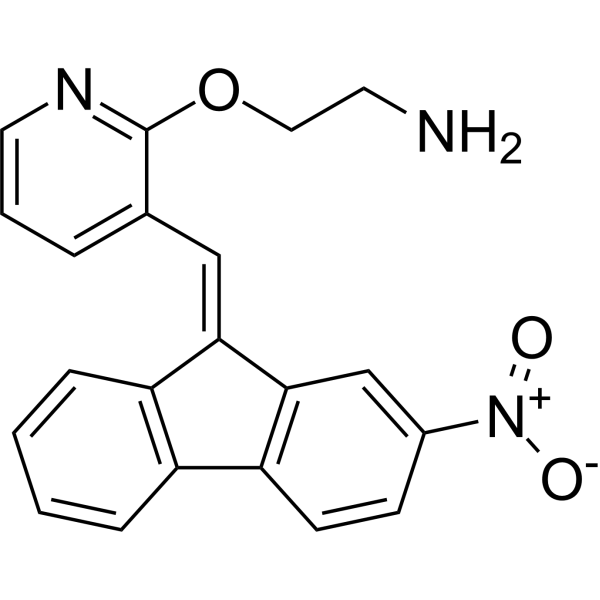
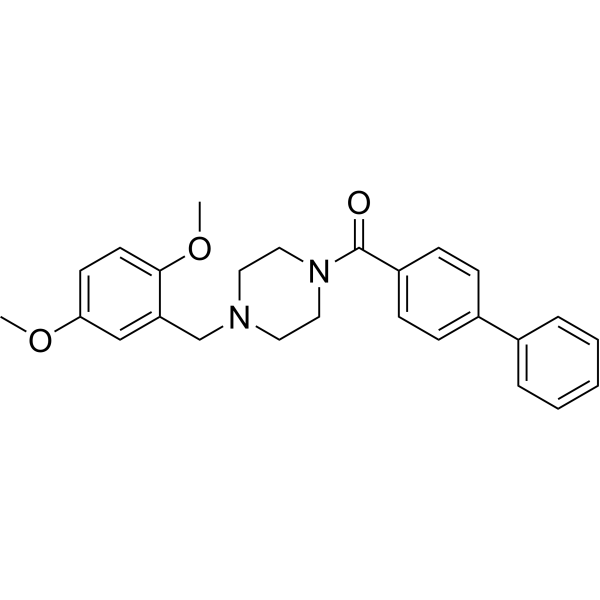
    ZYZ-488 is a competitive apoptotic protease activating factor-1 (Apaf-1) inhibitor. ZYZ-488 inhibits the activation of binding protein procaspase-9 and procaspase-3 .
    ZYZ-488
  • HY-134616
    Ulinastatin
    4 Publications Verification

    Uristatin

    Ser/Thr Protease Apoptosis Neurological Disease Inflammation/Immunology
    Ulinastatin (Uristatin) is a trypsin and serine protease inhibitor. Ulinastatin is the main protein binding inhibitor of various trypsin, chymotrypsin, and various pancreatic proteases. Ulinastatin shows neuroprotective, anti-inflammatory, anti-apoptotic, anti-oxidant effects .
    Ulinastatin
  • HY-101997

    Orthopoxvirus Apoptosis Caspase Bcl-2 Family Akt Infection Cancer
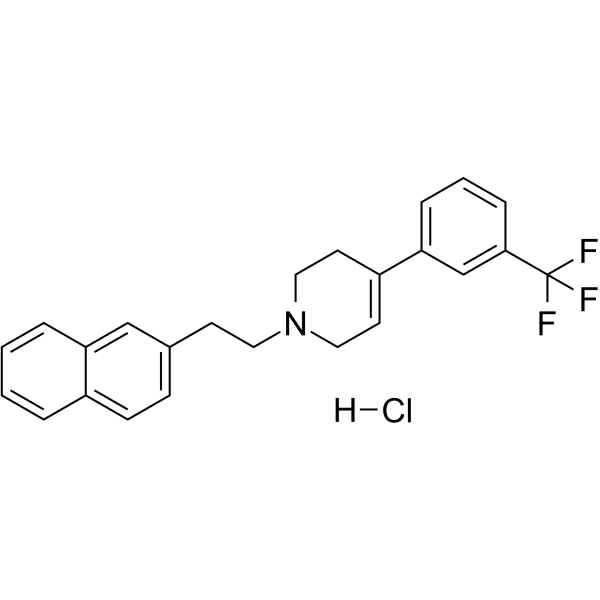
    BEPP hydrochloride is a double-stranded RNA-dependent protein kinase (PKR) modulator. BEPP hydrochloride enhances the phosphorylation levels of PKR and eIF2α, activates caspase-3, upregulates the pro-apoptotic protein BAX, and downregulates the anti-apoptotic protein Bcl-2. BEPP hydrochloride inhibits vaccinia virus replication and exhibits selective cytotoxicity in cells expressing PKR. BEPP hydrochloride can be used in research related to cancer and viral infections .
    BEPP hydrochloride
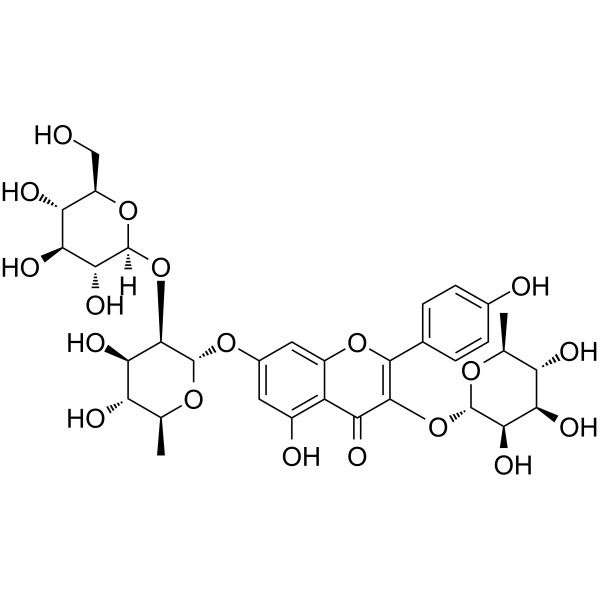
  • HY-N3031

    Bacterial Apoptosis Bcl-2 Family MDM-2/p53 Glutathione Peroxidase SOD TNF Receptor Interleukin Related Infection Inflammation/Immunology
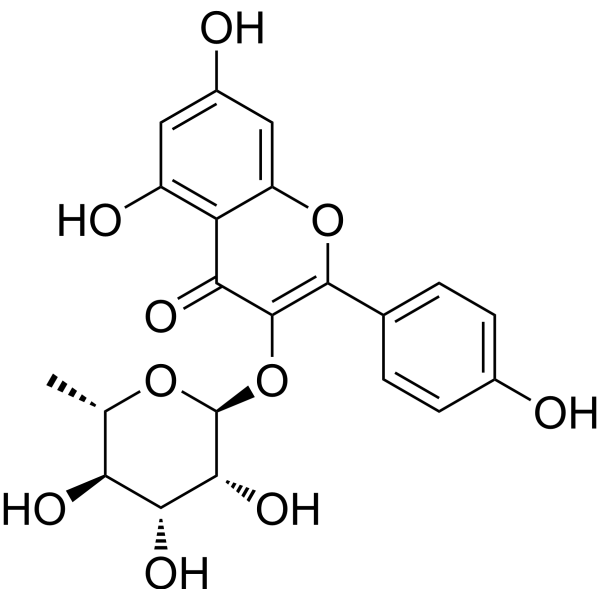
    Grosvenorine is an orally active flavonoid glycoside found in S. grosvenorii. Grosvenorine exhibits antibacterial, antioxidant and antiinflammation activities. Grosvenorine can induce apoptosis and increases anti-apoptotic Bcl-2 protein expression and reduces pro-apoptotic P53 protein expression in gastric tissues. Grosvenorine enhances mucin/glycoprotein secretion, regulates gastric pH, and reduces gastric lesion incidence.Grosvenorine increases glutathione peroxidase, catalase, and SOD levels, reduces lipid peroxidation (MDA), and lowers TNF-α and IL-6 levels. Grosvenorine can be used for the researches of bacterial infection and Gastric ulcer .
    Grosvenorine
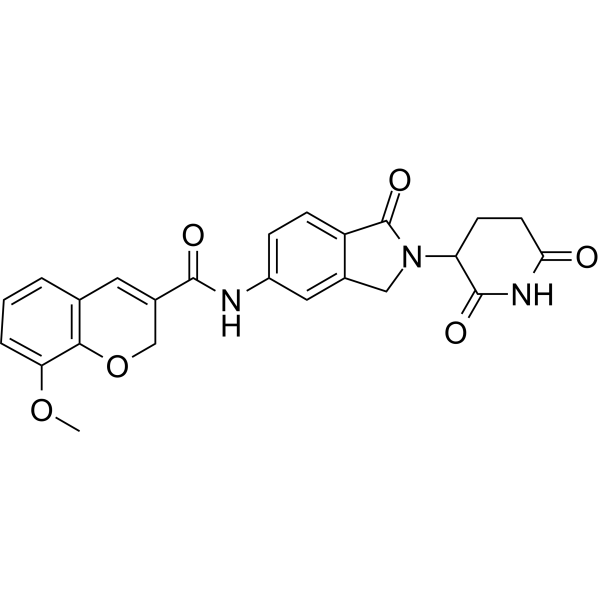
  • HY-157334
    DEG-77
    1 Publications Verification

    Molecular Glues Casein Kinase IKZF Family Bcl-2 Family CDK Apoptosis Cancer
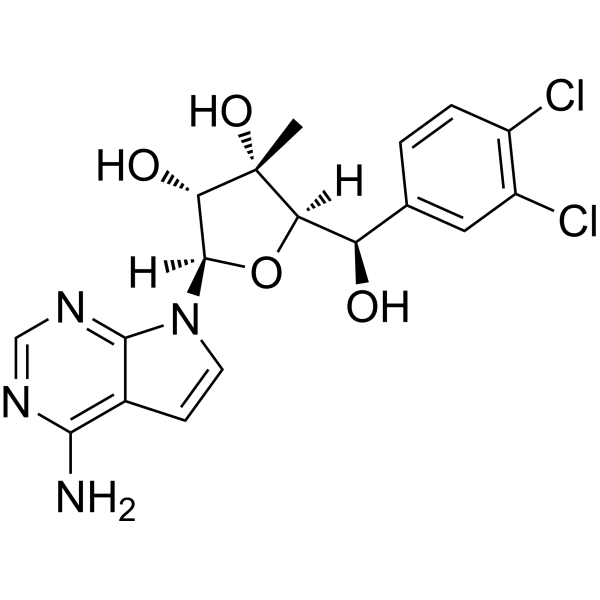
    DEG-77 is a molecular glue targeting IKZF2 and CK1α, with DC50 values of 15.3 nM and 10 nM, respectively. DEG-77 exhibits significant anti-tumor activity, inducing increased transcriptional levels of the pro-apoptotic protein Bax and the cell cycle arrest protein p21. DEG-77 is applicable to the research of acute myeloid leukemia (AmL), diffuse large B-cell lymphoma and ovarian cancer.
    DEG-77
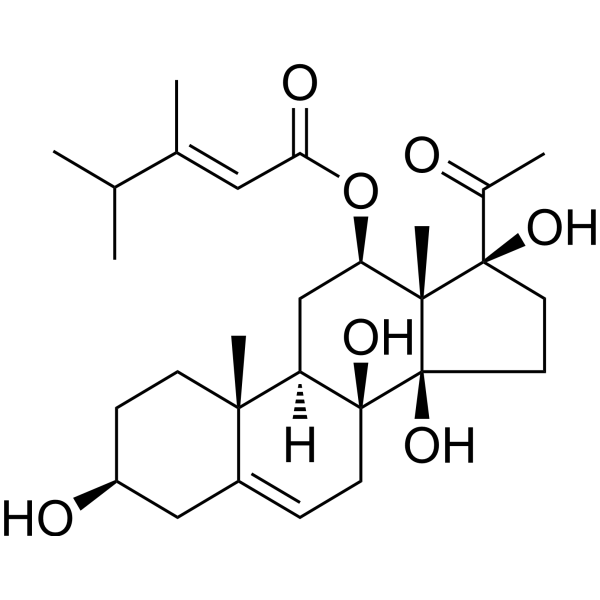
  • HY-N1983
    Caudatin
    1 Publications Verification

    Apoptosis Autophagy Reactive Oxygen Species (ROS) Mitochondrial Metabolism PARP Caspase Bcl-2 Family VEGFR FAK WDR5 p38 MAPK JNK PPAR Neurological Disease Inflammation/Immunology Cancer
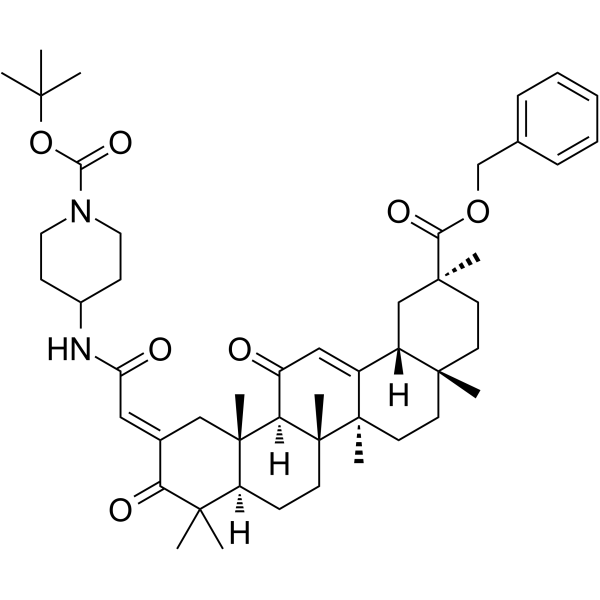
    Caudatin is an orally active and brain-penetrant C-21 steroidal found in Cynanchum bungei decne with a variety of biological activities. Caudatin can inhibit cell proliferation, migration, invasion, cause cell phase arrest, induce apoptosis, autophagy, ROS prodution and loss of mitochondrial membrane potential. Caudatin activates PARP, caspase-3, -7, -9, upregulates pro-apoptotic Bad and Bax and downregulates anti-apoptotic Bcl-2 and Bcl-XL. Caudatin suppresses VEGF, FAK phosphorylation, upregulates p21, p27, DR5 protein expression, activates the p38 MAPK, JNK and PPARα/TFEB-mediated autophagy-lysosomal signaling pathways. Caudatin can be used for the research of cancer, inflammation and neurological disease, such as glioma and Alzheimer's disease .
    Caudatin
  • HY-P1527
    Bim BH3
    1 Publications Verification

    Bcl-2 Family Others
    Bim BH3 is a biological active peptide. (This Bim peptide belongs to the pro-apoptotic Bcl-2 family of proteins.)
    Bim BH3
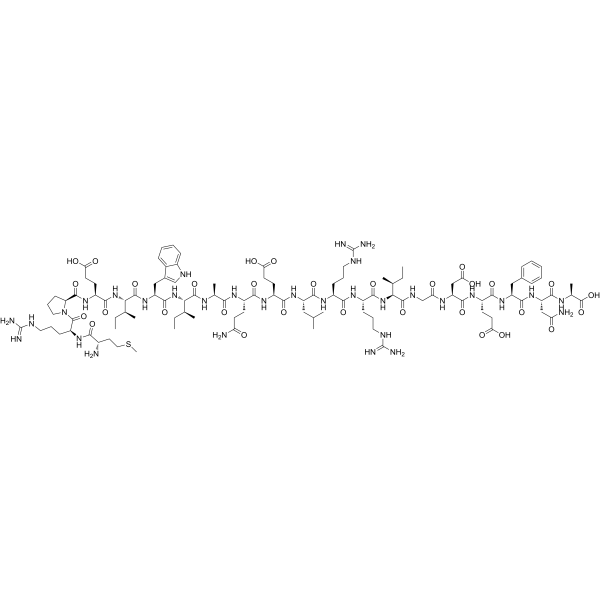
  • HY-P1889

    Bcl-2 Family Inflammation/Immunology
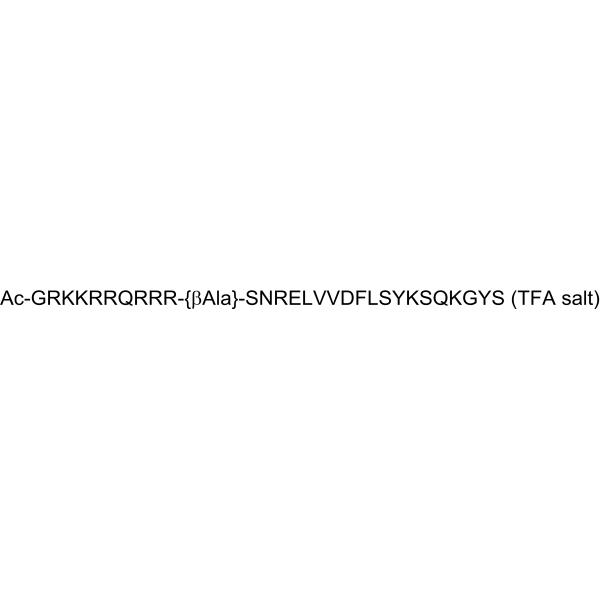
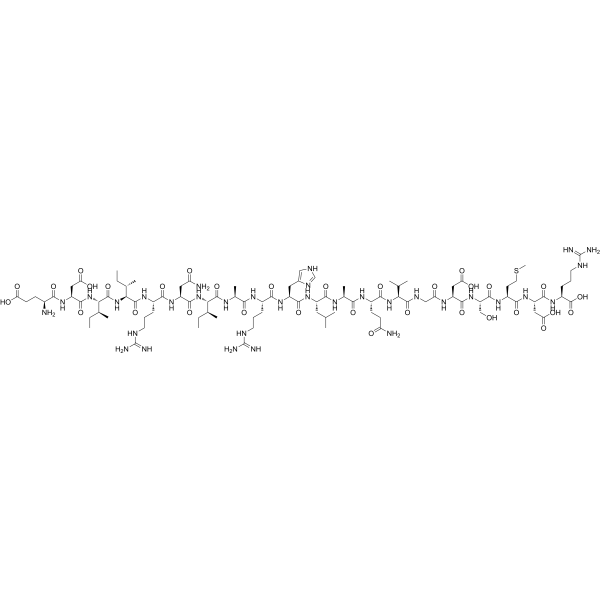
    Bim BH3, Peptide IV is a 26-residue peptide from BH3-only protein Bim, which belongs to the pro-apoptotic group of the Bcl-2 family of proteins .
    Bim BH3, Peptide IV
  • HY-N6005

    Bacterial Fungal Apoptosis Bcl-2 Family Infection Metabolic Disease Cancer
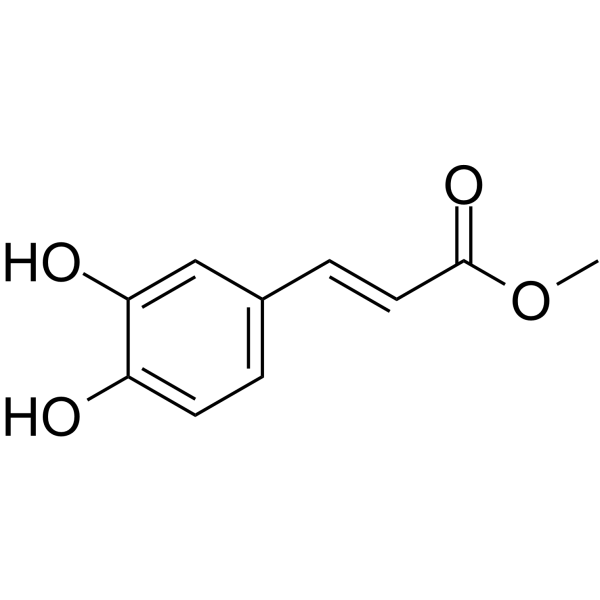
    Methyl caffeate is a phenylpropanoid, antibacterial agent, and Apoptosis-inducing agent. Methyl caffeate can be isolated from the flowers of peach Prunus persica (L.). Methyl caffeate upregulates the expression of pro-apoptotic proteins Bid, Bax and p53, and downregulates the expression of anti-apoptotic protein BCL-2. Methyl caffeate downregulates SASP factors. Methyl caffeate enhances glucose-stimulated insulin secretion. Methyl caffeate inhibits the growth of Gram-positive bacteria, Gram-negative bacteria, fungi, and Mycobacterium tuberculosis strains. Methyl caffeate can be used in studies related to breast cancer, type 2 diabetes, and tuberculosis .
    Methyl caffeate
  • HY-N6801

    Caspase Apoptosis Bcl-2 Family Infection Inflammation/Immunology Cancer
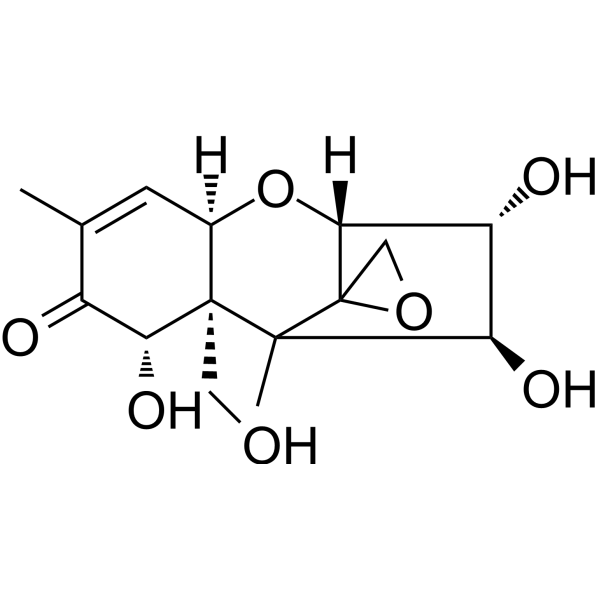
    Nivalenol, a trichothecene mycotoxin that can be produced by Fusarium graminearum, is a fungal metabolite present in agricultural product. Nivalenol modulates apoptotic pathway, cell cycle regulation, Bax, ERK, caspase-3, and poly-ADP-ribose synthase activity in macrophages. Nivalenol inhibits ribosomal peptidyltransferase site, protein synthesis, DNA synthesis, and cell proliferation. Nivalenol induces late-stage apoptotic morphological changes, reduces cellular metabolism, and decreases cell proliferation in erythroleukemia cells. Nivalenol induces lymphocyte apoptosis in murine thymus, spleen, and Peyer's patches. Nivalenol can be used for the research of erythroleukemia .
    Nivalenol
  • HY-113314

    Endogenous Metabolite Cancer
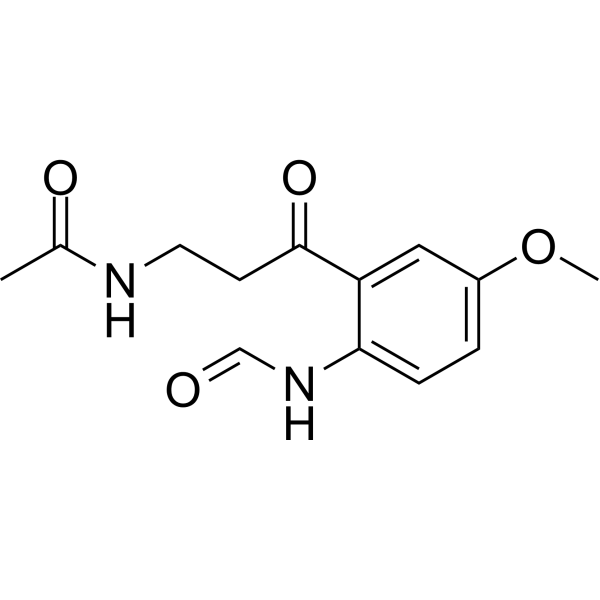
    AFMK, antioxidant metabolite of Melatonin, attenuates X-ray-induced oxidative damage to DNA, proteins and lipids in mice. AFMK is a poorer scavenger. The pKa of AFMK at physiological pH is 8.7. Antioxidant capacity . AFMK improves the anti-tumor effect of Gemcitabine in PANC-1 cells through the modulation of apoptotic pathway .
    AFMK
  • HY-P1380A

    Apoptosis Bcl-2 Family Caspase Cancer
    Difopein TFA is a 14-3-3 protein inhibitor. Difopein TFA acts as an apoptosis inducer, regulates apoptosis-related proteins, downregulates Bcl-2, upregulates Bax, activates caspase-9 and caspase-3, and induces nuclear fragmentation, membrane-enclosed apoptotic bodies and DNA ladder formation. Difopein TFA serves as a tumor growth inhibitor, which inhibits the proliferation of glioma cells and induces their apoptosis in in vivo nude mouse models. Difopein TFA is applicable to glioma-related research .
    Difopein TFA
  • HY-124833

    Casein Kinase Apoptosis Fungal Reactive Oxygen Species (ROS) Caspase MDM-2/p53 PARP Bcl-2 Family Akt ERK STAT JNK p38 MAPK CDK Infection Cancer
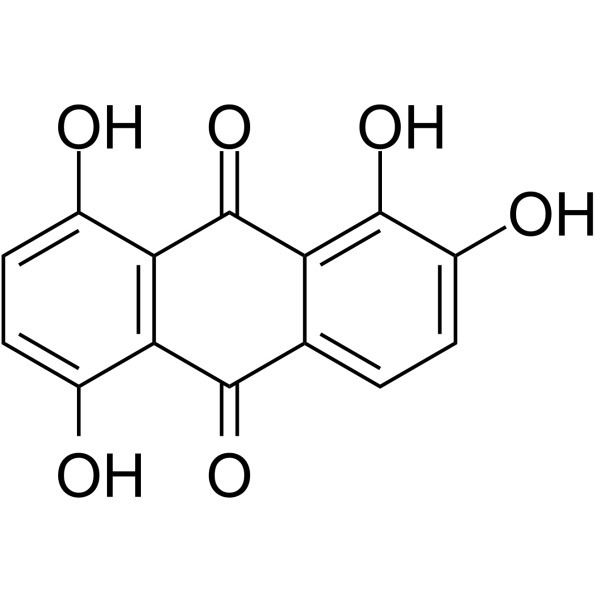
    Quinalizarin is a protein kinase CK2 inhibitor with a Ki of 0.052 μM. Quinalizarin exhibits antifungal and anticancer activities. Quinalizarin induces ROS production, apoptotic signaling, mitochondrial pathway activation, cell cycle arrest, and cytotoxicity in cancer cells. Quinalizarin inhibits hyphal growth, biofilm formation, and mature biofilm integrity of Candida albicans. Quinalizarin can be used in research related to cancer and fungal infections .
    Quinalizarin
  • HY-171656

    Glycosidase NF-κB COX STAT ERK p38 MAPK Apoptosis CDK Survivin Bcl-2 Family Neurological Disease Inflammation/Immunology Cancer
    G721-0282 is an orally active CHI3L1 inhibitor. G721-0282 can reduce the expression of inflammatory proteins and cytokines. G721-0282 inhibits the activation of the NF-κB signaling pathway. G721-0282 inhibits neuroinflammation and reduces anxious behavior. G721-0282 significantly inhibits the proliferation of osteosarcoma (OS) cells by suppressing the STAT3 signaling pathway. G721-0282 induces OS cell apoptosis by upregulating pro-apoptotic protein levels and downregulating anti-apoptotic protein levels. G721-0282 can be used for researches on neuroinflammatory conditions and cancer .
    G721-0282
  • HY-10087R

    ABT-263 (Standard)

    Reference Standards Bcl-2 Family Cancer
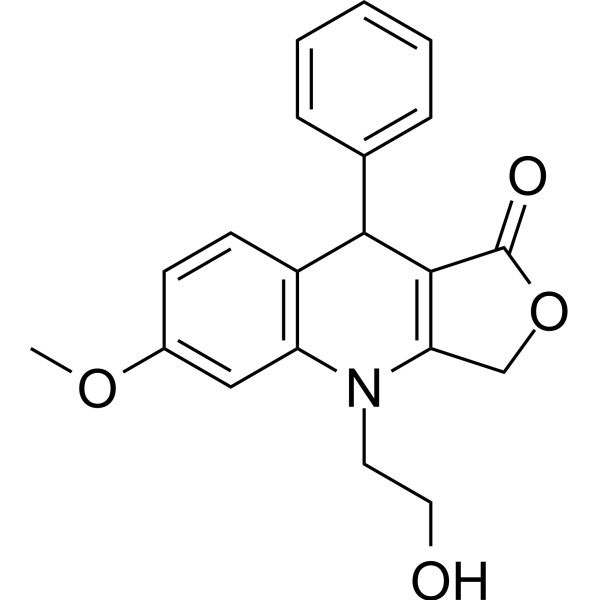
    Navitoclax (Standard) is the analytical standard of Navitoclax. This product is intended for research and analytical applications. Navitoclax (ABT-263) is a potent and orally active Bcl-2 family protein inhibitor that binds to multiple anti-apoptotic Bcl-2 family proteins, such as Bcl-xL, Bcl-2 and Bcl-w, with a Ki of less than 1 nM .
    Navitoclax (Standard)
  • HY-101991

    PERK Eukaryotic Initiation Factor (eIF) Apoptosis Cancer
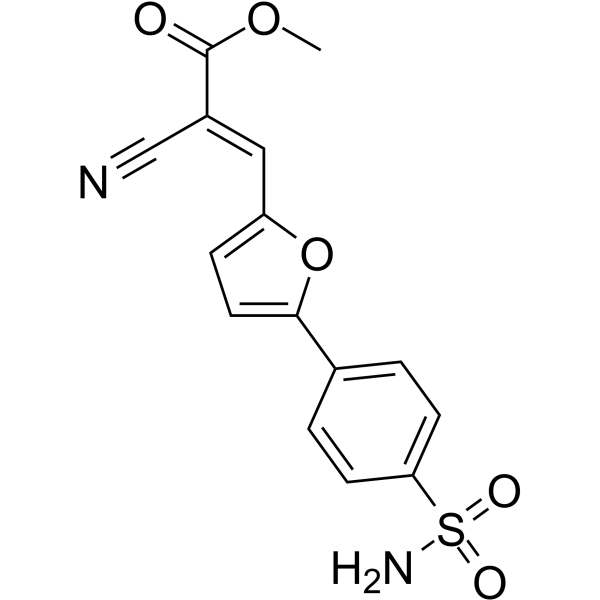
    ML291 is a UPR (unfolded protein response)-inducing sulfonamidebenzamide. ML291 overwhelms the adaptive capacity of the UPR and induces apoptosis in a variety of solid cancer models. ML291 can activate the PERK/eIF2a/CHOP (apoptotic) arm of the UPR and reduce leukemic cell burden .
    ML291
  • HY-P2343

    Apoptosis Cancer
    BH3 hydrochloride, a BBB penetrated peptide, provoke apoptosis either by direct activation of pro-apoptotic Bax/Bak or by neutralizing anti-apoptotic Bcl-2 proteins (Bcl-2, Bcl-XL, Bcl-w, Mcl-1 and A-1) via their BH3 domian .
    BH3 hydrochloride
  • HY-N5106
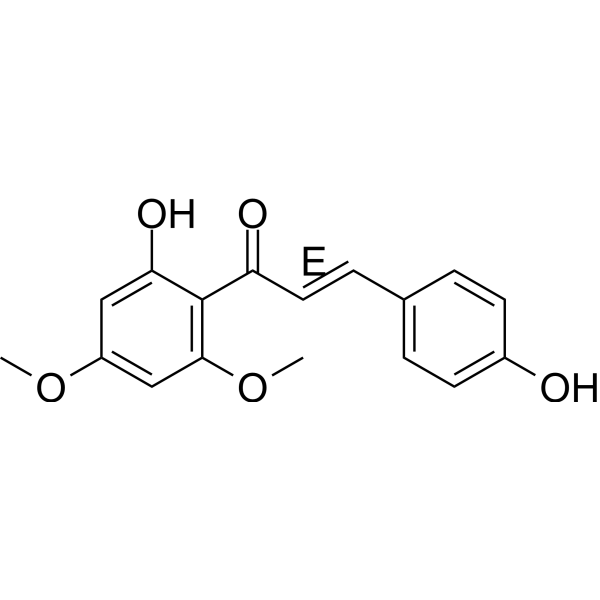
    (E)-Flavokawain A
    2 Publications Verification

    Apoptosis Cancer
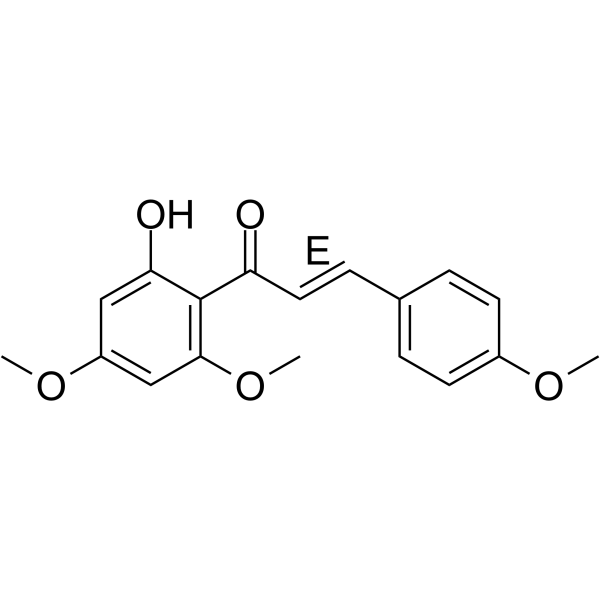
    (E)-Flavokawain A, a chalcone extracted from Kava, has anticarcinogenic effect. (E)-Flavokawain A induces apoptosis in bladder cancer cells by involvement of bax protein-dependent and mitochondria-dependent apoptotic pathway and suppresses tumor growth in mice .
    (E)-Flavokawain A
  • HY-114410

    Mitochondrial Metabolism Cancer
    CCI-006 is a selective inhibitor and chemosensitizer of MLL-rearranged leukemia cells, by inhibits mitochondrial respiration resulting in insurmountable mitochondrial depolarization and a pro-apoptotic unfolded protein response (UPR) in a subset of MLL-r leukemia cells .
    CCI-006
  • HY-B2162H

    Chondroitin polysulfate (from fish)

    NO Synthase MMP Endogenous Metabolite Inflammation/Immunology
    Chondroitin sulfate (from fish), one of five classes of glycosaminoglycans, has been widely used in the treatment of osteoarthritis. Chondroitin sulfate (from fish) reduces inflammation mediators and the apoptotic process and is able to reduce protein production of inflammatory cytokines, iNOS and MMPs.
    Chondroitin sulfate (from fish)
  • HY-178226

    ADC Payload Topoisomerase Survivin Bcl-2 Family IAP Cancer
    PBX-7016 is a Camptothecin (HY-16560) derivative. PBX-7016 can selectively inhibit Topoisomerase 1. PBX-7016 can specifically bind and degrade the cancer protein DDX5, thereby down-regulating the expression of anti-apoptotic proteins such as Survivin, Mcl-1, and XIAP, and promoting the apoptosis of cancer cells. PBX-7016 can be used to synthesis of ADCs .
    PBX-7016
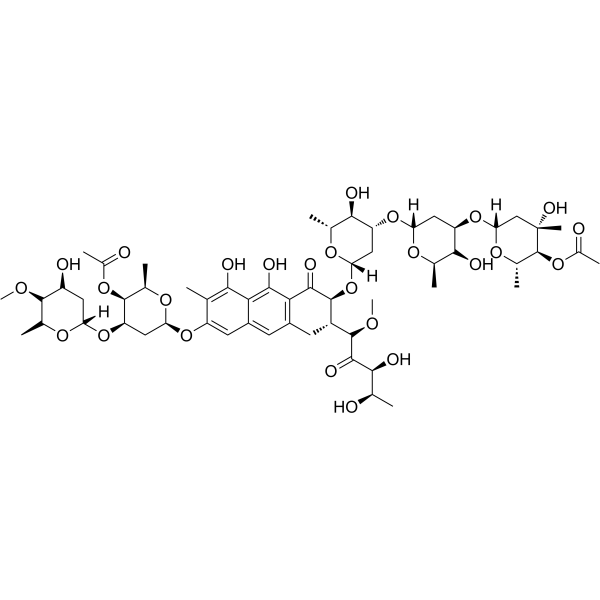
  • HY-N6674

    ECO-4601; TLN-4601; BU 4664L

    Apoptosis Bacterial Cathepsin Parasite Endogenous Metabolite Infection Inflammation/Immunology Cancer
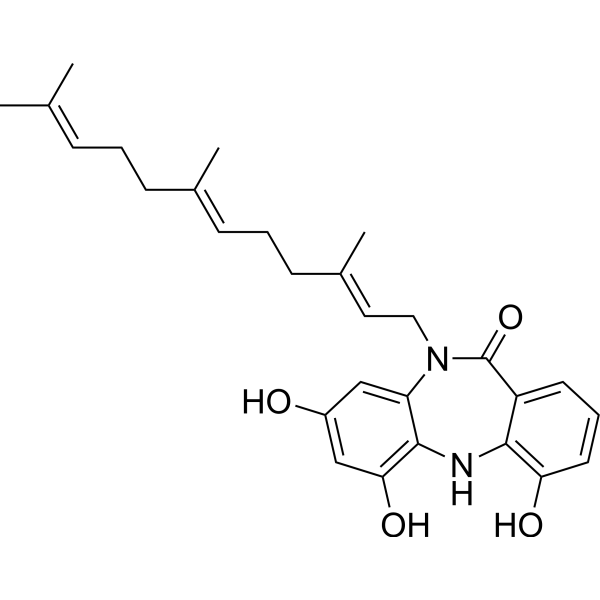
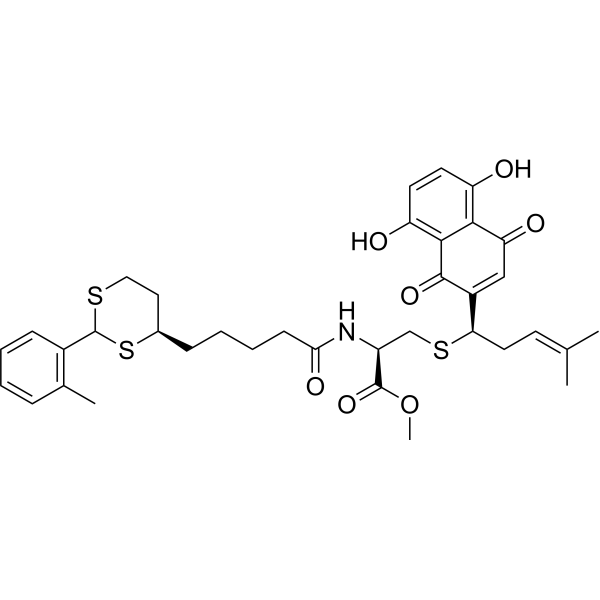
    Diazepinomicin (ECO-4601) is an anticancer and antibacterial agent. Diazepinomicin can be produced by a Micromonospora strain. Diazepinomicin induces Apoptosis. Diazepinomicin inhibits the proteases Rhodesain and Cathepsin L at an IC50 of 70-90 μM. Diazepinomicin possesses anti-inflammatory and anti-tumor activity. Diazepinomicin has demonstrated activity against hepatocellular carcinoma. Diazepinomicin shows antiparasitic activity against trypomastigote forms of Trypanosoma brucei with an IC50 of 13.5 μM. Diazepinomicin exhibits moderate antibacterial activity against specific Gram-positive bacteria, with an MIC of approximately 32 μg/mL .
    Diazepinomicin
  • HY-N10379

    Akt mTOR Apoptosis Reactive Oxygen Species (ROS) CDK Ras HSP VEGFR TNF Receptor Interleukin Related Inflammation/Immunology
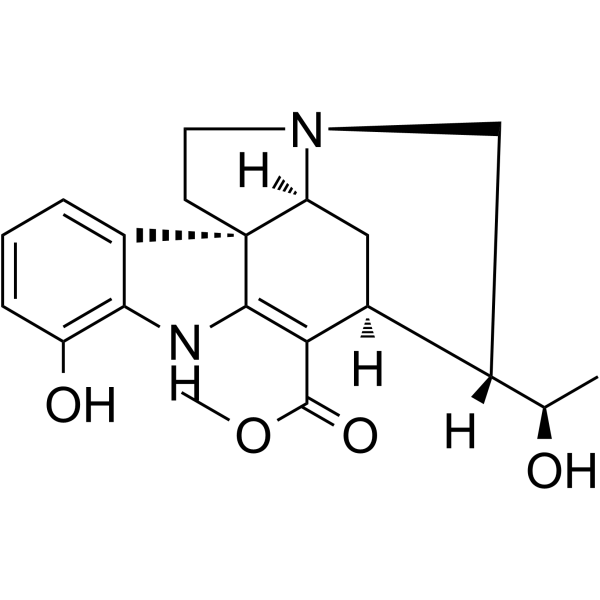
    19-epi-Scholaricine is an orally active indole alkaloid. 19-epi-Scholaricine downregulates the expression of profibrotic/apoptotic proteins (HRAS, HSP90AA1, KDR) and upregulates the expression of cell cycle-related protein (CDK2). 19-epi-Scholaricine suppresses ROS production and reduces the release of inflammatory mediators, thereby attenuating podocyte apoptosis, renal inflammation and oxidative stress by inhibiting AKT/mTOR. 19-epi-Scholaricine can be used in the research of chronic glomerulonephritis and membranous nephropathy .
    19-epi-Scholaricine
  • HY-N1989

    Na+/K+ ATPase CaMK Apoptosis Cholinesterase (ChE) NO Synthase NF-κB Neurological Disease Cancer
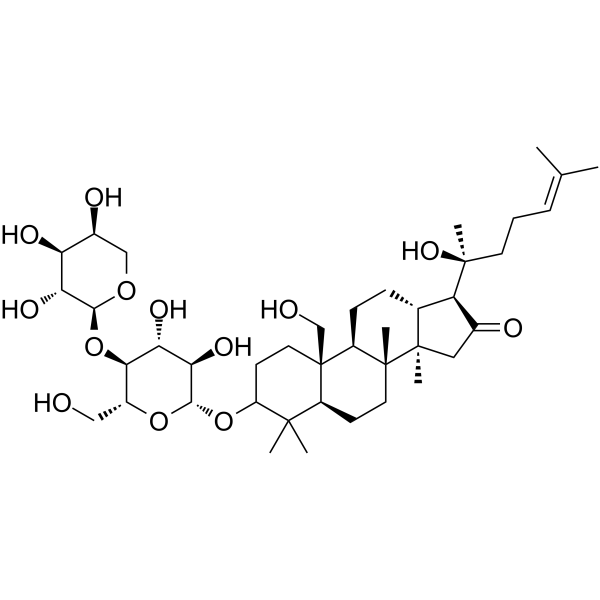
    Bacoside A is an orally active, blood-brain barrier-permeable triterpenoid saponin that modulates the activities of ATPases, AChE, CaMK2A and iNOS. Derived from Bacopa monniera. Bacoside A exerts significant antioxidant, anti-inflammatory and anti-apoptotic effects by maintaining ion balance, scavenging reactive oxygen species, stabilizing cell membranes, and regulating the expression of NF-κB and apoptosis-related proteins. Bacoside A counteracts morphine-induced reductions in Na +/K +-ATPase, Ca 2+-ATPase and Mg 2+-ATPase activities, increases mitochondrial membrane potential, and decreases intracellular reactive oxygen species levels. Bacoside A specifically binds to calcium/calmodulin-dependent protein kinase IIA to trigger endoplasmic reticulum calcium release. Bacoside A exhibits non-apoptotic cytotoxicity against glioblastoma cells while protecting normal nerve cells from stress-induced damage. Bacoside A is applicable to the research of Parkinson's disease and glioblastoma multiforme .
    Bacoside A
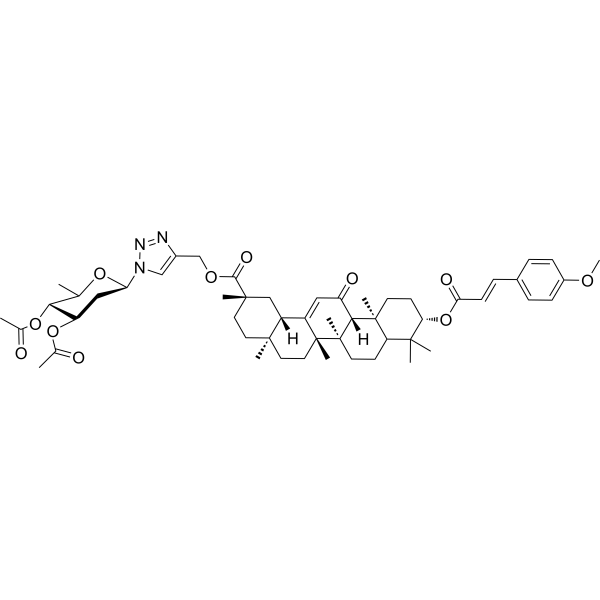
  • HY-161659

    Apoptosis Bcl-2 Family Caspase Reactive Oxygen Species (ROS) Cancer
    Apoptosis inducer 19 (Compound 7g) is an Apoptosis inducer. Apoptosis inducer 19 elevates expression of pro-apoptotic proteins (Bax and caspase-3) and downregulates anti-apoptotic protein (Bcl-2). Apoptosis inducer 19 upregulates cellular reactive oxygen species (ROS) levels and disrupts mitochondrial membrane potential (MMP). Apoptosis inducer 19 can be used for triple-negative breast cancer (TNBC) research .
    Apoptosis inducer 19
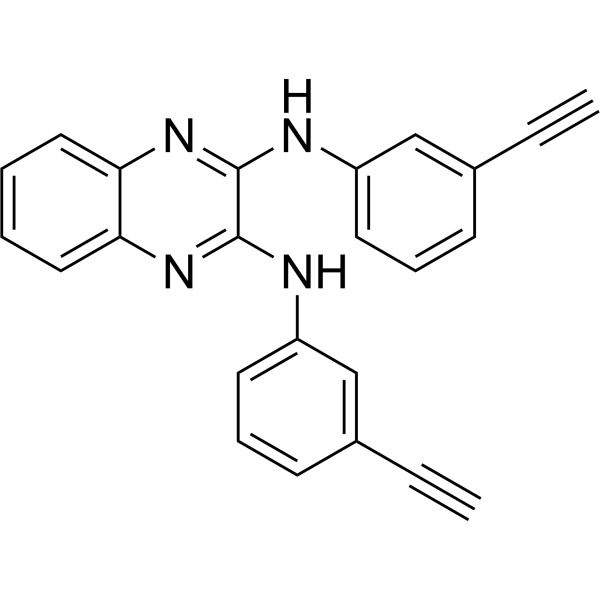
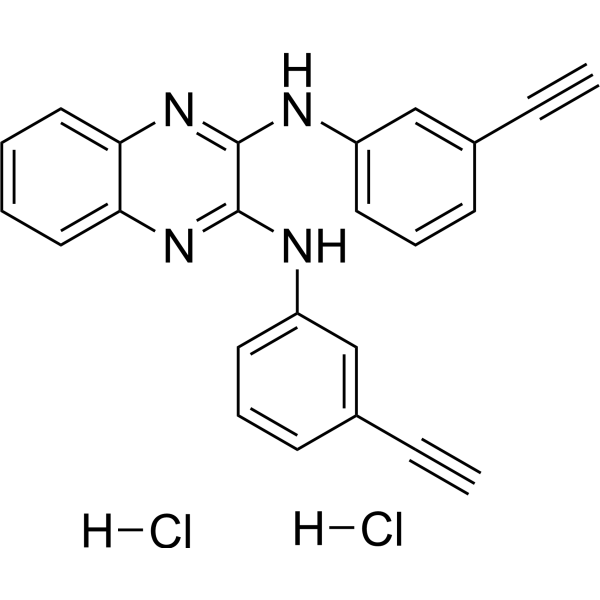
  • HY-175020

    Fatty Acid Synthase (FASN) Apoptosis Bcl-2 Family Cancer
    QNX-10 is a fatty acid synthase (FASN) inhibitor (IC50 = 0.7 μM) with anticancer activity. QNX-10 exhibits potent FASN inhibition and cytotoxicity against colorectal and breast cancer cells. QNX-10 induces apoptosis and cell cycle arrest in S phase by upregulating the pro-apoptotic protein Bax and downregulating the anti-apoptotic protein Bcl-xL. QNX-10 can be used to investigate anticancer therapies targeting FASN enzymes .
    QNX-10
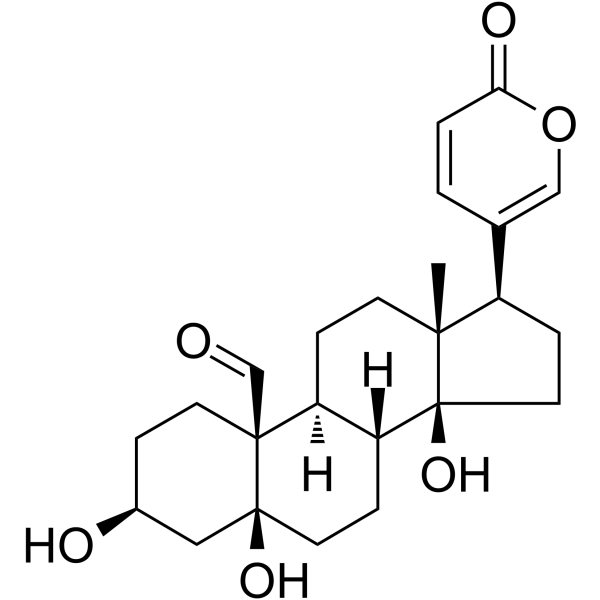
  • HY-N6576

    p38 MAPK ERK JNK IAP PARP Apoptosis Caspase Cancer
    Hellebrigenin is an inhibitor that selectively targets the MAPK signaling pathway (ERK, p38, JNK) and XIAP, and can inhibit Akt expression and phosphorylation. Hellebrigenin can activate endogenous apoptosis pathways (such as mitochondrial membrane potential disruption, Caspase family activation, PARP cleavage), downregulate anti-apoptotic proteins (Bcl-2, Bcl-xL) and upregulate pro-apoptotic proteins (Bax, Bak). Hellebrigenin can also induce DNA double-strand breaks to activate the ATM pathway. Hellebrigenin can inhibit tumor cell proliferation and clone formation, and is mainly used in the study of oral squamous cell carcinoma, liver cancer and other cancers .
    Hellebrigenin
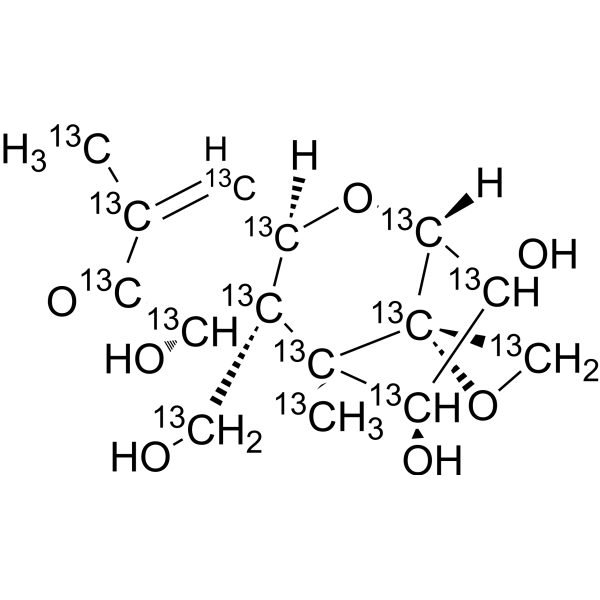
  • HY-N6801S

    Isotope-Labeled Compounds Caspase Apoptosis Bcl-2 Family Infection Inflammation/Immunology Cancer
    Nivalenol- 13C15 is the 13C labeled Nivalenol (HY-N6801) . Nivalenol, a trichothecene mycotoxin that can be produced by Fusarium graminearum, is a fungal metabolite present in agricultural product. Nivalenol modulates apoptotic pathway, cell cycle regulation, Bax, ERK, caspase-3, and poly-ADP-ribose synthase activity in macrophages. Nivalenol inhibits ribosomal peptidyltransferase site, protein synthesis, DNA synthesis, and cell proliferation. Nivalenol induces late-stage apoptotic morphological changes, reduces cellular metabolism, and decreases cell proliferation in erythroleukemia cells. Nivalenol induces lymphocyte apoptosis in murine thymus, spleen, and Peyer's patches. Nivalenol can be used for the research of erythroleukemia.
    Nivalenol-13C15
  • HY-P3385

    SCB-313

    Drug Derivative Apoptosis Cancer
    Rilunermin alfa (SCB-313) is a recombinant fusion protein composed of the human C-propeptide of alpha1(I) collagen (Trimer-Tag) to the C-terminus of the mature human tumor necrosis factor (TNF)-related apoptosis-inducing ligand (TRAIL; Apo2L). Rilunermin alfa has potential pro-apoptotic and antineoplastic activities .
    Rilunermin alfa
  • HY-148368

    Bcl-2 Family Apoptosis Cancer
    CYD-4-61 is a novel Bax activator used for breast cancer research. CYD-4-61 inhibits triple-negative breast cancer MDA-MB-231 and ER-positive breast cancer MCF-7 cell lines proliferation. CYD-4-61 activates Bax protein to induce cytochrome c release and regulate apoptotic biomarkers, leading to cancer cell apoptosis .
    CYD-4-61
  • HY-30063

    Beta-Tetralone

    Apoptosis MDM-2/p53 Bcl-2 Family Cancer
    2-Tetralone (Beta-Tetralone) is a pro-apoptosis agent. 2-Tetralone targets MDM2 E3 ubiquitin kinase and Bcl-w anti-apoptotic protein and exhibits anticancer activity .
    2-Tetralone
  • HY-10087S
    Navitoclax-d8
    1 Publications Verification

    Bcl-2 Family Cancer
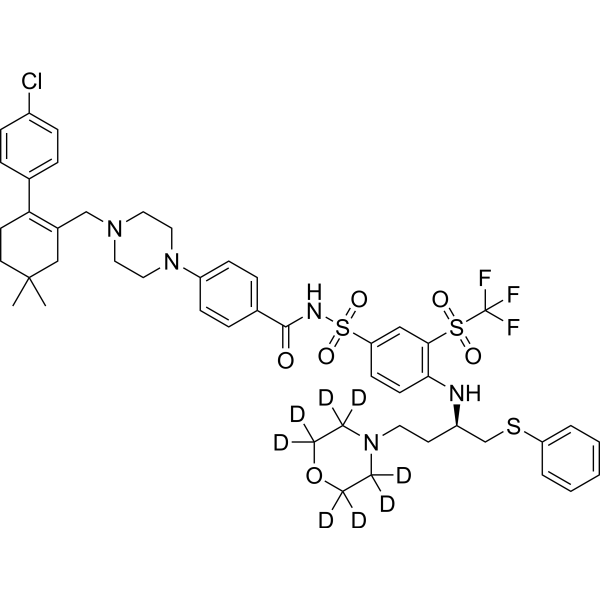
    Navitoclax-d8 is the deuterium labeled Navitoclax. Navitoclax (ABT-263) is a potent and orally active Bcl-2 family protein inhibitor that binds to multiple anti-apoptotic Bcl-2 family proteins, such as Bcl-xL, Bcl-2 and Bcl-w, with a Ki of less than 1 nM .
    Navitoclax-d8
  • HY-P5320

    Apoptosis Others
    TAT-BH4 (Bcl-xL) localized mainly at the mitochondria, prevents apoptotic cell death. TAT-BH4 (Bcl-xL) is a fusion peptide that combines the N-terminal cysteine conjugated protein transduction domain of HIV TAT protein (amino acids 49 to 57) with the Bcl-xL BH4 peptide. TAT-BH4 can be used for research of diseases caused by accelerated apoptosis .
    TAT-BH4 (Bcl-xL)
  • HY-177076

    Bcl-2 Family Cancer
    Dalvotoclax (Example 8) is a selective inhibitor of BCL-2. Dalvotoclax has good liver microsomal stability. Dalvotoclax inhibits the activity of anti-apoptotic BCL-2 protein and anti-apoptotic BCL-XL protein. Dalvotoclax can be studied in research for B cell leukemia .
    Dalvotoclax
  • HY-160108

    Bcl-2 Family Others
    Bcl-2-IN-17 is a Bcl2 inhibitor and can be used for the research of diseases associated with Bcl anti-apoptotic protein .
    Bcl-2-IN-17
  • HY-P10614

    Apoptosis Bcl-2 Family Others
    Bid BH3 peptide is a small peptide derived from Bid protein that can bind and activate the pro-apoptotic proteins Bax and Bak, leading to mitochondrial outer membrane permeabilization (MOMP) and apoptosis. Bid BH3 peptide can be used to study mitochondrial bioenergetics .
    Bid BH3 peptide
  • HY-N6077

    AMPK Apoptosis Cancer
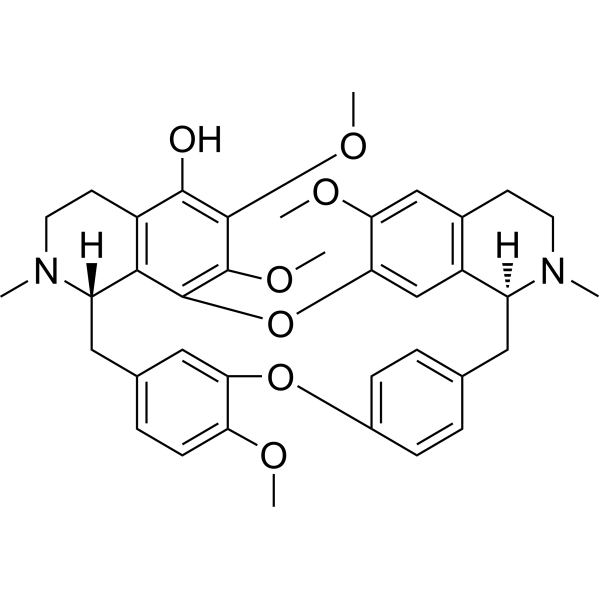
    Thalidezine is a novel activator of AMP-activated protein kinase (AMPK). Thalidezine can eliminate anti-apoptotic cancer cells through energy-mediated autophagy death. Thalidezine can be used to study apoptosis intervention .
    Thalidezine
  • HY-161577

    Bcl-2 Family Cancer
    BFC1103 is a small-molecule compound whose primary mechanism of action involves interaction with a specific domain of Bcl-2, particularly its loop domain. This interaction induces a conformational change in Bcl-2, exposing its BH3 (Bcl-2 homology 3) domain, thereby switching Bcl-2's function from anti-apoptotic to pro-apoptotic. The cell death induced by BFC1103 is dependent on the presence of Bax or Bak, both of which are key proteins involved in the intrinsic apoptotic pathway mediated by mitochondria. BFC1103 has successfully inhibited lung metastasis of triple-negative breast cancer in mouse models. It can be utilized in studying the roles of Bcl-2 family proteins in cancer development and how they impact the survival and proliferation of cancer cells .
    BFC1103
  • HY-168209

    Wnt CDK Apoptosis Cancer
    LBM22 is a CDC2-like kinase 2 (CLK2) inhibitor with the IC50 of 3.9 nM. LBM22 has antiproliferative activity and inhibits serine/arginine-rich (SR) protein phosphorylation. LBM22 down-regulates the expression of Wnt-related proteins and anti-apoptotic proteins and can be used for study of non-small cell lung cancer .
    LBM22

Inquiry Online

Your information is safe with us. * Required Fields.

Salutation


Country or Region *

Applicant Name *


Organization Name *

Department *


Email Address *


Product Name *

Cat. No.


Requested quantity *

Phone Number *


Remarks

Inquiry Online

Inquiry Information

Product Name:
Cat. No.:
Quantity:
MCE Japan Authorized Agent: