1. Search Result
Search Result
Results for "

fatty liver diseases

" in MedChemExpress (MCE) Product Catalog:

224

Inhibitors & Agonists

6

Screening Libraries

5

Biochemical Assay Reagents

12

Peptides

1

Inhibitory Antibodies

65

Natural
Products

14

Isotope-Labeled Compounds

6

Oligonucleotides

Cat. No. 상품명 Target 연구분야 Chemical Structure
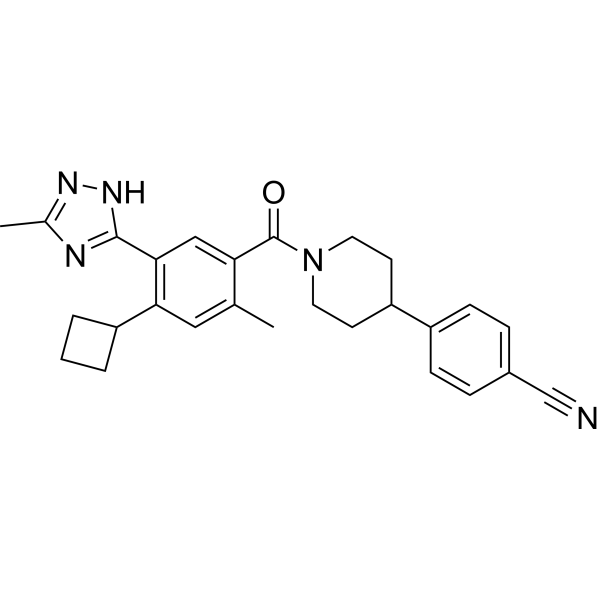
  • HY-112829
    Denifanstat
    5+ Cited Publications

    TVB-2640; FASN-IN-2; ASC-40

    Fatty Acid Synthase (FASN) Metabolic Disease Cancer
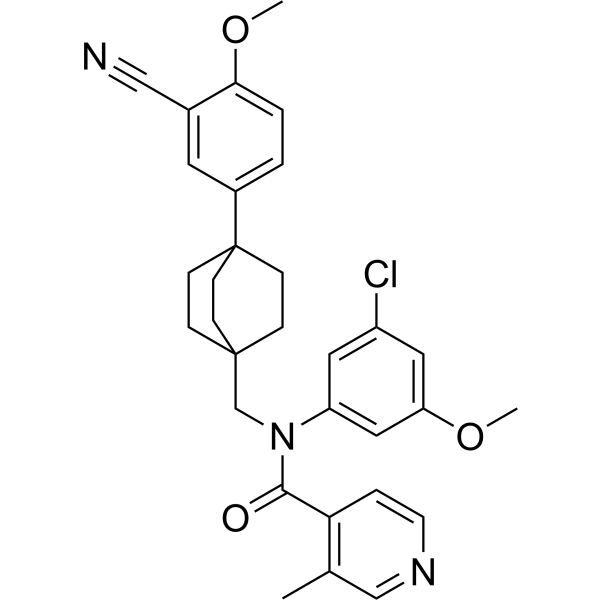
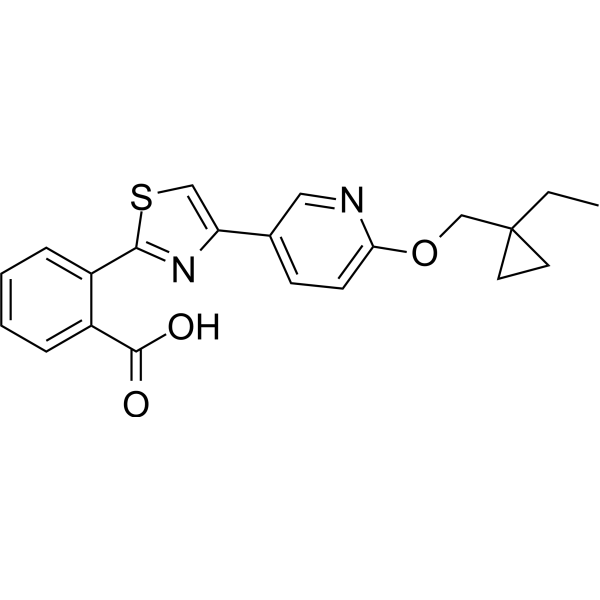
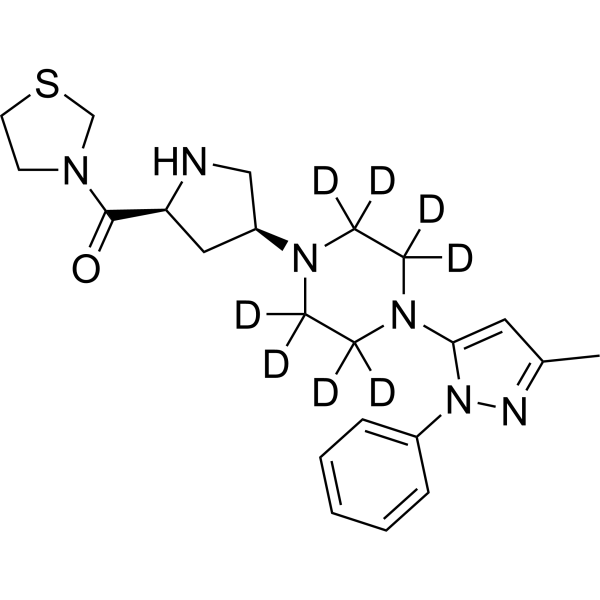
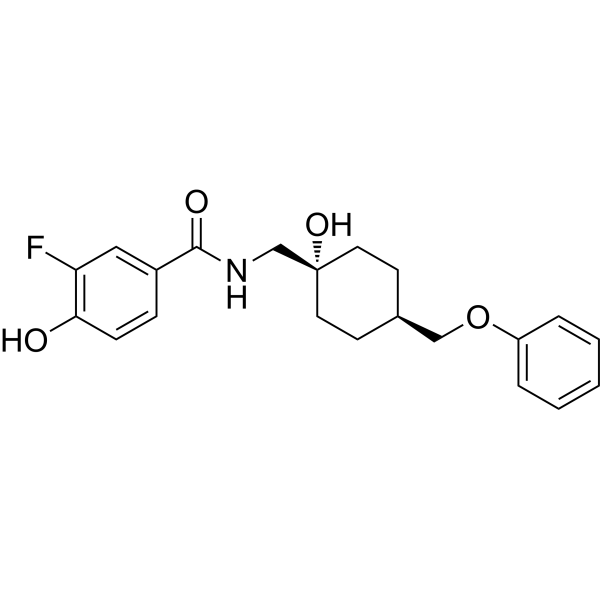
    Denifanstat (TVB-2640) is an orally active and potent Fatty Acid Synthase (FASN) inhibitor with an IC50 of 0.052 μM and an EC50 of 0.072 μM. Denifanstat has the potential for fatty liver disease and cancer research .
    Denifanstat
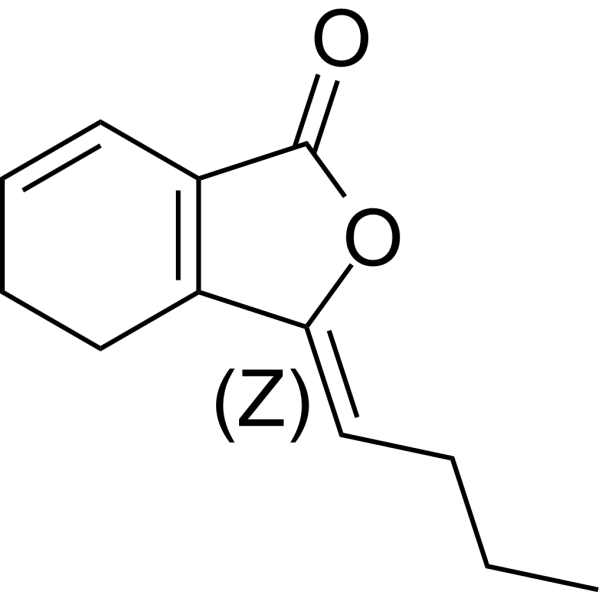
  • HY-N0401A
    (Z)-Ligustilide
    5 Publications Verification

    Bacterial Estrogen Receptor/ERR FATP Infection Metabolic Disease Cancer
    (Z)-Ligustilide is extracted from Ligusticum chuanxiong Hort, has antimicrobial and antifungal activity, exhibits an average antifungal score of 5.6 . (Z)-Ligustilide is orally active, it inhibits the expression of FATP5 and DGAT, inhibits fatty acid uptake and esterification in mice and has potential as therapeutics for nonalcoholic fatty liver disease (NAFLD) . (Z)-Ligustilide is also able to reactivate ERα, has epigenetic regulation, and is used in the study of tamoxifen-resistant breast cancer .
    (Z)-Ligustilide
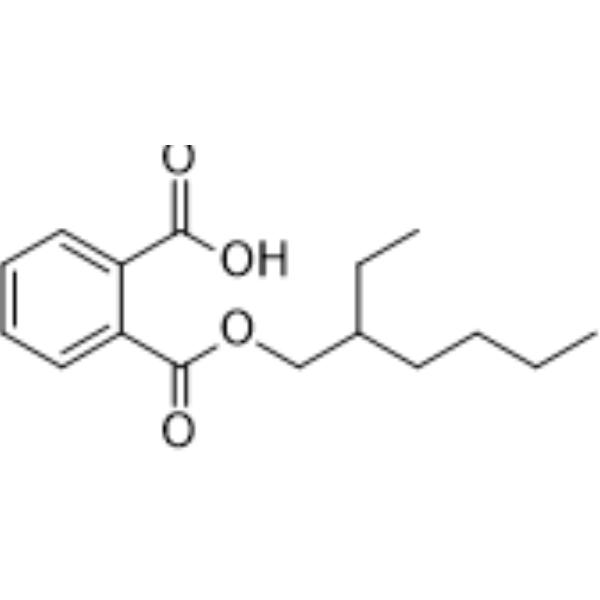
  • HY-W018392
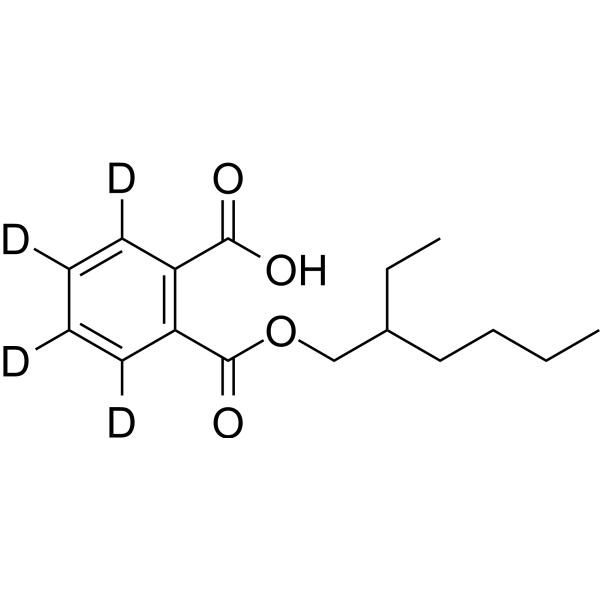
    Mono-(2-ethylhexyl) phthalate
    20+ Cited Publications

    MEHP; Phthalic acid mono-2-ethylhexyl ester

    Endogenous Metabolite Metabolic Disease
    Mono-(2-ethylhexyl) phthalate (MEHP) is a major bioactive metabolite of diethylhexyl phthalate (DEHP). Mono-(2-ethylhexyl) phthalate can promote fatty acid synthesis in hepatocytes by regulating the expression of relevant genes and proteins, contributing to non-alcoholic fatty liver disease (NAFLD) .
    Mono-(2-ethylhexyl) phthalate
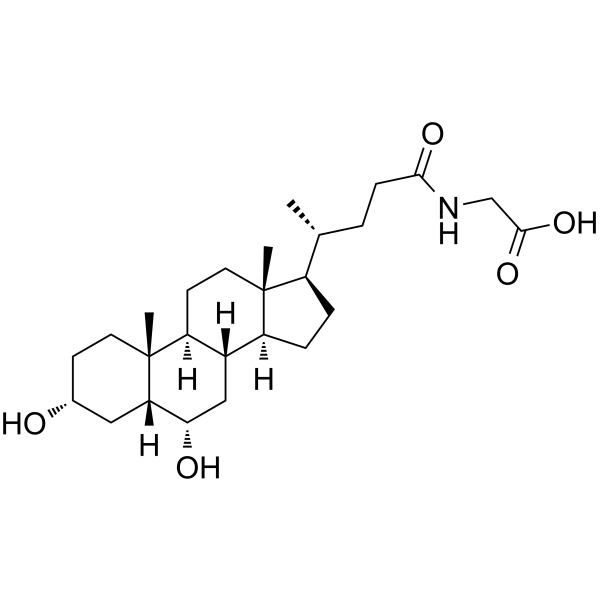
  • HY-126995

    Endogenous Metabolite Metabolic Disease
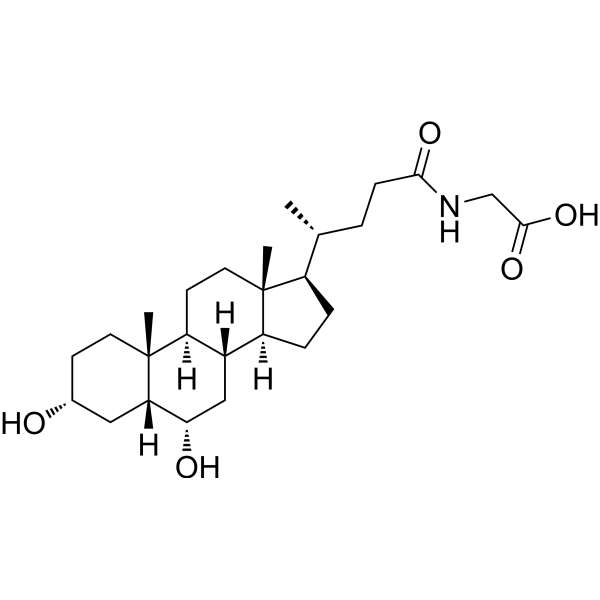
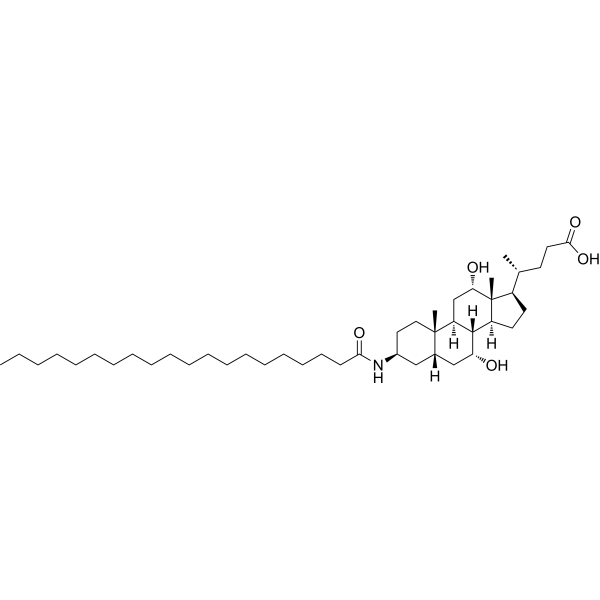
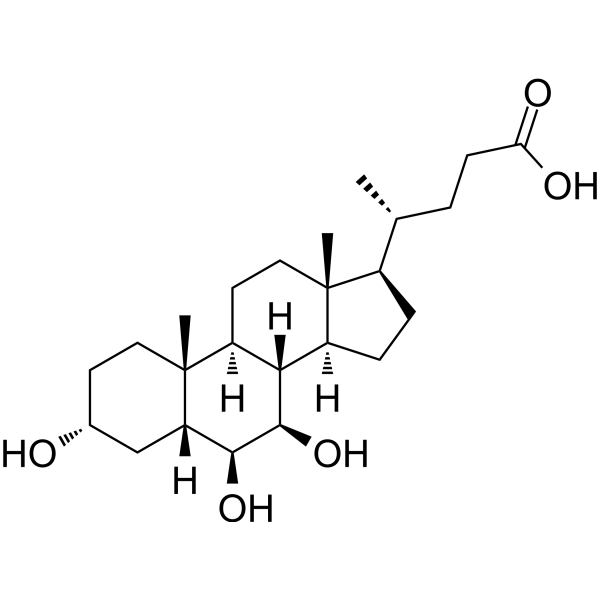
    Glycohyodeoxycholic acid is a glycine-conjugated bile acid and also a metabolite of Hyodeoxycholic acid (HY-N0169). The serum level of Glycohyodeoxycholic acid is negatively correlated with the severity of non-alcoholic fatty liver disease. Glycohyodeoxycholic acid can be used in research related to non-alcoholic fatty liver disease .
    Glycohyodeoxycholic acid
  • HY-N0010
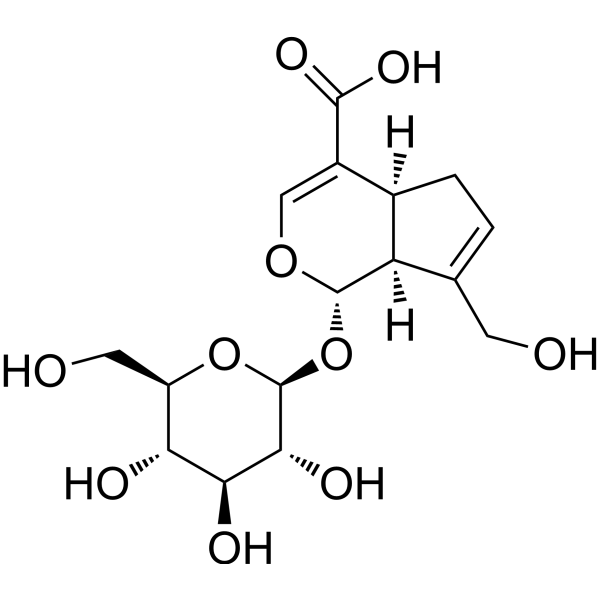
    Geniposidic acid
    5+ Cited Publications

    FXR Sirtuin TNF Receptor Interleukin Related Metabolic Disease
    Geniposidic acid is an orally active FXR modulator and SIRT6 activator. Geniposidic acid binds to the Ser332 and His447 sites on the FXR ligand-binding domain, thereby driving nuclear translocation, coactivator recruitment, and transcription of downstream bile acid and cholesterol metabolism-related genes. Geniposidic acid improves metabolic dysfunction-related fatty liver disease by activating the SIRT6 signaling pathway. Geniposidic acid inhibits inflammation and modulates gut microbiota to alleviate colitis. Geniposidic acid can be used in research on drug-induced liver injury, inflammatory bowel disease, metabolic dysfunction-related fatty liver disease, and metabolic dysfunction-related steatohepatitis .
    Geniposidic acid
  • HY-12756A
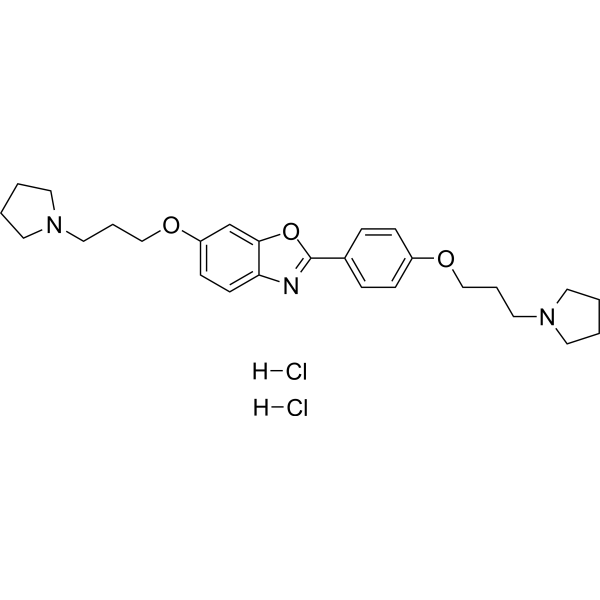
    E6446 dihydrochloride
    5+ Cited Publications

    Toll-like Receptor (TLR) Stearoyl-CoA Desaturase (SCD) Metabolic Disease Inflammation/Immunology
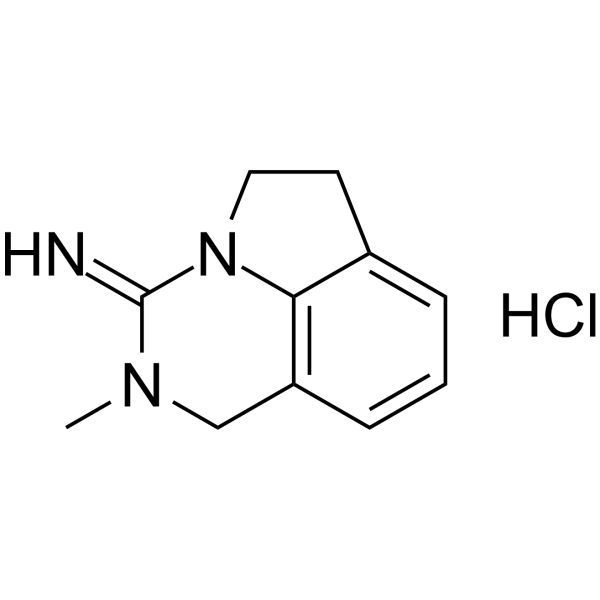
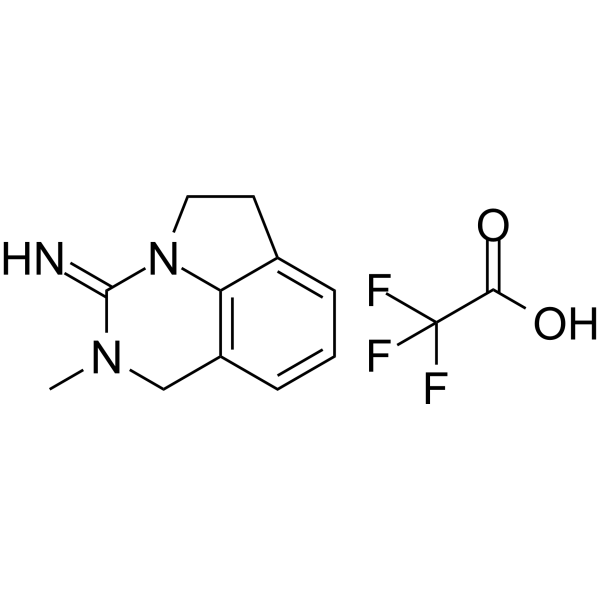
    E6446 dihydrochloride is a potent and orally acitve TLR7 and TLR9 antagonist, used in the research of deleterious inflammatory responses. E6446 dihydrochloride is also a potent SCD1 inhibitor (KD: 4.61 μM), significantly inhibiting adipogenic differentiation and hepatic lipogenesis through SCD1-ATF3 signaling. E6446 dihydrochloride also improves liver pathology in high-fat diet (HFD)-fed mice and may be useful in the study of non-alcoholic fatty liver disease (NAFLD) .
    E6446 dihydrochloride
  • HY-W013215
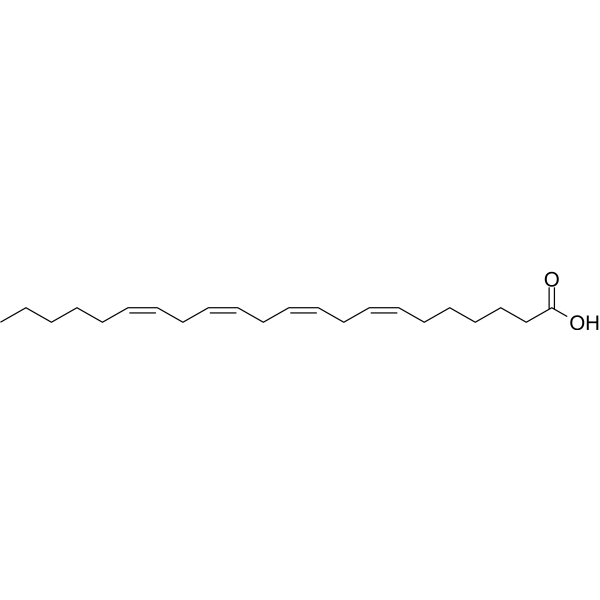
    Adrenic acid
    1 Publications Verification

    cis-7,10,13,16-Docosatetraenoic acid

    Endogenous Metabolite Metabolic Disease Inflammation/Immunology
    Adrenic Acid (cis-7,10,13,16-Docosatetraenoic acid) is a naturally polyunsaturated fatty acid in the adrenal gland, brain, kidney, and vasculature. Adrenic Acid can regulate the vascular tone in arteries of the adrenal cortex. Adrenic Acid also is an inflammation enhancer in non-alcoholic fatty liver disease .
    Adrenic acid
  • HY-14908
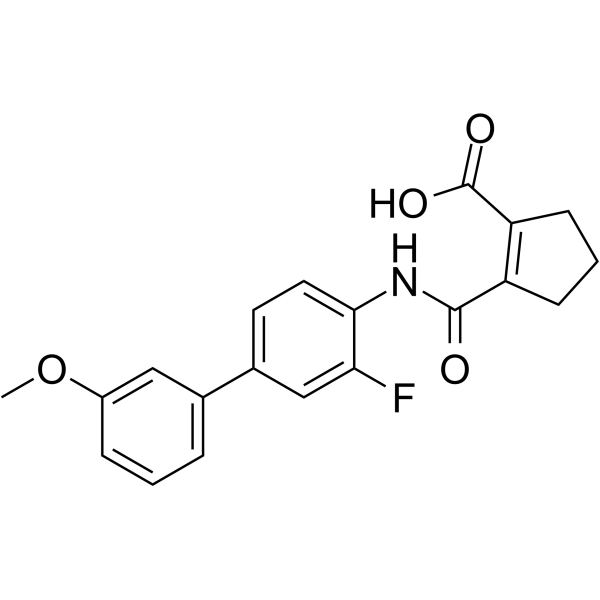
    Vidofludimus
    4 Publications Verification

    4sc-101; SC12267

    Dihydroorotate Dehydrogenase Interleukin Related FXR Infection Inflammation/Immunology
    Vidofludimus is an orally active inhibitor for dihydroorotate dehydrogenase (DHODH) and also is a novel modulator for farnesoid X receptor (FXR). Vidofludimus, as an immunomodulatory agent, can be used for the research of autoimmune disorders such as inflammatory bowel disease (IBD). Vidofludimus also can be used for the research of fatty liver by targeting FXR .
    Vidofludimus
  • HY-114360
    Taurohyodeoxycholic acid
    2 Publications Verification

    Endogenous Metabolite COX Interleukin Related Glutathione Peroxidase TNF Receptor Neurological Disease Metabolic Disease Inflammation/Immunology Cancer
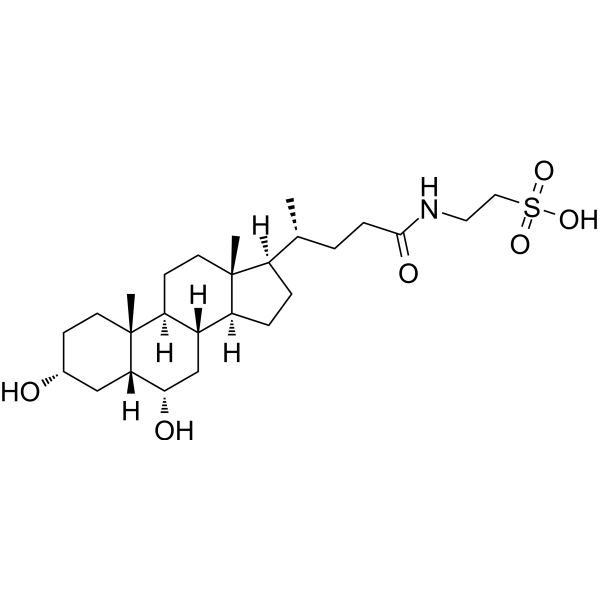
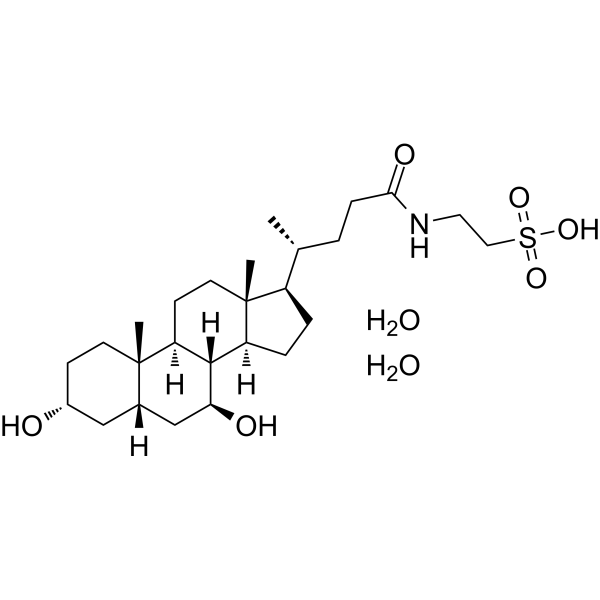
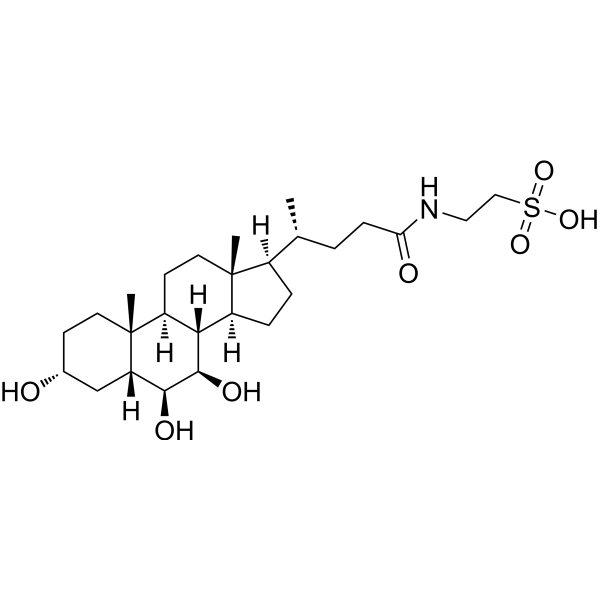
    Taurohyodeoxycholic acid is an orally active 6 alpha-hydroxylated bile acid. Taurohyodeoxycholic acid decreases colonic MPO activity, TNF-α, lL-6 serum levels and the expression of COX-2. Taurohyodeoxycholic acid alleviates trinitrobenzene sulfonic acid induced ulcerative colitis via regulating Th1/Th2 and Th17/Treg cells balance. Taurohyodeoxycholic acid ameliorates high-fat diet-induced nonalcoholic fatty liver disease in mice. Taurohyodeoxycholic acid prevents Taurochenodeoxycholic acid (HY-N2027)-induced hepatotoxicity in bile fistula rats. Taurohyodeoxycholic acid can be used for the study of nonalcoholic fatty liver disease (NAFLD), colitis and biliary fistula .
    Taurohyodeoxycholic acid
  • HY-N2181
    Acetylshikonin
    3 Publications Verification

    Cytochrome P450 Apoptosis Bacterial Autophagy Infection Neurological Disease Metabolic Disease Inflammation/Immunology Cancer
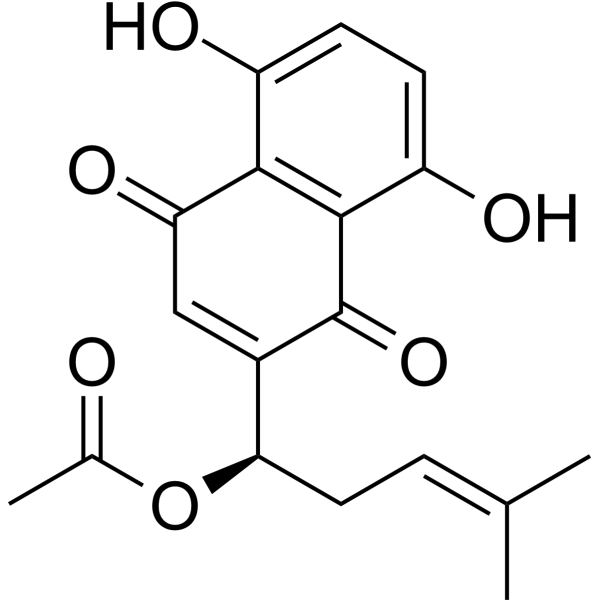
    Acetylshikonin is an oral active anti-cancer, anti-inflammatory, antioxidant, anti-fertility, antibacterial, and neuroprotective agent. Acetylshikonin is a inhibitor of acetylcholinase (AChE) (IC50=34.6 μM) and nonselective cytochrome P450. Acetylshikonin can induce Apoptosis and Autophagy in cancer cells. Acetylshikonin regulates blood glucose, liver fat metabolism, and renal fibrosis, and is used in the study of diabetes, diabetic nephropathy (DN), obesity, and nonalcoholic fatty liver disease (NAFLD) .
    Acetylshikonin
  • HY-12756
    E6446
    5+ Cited Publications

    Toll-like Receptor (TLR) Stearoyl-CoA Desaturase (SCD) Metabolic Disease Inflammation/Immunology
    E6446 is a potent and orally acitve TLR7 and TLR9 antagonist, used in the research of deleterious inflammatory responses. E6446 is also a potent SCD1 inhibitor (KD: 4.61 μM), significantly inhibiting adipogenic differentiation and hepatic lipogenesis through SCD1-ATF3 signaling. E6446 also improves liver pathology in high-fat diet (HFD)-fed mice and may be useful in the study of non-alcoholic fatty liver disease (NAFLD) .
    E6446
  • HY-P99614

    BFKB8488A; RG-7992; RO-7040551

    FGFR Metabolic Disease
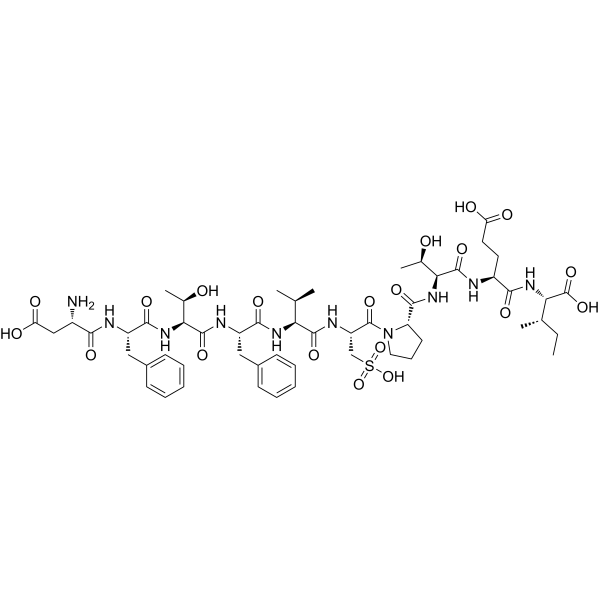
    Fazpilodemab (BFKB8488A) is a humanized bispecific IgG1 antibody that selectively targets and activates fibroblast growth factor receptor 1c (FGFR1c) and Klothoβ. Fazpilodemab can be used for the research of type 2 diabetes mellitus (T2DM) or nonalcoholic fatty liver disease (NAFLD) .
    Fazpilodemab
  • HY-W018004

    Amino Acid Derivatives Endogenous Metabolite Inflammation/Immunology
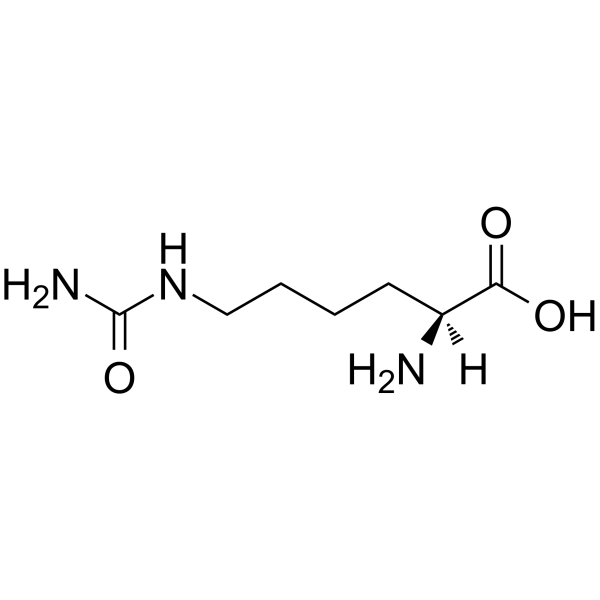
    L-Homocitrulline is a carbamoylated derivative amino acid and a structural analog of L-citrulline. L-Homocitrulline serves not only as an intermediate in polypeptide synthesis but also converts into a variety of cyclic derivatives under enzymatic or acidic conditions. The level of L-Homocitrulline is significantly elevated in the serum of patients with non-alcoholic fatty liver disease (NAFLD), with high diagnostic accuracy. L-Homocitrulline also exists in patients with related diseases such as hypercitrullinemia. L-Homocitrulline is a key biomarker for monitoring abnormal liver metabolism and is widely used in NAFLD research .
    L-Homocitrulline
  • HY-N0723
    Neomangiferin
    1 Publications Verification

    Autophagy p38 MAPK TNF Receptor Interleukin Related PPAR Metabolic Disease Inflammation/Immunology
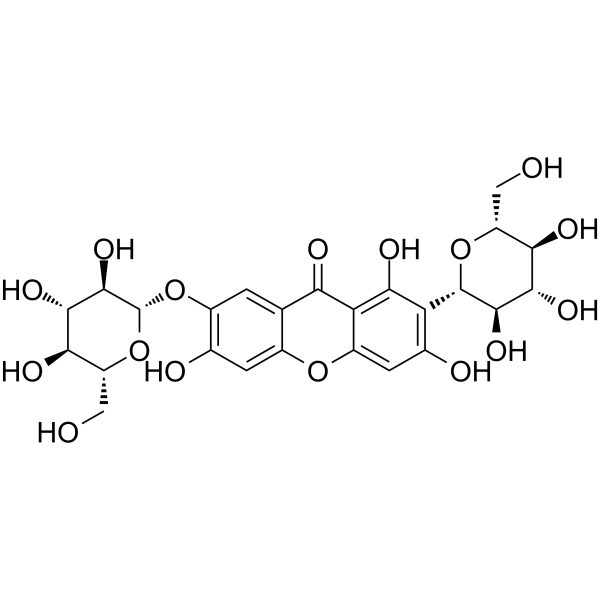
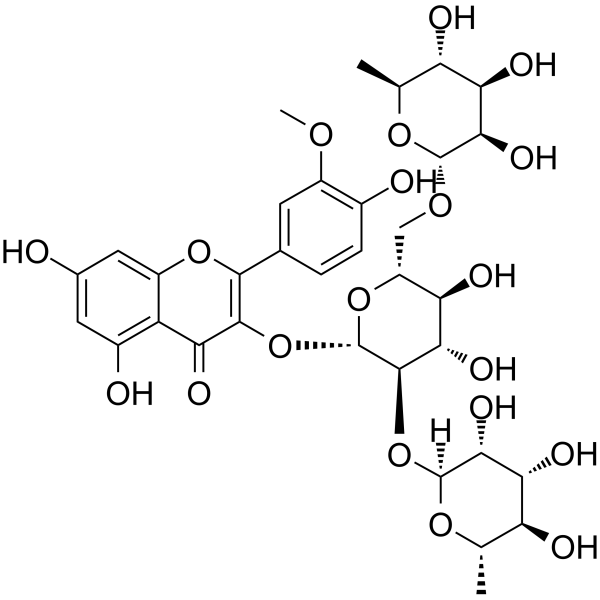
    Neomangiferin is an orally active natural flavonoid. Neomangiferin partially ameliorates non-alcoholic fatty liver disease (NAFLD) by regulating the expression of genes related to free fatty acid uptake and lipid oxidation. Neomangiferin exerts anti-colitis effects by inhibiting Th17/Treg cell differentiation. Neomangiferin exerts anti-aging and lifespan-extending effects by targeting upregulation of bas-1, which in turn activates the autophagy, IIS and MAPK pathways. Neomangiferin has the potential to prevent aseptic loosening of prostheses after total joint arthroplasty due to its significant anti-inflammatory and osteoclastogenesis-inhibiting effects .
    Neomangiferin
  • HY-W018161
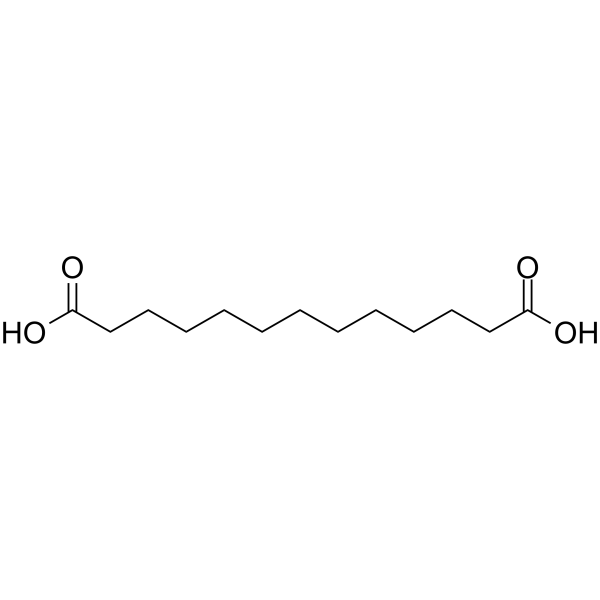
    Hexadecanedioic acid
    1 Publications Verification

    Thapsic acid

    IRE1 Ferroptosis Keap1-Nrf2 Glutathione Peroxidase Metabolic Disease
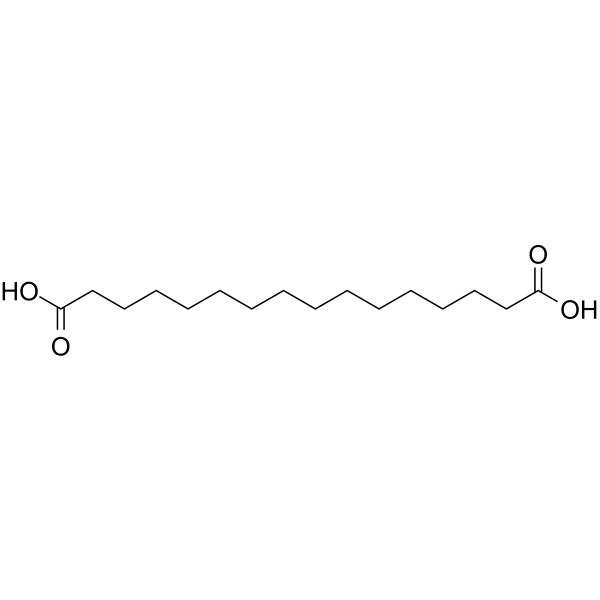
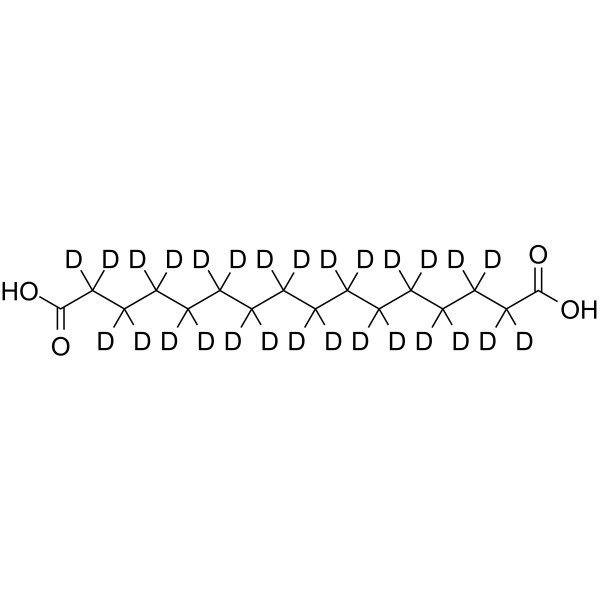
    Hexadecanedioic acid (Thapsic acid) is an orally active metabolite produced by B. uniformis. Hexadecanedioic acid inhibits IRE1α-XBP1s-mediated flipogenesis and ferroptosis. Hexadecanedioic acid downregulates XBP1 and Hrd1 expression, activates the Nrf2/SLC7A11/GPX4 pathway. Hexadecanedioic acid can be used for the research of metabolic-associated fatty liver disease .
    Hexadecanedioic acid
  • HY-N9182

    Physalien

    Adiponectin Receptor P2X Receptor Autophagy Inflammation/Immunology
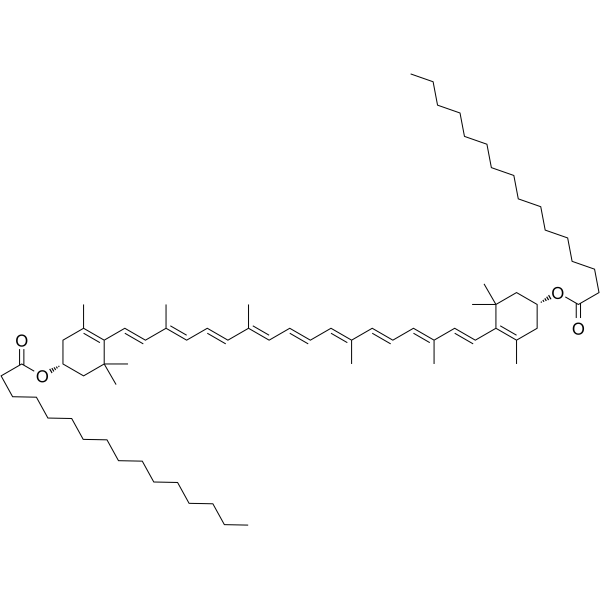
    Zeaxanthin dipalmitate (Physalien) is a wolfberry-derived carotenoid, has anti-inflammatory and anti-oxidative stress effects. Zeaxanthin dipalmitate directly interact with p2X7 receptor (Kd=81.2 nM) and adiponectin receptor 1 (AdipoR1; Kd=533 nM) in a positive dose-dependent manner. Zeaxanthin dipalmitate restores mitochondrial autophagy functions suppressed by ethanol intoxication. Zeaxanthin dipalmitate can be used in the research of alcoholic fatty liver disease (AFLD) and retinitis pigmentosa (RP) .
    Zeaxanthin dipalmitate
  • HY-141645

    WS070117

    AMPK TGF-β Receptor NF-κB JNK AP-1 Cardiovascular Disease Metabolic Disease Inflammation/Immunology
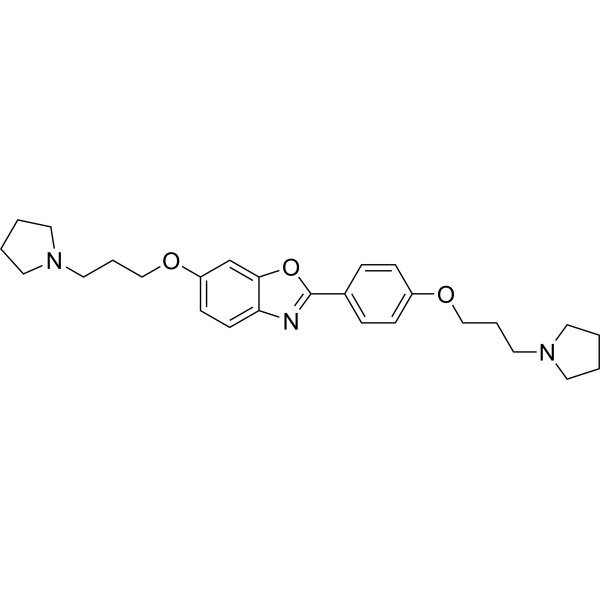
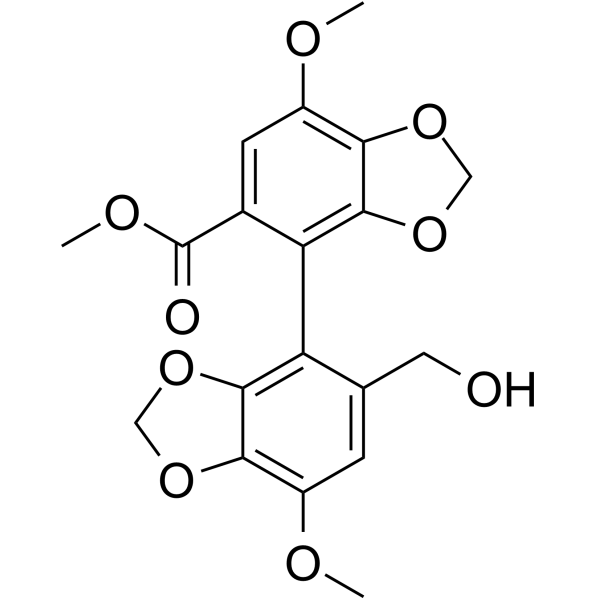
    IMM-H007 (WS070117) is an orally active and potent AMPK (AMP-activated protein kinase) activator and TGFβ1 (transforming growth factor β1) antagonist. IMM-H007 has protective effects in cardiovascular diseases via activation of AMPK. IMM-H007 negatively regulates endothelium inflammation through inactivating NF-κB and JNK/AP1 signaling. IMM-H007 inhibits ABCA1 degradation. IMM-H007 resolves hepatic steatosis in HFD-fed hamsters by the regulation of lipid metabolism. IMM-H007 can be used for the research of nonalcoholic fatty liver disease (NAFLD) and inflammatory atherosclerosis .
    IMM-H007
  • HY-177704

    ACSL Family Drug Derivative Metabolic Disease Cancer
    ACSL5-IN-1 (Compound A) is an ACSL5 inhibitor with body weight-reducing activity. ACSL5-IN-1 inhibits ACSL5, an enzyme linked to fatty acid metabolism. ACSL5-IN-1 reduces body weight in diet-induced obesity mice. ACSL5-IN-1 can be used for the research of obesity, metabolic dysfunction-associated steatohepatitis, metabolic syndrome, non-alcoholic fatty liver disease, type 2 diabetes, acute myeloid leukemia, colorectal cancer, and breast cancer .
    ACSL5-IN-1
  • HY-111179

    Drug Derivative Inflammation/Immunology
    ML261 is a hepatic lipid droplets formation inhibitor with an IC50 value of 69.7 nM. ML261 can be used for the research of non-alcoholic fatty liver disease (NAFLD) and inflammation .
    ML261
  • HY-153476

    GCGR GLP Receptor Inflammation/Immunology
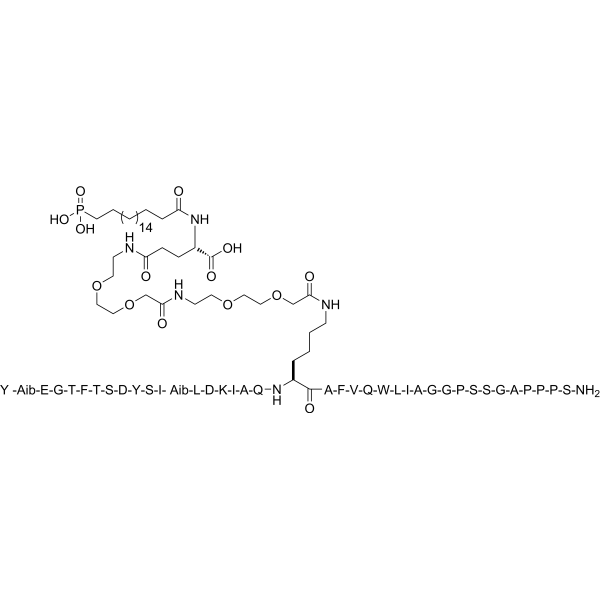
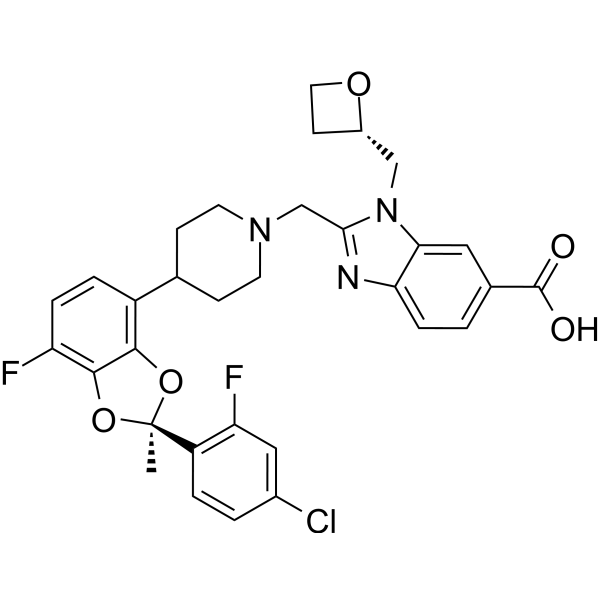
    GIP/GLP-1 dual receptor agonist-1 is a GIP/GLP-1 dual receptor agonist. GIP/GLP-1 dual receptor agonist-1 is used in the research of metabolic disorders and fatty liver diseases, including non-alcoholic steatohepatitis (NASH) and non-alcoholic fatty liver disease (NAFLD) .
    GIP/GLP-1 dual receptor agonist-1
  • HY-153476A

    GLP Receptor GCGR Inflammation/Immunology
    GIP/GLP-1 dual receptor agonist-1 sodium is a GIP/GLP-1 dual receptor agonist. GIP/GLP-1 dual receptor agonist-1 sodium is used in the research of metabolic disorders and fatty liver diseases, including non-alcoholic steatohepatitis (NASH) and non-alcoholic fatty liver disease (NAFLD) .
    GIP/GLP-1 dual receptor agonist-1 sodium
  • HY-109569

    Autophagy Apoptosis Interleukin Related Metabolic Disease Inflammation/Immunology Cancer
    Vitamin K2 is an orally active proliferation inhibitor. Vitamin K2 induces Autophagy and Apoptosis. Vitamin K2 reduces the levels of proinflammatory cytokines (such as IL-1β, TNF-α, and IL-6). Vitamin K2 inhibits cell growth in leukemia cells. Vitamin K2 can be used for the research of involutional osteoporosis, non-alcoholic fatty liver disease, ulcerative colitis, acute myeloid leukemia, myelodysplastic syndromes, and hepatocellular carcinoma .
    Vitamin K2
  • HY-153815

    GLP Receptor Metabolic Disease
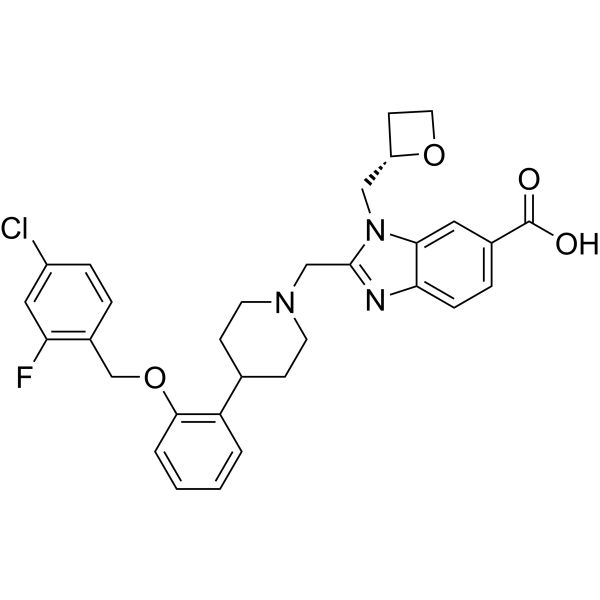
    GLP-1 receptor agonist 11 (compound 3) is an agonist of GLP Receptor. GLP-1 receptor agonist 11 can be used in the study of diseases such as diabetes and non-alc. fatty liver disease .
    GLP-1 receptor agonist 11
  • HY-147055

    Thyroid Hormone Receptor Metabolic Disease Inflammation/Immunology
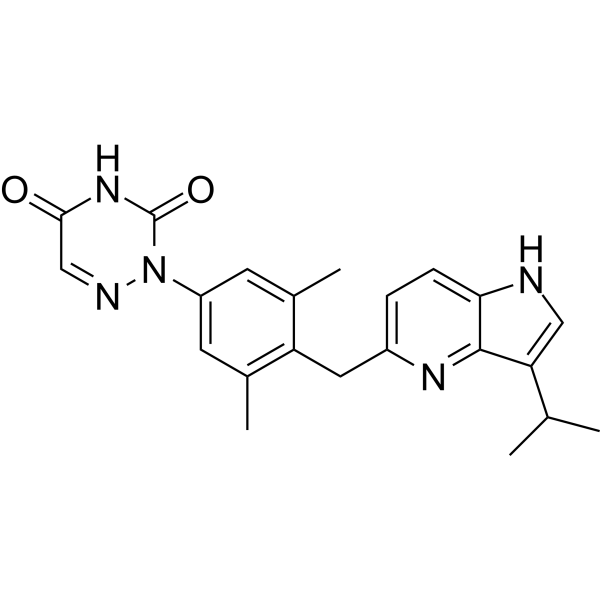
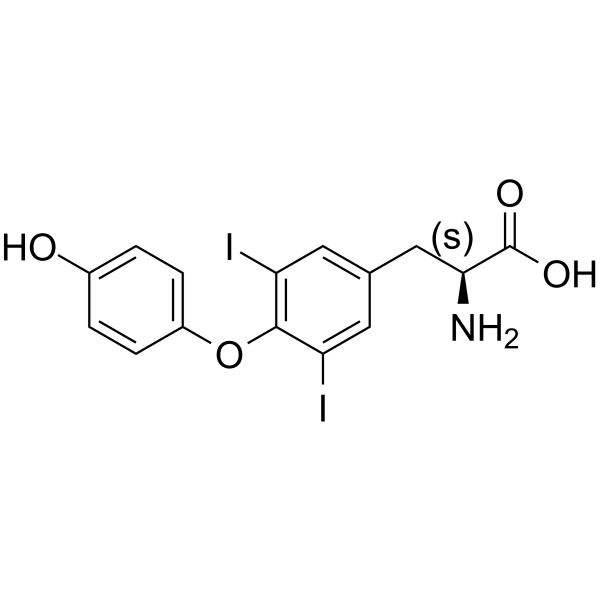
    THR-β agonist 5 is a THR-β agonist. THR-β agonist 5 can be used for the research of nonalcoholic fatty liver disease, nonalcoholic steatohepatitis .
    THR-β agonist 5
  • HY-P2985A

    Endogenous Metabolite Inflammation/Immunology
    Alanine aminotransferase, human liver is an enzyme mainly produced in the liver. It is a pyridoxalase that catalyzes the reversible interconversion of L-alanine and 2-oxoglutamate to pyruvate and L-glutamate. Alanine aminotransferase, human liver is elevated in active anti-HMGCR myopathy. Alanine aminotransferase, human liver can be used in studies related to immune-mediated necrotizing myopathy and non-alcoholic fatty liver disease .
    Alanine aminotransferase, Human liver
  • HY-174790

    mRNA Cancer
    Firefly Luciferase mRNA is a reporter mRNA that can be transfected into cells to express firefly luciferase protein. Firefly Luciferase mRNA induces cytotoxicity in cancer cells at low concentrations. In cancer cells, the expression level of luciferase shows a non-linear relationship with the dose of Firefly Luciferase mRNA. When combined with the H2S-responsive bioluminescent probe (H-Luc), Firefly Luciferase mRNA enables bioluminescence-based detection of endogenous hydrogen sulfide in non-transgenic NAFLD cell models and NAFLD mouse models. Firefly Luciferase mRNA can be used in studies related to non-alcoholic fatty liver disease .
    Firefly Luciferase mRNA
  • HY-137996

    Akt mTOR Metabolic Disease
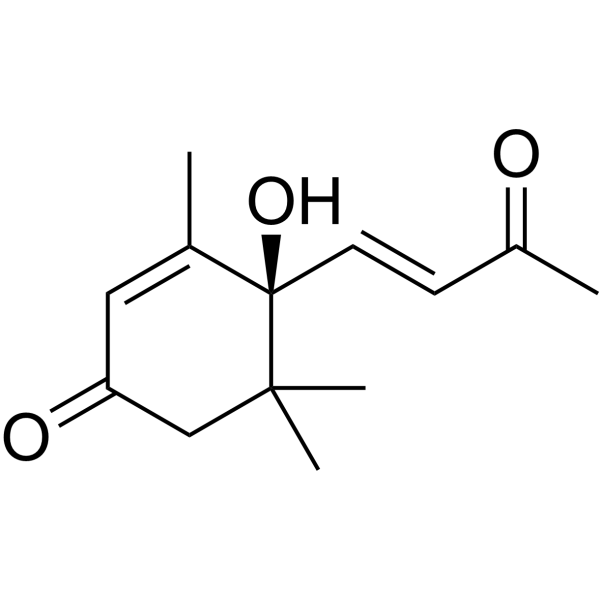
    Dehydrovomifoliol is a AKT/mTOR dual inhibitor. Dehydrovomifoliol reduces lipid accumulation and lipogenesis by inhibiting the AKT/mTOR signaling pathway. Dehydrovomifoliol is used in nonalcoholic fatty liver disease research (NAFLD) .
    Dehydrovomifoliol
  • HY-161337

    Pyruvate Kinase Metabolic Disease
    PKL-IN-1 is a potent inhibitor of pyruvate kinase (PKL) with an IC50 of 0.07 μM. PKL-IN-1 can be used in the study of non-alcoholic fatty liver disease .
    PKL-IN-1
  • HY-130437

    MDM-2/p53 TGF-β Receptor Caspase Infection Metabolic Disease
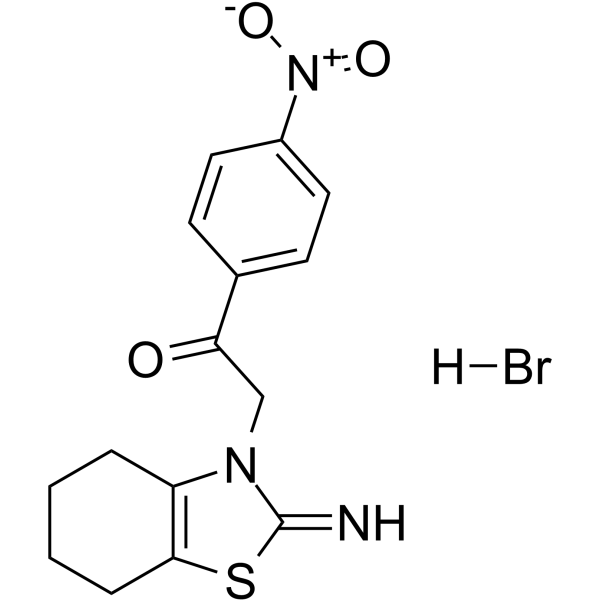
    p-nitro-Pifithrin-α, a cell-permeable analog of pifithrin-α, is a potent p53 inhibitor. p-nitro-Pifithrin-α suppresses p53-mediated TGF-β1 expression in HK-2 cells. p-nitro-Pifithrin-α inhibits the activation of caspase-3 by Zika virus (ZIKV) strains. p-nitro-Pifithrin-α attenuates steatosis and liver injury in mice fed a high-fat diet [4]. non-alcoholic fatty liver disease .
    p-nitro-Pifithrin-α
  • HY-126995R

    Reference Standards Endogenous Metabolite Metabolic Disease
    Glycohyodeoxycholic acid (Standard) is the analytical standard of Glycohyodeoxycholic acid. This product is intended for research and analytical applications. Glycohyodeoxycholic acid is a glycine-conjugated bile acid and also a metabolite of Hyodeoxycholic acid (HY-N0169). The serum level of Glycohyodeoxycholic acid is negatively correlated with the severity of non-alcoholic fatty liver disease. Glycohyodeoxycholic acid can be used in research related to non-alcoholic fatty liver disease.
    Glycohyodeoxycholic acid (Standard)
  • HY-142159

    FXR G protein-coupled Bile Acid Receptor 1 Metabolic Disease
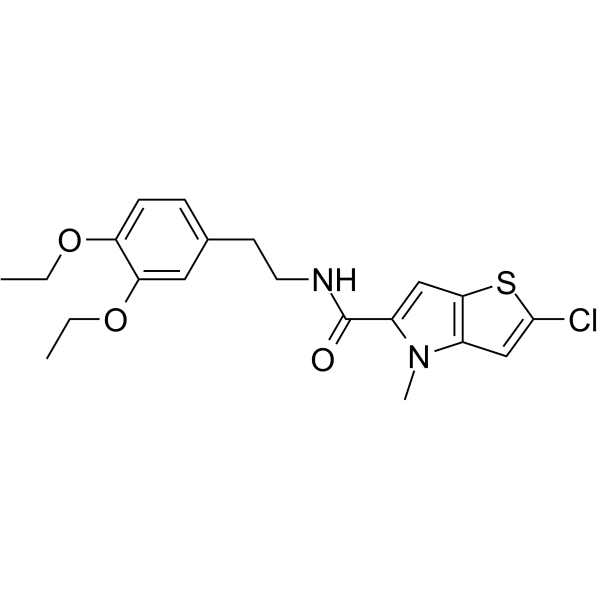
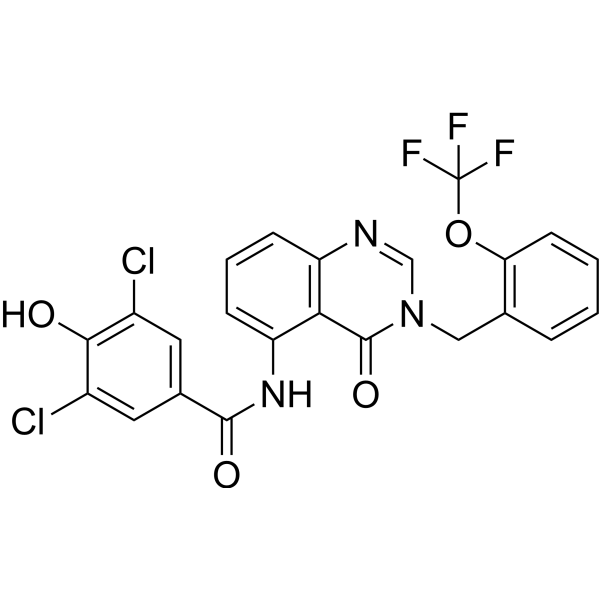
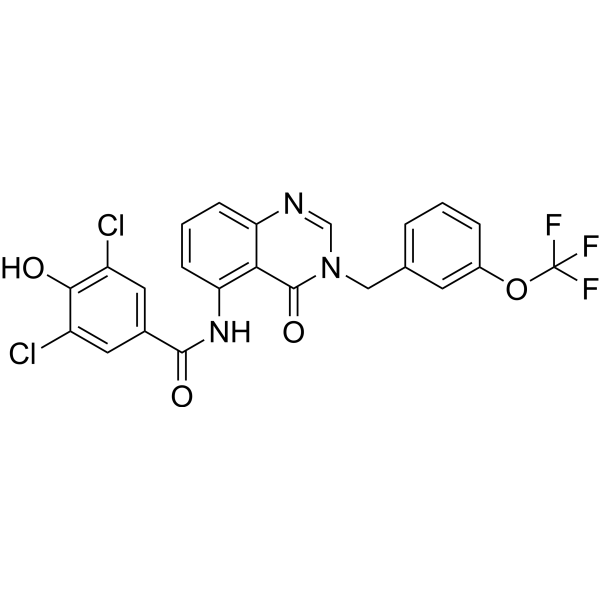
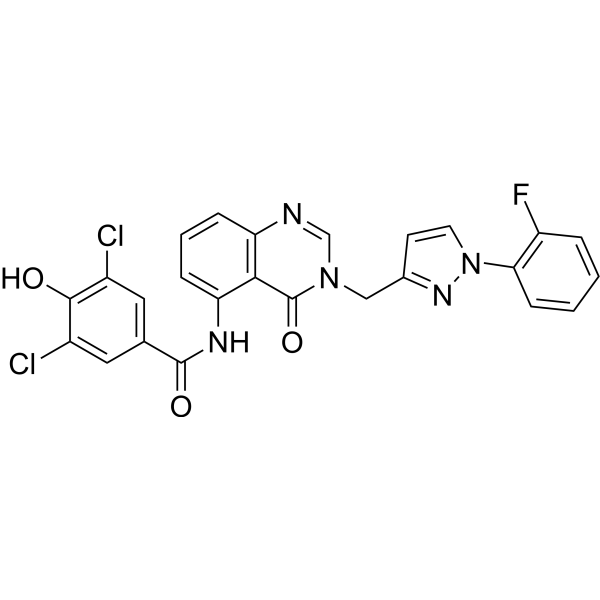
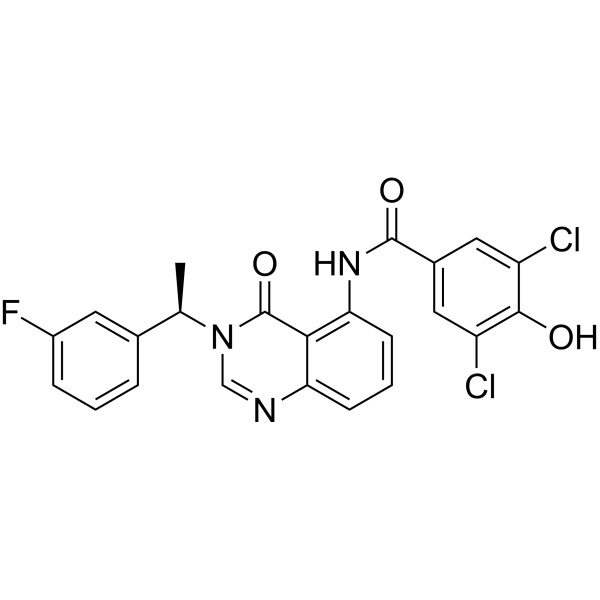
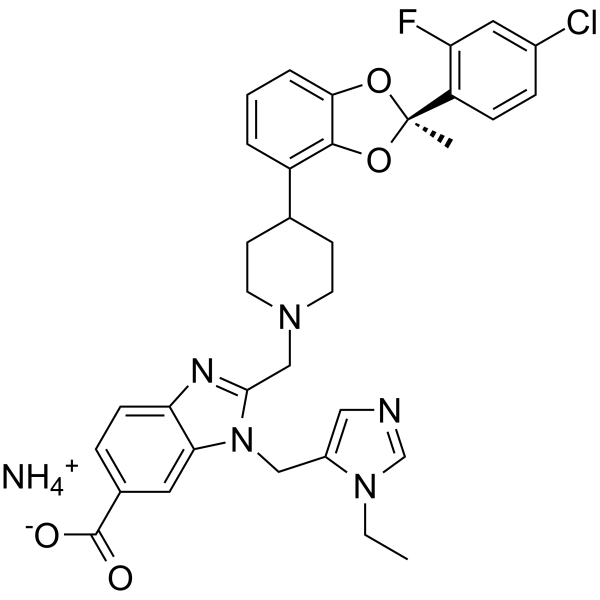
    FXR/TGR5 agonist 1 has agonist action on FXR and TGR5, and can be used for the research of fatty liver disease.
    FXR/TGR5 agonist 1
  • HY-176838

    Free Fatty Acid Receptor GLP Receptor Inflammation/Immunology
    LXT34 (Example 2) is a GPR120 agonist. LXT34 has an anti-inflammatory activity. LXT34 promotes GLP-1 formation in the gastrointestinal tract and improves insulin resistance in macrophages and pancreas cells. LXT34 can be used for inflammatory diseases, such as type 2 diabetes, obesity and non-alcoholic fatty liver research .
    LXT34
  • HY-177634

    17β-HSD Metabolic Disease
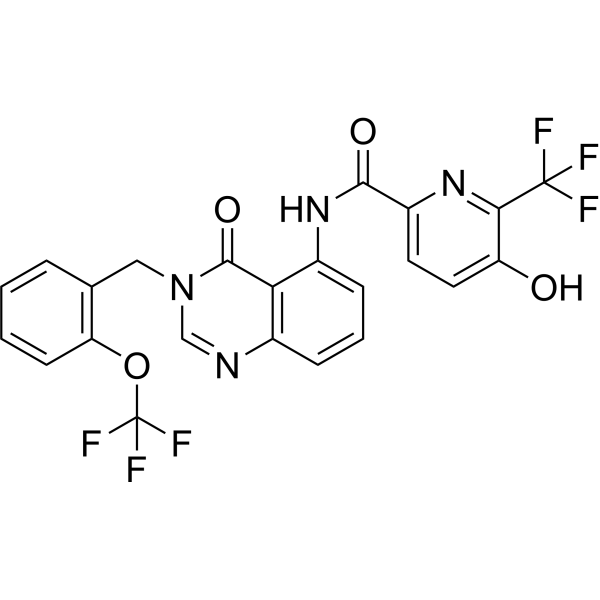
    Gatuzosiran, a siRNA,is a 17-beta-hydroxysteroid dehydrogenase 13 (HSD17B13) synthesis reducer. It is used for the study of fatty liver disease.
    Gatuzosiran
  • HY-N10359

    NOD-like Receptor (NLR) Caspase Akt GSK-3 β-catenin Metabolic Disease Inflammation/Immunology Cancer
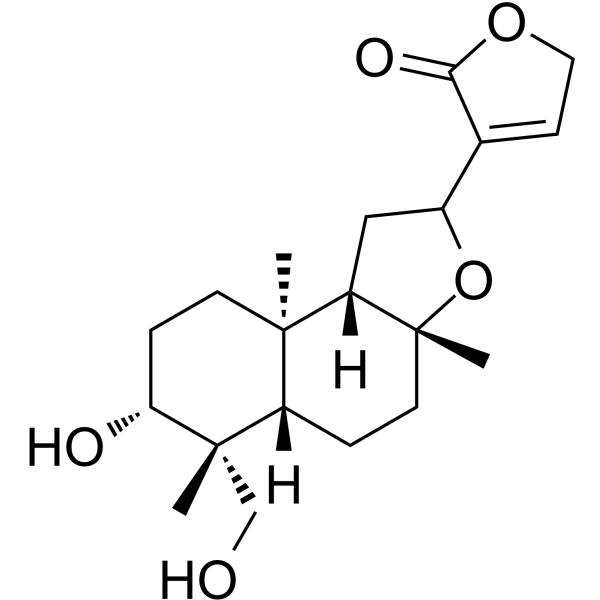
    Isoandrographolide is an orally active NLRP3 inflammasome inhibitor and AKT/GSK-3β/β-catenin pathway inhibitor. Isoandrographolide inhibits the expression of NLRP3, ASC, and caspase-1, and reduces the levels of phosphorylated AKT, phosphorylated GSK-3β, and β-catenin. Isoandrographolide alleviates inflammatory responses, reduces collagen deposition, suppresses epithelial-mesenchymal transition (EMT), induces differentiation of leukemia cells, inhibits the growth of leukemia cells, protects lung and kidney tissues, regulates cytokine levels, and also exhibits hepatoprotective effects. Isoandrographolide can be used in studies related to silicosis, murine myeloid leukemia, renal tubulointerstitial fibrosis, and non-alcoholic fatty liver disease .
    Isoandrographolide
  • HY-179473

    Dipeptidyl Peptidase NO Synthase Cardiovascular Disease Metabolic Disease
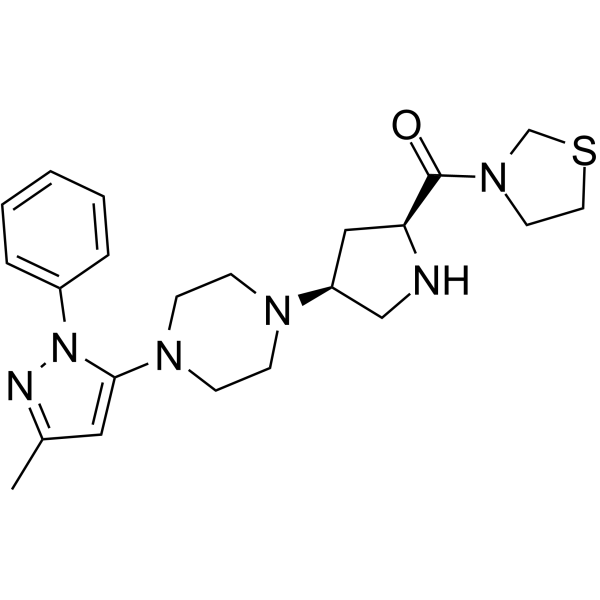
    MK-0626 is a selective, orally active DPP-4 inhibitor with an IC50 of 6.3 nM. MK-0626 increases endothelial nitric oxide synthetase expression. MK-0626 improves neovascularization, attenuates hepatic steatosis, attenuates pancreatic islet injury. MK-0626 can be used in the research of diabetes and non-alcoholic fatty liver disease .
    MK-0626
  • HY-138942

    Acyltransferase Metabolic Disease Inflammation/Immunology
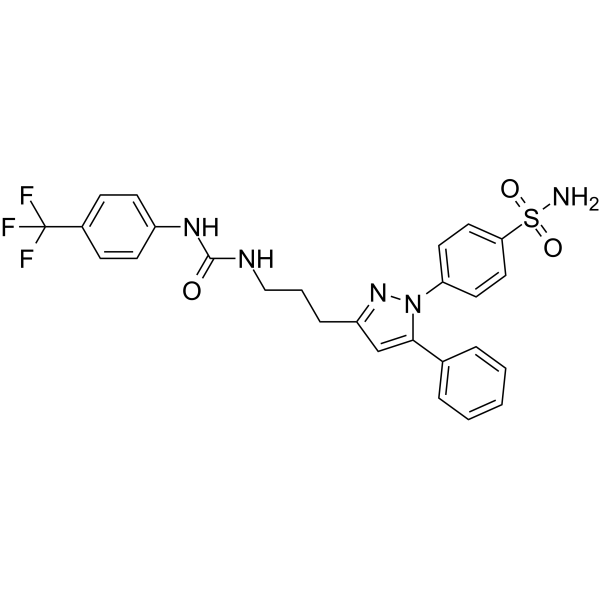
    PF-06427878 is an orally active, selective liver-targeted diacylglycerol acyltransferase 2 (DGAT2) inhibitor with IC50s of 99 nM and 202 nM for human and rat DGAT2, respectively. PF-06427878 shows greater than 470-fold selectivity for DGAT2 over DGAT1, MGAT1, MGAT2 and MGAT3. PF-06427878 can improve liver steatosis and function. PF-06427878 can be used for the study of nonalcoholic fatty liver diseases .
    PF-06427878
  • HY-176873

    Amino acid Transporter Metabolic Disease
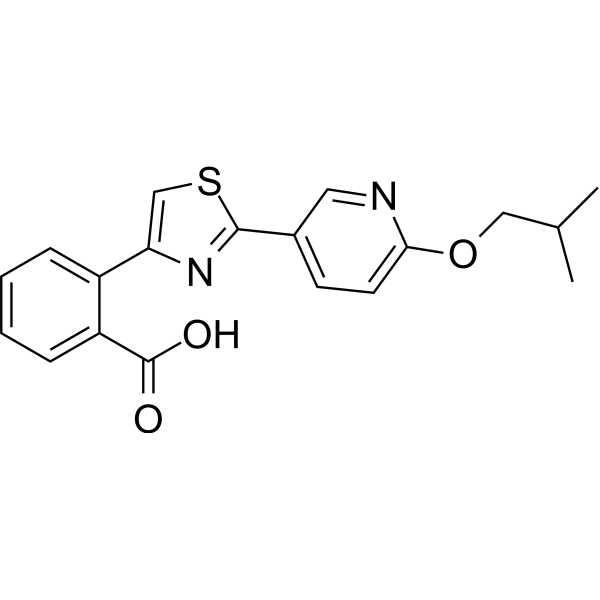
    SLC6A19-IN-2 (Example 4) is a potent SLC6A19 inhibitor with an IC50 of 14 nM. SLC6A19-IN-2 can be used for the study of metabolic diseases such as nonalcoholic steatohepatitis (NASH), nonalcoholic fatty liver disease (NAFLD) and phenylketonuria (PKU) .
    SLC6A19-IN-2
  • HY-14908A

    4sc-101 hemicalcium; SC12267 hemicalcium

    Dihydroorotate Dehydrogenase Interleukin Related FXR Infection Inflammation/Immunology
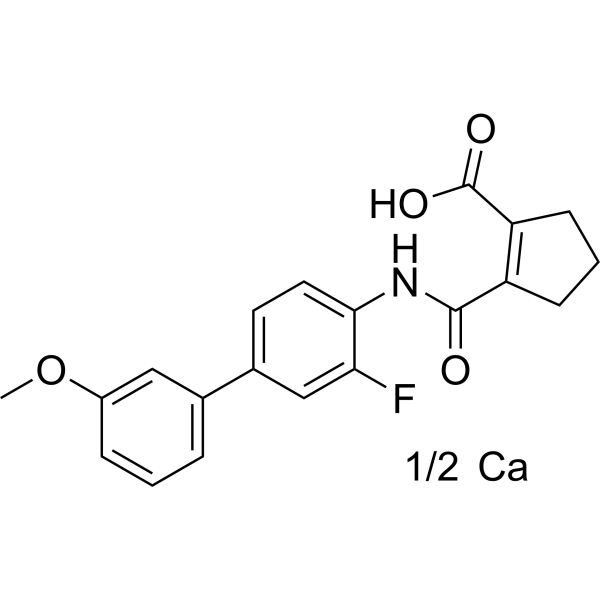
    Vidofludimus (4sc-101; SC12267) hemicalcium is an orally active inhibitor for dihydroorotate dehydrogenase (DHODH) and also is a novel modulator for farnesoid X receptor (FXR). Vidofludimus hemicalcium, as an immunomodulatory agent, can be used for the research of autoimmune disorders such as inflammatory bowel disease (IBD). Vidofludimus hemicalcium also can be used for the research of fatty liver by targeting FXR .
    Vidofludimus hemicalcium
  • HY-N7521

    Procyanidine C2

    Acetyl-CoA Carboxylase Fatty Acid Synthase (FASN) Stearoyl-CoA Desaturase (SCD) PPAR AMPK mTOR JNK Inflammation/Immunology
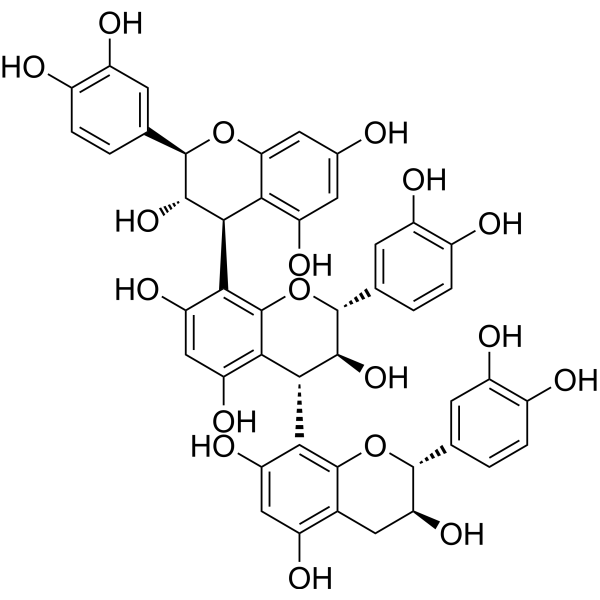
    Procyanidin C2 (Procyanidine C2) is a lipid metabolism regulator and antioxidant with free radical scavenging activity. Procyanidin C2 down-regulates ACC, SREBP-1c, FAS, SCD-1 and PPARγ. Procyanidin C2 increases the level of phosphorylated AMPKα and inhibits the level of phosphorylated mTOR. Procyanidin C2 reduces lipid accumulation, alleviates oxidative stress, enhances fatty acid oxidation and improves mitochondrial function. Procyanidin C2 can be used in the research of non-alcoholic fatty liver disease .
    Procyanidin C2
  • HY-179278

    LXR Cardiovascular Disease Metabolic Disease Endocrinology
    LXR agonist 4 is a selective LXR inverse agonist with IC50 values of 7.6 (LXRα) and 2.9 μM (LXRβ), respectively. LXR agonist 4 exhibits selectivity over RORα and FXR. LXR agonist 4 robustly suppresses SREBP1c expression without altering ABCA1 or APOE. LXR agonist 4 displays antilipogenic properties and resolves fatty acid-induced steatosis. LXR agonist 4 can be used for the research of atherosclerosis and metabolic dysfunction-associated steatotic liver disease (MASLD) .
    LXR agonist 4
  • HY-N4120

    Autophagy Metabolic Disease
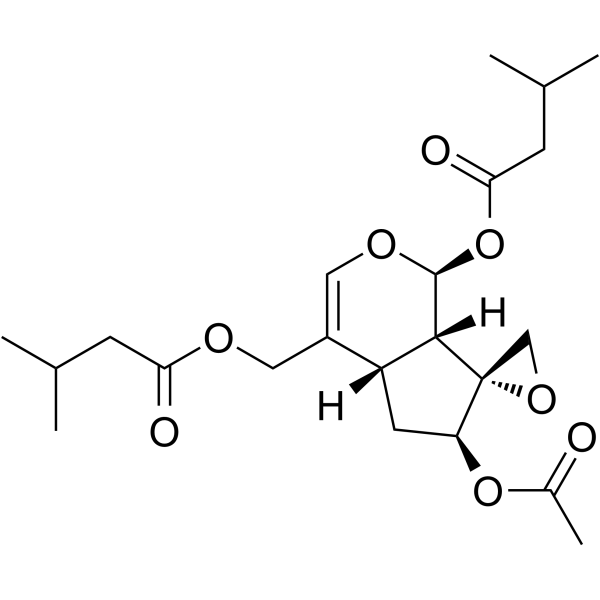
    Valechlorine, an iridoid, is an autophagy enhancer. Valechlorine is effective in alleviating fatty liver by acting as an autophagy enhancer to break down lipid droplets. Valechlorine can be used for the study of nonalcoholic fatty liver disease (NAFLD) .
    Valechlorine
  • HY-16521

    Caspase Inflammation/Immunology
    VX-166, a pan caspase inhibitor, can be used for the research of Non- Alcoholic Fatty Liver Disease (NAFLD), nonalcoholic steatohepatitis (NASH), alcoholic steatohepatitis (ASH), and other diseases involving fibrosis, steatosis, or inflammation of the liver .
    VX-166
  • HY-177634A

    17β-HSD Metabolic Disease
    Gatuzosiran sodium, a siRNA,is a 17-beta-hydroxysteroid dehydrogenase 13 (HSD17B13) synthesis reducer. It is used for the study of fatty liver disease.
    Gatuzosiran sodium
  • HY-145624

    ION-769357

    Acyltransferase Metabolic Disease
    Obeversen is an antisense oligonucleotide that inhibits the synthesis of diacylglycerol acyltransferase 2 (DGAT-2). Obeversen can be used in the research of nonalcoholic fatty liver disease .
    Obeversen
  • HY-N9921

    Pyroptosis NOD-like Receptor (NLR) Inflammation/Immunology
    Antcin A is a potent NLRP3 inhibitor that inhibits the assembly and activation of the NLRP3 inflammasome. Antcin A can inhibit Kupffer cell pyroptosis and has liver protective activity. Antcin A can be used to study inflammation, such as non-alcoholic fatty liver disease .
    Antcin A
  • HY-145624A

    ION-769357 sodium

    Acyltransferase Metabolic Disease
    Obeversen sodium is an antisense oligonucleotide that inhibits the synthesis of Diacylglycerol acyltransferase 2 (DGAT-2). Obeversen sodium can be used in the research of nonalcoholic fatty liver disease .
    Obeversen sodium
  • HY-171780

    Phosphodiesterase (PDE) TNF Receptor Inflammation/Immunology
    ASP9831 is an orally active PDE4 inhibitor. ASP9831 inhibits LSP-induced TNF-α production and has anti-inflammatory activity. ASP9831 can be used in fatty liver disease research .
    ASP9831
  • HY-170571

    Mitochondrial Metabolism Metabolic Disease Inflammation/Immunology
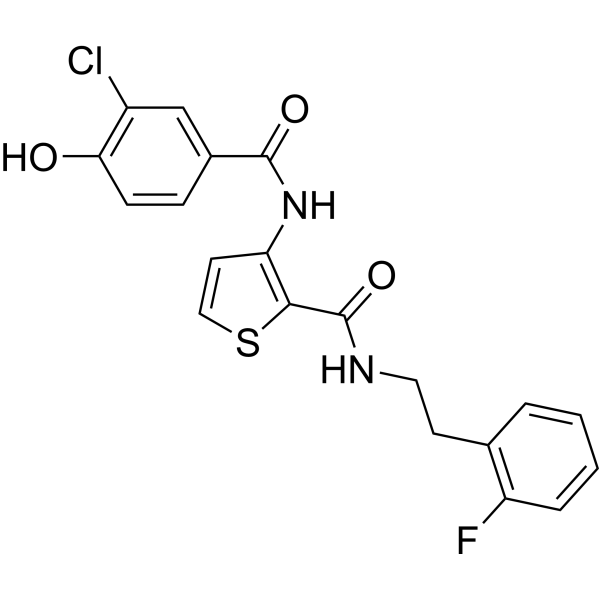
    BE2647 is a selective inhibitor for mitochondrial pyruvate carrier (MPC) with an EC50 of 70 nM. BE2647 exhibits good metabolic stability in mouse liver microsomes. BE2647 can be used in research of metabolic diseases, non-alcoholic fatty liver disease (MASLD), or non-alcoholic steatohepatitis (MASH) .
    BE2647
  • HY-163259

    17β-HSD Metabolic Disease
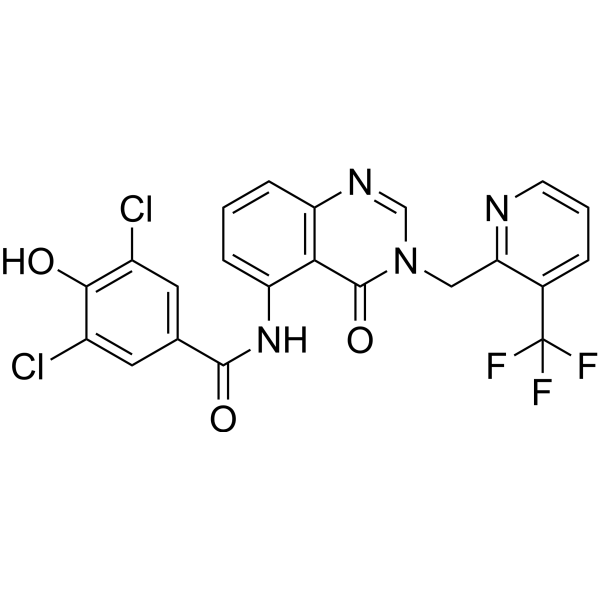
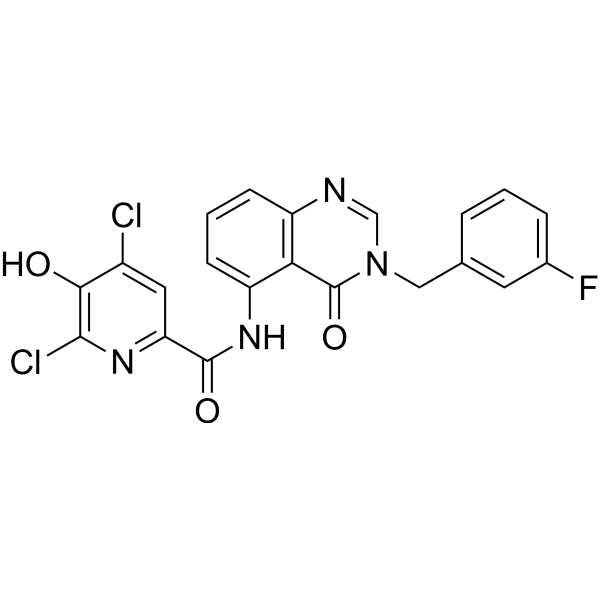
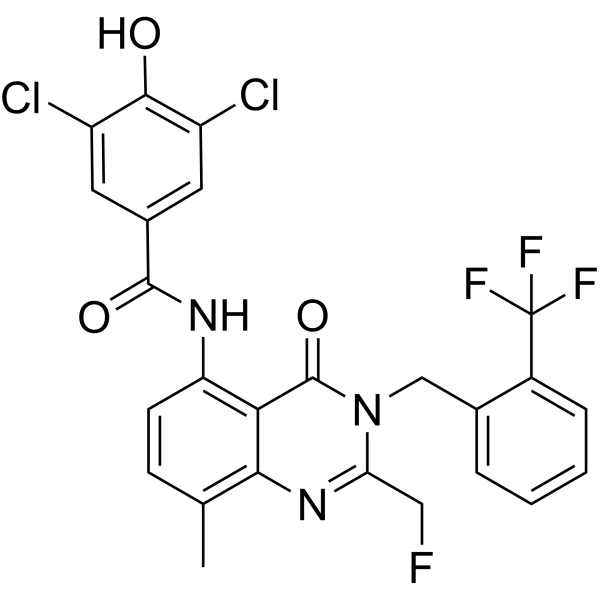
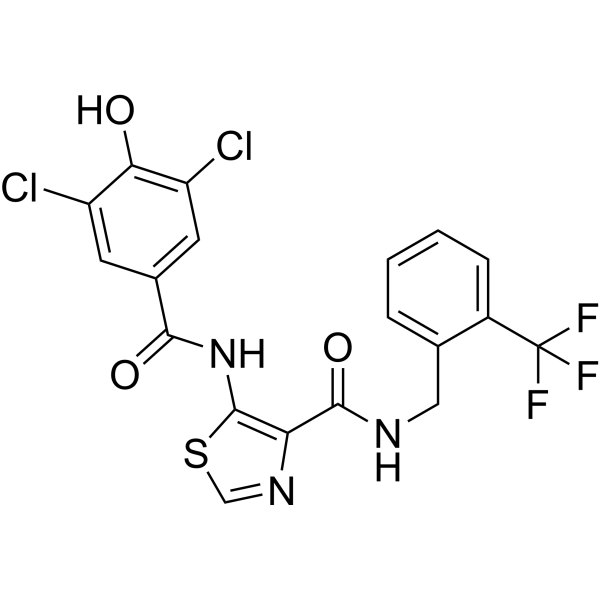
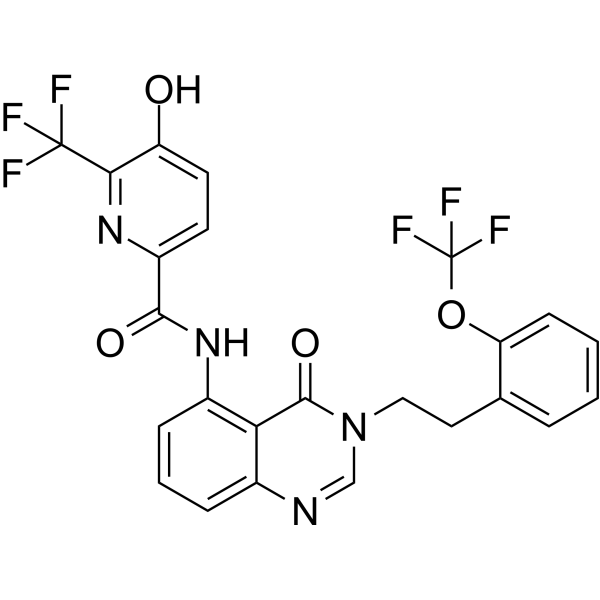
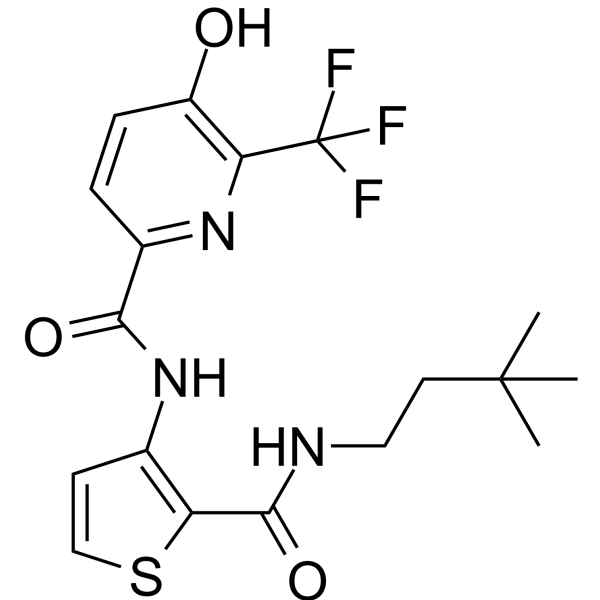
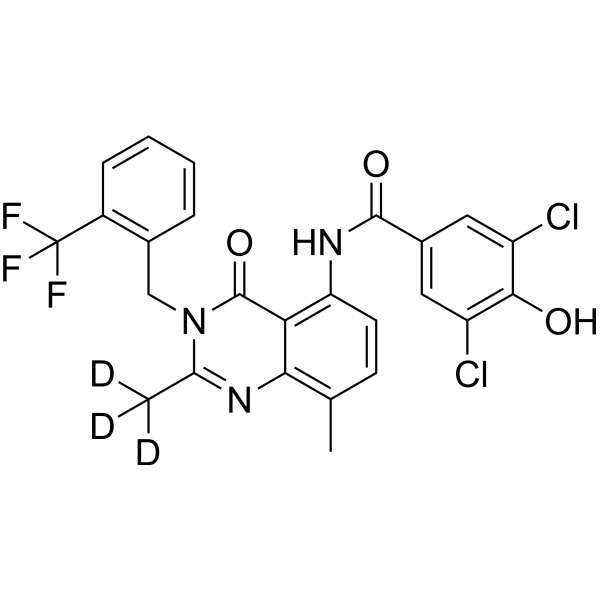
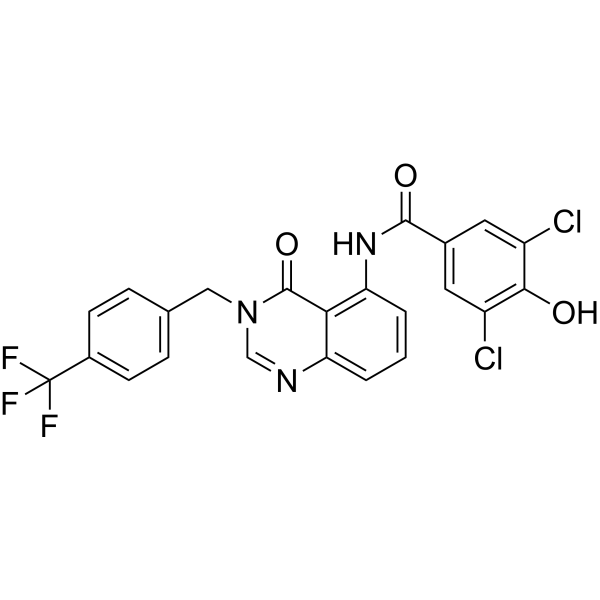
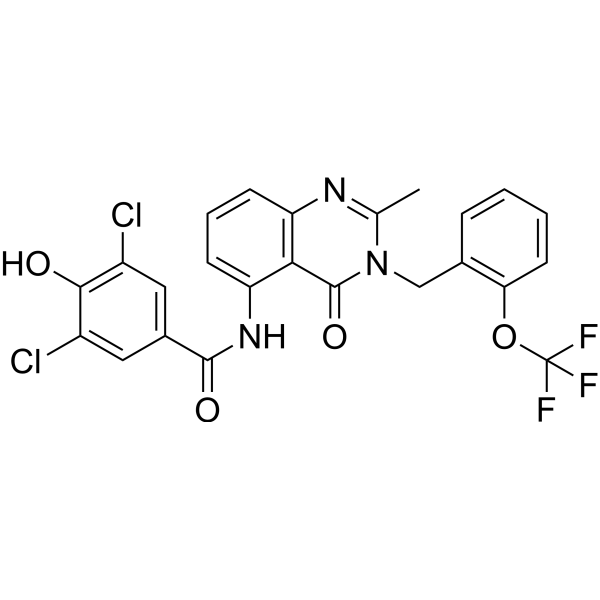
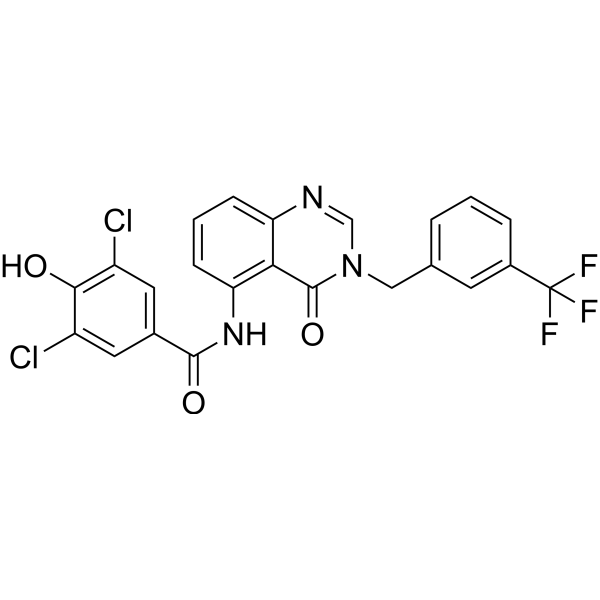
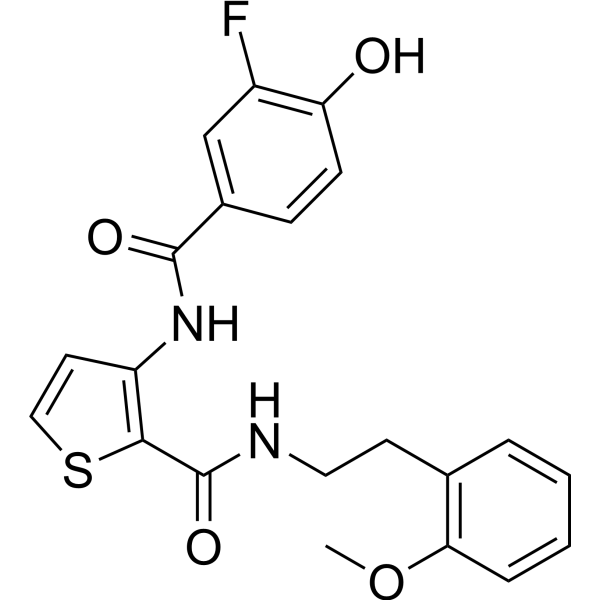
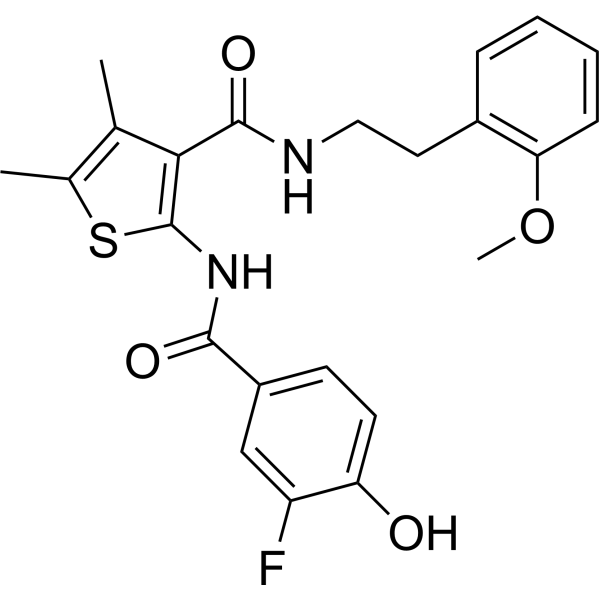
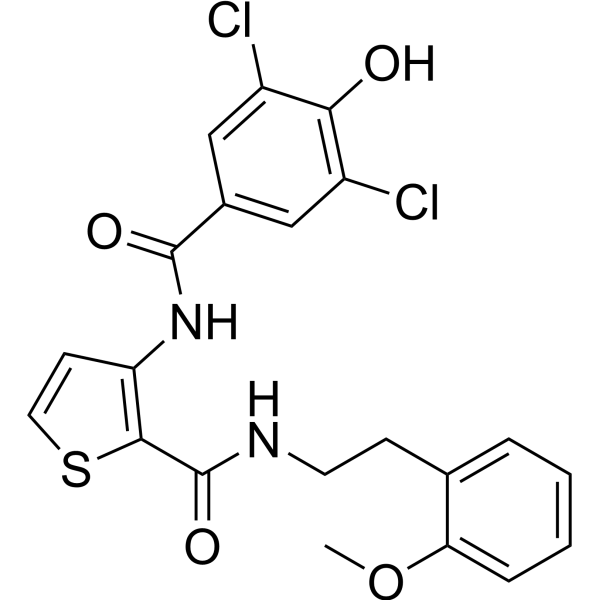
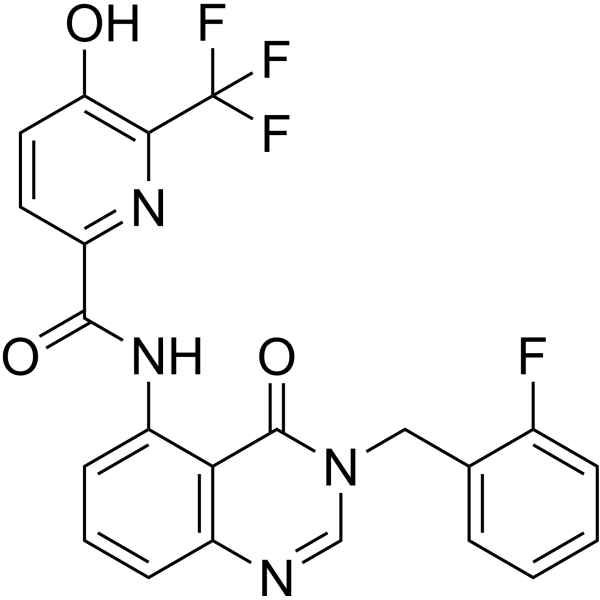
    HSD17B13-IN-62 (141) is a 17β-Hydroxysteroid dehydrogenases (HSD17B13) inhibitor, with an IC50 of <0.1 μM for Estradiol. Used in NAFLD (Nonalcoholic fatty liver diseases) research .
    HSD17B13-IN-62
  • HY-163248

    17β-HSD Metabolic Disease
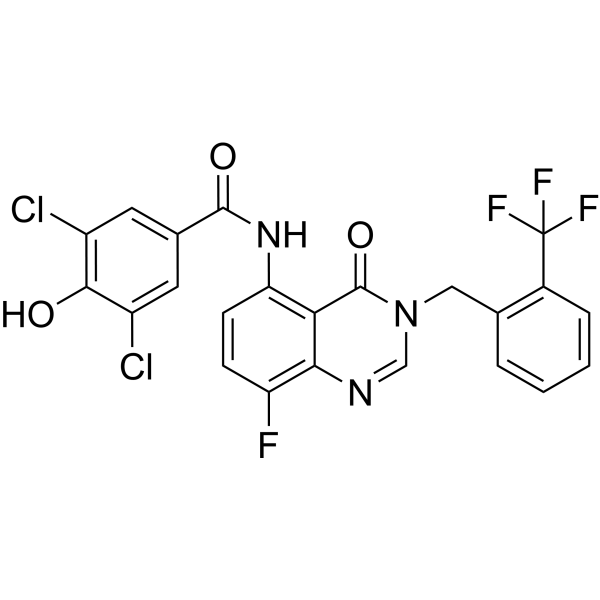
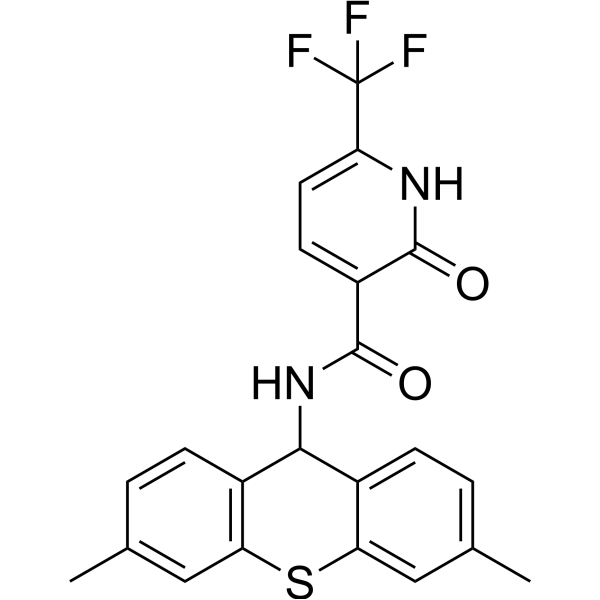
    HSD17B13-IN-37 (78) is a 17β-Hydroxysteroid dehydrogenases (HSD17B13) inhibitor, with an IC50 of <0.1 μM for Estradiol. Used in NAFLD (Nonalcoholic fatty liver diseases) research .
    HSD17B13-IN-37

온라인 문의

Your information is safe with us. * Required Fields.

호칭


Country or Region *

고객명 *


회사명 *

Department *


메일주소 *


상품명 *

Cat. No.


Requested quantity *

전화번호 *


비고

온라인 문의

Inquiry Information

상품명:
Cat. No.:
수량:
MCE Japan Authorized Agent: