Search Result
Results for "
tubulin+inhibitor
" in MedChemExpress (MCE) Product Catalog:
2
Biochemical Assay Reagents
5
Isotope-Labeled Compounds
| Cat. No. |
Nombre del producto |
Target |
Áreas de investigación |
Chemical Structure |
-
- HY-15575
-
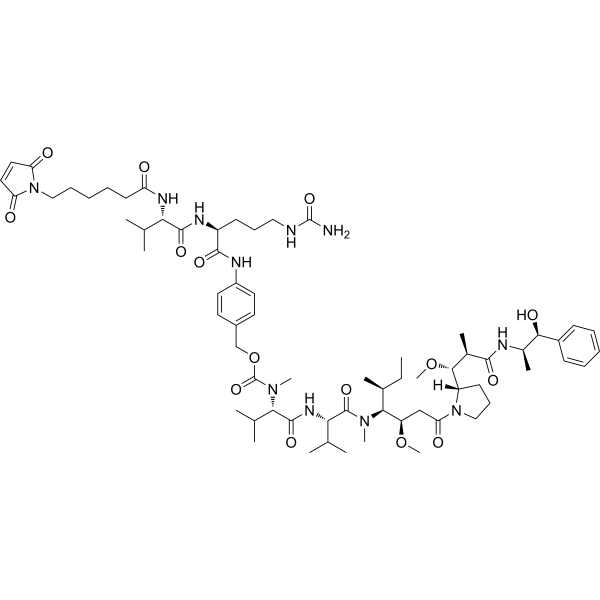
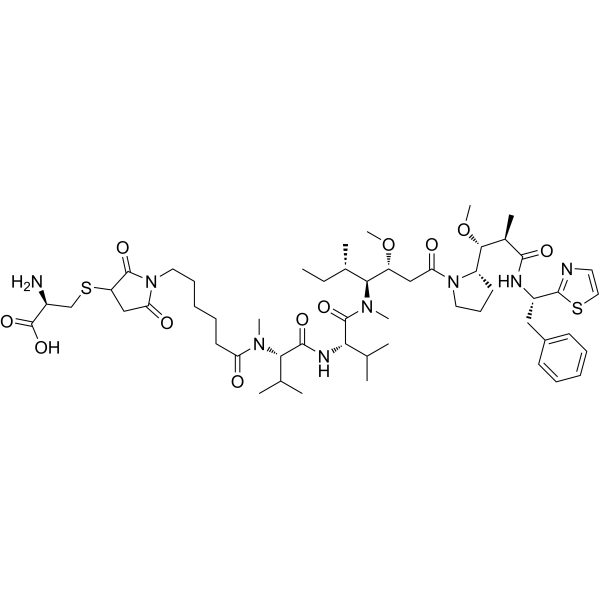
VcMMAE
Maximum Cited Publications
92 Publications Verification
MC-Val-Cit-PAB-MMAE; mc-vc-PAB-MMAE; Vedotin
|
Drug-Linker Conjugates for ADC
Microtubule/Tubulin
|
Cancer
|
|
VcMMAE (mc-vc-PAB-MMAE) is a agent-linker conjugate for ADC with potent antitumor activity by using the anti-mitotic agent, monomethyl auristatin E (MMAE, a tubulin inhibitor), linked via the lysosomally cleavable dipeptide, valine-citrulline (vc).
|
-
-
- HY-100374
-
|
|
Drug-Linker Conjugates for ADC
|
Cancer
|
|
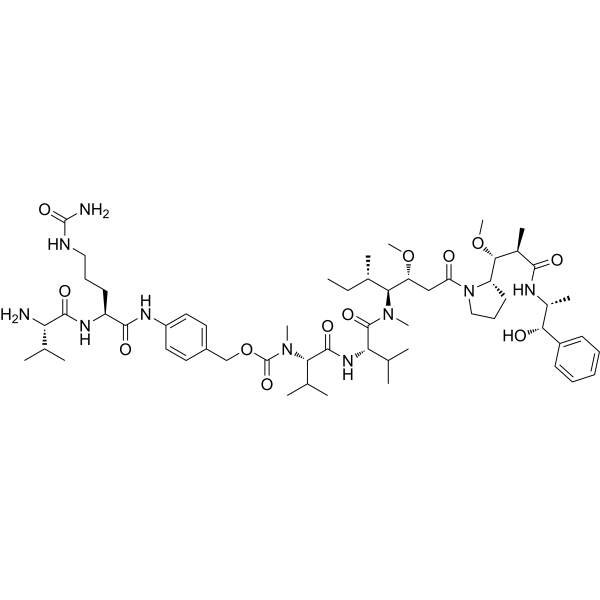
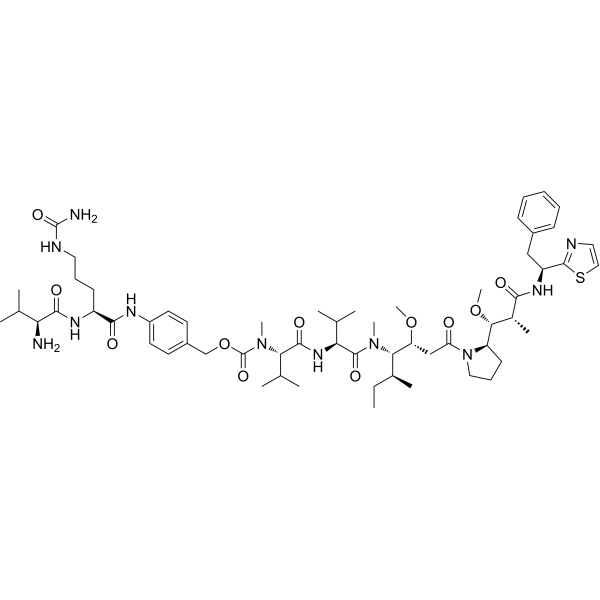
Val-Cit-PAB-MMAE is a agent-linker conjugate for ADC. Val-Cit-PAB-MMAE contains the ADCs linker (peptide Val-Cit-PAB) and a potent tubulin inhibitor MMAE (HY-15162). MMAE a potent mitotic inhibitor by inhibiting tubulin polymerization.
|
-
-
- HY-15162A
-
|
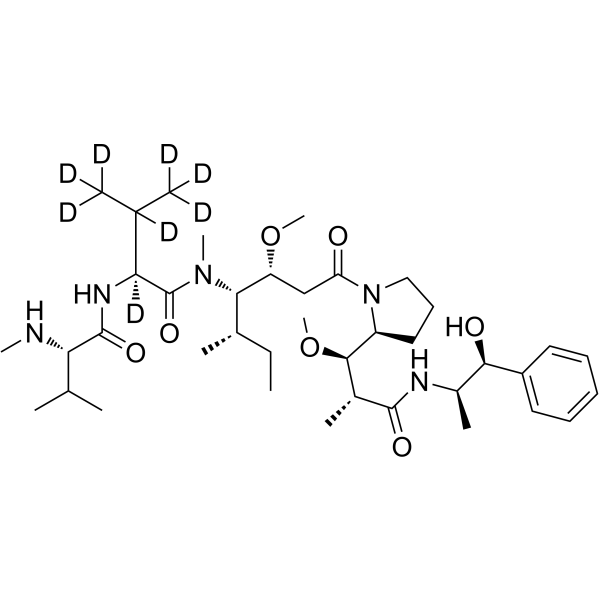
Monomethyl auristatin E-d8; Deuterated labeled MMAE
|
Microtubule/Tubulin
ADC Payload
|
Cancer
|
|
MMAE-d8 is a deuterated labeled MMAE, a potent mitotic inhibitor and a tubulin inhibitor.
|
-
-
- HY-15741
-
-
-
- HY-147092
-
|
|
Environmental Pollutants
Microtubule/Tubulin
Herbicide
|
Infection
|
|
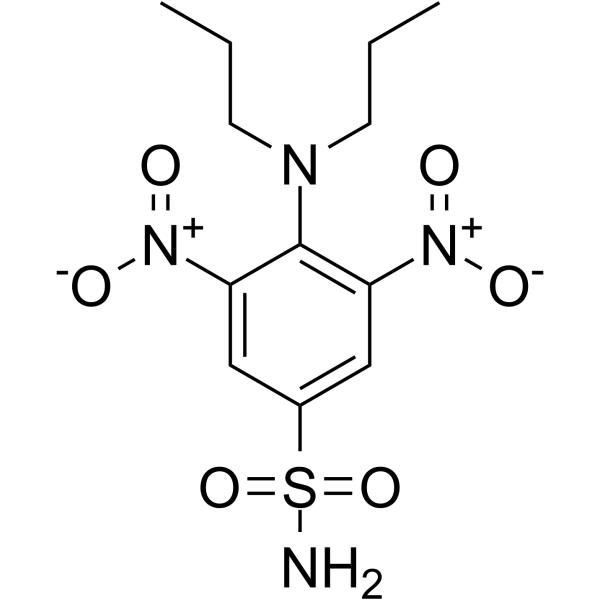
Oryzalin is a dinitroaniline herbicide with antimitotic and antileishmanial activities. Oryzalin can bind to plant tubulin, inhibit the polymerization of microtubules in plant cells, and affect chromosome migration. Oryzalin can also be used to induce chromosome doubling .
|
-
-
- HY-135660
-
|
|
Drug-Linker Conjugates for ADC
|
Cancer
|
|
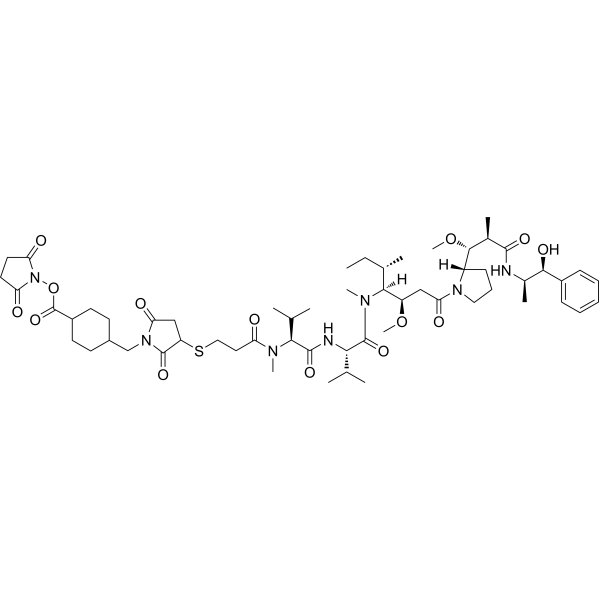
MMAE-SMCC is a agent-linker conjugate for ADC. MMAE-SMCC is composed of a potent mitotic and a tubulin inhibitor MMAE and a linker SMCC to make antibody agent conjugate.
|
-
-
- HY-129071
-
|
|
Microtubule/Tubulin
|
Cancer
|
|
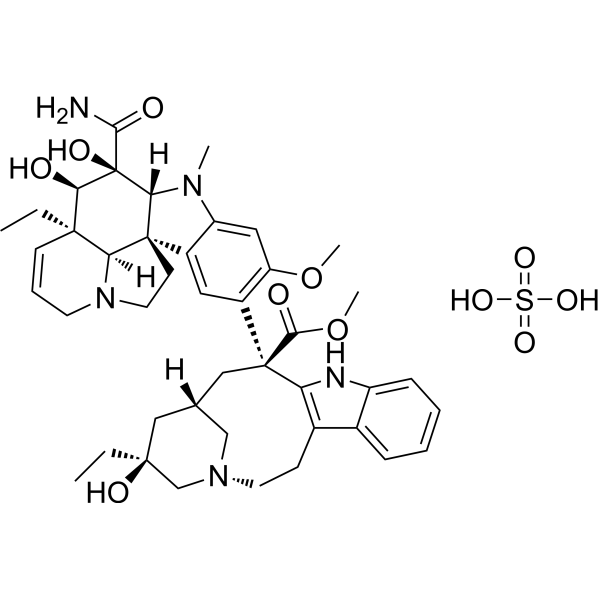
Vindesine sulfate is a potent tubulin inhibitor with an Ki of 0.110 μM. Vindesine sulfate shows anti-proliferation effect in vitro. Vindesine sulfate shows antitumor effect in vivo .
|
-
-
- HY-141833
-
|
|
Drug-Linker Conjugates for ADC
|
Cancer
|
|
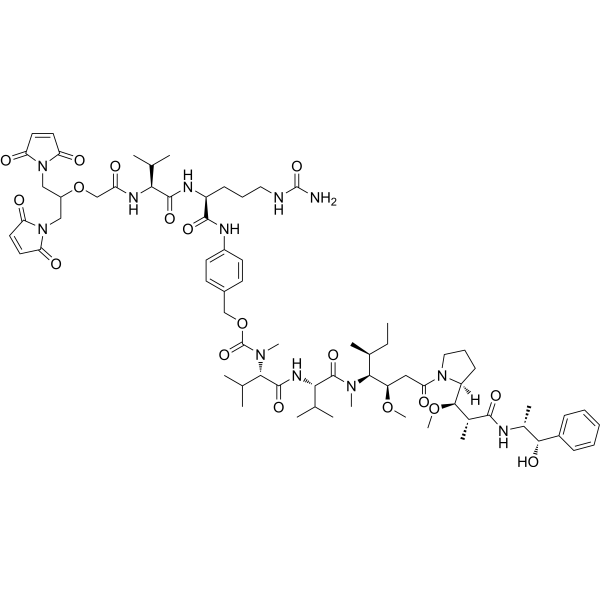
Bi-Mc-VC-PAB-MMAE consists ADCs linker (Bi-Mc-Val-Cit-PAB) and potent tubulin inhibitor (MMAE, HY-15162). Bi-Mc-VC-PAB-MMAE is a drug-linker conjugate for ADC.
|
-
-
- HY-126681
-
|
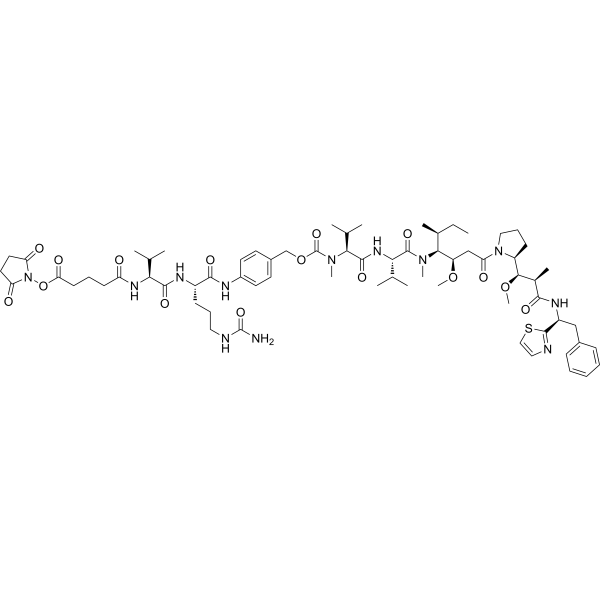
NHS-VC-PAB-MMAE
|
Drug-Linker Conjugates for ADC
|
Cancer
|
|
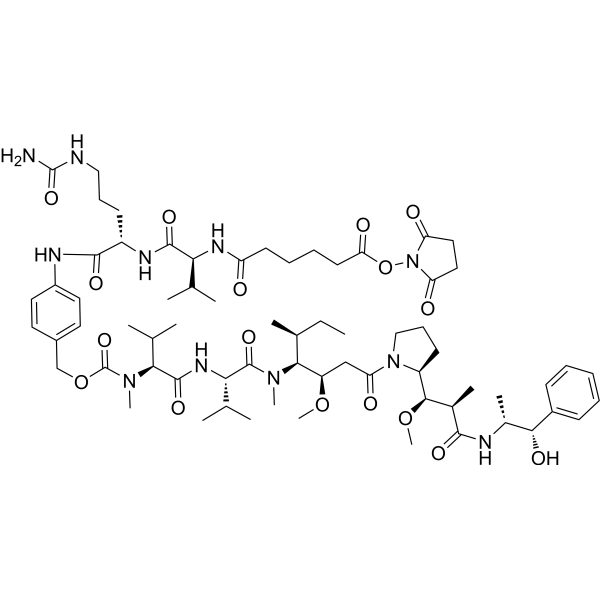
SC-VC-PAB-MMAE (NHS-VC-PAB-MMAE) is a agent-linker conjugate for ADC with potent antitumor activity by using the anti-mitotic agent, monomethyl auristatin E (MMAE, a tubulin inhibitor), linked via the cleavable linker SC-VC-PAB .
|
-
-
- HY-19811
-
-
-
- HY-15740
-
-
-
- HY-100567
-
-
-
- HY-78933
-
|
|
Microtubule/Tubulin
ADC Payload
|
Cancer
|
|
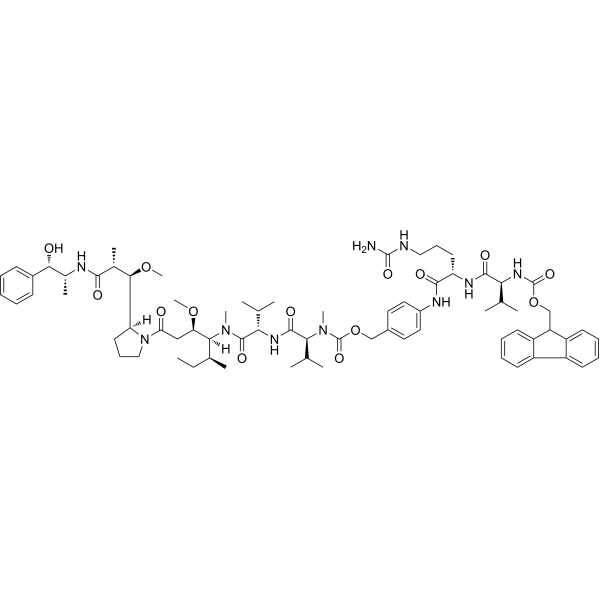
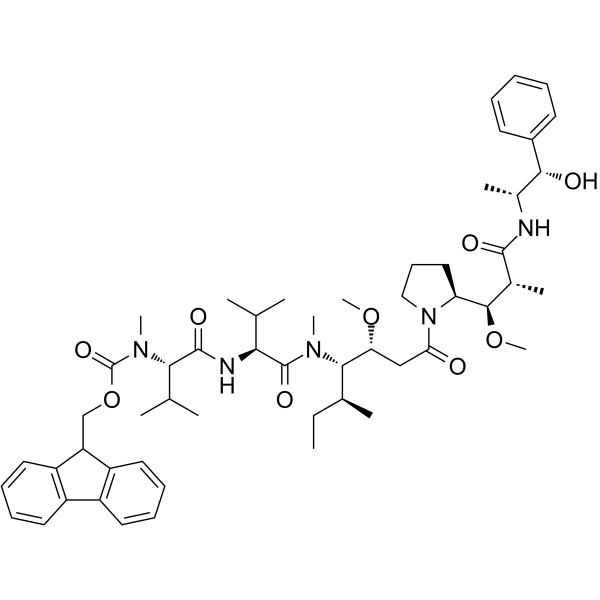
Fmoc-MMAE is a protective group-conjugated monomethyl auristatin E (MMAE), which is a potent tubulin inhibitor. Fmoc-MMAE can be used in the synthesis of ADC .
|
-
-
- HY-12460
-
|
|
Drug-Linker Conjugates for ADC
|
Cancer
|
|
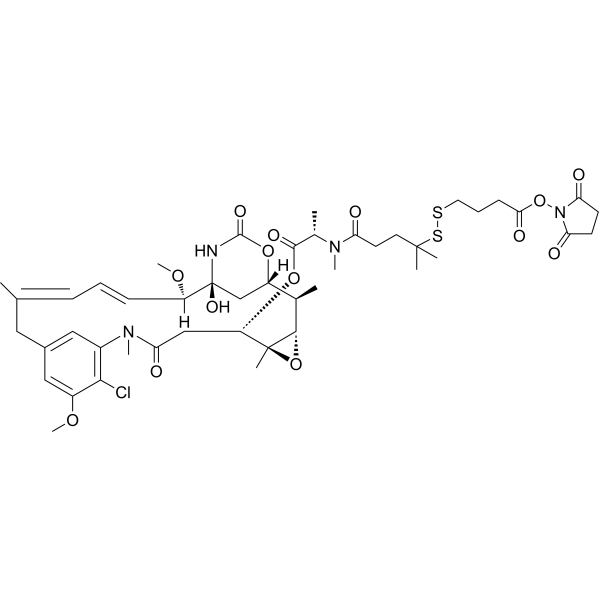
SPDB-DM4 is a agent-linker conjugate for ADC by using the maytansinebased payload (DM4, a tubulin inhibitor) via a SPDB linker, exhibiting potent anti-tumor activity.
|
-
-
- HY-15581
-
|
Demethyldolastatin 10; Monomethylauristatin D; Monomethyl Dolastatin 10
|
Microtubule/Tubulin
ADC Payload
|
Cancer
|
|
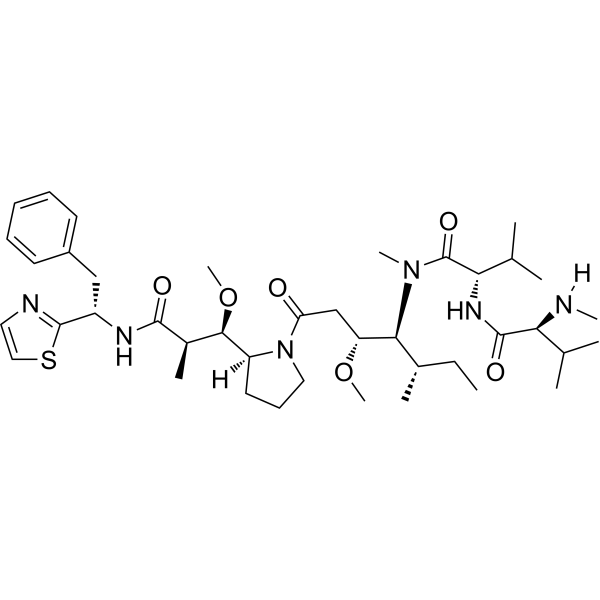
MMAD is a potent tubulin inhibitor, is a toxin payload in antibody agent conjugates (ADCs).
|
-
-
- HY-15742
-
-
-
- HY-130080
-
|
Maytansinoid DM3
|
ADC Payload
Microtubule/Tubulin
|
Cancer
|
|
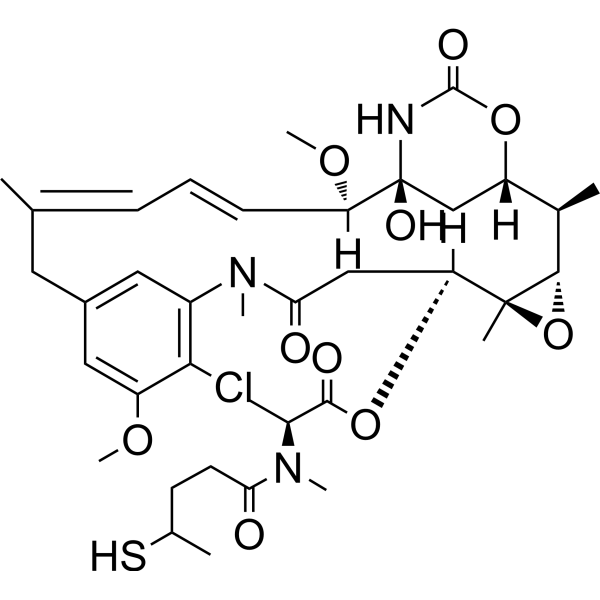
DM3 (Maytansinoid DM3), a Maytansine (HY-13674) analog bearing disulfide or thiol groups, and is a tubulin inhibitor. DM3 a cytotoxic moiety of antibody-drug conjugates (ADCs) .
|
-
-
- HY-100566
-
|
|
Drug-Linker Conjugates for ADC
|
Cancer
|
|
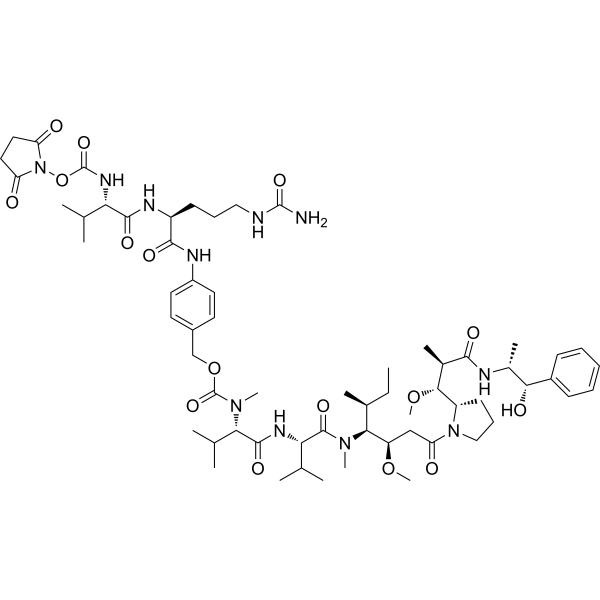
SuO-Val-Cit-PAB-MMAE is a agent-linker conjugate for ADC by using the anti-mitotic agent, monomethyl auristatin E (MMAE, a tubulin inhibitor), linked via the peptide SuO-Val-Cit-PAB .
|
-
-
- HY-126693
-
|
|
Drug-Linker Conjugates for ADC
|
Cancer
|
|
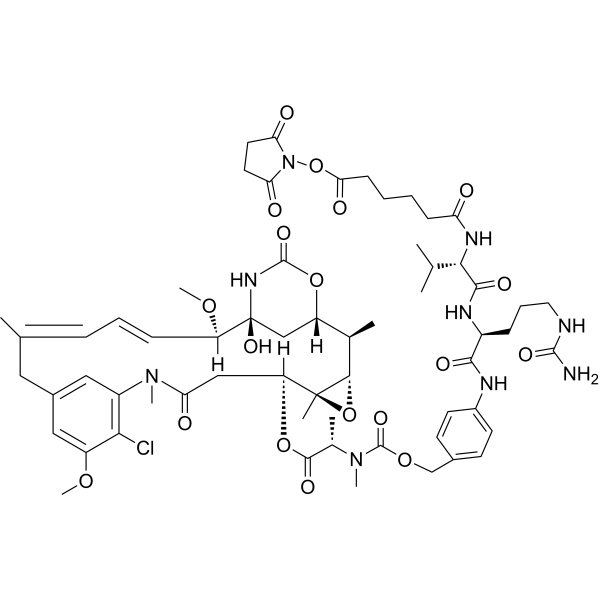
SC-VC-PAB-DM1 is a agent-linker conjugate for ADC with with potent antitumor activity by using DM1 (Mertansine, a tubulin inhibitor) , linked via the ADC linker SC-VC-PAB .
|
-
-
- HY-157544
-
-
-
- HY-W591408
-
|
|
Drug-Linker Conjugates for ADC
|
Cancer
|
|
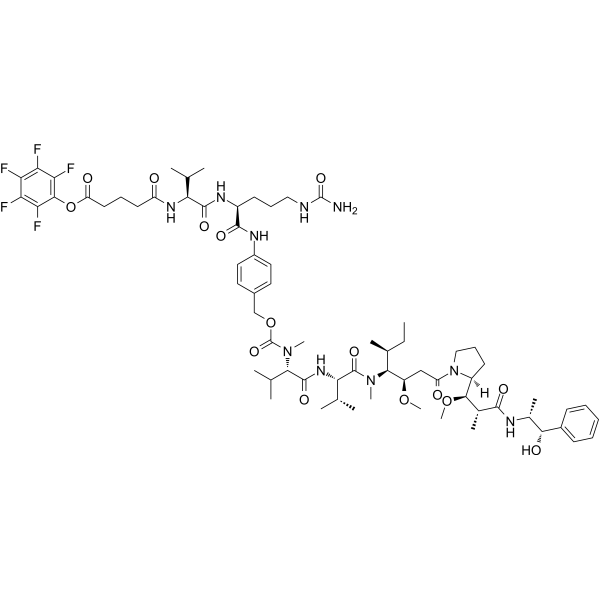
DBCO-Val-Cit-PAB-MMAE is a drug-linker conjugate, which can be used for the synthesis of ADC molecules. MMAE (HY-15162) is a tubulin inhibitor, which can be used as an ADC toxin. DBCO-Val-Cit-PAB is the linker with the electrophilic group .
|
-

-
- HY-112607
-
|
|
Microtubule/Tubulin
Apoptosis
|
Cancer
|
|
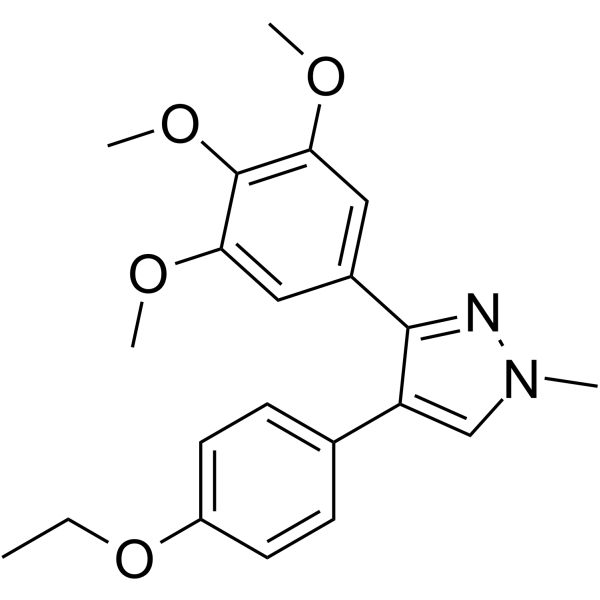
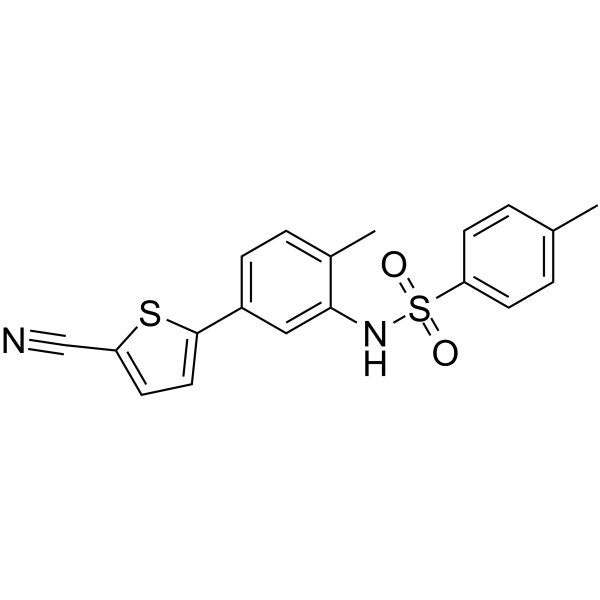
Tubulin inhibitor 1 is a tubulin inhibitor, inhibits tubulin polymerization. Tubulin inhibitor 1 shows potent anti-tumor activity, casues cellular mitotic arrest in the G2/M phase, and induces cellular apoptosis .
|
-
-
- HY-153428
-
-
-
- HY-16191
-
|
|
Microtubule/Tubulin
Apoptosis
HIF/HIF Prolyl-Hydroxylase
Mitosis
|
Cancer
|
|
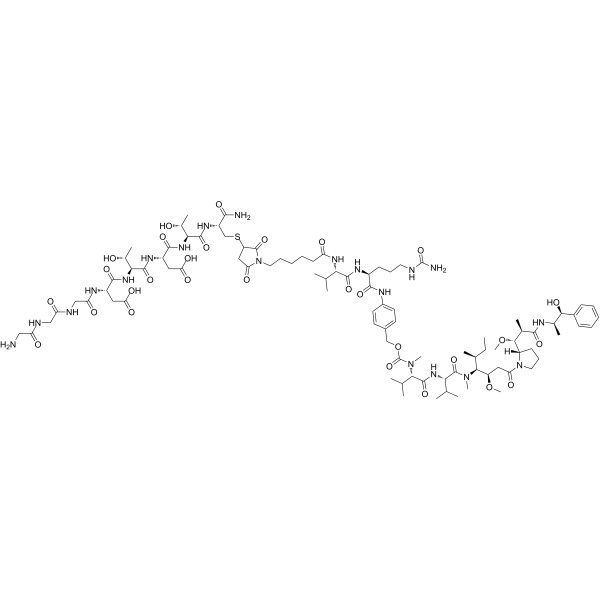
ELR510444 is an orally active tubulin inhibitor with an IC50 of 10 μM. ELR510444 binds to the colchicine-binding site on β-tubulin, inhibits tubulin assembly, depolymerizes microtubules and blocks HIF activity. ELR510444 induces cellular microtubule loss, abnormal mitotic spindle, mitotic arrest, apoptosis, morphological changes in tumor endothelial cells, and inhibits cancer cell proliferation, angiogenesis and tumor growth. ELR510444 can be used in research related to various cancers such as renal cell carcinoma .
|
-
-
- HY-15482
-
D-64131
2 Publications Verification
|
Microtubule/Tubulin
|
Cancer
|
|
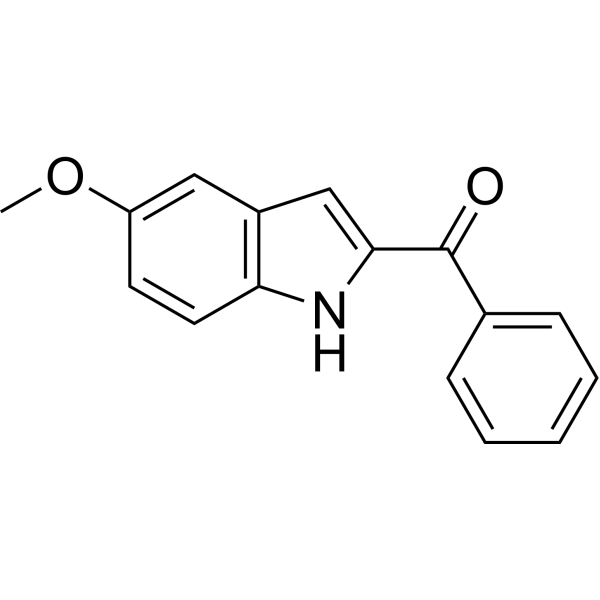
D-64131 is an orally active tubulin inhibitor, with an IC50 of 0.53 μM for tubulin polymerization. D-64131 has antimitotic activity. D-64131 can be used for cancer research .
|
-
-
- HY-171822
-
-

-
- HY-107492
-
-

-
- HY-100861
-
-
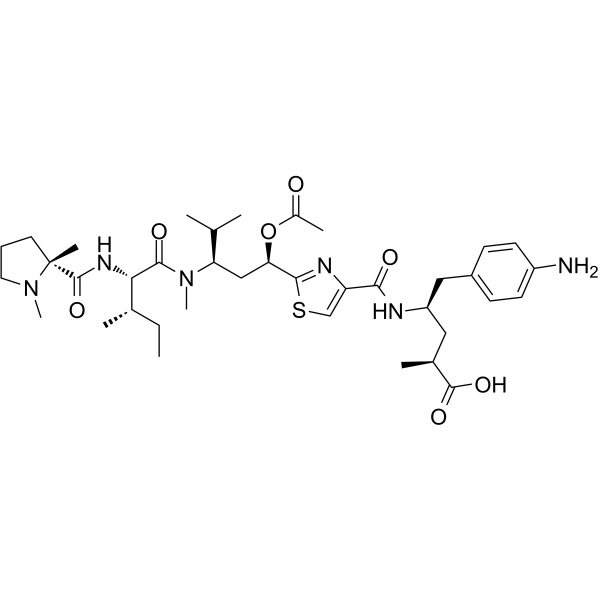
-
- HY-78883
-
|
|
Microtubule/Tubulin
|
Cancer
|
|
ON 01500 is a tubulin inhibitor with a Kd of 21 nM. ON 01500 exerts microtubule-destabilizing effects in cells. ON 01500 can be used the study of cancers .
|
-

-
- HY-136121
-
|
|
Microtubule/Tubulin
|
Cancer
|
|
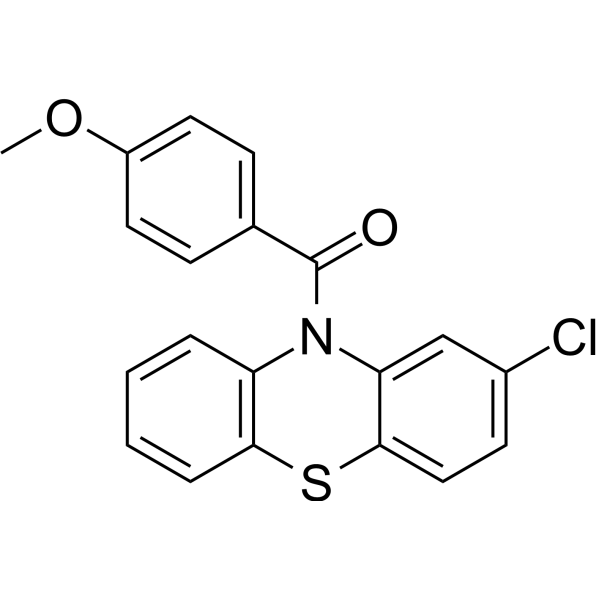
Tubulin inhibitor 6 (Compound 14b) is a tubulin inhibitor and a potent inhibitor of multiple cancer cell lines. Tubulin inhibitor 6 inhibits tubulin polymerization with an IC50 of 0.87 μM. Tubulin inhibitor 6 inhibits K562 cell growth with an IC50 of 840 nM .
|
-
-
- HY-143251
-
|
|
Microtubule/Tubulin
Apoptosis
|
Cancer
|
|
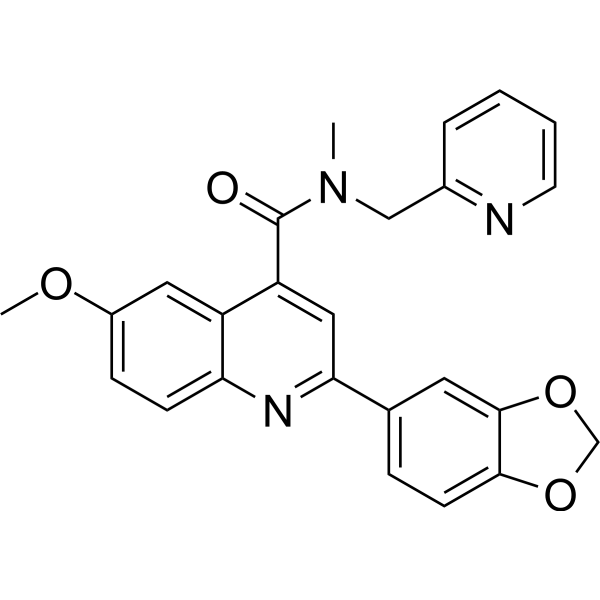
Tubulin inhibitor 13 (E27) is a potent tubulin inhibitor with an IC50 value of 16.1 μM for the tubulin polymerization inhibition. Tubulin inhibitor 13 inhibits migration and invasion of cancer cells, induces apoptosis and has anticancer activity .
|
-
-
- HY-151879
-
-
-
- HY-178357
-
|
|
Microtubule/Tubulin
|
Cancer
|
|
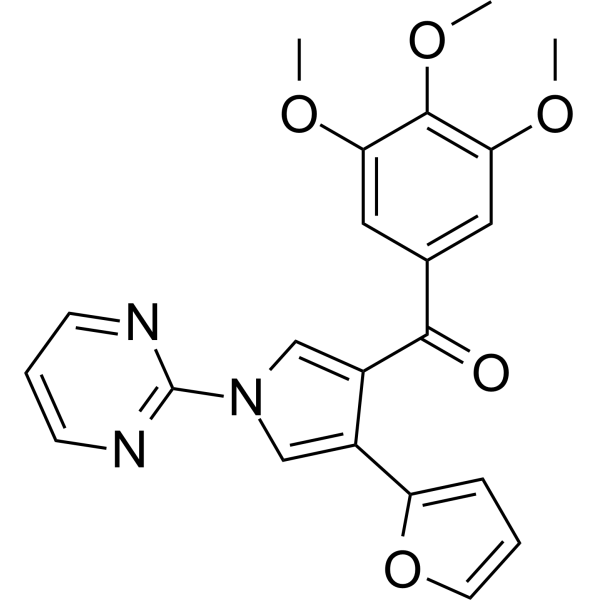
Tubulin-IN-58 (Compound 26) is a tubulin inhibitor. Tubulin-IN-58 can be used for the study of cancer .
|
-

-
- HY-148339
-
|
|
Drug-Linker Conjugates for ADC
|
Others
|
|
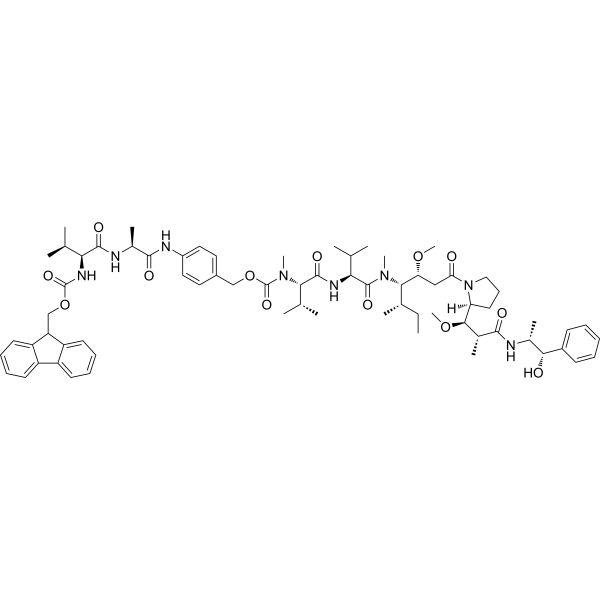
Fmoc-VAP-MMAE is a agent-linker conjugates for ADC. Fmoc-VAP-MMAE consists of an ADC linker and a tubulin inhibitor MMAE (HY-15162), with a protective Fmoc group .
|
-
-
- HY-128961
-
|
|
Drug-Linker Conjugates for ADC
|
Cancer
|
|
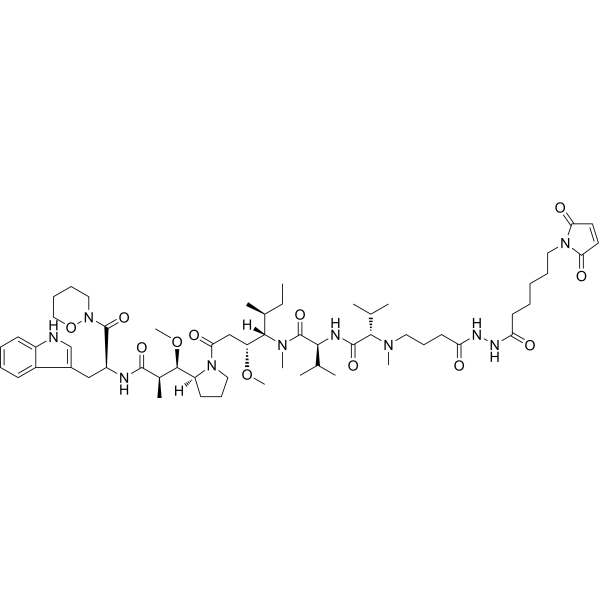
MC-Alkyl-Hydrazine Modified MMAF is a agent-linker conjugate for ADC with potent antitumor activity by using the Modified MMAF (a tubulin inhibitor), linked via the noncleavable MC-Alkyl-Hydrazine .
|
-
-
- HY-152156
-
|
|
Microtubule/Tubulin
Apoptosis
|
Cancer
|
|
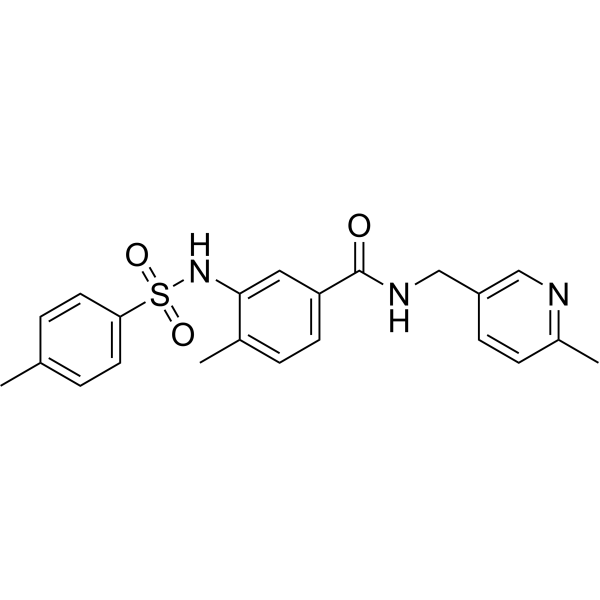
Tubulin inhibitor 11 is a potent and orally active tubulin inhibitor. Tubulin inhibitor 11 targets the Colchicine binding site on tubulin, inhibits tubulin polymerization, promotes mitotic blockade and apoptosis .
|
-
-
- HY-145820
-
|
|
Apoptosis
Microtubule/Tubulin
|
Cancer
|
|
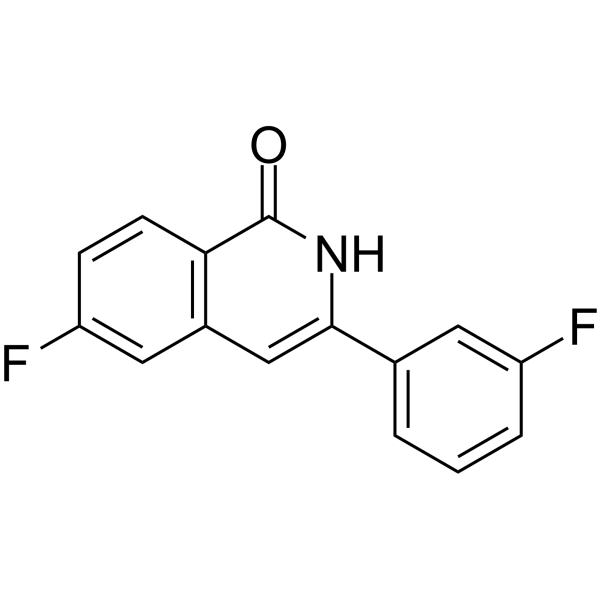
Tubulin inhibitor 14 is a potent NQO2 (quinone oxidoreductase 2) inhibitor with an IC50 of 1.0 μM. Tubulin inhibitor 14 also inhibits tubulin polymerization and the formation of endothelial cell capillary-like tubes. Tubulin inhibitor 14 is a microtubule-destabilizing agent with potential tumor-selectivity and antiangiogenic and vascular disrupting features .
|
-
-
- HY-15750
-
-
-
- HY-136315
-
-
-
- HY-106825
-
|
|
Microtubule/Tubulin
|
Cancer
|
|
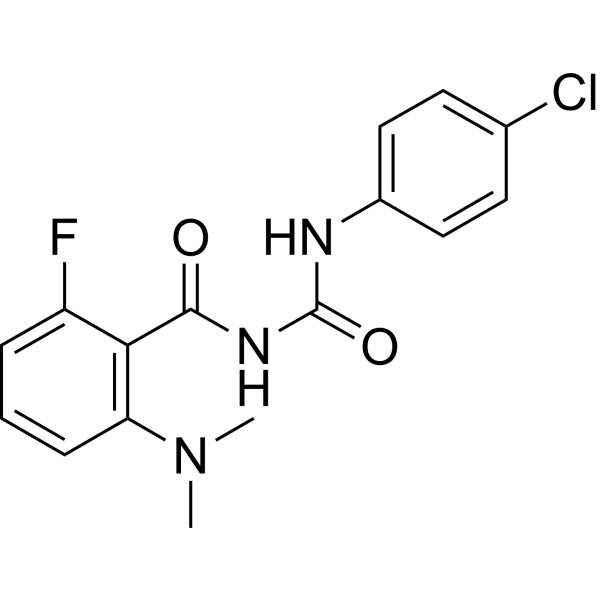
Clanfenur is a substituted benzoylphenylurea, an analogue of the pesticide fenfluramide, with potential antineoplastic activity. Clanfenur can bind to the colchicine-binding site on β-tubulin, inhibit microtubule polymerization, and thus prevent tumor cell replication .
|
-
-
- HY-126492
-
|
|
Drug-Linker Conjugates for ADC
|
Cancer
|
|
Vat-Cit-PAB-Monomethyl Dolastatin 10 is a agent-linker conjugate for ADC with potent antitumor activity by using Monomethyl Dolastatin 10 (a potent tubulin inhibitor), linked via the ADC linker Vat-Cit-PAB.
|
-
-
- HY-128954
-
-
-
- HY-127166
-
|
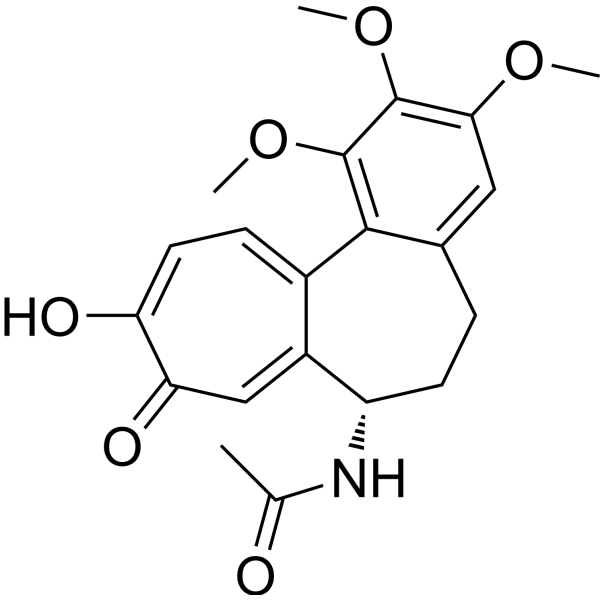
O10-Demethylcolchicine
|
Microtubule/Tubulin
|
Inflammation/Immunology
|
|
Colchiceine is one of several metabolites of the anti-gout medication Colchicine (HY-16569). Colchicine is a tubulin inhibitor and a microtubule disrupting agent, and may protect rats from developing liver injury and fibrosis .
|
-
-
- HY-141596
-
|
|
Drug-Linker Conjugates for ADC
|
Cancer
|
|
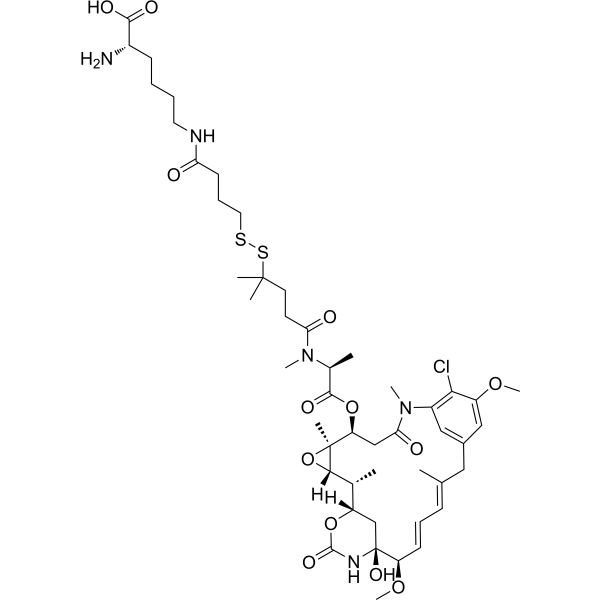
Lys-Nε-SPDB-DM4 is a agent-linker conjugate composed of a potent a tubulin inhibitor DM4 and a linker Lys-Nε-SPDB to make antibody agent conjugate (ADC) .
|
-
-
- HY-16569S
-
-
-
- HY-145821
-
|
|
Microtubule/Tubulin
|
Cancer
|
|
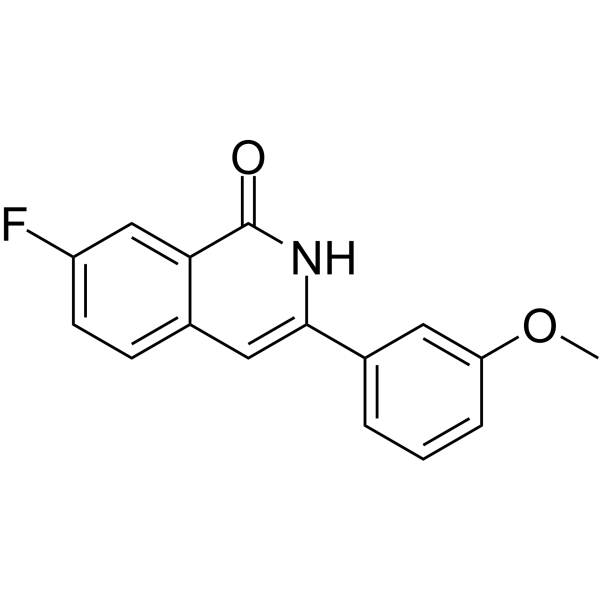
Tubulin inhibitor 15 is a potent tubulin inhibitor. Tubulin inhibitor 15 shows antiproliferative activity. Tubulin inhibitor 15 shows cytotoxicity in HepG2 cells .
|
-
-
- HY-145822
-
|
|
Microtubule/Tubulin
|
Cancer
|
|
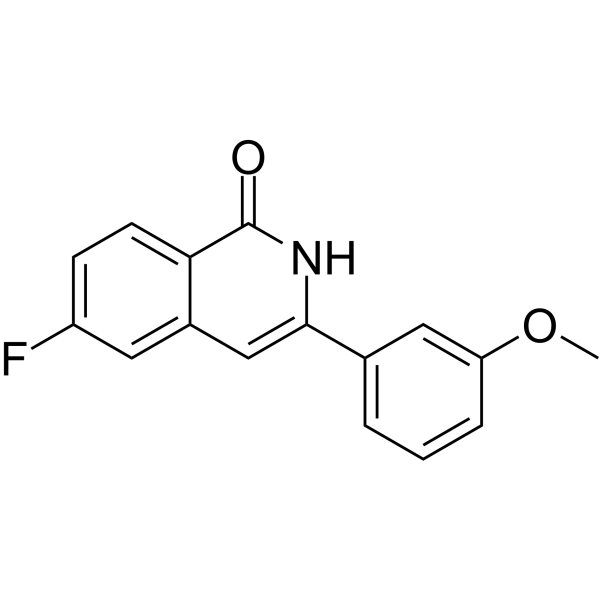
Tubulin inhibitor 16 is a potent tubulin inhibitor. Tubulin inhibitor 16 shows antiproliferative activity. Tubulin inhibitor 16 shows cytotoxicity in HepG2 cells .
|
-
-
- HY-144818
-
|
|
Apoptosis
Microtubule/Tubulin
|
Cancer
|
|
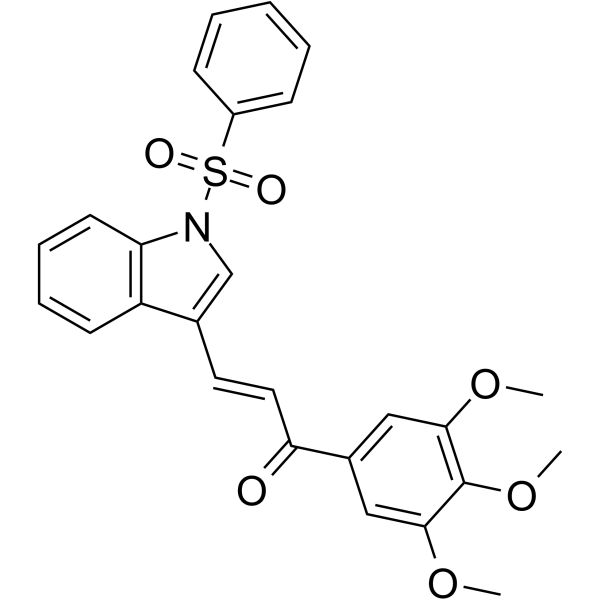
Tubulin inhibitor 23 is a potent Tubulin inhibitor with an IC50 of 4.8 µM. Tubulin inhibitor 23 induces cell apoptosis. Tubulin inhibitor 23 shows antiangiogenic activity in a dose-dependent manner. Tubulin inhibitor 23 has the potential for the research of leukaemia .
|
-
-
- HY-151996
-
|
|
Microtubule/Tubulin
|
Cardiovascular Disease
|
|
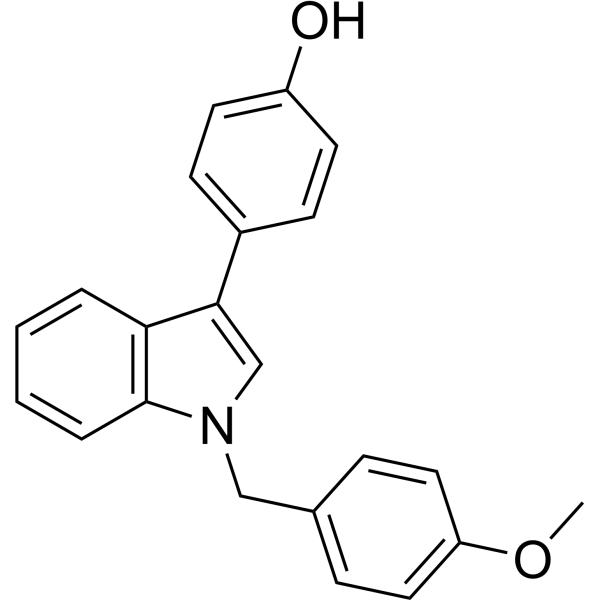
Tubulin inhibitor 31 is a potent tubulin inhibitor with an IC50 value of 4 μM. Tubulin inhibitor 31 shows anti-proliferative activity. Tubulin inhibitor 31 inhibits the HUVEC migration .
|
-
-
- HY-146711
-
|
|
Microtubule/Tubulin
|
Cancer
|
|
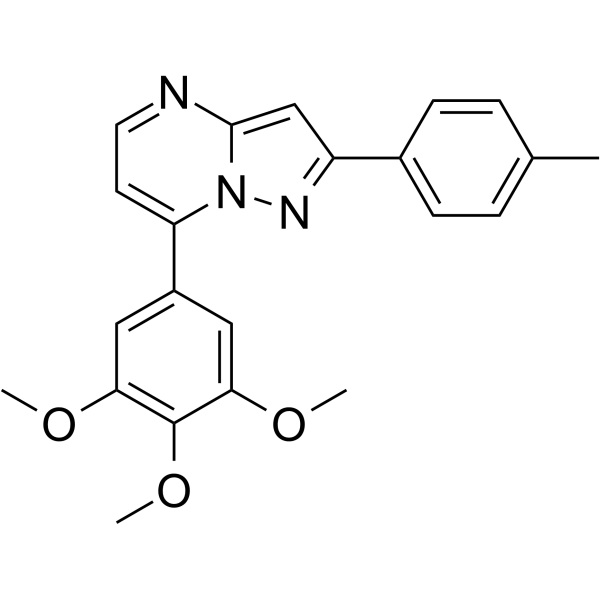
Tubulin inhibitor 24 is a potent tubulin inhibitor. Tubulin inhibitor 24 inhibits tubulin polymerization. Tubulin inhibitor 24 induces cell cycle arrest at the G2/M phase in a concentration-dependent manner. Tubulin inhibitor 24 shows antitumor activity with no obvious toxicity .
|
-
- HY-162625
-
|
|
Microtubule/Tubulin
Apoptosis
|
Cancer
|
|
Tubulin inhibitor 47 (compound C11) is a potent tubulin inhibitor. Tubulin inhibitor 47 induces apoptosis and cell cycle arrest at the M phase. Tubulin inhibitor 47 shows anti-tumor activity .
|
-

- HY-163195
-
|
|
Microtubule/Tubulin
|
Cancer
|
|
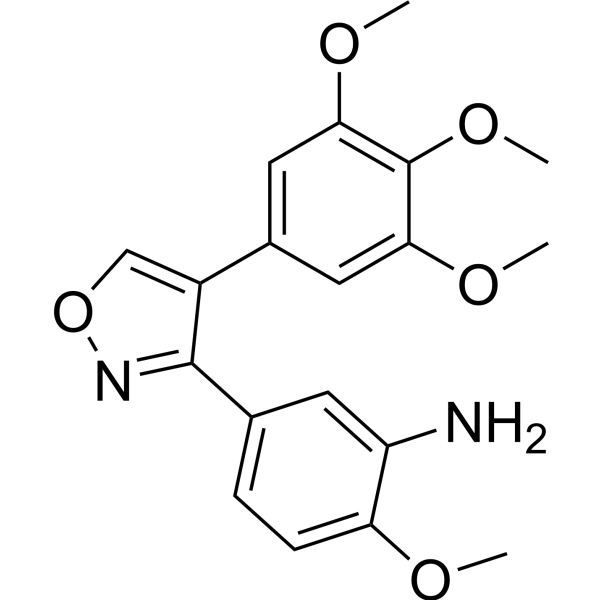
Tubulin inhibitor 40 (compound 45) is a tubulin inhibitor with IC50 of 1.2 μM. Tubulin inhibitor 40 shows selective cytotoxicity towards cancer cells. Tubulin inhibitor 40 processes antitumor activity .
|
-
- HY-149252
-
|
|
Apoptosis
Microtubule/Tubulin
|
Cancer
|
|
Tubulin inhibitor 32 is a potent and orally active tubulin inhibitor. Tubulin inhibitor 32 shows anti-proliferative activity and inhibits microtubule polymerization. Tubulin inhibitor 32 induces Apoptosis and cell cycle arrest at G2/M phase. Tubulin inhibitor 32 shows anti-tumor activity .
|
-
- HY-136123
-
|
|
Microtubule/Tubulin
|
Cancer
|
|
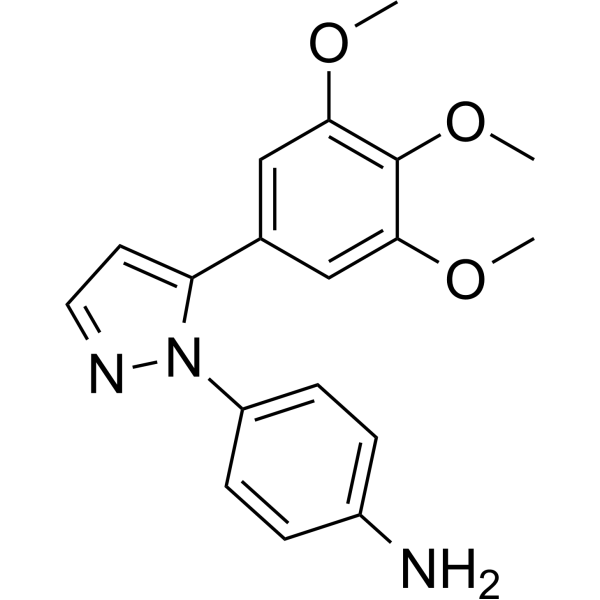
Tubulin inhibitor 8 (Compound 33b) is a tubulin inhibitor and a potent inhibitor of multiple cancer cell lines. Tubulin inhibitor 8 inhibits tubulin polymerization with an IC50 of 0.73 μM. Tubulin inhibitor 8 inhibits K562 cell growth with an IC50 of 14 nM .
|
-
- HY-136122
-
|
|
Microtubule/Tubulin
|
Cancer
|
|
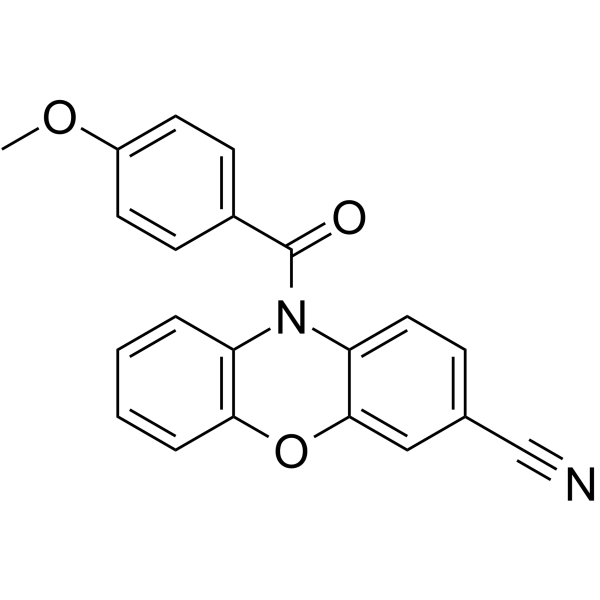
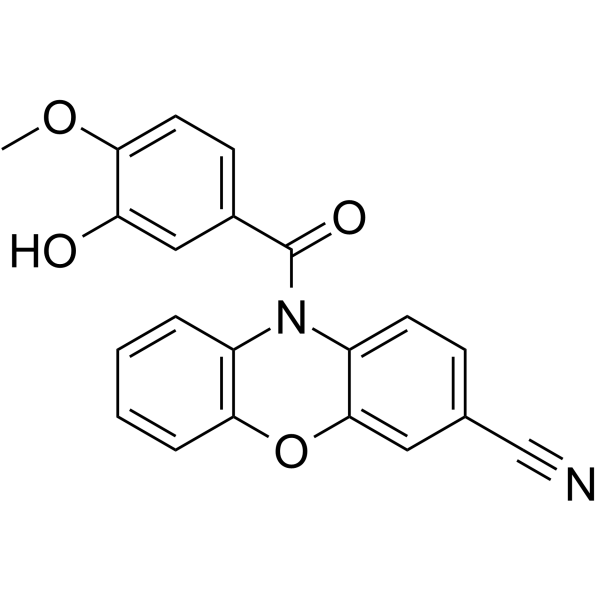
Tubulin inhibitor 7 (Compound 33c) is a tubulin inhibitor and a potent inhibitor of multiple cancer cell lines. Tubulin inhibitor 7 inhibits tubulin polymerization with an IC50 of 0.52 μM. Tubulin inhibitor 7 inhibits K562 cell growth with an IC50 of 11 nM .
|
-
- HY-115956
-
|
|
Microtubule/Tubulin
|
Cancer
|
|
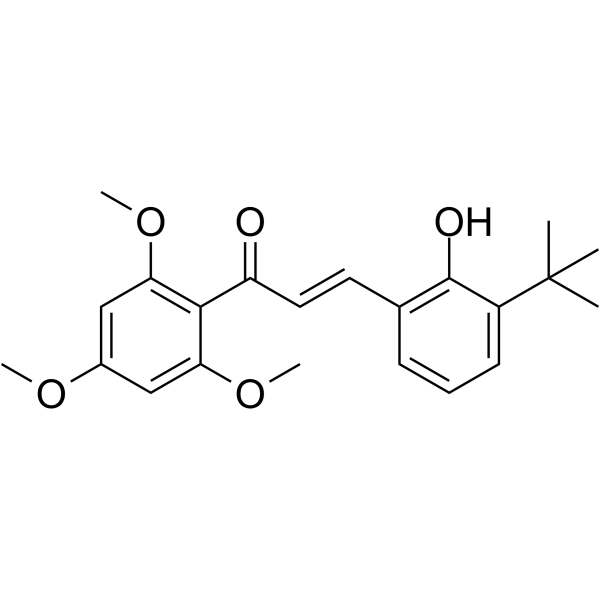
Tubulin inhibitor 18 (compound 5j) is a potent inhibitor of tubulin. Tubulin inhibitor 18 is a chalcone compound. Tubulin inhibitor 18 has the potential for the research of cancer diseases .
|
-
- HY-115957
-
|
|
Microtubule/Tubulin
|
Cancer
|
|
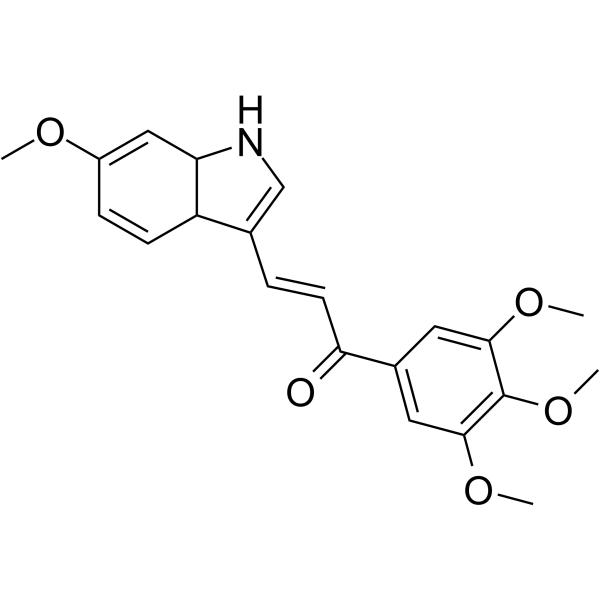
Tubulin inhibitor 19 (compound 9b) is a potent inhibitor of tubulin. Tubulin inhibitor 19 is an indole chalcone compound. Tubulin inhibitor 19 has the potential for the research of cancer diseases .
|
-
- HY-172616
-
|
|
Microtubule/Tubulin
|
Cancer
|
|
Tubulin inhibitor 50 (compound 07) is a tubulin inhibitor that increases the mitochondrial reactive oxygen species level. Tubulin inhibitor 50 has anti-cancer effect in HeLa cells with IC50 value of 0.46 μM. Tubulin inhibitor 50 shows low toxicity in normal cell lines .
|
-

- HY-146778
-
|
|
Microtubule/Tubulin
|
Cancer
|
|
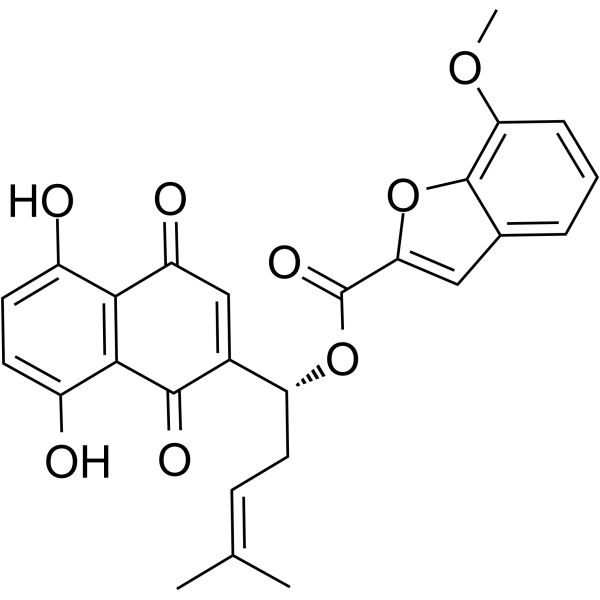
Tubulin inhibitor 25 is a potent tubulin inhibitor with an IC50 value of 0.98 μM. Tubulin inhibitor 25 exhibits remarkable activity against cancer cell line HT29. Tubulin inhibitor 25 displays the potent inhibition on cell migration and tube formation that contributes to the anti-angiogenesis .
|
-
- HY-143250
-
|
|
Microtubule/Tubulin
|
Cancer
|
|
Tubulin inhibitor 12 (Hit 9) is a novel tubulin inhibitor (IC50=25.3 μM). Tubulin inhibitor 12 shows anti-tumor activity and anti-proliferative activity .
|
-
- HY-147888
-
|
|
Microtubule/Tubulin
|
Cancer
|
|
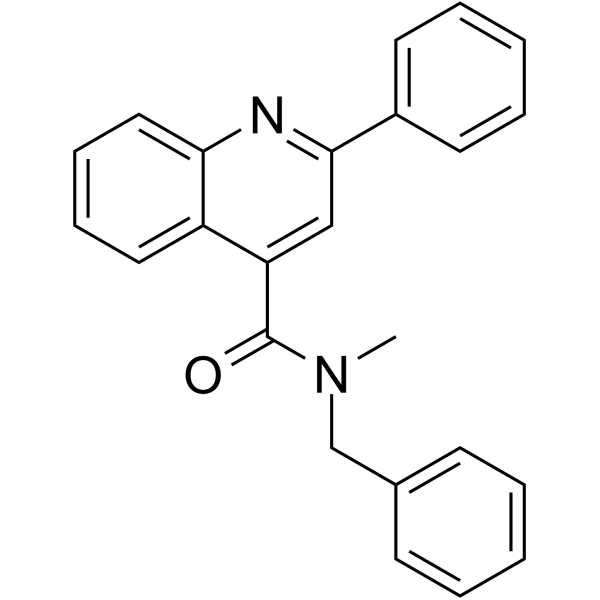
Tubulin inhibitor 29 (compound 3c) is a potent tubulin inhibitor with an IC50 value of 1.2 µM. Tubulin inhibitor 29 shows antiproliferative effects with an IC50 value of 7.5 µM for MCF-7 cells. Tubulin inhibitor 29 inhibits tubulin assembly and bounds in the colchicine site .
|
-
- HY-147887
-
|
|
Microtubule/Tubulin
|
Cancer
|
|
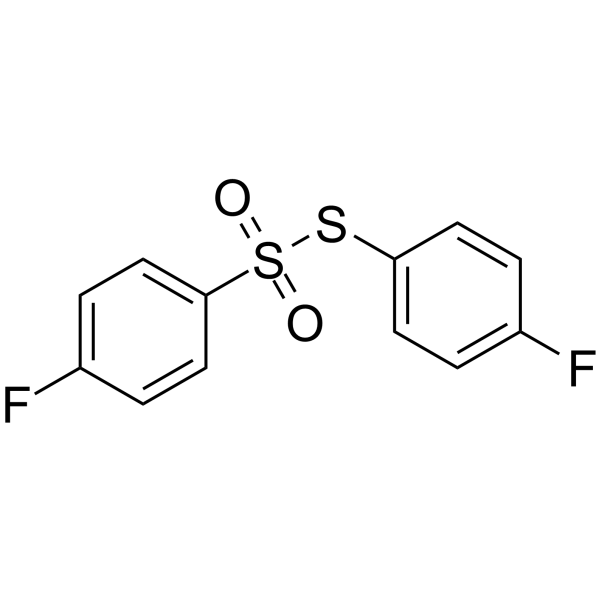
Tubulin inhibitor 28 (compound 2g) is a potent tubulin inhibitor with an IC50 value of 1.2 µM. Tubulin inhibitor 28 shows anti-proliferative activity for MCF-7 cells .
|
-
- HY-115958
-
|
|
Microtubule/Tubulin
|
Cancer
|
|
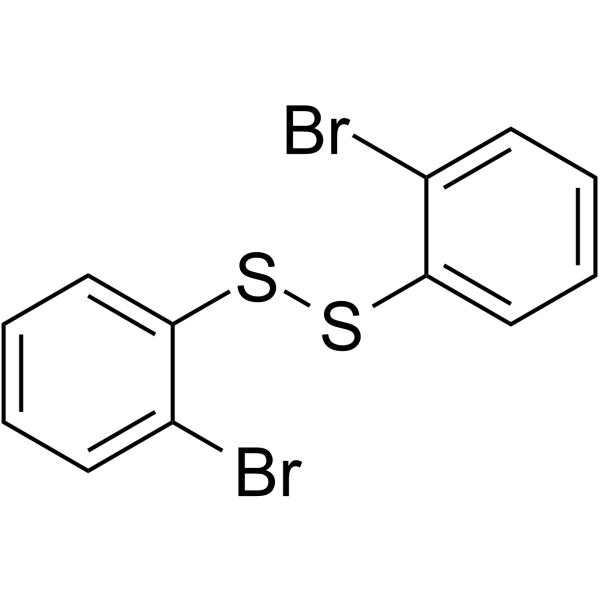
Tubulin inhibitor 20 (compound 1) is a potent inhibitor of tubulin. Tubulin inhibitor 20 has the potential for the research of cancer diseases .
|
-
- HY-146366
-
|
|
Microtubule/Tubulin
|
Cancer
|
|
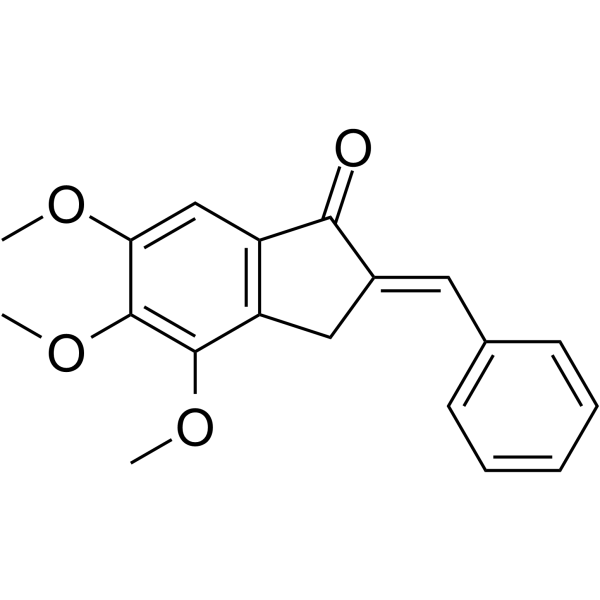
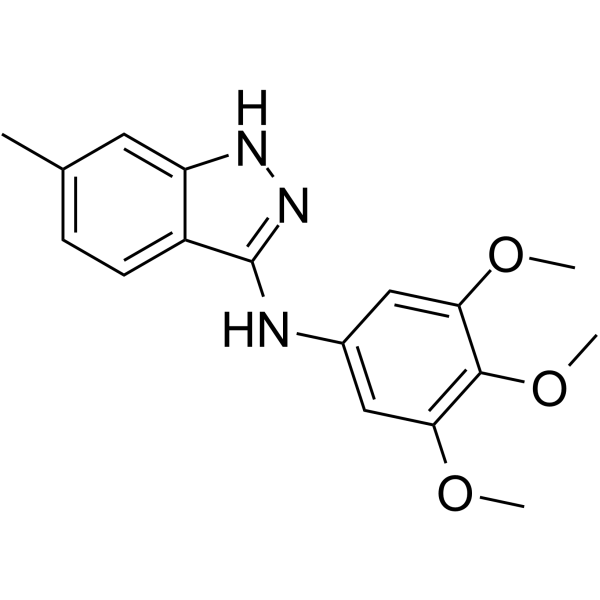
Tubulin inhibitor 26 (compound 3c) is a potent inhibitor of tubulin. Tubulin inhibitor 26 is an indazole derivative compound. Tubulin inhibitor 26 shows noteworthy low nanomolar potency against HepG2, HCT116, SW620, HT29 and A549 cancer cell lines. Tubulin inhibitor 26 arrests tumor cell in G2/M phase and induced cell apoptosis. Tubulin inhibitor 26 suppresses tumor growth in vivo without affecting the mice body weight .
|
-
- HY-149364
-
|
|
Microtubule/Tubulin
Apoptosis
|
Cancer
|
|
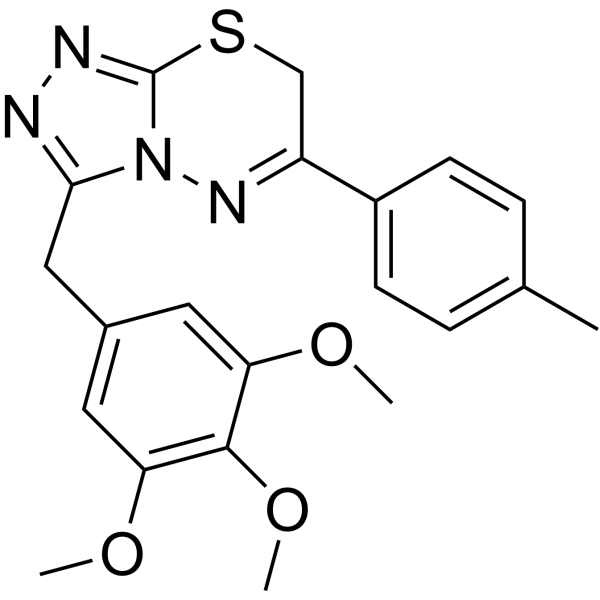
Tubulin inhibitor 34 (compound b5) is a potent anticancer agent. Tubulin inhibitor 34 can inhibit tubulin polymerization and induce G2/M arrest and apoptosis. Tubulin inhibitor 34 exhibits significant antivascular and antitumor activity .
|
-
- HY-161747
-
|
|
Microtubule/Tubulin
|
Cancer
|
|
Tubulin inhibitor 46 (Compound 21) is a potent tubulin assembly inhibitor. Tubulin inhibitor 46 has antiproliferative activities, with GI50 values of 0.0095-33 μM for cancer and non-cancerous cells. Tubulin inhibitor 46 can be used for the reserch of cancer .
|
-

- HY-149375
-
|
|
Microtubule/Tubulin
|
Cancer
|
|
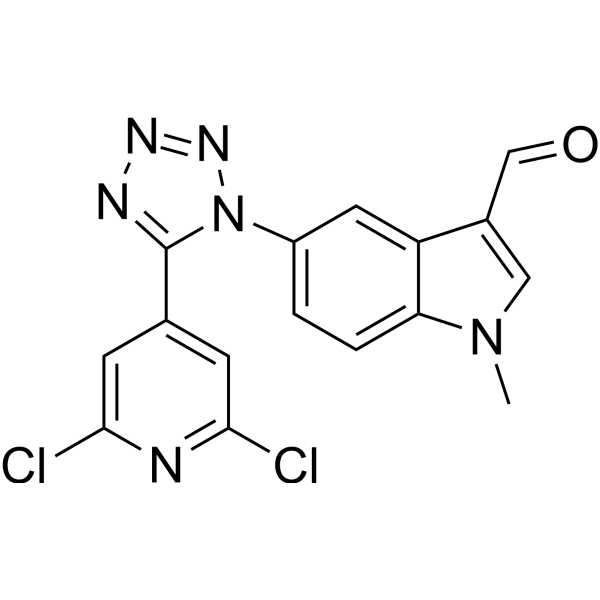
Tubulin inhibitor 37 (Compound 12) is a Tubulin inhibitor that can effectively inhibit Tubulin aggregation (IC50=1.3 µM). Tubulin inhibitor 37 exhibits antiproliferative activity against human tumor cell lines and has potential for studying cancer .
|
-
- HY-149376
-
|
|
Microtubule/Tubulin
|
Cancer
|
|
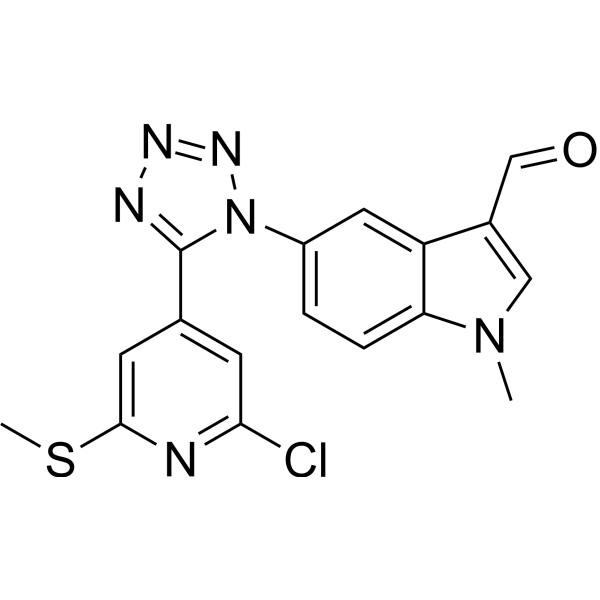
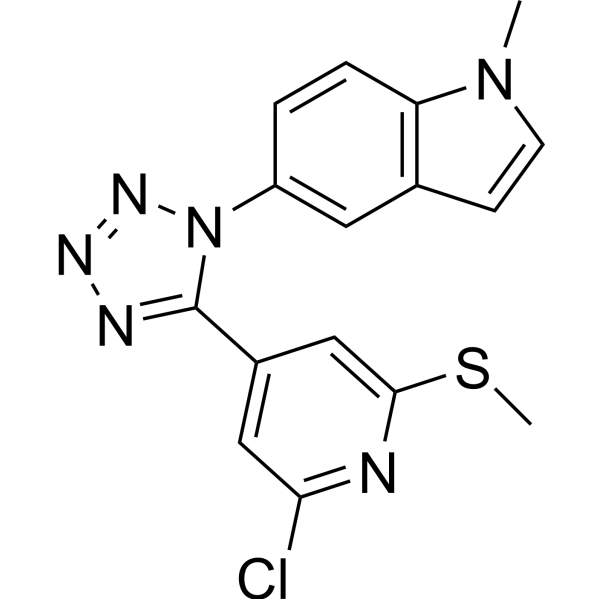
Tubulin inhibitor 38 (compound 14) is a tetrazole-based Tubulin inhibitor with antiproliferative potencies. Tubulin inhibitor 38 (100 nM,24 h) mediates mitotic arrest,blocks cell cycle at G2/M phase and induces apoptosis. Tubulin inhibitor 38 exhibits high cytotoxicity with high selectivity index among HeLa,MCF7,and U87 MG cells .
|
-
- HY-149374
-
|
|
Microtubule/Tubulin
|
Cancer
|
|
Tubulin inhibitor 36 (Compound 10) is a novel and potent tubulin inhibitor and inhibits the polymerization of microtubular protein then induces apoptosis with an IC50 value of 1.5±0.1 μM. Tubulin inhibitor 36 (Compound 10) has significant anti-mitotic effect and exhibits activities against glioblastoma cells. Tubulin inhibitor 36 (Compound 10) has anti-tumor effects and can be used for glioblastoma multiforme (GBM) research .
|
-
- HY-115970
-
|
|
Microtubule/Tubulin
|
Cancer
|
|
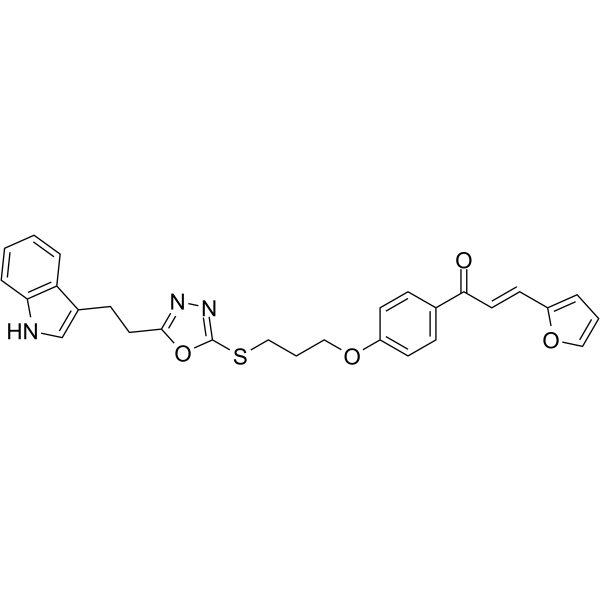
Tubulin inhibitor 21 (compound 6f), a chalcone- and melatonin- based hybrid, is a potent tubulin inhibitor. Tubulin inhibitor 21 induces a remarkable cytotoxic activity toward SW480 cells (IC50=0.26 μM) with lower effect against nonmalignant cells .
|
-
- HY-137866
-
|
|
Microtubule/Tubulin
|
Cancer
|
|
Tubulin inhibitor 9 (compound 7) is a tubulin (Microtubule/Tubulin)Inhibitors with anticancer activity (MDA-MB 231, IC50=0.9 nM) .
|
-

- HY-144817
-
|
|
Microtubule/Tubulin
|
Cancer
|
|
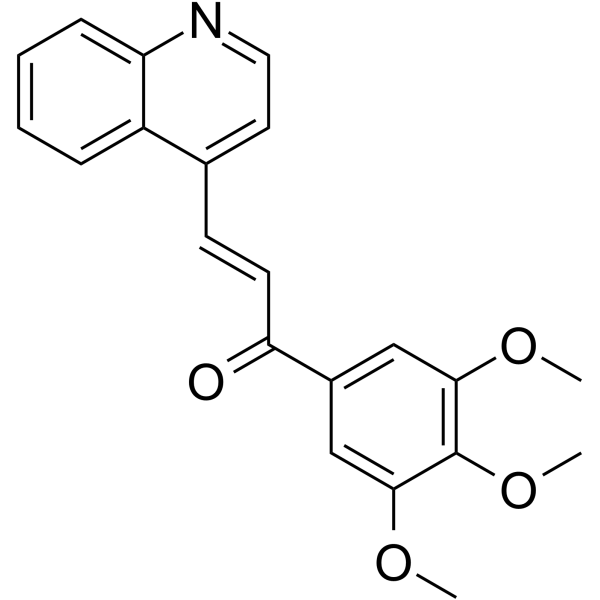
Tubulin inhibitor 27 (DYT-1) is a tubulin polymerisation inhibitor with an IC50 of 25.6 μM. Tubulin inhibitor 27 shows anti-angiogenesis and antitumor activities .
|
-
- HY-144748
-
|
|
Microtubule/Tubulin
Apoptosis
|
Cancer
|
|
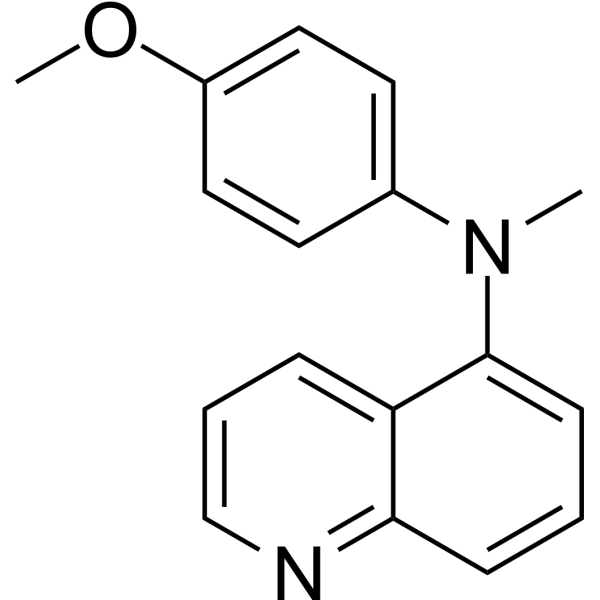
Tubulin inhibitor 17 (Compound 3b) is a tubulin polymerization inhibitor with an IC50 of 12.38 µM. Tubulin inhibitor 17 has anticancer activities and induces cell apoptosis .
|
-
- HY-144797
-
|
|
Microtubule/Tubulin
|
Cancer
|
|
Tubulin inhibitor 22 (compound 4c) is a potent inhibitor of tubulin with anti-angiogenesis and anti-cancer properties. Tubulin inhibitor 22 arrests MGC-803 cell cycle at G2/M phase. Tubulin inhibitor 22 dose-dependently causes Caspase-induced apoptosis of MGC-803 cells through mitochondrial dysfunction .
|
-
- HY-160854
-
|
|
Microtubule/Tubulin
Apoptosis
|
Cancer
|
|
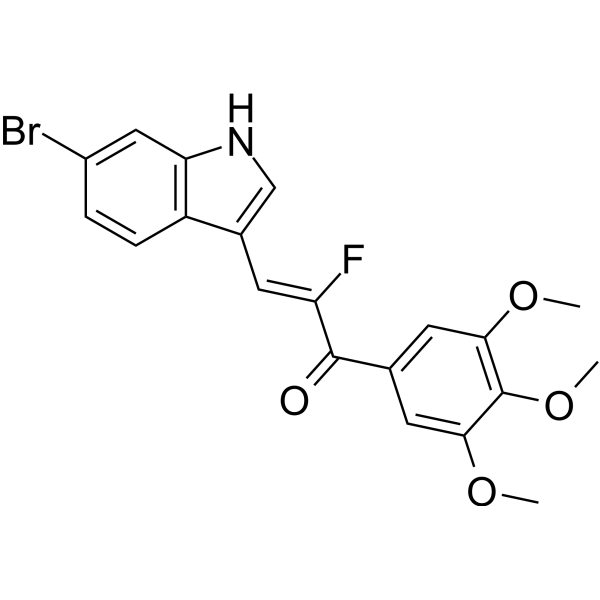
Tubulin inhibitor 43 (Compound 29) has significant antitumor activity. Tubulin inhibitor 43 inhibits the proliferation and growth of cancer cells by inhibiting the activity of β-microtubulin, and finally induces apoptosis .
|
-
- HY-162593
-
|
|
Microtubule/Tubulin
|
Cancer
|
|
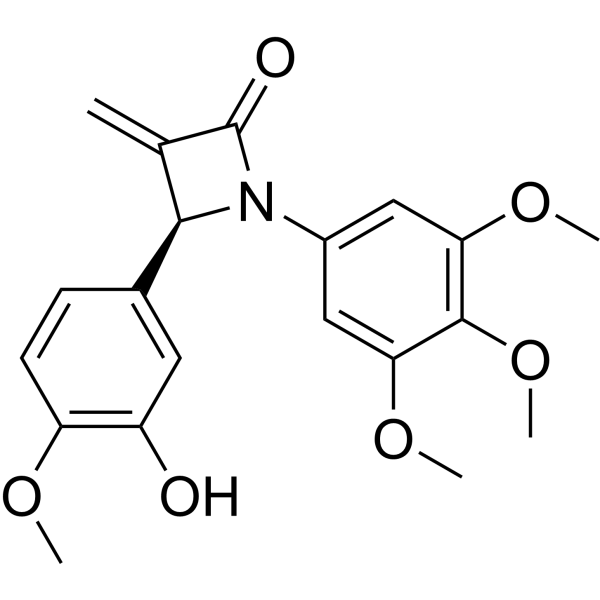
Tubulin inhibitor 45 (compound 5) is an inhibitor of tubulin protein active sites. Tubulin inhibitor 45 against MCF7 and HePG2 cancer cells with IC50 values of 11 μM and 13 μM .
|
-

- HY-160853
-
|
|
Apoptosis
Microtubule/Tubulin
|
Cancer
|
|
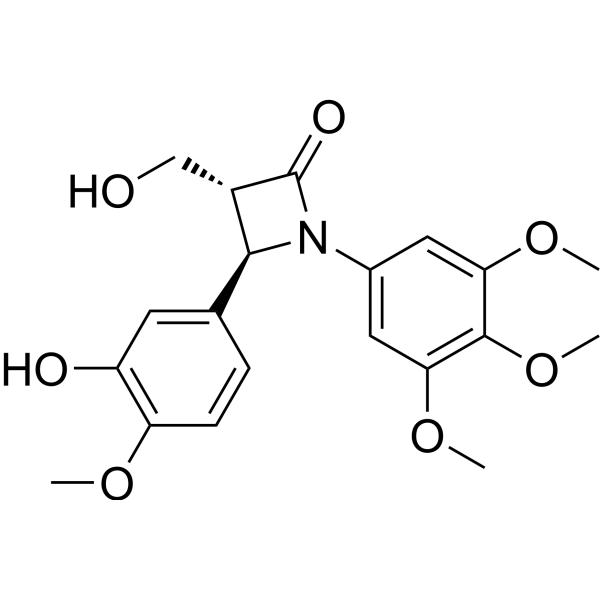
Tubulin inhibitor 42 (Compound 14b) dose-dependently inhibited the activity of β-microtubulin (IC50 = 3.5 µM).Tubulin inhibitor 42 interferes with microtubule dynamic homeostasis, resulting in the arrest of the cancer cell cycle in the G2/M phase and inducing apoptosis. Tubulin inhibitor 42 significantly inhibits the angiogenic process in vitro and in vivo, preventing vascularization and tumor growth .
|
-
- HY-168721
-
|
|
Microtubule/Tubulin
|
Cancer
|
|
Tubulin inhibitor 48 (compound 16) is an anti-cancer agent targeting tubulin. Tubulin inhibitor 48 has an IC50 of 0.1 and 0.07 μM for LN-229 and Capan-1 cell, respectively .
|
-

- HY-149856
-
|
|
Microtubule/Tubulin
Apoptosis
|
Cancer
|
|
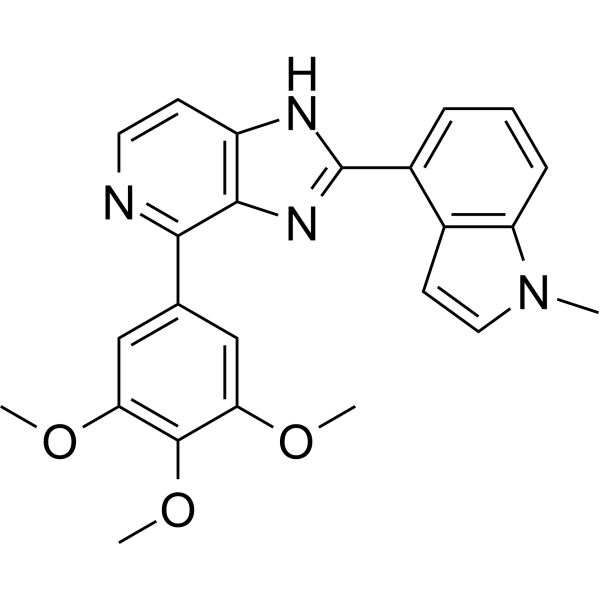
Tubulin inhibitor 33, a tubulin polymerization inhibitor, inhibits tubulin polymerization in a dose-dependent manner with an IC50 of 9.05 μM. Tubulin inhibitor 33 has antitumor effects and induces cell apoptosis that can be used for antitumor research .
|
-
- HY-161614
-
|
|
Microtubule/Tubulin
|
Cancer
|
|
Tubulin inhibitor 44 (Compound 26r) is an inhibitor for tubullin. Tubulin inhibitor 44 exhibits cytotoxicity in cancer cells NCI-H460, BxPC-3 and HT-29, with IC50s of 0.96, 0.66 and 0.61 nM, respectively .
|
-

- HY-155073
-
|
|
Microtubule/Tubulin
Apoptosis
|
Cancer
|
|
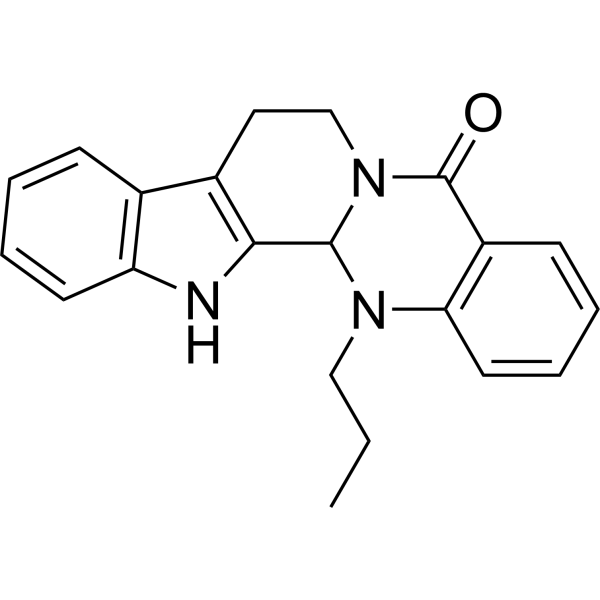
Tubulin inhibitor 35 (compound 6b) is a dual inhibitor of topoisomerase I (IC50=~50 μM) and tubulin polymerization (IC50=5.69 μM). Tubulin inhibitor 35 inhibits migration and invasion of MGC-803 and RKO cell lines,and induces apoptosis via arresting cell cycle at G2/M phase. Tubulin inhibitor 35 exhibis potent efficacy in gastrointestinal tumor inhibiton (inhibits MGC-803 (IC50=0.09 μM) and RKO (IC50=0.2 μM) cell lines) .
|
-
- HY-161256
-
|
|
Microtubule/Tubulin
Apoptosis
|
Cancer
|
|
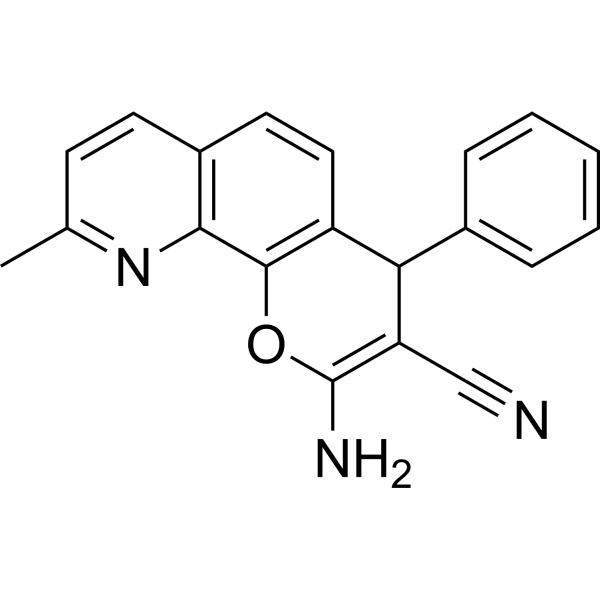
Tubulin inhibitor 41 (Compd D19), a promising anti-GBM (glioblastoma) lead compound and tublin inhibitor with BBB permeability, induces G2/M phase arrest, resulted in cell apoptosis and inhibits the migration of U87 cells .
|
-
- HY-W011996
-
|
|
Microtubule/Tubulin
|
Cancer
|
|
2-Methylthiophenothiazine (compound 17) is a precursor of tubulin inhibitor with potential anticancer activity and can inhibit tubulin aggregation .
|
-

- HY-16036A
-
|
12'-Methylthiovinblastine hydrochloride
|
Microtubule/Tubulin
Mitosis
|
Cancer
|
|
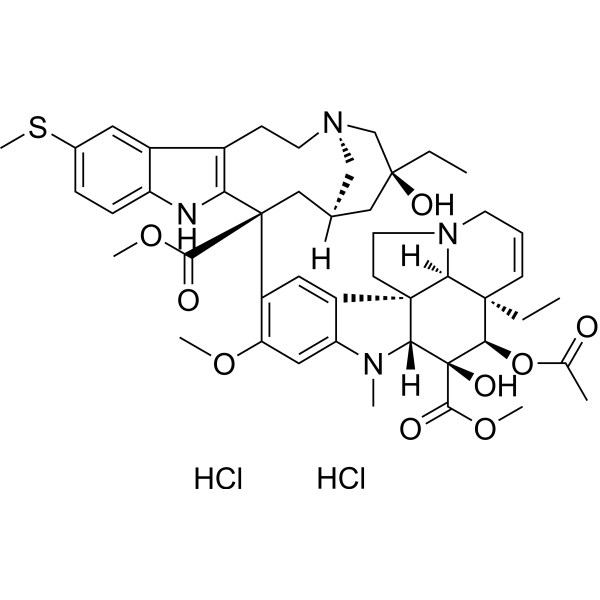
ALB-109564 (12'-Methylthiovinblastine) hydrochloride, a tubulin inhibitor, is a cytotoxic agent designed to kill cancer cells by disrupting mitosis .
|
-
- HY-152088
-
-
- HY-128960
-
-
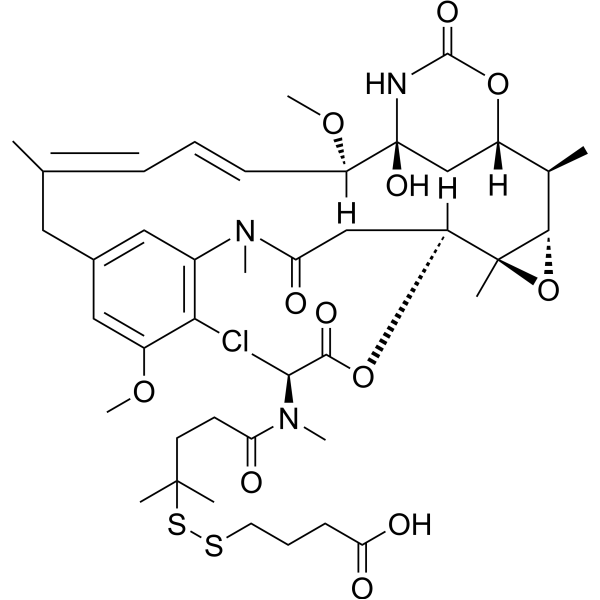
- HY-130960
-
|
|
ADC Payload
Microtubule/Tubulin
|
Cancer
|
|
Tubulysin IM-3 is a microtubule/Tubulin inhibitor that can act as an ADC cytotoxin (ADC Cytotoxin) and an anti-microtubule toxin (anti-microtubule toxins). Used for ADC synthesis.
|
-
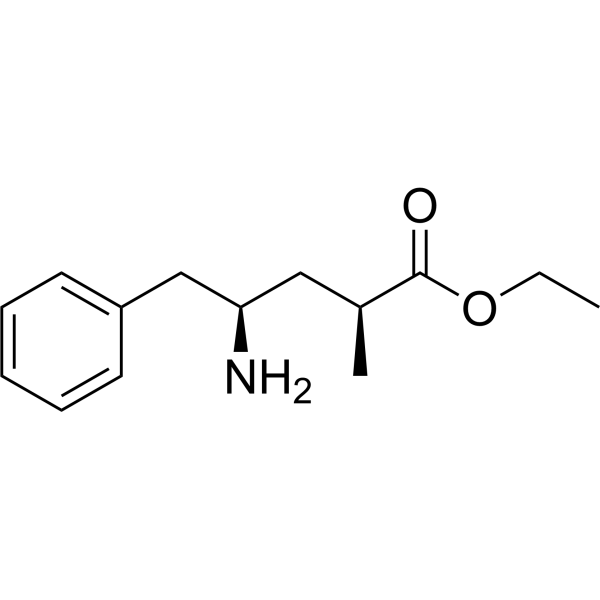
- HY-130959
-
|
|
ADC Payload
Microtubule/Tubulin
|
Cancer
|
|
Tubulysin IM-2 is a microtubule/Tubulin inhibitor that can act as an ADC cytotoxin (ADC Cytotoxin) and an anti-microtubule toxin (anti-microtubule toxins). Used for ADC synthesis.
|
-
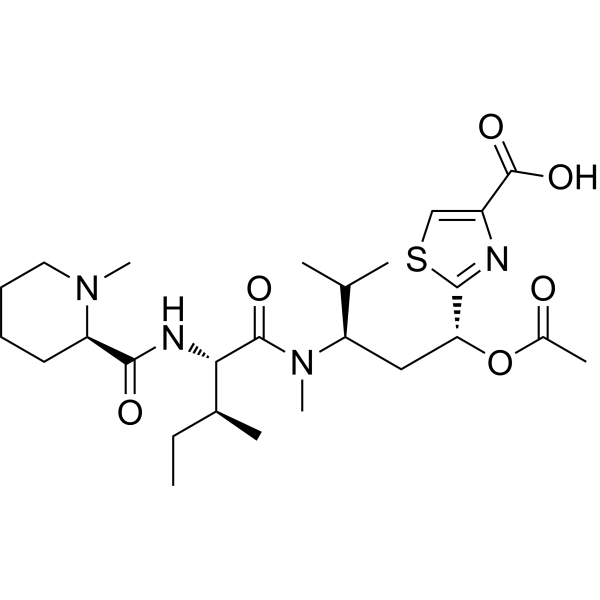
- HY-128951
-
|
|
Drug-Linker Conjugates for ADC
|
Cancer
|
|
AMCC-DM1 is a drug-linker conjugate composed of a potent a tubulin inhibitor DM4 and a linker AMCC to make antibody drug conjugate. AMCC is a noncleavable linker .
|
-

- HY-130958
-
|
|
ADC Payload
Microtubule/Tubulin
|
Cancer
|
|
Tubulysin IM-1 is a microtubule/Tubulin inhibitor that can act as an ADC cytotoxin (ADC Cytotoxin) and an anti-microtubule toxin (anti-microtubule toxins). Used for ADC synthesis .
|
-
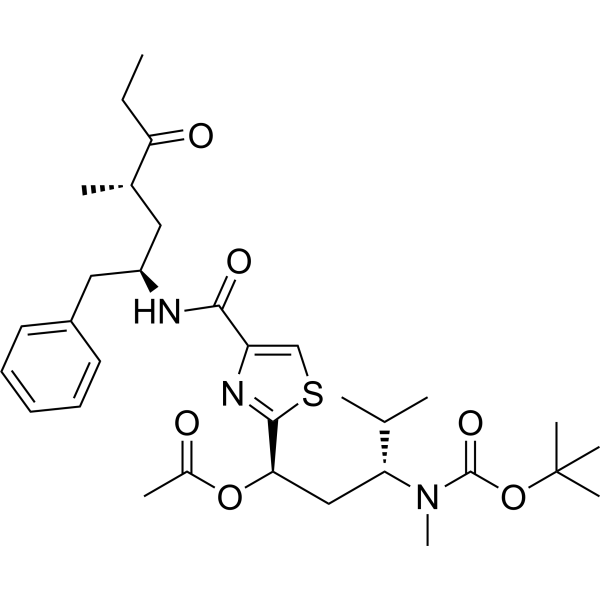
- HY-123707
-
|
|
Microtubule/Tubulin
|
Cancer
|
|
KPU-300 (compound 6b) is a tubulin inhibitor. KPU-300 has potent cytotoxicity with an IC50 value of 7.0 nM against HT-29 cells .
|
-

- HY-161997
-
|
|
Microtubule/Tubulin
|
Cancer
|
|
hTopo-II/tubulin-IN-1 (compound 5L) is a hTopo-II/tubulin inhibitor. hTopo-II/tubulin-IN-1 inhibits cell migration and can be used in anti-cancer research .
|
-

- HY-160702
-
|
|
Drug-Linker Conjugates for ADC
|
Cancer
|
|
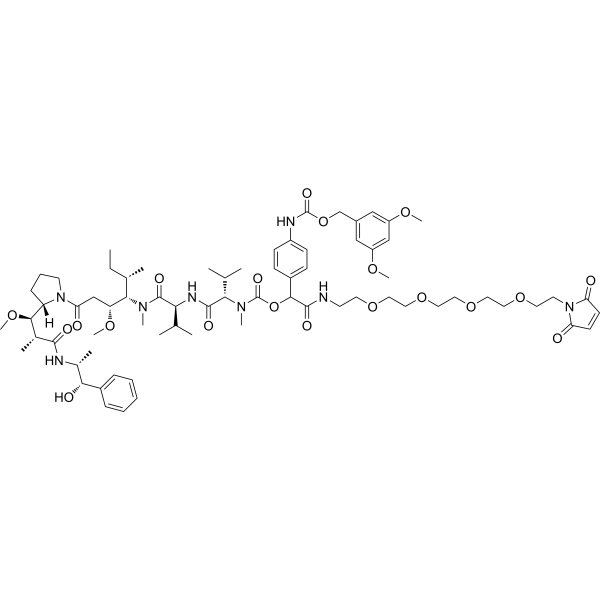
DMBA-SIL-Mal-MMAE is a cytotoxin-linker conjugate for ADC with potent antitumor activity by using the anti-mitotic agent, monomethyl auristatin E (MMAE, a tubulin inhibitor), linked DMBA-SIL-Mal .
|
-
- HY-W705792
-
-

- HY-155459
-
|
|
Microtubule/Tubulin
Mitosis
|
Cancer
|
|
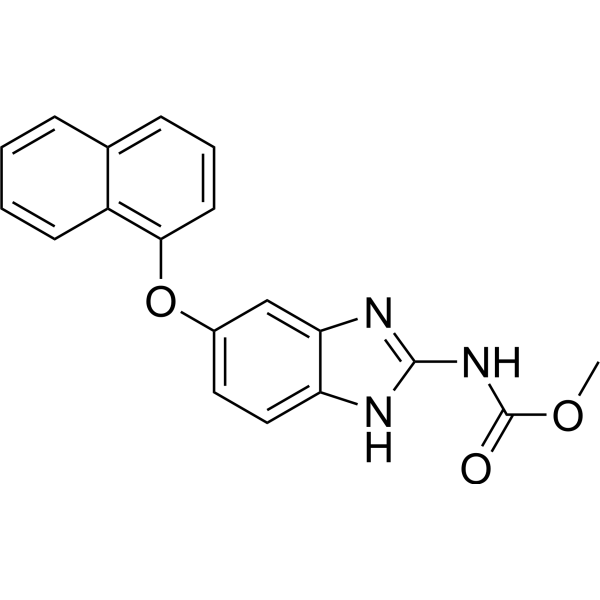
Tubulin polymerization-IN-57 (compound 5a) is a tubulin inhibitor and is an α-naphthoxy-substituted carbendazim (HY-13582) derivative. Tubulin polymerization-IN-57 induces mitotic arrest and inhibits cancer cell proliferation .
|
-
- HY-144299
-
|
|
Microtubule/Tubulin
Apoptosis
|
Cancer
|
|
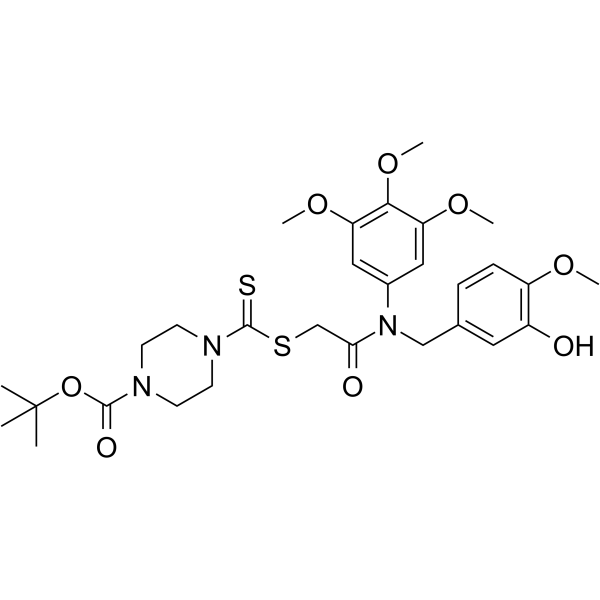
Tubulin polymerization-IN-5 (compound 20q) is a potent tubulin inhibitor with potential anticancer activities. Tubulin polymerization-IN-5 can arrest ESCC cells at G2/M phase and cause cells apoptosis .
|
-
- HY-155686
-
|
|
Microtubule/Tubulin
|
Cancer
|
|
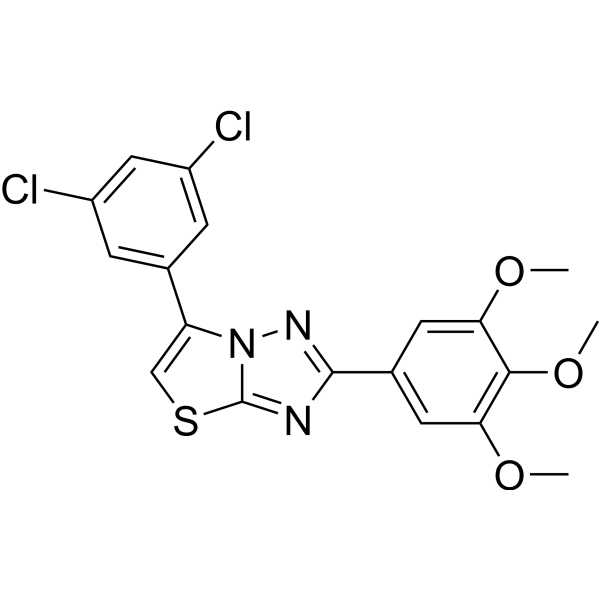
Tubulinpolymer-in-44 (compound 7w) is a strong and effective Tubulin inhibitor, with an IC50 value of 0.21 μM. Tubulinpolymer-in-44 induces apoptosis by arresting G2/M phase, which can be used for cancer research.
|
-
- HY-169882
-
|
|
Microtubule/Tubulin
|
Cancer
|
|
Tubulin inhibitor 49 (Compound 18) is an inhibitor for tubulin polymerization with an IC50 of 48 μM. Tubulin inhibitor 49 disrupts the cell microtubule network, arrests the cell cycle at G2 phase, and exhibits cytotoxicity (IC50=8.8 μM in HeLa cell). Tubulin inhibitor 49 can be used in the research of cervical cancer .
|
-

- HY-169882A
-
|
|
Microtubule/Tubulin
|
Cancer
|
|
Tubulin inhibitor 49 (Compound 18) hydrobromide is an inhibitor for tubulin polymerization with an IC50 of 48 μM. Tubulin inhibitor 49 hydrobromide disrupts the cell microtubule network, arrests the cell cycle at G2 phase, and exhibits cytotoxicity (IC50=8.8 μM in HeLa cell). Tubulin inhibitor 49 hydrobromide can be used in the research of cervical cancer .
|
-

- HY-183271
-
|
|
Microtubule/Tubulin
|
Cancer
|
|
Tubulin-IN-67 is a tubulin inhibitor. Tubulin-IN-67 binds to the colchicine-binding site of tubulin, inhibiting tubulin polymerization. Tubulin-IN-67 arrests cancer cell cycle at the G2/M phase and triggers apoptosis in cancer cells. Tubulin-IN-67 can be used for the research of hepatocellular carcinoma, cervical carcinoma, breast carcinoma .
|
-

- HY-148245
-
|
|
Drug-Linker Conjugates for ADC
|
Cancer
|
|
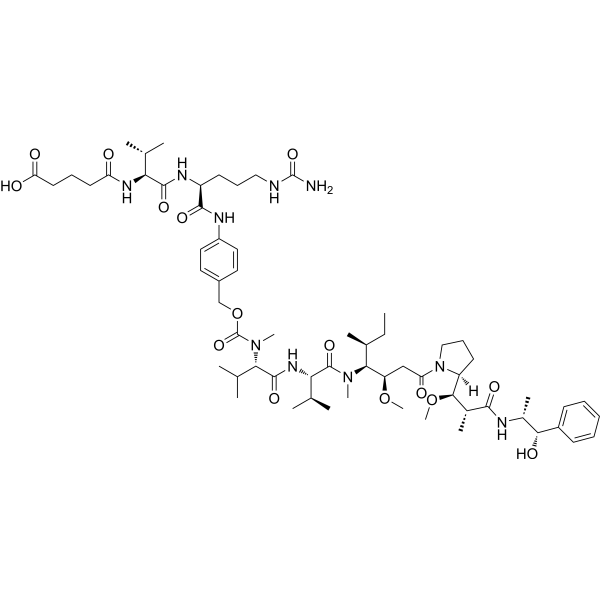
OH-Glu-Val-Cit-PAB-MMAE consists a cleavable ADC linker (OH-Glu-Val-Cit-PAB) and a potent tubulin inhibitor (MMAE). SuO-Glu-Val-Cit-PAB-MMAE can be used in the synthesis of antibody-drug conjugates (ADCs) .
|
-
- HY-126686
-
|
|
Drug-Linker Conjugates for ADC
|
Cancer
|
|
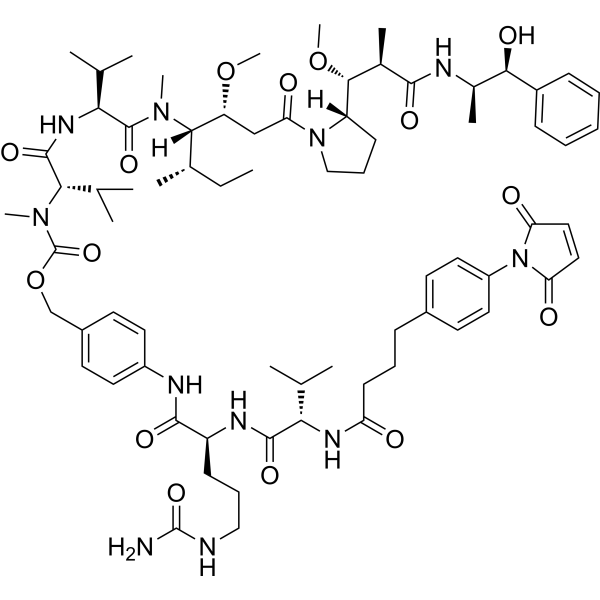
Mal-Phe-C4-VC-PAB-MMAE is made by MMAE conjugated to Mal-Phe-C4-VC-PAB linker. Monomethyl auristatin E (MMAE), a potent tubulin inhibitor, is a toxin payload in antibody agent conjugate.
|
-
- HY-16569S1
-
-
- HY-121524
-
|
|
Microtubule/Tubulin
|
Cancer
|
|
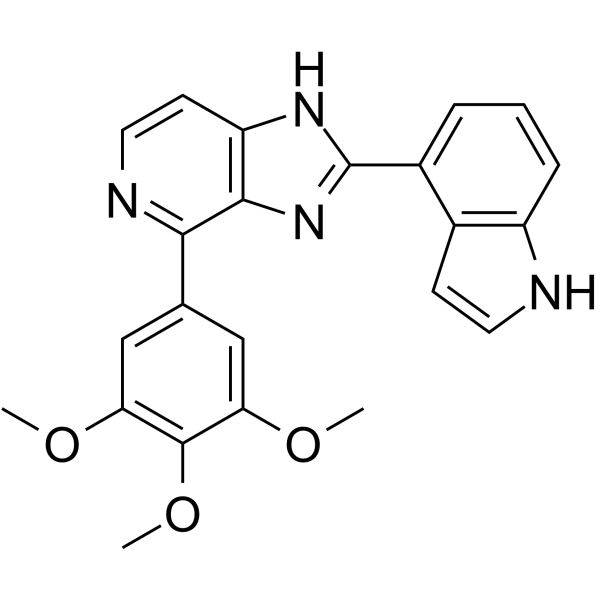
DJ101 is a potent and metabolically stable tubulin inhibitor. DJ101 targets the colchicine binding site and overcomes taxane resistance. DJ101 also inhibits melanoma tumor growth and lung metastasis. DJ101 can be used for prostate cancer research .
|
-
- HY-41047
-
|
|
Apoptosis
|
Cancer
|
|
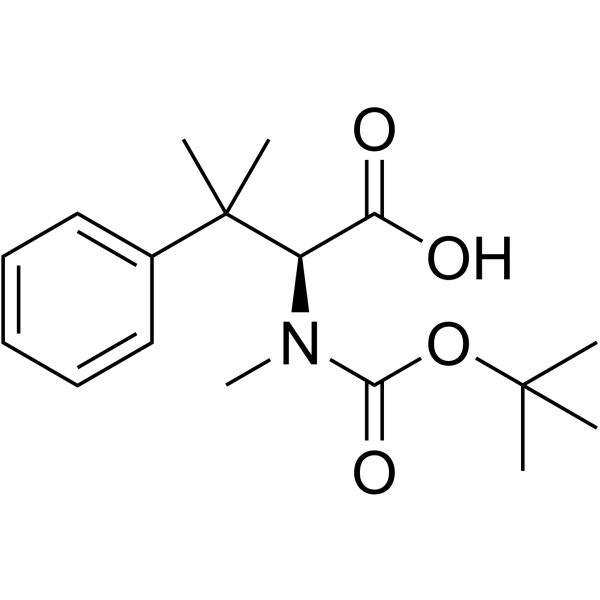
Taltobulin intermediate-1 is an intermediate in the synthesis of Taltobulin (HY-15584). Taltobulin is a common toxin component in ADC preparation (ADC Cytotoxin), and it is also a powerful tubulin (Microtubule/Tubulin) inhibitor. Taltobulin disrupts tubulin polymerization, induces mitotic arrest, and induces apoptosis .
|
-
- HY-41069
-
|
|
Apoptosis
|
Cancer
|
|
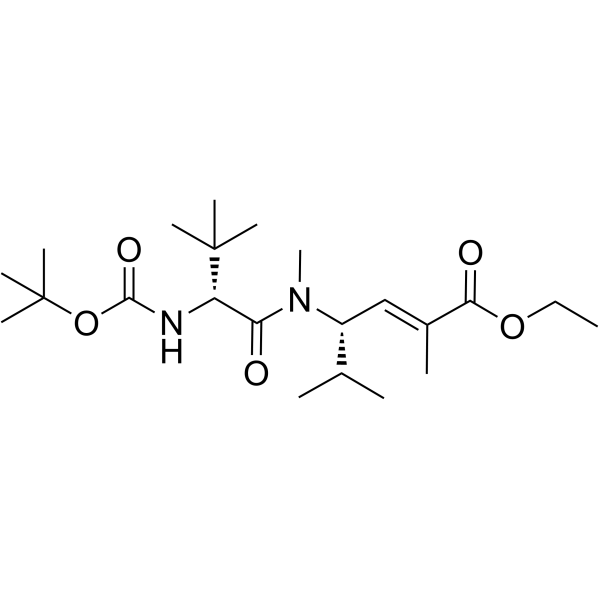
Taltobulin intermediate-7 is an intermediate in the synthesis of Taltobulin (HY-15584). Taltobulin is a common toxin component in ADC preparation (ADC Cytotoxin), and it is also a powerful tubulin (Microtubule/Tubulin) inhibitor. Taltobulin disrupts tubulin polymerization, induces mitotic arrest, and induces apoptosis .
|
-
- HY-41066
-
|
|
Apoptosis
|
Cancer
|
|
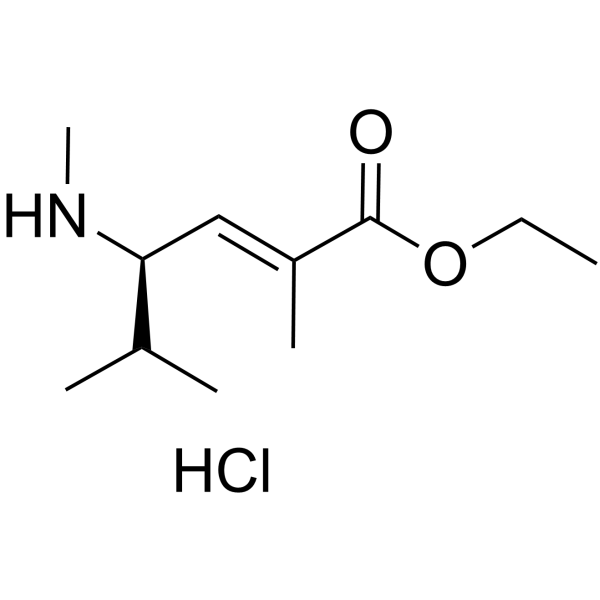
Taltobulin intermediate-5 is an intermediate in the synthesis of Taltobulin (HY-15584). Taltobulin is a common toxin component in ADC preparation (ADC Cytotoxin), and it is also a powerful tubulin (Microtubule/Tubulin) inhibitor. Taltobulin disrupts tubulin polymerization, induces mitotic arrest, and induces apoptosis .
|
-
- HY-46004
-
|
|
Apoptosis
|
Cancer
|
|
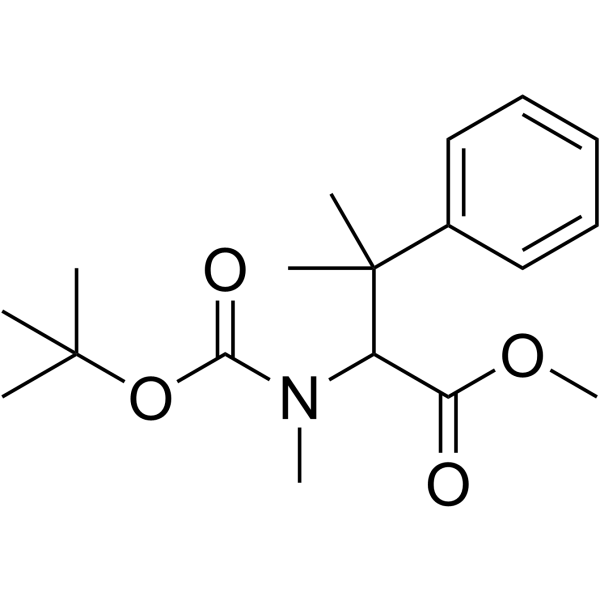
Taltobulin intermediate-10 is an intermediate in the synthesis of Taltobulin (HY-15584). Taltobulin is a common toxin component in ADC preparation (ADC Cytotoxin), and it is also a powerful tubulin (Microtubule/Tubulin) inhibitor. Taltobulin disrupts tubulin polymerization, induces mitotic arrest, and induces apoptosis .
|
-
- HY-41055
-
|
|
ADC Payload
|
Cancer
|
|
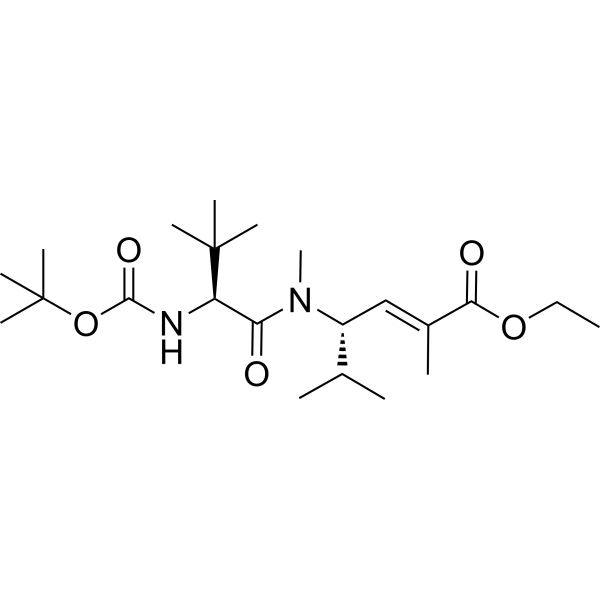
Taltobulin intermediate-4 is an intermediate in the synthesis of Taltobulin (HY-15584). Taltobulin is a common toxin component in ADC preparation (ADC Cytotoxin), and it is also a powerful tubulin (Microtubule/Tubulin) inhibitor. Taltobulin disrupts tubulin polymerization, induces mitotic arrest, and induces apoptosis .
|
-
- HY-41070
-
|
|
Microtubule/Tubulin
ADC Payload
|
Cancer
|
|
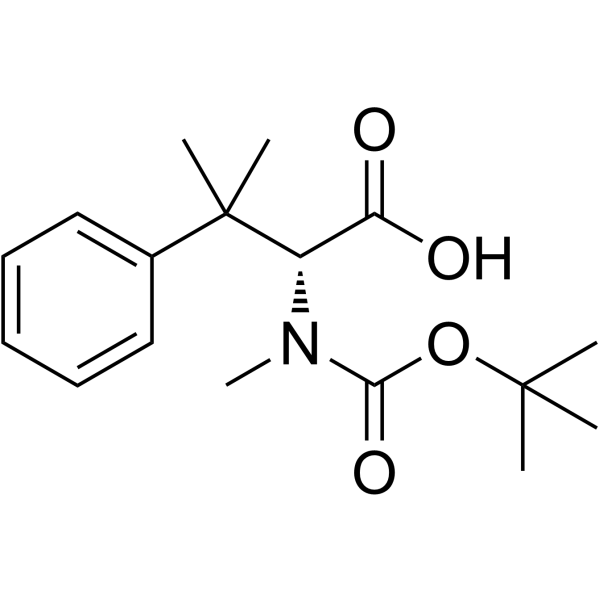
Taltobulin intermediate-8 is an intermediate in the synthesis of Taltobulin (HY-15584). Taltobulin is a common toxin component in ADC preparation (ADC Cytotoxin), and it is also a powerful tubulin (Microtubule/Tubulin) inhibitor. Taltobulin disrupts tubulin polymerization, induces mitotic arrest, and induces apoptosis .
|
-
- HY-46005
-
|
|
Apoptosis
|
Cancer
|
|
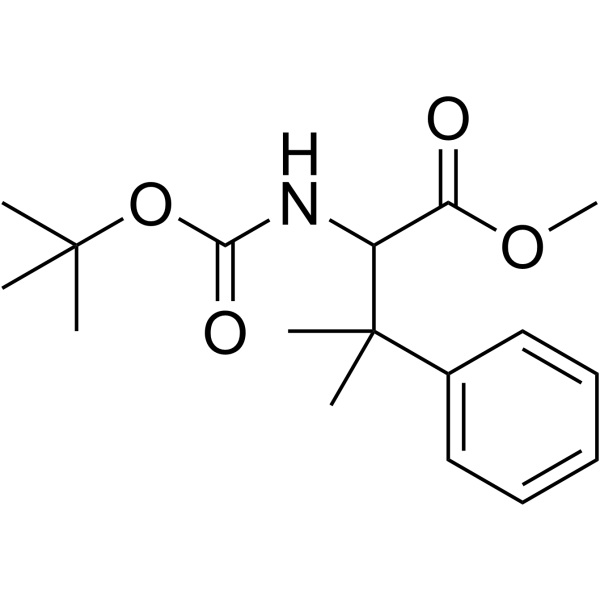
Taltobulin intermediate-11 is an intermediate in the synthesis of Taltobulin (HY-15584). Taltobulin is a common toxin component in ADC preparation (ADC Cytotoxin), and it is also a powerful tubulin (Microtubule/Tubulin) inhibitor. Taltobulin disrupts tubulin polymerization, induces mitotic arrest, and induces apoptosis .
|
-
- HY-152916
-
|
|
Drug-Linker Conjugates for ADC
|
Cancer
|
|
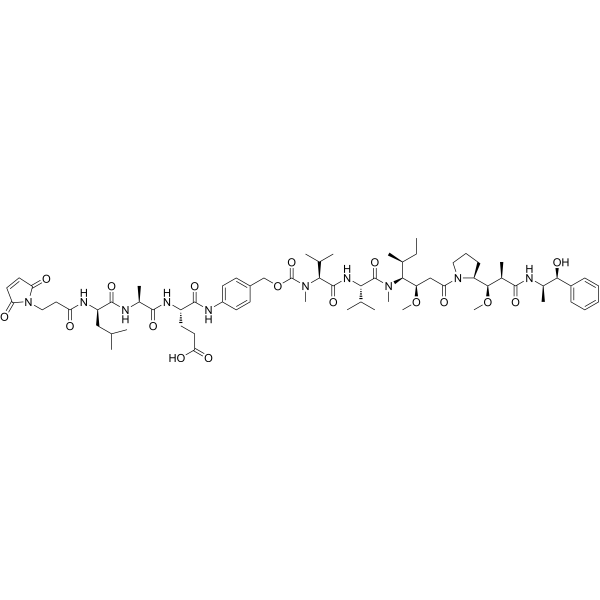
mp-dLAE-PABC-MMAE is a agent-linker conjugate for ADC. mp-dLAE-PABC-MMAE contains a potent tubulin inhibitor Monomethyl auristatin E (HY-15162). mp-dLAE-PABC-MMAE can be used to synthesis antibody-drug conjugates (ADCs) .
|
-
- HY-129071R
-
|
|
Reference Standards
Microtubule/Tubulin
|
Cancer
|
|
Vindesine (sulfate) (Standard) is the analytical standard of Vindesine (sulfate). This product is intended for research and analytical applications. Vindesine sulfate is a potent tubulin inhibitor with an Ki of 0.110 μM. Vindesine sulfate shows anti-proliferation effect in vitro. Vindesine sulfate shows antitumor effect in vivo .
|
-

- HY-141156
-
|
|
Drug-Linker Conjugates for ADC
|
Cancer
|
|
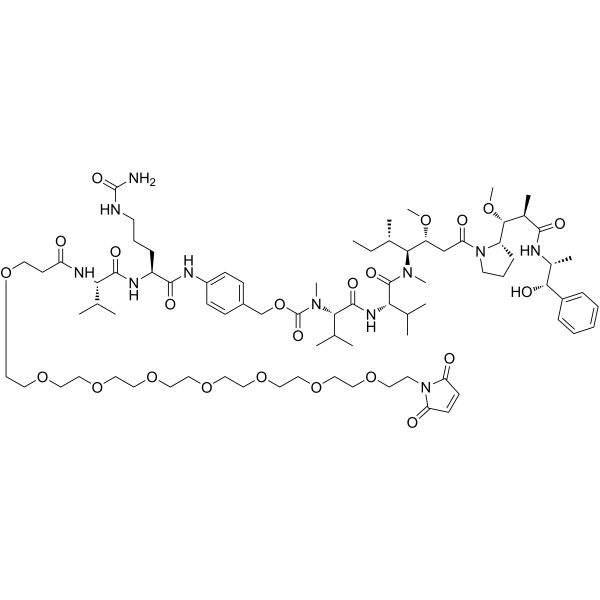
Mal-PEG8-Val-Cit-PAB-MMAE is a agent-linker conjugate for ADC. Mal-PEG8-Val-Cit-PAB-MMAE contains a cleavable ADC linker and a potent tubulin inhibitor MMAE (HY-15162) .
|
-
- HY-41061
-
|
|
Apoptosis
|
Cancer
|
|
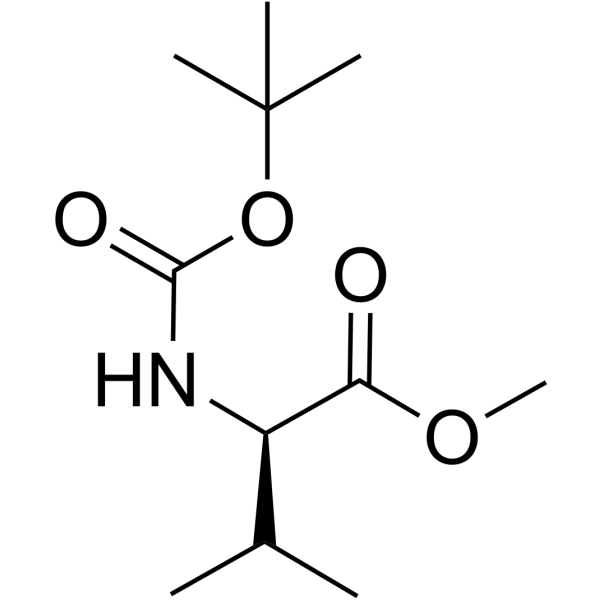
D-Boc Valine methyl ester is an intermediate in the synthesis of Taltobulin (HY-15584). Taltobulin is a common toxin component in ADC preparation (ADC Cytotoxin), and it is also a powerful tubulin (Microtubule/Tubulin) inhibitor. Taltobulin disrupts tubulin polymerization, induces mitotic arrest, and induces apoptosis .
|
-
- HY-156758
-
|
|
Drug-Linker Conjugates for ADC
|
Cancer
|
|
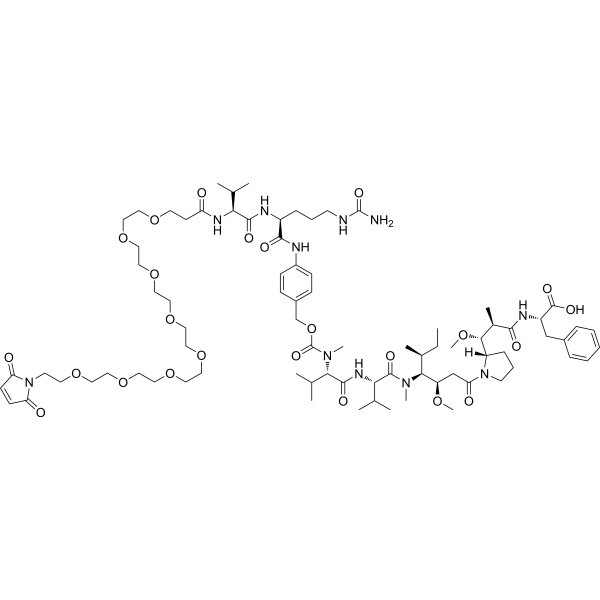
Mal-PEG8-Val-Cit-PAB-MMAF is a drug-linker conjugate for ADC. Mal-PEG8-Val-Cit-PAB-MMAF contains a cleavable ADC linker and a potent tubulin inhibitor MMAE (HY-15162) .
|
-
- HY-46006
-
|
|
Apoptosis
|
Cancer
|
|
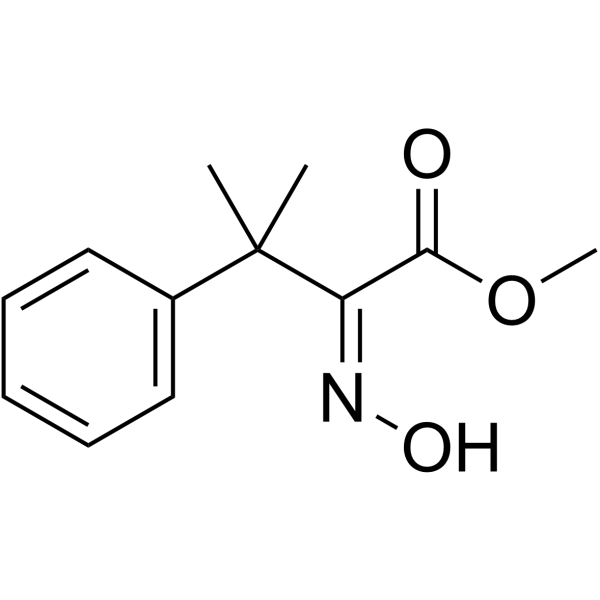
Taltobulin intermediate-12 is an intermediate in the synthesis of Taltobulin (HY-15584). Taltobulin is a common toxin component in ADC preparation (ADC Cytotoxin), and it is also a powerful tubulin (Microtubule/Tubulin) inhibitor. Taltobulin disrupts tubulin polymerization, induces mitotic arrest, and induces apoptosis .
|
-
- HY-41043
-
|
|
Apoptosis
|
Cancer
|
|
Taltobulin intermediate-2 is an intermediate in the synthesis of Taltobulin (HY-15584). Taltobulin is a common toxin component in ADC preparation (ADC Cytotoxin), and it is also a powerful tubulin (Microtubule/Tubulin) inhibitor. Taltobulin disrupts tubulin polymerization, induces mitotic arrest, and induces apoptosis .
|
-
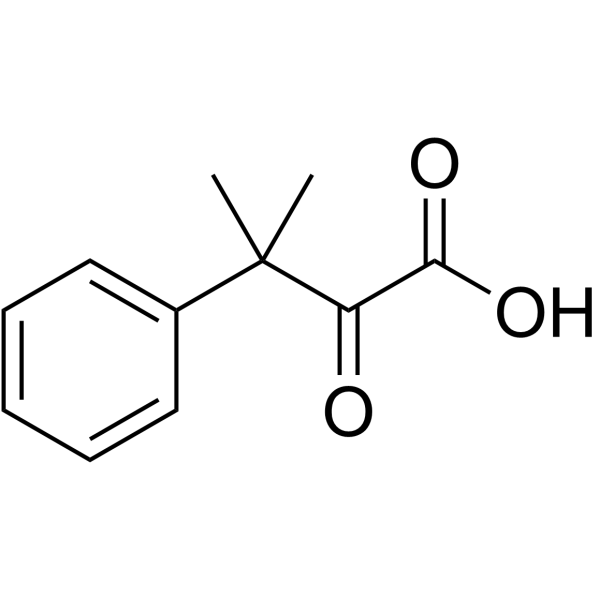
- HY-41054
-
|
|
Apoptosis
|
Cancer
|
|
Taltobulin intermediate-3 is an intermediate in the synthesis of Taltobulin (HY-15584). Taltobulin is a common toxin component in ADC preparation (ADC Cytotoxin), and it is also a powerful tubulin (Microtubule/Tubulin) inhibitor. Taltobulin disrupts tubulin polymerization, induces mitotic arrest, and induces apoptosis .
|
-
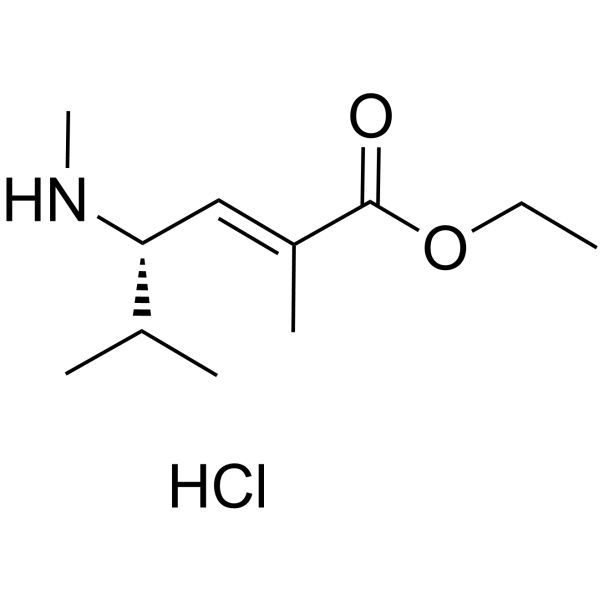
- HY-41067
-
|
|
Apoptosis
|
Cancer
|
|
Taltobulin intermediate-6 is an intermediate in the synthesis of Taltobulin (HY-15584). Taltobulin is a common toxin component in ADC preparation (ADC Cytotoxin), and it is also a powerful tubulin (Microtubule/Tubulin) inhibitor. Taltobulin disrupts tubulin polymerization, induces mitotic arrest, and induces apoptosis .
|
-
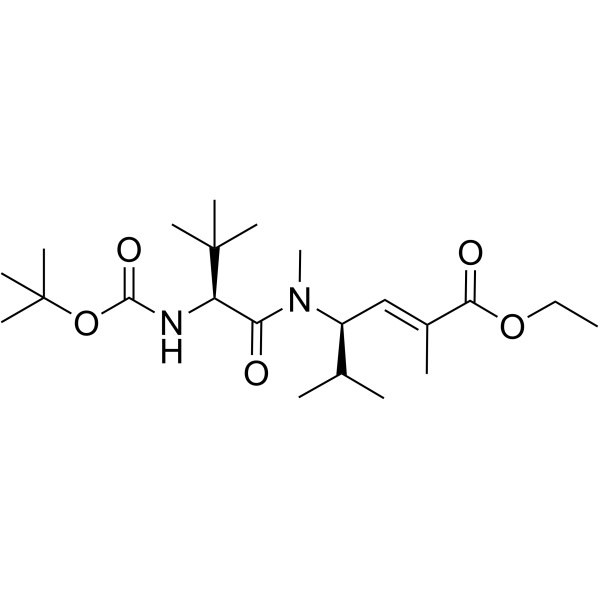
- HY-41045
-
|
|
Apoptosis
|
Cancer
|
|
(Rac)-Taltobulin intermediate-1 is an intermediate in the synthesis of Taltobulin (HY-15584). Taltobulin is a common toxin component in ADC preparation (ADC Cytotoxin), and it is also a powerful tubulin (Microtubule/Tubulin) inhibitor. Taltobulin disrupts tubulin polymerization, induces mitotic arrest, and induces apoptosis .
|
-
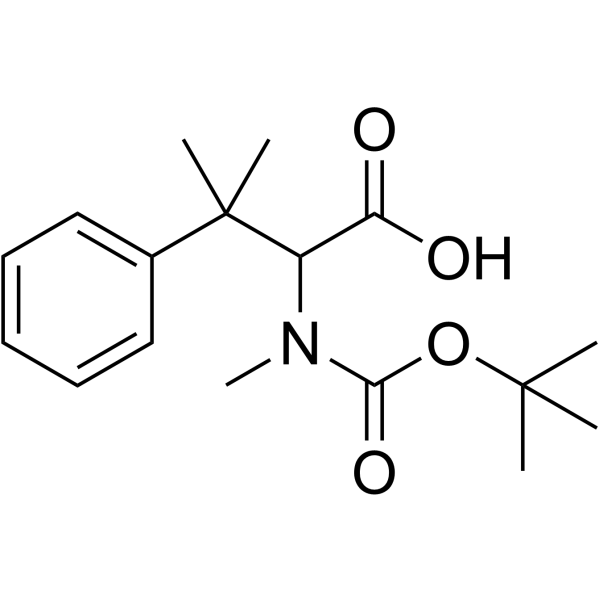
- HY-78908
-
|
|
Microtubule/Tubulin
|
Cancer
|
|
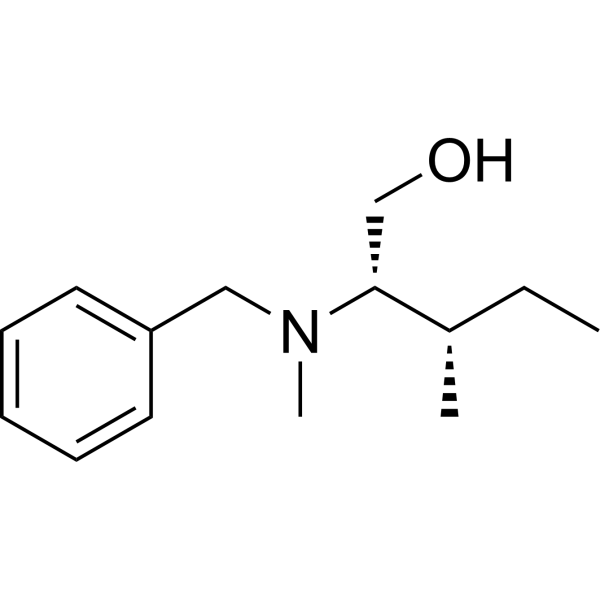
Monomethyl auristatin E intermediate-11 is an intermediate reactant in the synthesis of Monomethyl auristatin E (HY-15162). Monomethyl auristatin E (MMAE) is a microtubule/tubulin inhibitor with anticancer activity. MMAE is widely used as the cytotoxic component (ADC Cytotoxin) of antibody-drug conjugates (ADCs) .
|
-
- HY-33048
-
|
|
Microtubule/Tubulin
|
Cancer
|
|
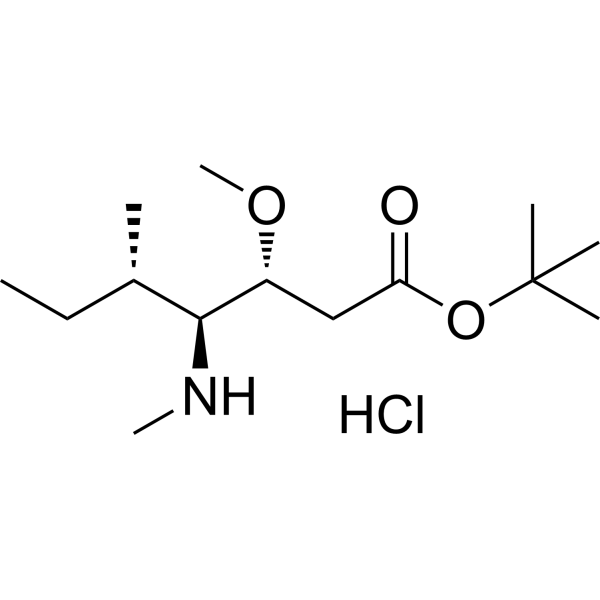
Monomethyl auristatin E intermediate-1 is an intermediate reagent in the synthesis of Monomethyl auristatin E (HY-15162). Monomethyl auristatin E (MMAE) is a microtubule/tubulin inhibitor with anticancer activity. MMAE is widely used as the cytotoxic component (ADC Cytotoxin) of antibody-drug conjugates (ADCs) .
|
-
- HY-78910
-
|
|
Microtubule/Tubulin
|
Cancer
|
|
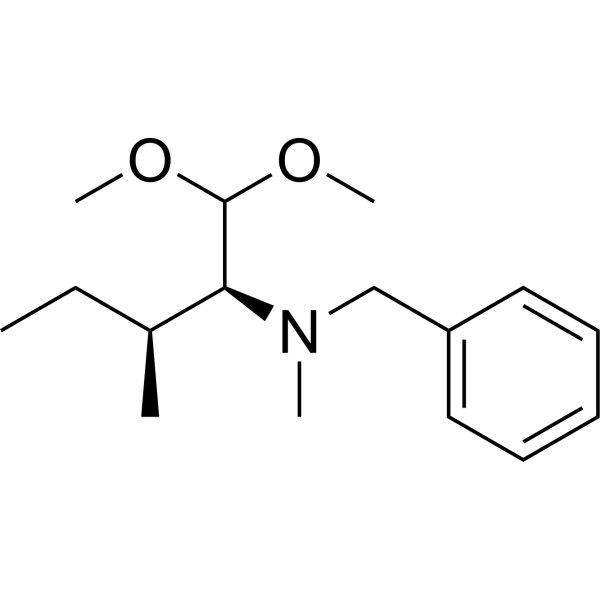
Monomethyl auristatin E intermediate-12 is an intermediate reagent in the synthesis of Monomethyl auristatin E (HY-15162). Monomethyl auristatin E (MMAE) is a microtubule/tubulin inhibitor with anticancer activity. MMAE is widely used as the cytotoxic component (ADC Cytotoxin) of antibody-drug conjugates (ADCs) .
|
-
- HY-78903A
-
|
|
Microtubule/Tubulin
|
Cancer
|
|
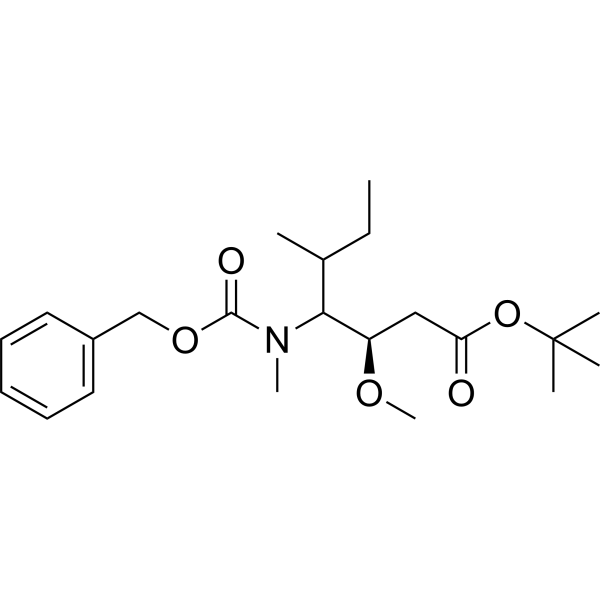
Monomethyl auristatin E intermediate-10 is an intermediate reagent in the synthesis of Monomethyl auristatin E (HY-15162). Monomethyl auristatin E (MMAE) is a microtubule/tubulin inhibitor with anticancer activity. MMAE is widely used as the cytotoxic component (ADC Cytotoxin) of antibody-drug conjugates (ADCs) .
|
-
- HY-78911
-
|
|
Microtubule/Tubulin
|
Cancer
|
|
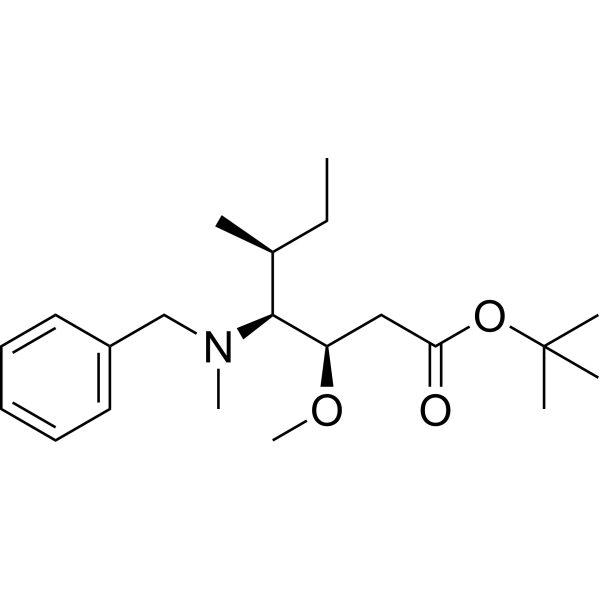
Monomethyl auristatin E intermediate-13 is an intermediate reagent in the synthesis of Monomethyl auristatin E (HY-15162). Monomethyl auristatin E (MMAE) is a microtubule/tubulin inhibitor with anticancer activity. MMAE is widely used as the cytotoxic component (ADC Cytotoxin) of antibody-drug conjugates (ADCs) .
|
-
- HY-79196
-
|
|
Microtubule/Tubulin
|
Cancer
|
|
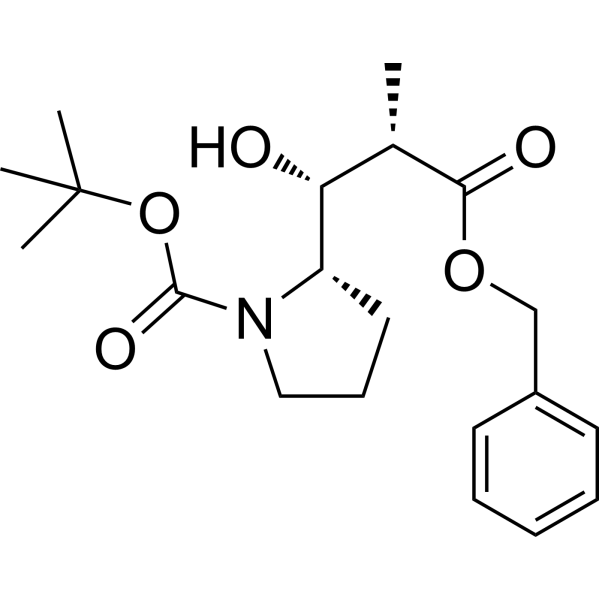
Monomethyl auristatin E intermediate-15 is an intermediate reagent in the synthesis of Monomethyl auristatin E (HY-15162). Monomethyl auristatin E (MMAE) is a microtubule/tubulin inhibitor with anticancer activity. MMAE is widely used as the cytotoxic component (ADC Cytotoxin) of antibody-drug conjugates (ADCs) .
|
-
- HY-79198
-
|
|
Microtubule/Tubulin
Drug Intermediate
ADC Payload
|
Cancer
|
|
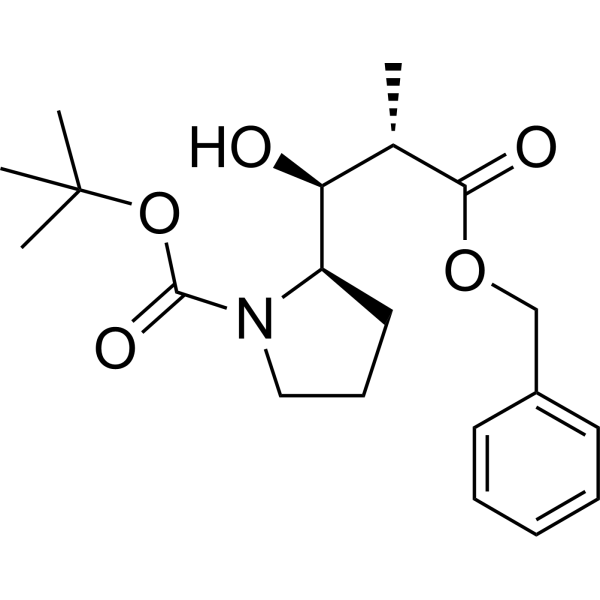
Monomethyl auristatin E intermediate-16 is an intermediate reagent in the synthesis of Monomethyl auristatin E (HY-15162). Monomethyl auristatin E (MMAE) is a microtubule/tubulin inhibitor with anticancer activity. MMAE is widely used as the cytotoxic component (ADC Cytotoxin) of antibody-drug conjugates (ADCs) .
|
-
- HY-43147
-
|
|
Microtubule/Tubulin
|
Cancer
|
|
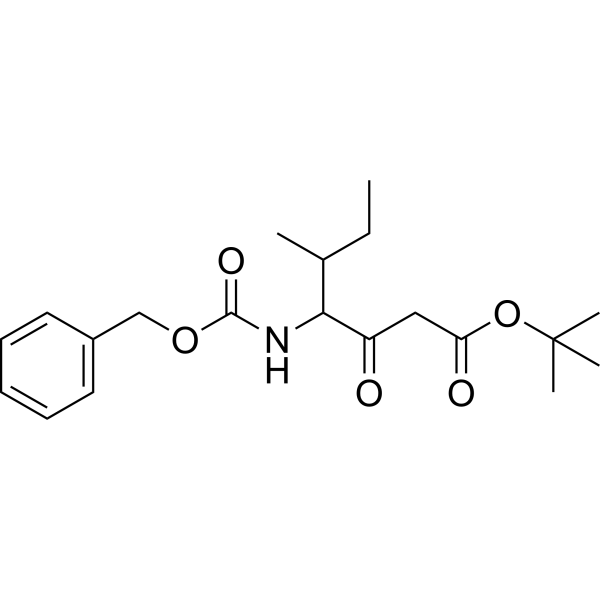
Monomethyl auristatin E intermediate-4 is an intermediate reagent in the synthesis of Monomethyl auristatin E (HY-15162). Monomethyl auristatin E (MMAE) is a microtubule/tubulin inhibitor with anticancer activity. MMAE is widely used as the cytotoxic component (ADC Cytotoxin) of antibody-drug conjugates (ADCs) .
|
-
- HY-78903
-
|
|
Microtubule/Tubulin
Drug Intermediate
|
Cancer
|
|
Monomethyl auristatin E intermediate-9 is an intermediate reagent in the synthesis of Monomethyl auristatin E (HY-15162). Monomethyl auristatin E (MMAE) is a microtubule/tubulin inhibitor with anticancer activity. MMAE is widely used as the cytotoxic component (ADC Cytotoxin) of antibody-drug conjugates (ADCs) .
|
-
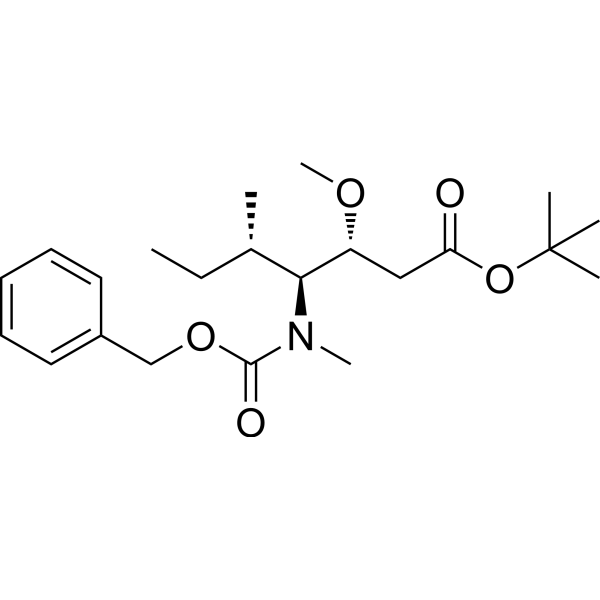
- HY-78901A
-
|
|
Microtubule/Tubulin
|
Cancer
|
|
Monomethyl auristatin E intermediate-8 is an intermediate reagent in the synthesis of Monomethyl auristatin E (HY-15162). Monomethyl auristatin E (MMAE) is a microtubule/tubulin inhibitor with anticancer activity. MMAE is widely used as the cytotoxic component (ADC Cytotoxin) of antibody-drug conjugates (ADCs) .
|
-
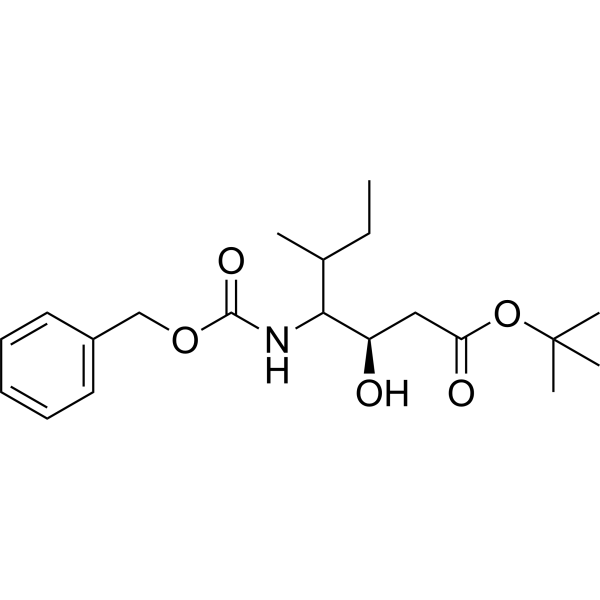
- HY-177307
-
-

- HY-78899
-
|
|
Microtubule/Tubulin
Drug Intermediate
|
Cancer
|
|
Monomethyl auristatin E intermediate-6 is an intermediate reagent in the synthesis of Monomethyl auristatin E (HY-15162). Monomethyl auristatin E (MMAE) is a microtubule/tubulin inhibitor with anticancer activity. MMAE is widely used as the cytotoxic component (ADC Cytotoxin) of antibody-drug conjugates (ADCs) .
|
-
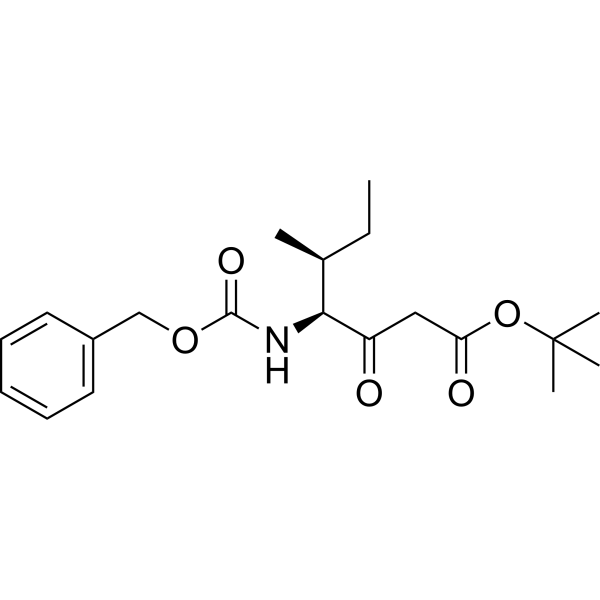
- HY-78901
-
|
|
Microtubule/Tubulin
|
Cancer
|
|
Monomethyl auristatin E intermediate-7 is an intermediate reagent in the synthesis of Monomethyl auristatin E (HY-15162). Monomethyl auristatin E (MMAE) is a microtubule/tubulin inhibitor with anticancer activity. MMAE is widely used as the cytotoxic component (ADC Cytotoxin) of antibody-drug conjugates (ADCs) .
|
-
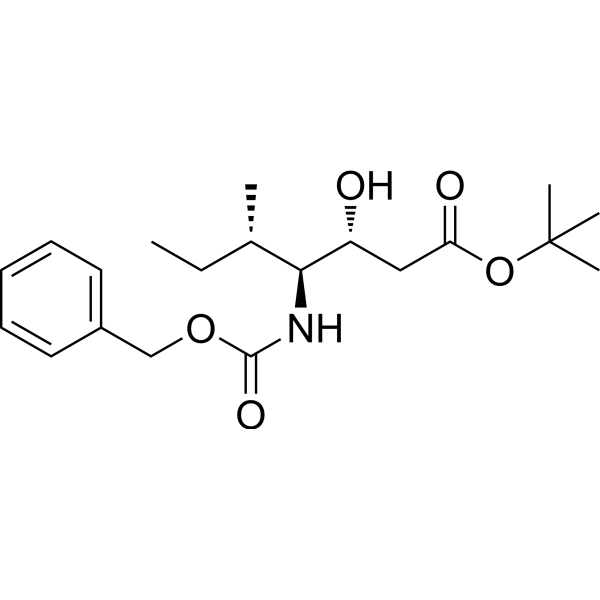
- HY-79205
-
|
|
Microtubule/Tubulin
|
Cancer
|
|
Monomethyl auristatin E intermediate-17 is an intermediate reagent in the synthesis of Monomethyl auristatin E (HY-15162). Monomethyl auristatin E (MMAE) is a microtubule/tubulin inhibitor with anticancer activity. MMAE is widely used as the cytotoxic component (ADC Cytotoxin) of antibody-drug conjugates (ADCs) .
|
-
- HY-49413
-
|
|
Microtubule/Tubulin
|
Cancer
|
|
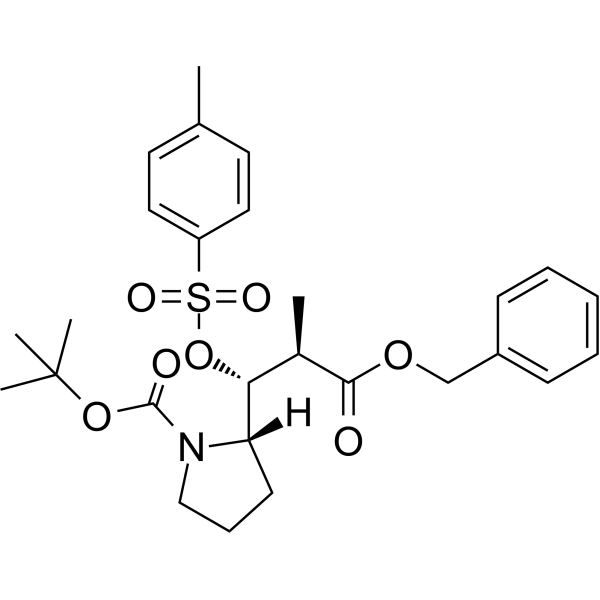
Monomethyl auristatin E intermediate-2 is an intermediate reagent in the synthesis of Monomethyl auristatin E (HY-15162). Monomethyl auristatin E (MMAE) is a microtubule/tubulin inhibitor with anticancer activity. MMAE is widely used as the cytotoxic component (ADC Cytotoxin) of antibody-drug conjugates (ADCs) .
|
-
- HY-43149
-
|
|
Microtubule/Tubulin
|
Cancer
|
|
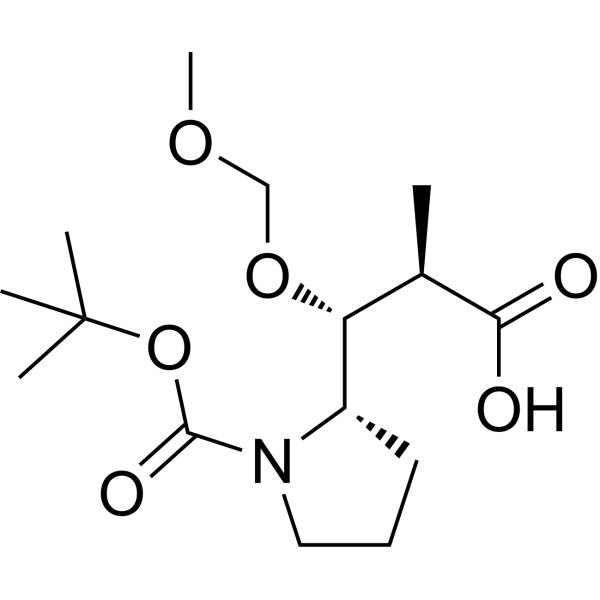
Monomethyl auristatin E intermediate-5 is an intermediate reagent in the synthesis of Monomethyl auristatin E (HY-15162). Monomethyl auristatin E (MMAE) is a microtubule/tubulin inhibitor with anticancer activity. MMAE is widely used as the cytotoxic component (ADC Cytotoxin) of antibody-drug conjugates (ADCs) .
|
-
- HY-78913
-
|
|
ADC Payload
|
Cancer
|
|
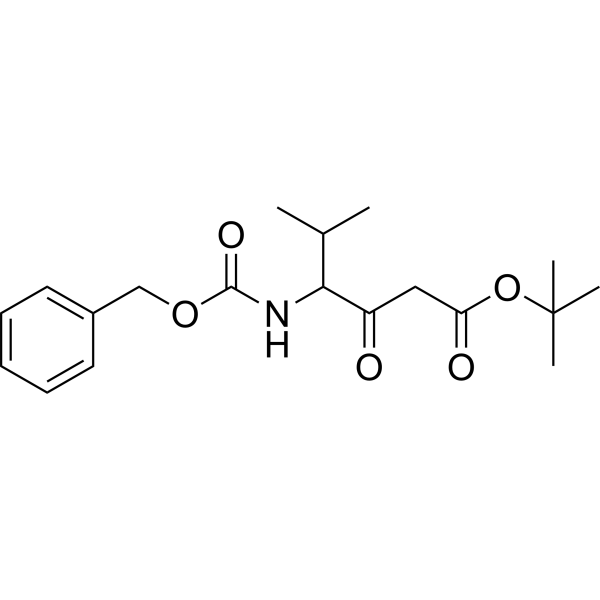
Monomethyl auristatin E intermediate-14 is an intermediate reagent in the synthesis of Monomethyl auristatin E (HY-15162). Monomethyl auristatin E (MMAE) is a microtubule/tubulin inhibitor with anticancer activity. MMAE is widely used as the cytotoxic component (ADC Cytotoxin) of antibody-drug conjugates (ADCs) .
|
-
- HY-131056
-
|
|
Drug-Linker Conjugates for ADC
|
Cancer
|
|
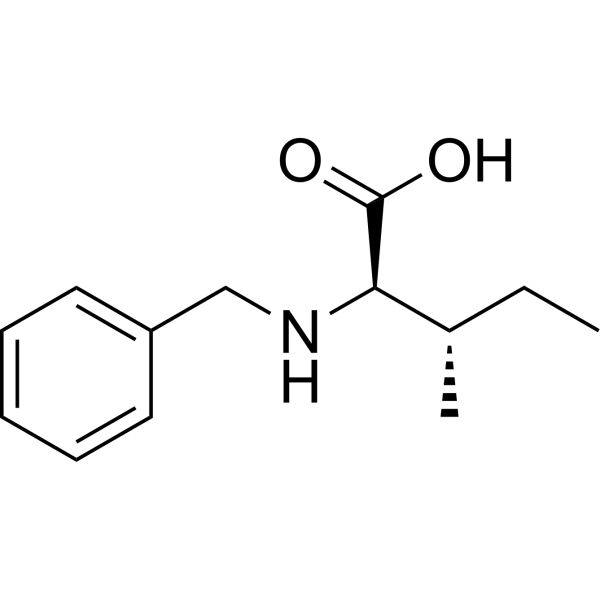
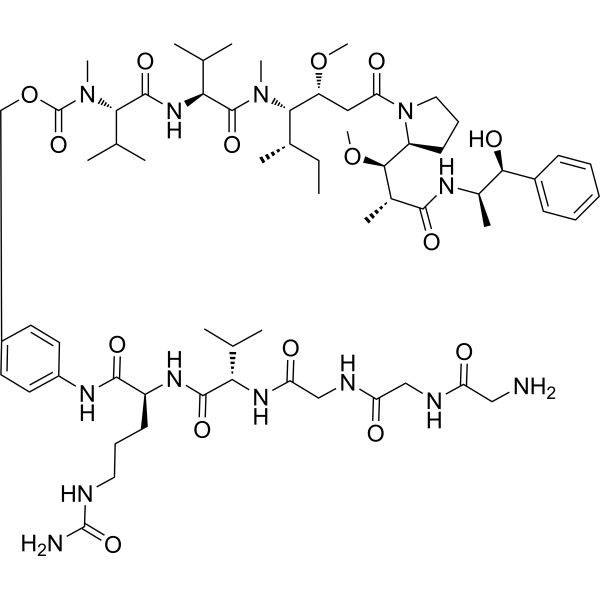
Gly3-VC-PAB-MMAE consists a cleavable ADC linker (Gly3-VC-PAB) and a potent tubulin inhibitor (MMAE). Gly3-VC-PAB-MMAE can be used in the synthesis of antibody-drug conjugates (ADCs) .
|
-
- HY-43146
-
|
|
Microtubule/Tubulin
|
Cancer
|
|
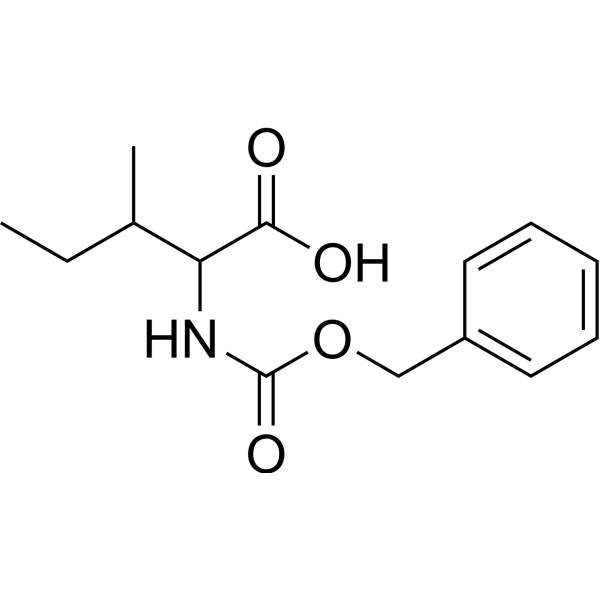
Monomethyl auristatin E intermediate-3 is an intermediate reagent in the synthesis of Monomethyl auristatin E (HY-15162). Monomethyl auristatin E (MMAE) is a microtubule/tubulin inhibitor with anticancer activity. MMAE is widely used as the cytotoxic component (ADC Cytotoxin) of antibody-drug conjugates (ADCs) .
|
-
- HY-185577
-
|
|
Drug-Linker Conjugates for ADC
Microtubule/Tubulin
Apoptosis
|
Cancer
|
|
MMAE-PAB-Gyykr is a drug-linker conjugate for ADC, consisting of a cleavable ADC linker (Arg-Lys-Tyr-Tyr-Gly) and a potent tubulin inhibitor Monomethyl auristatin E (MMAE) (HY-15162). MMAE-PAB-Gyykr can be used in the synthesis of antibody-drug conjugates (ADCs) .
|
-

- HY-N1098R
-
|
|
Reference Standards
HIF/HIF Prolyl-Hydroxylase
|
Inflammation/Immunology
|
|
Colchiceine (Standard) is the analytical standard of Colchiceine. This product is intended for research and analytical applications. Colchiceine is one of several metabolites of the anti-gout medication Colchicine (HY-16569). Colchicine is a tubulin inhibitor and a microtubule disrupting agent, and may protect rats from developing liver injury and fibrosis .
|
-

- HY-127166R
-
|
O10-Demethylcolchicine (Standard)
|
Microtubule/Tubulin
Reference Standards
|
Inflammation/Immunology
|
|
Colchiceine (Standard) is the analytical standard of Colchiceine. This product is intended for research and analytical applications. Colchiceine is one of several metabolites of the anti-gout medication Colchicine (HY-16569). Colchicine is a tubulin inhibitor and a microtubule disrupting agent, and may protect rats from developing liver injury and fibrosis .
|
-

- HY-P991874
-
|
|
ADC Antibody
CD3
|
Cancer
|
|
AMG-224 Antibody is an anti-human BCMA IgG1 antibody. AMG-224 Antibody can generate antibody drug conjugate (ADC) (AMG 224) with a tubulin inhibitor Mertansine (HY-19792). AMG-224 Antibody can be used for the study of multiple myeloma .
|
-

- HY-112786
-
|
Vc-MMAF
|
Drug-Linker Conjugates for ADC
|
Cancer
|
|
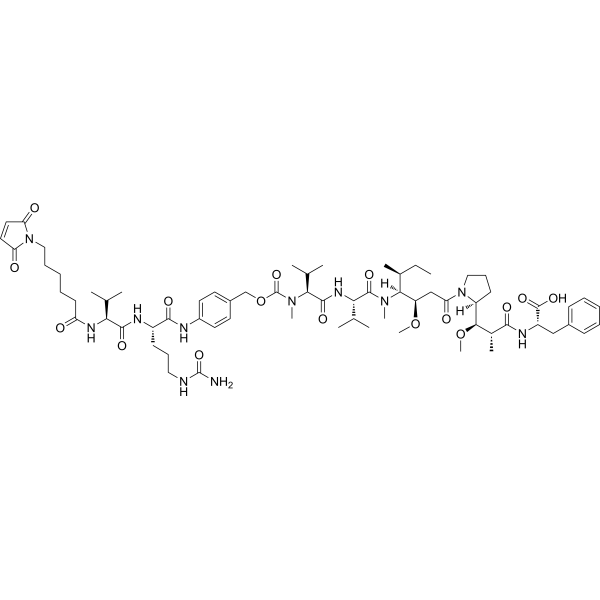
MC-Val-Cit-PAB-MMAF (Vc-MMAF) is a drug-linker conjugate for ADC by using the tubulin inhibitor, MMAF (HY-15579), linked via cathepsin cleavable MC-Val-Cit-PAB (HY-78738). MC-Val-Cit-PAB-MMAF shows antitumor activity .
|
-
- HY-176743
-
|
|
Microtubule/Tubulin
Apoptosis
|
Cancer
|
|
Tubulin polymerization-IN-81 is a selective Tubulin inhibitor with an IC50 of 5.41 μM. Tubulin polymerization-IN-81 possesses a significant anti-proliferative activity, unique ROS-mediated apoptotic mechanism and potent anti-microtubule activity. Tubulin polymerization-IN-81 can be used in anti-tumor research .
|
-

- HY-15575S
-
|
MC-Val-Cit-PAB-MMAE-d8; mc-vc-PAB-MMAE-d8
|
Drug-Linker Conjugates for ADC
Microtubule/Tubulin
|
Cancer
|
|
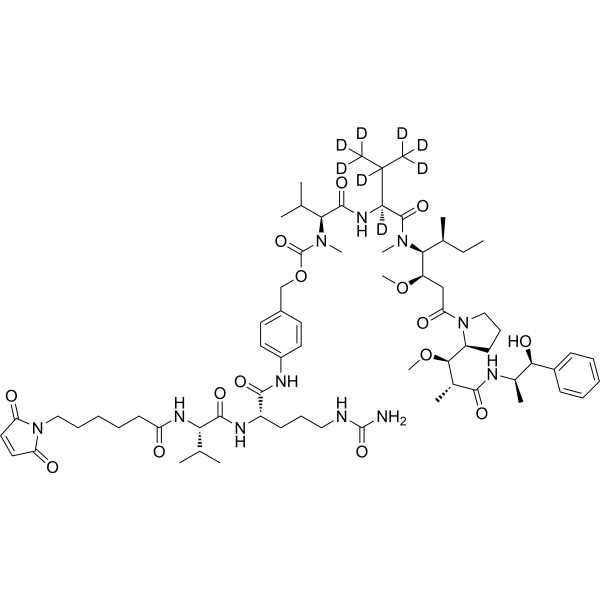
VcMMAE-d8 is an isotope of VcMMAE (HY-15575). VcMMAE-d8 is a agent-linker conjugate for ADC with potent antitumor activity by using the anti-mitotic agent, monomethyl auristatin E (MMAE, a tubulin inhibitor), linked via the lysosomally cleavable dipeptide, valine-citrulline (vc) .
|
-
- HY-177307A
-
|
|
Drug-Linker Conjugates for ADC
Microtubule/Tubulin
|
Cancer
|
|
Mal-Val-Lys-PAB-MMAE TFA is a drug-linker conjugate for ADC. Mal-Val-Lys-PAB-MMAE TFA consists of a Tubulin inhibitor (MMAE) (HY-15162) and a linker (Mal-Val-Lys-PAB). Mal-Val-Lys-PAB-MMAE TFA can be used for synthesis of ADCs .
|
-

- HY-130989
-
|
NHS-Glutarate-Val-Cit-PAB-MMAE
|
Drug-Linker Conjugates for ADC
|
Cancer
|
|
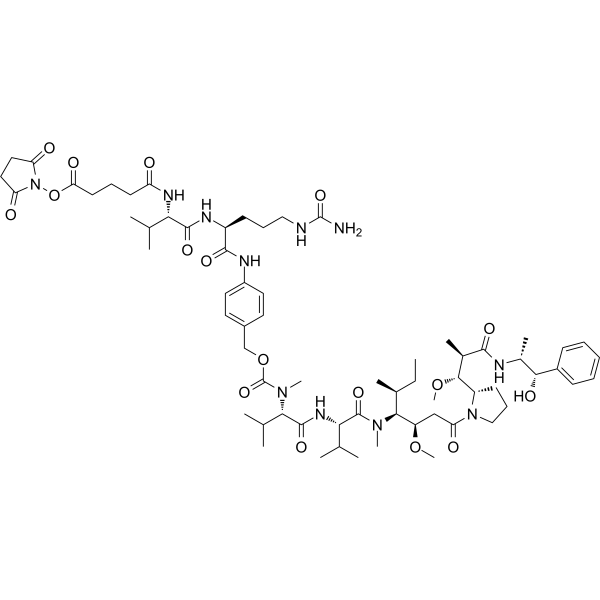
SuO-Glu-Val-Cit-PAB-MMAE (NHS-Glutarate-Val-Cit-PAB-MMAE) consists a cleavable ADC linker (SuO-Glu-Val-Cit-PAB) and a potent tubulin inhibitor (MMAE). SuO-Glu-Val-Cit-PAB-MMAE can be used in the synthesis of antibody-drug conjugates (ADCs) .
|
-
- HY-119118
-
|
|
Microtubule/Tubulin
|
Cancer
|
|
J-30 is an orally active and potent tubulin inhibitor (IC50=15-20 nM). J-30 disrupts microtubule polymerization and induces G2/M phase arrest. J-30 is promising for research of solid tumors (e.g., gastric, oral) .
|
-

- HY-130081
-
|
|
ADC Payload
Microtubule/Tubulin
|
Cancer
|
|
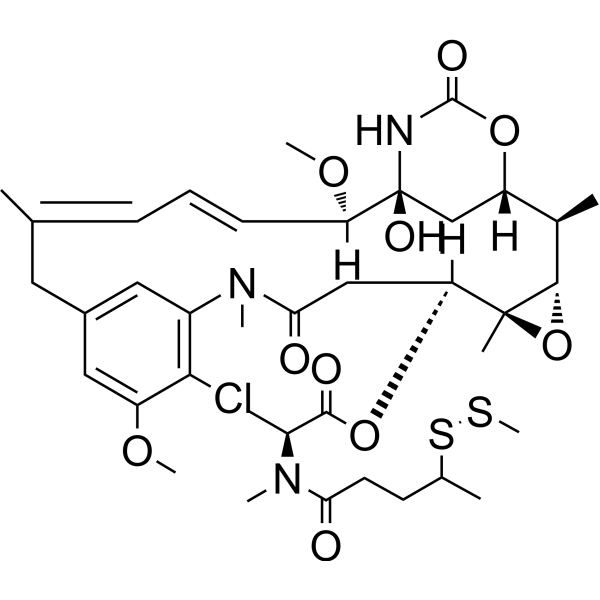
DM3-SMe is a maytansine derivative and a tubulin inhibitor, and is a cytotoxic moiety of antibody-drug conjugates (ADCs), which can be linked to antibody through disulfide bond or stable thioether bond. DM3-SMe shows highly cytotoxic activity in vitro with an IC50 of 0.0011 nM .
|
-
- HY-W072781
-
|
|
Microtubule/Tubulin
|
Cancer
|
|
N-Deacetylthiocolchicine is a tubulin inhibitor with an IC50 value of 2.2 nM in MDR-negative MDA-MB 231 breast cancer cells. N-Deacetylthiocolchicine exerts antiproliferative activity by binding to tubulin to interfere with microtubule assembly, arresting cells in mitosis during the cell cycle. N-Deacetylthiocolchicine is promising for research of malignancies such as breast cancer .
|
-

- HY-N12331
-
|
|
Microtubule/Tubulin
|
Cancer
|
|
Ohchinolide B is a tubulin inhibitor. Ohchinolide B inhibits microtubule polymerization (IC50=2.3 μM) and induces G2/M phase cell cycle arrest via mitochondrial apoptotic pathways. Ohchinolide B is promising for research of solid tumors (e.g., breast, lung cancer) .
|
-

- HY-175350
-
|
OncoFAP glidotin
|
FAP
Microtubule/Tubulin
|
Cancer
|
|
OncoFAP-GlyPro-MMAE is a FAP small molecule-drug conjugate (SMDC) with an IC50 of 0.49 nM. OncoFAP-GlyPro-MMAE consists of a FAP Ligand OncoFAP (HY-145938), a Tubulin inhibitor (MMAE) (HY-15162) and a linker. OncoFAP-GlyPro-MMAE can be used for cancers like renal cancer research .
|
-

- HY-171734
-
-

- HY-147092R
-
|
|
Reference Standards
Microtubule/Tubulin
Herbicide
|
Infection
|
|
Oryzalin (Standard) is the analytical standard of Oryzalin (HY-147092). This product is intended for research and analytical applications. Oryzalin is a dinitroaniline herbicide with antimitotic and antileishmanial activities. Oryzalin can bind to plant tubulin, inhibit the polymerization of microtubules in plant cells, and affect chromosome migration. Oryzalin can also be used to induce chromosome doubling .
|
-

- HY-78899A
-
|
|
Microtubule/Tubulin
|
Cancer
|
|
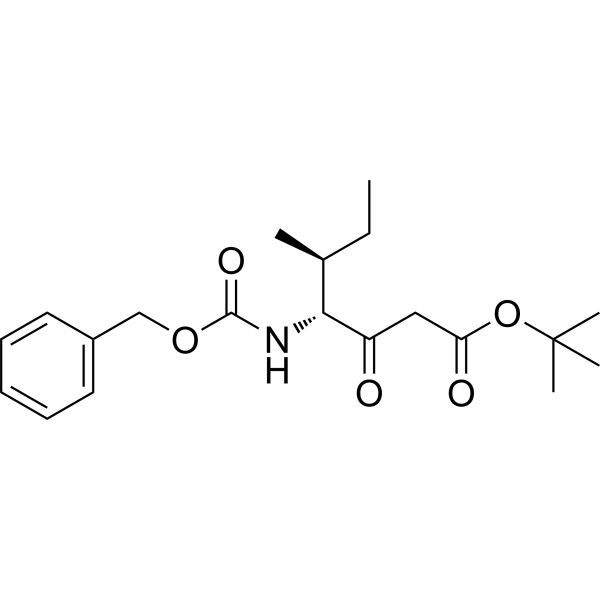
(4R,5S)-Monomethyl auristatin E intermediate-6 is an intermediate reagent in the synthesis of Monomethyl auristatin E (HY-15162). Monomethyl auristatin E (MMAE) is a microtubule/tubulin inhibitor with anticancer activity. MMAE is widely used as the cytotoxic component (ADC Cytotoxin) of antibody-drug conjugates (ADCs) .
|
-
- HY-164309
-
|
|
Drug-Linker Conjugates for ADC
|
Cancer
|
|
DBCO-PEG3-Glu-Val-Cit-PABC-MMAE is a drug-linker conjugate for ADC. DBCO-PEG3-Glu-Val-Cit-PABC-MMAE contains a potent tubulin inhibitor Monomethyl auristatin E (MMAE, HY-15162) and can be used for synthesis of dual-drug ADC .
|
-

- HY-141606
-
|
BAY 94-9343
|
Microtubule/Tubulin
Antibody-Drug Conjugates (ADCs)
|
Cancer
|
|
Anetumab ravtansine (BAY 94-9343) is a selective and highly potent antibody-drug conjugate (ADC) to target maytansinoid tubulin. Anetumab ravtansine consists of a human anti-mesothelin antibody conjugated to the maytansinoid tubulin inhibitor DM4. Anetumab ravtansine shows antitumor efficacy correlated with the amount of mesothelin expressed in patient-derived xenograft tumor models .
|
-

- HY-172395
-
|
|
Microtubule/Tubulin
Topoisomerase
Apoptosis
Reactive Oxygen Species (ROS)
|
Cancer
|
|
TopoII/tubulin-IN-1 (Compound 1B8) is a TopoII/tubulin inhibitor. TopoII/tubulin-IN-1 can inhibit the proliferation and the level of ROS of tumor cells, induce apoptosis and cell cycle arrest of tumor cells, but has no significant cytotoxicity to normal cells. TopoII/tubulin-IN-1 has antitumor activity .
|
-

- HY-180347
-
|
|
Microtubule/Tubulin
|
Neurological Disease
|
|
HD-800 is a tubulin inhibitor with an IC50 of 4.3 nM and an EC50 for depolymerization of 24 nM. HD-800 can be used to generate a radioactive tracer [11C]HD-800, and [11C]HD-800 can penetrate the blood-brain barrier and be used for positron emission tomography (PET) in various neurological diseases .
|
-

- HY-174411
-
|
|
Microtubule/Tubulin
MMP
Bcl-2 Family
Reactive Oxygen Species (ROS)
Caspase
|
Cancer
|
|
Tubulin polymerization-IN-82 is a tubulin inhibitor. Tubulin polymerization-IN-82 inhibits cell migration and invasion, and triggers cell apoptosis through the mitochondria and ER stress mediated pathway. Tubulin polymerization-IN-82 exhibits antitumor activity against drug resistance cancer cells, and inhibits tumor growth, can be used for liver cancer research .
|
-

- HY-120921
-
|
RH-7281
|
Fungal
Microtubule/Tubulin
|
Infection
|
|
Zoxamide (RH-7281) is an oomycete Fungicide and covalent β-tubulin inhibitor. RH-7281 inhibits the assembly of tubulin into microtubules in vitro. Zoxamide binds covalently to β-tubulin, disrupting microtubule assembly and the cytoskeleton. Zoxamide blocks nuclear division in germinated hyphae of Phytophthora capsici and inhibits hyphal growth of Phytophthora capsici .
|
-
- HY-146718
-
|
|
Microtubule/Tubulin
Apoptosis
|
Cancer
|
|
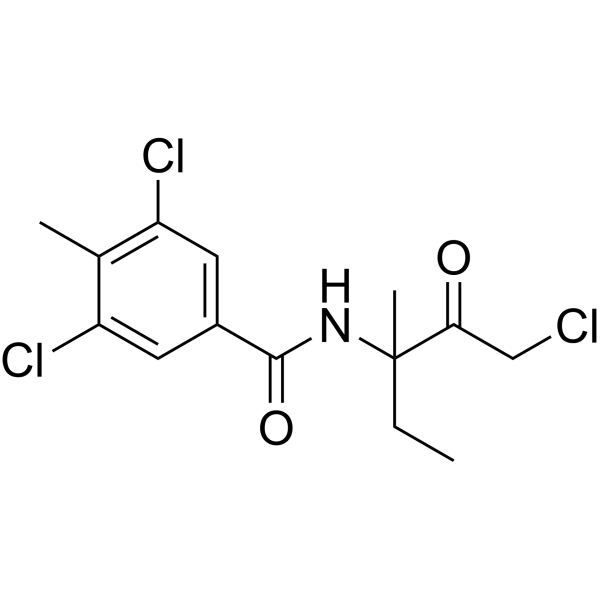
Tubulin polymerization-IN-9 is a potent tubulin inhibitor with IC50 of 1.82 μM. Tubulin polymerization-IN-9 causes cell cycle arrest at G2/M phase, and induces cell apoptosis and depolarized mitochondria of K562 cells. Tubulin polymerization-IN-9 has potent anti-vascular and antitumor activities .
|
-
- HY-100374G
-
|
|
Drug-Linker Conjugates for ADC
|
Cancer
|
|
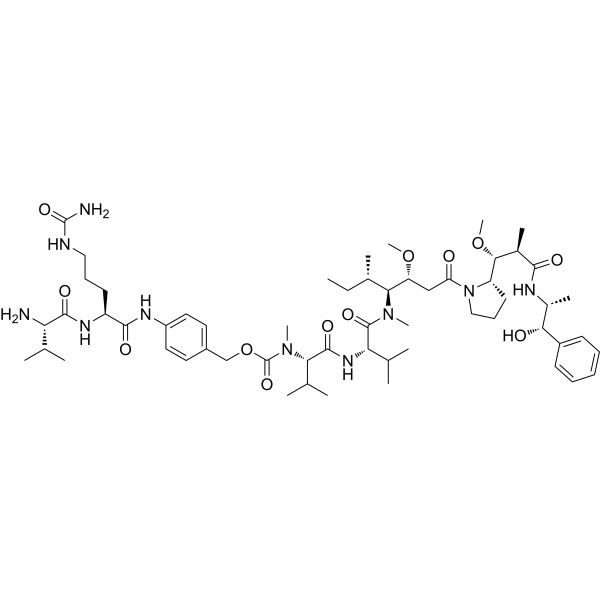
Val-Cit-PAB-MMAE GMP is a GMP grade Val-Cit-PAB-MMAE (HY-100374). Val-Cit-PAB-MMAE is a agent-linker conjugate for ADC. Val-Cit-PAB-MMAE contains the ADCs linker (peptide Val-Cit-PAB) and a potent tubulin inhibitor MMAE (HY-15162). MMAE a potent mitotic inhibitor by inhibiting tubulin polymerization.
|
-
- HY-144132
-
|
|
Apoptosis
Microtubule/Tubulin
|
Cancer
|
|
αβ-Tubulin-IN-1 is a potent and orally active αβ-Tubulin inhibitor. αβ-Tubulin-IN-1 induces cell cycle arrest at G2/M and efficient apoptosis. αβ-Tubulin-IN-1 inhibits tumor cell migration and Metastasis. αβ-Tubulin-IN-1 shows significant antitumor efficacy in a dose dependent manner .
|
-
- HY-139726
-
|
|
Drug-Linker Conjugates for ADC
|
Cancer
|
|
Mal-PEG4-Val-Cit-PAB-MMAE is part of a drug-linker conjugate for ADC. Mal-PEG4-Val-Cit-PAB-MMAE contains a degradable ADC linker Mal-PEG4-Val-Cit-PAB (HY-126672) and a potent tubulin inhibitor MMAE (HY-15162) .
|
-

- HY-16491
-
|
DJ-927
|
Microtubule/Tubulin
|
Cancer
|
|
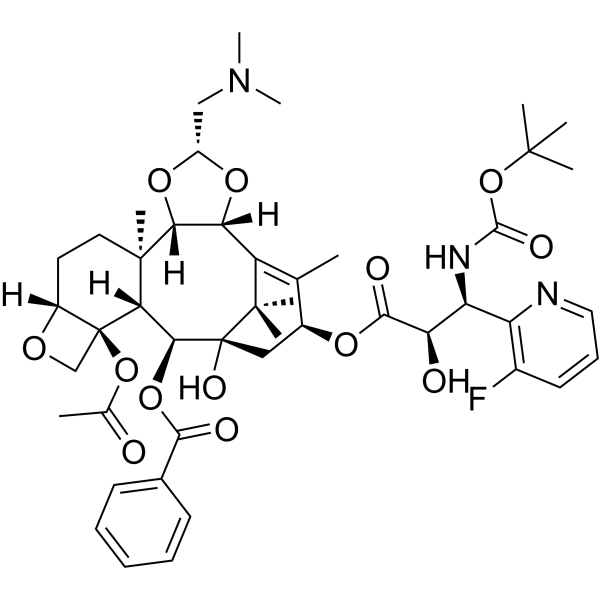
Tesetaxel (DJ-927) is an orally active and brain-penetrant taxane tubulin inhibitor. Tesetaxel inhibits tubulin depolymerization with an IC50 of 0.44 μM. Tesetaxel inhibits cancer cells proliferation and shows potent antitumor activity against P-glycoprotein-positive cancer cells. Tesetaxel can be used for the research of cancer, such as solid tumors, liver metastasis, and advanced breast cancer .
|
-
- HY-181491
-
|
|
Microtubule/Tubulin
EGFR
Akt
mTOR
Ras
Apoptosis
Autophagy
|
Cancer
|
|
Tubulin-IN-64 is a sulfonated styrylquinazoline derivative with high selectivity antitumor activity. Tubulin-IN-64 targets tubulin, inhibits the EGFR/Akt/mTOR and EGFR/Ras signaling pathways, induces cell cycle arrest, apoptosis and autophagy. Tubulin-IN-64 exhibits significant antitumor efficacy in the zebrafish GBM xenograft model. Tubulin-IN-64 can be used for the research on glioblastoma and leukemia .
|
-

- HY-120490
-
|
|
Apoptosis
Microtubule/Tubulin
Mitosis
|
Cancer
|
|
NMK-TD-100 is a modulator for microtubule. NMK-TD-100 binds to tubulin, inhibits the tubulin polymerization with an IC50 of 17.5 µM, inhibits mitosis, and decreases mitochondrial membrane potential (MMP). NMK-TD-100 inhibits the proliferation of HeLa with an IC50 of 1.42 µM, arrests cell cycle at G2/M phase, induces apoptosis in HeLa .
|
-

- HY-155841
-
|
|
Microtubule/Tubulin
Mitosis
|
Cancer
|
|
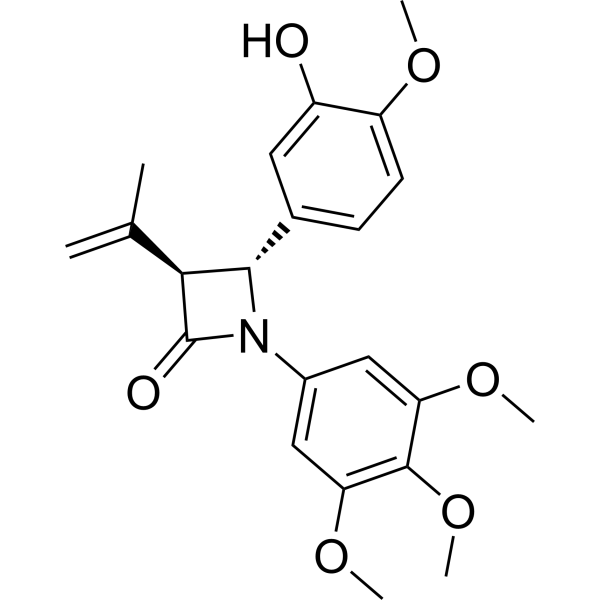
Tubulin polymerization-IN-46 (compound 9q) is a microtubule/Tubulin inhibitor that inhibits tubulin polymerization and induces apoptosis. Tubulin polymerization-IN-46 inhibits mitosis and arrests MCF-7 cells in the G2/M phase. Tubulin polymerization-IN-46 has anti-proliferative activity against MCF-7 breast cancer cells with an IC50 of 10 nM .
|
-
- HY-150511
-
|
|
Microtubule/Tubulin
Apoptosis
|
Cancer
|
|
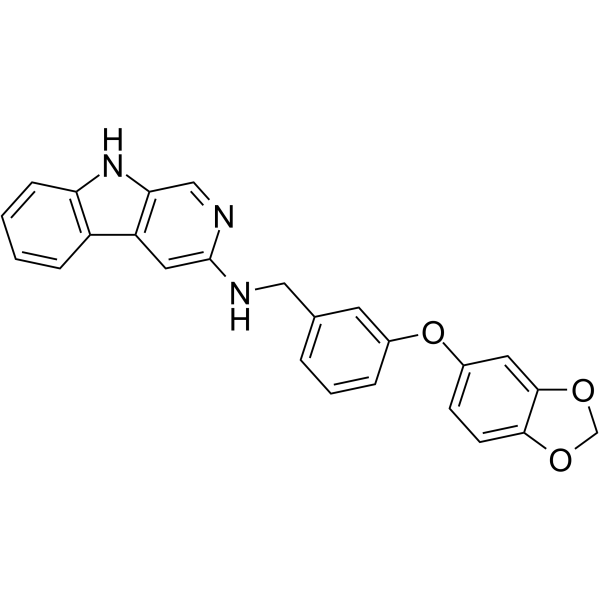
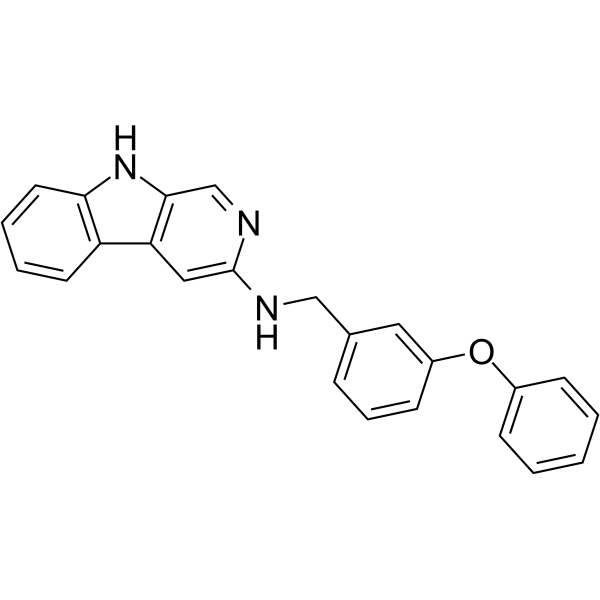
3-(3-Phenoxybenzyl)amino-β-carboline is a potent tubulin inhibitor. 3-(3-Phenoxybenzyl)amino-β-carboline promotes selective degradation of αβ-tubulin heterodimers. 3-(3-Phenoxybenzyl)amino-β-carboline induces G2/M phase cell cycle arrest and apoptosis. 3-(3-Phenoxybenzyl)amino-β-carboline exhibits anticancer activity .
|
-
- HY-147949
-
|
|
Microtubule/Tubulin
Apoptosis
|
Cancer
|
|
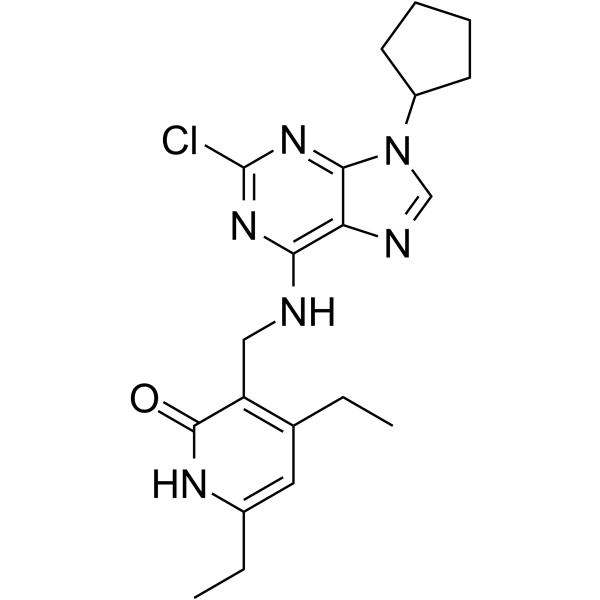
SKLB0565 is a potent tubulin inhibitor. SKLB0565 shows significant anti-proliferative activity against CRC (colorectal carcinoma) cell lines, with IC50 values ranging from 0.012 μM to 0.081 μM. SKLB0565 causes G2/M phase arrest and mitochondria-mediated intrinsic apoptosis. SKLB0565 inhibits cell migration and disrupted the tube formation of HUVECs .
|
-
- HY-157320
-
|
|
Microtubule/Tubulin
Apoptosis
|
Cancer
|
|
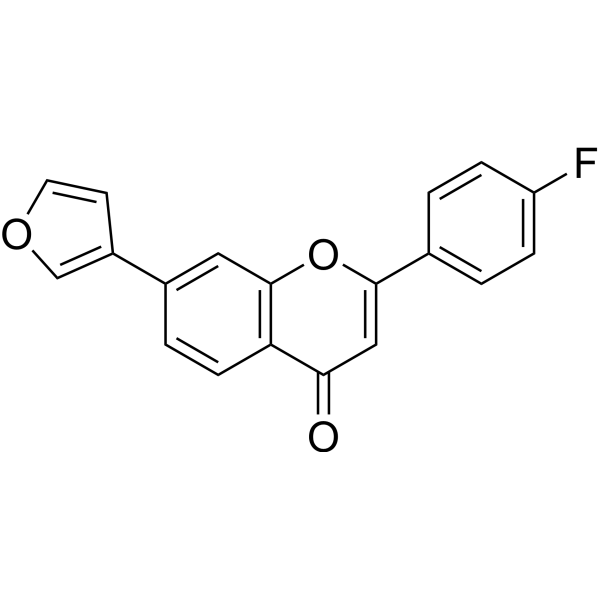
Tubulin/PARP-IN-2 (compound 14) is a dual PARP-Tubulin inhibitor. Tubulin/PARP-IN-2 inhibits PARP1, PARP2, and tubulin activity with IC50 values of 74 nM, 109 nM, and 1.4 µM, respectively. Tubulin/PARP-IN-2 induces apoptosis as well as autophagy. Tubulin/PARP-IN-2 causes cell cycle arrest at the G2/M phase .
|
-
- HY-177138
-
|
|
Microtubule/Tubulin
|
Cancer
|
|
Tubulin-IN-52 is a tubulin inhibitor. Tubulin-IN-52 demonstrates significant cytotoxicity toward a variety of
cancer cell types including prostate, lung, and ovarian cancers with strong activity toward highly aggressive cancer lines (IC50 = 0.9-3.8 mM). Tubulin-IN-52 significantly inhibits the growth of established tumors without noticeable toxicity. Tubulin-IN-52 can be used for the study of cancer .
|
-

- HY-183762
-
|
|
Microtubule/Tubulin
Apoptosis
|
Cancer
|
|
Tubulin-IN-68 is a tubulin inhibitor with an IC50 of 19.3 μM. Tubulin-IN-68 exhibits antiproliferative activity against human cancer cells. Tubulin-IN-68 induces G2/M phase cell cycle arrest. Tubulin-IN-68 induces apoptosis. Tubulin-IN-68 can be used in the research of colorectal cancer, hepatocellular carcinoma, breast cancer, and T-cell leukemia .
|
-

- HY-131158
-
|
|
Drug-Linker Conjugates for ADC
|
Cancer
|
|
DBCO-PEG3-Glu-VC-PABC-MMAF (compound s19b) is a drug-linker conjugate for ADC by using the tubulin inhibitor, MMAF (HY-15579), linked via cathepsin cleavable DBCO-PEG3-Glu-VC-PABC. DBCO-PEG3-Glu-VC-PABC-MMAF can be used in the synthesis of antibody-drug conjugates (ADCs) .
|
-

- HY-171191
-
|
|
Antibody-Drug Conjugates (ADCs)
Microtubule/Tubulin
c-Met/HGFR
|
Cancer
|
|
REGN5093-M114 is a bispecific antibody-drug conjugate (ADC) that targets two epitopes of the MET receptor tyrosine kinase inhibits the proliferation of NSCLC cells, exhibits antitumor efficacy in mouse models. REGN5093-M114 is composed of the human monoclonal anti-MET antibody Davutamig (HY-P990073) and the tubulin-inhibiting linker-payload (HY-148528) .
|
-

- HY-176765
-
|
|
Drug-Linker Conjugates for ADC
Microtubule/Tubulin
|
Cancer
|
|
DBCO-PEG4-VA-PABC-MMAE is a drug-linker conjugate for ADC. DBCO-PEG4-VA-PABC-MMAE consists of a tubulin inhibitor (MMAE) (HY-15162) and a cleavable linker (DBCO-PEG4-VA-PABC). DBCO-PEG4-VA-PABC-MMAE can be used for synthesis of ADC ABBV-400 (HY-171945) .
|
-

- HY-157165
-
|
|
Microtubule/Tubulin
PARP
|
Cancer
|
|
Tubulin/PARP-IN-1 (compound 14) is a dual PARP-tubulin inhibitor with activity against endometrial cancer. Tubulin/PARP-IN-1 inhibits PARP and tubulin with IC50s of 74 nM (PARP1), 109 nM (PARP2), and 1.4 μM (Microtubule/Tubulin), respectively. Tubulin/PARP-IN-1 can induce apoptosis and autophagy and cause cell cycle arrest in the G2/M phase .
|
-
- HY-146715
-
|
|
Microtubule/Tubulin
Apoptosis
|
Cancer
|
|
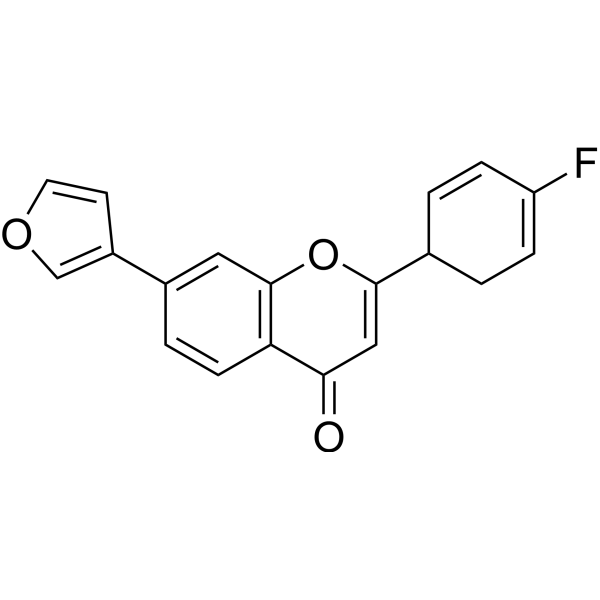
IDO/Tubulin-IN-2 (HT2) is a potent TDO and tubulin inhibitor. IDO/Tubulin-IN-2 also shows potent activity against U87, HepG2, A549, HCT-116, and LO2 cancer cell lines, with IC50 values of 0.43, 0.036, 0.041, 0.095 and 1.04 μM, respectively. IDO/Tubulin-IN-2 remarkably promotes the antitumor activity .
|
-
- HY-170505
-
|
|
Microtubule/Tubulin
Herbicide
|
Others
|
|
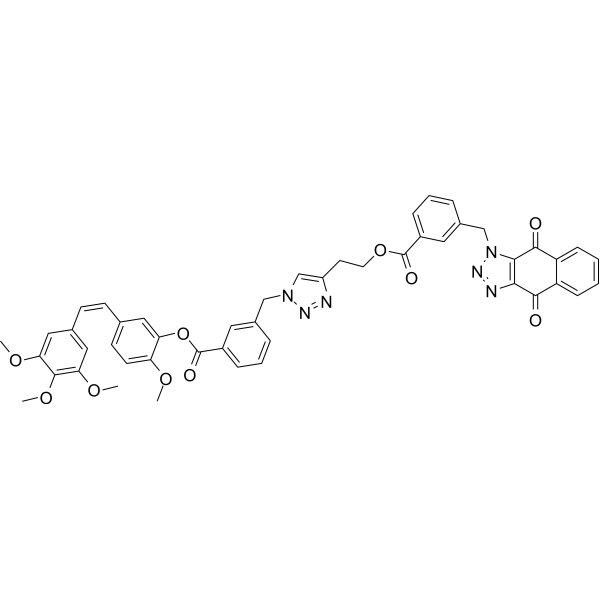
Icafolin-methyl is a herbicide and plant β-tubulin (Microtubule/Tubulin) inhibitor. Icafolin-methyl binds to the β-tubulin region of the Colchicine (HY-16569) binding site, thereby blocking the polymerization of plant tubulin. As a non-selective herbicide, Icafolin-methyl exhibits post-emergence activity against weeds in both cool-season and warm-season cropping systems, including resistant ryegrass and darnel biotypes. Icafolin-methyl can be used for herbicide research .
|
-

- HY-130082
-
|
|
ADC Payload
Microtubule/Tubulin
|
Cancer
|
|
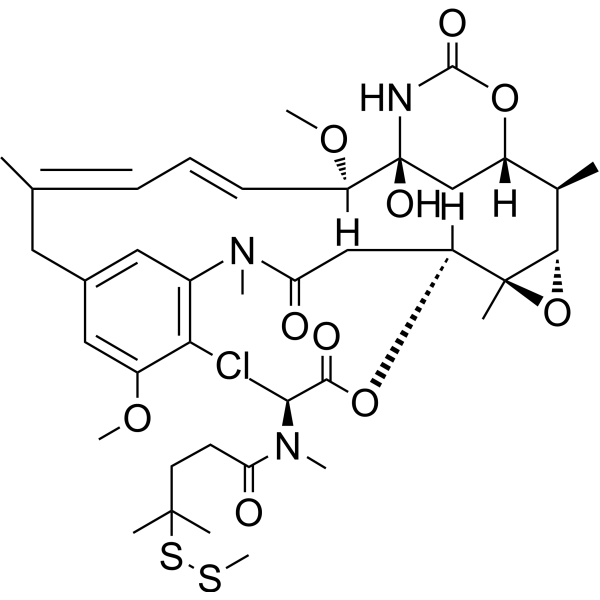
DM4-SMe is a metabolite of antibody-maytansin conjugates (AMCs) and a tubulin inhibitor, and also a cytotoxic moiety of antibody-drug conjugates (ADCs), which can be linked to antibody through disulfide bond or stable thioether bond. DM4-SMe inhibits KB cells with an IC50 of 0.026 nM. DM4-SMe is a highly toxic metabolite that can be oxidized and detoxified by human liver microsomes .
|
-
- HY-120599
-
|
VERU-111; ABI-231
|
Microtubule/Tubulin
Apoptosis
HPV
|
Cancer
|
|
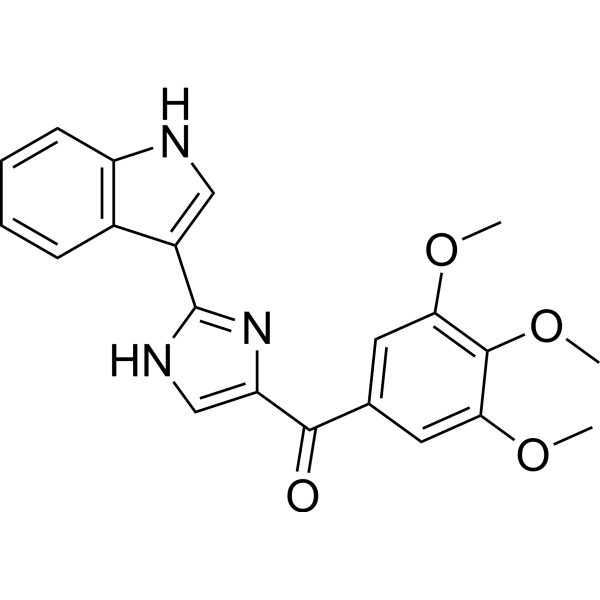
VERU-111 (ABI-231) is a potent and orally active α and β tubulin inhibitor, which displays strong antiproliferative activity, with an average IC50 of 5.2 nM against panels of melanoma and prostate cancer cell lines. VERU-111 (ABI-231) suppresses tumor growth and metastatic phenotypes of cervical cancer cells via targeting HPV E6 and E7, and has potential for the treatment of prostate cancer .
|
-
- HY-171683
-
|
|
Antibody-Drug Conjugates (ADCs)
CCR
Microtubule/Tubulin
Apoptosis
|
Cancer
|
|
Anti-CCL2 (Carlumab)-VcMMAE is an antibody-drug conjugate (ADC) consisting of the humanized anti-CCL2 (chemokine ligand 2) antibody Carlumab (HY-P99188) conjugated with valine-citrulline (vc) and the tubulin inhibitor MMAE (HY-15162). The ADC toxic molecule and linker part are McMMAE (HY-15575). Anti-CCL2 (Carlumab)-VcMMAE induces apoptosis and can be used in cancer research .
|
-

- HY-164239
-
|
|
Drug-Linker Conjugates for ADC
Microtubule/Tubulin
|
Cancer
|
|
NH2-PEG3-VC-PAB-MMAE is a drug-linker conjugate for ADC, consisting of a cleavable ADC linker (NH2-PEG3-VC-PAB) and a potent tubulin inhibitor Monomethyl auristatin E (MMAE) (HY-15162). NH2-PEG3-VC-PAB-MMAE can be used in the synthesis of antibody-drug conjugates (ADCs) .
|
-

- HY-178038
-
|
|
Microtubule/Tubulin
Reactive Oxygen Species (ROS)
|
Cancer
|
|
Tubulin-IN-56 is a tubulin inhibitor. Tubulin-IN-56 exerts cytotoxic effects against colon cancer cell lines (LS180, HCT116, SW620, LoVo). Tubulin-IN-56 downregulates βIII-tubulin and upregulates βIVa-tubulin in colon cancer cell lines. Tubulin-IN-56 inhibits cell invasiveness and elevates intracellular ROS levels in colon cancer cell lines. Tubulin-IN-56 can be used for the study of colon cancer .
|
-

- HY-181763
-
|
|
Microtubule/Tubulin
Apoptosis
CDK
|
Cancer
|
|
Tubulin-IN-65 (Compound Imp-18) is a Tubulin inhibitor. Tubulin-IN-65 exhibits tubulin-disrupting activity. Tubulin-IN-65 disrupts microtubule integrity. Tubulin-IN-65 induces Apoptosis and increases the expression of CDK1 and Cyclin B1. Tubulin-IN-65 possesses anticancer activity against breast cancer and colorectal cancer. Tubulin-IN-65 can be used in research related to triple-negative breast cancer and colorectal adenocarcinoma .
|
-

- HY-177021
-
|
|
Microtubule/Tubulin
Apoptosis
|
Cancer
|
|
Tubulin-IN-51 is an orally available, potent tubulin inhibitor (IC50 = 31 nM). Tubulin-IN-51 promotes tubulin polymerization in vitro and does not compete with Paclitaxel (HY-B0015) for binding. Tubulin-IN-51 inhibits the binding of Vinblastine (HY-13780) to tubulin. Tubulin-IN-51 downregulates the proportion of cells in the G1 phase and induces apoptosis. Tubulin-IN-51 inhibits tumor growth in multiple nude mouse xenograft models .
|
-

- HY-171682
-
|
|
Antibody-Drug Conjugates (ADCs)
CCR
Microtubule/Tubulin
Apoptosis
|
Cancer
|
|
Anti-CCL2 (Carlumab)-McMMAF is an antibody-drug conjugate (ADC) consisting of the humanized anti-CCL2 (chemokine ligand 2) antibody Carlumab (HY-P99188) conjugated to the protective group maleimidocaproyl and the tubulin inhibitor MMAF (HY-15579). The ADC toxic molecule and linker part are McMMAF (HY-15578). Anti-CCL2 (Carlumab)-McMMAF induces apoptosis and can be used in cancer research .
|
-

- HY-16569
-
|
|
Environmental Pollutants
Apoptosis
Autophagy
Microtubule/Tubulin
NOD-like Receptor (NLR)
|
Cancer
|
|
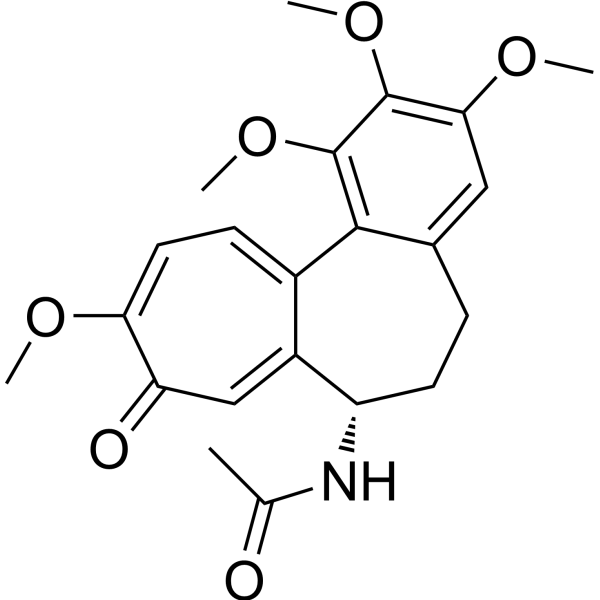
Colchicine, an orally active alkaloid, is a potent tubulin inhibitor and a microtubule disrupting agent. Colchicine inhibits microtubule polymerization with an IC50 of 3 nM. Colchicine is also a competitive antagonist of the α3 glycine receptors (GlyRs). Colchicine prevents non-steroidal anti-inflammatory drug (NSAID)-induced small intestinal injury by inhibiting activation of the NLRP3 inflammasome. Colchicine has extensive anti-inflammatory, immunosuppressive and strong anti-fibrosis effects and has the potential for gouty arthritis research .
|
-
- HY-W854934
-
|
|
Microtubule/Tubulin
|
Cancer
|
|
IKP-104 is a microtubule/tubulin inhibitor (IC50 = 1.31 μM). IKP-104 arrests cells in mitosis and the M phase by inhibiting microtubule polymerization and inducing cytoskeletal microtubule depolymerization. IKP-104 inhibits the growth of mouse and human tumor cell lines. IKP-104 exhibits anti-tumor effects in mouse ascites tumors and lung cancer models. IKP-104 is useful in the research of cancers such as leukemia, lung cancer and melanoma .
|
-

- HY-19812
-
|
LCB14-0602
|
Drug-Linker Conjugates for ADC
|
Cancer
|
|
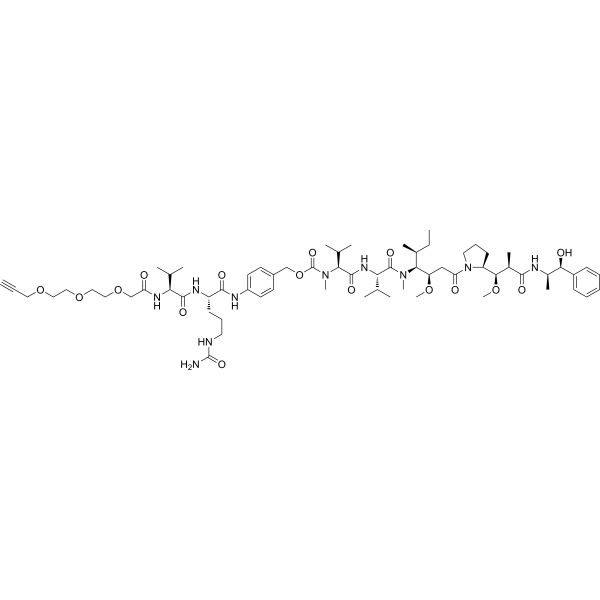
Acetylene-linker-Val-Cit-PABC-MMAE (LCB14-0602) consists the ADCs linker (Acetylene-linker-Val-Cit-PABC) and potent tubulin inhibitor (MMAE). Acetylene-linker-Val-Cit-PABC-MMAE (LCB14-0602) is a agent-linker conjugate for ADC. Acetylene-linker-Val-Cit-PABC-MMAE is a click chemistry reagent, it contains an Alkyne group and can undergo copper-catalyzed azide-alkyne cycloaddition (CuAAc) with molecules containing Azide groups.
|
-
- HY-178325
-
|
|
Microtubule/Tubulin
Apoptosis
|
Cancer
|
|
Tubulin-IN-57 is a Tubulin inhibitor. Tubulin-IN-57 is a potent antiproliferative agent that inhibits clonogenic formation, migration, and invasion of ovarian cancer cells. Tubulin-IN-57 inhibits tubulin polymerization, which in turn induces G2/M arrest and apoptosis in SKOV3 cells. Tubulin-IN-57 demonstrates potent antitumor activity without observable toxicity in an SKOV3 xenograft model. Y60S can be used for the study of ovarian cancer .
|
-

- HY-163983
-
|
|
Microtubule/Tubulin
Apoptosis
PARP
Caspase
|
Cancer
|
|
Tubulin polymerization-IN-68 (compound 32) is a tubulin inhibitor that can inhibit tubulin polymerization and destroy the cellular microtubule network. Tubulin polymerization-IN-68 can upregulate the expression of PARP-1 and caspase-3 and induce cell apoptosis, and has anticancer activity. Tubulin polymerization-IN-68 can effectively inhibit HepG2 (IC50=93 nM) and significantly inhibit the growth of HepG2 xenograft tumors in nude mice by oral administration .
|
-

- HY-156088
-
|
|
Apoptosis
Microtubule/Tubulin
Mitosis
|
Cancer
|
|
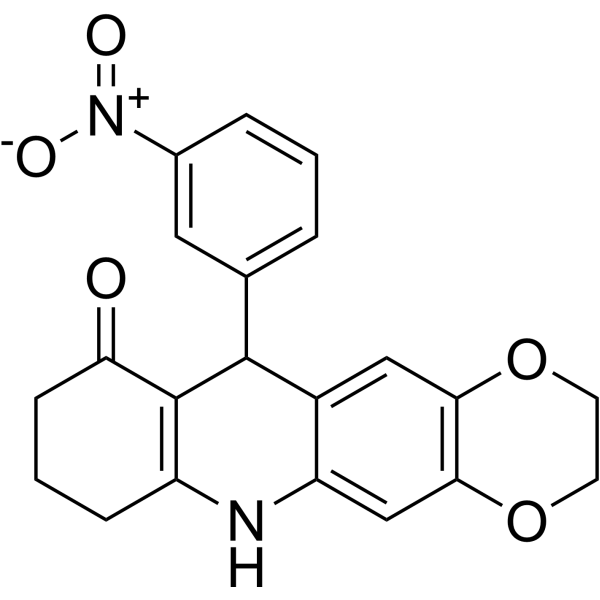
SSE1806 is a derivative of podophyllotoxin (a natural antimitotic agent) and a microtubule/tubulin inhibitor with significant anticancer and antiproliferative activities. The GI50 of SSE1806 on cancer cell growth ranges from 1.29-21.15 μM. SSE1806 causes mitotic abnormalities and G2/M phase arrest, increases p53 expression, and inhibits colon cancer organoid growth. SSE1806 is able to overcome multidrug resistance in cell lines overexpressing MDR-1 .
|
-
- HY-16569B
-
|
|
Biochemical Assay Reagents
Microtubule/Tubulin
|
Inflammation/Immunology
Cancer
|
|
Colchicine,suitable for plant cell culture, an orally active alkaloid, is a potent tubulin inhibitor and a microtubule disrupting agent. Colchicine inhibits microtubule polymerization with an IC50 of 3 nM. Colchicine is also a competitive antagonist of the α3 glycine receptors (GlyRs). Colchicine prevents non-steroidal anti-inflammatory drug (NSAID)-induced small intestinal injury by inhibiting activation of the NLRP3 inflammasome. Colchicine,suitable for plant cell culture can be used for plant cell culture .
|
-

- HY-171737
-
|
|
Antibody-Drug Conjugates (ADCs)
Sodium Channel
Microtubule/Tubulin
Apoptosis
|
Cancer
|
|
Anti-SLC34A2 (Lifastuzumab)-McMMAF is an antibody-drug conjugate (ADC) consisting of the humanized anti-SLC34A2 (sodium-dependent phosphate transporter 2) antibody Lifastuzumab (HY-P99970) conjugated to the protective group maleimidocaproyl and the tubulin inhibitor MMAF (HY-15579). The ADC toxic molecule and linker part McMMAF (HY-15578). Anti-SLC34A2 (Lifastuzumab)-McMMAF induces apoptosis and can be used in cancer research .
|
-

- HY-148057
-
|
|
Drug-Linker Conjugates for ADC
|
Cancer
|
|
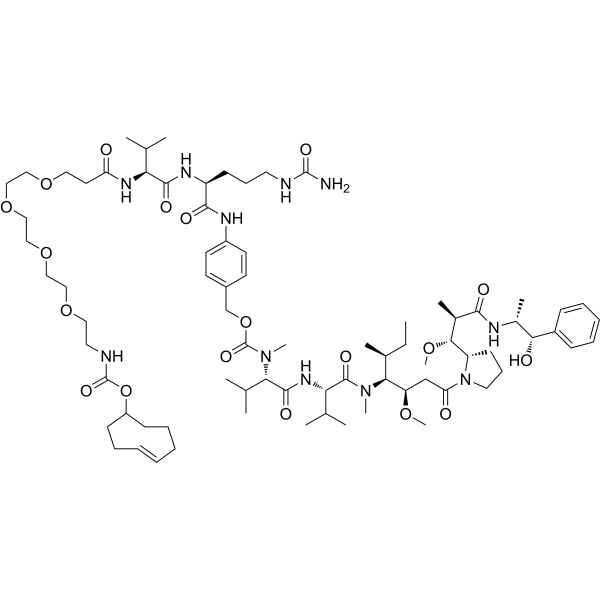
TCO-PEG4-VC-PAB-MMAE is a agent-linker conjugate for ADC. TCO-PEG4-VC-PAB-MMAE contains a cleavable ADC linker (TCO-PEG4-VC-PA) and a potent tubulin inhibitor MMAE (HY-15162) . TCO-PEG4-VC-PAB-MMAE is a click chemistry reagent, it contains a TCO group that can undergo an inverse electron demand Diels-Alder reaction (iEDDA) with molecules containing Tetrazine groups.
|
-
- HY-182478
-
|
|
Microtubule/Tubulin
|
Cancer
|
|
MDL-27048, a tubulin inhibitor, binds competitively, reversibly to the Colchicine (HY-16569)-binding site on tubulin heterodimers. MDL-27048 inhibits microtubule assembly, induces slow depolymerization of preassembled microtubules, disrupts microtubule polymerization-depolymerization dynamics, and disrupts cytoplasmic microtubule networks. MDL-27048 exerts growth inhibitory effects on human cancer cells, induces mitotic arrest, and does not disrupt actin filaments at microtubule-depolymerizing concentrations. MDL-27048 can be used for the research of malignant tumors .
|
-

- HY-175555
-
|
|
Microtubule/Tubulin
Apoptosis
|
Cancer
|
|
Tubulin-IN-54 is a tubulin inhibitor. Tubulin-IN-54 exhibits anti-proliferative activity against various cancer cells. Tubulin-IN-54 inhibits tubulin polymerization, disrupts microtubule networks, induces G2/M cell cycle arrest, and promotes cancer cell apoptosis. Tubulin-IN-54 demonstrates significant anti-tumor efficacy in mice bearing PC-3/TxR xenografts. Tubulin-IN-54 can be used for the study of taxane-resistant cancers (prostate cancer, melanoma) .
|
-

- HY-N14734
-
|
|
Apoptosis
Fungal
Microtubule/Tubulin
Mitosis
|
Cancer
|
|
Disorazol A1 is an tubulin inhibitor with antifungal activity. Disorazol A1 functions by inhibiting tubulin polymerization, interfering with microtubule formation, blocking mitosis, thus arresting the cell cycle at the G2/M phase and inducing apoptosis. Disorazol A1 also exhibits an inhibitory effect against L929 mouse fibroblasts with an IC50 value of 3 pM. Disorazol A1 causes the accumulation of p53 protein in the cell nucleus. Disorazol A1 is promising for research of cancers .
|
-

- HY-155068
-
|
|
Microtubule/Tubulin
Reactive Oxygen Species (ROS)
Apoptosis
PERK
Eukaryotic Initiation Factor (eIF)
IRE1
|
Cancer
|
|
FC-11 is a tubulin inhibitor. FC-116 inhibits the proliferation of colorectal cancer (CRC) cells, with IC50 values of 4.52 nM for HCT116 cells and 18.69 nM for CT26 cells. FC-11 can induce ER stress to generate excess ROS, leading to mitochondrial damage, thereby promoting apoptosis in colorectal cancer (CRC) cells by targeting microtubules. FC-116 exerts potent anti-tumor effects in vivo. FC-11 can be used for the study of colorectal cancer .
|
-
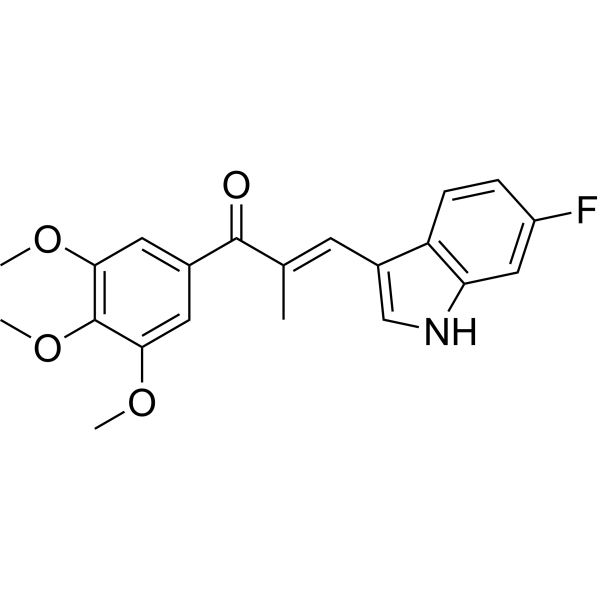
- HY-126690
-
|
|
Drug-Linker Conjugates for ADC
|
Cancer
|
|
DBCO-(PEG2-VC-PAB-MMAE)2 is made by MMAE conjugated to the cleavable DBCO-(PEG2-VC-PAB)2 linker. Monomethyl auristatin E (MMAE), a potent tubulin inhibitor, is a toxin payload in antibody agent conjugate . DBCO-(PEG2-VC-PAB-MMAE)2 is a click chemistry reagent, it contains a DBCO group that can undergo strain-promoted alkyne-azide cycloaddition (SPAAC) with molecules containing Azide groups.
|
-
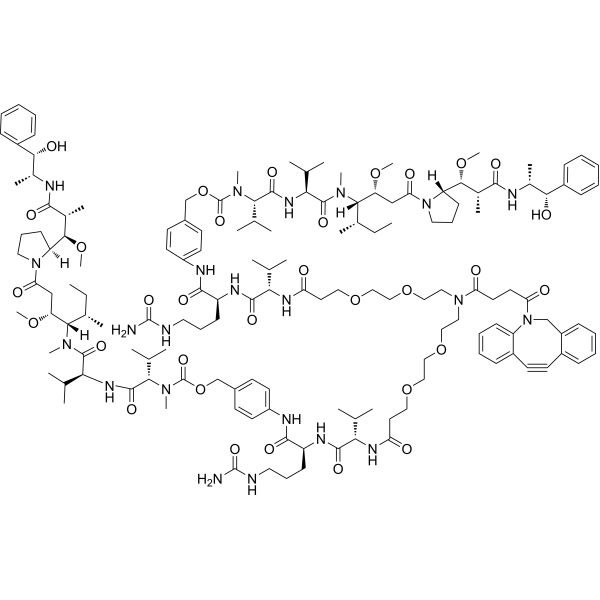
- HY-146169
-
|
|
Reactive Oxygen Species (ROS)
Microtubule/Tubulin
|
Cancer
|
|
Antitumor agent-68 is a potent tubulin inhibitor. Antitumor agent-68 shows potent anticancer activity with IC50s of 3.6 and 3.8 μM for HeLa and MCF-7 cells, respectively. Antitumor agent-68 exhibits good scavenging activity of ROS and DPPH radical in a dose-dependent manner . Antitumor agent-68 is a click chemistry reagent, it contains an Alkyne group and can undergo copper-catalyzed azide-alkyne cycloaddition (CuAAc) with molecules containing Azide groups.
|
-
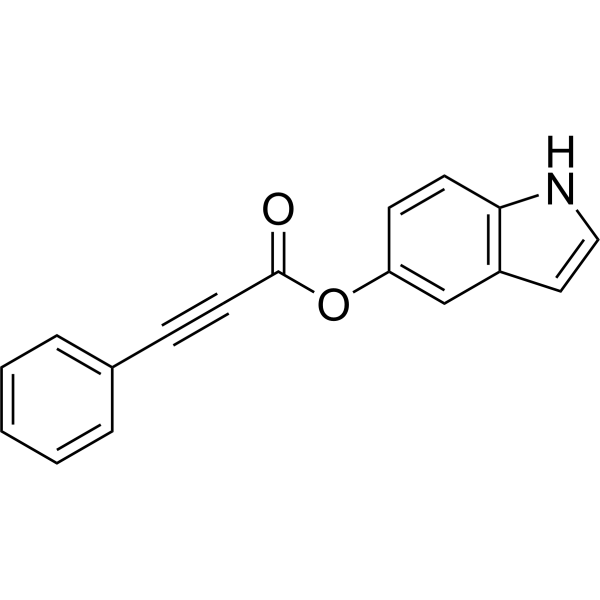
- HY-171681
-
|
|
Antibody-Drug Conjugates (ADCs)
CCR
Microtubule/Tubulin
|
Cancer
|
|
Anti-CCL2 (Carlumab)-SPDB-DM4 is an antibody-drug conjugate (ADC) consisting of the humanized anti-CCL2 (chemokine ligand 2) antibody Carlumab (HY-P99188) conjugated with the linker SPDB (HY-12448) and the tubulin inhibitor DM4 (HY-12454). The ADC toxic molecule and linker part are sulfo-SPDB-DM4 (HY-101141). Anti-CCL2 (Carlumab)-SPDB-DM4 can be used in cancer research .
|
-

- HY-W741136
-
|
|
Drug Isomer
Microtubule/Tubulin
NOD-like Receptor (NLR)
Autophagy
Apoptosis
|
Inflammation/Immunology
|
|
(R)-Colchicine is the R-isomer of Colchicine (HY-16569). Colchicine, an orally active alkaloid, is a potent tubulin inhibitor and a microtubule disrupting agent. Colchicine inhibits microtubule polymerization with an IC50 of 3 nM. Colchicine is also a competitive antagonist of the α3 glycine receptors (GlyRs). Colchicine prevents non-steroidal anti-inflammatory drug (NSAID)-induced small intestinal injury by inhibiting activation of the NLRP3 inflammasome. Colchicine has extensive anti-inflammatory, immunosuppressive and strong anti-fibrosis effects and has the potential for gouty arthritis research .
|
-

- HY-179385
-
|
|
Microtubule/Tubulin
Phosphatase
Apoptosis
|
Cancer
|
|
Tubulin-IN-62 is a tubulin inhibitor targeting the colchicine-binding site. Tubulin-IN-62 exhibits IC50 values of 17.2 nM and 19.3 nM against SKOV3 and HCC827 cells, respectively. Tubulin-IN-62 inhibits microtubule polymerization, arrests the cell cycle at the G2/M phase, and induces apoptosis. Tubulin-IN-62 demonstrates significant antitumor efficacy in vivo with good tolerability. Tubulin-IN-62 can be used in ovarian cancer and non-small cell lung cancer (NSCLC) research .
|
-

- HY-175512
-
|
|
Microtubule/Tubulin
Apoptosis
Reactive Oxygen Species (ROS)
|
Cancer
|
|
Tubulin-IN-53 is a potent Tubulin inhibitor with an IC50 of 6.06 μM. Tubulin-IN-53 inhibits the polymerization of tubulin by targeting the colchicine binding site of tubulin and destroys the microtubule network. Tubulin-IN-53 induces MCF-7 cell cycle arrest in the G2/M phase and apoptosis, and inhibits cell migration accompanied by the decrease of mitochondrial membrane potential and increase the accumulation of ROS. Tubulin-IN-53 destroys the angiogenesis of human umbilical vein endothelial cells.Tubulin-IN-53 can used for the study of cancers such as breast cancer and lung cancer .
|
-

- HY-111015A
-
|
|
Microtubule/Tubulin
|
Cancer
|
|
IRC-083927 is an orally effective tubulin inhibitor. IRC-083927 binds to the colchicine site on tubulin to inhibit its polymerization, thereby inducing G2-M phase cell cycle arrest in tumor cells. IRC-083927 significantly inhibits endothelial cell proliferation and in vitro angiogenesis, and exhibits remarkable antitumor activity. IRC-083927 can be widely applied in relevant studies on human cervical cancer, breast cancer, pancreatic cancer, prostate cancer, as well as small cell and non-small cell lung cancer .
|
-

- HY-N16760
-
|
|
Microtubule/Tubulin
HIV
|
Infection
|
|
Wikstrol B (compound 5) is a biflavonoid microtubule/tubulin inhibitor and HIV-1 inhibitor. Wikstrol B has an IC50 value of 184 μM for microtubule polymerization and an EC50 of 3.02 μM against HIV-1, acting on early events of HIV-1 replication. Wikstrol B exerts antifungal activity by inducing morphological deformation of Pyricularia oryzae hyphae and exerts anti-mitotic activity by inhibiting microtubule polymerization. Wikstrol B can be used in research related to antifungal, antitumor, and anti-AIDS applications. Wikstrol B can be naturally extracted from the roots of Wikstroemia indica .
|
-

- HY-175018
-
|
|
VEGFR
Microtubule/Tubulin
Apoptosis
|
Cardiovascular Disease
Cancer
|
|
VEGFR-2-IN-71 is a dual VEGFR2/tubulin inhibitor. VEGFR-2-IN-71 inhibits tumor cell proliferation and induces apoptosis and cell cycle arrest. VEGFR-2-IN-71 inhibits angiogenesis in the chick chorioallantoic membrane (CAM) model. VEGFR-2-IN-71 inhibits tumor growth in the HGC-27 xenograft model by inhibiting VEGFR2 and tubulin. VEGFR-2-IN-71 has low oral bioavailability in rats. VEGFR-2-IN-71 can be used in cancer research .
|
-

- HY-16569R
-
|
|
Reference Standards
Microtubule/Tubulin
NOD-like Receptor (NLR)
Autophagy
Apoptosis
|
Cancer
|
|
Colchicine (Standard) is the analytical standard of Colchicine. This product is intended for research and analytical applications. Colchicine, an orally active alkaloid, is a potent tubulin inhibitor and a microtubule disrupting agent. Colchicine inhibits microtubule polymerization with an IC50 of 3 nM. Colchicine is also a competitive antagonist of the α3 glycine receptors (GlyRs). Colchicine prevents non-steroidal anti-inflammatory drug (NSAID)-induced small intestinal injury by inhibiting activation of the NLRP3 inflammasome. Colchicine has extensive anti-inflammatory, immunosuppressive and strong anti-fibrosis effects and has the potential for gouty arthritis research .
|
-

- HY-181074
-
|
|
Microtubule/Tubulin
Apoptosis
Bcl-2 Family
|
Neurological Disease
Cancer
|
|
Tubulin polymerization-IN-88 is a tubulin inhibitor that blocks tubulin polymerization, leading to microtubule destabilization and disruption of the mitotic spindle. Tubulin polymerization-IN-88 induces G2/M phase arrest and apoptosis in cancer cells, and inhibits cancer cell migration and self-renewal of cancer stem cells. It exhibits in vitro anti-proliferative activity against cancer cells with selectivity over normal cells. Tubulin polymerization-IN-88 also demonstrates in vivo anti-cancer activity without significant toxicity. Tubulin polymerization-IN-88 is applicable for research on glioblastoma, lung cancer, endometrial cancer, ovarian cancer, and leukemia .
|
-

- HY-171736
-
|
|
Antibody-Drug Conjugates (ADCs)
Sodium Channel
Microtubule/Tubulin
|
Cancer
|
|
Anti-SLC34A2 (Lifastuzumab)-SPDB-DM4 is an antibody-drug conjugate (ADC) consisting of the humanized anti-SLC34A2 (sodium-dependent phosphate transporter 2) antibody Lifastuzumab (HY-P99970) conjugated with the linker SPDB (HY-12448) and the tubulin inhibitor DM4 (HY-12454). The ADC toxic molecule and linker part are sulfo-SPDB-DM4 (HY-101141). Anti-SLC34A2 (Lifastuzumab)-SPDB-DM4 can be used in cancer research .
|
-

- HY-153739
-
|
|
Drug-Linker Conjugates for ADC
|
Cancer
|
|
N3-PEG3-VC-PAB-MMAF (Comp T-88-5) is a drug-linker conjugate containing the ADC linker N3-PEG3-VC-PAB and the tubulin inhibitor MMAF . N3-PEG3-VC-PAB-MMAF is a click chemistry reagent, it contains an Azide group and can undergo copper-catalyzed azide-alkyne cycloaddition reaction (CuAAc) with molecules containing Alkyne groups. It can also undergo strain-promoted alkyne-azide cycloaddition (SPAAC) reactions with molecules containing DBCO or BCN groups.
|
-
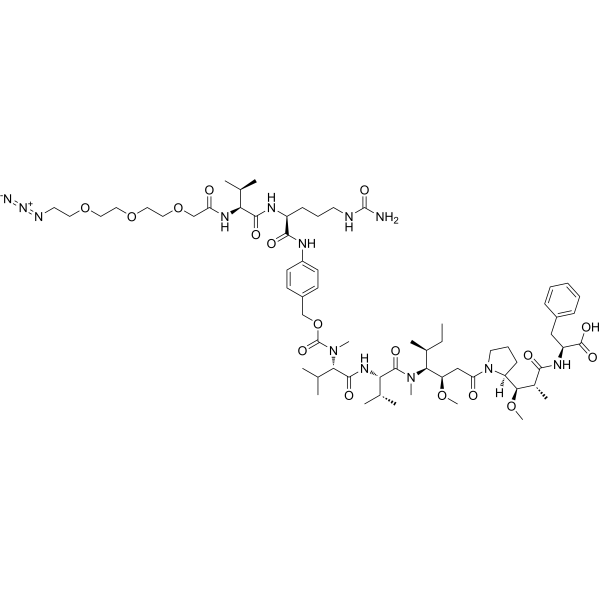
- HY-178960
-
|
|
Microtubule/Tubulin
Apoptosis
|
Cancer
|
|
Tubulin-IN-59 (Compound 8g) is an orally active Tubulin inhibitor. Tubulin-IN-59 exhibits potent anti-proliferative activity against HCT116 colorectal cancer, HeLa cervical cancer, and HepG2 liver cancer cell lines, with its IC₅₀ value ranging from 16 to 35 nM. Tubulin-IN-59 arrests HeLa cells in the G2/M phase and induces cell apoptosis. Tubulin-IN-59 demonstrates significant anti-tumor activity in the HT29 human colon cancer mouse xenograft model. Tubulin-IN-59 can be used for the study of colorectal cancer and cervical cancer .
|
-

- HY-106021
-
|
ILX651 free base
|
Microtubule/Tubulin
Prolyl Endopeptidase (PREP)
|
Cancer
|
|
Tasidotin (ILX651 free base) is a tubulin inhibitor and competitive Prolyl Endopeptidase (PREP) inhibitor, with an IC50 of 10 μM against bovine tubulin. Tasidotin exhibits high cerebrospinal fluid penetration in non-human primates. Tasidotin antagonizes microtubule assembly and induces an extended assembly lag phase, thereby inhibiting mitosis and cell proliferation, and exerts cytotoxic and oncolytic effects on cancer cells. Tasidotin is metabolized into polypeptides and proline inside cells, and its in vivo metabolism is mediated by prolyl endopeptidase. Tasidotin can be applied in research related to Burkitt's lymphoma, breast cancer, leukemia, melanoma, central nervous system malignancies and various solid tumors .
|
-

- HY-W190943
-
|
|
Drug-Linker Conjugates for ADC
|
Cancer
|
|
Azido-PEG4-Val-Cit-PAB-MMAE is a agent-linker conjugate for ADC by using the anti-mitotic agent, monomethyl auristatin E (MMAE, a tubulin inhibitor), linked via the cleavable linker Azido-PEG4-Val-Cit-PAB-OH . Azido-PEG4-Val-Cit-PAB-MMAE is a click chemistry reagent, it contains an Azide group and can undergo copper-catalyzed azide-alkyne cycloaddition reaction (CuAAc) with molecules containing Alkyne groups. It can also undergo strain-promoted alkyne-azide cycloaddition (SPAAC) reactions with molecules containing DBCO or BCN groups.
|
-
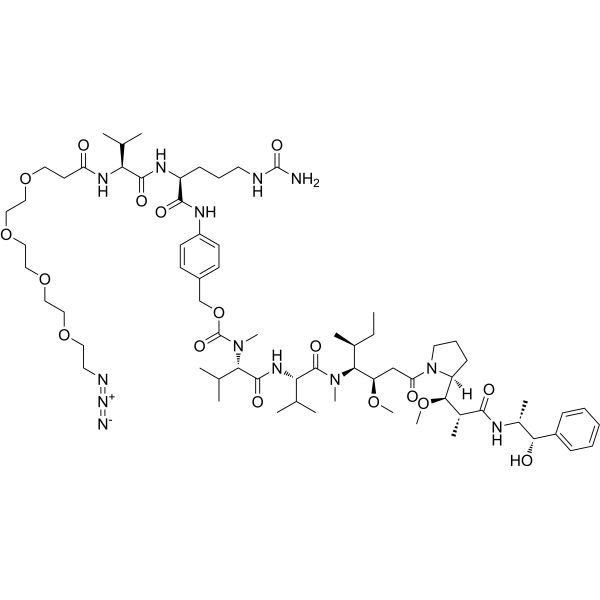
- HY-121989
-
|
(Z)-3,5,4'-Trimethoxystilbene
|
Microtubule/Tubulin
HCV
CDK
Akt
PAK
|
Infection
Metabolic Disease
Cancer
|
|
cis-Trismethoxy resveratrol ((Z)-3,5,4'-Trimethoxystilbene) is an anti-HCV agent and Tubulin inhibitor, with an IC50 of 4 μM against Tubulin. cis-Trismethoxy resveratrol induces G2/M phase cell cycle arrest, reduces DCLK1, decreases CDK1 levels, blocks phosphorylation of Akt Ser 473, and induces the expression of p21 Cip1/Waf1. cis-Trismethoxy resveratrol exhibits anti-tumor and hepatoprotective activities. cis-Trismethoxy resveratrol can be used in studies related to colon adenocarcinoma, hepatocellular carcinoma, hepatitis C, and liver injury .
|
-
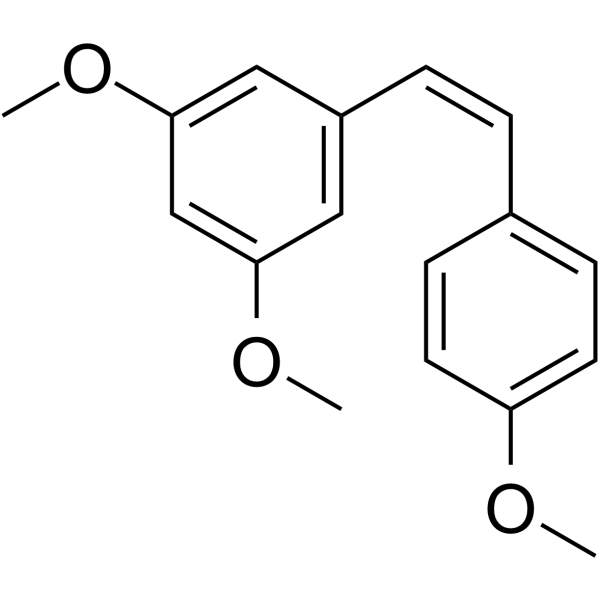
- HY-183632
-
|
|
Microtubule/Tubulin
Apoptosis
|
Neurological Disease
Cancer
|
|
QW-5-70 is a potent colchicine‑site tubulin inhibitor that blocks tubulin polymerization. QW-5-70 induces mitotic and G2/M cell cycle arrest, triggers mitochondrial apoptosis, and suppresses cancer cell colony formation and migration. QW-5-70 overcomes P‑glycoprotein‑mediated multidrug resistance and inhibits drug‑resistant tumor growth. QW-5-70 demonstrates strong in vitro and in vivo antitumor efficacy in neuroblastoma and prostate cancer models. QW-5-70 can be used for the research of high-risk neuroblastoma and castration-resistant prostate cancer .
|
-

- HY-171572
-
|
|
Antibody-Drug Conjugates (ADCs)
Microtubule/Tubulin
Apoptosis
|
Inflammation/Immunology
Cancer
|
|
Atezolizumab-MMAE is an anti-PD-L1 antibody-drug conjugate (ADC) with an EC50 of 1.1 nM. Atezolizumab-MMAE is composed of a humanized anti-PD-L1 antibody (Atezolizumab) (HY-P9904), a lysosomally cleavable dipeptide linker (valine-citrulline), a tubulin inhibitor (MMAE) (HY-15162), and the drug-linker conjugate for ADC is VcMMAE (HY-15575). Atezolizumab-MMAE has a potent cytotoxicity (EC50: 9.75-11.94 nM) and immune activation effect. Atezolizumab-MMAE has a significantly anti-tumor activity in MC38 xenograft PD-1-humanized immune system mice model .
|
-

- HY-100874
-
|
|
Drug-Linker Conjugates for ADC
|
Cancer
|
|
N3-PEG3-vc-PAB-MMAE is a synthesized agent-linker conjugate for ADC that incorporates the MMAE (a tubulin inhibitor ) and 3-unit PEG linker. N3-PEG3-vc-PAB-MMAE shows potent antitumor activity. N3-PEG3-vc-PAB-MMAE is a click chemistry reagent, it contains an Azide group and can undergo copper-catalyzed azide-alkyne cycloaddition reaction (CuAAc) with molecules containing Alkyne groups. It can also undergo strain-promoted alkyne-azide cycloaddition (SPAAC) reactions with molecules containing DBCO or BCN groups.
|
-
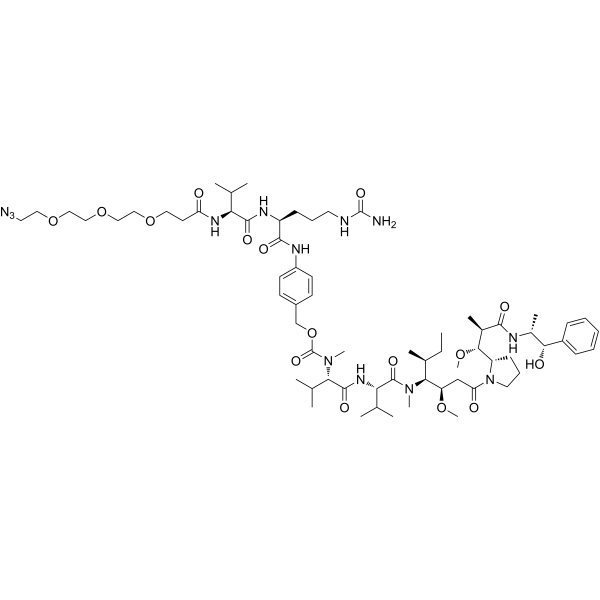
- HY-175874
-
|
|
Microtubule/Tubulin
PI3K
Akt
Apoptosis
|
Cancer
|
|
Tubulin-IN-55 is a tubulin inhibitor. Tubulin-IN-55 disrupts the PI3K/Akt signaling pathway in cancer cells. Tubulin-IN-55 exerts broad-spectrum anti-proliferative activity against multiple tumor cells (HeLa, HCT116, 4T1, A549, H1299, MDA-MB231). Tubulin-IN-55 induces G2/M phase arrest and apoptosis, and inhibits tumor cell migration/invasion in cancer cells. Tubulin-IN-55 demonstrates potent antitumor efficacy in orthotopic autologous transplantation mice. Tubulin-IN-55 can be used for the study of cancer .
|
-

- HY-181675
-
|
|
Microtubule/Tubulin
Apoptosis
Bcl-2 Family
Caspase
|
Cancer
|
|
CHNQD-01522 is a microtubule inhibitor targeting the colchicine binding site on β-tubulin. CHNQD-01522 binds to the colchicine binding site on β-tubulin, inhibits microtubule polymerization, and evades P-glycoprotein transport in cancer cells. CHNQD-01522 inhibits proliferation, suppresses tumor cell colony formation, arrests cell cycle in G2/M phases, and induces apoptosis in cancer cells. CHNQD-01522 upregulates of Bax and activation of caspase-9 and caspase-3. CHNQD-01522 shows anti-tumor efficacy in subcutaneous and orthotopic hepatocellular carcinoma xenograft tumor models. CHNQD-01522 can be used for the research of hepatocellular carcinoma .
|
-

- HY-D3153
-
|
|
Apoptosis
Caspase
Microtubule/Tubulin
|
Inflammation/Immunology
|
|
PbQ is a tubulin inhibitor (with an IC50 of 5 μM against goat tubulin) and a fluorescent probe for cuprous ions Cu (I). PbQ can penetrate the membrane of peripheral blood mononuclear cells, form a stable 1:1 complex with Cu + ions, and exhibits low toxicity and good biocompatibility toward macrophage cell lines. In addition, PbQ promotes tubulin degradation and disrupts the microtubule network in lung epithelial cells without affecting actin. PbQ also possesses genotoxicity by forming DNA base adducts, and it can activate caspase-3 and apoptosis-related genes, induce loss of mitochondrial membrane potential, and trigger cell apoptosis. PbQ can be used in studies related to chronic obstructive pulmonary disease .
|
-

- HY-N17845
-
|
|
Microtubule/Tubulin
|
Cancer
|
|
3,3'-Dihydroxy-2,6-bis(4-hydroxybenzyl)-5-methoxybibenzyl, a stilbenoid compound, is a tubulin inhibitor with an IC50 of 10 μM. 3,3'-Dihydroxy-2,6-bis(4-hydroxybenzyl)-5-methoxybibenzyl inhibits tubulin polymerization. 3,3'-Dihydroxy-2,6-bis(4-hydroxybenzyl)-5-methoxybibenzyl functions as a potentiator that potentiates SN-38 (HY-13704) cytotoxicity in BCRP-transduced cancer cells. 3,3'-Dihydroxy-2,6-bis(4-hydroxybenzyl)-5-methoxybibenzyl can be used for the study of breast cancer .
|
-

- HY-138008
-
|
|
Microtubule/Tubulin
Apoptosis
|
Cancer
|
|
WX-132-18B is a tubulin inhibitor with an IC50 of 0.45-0.99 nM. WX-132-18B selectively binds to the colchicine-binding site on tubulin, reduces microtubule content via depolymerization, and inhibits tubulin polymerization. WX-132-18B induces tumor cell cycle arrest, apoptosis and changes in nuclear membrane permeability, and decreases mitochondrial membrane potential. WX-132-18B exhibits antiproliferative activity against endothelial cells and human tumor cells, and inhibits the proliferation and growth of xenograft tumors in mice. WX-132-18B can be used in research related to sarcoma, non-small cell lung cancer, gastric cancer and breast cancer .
|
-

| Cat. No. |
Nombre del producto |
Type |
-
- HY-100374G
-
|
|
Fluorescent Dyes
|
|
Val-Cit-PAB-MMAE GMP is a GMP grade Val-Cit-PAB-MMAE (HY-100374). Val-Cit-PAB-MMAE is a agent-linker conjugate for ADC. Val-Cit-PAB-MMAE contains the ADCs linker (peptide Val-Cit-PAB) and a potent tubulin inhibitor MMAE (HY-15162). MMAE a potent mitotic inhibitor by inhibiting tubulin polymerization.
|
-
- HY-171191
-
|
|
Fluorescent Dyes
|
|
REGN5093-M114 is a bispecific antibody-drug conjugate (ADC) that targets two epitopes of the MET receptor tyrosine kinase inhibits the proliferation of NSCLC cells, exhibits antitumor efficacy in mouse models. REGN5093-M114 is composed of the human monoclonal anti-MET antibody Davutamig (HY-P990073) and the tubulin-inhibiting linker-payload (HY-148528) .
|
-
- HY-D3153
-
|
|
Fluorescent Dyes
|
|
PbQ is a tubulin inhibitor (with an IC50 of 5 μM against goat tubulin) and a fluorescent probe for cuprous ions Cu (I). PbQ can penetrate the membrane of peripheral blood mononuclear cells, form a stable 1:1 complex with Cu + ions, and exhibits low toxicity and good biocompatibility toward macrophage cell lines. In addition, PbQ promotes tubulin degradation and disrupts the microtubule network in lung epithelial cells without affecting actin. PbQ also possesses genotoxicity by forming DNA base adducts, and it can activate caspase-3 and apoptosis-related genes, induce loss of mitochondrial membrane potential, and trigger cell apoptosis. PbQ can be used in studies related to chronic obstructive pulmonary disease .
|
| Cat. No. |
Nombre del producto |
Type |
-
- HY-16569B
-
|
|
Biochemical Assay Reagents
|
|
Colchicine,suitable for plant cell culture, an orally active alkaloid, is a potent tubulin inhibitor and a microtubule disrupting agent. Colchicine inhibits microtubule polymerization with an IC50 of 3 nM. Colchicine is also a competitive antagonist of the α3 glycine receptors (GlyRs). Colchicine prevents non-steroidal anti-inflammatory drug (NSAID)-induced small intestinal injury by inhibiting activation of the NLRP3 inflammasome. Colchicine,suitable for plant cell culture can be used for plant cell culture .
|
-
- HY-100374G
-
|
|
Biochemical Assay Reagents
|
|
Val-Cit-PAB-MMAE GMP is a GMP grade Val-Cit-PAB-MMAE (HY-100374). Val-Cit-PAB-MMAE is a agent-linker conjugate for ADC. Val-Cit-PAB-MMAE contains the ADCs linker (peptide Val-Cit-PAB) and a potent tubulin inhibitor MMAE (HY-15162). MMAE a potent mitotic inhibitor by inhibiting tubulin polymerization.
|
| Cat. No. |
Nombre del producto |
Target |
Research Area |
Image |
-
- HY-141606
-
|
BAY 94-9343
|
Microtubule/Tubulin
Antibody-Drug Conjugates (ADCs)
|
Cancer
|
|
Anetumab ravtansine (BAY 94-9343) is a selective and highly potent antibody-drug conjugate (ADC) to target maytansinoid tubulin. Anetumab ravtansine consists of a human anti-mesothelin antibody conjugated to the maytansinoid tubulin inhibitor DM4. Anetumab ravtansine shows antitumor efficacy correlated with the amount of mesothelin expressed in patient-derived xenograft tumor models .
|
-

(5)
-
- HY-P991874
-
|
|
ADC Antibody
CD3
|
Cancer
|
|
AMG-224 Antibody is an anti-human BCMA IgG1 antibody. AMG-224 Antibody can generate antibody drug conjugate (ADC) (AMG 224) with a tubulin inhibitor Mertansine (HY-19792). AMG-224 Antibody can be used for the study of multiple myeloma .
|
-
(5)
| Cat. No. |
Nombre del producto |
Category |
Target |
Chemical Structure |
-
- HY-16569
-
-
-
- HY-129071
-
-
-
- HY-16569R
-
|
|
Structural Classification
Productos naturales
other families
Plants
Source Classification
|
Reference Standards
Microtubule/Tubulin
NOD-like Receptor (NLR)
Autophagy
Apoptosis
|
|
Colchicine (Standard) is the analytical standard of Colchicine. This product is intended for research and analytical applications. Colchicine, an orally active alkaloid, is a potent tubulin inhibitor and a microtubule disrupting agent. Colchicine inhibits microtubule polymerization with an IC50 of 3 nM. Colchicine is also a competitive antagonist of the α3 glycine receptors (GlyRs). Colchicine prevents non-steroidal anti-inflammatory drug (NSAID)-induced small intestinal injury by inhibiting activation of the NLRP3 inflammasome. Colchicine has extensive anti-inflammatory, immunosuppressive and strong anti-fibrosis effects and has the potential for gouty arthritis research .
|
-
-
- HY-127166
-
-
-
- HY-129071R
-
-
-
- HY-N1098R
-
-
-
- HY-127166R
-
-
-
- HY-N14734
-
|
|
Productos naturales
Microorganisms
Source Classification
|
Apoptosis
Fungal
Microtubule/Tubulin
Mitosis
|
|
Disorazol A1 is an tubulin inhibitor with antifungal activity. Disorazol A1 functions by inhibiting tubulin polymerization, interfering with microtubule formation, blocking mitosis, thus arresting the cell cycle at the G2/M phase and inducing apoptosis. Disorazol A1 also exhibits an inhibitory effect against L929 mouse fibroblasts with an IC50 value of 3 pM. Disorazol A1 causes the accumulation of p53 protein in the cell nucleus. Disorazol A1 is promising for research of cancers .
|
-
-
- HY-N12331
-
-
-
- HY-N16760
-
|
|
Structural Classification
Flavonoids
Flavones
Thymelaeaceae
Phenols
Plants
Source Classification
Wikstroemia indica
|
Microtubule/Tubulin
HIV
|
|
Wikstrol B (compound 5) is a biflavonoid microtubule/tubulin inhibitor and HIV-1 inhibitor. Wikstrol B has an IC50 value of 184 μM for microtubule polymerization and an EC50 of 3.02 μM against HIV-1, acting on early events of HIV-1 replication. Wikstrol B exerts antifungal activity by inducing morphological deformation of Pyricularia oryzae hyphae and exerts anti-mitotic activity by inhibiting microtubule polymerization. Wikstrol B can be used in research related to antifungal, antitumor, and anti-AIDS applications. Wikstrol B can be naturally extracted from the roots of Wikstroemia indica .
|
-
-
- HY-N17845
-
|
|
Bletilla striata (Thunb. ex Murray) Rchb. f.
Structural Classification
Simple Phenylpropanols
Orchidaceae
Phenylpropanoids
Plants
Source Classification
|
Microtubule/Tubulin
|
|
3,3'-Dihydroxy-2,6-bis(4-hydroxybenzyl)-5-methoxybibenzyl, a stilbenoid compound, is a tubulin inhibitor with an IC50 of 10 μM. 3,3'-Dihydroxy-2,6-bis(4-hydroxybenzyl)-5-methoxybibenzyl inhibits tubulin polymerization. 3,3'-Dihydroxy-2,6-bis(4-hydroxybenzyl)-5-methoxybibenzyl functions as a potentiator that potentiates SN-38 (HY-13704) cytotoxicity in BCRP-transduced cancer cells. 3,3'-Dihydroxy-2,6-bis(4-hydroxybenzyl)-5-methoxybibenzyl can be used for the study of breast cancer .
|
-
| Cat. No. |
Nombre del producto |
Chemical Structure |
-
- HY-15162A
-
|
|
|
MMAE-d8 is a deuterated labeled MMAE, a potent mitotic inhibitor and a tubulin inhibitor.
|
-
-
- HY-15575S
-
|
|
|
VcMMAE-d8 is an isotope of VcMMAE (HY-15575). VcMMAE-d8 is a agent-linker conjugate for ADC with potent antitumor activity by using the anti-mitotic agent, monomethyl auristatin E (MMAE, a tubulin inhibitor), linked via the lysosomally cleavable dipeptide, valine-citrulline (vc) .
|
-
-
- HY-16569S
-
|
|
|
Colchicine-d6 is the deuterium labeled Colchicine. Colchicine is a tubulin inhibitor and a microtubule disrupting agent. Colchicine inhibits microtubule polymerization with an IC50 of 3 nM . Colchicine is also a competitive antagonist of the α3 glycine receptors (GlyRs) .
|
-
-
- HY-16569S1
-
|
|
|
Colchicine-d3 is the deuterium labeled Colchicine. Colchicine is a tubulin inhibitor and a microtubule disrupting agent. Colchicine inhibits microtubule polymerization with an IC50 of 3 nM . Colchicine is also a competitive antagonist of the α3 glycine receptors (GlyRs) .
|
-
-
- HY-W705792
-
|
|
|
Ethaboxam-d5 (Intego solo-d5) is the deuterium labeled Ethaboxam (HY-107492). Ethaboxam is a β-tubulin inhibitor that can be used as anti-oomycete fungicide .
|
-
| Cat. No. |
Nombre del producto |
|
Classification |
-
- HY-148057
-
|
|
|
TCO
ADC Synthesis
|
|
TCO-PEG4-VC-PAB-MMAE is a agent-linker conjugate for ADC. TCO-PEG4-VC-PAB-MMAE contains a cleavable ADC linker (TCO-PEG4-VC-PA) and a potent tubulin inhibitor MMAE (HY-15162) . TCO-PEG4-VC-PAB-MMAE is a click chemistry reagent, it contains a TCO group that can undergo an inverse electron demand Diels-Alder reaction (iEDDA) with molecules containing Tetrazine groups.
|
-
- HY-100874
-
|
|
|
Azide
ADC Synthesis
|
|
N3-PEG3-vc-PAB-MMAE is a synthesized agent-linker conjugate for ADC that incorporates the MMAE (a tubulin inhibitor ) and 3-unit PEG linker. N3-PEG3-vc-PAB-MMAE shows potent antitumor activity. N3-PEG3-vc-PAB-MMAE is a click chemistry reagent, it contains an Azide group and can undergo copper-catalyzed azide-alkyne cycloaddition reaction (CuAAc) with molecules containing Alkyne groups. It can also undergo strain-promoted alkyne-azide cycloaddition (SPAAC) reactions with molecules containing DBCO or BCN groups.
|
-
- HY-126690
-
|
|
|
DBCO
|
|
DBCO-(PEG2-VC-PAB-MMAE)2 is made by MMAE conjugated to the cleavable DBCO-(PEG2-VC-PAB)2 linker. Monomethyl auristatin E (MMAE), a potent tubulin inhibitor, is a toxin payload in antibody agent conjugate . DBCO-(PEG2-VC-PAB-MMAE)2 is a click chemistry reagent, it contains a DBCO group that can undergo strain-promoted alkyne-azide cycloaddition (SPAAC) with molecules containing Azide groups.
|
-
- HY-W190943
-
|
|
|
Azide
ADC Synthesis
|
|
Azido-PEG4-Val-Cit-PAB-MMAE is a agent-linker conjugate for ADC by using the anti-mitotic agent, monomethyl auristatin E (MMAE, a tubulin inhibitor), linked via the cleavable linker Azido-PEG4-Val-Cit-PAB-OH . Azido-PEG4-Val-Cit-PAB-MMAE is a click chemistry reagent, it contains an Azide group and can undergo copper-catalyzed azide-alkyne cycloaddition reaction (CuAAc) with molecules containing Alkyne groups. It can also undergo strain-promoted alkyne-azide cycloaddition (SPAAC) reactions with molecules containing DBCO or BCN groups.
|
-
- HY-176765
-
|
|
|
DBCO
|
|
DBCO-PEG4-VA-PABC-MMAE is a drug-linker conjugate for ADC. DBCO-PEG4-VA-PABC-MMAE consists of a tubulin inhibitor (MMAE) (HY-15162) and a cleavable linker (DBCO-PEG4-VA-PABC). DBCO-PEG4-VA-PABC-MMAE can be used for synthesis of ADC ABBV-400 (HY-171945) .
|
-
- HY-19812
-
|
LCB14-0602
|
|
Alkynes
ADC Synthesis
|
|
Acetylene-linker-Val-Cit-PABC-MMAE (LCB14-0602) consists the ADCs linker (Acetylene-linker-Val-Cit-PABC) and potent tubulin inhibitor (MMAE). Acetylene-linker-Val-Cit-PABC-MMAE (LCB14-0602) is a agent-linker conjugate for ADC. Acetylene-linker-Val-Cit-PABC-MMAE is a click chemistry reagent, it contains an Alkyne group and can undergo copper-catalyzed azide-alkyne cycloaddition (CuAAc) with molecules containing Azide groups.
|
-
- HY-W591408
-
|
|
|
DBCO
|
|
DBCO-Val-Cit-PAB-MMAE is a drug-linker conjugate, which can be used for the synthesis of ADC molecules. MMAE (HY-15162) is a tubulin inhibitor, which can be used as an ADC toxin. DBCO-Val-Cit-PAB is the linker with the electrophilic group .
|
-
- HY-164309
-
|
|
|
DBCO
|
|
DBCO-PEG3-Glu-Val-Cit-PABC-MMAE is a drug-linker conjugate for ADC. DBCO-PEG3-Glu-Val-Cit-PABC-MMAE contains a potent tubulin inhibitor Monomethyl auristatin E (MMAE, HY-15162) and can be used for synthesis of dual-drug ADC .
|
-
- HY-153739
-
|
|
|
ADC Synthesis
Azide
|
|
N3-PEG3-VC-PAB-MMAF (Comp T-88-5) is a drug-linker conjugate containing the ADC linker N3-PEG3-VC-PAB and the tubulin inhibitor MMAF . N3-PEG3-VC-PAB-MMAF is a click chemistry reagent, it contains an Azide group and can undergo copper-catalyzed azide-alkyne cycloaddition reaction (CuAAc) with molecules containing Alkyne groups. It can also undergo strain-promoted alkyne-azide cycloaddition (SPAAC) reactions with molecules containing DBCO or BCN groups.
|
-
- HY-131158
-
|
|
|
DBCO
|
|
DBCO-PEG3-Glu-VC-PABC-MMAF (compound s19b) is a drug-linker conjugate for ADC by using the tubulin inhibitor, MMAF (HY-15579), linked via cathepsin cleavable DBCO-PEG3-Glu-VC-PABC. DBCO-PEG3-Glu-VC-PABC-MMAF can be used in the synthesis of antibody-drug conjugates (ADCs) .
|
| Cat. No. |
Nombre del producto |
Target |
Áreas de investigación |
Chemical Structure |
-
- HY-100374G
-
|
|
Drug-Linker Conjugates for ADC
|
Cancer
|
|
Val-Cit-PAB-MMAE GMP is a GMP grade Val-Cit-PAB-MMAE (HY-100374). Val-Cit-PAB-MMAE is a agent-linker conjugate for ADC. Val-Cit-PAB-MMAE contains the ADCs linker (peptide Val-Cit-PAB) and a potent tubulin inhibitor MMAE (HY-15162). MMAE a potent mitotic inhibitor by inhibiting tubulin polymerization.
|
-
Your information is safe with us. * Required Fields.
Inquiry Information
- Nombre del producto:
- Cat. No.:
- Cantidad:
- MCE Japan Authorized Agent:








