1. Search Result
Search Result
Results for "

Protein+kinase+C

" in MedChemExpress (MCE) Product Catalog:

174

Inhibitors & Agonists

2

Fluorescent Dyes

5

Biochemical Assay Reagents

38

Peptides

49

Natural
Products

28

Recombinant Proteins

9

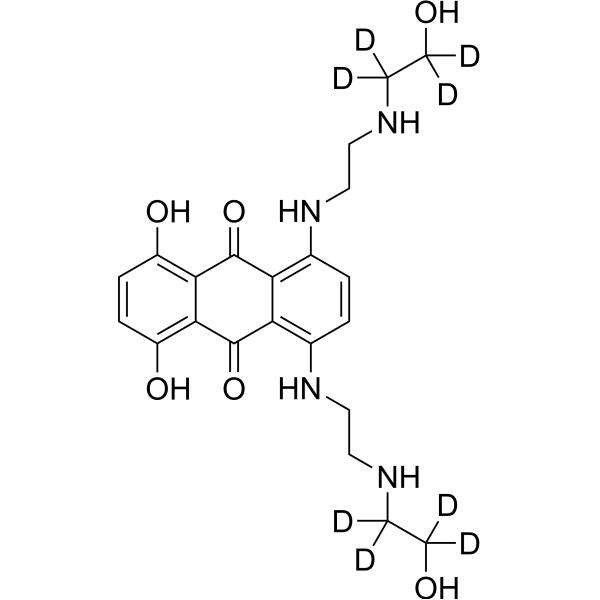
Isotope-Labeled Compounds

38

Antibodies

5

Oligonucleotides

Cat. No. Product Name Target Research Areas Chemical Structure
  • HY-13434
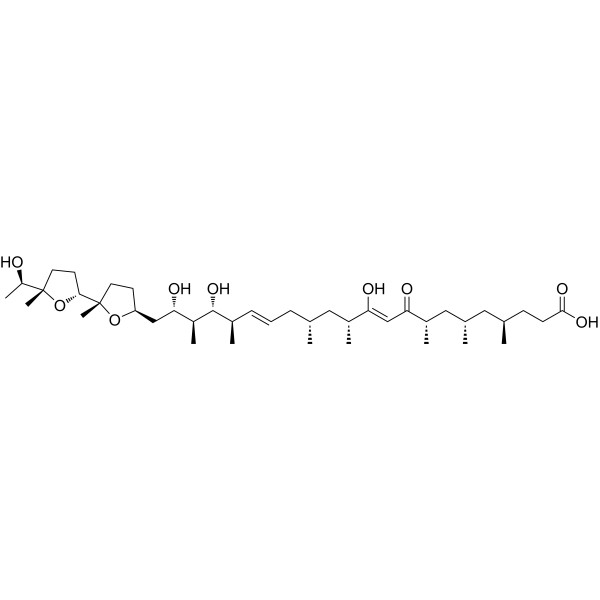
    Ionomycin
    115+ Cited Publications

    SQ23377

    Calcium Channel PKC Bacterial Apoptosis Antibiotic Infection Cancer
    Ionomycin (SQ23377) is a potent, selective calcium ionophore and an antibiotic produced by Streptomyces conglobatus. Ionomycin (SQ23377) is highly specific for divalent cations (Ca>Mg>Sr=Ba). Ionomycin (SQ23377) promotes apoptosis. Ionomycin also induces the activation of protein kinase C (PKC) .
    Ionomycin
  • HY-13434A
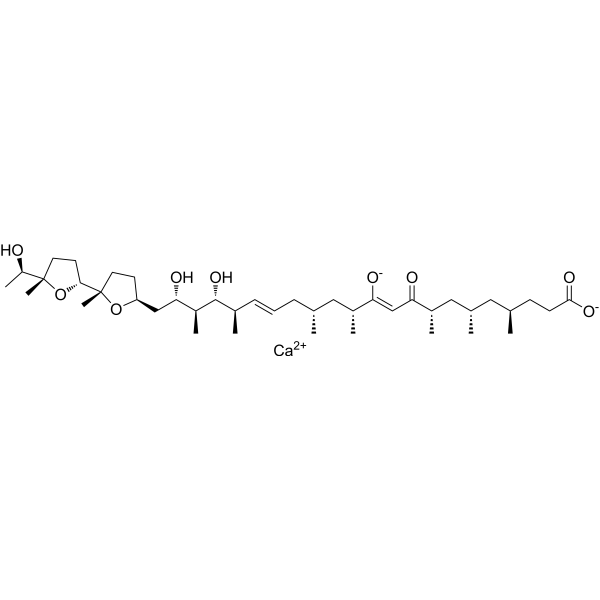
    Ionomycin calcium
    115+ Cited Publications

    SQ23377 calcium

    Calcium Channel PKC Bacterial Apoptosis Antibiotic Infection Cancer
    Ionomycin calcium (SQ23377 calcium) is a potent, selective calcium ionophore and an antibiotic produced by Streptomyces conglobatus. Ionomycin calcium (SQ23377 calcium) is highly specific for divalent cations (Ca>Mg>Sr=Ba). Ionomycin (SQ23377) promotes apoptosis. Ionomycin calcium (SQ23377 calcium) also induces the activation of protein kinase C (PKC) .
    Ionomycin calcium
  • HY-12359
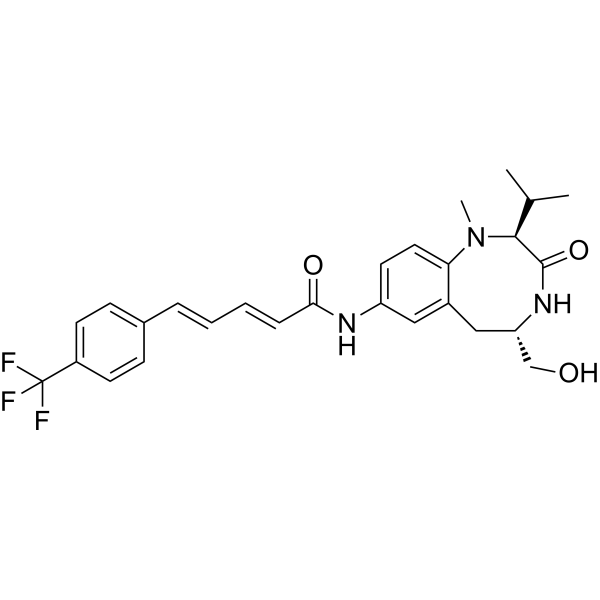
    TPPB
    1 Publications Verification

    MARCKS PKC Neurological Disease
    TPPB is a cell-permeable benzolactam-derived protein kinase C (PKC) activator with a Ki of 11.9 nM.
    TPPB
  • HY-N0453
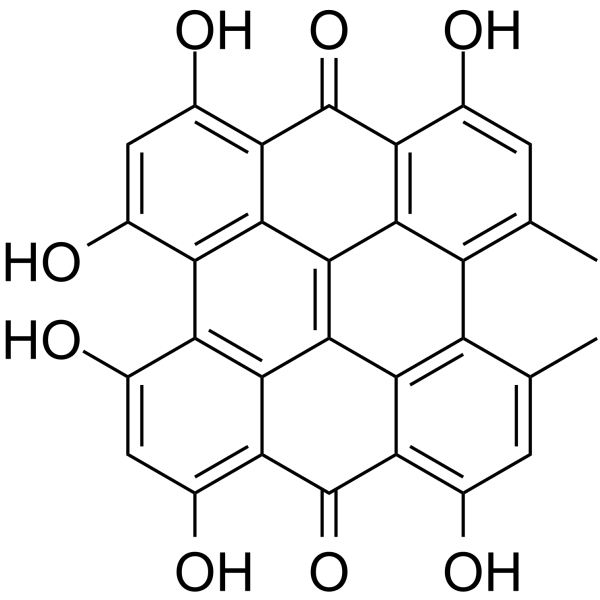
    Hypericin
    5+ Cited Publications

    Apoptosis Influenza Virus Antibiotic Monoamine Oxidase PKC Cytochrome P450 Dopamine β-hydroxylase Reverse Transcriptase Telomerase Infection Neurological Disease Cancer
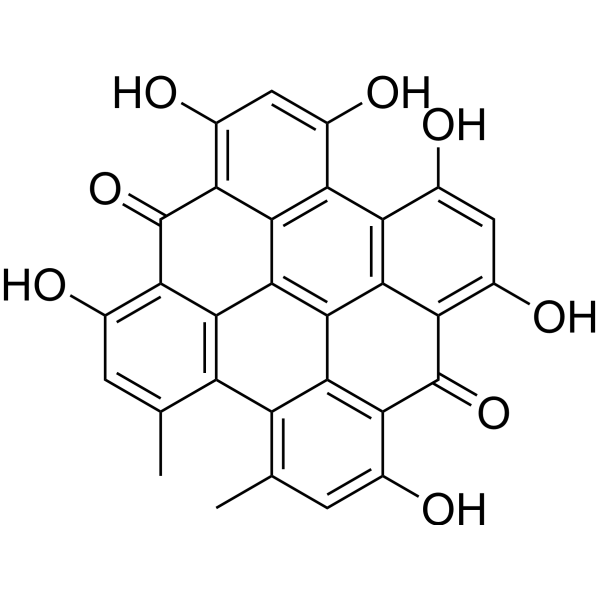
    Hypericin is a naturally occurring substance found in Hyperlcurn perforatum L. Hypericin is an inhibitor of PKC (protein kinase C), MAO (monoaminoxidase), dopamine-beta-hydroxylase, reverse transcriptase, telomerase and CYP (cytochrome P450). Hypericin shows antitumor, antiviral, antidepressive activities, and can induce apoptosis .
    Hypericin
  • HY-101047
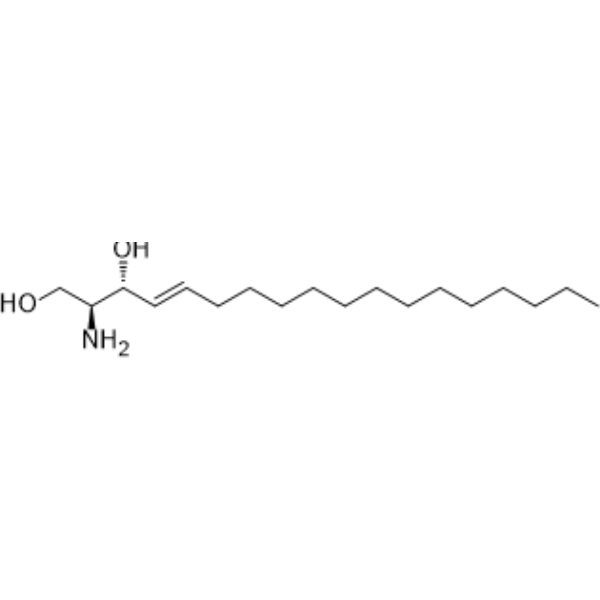
    D-erythro-Sphingosine
    4 Publications Verification

    Erythrosphingosine; erythro-C18-Sphingosine; trans-4-Sphingenine

    PKC Phosphatase Endogenous Metabolite Cancer
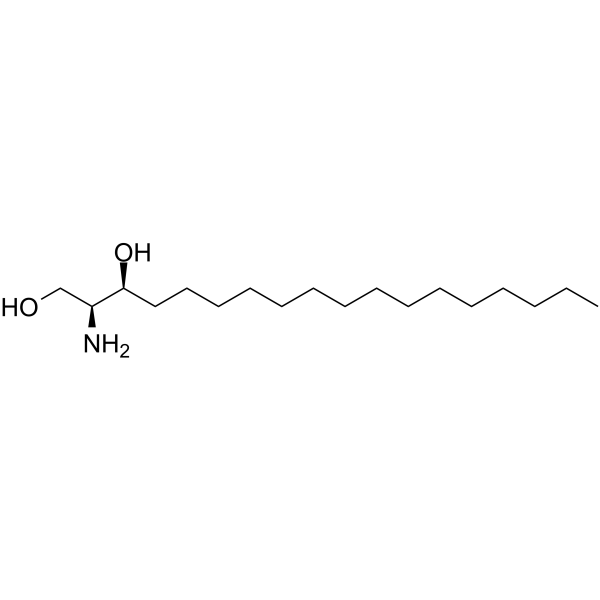
    D-erythro-Sphingosine (Erythrosphingosine) is a very potent activator of p32-kinase with an EC50 of 8 μM, and inhibits protein kinase C (PKC). D-erythro-Sphingosine (Erythrosphingosine) is also a PP2A activator .
    D-erythro-Sphingosine
  • HY-101569
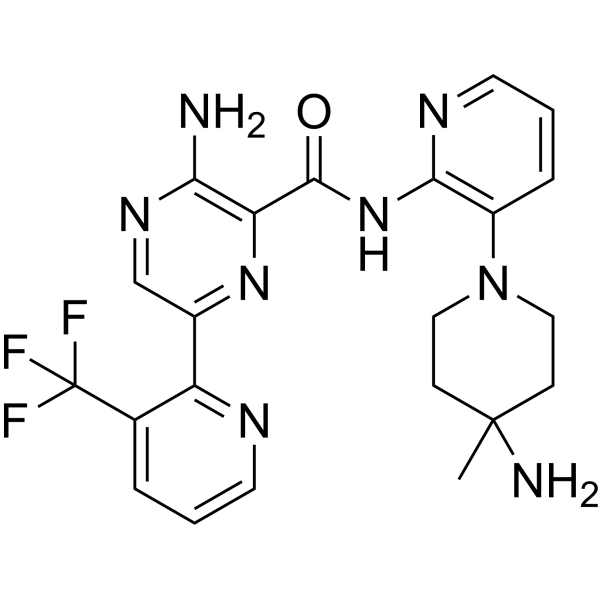
    Darovasertib
    4 Publications Verification

    LXS196; IDE196

    PKC Cancer
    Darovasertib (LXS196) is a potent, selective and orally active protein kinase C (PKC) inhibitor, with IC50 values of 1.9 nM, 0.4 nM and 3.1 μM for PKCα, PKCθ and GSK3β, respectively. Darovasertib has the potential for uveal melanoma research .
    Darovasertib
  • HY-12048
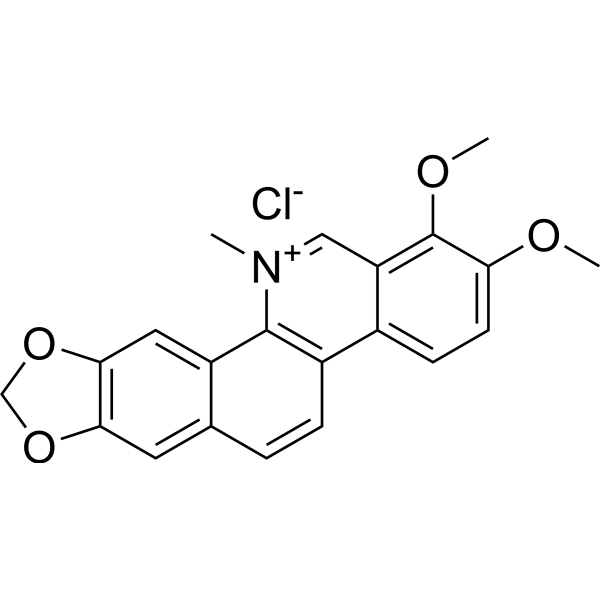
    Chelerythrine chloride
    15+ Cited Publications

    PKC Bcl-2 Family Apoptosis Autophagy Metabolic Disease Inflammation/Immunology Cancer
    Chelerythrine chloride is a potent, cell-permeable inhibitor of protein kinase C, with an IC50 of 660 nM. Chelerythrine chloride inhibits the Bcl-XL-Bak BH3 peptide binding with IC50 of 1.5 μM and displaces Bax from Bcl-XL. Chelerythrine chloride induces apoptosis and autophagy.
    Chelerythrine chloride
  • HY-10183
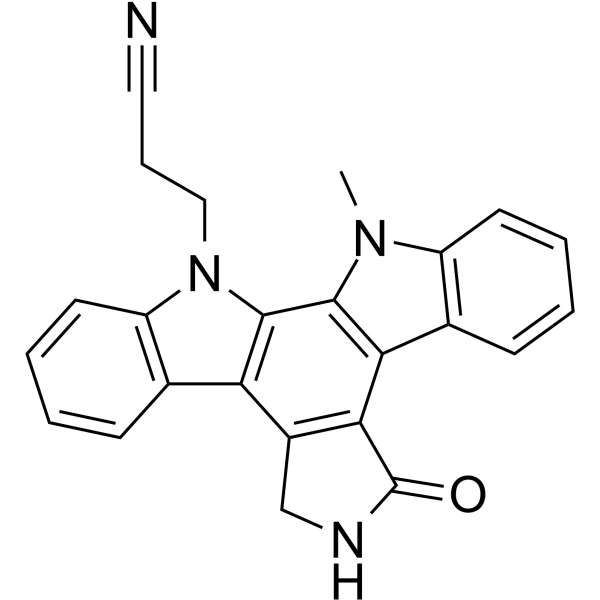
    Go6976
    10+ Cited Publications

    PKC Influenza Virus Cancer
    Go6976 is a Protein Kinase C (PKC) inhibitor, with an IC50 of 20 nM.
    Go6976
  • HY-12598A
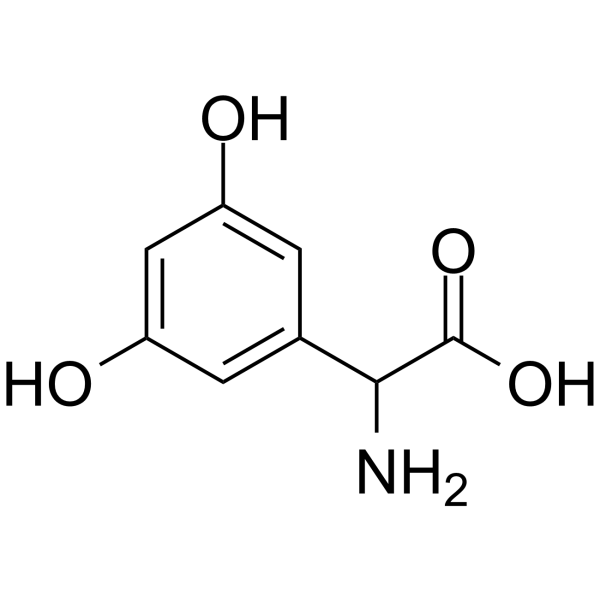
    DHPG
    4 Publications Verification

    (RS)-3,5-DHPG

    mGluR Neurological Disease
    DHPG is the agonist for mGluR 1/5 (EC50 for mGluR 1 is 60 nM) that activates the phospholipase C (PLC) pathway, and leads ultimately to the activation of protein kinase C (PKC) .
    DHPG
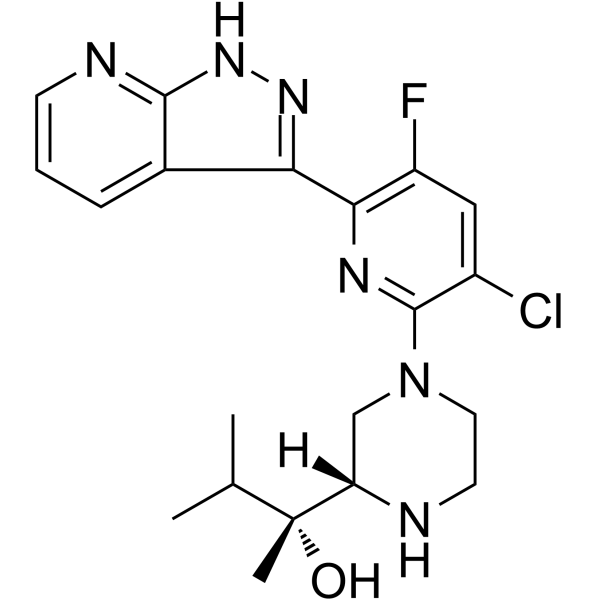
  • HY-112782

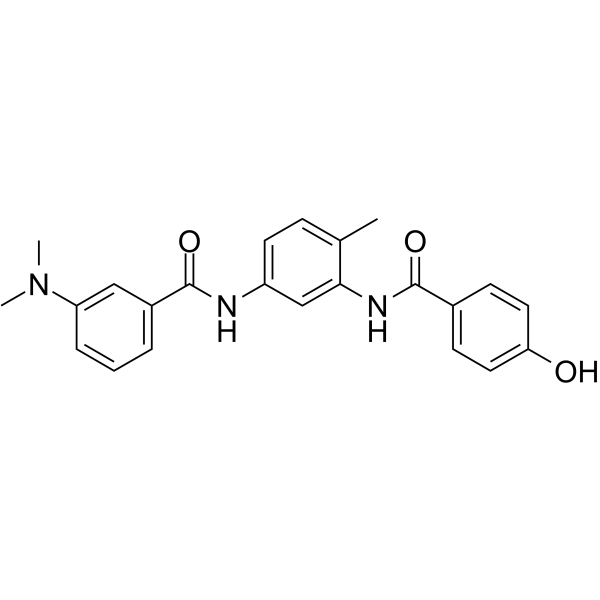
    PKC Inflammation/Immunology
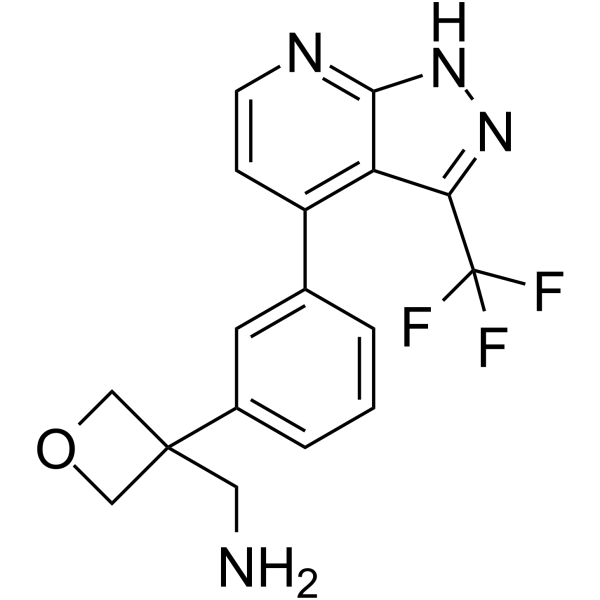
    VTX-27 is a selective protein kinase C θ (PKC θ) inhibitor, with Kis of 0.08 nM and 16 nM for PKC θ and PKC δ.
    VTX-27
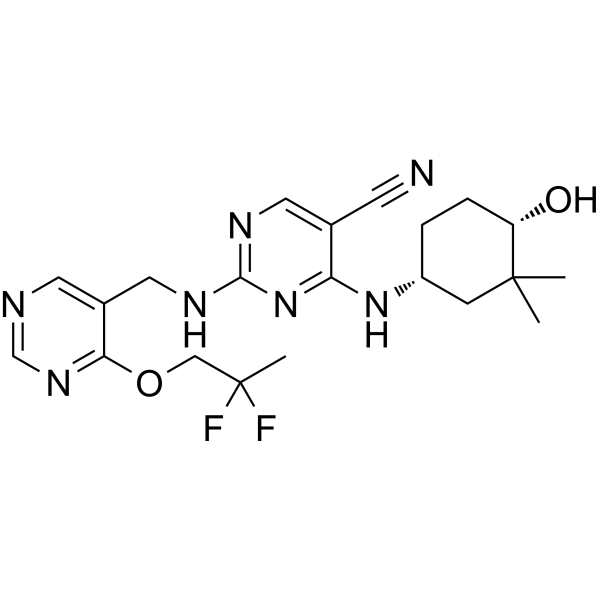
  • HY-132304

    PKC Inflammation/Immunology
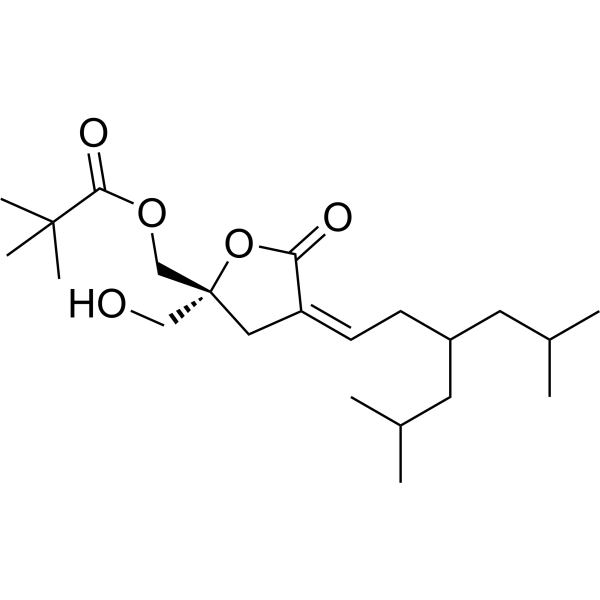
    CC-90005 is a potent, selective and orally active inhibitor of protein kinase C-θ (PKC-θ), with an IC50 of 8 nM. CC-90005 shows selectivity for PKC-θ over PKC-δ (IC50=4440 nM). CC-90005 can inhibit T cell activation by inhibiting IL-2 expression .
    CC-90005
  • HY-108355
    R59949
    1 Publications Verification

    PKC Cancer
    R59949 is a pan diacylglycerol kinase (DGK) inhibitor with an IC50 of 300 nM. R59949 strongly inhibits the activity of type I DGK α and γ and moderately attenuates the activity of type II DGK θ and κ. R59949 activates protein kinase C (PKC) by enhancing the levels of the endogenous ligand diacyl glycerol .
    R59949
  • HY-13343
    ZM 336372
    2 Publications Verification

    Raf Apoptosis Cancer
    ZM 336372 is a potent inhibitor of the protein kinase c-Raf. The IC50 value is 0.07 μM in the standard assay, which contains 0.1 mM ATP.
    ZM 336372
  • HY-118384
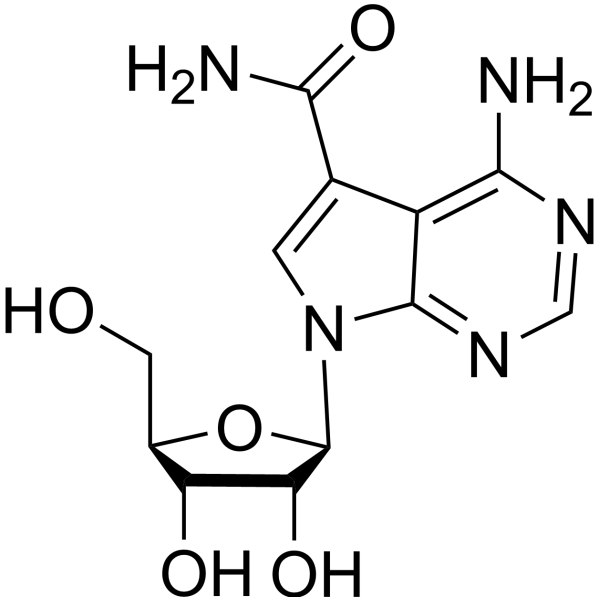
    Sangivamycin
    3 Publications Verification

    NSC 65346; BA-90912

    PKC Nucleoside Antimetabolite/Analog Cancer
    Sangivamycin (NSC 65346), a nucleoside analog, is a potent inhibitor of protein kinase C (PKC) with an Ki of 10 μM. Sangivamycin has potent antiproliferative activity against a variety of human cancers .
    Sangivamycin
  • HY-N2344
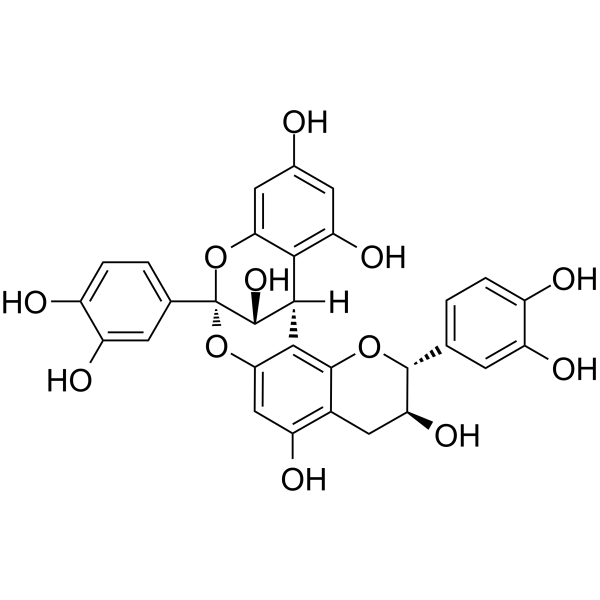
    Procyanidin A1
    2 Publications Verification

    Proanthocyanidin A1

    PKC Inflammation/Immunology
    Procyanidin A1 (Proanthocyanidin A1) is a procyanidin dimer, which inhibits degranulation downstream of protein kinase C activation or Ca 2+ influx from an internal store in RBL-213 cells. Procyanidin A1 has antiallergic effects .
    Procyanidin A1
  • HY-100984
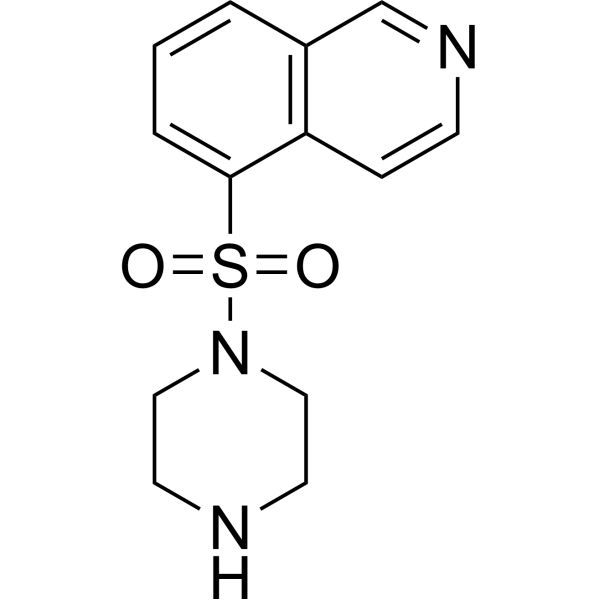
    HA-100
    1 Publications Verification

    PKA PKC Myosin ROCK Cancer
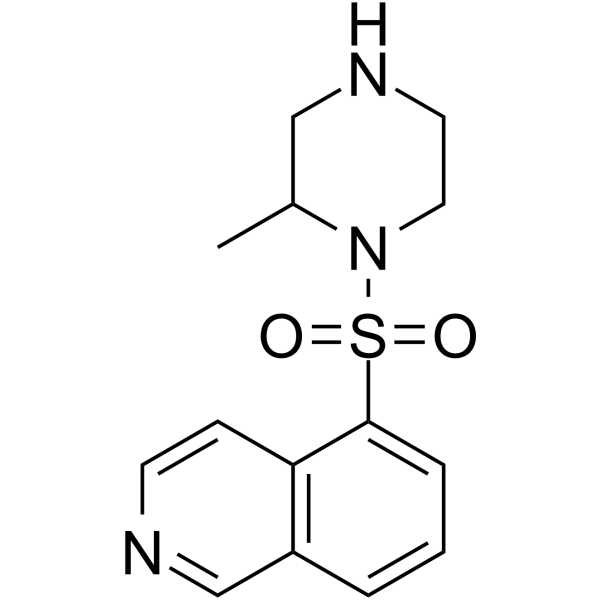
    HA-100 is a potent protein kinase inhibitor, with IC50s of 4 μM, 8 μM, 12 μM and 240 μM for cGMP-dependent protein kinase (PKG), cAMP-dependent protein kinase (PKA), protein kinase C (PKC) and MLC-kinase, respectively. HA-100 also used as a ROCK inhibitor .
    HA-100
  • HY-126146
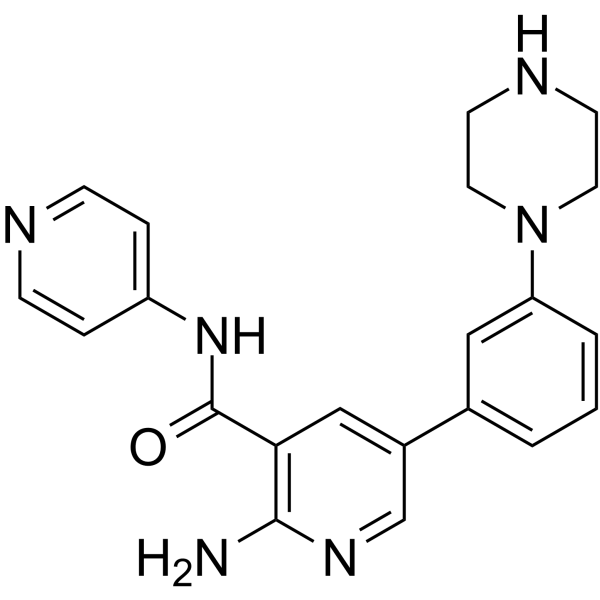
    PKC-iota inhibitor 1
    2 Publications Verification

    PKC AMPK Metabolic Disease Cancer
    PKC-iota inhibitor 1 is a protein kinase C-iota (PKC-ι) inhibitor with an IC50 value of 0.34 μM. PKC-iota inhibitor 1 can be used for the study of cancer .
    PKC-iota inhibitor 1
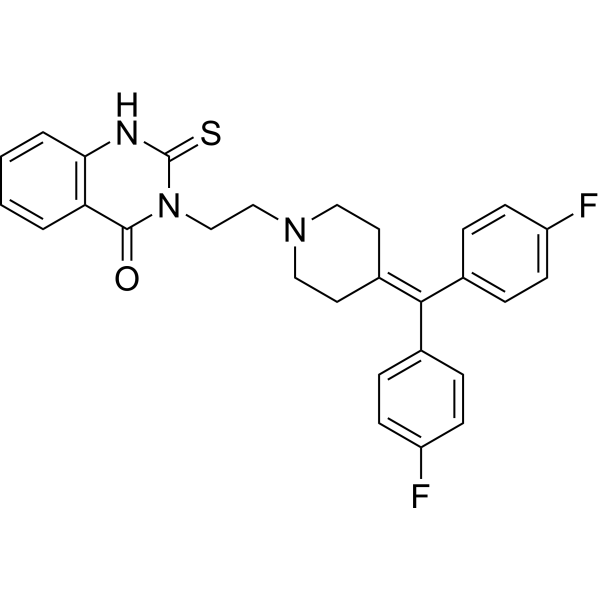
  • HY-100983

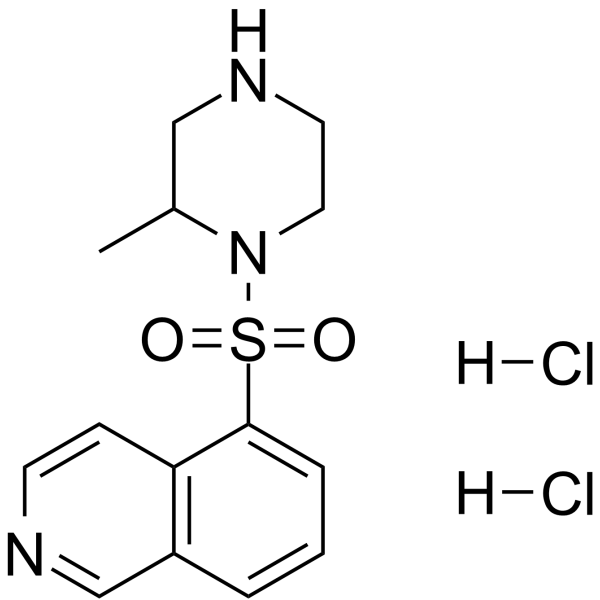
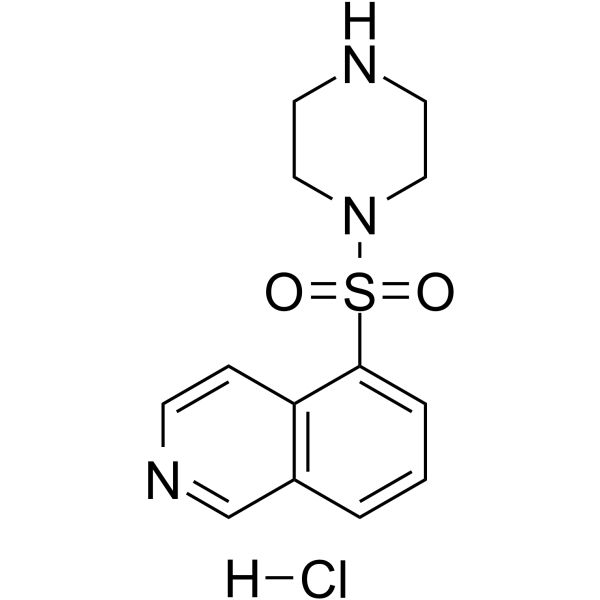
    PKC Cancer
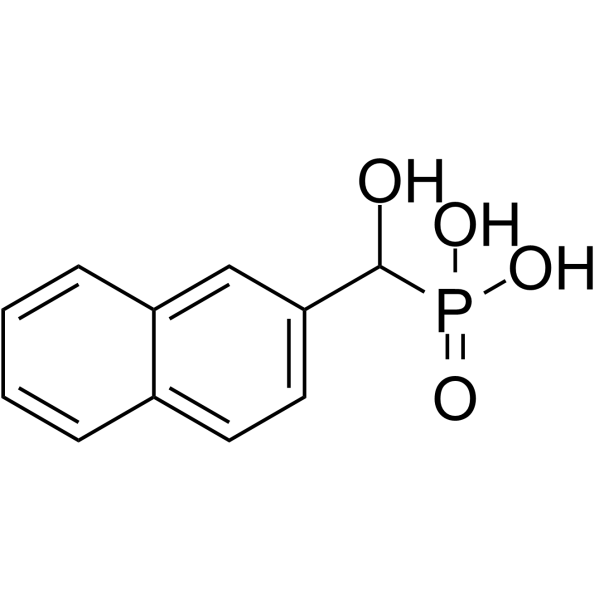
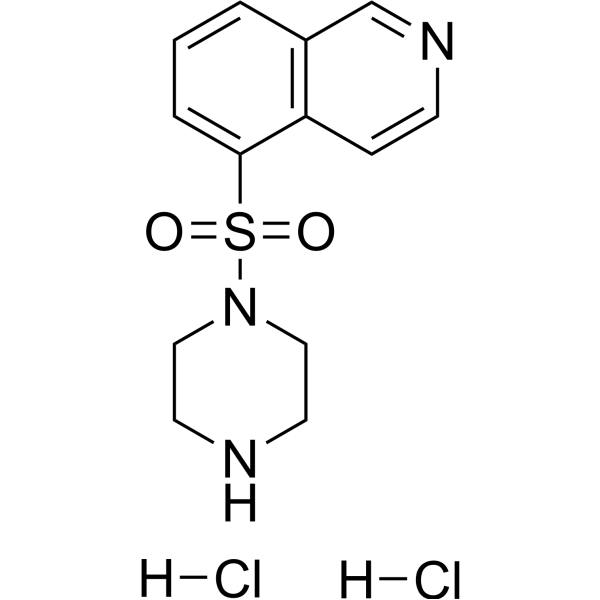
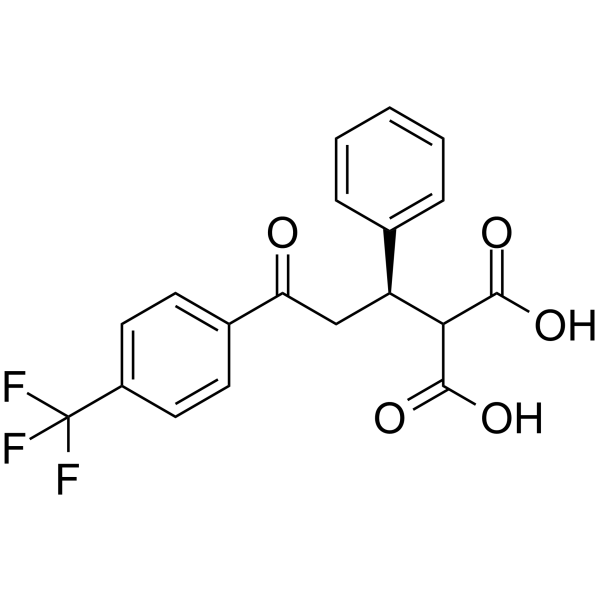
    Protein kinase inhibitor H-7 dihydrochloride is a potent PKC (protein kinase C) inhibitor. At 100 μM, Protein kinase inhibitor H-7 dihydrochloride completely inhibits both TPA (skin tumour promoter, 12-O-tetradecanoylphorbol-13-acetate) and phospholipase C-induced ODC (ornithine decarboxylase) .
    Protein kinase inhibitor H-7 dihydrochloride
  • HY-129099A

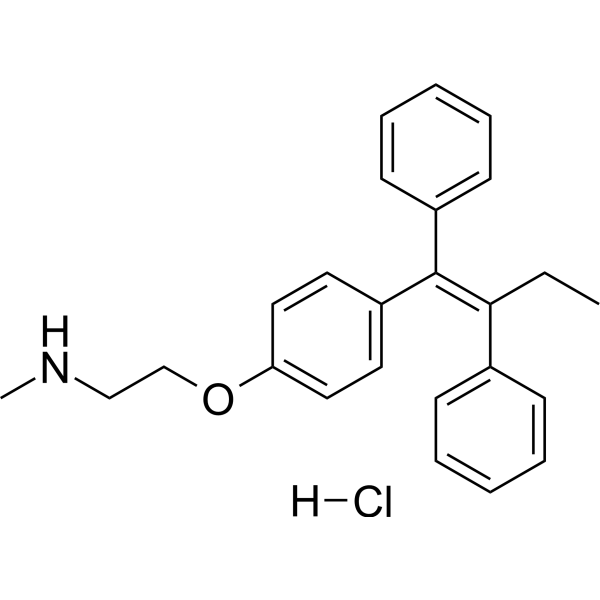
    PKC Estrogen Receptor/ERR Drug Metabolite Endogenous Metabolite Cancer
    N-Desmethyltamoxifen hydrochloride is the major metabolite of tamoxifen in humans. N-Desmethyltamoxifen, a poor antiestrogen, is a ten-fold more potent protein kinase C (PKC) inhibitor than Tamoxifen. N-Desmethyltamoxifen hydrochloride is also a potent regulator of ceramide metabolism in human AML cells, limiting ceramide glycosylation, hydrolysis, and sphingosine phosphorylation .
    N-Desmethyltamoxifen hydrochloride
  • HY-101047S
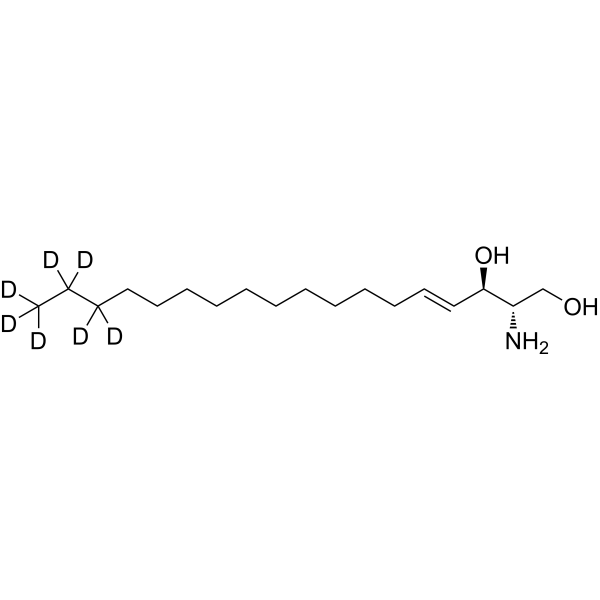
    D-erythro-Sphingosine-d7
    1 Publications Verification

    Erythrosphingosine-d7; erythro-C18-Sphingosine-d7; trans-4-Sphingenine-d7

    PKC Phosphatase Endogenous Metabolite Cancer
    D-erythro-Sphingosine-d7 is the deuterium labeled D-erythro-Sphingosine. D-erythro-Sphingosine (Erythrosphingosine) is a very potent activator of p32-kinase with an EC50 of 8 μM, and inhibits protein kinase C (PKC). D-erythro-Sphingosine (Erythrosphingosine) is also a PP2A activator .
    D-erythro-Sphingosine-d7
  • HY-106262B
    Delcasertib hydrochloride
    3 Publications Verification

    KAI-9803 hydrochloride; BMS-875944 hydrochloride

    PKC Cardiovascular Disease Inflammation/Immunology
    Delcasertib (KAI-9803) hydrochloride is a potent and selective δ-protein kinase C (δPKC) inhibitor. Delcasertib (KAI-9803) hydrochloride could ameliorate injury associated with ischemia and reperfusion in animal models of acute myocardial infarction (MI) .
    Delcasertib hydrochloride
  • HY-131900

    PKC PKA PKG Arp2/3 Complex Others
    Protein kinase inhibitor H-7 is a selective inhibitor of PKC and cyclic nucleotide-dependent protein kinases, with a Ki value of 6.0 μM for rabbit protein kinase C, a Ki value of 3.0 μM for rabbit cAMP-dependent protein kinase, and a Ki value of 5.8 μM for porcine cGMP-dependent protein kinase. Protein kinase inhibitor H-7 has no effect on Ca 2+-calmodulin-dependent enzymes. Protein kinase inhibitor H-7 regulates the Actin cytoskeleton, inhibits contractility, disrupts stress fibers, induces protrusive activity, stabilizes intercellular junctions, and triggers rapid and reversible cytoskeletal reorganization. Protein kinase inhibitor H-7 serves as a research tool for elucidating the functions of protein kinase C-mediated signaling systems .
    Protein kinase inhibitor H-7
  • HY-P1746
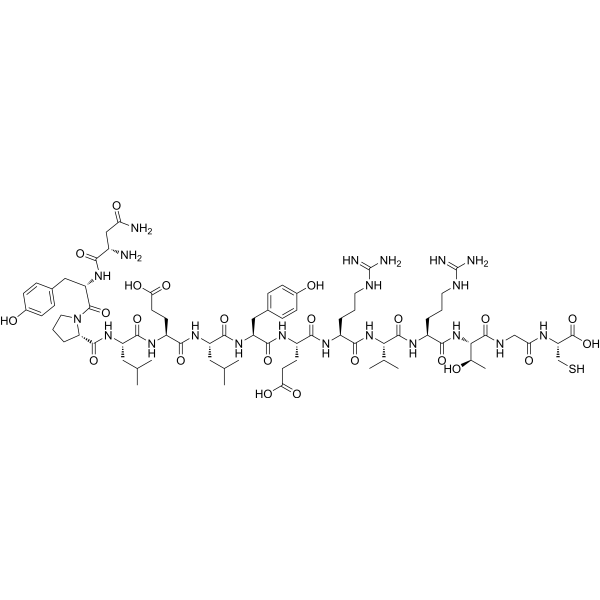
    Protein Kinase C (19-31)
    1 Publications Verification

    PKC (19-31)

    PKC Inflammation/Immunology
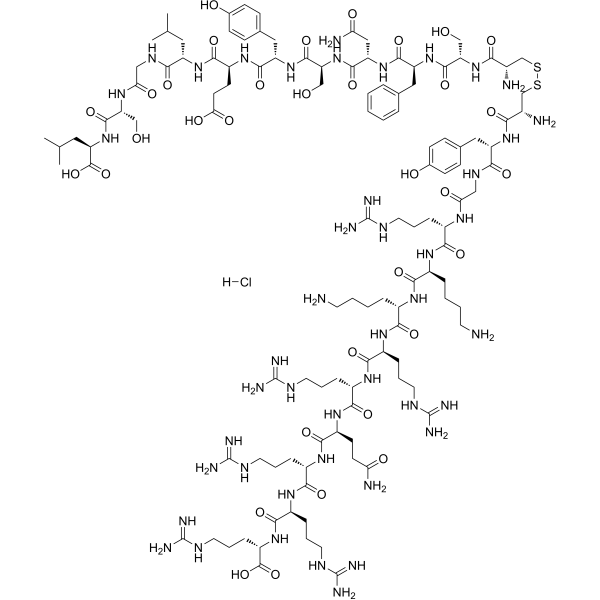
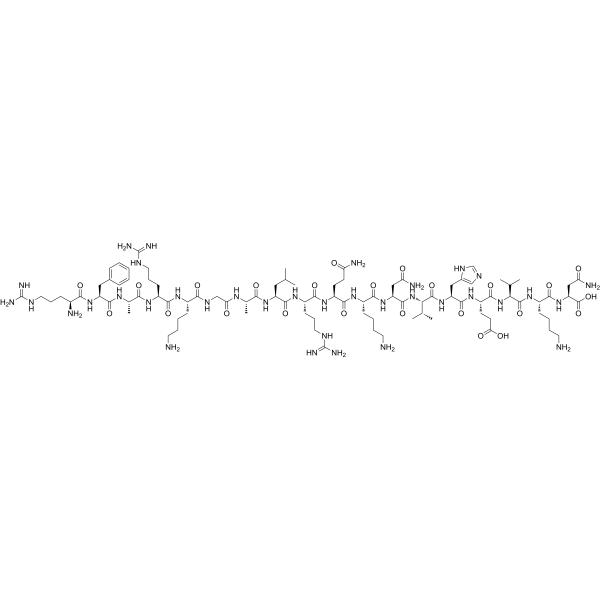
    Protein Kinase C (19-31), a peptide inhibitor of protein kinase C (PKC), derived from the pseudo-substrate regulatory domain of PKCa (residues 19-31), is used as protein kinase C substrate peptide for testing the protein kinase C activity .
    Protein Kinase C (19-31)
  • HY-W011297

    Arachidonic acid methyl ester

    PKC Metabolic Disease
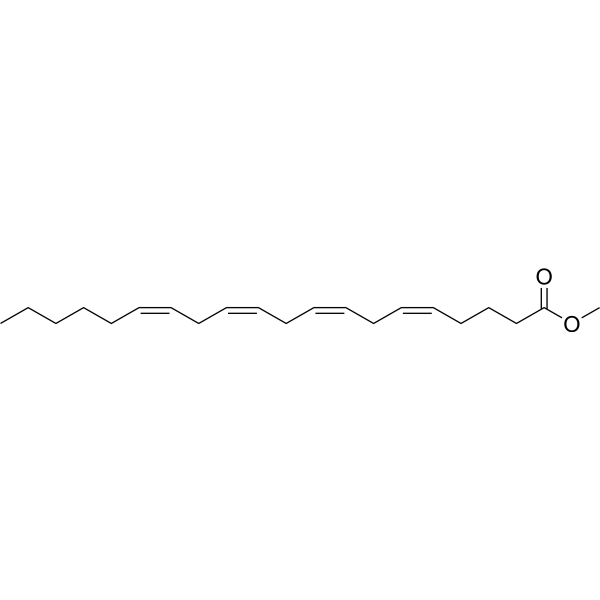
    Methyl arachidonate is a protein kinase C activator and also an orally active substrate that undergoes esterase-mediated hydrolysis. Methyl arachidonate indirectly activates protein kinase C via eicosanoid metabolites generated through the arachidonic acid metabolic pathway, exerting effects via cyclooxygenase products at low concentrations and via lipoxygenase products at high concentrations. Methyl arachidonate can be used in studies related to lipodystrophy .
    Methyl arachidonate
  • HY-117393
    Bisindolylmaleimide III
    1 Publications Verification

    PKC Cancer
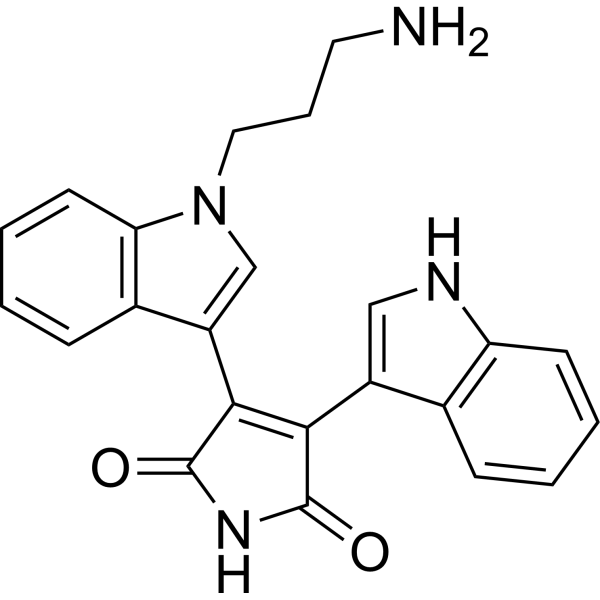
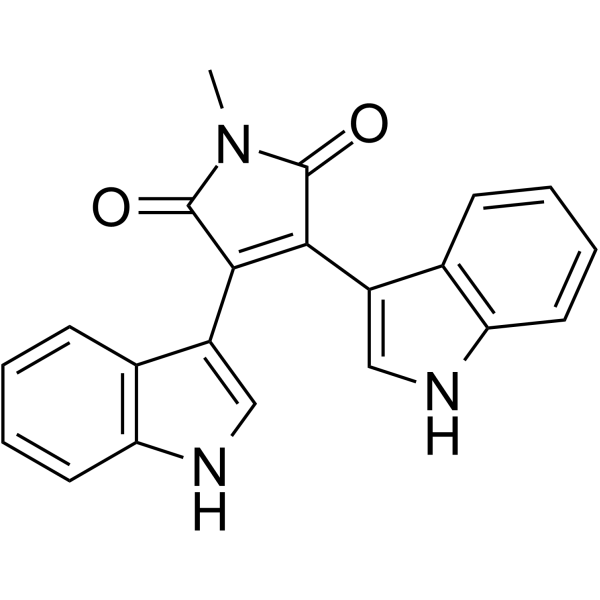
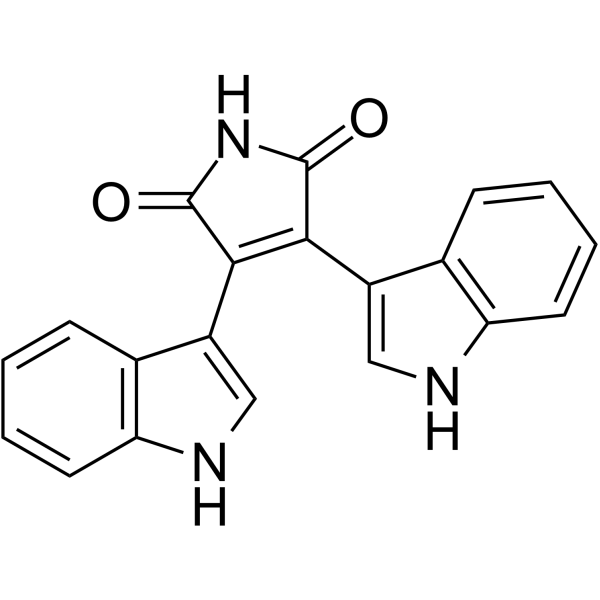
    Bisindolylmaleimide III is a potent and selective inhibitor of protein kinase C (PKC). Bisindolylmaleimide III selectively interacts with either PKCα or ribosomal S6 protein kinase 1 after activation of these kinases .
    Bisindolylmaleimide III
  • HY-106262

    KAI-9803; BMS-875944

    PKC Cardiovascular Disease Inflammation/Immunology
    Delcasertib (KAI-9803) is a potent and selective δ-protein kinase C (δPKC) inhibitor. Delcasertib (KAI-9803) could ameliorate injury associated with ischemia and reperfusion in animal models of acute myocardial infarction (MI) .
    Delcasertib
  • HY-148413
    Aprinocarsen sodium
    1 Publications Verification

    ISIS 3521 sodium

    PKC Cancer
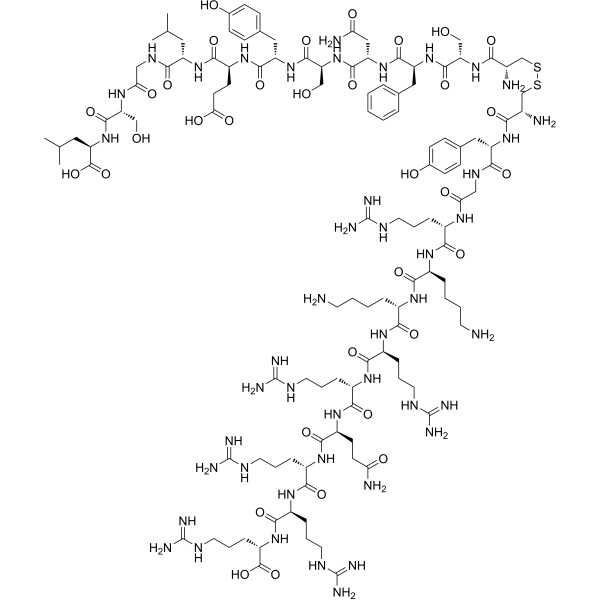
    Aprinocarsen (ISIS 3521) sodium, a specific antisense oligonucleotide inhibitor of protein kinase C-alpha (PKC-α). Aprinocarsen sodium is a 20-mer oligonucleotide, it regulates cell differentiation and proliferation. Aprinocarsen sodium inhibits the growth of human tumor cell lines in nude mice. Aprinocarsen sodium shows the value as a chemotherapeutic compound of human cancers .
    Aprinocarsen sodium
  • HY-129980

    PKC Neurological Disease
    NPC-15437 dihydrochloride is a selective, penetrable and reversible protein kinase C (PKC) inhibitor, with an IC50 of 19 μM. NPC-15437 dihydrochloride interferes with mechanisms underlying memory consolidation .
    NPC-15437 dihydrochloride
  • HY-N11003
    Vanicoside A
    1 Publications Verification

    PKC Reactive Oxygen Species (ROS) Cancer
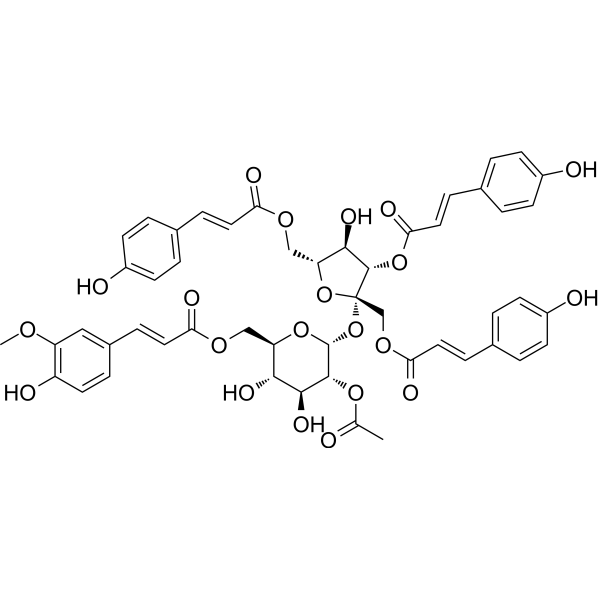
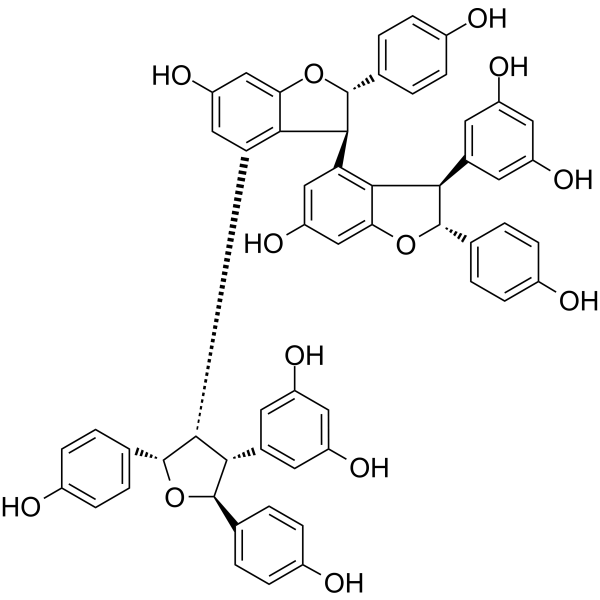
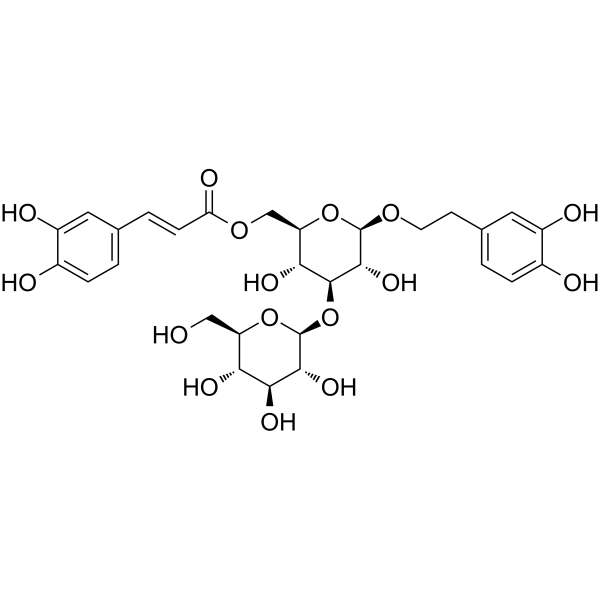
    Vanicoside A is a phenylpropanoid glycoside. Vanicoside A can be isolated from Polygonum pensylvanicum. Vanicoside A inhibits protein kinase C (PKC), induces substantial ROS production. Vanicoside A exhibits anticancer activity against melanoma .
    Vanicoside A
  • HY-128142

    PKD PKC Cardiovascular Disease
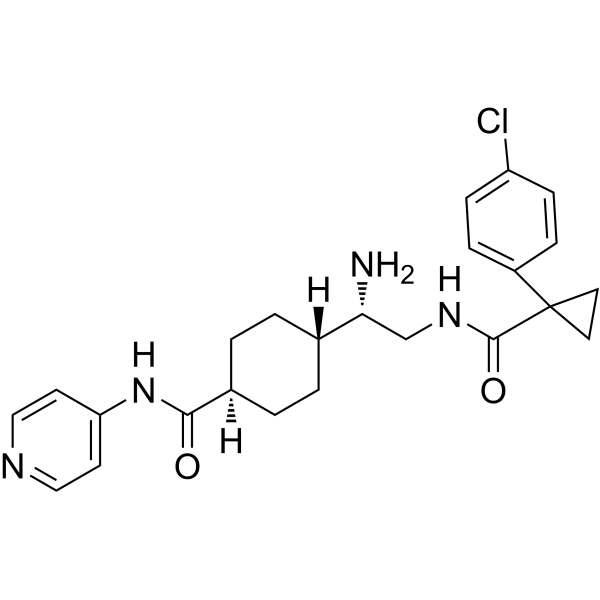
    PKC/PKD-IN-1 (Compound 13C) is an orally active dual protein kinase C/D (PKC/PKD) inhibitor with an IC50 value of 0.6 nM for PKD1. PKC/PKD-IN-1 can attenuate high-salt diet-induced cardiac hypertrophy and can be used in the study of heart failure .
    PKC/PKD-IN-1
  • HY-129099

    PKC Estrogen Receptor/ERR Drug Metabolite Endogenous Metabolite Cancer
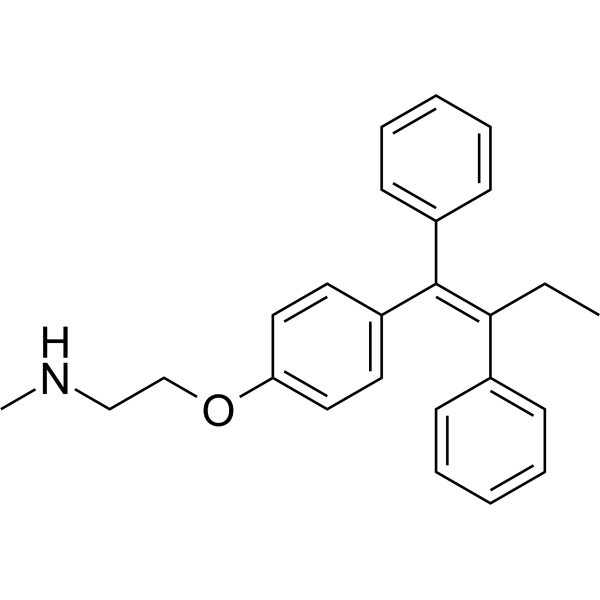
    N-Desmethyltamoxifen is the major metabolite of tamoxifen in humans. N-Desmethyltamoxifen, a poor antiestrogen, is a ten-fold more potent protein kinase C (PKC) inhibitor than Tamoxifen. N-Desmethyltamoxifen is also a potent regulator of ceramide metabolism in human AML cells, limiting ceramide glycosylation, hydrolysis, and sphingosine phosphorylation .
    N-Desmethyltamoxifen
  • HY-P3841

    PKC Others
    Protein Kinase C β Peptide is a peptide fragment of Protein Kinase Cβ. Protein Kinase Cβ is related with hyperglycemia decreases endothelium-derived nitric oxide. Inhibition of Protein kinase Cβ prevents the reduction in endothelium-dependent vasodilation induced by acute hyperglycemia .
    Protein Kinase C β Peptide
  • HY-P3838

    PKC Others
    Protein Kinase C γ Peptide is a peptide fragment of Protein Kinase Cγ. Protein Kinase Cγ is a protein causative for dominant ataxia, that can negatively regulate nuclear import of recessive-ataxia-related aprataxin .
    Protein Kinase C γ Peptide
  • HY-P1288

    PKC fragment (530-558)

    PKC Others
    Protein Kinase C (530-558), a peptide fragment of protein kinase C (PKC), is a potent PKC activator. Protein Kinase C (530-558) significantly inhibits osteoclastic bone resorption .
    Protein Kinase C (530-558)
  • HY-P1088

    PKC Others
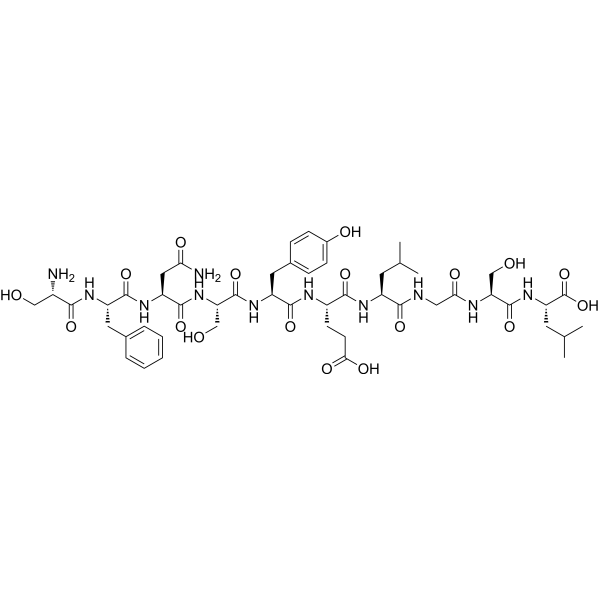
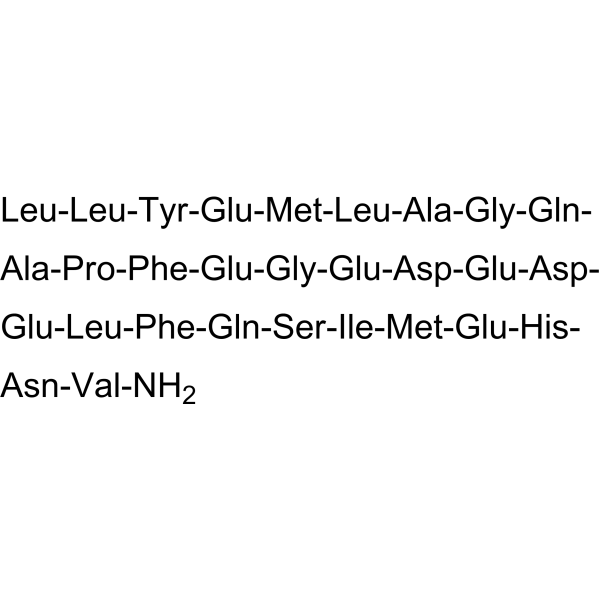
    [Ser25] Protein Kinase C (19-31) is a substrate of protein kinase C (PKC) (Km: 0.3 μM). [Ser25] Protein Kinase C (19-31) is derived from the pseudo-substrate regulatory domain of PKCα (19-31) with a Serine at position 25 replacing the wild-type Alanine .
    [Ser25] Protein Kinase C (19-31)
  • HY-P3892

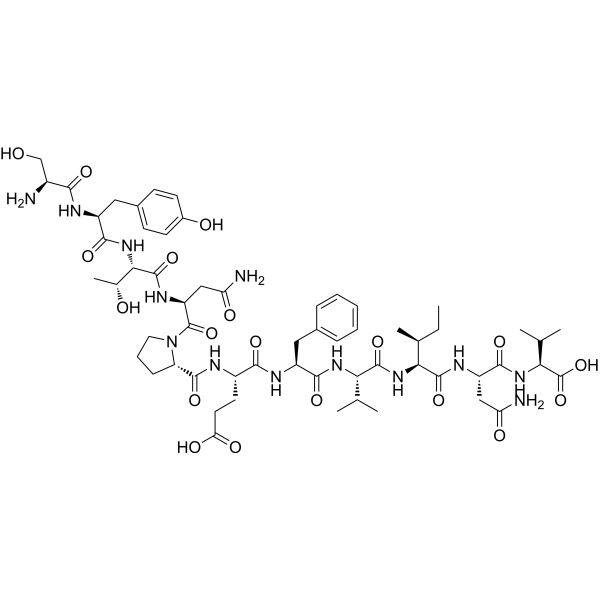
    PKC Inflammation/Immunology
    Protein Kinase C (19-35) Peptide is the PKC pseudosubstrate inhibitor/region. Protein Kinase C (19-35) Peptide possibly blocks the substrate-binding site in its kinase domain, makes the cytoplasmic form of PKC inactive .
    Protein Kinase C (19-35) Peptide
  • HY-P1402

    PKC Others
    [Glu27]-PKC (19-36) is an inactive control for protein kinase C (PKC) (19-36). PKC (19-36) is a pseudosubstrate peptide inhibitor of protein kinase C, it may be responsible for maintaining the enzyme in the inactive form in the absence of allosteric activators such as phospholipids .
    [Glu27]-PKC (19-36)
  • HY-P2673

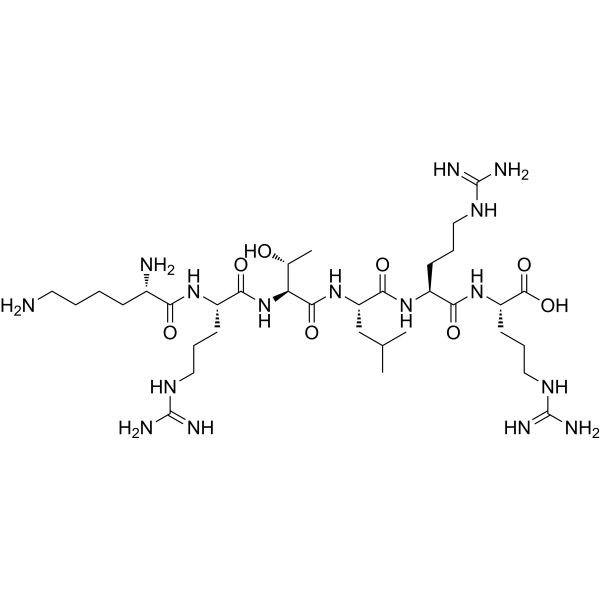
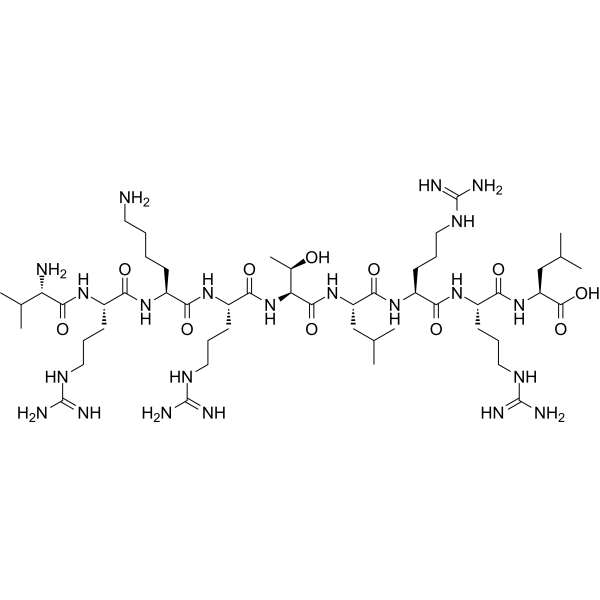
    KRTLRR

    EGFR Others
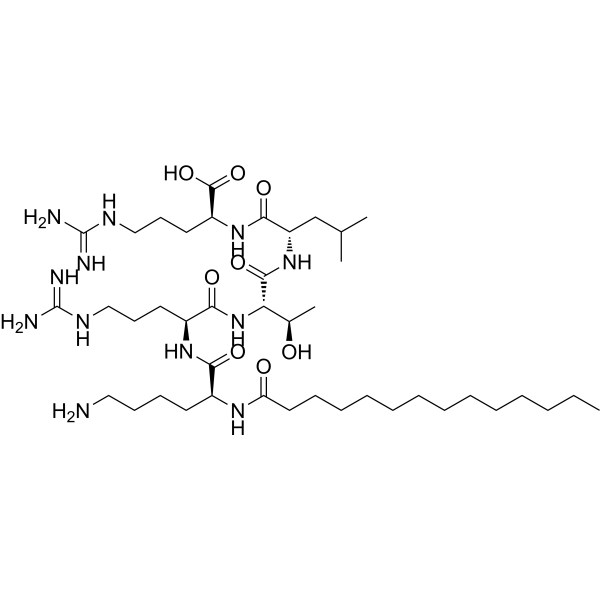
    Lys-Arg-Thr-Leu-Arg-Arg (KRTLRR) is a hexapeptide. Lys-Arg-Thr-Leu-Arg-Arg is a substrate of protein kinase C from EGF receptor. Lys-Arg-Thr-Leu-Arg-Arg can be used to determine the activity of protein kinase C .
    Lys-Arg-Thr-Leu-Arg-Arg
  • HY-P3741

    PKC Neurological Disease
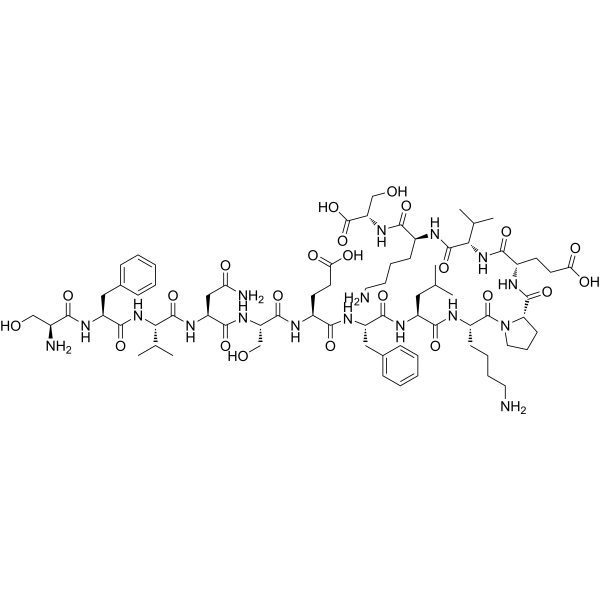
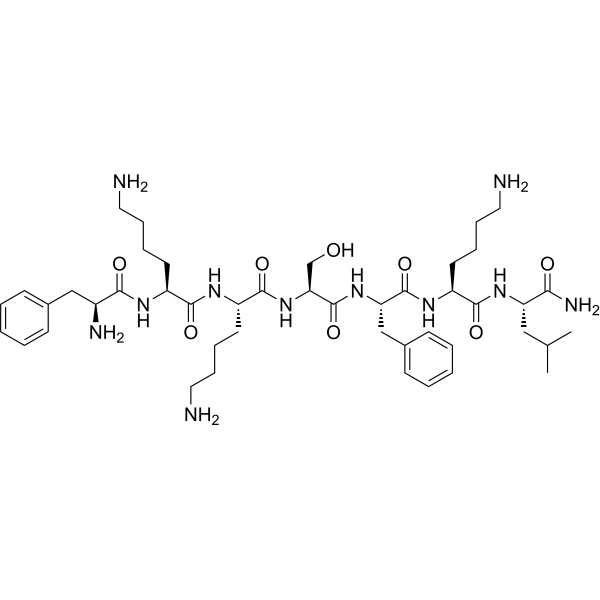
    [Ala9,10, Lys11,12] Glycogen Synthase (1-12) is a selective substrate for phosphorylation by protein kinase C (PKC). [Ala9,10, Lys11,12] Glycogen Synthase (1-12) can be used to determine the activity of protein kinase C .
    [Ala9,10, Lys11,12] Glycogen Synthase (1-12)
  • HY-133083
    BAY-474
    1 Publications Verification

    c-Met/HGFR Cancer
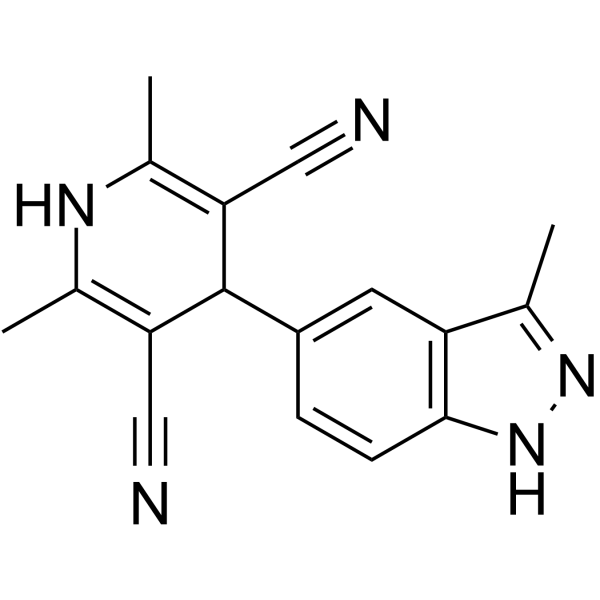
    BAY-474 is a tyrosine-protein kinase c-Met inhibitor. BAY-474 acts as an epigenetics probe .
    BAY-474
  • HY-120515

    PKC Cancer
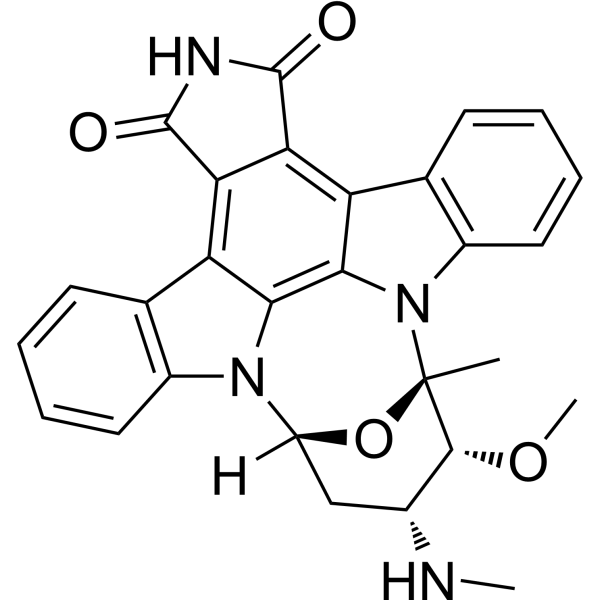
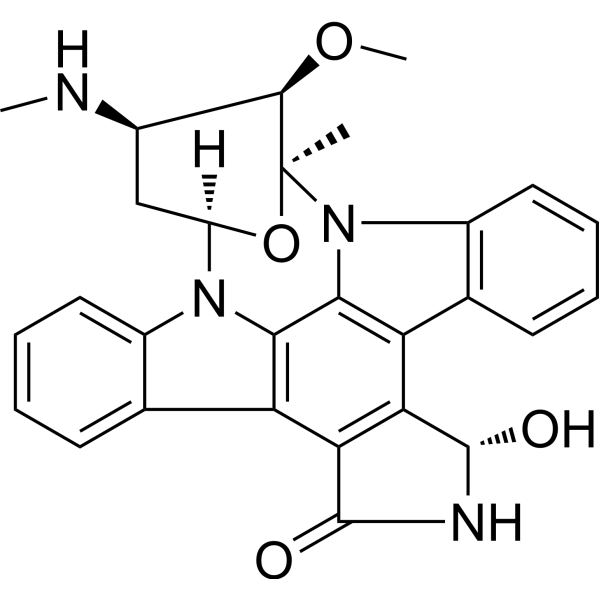
    7-Oxostaurosporine is a potent protein kinase C (PKC) inhibitor that effectively inhibits tumor growth by inducing apoptosis and inhibiting the nuclear factor (NF)-κB/p-p65 pathway .
    7-Oxostaurosporine
  • HY-19825

    Topoisomerase ADC Payload Antibiotic Cancer
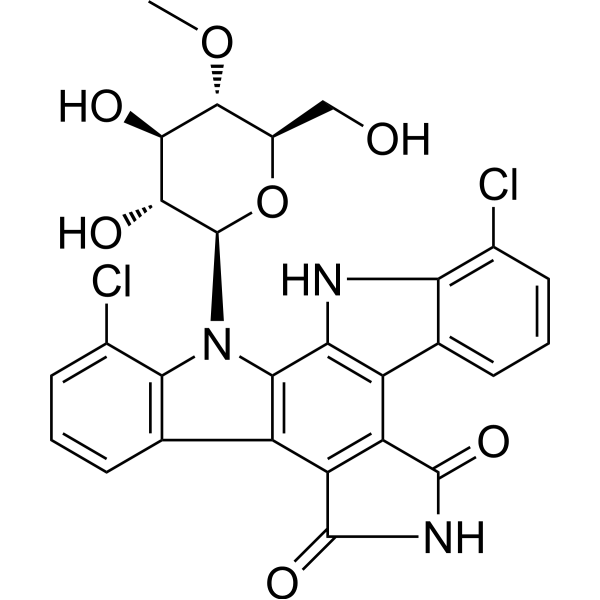
    Rebeccamycin, an antitumor antibiotic, inhibits DNA topoisomerase I. Rebeccamycin appears to exert its primary antineoplastic effect by poisoning topoisomerase I and has negligible effect on protein kinase C and topoisomerase II .
    Rebeccamycin
  • HY-118442

    Tetradecasphing-4-enine

    PKC Cancer
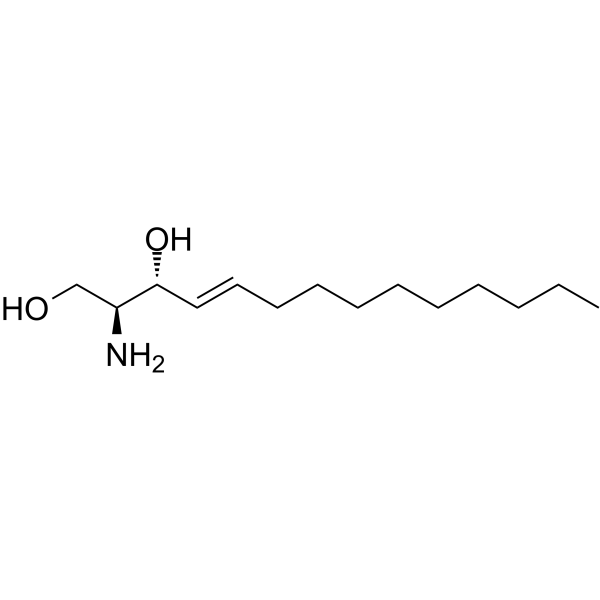
    Sphingosine (d14:1) (Tetradecasphing-4-enine), a sphingolipid, is a potent Protein kinase C (PKC) inhibitor. Sphingosine (d14:1) prevents its interaction with sn-1,2-diacylglycerol (DAG)/Phorbol esters .
    Sphingosine (d14:1)
  • HY-117115

    Biochemical Assay Reagents Others
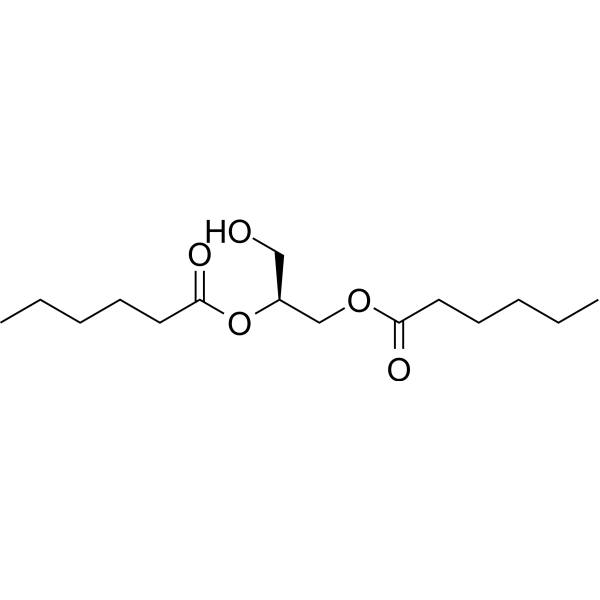
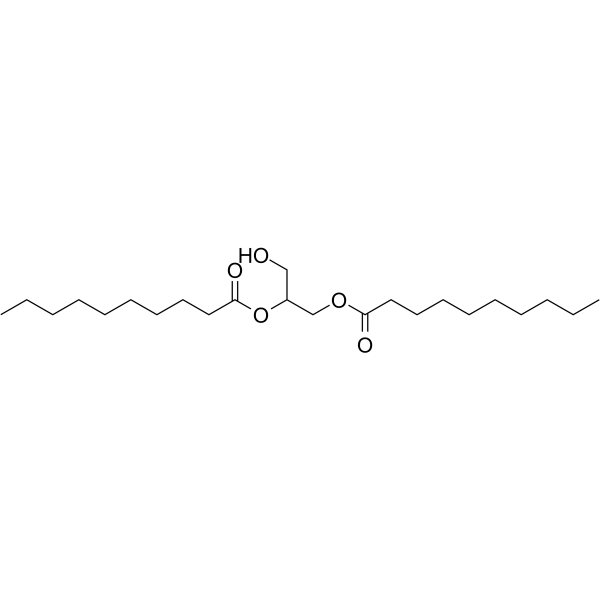
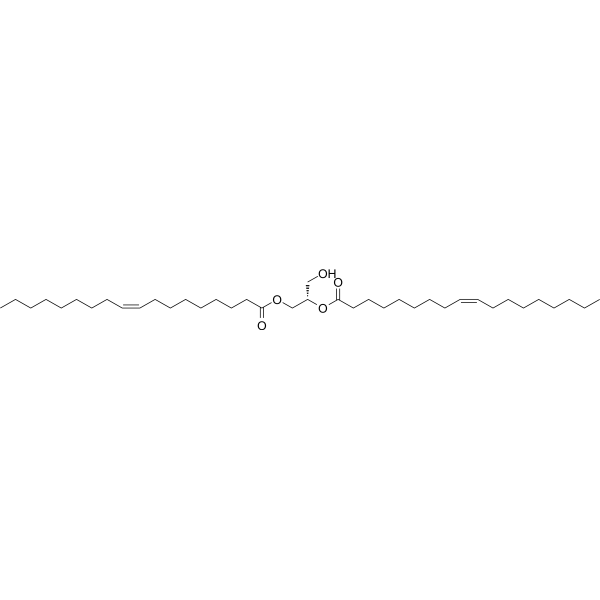
    1,2-Dihexanoyl-sn-glycerol is an analog of protein kinase C (PKC) that activates the second messenger diacylglycerol (DAG). Although the biological activity of 1,2-dicaproyl-sn-glycerol has not been well characterized, it is expected to behave similarly to 1,2-dioctanoyl-sn-glycerol.
    1,2-Dihexanoyl-sn-glycerol
  • HY-P3940

    PKC Others
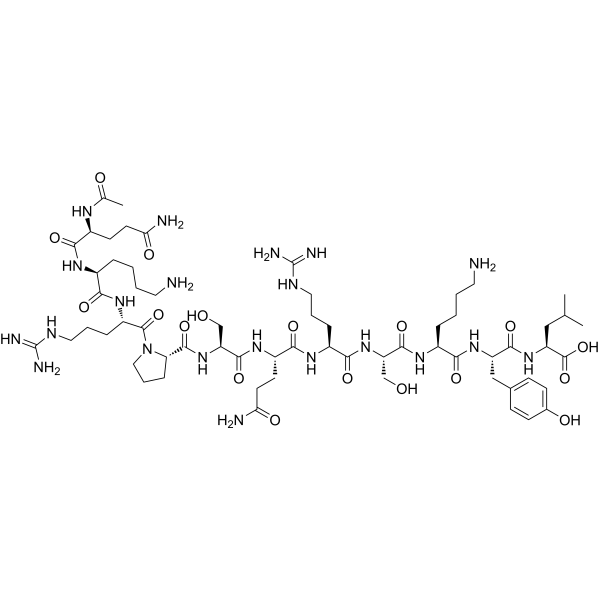
    Ac-MBP (4-14) Peptide is an acetylated MBP (4-14) peptide. MBP (4-14) Peptide is a very selective (protein kinase C) PKC substrate. Ac-MBP (4-14) Peptide can be used for PKC assay in extracts without prior purification to eliminate interfering protein kinases or phosphatases .
    Ac-MBP (4-14) Peptide
  • HY-P1401

    PKC Metabolic Disease
    Protein Kinase C (19-36) is a pseudosubstrate peptide inhibitor of protein kinase C (PKC), with an IC50 of 0.18 μM. Protein Kinase C (19-36) markedly attenuated vascular hyperproliferation and hypertrophy as well as glucose-induced suppression of natriuretic peptide receptor response .
    Protein Kinase C (19-36)
  • HY-P1803

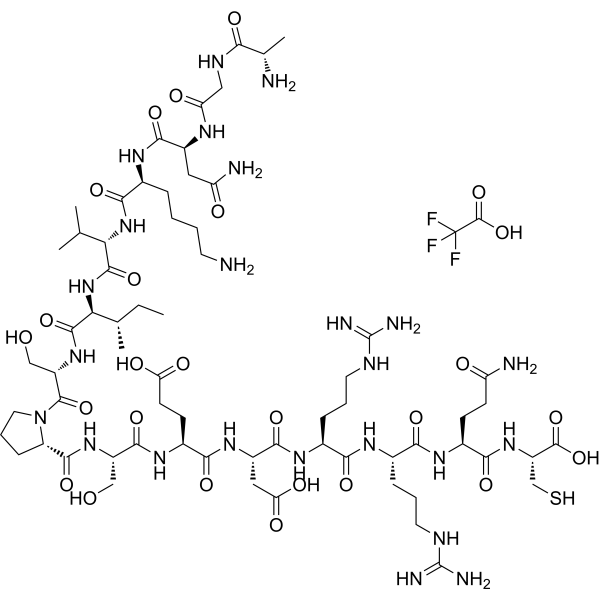
    PKCε; PRKCE ; Peptide Epsilon

    PKC Neurological Disease Inflammation/Immunology Endocrinology
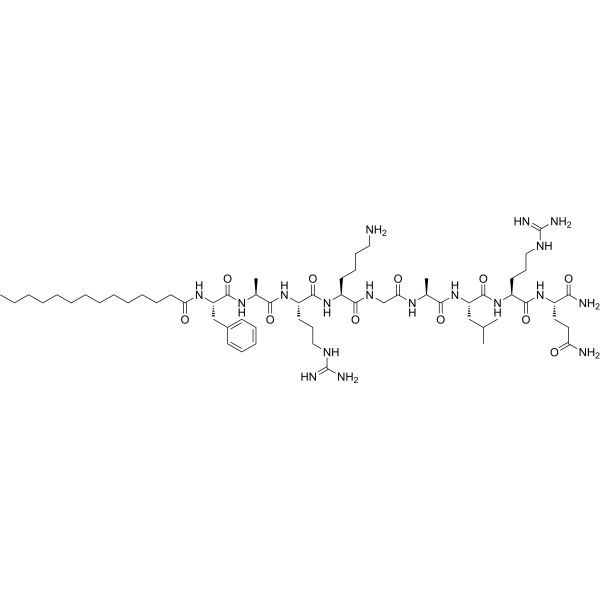
    Protein Kinase C Peptide Substrate is targeted to a specific cellular compartment in a manner dependent on second messengers and on specific adapter proteins in response to extracellular signals that activate G-protein-coupled receptors, tyrosine kinase receptors, or tyrosine kinase-coupled receptors. Protein Kinase C Peptide Substrate then regulates various physiological functions including the activation of nervous, endocrine, exocrine, inflammatory, and immune systems .
    Protein Kinase C Peptide Substrate
  • HY-112384

    L-threo-dihydrosphingosine

    PKC Cancer
    Safingol is a lyso-sphingolipid PKC (protein kinase C ) inhibitor .
    Safingol
  • HY-129330

    PKC Others
    Sapintoxin D is a fluorescent phorbol ester that can be used to study the activation of protein kinase C (PKC). Sapintoxin D is a calcium-dependent PKC activator .
    Sapintoxin D
  • HY-172546

    LysoGM2 ammonium

    PKC Metabolic Disease
    Lyso-monosialoganglioside GM2 (LysoGM2) ammonium is a lysosphingolipid and protein kinase C inhibitor (IC50: 50 μM). Lyso-monosialoganglioside GM2 ammonium can inhibit the binding of protein kinase C to Phorbol 12,13-dibutyrate (HY-18985). Lyso-monosialoganglioside GM2 ammonium is a specific biomarker for GM2 gangliosidosis. Lyso-monosialoganglioside GM2 ammonium can be used in the research of sphingolipidoses .
    Lyso-monosialoganglioside GM2 ammonium

Inquiry Online

Your information is safe with us. * Required Fields.

Salutation


Country or Region *

Applicant Name *


Organization Name *

Department *


Email Address *


Product Name *

Cat. No.


Requested quantity *

Phone Number *


Remarks

Inquiry Online

Inquiry Information

Product Name:
Cat. No.:
Quantity:
MCE Japan Authorized Agent: