1. Search Result
Search Result
Results for "

Respiratory Inhibitors

" in MedChemExpress (MCE) Product Catalog:

315

Inhibitors & Agonists

1

Screening Libraries

3

Fluorescent Dyes

9

Biochemical Assay Reagents

10

Peptides

10

Inhibitory Antibodies

37

Natural
Products

23

Isotope-Labeled Compounds

1

Click Chemistry

4

Oligonucleotides

1

GMP Molecules

Targets Recommended:
Cat. No. Product Name Target Research Areas Chemical Structure
  • HY-112847A
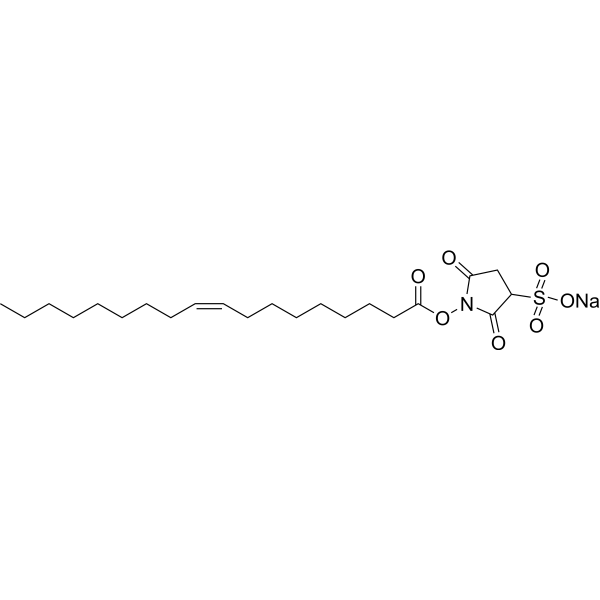
    Sulfosuccinimidyl oleate sodium
    35+ Cited Publications

    Sulfo-N-succinimidyl oleate sodium

    Mitophagy Inflammation/Immunology
    Sulfosuccinimidyl oleate sodium (Sulfo-N-succinimidyl oleate sodium) is a long chain fatty acid that inhibits fatty acid transport into cells. Sulfosuccinimidyl oleate sodium is a potent and irreversible inhibitor of mitochondrial respiratory chain. Sulfosuccinimidyl oleate sodium binds the CD36 receptor on the surface of microglia. Anti-inflammatory effect .
    Sulfosuccinimidyl oleate sodium
  • HY-104032
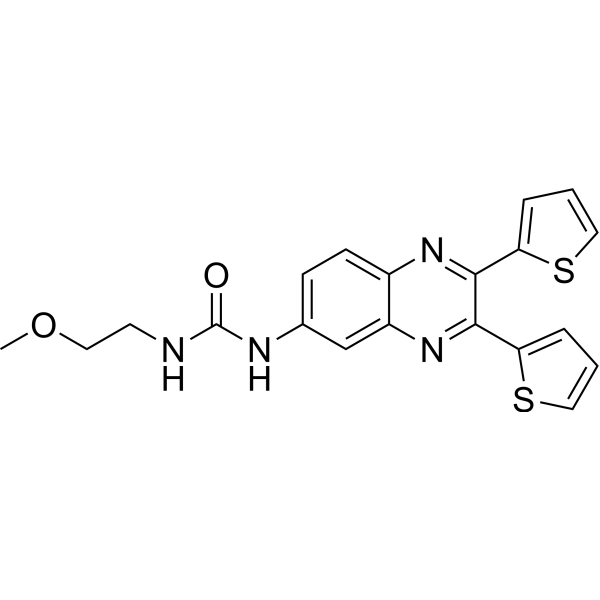
    Ac-CoA Synthase-IN-1
    5+ Cited Publications

    RSV Infection Metabolic Disease
    Ac-CoA Synthase-IN-1 is a potent, reversible acetate-dependent acetyl-CoA synthetase 2 (ACSS2) inhibitor with an IC50 of 0.6 μM . Ac-CoA Synthase-IN-1 inhibits the respiratory syncytial virus (RSV) .
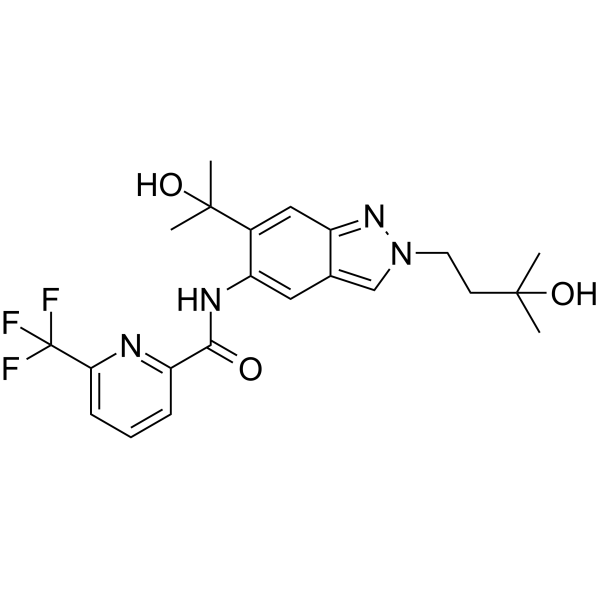
    Ac-CoA Synthase-IN-1
  • HY-15662
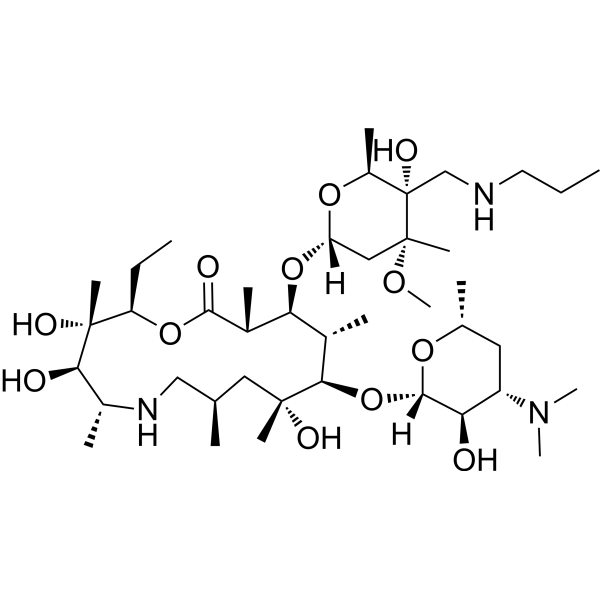
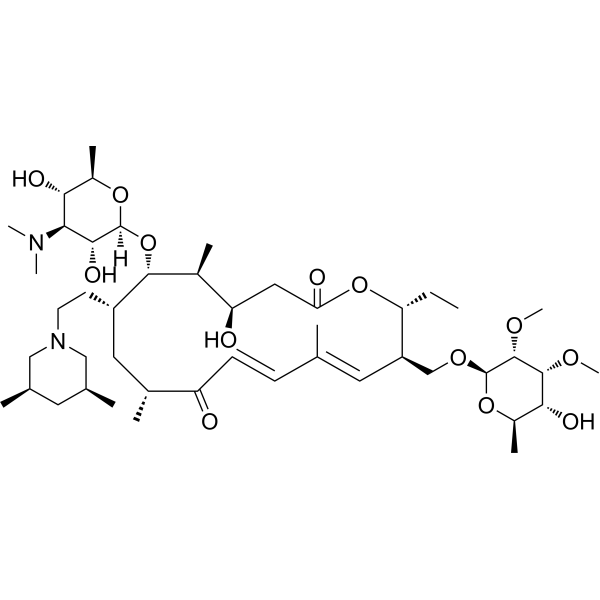
    Tulathromycin A
    2 Publications Verification

    Tulathromycin; CP 472295

    Antibiotic Bacterial Infection
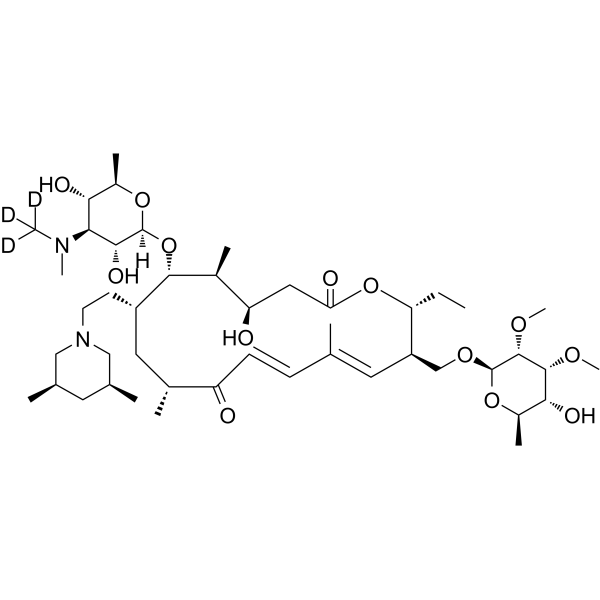
    Tulathromycin A (Tulathromycin), a macrolide antibiotic, inhibits protein synthesis (IC50=0.26 µM) by targeting bacterial ribosome. Tulathromycin A is used for the research of respiratory disease in cattle and swine. Immunomodulatory effects .
    Tulathromycin A
  • HY-10367
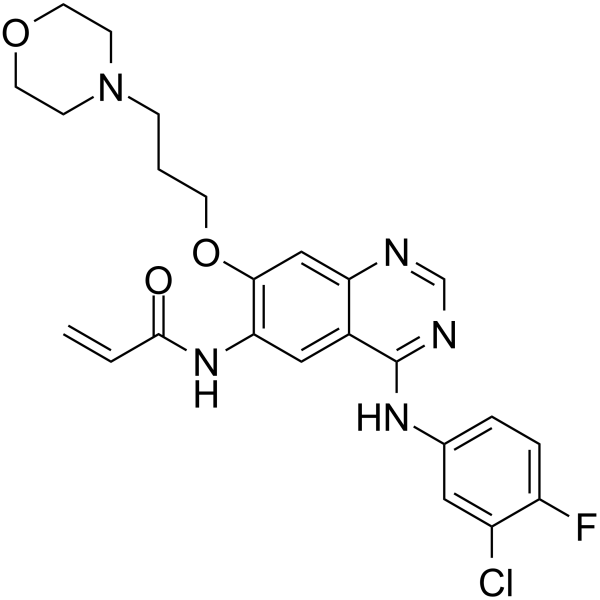
    Canertinib
    5+ Cited Publications

    CI-1033; PD-183805

    EGFR Orthopoxvirus Infection Cancer
    Canertinib (CI-1033;PD-183805) is a potent and irreversible EGFR inhibitor; inhibits cellular EGFR and ErbB2 autophosphorylation with IC50s of 7.4 and 9 nM. Canertinib is active against vaccinia virus respiratory infection in mice .
    Canertinib
  • HY-B0551

    Potassium Channel Neurological Disease
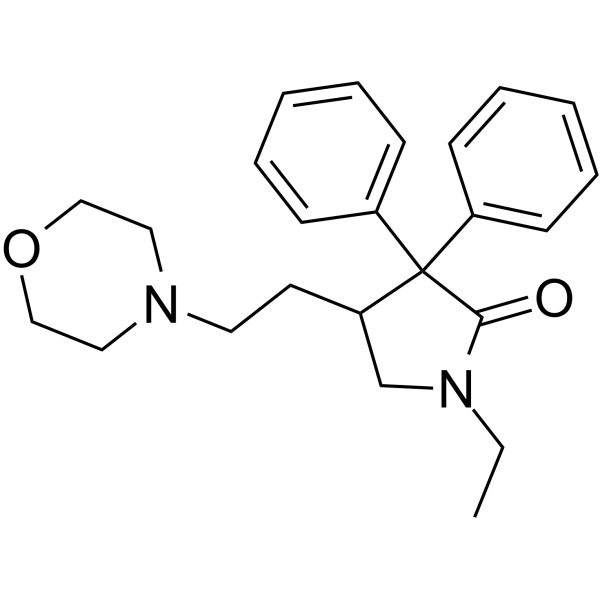
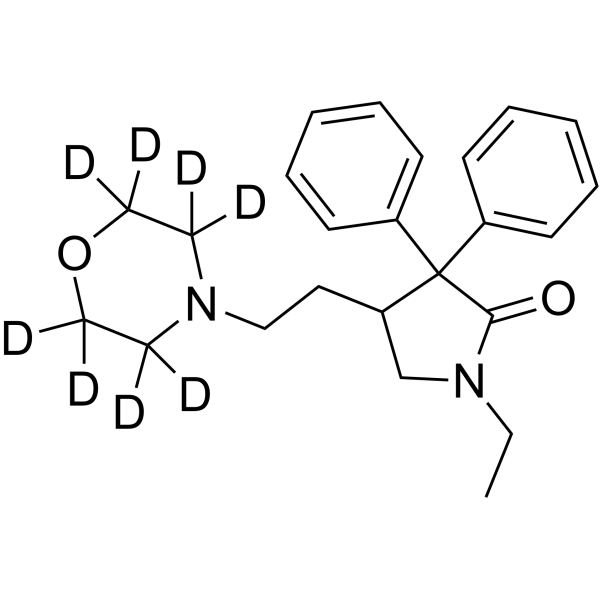
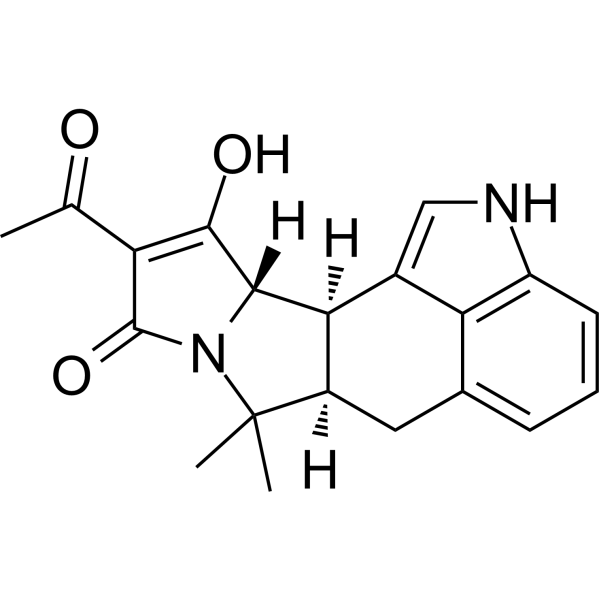
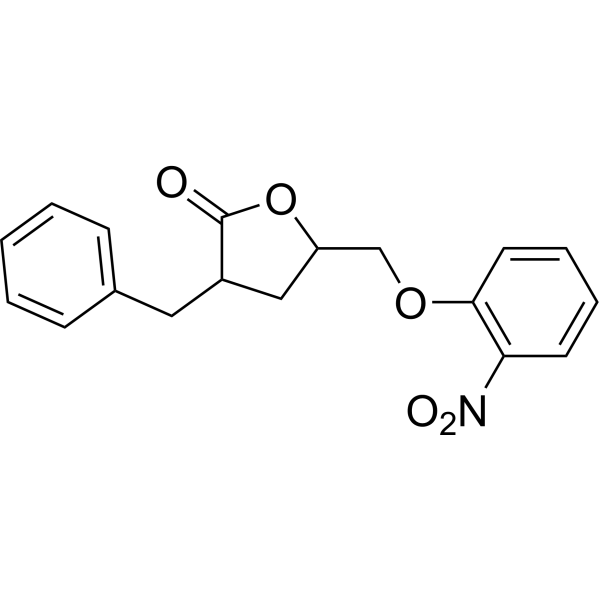
    Doxapram is a respiratory stimulant. Doxapram increases breathing rate and depth by acting on the brain's respiratory centers and peripheral chemoreceptors. Doxapram inhibits TASK-1, TASK-3, TASK-1/TASK-3 heterodimeric channel function with EC50s of 410 nM, 37 μM, 9 μM, respectively. Doxapram inhibits the Ca²⁺-activated potassium current (IC50 ≈ 13 μM) and Ca²⁺-independent potassium current (IC50 ≈ 20 μM) in type I cells of the carotid body. Doxapram significantly prolongs the effective refractory period of the atrium and has an anti-arrhythmic effect. Doxapram can be used for the study of respiratory depression such as post-anesthesia respiratory depression, chronic obstructive pulmonary disease and apnea of prematurity .
    Doxapram
  • HY-B0551A

    Potassium Channel Neurological Disease
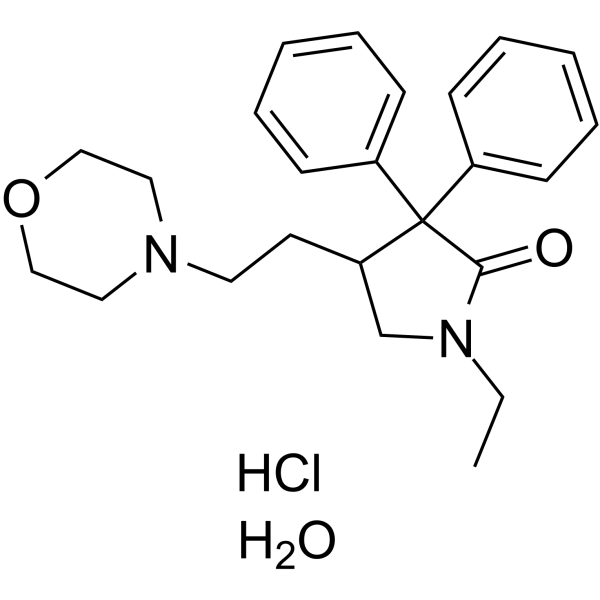
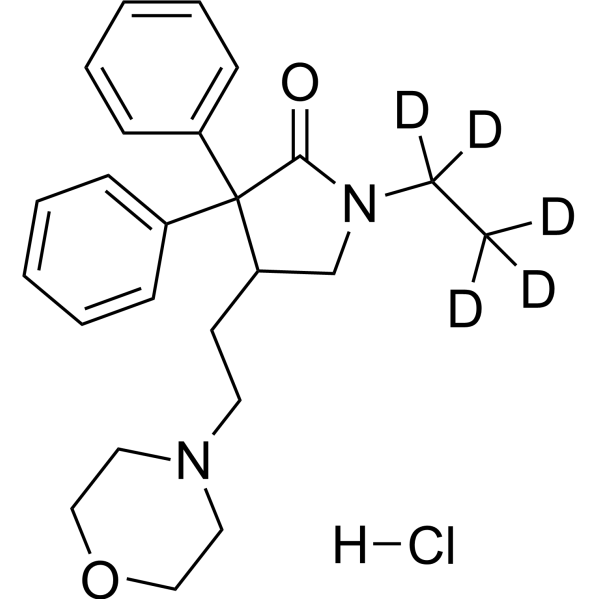
    Doxapram hydrochloride hydrate is a respiratory stimulant. Doxapram hydrochloride hydrate increases breathing rate and depth by acting on the brain's respiratory centers and peripheral chemoreceptors. Doxapram hydrochloride hydrate inhibits TASK-1, TASK-3, TASK-1/TASK-3 heterodimeric channel function with EC50s of 410 nM, 37 μM, 9 μM, respectively. Doxapram hydrochloride hydrate inhibits the Ca²⁺-activated potassium current (IC50 ≈ 13 μM) and Ca²⁺-independent potassium current (IC50 ≈ 20 μM) in type I cells of the carotid body. Doxapram hydrochloride hydrate significantly prolongs the effective refractory period of the atrium and has an anti-arrhythmic effect. Doxapram hydrochloride hydrate can be used for the study of respiratory depression such as post-anesthesia respiratory depression, chronic obstructive pulmonary disease and apnea of prematurity .
    Doxapram hydrochloride hydrate
  • HY-B0941
    6-Benzylaminopurine
    4 Publications Verification

    Benzyladenine; 6-BAP; N6-Benzyladenine

    Environmental Pollutants Endogenous Metabolite Others
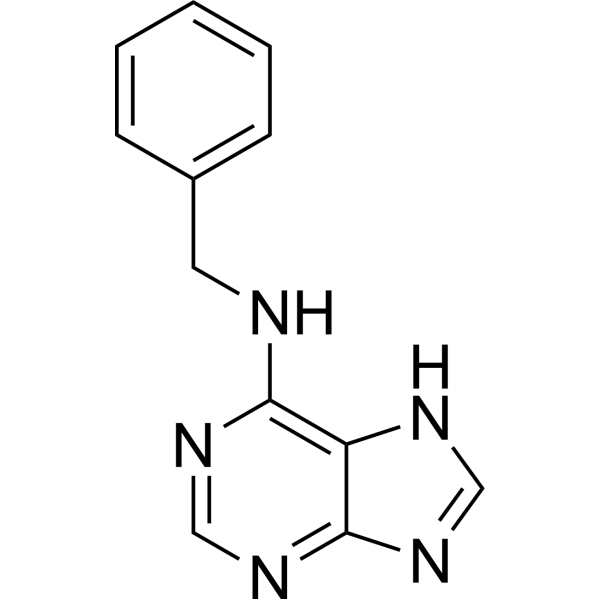
    6-Benzylaminopurine (Benzyladenine) is a cytokinin that causes plant growth and development by stimulating cell division and inhibiting respiratory kinases, thereby prolonging the preservation of green vegetables .
    6-Benzylaminopurine
  • HY-117043
    GRL0617
    10+ Cited Publications

    Deubiquitinase SARS-CoV Infection
    GRL0617 is a selective and competitive noncovalent inhibitor of severe acute respiratory syndrome (SARS-CoV) papain-like protease (PLpro), with an IC50 of 0.6 μM and a Ki value of 0.49 μM. GRL0617 also inhibits SARS-CoV with an EC50 of 14.5 μM. GRL0617 can be used for the research of severe acute respiratory syndrome .
    GRL0617
  • HY-B0439

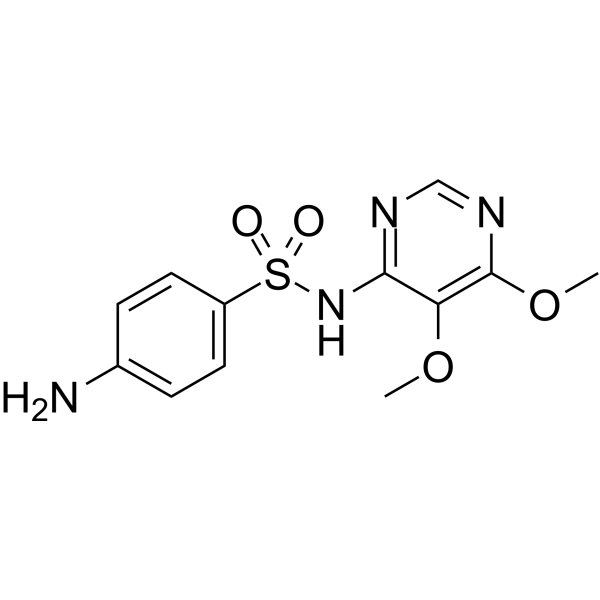
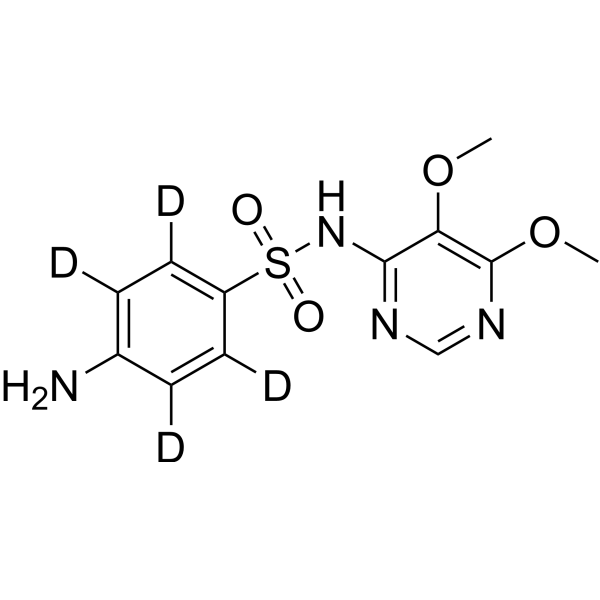
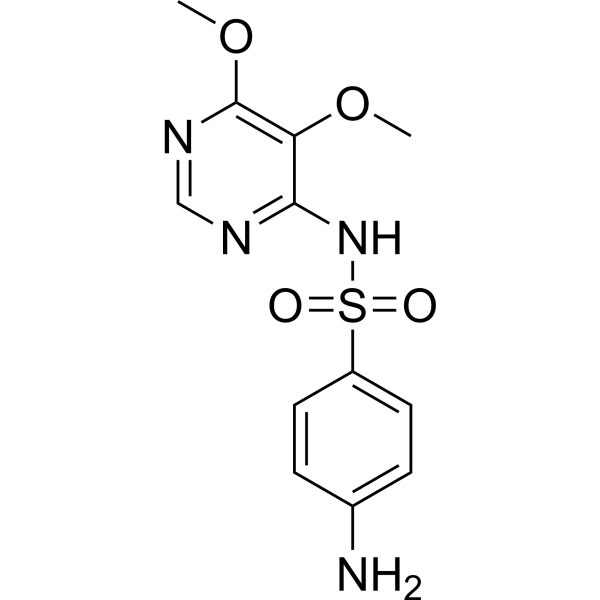
    Sulphadoxine

    Parasite HIV Antibiotic Endogenous Metabolite Infection
    Sulfadoxine(Sulphadoxine) is a long acting sulfonamide that is used, usually in combination with other agents, for respiratory, urinary tract and malarial infections. Sulfadoxine inhibits HIV replication in peripheral blood mononuclear cells.
    Sulfadoxine
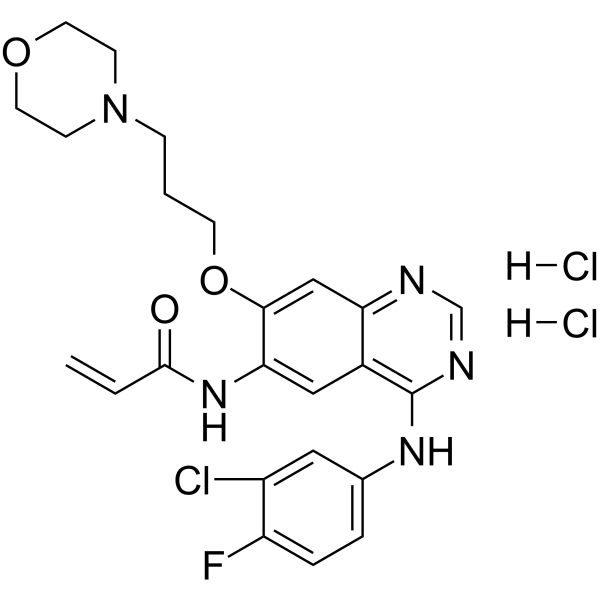
  • HY-10367A
    Canertinib dihydrochloride
    5+ Cited Publications

    CI-1033 dihydrochloride; PD-183805 dihydrochloride

    EGFR Orthopoxvirus Infection Cancer
    Canertinib dihydrochloride (CI-1033 dihydrochloride) is a potent and irreversible EGFR inhibitor; inhibits cellular EGFR and ErbB2 autophosphorylation with IC50s of 7.4 and 9 nM. Canertinib dihydrochloride is active against vaccinia virus respiratory infection in mice .
    Canertinib dihydrochloride
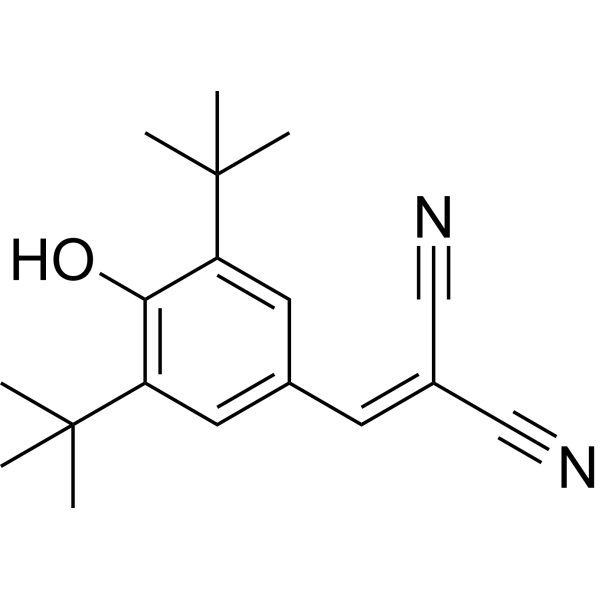
  • HY-15511
    Tyrphostin A9
    5+ Cited Publications

    Tyrphostin 9; Malonoben

    Environmental Pollutants VEGFR PDGFR Influenza Virus Infection Cancer
    Tyrphostin A9, a PDGFR inhibitor, is a potent inducer of mitochondrial fission. Tyrphostin A9 emerged as the most potent and selective of 51 tyrosine kinase inhibitors tested against the TNF-induced respiratory burst. Tyrphostin A9 has anti-influenza virus activities.
    Tyrphostin A9
  • HY-112180
    Rilematovir
    5 Publications Verification

    JNJ-678; JNJ-53718678

    RSV Infection
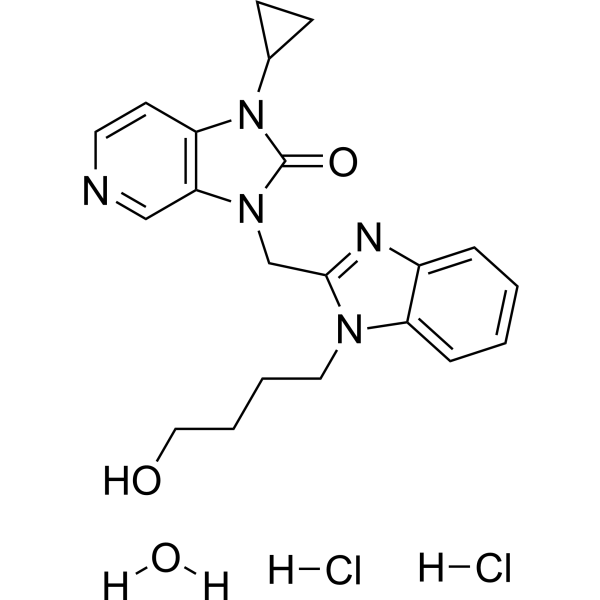
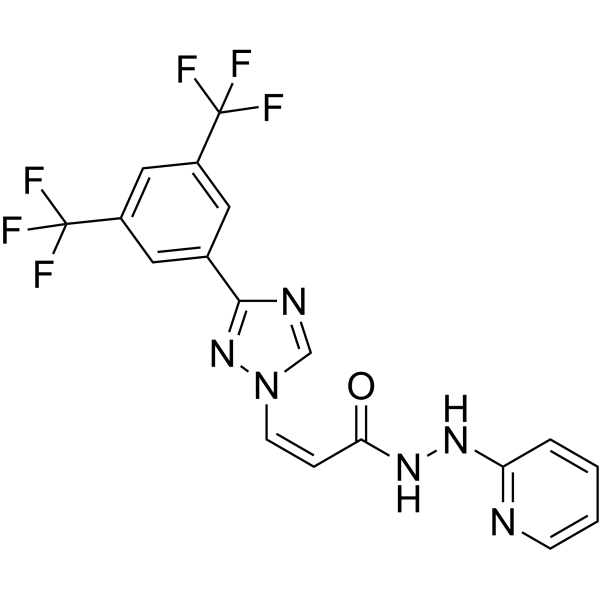
    Rilematovir (JNJ-678) is a novel fusion protein inhibitor. Rilematovir has the potential for respiratory syncytial virus (RSV) research.
    Rilematovir
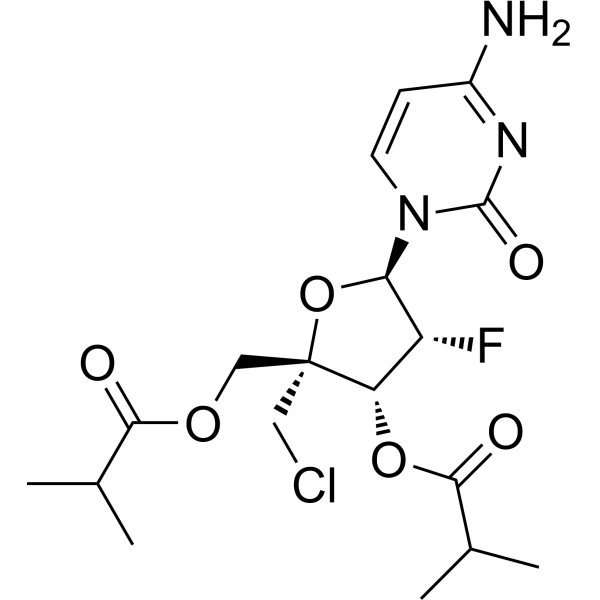
  • HY-12983
    ALS-8112
    3 Publications Verification

    RSV Infection
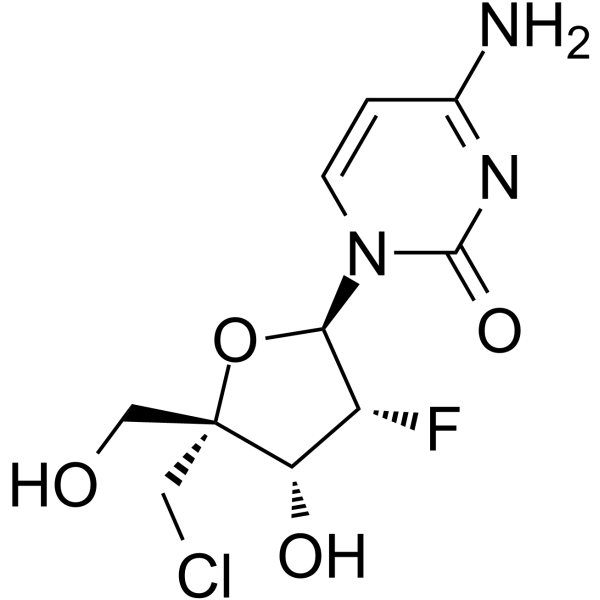
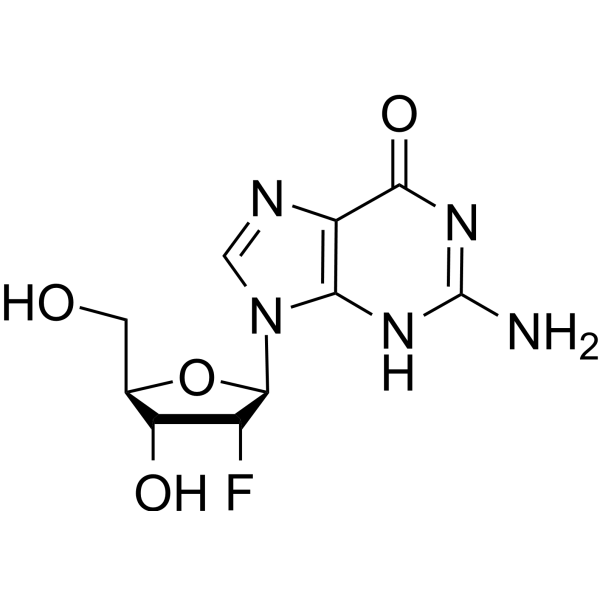
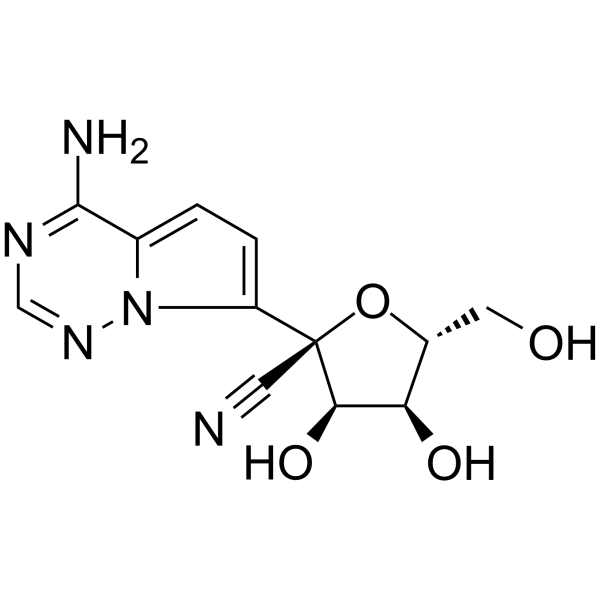
    ALS-8112 is a potent and selective respiratory syncytial virus (RSV) polymerase inhibitor. The 5'-triphosphate form of ALS-8112 inhibits RSV polymerase with an IC50 of 0.02 μM.
    ALS-8112
  • HY-126222A

    Apoptosis Mitochondrial Metabolism Cancer
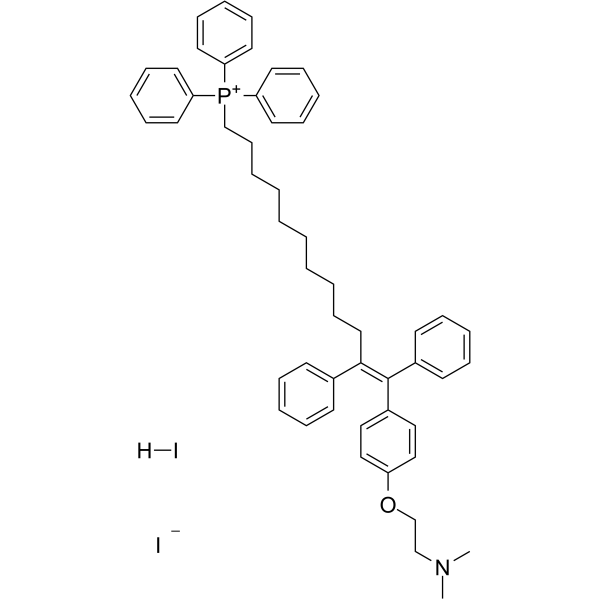
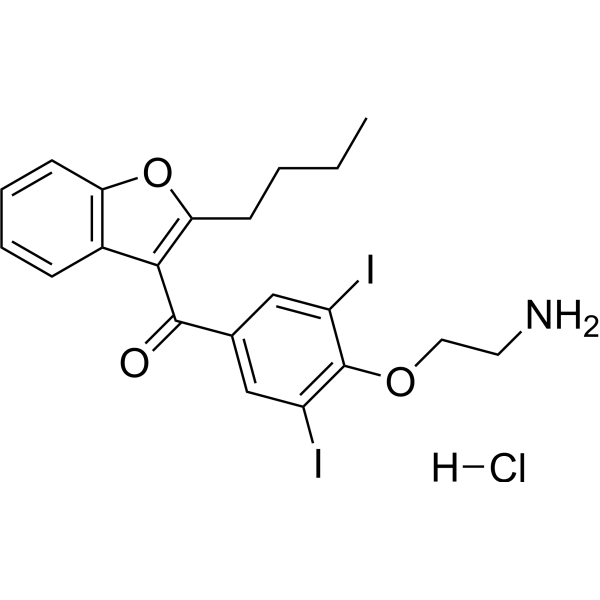
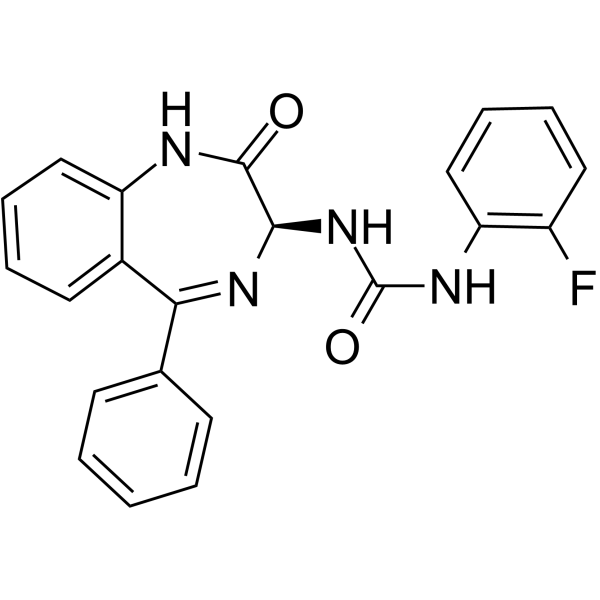
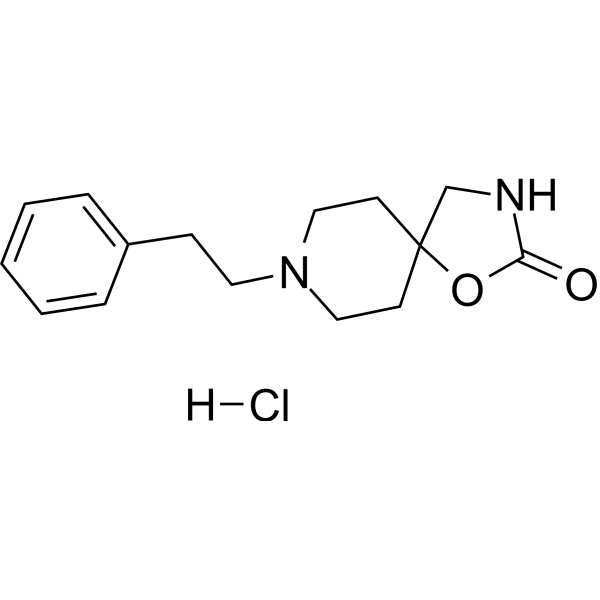
    MitoTam iodide, hydriodide is a Tamoxifen derivative , an electron transport chain (ETC) inhibitor, spreduces mitochondrial membrane potential in senescent cells and affects mitochondrial morphology . MitoTam iodide, hydriodide is an effective anticancer agent, suppresses respiratory complexes (CI-respiration) and disrupts respiratory supercomplexes (SCs) formation in breast cancer cells . MitoTam iodide, hydriodide causes apoptosis .
    MitoTam iodide, hydriodide
  • HY-123475A
    Sisunatovir hydrochloride
    4 Publications Verification

    RV521 hydrochloride

    RSV Infection
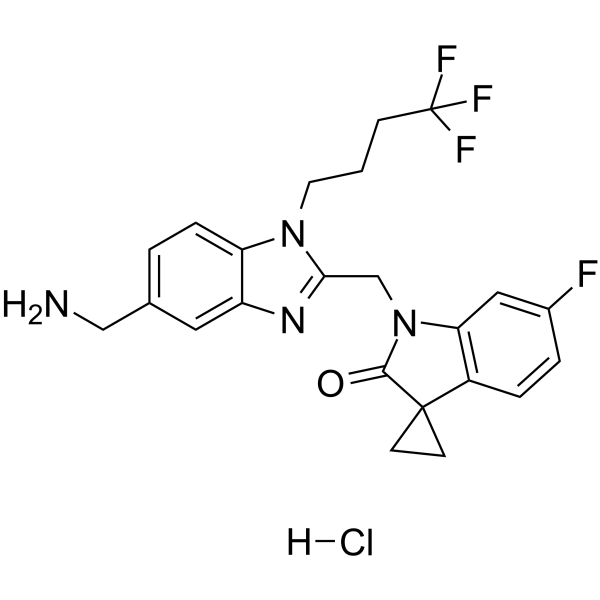
    Sisunatovir (RV521) hydrochloride is a potent and orally active respiratory syncytial virus (RSV) inhibitor with IC50 values of 1.4, 1.0 nM for RSV A, RSV B, respectively. Sisunatovir hydrochloride inhibits RSV infection and reduces virus titers in the lungs of mice .
    Sisunatovir hydrochloride
  • HY-123475
    Sisunatovir
    4 Publications Verification

    RV521

    RSV Infection
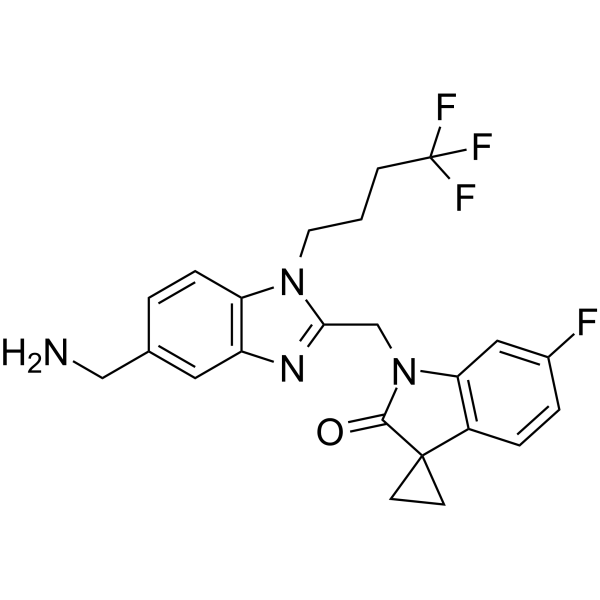
    Sisunatovir (RV521) is a potent and orally active respiratory syncytial virus (RSV) inhibitor with IC50 values of 1.4, 1.0 nM for RSV A, RSV B, respectively. Sisunatovir inhibits RSV infection and reduces virus titers in the lungs of mice .
    Sisunatovir
  • HY-W008151

    Mitochondrial Metabolism Carnitine Palmitoyltransferase (CPT) Metabolic Disease
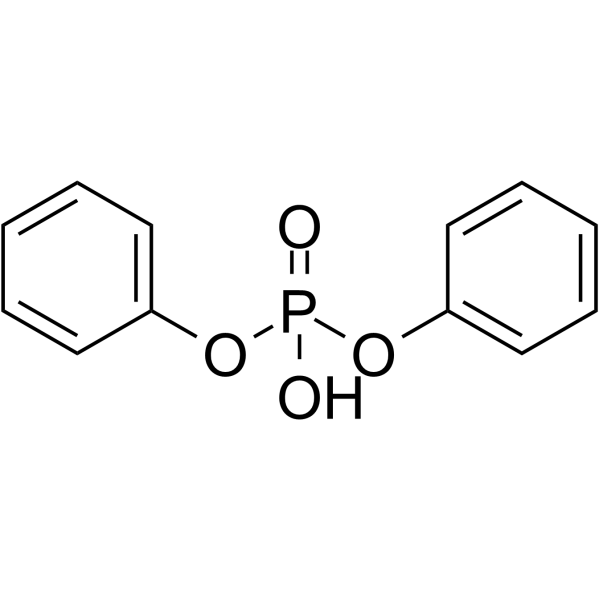
    Diphenyl Phosphate inhibits growth and energy metabolism in zebrafish and mice in a sex-specific manner. Diphenyl Phosphate can inhibit the activity of SDH (respiratory complex II), reduce the expression of CPT1 and disrupts the integrity of the mitochondrial membrane. Diphenyl Phosphate may be used in research on metabolic diseases .
    Diphenyl Phosphate
  • HY-135549
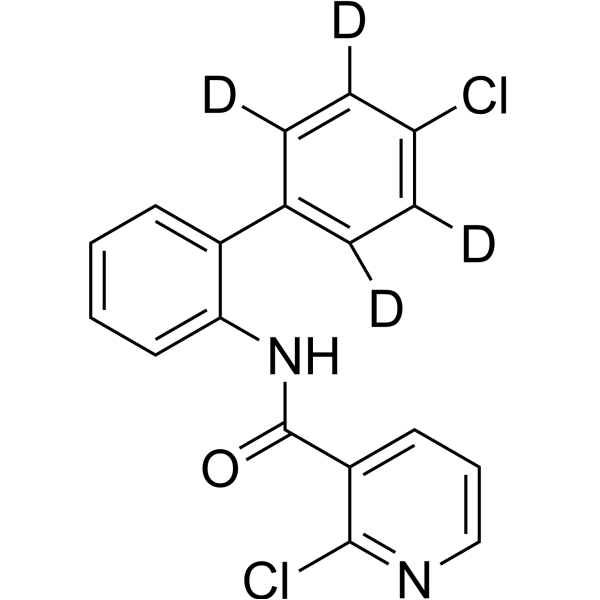
    Fluxapyroxad
    1 Publications Verification

    Environmental Pollutants Antibiotic Cytochrome P450 Fungal Succinate Dehydrogenase Infection Inflammation/Immunology
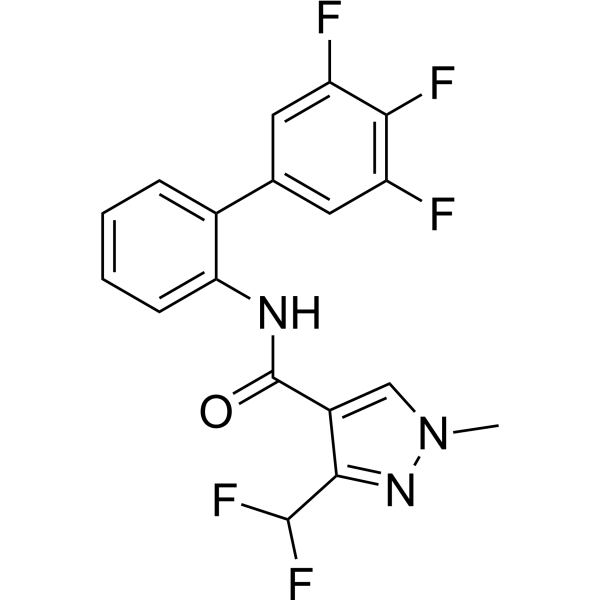
    Fluxapyroxad is a synthetic broad-spectrum fungicide for the control of fungal diseases. Fluxapyroxad inhibits succinate dehydrogenase in complex II of the mitochondrial respiratory chain, resulting in inhibition of spore germination, germ tubes and mycelia growth within the fungus target species .
    Fluxapyroxad
  • HY-102038
    PC786
    2 Publications Verification

    RSV Infection
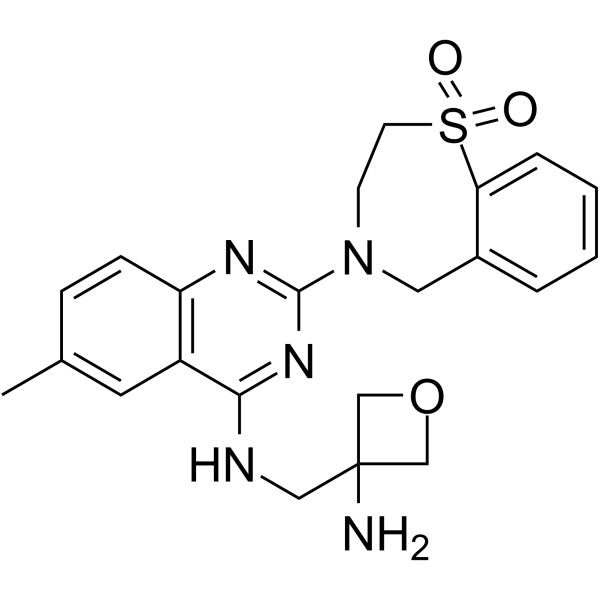
    PC786 is an inhaled respiratory syncytial virus (RSV) L protein polymerase inhibitor. PC786 demonstrates potent antiviral activity against RSV-A (IC50 <0.09 to 0.71 nM) and RSV-B (IC50, 1.3 to 50.6 nM) .
    PC786
  • HY-156684

    GDC-6599

    TRP Channel Neurological Disease
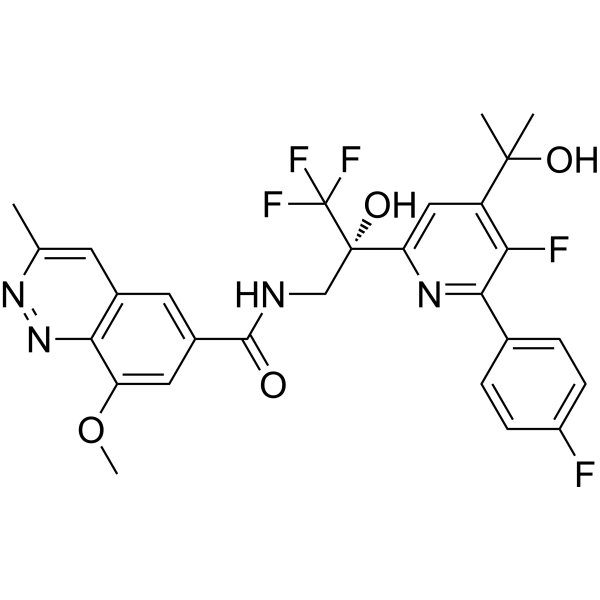
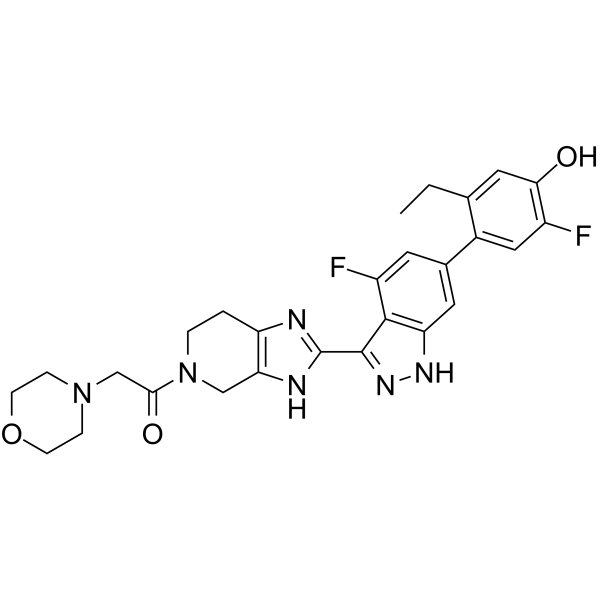
    GDC-6599 is an orally active TRPA1 inhibitor, with IC50 values of 5.3 nM in humans, 6.6 nM in rats, 9.3 nM in dogs, 7.2 nM in monkeys, and 15 nM in guinea pigs. GDC-6599 can be used in the research of neuropathic pain and respiratory diseases such as asthma and chronic cough .
    Nedizantrep
  • HY-149648

    RSV DNA/RNA Synthesis Infection
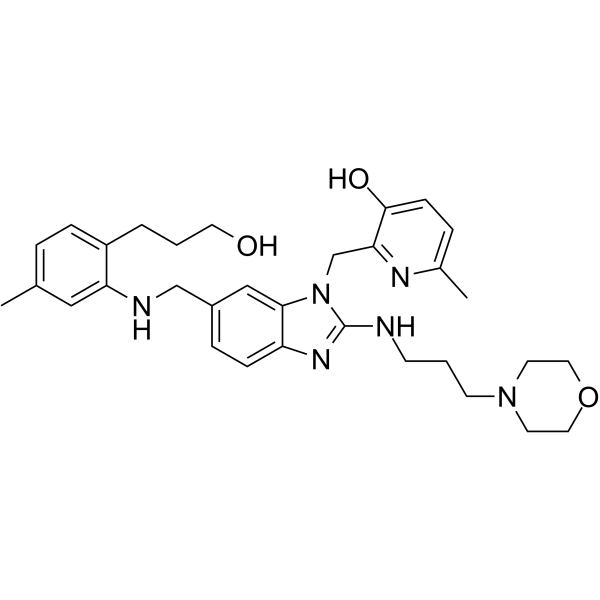
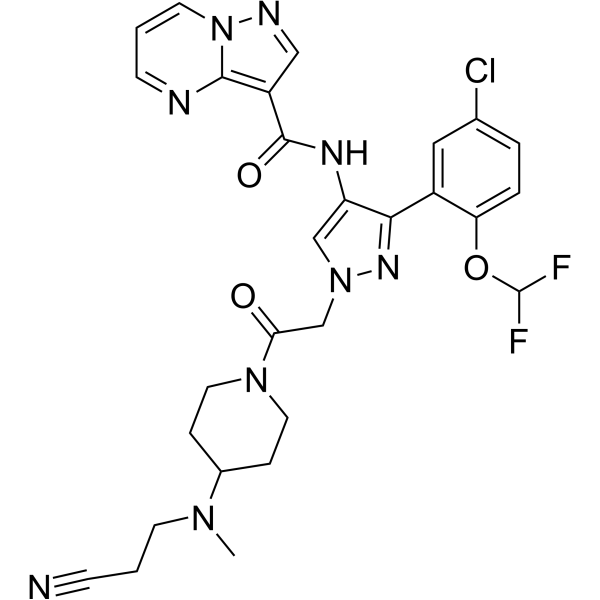
    JNJ-8003 is a potent and orally active non-nucleoside RSV polymerase inhibitor with an IC50 of 0.29 nM. JNJ-8003 targets the L protein polymerase complex of RSV (IC50 = 0.67 nM), and blocks the transcription and replication of the viral genome by inhibiting the activity of RNA-dependent RNA polymerase (RdRp). JNJ-8003 displays subnanomolar activity in vitro as well as prominent efficacy in mice and a neonatal lamb models. JNJ-8003 can be used for the study of respiratory syncytial virus (RSV) .
    JNJ-8003
  • HY-11097
    TMC353121
    5+ Cited Publications

    RSV Infection
    TMC353121 is a potent respiratory syncytial virus (RSV) fusion inhibitor with pEC50 of 9.9.
    TMC353121
  • HY-Y1009

    Endogenous Metabolite Metabolic Disease
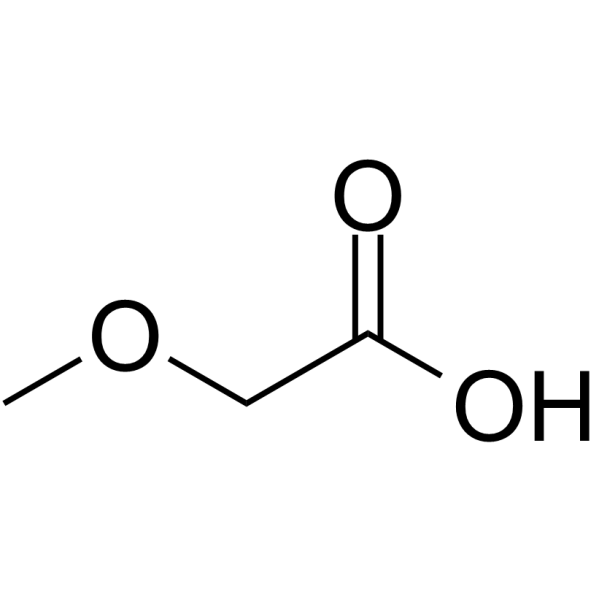
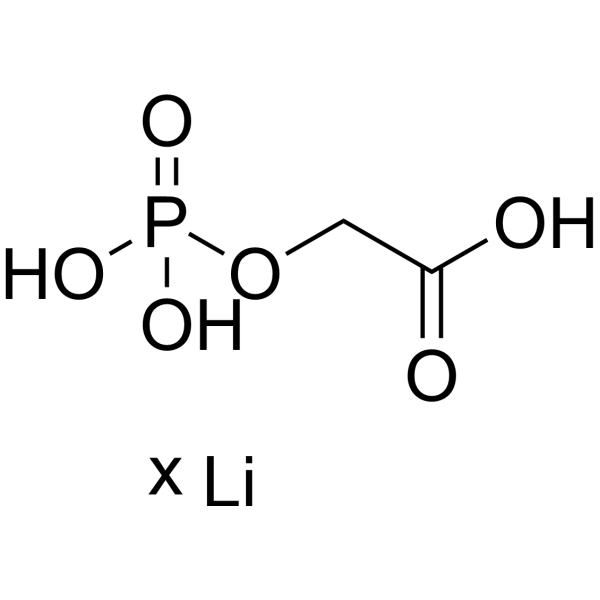
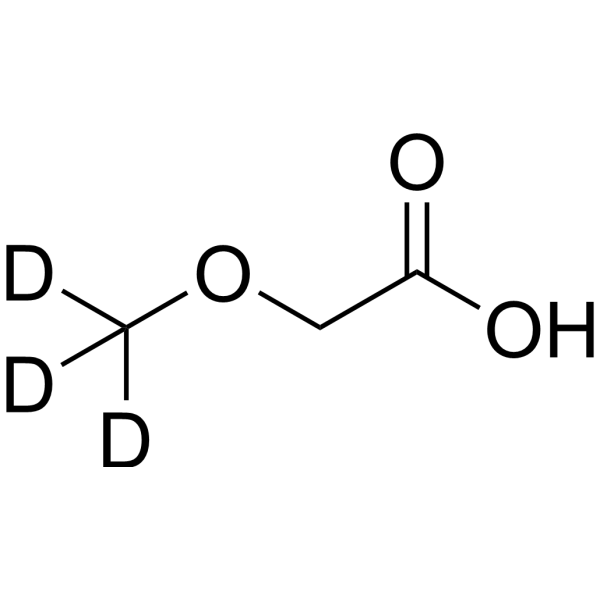
    Methoxyacetic acid is a metabolite of ethylene glycol monomethyl ether. When the concentration of methoxyacetic acid reaches a certain level, it can inhibit the respiratory function of hepatic mitochondria and testicular mitochondria. Methoxyacetic acid is somewhat toxic .
    Methoxyacetic acid
  • HY-B1042

    SKF-9976 citrate; AF-438 citrate

    Cytochrome P450 Inflammation/Immunology
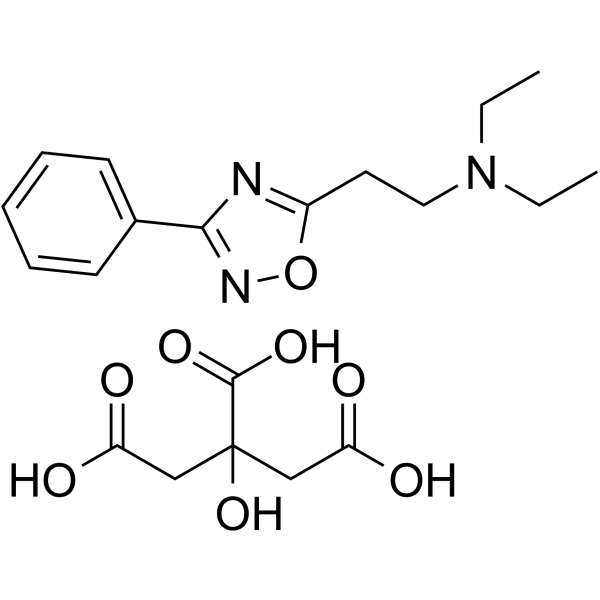
    Oxolamine citrate (SKF-9976 citrate) is an orally active antitussive. Oxolamine citrate can inhibit CYP2B1/2. Oxolamine citrate has anti-inflammatory effects on the respiratory organs of guinea pigs. Oxolamine citrate increases the AUC of Warfarin (HY-B0687) and prolongs its terminal half-life. Oxolamine citrate can be used in respiratory disease research .
    Oxolamine citrate
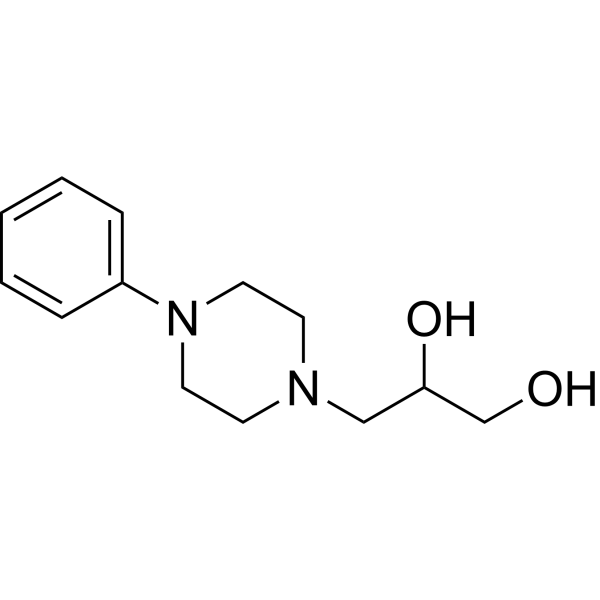
  • HY-B1032

    (±)-Dropropizine; UCB-196

    Histamine Receptor Neurological Disease
    Dropropizine ((±)-Dropropizine; UCB-196) is an orally effective, peripherally selective antitussive that inhibits the activity of peripheral receptors and afferent nerves in the respiratory tract. Dropropizine acts on the cough reflex pathway, does not pass the blood-brain barrier, and has no central nervous system side effects. Dropropizine mainly regulates the level of sensory neuropeptides and inhibits the afferent signal transmission of the cough reflex, thereby alleviating the symptoms of dry cough, and has both mild local anesthetic and antihistamine activity. Dropropizine is mainly used for symptomatic research on dry cough caused by respiratory diseases .
    Dropropizine
  • HY-12983A
    Lumicitabine
    1 Publications Verification

    ALS-008176; ALS-8176

    RSV Infection
    Lumicitabine (ALS-008176) is an inhibitor of the respiratory syncytial virus (RSV) polymerase.
    Lumicitabine
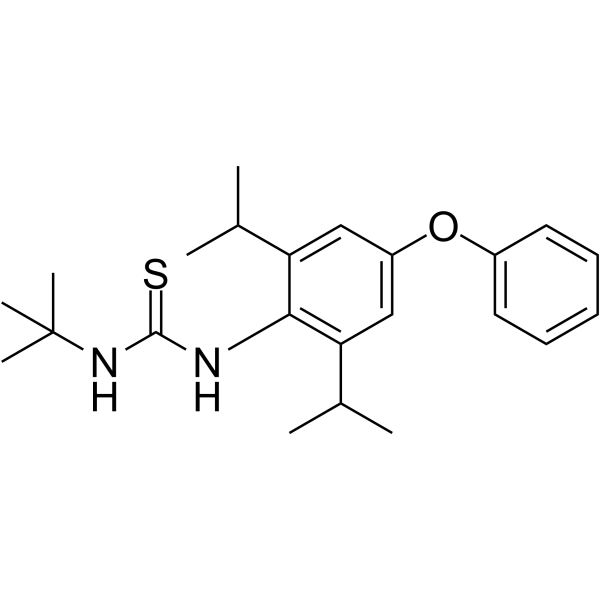
  • HY-136394
    Diafenthiuron
    2 Publications Verification

    Environmental Pollutants Mitochondrial Metabolism Oxidative Phosphorylation Parasite Others
    Diafenthiuron is a thiourea compound commonly used a broad-spectrum insecticide and acaricide. Diafenthiuron disturbs the insect respiratory system by inhibiting the oxidative phosphorylation and mitochondrial ATP synthesis .
    Diafenthiuron
  • HY-B0941A

    Benzyladenine, suitable for plant cell culture; 6-BAP, suitable for plant cell culture; N6-Benzyladenine, suitable for plant cell culture

    Biochemical Assay Reagents Others
    6-Benzylaminopurine,suitable for plant cell culture is a cytokinin that induces plant growth and development by stimulating cell division, and prolongs the freshness of green vegetables through inhibiting respiratory kinases .
    6-Benzylaminopurine, suitable for plant cell culture
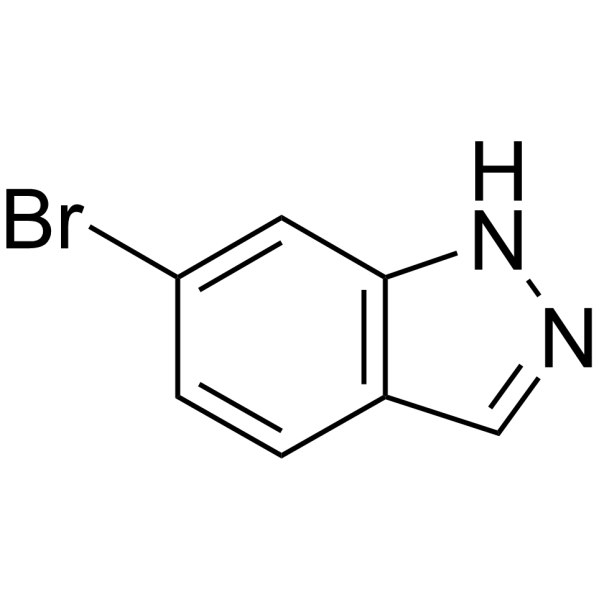
  • HY-60298

    Biochemical Assay Reagents Drug Intermediate Others
    6-Bromo-1H-indazole is a PI3K inhibitor intermediate. 6-Bromo-1H-indazole can be used in the research of respiratory diseases .
    6-Bromo-1H-indazole
  • HY-158824A

    ALN-RSV01 sodium

    Small Interfering RNA (siRNA) RSV Infection
    Asvasiran sodium is a siRNA that targets the respiratory syncytial virus (RSV) N gene and inhibits viral replication.
    Asvasiran sodium
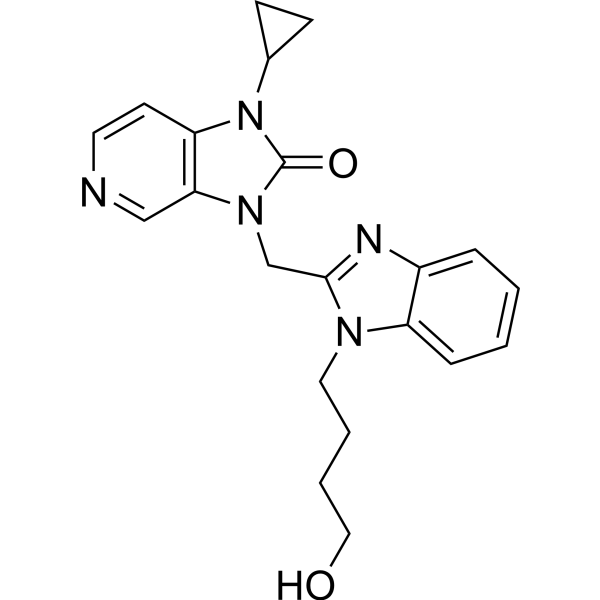
  • HY-120632

    RSV Infection
    BMS-433771 is a potent orally active inhibitor of respiratory syncytial virus (RSV). BMS-433771 is active against both A and B groups of RSV, with an average EC50 of 20 nM. BMS-433771 can be used for the research of respiratory tract disease .
    BMS-433771
  • HY-12994

    MDT-637

    RSV Infection
    MDT-637 (VP 14637) is a novel respiratory syncytial virus (RSV) fusion inhibitor with an IC50 of 1.42 ng/mL.
    VP-14637
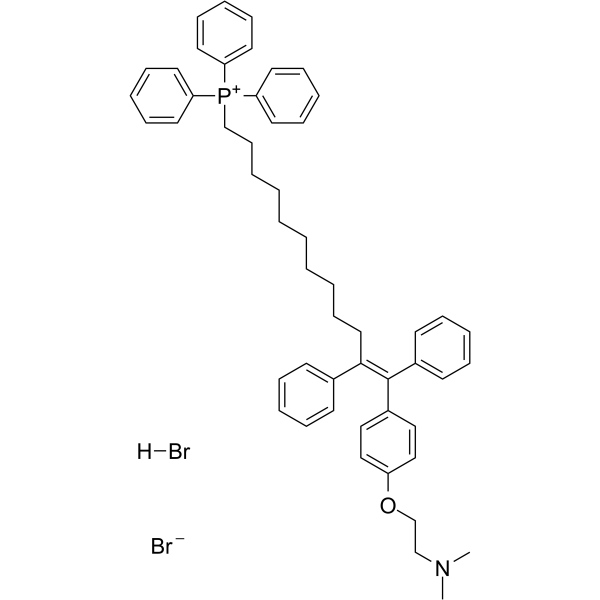
  • HY-126222

    Apoptosis Mitochondrial Metabolism Cancer
    MitoTam bromide, hydrobromide, a Tamoxifen derivative , is an electron transport chain (ETC) inhibitor. MitoTam bromide, hydrobromide reduces mitochondrial membrane potential in senescent cells and affects mitochondrial morphology . MitoTam bromide, hydrobromide is an effective anticancer agent, suppresses respiratory complexes (CI-respiration) and disrupts respiratory supercomplexes (SCs) formation in breast cancer cells .
    MitoTam bromide, hydrobromide
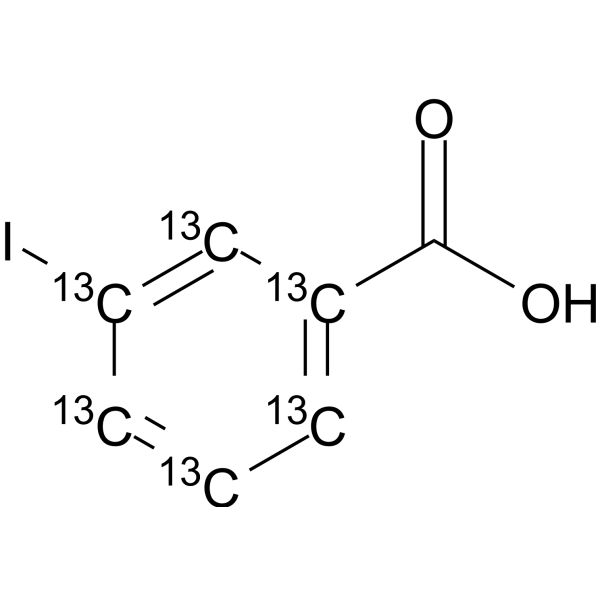
  • HY-Y0931

    Biochemical Assay Reagents Infection
    3-Iodobenzoic acid is a Monoiodobenzoic acid. 3-Iodobenzoic acid inhibits the ADV7 virus. 3-Iodobenzoic acid can be used in the study of respiratory infections caused by ADV7 .
    3-Iodobenzoic acid
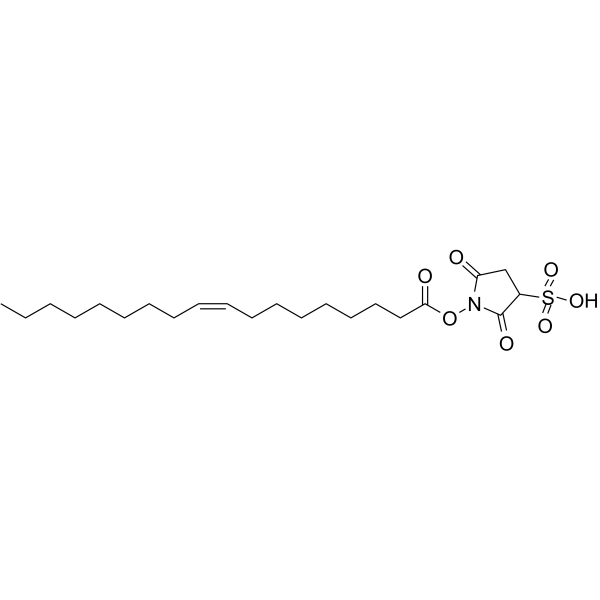
  • HY-112847

    Sulfo-N-succinimidyl oleate

    Mitophagy Inflammation/Immunology
    Sulfosuccinimidyl oleate (Sulfo-N-succinimidyl oleate) is a long chain fatty acid that inhibits fatty acid transport into cells. Sulfosuccinimidyl oleate is a potent and irreversible inhibitor of mitochondrial respiratory chain. Sulfosuccinimidyl oleate binds the CD36 receptor on the surface of microglia. Anti-inflammatory effect .
    Sulfosuccinimidyl oleate
  • HY-117897
    CK-2-68
    1 Publications Verification

    Parasite Infection
    CK-2-68 is an inhibitor for complex III in protozoan mitochondrial respiratory chain, by targeting the alternative NADH dehydrogenase (NDH2) of the malarial parasite Plasmodium. CK-2-68 exhibits antimalaria efficacy, that inhibits Plasmodium falciparum infected erythrocytes with an IC50 of 40 nM .
    CK-2-68
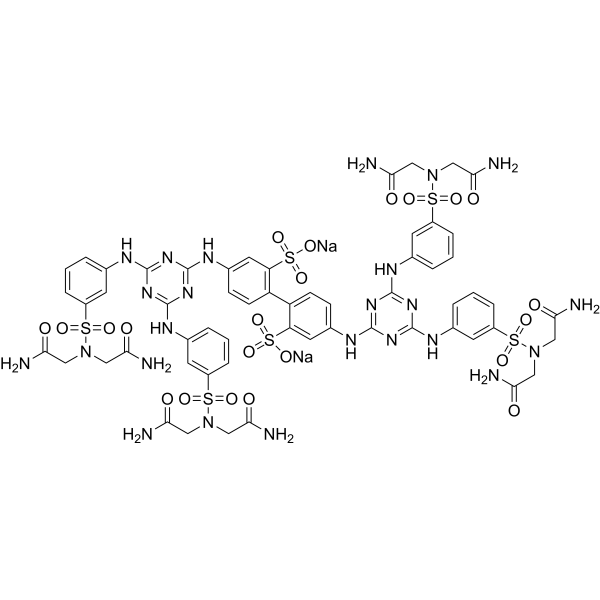
  • HY-138067

    SARS-CoV Inflammation/Immunology
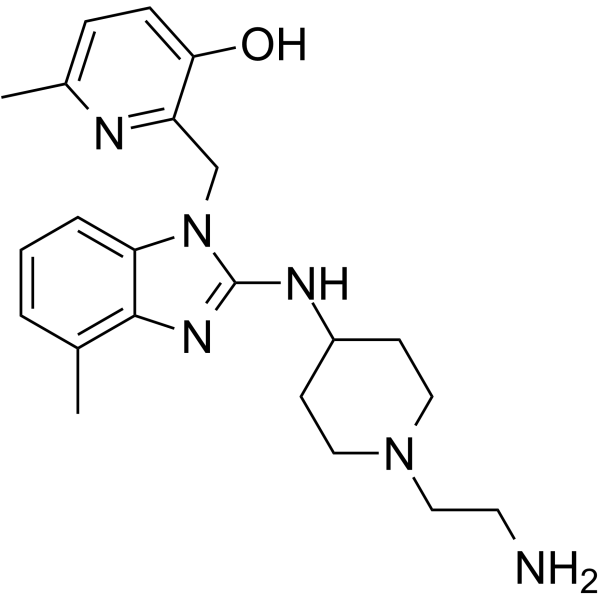
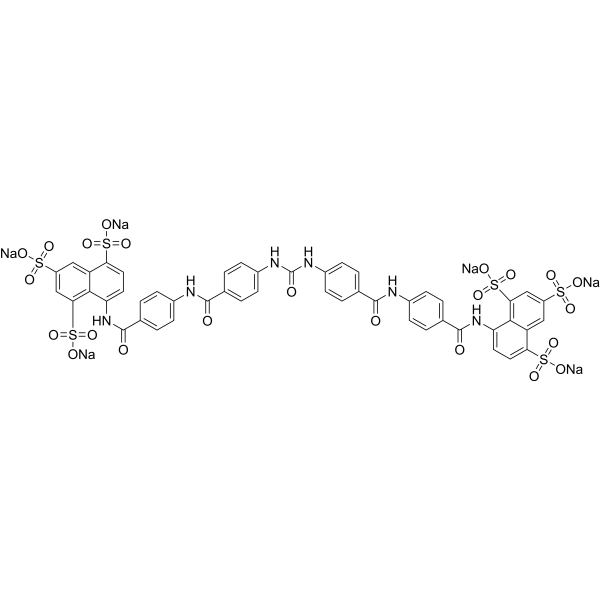
    SSAA09E2 is an inhibitor of SARS-CoV (Severe acute respiratory syndrome-Coronavirus) replication, acting by blocking early interactions of SARS-S with the receptor for SARS-CoV, Angiotensin Converting Enzyme-2 (ACE2) .
    SSAA09E2
  • HY-146145

    Fungal Mitochondrial Metabolism Infection
    Metyltetraprole is a promising fungicide with EC50 values of both 0.002 ppm against sensitive wild-type and G143A mutant of Zymoseptoria tritici. Metyltetraprole is effective against QoI (quinone outside inhibitor) resistant strains. Metyltetraprole inhibits the respiratory chain via complex III .
    Metyltetraprole
  • HY-150735

    IRAK Inflammation/Immunology
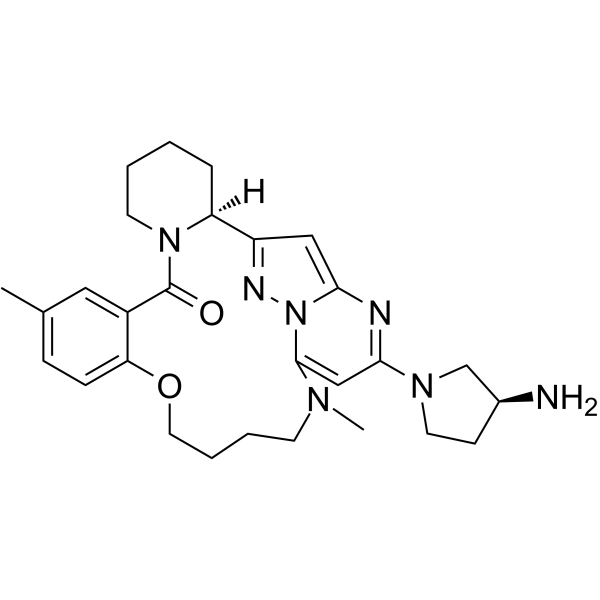
    IRAK4-IN-20 (Compound BAY-1834845) is an orally active IRAK4 inhibitor with an IC50 of 3.55 nM. IRAK4-IN-20 can be used for acute respiratory distress syndrome (ARDS) research .
    IRAK4-IN-20
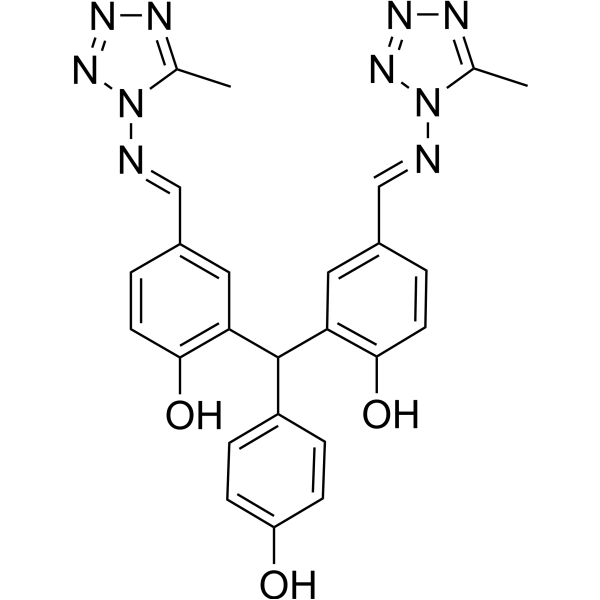
  • HY-112673

    RSV Infection
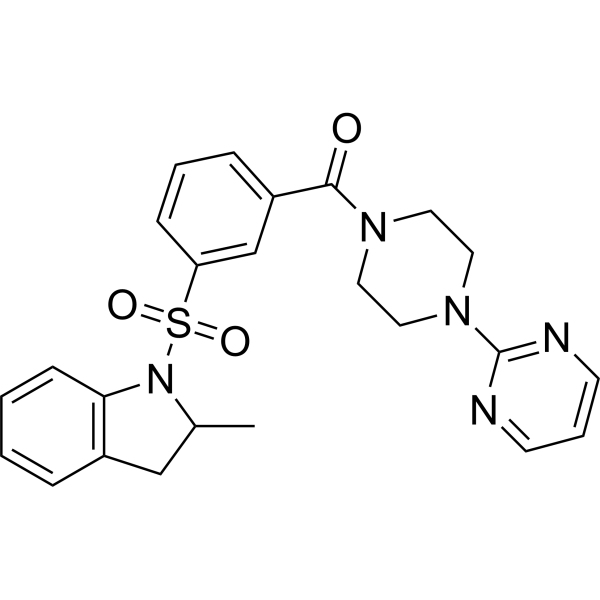
    RSV-IN-1 is a human respiratory syncytical virus (hRSV) inhibitor, with an IC50 of 0.11 μM.
    RSV-IN-1
  • HY-109004

    BTA-C585

    RSV Infection
    Enzaplatovir (BTA-C585) is an orally bioavailable Inhibitor for respiratory syncytial virus (RSV) infection .
    Enzaplatovir
  • HY-130391

    MMP Inflammation/Immunology
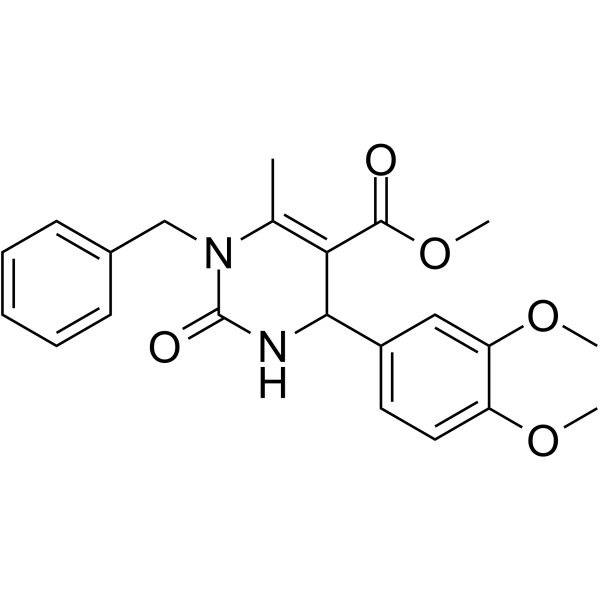
    MMP12-IN-3 (compound 32) is a potent MMP12 inhibitor with an IC50 value of 4.9 nM. MMP12-IN-3 has the potential for the research of chronic respiratory diseases such as emphysema .
    MMP12-IN-3
  • HY-159536

    KN-002; VR-588

    JAK Inflammation/Immunology
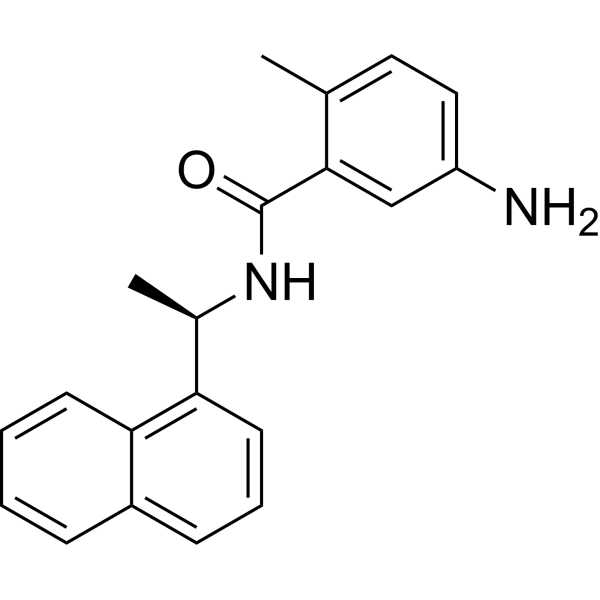
    Frevecitinib (KN-002) is a potent pan-JAK inhibitor (i.e. JAK1, JAK2, JAK3, TYK2). Frevecitinib can be used for the study of asthma and other respiratory conditions such as chronic obstructive pulmonary disease (COPD).
    Frevecitinib
  • HY-12993B

    A-60444 (R enantiomer)

    RSV Infection
    RSV604 R enantiomer is the R-enantiomer of RSV604. RSV604 is an inhibitor of respiratory syncytial virus (RSV) replication. R-enantiomer is less active against RSV.
    RSV604 (R enantiomer)
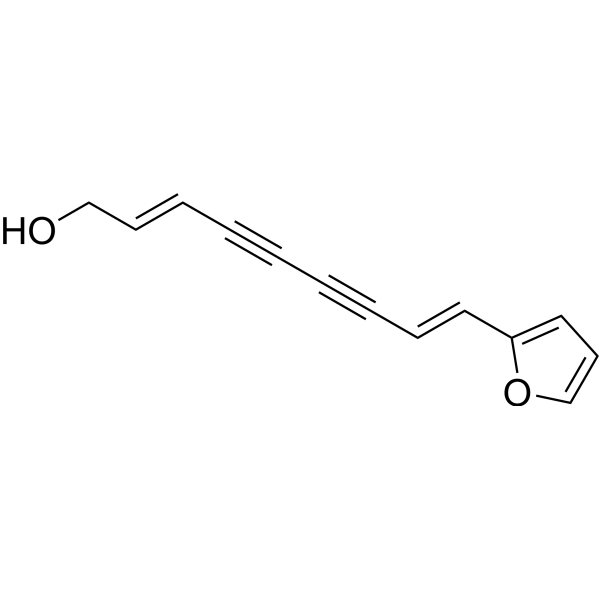
  • HY-N2092

    Bacterial Infection Cancer
    Atractylodinol, an antimicrobial, is a PRRSV (porcine reproductive and respiratory syndrome virus) inhibitor. Atractylodinol inhibits TGF-β receptor I recycling by binding to vimentin (KD of 454 nM) and inducing the formation of filamentous aggregates .
    Atractylodinol
  • HY-111296

    RSV Infection
    YM 53403 is an anti-respiratory syncytial virus (RSV) agent, with an EC50 of 0.20 μM. YM 53403 potently inhibits the replication of RSV strains belonging to both A and B subgroups .
    YM 53403
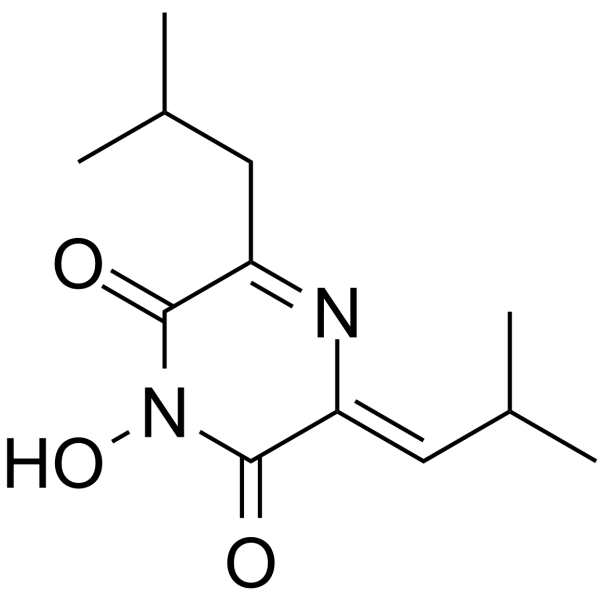
  • HY-N10581

    Influenza Virus Infection
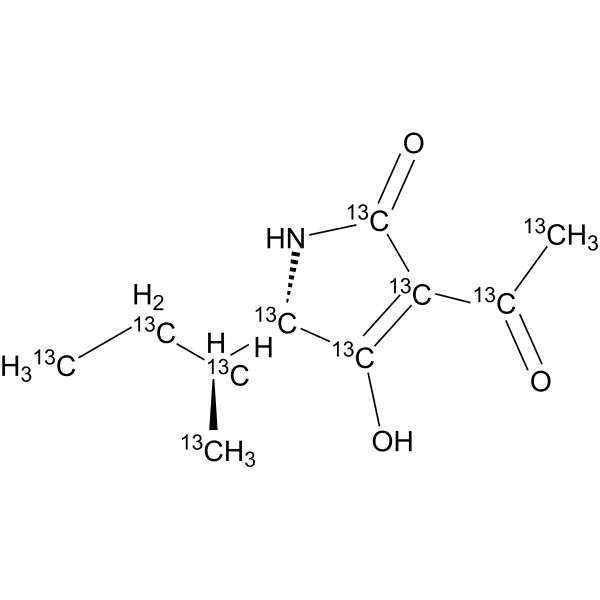
    Flutimide is a novel endonuclease inhibitor of influenza virus. Flutimide selectively inhibits endonuclease with an IC50 value of 3 μM. Flutimide shows antiviral activity in cell culture. Flutimide can be used for the research of acute contagious respiratory disease, such as influenza .
    Flutimide
  • HY-P991690

    RSV Infection
    Glarivibart is a humanized IgG1κ monoclonal antibody inhibitor targeting Respiratory syncytial virus (RSV) fusion F protein (RSV-F). Glarivibart has significant antiviral activity. Glarivibart can be used for RSV infections research .
    Glarivibart
  • HY-P10889

    Phosphatase Inflammation/Immunology
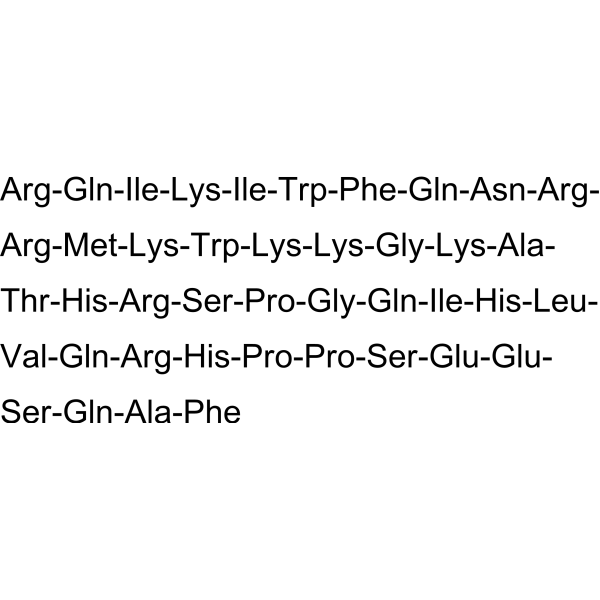
    CNI103 is a highly potent and metabolically stable cell-permeable peptide inhibitor of calcineurin. CNI103 selectively blocks the interaction between calcineurin and NFATc3 (KD=16 nM), thereby preventing NFATc3 activation in vitro and in vivo. CNI103 can be used to study acute respiratory distress syndrome (ARDS) and other inflammatory diseases .
    CNI103
  • HY-158824

    ALN-RSV01

    Small Interfering RNA (siRNA) RSV Infection
    Asvasiran is a siRNA that targets the respiratory syncytial virus (RSV) N gene and inhibits viral replication.
    Asvasiran

Inquiry Online

Your information is safe with us. * Required Fields.

Salutation


Country or Region *

Applicant Name *


Organization Name *

Department *


Email Address *


Product Name *

Cat. No.


Requested quantity *

Phone Number *


Remarks

Inquiry Online

Inquiry Information

Product Name:
Cat. No.:
Quantity:
MCE Japan Authorized Agent: