

Search Result
Results for "
TLR agonists
" in MedChemExpress (MCE) Product Catalog:
9
Biochemical Assay Reagents
5
Isotope-Labeled Compounds
| Cat. No. |
Product Name |
Target |
Research Areas |
Chemical Structure |
-
- HY-13740
-
-
-
- HY-146245
-
-
-
- HY-P1180A
-
-
-
- HY-123942
-
|
|
Toll-like Receptor (TLR)
TNF Receptor
p38 MAPK
NF-κB
|
Inflammation/Immunology
Cancer
|
|
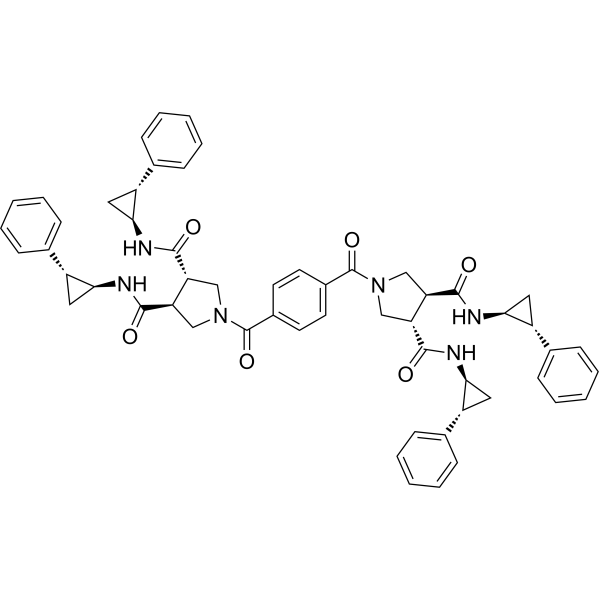
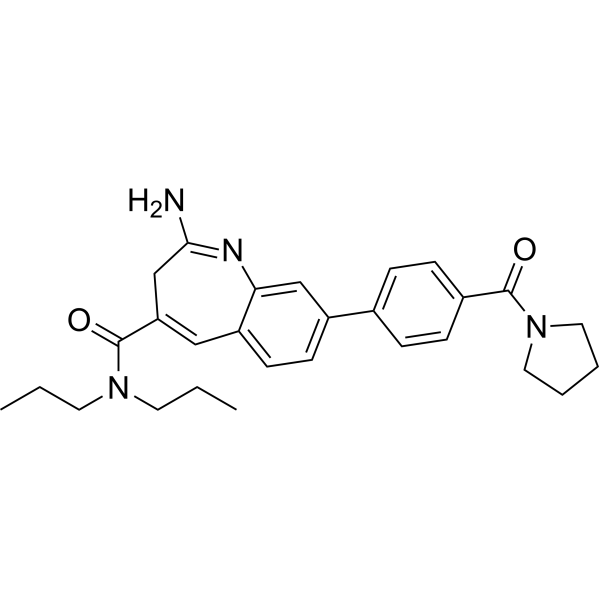
Diprovocim is a potent TLR1/TLR2 agonist. Diprovocim elicits full agonist activity in human THP-1 cells (EC50=110 pM). Diprovocim stimulates the release of TNF-α from mouse macrophages (EC50=1.3 nM). Diprovocim activates downstream MAPK and NF-κB signaling pathway. Diprovocim displays strong adjuvant activity in mice, particularly abetting cellular immune responses .
|
-
-
- HY-103698A
-
-
-
- HY-103697
-
|
|
Toll-like Receptor (TLR)
|
Cancer
|
|
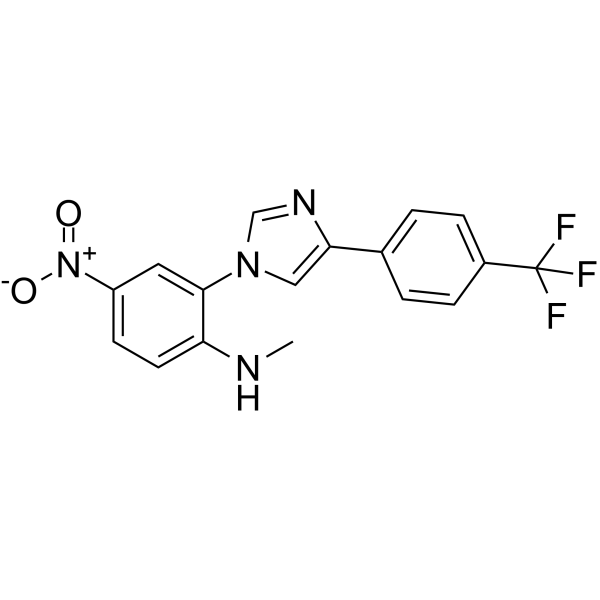
Gardiquimod is an imidazoline TLR7/8 agonist. Gardiquimod inhibits HIV-1 infection of macrophages and activated peripheral blood mononuclear cells (PBMCs). Gardiquimod specifically activates TLR7 at concentrations below 10 μM.
|
-
-
- HY-103698
-
-
-
- HY-109104
-
|
MEDI9197; 3M-052
|
Toll-like Receptor (TLR)
|
Cancer
|
|
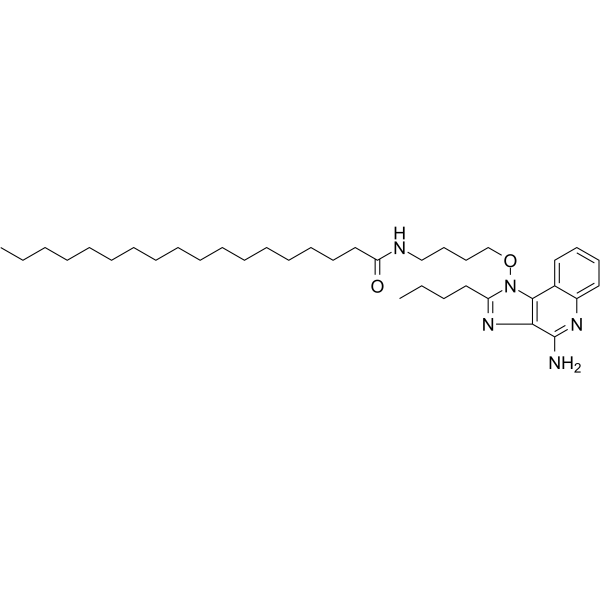
Telratolimod (MEDI9197) is a potent toll like receptors 7/8 (TLR7/8) agonist, with antitumor activity .
|
-
-
- HY-111358
-
|
|
Toll-like Receptor (TLR)
|
Inflammation/Immunology
|
|
TLR7 agonist 1 is a selective TLR7 agonist with an LEC value of 90 nM. TLR7 agonist 1 activates downstream immune regulation and shows no activity against TLR8. TLR7 agonist 1 induces endogenous IFN-α production in mice .
|
-
-
- HY-117602
-
-
-
- HY-103039
-
-
-
- HY-150750
-
-
-
- HY-P1180
-
-
-
- HY-138139A
-
|
T785 hydrochloride
|
Toll-like Receptor (TLR)
|
Inflammation/Immunology
Cancer
|
|
AXC-715 (T785) hydrochloride is a TLR7/TLR8 dual agonist. AXC-715 can be used for synthesis of antibody-adjuvant immunoconjugates, comprising an antibody construct that binds programmed death-ligand 1 (PD-L1) linked to one or more adjuvants .
|
-
-
- HY-139017
-
-
-
- HY-145885
-
-
-
- HY-148338
-
-
-
- HY-130797
-
|
|
Toll-like Receptor (TLR)
|
Cancer
|
|
TLR7/8 agonist 3 (Compound II) is a potent TLR7 and TLR8 agonist, extracted from patent WO2016057618 (compound of formula (II)) .
|
-
-
- HY-139018A
-
|
|
Drug-Linker Conjugates for ADC
|
Cancer
|
|
TLR7/8 agonist 4 hydroxy-PEG10-acid hydrochloride (compound 9) is a drug-linker conjugates for ADC with potent antitumor activity by using TLR7/8 agonist 4 (HY-139018; a TLR7/8 agonist), linked via the non-cleavable ADC linker hydroxy-PEG10-acid (HY-133307) .
|
-
-
- HY-101929
-
-
-
- HY-135905
-
-
-
- HY-144619
-
|
|
Toll-like Receptor (TLR)
|
Inflammation/Immunology
|
|
TLR7/8 antagonist 2 (Compound 15) is a potent and orally active agonist of TLR7/8 with IC50s of 4.9 and 0.6 nM, respectively. Inappropriate activation of TLR7 and TLR8 is linked to several autoimmune diseases, such as lupus erythematosus. TLR7/8 antagonist 2 has the potential for the research of autoimmune diseases .
|
-
-
- HY-103697A
-
|
|
Toll-like Receptor (TLR)
|
Cancer
|
|
Gardiquimod diTFA is an imidazoline TLR7/8 agonist. Gardiquimod diTFA inhibits HIV-1 infection of macrophages and activated peripheral blood mononuclear cells (PBMCs). Gardiquimod diTFA specifically activates TLR7 at concentrations below 10 μM.
|
-
-
- HY-145961
-
|
|
Toll-like Receptor (TLR)
TNF Receptor
|
Cancer
|
|
TLR7 agonist 4 is a TLR7 agonist with pro-inflammatory cytokine-stimulating activity. TLR7 agonist 4 modulates TLR7 activity to stimulate the production of pro-inflammatory cytokines. TLR7 agonist 4 stimulates mouse bone marrow-derived macrophages to produce the pro-inflammatory cytokine TNFα. TLR7 agonist 4 can be conjugated with antibodies to form conjugates. TLR7 agonist 4 is applicable to cancer research .
|
-
-
- HY-139018
-
|
|
Drug-Linker Conjugates for ADC
|
Cancer
|
|
TLR7/8 agonist 4 hydroxy-PEG10-acid (compound 9) is a drug-linker conjugates for ADC with potent antitumor activity by using TLR7/8 agonist 4 (HY-139018; a TLR7/8 agonist), linked via the non-cleavable ADC linker hydroxy-PEG10-acid (HY-133307) .
|
-
-
- HY-163398
-
|
|
Toll-like Receptor (TLR)
|
Cancer
|
|
TLR7-IN-1 (Compound 16-A) is a TLR7 agonist with an EC50 of 0.001 μM. TLR7-IN-1 is applicable to cancer-related research .
|
-
-
- HY-13740S
-
-
-
- HY-145886
-
-
-
- HY-156691A
-
|
|
Drug-Linker Conjugates for ADC
|
Cancer
|
|
TLR7/8 agonist 4 hydroxy-PEG6-acid hydrochloride is a drug-linker conjugates for ADC>. TLR7/8 agonist 4 hydroxy-PEG6-acid hydrochloride is the hydrochloride form of TLR7/8 agonist 4 hydroxy-PEG6-acid. TLR7/8 agonist 4 hydroxy-PEG6-acid consists of TLR7/8 agonist 4 (HY-139017) and a non-cleavable linker Hydroxy-PEG6-acid (HY-133050), and can be used for synthesis of ADCs .
|
-
-
- HY-153073
-
-
-
- HY-153070
-
-
-
- HY-158694A
-
|
|
Toll-like Receptor (TLR)
|
Inflammation/Immunology
|
|
TLR7 agonist 20 hydrochloride is a selective Toll-like receptor 7 (TLR7) agonist with an EC50 of 0.22 μM. TLR7 agonist 20 hydrochloride, as an immunostimulant and vaccine adjuvant, enhances the production of anti-spike protein antibodies, increases IgG2b and IgG2c levels, and thereby drives Th1-type immune responses in mice. TLR7 agonist 20 hydrochloride can be used in studies related to non-inflammatory potent vaccine adjuvants .
|
-
-
- HY-176202
-
|
|
Drug-Linker Conjugates for ADC
|
Cancer
|
|
TLR7/8 agonist 12-PAB-(PEG4-Me)-Cit-Val-PEG2-amide-C2-MC (compound LIV1-IMC (12) linker-payload) is a linker-payload conjugate, used in the synthesis of antibody-drug conjugates (ADCs).TLR7/8 agonist 12-PAB-(PEG4-Me)-Cit-Val-PEG2-amide-C2-MC contains TLR7/8 agonist (HY-170770) (ADC payload) and a linker (HY-176478) .
|
-
-
- HY-138139B
-
|
T785 trihydrochloride
|
Toll-like Receptor (TLR)
|
Inflammation/Immunology
Cancer
|
|
AXC-715 (T785) trihydrochloride is a TLR7/TLR8 dual agonist. AXC-715 trihydrochloride can be used for synthesis of antibody-adjuvant immunoconjugates, comprising an antibody construct that binds programmed death-ligand 1 (PD-L1) linked to one or more adjuvants .
|
-
-
- HY-147310
-
|
|
Toll-like Receptor (TLR)
|
Infection
|
|
CU-CPD107 is a potent, selective toll-like receptor 8 (TLR 8) agonist. CU-CPD107 inhibits TLR8 signaling. CU-CPD107 converts to synergistic agonist activities in the presence of ssRNA and induces TLR8 signaling. CU-CPD107 inhibits proinflammatory factor expression and avoids immune responses in the presence of ssRNA .
|
-
-
- HY-176837
-
-
-
- HY-179336
-
|
|
Toll-like Receptor (TLR)
Interleukin Related
IFNAR
TNF Receptor
|
Cancer
|
|
TLR7/8 agonist 14 is a TLR7 and TLR8 agonist with EC50 values of 0.53 μM and 4.3 μM, respectively. TLR7/8 agonist 14 increases the secretion of the proinflammatory cytokines TNF-α, IL-1β, IL-8 and IFN-γ. TLR7/8 agonist 14 increases cytokine secretion and expression of CD86. LR7/8 agonist 14 can be used for research colorectal carcinoma .
|
-
-
- HY-145960
-
-
-
- HY-173070
-
|
|
Toll-like Receptor (TLR)
IFNAR
PD-1/PD-L1
ADC Payload
|
Inflammation/Immunology
Cancer
|
|
TLR7 agonist 29 (Compound 1) is the agonist for TLR7 with an EC50 of 5.2 nM for human TLR7 (EC50 for mouse TLR7 is 48.2 nM). TLR7 agonist 29 activates bone marrow-derived macrophages (BMDMs), stimulates myeloid cells in the tumor microenvironment, promotes the expression of PD-L1, CD86 and IFN-α. TLR7 agonist 29 can be used as payload for synthesis of ADC .
|
-
-
- HY-153071
-
-
-
- HY-N16231
-
-
-
- HY-150501
-
|
|
Toll-like Receptor (TLR)
|
Inflammation/Immunology
|
|
Diprovocim-X (compound 35) is a potent TLR1/TLR2 (toll-like receptor 1/2) agonist, with EC50 values of 0.14 and 0.75 nM for hTLR1/TLR2 and mTLR1/TLR2, respectively. Diprovocim-X is a potent adjuvant in vivo in mice, and serves to stimulate the adaptive immune response .
|
-
-
- HY-177648
-
-
-
- HY-147236
-
|
|
Toll-like Receptor (TLR)
|
Inflammation/Immunology
|
|
TLR7/8 agonist 7 (compound 10) is a TLR7/8 agonist. TLR7/8 agonist 7 activates a variety of immune cells and it can be used to synthesize immune stimulating antibody conjugate (ISAC) molecules. TLR7/8 agonist 7 can be used for the research of immunity .
|
-
-
- HY-141454
-
-
-
- HY-163829
-
|
|
Toll-like Receptor (TLR)
NF-κB
|
Cancer
|
|
TLR2 agonist 1 (Compound R-7d) is an agonist for human toll-like receptor 2 (TLR 2) with an EC50 of 116 pM. TLR2 agonist 1 enhances NF-κB promoter activation through TLR2/TLR1 heterodimers .
|
-
-
- HY-179007
-
|
|
Toll-like Receptor (TLR)
|
Cancer
|
|
TLR7 agonist 31 (Compound 116) is a TLR7 agonist, with an EC50 of 31 nM. TLR7 agonist 31 can be used in the research of cancer .
|
-
-
- HY-145960A
-
-
-
- HY-177300
-
|
|
Toll-like Receptor (TLR)
HBV
IFNAR
Interleukin Related
|
Infection
Inflammation/Immunology
|
|
TLR7/8 agonist 13 is an orally active dual agonist of TLR7 (lowest effective concentrations (LEC) [hTLR7] = 1.6 μM) and TLR8 (LEC [hTLR8] = 1.6 μM). TLR7/8 agonist 13 exhibits agonistic activity against human peripheral blood mononuclear cells (hPBMCs) (LEC [hPBMC] = 0.5 μM). TLR7/8 agonist 13 induces endogenous IFNα, activating myeloid dendritic cells and monocytes toward a TH1 phenotype in mice and cynomolgus monkeys. TLR7/8 agonist 13 reduces viral load and HBV surface antigen expression in a mouse model of chronic AAV-HBV infection. TLR7/8 agonist 13 has the potential to indirectly induce IFNγ, which may promote HBV antigen-specific CD8 T cell-mediated responses. TLR7/8 agonist 13 can be used to study hepatitis B virus .
|
-
-
- HY-179275
-
|
|
Toll-like Receptor (TLR)
|
Cancer
|
|
TLR7 agonist 33 (Compound 141) is a potent TLR7 activator with an EC50 of 1 nM. TLR7 agonist 33 can be used for cancer research .
|
-
- HY-173079
-
-
- HY-156177
-
|
|
Toll-like Receptor (TLR)
|
Inflammation/Immunology
|
|
TLR7 agonist 16 (compound 16d) is a highly potent TLR7 agonist with an EC50 of 18 nM. TLR7 agonist 16 potently induces the activation of mouse macrophages and hPBMCs at low-nanomolar concentrations .
|
-
- HY-156176
-
|
|
Toll-like Receptor (TLR)
|
Inflammation/Immunology
|
|
TLR7 agonist 15 (compound 16b) is a highly potent TLR7 agonist with an EC50 of 18 nM. TLR7 agonist 15 potently induces the activation of mouse macrophages and hPBMCs at low-nanomolar concentrations .
|
-
- HY-153543
-
|
|
Toll-like Receptor (TLR)
|
Cancer
|
|
TLR7/8 agonist 8 (compound 24m) is a potent toll-like receptor 7/8 (TLR7/8) dual agonist, with EC50s of 27 and 12 nM for hTLR7 and hTLR8, respectively. TLR7/8 agonist 8 can improve the antitumor activity of PD-1/PD-L1 blockade .
|
-
- HY-153072
-
-
- HY-168159
-
|
|
Toll-like Receptor (TLR)
NOD-like Receptor (NLR)
|
Inflammation/Immunology
|
|
TLR7 agonist 27 (compound 24) is a potent TLR7 agonist with an EC50 of 238.1 nM. TLR7 agonist 27 shows weak agonistic activity against NOD2 (nucleotide-binding oligomerization domain 2) (EC50 of 6.2 μM). TLR7 agonist 27 is a potent immunostimulant, and can be used as a vaccine adjuvant and/or immunotherapeutic .
|
-
- HY-152726
-
|
|
Toll-like Receptor (TLR)
Nucleoside Antimetabolite/Analog
|
Infection
Cancer
|
|
TLR7 agonist 9 (compound 10) is an aonist of TLR7. TLR7 agonist 9 can be used for research of cancer and infectious disease . TLR7 agonist 9 is a click chemistry reagent, it contains an Alkyne group and can undergo copper-catalyzed azide-alkyne cycloaddition (CuAAc) with molecules containing Azide groups.
|
-
- HY-158694
-
|
|
Toll-like Receptor (TLR)
|
Inflammation/Immunology
|
|
TLR7 agonist 20 is a selective Toll-like receptor 7 (TLR7) agonist with an EC50 of 0.22 μM. TLR7 agonist 20, as an immunostimulant and vaccine adjuvant, enhances the production of anti-spike protein antibodies, increases IgG2b and IgG2c levels, and thereby drives Th1-type immune responses in mice. TLR7 agonist 20 can be used in studies related to non-inflammatory potent vaccine adjuvants .
|
-
- HY-161630
-
|
|
Toll-like Receptor (TLR)
|
Cancer
|
|
TLR8 agonist 8 (Compound II-72) is an agonist for Toll-like receptor 8 (TLR8) with EC50 of 0.25-1 μM. TLR8 agonist 8 is stable in human and murine plasma, induces secretion of cytokines TNFα, with EC50 <1 μM. TLR8 agonist 8 exhibits antitumor activity in MC38-HER2 xenograft mouse model with a tumor growth inhibition (TGI) rate of 89% .
|
-
- HY-149650
-
-
- HY-149650A
-
-
- HY-160227
-
|
|
Toll-like Receptor (TLR)
|
Inflammation/Immunology
|
|
ORN 06 (Compound R-0006), a U-rich single-stranded RNA (containing 6 repeats of the UUG sequence motif), is a TLR7/8 agonist. ORN 06 stimulates human TLR7/8-mediated or murine TLR7-mediated immunity .
|
-
- HY-177648A
-
-
- HY-13740R
-
|
R848 (Standard); S28463 (Standard)
|
Toll-like Receptor (TLR)
HCV
Reference Standards
|
Inflammation/Immunology
Cancer
|
|
Resiquimod (Standard) is the analytical standard of Resiquimod. This product is intended for research and analytical applications. Resiquimod is a Toll-like receptor 7 and 8 (TLR7/TLR8) agonist that induces the upregulation of cytokines such as TNF-α, IL-6 and IFN-α.
|
-
- HY-159100
-
-
- HY-P990239
-
|
|
HSP
Akt
Interleukin Related
|
Inflammation/Immunology
Cancer
|
|
Anti-Human/Mouse GRP78 Antibody (N88) is an anti-human/mouse GRP78 IgG1 monoclonal antibody. Anti-Human/Mouse GRP78 Antibody (N88) can activate the Akt signaling pathway. Anti-Human/Mouse GRP78 Antibody (N88) can inhibit the expression of inflammatory factors and plasminogen activator inhibitors induced by TLR agonists. Anti-Human/Mouse GRP78 Antibody (N88) can be used for research on inflammation conditions. Anti-Human/Mouse GRP78 Antibody (N88) can be used for immunoprecipitation .
|
-
- HY-139017A
-
-
- HY-141454A
-
|
|
Toll-like Receptor (TLR)
|
Inflammation/Immunology
|
|
TLR8 agonist 2 hydrochloride is a potent and selective TLR8 agonist with an EC50 of 3 nM for human TLR8. TLR8 agonist 2 hydrochloride shows less active against human TLR7 (EC50 of 33.33 μM) .
|
-
- HY-153544
-
|
|
Toll-like Receptor (TLR)
|
Cancer
|
|
TLR7/8 agonist 9 (Compound 25a) is a TLR7/8 agonist, with EC50s of 40 nM and 23 nM for hTLR7/8. TLR7/8 agonist 9 has anti-tumor activity and improves the antitumor activity of PD-1/PD-L1 blockade. TLR7/8 agonist 9 can be used for research of cancer immunotherapy .
|
-
- HY-170899
-
|
|
Toll-like Receptor (TLR)
|
Cancer
|
|
TLR7 agonist 28 (compound 3) is a potent TLR7 agonist. TLR7 agonist 28 can conjugat to antitumor monoclonal antibodies (mAbs) for cancer immunotherapy .
|
-
- HY-170770
-
-
- HY-168157
-
-
- HY-162579
-
|
|
Toll-like Receptor (TLR)
|
Inflammation/Immunology
|
|
TLR7 agonist 22 (Compound 11a) emerges as a selective TLR7 agonist with an IC50 value of 25.86 μM. TLR7 agonist 22 inhibits the cellular HBsAg secretion and effectively activates TLR7, thereby inducing the secretion of TLR7-regulated cytokines IL-12, TNF-αand IFN-αin human PBMC cells. TLR7 agonist 22 is a promising for research in the field of developing novel immunomodulatory anti-HBV agents .
|
-
- HY-162115
-
|
|
Toll-like Receptor (TLR)
|
Cancer
|
|
TLR7 agonist 17 (compound 20) is a potent TLR7 agonist with EC50 values of 12 nM and 17 nM for hTLR7 and mTLR7, respectively. TLR7 agonist 17 shows anticancer activity .
|
-
- HY-162845
-
|
|
Toll-like Receptor (TLR)
|
Inflammation/Immunology
|
|
TLR7/8 agonist 11 (compound 30) is a potent agonist of hTLR7 and hTLR8, with EC50s of 31.1 nM and 13.1 nM, respectively. TLR7/8 agonist 11 plays an important role in adaptive and innate immune responses .
|
-
- HY-156175
-
|
|
Toll-like Receptor (TLR)
|
Inflammation/Immunology
|
|
TLR7 agonist 14 (compound 17b) is a highly potent TLR7 agonist with an EC50 of 18 nM. TLR7 agonist 14 potently induces the activation of mouse macrophages and hPBMCs at low-nanomolar concentrations .
|
-
- HY-156691
-
|
|
Drug-Linker Conjugates for ADC
|
Cancer
|
|
TLR7/8 agonist 4 hydroxy-PEG6-acid is a drug-linker conjugates for ADC. TLR7/8 agonist 4 hydroxy-PEG6-acid consists of TLR7/8 agonist 4 (HY-139017) and a non-cleavable linker Hydroxy-PEG6-acid (HY-133050), and can be used for synthesis of ADCs .
|
-
- HY-163670
-
|
|
Toll-like Receptor (TLR)
|
Infection
|
|
TLR7 agonist 21 (Compound 27B) is a selective agonist for Toll-like receptor 7(TLR7), with an EC50 of 17.53 nM (for human TLR7) and 41.7 nM (for mouse TLR7). TLR7 agonist 21 stimulates the secretion of pro-inflammatory cytokines, such as IL-6, TNF-α, IFN-α1, and IL-4. TLR7 agonist 21 acts as a vaccine adjuvant, increases levels of IgG and IgA, and protects the mouse from influenza virus infections .
|
-
- HY-161726
-
-
- HY-153900
-
|
|
Toll-like Receptor (TLR)
|
Cancer
|
|
TLR8 agonist 6 (Compound A) is a TLR8 agonist, with an EC50 of 0.052 μM. TLR8 agonist 6 induces IL-12p40 production in human PBMC (EC50: 0.031 μM). TLR8 agonist 6 can be used in the research of virus resistance, infection resistance, autoimmunity, tumor, etc .
|
-
- HY-N16013
-
-
- HY-162163
-
|
|
Toll-like Receptor (TLR)
|
Cancer
|
|
TLR7 agonist 19 (Compound 14) is a Toll-like receptor 7 (TLR7) agonist with excellent pharmacokinetic properties and synergistic antitumor activity.
|
-
- HY-N16020
-
-
- HY-N16009
-
-
- HY-161629
-
|
|
Toll-like Receptor (TLR)
|
Cancer
|
|
TLR8 agonist 7 (Compound II-36) is an agonist for Toll-like receptor 8 (TLR8) with EC50 <250 nM. TLR8 agonist 7 is stable in human and murine plasma, induces secretion of cytokines TNFα, with EC50 <1 μM. TLR8 agonist 7 exhibits antitumor activity in MC38-HER2 xenograft mouse model with a tumor growth inhibition (TGI) rate of 98% .
|
-
- HY-162725
-
|
|
Toll-like Receptor (TLR)
|
Infection
Inflammation/Immunology
|
|
TLR7 agonist 24 (Compound 21) is an agonist for TLR7 with EC50 of 3.72 μM. TLR7 agonist 24 can be used as a vaccine adjuvant when combined with Aluminum Hydroxide (HY-B1521), that enhances the immune response against SARS-CoV-2 and hepatitis B antigens .
|
-
- HY-161631
-
|
|
Toll-like Receptor (TLR)
|
Cancer
|
|
TLR8 agonist 9 (Compound II-77) is an agonist for Toll-like receptor 8 (TLR8) with EC50 of 0.25-1 μM. TLR8 agonist 9 is stable in human and murine plasma, induces secretion of cytokines TNFα, with EC50 <1 μM. TLR8 agonist 9 exhibits antitumor activity in MC38-HER2 xenograft mouse model with a tumor growth inhibition (TGI) rate of 97% .
|
-
- HY-162116
-
|
|
Toll-like Receptor (TLR)
|
Inflammation/Immunology
Cancer
|
|
TLR7 agonist 18 (Compound 21a) is a selective Toll-like receptor 7 (TLR7) agonist with an EC50 of 7.8 μM. TLR7 agonist 18 is not cytotoxic to hTLR7 cotransfected HEK293 cell lines and can induce the secretion of several cytokines, including IL-1β, IL-12p70, IL-8, and TNF-α. TLR7 agonist 18 can be used in vaccine, asthma, allergy and anti-cancer research .
|
-
- HY-145618
-
-
- HY-139575A
-
-
- HY-159919
-
|
|
Toll-like Receptor (TLR)
|
Inflammation/Immunology
|
|
UM-3006 is a highly efficient TLR7/8 agonist that enhances immune responses by activating the TLR signaling pathway. UM-3006 holds significant research and application potential in the fields of vaccine adjuvants and immune diseases .
|
-
- HY-103697B
-
|
|
HIV
Toll-like Receptor (TLR)
|
Infection
Cancer
|
|
Gardiquimod (hydrochloride) is an imidazoline TLR7/8 agonist. Gardiquimod (hydrochloride) inhibits HIV-1 infection of macrophages and activates peripheral blood mononuclear cells (PBMCs). Gardiquimod (hydrochloride) specifically activates TLR7 at concentrations below 10 μM .
|
-
- HY-183301
-
|
|
Toll-like Receptor (TLR)
|
Cardiovascular Disease
|
|
TLR2/1 agonist-1 is a selective agonist of the TLR2/1 heterodimer. TLR2/1 agonist-1 acts as a hematopoietic recovery inducer to accelerate the recovery of peripheral blood cells. TLR2/1 agonist-1 serves as a G-CSF production inducer to increase serum G-CSF levels. TLR2/1 agonist-1 exhibits radioprotective effects in mice exposed to radiation. TLR2/1 agonist-1 can be used in studies related to acute radiation syndrome .
|
-
- HY-103698R
-
-
- HY-103698AR
-
|
|
Reference Standards
Toll-like Receptor (TLR)
|
Inflammation/Immunology
|
|
TLR7/8 agonist 1 dihydrochloride (Standard) is the analytical standard of TLR7/8 agonist 1 dihydrochloride (HY-103698A). This product is intended for research and analytical applications. TLR7/8 agonist 1 dihydrochloride is a toll-like receptor TLR7/TLR8 dual-agonistic imidazoquinoline .
|
-
- HY-181841
-
|
|
Toll-like Receptor (TLR)
HIV
|
Infection
|
|
TLR8 agonist 10 is a selective TLR8 agonist with an EC50 of 0.019 μM in humans. TLR8 agonist 10 activates TLR8-mediated signaling pathways. As a latency-reversing agent, TLR8 agonist 10 reactivates latent HIV-1 reservoirs. TLR8 agonist 10 activates innate cytotoxic natural killer cells to target HIV-infected CD4 + T cells. TLR8 agonist 10 is applicable to research related to HIV-1 infection .
|
-
- HY-103039R
-
-
- HY-167966
-
-
- HY-N15893
-
-
- HY-167774
-
-
- HY-101929R
-
-
- HY-154271
-
|
|
Nucleoside Antimetabolite/Analog
|
Cancer
|
|
TLR7 agonist 12 (example 20) is a TLR7 agonist, also is a purine nucleoside analog. Purine nucleoside analogs have broad antitumor activity targeting indolent lymphoid malignancies. Anticancer mechanisms in this process rely on inhibition of DNA synthesis, induction of apoptosis, etc .
|
-
- HY-P2036
-
-
- HY-P1439
-
-
- HY-159178
-
-
- HY-158058
-
|
|
Toll-like Receptor (TLR)
Pyroptosis
|
Inflammation/Immunology
Cancer
|
|
WYJ-2 is a selective agonist for toll-like receptor 2/1 (TLR2/1) with EC50 of 18.57 nM in human TLR2 and TLR1 transient-cotransfected HEK 293T cells. WYJ-2 induces pyroptosis and exhibits anticancer activity against non-small cell lung cancer (NSCLC) .
|
-
- HY-115400
-
1V209
4 Publications Verification
TLR7 agonist T7
|
Toll-like Receptor (TLR)
|
Cancer
|
|
1V209 (TLR7 agonist T7) is a Toll-like receptor 7 (TLR7) agonist and has anti-tumor effects. 1V209 can be conjugated with various polysaccharides to improve its water solubility, and enhance its efficacy, and maintain low toxicity .
|
-
- HY-139575
-
-
- HY-P1439A
-
|
|
Toll-like Receptor (TLR)
NF-κB
|
Inflammation/Immunology
|
|
RS 09 TFA is an LPS (HY-D1056) peptide mimic and TLR4 agonist. RS 09 TFA can bind to TLR-4 and activate NF-κB. RS 09 TFA can function as an adjuvant in vivo, enhancing the antigen-specific immune response .
|
-
- HY-175222
-
-
- HY-128799A
-
-
- HY-128799
-
-
- HY-150724A
-
|
|
Toll-like Receptor (TLR)
|
Inflammation/Immunology
|
|
Biotin-labeled ODN 1018 (sodium), an oligodeoxynucleotide, is a TLR-9 agonist. Biotin-labeled ODN 1018 (sodium) can be used to evaluate CpG ODN cellular uptake and localization using a biotin detection system and light microscopy.
|
-
- HY-13740G
-
|
R848; S28463
|
Toll-like Receptor (TLR)
|
Inflammation/Immunology
Cancer
|
|
Resiquimod (R848) (GMP) is Resiquimod (HY-13740) produced by using GMP guidelines. GMP small molecules work appropriately as an auxiliary reagent for cell therapy manufacture. Resiquimod is a Toll-like receptor 7 and 8 (TLR7/TLR8) agonist. Resiquimod (GMP) can induce human mMDSC to mature into inflammatory macrophages .
|
-
- HY-110353
-
|
|
Toll-like Receptor (TLR)
|
Inflammation/Immunology
Cancer
|
|
CU-T12-9 is a specific TLR1/2 agonist with EC50 of 52.9 nM in HEK-Blue hTLR2 SEAP assay. CU-T12-9 activates both the innate and the adaptive immune systems. CU-T12-9 selectively activates the TLR1/2 heterodimer, not TLR2/6. CU-T12-9 signals through NF-κB and invokes an elevation of the downstream effectors TNF-α, IL-10, and iNOS .
|
-
- HY-103697R
-
|
|
Toll-like Receptor (TLR)
Reference Standards
|
Cancer
|
|
Gardiquimod (Standard) is the analytical standard of Gardiquimod. This product is intended for research and analytical applications. Gardiquimod is an imidazoline TLR7/8 agonist. Gardiquimod inhibits HIV-1 infection of macrophages and activated peripheral blood mononuclear cells (PBMCs). Gardiquimod specifically activates TLR7 at concentrations below 10 μM.
|
-
- HY-159916
-
|
|
Toll-like Receptor (TLR)
|
Inflammation/Immunology
|
|
AYK004 is a TLR7/8 agonist that enhances immune responses by activating the TLR signaling pathway. AYK004 is an adenine derivative with a favorable hydrophilic-lipophilic balance, which improves the loading capacity and stability in immunoadjuvant systems such as liposomes, while reducing the side effects of the immunoadjuvant system in systemic immunity .
|
-
- HY-111582
-
|
|
Toll-like Receptor (TLR)
|
Inflammation/Immunology
|
|
BBIQ is a imidazoquinoline compound and a potent and selectively toll-like receptor 7 (TLR7) agonist with an EC50 of 59.1 nM for human TLR7. BBIQ is a powerful vaccine adjuvant that enhances innate immune responses .
|
-
- HY-13655A
-
-
- HY-154361
-
|
|
Nucleoside Antimetabolite/Analog
|
Cancer
|
|
TLR7 agonist 13 is a guanosine analog. Some guanosine analogs have immunostimulatory activity. In some animal models, they also induce type I interferons, producing antiviral effects. Studies have shown that the functional activity of guanosine analogs is dependent on the activation of Toll-like receptor 7 (TLR7) . TLR7 agonist 13 is a click chemistry reagent, it contains an Alkyne group and can undergo copper-catalyzed azide-alkyne cycloaddition (CuAAc) with molecules containing Azide groups.
|
-
- HY-177635
-
|
|
Toll-like Receptor (TLR)
|
Cancer
|
|
GNKG168 is a synthetic, 21-mer, unmethylated CpG oligodeoxynucleotide. It acts as a TLR9 agonist with immunostimulatory activity.
|
-
- HY-177635A
-
|
|
Toll-like Receptor (TLR)
|
Cancer
|
|
GNKG168 sodium is a synthetic, 21-mer, unmethylated CpG oligodeoxynucleotide. It acts as a TLR9 agonist with immunostimulatory activity.
|
-
- HY-160040A
-
|
|
Toll-like Receptor (TLR)
|
Inflammation/Immunology
|
|
Cobitolimod sodium is a DNA oligonucleotide agonist of TLR-9 with anti-inflammatory activity. Cobitolimod sodium inhibits Th17 cells and induces anti-inflammatory FoxP3 and IL-10 expression, inhibiting the IL-17 signaling pathway .
|
-
- HY-160040
-
|
|
Toll-like Receptor (TLR)
|
Inflammation/Immunology
|
|
Cobitolimod is a DNA oligonucleotide agonist of TLR-9 with anti-inflammatory activity. Cobitolimod suppresses Th17 cells and induces anti-inflammatory FoxP3 and IL-10 expression, inhibiting the IL-17 signaling pathway .
|
-
- HY-103697AR
-
|
|
Toll-like Receptor (TLR)
Reference Standards
|
Cancer
|
|
Gardiquimod (diTFA) (Standard) is the analytical standard of Gardiquimod (diTFA). This product is intended for research and analytical applications. Gardiquimod diTFA is an imidazoline TLR7/8 agonist. Gardiquimod diTFA inhibits HIV-1 infection of macrophages and activated peripheral blood mononuclear cells (PBMCs). Gardiquimod diTFA specifically activates TLR7 at concentrations below 10 μM.
|
-
- HY-150724B
-
|
|
Toll-like Receptor (TLR)
|
Inflammation/Immunology
|
|
FITC-labeled ODN 1018 (sodium),an oligodeoxynucleotide, is a TLR-9 agonist. FITC-labeled ODN 1018 (sodium) can be used to evaluate CpG ODN cellular uptake and localization by confocal laser-scanning microscopy (excitation 495 nm, emission 520 nm) or flow cytometry.
|
-
- HY-15601
-
-
- HY-110120
-
|
|
Toll-like Receptor (TLR)
|
Cancer
|
|
DSR-6434 is a potent and selective Toll-like receptor 7 (TLR7) agonist, with EC50s of 7.2 nM and 4.6 nM for human and mice TLR7, respectively. DSR-6434 has a strong antitumor effect .
|
-
- HY-177642
-
|
Li28
|
Toll-like Receptor (TLR)
|
Cancer
|
|
Litenimod is potent type B agonist of toll Like receptor 9 (TLR9), triggering both innate and adaptive immune response.
|
-
- HY-177642A
-
|
Li28 sodium sodium
|
Toll-like Receptor (TLR)
|
Cancer
|
|
Litenimod sodium is potent type B agonist of toll Like receptor 9 (TLR9), triggering both innate and adaptive immune response.
|
-
- HY-111786
-
-
- HY-173519
-
-
- HY-P1405
-
-
- HY-P2036A
-
|
|
Toll-like Receptor (TLR)
MMP
HSV
Antibiotic
|
Infection
|
|
FSL-1 TFA, a bacterial-derived toll-like receptor 2/6 (TLR2/6) agonist, enhances resistance to experimental HSV-2 infection . FSL-1 TFA induces MMP-9 production through TLR2 and NF-κB/AP-1 signaling pathways in monocytic THP-1 cells .
|
-
- HY-P10586A
-
|
MALP-2 TFA
|
Toll-like Receptor (TLR)
NO Synthase
|
Cardiovascular Disease
Metabolic Disease
|
|
Macrophage-activating lipopeptide 2 TFA is an agonist of Toll like receptors TLR-2/TLR-6. Macrophage-activating lipopeptide-2 enhances endothelial nitric oxide synthase (eNOS) phosphorylation and endothelial cell release of NO, thereby improving vasodilation. Macrophage-activating lipopeptide-2 enhances endothelial adhesion of white blood cells and improve perfusion recovery and collateral growth in the hind limbs of hypercholesterolemic Apoe deficient mice undergoing experimental femoral artery ligation (FAL) .
|
-
- HY-176478
-
|
|
ADC Linker
|
Cancer
|
|
PAB-(PEG4-Me)-Cit-Val-PEG2-amide-C2-MC is an ADC linker that can be combined with the TLR7/8 agonist (HY-170770) for the synthesis of a linker-payload conjugate .
|
-
- HY-159102
-
|
|
Toll-like Receptor (TLR)
|
Inflammation/Immunology
|
|
PVP-037.2 is a TLR7/8 agonist. PVP-037.2 can serve as an adjuvant to enhance vaccine-induced TH1 type immune responses, increasing the production of antigen-specific antibodies IgG1 and IgG2c .
|
-
- HY-111269
-
-
- HY-148555
-
-
- HY-150212A
-
|
IMO-2125 sodium
|
Toll-like Receptor (TLR)
|
Inflammation/Immunology
Cancer
|
|
Tilsotolimod (IMO-2125) sodium is a TLR9 agonist. Tilsotolimod sodium activates the TLR9 signaling pathway, triggers downstream pro-inflammatory and immunostimulatory pathways, enhances the uptake and killing of cancer cells, and induces adaptive immune responses. Tilsotolimod sodium is applicable to research related to melanoma and colorectal cancer .
|
-
- HY-150212
-
|
IMO-2125
|
Toll-like Receptor (TLR)
|
Inflammation/Immunology
Cancer
|
|
Tilsotolimod (IMO-2125) is a TLR9 agonist. Tilsotolimod activates the TLR9 signaling pathway, triggers downstream pro-inflammatory and immunostimulatory pathways, enhances the uptake and killing of cancer cells, and induces adaptive immune responses. Tilsotolimod is applicable to research related to melanoma and colorectal cancer .
|
-
- HY-13773
-
|
VTX-2337; VTX-378
|
Toll-like Receptor (TLR)
|
Cancer
|
|
Motolimod (VTX-2337;VTX-378) is a selective Toll-like receptor 8 (TLR8) agonist, with an EC50 of approximately 100 nM.
|
-
- HY-W782032A
-
-
- HY-180580
-
-
- HY-P10586
-
|
MALP-2
|
Toll-like Receptor (TLR)
NO Synthase
|
Cardiovascular Disease
|
|
Macrophage-activating lipopeptide 2 (MALP-2) is an agonist of Toll like receptors TLR-2/TLR-6. Macrophage-activating lipopeptide-2 can enhance endothelial nitric oxide synthase (eNOS) phosphorylation and endothelial cell release of NO, thereby improving vasodilation. Macrophage-activating lipopeptide-2 can enhance endothelial adhesion of white blood cells and improve perfusion recovery and collateral growth in the hind limbs of hypercholesterolemic Apoe deficient mice undergoing experimental femoral artery ligation (FAL) .
|
-
- HY-150750A
-
|
|
Toll-like Receptor (TLR)
Apoptosis
Interleukin Related
TNF Receptor
IFNAR
|
Inflammation/Immunology
Cancer
|
|
ODN M362 sodium is a TLR9 agonist that acts as a vaccine adjuvant. ODN M362 sodium activates mouse splenocytes, induces apoptosis in human hepatocellular carcinoma cells, upregulates proinflammatory cytokines in human hepatocellular carcinoma cells, and inhibits the proliferation of human hepatocellular carcinoma cells. ODN M362 sodium upregulates the expression of TLR9/TLR6, activates downstream signaling pathways via IRAK4 and IRF7, and strongly amplifies antigen-specific cellular immune responses to participate in innate immune activation. ODN M362 sodium can be used in research related to hepatocellular carcinoma and breast cancer .
|
-
- HY-W250113
-
|
Zymosan A from Saccharomyces cerevisiae
|
Toll-like Receptor (TLR)
|
Inflammation/Immunology
|
|
Zymosan A (Zymosan A from Saccharomyces cerevisiae) is a TLR2 agonist, that targeting TLRs can prevent and suppress IR-induced intestinal injury. Zymosan A exhibits a significant radioprotective effect, and protects IR-induced intestinal injury in mice. Zymosan A promotes the regeneration of intestinal stem cells (ISCs), after IR injury .
|
-
- HY-128799R
-
|
|
Toll-like Receptor (TLR)
Reactive Oxygen Species (ROS)
|
Inflammation/Immunology
|
|
CL097 (Standard) is the analytical standard of CL097. This product is intended for research and analytical applications. CL097, a potent TLR7 and TLR8 agonist, induces pro-inflammatory cytokines in macrophages . CL097 induces NADPH oxidase priming, resulting in an increase of the fMLF-stimulated ROS production .
|
-
- HY-150219A
-
-
- HY-176774
-
|
|
Toll-like Receptor (TLR)
NF-κB
|
Cancer
|
|
L07-2 is a TLR7/8 agonist. L07-2 is a linker-toxin building block that can be used to synthesize immunostimulatory antibody conjugates (ISACs) for cancer research. L07-2 can be used to studies related to tumors such as non-small cell lung cancer .
|
-
- HY-164485
-
|
|
Toll-like Receptor (TLR)
SARS-CoV
|
Infection
|
|
INI-4001 is a TLR7/8 agonist and vaccine adjuvant. INI-4001 regulates innate and adaptive immune responses by activating murine TLR7 and human TLR7/TLR8. INI-4001 enhances IgG and neutralizing antibody responses against Powassan virus (POWV), reduces viral loads in the brain, liver and spleen, provides complete protection against lethal POWV challenge, and skews immune responses toward a Th1 phenotype. When INI-4001 is used in combination with Al (OH)3 and SARS-CoV-2 RBD antigen, it efficiently adsorbs to Al (OH)3, promotes Th1 immunity and enhances SARS-CoV-2 neutralizing antibody responses. INI-4001 is applicable to research related to Powassan virus infection and COVID-19 .
|
-
- HY-164386
-
|
OM 174
|
Toll-like Receptor (TLR)
|
Inflammation/Immunology
Cancer
|
|
Defoslimod (OM 174) is an agonist for TLR4 receptor and acts as an immunomodulator. Defoslimod activates macrophages and dendritic cells, induces cytokines secretion, and exhibits antitumor efficacy in rats .
|
-
- HY-159671B
-
-
- HY-159913
-
-
- HY-159671
-
-
- HY-144215
-
|
|
HBV
|
Inflammation/Immunology
|
|
TLR8 agonist 4 showed effective inhibition on wild-type and drug-resistant (lamivudine and entecavir) HBV strains. The IC50 values are 0.15 and 0.10 respectively μM.
|
-
- HY-123291
-
-
- HY-W782032
-
-
- HY-117686
-
|
|
Toll-like Receptor (TLR)
|
Inflammation/Immunology
|
|
AZ12441970 is a potent and selectiveToll-like receptor 7 (TLR7) agonist, exhibiting pEC50s of 6.8 and 6.6 for human and rat TLR7. AZ12441970 shows efficacy in a mouse allergic airway model with minimal induction of systemic IFN-α. AZ12441970 can be used for allergic airway disease research .
|
-
- HY-172934
-
|
|
Toll-like Receptor (TLR)
NO Synthase
PROTACs
|
Inflammation/Immunology
Cancer
|
|
FGT-4 is a folate receptor β (FR-β) targeting chimeric molecule. FGT-4 is a TLR7 agonist. FGT-4 facilitates the secretion of iNOS and proinflammatory cytokine IL-6 associated with M1 macrophages and enhances the proliferation of cytotoxic CD8 + T cells. FGT-4 has anti-tumor activity in the 4T1 breast cancer mouse model. FGT-4 can be used for the study of cancer immunity. (Pink: target protein TLR7/8 agonist 1 ligand (HY-103698); black: linker (HY-172936); blue: FR-β ligand (HY-172935)) .
|
-
- HY-W782032B
-
-
- HY-159672
-
-
- HY-159671A
-
|
3D-MPL (14) triethylamine
|
Toll-like Receptor (TLR)
|
Inflammation/Immunology
|
|
3D-Monophosphoryl Lipid (14) (3D-Monophosphoryl Lipid (14)) triethylamine is a TLR4 agonist that can be used as a vaccine adjuvant to enhance the immunogenicity of vaccines .
|
-
- HY-P1405A
-
-
- HY-159672A
-
-
- HY-159672B
-
|
3D-MPL (12,16) triethylamine
|
Toll-like Receptor (TLR)
|
Inflammation/Immunology
|
|
3D-Monophosphoryl Lipid (12,16) (3D-MPL (12,16)) triethylamine is a TLR4 agonist that can be used as a vaccine adjuvant to enhance the immunogenicity of vaccines .
|
-
- HY-150219
-
-
- HY-P992458
-
|
|
Toll-like Receptor (TLR)
HBV
|
Infection
|
|
SBT8230 is an ASGR1-targeted TLR8 agonist and an ASGR1-TLR8 immune TAC conjugate. SBT8230 achieves liver enrichment via conjugation with an anti-ASGR1 antibody, activates myeloid cells and induces anti-HBV immune responses. SBT8230 is applicable to research on chronic hepatitis B infection. The corresponding isotype control is: Human lgG1 kappa,lsotype Control (HY-P99001) .
|
-
- HY-20457
-
-
- HY-15601R
-
-
- HY-156693
-
-
- HY-122566
-
|
ZINC666243
|
Toll-like Receptor (TLR)
TNF Receptor
|
Cancer
|
|
SMU127 is an agonist of the toll-like receptor 1/2 (TLR1/2) heterodimer. It induces NF-κB signaling in cells expressing human TLR2 (EC50=0.55 μM) but not cells expressing human TLR3, -4, -5, -7, or -8 when used at concentrations ranging from 0.1 to 100 μM. SMU127 induces the production of TNF-α in isolated human peripheral blood mononuclear cells (PBMCs) when used at concentrations ranging from 0.01 to 1 μM. In vivo, SMU127 (0.1 mg/animal) reduces tumor volume in a 4T1 murine mammary carcinoma model.
|
-
- HY-175293
-
|
|
Toll-like Receptor (TLR)
NF-κB
p38 MAPK
|
Cancer
|
|
SMU-C68 is a highly selective small-molecule TLR1/2 heterodimer agonist (EC50=0.009 μM). SMU-C68 activates NF-κB and MAPK pathways to promote pro-inflammatory cytokine release (e.g., TNF-α, IL-1β). SMU-C68 is promising for research of cancers .
|
-
- HY-108472
-
|
7-Allyl-8-oxoguanosine; RWJ 21757
|
Toll-like Receptor (TLR)
Influenza Virus
|
Infection
Cancer
|
|
Loxoribine (7-Allyl-8-oxoguanosine) is a guanosine analog with anti-viral and anti-tumor activities. Loxoribine is an orally bioavailable and selective Toll-like receptor (TLR) 7 agonist .
|
-
- HY-150218
-
|
ODN 2006 sodium; ODN 7909 sodium; PF-3512676 sodium; CpG 7909 sodium
|
Toll-like Receptor (TLR)
|
Cancer
|
|
Agatolimod sodium (ODN 2006) is a class B CpG ODN and is a TLR9 agonist. Agatolimod sodium can be used as vaccine adjuvant. Agatolimod sodium can be used for the research of cancer. Sequence: 5’-TCGTCGTTTTGTCGTTTTGTCGTT-3’ .
|
-
- HY-109137
-
|
GS-9688
|
Toll-like Receptor (TLR)
HBV
|
Infection
|
|
Selgantolimod (GS-9688) is an orally active, potent and selective toll-like receptor 8 (TLR8) agonist for the treatment of hepatitis B virus (HBV) and human immunodeficiency virus (HIV) infection .
|
-
- HY-159914
-
-
- HY-150743A
-
|
|
Toll-like Receptor (TLR)
|
Inflammation/Immunology
|
|
Biotin-labeled ODN 2395 (sodium), a C class oligodeoxynucleotide, is a TLR9 agonist. Biotin-labeled ODN 2395 (sodium) can be used to evaluate CpG ODN cellular uptake and localization using a biotin detection system and light microscopy.
|
-
- HY-146244A
-
|
|
Toll-like Receptor (TLR)
|
Inflammation/Immunology
|
|
Biotin-labeled agatolimod (sodium), a class B CpG ODN (oligodeoxynucleotide), is a TLR9 agonist. Biotin-labeled agatolimod (sodium) can be used to evaluate CpG ODN cellular uptake and localization using a biotin detection system and light microscopy.
|
-
- HY-156693A
-
-
- HY-113093
-
|
|
Endogenous Metabolite
Toll-like Receptor (TLR)
|
Neurological Disease
|
|
Ethyl glucuronide is an endogenous metabolite. Ethyl glucuronide is the metabolite of ethanol. Ethyl glucuronide is a biomarker for ethanol exposure that accumulates in hair and reflects the alcohol intake over a time period. Ethyl glucuronide is the agonist for TLR4 .
|
-
- HY-N15936
-
|
|
Toll-like Receptor (TLR)
Interleukin Related
|
Inflammation/Immunology
|
|
a15:0-i15:0 PE is a diacyl phosphatidylethanolamine with two branched chains. a15:0-i15:0 PE is a non-canonical TLR2-TLR1 heterodimer agonist and has immunogenic activity. a15:0-i15:0 PE activates T cells and DC signaling and shows anti-inflammatory activity. a15:0-i15:0 PE induces TNFα and IL-6 production. a15:0-i15:0 PE is a the major component (approximately 50%) of A. muciniphila’s lipid membrane .
|
-
- HY-149072
-
|
|
Nucleoside Antimetabolite/Analog
|
Cancer
|
|
TLR7 agonist 11 is a purine nucleoside analog. Purine nucleoside analogs have broad antitumor activity targeting indolent lymphoid malignancies. Anticancer mechanisms in this process rely on inhibition of DNA synthesis, induction of apoptosis, etc .
|
-
- HY-149071
-
|
|
Nucleoside Antimetabolite/Analog
|
Cancer
|
|
TLR7 agonist 10 is a purine nucleoside analog. Purine nucleoside analogs have broad antitumor activity targeting indolent lymphoid malignancies. Anticancer mechanisms in this process rely on inhibition of DNA synthesis, induction of apoptosis, etc .
|
-
- HY-13773R
-
|
VTX-2337 (Standard); VTX-378 (Standard)
|
Toll-like Receptor (TLR)
Reference Standards
|
Cancer
|
|
Motolimod (Standard) is the analytical standard of Motolimod. This product is intended for research and analytical applications. Motolimod (VTX-2337;VTX-378) is a selective Toll-like receptor 8 (TLR8) agonist, with an EC50 of approximately 100 nM.
|
-
- HY-148511A
-
|
CMP-001 sodium
|
Toll-like Receptor (TLR)
|
Cancer
|
|
Vidutolimod sodium is a CpG-A oligodeoxynucleotide. Vidutolimod sodium is a Toll-like receptor 9 (TLR9) agonist, which activates plasmacytoid dendritic cells (pDCs) and triggers interferon alpha (IFNα) release, leading to a cascade of anti-tumor immune effects.
|
-
- HY-156174
-
|
|
Toll-like Receptor (TLR)
ADC Payload
|
Cancer
|
|
E104 (compound 1) is a potent and selective TLR7 agonist. E104 can be delivered by antibody-drug conjugate (ADC) technology to elicit potent anticancer activity. E104 induces the activation of mouse macrophages and hPBMCs .
|
-
- HY-150726A
-
|
|
Toll-like Receptor (TLR)
|
Inflammation/Immunology
|
|
Biotin-labeled ODN 1668 (sodium), a class B CpG ODN (oligodeoxynucleotide), is a TLR9 agonist. Biotin-labeled ODN 1668 (sodium) can be used to evaluate CpG ODN cellular uptake and localization using a biotin detection system and light microscopy.
|
-
- HY-146245F
-
|
|
Toll-like Receptor (TLR)
|
Inflammation/Immunology
Cancer
|
|
FAM-labeled ODN 1826 sodium, a class B CpG ODN (oligodeoxynucleotide), is a TLR9 agonist. FAM-labeled ODN 1826 sodium can be used to evaluate CpG ODN cellular uptake and localization by confocal laser-scanning microscopy or flow cytometry.
|
-
- HY-172936
-
|
|
Drug Intermediate
|
Cancer
|
|
L-Serine-S2-PEG-Formic acid is a linker for FGT-4 (HY-172934). FGT-4, a TLR7 agonist, is a folate receptor β (FR-β) targeting chimeric molecule .
|
-
- HY-146245A
-
|
|
Toll-like Receptor (TLR)
|
Inflammation/Immunology
|
|
Biotin-labeled ODN 1826 (sodium), a class B CpG ODN (oligodeoxynucleotide), is a TLR9 agonist. Biotin-labeled ODN 1826 (sodium) can be used to evaluate CpG ODN cellular uptake and localization using a biotin detection system and light microscopy.
|
-
- HY-150743C
-
|
|
Toll-like Receptor (TLR)
|
Inflammation/Immunology
|
|
ODN 2395 sodium is a C class oligodeoxynucleotide and can be used as vaccine adjuvant. ODN 2395 sodium is also a TLR9 agonist. ODN 2395 sodium can be used in the research of immunological vaccines. Sequence: 5'-tcgtcgttttcggcgc:gcgccg-3' .
|
-
- HY-19844
-
|
|
Drug Derivative
Aldehyde Oxidase (AO)
|
Infection
|
|
ANA975, 5-amino-3-β -D-ribofuranosyl-3H-thiazolo[4,5-d]pyrimidin-2-one derivative, is an oral prodrug of the TLR-7 agonist Isatoribine (HY-13655A). ANA975 is converted to Isatoribine via a combined mechanism of hydrolysis by esterases and oxidation by aldehyde oxidase. ANA975 can be used in the research of hepatitis C virus infection .
|
-
- HY-146244
-
|
ODN 2006; PF-3512676; CpG 7909; ODN 7909
|
Toll-like Receptor (TLR)
Bacterial
NO Synthase
Apoptosis
|
Infection
Cancer
|
|
Agatolimod ((ODN 2006; PF-3512676; CpG 7909)) is a TLR9 agonist and immunomodulator with an EC50 of 180 nM against human TLR9. Agatolimod activates and upregulates the expression of both TLR9 and TLR6, and mediates downstream signaling pathways via IRAK4, IRF5, IRF7. Agatolimod induces Th1-type innate and adaptive immune responses, activates various immune cells and promotes antigen presentation, regulates antibody levels and immune cell infiltration, upregulates the secretion of multiple cytokines, induces apoptosis and cell cycle arrest, enhances cytotoxicity, and clears intracellular Salmonella. Agatolimod is applicable to research on COVID-19, breast cancer, lung adenocarcinoma, HPV-related tumors, melanoma, and salmonellosis .
|
-
- HY-150741A
-
|
|
Toll-like Receptor (TLR)
|
Inflammation/Immunology
|
|
Biotin-labeled ODN 2216 (sodium) is a human-specific TLR9 (toll-like receptor 9) ligand or agonist. Biotin-labeled ODN 2216 (sodium) can be used to evaluate CpG ODN cellular uptake and localization using a biotin detection system and light microscopy.
|
-
- HY-150743B
-
|
|
Toll-like Receptor (TLR)
|
Inflammation/Immunology
|
|
FITC-labeled ODN 2395 (sodium), a C class oligodeoxynucleotide, is a TLR9 agonist. FITC-labeled ODN 2395 (sodium) can be used to evaluate CpG ODN cellular uptake and localization by confocal laser-scanning microscopy (excitation 495 nm, emission 520 nm) or flow cytometry.
|
-
- HY-146244B
-
|
|
Toll-like Receptor (TLR)
|
Inflammation/Immunology
|
|
FITC-labeled agatolimod (sodium), a class B CpG ODN (oligodeoxynucleotide), is a TLR9 agonist. FITC-labeled agatolimod (sodium) can be used to evaluate CpG ODN cellular uptake and localization by confocal laser-scanning microscopy (excitation 495 nm, emission 520 nm) or flow cytometry.
|
-
- HY-100176
-
-
- HY-150726
-
|
|
Toll-like Receptor (TLR)
Bacterial
|
Infection
Neurological Disease
Inflammation/Immunology
|
|
ODN 1668, a class B CpG ODN (oligodeoxynucleotide), is a TLR-9 agonist. ODN 1668 has strong immune regulatory properties, can enhance the level of antibody IgG2 subtype, promote the immune response of T cells and B cells, and can be used in the study of vaccine adjuvants. In addition, CpG ODN 1668 induces an antimicrobial immune response via a CaTLR9 dependent pathway in groupers. Sequence: 5'-tccatgacgttcctgatgct-3’ .
|
-
- HY-150726C
-
|
|
Toll-like Receptor (TLR)
Bacterial
|
Infection
Neurological Disease
Inflammation/Immunology
|
|
ODN 1668 sodium, a class B CpG ODN (oligodeoxynucleotide), is a TLR-9 agonist. ODN 1668 sodium has strong immune regulatory properties, can enhance the level of antibody IgG2 subtype, promote the immune response of T cells and B cells, and can be used in the study of vaccine adjuvants. In addition, CpG ODN 1668 sodium induces an antimicrobial immune response via a CaTLR9 dependent pathway in groupers. Sequence: 5'-tccatgacgttcctgatgct-3’ .
|
-
- HY-121496
-
|
|
Toll-like Receptor (TLR)
Influenza Virus
|
Infection
Inflammation/Immunology
Cancer
|
|
3M-011 is a potent dual toll-like receptor TLR7/8 agonist and a cytokine inducer. 3M-011 significantly inhibits H3N2 influenza viral replication in the nasal cavity. 3M-011 is also a potent adjuvant to radiotherapy that induces local and profound systemic immune responses during radiotherapy. 3M-011 strongly has antitumor action .
|
-
- HY-150726B
-
|
|
Toll-like Receptor (TLR)
|
Inflammation/Immunology
|
|
FITC-labeled ODN 1668 (sodium), a class B CpG ODN (oligodeoxynucleotide), is a TLR9 agonist. FITC-labeled ODN 1668 (sodium) can be used to evaluate CpG ODN cellular uptake and localization by confocal laser-scanning microscopy (excitation 495 nm, emission 520 nm) or flow cytometry.
|
-
- HY-146245B
-
|
|
Toll-like Receptor (TLR)
|
Inflammation/Immunology
|
|
FITC-labeled ODN 1826 (sodium), a class B CpG ODN (oligodeoxynucleotide), is a TLR9 agonist. FITC-labeled ODN 1826 (sodium) can be used to evaluate CpG ODN cellular uptake and localization by confocal laser-scanning microscopy (excitation 495 nm, emission 520 nm) or flow cytometry.
|
-
- HY-B0180
-
-
- HY-N16024
-
|
|
Toll-like Receptor (TLR)
|
Inflammation/Immunology
|
|
FP-20 sodium, a selective TLR4 agonist, is a vaccine adjuvant. FP-20 sodium induces MAPK- and NLRP3-dependent inflammasome activation. FP20 shows no toxicity in mouse vaccination experiments with OVA antigen and induces IgG production .
|
-
- HY-B0180C
-
-
- HY-B0180A
-
-
- HY-B0180B
-
-
- HY-NP134
-
|
|
Toll-like Receptor (TLR)
MyD88
NF-κB
Interleukin Related
IFNAR
|
Inflammation/Immunology
Cancer
|
|
Flagellin from S. typhimurium is a potent TLR5 agonist. Flagellin from S. typhimurium activates immune cells and inhibits the activity of melanoma cells. Flagellin from S. typhimurium activates the NF-κB pathway dependent on the TLR5/MyD88/TRAF6 signaling axis in cells. Flagellin from S. typhimurium induces a proinflammatory response in the primary chicken hepatocyte-nonparenchymal cell co-culture system by promoting IL-8 production, inhibiting IL-10 production, and increasing the IFN-γ/IL-10 ratio. Flagellin from S. typhimurium can be used for research on melanoma and inflammatory diseases .
|
-
- HY-169017
-
|
|
Toll-like Receptor (TLR)
|
Cancer
|
MTT5 is a toll-like receptor 7 (TLR7) agonist. MTT5 can couple with Deruxtecan (HY-13631E) and exert anti-tumor activity in HER2 positive solid tumors through tumor cell killing and immune activation .
|
-
- HY-150741B
-
|
|
Toll-like Receptor (TLR)
Interleukin Related
|
Inflammation/Immunology
|
|
FITC-labeled ODN 2216 (sodium) is a human-specific TLR9 (toll-like receptor 9) ligand or agonist. FITC-labeled ODN 2216 (sodium) can be used to evaluate CpG ODN cellular uptake and localization by confocal laser-scanning microscopy (excitation 495 nm, emission 520 nm) or flow cytometry.
|
-
- HY-178053
-
|
|
Aryl Hydrocarbon Receptor
Cytochrome P450
Interleukin Related
|
Inflammation/Immunology
|
|
AHR agonist 10 is a potent AHR agonist (EC50 = 2.01 nM). AHR agonist 10 can elevate the transcript levels of key AHR downstream pathway target genes, including CYP1A1 and CYP1B1. AHR agonist 10 can downregulate the expression levels of CD36, IL-18 and shows low cytotoxicity (>40 μM) to normal cells. AHR agonist 10 can suppress the expression of CCL5, CCL20, IL-6, IL-8, S100A9, TLR4, TNF-α, and TNFR1, demonstrating that AHR agonist 10 effectively modulate inflammatory responses through AHR dependent signaling pathways. AHR agonist 10 can be used for psoriasis research .
|
-
- HY-108472R
-
|
7-Allyl-8-oxoguanosine (Standard); RWJ 21757 (Standard)
|
Toll-like Receptor (TLR)
Influenza Virus
Reference Standards
|
Infection
Cancer
|
|
Loxoribine (Standard) is the analytical standard of Loxoribine. This product is intended for research and analytical applications. Loxoribine (7-Allyl-8-oxoguanosine) is a guanosine analog with anti-viral and anti-tumor activities. Loxoribine is an orally bioavailable and selective Toll-like receptor (TLR) 7 agonist .
|
-
- HY-N16021
-
|
|
Toll-like Receptor (TLR)
Cdc42-binding kinase
Galectin
|
Inflammation/Immunology
|
|
4A-MPLA ammonium is an orally active TLR4 agonist. 4A-MPLA ammonium induces TLR4 endocytosis dependent on Cdc42 and galectin-3, triggering TRIF-mediated signaling and sustained IFN-β production. 4A-MPLA ammonium promotes lipid droplet formation, upregulates interferon-stimulated genes and type I IFN signaling genes, downregulates lysosome/phagosome function genes, and modulates tolerogenic dendritic cell function. 4A-MPLA ammonium can be used for the research of colitis .
|
-
- HY-150742A
-
|
|
Toll-like Receptor (TLR)
|
Inflammation/Immunology
|
|
ODN 2336 sodium is a A-Class CpG ODN (oligodeoxynucleotides), is a potent TLR9 agonist. ODN 2336 sodium induces the production of IFN-α. ODN 2336 sodium up-regulates the expression of IP-10 mRNA and IL-18 mRNA. ODN 2336 sodium can be used as adjuvant of vaccines .
|
-
- HY-117066
-
CL075
3 Publications Verification
3M002
|
Toll-like Receptor (TLR)
|
Inflammation/Immunology
|
|
CL075 (3M002) is a selective TLR8 agonist with immunomodulating properties. CL075 triggers a MyD88-dependent signaling pathway to elicit production of inflammatory cytokines and type I interferons (IFNs) via activation of NF-κB and IRF7, respectively .
|
-
- HY-150742
-
|
|
Toll-like Receptor (TLR)
|
Inflammation/Immunology
|
|
ODN 2336 is a A-Class CpG ODN (oligodeoxynucleotides), is a potent TLR9 agonist. ODN 2336 induces the production of IFN-α. ODN 2336 up-regulates the expression of IP-10 mRNA and IL-18 mRNA. ODN 2336 can be used as adjuvant of vaccines .
|
-
- HY-145592
-
|
RO7020531; RG7854
|
Toll-like Receptor (TLR)
SARS-CoV
HBV
|
Infection
|
|
Ruzotolimod (RO7020531) is an orally active TLR7 agonist. Ruzotolimod inhibits WHV viral replication and, in combination with RO-7049389 (HY-145579), inhibits AAV-HBV viral load. Ruzotolimod can be used to study infection with COVID-19 or SARS-CoV-2 .
|
-
- HY-160715
-
|
|
Toll-like Receptor (TLR)
|
Cancer
|
|
BNT411 is a selective TLR7 agonist that can induce the release of IFNa both in vivo and in vitro. BNT411 has anticancer activity and can be used in cancer research, including non-small cell lung cancer, pancreatic cancer, and untreated extensive-stage small cell lung cancer (ES-SCLC) .
|
-
- HY-113093S
-
-
- HY-147215
-
|
|
Toll-like Receptor (TLR)
|
Inflammation/Immunology
|
|
UC-1V150 is a specific TLR7 (Toll-like receptor) agonist that stimulates cellular immune responses and has anti-tumor activity. UC-1V150 can be used to synthesize ISAC (Immune-Stimulating Antibody Conjugates) molecule .
|
-
- HY-B0180S1
-
-
- HY-B0180S
-
-
- HY-179047
-
|
|
Toll-like Receptor (TLR)
MyD88
IKK
p38 MAPK
ERK
TNF Receptor
Interleukin Related
|
Inflammation/Immunology
Cancer
|
|
SMU-L11-R is a selective TLR7 agonist with an EC50 of 0.012 μM for human TLR7. SMU-L11-R specifically activates TLR7, recruits MyD88, and triggers MAPK/NF-κB pathways, leading to TNF-α/IL-1β/IL-6 secretion in both mouse and human peripheral blood mononuclear cells. SMU-L11-R promotes M1-like macrophage polarization. SMU-L11-R exhibits excellent synergistic anti-tumor effects with PD-L1 inhibitors by upregulating CD8 +T cells. SMU-L11-R shows potential in colorectal cancer studies .
|
-
- HY-150743
-
|
|
Toll-like Receptor (TLR)
|
Infection
Inflammation/Immunology
|
|
ODN 2395 is a C class oligodeoxynucleotide and can be used as vaccine adjuvant. ODN 2395 is also a TLR9 agonist. ODN 2395 can be used in the research of immunological vaccines. Sequence: 5'-tcgtcgttttcggcgc:gcgccg-3' (Note: The bases are phosphorothioate; ODN 2395 contains the partial palindromic sequence cggcgc:gcgccg) .
|
-
- HY-144501
-
|
|
Toll-like Receptor (TLR)
PD-1/PD-L1
|
Inflammation/Immunology
Cancer
|
|
D18 is an immune modulator. D18 acts as a TLR7/8 dual agonist (EC50 = 24 nM for hTLR7 and 10 nM for hTLR8, respectively). D18 increases PD-L1 expression through epigenetic regulation, thus sensitizing tumors to PD-1/PD-L1 blockade. D18 is a ADC cytotoxin uesd for the systhesis of ADC HE-S2 (HY-144497). D18 has strong immune activation and anti-tumor activity. D18 commonly used in cancer research, such as colon cancer .
|
-
- HY-182644
-
|
|
Toll-like Receptor (TLR)
NF-κB
TNF Receptor
Interleukin Related
|
Cancer
|
|
SMU-Z1 is a TLR1/2 heterodimer agonist with an EC50 of 4.88 nM. SMU-Z1 activates the NF-κB pathway, triggers pro-inflammatory cytokine production, and induces the generation of TNF-α, IL-1β, IL-6 and NO. SMU-Z1 promotes splenocyte proliferation and upregulates the expression of CD8 +T cells, NK cells and dendritic cells. SMU-Z1 exhibits significant anti-tumor effects in mouse leukemia models. SMU-Z1 can be used for leukemia-related research .
|
-
- HY-146245C
-
-
- HY-150724
-
|
1018 ISS
|
Toll-like Receptor (TLR)
|
Inflammation/Immunology
|
|
ODN 1018 (1018 ISS) is a TLR9 agonist and immune modulator. ODN 1018 exhibits adjuvant activity and augments CD8+ T cell responses with LNP-encapsulated OVA peptides. ODN 1018 triggers sustained suppression of allergic airway inflammation. ODN 1018 can be used for the research of allergic asthma and systemic lupus erythematosus .
|
-
- HY-B0180R
-
|
R 837 (Standard)
|
Reference Standards
Toll-like Receptor (TLR)
Autophagy
SARS-CoV
HSV
|
Infection
Inflammation/Immunology
Cancer
|
|
Imiquimod (Standard) is the analytical standard of Imiquimod. This product is intended for research and analytical applications. Imiquimod (R 837), an immune response modifier, is a selective toll like receptor 7 (TLR7) agonist. Imiquimod exhibits antiviral and antitumor effects in vivo. Imiquimod can be used for the research of external genital, perianal warts, cancer and COVID-19 .
|
-
- HY-111582G
-
|
|
Toll-like Receptor (TLR)
|
Inflammation/Immunology
|
|
BBIQ (GMP) is BBIQ (HY-111582) produced by using GMP guidelines. GMP small molecules works appropriately as an auxiliary reagent for cell therapy manufacture. BBIQ is a potent and selectively toll-like receptor 7 (TLR7) agonist with an EC50 of 59.1 nM. BBIQ is a powerful vaccine adjuvant that enhances innate immune responses .
|
-
- HY-150724C
-
|
1018 ISS sodium
|
Toll-like Receptor (TLR)
|
Inflammation/Immunology
|
|
ODN 1018 (1018 ISS) sodium is a TLR9 agonist and immune modulator. ODN 1018 sodium exhibits adjuvant activity and augments CD8+ T cell responses with LNP-encapsulated OVA peptides. ODN 1018 sodium triggers sustained suppression of allergic airway inflammation. ODN 1018 sodium can be used for the research of allergic asthma and systemic lupus erythematosus .
|
-
- HY-B0180BR
-
|
|
Toll-like Receptor (TLR)
Autophagy
SARS-CoV
HSV
Reference Standards
|
Infection
Inflammation/Immunology
Cancer
|
|
Imiquimod (maleate) (Standard) is the analytical standard of Imiquimod (maleate). This product is intended for research and analytical applications. Imiquimod maleate (R 837 maleate), an immune response modifier, is a selective toll like receptor 7 (TLR7) agonist. Imiquimod maleate exhibits antiviral and antitumor effects in vivo. Imiquimod maleate can be used for the research of external genital, perianal warts, cancer and COVID-19 .
|
-
- HY-B0180AR
-
|
R 837 hydrochloride (Standard)
|
Toll-like Receptor (TLR)
Autophagy
SARS-CoV
HSV
Reference Standards
|
Infection
Inflammation/Immunology
Cancer
|
|
Imiquimod (hydrochloride) (Standard) is the analytical standard of Imiquimod (hydrochloride). This product is intended for research and analytical applications. Imiquimod hydrochloride (R 837 hydrochloride), an immune response modifier, is a selective toll like receptor 7 (TLR7) agonist. Imiquimod hydrochloride exhibits antiviral and antitumor effects in vivo. Imiquimod hydrochloride can be used for the research of external genital, perianal warts, cancer and COVID-19 .
|
-
- HY-B0180S2
-
-
- HY-100176R
-
-
- HY-118316
-
|
|
NOD-like Receptor (NLR)
|
Inflammation/Immunology
|
|
GSK223 is a quinazolinone NOD1 pathway inhibitor with potential anti-inflammatory activity. GSK223 can selectively inhibit IL-8 release under iE-DAP stimulation without affecting IL-8 secretion caused by TNF receptor, TLR2 or NOD2 agonists. GSK223 does not directly inhibit RIP2 kinase activity.
|
-
- HY-111792
-
|
CRX-601
|
Toll-like Receptor (TLR)
|
Inflammation/Immunology
Cancer
|
|
GSK1795091 (CRX-601), an immunologic stimulator, is a synthetic TLR4 agonist. Antitumor activity. GSK1795091 can be used as a vaccine adjuvant to enhance both mucosal and systemic immunity to influenza virus vaccines. Not only, GSK1795091 inhibits tumor growth and increases the survival in mice model, but results in long term survival in influenza challenge model in mice .
|
-
- HY-155801
-
|
|
Toll-like Receptor (TLR)
NF-κB
TNF Receptor
MyD88
Apoptosis
DNA/RNA Synthesis
|
Cardiovascular Disease
Infection
Neurological Disease
Inflammation/Immunology
Cancer
|
|
CRX 527 is a TLR4 agonist. CRX 527 activates the MyD88-dependent, TRIF-dependent, and TRAF6/NF-κB signaling pathways downstream of TLR4, mimics lipid A, and regulates antigen processing and presentation by dendritic cells. CRX 527 stimulates innate immune responses and enhances vaccine efficacy. CRX 527 maintains the structural integrity of hematopoietic tissues, spleen and intestine, alleviates radiation-induced damage, preserves intestinal homeostasis, and inhibits apoptosis, inflammatory responses, oxidative stress and DNA damage. CRX 527 can be used in the research of acute radiation syndrome, melanoma, HPV-related tumors and intracerebral hemorrhage .
|
-
- HY-159753
-
|
|
Toll-like Receptor (TLR)
|
Inflammation/Immunology
|
|
HS105 is a vaccine adjuvant and a key component in vaccines. Adjuvants can be divided into immunostimulants and delivery systems. Adjuvants can not only enhance the intensity and durability of immune responses, but also affect the type of immune responses. On the one hand, immunostimulants promote the production of antigen signals and co-stimulatory signals by targeting Toll-like receptors (TLRs) and other pattern recognition receptors (PRRs), leading to the maturation and activation of antigen presenting cells (APCs), thereby enhancing adaptive immune responses; on the other hand, delivery systems are carrier materials that promote antigen delivery by prolonging the bioavailability of loaded antigens and targeting antigens to lymph nodes or APCs. Several common adjuvants include: saponins, TLRs agonists, polysaccharides, nanoparticles, cytokines, and mucosal adjuvants .
|
-
- HY-159751
-
|
|
Toll-like Receptor (TLR)
|
Inflammation/Immunology
|
|
HS101 is a vaccine adjuvant and a key component in vaccines. Adjuvants can be divided into immunostimulants and delivery systems. Adjuvants can not only enhance the intensity and durability of immune responses, but also affect the type of immune responses. On the one hand, immunostimulants promote the production of antigen signals and co-stimulatory signals by targeting Toll-like receptors (TLRs) and other pattern recognition receptors (PRRs), leading to the maturation and activation of antigen presenting cells (APCs), thereby enhancing adaptive immune responses; on the other hand, delivery systems are carrier materials that promote antigen delivery by prolonging the bioavailability of loaded antigens and targeting antigens to lymph nodes or APCs. Several common adjuvants include: saponins, TLRs agonists, polysaccharides, nanoparticles, cytokines, and mucosal adjuvants .
|
-
- HY-20457G
-
|
|
Toll-like Receptor (TLR)
Bacterial
Interleukin Related
|
Inflammation/Immunology
Cancer
|
|
TL8-506 (GMP) is TL8-506 (HY-20457) produced by using GMP guidelines. GMP small molecules work appropriately as an auxiliary reagent for cell therapy manufacture. TL8-506 is a specific TLR8 agonist with an EC50 of 30?nM. TL8-506 has immunomodulatory effects and can be used in the study of tuberculosis and cancer immunotherapy .
|
-
- HY-165613
-
|
Dipalmitoyl-S-glyceryl-cysteine; S-[2,3-Bis(palmitoyloxy)propyl]cysteine
|
Toll-like Receptor (TLR)
Influenza Virus
NF-κB
|
Infection
Inflammation/Immunology
|
|
Pam2Cys (Dipalmitoyl-S-glyceryl-cysteine; S-[2,3-Bis(palmitoyloxy)propyl]cysteine) is a TLR2 agonist and immunostimulant. Pam2Cys binds to TLR2 to activate dendritic cells and trigger the TLR2-dependent NF-κB signaling pathway. Pam2Cys also induces dendritic cell maturation by upregulating the expression of cell surface MHC II molecules. Pam2Cys activates innate immune signaling pathways, drives pro-inflammatory and antimicrobial responses, enhances the expression of macrophage activation markers, increases phagocytic activity, induces the release of IL-12 and pro-inflammatory cytokines, and polarizes macrophages into a pro-inflammatory, antimicrobial phenotype without interfering with IL-10-induced macrophage polarization. Pam2Cys also serves as the lipid moiety in synthetic lipopeptide vaccines and possesses self-adjuvant properties. Pam2Cys enhances the immunogenicity of conjugated peptide segments and induces cellular and humoral immune responses. However, it does not activate CD4 T cells in mouse splenocyte cultures when used alone. Pam2Cys activates pulmonary TLR2 signaling pathways, triggers innate immune responses, recruits neutrophils and macrophages, induces the secretion of various cytokines, alleviates symptoms and damages associated with influenza A virus infection in mice without impairing adaptive immunity. Pam2Cys can be used in studies related to tuberculosis and influenza A virus infection .
|
-
- HY-107202
-
-
- HY-118250A
-
|
|
Toll-like Receptor (TLR)
IFNAR
TNF Receptor
|
Inflammation/Immunology
|
|
GSK2245035 maleate is a highly potent and selective intranasal Toll-Like receptor 7 (TLR7) agonist with preferential Type-1 interferon (IFN)-stimulating properties. GSK2245035 maleate has pEC50s of 9.3 and 6.5 for IFNα and TFNα. GSK2245035 maleate effectively suppresses allergen-induced Th2 cytokine production in human peripheral blood cell cultures. GSK2245035 maleate is used for asthma .
|
-
- HY-135748
-
|
Poly(I:C) sodium
|
RIG-I-like receptor (RLR)
Toll-like Receptor (TLR)
Apoptosis
|
Inflammation/Immunology
Cancer
|
|
Polyinosinic-polycytidylic acid (Poly(I:C)) sodium is a synthetic analog of double-stranded RNA and an agonist of toll-like receptor 3 (TLR3) and retinoic acid inducible gene I (RIG-I)-like receptors (RIG-I and MDA5). Polyinosinic-polycytidylic acid sodium can be used as a vaccine adjuvant to enhance innate and adaptive immune responses, and to alter the tumor microenvironment. Polyinosinic-polycytidylic acid sodium can directly trigger cancer cells to undergo apoptosis .
|
-
- HY-134958
-
|
Poly(I:C) potassium
|
Toll-like Receptor (TLR)
Apoptosis
|
Inflammation/Immunology
Cancer
|
|
Polyinosinic-polycytidylic acid potassium (Poly(I:C) potassium) is a synthetic analog of double-stranded RNA and an agonist of toll-like receptor 3 (TLR3) and retinoic acid inducible gene I (RIG-I)-like receptors (RIG-I and MDA5). Polyinosinic-polycytidylic acid sodium can be used as a vaccine adjuvant to enhance innate and adaptive immune responses, and to alter the tumor microenvironment. Polyinosinic-polycytidylic acid potassium can directly trigger cancer cells to undergoApoptosis .
|
-
- HY-125390
-
|
CL-087
|
Toll-like Receptor (TLR)
|
Inflammation/Immunology
Cancer
|
|
SM-360320 (CL-087) is a potent, orally active TLR7 agonist. SM-360320 is a immuno-modulator and exerts an antitumor effect. SM-360320 can act in synergy with DNA vaccines leading to an enhanced Th1 antibody response . SM-360320 can inhibit HCV replication in hepatocytes via a type I IFN-independent mechanism in addition to its IFN-mediated activity .
|
-
- HY-N0217
-
-
- HY-118250
-
|
|
Toll-like Receptor (TLR)
IFNAR
TNF Receptor
|
Inflammation/Immunology
|
|
GSK2245035 is a highly potent and selective intranasal Toll-Like receptor 7 (TLR7) agonist with preferential Type-1 interferon (IFN)-stimulating properties. GSK2245035 has pEC50s of 9.3 and 6.5 for IFNα and TFNα. GSK2245035 effectively suppresses allergen-induced Th2 cytokine production in human peripheral blood cell cultures. GSK2245035 is used for asthma .
|
-
- HY-W008634
-
|
U-54461; U-54461S; PNU-54461
|
Toll-like Receptor (TLR)
|
Cancer
|
|
Bropirimine (U-54461; U-54461S; PNU-54461) is an orally active TLR7 agonist. Bropirimine inhibits RANKL-induced osteoclast differentiation of mouse bone marrow-derived macrophages (BMMs). Bropirimine exhibits dose-dependent direct inhibitory effects on colony formation of cultured KK-47 and 724 cells. Bropirimine can be used for the study of cancers and bone metabolic disorders such as osteoporosis .
|
-
- HY-150741C
-
|
|
Toll-like Receptor (TLR)
|
Cancer
|
|
ODN 2216 sodium is a type A CpG oligodeoxynucleotide vaccine adjuvant and a TLR9 agonist. ODN 2216 sodium interacts with TLR9 in the lysosomes of CD4 + T cells and activates feedback-dependent signaling pathways. ODN 2216 sodium induces the production of type I interferons, IL-6 and TGF-β via the IRAK4/IRF7 axis, while increasing intracellular ATP levels. ODN 2216 sodium not only induces the differentiation of CD4 + T cells into anti-inflammatory Th3-like regulatory phenotypes to inhibit autologous proliferation, but also enhances the specific CD8 + T cell-mediated cytotoxicity against Mammaglobin-A in breast cancer cells. ODN 2216 sodium is widely used in studies related to breast cancer and systemic lupus erythematosus .
|
-
- HY-169478
-
|
|
Liposome
|
Cancer
|
|
Lipid N2-3L is an ionizable cationic lipid (pKa = 8.99) that can be used to generate supramolecular lipid nanoparticles (SMLNPs) for mRNA delivery. Lipid nanoparticles formed by encapsulating a luciferase reporter gene with Lipid N2-3L were detected to accumulate in the lymph nodes of mice, indicating that they can effectively enter the mouse immune system. Lipid nanoparticles formed by encapsulating ovalbumin mRNA and the TLR7/8 agonist Resiquimod (HY-13740) with Lipid N2-3L were able to reduce tumor volume and increase survival in the MC-38-OVA mouse colon cancer model. Lipid N2-3L can be used in the research of drug delivery for cancer-related therapies .
|
-
- HY-150741
-
|
|
Toll-like Receptor (TLR)
IFNAR
Interleukin Related
|
Infection
Inflammation/Immunology
Cancer
|
|
ODN 2216 is a type A CpG oligodeoxynucleotide vaccine adjuvant and a TLR9 agonist. ODN 2216 interacts with TLR9 in the lysosomes of CD4 + T cells and activates feedback-dependent signaling pathways. ODN 2216 induces the production of type I interferons, IL-6 and TGF-β via the IRAK4/IRF7 axis, while increasing intracellular ATP levels. ODN 2216 not only induces the differentiation of CD4 + T cells into anti-inflammatory Th3-like regulatory phenotypes to inhibit autologous proliferation, but also enhances the specific CD8 + T cell-mediated cytotoxicity against Mammaglobin-A in breast cancer cells. ODN 2216 is widely used in studies related to breast cancer and systemic lupus erythematosus .
|
-
- HY-150217A
-
|
ODN 10101 sodium
|
Toll-like Receptor (TLR)
|
Infection
|
|
CpG ODN 10101 sodium, a synthetic oligodeoxynucleotide (ODN), is a toll-like receptor 9 (TLR9) agonist. CpG ODN 10101 sodium is a potent inducer of cytokine/chemokine expression ex vivo when used in combination with HH2(VQLRIRVAVIRA-NH2). CpG ODN 10101 sodium induces IFN- secretion from dendritic cells (DCs) and stimulates B-cells.CpG ODN 10101 sodium has antiviral and immunomodulatory properties that can influence chronic infection with HCV .
|
-
- HY-150748
-
|
|
Toll-like Receptor (TLR)
|
Inflammation/Immunology
Cancer
|
|
ODN D-SL01, a class B CpG ODN (oligodeoxynucleotide), is a TLR9 agonist. ODN D-SL01 has strong immunostimulatory activity in a variety of vertebrate species and has anticancer activity. ODN D-SL01 sequence: 5'- T-C-G-C-G-A-C-G-T-T-C-G-C-C-C-G-A-C-G-T-T-C-G-G-T-A-3' .
|
-
- HY-150748A
-
|
|
Toll-like Receptor (TLR)
|
Cancer
|
|
ODN D-SL01 sodium, a class B CpG ODN (oligodeoxynucleotide), is a TLR9 agonist. ODN D-SL01 sodium has strong immunostimulatory activity in a variety of vertebrate species and has anticancer activity. ODN D-SL01 sequence: 5'- T-C-G-C-G-A-C-G-T-T-C-G-C-C-C-G-A-C-G-T-T-C-G-G-T-A-3' .
|
-
- HY-P1181
-
|
|
Toll-like Receptor (TLR)
NO Synthase
IKK
Akt
PKC
NF-κB
p38 MAPK
Interleukin Related
|
Cardiovascular Disease
Infection
Inflammation/Immunology
Cancer
|
|
Pam2CSK4 is a TLR2 agonist. Pam2CSK4 induces the expression of iNOS and NO in macrophage cell lines via TBK1 and MyD88 molecules. Pam2CSK4 activates the NF-κB and Bruton's tyrosine kinase signaling pathways in platelets, and promotes platelet-endothelial cell interactions. TLR2 activation triggered by Pam2CSK4 expands myeloid-derived suppressor cells (MDSCs) and suppresses anti-tumor immune responses in the tumor microenvironment. Pam2CSK4 acts as a Th2-polarizing adjuvant in mouse vaccine models against Leishmania major and Brugia malayi. Pam2CSK4 can be used in the research of various diseases, including thromboinflammatory diseases, sepsis, atherosclerosis, heart failure, influenza, lymphoma, melanoma, cutaneous leishmaniasis and lymphatic filariasis .
|
-
- HY-181916
-
|
|
Toll-like Receptor (TLR)
PD-1/PD-L1
|
Inflammation/Immunology
Cancer
|
|
BXY-14 is a TLR2 agonist and vaccine adjuvant. BXY-14 significantly downregulates the expression of intratumoral PD-L1 in mouse models. BXY-14 acts as a vaccine adjuvant to induce antibody responses. BXY-14 exhibits synergistic efficacy when combined with the anti-PD-L1 monoclonal antibody Atezolizumab (HY-P9904) in mouse models of melanoma, and prolongs overall survival. BXY-14 is applicable to research related to melanoma .
|
-
- HY-P1181A
-
|
|
Toll-like Receptor (TLR)
NO Synthase
IKK
Akt
PKC
NF-κB
p38 MAPK
Interleukin Related
|
Cardiovascular Disease
Infection
Inflammation/Immunology
Cancer
|
|
Pam2CSK4 TFA is a TLR2 agonist. Pam2CSK4 TFA induces the expression of iNOS and NO in macrophage cell lines via TBK1 and MyD88 molecules. Pam2CSK4 TFA activates the NF-κB and Bruton's tyrosine kinase signaling pathways in platelets, and promotes platelet-endothelial cell interactions. TLR2 activation triggered by Pam2CSK4 TFA expands myeloid-derived suppressor cells (MDSCs) and suppresses anti-tumor immune responses in the tumor microenvironment. Pam2CSK4 TFA acts as a Th2-polarizing adjuvant in mouse vaccine models against Leishmania major and Brugia malayi. Pam2CSK4 TFA can be used in the research of various diseases, including thromboinflammatory diseases, sepsis, atherosclerosis, heart failure, influenza, lymphoma, melanoma, cutaneous leishmaniasis and lymphatic filariasis .
|
-
- HY-157793
-
|
|
Toll-like Receptor (TLR)
NF-κB
MAPKAPK2 (MK2)
|
Inflammation/Immunology
Cancer
|
|
SMU-L11 is a specific TLR7 agonist (EC50=0.024 μM), which recruits MyD88 adapter protein and activates downstream NF-κB and MAPK signaling pathways. In murine models, SMU-L11 significantly enhances immune cell activation and promotes the proliferation of CD4 + T and CD8 + T cells, thereby directly killing tumor cells and inhibiting tumor growth. SMU-L11 can be used for cancer research, and also has the potential for studying immune system diseases .
|
-
- HY-177058
-
|
|
Toll-like Receptor (TLR)
Mitosis
|
Inflammation/Immunology
|
|
DSP30 is a phosphorothioate cpG-oligodeoxynucleotide and a TLR9 agonist. DSP30 can activate immune system cells, including B cells and dendritic cells, by inducing proliferation and cytokine production.DSP30 can enhance the immunosuppressive function of bone marrow-multipotent mesenchymal stromal cells (BM-MSC). DSP30 combined with interleukin 2 (IL2) is an effective mitotic stimulant in B-cell disorders. DSP30 can be used for the genetic characteristic research and analysis of chronic lymphocytic leukemia (CLL) .
|
-
- HY-P9994
-
|
SBT6050
|
Antibody-Drug Conjugates (ADCs)
EGFR
Toll-like Receptor (TLR)
|
Inflammation/Immunology
Cancer
|
|
Pertuzumab zuvotolimod (SBT6050) is an anti-HER2 antibody-drug conjugate (ADC). Pertuzumab zuvotolimod is composed of a humanized anti-HER2 antibody (Pertuzumab) (HY-P9912A), a linker, a TLR8 agonist payload, and the drug-linker conjugate for ADC is Zuvotolimod (HY-145620). Pertuzumab zuvotolimod potently induces multiple anti-tumor immune activities through the direct activation myeloid cells and the subsequent induction of T and NK cell cytolytic activity. Pertuzumab zuvotolimod can be used for HER2-expressing solid tumors research .
|
-
- HY-107202GL
-
|
Poly(I:C) (GMP Like)
|
Toll-like Receptor (TLR)
PKD
HSP
Bcl-2 Family
Interleukin Related
Apoptosis
|
Infection
Inflammation/Immunology
Cancer
|
|
Polyinosinic-polycytidylic acid (Poly(I:C)) (GMP Like) is the GMP Like class Polyinosinic-polycytidylic acid (HY-107202), and can be used as pharmaceutical excipients. Polyinosinic-polycytidylic acid (Poly(I:C)) is a synthetic analog of double-stranded RNA and an agonist of toll-like receptor 3 (TLR3) and retinoic acid inducible gene I (RIG-I)-like receptors (RIG-I and MDA5). Polyinosinic-polycytidylic acid can be used as a vaccine adjuvant to enhance innate and adaptive immune responses, and to alter the tumor microenvironment. Polyinosinic-polycytidylic acid can directly trigger cancer cells to undergo apoptosis .
|
-
- HY-107202A
-
-
- HY-N2110
-
|
|
Akt
Sirtuin
Integrin
STAT
PI3K
Apoptosis
ERK
PPAR
PKC
Toll-like Receptor (TLR)
HIV
|
Inflammation/Immunology
|
|
Phellopterin, an orally active furocoumarin with multiple biological activities. Phellopterin is a partial agonist of the central benzodiazepine receptors. Phellopterin exerts anti-inflammatory effects by upregulating SIRT1, downregulating ICAM-1 (reducing chronic inflammation, aiding diabetic ulcer healing), inhibiting STAT3 phosphorylation (easing atopic dermatitis inflammation), regulating Akt/PKC pathways (lowering TNF-α-induced VCAM-1 to block monocyte adhesion), and inhibiting TLR4/NF-κB pathway and macrophage M2 polarization (alleviating colitis-related cancers). Phellopterin suppresses ovarian cancer progression via inhibiting the PU.1/CLEC5A/PI3K-AKT loop (inducing cell cycle arrest, apoptosis, DNA damage). Phellopterin alleviates murine diabetes by promoting adipocyte differentiation and increasing PPARγ. Phellopterin also has anti-HSV-1 activity. Phellopterin can be used for studying anti-inflammation, anti-cancer (e.g., ovarian cancer, colitis cancer), blood glucose lowering, anti-diabetes, and anti-virus .
|
-
- HY-N2110R
-
|
|
Reference Standards
Akt
Sirtuin
Integrin
STAT
PI3K
Apoptosis
ERK
PPAR
PKC
Toll-like Receptor (TLR)
HIV
|
Infection
Cardiovascular Disease
Neurological Disease
Metabolic Disease
Inflammation/Immunology
Cancer
|
|
Phellopterin (Standard) is the analytical standard of Phellopterin. Phellopterin, an orally active furocoumarin with multiple biological activities. Phellopterin is a partial agonist of the central benzodiazepine receptors. Phellopterin exerts anti-inflammatory effects by upregulating SIRT1, downregulating ICAM-1 (reducing chronic inflammation, aiding diabetic ulcer healing), inhibiting STAT3 phosphorylation (easing atopic dermatitis inflammation), regulating Akt/PKC pathways (lowering TNF-α-induced VCAM-1 to block monocyte adhesion), and inhibiting TLR4/NF-κB pathway and macrophage M2 polarization (alleviating colitis-related cancers). Phellopterin suppresses ovarian cancer progression via inhibiting the PU.1/CLEC5A/PI3K-AKT loop (inducing cell cycle arrest, apoptosis, DNA damage). Phellopterin alleviates murine diabetes by promoting adipocyte differentiation and increasing PPARγ. Phellopterin also has anti-HSV-1 activity. Phellopterin can be used for studying anti-inflammation, anti-cancer (e.g., ovarian cancer, colitis cancer), blood glucose lowering, anti-diabetes, and anti-virus.
|
-
- HY-150217
-
|
ODN 10101
|
Toll-like Receptor (TLR)
|
Infection
Inflammation/Immunology
|
|
CpG ODN 10101 (ODN 10101; CPG 10101) is a selective agonist targeting TLR9, a synthetic oligodeoxynucleotide modified with phosphate thioester. CpG ODN 10101 activates B cells and plasmacytoid dendritic cells (pDCs), inducing the production of cytokines and chemokines such as interferon-IFN-α, interferon-inducible protein IP-10, and 2'5'-oligoadenylate synthase (2'5'-OAS), regulating innate immunity and promoting Th1 adaptive immune responses. CpG ODN 10101 also possesses antiviral properties and enhances vaccine immunogenicity, making it suitable as an immunomodulator and vaccine adjuvant for vaccine development in chronic hepatitis C and infectious diseases such as melioidosis, pertussis, and respiratory syncytial virus (RSV) .
|
-
- HY-135748A
-
|
|
RIG-I-like receptor (RLR)
Toll-like Receptor (TLR)
Apoptosis
|
Infection
Cancer
|
|
Poly (I:C):Kanamycin (1:1) sodium is an isometric complex of Poly (I:C) (HY-135748) and Kanamycin (HY-16566). Poly(I:C) sodium, a synthetic analog of double-stranded RNA, is a TLR3 and retinoic acid-inducible gene I receptor (RIG-I and b>MDA5) agonist. Poly(I:C) sodium can be used as a vaccine adjuvant to enhance innate and adaptive immune responses and induce apoptosis in cancer cells . Kanamycin is an orally active antibacterial agent (Gram-negative/positive bacteria) that inhibits translocation and causes miscoding by binding to the 70S ribosomal subunit. Kanamycin shows good inhibitory activity against Mycobacterium tuberculosis (susceptible and drug-resistant) and Klebsiella pneumoniae, and can be used in the research of tuberculosis and pneumonia .
|
-
- HY-N1990
-
|
|
PPAR
Sirtuin
Keap1-Nrf2
Toll-like Receptor (TLR)
NF-κB
Reactive Oxygen Species (ROS)
NOD-like Receptor (NLR)
Apoptosis
Pyroptosis
Autophagy
|
Cardiovascular Disease
Neurological Disease
Metabolic Disease
Inflammation/Immunology
|
|
Gypenoside XLIX is a multifunctional bioactive compound that can be isolated from Gynostemma pentaphyllum, with a Ka value of 1.58 μM for its binding to SIRT1. Gypenoside XLIX acts as a PPAR-α agonist. It inhibits the activation of TLR4-mediated NF-κB signaling pathway by activating the Sirt1/Nrf2 signaling pathway, reduces ROS accumulation, and alleviates hepatic inflammatory injury in mice with sepsis-induced liver disease. Gypenoside XLIX targets SIRT1 to block YAP-NLRP3 activation and improve sepsis-induced cardiomyopathy. Gypenoside XLIX inhibits apoptosis (Apoptosis), pyroptosis (Pyroptosis), autophagy (Autophagy), lipid peroxidation, pro-inflammatory cytokines and anti-inflammatory cytokines. Gypenoside XLIX alleviates sepsis-induced splenic injury by inhibiting inflammation and oxidative stress, and mitigates sepsis-associated encephalopathy by targeting PPAR-α. Gypenoside XLIX prevents acute kidney injury by inhibiting IGFBP7/IGF1R-mediated programmed cell death and inflammation. Gypenoside XLIX inhibits the expression and activity of vascular cell adhesion molecule-1 in cytokine-induced human endothelial cells. Gypenoside XLIX is applicable to research related to acute liver injury, lung injury, cardiomyopathy, acute splenic injury, sepsis-associated encephalopathy, acute kidney injury, atherosclerosis and chronic inflammation .
|
-
- HY-175073
-
|
|
Toll-like Receptor (TLR)
Interleukin Related
|
Neurological Disease
Inflammation/Immunology
|
|
Ganglioside GT1b bovine trisodium is a trisialic acid ganglioside. Ganglioside GT1b bovine trisodium binds to botulinum toxin type A (BTxA), BTxA heavy chain, and tetanus toxin with IC50 values of 11, 0.74, and 7.2 μM, respectively. Ganglioside GT1b bovine trisodium acts as a TLR2 agonist, leading to microglial activation, increased expression of pro-inflammatory factors, and increased pain sensitivity in spinal microglia. Ganglioside GT1b bovine trisodium also reduces the production of IL-6, IL-10, IgG, IgM, and IgA in human peripheral blood mononuclear cells (PBMCs). Ganglioside GT1b bovine trisodium increases extracellular glutamate levels in neural cell models. Ganglioside GT1b bovine trisodium has potential applications in research on immune system diseases and nervous system diseases .
|
-
| Cat. No. |
Product Name |
Type |
-
- HY-13740G
-
|
R848; S28463
|
Fluorescent Dyes
|
|
Resiquimod (R848) (GMP) is Resiquimod (HY-13740) produced by using GMP guidelines. GMP small molecules work appropriately as an auxiliary reagent for cell therapy manufacture. Resiquimod is a Toll-like receptor 7 and 8 (TLR7/TLR8) agonist. Resiquimod (GMP) can induce human mMDSC to mature into inflammatory macrophages .
|
-
- HY-107202GL
-
|
Poly(I:C) (GMP Like)
|
Fluorescent Dyes
|
|
Polyinosinic-polycytidylic acid (Poly(I:C)) (GMP Like) is the GMP Like class Polyinosinic-polycytidylic acid (HY-107202), and can be used as pharmaceutical excipients. Polyinosinic-polycytidylic acid (Poly(I:C)) is a synthetic analog of double-stranded RNA and an agonist of toll-like receptor 3 (TLR3) and retinoic acid inducible gene I (RIG-I)-like receptors (RIG-I and MDA5). Polyinosinic-polycytidylic acid can be used as a vaccine adjuvant to enhance innate and adaptive immune responses, and to alter the tumor microenvironment. Polyinosinic-polycytidylic acid can directly trigger cancer cells to undergo apoptosis .
|
-
- HY-P9994
-
|
SBT6050
|
Fluorescent Dyes
|
|
Pertuzumab zuvotolimod (SBT6050) is an anti-HER2 antibody-drug conjugate (ADC). Pertuzumab zuvotolimod is composed of a humanized anti-HER2 antibody (Pertuzumab) (HY-P9912A), a linker, a TLR8 agonist payload, and the drug-linker conjugate for ADC is Zuvotolimod (HY-145620). Pertuzumab zuvotolimod potently induces multiple anti-tumor immune activities through the direct activation myeloid cells and the subsequent induction of T and NK cell cytolytic activity. Pertuzumab zuvotolimod can be used for HER2-expressing solid tumors research .
|
-
- HY-20457G
-
|
|
Fluorescent Dyes
|
|
TL8-506 (GMP) is TL8-506 (HY-20457) produced by using GMP guidelines. GMP small molecules work appropriately as an auxiliary reagent for cell therapy manufacture. TL8-506 is a specific TLR8 agonist with an EC50 of 30?nM. TL8-506 has immunomodulatory effects and can be used in the study of tuberculosis and cancer immunotherapy .
|
-
- HY-111582G
-
|
|
Fluorescent Dyes
|
|
BBIQ (GMP) is BBIQ (HY-111582) produced by using GMP guidelines. GMP small molecules works appropriately as an auxiliary reagent for cell therapy manufacture. BBIQ is a potent and selectively toll-like receptor 7 (TLR7) agonist with an EC50 of 59.1 nM. BBIQ is a powerful vaccine adjuvant that enhances innate immune responses .
|
| Cat. No. |
Product Name |
Type |
-
- HY-W250113
-
|
Zymosan A from Saccharomyces cerevisiae
|
Biochemical Assay Reagents
|
|
Zymosan A (Zymosan A from Saccharomyces cerevisiae) is a TLR2 agonist, that targeting TLRs can prevent and suppress IR-induced intestinal injury. Zymosan A exhibits a significant radioprotective effect, and protects IR-induced intestinal injury in mice. Zymosan A promotes the regeneration of intestinal stem cells (ISCs), after IR injury .
|
-
- HY-13740G
-
|
R848; S28463
|
Biochemical Assay Reagents
|
|
Resiquimod (R848) (GMP) is Resiquimod (HY-13740) produced by using GMP guidelines. GMP small molecules work appropriately as an auxiliary reagent for cell therapy manufacture. Resiquimod is a Toll-like receptor 7 and 8 (TLR7/TLR8) agonist. Resiquimod (GMP) can induce human mMDSC to mature into inflammatory macrophages .
|
-
- HY-W782032
-
|
3D-MPLA-5
|
Biochemical Assay Reagents
|
|
3D-Monophosphoryl Lipid A-5 (3D-MPLA-5) is a TLR agonist that serves as a vaccine adjuvant and enhances the immunogenicity of vaccines .
|
-
- HY-NP134
-
|
|
Biochemical Assay Reagents
|
|
Flagellin from S. typhimurium is a potent TLR5 agonist. Flagellin from S. typhimurium activates immune cells and inhibits the activity of melanoma cells. Flagellin from S. typhimurium activates the NF-κB pathway dependent on the TLR5/MyD88/TRAF6 signaling axis in cells. Flagellin from S. typhimurium induces a proinflammatory response in the primary chicken hepatocyte-nonparenchymal cell co-culture system by promoting IL-8 production, inhibiting IL-10 production, and increasing the IFN-γ/IL-10 ratio. Flagellin from S. typhimurium can be used for research on melanoma and inflammatory diseases .
|
-
- HY-107202GL
-
|
Poly(I:C) (GMP Like)
|
Biochemical Assay Reagents
|
|
Polyinosinic-polycytidylic acid (Poly(I:C)) (GMP Like) is the GMP Like class Polyinosinic-polycytidylic acid (HY-107202), and can be used as pharmaceutical excipients. Polyinosinic-polycytidylic acid (Poly(I:C)) is a synthetic analog of double-stranded RNA and an agonist of toll-like receptor 3 (TLR3) and retinoic acid inducible gene I (RIG-I)-like receptors (RIG-I and MDA5). Polyinosinic-polycytidylic acid can be used as a vaccine adjuvant to enhance innate and adaptive immune responses, and to alter the tumor microenvironment. Polyinosinic-polycytidylic acid can directly trigger cancer cells to undergo apoptosis .
|
-
- HY-159671
-
|
3D-MPL (14)
|
Biochemical Assay Reagents
|
|
3D-Monophosphoryl Lipid (14) (3D-Monophosphoryl Lipid (14)) is a TLR4 agonist that can be used as a vaccine adjuvant to enhance the immunogenicity of vaccines .
|
-
- HY-20457G
-
|
|
Biochemical Assay Reagents
|
|
TL8-506 (GMP) is TL8-506 (HY-20457) produced by using GMP guidelines. GMP small molecules work appropriately as an auxiliary reagent for cell therapy manufacture. TL8-506 is a specific TLR8 agonist with an EC50 of 30?nM. TL8-506 has immunomodulatory effects and can be used in the study of tuberculosis and cancer immunotherapy .
|
-
- HY-159672
-
|
3D-MPL (12,16)
|
Biochemical Assay Reagents
|
|
3D-Monophosphoryl Lipid (12,16) (3D-MPL (12,16)) is a TLR4 agonist that can be used as a vaccine adjuvant to enhance the immunogenicity of vaccines .
|
-
- HY-111582G
-
|
|
Biochemical Assay Reagents
|
|
BBIQ (GMP) is BBIQ (HY-111582) produced by using GMP guidelines. GMP small molecules works appropriately as an auxiliary reagent for cell therapy manufacture. BBIQ is a potent and selectively toll-like receptor 7 (TLR7) agonist with an EC50 of 59.1 nM. BBIQ is a powerful vaccine adjuvant that enhances innate immune responses .
|
| Cat. No. |
Product Name |
Target |
Research Area |
-
- HY-P1180A
-
-
- HY-P1439
-
-
- HY-P2036A
-
|
|
Toll-like Receptor (TLR)
MMP
HSV
Antibiotic
|
Infection
|
|
FSL-1 TFA, a bacterial-derived toll-like receptor 2/6 (TLR2/6) agonist, enhances resistance to experimental HSV-2 infection . FSL-1 TFA induces MMP-9 production through TLR2 and NF-κB/AP-1 signaling pathways in monocytic THP-1 cells .
|
-
- HY-P2036
-
-
- HY-P1180
-
-
- HY-P1181A
-
|
|
Toll-like Receptor (TLR)
NO Synthase
IKK
Akt
PKC
NF-κB
p38 MAPK
Interleukin Related
|
Cardiovascular Disease
Infection
Inflammation/Immunology
Cancer
|
|
Pam2CSK4 TFA is a TLR2 agonist. Pam2CSK4 TFA induces the expression of iNOS and NO in macrophage cell lines via TBK1 and MyD88 molecules. Pam2CSK4 TFA activates the NF-κB and Bruton's tyrosine kinase signaling pathways in platelets, and promotes platelet-endothelial cell interactions. TLR2 activation triggered by Pam2CSK4 TFA expands myeloid-derived suppressor cells (MDSCs) and suppresses anti-tumor immune responses in the tumor microenvironment. Pam2CSK4 TFA acts as a Th2-polarizing adjuvant in mouse vaccine models against Leishmania major and Brugia malayi. Pam2CSK4 TFA can be used in the research of various diseases, including thromboinflammatory diseases, sepsis, atherosclerosis, heart failure, influenza, lymphoma, melanoma, cutaneous leishmaniasis and lymphatic filariasis .
|
-
- HY-P1181
-
|
|
Toll-like Receptor (TLR)
NO Synthase
IKK
Akt
PKC
NF-κB
p38 MAPK
Interleukin Related
|
Cardiovascular Disease
Infection
Inflammation/Immunology
Cancer
|
|
Pam2CSK4 is a TLR2 agonist. Pam2CSK4 induces the expression of iNOS and NO in macrophage cell lines via TBK1 and MyD88 molecules. Pam2CSK4 activates the NF-κB and Bruton's tyrosine kinase signaling pathways in platelets, and promotes platelet-endothelial cell interactions. TLR2 activation triggered by Pam2CSK4 expands myeloid-derived suppressor cells (MDSCs) and suppresses anti-tumor immune responses in the tumor microenvironment. Pam2CSK4 acts as a Th2-polarizing adjuvant in mouse vaccine models against Leishmania major and Brugia malayi. Pam2CSK4 can be used in the research of various diseases, including thromboinflammatory diseases, sepsis, atherosclerosis, heart failure, influenza, lymphoma, melanoma, cutaneous leishmaniasis and lymphatic filariasis .
|
-
- HY-P1439A
-
|
|
Toll-like Receptor (TLR)
NF-κB
|
Inflammation/Immunology
|
|
RS 09 TFA is an LPS (HY-D1056) peptide mimic and TLR4 agonist. RS 09 TFA can bind to TLR-4 and activate NF-κB. RS 09 TFA can function as an adjuvant in vivo, enhancing the antigen-specific immune response .
|
-
- HY-P10586A
-
|
MALP-2 TFA
|
Toll-like Receptor (TLR)
NO Synthase
|
Cardiovascular Disease
Metabolic Disease
|
|
Macrophage-activating lipopeptide 2 TFA is an agonist of Toll like receptors TLR-2/TLR-6. Macrophage-activating lipopeptide-2 enhances endothelial nitric oxide synthase (eNOS) phosphorylation and endothelial cell release of NO, thereby improving vasodilation. Macrophage-activating lipopeptide-2 enhances endothelial adhesion of white blood cells and improve perfusion recovery and collateral growth in the hind limbs of hypercholesterolemic Apoe deficient mice undergoing experimental femoral artery ligation (FAL) .
|
-
- HY-P1405
-
-
- HY-P10586
-
|
MALP-2
|
Toll-like Receptor (TLR)
NO Synthase
|
Cardiovascular Disease
|
|
Macrophage-activating lipopeptide 2 (MALP-2) is an agonist of Toll like receptors TLR-2/TLR-6. Macrophage-activating lipopeptide-2 can enhance endothelial nitric oxide synthase (eNOS) phosphorylation and endothelial cell release of NO, thereby improving vasodilation. Macrophage-activating lipopeptide-2 can enhance endothelial adhesion of white blood cells and improve perfusion recovery and collateral growth in the hind limbs of hypercholesterolemic Apoe deficient mice undergoing experimental femoral artery ligation (FAL) .
|
-
- HY-P1405A
-
| Cat. No. |
Product Name |
Target |
Research Area |
Image |
-
- HY-P9994
-
|
SBT6050
|
Antibody-Drug Conjugates (ADCs)
EGFR
Toll-like Receptor (TLR)
|
Inflammation/Immunology
Cancer
|
|
Pertuzumab zuvotolimod (SBT6050) is an anti-HER2 antibody-drug conjugate (ADC). Pertuzumab zuvotolimod is composed of a humanized anti-HER2 antibody (Pertuzumab) (HY-P9912A), a linker, a TLR8 agonist payload, and the drug-linker conjugate for ADC is Zuvotolimod (HY-145620). Pertuzumab zuvotolimod potently induces multiple anti-tumor immune activities through the direct activation myeloid cells and the subsequent induction of T and NK cell cytolytic activity. Pertuzumab zuvotolimod can be used for HER2-expressing solid tumors research .
|
-
(5)
-
- HY-P990239
-
|
|
HSP
Akt
Interleukin Related
|
Inflammation/Immunology
Cancer
|
|
Anti-Human/Mouse GRP78 Antibody (N88) is an anti-human/mouse GRP78 IgG1 monoclonal antibody. Anti-Human/Mouse GRP78 Antibody (N88) can activate the Akt signaling pathway. Anti-Human/Mouse GRP78 Antibody (N88) can inhibit the expression of inflammatory factors and plasminogen activator inhibitors induced by TLR agonists. Anti-Human/Mouse GRP78 Antibody (N88) can be used for research on inflammation conditions. Anti-Human/Mouse GRP78 Antibody (N88) can be used for immunoprecipitation .
|
-
(5)
-
- HY-P992458
-
|
|
Toll-like Receptor (TLR)
HBV
|
Infection
|
|
SBT8230 is an ASGR1-targeted TLR8 agonist and an ASGR1-TLR8 immune TAC conjugate. SBT8230 achieves liver enrichment via conjugation with an anti-ASGR1 antibody, activates myeloid cells and induces anti-HBV immune responses. SBT8230 is applicable to research on chronic hepatitis B infection. The corresponding isotype control is: Human lgG1 kappa,lsotype Control (HY-P99001) .
|
-
(5)
| Cat. No. |
Product Name |
Category |
Target |
Chemical Structure |
-
- HY-N0217
-
-
-
- HY-N1990
-
|
|
Cardiovascular Disease
Triterpenes
Structural Classification
Classification of Application Fields
Terpenoids
Cucurbitaceae
Plants
Gynostemma pentaphyllum (Thunb.) Makino
Disease Research Fields
Source Classification
|
PPAR
Sirtuin
Keap1-Nrf2
Toll-like Receptor (TLR)
NF-κB
Reactive Oxygen Species (ROS)
NOD-like Receptor (NLR)
Apoptosis
Pyroptosis
Autophagy
|
|
Gypenoside XLIX is a multifunctional bioactive compound that can be isolated from Gynostemma pentaphyllum, with a Ka value of 1.58 μM for its binding to SIRT1. Gypenoside XLIX acts as a PPAR-α agonist. It inhibits the activation of TLR4-mediated NF-κB signaling pathway by activating the Sirt1/Nrf2 signaling pathway, reduces ROS accumulation, and alleviates hepatic inflammatory injury in mice with sepsis-induced liver disease. Gypenoside XLIX targets SIRT1 to block YAP-NLRP3 activation and improve sepsis-induced cardiomyopathy. Gypenoside XLIX inhibits apoptosis (Apoptosis), pyroptosis (Pyroptosis), autophagy (Autophagy), lipid peroxidation, pro-inflammatory cytokines and anti-inflammatory cytokines. Gypenoside XLIX alleviates sepsis-induced splenic injury by inhibiting inflammation and oxidative stress, and mitigates sepsis-associated encephalopathy by targeting PPAR-α. Gypenoside XLIX prevents acute kidney injury by inhibiting IGFBP7/IGF1R-mediated programmed cell death and inflammation. Gypenoside XLIX inhibits the expression and activity of vascular cell adhesion molecule-1 in cytokine-induced human endothelial cells. Gypenoside XLIX is applicable to research related to acute liver injury, lung injury, cardiomyopathy, acute splenic injury, sepsis-associated encephalopathy, acute kidney injury, atherosclerosis and chronic inflammation .
|
-
-
- HY-113093
-
-
-
- HY-N2110
-
|
|
Structural Classification
Classification of Application Fields
Coumarins
Phenylpropanoids
Umbelliferae
Helogyne apaloidea Nutt.
Plants
Inflammation/Immunology
Disease Research Fields
Source Classification
|
Akt
Sirtuin
Integrin
STAT
PI3K
Apoptosis
ERK
PPAR
PKC
Toll-like Receptor (TLR)
HIV
|
|
Phellopterin, an orally active furocoumarin with multiple biological activities. Phellopterin is a partial agonist of the central benzodiazepine receptors. Phellopterin exerts anti-inflammatory effects by upregulating SIRT1, downregulating ICAM-1 (reducing chronic inflammation, aiding diabetic ulcer healing), inhibiting STAT3 phosphorylation (easing atopic dermatitis inflammation), regulating Akt/PKC pathways (lowering TNF-α-induced VCAM-1 to block monocyte adhesion), and inhibiting TLR4/NF-κB pathway and macrophage M2 polarization (alleviating colitis-related cancers). Phellopterin suppresses ovarian cancer progression via inhibiting the PU.1/CLEC5A/PI3K-AKT loop (inducing cell cycle arrest, apoptosis, DNA damage). Phellopterin alleviates murine diabetes by promoting adipocyte differentiation and increasing PPARγ. Phellopterin also has anti-HSV-1 activity. Phellopterin can be used for studying anti-inflammation, anti-cancer (e.g., ovarian cancer, colitis cancer), blood glucose lowering, anti-diabetes, and anti-virus .
|
-
-
- HY-N16021
-
|
|
Structural Classification
Lipid
|
Toll-like Receptor (TLR)
Cdc42-binding kinase
Galectin
|
|
4A-MPLA ammonium is an orally active TLR4 agonist. 4A-MPLA ammonium induces TLR4 endocytosis dependent on Cdc42 and galectin-3, triggering TRIF-mediated signaling and sustained IFN-β production. 4A-MPLA ammonium promotes lipid droplet formation, upregulates interferon-stimulated genes and type I IFN signaling genes, downregulates lysosome/phagosome function genes, and modulates tolerogenic dendritic cell function. 4A-MPLA ammonium can be used for the research of colitis .
|
-
-
- HY-N16231
-
-
-
- HY-N2110R
-
|
|
Structural Classification
Coumarins
Phenylpropanoids
Umbelliferae
Helogyne apaloidea Nutt.
Plants
Source Classification
|
Reference Standards
Akt
Sirtuin
Integrin
STAT
PI3K
Apoptosis
ERK
PPAR
PKC
Toll-like Receptor (TLR)
HIV
|
|
Phellopterin (Standard) is the analytical standard of Phellopterin. Phellopterin, an orally active furocoumarin with multiple biological activities. Phellopterin is a partial agonist of the central benzodiazepine receptors. Phellopterin exerts anti-inflammatory effects by upregulating SIRT1, downregulating ICAM-1 (reducing chronic inflammation, aiding diabetic ulcer healing), inhibiting STAT3 phosphorylation (easing atopic dermatitis inflammation), regulating Akt/PKC pathways (lowering TNF-α-induced VCAM-1 to block monocyte adhesion), and inhibiting TLR4/NF-κB pathway and macrophage M2 polarization (alleviating colitis-related cancers). Phellopterin suppresses ovarian cancer progression via inhibiting the PU.1/CLEC5A/PI3K-AKT loop (inducing cell cycle arrest, apoptosis, DNA damage). Phellopterin alleviates murine diabetes by promoting adipocyte differentiation and increasing PPARγ. Phellopterin also has anti-HSV-1 activity. Phellopterin can be used for studying anti-inflammation, anti-cancer (e.g., ovarian cancer, colitis cancer), blood glucose lowering, anti-diabetes, and anti-virus.
|
-
-
- HY-N16013
-
-
-
- HY-N16020
-
-
-
- HY-N16009
-
-
-
- HY-N16024
-
|
|
Lipid
|
Toll-like Receptor (TLR)
|
|
FP-20 sodium, a selective TLR4 agonist, is a vaccine adjuvant. FP-20 sodium induces MAPK- and NLRP3-dependent inflammasome activation. FP20 shows no toxicity in mouse vaccination experiments with OVA antigen and induces IgG production .
|
-
-
- HY-N15893
-
-
| Cat. No. |
Product Name |
Chemical Structure |
-
- HY-113093S
-
|
|
|
Ethyl glucuronide-d5 is the deuterium labeled Ethyl glucuronide (HY-113093) . Ethyl glucuronide is an endogenous metabolite. Ethyl glucuronide is the metabolite of ethanol. Ethyl glucuronide is a biomarker for ethanol exposure that accumulates in hair and reflects the alcohol intake over a time period. Ethyl glucuronide is the agonist for TLR4 .
|
-
-
- HY-13740S
-
1 Publications Verification
|
|
Resiquimod-d5 is deuterium labeled Resiquimod. Resiquimod is a Toll-like receptor 7 and 8 (TLR7/TLR8) agonist that induces the upregulation of cytokines such as TNF-α, IL-6 and IFN-α .
|
-
-
- HY-B0180S1
-
|
|
|
Imiquimod-d9 is deuterium labeled Imiquimod. Imiquimod (R 837), an immune response modifier, is a selective toll like receptor 7 (TLR7) agonist. Imiquimod exhibits antiviral and antitumor effects in vivo. Imiquimod can be used for the research of external genital, perianal warts, cancer and COVID-19 .
|
-
-
- HY-B0180S
-
|
|
|
Imiquimod-d6 is the deuterium labeled Imiquimod. Imiquimod (R 837), an immune response modifier, is a selective toll like receptor 7 (TLR7) agonist. Imiquimod exhibits antiviral and antitumor effects in vivo. Imiquimod can be used for the research of external genital, perianal warts, cancer and COVID-19 .
|
-
-
- HY-B0180S2
-
|
|
|
Imiquimod-d7 (R 837-d7) is deuterium labeled Imiquimod. Imiquimod (R 837), an immune response modifier, is a selective toll like receptor 7 (TLR7) agonist. Imiquimod exhibits antiviral and antitumor effects in vivo. Imiquimod can be used for the research of external genital, perianal warts, cancer and COVID-19 .
|
-
| Cat. No. |
Product Name |
|
Classification |
-
- HY-159102
-
|
|
|
Azide
|
|
PVP-037.2 is a TLR7/8 agonist. PVP-037.2 can serve as an adjuvant to enhance vaccine-induced TH1 type immune responses, increasing the production of antigen-specific antibodies IgG1 and IgG2c .
|
-
- HY-159100
-
|
|
|
Azide
|
|
PVP-037 is a potent TLR7 and TLR8 agonist adjuvant. PVP-037 shows broad innate immune activation and enhances vaccine immune responses .
|
-
- HY-154361
-
|
|
|
Alkynes
|
|
TLR7 agonist 13 is a guanosine analog. Some guanosine analogs have immunostimulatory activity. In some animal models, they also induce type I interferons, producing antiviral effects. Studies have shown that the functional activity of guanosine analogs is dependent on the activation of Toll-like receptor 7 (TLR7) . TLR7 agonist 13 is a click chemistry reagent, it contains an Alkyne group and can undergo copper-catalyzed azide-alkyne cycloaddition (CuAAc) with molecules containing Azide groups.
|
| Cat. No. |
Product Name |
|
Classification |
-
- HY-146245
-
ODN 1826
Maximum Cited Publications
10 Publications Verification
CpG 1826
|
|
CpG ODNs
|
|
ODN 1826 is a class B CpG ODN (oligodeoxynucleotide) and TLR9 agonist. ODN 1826 induces NO and iNOS production and enhances Apoptosis. ODN 1826 enhances immune surveillance. ODN 1826 increases aortic atherosclerotic plaque size. ODN 1826 has antitumor activity against lung cancer, glioma and melanoma .
|
-
- HY-146244
-
|
ODN 2006; PF-3512676; CpG 7909; ODN 7909
|
|
CpG ODNs
|
|
Agatolimod ((ODN 2006; PF-3512676; CpG 7909)) is a TLR9 agonist and immunomodulator with an EC50 of 180 nM against human TLR9. Agatolimod activates and upregulates the expression of both TLR9 and TLR6, and mediates downstream signaling pathways via IRAK4, IRF5, IRF7. Agatolimod induces Th1-type innate and adaptive immune responses, activates various immune cells and promotes antigen presentation, regulates antibody levels and immune cell infiltration, upregulates the secretion of multiple cytokines, induces apoptosis and cell cycle arrest, enhances cytotoxicity, and clears intracellular Salmonella. Agatolimod is applicable to research on COVID-19, breast cancer, lung adenocarcinoma, HPV-related tumors, melanoma, and salmonellosis .
|
-
- HY-150724
-
|
1018 ISS
|
|
CpG ODNs
|
|
ODN 1018 (1018 ISS) is a TLR9 agonist and immune modulator. ODN 1018 exhibits adjuvant activity and augments CD8+ T cell responses with LNP-encapsulated OVA peptides. ODN 1018 triggers sustained suppression of allergic airway inflammation. ODN 1018 can be used for the research of allergic asthma and systemic lupus erythematosus .
|
-
- HY-150218
-
|
ODN 2006 sodium; ODN 7909 sodium; PF-3512676 sodium; CpG 7909 sodium
|
|
CpG ODNs
|
|
Agatolimod sodium (ODN 2006) is a class B CpG ODN and is a TLR9 agonist. Agatolimod sodium can be used as vaccine adjuvant. Agatolimod sodium can be used for the research of cancer. Sequence: 5’-TCGTCGTTTTGTCGTTTTGTCGTT-3’ .
|
-
- HY-150743
-
|
|
|
CpG ODNs
|
|
ODN 2395 is a C class oligodeoxynucleotide and can be used as vaccine adjuvant. ODN 2395 is also a TLR9 agonist. ODN 2395 can be used in the research of immunological vaccines. Sequence: 5'-tcgtcgttttcggcgc:gcgccg-3' (Note: The bases are phosphorothioate; ODN 2395 contains the partial palindromic sequence cggcgc:gcgccg) .
|
-
- HY-146245C
-
|
CpG 1826 sodium
|
|
CpG ODNs
|
|
ODN 1826 sodium is a class B CpG ODN (oligodeoxynucleotide) and TLR9 agonist. ODN 1826 sodium induces NO and iNOS production and enhances Apoptosis. ODN 1826 sodium enhances immune surveillance. ODN 1826 sodium increases aortic atherosclerotic plaque size. ODN 1826 sodium has antitumor activity against lung cancer, glioma and melanoma .
|
-
- HY-150741
-
|
|
|
CpG ODNs
|
|
ODN 2216 is a type A CpG oligodeoxynucleotide vaccine adjuvant and a TLR9 agonist. ODN 2216 interacts with TLR9 in the lysosomes of CD4 + T cells and activates feedback-dependent signaling pathways. ODN 2216 induces the production of type I interferons, IL-6 and TGF-β via the IRAK4/IRF7 axis, while increasing intracellular ATP levels. ODN 2216 not only induces the differentiation of CD4 + T cells into anti-inflammatory Th3-like regulatory phenotypes to inhibit autologous proliferation, but also enhances the specific CD8 + T cell-mediated cytotoxicity against Mammaglobin-A in breast cancer cells. ODN 2216 is widely used in studies related to breast cancer and systemic lupus erythematosus .
|
-
- HY-150750
-
|
|
|
CpG ODNs
|
|
ODN M362, a class C oligodeoxynucleotide, is a TLR-9 agonist and can be used as a vaccine adjuvant. ODN M362 induces cancer cell apoptosis .
|
-
- HY-150724C
-
|
1018 ISS sodium
|
|
CpG ODNs
|
|
ODN 1018 (1018 ISS) sodium is a TLR9 agonist and immune modulator. ODN 1018 sodium exhibits adjuvant activity and augments CD8+ T cell responses with LNP-encapsulated OVA peptides. ODN 1018 sodium triggers sustained suppression of allergic airway inflammation. ODN 1018 sodium can be used for the research of allergic asthma and systemic lupus erythematosus .
|
-
- HY-150741C
-
|
|
|
CpG ODNs
|
|
ODN 2216 sodium is a type A CpG oligodeoxynucleotide vaccine adjuvant and a TLR9 agonist. ODN 2216 sodium interacts with TLR9 in the lysosomes of CD4 + T cells and activates feedback-dependent signaling pathways. ODN 2216 sodium induces the production of type I interferons, IL-6 and TGF-β via the IRAK4/IRF7 axis, while increasing intracellular ATP levels. ODN 2216 sodium not only induces the differentiation of CD4 + T cells into anti-inflammatory Th3-like regulatory phenotypes to inhibit autologous proliferation, but also enhances the specific CD8 + T cell-mediated cytotoxicity against Mammaglobin-A in breast cancer cells. ODN 2216 sodium is widely used in studies related to breast cancer and systemic lupus erythematosus .
|
-
- HY-150217
-
|
ODN 10101
|
|
CpG ODNs
|
|
CpG ODN 10101 (ODN 10101; CPG 10101) is a selective agonist targeting TLR9, a synthetic oligodeoxynucleotide modified with phosphate thioester. CpG ODN 10101 activates B cells and plasmacytoid dendritic cells (pDCs), inducing the production of cytokines and chemokines such as interferon-IFN-α, interferon-inducible protein IP-10, and 2'5'-oligoadenylate synthase (2'5'-OAS), regulating innate immunity and promoting Th1 adaptive immune responses. CpG ODN 10101 also possesses antiviral properties and enhances vaccine immunogenicity, making it suitable as an immunomodulator and vaccine adjuvant for vaccine development in chronic hepatitis C and infectious diseases such as melioidosis, pertussis, and respiratory syncytial virus (RSV) .
|
-
- HY-111582
-
|
|
|
Adjuvant
|
|
BBIQ is a imidazoquinoline compound and a potent and selectively toll-like receptor 7 (TLR7) agonist with an EC50 of 59.1 nM for human TLR7. BBIQ is a powerful vaccine adjuvant that enhances innate immune responses .
|
-
- HY-150726
-
|
|
|
CpG ODNs
|
|
ODN 1668, a class B CpG ODN (oligodeoxynucleotide), is a TLR-9 agonist. ODN 1668 has strong immune regulatory properties, can enhance the level of antibody IgG2 subtype, promote the immune response of T cells and B cells, and can be used in the study of vaccine adjuvants. In addition, CpG ODN 1668 induces an antimicrobial immune response via a CaTLR9 dependent pathway in groupers. Sequence: 5'-tccatgacgttcctgatgct-3’ .
|
-
- HY-150726C
-
|
|
|
CpG ODNs
|
|
ODN 1668 sodium, a class B CpG ODN (oligodeoxynucleotide), is a TLR-9 agonist. ODN 1668 sodium has strong immune regulatory properties, can enhance the level of antibody IgG2 subtype, promote the immune response of T cells and B cells, and can be used in the study of vaccine adjuvants. In addition, CpG ODN 1668 sodium induces an antimicrobial immune response via a CaTLR9 dependent pathway in groupers. Sequence: 5'-tccatgacgttcctgatgct-3’ .
|
-
- HY-150750A
-
|
|
|
CpG ODNs
|
|
ODN M362 sodium is a TLR9 agonist that acts as a vaccine adjuvant. ODN M362 sodium activates mouse splenocytes, induces apoptosis in human hepatocellular carcinoma cells, upregulates proinflammatory cytokines in human hepatocellular carcinoma cells, and inhibits the proliferation of human hepatocellular carcinoma cells. ODN M362 sodium upregulates the expression of TLR9/TLR6, activates downstream signaling pathways via IRAK4 and IRF7, and strongly amplifies antigen-specific cellular immune responses to participate in innate immune activation. ODN M362 sodium can be used in research related to hepatocellular carcinoma and breast cancer .
|
-
- HY-N15936
-
|
|
|
Phospholipids
|
|
a15:0-i15:0 PE is a diacyl phosphatidylethanolamine with two branched chains. a15:0-i15:0 PE is a non-canonical TLR2-TLR1 heterodimer agonist and has immunogenic activity. a15:0-i15:0 PE activates T cells and DC signaling and shows anti-inflammatory activity. a15:0-i15:0 PE induces TNFα and IL-6 production. a15:0-i15:0 PE is a the major component (approximately 50%) of A. muciniphila’s lipid membrane .
|
-
- HY-150217A
-
|
ODN 10101 sodium
|
|
CpG ODNs
|
|
CpG ODN 10101 sodium, a synthetic oligodeoxynucleotide (ODN), is a toll-like receptor 9 (TLR9) agonist. CpG ODN 10101 sodium is a potent inducer of cytokine/chemokine expression ex vivo when used in combination with HH2(VQLRIRVAVIRA-NH2). CpG ODN 10101 sodium induces IFN- secretion from dendritic cells (DCs) and stimulates B-cells.CpG ODN 10101 sodium has antiviral and immunomodulatory properties that can influence chronic infection with HCV .
|
-
- HY-150748A
-
|
|
|
CpG ODNs
|
|
ODN D-SL01 sodium, a class B CpG ODN (oligodeoxynucleotide), is a TLR9 agonist. ODN D-SL01 sodium has strong immunostimulatory activity in a variety of vertebrate species and has anticancer activity. ODN D-SL01 sequence: 5'- T-C-G-C-G-A-C-G-T-T-C-G-C-C-C-G-A-C-G-T-T-C-G-G-T-A-3' .
|
-
- HY-150724B
-
|
|
|
CpG ODNs
|
|
FITC-labeled ODN 1018 (sodium),an oligodeoxynucleotide, is a TLR-9 agonist. FITC-labeled ODN 1018 (sodium) can be used to evaluate CpG ODN cellular uptake and localization by confocal laser-scanning microscopy (excitation 495 nm, emission 520 nm) or flow cytometry.
|
-
- HY-150743A
-
|
|
|
CpG ODNs
|
|
Biotin-labeled ODN 2395 (sodium), a C class oligodeoxynucleotide, is a TLR9 agonist. Biotin-labeled ODN 2395 (sodium) can be used to evaluate CpG ODN cellular uptake and localization using a biotin detection system and light microscopy.
|
-
- HY-148511A
-
|
CMP-001 sodium
|
|
CpG ODNs
|
|
Vidutolimod sodium is a CpG-A oligodeoxynucleotide. Vidutolimod sodium is a Toll-like receptor 9 (TLR9) agonist, which activates plasmacytoid dendritic cells (pDCs) and triggers interferon alpha (IFNα) release, leading to a cascade of anti-tumor immune effects.
|
-
- HY-146245F
-
|
|
|
CpG ODNs
|
|
FAM-labeled ODN 1826 sodium, a class B CpG ODN (oligodeoxynucleotide), is a TLR9 agonist. FAM-labeled ODN 1826 sodium can be used to evaluate CpG ODN cellular uptake and localization by confocal laser-scanning microscopy or flow cytometry.
|
-
- HY-146245A
-
|
|
|
CpG ODNs
|
|
Biotin-labeled ODN 1826 (sodium), a class B CpG ODN (oligodeoxynucleotide), is a TLR9 agonist. Biotin-labeled ODN 1826 (sodium) can be used to evaluate CpG ODN cellular uptake and localization using a biotin detection system and light microscopy.
|
-
- HY-150743C
-
|
|
|
CpG ODNs
|
|
ODN 2395 sodium is a C class oligodeoxynucleotide and can be used as vaccine adjuvant. ODN 2395 sodium is also a TLR9 agonist. ODN 2395 sodium can be used in the research of immunological vaccines. Sequence: 5'-tcgtcgttttcggcgc:gcgccg-3' .
|
-
- HY-150743B
-
|
|
|
CpG ODNs
|
|
FITC-labeled ODN 2395 (sodium), a C class oligodeoxynucleotide, is a TLR9 agonist. FITC-labeled ODN 2395 (sodium) can be used to evaluate CpG ODN cellular uptake and localization by confocal laser-scanning microscopy (excitation 495 nm, emission 520 nm) or flow cytometry.
|
-
- HY-150742A
-
|
|
|
CpG ODNs
|
|
ODN 2336 sodium is a A-Class CpG ODN (oligodeoxynucleotides), is a potent TLR9 agonist. ODN 2336 sodium induces the production of IFN-α. ODN 2336 sodium up-regulates the expression of IP-10 mRNA and IL-18 mRNA. ODN 2336 sodium can be used as adjuvant of vaccines .
|
-
- HY-150212
-
|
IMO-2125
|
|
Antisense Oligonucleotides
|
|
Tilsotolimod (IMO-2125) is a TLR9 agonist. Tilsotolimod activates the TLR9 signaling pathway, triggers downstream pro-inflammatory and immunostimulatory pathways, enhances the uptake and killing of cancer cells, and induces adaptive immune responses. Tilsotolimod is applicable to research related to melanoma and colorectal cancer .
|
-
- HY-150212A
-
|
IMO-2125 sodium
|
|
Antisense Oligonucleotides
|
|
Tilsotolimod (IMO-2125) sodium is a TLR9 agonist. Tilsotolimod sodium activates the TLR9 signaling pathway, triggers downstream pro-inflammatory and immunostimulatory pathways, enhances the uptake and killing of cancer cells, and induces adaptive immune responses. Tilsotolimod sodium is applicable to research related to melanoma and colorectal cancer .
|
-
- HY-146244A
-
|
|
|
CpG ODNs
|
|
Biotin-labeled agatolimod (sodium), a class B CpG ODN (oligodeoxynucleotide), is a TLR9 agonist. Biotin-labeled agatolimod (sodium) can be used to evaluate CpG ODN cellular uptake and localization using a biotin detection system and light microscopy.
|
-
- HY-150741B
-
|
|
|
CpG ODNs
|
|
FITC-labeled ODN 2216 (sodium) is a human-specific TLR9 (toll-like receptor 9) ligand or agonist. FITC-labeled ODN 2216 (sodium) can be used to evaluate CpG ODN cellular uptake and localization by confocal laser-scanning microscopy (excitation 495 nm, emission 520 nm) or flow cytometry.
|
-
- HY-177058
-
|
|
|
CpG ODNs
|
|
DSP30 is a phosphorothioate cpG-oligodeoxynucleotide and a TLR9 agonist. DSP30 can activate immune system cells, including B cells and dendritic cells, by inducing proliferation and cytokine production.DSP30 can enhance the immunosuppressive function of bone marrow-multipotent mesenchymal stromal cells (BM-MSC). DSP30 combined with interleukin 2 (IL2) is an effective mitotic stimulant in B-cell disorders. DSP30 can be used for the genetic characteristic research and analysis of chronic lymphocytic leukemia (CLL) .
|
-
- HY-177648
-
|
|
|
CpG ODNs
|
|
Nelitolimod, a CpG oligonucleotide, is a TLR9 agonist.
|
-
- HY-150219
-
|
CpG-ODN M326
|
|
CpG ODNs
|
|
ODN M326 (CpG-ODN M326) is a potent TLR9 agonist. ODN M326 induces the production of TNF. ODN M326 can be used as a vaccine adjuvant .
|
-
- HY-150741A
-
|
|
|
CpG ODNs
|
|
Biotin-labeled ODN 2216 (sodium) is a human-specific TLR9 (toll-like receptor 9) ligand or agonist. Biotin-labeled ODN 2216 (sodium) can be used to evaluate CpG ODN cellular uptake and localization using a biotin detection system and light microscopy.
|
-
- HY-150742
-
|
|
|
CpG ODNs
|
|
ODN 2336 is a A-Class CpG ODN (oligodeoxynucleotides), is a potent TLR9 agonist. ODN 2336 induces the production of IFN-α. ODN 2336 up-regulates the expression of IP-10 mRNA and IL-18 mRNA. ODN 2336 can be used as adjuvant of vaccines .
|
-
- HY-177648A
-
|
|
|
CpG ODNs
|
|
Nelitolimod sodium, a CpG oligonucleotide, is a TLR9 agonist.
|
-
- HY-160040
-
|
|
|
Antisense Oligonucleotides
|
|
Cobitolimod is a DNA oligonucleotide agonist of TLR-9 with anti-inflammatory activity. Cobitolimod suppresses Th17 cells and induces anti-inflammatory FoxP3 and IL-10 expression, inhibiting the IL-17 signaling pathway .
|
-
- HY-150748
-
|
|
|
CpG ODNs
|
|
ODN D-SL01, a class B CpG ODN (oligodeoxynucleotide), is a TLR9 agonist. ODN D-SL01 has strong immunostimulatory activity in a variety of vertebrate species and has anticancer activity. ODN D-SL01 sequence: 5'- T-C-G-C-G-A-C-G-T-T-C-G-C-C-C-G-A-C-G-T-T-C-G-G-T-A-3' .
|
-
- HY-150724A
-
|
|
|
CpG ODNs
|
|
Biotin-labeled ODN 1018 (sodium), an oligodeoxynucleotide, is a TLR-9 agonist. Biotin-labeled ODN 1018 (sodium) can be used to evaluate CpG ODN cellular uptake and localization using a biotin detection system and light microscopy.
|
-
- HY-177635
-
|
|
|
Antisense Oligonucleotides
|
|
GNKG168 is a synthetic, 21-mer, unmethylated CpG oligodeoxynucleotide. It acts as a TLR9 agonist with immunostimulatory activity.
|
-
- HY-177635A
-
|
|
|
Antisense Oligonucleotides
|
|
GNKG168 sodium is a synthetic, 21-mer, unmethylated CpG oligodeoxynucleotide. It acts as a TLR9 agonist with immunostimulatory activity.
|
-
- HY-160040A
-
|
|
|
Antisense Oligonucleotides
|
|
Cobitolimod sodium is a DNA oligonucleotide agonist of TLR-9 with anti-inflammatory activity. Cobitolimod sodium inhibits Th17 cells and induces anti-inflammatory FoxP3 and IL-10 expression, inhibiting the IL-17 signaling pathway .
|
-
- HY-177642
-
|
Li28
|
|
CpG ODNs
|
|
Litenimod is potent type B agonist of toll Like receptor 9 (TLR9), triggering both innate and adaptive immune response.
|
-
- HY-177642A
-
|
Li28 sodium sodium
|
|
CpG ODNs
|
|
Litenimod sodium is potent type B agonist of toll Like receptor 9 (TLR9), triggering both innate and adaptive immune response.
|
-
- HY-150219A
-
|
CpG-ODN M326 sodium
|
|
CpG ODNs
|
|
ODN M326 (CpG-ODN M326) sodium is a potent TLR9 agonist. ODN M326 sodium induces TNF production and serves as a vaccine adjuvant .
|
-
- HY-150726A
-
|
|
|
CpG ODNs
|
|
Biotin-labeled ODN 1668 (sodium), a class B CpG ODN (oligodeoxynucleotide), is a TLR9 agonist. Biotin-labeled ODN 1668 (sodium) can be used to evaluate CpG ODN cellular uptake and localization using a biotin detection system and light microscopy.
|
-
- HY-146244B
-
|
|
|
CpG ODNs
|
|
FITC-labeled agatolimod (sodium), a class B CpG ODN (oligodeoxynucleotide), is a TLR9 agonist. FITC-labeled agatolimod (sodium) can be used to evaluate CpG ODN cellular uptake and localization by confocal laser-scanning microscopy (excitation 495 nm, emission 520 nm) or flow cytometry.
|
-
- HY-146245B
-
|
|
|
CpG ODNs
|
|
FITC-labeled ODN 1826 (sodium), a class B CpG ODN (oligodeoxynucleotide), is a TLR9 agonist. FITC-labeled ODN 1826 (sodium) can be used to evaluate CpG ODN cellular uptake and localization by confocal laser-scanning microscopy (excitation 495 nm, emission 520 nm) or flow cytometry.
|
-
- HY-150726B
-
|
|
|
CpG ODNs
|
|
FITC-labeled ODN 1668 (sodium), a class B CpG ODN (oligodeoxynucleotide), is a TLR9 agonist. FITC-labeled ODN 1668 (sodium) can be used to evaluate CpG ODN cellular uptake and localization by confocal laser-scanning microscopy (excitation 495 nm, emission 520 nm) or flow cytometry.
|
-
- HY-159753
-
|
|
|
Adjuvant
|
|
HS105 is a vaccine adjuvant and a key component in vaccines. Adjuvants can be divided into immunostimulants and delivery systems. Adjuvants can not only enhance the intensity and durability of immune responses, but also affect the type of immune responses. On the one hand, immunostimulants promote the production of antigen signals and co-stimulatory signals by targeting Toll-like receptors (TLRs) and other pattern recognition receptors (PRRs), leading to the maturation and activation of antigen presenting cells (APCs), thereby enhancing adaptive immune responses; on the other hand, delivery systems are carrier materials that promote antigen delivery by prolonging the bioavailability of loaded antigens and targeting antigens to lymph nodes or APCs. Several common adjuvants include: saponins, TLRs agonists, polysaccharides, nanoparticles, cytokines, and mucosal adjuvants .
|
- HY-159752
-
|
|
|
Adjuvant
|
|
HS103 is a vaccine adjuvant and a key component in vaccines. Adjuvants can be divided into immunostimulants and delivery systems. Adjuvants can not only enhance the intensity and durability of immune responses, but also affect the type of immune responses. On the one hand, immunostimulants promote the production of antigen signals and co-stimulatory signals by targeting Toll-like receptors (TLRs) and other pattern recognition receptors (PRRs), leading to the maturation and activation of antigen presenting cells (APCs), thereby enhancing adaptive immune responses; on the other hand, delivery systems are carrier materials that promote antigen delivery by prolonging the bioavailability of loaded antigens and targeting antigens to lymph nodes or APCs. Several common adjuvants include: saponins, TLRs agonists, polysaccharides, nanoparticles, cytokines, and mucosal adjuvants .
|
- HY-159751
-
|
|
|
Adjuvant
|
|
HS101 is a vaccine adjuvant and a key component in vaccines. Adjuvants can be divided into immunostimulants and delivery systems. Adjuvants can not only enhance the intensity and durability of immune responses, but also affect the type of immune responses. On the one hand, immunostimulants promote the production of antigen signals and co-stimulatory signals by targeting Toll-like receptors (TLRs) and other pattern recognition receptors (PRRs), leading to the maturation and activation of antigen presenting cells (APCs), thereby enhancing adaptive immune responses; on the other hand, delivery systems are carrier materials that promote antigen delivery by prolonging the bioavailability of loaded antigens and targeting antigens to lymph nodes or APCs. Several common adjuvants include: saponins, TLRs agonists, polysaccharides, nanoparticles, cytokines, and mucosal adjuvants .
|
- HY-169478
-
|
|
|
Cationic Lipids
|
|
Lipid N2-3L is an ionizable cationic lipid (pKa = 8.99) that can be used to generate supramolecular lipid nanoparticles (SMLNPs) for mRNA delivery. Lipid nanoparticles formed by encapsulating a luciferase reporter gene with Lipid N2-3L were detected to accumulate in the lymph nodes of mice, indicating that they can effectively enter the mouse immune system. Lipid nanoparticles formed by encapsulating ovalbumin mRNA and the TLR7/8 agonist Resiquimod (HY-13740) with Lipid N2-3L were able to reduce tumor volume and increase survival in the MC-38-OVA mouse colon cancer model. Lipid N2-3L can be used in the research of drug delivery for cancer-related therapies .
|
| Cat. No. |
Product Name |
Target |
Research Areas |
Chemical Structure |
-
- HY-13740G
-
|
R848; S28463
|
Toll-like Receptor (TLR)
|
Inflammation/Immunology
Cancer
|
|
Resiquimod (R848) (GMP) is Resiquimod (HY-13740) produced by using GMP guidelines. GMP small molecules work appropriately as an auxiliary reagent for cell therapy manufacture. Resiquimod is a Toll-like receptor 7 and 8 (TLR7/TLR8) agonist. Resiquimod (GMP) can induce human mMDSC to mature into inflammatory macrophages .
|
-
-
- HY-20457G
-
|
|
Toll-like Receptor (TLR)
Bacterial
Interleukin Related
|
Inflammation/Immunology
Cancer
|
|
TL8-506 (GMP) is TL8-506 (HY-20457) produced by using GMP guidelines. GMP small molecules work appropriately as an auxiliary reagent for cell therapy manufacture. TL8-506 is a specific TLR8 agonist with an EC50 of 30?nM. TL8-506 has immunomodulatory effects and can be used in the study of tuberculosis and cancer immunotherapy .
|
-
-
- HY-107202GL
-
|
Poly(I:C) (GMP Like)
|
Toll-like Receptor (TLR)
PKD
HSP
Bcl-2 Family
Interleukin Related
Apoptosis
|
Infection
Inflammation/Immunology
Cancer
|
|
Polyinosinic-polycytidylic acid (Poly(I:C)) (GMP Like) is the GMP Like class Polyinosinic-polycytidylic acid (HY-107202), and can be used as pharmaceutical excipients. Polyinosinic-polycytidylic acid (Poly(I:C)) is a synthetic analog of double-stranded RNA and an agonist of toll-like receptor 3 (TLR3) and retinoic acid inducible gene I (RIG-I)-like receptors (RIG-I and MDA5). Polyinosinic-polycytidylic acid can be used as a vaccine adjuvant to enhance innate and adaptive immune responses, and to alter the tumor microenvironment. Polyinosinic-polycytidylic acid can directly trigger cancer cells to undergo apoptosis .
|
-
Your information is safe with us. * Required Fields.
Inquiry Information
- Product Name:
- Cat. No.:
- Quantity:
- MCE Japan Authorized Agent:

