Search Result
Results for "
HT29
" in MedChemExpress (MCE) Product Catalog:
1
Isotope-Labeled Compounds
| Cat. No. |
Product Name |
Target |
Research Areas |
Chemical Structure |
-
- HY-139206
-
-
-
- HY-12855A
-
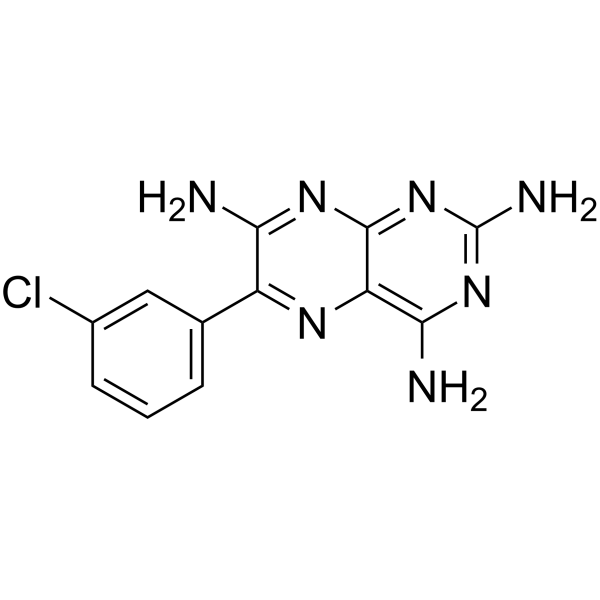
Lys05
4 Publications Verification
Lys01 trihydrochloride
|
Autophagy
|
Cancer
|
|
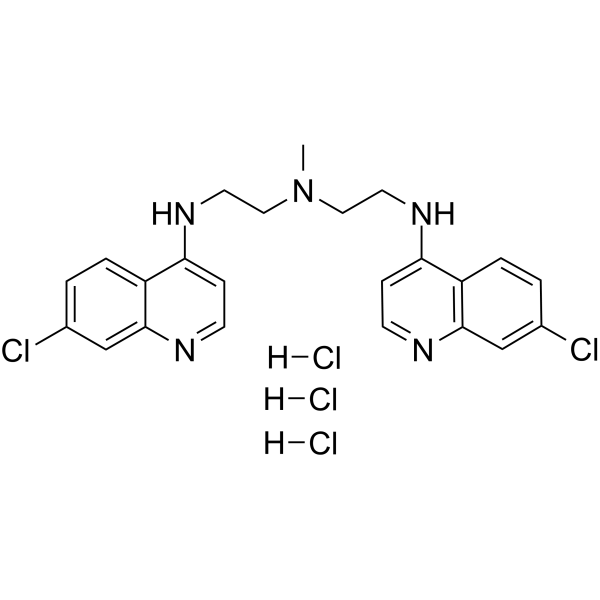
Lys05 (Lys01 trihydrochloride) is a novel lysosomal autophagy inhibitor with IC50 values of 3.6, 3.8, 6 and 7.9 μM for 1205Lu, c8161, LN229 and HT-29 cell line in the MTT assay.
|
-
-
- HY-101524
-
TC13172
3 Publications Verification
|
Mixed Lineage Kinase
|
Cancer
|
|
TC13172 is a mixed lineage kinase domain-like protein (MLKL) inhibitor with an EC50 value of 2 nM for HT-29 cells .
|
-
-
- HY-13734
-
|
IV-2
|
Apoptosis
|
Cancer
|
|
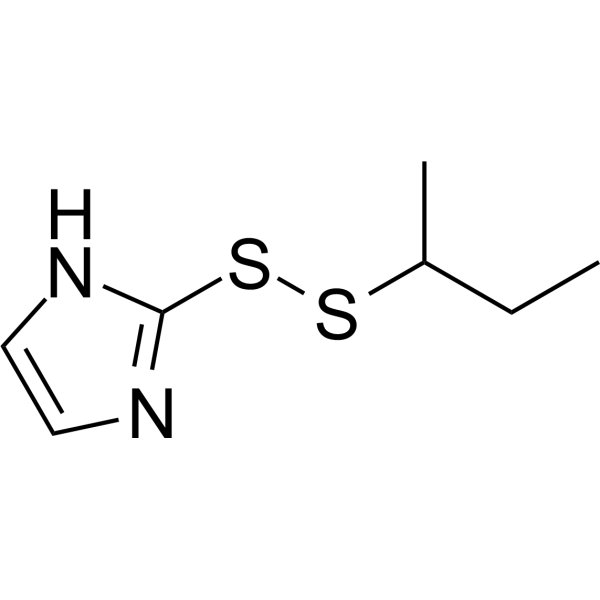
PX-12(IV-2) is an irreversible inhibitor of Thioredoxin-1 (Trx-1); inhibits the growth of MCF-7 and HT-29 cells with IC50 values of 1.9 and 2.9 μM, respectively.
|
-
-
- HY-14444
-
|
NPI-2358
|
Microtubule/Tubulin
|
Cancer
|
|
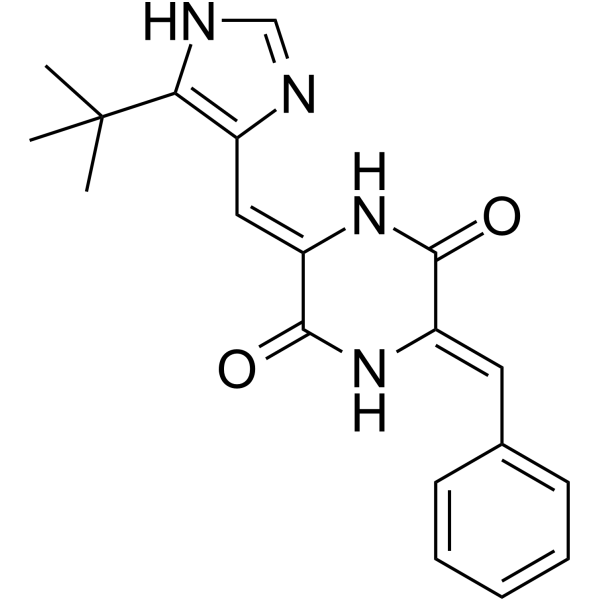
Plinabulin (NPI-2358) is a vascular disrupting agen (VDA) against tubulin-depolymerizing with an IC50 of 9.8 nM against HT-29 cells . Plinabulin binds the colchicine binding site of β-tubulin preventing polymerization and has potent inhibitory to tumor cells .
|
-
-
- HY-100753
-
|
|
STAT
Apoptosis
|
Cancer
|
|
STAT3-IN-1 (compound 7d) is an excellent, selective and orally active STAT3 inhibitor, with IC50 values of 1.82 μM and 2.14 μM in HT29 and MDA-MB 231 cells, respectively. STAT3-IN-1 (compound 7d) induces tumor cells apoptosis .
|
-
-
- HY-107664
-
|
|
Neurotensin Receptor
|
Neurological Disease
|
|
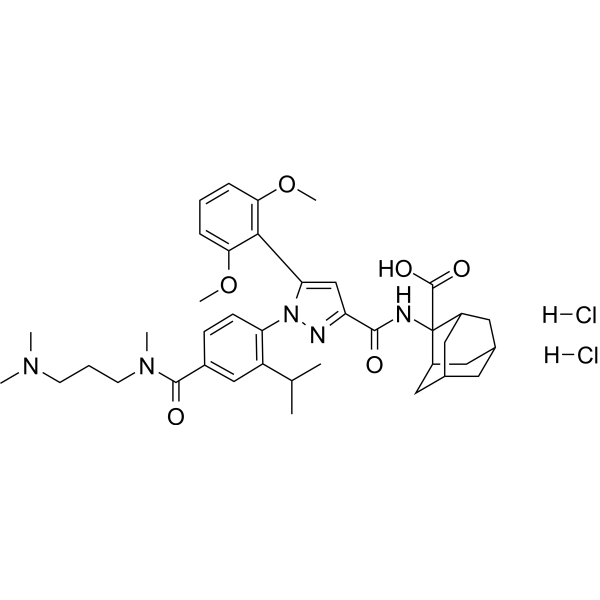
SR 142948 is an orally active and selective non-peptide neurotensin receptor (NT) antagonist with IC50s of 1.19 nM, 0.32 nM, 3.96 nM in h-NTR1-CHO cells, HT-29 cells, and adult rat brain, respectively. SR 142948 antagonizes NT-induced inositol monophosphate formation in HT-29 cells with an IC50 of 3.9 nM. SR 142948 blocks hypothermia, analgesia and steering behavior induced by NT in vivo. SR 142948 shows blood-brain permeability and can be used in study of psychiatric disorders .
|
-
-
- HY-159795
-
|
PF-07799933; ARRY-440
|
Raf
PERK
|
Cancer
|
|
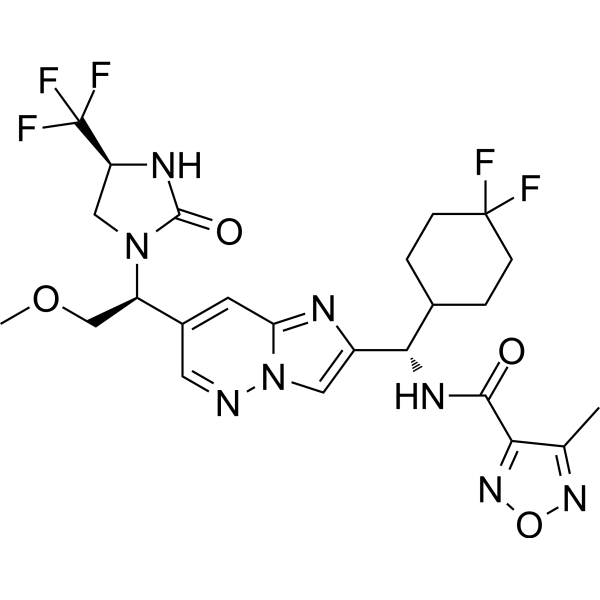
Claturafenib ( PF-07799933) is an orally active inhibitor of pan-mutant BRAF. Claturafenib inhibits pERK in cells (IC50 value of 1.6 nM in HT29 cells). Claturafenib has anticancer activity against BRAF G469A mutant NSCLC and BRAF K601E mutant melanoma .
|
-
-
- HY-126779
-
|
|
Fungal
|
Cancer
|
|
Stictic acid is a secondary metabolite that can be isolated from the lichen Lobaria pulmonaria (L.) Hoffm. Stictic acid inhibits growth of human colon adenocarcinoma HT-29 cells (IC50: 29.29 μg/mL) .
|
-
-
- HY-130602
-
|
|
PROTACs
MEK
|
Cancer
|
|
MS432 is a first-in-class and highly selective PD0325901-based von Hippel-Lindau-recruiting PROTAC degrader for MEK1 and MEK2. MS432 displays good plasma exposure in mice, exhibiting DC50 values of 31 nM and 17 nM for MEK1, MEK2 in HT29 cells respectively .
|
-
-
- HY-75564
-
|
|
Endogenous Metabolite
|
Cancer
|
|
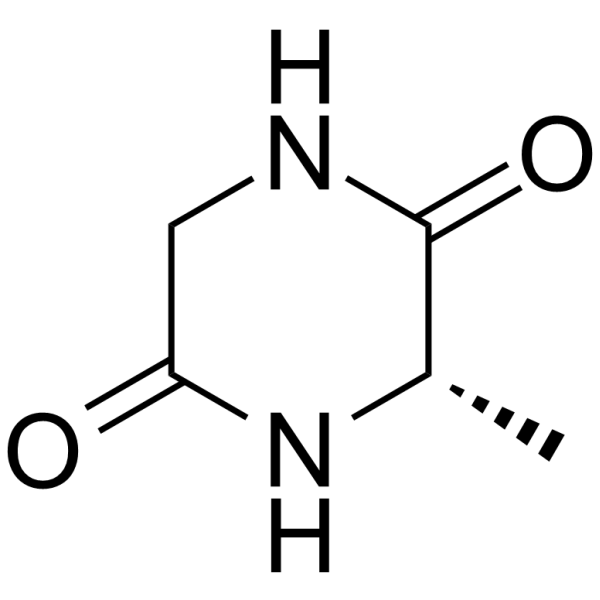
Cyclo(Ala-Gly), a metabolite of a mangrove endophytic fungus, Penicillium thomi, exhibits cytotoxicity against A549, HepG2 and HT29 cells. The IC50 values range from 9.5 to 18.1 μM .
|
-
-
- HY-N8225
-
|
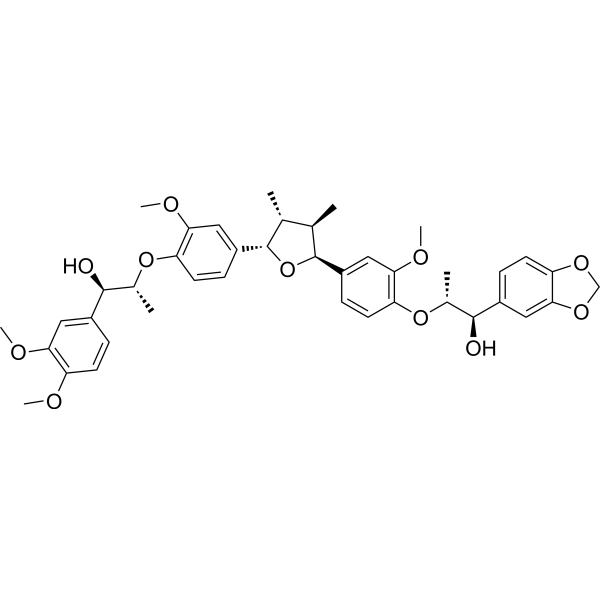
(-)-Manassantin B
|
Others
|
Others
|
|
Manassantin B (compound 6) is a kind of lignan. Manassantin B can be isolated from the ethyl acetate extract of the roots of Saururus chinensis. Manassantin B has cytotoxicities against HT-29 with an IC50 value of 12 μM .
|
-
-
- HY-120528A
-
-
-
- HY-P1435
-
|
|
NADPH Oxidase
|
Cardiovascular Disease
Cancer
|
|
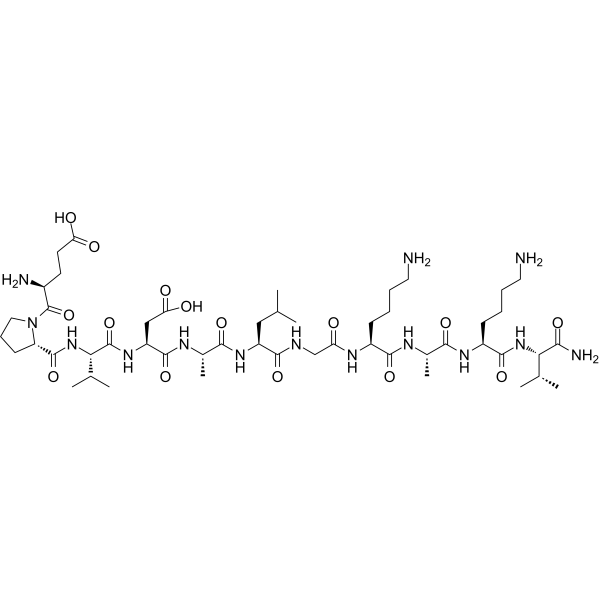
NoxA1ds is a potent and highly selective NADPH oxidase 1 (NOX1) inhibitor (IC50=20 nM). NoxA1ds inhibits NOX1-derived O 2- production in HT-29 human colon cancer cells. NoxA1ds attenuates VEGF-induced human pulmonary artery endothelial cell migration under hypoxic conditions in vitro. NoxA1ds can be used in the study of hypertension, atherosclerosis and tumors .
|
-
-
- HY-N3057
-
|
|
Others
|
Cancer
|
|
Pinostrobin chalcone is found to be potent natural cytotoxic compounds against MDA-MB-231 and HT-29 colon cancer cell lines(IC50 = 20.42±2.23 and 22.51±0.42 μg/mL) .
|
-
-
- HY-147348
-
|
|
Biochemical Assay Reagents
|
Cancer
|
|
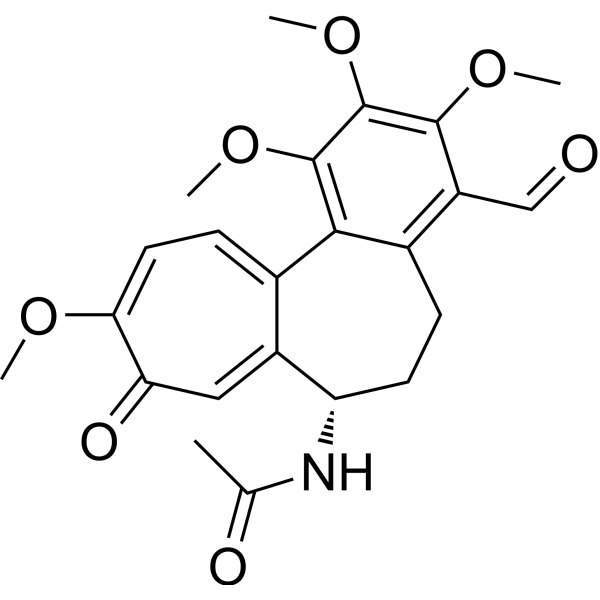
4-Formylcolchicine is a potent anticancer agent. 4-Formylcolchicine shows cytotoxicity activity with IC50 values of 1.007, 0.128, 0.054 μM for A549, HT-29, HCT116 cells, respectively .
|
-
-
- HY-13620
-
|
LU 79553
|
Topoisomerase
|
Cancer
|
|
Elinafide is an anticancer agent with a naphthalimide structure that targets DNA. Elinafide interferes with cell metabolism by inserting a planar ring into the DNA double helix and interacting with enzymes through its side chain.LU-79553 is a DNA-binding topoisomerase II inhibitor. The IC50 value of Elinafide for HT-29 cells is 0.014 μM .
|
-
-
- HY-157516
-
|
|
CDK
|
Cancer
|
|
CDK2-IN-22 (compound 7I) is a potent CDK2 inhibitor with an IC50 of 64.42 nM. CDK2-IN-22 presents a broad antiproliferative efficacy toward diverse cancer cells MV4-11, HT-29, MCF-7, and HeLa with IC50 values of 0.83 μM, 2.12 μM, 3.12 μM, and 8.61 μM, respectively .
|
-
-
- HY-121199
-
|
|
Apoptosis
|
Cancer
|
|
Germanicol is a selective antineoplastic agent against human colon cancer cell lines HCT-116 and HT29 . Germanicol induces apoptosis via chromatin condensation and DNA damage .
|
-
-
- HY-P3116
-
|
|
Bacterial
|
Cancer
|
|
Thiocoraline is a depsipeptide that can be isolated by marine Micromonospora. Thiocoraline has antitumor activity with IC50s of 0.002, 0.002, 0.01 and 0.002 μg/mL in P388, A549, HT-29 and MEL-28 cells, respectively. Thiocoraline also a strong antimicrobial activity against Gram-positive microorganisms .
|
-
-
- HY-107664A
-
|
|
Neurotensin Receptor
|
Neurological Disease
|
|
SR 142948 dihydrochloride is an orally active and selective non-peptide neurotensin receptor (NT) antagonist with IC50s of 1.19 nM, 0.32 nM, 3.96 nM in h-NTR1-CHO cells, HT-29 cells, and adult rat brain, respectively. SR 142948 dihydrochloride antagonizes NT-induced inositol monophosphate formation in HT-29 cells with an IC50 of 3.9 nM. SR 142948 dihydrochloride blocks hypothermia, analgesia and steering behavior induced by NT in vivo. SR 142948 dihydrochloride shows blood-brain permeability and can be used in study of psychiatric disorders .
|
-
-
- HY-160811
-
|
|
VEGFR
|
Cancer
|
|
hVEGF-IN-3 (compound 9) is a potent hVEGF inhibitor. hVEGF-IN-3 inhibits HT-29, MCF-7, and HEK-293 cells proliferation with IC50s of 61, 142, and 114 μM .
|
-
-
- HY-122675
-
|
|
Choline Kinase
|
Cancer
|
|
ACG416B (compound 18) is a potent inhibitor of ChoK (choline kinase) with an IC50 of 0.4 μM. ACG416B renders higher ChoK inhibitory and antiproliferative activities against the HT-29 human colon cancer cell .
|
-
-
- HY-174448
-
|
|
Wee1
|
Cancer
|
|
WEE1-IN-12 (Compound 87) is a Wee1 kinase inhibitor with an IC50 of 2.0 nM. WEE1-IN-12 can inhibit the proliferation of HT29 cells (IC50: 1.07 μM), and when used in combination with Gemcitabine (HY-17026), the effect is better (IC50: 0.34 μM). WEE1-IN-12 can be used in the research of tumors such as colon cancer .
|
-
-
- HY-N8491
-
|
|
Others
|
Cancer
|
|
Dihydrocarveol is an anticancer agent. Dihydrocarveol shows inhibitory activity against human colon adenocarcinoma cells (HCT-116, HT-29, COLO320DM) with an IC50 value of 28.31 μM in HCT-116 cells. Dihydrocarveol is promising for research of colon cancer .
|
-
-
- HY-171745
-
|
|
ATM/ATR
|
Cancer
|
|
ATR-IN-32 is an orally active ATR inhibitor. ATR-IN-32 potently inhibits the proliferation of MIA PaCa-2 cells. ATR-IN-32 exerts significant tumor growth inhibition in mice bearing LOVO and HT-29 xenografts. ATR-IN-32 can be used for the study of cancers mediated by ATR protein kinase, such as colorectal cancer, pancreatic cancer .
|
-
-
- HY-N1261
-
|
|
Others
|
Cancer
|
|
Scutebarbatine B shows significant cytotoxic activities against three human cancer lines, namely, HONE-1 nasopharyngeal, KB oral epidermoid carcinoma, and HT29 colorectal carcinoma cells, with IC50 values in the range 3.5-8.1 mM [1]<
|
-
-
- HY-139062
-
|
C6 Ceramide (d18:1/6:0) Urea; Cer(d18:1/6:0) Urea; D-erythro-Urea-C6-Ceramide
|
Apoptosis
Ceramidase
Autophagy
β-catenin
|
Cancer
|
|
C6 Urea Ceramide (Cer(d18:1/6:0) Urea) is an inhibitor of neutral ceramidase. C6 Urea Ceramide increases total ceramide levels in wild-type mouse embryonic fibroblasts (MEFs) and HT-29 colon cancer cells. C6 Urea Ceramide (5-10 μM) inhibits proliferation of HT-29 cells and induces apoptosis and autophagy, but is not toxic to non-cancerous cells. C6 Urea Ceramide decreases total and phosphorylated β-catenin levels in HT-29 and HCT116 cells, and induces colocalization of β-catenin with the 20S proteasome. C6 Urea Ceramide (1.25, 2.5, and 5 mg/kg) reduced tumor growth and increased C16, C18, C20, and C24 ceramide levels in tumor tissues in the HT-29 mouse xenograft model.
|
-
-
- HY-121458
-
|
|
Apoptosis
|
Cancer
|
|
Nemorosone is the main component of the floral resin of Clusia rosea. Nemorosone has an antiproliferative effect on cancer cells. Nemorosone induces apoptosis in HT-29 and LoVo cells .
|
-
-
- HY-W727999
-
|
|
Apoptosis
|
Cancer
|
|
Koenimbine is an anticancer agent that can be obtained from the leaves and fruits of Murraya koenigii. Koenimbine can induce apoptosis and necrosis in HT-29 and SW48 cells. Koenimbine can be used in the research of cancer .
|
-
-
- HY-107664B
-
|
|
Neurotensin Receptor
|
Neurological Disease
|
|
SR 142948 TFA is an orally active and selective non-peptide neurotensin receptor (NT) antagonist with IC50s of 1.19 nM, 0.32 nM, 3.96 nM in h-NTR1-CHO cells, HT-29 cells, and adult rat brain, respectively. SR 142948 TFA antagonizes NT-induced inositol monophosphate formation in HT-29 cells with an IC50 of 3.9 nM. SR 142948 TFA blocks hypothermia, analgesia and steering behavior induced by NT in vivo. SR 142948 TFA shows blood-brain permeability and can be used in study of psychiatric disorders .
|
-
-
- HY-N8934
-
|
|
Others
|
Cancer
|
|
6β-Hydroxytomentosin, a sesquiterpenoid, can be found in flowers of Inula japonica. 6β-Hydroxytomentosin exhibits weak cytotoxicities against A549, SK-OV-3, HepG-2 and HT-29 cell lines .
|
-
-
- HY-157085
-
|
|
HSP
|
Cancer
|
|
BX-2819 is a Hsp90 inhibitor with an IC50 value of 41 nM. BX-2819 inhibits the proliferation of cancer cells. BX-2819 can significantly inhibit the growth of NCI-N87 and HT-29 tumors in nude mice .
|
-
-
- HY-149952
-
|
|
ATM/ATR
|
Cancer
|
|
ATR-IN-23 (Compound 34) is a potent and selective ATR inhibitor with an IC50 of 1.5 nM. ATR-IN-23 has potent antiproliferative effects on LoVo cells and synthetic lethality on HT-29 cells, and can be used in the study of DNA damage response (DDR)-deficient cancers .
|
-
-
- HY-N1631
-
|
1-Hydroxyrutaecarpine
|
Drug Derivative
|
Others
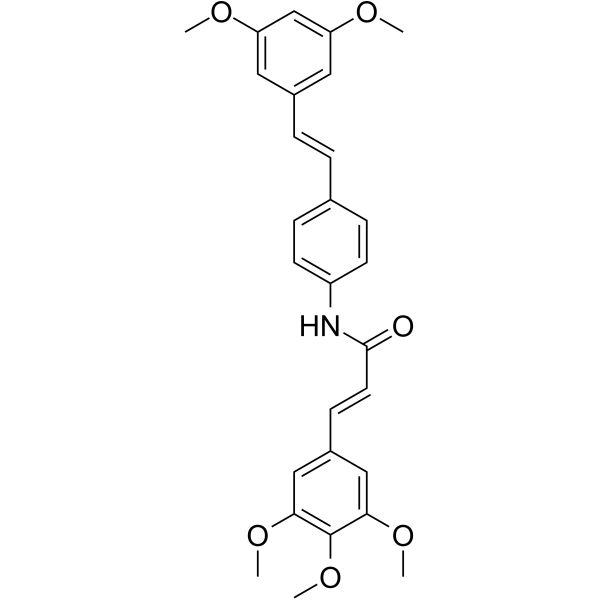
|
|
1-Hydroxyrutaecarpine (compound 1a) is a hydroxy-derivative of rutaecarpine. 1-Hydroxyrutaecarpine shows cytotoxicities with ED50s of 3.72, 7.44 µg/mL for P-388 and HT-29 cells, respectively. 1-Hydroxyrutaecarpine shows antiplatelet activity .
|
-
-
- HY-180895
-
|
|
Polo-like Kinase (PLK)
|
Cancer
|
|
Y207–5465 is a potent and highly selective PLK2 inhibitor with an IC50 value of 584.3 nM. Y207–5465 shows only limited anti-cancer activity in HT-29 and HCT-116 cells. Y207–5465 can be used in cancer research .
|
-
-
- HY-177914
-
|
|
MEK
|
Cancer
|
|
MEK-IN-7 (compound WX086) is potent, orally active and selective MEK inhibitor (MEK1 IC50 = 29.62 nM). MEK-IN-7 inhibits HT29 and A375 cell proliferation with IC50s of 0.62 and 0.40 nM. MEK-IN-7 inhibits tumor growth in a HL-29 xenograft mouse model. MEK-IN-7 can be used for melanoma and colon cancer research .
|
-
-
- HY-157740
-
|
|
HDAC
|
Cancer
|
|
XSJ-10 is a HDAC inhibitor containing a RAS/RAF protein interfering unit, with IC50s of 0.05 and 0.04 μM in PANC-1 cells and HT-29 cells. XSJ-10 can effectively induce the apoptosis of cancer cells and suppress the tumor by strongly inhibiting the RAS-RAF-MEK-ERK signaling pathway and the acetylation level of HDAC3 .
|
-
-
- HY-N1655
-
|
|
Others
|
Cancer
|
|
2,3-Dihydroamentoflavone 7,4'-dimethyl ether is a biflavonoid, which can be isolated from the aerial parts of Selaginella delicatula. 2,3-Dihydroamentoflavone 7,4'-dimethyl ether exhibits cytotoxicities against P-388 and HT-29 cell lines, with ED50 (median effective dose) values of 3.50 and 5.25 µg/mL, respectively .
|
-
-
- HY-151541
-
|
|
Mixed Lineage Kinase
Necroptosis
|
Neurological Disease
|
|
MLKL-IN-3 (compound 66) is a potent MLKL (Mixed lineage kinase domain-like protein) inhibitor. MLKL-IN-3 inhibits necroptosis in HT-29 cells and acts downstream of MLKL phosphorylation, with EC50 of 31 nM . MLKL-IN-3 is a click chemistry reagent, it contains an Alkyne group and can undergo copper-catalyzed azide-alkyne cycloaddition (CuAAc) with molecules containing Azide groups.
|
-
-
- HY-151542
-
|
|
Mixed Lineage Kinase
Necroptosis
RIP kinase
|
Neurological Disease
|
|
MLKL-IN-4 (compound 56) is a potent MLKL (Mixed lineage kinase domain-like protein) inhibitor. MLKL-IN-4 inhibits necroptosis in HT-29 cells and acts downstream of MLKL phosphorylation, with EC50 of 82 nM . MLKL-IN-4 is a click chemistry reagent, it contains an Alkyne group and can undergo copper-catalyzed azide-alkyne cycloaddition (CuAAc) with molecules containing Azide groups.
|
-
-
- HY-B1714
-
|
|
Drug Derivative
|
Cancer
|
|
NSC 601980 analog is an analogue of NSC601980. In yeast screening experiments, NSC 601980 exhibited antitumor activity, effectively inhibiting cell proliferation in both COLO 205 and HT29 cell lines, with Log GI 50 values of -6.6 and -6.9, respectively.
|
-
-
- HY-120528
-
-
-
- HY-175540
-
|
|
PDGFR
|
Cardiovascular Disease
Cancer
|
|
PDGFRα kinase-IN-2 is a potent PDGFR-α inhibitor with an IC50 of 2.1 nM. PDGFRα kinase-IN-2 exhibits anticancer activity against human colon cancer HT-29 cell with an IC50 of 1.48 μM. PDGFRα kinase-IN-2 has anti-angiogenic activity in zebrafish models and low embryonic lethality. PDGFRα kinase-IN-2 can used for the studies of colon cancer and anti-angiogenesis .
|
-
-
- HY-160170
-
|
|
Necroptosis
|
Cancer
|
|
Necrosis inhibitor 3 (compound B3) is a poteng inhibitor of necrosis, with the IC50 value of 0.29 nM in HT29 cells .
|
-
-
- HY-161628
-
|
|
Topoisomerase
|
Cancer
|
|
Tapcin is a dual inhibitor for topoisomerase I and topoisomerase II, with IC50 of 203 and 71 nM. Tapcin inhibits proliferations of cancer cells A-375, HeLa, Huh7.5, U2-OS, A549, Caco-2 and HT29, with IC50s of 441, 1.04, 40.5, 0.002, 0.006, 0.287 and 0.842 nM, respectively. Tapcin exhibits antitumor activity in HT29 xenograft model .
|
-
-
- HY-161361
-
|
|
Mixed Lineage Kinase
|
Cancer
|
|
MLKL-IN-7 (compound 9) is a MLKL inhibitor, and shows anti-necroptosis activity in HT-29 cells with the IC50 of 148.4 nM .
|
-
-
- HY-123707
-
|
|
Microtubule/Tubulin
|
Cancer
|
|
KPU-300 (compound 6b) is a tubulin inhibitor. KPU-300 has potent cytotoxicity with an IC50 value of 7.0 nM against HT-29 cells .
|
-
-
- HY-W928623
-
|
ATTSC
|
Bacterial
|
Infection
Cancer
|
|
2-Acetylthiophene thiosemicarbazone is an antibacterial agent. 2-Acetylthiophene thiosemicarbazone exhibits anticancer activity, with an IC50 value of 8.6 μM against HT-29 cells .
|
-
-
- HY-146778
-
|
|
Microtubule/Tubulin
|
Cancer
|
|
Tubulin inhibitor 25 is a potent tubulin inhibitor with an IC50 value of 0.98 μM. Tubulin inhibitor 25 exhibits remarkable activity against cancer cell line HT29. Tubulin inhibitor 25 displays the potent inhibition on cell migration and tube formation that contributes to the anti-angiogenesis .
|
-
- HY-146274
-
|
|
c-Met/HGFR
Apoptosis
|
Cancer
|
|
c-Met-IN-10 (compound 26a) is a highly potent c-Met kinase inhibitor with an IC50 value of 16 nM. c-Met-IN-10 has inhibitory activity against cancer cells A549, H460 and HT-29 with IC50s of 0.56 ~ 1.59 μM. c-Met-IN-10 suppresses the colony formation on HT-29 cells, induces HT-29 and A549 cells apoptosis, and inhibits A549 cells motility. c-Met-IN-10 can be used for researching anticancer .
|
-
- HY-169735
-
|
|
Aurora Kinase
|
Cancer
|
|
Aurora A inhibitor 4 (compound C9) is a potent inhibitor of Aurora A, with the GI50 of 4.26 and 7.08 μM in DU 145 cells and HT-29 cells, respectively .
|
-
- HY-N8462
-
|
Scutebatin C
|
Others
|
Cancer
|
|
6-O-Nicotinoylscutebarbatine G is an alkaloid that can be isolated from Scutellaria barbata.6-O-Nicotinoylscutebarbatine has cytotoxic activities against HONE-1, KB and HT29 cells with IC50s of 3.1, 2.1 and 5.7 μM, respectively .
|
-
- HY-N8387
-
|
|
Ras
|
Cancer
|
|
Neogrifolin is an inhibitor of KRAS. Neogrifolin suppress KRAS expression in human colon cancer cells. Neogrifolin has anti-cell viability activity against HeLa, SW480 and HT29 cells wih IC50s of 24.3, 34.6, and 30.1 μM, respectively .
|
-
- HY-164467
-
|
|
Wnt
|
Cancer
|
|
CCT070535 blocks TCF-dependent transcription at the TCF level, with GI50 values of 17.6 μM, 11.1 μM, 11.8 μM and 13.4 μM in HT29 (APC mutant), HCT116 (oncogenic β-catenin), SW480 (APC mutant) and SNU475 (Axin mutant) cells, respectively .
|
-
- HY-N12430
-
|
|
Others
|
Cancer
|
|
Marsdenoside A (compound 7) is a Marsdenoside isolated from Alocasia genus. Marsdenoside A has a weak growth inhibitory effect on two tumor cell lines, MGC-803 and HT-29, with IC50 >50 μg/mL.
|
-
- HY-146505
-
|
|
Microtubule/Tubulin
Apoptosis
Reactive Oxygen Species (ROS)
|
Cancer
|
|
Tubulin polymerization-IN-6 (compound 5f) is a potent tubulin polymerization inhibitor, with an IC50 of 1.09 μM. Tubulin polymerization-IN-6 inhibits cell migration and tube formation and contributes to the anti-angiogenesis. Tubulin polymerization-IN-6 can greatly inhibit tumor growth on HT29 xenograft Balb/c nude mice .
|
-
- HY-N3123
-
|
Dihydrooxochelerythrine
|
Others
|
Cancer
|
|
Oxychelerythrine is an alkaloid that can be isolated from Zanthoxylum integrifoliolum. Oxychelerythrine exhibits cytotoxicity against P-388 and HT-29 cell lines with ED50s of 3.25 and 5.48 μg/mL, respectively .
|
-
- HY-157963
-
-
- HY-N14603
-
|
|
Fungal
|
Infection
|
|
Chandrananimycin A has anti-mucor activity, as well as anti-tumor cell activity such as CCL HT29, MFXF 529L, MACL McF-7 .
|
-
- HY-N12437
-
|
|
Others
|
Cancer
|
|
Marsdenoside B (compound 8) is a Marsdenoside isolated from Alocasia genus. Marsdenoside B inhibits the growth of tumor cell lines MGC-803 and HT-29 with IC50s of 25.6 μg/mL and 32.4 μg/mL, respectively.
|
-
- HY-156775
-
|
|
Drug Derivative
|
Cancer
|
|
Antitumor agent-119 (compound 13K) is a 2-benzoxazolyl hydrazone derivative with anticancer activities. Antitumor agent-119 inhibits the cell growth of Butkitt, CCRF-CEM, HeLa, and HT-29 with IC50 values of 30 nM, 140 nM, 100 nM, and 40 nM, respectively .
|
-
- HY-161614
-
|
|
Microtubule/Tubulin
|
Cancer
|
|
Tubulin inhibitor 44 (Compound 26r) is an inhibitor for tubullin. Tubulin inhibitor 44 exhibits cytotoxicity in cancer cells NCI-H460, BxPC-3 and HT-29, with IC50s of 0.96, 0.66 and 0.61 nM, respectively .
|
-
- HY-173445
-
|
|
RIP kinase
|
Inflammation/Immunology
|
|
RIPK1-IN-30 (compound 24) is a potent RIPK1 inhibitor with an IC50 of 2.01 μM. RIPK1-IN-30 exhibits protective effects in HT-29 cell model of TSZ-induced necroptosis with an EC50 of 6.77 μM .
|
-
- HY-173227
-
|
|
Trk Receptor
|
Cancer
|
|
TrkC-IN-1 (Compound 6c) is an inhibitor of TrkC. The IC50 values for EBC-1 and HT-29 cells are 3.3-7.1 and 7.3-10.2 μΜ, respectively. TrkC-IN-1 is expected to be used in the research of the anti-cancer field .
|
-
- HY-N10132
-
|
|
nAChR
|
Infection
Neurological Disease
|
|
Microgrewiapine A is an antagonist of nAChR. Microgrewiapine A inhibits hα4β2 and hα3β4 activity with 60% and 70% inhibition, respectively. Microgrewiapine A has selective cytotoxic against HT-29 human colon cancer cells with an IC50 of 6.8 μM .
|
-
- HY-B1714A
-
|
|
Drug Derivative
|
Cancer
|
|
NSC 601980 is an anti-tumor compound. In yeast screening experiments, NSC 601980 inhibits cell proliferation in COLO205 and HT29 cell lines with LogGI50 of -6.6 and -6.9, respectively.
|
-
- HY-169074
-
|
|
E3 Ligase Ligand-Linker Conjugates
|
Cancer
|
|
Thalidomide-N-methylpiperazine is an E3 Ligase Ligand-Linker Conjugate. Thalidomide-N-methylpiperazine can be used to synthesize PROTAC MLKL Degrader-2 (HY-169072) to exhibit antinecroptotic activity on human cell lines and effectively degrade MLKL in the HT-29 xenograft mouse model .
|
-
- HY-N3057R
-
|
|
Reference Standards
Others
|
Cancer
|
|
Pinostrobin chalcone (Standard) is the analytical standard of Pinostrobin chalcone. This product is intended for research and analytical applications. Pinostrobin chalcone is found to be potent natural cytotoxic compounds against MDA-MB-231 and HT-29 colon cancer cell lines(IC50 = 20.42±2.23 and 22.51±0.42 μg/mL) .
|
-
- HY-147725
-
|
|
Microtubule/Tubulin
|
Cancer
|
|
Microtubule inhibitor 4 (compound 2) is a potent microtubule inhibitor. Microtubule inhibitor 4 shows cytotoxicity with IC50s of 4.0, 3.2, 2.1 nM for NCI-H460, BxPC-3, HT-29 cells, respectively. Microtubule inhibitor 4 shows the inhibition of tubulin polymerization .
|
-
- HY-147727
-
|
|
Microtubule/Tubulin
|
Cancer
|
|
Microtubule inhibitor 6 (compound 17o) is a potent microtubule inhibitor. Microtubule inhibitor 6 shows cytotoxicity with IC50s of 14.0, 6.6, 7.0 nM for NCI-H460, BxPC-3, HT-29 cells, respectively. Microtubule inhibitor 6 efficiently inhibits microtubule polymerization .
|
-
- HY-163806
-
|
|
HDAC
|
Neurological Disease
Cancer
|
|
NT376 is a high potency and selectivity inhibitor of class-IIa Histone deacetylases (HDAC) with an IC50 value of 32 nM, similar to NT160 (HY-149285) (IC50= 46 nM) in HT-29 cells. NT376 is proming for research of various cancers and in the diseases of the central nervous system (CNS) such as Alzheimer’s and Huntington’s diseases .
|
-
- HY-12855
-
|
|
Autophagy
|
Cancer
|
|
Lys01, a dimeric form of Chloroquine (HY-17589A), is an autophagy inhibitor. Lys01 inhibits cell viability of 1205Lu, c8161, LN229, HT-29 cells with IC50s of 3.6, 3.8, 7.9, 6.0 μM. Lys01 can be used for anticancer research .
|
-
- HY-13734R
-
|
IV-2 (Standard)
|
Apoptosis
Reference Standards
|
Cancer
|
|
PX-12 (Standard) is the analytical standard of PX-12. This product is intended for research and analytical applications. PX-12(IV-2) is an irreversible inhibitor of Thioredoxin-1 (Trx-1); inhibits the growth of MCF-7 and HT-29 cells with IC50 values of 1.9 and 2.9 μM, respectively.
|
-
- HY-155240
-
|
|
Tyrosinase
|
Cancer
|
|
Tyrosinase-IN-13 (compound 3c), a derivative of Flurbiprofen (HY-10582), is a potent, non-competitive tyrosinase inhibitor (IC50=68 μM; Ki=36.3 μM). Tyrosinase-IN-13 is cytotoxic against hepatocellular carcinoma (HepG2), colorectal cancer (HT-29), and melanoma (B16F10) .
|
-
- HY-156098
-
|
|
c-Met/HGFR
|
Cancer
|
|
c-Met-IN-19 (Compound 21j) is a c-Met inhibitor (IC50: 1.99 nM). c-Met-IN-19 shows cytotoxicity against A549, HT-29, SGC-7901, MDA-MB-231 cells with IC50s of 0.25, 0.36, 0.98, 0.76 μM .
|
-
- HY-178417
-
|
|
Microtubule/Tubulin
Apoptosis
|
Cancer
|
|
Angustilongine M is a microtubule-targeting antitumor alkaloid (IC50=0.2 μM against HT-29 cells). Angustilongine M induces G0/G1 cell cycle arrest and mitochondrial apoptosis via tubulin polymerization promotion. Angustilongine M is promising for research of colorectal cancer and other solid tumors .
|
-
- HY-155203
-
|
|
Apoptosis
Reactive Oxygen Species (ROS)
Ferroptosis
|
Cancer
|
|
Anticancer agent 154 (Compound 8h) increases the levels of reactive oxygen species and leads to mitochondrial damage. Anticancer agent 154 induces cell apoptosis and DNA damage. Anticancer agent 154 also induces ferroptosis by reducing the GSH level and GPX4 expression and increasing the lipid peroxidation level. Anticancer agent 154 inhibits cancer cell (HT29, H1975, A549, and MCF-7) proliferation with IC50s of 1.0-1.9 μM .
|
-
- HY-161282
-
|
|
Carbonic Anhydrase
|
Neurological Disease
Cancer
|
|
hCAII-IN-10 (compound 11d) is hCA II inhibitor with the IC50s of 14 nM and 29.2 μM for hCA II and hCA I, respectively. hCAII-IN-10 inhibits cell growth against HT-29 cells with the IC50 of 74 μM. hCAII-IN-10 shows strongly lowered intraocular pressure in the glaucomatous rabbit eye model .
|
-
- HY-163390
-
|
|
RIP kinase
Necroptosis
|
Inflammation/Immunology
Cancer
|
|
RIP1 kinase inhibitor 9 (compound SY-1) is a selective RIP kinase inhibitor. RIP1 kinase inhibitor 9 effectively suppresses the central inflammatory response induced by epilepsy. RIP1 kinase inhibitor 9 inhibits Z-VAD-FMK (HY-16658B)-induced necroptosis in HT-29 cells with an EC50 of 7.04 nM .
|
-
- HY-169239
-
|
|
MAGL
|
Cancer
|
|
MAGL-IN-20 (compound ±34) is a reversible monoacylglycerol lipase (MAGL) inhibitor. MAGL-IN-20 exhibits appreciable antiproliferative activities against several cancer cells, including H460, HT29, CT-26, Huh7 and HCCLM-3. .
|
-
- HY-162721
-
|
|
Biochemical Assay Reagents
|
Cancer
|
|
Anticancer agent 242 (7) possesses anticancer activity in A2780 (IC50 = 0.24 μM, ovarian adenocarcinoma), A2780cis (IC50 = 0.45 μM, resistant derivative of A2780), CCD18Co (IC50 = 0.59 μM, non-malignant human fibroblasts), A549 (IC50 = 0.32 μM, lung carcinoma), HT29 (IC50 = 0.26 μM, colorectal adenocarcinoma), and MCF7 (IC50 = 0.55 μM, breast adenocarcinoma) .
|
-
- HY-139248
-
|
|
Drug Derivative
|
Cancer
|
|
Paclitaxel octadecanedioate (compound PTX-FA18) is comprised of Paclitaxel (HY-B0015) conjugated to 1,18-octadecanedioic acid (HY-W005178). Paclitaxel octadecanedioate mixed with human serum albumin (HAS) is cytotoxic to HT-1080, PANC-1, HT-29 and Hela cells (IC50s = 12, 2.48, 8.62, and 64.42 nM, respectively) .
|
-
- HY-115949
-
|
|
HSP
|
Cancer
|
|
Antitumor agent-47 (Compound 3e) is a silibinin derivative with an antitumor activity. Antitumor agent-47 shows cytotoxic activity against NCI-H1299 and HT29 cells with IC50 values of 8.07 µM and 6.27 µM, respectively .
|
-
- HY-172617
-
|
|
BMI1
Microtubule/Tubulin
Apoptosis
|
Cancer
|
|
APD-94 is a dual inhibitor targeting tubulin and Bmi-1. APD-94 interfers tubulin normal polymerization. APD-94 suppresses the expression of Bmi-1. APD-94 causes cell cycle arrest at the G2/M phase in cancer cells and induces apoptosis, thus inhibiting cancer cell proliferation. APD-94 represses the growth of HT29 cell xenografts in NOD/SCID mice. APD-94 can be used for colorectal cancer study .
|
-
- HY-155152
-
|
|
P-glycoprotein
BCRP
|
Cancer
|
|
P-gp/BCRP-IN-2 (compound 15) is an oxadiazole derivative and a dual inhibitor of the ABC transporter P-glycoprotein (IC50: 1.6 nM) and BCRP (IC50: 600 nM). P-gp/BCRP-IN-2 also enhances the anti-proliferative effects of Doxorubicin (HY-15142A) in drug-resistant human adenocarcinoma colon cancer cell lines HT29/DX and MDCK-MDR1 cells .
|
-
- HY-P10995
-
|
|
EGFR
IFNAR
Interleukin Related
TNF Receptor
Complement System
Apoptosis
|
Inflammation/Immunology
Cancer
|
|
TAT-327 is cell-penetrating peptide. TAT-327 selectively inserts into cancer cell membranes and shows potent antitumor activity. TAT-327 effectively inhibits cancer cells proliferation, induces apoptosis and disrupts EGFR signal pathway by inhibiting downstream signals (such as IL-2, TNF-α and IFN-γ) expression and the Eps8/EGFR interaction. TAT-327 significantly inhibits tumor growth in HT-29 xenograft mcie models .
|
-
- HY-173074
-
|
|
Microtubule/Tubulin
MDM-2/p53
Apoptosis
|
Cancer
|
|
Microtubulin-IN-1 (Compound 8g) is the inhibitor for microtubulin that targets colchicine-binding site, disrupts the microtubulin integrity, and induces the upregulation of p53. Microtubulin-IN-1 exhibits antiproliferative activity in a variety of cancer cell lines (IC50 for NCI-H460, BxPC-3 and HT-29 is 2.4, 1.6 and 2.07 nM, respectively), arrests the cell cycle at G2/M phase, and induces apoptosis in NCI-H460 .
|
-
- HY-N14415
-
|
|
Bacterial
|
Infection
Cancer
|
|
Cochleamycin A showed strong inhibitory activity against tumor cells, with IC50s (μg/mL) of P388, HL60, K562, COL0205 and HT29 cells of 1.6, 14.0, 6.2, 16.5 and 19.1, respectively. Cochleamycin A also has anti-Gram-positive bacteria activity .
|
-
- HY-177224
-
|
|
Drug Derivative
|
Cancer
|
|
Antitumor agent-205 (compound 9), an Ecteinascidin derivative, is an antitumor agent. Antitumor agent-205 exhibits anti-proliferation activity against A549 and HT29 cells , with GI50 values of 16.4 nM for each cell line. Antitumor agent-205 can be used for lung and colon cancer research .
|
-
- HY-75564R
-
|
|
Reference Standards
Endogenous Metabolite
|
Cancer
|
|
Cyclo(Ala-Gly) (Standard) is the analytical standard of Cyclo(Ala-Gly). This product is intended for research and analytical applications. Cyclo(Ala-Gly), a metabolite of a mangrove endophytic fungus, Penicillium thomi, exhibits cytotoxicity against A549, HepG2 and HT29 cells. The IC50 values range from 9.5 to 18.1 μM[1].
|
-
- HY-N17610
-
|
|
Others
|
Cancer
|
|
2',4'-Dihydroxydihydrochalcone exhibits cytotoxic activity against HT-29 colon adenocarcinoma cells (IC50 = 1.8 μM). 2',4'-Dihydroxydihydrochalcone may be used in research on cancers such as colon adenocarcinoma .
|
-
- HY-101524R
-
|
|
Mixed Lineage Kinase
Reference Standards
|
Cancer
|
|
TC13172 (Standard) is the analytical standard of TC13172 (HY-101524). This product is intended for research and analytical applications. TC13172 is a mixed lineage kinase domain-like protein (MLKL) inhibitor with an EC50 value of 2 nM for HT-29 cells .
|
-
- HY-N14604
-
|
|
Fungal
|
Infection
|
|
Chandrananimycin B has anti-mucor activity, as well as anti-tumor cell activity such as CCL HT29, MFXF 529L, MACL McF-7 .
|
-
- HY-N8025
-
|
|
Others
|
Cancer
|
|
Nephthenol is a terpenoid that can be isolated from Nephthea brassica. Nephthenol exhibits cytotoxicity in cells A549, HT-29, KB and P-388 with IC50s of 2.72, 3.01, 1.84, and 0.42 µg/mL, respectively .
|
-
- HY-107664R
-
|
|
Reference Standards
Neurotensin Receptor
|
Neurological Disease
|
|
SR 142948 (Standard) is the analytical standard of SR 142948 (HY-107664). This product is intended for research and analytical applications. SR 142948 is an orally active and selective non-peptide neurotensin receptor (NT) antagonist with IC50s of 1.19 nM, 0.32 nM, 3.96 nM in h-NTR1-CHO cells, HT-29 cells, and adult rat brain, respectively. SR 142948 antagonizes NT-induced inositol monophosphate formation in HT-29 cells with an IC50 of 3.9 nM. SR 142948 blocks hypothermia, analgesia and steering behavior induced by NT in vivo. SR 142948 shows blood-brain permeability and can be used in study of psychiatric disorders .
|
-
- HY-170834
-
|
|
Microtubule/Tubulin
|
Cancer
|
|
Antiproliferative agent-66 (Compound B3) is an antiproliferative agent that induces apoptosis and cell cycle arrest with IC50 values in the range of 2.03-3.6 µM against SH-SY5Y neuroblastoma, HT-29 colorectal adenocarcinoma, and fibroblast cells. Antiproliferative agent-66 is also a tubulin polymerization inhibitor with an IC50 of 0.79 µM .
|
-
- HY-N1632
-
|
|
Drug Derivative
|
Cancer
|
|
1-Isomangostin hydrate is a semi-synthetic cyclized xanthone derivative of α-mangostin (HY-N0328), exhibiting weak cytotoxicity against HT-29 human colon cancer cells (ED50 > 20 μM). 1-Isomangostin hydrate can be used in research on colon cancer and other tumors. The natural precursor of 1-isomangostin hydrate, α-mangostin, is derived from the stem of Cratoxylum cochinchinense (a plant of the Cratoxylum genus in the Clusiaceae family) .
|
-
- HY-169409
-
|
|
VEGFR
|
Cancer
|
|
VEGFR-2-IN-59 (Compound 3h) is an inhibitor for VEGFR2 with an IC50 of 3.73 µM. VEGFR-2-IN-59 exhibits cytotoxicity in cancer cell A549, HT-29, A375, MCF7 and NHDF with IC50 of 20.91, 19.70, 9.63, 17.43 and 20.71 μM. VEGFR-2-IN-59 inhibits formation of tubular structure and exhibits anti-angiogenic property .
|
-
- HY-173166
-
|
|
PPAR
|
Cancer
|
|
PPARγ agonist 17 (Compound C1) is a PPARγ agonist. PPARγ agonist 17 enhances PPARγ activity and blocks the cell cycle in G2/M phase, inhibits cell migration and induces apoptosis in HT-29 cells. PPARγ agonist 17 has a broad spectrum anti-proliferative activity in cancer cells with relatively low toxicity in normal cells which cannot cross the blood-brain barrier .
|
-
- HY-178511
-
|
|
Kinesin
|
Cancer
|
|
KIF18A-IN-17 (Example 37A) is a KIF18A inhibitor with racemic form with an IC50 of 48 nM. KIF18A-IN-17 exhibits anti-proliferative activity against HT29 cells. KIF18A-IN-17 can be used for the study of cancers such as breast cancer and ovarian cancer .
|
-
- HY-179706
-
|
|
YAP
|
Cancer
|
|
VS3 is a YAP-TEAD interaction inhibitor. VS3 directly disrupts the interaction between YAP-TEAD by binding to TEAD4 Interface 3 (Kd = 6 μM) on the surface. VS3 exhibits anti-proliferative activity against HT29, HCT116, and A2780. VS3 can be used for research on colorectal adenocarcinoma and ovarian cancer .
|
-
- HY-123237
-
|
|
c-Met/HGFR
FLT3
Trk Receptor
Apoptosis
Autophagy
|
Cancer
|
|
KRC-108, an aminopyridine, is an orally active multiple kinase inhibitor with IC50s of 80 nM, 23 nM, 3 nM, 70 nM, 30 nM, 39 nM for c-Met, c-Met M1250T, c-Met Y1230D, Ron, Flt3 and TrkA, respectively. KRC-108 induces cell cycle arrest, apoptotic cell death, and autophagy. KRC-108 exhibits anti-tumor activity in vivo in HT29 colorectal cancer, NCI-H441 lung cancer xenograft models in athymic BALB/c nu/nu mice .
|
-
- HY-149511
-
|
|
c-Met/HGFR
Apoptosis
PDGFR
|
Cancer
|
|
MET/PDGFRA-IN-2 (compound 8h) is a MET and PDGFRA protein inhibitor. MET/PDGFRA-IN-2 induces cell apoptosis. MET/PDGFRA-IN-2 inhibits proliferation of MET-positive cells (IC50s: 9.7, 6.1, 12.0, 11.5, 8.6, 34.4 μM for AsPc-1, EBC-1, MKN-45, Mia-Paca-2, HT-29, K562 cells respectively) .
|
-
- HY-156375
-
|
|
Pyruvate Kinase
PDK-1
|
Cancer
|
|
PKM2 activator 6 (Compound Z10) is a PKM2 activator and PDK1 inhibitor (KD: 121 and 19.6 μM respectively). PKM2 activator 6 induces colorectal cell apoptosis, and inhibits cell proliferation and migration . PKM2 activator 6 inhibits glycolysis. PKM2 activator 6 inhibits proliferation of DLD-1, HCT-8, HT-29, MCF-10A cells (IC50: 10.04, 2.16, 3.57, 66.39 μM) .
|
-
- HY-163692
-
|
|
Microtubule/Tubulin
Apoptosis
|
Cancer
|
|
Tubulin polymerization-IN-64 (Compound 8a) is an inhibitor for tubulin polymerization by occupying the colchicine binding site of tubulin, with IC50 of 6.9 μM. Tubulin polymerization-IN-64 inhibits proliferations of cancer cells A549, HeLa, HCT116 and HT-29, with IC50s of 2.42, 10.33, 6.28, 5.33 μM, respectively. Tubulin polymerization-IN-64 arrests cell cycle at G2/M phase, induces apoptosis in A549 .
|
-
- HY-169652
-
|
|
Reactive Oxygen Species (ROS)
AMPK
|
Cancer
|
|
NPC26 is a small molecule mitochondrial disruptor with anti-tumor activity. NPC-26 shows significant anti-proliferative and cytotoxic effects on CRC cell lines (HCT-116, DLD-1, and HT-29). NPC26 can damage mitochondrial function, leading to the opening of the mitochondrial permeability transition pore (mPTP) and the production of reactive oxygen species, ultimately inducing cell death. NPC-26 can kill CRC cells by activating the AMP-activated protein kinase (AMPK) signaling pathway .
|
-
- HY-180244
-
|
|
Protease Activated Receptor (PAR)
p38 MAPK
|
Cancer
|
|
P2L-003 is a selective PAR2 antagonist with an IC50 of 0.62 μM in HT-29 cells. P2L-003 blocks PAR2-mediated Ca 2+ mobilization without affecting PAR1, PAR4, or ATP-mediated signaling and dose-dependently suppresses the downstream MAPK signaling cascades, including ERK1/2 and p38 phosphorylation. P2L-003 can be used for colon cancer research .
|
-
- HY-180449
-
|
|
Microtubule/Tubulin
Wnt
|
Cancer
|
|
Anticancer agent 291 (Compound 2406) is an anti-cancer agent. Anticancer agent 291 interferes with the integrity of the β-tubulin cytoskeleton and inhibits the Wnt/β-catenin signal transduction. Anticancer agent 291 significantly inhibits the invasion, migration and colony formation of tumor cells. Anticancer agent 291 induces the cell cycle of EC-9706 and HT-29 cells to arrest at the G2/M phase and inhibits cell proliferation. Anticancer agent 291 can be used for the study of gastrointestinal cancer .
|
-
- HY-P1435A
-
|
|
NADPH Oxidase
|
Cardiovascular Disease
Cancer
|
|
NoxA1ds TFA is a potent and highly selective NADPH oxidase 1 (NOX1) inhibitor (IC50=20 nM). NoxA1ds TFA inhibits NOX1-derived O 2- production in HT-29 human colon cancer cells. NoxA1ds TFA attenuates VEGF-induced human pulmonary artery endothelial cell migration under hypoxic conditions in vitro. NoxA1ds TFA can be used in the study of hypertension, atherosclerosis and tumors .
|
-
- HY-118899
-
|
|
Endogenous Metabolite
|
Cancer
|
|
XR5944 is an anti-tumor compound with DNA-targeting activity. As a topoisomerase inhibitor, XR5944 can effectively inhibit the activities of topoisomerase I and II. XR5944 shows excellent anti-tumor activity against human and mouse tumor cells in vitro and in vivo. XR5944 exhibits significant potency in multiple cell lines, with IC50 values of 0.04-0.4 nM. XR5944 is not affected by atypical drug resistance in cells and remains significantly active even in cells overexpressing P-glycoprotein or multidrug resistance-related proteins. XR5944 showed anti-tumor efficacy in human tumor models of H69 small cell lung cancer and HT29 colon cancer, inducing tumor regression in most animals in the HT29 model. XR5944 can be used to study biological processes related to colon and lung cancer .
|
-
- HY-161900
-
|
|
Wnt
Apoptosis
|
Cancer
|
|
Apoptosis inducer 22 (QR-5) is an apoptosis inducer with IC50 values of 63.1 and 46.5 μM for colon cancer cell lines SW480 and HT29, respectively. Apoptosis inducer 22 induces apoptosis by inhibiting the Wnt/β-catenin axis in colon cancer cells. Apoptosis inducer 22 can be used in anti-colon cancer research.
|
-
- HY-161863
-
|
|
Microtubule/Tubulin
Reactive Oxygen Species (ROS)
Apoptosis
|
Cancer
|
|
Tubulin polymerization-IN-67 (Compound 5h) is an inhibitor for tubulin polymerization on colchicine binding site with an IC50 of 2.92 μM. Tubulin polymerization-IN-67 inhibits the proliferation of cancer cells HT29, A549, U2OS, MG-63 and HeLa with IC50s of 0.12-4.13 μM. Tubulin polymerization-IN-67 arrests the cell cycle at G2/M phase, induces apoptosis in cell U2OS, inhibits the cell migration of A549. Tubulin polymerization-IN-67 reduces the mitochondrial membrane potential (MMP) and increase intracellular ROS, inhibits the angiogenesis in HUVECs. Tubulin polymerization-IN-67 exhibits antitumor efficacy in mice
|
-
- HY-N6002
-
|
|
Apoptosis
Autophagy
|
Cancer
|
|
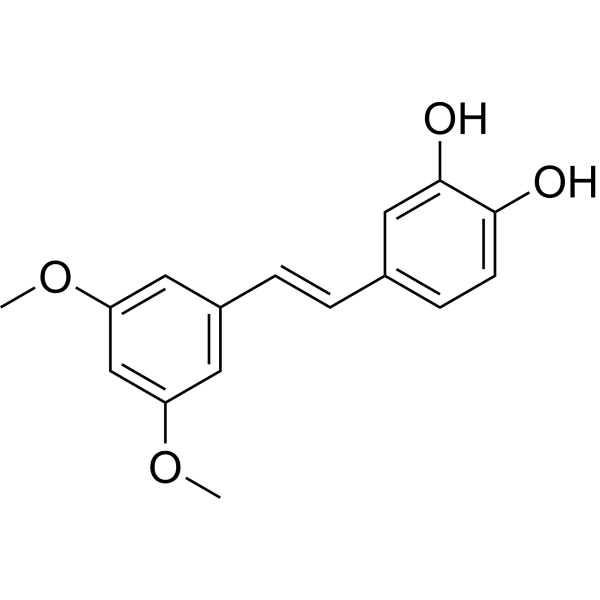
3'-Hydroxypterostilbene is a Pterostilbene (HY-N0828) analogue. 3'-Hydroxypterostilbene inhibits the growth of COLO 205, HCT-116 and HT-29 cells with IC50s of 9.0, 40.2 and 70.9 μM, respectively. 3'-Hydroxypterostilbene significantly down-regulates PI3K/Akt and MAPKs signaling pathways and effectively inhibits the growth of human colon cancer cells by inducing apoptosis and autophagy. 3'-Hydroxypterostilbene can be used for the research of cancer .
|
-
- HY-P10761
-
|
|
Radionuclide-Drug Conjugates (RDCs)
Carbonic Anhydrase
|
Cancer
|
|
DPI-4452 is a CAIX-targeting cyclic peptide with a DOTA cage, and can be chelated with radionuclide for CAIX-expressing tumor PET-CT imaging and study. DPI-4452 specifically and selectively binds CAIX without interaction with an in vitro off-target receptor panel of 55 targets (IC50 for recombinant hCAIX: 130 nM). Radiolabeled DPI-4452 inhibits tumor growth in HT-29 and SK-RC-52 xenograft mouse models . DPI-4452 can be used for the synthesis/research of Radionuclide-Drug Conjugates (RDCs).
|
-
- HY-149510
-
|
|
c-Met/HGFR
Apoptosis
PDGFR
|
Cancer
|
|
MET/PDGFRA-IN-1 (compound 8c) is a MET and PDGFRA protein inhibitor (IC50: 36 μM for MET). MET/PDGFRA-IN-1 inhibits MET phosphorylation and induces cell apoptosis. MET/PDGFRA-IN-1 inhibits proliferation of MET-positive cells (IC50s: 15.3, 19.0, 22.0, 25.6, 21.0, 31.5 μM for AsPc-1, EBC-1, MKN-45, Mia-Paca-2, HT-29, K562 cells respectively) .
|
-
- HY-164350
-
|
|
Ras
ERK
p38 MAPK
|
Cancer
|
|
KRAS inhibitor-27 (Compound 15h) is the inhibitor for KRAS. KRAS inhibitor-27 inhibits KRAS G12D/G12V mutated cells AsPC-1, SW620 and KRAS wildtype cell HT-29 with IC50 of 378, 0.6 and 3230 nM, respectively. KRAS inhibitor-27 inhibits ERK phosphorylation (IC50 in cell AsPC-1 and SW620 is 0.6 nM and 1 nM), reduces the expression of DUSP4, thereby inhibiting MAPK signaling pathway .
|
-
- HY-115950
-
|
|
Drug Derivative
|
Cancer
|
|
Antitumor agent-48 (Compound 4a) is a 2,3-dehydrosilybin derivative with an antitumor activity. Antitumor agent-48 shows cytotoxic activity against MCF-7, NCI-H1299, HepG2 and HT29 cells with IC50 values of 8.06 µM, 13.1 µM, 16.51 µM and 12.44 µM, respectively .
|
-
- HY-119992
-
|
|
PARP
|
Cancer
|
|
CEP-6800 is an inhibitor of PARP-1 with chemopotentiating ability. CEP-6800 attenuates irinotecan (HY-16562)- and Temozolomide (HY-17364)-induced poly(ADP-ribose) accumulation in LoVo as well as HT29 xenografts. CEP-6800 can suppress Calu-6 tumor growth. CEP-6800 can be studied in anti-cancer research .
|
-
- HY-136420
-
|
|
PROTACs
Raf
Apoptosis
|
Cancer
|
|
SJF-0628 is a RAF PROTAC degrader. SJF-0628 induces targeted degradation of BRAF in various cancer cell lines (colorectal cancer cell lines (Colo-205, LS-411N, HT-29, RKO) and triple-negative breast cancer cell line DU-4475). SJF-0628 decreases pMEK and pErk levels in DU-4475 cells. SJF-0628 has anti-tumor activity. SJF-0628 can be used for research of colorectal cancer and triple-negative breast cancer .
|
-
- HY-P10994
-
|
Eps8(327-335)
|
EGFR
IFNAR
Interleukin Related
TNF Receptor
Complement System
Apoptosis
|
Inflammation/Immunology
Cancer
|
|
Eps8 peptide 327 is an HLA-A*2402-restricted peptide antigen derived from Eps8 protein. Eps8 peptide 327 has potent antitumor activity with significant cytotoxicity. Eps8 peptide 327 effectively inhibits cancer cells proliferation, induces apoptosis and disrupts EGFR signal pathway by inhibiting downstream signals (such as IL-2, TNF-α and IFN-γ) expression and the Eps8/EGFR interaction. Eps8 peptide 327 significantly inhibits tumor growth in HT-29 xenograft mcie models .
|
-
- HY-N12820
-
|
|
Others
|
Cancer
|
|
3-O-6-Deoxy-3-O-methyl-β-D-allopyranosyl-(1→4)-β-D-oleandropyranosyl-tenacigenin C can be isolated from Alocasia cucullata (Lour.) G. Don. 3-O-6-Deoxy-3-O-methyl-β-D-allopyranosyl-(1→4)-β-D-oleandropyranosyl-tenacigenin C has moderate tumor cells inhibitory activity against MGC-803 and HT-29 cells with IC50 values of 45.6 and 28.4 μg/mL, respectively .
|
-
- HY-156792
-
|
|
RIO Kinase
|
Cancer
|
|
RIOK2-IN-1 (com 4) is a potent and selective RIOK2 inhibitor (Kd=150 nM), but has low cellular activity (IC50=14,600 nM). RIOK2 is an atypical kinase associated with a variety of human cancers and is involved in ribosome maturation and cell cycle progression. The small molecule inhibitor CQ211 (HY-147655), an improvement of RIOK2-IN-1 as the lead compound, has good in vivo and in vitro activity, inhibits the proliferation of MKN-1 and HT-29 cancer cells, and can xenograft MKN in mice -1 model inhibits tumor progression .
|
-
- HY-161852
-
|
|
PI3K
Apoptosis
|
Cancer
|
|
PI3K-IN-55 (Compound 6a) is a potent inhibitor for PI3K. PI3K-IN-55 affects PI3K/Akt/p53 signaling pathway, inhibits the proliferation of cancer cells A549, Hela, HepG2, MCF-7 and HT-29, with IC50s of 1.03-6.78 μM. PI3K-IN-55 induces apoptosis in cell MCF-7 .
|
-
- HY-175205
-
|
|
TGF-beta/Smad
|
Cancer
|
|
TGF-β2-IN-1 is a selective TGF-β2 inhibitor. TGF-β2-IN-1 exhibits potent antiproliferative effects on HCT-116, Caco-2 and HT-29 with IC50 values of 6.84, 10.21, and 9.47 μM, respectively. TGF-β2-IN-1 inhibits TGF-β2 signaling in a dose-dependent manner by suppressing both receptor and cytokine expression.TGF-β2-IN-1 can be used for the study of colorectal cancer .
|
-
- HY-179464
-
|
|
PI3K
mTOR
|
Cancer
|
|
CC-M-1 is a potent and selective PI3K/mTOR inhibitor. CC-M-1 inhibits PI3Kα/β/γ/δ and mTOR with IC50 values of 0.68, 1.02, 1.03, 8.03, and 15 nM, respectively. CC-M-1 inhibits the proliferation of colorectal cancer cell lines, including HCT-116 (IC50 = 0.38 μM) and HT-29 (IC50 = 1.70 μM). CC-M-1 can be used for colorectal cancer (CRC) research .
|
-
- HY-180329
-
|
|
Ligands for E3 Ligase
ERK
Raf
|
|
|
CG 858-Neg (compound 13) is a negative control for Thalidomide (HY-14658)-derived PROTAC degraders, targeting BRAF and BRAF V600E with Ki values of 9.5 nM and 14.4 nM, respectively. CG 858-Neg inhibits downstream ERK phosphorylation and suppresses BRAF V600E-driven melanoma (e.g., A375 cells, IC50=492 nM) and colorectal cancer (e.g., HT-29 cells, IC50=459 nM) cells. CG 858-Neg can be used in research related to melanoma and colorectal cancer .
|
-
- HY-149302
-
MC4033
1 Publications Verification
|
Apoptosis
Autophagy
Histone Acetyltransferase
|
Cancer
|
MC4033 shows IC50s of 39.4 μM, 52.1 μM, 41 μM and 30.1 μM in HCT116, H1299, A549 and U937, respectively .
MC4033 (25, 50, 100, and 200 μM, 72 h) reduces the level of H4K16Ac in HT29 cells, suggesting its ability to inhibit KAT8 in cells .
|
-
- HY-103387
-
DuP-697
1 Publications Verification
|
COX
Apoptosis
|
Inflammation/Immunology
Cancer
|
|
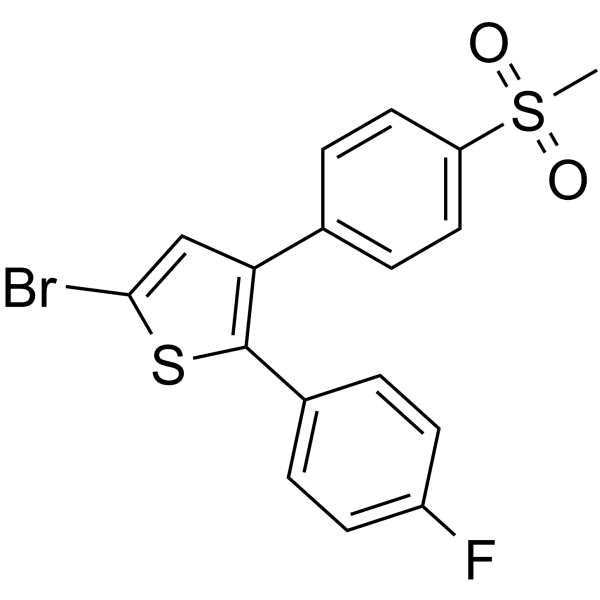
DuP-697 is a member of the vicinal diaryl heterocycles and a potent, irreversible, selective and orally active COX-2 inhibitor (IC50 of 10 nM and 800 nM for human COX-2 and COX-1, respectively). DuP-697 exerts antiproliferative (IC50 of 42.8 nM), antiangiogenic and apoptotic effects on HT29 colorectal cancer cells. DuP-697 inhibits prostaglandin synthesis and has anti-inflammatory, anticancer and antipyretic effects .
|
-
- HY-124007
-
|
ISAHA
|
HDAC
|
Cancer
|
|
4-Iodo-SAHA (1k) is an orally active class I and class II histone deacetylase (HDAC) inhibitor with EC50s of 1.1, 0.95, 0.12, 0.24, 0.85 and 1.3 μM for Skbr3, HT29, U937, JA16 and HL60 cell lines, respectively. 4-Iodo-SAHA (1k) can be used for the research of cancer .
|
-
- HY-170982
-
|
|
PROTACs
MEK
|
Cancer
|
|
MS910 is an efficient and selective MEK1/2 PROTAC degrader. MS910 exhibits effective MEK1/2 degradation ability and anti proliferative activity in various cancer cells, such as HT-29 (MEK1 DC50 = 118 nM, MEK2 DC50 = 55 nM) and SK-MEL-28 (MEK1 DC50 = 94 nM, MEK2 DC50 = 38 nM) cells. MS910 is commonly used in cancer research. (Pink: MEK1/2 Ligand (HY-10254); Blue: CRBN Ligand (HY-W087383); Black: Linker (HY-W022240))
|
-
- HY-179140
-
|
|
EGFR
VEGFR
Apoptosis
|
Cancer
|
|
EGFR/VEGFR2-IN-8 (compound 10k) is a dual EGFR/VEGFR-2 inhibitor (EGFR IC50 = 57 nM, VEGFR-2 IC50 = 21 nM). EGFR/VEGFR2-IN-8 has anti proliferative activity against various tumor cells, such as MCF-7 (IC50 = 20 nM), Panc-1 (IC50 = 22 nM), A-549 (IC50 = 23 nM), HT-29 (IC50 = 23 nM) cells. EGFR/VEGFR2-IN-8 has antioxidant and apoptosis inducing activity. EGFR/VEGFR2-IN-8 can be used for research on various types of cancer .
|
-
- HY-180806
-
|
|
RIP kinase
Apoptosis
|
Cardiovascular Disease
Neurological Disease
|
|
RIPK1-IN-39 (compound 2) is a potent and selective RIPK1 inhibitor (IC50 = 69.40 nM) exhibiting >100-fold selectivity over RIPK3 (IC50 = 6946 nM). RIPK1-IN-39 protects HT-22 and HT-29 cells from necroptosis by inhibiting the phosphorylation and activation of the RIPK1-RIPK3-MLKL pathway. RIPK1-IN-39 demonstrates neuroprotective effects in a rat model of middle cerebral artery occlusion (MCAO). RIPK1-IN-39 can be used for acute ischemic stroke (AIS) research .
|
-
- HY-N7175
-
|
9,11-Dehydroergosterol peroxide; 9(11)-DHEP
|
Apoptosis
Endogenous Metabolite
|
Cancer
|
|
5,8-Epidioxyergosta-6,9(11),22-trien-3-ol (9,11-Dehydroergosterol peroxide), an important steroid from medicinal mushroom, exerts antitumor activity in several tumor types. 5,8-Epidioxyergosta-6,9(11),22-trien-3-ol inhibits HT29 cell growth by inducing CDKN1A expression, thus causing cell cycle arrest and apoptosis .
|
-
- HY-155780
-
|
|
COX
|
Inflammation/Immunology
|
|
Anti-inflammatory agent 52 (compound 7j) is an orally active selective COX-2 inhibitor. Anti-inflammatory agent 52 has anti-HT29 transfer activity, which leads to periodic arrest in G2/M phase. Anti-inflammatory agent 52 has safety, moderate ability to suppress inflammation. Anti-inflammatory agent 52 has a rare property of suppressing the development of tumor in mouse model, showing anti-cancer activity .
|
-
- HY-N6002R
-
|
|
Apoptosis
Reference Standards
Autophagy
|
Cancer
|
|
3'-Hydroxypterostilbene (Standard) is the analytical standard of 3'-Hydroxypterostilbene (HY-N6002). This product is intended for research and analytical applications. 3'-Hydroxypterostilbene is a Pterostilbene (HY-N0828) analogue. 3'-Hydroxypterostilbene inhibits the growth of COLO 205, HCT-116 and HT-29 cells with IC50s of 9.0, 40.2 and 70.9 μM, respectively. 3'-Hydroxypterostilbene significantly down-regulates PI3K/Akt and MAPKs signaling pathways and effectively inhibits the growth of human colon cancer cells by inducing apoptosis and autophagy. 3'-Hydroxypterostilbene can be used for the research of cancer .
|
-
- HY-173124
-
|
|
CDK
VEGFR
PDGFR
Apoptosis
|
Cancer
|
|
CDK2/FLT4/PDGFRA-IN-1 (Compound 4a) is a potent inhibitor of CDK2/cyclin A, FLT4 (VEGFR3) and PDGFRA, with IC50s of 1.672, 0.554, and 0.629 μM, respectively. CDK2/FLT4/PDGFRA-IN-1 exhibits potent antiproliferative effects against cancer cells (lung EBC-1, pancreatic ductal adenocarcinoma AsPC-1, colorectal HT-29 cells). CDK2/FLT4/PDGFRA-IN-1 can also induce apoptosis in cancer cells .
|
-
- HY-175852
-
|
|
Ferroptosis
Glutathione Peroxidase
Reactive Oxygen Species (ROS)
|
Cancer
|
|
Ferroptosis inducer-11 is a ferroptosis inducer. Ferroptosis inducer-11 exhibits potent cytotoxicity against HCT-116, NCM-60 and HT-29 cells with IC50 values of 0.43 μM, 3.14 μM and 0.48 μM, respectively. Ferroptosis inducer-11 strongly suppresses GPX4 enzymatic activity with an IC50 of 1.86 μM. Ferroptosis inducer-11 induces ferroptosis, as well as increases intracellular lipid ROS, malondialdehyde (MDA), and Fe 2+ levels, while decreasing glutathione (GSH) levels in colon cancer cells. Ferroptosis inducer-11 can be used for the study of colon cancer .
|
-
- HY-162927
-
|
|
MDM-2/p53
Apoptosis
|
Cancer
|
|
p53-MDM2-IN-6 (Compound 10a), a LSM-83177 hydrazone analog, is a potent p53-MDM2 inhibitor with an IC50 value of 11.08 µg/mL. p53-MDM2-IN-6 arrests the cell cycle in the S phase and induces early and late Apoptosis with antiproliferative activity against HT29 cell lines with an IC50 value of 10.44 µg/mL. p53-MDM2-IN-6 inhibits p53-MDM2 interaction with increment in p-53 level and decrease the expression of GST enzymes. p53-MDM2-IN-6 is promising for research of colorectal cancer .
|
-
- HY-147825
-
|
|
EGFR
Raf
Apoptosis
|
Cancer
|
|
EGFR/BRAFV600E-IN-1 (Compound 23) is a potent EGFR and BRAF V600E dual inhibitor with IC50s of 0.08 and 0.15 µM, respectively. EGFR/BRAFV600E-IN-1 induces apoptosis and cell cycle arrest in both pre-G1 and G2/M phases. EGFR/BRAFV600E-IN-1 exhibits antiproliferative activity againist A-549, MCF-7, Panc-1, HT-29 with IC50s of 1.2, 0.79, 1.3, and 1.23 µM, respectively .
|
-
- HY-14909R
-
|
CDDO (Standard); RTA 401 (Standard)
|
Keap1-Nrf2
Necroptosis
SARS-CoV
Virus Protease
Reference Standards
|
Infection
Cardiovascular Disease
Inflammation/Immunology
|
|
Bardoxolone (Standard) is the analytical standard of Bardoxolone (HY-14909). This product is intended for research and analytical applications. Bardoxolone is an orally active activator of nuclear regulatory factor (NRf-2) and an inhibitor of SARS-CoV-2 3CL protease. Bardoxolone inhibits SARS-CoV-2 3CL protease with an EC50 value of 0.43 μM in vero cells. Bardoxolone also inhibits necroptosis in HT-29 cells with an EC50 value of 1.30 μM by blocking necrosome formation through inhibiting phosphorylation of RIPK1 and RIPK3. Bardoxolone can be used in research on COVID-19, TNF-induced systemic inflammatory response syndrome (SIRS), and cerebral ischemia-reperfusion injury .
|
-
- HY-170966
-
|
|
HDAC
|
Cancer
|
|
HDAC1-IN-9 (13c) is a HDAC1 inhibitor. HDAC1-IN-9 inhibits HDAC1 enzyme with an IC50 of 1.07 µM. HDAC1-IN-9 exhibits the highest anti-proliferative effect against HT-29 (human colon adenocarcinoma), with anIC50 of 1.78 μM. HDAC1-IN-9 induces substantial Apoptosis in HCT-116 (human colon cancer) cells. HDAC1-IN-9 possesses antiangiogenic property. HDAC1-IN-9 reduces the expression levels of VEGFR-2 and phosphorylated VEGFR-2 (pVEGFR-2) by approximately 80 % .
|
-
- HY-171906
-
|
1-Arachidonoyl-sn-glycerol 3-phosphate; 1-Arachidonoyl LPA; LPA (20:4)
|
LPL Receptor
|
Inflammation/Immunology
|
|
1-Arachidonoyl-2-hydroxy-sn-glycero-3-PA is a phospholipid containing arachidonic acid at the sn-1 position. It is a precursor to 1-arachidonoyl glycerol (1-Monoarachidin; HY-130567) . 1-Arachidonoyl-2-hydroxy-sn-glycero-3-PA binds to the LPA2/EDG4 receptor with an EC50 value of approximately 10 nM . It prevents TNF-α and IL-6 secretion in wild-type but not Lpa2-/- dendritic cells stimulated by LPS . It also decreases differentiation of HT-29 human colon carcinoma cells to goblet cells in the presence of sodium butyrate .
|
-
- HY-176279
-
|
|
HSP
|
Cancer
|
|
Hsp90-IN-42 (Compound 13l) is a potent heat shock protein 90 (Hsp90) inhibitor (IC50=15.65 nM). Hsp90-IN-42 reduces the stability of the epidermal growth factor receptor (EGFR), suppressing the activation of the EGFR-Akt signaling pathway, inducing G0/G1 phase arrest in colorectal cancer cells (such as HT-29 cells), and slightly triggering apoptosis. Hsp90-IN-42 also inhibits cell proliferation and migration by down-regulating the expression of CDK12, CDK13, and Bcl-2 proteins, and up-regulating the expression of Bax protein. Hsp90-IN-42 is promising for research of colorectal cancer .
|
-
- HY-100753R
-
|
|
STAT
Reference Standards
Apoptosis
|
Cancer
|
|
STAT3-IN-1 (Standard) is the analytical standard of STAT3-IN-1 (HY-100753). This product is intended for research and analytical applications. STAT3-IN-1 (compound 7d) is an excellent, selective and orally active STAT3 inhibitor, with IC50 values of 1.82 μM and 2.14 μM in HT29 and MDA-MB 231 cells, respectively. STAT3-IN-1 (compound 7d) induces tumor cells apoptosis .
|
-
- HY-146366
-
|
|
Microtubule/Tubulin
|
Cancer
|
|
Tubulin inhibitor 26 (compound 3c) is a potent inhibitor of tubulin. Tubulin inhibitor 26 is an indazole derivative compound. Tubulin inhibitor 26 shows noteworthy low nanomolar potency against HepG2, HCT116, SW620, HT29 and A549 cancer cell lines. Tubulin inhibitor 26 arrests tumor cell in G2/M phase and induced cell apoptosis. Tubulin inhibitor 26 suppresses tumor growth in vivo without affecting the mice body weight .
|
-
- HY-155781
-
|
|
COX
|
Inflammation/Immunology
|
|
Anti-inflammatory agent 53 (compound 7c) is an orally active selective COX-2 inhibitor. Anti-inflammatory agent 52 has anti-HT29 transfer activity, which leads to periodic arrest in S phase and G2/M phase. Anti-inflammatory agent 52 has safety, moderate ability to suppress inflammation. Anti-inflammatory agent 52 has a rare property of suppressing the development of tumor in mouse model, showing anti-cancer activity .
|
-
- HY-169938
-
|
|
HDAC
Histone Demethylase
Apoptosis
|
Cancer
|
|
LSD1/HDAC-IN-2 (Compound 20c) is the inhibitor for LSD and HDAC, that inhibits LSD1, HDAC1, HDAC2, HDAC3, HDAC6, and HDAC8, with IC50s of 39.0, 1.4, 1.0, 1.3, 2.9 and 16.0 nM, respectively. LSD1/HDAC-IN-2 inhibits the proliferation of cancer cells, especially the colorectal cancer cells. LSD1/HDAC-IN-2 arrests the cell cycle at G2/M phase, inhibits cell migration, and induces apoptosis in HCT-116 and HT-29 cells. LSD1/HDAC-IN-2 exhibits antitumor efficacy in mouse model without significant toxicity .
|
-
- HY-179021
-
|
|
COX
Lipoxygenase
|
Cancer
|
|
COX-2/15-LOX-IN-7 is a potent, selective and orally active dual inhibitor of COX-2 and 15-LOX with IC50 values of 0.022 and 1.19 μM. COX-2/15-LOX-IN-7 also inhibits COX-1 with an IC50 value of 28.081μM. COX-2/15-LOX-IN-7 has low cytotoxicity against human colorectal cancer HT-29 and HCT116 cell lines (IC50 >100 μM for both). COX-2/15-LOX-IN-7 exhibits non-ulcerogenic performance. COX-2/15-LOX-IN-7 can be used for the research of cancer .
|
-
- HY-125387
-
|
|
Src
|
Inflammation/Immunology
|
|
TOP1210 is a narrow-spectrum tyrosine kinase inhibitor with potent inhibitory activity against P38α, Src, and Syk kinases. TOP1210 effectively reduced proinflammatory cytokines released by peripheral blood monocytes, primary macrophages, HT29 cells, inflammatory cells in ulcerative colitis (UC) biopsies, and myofibroblasts isolated from inflamed colonic UC mucosa. TOP1210 showed significant anti-inflammatory effects in cell experiments and UC biopsies, superior to some selective kinase inhibitors. The multi-kinase inhibition of TOP1210 provides the possibility of obtaining a wider range of therapeutic effects, especially in the regulation of autoimmune responses .
|
-
- HY-149523
-
|
|
Apoptosis
NO Synthase
Caspase
|
Inflammation/Immunology
Cancer
|
|
Anticancer agent 157 (compound 15) is a NO inhibitor (IC50=0.62 μg/mL) with anti-inflammatory and anticancer activities. Anticancer agent 157 can bind to iNOS (inducible NO synthase) and caspase 8, causing nuclear fragmentation and chromatin condensation, inducing apoptosis. Anticancer agent 157 inhibits HT29 colon cancer cells (IC50=2.45 μg/mL), Hep-G2 liver cancer cells (IC50=3.25 μg/mL), and B16-F10 murine melanoma cells (IC50=3.84 μg/mL) .
|
-
- HY-178960
-
|
|
Microtubule/Tubulin
Apoptosis
|
Cancer
|
|
Tubulin-IN-59 (Compound 8g) is an orally active Tubulin inhibitor. Tubulin-IN-59 exhibits potent anti-proliferative activity against HCT116 colorectal cancer, HeLa cervical cancer, and HepG2 liver cancer cell lines, with its IC₅₀ value ranging from 16 to 35 nM. Tubulin-IN-59 arrests HeLa cells in the G2/M phase and induces cell apoptosis. Tubulin-IN-59 demonstrates significant anti-tumor activity in the HT29 human colon cancer mouse xenograft model. Tubulin-IN-59 can be used for the study of colorectal cancer and cervical cancer .
|
-
- HY-170932
-
|
|
EGFR
COX
Apoptosis
|
Cancer
|
|
EGFR/COX-2-IN-1 is an EGFR/COX-2 inhibitor. EGFR/COX-2-IN-1 inhibits EGFR WT, EGFR T790M, COX-1 and COX-2 with IC50s of 0.12, 0.076, 20.1 and 1.52 μM respectively. EGFR/COX-2-IN-1 inhibits and with IC50s of , respectively. EGFR/COX-2-IN-1 inhibits MCF-7, HT-29 and A-549 with IC50s of 1.20, 5.14 and 14.81 μM, respectively. EGFR/COX-2-IN-1 displays Apoptosis induction by up-regulating Bax and down-regulating Bcl-2 protein levels. EGFR/COX-2-IN-1 results in a significant increase in the percentage of cells at the G2/M in MFC-7 cells. EGFR/COX-2-IN-1 exhibits broad-spectrum antitumor effects .
|
-
- HY-120339
-
|
|
Microtubule/Tubulin
FAK
MEK
ERK
MMP
Caspase
PARP
Apoptosis
MDM-2/p53
|
Cancer
|
|
STK899704 is a tubulin polymerization inhibitor. STK899704 exhibits broad-spectrum inhibitory activity against various cancer cell lines with IC50 values ranging from 0.2 to 1.0 μM. STK899704 disrupts the mitotic spindle structure, inducing G2/M phase cell cycle arrest. STK899704 inhibits the migration ability of HT29 cells by downregulating the FAK-MEK-ERK signaling pathway, thereby suppressing the expression and activity of MMP-2 and MMP-9. STK899704 activates caspase-3/7/8/9, leading to PARP cleavage and inducing apoptosis. STK899704 induces cellular senescence through the p53 pathway. STK899704 can be used in research on skin cancer, lung cancer, colon cancer, and other cancers .
|
-
- HY-171906A
-
|
1-Arachidonoyl-sn-glycerol 3-phosphate sodium; 1-Arachidonoyl LPA sodium; LPA (20:4) sodium
|
LPL Receptor
|
Cancer
|
|
1-Arachidonoyl-2-hydroxy-sn-glycero-3-PA (sodium) (1-Arachidonoyl-sn-glycerol 3-phosphate (sodium)) is a phospholipid with arachifonic acid at the sn-1 position. 1-Arachidonoyl-2-hydroxy-sn-glycero-3-PA (sodium) binds to the LPA2/EDG4 receptor (EC50 of 10 nM). 1-Arachidonoyl-2-hydroxy-sn-glycero-3-PA (sodium) can be found in rat brain as 37% of the arachidoinic acid-containing lysophosphatidic acid species. 1-Arachidonoyl-2-hydroxy-sn-glycero-3-PA (sodium) is the precursor to 1-arachidonoyl glycerol. 1-Arachidonoyl-2-hydroxy-sn-glycero-3-PA (sodium) can prevent TNF-α and IL-6 secretion in wild type LPS-stimulated dendritic cells. 1-Arachidonoyl-2-hydroxy-sn-glycero-3-PA (sodium) reduces differentiation of HT-29 colon carcinoma cells into goblet cells when sodium butyrate is present .
|
-
- HY-131438
-
|
|
Topoisomerase
|
Cancer
|
|
GI-149893 is a selective topoisomerase I (TopoI) inhibitor. GI-149893 prevents DNA religation and induces irreversible DNA damage in tumor cells. GI-149893 is promising for research of cancers (e.g., colon carcinoma HT-29/SW-48, breast MX-1, prostate PC-3 xenografts) .
|
-
- HY-148239
-
-
- HY-167762
-
|
|
PARP
|
Cancer
|
|
TNKS-2-IN-4 (Compound 17) is a selective TNKS-2 inhibitor with an IC50 of 19 nM. TNKS-2-IN-4 exhibits anticancer activity against colorectal cancer .
|
-
- HY-N11692
-
|
9-Hydroxystearic acid; 9-HSA
|
HDAC
|
Cancer
|
|
9-Hydroxyoctadecanoic acid (9-HSA) is an HDAC1 inhibitor that inhibits ∼66.4% HDAC1 enzymatic activity at 5 μM. 9-Hydroxyoctadecanoic acid shows anticancer activity .
|
-
- HY-147312
-
|
|
Wee1
|
Cancer
|
|
GSK-1520489A is a PKMYT1 (active protein kinase) inhibitor (IC50=115 nM, Ki=10.94 nM) .
|
-
- HY-165281
-
|
Tubocurine
|
Cholinesterase (ChE)
|
Neurological Disease
|
|
Chondrocurine (Tubocurine) is an alkaloid found in the roots of Cissampelos pareira Linn. Chondrocurine is an acetylcholinesterase (AChE) inhibitor with an IC50 of 7.46 μM .
|
-
- HY-155602
-
|
|
CDK
|
Cancer
|
|
CDK2-IN-18 (compound 8q) is a potent inhibitor of CDK2/E and CDK4/D1, with IC50s of 8 nM and 46 nM, respectively. CDK2-IN-18 inhibits the proliferation of tumor cells .
|
-
- HY-170546
-
|
|
Haspin Kinase
|
Cancer
|
|
MU1920 is an ATP-competitive, selective inhibitor for haspin with an IC50 of 6 nM. MU1920 exhibits good pharmacokinetic properties and metabolic stability in mouse plasma and microsomes without obvious anticancer effects, which can be used for development of chemical probes .
|
-
- HY-P991463
-
|
|
CD3
|
Cancer
|
|
MS133 is a human bispecific antibody (bsAb) targeting CD133/PROM1 & CD3E. MS133 can be used in colon cancer research .
|
-
- HY-119892
-
|
NSC 320846; BAY-H 2049
|
Topoisomerase
|
Cancer
|
|
Batracylin (NSC320846) is a potent DNA Topoisomerases I and DNA Topoisomerases II inhibitor. Batracylin shows cytotoxicity and antiproliferative activity. Batracylin induces DNA breaks .
|
-
- HY-122185
-
|
|
Apoptosis
Microtubule/Tubulin
|
Cancer
|
|
Anticancer agent 211 (AK301) can inhibit tubulin polymerization. Anticancer agent 211 can block the division of human colon cancer cells. Anticancer agent 211 can increase the sensitivity of human colon cancer cells to apoptotic ligands and promote cell apoptosis .
|
-
- HY-132003
-
|
|
Akt
|
Cancer
|
|
Wortmannin-Rapamycin Conjugate 1 (compound 7c) is a furan ring-opened derivative of wortmannin-rapamycin conjugate with potent antitumor activities and a fine water solubility. Wortmannin-Rapamycin Conjugate 1 can inhibit the AKT phosphorylation in the tumor and can be used for cancer research .
|
-
- HY-N6954
-
|
|
ATM/ATR
STAT
CDK
Hedgehog
|
Inflammation/Immunology
Cancer
|
|
Garcinone C, a xanthone derivative, is a natural compound extracted from Garcinia oblongifolia that is used as an anti-inflammatory, astringency and granulation-promoting medicine, and has potential cytotoxic effects on certain cancers. Garcinone C stimulates the expression levels of ATR and 4E-BP1, arrests the cell cycle, inhibits cell viability of the human Nasopharyngeal carcinoma (NPC) cell lines CNE1, CNE2, HK1 and HONE1 in a time‑ and dose‑dependent manner through inhibition of Hedgehog signaling pathway. Garcinone C is orally active .
|
-
- HY-148253
-
|
|
RIP kinase
|
Neurological Disease
Inflammation/Immunology
|
|
TP-030-1, a chemical probe, is an inhibitor of RIPK1. TP-030-1 inhibits hRIPK1 with a Ki value of 3.9 nM and inhibits mRIPK1 with an IC50 value of 4.2 μM. TP-030-1 can be used for the research of inflammatory diseases and neurodegenerative diseases .
|
-
- HY-161353
-
|
|
P-glycoprotein
c-Met/HGFR
|
Cancer
|
|
c-Met-IN-23 (Compound 12g) is a c-Met inhibitor (IC50 = 0.052 μM for c-Met). c-Met-IN-23 also inhibits MDR1 and MRP1/2 pumps in the cancerous HepG2 and BxPC3 cells. c-Met-IN-23 is an anticancer agent .
|
-
- HY-12692
-
|
DO3A tert-butyl; DO3A-t-Bu-ester
|
Drug Derivative
|
Cancer
|
|
DOTA tert-Butyl ester is a cyclic tosamide benzyl derivative.
|
-
- HY-141478
-
|
|
ATM/ATR
|
Cancer
|
|
Antitumor agent-28 selectively inhibits ataxia telangiectasia mutated (ATM) kinase. Antitumor agent-28 prevents ATM mediated disease and has potent anti-cancer activity .
|
-
- HY-P10783
-
|
|
Peptide-Drug Conjugates (PDCs)
Integrin
|
Cancer
|
|
BGC0222 is a novel prodrug of Irinotecan (HY-16562). BGC0222, as a PEG-cRGD-conjugated Irinotecan (HY-16562) derivative, could slowly and steadily release Irinotecan (HY-16562). BGC0222 binds to αVβ3 with IC50 values of 4.25 μM (αVβ3) and 58.7 μM (αVβ5). BGC0222 possesses the property of inducing neovascularization. BGC0222 exhibits good antiproliferation activity in many tumors .
|
-
- HY-P10914
-
|
|
MDM-2/p53
Autophagy
|
Inflammation/Immunology
Cancer
|
|
D-CopA3 is the inhibitor for MDM2 and the activator for p53 signaling pathway. D-CopA3 exhibits cytotoxicity in colorectal cancer cells HCT-116, LoVo, and RKO (IC50=15-18 μM), induces JNK/Beclin-1 mediated autophagy. D-CopA3 downregulates the expression of cell cycle inhibitory protein p21Cip1/Waf1, enhances the mucosal barrier function and reduces penetration of inflammatory mediators. D-CopA3 exhibits anti-inflammtory activity in mouse C. difficile toxin A-induced acute enteritis models and DSS (HY-116282)-induced chronic colitis models. D-CopA3 exhibits antitumor efficacy in mouse HCT-116 xenograft models .
|
-
- HY-150755
-
-
- HY-153604
-
MC4171
2 Publications Verification
|
Histone Acetyltransferase
|
Cancer
|
|
MC4171 (compound 34) is a selective KAT8 inhibitor (IC50=8.1 µM). MC4171 has been shown to exhibit moderate micromolar antiproliferative activity in different cancer cell lines, including NSCLC and AML, with potential for studying cancer .
|
-
- HY-162569
-
|
|
Apoptosis
Necroptosis
|
Cancer
|
|
Ru-TRZ2 is a potent ruthenium-based chemotherapeutic agent. Ru-TRZ2 induces apoptosis and necroptosis. Ru-TRZ2 shows antitumor activity .
|
-
- HY-101089
-
RHPS4
5 Publications Verification
|
Telomerase
Apoptosis
|
Cancer
|
|
RHPS4 is a potent telomerase inhibitor (IC50 = 0.33 μM). RHPS4 is a DNA damage inducer .
|
-
- HY-101089R
-
|
|
Telomerase
Reference Standards
Apoptosis
|
Cancer
|
|
RHPS4 (Standard) is the analytical standard of RHPS4 (HY-101089). This product is intended for research and analytical applications. RHPS4 is a potent telomerase inhibitor (IC50 = 0.33 μM). RHPS4 is a DNA damage inducer .
|
-
- HY-109963
-
-
- HY-120574
-
|
|
ADC Payloads
Topoisomerase
|
Cancer
|
|
TH1338 (compound 3b), an orally active camptothecin derivative and a potent chemotherapeutic agent for cancer, demonstrates excellent cytotoxic potency against human tumor cell lines in vitro. TH1338 (compound 3b) possesses significant brain penetration, favorable efflux pump properties, and hematological toxicity profile .
|
-
- HY-123143
-
|
MLN576
|
Topoisomerase
|
Cancer
|
|
XR11576 (MLN576) is an orally active inhibitor of topoisomerase I and II. XR11576 shows cytotoxicity against human and murine tumor cell lines (IC50: 6-47 nM) .
|
-
- HY-136530
-
SR18662
1 Publications Verification
|
KLF
|
Cancer
|
|
SR18662 is a potent inhibitor of Krüppel-like factor five (KLF5) with an IC50 of 4.4 nM and an analogue of ML264 (HY-19994) with improved inhibitory potency against colorectal cancer cells. SR18662 can be used for the study of colorectal cancer .
|
-
- HY-B1296
-
|
(±)-Promethazine
|
Histamine Receptor
|
Neurological Disease
|
|
Promethazine is an orally active histamine receptor antagonist . Promethazine is first-generation antihistamine of the phenothiazine family, shows strong sedative and weak antipsychotic effects .
|
-
- HY-B1296B
-
|
|
Drug Isomer
|
Others
|
|
(R)-Promethazine is the R-enantiomer of Promethazine (HY-B1296). Promethazine is an orally active histamine receptor antagonist. Promethazine is first-generation antihistamine of the phenothiazine family, shows strong sedative and weak antipsychotic effects .
|
-
- HY-B1296R
-
|
(±)-Promethazine (Standard)
|
Histamine Receptor
Reference Standards
|
Neurological Disease
Endocrinology
|
|
Promethazine (Standard) is the analytical standard of Promethazine. This product is intended for research and analytical applications. Promethazine is an orally active histamine receptor antagonist . Promethazine is first-generation antihistamine of the phenothiazine family, shows strong sedative and weak antipsychotic effects .
|
-
- HY-B1296S1
-
-
- HY-N0921
-
|
(+)-Dihydromethysticin
|
Carboxylesterase (CES)
NOD-like Receptor (NLR)
Apoptosis
|
Cancer
|
|
Dihydromethysticin is an orally active natural active ingredient. Dihydromethysticin can be extracted from Piper methysticum. Dihydromethysticin inhibits carboxylesterase 1 (Ki = 68.2 μM) and CYP2A5. Dihydromethysticin upregulates NLRC3 and induces Apoptosis. Dihydromethysticin exhibits anticancer activity against colorectal cancer and lung adenoma .
|
-
- HY-N9588
-
|
|
Others
|
Cancer
|
|
Pedaliin is a bioactive component obtained from the ethanol extract of Sesame (Sesamum indicum L.) leaves (SLs). Pedaliin shows in vitro antioxidant and anti-colon cancer efficacy with radical scavenging activity and ferric reducing antioxidant power (FRAP) .
|
-
- HY-146029
-
|
|
Apoptosis
|
Cancer
|
|
Apoptosis inducer 3 (Compound 3) is an apoptosis inducer that selectively triggers apoptosis and late-apoptosis. Apoptosis inducer 3 shows cytotoxicity against cancer cells .
|
-
- HY-160169
-
-
- HY-160169A
-
-
- HY-175265
-
|
|
c-Myc
Ras
Apoptosis
|
Cancer
|
|
PQ32 is an antitumor agent that targets c-MYC Pu27 and KRAS G-quadruplexes. PQ32 inhibits tumor cell proliferation, arrests the cell cycle at the G2 phase, and induces apoptosis. PQ32 inhibits the expression of c-MYC and KRAS genes. PQ32 can inhibit tumor growth in mice and is used in the study of lymphoma, breast cancer, lung cancer, hepatocellular carcinoma, colorectal cancer, and other cancers .
|
-
- HY-114569
-
|
|
Ras
Cyclin G-associated Kinase (GAK)
Autophagy
|
Cancer
|
|
6-CEPN is a RAS inhibitor. 6-CEPN can inhibit RAS activation by binding to Icmt binding sites. 6-CEPN has anticancer activity. 6-CEPN can block cancer cells in the G1 phase. 6-CEPN can induce autophagy and necrosis of Cancer cells (Icmt: isovalerylcysteine carboxymethyltransferase) .
|
-
- HY-N1887
-
-
- HY-147722
-
|
|
Carbonic Anhydrase
|
Cancer
|
|
hCAIX-IN-8 (compound 7i) is a potent and selective hCAIX inhibitor with IC50s of 1.99, 0.024, 1.10 μM for CAII, CAIX, CAVA respectively. hCAIX-IN-8 shows anti-proliferation activity with low toxicity. hCAIX-IN-8 decreases the epithelial to mesenchymal transitions and induces apoptosis. hCAIX-IN-8 inhibits cell migration and colonization potential .
|
-
- HY-161860
-
|
|
Bacterial
|
Cancer
|
|
Antibacterial agent 233 (Compound 7c) exhibits inhibitory efficacy against Helicobacter pylori with MIC of 0.4-1.6 μg/mL. Antibacterial agent 233 inhibits jack bean urease (IC50 is 0.27 μg/mL), changes the permeability of H. pylori cell membrane, causes the leakage of cellular contents. Antibacterial agent 233 exhibits metabolic stability in whole blood and artificial gastric fluid. Antibacterial agent 233 exhibits antitumor efficacy against U2OS in mice .
|
-
- HY-168115
-
|
|
FLT3
PDGFR
|
Cancer
|
|
Multi-kinase inhibitor 4 (compound 14) is an orally active inhibitor of FLT1, KDR, FLT3, FLT4, PDGFRα, PDGFRβ, with IC50s of 1.97 nM, 1.04 nM, 0.33 nM, 1.44 nM, 0.18 nM, 0.89 nM. Multi-kinase inhibitor 4 plays an important role in cancer research .
|
-
- HY-108344
-
|
|
Aurora Kinase
|
Cancer
|
|
SNS-314 is a potent and selective aurora kinase inhibitor with IC50s of 9, 31, and 6 nM for aurora A, B and C, respectively .
|
-
- HY-12003
-
|
|
Aurora Kinase
|
Cancer
|
|
SNS-314 mesylate is a potent and selective aurora kinase inhibitor with IC50s of 9, 31, and 6 nM for aurora A, B and C, respectively .
|
-
- HY-13755
-
Sulforaphane
Maximum Cited Publications
71 Publications Verification
|
HDAC
Keap1-Nrf2
Apoptosis
Bcl-2 Family
Caspase
Reactive Oxygen Species (ROS)
|
Inflammation/Immunology
Cancer
|
|
Sulforaphane is an orally active inducer of the Keap1/Nrf2/ARE pathway. Sulforaphane promotes the transcription of tumor-suppressing proteins and effectively inhibits the activity of HDACs. Through the activation of the Keap1/Nrf2/ARE pathway and further induction of HO-1 expression, Sulforaphane protects the heart. Sulforaphane suppresses high glucose-induced pancreatic cancer through AMPK-dependent signal transmission. Sulforaphane exhibits both anticancer and anti-inflammatory properties .
|
-
- HY-13755A
-
|
L-Sulforaphane
|
Keap1-Nrf2
Bcl-2 Family
Caspase
Reactive Oxygen Species (ROS)
NF-κB
|
Inflammation/Immunology
Cancer
|
|
(R)-Sulforaphane (L-Sulforaphane) is a orally active, potent inducer of the Keap1/Nrf2/ARE pathway, exhibiting antioxidant and anticancer activities. (R)-Sulforaphane primarily functions by upregulating phase II detoxifying enzymes in cells, aiding in the removal of carcinogens and combating oxidative stress. (R)-Sulforaphane is capable of modulating gene expression, influencing various signaling pathways, including Nrf2, NF-κB, and AP-1. (R)-Sulforaphane can be used in studies of tumor biology, antioxidant defense mechanisms, as well as inflammation and immune responses .
|
-
- HY-168885
-
|
|
Apoptosis
RAR/RXR
|
Cancer
|
|
ZSH-512 is a potent RARγ inhibitor. ZSH-512 shows antiproliferation activity. ZSH-512 induces apoptosis. ZSH-512 decreases CD133, NANOG, SOX2, and EPCAM protein expression. ZSH-512 shows anticancer activity. ZSH-512 has the potential for the research of colorectal cancer .
|
-
- HY-168843
-
|
|
Apoptosis
Autophagy
|
Cancer
|
|
PSP205 is a potent anticancer agent. PSP205 shows cytotoxicity. PSP205 induces apoptosis. PSP205 induces ER-stress-mediated autophagy. PSP205 increases the protein expression of LC3BII and increases the CHOP and spliced XBP1 at the mRNA and protein levels .
|
-
- HY-185446
-
|
|
MEK
Pim
ERK
|
Cancer
|
|
KZ-02 is an orally active dual MEK1/Pim-1 kinase inhibitor, with an IC50 of 1.07 nM against MEK1 and an IC50 of 1.34 μM against Pim-1. KZ-02 reduces the phosphorylation levels of ERK and Cdc25C, and promotes the proteasomal degradation of Pim-1 protein. KZ-02 inhibits cancer cell growth and exerts anti-tumor effects. KZ-02 can be used in the research of colorectal cancer .
|
-
- HY-P11114
-
|
|
Bacterial
p38 MAPK
Reactive Oxygen Species (ROS)
Apoptosis
Caspase
|
Infection
Inflammation/Immunology
|
|
Periplanetasin-4 is an antimicrobial peptide that can be derived from the American cockroach (Periplaneta americana). Periplanetasin-4 reduces cell rounding and apoptosis. Periplanetasin-4 blocks Clostridium difficile toxin A-induced ROS production and the activation of downstream p38 MAPK and p21. Periplanetasin-4 significantly increases mitochondrial calcium level, reduces DPH fluorescence intensity and vacuolar dysfunction in Candida albicans ATCC 90028 cells. Periplanetasin-4 significantly ameliorates toxin A-induced mucosal damage in the mouse gut. Periplanetasin-4 can be used for the study of colitis .
|
-
- HY-150772
-
|
|
Microtubule/Tubulin
HDAC
Apoptosis
Mitochondrial Metabolism
|
Cancer
|
|
Tubulin/HDAC-IN-1 is a dual tubulin and HDAC-IN-1 inhibitor through CH/π interaction with tubulin and hydrogen bond interaction with HDAC8. Tubulin/HDAC-IN-1 inhibits tubulin polymerization and selectively inhibits HDAC8 (IC50: 150 nM). Tubulin/HDAC-IN-1 has cytotoxicity against various human cancer cells, also arrests cell cycle in the G2/M phase and induces cell apoptosis. Tubulin/HDAC-IN-1 can be used in the research of hematologic and solid tumors such as neuroblastoma, leukemia .
|
-
- HY-15815
-
|
|
Epigenetic Reader Domain
Apoptosis
CDK
HIV
|
Cancer
|
|
Bromosporine, a chemical probe, is a potent BET inhibitor with an IC50 value of 2.1 μM for PCAF. Bromosporine can arrest cell cycle and induce apoptosis in cancer cells. Bromosporine exhibits excellent antitumor activity in xenograft mice model when combined with 5-Fluorouracil (HY-90006). Bromosporine can increase CDK9 T-loop phosphorylation in HIV-1 latency models, resulting the protection of reactivate HIV-1 replication from latency. Bromosporine can be used to research colorectal cancer, acute myeloid leukemia (AML) and AIDS .
|
-
- HY-159124
-
|
|
Sirtuin
|
Cancer
|
|
YZL-51N is a selective SIRT7 inhibitor with IC50 value of 12.71 μM. YZL-51N disrupts SIRT7 enzyme activity by occupying the NAD + binding pocket, thereby weakening DNA damage repair and inhibiting cancer cell survival. YZL-51N possesses anti-tumor activity and can be used in cancer research .
|
-
- HY-174128
-
|
|
ERK
Apoptosis
|
Cancer
|
|
Multi-target kinase-IN-5 (Compound 23) is an orally active ERK1/2 inhibitor (IC50 values are 3.04 nM and 1.57 nM, respectively). Multi-target kinase-IN-5 significantly inhibits cancer cell proliferation, migration and invasion, and induces cell apoptosis and cell cycle arrest. Multi-target kinase-IN-5 inhibits the phosphorylation of ERK1/2 and downregulates the activity of its downstream substrate RSK to exert anti-tumor effects. Multi-target kinase-IN-5 can be used in cancer research .
|
-
- HY-146756
-
|
|
Bacterial
|
Infection
|
|
22-((4-Methoxyphenyl)urea-1-yl)-22-deoxypleuromutilin (compound 6n) is an antibacterial pleuromutilin derivative against Gram-positive pathogens (GPPs) and Mycoplasma pneumoniae .
|
-
- HY-152846
-
|
GDC-8264
|
RIP kinase
Interleukin Related
|
Cardiovascular Disease
Inflammation/Immunology
Endocrinology
|
|
Flizasertib (GDC-8264) is an orally active, reversible and selective RIP1 inhibitor with Ki app values of 0.00071 μM and 0.0013 μM for human and cynomolgus monkey RIP1 kinase, respectively. Flizasertib blocks RIP1 autophosphorylation but does not affect RIP1 protein stability. Flizasertib inhibits pro-inflammatory cytokines (CCL3, CCL4, and IL-1β) production. Flizasertib results in inhibition of colitis and ileitis. Flizasertib can be used in the research of cardiac surgery-associated acute kidney injury .
|
-
- HY-183967
-
|
|
HMG-CoA Reductase (HMGCR)
|
Cancer
|
|
CNP7 is a covalent, selective HMGCS1 inhibitor. CNP7 reduces intracellular HMG-CoA levels. CNP7 induces global protein deisoprenylation. CNP7 exhibits a cell line-specific pattern of anticancer activity. CNP7 is applicable for cancer research .
|
-
- HY-147803
-
|
|
Reactive Oxygen Species (ROS)
|
Cancer
|
|
TrxR-IN-5 (compound 4f) is a potent TrxR (thioredoxin reductase) inhibitor, with an IC50 of 0.16 μM. TrxR-IN-5 increases the levels of ROS, thus leading to potent antiproliferative effects. TrxR-IN-5 exhibits prominent anticacer and anti-metastasis effects .
|
-
- HY-156591
-
|
|
PROTACs
Mixed Lineage Kinase
Necroptosis
|
Others
|
|
PROTAC MLKL Degrader-1 is a selective MLKL PROTAC degrader with a DC50 of 2.4 μM. PROTAC MLKL Degrader-1 blocks necroptosis without modulating the phosphorylation of RIPK1 or RIPK3, and exhibits a linear correlation between MLKL levels and necroptotic cell death .
|
-
- HY-184001
-
|
|
RIP kinase
Akt
PI3K
NF-κB
Interleukin Related
Necroptosis
|
Metabolic Disease
|
|
LT-1339-553 is a selective, orally active RIPK1 inhibitor with IC50 values of 4.32, 95.74 and 84.33 nM against RIPK1, RIPK2 and RIPK3, respectively. LT-1339-553 exerts anti-necroptotic activity by inhibiting the AKT/PI3K/NF-κB pathway and the IL-17 pathway. LT-1339-553 reduces liver injury, inflammatory responses and collagen deposition. LT-1339-553 can be used in studies related to schistosomiasis-induced liver fibrosis .
|
-
- HY-122686
-
|
|
Deubiquitinase
Apoptosis
c-Myc
|
Cancer
|
|
USP25/28-IN-2 is a selectivity dual USP25/28 inhibitor with IC50 values of 0.88 and 1.1 μM, respectively. USP25/28-IN-2 modulates USP25 and USP28 activity to affect downstream pathways, modulates c-Myc oncoprotein total levels and half-life, induces apoptosis, reduces cell viability. USP25/28-IN-2 can be used for the research of colorectal carcinoma, colorectal adenocarcinoma .
|
-
- HY-122872
-
|
|
p38 MAPK
|
Cancer
|
|
MKK7-COV-9 is a potent and selective covalent inhibitor of MKK7 and targets a specific protein-protein interaction of MKK7. MKK7-COV-9 blocks primary B cell activation in response to LPS with an EC50 of 4.98 μM .
|
-
- HY-123611
-
|
RX-5902
|
DNA/RNA Synthesis
Apoptosis
|
Cancer
|
|
Supinoxin (RX-5902) is an orally active inhibitor of phosphorylated-p68 RNA helicase (P-p68) and a potent first-in-class anti-cancer agent. Supinoxin interacts with Y593 phosphorylated-p68 and attenuates the nuclear shuttling of β-catenin. Supinoxin induces cell apoptosis and inhibits growth of TNBC cancer cell lines with IC50s ranging from 10 nM to 20 nM .
|
-
- HY-15995
-
|
TubA
|
Antibiotic
Microtubule/Tubulin
ADC Payloads
Mitosis
|
Cancer
|
|
Tubulysin A (TubA) is an anticancer and antiangiogenic agent with anti-microtubule, anti-mitosis and anti-proliferative activity against a variety of cancer cells with IC50 values in the pmol range. It can induce apoptosis of cancer cells and has no effect on normal cells. Tubulysins are a group of potent cytotoxins consisting of nine members (A-I). Tubulysin A can synthesize ADC as ADC Cytotoxin .
|
-
- HY-172255
-
|
|
PI4K
Apoptosis
Autophagy
PI3K
Akt
|
Cancer
|
|
PI4KIII beta inhibitor 4 (Compound 16) is a selective PI4KIIIβ inhibitor with an IC50 of 0.005 μM. PI4KIIIβ inhibitor 4 induces tumor cell apoptosis, cell cycle arrest, and autophagy by inhibiting the PI3K/AKT pathway. PI4KIIIβ inhibitor 4 can be used in the study of cancer .
|
-
- HY-110374
-
|
|
Epigenetic Reader Domain
Apoptosis
|
Cancer
|
|
NVS-CECR2-1, a non-BET family Bromodomain (BRD) inhibitor, is a potent and selective cat eye syndrome chromosome region, candidate 2 (CECR2) inhibitor. NVS-CECR2-1 binds to CECR2 BRD with high affinity (IC50=47 nM; KD=80 nM). NVS-CECR2-1 exhibits cytotoxic activity and induces apoptosis against various cancer cells by targeting CECR2 as well as via CECR2-independent mechanism . NVS-CECR2-1 is a chemical probe.
|
-
- HY-113016
-
|
|
Apoptosis
Wnt
ERK
Bacterial
Interleukin Related
|
Infection
Metabolic Disease
Cancer
|
|
Elaidic acid is an orally active trans fatty acid. Elaidic acid enhances the stemness of colorectal cancer cells by activating the Wnt/ERK1/2 pathway, thereby promoting cell proliferation, invasion and metastasis, and inhibiting apoptosis. Elaidic acid also inhibits the growth of Lactobacillus and alters the cell surface hydrophobicity of Lactobacillus. Elaidic acid reduces basal 2-deoxyglucose uptake in muscle cells and adipocytes. Elaidic acid can be used in research on colorectal cancer, insulin and other related areas .
|
-
- HY-117612
-
|
|
Microtubule/Tubulin
Akt
|
Cancer
|
|
KS-99 is a dual inhibitor with both tubulin polymerization inhibitory activity and Akt pathway inhibitory activity. KS-99 inhibits cancer cell proliferation and induces cancer cell apoptosis. KS-99 can be used in research related to colorectal cancer, breast cancer, lung epithelial cancer and melanoma .
|
-
- HY-156850
-
|
|
HDAC
NF-κB
|
Cancer
|
|
ITF 3756 is a selective, orally active HDAC6 inhibitor. ITF 3756 antagonizes TNF-α-induced activation of the NF-κB pathway. ITF 3756 reduces PD-L1 expression on human monocytes and CD8 + T cells, and exhibits antitumor activity. ITF 3756 can be used in colon cancer-related research .
|
-
- HY-163678
-
|
|
E3 Ligase Ligand-Linker Conjugates
|
Cancer
|
|
Pomalidomide-CO-C7-NH-CO-C3-COOH is a conjugate of a ligand for E3 ligase and a linker. Pomalidomide-CO-C7-NH-CO-C3-COOH can be used for synthesis of PROTAC degrader ARM165 (HY-163677) .
|
-
- HY-176798
-
|
|
Lactate Dehydrogenase
Reactive Oxygen Species (ROS)
Apoptosis
|
Cancer
|
|
NCI-006 is an orally active lactate dehydrogenase (LDH) inhibitor (LDHA IC50 = 0.06 μM; LDHB IC50 = 0.03 μM). NCI-006 inhibits intratumoral LDH activity, lactate production, and tumor growth in a mouse pancreatic cancer model. NCI-006 inhibits glycolysis and induces apoptosis in vitro. NCI-006 enhances the radiosensitivity of glycolytic tumor cell lines while sparing non-glycolytic/normal cells (1522, skin fibroblasts) in combination with ionizing radiation (IR). NCI-006 exhibits synergistic antitumor effects in combination with IACS-010759 (HY-112037) against colorectal and gastric cancers. NCI-006 targets glycolysis by inhibiting lactate dehydrogenase impairs tumor growth in an Ewing sarcoma model .
|
-
- HY-181125
-
|
|
Pim
Apoptosis
|
Cancer
|
|
Pim-1 kinase-IN-16 is a potent PIM-1 kinase inhibitor. Pim-1 kinase-IN-16 can inhibit cancer cells proliferation, induce necrosis and late apoptosis. Pim-1 kinase-IN-16 can be used for the research of cancer, such as prostate cancer, colon cancer, lung cancer .
|
-
- HY-181173
-
|
|
VEGFR
|
Cancer
|
|
VEGFR-2-IN-80 is a VEGFR-2 inhibitor with an IC50 of 2.206 μM. VEGFR-2-IN-80 interacts with ATP-binding residues of VEGFR-2 to inhibit its kinase activity. VEGFR-2-IN-80 suppresses formation of capillary-like networks, exerts cytotoxic effects against various human cancer cells, and suppresses growth of HCT116 xenografts. VEGFR-2-IN-80 can be used for the research of colorectal cancer .
|
-
- HY-183052
-
|
|
RIP kinase
|
Inflammation/Immunology
|
|
RIPK3-IN-7 is a RIPK3 inhibitor that suppresses the RIPK3-mediated necroptosis pathway. RIPK3-IN-7 can be used for research on necroptosis and inflammation-related diseases .
|
-
- HY-P992021
-
|
|
Transmembrane Glycoprotein
|
Cancer
|
|
WM-A1-3389 is an anti-human IGSF1monoclonal antibody and tumor growth inhibitor. WM-A1-3389 specifically binds to the C-terminus of IGSF1, increases secretion of Granzyme B, IFN?γ, and TNF?α, and inhibits growth of colon cancer or biliary tract cancer in xenogeneic or allogeneic mouse implantation models. WM-A1-3389 can be used for the research of colon cancer, biliary tract cancer, and head and neck cancer .
|
-
- HY-155798
-
|
|
Checkpoint Kinase (Chk)
|
Cancer
|
|
BBI-2779 is a highly selective, orally active CHK1 inhibitor with a CHK1 IC50 of 0.3 nM. BBI-2779 leverages transcription-replication conflicts on extrachromosomal DNA (ecDNA) to induce synthetic lethality, replication stress, DNA damage and cell death in ecDNA-positive tumor cells. BBI-2779 blocks ecDNA-mediated acquired resistance to targeted therapies and inhibits tumor growth in mouse models of gastric cancer. BBI-2779 is applicable to ecDNA-positive cancer-related research .
|
-
- HY-183311
-
|
|
EGFR
Apoptosis
DNA/RNA Synthesis
|
Cancer
|
|
EGFR-IN-211 is a EGFR inhibitor with an IC50 of 0.131 μM. EGFR-IN-211 induces cell cycle arrest and apoptosis, and inhibits DNA synthesis and cell division. EGFR-IN-211 can be used in research related to cancers such as colorectal cancer and melanoma .
|
-
- HY-N10423
-
|
(-)-Cubebin
|
Cholinesterase (ChE)
Bacterial
Fungal
Parasite
p38 MAPK
|
Infection
Neurological Disease
Metabolic Disease
Inflammation/Immunology
Cancer
|
|
Cubebin ((-)-Cubebin), a dibenzyl butyrolactone lignan, is an orally active AChE inhibitor. Cubebin binds to active sites of NF-κB, TNF-α, and TGF-β1 via hydrogen and hydrophobic interactions, obstructing critical residues to inhibit pro-inflammatory or renal fibrosis-related activity. Cubebin enhances p38 MAPK phosphorylation to increase tyrosinase gene expression, stimulating melanogenesis via elevated tyrosinase activity, expression, and mRNA levels. Cubebin reduces oxidative stress via enhanced endogenous antioxidant enzyme activity and inhibited lipid peroxidation, regulates lipid metabolism, improves glycemic control, and exerts renoprotective effects via reduced renal dysfunction markers and improved renal architecture. Cubebin shows antimicrobial activity. Cubebin exerts larvicidal activity against Angiostrongylus cantonensis larvae, with no cytotoxicity toward monkey or human cell lines or Caenorhabditis elegans. Cubebin can be used for the research of diabetic nephropathy, melanoma, colon adenocarcinoma, neuroangiostrongyliasis, Alzheimer’s disease (AD) and depression .
|
-
- HY-171658
-
|
|
PROTACs
Ser/Thr Kinase
TNF Receptor
Toll-like Receptor (TLR)
NF-κB
p38 MAPK
|
Inflammation/Immunology
Cancer
|
|
R1-ICR-5 is a highly selective RIPK1 PROTAC degrader. Mediated by VHL, R1-ICR-5 induces the degradation of RIPK1, which in turn dysregulates the TNFR1 and TLR3/4 signaling hubs, enhances the signaling outputs of NF-κB, MAPK and IFN, and simultaneously promotes RIPK3 activation and necroptosis (necroptosis). R1-ICR-5 can be used in the research of triple-negative breast cancer and skin inflammation .
|
-
- HY-164346
-
|
|
Microtubule/Tubulin
Drug-Linker Conjugates for ADC
|
Cancer
|
|
Amine-PEG8-Val-Cit-PAB-MMAE is a potent drug-linker conjugate for antibody-drug conjugates (ADCs).Amine-PEG8-Val-Cit-PAB-MMAE consists of the linker amine-PEG8-Vali-Cit-PAB and the payload MMAE (HY-15162), and can be used to synthesize ADCs. Amine-PEG8-Val-Cit-PAB-MMAE can be used for the research of gastric cancer, colon cancer, lung adenocarcinoma .
|
-
- HY-182676
-
|
|
Histone Methyltransferase
|
Cancer
|
|
DC541 (Compound 20) is a selective NTMT1 inhibitor with an IC50 of 0.34 μM. DC541 reduces the level of me3-RCC1 in colorectal cancer cells. DC541 is applicable to research related to colorectal cancer .
|
-
- HY-N17326
-
|
|
Acyltransferase
Phosphatase
Interleukin Related
|
Metabolic Disease
Inflammation/Immunology
|
|
Ilekudinol B is an inhibitor of ACAT and PTP1B, with an IC50 of 5.3 μM and a Ki of 11.6 μM against human PTP1B. Ilekudinol B inhibits the classical pathway of the complement system, with an IC50 of 51 μM. Ilekudinol B inhibits TNF-α-induced cellular IL-8 secretion, promotes glucose uptake in skeletal muscle myotubes, and acts as an insulin mimetic and insulin sensitizer. Ilekudinol B can be used in research related to type 2 diabetes, obesity, and inflammatory diseases .
|
-
- HY-N18339
-
|
|
Drug Derivative
|
Cancer
|
|
Camaroside is a flavonoid glycoside with weak cytotoxic activity against cancer cells and fibroblasts, and no significant antimicrobial activity. Camaroside reduces metabolic activity of fibroblasts and liver cancer cells.C amaroside can be found in the vegetative stems of Calotropis procera .
|
-
- HY-D3211
-
|
|
Fluorescent Dye
Apoptosis
Autophagy
|
Cancer
|
|
HJTA is a selective, pH/GSH dual-responsive Fluorescent probe and anticancer agent. HJTA selectively undergoes an enzymatic reaction with GSTπ. HJTA induces Apoptosis and Autophagy by regulating the expression of apoptotic and autophagic proteins. HJTA exhibits pH- and GSH-dual-responsive fluorescence in tumor cells. HJTA selectively illuminates tumor tissues, enabling precise in situ visualization of colon tumors. HJTA exerts anticancer effects against colon cancer. HJTA can be used for colon cancer research .
|
-
- HY-N4246
-
|
|
Aquaporin
PKC
Akt
PI3K
Apoptosis
Monoamine Oxidase
Pregnane X Receptor (PXR)
|
Cardiovascular Disease
Neurological Disease
Inflammation/Immunology
Cancer
|
Bacopaside I is an orally active aquaporin AQP1 inhibitor and PKC modulator with neuroprotective and anticancer activities. Bacopaside I specifically blocks the water channel and cGMP-gated ion channel activities of AQP1 without affecting AQP4, thereby inhibiting the migration of colon cancer cells expressing AQP1. Bacopaside I activates the Akt pathway by interacting with PI3K, specifically inhibits MAO-A, effectively alleviates neuron necrosis and apoptosis induced by oxygen-glucose deprivation, reduces oxidative stress, and regulates the surface expression of neuroreceptors. When combined with Bacopaside II (HY-N6016), Bacopaside I significantly reduces the viability, proliferation and invasion ability of breast cancer cells, and binds to the pregnane X receptor (PXR). Bacopaside I is applicable to the research of colon cancer, breast cancer, vascular dementia, cerebral ischemia and other related diseases .
|
-
- HY-175245
-
|
|
Carbonic Anhydrase
|
Cancer
|
|
hCA-IN-1 (Compound 5u) is an hCA inhibitor with Ki values of 159.2, 4.8, 15.5, and 2 nM against hCA I, hCA II, hCA IX, and hCA XII, respectively. hCA-IN-1 exhibits broad-spectrum anticancer activity against melanoma, breast, and colon cancer cells. ADME predictions indicate that hCA-IN-1 has good solubility and oral bioavailability. hCA-IN-1 can be used in tumor research .
|
-
- HY-181562
-
|
|
DNA/RNA Synthesis
|
Cancer
|
|
WRN-IN-24 is an orally active allosteric covalent Werner syndrome helicase (WRN) inhibitor with an IC50 of 201 nM. WRN-IN-24 binds to a novel allosteric cavity, forms an additional hydrogen bond with K894, and functionally inhibits WRN activity. WRN-IN-24 inhibits colorectal cancer cells proliferation and exerts dose-dependent antitumor activity in xenograft mouse models. WRN-IN-24 can be used for the research of microsatellite instability-high cancers, including colorectal cancer .
|
-
- HY-124595
-
|
|
Microtubule/Tubulin
HIF/HIF Prolyl-Hydroxylase
TGF-beta/Smad
STAT
JAK
Apoptosis
|
Cancer
|
|
MPT0B098 is a microtubule inhibitor with a Ki of 0.8 μM and an IC50 of 0.8 μM. MPT0B098 inhibits tubulin polymerization, blocks HuR nuclear-cytoplasmic translocation to decrease HIF-1α mRNA stability, suppresses HIF-1α, TGF-β/Smad, JAK2/STAT3 and FAK/actin cytoskeleton signaling pathways, upregulates SOCS3 to reinforce the inhibition of JAK2/STAT3 cascade, and induces apoptosis. MPT0B098 can be used for research on multiple malignancies including head and neck squamous cell carcinoma and human non-small cell lung cancer .
|
-
| Cat. No. |
Product Name |
Type |
-
- HY-D3211
-
|
|
Fluorescent Dyes
|
|
HJTA is a selective, pH/GSH dual-responsive Fluorescent probe and anticancer agent. HJTA selectively undergoes an enzymatic reaction with GSTπ. HJTA induces Apoptosis and Autophagy by regulating the expression of apoptotic and autophagic proteins. HJTA exhibits pH- and GSH-dual-responsive fluorescence in tumor cells. HJTA selectively illuminates tumor tissues, enabling precise in situ visualization of colon tumors. HJTA exerts anticancer effects against colon cancer. HJTA can be used for colon cancer research .
|
| Cat. No. |
Product Name |
Target |
Research Area |
-
- HY-P10761
-
|
|
Radionuclide-Drug Conjugates (RDCs)
Carbonic Anhydrase
|
Cancer
|
|
DPI-4452 is a CAIX-targeting cyclic peptide with a DOTA cage, and can be chelated with radionuclide for CAIX-expressing tumor PET-CT imaging and study. DPI-4452 specifically and selectively binds CAIX without interaction with an in vitro off-target receptor panel of 55 targets (IC50 for recombinant hCAIX: 130 nM). Radiolabeled DPI-4452 inhibits tumor growth in HT-29 and SK-RC-52 xenograft mouse models . DPI-4452 can be used for the synthesis/research of Radionuclide-Drug Conjugates (RDCs).
|
-
- HY-75564
-
|
|
Endogenous Metabolite
|
Cancer
|
|
Cyclo(Ala-Gly), a metabolite of a mangrove endophytic fungus, Penicillium thomi, exhibits cytotoxicity against A549, HepG2 and HT29 cells. The IC50 values range from 9.5 to 18.1 μM .
|
-
- HY-P1435
-
|
|
NADPH Oxidase
|
Cardiovascular Disease
Cancer
|
|
NoxA1ds is a potent and highly selective NADPH oxidase 1 (NOX1) inhibitor (IC50=20 nM). NoxA1ds inhibits NOX1-derived O 2- production in HT-29 human colon cancer cells. NoxA1ds attenuates VEGF-induced human pulmonary artery endothelial cell migration under hypoxic conditions in vitro. NoxA1ds can be used in the study of hypertension, atherosclerosis and tumors .
|
-
- HY-P3116
-
|
|
Bacterial
|
Cancer
|
|
Thiocoraline is a depsipeptide that can be isolated by marine Micromonospora. Thiocoraline has antitumor activity with IC50s of 0.002, 0.002, 0.01 and 0.002 μg/mL in P388, A549, HT-29 and MEL-28 cells, respectively. Thiocoraline also a strong antimicrobial activity against Gram-positive microorganisms .
|
-
- HY-P10994
-
|
Eps8(327-335)
|
EGFR
IFNAR
Interleukin Related
TNF Receptor
Complement System
Apoptosis
|
Inflammation/Immunology
Cancer
|
|
Eps8 peptide 327 is an HLA-A*2402-restricted peptide antigen derived from Eps8 protein. Eps8 peptide 327 has potent antitumor activity with significant cytotoxicity. Eps8 peptide 327 effectively inhibits cancer cells proliferation, induces apoptosis and disrupts EGFR signal pathway by inhibiting downstream signals (such as IL-2, TNF-α and IFN-γ) expression and the Eps8/EGFR interaction. Eps8 peptide 327 significantly inhibits tumor growth in HT-29 xenograft mcie models .
|
-
- HY-P11114
-
|
|
Bacterial
p38 MAPK
Reactive Oxygen Species (ROS)
Apoptosis
Caspase
|
Infection
Inflammation/Immunology
|
|
Periplanetasin-4 is an antimicrobial peptide that can be derived from the American cockroach (Periplaneta americana). Periplanetasin-4 reduces cell rounding and apoptosis. Periplanetasin-4 blocks Clostridium difficile toxin A-induced ROS production and the activation of downstream p38 MAPK and p21. Periplanetasin-4 significantly increases mitochondrial calcium level, reduces DPH fluorescence intensity and vacuolar dysfunction in Candida albicans ATCC 90028 cells. Periplanetasin-4 significantly ameliorates toxin A-induced mucosal damage in the mouse gut. Periplanetasin-4 can be used for the study of colitis .
|
-
- HY-P10995
-
|
|
EGFR
IFNAR
Interleukin Related
TNF Receptor
Complement System
Apoptosis
|
Inflammation/Immunology
Cancer
|
|
TAT-327 is cell-penetrating peptide. TAT-327 selectively inserts into cancer cell membranes and shows potent antitumor activity. TAT-327 effectively inhibits cancer cells proliferation, induces apoptosis and disrupts EGFR signal pathway by inhibiting downstream signals (such as IL-2, TNF-α and IFN-γ) expression and the Eps8/EGFR interaction. TAT-327 significantly inhibits tumor growth in HT-29 xenograft mcie models .
|
-
- HY-P1435A
-
|
|
NADPH Oxidase
|
Cardiovascular Disease
Cancer
|
|
NoxA1ds TFA is a potent and highly selective NADPH oxidase 1 (NOX1) inhibitor (IC50=20 nM). NoxA1ds TFA inhibits NOX1-derived O 2- production in HT-29 human colon cancer cells. NoxA1ds TFA attenuates VEGF-induced human pulmonary artery endothelial cell migration under hypoxic conditions in vitro. NoxA1ds TFA can be used in the study of hypertension, atherosclerosis and tumors .
|
-
- HY-P10783
-
|
|
Peptide-Drug Conjugates (PDCs)
Integrin
|
Cancer
|
|
BGC0222 is a novel prodrug of Irinotecan (HY-16562). BGC0222, as a PEG-cRGD-conjugated Irinotecan (HY-16562) derivative, could slowly and steadily release Irinotecan (HY-16562). BGC0222 binds to αVβ3 with IC50 values of 4.25 μM (αVβ3) and 58.7 μM (αVβ5). BGC0222 possesses the property of inducing neovascularization. BGC0222 exhibits good antiproliferation activity in many tumors .
|
-
- HY-P10914
-
|
|
MDM-2/p53
Autophagy
|
Inflammation/Immunology
Cancer
|
|
D-CopA3 is the inhibitor for MDM2 and the activator for p53 signaling pathway. D-CopA3 exhibits cytotoxicity in colorectal cancer cells HCT-116, LoVo, and RKO (IC50=15-18 μM), induces JNK/Beclin-1 mediated autophagy. D-CopA3 downregulates the expression of cell cycle inhibitory protein p21Cip1/Waf1, enhances the mucosal barrier function and reduces penetration of inflammatory mediators. D-CopA3 exhibits anti-inflammtory activity in mouse C. difficile toxin A-induced acute enteritis models and DSS (HY-116282)-induced chronic colitis models. D-CopA3 exhibits antitumor efficacy in mouse HCT-116 xenograft models .
|
| Cat. No. |
Product Name |
Target |
Research Area |
Image |
-
- HY-P991463
-
|
|
CD3
|
Cancer
|
|
MS133 is a human bispecific antibody (bsAb) targeting CD133/PROM1 & CD3E. MS133 can be used in colon cancer research .
|
-
(5)
-
- HY-P992021
-
|
|
Transmembrane Glycoprotein
|
Cancer
|
|
WM-A1-3389 is an anti-human IGSF1monoclonal antibody and tumor growth inhibitor. WM-A1-3389 specifically binds to the C-terminus of IGSF1, increases secretion of Granzyme B, IFN?γ, and TNF?α, and inhibits growth of colon cancer or biliary tract cancer in xenogeneic or allogeneic mouse implantation models. WM-A1-3389 can be used for the research of colon cancer, biliary tract cancer, and head and neck cancer .
|
-
(5)
| Cat. No. |
Product Name |
Category |
Target |
Chemical Structure |
-
- HY-13755
-
-
-
- HY-113016
-
-
-
- HY-13755A
-
-
-
- HY-N0921
-
-
-
- HY-N6002
-
-
-
- HY-N1887
-
-
-
- HY-126779
-
-
-
- HY-75564
-
-
-
- HY-N8225
-
-
-
- HY-N11692
-
-
-
- HY-N6954
-
-
-
- HY-N4246
-
|
|
Structural Classification
Triterpenes
Terpenoids
Scrophulariaceae
Plants
Bacopa monnieri (Linn.) Wettst.
Source Classification
|
Aquaporin
PKC
Akt
PI3K
Apoptosis
Monoamine Oxidase
Pregnane X Receptor (PXR)
|
Bacopaside I is an orally active aquaporin AQP1 inhibitor and PKC modulator with neuroprotective and anticancer activities. Bacopaside I specifically blocks the water channel and cGMP-gated ion channel activities of AQP1 without affecting AQP4, thereby inhibiting the migration of colon cancer cells expressing AQP1. Bacopaside I activates the Akt pathway by interacting with PI3K, specifically inhibits MAO-A, effectively alleviates neuron necrosis and apoptosis induced by oxygen-glucose deprivation, reduces oxidative stress, and regulates the surface expression of neuroreceptors. When combined with Bacopaside II (HY-N6016), Bacopaside I significantly reduces the viability, proliferation and invasion ability of breast cancer cells, and binds to the pregnane X receptor (PXR). Bacopaside I is applicable to the research of colon cancer, breast cancer, vascular dementia, cerebral ischemia and other related diseases .
|
-
-
- HY-N3057
-
-
-
- HY-N10423
-
|
(-)-Cubebin
|
Structural Classification
Classification of Application Fields
Lignans
Piperaceae
Piper cubeba L.f.
Phenylpropanoids
Plants
Disease Research Fields
Inflammation/Immunology
Source Classification
|
Cholinesterase (ChE)
Bacterial
Fungal
Parasite
p38 MAPK
|
|
Cubebin ((-)-Cubebin), a dibenzyl butyrolactone lignan, is an orally active AChE inhibitor. Cubebin binds to active sites of NF-κB, TNF-α, and TGF-β1 via hydrogen and hydrophobic interactions, obstructing critical residues to inhibit pro-inflammatory or renal fibrosis-related activity. Cubebin enhances p38 MAPK phosphorylation to increase tyrosinase gene expression, stimulating melanogenesis via elevated tyrosinase activity, expression, and mRNA levels. Cubebin reduces oxidative stress via enhanced endogenous antioxidant enzyme activity and inhibited lipid peroxidation, regulates lipid metabolism, improves glycemic control, and exerts renoprotective effects via reduced renal dysfunction markers and improved renal architecture. Cubebin shows antimicrobial activity. Cubebin exerts larvicidal activity against Angiostrongylus cantonensis larvae, with no cytotoxicity toward monkey or human cell lines or Caenorhabditis elegans. Cubebin can be used for the research of diabetic nephropathy, melanoma, colon adenocarcinoma, neuroangiostrongyliasis, Alzheimer’s disease (AD) and depression .
|
-
-
- HY-121199
-
-
-
- HY-N8491
-
-
-
- HY-N1261
-
-
-
- HY-N9588
-
-
-
- HY-121458
-
-
-
- HY-W727999
-
-
-
- HY-N8934
-
-
-
- HY-N1655
-
-
-
- HY-N8462
-
-
-
- HY-N8387
-
-
-
- HY-N12430
-
-
-
- HY-N3123
-
-
-
- HY-N14603
-
-
-
- HY-N12437
-
-
-
- HY-N10132
-
-
-
- HY-N3057R
-
-
-
- HY-N14415
-
-
-
- HY-N12820
-
-
-
- HY-N7175
-
|
9,11-Dehydroergosterol peroxide; 9(11)-DHEP
|
Classification of Application Fields
Solanum lyratum Thunberg
Plants
Solanaceae
Disease Research Fields
Source Classification
Cancer
Steroids
|
Apoptosis
Endogenous Metabolite
|
|
5,8-Epidioxyergosta-6,9(11),22-trien-3-ol (9,11-Dehydroergosterol peroxide), an important steroid from medicinal mushroom, exerts antitumor activity in several tumor types. 5,8-Epidioxyergosta-6,9(11),22-trien-3-ol inhibits HT29 cell growth by inducing CDKN1A expression, thus causing cell cycle arrest and apoptosis .
|
-
-
- HY-75564R
-
-
-
- HY-N17610
-
-
-
- HY-N14604
-
-
-
- HY-N8025
-
-
-
- HY-N1632
-
-
-
- HY-N6002R
-
-
-
- HY-N17326
-
-
-
- HY-N18339
-
-
| Cat. No. |
Compare |
Product Name |
Species |
Source |
Image |
Compare Products
|
| Products |
|
| Cat. No. |
|
| Species |
|
| Source |
|
| Tag |
|
| Accession |
|
| Gene ID |
|
| Molecular Weight |
|
| Purity |
|
| Endotoxin Level |
|
| Biological Activity |
|
| Appearance |
|
| Formulation |
|
| Storage & Stability |
|
| Shipping |
|
| Free Sample |
Yes
No
|
| Size |
* This product has been "discontinued".
Optimized version of product available:
|
| Cat. No. |
Product Name |
Chemical Structure |
-
- HY-B1296S1
-
|
|
|
Promethazine-d4 is a deuterated-labeled promethazine (HY-B0781). Promethazine is an orally active H1 receptor and mAChR antagonist with antihistamine (H1), sedative, antiemetic, anticholinergic, and anti-motion sickness properties .
|
-
| Cat. No. |
Product Name |
|
Classification |
-
- HY-175852
-
|
|
|
Alkynes
|
|
Ferroptosis inducer-11 is a ferroptosis inducer. Ferroptosis inducer-11 exhibits potent cytotoxicity against HCT-116, NCM-60 and HT-29 cells with IC50 values of 0.43 μM, 3.14 μM and 0.48 μM, respectively. Ferroptosis inducer-11 strongly suppresses GPX4 enzymatic activity with an IC50 of 1.86 μM. Ferroptosis inducer-11 induces ferroptosis, as well as increases intracellular lipid ROS, malondialdehyde (MDA), and Fe 2+ levels, while decreasing glutathione (GSH) levels in colon cancer cells. Ferroptosis inducer-11 can be used for the study of colon cancer .
|
-
- HY-125387
-
|
|
|
Alkynes
|
|
TOP1210 is a narrow-spectrum tyrosine kinase inhibitor with potent inhibitory activity against P38α, Src, and Syk kinases. TOP1210 effectively reduced proinflammatory cytokines released by peripheral blood monocytes, primary macrophages, HT29 cells, inflammatory cells in ulcerative colitis (UC) biopsies, and myofibroblasts isolated from inflamed colonic UC mucosa. TOP1210 showed significant anti-inflammatory effects in cell experiments and UC biopsies, superior to some selective kinase inhibitors. The multi-kinase inhibition of TOP1210 provides the possibility of obtaining a wider range of therapeutic effects, especially in the regulation of autoimmune responses .
|
-
- HY-183967
-
|
|
|
Alkynes
|
|
CNP7 is a covalent, selective HMGCS1 inhibitor. CNP7 reduces intracellular HMG-CoA levels. CNP7 induces global protein deisoprenylation. CNP7 exhibits a cell line-specific pattern of anticancer activity. CNP7 is applicable for cancer research .
|
Your information is safe with us. * Required Fields.
Inquiry Information
- Product Name:
- Cat. No.:
- Quantity:
- MCE Japan Authorized Agent:

