1. Search Result
Search Result
Results for "

heart disease

" in MedChemExpress (MCE) Product Catalog:

285

Inhibitors & Agonists

10

Screening Libraries

1

Fluorescent Dyes

8

Biochemical Assay Reagents

28

Peptides

2

Inhibitory Antibodies

45

Natural
Products

20

Isotope-Labeled Compounds

2

Click Chemistry

8

Oligonucleotides

1

GMP Molecules

Cat. No. Product Name Target Research Areas Chemical Structure
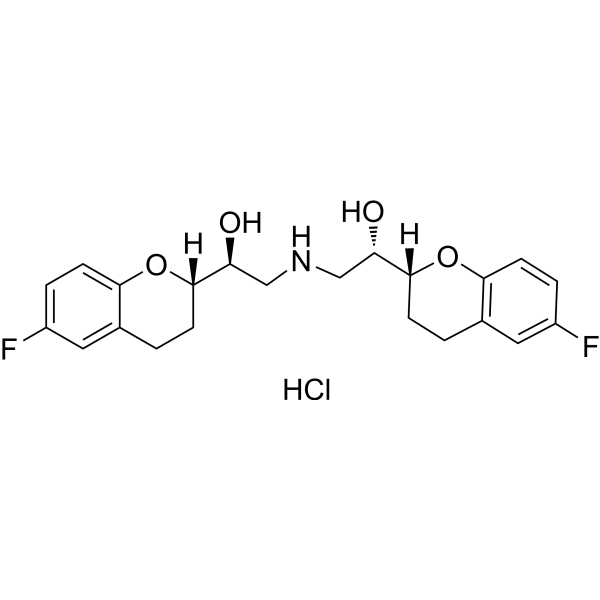
  • HY-B0203A
    Nebivolol hydrochloride
    3 Publications Verification

    R 065824 hydrochloride

    Adrenergic Receptor Cardiovascular Disease Endocrinology Cancer
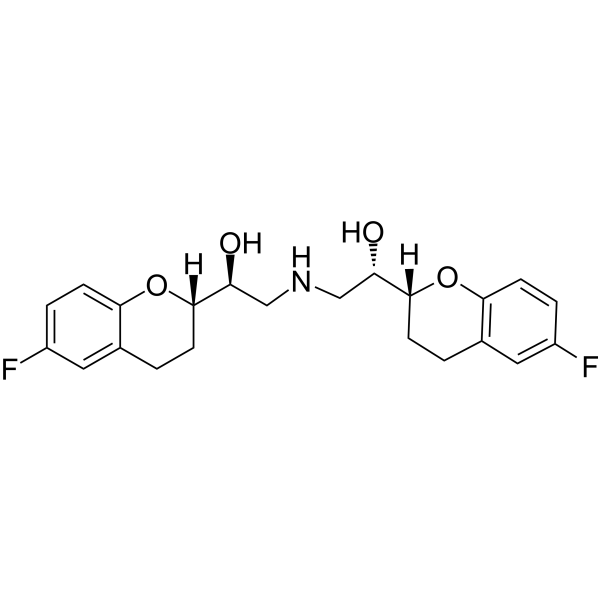
    Nebivolol (R 065824) hydrochloride is an orally active beta receptor blocker and has the high beta(1)-receptor affinity.Nebivolol hydrochloride has direct vasodilator properties and adrenergic blocking characteristics. Nebivolol hydrochloride can be used for the research of kinds of diseases such as hypertension, coronary artery disease, congestive heart failure and ischemic heart disease .
    Nebivolol hydrochloride
  • HY-P4153

    MK-0616 chloride

    PCSK9 Cardiovascular Disease
    Enlicitide chloride is an orally active inhibitor for PCSK9 that blocks the interaction between LPL receptor and PSCK9, with an IC50 of 2.5 nM. Enlicitide chloride can be used in the study of cardiovascular diseases such as atherosclerosis, hypercholesterolemia, coronary heart disease, metabolic syndrome, acute coronary syndrome or related cardiovascular and cardiometabolic disorders .
    Enlicitide chloride
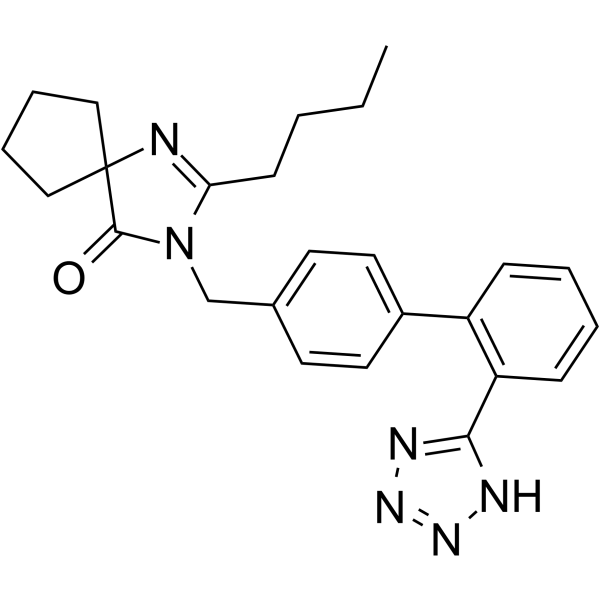
  • HY-B0202
    Irbesartan
    5+ Cited Publications

    SR-47436; BMS-186295

    Angiotensin Receptor Apoptosis Cardiovascular Disease Endocrinology
    Irbesartan (SR-47436) is an orally active Ang II type 1 (AT1) receptor blocker (ARB). Irbesartan can relax the blood vessels, low blood pressure and increase the supply of blood and oxygen to the heart. Irbesartan can be used for the research of high blood pressure, heart failure, and diabetic kidney disease .
    Irbesartan
  • HY-134238
    Cardiolipin (Heart, Bovine) sodium
    1 Publications Verification

    Endogenous Metabolite Mitochondrial Metabolism Apoptosis Autophagy Cardiovascular Disease Neurological Disease Inflammation/Immunology
    Cardiolipin (Heart, Bovine) sodium is a mitochondria-exclusive phospholipid that can be extracted from Bovine hear. Cardiolipin (Heart, Bovine) sodium can maintain mitochondrial function, regulate cellular metabolism and signaling and induce apoptosis and autophagy. Cardiolipin (Heart, Bovine) sodium can be coated on microtitre plates for ELISA assay. Cardiolipin (Heart, Bovine) sodium can be used for the researches of inflammation, immunology, cardiovascular and neurological disease .
    Cardiolipin (Heart, Bovine) sodium
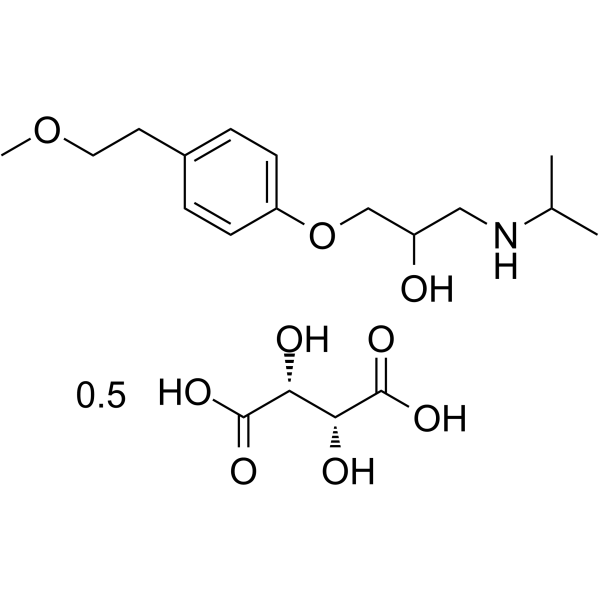
  • HY-B0203
    Nebivolol
    3 Publications Verification

    R 065824

    Adrenergic Receptor Cardiovascular Disease Endocrinology Cancer
    Nebivolol (R 065824) is an orally active beta receptor blocker and has the high beta(1)-receptor affinity. Nebivolol has direct vasodilator properties and adrenergic blocking characteristics. Nebivolol can be used for the research of kinds of diseases such as hypertension, coronary artery disease, congestive heart failure and ischemic heart disease .
    Nebivolol
  • HY-W017540
    Cyclocreatine
    1 Publications Verification

    ATP Synthase Cardiovascular Disease Neurological Disease Metabolic Disease Cancer
    Cyclocreatine, a creatine analogue, acts as a brain-penetrant and potent bioenergetic protective agent by providing high levels of ATP. Cyclocreatine can be phosphorylated and dephosphorylated by creatine kinases. Cyclocreatine suppresses creatine metabolism ameliorating the cognitive, autistic and epileptic phenotype in a mouse model of creatine transporter defciency. Cyclocreatine protects against ischemic injury and enhances cardiac recovery during early reperfusion in dogs and rats. Cyclocreatine decreases plaque-adjacent neuronal dystrophy in TREM2-deficient mice with amyloid-β pathology. Cyclocreatine is proming for research of ischemic heart disease, cardiovascular diseases, Alzheimer’s disease and other neurodegenerative diseases associated with microglial dysfunction, prostate cancer .
    Cyclocreatine
  • HY-B0247
    Torsemide
    1 Publications Verification

    Torasemide

    NKCC Cardiovascular Disease Metabolic Disease
    Torsemide (Torasemide) is an orally active loop diuretic. Torsemide has anti-aldosterone and vasodilatory effects. Torsemide also can be used for the research of heart failure, renal disease and hepatic cirrhosis .
    Torsemide
  • HY-W004284
    Heptadecanoic acid
    2 Publications Verification

    Environmental Pollutants Apoptosis PI3K Akt Cardiovascular Disease Metabolic Disease Cancer
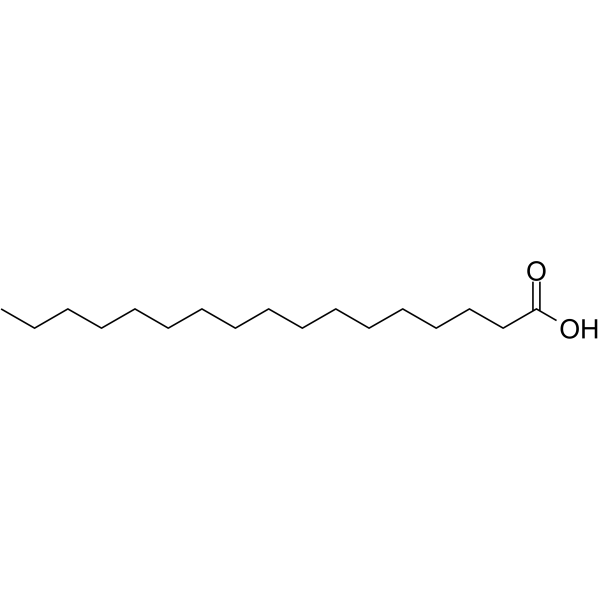
    Heptadecanoic acid is an odd-chain saturated fatty acid (OCS-FA) with oral activity. Heptadecanoic acid can inhibit cell proliferation and induce Apoptosis. Heptadecanoic acid has antitumor activity. Heptadecanoic acid is associated with a number of diseases, including coronary heart disease, pre-diabetes and type 2 diabetes, and multiple sclerosis .
    Heptadecanoic acid
  • HY-125016
    TT-10
    2 Publications Verification

    TAZ-K

    YAP Cardiovascular Disease Cancer
    TT-10 (TAZ-K) is an activator of YES-associated protein (YAP)-transcriptional enhancer factor domain (TEAD) activity. TT-10 can be used for the research of heart diseases accompanied by cardiomyocyte loss .
    TT-10
  • HY-B0642
    Isosorbide mononitrate
    5 Publications Verification

    Isosorbide-5-mononitrate

    Autophagy Endogenous Metabolite Apoptosis Cardiovascular Disease Cancer
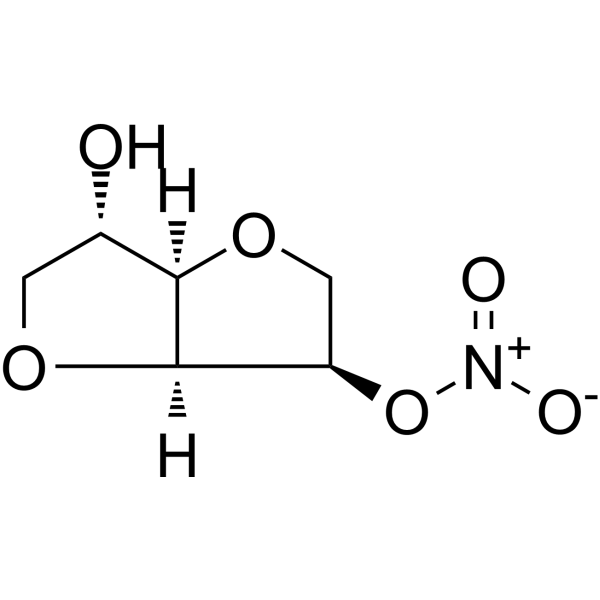
    Isosorbide mononitrate (Isosorbide-5-mononitrate) is an orally active nitric acid compound used for angina pectoris by dilating blood vessels and lowering blood pressure. Isosorbide mononitrate increases the viability and proliferation of HUVECs by decreasing Apoptosis and elevated the expressions of vedf, kdrl, pdgfr in zebrafish embryos. Isosorbide mononitrate is promising for research of heart failure and coronary heart disease .
    Isosorbide mononitrate
  • HY-116090
    Conoidin A
    3 Publications Verification

    Parasite Infection Cardiovascular Disease Neurological Disease
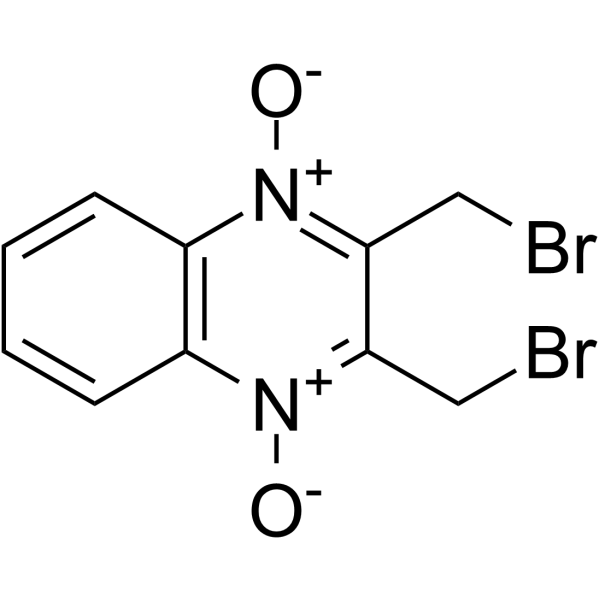
    Conoidin A is a cell permeable inhibitor of T. gondii enzyme peroxiredoxin II (TgPrxII) with nematicidal properties. Conoidin A covalently binds to the peroxidatic Cys47 of TgPrxII, irreversibly inhibiting its hyperperoxidation activity with an IC50 of 23 μM. Conoidin A also inhibits hyperoxidation of mammalian PrxI and PrxII (but not PrxIII) . Conoidin A has antioxidant, neuroprotective effects and can be used for the research of ischaemic heart disease .
    Conoidin A
  • HY-108750
    Soybean oil
    1 Publications Verification

    VT 18 (oil); Vegetoil; Wesson

    Environmental Pollutants Cardiovascular Disease
    Soybean oil (VT 18 (oil); Vegetoil; Wesson) is an edible vegetable oil. Soybean oil reduces circulating blood cholesterol levels when it replaces dietary saturated fats. Soybean oil does not affect inflammatory biomarkers or increase oxidative stress. Soybean oil contains γ-tocopherol and δ-tocopherol, which possess antioxidant properties. Soybean oil can be used in research related to coronary heart disease .
    Soybean oil
  • HY-120274

    AZD9977

    Mineralocorticoid Receptor Cardiovascular Disease Metabolic Disease
    Balcinrenone (AZD9977) is a potent, selective, and orally active mineralocorticoid receptor (MR) modulator. Balcinrenone is used for heart failure, and chronic kidney disease research .
    Balcinrenone
  • HY-145581
    Mitiperstat
    1 Publications Verification

    AZD4831

    Glutathione Peroxidase Cytochrome P450 Cardiovascular Disease Inflammation/Immunology
    Mitiperstat (AZD4831) is an effective oral inhibitor of myeloperoxidase (MPO). Mitiperstat inhibits MPO and thyroid peroxidase (TPO) with IC50s of 1.5 nM and 0.69 μM. Mitiperstat exhibits a weak inhibitory activity against CYP3A4 with an IC50 of 6 μM. Mitiperstat can reduce inflammation and improve microvascular function, and it can be used in studies related to heart failure, preserved or mildly reduced ejection fraction, non-alcoholic fatty liver disease, and chronic obstructive pulmonary disease .
    Mitiperstat
  • HY-B0341
    Nicorandil
    1 Publications Verification

    SG-75

    Potassium Channel Cardiovascular Disease
    Nicorandil (SG-75) is a potent potassium channel activator and targets vascular nucleoside diphosphate-dependent K + channels and cardiac ATP-sensitive K + channels (KATP). Nicorandil is a nicotinamide ester with vasodilatory and cardioprotective effects and has the potential for angina and forischemic heart diseases .
    Nicorandil
  • HY-163689

    BI 690517

    Mineralocorticoid Receptor Cardiovascular Disease Metabolic Disease
    Vicadrostat (BI 690517) is an orally active aldosterone synthase (aldosterone synthase) inhibitor, with IC50 values of 19 nM, 16 nM, and 18 μM against human, cynomolgus monkey, and rat aldosterone synthase, respectively. Vicadrostat has an in vivo IC50 of 25 nM for aldosterone synthesis. Vicadrostat exhibits high selectivity for cortisol synthase; it reduces aldosterone production and decreases plasma aldosterone levels. Vicadrostat can be used in the research of chronic kidney disease, heart failure, and hypertension .
    Vicadrostat
  • HY-P3016A

    EC 2.6.1.1, porcine heart; GOT, porcine heart; AST, porcine heart

    Aminotransferases (Transaminases) Cardiovascular Disease
    Aspartate aminotransferase (EC 2.6.1.1), porcine heart is a metabolic regulator with the highest activity in the heart, liver and skeletal muscle. Aspartate aminotransferase, porcine heart comprises two isozymes: the cytoplasmic form (AST1) and the mitochondrial form (AST2). By catalyzing reversible transamination reactions between oxaloacetate, L-glutamate and other substances, it is deeply involved in key physiological processes such as amino acid metabolism, the tricarboxylic acid cycle and neurotransmitter synthesis. Aspartate aminotransferase, porcine heart also provides substrate support for the synthesis of urea and purines/pyrimidines. Aspartate aminotransferase, porcine heart is a serum marker reflecting cardiac and hepatic injury, and its abnormal levels are also closely associated with myocardial infarction, cardiovascular diseases and various cancers .
    Aspartate aminotransferase, porcine heart
  • HY-101327A

    Corwin hemifumarate; ICI 118587 hemifumarate

    Adrenergic Receptor Cardiovascular Disease Neurological Disease Metabolic Disease
    Xamoterol (Corwin; ICI 118587) hemifumarate is an orally active and selective β1-adrenoceptor partial agonist. Xamoterol hemifumarate acts as agonist at low sympathetic tone, antagonist at high sympathetic tone, with context-dependent cardiovascular effects including modulated heart rate, blood pressure, and cardiac output. Xamoterol hemifumarate can be used for the research of heart failure, postural hypotension, and ischemic heart disease .
    Xamoterol hemifumarate
  • HY-168894

    Ferroptosis JAK STAT p38 MAPK AMPK GSK-3 Apoptosis HSP TNF Receptor Cardiovascular Disease Neurological Disease Metabolic Disease Cancer
    CT-1 is a secreted protein belonging to the IL-6 cytokine family. Overexpression of CT-1 enhances cell proliferation, migration and angiogenesis via the ADMA/DDAH pathway. CT-1 inhibits the growth of triple-negative breast cancer cells by simultaneously inducing Ferroptosis in N2-type tumor-associated neutrophils and cancer cells. CT-1 activates the Jak/STAT-3, p42/p44 MAPK and AMPK pathways, and inhibits GSK-3β activity through phosphorylation to induce cardiomyocyte hypertrophy. CT-1 enhances the viability of cardiomyocytes and neurons, reduces cell Apoptosis, induces the expression of heat shock proteins (HSP) and BNP, and inhibits TNF levels. CT-1 exerts anti-tumor activity in mouse models of triple-negative breast cancer. CT-1 improves cognitive impairment in mice. CT-1 is applicable to the research of ischemic heart disease, triple-negative breast cancer, myocardial hypertrophy, Parkinson's disease, hypertensive heart disease, myocardial infarction, acute Chagas cardiomyopathy, high-fat diet-induced cognitive impairment and diabetes-related cognitive impairment .
    CT-1
  • HY-N4195
    Resveratroloside
    2 Publications Verification

    Resveratrol glycoside; trans-Resveratrol 4'-O-β-D-glucopyranoside

    Glycosidase Cardiovascular Disease Metabolic Disease
    Resveratroloside (Resveratrol glycoside) is an orally active competitive inhibitor of α-glucosidase. Resveratroloside has hypoglycemic and cardioprotective effects. Resveratroloside can be used for the research of diabetes and heart system diseases .
    Resveratroloside
  • HY-B0932S2

    L-Propionylcarnitine-d9 chloride

    Isotope-Labeled Compounds Others
    Levocarnitine propionate-d9 hydrochloride (L-Propionylcarnitine-d9 chloride) is deuterium labeled Levocarnitine propionate hydrochloride. Levocarnitine propionate hydrochloride is used to study diseases such as renal function deterioration, congestive heart failure, and intermittent claudication .
    Levocarnitine propionate-d9 hydrochloride
  • HY-112961

    JAK Interleukin Related STAT Metabolic Disease
    Patiromer is an orally active, selective and non-absorbable intestinal potassium (K +) polymer binder that reversibly binds potassium ions in exchange for calcium (Ca 2+). Patiromer can rapidly and continuously reduce serum potassium levels, maintain a normal blood potassium state, and reduce serum aldosterone levels. Patiromer also increases fecal potassium excretion. Patiromer is mainly used in the study of hyperkalemia associated with diseases such as chronic kidney disease, diabetes, and heart failure, and is particularly suitable for improving renin-angiotensin-aldosterone system inhibitor (RAASi) therapy .
    Patiromer
  • HY-B0384
    Temocapril hydrochloride
    2 Publications Verification

    Angiotensin-converting Enzyme (ACE) Cardiovascular Disease
    Temocapril hydrochloride is an orally active angiotensin-converting enzyme (ACE) inhibitor. Temocapril hydrochloride can be used for the research of hypertension, congestive heart failure, acute myocardial infarction, insulin resistance, and renal diseases .
    Temocapril hydrochloride
  • HY-B0932

    L-Propionylcarnitine chloride; ST-261

    Integrin Others
    Levocarnitine propionate hydrochloride (L-Propionylcarnitine chloride) is used to study diseases such as renal function deterioration, congestive heart failure, and intermittent claudication.
    Levocarnitine propionate hydrochloride
  • HY-112275
    TNF-α-IN-1
    3 Publications Verification

    TNF Receptor Infection Cardiovascular Disease Inflammation/Immunology Cancer
    TNF-α-IN-1 (Compound I-7) is a TNF-α inhibitor. TNF-α-IN-1 can be studied in research for cancers, heart disease, autoimmune disease and infections .
    TNF-α-IN-1
  • HY-B0932S

    L-Propionylcarnitine-d3 chloride; ST-261-d3

    Isotope-Labeled Compounds Others
    Levocarnitine propionate-d3 (hydrochloride) is the deuterium labeled Levocarnitine propionate hydrochloride. Levocarnitine propionate hydrochloride (L-Propionylcarnitine chloride; ST-261) is used to treat the deterioration of renal function, congestive heart failure, intermittent claudication, and other diseases.
    Levocarnitine propionate-d3 hydrochloride
  • HY-135326

    Drug Intermediate Cardiovascular Disease
    4-Propionamidophenol is an important intermediate of alkanolamine derivatives with β-adrenergic blocking activity. 4-Propionamidophenol can be used in the study of diseases such as heart disease and hypertension .
    4-Propionamidophenol
  • HY-N1179

    Apoptosis Cardiovascular Disease Neurological Disease
    Tanshinone IIB is a major active constituent of the roots of Salvia miltiorrhiza (Danshen) widely used for the research of stroke and coronary heart disease in Asian countries. Tanshinone IIB has a neuroprotective effect via inhibition of apoptosis .
    Tanshinone IIB
  • HY-149987

    KHK-IN-3

    Ketohexokinase Cardiovascular Disease Metabolic Disease Inflammation/Immunology
    KHK-IN-3 (Example 1) is a ketohexokinase (KHK) inhibitor. KHK-IN-3 can be used in the study of kidney disease, nonalcoholic steatohepatitis (NASH), diabetes and heart failure. KHK is a rate-limiting enzyme and fructokinase involved in fructose metabolism. KHK catalyzes the phosphorylation of fructose to fructose-1-phosphate (FIP) at the expense of ATP. The lack of feedback inhibition of fructose metabolism triggers the accumulation of downstream intermediates such as lipogenesis, gluconeogenesis, and oxidative phosphorylation .
    LY3522348
  • HY-100713
    Temocapril
    2 Publications Verification

    Angiotensin-converting Enzyme (ACE) Cardiovascular Disease
    Temocapril is an orally active angiotensin-converting enzyme (ACE) inhibitor. Temocapril can be used for the research of hypertension, congestive heart failure, acute myocardial infarction, insulin resistance, and renal diseases .
    Temocapril
  • HY-N3680

    Cytochrome P450 Cardiovascular Disease
    Danshenxinkun A is a natural compound that could be isolated from Tanshen and is used in the study for heart diseases .
    Danshenxinkun A
  • HY-P1440

    Potassium Channel Cardiovascular Disease
    BeKm-1 is a HERG (human ether-a-go-go-related gene) blocking compound. BeKm-1 can be used for the research of heart disease .
    BeKm-1
  • HY-W004284S1

    Endogenous Metabolite Cardiovascular Disease Metabolic Disease Cancer
    Heptadecanoic acid-d33 is the deuterium labeled Heptadecanoic acid. Heptadecanoic acid is an odd chain saturated fatty acid (OCS-FA). Heptadecanoic acid is associated with several diseases, including the incidence of coronary heart disease, prediabetes and type 2 diabetes as well as multiple sclerosis .
    Heptadecanoic acid-d33
  • HY-W004284S

    Isotope-Labeled Compounds Endogenous Metabolite Cardiovascular Disease Metabolic Disease Cancer
    Heptadecanoic acid-d3 is the deuterium labeled Heptadecanoic acid. Heptadecanoic acid is an odd chain saturated fatty acid (OCS-FA). Heptadecanoic acid is associated with several diseases, including the incidence of coronary heart disease, prediabetes and type 2 diabetes as well as multiple sclerosis .
    Heptadecanoic acid-d3
  • HY-126133

    Ras Cardiovascular Disease Others
    AM-001 is a non-competitive inhibitor of Epac1 that blocks the activation of Rap1, a downstream effector of Epac1, in cultured cells. AM-001 can be used in heart disease-related research .
    AM-001
  • HY-P10641

    Exosomes STAT ERK Akt Cardiovascular Disease
    Heart-homing peptide is a heart-targeting peptide with the sequence CRPPR that mediates cardiac endothelial targeting and accumulates in cardiac tissues. Heart-homing peptide mediates the translocation of liposomal and exosomal cargos across cardiac endothelium into interstitial tissues, enhances the accumulation of exosomes in the heart, and inhibits the GP130-STAT3/ERK1/2/AKT pathway. Heart-homing peptide accumulates at sites of ischemia/reperfusion, myocardial infarction and hypertrophy in mice. Heart-homing peptide can be used for the research of cardiovascular diseases .
    Heart-homing peptide
  • HY-107655

    ABET

    mAChR Cardiovascular Disease
    Arecaidine but-2-ynyl ester tosylate (ABET) is a selective mAChR M2 agonist that dose-dependently decreases mean arterial pressure and heart rate in rats. Arecaidine but-2-ynyl ester tosylate can be used for cardiovascular disease research . Arecaidine but-2-ynyl ester (tosylate) is a click chemistry reagent, it contains an Alkyne group and can undergo copper-catalyzed azide-alkyne cycloaddition (CuAAc) with molecules containing Azide groups.
    Arecaidine but-2-ynyl ester tosylate
  • HY-W004284R

    Reference Standards Apoptosis PI3K Akt Cardiovascular Disease Metabolic Disease Cancer
    Heptadecanoic acid (Standard) is the analytical standard of Heptadecanoic acid. This product is intended for research and analytical applications. Heptadecanoic acid is an odd-chain saturated fatty acid (OCS-FA) with oral activity. Heptadecanoic acid can inhibit cell proliferation and induce Apoptosis. Heptadecanoic acid has antitumor activity. Heptadecanoic acid is associated with a number of diseases, including coronary heart disease, pre-diabetes and type 2 diabetes, and multiple sclerosis[1].
    Heptadecanoic acid (Standard)
  • HY-148908

    TNF Receptor Cardiovascular Disease Inflammation/Immunology Cancer
    TNF-α-IN-8 (compound I-42) is a TNF-α inhibitor. TNF-α-IN-8 is an isoindole-imide compound. TNF-α-IN-8 can be used for the research of cancer, heart disease, osteoporosis, inflammatory, allergic and autoimmune diseases . TNF-α-IN-8 is a click chemistry reagent, it contains an Azide group and can undergo copper-catalyzed azide-alkyne cycloaddition reaction (CuAAc) with molecules containing Alkyne groups. It can also undergo strain-promoted alkyne-azide cycloaddition (SPAAC) reactions with molecules containing DBCO or BCN groups.
    TNF-α-IN-8
  • HY-165578

    Adenosine Receptor Cardiovascular Disease Neurological Disease Cancer
    Neladenoson is a potent and selective Adenosine A1 Receptor agonist. Neladenoson is promising for research of heart failure .
    Neladenoson
  • HY-N16650

    Lactate Dehydrogenase Cardiovascular Disease
    Bisadinrone A is a sesquiterpene found in Curcuma longa. Bisadinrone A can inhibit LDH release and shows significant anti-myocardial ischemia-reperfusion injury activity. Bisadinrone A can be used for the research of cardiovascular disease, such as ischemic heart disease .
    Bisadinrone A
  • HY-N8598

    Others Cardiovascular Disease
    Caulophine is a fluoroketone alkaloid isolated from Caulophyllum robustum MAXIM. Caulophine has antioxidant activity and the ability to protect cardiomyocytes from oxidative and ischemic damage, providing potential value for coronary heart disease research .
    Caulophine
  • HY-120577

    Others Cardiovascular Disease
    BA 41899 is a purely calcium-sensitizing agent. BA 41899 is completely devoid of phosphodiesterase (PDE) III inhibitory activity or any other known inotropic mechanism. BA 41899 can be used for the research of cardiovascular diseases, such as congestive heart failure (CHF) .
    BA 41899
  • HY-123353

    Neladenoson bialanate; BAY-1067197

    Adenosine Receptor Cardiovascular Disease
    Neladenoson dalanate (Neladenoson bialanate; BAY-1067197) is a orally active agonist precursor of partial Adenosine A1 Receptor. Neladenoson dalanate has a good pharmacokinetic and safety profile, can be used for the chronic heart diseases .
    Neladenoson dalanate
  • HY-P4040

    HCV Protease Infection Neurological Disease Metabolic Disease Inflammation/Immunology Cancer
    Ac-D-DGla-LI-Cha-C is a potent HCV protease inhibitor peptide. Ac-D-DGla-LI-Cha-C can be used for the research of cancer, autoimmune diseases, fibrotic diseases, inflammatory diseases, neurodegenerative diseases, infectious diseases, lung diseases, heart and vascular diseases and metabolic diseases .
    Ac-D-DGla-LI-Cha-C
  • HY-109034A

    Renin Cardiovascular Disease
    Imarikiren hydrochloride is a renin inhibitor. Imarikiren hydrochloride can be used for the study of cardiovascular and renal diseases such as hypertension, heart failure, and diabetic nephropathy by blocking the renin-angiotensin (RA) system .
    Imarikiren hydrochloride
  • HY-101327

    Corwin; ICI 118587

    Adrenergic Receptor Cardiovascular Disease Neurological Disease Metabolic Disease
    Xamoterol (Corwin; ICI 118587) is an orally active and selective β1-adrenoceptor partial agonist. Xamoterol acts as agonist at low sympathetic tone, antagonist at high sympathetic tone, with context-dependent cardiovascular effects including modulated heart rate, blood pressure, and cardiac output. Xamoterol can be used for the research of heart failure, postural hypotension, and ischemic heart disease .
    Xamoterol
  • HY-B0202A

    SR-47436 hydrochloride; BMS-186295 hydrochloride

    Angiotensin Receptor Apoptosis Cardiovascular Disease Neurological Disease Metabolic Disease
    Irbesartan (SR-47436) hydrochloride is an orally active Ang II type 1 (AT1) receptor blocker (ARB). Irbesartan hydrochloride can relax the blood vessels, low blood pressure and increase the supply of blood and oxygen to the heart. Irbesartan hydrochloride can be used for the research of high blood pressure, heart failure, and diabetic kidney disease .
    Irbesartan hydrochloride
  • HY-W017540R

    Reference Standards ATP Synthase Cardiovascular Disease Neurological Disease Metabolic Disease Cancer
    Cyclocreatine, a creatine analogue, acts as a brain-penetrant and potent bioenergetic protective agent by providing high levels of ATP. Cyclocreatine can be phosphorylated and dephosphorylated by creatine kinases. Cyclocreatine suppresses creatine metabolism ameliorating the cognitive, autistic and epileptic phenotype in a mouse model of creatine transporter defciency. Cyclocreatine protects against ischemic injury and enhances cardiac recovery during early reperfusion in dogs and rats. Cyclocreatine decreases plaque-adjacent neuronal dystrophy in TREM2-deficient mice with amyloid-β pathology. Cyclocreatine is proming for research of ischemic heart disease, cardiovascular diseases, Alzheimer’s disease and other neurodegenerative diseases associated with microglial dysfunction, prostate cancer .
    Cyclocreatine (Standard)
  • HY-U00025

    Others Cardiovascular Disease
    FR 58664 is a agent to treat heart failure disease.
    FR 58664

Inquiry Online

Your information is safe with us. * Required Fields.

Salutation


Country or Region *

Applicant Name *


Organization Name *

Department *


Email Address *


Product Name *

Cat. No.


Requested quantity *

Phone Number *


Remarks

Inquiry Online

Inquiry Information

Product Name:
Cat. No.:
Quantity:
MCE Japan Authorized Agent:

