



Metoprolol tartrate
Based on 17 publication(s) in Google Scholar
Metoprolol tartrate is an orally active, selective β1-adrenoceptor antagonist. Metoprolol tartrate shows anti-inflammation, antitumor and anti-angiogenic properties.
For research use only. We do not sell to patients.
- Purity : 99.93%
- CAS No.: 56392-17-7
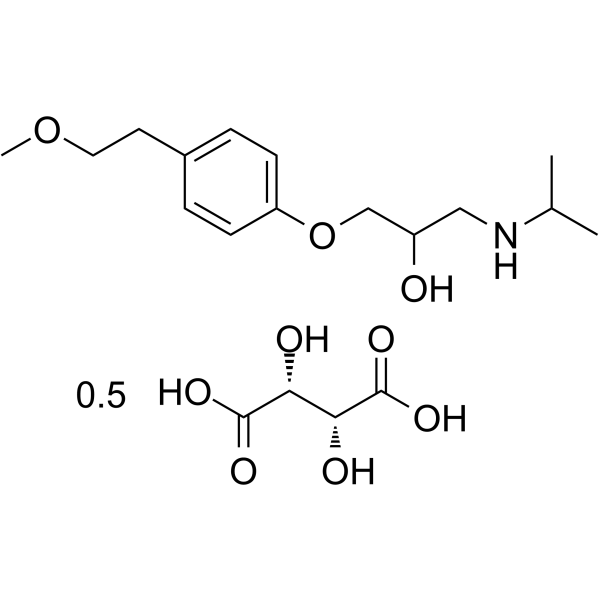
- Formula: C19H31NO9
- Molecular Weight:342.41
-
Storage:
4°C, sealed storage, away from moisture and light
* In solvent : -80°C, 6 months; -20°C, 1 month (sealed storage, away from moisture and light)

To place orders, for customer services and technical support, please contact: MedChemExpress USA
Tel: 609-228-6898 E-mail: [email protected] [email protected]


-
 Biological Activity
-
Chemical Information
-
Solvent & Solubility
- Purity & Documentation
- References
-
 Help & FAQs


-
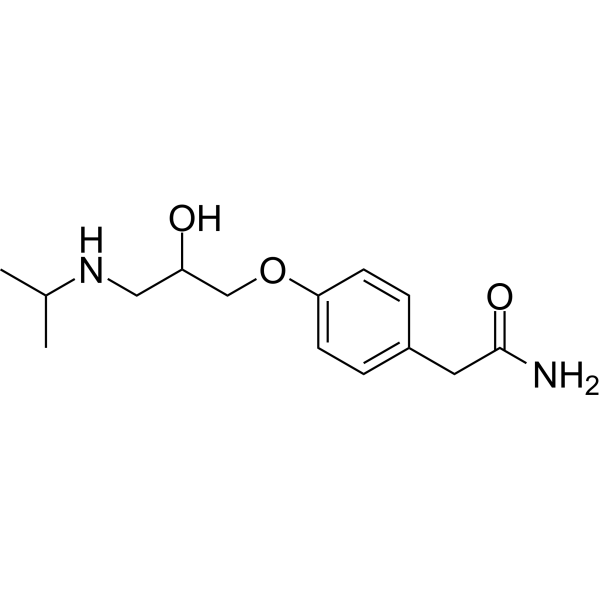
HY-17498
Atenolol -
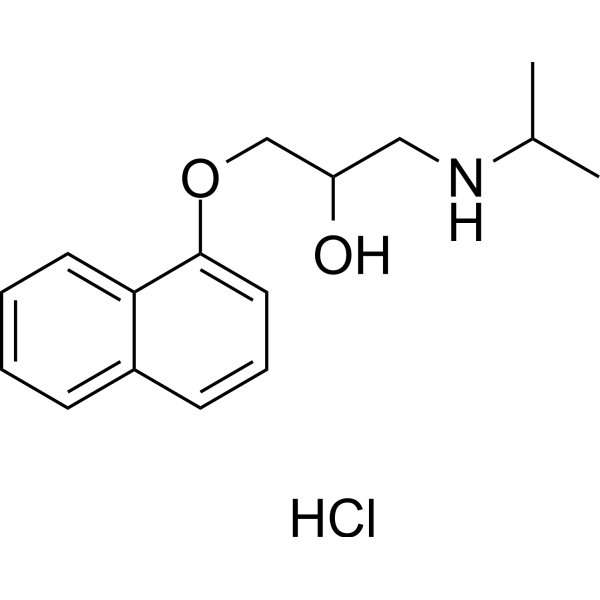
HY-B0573
Propranolol hydrochloride -
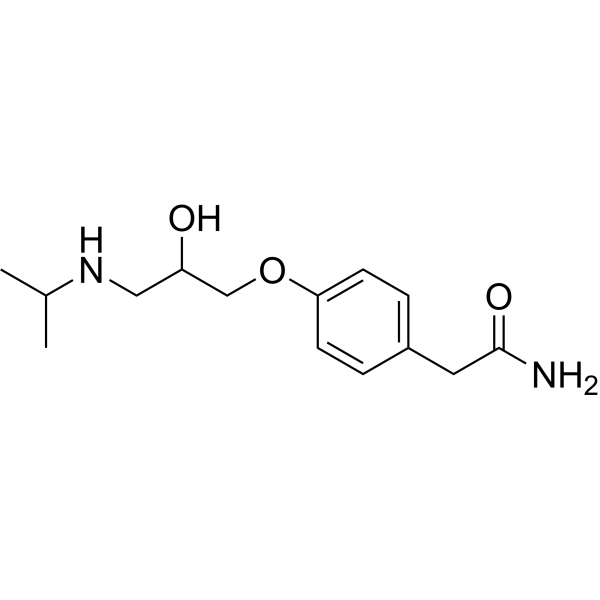
HY-17498R
Atenolol (Standard) -
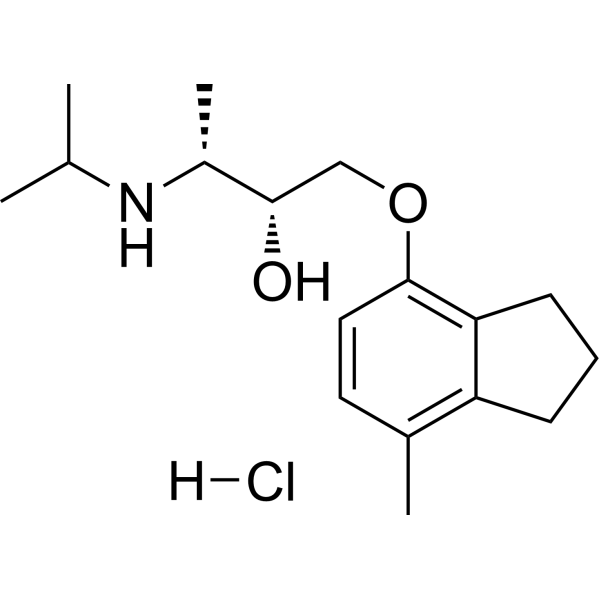
HY-13951
Zenidolol hydrochloride -
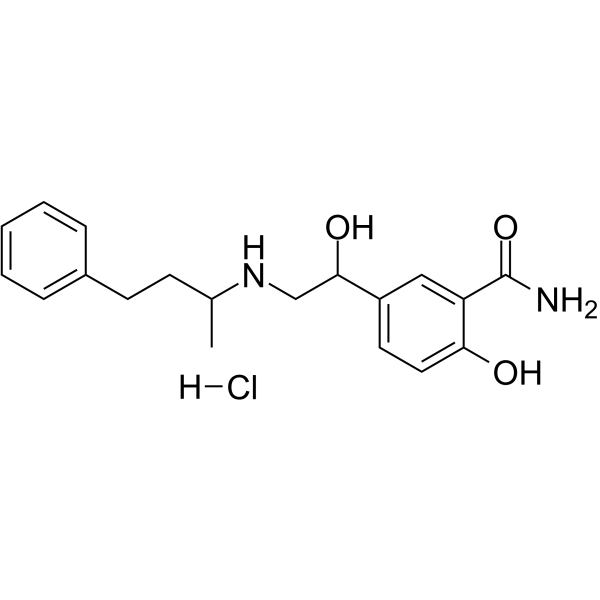
HY-B1108
Labetalol hydrochloride -
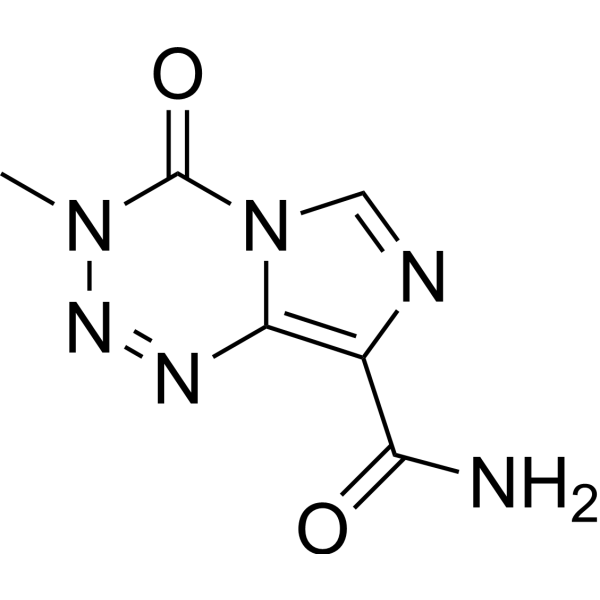
HY-17364
Temozolomide -
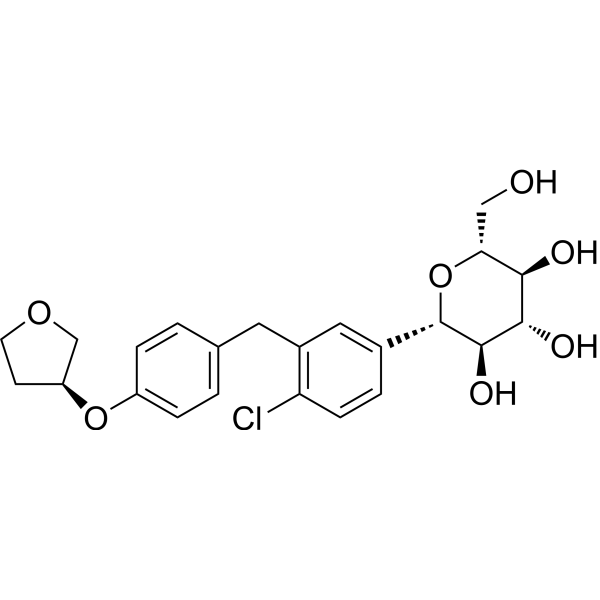
HY-15409
Empagliflozin -
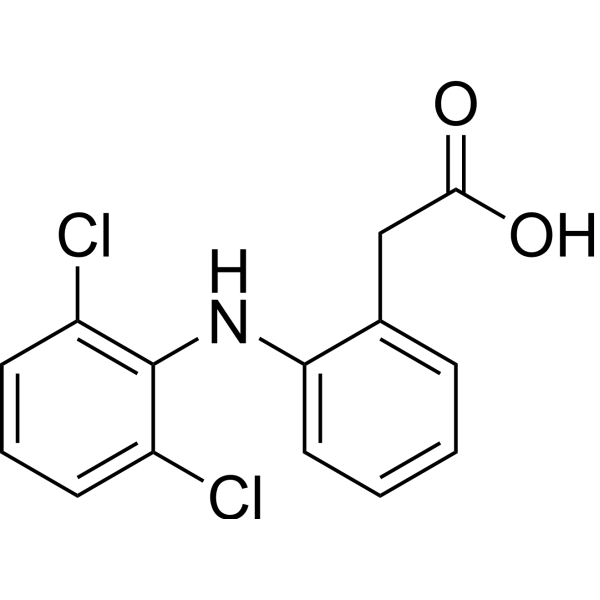
HY-15036
Diclofenac -
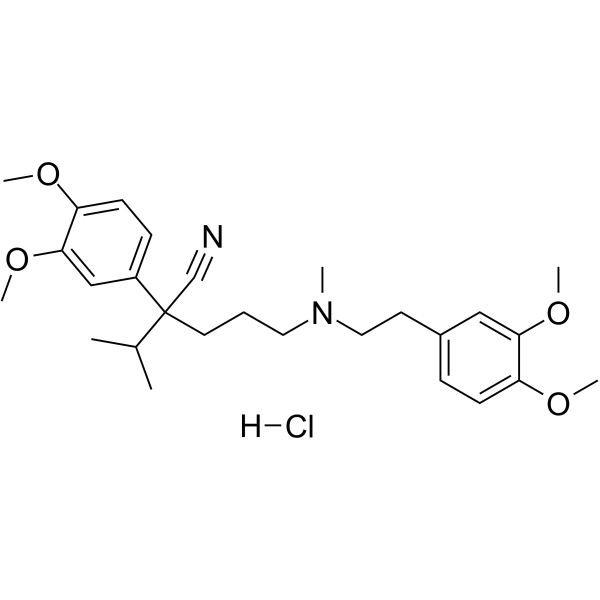
HY-A0064
Verapamil hydrochloride -
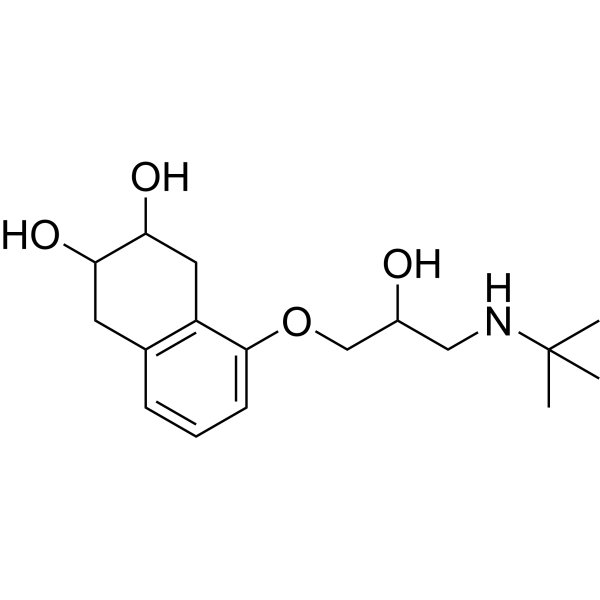
HY-B0804
Nadolol -
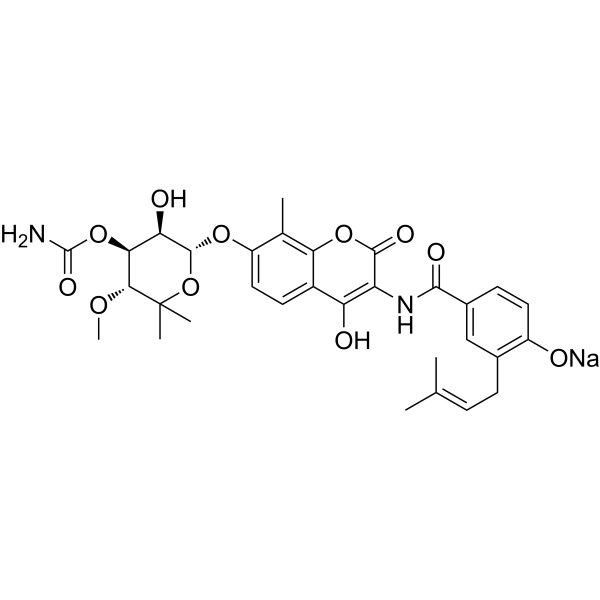
HY-B0425A
Novobiocin sodium -
HY-B0281A
Ranitidine hydrochloride
Publications Citing Use of MedChemExpress (MCE) Metoprolol tartrate
More- Phytomedicine. 2026 Oct:160:158619.
- Mol Med. 2025 Feb 11;31(1):55.
- Emerg Contam. 2026 Feb 23.
- J Intern Med. 2024 Sep;296(3):291-297. [Abstract]
- Eur J Med Chem. 2024 Dec 5:279:116842. [Abstract]
- Int J Mol Sci. 2026 Apr 15;27(8):3523. [Abstract]
- Int Immunopharmacol. 2024 Oct 25:140:112894. [Abstract]
- iScience. 2025 Jan 17;28(2):111831. [Abstract]
- J Pharm Biomed Anal. 2021 Feb 20:195:113870. [Abstract]
- PLoS One. 2024 Aug 14;19(8):e0301875. [Abstract]
- J Pharmacol Sci. 2020 Sep;144(1):30-42. [Abstract]
- Biochem Biophys Res Commun. 2025 Oct 30:786:152756. [Abstract]
- J Chromatogr B Analyt Technol Biomed Life Sci. 2023 Jul 1:1227:123804. [Abstract]
- bioRxiv. 2024 Mar 29.
- Environ Toxicol. 2024 Mar;39(3):1682-1699. [Abstract]
- Preprints. 2023 Jun 19.
- Chemosphere. 2019 Jun:225:378-387. [Abstract]
 Customer Validation & Images

-
IF
-
Others
-
Bio/Physico-chemical Assay
All Adrenergic Receptor Isoforms
More

Biological Activity
Description
IC50 & Target
|
β1 adrenoceptor |
In Vitro
Metoprolol (0-1000 μg/mL; 24-72 h) shows cytotoxic effect on U937 and MOLT-4 cells dose and time dependently[3].
MedChemExpress (MCE) has not independently confirmed the accuracy of these methods. They are for reference only.
-
Cell Line:U937 and MOLT-4 cells
-
Concentration:1, 10, 50, 100, 500 and 1000 μg/mL
-
Incubation Time:24, 48 and 72 h
-
Result:Significantly decreased the viability of U937 and MOLT-4 cells at 1000 μg/mL (3740.14µM) concentration after 48 hours incubation time, significantly reduced the viability of U937 cells at ≥500 μg/ml (≥1870.07µM) concentrations after 72 hours incubation time, and significantly decreased the viability of MOLT4 cells at ≥100 μg/ml (≥374.01µM) concentrations after 72 hours incubation.
In Vivo
Metoprolol (15 mg/kg/q12h; i.g.; 5 days) shows anti-inflammation and anti-virus effects in murine model with coxsackievirus B3-induced viral myocarditis[2].
Metoprolol (2.5 mg/kg; i.v.; 3 bolus injections) significantly decreased activated caspase-9 protein expression and inhibits myocardial apoptosis in coronary microembolization (CME) rats[4].
MedChemExpress (MCE) has not independently confirmed the accuracy of these methods. They are for reference only.
-
Animal Model:Male ApoE−/− mice[1]
-
Dosage:2.5 mg/kg/h
-
Administration:Via osmotic minipumps, 11 weeks
-
Result:Significantly reduced atherosclerotic plaque area in thoracic aorta, reduced serum TNFα and the chemokine CXCL1 as well as decreasing the macrophage content in the plaques.
-
Animal Model:Balb/c mice, coxsackievirus B3 (CVB3) induced viral myocarditis (VMC) model[2]
-
Dosage:15 mg/kg/q12h
-
Administration:Oral gavage, 5 consecutive days
-
Result:Reduced pathological scores of VMC induced by CVB3 infection, protected the myocardium against viral damage by reducing serum cTn-I levels. Decreased the levels of myocardial pro-inflammatory cytokines and increase the expression of anti-inflammatory cytokine. Significantly decreased myocardial virus titers.


Chemical Information
-
CAS No. 56392-17-7
-
Appearance Solid
-
Molecular Weight 342.41
-
Formula C19H31NO9
-
Color White to light yellow
-
SMILES
OC(CNC(C)C)COC1=CC=C(CCOC)C=C1.O=C(O)[C@H](O)[C@@H](O)C(O)=O.[0.5]
-
Shipping
Room temperature in continental US; may vary elsewhere.
-
Storage
4°C, sealed storage, away from moisture and light
* In solvent : -80°C, 6 months; -20°C, 1 month (sealed storage, away from moisture and light)


Publications (17)
-
Journal Impact Factor
-
Most Recent
-
-
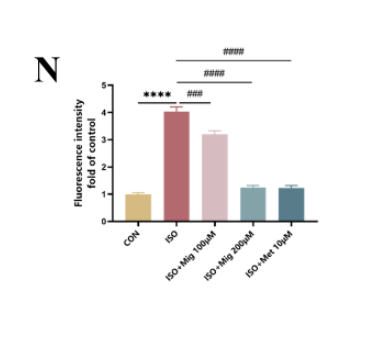
Metoprolol tartrate purchased from MedChemExpress. Usage Cited in: Mol Med. 2025 Feb 11;31(1):55.
Quantification of immunofluorescence staining of phosphorylated-GSK3β in NRCFs. The ratio of phosphorylated protein to total protein reflects the activation of signaling pathways. NRCFs were starved for 24h. Mig and Metoprolol (Met: 10 μM) were added ahead for 1h, then ISO was added for 24h. Met was used as positive control.
-
-
J Intern Med
SARS-CoV-2 spike protein acts as a β-adrenergic receptor agonist: A potential mechanism for cardiac sequelae of long COVID. [Abstract]2024 Sep;296(3):291-297. PMID: 39073192
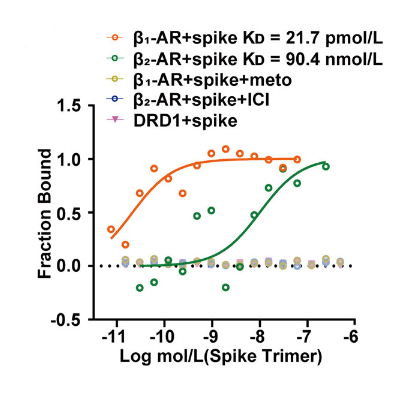
Metoprolol tartrate purchased from MedChemExpress. Usage Cited in: J Intern Med. 2024 Sep;296(3):291-297. [Abstract]
Selective blockers Metoprolol (METO; β1-AR blocker; 10 µmol/L) and ICI118551 (ICI; β2-AR blocker; 10 µmol/L) were used to explore the interactions of the spike protein with β1-AR and β2-AR, respectively.
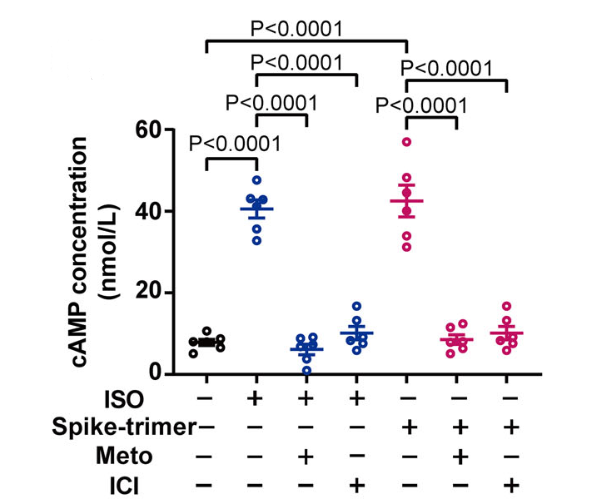
Metoprolol tartrate purchased from MedChemExpress. Usage Cited in: J Intern Med. 2024 Sep;296(3):291-297. [Abstract]
cAMP accumulation in NMCMs treated with ISO (1 µmol/L) and the spike trimer (10 nmol/L) with or without pretreatment with Metoprolol (10 µmol/L) and ICI118551 (10 µmol/L).
-
Eur J Med Chem
2024 Dec 5:279:116842. PMID: 39260319 -
Int J Mol Sci
N- p- trans-Coumaroyltyramine Improves Myocardial Ischemia-Reperfusion Injury: From Cellular Protection to Animal Model Validation and the Discovery of the Target Tcap. [Abstract]2026 Apr 15;27(8):3523. PMID: 42074166 -
Int Immunopharmacol
Baricitinib alleviates cardiac fibrosis and inflammation induced by chronic sympathetic activation. [Abstract]2024 Oct 25:140:112894. PMID: 39126736 -
iScience
Stimulation of TRPV1+ peripheral somatosensory nerves suppress inflammation via the somato-autonomic reflex. [Abstract]2025 Jan 17;28(2):111831. PMID: 39967868 -
J Pharm Biomed Anal
Screening method of mildronate and over 300 doping agents by reversed-phase liquid chromatography-high resolution mass spectrometry. [Abstract]2021 Feb 20:195:113870. PMID: 33453569 -
PLoS One
Ginseng Radix et Rhizoma enhanced the effect of metoprolol in chronic heart failure by inhibiting autophagy in male C57BL/6J mice. [Abstract]2024 Aug 14;19(8):e0301875. PMID: 39141645 -
J Pharmacol Sci
Sustained increased CaMKII phosphorylation is involved in the impaired regression of isoproterenol-induced cardiac hypertrophy in rats. [Abstract]2020 Sep;144(1):30-42. PMID: 32665128 -
Biochem Biophys Res Commun
Dual-cardiotoxicity evaluation of torsadogenic risk drugs using human iPSC-derived cardiomyocytes. [Abstract]2025 Oct 30:786:152756. PMID: 41043280 -
J Chromatogr B Analyt Technol Biomed Life Sci
High-throughput screening of LogD by using a sample pooling approach based on the traditional shake flask method. [Abstract]2023 Jul 1:1227:123804. PMID: 37393793 -
-
Environ Toxicol
Phenylacetyl glutamine (PAGln) enhances cardiomyocyte death after myocardial infarction through β1 adrenergic receptor. [Abstract]2024 Mar;39(3):1682-1699. PMID: 38041472 -
-
Chemosphere
Mass-balance-model-based evaluation of sewage treatment plant contribution to residual pharmaceuticals in environmental waters. [Abstract]2019 Jun:225:378-387. PMID: 30884299


Solvent & Solubility
In Vitro:
H2O : 100 mg/mL (292.05 mM; Need ultrasonic)
DMSO : 70 mg/mL (204.43 mM; Need ultrasonic; Hygroscopic DMSO has a significant impact on the solubility of product, please use newly opened DMSO)
Please refer to the solubility information to select the appropriate solvent. Once prepared, please aliquot and store the solution to prevent product inactivation from repeated freeze-thaw cycles.
Storage method and period of stock solution: -80°C, 6 months; -20°C, 1 month (sealed storage, away from moisture and light). When stored at -80°C, please use it within 6 months. When stored at -20°C, please use it within 1 month.
* Note: If you choose water as the stock solution, please dilute it to the working solution, then filter and sterilize it with a 0.22 μm filter before use.
Please refer to the solubility information to select the appropriate solvent. Once prepared, please aliquot and store the solution to prevent product inactivation from repeated freeze-thaw cycles.
Storage method and period of stock solution: -80°C, 6 months; -20°C, 1 month (sealed storage, away from moisture and light). When stored at -80°C, please use it within 6 months. When stored at -20°C, please use it within 1 month.
* Note: If you choose water as the stock solution, please dilute it to the working solution, then filter and sterilize it with a 0.22 μm filter before use.
Concentration (start) × Volume (start) = Concentration (final) × Volume (final)


Purity & Documentation
-
Data Sheet (280 KB)
-
SDS (623 KB)
- English - EN (623 KB)
- Français - FR (623 KB)
- Deutsch - DE (623 KB)
- Norwegian - NO (623 KB)
- Español - ES (623 KB)
- Swedish - SV (623 KB)
- Italian - IT (623 KB)
- Korean - KR (623 KB)
- Portuguese - PT (623 KB)
-
Handling Instructions (2659 KB)
References
[1]. Ulleryd MA, et al. Metoprolol reduces proinflammatory cytokines and atherosclerosis in ApoE-/- mice. Biomed Res Int. 2014;2014:548783. [Content Brief]
[2]. Wang D, et al. Carvedilol has stronger anti-inflammation and anti-virus effects than metoprolol in murine model with coxsackievirus B3-induced viral myocarditis. Gene. 2014 Sep 1;547(2):195-201. [Content Brief]
[4]. Su Q, et al. Effect of metoprolol on myocardial apoptosis and caspase-9 activation after coronary microembolization in rats. Exp Clin Cardiol. 2013 Spring;18(2):161-5. [Content Brief]


Complete Stock Solution Preparation Table
Please refer to the solubility information to select the appropriate solvent. Once prepared, please aliquot and store the solution to prevent product inactivation from repeated freeze-thaw cycles.
Storage method and period of stock solution: -80°C, 6 months; -20°C, 1 month (sealed storage, away from moisture and light). When stored at -80°C, please use it within 6 months. When stored at -20°C, please use it within 1 month.
| Optional Solvent | Concentration Solvent Mass | 1 mg | 5 mg | 10 mg | 25 mg |
|---|---|---|---|---|---|
| DMSO / H2O | 1 mM | 2.9205 mL | 14.6024 mL | 29.2048 mL | 73.0119 mL |
| 5 mM | 0.5841 mL | 2.9205 mL | 5.8410 mL | 14.6024 mL | |
| 10 mM | 0.2920 mL | 1.4602 mL | 2.9205 mL | 7.3012 mL | |
| 15 mM | 0.1947 mL | 0.9735 mL | 1.9470 mL | 4.8675 mL | |
| 20 mM | 0.1460 mL | 0.7301 mL | 1.4602 mL | 3.6506 mL | |
| 25 mM | 0.1168 mL | 0.5841 mL | 1.1682 mL | 2.9205 mL | |
| 30 mM | 0.0973 mL | 0.4867 mL | 0.9735 mL | 2.4337 mL | |
| 40 mM | 0.0730 mL | 0.3651 mL | 0.7301 mL | 1.8253 mL | |
| 50 mM | 0.0584 mL | 0.2920 mL | 0.5841 mL | 1.4602 mL | |
| 60 mM | 0.0487 mL | 0.2434 mL | 0.4867 mL | 1.2169 mL | |
| 80 mM | 0.0365 mL | 0.1825 mL | 0.3651 mL | 0.9126 mL | |
| 100 mM | 0.0292 mL | 0.1460 mL | 0.2920 mL | 0.7301 mL |
* Note: If you choose water as the stock solution, please dilute it to the working solution, then filter and sterilize it with a 0.22 μm filter before use.


Metoprolol tartrate Related Classifications
HY-17503B Related Classifications
 Powered by Bioz