



Metoprolol
Based on 17 publication(s) in Google Scholar
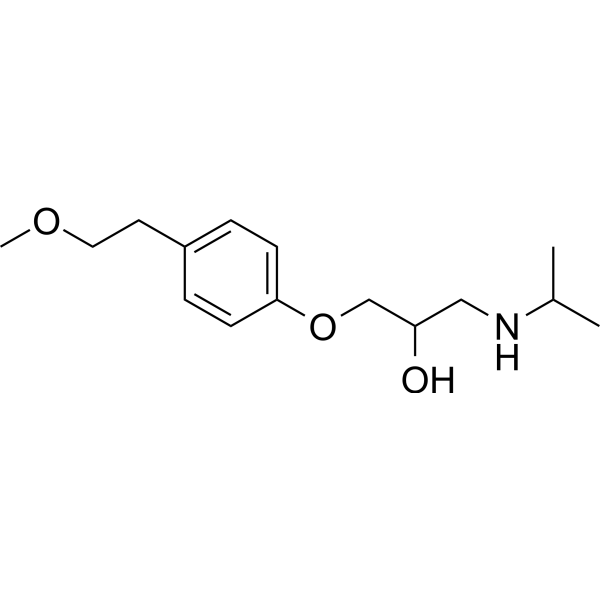
Metoprolol is an orally active, selective β1-adrenoceptor antagonist. Metoprolol shows anti-inflammation, antitumor and anti-angiogenic properties.
Nos produits utilisent uniquement pour la recherche. Nous ne vendons pas aux patients.
- Pureté : 99.99%
- CAS No.: 51384-51-1
- Formule: C15H25NO3
- Masse moléculaire:267.36
-
Stockage:
4°C, protect from light
* In solvent : -80°C, 6 months; -20°C, 1 month (protect from light)

To place orders, for customer services and technical support, please contact: MedChemExpress USA
Tel: 609-228-6898 E-mail: [email protected] [email protected]


-
 Activité biologique
-
Chemical Information
-
Solvant et solubilité
- Protocole
- Pureté et documentation
- Références
-
 Help & FAQs


-
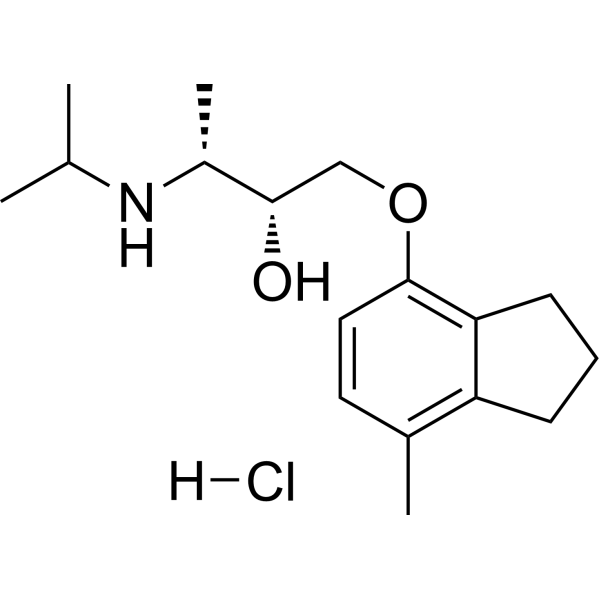
HY-13951
Zenidolol hydrochlorideβ2 Adrenergic Receptor Antagonist -
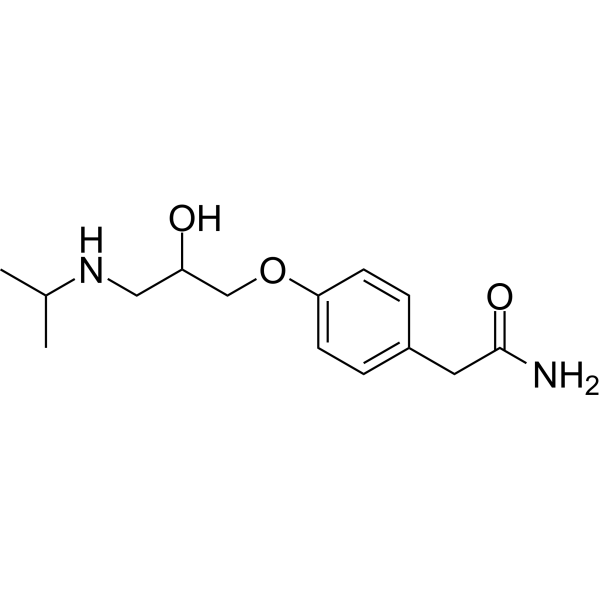
HY-17498
Atenololβ1-Adrenergic Receptor Blocker -

HY-17503R
Metoprolol (Standard)Beta1-adrenoceptor Antagonist -
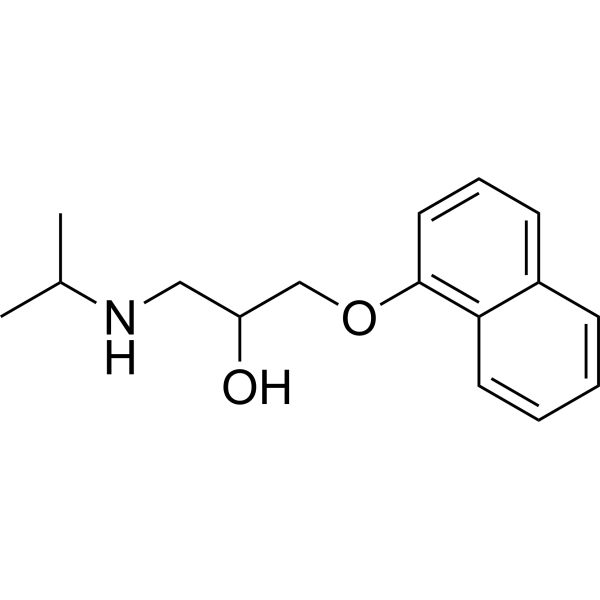
HY-B0573B
Propranololβ-Adrenoceptor Blocker -
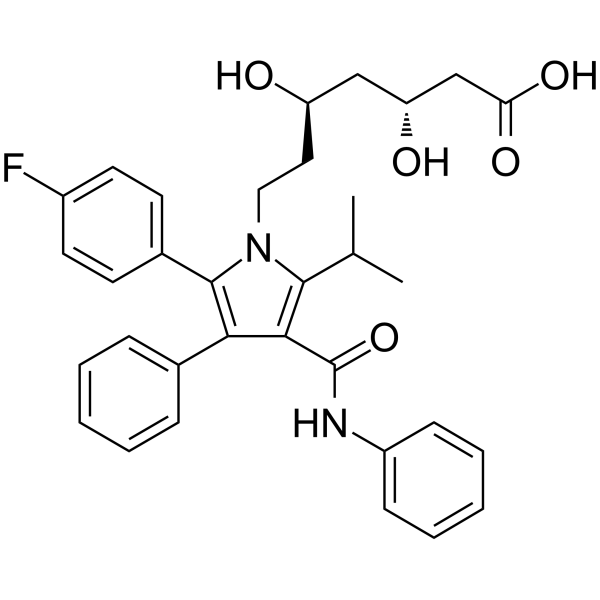
HY-B0589
AtorvastatinHMG-CoA Reductase Inhibitor -
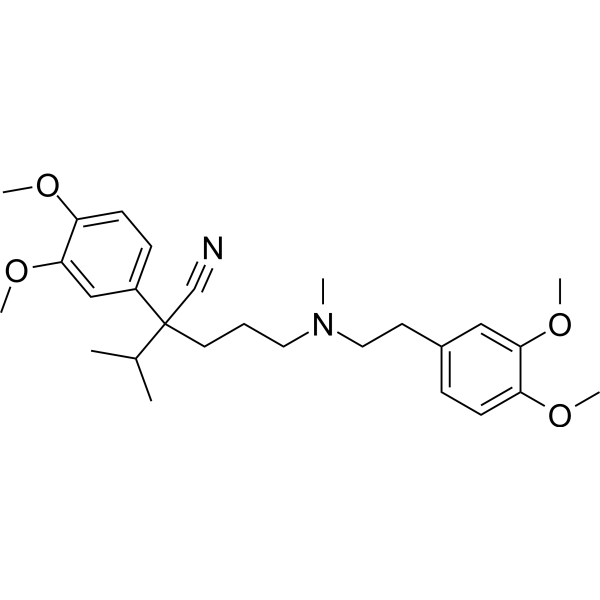
HY-14275
VerapamilCalcium Channel Blocker -
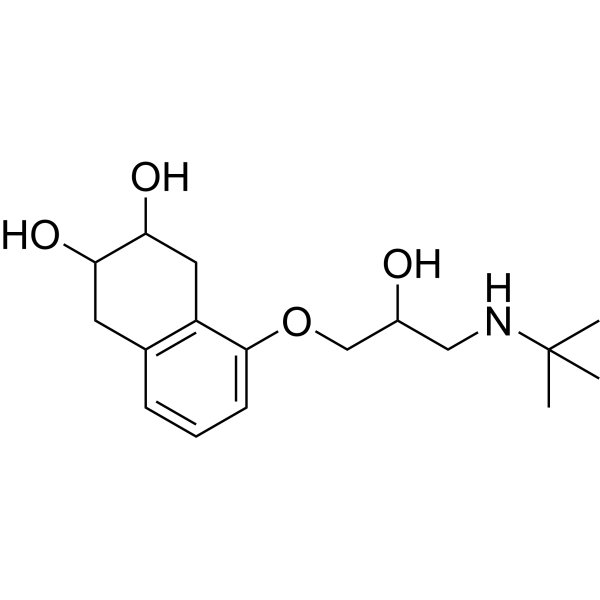
HY-B0804
Nadololβ-adrenergic Receptors Blocker -
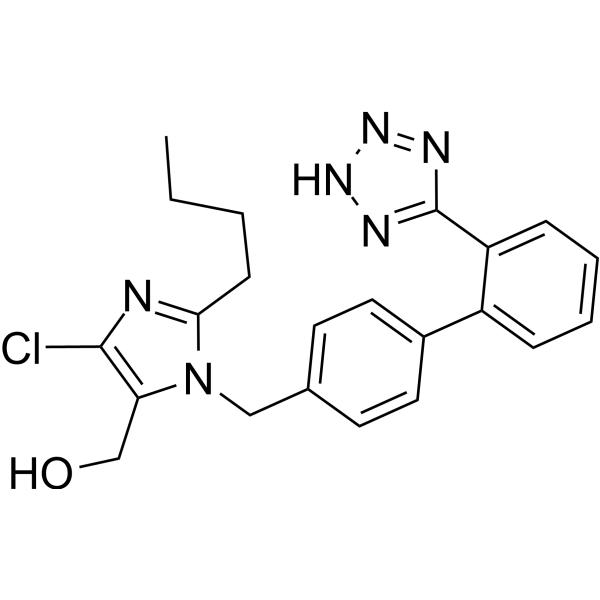
HY-17512
LosartanAngiotensin II Receptor Antagonist -
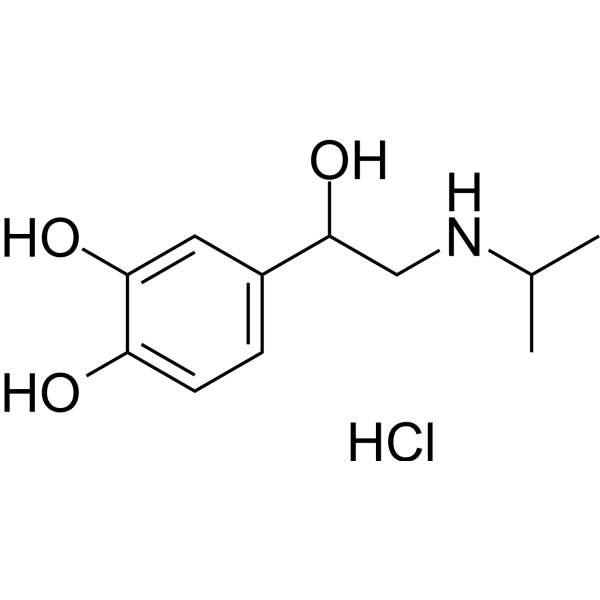
HY-B0468
Isoprenaline hydrochlorideβ-adrenoceptor Agonist -
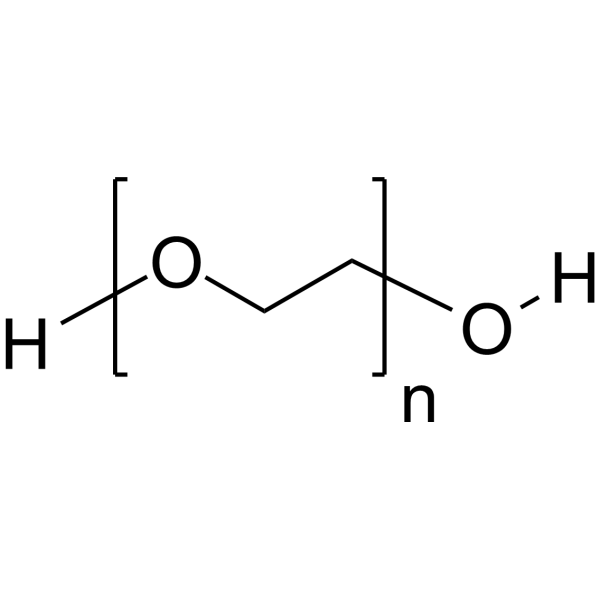
HY-Y0873
PEG300Neutral Polymer -
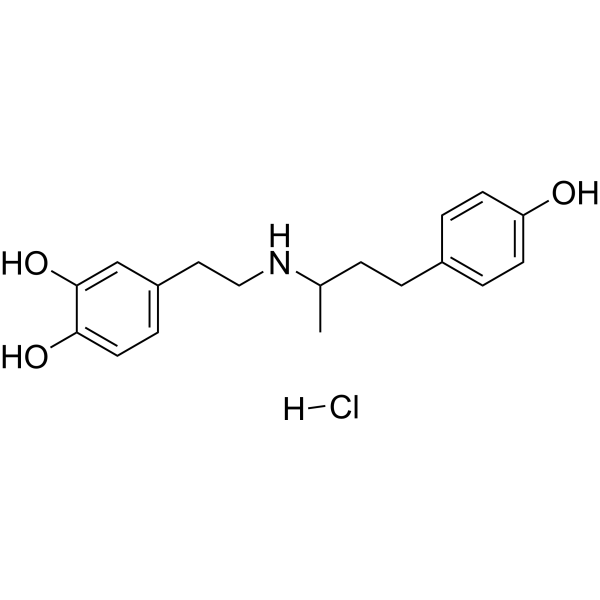
HY-15746
Dobutamine hydrochlorideβ1-AR Agonist -
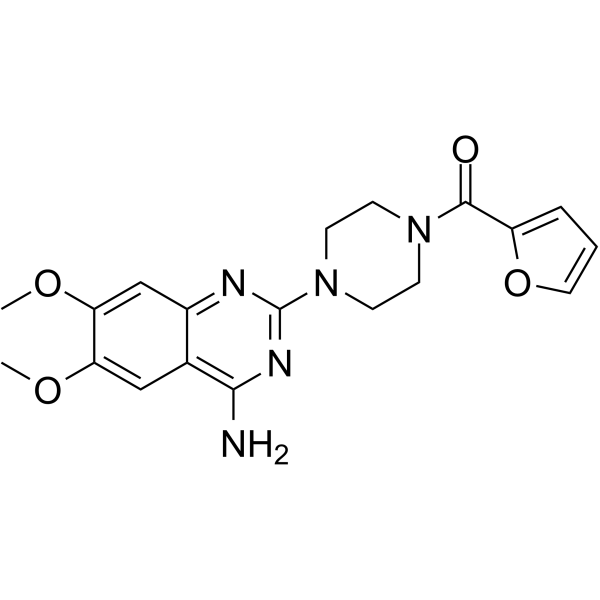
HY-B0193
PrazosinAdrenaline Antagonists
Publications Citing Use of MedChemExpress (MCE) Metoprolol
More- Phytomedicine. 2026 Oct:160:158619.
- Mol Med. 2025 Feb 11;31(1):55.
- Emerg Contam. 2026 Feb 23.
- J Intern Med. 2024 Sep;296(3):291-297. [Abstract]
- Eur J Med Chem. 2024 Dec 5:279:116842. [Abstract]
- Int J Mol Sci. 2026 Apr 15;27(8):3523. [Abstract]
- Int Immunopharmacol. 2024 Oct 25:140:112894. [Abstract]
- iScience. 2025 Jan 17;28(2):111831. [Abstract]
- J Pharm Biomed Anal. 2021 Feb 20:195:113870. [Abstract]
- PLoS One. 2024 Aug 14;19(8):e0301875. [Abstract]
- J Pharmacol Sci. 2020 Sep;144(1):30-42. [Abstract]
- Biochem Biophys Res Commun. 2025 Oct 30:786:152756. [Abstract]
- J Chromatogr B Analyt Technol Biomed Life Sci. 2023 Jul 1:1227:123804. [Abstract]
- bioRxiv. 2024 Mar 29.
- Environ Toxicol. 2024 Mar;39(3):1682-1699. [Abstract]
- Preprints. 2023 Jun 19.
- Chemosphere. 2019 Jun:225:378-387. [Abstract]
 Customer Validation & Images

-
IF
-
Others
-
Bio/Physico-chemical Assay
Voir tous les produits spécifiques à Isoform Adrenergic Receptor
More

Activité biologique
Description
IC50 & Target
|
β1 adrenoceptor |
Cellular Effect
|
Cell Line

|
Type | Value | Description | References |
|---|---|---|---|---|
| A-375 | IC50 |
>100 μM
Compound: Metoprolol
|
Antiproliferative activity against human A375 cells assessed as cell growth inhibition incubated for 48 hrs by MTT assay
Antiproliferative activity against human A375 cells assessed as cell growth inhibition incubated for 48 hrs by MTT assay
|
[PMID: 32216987] |
| HEK293 | IC50 |
>1000 μM
Compound: 95
|
Inhibition of RyR2 R4496C mutant (unknown origin)-mediated store-overload induced calcium release expressed in HEK293 cells after 8 to 10 mins by fura-2/AM dye-based fluorescence assay
Inhibition of RyR2 R4496C mutant (unknown origin)-mediated store-overload induced calcium release expressed in HEK293 cells after 8 to 10 mins by fura-2/AM dye-based fluorescence assay
|
[PMID: 24124794] |
| SK-MEL-28 | IC50 |
>100 μM
Compound: Metoprolol
|
Antiproliferative activity against human SK-MEL-28 cells assessed as cell growth inhibition incubated for 48 hrs by MTT assay
Antiproliferative activity against human SK-MEL-28 cells assessed as cell growth inhibition incubated for 48 hrs by MTT assay
|
[PMID: 32216987] |
| SK-MEL-5 | IC50 |
>100 μM
Compound: Metoprolol
|
Antiproliferative activity against human SK-MEL-5 cells assessed as cell growth inhibition incubated for 48 hrs by MTT assay
Antiproliferative activity against human SK-MEL-5 cells assessed as cell growth inhibition incubated for 48 hrs by MTT assay
|
[PMID: 32216987] |
In Vitro
Metoprolol (0-1000 μg/mL; 24-72 h) shows cytotoxic effect on U937 and MOLT-4 cells dose and time dependently[3].
MedChemExpress (MCE) has not independently confirmed the accuracy of these methods. They are for reference only.
-
Cell Line:U937 and MOLT-4 cells
-
Concentration:1, 10, 50, 100, 500 and 1000 μg/mL
-
Incubation Time:24, 48 and 72 h
-
Result:Significantly decreased the viability of U937 and MOLT-4 cells at 1000 μg/mL (3740.14µM) concentration after 48 hours incubation time, significantly reduced the viability of U937 cells at ≥500 μg/ml (≥1870.07µM) concentrations after 72 hours incubation time, and significantly decreased the viability of MOLT4 cells at ≥100 μg/ml (≥374.01µM) concentrations after 72 hours incubation.
In Vivo
Metoprolol (15 mg/kg/q12h; i.g.; 5 days) shows anti-inflammation and anti-virus effects in murine model with coxsackievirus B3-induced viral myocarditis[2].
Metoprolol (2.5 mg/kg; i.v.; 3 bolus injections) significantly decreased activated caspase-9 protein expression and inhibits myocardial apoptosis in coronary microembolization (CME) rats[4].
MedChemExpress (MCE) has not independently confirmed the accuracy of these methods. They are for reference only.
-
Animal Model:Male ApoE−/− mice[1]
-
Dosage:2.5 mg/kg/h
-
Administration:Via osmotic minipumps, 11 weeks
-
Result:Significantly reduced atherosclerotic plaque area in thoracic aorta, reduced serum TNFα and the chemokine CXCL1 as well as decreasing the macrophage content in the plaques.
-
Animal Model:Balb/c mice, coxsackievirus B3 (CVB3) induced viral myocarditis (VMC) model[2]
-
Dosage:15 mg/kg/q12h
-
Administration:Oral gavage, 5 consecutive days
-
Result:Reduced pathological scores of VMC induced by CVB3 infection, protected the myocardium against viral damage by reducing serum cTn-I levels. Decreased the levels of myocardial pro-inflammatory cytokines and increase the expression of anti-inflammatory cytokine. Significantly decreased myocardial virus titers.
Essai clinique
| NCT Number | Sponsor | Condition | Start Date |
Phase
|
|---|---|---|---|---|
| NCT01329991 | Plexxikon| | 2011-05 | PHASE1 |


Chemical Information
-
CAS No. 51384-51-1
-
Appearance Solid
-
Masse moléculaire 267.36
-
Formule C15H25NO3
-
Color White to off-white
-
SMILES
OC(CNC(C)C)COC1=CC=C(CCOC)C=C1
-
Livraison
Room temperature in continental US; may vary elsewhere.
-
Stockage
4°C, protect from light
* In solvent : -80°C, 6 months; -20°C, 1 month (protect from light)


Publications (17)
-
Journal Impact Factor
-
Most Recent
-
-
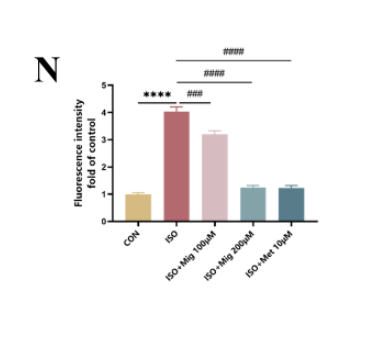
Metoprolol purchased from MedChemExpress. Usage Cited in: Mol Med. 2025 Feb 11;31(1):55.
Quantification of immunofluorescence staining of phosphorylated-GSK3β in NRCFs. The ratio of phosphorylated protein to total protein reflects the activation of signaling pathways. NRCFs were starved for 24h. Mig and Metoprolol (Met: 10 μM) were added ahead for 1h, then ISO was added for 24h. Met was used as positive control.
-
-
J Intern Med
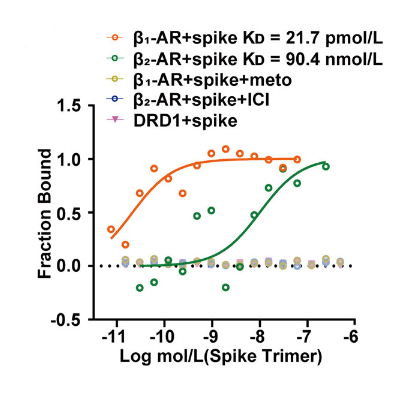
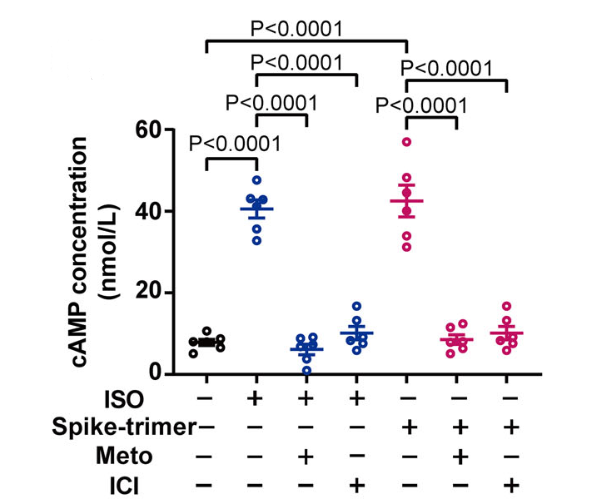
SARS-CoV-2 spike protein acts as a β-adrenergic receptor agonist: A potential mechanism for cardiac sequelae of long COVID. [Abstract]2024 Sep;296(3):291-297. PMID: 39073192
Metoprolol purchased from MedChemExpress. Usage Cited in: J Intern Med. 2024 Sep;296(3):291-297. [Abstract]
Selective blockers Metoprolol (METO; β1-AR blocker; 10 µmol/L) and ICI118551 (ICI; β2-AR blocker; 10 µmol/L) were used to explore the interactions of the spike protein with β1-AR and β2-AR, respectively.
Metoprolol purchased from MedChemExpress. Usage Cited in: J Intern Med. 2024 Sep;296(3):291-297. [Abstract]
cAMP accumulation in NMCMs treated with ISO (1 µmol/L) and the spike trimer (10 nmol/L) with or without pretreatment with Metoprolol (10 µmol/L) and ICI118551 (10 µmol/L).
-
Eur J Med Chem
2024 Dec 5:279:116842. PMID: 39260319 -
Int J Mol Sci
N- p- trans-Coumaroyltyramine Improves Myocardial Ischemia-Reperfusion Injury: From Cellular Protection to Animal Model Validation and the Discovery of the Target Tcap. [Abstract]2026 Apr 15;27(8):3523. PMID: 42074166 -
Int Immunopharmacol
Baricitinib alleviates cardiac fibrosis and inflammation induced by chronic sympathetic activation. [Abstract]2024 Oct 25:140:112894. PMID: 39126736 -
iScience
Stimulation of TRPV1+ peripheral somatosensory nerves suppress inflammation via the somato-autonomic reflex. [Abstract]2025 Jan 17;28(2):111831. PMID: 39967868 -
J Pharm Biomed Anal
Screening method of mildronate and over 300 doping agents by reversed-phase liquid chromatography-high resolution mass spectrometry. [Abstract]2021 Feb 20:195:113870. PMID: 33453569 -
PLoS One
Ginseng Radix et Rhizoma enhanced the effect of metoprolol in chronic heart failure by inhibiting autophagy in male C57BL/6J mice. [Abstract]2024 Aug 14;19(8):e0301875. PMID: 39141645 -
J Pharmacol Sci
Sustained increased CaMKII phosphorylation is involved in the impaired regression of isoproterenol-induced cardiac hypertrophy in rats. [Abstract]2020 Sep;144(1):30-42. PMID: 32665128 -
Biochem Biophys Res Commun
Dual-cardiotoxicity evaluation of torsadogenic risk drugs using human iPSC-derived cardiomyocytes. [Abstract]2025 Oct 30:786:152756. PMID: 41043280 -
J Chromatogr B Analyt Technol Biomed Life Sci
High-throughput screening of LogD by using a sample pooling approach based on the traditional shake flask method. [Abstract]2023 Jul 1:1227:123804. PMID: 37393793 -
-
Environ Toxicol
Phenylacetyl glutamine (PAGln) enhances cardiomyocyte death after myocardial infarction through β1 adrenergic receptor. [Abstract]2024 Mar;39(3):1682-1699. PMID: 38041472 -
-
Chemosphere
Mass-balance-model-based evaluation of sewage treatment plant contribution to residual pharmaceuticals in environmental waters. [Abstract]2019 Jun:225:378-387. PMID: 30884299


Solvant et solubilité
In Vitro:
DMSO : 100 mg/mL (374.03 mM; Need ultrasonic; Hygroscopic DMSO has a significant impact on the solubility of product, please use newly opened DMSO)
Please refer to the solubility information to select the appropriate solvent. Once prepared, please aliquot and store the solution to prevent product inactivation from repeated freeze-thaw cycles.
Storage method and period of stock solution: -80°C, 6 months; -20°C, 1 month (protect from light). When stored at -80°C, please use it within 6 months. When stored at -20°C, please use it within 1 month.
Please refer to the solubility information to select the appropriate solvent. Once prepared, please aliquot and store the solution to prevent product inactivation from repeated freeze-thaw cycles.
Storage method and period of stock solution: -80°C, 6 months; -20°C, 1 month (protect from light). When stored at -80°C, please use it within 6 months. When stored at -20°C, please use it within 1 month.
Concentration (start) × Volume (start) = Concentration (final) × Volume (final)
In Vivo:
Select the appropriate dissolution method based on your experimental animal and administration route.
- For the following dissolution methods, please ensure to first prepare a clear stock solution using an In Vitro approach and then sequentially add co-solvents:
- To ensure reliable experimental results, the clarified stock solution can be appropriately stored based on storage conditions. As for the working solution for In Vivo experiments, it is recommended to prepare freshly and use it on the same day.
- The percentages shown for the solvents indicate their volumetric ratio in the final prepared solution. If precipitation or phase separation occurs during preparation, heat and/or sonication can be used to aid dissolution.
Add each solvent one by one: 10% DMSO 40% PEG300 5% Tween-80 45% Saline
Solubility: ≥ 2.5 mg/mL (9.35 mM); Clear solution
This protocol yields a clear solution of ≥ 2.5 mg/mL (saturation unknown).
Taking 1 mL working solution as an example, add 100 μL DMSO stock solution (25.0 mg/mL) to 400 μL PEG300, and mix evenly; then add 50 μL Tween-80 and mix evenly; then add 450 μL Saline to adjust the volume to 1 mL.
Preparation of Saline: Dissolve 0.9 g sodium chloride in ddH₂O and dilute to 100 mL to obtain a clear Saline solution.
Add each solvent one by one: 10% DMSO 90% (20% SBE-β-CD in Saline)
Solubility: ≥ 2.5 mg/mL (9.35 mM); Clear solution
This protocol yields a clear solution of ≥ 2.5 mg/mL (saturation unknown).
Taking 1 mL working solution as an example, add 100 μL DMSO stock solution (25.0 mg/mL) to 900 μL 20% SBE-β-CD in Saline, and mix evenly.
Preparation of 20% SBE-β-CD in Saline (4°C, storage for one week): 2 g SBE-β-CD powder is dissolved in 10 mL Saline, completely dissolve until clear.
In Vivo Dissolution Calculator
Please enter the basic information of animal experiments:
-
-
-
-
Recommended: Prepare an additional quantity of animals to account for potential losses during experiments.
Please enter your animal formula composition:
-
%DMSO +
Recommended: Keep the proportion of DMSO in working solution below 2% if your animal is weak.
-
%+
-
+%Tween-80 + +
-
%Saline +
The co-solvents required include: DMSO, . All of co-solvents are available by MedChemExpress (MCE). , Tween 80. All of co-solvents are available by MedChemExpress (MCE).
Working solution concentration: 0.22 mg/mL
Method for preparing stock solution: mg drug dissolved in μL DMSO. Stock solution concentration: mg/mL. * In solvent : -80°C, 6 months; -20°C, 1 month (protect from light)
1. Take μL DMSO stock solution;
2. Add μL .
μL , mix evenly;
3. Then add μL Tween 80, mix evenly;
4. Then add μL
Please ensure that the stock solution in the first step is dissolved to a clear state, and add co-solvents in sequence. You can use ultrasonic heating (ultrasonic cleaner, recommended frequency 20-40 kHz), vortexing, etc. to assist dissolution.


Pureté et documentation
-
Fiche technique (275 KB)
-
SDS (394 KB)
- English - EN (394 KB)
- Français - FR (394 KB)
- Deutsch - DE (394 KB)
- Norwegian - NO (394 KB)
- Español - ES (394 KB)
- Swedish - SV (394 KB)
- Italian - IT (394 KB)
- Korean - KR (394 KB)
- Portuguese - PT (394 KB)
-
Instruction de manipulation (2659 KB)
Références
[1]. Ulleryd MA, et al. Metoprolol reduces proinflammatory cytokines and atherosclerosis in ApoE-/- mice. Biomed Res Int. 2014;2014:548783. [Content Brief]
[2]. Wang D, et al. Carvedilol has stronger anti-inflammation and anti-virus effects than metoprolol in murine model with coxsackievirus B3-induced viral myocarditis. Gene. 2014 Sep 1;547(2):195-201. [Content Brief]
[4]. Su Q, et al. Effect of metoprolol on myocardial apoptosis and caspase-9 activation after coronary microembolization in rats. Exp Clin Cardiol. 2013 Spring;18(2):161-5. [Content Brief]


Complete Stock Solution Preparation Table
Please refer to the solubility information to select the appropriate solvent. Once prepared, please aliquot and store the solution to prevent product inactivation from repeated freeze-thaw cycles.
Storage method and period of stock solution: -80°C, 6 months; -20°C, 1 month (protect from light). When stored at -80°C, please use it within 6 months. When stored at -20°C, please use it within 1 month.
| Optional Solvent | Concentration Solvent Mass | 1 mg | 5 mg | 10 mg | 25 mg |
|---|---|---|---|---|---|
| DMSO | 1 mM | 3.7403 mL | 18.7014 mL | 37.4028 mL | 93.5069 mL |
| 5 mM | 0.7481 mL | 3.7403 mL | 7.4806 mL | 18.7014 mL | |
| 10 mM | 0.3740 mL | 1.8701 mL | 3.7403 mL | 9.3507 mL | |
| 15 mM | 0.2494 mL | 1.2468 mL | 2.4935 mL | 6.2338 mL | |
| 20 mM | 0.1870 mL | 0.9351 mL | 1.8701 mL | 4.6753 mL | |
| 25 mM | 0.1496 mL | 0.7481 mL | 1.4961 mL | 3.7403 mL | |
| 30 mM | 0.1247 mL | 0.6234 mL | 1.2468 mL | 3.1169 mL | |
| 40 mM | 0.0935 mL | 0.4675 mL | 0.9351 mL | 2.3377 mL | |
| 50 mM | 0.0748 mL | 0.3740 mL | 0.7481 mL | 1.8701 mL | |
| 60 mM | 0.0623 mL | 0.3117 mL | 0.6234 mL | 1.5584 mL | |
| 80 mM | 0.0468 mL | 0.2338 mL | 0.4675 mL | 1.1688 mL | |
| 100 mM | 0.0374 mL | 0.1870 mL | 0.3740 mL | 0.9351 mL |


Metoprolol Related Classifications
HY-17503 Related Classifications
 Powered by Bioz