
From 11:00 pm to 12:00 pm EST ( 8:00 pm to 9:00 pm PST ) on January 6th, the website will be under maintenance. We are sorry for the inconvenience. Please arrange your schedule properly.
Tofersen (BIIB067) is an antisense oligonucleotide and SOD1 mRNA inhibitor with an IC50 of 320 pM. Tofersen mediates RNase H-dependent degradation of SOD1 mRNA to reduce SOD1 protein levels in cerebrospinal fluid and serum. Tofersen downregulates cerebrospinal fluid neurofilament light chain, neurofilament heavy chain, amyloid-beta 1-40, amyloid-beta 1-42, neuropeptide Y, ubiquitin C-terminal hydrolase L1, neuropentraxins 1, 2, R, corticotropin-releasing hormone, IL-15, and serum neurofilament light chain, neurofilament heavy chain. Tofersen can be used for the research of superoxide dismutase 1-associated amyotrophic lateral sclerosis .
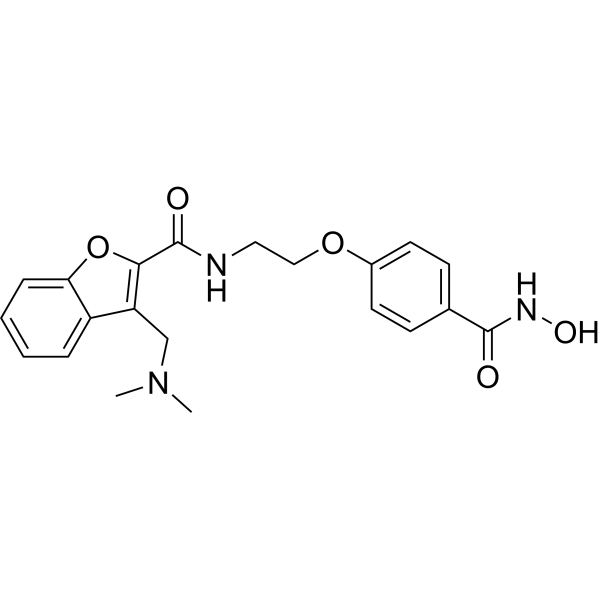
Abexinostat (CRA 024781) is a novel pan-HDAC inhibitor mostly targeting HDAC1 with Ki of 7 nM. Abexinostat also inhibits metallo-β-lactamase domain-containing protein 2 (MBLAC2) hydrolase activity with an EC50 below 10 nM .
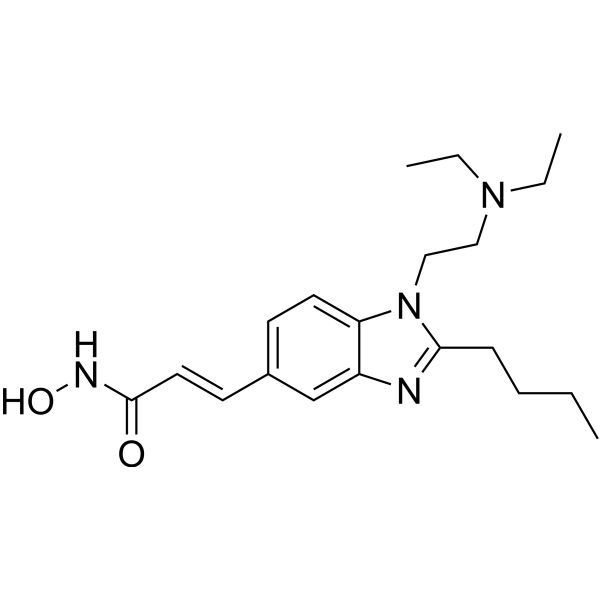
Pracinostat is a potent histone deacetylase (HDAC) inhibitor, with IC50s of 40-140 nM, used for cancer research. Pracinostat also inhibits metallo-β-lactamase domain-containing protein 2 (MBLAC2) hydrolase activity with an EC50 below 10 nM .
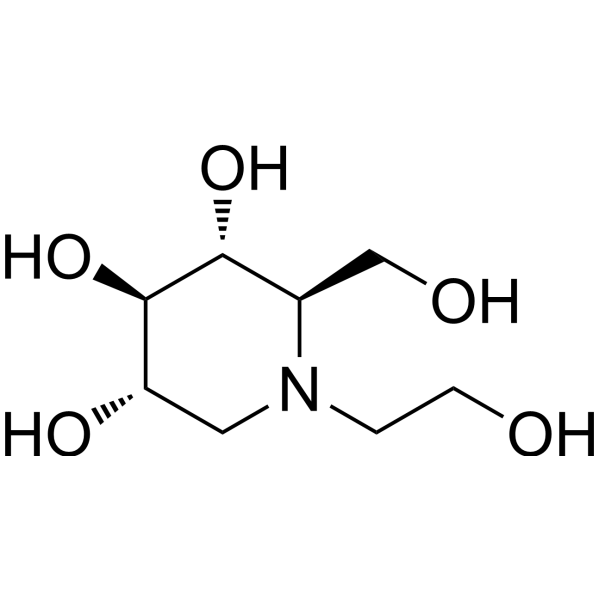
Miglitol (BAY-m1099) is an orally active antidiabetic compound that inhibits the breakdown of glycoconjugates into glucose. Miglitol inhibits glycoside hydrolase enzymes called α-glucosidases. Miglitol inhibits oxidative stress-induced apoptosis and mitochondrial ROS over-production in endothelial cells by enhancement of AMP-activated protein kinase. Dietary supplementation with Miglitol from pre-onset stage in OLETF rats delays the onset and development of diabetes and preserves the insulin secretory function of pancreatic islets .
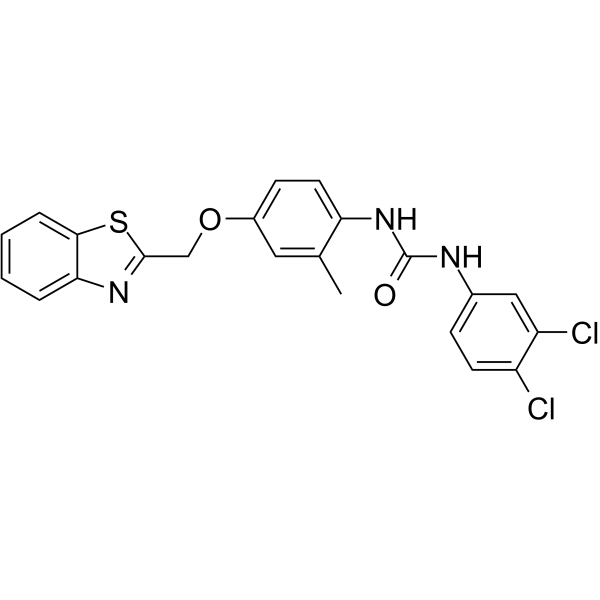
Diflapolin is a highly active dual 5-lipoxygenase-activating protein(FLAP)/soluble epoxide hydrolase(sEH) inhibitor with marked anti-inflammatory efficacy and high target selectivity. Diflapolin inhibits 5-LOX product formation in intact human monocytes and neutrophils with IC50s?of? 30 and 170?nM, respectively, and suppressed the activity of isolated sEH (IC50=20?nM) .
Tofersen (BIIB067) sodium is an antisense oligonucleotide and SOD1 mRNA inhibitor with an IC50 of 320 pM. Tofersen sodium mediates RNase H-dependent degradation of SOD1 mRNA to reduce SOD1 protein levels in cerebrospinal fluid and serum. Tofersen sodium downregulates cerebrospinal fluid neurofilament light chain, neurofilament heavy chain, amyloid-beta 1-40, amyloid-beta 1-42, neuropeptide Y, ubiquitin C-terminal hydrolase L1, neuropentraxins 1, 2, R, corticotropin-releasing hormone, IL-15, and serum neurofilament light chain, neurofilament heavy chain. Tofersen sodium can be used for the research of superoxide dismutase 1-associated amyotrophic lateral sclerosis .
TFMU-ADPr diammonium is a selective reporter substrate of SARS-CoV-2 Macro1 (IC50=0.59 μM), with an excitation wavelength (λEx) of 385 nm, and an emission wavelength (λEm) of 502 nm (or 495 nm). TFMU-ADPr diammonium can also undergo enzymatic hydrolysis with Poly(ADP-ribose) Glycohydrolase (PARG) sourced from human, Tetrahymena thermophila and ADP-ribosylhydrolase 3 from human to release fluorophores, thereby directly reporting total poly (ADP-ribose) hydrolase activity. TFMU-ADPr diammonium binds to the ADPr-binding site of SARS-CoV-2 Macro1, and its TFMU moiety inserts into the narrow hydrophobic groove of this protein. TFMU-ADPr diammonium can thus be used to evaluate small-molecule inhibitors targeting PAR hydrolases under in vitro conditions, to investigate the regulatory mechanisms of ADP-ribosyl catabolic enzymes, or to detect PAR hydrolase activity in whole-cell lysate assays. TFMU-ADPr diammonium is also applicable to COVID-19-related research .
FAAH inhibitor 1 (compound 3) is a selective reversible FAAH inhibitor. FAAH inhibitor 1 has no off-target activity with respect to other serine hydrolases. FAAH inhibitor 1 is exclusively specific against FAAH in rat brain with an IC50 value of 18 nM and had no missing protein bands in all the other tissues. FAAH inhibitor 1 can be used for neurological disorders research .
AMZ30 is selective proteinphosphatase methylesterase-1(PME-1) inhibitor with IC50s of 600 nM and 3.5 µM in human cell lysates and in HEK 293T cells, respectively. AMZ30 shows >100-fold selectivity relative to other serine hydrolases. AMZ30 reduces the demethylated form of PP2A in living cells. AMZ30 attenuates muscle cell differentiation. AMZ30 increases the resistance of U87MG and U251MG glioblastoma cells to t-BHP-induced oxidative stress. AMZ30can be used for the study of glioblastoma .
Alisol B is a triterpene with diverse biological activities. Alisol B binds human soluble epoxide hydrolase (sEH) with a Ki of 5.97 μM and reduces sEH activity. Alisol B inhibits RANKL-induced JNK phosphorylation, NFATc1 and c-Fos expression, osteoclast formation, mature osteoclast pit-forming and actin ring activity, and SERCA pump activity. Alisol B induces calcium mobilization, CaMKK-AMPK-mTOR pathway activation, autophagic flux, autophagosome formation, G1 phase cell cycle arrest, endoplasmic reticulum stress, unfolded protein responses, and cancer cell apoptosis. Alisol B can be used for the research of hypercalcemia, osteoporosis, rheumatoid arthritis, periodontitis, acute kidney injury, and breast cancer .
TFMU-ADPr is a selective reporter substrate of SARS-CoV-2 Macro1 (IC50=0.59 μM), with an excitation wavelength (λEx) of 385 nm, and an emission wavelength (λEm) of 502 nm (or 495 nm). TFMU-ADPr can also undergo enzymatic hydrolysis with Poly(ADP-ribose) Glycohydrolase (PARG) sourced from human, Tetrahymena thermophila and ADP-ribosylhydrolase 3 from human to release fluorophores, thereby directly reporting total poly (ADP-ribose) hydrolase activity. TFMU-ADPr binds to the ADPr-binding site of SARS-CoV-2 Macro1, and its TFMU moiety inserts into the narrow hydrophobic groove of this protein. TFMU-ADPr can thus be used to evaluate small-molecule inhibitors targeting PAR hydrolases under in vitro conditions, to investigate the regulatory mechanisms of ADP-ribosyl catabolic enzymes, or to detect PAR hydrolase activity in whole-cell lysate assays. TFMU-ADPr is also applicable to COVID-19-related research .
ABC44 is a potent serine hydrolase inhibitor with IC50s of 0.1 μM and 6.5 μM for palmitoyl protein thioesterase 1 (PPT1) in situ and in vitro, respectively. ABC44 can be used for researching infantile neuronal ceroid lipofuscinosis .
SR-4559 is a α/β hydrolase domain-containing protein 5 (ABHD5) ligand. SR-4559 activates adipose triglyceride lipase (ATGL) and stimulates lipolysis by inhibiting ABHD5-PLIN interactions in adipocytes and muscle cells. SR-4559 can be used for metabolic diseases like Chanarin Dorfman syndrome research .
TFMU-ADPr triethylamine is a selective reporter substrate of SARS-CoV-2 Macro1 (IC50=0.59 μM), with an excitation wavelength (λEx) of 385 nm, and an emission wavelength (λEm) of 502 nm (or 495 nm). TFMU-ADPr triethylamine can also undergo enzymatic hydrolysis with Poly(ADP-ribose) Glycohydrolase (PARG) sourced from human, Tetrahymena thermophila and ADP-ribosylhydrolase 3 from human to release fluorophores, thereby directly reporting total poly (ADP-ribose) hydrolase activity. TFMU-ADPr triethylamine binds to the ADPr-binding site of SARS-CoV-2 Macro1, and its TFMU moiety inserts into the narrow hydrophobic groove of this protein. TFMU-ADPr triethylamine can thus be used to evaluate small-molecule inhibitors targeting PAR hydrolases under in vitro conditions, to investigate the regulatory mechanisms of ADP-ribosyl catabolic enzymes, or to detect PAR hydrolase activity in whole-cell lysate assays. TFMU-ADPr triethylamine is also applicable to COVID-19-related research .
Inh2-B1 is a Ser/Thr protein kinase (STK1) inhibitor. Inh2-B1 specifically inhibits STK1 activity by directly binding to its ATP-binding catalytic domain. Inh2-B1 down-regulates cell wall hydrolase genes and disrupts the biofilm formation of Methicillin-resistant Staphylococcus aureus (MRSA) clearly .
(S)-DO271 is a non-active control probe targeting ABHD12, and it has almost no inhibitory activity against ABHD12 (IC50 > 100 μM). (S)-DO271 does not cause the upregulation of inflammatory factors and has no cytotoxicity. (S)-DO271 is suitable as a negative control for validating the functional studies of ABHD12 .
Pyroglutamate aminopeptidase I is a type of enzyme that cleaves the peptide bond of pyroglutamic acid linked to the N-terminal end of a protein, including some important anti-inflammatory proteins like immunoglobulin .
SA57 is a potent, selective FAAH inhibitor with IC50s of 3.2 nM and 1.9 nM for mouse and human FAAH. SA57 also inhibits the 2-arachidonoylglycerol hydrolasesMAGL (IC50s of 410 nM and 1.4 μM for mouse and human MAGL) and mouse α/β-hydrolase domain-containing protein 6 (mABHD6; IC50 of 850 nM), but not other brain serine hydrolases .
JP83 is an irreversible fatty acyl amide hydrolase (FAAH) inhibitor with an IC50 of 1.6 nM in competitive activity-based protein profiling (ABPP) experiments .
sEH/FLAP-IN-2 is a selective sEH (IC50 = 12.6 nM)/FLAP dual inhibitor. sEH/FLAP-IN-2 highlights the reduction of 5-LOX/FLAP- and sEH-derived LMs, resulting in a favourable redistribution of LMs. sEH/FLAP-IN-2 can be used for the study of peritonitis .
Tofersen-d27 (BIIB067-d27) is the deuterium labeled Tofersen (HY-132580). Tofersen (BIIB067) is an antisense oligonucleotide and SOD1 mRNA inhibitor with an IC50 of 320 pM. Tofersen mediates RNase H-dependent degradation of SOD1 mRNA to reduce SOD1 protein levels in cerebrospinal fluid and serum. Tofersen downregulates cerebrospinal fluid neurofilament light chain, neurofilament heavy chain, amyloid-beta 1-40, amyloid-beta 1-42, neuropeptide Y, ubiquitin C-terminal hydrolase L1, neuropentraxins 1, 2, R, corticotropin-releasing hormone, IL-15, and serum neurofilament light chain, neurofilament heavy chain. Tofersen can be used for the research of superoxide dismutase 1-associated amyotrophic lateral sclerosis.
Justicisaponin I can be used as an anti-fertility agent. Justicisaponin I stabilizes the acrosome membrane of sperm, and inhibits the release of acid hydrolase and sperm proteins .
Pracinostat dihydrochloride is a potent histone deacetylase (HDAC) inhibitor, with IC50s of 40-140 nM, used for cancer research. Pracinostat dihydrochloride also inhibits metallo-β-lactamase domain-containing protein 2 (MBLAC2) hydrolase activity with an EC50 below 10 nM .
Deprodone is an active compound. Deprodone inhibits key processes such as bacterial cell wall synthesis by interacting with the hydrolase and transferaseproteins of methicillin-resistant Staphylococcus aureus (MRSA). Deprodone is used in research on anti-MRSA infection, inflammatory skin disorders, bowel disease, and fatty acid metabolism disorders .
Pracinostat (Standard) is the analytical standard of Pracinostat. This product is intended for research and analytical applications. Pracinostat is a potent histone deacetylase (HDAC) inhibitor, with IC50s of 40-140 nM, used for cancer research. Pracinostat also inhibits metallo-β-lactamase domain-containing protein 2 (MBLAC2) hydrolase activity with an EC50 below 10 nM .
XH161-180 is a potent and orally active ubiquitin carboxyl-terminal hydrolase 2 (USP2) inhibitor. XH161-180 decreases the protein of cyclin D and ACE2. XH161-180 shows antiproliferative activity. XH161-180 has the potential for the research of cancer and virus infection depending on ACE2 .
Alisol B (Standard) is the analytical standard of Alisol B (HY-N0805A). This product is intended for research and analytical applications. Alisol B is a triterpene with diverse biological activities. Alisol B binds human soluble epoxide hydrolase (sEH) with a Ki of 5.97 μM and reduces sEH activity. Alisol B inhibits RANKL-induced JNK phosphorylation, NFATc1 and c-Fos expression, osteoclast formation, mature osteoclast pit-forming and actin ring activity, and SERCA pump activity. Alisol B induces calcium mobilization, CaMKK-AMPK-mTOR pathway activation, autophagic flux, autophagosome formation, G1 phase cell cycle arrest, endoplasmic reticulum stress, unfolded protein responses, and cancer cell apoptosis. Alisol B can be used for the research of hypercalcemia, osteoporosis, rheumatoid arthritis, periodontitis, acute kidney injury, and breast cancer.
Human GLB1 mRNA encodes the human Galactosidase beta 1 (GLB1) protein, a member of the glycosyl hydrolase 35 family of proteins. This enzyme catalyzes the hydrolysis of a terminal beta-linked galactose residue from ganglioside substrates and other glycoconjugates.
β-Acetylglucosaminidase 18A, Bacteroides thetaiotaomicron (EC 3.2.1.96), is an enzyme from Bacteroides thetaiotaomicron that participates in the endohydrolysis of the diacetylchitobiosyl unit in high-mannose glycopeptides and glycoproteins containing the (Man (GlcNAc) (2) ) Asn-structure. One N-acetyl-D-glucosamine residue remains attached to the protein; the rest of the oligosaccharide is released intact. Recombinant BtAcp18A (GH18) , purified from Escherichia coli, is a single domain family 18 Glycoside Hydrolase (GH18) .
β-Mannosidase, Streptomyces coelicolor (EC 3.2.1.25) catalyses the following chemical reaction:Hydrolysis of terminal, non-reducing beta-D-mannose residues in beta-D-mannosides. This gene encodes a member of the glycosyl hydrolase 2 family. The encoded protein localizes to the lysosome where it is the final exoglycosidase in the pathway for N-linked glycoprotein oligosaccharide catabolism. Mutations in this gene are associated with beta-mannosidosis, a lysosomal storage disease that has a wide spectrum of neurological involvement.
FAAH inhibitor 1 (Standard) is the analytical standard of FAAH inhibitor 1 (HY-10862). This product is intended for research and analytical applications. FAAH inhibitor 1 (compound 3) is a selective reversible FAAH inhibitor. FAAH inhibitor 1 has no off-target activity with respect to other serine hydrolases. FAAH inhibitor 1 is exclusively specific against FAAH in rat brain with an IC50 value of 18 nM and had no missing protein bands in all the other tissues. FAAH inhibitor 1 can be used for neurological disorders research .
Aspergillopepsin I (Xeno-free) is an acid protease and aspartic protease. Aspergillopepsin I (Xeno-free) is derived from the marine fungus Aspergillus tubingensis. Aspergillopepsin I from Aspergillus tubingensis hydrolyzes glycinin, especially the 7S globulin .
PROTAC SAMHD1 Degrader-1 is an orally active targeted SAMHD1 PROTAC degrader, with an IC50 of 6.3 μM against the dNTP hydrolase activity of SAMHD1. PROTAC SAMHD1 Degrader-1 binds to SAMHD1 inside cells and mediates its degradation, with low off-target effects. PROTAC SAMHD1 Degrader-1 inhibits the production of pro-inflammatory cytokines and interferes with the cascade amplification process of inflammatory responses. PROTAC SAMHD1 Degrader-1 delays the progression of pulmonary fibrosis and exerts protective effects on lung tissues. PROTAC SAMHD1 Degrader-1 can be used in pulmonary fibrosis-related research. (Pink: SAMHD1 Target protein ligand (HY-182973); Blue: DCAF1 ligand (HY-182974); Black: linker (HY-W067705)) .
NOTA-MK0159 is a NOTA (HY-134418) and MK0159 (HY-150508) conjugate. NOTA-MK0159 inhibits human and mouse CD38 with IC50 values of 72.58 and 7.55 nM. NOTA-MK0159 coupled with radioactive elements acts as a imaging agent with specific uptake in CD38-positive multiple myeloma cells, enabling noninvasive whole-body assessment of CD38 expression in multiple myeloma xenografts. NOTA-MK0159 can be used for the research of multiple myeloma .
TFMU-ADPr is a selective reporter substrate of SARS-CoV-2 Macro1 (IC50=0.59 μM), with an excitation wavelength (λEx) of 385 nm, and an emission wavelength (λEm) of 502 nm (or 495 nm). TFMU-ADPr can also undergo enzymatic hydrolysis with Poly(ADP-ribose) Glycohydrolase (PARG) sourced from human, Tetrahymena thermophila and ADP-ribosylhydrolase 3 from human to release fluorophores, thereby directly reporting total poly (ADP-ribose) hydrolase activity. TFMU-ADPr binds to the ADPr-binding site of SARS-CoV-2 Macro1, and its TFMU moiety inserts into the narrow hydrophobic groove of this protein. TFMU-ADPr can thus be used to evaluate small-molecule inhibitors targeting PAR hydrolases under in vitro conditions, to investigate the regulatory mechanisms of ADP-ribosyl catabolic enzymes, or to detect PAR hydrolase activity in whole-cell lysate assays. TFMU-ADPr is also applicable to COVID-19-related research .
Alisol B is a triterpene with diverse biological activities. Alisol B binds human soluble epoxide hydrolase (sEH) with a Ki of 5.97 μM and reduces sEH activity. Alisol B inhibits RANKL-induced JNK phosphorylation, NFATc1 and c-Fos expression, osteoclast formation, mature osteoclast pit-forming and actin ring activity, and SERCA pump activity. Alisol B induces calcium mobilization, CaMKK-AMPK-mTOR pathway activation, autophagic flux, autophagosome formation, G1 phase cell cycle arrest, endoplasmic reticulum stress, unfolded protein responses, and cancer cell apoptosis. Alisol B can be used for the research of hypercalcemia, osteoporosis, rheumatoid arthritis, periodontitis, acute kidney injury, and breast cancer .
Justicisaponin I can be used as an anti-fertility agent. Justicisaponin I stabilizes the acrosome membrane of sperm, and inhibits the release of acid hydrolase and sperm proteins .
Alisol B (Standard) is the analytical standard of Alisol B (HY-N0805A). This product is intended for research and analytical applications. Alisol B is a triterpene with diverse biological activities. Alisol B binds human soluble epoxide hydrolase (sEH) with a Ki of 5.97 μM and reduces sEH activity. Alisol B inhibits RANKL-induced JNK phosphorylation, NFATc1 and c-Fos expression, osteoclast formation, mature osteoclast pit-forming and actin ring activity, and SERCA pump activity. Alisol B induces calcium mobilization, CaMKK-AMPK-mTOR pathway activation, autophagic flux, autophagosome formation, G1 phase cell cycle arrest, endoplasmic reticulum stress, unfolded protein responses, and cancer cell apoptosis. Alisol B can be used for the research of hypercalcemia, osteoporosis, rheumatoid arthritis, periodontitis, acute kidney injury, and breast cancer.
Bleomycin Hydrolase Protein (BLMH) is crucial for cellular defense, inactivating the antitumor drug Bleomycin (BLM) by hydrolyzing its carboxamide bond. This neutralizes BLM's cytotoxic effects, protecting normal and malignant cells. BLMH's exact physiological function is unknown, but its significance in maintaining cellular balance and defending against harmful agents is evident. BLMH/Bleomycin Hydrolase Protein, Mouse (His) is the recombinant mouse-derived BLMH/Bleomycin Hydrolase Protein, expressed by E. coli , with N-His labeled tag.
The BPHL protein is a serine hydrolase that catalyzes the hydrolytic activation of amino acid ester prodrugs, such as nucleoside analogs such as valacyclovir and valganciclovir. It converts valacyclovir to acyclovir via hydrolysis. BPHL Protein, Human (P.pastoris, His-Myc) is the recombinant human-derived BPHL protein, expressed by P. pastoris , with N-His, C-Myc labeled tag.
Bleomycin Hydrolase Protein (BLMH) is crucial for cellular defense, inactivating the antitumor drug Bleomycin (BLM) by hydrolyzing its carboxamide bond. This neutralizes BLM's cytotoxic effects, protecting normal and malignant cells. BLMH's exact physiological function is unknown, but its significance in maintaining cellular balance and defending against harmful agents is evident. BLMH/Bleomycin Hydrolase Protein, Mouse (P. pastoris, His) is the recombinant mouse-derived BLMH/Bleomycin Hydrolase Protein, expressed by P. pastoris , with N-6*His labeled tag.
The USP7 protein is a hydrolase that deubiquitinates multiple targets, including FOXO4, DEPTOR, KAT5, p53/TP53, MDM2, ERCC6, DNMT1, UHRF1, PTEN, KMT2E/MLL5, and DAXX. It cooperates with DAXX to enhance the E3 ligase activity of MDM2 and promote ubiquitination and degradation of p53/TP53. USP7 Protein, Human is the recombinant human-derived USP7, expressed by E. coli, with tag-free.
The USP7 protein is a hydrolase that deubiquitinates multiple targets, including FOXO4, DEPTOR, KAT5, p53/TP53, MDM2, ERCC6, DNMT1, UHRF1, PTEN, KMT2E/MLL5, and DAXX. It cooperates with DAXX to enhance the E3 ligase activity of MDM2 and promote ubiquitination and degradation of p53/TP53. USP7 Protein, Human (His) is the recombinant human-derived USP7, expressed by E. coli, with N-His labeled tag.
The leukotriene A4 hydrolase/LTA4H protein is a bifunctional zinc metalloenzyme that functions as an epoxide hydrolase to convert LTA4 to the proinflammatory mediator LTB4 and exhibits aminopeptidase activity targeting the N-terminal arginine. In addition to its pro-inflammatory effects, LTA4H also combats inflammation by inactivating the neutrophil attractant Pro-Gly-Pro. Leukotriene A4 Hydrolase/LTA4H Protein, Human (HEK293, His) is the recombinant human-derived Leukotriene A4 Hydrolase/LTA4H protein, expressed by HEK293 , with C-6*His labeled tag.
ADPRH/ARH1 Protein, Human (His) is human recombinant ADP-ribosylarginine hydrolase (ADPRH) with a N-terminal His-tag. ADPRH/ARH1 Protein, Human (His) is expressed in E. coli.
The USP7 protein is a hydrolase that deubiquitinates multiple targets, including FOXO4, DEPTOR, KAT5, p53/TP53, MDM2, ERCC6, DNMT1, UHRF1, PTEN, KMT2E/MLL5, and DAXX. It cooperates with DAXX to enhance the E3 ligase activity of MDM2 and promote ubiquitination and degradation of p53/TP53. USP7 Protein, Human (sf9) is the recombinant human-derived USP7 protein, expressed by Sf9 insect cells , with tag free.
Adenosylhomocysteinase; AdoHcyase; ahcY; S adenosyl L homocysteine hydrolase; S adenosylhomocysteine hydrolase; S-adenosyl-L-homocysteine hydrolase; SAHH; SAHH_HUMAN
AHCY Protein, Human (His-SUMO) is a key cellular enzyme to catalyze the breakdown of S-adenosylhomocysteine (AdoHcy) to homocysteine and adenosine. AHCY Protein, Human is a regulator of biological transmethylation in general.
PPT1 (palmitoyl protein thioesterase 1) crucially promotes lysosomal degradation by specifically removing thioester-linked fatty acyl groups, especially palmitate, from modified cysteine residues in proteins. Its enzymatic activity is particularly suited to acyl chain lengths of 14 to 18 carbons, facilitating the breakdown of target proteins during lysosomal degradation. PPT1 Protein, Human (HEK293, His) is the recombinant human-derived PPT1 protein, expressed by HEK293 , with C-6*His labeled tag.
PPT1 Protein, an enzyme in lysosomal degradation, crucially removes thioester-linked fatty acyl groups, like palmitate, from modified cysteine residues in proteins or peptides.It prefers acyl chain lengths from 14 to 18 carbons.PPT1 Protein, Mouse (HEK293, His) is the recombinant mouse-derived PPT1 protein, expressed by HEK293 , with C-10*His labeled tag.
inuB Protein, Human (His) is the recombinant human-derived inuB, expressed by E. coli , with His labeled tag. inuB Protein, Human (His) Total length 492 Preliminary acid, Add suffix 5 Preliminary acid (R) Increase positive charge Classification Flag. Due to the quality of the acid, the heavy-duty protein can be used at the end of a positive electric charge, and the electric absorption power of the converter is strong.
The LTA4H protein is a bifunctional zinc metalloenzyme that acts as an epoxide hydrolase to convert leukotriene A4 (LTA4) into proinflammatory leukotriene B4 (LTB4).It also acts as an aminopeptidase, cleaving N-terminal arginine and fighting inflammation, particularly through Pro-Gly-Pro (PGP) cleavage.Leukotriene A4 Hydrolase/LTA4H Protein, Mouse (sf9, His) is the recombinant mouse-derived Leukotriene A4 Hydrolase/LTA4H protein, expressed by Sf9 insect cells , with C-His labeled tag.
The leukotriene A4 hydrolase/LTA4H protein is a bifunctional zinc metalloenzyme that functions as an epoxide hydrolase to convert LTA4 to the proinflammatory mediator LTB4 and exhibits aminopeptidase activity targeting the N-terminal arginine. In addition to its pro-inflammatory effects, LTA4H also combats inflammation by inactivating the neutrophil attractant Pro-Gly-Pro. Leukotriene A4 Hydrolase/LTA4H Protein, Human (sf9, His) is the recombinant human-derived Leukotriene A4 Hydrolase/LTA4H protein, expressed by Sf9 insect cells , with C-His labeled tag.
PET hydrolase Protein, Thermobifida cellulosilytica (His, Strep) is the recombinant PET hydrolase, expressed by E. coli , with Strep, His labeled tag. ,
The CD38 protein plays a key role in cell signaling, proficiently synthesizing cyclic ADP-ribose (cADPR) as a critical second messenger for glucose-induced insulin secretion. It also promotes the synthesis of the calcium mobilizer niacin-adenine dinucleotide phosphate (NAADP+). FITC-Labeled CD38 Protein, Human (HEK293, His) is the recombinant human-derived FITC-Labeled CD38 protein, expressed by HEK293 , with C-His labeled tag.
The CD38 protein plays a key role in cell signaling, proficiently synthesizing cyclic ADP-ribose (cADPR) as a critical second messenger for glucose-induced insulin secretion. It also promotes the synthesis of the calcium mobilizer niacin-adenine dinucleotide phosphate (NAADP+). FITC-Labeled CD38 Protein, Human (HEK293, Fc) is the recombinant human-derived FITC-Labeled CD38 protein, expressed by HEK293 , with Fc labeled tag.
The InuB protein plays a key role in promoting the bacterium's ability to metabolize sucrose as a sole carbon source. This protein functions as an integral part of the bacterial metabolic process, allowing it to efficiently utilize sucrose for energy and growth. inuB Protein, Bacillus licheniformis is the recombinant inuB protein, expressed by E. coli , with tag free.
The CD38 protein plays a key role in cell signaling, proficiently synthesizing cyclic ADP-ribose (cADPR) as a critical second messenger for glucose-induced insulin secretion. It also promotes the synthesis of the calcium mobilizer niacin-adenine dinucleotide phosphate (NAADP+). CD38 Protein, Human (Biotinylated, HEK293, His-Avi) is the recombinant human-derived CD38 protein, expressed by HEK293 , with N-Avi, N-6*His labeled tag.
The EPHX2 protein is a bifunctional enzyme that displays epoxide hydrolase activity in its C-terminal domain, which is critical for xenobiotic metabolism. It degrades toxic epoxides and affects homeostatic levels of physiological mediators. EPHX2 Protein, Human (sf9, His) is the recombinant human-derived EPHX2 protein, expressed by Sf9 insect cells , with N-His labeled tag.
GGH (Glutamyl hydrolase gamma) protein hydrolyzes polyglutamate sidechains in pteroylpolyglutamates, progressively removing gamma-glutamyl residues to produce pteroyl-alpha-glutamate (folic acid) and free glutamate. Studies indicate GGH's crucial role in modulating the bioavailability of dietary pteroylpolyglutamates and its significance in the metabolism of both pteroylpolyglutamates and antifolates. GGH/Glutamyl hydrolase gamma Protein, Human (HEK293, His) is the recombinant human-derived GGH/Glutamyl hydrolase gamma protein, expressed by HEK293 , with C-6*His labeled tag.
USP5 protein selectively cleaves branched multiubiquitin polymers, favoring 'Lys-48'-linked polyubiquitin disassembly. It exhibits lower affinity for linear and 'Lys-63'-linked polyubiquitin. USP5 knockdown leads to p53/TP53 accumulation, enhancing p53/TP53 transcriptional activity, as unanchored polyubiquitin competes with ubiquitinated p53/TP53 for proteasomal recognition, unlike MDM2. USP5 Protein, Human (sf9, His, solution) is the recombinant human-derived USP5 protein, expressed by Sf9 insect cells , with C-His labeled tag.
The CD38 protein plays a key role in cell signaling, proficiently synthesizing cyclic ADP-ribose (cADPR) as a critical second messenger for glucose-induced insulin secretion. It also promotes the synthesis of the calcium mobilizer niacin-adenine dinucleotide phosphate (NAADP+). CD38 Protein, Human (HEK293, His) is the recombinant human-derived CD38 protein, expressed by HEK293 , with C-6*His labeled tag.
HpGT Protein, Helicobacter pylori is a glutathione-degrading enzyme that is a virulence factor in infection. Glutathione hydrolase proenzyme belongs to the gamma-glutamyltransferase family. pylorigamma-glutamyltranspeptidase is expressed as a 60-kDa inactive precursor that must undergo autocatalytic processing to generate a 40-kDa/20-kDa heterodimer with full gamma-glutamyl amide bond hydrolase activity. HELPY Protein, Helicobacter pylori (T380A) is the recombinant HpGT protein, expressed by E. coli , with tag free.
The InuB protein plays a key role in promoting the bacterium's ability to metabolize sucrose as a sole carbon source. This protein functions as an integral part of the bacterial metabolic process, allowing it to efficiently utilize sucrose for energy and growth. inuB Protein, Bacillus licheniformis (His) is the recombinant inuB protein, expressed by E. coli , with N-6*His labeled tag.
The CD38 protein plays a key role in cell signaling, proficiently synthesizing cyclic ADP-ribose (cADPR) as a critical second messenger for glucose-induced insulin secretion. It also promotes the synthesis of the calcium mobilizer niacin-adenine dinucleotide phosphate (NAADP+). CD38 Protein, Human (HEK293, His, solution) is the recombinant human-derived CD38 protein, expressed by HEK293 , with C-6*His labeled tag.
The EPHX1 protein is an important biotransformation enzyme that hydrolyzes aromatic hydrocarbons and aliphatic epoxides by catalyzing the transaddition of water. This makes the epoxide less reactive and more water-soluble. EPHX1 Protein, Human (His-SUMO) is the recombinant human-derived EPHX1 protein, expressed by E. coli , with N-6*His, N-SUMO labeled tag.
CD157 protein catalyzes the synthesis of cADPR from NAD(+) and hydrolyzes cADPR to ADPR. cADPR acts as a second messenger, releasing calcium from intracellular stores. CD157 protein may also contribute to pre-B cell growth. CD157 Protein, Rat (HEK293, His) is the recombinant rat-derived CD157 protein, expressed by HEK293 , with C-His labeled tag.
The GGT5 protein is an important glycosaminoglycan lyase that selectively cleaves heparin and heparan sulfate using a β-elimination mechanism. It targets specific linkages, such as alpha-D-GlcNp2S6S(1->4) alpha-L-IdoAp2S in heparin and alpha-D-GlcNp2Ac(or 2S)6OH(1->4)beta- in heparan sulfate D-GlcAp. GGT5 Protein, Human (HEK293, His) is the recombinant human-derived GGT5 protein, expressed by HEK293 , with N-His labeled tag.
USP46 Protein, a ubiquitin-specific protease, is involved in the regulation of cellular processes and protein degradation. It has been found to play a critical role in synaptic plasticity and memory formation. USP46 Protein's potential as a therapeutic target in cognitive disorders and its impact on neurological function make it a subject of interest in neuroscience research. USP46 Protein, Human/Mouse (sf9) is the recombinant human, mouse-derived USP46 protein, expressed by Sf9 insect cells , with tag free.
CD157 protein catalyzes the synthesis of cADPR from NAD(+) and hydrolyzes cADPR to ADPR. cADPR acts as a second messenger, releasing calcium from intracellular stores. CD157 protein may also contribute to pre-B cell growth. CD157 Protein, Rat (HEK293, Fc) is the recombinant rat-derived CD157 protein, expressed by HEK293 , with C-hFc labeled tag.
USP46 Protein, a ubiquitin-specific protease, is involved in the regulation of cellular processes and protein degradation. It has been found to play a critical role in synaptic plasticity and memory formation. USP46 Protein's potential as a therapeutic target in cognitive disorders and its impact on neurological function make it a subject of interest in neuroscience research. USP46 Protein, Human/Mouse (sf9, SUMO) is the recombinant mouse-derived USP46 protein, expressed by Sf9 insect cells , with SUMO labeled tag.
LCC proteolyzes cutin, the structural polyester of plant cuticles. LCC Protein, Unknown prokaryotic organism is the recombinant LCC protein, expressed by E. coli , with tag free.
ADTRP protein exhibits specialized enzymatic activity, specifically hydrolyzing bioactive fatty-acid esters of hydroxy-fatty acids (FAHFAs), with a notable preference for branched FAHFAs. This unique function distinguishes ADTRP, as it does not hydrolyze other major lipid classes. Moreover, ADTRP regulates endothelial cells, influencing TFPI expression and cell-associated anticoagulant activity, observed in in vitro settings. ADTRP Protein, Human (Cell-Free, His, Myc) is the recombinant human-derived ADTRP protein, expressed by E. coli Cell-free , with N-10*His, C-Myc labeled tag.
HpGT Protein, Helicobacter pylori is a glutathione-degrading enzyme that is a virulence factor in infection. Glutathione hydrolase proenzyme belongs to the gamma-glutamyltransferase family. pylorigamma-glutamyltranspeptidase is expressed as a 60-kDa inactive precursor that must undergo autocatalytic processing to generate a 40-kDa/20-kDa heterodimer with full gamma-glutamyl amide bond hydrolase activity. HELPY Protein, Helicobacter pylori (T380A, His) is the recombinant HpGT protein, expressed by E. coli , with N-6*His labeled tag.
LCC proteolyzes cutin, the structural polyester of plant cuticles. LCC Protein, Unknown prokaryotic organism (His) is the recombinant LCC protein, expressed by E. coli , with N-6*His labeled tag.
ABHD4 is a lysophospholipase that acts selectively on N-acylphosphatidylethanolamines (NAPE), which is essential for the biosynthesis of N-acylphosphatidylethanolamines such as anandamide. It hydrolyzes the sn-1 and sn-2 acyl chains in NAPE to generate glycerophosphate-N-acylethanolamine (GP-NAE), which is an important intermediate in the production of N-acylethanolamine. ABHD4 Protein, Human (sf9, His) is the recombinant human-derived ABHD4 protein, expressed by Sf9 insect cells , with N-His labeled tag.
USP50 protein, also known as ubiquitin-specific protease 50, is a protein without peptidase activity. Peptidase activity generally refers to the ability of an enzyme to cleave peptide bonds in proteins. USP50 Protein, Human (sf9) is the recombinant human-derived USP50 protein, expressed by sf9 insect cells , with tag free.
USP50 protein, also known as ubiquitin-specific protease 50, is a protein without peptidase activity. Peptidase activity generally refers to the ability of an enzyme to cleave peptide bonds in proteins. USP50 Protein, Human (sf9, GST) is the recombinant human-derived USP50 protein, expressed by sf9 insect cells , with N-GST labeled tag.
KYNU, also known as Kynureninase protein, catalyzes the conversion of L-kynurenine and L-3-hydroxykynurenine into anthranilic acid and 3-hydroxyanthranilic acid, respectively. It displays a preference for the L-3-hydroxy form and possesses cysteine-conjugate-beta-lyase activity as well. KYNU/Kynureninase Protein, Mouse (sf9, His) is the recombinant mouse-derived KYNU/Kynureninase protein, expressed by Sf9 insect cells , with C-His labeled tag.
The BPHL protein is a serine hydrolase that catalyzes the hydrolytic activation of amino acid ester prodrugs, such as nucleoside analogs such as valacyclovir and valganciclovir. It converts valacyclovir to acyclovir via hydrolysis. BPHL Protein, Human (His) is the recombinant human-derived BPHL protein, expressed by E. coli , with N-His labeled tag.
Haloacid dehalogenase-like hydrolase domain-containing protein 2 (HDHD2) has hydrolase and phosphatase activities. HDHD2 is expressed in cerebellum and shift of HDHD2 modifications might be relative with depression.HDHD2 is well associated with ribosomal protein complex and regulates the protein synthesis and might has a neuroprotective function via activating the ribosomal activities. HDHD2 Protein, Human (His) is the recombinant human-derived HDHD2 protein, expressed by E. coli , with N-6*His labeled tag.
PSMA Protein, a multifunctional enzyme, acts as a folate hydrolase and NAALADase with a preference for tri-alpha-glutamate peptides. In the intestine, it aids folate uptake for metabolic processes. In the brain, PSMA modulates neurotransmission by hydrolyzing NAAG, releasing glutamate. It also shows dipeptidyl-peptidase IV type activity and effectively cleaves Gly-Pro-AMC, highlighting its versatile enzymatic functions. PSMA Protein, Mouse (HEK293, His) is the recombinant mouse-derived PSMA protein, expressed by HEK293 , with N-6*His labeled tag.
PSMA protein, with a preference for tri-alpha-glutamate peptides, acts as a folate hydrolase and NAALADase enzyme. It uptakes folate in the intestines, modulates excitatory neurotransmission by hydrolyzing NAAG to release glutamate in the brain, and exhibits dipeptidyl-peptidase IV type activity by cleaving Gly-Pro-AMC in vitro. PSMA Protein, Human (HEK293, His) is the recombinant human-derived PSMA protein, expressed by HEK293 , with N-6*His labeled tag.
CD38 protein is pivotal in synthesizing crucial second messengers, cyclic ADP-ribose (cADPR) and nicotinate-adenine dinucleotide phosphate (NAADP). cADPR participates in glucose-induced insulin secretion, and NAADP functions as a calcium mobilizer. CD38 also displays cADPR hydrolase activity, showcasing its multifunctionality. CD38 Protein, Mouse (HEK293, His) is the recombinant mouse-derived CD38 protein, expressed by HEK293 , with C-6*His labeled tag.
PSMA protein, with a preference for tri-alpha-glutamate peptides, acts as a folate hydrolase and NAALADase enzyme. It uptakes folate in the intestines, modulates excitatory neurotransmission by hydrolyzing NAAG to release glutamate in the brain, and exhibits dipeptidyl-peptidase IV type activity by cleaving Gly-Pro-AMC in vitro. PSMA Protein, Human (Biotinylated, HEK293, His) is the recombinant human-derived PSMA protein, expressed by HEK293 , with N-6*His labeled tag.
PSMA Protein is a type II transmembrane glycoprotein highly expressed on the surface of prostate cancer cells. PSMA Protein hydrolyzes extracellular polyglutamic acid folate into monoglutamic acid folate through folate hydrolase activity, improving the uptake efficiency of folate by tumor cells to support proliferation; and participates in neuropeptide metabolism through NAALADase activity. PSMA Protein, Human (HEK293, His, solution) is a recombinant PSMA protein expressed by HEK293 with an N-6*His tag.
UCHL5 is a highly specific protease that acts as a deubiquitinating enzyme intricately linked to the 19S proteasome subunit, cleaving "Lys-48" linked polyubiquitin chains. Although the INO80 complex is inert, transient interactions between INO80 and the proteasome (facilitated by ADRM1) activate UCHL5. UCHL5 Protein, Human is the recombinant human-derived UCHL5 protein, expressed by E. coli , with tag free.
nitA protein enzymatically acts on aliphatic nitriles, specifically acrylonitrile, crotononitrile, and glutaronitrile substrates. nitA Protein, Rhodococcus rhodochrous (His) is the recombinant nitA, expressed by E. coli, with His labeled tag.
CD38 protein performs diverse functions, synthesizing cyclic ADP-ribose (cADPR) for glucose-induced insulin secretion. It produces nicotinate-adenine dinucleotide phosphate (NAADP+), mobilizing calcium ions through 2'-phospho-cADPR and nicotinic acid, along with NADP+ and nicotinic acid. Additionally, CD38 acts as a cADPR hydrolase. CD38 Protein, Rabbit (HEK293, His) is the recombinant Rabbit-derived CD38 protein, expressed by HEK293 , with C-His labeled tag.
CD38 protein plays diverse roles, synthesizing key second messengers: cyclic ADP-ribose (cADPR) for glucose-induced insulin secretion and nicotinate-adenine dinucleotide phosphate (NAADP) as a calcium mobilizer.Its cADPR hydrolase activity adds to its versatility.Notably, CD38 also regulates osteoclastic bone resorption, likely by producing cADPR and initiating a calcium ion signal through ryanodine receptor activation.CD38 Protein, Rat (HEK293, Fc) is the recombinant rat-derived CD38 protein, expressed by HEK293 , with C-hFc labeled tag.
NlpD, a vital bacterial protein, activates the cell wall hydrolase AmiC. Its crucial role in septal murein cleavage ensures proper daughter cell separation during division. NlpD's concerted action with AmiC maintains bacterial cell wall integrity, contributing to successful cell division progression. NlpD Protein, E.coli (His-SUMO) is the recombinant E. coli-derived NlpD protein, expressed by E. coli , with N-His, N-SUMO labeled tag.
The CD38 protein plays a key role in cell signaling, proficiently synthesizing cyclic ADP-ribose (cADPR) as a critical second messenger for glucose-induced insulin secretion. It also promotes the synthesis of the calcium mobilizer niacin-adenine dinucleotide phosphate (NAADP+). CD38 Protein, Human (HEK293, Fc) is the recombinant human-derived CD38 protein, expressed by HEK293 , with C-hFc labeled tag.
CD38 protein is pivotal in synthesizing crucial second messengers, cyclic ADP-ribose (cADPR) and nicotinate-adenine dinucleotide phosphate (NAADP). cADPR participates in glucose-induced insulin secretion, and NAADP functions as a calcium mobilizer. CD38 also displays cADPR hydrolase activity, showcasing its multifunctionality. CD38 Protein, Mouse (HEK293, Fc) is the recombinant mouse-derived CD38 protein, expressed by HEK293 , with C-hFc labeled tag.
The CD38 protein plays multifaceted roles in cell signaling and is critical for the synthesis of cyclic ADP-ribose (cADPR) as a possible second messenger in glucose-induced insulin secretion. CD38 also promotes calcium mobilization through the synthesis of niacin adenine dinucleotide phosphate (NAADP+) and exhibits cADPR hydrolase activity. CD38 Protein, Cynomolgus (HEK293, His) is the recombinant cynomolgus-derived CD38 protein, expressed by HEK293 , with C-6*His labeled tag.
USP46 protein, as a deubiquitinating enzyme, may participate in behavioral regulation by regulating the effects of GABA. Suggested to mediate deubiquitination of GAD1/GAD67, affecting processes related to GABAergic neurotransmission. USP46 Protein, Human is the recombinant human-derived USP46 protein, expressed by E. coli , with tag free.
USP21 protein is a multifunctional deubiquitinase that plays a key role in the regulation of epigenetic transcriptional repression by deubiquitinating histone H2A. As a coactivator, it relieves the inhibition of dimethylation and trimethylation of histone H3 at "Lys-4", thereby regulating transcription initiation. USP21 Protein, Human is the recombinant human-derived USP21 protein, expressed by E. coli , with tag free.
FHIT protein has multiple enzymatic activities, including dinucleoside triphosphohydrolase, adenylate sulfatase and adenosine 5'-monophosphate amidase, and functions as a tumor suppressor. It regulates CTNNB1-mediated transcriptional activation, affecting key genes such as CCND1 and BIRC5. FHIT Protein, Human (His) is the recombinant human-derived FHIT protein, expressed by E. coli , with C-His labeled tag.
USP14 is a proteasome-associated deubiquitinase that regulates ubiquitin dynamics by releasing ubiquitin from proteins marked for degradation. As a reversible proteasome subunit, USP14 ensures ubiquitin replenishment. USP14 Protein, Human is the recombinant human-derived USP14 protein, expressed by E. coli, with tag free.
USP14 is a proteasome-associated deubiquitinase that regulates ubiquitin dynamics by releasing ubiquitin from proteins marked for degradation. As a reversible proteasome subunit, USP14 ensures ubiquitin replenishment. USP14 Protein, Human (His) is the recombinant human-derived USP14 protein, expressed by E. coli , with N-6*His labeled tag.
The USP11 protein is a multifunctional protease that selectively removes ubiquitin from target proteins and polyubiquitin chains, thereby hindering their proteasomal degradation. It shows a preference for “Lys-6” and “Lys-63” linked ubiquitin chains and less activity towards other linkages. USP11 Protein, Human (sf9) is the recombinant human-derived USP11 protein, expressed by sf9 insect cells , with tag free.
USP22 protein is a histone deubiquitinating enzyme in the SAGA complex that catalyzes the deubiquitination of histones H2A and H2B and acts as a coactivator. Activators such as MYC facilitate its recruitment to gene promoters, which is critical for transcriptional activation. USP22 Protein, Human (sf9) is the recombinant human-derived USP22 protein, expressed by sf9 insect cells , with tag free.
The USP28 protein serves as a deubiquitinase and plays a key role in the DNA damage response checkpoint and the stability of the MYC proto-oncogene. It selectively deubiquitinates DNA damage pathway proteins such as CLSPN, thereby regulating apoptosis. USP28 Protein, Human (sf9) is the recombinant human-derived USP28 protein, expressed by sf9 insect cells , with tag free.
PSMA protein is an important peptidase M28 family member in the M28B subfamily and plays an important role as a peptidase involved in the hydrolysis of peptide bonds. PSMA may share conserved features with related proteins, emphasizing its role in cellular processes related to peptide metabolism. PSMA Protein, Cynomolgus (HEK293, His) is the recombinant cynomolgus-derived PSMA protein, expressed by HEK293 , with N-His labeled tag.
USP46 protein, as a deubiquitinating enzyme, may participate in behavioral regulation by regulating the effects of GABA. Suggested to mediate deubiquitination of GAD1/GAD67, affecting processes related to GABAergic neurotransmission. USP46 Protein, Human (His, GST) is the recombinant human-derived USP46 protein, expressed by E. coli , with N-6*His, N-GST labeled tag.
The USP51 protein uniquely regulates the DNA damage response by deubiquitinating the "Lys-14" (H2AK13Ub) and "Lys-16" (H2AK15Ub) residues of histone H2A at double-strand breaks. After DNA damage, USP51 is recruited to chromatin and regulates TP53BP1 and BRCA1 assembly/disassembly, which is critical for DNA repair. USP51 Protein, Human (sf9) is the recombinant human-derived USP51 protein, expressed by sf9 insect cells , with tag free.
USP29 protein, as a deubiquitinating enzyme, plays a crucial role in innate antiviral immunity by mediating "Lys-48" deubiquitination of CGAS. This effect stabilizes CGAS, an important sensor of the cellular response to viral infection, emphasizing the importance of USP29 in regulating CGAS activity. USP29 Protein, Human (sf9) is the recombinant human-derived USP29 protein, expressed by sf9 insect cells , with tag free.
The USP37 protein is a multifunctional deubiquitinase that regulates critical cellular processes. During the G1/S transition, it deubiquitinates cyclin A, promotes S phase entry, and enhances activity through Ser-628 phosphorylation. USP37 Protein, Human (sf9) is the recombinant human-derived USP37 protein, expressed by sf9 insect cells , with tag free.
USP10 is a multifunctional hydrolase that plays a critical regulatory role in a variety of cellular processes. It stabilizes the tumor suppressor p53/TP53 by deubiquitinating the tumor suppressor p53/TP53 in the cytoplasm, thereby counteracting MDM2-mediated degradation. USP10 Protein, Human (sf9) is the recombinant human-derived USP10 protein, expressed by sf9 insect cells , with tag free.
KYNU, a multifaceted enzyme, plays a pivotal role in the catabolism of tryptophan by catalyzing the cleavage of L-kynurenine (L-Kyn) and L-3-hydroxykynurenine (L-3OHKyn) into anthranilic acid (AA) and 3-hydroxyanthranilic acid (3-OHAA), respectively. Demonstrating a preference for the L-3-hydroxy form, KYNU exhibits cysteine-conjugate-beta-lyase activity, showcasing its versatility in various metabolic pathways. KYNU/Kynureninase Protein, Human (sf9, His) is the recombinant human-derived KYNU/Kynureninase protein, expressed by Sf9 insect cells , with C-His labeled tag.
The PPA1 protein is an important member of the PPase family and plays an important role in cellular processes, especially dephosphorylation related to phosphate metabolism. PPA1 shares conserved features with related proteins and is involved in phosphatase activity. PPA1 Protein, S. cerevisiae (His) is the recombinant human-derived PPA1 protein, expressed by E. coli , with tag free.
The USP28 protein serves as a deubiquitinase and plays a key role in the DNA damage response checkpoint and the stability of the MYC proto-oncogene. It selectively deubiquitinates DNA damage pathway proteins such as CLSPN, thereby regulating apoptosis. USP28 Protein, Human (sf9, His) is the recombinant human-derived USP28 protein, expressed by sf9 insect cells , with N-8*His labeled tag.
The PSMA protein is a multifunctional enzyme with folate hydrolase and NAALADase activities and a preference for tri-alpha-glutamic acid peptides. It absorbs folate in the intestines, aids in important metabolic processes, and modulates excitatory neurotransmission in the brain by hydrolyzing NAAG to release glutamate. PSMA Protein, Mouse (Biotinylated, HEK293, His) is the recombinant mouse-derived PSMA protein, expressed by HEK293 , with N-His labeled tag.
The USP47 protein is a ubiquitin-specific protease that deubiquitinates monoubiquitinated DNA polymerase beta (POLB), stabilizes POLB, and regulates base excision repair (BER). In addition to DNA repair, USP47 is an important regulator of cell growth and genome integrity. USP47 Protein, Human (sf9, FLAG) is the recombinant human-derived USP47 protein, expressed by sf9 insect cells , with C-Flag labeled tag.
USP29 protein, as a deubiquitinating enzyme, plays a crucial role in innate antiviral immunity by mediating "Lys-48" deubiquitination of CGAS. This effect stabilizes CGAS, an important sensor of the cellular response to viral infection, emphasizing the importance of USP29 in regulating CGAS activity. USP29 Protein, Human (sf9, FLAG) is the recombinant human-derived USP29 protein, expressed by sf9 insect cells , with N-Flag labeled tag.
The USP37 protein is a multifunctional deubiquitinase that regulates critical cellular processes. During the G1/S transition, it deubiquitinates cyclin A, promotes S phase entry, and enhances activity through Ser-628 phosphorylation. USP37 Protein, Human (sf9, His) is the recombinant human-derived USP37 protein, expressed by sf9 insect cells , with N-8*His labeled tag.
The USP11 protein is a multifunctional protease that selectively removes ubiquitin from target proteins and polyubiquitin chains, thereby hindering their proteasomal degradation. It shows a preference for “Lys-6” and “Lys-63” linked ubiquitin chains and less activity towards other linkages. USP11 Protein, Human (sf9, GST) is the recombinant human-derived USP11 protein, expressed by sf9 insect cells , with N-GST labeled tag.
USP21 protein is a multifunctional deubiquitinase that plays a key role in the regulation of epigenetic transcriptional repression by deubiquitinating histone H2A. As a coactivator, it relieves the inhibition of dimethylation and trimethylation of histone H3 at "Lys-4", thereby regulating transcription initiation. USP21 Protein, Human (356a.a) is the recombinant human-derived USP21, expressed by E. coli, with tag-free.
CD157 Protein, Human (HEK293, Fc) is a recombinant human CD157 expressed in HEK 293 cells with a C-Fc tag at the C-terminus. CD157 Protein is a cell surface receptor and an immunoregulatory molecule.
The USP47 protein is a ubiquitin-specific protease that deubiquitinates monoubiquitinated DNA polymerase beta (POLB), stabilizes POLB, and regulates base excision repair (BER). In addition to DNA repair, USP47 is an important regulator of cell growth and genome integrity. USP47 Protein, Human (sf9, His, FLAG) is the recombinant human-derived USP47 protein, expressed by sf9 insect cells , with C-Flag, N-8*His labeled tag.
The USP51 protein uniquely regulates the DNA damage response by deubiquitinating the "Lys-14" (H2AK13Ub) and "Lys-16" (H2AK15Ub) residues of histone H2A at double-strand breaks. After DNA damage, USP51 is recruited to chromatin and regulates TP53BP1 and BRCA1 assembly/disassembly, which is critical for DNA repair. USP51 Protein, Human (sf9, His, FLAG) is the recombinant human-derived USP51 protein, expressed by sf9 insect cells , with N-Flag, N-8*His labeled tag.
USP10 is a multifunctional hydrolase that plays a critical regulatory role in a variety of cellular processes. It stabilizes the tumor suppressor p53/TP53 by deubiquitinating the tumor suppressor p53/TP53 in the cytoplasm, thereby counteracting MDM2-mediated degradation. USP10 Protein, Human (Sf9, His, GST) is the recombinant human-derived USP10, expressed by Sf9 insect cells, with His, GST labeled tag.
USP5 protein selectively cleaves branched multiubiquitin polymers, favoring 'Lys-48'-linked polyubiquitin disassembly. It exhibits lower affinity for linear and 'Lys-63'-linked polyubiquitin. USP5 knockdown leads to p53/TP53 accumulation, enhancing p53/TP53 transcriptional activity, as unanchored polyubiquitin competes with ubiquitinated p53/TP53 for proteasomal recognition, unlike MDM2. USP5 Protein, Human (His) is the recombinant human-derived USP5 protein, expressed by E. coli, with N-His labeled tag.
ABHD14B Protein, identified as an atypical protein-lysine deacetylase, catalyzes lysine deacetylation using CoA as a substrate in vitro, generating acetyl-CoA and free amine. Although confirmation of in vivo deacetylase activity is needed, ABHD14B also exhibits hydrolase activity toward various p-nitrophenyl substrates. It may potentially activate transcription. ABHD14B Protein, Human (His) is the recombinant human-derived ABHD14B protein, expressed by E. coli , with N-6*His labeled tag.
Fumarylacetoacetase/FAH Protein is a key enzyme in the metabolism of phenylalanine and tyrosine expressed primarily in the liver. Deficiency of FAH causes hereditary tyrosinemia type 1. Fumarylacetoacetase/FAH Protein, Human (HEK293, His) is the recombinant human-derived Fumarylacetoacetase/FAH protein, expressed by HEK293 , with C-6*His labeled tag.
PTRH2, an enzyme with potential peptidyl-tRNA affinity, promotes caspase-independent apoptosis. It regulates transcriptional regulators AES and TLE1, contributing to the intricate machinery governing apoptotic processes. PTRH2 Protein, Human (His) is the recombinant human-derived PTRH2 protein, expressed by E. coli , with N-His labeled tag.
USP15 is a hydrolase that complexly regulates cellular processes by deubiquitinating various target proteins in pathways such as TGF-β receptor, NF-κ-B, and RNF41/NRDP1-PRKN. In TGF-β signaling, it promotes R-SMAD deubiquitination or stabilizes TGFBR1, thereby enhancing pathway activity. USP15 Protein, Human (sf9) is the recombinant human-derived USP15 protein, expressed by Sf9 insect cells , with tag free.
USP6 protein is an ATP-independent isopeptidase with unique deubiquitinase activity that can cleave the C-terminus of ubiquitin and catalyze its own deubiquitination. Notably, it coordinates ARF6 plasma membrane localization and selectively affects ARF6-dependent endocytic protein trafficking. USP6 Protein, Human (sf9) is the recombinant human-derived USP6 protein, expressed by sf9 insect cells , with tag free.
The USP25 protein acts as a deubiquitinating enzyme and plays a key role in the hydrolysis of the ubiquitin moiety conjugated to the substrate. This function enables processing of newly synthesized ubiquitin, recycling of ubiquitin molecules, and editing of polyubiquitin chains, thus preventing proteasomal degradation of substrates. USP25 Protein, Human is the recombinant human-derived USP25 protein, expressed by E. coli , with tag free.
The MTH1 protein functions as an oxidative purine nucleoside triphosphohydrolase and is essential for the protection of cellular nucleotide pools. It catalyzes the hydrolysis of oxidized purine nucleoside triphosphates (such as 2-oxo-dATP and 8-oxo-dGTP), preventing their incorporation into DNA and avoiding base pair transversions. MTH1 Protein, Human (His) is the recombinant human-derived MTH1 protein, expressed by E. coli , with N-His labeled tag.
The UCHL3 protein is a deubiquitinating enzyme (DUB) that complexly controls cellular ubiquitin levels by processing ubiquitin precursors and ubiquitinated proteins. As a thiol protease, UCHL3 selectively recognizes and hydrolyzes the peptide bond of ubiquitin or the C-terminal glycine of NEDD8, showing a 10-fold preference for Arg and Lys at the P3 position, and has a special preference for "Lys-48" linked ubiquitin chains. affinity. UCHL3 Protein, Rat (His) is the recombinant rat-derived UCHL3 protein, expressed by E. coli , with N-His labeled tag.
CD157 Protein, Human (HEK293, His) is a recombinant human CD157 expressed in HEK 293 cells with a His tag at the N-terminus. CD157 Protein is a cell surface receptor and an immunoregulatory molecule.
CD157 Protein, Mouse (HEK293, His) is a recombinant mouse CD157 expressed in HEK 293 cells with a His tag at the N-terminus. CD157 Protein is a cell surface receptor and an immunoregulatory molecule.
USP2 catalytic domain proteins act as hydrolases and target polyubiquitinated proteins such as MDM2, MDM4, and CCND1. Both isoform 1 and isoform 4 exhibit ubiquitin-specific peptidase and isopeptidase activities. USP2 Protein, Human is the recombinant human-derived USP2 protein, expressed by E. coli , with tag free.
The USP16 protein is a specific deubiquitinase that targets "Lys-120" of histone H2A (H2AK119Ub), a tag associated with epigenetic transcriptional repression. By catalytically removing this ubiquitin moiety, USP16 acts as a coactivator, promoting subsequent phosphorylation of histone H3 (H3S10ph) 'Ser-11' to achieve mitotic chromosome segregation. USP16 Protein, Human (sf9) is the recombinant human-derived USP16 protein, expressed by sf9 insect cells , with tag free.
USP6 protein is an ATP-independent isopeptidase with unique deubiquitinase activity that can cleave the C-terminus of ubiquitin and catalyze its own deubiquitination. Notably, it coordinates ARF6 plasma membrane localization and selectively affects ARF6-dependent endocytic protein trafficking. USP6 Protein, Human (sf9, GST) is the recombinant human-derived USP6 protein, expressed by sf9 insect cells , with N-GST labeled tag.
The USP25 protein acts as a deubiquitinating enzyme and plays a key role in the hydrolysis of the ubiquitin moiety conjugated to the substrate. This function enables processing of newly synthesized ubiquitin, recycling of ubiquitin molecules, and editing of polyubiquitin chains, thus preventing proteasomal degradation of substrates. USP25 Protein, Human (His) is the recombinant human-derived USP25 protein, expressed by E. coli , with N-6*His labeled tag.
USP15 is a hydrolase that complexly regulates cellular processes by deubiquitinating various target proteins in pathways such as TGF-β receptor, NF-κ-B, and RNF41/NRDP1-PRKN. In TGF-β signaling, it promotes R-SMAD deubiquitination or stabilizes TGFBR1, thereby enhancing pathway activity. USP15 Protein, Human (sf9, GST) is the recombinant human-derived USP15 protein, expressed by Sf9 insect cells , with N-GST labeled tag.
USP8 is a key hydrolase in cellular regulation and plays a crucial role in protein turnover by efficiently deubiquitinating proteins and preventing degradation. Its activity spans "Lys-48" and "Lys-63" linked ubiquitin chains, highlighting its versatility. USP8 Protein, Human (sf9) is the recombinant human-derived USP8 protein, expressed by Sf9 insect cells, with tag free.
UCHL1 Protein, a ubiquitin carboxyl-terminal hydrolase, plays a crucial role in protein degradation and regulation of cellular processes.It is involved in maintaining neuronal integrity and has been linked to neurodegenerative diseases.UCHL1 Protein's potential as a biomarker and therapeutic target in neurodegenerative disorders makes it a subject of intense research in the field of neuroscience.UCHL1 Protein, Mouse (His) is the recombinant mouse-derived UCHL1 protein, expressed by E.coli , with N-His labeled tag.
The UCHL1 protein is a ubiquitin proteolytic enzyme essential for processing ubiquitin precursors and hydrolyzing ubiquitinated proteins. As a thiol protease, it specifically cleaves the C-terminal glycine of ubiquitin. UCHL1 Protein, Rat (His) is the recombinant rat-derived UCHL1 protein, expressed by E. coli , with N-10*His labeled tag.
USP30 protein is anchored on the outer mitochondrial membrane and severely inhibits mitophagy by antagonizing Parkin (PRKN). Hydrolyzing ubiquitin on RHOT1/MIRO1 and target proteins such as TOMM20 and USP30 blocks Parkin-mediated mitophagy, thereby regulating the clearance of damaged mitochondria. USP30 Protein, Human (sf9) is the recombinant human-derived USP30 protein, expressed by sf9 insect cells , with tag free.
USP30 protein is anchored on the outer mitochondrial membrane and severely inhibits mitophagy by antagonizing Parkin (PRKN). Hydrolyzing ubiquitin on RHOT1/MIRO1 and target proteins such as TOMM20 and USP30 blocks Parkin-mediated mitophagy, thereby regulating the clearance of damaged mitochondria. USP30 Protein, Human (sf9, His) is the recombinant human-derived USP30 protein, expressed by sf9 insect cells , with N-8*His labeled tag.
USP8 is a key hydrolase in cellular regulation and plays a crucial role in protein turnover by efficiently deubiquitinating proteins and preventing degradation. Its activity spans "Lys-48" and "Lys-63" linked ubiquitin chains, highlighting its versatility. USP8 Protein, Human (sf9, His, GST) is the recombinant human-derived USP8 protein, expressed by Sf9 insect cells, with N-His and N-GST labeled tag.
UCHL3 Protein, a ubiquitin carboxyl-terminal hydrolase, is responsible for protein degradation and regulation of cellular processes. It is prominently expressed in the testes and plays a crucial role in spermatogenesis. UCHL3 Protein, Human (His) is the recombinant human-derived UCHL3 protein, expressed by E. coli , with C-6*His labeled tag.
Vanin-1 (VNN1) is an amide hydrolase that specifically hydrolyzes one carbon amide bond in D-panthionine.The function of this enzyme is essential for recycling pantothenic acid (vitamin B5) and releasing cysteamine.VNN1/Vanin-1 Protein, Mouse (HEK293, Fc) is the recombinant mouse-derived VNN1/Vanin-1 protein, expressed by HEK293 , with C-hFc labeled tag.
Vanin-1 (VNN1) is an amide hydrolase that specifically hydrolyzes one carbon amide bond in D-panthionine.The function of this enzyme is essential for recycling pantothenic acid (vitamin B5) and releasing cysteamine.VNN1/Vanin-1 Protein, Mouse (HEK293, His) is the recombinant mouse-derived VNN1/Vanin-1 protein, expressed by HEK293 , with C-His labeled tag.
Carboxylesterase 5 Protein, Mouse (HEK293, His) is a mouse Carboxylesterase 5 protein with a His-flag. Carboxylesterase 5 is encoded byCarboxylesterase 5 (CES5) and can catalyses hydrolytic and transesterification reactions.
IL-17RA (Interleukin 17 receptor A), a receptor for IL-17A and IL-17F, is a type I membrane glycoprotein. It is expressed ubiquitously and exhibits a broad tissue distribution, and plays a role in many inflammatory and autoimmune diseases. IL-17RA is a common co-receptor subunit for other members of the IL-17 family. IL-17RA associates with IL-17RC to form a signaling receptor complex for IL-17A and IL-17F. IL-17RA Protein, Human (HEK293, His) is produced in HEK293 cells with six C-Terminal His-tags.
Meprin alpha (MEP1A) protein functions as a metalloendopeptidase in the membrane. It is found in structures like the gut and metanephros. MEP1A primarily expresses in the adult kidney and large intestine, indicating potential tissue-specific functions. Meprin alpha/MEP1A Protein, Human (HEK293, His) is the recombinant human-derived Meprin alpha/MEP1A protein, expressed by HEK293 , with C-His labeled tag.
Meprin alpha (MEP1A) protein functions as a metalloendopeptidase in the membrane. It is found in structures like the gut and metanephros. MEP1A primarily expresses in the adult kidney and large intestine, indicating potential tissue-specific functions. Meprin alpha/MEP1A Protein, Mouse (HEK293, His) is the recombinant mouse-derived Meprin alpha/MEP1A protein, expressed by HEK293 , with C-His labeled tag.
Vanin-1 Proteinas, as an amidohydrolase, specifically targets D-pantetheine's carboamide linkage, crucial for recycling pantothenic acid and releasing cysteamine. Its enzymatic breakdown of D-pantetheine underscores its significance in vitamin B5 recycling and cysteamine liberation metabolic processes. Vanin-1 Protein, Human (HEK293, His) is the recombinant human-derived Vanin-1 protein, expressed by HEK293 , with C-6*His labeled tag.
USP2 catalytic domain proteins act as hydrolases and target polyubiquitinated proteins such as MDM2, MDM4, and CCND1. Both isoform 1 and isoform 4 exhibit ubiquitin-specific peptidase and isopeptidase activities. USP2 Catalytic Domain Protein, Human (His) is the recombinant human-derived USP2 Catalytic Domain protein, expressed by E. coli , with N-6*His labeled tag.
USP48 protein, a deubiquitinase, hydrolyzes ubiquitin bonds at the C-terminal Gly, processing poly-ubiquitin precursors and ubiquitinated proteins. It may regulate NF-kappa-B activation by the TNF receptor superfamily via RELA and TRAF2 interactions. With potential roles at postsynaptic sites, USP48 exhibits multifunctionality, influencing ubiquitin processing and signaling pathways involved in immune response and synaptic function. USP48 Protein, Human (sf9, FLAG) is the recombinant human-derived USP48 protein, expressed by sf9 insect cells , with C-Flag labeled tag.
GLO2, or Glyoxalase II Protein, serves as a thiolesterase, playing a crucial role in catalyzing the hydrolysis of S-D-lactoyl-glutathione. This activity generates glutathione and D-lactic acid, emphasizing GLO2's significance in cellular metabolism. The enzyme contributes to regulating glutathione levels and the conversion of substrates within cellular pathways. GLO2/Glyoxalase II Protein, Human (GST) is the recombinant human-derived GLO2/Glyoxalase II protein, expressed by E. coli , with N-GST labeled tag.
FASN (fatty acid synthase) is a multifunctional enzyme that is key to the de novo biosynthesis of long-chain saturated fatty acids from acetyl-CoA and malonyl-CoA using NADPH. This multifunctional protein contains seven catalytic activities and has an acyl carrier protein (ACP) domain with a binding site for the prosthetic group 4'-phosphopantetheine. FASN Protein, Human (sf9) is the recombinant human-derived FASN protein, expressed by sf9 insect cells , with tag free.
FASN (fatty acid synthase) is a multifunctional enzyme that is key to the de novo biosynthesis of long-chain saturated fatty acids from acetyl-CoA and malonyl-CoA using NADPH. This multifunctional protein contains seven catalytic activities and has an acyl carrier protein (ACP) domain with a binding site for the prosthetic group 4'-phosphopantetheine. FASN Protein, Human (sf9, His) is the recombinant human-derived FASN protein, expressed by sf9 insect cells , with N-8*His labeled tag.
FASN (fatty acid synthase) is a multifunctional enzyme that is key to the de novo biosynthesis of long-chain saturated fatty acids from acetyl-CoA and malonyl-CoA using NADPH. This multifunctional protein contains seven catalytic activities and has an acyl carrier protein (ACP) domain with a binding site for the prosthetic group 4'-phosphopantetheine. FASN Protein, Human (His, Strep, Flag) is the recombinant human-derived FASN protein, expressed by HEK293 , with N-His, N-Strep, C-Flag labeled tag.
The UCHL1 protein is a multifunctional deubiquitinase that regulates a variety of cellular processes. It maintains synaptic and cardiac function, modulates inflammatory responses, and influences osteoclastogenesis. UCHL1 Protein, Human (His, solution) is the recombinant human-derived UCHL1 protein, expressed by E. coli, with C-His labeled tag.
Carboxylesterase 1 Protein, Human (HEK293, His) is an approximately 60.0 kDa human carboxylesterase 1 protein with a His-flag. Human Carboxylesterase 1 is the key liver microsomal enzyme that takes part in detoxification and metabolism.
The Sialidase-1 protein plays a crucial role in cellular processes by catalyzing the removal of the sialic acid (N-acetylneuraminic acid) moiety from glycoproteins and glycolipids. Its enzymatic activity is strictly dependent on its presence in multienzyme complexes, emphasizing the cooperative nature of its function. Sialidase-1 Protein, Human (HEK293, His) is the recombinant human-derived Sialidase-1 protein, expressed by HEK293 , with C-6*His labeled tag.
Carboxylesterase 1 Protein, Human (549a.a, HEK293, His) is the recombinant human-derived Carboxylesterase 1 protein, expressed by HEK293, with C-His tag.
The USP9Y protein is a multifunctional ubiquitin proteolytic enzyme that performs critical processing of ubiquitin precursors and ubiquitinated proteins. Its multifaceted roles make USP9Y a key regulator of protein turnover, preventing degradation by efficiently removing the ubiquitin moiety. USP9Y Protein, Human is the recombinant human-derived USP9Y protein, expressed by E. coli , with tag free.
The USP9Y protein is a multifunctional ubiquitin proteolytic enzyme that performs critical processing of ubiquitin precursors and ubiquitinated proteins. Its multifaceted roles make USP9Y a key regulator of protein turnover, preventing degradation by efficiently removing the ubiquitin moiety. USP9Y Protein, Human (GST) is the recombinant human-derived USP9Y protein, expressed by E. coli , with N-GST labeled tag.
rHuPhosphatidylcholine-sterol acyltransferase/LCAT, His; Phosphatidylcholine-sterol acyltransferase; also named Lecithin-cholesterol acyltransferase; Phospholipid-cholesterol acyltransferase and LACT; is an extracellular cholesterol esterifying enzyme which belongs to the AB hydrolase superfamily
LCAT protein is synthesized in the liver and plays a vital role in the metabolism of plasma lipoproteins by converting cholesterol and phosphatidylcholine in HDL and LDL. LCAT Protein, Human (HEK293, His) is the recombinant human-derived LCAT protein, expressed by HEK293 , with C-6*His labeled tag.
The multifunctional PL-PRO protein plays a critical role in viral RNA transcription and replication, providing the necessary proteases for multiprotein cleavage. It strategically blocks host translation by binding to the open head conformation of the 40S subunit, impeding ribosomal mRNA entry into the tunnel. NSP3 Protein, SARS-CoV-2 (His) is the recombinant virus-derived NSP3, expressed by E. coli, with N-His labeled tag.
The multifunctional PL-PRO protein plays a critical role in viral RNA transcription and replication, providing the necessary proteases for multiprotein cleavage. It strategically blocks host translation by binding to the open head conformation of the 40S subunit, impeding ribosomal mRNA entry into the tunnel. SARS-CoV-2 NSP7 Protein (His-Avi) is the recombinant virus-derived NSP7, expressed by E. coli, with C-His-Avi labeled tag.
The USP9X protein serves as a deubiquitinase, playing a crucial role in processing ubiquitin precursors and preventing protein degradation. It exhibits specificity in hydrolyzing various polyubiquitin chain linkages, including "Lys-63", "Lys-48", "Lys-29" and "Lys-33". USP9X Protein, Human (GST) is the recombinant human-derived USP9X protein, expressed by E. coli , with N-GST labeled tag.
The USP9X protein serves as a deubiquitinase, playing a crucial role in processing ubiquitin precursors and preventing protein degradation. It exhibits specificity in hydrolyzing various polyubiquitin chain linkages, including "Lys-63", "Lys-48", "Lys-29" and "Lys-33". USP9X Protein, Human is the recombinant human-derived USP9X protein, expressed by E. coli , with tag free.
CD38 protein plays diverse roles, synthesizing key second messengers: cyclic ADP-ribose (cADPR) for glucose-induced insulin secretion and nicotinate-adenine dinucleotide phosphate (NAADP) as a calcium mobilizer.Its cADPR hydrolase activity adds to its versatility.Notably, CD38 also regulates osteoclastic bone resorption, likely by producing cADPR and initiating a calcium ion signal through ryanodine receptor activation.CD38 Protein, Rat (HEK293, His) is the recombinant rat-derived CD38 protein, expressed by HEK293 , with C-6*His labeled tag.
The multifunctional PL-PRO protein plays a critical role in viral RNA transcription and replication, providing the necessary proteases for multiprotein cleavage. It strategically blocks host translation by binding to the open head conformation of the 40S subunit, impeding ribosomal mRNA entry into the tunnel. NSP3 Protein, SARS-CoV-2 (A1-F372) is the recombinant virus-derived NSP3, expressed by E. coli, with tag-free.
The multifunctional PL-PRO protein plays a critical role in viral RNA transcription and replication, providing the necessary proteases for multiprotein cleavage. It strategically blocks host translation by binding to the open head conformation of the 40S subunit, impeding ribosomal mRNA entry into the tunnel. NSP3 Protein, SARS-CoV-2 (A1-T183) is the recombinant virus-derived NSP3, expressed by E. coli, with tag-free.
The multifunctional PL-PRO protein plays a critical role in viral RNA transcription and replication, providing the necessary proteases for multiprotein cleavage. It strategically blocks host translation by binding to the open head conformation of the 40S subunit, impeding ribosomal mRNA entry into the tunnel. NSP3 Protein, SARS-CoV-2 (I388-R745) is the recombinant virus-derived NSP3, expressed by E. coli, with tag-free.
The multifunctional PL-PRO protein plays a critical role in viral RNA transcription and replication, providing the necessary proteases for multiprotein cleavage. It strategically blocks host translation by binding to the open head conformation of the 40S subunit, impeding ribosomal mRNA entry into the tunnel. NSP3 Protein, SARS-CoV-2 (E746-K1083) is the recombinant virus-derived NSP3, expressed by E. coli, with tag-free.
The PNPLA2 protein catalyzes the hydrolysis of triglycerides, preferably long-chain fatty acid esters, in lipid droplets. PNPLA2 Protein, Human (His-SUMO) is the recombinant human-derived PNPLA2 protein, expressed by E. coli , with N-SUMO, N-6*His labeled tag.
POLG proteins play multiple roles in the viral life cycle, contributing to viral RNA packaging, budding, and particle production. It exhibits RNA-binding and RNA chaperone activities, affecting translation initiation through interactions with viral IRES and ribosomal subunits. HCVNS5B Protein, HCV is the recombinant HCVNS5B, expressed by E. coli, with tag-free.
The multifunctional SARS-CoV-2 PP1ab protein is essential for viral RNA transcription and replication, utilizing proteases for multi-protein cleavage. It inhibits host translation by binding to the 40S subunit and blocks ribosomal mRNA entry channels, thereby hindering the antiviral response. NSP16/NSP10 Protein, SARS-CoV-2 is the recombinant virus-derived NSP16/NSP10, expressed by E. coli, with tag-free.
The multifunctional SARS-CoV-2 PP1ab protein is essential for viral RNA transcription and replication, utilizing proteases for multi-protein cleavage. It inhibits host translation by binding to the 40S subunit and blocks ribosomal mRNA entry channels, thereby hindering the antiviral response. NSP16/NSP10 Protein, Severe acute respiratory syndrome coronavirus 2 (2019-nCoV) (SARS-CoV-2) (His) is the recombinant virus-derived NSP16/NSP10, expressed by E. coli, with His labeled tag.
The multifunctional SARS-CoV-2 PP1ab protein is essential for viral RNA transcription and replication, utilizing proteases for multi-protein cleavage. It inhibits host translation by binding to the 40S subunit and blocks ribosomal mRNA entry channels, thereby hindering the antiviral response. RdRP Protein, Severe acute respiratory syndrome coronavirus 2 (2019-nCoV) (SARS-CoV-2) (Sf9, His, Strep) is the recombinant virus-derived RdRP, expressed by Sf9 insect cells, with Strep, His labeled tag.
Tofersen-d27 (BIIB067-d27) is the deuterium labeled Tofersen (HY-132580). Tofersen (BIIB067) is an antisense oligonucleotide and SOD1 mRNA inhibitor with an IC50 of 320 pM. Tofersen mediates RNase H-dependent degradation of SOD1 mRNA to reduce SOD1 protein levels in cerebrospinal fluid and serum. Tofersen downregulates cerebrospinal fluid neurofilament light chain, neurofilament heavy chain, amyloid-beta 1-40, amyloid-beta 1-42, neuropeptide Y, ubiquitin C-terminal hydrolase L1, neuropentraxins 1, 2, R, corticotropin-releasing hormone, IL-15, and serum neurofilament light chain, neurofilament heavy chain. Tofersen can be used for the research of superoxide dismutase 1-associated amyotrophic lateral sclerosis.
Tofersen (BIIB067) is an antisense oligonucleotide and SOD1 mRNA inhibitor with an IC50 of 320 pM. Tofersen mediates RNase H-dependent degradation of SOD1 mRNA to reduce SOD1 protein levels in cerebrospinal fluid and serum. Tofersen downregulates cerebrospinal fluid neurofilament light chain, neurofilament heavy chain, amyloid-beta 1-40, amyloid-beta 1-42, neuropeptide Y, ubiquitin C-terminal hydrolase L1, neuropentraxins 1, 2, R, corticotropin-releasing hormone, IL-15, and serum neurofilament light chain, neurofilament heavy chain. Tofersen can be used for the research of superoxide dismutase 1-associated amyotrophic lateral sclerosis .
Tofersen (BIIB067) sodium is an antisense oligonucleotide and SOD1 mRNA inhibitor with an IC50 of 320 pM. Tofersen sodium mediates RNase H-dependent degradation of SOD1 mRNA to reduce SOD1 protein levels in cerebrospinal fluid and serum. Tofersen sodium downregulates cerebrospinal fluid neurofilament light chain, neurofilament heavy chain, amyloid-beta 1-40, amyloid-beta 1-42, neuropeptide Y, ubiquitin C-terminal hydrolase L1, neuropentraxins 1, 2, R, corticotropin-releasing hormone, IL-15, and serum neurofilament light chain, neurofilament heavy chain. Tofersen sodium can be used for the research of superoxide dismutase 1-associated amyotrophic lateral sclerosis .
Tofersen-d27 (BIIB067-d27) is the deuterium labeled Tofersen (HY-132580). Tofersen (BIIB067) is an antisense oligonucleotide and SOD1 mRNA inhibitor with an IC50 of 320 pM. Tofersen mediates RNase H-dependent degradation of SOD1 mRNA to reduce SOD1 protein levels in cerebrospinal fluid and serum. Tofersen downregulates cerebrospinal fluid neurofilament light chain, neurofilament heavy chain, amyloid-beta 1-40, amyloid-beta 1-42, neuropeptide Y, ubiquitin C-terminal hydrolase L1, neuropentraxins 1, 2, R, corticotropin-releasing hormone, IL-15, and serum neurofilament light chain, neurofilament heavy chain. Tofersen can be used for the research of superoxide dismutase 1-associated amyotrophic lateral sclerosis.
Human GLB1 mRNA encodes the human Galactosidase beta 1 (GLB1) protein, a member of the glycosyl hydrolase 35 family of proteins. This enzyme catalyzes the hydrolysis of a terminal beta-linked galactose residue from ganglioside substrates and other glycoconjugates.
Inquiry Online
Your information is safe with us. * Required Fields.
Western blot analysis of extracts from THP-1(lane 2(20μg), Jurkat (lane 3(20μg) and NIH3T3(lane 4(20μg) using FOXO1A (HY-P80132) Rabbit mAb. Proteins were transferred
to a PVDF membrane and blocked with 5% non-fat milk in TBST for 2 hour at room temperature. The primary antibody (1/1000) and Loading control antibody (Beta Actin, HY-P80438, 1/10000) was
used in 5% non-fat milk in TBST at 4°C overnight. Goat Anti-Mouse/Rabbit IgG-HRP Secondary Antibody (1/10000) was used for 1 hour at room temperature.
Western blot analysis of extracts from THP-1(lane 2(20μg), Jurkat (lane 3(20μg) and NIH3T3(lane 4(20μg) using FOXO1A (HY-P80132) Rabbit mAb. Proteins were transferred
to a PVDF membrane and blocked with 5% non-fat milk in TBST for 2 hour at room temperature. The primary antibody (1/1000) and Loading control antibody (Beta Actin, HY-P80438, 1/10000) was
used in 5% non-fat milk in TBST at 4°C overnight. Goat Anti-Mouse/Rabbit IgG-HRP Secondary Antibody (1/10000) was used for 1 hour at room temperature.
Western blot analysis of extracts from THP-1(lane 2(20μg), Jurkat (lane 3(20μg) and NIH3T3(lane 4(20μg) using FOXO1A (HY-P80132) Rabbit mAb. Proteins were transferred
to a PVDF membrane and blocked with 5% non-fat milk in TBST for 2 hour at room temperature. The primary antibody (1/1000) and Loading control antibody (Beta Actin, HY-P80438, 1/10000) was
used in 5% non-fat milk in TBST at 4°C overnight. Goat Anti-Mouse/Rabbit IgG-HRP Secondary Antibody (1/10000) was used for 1 hour at room temperature.
Western blot analysis of extracts from THP-1(lane 2(20μg), Jurkat (lane 3(20μg) and NIH3T3(lane 4(20μg) using FOXO1A (HY-P80132) Rabbit mAb. Proteins were transferred
to a PVDF membrane and blocked with 5% non-fat milk in TBST for 2 hour at room temperature. The primary antibody (1/1000) and Loading control antibody (Beta Actin, HY-P80438, 1/10000) was
MedchemExpress Validation 03
Western blot analysis of extracts from THP-1(lane 2(20μg), Jurkat (lane 3(20μg) and NIH3T3(lane 4(20μg) using FOXO1A (HY-P80132) Rabbit mAb. Proteins were transferred
MedchemExpress Validation 04
Western blot analysis of extracts from THP-1(lane 2(20μg), Jurkat (lane 3(20μg) and NIH3T3(lane 4(20μg) using FOXO1A (HY-P80132) Rabbit mAb. Proteins were transferred
to a PVDF membrane and blocked with 5% non-fat milk in TBST for 2 hour at room temperature. The primary antibody (1/1000) and Loading control antibody (Beta Actin, HY-P80438, 1/10000) was
used in 5% non-fat milk in TBST at 4°C overnight. Goat Anti-Mouse/Rabbit IgG-HRP Secondary Antibody (1/10000) was used for 1 hour at room temperature.
MedchemExpress Validation
Western blot analysis of extracts from THP-1(lane 2(20μg), Jurkat (lane 3(20μg) and NIH3T3(lane 4(20μg) using FOXO1A (HY-P80132) Rabbit mAb. Proteins were transferred
to a PVDF membrane and blocked with 5% non-fat milk in TBST for 2 hour at room temperature. The primary antibody (1/1000) and Loading control antibody (Beta Actin, HY-P80438, 1/10000) was
used in 5% non-fat milk in TBST at 4°C overnight. Goat Anti-Mouse/Rabbit IgG-HRP Secondary Antibody (1/10000) was used for 1 hour at room temperature.
Western blot analysis of extracts from THP-1(lane 2(20μg), Jurkat (lane 3(20μg) and NIH3T3(lane 4(20μg) using FOXO1A (HY-P80132) Rabbit mAb. Proteins were transferred
to a PVDF membrane and blocked with 5% non-fat milk in TBST for 2 hour at room temperature. The primary antibody (1/1000) and Loading control antibody (Beta Actin, HY-P80438, 1/10000) was
used in 5% non-fat milk in TBST at 4°C overnight. Goat Anti-Mouse/Rabbit IgG-HRP Secondary Antibody (1/10000) was used for 1 hour at room temperature.
MedchemExpress Validation
Western blot analysis of extracts from THP-1(lane 2(20μg), Jurkat (lane 3(20μg) and NIH3T3(lane 4(20μg) using FOXO1A (HY-P80132) Rabbit mAb. Proteins were transferred
to a PVDF membrane and blocked with 5% non-fat milk in TBST for 2 hour at room temperature. The primary antibody (1/1000) and Loading control antibody (Beta Actin, HY-P80438, 1/10000) was
used in 5% non-fat milk in TBST at 4°C overnight. Goat Anti-Mouse/Rabbit IgG-HRP Secondary Antibody (1/10000) was used for 1 hour at room temperature.
MedchemExpress Validation
Western blot analysis of extracts from THP-1(lane 2(20μg), Jurkat (lane 3(20μg) and NIH3T3(lane 4(20μg) using FOXO1A (HY-P80132) Rabbit mAb. Proteins were transferred
to a PVDF membrane and blocked with 5% non-fat milk in TBST for 2 hour at room temperature. The primary antibody (1/1000) and Loading control antibody (Beta Actin, HY-P80438, 1/10000) was
used in 5% non-fat milk in TBST at 4°C overnight. Goat Anti-Mouse/Rabbit IgG-HRP Secondary Antibody (1/10000) was used for 1 hour at room temperature.
MedchemExpress Validation
Western blot analysis of extracts from THP-1(lane 2(20μg), Jurkat (lane 3(20μg) and NIH3T3(lane 4(20μg) using FOXO1A (HY-P80132) Rabbit mAb. Proteins were transferred
to a PVDF membrane and blocked with 5% non-fat milk in TBST for 2 hour at room temperature. The primary antibody (1/1000) and Loading control antibody (Beta Actin, HY-P80438, 1/10000) was
used in 5% non-fat milk in TBST at 4°C overnight. Goat Anti-Mouse/Rabbit IgG-HRP Secondary Antibody (1/10000) was used for 1 hour at room temperature.
MedchemExpress Validation
Western blot analysis of extracts from THP-1(lane 2(20μg), Jurkat (lane 3(20μg) and NIH3T3(lane 4(20μg) using FOXO1A (HY-P80132) Rabbit mAb. Proteins were transferred
to a PVDF membrane and blocked with 5% non-fat milk in TBST for 2 hour at room temperature. The primary antibody (1/1000) and Loading control antibody (Beta Actin, HY-P80438, 1/10000) was
used in 5% non-fat milk in TBST at 4°C overnight. Goat Anti-Mouse/Rabbit IgG-HRP Secondary Antibody (1/10000) was used for 1 hour at room temperature.
MedchemExpress Validation
Western blot analysis of extracts from THP-1(lane 2(20μg), Jurkat (lane 3(20μg) and NIH3T3(lane 4(20μg) using FOXO1A (HY-P80132) Rabbit mAb. Proteins were transferred
to a PVDF membrane and blocked with 5% non-fat milk in TBST for 2 hour at room temperature. The primary antibody (1/1000) and Loading control antibody (Beta Actin, HY-P80438, 1/10000) was
used in 5% non-fat milk in TBST at 4°C overnight. Goat Anti-Mouse/Rabbit IgG-HRP Secondary Antibody (1/10000) was used for 1 hour at room temperature.
MedchemExpress Validation
Western blot analysis of extracts from THP-1(lane 2(20μg), Jurkat (lane 3(20μg) and NIH3T3(lane 4(20μg) using FOXO1A (HY-P80132) Rabbit mAb. Proteins were transferred
to a PVDF membrane and blocked with 5% non-fat milk in TBST for 2 hour at room temperature. The primary antibody (1/1000) and Loading control antibody (Beta Actin, HY-P80438, 1/10000) was
used in 5% non-fat milk in TBST at 4°C overnight. Goat Anti-Mouse/Rabbit IgG-HRP Secondary Antibody (1/10000) was used for 1 hour at room temperature.
MedChemExpress values your privacy and your trust is important to us. We use cookies to enhance your website experience. Some cookies are necessary to run the website.
Privacy and Cookie Policy

