
1. Search Result
Search Result
Results for "

pyrimidines

" in MedChemExpress (MCE) Product Catalog:

363

Inhibitors & Agonists

1

Screening Libraries

2

Fluorescent Dyes

23

Biochemical Assay Reagents

1

Peptides

1

MCE Kits

50

Natural
Products

59

Isotope-Labeled Compounds

1

Click Chemistry

38

Oligonucleotides

1

GMP Molecules

Cat. No. Product Name Target Research Areas Chemical Structure
  • HY-W013046

    PRPP pentasodium

    Endogenous Metabolite Others
    Phosphoribosyl pyrophosphate (PRPP) pentasodium is an important metabolite required in the biosynthesis of purine and pyrimidine nucleotides, the amino acids histidine and tryptophan, and the cofactors NAD and NADP .
    Phosphoribosyl pyrophosphate pentasodium
  • HY-N0157
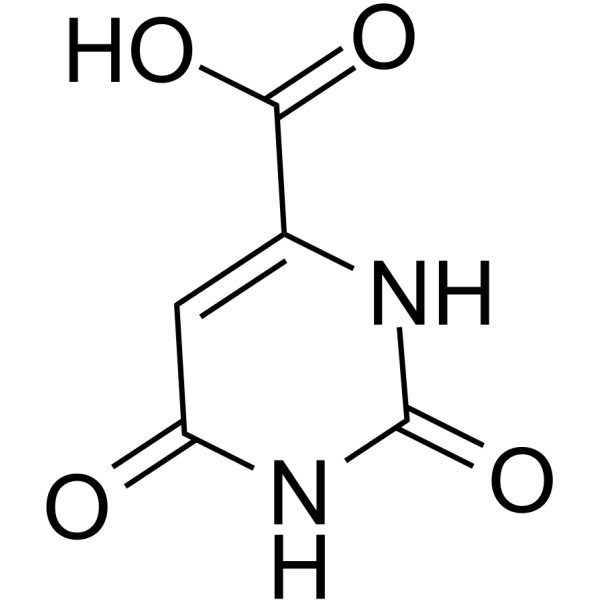
    Orotic acid
    3 Publications Verification

    6-Carboxyuracil; Vitamin B13

    Nucleoside Antimetabolite/Analog Endogenous Metabolite Metabolic Disease
    Orotic acid (6-Carboxyuracil), a precursor in biosynthesis of pyrimidine nucleotides and RNA, is released from the mitochondrial dihydroorotate dehydrogenase (DHODH) for conversion to UMP by the cytoplasmic UMP synthase enzyme. Orotic acid is a marker for measurement in routine newborn screening for urea cycle disorders. Orotic acid can induce hepatic steatosis and hepatomegaly in rats .
    Orotic acid
  • HY-125818
    Cytidine-5'-triphosphate
    3 Publications Verification

    Cytidine triphosphate; 5'-CTP

    DNA/RNA Synthesis Nucleoside Antimetabolite/Analog Endogenous Metabolite Metabolic Disease
    Cytidine 5′-triphosphate (Cytidine triphosphate; 5'-CTP) is a nucleoside triphosphate and serves as a building block for nucleotides and nucleic acids, lipid biosynthesis. Cytidine triphosphate synthase can catalyze the formation of cytidine 5′-triphosphate from uridine 5′-triphosphate (UTP). Cytidine 5′-triphosphate is an essential biomolecule in the de novo pyrimidine biosynthetic pathway in T. gondii .
    Cytidine-5'-triphosphate
  • HY-I0960
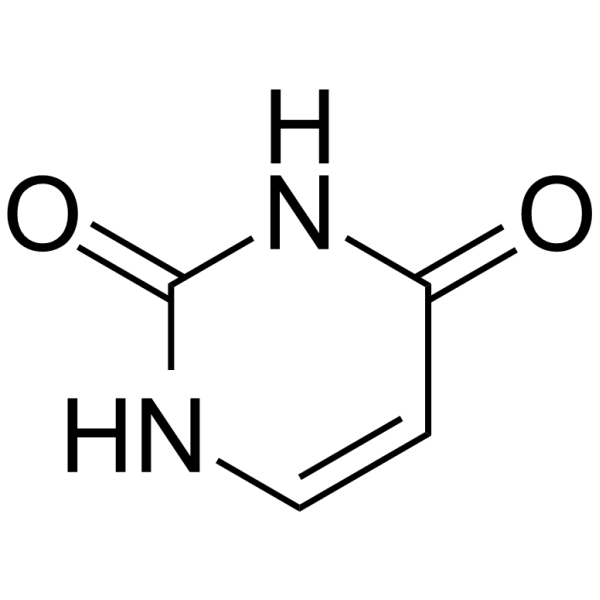
    Uracil
    4 Publications Verification

    Endogenous Metabolite Drug Derivative Infection Cancer
    Uracil is a pyrimidine derivative and one of the four nucleobases in the nucleic acid of RNA. Uracil is a frequently occurring DNA base damage that results from the spontaneous or chemically induced deamination of cytosine and is mutagenic at the level of replication. Uracil could potentially alter transcriptional fidelity, resulting in production of mutant proteins .
    Uracil
  • HY-112732B
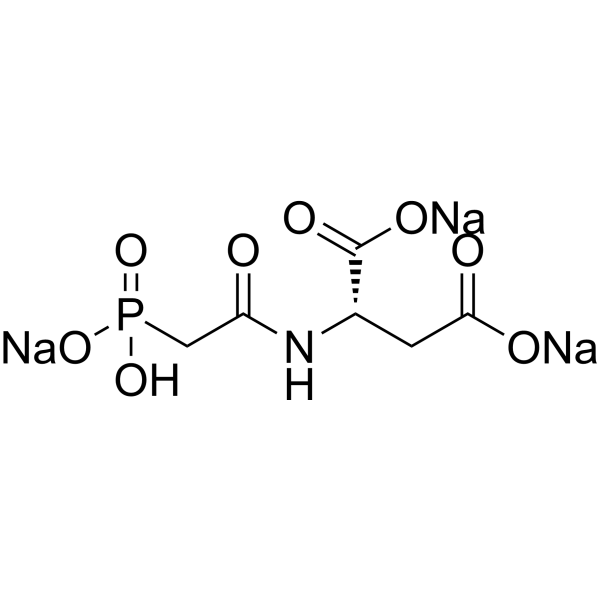
    Sparfosic acid trisodium
    4 Publications Verification

    Apoptosis Metabolic Disease Cancer
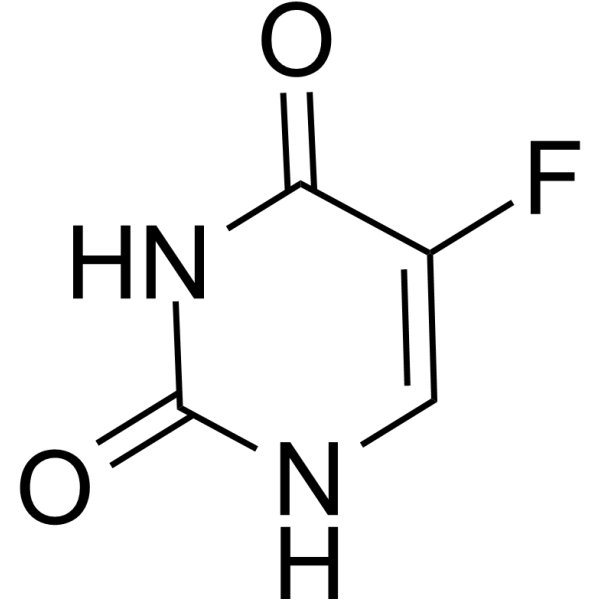
    Sparfosic acid trisodium is a DNA antimetabolite agent and a potent inhibitor of aspartate transcarbamoyl transferase. Aspartate transcarbamoyl transferase catalyzes the second step of de novo pyrimidine biosynthesis. Sparfosic acid trisodium synergistically enhances the cytotoxicity of a combination of 5-fluorouracil (5-FU) and interferon-alpha (IFN) against human colon cancer cell lines .
    Sparfosic acid trisodium
  • HY-112732
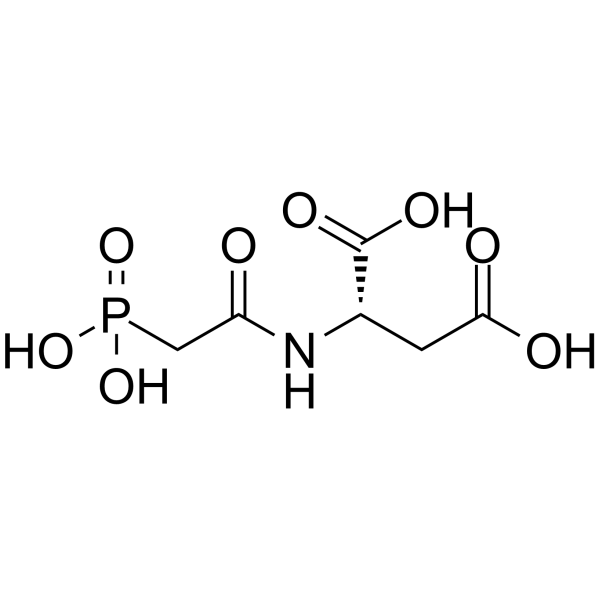
    Sparfosic acid
    4 Publications Verification

    Apoptosis Metabolic Disease Cancer
    Sparfosic acid, a DNA antimetabolite agent, is a potent inhibitor of aspartate transcarbamoyl transferase, the enzyme catalyzing the second step of de novo pyrimidine biosynthesis. Sparfosic acid synergistically enhances the cytotoxicity of a combination of 5-fluorouracil (5-FU) and interferon-alpha (IFN) against human colon cancer cell lines .
    Sparfosic acid
  • HY-N6961
    Lapachol
    3 Publications Verification

    Dihydroorotate Dehydrogenase DNA/RNA Synthesis Parasite Infection Inflammation/Immunology Cancer
    Lapachol, a natural naphthoquinone, is an orally active, potent DHODH inhibitor. Lapachol has immunosuppressive activity on lymphocytes through its direct ability to block DHODH activity and inhibit pyrimidine synthesis. Lapachol is a vitamin K antagonist with antitumor activity and can inhibit DNA and RNA synthesis in neoplastic cells. Lapachol has anti-Leishmania activity .
    Lapachol
  • HY-W002339

    Drug Intermediate Others
    3-Hydroxy-2-methylpyridine is a pharmaceutical intermediate that can be used in the synthesis of pyrimidines. 3-Hydroxy-2-methylpyridine acts as a corrosion inhibitor, serving as a mixed-type corrosion inhibitor for carbon steel in HCl medium .
    3-Hydroxy-2-methylpyridine
  • HY-16182
    Ecamsule
    1 Publications Verification

    Biochemical Assay Reagents Others
    Ecamsule is a broad-spectrum UVA filter that can be used in sunscreen product. Ecamsule reduces biological damage caused by solar radiation such as pyrimidine dimer formation, p53 protein accumula-tion, or collagenase 2 expression. Ecamsule has the potential for the research of polymorphous light eruption (PMLE) .
    Ecamsule
  • HY-137265

    Flavivirus Infection
    Aminomethyltrioxsalen hydrochloride is a psoralen derivative and nucleic acid intercalator. Aminomethyltrioxsalen hydrochloride can penetrate intact cells and react with nucleic acid secondary structures in vivo without disrupting the tissue structure of natural nucleoproteins. Aminomethyltrioxsalen hydrochloride inactivates viruses by crosslinking nucleic acid pyrimidine residues after exposure to UV-A radiation. Aminomethyltrioxsalen hydrochloride can be used in research related to dengue virus infection .
    Aminomethyltrioxsalen hydrochloride
  • HY-131576A

    dTDP sodium

    Endogenous Metabolite Metabolic Disease
    Thymidine 5′-diphosphate (dTDP) sodium is the key product of pyrimidine synthesis in organisms. Thymidine 5′-diphosphate sodium is produced by thymidylate kinase (TMPK) catalyzed phosphorylation of 5′-thymidine monophosphate (dTMP), which requires ATP and Mg 2+. Thymidine 5′-diphosphate sodium is further catalyzed by TMPK to thymidine 5′-triphosphate (dTTP). TMPK activity can be detected by measuring the level of Thymidine 5′-diphosphate .
    Thymidine 5′-diphosphate sodium
  • HY-16182A
    Ecamsule disodium
    1 Publications Verification

    Biochemical Assay Reagents Others
    Ecamsule disodium is a broad-spectrum UVA filter that can be used in sunscreen product. Ecamsule reduces biological damage caused by solar radiation such as pyrimidine dimer formation, p53 protein accumula-tion, or collagenase 2 expression .
    Ecamsule disodium
  • HY-130812

    Drug-Linker Conjugates for ADC Cancer
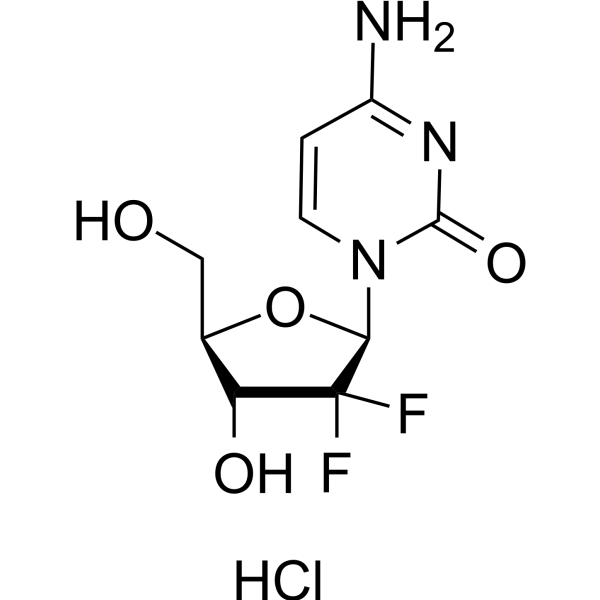
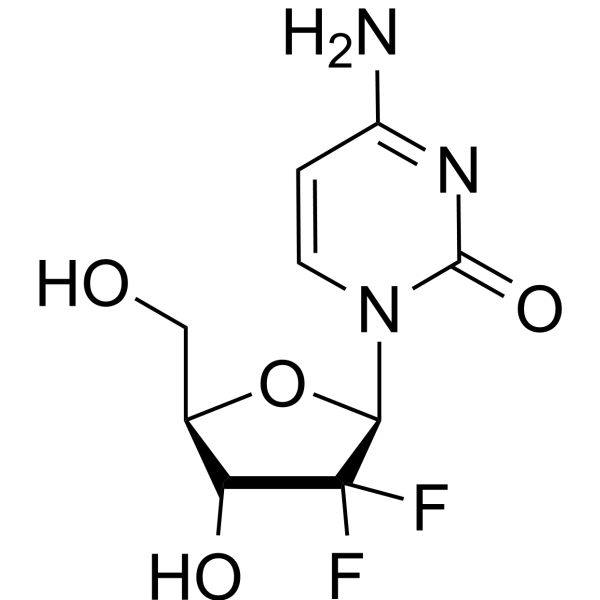
    Gemcitabine-O-Si(di-iso)-O-Mc is a agent-linker conjugate for ADC with potent antitumor activity by using Gemcitabine (a pyrimidine nucleoside analog antimetabolite and an antineoplastic agent; HY-17026), linked via the ADC linker .
    Gemcitabine-O-Si(di-iso)-O-Mc
  • HY-N8060A
    Orotidine 5′-monophosphate trisodium
    1 Publications Verification

    Orotidine monophosphate trisodium; Orotidylic acid trisodium

    Endogenous Metabolite DNA/RNA Synthesis Metabolic Disease
    Orotidine 5'-monophosphate trisodium is a pyrimidine nucleotide. Orotidine 5'-monophosphate trisodium is synthesized via the de novo synthesis pathway for DNA synthesis in a large number of microorganisms including M. tuberculosis, S. cerevisiae, S. typhimurium and P. falciparum to name a few. The synthesis of orotidine 5'-monophosphate trisodium uses phosphoribosyl pyrophosphate (PRPP) and orotic acid (OA) as the substrates catalyzed by orotate phosphoribosyltransferase (OPRT) .
    Orotidine 5′-monophosphate trisodium
  • HY-W008137

    Biochemical Assay Reagents Others
    5-Bromo-2-fluoropyrimidine is a polyhalogenated pyrimidine and chemoselective amination substrate.5-Bromo-2-fluoropyrimidine undergoes chemoselective amination at the C-2 position (C-F bond) with no amination at the C-5 position (C-Br bond) in the presence of a Cu(II)/PTABS catalytic system .
    5-Bromo-2-fluoropyrimidine
  • HY-W003486

    Phosphodiesterase (PDE) Neurological Disease Cancer
    5,7-Dichloropyrazolo[1,5-a]pyrimidine is a PDE10A inhibitor with a Ki of 24 μM. 5,7-Dichloropyrazolo[1,5-a]pyrimidine serves as a key intermediate in the synthesis of 5,7-disubstituted pyrazolo[1,5-a]pyrimidine derivatives (HIV-1 non-nucleoside reverse transcriptase inhibitors). 5,7-Dichloropyrazolo[1,5-a]pyrimidine can be used for the research of schizophrenia .
    5,7-Dichloropyrazolo[1,5-a]pyrimidine
  • HY-Y0519

    Endogenous Metabolite Neurological Disease Cancer
    Pyrimidine is a nitrogen-containing heterocyclic compound and endogenous metabolite. Pyrimidine derivatives can be used in pancreatic cancer, triple-negative breast cancer, colon carcinoma and neuron research .
    Pyrimidine
  • HY-W587907

    Drug Derivative Others
    5-Formylcytosine is a pyrimidine nitrogen base derived from cytosine .
    5-Formylcytidine
  • HY-135282

    Dihydroorotate Dehydrogenase DNA/RNA Synthesis Infection
    DHODH-IN-1 (compound 18d) is a potent Dihydroorotate Dehydrogenase (DHODH) inhibitor with an IC50 of 25 nM. DHODH-IN-1 is an inhibitor of pyrimidine biosynthesis pathway .
    DHODH-IN-1
  • HY-12319A

    β-catenin Wnt Cardiovascular Disease
    Cardiogenol C hydrochloride is a potent cell-permeable pyrimidine inducer which prompts the differentiation of ESCs into cardiomyocytes (EC50=100 nM) . Cardiogenol C hydrochloride also acts cardiomyogenic on already lineage-committed progenitor cell types with a limited degree of plasticity. Cardiogenol C hydrochloride is a useful cardiomyogenic agent and can be used as a tool to improve cardiac repair by cell transplantation therapy in animal models .
    Cardiogenol C hydrochloride
  • HY-17499

    EGFR Apoptosis Cancer
    EGFR-IN-12 is a 4,6-disubstituted pyrimidine and is a potent, ATP-competitive, irreversible and highly selective EGFR inhibitor with an IC50of 21 nM. EGFR-IN-12 also inhibits mutant EGFR L858R and EGFR L861Q with IC50s of 63 nM and 4 nM, respectively. EGFR-IN-12 displays strong selectivity for EGFR over HER4 (IC50 = 7640 nM) and a panel of 55 other kinases. EGFR-IN-12 induces cells apoptosis and has antitumor activity .
    EGFR-IN-12
  • HY-W017930

    5,7-dichloro-[1,3]thiazolo[5,4-d]pyriMidine

    Drug Intermediate Others
    5,7-Dichlorothiazolo[5,4-d]pyrimidine (5,7-dichloro-[1,3]thiazolo[5,4-d]pyriMidine) is a building block in the chemical synthesis.
    5,7-Dichlorothiazolo[5,4-d]pyrimidine
  • HY-W140956

    Drug Intermediate Others
    3-Methyluracil is a pyrimidine heterocyclic compound that can serve as an intermediate. 3-Methyluracil can be isolated from Cordyceps bassiana .
    3-Methyluracil
  • HY-131576

    dTDP

    Endogenous Metabolite Metabolic Disease
    Thymidine 5′-diphosphate (dTDP) is a key product for pyrimidine synthesis in organisms. Thymidine 5′-diphosphate is generated via the phosphorylation of thymidine 5'-monophosphate (dTMP) catalyzed by thymidylate kinase (TMPK), a process requiring ATP and Mg 2+. Thymidine 5′-diphosphate is further catalyzed by TMPK into thymidine 5'-triphosphate (dTTP). Detection of Thymidine 5′-diphosphate levels enables the assessment of TMPK activity .
    Thymidine 5′-diphosphate
  • HY-W751165

    β-Uridine-13C9,15N2

    Endogenous Metabolite Nucleoside Antimetabolite/Analog Isotope-Labeled Compounds Cancer
    Uridine-13C9,15N2 (β-Uridine-13C9,15N2) is 13C and 15N labeled Uridine (HY-B1449). Uridine is a glycosylated pyrimidine-analog containing uracil attached to a ribose ring (or more specifically, aribofuranose) via a β-N1-glycosidic bond .
    Uridine-13C9,15N2
  • HY-W002404

    Biochemical Assay Reagents Others
    Pyrimidine-4-carboxylic acid is a biochemical reagent that can be used as a biological material or organic compound for life science related research.
    Pyrimidine-4-carboxylic acid
  • HY-128425A
    N-Carbamoyl-L-aspartic acid
    1 Publications Verification

    L-Ureidosuccinic acid

    Fungal Infection
    N-Carbamoyl-L-aspartic acid (L-Ureidosuccinic acid) is an important pyrimidine metabolic precursor and intermediate metabolite. N-Carbamoyl-L-aspartic acid reverses the growth inhibition of Ura + strains induced by 2-thiouracil (with growth rate increasing linearly with its concentration), but fails to support the growth of uracil-requiring Ura - strains. N-Carbamoyl-L-aspartic acid inhibits the cell growth of *Saccharomyces cerevisiae* by suppressing the purine biosynthetic pathway at a pre-step of 5-aminoimidazole nucleotide synthesis. The growth inhibitory effect of N-Carbamoyl-L-aspartic acid on yeast can be alleviated by purines, and the sensitivity of strains is closely related to the activity level of dihydroorotase .
    N-Carbamoyl-L-aspartic acid
  • HY-E70575

    DNA Glycosylase Others
    Endonuclease VIII is a DNA repair enzyme that excises oxidized pyrimidines from DNA. Endonuclease VIII is a bacterial DNA glycosylase/AP lyase that excises modified pyrimidines, including thymine glycol (Tg), uracil glycol, dihydrothymine, dihydrouracil (DHU) .
    Endonuclease VIII
  • HY-N0157A
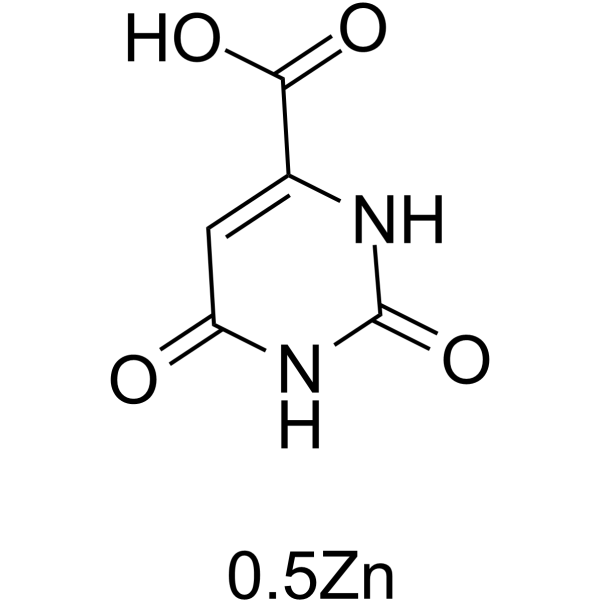
    Orotic acid zinc
    3 Publications Verification

    6-Carboxyuracil zinc; Vitamin B13 zinc

    Nucleoside Antimetabolite/Analog Endogenous Metabolite Metabolic Disease
    Orotic acid (zinc), a precursor in biosynthesis of pyrimidine nucleotides and RNA, is released from the mitochondrial dihydroorotate dehydrogenase (DHODH) for conversion to UMP by the cytoplasmic UMP synthase enzyme. Orotic acid (zinc) is a marker for measurement in routine newborn screening for urea cycle disorders. Orotic acid (zinc) can induce hepatic steatosis and hepatomegaly in rats .
    Orotic acid zinc
  • HY-115528

    Nucleoside Antimetabolite/Analog DNA/RNA Synthesis Cancer
    FF-10502, a structural analog of Gemcitabine, is a pyrimidine nucleoside antimetabolite. FF-10502 inhibits DNA polymerase α and β. FF-10502 shows beneficial anticancer activity via a mechanism of action on dormant cells .
    FF-10502
  • HY-123032

    BV-araU

    DNA/RNA Synthesis Infection
    Sorivudine (BV-araU) is an orally active synthetic pyrimidine nucleoside antimetabolite agent. Sorivudine derives its antiviral activity from selective conversion by a specific thymidine kinase present in certain DNA viruses to nucleotides, which can in turn interfere with viral DNA synthesis .
    Sorivudine
  • HY-W017769

    Pyrimidin-4-ylmethanamine

    Drug Intermediate Others
    4-Pyrimidine methanamine (Pyrimidin-4-ylmethanamine) is a synthetic intermediate useful for pharmaceutical synthesis.
    4-Pyrimidine methanamine
  • HY-42045

    Drug Derivative Others
    Pyrimidine-5-boronic acid pinacol ester is a derivative of Boronic acid. Boronic acid is an intermediate commonly used in organic synthesis reactions and can be used as a key reagent in the Suzuki-Miyaura reaction. It generates organic free radicals through oxygen-mediated oxidation and exhibits potential mutagenic activity. Boronic acid is mainly used in research in the fields of drug synthesis and catalytic reactions. Pyrimidine-5-boronic acid pinacol ester serves as a building block in DNA-compatible one-pot click chemistry for synthesis of DNA-encoded libraries .
    Pyrimidine-5-boronic acid pinacol ester
  • HY-125818S3

    Cytidine triphosphate-13C9 dilithium; 5'-CTP-13C9 dilithium

    Isotope-Labeled Compounds DNA/RNA Synthesis Nucleoside Antimetabolite/Analog Endogenous Metabolite Metabolic Disease
    Cytidine-5'-triphosphate- 13C9 (Cytidine triphosphate- 13C9 dilithium; 5'-CTP- 13C9) dilithium is 13C-labeled Cytidine-5'-triphosphate (HY-125818). Cytidine 5′-triphosphate (Cytidine triphosphate; 5'-CTP) is a nucleoside triphosphate and serves as a building block for nucleotides and nucleic acids, lipid biosynthesis. Cytidine triphosphate synthase can catalyze the formation of cytidine 5′-triphosphate from uridine 5′-triphosphate (UTP). Cytidine 5′-triphosphate is an essential biomolecule in the de novo pyrimidine biosynthetic pathway in T. gondii.
    Cytidine-5'-triphosphate-13C9 dilithium
  • HY-E70578

    DNA Glycosylase Others
    T4 Endonuclease V is a dual-activity DNA glycosylase that combines the activities of DNA N-glycosylase and AP lyase. T4 Endonuclease V can repair ultraviolet (UV)-induced cyclobutane pyrimidine dimers in DNA .
    T4 Endonuclease V
  • HY-Y0519R

    Reference Standards Endogenous Metabolite Metabolic Disease
    Pyrimidine (Standard) is the analytical standard of Pyrimidine. This product is intended for research and analytical applications. Pyrimidine is a nitrogen-containing heterocyclic compound and endogenous metabolite. Pyrimidine derivatives can be used in pancreatic cancer, triple-negative breast cancer, colon carcinoma and neuron research .
    Pyrimidine (Standard)
  • HY-41832

    Biochemical Assay Reagents Drug Intermediate Cancer
    4,6-Dichloro-2-(methylthio)pyrimidine is an intermediate. 4,6-Dichloro-2-(methylthio)pyrimidine can be used to synthesize Kras modulators. 4,6-Dichloro-2-(methylthio)pyrimidine can be used in cancer research .
    4,6-Dichloro-2-(methylthio)pyrimidine
  • HY-20176

    Drug Intermediate Adenosine Receptor PI3K Infection
    2,4-Dichlorothieno[3,2-d]pyrimidine is a thienopyrimidine scaffold and a key synthetic precursor, which is widely used for constructing 4-arylthieno[3,2-d]pyrimidine compounds. 2,4-Dichlorothieno[3,2-d]pyrimidine serves for the development of 4-arylthieno[3,2-d]pyrimidine-based human adenosine A2a receptor antagonists, as well as thienopyrimidine-based PI3K-α inhibitors. In addition, 2,4-Dichlorothieno[3,2-d]pyrimidine has potential application value in studies related to whipworm disease .
    2,4-Dichlorothieno[3,2-d]pyrimidine
  • HY-W004464

    Endogenous Metabolite Neurological Disease
    2-(1-Piperazinyl)pyrimidine is the major metabolite of Tandospirone (HY-14558) .
    2-(1-Piperazinyl)pyrimidine
  • HY-B1449S12

    β-Uridine-d12

    Endogenous Metabolite Nucleoside Antimetabolite/Analog Isotope-Labeled Compounds Cancer
    Uridine-d12 (β-Uridine-d12) is the deuterium labeled Uridine (HY-B1449). Uridine is a glycosylated pyrimidine-analog containing uracil attached to a ribose ring (or more specifically, aribofuranose) via a β-N1-glycosidic bond .
    Uridine-d12
  • HY-176063

    TRP Channel Opioid Receptor Neurological Disease
    TRPV1 antagonist 11 (compound 2ac) is a potent TRPV1 antagonist with an IC50 of 29.3 nM. TRPV1 antagonist 11 is a potent μ-opioid receptor (MOR) agonist with a Ki of 60.3 nM. TRPV1 antagonist 11, a pyrimidine piperazine, exhibits pain relieving effects by antagonizing TRPV1 and stimulating MOR. TRPV1 antagonist 11 shows a potent, dose-dependent anti-nociceptive effect in a Formalin-induced pain model in mice .
    TRPV1 antagonist 11
  • HY-16182R

    Biochemical Assay Reagents Reference Standards Others
    Ecamsule (Standard) is the analytical standard of Ecamsule. This product is intended for research and analytical applications. Ecamsule is a broad-spectrum UVA filter that can be used in sunscreen product. Ecamsule reduces biological damage caused by solar radiation such as pyrimidine dimer formation, p53 protein accumula-tion, or collagenase 2 expression. Ecamsule has the potential for the research of polymorphous light eruption (PMLE) .
    Ecamsule (Standard)
  • HY-12319

    β-catenin Wnt Cancer
    Cardiogenol C is a potent cell-permeable pyrimidine inducer which prompts the differentiation of ESCs into cardiomyocytes (EC50=100 nM) . Cardiogenol C also acts cardiomyogenic on already lineage-committed progenitor cell types with a limited degree of plasticity. Cardiogenol C is a useful cardiomyogenic agent and can be used as a tool to improve cardiac repair by cell transplantation therapy in animal models .
    Cardiogenol C
  • HY-N6961R

    Reference Standards Dihydroorotate Dehydrogenase DNA/RNA Synthesis Parasite Infection Inflammation/Immunology Cancer
    Lapachol (Standard) is the analytical standard of Lapachol. This product is intended for research and analytical applications. Lapachol, a natural naphthoquinone, is an orally active, potent DHODH inhibitor. Lapachol has immunosuppressive activity on lymphocytes through its direct ability to block DHODH activity and inhibit pyrimidine synthesis. Lapachol is a vitamin K antagonist with antitumor activity and can inhibit DNA and RNA synthesis in neoplastic cells. Lapachol has anti-Leishmania activity .
    Lapachol (Standard)
  • HY-17499R

    EGFR Apoptosis Cancer
    EGFR-IN-12 (Standard) is the analytical standard of EGFR-IN-12. This product is intended for research and analytical applications. EGFR-IN-12 is a 4,6-disubstituted pyrimidine and is a potent, ATP-competitive, irreversible and highly selective EGFR inhibitor with an IC50of 21 nM. EGFR-IN-12 also inhibits mutant EGFRL858R and EGFRL861Q with IC50s of 63 nM and 4 nM, respectively. EGFR-IN-12 displays strong selectivity for EGFR over HER4 (IC50 = 7640 nM) and a panel of 55 other kinases. EGFR-IN-12 induces cells apoptosis and has antitumor activity .
    EGFR-IN-12 (Standard)
  • HY-13434AR

    SQ23377 calcium (Standard)

    Reference Standards Calcium Channel PKC Bacterial Apoptosis Antibiotic Infection Cancer
    2-(1-Piperazinyl)pyrimidine (Standard) is the analytical standard of 2-(1-Piperazinyl)pyrimidine. This product is intended for research and analytical applications. 2-(1-Piperazinyl)pyrimidine is the major metabolite of Tandospirone (HY-14558) .
    Ionomycin calcium (Standard)
  • HY-78337

    Biochemical Assay Reagents Others
    Methyl pyrimidine-2-carboxylate is a biochemical reagent that can be used as a biological material or organic compound for life science related research.
    Methyl pyrimidine-2-carboxylate
  • HY-52102

    Drug Intermediate Others
    2-(Chloromethyl)pyrimidine hydrochloride is a synthetic intermediate useful for pharmaceutical synthesis.
    2-(Chloromethyl)pyrimidine hydrochloride
  • HY-14986

    JAK Others
    JAK-IN-32 (XC) is a bi-aryl meta-pyrimidine inhibitor of JAK kinase .
    JAK-IN-32
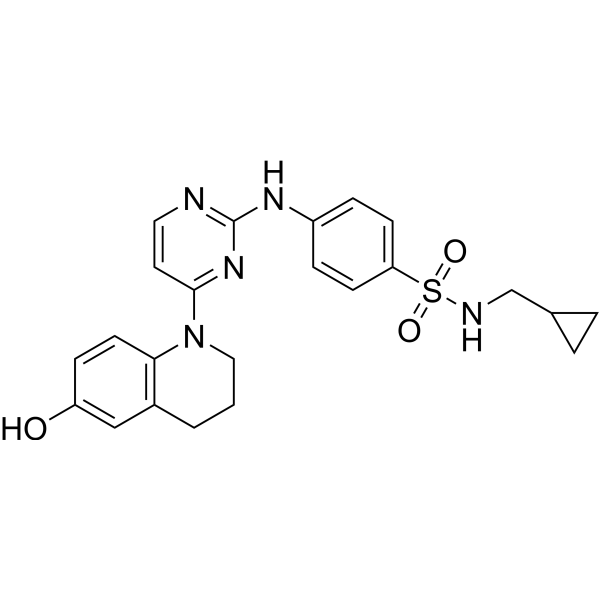
  • HY-167828

    Ras Cancer
    ARN25062 (compound 27) is a CDC42/RHOJ inhibitor with antitumor activity. ARN25062 is a novel trisubstituted pyrimidine derivative .
    ARN25062

Inquiry Online

Your information is safe with us. * Required Fields.

Salutation


Country or Region *

Applicant Name *


Organization Name *

Department *


Email Address *


Product Name *

Cat. No.


Requested quantity *

Phone Number *


Remarks

Inquiry Online

Inquiry Information

Product Name:
Cat. No.:
Quantity:
MCE Japan Authorized Agent:

