1. Search Result
Search Result
Pathways Recommended: Stem Cell/Wnt Cell Cycle/DNA Damage
Results for "

small cell lung cancer tumor cells

" in MedChemExpress (MCE) Product Catalog:

268

Inhibitors & Agonists

2

Screening Libraries

7

Fluorescent Dyes

6

Biochemical Assay Reagents

5

Peptides

54

Inhibitory Antibodies

13

Natural
Products

8

Isotope-Labeled Compounds

3

Click Chemistry

6

Oligonucleotides

2

GMP Molecules

Cat. No. Product Name Target Research Areas Chemical Structure
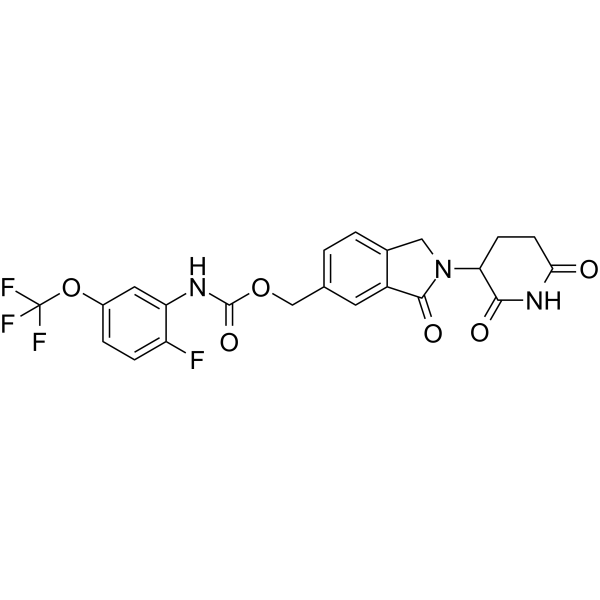
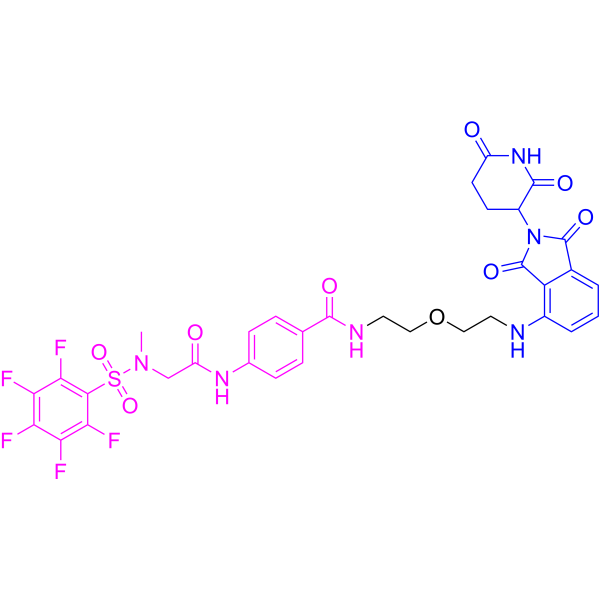
  • HY-153356

    Molecular Glues Apoptosis Inflammation/Immunology Cancer
    MRT-2359 is an orally active and selective GSPT1 molecular glue degrader, with a DC50 of 5 nM. MRT-2359 induces CRBN/GSPT1 ternary complex formation to drive CRBN- and degron-dependent proteasomal GSPT1 degradation, with selectivity for wild-type GSPT1 over the GSPT1G575N mutant. MRT-2359 disrupts protein translation, induces ribosome stalling, downregulates MYC family proteins and their transcriptional output, reduces proliferation, and induces apoptosis in cancer cells. MRT-2359 can be used for the research of non-small cell lung cancer (NSCLC), small cell lung cancer (SCLC), neuroendocrine lung cancer, high grade neuroendocrine cancers, diffuse large B-cell lymphoma, prostate cancer, and MYC-driven solid tumors .
    MRT-2359
  • HY-Y0344D
    Sodium chloride, for cell culture
    3 Publications Verification

    Halite, for cell culture

    Environmental Pollutants Biochemical Assay Reagents Interleukin Related Na+/K+ ATPase Inflammation/Immunology Cancer
    Sodium chloride, for cell culture is an orally active salt. Sodium chloride, for cell culture induces the expression of ATP1A1. Sodium chloride, for cell culture induces the pro-inflammatory cytokines IL-2, TNFα, IL-9 and several chemokines. Sodium chloride, for cell culture enhances the anti-tumor activities of Digoxin (HY-B1049) against small cell lung cancer. Sodium chloride, for cell culture drives autoimmune disease by the induction of pathogenic Th17 cells .
    Sodium chloride, for cell culture
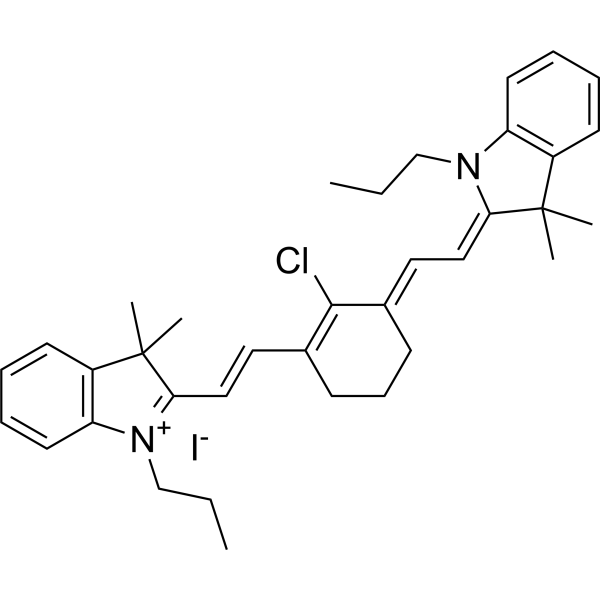
  • HY-D1063
    IR-780
    5+ Cited Publications

    Fluorescent Dye Apoptosis Reactive Oxygen Species (ROS) Cancer
    IR-780 is a near-infrared fluorescent probe for in vivo imaging of tumor cells. IR-780 is transported into tumor cells via OATPs and ABCB10, with uptake dependent on glycolytic activity and plasma membrane potential. IR-780 preferentially accumulates in tumor cell mitochondria, including those of drug-resistant cancer cells, without chemical conjugation. IR-780 generates reactive oxygen species (ROS), induces hyperthermia and apoptosis, inhibits tumor growth and recurrence, and modulates HSP70 expression upon ultrasound or 808 nm laser exposure. IR-780 acts as a sonosensitizer, photodynamic and photothermal agent, and drug delivery carrier, with low acute imaging-dose toxicity and rapid vital organ clearance. IR-780 can be used for the research of cancer, such as breast cancer, lung cancer, and non-small cell lung cancer (NSCLC) .
    IR-780
  • HY-P99275
    Patritumab
    1 Publications Verification

    AMG-888; U3-1287

    EGFR Akt ERK PARP Survivin Cancer
    Patritumab (Human Anti-ERBB3 Recombinant Antibody) is a neutralizing monoclonal antibody to ERBB3. Patritumab shows a synergy with Cetuximab (HY-P9905), potently inhibits the phosphorylation of EGFR, HER2, HER3, ERK, and AKT. Patritumab also induces cell apoptosis and suppresses the growth of pancreatic, non-small cell lung cancer, and colorectal cancer xenograft tumors .
    Patritumab
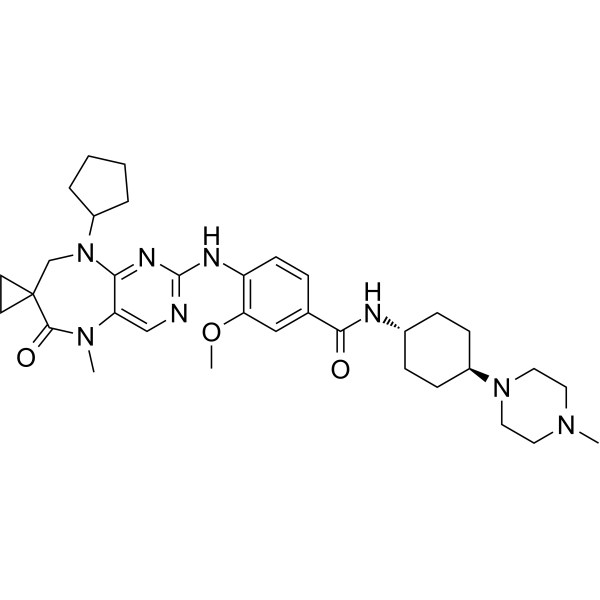
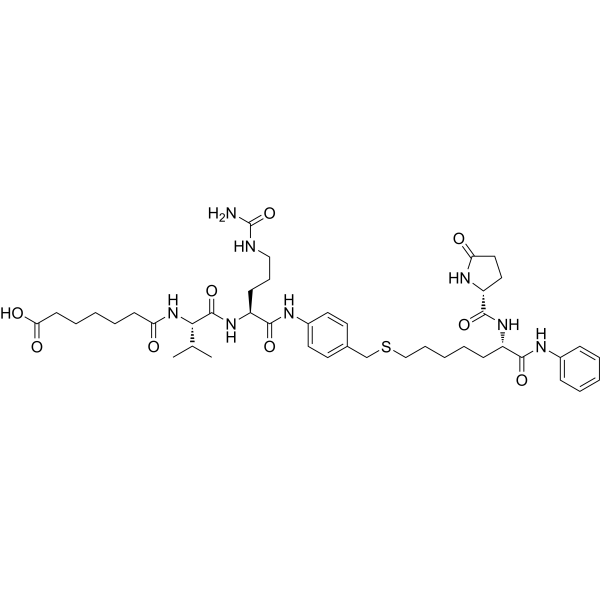
  • HY-173158

    PROTACs Histone Acetyltransferase Cancer
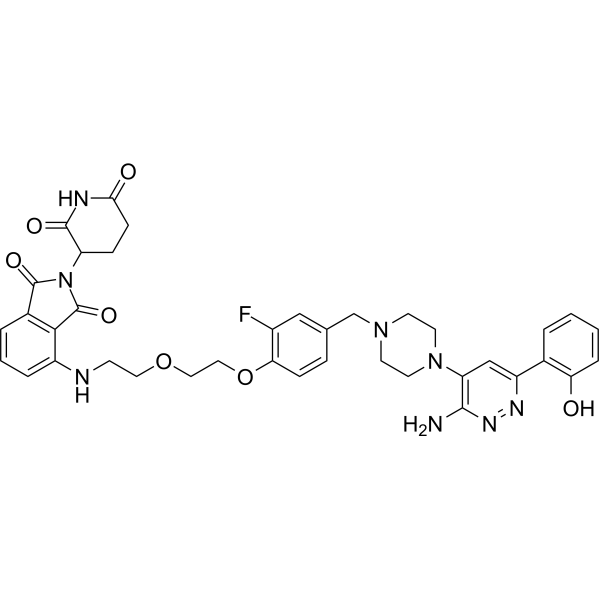
    AUR1545 is a selective KAT2A/KAT2B ((GCN5/PCAF)) PROTAC degrader that induces monocyte differentiation and inhibits the growth of acute myeloid leukemia cells. AUR1545 inhibits cell growth, induces epithelial differentiation and suppresses tumor growth in small cell lung cancer models. AUR1545 inhibits cell growth and induces differentiation in neuroendocrine prostate cancer cells and primary patient-derived organoids. AUR1545 is applicable to research related to acute myeloid leukemia, small cell lung cancer and neuroendocrine prostate cancer .
    AUR1545
  • HY-P99048
    Sintilimab
    1 Publications Verification

    IBI308

    PD-1/PD-L1 Inflammation/Immunology Cancer
    Sintilimab (IBI308) is a safe and effectivel humanized IgG4 monoclonal antibody that binds to PD-1 with a KD value of 74 pM. Sintilimab blocks the interaction of PD-1 with its ligands (PD-L1 and PL-L2), consequently helping to restore the endogenous antitumour T-cell response. Sintilimab combined with prebiotics inhibits tumor volume and regulates immune cell subpopulation balance in lung adenocarcinoma mice. Sintilimab can be used for the research of classical Hodgkin's lymphoma, non-small cell lung cancer and oesophageal cancer .
    Sintilimab
  • HY-P990717

    IMC-F106C

    CD3 Cancer
    Brenetafusp is a TCR/anti-CD3 bispecific fusion protein, consisting of a TCR targeting the PRAME peptide and an anti-CD3 scFv effector domain. Brenetafusp redirects CD3 + T cells to kill PRAME + tumor cells. Brenetafusp can be used in research related to cutaneous melanoma, non-small cell lung cancer, ovarian cancer, endometrial cancer, triple-negative breast cancer, and small cell lung cancer .
    Brenetafusp
  • HY-147298
    Plogosertib
    1 Publications Verification

    CYC140

    Polo-like Kinase (PLK) Cancer
    Plogosertib (CYC140) is a selective, potent, and orally active ATP-competitive PLK1 inhibitor (IC50: 3 nM). Plogosertib is an anti-cancer agent with anti-proliferative activity. Plogosertib can be used in the research of several tumors, including esophageal, gastric, leukemia, non–small cell lung cancer, ovarian, and squamous cell cancers .
    Plogosertib
  • HY-Y0344J
    Sodium chloride, for molecular biology
    3 Publications Verification

    Halite, for molecular biology

    Biochemical Assay Reagents Na+/K+ ATPase Interleukin Related Inflammation/Immunology Cancer
    Sodium chloride is an orally active salt. Sodium chloride induces the expression of ATP1A1. Sodium chloride induces the pro-inflammatory cytokines IL-2, TNFα, IL-9 and several chemokines. Sodium chloride enhances the anti-tumor activities of Digoxin (HY-B1049) against small cell lung cancer. Sodium chloride drives autoimmune disease by the induction of pathogenic Th17 cells .
    Sodium chloride, for molecular biology
  • HY-P991731

    ZG006

    CD3 Notch Neurological Disease Cancer
    Alveltamig (ZG006) is a trispecific T cell engager targeting Delta-like ligand 3 (DLL3)/CD3, mediating T cell-specific killing of DLL3-expressing tumor cells. Alveltamig can be used for the researches of small cell lung cancer and neuroendocrine carcinoma .
    Alveltamig
  • HY-145729

    AZD9150

    STAT Apoptosis Cancer
    Danvatirsen (AZD9150) is an antisense oligonucleotide targeting STAT3. Danvatirsen reduces the viability and promotes apoptosis of leukemia cell lines. Danvatirsen inhibits the expression of endogenous STAT3 and its downstream target genes, and reduces the proliferation and tumorigenicity of neuroblastoma and lymphoma cells. Danvatirsen inhibited tumor growth in mouse models of neuroblastoma, lymphoma, and non-small cell lung cancer. Danvatirsen achieves STAT3 mRNA and protein depletion in a mouse model of epidermoid carcinoma. Danvatirsen can be used in research related to lymphoma, myelodysplastic syndrome, acute myeloid leukemia, neuroblastoma and non-small cell lung cancer .
    Danvatirsen
  • HY-145722
    Apatorsen sodium
    1 Publications Verification

    OGX-427 sodium

    HSP Cancer
    Apatorsen (OGX-427) sodium is a 2'-methoxyethyl-modified antisense oligonucleotide and also a Hsp27 inhibitor. Apatorsen sodium reduces Hsp27 mRNA and protein levels, impairs stress-induced cytoprotective functions, induces cell apoptosis, inhibits tumor growth and prevents metastasis. Apatorsen sodium is applicable to research related to non-small cell lung cancer, castration-resistant prostate cancer, breast cancer, ovarian cancer and bladder cancer .
    Apatorsen sodium
  • HY-P990981

    ALPS-12; RG-6524; RO 7616789

    CD3 Inflammation/Immunology Cancer
    Clesitamig (ALPS-12) is a trispecific T cell engager with two CD3/CD137 dual-specific Fabs and one DLL3 Fab. Clesitamig engages CD3 and CD137 on T cells to activate and co-stimulate T cells, promoting their proliferation, survival, and antitumor activity. Clesitamig binds to DLL3 on tumor cells for tumor-specific recognition. Clesitamig can be used for the research of small cell lung cancer (SCLC) .
    Clesitamig
  • HY-P5362

    Radionuclide-Drug Conjugates (RDCs) Somatostatin Receptor Neurological Disease Cancer
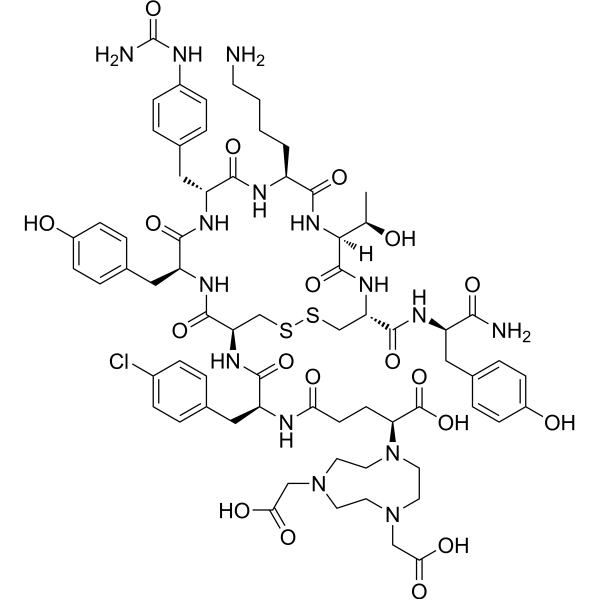
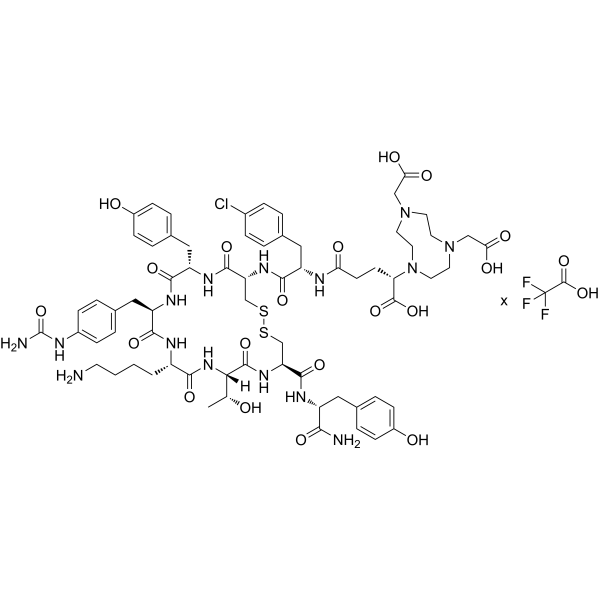
    NODAGA-LM3 is a ligand that can cross the blood-brain barrier and targets somatostatin receptor SSTR2 with high affinity (IC50 = 1.3 nM). NODAGA-LM3 does not trigger the internalization of SSTR2 and can inhibit agonist-induced internalization processes. NODAGA-LM3 shows low uptake in normal tissues such as the liver and spleen, but high uptake in the lungs and blood pool. 68Ga-labeled NODAGA-LM3 can serve as a PET imaging agent for well-differentiated neuroendocrine tumors, and is applied in studies related to small cell lung cancer and well-differentiated neuroendocrine tumors .
    NODAGA-LM3
  • HY-P990042

    ONC-392; BNT 316

    CTLA-4 Inflammation/Immunology Cancer
    Gotistobart (ONC-392; BNT 316) is a humanized anti-CTLA-4 antibody with selective regulatory T cell depletion activity in the tumor microenvironment. Gotistobart can be used for the research of cancer, such as non-small cell lung cancer .
    Gotistobart
  • HY-P991669

    AML-01

    Caspase Apoptosis Cancer
    IGN523 is an anti-CD98 antibody (hCD98, KD = 0.55 nM). IGN523 induces antibody-dependent cell-mediated cytotoxicity (ADCC) activity, lysosomal membrane permeabilization, and inhibition of essential amino acid transport, ultimately leading to caspase-3 and caspase-7-mediated apoptosis of tumor cells. IGN523 inhibits tumor growth in multiple tumor xenograft models. IGN523 is useful in the research of non-small cell lung cancer (NSCLC), acute myeloid leukemia (AML), and other cancers. .
    IGN523
  • HY-P99157

    CD276/B7-H3 Cancer
    Omburtamab is a humanized monoclonal antibody targeting B7-H3 (CD276). Omburtamab selectively binds to B7-H3 highly expressed on the surface of tumor cells and activates anti-tumor immune responses mediated by T cells and natural killer (NK) cells. Omburtamab can promote the specific infiltration of CAR-T cells into tumors, enhance the killing function of NK cells through the CD16 signaling pathway, and regulate tumor cell glucose metabolism (such as inhibiting the Warburg effect). Omburtamab has the potential to inhibit solid tumors such as non-small cell lung cancer (NSCLC) .
    Omburtamab
  • HY-153361

    PROTACs Epigenetic Reader Domain Inflammation/Immunology Cancer
    YD23 is a selective SMARCA2 PROTAC degrader with DC50 values of 64 nM and 297 nM in H1792 cells and H1975 cells. YD23 induces degradation of SMARCA2, which is synthetic lethal to SMARCA4. YD23 reduces chromatin accessibility only in SMARCA4 deficient cells, including cell cycle and cell growth regulatory genes. YD23 selectively inhibits growth of SMARCA4 mutant lung cancer cells. YD23 has potent tumor growth inhibitory activity in SMARCA4-mutant xenografts. YD23 can be used for the study of non-small cell lung cancer (NSCLC) .
    YD23
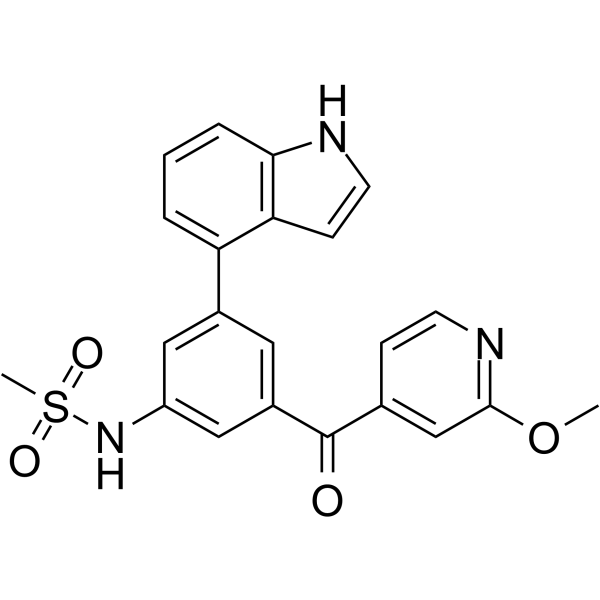
  • HY-132846

    TAS0953/HM06

    RET Apoptosis Cancer
    Vepafestinib (TAS0953/HM06) is a next-generation brain-penetrant, selective and orally active RET inhibitor with an IC50 value of 0.33 nM. Vepafestinib inhibits the phosphorylation of RET and its downstream signaling pathways, thus blocking the growth and signal transduction of tumor cells and inducing cell cycle arrest and apoptosis. Vepafestinib can be used in the research of various RET-driven cancers, such as non-small cell lung cancer, thyroid cancer and other disease areas .
    Vepafestinib
  • HY-P99296

    CNTO 95; Anti-Human CD51 Recombinant Antibody

    Integrin Apoptosis Cancer
    Intetumumab (CNTO 95) is a human monoclonal antibody targeting αv integrin, with a Kd value of 1-24 nM. Through high-affinity binding to αv integrin, Intetumumab inhibits its interaction with extracellular matrix proteins (such as vitronectin and fibronectin), thereby blocking the downstream focal adhesion kinase signaling pathway. This further inhibits the adhesion, migration and invasion of tumor cells as well as the proliferation of vascular endothelial cells, promotes cell apoptosis, and exerts anti-tumor and anti-angiogenic effects. Intetumumab can be used in research related to head and neck cancer, non-small cell lung cancer and uterine serous papillary carcinoma .
    Intetumumab
  • HY-124012

    DNA/RNA Synthesis Apoptosis Cancer
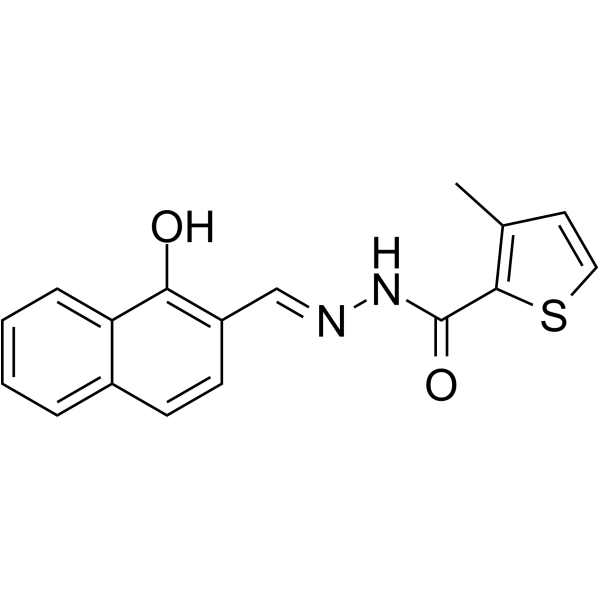
    PCNA-I1 is a selective small molecule inhibitor targeting proliferating cell nuclear antigen (PCNA) with anticancer activity. PCNA-I1 can stabilize the PCNA trimer structure (Kd=0.14-0.41μM), reduce its binding to chromatin, induce tumor cell cycle arrest, inhibit DNA replication and repair, and enhance the anti-tumor effect of DNA damaging agents. PCNA-I1 can be used in the study of targeted therapy for prostate cancer, lung cancer and other tumors .
    PCNA-I1
  • HY-P990704

    AZD-2936

    PD-1/PD-L1 Transmembrane Glycoprotein Cancer
    Rilvegostomig (AZD-2936) is a bispecific humanized IgG1 antibody targeting PD-1 and TIGIT. Rilvegostomig induces tumor growth inhibition and modulates the tumor immune microenvironment. Rilvegostomig exhibits anti-tumor activity in metastatic non-small cell lung cancer (without prior immune checkpoint inhibitor treatment). Rilvegostomig can be used in research related to metastatic non-small cell lung cancer and endometrial cancer .
    Rilvegostomig
  • HY-149265

    Reactive Oxygen Species (ROS) TrxR Ferroptosis Apoptosis Caspase Bcl-2 Family Cancer
    ROS-generating agent 1 is a selective ROS-generating agent. ROS-generating agent 1 inhibits TrxR activity and expression in cancer cells. ROS-generating agent 1 induces ROS-dependent apoptosis and ferroptosis in cancer cells. ROS-generating agent 1 selectively kills lung cancer cells and inhibits the growth of cancer cell xenograft tumors in nude mice. ROS-generating agent 1 can be used for the research of non-small cell lung cancer .
    ROS-generating agent 1
  • HY-157396

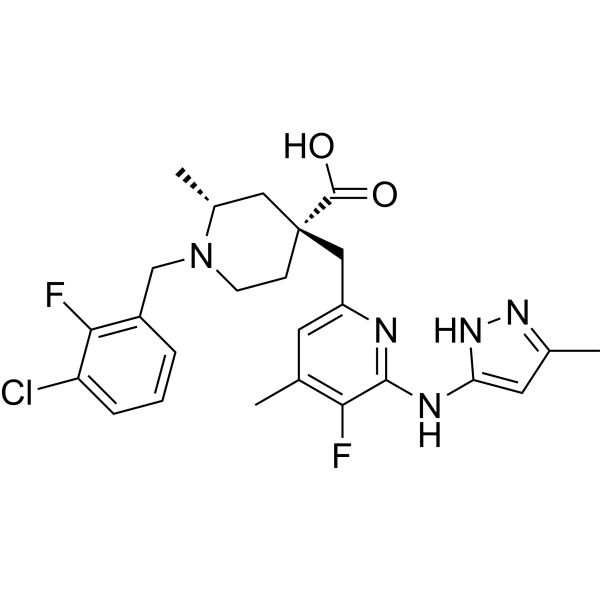
    Aurora Kinase Apoptosis Caspase Cancer
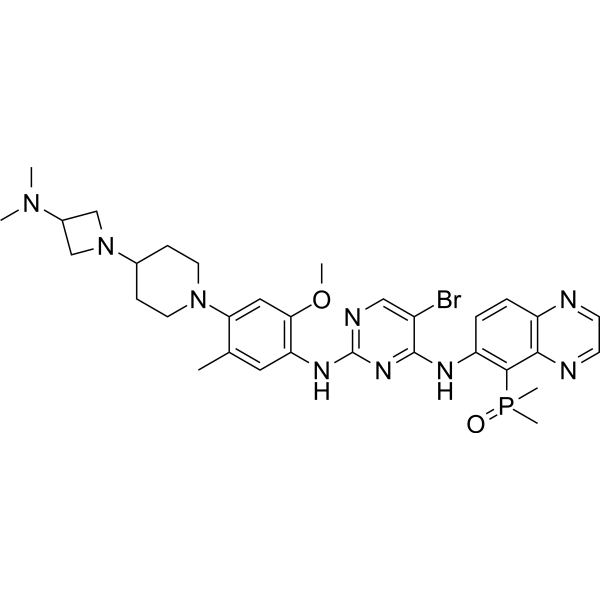
    JAB-2485 is an orally active and selective Aurora kinase A (AURKA) inhibitor with an IC50 value of 0.327 nM. JAB-2485 exhibits inhibitory activity against various tumor cell lines such as neuroblastoma, triple-negative breast cancer, small cell lung cancer, and epithelial ovarian cancer. JAB-2485 can induce cell cycle arrest and apoptosis in tumor cells. JAB-2485 has antitumor activity .
    JAB-2485
  • HY-P99827

    TSR-022; GSK4069889

    Tim3 Cancer
    Cobolimab (TSR-022) is an anti-TIM-3 monoclonal antibody. Cobolimab mediates the internalization of TIM3 with an IC50 value of 0.4464 nM. Cobolimab has potential application in solid tumors and non-small cell lung cancer (NSCLC) .
    Cobolimab
  • HY-113418

    Endogenous Metabolite Cancer
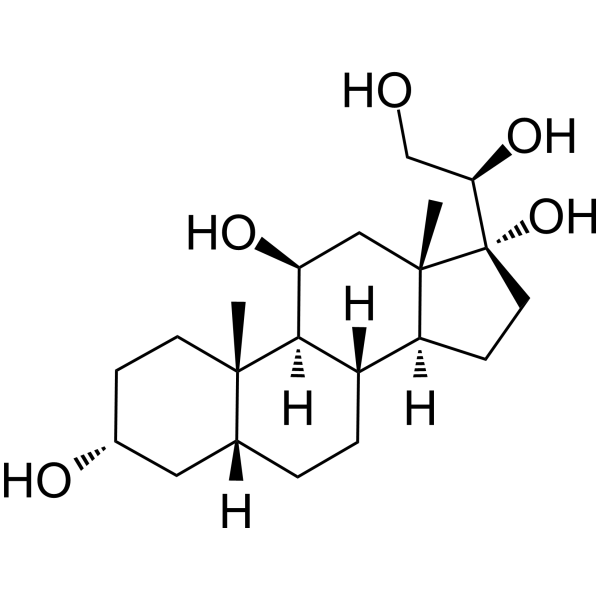
    Beta-Cortol is an O-glycosylated compound and cortisol metabolite. It can be isolated from the leaves of mulberry cultivar Yu 711, and its concentration decreases significantly when the plant is subjected to drought stress. Beta-Cortol serves as a biomarker, as serum Beta-Cortol levels in early non-small cell lung cancer models are downregulated to 1/8 of the preoperative level after tumor resection. Due to such dramatic changes under specific pathological conditions, Beta-Cortol is currently widely used in studies related to early non-small cell lung cancer .
    Beta-Cortol
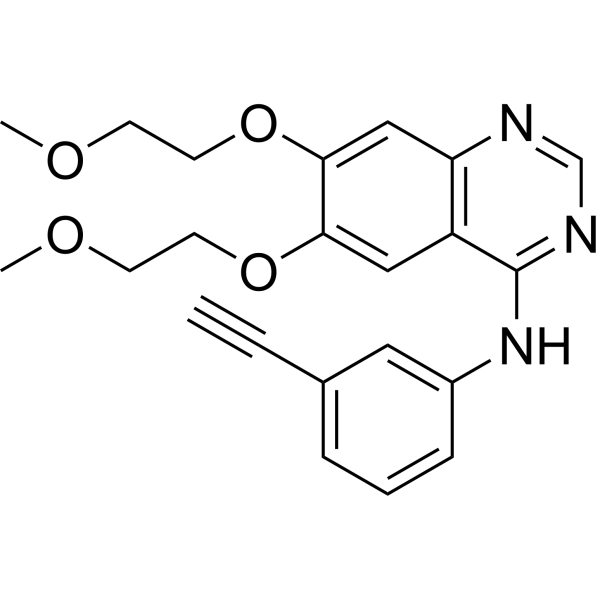
  • HY-139300

    HMPL-813

    EGFR Cancer
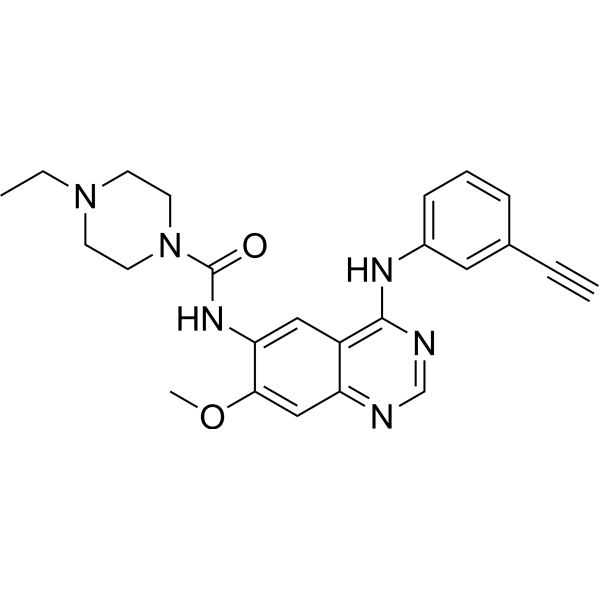
    Epitinib (HMPL-813) is a selective, orally active, blood-brain barrier-permeable EGFR tyrosine kinase inhibitor. Epitinib is applicable to research on EGFR T790M-positive non-small cell lung cancer with brain metastasis and advanced solid tumors .
    Epitinib
  • HY-168566

    HSP Cancer
    EV206 is a Hsp70 binder and apoptosis inducer that binds to the N-terminal domain of Hsp70, promotes Hsp70 degradation via the ubiquitin-proteasome system, and reduces Hsp70 protein stability. EV206 induces apoptotic cell death, inhibits colony formation, and downregulates the expression of cancer stem cell-related markers in non-small cell lung cancer cells. EV206 inhibits the growth of H460 xenograft tumors in nude mice and can be used for the research of non-small cell lung cancer .
    EV206
  • HY-117366

    PKC Cancer
    PS432 is a PKC inhibitor with IC50s of 16.9 μM (PKCι) and 18.5 μM (PKCζ), respectively. PS432 effectively inhibits the proliferation of non-small cell lung cancer cells (NSCLCs) and tumor growth in mouse xenograft models .
    PS432
  • HY-164493

    Ras Cancer
    KRASG12C IN-13 (LY3499446) is a potent KRAS G12C inhibitor. KRASG12C IN-13 is promising for research of advanced solid tumors including non-small cell lung cancer and colorectal cancer .
    KRASG12C IN-13
  • HY-145729A

    AZD9150 sodium

    STAT Apoptosis Cancer
    Danvatirsen sodium (AZD9150 sodium) is an antisense oligonucleotide targeting STAT3. Danvatirsen sodium reduces the viability and promotes apoptosis of leukemia cell lines. Danvatirsen sodium inhibits the expression of endogenous STAT3 and its downstream target genes, and reduces the proliferation and tumorigenicity of neuroblastoma and lymphoma cells. Danvatirsen sodium inhibited tumor growth in mouse models of neuroblastoma, lymphoma, and non-small cell lung cancer. Danvatirsen sodium achieves STAT3 mRNA and protein depletion in a mouse model of epidermoid carcinoma. Danvatirsen sodium can be used in research related to lymphoma, myelodysplastic syndrome, acute myeloid leukemia, neuroblastoma and non-small cell lung cancer .
    Danvatirsen sodium
  • HY-P991481

    CCR Inflammation/Immunology Cancer
    S-531011 is a high-affinity, selective, and reversible CCR8 ligand with antibody-dependent cellular cytotoxicity (ADCC) against CCR8-expressing cells. S-531011 induces the death of tumor-infiltrating CCR8 + regulatory T cells while preserving regulatory T cells in peripheral blood, thereby reinvigorating anti-tumor immunity. The combination of S-531011 with anti-PD-1 antibody effectively inhibits tumor growth, and S-531011 can be used for research on advanced solid tumors and various cancers including non-small cell lung cancer, ovarian cancer, colon cancer, breast cancer, and pancreatic ductal adenocarcinoma .
    S-531011
  • HY-145722A
    Apatorsen
    1 Publications Verification

    OGX-427

    HSP Cancer
    Apatorsen is a 2'-methoxyethyl-modified antisense oligonucleotide and also a Hsp27 inhibitor. Apatorsen reduces Hsp27 mRNA and protein levels, impairs stress-induced cytoprotective functions, induces cell apoptosis, inhibits tumor growth and prevents metastasis. Apatorsen is applicable to research related to non-small cell lung cancer, castration-resistant prostate cancer, breast cancer, ovarian cancer and bladder cancer .
    Apatorsen
  • HY-164426
    HEI3090
    1 Publications Verification

    P2X Receptor Interleukin Related IFNAR Inflammation/Immunology Cancer
    HEI3090 is a P2X7R activator. HEI3090 stimulates dendritic cells expressing P2X7R to produce IL-18, which subsequently promotes Natural Killer cells and CD4 T cells within tumors to produce IFN-γ, leading to a sustained antitumor response. HEI3090 can be used to enhance the efficacy of αPD-1 therapy in non-small cell lung cancer (NSCLC) .
    HEI3090
  • HY-169090

    DNA/RNA Synthesis Cancer
    TS-002902 is a selective small-molecule inhibitor of TUT4 and TUT7 enzymes, with IC50 values of 0.36 nM and 9.6 nM, respectively. TS-002902 induces an antiproliferative effect in FOCAD-deficient cancer cells. TS-002902 is applicable for research on FOCAD-deficient solid tumors (including glioblastoma, non-small cell lung cancer, and pancreatic cancer) .
    TS-002902
  • HY-P991742

    15A7.5; ETx-22 Antibody

    ADC Antibody Cancer
    LY4101174 Antibody is an ADC antibody. LY4101174 is an antibody-drug conjugate (ADC) that targets the nectin-4 protein present on the surface of certain cancer cells. It can directly deliver a potent chemotherapy agent (Exatecan (HY-13631)) to the tumor site and is used for the study of advanced cancers, such as urothelial carcinoma, triple-negative breast cancer, and non-small cell lung cancer .
    LY4101174 Antibody
  • HY-104067

    NASTRp

    Epigenetic Reader Domain Cancer
    Naphthol AS-MX phosphate (NASTRp) is a small molecule inhibitor of the CREB (cyclic adenosine phosphate reaction element binding protein)-CBP (CREB binding protein) transcription factor complex. Naphthol AS-MX phosphate shows antitumor activity against lung cancer cells, inhibiting tumor cell proliferation (IC50=3.701 μmol/L), colony formation, and anchored independent growth in soft AGAR. Naphthol AS-MX phosphate can be used in the study of KRAS mutated lung cancer, especially for KRAS mutated lung cancer with poor chemotherapy resistance and prognosis .
    Naphthol AS-MX phosphate
  • HY-176774

    Toll-like Receptor (TLR) NF-κB Cancer
    L07-2 is a TLR7/8 agonist. L07-2 is a linker-toxin building block that can be used to synthesize immunostimulatory antibody conjugates (ISACs) for cancer research. L07-2 can be used to studies related to tumors such as non-small cell lung cancer .
    L07-2
  • HY-164429

    Integrin Elastase Cancer
    VIP236 is a small-molecule drug conjugate targeting αvβ3 integrin. VIP236 achieves tumor homing via specific binding to αvβ3 integrin and delivers its payload to the tumor microenvironment. The linker of VIP236 is cleavable by neutrophil elastase, which is highly expressed in the tumor microenvironment, to release the payload 7-ethylcamptothecin. This payload induces DNA damage by inhibiting topoisomerase 1, thereby exerting anti-tumor effects. VIP236 exhibits excellent plasma stability and tumor targeting property, with a tumor/plasma payload ratio 10-fold higher than that of the single administration. It effectively induces tumor regression, reduces metastasis formation, and shows good tolerance in mouse models. VIP236 has been used in studies related to non-small cell lung cancer, clear cell renal cell carcinoma, colon cancer, triple-negative breast cancer, small cell lung cancer, and metastatic solid tumors .
    VIP236
  • HY-P991423

    21H3RK

    Notch Cancer
    MEDI0639 (21H3RK) is a human monoclonal antibody (mAb) targeting DLL4. MEDI0639 inhibits Notch1 binding to Dll4. MEDI0639 reverses Notch1-mediated growth inhibition of human umbilical vein endothelial cells in vitro. MEDI0639 promotes human angiogenesis and reduces the number of vessels covered by smooth muscle actin-positive mural cells. MEDI0639 can be used in Small cell lung cancer and solid tumors research .
    MEDI0639
  • HY-P991237

    HMBD-001

    EGFR Cancer
    Nezutatug (HMBD-001) is a humanized IgG1 monoclonal antibody inhibitor targeting HER3. Nezutatug inhibits the dimerization of HER3 and inhibits the growth, proliferation and other activities of tumor cells. Nezutatug is promising for research of cancers, such as pancreatic cancer and non-small cell lung cancer .
    Nezutatug
  • HY-118899

    Endogenous Metabolite Cancer
    XR5944 is an anti-tumor compound with DNA-targeting activity. As a topoisomerase inhibitor, XR5944 can effectively inhibit the activities of topoisomerase I and II. XR5944 shows excellent anti-tumor activity against human and mouse tumor cells in vitro and in vivo. XR5944 exhibits significant potency in multiple cell lines, with IC50 values of 0.04-0.4 nM. XR5944 is not affected by atypical drug resistance in cells and remains significantly active even in cells overexpressing P-glycoprotein or multidrug resistance-related proteins. XR5944 showed anti-tumor efficacy in human tumor models of H69 small cell lung cancer and HT29 colon cancer, inducing tumor regression in most animals in the HT29 model. XR5944 can be used to study biological processes related to colon and lung cancer .
    XR5944
  • HY-P99516

    HLX-06

    VEGFR Cancer
    Vulinacimab (HLX-06) is a human monoclonal antibody directed against human vascular endothelial growth factor receptor 2 (VEGFR-2). Vulinacimab specifically binds to and inhibits VEGFR-2, which may inhibit tumor angiogenesis and tumor cell proliferation. Vulinacimab can be used for the research of solid tumors and non-small cell lung cancer .
    Vulinacimab
  • HY-147281

    Drug-Linker Conjugates for ADC Cancer
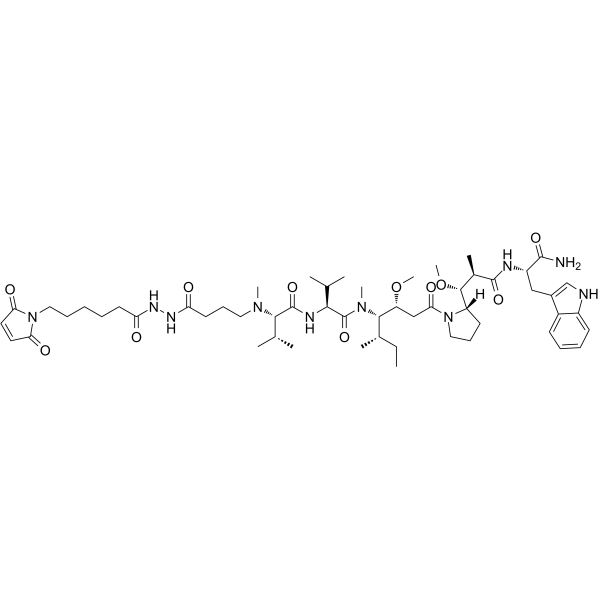
    BAY 1135626 is used to synthesize BAY 1129980, and use to anti-tumor research. BAY 1129980 is a Auristatin-based anti-C4.4A (LYPD3) antibody–agent conjugate (ADC), is used to non–small cell lung cancer (NSCLC) research .
    BAY 1135626
  • HY-13617

    CGP 30694

    Antifolate Cancer
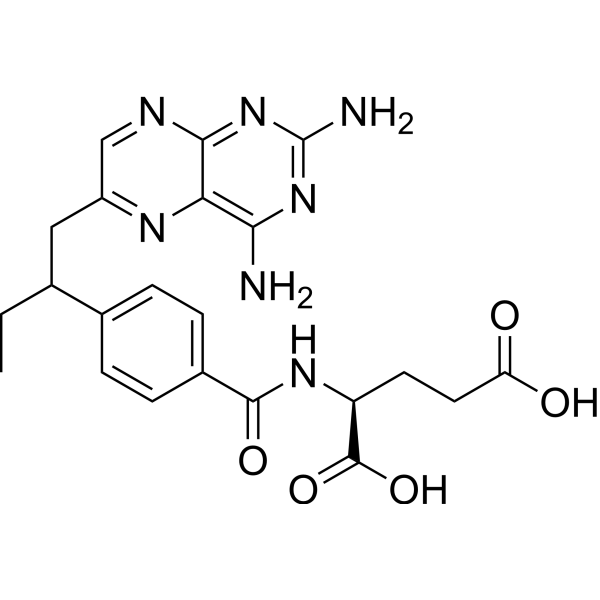
    Edatrexate (CGP 30694), as known as 10-Ethyl-10-deazaaminopterin, is Methotrexate (HY-14519) analog, exhibits antitumor activity against MTX-resistant tumors. Edatrexate is an antifolate antimetabolite, can be used for reasearch of non-small-cell lung cancer, breast cancer, non-Hodgkin's lymphoma, and cancer of the head and neck .
    Edatrexate
  • HY-149040

    (S)-OBI-3424; (S)-TH-3424; AST-3424

    17β-HSD Cancer
    Odafosfamide ((S)-OBI-3424) is a highly selective prodrug bis-alkylating agent activated by aldehyde-keto reductase 1C3 (AKR1C3(). Odafosfamide is highly cytotoxic to cell lines with high AKR1C3 expression. Odafosfamide exhibits antitumor activity in a variety of tumors with high AKR1C3 expression (such as liver cancer, non-small cell lung cancer, and leukemia). Odafosfamide can be used in cancer research .
    Odafosfamide
  • HY-158143

    Histone Methyltransferase Apoptosis Cancer
    AZD3470 is an orally active MTA-cooperative PRMT5 inhibitor, selective for MTAP-deficient tumors. AZD3470 induces cell cycle G2/M phase alterations, DNA damage, apoptosis, and symmetric dimethylarginine reduction. AZD3470 alters alternative splicing, increases skipped exon events in DNA repair and cell cycle pathways, and inhibits cancer cell proliferation and tumor growth. AZD3470 can be used for the research of non-small cell lung cancer and MTAP-deleted solid tumors .
    AZD3470
  • HY-178190

    Wee1 Cancer
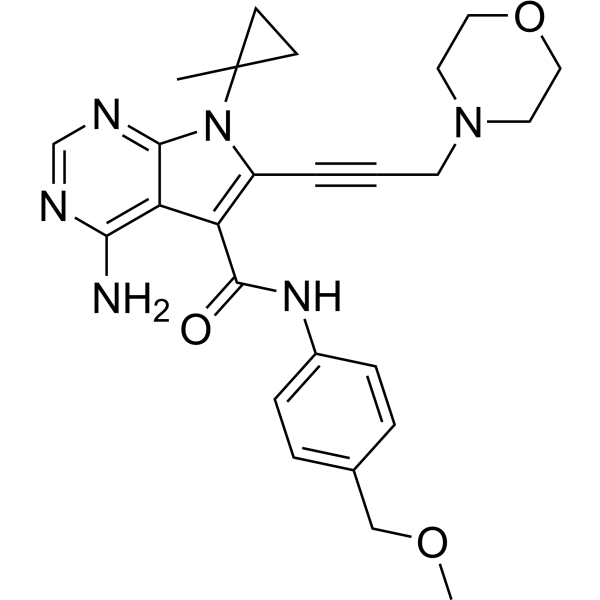
    WEE1-IN-13 (Compound 10) is a highly selective WEE1 kinase inhibitor (IC50=0.7 nM). WEE1-IN-13 abrogates the G2/M checkpoint and induces tumor cell apoptosis. WEE1-IN-13 is promising for research of solid tumors (e.g., non-small cell lung cancer, ovarian cancer) .
    WEE1-IN-13
  • HY-W494890

    Epigenetic Reader Domain Cancer
    SMARCA2-IN-10 (Compound 4) is a highly selective SMARCA2 ATPase domain inhibitor (IC50=17.676 μM). SMARCA2-IN-10 induces cell death in SMARCA4-deficient tumors. SMARCA2-IN-10 is promising for research of SMARCA4-mutant non-small cell lung cancer, small cell ovarian carcinoma, and melanoma .
    SMARCA2-IN-10
  • HY-W001983

    Dihydropyrimidine Dehydrogenase (DPD) Cancer
    5-Iodouracil (Compound 4b) is an irreversible dihydropyrimidine dehydrogenase (DPD) inhibitor (IC50=0.22 μM). 5-Iodouracil is promising for research of DPD-overexpressing solid tumors like non-small cell lung cancer (NSCLC) .
    5-Iodouracil

Inquiry Online

Your information is safe with us. * Required Fields.

Salutation


Country or Region *

Applicant Name *


Organization Name *

Department *


Email Address *


Product Name *

Cat. No.


Requested quantity *

Phone Number *


Remarks

Inquiry Online

Inquiry Information

Product Name:
Cat. No.:
Quantity:
MCE Japan Authorized Agent: