Search Result
Results for "
acetylcholinesterase inhibitor
" in MedChemExpress (MCE) Product Catalog:
5
Biochemical Assay Reagents
22
Isotope-Labeled Compounds
| Art. -Nr. |
Produktname |
Target |
Forschungsgebiete |
Chemical Structure |
-
- HY-N0342
-
-
-
- HY-76299
-
-
-
- HY-N0810
-
-
-
- HY-N0825
-
-
-
- HY-B1315
-
-
-
- HY-W017423
-
-
-
- HY-N0793
-
-
-
- HY-Y0504
-
-
-
- HY-B0832
-
-
-
- HY-N2511
-
|
|
Cholinesterase (ChE)
Phosphatase
|
Infection
Neurological Disease
|
|
Trimyristin is an orally active compound. Trimyristin can be isolated from the seeds of nutmeg (Myristica fragrans). Trimyristin inhibits the activities of acetylcholinesterase (AChE), ACP and ALP, with IC50 values of 0.11, 0.16 and 0.18 mM, respectively. Trimyristin exerts competitive-noncompetitive inhibition on acetylcholinesterase, uncompetitive inhibition on ACP, and competitive/noncompetitive inhibition on ALP. Trimyristin restores the downregulated acetylcholinesterase concentration in the cerebral cortex of rats exposed to sodium arsenite. Trimyristin can be used in studies related to fascioliasis and neurotoxicity .
|
-
-
- HY-N6895
-
|
|
Cholinesterase (ChE)
|
Inflammation/Immunology
|
|
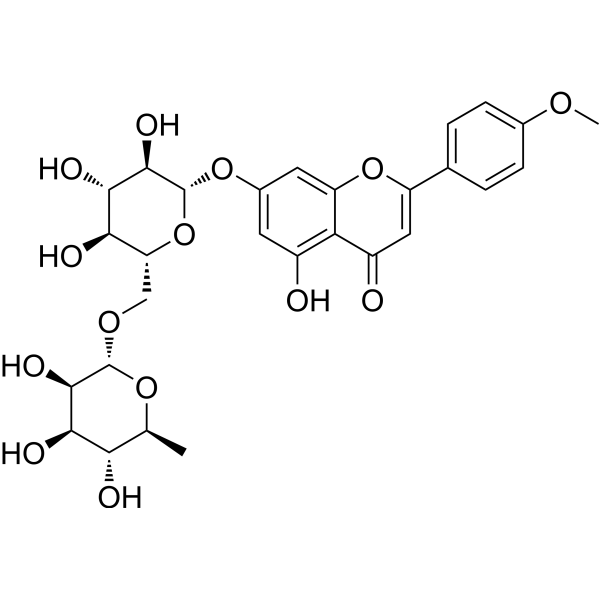
Violanthin is isolated from the stems of Dendrobium officinale, has potent antioxidant and antibacterial activities. Violanthin inhibits acetylcholinesterase (AChE) with an IC50 value of 79.80 μM .
|
-
-
- HY-N1089
-
-
-
- HY-N4261
-
-
-
- HY-76299R
-
-
-
- HY-W020785
-
|
|
Environmental Pollutants
Cholinesterase (ChE)
|
Others
|
|
Fosthiazate is a broad-spectrum nematicide against various plant parasitic nematodes, including Meloidogyne spp., Globodera spp., and Pratylenchus spp., through inhibiting the synthesis of acetylcholinesterase .
|
-
-
- HY-N1474
-
|
|
Cholinesterase (ChE)
|
Infection
Inflammation/Immunology
Cancer
|
|
Picfeltarraenin IA, a triterpenoid obtained from Picriafel-terrae Lour (P.fel-terrae), is an acetylcholinesterase (AChE) inhibitor. Picfeltarraenin IA can be used for the treatment of herpes infections, cancer and inflammation .
|
-
-
- HY-116792
-
-
-
- HY-21629
-
-
-
- HY-17541A
-
|
|
Cholinesterase (ChE)
Cathepsin
|
Neurological Disease
|
|
Cysteine Protease inhibitor hydrochloride, an inhibitor of Cysteine Protease, binds to acetylcholinesterase (AChE). Cysteine Protease inhibitor hydrochloride is applicable to the research of Alzheimer's disease .
|
-
-
- HY-N0342R
-
-
-
- HY-B1093
-
-
-
- HY-W278867
-
|
trans-Pinosylvin dimethyl ether
|
Cholinesterase (ChE)
|
Neurological Disease
Inflammation/Immunology
|
|
trans-3,5-Dimethoxystilbene (trans-Pinosylvin dimethyl ether) is a natural stilbenoid metabolite. trans-3,5-Dimethoxystilbene acts as an acetylcholinesterase inhibitor with a IC50 of 9 μM against Electrophorus electricus acetylcholinesterase. trans-3,5-Dimethoxystilbene binds to acetylcholinesterase and blocks acetylcholine hydrolysis, thereby increasing acetylcholine levels in the cholinergic synaptic cleft. trans-3,5-Dimethoxystilbene can be used in the research of neurodegenerative diseases such as Alzheimer's disease .
|
-
-
- HY-126765
-
-
-
- HY-110389
-
|
|
Cholinesterase (ChE)
|
Neurological Disease
|
|
Pitofenone hydrochloride, a spasmolytic compound, inhibits the acetylcholinesterase (AChE) activity from bovine erythrocytes and from electric eel with Kis of 36 and 45 μM, respectively .
|
-
-
- HY-W127493
-
|
Ceryl Alcohol
|
Biochemical Assay Reagents
|
Infection
|
|
1-Hexacosanol can be used as an inhibitor of acetylcholinesterase (AChE). 1-Hexacosanol has larvicidal activity and can inhibit the acetylcholinesterase activity of Culex quinquefasciatus, Aedes aegypti and Chironomus riparius, exerting neurotoxic effects .
|
-
-
- HY-Y0504R
-
|
Hegzadesil (Standard); Trimethylamine hydrochloric acid (Standard); Trimethylamine monohydrochloride (Standard)
|
Endogenous Metabolite
Cholinesterase (ChE)
Reference Standards
|
Metabolic Disease
|
|
Trimethylammonium chloride (Standard) is the analytical standard of Trimethylammonium chloride. This product is intended for research and analytical applications. Trimethylammonium chlorideIt is an endogenous metabolite that inhibits deacetylation. Trimethylammonium chlorideIs a non-competitive inhibitor of acetylcholinesterase .
|
-
-
- HY-B0884
-
|
|
Monoamine Oxidase
Cholinesterase (ChE)
|
Neurological Disease
|
|
Minaprine is a brain-penetrant monoamine oxidase inhibitor. Minaprine also weakly inhibits acetylcholinesterase (AChE) activity. Minaprine reduces intraneuronal dopamine metabolism, lowers striatal homovanillic acid and dihydroxyphenylacetic acid levels, and raises striatal 3-methoxytyramine and 5-hydroxytryptamine levels. Minaprine exhibits convulsant, antidepressant properties .
|
-
-
- HY-P5797
-
-
-
- HY-116026
-
-
-
- HY-134137
-
-
-
- HY-W077226
-
-
-
- HY-114899
-
|
|
Environmental Pollutants
Cholinesterase (ChE)
Insecticide
|
Infection
Neurological Disease
|
|
Azamethiphos is an acetylcholinesterase inhibitor and insecticide. Azamethiphos covalently binds to acetylcholinesterase via phosphorylation, inhibits its activity, causes acetylcholine to accumulate in cholinergic synapses, triggers uncontrolled excitation of cholinergic sites, induces paralysis and leads to death. Azamethiphos can be used as a bath insecticide in salmonid aquaculture to control sea lice infestations, and it exerts acute toxicity to European lobster larvae, including mortality and movement disorders .
|
-
-
- HY-106440
-
|
|
Cholinesterase (ChE)
|
Neurological Disease
|
|
Zifrosilone is an orally active acetylcholinesterase (AChE) inhibitor with a mean maximum inhibition of 20.9% at 10 mg. Zifrosilone can be used for the research of neurological disease .
|
-
-
- HY-76299S
-
-
-
- HY-119292
-
|
|
Cholinesterase (ChE)
Amyloid-β
|
Neurological Disease
|
|
AP2238 is a dual-function acetylcholinesterase (AChE) inhibitor with Ki values for human AChE (HuAChE) and butyrylcholinesterase (BuChE) of 21.7 and 48.9 μM respectively. AP2238 blocks the pro-fibrotic interaction between the peripheral site of AChE and Aβ, and can inhibit Aβ aggregation. AP2238 can be used for the research of Alzheimer's disease .
|
-
-
- HY-155750
-
-
-
- HY-N6619A
-
-
-
- HY-131413
-
|
Sanguinine
|
Cholinesterase (ChE)
|
Neurological Disease
|
|
O-Desmethyl Galanthamine (Sanguinine) is galanthamine-type alkaloid. O-Desmethyl Galanthamine is an acetylcholinesterase (AChE) inhibitor, with an IC50 1.83 μM .
|
-
-
- HY-120479
-
|
|
Cholinesterase (ChE)
|
Neurological Disease
|
|
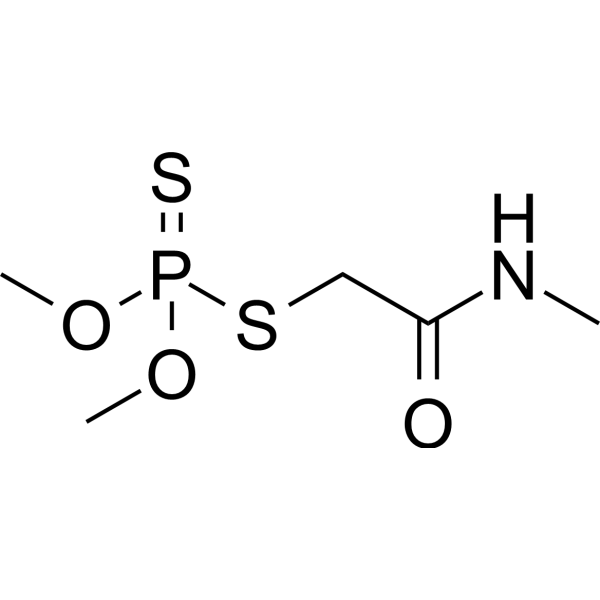
Cythioate is an organophosphorous insecticide and anthelmintic. Cythioate is an acetylcholinesterase inhibitor which interferes with neuromuscular transmission in ectoparastites .
|
-
-
- HY-N8414
-
-
-
- HY-W049335
-
-
-
- HY-150728
-
|
|
Cholinesterase (ChE)
|
Neurological Disease
|
|
AChE-IN-22 (compound 10q) is a selective acetylcholinesterase (AChE) inhibitor against AChE and BuChE with the IC50 values of 0.88 μM and 10 μM, respectively. AChE-IN-22 can bind to both the CAS (catalytic active site) and PAS (peripheral anionic site) of AChE and has the potential for the research of Alzheimer's disease .
|
-
-
- HY-N12361
-
|
|
Cholinesterase (ChE)
|
Neurological Disease
|
|
Osmanthuside B can be isolated from Pseuderanthemum carruthersii (Seem.) Guill. var. atropurpureum (Bull.) Fosb and has weak acetylcholinesterase inhibitory activity .
|
-
-
- HY-155749
-
-
-
- HY-N10209
-
-
-
- HY-N15452
-
|
|
Cholinesterase (ChE)
|
Neurological Disease
Inflammation/Immunology
|
|
Eseramine is a weak acetylcholinesterase inhibitor with an IC50 value of 9300 nM. Eseramine is promising for research of diseases involving the regulation of acetylcholinesterase, such as glaucoma, myasthenia gravis, and protection against organophosphate poisoning .
|
-
-
- HY-W782096
-
-
-
- HY-N14533
-
-
-
- HY-134006
-
-
-
- HY-N13924
-
-
- HY-105157
-
-
- HY-161243
-
-
- HY-135427
-
|
HP-290; NXX-066
|
Drug Derivative
Cholinesterase (ChE)
|
Neurological Disease
|
|
Quilostigmine (HP-290) is an orally active Physostigmine (HY-N6608) analogue, acetylcholinesterase (IC50: 148 nM for rat brain acetylcholinesterase) inhibitor. Quilostigmine has a long-lasting effect on tremors. Quetiapine can be used in the research of Alzheimer's disease .
|
-
- HY-W127493R
-
|
Ceryl Alcohol (Standard)
|
Biochemical Assay Reagents
Reference Standards
|
Infection
|
|
1-Hexacosanol (Standard) is the analytical standard of 1-Hexacosanol. This product is intended for research and analytical applications. 1-Hexacosanol can be used as an inhibitor of acetylcholinesterase (AChE). 1-Hexacosanol has larvicidal activity and can inhibit the acetylcholinesterase activity of Culex quinquefasciatus, Aedes aegypti and Chironomus riparius, exerting neurotoxic effects.
|
-
- HY-113626
-
|
(-)-Cyclopenine
|
Cholinesterase (ChE)
|
Metabolic Disease
|
|
(-)-Cyclopenin ((-)-Cyclopenine) is the enantiomer of Cyclopenin. Cyclopenin is a selective acetylcholinesterase (AChE) inhibitor with the IC50 of 2.04 μM .
|
-
- HY-N4261R
-
-
- HY-151927
-
-
- HY-162145
-
-
- HY-123887
-
-
- HY-76299S1
-
-
- HY-U00028
-
-
- HY-N2971
-
-
- HY-164130
-
-
- HY-161058
-
-
- HY-N6619
-
|
|
Cholinesterase (ChE)
|
Neurological Disease
|
|
Lycoramine hydrobromide, a dihydro-derivative of galanthamine, is isolated from Lycoris radiate. Lycoramine hydrobromide is a potent acetylcholinesterase (AChE) inhibitor .
|
-
- HY-119592
-
-
- HY-155345
-
-
- HY-149300
-
|
|
Cholinesterase (ChE)
|
Neurological Disease
|
|
SB-1436 is an Cholinesterase (ChE) inhibitor, inhibits acetylcholinesterase (AChE), butyrylcholinesterase (BChE) and recombinant human acetylcholinesterase (rHuAChE) with IC50s of 0.176, 0.37 and 0.08 μM, respectively. SB-1436 inhibits AChE and BChE in a non-competitive manner with Kis of 0.046 and 0.115 μM, respectively. SB-1436 significantly stops the self-aggregation of Aβ, and can be used for neurological disease research .
|
-
- HY-162591
-
-
- HY-106456
-
|
GP 31406
|
Cholinesterase (ChE)
|
Neurological Disease
|
|
Depramine (GP 31406) is a tricyclic antidepressant with pharmacologically activity. Depramine inhibits acetylcholinesterase,Mg 2+-ATPase,and Na+/K+ ATPase activity .
|
-
- HY-N15707
-
|
(+)-Isocorydine N-oxide
|
Cholinesterase (ChE)
|
Neurological Disease
|
|
Isocorydine N-oxide ((+)-Isocorydine N-oxide), an alkaloidal, a acetylcholinesterase (AChE) inhibitor. Isocorydine N-oxide can be used for the study of Alzheimer's disease .
|
-
- HY-124140
-
|
|
Cholinesterase (ChE)
|
Others
|
|
Heliosupine is a pyrrolizidine alkaloid. Heliosupine is an acetylcholinesterase (AChE) inhibitor, with an IC50 0.57 mM. Heliosupine exhibits deterrent effects against generalist herbivores .
|
-
- HY-105853
-
|
|
Cholinesterase (ChE)
|
Neurological Disease
|
|
Pitofenone, a spasmolytic compound, inhibits the acetylcholinesterase (AChE) activity from bovine erythrocytes and from electric eel with Kis of 36 and 45 μM, respectively .
|
-
- HY-W004287S
-
-
- HY-114899S
-
|
|
Isotope-Labeled Compounds
Cholinesterase (ChE)
Insecticide
|
Infection
Neurological Disease
|
|
Azamethiphos-d6 is deuterated labeled Azamethiphos (HY-114899). Azamethiphos is an acetylcholinesterase inhibitor and insecticide. Azamethiphos covalently binds to acetylcholinesterase via phosphorylation, inhibits its activity, causes acetylcholine to accumulate in cholinergic synapses, triggers uncontrolled excitation of cholinergic sites, induces paralysis and leads to death. Azamethiphos can be used as a bath insecticide in salmonid aquaculture to control sea lice infestations, and it exerts acute toxicity to European lobster larvae, including mortality and movement disorders .
|
-
- HY-N0793A
-
-
- HY-W049312
-
|
7-MEOTA
|
Cholinesterase (ChE)
|
Neurological Disease
|
|
7-Methoxytacrine (7-MEOTA) is an inhibitor of human acetylcholinesterase (hAChE) with an IC50 value of 10 μM, and can be used for the research of Alzheimer's disease (AD) .
|
-
- HY-176242
-
|
|
Others
|
Neurological Disease
|
|
Buphanidrine is an acetylcholinesterase (AChE) inhibitor with an IC50 of 52.8 μM. Buphanidrine can be extracted from Brunsvigia josephinae and has potential applications in Alzheimer's disease research .
|
-
- HY-W585905
-
|
|
Isotope-Labeled Compounds
|
Others
|
|
Trimethylammonium chloride- 13C3 is a deuterated labeled Trimethylammonium chloride (HY-Y0504). Trimethylammonium chlorideIt is an endogenous metabolite that inhibits deacetylation. Trimethylammonium chlorideIs a non-competitive inhibitor of acetylcholinesterase .
|
-
- HY-170560
-
-
- HY-N12423
-
|
|
Cholinesterase (ChE)
|
Neurological Disease
|
|
Bis-(-)-8-demethylmaritidine, a natural alkaloid, is a potent acetylcholinesterase (AChE) inhibitor. Bis-(-)-8-demethylmaritidine can be used for Alzheimer's disease research .
|
-
- HY-114899R
-
|
|
Reference Standards
Cholinesterase (ChE)
Insecticide
|
Infection
Neurological Disease
|
|
Azamethiphos (Standard) is the analytical standard of Azamethiphos (HY-114899). This product is intended for research and analytical applications. Azamethiphos is an acetylcholinesterase inhibitor and insecticide. Azamethiphos covalently binds to acetylcholinesterase via phosphorylation, inhibits its activity, causes acetylcholine to accumulate in cholinergic synapses, triggers uncontrolled excitation of cholinergic sites, induces paralysis and leads to death. Azamethiphos can be used as a bath insecticide in salmonid aquaculture to control sea lice infestations, and it exerts acute toxicity to European lobster larvae, including mortality and movement disorders .
|
-
- HY-W004287R
-
|
|
Reference Standards
Amyloid-β
Cholinesterase (ChE)
|
Neurological Disease
|
|
Methyl tridecanoate (Standard) is the analytical standard of Methyl tridecanoate. This product is intended for research and analytical applications. Methyl tridecanoate moderately inhibits β-amyloid aggregation. Methyl tridecanoate weakly inhibits acetylcholinesterase (AChE) .
|
-
- HY-151370
-
|
|
Cholinesterase (ChE)
|
Neurological Disease
|
|
AChE-IN-26 (compound 4a) is an AChE (acetylcholinesterase) inhibitor with an IC50 value of 0.42 μM. AChE-IN-26 can be used for the research of Alzheimer’s disease .
|
-
- HY-N0810R
-
-
- HY-N7480A
-
|
|
Cholinesterase (ChE)
|
Neurological Disease
|
|
Quinolactacin A1 is a potent acetylcholinesterase (AChE) inhibitor from solid state fermentation of Penicillium citrinum 90648. Quinolactacin A1 can be used for the research of Alzheimer disease .
|
-
- HY-185346
-
|
|
Cholinesterase (ChE)
|
Neurological Disease
|
|
AChE-IN-113 is a selective acetylcholinesterase inhibitor with a Ki value of 8.3 μM against electric eel acetylcholinesterase. AChE-IN-113 can be used for the research of Alzheimer's disease .
|
-
- HY-182332
-
|
|
Cholinesterase (ChE)
|
Neurological Disease
|
|
AChE-IN-111 is an acetylcholinesterase inhibitor with a IC50 of 0.37 μM. AChE-IN-111 scavenges various reactive oxygen and nitrogen species. AChE-IN-111 exhibits significant antioxidant potential and iron regulatory protein levels. AChE-IN-111 can be used for the research of Alzheimer's disease .
|
-
- HY-W332450
-
-
- HY-131936
-
|
|
Drug Metabolite
|
Others
|
|
Diazoxon is a metabolite of Diazinon (HY-B1113). Diazinon is an organophosphate insecticide .
|
-
- HY-119399
-
|
Dioxabenzofos
|
Cholinesterase (ChE)
|
Neurological Disease
|
|
Salithion is an acetylcholinesterase inhibitor and neurotoxicant. Salithion binds to the active site of acetylcholinesterase to interfere with acetylcholine hydrolysis, and there is an enantioselective difference between its (R) and (S) enantiomers .
|
-
- HY-N17416
-
-
- HY-N13902
-
-
- HY-N13923
-
-
- HY-162916
-
-
- HY-108723
-
|
|
Cholinesterase (ChE)
|
Neurological Disease
|
|
Dihydrogalanthamine hydrobromide is an acetylcholinesterase inhibitor. Dihydrogalanthamine hydrobromide can be used in research on neurological diseases such as sequelae of poliomyelitis and myasthenia gravis .
|
-
- HY-181744
-
|
|
Cholinesterase (ChE)
|
Neurological Disease
|
|
AChE-IN-108 is a potent mixed-type acetylcholinesterase (AChE) inhibitor with an in vitro IC50 of 0.17 nM. AChE-IN-108 acts on both free AChE and the enzyme-substrate complex to exert mixed-type inhibition. AChE-IN-108 can be used for the study of acetylcholinesterase inhibition in Alzheimer’s disease (AD) .
|
-
- HY-165281
-
|
Tubocurine
|
Cholinesterase (ChE)
|
Neurological Disease
|
|
Chondrocurine (Tubocurine) is an alkaloid found in the roots of Cissampelos pareira Linn. Chondrocurine is an acetylcholinesterase (AChE) inhibitor with an IC50 of 7.46 μM .
|
-
- HY-W053641
-
|
|
Cholinesterase (ChE)
|
Neurological Disease
|
|
(E)-2-Nitrocinnamic acid (Compound 1k) is an Acetylcholinesterase inhibitor. (E)-2-Nitrocinnamic acid is applicable to research related to Alzheimer's disease .
|
-
- HY-N19855
-
|
Geranicardic acid
|
Cholinesterase (ChE)
|
Neurological Disease
|
|
Merulinic acid (Geranicardic acid) is an acetylcholinesterase (AChE) inhibitor with an IC50 >94 μM against electric eel-derived AChE. Merulinic acid can be used for the research of alzheimer’s disease .
|
-
- HY-N5076
-
|
|
Cholinesterase (ChE)
|
Infection
Inflammation/Immunology
Cancer
|
|
Picfeltarraenin IV, a triterpenoid obtained from Picriafel-terrae Lour (P.fel-terrae), is an acetylcholinesterase (AChE) inhibitor. Picfeltarraenin IV can be used for the treatment of herpes infections, cancer and inflammation .
|
-
- HY-B0832R
-
|
|
Reference Standards
Cholinesterase (ChE)
Insecticide
|
Neurological Disease
|
|
Profenofos (Standard) is the analytical standard of Profenofos. This product is intended for research and analytical applications. Profenofos is an insecticida used on field crops, vegetables, and fruit crops. Profenofos is an acetylcholinesterase (AChE) inhibitor, with neurotoxicity .
|
-
- HY-N17425
-
|
|
Cholinesterase (ChE)
|
Neurological Disease
|
|
Lakoochin C is an inhibitor of acetylcholinesterase (AChE) (IC50 = 61.86 μM) and butyrylcholinesterase (BChE) (IC50 = 47.21 μM). Lakoochin C may be used in research related to Alzheimer's disease .
|
-
- HY-N2211
-
|
|
Cholinesterase (ChE)
|
Infection
Inflammation/Immunology
Cancer
|
|
Picfeltarraenin IB, a triterpenoid obtained from Picriafel-terrae Lour (P.fel-terrae), is an acetylcholinesterase (AChE) inhibitor. Picfeltarraenin IB can be used for the treatment of herpes infections, cancer and inflammation .
|
-
- HY-N17394
-
|
|
Cholinesterase (ChE)
|
Neurological Disease
|
|
Melineurine is a reversible mixed-type acetylcholinesterase inhibitor, with an IC50 of 95.3 μM against AChE and an IC50 of 28.0 μM against BChE. Melineurine is applicable to the research of Alzheimer's disease .
|
-
- HY-151338
-
|
|
Cholinesterase (ChE)
|
Neurological Disease
|
|
AChE-IN-25 is a potent, selective and uncompetitive acetylcholinesterase (AChE) inhibitor (IC50=2.95 µM). AChE-IN-25 can be used in Alzheimer's disease research .
|
-
- HY-N2043
-
|
|
Cholinesterase (ChE)
|
Neurological Disease
|
|
Huperzine B is a Lycopodium alkaloid isolated from Huperzia serrata and a highly selective acetylcholinesterase (AChE) inhibitor. Huperzine B can be uesd to can be used to improve Alzheimer's disease .
|
-
- HY-W278867R
-
|
trans-Pinosylvin dimethyl ether (Standard)
|
Reference Standards
Cholinesterase (ChE)
|
Neurological Disease
|
|
trans-3,5-Dimethoxystilbene (Standard) is the analytical standard of trans-3,5-Dimethoxystilbene (HY-W278867). This product is intended for research and analytical applications. trans-3,5-Dimethoxystilbene (trans-Pinosylvin dimethyl ether) is a natural stilbenoid metabolite. trans-3,5-Dimethoxystilbene acts as an acetylcholinesterase inhibitor with a IC50 of 9 μM against Electrophorus electricus acetylcholinesterase. trans-3,5-Dimethoxystilbene binds to acetylcholinesterase and blocks acetylcholine hydrolysis, thereby increasing acetylcholine levels in the cholinergic synaptic cleft. trans-,5-Dimethoxystilbene can be used in the research of neurodegenerative diseases such as Alzheimer's disease .
|
-
- HY-W753485
-
-
- HY-116026R
-
-
- HY-B1093R
-
|
|
Reference Standards
Parasite
Cholinesterase (ChE)
|
Infection
|
|
Fenchlorphos (Standard) is the analytical standard of Fenchlorphos. This product is intended for research and analytical applications. Fenchlorphos, an organophosphate, is an insecticide. Fenchlorphos is an inhibitor of the enzyme acetylcholinesterase (AChE). Fenchlorphos is able to cause mitochondrial dysfunction .
|
-
- HY-146035
-
|
|
Cholinesterase (ChE)
Histamine Receptor
|
Neurological Disease
|
|
AChE-IN-14 (compound 5) is a potent cholinesterase inhibitor with IC50s of 0.46 , 0.48, and 0.44 μM for electric eel acetylcholinesterase (eeAChE), human recombinant acetylcholinesterase (hAChE), and equine serum butyrylcholinesterase (eqBuChE), respectively. AChE-IN-14 exhibits high affinity toward human H3 receptor (H3R; Ki= 159.8 nM). AChE-IN-14 can be used for the research of Alzheimer’s disease .
|
-
- HY-B1315S1
-
-
- HY-N6575
-
-
- HY-N6894
-
|
Isocoptisine acetate
|
Cholinesterase (ChE)
|
Inflammation/Immunology
|
|
Pseudocoptisine (Isocoptisine) acetate is a quaternary alkaloid with benzylisoquinoline skeleton, was isolated from Corydalis Tuber. Pseudocoptisine acetate inhibits acetylcholinesterase (AChE) activity with an IC50 of 12.8 μM. Anti-inflammatory and anti-amnestic effects .
|
-
- HY-161143
-
-
- HY-B0732S
-
-
- HY-N6894A
-
|
Isocoptisine chloride
|
Cholinesterase (ChE)
|
Inflammation/Immunology
|
|
Pseudocoptisine (Isocoptisine) chloride is a quaternary alkaloid with benzylisoquinoline skeleton, was isolated from Corydalis Tuber. Pseudocoptisine chloride inhibits acetylcholinesterase (AChE) activity with an IC50 of 12.8 μM. Anti-inflammatory and anti-amnestic effects .
|
-
- HY-B1315S
-
-
- HY-B0496
-
PMSF
Maximum Cited Publications
146 Publications Verification
Phenylmethylsulfonyl fluoride; Benzylsulfonyl fluoride
|
Cathepsin
Ser/Thr Protease
|
Neurological Disease
|
|
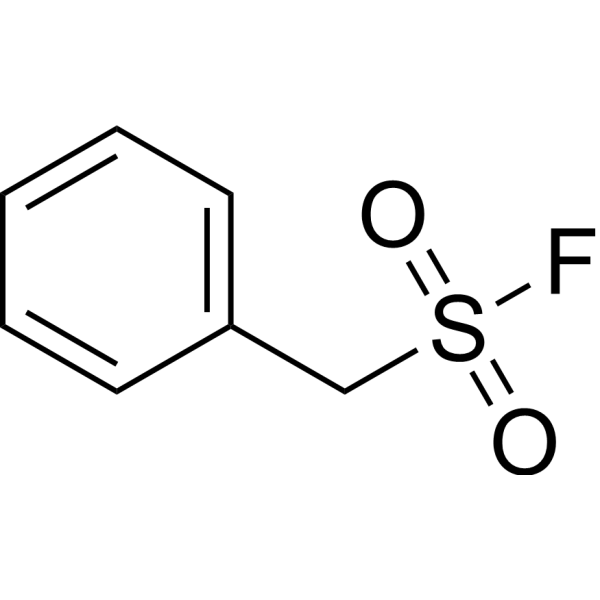
PMSF (Phenylmethylsulfonyl fluoride) is a nonspecific and irreversible serine proteases inhibitor. PMSF inhibits some thiol proteases, non-protease enzymes, and acetylcholinesterase. PMSF can be used to prepare protein extracts from tissue and cell lysates .
|
-
- HY-B1315R
-
-
- HY-W003576
-
|
|
Cholinesterase (ChE)
|
Neurological Disease
|
|
ACHE-IN-38 hydrochloride (Compound 13b) inhibits the metabolic breakdown of the neurotransmitter acetylcholine (ACh) by the enzyme acetylcholinesterase (AChE) and hence alleviates memory deficits in patients with Alzheimer’s Disease by potentiating cholinergic transmission .
|
-
- HY-170811
-
|
|
Cholinesterase (ChE)
|
Neurological Disease
|
|
DCDQ is a potent acetylcholinesterase (AChE) inhibitor. DCDQ shows a strong binding affinity with the 4EY7 protein (binding energy: −8.2 kcal/mol). DCDQ is promising for research of Alzheimer's disease (AD) .
|
-
- HY-105581
-
|
Oxinothiofos
|
Cholinesterase (ChE)
|
Others
|
|
Quintiofos (Oxinothiofos) is an insecticide. Quintiofos inhibits the activity of acetylcholinesterase in insects, causing nerve conduction disorders, thereby achieving an insecticidal effect. Quintiofos can be used to control a variety of pests, such as aphids, whiteflies, and stem borers .
|
-
- HY-N0825R
-
|
|
Reference Standards
Cholinesterase (ChE)
|
Inflammation/Immunology
|
|
Nodakenin (Standard) is the analytical standard of Nodakenin. This product is intended for research and analytical applications. Nodakenin is a major coumarin glucoside in the root of Angelica decusiva. Nodakenin inhibits acetylcholinesterase (AChE) activity with an IC50 of 84.7 μM .
|
-
- HY-122985
-
|
|
Cholinesterase (ChE)
|
Metabolic Disease
|
|
Graphislactone A is an antioxidant, which is found in Cephalosporium IFB-E001 and M. olivacea. Graphislactone A inhibits acetylcholinesterase (AChE) with an IC50 value of 27 μM. Graphislactone A is promising for research of oxidative damage-initiated diseases .
|
-
- HY-W415004
-
|
|
Cholinesterase (ChE)
|
Neurological Disease
|
|
ACHE-IN-38 (Compound mol-8) inhibits the metabolic breakdown of the neurotransmitter acetylcholine (ACh) by the enzyme acetylcholinesterase (AChE) and hence alleviates memory deficits in patients with Alzheimer’s Disease by potentiating cholinergic transmission .
|
-
- HY-W017423R
-
|
|
Reference Standards
Cholinesterase (ChE)
|
Neurological Disease
|
|
(-)-Carvone (Standard) is the analytical standard of (-)-Carvone. This product is intended for research and analytical applications. (-)-Carvone is an insect neurotoxin and a irreversible acetylcholinesterase (AChE) inhibitor. (-)-Carvone can be used as a bird repellent, inhibits larval growth, decreases pupatation rate, and increases mortality of larvae .
|
-
- HY-N8290
-
-
- HY-124140R
-
|
|
Reference Standards
Cholinesterase (ChE)
|
Others
|
|
Heliosupine (Standard) is the analytical standard of Heliosupine. This product is intended for research and analytical applications. Heliosupine is a pyrrolizidine alkaloid. Heliosupine is an acetylcholinesterase (AChE) inhibitor, with an IC50 0.57 mM. Heliosupine exhibits deterrent effects against generalist herbivores .
|
-
- HY-101653
-
-
- HY-163883
-
|
|
Cholinesterase (ChE)
|
Neurological Disease
|
|
BChE-IN-34 is a potent and selective butyrylcholinesterase (BChE) inhibitor with an IIC50 of 25 nM. BChE-IN-34 shows excellent selectivity against BChE over acetylcholinesterase. BChE-IN-34 has neuroprotective and antioxidant effects .
|
-
- HY-124957
-
|
|
Cholinesterase (ChE)
Apoptosis
|
Cancer
|
|
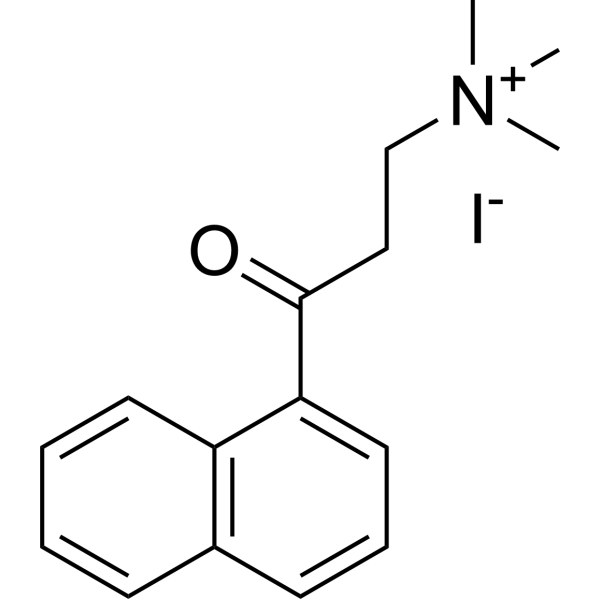
β-NETA is a potent and noncompetitive choline acetyltransferase (ChA; IC50=76 μM) and cholinesterase (ChE; IC50=40 μM) inhibitor. β-NETA weakly inhibits acetylcholinesterase (AChE; IC50=1 mM) .
|
-
- HY-W750404
-
|
|
Isotope-Labeled Compounds
Cholinesterase (ChE)
|
Neurological Disease
|
|
(-)-Carvone-d4 is the deuterium labeled (-)-Carvone (HY-W017423). (-)-Carvone is an insect neurotoxin and a irreversible acetylcholinesterase (AChE) inhibitor. (-)-Carvone can be used as a bird repellent, inhibits larval growth, decreases pupatation rate, and increases mortality of larvae .
|
-
- HY-181161
-
|
|
Cholinesterase (ChE)
|
Neurological Disease
|
|
AChE-IN-107 is a selective acetylcholinesterase (AChE) inhibitor with an IC50 of 0.22 μM and a Ki of 0.207 μM. AChE-IN-107 shows no inhibitory effect on equine serum BChE at 10 μM. AChE-IN-107 exhibits mixed-type inhibition of electric eel acetylcholinesterase, binding to both free enzyme and enzyme-substrate complex. AChE-IN-107 acts as a cytotoxin, reduces cell viability in hepatocellular carcinoma HepG2 cells.AChE-IN-107 can be used for the research of alzheimer's disease .
|
-
- HY-157981
-
|
|
Cholinesterase (ChE)
Monoamine Oxidase
|
Neurological Disease
|
|
AChE-IN-60 (compound 6k) is a potant acetylcholinesterase (AChE) and butyrylcholinesterase (BChE) inhibitor with IC50s of 27 nM and 43 nM, respectively. AChE-IN-60 also inhibits monoamine oxidase (MAO)-A and MAO-B with IC50s of 353 nM and 716 nM, respectively .
|
-
- HY-N15323
-
|
|
Cholinesterase (ChE)
|
Infection
Inflammation/Immunology
|
|
Samioside is an effective acetylcholinesterase inhibitor that can be isolated from Phlomis nissolii and P. capitata. Samioside possesses free-radical scavenging and antimicrobial activities. Samioside can be used in research on its anti-Alzheimer’s potency .
|
-
- HY-P5798
-
|
FAS-I
|
Cholinesterase (ChE)
|
Neurological Disease
|
|
Fasciculin-I is isolated from the mambas venom. Fasciculin-I exerts its toxic effects by inhibiting acetylcholinesterase (AChE). Fasciculin-I blocks α-neurotoxins of nicotinic acetylcholine receptors and cardiac toxins that interact with cell membranes .
|
-
- HY-N7010
-
|
|
Cholinesterase (ChE)
Bacterial
|
Infection
|
|
(-)-Corynoxidine is an acetylcholinesterase inhibitor with an IC50 value of 89.0 μM, isolated from the aerial parts of Corydalis speciosa .
(-)-Corynoxidine exhibits antibacterial activities against Staphylococcus aureus and methicillin-resistant S. aureus strains in different degrees .
|
-
- HY-B1946
-
-
- HY-N16447
-
|
|
Cholinesterase (ChE)
|
Others
|
|
Territrem C is an acetylcholinesterase (AchE) inhibitor with an IC50 value of 0.23 μM. Territrem C, which belongs to α-pyrone meroterpenoids, can be isolated and produced from the fungus Penicillium sp. SK5GW1L .
|
-
- HY-105853S
-
|
|
Isotope-Labeled Compounds
|
Neurological Disease
|
|
Pitofenone-d4 is deuterium labeled Pitofenone (HY-105853). Pitofenone, a spasmolytic compound, inhibits the acetylcholinesterase (AChE) activity from bovine erythrocytes and from electric eel with Kis of 36 and 45 μM, respectively .
|
-
- HY-N0826R
-
-
- HY-183066
-
|
|
Insecticide
Cholinesterase (ChE)
|
Infection
|
|
AChE-IN-115 is an acetylcholinesterase (AChE) inhibitor. AChE-IN-115 forms stable complexes with AChE from Spodoptera litura (tobacco cutworm) and Tribolium castaneum (red flour beetle). AChE-IN-115 exhibits insecticidal activity .
|
-
- HY-172101
-
-
- HY-126649
-
|
|
Antibiotic
|
Infection
|
|
Bacillosporin C is an oxaphenalenone dimer originally isolated from T. bacillosporus. Bacillosporin C, an anhydride, is formed from the lactone bacillosporin D in the mangrove endophytic fungus SBE-14. Similar oxaphenalenone dimers have antibiotic activity and inhibit acetylcholinesterase.
|
-
- HY-W020785R
-
|
|
Cholinesterase (ChE)
Reference Standards
|
Others
|
|
Fosthiazate (Standard) is the analytical standard of Fosthiazate. This product is intended for research and analytical applications. Fosthiazate is a broad-spectrum nematicide against various plant parasitic nematodes, including Meloidogyne spp., Globodera spp., and Pratylenchus spp., through inhibiting the synthesis of acetylcholinesterase .
|
-
- HY-149087
-
-
- HY-126175
-
|
|
Endogenous Metabolite
|
Neurological Disease
|
|
Neostigmine iodide is a reversible acetylcholinesterase inhibitor with muscle tone-enhancing activity. Neostigmine iodide is primarily used to improve muscle function in patients with myasthenia gravis. Neostigmine iodide is also used in routine anesthesia to reverse the effects of nondepolarizing muscle relaxants such as rocuronium .
|
-
- HY-N12833
-
|
|
Cholinesterase (ChE)
|
Others
|
|
Dihydrokaempferol-3-O-β-D-glucoside (Compound 3) is a compound that can be isolated from the bark of Cudrania tricuspidata (Carr.) Bur. . Dihydrokaempferol-3-O-β-D-glucoside is an inhibitor of acetylcholinesterase (AChE) .
|
-
- HY-N0793R
-
-
- HY-124047
-
|
|
Cholinesterase (ChE)
|
Neurological Disease
|
|
RX 67668 is a potent cholinesterase inhibitor with an IC50 of 5 μM for both acetylcholinesterase (AChE) and butyrylcholinesterase. RX 67668 can reverse the neuromuscular blockade induced by D-tubocurarine. RX 67668 is a muscle relaxant used to relieve skeletal muscle fatigue .
|
-
- HY-127165
-
|
HP 029 free base; Hydroxytacrine
|
Cholinesterase (ChE)
|
Neurological Disease
|
|
Velnacrine (HP 029 free base) is an inhibitor for acetylcholinesterase (AChE), with an IC50 of 3.27 μM. Velnacrine reverses the Scopolamine (HY-N0296)-induced amnesia in rat models, and exhibits acute toxicity with LD50 of 65 mg/kg .
|
-
- HY-N0826
-
-
- HY-176439
-
|
|
Amyloid-β
Cholinesterase (ChE)
|
Neurological Disease
|
|
AChE-IN-88 (Compound 26) is a novel pyridazine derivative. AChE-IN-88 is an orally active multi-target ligand for Alzheimer's disease (AD) that inhibits both acetylcholinesterase (AChE) and amyloid β protein (Aβ) aggregation (pIC50: 7.16) .
|
-
- HY-B0884A
-
|
|
Monoamine Oxidase
Cholinesterase (ChE)
|
Neurological Disease
|
|
Minaprine dihydrochloride is a brain-penetrant monoamine oxidase inhibitor. Minaprine dihydrochloride also weakly inhibits acetylcholinesterase (AChE) activity. Minaprine dihydrochloride reduces intraneuronal dopamine metabolism, lowers striatal homovanillic acid and dihydroxyphenylacetic acid levels, and raises striatal 3-methoxytyramine and 5-hydroxytryptamine levels. Minaprine dihydrochloride exhibits convulsant, antidepressant properties .
|
-
- HY-N9928
-
|
|
Cholinesterase (ChE)
|
Neurological Disease
|
|
Echinenone is an acetylcholinesterase (AChE) inhibitor (IC50=16.29 μg/mL) with anti-Aβ(25-35) activity. Echinenone can inhibit MDA content and increase superoxide dismutase (SOD), catalase (CAT) and glutathione peroxidase (GSH-Px) activities to cope with oxidative stress damage .
|
-
- HY-N7263
-
|
|
Cholinesterase (ChE)
|
Neurological Disease
|
|
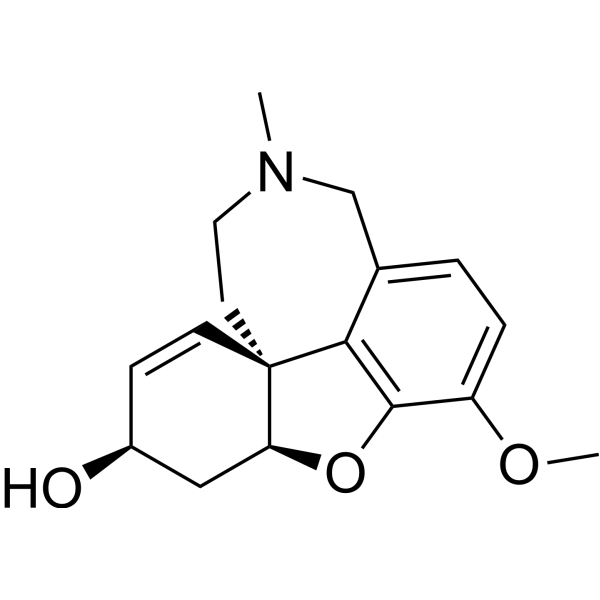
Galanthamine N-Oxide is an alkaloid obtained from the bulbs of Zephyranthes concolor. Galanthamine N-Oxide inhibits electric eel acetylcholinesterase (AChE) with an EC50 of 26.2 μM. Galanthamine N-Oxide is a prominent inhibitor of substrate accommodation in the active site of the Torpedo californica AChE (TcAChE), hAChE and hBChE enzymes .
|
-
- HY-N6608
-
|
Eserine
|
Cholinesterase (ChE)
|
Neurological Disease
|
|
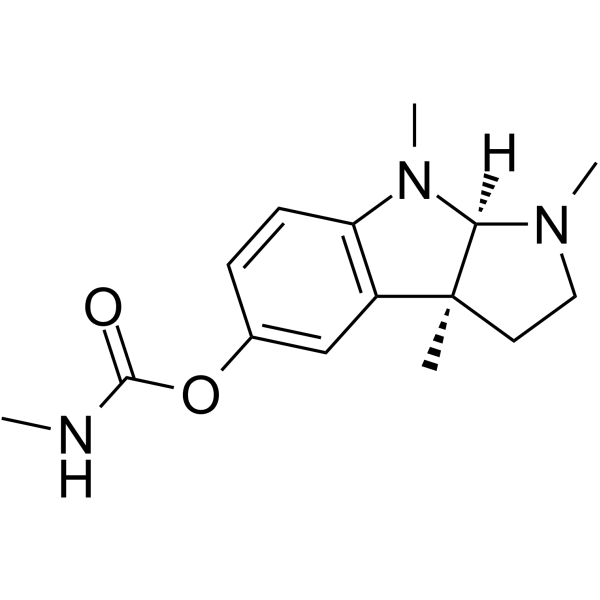
Physostigmine (Eserine) is a reversible acetylcholinesterase (AChE) inhibitor. Physostigmine can crosses the blood-brain barrier and stimulates central cholinergic neurotransmission. Physostigmine can reverse memory deficits in transgenic mice with Alzheimer's disease. Physostigmine is also an antidote for anticholinergic poisoning .
|
-
- HY-N12581
-
|
|
Cholinesterase (ChE)
|
Neurological Disease
|
|
Kuwanon U is a potent cholinesterase inhibitor with IC50s of 19.69, 10.11 µM and Kis of 6.48, 9.59 µM for acetylcholinesterase (AChE) and butyrylcholinesterase (BChE), respectively. Kuwanon U has the potential for the research of Alzheimer’s disease (AD) .
|
-
- HY-103373
-
|
|
Cholinesterase (ChE)
|
Neurological Disease
|
|
PE154 (Compound 13) is a potent fluorescent inhibitor of human acetylcholinesterase (AChE) and butyrylcholinesterase (BChE) (IC50s=280 pM and 16 nM, respectively) . PE154 can label β-amyloid plaques in histochemical analysis .
|
-
- HY-N10781
-
|
|
Cholinesterase (ChE)
|
Cardiovascular Disease
Neurological Disease
Cancer
|
|
Isograndifoliol is a selective inhibitor of butyrylcholinesterase (BChE) with an IC50 value of 0.9 μM. And Isograndifoliol moderately inhibits acetylcholinesterase (AChE) with an IC50 value of 342.9 μM. Isograndifoliol also has vasorelaxant effect and anti-tumor effect. Isograndifoliol can be used for research against dementia caused by neurodegenerative diseases .
|
-
- HY-157090
-
-
- HY-19478
-
|
|
Cholinesterase (ChE)
|
Neurological Disease
|
|
TAK-802 is an orally active and potent acetylcholinesterase inhibitor. TAK-802’s distribution in red blood cells has a significant concentration dependence, with the distribution ratio decreasing as the concentration increases. TAK-802 exhibits significant nonlinear pharmacokinetic behavior .
|
-
- HY-14833
-
|
TP300
|
Topoisomerase
|
Cancer
|
|
Atiratecan (TP300) is a proagent of camptothecin analog CH0793076 (HY-107096). Atiratecan does not inhibit acetylcholinesterase (AChE) activities. Atiratecan shows antitumor activity against both breast cancer resistance protein (BCRP)-positive and -negative xenografts in mouse xenograft models .
|
-
- HY-183303
-
-
- HY-145833A
-
|
|
Epoxide Hydrolase
Cholinesterase (ChE)
|
Neurological Disease
Cancer
|
|
sEH/AChE-IN-4 (compound (+)-15) is a potent and BBB-penetrated dual inhibitor of sEH (soluble epoxide hydrolase) and AChE (acetylcholinesterase), with IC50 values of 3.1 nM (hsEH), 1660 nM (hAChE), 179 nM (hBChE, human butyrylcholinesterase), 14.5 nM (msEH), and 102 nM (mAChE), respectively .
|
-
- HY-W017765
-
|
|
Cholinesterase (ChE)
|
Others
|
|
2,2'-Dihydroxy-1,1'-binaphthyl is an acetylcholinesterase (AChE) inhibitor with an IC50 value of 21.9 μM against human AChE. 2,2'-Dihydroxy-1,1'-binaphthyl exhibits cytotoxicity against Artemia nauplii .
|
-
- HY-169173
-
|
|
Cholinesterase (ChE)
|
Infection
|
|
AL284 is a potent anopheles gambiae acetylcholinesterase 1 (AgAChE1) inhibitor. AL284 interactions with Tyr489Ag in the α-helix next to loop 2, and Trp441Ag at the top of the gorge. AL284 has the potential for the research of disease-transmitting mosquitoes .
|
-
- HY-N12622
-
|
|
Cholinesterase (ChE)
|
Neurological Disease
|
|
AChE-IN-58 (Compound 3) is an acetylcholinesterase (AChE) inhibitor. AChE-IN-58 can extend the mean lifespan, delay the Aβ1-42-induced paralysis, enhanc the locomotion, and alleviate glutamic acid (Glu)-induced neurotoxicity of CL4176 worms .
|
-
- HY-N2211R
-
|
|
Reference Standards
Cholinesterase (ChE)
|
Infection
Inflammation/Immunology
Cancer
|
|
Picfeltarraenin IB (Standard) is the analytical standard of Picfeltarraenin IB. This product is intended for research and analytical applications. Picfeltarraenin IB, a triterpenoid obtained from Picriafel-terrae Lour (P.fel-terrae), is an acetylcholinesterase (AChE) inhibitor. Picfeltarraenin IB can be used for the treatment of herpes infections, cancer and inflammation .
|
-
- HY-121467A
-
|
Z-338; YM443
|
Cholinesterase (ChE)
|
Others
Metabolic Disease
Inflammation/Immunology
|
|
Acotiamide hydrochloride is an orally active, selective and reversible acetylcholinesterase (AChE) inhibitor, with an IC50 of 1.79 μM. Acotiamide hydrochloride can enhance gastric contractility and accelerate delayed gastric emptying. Acotiamide hydrochloride has the potential for the research of functional dyspepsia involving gastric motility dysfunction and intestinal inflammatory .
|
-
- HY-174328
-
|
|
Cholinesterase (ChE)
|
Neurological Disease
|
|
BChE/AChE-IN-1 (Compound 4m) is a potent dual inhibitor of acetylcholinesterase (AChE) and butyrylcholinesterase (BChE) with IC50 values of 0.7 μM and 0.2 μM, respectively. BChE/AChE-IN-1 is promising for research of neurodegenerative diseases such as Alzheimer’s disease (AD) .
|
-
- HY-121467
-
|
Z-338 free base; YM443 free base
|
Cholinesterase (ChE)
|
Metabolic Disease
Inflammation/Immunology
|
|
Acotiamide is an orally active, selective and reversible acetylcholinesterase (AChE) inhibitor, with an IC50 of 1.79 μM. Acotiamide can enhance gastric contractility and accelerate delayed gastric emptying. Acotiamide has the potential for the research of functional dyspepsia involving gastric motility dysfunction and intestinal inflammatory .
|
-
- HY-N2043R
-
|
|
Reference Standards
Cholinesterase (ChE)
|
Neurological Disease
|
|
Huperzine B (Standard) is the analytical standard of Huperzine B. This product is intended for research and analytical applications. Huperzine B is a Lycopodium alkaloid isolated from Huperzia serrata and a highly selective acetylcholinesterase (AChE) inhibitor. Huperzine B can be uesd to can be used to improve Alzheimer's disease .
|
-
- HY-180552
-
|
|
Cholinesterase (ChE)
Monoamine Oxidase
|
Neurological Disease
|
|
AChE-IN-104 (compound 3e) is a potent acetylcholinesterase (AChE) inhibitor with an IC50 of 8.01 µM. AChE-IN-104 also inhibits BChE and MAO-A with IC50s of 65.41 µM and 1.51 µM, respectively. AChE-IN-104 can be used for Alzheimer’s disease (AD) research .
|
-
- HY-103374B
-
|
(±)-Eseroline phenylcarbamate
|
Cholinesterase (ChE)
Amyloid-β
|
Neurological Disease
|
|
(±)Phenserine ((±)-Eseroline phenylcarbamate) is the racemic form of Phenserine (HY-103374). Phenserine is a derivative of Physostigmine (HY-N6608) and is an effective, non-competitive, long-acting and selective AChE inhibitor. Phenserine can reduce the formation of β-amyloid precursor protein (APP) and β-amyloid peptide (Aβ). Phenserine can improve cognitive ability and slow down the progression of Alzheimer's disease .
|
-
- HY-108477
-
|
TMP 1363
|
G-quadruplex
Telomerase
Cholinesterase (ChE)
SARS-CoV
|
Cancer
|
|
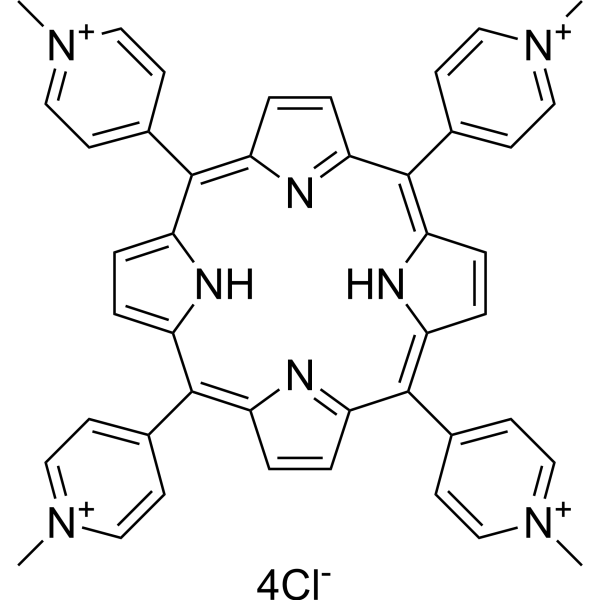
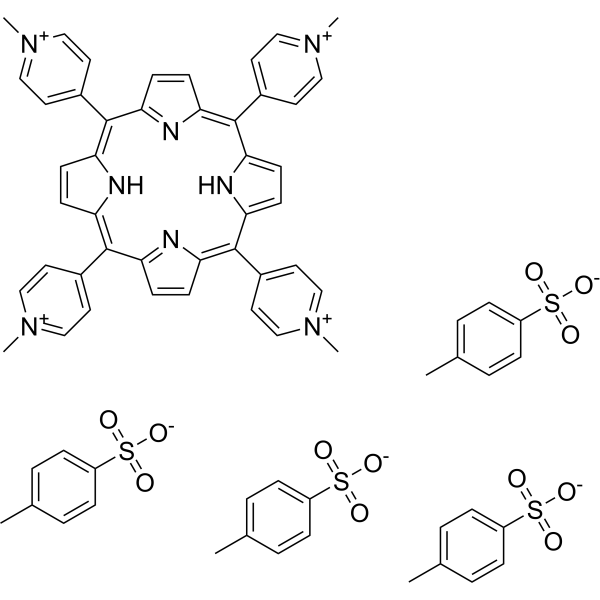
TMPyP4 tosylate (TMP 1363) is a quadruplex-specific ligand. TMPyP4 tosylate inhibits the interaction between G-quadruplexes and IGF-1. TMPyP4 tosylate is a telomerase inhibitor and inhibits cancer cells proliferation. TMPyP4 tosylate is also a stabilizer of nucleic acid secondary structure and an acetylcholinesterase inhibitor. Besides, TMPyP4 tosylate has antiviral activity against SARS-CoV-2 .
|
-
- HY-B1946R
-
-
- HY-N0528
-
-
- HY-145833
-
|
|
Epoxide Hydrolase
Cholinesterase (ChE)
|
Neurological Disease
Cancer
|
|
sEH/AChE-IN-3 (compound (−)-15) is a potent and BBB-penetrated dual inhibitor of sEH (soluble epoxide hydrolase) and AChE (acetylcholinesterase), with IC50 values of 0.4 nM (hsEH), 1.94 nM (hAChE), 615 (hBChE, human butyrylcholinesterase), 4.3 nM (msEH), and 2.61 nM (mAChE), respectively .
|
-
- HY-182333
-
|
|
Cholinesterase (ChE)
|
Neurological Disease
|
|
AChE-IN-112 is an acetylcholinesterase (AChE) inhibitor with an IC50 of 0.41 μM. AChE-IN-112 scavenges various reactive oxygen and reactive nitrogen species, including DPPH, ABTS, NO, hydroxyl and hydrogen peroxide free radicals. AChE-IN-112 can be used for the research of Alzheimer's disease .
|
-
- HY-145831
-
|
|
Cholinesterase (ChE)
|
Neurological Disease
Inflammation/Immunology
|
|
sEH/AChE-IN-1 (Compound 12a) is a dual inhibitor of the enzymes soluble epoxide hydrolase (sEH) and acetylcholinesterase (AChE). sEH/AChE-IN-1 provides cumulative effects against neuroinflammation and memory impairment. sEH/AChE-IN-1 has the potential for the research of Alzheimer's disease (AD) .
|
-
- HY-145832
-
|
|
Cholinesterase (ChE)
|
Neurological Disease
Inflammation/Immunology
|
|
sEH/AChE-IN-2 (Compound 12b) is a dual inhibitor of the enzymes soluble epoxide hydrolase (sEH) and acetylcholinesterase (AChE). sEH/AChE-IN-2 provides cumulative effects against neuroinflammation and memory impairment. sEH/AChE-IN-2 has the potential for the research of Alzheimer's disease (AD) .
|
-
- HY-B1266
-
|
Eserine salicylate
|
Cholinesterase (ChE)
|
Neurological Disease
|
|
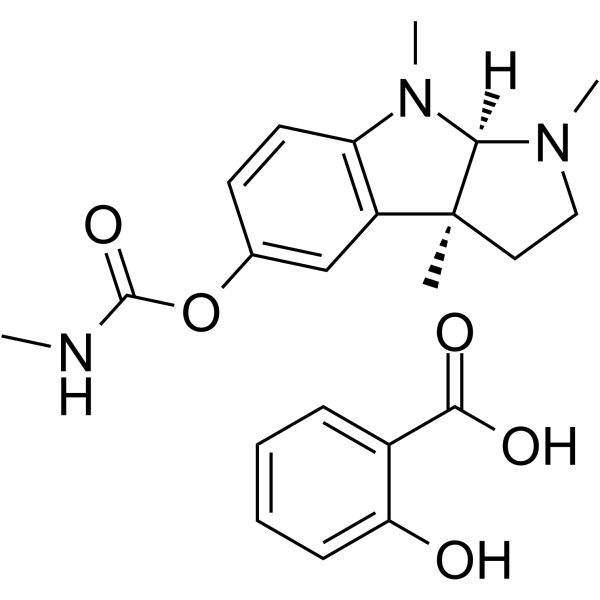
Physostigmine salicylate (Eserine salicylate) is a reversible acetylcholinesterase (AChE) inhibitor. Physostigmine salicylate crosses the blood-brain barrier and stimulates central cholinergic neurotransmission. Physostigmine salicylate can reverse memory deficits in transgenic mice with Alzheimer's disease. Physostigmine salicylate is also an antidote for anticholinergic poisoning .
|
-
- HY-182290
-
|
|
Cholinesterase (ChE)
|
Neurological Disease
|
|
AChE/BChE-IN-36 is a dual acetylcholinesterase (AChE) and butyrylcholinesterase (BChE) inhibitor with blood-brain barrier permeability. AChE/BChE-IN-36 mediates blood-brain barrier transport through specific interactions with choline transporters. AChE/BChE-IN-36 can be used for the research of Alzheimer's disease .
|
-
- HY-B1946S
-
-
- HY-N8290R
-
|
Lactucopicrin (Standard)
|
Autophagy
NF-κB
AMPK
Reference Standards
|
Neurological Disease
Metabolic Disease
|
|
Lactupicrin (Standard) is the analytical standard of Lactupicrin. This product is intended for research and analytical applications. Lactupicrin (Lactucopicrin) exhibits analgesic, sedative, antimalarial activities and atheroprotective effect. Lactupicrin inhibits acetylcholinesterase (AChE) with an IC50 of 150.3 μM. Lactupicrin is an orally active characteristic bitter sesquiterpene lactone .
|
-
- HY-N2320
-
|
Eserine hemisulfate
|
Cholinesterase (ChE)
|
Neurological Disease
|
|
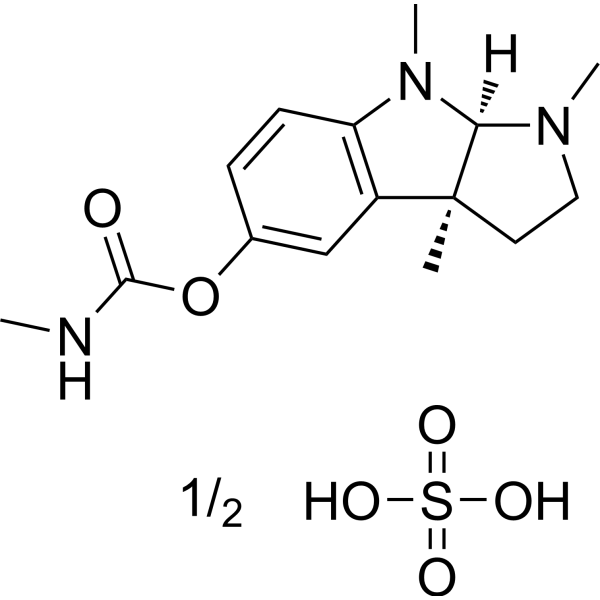
Physostigmine hemisulfate (Eserine hemisulfate) is a reversible acetylcholinesterase (AChE) inhibitor. Physostigmine hemisulfate can crosses the blood-brain barrier and stimulates central cholinergic neurotransmission. Physostigmine hemisulfate can reverse memory deficits in transgenic mice with Alzheimer's disease. Physostigmine hemisulfate is also an antidote for anticholinergic poisoning .
|
-
- HY-168031
-
-
- HY-170658
-
|
|
Autophagy
Amyloid-β
Reactive Oxygen Species (ROS)
|
Neurological Disease
Inflammation/Immunology
|
|
AChE-IN-80 (Compound 1) is an acetylcholinesterase (AChE) inhibitor. AChE-IN-80 can inhibit inflammation and the production of reactive oxygen species (ROS) in vitro- cultured neurons and microglia, trigger autophagy responses, and block the propagation of β-amyloid (Aβ) fibrils. AChE-IN-80 possesses antioxidant activity and neuroprotective effects and can be used in the study of Alzheimer's disease .
|
-
- HY-N6608S
-
|
Eserine-d3
|
Isotope-Labeled Compounds
Cholinesterase (ChE)
|
Neurological Disease
|
|
Physostigmine-d3 is the deuterium labeled Physostigmine. Physostigmine (Eserine) is a reversible acetylcholinesterase (AChE) inhibitor. Physostigmine can crosses the blood-brain barrier and stimulates central cholinergic neurotransmission. Physostigmine can reverse memory deficits in transgenic mice with Alzheimer's disease. Physostigmine is also an antidote for anticholinergic poisoning .
|
-
- HY-N5077R
-
-
- HY-N5077
-
|
|
Cholinesterase (ChE)
P-glycoprotein
|
Neurological Disease
Inflammation/Immunology
Cancer
|
|
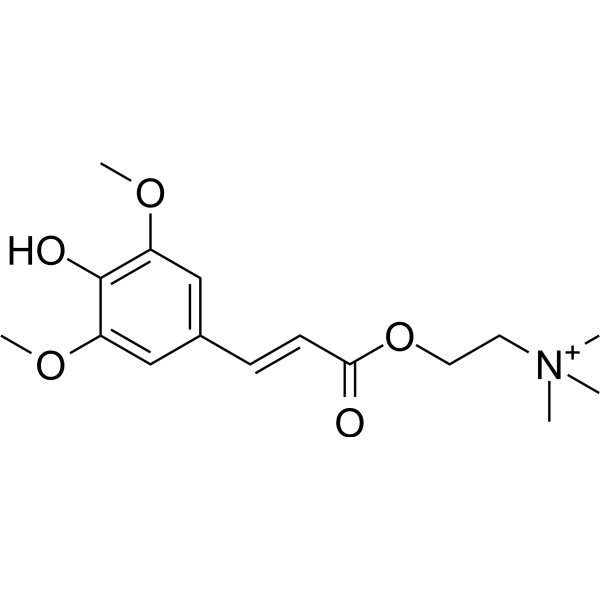
Sinapine is an alkaloid isolated from seeds of the cruciferous species. Sinapine exhibits anti-inflammatory, anti-oxidant, anti-tumor, anti-angiogenic and radio-protective effects. Sinapine is also an acetylcholinesterase (AChE) inhibitor and can be used for the research of Alzheimer’s disease, ataxia, myasthenia gravis, and Parkinson’s disease .
|
-
- HY-131971
-
|
|
Cholinesterase (ChE)
|
Neurological Disease
|
|
AChE/BChE-IN-1 is a potent and brain-penetrant dual inhibitor of Acetylcholinesterase and Butyrylcholinesterase, with IC50s of 1.06 and 7.3 nM for hAChE and hBChE, respectively. AChE/BChE-IN-1 also has antioxidant activity. AChE/BChE-IN-1 can be used for the research of Alzheimer’s disease .
|
-
- HY-180778
-
|
|
Insecticide
Cholinesterase (ChE)
|
Infection
|
|
Insecticidal agent 28 (Compound 10) is an insecticide targeting the Culex pipiens. Insecticidal agent 28 exhibits LC₅₀ values for killing larvae and adults of 40.15 ppm and 55.02 ppm respectively. Insecticidal agent 28 inhibits the acetylcholinesterase (AchE) of the Anopheles gambiae. Insecticidal agent 28 shows lower cytotoxicity .
|
-
- HY-W003576R
-
|
|
Cholinesterase (ChE)
Reference Standards
|
Neurological Disease
|
|
ACHE-IN-38 (hydrochloride) (Standard) is the analytical standard of ACHE-IN-38 (hydrochloride). This product is intended for research and analytical applications. ACHE-IN-38 hydrochloride (Compound 13b) inhibits the metabolic breakdown of the neurotransmitter acetylcholine (ACh) by the enzyme acetylcholinesterase (AChE) and hence alleviates memory deficits in patients with Alzheimer’s Disease by potentiating cholinergic transmission .
|
-
- HY-17460AR
-
|
BMS284756 Mesylate hydrate (Standard)
|
Reference Standards
Bacterial
Topoisomerase
DNA/RNA Synthesis
Antibiotic
|
Infection
|
|
ACHE-IN-38 (hydrochloride) (Standard) is the analytical standard of ACHE-IN-38 (hydrochloride). This product is intended for research and analytical applications. ACHE-IN-38 hydrochloride (Compound 13b) inhibits the metabolic breakdown of the neurotransmitter acetylcholine (ACh) by the enzyme acetylcholinesterase (AChE) and hence alleviates memory deficits in patients with Alzheimer’s Disease by potentiating cholinergic transmission .
|
-
- HY-163885
-
SSZ
1 Publications Verification
|
Cholinesterase (ChE)
Beta-secretase
γ-secretase
|
Neurological Disease
|
|
SSZ is a multi-target inhibitor, which targets multiple pathological mechanisms of Alzheimer's disease (AD). SSZ targets acetylcholinesterase, butyrylcholinesterase, β-site amyloid precursor protein cleavage enzyme 1 (BACE1), and γ-secretase. SSZ ameliorates Alzheimer’s diseases and exhibits neuroprotective effect in mice .
|
-
- HY-N11962A
-
|
|
Cholinesterase (ChE)
|
Neurological Disease
|
|
2,3,9,10-Tetrahydroxyberberine bromide is an acetylcholinesterase AChE inhibitor (IC50=7.8 μM). 2,3,9,10-Tetrahydroxyberberine bromide exhibits DPPH free radical scavenging activity (IC50=43 μM) and is applicable to research related to Alzheimer's disease .
|
-
- HY-157441
-
|
|
Cholinesterase (ChE)
Amyloid-β
|
Neurological Disease
|
|
AChE/Aβ-IN-4 is a dual inhibitor of acetylcholinesterase (AChE) and β-amyloid (Aβ) aggregation, with the IC50 values of 1.72 ± 0.18 μM and 1.42 ± 0.3 μM, respectively. AChE/Aβ-IN-4 plays an impotant role in neurological disorders, such as Alzheimer’s disease .
|
-
- HY-173621
-
|
|
Cholinesterase (ChE)
Amyloid-β
|
Neurological Disease
|
|
Aβ1–42 aggregation inhibitor 3 (Compound 3b) is an acetylcholinesterase (AChE) and butyrylcholinesterase (BuChE) inhibitor (IC50 values are 1.634 and 0.0285 μM, respectively). Aβ1–42 aggregation inhibitor 3 can inhibit the aggregation of Aβ1-42. Aβ1–42 aggregation inhibitor can be used in Alzheimer's disease (AD) research .
|
-
- HY-163537
-
|
|
Cholinesterase (ChE)
|
Neurological Disease
|
|
AChE/BuChE-IN-5 (compound 5a) is a dual target inhibitor. AChE/BuChE-IN-5 has excellent nanomolar inhibitory activity on acetylcholinesterase (AChE) (IC50=46.9 nM) and butyryl cholinesterase (BuChE) (IC50=3.5 nM). AChE/BuChE-IN-5 can be used for Alzheimer's Disease research .
|
-
- HY-175300
-
|
|
Cholinesterase (ChE)
|
Neurological Disease
|
|
AChE-IN-92 (Compound L4R1-3) is a highly selective acetylcholinesterase (AChE) inhibitor (IC50=4.6 nM). AChE-IN-92 blocks acetylcholine hydrolysis and elevates synaptic acetylcholine levels. AChE-IN-92 is promising for research of Alzheimer’s disease (AD) .
|
-
- HY-B2155
-
|
|
Cholinesterase (ChE)
|
Metabolic Disease
Inflammation/Immunology
|
|
Acotiamide monohydrochloride trihydrate is an orally active, selective and reversible acetylcholinesterase (AChE) inhibitor, with IC50 of 1.79 μM. Acotiamide monohydrochloride trihydrate can enhance gastric contractility and accelerate delayed gastric emptying. Acotiamide monohydrochloride trihydrate has the potential for the research of functional dyspepsia involving gastric motility dysfunction and intestinal inflammatory .
|
-
- HY-W077226S
-
|
4-Amino-Alpha-diethyl amino-o-cresol-d10 dihydrochloride
|
Isotope-Labeled Compounds
Cholinesterase (ChE)
|
Neurological Disease
|
|
AChE-IN-23-d10 (4-Amino-Alpha-diethyl amino-o-cresol-d10 (dihydrochloride)) is the deuterium labeled AChE-IN-23 (HY-W077226). AChE-IN-23 (compound 3h) is an acetylcholinesterase (AChE) inhibitor with an IC50 value of 48.3 μM .
|
-
- HY-N0528R
-
-
- HY-146039
-
|
|
Cholinesterase (ChE)
|
Neurological Disease
|
|
AChE-IN-15 (Compound 3d) is a reversible human acetylcholinesterase (huAChE) (IC50=6.8 μM) and human butyrylcholinesterase (huBChE) (IC50=16.1 μM) inhibitor. AChE-IN-15 shows significant antioxidant potency, AChE-IN-15 can be used for the research of Alzheimer’s disease .
|
-
- HY-170775
-
|
|
Cholinesterase (ChE)
|
Others
|
|
AChE-IN-83 (compound f1) is an inhibitor of AChE that inhibits the growth of nematodes and acetylcholinesterase in rice seeds and is safe for rice seeds. AChE-IN-83 targets Aphelenchoides oryzae with an LC50 value of 19.0 μg/mL (48 hr). AChE-IN-83 can inhibit the population and behavior of rice nematodes in rice seeds, destroy the nematode cuticle, and lead to the production of reactive oxygen species, lipofuscin, and lipids in the nematodes .
|
-
- HY-163126
-
|
|
Cholinesterase (ChE)
|
Cancer
|
|
AChE-IN-52 (compound A6) is an acetylcholinesterase (AChE) inhibitor. AChE-IN-52 shows antitumor efficacy, especially against breast cancer MCF-7 cells. AChE-IN-52 significantly disrupts the amino acid metabolism and inhibits migration of MCF-7. AChE-IN-52 plays anticancer role by regulating Best1 and HIST1H2BJ .
|
-
- HY-N0801
-
|
|
MMP
Cholinesterase (ChE)
|
Neurological Disease
Inflammation/Immunology
|
|
Polygalacic acid, is a triterpene, isolated from the root of Polygala tenuifolia Willd. Polygalacic acid inhibits MMP expression. Polygalacic acid may have a therapeutic effect in Osteoarthritis (OA) treatment .
Polygalacic acid exerts a significant neuroprotective effect on cognitive impairment, PA improves cholinergic system reactivity by inhibiting acetylcholinesterase (AChE) activity, increasing choline acetyltransferase (ChAT) activity, and elevating levels of acetylcholine (Ach) in the hippocampus and frontal cortex .
|
-
- HY-172884
-
|
|
Cholinesterase (ChE)
iGluR
|
Neurological Disease
|
|
MDAR IN-1 (Compound 5m) is a brain-penetrant inhibitor of acetylcholinesterase (AChE) and antagonist of the GluN1/GluN2B subtype of NMDAR receptor. MDAR IN-1 effectively inhibits AChE activity, enhances cholinergic neurotransmission, and blocks NMDAR, reducing excitatory neurotoxicity. MDAR IN-1 is promising for research of Alzheimer's disease .
|
-
- HY-150003
-
|
|
Cholinesterase (ChE)
Amyloid-β
|
Neurological Disease
|
|
Aβ1-42 aggregation inhibitor 1 inhibits AChE (acetylcholinesterase) and BuChE (butyrylcholinesterase) with the IC50 value of 2.64 μM and 1.29 μM, respectively. Aβ1-42 aggregation inhibitor 1 inhibits self-mediated Aβ1-42 aggregation by 51.29% at a concentration of 25 μM. Aβ1-42 aggregation inhibitor 1 has the potential for the research of anti-Alzheimer's disease .
|
-
- HY-144660
-
|
|
Cholinesterase (ChE)
|
Neurological Disease
|
|
AChE-IN-7 (Compound 16) is a selective and potent inhibitor of acetylcholinesterase (eeAChE IC50 = 0.045 μM; eeBuChE IC50 = 19.68 μM). AChE-IN-7 is safe in vivo and in vitro, and shows good overall pharmacokinetic performance and high bioavailability (F = 55.5%). AChE-IN-7 also has high BBB permeability .
|
-
- HY-N17775
-
|
Clerodendroside
|
Cholinesterase (ChE)
|
Neurological Disease
|
|
Scutellarein 4'-methyl ether 7-O-glucuronide (Clerodendroside) is a flavonoid inhibitor of acetylcholinesterase (AChE) (IC50=1 mg/mL). Scutellarein 4'-methyl ether 7-O-glucuronide can be isolated from Plectranthus barbatus. It also possesses antioxidant activity and can be used in research on neurological diseases such as Alzheimer's disease.
|
-
- HY-N5077B
-
|
|
Cholinesterase (ChE)
P-glycoprotein
|
Neurological Disease
Inflammation/Immunology
Cancer
|
|
Sinapine hydroxide is an alkaloid isolated from seeds of the cruciferous species. Sinapine hydroxide exhibits anti-inflammatory, anti-oxidant, anti-tumor, anti-angiogenic and radio-protective effects. Sinapine hydroxide is also an acetylcholinesterase (AChE) inhibitor and can be used for the research of Alzheimer’s disease, ataxia, myasthenia gravis, and Parkinson’s disease .
|
-
- HY-115910A
-
|
|
Interleukin Related
Cholinesterase (ChE)
|
Neurological Disease
|
|
Y13g dihydrochloride is the potent inhibitor of both AChE and IL-6. Interleukin-6 (IL-6) and acetylcholinesterase (AChE) are two important targets implicated in progression of Alzheimer's Disease (AD). Y13g dihydrochloride reverses the STZ (HY-13753)-induced memory deficit, and shows histopathology similarly as in normal animals .
|
-
- HY-B0815S
-
|
|
Cholinesterase (ChE)
|
Neurological Disease
|
|
Chlorpyrifos-d10 is the deuterium labeled Chlorpyrifos. Chlorpyrifos is an organophosphate insecticide that is classified as a phosphorothionate. The oxon metabolite of Chlorpyrifos is an inhibitor of acetylcholinesterase (AChE), affecting neurological function in insects, humans, and other animals. The Chlorpyrifos oxon (CPO) metabolite is hydrolyzed by the plasma enzyme paraoxonase 1 (PON1), and susceptibility to neurotoxicity associated with CPO exposure is mitigated by PON1 overexpression.
|
-
- HY-N2511S
-
-
- HY-181141
-
|
|
Cholinesterase (ChE)
Monoamine Oxidase
|
Neurological Disease
|
|
AChE/MAO-B-IN-8 is an acetylcholinesterase (AChE) and monoamine oxidase B (MAO-B) inhibitor with IC50 values of 0.72 and 0.19 μM. AChE/MAO-B-IN-8 interactions with AChE and MAO-B active-site amino acid residues. AChE/MAO-B-IN-8 can be used for the research of Alzheimer’s disease .
|
-
- HY-115910
-
|
|
Cholinesterase (ChE)
Interleukin Related
|
Neurological Disease
|
|
Y13g is the potent inhibitor of both AChE and IL-6. Interleukin-6 (IL-6) and acetylcholinesterase (AChE) are two important targets implicated in progression of Alzheimer's Disease (AD). Y13g reverses the STZ (HY-13753)-induced memory deficit, and shows histopathology similarly as in normal animals .
|
-
- HY-N0450
-
|
|
P-glycoprotein
Cholinesterase (ChE)
|
Cancer
|
|
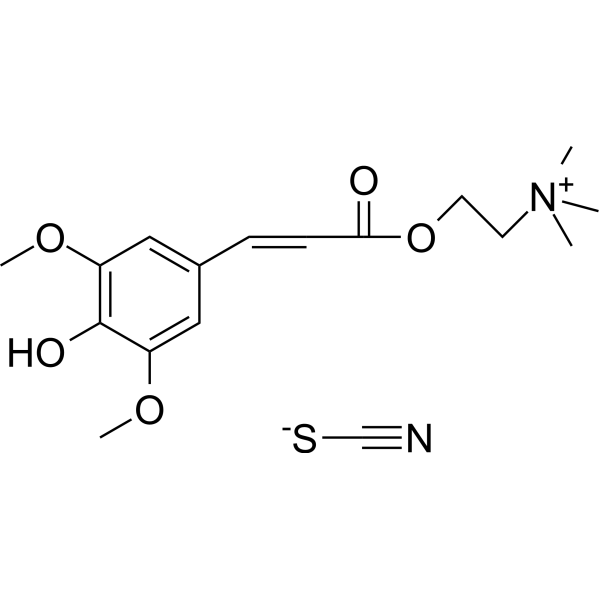
Sinapine thiocyanate is an alkaloid isolated from seeds of the cruciferous species. Sinapine thiocyanate exhibits anti-inflammatory, anti-oxidant, anti-tumor, anti-angiogenic and radio-protective effects. Sinapine thiocyanate is also an acetylcholinesterase (AChE) inhibitor and can be used for the research of Alzheimer’s disease, ataxia, myasthenia gravis, and Parkinson’s disease .
|
-
- HY-16009
-
|
(+)-Phenserine; ANVS401
|
α-synuclein
|
Neurological Disease
Inflammation/Immunology
|
|
Buntanetap ((+)-Phenserine) is a selective acetylcholinesterase inhibitor. Buntanetap is a multiple neurotoxic protein translation inhibitor with oral activity, including amyloid precursor protein (APP), α-synuclein (αSYN) and huntingtin protein (HTT). Buntanetap reduces the production of β-amyloid precursor protein by blocking its mRNA translation. Buntanetap has anti-inflammatory effects and can be used in the study of Alzheimer's disease and Parkinson's disease .
|
-
- HY-B0884AR
-
|
|
Reference Standards
Monoamine Oxidase
Cholinesterase (ChE)
|
Neurological Disease
|
|
Minaprine dihydrochloride (Standard) is the analytical standard of Minaprine dihydrochloride (HY-B0884A). This product is intended for research and analytical applications. Minaprine dihydrochloride is a brain-penetrant monoamine oxidase inhibitor. Minaprine dihydrochloride also weakly inhibits acetylcholinesterase (AChE) activity. Minaprine dihydrochloride reduces intraneuronal dopamine metabolism, lowers striatal homovanillic acid and dihydroxyphenylacetic acid levels, and raises striatal 3-methoxytyramine and 5-hydroxytryptamine levels. Minaprine dihydrochloride exhibits convulsant, antidepressant properties .
|
-
- HY-159081
-
|
|
Cholinesterase (ChE)
|
Neurological Disease
|
|
AChE/BChE-IN-20 (compound 3m) is an acetylcholinesterase (AChE, IC50=34.81 μM) and butylcholinesterase (BChE, IC50=20.66 μM) inhibitor, which has been demonstrated to have affinity for key enzyme pockets and favorable interaction profiles by molecular docking and kinetic simulations, and can be used in the study of Alzheimer's disease .
|
-
- HY-W165085
-
|
Decamethylenebispyridinium dibromide
|
Cholinesterase (ChE)
|
Neurological Disease
|
|
1,10-Bis(pyridinium)decane (Decamethylenebispyridinium dibromide) is an acetylcholinesterase (AChE) inhibitor with an IC50 of 25.8 nM. 1,10-Bis(pyridinium)decane acts as a bis-quaternary ligand that bridges the enzyme's catalytic site and peripheral site via its two pyridinium groups. 1,10-Bis(pyridinium)decane can be used for the research of alzheimer's disease .
|
-
- HY-B0828
-
|
|
Parasite
Cholinesterase (ChE)
|
Others
|
|
Triazophos, a non-systemic insecticide and acaricide that acts as an acetylcholinesterase (AChE) inhibitor, covalently and irreversibly binds to the acetylcholine binding site, thus blocking the hydrolysis of acetylcholine and leading to hyperexcitability; it is effective against a variety of soil insects and mites, including aphids, thrips, midges, beetles, Lepidoptera larvae, cutworms, and spider mites in crops such as ornamentals, cotton, rice, maize, soybeans, oil palms, olives, and coffee.
|
-
- HY-182615
-
|
|
Cholinesterase (ChE)
|
Neurological Disease
|
|
Cymserine is a blood-brain barrier-permeable butyrylcholinesterase (BuChE) inhibitor with an IC50 value of 56.43 nM and a Ki of 38 nM. Cymserine binds to the catalytic domain of BuChE in a concentration-dependent manner to form a stable carbamylated enzyme complex, and exhibits BuChE selectivity over acetylcholinesterase due to its structural compatibility with the larger acyl-binding pocket of BuChE. Cymserine can be used in the research of Alzheimer's disease .
|
-
- HY-17387
-
|
Huperzine A
|
Cholinesterase (ChE)
iGluR
|
Infection
Neurological Disease
Inflammation/Immunology
|
|
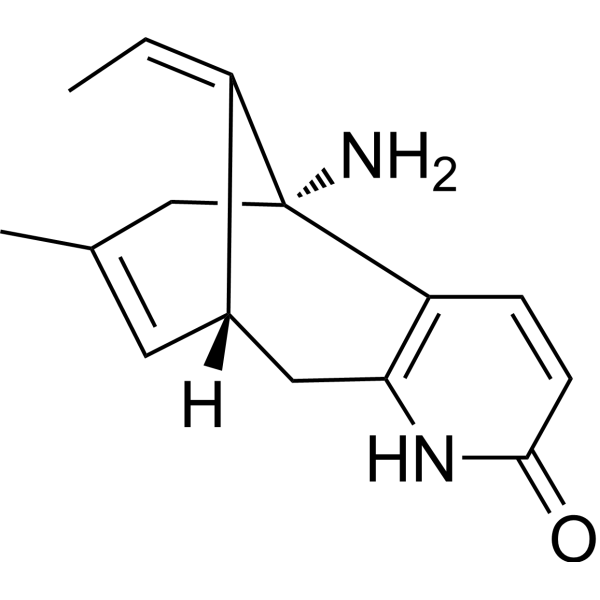
(-)-Huperzine A (Huperzine A) is an alkaloid isolated from Huperzia serrata, with neuroprotective activity. (-)-Huperzine A is a potent, highly specific, reversible and blood-brain barrier penetrant inhibitor of acetylcholinesterase (AChE), with an IC50 of 82 nM. (-)-Huperzine A also is non-competitive antagonist of N-methyl-D-aspartate glutamate (NMDA) receptor. (-)-Huperzine A is developed for the research of neurodegenerative diseases, including Alzheimer’s disease .
|
-
- HY-168167
-
|
|
Endogenous Metabolite
|
Neurological Disease
|
|
BuChE-IN-14 is a novel compound that selectively inhibits acetylcholinesterase (AChE) activity. BuChE-IN-14 showed a concentration-dependent inhibitory effect on AChE in rat brain in vitro experiments. BuChE-IN-14 can increase the extracellular acetylcholine (ACh) concentration in the rat hippocampus and striatum at a certain dose. BuChE-IN-14 may help improve memory impairment caused by cholinergic dysfunction .
|
-
- HY-N2511R
-
|
|
Reference Standards
Cholinesterase (ChE)
Phosphatase
Endogenous Metabolite
|
Metabolic Disease
|
|
Trimyristin (Standard) is the analytical standard of Trimyristin. This product is intended for research and analytical applications. Trimyristin, an active molluscicidal component of?Myristica fragrans?Houtt, significantly inhibits acetylcholinesterase (AChE), acid and alkaline phosphatase (ACP/ALP) activities in the nervous tissue of?Lymnaea acuminata. IC50s of Trimyristin against AChE, ACP, and ALP are 0.11, 0.16 and 0.18 mM, respectively .
|
-
- HY-155822
-
|
|
Cholinesterase (ChE)
Apoptosis
Caspase
|
Neurological Disease
|
|
TZ3O is an anticholinergic agent with neuroprotective effects. TZ3O inhibits acetylcholinesterase (AChE) activity in human plasma with an IC50 of 304.5 μM. TZ3O can improve memory impairment and cognitive decline in rats in the Scopolamine (HY-N0296)-induced Alzheimer-type model. TZ3O could be used in Alzheimer’s research .
|
-
- HY-173263
-
|
|
Cholinesterase (ChE)
|
Neurological Disease
|
|
AChE-IN-86 (Compound 6f) is an inhibitor of enzyme acetylcholinesterase (AChE) with IC50 values of 25.33 μg/mL. AChE-IN-86 exerts inhibitory activity against AChE through forming hydrogen bonds, π-π and π-alkyl interactions with amino acid residues at the key catalytic sites of AChE. AChE-IN-86 can be used for Alzheimer's disease study .
|
-
- HY-175856
-
|
|
Cholinesterase (ChE)
|
Neurological Disease
|
|
AChE-IN-95 (Compound 7) is a highly selective competitive acetylcholinesterase (AChE) inhibitor (IC50=17.87 μM, Ki=19.48 μM). AChE-IN-95 exhibits strong cytotoxicity against SH-SY5Y neuroblastoma cells. AChE-IN-95 is promising for research of Alzheimer’s disease and neurodegenerative disorders .
|
-
- HY-174462
-
|
|
Cholinesterase (ChE)
|
Neurological Disease
|
|
AChE-IN-90 (Compound 5b) is an orally active, brain-penetrant and potent acetylcholinesterase (AChE) inhibitor with an IC50 value of 0.023 μM against human AChE and lower selectivity for butyrylcholinesterase (BuChE) (IC50 1.8 μM). AChE-IN-90 increases acetylcholine levels in the synaptic cleft. AChE-IN-90 is promising for research of neurodegenerative diseases such as Alzheimer's disease .
|
-
- HY-B0882
-
|
|
Cholinesterase (ChE)
|
Neurological Disease
Inflammation/Immunology
|
|
Edrophonium chloride is a short-acting acetylcholinesterase (AChE) inhibitor. Edrophonium chloride has Ki values of 0.2, 0.2, and 0.4 μM and IC50 values of 0.2, 0.05, and 0.5 μM for AChE in human erythrocytes, purified calf forebrain, and purified octopus brain, respectively. Edrophonium chloride can be used to detect early digitalis toxicity and in the study of myasthenia gravis .
|
-
- HY-N1474R
-
|
|
Reference Standards
Cholinesterase (ChE)
Interleukin Related
PGE synthase
NF-κB
COX
|
Inflammation/Immunology
|
|
Picfeltarraenin IA (Standard) is the analytical standard of Picfeltarraenin IA (HY-N1474). This product is intended for research and analytical applications. Picfeltarraenin IA is an Acetylcholinesterase inhibitor. Picfeltarraenin IA can be extracted from the plant Picria fel-terrae Lour. Picfeltarraenin IA reduces the production of IL-8 and PGE2. Picfeltarraenin IA inhibits COX2 via the NF-κB pathway. Picfeltarraenin IA can be used in the research of respiratory system diseases .
|
-
- HY-156348
-
|
|
Monoamine Oxidase
Autophagy
Apoptosis
Cholinesterase (ChE)
|
Neurological Disease
|
|
MAO-B-IN-26 (Compound IC9) is a MAO-B and acetylcholinesterase inhibitor. MAO-B-IN-26 protects SH?SY5Y cells against Aβ induced cytotoxicity, morphological changes, ROS generation and membrane damage. MAO-B-IN-26 also inhibits Aβ induced autophagy and apoptosis. MAO-B-IN-26 can be used as a neuroprotective agent against Alzheimer’s disease .
|
-
- HY-N2925
-
|
β-Amyron
|
Fungal
COX
PPAR
|
Infection
Metabolic Disease
Inflammation/Immunology
|
|
β-Amyrone (β-Amyron) is a triterpene compound which has anti-inflammatory activity through inhibiting the expression of COX-2. β-Amyrone has antifungal activity , as well as antiviral activity against Chikungunya virus. β-Amyrone also inhibits α-glucosidase and acetylcholinesterase (AChE) activity. β-Amyrone can be used in the research of disease like inflammation, infection, and obesity .
|
-
- HY-N9386
-
|
Eugeniin
|
Bacterial
Antibiotic
|
Infection
Neurological Disease
Inflammation/Immunology
|
|
Tellimagrandin II (Eugeniin), with oral activity, is the first intermediate of the ellagitannin series derived from 4C1-glucose. It inhibits the resistance of Staphylococcus aureus by disrupting the integrity of the cell wall, leading to the loss of cytoplasmic contents. Additionally, Tellimagrandin II exhibits anti-inflammatory effects and inhibits acetylcholinesterase (AChE) activity, improving memory impairment. Tellimagrandin II holds potential for research in the fields of antibacterial, anti-inflammatory, and neurodegenerative diseases .
|
-
- HY-168052
-
|
|
Amyloid-β
Cholinesterase (ChE)
|
Neurological Disease
|
|
hAChE-IN-9 (compound 7i) is a selective inhibitor of human acetylcholinesterase (hAChE) with IC50 of 0.05 μM and 2.85 μM for AChE and BChE, respectively. hAChE-IN-9 modulates toxic Aβ oligomer forms into non-toxic ones and has antioxidant and neuroprotective effects against Aβ-induced toxicity. hAChE-IN-9 can be used for the study of Alzheimer's disease .
|
-
- HY-163980
-
|
|
Cholinesterase (ChE)
nAChR
|
Others
|
|
AChE-IN-73 (compound 6) is an insecticide with higher toxicity than HY-B0815. The LC50 for C. pipiens is 78.0 mg/L. AChE-IN-73 has high affinity for acetylcholinesterase (AChE) and nicotinic acetylcholine receptors (nAChR), with binding energies of -8.11 kcal/mol and -6.27 kcal/mol, respectively. AChE-IN-73 is a potentially potent mosquito inhibitor .
|
-
- HY-124920
-
|
Mercaptodimethur
|
Insecticide
SOD
Glutathione Peroxidase
Reactive Oxygen Species (ROS)
Cholinesterase (ChE)
|
Infection
Inflammation/Immunology
|
|
Methiocarb (Mercaptodimethur) is an orally active carbamate insecticide. Methiocarb exerts dose-dependent toxic effects on onions. In addition to inhibiting acetylcholinesterase to induce cholinergic excitation, Methiocarb can induce lipid peroxidation in liver, kidney, brain and testicular tissues and alter reduced glutathione levels by generating ROS. Methiocarb can be used for agricultural pest control and research on oxidative stress-related cellular damage in mammals .
|
-
- HY-B1266R
-
|
Eserine salicylate (Standard)
|
Reference Standards
Cholinesterase (ChE)
|
Neurological Disease
|
|
Physostigmine (salicylate) (Standard) is the analytical standard of Physostigmine (salicylate). This product is intended for research and analytical applications. Physostigmine salicylate (Eserine salicylate) is a reversible acetylcholinesterase (AChE) inhibitor. Physostigmine salicylate crosses the blood-brain barrier and stimulates central cholinergic neurotransmission. Physostigmine salicylate can reverse memory deficits in transgenic mice with Alzheimer's disease. Physostigmine salicylate is also an antidote for anticholinergic poisoning .
|
-
- HY-121467S1
-
|
Z-338 free base-d4; YM443 free base-d4
|
Isotope-Labeled Compounds
Cholinesterase (ChE)
|
Metabolic Disease
Inflammation/Immunology
|
|
Acotiamide-d4 (Z-338 (free base)-d4) is deuterium labeled Acotiamide. Acotiamide is an orally active, selective and reversible acetylcholinesterase (AChE) inhibitor, with an IC50 of 1.79 μM. Acotiamide can enhance gastric contractility and accelerate delayed gastric emptying. Acotiamide has the potential for the research of functional dyspepsia involving gastric motility dysfunction and intestinal inflammatory .
|
-
- HY-181865
-
|
|
Cholinesterase (ChE)
Drug Intermediate
|
Neurological Disease
|
|
BuChE-IN-22 is a pseudo-irreversible butyrylcholinesterase (BuChE) inhibitor, with IC50 values of 4 nM and 157 nM against hBuChE and hAChE, respectively. It also acts as a prodrug of 7-hydroxysertraline. BuChE-IN-22 releases 7-hydroxysertraline during BuChE inhibition. BuChE-IN-22 completely reverses Aβ25-35-induced short-term and long-term memory impairments in a mouse model of Alzheimer's disease. BuChE-IN-22 can be used in research related to Alzheimer's disease .
|
-
- HY-185027
-
|
|
Cholinesterase (ChE)
iGluR
|
Neurological Disease
|
|
Memagal is an AchE inhibitor (IC50 = 1.16 nM) and a NMDAR antagonist (Ki = 4.6 μM). Memagal inhibits the neurotoxicity induced by NMDA (HY-17551), with its IC50 value being 0.28 nM. Memagal can be used for research on Alzheimer's disease .
|
-
- HY-138097
-
|
|
Chemerin Receptor
Aldehyde Dehydrogenase (ALDH)
Cholinesterase (ChE)
Apoptosis
|
Cancer
|
|
α-NETA is a potent and noncompetitive choline acetyltransferase (ChA) inhibitor with an IC50 of 9 μM. α-NETA is a potent ALDH1A1 (IC50=0.04 µM) and chemokine-like receptor-1 (CMKLR1) antagonist. α-NETA weakly inhibits cholinesterase (ChE; IC50=84 µM) and acetylcholinesterase (AChE; IC50=300 µM). α-NETA has anti-cancer activity .
|
-
- HY-161466
-
|
|
Cholinesterase (ChE)
Amyloid-β
|
Neurological Disease
|
|
AChE-IN-62 (Compound 1) is an effective mixed and selective acetylcholinesterase (AChE) inhibitor with an IC50 value of 0.421 μM. AChE-IN-62 exhibits excellent blood-brain barrier permeability and neuroprotective effects. Additionally, AChE-IN-62 can inhibit the aggregation of Aβ1-42 with an IC50 value of 44.64 μM. AChE-IN-62 is also an effective multi-target-directed ligand (MTDL) that can be utilized in the research of Alzheimer's disease .
|
-
- HY-B2029
-
|
|
Insecticide
Cholinesterase (ChE)
|
Infection
Inflammation/Immunology
|
|
Phosalone is an orally active, blood-brain barrier penetrant Insecticide and acaricide. Phosalone inhibits the activity of Acetylcholinesterase. Phosalone acts as a substrate for detoxifying esterases. Phosalone induces symptoms of cholinergic hyperactivity, toxic reactions, mortality, oxidative stress, and changes in pro-inflammatory protein levels, and exerts toxic effects on colonic tissues and cells. Phosalone controls pistachio psyllids. Phosalone can be used in studies related to colitis .
|
-
- HY-17388
-
|
|
Drug Isomer
Cholinesterase (ChE)
iGluR
|
Neurological Disease
|
|
(±)-Huperzine A is the racemate of (-)-Huperzine A (HY-17387). (-)-Huperzine A is an alkaloid isolated from Huperzia serrata, with neuroprotective activity. (-)-Huperzine A is a potent, highly specific, reversible and blood-brain barrier penetrant inhibitor of acetylcholinesterase (AChE), with an IC50 of 82 nM. (-)-Huperzine A also is non-competitive antagonist of N-methyl-D-aspartate glutamate (NMDA) receptor. (-)-Huperzine A is developed for the research of neurodegenerative diseases, including Alzheimer’s disease .
|
-
- HY-180358
-
|
|
mAChR
Cholinesterase (ChE)
|
Inflammation/Immunology
|
|
Gallamine is an allosteric, selective muscarinic M2 acetylcholine receptor antagonist (EC50: 130 nM for [ 3H]NMS dissociation from porcine muscarinic M2 receptors). Gallamine is also an acetylcholinesterase inhibitor (IC50s : 1070 μM, 1480 μM, 235 μM for EeAChE, hAChE, hBChE, respectively (in the absence of MeCN)). Gallamine increases free norepinephrine levels. Gallamine can be used as a muscle relaxant .
|
-
- HY-118642
-
|
|
Cholinesterase (ChE)
Reactive Oxygen Species (ROS)
|
Cardiovascular Disease
Neurological Disease
|
|
D-Ribose-L-cysteine is an orally active cysteine analog. D-Ribose-L-cysteine improves cellular antioxidant capacity by enhancing intracellular glutathione (GSH) biosynthesis. In addition, D-Ribose-L-cysteine has a memory-enhancing effect and can reverse Scopolamine (HY-N0296)-induced memory impairment by inhibiting oxidative stress and acetylcholinesterase (AChE) activity. D-Ribose-L-cysteine can be used in the study of neurodegenerative and cardiovascular diseases .
|
-
- HY-157437
-
|
|
Cholinesterase (ChE)
Reactive Oxygen Species (ROS)
|
Neurological Disease
Inflammation/Immunology
|
|
AChE/BChE-IN-16 (compound C7) is a potent cholinesterase (ChE) inhibitor with IC50s of 30 nM and 48 nM for human acetylcholinesterase (hAChE) and human butyrylcholinesterase (hBChE), respectively. AChE/BChE-IN-16 exhibits a remarkable capacity to safeguard PC12 cells against H2O2-induced apoptosis and effectively suppresses the production of reactive oxygen species (ROS) .
|
-
- HY-170583
-
|
|
Cholinesterase (ChE)
Amyloid-β
|
Neurological Disease
|
|
hAChE-IN-10 (Compound ET11) is the inhibitor for human acetylcholinesterase (AChE) with an IC50 of 6.34 nM. hAChE-IN-10 scavenges free radicals, and exhibits antioxidant activity. hAChE-IN-10 exhibits metal chelating activity, inhibits Cu 2+-induced Aβ1-42 aggregation, reduces the formation of amyloid plaques, and exhibits neuroprotective activity. hAChE-IN-10 ameliorates the Scopolamine (HY-N0296)-induced cognitive impairment in mouse models .
|
-
- HY-155735
-
|
|
iGluR
Cholinesterase (ChE)
Amyloid-β
|
Neurological Disease
|
|
AChE/Aβ-IN-2 (compound 33) is a potent and orally active inhibitor of acetylcholinesterase (AChE) with IC50 of 135 nM, as well as an antagonist of NMDA receptor (GluN1-1b/GluN2B subunit combination) with IC50 of 5.054 μM. AChE/Aβ-IN-2 also inhibits Aβ aggregation and shows good blood-brain barrier permeability. AChE/Aβ-IN-2 improves cognitive and spatial memory impairment in rats model .
|
-
- HY-155733
-
|
|
iGluR
Cholinesterase (ChE)
Amyloid-β
|
Neurological Disease
|
|
AChE/Aβ-IN-1 (compound 32) is a potent and orally active inhibitor of acetylcholinesterase (AChE) with an IC50 of 86 nM, as well as an antagonist of NMDA receptor (GluN1-1b/GluN2B subunit combination) with IC50 of 3.876 μM. AChE/Aβ-IN-1 also inhibits Aβ aggregation and shows good blood-brain barrier permeability and neuroprotection. AChE/Aβ-IN-1 improves cognitive and spatial memory impairment in rats model .
|
-
- HY-100196AR
-
|
PQQ disodium salt (Standard); Methoxatin disodium salt (Standard)
|
Reference Standards
Endogenous Metabolite
|
Inflammation/Immunology
|
|
Triazophos (Standard) is the analytical standard of Triazophos. This product is intended for research and analytical applications. Triazophos, a non-systemic insecticide and acaricide that acts as an acetylcholinesterase (AChE) inhibitor, covalently and irreversibly binds to the acetylcholine binding site, thus blocking the hydrolysis of acetylcholine and leading to hyperexcitability; it is effective against a variety of soil insects and mites, including aphids, thrips, midges, beetles, Lepidoptera larvae, cutworms, and spider mites in crops such as ornamentals, cotton, rice, maize, soybeans, oil palms, olives, and coffee.
|
-
- HY-B2155R
-
|
|
Reference Standards
Cholinesterase (ChE)
|
Metabolic Disease
Inflammation/Immunology
|
|
Acotiamide (monohydrochloride trihydrate) (Standard) is the analytical standard of Acotiamide (monohydrochloride trihydrate). This product is intended for research and analytical applications. Acotiamide monohydrochloride trihydrate is an orally active, selective and reversible acetylcholinesterase (AChE) inhibitor, with IC50 of 1.79 μM. Acotiamide monohydrochloride trihydrate can enhance gastric contractility and accelerate delayed gastric emptying. Acotiamide monohydrochloride trihydrate has the potential for the research of functional dyspepsia involving gastric motility dysfunction and intestinal inflammatory .
|
-
- HY-B0828R
-
|
|
Parasite
Reference Standards
|
Others
|
|
Triazophos (Standard) is the analytical standard of Triazophos. This product is intended for research and analytical applications. Triazophos, a non-systemic insecticide and acaricide that acts as an acetylcholinesterase (AChE) inhibitor, covalently and irreversibly binds to the acetylcholine binding site, thus blocking the hydrolysis of acetylcholine and leading to hyperexcitability; it is effective against a variety of soil insects and mites, including aphids, thrips, midges, beetles, Lepidoptera larvae, cutworms, and spider mites in crops such as ornamentals, cotton, rice, maize, soybeans, oil palms, olives, and coffee.
|
-
- HY-U00035R
-
|
|
Antibiotic
Reference Standards
Bacterial
|
Infection
|
|
Sinapine (thiocyanate) (Standard) is the analytical standard of Sinapine (thiocyanate). This product is intended for research and analytical applications. Sinapine thiocyanate is an alkaloid isolated from seeds of the cruciferous species. Sinapine thiocyanate exhibits anti-inflammatory, anti-oxidant, anti-tumor, anti-angiogenic and radio-protective effects. Sinapine thiocyanate is also an acetylcholinesterase (AChE) inhibitor and can be used for the research of Alzheimer’s disease, ataxia, myasthenia gravis, and Parkinson’s disease .
|
-
- HY-B0882S
-
|
|
Isotope-Labeled Compounds
Cholinesterase (ChE)
|
Neurological Disease
Inflammation/Immunology
|
|
Edrophonium-d5 chloride is the deuterium labeled Edrophonium chloride (HY-B0882). Edrophonium chloride is a short-acting acetylcholinesterase (AChE) inhibitor. Edrophonium chloride has Ki values of 0.2, 0.2, and 0.4 μM and IC50 values of 0.2, 0.05, and 0.5 μM for AChE in human erythrocytes, purified calf forebrain, and purified octopus brain, respectively. Edrophonium chloride can be used to detect early digitalis toxicity and in the study of myasthenia gravis .
|
-
- HY-B0882R
-
|
|
Reference Standards
Cholinesterase (ChE)
|
Neurological Disease
Inflammation/Immunology
|
|
Edrophonium chloride (Standard) is the analytical standard of Edrophonium chloride (HY-B0882). This product is intended for research and analytical applications. Edrophonium chloride is a short-acting acetylcholinesterase (AChE) inhibitor. Edrophonium chloride has Ki values of 0.2, 0.2, and 0.4 μM and IC50 values of 0.2, 0.05, and 0.5 μM for AChE in human erythrocytes, purified calf forebrain, and purified octopus brain, respectively. Edrophonium chloride can be used to detect early digitalis toxicity and in the study of myasthenia gravis.
|
-
- HY-N0450R
-
|
|
Reference Standards
P-glycoprotein
Cholinesterase (ChE)
|
Cancer
|
|
Sinapine (thiocyanate) (Standard) is the analytical standard of Sinapine (thiocyanate). This product is intended for research and analytical applications. Sinapine thiocyanate is an alkaloid isolated from seeds of the cruciferous species. Sinapine thiocyanate exhibits anti-inflammatory, anti-oxidant, anti-tumor, anti-angiogenic and radio-protective effects. Sinapine thiocyanate is also an acetylcholinesterase (AChE) inhibitor and can be used for the research of Alzheimer’s disease, ataxia, myasthenia gravis, and Parkinson’s disease .
|
-
- HY-163909
-
|
|
Cholinesterase (ChE)
|
Neurological Disease
|
|
AChE-IN-72 (Compound 13a) is an inhibitor for acetylcholinesterase (AChE) with an IC50 of 0.59 μM. AChE-IN-72 inhibits BChE with an IC50 of 5.02 μM. AChE-IN-72 exhibits radical scavenging with IC50 of 5.88 μM. AChE-IN-72 exhibits iron-chelating property, inhibits Aβ1−42 aggregation, and inhibits NLRP3 inflammasome activation. AChE-IN-72 ameliorates memory impairment in Betaine (HY-B0710)-induced AD mouse model. AChE-IN-72 is blood-brain barrier (BBB) penetrable .
|
-
- HY-124920S
-
|
Mercaptodimethur-d3
|
Isotope-Labeled Compounds
|
Infection
Inflammation/Immunology
|
|
Methiocarb-d3 is the deuterium labeled Methiocarb (HY-124920). Methiocarb (Mercaptodimethur) is an orally active carbamate insecticide. Methiocarb exerts dose-dependent toxic effects on onions. In addition to inhibiting acetylcholinesterase to induce cholinergic excitation, Methiocarb can induce lipid peroxidation in liver, kidney, brain and testicular tissues and alter reduced glutathione levels by generating ROS. Methiocarb can be used for agricultural pest control and research on oxidative stress-related cellular damage in mammals .
|
-
- HY-17387S1
-
|
Huperzine A-d4
|
iGluR
Cholinesterase (ChE)
Apoptosis
Isotope-Labeled Compounds
|
Neurological Disease
|
|
(-)-Huperzine A-d4 hydrochloride is deuterated labeled (-)-Huperzine A (HY-17387). (-)-Huperzine A (Huperzine A) is an alkaloid isolated from Huperzia serrata, with neuroprotective activity. (-)-Huperzine A is a potent, highly specific, reversible and blood-brain barrier penetrant inhibitor of acetylcholinesterase (AChE), with an IC50 of 82 nM. (-)-Huperzine A also is non-competitive antagonist of N-methyl-D-aspartate glutamate (NMDA) receptor. (-)-Huperzine A is developed for the research of neurodegenerative diseases, including Alzheimer’s disease .
|
-
- HY-173413
-
|
|
Insecticide
Cholinesterase (ChE)
nAChR
Sodium Channel
GABA Receptor
|
Others
|
|
Insecticidal agent 21 (Compound 6) is an insecticide that is effective against Culex pipiens larvae (LC50: 0.4 μg/mL). Insecticidal agent 21 achieves multi-target neurotoxicity by inhibiting acetylcholinesterase (AChE) and simultaneously targeting other neural receptors (nicotinic acetylcholine receptors (nAChR), voltage-gated sodium channels (VGSC), and γ-aminobutyric acid receptors (GABAAR)). Insecticidal agent 21 has a strong insecticidal effect and can be used in the development of new insecticides to address the problem of mosquito resistance to traditional insecticides .
|
-
- HY-170938
-
|
|
Cholinesterase (ChE)
Monoamine Oxidase
Beta-secretase
COX
LOX-1
|
Neurological Disease
|
|
AChE-IN-82 (compound 49) is an acetylcholinesterase (AChE) inhibitor. AChE-IN-82 inhibits eeAChE, eqBChE, hMAO-A, hMAO-B, and BACE-1 with IC50s of 0.072, 9.81, 14.52, 0.024, 2.42 μM, respectively. AChE-IN-82 inhibits COX-1, COX-2 and 5-LOX with IC50s of 60.41, 0.187, 0.18 μM, respectively. AChE-IN-82 shows an excellent neuroprotective effect by significantly reducing oxidative stress induced by H2 O2 .
|
-
- HY-168301
-
|
|
Cholinesterase (ChE)
Amyloid-β
|
Neurological Disease
|
|
CL-13 is a butyrylcholinesterase (BChE) inhibitor, with an IC50 of 1.15 μM, and a selectivity index (SI) of 9.2 for acetylcholinesterase. CL-13 shows antioxidant activity in SH-SY5Y cells (DPPH EC50 = 47.01 μM) and has the ability to chelate metals involved in Aβ aggregation and/or oxidative stress, showing no neurotoxicity at 50 μM. CL-13 can reverse cognitive impairment caused by scopolamine (HY-N0296) without affecting the mice's motor skills .
|
-
- HY-B0828S
-
|
Hostathion 40EC-d5; Hostathion-d5; Hostation-d5
|
Isotope-Labeled Compounds
Parasite
Cholinesterase (ChE)
|
Others
|
|
Triazophos-d5 (Hostathion 40EC-d5) is the deuterium labeled Triazophos(HY-B0828) . Triazophos, a non-systemic insecticide and acaricide that acts as an acetylcholinesterase (AChE) inhibitor, covalently and irreversibly binds to the acetylcholine binding site, thus blocking the hydrolysis of acetylcholine and leading to hyperexcitability; it is effective against a variety of soil insects and mites, including aphids, thrips, midges, beetles, Lepidoptera larvae, cutworms, and spider mites in crops such as ornamentals, cotton, rice, maize, soybeans, oil palms, olives, and coffee.
|
-
- HY-158978
-
|
|
Cholinesterase (ChE)
Monoamine Oxidase
|
Neurological Disease
|
|
Multitarget AD inhibitor-2 (Compound VN-19) is a multitargeting inhibitor acetylcholinesterase (AChE, IC50=0.14 μM), butyrylcholinesterase (BChE, IC50=11.6 μM), monoamine oxidase B (MAO B, IC50=0.45 μM). Multitarget AD inhibitor-2 inhibits self-induced aggregation of amyloid beta protein Aβ1-42 (inhibition rate is 47.3% at 20 μM), and downregulates the level of ROS in SH-SY5Y (80 inhibition rate at 25 μM). Multitarget AD inhibitor-2 ameliorates the cognitive decline in Scopolamine (HY-N0296)-induced Alzheimer’s Disease zebrafish models .
|
-
- HY-181167
-
|
|
Cholinesterase (ChE)
SOD
|
Neurological Disease
|
|
AChE/BChE-IN-34 is an acetylcholinesterase (AChE) and butyrylcholinesterase (BChE) inhibitor with IC50s of 5.97 μM and 4.57 μM, respectively. AChE/BChE-IN-34 functions as an antioxidant, oxidative stress inhibitor, reduces MDA levels, and elevates SOD and catalase in hippocampal tissue. AChE/BChE-IN-34 acts as a cognitive function enhancer, improves learning and memory in a Scopolamine (HY-N0296)-induced animal model. AChE/BChE-IN-34 is non-toxic in neuroblastoma cells across a specified concentration range. AChE/BChE-IN-34 can be used for the research of Alzheimer's disease .
|
-
- HY-N4119
-
|
|
Phosphatase
Cholinesterase (ChE)
p38 MAPK
Apoptosis
Autophagy
|
Neurological Disease
Metabolic Disease
|
|
Neoeriocitrin is a Naringin (HY-N0153) analogue found in Drynaria Rhizome. Neoeriocitrin induces cells proliferation, differentiation, up-regulates type I collagen, osteocalcin, and key osteogenic markers, and increases ALP activity. Neoeriocitrin increases expression of Runx2, COL I, OCN and Beclin1. Neoeriocitrin inhibits phosphorylation of P38 mitogen-activated protein kinase, reduces acetylcholinesterase (AChE) activity, and increases choline acetyltransferase (ChAT) activity. Neoeriocitrin reduces apoptosis and induces autophagy. Neoeriocitrin can be used for the researches of osteoporosis and Alzheimer's disease .
|
-
- HY-N9515
-
|
|
Apoptosis
Reactive Oxygen Species (ROS)
|
Neurological Disease
Metabolic Disease
|
|
Diallyl tetrasulfide is an orally active diallyl tetrasulfide. Diallyl tetrasulfide ameliorates cadmium-induced changes in acetylcholinesterase and adenosine triphosphatase activities as well as oxidative stress injury in the brain of rats . Diallyl tetrasulfide inhibits lipid peroxidation in rat liver microsomes . Diallyl tetrasulfide ameliorates cadmium-induced oxidative liver injury in rats . Diallyl tetrasulfide protects cells against cadmium-induced loss of cell viability, reduces apoptosis rate and ROS production. Diallyl tetrasulfide is applicable to research related to cadmium-induced neurotoxicity and cadmium-induced oxidative liver injury .
|
-
- HY-147954
-
|
|
Carbonic Anhydrase
Cholinesterase (ChE)
|
Neurological Disease
Metabolic Disease
|
|
α-Glycosidase-IN-1 (compound MZ7) is a potent α-GLY (α-Glycosidase) inhibitor, with an IC50 of 44.72 nM and a KI of 41.74 nM. α-Glycosidase-IN-1 also shows inhibition profile against human carbonic anhydrase isoenzymes I and II (hCA I and hCA II), and acetylcholinesterase (AChE), with IC50 values of 104.87, 100.04, and 654.87 nM, respectively. α-Glycosidase-IN-1 can be used for the research of many diseases such as diabetes, Alzheimer’s disease, heart failure, ulcer, and epilepsy .
|
-
- HY-N10032
-
|
|
Cholinesterase (ChE)
|
Others
|
|
(3β,5α,6α,16β)-8,14-Didehydrocevane-3,6,16,20-tetrol (compound 3) is an inhibitor targeting acetylcholinesterase (AChE). At a concentration of 100 μg/mL, (3β,5α,6α,16β)-8,14-Didehydrocevane-3,6,16,20-tetrol exhibits an in vitro inhibition rate of 12% against AChE .
|
-
- HY-183341
-
-
- HY-D0837
-
|
Glyoxaline; 1,3-Diaza-2,4-cyclopentadiene
|
MOFs
Ser/Thr Protease
Thrombopoietin Receptor
|
Neurological Disease
Inflammation/Immunology
|
|
Imidazole (Glyoxaline; 1,3-Diaza-2,4-cyclopentadiene) is a heterocyclic aromatic compound. Imidazole bearing molecules have been used as corrosion, acetylcholinesterase (AChEI) and xanthine oxidase (XO) inhibitors, performing biological activities such as antifungal, antituberculosis, anti-inflammatory, antioxidant, and analgesic, amongst many others. Imidazole inhibits the enzymatic conversion of the endoperoxides (PGG2 and PGH2) to thromboxane A2 by platelet microsomes. Imidazole derivatives exhibits inhibition on SARS-CoV-2 3CL Pro enzyme, which is promising for research in the field of Alzheimer’s disease, gout, COVID-19 and thrombo-embolic disease .
|
-
- HY-183796
-
|
|
Cholinesterase (ChE)
Beta-secretase
Amyloid-β
FAP
NOD-like Receptor (NLR)
NF-κB
|
Neurological Disease
|
|
GFAP/NF-κB/APOE/NLRP3-IN-1 (Compound 11a) is an orally active, blood-brain barrier-permeable multi-target inhibitor with an IC50 of 3.50 nM against Acetylcholinesterase. GFAP/NF-κB/APOE/NLRP3-IN-1 inhibits BACE-1 with an IC50 of 14.61 nM. GFAP/NF-κB/APOE/NLRP3-IN-1 inhibits Aβ1-42 aggregation with an IC50 of 8.63 μM. GFAP/NF-κB/APOE/NLRP3-IN-1 reduces the levels of GFAP, NLRP3 inflammasome, NF-κB and APOE. GFAP/NF-κB/APOE/NLRP3-IN-1 is applicable for the research of Alzheimer's disease and neuroblastoma .
|
-
- HY-144392
-
|
|
Cholinesterase (ChE)
|
Neurological Disease
|
|
AChE/BuChE-IN-1 (Compound 1), a chrysin derivative, is a selective butyrylcholinesterase (BuChE) inhibitor with an IC50 of 0.48 μM. AChE/BuChE-IN-1 inhibits acetylcholinesterase (AChE) with an IC50 of 7.16 μM. AChE/BuChE-IN-1 shows strong scavenging ·OH activities with a IC50 of 0.1674 μM. AChE/BuChE-IN-1 inhibits reactive oxygen species (ROS), Aβ1-42 aggregation (self-, Cu2+-induced, AChE-induced). AChE/BuChE-IN-1 has high BBB permeability and bioavailability and low cell toxicity. AChE/BuChE-IN-1 has the potential for Alzheimer' disease (AD) research .
|
-
- HY-180506
-
|
|
Tyrosinase
Glycosidase
Cholinesterase (ChE)
|
Others
|
|
Tyrosinase-IN-47 (compound 6a) is a potent competitive tyrosinase inhibitor with an IC50 of 1.43 µM and a Ki of 0.1142 μM. Tyrosinase-IN-47 also shows inhibition activity in α-Glucosidase (IC50 = 36.26 μM) and acetylcholinesterase (IC50 = 8.26 μM). Tyrosinase-IN-47 exhibits in vitro antioxidant activity, with good scavenging ability for DPPH (IC50 = 4.75 μM) and ABTS (IC50 = 0.04 μM). Tyrosinase-IN-47 displays anti-browning effect on freshly cut potatoes. Tyrosinase-IN-47 can be used for pharmaceutical research .
|
-
- HY-107047
-
|
RS-1259
|
Cholinesterase (ChE)
Serotonin Transporter
5-HT Receptor
Calcium Channel
Sodium Channel
Sigma Receptor
|
Neurological Disease
|
|
BGC-201259 (RS-1259) is an orally active inhibitor that simultaneously targets acetylcholinesterase (AChE) (IC50 = 101 nM) and serotonin transporter (SERT) (IC50 = 42 nM). BGC-201259 inhibits 5-HT receptor with an IC50 of 90 nM. BGC-201259 exhibits strong weak activity against the NA transporter (IC50 = 7.7 μM), L-type calcium channel (IC50 = 3.6 μM), σ receptor (IC50 = 2 μM), and sodium channel (IC50 = 5.1 μM). BGC-201259 demonstrates synergistic potential in improving cognitive and emotional symptoms by balancing the inhibition of these two targets. BGC-201259 can be used in research on Alzheimer's disease .
|
-
- HY-169103
-
|
|
NO Synthase
COX
Cholinesterase (ChE)
Amyloid-β
|
Neurological Disease
Inflammation/Immunology
|
|
Neuroprotective agent 5 (compound 28) is a brain permeabilizing agent with anti-neuritis, anti-oxidative damage and neuroprotective effects. Neuroprotective agent 5 exhibits a potent NO inhibitory effect (EC50=0.49 μM), inhibits the release of proinflammatory factors PGE2 and TNF-α, downregulates the expression of iNOS and COX-2 proteins, and promotes the polarization of BV-2 cells from the proinflammatory M1 phenotype to the anti-inflammatory M2 phenotype. In addition, Neuroprotective agent 5 can also inhibit acetylcholinesterase (AChE) activity and Aβ42 aggregation in a dose-dependent manner. Neuroprotective agent 5 can be used for the study of Alzheimer's disease .
|
-
- HY-112076
-
|
Methylatropine bromide
|
mAChR
|
Neurological Disease
|
|
Atropine methyl bromide (Methylatropine bromide), an antagonist of muscarinic acetylcholine receptors (mAChR), is a quaternary ammonium salt of atropine and an active molecule used for pupil dilation during ophthalmic examinations. Due to its high polarity, it is used to relieve pyloric spasm in infants. It is less likely than atropine to cross the central nervous system .
|
-
- HY-119492
-
|
|
Calcium Channel
Cholinesterase (ChE)
Amyloid-β
Tau Protein
|
Neurological Disease
|
|
Phenchlobenpyrrone is a highly selective neuronal calcium antagonist that crosses the blood-brain barrier. Phenchlobenpyrrone mildly inhibits AChE activity. Phenchlobenpyrrone inhibits Aβ aggregation and promotes the clearance of Aβ oligomers. Phenchlobenpyrrone reduces abnormal phosphorylation of Tau protein. Phenchlobenpyrrone may be used in research on Alzheimer's disease .
|
-
- HY-144790
-
|
|
Amyloid-β
Cholinesterase (ChE)
Monoamine Oxidase
|
Neurological Disease
|
|
AChE-IN-12 is a potent and blood-brain barrier (BBB) penetrant acetylcholinesterase (AChE) with IC50s of 0.41 μM and 1.88 μM for rat AChE and electric eel AChE. AChE-IN-12 is also a good antioxidant (ORAC = 3.3 eq), selective metal chelator and huMAO-B inhibitor (IC50 = 8.8 μM). AChE-IN-12 has remarkable inhibition of self- and Cu 2+-induced Aβ1-42 aggregation, as well as exhibits a good neuroprotective effect. AChE-IN-12 can be used for researching Alzheimer’s disease .
|
-
- HY-W856819
-
|
|
Opioid Receptor
Cholinesterase (ChE)
Drug Metabolite
nAChR
|
Neurological Disease
|
|
Eseroline is a potent μ-opioid receptor agonist, which is the hydrolytic metabolite of Physostigmine (HY-N6608). Eseroline is a selective and competitive acetylcholinesterase (AChE) inhibitor, with its Ki values for AChE and BuChE being 0.1 μM and 200 μM respectively. Eseroline has nicotinic acetylcholine receptor allosteric enhancing ligand (nAChR-APL) activity, meaning it does not activate the receptor but significantly enhances the signal transduction of Ach triggered by the receptor. Eseroline is neurotoxic, causing cell membrane damage (LDH leakage) and energy metabolism collapse (ATP depletion). Eseroline can be used for the study of Alzheimer's disease .
|
-
- HY-N5139
-
|
Lecithins, egg yolk; Belovo PL 85
|
Cholinesterase (ChE)
Angiotensin-converting Enzyme (ACE)
Bacterial
|
Infection
Neurological Disease
Metabolic Disease
Inflammation/Immunology
|
|
Lecithins, egg (Lecithins, egg yolk; Belovo PL 85) is an orally active natural phospholipid mixture extracted from egg yolks . Lecithins, egg inhibits the activities of acetylcholinesterase (AChE) and angiotensin-converting enzyme (ACE). Lecithins, egg exhibits antibacterial, antioxidant and anti-inflammatory activities, and helps delay cellular senescence. Lecithins, egg enhances nerve conduction, improves memory and cognitive function, and exerts positive effects on delaying neurodegenerative diseases. Lecithins, egg promotes lipid absorption and alleviates diarrhea. Lecithins, egg acts as a high-efficiency drug carrier for the preparation of targeted drug delivery systems such as liposomes .
|
-
- HY-N2081
-
|
|
Cholinesterase (ChE)
PI3K
Akt
NF-κB
|
Neurological Disease
Inflammation/Immunology
Cancer
|
|
Skimmianine is an orally active furoquiniline alkaloid present mainly in the Rutaceae family. Skimmianine has analgesic, antispastic, sedative, and anti-inflammatory properties. Skimmianine inhibits acetylcholinesterase (AChE) (IC50 = 8.6 μg/mL). Skimmianine exhibits cytotoxicity against a variety of cancer cell lines and genotoxicity. Skimmianine has antioxidant and anti-inflammatory effects on ischemia-reperfusion (IR) injury. Skimmianine exerts anti-inflammatory effects through activation of the phosphatidylinositol-3-kinase (PI3K)-protein kinase B (AKT) pathway. Skimmianine is neuroprotective by targeting the NF-κB activation pathway to prevent neuroinflammation. Skimmianine inhibits the release of histamine, intracellular Ca 2+ signaling and protein kinase C signaling .
|
-
- HY-W699983
-
|
Glyoxaline-15N2; 1,3-Diaza-2,4-cyclopentadiene-15N2
|
Isotope-Labeled Compounds
Thrombopoietin Receptor
Ser/Thr Protease
Xanthine Oxidase
|
Neurological Disease
Inflammation/Immunology
|
|
Imidazole- 15N2 (Glyoxaline- 15N2) is 15N labeled Imidazole. Imidazole (Glyoxaline; 1,3-Diaza-2,4-cyclopentadiene) is a heterocyclic aromatic compound. Imidazole bearing molecules have been used as corrosion, acetylcholinesterase (AChEI) and xanthine oxidase (XO) inhibitors, performing biological activities such as antifungal, antituberculosis, anti-inflammatory, antioxidant, and analgesic, amongst many others. Imidazole inhibits the enzymatic conversion of the endoperoxides (PGG2 and PGH2) to thromboxane A2 by platelet microsomes. Imidazole derivatives exhibits inhibition on SARS-CoV-2 3CL Pro enzyme, which is promising for research in the field of Alzheimer’s disease, gout, COVID-19 and thrombo-embolic disease .
|
-
- HY-D0837R
-
|
Glyoxaline (Standard); 1,3-Diaza-2,4-cyclopentadiene (Standard)
|
Xanthine Oxidase
Reference Standards
Ser/Thr Protease
Thrombopoietin Receptor
|
Neurological Disease
Inflammation/Immunology
|
|
Imidazole (Standard) is the analytical standard of Imidazole. This product is intended for research and analytical applications. Imidazole (Glyoxaline; 1,3-Diaza-2,4-cyclopentadiene) is a heterocyclic aromatic compound. Imidazole bearing molecules have been used as corrosion, acetylcholinesterase (AChEI) and xanthine oxidase (XO) inhibitors, performing biological activities such as antifungal, antituberculosis, anti-inflammatory, antioxidant, and analgesic, amongst many others. Imidazole inhibits the enzymatic conversion of the endoperoxides (PGG2 and PGH2) to thromboxane A2 by platelet microsomes. Imidazole derivatives exhibits inhibition on SARS-CoV-2 3CLPro enzyme, which is promising for research in the field of Alzheimer’s disease, gout, COVID-19 and thrombo-embolic disease .
|
-
- HY-183352
-
|
|
Cholinesterase (ChE)
Toll-like Receptor (TLR)
p38 MAPK
Interleukin Related
Complement System
|
Neurological Disease
|
BuChE-IN-23 is an orally active, blood-brain barrier permeable butyrylcholinesterase (eqBuChE) inhibitor with an IC50 of 15.59 μM and a Ki of 29.33 μM. BuChE-IN-23 exhibits an IC50 of 38.65 μM against hBuChE and shows selectivity for butyrylcholinesterase over acetylcholinesterase. BuChE-IN-23 inhibits LPS (HY-D1056)-induced nitric oxide production, attenuates hippocampal glial cell activation and neuroinflammation, suppresses the TLR4/p38 MAPK signaling pathway, and regulates the IL-1β/C3-mediated microglia-astrocyte inflammatory axis. BuChE-IN-23 can be used for the research of Alzheimer's disease .
|
-
- HY-104044A
-
|
BGB-290 maleate
|
Apoptosis
|
Neurological Disease
|
|
Pamiparib maleate (BGB-290 maleate) is a highly potent and selective PARP inhibitor with neurotoxicity-inducing activity. Pamiparib maleate can effectively penetrate the blood-brain barrier and cause cerebral hemorrhage, brain atrophy, and movement disorders in zebrafish embryos exposed. Pamiparib maleate exposure downregulates the activities of acetylcholinesterase (AChE) and adenosine triphosphatase (ATPase) and leads to upregulation of oxidative stress, which triggers apoptosis and interferes with the expression of neurodevelopment-related genes. The use of pamiparib maleate is also accompanied by downregulation of the Notch signaling pathway, while activation of the Notch signaling pathway can partially rescue neurodevelopmental toxicity. Therefore, pamiparib maleate provides a reference for evaluating its potential neurotoxicity during embryonic development .
|
-
- HY-175816
-
|
|
5-HT Receptor
FAAH
Apoptosis
Reactive Oxygen Species (ROS)
|
Neurological Disease
|
|
5-HT6R/FAAH modulator 1 is a selective serotonin 5-HT6 receptor ligand and the fatty acid amide hydrolase (FAAH) enzyme inhibitor. 5-HT6R/FAAH modulator 1 shows a pKi of 6.33 (5-HT6) and a pIC50 valuesof 6.29 (FAAH). 5-HT6R/FAAH modulator 1 also slightly inhibits acetylcholinesterase (AChE) or butyrylcholinesterase (BChE) enzymes (pIC50 = 5.12). 5-HT6R/FAAH modulator 1 can inhibit apoptosis and reduce ROS levels. 5-HT6R/FAAH modulator 1 can be used for the research of neurological disease, such as Alzheimer’s disease (AD) .
|
-
- HY-N2081R
-
|
|
Reference Standards
Cholinesterase (ChE)
PI3K
Akt
NF-κB
|
Neurological Disease
Inflammation/Immunology
Cancer
|
|
Skimmianine (Standard) is the analytical standard of Skimmianine. This product is intended for research and analytical applications. Skimmianine is an orally active furoquiniline alkaloid present mainly in the Rutaceae family. Skimmianine has analgesic, antispastic, sedative, and anti-inflammatory properties. Skimmianine inhibits acetylcholinesterase (AChE) (IC50 = 8.6 μg/mL). Skimmianine exhibits cytotoxicity against a variety of cancer cell lines and genotoxicity. Skimmianine has antioxidant and anti-inflammatory effects on ischemia-reperfusion (IR) injury. Skimmianine exerts anti-inflammatory effects through activation of the phosphatidylinositol-3-kinase (PI3K)-protein kinase B (AKT) pathway. Skimmianine is neuroprotective by targeting the NF-κB activation pathway to prevent neuroinflammation. Skimmianine inhibits the release of histamine, intracellular Ca 2+ signaling and protein kinase C signaling .
|
-
- HY-N4119R
-
|
|
Reference Standards
Phosphatase
Cholinesterase (ChE)
p38 MAPK
Apoptosis
Autophagy
|
Neurological Disease
Metabolic Disease
|
|
Neoeriocitrin (Standard) is the analytical standard of Neoeriocitrin (HY-N4119). This product is intended for research and analytical applications. Neoeriocitrin is a Naringin (HY-N0153) analogue found in Drynaria Rhizome. Neoeriocitrin induces cells proliferation, differentiation, up-regulates type I collagen, osteocalcin, and key osteogenic markers, and increases ALP activity. Neoeriocitrin increases expression of Runx2, COL I, OCN and Beclin1. Neoeriocitrin inhibits phosphorylation of P38 mitogen-activated protein kinase, reduces acetylcholinesterase (AChE) activity, and increases choline acetyltransferase (ChAT) activity. Neoeriocitrin reduces apoptosis and induces autophagy. Neoeriocitrin can be used for the researches of osteoporosis and Alzheimer's disease .
|
-
- HY-179620
-
-
- HY-N11709
-
|
|
Apoptosis
VEGFR
ATM/ATR
PTEN
Akt
mTOR
HIF/HIF Prolyl-Hydroxylase
NF-κB
Notch
Cholinesterase (ChE)
Amyloid-β
γ-secretase
Ferroptosis
Fungal
|
Infection
Neurological Disease
Metabolic Disease
Cancer
|
|
Theasaponin E1 is an orally effective tea saponin. Theasaponin E1 inhibits the proliferation of cancer cells by activating apoptosis. Theasaponin E1 inhibits angiogenesis in ovarian cancer cells and HUVECs by reducing the expression of VEGF. Theasaponin E1 upregulates the phosphorylation level of ATM protein and the expression level of PTEN protein in cancer cells, decreases the phosphorylation levels of Akt, mTOR, p70S6K and 4E-BP1 proteins, downregulates the expression of HIF-1α and NF-κB, and reduces the protein expression of Notch ligands Dll4 and Jagged1. Theasaponin E1 exerts neuroprotective effects by inhibiting the activity of acetylcholinesterase, activating α-secretase and neprilysin, reducing the concentration of Aβ, and inhibiting the activities of β-secretase and γ-secretase. Theasaponin E1 exhibits toxic effects on cancer cells and quinone reductase-inducing activity, and inhibits tumor growth in vivo. Theasaponin E1 induces ferroptosis in Pomacea canaliculata by synergistically disrupting cholesterol homeostasis and sphingolipid metabolism. Theasaponin E1 possesses anti-biofilm activity against Candida albicans. Theasaponin E1 can be used in the research of ovarian cancer, obesity, Alzheimer's disease and fungal infections .
|
-
| Art. -Nr. |
Produktname |
Type |
-
- HY-103373
-
|
|
Fluorescent Dyes
|
|
PE154 (Compound 13) is a potent fluorescent inhibitor of human acetylcholinesterase (AChE) and butyrylcholinesterase (BChE) (IC50s=280 pM and 16 nM, respectively) . PE154 can label β-amyloid plaques in histochemical analysis .
|
| Art. -Nr. |
Produktname |
Type |
-
- HY-D0837
-
|
Glyoxaline; 1,3-Diaza-2,4-cyclopentadiene
|
Biochemical Assay Reagents
|
|
Imidazole (Glyoxaline; 1,3-Diaza-2,4-cyclopentadiene) is a heterocyclic aromatic compound. Imidazole bearing molecules have been used as corrosion, acetylcholinesterase (AChEI) and xanthine oxidase (XO) inhibitors, performing biological activities such as antifungal, antituberculosis, anti-inflammatory, antioxidant, and analgesic, amongst many others. Imidazole inhibits the enzymatic conversion of the endoperoxides (PGG2 and PGH2) to thromboxane A2 by platelet microsomes. Imidazole derivatives exhibits inhibition on SARS-CoV-2 3CL Pro enzyme, which is promising for research in the field of Alzheimer’s disease, gout, COVID-19 and thrombo-embolic disease .
|
-
- HY-21629
-
|
|
Biochemical Assay Reagents
|
|
N-Boc-4-piperidinemethanol (Compound 4) is a synthetic intermediate. N-Boc-4-piperidinemethanol can be used for the preparation of Acetylcholinesterase inhibitors .
|
-
- HY-W127493
-
|
Ceryl Alcohol
|
Biochemical Assay Reagents
|
|
1-Hexacosanol can be used as an inhibitor of acetylcholinesterase (AChE). 1-Hexacosanol has larvicidal activity and can inhibit the acetylcholinesterase activity of Culex quinquefasciatus, Aedes aegypti and Chironomus riparius, exerting neurotoxic effects .
|
-
- HY-D0837R
-
|
Glyoxaline (Standard); 1,3-Diaza-2,4-cyclopentadiene (Standard)
|
Biochemical Assay Reagents
|
|
Imidazole (Standard) is the analytical standard of Imidazole. This product is intended for research and analytical applications. Imidazole (Glyoxaline; 1,3-Diaza-2,4-cyclopentadiene) is a heterocyclic aromatic compound. Imidazole bearing molecules have been used as corrosion, acetylcholinesterase (AChEI) and xanthine oxidase (XO) inhibitors, performing biological activities such as antifungal, antituberculosis, anti-inflammatory, antioxidant, and analgesic, amongst many others. Imidazole inhibits the enzymatic conversion of the endoperoxides (PGG2 and PGH2) to thromboxane A2 by platelet microsomes. Imidazole derivatives exhibits inhibition on SARS-CoV-2 3CLPro enzyme, which is promising for research in the field of Alzheimer’s disease, gout, COVID-19 and thrombo-embolic disease .
|
-
- HY-W127493R
-
|
Ceryl Alcohol (Standard)
|
Biochemical Assay Reagents
|
|
1-Hexacosanol (Standard) is the analytical standard of 1-Hexacosanol. This product is intended for research and analytical applications. 1-Hexacosanol can be used as an inhibitor of acetylcholinesterase (AChE). 1-Hexacosanol has larvicidal activity and can inhibit the acetylcholinesterase activity of Culex quinquefasciatus, Aedes aegypti and Chironomus riparius, exerting neurotoxic effects.
|
| Art. -Nr. |
Produktname |
Target |
Research Area |
-
- HY-P5797
-
-
- HY-P5798
-
|
FAS-I
|
Cholinesterase (ChE)
|
Neurological Disease
|
|
Fasciculin-I is isolated from the mambas venom. Fasciculin-I exerts its toxic effects by inhibiting acetylcholinesterase (AChE). Fasciculin-I blocks α-neurotoxins of nicotinic acetylcholine receptors and cardiac toxins that interact with cell membranes .
|
| Art. -Nr. |
Produktname |
Category |
Target |
Chemical Structure |
-
- HY-N0342
-
-
-
- HY-76299
-
-
-
- HY-N0528
-
-
-
- HY-N6608
-
-
-
- HY-N0810
-
-
-
- HY-N0825
-
-
-
- HY-N0826
-
-
-
- HY-17387
-
-
-
- HY-N2081
-
-
-
- HY-W017423
-
-
-
- HY-N0793
-
-
-
- HY-N8290
-
-
-
- HY-N5077
-
-
-
- HY-N2925
-
|
β-Amyron
|
Triterpenes
Caprifoliaceae
Plants
Sambucus adnata Wall. ex DC.
Source Classification
|
Fungal
COX
PPAR
|
|
β-Amyrone (β-Amyron) is a triterpene compound which has anti-inflammatory activity through inhibiting the expression of COX-2. β-Amyrone has antifungal activity , as well as antiviral activity against Chikungunya virus. β-Amyrone also inhibits α-glucosidase and acetylcholinesterase (AChE) activity. β-Amyrone can be used in the research of disease like inflammation, infection, and obesity .
|
-
-
- HY-Y0504
-
-
-
- HY-N0450
-
-
-
- HY-17388
-
-
-
- HY-N2511
-
-
-
- HY-N6895
-
-
-
- HY-N9386
-
-
-
- HY-N4119
-
-
-
- HY-N1089
-
-
-
- HY-N4261
-
-
-
- HY-76299R
-
-
-
- HY-N1474
-
-
-
- HY-N0342R
-
-
-
- HY-W278867
-
-
-
- HY-126765
-
-
-
- HY-N2211
-
-
-
- HY-N0801
-
|
|
Triterpenes
Terpenoids
Polygalaceae
Plants
Polygala tenuifolia Willd.
Source Classification
|
MMP
Cholinesterase (ChE)
|
|
Polygalacic acid, is a triterpene, isolated from the root of Polygala tenuifolia Willd. Polygalacic acid inhibits MMP expression. Polygalacic acid may have a therapeutic effect in Osteoarthritis (OA) treatment .
Polygalacic acid exerts a significant neuroprotective effect on cognitive impairment, PA improves cholinergic system reactivity by inhibiting acetylcholinesterase (AChE) activity, increasing choline acetyltransferase (ChAT) activity, and elevating levels of acetylcholine (Ach) in the hippocampus and frontal cortex .
|
-
-
- HY-N11709
-
|
|
Triterpenes
Structural Classification
Terpenoids
Camellia sinensis (L.) O. Ktze.
Plants
Source Classification
Theaceae
|
Apoptosis
VEGFR
ATM/ATR
PTEN
Akt
mTOR
HIF/HIF Prolyl-Hydroxylase
NF-κB
Notch
Cholinesterase (ChE)
Amyloid-β
γ-secretase
Ferroptosis
Fungal
|
|
Theasaponin E1 is an orally effective tea saponin. Theasaponin E1 inhibits the proliferation of cancer cells by activating apoptosis. Theasaponin E1 inhibits angiogenesis in ovarian cancer cells and HUVECs by reducing the expression of VEGF. Theasaponin E1 upregulates the phosphorylation level of ATM protein and the expression level of PTEN protein in cancer cells, decreases the phosphorylation levels of Akt, mTOR, p70S6K and 4E-BP1 proteins, downregulates the expression of HIF-1α and NF-κB, and reduces the protein expression of Notch ligands Dll4 and Jagged1. Theasaponin E1 exerts neuroprotective effects by inhibiting the activity of acetylcholinesterase, activating α-secretase and neprilysin, reducing the concentration of Aβ, and inhibiting the activities of β-secretase and γ-secretase. Theasaponin E1 exhibits toxic effects on cancer cells and quinone reductase-inducing activity, and inhibits tumor growth in vivo. Theasaponin E1 induces ferroptosis in Pomacea canaliculata by synergistically disrupting cholesterol homeostasis and sphingolipid metabolism. Theasaponin E1 possesses anti-biofilm activity against Candida albicans. Theasaponin E1 can be used in the research of ovarian cancer, obesity, Alzheimer's disease and fungal infections .
|
-
-
- HY-Y0504R
-
-
-
- HY-N6894A
-
-
-
- HY-N2043
-
-
-
- HY-N6619A
-
-
-
- HY-131413
-
-
-
- HY-N0825R
-
-
-
- HY-N7010
-
-
-
- HY-N9928
-
-
-
- HY-N12581
-
-
-
- HY-N2043R
-
-
-
- HY-N8290R
-
-
-
- HY-N5077R
-
-
-
- HY-N0528R
-
-
-
- HY-N9515
-
|
|
Structural Classification
Natürliche Produkte
Allium sativum L.
Plants
Amaryllidaceae
Source Classification
|
Apoptosis
Reactive Oxygen Species (ROS)
|
|
Diallyl tetrasulfide is an orally active diallyl tetrasulfide. Diallyl tetrasulfide ameliorates cadmium-induced changes in acetylcholinesterase and adenosine triphosphatase activities as well as oxidative stress injury in the brain of rats . Diallyl tetrasulfide inhibits lipid peroxidation in rat liver microsomes . Diallyl tetrasulfide ameliorates cadmium-induced oxidative liver injury in rats . Diallyl tetrasulfide protects cells against cadmium-induced loss of cell viability, reduces apoptosis rate and ROS production. Diallyl tetrasulfide is applicable to research related to cadmium-induced neurotoxicity and cadmium-induced oxidative liver injury .
|
-
-
- HY-N2081R
-
|
|
Alkaloids
Structural Classification
Rutaceae
Quinoline Alkaloids
Plants
Skimmia reevesiana Fort.
Source Classification
|
Reference Standards
Cholinesterase (ChE)
PI3K
Akt
NF-κB
|
|
Skimmianine (Standard) is the analytical standard of Skimmianine. This product is intended for research and analytical applications. Skimmianine is an orally active furoquiniline alkaloid present mainly in the Rutaceae family. Skimmianine has analgesic, antispastic, sedative, and anti-inflammatory properties. Skimmianine inhibits acetylcholinesterase (AChE) (IC50 = 8.6 μg/mL). Skimmianine exhibits cytotoxicity against a variety of cancer cell lines and genotoxicity. Skimmianine has antioxidant and anti-inflammatory effects on ischemia-reperfusion (IR) injury. Skimmianine exerts anti-inflammatory effects through activation of the phosphatidylinositol-3-kinase (PI3K)-protein kinase B (AKT) pathway. Skimmianine is neuroprotective by targeting the NF-κB activation pathway to prevent neuroinflammation. Skimmianine inhibits the release of histamine, intracellular Ca 2+ signaling and protein kinase C signaling .
|
-
-
- HY-N8414
-
-
-
- HY-N12361
-
-
-
- HY-N10209
-
-
-
- HY-N15452
-
-
- HY-W782096
-
-
- HY-N14533
-
-
- HY-134006
-
-
- HY-N13924
-
-
- HY-113626
-
-
- HY-N4261R
-
-
- HY-123887
-
-
- HY-N2971
-
-
- HY-N6619
-
-
- HY-119592
-
-
- HY-N15707
-
-
- HY-124140
-
-
- HY-N0793A
-
-
- HY-176242
-
-
- HY-N12423
-
-
- HY-W004287R
-
-
- HY-N0810R
-
-
- HY-N7480A
-
-
- HY-N5076
-
-
- HY-W278867R
-
|
trans-Pinosylvin dimethyl ether (Standard)
|
Structural Classification
Stilbenes
Leguminosae
Plants
Astragalus membranaceus (Fisch.) Bunge
Source Classification
|
Reference Standards
Cholinesterase (ChE)
|
|
trans-3,5-Dimethoxystilbene (Standard) is the analytical standard of trans-3,5-Dimethoxystilbene (HY-W278867). This product is intended for research and analytical applications. trans-3,5-Dimethoxystilbene (trans-Pinosylvin dimethyl ether) is a natural stilbenoid metabolite. trans-3,5-Dimethoxystilbene acts as an acetylcholinesterase inhibitor with a IC50 of 9 μM against Electrophorus electricus acetylcholinesterase. trans-3,5-Dimethoxystilbene binds to acetylcholinesterase and blocks acetylcholine hydrolysis, thereby increasing acetylcholine levels in the cholinergic synaptic cleft. trans-,5-Dimethoxystilbene can be used in the research of neurodegenerative diseases such as Alzheimer's disease .
|
-
- HY-N6575
-
-
- HY-N6894
-
-
- HY-W017423R
-
-
- HY-124140R
-
-
- HY-N15323
-
-
- HY-N0826R
-
-
- HY-N12833
-
-
- HY-N0793R
-
-
- HY-N7263
-
|
|
Alkaloids
other families
Plants
Source Classification
|
Cholinesterase (ChE)
|
|
Galanthamine N-Oxide is an alkaloid obtained from the bulbs of Zephyranthes concolor. Galanthamine N-Oxide inhibits electric eel acetylcholinesterase (AChE) with an EC50 of 26.2 μM. Galanthamine N-Oxide is a prominent inhibitor of substrate accommodation in the active site of the Torpedo californica AChE (TcAChE), hAChE and hBChE enzymes .
|
-
- HY-N12622
-
-
- HY-N2211R
-
-
- HY-N5077B
-
-
- HY-N2511R
-
-
- HY-N1474R
-
-
- HY-100196AR
-
|
PQQ disodium salt (Standard); Methoxatin disodium salt (Standard)
|
Quinones
Structural Classification
Microorganisms
Benzene Quinones
Endogenous metabolite
Source Classification
|
Reference Standards
Endogenous Metabolite
|
|
Triazophos (Standard) is the analytical standard of Triazophos. This product is intended for research and analytical applications. Triazophos, a non-systemic insecticide and acaricide that acts as an acetylcholinesterase (AChE) inhibitor, covalently and irreversibly binds to the acetylcholine binding site, thus blocking the hydrolysis of acetylcholine and leading to hyperexcitability; it is effective against a variety of soil insects and mites, including aphids, thrips, midges, beetles, Lepidoptera larvae, cutworms, and spider mites in crops such as ornamentals, cotton, rice, maize, soybeans, oil palms, olives, and coffee.
|
-
- HY-N0450R
-
-
- HY-N4119R
-
|
|
Structural Classification
Flavonoids
other families
Flavonones
Phenols
Polyphenols
Plants
Source Classification
|
Reference Standards
Phosphatase
Cholinesterase (ChE)
p38 MAPK
Apoptosis
Autophagy
|
|
Neoeriocitrin (Standard) is the analytical standard of Neoeriocitrin (HY-N4119). This product is intended for research and analytical applications. Neoeriocitrin is a Naringin (HY-N0153) analogue found in Drynaria Rhizome. Neoeriocitrin induces cells proliferation, differentiation, up-regulates type I collagen, osteocalcin, and key osteogenic markers, and increases ALP activity. Neoeriocitrin increases expression of Runx2, COL I, OCN and Beclin1. Neoeriocitrin inhibits phosphorylation of P38 mitogen-activated protein kinase, reduces acetylcholinesterase (AChE) activity, and increases choline acetyltransferase (ChAT) activity. Neoeriocitrin reduces apoptosis and induces autophagy. Neoeriocitrin can be used for the researches of osteoporosis and Alzheimer's disease .
|
-
- HY-N17416
-
-
- HY-N13902
-
-
- HY-N13923
-
-
- HY-N19855
-
-
- HY-N17425
-
-
- HY-N17394
-
-
- HY-122985
-
-
- HY-N16447
-
-
- HY-N17775
-
-
- HY-N10032
-
|
|
Structural Classification
Alkaloids
Liliaceae
Other Alkaloids
Fritillaria ussuriensis Maxim.
Plants
Source Classification
|
Cholinesterase (ChE)
|
|
(3β,5α,6α,16β)-8,14-Didehydrocevane-3,6,16,20-tetrol (compound 3) is an inhibitor targeting acetylcholinesterase (AChE). At a concentration of 100 μg/mL, (3β,5α,6α,16β)-8,14-Didehydrocevane-3,6,16,20-tetrol exhibits an in vitro inhibition rate of 12% against AChE .
|
-
| Art. -Nr. |
Produktname |
Chemical Structure |
-
- HY-B0815S
-
|
|
|
Chlorpyrifos-d10 is the deuterium labeled Chlorpyrifos. Chlorpyrifos is an organophosphate insecticide that is classified as a phosphorothionate. The oxon metabolite of Chlorpyrifos is an inhibitor of acetylcholinesterase (AChE), affecting neurological function in insects, humans, and other animals. The Chlorpyrifos oxon (CPO) metabolite is hydrolyzed by the plasma enzyme paraoxonase 1 (PON1), and susceptibility to neurotoxicity associated with CPO exposure is mitigated by PON1 overexpression.
|
-
-
- HY-B1946S
-
|
|
|
Dimethoate-d6 is the deuterium labeled Dimethoate. Dimethoate is an organophosphate insecticide and acaricide. Dimethoate is an orally active acetylcholinesterase inhibitor. Dimethoate induces reactive oxygen species (ROS). Dimethoate induces DNA damage and cell apoptosis in vivo. Dimethoate affect immune system in mice .
|
-
-
- HY-76299S
-
|
|
|
Galanthamine-d6 (Galantamine-d6) is the deuterium labeled Galanthamine. Galanthamine is a potent acetylcholinesterase (AChE) inhibitor with an IC50 of 500 nM .
|
-
-
- HY-B1315S1
-
|
|
|
Carbaryl-d7 is the deuterium labeled Carbaryl (HY-B1315). Carbaryl is the inhibitor for acetylcholinesterase that inhibits the degradation of acetylcholine in the synaptic cleft, leads to the accumulation of acetylcholine and causes neurotoxicity. Carbaryl can be used as an insecticide .
|
-
-
- HY-N6608S
-
|
|
|
Physostigmine-d3 is the deuterium labeled Physostigmine. Physostigmine (Eserine) is a reversible acetylcholinesterase (AChE) inhibitor. Physostigmine can crosses the blood-brain barrier and stimulates central cholinergic neurotransmission. Physostigmine can reverse memory deficits in transgenic mice with Alzheimer's disease. Physostigmine is also an antidote for anticholinergic poisoning .
|
-
-
- HY-B0882S
-
|
|
|
Edrophonium-d5 chloride is the deuterium labeled Edrophonium chloride (HY-B0882). Edrophonium chloride is a short-acting acetylcholinesterase (AChE) inhibitor. Edrophonium chloride has Ki values of 0.2, 0.2, and 0.4 μM and IC50 values of 0.2, 0.05, and 0.5 μM for AChE in human erythrocytes, purified calf forebrain, and purified octopus brain, respectively. Edrophonium chloride can be used to detect early digitalis toxicity and in the study of myasthenia gravis .
|
-
-
- HY-76299S1
-
|
|
|
Galanthamine-O-methyl-d3 is the deuterium labeled Galanthamine. Galanthamine is a potent acetylcholinesterase (AChE) inhibitor with an IC50 of 500 nM.
|
-
-
- HY-W004287S
-
|
|
|
Methyl tridecanoate-d25 is the deuterium labeled Methyl tridecanoate. Methyl tridecanoate moderately inhibits β-amyloid aggregation. Methyl tridecanoate weakly inhibits acetylcholinesterase (AChE) .
|
-
-
- HY-114899S
-
|
|
|
Azamethiphos-d6 is deuterated labeled Azamethiphos (HY-114899). Azamethiphos is an acetylcholinesterase inhibitor and insecticide. Azamethiphos covalently binds to acetylcholinesterase via phosphorylation, inhibits its activity, causes acetylcholine to accumulate in cholinergic synapses, triggers uncontrolled excitation of cholinergic sites, induces paralysis and leads to death. Azamethiphos can be used as a bath insecticide in salmonid aquaculture to control sea lice infestations, and it exerts acute toxicity to European lobster larvae, including mortality and movement disorders .
|
-
-
- HY-W585905
-
|
|
|
Trimethylammonium chloride- 13C3 is a deuterated labeled Trimethylammonium chloride (HY-Y0504). Trimethylammonium chlorideIt is an endogenous metabolite that inhibits deacetylation. Trimethylammonium chlorideIs a non-competitive inhibitor of acetylcholinesterase .
|
-
-
- HY-W753485
-
|
|
|
Profenofos-d3 is the deuterium labeled Profenofos (HY-B0832). Profenofos is an insecticida used on field crops, vegetables, and fruit crops. Profenofos is an acetylcholinesterase (AChE) inhibitor, with neurotoxicity .
|
-
-
- HY-B0732S
-
|
|
|
Itopride-d6 (hydrochloride) is deuterium labeled Itopride (hydrochloride). Itopride hydrochloride (HSR803), a gastroprokinetic Benzamide (HY-Z0283) derivative, is an inhibitor of acetylcholinesterase (AChE) and dopamine D2 receptor .
|
-
-
- HY-B1315S
-
|
|
|
Carbaryl-d3 is the deuterium labeled Carbaryl (HY-B1315). Carbaryl is the inhibitor for acetylcholinesterase that inhibits the degradation of acetylcholine in the synaptic cleft, leads to the accumulation of acetylcholine and causes neurotoxicity. Carbaryl can be used as an insecticide .
X
|
-
-
- HY-W750404
-
|
|
|
(-)-Carvone-d4 is the deuterium labeled (-)-Carvone (HY-W017423). (-)-Carvone is an insect neurotoxin and a irreversible acetylcholinesterase (AChE) inhibitor. (-)-Carvone can be used as a bird repellent, inhibits larval growth, decreases pupatation rate, and increases mortality of larvae .
|
-
-
- HY-105853S
-
|
|
|
Pitofenone-d4 is deuterium labeled Pitofenone (HY-105853). Pitofenone, a spasmolytic compound, inhibits the acetylcholinesterase (AChE) activity from bovine erythrocytes and from electric eel with Kis of 36 and 45 μM, respectively .
|
-
-
- HY-W077226S
-
|
|
|
AChE-IN-23-d10 (4-Amino-Alpha-diethyl amino-o-cresol-d10 (dihydrochloride)) is the deuterium labeled AChE-IN-23 (HY-W077226). AChE-IN-23 (compound 3h) is an acetylcholinesterase (AChE) inhibitor with an IC50 value of 48.3 μM .
|
-
-
- HY-N2511S
-
|
|
|
Trimyristin--d15 is the deuterium labeled Trimyristin. Trimyristin, an active molluscicidal component of Myristica fragrans Houtt, significantly inhibits acetylcholinesterase (AChE), acid and alkaline phosphatase (ACP/ALP) activities in the nervous tissue of Lymnaea acuminata. IC50s of Trimyristin against AChE, ACP, and ALP are 0.11, 0.16 and 0.18 mM, respectively .
|
-
-
- HY-121467S1
-
|
|
|
Acotiamide-d4 (Z-338 (free base)-d4) is deuterium labeled Acotiamide. Acotiamide is an orally active, selective and reversible acetylcholinesterase (AChE) inhibitor, with an IC50 of 1.79 μM. Acotiamide can enhance gastric contractility and accelerate delayed gastric emptying. Acotiamide has the potential for the research of functional dyspepsia involving gastric motility dysfunction and intestinal inflammatory .
|
-
-
- HY-17387S1
-
|
|
|
(-)-Huperzine A-d4 hydrochloride is deuterated labeled (-)-Huperzine A (HY-17387). (-)-Huperzine A (Huperzine A) is an alkaloid isolated from Huperzia serrata, with neuroprotective activity. (-)-Huperzine A is a potent, highly specific, reversible and blood-brain barrier penetrant inhibitor of acetylcholinesterase (AChE), with an IC50 of 82 nM. (-)-Huperzine A also is non-competitive antagonist of N-methyl-D-aspartate glutamate (NMDA) receptor. (-)-Huperzine A is developed for the research of neurodegenerative diseases, including Alzheimer’s disease .
|
-
-
- HY-W699983
-
|
|
|
Imidazole- 15N2 (Glyoxaline- 15N2) is 15N labeled Imidazole. Imidazole (Glyoxaline; 1,3-Diaza-2,4-cyclopentadiene) is a heterocyclic aromatic compound. Imidazole bearing molecules have been used as corrosion, acetylcholinesterase (AChEI) and xanthine oxidase (XO) inhibitors, performing biological activities such as antifungal, antituberculosis, anti-inflammatory, antioxidant, and analgesic, amongst many others. Imidazole inhibits the enzymatic conversion of the endoperoxides (PGG2 and PGH2) to thromboxane A2 by platelet microsomes. Imidazole derivatives exhibits inhibition on SARS-CoV-2 3CL Pro enzyme, which is promising for research in the field of Alzheimer’s disease, gout, COVID-19 and thrombo-embolic disease .
|
-
-
- HY-124920S
-
|
|
|
Methiocarb-d3 is the deuterium labeled Methiocarb (HY-124920). Methiocarb (Mercaptodimethur) is an orally active carbamate insecticide. Methiocarb exerts dose-dependent toxic effects on onions. In addition to inhibiting acetylcholinesterase to induce cholinergic excitation, Methiocarb can induce lipid peroxidation in liver, kidney, brain and testicular tissues and alter reduced glutathione levels by generating ROS. Methiocarb can be used for agricultural pest control and research on oxidative stress-related cellular damage in mammals .
|
-
-
- HY-B0828S
-
|
|
|
Triazophos-d5 (Hostathion 40EC-d5) is the deuterium labeled Triazophos(HY-B0828) . Triazophos, a non-systemic insecticide and acaricide that acts as an acetylcholinesterase (AChE) inhibitor, covalently and irreversibly binds to the acetylcholine binding site, thus blocking the hydrolysis of acetylcholine and leading to hyperexcitability; it is effective against a variety of soil insects and mites, including aphids, thrips, midges, beetles, Lepidoptera larvae, cutworms, and spider mites in crops such as ornamentals, cotton, rice, maize, soybeans, oil palms, olives, and coffee.
|
-
| Art. -Nr. |
Produktname |
|
Classification |
-
- HY-N5139
-
|
Lecithins, egg yolk; Belovo PL 85
|
|
Emulsifiers
Liposomal Film-forming Agents
Solubilizing Agents
|
|
Lecithins, egg (Lecithins, egg yolk; Belovo PL 85) is an orally active natural phospholipid mixture extracted from egg yolks . Lecithins, egg inhibits the activities of acetylcholinesterase (AChE) and angiotensin-converting enzyme (ACE). Lecithins, egg exhibits antibacterial, antioxidant and anti-inflammatory activities, and helps delay cellular senescence. Lecithins, egg enhances nerve conduction, improves memory and cognitive function, and exerts positive effects on delaying neurodegenerative diseases. Lecithins, egg promotes lipid absorption and alleviates diarrhea. Lecithins, egg acts as a high-efficiency drug carrier for the preparation of targeted drug delivery systems such as liposomes .
|
Your information is safe with us. * Required Fields.
Inquiry Information
- Produktname:
- Art. -Nr.:
- Menge:
- MCE Japan Authorized Agent:

