Delivery of temperature sensitive items including proteins and kits will be paused on 6/19 for the Juneteenth holiday. For urgent orders please contact customer service.
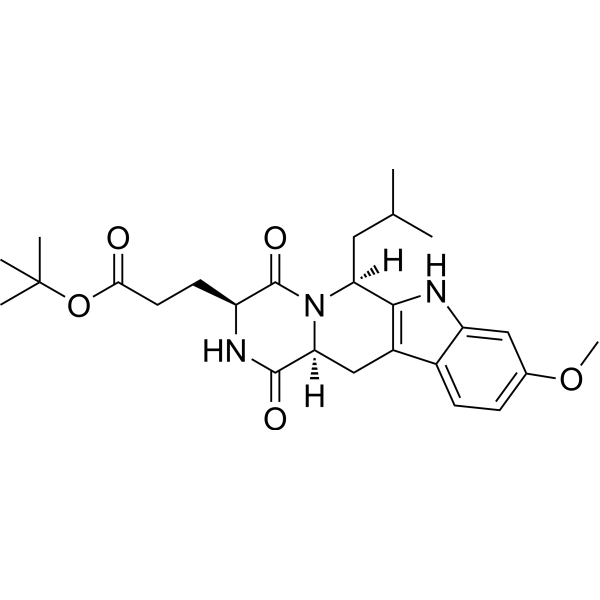
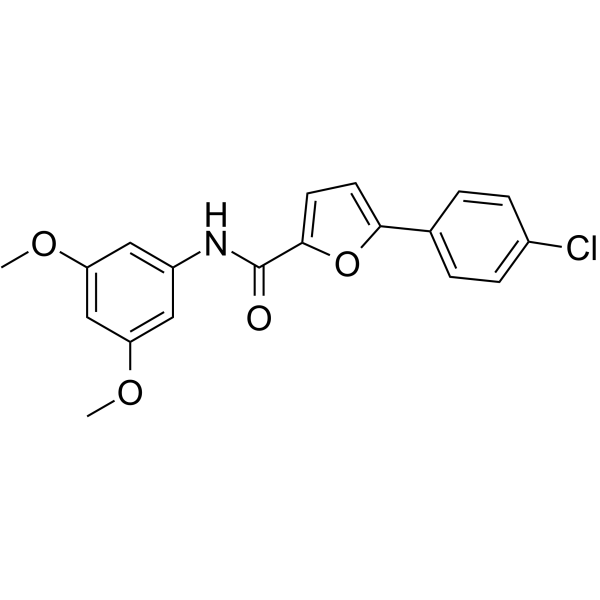
Ko 143 is a potent and selective ATP-binding cassette subfamily G member 2 (ABCG2/BCRP) inhibitor. Ko 143 displays >200-fold selectivity over P-gp and MRP-1 transporters .
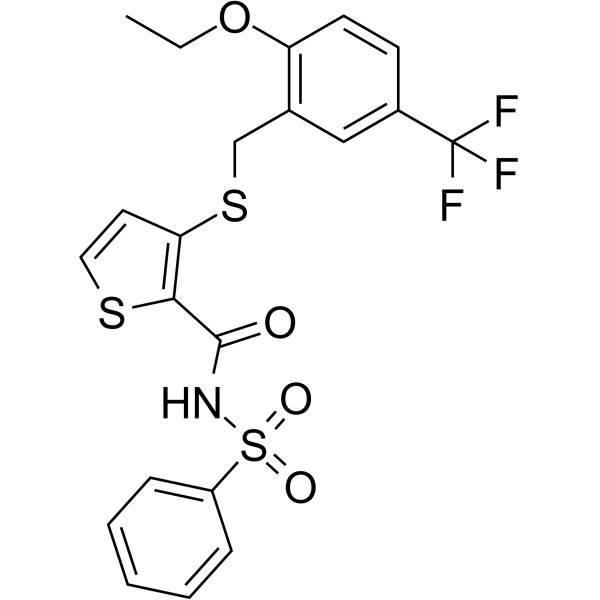
BRM/BRG1 ATP Inhibitor-1 (compound 14) is an orally active allosteric dual brahma homolog (BRM)/SWI/SNF related matrix associated actin dependent regulator of chromatin subfamily A member 2 (SMARCA2) and brahma related gene 1 (BRG1)/SMARCA4 ATPase activity inhibitor, both IC50s are below 0.005 µM. BRM/BRG1 ATP Inhibitor-1 has anticancer activity .
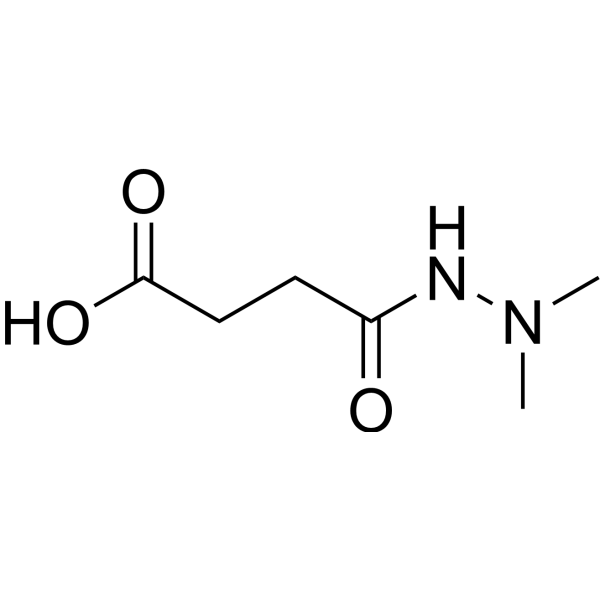
Daminozide, a plant growth regulator, is a selective inhibitor of the human KDM2/7 histone demethylases, with IC50s of 0.55, 1.5 and 2.1 μM for PHF8, KDM2A, and KIAA1718, respectively. Daminozide has >100-fold selectivity for KDM2/7 subfamily versus other demethylase subfamily members tested .
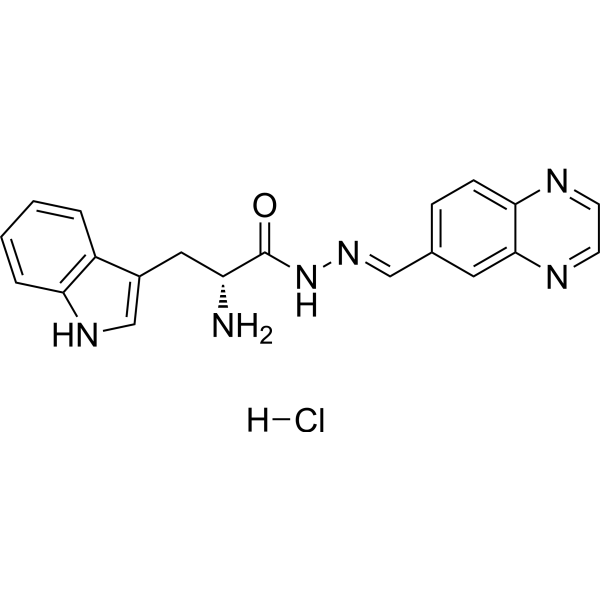
Rhosin hydrochloride is a potent, specific RhoA subfamilyRho GTPases inhibitor. Rhosin hydrochloride specifically binds to RhoA to inhibit RhoA-GEF interaction with a Kd of ~ 0.4 uM, and does not interact with Cdc42 or Rac1, nor the GEF, LARG. Rhosin hydrochloride induces cell apoptosis . Rhosin hydrochloride promotes stress resiliency through enhancing D1-MSN plasticity and reducing hyperexcitability .
Teduglutide (ALX-0600) is an analog of human glucagon like peptide-2 (GLP-2). Teduglutide can activate the expression of nuclear receptor subfamily 4 group a member 1 (NR4a1)/nur77 and intestinal FXR signaling in human hepatic stellate cells, thereby improving liver inflammation and fibrosis in mice with sclerosing cholangitis. Teduglutide can alleviate intestinal dysfunction in mice, improve lung injury, alleviate obesity related neuroinflammation and cell apoptosis .
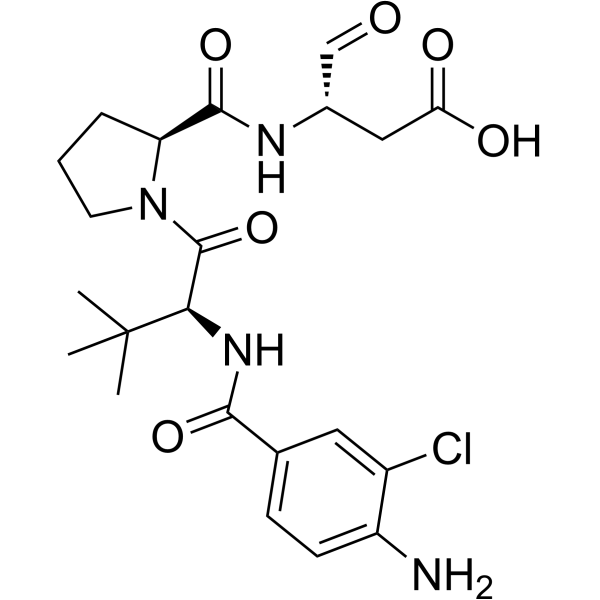
VRT-043198, the agent metabolite of VX-765 (Belnacasan), is a potent, selective and blood-brain barrier permeable inhibitor of interleukin-converting enzyme/caspase-1subfamily caspases. VRT-043198 exhibits Ki values of 0.8 nM and 0.6 nM for ICE/caspase-1 and caspase-4, respectively .
A-803467 is a potent and selective tetrodotoxin-resistant Nav1.8 sodium channel blocker (IC50=8 nM). A-803467 has shown significant anti-nociception in neuropathic and inflammatory pain models. A-803467 enhances the chemosensitivity of conventional anticancer agents through interaction with the ATP-binding cassette subfamily G member 2 (ABCG2) transporter .
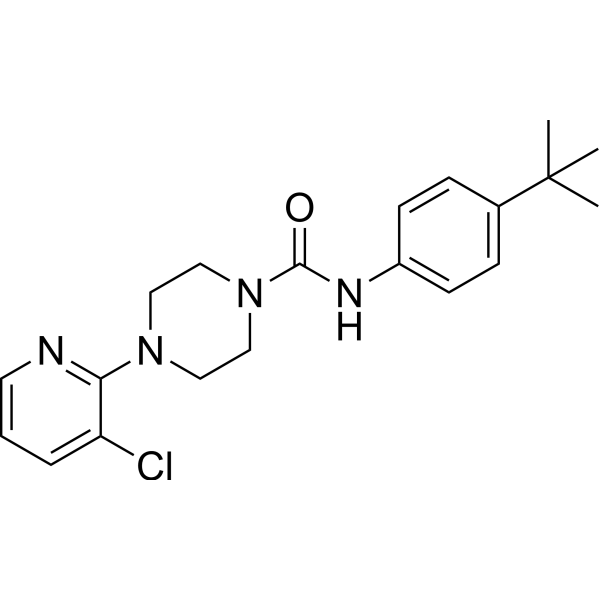
BCTC is an orally active current inhibitor of vanilloid receptor type 1 (VR1). BCTC is a transient receptor potential cation channel subfamily M member 8 (TRPM8) and transient receptor potential vanilloid 1 (TRPV1) antagonist. BCTC is an insulin sensitizer and secretor. BCTC has anticancer and analgesic effects .
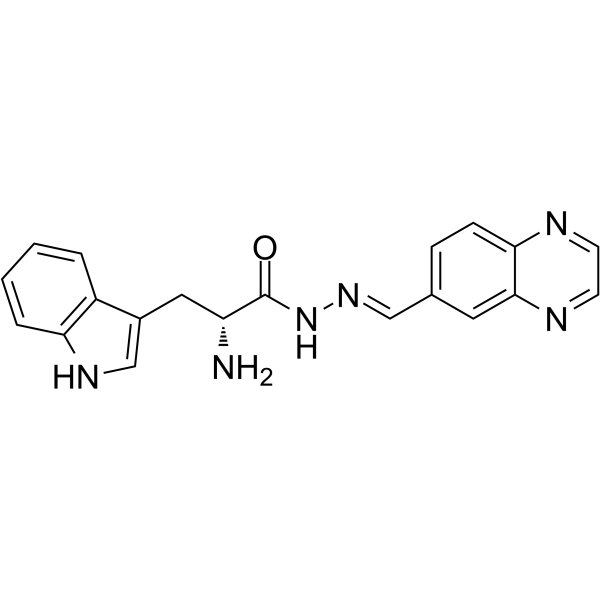
Rhosin is a potent, specific RhoA subfamilyRho GTPases inhibitor, which specifically binds to RhoA to inhibit RhoA-GEF interaction with a Kd of ~ 0.4 uM, and does not interact with Cdc42 or Rac1, nor the GEF, LARG. Rhosin induces cell apoptosis . Rhosin promotes stress resiliency through enhancing D1-MSN plasticity and reducing hyperexcitability .
KDM2/7-IN-1 (TC-E 5002) is a selective histone demethylase KDM2/7subfamily inhibitor (IC50 values are 0.2, 1.2, 6.8, 55, 83, >100 and >120 μM for KDM7A, KDM7B, KDM2A, KDM5A, KDM4C, KDM6A and KDM4A respectively). KDM2/7-IN-1 inhibits growth of HeLa and KYSE-150 cancer cells in vitro .
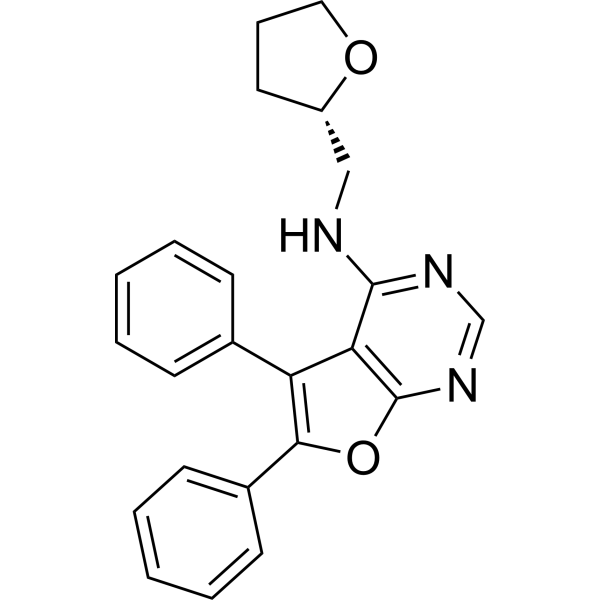
NAZ2329, the first cell-permeable inhibitor of R5 subfamily of receptor-type protein tyrosine phosphatases (RPTPs), allosterically and preferentially inhibits PTPRZ (IC50=7.5 µM for hPTPRZ1) and PTPRG (IC50=4.8 µM for hPTPRG) over other PTPs. NAZ2329 binds to the active D1 domain and more potently inhibits PTPRZ-D1 fragment (IC50 of 1.1 µM) than the whole intracellular (D1 + D2) fragment (IC50 of 7.5 µM). NAZ2329 can effectively inhibit tumor growth of the glioblastoma cells and suppress stem cell-like properties .
PF-05105679, a chemical probe, is an orally active and selective TRPM8 antagonist with an IC50 of 103 nM. PF-05105679 has the potential for cold-related pain .
AIM-100 is a potent and selective Ack1 inhibitor with an IC50 of 21.58 nM. AIM-100 also inhibits Tyr 267 phosphorylation. AIM-100 does not inhibits other kinases including PI3-kinase and AKT subfamily members. AIM-100 has an anticancer effect .
TTT-28 is a synthesized thiazole-valine peptidomimetic, a novel selective inhibitor of ABCB1 (P-gp/MDR1) with high efficacy and low toxicity, which reverses the ATP-binding cassette sub-family B member 1 (ABCB1)-mediated multidrug resistance (MDR) by selectively blocking the efflux function of ABCB1 .
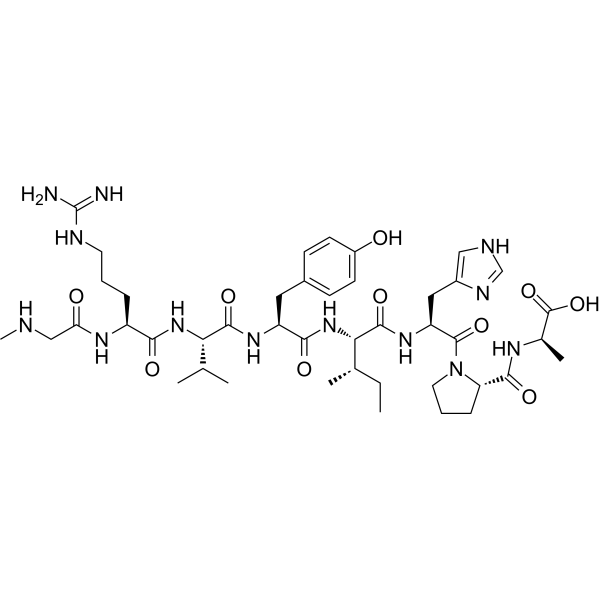
TRV120027, a β-arrestin-1-biased agonist of the angiotensin II receptor type 1 (AT1R), engages β-arrestins while blocking G-protein signaling . TRV120027 induces acute catecholamine secretion through cation channel subfamily C3 (TRPC3) coupling, promotes the formation of a macromolecular complex composed of AT1R-β-arrestin-1-TRPC3-PLCγ at the plasma membrane. TRV120027 inhibits angiotensin II-mediated vasoconstriction and increases cardiomyocyte contractility. TRV120027 has the potential for the acute decompensated heart failure (ADHF) treatment .
BL-1249 is a nonsteroidal anti-inflammatory agent (NSAID) and a potassium channel activator. BL-1249 potently activates K2P2.1 (TREK-1) and K2P10.1 (TREK-2) with EC50 values of 5.5 μM and 8.0 μM, respectively. BL-1249 extracellular application activates all TREKsubfamily members but has no effect on other K2Psubfamilies. BL-1249 exhibits more selective for the bladder (EC50 of 1.26 μM) than vascular tissue (EC50 of 21.0 μM) .
NR2F6 modulator-1 is a potent nuclear receptor subfamily 2, group F, member 6 (NR2F6) modulator. NR2F6 modulator-1 can be used for researching immune modulation and modulation of cancer stem cell activity .
Brophenexin (compound 8) is a potent NMDAR/TRPM4 interaction interface inhibitor. Brophenexin shows neuroprotective activity. Brophenexin prevents NMDA-induced cell death and mitochondrial dysfunction in hippocampal neurons, with an IC50 of 2.1 μM. Brophenexin protects mice from MCAO-induced brain damage and NMDA-induced retinal ganglion cell loss .
PKCTheta-IN-2 (compound 14) is a potent and selective PKCθ inhibitor with an IC50 of 0.25 nM. PKCTheta-IN-2 shows good selectivity over a wide range of kinases, including the PKC subfamily (30 kinases). PKCTheta-IN-2 inhibits the IL-2 production in a mouse (IC50 of 682 nM) .
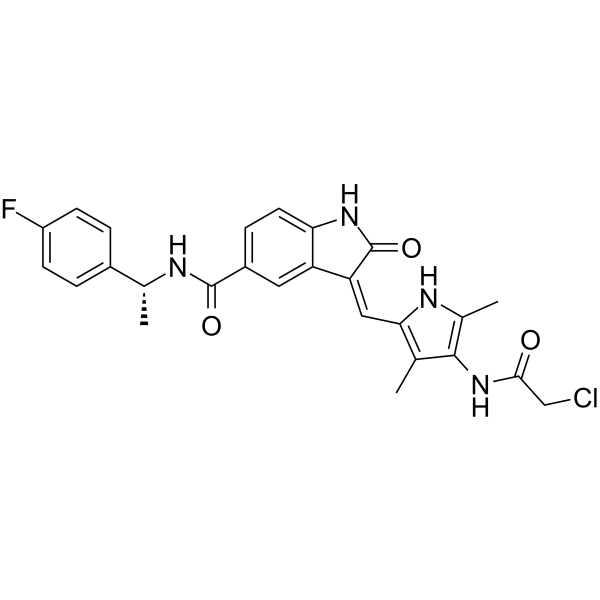
CCG273441 is a covalent inhibitor of G protein-coupled receptor (GPCR) kinase 5 (GRK5) with an IC50 value of 3.8 nM. CCG273441 is highly selective to GRK5 over GRK2 (IC50=4.8 μM) by binding Cys474, a GRK5subfamily-specific residue, as a covalent handle .
RL648_81 is a specific KQT-like subfamily 2/3 (KCNQ2/3) activator with an EC50 of 190 nM. RL648_81 robustly shifts the V1/2 of KCNQ2/3 channels towards hyperpolarized potentials.RL648_81 does not shift the V1/2 of either KCNQ4 or KCNQ5.RL648_81 has?the?potential?for?neurologic disorders associated with neuronal hyperexcitability research .
16α-Hydroxyprednisolone (OH-PRED) is a stereoselective metabolite of the 22(R) epimer of the glucocorticoid Budesonide (HY-13580). 16α-Hydroxyprednisolone formation is catalyzed by isoenzymes within the cytochrome P450 3A (CYP3A) subfamily. 16α-Hydroxyprednisolone formation can be inhibited by antibodies targeting the CYP3A subfamily .
5α-Reductase, Rat (Sprague-Dawley) Testis is the enzyme responsible for the conversion of testosterone into 5-alpha dihydrotestosterone (DHT), which is a potent androgen involved in male sexual differentiation.5α-reductase enzyme family is comprised of 3 subfamilies and 5 isoenzyme members: 5αR1, 5αR2, 5αR3, GPSN2, and GPSN2L .
ZG-2291 is a selective inhibitor targeting FIH (Factor Inhibiting HIF) with oral activity. By binding to FIH, ZG-2291 promotes a conformational flip of a catalytically important tyrosine, enabling selective inhibition of FIH without affecting other 2OG oxygenases in the JmjC subfamily. ZG-2291k enhances thermogenesis in ob/ob mice and improves obesity-related symptoms and metabolic dysfunctions. ZG-2291 holds promise for research in the field of obesity-related diseases .
Brophenexin free base (compound 8) is a potent NMDAR/TRPM4 interaction interface inhibitor. Brophenexin free base shows neuroprotective activity. Brophenexin free base prevents NMDA-induced cell death and mitochondrial dysfunction in hippocampal neurons, with an IC50 of 2.1 μM. Brophenexin free base protects mice from MCAO-induced brain damage and NMDA-induced retinal ganglion cell loss .
CYP1A1 inhibitor 8a is a compound that potently and selectively inhibits the CYP1A1 enzyme and has the potential to prevent cancer. CYP1A1 inhibitor 8a exhibits more than 10-fold selectivity for CYP1A1 and more than 100-fold selectivity over other enzymes in the CYP1 subfamily. CYP1A1 inhibitor 8a can effectively antagonize B[a]P-mediated activation of the aryl hydrocarbon receptor (AhR) in yeast cells and protect human cells from CYP1A1-mediated B[a]P toxicity. CYP1A1 inhibitor 8a has the potential to be developed as a cancer chemopreventive agent .
Ala-parafluoroPhe-Arg-Cha-Cit-Tyr-NH2 TFA, a bioactive peptide, is a selective Protease activating receptor 1 (PAR-1) agonist over PAR-2. PAR-1 belongs to a subfamily of G-protein coupled receptors and is known to mediate the cellular effects of thrombin. In addition to its varied cellular effects of thrombin, PAR-1 has also been shown to coordinate with PAR-4 and regulate thrombin-induced hepatocellular carcinoma harboring thrombin formation within the tumor environment classified as 'coagulation type' .
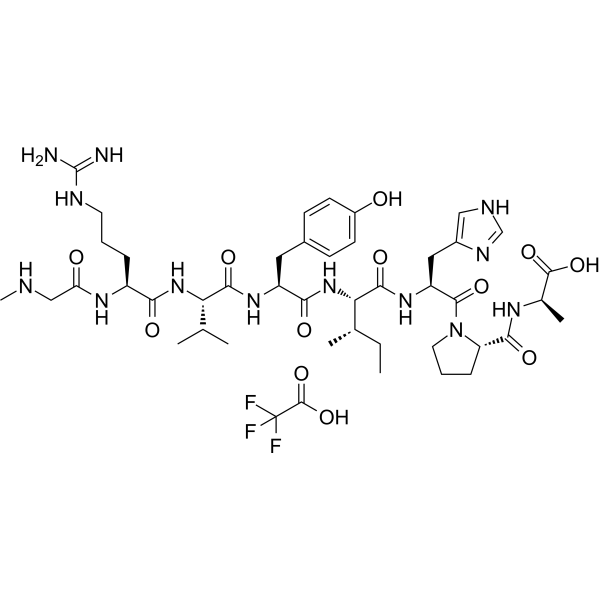
TRV120027 TFA, a β-arrestin-1-biased agonist of the angiotensin II receptor type 1 (AT1R), engages ?-arrestins while blocking G-protein signaling . TRV120027?TFA induces?acute?catecholamine?secretion?through cation channel subfamily C3 (TRPC3) coupling, promotes the formation of a macromolecular complex composed of AT1R–β-arrestin-1–TRPC3–PLCγ at the plasma membrane. TRV120027 TFA inhibits angiotensin II–mediated vasoconstriction and increases cardiomyocyte contractility. TRV120027 TFA has the potential for the?acute decompensated heart failure (ADHF) treatment .
K22 is an anti-Coronaviral compound. K22 reduces double-stranded RNA. K22 displays antiviral activity beyond the Coronavirinae subfamily, namely against nidoviruses of the Torovirinae subfamily (EToV and WBV) and members of the Arteriviridae family (PRRSV, EAV). K22 displays antiviral activity against HCoV-229E .
β-1,3-1,4-glucanase (Endo-β-1,3-1,4-glucanase) is a glycoside hydrolase family 16 enzyme (some members belong to subfamily 25). β-1,3-1,4-glucanase shows high substrate specificity toward mixed‑linked β‑glucans and cleaves β‑1,4 glycosidic bonds adjacent to β‑1,3 linkages in an endo‑type pattern. β-1,3-1,4-glucanase can be used in industrial enzyme applications and monogastric animal feed supplementation .
5-O-Methylvisamminol, a (furo) chromone identified in the extract of T. glauca, has a limited occurrence in the plant kingdom. 5-O-Methylvisamminol is useful in (chemical) phylogeny and is a possible excellent chemotaxonomic marker (family and/or subfamily level) for Apiaceae .
SGC-CK1γ-1 is a potent and selective probe for the CK1γ subfamily. SGC-CK1γ-1 can inhibit LRP6 phosphorylation levels. SGC-CK1γ-1 can selectively inhibit the CK1γ kinases in living cells and inhibit both WNT signaling and human cytomegalovirus (CMV) replication. SGC-CK1γ-1 can be used for the research of infection .
HDGFRP2/PSIP1-IN-1 (compound BPP) is a dual inhibitor targeting the PWWP domain of hepatocarcinogenic growth factor-related protein 2 (HDGFRP2) and its homologous protein PSIP1, hinder the development and progression of diffuse intrinsic pontine glioma (DIPG). HDGFRP2/PSIP1-IN-1 binds to HDGFRP2 with a Kd value of 7 μM and a ligand efficiency of 0.47; it binds to the PSIP1 PWWP domain with a Kd value of 27 μM; meanwhile, it has a Kd value of 14 μM for HDGFRP3, indicating its effectiveness as an inhibitor of the HDGFRP2 PWWP subfamily .
Teduglutide-Leu( 13C6, 15N) (ALX-0600-Leu( 13C6, 15N)) sodium is the 13C- and 15N-labeled Teduglutide (HY-P1624). Teduglutide (ALX-0600) is an analog of human glucagon like peptide-2 (GLP-2). Teduglutide can activate the expression of nuclear receptor subfamily 4 group a member 1 (NR4a1)/nur77 and intestinal FXR signaling in human hepatic stellate cells, thereby improving liver inflammation and fibrosis in mice with sclerosing cholangitis. Teduglutide can alleviate intestinal dysfunction in mice, improve lung injury, alleviate obesity related neuroinflammation and cell apoptosis .
Daminozide (Standard) is the analytical standard of Daminozide. This product is intended for research and analytical applications. Daminozide, a plant growth regulator, is a selective inhibitor of the human KDM2/7 histone demethylases, with IC50s of 0.55, 1.5 and 2.1 μM for PHF8, KDM2A, and KIAA1718, respectively. Daminozide has >100-fold selectivity for KDM2/7 subfamily versus other demethylase subfamily members tested .
Human MYOD1 mRNA encodes the human myogenic differentiation 1 (MYOD1) protein, a nuclear protein that belongs to the basic helix-loop-helix family of transcription factors and the myogenic factors subfamily. MYOD1 acts as a transcriptional activator that promotes transcription of muscle-specific target genes and plays a role in muscle differentiation.
PKCθ is a member of the Ca 2+-independent PKC subfamily. PKCθ plays an important role in T cell activation. PKCθ is also required for the survival of activated peripheral T lymphocytes. PKCθ Recombinant Human Active Protein Kinase is a recombinant PKCθ protein that can be used to study PKCθ-related functions .
NR2F6 modulator-2 (Compound I) is an autorepressed orphan nuclear receptor NR2F6 (Nuclear Receptor subfamily 2 group F member 6) modulator. NR2F6 modulator-2 can inhibits the recruitment of the bio-NSD1 peptide with an IC50 of 2.0 equivalents of NR2F6. NR2F6 modulator-2 can be used for the researches of cancer and immunology .
Teduglutide TFA is a dipeptidyl peptidase IV resistant glucagon-like peptide 2 (GLP-2) analogue. Teduglutide TFA can activate the expression of nuclear receptor subfamily 4 group a member 1 (NR4a1)/nur77 and intestinal FXR signaling in human hepatic stellate cells, thereby improving liver inflammation and fibrosis in mice with sclerosing cholangitis. Teduglutide TFA can alleviate intestinal dysfunction in mice, improve lung injury, alleviate obesity related neuroinflammation and cell apoptosis .
Ala-parafluoroPhe-Arg-Cha-Cit-Tyr-NH2, a bioactive peptide, is a selective Protease activating receptor 1 (PAR-1) agonist over PAR-2. PAR-1 belongs to a subfamily of G-protein coupled receptors and is known to mediate the cellular effects of thrombin. In addition to its varied cellular effects of thrombin, PAR-1 has also been shown to coordinate with PAR-4 and regulate thrombin-induced hepatocellular carcinoma harboring thrombin formation within the tumor environment classified as 'coagulation type' .
16α-Hydroxyprednisolone-d3 is the deuterium labeled 16α-Hydroxyprednisolone. 16α-Hydroxyprednisolone is a stereoselective metabolite of the 22(R) epimer of the glucocorticoid Budesonide (HY-13580). 16α-Hydroxyprednisolone formation is catalyzed by isoenzymes within the cytochrome P450 3A (CYP3A) subfamily. 16α-Hydroxyprednisolone formation can be inhibited by antibodies targeting the CYP3A subfamily .
Neochilenin (3-O-Methylquercetin 4 '-O-glucoside) is a glycoside of 3-O-methylquercetin, which can be isolated from the sub-family Cereoideae (Cactaceae). .
16α-Hydroxyprednisolone (OH-PRED) (Standard) is the analytical standard of 16α-Hydroxyprednisolone. This product is intended for research and analytical applications. 16α-Hydroxyprednisolone is a stereoselective metabolite of the 22(R) epimer of the glucocorticoid Budesonide (HY-13580). 16α-Hydroxyprednisolone formation is catalyzed by isoenzymes within the cytochrome P450 3A (CYP3A) subfamily. 16α-Hydroxyprednisolone formation can be inhibited by antibodies targeting the CYP3A subfamily .
Human IL19 mRNA encodes the human interleukin 19 (IL19) protein, a cytokine that belongs to the IL10 cytokine subfamily. IL19 may play some important roles in inflammatory responses.
Human CCL1 mRNA encodes the human C-C motif chemokine ligand 1 (CCL1) protein, a member of the CC subfamily. CCL1 is secreted by activated T cells and displays chemotactic activity for monocytes but not for neutrophils.
Human CCL7 mRNA encodes the human C-C motif chemokine ligand 7 (CCL7) protein, a member of the CC subfamily which is characterized by two adjacent cysteine residues. CCL7 is an in vivo substrate of matrix metalloproteinase 2, an enzyme which degrades components of the extracellular matrix.
CCG-224406 is a selective G protein-coupled receptor kinase 2 (GRK2) inhibitor with the IC50 values of 13 nM, greater than 700-fold selectivity over other GRK subfamilies, and no inhibition of ROCK1. CCG-224406 can be used for study of heart failure .
CDK14 is a member of the TAIRE subfamily. CDK14/CycY Recombinant Human Active Protein Kinase is an ortholog of CDK14. CDK14/CycY phosphorylates S1490 of LRP6 during the G2/M transition in a Wnt-independent manner .
MZ82, Ko 143 (HY-10010) derivative, is a ATP-binding cassette subfamily G member 2 (ABCG2/BCRP) inhibitor with the IC50 of ~23 nM. MZ82 not only shows greatly improved metabolic stability over Ko 143 (HY-10010) in liver microsomes but also in mice, and is able to penetrate into the brain .
5-O-Methylvisamminol (Standard) is the analytical standard of 5-O-Methylvisamminol. This product is intended for research and analytical applications. 5-O-Methylvisamminol, a (furo) chromone identified in the extract of T. glauca, has a limited occurrence in the plant kingdom. 5-O-Methylvisamminol is useful in (chemical) phylogeny and is a possible excellent chemotaxonomic marker (family and/or subfamily level) for Apiaceae .
Butein tetramethyl ether (Compound 20) is a potent and selective breast cancer resistance protein/ATP-binding cassette subfamily G member 2 (BCRP/ABCG2) inhibitor. Butein tetramethyl ether has inhibitory potencies against MCF-7 MX and MDCK BCRP cells with IC50 values of 2.2 and 1.03 μM, respectively. Butein tetramethyl ether is promising for research of cancers .
BCTC (Standard) is the analytical standard of BCTC. This product is intended for research and analytical applications. BCTC is an orally active current inhibitor of vanilloid receptor type 1 (VR1). BCTC is a transient receptor potential cation channel subfamily M member 8 (TRPM8) and transient receptor potential vanilloid 1 (TRPV1) antagonist. BCTC is an insulin sensitizer and secretor. BCTC has anticancer and analgesic effects .
BMH-9 (Compound Z54) is a modulator for nuclear receptor subfamily 2, group F, member 6 (NR2F6) (also known as nuclear orphan receptor Ear2) . BMH-9 is an activator for p53 signaling pathway through interaction with DNA. BMH-9 inhibits proliferation of human cancer cells, exhibits antitumor efficacy in NOD-SCID mouse models .
VRT-043198 (Standard) is the analytical standard of VRT-043198. This product is intended for research and analytical applications. VRT-043198, the agent metabolite of VX-765 (Belnacasan), is a potent, selective and blood-brain barrier permeable inhibitor of interleukin-converting enzyme/caspase-1 subfamily caspases. VRT-043198 exhibits Ki values of 0.8 nM and 0.6 nM for ICE/caspase-1 and caspase-4, respectively[1].
MBL-IN-5 is a metallo-β-lactamase (MBL) inhibitor. MBL-IN-5 inhibits three clinically relevant B1 subfamily MBLs (NDM-1, VIM-1, and IMP-1) with IC50s of 0.05 nM, 14 nM and 21 nM respectively. MBL-IN-5 remarkably enhances carbapenems’ effectiveness against MBL-producing clinical strains and significantly reduces the bacterial load in a neutropenic murine thigh infection model combined with the IPM antibiotic .
ABCG2-IN-2 is a potent ABCG2 inhibitor with favorable oral pharmacokinetic profiles in mice. ABCG2-IN-2 can be used for the research of tumor multidrug resistance (MDR) and erythropoietic protoporphyria (EPP) .
PROTAC SMARCA2 degrader-7 (Compound I-428) is a PROTAC degrader for SWI/SNF-related matrix-associated actin-dependent regulator of chromatin subfamily A (SMARCA) SMARCA2. PROTAC SMARCA2 degrader-7 degrades SMARCA2 and SMARCA4 in MV411 with DC50 of <100 and 100-500 nM. (Pink: Ligand for target protein (HY-159542); Black: Linker (HY-159538); Blue: Ligand for E3 ligase (S,R,S)-AHPC (HY-125845))
Teduglutide-Ala( 13C3, 15N) (ALX-0600-Ala( 13C3, 15N)) sodium is the 13C- and 15N-labeled Teduglutide (HY-P1624). Teduglutide (ALX-0600) is an analog of human glucagon like peptide-2 (GLP-2). Teduglutide can activate the expression of nuclear receptor subfamily 4 group a member 1 (NR4a1)/nur77 and intestinal FXR signaling in human hepatic stellate cells, thereby improving liver inflammation and fibrosis in mice with sclerosing cholangitis. Teduglutide can alleviate intestinal dysfunction in mice, improve lung injury, alleviate obesity related neuroinflammation and cell apoptosis .
16α-Hydroxyprednisolone-d5 (OH-PRED-d5) is the deuterium labeled 16α-Hydroxyprednisolone (HY-117580). 16α-Hydroxyprednisolone (OH-PRED) is a stereoselective metabolite of the 22(R) epimer of the glucocorticoid Budesonide (HY-13580). 16α-Hydroxyprednisolone formation is catalyzed by isoenzymes within the cytochrome P450 3A (CYP3A) subfamily. 16α-Hydroxyprednisolone formation can be inhibited by antibodies targeting the CYP3A subfamily .
Human CCL8 mRNA encodes the human C-C motif chemokine ligand 8 (CCL8) protein, a member of the CC subfamily. CCL8 displays chemotactic activity for monocytes, lymphocytes, basophils and eosinophils.
Human CCL11 mRNA encodes the human C-C motif chemokine ligand 11 (CCL11) protein, a member of the CC subfamily. CCL11 is thought to be involved in eosinophilic inflammatory diseases such as atopic dermatitis, allergic rhinitis, asthma and parasitic infections.
Human IL2 mRNA encodes the human interleukin 2 (IL2) protein, a member of the interleukin 2 (IL2) cytokine subfamily. IL2 is produced by activated CD4+ and CD8+ T lymphocytes. It is important for the proliferation of T and B lymphocytes.
Anti-Mouse CD155 Antibody (4.24) reacts with the mouse CD155. CD155 is a member of a subfamily of immunoglobulin-like adhesion receptors. Recommend Isotype Controls: Rat IgG2a kappa, Isotype Control (HY-P990679) .
BL-1249 (Standard) is the analytical standard of BL-1249 (HY-108596). This product is intended for research and analytical applications. BL-1249 is a nonsteroidal anti-inflammatory agent (NSAID) and a potassium channel activator. BL-1249 potently activates K2P2.1 (TREK-1) and K2P10.1 (TREK-2) with EC50 values of 5.5 μM and 8.0 μM, respectively. BL-1249 extracellular application activates all TREK subfamily members but has no effect on other K2P subfamilies. BL-1249 exhibits more selective for the bladder (EC50 of 1.26 μM) than vascular tissue (EC50 of 21.0 μM) .
Ko 143 (Standard) is the analytical standard of Ko 143 (HY-10010). This product is intended for research and analytical applications. Ko 143 is a potent and selective ATP-binding cassette subfamily G member 2 (ABCG2/BCRP) inhibitor. Ko 143 displays >200-fold selectivity over P-gp and MRP-1 transporters .
PDE4-IN-30 is a selective PDE4 inhibitor with an IC50 of 2.7 nM for PED4D2, targeting PDE4 through halogen bonding and metal coordination. PDE4-IN-30 exhibits at least 67-fold selectivity for other PDE subfamilies. PDE4-IN-30 can be used for the research of idiopathic pulmonary fibrosis .
Elastase, Rat (EC 3.4.21.35) is a form of elastase that is produced in the acinar cells of the pancreas, initially produced as an inactive zymogen and later activated in the duodenum by trypsin. Elastases form a subfamily of serine proteases, characterized by a distinctive structure consisting of two beta-barrel domains converging at the active site that hydrolyze amides and esters amongst many proteins in addition to elastin, a type of connective tissue that holds organs together.
PKCζ is a member of the atypical PKC subfamily and has been widely implicated in the regulation of cellular functions. The major activation pathway of PKCζ depends on phosphatidylinositol (PI)-3,4,5-trisphosphate (PIP(3)), which is mainly produced by PI-3 kinase. PKCζ Recombinant Human Active Protein Kinase is a recombinant PKCζ protein that can be used to study PKCζ-related functions .
TTT-28 (Standard) is the analytical standard of TTT-28 (HY-101511). This product is intended for research and analytical applications. TTT-28 is a synthesized thiazole-valine peptidomimetic, a novel selective inhibitor of ABCB1 (P-gp/MDR1) with high efficacy and low toxicity, which reverses the ATP-binding cassette sub-family B member 1 (ABCB1)-mediated multidrug resistance (MDR) by selectively blocking the efflux function of ABCB1 .
Human CCL5 mRNA encodes the human C-C motif chemokine ligand 5 (CCL5) protein, a member of the CC subfamily, functions as a chemoattractant for blood monocytes, memory T helper cells and eosinophils. CCL5 is one of the major HIV-suppressive factors produced by CD8+ cells. It functions as one of the natural ligands for the chemokine receptor chemokine (C-C motif) receptor 5 (CCR5), and it suppresses in vitro replication of the R5 strains of HIV-1, which use CCR5 as a coreceptor.
NAZ2329 (Standard) is the analytical standard of NAZ2329 (HY-103693). This product is intended for research and analytical applications. NAZ2329, the first cell-permeable inhibitor of R5 subfamily of receptor-type protein tyrosine phosphatases (RPTPs), allosterically and preferentially inhibits PTPRZ (IC50=7.5 µM for hPTPRZ1) and PTPRG (IC50=4.8 µM for hPTPRG) over other PTPs. NAZ2329 binds to the active D1 domain and more potently inhibits PTPRZ-D1 fragment (IC50 of 1.1 µM) than the whole intracellular (D1 + D2) fragment (IC50 of 7.5 µM). NAZ2329 can effectively inhibit tumor growth of the glioblastoma cells and suppress stem cell-like properties .
Glyceocarpin is a phytoalexin and antibacterial agent naturally occurring in Glycine max, with weak antifungal activity. Glyceocarpin serves as the biosynthetic precursor of Glyceollins II (HY-N18032) and Glyceollins III. Glyceocarpin can be biosynthesized by the prenyltransferase and subsequent modification by cytochrome P450 enzymes. Glyceocarpin can be used for the study of soybean root and stem rot caused by Phytophthora sojae .
Herpetin is an active lignan. Herpetin acts as a bone marrow mesenchymal stem cell inducer that activates the SDF-1/CXCR4 axis and the Wnt/β-catenin pathway. Herpetin is applicable to research related to acute liver injury .
Orthopoxvirus is a genus of viruses in the family Poxviridae and subfamily Chordopoxvirinae. The orthopoxvirus genus consists of 12 viruses including variola virus, vaccinia virus (VV), cowpox viruses (CV), monkeypox virus, and camelpox virus. Smallpox has been eradicated worldwide in 1980, but some other orthopoxvirus, such as monkeypox virus, are still threats to human health.
There are not many drugs available for orthopoxvirus treatment. The only product currently available for treatment of complications of Orthopoxvirus infection is vaccinia immunoglobulin (VIG). In 2021, brincidofovir was approved by FDA for the treatment of smallpox and tecovirimat was approved by EMA for the treatment of monkeypox in 2022. A few active compounds including interferon and interferon inducers, and a variety of nucleosides or nucleotides have been reported to have activity against orthopoxvirus.
MCE carefully prepared a unique collection of 37 compounds reported with the anti- orthopoxvirus activity which can be used for drug screening and other research about orthopoxvirus.
Teduglutide (ALX-0600) is an analog of human glucagon like peptide-2 (GLP-2). Teduglutide can activate the expression of nuclear receptor subfamily 4 group a member 1 (NR4a1)/nur77 and intestinal FXR signaling in human hepatic stellate cells, thereby improving liver inflammation and fibrosis in mice with sclerosing cholangitis. Teduglutide can alleviate intestinal dysfunction in mice, improve lung injury, alleviate obesity related neuroinflammation and cell apoptosis .
TRV120027, a β-arrestin-1-biased agonist of the angiotensin II receptor type 1 (AT1R), engages β-arrestins while blocking G-protein signaling . TRV120027 induces acute catecholamine secretion through cation channel subfamily C3 (TRPC3) coupling, promotes the formation of a macromolecular complex composed of AT1R-β-arrestin-1-TRPC3-PLCγ at the plasma membrane. TRV120027 inhibits angiotensin II-mediated vasoconstriction and increases cardiomyocyte contractility. TRV120027 has the potential for the acute decompensated heart failure (ADHF) treatment .
Ala-parafluoroPhe-Arg-Cha-Cit-Tyr-NH2 TFA, a bioactive peptide, is a selective Protease activating receptor 1 (PAR-1) agonist over PAR-2. PAR-1 belongs to a subfamily of G-protein coupled receptors and is known to mediate the cellular effects of thrombin. In addition to its varied cellular effects of thrombin, PAR-1 has also been shown to coordinate with PAR-4 and regulate thrombin-induced hepatocellular carcinoma harboring thrombin formation within the tumor environment classified as 'coagulation type' .
TRV120027 TFA, a β-arrestin-1-biased agonist of the angiotensin II receptor type 1 (AT1R), engages ?-arrestins while blocking G-protein signaling . TRV120027?TFA induces?acute?catecholamine?secretion?through cation channel subfamily C3 (TRPC3) coupling, promotes the formation of a macromolecular complex composed of AT1R–β-arrestin-1–TRPC3–PLCγ at the plasma membrane. TRV120027 TFA inhibits angiotensin II–mediated vasoconstriction and increases cardiomyocyte contractility. TRV120027 TFA has the potential for the?acute decompensated heart failure (ADHF) treatment .
Teduglutide-Leu( 13C6, 15N) (ALX-0600-Leu( 13C6, 15N)) sodium is the 13C- and 15N-labeled Teduglutide (HY-P1624). Teduglutide (ALX-0600) is an analog of human glucagon like peptide-2 (GLP-2). Teduglutide can activate the expression of nuclear receptor subfamily 4 group a member 1 (NR4a1)/nur77 and intestinal FXR signaling in human hepatic stellate cells, thereby improving liver inflammation and fibrosis in mice with sclerosing cholangitis. Teduglutide can alleviate intestinal dysfunction in mice, improve lung injury, alleviate obesity related neuroinflammation and cell apoptosis .
Teduglutide TFA is a dipeptidyl peptidase IV resistant glucagon-like peptide 2 (GLP-2) analogue. Teduglutide TFA can activate the expression of nuclear receptor subfamily 4 group a member 1 (NR4a1)/nur77 and intestinal FXR signaling in human hepatic stellate cells, thereby improving liver inflammation and fibrosis in mice with sclerosing cholangitis. Teduglutide TFA can alleviate intestinal dysfunction in mice, improve lung injury, alleviate obesity related neuroinflammation and cell apoptosis .
Ala-parafluoroPhe-Arg-Cha-Cit-Tyr-NH2, a bioactive peptide, is a selective Protease activating receptor 1 (PAR-1) agonist over PAR-2. PAR-1 belongs to a subfamily of G-protein coupled receptors and is known to mediate the cellular effects of thrombin. In addition to its varied cellular effects of thrombin, PAR-1 has also been shown to coordinate with PAR-4 and regulate thrombin-induced hepatocellular carcinoma harboring thrombin formation within the tumor environment classified as 'coagulation type' .
Teduglutide-Ala( 13C3, 15N) (ALX-0600-Ala( 13C3, 15N)) sodium is the 13C- and 15N-labeled Teduglutide (HY-P1624). Teduglutide (ALX-0600) is an analog of human glucagon like peptide-2 (GLP-2). Teduglutide can activate the expression of nuclear receptor subfamily 4 group a member 1 (NR4a1)/nur77 and intestinal FXR signaling in human hepatic stellate cells, thereby improving liver inflammation and fibrosis in mice with sclerosing cholangitis. Teduglutide can alleviate intestinal dysfunction in mice, improve lung injury, alleviate obesity related neuroinflammation and cell apoptosis .
Anti-Mouse CD155 Antibody (4.24) reacts with the mouse CD155. CD155 is a member of a subfamily of immunoglobulin-like adhesion receptors. Recommend Isotype Controls: Rat IgG2a kappa, Isotype Control (HY-P990679) .
Daminozide, a plant growth regulator, is a selective inhibitor of the human KDM2/7 histone demethylases, with IC50s of 0.55, 1.5 and 2.1 μM for PHF8, KDM2A, and KIAA1718, respectively. Daminozide has >100-fold selectivity for KDM2/7 subfamily versus other demethylase subfamily members tested .
5-O-Methylvisamminol, a (furo) chromone identified in the extract of T. glauca, has a limited occurrence in the plant kingdom. 5-O-Methylvisamminol is useful in (chemical) phylogeny and is a possible excellent chemotaxonomic marker (family and/or subfamily level) for Apiaceae .
Daminozide (Standard) is the analytical standard of Daminozide. This product is intended for research and analytical applications. Daminozide, a plant growth regulator, is a selective inhibitor of the human KDM2/7 histone demethylases, with IC50s of 0.55, 1.5 and 2.1 μM for PHF8, KDM2A, and KIAA1718, respectively. Daminozide has >100-fold selectivity for KDM2/7 subfamily versus other demethylase subfamily members tested .
Neochilenin (3-O-Methylquercetin 4 '-O-glucoside) is a glycoside of 3-O-methylquercetin, which can be isolated from the sub-family Cereoideae (Cactaceae). .
5-O-Methylvisamminol (Standard) is the analytical standard of 5-O-Methylvisamminol. This product is intended for research and analytical applications. 5-O-Methylvisamminol, a (furo) chromone identified in the extract of T. glauca, has a limited occurrence in the plant kingdom. 5-O-Methylvisamminol is useful in (chemical) phylogeny and is a possible excellent chemotaxonomic marker (family and/or subfamily level) for Apiaceae .
Glyceocarpin is a phytoalexin and antibacterial agent naturally occurring in Glycine max, with weak antifungal activity. Glyceocarpin serves as the biosynthetic precursor of Glyceollins II (HY-N18032) and Glyceollins III. Glyceocarpin can be biosynthesized by the prenyltransferase and subsequent modification by cytochrome P450 enzymes. Glyceocarpin can be used for the study of soybean root and stem rot caused by Phytophthora sojae .
Herpetin is an active lignan. Herpetin acts as a bone marrow mesenchymal stem cell inducer that activates the SDF-1/CXCR4 axis and the Wnt/β-catenin pathway. Herpetin is applicable to research related to acute liver injury .
BTN1A1 Protein is implicated in milk-fat droplet secretion and may serve as a membrane-associated receptor in lactation processes. Additionally, it exhibits immune-regulatory functions, inhibiting T-cell proliferation and modulating cytokine secretion. BTN1A1's association with xanthine dehydrogenase/oxidase suggests diverse cellular functions, inviting further exploration into its role in various biological pathways. BTN1A1 Protein, Human (HEK293, Fc) is the recombinant human-derived BTN1A1 protein, expressed by HEK293 , with C-hFc labeled tag.
BTN1A1 Protein is implicated in milk-fat droplet secretion and may serve as a membrane-associated receptor in lactation processes. Additionally, it exhibits immune-regulatory functions, inhibiting T-cell proliferation and modulating cytokine secretion. BTN1A1's association with xanthine dehydrogenase/oxidase suggests diverse cellular functions, inviting further exploration into its role in various biological pathways. BTN1A1 Protein, Human (Biotinylated, HEK293, His-Avi) is the recombinant human-derived BTN1A1 protein, expressed by HEK293 , with C-Avi, C-6*His labeled tag.
BTN2A2 protein inhibits CD4 and CD8 T-cell proliferation activated by anti-CD3 antibodies. It regulates T-cell metabolism, suppressing IL2 and IFNG cytokine secretion. BTN2A2 plays a pivotal role in immune response modulation, maintaining immune homeostasis by limiting T-cell activation and effector functions. BTN2A2 Protein, Human (Biotinylated, HEK293, Fc-Avi) is the recombinant human-derived BTN2A2 protein, expressed by HEK293 , with C-Avi, C-hFc labeled tag.
The PPAR gamma protein is a nuclear receptor that binds to peroxisome proliferators and is activated upon ligand binding to specific PPREs on DNA. It regulates target gene transcription and controls fatty acid metabolism. PPAR gamma Protein, Human is the recombinant human-derived PPAR gamma protein, expressed by E. coli , with tag free.
RXRB protein is a receptor for retinoic acid and forms a heterodimer, especially RAR/RXR, which regulates gene expression through the retinoic acid response element (RARE). RXRB exhibits homodimerization and forms heterodimers with other retinoic acid receptor family members. RXRB Protein, Human is the recombinant human-derived RXRB protein, expressed by E. coli , with tag free.
RXRB protein is a receptor for retinoic acid and forms a heterodimer, especially RAR/RXR, which regulates gene expression through the retinoic acid response element (RARE). RXRB exhibits homodimerization and forms heterodimers with other retinoic acid receptor family members. RXRB Protein, Human (His) is the recombinant human-derived RXRB protein, expressed by E. coli , with N-6*His labeled tag.
BTN2A1 is a direct Vγ9 TCR ligand. BTN2A1 consists of extracellular domains (IgV and IgC), a transmembrane (TM) domain, a coiled-coil domain (JM), an intracellular B30.2 domain and a C-terminal tail. BTN2A1 is an immune checkpoint targeting Vγ9Vδ2 T cell cytotoxicity against malignant cells. BTN2A1 Protein, Human (Biotinylated, HEK293, Fc-Avi) is the recombinant human-derived BTN2A1 protein, expressed by HEK293 , with C-Avi, C-hFc labeled tag. The total length of BTN2A1 Protein, Human (Biotinylated, HEK293, Fc-Avi) is 220 a.a., with molecular weight of 65-70 kDa.
BTN3A1/CD277 Protein, functioning as a homodimer, regulates activated T-cell proliferation, controls cytokine release, and mediates T-cell response to cells with elevated phosphorylated metabolites, such as isopentenyl pyrophosphate, contributing to T-cell activation and the adaptive immune response. BTN3A1/CD277 Protein, Human (HEK293) is the recombinant human-derived BTN3A1/CD277 protein, expressed by HEK293 , with tag free.
BTN3A2 protein, functioning as a homodimer, regulates T-cell responses in the adaptive immune system by inhibiting the release of IFNG from activated T-cells. BTN3A2 Protein, Human (Biotinylated, HEK293, His-Avi) is the recombinant human-derived BTN3A2 protein, expressed by HEK293 , with C-Avi, C-6*His labeled tag.
BTN3A1/CD277 Protein, functioning as a homodimer, regulates activated T-cell proliferation, controls cytokine release, and mediates T-cell response to cells with elevated phosphorylated metabolites, such as isopentenyl pyrophosphate, contributing to T-cell activation and the adaptive immune response. BTN3A1/CD277 Protein, Human (HEK293, His) is the recombinant human-derived BTN3A1/CD277 protein, expressed by HEK293 , with C-6*His labeled tag.
LXR-α protein is a nuclear receptor that activates transcription by interacting with RXR. It regulates cholesterol uptake through MYLIP-dependent ubiquitination and is critical for cholesterol homeostasis. LXR-α Protein, Human is the recombinant human-derived LXR-α protein, expressed by E. coli , with tag free.
BTN3A1/CD277 Protein, functioning as a homodimer, regulates activated T-cell proliferation, controls cytokine release, and mediates T-cell response to cells with elevated phosphorylated metabolites, such as isopentenyl pyrophosphate, contributing to T-cell activation and the adaptive immune response. BTN3A1/CD277 Protein, Human (Biotinylated, HEK293, His) is the recombinant human-derived BTN3A1/CD277 protein, expressed by HEK293 , with C-His labeled tag.
PPAR gamma is a regulator of adipocyte differentiation and glucose homeostasis, belonging to nuclear receptor protein families. PPAR gamma has been implicated in the pathology of numerous diseases including obesity, diabetes, atherosclerosis and cancer. PPAR gamma Protein, Mouse (His) is expressed by E. coli and carries a N-terminal 10*His tag.
BTN3A1/CD277 Protein, functioning as a homodimer, regulates activated T-cell proliferation, controls cytokine release, and mediates T-cell response to cells with elevated phosphorylated metabolites, such as isopentenyl pyrophosphate, contributing to T-cell activation and the adaptive immune response. BTN3A1/CD277 Protein, Human (Biotinylated, HEK293, Fc-Avi) is the recombinant human-derived BTN3A1/CD277 protein, expressed by HEK293 , with C-Avi, C-hFc labeled tag.
LXR-α protein is a nuclear receptor that activates transcription by interacting with RXR. It regulates cholesterol uptake through MYLIP-dependent ubiquitination and is critical for cholesterol homeostasis. LXR-α Protein, Human (His) is the recombinant human-derived LXR-α protein, expressed by E. coli , with N-6*His labeled tag.
ER beta/ESR2 Protein, a nuclear hormone receptor, binds estrogens akin to ESR1/ER-alpha. It activates estrogen-dependent reporter genes with ERE. However, it lacks ligand binding ability and exhibits minimal ERE binding, resulting in the loss of ligand-dependent transactivation ability. ER beta/ESR2 Protein, Human (His) is the recombinant human-derived ER beta/ESR2 protein, expressed by E. coli , with N-6*His labeled tag.
BTN3A1/CD277 Protein, functioning as a homodimer, regulates activated T-cell proliferation, controls cytokine release, and mediates T-cell response to cells with elevated phosphorylated metabolites, such as isopentenyl pyrophosphate, contributing to T-cell activation and the adaptive immune response. BTN3A1/CD277 Protein, Human (HEK293, Fc) is a recombinant human BTN3A1 produced in HEK293 cells, with His tag. BTN3A1 is a member of butyrophilin family.
DNAJC30 is a neuron-enriched mitochondrial protein that plays a critical regulatory role in mitochondrial respiration. It binds to the ATP synthase complex and promotes ATP synthesis. DNAJC30 Protein, Human (His) is the recombinant human-derived DNAJC30 protein, expressed by E. coli , with N-His labeled tag.
NR1I2; Nuclear receptor subfamily 1 group I member 2; Orphan nuclear receptor PAR1; Orphan nuclear receptor PXR; Pregnane X receptor; Steroid and xenobiotic receptor; SXR
The PXR protein is a nuclear receptor that acts as a multifunctional transcription factor activated by a variety of endogenous and exogenous compounds. It regulates genes involved in the metabolism and secretion of substances, responding to ligands such as rifampicin, hypericin, gugulin, colupulone, isoflavones, pregnenolone and progesterone. PXR Protein, Human is the recombinant human-derived PXR protein, expressed by E. coli , with tag free.
The RORa protein is a nuclear receptor that is critical for a variety of physiological processes including development, immunity, circadian rhythms, and metabolic pathways. RORa operates as a monomer, binding DNA to RORE and exhibiting intrinsic transcriptional activity. RORa Protein, Human (sf9) is the recombinant human-derived RORa protein, expressed by sf9 insect cells , with tag free.
NR1I2; Nuclear receptor subfamily 1 group I member 2; Orphan nuclear receptor PAR1; Orphan nuclear receptor PXR; Pregnane X receptor; Steroid and xenobiotic receptor; SXR
The PXR protein is a nuclear receptor that acts as a multifunctional transcription factor activated by a variety of endogenous and exogenous compounds. It regulates genes involved in the metabolism and secretion of substances, responding to ligands such as rifampicin, hypericin, gugulin, colupulone, isoflavones, pregnenolone and progesterone. PXR Protein, Human (His) is the recombinant human-derived PXR protein, expressed by E. coli , with N-6*His labeled tag.
The RORa protein is a nuclear receptor that is critical for a variety of physiological processes including development, immunity, circadian rhythms, and metabolic pathways. RORa operates as a monomer, binding DNA to RORE and exhibiting intrinsic transcriptional activity. RORa Protein, Human (sf9, His) is the recombinant human-derived RORa protein, expressed by sf9 insect cells , with N-8*His labeled tag.
The ER α/ESR1 protein is a nuclear receptor that plays a critical regulatory role in gene expression, affecting cell proliferation and differentiation. Ligand-dependent transactivation involves binding of homodimers to estrogen response elements or association with transcription factors. ER alpha/ESR1 Protein, Human (His) is the recombinant human-derived ER alpha/ESR1 protein, expressed by E. coli , with N-6*His labeled tag.
PPARD protein is a ligand-activated transcription factor that critically mediates energy metabolism in adipose tissue. As a receptor, it selectively binds peroxisome proliferators, including hypolipidemic drugs and fatty acids, and preferentially binds polyunsaturated substances. PPARD Protein, Human (HEK293, His) is the recombinant human-derived PPARD protein, expressed by HEK293, with C-6*His labeled tag.
ABCB5, N-Trx Protein, Human is a plasma membrane-spanning protein that in humans is encoded by the ABCB5 gene. ABCB5 is an ABC transporter and P-glycoprotein family member principally expressed in physiological skin and human malignant melanoma.
BTNL4 Protein, within the immunoglobulin superfamily, belongs to the BTN/MOG family. BTNL4 Protein, Mouse (HEK293, His) is the recombinant mouse-derived BTNL4 protein, expressed by HEK293 , with C-6*His labeled tag.
LILRB3/CD85a protein, as a receptor for class I MHC antigens, plays an indispensable role in immune recognition. Activation of LILRB3 occurs through binding to immune receptors such as FCGR2B and B cell receptors, resulting in downregulation of antigen-induced B cell activation. LILRB3/CD85a Protein, Human (HEK293, Fc) is the recombinant human-derived LILRB3/CD85a protein, expressed by HEK293 , with C-hFc labeled tag.
LILRB3/CD85a protein, as a receptor for class I MHC antigens, plays an indispensable role in immune recognition. Activation of LILRB3 occurs through binding to immune receptors such as FCGR2B and B cell receptors, resulting in downregulation of antigen-induced B cell activation. LILRB3/CD85a Protein, Human (HEK293, His) is the recombinant human-derived LILRB3/CD85a protein, expressed by HEK293 , with C-His labeled tag.
The KLRB1F/CD161f protein is thought to bind CLEC2I/Clr-g, activate natural killer cells and provide costimulation for IL-2 production and T cell proliferation. This dual function highlights its critical role in coordinating immune responses. KLRB1F/CD161f Protein, Mouse (HEK293, Fc) is the recombinant mouse-derived KLRB1F/CD161f protein, expressed by HEK293 , with N-hFc labeled tag.
LILRB3/CD85a protein, as a receptor for class I MHC antigens, plays an indispensable role in immune recognition.Activation of LILRB3 occurs through binding to immune receptors such as FCGR2B and B cell receptors, resulting in downregulation of antigen-induced B cell activation.LILRB3/CD85a Protein, Mouse (HEK293, His, solution) is the recombinant mouse-derived LILRB3/CD85a protein, expressed by HEK293 , with C-His labeled tag.
The Klrb1a protein is critical for stimulating NK cell cytotoxicity and contributes to immune defense mechanisms.Klrb1a exists as a homodimer with disulfide bonds and complexly regulates NK cell activity.Klrb1a Protein, Mouse (HEK293, His) is the recombinant mouse-derived Klrb1a protein, expressed by HEK293 , with N-His labeled tag.
The LILRA4/ILT-7/CD85g protein is a coreceptor that critically limits the innate immune response during viral infection through FCER1G signaling.It negatively regulates TLR7 and TLR9 signaling and reduces IFNA1, IFNA2, IFNA4, IFNB1, and TNF production in dendritic cells exposed to influenza virus or CpG dinucleotides.LILRA4/ILT-7/CD85g Protein, Human (HEK293, His) is the recombinant human-derived LILRA4/ILT-7/CD85g protein, expressed by HEK293 , with C-His labeled tag.
The TRPV3 protein is a putative receptor-activated calcium channel that responds to warm temperatures and exhibits increased activity at harmful temperatures above 39 degrees Celsius. It negatively regulates hair growth by inhibiting keratinocyte proliferation, inducing apoptosis, and causing premature degeneration of hair follicles. TRPV3 Protein, Human (Cell-Free, His, Flag) is the recombinant human-derived TRPV3 protein, expressed by E. coli Cell-free , with N-10*His, N-Flag labeled tag.
LILRB3/CD85a protein, as a receptor for class I MHC antigens, plays an indispensable role in immune recognition. Activation of LILRB3 occurs through binding to immune receptors such as FCGR2B and B cell receptors, resulting in downregulation of antigen-induced B cell activation. LILRB3/CD85a Protein, Mouse (HEK293, C-His) is the recombinant mouse-derived LILRB3/CD85a, expressed by HEK293, with C-6*His labeled tag.
LILRB3/CD85a protein, as a receptor for class I MHC antigens, plays an indispensable role in immune recognition. Activation of LILRB3 occurs through binding to immune receptors such as FCGR2B and B cell receptors, resulting in downregulation of antigen-induced B cell activation. LILRB3/CD85a Protein, Human (Biotinylated, HEK293, His) is the recombinant human-derived LILRB3/CD85a protein, expressed by HEK293 , with C-His labeled tag.
CD161 protein plays a crucial role in inhibiting NK cell toxicity by activating specific acid sphingomyelinase/SMPD1 and increasing ceramide levels. Activation stimulates AKT1/PKB and RPS6KA1/RSK1 kinases, enhancing anti-CD3-induced T cell proliferation. CD161 Protein, Human (HEK293, Fc) is the recombinant human-derived CD161 protein, expressed by HEK293 , with C-hFc labeled tag.
The LILRB5/CD85c/LIR-8 protein functions as a receptor for class I MHC antigens, suggesting a critical role in immune recognition and regulation. Its interaction with MHC class I molecules suggests involvement in surveillance and may influence immune responses. LILRB5/CD85c/LIR-8 Protein, Human (HEK293, His) is the recombinant human-derived LILRB5/CD85c/LIR-8 protein, expressed by HEK293 , with C-6*His labeled tag.
LILRA1/LIR-6/CD85i protein serves as a receptor for class I MHC antigens and plays a crucial role in immune recognition and response. Its interaction with class I MHC molecules suggests involvement in monitoring and possibly influencing immune activity. LILRA1/LIR-6/CD85i Protein, Human (HEK293, His) is the recombinant human-derived LILRA1/LIR-6/CD85i protein, expressed by HEK293 , with C-His labeled tag.
rHuDnaJ homolog subfamily B member 1/HSP40, His; DnaJ Homolog subfamily B Member 1; DnaJ Protein Homolog 1; Heat Shock 40 kDa Protein 1; HSP40; Heat Shock Protein 40; Human DnaJ Protein 1; hDj-1; DNAJB1; DNAJ1; HDJ1; HSPF1
HSP40/DNAJB1 protein, a key player in cellular processes, interacts with HSP70 to enhance ATPase activity and stimulate HSC70-HIP association. It negatively regulates HSF1 transcriptional activity in heat shock response recovery, and interacts with DNAJC3 and HSF1, inhibiting their transcriptional activity. These multifaceted interactions showcase HSP40/DNAJB1's intricate regulatory functions in stress responses and protein folding. HSP40/DNAJB1 Protein, Human (His) is the recombinant human-derived HSP40/DNAJB1 protein, expressed by E. coli , with C-6*His labeled tag.
rHuLeukocyte immunoglobulin-like receptor subfamily A member 3/ILT6, His; Leukocyte immunoglobulin-like receptor subfamily A member 3; CD85 antigen-like family member E; Immunoglobulin-like transcript 6; ILT-6; Leukocyte immunoglobulin-like receptor 4; LIR-4 and Monocyte inhibitory receptor HM43/HM31
LILRA3/CD85e/ILT6 functions as a soluble receptor for class I MHC antigens, binding both classical and non-classical HLA class I molecules, albeit with lower affinities than LILRB1 or LILRB2. It engages with monocyte surfaces, effectively suppressing LPS-induced TNF-alpha production by monocytes. LILRA3/CD85e/ILT6 Protein, Human (HEK293, His) is the recombinant human-derived ILT6 protein, expressed by HEK293 , with C-6*His labeled tag.
CD314; KLRK1; CD314 antigen; Killer cell lectin-like receptor subfamily K member 1; killer cell lectin-like receptor subfamily K; member 1; KLR; NK cell receptor D; NKG2-D; NKG2-D type II integral membrane protein; NKG2-D-activating NK receptor; NKG2D
The NKG2D/CD314 protein serves as a key activating and costimulatory receptor in immune surveillance, binding to multiple stress-inducing ligands on tumor and virus-infected cells.It plays a dual role by stimulating NK cells and enhancing T cell activation in CD8(+) T cell-mediated adaptive responses.NKG2D/CD314 Protein, Human (HEK293, His) is the recombinant human-derived NKG2D/CD314 protein, expressed by HEK293 , with N-6*His labeled tag.
PPARD protein is a ligand-activated transcription factor that critically mediates energy metabolism in adipose tissue. As a receptor, it selectively binds peroxisome proliferators, including hypolipidemic drugs and fatty acids, and preferentially binds polyunsaturated substances. PPARD Protein, Human (His) is the recombinant human-derived PPARD protein, expressed by E. coli, with N-6*His labeled tag.
CD314; KLRK1; CD314 antigen; Killer cell lectin-like receptor subfamily K member 1; killer cell lectin-like receptor subfamily K; member 1; KLR; NK cell receptor D; NKG2-D; NKG2-D type II integral membrane protein; NKG2-D-activating NK receptor; NKG2D
The NKG2D/CD314 protein serves as a key activating and costimulatory receptor in immune surveillance, binding to multiple stress-inducing ligands on tumor and virus-infected cells. It plays a dual role by stimulating NK cells and enhancing T cell activation in CD8(+) T cell-mediated adaptive responses. NKG2D/CD314 Protein, Human (HEK293, mFc) is the recombinant human-derived NKG2D/CD314 protein, expressed by HEK293, with N-mFc labeled tag.
The NKp80/KLRF1 protein is critically involved in NK-mediated PHA-induced cytolysis of lymphoblasts, emphasizing its importance in immune responses against activated cells. Its involvement suggests a role in identifying and targeting specific cellular targets for elimination. NKp80/KLRF1 Protein, Human (HEK293, His) is the recombinant human-derived NKp80/KLRF1 protein, expressed by HEK293 , with N-6*His labeled tag.
The LILRB4/CD85k/ILT3 protein is a key inhibitory receptor that plays a key role in immune regulation and tolerance. As a receptor for FN1, apolipoprotein APOE, and ALCAM/CD166, it inhibits receptor-mediated phosphorylation, intracellular calcium mobilization, and FCGR1A/CD64-mediated monocyte activation, thereby reducing TNF production. LILRB4/CD85k/ILT3 Protein, Human (HEK293, His) is the recombinant human-derived LILRB4/CD85k/ILT3 protein, expressed by HEK293 , with C-6*His labeled tag.
LILRB4 is a leukocyte immunoglobulin-like receptor located on chromosome 19q13.4 and has an extracellular immunoglobulin domain, a transmembrane domain and a cytoplasmic ITIM. It is expressed on immune cells, interacts with class I MHC, and inhibits the stimulation of immune responses. LILRB4/CD85k/ILT3 Protein, Human (HEK293, hFc) is the recombinant human-derived LILRB4/CD85k/ILT3 protein, expressed by HEK293 , with C-hFc labeled tag.
NKp80/KLRF1 Protein plays a pivotal role in the natural killer (NK)-mediated cytolysis of PHA-induced lymphoblasts, highlighting its significance in immune response. As a homodimer, it structurally arranges in cells. Its involvement in NK-mediated cytolysis contributes to the immune system's ability to eliminate specific cell populations, enhancing cellular defense mechanisms. NKp80/KLRF1 Protein, Cynomolgus (HEK293, Fc) is the recombinant cynomolgus-derived NKp80/KLRF1 protein, expressed by HEK293 , with N-hFc labeled tag.
The LILRB4/CD85k/ILT3 protein is a multifaceted inhibitory receptor in immune regulation that significantly downregulates multiple immune responses. As a receptor for FN1 and integrin ITGAV/ITGB3, LILRB4/ILT3 inhibits IgE-mediated mast cell activation, KITLG/SCF-mediated mast cell activation, and antibody production by memory/marginal zone B cells through the ITGAV/ITGB3 interaction. LILRB4/CD85k/ILT3 Protein, Mouse (HEK293, His) is the recombinant mouse-derived LILRB4/CD85k/ILT3 protein, expressed by HEK293 , with C-6*His labeled tag.
The LILRB4/CD85k/ILT3 protein is a multifaceted inhibitory receptor in immune regulation that significantly downregulates multiple immune responses. As a receptor for FN1 and integrin ITGAV/ITGB3, LILRB4/ILT3 inhibits IgE-mediated mast cell activation, KITLG/SCF-mediated mast cell activation, and antibody production by memory/marginal zone B cells through the ITGAV/ITGB3 interaction. LILRB4/CD85k/ILT3 Protein, Mouse (HEK293, Fc) is the recombinant mouse-derived LILRB4/CD85k/ILT3 protein, expressed by HEK293 , with C-hFc labeled tag.
The LILRB5/CD85c/LIR-8 protein functions as a receptor for class I MHC antigens, suggesting a critical role in immune recognition and regulation. Its interaction with MHC class I molecules suggests involvement in surveillance and may influence immune responses. LILRB5/CD85c/LIR-8 Protein, Human (Biotinylated, HEK293, His) is the recombinant human-derived LILRB5/CD85c/LIR-8 protein, expressed by HEK293 , with C-His labeled tag.
The LILRA5/CD85f protein may trigger innate immune responses independently of recognition of MHC class I antigens. This unique feature suggests a unique role in early defense against pathogens, acting through a pathway that is independent of MHC class I antigen recognition. LILRA5/CD85f Protein, Human (HEK293, His) is the recombinant human-derived LILRA5/CD85f protein, expressed by HEK293 , with C-6*His labeled tag.
The LILRB4/CD85k/ILT3 protein is a key inhibitory receptor that plays a key role in immune regulation and tolerance. As a receptor for FN1, apolipoprotein APOE, and ALCAM/CD166, it inhibits receptor-mediated phosphorylation, intracellular calcium mobilization, and FCGR1A/CD64-mediated monocyte activation, thereby reducing TNF production. LILRB4/CD85k/ILT3 Protein, Human (Biotinylated, HEK293, His) is the recombinant human-derived LILRB4/CD85k/ILT3 protein, expressed by HEK293 , with C-His labeled tag.
The LILRB2/CD85d/ILT-4 protein is a receptor for class I MHC antigens and can recognize multiple HLA alleles. It crucially downregulates the immune response and builds tolerance. LILRB2/CD85d/ILT-4 Protein, Human (HEK293, His) is the recombinant human-derived LILRB2/CD85d/ILT-4 protein, expressed by HEK293 , with C-6*His labeled tag.
LILRB1/CD85j/ILT2 Protein is an inhibitory receptor broadly expressed on leukocytes and recognizes HLA-class I and human cytomegalovirus UL18. LILRB1/CD85j/ILT2 Protein, Rhesus Macaque (HEK293, His) is the recombinant Rhesus Macaque-derived LILRB1/CD85j/ILT2 protein, expressed by HEK293 , with C-6*His labeled tag.
TRPA1; Transient receptor potential cation channel subfamily A member 1; Ankyrin-like with transmembrane domains protein 1; Transformation-sensitive protein p120; Wasabi receptor
The TRPA1 protein is a receptor-activated nonselective cation channel that is critical for pain detection and may affect cold sensation, oxygen sensing, cough reflex, itch, and inner ear function. It responds to inflammatory mediators and irritants such as allyl thiocyanate (AITC), cinnamic aldehyde, diallyl disulfide (DADS), and acrolein. TRPA1 Protein, Human (HEK293, His, MBP, FLAG) is the recombinant human-derived TRPA1 protein, expressed by HEK293 , with N-10*His, N-MBP, C-Flag labeled tag.
ABC 29; ABC29; ABCC 1; ABCC; Abcc1; ATP binding cassette sub family C CFTR/MRP; member 1; ATP binding cassette sub-family C member 1; ATP binding cassette subfamily C member 1; ATP binding cassette transporter variant ABCC1delta ex13; ATP binding cassette transporter variant ABCC1delta ex13&14; ATP binding cassette transporter variant ABCC1delta ex25; ATP binding cassette transporter variant ABCC1delta ex25&26; ATP binding cassette, sub-family C CFTR/MRP; , member 1; ATP-binding cassette sub-family C member 1; DKFZp686N04233; DKFZp781G125; GS X; GSX; Leukotriene C4; transporter; LTC4 transporter; MRP 1; MRP; MRP1; MRP1_HUMAN; Multidrug resistance associated protein 1; Multidrug resistance protein; Multidrug resistance-associated protein 1; Multiple drug resistance associated protein; Multiple drug resistance protein 1
ABCC1, Human (His) is a multitasking ATP-binding cassette (ABC) transporter. ABCC1, Human plays a part in inflammatory and other immunological diseases, age-related macular degeneration, cardiovascular disease, and certain neurological disorders as well as tumor progression.
CYP21A2 Protein, a cytochrome P450 monooxygenase, crucially hydroxylates progesterone and 17alpha-hydroxyprogesterone at C-21, yielding vital intermediates for mineralocorticoid and glucocorticoid biosynthesis in adrenal steroidogenesis. This enzymatic process involves molecular oxygen, with NADPH providing essential electrons via cytochrome P450 reductase (CPR). CYP21A2 plays a pivotal role in regulating adrenal cortex hormone production. CYP21A2 Protein, Human (His) is the recombinant human-derived CYP21A2 protein, expressed by E. coli , with N-6*His labeled tag.
ZNHIT1 is a key chromatin remodeling protein that regulates gene expression by promoting the incorporation of histone variants H2AZ1/H2A.Z. In muscle differentiation, ZNHIT1 is recruited to the MYOG promoter, mediating H2AZ1 binding and inducing muscle-specific gene expression. ZNHIT1 Protein, Human (His) is the recombinant human-derived ZNHIT1 protein, expressed by E. coli , with N-6*His labeled tag.
CD20/MS4A1 protein is a B lymphocyte membrane protein that plays a crucial regulatory role in cellular calcium influx, which is essential for the development, differentiation and activation of B lymphocytes. As part of a store-operated calcium (SOC) channel, it promotes calcium influx upon B cell receptor/BCR activation. CD20/MS4A1 Protein, Human (His-Avi) is the recombinant human-derived CD20/MS4A1 protein, expressed by E. coli , with C-Avi, C-His labeled tag.
The ABCC1 protein plays a key role in cellular physiology, mediating the ATP-dependent export of a variety of substrates, including drugs and organic anions. Notably, it confers resistance to anticancer drugs, actively reducing their intracellular accumulation. ABCC1 Protein, Bovine (HEK293, GFP, Strep, His) is the recombinant bovine-derived ABCC1 protein, expressed by HEK293 , with C-10*His, C-GFP, C-StrepII labeled tag.
The TRPV2 protein is a calcium-permeable nonselective cation channel with outward rectification and may be regulated by growth factors such as IGF1, PDGF, and morphogenetic neuropeptide/tau activator. TRPV2 Protein, Rat (Cell-Free, His) is the recombinant rat-derived TRPV2 protein, expressed by E. coli Cell-free , with N-10*His labeled tag.
Interferon-induced transmembrane protein 1; Dispanin subfamily A member 2a (DSPA2a); Interferon-induced protein 17; Interferon-inducible protein 9-27; Leu-13 antigen; CD225; IFITM1; IFI17
LILRA6/CD85b/ILT-8 protein serves as a receptor for class I MHC antigens and plays a crucial role in immune recognition and regulation. Its interaction with class I MHC molecules has been shown to be involved in monitoring and potentially modulating immune responses. LILRA6/CD85b/ILT-8 Protein, Human (HEK293, N-His) is the recombinant human-derived LILRA6/CD85b/ILT8 protein, expressed by HEK293 , with N-6*His labeled tag.
CD314; CD314 antigen ; D12S2489E; Killer cell lectin like receptor subfamily K member 1; Killer cell lectin-like receptor subfamily K member 1; KLR; KLRC4 KLRK1 readthrough; KLRK1; NK cell receptor D; NK lectin-like receptor; NKG2 D activating NK receptor; NKG2 D type II integral membrane protein; NKG2-D; NKG2-D type II integral membrane protein; NKG2-D-activating NK receptor; Nkg2d; NKG2D_HUMAN; NKLLR; NKR P2; Nkrp2
The NKG2D/CD314 protein serves as a key activating and costimulatory receptor in immune surveillance, binding to multiple stress-inducing ligands on tumor and virus-infected cells.It plays a dual role by stimulating NK cells and enhancing T cell activation in CD8(+) T cell-mediated adaptive responses.NKG2D/CD314 Protein, Human (HEK293, Fc) is the recombinant human-derived NKG2D/CD314 protein, expressed by HEK293 , with C-hFc labeled tag.
CD314; CD314 antigen ; D12S2489E; Killer cell lectin like receptor subfamily K member 1; Killer cell lectin-like receptor subfamily K member 1; KLR; KLRC4 KLRK1 readthrough; KLRK1; NK cell receptor D; NK lectin-like receptor; NKG2 D activating NK receptor; NKG2 D type II integral membrane protein; NKG2-D; NKG2-D type II integral membrane protein; NKG2-D-activating NK receptor; Nkg2d; NKG2D_HUMAN; NKLLR; NKR P2; Nkrp2
The NKG2D/CD314 protein serves as a key activating and costimulatory receptor in immune surveillance, binding to multiple stress-inducing ligands on tumor and virus-infected cells. It plays a dual role by stimulating NK cells and enhancing T cell activation in CD8(+) T cell-mediated adaptive responses. NKG2D/CD314 Protein, Human (HEK293, Fc) is the recombinant human-derived NKG2D/CD314 protein, expressed by HEK293, with N-hFc labeled tag.
The LILRA2/CD85h/ILT1 protein is critical in the innate immune response and recognizes N-terminally truncated immunoglobulins from a variety of pathogenic bacteria and fungi. It interacts with cleaved IgM, IgG3 and IgG4, triggering neutrophil and monocyte activation. LILRA2/CD85h/ILT1 Protein, Human (HEK293, His) is the recombinant human-derived LILRA2/CD85h/ILT1 protein, expressed by HEK293 , with C-6*His labeled tag.
HLTF protein has helicase and E3 ubiquitin ligase activities and has intrinsic ATP-dependent nucleosome remodeling ability. It is critical for the transcriptional regulation of specific promoters such as SERPINE1, HIV-1 and SV40. HLTF Protein, Human is the recombinant human-derived HLTF protein, expressed by E. coli , with tag free.
HLTF protein has helicase and E3 ubiquitin ligase activities and has intrinsic ATP-dependent nucleosome remodeling ability. It is critical for the transcriptional regulation of specific promoters such as SERPINE1, HIV-1 and SV40. HLTF Protein, Human (His) is the recombinant human-derived HLTF protein, expressed by E. coli , with N-6*His labeled tag.
The LILRA2/CD85h/ILT1 protein is critical in the innate immune response and recognizes N-terminally truncated immunoglobulins from a variety of pathogenic bacteria and fungi. It interacts with cleaved IgM, IgG3 and IgG4, triggering neutrophil and monocyte activation. LILRA2/CD85h/ILT1 Protein, Human (426a.a, HEK293, His) is the recombinant human-derived LILRA2/CD85h/ILT1 protein, expressed by HEK293, with C-His labeled tag.
The hERG protein is the α subunit of voltage-gated potassium channels and is critical for mediating cardiac delayed rectifier potassium current (IKr). It lacks individual channel activity but dynamically affects properties by forming heterotetramers with other isoforms. hERG Protein, Human (HEK293, GFP, His) is the recombinant human-derived hERG protein, expressed by HEK293 , with C-10*His, C-GFP labeled tag.
The hERG protein is the α subunit of voltage-gated potassium channels and is critical for mediating cardiac delayed rectifier potassium current (IKr). It lacks individual channel activity but dynamically affects properties by forming heterotetramers with other isoforms. hERG Protein, Human (HEK293) is the recombinant human-derived hERG protein, expressed by HEK293, with tag free.
The LILRB1/CD85j/ILT2 protein is a receptor for class I MHC antigens and recognizes multiple HLA alleles and H301/UL18 (human cytomegalovirus MHC homolog). Ligand binding induces inhibitory signals that downregulate immune responses. LILRB1/CD85j/ILT2 Protein, Human (HEK293, His) is the recombinant human-derived LILRB1/CD85j/ILT2 protein, expressed by HEK293 , with C-6*His labeled tag.
LILRB1/CD85j/ILT2 Protein is an inhibitory receptor broadly expressed on leukocytes. LILRB1 recognises a wide range of classical HLA-class I allelic variants, as well as the non-classical molecules HLA-F and -G by binding to the conserved a3 domain. LILRB1 also recognises the human CMV-encoded MHC class I homologue UL18. LILRB1 is encoded within the leukocyte receptor complex on 19q13.4. LILRB1 can function as a negative regulator of BiTE molecule-induced tumor cell killing. LILRB1 acts as a novel checkpoint inhibitory molecule capable of restricting BiTE molecule-mediated CD8+ T cell effector function. LILRB1/CD85j/ILT2 Protein, Human (HEK293, Fc) is the recombinant human-derived LILRB1/CD85j/ILT2 protein, expressed by HEK293 , with C-hFc labeled tag.
The MIP-3 beta/CCL19 protein exhibits multifaceted effects affecting lymphocyte recycling, homing, and immune responses. It is involved in T cell trafficking in the thymus and guides T cells and B cells to secondary lymphoid organs by binding to CCR7. MIP-3 beta/CCL19 Protein, Human is the recombinant human-derived MIP-3 beta/CCL19 protein, expressed by E. coli , with tag free.
The MIP-3 beta/CCL19 protein exhibits multifaceted effects affecting lymphocyte recycling, homing, and immune responses. It is involved in T cell trafficking in the thymus and guides T cells and B cells to secondary lymphoid organs by binding to CCR7. MIP-3 beta/CCL19 Protein, Human (HEK293) is the recombinant human-derived MIP-3 beta/CCL19 protein, expressed by HEK293, with tag free.
Teduglutide-Leu( 13C6, 15N) (ALX-0600-Leu( 13C6, 15N)) sodium is the 13C- and 15N-labeled Teduglutide (HY-P1624). Teduglutide (ALX-0600) is an analog of human glucagon like peptide-2 (GLP-2). Teduglutide can activate the expression of nuclear receptor subfamily 4 group a member 1 (NR4a1)/nur77 and intestinal FXR signaling in human hepatic stellate cells, thereby improving liver inflammation and fibrosis in mice with sclerosing cholangitis. Teduglutide can alleviate intestinal dysfunction in mice, improve lung injury, alleviate obesity related neuroinflammation and cell apoptosis .
16α-Hydroxyprednisolone-d3 is the deuterium labeled 16α-Hydroxyprednisolone. 16α-Hydroxyprednisolone is a stereoselective metabolite of the 22(R) epimer of the glucocorticoid Budesonide (HY-13580). 16α-Hydroxyprednisolone formation is catalyzed by isoenzymes within the cytochrome P450 3A (CYP3A) subfamily. 16α-Hydroxyprednisolone formation can be inhibited by antibodies targeting the CYP3A subfamily .
Teduglutide-Ala( 13C3, 15N) (ALX-0600-Ala( 13C3, 15N)) sodium is the 13C- and 15N-labeled Teduglutide (HY-P1624). Teduglutide (ALX-0600) is an analog of human glucagon like peptide-2 (GLP-2). Teduglutide can activate the expression of nuclear receptor subfamily 4 group a member 1 (NR4a1)/nur77 and intestinal FXR signaling in human hepatic stellate cells, thereby improving liver inflammation and fibrosis in mice with sclerosing cholangitis. Teduglutide can alleviate intestinal dysfunction in mice, improve lung injury, alleviate obesity related neuroinflammation and cell apoptosis .
16α-Hydroxyprednisolone-d5 (OH-PRED-d5) is the deuterium labeled 16α-Hydroxyprednisolone (HY-117580). 16α-Hydroxyprednisolone (OH-PRED) is a stereoselective metabolite of the 22(R) epimer of the glucocorticoid Budesonide (HY-13580). 16α-Hydroxyprednisolone formation is catalyzed by isoenzymes within the cytochrome P450 3A (CYP3A) subfamily. 16α-Hydroxyprednisolone formation can be inhibited by antibodies targeting the CYP3A subfamily .
NR3C1; GRL; Glucocorticoid receptor; GR; Nuclear receptor subfamily 3 group C member 1
WB, IHC-P
Human, Rat
Phospho-Glucocorticoid Receptor (Ser226) Antibody (YA2595) is a Rabbit-derived and non-conjugated IgG monoclonal antibody, targeting to Phospho-Glucocorticoid Receptor (Ser226).
PGR; NR3C3; Progesterone receptor; PR; Nuclear receptor subfamily 3 group C member 3
WB, IHC-P
Human
Phospho-Progesterone Receptor (Ser190) Antibody (YA1736) is a Rabbit-derived and non-conjugated IgG monoclonal antibody, targeting to Phospho-Progesterone Receptor (Ser190).
PGR; NR3C3; Progesterone receptor; PR; Nuclear receptor subfamily 3 group C member 3
WB, IHC-F, IHC-P, ICC/IF, IP
Human
Phospho-Progesterone Receptor (Ser190) Antibody (YA1736) is a Rabbit-derived and non-conjugated IgG monoclonal antibody, targeting to Phospho-Progesterone Receptor (Ser190).
NR3C1; GRL; Glucocorticoid receptor; GR; Nuclear receptor subfamily 3 group C member 1
WB, IHC-P
Human, Rat
Phospho-Glucocorticoid Receptor (Ser226) Antibody (YA2595) is a Rabbit-derived and non-conjugated IgG monoclonal antibody, targeting to Phospho-Glucocorticoid Receptor (Ser226).
NR0B2; NR0B2_HUMAN; Nr0b2a; Nuclear receptor subfamily 0 group B member 2; Nuclear receptor subfamily 0, group B, member 2a; Orphan nuclear receptor SHP; SHP; SHP-1; Shp1; Small heterodimer partner.
WB, IHC-P, ICC/IF
Mouse, Rat
NR0B2 Antibody is a Rabbit-derived and non-conjugated IgG polyclonal antibody, targeting to NR0B2.
RARB; HAP; NR1B2; Retinoic acid receptor beta; RAR-beta; HBV-activated protein; Nuclear receptor subfamily 1 group B member 2; RAR-epsilon
WB, IHC-P, ICC/IF
Human
Retinoic Acid Receptor beta Antibody (YA1574) is a Rabbit-derived and non-conjugated IgG monoclonal antibody, targeting to Retinoic Acid Receptor beta.
ERBA2, NR1A2, THR1, THRB, Thyroid hormone receptor beta, Nuclear receptor subfamily 1 group A member 2, c-erbA-2, c-erbA-beta
WB, IHC-P, IHC-F, ICC/IF, FC
Human
Thyroid Hormone Receptor beta/THRB Antibody (YA7135) is a Mouse-derived and non-conjugated IgG monoclonal antibody, targeting to Thyroid Hormone Receptor beta/THRB.
DJ 2, DJ2, DjA1, DnaJ (Hsp40) homolog, subfamily A, member 1, DnaJ homolog subfamily A member 1, DnaJ protein homolog 2, DNAJ2, Dnaja1, DNJA1_HUMAN, hDJ 2
WB, IHC-P, IF-Tissue, IP
Human, Mouse, Rat
DNAJA1 Antibody (YA9743) is a Rabbit-derived and non-conjugated IgG Recombinant,Monoclonal antibody, targeting to DNAJA1.
Golgin subfamily A member 2; 130 kDa cis-Golgi matrix protein; GM130; GM130 autoantigen; Golgin-95
WB, IHC-P, ICC/IF, IP
Human, Mouse, Rat, Monkey, Cow, Dog
GM130 Antibody (YA1820) is a rabbit-derived non-conjugated IgG monoclonal antibody (Clone NO.: YA1820), targeting GM130. It can be used as a loading control antibody.
NR2F2, ARP1, TFCOUP2, COUP transcription factor 2, COUP-TF2, Apolipoprotein A-I regulatory protein 1, ARP-1, COUP transcription factor II, COUP-TF II, Nuclear receptor subfamily 2 group F member 2, Apolipoprotein A-I regulatory protein 1, Apolipoprotein AI regulatory protein 1, ARP-1,
WB, IHC-P, ICC/IF, IP
Human, Mouse, Rat
NR2F2 Antibody (YA9791) is a Rabbit-derived and non-conjugated IgG Monoclonal antibody, targeting to NR2F2.
DAUD I6 antibody; DAUDI6 antibody; H 2RIIBP antibody; H2RIIBP antibody; MGC1831 antibody; MHC class I promoter binding protein antibody; NR2B2 antibody; Nuclear receptor subfamily 2 group B member 2 antibody; RCoR 1 antibody; RCoR1 antibody; DAUD I6 antibody; DAUDI6 antibody; H 2RIIBP antibody; H2RIIBP antibody; MGC1831 antibody; MHC class I promoter binding protein antibody; NR2B2 antibody; Nuclear receptor subfamily 2 group B member 2 antibody; RCoR 1 antibody; RCoR1 antibody; Retinoic acid receptor RXR beta antibody; Retinoic acid receptor RXR-beta antibody; Retinoid X receptor beta antibody; RXR beta antibody; Rxrb antibody; RXRB_HUMAN antibody; RXRbeta antibody;
WB, ICC/IF, IHC-P
Human, Mouse, Rat
Retinoid X Receptor beta/RXRB Antibody (YA6753) is a Rabbit-derived and non-conjugated IgG monoclonal antibody, targeting to Retinoid X Receptor beta/RXRB.
2F1 Ag, 2F1, C type lectin domain family 15 member A, C-type lectin domain family 15 member A, CLEC15A, ITIM containing receptor MAFA L, ITIM-containing receptor MAFA-L, Killer cell lectin like receptor G1, Killer cell lectin like receptor subfamily G member 1, Killer cell lectin-like receptor subfamily G member 1
WB
Human, Rat, Mouse
KLRG1 Antibody (YA9701) is a Rabbit-derived and non-conjugated IgG Recombinant,Monoclonal antibody, targeting to KLRG1.
P58IPK, PRKRI, DNAJC3, DnaJ homolog subfamily C member 3, Endoplasmic reticulum DNA J domain-containing protein 6, Protein kinase inhibitor of 58 kDa, ER-resident protein ERdj6, ERdj6, Protein kinase inhibitor p58
WB, ICC/IF, IF-Tissue, IHC-P, IP, ELISA
human
DnaJC3 Antibody (YA9017) is a Mouse-derived and non-conjugated IgG1 monoclonal antibody, targeting to DnaJC3.
NKG2-D type II integral membrane protein; Killer cell lectin-like receptor subfamily K member 1; NK cell receptor D; NKG2-D-activating NK receptor; CD antigen CD314; CD314 nanobody; NKG2D nanobody;
ELISA
Human
CD314/NKG2D Antibody (YA4678) is a Mouse-derived and non-conjugated monoclonal antibody, targeting to CD314/NKG2D.
DNAJB1; DNAJ1; HDJ1; HSPF1; DnaJ homolog subfamily B member 1; DnaJ protein homolog 1; Heat shock 40 kDa protein 1; HSP40; Heat shock protein 40; Human DnaJ protein 1; hDj-1
WB
Human
Hsp40 Antibody (YA731) is a Mouse-derived and non-conjugated IgG monoclonal antibody, targeting to Hsp40.
ABC42 antibody; Abcd1 antibody; ABCD1_HUMAN antibody; Adrenoleukodystrophy protein antibody; ALD antibody; Aldgh antibody; ALDP antibody; AMN antibody; ATP binding cassette, sub family D (ALD), member 1 antibody; ATP-binding cassette sub-family D member 1 antibody; ABC42 antibody; Abcd1 antibody; ABCD1_HUMAN antibody; Adrenoleukodystrophy protein antibody; ALD antibody; Aldgh antibody; ALDP antibody; AMN antibody; ATP binding cassette, sub family D (ALD), member 1 antibody; ATP-binding cassette sub-family D member 1 antibody; OTTHUMP00000025960 antibody; OTTMUSP00000019283 antibody; RGD1562128 antibody; RP23 373N8.2 antibody; X linked adrenoleukodystrophy (ALD) gene homolog antibody;
WB, ICC/IF
Human, Mouse, Rat
ABCD1/ALD Antibody (YA6452) is a Rabbit-derived and non-conjugated IgG monoclonal antibody, targeting to ABCD1/ALD.
DNAJA1; DNAJ2; HDJ2; HSJ2; HSPF4; DnaJ homolog subfamily A member 1; DnaJ protein homolog 2; HSDJ; Heat shock 40 kDa protein 4; Heat shock protein J2; HSJ-2; Human DnaJ protein 2; hDj-2
WB, FC, IP
Human, Mouse, Rat
DNAJA1 Antibody (YA2748) is a Rabbit-derived and non-conjugated IgG monoclonal antibody, targeting to DNAJA1.
DNAJB1; DNAJ1; HDJ1; HSPF1; DnaJ homolog subfamily B member 1; DnaJ protein homolog 1; Heat shock 40 kDa protein 1; HSP40; Heat shock protein 40; Human DnaJ protein 1; hDj-1
WB
Human
Hsp40 Antibody (YA731) is a Mouse-derived and non-conjugated IgG monoclonal antibody, targeting to Hsp40.
ABC20; ABCB1; ATP binding cassette, sub family B(MDR/TAP), member 1; ATP-binding cassette sub-family B member 1; CD243; CLCS; Colchicin sensitivity; Doxorubicin resistance; GP170; MDR1; MDR1_HUMAN; Multidrug resistance 1; Multidrug resistance protein 1; P glycoprotein 1; P gp; PGY1.
IHC-P, IF-Tissue, IHC-F, WB
Human, Mouse, Rat
P Glycoprotein Antibody (YA6354) is a Rabbit-derived and non-conjugated IgG monoclonal antibody, targeting to P Glycoprotein.
ABC20; ABCB1; ATP binding cassette, sub family B; MDR/TAP; , member 1; ATP-binding cassette sub-family B member 1; CD243; CLCS; Colchicin sensitivity; Doxorubicin resistance; GP170; MDR1; MDR1_HUMAN; Multidrug resistance 1; Multidrug resistance protein 1; P glycoprotein 1; P gp; P-glycoprotein 1; PGY1
IHC-P, WB, ICC/IF, ELISA
Human, Mouse
P Glycoprotein Antibody (YA5626) is a Mouse-derived and non-conjugated IgG1 monoclonal antibody, targeting to P Glycoprotein.
ABC20; ABCB1; ATP binding cassette, sub family B; MDR/TAP; , member 1; ATP-binding cassette sub-family B member 1; CD243; CLCS; Colchicin sensitivity; Doxorubicin resistance; GP170; MDR1; MDR1_HUMAN; Multidrug resistance 1; Multidrug resistance protein 1; P glycoprotein 1; P gp; P-glycoprotein 1; PGY1
IHC-P, ELISA
Human, Mouse
P Glycoprotein Antibody (YA5747) is a Mouse-derived and non-conjugated IgG1 monoclonal antibody, targeting to P Glycoprotein.
ABC20; ABCB1; ATP binding cassette, sub family B; MDR/TAP; , member 1; ATP-binding cassette sub-family B member 1; CD243; CLCS; Colchicin sensitivity; Doxorubicin resistance; GP170; MDR1; MDR1_HUMAN; Multidrug resistance 1; Multidrug resistance protein 1; P glycoprotein 1; P gp; P-glycoprotein 1; PGY1
WB, IHC-P, ICC/IF, IP, ELISA
Human
P Glycoprotein Antibody (YA6028) is a Rabbit-derived and non-conjugated IgG monoclonal antibody, targeting to P Glycoprotein.
PROTAC SMARCA2 degrader-7 (Compound I-428) is a PROTAC degrader for SWI/SNF-related matrix-associated actin-dependent regulator of chromatin subfamily A (SMARCA) SMARCA2. PROTAC SMARCA2 degrader-7 degrades SMARCA2 and SMARCA4 in MV411 with DC50 of <100 and 100-500 nM. (Pink: Ligand for target protein (HY-159542); Black: Linker (HY-159538); Blue: Ligand for E3 ligase (S,R,S)-AHPC (HY-125845))
Human MYOD1 mRNA encodes the human myogenic differentiation 1 (MYOD1) protein, a nuclear protein that belongs to the basic helix-loop-helix family of transcription factors and the myogenic factors subfamily. MYOD1 acts as a transcriptional activator that promotes transcription of muscle-specific target genes and plays a role in muscle differentiation.
Human IL19 mRNA encodes the human interleukin 19 (IL19) protein, a cytokine that belongs to the IL10 cytokine subfamily. IL19 may play some important roles in inflammatory responses.
Human CCL1 mRNA encodes the human C-C motif chemokine ligand 1 (CCL1) protein, a member of the CC subfamily. CCL1 is secreted by activated T cells and displays chemotactic activity for monocytes but not for neutrophils.
Human CCL7 mRNA encodes the human C-C motif chemokine ligand 7 (CCL7) protein, a member of the CC subfamily which is characterized by two adjacent cysteine residues. CCL7 is an in vivo substrate of matrix metalloproteinase 2, an enzyme which degrades components of the extracellular matrix.
Human CCL8 mRNA encodes the human C-C motif chemokine ligand 8 (CCL8) protein, a member of the CC subfamily. CCL8 displays chemotactic activity for monocytes, lymphocytes, basophils and eosinophils.
Human CCL11 mRNA encodes the human C-C motif chemokine ligand 11 (CCL11) protein, a member of the CC subfamily. CCL11 is thought to be involved in eosinophilic inflammatory diseases such as atopic dermatitis, allergic rhinitis, asthma and parasitic infections.
Human IL2 mRNA encodes the human interleukin 2 (IL2) protein, a member of the interleukin 2 (IL2) cytokine subfamily. IL2 is produced by activated CD4+ and CD8+ T lymphocytes. It is important for the proliferation of T and B lymphocytes.
Human CCL5 mRNA encodes the human C-C motif chemokine ligand 5 (CCL5) protein, a member of the CC subfamily, functions as a chemoattractant for blood monocytes, memory T helper cells and eosinophils. CCL5 is one of the major HIV-suppressive factors produced by CD8+ cells. It functions as one of the natural ligands for the chemokine receptor chemokine (C-C motif) receptor 5 (CCR5), and it suppresses in vitro replication of the R5 strains of HIV-1, which use CCR5 as a coreceptor.
Inquiry Online
Your information is safe with us. * Required Fields.
Western blot analysis of extracts from THP-1(lane 2(20μg), Jurkat (lane 3(20μg) and NIH3T3(lane 4(20μg) using FOXO1A (HY-P80132) Rabbit mAb. Proteins were transferred
to a PVDF membrane and blocked with 5% non-fat milk in TBST for 2 hour at room temperature. The primary antibody (1/1000) and Loading control antibody (Beta Actin, HY-P80438, 1/10000) was
used in 5% non-fat milk in TBST at 4°C overnight. Goat Anti-Mouse/Rabbit IgG-HRP Secondary Antibody (1/10000) was used for 1 hour at room temperature.
Western blot analysis of extracts from THP-1(lane 2(20μg), Jurkat (lane 3(20μg) and NIH3T3(lane 4(20μg) using FOXO1A (HY-P80132) Rabbit mAb. Proteins were transferred
to a PVDF membrane and blocked with 5% non-fat milk in TBST for 2 hour at room temperature. The primary antibody (1/1000) and Loading control antibody (Beta Actin, HY-P80438, 1/10000) was
used in 5% non-fat milk in TBST at 4°C overnight. Goat Anti-Mouse/Rabbit IgG-HRP Secondary Antibody (1/10000) was used for 1 hour at room temperature.
Western blot analysis of extracts from THP-1(lane 2(20μg), Jurkat (lane 3(20μg) and NIH3T3(lane 4(20μg) using FOXO1A (HY-P80132) Rabbit mAb. Proteins were transferred
to a PVDF membrane and blocked with 5% non-fat milk in TBST for 2 hour at room temperature. The primary antibody (1/1000) and Loading control antibody (Beta Actin, HY-P80438, 1/10000) was
used in 5% non-fat milk in TBST at 4°C overnight. Goat Anti-Mouse/Rabbit IgG-HRP Secondary Antibody (1/10000) was used for 1 hour at room temperature.
Western blot analysis of extracts from THP-1(lane 2(20μg), Jurkat (lane 3(20μg) and NIH3T3(lane 4(20μg) using FOXO1A (HY-P80132) Rabbit mAb. Proteins were transferred
to a PVDF membrane and blocked with 5% non-fat milk in TBST for 2 hour at room temperature. The primary antibody (1/1000) and Loading control antibody (Beta Actin, HY-P80438, 1/10000) was
MedchemExpress Validation 03
Western blot analysis of extracts from THP-1(lane 2(20μg), Jurkat (lane 3(20μg) and NIH3T3(lane 4(20μg) using FOXO1A (HY-P80132) Rabbit mAb. Proteins were transferred
MedchemExpress Validation 04
Western blot analysis of extracts from THP-1(lane 2(20μg), Jurkat (lane 3(20μg) and NIH3T3(lane 4(20μg) using FOXO1A (HY-P80132) Rabbit mAb. Proteins were transferred
to a PVDF membrane and blocked with 5% non-fat milk in TBST for 2 hour at room temperature. The primary antibody (1/1000) and Loading control antibody (Beta Actin, HY-P80438, 1/10000) was
used in 5% non-fat milk in TBST at 4°C overnight. Goat Anti-Mouse/Rabbit IgG-HRP Secondary Antibody (1/10000) was used for 1 hour at room temperature.
MedchemExpress Validation
Western blot analysis of extracts from THP-1(lane 2(20μg), Jurkat (lane 3(20μg) and NIH3T3(lane 4(20μg) using FOXO1A (HY-P80132) Rabbit mAb. Proteins were transferred
to a PVDF membrane and blocked with 5% non-fat milk in TBST for 2 hour at room temperature. The primary antibody (1/1000) and Loading control antibody (Beta Actin, HY-P80438, 1/10000) was
used in 5% non-fat milk in TBST at 4°C overnight. Goat Anti-Mouse/Rabbit IgG-HRP Secondary Antibody (1/10000) was used for 1 hour at room temperature.
Western blot analysis of extracts from THP-1(lane 2(20μg), Jurkat (lane 3(20μg) and NIH3T3(lane 4(20μg) using FOXO1A (HY-P80132) Rabbit mAb. Proteins were transferred
to a PVDF membrane and blocked with 5% non-fat milk in TBST for 2 hour at room temperature. The primary antibody (1/1000) and Loading control antibody (Beta Actin, HY-P80438, 1/10000) was
used in 5% non-fat milk in TBST at 4°C overnight. Goat Anti-Mouse/Rabbit IgG-HRP Secondary Antibody (1/10000) was used for 1 hour at room temperature.
MedchemExpress Validation
Western blot analysis of extracts from THP-1(lane 2(20μg), Jurkat (lane 3(20μg) and NIH3T3(lane 4(20μg) using FOXO1A (HY-P80132) Rabbit mAb. Proteins were transferred
to a PVDF membrane and blocked with 5% non-fat milk in TBST for 2 hour at room temperature. The primary antibody (1/1000) and Loading control antibody (Beta Actin, HY-P80438, 1/10000) was
used in 5% non-fat milk in TBST at 4°C overnight. Goat Anti-Mouse/Rabbit IgG-HRP Secondary Antibody (1/10000) was used for 1 hour at room temperature.
MedchemExpress Validation
Western blot analysis of extracts from THP-1(lane 2(20μg), Jurkat (lane 3(20μg) and NIH3T3(lane 4(20μg) using FOXO1A (HY-P80132) Rabbit mAb. Proteins were transferred
to a PVDF membrane and blocked with 5% non-fat milk in TBST for 2 hour at room temperature. The primary antibody (1/1000) and Loading control antibody (Beta Actin, HY-P80438, 1/10000) was
used in 5% non-fat milk in TBST at 4°C overnight. Goat Anti-Mouse/Rabbit IgG-HRP Secondary Antibody (1/10000) was used for 1 hour at room temperature.
MedchemExpress Validation
Western blot analysis of extracts from THP-1(lane 2(20μg), Jurkat (lane 3(20μg) and NIH3T3(lane 4(20μg) using FOXO1A (HY-P80132) Rabbit mAb. Proteins were transferred
to a PVDF membrane and blocked with 5% non-fat milk in TBST for 2 hour at room temperature. The primary antibody (1/1000) and Loading control antibody (Beta Actin, HY-P80438, 1/10000) was
used in 5% non-fat milk in TBST at 4°C overnight. Goat Anti-Mouse/Rabbit IgG-HRP Secondary Antibody (1/10000) was used for 1 hour at room temperature.
MedchemExpress Validation
Western blot analysis of extracts from THP-1(lane 2(20μg), Jurkat (lane 3(20μg) and NIH3T3(lane 4(20μg) using FOXO1A (HY-P80132) Rabbit mAb. Proteins were transferred
to a PVDF membrane and blocked with 5% non-fat milk in TBST for 2 hour at room temperature. The primary antibody (1/1000) and Loading control antibody (Beta Actin, HY-P80438, 1/10000) was
used in 5% non-fat milk in TBST at 4°C overnight. Goat Anti-Mouse/Rabbit IgG-HRP Secondary Antibody (1/10000) was used for 1 hour at room temperature.
MedchemExpress Validation
Western blot analysis of extracts from THP-1(lane 2(20μg), Jurkat (lane 3(20μg) and NIH3T3(lane 4(20μg) using FOXO1A (HY-P80132) Rabbit mAb. Proteins were transferred
to a PVDF membrane and blocked with 5% non-fat milk in TBST for 2 hour at room temperature. The primary antibody (1/1000) and Loading control antibody (Beta Actin, HY-P80438, 1/10000) was
used in 5% non-fat milk in TBST at 4°C overnight. Goat Anti-Mouse/Rabbit IgG-HRP Secondary Antibody (1/10000) was used for 1 hour at room temperature.
MedchemExpress Validation
Western blot analysis of extracts from THP-1(lane 2(20μg), Jurkat (lane 3(20μg) and NIH3T3(lane 4(20μg) using FOXO1A (HY-P80132) Rabbit mAb. Proteins were transferred
to a PVDF membrane and blocked with 5% non-fat milk in TBST for 2 hour at room temperature. The primary antibody (1/1000) and Loading control antibody (Beta Actin, HY-P80438, 1/10000) was
used in 5% non-fat milk in TBST at 4°C overnight. Goat Anti-Mouse/Rabbit IgG-HRP Secondary Antibody (1/10000) was used for 1 hour at room temperature.
MedChemExpress values your privacy and your trust is important to us. We use cookies to enhance your website experience. Some cookies are necessary to run the website.
Privacy and Cookie Policy

