From 11:00 pm to 12:00 pm EST ( 8:00 pm to 9:00 pm PST ) on January 6th, the website will be under maintenance. We are sorry for the inconvenience. Please arrange your schedule properly.
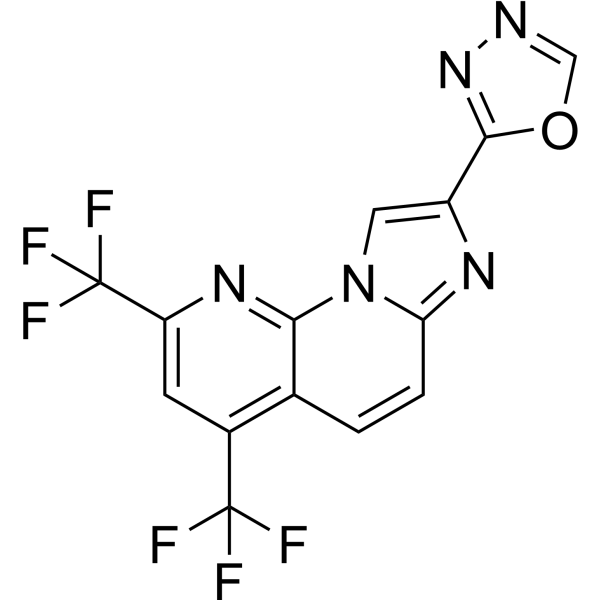
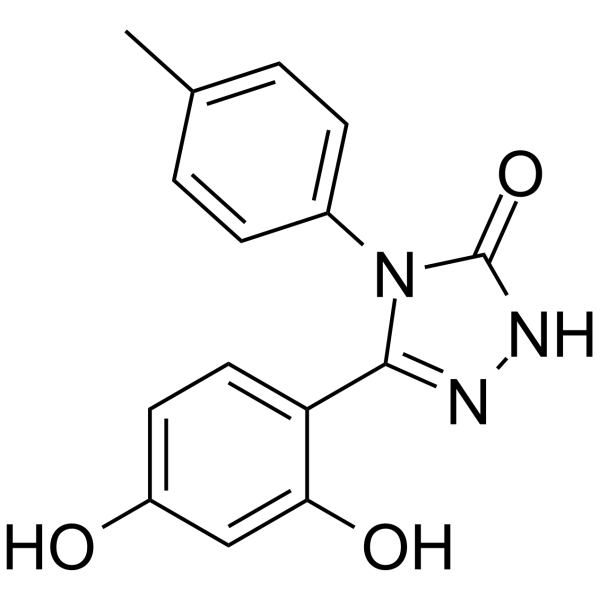
RO8191 (CDM-3008), an imidazonaphthyridine compound, is an orally active and potent interferon (IFN) receptor agonist. RO8191 directly binds to IFNα/β receptor 2 (IFNAR2) and activates IFN-stimulated genes (ISGs) expression and JAK/STAT phosphorylation. RO8191 shows antiviral activity against both HCV and EMCV with an IC50 of 200 nM for HCV replicon . RO8191 is a cccDNA modulator (CDM) through interferon-like activity and has anti-HBV activity .
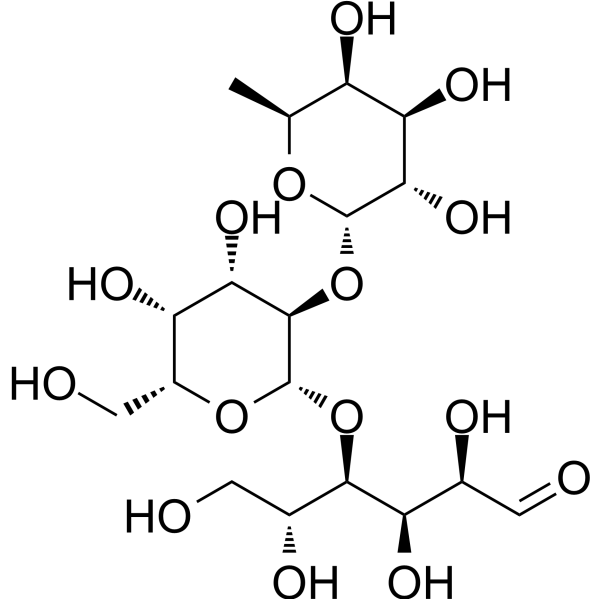
2'-Fucosyllactose (2'-FL) is an oligosaccharide that could be derived from human milk. 2'-Fucosyllactose regulates the expression of CD14, alleviates colitis and regulates the gut microbiome. 2'-Fucosyllactose stimulates T cells to increase IFN-γ production and decreases IL-6, IL-17, and TNF-α production of cytokines .
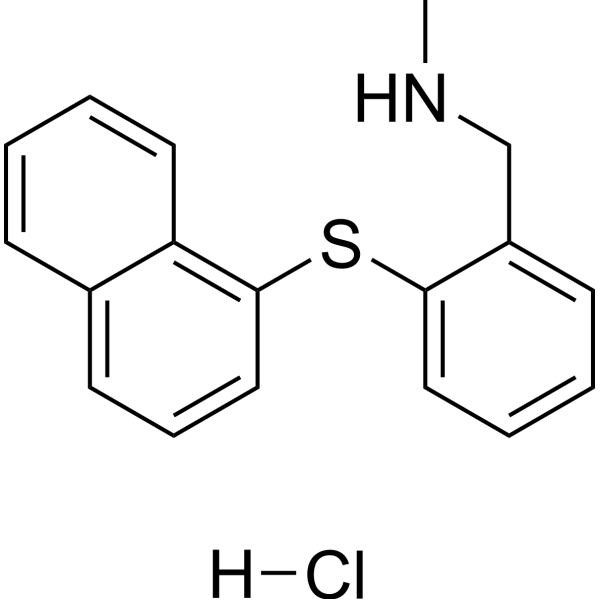
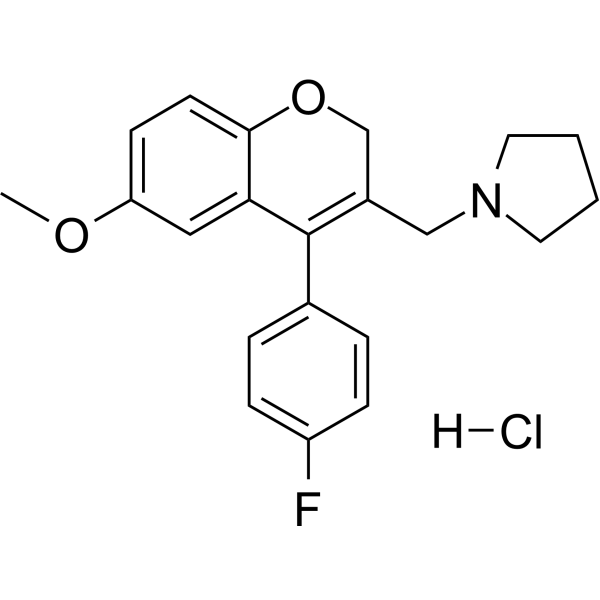
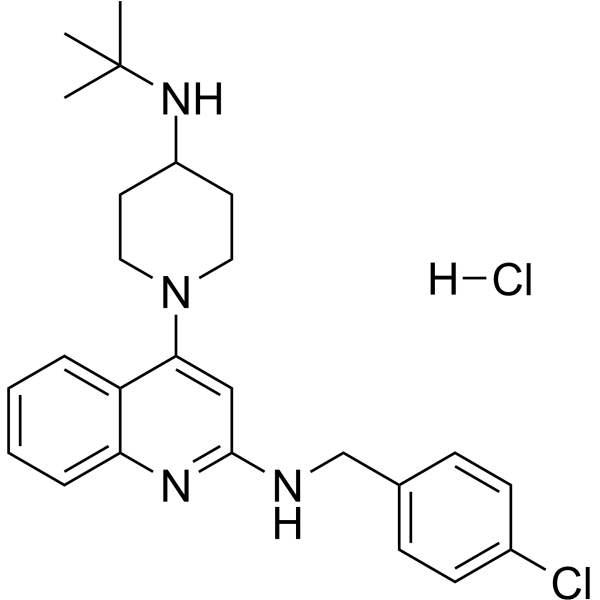
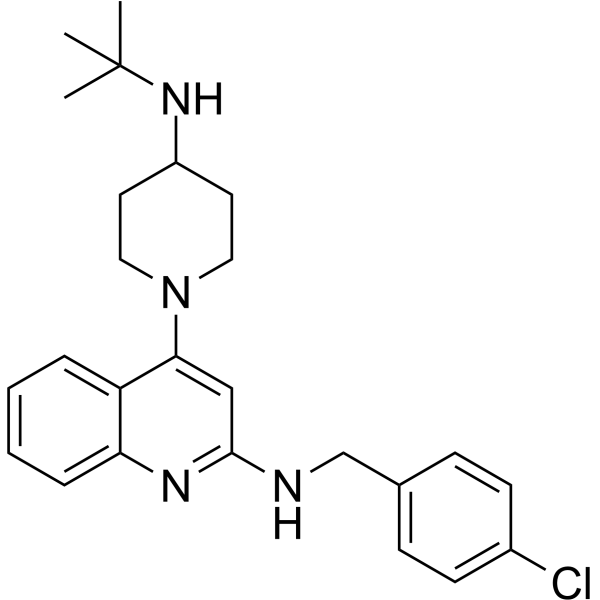
IFNalpha-IFNAR-IN-1 hydrochloride is a nonpeptidic, low-molecular-weight inhibitor of the interaction between IFN-α and IFNAR. IFNalpha-IFNAR-IN-1 hydrochloride inhibits modified Vaccinia virus ankara (MVA)-induced IFN-α responses in murine bone-marrow-derived, Flt3- L-differentiated pDC cultures (BM-pDCs) (IC50=2-8 μM) .
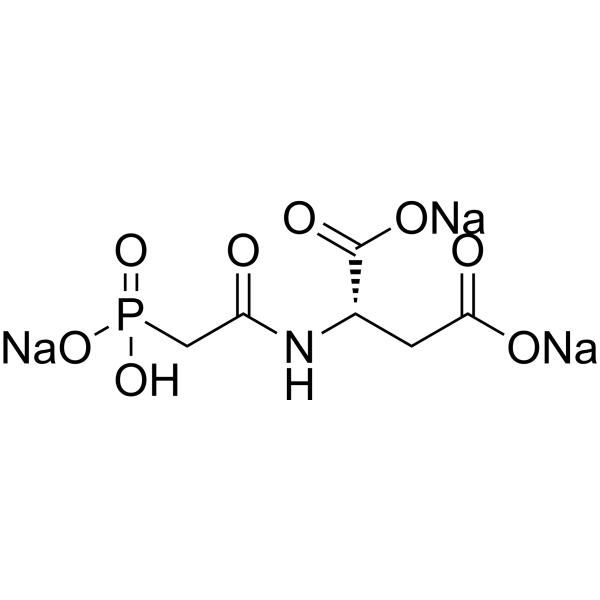
Sparfosic acid trisodium is a DNA antimetabolite agent and a potent inhibitor of aspartate transcarbamoyl transferase. Aspartate transcarbamoyl transferase catalyzes the second step of de novo pyrimidine biosynthesis. Sparfosic acid trisodium synergistically enhances the cytotoxicity of a combination of 5-fluorouracil (5-FU) and interferon-alpha (IFN) against human colon cancer cell lines .
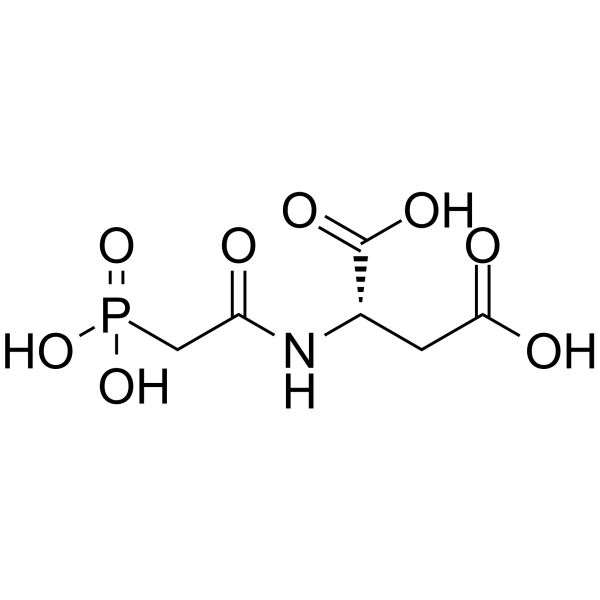
Sparfosic acid, a DNA antimetabolite agent, is a potent inhibitor of aspartate transcarbamoyl transferase, the enzyme catalyzing the second step of de novo pyrimidine biosynthesis. Sparfosic acid synergistically enhances the cytotoxicity of a combination of 5-fluorouracil (5-FU) and interferon-alpha (IFN) against human colon cancer cell lines .
Vonafexor (EYP001) is an orally active, non-steroidal and selective FXR agonist. Vonafexor shows significant HBsAg reduction when combined with Peg-IFNα. Vonafexor can be used for anti-HBV research .
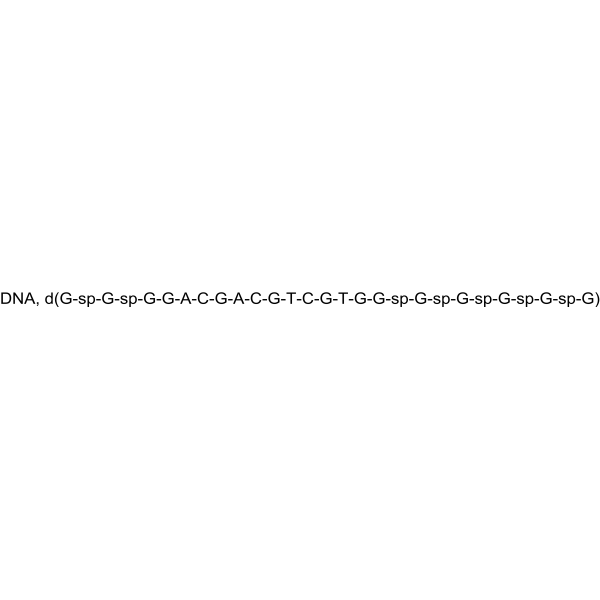
ODN 1585 is a potent inducer of IFN and TNFα production. ODN 1585 is a potent stimulator of NK (natural killer) function. ODN 1585 increases CD8+ T-cell function, including the CD8+ T cell-mediated production of IFN-γ. ODN 1585 induces regression of established melanomas in mice. ODN 1585 can confer complete protection against malaria in mice. ODN 1585 can be used for acute myelogenous leukemia (AML) and malaria research. ODN 1585 can be used as a vaccine adjuvant .
Cbl-b-IN-1 (Example 519) is an inhibitor of Cbl-b, with an IC50 of less than 100 nM. Cbl-b-IN-1 can promote the secretion of cytokines such as IL-2, IFN-γ, and TNF-α, facilitate T cell activation, and enhance the TCR signaling pathway. Cbl-b-IN-1 can be used in research on immunomodulation .
Sifalimumab (MEDI-545) is an anti-IFNα monoclonal antibody. Sifalimumab suppresses the abnormal immune activity by binding to multiple interferon-alpha (IFNα) subtypes. Sifalimumab can be used in systemic lupus erythematosus (SLE) research .
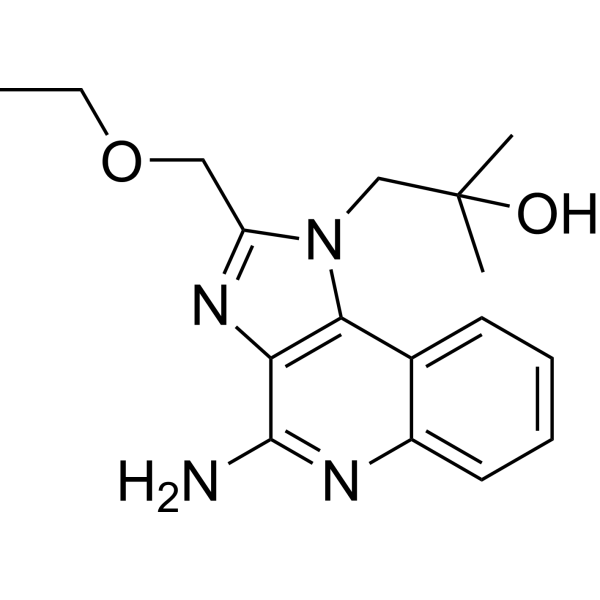
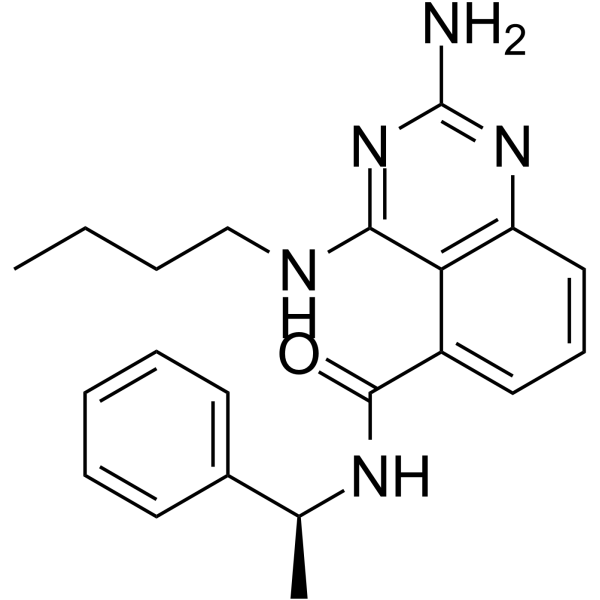
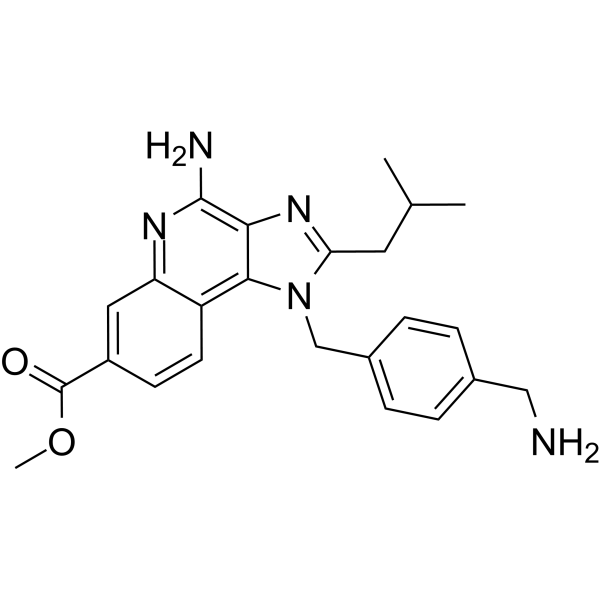
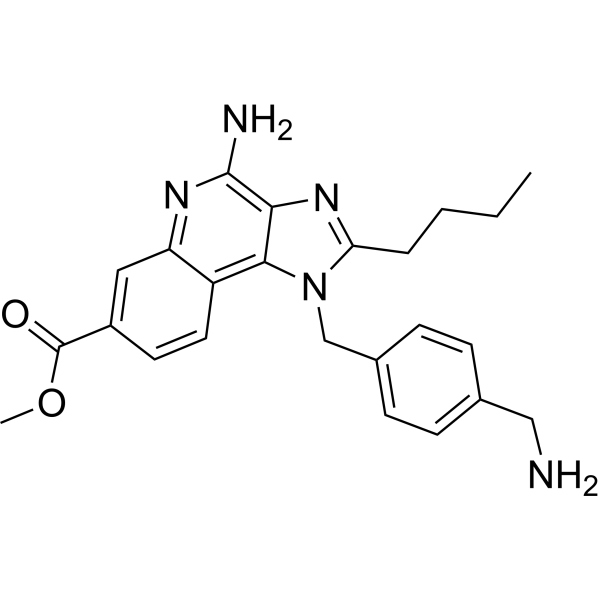
TLR7 agonist 1 is a selective TLR7 agonist with an LEC value of 90 nM. TLR7 agonist 1 activates downstream immune regulation and shows no activity against TLR8. TLR7 agonist 1 induces endogenous IFN-α production in mice .
Anti-CD8α Antibody (OKT-8) is an anti-human CD8α IgG2a monoclonal antibody. Anti-CD8α Antibody (OKT-8) can reduce the secretion of IFNγ. Anti-CD8α Antibody (OKT-8) can deplete CD8 + T cells. Anti-CD8α Antibody (OKT-8) can be used for researches on inflammation conditions and cancer such as B non-Hodgkin lymphomas (B-NHLs). The recommend isotype control of Anti-CD8α Antibody (OKT-8): Mouse IgG2a kappa, Isotype Control (HY-P99978) .
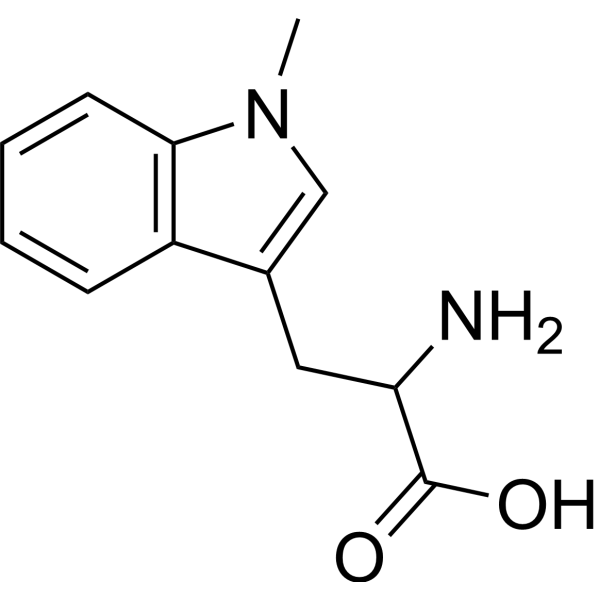
(Rac)-Indoximod (1-Methyl-DL-tryptophan) is an indoleamine 2,3-dioxygenase (IDO) inhibitor. Co-treatment with IFN-γ and (Rac)-Indoximod markedly reduces the activity of human cardiac myofibroblasts (hCMs) expressing α-SMA and induces apoptosis through up-regulating the IRF-1, Fas, and FasL genes .
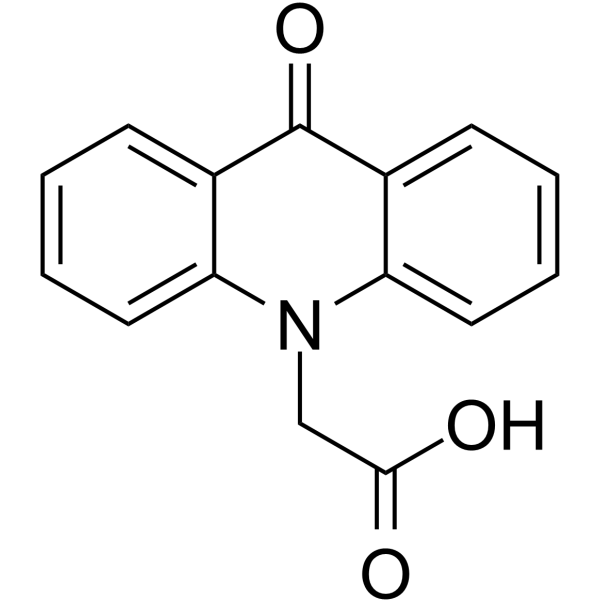
Cridanimod is a potent progesterone receptor (PR) activator mediated through induction of IFNα and IFNβ expression. Cridanimod is a small-molecule immunomodulator and interferon inducer .
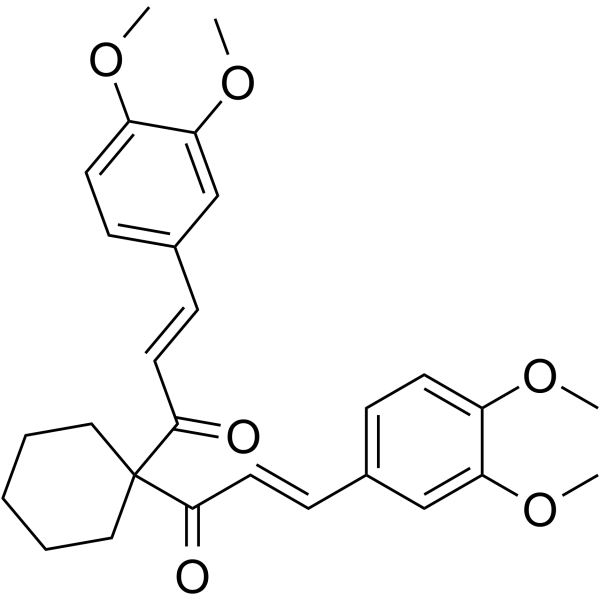
FLLL32, a synthetic analog of curcumina, is a JAK2/STAT3 dual inhibitor with anti-tumor activity. FLLL32 can inhibit the induction of STAT3 phosphorylation by IFNα and IL-6 in breast cancer cells .
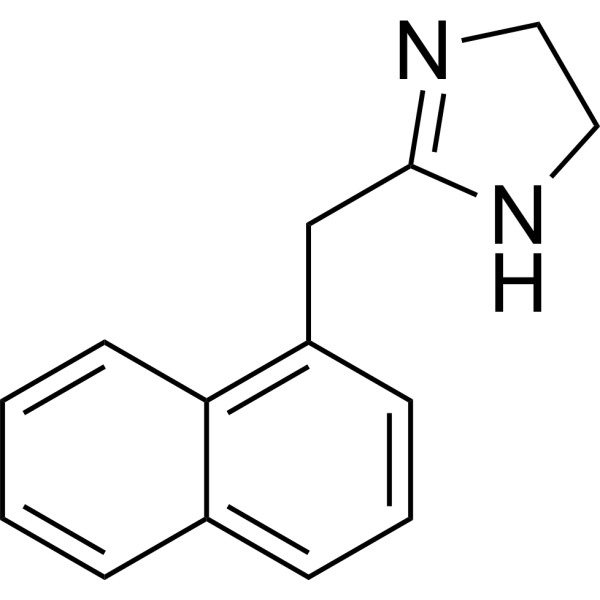
Naphazoline (Naphthazoline) is a potent α-adrenergic receptor agonist. Naphazoline reduces vascular hyperpermeability and promotes vasoconstriction. Naphazoline reduces the levels of inflammatory factors (TNF-α, IL-1β and IL-6), cytokines (IFN-γ and IL-4), IgE, GMCSF, and NGF. Naphazoline can be used for non-bacterial conjunctivitis research .
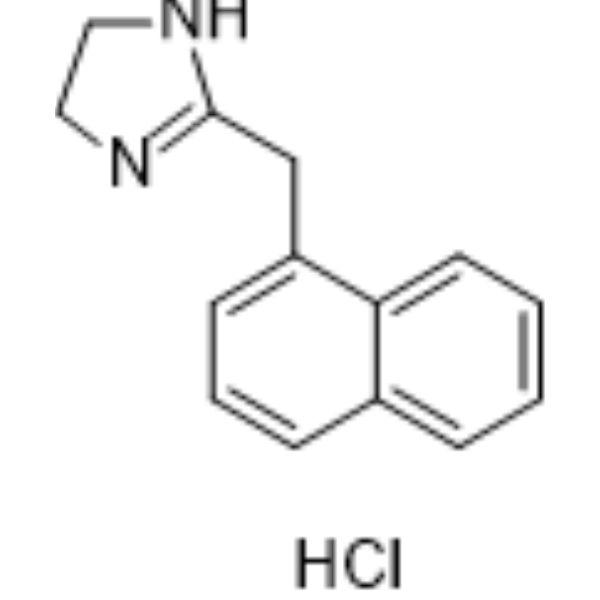
Naphazoline (Naphthazoline) hydrochloride is a potent α-adrenergic receptor agonist. Naphazoline hydrochloride reduces vascular hyperpermeability and promotes vasoconstriction. Naphazoline hydrochloride reduces the levels of inflammatory factors (TNF-α, IL-1β and IL-6), cytokines (IFN-γ and IL-4), IgE, GMCSF, and NGF. Naphazoline hydrochloride can be used for non-bacterial conjunctivitis research .
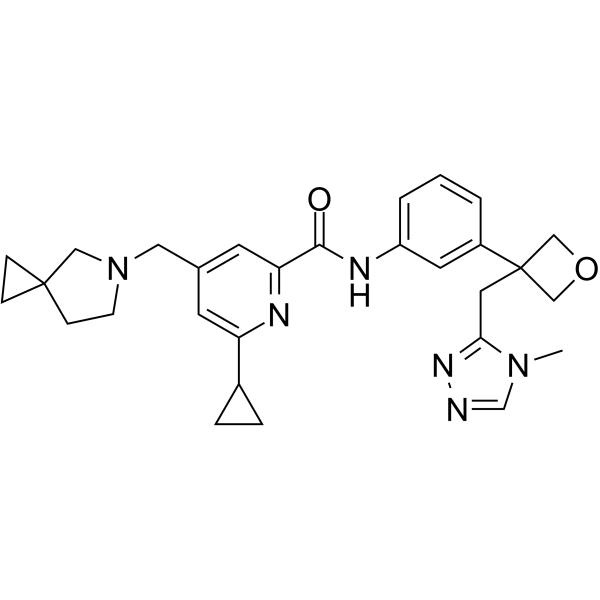
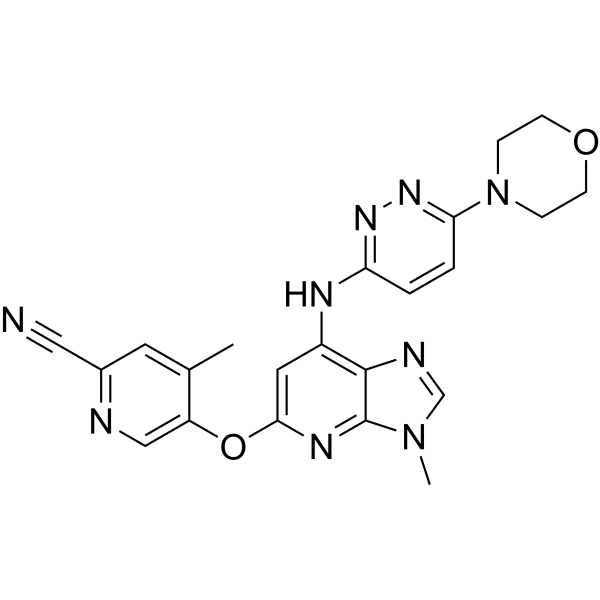
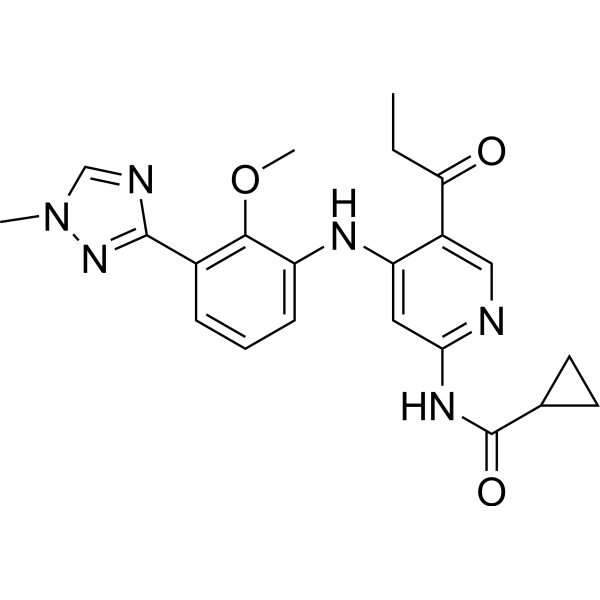
Cadefrecitinib (GLPG3667) is a reversible, ATP-competitive and orally active TYK2 inhibitor with an IC50 of 2.3 nM. Cadefrecitinib inhibits IFNα/pSTAT1, and the IC50 values in human peripheral blood mononuclear cell (PBMC) and whole blood assays are 70 nM and 623 nM, respectively. Cadefrecitinib has the potential for the study of inflammatory and autoimmune diseases .
Tepoditamab (MCLA-117) is a full-length human IgG1 bispecific monoclonal antibody that binds to CLEC12A of myeloid cells and CD3 of cytotoxic T cells. Among others, CLEC12A is a myeloid differentiation antigen. Tepoditamab kills AML leukaemia mother cells and AML leukaemia stem cells, induces T cell-mediated proliferative lysis of AML cells. Tepoditamab induces upto 30-fold T-cell expansion. Tepoditamab results in moderate to strong cytokine (IFNγ, IL-6, IL-8, IL-10, and TNFα) and IFNγ release in human whole blood and PBMC, respectively. Tepoditamab can be used in acute myeloid leukaemia (AML) research .
Modakafusp alfa (TAK-573) is a humanized, anti-CD38IgG4 monoclonal antibody fused to 2 attenuated IFNα2b molecules, which delivers interferon-alpha to CD38-expressing cells. Modakafusp alfa has direct anti-proliferative activity on multiple myeloma (MM) cancer cells in vitro and induces robust and durable antitumor responses in MM xenograft tumor models. Modakafusp alfa in combination with anti-PD-1 antibodies induces immunomodulation and antitumor responses with good tolerance in mice .
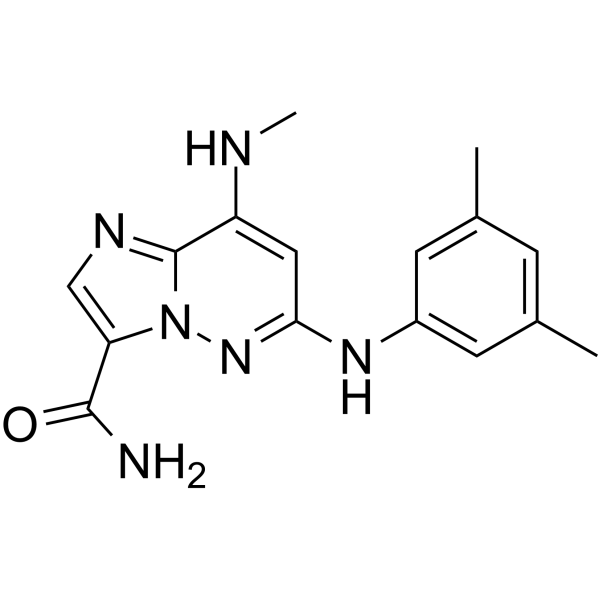
TyK2-IN-2 (Compoud 18) is a potent and selective TYK2 inhibitor with IC50s of 7 nM, 0.1 μM and 0.05 μM for TYK2 JH2, IL-23 and IFNα, respectively. TyK2-IN-2 also inhibits phosphodiesterase 4 (PDE4) with an IC50 of 62 nM. TyK2-IN-2 can be used for the research of inflammatory and autoimmune diseases .
GSK2245035 is a highly potent and selective intranasal Toll-Like receptor 7 (TLR7) agonist with preferential Type-1 interferon (IFN)-stimulating properties. GSK2245035 has pEC50s of 9.3 and 6.5 for IFNα and TFNα. GSK2245035 effectively suppresses allergen-induced Th2 cytokine production in human peripheral blood cell cultures. GSK2245035 is used for asthma .
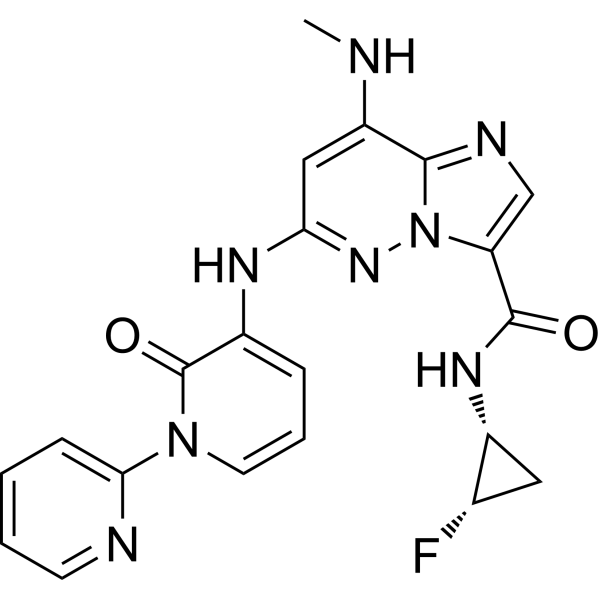
Tyk2-IN-5 (compound 6) is a potent, selective and orally active tyrosine kinase 2 (Tyk2) inhibitor that acts on the JH2 structural domain. Tyk2-IN-5 shows a Ki value of 0.086 nM for Tyk2 JH2 and an IC50 value of 25 nM for IFNα. Tyk2-IN-5 efficiently inhibits the production of IFNγ in a pharmacodynamic rat model and is fully efficacious in a rat model of arthritis .
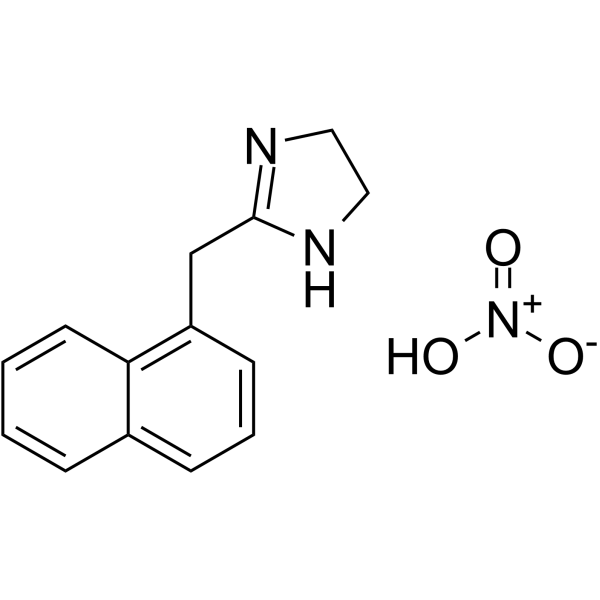
Naphazoline (Naphthazoline) nitrate is an α-adrenergic receptor agonist. Naphazoline nitrate reduces vascular hyperpermeability and promotes vasoconstriction. Naphazoline nitrate reduces the levels of inflammatory factors (TNF-α, IL-1β and IL-6), cytokines (IFN-γ and IL-4), IgE, GMCSF, and NGF. Naphazoline nitrate can be used for non-bacterial conjunctivitis research .
ODN 1585 sodium is a potent inducer of IFN and TNFα production. ODN 1585 sodium is a potent stimulator of NK (natural killer) function. ODN 1585 sodium increases CD8+ T-cell function, including the CD8+ T cell-mediated production of IFN-γ. ODN 1585 sodium induces regression of established melanomas in mice. ODN 1585 sodium can confer complete protection against malaria in mice. ODN 1585 sodium can be used for acute myelogenous leukemia (AML) and malaria research. ODN 1585 sodium can be used as a vaccine adjuvant .
AJ2-71 is a SLCl5A4 inhibitor. AJ2-71 inhibits IFN-α production. AJ2-71 blocks SLC15A4-mediated MDP transport. AJ2-71 can be used for research of inflammation .
Mesopram (Daxalipram) is an orally active phosphodiesterase (PDE) 4 inhibitor. Mesopram inhibits the synthesis of proinflammatory cytokines TNF-α and IFN-γ. Mesopram demonstrates efficacy in ameliorating Dextran sulfate sodium (DSS) (HY-116282C)-induced murine colitis. Mesopram can be used for the study of chronic inflammatory diseases .
Vidutolimod (CMP-001) is a virus-like particle containing a TLR9 activator . Vidutolimod induces human peripheral blood mononuclear cells to secrete IFNα, and upregulates the gene expression of CXCL10, PDL1, IDO and CD80. Vidutolimod activates TLR9, which in turn triggers plasmacytoid dendritic cell activation, production of IFNγ and TNFα, induction of CXCL10, and recruitment of antitumor T cells. Vidutolimod causes influenza-like symptoms, hypotension and tumor regression, and its activity depends on the presence of anti-Qβ antibodies. Vidutolimod modulates monocyte function, promotes CD4 T cell proliferation, and activates multiple immune cell types in an environment with anti-Qβ antibodies. Vidutolimod prolongs the survival of tumor-bearing mice. Vidutolimod is used in research related to advanced melanoma, head and neck squamous cell carcinoma, and advanced non-small cell lung cancer .
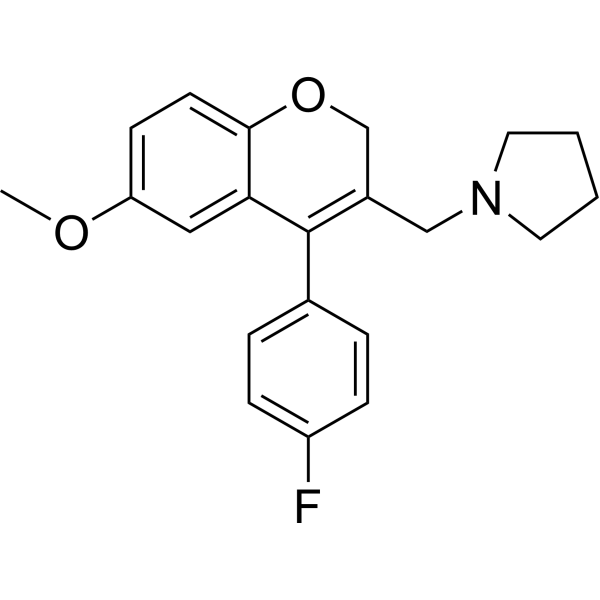
IFNalpha-IFNAR-IN-1 is a nonpeptidic, low-molecular-weight inhibitor of the interaction between IFN-α and IFNAR. IFNalpha-IFNAR-IN-1 inhibits modified Vaccinia virus ankara (MVA)-induced IFN-α responses in murine bone-marrow-derived, Flt3- L-differentiated pDC cultures (BM-pDCs) (IC50=2-8 μM) .
Vidutolimod sodium is a CpG-A oligodeoxynucleotide. Vidutolimod sodium is a Toll-like receptor 9 (TLR9) agonist, which activates plasmacytoid dendritic cells (pDCs) and triggers interferon alpha (IFNα) release, leading to a cascade of anti-tumor immune effects.
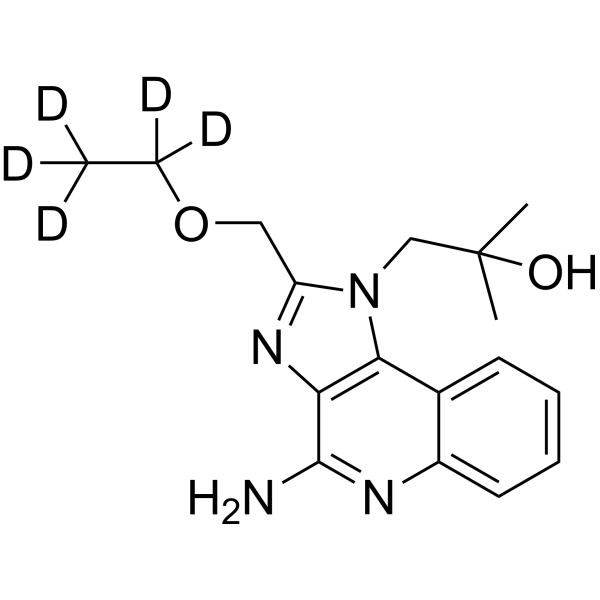
Resiquimod-d5 is deuterium labeled Resiquimod. Resiquimod is a Toll-like receptor 7 and 8 (TLR7/TLR8) agonist that induces the upregulation of cytokines such as TNF-α, IL-6 and IFN-α .
CARM1-IN-6 is a potent CARM1 inhibitor that inhibits CARM1 enzymatic activity with an IC50 of 12.3 μM and a Kd of 0.6785 μM. CARM1-IN-6 suppresses oncogenic estrogen/ERα-target gene expression, activates type I interferon (IFN) and IFN-induced genes (ISGs), induces cell cycle arrest, and inhibits breast cancer cell proliferation both in vitro and in vivo. CARM1-IN-6 can be used for the research of breast cancer .
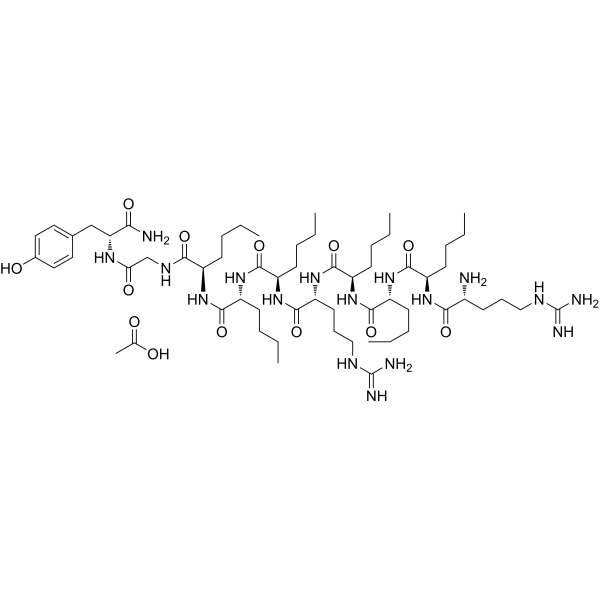
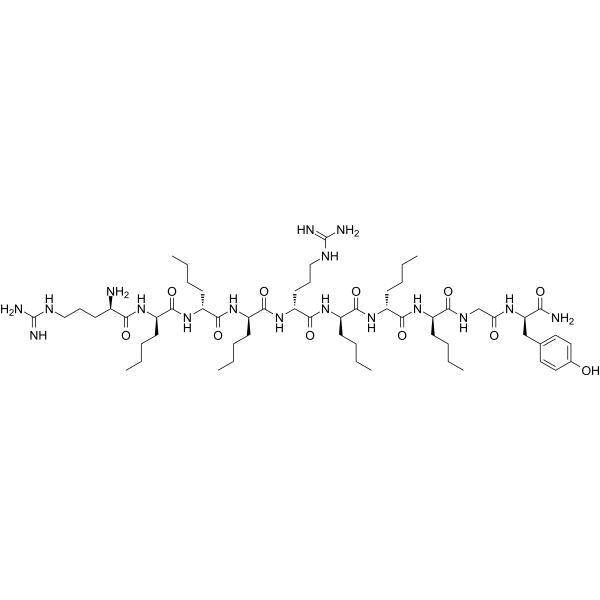
Delmitide (RDP58) acetate is an orally active d-isomer decapeptide with potent anti-inflammatory activity. Delmitide acetate inhibits production of TNF-α, IFN-γ, and interleukin (IL)-12, and up-regulates heme oxygenase 1 activity. Delmitide acetate can be used for the research of ulcerative colitis .
ODN 2336 sodium is a A-Class CpG ODN (oligodeoxynucleotides), is a potent TLR9 agonist. ODN 2336 sodium induces the production of IFN-α. ODN 2336 sodium up-regulates the expression of IP-10 mRNA and IL-18 mRNA. ODN 2336 sodium can be used as adjuvant of vaccines .
ODN INH-18 sodium is a linear 24-mer class B INH-ODN in which the 5' INH-ODN 4084-F sequence was followed by a random stretch of 12 nucleotides lacking the ability to form significant secondary structures. ODN INH-18 sodium showes inhibitory potency for TLR9 ligand-induced IFN-α production.
ssRNA42 (sodium) is a 20-mer phosphothioate protected single-stranded RNA oligonucleotide. ssRNA42 (sodium) derives from ssRNA40 by replacement of all G nucleotides with adenosine. ssRNA42 activated human PBMCs to secrete IFN-α, TNF-a, IL- 12p40, and IL-6, but ssRNA42 failed to stimulated murine pDCs and PBMCs.
MG-T-19 is an effective TIM-3 inhibitor that can suppress the interaction of TIM-3 with PtdSer, CEACAM1, and Gal-9. MG-T-19 can increase the production of tumor necrosis factor-α(TNF-α) and interferon-γ (IFN-γ) in peripheral blood mononuclear cells (PBMCs) from healthy donors, and enhance the ability of PBMCs to inhibit the proliferation of Kasumi-1 cells (an acute myelogenous leukemia cell line) .
TLR7/8 antagonist 1 (Compound 16c) is a competitive TLR7/8 antagonist with IC50 values of 3.91 μM and 2.19 μM, respectively. TLR7/8 antagonist 1 reduces agonist-induced production of proinflammatory cytokines, including TNFα, IFNγ and IL-1β .
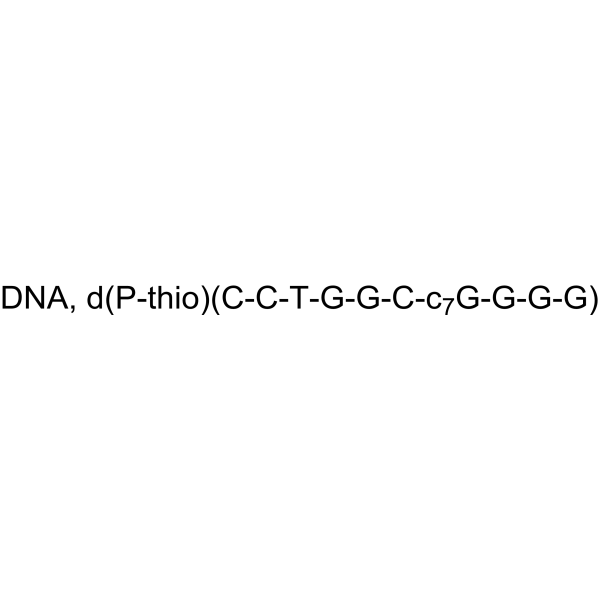
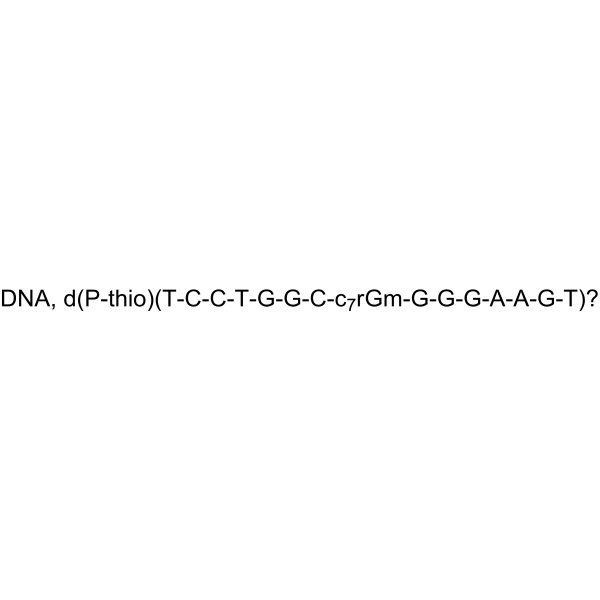
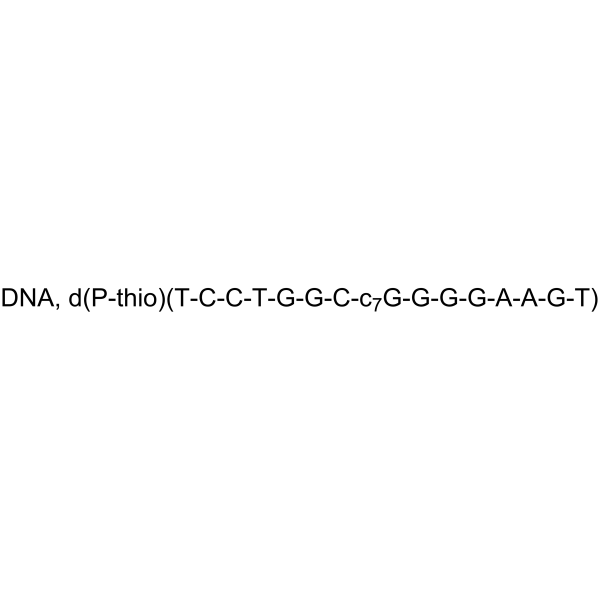
ODN 24987 sodium is a Guanine-modified inhibitory oligonucleotides (ODN), targeting TLR9. ODN 24987 can inhibit IL-6 and IFN-α release. ODN 24987 sodium can be used for research immune disorders. ODN 24987 sequence: 5’-C-C-T-G-G-C-c7G-G-G-G-3’ .
Anti-Mouse IFNγR/CD119 Antibody (GR-20) is a rat-derived IgG2a κ type antibody inhibitor, targeting to mouse IFNγR/CD119.Anti-Mouse IFNγR/CD119 Antibody (GR-20) reacts with the mouse IFNγR (interferon gamma receptor) α chain also known as CD119 and IFNγ receptor 1. Anti-Mouse IFNγR/CD119 Antibody (GR-20) blocks the binding of IFNγ to CD119 therefore inhibiting IFNγ signaling. Anti-Mouse IFNγR/CD119 Antibody (GR-20) can be used for the researches of cancer, infection, inflammation and immunology, such as melanoma and C. trachomatis infected genital tract inflammation .
CL9 sodium, a RIG-I-specific RNA aptamer, activates signaling pathways for IFNβ produciton and efficiently blocks viral replication. RIG-I is a cytosolic receptor for non-self RNA that mediates immune responses against viral infections through IFNα/β prod
ODN 21158 is a potent G-modified TLR3 and TLR9 inhibitor. ODN 21158 shows no cytotoxic. ODN 21158 inhibits IFN-α secretion in a dose dependent manner .
Delmitide (RDP58) is an orally active d-isomer decapeptide with potent anti-inflammatory activity. Delmitide inhibits production of TNF-α, IFN-γ, and interleukin (IL)-12, and up-regulates heme oxygenase 1 activity. Delmitide can be used for the research of ulcerative colitis .
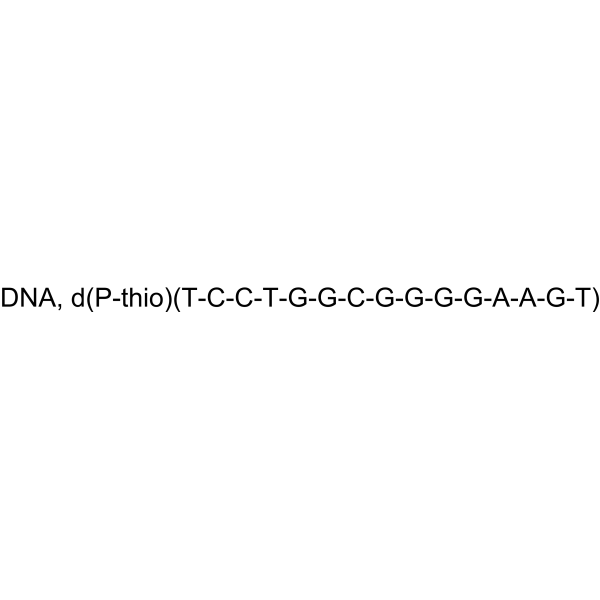
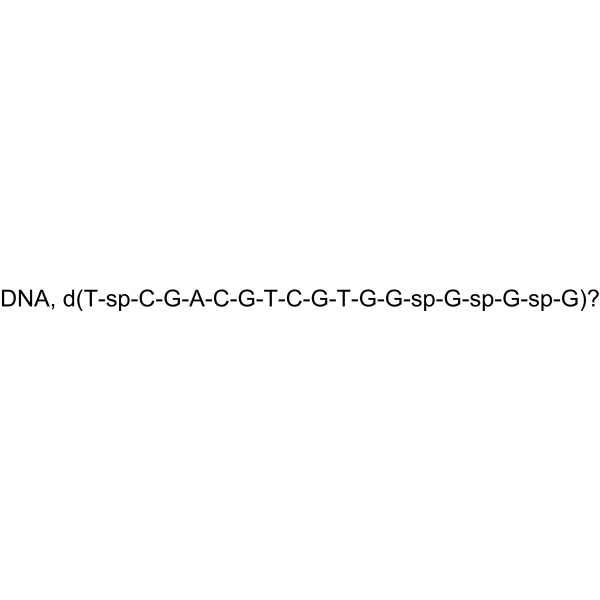
ODN 6016 sodium is a CpG-A oligonucleotides. ODN 6016 sodium can induce IFN-α production, and can be used for researching immune disorders including immunodeficiency caused by HIV-1. ODN 6016 sequence: T-sp-C-G-A-C-G-T-C-G-T-G-G-sp-G-sp-G-sp-G .
ODN 6016 is a CpG-A oligonucleotides. ODN 6016 can induce IFN-α production, can be used for researching immune disorders including immunodeficiency caused by HIV-1. ODN 6016 sequence: T-sp-C-G-A-C-G-T-C-G-T-G-G-sp-G-sp-G-sp-G .
KBD4466 is an orally active potent TLR7 and TLR8 inhibitor with IC50s of 0.9 nM and 2.8 nM, respectively. KBD4466 inhibits the expression of inflammatory cytokines IL-6 andIFN-α. KBD4466 improves disease progression and survival in the BXSB/MpJ mouse model of Systemic Lupus Erythematosus (SLE). KBD4466 can be used in the study of autoimmune diseases .
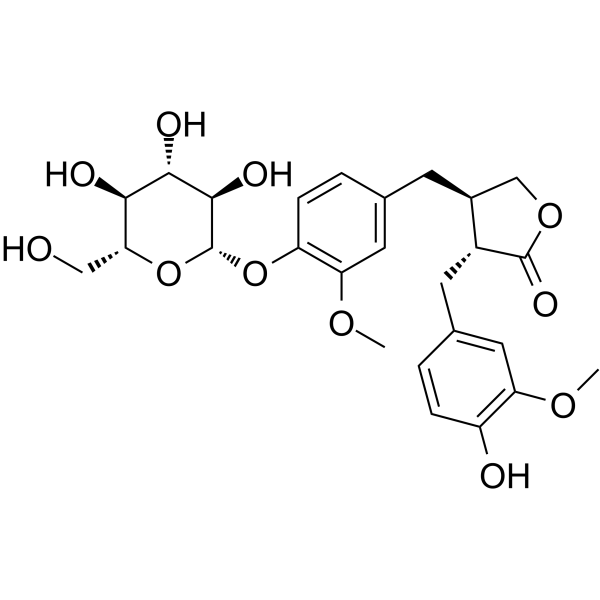
Matairesinol monoglucoside is a STING activator. Matairesinol monoglucoside modulates the STING-TBK1-IRF3 signaling axis, promotes STING transcriptional expression, increases TBK1 and IRF3 phosphorylation. Matairesinol monoglucoside induces IFN-α and IFN-β production, reduces HBV DNA, HBsAg, and HBeAg expression. Matairesinol monoglucoside can be used for the research of hepatitis b virus (hbv) infection .
GLPG4471 is a selective and orally active IRAK4 inhibitor with an IC50 of 1.7 nM. GLPG4471 exhibits potent inhibition of cytokine (TNFα and IFNα) secretion in cellular and whole blood phenotypic assays. GLPG4471 displays significant activity in a mouse model of collagen-induced arthritis. GLPG4471 can be used for the study of arthritis .
ODN 2336 is a A-Class CpG ODN (oligodeoxynucleotides), is a potent TLR9 agonist. ODN 2336 induces the production of IFN-α. ODN 2336 up-regulates the expression of IP-10 mRNA and IL-18 mRNA. ODN 2336 can be used as adjuvant of vaccines .
ODN 24888 sodium is an guanine-modified inhibitory oligonucleotides (INH-ODN), shows potent inhibition on TLR7/TLR9-mediated signaling. ODN 24888 sodium impairs IFN-α level and NF-κB activation, inhibits IL-6 release. ODN 24888 sodium involves in immune and inflammatory responses, can be used as a vaccine adjuvant .
ODN 24987 is a Guanine-modified inhibitory oligonucleotides (ODN), targeting TLR9. ODN 24987 can inhibit IL-6 and IFN-α release. ODN 24987 can be used for research immune disorders. ODN 24987 sequence: 5’-C-C-T-G-G-C-c7G-G-G-G-3’ .
TLR7 agonist 29 (Compound 1) is the agonist for TLR7 with an EC50 of 5.2 nM for human TLR7 (EC50 for mouse TLR7 is 48.2 nM). TLR7 agonist 29 activates bone marrow-derived macrophages (BMDMs), stimulates myeloid cells in the tumor microenvironment, promotes the expression of PD-L1, CD86 and IFN-α. TLR7 agonist 29 can be used as payload for synthesis of ADC .
Resiquimod (Standard) is the analytical standard of Resiquimod. This product is intended for research and analytical applications. Resiquimod is a Toll-like receptor 7 and 8 (TLR7/TLR8) agonist that induces the upregulation of cytokines such as TNF-α, IL-6 and IFN-α.
S-27609 is an imidazoquinoline with antiviral and antitumour properties. S-27609 can induce peripheral blood mononuclear cells to produce various cytokines such as interferon-α (IFN-α), tumor necrosis factor-α (TNF-α), and interleukin-1β (IL-1β). S-27609 is promising for research of viral infections (e.g., herpes virus) and tumors .
VB-85247 is a STING agonist. VB-85247 induces upregulation of inflammatory cytokines IFNα/β, TNFα, IL6, and CXCL10, as well as maturation and activation of dendritic cells by activating the STING pathway. VB-85247 can achieve regression of intrabladder tumors and can be used in bladder cancer research .
ODN INH-18 is a linear 24-mer class B INH-ODN in which the 5' INH-ODN 4084-F sequence was followed by a random stretch of 12 nucleotides lacking the ability to form significant secondary structures. ODN INH-18 showes inhibitory potency for TLR9 ligand-induced IFN-α production.
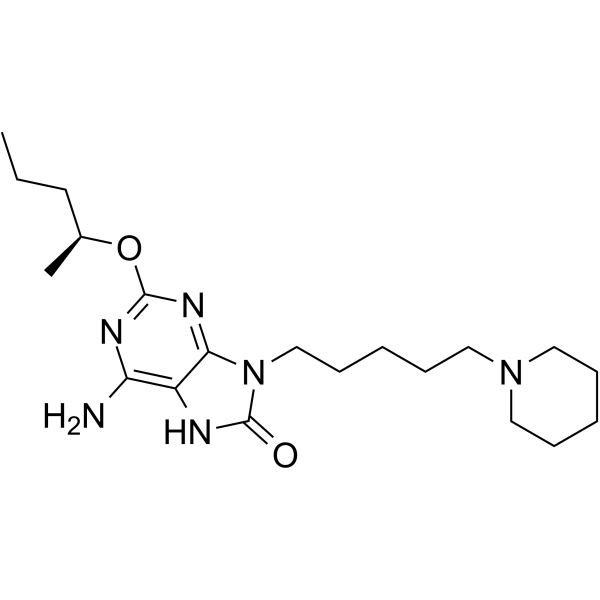
AZ12441970 is a potent and selectiveToll-like receptor 7 (TLR7) agonist, exhibiting pEC50s of 6.8 and 6.6 for human and rat TLR7. AZ12441970 shows efficacy in a mouse allergic airway model with minimal induction of systemic IFN-α. AZ12441970 can be used for allergic airway disease research .
ODN 24888 is an guanine-modified inhibitory oligonucleotides (INH-ODN), shows potent inhibition on TLR7/TLR9-mediated signaling. ODN 24888 impairs IFN-α level and NF-κB activation, inhibits IL-6 release. ODN 24888 involves in immune and inflammatory responses, can be used as a vaccine adjuvant .
AGS-009 is a humanized monoclonal neutralising antibody targeting IFN-α. AGS-009 significantly reduces activated lymphocytes, such as CD4 + and CD8 + T cells as well as B cells in SIV infection rhesus macaque models. AGS-009 can be used for autoimmune diseases like systemic lupus erythematosus (SLE) and HIV infections research .
ASP8374 is a human IgG4 monoclonal antibody (mAb) targeting TIGIT. ASP8374 increases IL-2 production in Jurkat cells and IFN-γ and TNF-α production in human PBMCs. ASP8374 can be used in advanced solid tumors research. Recommended isotype control: Human IgG4 kappa, Isotype Control (HY-P99003) .
(rac)-Lomedeucitinib ((rac)-BMS-986322) is the racemate of Lomedeucitinib. Lomedeucitinib (BMS-986322) is a tyrosine protein kinase (TYK2) inhibitor. Lomedeucitinib has anti-inflammatory activity and significant inhibitory effect on IFNα (IC50=0.047 μM) production downstream of IL-12/TYK2. Lomedeucitinib is indicated for the study of plaque psoriasis and pruritus .
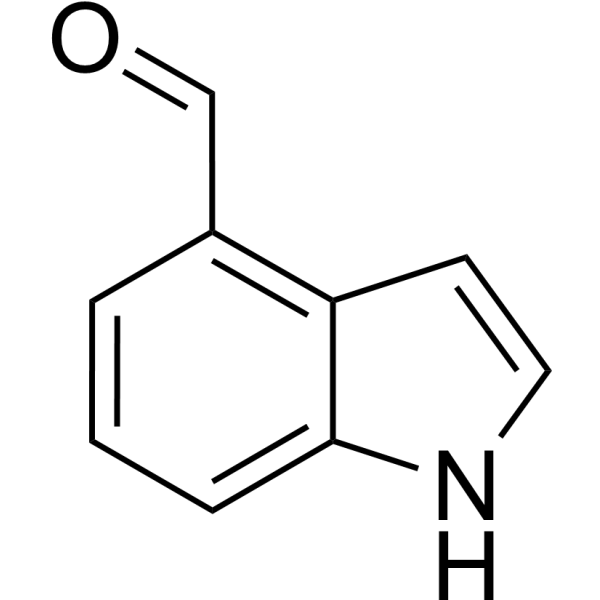
Indole-4-carboxaldehyde is an ergot alkaloid precursor. Indole-4-carboxaldehyde attenuates the methylglyoxal (MGO)-induced expression of inflammatory-related genes, such asTNF-α and IFN-γ by activating NF-κB without toxicity in HepG2 cells. Indole-4-carboxaldehyde reduces the MGO-induced AGE formation and the expression of the receptor for AGE (RAGE). Indole-4-carboxaldehyde can be used for the study of hepatic steatosis .
Anti-Mouse IFNγRα/CD119 Antibody (2E2) is an Armenian hamster-derived IgG type antibody inhibitor, targeting to mouse IFNγRα/CD119. Anti-Mouse IFNγRα/CD119 Antibody (2E2) reacts with the mouse IFNγR (interferon gamma receptor) α chain also known as CD119 and IFNγ receptor 1. Anti-Mouse IFNγRα/CD119 Antibody (2E2) is a non-neutralizing antibody and does not block the binding of IFNγ to the receptor. Anti-Mouse IFNγRα/CD119 Antibody (2E2) can be used for detections of western blot, flow cytometry and immunoprecipitation .
Cridanimod is a potent progesterone receptor (PR) activator mediated through induction of IFNα and IFNβ expression. Cridanimod is a small-molecule immunomodulator and interferon inducer .
GSK2245035 maleate is a highly potent and selective intranasal Toll-Like receptor 7 (TLR7) agonist with preferential Type-1 interferon (IFN)-stimulating properties. GSK2245035 maleate has pEC50s of 9.3 and 6.5 for IFNα and TFNα. GSK2245035 maleate effectively suppresses allergen-induced Th2 cytokine production in human peripheral blood cell cultures. GSK2245035 maleate is used for asthma .
Biotin-labeled ODN 1585 (sodium) is a potent inducer of IFN and TNFα production. Biotin-labeled ODN 1585 (sodium) can be used to evaluate CpG ODN cellular uptake and localization using a biotin detection system and light microscopy.
IFNA1 Human Pre-designed siRNA Set A contains three designed siRNAs for IFNA1 gene (Human), as well as a negative control, a positive control, and a FAM-labeled negative control.
FITC-labeled ODN 1585 (sodium) is a potent inducer of IFN and TNFα production. FITC-labeled ODN 1585 (sodium) can be used to evaluate CpG ODN cellular uptake and localization by confocal laser-scanning microscopy (excitation 495 nm, emission 520 nm) or flow cytometry.
JAK-IN-26 (compound 2) is an orally active JAK inhibitor with good pharmacokinetic characteristics. JAK-IN-26 inhibits IFN-α2B-induced phosphorylation of STAT3 in Jurkat cells (IC50=17.2 nM) .
ODN 21595 is a Guanine-Modified TLR7 and TLR9 inhibitor. ODN 21595 inhibits the release of IFN-α and IL-6 with no cytotoxic. ODN 21595 reduces the expression of CD86 and HLA-DR. ODN 21595 has the potential for the research of systemic lupus erythematosus (SLE) .
ODN 21595 sodium is a Guanine-Modified TLR7 and TLR9 inhibitor. ODN 21595 sodium inhibits the release of IFN-α and IL-6 with no cytotoxic. ODN 21595 sodium reduces the expression of CD86 and HLA-DR. ODN 21595 sodium has the potential for the research of systemic lupus erythematosus (SLE) .
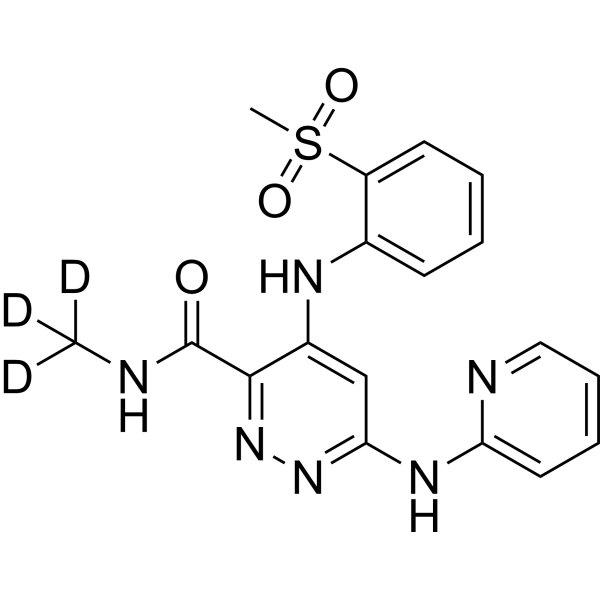
Tyk2-IN-18-d3 (Compound 18) is a Tyk2 inhibitor with an IC50 value of < 30 nM for both IL-23 and IFNα. Tyk2-IN-18-d3 can be used for research on autoimmune diseases .
Naphazoline (hydrochloride) (Standard) is the analytical standard of Naphazoline (hydrochloride). This product is intended for research and analytical applications. Naphazoline (Naphthazoline) hydrochloride is a potent α-adrenergic receptor agonist. Naphazoline hydrochloride reduces vascular hyperpermeability and promotes vasoconstriction. Naphazoline hydrochloride reduces the levels of inflammatory factors (TNF-α, IL-1β and IL-6), cytokines (IFN-γ and IL-4), IgE, GMCSF, and NGF。Naphazoline hydrochloride can be used for non-bacterial conjunctivitis research .
SIMR3030 is a potent SARS-CoV-2 PLpro inhibitor with an IC50 value of 0.0399 µg/mL. SIMR3030 shows antiviral activity. SIMR3030 decreases SARS-CoV spike, ORF1b, IFN-α, IL-6 mRNA expression. SIMR3030 exhibits a satisfactory safety profile in mice .
Bozepinib is a PKR (RNA-dependent protein kinase) activator and potently inhibits the HER-2 signaling pathway as well as JNK and ERK kinases. Bozepinib induces PKR-mediated apoptosis and synergizes with IFNα to trigger apoptosis, autophagy and senescence. Bozepinib also demonstrates in vivo antitumor and antimetastatic efficacy in xenografted nude mice .
Human IL18R1 mRNA encodes the human interleukin 18 receptor 1 (IL18R1) protein, a cytokine receptor that belongs to the interleukin 1 receptor family. IL18R1 is essential for IL18 mediated signal transduction. IFN-alpha and IL12 are reported to induce the expression of this receptor in NK and T cells.
Naphazoline (nitrate) (Standard) is the analytical standard of Naphazoline (nitrate). This product is intended for research and analytical applications. Naphazoline (Naphthazoline) nitrate is an α-adrenergic receptor agonist. Naphazoline nitrate reduces vascular hyperpermeability and promotes vasoconstriction. Naphazoline nitrate reduces the levels of inflammatory factors (TNF-α, IL-1β and IL-6), cytokines (IFN-γ and IL-4), IgE, GMCSF, and NGF. Naphazoline nitrate can be used for non-bacterial conjunctivitis research .
MB-314 is a human IgG1 monoclonal antibody (mAb) targeting Lewis Y. MB-314 induces enhanced antibody-dependent cell-mediated cytotoxicity (ADCC) activity. MB-314 increases the release of IFN-γ, TNF-α, MCP-1, and IL-6. MB-314 can be used in cancer research .
ODN INH-18 triethylamine is a linear 24-mer class B INH-ODN in which the 5' INH-ODN 4084-F sequence was followed by a random stretch of 12 nucleotides lacking the ability to form significant secondary structures. ODN INH-18 triethylamine showes inhibitory potency for TLR9 ligand-induced IFN-α production.
JAK-IN-27 (compound 1) is an orally active and potent JAKS family kinase inhibitor with IC50s of 3.0 nM (TYK2), 7.7 nM (JAK1), 629.6 nM (JAK3), respectively. JAK-IN-27 inhibits IFN-α2B-induced phosphorylation of STAT3 in Jurkat cells (IC50=23.7 nM) .
TLR7 agonist 21 (Compound 27B) is a selective agonist for Toll-like receptor 7(TLR7), with an EC50 of 17.53 nM (for human TLR7) and 41.7 nM (for mouse TLR7). TLR7 agonist 21 stimulates the secretion of pro-inflammatory cytokines, such as IL-6, TNF-α, IFN-α1, and IL-4. TLR7 agonist 21 acts as a vaccine adjuvant, increases levels of IgG and IgA, and protects the mouse from influenza virus infections .
Anti-Mouse IFNAlpha Antibody (TIF-3C5) reacts with the mouse IFNα. Anti-Mouse IFNAlpha Antibody (TIF-3C5) binds specifically to mouse IFNα species (IFN-α-A, IFN-α-1, IFN-α-4, IFN-α-5, IFN-α-11. and IFN-α-13) and does not bind murine murine IFNγ or IFNβ. Recommend Isotype Controls: Polyclonal Armenian hamster IgG, Isotype Control (HY-P990305) .
Anti-CD119 Antibody (GIR 208) reacts with the human CD119 (IFN-γ R alpha). IFN-γ exerts its biologic effects by interacting with a single high affinity receptor, IFN-γ receptor. Recommend Isotype Controls: Mouse IgG1 kappa, Isotype Control (HY-P99977) .
Peginterferon alfa-2a is a PEG-modified interferon (IFN)alpha-2a. Peginterferon alfa-2a can be used for research of chronic hepatitis C virus (HCV) and hepatitis B virus (HBV) infection .
Tyk2-IN-23 is a potent, orally active, selective TYK2 inhibitor (IC50 = 18 nM), exhibiting more than > 70-fold selectivity over JAK1/2/3 isoforms. Tyk2-IN-23 potently inhibits p-STAT3 in TYK2-dependent signaling activated by IFN-α and IL-10. Tyk2-IN-23 potently inhibits IFN-α-induced STAT1 phosphorylation in H9 cells. Tyk2-IN-23 can be used for the study of alopecia areata and allergic Rhinitis .
JNJ-55920839 (CNTO-6358) is a fully human immunoglobulin G1κ monoclonal antibody and a selective Interferonα/ω neutralizer, with a Kd value of 0.9-10.7 pM against hIFNα and a Kd of 1.44 pM against IFNω. JNJ-55920839 can be used in research related to systemic lupus erythematosus .
2-Hydroxy Imiquimod (R-842), a hydroxylated metabolite of Imiquimod (HY-B0180), is an immunomodulating agent. 2-Hydroxy Imiquimod can induce IFN-α, TNF-α, IL-1, IL-6 and IL-8 in human blood cells. 2-Hydroxy Imiquimod exhibits antivirus and antitumor activities. 2-Hydroxy Imiquimod can be used for the researches of cancer, infection and immunology .
Isopongaflavone is an isoflavone that can be isolated from the seedpods of Tephrosia vogelii with anti-inflammatory effects. Isopongaflavone suppresses the secretion of IL-1β, IFN-γ, granulocyte macrophage-colony stimulating factor (GM-CSF) and TNF-α in LPS (HY-D1056)-stimulated peripheral blood mononuclear cells (PBMCs) .
Chamissonolide is a sesquiterpene lactone with cytotoxic, anti-inflammatory and trypanocidal activities. Chamissonolide reduces the mRNA levels of IL-2, IFN-γ, GM-CSF, iNOS and TNF-α, and upregulates the mRNA level of NF-ATc. Chamissonolide decreases the population of naturally occurring apoptotic cells. Chamissonolide can be used in research related to tumors, African trypanosomiasis and Chagas disease .
Anti-Mouse NKp46 Antibody (29A1.4) reacts with mouse NKp46. Anti-Mouse NKp46 Antibody (29A1.4) stimulates the NK cells to produce IFN-γ and TNF-α and to release their cytoplasmic granule contents. Recommend Isotype Controls: Rat IgG2a kappa, Isotype Control (HY-P990679) .
IRAK4-IN-33 (Compound 22) is a selective, potent and orally active interleukin-1 receptor-associated kinase 4 (IRAK4) inhibitor with an IC50 0.36 nM. IRAK4-IN-33 can block the pro-inflammatory signaling pathway mediated by IRAK4 and inhibit the release of TNFα and IFNα. IRAK4-IN-33 shows weak inhibition for hERG channel (IC50 > 30 μM). IRAK4-IN-33 can be used for the research of inflammation and immunology, such as rheumatoid arthritis .
CDN-3 (Compound 10) is a cyclic dideoxy nucleotide derivative. CDN-3 can stimulate the production of IFN-β, activate the IRF-3 and NF-κB pathways, and induce the production of type I interferons as well as pro-inflammatory factors such as IL-6 and TNF-α. CDN-3 can inhibit cancer cells proliferation. CDN-3 can be used for research of colon cancer .
AX-024 hydrochloride is an orally available, first-in-class inhibitor of the TCR-Nck interaction that selectively inhibits TCR-triggered T cell activation with an IC50 ~1 nM. AX-024 hydrochloride modulates cell signaling by targeting SH3 domains. AX-024 hydrochloride has low-acute toxicity and high potency and selectivity, and strongly inhibit the production of IL-6, TNF-α, IFN-γ, IL-10 and IL-17A.
AX-024 is an orally available, first-in-class inhibitor of the TCR-Nck interaction that selectively inhibits TCR-triggered T cell activation with an IC50 ~1 nM. AX-024 modulates cell signaling by targeting SH3 domains. AX-024 has low-acute toxicity and high potency and selectivity, and strongly inhibit the production of IL-6, TNF-α, IFN-γ, IL-10 and IL-17A.
HDAC/HSP90-IN-2 (compound 26) is a potent dual inhibitor of HDAC (IC50 = 360 nM) and HSP90(HSP90αIC50 = 77 nM). HDAC/HSP90-IN-2 induces HSP70 expression, downregulates HSP90 client proteins, and promotes acetylation of α-tubulin and histone H3 in cancer cells. HDAC/HSP90-IN-2 reduces PD-L1 expression in IFN-γ treated H1975 cells. HDAC/HSP90-IN-2 can be used for cancer research, such as lung and colon cancer .
HDAC/HSP90-IN-1 (compound 20) is a potent dual inhibitor of HDAC (IC50 = 194 nM) and HSP90(HSP90αIC50 = 153 nM). HDAC/HSP90-IN-1 induces HSP70 expression, downregulates HSP90 client proteins, and promotes acetylation of α-tubulin and histone H3 in cancer cells. HDAC/HSP90-IN-1 reduces PD-L1 expression in IFN-γ treated H1975 cells. HDAC/HSP90-IN-1 can be used for cancer research, such as lung and colon cancer .
KPLH1130 is a pyruvate dehydrogenase kinase (PDK) inhibitor. KPLH1130 potently inhibits M1 macrophage polarization by reducing the expression of pro-inflammatory cytokines, decreasing the levels of M1 phenotype markers (HIF-1α,iNOS) and nitric oxide (NO) production. KPLH1130 prevents the reduction of mitochondrial oxygen consumption rate (OCR) induced by inflammatory stimuli (LPS ((HY-D1056) + IFN-γ) in various macrophage types. KPLH1130 improves glucose tolerance in HFD-fed mice. KPLH1130 can be used for the study of obesity-associated metabolic disorders and other inflammatory conditions .
STING agonist-28 (CF510) is a non-nucleotide small-molecule STING agonist. STING agonist-23 activates STING, increases phosphorylation of STING, TBK1 and IRF3. STING agonist-23 promotes the levels of IFN-β, IL-6, CXCL-10, TNF-α, ISG-15, and CCL-5 in tumor cells. STING agonist-23 exhibits activity against SARS-CoV series strains .
STING agonist-24 (CF504) is a non-nucleotide small-molecule STING agonist. STING agonist-23 activates STING, increases phosphorylation of STING, TBK1 and IRF3. STING agonist-23 promotes the levels of IFN-β, IL-6, CXCL-10, TNF-α, ISG-15, and CCL-5 in tumor cells. STING agonist-23 exhibits activity against SARS-CoV series strains .
Ezurpimtrostat hydrochloride (GNS561 hydrochloride) is an orally active PPT1 inhibitor, autophagy inhibitor, immunomodulator, anti-inflammatory agent, and anticancer agent. Ezurpimtrostat hydrochloride inhibits PPT1, dysregulates lysosomal function, redistributes mTOR, and induces apoptosis. Ezurpimtrostat hydrochloride reduces IFN‑α, CRP, immune complex deposition, and SARS‑CoV‑2 viral load. Ezurpimtrostat hydrochloride can be used for the study of systemic lupus erythematosus, SARS‑CoV‑2, hepatocellular carcinoma, fibrosis, and related disorders .
WM-A1-3389 is an anti-human IGSF1monoclonal antibody and tumor growth inhibitor. WM-A1-3389 specifically binds to the C-terminus of IGSF1, increases secretion of Granzyme B, IFN−γ, and TNF−α, and inhibits growth of colon cancer or biliary tract cancer in xenogeneic or allogeneic mouse implantation models. WM-A1-3389 can be used for the research of colon cancer, biliary tract cancer, and head and neck cancer .
TAT-327 is cell-penetrating peptide. TAT-327 selectively inserts into cancer cell membranes and shows potent antitumor activity. TAT-327 effectively inhibits cancer cells proliferation, induces apoptosis and disrupts EGFR signal pathway by inhibiting downstream signals (such as IL-2, TNF-α and IFN-γ) expression and the Eps8/EGFR interaction. TAT-327 significantly inhibits tumor growth in HT-29 xenograft mcie models .
KSI-028 is a STING inhibitor. KSI-028 disrupts STING-mediated signal transduction, reduces IFN-β and pro-inflammatory cytokine (IL-6, IL-1β and TNF-α) production. KSI-028 inhibits the phosphorylation of STING, TBK1, IRF3, and STAT1. KSI-028 attenuates renal and hepatic injury in a Cisplatin (HY-17394)-induced acute kidney injury mouse model .
STING agonist-23 (CF502) is a non-nucleotide small-molecule STING agonist. STING agonist-23 activates STING, increases phosphorylation of STING, TBK1 and IRF3. STING agonist-23 promotes the levels of IFN-β, IL-6, CXCL-10, TNF-α, ISG-15, and CCL-5 in tumor cells. STING agonist-23 exhibits activity against SARS-CoV series strains .
DLX-105 is a human monoclonal antibody (mAb) targeting TNFSF2/TNFa. DLX-105 reduces skin epidermal thickness and the expression of K16 and Ki67. DLX-105 down-regulates the mRNA levels of IL-17, TNF-α, IL-23p19, IL-12p40, and IFN-γ. DLX-105 can be used in psoriasis research .
G3-YSD is a cGAS agonist. G3-YSD directly interacts with cGAS to enhance its enzymatic activity, promote the conversion of ATP and GTP into cGAMP, and trigger STING-dependent IFN-α/β secretion. G3-YSD acts as a viral mimic to replace actual viral DNA . G3-YSD is applicable to research related to long COVID and type 1 human immunodeficiency virus infection .
STING agonist-26 (CF508) is a non-nucleotide small-molecule STING agonist. STING agonist-23 activates STING, increases phosphorylation of STING, TBK1 and IRF3. STING agonist-23 promotes the levels of IFN-β, IL-6, CXCL-10, TNF-α, ISG-15, and CCL-5 in tumor cells. STING agonist-23 exhibits activity against SARS-CoV series strains .
Ezurpimtrostat (GNS561) is an orally active PPT1 inhibitor, autophagy inhibitor, immunomodulator, anti-inflammatory agent, and anticancer agent. Ezurpimtrostat inhibits PPT1, dysregulates lysosomal function, redistributes mTOR, and induces apoptosis. Ezurpimtrostat reduces IFN‑α, CRP, immune complex deposition, and SARS‑CoV‑2 viral load. Ezurpimtrostat can be used for the study of systemic lupus erythematosus, SARS‑CoV‑2, hepatocellular carcinoma, fibrosis, and related disorders .
TLR7/8 agonist 6 is a TLR7/8 agonist with EC50s of 0.18 μM and 5.34 μM in TLR7 or TLR8 HEK-SEAP reporter cells, respectively. TLR7/8 agonist 6 potently stimulates production of TNFα, IFNγ, and IL-1β. TLR7/8 agonist 6 can be used for research on cancer and infectious diseases .
5-LOX-IN-8 is a 5-LOX inhibitor with anti-inflammatory activity. 5-LOX-IN-8 suppresses IL-6, IL-1β, TNF-α and IFN-γ in macrophages and reduces IL-8 secretion in SW480 cells. 5-LOX-IN-8 reduces disease activity in a DSS colitis model. 5-LOX-IN-8 can be used for research of inflammatory bowel disease (IBD) .
STING agonist-25 (CF505) is a non-nucleotide small-molecule STING agonist. STING agonist-23 activates STING, increases phosphorylation of STING, TBK1 and IRF3. STING agonist-23 promotes the levels of IFN-β, IL-6, CXCL-10, TNF-α, ISG-15, and CCL-5 in tumor cells. STING agonist-23 exhibits activity against SARS-CoV series strains .
Glycolipid C34, α-GalCer (HY-102022) analog, is a CD1d-binding glycolipid antinfection agent. Glycolipid C34 mediates invariant natural killer T cell activation and increases the secretion of IFN-γ and IL-4. Glycolipid C34 promotes clearance of bacterial infections in murine models and enhances protective immunity against viral infections. Glycolipid C34 can be used for the research of bacterial infection, viral infection .
CD28-IN-3 is a CD28 inhibitor with an IC50 of 7.80 μM and a Kd of 52.45 μM. CD28-IN-3 selectively blocks the CD28-B7 interaction, thereby inhibiting CD28-mediated costimulation. CD28-IN-3 suppresses the production of proinflammatory cytokines IFN-γ, IL-2 and TNF-α. CD28-IN-3 can be used in the research of checkpoint-resistant cancers .
TLR7/8 agonist 14 is a TLR7 and TLR8 agonist with EC50 values of 0.53 μM and 4.3 μM, respectively. TLR7/8 agonist 14 increases the secretion of the proinflammatory cytokines TNF-α, IL-1β, IL-8 and IFN-γ. TLR7/8 agonist 14 increases cytokine secretion and expression of CD86. LR7/8 agonist 14 can be used for research colorectal carcinoma .
Aldastotug (PYX-106; BSI-060T) is a human monoclonal antibody (mAb) targeting Siglec-15/CD33L3. Aldastotug reverses Siglec-15-mediated immunosuppression and enhances T-cell proliferation. Aldastotug induces significantly increased levels of IFNγ and TNFα in T cells. Aldastotug can be used in cancer immunity research. Recommended isotype control: Human IgG1 kappa, Isotype Control (HY-P99001) .
S-095029 is a humanized IgG1 monoclonal antibody inhibitor targeting NKG2A. S-095029 significantly attenuates Fc-effector functions, inhibits the interaction with its ligand HLA-E, and increases the antibody-dependent cellular cytotoxicity mediated by other Fc-competent mAbs. S-095029 has a potent antitumor activity with enhancement of killing activity and cytokine secretion (IFNγ, TNF-α and CXCL9) of NK and γδ T-cells in co-culture with cancer cells .
ODN D-SL03 sodium is a C class CpG oligonucleotides, and can induce stimulate PBMCs to produce high level of IFN-α. ODN D-SL03 sodium can activate human B cells, NK cells and mononuclear cells and up-regulate expression of CD80, CD86 and HLA-DR on the surface of subsets in human PBMCs. ODN D-SL03 sodium also can inhibit the growth of the tumor. ODN D-SL03 sequence: 5'-tcgcgaacgttcgccgcgttcgaacgcgg-3' .
CDK6/9-IN-2 is a highly active dual inhibitor of CDK6 (IC50 = 15 nM) and CDK9 (IC50 = 22 nM). CDK6/9-IN-2 is selective for CDK2, CDK8, and CDK11. CDK6/9-IN-2 inhibits the proliferation of HaCaT cells induced by IFN-γ/TNF-α and suppresses the STAT3 pathway and the expression of inflammatory factors. CDK6/9-IN-2 can alleviate psoriatic dermatitis and is useful in psoriasis research .
ODN D-SL03 is a C class CpG oligonucleotides, can induce stimulate PBMCs to produce high level of IFN-α. ODN D-SL03 can activate human B cells, NK cells and mononuclear cells and up-regulate expression of CD80, CD86 and HLA-DR on the surface of subsets in human PBMCs. ODN D-SL03 also can inhibit the growth of the tumor. ODN D-SL03 sequence: 5'-tcgcgaacgttcgccgcgttcgaacgcgg-3' .
DBPR110 is a nonstructural protein 5A (NS5A) inhibitor with inhibitory activity against hepatitis C virus (HCV). DBPR110 exhibited a 50% effective concentration (EC50) of 3.9 ± 0.9 pM and a selectivity index value of over 12,800,000 by reducing HCV1b replicon reporter expression. DBPR110 also effectively reduced the activity of HCV2a replicon with an EC50 of 228.8 pM and a selectivity index value of over 173,130. DBPR110 showed synergy with interferon alpha (IFN-α), NS3 protease inhibitors, and NS5B polymerase inhibitors. The results of DBPR110 suggest that it may be an effective small molecule inhibitor against HCV NS5A .
Cetrelimab (JNJ 63723283; JNJ 3283) is a human IgG4κ mAb targeting PD-1. Cetrelimab binds PD-1 (Kd=1.72 nM, HEK293) to block the interaction of PD-1 with PD-L1 and PD-L2 (IC50s=111.7 ng/mL and 138.6 ng/mL, respectively). Cetrelimab stimulates peripheral T cells, increases IFN-γ, IL-2, TNF-α level and inhibits tumor growth in vivo .
UK-500001 is an orally active inhibitor for phosphodiesterase 4 (PDE4), which inhibits PDE4D3 (IC50 is 0.28 nM), PDE4B2 (IC50 is 22.8 nM), PDE4A4 (IC50 is 26.1 nM) and PDE4C2 (IC50 is 271 nM). UK-500001 exhibits anti-inflammatory efficacy and inhibits TNF-α and IFN-γ release in human and rodent macrophagic cell lines in nanomolar levels. UK-500001 ameliorates chronic obstructive pulmonary disease (COPD) and asthma .
GP515 is a potent and selective adenosine kinase inhibitor with a human IC50 of 4 nM. GP515 exerts tissue protective effects, produces long-lasting hepatic microcirculation effects after hemorrhagic shock, and induces dose- and time-related VEGF mRNA and protein expression in normoxic rat myocardial myoblasts, with additive VEGF increases during mild hypoxia and no effect during severe hypoxia. GP515 suppresses IFNγ synthesis and CD69 expression in DSS-induced colitis. GP515 also shows a dose-dependent suppression of TNF-α production with an IC50 of 80 μM and can be reversed in the presence of the cAMP antagonist (Rp)-cAMPS. Combinations of GP515 with either adenosine or rolipram led to an additive inhibition of TNF-α synthesis. GP515 can be used for the research of hemorrhagic shock .
Lithocholic amide-C2-N(didecane) (Compound LC10) is a Lithocholic acid (HY-B0172) analogue. Lithocholic amide-C2-N(didecane) can form lipid nanoparticles spontaneously in the aqueous milieu, permeate through the skin, penetrate the deeper dermal layers, and exert anti-inflammatory effects against psoriasis-like chronic skin inflammations. Lithocholic amide-C2-N(didecane) can inhibit abnormal proliferation of keratinocytes, downregulate the mRNA expression of the psoriasis-associated receptor EphA2 and reduce serum levels of multiple pro-inflammatory factors such as IL-1α, IL-1β, and IFN-γ by inhibiting activation of the Th17/Th2 inflammatory pathway .
Eps8 peptide 327 is an HLA-A*2402-restricted peptide antigen derived from Eps8 protein. Eps8 peptide 327 has potent antitumor activity with significant cytotoxicity. Eps8 peptide 327 effectively inhibits cancer cells proliferation, induces apoptosis and disrupts EGFR signal pathway by inhibiting downstream signals (such as IL-2, TNF-α and IFN-γ) expression and the Eps8/EGFR interaction. Eps8 peptide 327 significantly inhibits tumor growth in HT-29 xenograft mcie models .
AN-2898 is a selective PDE4 inhibitor with IC50 of 0.027 μM over other phosphodiesterase enzymes, such as PDE1A, PDE2A and PDE3A. AN-2898 also potently inhibits PDE4 subtypes (PDE4B1, PDE4A1A and PDE4D2). AN-2898 significantly inhibits the production of TNF-α, IL-2, IFN-γ, IL-5 and IL-10. AN-2898 can be used for mild to moderate atopic dermatitis (AD) and psoriasis research .
Ligelizumab (QGE 031) is a humanized high-affinity anti-immunoglobulin IgE monoclonal antibody. Ligelizumab selectively inhibits the binding of IgE to the high-affinity receptor FcεRI, while the inhibitory effect on the low-affinity receptor CD23 is weak. Ligelizumab can inhibit the activation of effector cells such as mast cells and Basophil, while reducing the production of IgE by B cells, and restoring the IFN-α production and regulatory T cell (Treg) induction function of plasmacytoid dendritic cells (pDC). Ligelizumab can be used in the study of allergic diseases (such as chronic spontaneous urticaria, allergic asthma) .
3’,5’-DiOA-dC is a hydrophobic nucleotide lipid and a ligand for the STING agonist c-di-GMP (CDG). 3’,5’-DiOA-dC can assemble with CDG and form stable cyclic dinucleotide nanoparticles via various supramolecular forces driven by molecular recognition. 3’,5’-DiOA-dC can decrease tumor weight and volume, increase CD8 T cell, neutrophils as well as NK cell counts in tumor microenvironment in combination with CDG. 3’,5’-DiOA-dC also increases the levels of TNF-α and IFN-γ in murine melanoma model .
AX-024 hydrochloride (Standard) is the analytical standard of AX-024 (hydrochloride) (HY-107390A). This product is intended for research and analytical applications. AX-024 hydrochloride is an orally available, first-in-class inhibitor of the TCR-Nck interaction that selectively inhibits TCR-triggered T cell activation with an IC50 ~1 nM. AX-024 hydrochloride modulates cell signaling by targeting SH3 domains. AX-024 hydrochloride has low-acute toxicity and high potency and selectivity, and strongly inhibit the production of IL-6, TNF-α, IFN-γ, IL-10 and IL-17A.
T6167923 is a selective inhibitor of MyD88-dependent signaling pathways. T6167923 directly binds to Toll/IL1 receptor (TIR) domain of MyD88 and disrupts MyD88 homodimeric formation. T6167923 inhibits NF-κB driven Staphylococcus enterotoxin AP (SEAP) activity, and improves anti-inflammatory activity with IC50s of 2.7 μM, 2.9 μM, 2.66 μM and 2.66 μM for IFN-γ, IL-1β, IL-6 and TNF-α, respectively .
IBI-325 is a humanized monoclonal antibody inhibitor targeting CD73. IBI-325 completely inhibits CD73 enzymatic activity without hook effect. IBI-325 reverses Adenosine monophosphate (HY-A0181)-mediated immune suppression and significantly inhibits T cell proliferation and cytokines (IL-2, IFN-γ and TNF-α) release. IBI-325 has potent antitumor activities in hPBMC-reconstituted mice model and hCD73 knock-in mice model. IBI-325 can be used for cancer immunotherapy research .
TLR7/8 agonist 13 is an orally active dual agonist of TLR7 (lowest effective concentrations (LEC) [hTLR7] = 1.6 μM) and TLR8 (LEC [hTLR8] = 1.6 μM). TLR7/8 agonist 13 exhibits agonistic activity against human peripheral blood mononuclear cells (hPBMCs) (LEC [hPBMC] = 0.5 μM). TLR7/8 agonist 13 induces endogenous IFNα, activating myeloid dendritic cells and monocytes toward a TH1 phenotype in mice and cynomolgus monkeys. TLR7/8 agonist 13 reduces viral load and HBV surface antigen expression in a mouse model of chronic AAV-HBV infection. TLR7/8 agonist 13 has the potential to indirectly induce IFNγ, which may promote HBV antigen-specific CD8 T cell-mediated responses. TLR7/8 agonist 13 can be used to study hepatitis B virus .
Omtriptolide sodium (PG490-88Na) is a derivative of Triptolide (HY-32735). Omtriptolide sodium exhibits significant immunosuppressive, anti-fibrotic and anti-inflammatory properties. The mechanism of action of Omtriptolide sodium is diverse, including inhibiting T cell activation and proliferation, inducing T cell apoptosis (apoptosis), blocking fibroblast maturation/proliferation, inhibiting TGF-β mRNA expression, and suppressing pro-inflammatory cytokines (such as IL-2, IFN-γ, TNF-α) by blocking transcription factors such as NF-κB. Omtriptolide sodium can be used for research on obstructive airway diseases, pulmonary fibrosis and graft-versus-host disease .
TyK2-IN-2 (Standard) is the analytical standard of TyK2-IN-2 (HY-101762). This product is intended for research and analytical applications. TyK2-IN-2 (Compoud 18) is a potent and selective TYK2 inhibitor with IC50s of 7 nM, 0.1 μM and 0.05 μM for TYK2 JH2, IL-23 and IFNα, respectively. TyK2-IN-2 also inhibits phosphodiesterase 4 (PDE4) with an IC50 of 62 nM. TyK2-IN-2 can be used for the research of inflammatory and autoimmune diseases .
Inbakicept is a dimeric human IL-15 receptor alpha (IL-15 Ra) sushi domain/human IgG1 Fc fusion protein and is an IL-15 superagonist complex. Inbakicept is able to form complex N-803 (Nogapendekin alfa inbakicept) with the IL-15 antibody Nogapendekin alfa in a 1:2 ratio. N-803 mimics the function of IL-15 and amplifies anti-CD20 mAb-mediated NK cell responses and antibody-dependent cellular cytotoxicity (ADCC). N-803 also increases degranulation and IFNγ production in cells .
Indole-4-carboxaldehyde- 13C is the 13C-labeled Indole-4-carboxaldehyde (HY-W001288). Indole-4-carboxaldehyde is an ergot alkaloid precursor. Indole-4-carboxaldehyde attenuates the methylglyoxal (MGO)-induced expression of inflammatory-related genes, such asTNF-α and IFN-γ by activating NF-κB without toxicity in HepG2 cells. Indole-4-carboxaldehyde reduces the MGO-induced AGE formation and the expression of the receptor for AGE (RAGE). Indole-4-carboxaldehyde can be used for the study of hepatic steatosis .
Anti-Mouse CD1d Antibody (1B1) is an antibody targeting mouse CD1d (Kd=12.5 nM). By inserting into the lipid-binding groove of CD1d, Anti-Mouse CD1d Antibody (1B1) overlaps with the binding sites of type I and type IINKT cell receptors (TCR), thereby effectively blocking TCR-mediated interactions. Anti-Mouse CD1d Antibody (1B1) activates antigen-presenting cells such as dendritic cells and macrophages, induces them to release IL-12p70, and increases the levels of key cytokines including IL-12, IFN-γ and IFN-α in mouse serum. Anti-Mouse CD1d Antibody (1B1) can be used in studies related to renal cancer, breast cancer and colon adenocarcinoma. When combined with anti-DR5 or anti-CD137 antibodies and chemotherapeutic drugs, Anti-Mouse CD1d Antibody (1B1) exhibits significant tumor inhibitory and even eradication effects in mice .
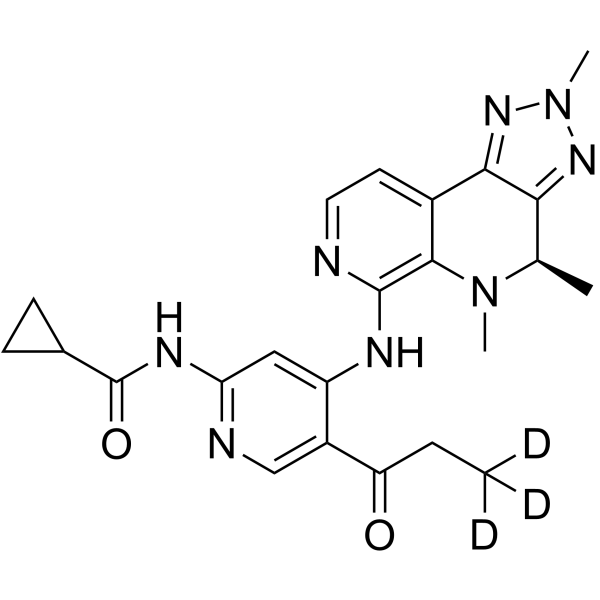
TYD-68 is a highly efficient and selective CRBN-recruited TYK2 PROTAC degrader with a DC50 value of 0.42 nM. TYD-68 significantly inhibits IL-12 and IFN-α-induced STAT4 and STAT1 phosphorylation, thereby blocking TYK2-dependent signaling pathways.
TYD-68 can be used in the study of psoriasis. (Pink: Target protein ligand (HY-173359); Black: Linker (HY-W007732B); Blue: E3 ligase ligand (HY-14658); E3 ligase ligand + Linker (HY-173358)) .
UNC8209 is a selective PROTAC-based TANK-binding kinase 1 (TBK1) degrader. UNC8209 recruits cereblon (CRBN) to mediate ubiquitin-proteasome pathway-dependent TBK1 degradation and reduces AAK1, GAK, and AURKA abundance. UNC8209 suppresses tumor cell proliferation, impairs in vivo tumor growth, inhibits colony and clonogenic growth and enhances tumor cell sensitivity to TNFα or IFN-γ. UNC8209 modulates cell cycle and induces mild apoptosis. UNC8209 can be used for the research of clear cell renal cell carcinoma, non-small cell lung cancer, pancreatic ductal adenocarcinoma .
CD28-IN-1 (Compound 19MS-5) is a CD28 inhibitor with a KD of 12.48 μM. CD28-IN-1 has a superior binding capacity to CD28 and potently inhibits CD28-B7 interactions. CD28-IN-1 inhibits CD28-driven immune activation and suppresses cytokine (IFN-γ,IL-2 and TNF-α) production in primary human T cells co-cultured with tumor spheroids and human epithelial tissues. CD28-IN-1 can be used for tumor immunity research .
Tyk2-IN-7 is an orally active TYK2 JH2 inhibitor, binds to TYK2 JH2 domain with IC50 and Ki.app of 0.00053 μM and 0.00007 μM, respectively. Tyk2-IN-7 provides a highly selective alternative to conventional TYK2 orthosteric inhibitors, inhibits TYK2/JAK1/JAK2 kinase domain. Tyk2-IN-7 can inhibit the IL-23 and IFN-α signaling pathways. Tyk2-IN-7 is commonly used in the study of inflammatory conditions such as colitis .
STING antagonist-3 is a potent STING antagonist with an IC50 of 2.3 nM against human wild-type STING. STING antagonist-3 inhibits human wild-type STING and the gain-of-function STING mutants N154S and V155M. STING antagonist-3 suppresses IFN‑α2a production in stimulated human whole blood. STING antagonist-3 inhibits IP-10 production in activated human dermal microvascular endothelial cells (HMVEC-d). STING antagonist-3 can be used for the research of autoimmune diseases, autoinflammatory diseases, interferonopathies, and fibrotic disorders .
STING-IN-15 is an orally active STING inhibitor, with an IC50 of 116 nM against h-STING and an IC50 of 96.3 nM against m-STING. STING-IN-15 inhibits the STING signaling pathway in cells, reduces the secretion of IFN-β and IP-10, downregulates the expression of ISG15, ISG56 and TNF-α, and suppresses the phosphorylation of TBK1/IRF3. STING-IN-15 alleviates systemic and renal inflammation induced by STING agonists in mice, reduces tissue damage and the expression of interferon pathway genes, and inhibits spontaneous tissue inflammation in mice. STING-IN-15 can be used for the research of acute kidney injury and autoimmune/inflammatory diseases .
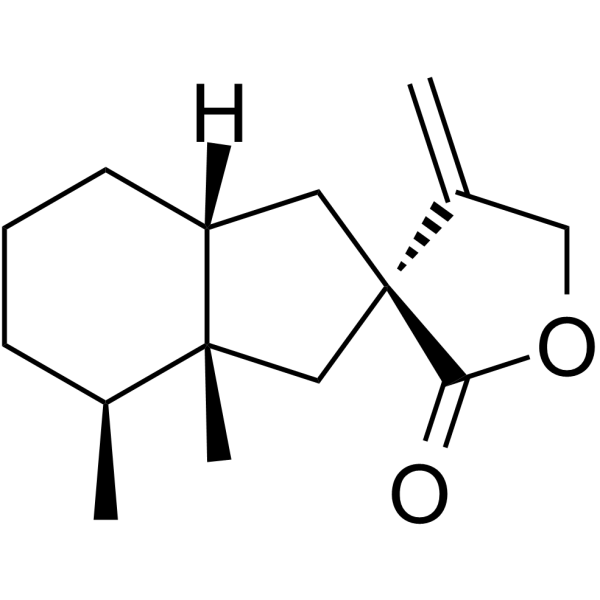
Bakkenolide A is an anticancer agent. Bakkenolide A reduces the viability of leukemia cells, inhibits cell colony formation and invasion, and downregulates the expression of HDAC3 in cells. Bakkenolide A downregulates the expression of pro-inflammatory cytokines including TNF-α, interleukins such as IL-1β, TGF-β1 and IFN-γ, as well as the expression of PI3K, PDK and PKC in leukemia cells. Bakkenolide A downregulates activated Akt, GSK and Bad, while upregulates Cyto-c, cleaved Caspase3 and cleaved Caspase7, induces apoptosis (apoptosis) in leukemia cells and thereby inhibits inflammatory responses in leukemia cells. Bakkenolide A significantly slows the growth of subcutaneous leukemia tumors in nude mice. Bakkenolide A is applicable to leukemia-related research .
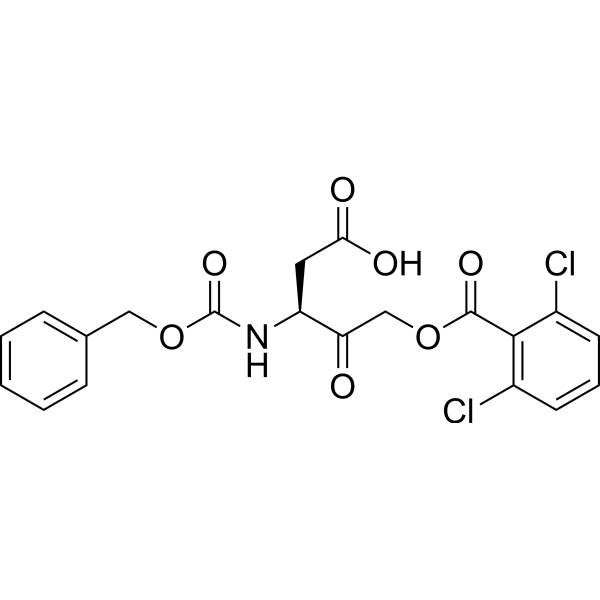
Z-Asp-CH2-DCB is an irreversible broad spectrum caspase inhibitor. Z-Asp-CH2-DCB also inhibits proteases with caspase-like activity. Z-D-CH2-DCB blocks the production of IL-1β, TNF-α, IL-6, and IFN-γ in staphylococcal enterotoxin B (SEB)-stimulated peripheral blood mononuclear cells (PBMC), and reduces SEB-1-stimulated T-cell proliferation in a dose-dependent manner. Z-Asp-CH2-DCB prevents SU5416-induced septal cell apoptosis and emphysema development .
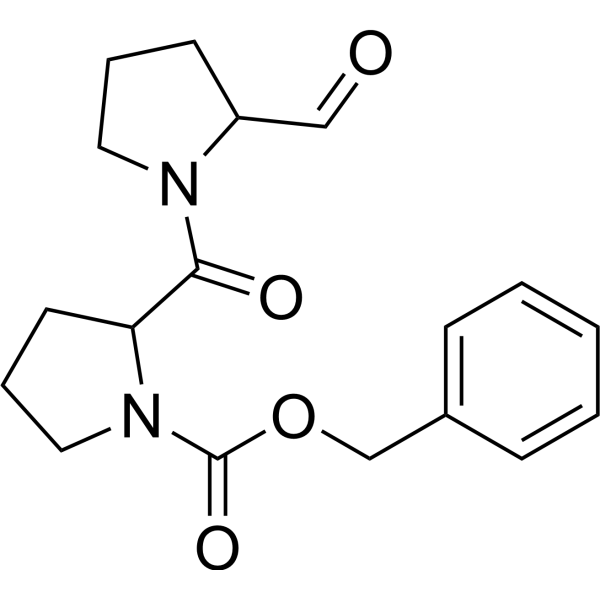
Z-Pro-Pro-CHO is a potent inhibitor of prolyl oligopeptidase (POP), with extremely high affinity for human prolyl oligopeptidase (HsPOP) (IC50=0.012 μM), and it also effectively inhibits the activity of Schistosoma mansoni prolyl oligopeptidase (SmPOP) (IC50=0.16 μM). Z-Pro-Pro-CHO does not block the phosphorylation of ERK or the production of TNF-α or IFN-γ in immune cells from presensitized mice, nor does it induce harmful phenotypes in cultured Schistosoma mansoni schistosomula. Z-Pro-Pro-CHO only partially inhibits epithelial cell wound healing at extremely high concentrations. Z-Pro-Pro-CHO finds wide application in studies related to schistosomiasis .
CpG ODN 10101 (ODN 10101; CPG 10101) is a selective agonist targeting TLR9, a synthetic oligodeoxynucleotide modified with phosphate thioester. CpG ODN 10101 activates B cells and plasmacytoid dendritic cells (pDCs), inducing the production of cytokines and chemokines such as interferon-IFN-α, interferon-inducible protein IP-10, and 2'5'-oligoadenylate synthase (2'5'-OAS), regulating innate immunity and promoting Th1 adaptive immune responses. CpG ODN 10101 also possesses antiviral properties and enhances vaccine immunogenicity, making it suitable as an immunomodulator and vaccine adjuvant for vaccine development in chronic hepatitis C and infectious diseases such as melioidosis, pertussis, and respiratory syncytial virus (RSV) .
Aspartyl-alanyl-diketopiperazine (DA-DKP) (Standard) is the analytical standard of Aspartyl-alanyl-diketopiperazine (HY-107091). This product is intended for research and analytical applications. Aspartyl-alanyl-diketopiperazine is an immunomodulatory molecule and anti-inflammatory agent. Aspartyl-alanyl-diketopiperazine increases the level of active Rap1 in activated human T lymphocytes and reduces the phosphorylation levels of Ras, ATF-2, c-jun, MEK1, MEKK1, ERK1, JNK1,2,3, p38MAPK and MEF-2. Aspartyl-alanyl-diketopiperazine inhibits the production of pro-inflammatory cytokines, including the levels of IFN-γ and TNF-α. Aspartyl-alanyl-diketopiperazine can be used in studies of inflammatory immune responses .
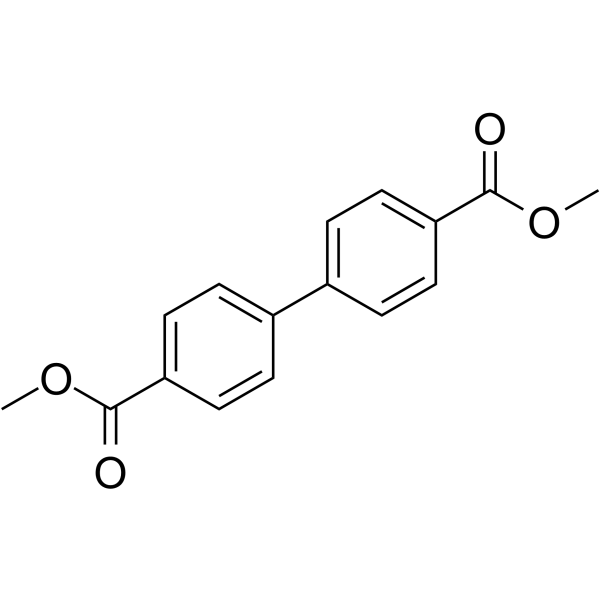
Dimethyl biphenyl-4,4'-dicarboxylate (Biphenyl dimethyl dicarboxylate) is a hepatoprotective agent. Dimethyl biphenyl-4,4'-dicarboxylate stimulates the Jak/Stat signaling pathway and induces the expression of IFN-α-stimulated genes, particularly 6-16 and ISG12. Dimethyl biphenyl-4,4'-dicarboxylate inhibits the replication of pregenomic RNA and HBeAg. Polymer micelles loaded with Dimethyl biphenyl-4,4'-dicarboxylate can serve as carriers for the compound. Dimethyl biphenyl-4,4'-dicarboxylate can be used as an auxiliary improving agent for chronic hepatitis. Dimethyl biphenyl-4,4'-dicarboxylate is applicable to research related to chronic hepatitis B .\n
SNX281 is a selective STING agonist, with IC50 values of 4.1, 4.5, 10.7, and 3.7 μM against human, mouse, rat, and monkey STING, respectively. SNX281 undergoes homodimerization at the STING binding site, triggering a conformational shift of STING from an inactive open state to an active closed state, thereby driving downstream STING-dependent signaling pathways. SNX281 induces type I interferons, IFN-β, TNF-α, IL-6, cytokine release, T cell responses, and long-lasting immune memory. SNX281 exhibits anti-tumor activity and is applicable to research related to colorectal cancer, melanoma, advanced solid tumors, lymphoma, and ovarian cancer .
STING agonist-45 is a selective STING agonist (EC50 = 0.28 μM). STING agonist-45 activates the innate immune response through the cGAS-STING pathway, upregulating key markers such as p-TBK1 and IRF3. STING agonist-45 exhibits robust STING activation in human peripheral blood mononuclear cells (PBMCs), inducing the production of type I interferons (such as IFN-β) and downstream cytokines (such as TNF-α and IL-6). STING agonist-45 enhances anti-tumor immunity, inhibits tumor growth, and increases CD8 + T cell infiltration in mouse models. STING agonist-45 is promising for the study of STING-related diseases .
VA06 is a derivative of QS-21 (HY-101092A) that retains potent adjuvant activity while significantly reducing toxicity. VA06 self-assembles into flexible worm-like micelles with continuously elongated nanostructures and enhanced drug-loading encapsulation capacity. VA06 induces antigen-specific antibody production, enhances the secretion of TNF-α, IFN-γ and IL-2 in CD4 + and CD8 + T cells, and promotes the expression of immune-related and antiviral-related genes in mature dendritic cells. VA06 does not require liposome formulation, which simplifies production and storage processes. VA06 can be used in the research of varicella-zoster virus infection and Mycobacterium tuberculosis infection .
QL-1200186 is a selective, orally active, allosteric inhibitor targeting the tyrosine kinase TYK2 pseudokinase domain JH2 (IC50=0.06 nM, TYK2 JH2), with 164-fold selectivity over TYK1 JH2 (IC50=9.85 nM,TYK1 JH2). QL-1200186 first stabilizes the TYK2 JH2 conformation, inhibits the activity of the JH1 catalytic domain, and blocks the IFNα, IL-12/IL-23-mediated JAK-STAT signaling pathway. QL-1200186 can inhibit the production of Th1/Th17 cell-related cytokines (such as IFNγ, IL-23), reduce immune cell activation, and has no significant effect on JAK1/2/3 kinase activity. QL-1200186 can significantly improve skin inflammation in the Imiquimod (HY-B0180)-induced psoriasis mouse model and reduce the Psoriasis Area and Severity Index (PASI) score. QL-1200186 can be used in the study of autoimmune diseases such as psoriasis and systemic lupus erythematosus (SLE) .
Emirodatamab (AMG-427) is a bispecific T-cell engager (BiTE). Emirodatamab simultaneously binds FLT3 on the surface of acute myeloid leukemia (AML) cells and CD3 on the surface of T cells, thereby precisely recruiting immune effector cells to tumor sites. Emirodatamab potently induces T cell activation, secretion of proinflammatory cytokines (such as IFNγ, TNFα), and specific cytotoxicity, effectively lysing FLT3-positive tumor cells and inhibiting their growth. Emirodatamab not only significantly prolongs survival in mouse xenograft models and eliminates diseased cells in primates, but also exhibits a synergistic enhancement effect when combined with PD-1 blockade therapy. Emirodatamab is used in studies of acute myeloid leukemia, especially relapsed or refractory cases .
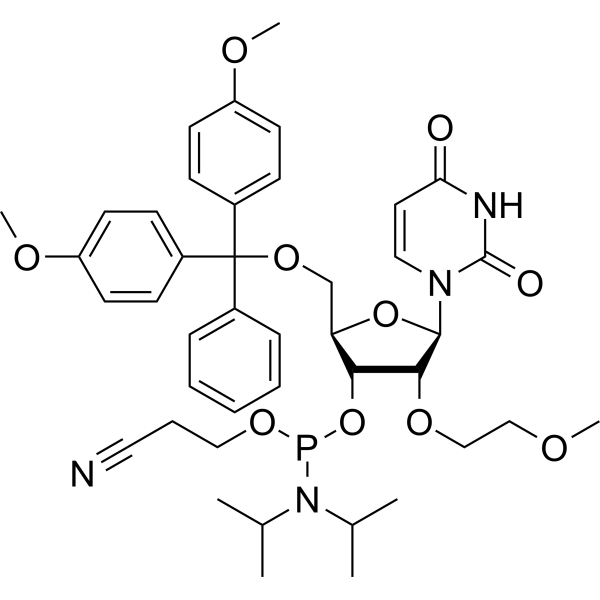
2'-O-MOE-U is a nucleic acid modification group (Phosphoramidite) with 3'-exonuclease inhibitory activity. 2'-O-MOE-U also exhibits gene silencing activity and double-stranded oligonucleotide stability. By forming steric interactions with 3'-exonuclease residues, 2'-O-MOE-U anchors the 3'-end of the siRNA guide strand in the hAgo2 PAZ domain, thereby regulating double-stranded thermal stability and enhancing base-pairing specificity. 2'-O-MOE-U does not induce IFNα production, can be incorporated at multiple sites of siRNA to enhance RNAi activity, and produces a synergistic effect with 2'-F modification. 2'-O-MOE-U has been widely used in studies related to breast cancer and other diseases .
Paeoniflorin-6′-O-benzene sulfonate (CP-25) is the inhibitor for G protein-coupled receptor kinase 2 (GRK2) that inhibits the translocation of GRK2 to the cell membrane, inhibits JAK1/STAT3 signaling pathway. Paeoniflorin-6′-O-benzene sulfonate inhibits IL-17A/CXCL2-induced proliferation of HaCaT. Paeoniflorin-6′-O-benzene sulfonate reduces the levels of inflammatory factors and chemokines such as IL-17A, IL-17F, IFN-γ, TNF-α, IL-22, IL-23, CXCL2, CXCL3 and CXCL9, alleviates Imiquimod (HY-B0180)-induced psoriasis in mouse model .
JAK2-IN-20 is an orally active dual inhibitor targeting JAK2 kinase (IC50=49.17 nM) and influenza A virus PB2 protein (IC50=3.337 μM, Kd=2.82 μM). JAK2-IN-20 effectively blocks the JAK/STAT signaling pathway by reducing the phosphorylation levels of STAT1 and STAT3, thereby inhibiting viral replication and downregulating the expression of viral NP and PB2 proteins. In addition, JAK2-IN-20 significantly inhibits the mRNA expression of key inflammatory cytokines such as IL-6, TNF-α and IFN-β in inflammation and influenza infection models. JAK2-IN-20 serves as an important tool molecule for the study of influenza A virus infection and related pathologies .
KOR agonist 7 (Compound 29) is a highly selective κ-opioid receptor (KOR) agonist with a Ki of 138 nM. KOR agonist 7 shows no activity at μ- and δ-opioid receptors or σ1 receptor, and exhibits extremely low affinity for σ2 receptor (Ki = 2.8 μM). KOR agonist 7 significantly reduces the secretion of pro-inflammatory cytokines such as IL-6, TNF-α, and IFN-γ, while increasing the production of the anti-inflammatory cytokine IL-10. KOR agonist 7 downregulates the expression of the pro-inflammatory M1 macrophage marker CD80 and upregulates the anti-inflammatory M2 macrophage marker CD163. KOR agonist 7 holds potential for applications in analgesia and immune modulation .
Anti-Mouse Galectin-9 Antibody (RG9-1) is an anti-mouse Galectin-9 IgG2b monoclonal antibody. Anti-Mouse Galectin-9 Antibody (RG9-1) promotes inflammatory response by enhancing the secretion of IFN-γ, TNF-α, and IL-6. Anti-Mouse Galectin-9 Antibody (RG9-1) can increase CD8 T cell and Treg frequency. Anti-Mouse Galectin-9 Antibody (RG9-1) reduces graft survival time by increasing CD4 + and CD8 + T cell infiltration. Anti-Mouse Galectin-9 Antibody (RG9-1) can be used for researches on inflammation conditions, cancer and xenotransplantation such as ischemia-reperfusion, colon cancer, breast cancer and leukemia .
Lipopolysaccharides, from S. enterica (Salmonella enterica) serotype enteritidis are lipopolysaccharide endotoxins and TLR-4 activators derived from the enteritidis serotype of S. enterica, classified as S-type LPS, which can activate pathogen-associated molecular patterns (PAMP) of the immune system and induce cellular secretion of migrasomes. Lipopolysaccharides, from S. enterica serotype enteritidis exhibit a typical three-part structure: O-antigen, core oligosaccharide, and lipid A. Lipopolysaccharides, from S. enterica serotype enteritidis can induce systemic inflammatory responses, increasing levels of TNF-α, IFN-γ, IL-6, IL-10, and nitrate in plasma .
It is recommended to prepare a solution with concentration ≥2 mg/mL. Vortex thoroughly for more than 10 minutes. Due to the adsorption characteristics of LPS, silanized container or low adsorption centrifuge tubes should be used for aliquoting and storage, and mix thoroughly before use.
M802 is an anti-HER2/CD3 bispecific antibody, with a Kd of 0.578 nM for human HER2 and a Kd of 71.2 nM for human CD3. M802 inhibits the PI3K/AKT and MAPK signaling pathways, suppresses tumor cell proliferation, activates caspase-3, and promotes tumor cell apoptosis (apoptosis). M802 recruits and activates CD3-positive immune cells, mediates cytotoxicity against HER2-positive tumor cells, and induces immune cells to secrete IFN-γ, TNF-α, IL-2 and IL-6. M802 exhibits anti-tumor efficacy in mice with gastric cancer xenografts. M802 can be used in research related to HER2-positive breast cancer, HER2-positive gastric cancer and other cancers. The recommended isotype control is human IgG1 kappa (HY-P99001) .
M04 is an agonist of STING. It induces the expression of the IFN reporter gene in HEK293T cells expressing wild-type human STING, but does not induce this expression in HEK293T cells expressing the R71H-G230A-R293Q (HAQ) STING variant or in mouse RAW 264.7 cells, indicating that its activity is dependent on allelic and species variations. M04 induces the production of TNF-α, IL-10, IL-1β, and IL-12p70 in human peripheral blood mononuclear cells (PBMCs). At a concentration of 50 µM, M04 stimulates dendritic cells isolated from PBMCs to express the MHC class II cell surface receptor HLA-DR and co-stimulatory molecules CD40, CD80, and CD86, and also enhances their ability to activate T cells in an ex vivo assay. M04 can be used in research on inflammatory immune diseases .
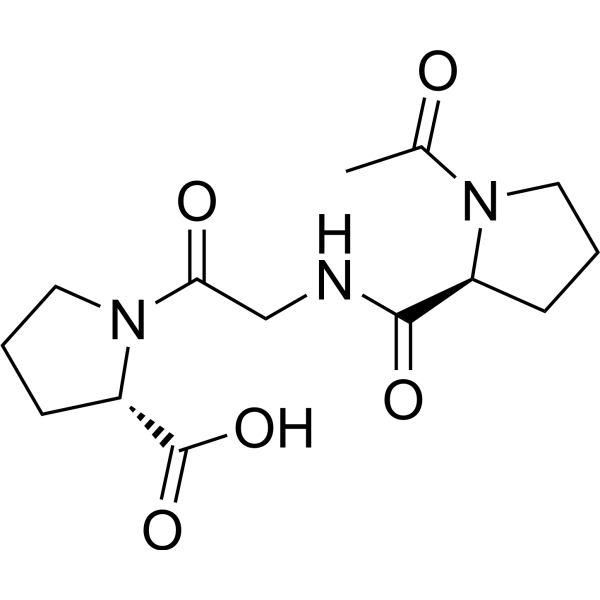
Ac-Pro-Gly-Pro-OH is an endogenous degradation product of extracellular collagen and acts as a CXCR2 agonist . Ac-Pro-Gly-Pro-OH exerts bactericidal activity by generating hydrogen peroxide, inhibits pulmonary inflammation, and reduces immune cell apoptosis (apoptosis). Ac-Pro-Gly-Pro-OH promotes the production of IFN-γ and inhibits the production of TNF-α and IL-6 in leukocytes. Ac-Pro-Gly-Pro-OH increases the survival rate of mice in sepsis models, enhances the bactericidal activity of neutrophils, acts as a neutrophil chemoattractant, induces neutrophil polarization, and regulates inflammatory and repair processes. Ac-Pro-Gly-Pro-OH induces chronic inflammation and tissue remodeling through sustained action. Ac-Pro-Gly-Pro-OH is released via alkaline hydrolysis of corneal proteins in alkali-injured eyes, thereby driving the early infiltration of neutrophils into the cornea. Ac-Pro-Gly-Pro-OH is applicable to research related to sepsis, chronic obstructive pulmonary disease, cystic fibrosis, bronchiolitis obliterans syndrome, severe asthma, idiopathic pulmonary fibrosis, and corneal ulcer .
Lipopolysaccharides, from S. enterica (Salmonella enterica) serotype enteritidis are lipopolysaccharide endotoxins and TLR-4 activators derived from the enteritidis serotype of S. enterica, classified as S-type LPS, which can activate pathogen-associated molecular patterns (PAMP) of the immune system and induce cellular secretion of migrasomes. Lipopolysaccharides, from S. enterica serotype enteritidis exhibit a typical three-part structure: O-antigen, core oligosaccharide, and lipid A. Lipopolysaccharides, from S. enterica serotype enteritidis can induce systemic inflammatory responses, increasing levels of TNF-α, IFN-γ, IL-6, IL-10, and nitrate in plasma .
It is recommended to prepare a solution with concentration ≥2 mg/mL. Vortex thoroughly for more than 10 minutes. Due to the adsorption characteristics of LPS, silanized container or low adsorption centrifuge tubes should be used for aliquoting and storage, and mix thoroughly before use.
Indole-4-carboxaldehyde is an ergot alkaloid precursor. Indole-4-carboxaldehyde attenuates the methylglyoxal (MGO)-induced expression of inflammatory-related genes, such asTNF-α and IFN-γ by activating NF-κB without toxicity in HepG2 cells. Indole-4-carboxaldehyde reduces the MGO-induced AGE formation and the expression of the receptor for AGE (RAGE). Indole-4-carboxaldehyde can be used for the study of hepatic steatosis .
Ac-Pro-Gly-Pro-OH is an endogenous degradation product of extracellular collagen and acts as a CXCR2 agonist . Ac-Pro-Gly-Pro-OH exerts bactericidal activity by generating hydrogen peroxide, inhibits pulmonary inflammation, and reduces immune cell apoptosis (apoptosis). Ac-Pro-Gly-Pro-OH promotes the production of IFN-γ and inhibits the production of TNF-α and IL-6 in leukocytes. Ac-Pro-Gly-Pro-OH increases the survival rate of mice in sepsis models, enhances the bactericidal activity of neutrophils, acts as a neutrophil chemoattractant, induces neutrophil polarization, and regulates inflammatory and repair processes. Ac-Pro-Gly-Pro-OH induces chronic inflammation and tissue remodeling through sustained action. Ac-Pro-Gly-Pro-OH is released via alkaline hydrolysis of corneal proteins in alkali-injured eyes, thereby driving the early infiltration of neutrophils into the cornea. Ac-Pro-Gly-Pro-OH is applicable to research related to sepsis, chronic obstructive pulmonary disease, cystic fibrosis, bronchiolitis obliterans syndrome, severe asthma, idiopathic pulmonary fibrosis, and corneal ulcer .
Delmitide (RDP58) acetate is an orally active d-isomer decapeptide with potent anti-inflammatory activity. Delmitide acetate inhibits production of TNF-α, IFN-γ, and interleukin (IL)-12, and up-regulates heme oxygenase 1 activity. Delmitide acetate can be used for the research of ulcerative colitis .
Delmitide (RDP58) is an orally active d-isomer decapeptide with potent anti-inflammatory activity. Delmitide inhibits production of TNF-α, IFN-γ, and interleukin (IL)-12, and up-regulates heme oxygenase 1 activity. Delmitide can be used for the research of ulcerative colitis .
Z-Pro-Pro-CHO is a potent inhibitor of prolyl oligopeptidase (POP), with extremely high affinity for human prolyl oligopeptidase (HsPOP) (IC50=0.012 μM), and it also effectively inhibits the activity of Schistosoma mansoni prolyl oligopeptidase (SmPOP) (IC50=0.16 μM). Z-Pro-Pro-CHO does not block the phosphorylation of ERK or the production of TNF-α or IFN-γ in immune cells from presensitized mice, nor does it induce harmful phenotypes in cultured Schistosoma mansoni schistosomula. Z-Pro-Pro-CHO only partially inhibits epithelial cell wound healing at extremely high concentrations. Z-Pro-Pro-CHO finds wide application in studies related to schistosomiasis .
Eps8 peptide 327 is an HLA-A*2402-restricted peptide antigen derived from Eps8 protein. Eps8 peptide 327 has potent antitumor activity with significant cytotoxicity. Eps8 peptide 327 effectively inhibits cancer cells proliferation, induces apoptosis and disrupts EGFR signal pathway by inhibiting downstream signals (such as IL-2, TNF-α and IFN-γ) expression and the Eps8/EGFR interaction. Eps8 peptide 327 significantly inhibits tumor growth in HT-29 xenograft mcie models .
TAT-327 is cell-penetrating peptide. TAT-327 selectively inserts into cancer cell membranes and shows potent antitumor activity. TAT-327 effectively inhibits cancer cells proliferation, induces apoptosis and disrupts EGFR signal pathway by inhibiting downstream signals (such as IL-2, TNF-α and IFN-γ) expression and the Eps8/EGFR interaction. TAT-327 significantly inhibits tumor growth in HT-29 xenograft mcie models .
Ligelizumab (QGE 031) is a humanized high-affinity anti-immunoglobulin IgE monoclonal antibody. Ligelizumab selectively inhibits the binding of IgE to the high-affinity receptor FcεRI, while the inhibitory effect on the low-affinity receptor CD23 is weak. Ligelizumab can inhibit the activation of effector cells such as mast cells and Basophil, while reducing the production of IgE by B cells, and restoring the IFN-α production and regulatory T cell (Treg) induction function of plasmacytoid dendritic cells (pDC). Ligelizumab can be used in the study of allergic diseases (such as chronic spontaneous urticaria, allergic asthma) .
Sifalimumab (MEDI-545) is an anti-IFNα monoclonal antibody. Sifalimumab suppresses the abnormal immune activity by binding to multiple interferon-alpha (IFNα) subtypes. Sifalimumab can be used in systemic lupus erythematosus (SLE) research .
Anti-CD8α Antibody (OKT-8) is an anti-human CD8α IgG2a monoclonal antibody. Anti-CD8α Antibody (OKT-8) can reduce the secretion of IFNγ. Anti-CD8α Antibody (OKT-8) can deplete CD8 + T cells. Anti-CD8α Antibody (OKT-8) can be used for researches on inflammation conditions and cancer such as B non-Hodgkin lymphomas (B-NHLs). The recommend isotype control of Anti-CD8α Antibody (OKT-8): Mouse IgG2a kappa, Isotype Control (HY-P99978) .
Cetrelimab (JNJ 63723283; JNJ 3283) is a human IgG4κ mAb targeting PD-1. Cetrelimab binds PD-1 (Kd=1.72 nM, HEK293) to block the interaction of PD-1 with PD-L1 and PD-L2 (IC50s=111.7 ng/mL and 138.6 ng/mL, respectively). Cetrelimab stimulates peripheral T cells, increases IFN-γ, IL-2, TNF-α level and inhibits tumor growth in vivo .
Inbakicept is a dimeric human IL-15 receptor alpha (IL-15 Ra) sushi domain/human IgG1 Fc fusion protein and is an IL-15 superagonist complex. Inbakicept is able to form complex N-803 (Nogapendekin alfa inbakicept) with the IL-15 antibody Nogapendekin alfa in a 1:2 ratio. N-803 mimics the function of IL-15 and amplifies anti-CD20 mAb-mediated NK cell responses and antibody-dependent cellular cytotoxicity (ADCC). N-803 also increases degranulation and IFNγ production in cells .
Tepoditamab (MCLA-117) is a full-length human IgG1 bispecific monoclonal antibody that binds to CLEC12A of myeloid cells and CD3 of cytotoxic T cells. Among others, CLEC12A is a myeloid differentiation antigen. Tepoditamab kills AML leukaemia mother cells and AML leukaemia stem cells, induces T cell-mediated proliferative lysis of AML cells. Tepoditamab induces upto 30-fold T-cell expansion. Tepoditamab results in moderate to strong cytokine (IFNγ, IL-6, IL-8, IL-10, and TNFα) and IFNγ release in human whole blood and PBMC, respectively. Tepoditamab can be used in acute myeloid leukaemia (AML) research .
Modakafusp alfa (TAK-573) is a humanized, anti-CD38IgG4 monoclonal antibody fused to 2 attenuated IFNα2b molecules, which delivers interferon-alpha to CD38-expressing cells. Modakafusp alfa has direct anti-proliferative activity on multiple myeloma (MM) cancer cells in vitro and induces robust and durable antitumor responses in MM xenograft tumor models. Modakafusp alfa in combination with anti-PD-1 antibodies induces immunomodulation and antitumor responses with good tolerance in mice .
Emirodatamab (AMG-427) is a bispecific T-cell engager (BiTE). Emirodatamab simultaneously binds FLT3 on the surface of acute myeloid leukemia (AML) cells and CD3 on the surface of T cells, thereby precisely recruiting immune effector cells to tumor sites. Emirodatamab potently induces T cell activation, secretion of proinflammatory cytokines (such as IFNγ, TNFα), and specific cytotoxicity, effectively lysing FLT3-positive tumor cells and inhibiting their growth. Emirodatamab not only significantly prolongs survival in mouse xenograft models and eliminates diseased cells in primates, but also exhibits a synergistic enhancement effect when combined with PD-1 blockade therapy. Emirodatamab is used in studies of acute myeloid leukemia, especially relapsed or refractory cases .
Aldastotug (PYX-106; BSI-060T) is a human monoclonal antibody (mAb) targeting Siglec-15/CD33L3. Aldastotug reverses Siglec-15-mediated immunosuppression and enhances T-cell proliferation. Aldastotug induces significantly increased levels of IFNγ and TNFα in T cells. Aldastotug can be used in cancer immunity research. Recommended isotype control: Human IgG1 kappa, Isotype Control (HY-P99001) .
Anti-Mouse IFNγR/CD119 Antibody (GR-20) is a rat-derived IgG2a κ type antibody inhibitor, targeting to mouse IFNγR/CD119.Anti-Mouse IFNγR/CD119 Antibody (GR-20) reacts with the mouse IFNγR (interferon gamma receptor) α chain also known as CD119 and IFNγ receptor 1. Anti-Mouse IFNγR/CD119 Antibody (GR-20) blocks the binding of IFNγ to CD119 therefore inhibiting IFNγ signaling. Anti-Mouse IFNγR/CD119 Antibody (GR-20) can be used for the researches of cancer, infection, inflammation and immunology, such as melanoma and C. trachomatis infected genital tract inflammation .
Anti-Mouse Galectin-9 Antibody (RG9-1) is an anti-mouse Galectin-9 IgG2b monoclonal antibody. Anti-Mouse Galectin-9 Antibody (RG9-1) promotes inflammatory response by enhancing the secretion of IFN-γ, TNF-α, and IL-6. Anti-Mouse Galectin-9 Antibody (RG9-1) can increase CD8 T cell and Treg frequency. Anti-Mouse Galectin-9 Antibody (RG9-1) reduces graft survival time by increasing CD4 + and CD8 + T cell infiltration. Anti-Mouse Galectin-9 Antibody (RG9-1) can be used for researches on inflammation conditions, cancer and xenotransplantation such as ischemia-reperfusion, colon cancer, breast cancer and leukemia .
S-095029 is a humanized IgG1 monoclonal antibody inhibitor targeting NKG2A. S-095029 significantly attenuates Fc-effector functions, inhibits the interaction with its ligand HLA-E, and increases the antibody-dependent cellular cytotoxicity mediated by other Fc-competent mAbs. S-095029 has a potent antitumor activity with enhancement of killing activity and cytokine secretion (IFNγ, TNF-α and CXCL9) of NK and γδ T-cells in co-culture with cancer cells .
AGS-009 is a humanized monoclonal neutralising antibody targeting IFN-α. AGS-009 significantly reduces activated lymphocytes, such as CD4 + and CD8 + T cells as well as B cells in SIV infection rhesus macaque models. AGS-009 can be used for autoimmune diseases like systemic lupus erythematosus (SLE) and HIV infections research .
ASP8374 is a human IgG4 monoclonal antibody (mAb) targeting TIGIT. ASP8374 increases IL-2 production in Jurkat cells and IFN-γ and TNF-α production in human PBMCs. ASP8374 can be used in advanced solid tumors research. Recommended isotype control: Human IgG4 kappa, Isotype Control (HY-P99003) .
IBI-325 is a humanized monoclonal antibody inhibitor targeting CD73. IBI-325 completely inhibits CD73 enzymatic activity without hook effect. IBI-325 reverses Adenosine monophosphate (HY-A0181)-mediated immune suppression and significantly inhibits T cell proliferation and cytokines (IL-2, IFN-γ and TNF-α) release. IBI-325 has potent antitumor activities in hPBMC-reconstituted mice model and hCD73 knock-in mice model. IBI-325 can be used for cancer immunotherapy research .
Anti-Mouse IFNγRα/CD119 Antibody (2E2) is an Armenian hamster-derived IgG type antibody inhibitor, targeting to mouse IFNγRα/CD119. Anti-Mouse IFNγRα/CD119 Antibody (2E2) reacts with the mouse IFNγR (interferon gamma receptor) α chain also known as CD119 and IFNγ receptor 1. Anti-Mouse IFNγRα/CD119 Antibody (2E2) is a non-neutralizing antibody and does not block the binding of IFNγ to the receptor. Anti-Mouse IFNγRα/CD119 Antibody (2E2) can be used for detections of western blot, flow cytometry and immunoprecipitation .
MB-314 is a human IgG1 monoclonal antibody (mAb) targeting Lewis Y. MB-314 induces enhanced antibody-dependent cell-mediated cytotoxicity (ADCC) activity. MB-314 increases the release of IFN-γ, TNF-α, MCP-1, and IL-6. MB-314 can be used in cancer research .
DLX-105 is a human monoclonal antibody (mAb) targeting TNFSF2/TNFa. DLX-105 reduces skin epidermal thickness and the expression of K16 and Ki67. DLX-105 down-regulates the mRNA levels of IL-17, TNF-α, IL-23p19, IL-12p40, and IFN-γ. DLX-105 can be used in psoriasis research .
Anti-Mouse IFNAlpha Antibody (TIF-3C5) reacts with the mouse IFNα. Anti-Mouse IFNAlpha Antibody (TIF-3C5) binds specifically to mouse IFNα species (IFN-α-A, IFN-α-1, IFN-α-4, IFN-α-5, IFN-α-11. and IFN-α-13) and does not bind murine murine IFNγ or IFNβ. Recommend Isotype Controls: Polyclonal Armenian hamster IgG, Isotype Control (HY-P990305) .
Anti-CD119 Antibody (GIR 208) reacts with the human CD119 (IFN-γ R alpha). IFN-γ exerts its biologic effects by interacting with a single high affinity receptor, IFN-γ receptor. Recommend Isotype Controls: Mouse IgG1 kappa, Isotype Control (HY-P99977) .
Peginterferon alfa-2a is a PEG-modified interferon (IFN)alpha-2a. Peginterferon alfa-2a can be used for research of chronic hepatitis C virus (HCV) and hepatitis B virus (HBV) infection .
JNJ-55920839 (CNTO-6358) is a fully human immunoglobulin G1κ monoclonal antibody and a selective Interferonα/ω neutralizer, with a Kd value of 0.9-10.7 pM against hIFNα and a Kd of 1.44 pM against IFNω. JNJ-55920839 can be used in research related to systemic lupus erythematosus .
Anti-Mouse NKp46 Antibody (29A1.4) reacts with mouse NKp46. Anti-Mouse NKp46 Antibody (29A1.4) stimulates the NK cells to produce IFN-γ and TNF-α and to release their cytoplasmic granule contents. Recommend Isotype Controls: Rat IgG2a kappa, Isotype Control (HY-P990679) .
WM-A1-3389 is an anti-human IGSF1monoclonal antibody and tumor growth inhibitor. WM-A1-3389 specifically binds to the C-terminus of IGSF1, increases secretion of Granzyme B, IFN−γ, and TNF−α, and inhibits growth of colon cancer or biliary tract cancer in xenogeneic or allogeneic mouse implantation models. WM-A1-3389 can be used for the research of colon cancer, biliary tract cancer, and head and neck cancer .
Anti-Mouse CD1d Antibody (1B1) is an antibody targeting mouse CD1d (Kd=12.5 nM). By inserting into the lipid-binding groove of CD1d, Anti-Mouse CD1d Antibody (1B1) overlaps with the binding sites of type I and type IINKT cell receptors (TCR), thereby effectively blocking TCR-mediated interactions. Anti-Mouse CD1d Antibody (1B1) activates antigen-presenting cells such as dendritic cells and macrophages, induces them to release IL-12p70, and increases the levels of key cytokines including IL-12, IFN-γ and IFN-α in mouse serum. Anti-Mouse CD1d Antibody (1B1) can be used in studies related to renal cancer, breast cancer and colon adenocarcinoma. When combined with anti-DR5 or anti-CD137 antibodies and chemotherapeutic drugs, Anti-Mouse CD1d Antibody (1B1) exhibits significant tumor inhibitory and even eradication effects in mice .
M802 is an anti-HER2/CD3 bispecific antibody, with a Kd of 0.578 nM for human HER2 and a Kd of 71.2 nM for human CD3. M802 inhibits the PI3K/AKT and MAPK signaling pathways, suppresses tumor cell proliferation, activates caspase-3, and promotes tumor cell apoptosis (apoptosis). M802 recruits and activates CD3-positive immune cells, mediates cytotoxicity against HER2-positive tumor cells, and induces immune cells to secrete IFN-γ, TNF-α, IL-2 and IL-6. M802 exhibits anti-tumor efficacy in mice with gastric cancer xenografts. M802 can be used in research related to HER2-positive breast cancer, HER2-positive gastric cancer and other cancers. The recommended isotype control is human IgG1 kappa (HY-P99001) .
2'-Fucosyllactose (2'-FL) is an oligosaccharide that could be derived from human milk. 2'-Fucosyllactose regulates the expression of CD14, alleviates colitis and regulates the gut microbiome. 2'-Fucosyllactose stimulates T cells to increase IFN-γ production and decreases IL-6, IL-17, and TNF-α production of cytokines .
Bakkenolide A is an anticancer agent. Bakkenolide A reduces the viability of leukemia cells, inhibits cell colony formation and invasion, and downregulates the expression of HDAC3 in cells. Bakkenolide A downregulates the expression of pro-inflammatory cytokines including TNF-α, interleukins such as IL-1β, TGF-β1 and IFN-γ, as well as the expression of PI3K, PDK and PKC in leukemia cells. Bakkenolide A downregulates activated Akt, GSK and Bad, while upregulates Cyto-c, cleaved Caspase3 and cleaved Caspase7, induces apoptosis (apoptosis) in leukemia cells and thereby inhibits inflammatory responses in leukemia cells. Bakkenolide A significantly slows the growth of subcutaneous leukemia tumors in nude mice. Bakkenolide A is applicable to leukemia-related research .
Matairesinol monoglucoside is a STING activator. Matairesinol monoglucoside modulates the STING-TBK1-IRF3 signaling axis, promotes STING transcriptional expression, increases TBK1 and IRF3 phosphorylation. Matairesinol monoglucoside induces IFN-α and IFN-β production, reduces HBV DNA, HBsAg, and HBeAg expression. Matairesinol monoglucoside can be used for the research of hepatitis b virus (hbv) infection .
Isopongaflavone is an isoflavone that can be isolated from the seedpods of Tephrosia vogelii with anti-inflammatory effects. Isopongaflavone suppresses the secretion of IL-1β, IFN-γ, granulocyte macrophage-colony stimulating factor (GM-CSF) and TNF-α in LPS (HY-D1056)-stimulated peripheral blood mononuclear cells (PBMCs) .
Chamissonolide is a sesquiterpene lactone with cytotoxic, anti-inflammatory and trypanocidal activities. Chamissonolide reduces the mRNA levels of IL-2, IFN-γ, GM-CSF, iNOS and TNF-α, and upregulates the mRNA level of NF-ATc. Chamissonolide decreases the population of naturally occurring apoptotic cells. Chamissonolide can be used in research related to tumors, African trypanosomiasis and Chagas disease .
IFN-α/β R2 protein and IFNAR1 together constitute the heterodimeric receptor of type I interferon and initiate the JAK-STAT signaling cascade. Upon binding of type I interferons, IFNAR1 and IFNAR2 activate related Janus kinases (TYK2 and JAK1) in proximity, resulting in cross-phosphorylation. IFN-alpha/beta R2 Protein, Mouse (HEK293, His) is the recombinant mouse-derived IFN-alpha/beta R2 protein, expressed by HEK293 , with C-6*His labeled tag.
IFN-α/β R2 protein and IFNAR1 together constitute the heterodimeric receptor of type I interferon and initiate the JAK-STAT signaling cascade. Upon binding of type I interferons, IFNAR1 and IFNAR2 activate related Janus kinases (TYK2 and JAK1) in proximity, resulting in cross-phosphorylation. IFN-alpha/beta R2 Protein, Mouse (Biotinylated, HEK293, His, Avi) is the recombinant mouse-derived IFN-alpha/beta R2 protein, expressed by HEK293, with C-Avi and C-His labeled tag.
IFN-alpha B/IFNA8 protein is a member of the alpha/beta interferon family. IFN-alpha B/IFNA8 Protein, Cynomolgus (HEK293, His) is the recombinant cynomolgus-derived IFN-alpha B/IFNA8 protein, expressed by HEK293 , with C-His labeled tag.
IFN-alpha B/IFNA8 Protein, synthesized by macrophages, displays potent antiviral activities. It stimulates the production of essential enzymes—a protein kinase and an oligoadenylate synthetase—that are pivotal in cellular defense against viral infections. IFN-alpha B/IFNA8 Protein, Human (HEK293) is the recombinant human-derived IFN-alpha B/IFNA8 protein, expressed by HEK293, with tag free and additional two amino acids (Gly & Pro) at the N-terminus.
IFN-alpha B/IFNA8 Protein, synthesized by macrophages, displays potent antiviral activities. It stimulates the production of essential enzymes—a protein kinase and an oligoadenylate synthetase—that are pivotal in cellular defense against viral infections. IFN-alpha B/IFNA8 Protein, Human (HEK293, His) is the recombinant human-derived IFN-alpha B/IFNA8 protein, expressed by HEK293 , with C-His labeled tag.
IFN-alpha 2a, Human, a cytokine primarily produced by macrophages, displays robust antiviral activities. Its interaction with IFNAR2 is pivotal in mediating essential signaling pathways, contributing to intricate defense mechanisms against viral infections. IFN-alpha 2b/IFNA2 Protein, Human (HEK293, Fc) is the recombinant human-derived IFN-alpha 2b/IFNA2 protein, expressed by HEK293 , with C-hFc labeled tag.
IFN-alpha 7 (IFNA7), belongs to type I interferon family, is produced by macrophages with antiviral activities. IFN-alpha 7/IFNA7 Protein, Human (P.pastoris, His) contains 166 a.a. (C24-D189), produced in P.pastoris yeast cells with a C-terminal His-tag.
IFN-alpha 7 (IFNA7), belongs to type I interferon family, is produced by macrophages with antiviral activities. IFN-alpha 7/IFNA7 Protein, Human (HEK293, Fc) contains 166 a.a. (C24-D189), produced in HEK293 cells with a N-terminal hFc-tag.
IFN-alpha 1 (IFNA1), belongs to type I interferon family, is produced by macrophages with antiviral activities. IFN-alpha 1 involves in the activation of JAK1 and TYK2 pathway, exerts function by inhibiting viral replication as well as modulating immune response. IFN-alpha 1/IFNA1 Protein, Mouse (P.pastoris, His) is produced in P.pastoris yeast cells with a C-Terminal His-tag.
IFN-alpha B/IFNA8 protein is a member of the alpha/beta interferon family. IFN-alpha B/IFNA8 Protein, Cynomolgus (HEK293, mFc) is the recombinant cynomolgus-derived IFN-alpha B/IFNA8, expressed by HEK293, with C-mFc labeled tag.
IFN alpha 1a Protein, synthesized by macrophages, exhibits robust antiviral activities by stimulating key enzymes—a protein kinase and an oligoadenylate synthetase. This orchestrated molecular response enhances the host's immune defenses against viral threats. IFN-alpha 1/IFNA1 Protein, Mouse (HEK293, hFc) is the recombinant mouse-derived IFN-alpha 1/IFNA1 protein, expressed by HEK293 , with C-hFc labeled tag.
IFN-alpha B/IFNA8 protein is a member of the alpha/beta interferon family. IFN-alpha B/IFNA8 Protein, Cynomolgus (HEK293, mFc, solution) is the recombinant cynomolgus-derived IFN-alpha B/IFNA8 protein, expressed by HEK293 , with C-mFc labeled tag.
IFNAR1, one of the subunit of IFN-α/β receptor, is a type I IFN receptor. IFNAR1 forms the heterodimeric receptor with IFNAR2. IFNAR1 mediates IFN-induced STAT signaling by interacting with tyrosine kinase 2 (Tyk2). Upon activation by these IFNs, IFNAR1 and IFNAR2 undergo a conformational change to promote a cascade of downstream signaling events, including the phosphorylation of Tyk2 and JAK1, STAT1 and STAT2. IFNAR1 Protein, Mouse (HEK293, Fc) is a recombinant mouse IFNAR1 (E27-T429) with C-terminal hFc tag, which is produced in HEK293 cells.
IFNAR1, one of the subunit of IFN-α/β receptor, is a type I IFN receptor. IFNAR1 forms the heterodimeric receptor with IFNAR2. IFNAR1 mediates IFN-induced STAT signaling by interacting with tyrosine kinase 2 (Tyk2). Upon activation by these IFNs, IFNAR1 and IFNAR2 undergo a conformational change to promote a cascade of downstream signaling events, including the phosphorylation of Tyk2 and JAK1, STAT1 and STAT2. IFNAR1 Protein, Mouse (HEK293, Fc) is a recombinant mouse IFNAR1 (E27-T429) with C-terminal His and Avi tags, which is produced in HEK293 cells.
IFNAR1, one of the subunit of IFN-α/β receptor, is a type I IFN receptor. IFNAR1 forms the heterodimeric receptor with IFNAR2. IFNAR1 mediates IFN-induced STAT signaling by interacting with tyrosine kinase 2 (Tyk2). Upon activation by these IFNs, IFNAR1 and IFNAR2 undergo a conformational change to promote a cascade of downstream signaling events, including the phosphorylation of Tyk2 and JAK1, STAT1 and STAT2. IFNAR1 Protein, Human (HEK293, His-Avi) is a recombinant human IFNAR1 (K28-K436) with C-terminal His and Avi tag, which is produced in HEK293 cells.
IFN-alpha 4 (IFNA4), belongs to type I interferon family, is produced by macrophages with antiviral activities. IFN-alpha 4/IFNA4 Protein, Mouse (HEK293, His) contains 162 a.a. (C25-E186), produced in HEK293 cells with a C-terminal His-tag.
IFN-alpha 4 (IFNA4), belongs to type I interferon family, is produced by macrophages with antiviral activities. IFN-alpha 4/IFNA4 Protein, Cynomolgus (HEK293, Fc), produced in HEK293 cells with a C-terminal mFc-tag.
IFNAR1, one of the subunit of IFN-α/β receptor, is a type I IFN receptor. IFNAR1 forms the heterodimeric receptor with IFNAR2. IFNAR1 mediates IFN-induced STAT signaling by interacting with tyrosine kinase 2 (Tyk2). Upon activation by these IFNs, IFNAR1 and IFNAR2 undergo a conformational change to promote a cascade of downstream signaling events, including the phosphorylation of Tyk2 and JAK1, STAT1 and STAT2. IFNAR1 Protein, Human (Biotinylated, HEK293, His-Avi) is a biotinylated recombinant human IFNAR1 (K28-K436) with C-terminal His and Avi tag, which is produced in HEK293 cells.
IFN-alpha 5 (IFNA5), belongs to type I interferon family, is produced by macrophages with antiviral activities. IFN-alpha 5/IFNA5 Protein, Human (HEK293, Fc) contains 168 a.a. (L22-E189), produced in HEK293 cells cells with a N-terminal hFc-tag.
IFN-alpha 5 (IFNA5), belongs to type I interferon family, is produced by macrophages with antiviral activities. IFN-alpha 5/IFNA5 Protein, Human (P.pastoris, His) contains 168 a.a. (L22-E189), produced in P. pastoris yeast cells with a C-terminal His-tag.
IFN-alpha 13 (IFNA13), belongs to type I interferon family, is produced by macrophages with antiviral activities. IFN-alpha 13/IFNA13 Protein, Cynomolgus (HEK293, His) contains 166 a.a. (C25-E190), produced in HEK293 cells with a C-terminal His-tag.
IFN-alpha 13 (IFNA13), belongs to type I interferon family, is produced by macrophages with antiviral activities. IFN-alpha 13/IFNA13 Protein, Mouse (HEK293, His) contains 189 a.a. (M1-E189), produced in HEK293 cells with a C-terminal His-tag.
IFN-alpha 13 (IFNA13), belongs to type I interferon family, is produced by macrophages with antiviral activities. IFN-alpha 13/IFNA13 Protein, Cynomolgus (HEK293, Fc) contains 166 a.a. (C25-E190), produced in HEK293 cells with a C-terminal hFc-tag.
IFN-alpha 13 (IFNA13), belongs to type I interferon family, is produced by macrophages with antiviral activities. IFN-alpha 13/IFNA13 Protein, Mouse (HEK293, Fc) contains 166 a.a. (C24-E189), produced in HEK293 cells with a N-terminal hFc-tag.
IFN-alpha 13 (IFNA13), belongs to type I interferon family, is produced by macrophages with antiviral activities. IFN-alpha 13/IFNA13 Protein, Mouse (P.pastoris, His) contains 166 a.a. (C24-E189), produced in P.pastoris yeast cells with a C-terminal His-tag.
IFN-alpha 2 (IFNA2), belongs to type I interferon family, is a protein secreted by cells infected by a virus and acting on other cells to inhibit viral infection. IFN-alpha 2 increases the frequencies of cytotoxic CD8+ T cells and induces CD4+ T cell depletion. IFN-alpha 2b/IFNA2 Protein, Human contains 165 a.a. (C24-E188), is a protein produced in E. coli with tag free.
IFN-alpha 6 (IFNA6), belongs to type I interferon family, is produced by macrophages with antiviral activities. IFN-alpha 6/IFNA6 Protein, Human (His-Myc) contains 169 a.a. (S21-E189), produced in E. coli cells with a N-terminal His-tag and a C-terminal Myc-tag.
IFN-alpha 1/13 (IFNA1), belongs to type I interferon family, is produced by macrophages with antiviral activities. IFN-alpha 1 involves in the activation of JAK1 and TYK2 pathway, exerts function by inhibiting viral replication as well as modulating immune response. IFN-alpha 1b/IFNA13 Protein, Human contains 166 a.a. (C24-D189, A137V), produced in E. coli cells with tag free.
IFN-alpha 2 (IFNA2), belongs to type I interferon family, is a protein secreted by cells infected by a virus and acting on other cells to inhibit viral infection. IFN-alpha 2 increases the frequencies of cytotoxic CD8+ T cells and induces CD4+ T cell depletion. IFN-alpha 2/IFNA2 Protein, Mouse (P.pastoris) contains 167 a.a. (C24-E190), is produced in yeast strain P. pastoris with tag free.
IFN-alpha 2 (IFNA2), belongs to type I interferon family, is a protein secreted by cells infected by a virus and acting on other cells to inhibit viral infection. IFN-alpha 2 increases the frequencies of cytotoxic CD8+ T cells and induces CD4+ T cell depletion. IFN-alpha 2/IFNA2 Protein, Rhesus Macaque (P.pastoris) contains 165 a.a. (C24-E188), is produced in yeast strain P. pastoris with tag free.
IFN-alpha 6 (IFNA6), belongs to type I interferon family, is produced by macrophages with antiviral activities. IFN-alpha 6/IFNA6 Protein, Human (HEK293, His) contains 169 a.a. (S21-E189), produced in HEK293 cells with a C-terminal His-tag.
IFN-alpha 2 (IFNA2), belongs to type I interferon family, is a protein secreted by cells infected by a virus and acting on other cells to inhibit viral infection. IFN-alpha 2 increases the frequencies of cytotoxic CD8+ T cells and induces CD4+ T cell depletion. IFN-alpha 2b/IFNA2 Protein, Human contains 165 a.a., is produced in E. coli with N-6*His tagged.
IFN-alpha 2 (IFNA2), belongs to type I interferon family, is a protein secreted by cells infected by a virus and acting on other cells to inhibit viral infection. IFN-alpha 2 increases the frequencies of cytotoxic CD8+ T cells and induces CD4+ T cell depletion. IFN-alpha 2/IFNA2 Protein, Rhesus Macaque (HEK293, His) contains 188 a.a. (M1-E188), is produced in HEK293 cells with a C-terminal His-tag.
IFN-alpha 2 (IFNA2), belongs to type I interferon family, is a protein secreted by cells infected by a virus and acting on other cells to inhibit viral infection. IFN-alpha 2 increases the frequencies of cytotoxic CD8+ T cells and induces CD4+ T cell depletion. IFN-alpha 2/IFNA2 Protein, Rhesus Macaque (HEK293, Fc) is produced in HEK293 cells with a C-terminal mFc-tag.
IFN-alpha 17 (IFNA17) is an antivirus drug. Type I Interferons (INFαs and INF β) are proinflammatory cytokines that promote atherosclerosis. IFNα, a cytokine with multiple functions in innate and adaptive immunity and a potent inhibitor of HIV, exerts antiviral activity. IFN-alpha 17/IFNA17 Protein, Human (His) is the recombinant human-derived IFN-alpha 17/IFNA17 protein, expressed by E. coli , with N-6*His tag.
IFN-alpha 2 (IFNA2), belongs to type I interferon family, is a protein secreted by cells infected by a virus and acting on other cells to inhibit viral infection. IFN-alpha 2 increases the frequencies of cytotoxic CD8+ T cells and induces CD4+ T cell depletion. IFN-alpha 2b/IFNA2 Protein, Human (P.pastoris) contains 165 a.a., is produced in yeast strain P. pastoris with tag free.
IFN-alpha 2 (IFNA2), belongs to type I interferon family, is a protein secreted by cells infected by a virus and acting on other cells to inhibit viral infection. IFN-alpha 2 increases the frequencies of cytotoxic CD8+ T cells and induces CD4+ T cell depletion. IFN-alpha 2/IFNA2 Protein, Mouse (HEK293, Fc) contains 167 a.a. (C24-E190), is produced in HEK293 cells with a N-terminal hFc-tag.
IFN-alpha 13 (IFNA1), belongs to type I interferon family, is produced by macrophages with antiviral activities. IFN-alpha 1 involves in the activation of JAK1 and TYK2 pathway, exerts function by inhibiting viral replication as well as modulating immune response. IFN-alpha 1/IFNA13 Protein, Human (P.pastoris, His) is produced in P.pastoris yeast cells with a C-Terminal His tag.
IFN-alpha 2 (IFNA2), belongs to type I interferon family, is a protein secreted by cells infected by a virus and acting on other cells to inhibit viral infection. IFN-alpha 2 increases the frequencies of cytotoxic CD8+ T cells and induces CD4+ T cell depletion. IFN-alpha 2a/IFNA2 Protein, Human (C24-E188, R46K) contains 165 a.a., is produced in E. coli with tag free.
IFN-alpha 14 (IFNA14), belongs to type I interferon family, is produced by macrophages with antiviral activities. IFN-alpha 14/IFNA14 Protein, Human (His-SUMO) contains 166 a.a. (C24-D189), produced in E. coli cells with a N-terminal His-SUMO tag.
IFN-alpha 1 (IFNA1), belongs to type I interferon family, is produced by macrophages with antiviral activities. IFN-alpha 1 involves in the activation of JAK1 and TYK2 pathway, exerts function by inhibiting viral replication as well as modulating immune response. IFN-alpha 1/IFNA13 Protein, Human (HEK293, His) is produced in HEK293 cells with a C-Terminal His-tag.
IFN-alpha/beta R2, one of the subunit of IFN-α/β receptor, is a type I IFN receptor. IFN-alpha/beta R2 forms the heterodimeric receptor with IFNAR1, and binds to type I IFNs. IFN-alpha/beta R2 also interacts with JAK1 and leads to tyrosine phosphorylation of the IFNARs and STAT proteins. Upon activation by these IFNs, IFNAR1 and IFN-alpha/beta R2 undergo a conformational change to promote a cascade of downstream signaling events, including the phosphorylation of Tyk2 and JAK1, STAT1 and STAT2. IFN-alpha/beta R2 Protein, Human (HEK293, His) is a recombinant human IFN-alpha/beta R2 (I27-K243) with C-terminal 6*His tag, which is produced in HEK293 cells.
IFN-alpha/beta R2, one of the subunit of IFN-α/β receptor, is a type I IFN receptor. IFN-alpha/beta R2 forms the heterodimeric receptor with IFNAR1, and binds to type I IFNs. IFN-alpha/beta R2 also interacts with JAK1 and leads to tyrosine phosphorylation of the IFNARs and STAT proteins. Upon activation by these IFNs, IFNAR1 and IFN-alpha/beta R2 undergo a conformational change to promote a cascade of downstream signaling events, including the phosphorylation of Tyk2 and JAK1, STAT1 and STAT2. IFN-alpha/beta R2 Protein, Human (HEK293, hFc) is a recombinant human IFN-alpha/beta R2 (I27-K243) with C-terminal hFc tag, which is produced in HEK293 cells.
IFN-alpha/beta R2, one of the subunit of IFN-α/β receptor, is a type I IFN receptor. IFN-alpha/beta R2 forms the heterodimeric receptor with IFNAR1, and binds to type I IFNs. IFN-alpha/beta R2 also interacts with JAK1 and leads to tyrosine phosphorylation of the IFNARs and STAT proteins. Upon activation by these IFNs, IFNAR1 and IFN-alpha/beta R2 undergo a conformational change to promote a cascade of downstream signaling events, including the phosphorylation of Tyk2 and JAK1, STAT1 and STAT2. IFN-alpha/beta R2 Protein, Cynomolgus (HEK293, His) is a recombinant biotinylated cynomolgus IFN-alpha/beta R2 (M1-K243) with C-terminal His tag, which is produced in HEK293 cells.
IFN-alpha 2/IFNA2 Protein, synthesized by macrophages, exhibits potent antiviral activities. Its interaction with IFNAR2 plays a pivotal role in signaling processes, contributing to the intricate network of antiviral defense mechanisms. IFN-alpha 2/IFNA2 Protein, Mouse is the recombinant mouse-derived IFN-alpha 2/IFNA2 protein, expressed by E. coli, with tag free.
IFN-α/β R2 protein forms a heterodimer with IFNAR1 and acts as a receptor for type I interferons. After interferon binding, the receptor subunit activates JAK, leading to the phosphorylation of STAT transcription factors. IFN-alpha/beta R2 Protein, Human (HEK293, His, solution) is the recombinant human-derived IFN-alpha/beta R2 protein, expressed by HEK293 , with C-His labeled tag.
IFN-alpha/beta R2, one of the subunit of IFN-α/β receptor, is a type I IFN receptor. IFN-alpha/beta R2 forms the heterodimeric receptor with IFNAR1, and binds to type I IFNs. IFN-alpha/beta R2 also interacts with JAK1 and leads to tyrosine phosphorylation of the IFNARs and STAT proteins. Upon activation by these IFNs, IFNAR1 and IFN-alpha/beta R2 undergo a conformational change to promote a cascade of downstream signaling events, including the phosphorylation of Tyk2 and JAK1, STAT1 and STAT2. IFN-alpha/beta R2 Protein, Human (Biotinylated, HEK293, His) is a recombinant biotinylated human IFN-alpha/beta R2 (I27-K243) with C-terminal His tag, which is produced in HEK293 cells.
IFN-omega 1 protein is a member of the alpha/beta interferon family. IFN-omega 1 Protein, Bovine (His-SUMO) is the recombinant bovine-derived IFN-omega 1 protein, expressed by E. coli , with N-6*His, N-SUMO labeled tag.
IFN-alpha 2/IFNA2 Protein, synthesized by macrophages, exhibits potent antiviral activities. Its interaction with IFNAR2 plays a pivotal role in signaling processes, contributing to the intricate network of antiviral defense mechanisms. IFN-alpha 2/IFNA2 Protein, Mouse (His) is the recombinant mouse-derived IFN-alpha 2/IFNA2 protein, expressed by E. coli , with N-6*His labeled tag.
IFN-gamma R1 (CD119), one of the subunit of IFN-gamma receptor, is a receptor for IFN-gamma. IFN-gamma R1 forms the functional receptor with IFN-gamma R2. Upon binding with IFN-gamma, IFN-gamma R1 and IFN-gamma R2 oligomerize and transphosphorylate. Then, JAK1 and JAK2 are phosphorylated and activated, and STAT1 is recruited to the receptor complex. Phosphorylated STAT1 translocates to the nucleus, where it regulates the expression of IFN-responsive genes (e.g. CD54). IFN-gamma R1/CD119 Protein, Mouse (HEK293, His) is a recombinant mouse IFN-gamma R1 with C-terminal 6*His tag, which is produced in HEK293 cells.
IFN-gamma R1 (CD119), one of the subunit of IFN-gamma receptor, is a receptor for IFN-gamma. IFN-gamma R1 forms the functional receptor with IFN-gamma R2. Upon binding with IFN-gamma, IFN-gamma R1 and IFN-gamma R2 oligomerize and transphosphorylate. Then, JAK1 and JAK2 are phosphorylated and activated, and STAT1 is recruited to the receptor complex. Phosphorylated STAT1 translocates to the nucleus, where it regulates the expression of IFN-responsive genes (e.g. CD54). IFN-gamma R1/CD119 Protein, Rat (HEK293, Fc) is a recombinant mouse IFN-gamma R1 (M1-S241) with C-terminal hFc tag, which is produced in HEK293 cells.
IFN-gamma R1 (CD119), one of the subunit of IFN-gamma receptor, is a receptor for IFN-gamma. IFN-gamma R1 forms the functional receptor with IFN-gamma R2. Upon binding with IFN-gamma, IFN-gamma R1 and IFN-gamma R2 oligomerize and transphosphorylate. Then, JAK1 and JAK2 are phosphorylated and activated, and STAT1 is recruited to the receptor complex. Phosphorylated STAT1 translocates to the nucleus, where it regulates the expression of IFN-responsive genes (e.g. CD54). IFN-gamma R1/CD119 Protein, Human (228a.a, HEK293, His) is a recombinant human IFN-gamma R1 (E18-G245) with C-terminal 6*His tag, which is produced in HEK293 cells.
IFN-alpha 4 (IFNA4), belongs to type I interferon family, is produced by macrophages with antiviral activities. IFN-alpha 4/IFNA4 Protein, Human (HEK293, Fc) contains 166 a.a. (C24-D189), produced in HEK293 cells with a N-terminal hFc-tag.
IFN-alpha 4 (IFNA4), belongs to type I interferon family, is produced by macrophages with antiviral activities. IFN-alpha 4/IFNA4 Protein, Human (sf9, His) contains 189 a.a. (M1-D189), produced in Sf9 insect cells cells with a C-terminal His-tag.
IFN-alpha 4 (IFNA4), belongs to type I interferon family, is produced by macrophages with antiviral activities. IFN-alpha 4/IFNA4 Protein, Rat (HEK293, Fc) contains 166 a.a. (C24-K189), produced in HEK293 cells with a N-terminal hFc-tag.
IFN-gamma R1 (CD119), one of the subunit of IFN-gamma receptor, is a receptor for IFN-gamma. IFN-gamma R1 forms the functional receptor with IFN-gamma R2. Upon binding with IFN-gamma,IFN-gamma R1 and IFN-gamma R2 oligomerize and transphosphorylate. Then, JAK1 and JAK2 are phosphorylated and activated, and STAT1 is recruited to the receptor complex. Phosphorylated STAT1 translocates to the nucleus, where it regulates the expression of IFN-responsive genes (e.g. CD54). IFN-gamma R1/CD119 Protein, Human (HEK293, His, solution) is a recombinant human IFN-gamma R1 (E18-G245) with C-terminal 6*His tag, which is produced in HEK293 cells.
IFN-γ R1/CD119 is an important receptor subunit of interferon γ/INFG that activates effector immune cells and enhances antigen presentation, contributing to antibacterial, antiviral, and antitumor responses. It cooperates with IFNGR2 to form a functional receptor. IFN-gamma R1/CD119 Protein, Human (HEK293, His-Flag) is the recombinant human-derived IFN-gamma R1/CD119 protein, expressed by HEK293 , with C-6*His, C-Flag labeled tag.
IFN-omega protein is a member of the alpha/beta interferon family. IFN-omega 1 Protein, Human (HEK293, His) is the recombinant human-derived IFN-omega protein, expressed by HEK293 , with C-His labeled tag.
IFN-omega protein is a member of the alpha/beta interferon family. IFN-omega 1 Protein, Human (HEK293, Fc) is the recombinant human-derived IFN-omega protein, expressed by HEK293 , with N-hFc labeled tag.
IFN-alpha 1a/IFNA1 Protein, produced by macrophages, demonstrates robust antiviral activities. It stimulates essential enzymes—a protein kinase and an oligoadenylate synthetase—contributing to the intricate molecular response that fortifies the host's immune defenses against viral threats. Animal-Free IFN-alpha 1/IFNA13 Protein, Human (His) is the recombinant human-derived animal-FreeIFN-alpha 1a/IFNA1 protein, expressed by E. coli , with N-His labeled tag. This product is for cell culture use only.
IFN-alpha 5 (IFNA5), belongs to type I interferon family, is produced by macrophages with antiviral activities. IFN-alpha 5/IFNA5 Protein, Mouse (P.pastoris, His) contains 168 a.a. (C24-E189), produced in P. pastoris yeast cells with a C-terminal His-tag.
IFN-alpha 5 (IFNA5), belongs to type I interferon family, is produced by macrophages with antiviral activities. IFN-alpha 5/IFNA5 Protein, Mouse (HEK293, His) contains 166 a.a. (C24-E189), produced in HEK293 cells with a C-terminal His-tag.
IFN-alpha 5 (IFNA5), belongs to type I interferon family, is produced by macrophages with antiviral activities. IFN-alpha 5/IFNA5 Protein, Mouse (HEK293, Fc) contains 189 a.a. (M1-E189), produced in HEK293 cells with a C-terminal hFc-tag.
IFNAR1, one of the subunit of IFN-α/β receptor, is a type I IFN receptor. IFNAR1 forms the heterodimeric receptor with IFNAR2. IFNAR1 mediates IFN-induced STAT signaling by interacting with tyrosine kinase 2 (Tyk2). Upon activation by these IFNs, IFNAR1 and IFNAR2 undergo a conformational change to promote a cascade of downstream signaling events, including the phosphorylation of Tyk2 and JAK1, STAT1 and STAT2. IFNAR1 Protein, Cynomolgus (HEK293, His) is a recombinant Cynomolgus IFNAR1 (A25-K437) with C-terminal 6*His tag, which is produced in HEK293 cells.
IFN alpha 1a Protein, synthesized by macrophages, exhibits robust antiviral activities by stimulating key enzymes—a protein kinase and an oligoadenylate synthetase. This orchestrated molecular response enhances the host's immune defenses against viral threats. Animal-Free IFN alpha 1/IFNA1 Protein, Mouse (His) is the recombinant mouse-derived animal-FreeIFN alpha 1a protein, expressed by E. coli , with N-His labeled tag.This product is for cell culture use only.
IFN alpha 1a Protein, synthesized by macrophages, exhibits robust antiviral activities by stimulating key enzymes—a protein kinase and an oligoadenylate synthetase. This orchestrated molecular response enhances the host's immune defenses against viral threats. IFN alpha 1/IFNA1 Protein, Mouse (HEK293, His) is the recombinant mouse-derived IFN alpha 1/IFNA1 protein, expressed by HEK293, with C-His labeled tag.
IFN-alpha 10 (IFNA10), belongs to type I interferon family, is produced by macrophages with antiviral activities. IFN-alpha 10/IFNA10 Protein, Human (HEK293, His) contains 189 a.a. (M1-D189), produced in HEK293 cells with a C-terminal His-tag.
IFN-alpha 10 (IFNA10), belongs to type I interferon family, is produced by macrophages with antiviral activities. IFN-alpha 10/IFNA10 Protein, Human (HEK293, Fc) contains 166 a.a. (C24-D189), produced in HEK293 cells with a N-terminal hFc-tag.
IFN-alpha 4 (IFNA4), belongs to type I interferon family, is produced by macrophages with antiviral activities. IFN-alpha 4/IFNA4 Protein, Human (HEK293, His) contains 166 a.a. (C24-D189), produced in HEK293 cells cells with a C-terminal His-tag.
IFNAR1, one of the subunit of IFN-α/β receptor, is a type I IFN receptor. IFNAR1 forms the heterodimeric receptor with IFNAR2. IFNAR1 mediates IFN-induced STAT signaling by interacting with tyrosine kinase 2 (Tyk2). Upon activation by these IFNs, IFNAR1 and IFNAR2 undergo a conformational change to promote a cascade of downstream signaling events, including the phosphorylation of Tyk2 and JAK1, STAT1 and STAT2. IFNAR1 Protein, Rhesus Macaque (HEK293) is a recombinant rhesus macaque IFNAR1 (M1-K437) without any tag, which is produced in HEK293 cells.
IFN-alpha 14 (IFNA14), belongs to type I interferon family, is produced by macrophages with antiviral activities. IFN-alpha 14/IFNA14 Protein, Mouse (HEK293, His) contains 166 a.a. (C24-K189), produced in HEK293 cells with a C-terminal His-tag.
IFN-alpha 14 (IFNA14), belongs to type I interferon family, is produced by macrophages with antiviral activities. IFN-alpha 14/IFNA14 Protein, Mouse (HEK293, Fc) contains 166 a.a. (C24-K189), produced in HEK293 cells with a N-terminal hFc-tag.
IFNAR1, one of the subunit of IFN-α/β receptor, is a type I IFN receptor. IFNAR1 forms the heterodimeric receptor with IFNAR2. IFNAR1 mediates IFN-induced STAT signaling by interacting with tyrosine kinase 2 (Tyk2). Upon activation by these IFNs, IFNAR1 and IFNAR2 undergo a conformational change to promote a cascade of downstream signaling events, including the phosphorylation of Tyk2 and JAK1, STAT1 and STAT2. IFNAR1 Protein, Rhesus Macaque (HEK293, Fc) is a recombinant rhesus macaque IFNAR1 (M1-K437) with a C-terminal hFc tag, which is produced in HEK293 cells.
IFN-alpha 14 (IFNA14), belongs to type I interferon family, is produced by macrophages with antiviral activities. IFN-alpha 14/IFNA14 Protein, Rhesus Macaque (P.pastoris, His) contains 166 a.a. (C24-D189), produced in P.pastoris yeast cells with a C-terminal His-tag.
IFNAR1, one of the subunit of IFN-α/β receptor, is a type I IFN receptor. IFNAR1 forms the heterodimeric receptor with IFNAR2. IFNAR1 mediates IFN-induced STAT signaling by interacting with tyrosine kinase 2 (Tyk2). Upon activation by these IFNs, IFNAR1 and IFNAR2 undergo a conformational change to promote a cascade of downstream signaling events, including the phosphorylation of Tyk2 and JAK1, STAT1 and STAT2. IFNAR1 Protein, Mouse (HEK293, His) is a recombinant mouse IFNAR1 (M1-T429) with C-terminal His tag, which is produced in HEK293 cells.
IFNAR1, one of the subunit of IFN-α/β receptor, is a type I IFN receptor. IFNAR1 forms the heterodimeric receptor with IFNAR2. IFNAR1 mediates IFN-induced STAT signaling by interacting with tyrosine kinase 2 (Tyk2). Upon activation by these IFNs, IFNAR1 and IFNAR2 undergo a conformational change to promote a cascade of downstream signaling events, including the phosphorylation of Tyk2 and JAK1, STAT1 and STAT2. IFNAR1 Protein, Human (HEK293, Fc) is a recombinant human IFNAR1 (K28-K436) with C-terminal hFc tag, which is produced in HEK293 cells.
IFNAR1, one of the subunit of IFN-α/β receptor, is a type I IFN receptor. IFNAR1 forms the heterodimeric receptor with IFNAR2. IFNAR1 mediates IFN-induced STAT signaling by interacting with tyrosine kinase 2 (Tyk2). Upon activation by these IFNs, IFNAR1 and IFNAR2 undergo a conformational change to promote a cascade of downstream signaling events, including the phosphorylation of Tyk2 and JAK1, STAT1 and STAT2. IFNAR1 Protein, Human (HEK293, His) is a recombinant human IFNAR1 (K28-K436) with C-terminal 6*His tag, which is produced in HEK293 cells.
Tyk2-IN-7 is an orally active TYK2 JH2 inhibitor, binds to TYK2 JH2 domain with IC50 and Ki.app of 0.00053 μM and 0.00007 μM, respectively. Tyk2-IN-7 provides a highly selective alternative to conventional TYK2 orthosteric inhibitors, inhibits TYK2/JAK1/JAK2 kinase domain. Tyk2-IN-7 can inhibit the IL-23 and IFN-α signaling pathways. Tyk2-IN-7 is commonly used in the study of inflammatory conditions such as colitis .
Resiquimod-d5 is deuterium labeled Resiquimod. Resiquimod is a Toll-like receptor 7 and 8 (TLR7/TLR8) agonist that induces the upregulation of cytokines such as TNF-α, IL-6 and IFN-α .
(rac)-Lomedeucitinib ((rac)-BMS-986322) is the racemate of Lomedeucitinib. Lomedeucitinib (BMS-986322) is a tyrosine protein kinase (TYK2) inhibitor. Lomedeucitinib has anti-inflammatory activity and significant inhibitory effect on IFNα (IC50=0.047 μM) production downstream of IL-12/TYK2. Lomedeucitinib is indicated for the study of plaque psoriasis and pruritus .
Tyk2-IN-18-d3 (Compound 18) is a Tyk2 inhibitor with an IC50 value of < 30 nM for both IL-23 and IFNα. Tyk2-IN-18-d3 can be used for research on autoimmune diseases .
Indole-4-carboxaldehyde- 13C is the 13C-labeled Indole-4-carboxaldehyde (HY-W001288). Indole-4-carboxaldehyde is an ergot alkaloid precursor. Indole-4-carboxaldehyde attenuates the methylglyoxal (MGO)-induced expression of inflammatory-related genes, such asTNF-α and IFN-γ by activating NF-κB without toxicity in HepG2 cells. Indole-4-carboxaldehyde reduces the MGO-induced AGE formation and the expression of the receptor for AGE (RAGE). Indole-4-carboxaldehyde can be used for the study of hepatic steatosis .
Interferon alpha/beta receptor 1 Antibody (YA3833) is a Mouse-derived and non-conjugated IgG1 monoclonal antibody, targeting to Interferon alpha/beta receptor 1.
Interferon alpha/beta receptor 1 Antibody (YA3833) is a Mouse-derived and non-conjugated IgG1 monoclonal antibody, targeting to Interferon alpha/beta receptor 1.
IFNAR1; IFNAR; Interferon alpha/beta receptor 1; IFN-R-1; IFN-alpha/beta receptor 1; Cytokine receptor class-II member 1; Cytokine receptor family 2 member 1; CRF2-1; Type I interferon receptor 1
WB, IP
Human
Interferon alpha/beta Receptor 1 Antibody (YA3112) is a Rabbit-derived and non-conjugated IgG monoclonal antibody, targeting to Interferon alpha/beta Receptor 1.
IFNAR1; IFNAR; Interferon alpha/beta receptor 1; IFN-R-1; IFN-alpha/beta receptor 1; Cytokine receptor class-II member 1; Cytokine receptor family 2 member 1; CRF2-1; Type I interferon receptor 1
WB, IP
Human
Interferon alpha/beta Receptor 1 Antibody (YA3112) is a Rabbit-derived and non-conjugated IgG monoclonal antibody, targeting to Interferon alpha/beta Receptor 1.
ODN 1585 is a potent inducer of IFN and TNFα production. ODN 1585 is a potent stimulator of NK (natural killer) function. ODN 1585 increases CD8+ T-cell function, including the CD8+ T cell-mediated production of IFN-γ. ODN 1585 induces regression of established melanomas in mice. ODN 1585 can confer complete protection against malaria in mice. ODN 1585 can be used for acute myelogenous leukemia (AML) and malaria research. ODN 1585 can be used as a vaccine adjuvant .
CpG ODN 10101 (ODN 10101; CPG 10101) is a selective agonist targeting TLR9, a synthetic oligodeoxynucleotide modified with phosphate thioester. CpG ODN 10101 activates B cells and plasmacytoid dendritic cells (pDCs), inducing the production of cytokines and chemokines such as interferon-IFN-α, interferon-inducible protein IP-10, and 2'5'-oligoadenylate synthase (2'5'-OAS), regulating innate immunity and promoting Th1 adaptive immune responses. CpG ODN 10101 also possesses antiviral properties and enhances vaccine immunogenicity, making it suitable as an immunomodulator and vaccine adjuvant for vaccine development in chronic hepatitis C and infectious diseases such as melioidosis, pertussis, and respiratory syncytial virus (RSV) .
ODN 1585 sodium is a potent inducer of IFN and TNFα production. ODN 1585 sodium is a potent stimulator of NK (natural killer) function. ODN 1585 sodium increases CD8+ T-cell function, including the CD8+ T cell-mediated production of IFN-γ. ODN 1585 sodium induces regression of established melanomas in mice. ODN 1585 sodium can confer complete protection against malaria in mice. ODN 1585 sodium can be used for acute myelogenous leukemia (AML) and malaria research. ODN 1585 sodium can be used as a vaccine adjuvant .
Vidutolimod (CMP-001) is a virus-like particle containing a TLR9 activator . Vidutolimod induces human peripheral blood mononuclear cells to secrete IFNα, and upregulates the gene expression of CXCL10, PDL1, IDO and CD80. Vidutolimod activates TLR9, which in turn triggers plasmacytoid dendritic cell activation, production of IFNγ and TNFα, induction of CXCL10, and recruitment of antitumor T cells. Vidutolimod causes influenza-like symptoms, hypotension and tumor regression, and its activity depends on the presence of anti-Qβ antibodies. Vidutolimod modulates monocyte function, promotes CD4 T cell proliferation, and activates multiple immune cell types in an environment with anti-Qβ antibodies. Vidutolimod prolongs the survival of tumor-bearing mice. Vidutolimod is used in research related to advanced melanoma, head and neck squamous cell carcinoma, and advanced non-small cell lung cancer .
Vidutolimod sodium is a CpG-A oligodeoxynucleotide. Vidutolimod sodium is a Toll-like receptor 9 (TLR9) agonist, which activates plasmacytoid dendritic cells (pDCs) and triggers interferon alpha (IFNα) release, leading to a cascade of anti-tumor immune effects.
ODN 2336 sodium is a A-Class CpG ODN (oligodeoxynucleotides), is a potent TLR9 agonist. ODN 2336 sodium induces the production of IFN-α. ODN 2336 sodium up-regulates the expression of IP-10 mRNA and IL-18 mRNA. ODN 2336 sodium can be used as adjuvant of vaccines .
ODN INH-18 sodium is a linear 24-mer class B INH-ODN in which the 5' INH-ODN 4084-F sequence was followed by a random stretch of 12 nucleotides lacking the ability to form significant secondary structures. ODN INH-18 sodium showes inhibitory potency for TLR9 ligand-induced IFN-α production.
ssRNA42 (sodium) is a 20-mer phosphothioate protected single-stranded RNA oligonucleotide. ssRNA42 (sodium) derives from ssRNA40 by replacement of all G nucleotides with adenosine. ssRNA42 activated human PBMCs to secrete IFN-α, TNF-a, IL- 12p40, and IL-6, but ssRNA42 failed to stimulated murine pDCs and PBMCs.
ODN 24987 sodium is a Guanine-modified inhibitory oligonucleotides (ODN), targeting TLR9. ODN 24987 can inhibit IL-6 and IFN-α release. ODN 24987 sodium can be used for research immune disorders. ODN 24987 sequence: 5’-C-C-T-G-G-C-c7G-G-G-G-3’ .
G3-YSD is a cGAS agonist. G3-YSD directly interacts with cGAS to enhance its enzymatic activity, promote the conversion of ATP and GTP into cGAMP, and trigger STING-dependent IFN-α/β secretion. G3-YSD acts as a viral mimic to replace actual viral DNA . G3-YSD is applicable to research related to long COVID and type 1 human immunodeficiency virus infection .
2'-O-MOE-U is a nucleic acid modification group (Phosphoramidite) with 3'-exonuclease inhibitory activity. 2'-O-MOE-U also exhibits gene silencing activity and double-stranded oligonucleotide stability. By forming steric interactions with 3'-exonuclease residues, 2'-O-MOE-U anchors the 3'-end of the siRNA guide strand in the hAgo2 PAZ domain, thereby regulating double-stranded thermal stability and enhancing base-pairing specificity. 2'-O-MOE-U does not induce IFNα production, can be incorporated at multiple sites of siRNA to enhance RNAi activity, and produces a synergistic effect with 2'-F modification. 2'-O-MOE-U has been widely used in studies related to breast cancer and other diseases .
CL9 sodium, a RIG-I-specific RNA aptamer, activates signaling pathways for IFNβ produciton and efficiently blocks viral replication. RIG-I is a cytosolic receptor for non-self RNA that mediates immune responses against viral infections through IFNα/β prod
ODN 21158 is a potent G-modified TLR3 and TLR9 inhibitor. ODN 21158 shows no cytotoxic. ODN 21158 inhibits IFN-α secretion in a dose dependent manner .
ODN 6016 sodium is a CpG-A oligonucleotides. ODN 6016 sodium can induce IFN-α production, and can be used for researching immune disorders including immunodeficiency caused by HIV-1. ODN 6016 sequence: T-sp-C-G-A-C-G-T-C-G-T-G-G-sp-G-sp-G-sp-G .
ODN 6016 is a CpG-A oligonucleotides. ODN 6016 can induce IFN-α production, can be used for researching immune disorders including immunodeficiency caused by HIV-1. ODN 6016 sequence: T-sp-C-G-A-C-G-T-C-G-T-G-G-sp-G-sp-G-sp-G .
ODN D-SL03 sodium is a C class CpG oligonucleotides, and can induce stimulate PBMCs to produce high level of IFN-α. ODN D-SL03 sodium can activate human B cells, NK cells and mononuclear cells and up-regulate expression of CD80, CD86 and HLA-DR on the surface of subsets in human PBMCs. ODN D-SL03 sodium also can inhibit the growth of the tumor. ODN D-SL03 sequence: 5'-tcgcgaacgttcgccgcgttcgaacgcgg-3' .
ODN 2336 is a A-Class CpG ODN (oligodeoxynucleotides), is a potent TLR9 agonist. ODN 2336 induces the production of IFN-α. ODN 2336 up-regulates the expression of IP-10 mRNA and IL-18 mRNA. ODN 2336 can be used as adjuvant of vaccines .
ODN 24888 sodium is an guanine-modified inhibitory oligonucleotides (INH-ODN), shows potent inhibition on TLR7/TLR9-mediated signaling. ODN 24888 sodium impairs IFN-α level and NF-κB activation, inhibits IL-6 release. ODN 24888 sodium involves in immune and inflammatory responses, can be used as a vaccine adjuvant .
ODN 24987 is a Guanine-modified inhibitory oligonucleotides (ODN), targeting TLR9. ODN 24987 can inhibit IL-6 and IFN-α release. ODN 24987 can be used for research immune disorders. ODN 24987 sequence: 5’-C-C-T-G-G-C-c7G-G-G-G-3’ .
ODN INH-18 is a linear 24-mer class B INH-ODN in which the 5' INH-ODN 4084-F sequence was followed by a random stretch of 12 nucleotides lacking the ability to form significant secondary structures. ODN INH-18 showes inhibitory potency for TLR9 ligand-induced IFN-α production.
ODN 24888 is an guanine-modified inhibitory oligonucleotides (INH-ODN), shows potent inhibition on TLR7/TLR9-mediated signaling. ODN 24888 impairs IFN-α level and NF-κB activation, inhibits IL-6 release. ODN 24888 involves in immune and inflammatory responses, can be used as a vaccine adjuvant .
Biotin-labeled ODN 1585 (sodium) is a potent inducer of IFN and TNFα production. Biotin-labeled ODN 1585 (sodium) can be used to evaluate CpG ODN cellular uptake and localization using a biotin detection system and light microscopy.
IFNA1 Human Pre-designed siRNA Set A contains three designed siRNAs for IFNA1 gene (Human), as well as a negative control, a positive control, and a FAM-labeled negative control.
FITC-labeled ODN 1585 (sodium) is a potent inducer of IFN and TNFα production. FITC-labeled ODN 1585 (sodium) can be used to evaluate CpG ODN cellular uptake and localization by confocal laser-scanning microscopy (excitation 495 nm, emission 520 nm) or flow cytometry.
ODN 21595 is a Guanine-Modified TLR7 and TLR9 inhibitor. ODN 21595 inhibits the release of IFN-α and IL-6 with no cytotoxic. ODN 21595 reduces the expression of CD86 and HLA-DR. ODN 21595 has the potential for the research of systemic lupus erythematosus (SLE) .
ODN 21595 sodium is a Guanine-Modified TLR7 and TLR9 inhibitor. ODN 21595 sodium inhibits the release of IFN-α and IL-6 with no cytotoxic. ODN 21595 sodium reduces the expression of CD86 and HLA-DR. ODN 21595 sodium has the potential for the research of systemic lupus erythematosus (SLE) .
Human IL18R1 mRNA encodes the human interleukin 18 receptor 1 (IL18R1) protein, a cytokine receptor that belongs to the interleukin 1 receptor family. IL18R1 is essential for IL18 mediated signal transduction. IFN-alpha and IL12 are reported to induce the expression of this receptor in NK and T cells.
ODN INH-18 triethylamine is a linear 24-mer class B INH-ODN in which the 5' INH-ODN 4084-F sequence was followed by a random stretch of 12 nucleotides lacking the ability to form significant secondary structures. ODN INH-18 triethylamine showes inhibitory potency for TLR9 ligand-induced IFN-α production.
ODN D-SL03 is a C class CpG oligonucleotides, can induce stimulate PBMCs to produce high level of IFN-α. ODN D-SL03 can activate human B cells, NK cells and mononuclear cells and up-regulate expression of CD80, CD86 and HLA-DR on the surface of subsets in human PBMCs. ODN D-SL03 also can inhibit the growth of the tumor. ODN D-SL03 sequence: 5'-tcgcgaacgttcgccgcgttcgaacgcgg-3' .
Inquiry Online
Your information is safe with us. * Required Fields.
Western blot analysis of extracts from THP-1(lane 2(20μg), Jurkat (lane 3(20μg) and NIH3T3(lane 4(20μg) using FOXO1A (HY-P80132) Rabbit mAb. Proteins were transferred
to a PVDF membrane and blocked with 5% non-fat milk in TBST for 2 hour at room temperature. The primary antibody (1/1000) and Loading control antibody (Beta Actin, HY-P80438, 1/10000) was
used in 5% non-fat milk in TBST at 4°C overnight. Goat Anti-Mouse/Rabbit IgG-HRP Secondary Antibody (1/10000) was used for 1 hour at room temperature.
Western blot analysis of extracts from THP-1(lane 2(20μg), Jurkat (lane 3(20μg) and NIH3T3(lane 4(20μg) using FOXO1A (HY-P80132) Rabbit mAb. Proteins were transferred
to a PVDF membrane and blocked with 5% non-fat milk in TBST for 2 hour at room temperature. The primary antibody (1/1000) and Loading control antibody (Beta Actin, HY-P80438, 1/10000) was
used in 5% non-fat milk in TBST at 4°C overnight. Goat Anti-Mouse/Rabbit IgG-HRP Secondary Antibody (1/10000) was used for 1 hour at room temperature.
Western blot analysis of extracts from THP-1(lane 2(20μg), Jurkat (lane 3(20μg) and NIH3T3(lane 4(20μg) using FOXO1A (HY-P80132) Rabbit mAb. Proteins were transferred
to a PVDF membrane and blocked with 5% non-fat milk in TBST for 2 hour at room temperature. The primary antibody (1/1000) and Loading control antibody (Beta Actin, HY-P80438, 1/10000) was
used in 5% non-fat milk in TBST at 4°C overnight. Goat Anti-Mouse/Rabbit IgG-HRP Secondary Antibody (1/10000) was used for 1 hour at room temperature.
Western blot analysis of extracts from THP-1(lane 2(20μg), Jurkat (lane 3(20μg) and NIH3T3(lane 4(20μg) using FOXO1A (HY-P80132) Rabbit mAb. Proteins were transferred
to a PVDF membrane and blocked with 5% non-fat milk in TBST for 2 hour at room temperature. The primary antibody (1/1000) and Loading control antibody (Beta Actin, HY-P80438, 1/10000) was
MedchemExpress Validation 03
Western blot analysis of extracts from THP-1(lane 2(20μg), Jurkat (lane 3(20μg) and NIH3T3(lane 4(20μg) using FOXO1A (HY-P80132) Rabbit mAb. Proteins were transferred
MedchemExpress Validation 04
Western blot analysis of extracts from THP-1(lane 2(20μg), Jurkat (lane 3(20μg) and NIH3T3(lane 4(20μg) using FOXO1A (HY-P80132) Rabbit mAb. Proteins were transferred
to a PVDF membrane and blocked with 5% non-fat milk in TBST for 2 hour at room temperature. The primary antibody (1/1000) and Loading control antibody (Beta Actin, HY-P80438, 1/10000) was
used in 5% non-fat milk in TBST at 4°C overnight. Goat Anti-Mouse/Rabbit IgG-HRP Secondary Antibody (1/10000) was used for 1 hour at room temperature.
MedchemExpress Validation
Western blot analysis of extracts from THP-1(lane 2(20μg), Jurkat (lane 3(20μg) and NIH3T3(lane 4(20μg) using FOXO1A (HY-P80132) Rabbit mAb. Proteins were transferred
to a PVDF membrane and blocked with 5% non-fat milk in TBST for 2 hour at room temperature. The primary antibody (1/1000) and Loading control antibody (Beta Actin, HY-P80438, 1/10000) was
used in 5% non-fat milk in TBST at 4°C overnight. Goat Anti-Mouse/Rabbit IgG-HRP Secondary Antibody (1/10000) was used for 1 hour at room temperature.
Western blot analysis of extracts from THP-1(lane 2(20μg), Jurkat (lane 3(20μg) and NIH3T3(lane 4(20μg) using FOXO1A (HY-P80132) Rabbit mAb. Proteins were transferred
to a PVDF membrane and blocked with 5% non-fat milk in TBST for 2 hour at room temperature. The primary antibody (1/1000) and Loading control antibody (Beta Actin, HY-P80438, 1/10000) was
used in 5% non-fat milk in TBST at 4°C overnight. Goat Anti-Mouse/Rabbit IgG-HRP Secondary Antibody (1/10000) was used for 1 hour at room temperature.
MedchemExpress Validation
Western blot analysis of extracts from THP-1(lane 2(20μg), Jurkat (lane 3(20μg) and NIH3T3(lane 4(20μg) using FOXO1A (HY-P80132) Rabbit mAb. Proteins were transferred
to a PVDF membrane and blocked with 5% non-fat milk in TBST for 2 hour at room temperature. The primary antibody (1/1000) and Loading control antibody (Beta Actin, HY-P80438, 1/10000) was
used in 5% non-fat milk in TBST at 4°C overnight. Goat Anti-Mouse/Rabbit IgG-HRP Secondary Antibody (1/10000) was used for 1 hour at room temperature.
MedchemExpress Validation
Western blot analysis of extracts from THP-1(lane 2(20μg), Jurkat (lane 3(20μg) and NIH3T3(lane 4(20μg) using FOXO1A (HY-P80132) Rabbit mAb. Proteins were transferred
to a PVDF membrane and blocked with 5% non-fat milk in TBST for 2 hour at room temperature. The primary antibody (1/1000) and Loading control antibody (Beta Actin, HY-P80438, 1/10000) was
used in 5% non-fat milk in TBST at 4°C overnight. Goat Anti-Mouse/Rabbit IgG-HRP Secondary Antibody (1/10000) was used for 1 hour at room temperature.
MedchemExpress Validation
Western blot analysis of extracts from THP-1(lane 2(20μg), Jurkat (lane 3(20μg) and NIH3T3(lane 4(20μg) using FOXO1A (HY-P80132) Rabbit mAb. Proteins were transferred
to a PVDF membrane and blocked with 5% non-fat milk in TBST for 2 hour at room temperature. The primary antibody (1/1000) and Loading control antibody (Beta Actin, HY-P80438, 1/10000) was
used in 5% non-fat milk in TBST at 4°C overnight. Goat Anti-Mouse/Rabbit IgG-HRP Secondary Antibody (1/10000) was used for 1 hour at room temperature.
MedchemExpress Validation
Western blot analysis of extracts from THP-1(lane 2(20μg), Jurkat (lane 3(20μg) and NIH3T3(lane 4(20μg) using FOXO1A (HY-P80132) Rabbit mAb. Proteins were transferred
to a PVDF membrane and blocked with 5% non-fat milk in TBST for 2 hour at room temperature. The primary antibody (1/1000) and Loading control antibody (Beta Actin, HY-P80438, 1/10000) was
used in 5% non-fat milk in TBST at 4°C overnight. Goat Anti-Mouse/Rabbit IgG-HRP Secondary Antibody (1/10000) was used for 1 hour at room temperature.
MedchemExpress Validation
Western blot analysis of extracts from THP-1(lane 2(20μg), Jurkat (lane 3(20μg) and NIH3T3(lane 4(20μg) using FOXO1A (HY-P80132) Rabbit mAb. Proteins were transferred
to a PVDF membrane and blocked with 5% non-fat milk in TBST for 2 hour at room temperature. The primary antibody (1/1000) and Loading control antibody (Beta Actin, HY-P80438, 1/10000) was
used in 5% non-fat milk in TBST at 4°C overnight. Goat Anti-Mouse/Rabbit IgG-HRP Secondary Antibody (1/10000) was used for 1 hour at room temperature.
MedchemExpress Validation
Western blot analysis of extracts from THP-1(lane 2(20μg), Jurkat (lane 3(20μg) and NIH3T3(lane 4(20μg) using FOXO1A (HY-P80132) Rabbit mAb. Proteins were transferred
to a PVDF membrane and blocked with 5% non-fat milk in TBST for 2 hour at room temperature. The primary antibody (1/1000) and Loading control antibody (Beta Actin, HY-P80438, 1/10000) was
used in 5% non-fat milk in TBST at 4°C overnight. Goat Anti-Mouse/Rabbit IgG-HRP Secondary Antibody (1/10000) was used for 1 hour at room temperature.
MedChemExpress values your privacy and your trust is important to us. We use cookies to enhance your website experience. Some cookies are necessary to run the website.
Privacy and Cookie Policy