1. Search Result
Search Result
Results for "

Nervous diseases

" in MedChemExpress (MCE) Product Catalog:

238

Inhibitors & Agonists

17

Screening Libraries

3

Fluorescent Dyes

4

Biochemical Assay Reagents

14

Peptides

4

Inhibitory Antibodies

45

Natural
Products

9

Isotope-Labeled Compounds

1

Click Chemistry

1

GMP Molecules

Cat. No. 상품명 Target 연구분야 Chemical Structure
  • HY-113498
    Sphingomyelin
    1 Publications Verification

    Endogenous Metabolite Neurological Disease Metabolic Disease Inflammation/Immunology
    Sphingomyelin is a eukaryotic sphingolipid and one of the major constituents of cell membranes and particularly abundant in the myelin sheath that surrounds neuronal axons. Sphingomyelin plays an important role in cell processes, the regulation of inflammatory responses, and signal transduction. Sphingomyelin metabolism is associated with various central nervous system diseases and Niemann–Pick disease .
    Sphingomyelin
  • HY-N2581
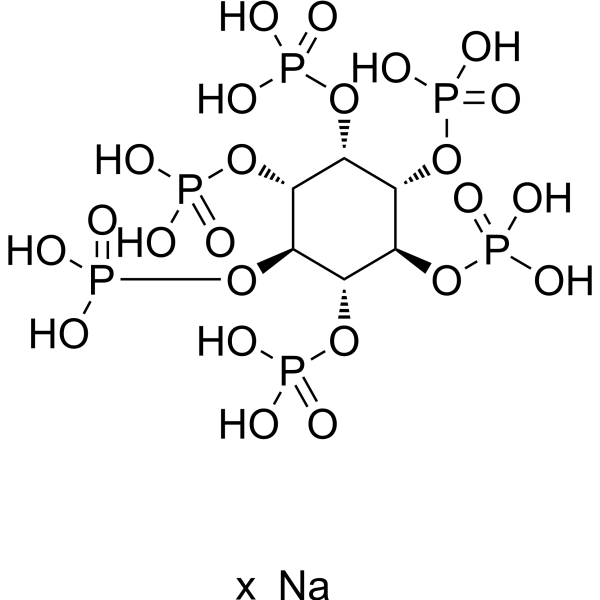
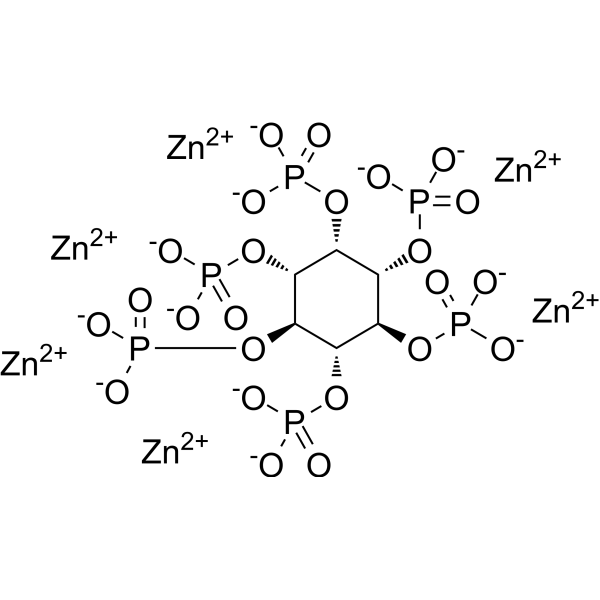
    Phytic acid sodium salt
    1 Publications Verification

    myo-Inositol, hexakisdihydrogen phosphate sodium salt; Inositol hexaphosphate sodium salt

    MOFs Endogenous Metabolite Amyloid-β Autophagy Cardiovascular Disease Neurological Disease Metabolic Disease Cancer
    Phytic acid (myo-Inositol; hexakis dihydrogen phosphate; Inositol hexaphosphate) sodium salt is an orally active compound. Phytic acid sodium salt can be derived from the seeds of legumes. Phytic acid sodium salt is a [PO4] 3- storage depot and precursor for other inositol phosphates and pyrophosphates. Phytic acid sodium salt attenuates oligomers and upregulates autophagy protein. Phytic acid sodium salt can be used in cardiovascular disease, metabolic disease, nervous system disease and cancer research .
    Phytic acid sodium salt
  • HY-N10546

    iGluR Trk Receptor ERK Apoptosis Autophagy Neurological Disease
    Ganglioside GM1 is a type of glycosphingolipid, mainly found on the cell membranes of the central nervous system of vertebrates. Ganglioside GM1 exerts neuroprotective effects by reducing excessive activation of NMDAR, activating TrkA and ERK1/2, and inhibiting oxidative stress and cell apoptosis and autophagy. Ganglioside GM1 can be used in the research of diseases such as traumatic brain injury, Parkinson's disease, Alzheimer's disease, and Huntington's disease .
    Ganglioside GM1
  • HY-D0186
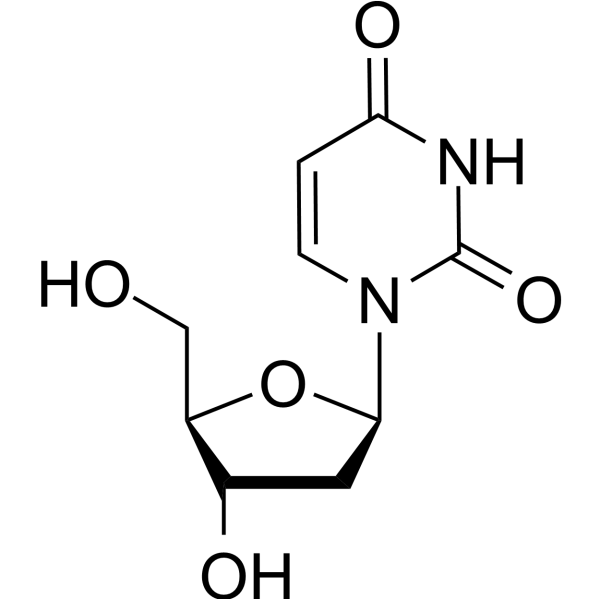
    2'-Deoxyuridine
    3 Publications Verification

    Endogenous Metabolite Thymidylate Synthase Infection
    2’-deoxyuridine is a brain-penetrant pyrimidines nucleotide that is associated with nervous system diseases. 2'-Deoxyuridine could increase chromosome breakage and results in a decreased thymidylate synthetase activity. 2'-Deoxyuridine is a precursor in the synthesis of Edoxudine (HY-B1011) and also an analogue of 5-ethynyl-2'-deoxyuridine, EdU (HY-118411). 2’-deoxyuridine reduces microglial activation and improve oxidative stress damage by modulating glycolytic metabolism on the Aβ25-35-induced brain injury, which is promising for research of Alzheimer’s disease (AD) .
    2'-Deoxyuridine
  • HY-111263
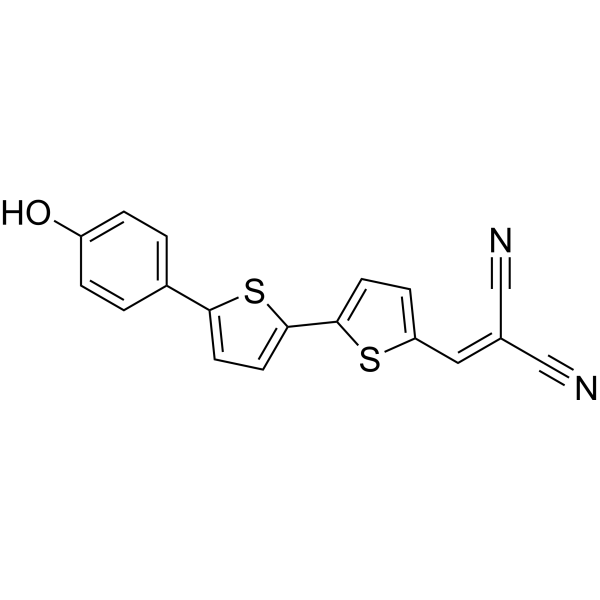
    NIAD-4
    1 Publications Verification

    Fluorescent Dye Amyloid-β Others
    NIAD-4 is a blood-brain barrier permeable fluorophore for optical imaging of amyloid-β () in the central nervous system (CNS) for Alzheimer’s disease (AD). NIAD-4 binds to the same Aβ site with the binding affinity (Ki) of 10 nM .
    NIAD-4
  • HY-N0814
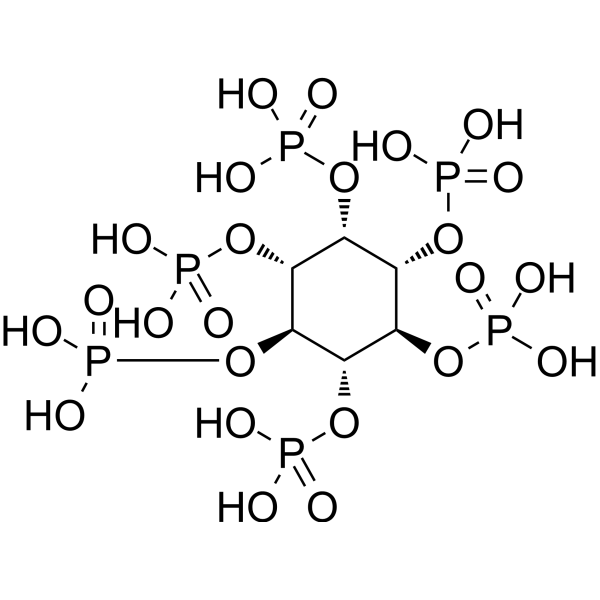
    Phytic acid (50% w/w in water)
    1 Publications Verification

    Inositol hexaphosphate; SNF472 free acid

    Endogenous Metabolite Amyloid-β Autophagy Cardiovascular Disease Neurological Disease Metabolic Disease Cancer
    Phytic acid (myo-Inositol; hexakis dihydrogen phosphate; Inositol hexaphosphate) is an orally active compound. Phytic acid can be derived from the seeds of legumes. Phytic acid is a [PO4] 3- storage depot and precursor for other inositol phosphates and pyrophosphates. Phytic acid attenuates oligomers and upregulates autophagy protein. Phytic acid can be used in cardiovascular disease, metabolic disease, nervous system disease and cancer research .
    Phytic acid (50% w/w in water)
  • HY-34431

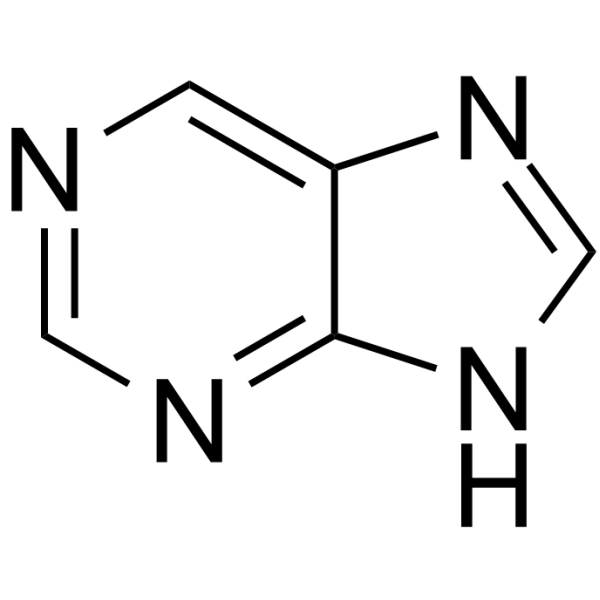
    7H-Imidazo(4,5-d)pyrimidine

    Endogenous Metabolite PARP Neurological Disease Metabolic Disease Cancer
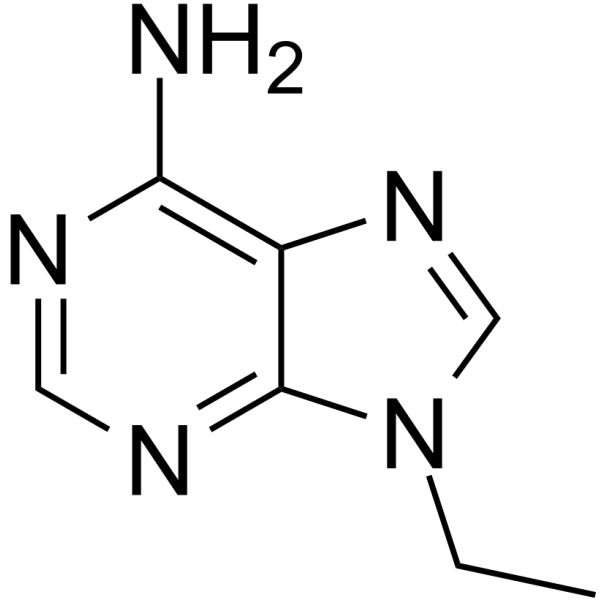
    Purine is an endogenous metabolite. Purine bases are the building blocks of the nucleic acids. Purine inhibits the activation of PARP. Purine protects against oxidant-induced cell injury. Purine can be used in the research of cancer and nervous system diseases .
    Purine
  • HY-P1146
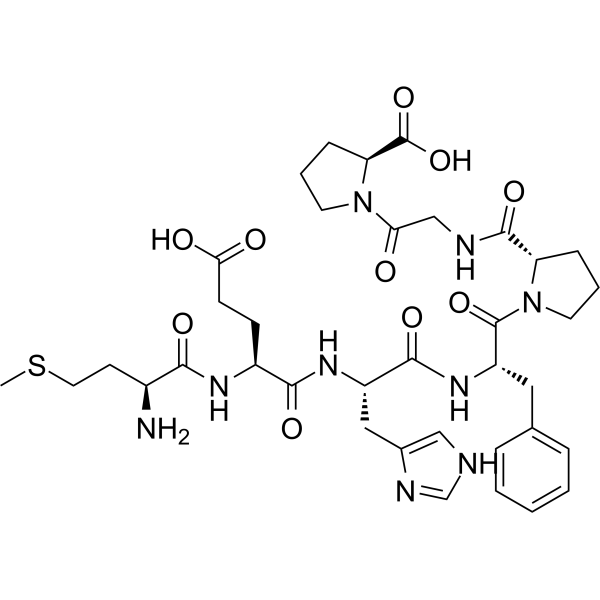
    Semax
    1 Publications Verification

    Amyloid-β Cardiovascular Disease Neurological Disease Inflammation/Immunology
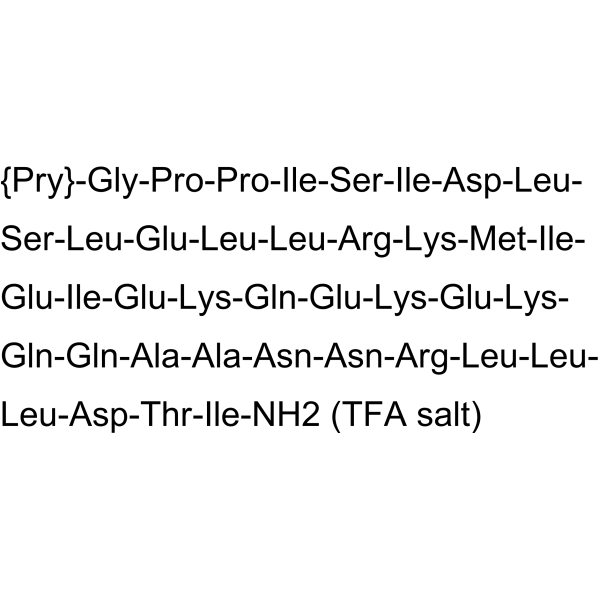
    Semax is a BBB-penetrable adrenocorticotropic hormone-like peptide and can form stable complexes with Cu 2+. Semax is a synthetic peptide analog of Adrenocorticotropic hormone (ACTH) (4-10). Semax has immunomodulatory, nootropic and neuroprotective activities. Semax can be used in the research of central nervous system diseases such as Alzheimer's disease and cerebral ischemia .
    Semax
  • HY-13204

    KL 373 hydrochloride

    mAChR Neurological Disease
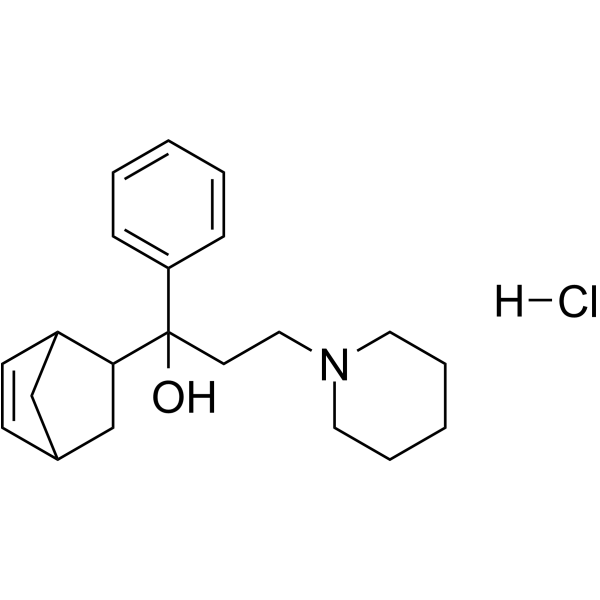
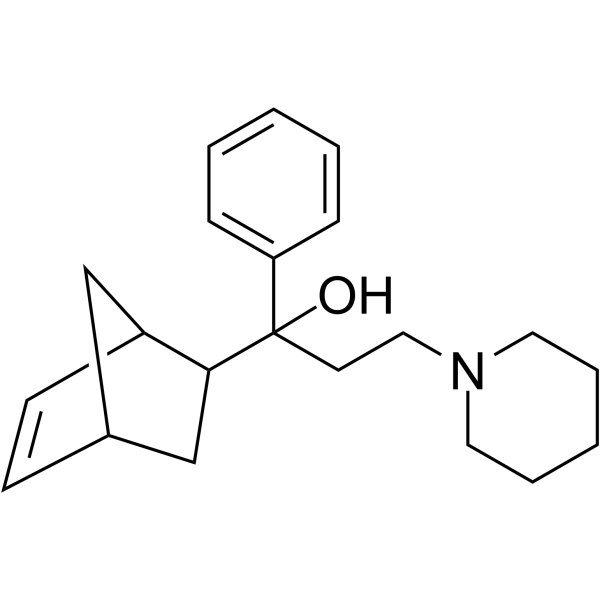
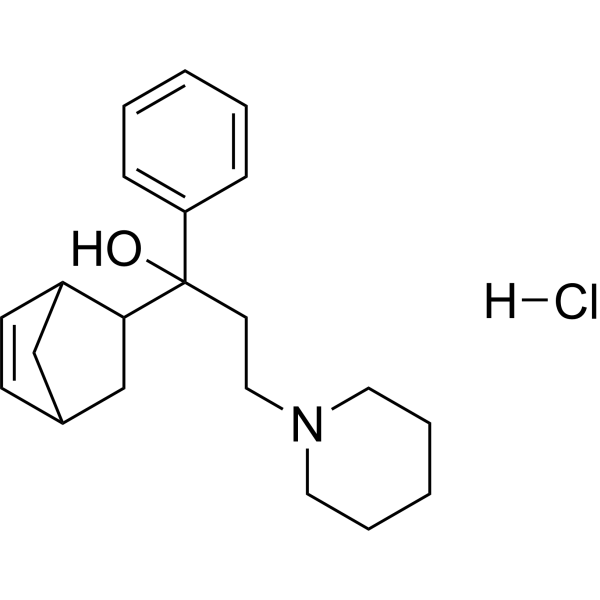
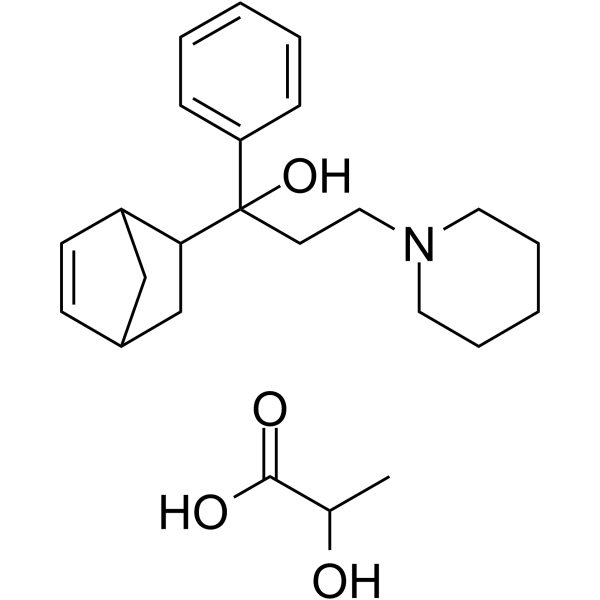
    Biperiden (KL 373) hydrochloride is a non-selective muscarinic receptor antagonist that competitively binds to M1 muscarinic receptors, thereby inhibiting acetylcholine and enhancing dopamine signaling in the central nervous system. Biperiden hydrochloride has the potential for the research of Parkinson's disease and other related psychiatric disorders .
    Biperiden hydrochloride
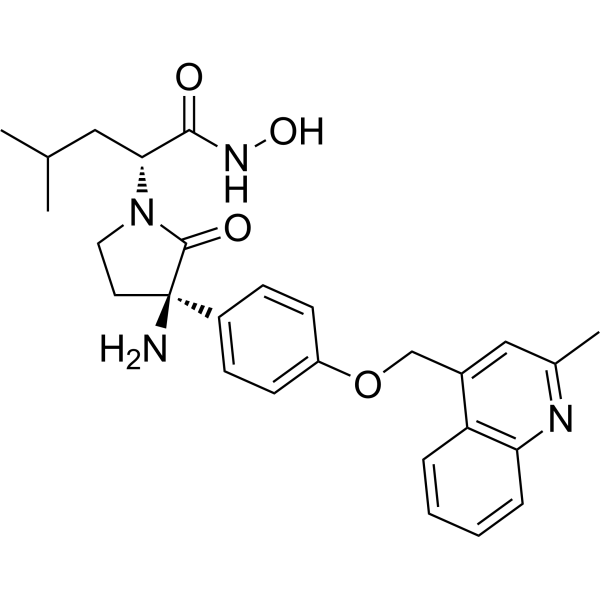
  • HY-149285

    HDAC Neurological Disease
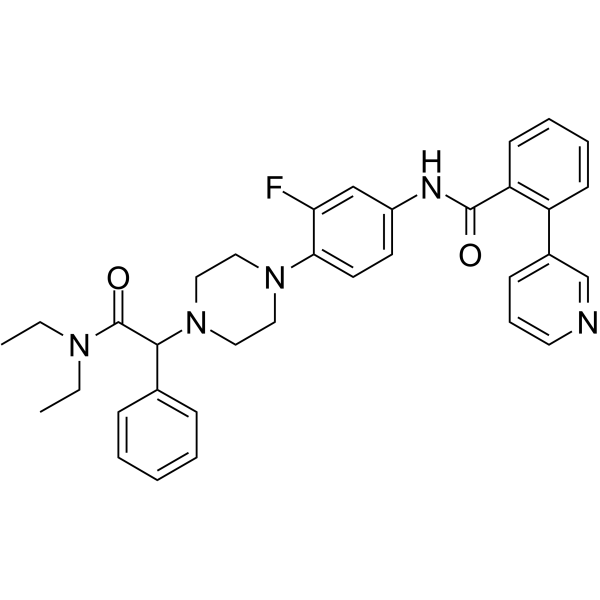
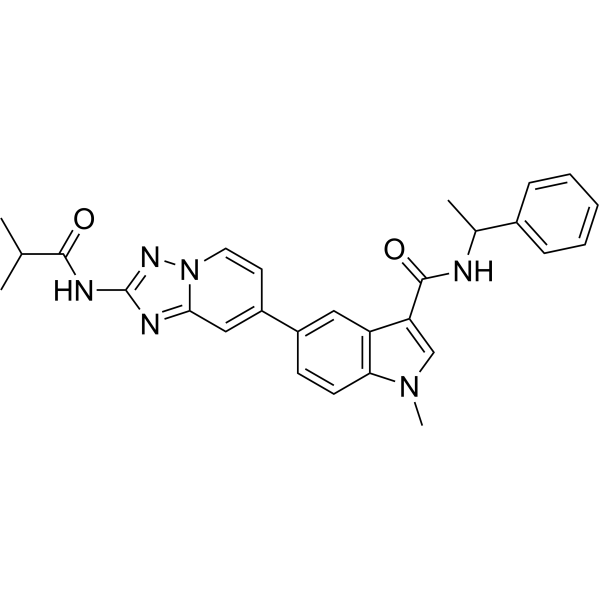
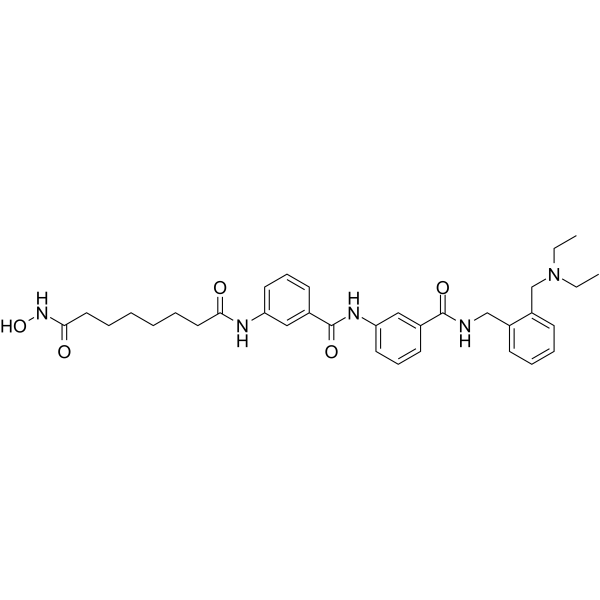
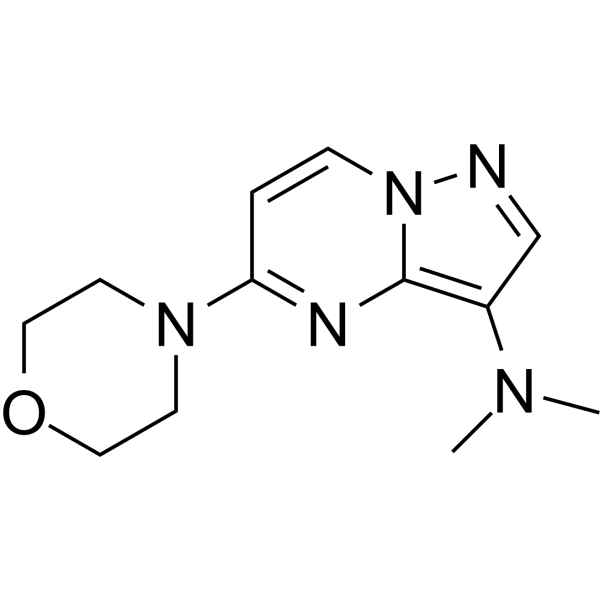
    NT160 is a highly potent class-IIa HDAC inhibitor with an IC50 value of 0.046 μM. NT160 can be used for the research of central nervous system diseases .
    NT160
  • HY-B0900
    Anethole
    2 Publications Verification

    Anise camphor; p-Propenylanisole; Isoestragole

    Environmental Pollutants Apoptosis NF-κB Fungal Bacterial MMP Infection Neurological Disease Inflammation/Immunology Cancer
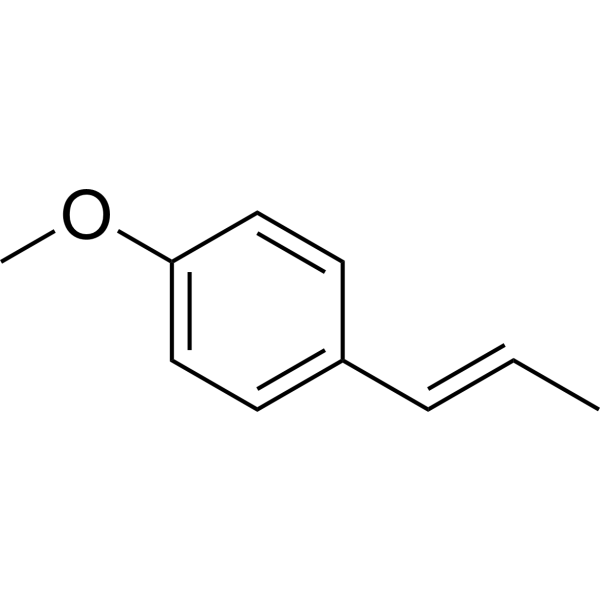
    Anethole is a type of orally active aromatic compound that is widely found in nature and used as a flavoring agent. Anethole possesses anticancer, anti-inflammatory, antioxidant, antibacterial, antifungal, anesthetic, estrogenic, central nervous system depressant, hypnotic, insecticidal, and gastroprotective effects. Anethole can be used in the study of oxidative stress-related skin diseases and prostate cancer .
    Anethole
  • HY-101449
    Adaptaquin
    2 Publications Verification

    HIF/HIF Prolyl-Hydroxylase Reactive Oxygen Species (ROS) Neurological Disease Metabolic Disease Inflammation/Immunology
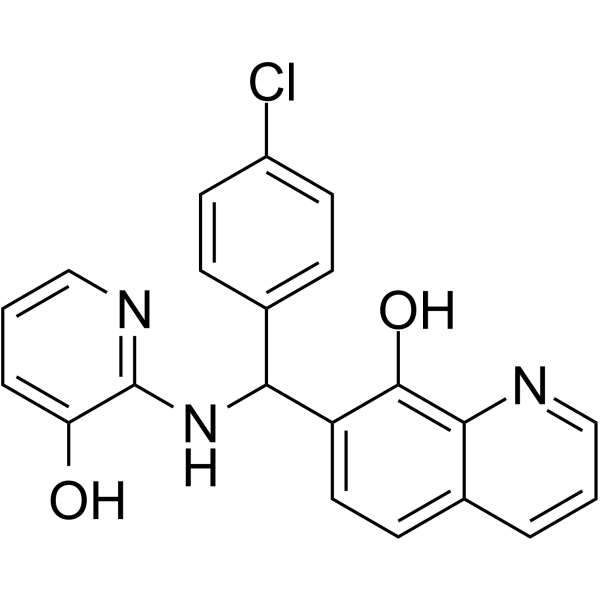
    Adaptaquin is a BBB-penetrable HIF-PHDs inhibitor. Adaptaquin has anti-inflammatory and neuroprotective effects. Adaptaquin can effectively inhibit lipid peroxidation, maintain mitochondrial function, and reduce neuronal death. Adaptaquin can be used in the research of nervous system diseases such as Parkinson's disease .
    Adaptaquin
  • HY-108234
    VU 0255035
    1 Publications Verification

    VU 255035

    mAChR Neurological Disease
    VU0255035 is a highly selective and competitive M1 mAChR antagonist. VU0255035 blocks M1 mAChR signals to reduce epileptic seizures and regulate neuronal membrane potential. VU0255035 can be used in research related to central nervous system diseases, such as epilepsy, Parkinson's disease, and dystonia .
    VU 0255035
  • HY-14450
    JNJ-31020028
    1 Publications Verification

    Neuropeptide Y Receptor Neurological Disease Endocrinology
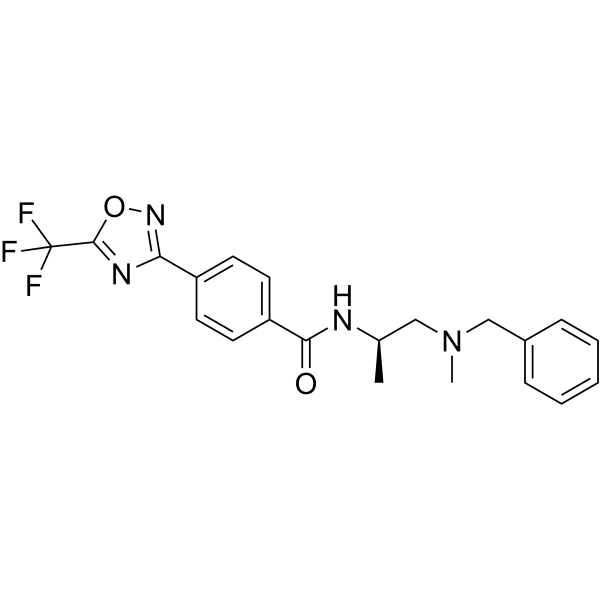
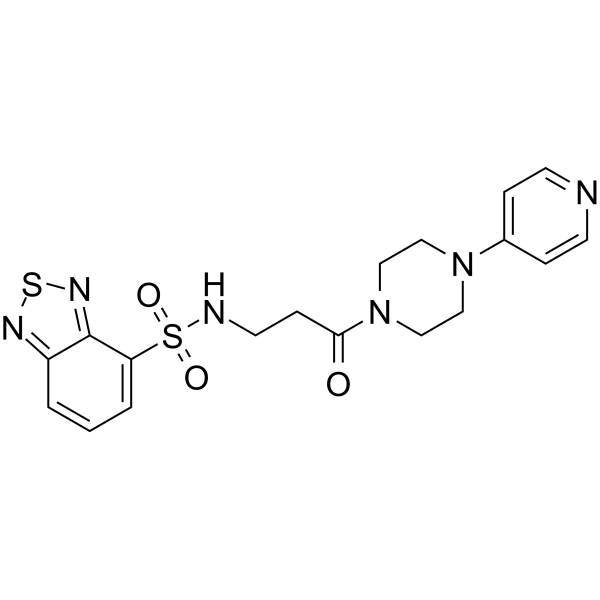
    JNJ-31020028 is a selective and brain penetrant antagonist of neuropeptide Y Y2 receptor with pIC50 values of 8.07 and 8.22 for human and rat Y2 receptor, respectively. JNJ-31020028 can be used for the research of nervous disease .
    JNJ-31020028
  • HY-N2014
    Verbenalin
    2 Publications Verification

    SARS-CoV Amyloid-β Ferroptosis Tau Protein Caspase Bcl-2 Family Infection Cardiovascular Disease Neurological Disease Inflammation/Immunology
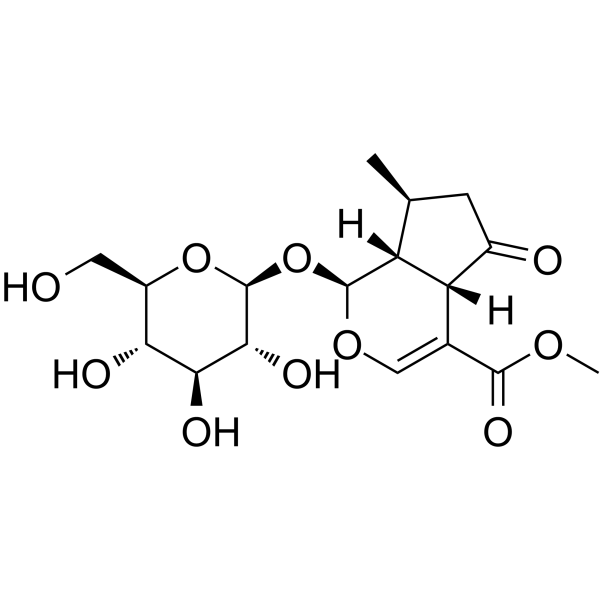
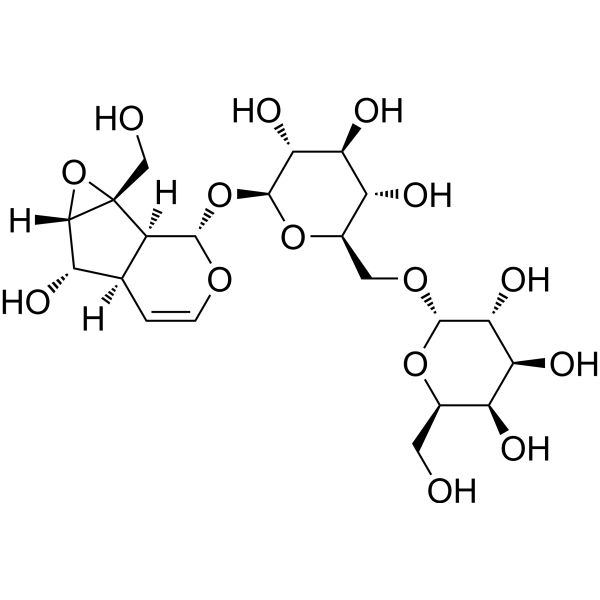
    Verbenalin is an orally active terpenoid glycoside that can be extracted from the medicinal plant Verbena officinalis. Verbenalin has anti-inflammatory, antiviral, and neuroprotective effects. Verbenalin has a strong binding affinity to the nsp-12 protein of the SARS-CoV-2 virus. Verbenalin can be used in the research of inflammatory and nervous system diseases such as hepatitis and Alzheimer's disease .
    Verbenalin
  • HY-122273

    Drug Derivative Neurological Disease
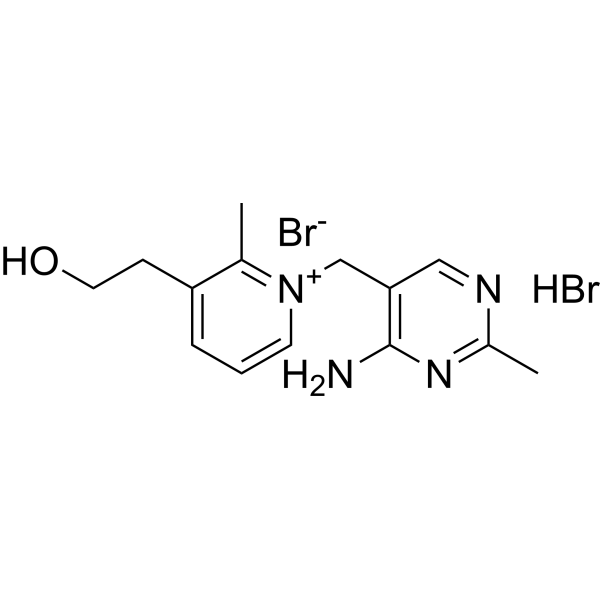
    Pyrithiamine hydrobromide is a thiamine metabolic inhibitor that can act as a substrate for thiamine pyrophosphokinase. Pyrithiamine hydrobromide can be used in the research of nervous system diseases .
    Pyrithiamine hydrobromide
  • HY-148787

    SAR443820; DNL788

    RIP kinase Neurological Disease Inflammation/Immunology
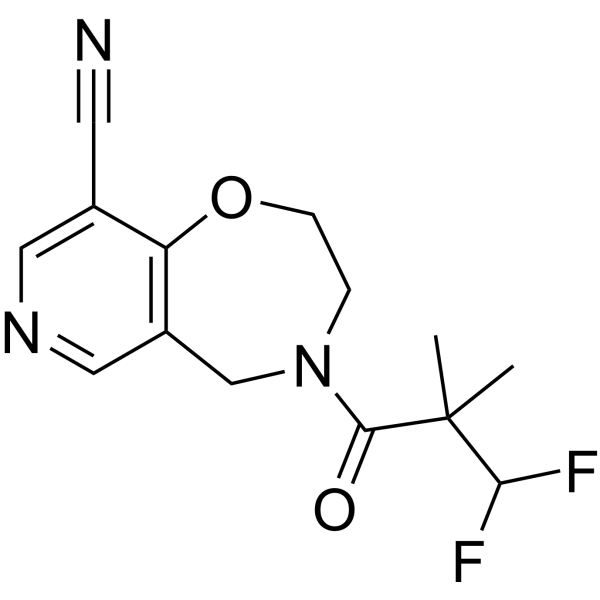
    Oditrasertib (SAR443820) is an orally active, BBB-penetrable and selective reversible inhibitor of RIPK1. Oditrasertib can be used in the research of chronic inflammatory central nervous system diseases, such as amyotrophic lateral sclerosis and multiple sclerosis .
    Oditrasertib
  • HY-P1146A
    Semax acetate
    1 Publications Verification

    Amyloid-β Cardiovascular Disease Neurological Disease Inflammation/Immunology
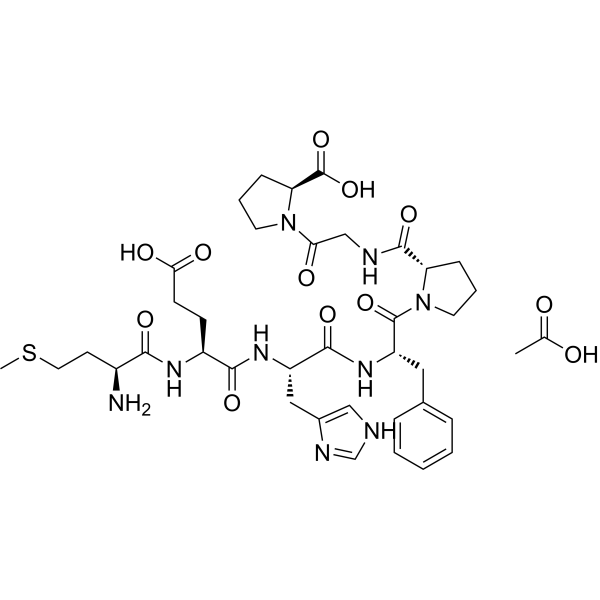
    Semax acetate is a BBB-penetrable adrenocorticotropic hormone-like peptide and can form stable complexes with Cu 2+. Semax acetate is a synthetic peptide analog of Adrenocorticotropic hormone (ACTH) (4-10). Semax acetate has immunomodulatory, nootropic and neuroprotective activities. Semax acetate can be used in the research of central nervous system diseases such as Alzheimer's disease and cerebral ischemia .
    Semax acetate
  • HY-103190

    Adenosine Receptor Neurological Disease Cancer
    MRS1220, a highly potent and selective human A3 adenosine receptor (hA3AR) antagonist with a Ki of 0.59 nM, has therapeutic potential for the research of diseases of the central nervous system . MRS1220 reduces glioblastoma tumor size and blood vessel formation in vivo .
    MRS1220
  • HY-124775

    Phosphodiesterase (PDE) Neurological Disease
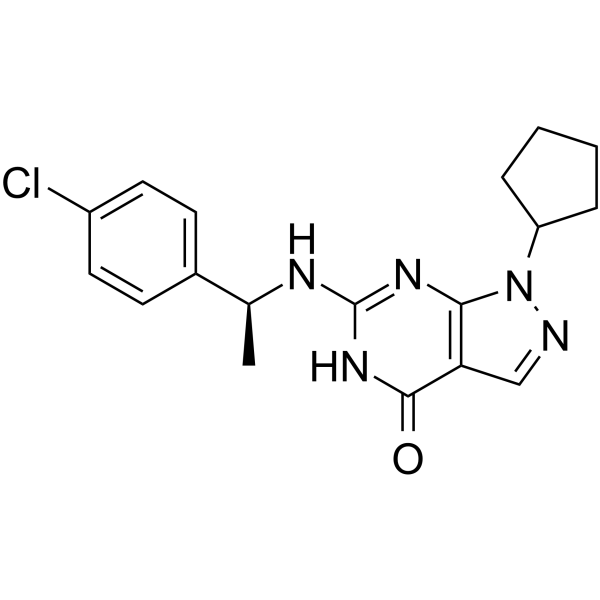
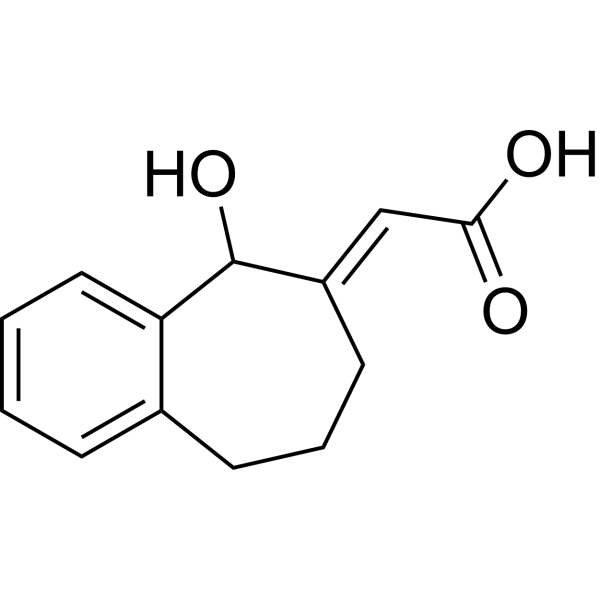
    (S)-C33 is a potent and selective PDE9 (phosphodiesterase-9) inhibitor, with an IC50 of 11 nM. (S)-C33 can be used for central nervous system diseases and diabetes research .
    (S)-C33
  • HY-148382

    RIP kinase Necroptosis Neurological Disease Inflammation/Immunology
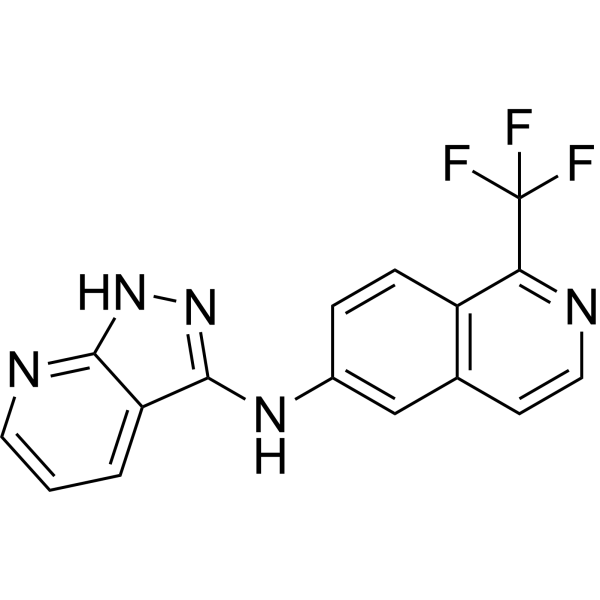
    RI-962 is a potent and selective receptor-interacting protein kinase 1 (RIPK1) inhibitor. RI-962 inhibits RIPK1 with an IC50 value of 35.0 nM. RI-962 can be used for the research of nervous system diseases and inflammatory diseases .
    RI-962
  • HY-U00382

    Neurokinin Receptor Neurological Disease Inflammation/Immunology
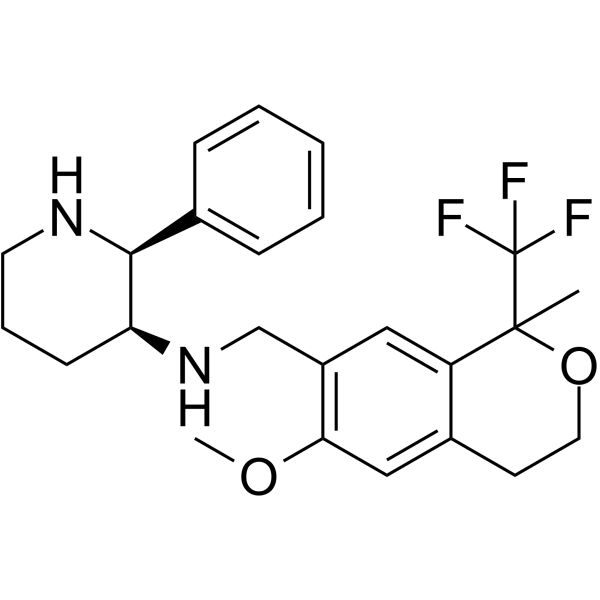
    Substance P Receptor Antagonist 1 has the potential function in central nervous system disorders, respiratory, inflammatory diseases and gastrointestinal disorders.
    Substance P Receptor Antagonist 1
  • HY-165677

    Endogenous Metabolite Neurological Disease
    C22 Galactosylceramide is a sphingolipid present in the central nervous system, exhibiting elevated levels in the spinal cord of mice on a methionine-restricted diet, while not affecting the brain or liver; furthermore, it has been identified in the postmortem hippocampus of Alzheimer's disease patients.
    C22 Galactosylceramide
  • HY-N10546A

    iGluR Trk Receptor ERK Apoptosis Autophagy Neurological Disease
    Ganglioside GM1 (bovine) ammonium is a type of glycosphingolipid, mainly found on the cell membranes of the central nervous system of vertebrates. Ganglioside GM1 (bovine) ammonium exerts neuroprotective effects by reducing excessive activation of NMDAR, activating TrkA and ERK1/2, and inhibiting oxidative stress and cell apoptosis and autophagy. Ganglioside GM1 (bovine) ammonium can be used in the research of diseases such as traumatic brain injury, Parkinson's disease, Alzheimer's disease, and Huntington's disease .
    Ganglioside GM1 (bovine) ammonium
  • HY-176800

    CCR Neurological Disease Inflammation/Immunology
    LMD-902, a LMD-009 (HY-121885) analog, is a CCR8 agonist with an EC50 of 15  nM. LMD-902 has a superior binging capacity depending on key residues such as PheVI:16. LMD-902 can be used for inflammation diseases like bronchial asthma and central nervous system diseases like multiple sclerosis research .
    LMD-902
  • HY-103253

    Reactive Oxygen Species (ROS) Neurological Disease
    LY231617 is a potent and blood-brain barrier penetrable antioxidant. LY231617 is a neuroprotective agent in brain, it can be used for the research of nervous disease .
    LY231617
  • HY-155058

    Sodium Channel Neurological Disease
    Nav1.3 channel inhibitor 1 (compound 15b) is a state-dependent voltage-gated sodium channel Nav1.3 inhibitor (IC50=20 nM). Nav1.3 channel inhibitor 1 can penetrate the blood-brain barrier and can be used in the research of nervous system diseases .
    Nav1.3 channel inhibitor 1
  • HY-D0186R

    Reference Standards Endogenous Metabolite Thymidylate Synthase Infection
    2'-Deoxyuridine (Standard) is the analytical standard of 2'-Deoxyuridine. This product is intended for research and analytical applications. 2’-deoxyuridine is a brain-penetrant pyrimidines nucleotide that is associated with nervous system diseases. 2'-Deoxyuridine could increase chromosome breakage and results in a decreased thymidylate synthetase activity. 2'-Deoxyuridine is a precursor in the synthesis of Edoxudine (HY-B1011) and also an analogue of 5-ethynyl-2'-deoxyuridine, EdU (HY-118411). 2’-deoxyuridine reduces microglial activation and improve oxidative stress damage by modulating glycolytic metabolism on the Aβ25-35-induced brain injury, which is promising for research of Alzheimer’s disease (AD) . In Vitro:The interaction between the 2-deoxyuridine and the column increases the duration of retention of 2-deoxyuridine .
    Gradient elution with sodium acetate buffer-ACN eluent on two ZIC-HILIC homemade columns separates 2-deoxyuridine in under 9 min .
    In Vivo:2'-Deoxyuridine (34.42 ng/mL, gavage, 15 min) passes the blood-brain barrier (BBB) to enter the hippocampus of mice brain .
    2'-Deoxyuridine (20 mg/kg, gavage, daily for 4 weeks) improves cognition and memory loss and attenuates the damage to the hippocampus in Aβ25-35-induced mice model .
    2'-Deoxyuridine (Standard)
  • HY-106189

    Opioid Receptor Neurological Disease
    CCI-1008 is an opioid receptor agonist. CCI-1008 can be used for research on nervous system diseases .
    CCI-1008
  • HY-177085

    Orexin Receptor (OX Receptor) Neurological Disease
    Fumiporexant (Compound Example 93) is an orally active, brain-penetrant and selective Orexin receptor 2 (OX2R) antagonist. Fumiporexant regulates the sleep-wake cycle and emotion-related pathways in the central nervous system. Fumiporexant is promising for research of nervous system diseases such as insomnia and major depressive disorder .
    Fumiporexant
  • HY-158756

    Drug Derivative Neurological Disease
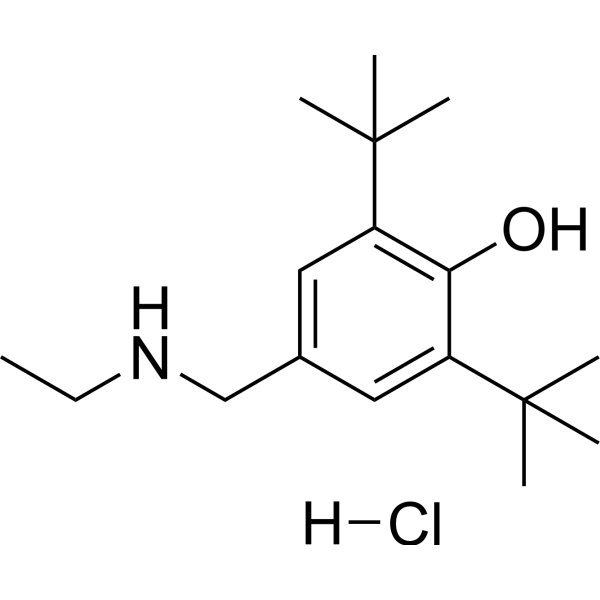
    3-EEC hydrochloride is the hydrochloride of 3-EEC. 3-EEC belongs to the class of central nervous system stimulants. 3-EEC can be used for the study of neurological disease .
    3-EEC hydrochloride
  • HY-W835175

    iGluR Neurological Disease
    Neramexane hydrochloride is an oral N-methyl-D-aspartate (NMDA) receptor antagonist, as a potential neuroprotectant for various central nervous system disorders, including Alzheimer's disease, and for the potential study of drug and alcohol dependence, and pain.
    Neramexane hydrochloride
  • HY-115726

    γ-secretase Amyloid-β Neurological Disease
    FRM-024 is a central nervous system-penetrant, orally active γ-secretase modulator and Aβ42 lowering agent. FRM-024 is used for the research of familial Alzheimer's disease .
    FRM-024
  • HY-145887

    Bcr-Abl Cancer
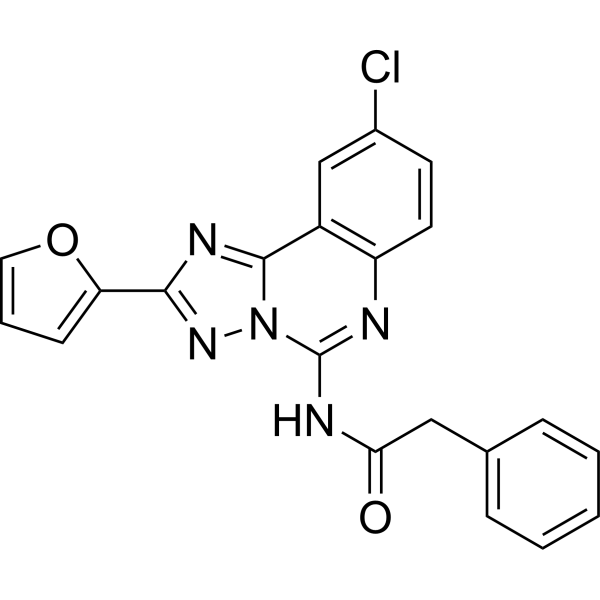
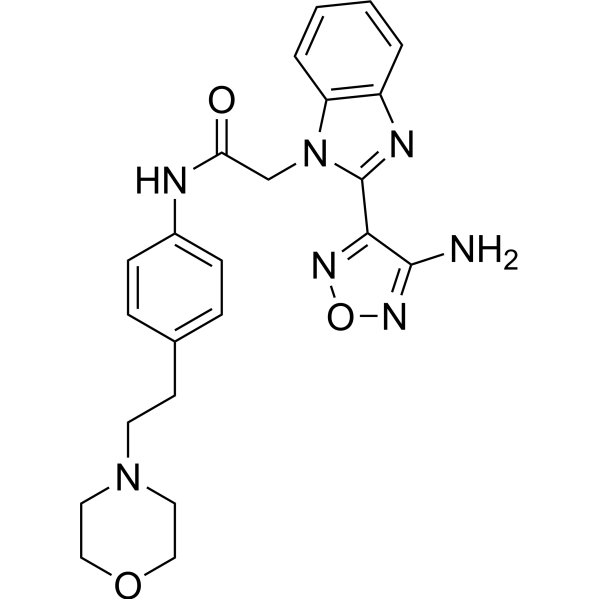
    BCR-ABL1-IN-1 (Example 74) is the inhibitor for ABL1 (64-515) with IC50 of 8.7 nM. BCR-ABL1-IN-1 can be used in research on diseases related to the central nervous system (CNS) .
    BCR-ABL1-IN-1
  • HY-114549

    Dopamine Receptor Neurological Disease
    (R)-SCH-23982 hydrochloride is the R-enantiomer of SCH-23982 hydrochloride. SCH-23982 hydrochloride is a selective dopamine D1 receptor antagonist. (R)-SCH-23982 hydrochloride is promising for research of central nervous system disorders such as schizophrenia, Parkinson’s disease .
    (R)-SCH-23982 hydrochloride
  • HY-101207

    GABA Receptor Neurological Disease
    NCS-382 is a potent GABA receptor antagonist and also a GHBR receptor antagonist. NCS-382 has anticonvulsant and antisedative activity. NCS-382 is used in the related research of hereditary nervous system diseases .
    NCS-382
  • HY-122647

    VU0652957; VU2957

    mGluR Neurological Disease
    Valiglurax (VU0652957) is a potent, orally active and selective mGlu4 positive allosteric modulator with EC50 values of 64.6 nM and 197 nM for hmGlu4/Gqi5 and rmGlu4 GIRK, respectively. Valiglurax is a central nervous system (CNS) penetrant. Valiglurax can be used in research of Parkinson's disease .
    Valiglurax
  • HY-169575

    PARP Cardiovascular Disease Neurological Disease Inflammation/Immunology Cancer
    PARP1-IN-36 (compound 11) is a 4-carboxamido-isoindolinone derivative and a selective PARP-1 inhibitor with a Kd < 0.01 μM. PARP1-IN-36 can be utilized in cancer, cardiovascular diseases, nervous system injury and inflammation research .
    PARP1-IN-36
  • HY-P2781

    Phosphodiesterase (PDE) Cardiovascular Disease Neurological Disease Inflammation/Immunology
    3′,5′-Cyclic nucleotide phosphodiesterase is a hydrolytic enzyme that degrades cyclic 3', 5' -adenosine monophosphate (cyclic AMP). 3′,5′-Cyclic nucleotide phosphodiesterase is promising for research of cardiovascular diseases, inflammation, central nervous system disorders, and metabolic syndrome .
    3′,5′-Cyclic nucleotide phosphodiesterase
  • HY-122455

    Drug Derivative Neurological Disease Metabolic Disease Endocrinology
    K-102 is a small molecule agent that can be used for the study of nervous system diseases, endocrinology and metabolic disease.
    K-102
  • HY-B0900R

    Anise camphor (Standard); p-Propenylanisole (Standard); Isoestragole (Standard)

    Apoptosis Fungal Bacterial MMP NF-κB Reference Standards Infection Neurological Disease Inflammation/Immunology Cancer
    Anethole (Standard) is the analytical standard of Anethole. This product is intended for research and analytical applications. Anethole is a type of orally active aromatic compound that is widely found in nature and used as a flavoring agent. Anethole possesses anticancer, anti-inflammatory, antioxidant, antibacterial, antifungal, anesthetic, estrogenic, central nervous system depressant, hypnotic, insecticidal, and gastroprotective effects. Anethole can be used in the study of oxidative stress-related skin diseases and prostate cancer .
    Anethole (Standard)
  • HY-W017933

    Octahydro-1H-isoindole; Perhydroisoindole; Hexahydroisoindoline

    Neurokinin Receptor Neurological Disease
    Octahydroisoindole (Perhydroisoindole) is a substance P antagonist that can cross the blood-brain barrier and is useful for the study of movement disorders associated with central nervous system diseases .
    Octahydroisoindole
  • HY-P1438
    Neuropeptide S(Rat)
    1 Publications Verification

    Neuropeptide Y Receptor Neurological Disease
    Neuropeptide S (Rat) is an endogenous ligand of a previously orphan G-protein-coupled receptor now named NPS receptor. Neuropeptide S (Rat) can be used for the research of nervous system disease .
    Neuropeptide S(Rat)
  • HY-174335

    Cannabinoid Receptor Neurological Disease
    UVI3502 is a cannabinoid receptor 1 (CB1) antagonist with an IC50 value of 4641 nM for CB1 and approximately 16200 nM for CB2. UVI3502 blocks Gi/o protein coupling induced by the agonist CP55,940. UVI3502 is promising for research of endocannabinoid system-related diseases in the central nervous system (such as cognitive impairment and neurodegenerative diseases) .
    UVI3502
  • HY-103522

    GABA Receptor Neurological Disease
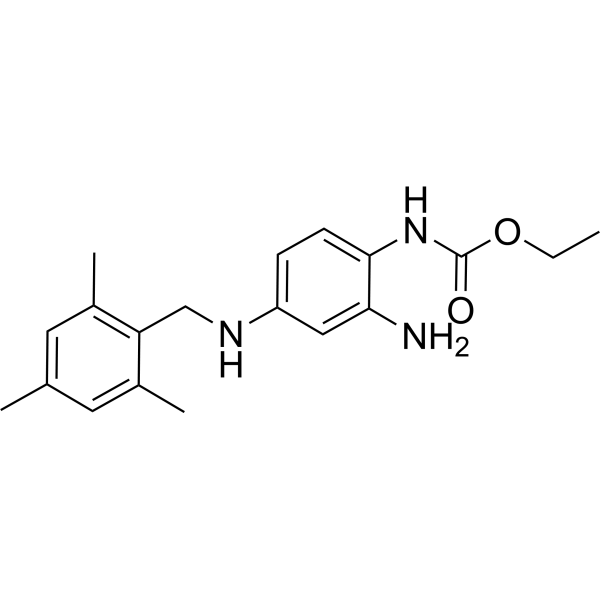
    AA29504 is a ethyl carbamate with γ-aminobutyric acid (GABAA(HY-L120) receptor activity. AA29504 inhibits the delivery of the neurotransmitter gamma-aminobutyric acid in the central nervous system. AA29504 can be used to research anxiety, insomnia and other neuropsychiatric diseases .
    AA29504
  • HY-105518

    SR-25776

    GABA Receptor Neurological Disease
    Terbequinil (SR-25776) is a potent orally active Gamma-aminobutyric acid A (GABAA) receptor inverse agonist. Terbequinil can be used for research on nervous system diseases .
    Terbequinil
  • HY-171449

    mAChR Cardiovascular Disease Neurological Disease
    SCH 211803 is a selective antagonist of the M2 muscarinic receptor. SCH 211803 is promising for research of cardiovascular and nervous system diseases .
    SCH 211803
  • HY-169557

    CDK Neurological Disease
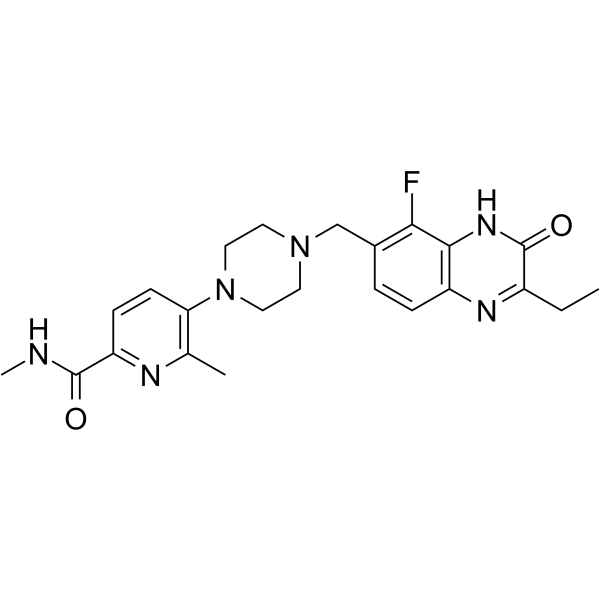
    CDKI-IN-1 (Compound SNX12) is a cyclin-dependent kinase inhibitor (CDKI) inhibitor that can be used for research into degenerative diseases of the central nervous system .
    CDKI-IN-1
  • HY-W471937

    Adrenergic Receptor Cardiovascular Disease Neurological Disease
    α1b-AR antagonist 1 (Compound Cpd1) is a selective α1B-AR antagonist. Alpha1b-ar antagonist 1 can be used in the study of cardiovascular and central nervous system diseases .
    α1B-AR antagonist 1
  • HY-103560

    mGluR Neurological Disease
    (S)-HexylHIBO is the S-enantiomer of HexylHIBO. HexylHIBO is a group I mGluR antagonist. HexylHIBO elevates the hypothalamus-pituitary-adrenal axis response to restraint in rats. HexylHIBO is promising for research of central nervous system-related diseases .
    (S)-HexylHIBO

온라인 문의

Your information is safe with us. * Required Fields.

호칭


Country or Region *

고객명 *


회사명 *

Department *


메일주소 *


상품명 *

Cat. No.


Requested quantity *

전화번호 *


비고

온라인 문의

Inquiry Information

상품명:
Cat. No.:
수량:
MCE Japan Authorized Agent: