Search Result
Results for "
antidepressant effects
" in MedChemExpress (MCE) Product Catalog:
2
Biochemical Assay Reagents
39
Isotope-Labeled Compounds
| Cat. No. |
Product Name |
Target |
Research Areas |
Chemical Structure |
-
- HY-N6947
-
Lutein
4 Publications Verification
Xanthophyll
|
Endogenous Metabolite
Apoptosis
Reactive Oxygen Species (ROS)
|
Neurological Disease
Inflammation/Immunology
|
|
Lutein (Xanthophyll) is a carotenoid with reported anti-inflammatory properties. A large body of evidence shows that lutein has several beneficial effects, especially on eye health . Lutein exerts its biological activities, including anti-inflammation, anti-oxidase and anti-apoptosis, through effects on reactive oxygen species (ROS) . Lutein is able to arrive in the brain and shows antidepressant-like and neuroprotective effects. Lutein is orally active .
|
-
-
- HY-N0571
-
-
-
- HY-13206
-
|
|
mGluR
|
Neurological Disease
|
|
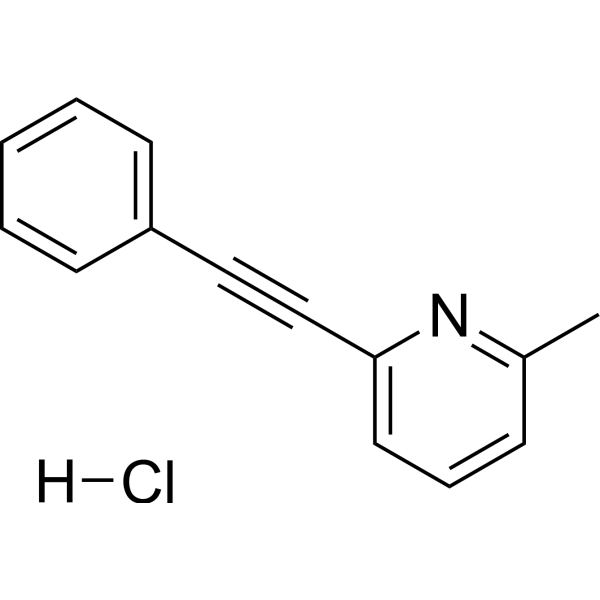
MTEP hydrochloride is a potent, non-competitive and highly selective mGluR5 antagonist, with an IC50 of 5 nM and a Ki of 16 nM. MTEP hydrochloride shows antidepressant and anxiolytic-like effects. MTEP hydrochloride can be used for Parkinson's disease research .
|
-
-
- HY-N7204
-
|
|
Monoamine Oxidase
Dopamine β-hydroxylase
Apoptosis
|
Neurological Disease
Inflammation/Immunology
|
|
4-Hydroxyderricin, the major active ingredients of Angelica keiskei Koidzumi, is an orally active, potent selective MAO-B (Monoamine oxidase inhibitors) inhibitor with an IC50 of 3.43 μM. 4-Hydroxyderricin also mildly inhibits dopamine β (DBH)-hydroxylase activity. 4-Hydroxyderricin has antidepressant activity, anti-allergic, anti-diabetic, anti-oxidant, and antitumor effects. 4-Hydroxyderricin promotes apoptosis and cell cycle arrest through regulating PI3K/AKT/mTOR pathway in hepatocellular cells. 4-Hydroxyderricin inhibits osteoclast formation and accelerates osteoblast differentiation . 4-Hydroxyderricin is promising for research of inflammatory diseases .
|
-
-
- HY-N0765
-
-
-
- HY-B0366A
-
|
Cyproheptadine HCl
|
5-HT Receptor
|
Cardiovascular Disease
Neurological Disease
Cancer
|
|
Cyproheptadine hydrochloride is a potent and orally active 5-HT2A receptor antagonist, with antidepressant and antiserotonergic effects. Cyproheptadine hydrochloride has antiplatelet and thromboprotective activities. Cyproheptadine hydrochloride can be used for the research of thromboembolic disorders .
|
-
-
- HY-B0725
-
|
|
Histamine Receptor
Cytochrome P450
|
Neurological Disease
Cancer
|
|
Doxepin hydrochloride is an orally active tricyclic antidepressant agent. Doxepin hydrochloride is a potent and selective histamine receptor H1 antagonist. Doxepin hydrochloride is also a potent CYP450 inhibitor and significantly inhibits CYP450 2C19 and 1A2 . Doxepin inhibits reuptake of serotonin and norepinephrine as a tricyclic antidepressant .. Doxepin has therapeutic effects in atopic dermatitis,chronic urticarial,can improve cognitive processes, protect central nervous system .. Doxepin has also been proposed as a protective factor against oxidative stress ..
|
-
-
- HY-118620
-
|
Desmethylamitriptyline; Desitriptilina
|
Autophagy
Drug Metabolite
Apoptosis
|
Neurological Disease
Cancer
|
|
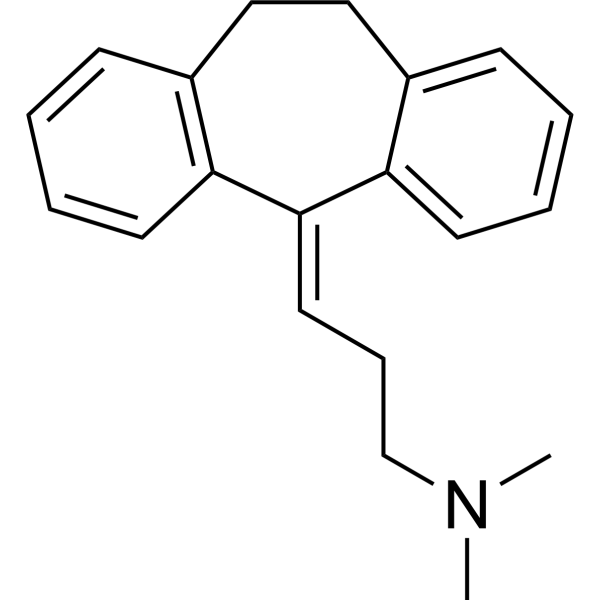
Nortriptyline (Desmethylamitriptyline), the main active metabolite of Amitriptyline, is a tricyclic antidepressant. Nortriptyline is a potent autophagy inhibitor and has anticancer effects .
N
|
-
-
- HY-B1622
-
-
-
- HY-B0444
-
|
|
Autophagy
Apoptosis
ERK
|
Neurological Disease
Cancer
|
|
Maprotiline hydrochloride is a highly selective noradrenergic reuptake inhibitor that has strong antidepressant, antitumor and neuropathic pain-relieving effects with oral activity. Maprotiline hydrochloride induces cancer cell apoptosis by targeting the ERK signaling pathway and CRABP1 .
|
-
-
- HY-B1417
-
|
Desmethylamitriptyline hydrochloride; Desitriptilina hydrochloride
|
Autophagy
Drug Metabolite
Apoptosis
|
Neurological Disease
Cancer
|
|
Nortriptyline (Desmethylamitriptyline) hydrochloride, the main active metabolite of Amitriptyline, is a tricyclic antidepressant. Nortriptyline hydrochloride is a potent autophagy inhibitor and has anticancer effects .
|
-
-
- HY-15527
-
|
AC-5216; XBD-173
|
TSPO
|
Neurological Disease
Metabolic Disease
|
|
Emapunil (AC-5216), an orally active and selective TSPO (a mitochondrial benzodiazepine receptor) ligand, produces anti-anxiety and antidepressant-like effects in various animal models .
|
-
-
- HY-18940A
-
-
-
- HY-14127
-
|
NBI30775
|
CRFR
|
Neurological Disease
Endocrinology
|
|
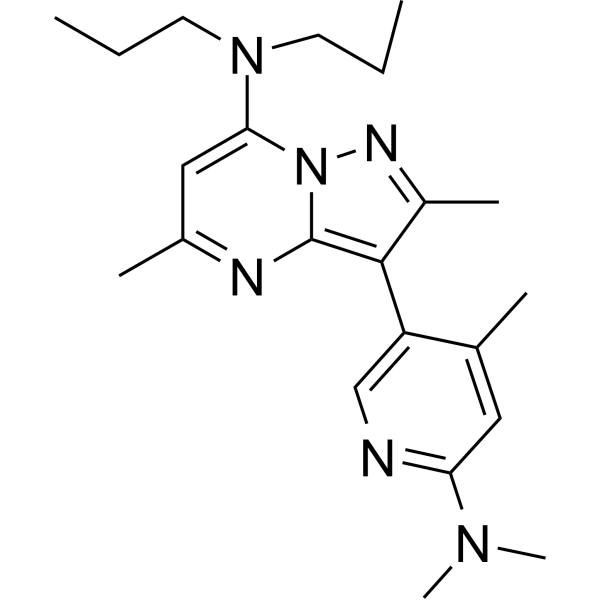
R121919 (NBI30775) is a potent and selective CRF1R antagonist with a Ki of 2 to 5 nM. R121919 has antidepressant and anxiolytic effects. R121919 alleviates defensive withdrawal in rats .
|
-
-
- HY-107729
-
|
|
Neuropeptide Y Receptor
|
Neurological Disease
|
|
Lu AA33810 is a selective, orally active and brain-penetrant antagonist of neuropeptide Y5 receptor with a Ki of 1.5 nM for the rat receptor. Lu AA33810 exhibts antianxiolytic-like and antidepressant-like effects .
|
-
-
- HY-N2055
-
|
|
Toll-like Receptor (TLR)
NF-κB
TNF Receptor
AMPK
|
Neurological Disease
Inflammation/Immunology
|
|
Kaempferol 3-O-sophoroside is an orally active derivative of Kaempferol. It exhibits anti-inflammatory, analgesic, and antidepressant effects. Kaempferol 3-O-sophoroside is an inhibitor of the cell surface receptor toll-like receptor (TLR) 2/4 for High mobility group box 1 (HMGB1), and it also exerts anti-inflammatory effects by blocking the activation of NF-κB expression and the production of TNF-α. Kaempferol 3-O-sophoroside promotes the production of brain-derived neurotrophic factor (BDNF) and enhances autophagy by binding to AMP-activated protein kinase (AMPK), thereby exerting antidepressant effects. Kaempferol 3-O-sophoroside holds promise for research in the fields of inflammation and neurodegenerative diseases .
|
-
-
- HY-N0705
-
|
|
JAK
STAT
NF-κB
|
Neurological Disease
Inflammation/Immunology
Cancer
|
|
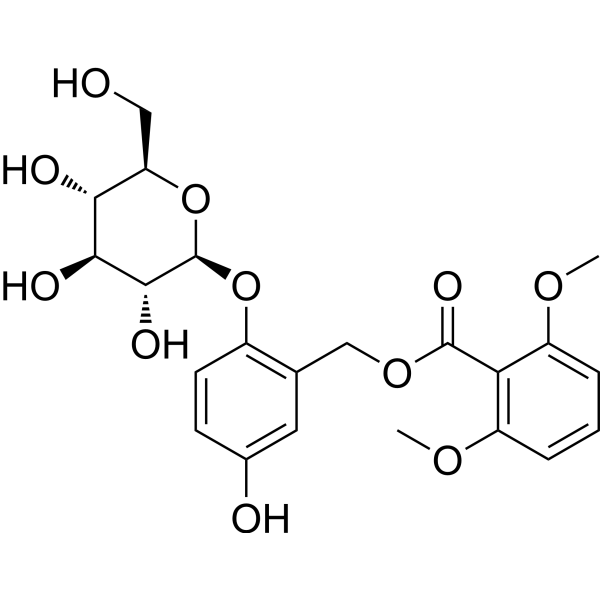
Curculigoside is the main saponin in C. orchioide, exerts significant antioxidant, anti-osteoporosis, antidepressant and neuroprotection effects. Curculigoside possesses significant anti-arthritic effects in vivo and in vitro via regulation of the JAK/STAT/NF-κB signaling pathway .
|
-
-
- HY-15084A
-
|
(-)-MK-801 maleate
|
iGluR
|
Neurological Disease
|
|
(-)-Dizocilpine maleate ((-)-MK-801 maleate) is a less active (-)-enantiomer of Dizocilpine. (-)-Dizocilpine maleate is a selective and non-competitive N-methyl-D-aspartate (NMDA) receptor antagonist with a Ki of 211.7 nM. (-)-Dizocilpine maleate has antidepressant effects .
|
-
-
- HY-122135
-
|
|
Sodium Channel
|
Neurological Disease
|
|
A-317567 is a potent acid-sensing ion channel 3 (ASIC-3) inhibitor with an IC50 of 1.025 μM. A-317567 has antidepressant and antinociception effects .
|
-
-
- HY-13510
-
|
SA4503 dihydrochloride; AGY94806 dihydrochloride
|
Sigma Receptor
|
Neurological Disease
|
|
Cutamesine (SA4503) dihydrochloride is a potent and selective sigma 1 receptor agonist with an IC50 of 17.4 nM in guinea pig brain membranes. Cutamesine dihydrochloride shows >100-fold less affinity for the sigma 2 receptor (IC50 of 1784 nM). Cutamesine dihydrochloride has antidepressant effects .
|
-
-
- HY-N6076
-
|
|
ERK
|
Neurological Disease
|
|
Tenuifoliside A is isolated from Polygala tenuifolia, has anti-apoptotic and antidepressant-like effects. Tenuifoliside A exhibits its neneurotrophic effects and promotes cell proliferation through the ERK/CREB/BDNF signal pathway in C6 cells .
|
-
-
- HY-14813
-
|
SA4503; AGY 94806
|
Sigma Receptor
|
Neurological Disease
|
|
Cutamesine (SA4503) is a potent and selective sigma 1 receptor agonist with an IC50 of 17.4 nM in guinea pig brain membranes. Cutamesine shows >100-fold less affinity for the sigma 2 receptor (IC50 of 1784 nM). Cutamesine has antidepressant effects .
|
-
-
- HY-14551
-
|
SR142801
|
Neurokinin Receptor
|
Neurological Disease
|
|
Osanetant (SR142801) is a selective NK3 receptor antagonist. Osanetant produces anxiolytic- and antidepressant-like effects and is researched for schizophrenia .
|
-
-
- HY-107741
-
-
-
- HY-123499
-
|
|
Somatostatin Receptor
|
Cardiovascular Disease
|
|
SRA880 is a non-peptide and selective somatostatin sst(1) receptor antagonist. SRA880 exhibits antidepressant-like effects when in combination with Imipramine (HY-B1490A) .
|
-
-
- HY-139048
-
|
|
iGluR
|
Neurological Disease
|
|
Fluoroethylnormemantine, a derivative of Memantine, is an antagonist of the N-methyl-D-aspartate (NMDA) receptor. [ 18F]-Fluoroethylnormemantine can be used as a positron emission tomography (PET) tracer. Fluoroethylnormemantine exhibits anti-amnesic, neuroprotective, antidepressant-like and fear-attenuating effects .
|
-
-
- HY-N8303
-
|
|
ERK
PAK
|
Neurological Disease
Inflammation/Immunology
|
|
Gardenin A is an orally active and synthetic PMF analogue with the neurotrophic effect for neurite outgrowth and neuronal differentiation. Gardenin A promotes neuritogenesis via activating MAPK/ERK, PKC, and PKA, but not TrkA, CREB signaling pathways. Gardenin A also has sedative, anxiolytic, antidepressant, and anticonvulsant effects .
|
-
-
- HY-B0725A
-
|
|
mTOR
PI3K
Akt
|
Neurological Disease
Cancer
|
|
Doxepin inhibits reuptake of serotonin and norepinephrine as a tricyclic antidepressant. Doxepin has therapeutic effects in atopic dermatitis,chronic urticarial,can improve cognitive processes, protect central nervous system. Doxepin has also been proposed as a protective factor against oxidative stress .
|
-
-
- HY-100769
-
|
YL0919
|
5-HT Receptor
|
Neurological Disease
|
|
Hypidone hydrochloride (YL0919) is an orally active antidepressant agent with dual activity as a highly seletive 5-HT uptake blocker and an effective 5-HT1A receptor agonist (Ki=0.19 nM). Hypidone hydrochloride inhibits the uptake of [ 3H]-5-HT into rat cerebral cortical synaptosomes and HEK293 cells with IC50s of 1.78 nM and 1.93 nM, respectively. Hypidone hydrochloride shows remarkable antidepressant effects in animal models and has the poential for the investigation of depressive disorder .
|
-
-
- HY-101316
-
|
|
NO Synthase
|
Neurological Disease
|
|
TRIM is a potent nitric oxide synthase inhibitor. TRIM inhibits mouse cerebellar nNOS and rat lung iNOS in vitro with IC50 values of 28.2 and 27.0 µM, respectively. Antidepressant- and anxiolytic-like effects .
|
-
-
- HY-107624
-
ATC0175
1 Publications Verification
|
MCHR1 (GPR24)
|
Neurological Disease
|
|
ATC0175 is a potent, selective and orally active melanin-concentrating hormone 1 recepter antagonist with IC50s of 13.5, >10000 nM for MCH1R, MCH2R, respectively. ATC0175 shows antidepressant effects and anxiolytic effects in animal models. ATC0175 has the potential for the research of depression and/or anxiety disorders .
|
-
-
- HY-108235A
-
|
AZD6765 dihydrochloride; ARL 15896AR
|
iGluR
|
Neurological Disease
|
|
Lanicemine (AZD6765) dihydrochloride is a low-trapping NMDA channel blocker (Ki of 0.56-2.1 μM for NMDA receptor; IC50s of 4-7 μM and 6.4 μM in CHO and Xenopus oocyte cells, respectively). Antidepressant effects .
|
-
-
- HY-B0444R
-
|
|
Reference Standards
Autophagy
Apoptosis
ERK
|
Neurological Disease
Cancer
|
|
Maprotiline (hydrochloride) (Standard) is the analytical standard of Maprotiline (hydrochloride). Maprotiline (hydrochloride) (Standard) is a highly selective noradrenergic reuptake inhibitor that has strong antidepressant, antitumor and neuropathic pain-relieving effects. Maprotiline (hydrochloride) (Standard) induces cancer cell apoptosis by targeting the ERK signaling pathway and CRABP1 .
|
-
-
- HY-113739
-
|
DCIT hydrochloride
|
Cytochrome P450
|
Neurological Disease
|
|
Desmethylcitalopram (DCIT) hydrochloride is the active metabolite of Citalopram (HY-121203). Desmethylcitalopram has antidepressant effects. Desmethylcitalopram also inhibits cytochrome P450-2D6, -2C19 with IC50s of 39.5 and 53.5 μM .
|
-
-
- HY-106407
-
|
Org 4428; ADL 6906
|
Adrenergic Receptor
5-HT Receptor
|
Neurological Disease
|
|
Beloxepin (Org 4428) is an orally active synaptosomal noradrenalin reuptake inhibitor and a 5-HT2 receptor antagonist. Beloxepin shows about 100-fold less affine for other monoamine carriers. Beloxepin has antidepressant and pain-relieving effects .
|
-
-
- HY-N4161
-
-
-
- HY-14836
-
|
JZP 4
|
Calcium Channel
Sodium Channel
|
Neurological Disease
|
|
Elpetrigine (JZP 4) is a potent calcium and sodium channel blocker. Elpetrigine has anticonvulsant, antidepressant, antimania and anxiolytic effects. Elpetrigine can be used in the research of epilepsy and bipolar disorder .
|
-
-
- HY-B0031S1
-
|
|
5-HT Receptor
Dopamine Receptor
|
Neurological Disease
|
|
Quetiapine-d4 (hemifumarate) is the deuterium labeled Quetiapine hemifumarate. Quetiapine hemifumarate is a 5-HT receptors agonist and a dopamine receptor antagonist. Antidepressant and anxiolytic effects .
|
-
-
- HY-B0444A
-
|
|
Autophagy
Apoptosis
ERK
|
Neurological Disease
Cancer
|
|
Maprotiline is a highly selective noradrenergic reuptake inhibitor that has strong antidepressant, antitumor and neuropathic pain-relieving effects. Maprotiline induces cancer cell apoptosis by targeting the ERK signaling pathway and CRABP1 .
|
-
-
- HY-121653
-
|
|
5-HT Receptor
|
Neurological Disease
|
|
Flesinoxan is a hypotensive agent and a potent, high affinity and selective 5-hydroxytryptamine1A (5-HT1A) receptor agonist with an EC50 value of 24 nM. Flesinoxan also has effective anxiolytic/antidepressant effects .
|
-
-
- HY-114814
-
|
|
Adrenergic Receptor
|
Neurological Disease
|
|
ORM-10921 free base is a selective α-2C adrenergic receptor antagonist with a Ki of 1.4 nM. ORM-10921 free base displays potent antidepressant and antipsychotic-like effects .
|
-
-
- HY-162613
-
|
|
Phospholipase
|
Neurological Disease
|
|
ASM-IN-2 (Compound 46) is a potent ASM inhibitor with an IC50 value of 0.87 μM, displaying good drug-like properties. ASM-IN-2 involves in multiple antidepressant mechanisms of actionin, which are associated with a decline of ceramide. It demostrates remarkable antidepressant effects in the CUMS-induced mouse, which is promising for research in the field of antidepressant drugs .
|
-
-
- HY-B0031S
-
-
-
- HY-A0175
-
|
Butriptylene
|
5-HT Receptor
|
Neurological Disease
|
|
Butriptyline (Butriptylene) is an orally active tricyclic antidepressant that slightly enhances central 5-HT effects. Butriptyline does not inhibit brain norepinephrine uptake. Butriptyline can be used for depression research .
|
-
-
- HY-B1417R
-
|
Desmethylamitriptyline hydrochloride (Standard); Desitriptilina hydrochloride (Standard)
|
Reference Standards
Autophagy
Drug Metabolite
Apoptosis
|
Neurological Disease
Cancer
|
|
Nortriptyline (hydrochloride) (Standard) is the analytical standard of Nortriptyline (hydrochloride). This product is intended for research and analytical applications. Nortriptyline (Desmethylamitriptyline) hydrochloride, the main active metabolite of Amitriptyline, is a tricyclic antidepressant. Nortriptyline hydrochloride is a potent autophagy inhibitor and has anticancer effects .
|
-
-
- HY-108235
-
|
AZD6765
|
iGluR
|
Neurological Disease
|
|
Lanicemine (AZD6765) is a low-trapping NMDA channel blocker (Ki of 0.56-2.1 μM for NMDA receptor; IC50s of 4-7 μM and 6.4 μM in CHO and Xenopus oocyte cells, respectively). Antidepressant effects .
|
-
-
- HY-120738
-
|
|
5-HT Receptor
|
Neurological Disease
|
|
p-MPPI hydrochloride is a selective 5-HT1A receptor antagonist with high affinity for 5-HT1A receptors. p-MPPI hydrochloride can crosses the blood-brain barrier, and has clear antidepressant and anxiolytic-like effects .
|
-
-
- HY-103024
-
-
-
- HY-119223
-
-
-
- HY-103098
-
-
- HY-14551B
-
|
(S)-SR142801
|
Neurotensin Receptor
|
Neurological Disease
|
|
(S)-Osanetant is the S-enantiomer of Osanetant. Osanetant (SR142801) is a selective NK3 receptor antagonist. Osanetant produces anxiolytic- and antidepressant-like effects and is researched for schizophrenia .
|
-
- HY-N3204
-
|
|
Apoptosis
|
Neurological Disease
|
|
Neoechinulin A is an isoprenyl indole alkaloid that exhibits scavenging, neurotrophic factor-like, and anti-apoptotic activities. Neoechinulin A induces memory improvements and antidepressant-like effects in mice .
|
-
- HY-107702
-
|
|
iGluR
|
Neurological Disease
|
|
CGP 37849 is a potent, competitive and orally active N-methyl-D-aspartate (NMDA) receptor antagonist. CGP 37849 is an anticonvulsant in rodents and has antidepressant and anxiolytic-like effects .
|
-
- HY-107751
-
-
- HY-N0571R
-
-
- HY-101578
-
|
|
Monoamine Oxidase
|
Neurological Disease
|
|
2614W94 is a selective, reversible and orally active monoamine oxidase-A (MAO-A) inhibitor with an IC50 of 5 nM and a Ki of 1.6 nM. 2614W94 shows no significant inhibition of MAO-B. 2614W94 has antidepressant and anxiolytic effects .
|
-
- HY-162585
-
|
|
5-HT Receptor
|
Neurological Disease
|
|
5-HT1AR agonist 1 (Compound A3) emerges as a relatively balanced multi-target activity profile, including 5-HT1AR agonist with an EC50 value of 34 nM, SERT reuptake ihibitor (IC50 =12 nM), NET reuptake inhibitor (IC50 =78 nM) and DAT reuptake inhibitor (IC50 =135 nM). 5-HT1AR agonist 1 performs significant antidepressant effects and exhibits excellent bioavailability and low clearance in mice, which is promising for research in the field of antidepressant drugs .
|
-
- HY-136171
-
|
|
Drug Derivative
|
Neurological Disease
|
|
Antidepressant agent 1 is a pyrazidole-halogeno-derivative with antidepressant effects. Antidepressant agent 1 also can be used to increase body temperature .
|
-
- HY-139806
-
|
|
Somatostatin Receptor
|
Others
|
|
SRA880 (free base) is a compound with antidepressant-modulating effects. It is a somatostatin-1 autoreceptor antagonist that can synergize with imipramine to produce antidepressant-like effects and affect BDNF mRNA expression and phosphorylation of related proteins.
|
-
- HY-157792
-
|
|
mAChR
|
Neurological Disease
|
Antidepressant agent 6 (S-3a) is a lead compound with potent and sustained antidepressant effects. Antidepressant agent 6 (S-3a) displays high cognitive safety margin.Antidepressant agent 6 (S-3a) antagonizes M1 receptors and elevates BDNF levels, suggesting its potential as an antidepressant for further exploration .
|
-
- HY-170898
-
|
|
iGluR
|
Neurological Disease
|
|
Antidepressant agent 8 (Compound 1f) is a selective antagonist for the NMDA receptor GluN1/2A with an IC50 of 2.94 μmol/L. Antidepressant agent 8 exhibits antidepressant-like effects in Hydrocortisone (HY-N0583)-induced zebrafish depression model. Antidepressant agent 8 can cross blood-brain barrier .
|
-
- HY-14551C
-
|
SR142801 monohydrochloride
|
Neurokinin Receptor
|
Neurological Disease
|
|
Osanetant (SR142801) monohydrochloride is a selective NK3 receptor antagonist. Osanetant monohydrochloride produces anxiolytic- and antidepressant-like effects .
|
-
- HY-76542BR
-
|
(R)-Ergocalciferol (Standard); (R)-Calciferol (Standard); (R)-Ercalciol (Standard)
|
Reference Standards
Drug Isomer
|
Metabolic Disease
Cancer
|
Desmethylmirtazapine (Standard) is the analytical standard of Desmethylmirtazapine. This product is intended for research and analytical applications. Desmethylmirtazapine is an active metabolite of Mirtazapine that has antidepressant effects .
|
-
- HY-119223R
-
|
Normirtazapine (Standard)
|
Reference Standards
Drug Metabolite
|
Neurological Disease
|
Desmethylmirtazapine (Standard) is the analytical standard of Desmethylmirtazapine. This product is intended for research and analytical applications. Desmethylmirtazapine is an active metabolite of Mirtazapine that has antidepressant effects .
|
-
- HY-119223S
-
|
Normirtazapine-d6 hydrochloride
|
Isotope-Labeled Compounds
Drug Metabolite
|
Neurological Disease
|
Desmethylmirtazapine-d6 hydrochloride (Normirtazapine-d6 hydrochloride) is the deuterium labeled Desmethylmirtazapine (HY-119223). Desmethylmirtazapine is an active metabolite of Mirtazapine that has antidepressant effects .
|
-
- HY-168508
-
|
|
HDAC
|
Neurological Disease
|
|
PB200 is an HDAC6 inhibitor with an IC50 value of 1.97 nM. PB200 demonstrates significant antidepressant effects by restoring abnormal HDAC6 expression levels and alleviating neuroinflammation .
|
-
- HY-122300B
-
|
Levoprotiline
|
Adrenergic Receptor
|
Neurological Disease
|
|
R-(-)-Oxaprotiline (Levoprotiline) is an antidepressant with anticholinergic and sympathostimulatory activities. R-(-)-Oxaprotiline exhibits different abilities to block norepinephrine uptake and anticholinergic activity compared to its enantiomer C 49802 B-Ba. R-(-)-Oxaprotiline in human studies shows physiological effects consistent with those in animals. Administration of R-(-)-Oxaprotiline results in a modest increase in heart rate and arterial blood pressure. Salivation is inhibited with R-(-)-Oxaprotiline, consistent with its anticholinergic properties. R-(-)-Oxaprotiline has similar effects to the established antidepressant compound Levoprotiline and has a shorter onset of action .
|
-
- HY-110379
-
|
|
TRP Channel
|
Neurological Disease
|
|
M084 hydrochloride is a TRPC4/5 channel blocker, with IC50 values of 10.3 μM and 8.2 μM, respectively. M084 hydrochloride has antidepressant and anxiolytic effects .
|
-
- HY-W016509
-
|
|
Drug Derivative
|
Neurological Disease
|
|
epi-Inositol, a inositol analog, is an antidepressant agent. epi-Inositol shows regulatory effects on expression of the most highly regulated gene in the inositol biosynthetic pathway. epi-Inositol shows antiepileptic effect .
|
-
- HY-123498
-
-
- HY-105058A
-
|
14α/β-RU 24722
|
Drug Derivative
|
Neurological Disease
|
|
14α/β-Vindeburnol (14α/β-RU 24722) a synthetic molecule derived from the eburnamine-vincamine alkaloid group, has many neuropsychopharmacological and antidepressant-like effects .
|
-
- HY-W979493
-
|
|
nAChR
|
Others
|
|
TC-2216 is a compound with antidepressant and anxiolytic activity that has shown activity in multiple animal models and may exert its effects by acting on α4β2 neuronal nicotinic receptors.
|
-
- HY-115645
-
|
NBI30775 hydrochloride
|
CRFR
|
Neurological Disease
Metabolic Disease
|
|
R121919 (NBI30775) hydrochloride is a potent and selective CRF1R antagonist with a Ki of 2 to 5 nM. R121919 hydrochloride has antidepressant and anxiolytic effects. R121919 hydrochloride alleviates defensive withdrawal in rats .
|
-
- HY-123708
-
|
|
Galectin
|
Others
|
|
SNAP 398299 is a Gal3 receptor antagonist with potential anxiolytic and antidepressant effects. SNAP 398299 can partially reverse the neuropeptide Galanin-induced inhibition of dorsal raphe cell firing and the Galanin-induced hyperpolarizing current.
|
-
- HY-N0705R
-
|
|
Reference Standards
JAK
STAT
NF-κB
|
Neurological Disease
Inflammation/Immunology
Cancer
|
|
Curculigoside (Standard) is the analytical standard of Curculigoside. This product is intended for research and analytical applications. Curculigoside is the main saponin in C. orchioide, exerts significant antioxidant, anti-osteoporosis, antidepressant and neuroprotection effects. Curculigoside possesses significant anti-arthritic effects in vivo and in vitro via regulation of the JAK/STAT/NF-κB signaling pathway .
|
-
- HY-108481
-
|
|
Neurokinin Receptor
|
Neurological Disease
|
|
L-760735 is a high affinity, selective and orally active NK1 receptor antagonist with an IC50 of 0.19 nM for human NK1 receptors. L-760735 exhibits anxiolytic and antidepressant-like effects .
|
-
- HY-136596R
-
|
|
Reference Standards
Drug Metabolite
|
Cancer
|
|
Nortriptyline (Standard) is the analytical standard of Nortriptyline. This product is intended for research and analytical applications. Nortriptyline (Desmethylamitriptyline), the main active metabolite of Amitriptyline, is a tricyclic antidepressant. Nortriptyline is a potent autophagy inhibitor and has anticancer effects .
N
|
-
- HY-118620R
-
|
Desmethylamitriptyline (Standard); Desitriptilina (Standard)
|
Reference Standards
Autophagy
Drug Metabolite
Apoptosis
|
Neurological Disease
Cancer
|
|
Nortriptyline (Standard) is the analytical standard of Nortriptyline. This product is intended for research and analytical applications. Nortriptyline (Desmethylamitriptyline), the main active metabolite of Amitriptyline, is a tricyclic antidepressant. Nortriptyline is a potent autophagy inhibitor and has anticancer effects .
N
|
-
- HY-171471
-
|
|
GABA Receptor
|
Neurological Disease
|
|
SKF 10810 is a GABAA receptor antagonist with an EC50 of 4.3 μM. By blocking GABAergic inhibition of the brain's reward pathways, SKF 10810 may exert antidepressant effects. SKF 10810 can be used for research in neurological disorders .
|
-
- HY-164009
-
|
|
Adrenergic Receptor
Dopamine Receptor
5-HT Receptor
|
Neurological Disease
|
|
Teniloxazine is an inhibitor for norepinephrine neuronal reuptake and an weak inhibitor for reuptake of Serotonin (HY-B1473A) and Dopamine (HY-B0451). Teniloxazine exhibits antidepressant, antihypoxic and anti-amnestic properties without anticholinergic, sedative, and cardiovascular adverse effects .
|
-
- HY-176436S
-
-
- HY-10049A
-
|
|
Neurokinin Receptor
|
Neurological Disease
|
|
CP 122721 hydrochloride is a potent, non-peptide and selective nonpeptide neurokinin NK1 antagonist, with a pIC50 of 9.8 for human NK1 receptor expressed in IM-9 cells. CP 122721 hydrochloride exhibits anxiolytic and antidepressant-like effects .
|
-
- HY-15527R
-
|
AC-5216 (Standard); XBD-173 (Standard)
|
Reference Standards
TSPO
|
Neurological Disease
Metabolic Disease
|
|
Emapunil (Standard) is the analytical standard of Emapunil. This product is intended for research and analytical applications. Emapunil (AC-5216), an orally active and selective TSPO (a mitochondrial benzodiazepine receptor) ligand, produces anti-anxiety and antidepressant-like effects in various animal models .
|
-
- HY-139048A
-
|
|
iGluR
|
Neurological Disease
|
|
Fluoroethylnormemantine hydrochloride, a derivative of Memantine, is an antagonist of the N-methyl-D-aspartate (NMDA) receptor. [ 18F]-Fluoroethylnormemantine hydrochloride can be used as a positron emission tomography (PET) tracer. Fluoroethylnormemantine hydrochloride exhibits anti-amnesic, neuroprotective, antidepressant-like and fear-attenuating effects .
|
-
- HY-N0765R
-
|
|
Reference Standards
Fungal
|
Infection
Neurological Disease
Inflammation/Immunology
|
|
Isoliquiritin (Standard) is the analytical standard of Isoliquiritin. This product is intended for research and analytical applications. Isoliquiritin, isolated from Licorice Root, inhibits angiogenesis and tube formation. Isoliquiritin also exhibits antidepressant-like, anti-oxidative, anti-Inflammatory effects and antifungal activity .
|
-
- HY-121653B
-
|
DU-29373
|
5-HT Receptor
|
Neurological Disease
|
|
Flesinoxan hydrochloride is a hypotensive agent and a potent, high affinity and selective 5-hydroxytryptamine1A (5-HT1A) receptor agonist with an EC50 value of 24 nM. Flesinoxan hydrochloride also has effective anxiolytic/antidepressant effects .
|
-
- HY-161896
-
|
|
GABA Receptor
|
Neurological Disease
|
|
Transcription factor-IN-1 (Compound 4e) is an inhibitor for transcription factor. Transcription factor-IN-1 exhibits anticonvulsant activity by antagonism with pentylenetetrazole (PTZ) (ED50 =34.5 mg/kg). Transcription factor-IN-1 exhibits antidepressant effects in rat models .
|
-
- HY-N2439R
-
|
|
Reference Standards
Others
|
Neurological Disease
|
|
Methyl isoeugenol (Standard) is the analytical standard of Methyl isoeugenol. This product is intended for research and analytical applications. Methyl isoeugenol (MIE) is a natural food flavour that can be isolated from Pimenta pseudocaryophyllus leaf. Methyl isoeugenol shows anxiolytic and antidepressant like effects. Methyl isoeugenol is orally active .
|
-
- HY-128743R
-
|
|
Reference Standards
Endogenous Metabolite
|
Metabolic Disease
|
|
Methyl isoeugenol (Standard) is the analytical standard of Methyl isoeugenol. This product is intended for research and analytical applications. Methyl isoeugenol (MIE) is a natural food flavour that can be isolated from Pimenta pseudocaryophyllus leaf. Methyl isoeugenol shows anxiolytic and antidepressant like effects. Methyl isoeugenol is orally active .
|
-
- HY-121704
-
|
|
iGluR
|
Neurological Disease
|
|
SR 57227A Free base is a highly selective compound for both peripheral and central 5-HT3 receptors and acts as an inhibitor of NMDA receptor-mediated responses in rat cortical pyramidal cells, demonstrating antidepressant-like effects in rats while reducing isolation-induced aggressive behavior.
|
-
- HY-103024R
-
|
|
Reference Standards
Phosphodiesterase (PDE)
|
Neurological Disease
|
|
ICI-63197 (Standard) is the analytical standard of ICI-63197 (HY-103024). This product is intended for research and analytical applications. ICI-63197 is a phosphodiesterase 3 (PDE3) and PDE4 inhibitor with Ki values of 9 µM and 10 µM, respectively. ICI-63197 is selectivity against PDE1 and PDE2. ICI-63197 has antidepressant effects .
|
-
- HY-N13088
-
-
- HY-17018
-
|
ABT 200 free acid; A-75200
|
Adrenergic Receptor
|
Neurological Disease
|
|
Napitane (A 75200) is a groundbreaking catecholamine uptake inhibitor that exhibits inhibitory effects on α-adrenergic receptors and shows promise for antidepressant activity in depression research.
|
-
- HY-A0175A
-
|
Butriptylene hydrochloride
|
5-HT Receptor
|
Neurological Disease
|
|
Butriptyline (Butriptylene) hydrochloride is an orally active tricyclic antidepressant that slightly enhances central 5-HT effects. Butriptyline hydrochloride does not inhibit brain norepinephrine uptake. Butriptyline hydrochloride can be used for depression research .
|
-
- HY-10347
-
|
S-20499
|
5-HT Receptor
|
Neurological Disease
|
|
Alnespirone (S-20499) is a selective, orally active 5-HT1A receptor agonist (K0.5 = 0.2 nM). Alnespirone shows antidepressant-like and anxiolytic effects .
|
-
- HY-182363
-
|
|
Serotonin Transporter
|
Neurological Disease
|
|
A6CDQ is a human organic cation transporter (hOCT) inhibitor with antidepressant-like activity that can cross the blood-brain barrier. A6CDQ potently inhibits the transport activities mediated by hOCT1, hOCT2 and hOCT3. A6CDQ exhibits significant antidepressant-like effects in the mouse tail suspension test. A6CDQ can be used in studies related to depression .
|
-
- HY-105975
-
|
WY-23409
|
Adrenergic Receptor
|
Neurological Disease
Metabolic Disease
Endocrinology
|
|
Ciclazindol (WY-23409) is an orally active antidepressant. Ciclazindol can inhibit the reuptake of norepinephrine. Ciclazindol also exhibits effects of lowering blood glucose, suppressing appetite and reducing weight. Ciclazindol can be used in the research of diseases such as depression and obesity .
|
-
- HY-179579
-
|
|
5-HT Receptor
|
Neurological Disease
|
|
TMU4142 is a selective 5-HT1a agonist with high GoA activity. TMU4142 has weak Gi3 activity, can elicit rapid antidepressant like effects without triggering significant activation of dorsal raphe nucleus (DRN) 5-HT1a R autoreceptors or serotonergic neuron firing. TMU4142 demonstrates fast-acting efficacy in mouse models of depression. TMU4142 can be used for antidepressants research .
|
-
- HY-181021
-
|
|
Potassium Channel
|
Neurological Disease
|
|
Kir4.1-IN-1 (Compound 37) is a potent, selective, blood-brain barrier permeable Kir4.1 inhibitor with an IC50 of 0.19 μM. Kir4.1-IN-1 exhibits rapid-onset antidepressant effects .
|
-
- HY-105704
-
|
NSC 170955; WA 335
|
5-HT Receptor
|
Neurological Disease
|
|
Danitracen (NSC 170955) is an orally active, CNS penetrant serotonin antagonist with antidepressant activity. Danitracen reduces serotonin levels in the cerebrum, cerebellum, medulla and the whole brain. Danitracen exhibits anticataleptic effects in rat catalepsy models. Danitracen can be used for catalepsy and depression research .
|
-
- HY-18332C
-
|
|
Serotonin Transporter
Dopamine Transporter
|
Neurological Disease
|
|
DOV-216,303 (Free Base) is a potent triple serotonin, norepinephrine, and dopamine reuptake inhibitor, with IC50 values of 14 nM, 20 nM and 78 nM for hSERT, hNET and hDAT, respectively. Has antidepressant-like effects and increases monoamine release in the prefrontal cortex of olfactory bulbectomized (OBX) rats .
|
-
- HY-150503
-
|
|
HDAC
|
Neurological Disease
|
|
KH-259 (compound 1) is a potent, selective and CNS-penetrant HDAC6 inhibitor, with an IC50 of 0.26 μM. KH-259 has antidepressant effects in mice through the inhibition of HDAC6 in the brain. KH-259 can be used for neurodegenerative diseases research .
|
-
- HY-B1622R
-
|
|
Reference Standards
5-HT Receptor
Apoptosis
|
Cardiovascular Disease
Neurological Disease
|
|
Cyproheptadine (Standard) is the analytical standard of Cyproheptadine. This product is intended for research and analytical applications. Cyproheptadine is a potent and orally active 5-HT2A receptor antagonist, with antidepressant and antiserotonergic effects. Cyproheptadine has antiplatelet and thromboprotective activities. Cyproheptadine can be used for the research of thromboembolic disorders .
|
-
- HY-B0366AR
-
|
Cyproheptadine HCl (Standard)
|
Reference Standards
5-HT Receptor
|
Cardiovascular Disease
Neurological Disease
Cancer
|
|
Cyproheptadine (hydrochloride) (Standard) is the analytical standard of Cyproheptadine (hydrochloride). This product is intended for research and analytical applications. Cyproheptadine hydrochloride is a potent and orally active 5-HT2A receptor antagonist, with antidepressant and antiserotonergic effects. Cyproheptadine hydrochloride has antiplatelet and thromboprotective activities. Cyproheptadine hydrochloride can be used for the research of thromboembolic disorders .
|
-
- HY-13206R
-
|
|
mGluR
|
Neurological Disease
|
|
MTEP (hydrochloride) (Standard) is the analytical standard of MTEP (hydrochloride). This product is intended for research and analytical applications. MTEP hydrochloride is a potent, non-competitive and highly selective mGluR5 antagonist, with an IC50 of 5 nM and a Ki of 16 nM. MTEP hydrochloride shows antidepressant and anxiolytic-like effects. MTEP hydrochloride can be used for Parkinson's disease research .
|
-
- HY-B1496
-
|
SKF 385 hemisulfate
|
Monoamine Oxidase
Histone Demethylase
|
Neurological Disease
Cancer
|
|
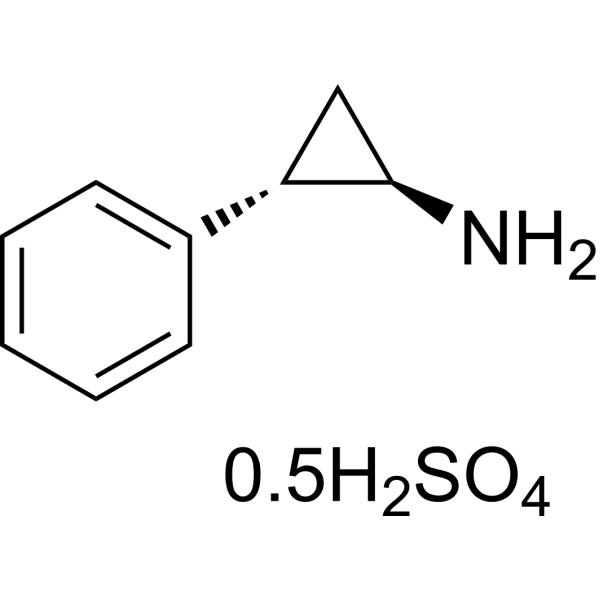
Tranylcypromine (SKF 385) hemisulfate is an irreversible, nonselective monoamine oxidase (MAO) inhibitor used in the treatment of depression. Tranylcypromine hemisulfate is also a lysine-specific demethylase 1 (LSD1) inhibitor, suppresses lesion growth and improves generalized hyperalgesia in mouse with induced endometriosis. Tranylcypromine has antidepressant effects .
|
-
- HY-14545B
-
|
|
5-HT Receptor
Dopamine Receptor
|
Neurological Disease
|
|
SEP4199 is an orally active 5-HT7 receptor ligand, with a Ki value of 66 nM for human 5-HT7R and 16 nM for human D2R. SEP4199 mediates antidepressant effects. SEP4199 is applicable for the research of bipolar depression .
|
-
- HY-108235B
-
|
(Rac)-AZD6765
|
iGluR
|
Neurological Disease
|
|
(Rac)-Lanicemine ((Rac)-AZD6765) is the racemate of Lanicemine. Lanicemine (AZD6765) is a low-trapping NMDA channel blocker (Ki of 0.56-2.1 μM for NMDA receptor; IC50s of 4-7 μM and 6.4 μM in CHO and Xenopus oocyte cells, respectively). Antidepressant effects .
|
-
- HY-14127R
-
|
NBI30775 (Standard)
|
CRFR
Reference Standards
|
Neurological Disease
Endocrinology
|
|
R121919 (Standard) is the analytical standard of R121919. This product is intended for research and analytical applications. R121919 (NBI30775) is a potent and selective CRF1R antagonist with a Ki of 2 to 5 nM. R121919 has antidepressant and anxiolytic effects. R121919 alleviates defensive withdrawal in rats .
|
-
- HY-107624R
-
|
|
Reference Standards
MCHR1 (GPR24)
|
Neurological Disease
|
|
ATC0175 (Standard) is the analytical standard of ATC0175 (HY-107624). This product is intended for research and analytical applications. ATC0175 is a potent, selective and orally active melanin-concentrating hormone 1 recepter antagonist with IC50s of 13.5, >10000 nM for MCH1R, MCH2R, respectively. ATC0175 shows antidepressant effects and anxiolytic effects in animal models. ATC0175 has the potential for the research of depression and/or anxiety disorders .
|
-
- HY-10864
-
URB-597
5 Publications Verification
KDS-4103
|
FAAH
Autophagy
Mitophagy
|
Neurological Disease
|
|
URB-597 (KDS-4103) is an orally bioavailable and selective FAAH inhibitor. URB-597 inhibits FAAH activity with an IC50s of approximately 5 nM in rat brain membranes, 0.5 nM in intact rat neurons, 3 nM in human liver microsomes. Antidepressant-like effects. Analgesic activity .
|
-
- HY-180212A
-
|
|
Opioid Receptor
|
Neurological Disease
|
|
SYK-1106 dihydrochloride is a selective δ opioid receptor (DOR) agonist with an EC50 of 0.089 nM. SYK-1106 dihydrochloride shows high selectivity over MOR and KOR. SYK-1106 dihydrochloride exhibits antidepressant-like effects in the mouse forced-swimming tests. SYK-1106 dihydrochloride can be used for the research of depression .
|
-
- HY-101435
-
|
CNPZ
|
5-HT Receptor
Adrenergic Receptor
|
Neurological Disease
|
|
Centpropazine (CNPZ) is a brain-penetrant and non-selective antagonist of serotonin (5-HT1/5-HT2) and adrenergic (α1) receptors. Centpropazine functions by modulating monoamine neurotransmission, particularly reducing serotonin and norepinephrine reuptake, to exert antidepressant effects. Centpropazine is promising for research of depression .
|
-
- HY-108669
-
|
|
P2X Receptor
|
Neurological Disease
Cancer
|
|
AZ10606120 dihydrochloride is a selective, high affinity antagonist for P2X7 receptor (P2X7R) at human and rat with an IC50 of about 10 nM. AZ10606120 dihydrochloride is little or no effect at other P2XR subtypes. AZ10606120 dihydrochloride has anti-depressant effects and reduces tumour growth .
|
-
- HY-B0982
-
-
- HY-N0008R
-
|
|
Reference Standards
Wnt
|
Neurological Disease
|
|
Orcinol glucoside (Standard) is the analytical standard of Orcinol glucoside. This product is intended for research and analytical applications. Orcinol glucoside (OG) is an active constituent isolated from Curculigo orchioides, with antidepressant effects. Orcinol glucoside facilitates the shift of MSC fate to osteoblast and prevents adipogenesis via Wnt/β-catenin signaling pathway .
|
-
- HY-108235C
-
|
(R)-AZD6765
|
iGluR
|
Neurological Disease
|
|
(R)-Lanicemine ((R)-AZD6765) is the less active R-enantiomer of Lanicemine. Lanicemine (AZD6765) is a low-trapping NMDA channel blocker (Ki of 0.56-2.1 μM for NMDA receptor; IC50s of 4-7 μM and 6.4 μM in CHO and Xenopus oocyte cells, respectively). Antidepressant effects .
|
-
- HY-103133
-
|
|
5-HT Receptor
|
Neurological Disease
|
|
WAY 208466 dihydrochloride is a potent and selective 5-HT6 receptor agonist (EC50=7.3 nM for the human 5-HT6 receptor). WAY-208466 dihydrochloride elevates cortical GABA levels in rat frontal cortex . WAY 208466 dihydrochloride exhibits antidepressant and anxiolytic-like effects .
|
-
- HY-W016509R
-
|
|
Endogenous Metabolite
Drug Derivative
|
Neurological Disease
|
|
epi-Inositol (Standard) is the analytical standard of epi-Inositol (HY-W016509). This product is intended for research and analytical applications. epi-Inositol, a inositol analog, is an antidepressant agent. epi-Inositol shows regulatory effects on expression of the most highly regulated gene in the inositol biosynthetic pathway. epi-Inositol shows antiepileptic effect .
|
-
- HY-B0478
-
|
AF-1161
|
5-HT Receptor
Serotonin Transporter
Histamine Receptor
Adrenergic Receptor
|
Neurological Disease
|
|
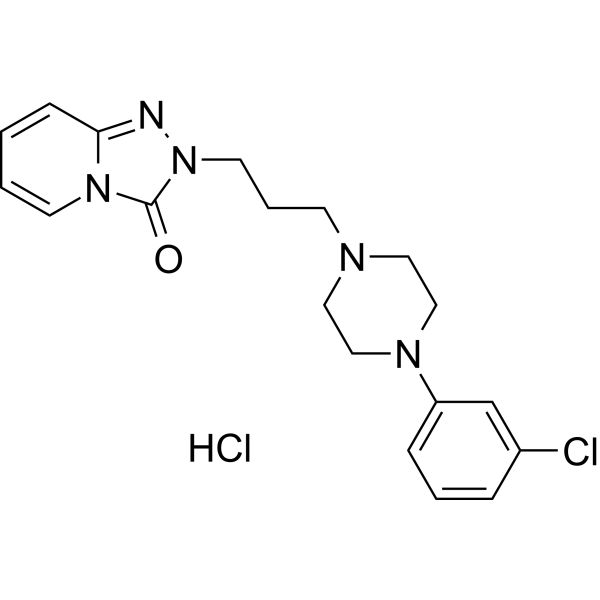
Trazodone hydrochloride (AF-1161) is a triazolopyridine derivative that belongs to the class of serotonin receptor antagonists and reuptake inhibitors (SARIs). Trazodone hydrochloride has anti-depressant and anti-insomnious activity. Trazodone hydrochloride exerts antagonistic properties against a1- and a2-adrenergic receptors and histamine H1 receptors, with minimal anticholinergic effects .
|
-
- HY-15691A
-
|
|
Opioid Receptor
mTOR
|
Neurological Disease
Metabolic Disease
|
|
PF-4455242 hydrochloride is an orally bioavailable, blood-brain barrier-permeable κ-opioid receptor (KOR) inhibitor. PF-4455242 hydrochloride blocks in vivo effects induced by KOR and MOR agonists, and elicits KOR-independent outward currents in ventral tegmental area neurons. PF-4455242 hydrochloride promotes energy expenditure and activates the hypothalamic mTOR pathway. PF-4455242 hydrochloride attenuates stress-induced behavioral effects and produces antidepressant-like effects. PF-4455242 hydrochloride can be used in studies related to pain, depression, addictive disorders, and obesity induced by estrogen withdrawal .
|
-
- HY-15691
-
|
|
Opioid Receptor
mTOR
|
Neurological Disease
Metabolic Disease
|
|
PF-04455242 is an orally bioavailable, blood-brain barrier-permeable κ-opioid receptor (KOR) inhibitor. PF-04455242 blocks in vivo effects induced by KOR and MOR agonists, and elicits KOR-independent outward currents in ventral tegmental area neurons. PF-04455242 promotes energy expenditure and activates the hypothalamic mTOR pathway. PF-04455242 attenuates stress-induced behavioral effects and produces antidepressant-like effects. PF-04455242 can be used in studies related to pain, depression, addictive disorders, and obesity induced by estrogen withdrawal .
|
-
- HY-17412A
-
-
- HY-17412
-
-
- HY-119468
-
|
|
Dopamine Transporter
|
Neurological Disease
|
|
Medifoxamine is an orally active monoamine reuptake inhibitor and antidepressant. Medifoxamine preferentially inhibits presynaptic dopamine reuptake. Medifoxamine acts as an intraocular pressure-lowering agent to reduce intraocular pressure, and also functions as a miotic agent to decrease pupil diameter. Medifoxamine exhibits characteristic properties of antidepressant compounds, including preventing hypothermia induced by Reserpine (HY-N0480) or Apomorphine (HY-12723), potentiating the toxic effects of Yohimbine (HY-N0127) in mice, and reducing immobility behavior in mice and rats in the "behavioral despair" model. Medifoxamine has no anticholinergic activity. Medifoxamine can be used in research related to depression .
|
-
- HY-B0725R
-
|
|
Reference Standards
Histamine Receptor
Cytochrome P450
|
Neurological Disease
Cancer
|
|
Doxepin (Hydrochloride) (Standard) is the analytical standard of Doxepin (Hydrochloride). This product is intended for research and analytical applications. Doxepin hydrochloride is an orally active tricyclic antidepressant agent. Doxepin hydrochloride is a potent and selective histamine receptor H1 antagonist. Doxepin hydrochloride is also a potent CYP450 inhibitor and significantly inhibits CYP450 2C19 and 1A2 . Doxepin inhibits reuptake of serotonin and norepinephrine as a tricyclic antidepressant .. Doxepin has therapeutic effects in atopic dermatitis,chronic urticarial,can improve cognitive processes, protect central nervous system .. Doxepin has also been proposed as a protective factor against oxidative stress ..
|
-
- HY-108235AR
-
|
AZD6765 dihydrochloride (Standard); ARL 15896AR (Standard)
|
Reference Standards
iGluR
|
Neurological Disease
|
|
Lanicemine dihydrochloride (Standard) is the analytical standard of Lanicemine (dihydrochloride) (HY-108235A). This product is intended for research and analytical applications. Lanicemine (AZD6765) dihydrochloride is a low-trapping NMDA channel blocker (Ki of 0.56-2.1 μM for NMDA receptor; IC50s of 4-7 μM and 6.4 μM in CHO and Xenopus oocyte cells, respectively). Antidepressant effects .
|
-
- HY-B0478A
-
|
AF-1161 free base
|
5-HT Receptor
Serotonin Transporter
Histamine Receptor
Adrenergic Receptor
|
Neurological Disease
|
|
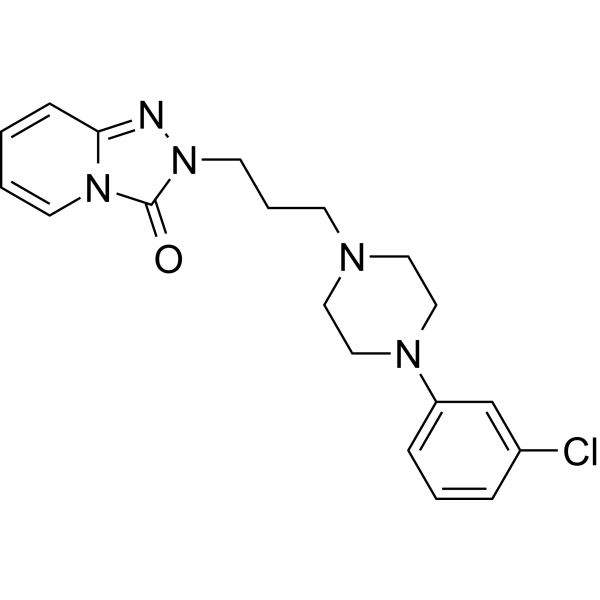
Trazodone (AF-1161 free base) is a triazolopyridine derivative that belongs to the class of serotonin receptor antagonists and reuptake inhibitors (SARIs). Trazodone has anti-depressant and anti-insomnious activity. Trazodone exerts antagonistic properties against a1- and a2-adrenergic receptors and histamine H1 receptors, with minimal anticholinergic effects .
|
-
- HY-W001158
-
|
Dimethylglycine hydrochloride; DMG hydrochloride; N-Methylsarcosine hydrochloride
|
Endogenous Metabolite
iGluR
Amino Acid Derivatives
|
Neurological Disease
Metabolic Disease
|
|
N,N-Dimethylglycine (Dimethylglycine) hydrochloride, a natural N-methylated glycine, is a nutrient supplement and acts as an NMDAR glycine site partial agonist. N,N-Dimethylglycine hydrochloride is a methyl donor that can improve immunity, act as an antioxidant to prevent oxidative stress, and scavenge excess free radicals. N,N-Dimethylglycine hydrochloride has antidepressant-like and surfactant effects .
|
-
- HY-121653R
-
|
|
5-HT Receptor
|
Neurological Disease
|
|
Flesinoxan (Standard) is the analytical standard of Flesinoxan. This product is intended for research and analytical applications. Flesinoxan is a hypotensive agent and a potent, high affinity and selective 5-hydroxytryptamine1A (5-HT1A) receptor agonist with an EC50 value of 24 nM. Flesinoxan also has effective anxiolytic/antidepressant effects .
|
-
- HY-B0617A
-
|
S-Adenosyl methionine tosylate; Ademetionine tosylate; AdoMet tosylate
|
Endogenous Metabolite
Apoptosis
|
Neurological Disease
Inflammation/Immunology
Cancer
|
|
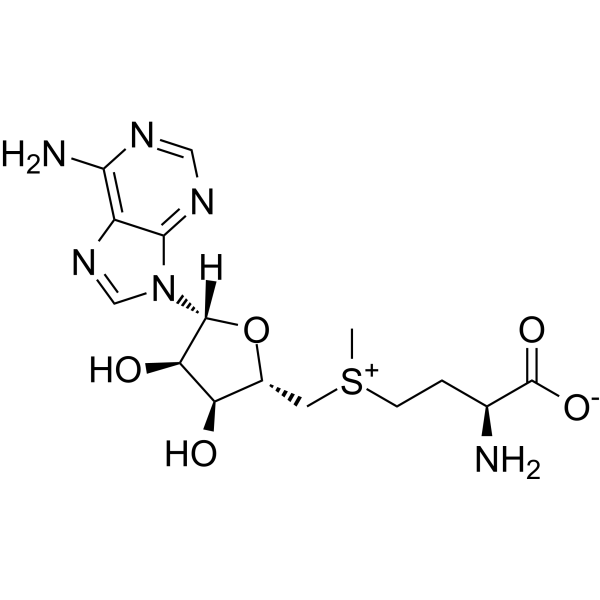
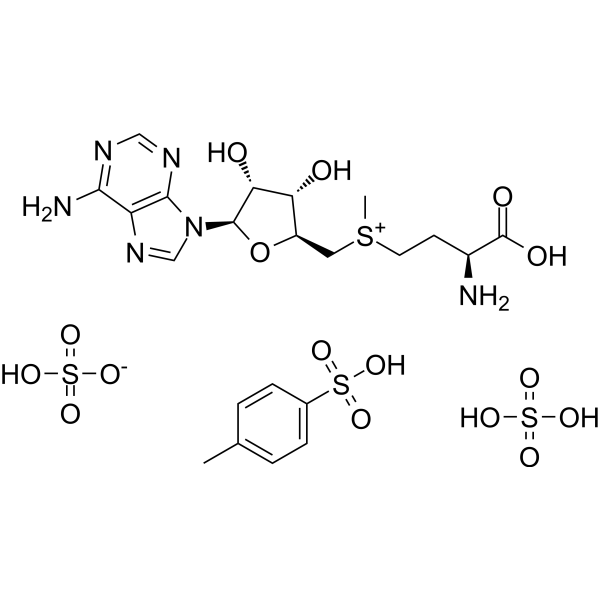
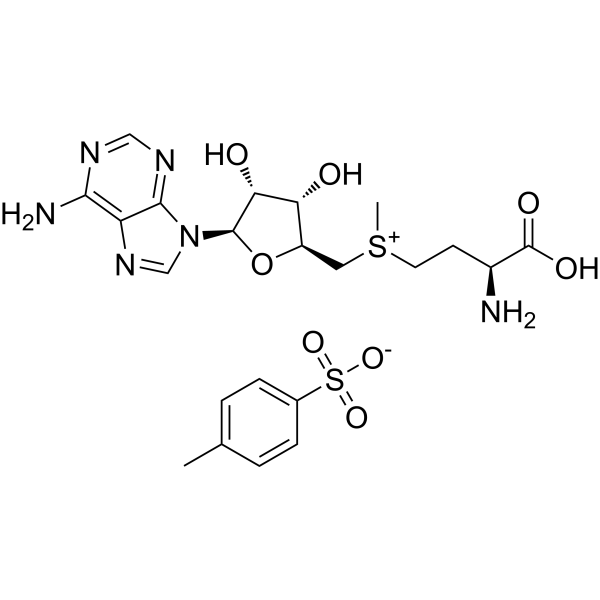
S-Adenosyl-L-methionine (S-Adenosyl methionine) tosylate is an orally active methyl group donor. S-Adenosyl-L-methionine tosylate is a dietary supplement with potent antidepressant effects. S-Adenosyl-L-methionine tosylate also has anti‑proliferative, pro‑apoptotic and anti‑metastatic roles in cancers. S-Adenosyl-L-methionine tosylate has the potential for, cancer, liver disease and osteoarthritis research .
|
-
- HY-101955
-
|
(2S,6S)-HNK hydrochloride
|
mTOR
nAChR
|
Neurological Disease
|
|
(2S,6S)-Hydroxynorketamine hydrochloride is a neurorelaxant with potential antidepressant and analgesic effects. (2S,6S)-Hydroxynorketamine hydrochloride can activate the mTOR pathway, increase the phosphorylation level of downstream targets, and antagonize α7-nicotinic acetylcholine receptor (nAChR) to exert neuroactive properties .
|
-
- HY-14614A
-
|
S-Adenosyl methionine chloride dihydrochloride; Ademetionine chloride dihydrochloride; AdoMet chloride dihydrochloride
|
Endogenous Metabolite
Apoptosis
|
Neurological Disease
Inflammation/Immunology
Cancer
|
|
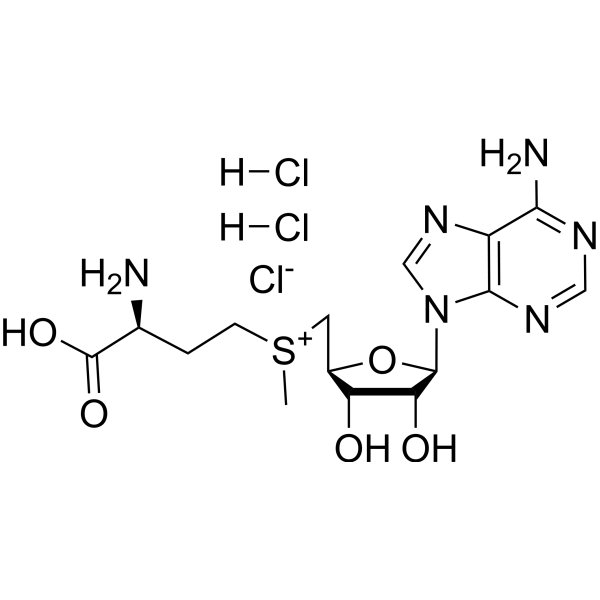
S-Adenosyl-L-methionine (S-Adenosyl methionine) chloride dihydrochloride is an orally active methyl group donor. S-Adenosyl-L-methionine chloride dihydrochloride is a dietary supplement with potent antidepressant effects. S-Adenosyl-L-methionine chloride dihydrochloride also has anti‑proliferative, pro‑apoptotic and anti‑metastatic roles in cancers. S-Adenosyl-L-methionine chloride dihydrochloride has the potential for, cancer, liver disease and osteoarthritis research .
|
-
- HY-113739A
-
|
(S)-DCIT
|
Cytochrome P450
|
Neurological Disease
|
|
(S)-Desmethylcitalopram is the isomer of Desmethylcitalopram hydrochloride (HY-113739). Desmethylcitalopram (DCIT) hydrochloride is the active metabolite of Citalopram (HY-121203). Desmethylcitalopram has antidepressant effects. Desmethylcitalopram also inhibits cytochrome P450-2D6,-2C19 with IC50s of 39.5 and 53.5 μM .
|
-
- HY-W745430
-
|
Cyproheptadine HCl-d3
|
Isotope-Labeled Compounds
5-HT Receptor
|
Cardiovascular Disease
Neurological Disease
Cancer
|
|
Cyproheptadine hydrochloride-d3 (Cyproheptadine HCl-d3) is the deuterium labeled Cyproheptadine hydrochloride (HY-B0366A). Cyproheptadine hydrochloride is a potent and orally active 5-HT2A receptor antagonist, with antidepressant and antiserotonergic effects. Cyproheptadine hydrochloride has antiplatelet and thromboprotective activities. Cyproheptadine hydrochloride can be used for the research of thromboembolic disorders .
|
-
- HY-B0617
-
|
S-Adenosyl methionine; Ademetionine; AdoMet
|
Endogenous Metabolite
Apoptosis
|
Neurological Disease
Inflammation/Immunology
Cancer
|
|
S-Adenosyl-L-methionine (S-Adenosyl methionine) is an orally active methyl group donor. S-Adenosyl-L-methionine is a dietary supplement with potent antidepressant effects. S-Adenosyl-L-methionine also has anti‑proliferative, pro‑apoptotic and anti‑metastatic roles in cancers. S-Adenosyl-L-methionine has the potential for, cancer, liver disease and osteoarthritis research .
|
-
- HY-W728451
-
|
|
FAAH
|
Cardiovascular Disease
Neurological Disease
|
|
URB694 is a carbamate FAAH inhibitor that irreversibly carbamoylate the nucleophile catalytic serine in FAAH active site. URB694 exhibits antidepressant-like activity and cardioprotective effects. URB694 can be used to prepare 11C-Carbonyl-URB694 for in vivo positron emission tomography (PET) imaging studies of the brain FAAH .
|
-
- HY-Y0511
-
|
Dimethylglycine; DMG; N-Methylsarcosine
|
Endogenous Metabolite
iGluR
Amino Acid Derivatives
|
Neurological Disease
Metabolic Disease
|
|
N,N-Dimethylglycine (Dimethylglycine), a natural N-methylated glycine, is a nutrient supplement and acts as an NMDAR glycine site partial agonist. N,N-Dimethylglycine is a methyl donor that can improve immunity, act as an antioxidant to prevent oxidative stress, and scavenge excess free radicals. N,N-Dimethylglycine has antidepressant-like and surfactant effects .
|
-
- HY-B1490
-
|
|
Serotonin Transporter
Apoptosis
Autophagy
|
Neurological Disease
Inflammation/Immunology
Cancer
|
|
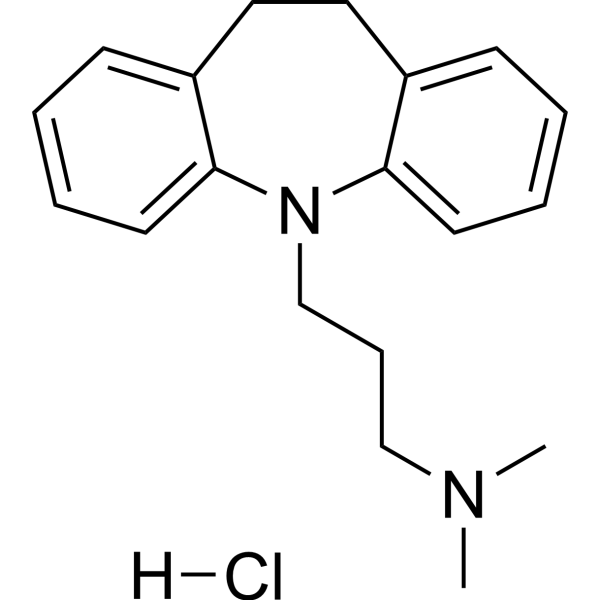
Imipramine hydrochloride is an orally active tertiary amine tricyclic antidepressant. Imipramine hydrochloride is a Fascin1 inhibitor with antitumor activities. Imipramine hydrochloride also inhibits serotonin transporter with an IC50 value of 32 nM. Imipramine hydrochloride stimulates U-87MG glioma cells autophagy and induces HL-60 cell apoptosis. Imipramine hydrochloride shows neuroprotective and immunomodulatory effects .
|
-
- HY-P3355
-
|
|
iGluR
|
Neurological Disease
|
|
p-fin4 is a peptide inhibitor of STEP Phosphatase-GluA2 AMPA receptor interaction with a Ki of 0.4 μM. p-fin4 restores the memory deficits and displays anxiolytic and antidepressant effects in a scopolamine-treated rat model. p-fin4 is a promising lead compound for novel cognitive enhancers and/or behavioral modulators .
|
-
- HY-B1490A
-
|
|
Serotonin Transporter
Autophagy
Apoptosis
|
Neurological Disease
Inflammation/Immunology
Cancer
|
|
Imipramine is an orally active tertiary amine tricyclic antidepressant. Imipramine is a Fascin1 inhibitor with antitumor activities. Imipramine also inhibits serotonin transporter with an IC50 value of 32 nM. Imipramine stimulates U-87MG glioma cells autophagy and induces HL-60 cell apoptosis. Imipramine shows neuroprotective and immunomodulatory effects .
|
-
- HY-103213
-
|
|
Adrenergic Receptor
|
Neurological Disease
Endocrinology
|
|
JP1302 dihydrochloride is a potent, selective, high affinity antagonist of the α2C-adrenoceptor, with a Kb of 16 nM and a Ki of 28 nM for the human α2C-receptor. JP1302 dihydrochloride shows antidepressant and antipsychotic-like effects. JP1302 dihydrochloride can be used for neuropsychiatric disorders and renal dysfunction research .
|
-
- HY-103213A
-
JP1302
2 Publications Verification
|
Adrenergic Receptor
|
Neurological Disease
|
|
JP1302 is a potent, selective, high affinity antagonist of the α2C-adrenoceptor, with a Kb of 16 nM and a Ki of 28 nM for the human α2C-receptor. JP1302 shows antidepressant and antipsychotic-like effects. JP1302 can be used for neuropsychiatric disorders and renal dysfunction research .
|
-
- HY-175508
-
|
|
iGluR
|
Neurological Disease
|
|
NMDA receptor modulator 9 is an orally active NMDA receptor positive allosteric modulator (PAM). NMDA receptor modulator 9 enhances GluN2A receptor activity. NMDA receptor modulator 9 demonstrates significant antidepressant-like effects in chronic restraint stress (CRS)-induced depression mice. NMDA receptor modulator 9 can be used for the study of depression .
|
-
- HY-13206A
-
MTEP
3 Publications Verification
|
mGluR
|
Neurological Disease
|
|
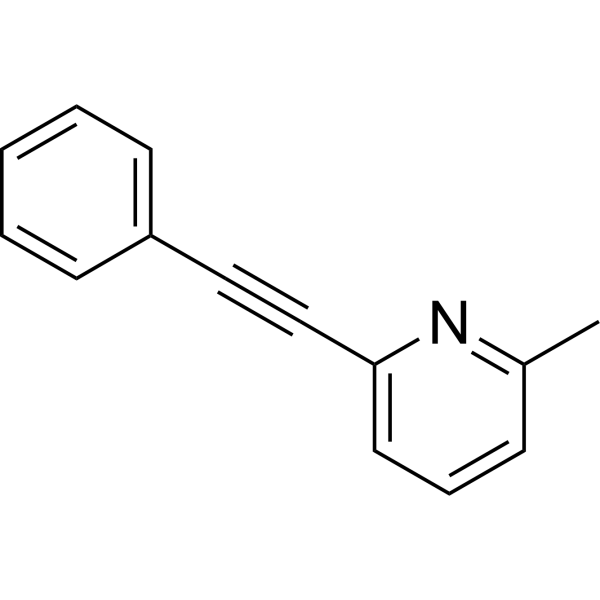
MTEP is a potent, non-competitive and highly selective mGluR5 antagonist, with an IC50 of 5 nM and a Ki of 16 nM. MTEP shows antidepressant and anxiolytic-like effects. MTEP can be used for Parkinson's disease research . MTEP is a click chemistry reagent, it contains an Alkyne group and can undergo copper-catalyzed azide-alkyne cycloaddition (CuAAc) with molecules containing Azide groups.
|
-
- HY-180212
-
|
|
Opioid Receptor
|
Neurological Disease
|
|
SYK-1106 is a potent delta-opioid receptor (DOR) agonist with an EC50 of 89 pM and a Ki of 848 pM. SYK-1106 is selective for μ and κ opioid receptors, with Ki values of 9.54 nM and 2.45 nM, respectively. SYK-1106 induces dose-dependent antidepressant-like effects. SYK-1106 can be used for the research of depression .
|
-
- HY-113739S1
-
|
DCIT-d4 hydrochloride
|
Cytochrome P450
Isotope-Labeled Compounds
|
Neurological Disease
|
|
Desmethylcitalopram-d4 hydrochloride is deuterated labeled Desmethylcitalopram hydrochloride (HY-113739). Desmethylcitalopram (DCIT) hydrochloride is the active metabolite of Citalopram (HY-121203). Desmethylcitalopram has antidepressant effects. Desmethylcitalopram also inhibits cytochrome P450-2D6, -2C19 with IC50s of 39.5 and 53.5 μM .
|
-
- HY-15401
-
|
|
5-HT Receptor
|
Neurological Disease
Metabolic Disease
|
|
WAY 163909 is an orally active, blood-brain barrier permeable 5-HT2C receptor-selective agonist. WAY 163909 exhibits an EC50 of 8 nM and a Ki of 10.5 nM for h5-HT2C. Instead of triggering apoptosis, WAY 163909 induces anorectic, antipsychotic-like, antidepressant-like, anti-aggressive and anti-compulsive effects. WAY 163909 alleviates ketamine-induced hypothermia, but impairs sexual function at high doses. With rapid antidepressant-like properties, WAY 163909 can be used in research related to obesity, schizophrenia, depression, obsessive-compulsive disorder, and anesthesia-induced hypothermia .
|
-
- HY-149536
-
|
|
Potassium Channel
|
Neurological Disease
|
|
TWIK-1/TREK-1-IN-1 (compound 2a) is an inhibitor of the TWIK-related potassium channel (Potassium Channel) TREK-1. TREK-1 contains a two-pore domain potassium (K2p) channel that dimerizes into TREK-1 homodimer and TWIK-1/TREK-1 heterodimer, and is an important antidepressant target. TWIK-1/TREK-1-IN-3 targets TREK-1 homodimer and TWIK-1/TREK-1 heterodimer with IC50s of 9.36 μM and 14.6 μM, respectively, and has antidepressant-like effects .
|
-
- HY-101100A
-
|
D-16949
|
5-HT Receptor
|
Neurological Disease
|
|
Anpirtoline (D-16949) is a centrally acting 5-HT1B receptor agonist, with Kis of 28 nM (5-HT1B), 150 nM (5-HT1A) and 1.49 μM (5-HT2). Anpirtoline has serotonergic, antinociceptive, antidepressant-like effects .
|
-
- HY-103151
-
|
|
5-HT Receptor
|
Neurological Disease
Metabolic Disease
|
|
CP94253 hydrochloride is an orally active, brain-penetrant and selective 5-HT1B receptor agonist with an Ki of 2 nM. CP94253 hydrochloride induces antidepressant-like effects, waking enhancement, sleep inhibition, increased sleep latency, hyperlocomotion, and suppressed aggressive behavior. CP94253 hydrochloride can be used for the research of depression and heightened aggressive behavior .
|
-
- HY-110135A
-
|
|
IGF-1R
|
Neurological Disease
|
|
NBI-31772 hydrate is a potent inhibitor of interaction between insulin-like growth factor (IGF) and IGF-binding proteins (IGFBPs). NBI-31772 hydrate is also a nonpeptide ligand that releases bioactive IGF-I from the IGF-I/IGFBP-3 complex (Kis=1-24 nM for all six human subtypes). Anxiolytic and antidepressant-like effects .
|
-
- HY-101100
-
|
D-16949 hydrochloride
|
5-HT Receptor
|
Neurological Disease
|
|
Anpirtoline (D-16949) hydrochloride is a centrally acting 5-HT1B receptor agonist, with Kis of 28 nM (5-HT1B), 150 nM (5-HT1A) and 1.49 μM (5-HT2). Anpirtoline hydrochloride has serotonergic, antinociceptive, antidepressant-like effects .
|
-
- HY-14609
-
|
|
mGluR
|
Neurological Disease
|
|
MPEP Hydrochloride is a potent, selective, noncompetitive, orally active and systemically active mGlu5 receptor antagonist, with an IC50 of 36 nM for completely inhibiting quisqualate-stimulated phosphoinositide (PI) hydrolysis. MPEP Hydrochloride has anxiolytic-or antidepressant-like effects . MPEP (Hydrochloride) is a click chemistry reagent, it contains an Alkyne group and can undergo copper-catalyzed azide-alkyne cycloaddition (CuAAc) with molecules containing Azide groups.
|
-
- HY-D0004
-
|
Azure B chloride
|
Monoamine Oxidase
|
Neurological Disease
|
|
Azure B is a cationic dye and the major metabolite of Methylene blue. Azure B is used in making Azure eosin stains for blood smear staining. Azure B is a high-potency, selective and reversible inhibitor of monoamine oxidases (MAO)-A, with IC50s of 11 and 968 nM for recombinant human MAO-A and MAO-B, respectively. Azure B possesses significant antidepressant-like effects .
|
-
- HY-103151A
-
|
|
5-HT Receptor
|
Neurological Disease
Metabolic Disease
|
|
CP94253 is an orally active, brain-penetrant and selective 5-HT1B receptor agonist with an Ki of 2 nM. CP94253 induces antidepressant-like effects, waking enhancement, sleep inhibition, increased sleep latency, hyperlocomotion, and suppressed aggressive behavior. CP94253 can be used for the research of depression and heightened aggressive behavior .
|
-
- HY-14609A
-
|
|
mGluR
|
Neurological Disease
|
|
MPEP is a potent, selective, noncompetitive, orally active and systemically active mGlu5 receptor antagonist, with an IC50 of 36 nM for completely inhibiting quisqualate-stimulated phosphoinositide (PI) hydrolysis. MPEP has anxiolytic-or antidepressant-like effects . MPEP is a click chemistry reagent, it contains an Alkyne group and can undergo copper-catalyzed azide-alkyne cycloaddition (CuAAc) with molecules containing Azide groups.
|
-
- HY-14614D
-
|
S-Adenosyl methionine iodide; Ademetionine iodide; AdoMet iodide
|
Endogenous Metabolite
Apoptosis
|
Neurological Disease
Inflammation/Immunology
Cancer
|
|
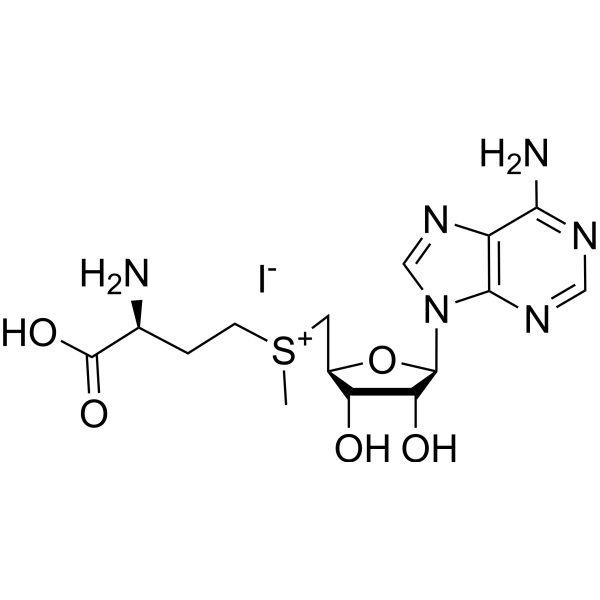
S-Adenosyl-L-methionine (S-Adenosyl methionine) iodide is an orally active methyl group donor. S-Adenosyl-L-methionine iodide is a dietary supplement with potent antidepressant effects. S-Adenosyl-L-methionine iodide also has anti‑proliferative, pro‑apoptotic and anti‑metastatic roles in cancers. S-Adenosyl-L-methionine iodide has the potential for, cancer, liver disease and osteoarthritis research .
|
-
- HY-W654013
-
-
- HY-17412S
-
-
- HY-17412S1
-
-
- HY-17412R
-
-
- HY-17412AS
-
-
- HY-149538
-
|
|
Potassium Channel
|
Neurological Disease
|
|
TWIK-1/TREK-1-IN-3 (compound 2h) is an inhibitor of TWIK-related potassium channel (Potassium Channel) TREK-1. TREK-1 contains a two-pore domain potassium (K2p) channel that dimerizes into TREK-1 homodimer and TWIK-1/TREK-1 heterodimer, and is an important antidepressant target. TWIK-1/TREK-1-IN-3 targets TREK-1 homodimer and TWIK-1/TREK-1 heterodimer with IC50s of 9.74 μM and 16.5 μM, respectively, and has antidepressant-like effects .
|
-
- HY-B1496R
-
|
SKF 385 hemisulfate (Standard)
|
Reference Standards
Monoamine Oxidase
Histone Demethylase
|
Neurological Disease
|
|
Tranylcypromine (hemisulfate) (Standard) is the analytical standard of Tranylcypromine (hemisulfate). This product is intended for research and analytical applications. Tranylcypromine (SKF 385) hemisulfate is an irreversible, nonselective monoamine oxidase (MAO) inhibitor used in the treatment of depression. Tranylcypromine hemisulfate is also a lysine-specific demethylase 1 (LSD1) inhibitor, suppresses lesion growth and improves generalized hyperalgesia in mouse with induced endometriosis. Tranylcypromine has antidepressant effects .
|
-
- HY-108235BR
-
|
(Rac)-AZD6765 (Standard)
|
iGluR
Reference Standards
|
Neurological Disease
|
|
(Rac)-Lanicemine (Standard) is the analytical standard of (Rac)-Lanicemine. This product is intended for research and analytical applications. (Rac)-Lanicemine ((Rac)-AZD6765) is the racemate of Lanicemine. Lanicemine (AZD6765) is a low-trapping NMDA channel blocker (Ki of 0.56-2.1 μM for NMDA receptor; IC50s of 4-7 μM and 6.4 μM in CHO and Xenopus oocyte cells, respectively). Antidepressant effects .
|
-
- HY-B0982R
-
|
LB-46 (Standard)
|
Reference Standards
5-HT Receptor
Adrenergic Receptor
|
Neurological Disease
|
|
Pindolol (Standard) is the analytical standard of Pindolol. This product is intended for research and analytical applications. Pindolol (LB-46) is the antagonist for 5-HT 1A (Ki=33 nM) and 5-HT 1B. Pindolol is the antagonist for β1/β2-adrenergic receptor. Pindolol exhibits anti-anxiety and antidepressant effects .
|
-
- HY-203894
-
|
Defekton
|
Dopamine Receptor
Adrenergic Receptor
5-HT Receptor
|
Neurological Disease
|
|
Carpipramine (Defekton) is an antipsychotic agent that belongs to the iminodibenzyl class. Carpipramine is a potent dopamine antagonist which blocks alpha 1- and alpha 2-adrenoceptors. Carpipramine also has antagonist properties with respect to serotonin (5-ΗΤ2) receptors. Carpipramine exhibits antipsychotic and anti-depressant effects. Carpipramine can be used for the research of neurological disease, such as post-traumatic stress disorder (PTSD) and depression .
|
-
- HY-A0095B
-
|
BIMT-17 hydrochloride; BIMT-17BS hydrochloride
|
5-HT Receptor
Dopamine Receptor
|
Neurological Disease
|
|
Flibanserin hydrochloride (BIMT-17 hydrochloride) is an orally active 5-HT1A receptor agonist and 5-HT2A receptor antagonist with binding affinities Ki of 1 nM and 49 nM, respectively. Flibanserin hydrochloride also binds to dopamine D4 receptors with a Ki of 4-24 nM. Flibanserin hydrochloride has antidepressant and anxiolytic effects and can be used in the study of hypoactive sexual desire disorder (HSDD) .
|
-
- HY-132993
-
|
|
Phosphodiesterase (PDE)
|
Neurological Disease
|
|
Hcyb1 is a highly selective, orally active PDE2 inhibitor. Hcyb1 has a highly selective inhibition of PDE2A (IC50=0.57 μM) and over 250-fold selectivity against other recombinant PDE family members. Hcyb1 produces neuroprotective and antidepressant‐like effects most likely mediated by cAMP/cGMP-CREB-BDNF signaling .
|
-
- HY-102064
-
|
|
5-HT Receptor
|
Neurological Disease
|
|
SR 57227A is a potent, orally active and selective 5-HT3 receptor agonist, with ability to cross the blood brain barrier. SR 57227A has affinities (IC50) varying between 2.8 and 250 nM for 5-HT3 receptor binding sites in rat cortical membranes and on whole NG 108-15 cells or their membranes. Anti-depressant effects .
|
-
- HY-101202A
-
|
(Rac)-NIH 10815
|
Opioid Receptor
|
Neurological Disease
|
|
(Rac)-SNC80 is a racemate of SNC80 (HY-101202). SNC80 (NIH 10815) is a potent, highly selective and non-peptide δ-opioid receptor agonist with a Ki of 1.78 nM and an IC50 of 2.73 nM. SNC80 shows antinociceptive, antihyperalgesic and antidepressant‐like effects. SNC80 has the potential for multiple headache disorders treatment .
|
-
- HY-B1110
-
|
(±)-Nomifensine; Nomifensin
|
Dopamine Receptor
Adrenergic Receptor
|
Neurological Disease
|
|
Nomifensine ((±)-Nomifensine) is a potent norepinephrine (NE) and dopamine (DA) reuptake inhibitor. Nomifensine inhibits uptake of NE, DA and 5-HT in rat brain synaptosomes, with IC50 values of 6.6 nM, 48 nM and 830 nM, and Ki values of 4.7 nM, 26 nM and 4000 nM, respectively. Nomifensine has antidepressant and analgesic effects. Nomifensine is used in neurodegenerative diseases, compound addiction, and pain research .
|
-
- HY-105857
-
|
|
GABA Receptor
|
Neurological Disease
|
|
Thiazesim is a benzothiazepine compound with a thiophene structure and acts as a GABAA receptor inhibitor, exerting anticonvulsant and antidepressant effects. Thiazesim exhibits specific pharmacological properties in animal experiments. Thiazesim reduces motor activity in rats and effectively inhibits rat killing responses, with a ratio of 2.1 between the ED50 in rotarod tests and the ED50 for anti-killing behavior. Thiazesim can be widely used in basic and clinical studies related to epilepsy .
|
-
- HY-B1359
-
|
C.I. Basic Blue 9 trihydrate
|
Guanylate Cyclase
Monoamine Oxidase
NO Synthase
Parasite
|
Infection
Neurological Disease
Cancer
|
|
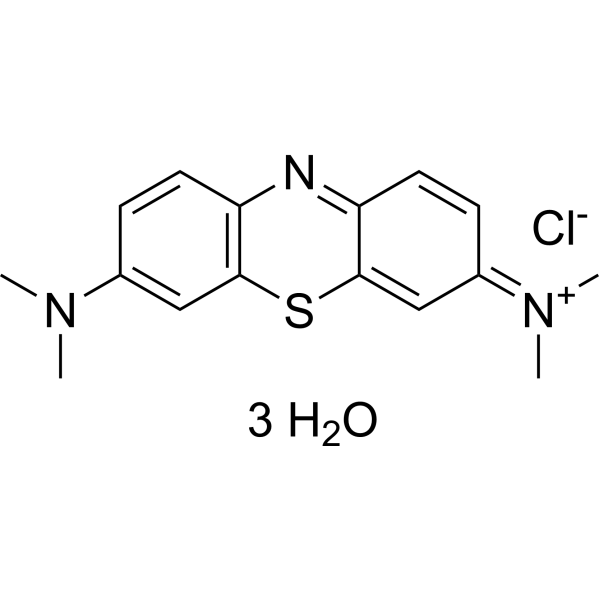
Methylene blue trihydrate (C.I. Basic Blue 9 trihydrate) is a guanylyl cyclase (sGC), monoamine oxidase A (MAO-A) and NO synthase (NOS) inhibitor. Methylene blue trihydrate is a vasopressor and is often used as a dye in several medical procedures. Methylene blue trihydrate has antinociception, antimalarial, antidepressant and anxiolytic activity effects. Methylene Blue trihydrate has the potential for methemoglobinemias, neurodegenerative disorders and ifosfamide-induced encephalopathytreatment .
|
-
- HY-105857A
-
|
|
GABA Receptor
|
Neurological Disease
|
|
Thiazesim hydrochloride is a benzothiazepine compound with a thiophene structure and acts as a GABAA receptor inhibitor, exerting anticonvulsant and antidepressant effects. Thiazesim hydrochloride exhibits specific pharmacological properties in animal experiments. Thiazesim hydrochloride reduces motor activity in rats and effectively inhibits rat killing responses, with a ratio of 2.1 between the ED50 in rotarod tests and the ED50 for anti-killing behavior. Thiazesim hydrochloride can be widely used in basic and clinical studies related to epilepsy .
|
-
- HY-130176
-
|
|
Opioid Receptor
ERK
Adenylate Cyclase
|
Neurological Disease
|
|
UFP-512 is a selective and potent σ-opioid receptor (DOP receptor) peptidic agonist with antidepressant- and anxiolytic-like effects. UFP-512 exhibits as a potent agonist on adenylyl cyclase inhibition and Erk1/2 activation. UFP-512 induces phosphorylation of DOP receptors on Ser 363 with a low desensitization of the cAMP pathway. UFP-512 is promising for research of mood disorders .
|
-
- HY-B1110A
-
|
(±)-Nomifensine maleate; Nomifensin maleate
|
Dopamine Receptor
Adrenergic Receptor
|
Neurological Disease
|
|
Nomifensine ((±)-Nomifensine) maleate is a potent norepinephrine (NE) and dopamine (DA) reuptake inhibitor. Nomifensine maleate inhibits uptake of NE, DA and 5-HT in rat brain synaptosomes, with IC50 values of 6.6 nM, 48 nM and 830 nM, and Ki values of 4.7 nM, 26 nM and 4000 nM, respectively. Nomifensine maleate has antidepressant and analgesic effects. Nomifensine maleate is used in neurodegenerative diseases, compound addiction, and pain research .
|
-
- HY-N7085
-
|
5,7-Dimethoxycoumarin; Limettin
|
Environmental Pollutants
ERK
p38 MAPK
JNK
|
Neurological Disease
Inflammation/Immunology
Cancer
|
|
Citropten (5, 7-dimethoxycoumarin) is one of the coumarin derivatives. Citropten is an effective oral anticancer agent. Citropten has anti-proliferative activity against A2058 and B16 melanoma cells. Citropten exerts anti-inflammatory effects through the NFκB and MAPK signaling pathways. Citropten acts as an antidepressant through heat shock protein-70, monoamine oxidase-A and inhibition of apoptosis .
|
-
- HY-155182
-
|
|
HDAC
Autophagy
|
Neurological Disease
Inflammation/Immunology
|
|
HDAC-IN-62 (Compound 5) a HDAC inhibitor, with IC50s of 0.78, 1.0, 1.2? μM for HDAC6/8/11 respectively. HDAC-IN-62 inhibits-induced microglial activation by the initiation of autophagy, and inhibits nitric oxide production. HDAC-IN-62 has anti-inflammatory and anti-depressant effects. HDAC-IN-62 inhibits microglial activation in mouse brain .
|
-
- HY-B1490AS1
-
|
|
Serotonin Transporter
Isotope-Labeled Compounds
Apoptosis
Autophagy
|
Others
|
|
Imipramine-d4 is deuterium labeled Imipramine. Imipramine is an orally active tertiary amine tricyclic antidepressant. Imipramine is a Fascin1 inhibitor with antitumor activities. Imipramine also inhibits serotonin transporter with an IC50 value of 32 nM. Imipramine stimulates U-87MG glioma cells autophagy and induces HL-60 cell apoptosis. Imipramine shows neuroprotective and immunomodulatory effects .
|
-
- HY-B0478AR
-
|
AF-1161 free base (Standard)
|
Reference Standards
5-HT Receptor
Histamine Receptor
Adrenergic Receptor
Serotonin Transporter
|
Neurological Disease
|
|
Trazodone (AF-1161 free base) (Standard) is the analytical standard of Trazodone. This product is intended for research and analytical applications. Trazodone is a triazolopyridine derivative that belongs to the class of serotonin receptor antagonists and reuptake inhibitors (SARIs). Trazodone has anti-depressant and anti-insomnious activity. Trazodone exerts antagonistic properties against a1- and a2-adrenergic receptors and histamine H1 receptors, with minimal anticholinergic effects .
|
-
- HY-B1490AS
-
|
|
Isotope-Labeled Compounds
Serotonin Transporter
|
Neurological Disease
Inflammation/Immunology
Cancer
|
|
Imipramine-d6 is the deuterium labeled Imipramine hydrochloride. Imipramine is an orally active tertiary amine tricyclic antidepressant. Imipramine is a Fascin1 inhibitor with antitumor activities. Imipramine also inhibits serotonin transporter with an IC50 value of 32 nM. Imipramine stimulates U-87MG glioma cells autophagy and induces HL-60 cell apoptosis. Imipramine shows neuroprotective and immunomodulatory effects .
|
-
- HY-108669R
-
|
|
Reference Standards
P2X Receptor
|
Neurological Disease
Cancer
|
|
AZ10606120 dihydrochloride (Standard) is the analytical standard of AZ10606120 (dihydrochloride) (HY-108669). This product is intended for research and analytical applications. AZ10606120 dihydrochloride is a selective, high affinity antagonist for P2X7 receptor (P2X7R) at human and rat with an IC50 of about 10 nM. AZ10606120 dihydrochloride is little or no effect at other P2XR subtypes. AZ10606120 dihydrochloride has anti-depressant effects and reduces tumour growth .
|
-
- HY-103565
-
AMN082
1 Publications Verification
|
mGluR
|
Neurological Disease
|
|
AMN082, a selective, orally active, and brain penetrant mGluR7 agonist, directly activates receptor signaling via an allosteric site in the transmembrane domain. AMN082 potently inhibits cAMP accumulation and stimulates GTPγS binding (EC50 values, 64-290 nM) at transfected mammalian cells expressing mGluR7. AMN082 shows selectivity over other mGluR subtypes and selected ionotropic glutamate receptors. Antidepressant effects .
|
-
- HY-10864R
-
|
KDS-4103 (Standard)
|
FAAH
Autophagy
Mitophagy
Reference Standards
|
Neurological Disease
|
|
URB-597 (Standard) is the analytical standard of URB-597. This product is intended for research and analytical applications. URB-597 (KDS-4103) is an orally bioavailable and selective FAAH inhibitor. URB-597 inhibits FAAH activity with an IC50s of approximately 5 nM in rat brain membranes, 0.5 nM in intact rat neurons, 3 nM in human liver microsomes. Antidepressant-like effects. Analgesic activity .
|
-
- HY-100936
-
|
SQ 20009; EHT 0202 hydrochloride
|
Phosphodiesterase (PDE)
GABA Receptor
|
Neurological Disease
Inflammation/Immunology
|
|
Etazolate hydrochloride (SQ 20009) is an orally active, selective inhibitor of type 4 phosphodiesterase (PDE4) with an IC50 of 2 μM. Etazolate hydrochloride is a γ-aminobutyric acid A (GABAA) receptor regulator. Etazolate hydrochloride is an α-secretase activator and induced the production of soluble amyloid precursor protein (sAPPα). Etazolate hydrochloride, a pyrazolopyridine class derivative, increases cAMP levels. Etazolate hydrochloride has anxiolyticlike, antidepressant-like and anti-inflammatory effects .
|
-
- HY-103154
-
|
|
5-HT Receptor
|
Neurological Disease
|
|
SB228357 is a selective, potent and orall active 5-HT2C/2B receptor antagonist with pKi values of 6.9, 8.0 and 9.0 for 5-HT2A, 5-HT2B and 5-HT2C, respectively. SB228357 has antidepressant/anxiolytic effects .
|
-
- HY-18332B
-
|
|
Dopamine Transporter
Adrenergic Receptor
5-HT Receptor
|
Neurological Disease
|
|
DOV-102,677 is an orally sctive triple monoamine neurotransmitter reuptake inhibitor that simultaneously inhibits the dopamine (DAT) (IC50 = 129 nM; Ki = 222 nM), norepinephrine (NET) (IC50 = 103 nM; Ki = 1030 nM), and serotonin (SERT) (IC50 = 133 nM; Ki = 740 nM) transporters. DOV-102,677 demonstrated significant antidepressant-like activity and sensory-motor gating regulatory effects in mouse experiments. DOV-102,677 can be used for research on depression .
|
-
- HY-B1490S1
-
-
- HY-B1490S
-
|
|
Serotonin Transporter
Apoptosis
Autophagy
|
Neurological Disease
Inflammation/Immunology
Cancer
|
|
Imipramine-d4 (hydrochloride) is the deuterium labeled Imipramine hydrochloride. Imipramine hydrochloride is an orally active tertiary amine tricyclic antidepressant. Imipramine hydrochloride is a Fascin1 inhibitor with antitumor activities. Imipramine hydrochloride also inhibits serotonin transporter with an IC50 value of 32 nM. Imipramine hydrochloride stimulates U-87MG glioma cells autophagy and induces HL-60 cell apoptosis. Imipramine hydrochloride shows neuroprotective and immunomodulatory effects .
|
-
- HY-159942
-
|
|
5-HT Receptor
Dopamine Receptor
|
Neurological Disease
|
|
5-HT7R antagonist 3 (Compound 6.4) is a selective 5-HT7R antagonist (Ki: 8 nM), with Ki of 511 nM (D2), 8930 nM (5-HT1A) and 5786 nM (5-HT2A), respectively. 5-HT7R antagonist 3 possesses antidepressant and anxiolytic effects in mice .
|
-
- HY-P3354
-
|
|
iGluR
|
Neurological Disease
|
|
p3Ysh-3 is a peptide inhibitor of STEP Phosphatase-GluA2 AMPA receptor interaction with a Ki of 1.09 μM. p3Ysh-3 restores the memory deficits and displays anxiolytic and antidepressant effects in a scopolamine-treated rat model. p3Ysh-3 is a promising lead compound for novel cognitive enhancers and/or behavioral modulators .
|
-
- HY-119209
-
|
|
5-HT Receptor
Cytochrome P450
|
Neurological Disease
Inflammation/Immunology
|
|
Nefazodone is an orally active phenylpiperazine antidepressant. Nefazodone can potently and selectively block postsynaptic 5-HT2A receptors, and moderately inhibit 5-HT and noradrenaline reuptake. Nefazodone can also relieve the adverse effects of stress on the the immune system of mice. Nefazodone has a high affinity for CYP3A4 isoenzyme, which indicates that it has certain risk of agent-agent interaction .
|
-
- HY-B0982S
-
-
- HY-122272
-
|
BRL29060
|
Serotonin Transporter
Adrenergic Receptor
P2X Receptor
Apoptosis
|
Neurological Disease
Cancer
|
|
Paroxetine is an oral inhibitor that falls under the category of selective serotonin reuptake inhibitors (SSRIs). Paroxetine is also a very weak norepinephrine (NE) reuptake inhibitor, capable of inducing cell apoptosis and having anti-tumor activity. Paroxetine has antidepressant, anti-anxiety, and pain-relieving effects, and it can help improve conditions like obsessive-compulsive disorder, panic disorder, post-traumatic stress disorder, premenstrual anxiety, and chronic headaches .
|
-
- HY-B1490AR
-
|
|
Serotonin Transporter
Autophagy
Apoptosis
Reference Standards
|
Neurological Disease
Inflammation/Immunology
Cancer
|
|
Imipramine (Standard) is the analytical standard of Imipramine. This product is intended for research and analytical applications. Imipramine is an orally active tertiary amine tricyclic antidepressant. Imipramine is a Fascin1 inhibitor with antitumor activities. Imipramine also inhibits serotonin transporter with an IC50 value of 32 nM. Imipramine stimulates U-87MG glioma cells autophagy and induces HL-60 cell apoptosis. Imipramine shows neuroprotective and immunomodulatory effects .
|
-
- HY-117977
-
|
|
Phosphodiesterase (PDE)
|
Neurological Disease
Inflammation/Immunology
|
|
FCPR03 is a potent and selective phosphodiesterase 4 (PDE4) inhibitor with IC50 values of 60 nM, 31 nM and 47 nM for PDE4 catalytic domain, PDE4B1 and PDE4D7, respectively. FCPR03 displays at least 2100-fold selectivity over other PDEs (PDE1-3 and PDE5-11). FCPR03 has anti-inflammatory, neuroprotective and antidepressant-like effects .
|
-
- HY-101202
-
|
NIH 10815
|
Opioid Receptor
|
Neurological Disease
|
|
SNC80 (NIH 10815) is a potent, highly selective and non-peptide δ-opioid receptor agonist with a Ki of 1.78 nM and an IC50 of 2.73 nM. SNC80 also selectively activates μ-δ heteromer in HEK293 cells with an EC50 of 52.8 nM. SNC80 shows antinociceptive, antihyperalgesic and antidepressant‐like effects. SNC80 has the potential for multiple headache disorders treatment .
|
-
- HY-107479
-
|
|
Neuropeptide Y Receptor
|
Neurological Disease
|
|
(R)-JNJ-31020028 is a high affinity, selective brain penetrant neuropeptide Y Y2 receptor antagonist, with pIC50 values of 8.07, 8.22 and 8.21 for human, rat, and mouse Y2 receptor, respectively. (R)-JNJ-31020028 shows >100-fold selective versus human Y1, Y4, and Y5 receptors. (R)-JNJ-31020028 has antidepressant like effects .
|
-
- HY-B1490AS3
-
-
- HY-W012732
-
|
|
Environmental Pollutants
Parasite
Drug Isomer
TNF Receptor
HIV
NF-κB
Interleukin Related
|
Neurological Disease
Cancer
|
|
Isoquinoline is an analog of pyridine. Isoquinoline-based alkaloids, such as p-tolyl bisisoquinoline, phthaloyl isoquinoline, and naphthyl isoquinoline, exhibit anticancer activity.
Berberine, an isoquinoline alkaloid, exerts anti-inflammatory effects in diabetic mice by downregulating the gene expression ratios of pro-/anti-inflammatory and Th1/Th2 cytokines.
Additionally, some isoquinoline-based compounds also possess antidepressant, antibacterial, antimalarial, and anti-HIV activities .
|
-
- HY-148605
-
|
|
ATP Synthase
Drug Derivative
|
Cardiovascular Disease
Neurological Disease
Inflammation/Immunology
|
|
Aloracetam is a γ-aminobutyric acid cyclic derivative that can pass through the blood-brain barrier and has a significant enhancing cognitive function effect. Aloracetam improves the blood perfusion of brain tissue, increases the synthesis of proteins, ATP and acetylcholine in the brain, enhances the excitatory conduction effect of cholinergic nerves, and reduces the damage to brain tissue caused by cerebral vascular diseases. Aloracetam also has certain anti-epileptic, anti-inflammatory, analgesic and anti-depressant effects .
|
-
- HY-186170
-
|
|
5-HT Receptor
|
Neurological Disease
|
|
R-MDMA, 4-methylenedioxymethamphetamine (MDMA) isomer, is a 5-HT2A/5-HT2C receptor antagonist with an IC50 of 629 and 61.4 nM. R-MDMA promotes cortical neuron growth. R-MDMA facilitates fear extinction learning and produces antidepressant-like effects in preclinical rodent models. R-MDMA can be used for the researches of post-traumatic stress disorder and depression .
|
-
- HY-N6962
-
|
|
TRP Channel
COX
Bacterial
|
Infection
Neurological Disease
Metabolic Disease
|
|
α-Spinasterol is an orally taken antagonist of transient receptor potential vanilloid 1 ( TRPV1), and it's also an inhibitor of COX-1 and COX-2, with IC50 values of 16.17 μM and 7.76 μM, respectively. α-Spinasterol exhibits antibacterial, anti-inflammatory, antidepressant, and antioxidant effects, has the ability to cross the blood-brain barrier, and can improve diabetes in mice .
|
-
- HY-121793
-
|
(-)-Roemerine
|
Endogenous Metabolite
5-HT Receptor
mGluR
iGluR
Bacterial
Antibiotic
|
Infection
Neurological Disease
Cancer
|
|
Roemerine is an alkaloid that has been identified from the leaves of Fibraurea recisa Pierre. Roemerine exhibits antibacterial, anticancer, and antidepressant activities, can reverse the multidrug resistance phenotype in cultured cells, and exerts antibacterial effects by regulating the cAMP signaling pathway. Additionally, Roemerine influences neuronal activity by increasing BDNF protein expression and modulating the serotonergic and glutamatergic systems. Roemerine holds promise for research in the fields of cancer, infections, and neurological diseases .
|
-
- HY-120717
-
|
|
mGluR
Cytochrome P450
|
Neurological Disease
|
|
VU6001966 is a brain-penetrant and selective mGlu2 receptor inhibitor. VU6001966 blocks mGlu2 receptor activity, counteracts LY379268 (HY-103558)-mediated blood-brain barrier protection and inflammatory cytokine dampening in microglia under inflammatory conditions. VU6001966 enhances antidepressant effects when combined with Scopolamine (HY-N0296). VU6001966 can be used for the research of major depressive disorder .
|
-
- HY-103213R
-
|
|
Reference Standards
Adrenergic Receptor
|
Neurological Disease
Endocrinology
|
|
JP1302 dihydrochloride (Standard) is the analytical standard of JP1302 dihydrochloride. This product is intended for research and analytical applications. JP1302 dihydrochloride is a potent, selective, high affinity antagonist of the α2C-adrenoceptor, with a Kb of 16 nM and a Ki of 28 nM for the human α2C-receptor. JP1302 dihydrochloride shows antidepressant and antipsychotic-like effects. JP1302 dihydrochloride can be used for neuropsychiatric disorders and renal dysfunction research .
|
-
- HY-B1490R
-
|
|
Reference Standards
Serotonin Transporter
Apoptosis
Autophagy
|
Neurological Disease
Inflammation/Immunology
Cancer
|
|
Imipramine (hydrochloride) (Standard) is the analytical standard of Imipramine (hydrochloride). This product is intended for research and analytical applications. Imipramine hydrochloride is an orally active tertiary amine tricyclic antidepressant. Imipramine hydrochloride is a Fascin1 inhibitor with antitumor activities. Imipramine hydrochloride also inhibits serotonin transporter with an IC50 value of 32 nM. Imipramine hydrochloride stimulates U-87MG glioma cells autophagy and induces HL-60 cell apoptosis. Imipramine hydrochloride shows neuroprotective and immunomodulatory effects .
|
-
- HY-B0617S1
-
|
S-Adenosyl methionine-13C; Ademetionine-13C; AdoMet-13C
|
Isotope-Labeled Compounds
Endogenous Metabolite
Apoptosis
|
Neurological Disease
Inflammation/Immunology
Cancer
|
|
S-Adenosyl-L-methionine- 13C (S-Adenosyl methionine- 13C) is the 13C labeled S-Adenosyl-L-methionine (HY-B0617). S-Adenosyl-L-methionine (S-Adenosyl methionine) is produced endogenously from methionine and ATP by action of the enzyme methionine adenosyltransferase and is an important orally active methyl group donor. S-Adenosyl-L-methionine is a dietary supplement with potent antidepressant effects, and has the potential for liver disease and osteoarthritis research .
|
-
- HY-14609R
-
|
|
mGluR
|
Neurological Disease
|
|
MPEP (Hydrochloride) (Standard) is the analytical standard of MPEP (Hydrochloride). This product is intended for research and analytical applications. MPEP Hydrochloride is a potent, selective, noncompetitive, orally active and systemically active mGlu5 receptor antagonist, with an IC50 of 36 nM for completely inhibiting quisqualate-stimulated phosphoinositide (PI) hydrolysis. MPEP Hydrochloride has anxiolytic-or antidepressant-like effects . MPEP (Hydrochloride) is a click chemistry reagent, it contains an Alkyne group and can undergo copper-catalyzed azide-alkyne cycloaddition (CuAAc) with molecules containing Azide groups.
|
-
- HY-N7085R
-
|
5,7-Dimethoxycoumarin (Standard); Limettin (Standard)
|
ERK
JNK
p38 MAPK
Reference Standards
|
Neurological Disease
Inflammation/Immunology
Cancer
|
|
Citropten (Standard) is the analytical standard of Citropten. This product is intended for research and analytical applications. Citropten (5, 7-dimethoxycoumarin) is one of the coumarin derivatives. Citropten is an effective oral anticancer agent. Citropten has anti-proliferative activity against A2058 and B16 melanoma cells. Citropten exerts anti-inflammatory effects through the NFκB and MAPK signaling pathways. Citropten acts as an antidepressant through heat shock protein-70, monoamine oxidase-A and inhibition of apoptosis .
|
-
- HY-175483S
-
|
|
Trk Receptor
Isotope-Labeled Compounds
|
Neurological Disease
|
|
TrkB activator-1 is a specific, orally active and brain-penetrant tropomyosin receptor kinase B (TrkB) activator. TrkB activator-1 shows potent antidepressant effects through activation of the activates the BDNF (brainderived neurotrophic factor)-Tropomyosin-related kinase B (TrkB)-CREB (cAMP response element binding protein) signaling aixs. TrkB activator-1 increaes neuroplasticity. TrkB activator-1 can be used for the research of neurological disease, such as depression .
|
-
- HY-W001158S1
-
|
Dimethylglycine-d3 hydrochloride; DMG-d3 hydrochloride; N-Methylsarcosine-d3 hydrochloride
|
Isotope-Labeled Compounds
Endogenous Metabolite
iGluR
Amino Acid Derivatives
|
Neurological Disease
Metabolic Disease
|
|
N,N-Dimethylglycine-d3 (Dimethylglycine-d3) hydrochloride is the deuterium labeled N,N-Dimethylglycine hydrochloride (HY-W001158). N,N-Dimethylglycine (Dimethylglycine) hydrochloride, a natural N-methylated glycine, is a nutrient supplement and acts as an NMDAR glycine site partial agonist. N,N-Dimethylglycine hydrochloride is a methyl donor that can improve immunity, act as an antioxidant to prevent oxidative stress, and scavenge excess free radicals. N,N-Dimethylglycine hydrochloride has antidepressant-like and surfactant effects .
|
-
- HY-D0004R
-
|
Azure B chloride (Standard)
|
Reference Standards
Monoamine Oxidase
|
Neurological Disease
|
|
Azure B (Standard) is the analytical standard of Azure B. This product is intended for research and analytical applications. Azure B is a cationic dye and the major metabolite of Methylene blue. Azure B is used in making Azure eosin stains for blood smear staining. Azure B is a high-potency, selective and reversible inhibitor of monoamine oxidases (MAO)-A, with IC50s of 11 and 968 nM for recombinant human MAO-A and MAO-B, respectively. Azure B possesses significant antidepressant-like effects .
|
-
- HY-183101
-
|
|
iGluR
NADPH Oxidase
|
Neurological Disease
|
|
AMPAR modulator-12 is a blood-brain barrier-permeable AMPAR positive allosteric modulator. AMPAR modulator-12 reduces NOX-1 expression, enhances AMPAR-mediated currents, promotes excitatory postsynaptic transmission and restores AMPAR function. AMPAR modulator-12 enhances excitatory and inhibitory synaptic transmission, reduces burst firing in the lateral habenula after withdrawal, and produces rapid and sustained antidepressant-like effects. AMPAR modulator-12 is applicable for the research of depression .
|
-
- HY-103138
-
|
|
5-HT Receptor
|
Neurological Disease
Metabolic Disease
|
|
(Rac)-WAY-161503 hydrochloride is a potent, selective, high affinity 5-HT2C receptor agonist with a Ki of 4 nM and an EC50 of 12 nM. (Rac)-WAY-161503 hydrochloride displays higher affinity for 5-HT2C than 5-HT2A and 5-HT2B receptors. (Rac)-WAY-161503 hydrochloride has anti-obesity and antidepressant effects .
|
-
- HY-103138A
-
|
|
5-HT Receptor
|
Neurological Disease
Metabolic Disease
|
|
(Rac)-WAY-161503 is a potent, selective, highly affinity 5-HT2C receptor agonist with a Ki of 4 nM and an EC50 of 12 nM. (Rac)-WAY-161503 displays higher affinity for 5-HT2C than 5-HT2A and 5-HT2B receptors. (Rac)-WAY-161503 has anti-obesity and antidepressant effects .
|
-
- HY-B0617B
-
|
S-Adenosyl methionine 1,4-butanedisulfonate; Ademetionine 1,4-butanedisulfonate; AdoMet 1,4-butanedisulfonate
|
Endogenous Metabolite
Apoptosis
|
Neurological Disease
Inflammation/Immunology
Cancer
|
|
S-Adenosyl-L-methionine (S-Adenosyl methionine) 1,4-butanedisulfonate is an orally active methyl group donor. S-Adenosyl-L-methionine 1,4-butanedisulfonate is a dietary supplement with potent antidepressant effects. S-Adenosyl-L-methionine 1,4-butanedisulfonate also has anti‑proliferative, pro‑apoptotic and anti‑metastatic roles in cancers. S-Adenosyl-L-methionine 1,4-butanedisulfonate has the potential for, cancer, liver disease and osteoarthritis research .
|
-
- HY-103565A
-
|
|
mGluR
|
Neurological Disease
|
|
AMN082 free base, a selective, orally active, and brain penetrant mGluR7 agonist, directly activates receptor signaling via an allosteric site in the transmembrane domain. AMN082 free base potently inhibits cAMP accumulation and stimulates GTPγS binding (EC50 values, 64-290 nM) at transfected mammalian cells expressing mGluR7. AMN082 free base shows selectivity over other mGluR subtypes and selected ionotropic glutamate receptors. Antidepressant effects .
|
-
- HY-B1110AR
-
|
(±)-Nomifensine maleate (Standard); Nomifensin maleate (Standard)
|
Dopamine Receptor
Adrenergic Receptor
Reference Standards
|
Neurological Disease
|
|
Nomifensine (maleate) (Standard) is the analytical standard of Nomifensine (maleate). This product is intended for research and analytical applications. Nomifensine ((±)-Nomifensine) maleate is a potent norepinephrine (NE) and dopamine (DA) reuptake inhibitor. Nomifensine maleate inhibits uptake of NE, DA and 5-HT in rat brain synaptosomes, with IC50 values of 6.6 nM, 48 nM and 830 nM, and Ki values of 4.7 nM, 26 nM and 4000 nM, respectively. Nomifensine maleate has antidepressant and analgesic effects. Nomifensine maleate is used in neurodegenerative diseases, compound addiction, and pain research .
|
-
- HY-W017770
-
|
Ademetionine disulfate tosylate; S-Adenosyl methionine disulfate tosylate; AdoMet disulfate tosylate
|
Endogenous Metabolite
Apoptosis
|
Neurological Disease
Inflammation/Immunology
Cancer
|
|
S-Adenosyl-L-methionine (Ademetionine) disulfate tosylate is the disulfate tosylate form of S-Adenosyl-L-methionine (HY-B0617). S-Adenosyl-L-methionine disulfate tosylate is an orally active methyl group donor. S-Adenosyl-L-methionine disulfate tosylate is a dietary supplement with potent antidepressant effects. S-Adenosyl-L-methionine disulfate tosylate also has anti‑proliferative, pro‑apoptotic and anti‑metastatic roles in cancers. S-Adenosyl-L-methionine disulfate tosylate has the potential for, cancer, liver disease and osteoarthritis research .
|
-
- HY-Y0511R
-
|
Dimethylglycine (Standard); DMG (Standard); N-Methylsarcosine (Standard)
|
Reference Standards
Endogenous Metabolite
iGluR
Amino Acid Derivatives
|
Neurological Disease
Metabolic Disease
|
|
N,N-Dimethylglycine (Dimethylglycine) (Standard) is the analytical standard of N,N-Dimethylglycine (HY-Y0511). This product is intended for research and analytical applications. N,N-Dimethylglycine (Dimethylglycine), a natural N-methylated glycine, is a nutrient supplement and acts as an NMDAR glycine site partial agonist. N,N-Dimethylglycine is a methyl donor that can improve immunity, act as an antioxidant to prevent oxidative stress, and scavenge excess free radicals. N,N-Dimethylglycine has antidepressant-like and surfactant effects.
|
-
- HY-B1110R
-
|
(±)-Nomifensine (Standard); Nomifensin (Standard)
|
Dopamine Receptor
Adrenergic Receptor
Reference Standards
|
Neurological Disease
|
|
Nomifensine (Standard) is the analytical standard of Nomifensine. This product is intended for research and analytical applications. Nomifensine ((±)-Nomifensine) is a potent norepinephrine (NE) and dopamine (DA) reuptake inhibitor. Nomifensine inhibits uptake of NE, DA and 5-HT in rat brain synaptosomes, with IC50 values of 6.6 nM, 48 nM and 830 nM, and Ki values of 4.7 nM, 26 nM and 4000 nM, respectively. Nomifensine has antidepressant and analgesic effects. Nomifensine is used in neurodegenerative diseases, compound addiction, and pain research .
|
-
- HY-144224S
-
|
|
Isotope-Labeled Compounds
Opioid Receptor
iGluR
MMP
PI3K
Akt
NF-κB
|
Neurological Disease
Inflammation/Immunology
Cancer
|
|
Tianeptine-d6 hydrochloride is the deuterium labeled Tianeptine hydrochloride. Tianeptine hydrochloride is an atypical antidepressant. Tianeptine hydrochloride is a moderate-intensity agonist of the μ-opioid receptor (MOR), and to a lesser extent, is an agonist of the δ-opioid receptor (DOR). Tianeptine hydrochloride is a glutamate modulator that can enhance AMPA receptor and antagonize NMDA receptor. Tianeptine hydrochloride increases sensitivity of the α1 adrenergic receptor, which only manifests in chronic treatment. Tianeptine hydrochloride exerts neuroprotective effects under stress/inflammation-induced conditions, exhibiting anti-inflammatory and antioxidant properties. Tianeptine hydrochloride inhibits MMP-9 by suppressing the PI3K/Akt-mediated NF-κB pathway. Tianeptine hydrochloride can be used to alleviate symptoms of depression and anxiety, but does not cause sedative effects.
|
-
- HY-90003A
-
|
|
Opioid Receptor
iGluR
MMP
PI3K
Akt
NF-κB
|
Neurological Disease
Inflammation/Immunology
|
|
Tianeptine sodium salt is an atypical antidepressant. Tianeptine sodium salt is a moderate-intensity agonist of the μ-opioid receptor (MOR), and to a lesser extent, is an agonist of the δ-opioid receptor (DOR). Tianeptine sodium salt is a glutamate modulator that can enhance AMPA receptor and antagonize NMDA receptor. Tianeptine sodium salt increases sensitivity of the α1 adrenergic receptor, which only manifests in chronic treatment. Tianeptine sodium salt exerts neuroprotective effects under stress/inflammation-induced conditions, exhibiting anti-inflammatory and antioxidant properties. Tianeptine sodium salt inhibits MMP-9 by suppressing the PI3K/Akt-mediated NF-κB pathway. Tianeptine sodium salt can be used to alleviate symptoms of depression and anxiety, but does not cause sedative effects .
|
-
- HY-90003
-
|
|
Opioid Receptor
iGluR
MMP
PI3K
Akt
NF-κB
|
Neurological Disease
Inflammation/Immunology
|
|
Tianeptine is an atypical antidepressant. Tianeptine is a moderate-intensity agonist of the μ-opioid receptor (MOR), and to a lesser extent, is an agonist of the δ-opioid receptor (DOR). Tianeptine is a glutamate modulator that can enhance AMPA receptor and antagonize NMDA receptor. tianeptine increases sensitivity of the α1 adrenergic receptor, which only manifests in chronic treatment. Tianeptine exerts neuroprotective effects under stress/inflammation-induced conditions, exhibiting anti-inflammatory and antioxidant properties. Tianeptine inhibits MMP-9 by suppressing the PI3K/Akt-mediated NF-κB pathway. Tianeptine can be used to alleviate symptoms of depression and anxiety, but does not cause sedative effects .
|
-
- HY-100936R
-
|
SQ 20009 (Standard); EHT 0202 hydrochloride (Standard)
|
Reference Standards
Phosphodiesterase (PDE)
GABA Receptor
|
Neurological Disease
Inflammation/Immunology
|
|
Etazolate (hydrochloride) (Standard) is the analytical standard of Etazolate (hydrochloride). This product is intended for research and analytical applications. Etazolate hydrochloride (SQ 20009) is an orally active, selective inhibitor of type 4 phosphodiesterase (PDE4) with an IC50 of 2 μM. Etazolate hydrochloride is a γ-aminobutyric acid A (GABAA) receptor regulator. Etazolate hydrochloride is an α-secretase activator and induced the production of soluble amyloid precursor protein (sAPPα). Etazolate hydrochloride, a pyrazolopyridine class derivative, increases cAMP levels. Etazolate hydrochloride has anxiolyticlike, antidepressant-like and anti-inflammatory effects .
|
-
- HY-150964S
-
|
S-Adenosyl methionine-d3 methylbenzenesulfonate; Ademetionine-d3 methylbenzenesulfonate; AdoMet-d3 methylbenzenesulfonate
|
Isotope-Labeled Compounds
Endogenous Metabolite
Apoptosis
|
Neurological Disease
Inflammation/Immunology
Cancer
|
|
S-Adenosyl-L-methionine-d3 (S-Adenosyl methionine-d3) methylbenzenesulfonate is the deuterium labeled S-Adenosyl-L-methionine methylbenzenesulfonate . S-Adenosyl-L-methionine (S-Adenosyl methionine) is an orally active methyl group donor. S-Adenosyl-L-methionine is a dietary supplement with potent antidepressant effects. S-Adenosyl-L-methionine also has anti‑proliferative, pro‑apoptotic and anti‑metastatic roles in cancers. S-Adenosyl-L-methionine has the potential for, cancer, liver disease and osteoarthritis research .
|
-
- HY-103565R
-
|
|
Reference Standards
mGluR
|
Neurological Disease
|
|
AMN082 (Standard) is the analytical standard of AMN082. This product is intended for research and analytical applications. AMN082, a selective, orally active, and brain penetrant mGluR7 agonist, directly activates receptor signaling via an allosteric site in the transmembrane domain. AMN082 potently inhibits cAMP accumulation and stimulates GTPγS binding (EC50 values, 64-290 nM) at transfected mammalian cells expressing mGluR7. AMN082 shows selectivity over other mGluR subtypes and selected ionotropic glutamate receptors. Antidepressant effects .
|
-
- HY-B2185
-
|
|
Dopamine Receptor
Potassium Channel
AMPK
|
Neurological Disease
Metabolic Disease
Inflammation/Immunology
|
|
Tipepidine citrate is a non-narcotic antitussive agent. Tipepidine citrate reversibly inhibits dopamine D2 receptor-mediated GIRK current (IDA(GIRK)), thereby activating VTA dopamine neurons, with an IC50 of 7.0 μM for IDA(GIRK). Tipepidine activates AMPK. Tipepidine citrate has antidepressant-like effects. Tipepidine citrate enhances the analgesic effect of Carbamazepine (HY-B0246). Tipepidine citrate improves adipose tissue fibrosis and glucose intolerance in high-fat diet-induced obese mice .
|
-
- HY-103151R
-
|
|
Reference Standards
5-HT Receptor
|
Neurological Disease
Metabolic Disease
|
|
CP94253 hydrochloride (Standard) is the analytical standard of CP94253 hydrochloride (HY-103151). This product is intended for research and analytical applications. CP94253 hydrochloride is an orally active, brain-penetrant and selective 5-HT1B receptor agonist with an Ki of 2 nM. CP94253 hydrochloride induces antidepressant-like effects, waking enhancement, sleep inhibition, increased sleep latency, hyperlocomotion, and suppressed aggressive behavior. CP94253 hydrochloride can be used for the research of depression and heightened aggressive behavior .
|
-
- HY-119209R
-
|
|
5-HT Receptor
Cytochrome P450
Reference Standards
|
Neurological Disease
Inflammation/Immunology
|
|
Nefazodone (Standard) is the analytical standard of Nefazodone. This product is intended for research and analytical applications. Nefazodone is an orally active phenylpiperazine antidepressant. Nefazodone can potently and selectively block postsynaptic 5-HT2A receptors, and moderately inhibit 5-HT and noradrenaline reuptake. Nefazodone can also relieve the adverse effects of stress on the the immune system of mice. Nefazodone has a high affinity for CYP3A4 isoenzyme, which indicates that it has certain risk of agent-agent interaction .
|
-
- HY-B0617S2
-
|
S-Adenosyl methionine-13C dihydrochloride; Ademetionine-13C dihydrochloride; AdoMet-13C dihydrochloride
|
Isotope-Labeled Compounds
Endogenous Metabolite
Apoptosis
|
Neurological Disease
Inflammation/Immunology
Cancer
|
|
S-Adenosyl-L-methionine- 13C (S-Adenosyl methionine- 13C) dihydrochloride is the 13C labeled S-Adenosyl-L-methionine (HY-B0617). S-Adenosyl-L-methionine (S-Adenosyl methionine) is an orally active methyl group donor. S-Adenosyl-L-methionine is a dietary supplement with potent antidepressant effects. S-Adenosyl-L-methionine also has anti‑proliferative, pro‑apoptotic and anti‑metastatic roles in cancers. S-Adenosyl-L-methionine has the potential for, cancer, liver disease and osteoarthritis research .
|
-
- HY-102064R
-
|
|
Reference Standards
5-HT Receptor
|
Neurological Disease
|
|
SR 57227A (Standard) is the analytical standard of SR 57227A (HY-102064). This product is intended for research and analytical applications. SR 57227A is a potent, orally active and selective 5-HT3 receptor agonist, with ability to cross the blood brain barrier. SR 57227A has affinities (IC50) varying between 2.8 and 250 nM for 5-HT3 receptor binding sites in rat cortical membranes and on whole NG 108-15 cells or their membranes. Anti-depressant effects .
|
-
- HY-B1110S
-
|
(±)-Nomifensine-d3 maleate; Nomifensin-d3 maleate
|
Isotope-Labeled Compounds
Dopamine Receptor
Adrenergic Receptor
|
Neurological Disease
|
|
Nomifensine-d3 ((±)-Nomifensine-d3) maleate is the deuterium labeled Nomifensine maleate (HY-B1110A). Nomifensine ((±)-Nomifensine) maleate is a potent norepinephrine (NE) and dopamine (DA) reuptake inhibitor. Nomifensine maleate inhibits uptake of NE, DA and 5-HT in rat brain synaptosomes, with IC50 values of 6.6 nM, 48 nM and 830 nM, and Ki values of 4.7 nM, 26 nM and 4000 nM, respectively. Nomifensine maleate has antidepressant and analgesic effects. Nomifensine maleate is used in neurodegenerative diseases, compound addiction, and pain research .
|
-
- HY-W012732S2
-
|
|
Isotope-Labeled Compounds
Environmental Pollutants
Parasite
Drug Isomer
TNF Receptor
HIV
NF-κB
Interleukin Related
|
Neurological Disease
Cancer
|
|
Isoquinoline- 15N is the 15N-labeled Isoquinoline (HY-W012732). Isoquinoline is an analog of pyridine. Isoquinoline-based alkaloids, such as p-tolyl bisisoquinoline, phthaloyl isoquinoline, and naphthyl isoquinoline, exhibit anticancer activity. Berberine, an isoquinoline alkaloid, exerts anti-inflammatory effects in diabetic mice by downregulating the gene expression ratios of pro-/anti-inflammatory and Th1/Th2 cytokines. Additionally, some isoquinoline-based compounds also possess antidepressant, antibacterial, antimalarial, and anti-HIV activities.
|
-
- HY-W001158S
-
|
Dimethylglycine-d6 hydrochloride; DMG-d6 hydrochloride; N-Methylsarcosine-d6 hydrochloride
|
Isotope-Labeled Compounds
Endogenous Metabolite
iGluR
Amino Acid Derivatives
|
Neurological Disease
Metabolic Disease
|
|
N,N-Dimethylglycine-d6 (Dimethylglycine-d6) hydrochloride is the deuterium labeled N,N-Dimethylglycine hydrochloride (HY-W001158). N,N-Dimethylglycine (Dimethylglycine) hydrochloride, a natural N-methylated glycine, is a nutrient supplement and acts as an NMDAR glycine site partial agonist. N,N-Dimethylglycine hydrochloride is a methyl donor that can improve immunity, act as an antioxidant to prevent oxidative stress, and scavenge excess free radicals. N,N-Dimethylglycine hydrochloride has antidepressant-like and surfactant effects .
|
-
- HY-B0617S
-
|
S-Adenosyl methionine-d3; Ademetionine-d3; AdoMet-d3
|
Isotope-Labeled Compounds
Endogenous Metabolite
Apoptosis
|
Neurological Disease
Inflammation/Immunology
Cancer
|
|
S-Adenosyl-L-methionine-d3 (S-Adenosyl methionine-d3) is the deuterated product of S-Adenosyl-L-methionine (HY-B0617). S-Adenosyl-L-methionine (S-Adenosyl methionine) is an orally active methyl group donor. S-Adenosyl-L-methionine is a dietary supplement with potent antidepressant effects. S-Adenosyl-L-methionine also has anti‑proliferative, pro‑apoptotic and anti‑metastatic roles in cancers. S-Adenosyl-L-methionine has the potential for, cancer, liver disease and osteoarthritis research .
|
-
- HY-122272R
-
|
BRL29060 (Standard)
|
Serotonin Transporter
Adrenergic Receptor
P2X Receptor
Apoptosis
Reference Standards
|
Neurological Disease
Cancer
|
|
Paroxetine (Standard) is the analytical standard of Paroxetine. This product is intended for research and analytical applications. Paroxetine is an oral inhibitor that falls under the category of selective serotonin reuptake inhibitors (SSRIs). Paroxetine is also a very weak norepinephrine (NE) reuptake inhibitor, capable of inducing cell apoptosis and having anti-tumor activity. Paroxetine has antidepressant, anti-anxiety, and pain-relieving effects, and it can help improve conditions like obsessive-compulsive disorder, panic disorder, post-traumatic stress disorder, premenstrual anxiety, and chronic headaches .
|
-
- HY-19283
-
|
|
5-HT Receptor
|
Neurological Disease
|
|
DU125530 is a potent and selective5-HT1A receptor antagonist with Ki values of 0.7, 890, 1200, 240, 750, 1100 nM for 5-HT1A, 5-HT1B, 5-HT1D, 5-HT2A, 5-HT2C, 5-HT3, respectively. DU125530 shows antidepressant effects .
|
-
- HY-B0617AR
-
|
S-Adenosyl methionine tosylate (Standard); Ademetionine tosylate (Standard); AdoMet tosylate (Standard)
|
Reference Standards
Endogenous Metabolite
Apoptosis
|
Neurological Disease
Inflammation/Immunology
Cancer
|
|
S-Adenosyl-L-methionine tosylate (Standard) (S-Adenosyl methionine tosylate (Standard)) is the analytical standard of S-Adenosyl-L-methionine tosylate (HY-B0617A). This product is intended for research and analytical applications. S-Adenosyl-L-methionine (S-Adenosyl methionine) tosylate is an orally active methyl group donor. S-Adenosyl-L-methionine tosylate is a dietary supplement with potent antidepressant effects. S-Adenosyl-L-methionine tosylate also has anti‑proliferative, pro‑apoptotic and anti‑metastatic roles in cancers. S-Adenosyl-L-methionine tosylate has the potential for, cancer, liver disease and osteoarthritis research .
|
-
- HY-101202R
-
|
NIH 10815 (Standard)
|
Opioid Receptor
Reference Standards
|
Neurological Disease
|
|
SNC80 (Standard) is the analytical standard of SNC80 (HY-101202). This product is intended for research and analytical applications. SNC80 (NIH 10815) is a potent, highly selective and non-peptide δ-opioid receptor agonist with a Ki of 1.78 nM and an IC50 of 2.73 nM. SNC80 also selectively activates μ-δ heteromer in HEK293 cells with an EC50 of 52.8 nM. SNC80 shows antinociceptive, antihyperalgesic and antidepressant‐like effects. SNC80 has the potential for multiple headache disorders treatment .
|
-
- HY-111124
-
|
BRL29060-d2
|
Isotope-Labeled Compounds
Serotonin Transporter
Adrenergic Receptor
P2X Receptor
Apoptosis
|
Neurological Disease
Cancer
|
|
Paroxetine-d2 (CTP 347) is a deuterium labeled Paroxetine (HY-122272). Paroxetine is an oral inhibitor that falls under the category of selective serotonin reuptake inhibitors (SSRIs). Paroxetine is also a very weak norepinephrine (NE) reuptake inhibitor, capable of inducing cell apoptosis and having anti-tumor activity. Paroxetine has antidepressant, anti-anxiety, and pain-relieving effects, and it can help improve conditions like obsessive-compulsive disorder, panic disorder, post-traumatic stress disorder, premenstrual anxiety, and chronic headaches .
|
-
- HY-14544
-
|
ICI204636
|
5-HT Receptor
Dopamine Receptor
|
Neurological Disease
|
|
Quetiapine (ICI204636) is a 5-HT receptors agonist with a pEC50 of 4.77 for human 5-HT1A receptor. Quetiapine is a dopamine receptor antagonist with a pIC50 of 6.33 for human D2 receptor. Quetiapine has moderate to high affinity for the human D2, HT1A, 5-HT2A, 5-HT2C receptor with pKis of 7.25, 5.74, 7.54, 5.55. Antidepressant and anxiolytic effects .
|
-
- HY-12716A
-
|
|
Adrenergic Receptor
ERK
p38 MAPK
Dopamine Receptor
|
Cardiovascular Disease
Neurological Disease
|
|
BRL-44408 maleate is a selective, blood-brain barrier-permeable α2A-adrenergic receptor antagonist with a Ki value of 8.56 nM against human targets. BRL-44408 maleate exhibits activities such as antidepressant, analgesic effects and attenuation of sepsis-induced acute lung injury by regulating the release of neurotransmitters such as norepinephrine and dopamine, or inhibiting signaling pathways including ERK1/2, p38MAPK and p65. BRL-44408 maleate can be used in studies related to acute respiratory distress syndrome, depression and visceral pain .
|
-
- HY-W677042
-
|
5α-Androst-16-en-3α-ol
|
GABA Receptor
|
Neurological Disease
|
|
α-Androstenol (5α-Androst-16-en-3α-ol) is a steroid pheromone that has been found in boar testes and male axillary sweat. α-Androstenol is also a positive allosteric modulator of GABAA receptors, which enhances GABA-activated currents in primary mouse cerebellar granule cells (EC50 of 0.4 μM). α-Androstenol produces anxiolytic-like, antidepressant-like, and anticonvulsant effects in mice. α-Androstenol can be used for the research of seizures .
|
-
- HY-12716
-
|
|
Adrenergic Receptor
p38 MAPK
Dopamine Receptor
ERK
|
Cardiovascular Disease
Neurological Disease
|
|
BRL-44408 is a selective, blood-brain barrier-permeable α2A-adrenergic receptor antagonist with a Ki value of 8.56 nM against human targets. BRL-44408 exhibits activities such as antidepressant, analgesic effects and attenuation of sepsis-induced acute lung injury by regulating the release of neurotransmitters such as norepinephrine and dopamine, or inhibiting signaling pathways including ERK1/2, p38MAPK and p65. BRL-44408 can be used in studies related to acute respiratory distress syndrome, depression and visceral pain .
|
-
- HY-B0031
-
|
|
5-HT Receptor
Dopamine Receptor
|
Neurological Disease
|
|
Quetiapine hemifumarate is a 5-HT receptors agonist with a pEC50 of 4.77 for human 5-HT1A receptor. Quetiapine hemifumarate is a dopamine receptor antagonist with a pIC50 of 6.33 for human D2 receptor. Quetiapine hemifumarate has moderate to high affinity for the human D2, HT1A, 5-HT2A, 5-HT2C receptor with pKis of 7.25, 5.74, 7.54, 5.55. Antidepressant and anxiolytic effects .
|
-
- HY-90003S
-
|
|
Isotope-Labeled Compounds
Opioid Receptor
iGluR
MMP
PI3K
Akt
NF-κB
|
Neurological Disease
Inflammation/Immunology
|
|
Tianeptine-d12 is a deuterated analog of Tianeptine (HY-90003).Tianeptine is an atypical antidepressant. Tianeptine is a moderate-intensity agonist of the μ-opioid receptor (MOR), and to a lesser extent, is an agonist of the δ-opioid receptor (DOR). Tianeptine is a glutamate modulator that can enhance AMPA receptor and antagonize NMDA receptor. Tianeptine increases sensitivity of the α1 adrenergic receptor, which only manifests in chronic treatment. Tianeptine exerts neuroprotective effects under stress/inflammation-induced conditions, exhibiting anti-inflammatory and antioxidant properties. Tianeptine inhibits MMP-9 by suppressing the PI3K/Akt-mediated NF-κB pathway. Tianeptine can be used to alleviate symptoms of depression and anxiety, but does not cause sedative effects.
|
-
- HY-90003AR
-
|
|
Reference Standards
Opioid Receptor
iGluR
MMP
PI3K
Akt
NF-κB
|
Neurological Disease
Inflammation/Immunology
|
|
Tianeptine sodium salt (Standard) is the analytical standard of Tianeptine sodium salt (HY-90003A). This product is intended for research and analytical applications. Tianeptine sodium salt is an atypical antidepressant. Tianeptine sodium salt is a moderate-intensity agonist of the μ-opioid receptor (MOR), and to a lesser extent, is an agonist of the δ-opioid receptor (DOR). Tianeptine sodium salt is a glutamate modulator that can enhance AMPA receptor and antagonize NMDA receptor. Tianeptine sodium salt increases sensitivity of the α1 adrenergic receptor, which only manifests in chronic treatment. Tianeptine sodium salt exerts neuroprotective effects under stress/inflammation-induced conditions, exhibiting anti-inflammatory and antioxidant properties. Tianeptine sodium salt inhibits MMP-9 by suppressing the PI3K/Akt-mediated NF-κB pathway. Tianeptine sodium salt can be used to alleviate symptoms of depression and anxiety, but does not cause sedative effects.
|
-
- HY-B0031S2
-
|
|
Isotope-Labeled Compounds
5-HT Receptor
Dopamine Receptor
|
Neurological Disease
|
|
Quetiapine-d8 (fumarate) is the deuterium labeled Quetiapine. Quetiapine is a 5-HT receptors agonist with a pEC50 of 4.77 for human 5-HT1A receptor. Quetiapine is a dopamine receptor antagonist with a pIC50 of 6.33 for human D2 receptor. Quetiapine has moderate to high affinity for the human D2, HT1A, 5-HT2A, 5-HT2C receptor with pKis of 7.25, 5.74, 7.54, 5.55. Antidepressant and anxiolytic effects .
|
-
- HY-NP009
-
|
|
Bacterial
|
Infection
Neurological Disease
|
|
α-Lactalbumin is a globular whey protein that exists in milk. α-Lactalbumin binds Ca 2+, Mg 2+, Mn 2+, Na +, K + and Zn 2+ ions; among these, Ca 2+ binding enhances protein stability, while Zn 2+ binding reduces stability and induces aggregation. α-Lactalbumin forms amyloid fibrils, amorphous aggregates, nanoparticles and nanotubes depending on external conditions. α-Lactalbumin exhibits bactericidal and antiviral activities. α-Lactalbumin has anxiolytic and antidepressant activities, and its effects are enhanced under stress conditions .
|
-
- HY-122272S
-
|
BRL29060-d4
|
Isotope-Labeled Compounds
Serotonin Transporter
Adrenergic Receptor
Apoptosis
P2X Receptor
|
Neurological Disease
Cancer
|
|
Paroxetine-d4 (BRL29060-d4) is deuterium labeled Paroxetine. Paroxetine is an oral inhibitor that falls under the category of selective serotonin reuptake inhibitors (SSRIs). Paroxetine is also a very weak norepinephrine (NE) reuptake inhibitor, capable of inducing cell apoptosis and having anti-tumor activity. Paroxetine has antidepressant, anti-anxiety, and pain-relieving effects, and it can help improve conditions like obsessive-compulsive disorder, panic disorder, post-traumatic stress disorder, premenstrual anxiety, and chronic headaches .
|
-
- HY-173398
-
|
|
iGluR
Monoamine Transporter
Serotonin Transporter
Dopamine Transporter
|
Neurological Disease
|
|
NMDAR antagonist 5 (Compound A17) is a multi-target antagonist against NMDAR and monoamine transporters (SERT、DAT and NET). NMDAR antagonist 5 shows good NMDAR antagonistic potency (IC50 = 0.3 μM) and monoamine transporter activities (SERT IC50 = 1.1 μM、DAT IC50 = 0.7 μM、NET IC50 = 2.7 μM). NMDAR antagonist 5 is highly safe and has low toxicity (hepatotoxicity and nephrotoxicity (IC50 > 100 μM); cardiotoxicity (IC50 = 24.5 μM)). NMDAR antagonist 5 has antidepressant effects and can be used in the study of depression .
|
-
- HY-W052508R
-
|
N-Desalkylquetiapine (Standard)
|
5-HT Receptor
Reference Standards
|
Neurological Disease
|
|
Norquetiapine is an antidepressant and neuroprotective agent and is the active metabolic component of Quetiapine (HY-14544). Norquetiapine is also a partial 5-HT1A receptor agonist, and a presynaptic α2, 5-HT2C and 5-HT7 b> Receptor antagonist. Norquetiapine can also selectively inhibit norepinephrine transporter (NET), inhibit norepinephrine reuptake, and has potential inhibitory effects on bipolar depression, major depressive disorder, and generalized anxiety disorder. Norquetiapine demonstrated in vivo activity in forced swimming in mice and learned helplessness tests in rats .
|
-
- HY-103565AR
-
|
|
Reference Standards
mGluR
|
Neurological Disease
|
|
AMN082 (free base) (Standard) is the analytical standard of AMN082 (free base). This product is intended for research and analytical applications. AMN082 free base, a selective, orally active, and brain penetrant mGluR7 agonist, directly activates receptor signaling via an allosteric site in the transmembrane domain. AMN082 free base potently inhibits cAMP accumulation and stimulates GTPγS binding (EC50 values, 64-290 nM) at transfected mammalian cells expressing mGluR7. AMN082 free base shows selectivity over other mGluR subtypes and selected ionotropic glutamate receptors. Antidepressant effects .
|
-
- HY-N2353
-
|
(±)-Arabinose; DL-Arabinose; dl-Arabinose
|
Environmental Pollutants
Endogenous Metabolite
|
Neurological Disease
Inflammation/Immunology
Cancer
|
|
Arabinose is a pentose sugar commonly found in plants. Arabinose alleviates immune dysregulation and inflammation by promoting balanced immune responses and reducing inflammation. Arabinose induces cytotoxicity, autophagy (Autophagy), and cell cycle arrest in breast cancer cells through the p38-MAPK signaling pathway. Arabinose activates the ACSS2-PPARγ/TFEB-AMPK axis in neuroblastoma cells, thereby exerting neuromodulatory/antidepressant effects. Arabinose can also be used as an intermediate in compound synthesis. Arabinose may be applied in research related to immune inflammation, depression, breast cancer, and other diseases .
|
-
- HY-B0031S3
-
|
|
Isotope-Labeled Compounds
5-HT Receptor
Dopamine Receptor
|
Neurological Disease
|
|
Quetiapine-d8 (hemifumarate) is the deuterium labeled Quetiapine hemifumarate. Quetiapine hemifumarate is a 5-HT receptors agonist with a pEC50 of 4.77 for human 5-HT1A receptor. Quetiapine hemifumarate is a dopamine receptor antagonist with a pIC50 of 6.33 for human D2 receptor. Quetiapine hemifumarate has moderate to high affinity for the human D2, HT1A, 5-HT2A, 5-HT2C receptor with pKis of 7.25, 5.74, 7.54, 5.55. Antidepressant and anxiolytic effects .
|
-
- HY-N0507
-
|
|
TNF Receptor
Interleukin Related
|
Neurological Disease
Inflammation/Immunology
|
|
Rosavin, an orally bioactive phenylpropanoid from Rhodiola rosea L. (RRL), is an adaptogen that enhances the body’s response to environmental stress. Rosavin significantly influences bone tissue metabolism by inhibiting osteoclastogenesis and promoting osteoblast differentiation, also impacts various diseases, demonstrating antidepressant, adaptogenic, and anxiolytic effects in mouse models. Additionally, Rosavin improves survival, reducing intestinal damage in irradiated rats and Ischemia-reperfusion(I/R)-induced cerebral injury in vivo by regulating inflammation and oxidative stress, making it a promising candidate for research in radiation-induced intestinal injury, I/R-induced cerebral injury and osteoporosis .
|
-
- HY-14544R
-
|
ICI204636 (Standard)
|
Reference Standards
5-HT Receptor
Dopamine Receptor
|
Neurological Disease
|
|
Quetiapine (Standard) is the analytical standard of Quetiapine. This product is intended for research and analytical applications. Quetiapine (ICI204636) is a 5-HT receptors agonist with a pEC50 of 4.77 for human 5-HT1A receptor. Quetiapine is a dopamine receptor antagonist with a pIC50 of 6.33 for human D2 receptor. Quetiapine has moderate to high affinity for the human D2, HT1A, 5-HT2A, 5-HT2C receptor with pKis of 7.25, 5.74, 7.54, 5.55. Antidepressant and anxiolytic effects .
|
-
- HY-179568
-
|
|
Monoamine Transporter
|
Neurological Disease
|
|
F3288-0031 is a brain-penetrant norepinephrine transporter (NET) allosteric inhibitor with inhibitory rates of 73.5% at 20 μM. F3288-0031 binds within the inner vestibule of NET, stabilizing the inward-open state and has a preferential NET/SERT inhibition with pIC50 = 5.9. F3288-0031 shows no detectable off-target functional activity in vitro. F3288-0031 demonstrates robust antidepressant-like efficacy in vivo without confounding locomotor effects, F3288-0031 can be used for depressive disorder and related neuropsychiatric conditions .
|
-
- HY-107216A
-
|
|
Adhesion G Protein-coupled Receptors (AGPCRs)
PI3K
|
Neurological Disease
Cancer
|
|
(3aS,4R,9bR)-G-1 is a highly selective G protein-coupled receptor GPR30 (GPER) agonist with a Ki value of approximately 7 nM. (3aS,4R,9bR)-G-1 activates rapid signaling pathways such as intracellular calcium mobilization and PI3K signaling through GPR30, promoting uterine epithelial cell proliferation and exerting antidepressant effects. (3aS,4R,9bR)-G-1 is promising for research of breast cancer and depression .
|
-
- HY-B0527A
-
|
|
Serotonin Transporter
5-HT Receptor
mAChR
Histamine Receptor
Adrenergic Receptor
Trk Receptor
Sodium Channel
Potassium Channel
Dopamine Transporter
Apoptosis
|
Neurological Disease
Inflammation/Immunology
Endocrinology
|
|
Amitriptyline hydrochloride is an orally active tricyclic antidepressant (TCA). Amitriptyline hydrochloride mainly exerts its antidepressant effect by blocking SERT (Ki = 3.45 nM) and NET (Ki = 13.3 nM), thereby increasing the concentrations of 5-hydroxytryptamine (5-HT) and norepinephrine (NE) in the synaptic cleft. Amitriptyline hydrochloride is also an agonist at α2A and TrkA/TrkB receptors, thereby exerting analgesic and neurotrophic activities (inhibiting cell apoptosis). Amitriptyline hydrochloride can reduce inflammation, angiogenesis and fibrosis. Amitriptyline hydrochloride binds to DAT (with Ki = 2.58 μM). Amitriptyline hydrochloride has high affinity for a series of receptors and can antagonize muscarinic cholinergic receptors (M1/M2/M3/M4/M5 receptors) (Ki = 11-24 nM), H1 receptors (Ki = 0.5-1.1 nM), adrenergic α1 receptors (Ki = 4.4 nM), etc., resulting in a series of side effects. Amitriptyline hydrochloride can block sodium channels and hERG potassium channel (IC50 = 4.78 μM) and it has cardiotoxicity .
|
-
- HY-B0527
-
|
|
Serotonin Transporter
Trk Receptor
Sodium Channel
5-HT Receptor
Histamine Receptor
Adrenergic Receptor
mAChR
Potassium Channel
Dopamine Transporter
Apoptosis
|
Neurological Disease
Inflammation/Immunology
Endocrinology
|
|
Amitriptyline is an orally active tricyclic antidepressant (TCA). Amitriptyline mainly exerts its antidepressant effect by blocking SERT (Ki = 3.45 nM) and NET (Ki = 13.3 nM), thereby increasing the concentrations of 5-hydroxytryptamine (5-HT) and norepinephrine (NE) in the synaptic cleft. Amitriptyline is also an agonist at α2A and TrkA/TrkB receptors, thereby exerting analgesic and neurotrophic activities (inhibiting cell apoptosis). Amitriptyline can reduce inflammation, angiogenesis and fibrosis. Amitriptyline binds to DAT (with Ki = 2.58 μM). Amitriptyline has high affinity for a series of receptors and can antagonize muscarinic cholinergic receptors (M1/M2/M3/M4/M5 receptors) (Ki = 11-24 nM), H1 receptors (Ki = 0.5-1.1 nM), adrenergic α1 receptors (Ki = 4.4 nM), etc., resulting in a series of side effects. Amitriptyline can block sodium channels and hERG potassium channel (IC50 = 4.78 μM) and it has cardiotoxicity .
|
-
- HY-16728
-
|
GLYX-13
|
iGluR
ERK
mTOR
|
Neurological Disease
Cancer
|
|
Rapastinel (GLYX-13) is a potent NMDAR modulator capable of crossing the blood-brain barrier, and it exhibits extremely high affinity for human NMDAR (EC50=0.0017-9.9 nM). Rapastinel enhances ERK signaling and activates the mTOR pathway, thereby upregulating the expression of BDNF and VGF, and inducing significant neuroplastic changes such as enhanced LTP and increased mature dendritic spine density in the hippocampus. Rapastinel moderately elevates the efflux of dopamine, norepinephrine and 5-HT in the prefrontal cortex, and uniquely avoids side effects of traditional antidepressants such as dissociation, addiction or sedation. Rapastinel is applicable to the research of major depressive disorder and hepatocellular carcinoma .
|
-
- HY-B0031R
-
|
|
Reference Standards
5-HT Receptor
Dopamine Receptor
|
Neurological Disease
|
|
Quetiapine (hemifumarate) (Standard) is the analytical standard of Quetiapine (hemifumarate). This product is intended for research and analytical applications. Quetiapine hemifumarate is a 5-HT receptors agonist with a pEC50 of 4.77 for human 5-HT1A receptor. Quetiapine hemifumarate is a dopamine receptor antagonist with a pIC50 of 6.33 for human D2 receptor. Quetiapine hemifumarate has moderate to high affinity for the human D2, HT1A, 5-HT2A, 5-HT2C receptor with pKis of 7.25, 5.74, 7.54, 5.55. Antidepressant and anxiolytic effects .
|
-
- HY-B0031S5
-
|
|
Dopamine Receptor
5-HT Receptor
Isotope-Labeled Compounds
|
Neurological Disease
|
|
Quetiapine-d4-1 fumarate is deuterated labeled Quetiapine (hemifumarate) (HY-B0031). Quetiapine hemifumarate is a 5-HT receptors agonist with a pEC50 of 4.77 for human 5-HT1A receptor. Quetiapine hemifumarate is a dopamine receptor antagonist with a pIC50 of 6.33 for human D2 receptor. Quetiapine hemifumarate has moderate to high affinity for the human D2, HT1A, 5-HT2A, 5-HT2C receptor with pKis of 7.25, 5.74, 7.54, 5.55. Antidepressant and anxiolytic effects .
|
-
- HY-16728B
-
|
GLYX-13 Trifluoroacetate
|
iGluR
mTOR
ERK
|
Neurological Disease
|
|
Rapastinel (GLYX-13) Trifluoroacetate is a potent NMDAR modulator capable of crossing the blood-brain barrier, and it exhibits extremely high affinity for human NMDAR (EC50=0.0017-9.9 nM). Rapastinel Trifluoroacetate enhances ERK signaling and activates the mTOR pathway, thereby upregulating the expression of BDNF and VGF, and inducing significant neuroplastic changes such as enhanced LTP and increased mature dendritic spine density in the hippocampus. Rapastinel Trifluoroacetate moderately elevates the efflux of dopamine, norepinephrine and 5-HT in the prefrontal cortex, and uniquely avoids side effects of traditional antidepressants such as dissociation, addiction or sedation. Rapastinel Trifluoroacetate is applicable to the research of major depressive disorder and hepatocellular carcinoma .
|
-
- HY-P10405
-
|
|
Dopamine Receptor
|
Neurological Disease
|
|
TAT-D1 peptide is a dopamine D1-D2 receptor heterodimer inhibitor. TAT-D1 peptide disrupts the function of dopamine D1-D2 receptor heteromers, enhances subchronic amphetamine-induced locomotor activity, and exacerbates the expression of amphetamine-induced locomotor sensitization. TAT-D1 peptide produces rapid anxiolytic and antidepressant-like effects in rat models of depression and anxiety, and inhibits c-fos expression in the nucleus accumbens of rats. TAT-D1 peptide can be used in the research of psychostimulant addiction, depression and anxiety disorders .
|
-
- HY-P10405A
-
|
|
Dopamine Receptor
|
Neurological Disease
|
|
TAT-D1 peptide acetate is a dopamine D1-D2 receptor heterodimer inhibitor. TAT-D1 peptide acetate disrupts the function of dopamine D1-D2 receptor heteromers, enhances subchronic amphetamine-induced locomotor activity, and exacerbates the expression of amphetamine-induced locomotor sensitization. TAT-D1 peptide acetate produces rapid anxiolytic and antidepressant-like effects in rat models of depression and anxiety, and inhibits c-fos expression in the nucleus accumbens of rats. TAT-D1 peptide acetate can be used in the research of psychostimulant addiction, depression and anxiety disorders .
|
-
- HY-16728A
-
|
GLYX-13 acetate
|
iGluR
mTOR
ERK
|
Neurological Disease
|
|
Rapastinel (GLYX-13) acetate is a potent NMDAR modulator capable of crossing the blood-brain barrier, and it exhibits extremely high affinity for human NMDAR (EC50=0.0017-9.9 nM). Rapastinel acetate enhances ERK signaling and activates the mTOR pathway, thereby upregulating the expression of BDNF and VGF, and inducing significant neuroplastic changes such as enhanced LTP and increased mature dendritic spine density in the hippocampus. Rapastinel acetate moderately elevates the efflux of dopamine, norepinephrine and 5-HT in the prefrontal cortex, and uniquely avoids side effects of traditional antidepressants such as dissociation, addiction or sedation. Rapastinel acetate is applicable to the research of major depressive disorder and hepatocellular carcinoma .
|
-
- HY-B0031S4
-
|
|
Dopamine Receptor
5-HT Receptor
|
Neurological Disease
|
|
Quetiapine (hemifumarate)-d8 is the deuterium labeled Quetiapine hemifumarate . Quetiapine hemifumarate is a 5-HT receptors agonist with a pEC50 of 4.77 for human 5-HT1A receptor. Quetiapine hemifumarate is a dopamine receptor antagonist with a pIC50 of 6.33 for human D2 receptor. Quetiapine hemifumarate has moderate to high affinity for the human D2, HT1A, 5-HT2A, 5-HT2C receptor with pKis of 7.25, 5.74, 7.54, 5.55. Antidepressant and anxiolytic effects .
|
-
- HY-B0527AS
-
|
|
Isotope-Labeled Compounds
Serotonin Transporter
5-HT Receptor
Histamine Receptor
mAChR
Adrenergic Receptor
Trk Receptor
Sodium Channel
Potassium Channel
Dopamine Transporter
Apoptosis
|
Neurological Disease
Inflammation/Immunology
Endocrinology
|
|
Amitriptyline-d6 hydrochloride is the deuterium labeled Amitriptyline hydrochloride (HY-B0527A). Amitriptyline hydrochloride is an orally active tricyclic antidepressant (TCA). Amitriptyline hydrochloride mainly exerts its antidepressant effect by blocking SERT (Ki = 3.45 nM) and NET (Ki = 13.3 nM), thereby increasing the concentrations of 5-hydroxytryptamine (5-HT) and norepinephrine (NE) in the synaptic cleft. Amitriptyline hydrochloride is also an agonist at α2A and TrkA/TrkB receptors, thereby exerting analgesic and neurotrophic activities (inhibiting cell apoptosis). Amitriptyline hydrochloride can reduce inflammation, angiogenesis and fibrosis. Amitriptyline hydrochloride binds to DAT (with Ki = 2.58 μM). Amitriptyline hydrochloride has high affinity for a series of receptors and can antagonize muscarinic cholinergic receptors (M1/M2/M3/M4/M5 receptors) (Ki = 11-24 nM), H1 receptors (Ki = 0.5-1.1 nM), adrenergic α1 receptors (Ki = 4.4 nM), etc., resulting in a series of side effects. Amitriptyline hydrochloride can block sodium channels and hERG potassium channel (IC50 = 4.78 μM) and it has cardiotoxicity.
|
-
- HY-B0527AR
-
|
|
Reference Standards
Serotonin Transporter
5-HT Receptor
Histamine Receptor
mAChR
Adrenergic Receptor
Trk Receptor
Sodium Channel
Potassium Channel
Dopamine Transporter
Apoptosis
|
Neurological Disease
Inflammation/Immunology
Endocrinology
|
|
Amitriptyline hydrochloride (Standard) is the analytical standard of Amitriptyline hydrochloride (HY-B0527A). This product is intended for research and analytical applications. Amitriptyline hydrochloride is an orally active tricyclic antidepressant (TCA). Amitriptyline hydrochloride mainly exerts its antidepressant effect by blocking SERT (Ki = 3.45 nM) and NET (Ki = 13.3 nM), thereby increasing the concentrations of 5-hydroxytryptamine (5-HT) and norepinephrine (NE) in the synaptic cleft. Amitriptyline hydrochloride is also an agonist at α2A and TrkA/TrkB receptors, thereby exerting analgesic and neurotrophic activities (inhibiting cell apoptosis). Amitriptyline hydrochloride can reduce inflammation, angiogenesis and fibrosis. Amitriptyline hydrochloride binds to DAT (with Ki = 2.58 μM). Amitriptyline hydrochloride has high affinity for a series of receptors and can antagonize muscarinic cholinergic receptors (M1/M2/M3/M4/M5 receptors) (Ki = 11-24 nM), H1 receptors (Ki = 0.5-1.1 nM), adrenergic α1 receptors (Ki = 4.4 nM), etc., resulting in a series of side effects. Amitriptyline hydrochloride can block sodium channels and hERG potassium channel (IC50 = 4.78 μM) and it has cardiotoxicity.
|
-
- HY-120511
-
KNT-127
1 Publications Verification
|
Opioid Receptor
|
Neurological Disease
|
|
KNT-127 is a selective and BBB-penetrant δ-opioid receptor (DOR) agonist (Ki = 0.16 nM). KNT-127 is highly selective to the δ receptor, with Ki values of 0.16, 21.3 and 153 nM for δ, μ and κ receptors, respectively. KNT-127 acts as a biased ligand that mainly activates cyclic adenosine monophosphate (cAMP) signaling with lower beta-arrestin signaling activation. KNT-127 increases the release of dopamine and L-glutamate in the striatum, nucleus accumbens, and prefrontal cortex. KNT-127 exhibits antidepressant- and anxiolytic-like effects. KNT-127 can be studied in research on neurological diseases .
|
-
- HY-182601
-
|
|
EAAT
Interleukin Related
|
Neurological Disease
|
|
MC-100093 is an orally active, blood-brain barrier-permeable GLT-1 expression upregulator . MC-100093 upregulates the expression of GLT-1 and xCT in rats, and alleviates fentanyl-induced GLT-1 downregulation, IL-6 upregulation and motor hyperactivity. MC-100093 upregulates GLT-1 expression and enhances glutamate uptake in astrocyte-neuron co-culture systems. MC-100093 reduces ethanol consumption and preference, and exerts gender-specific antidepressant-like effects . MC-100093 can be used in studies related to fentanyl overdose, mood disorders and alcohol use disorders .
|
-
- HY-N0507R
-
|
|
Reference Standards
TNF Receptor
Interleukin Related
|
Neurological Disease
Inflammation/Immunology
|
|
Rosavin (Standard) is the analytical standard of Rosavin. This product is intended for research and analytical applications. Rosavin, an orally bioactive phenylpropanoid from Rhodiola rosea L. (RRL), is an adaptogen that enhances the body’s response to environmental stress. Rosavin significantly influences bone tissue metabolism by inhibiting osteoclastogenesis and promoting osteoblast differentiation, also impacts various diseases, demonstrating antidepressant, adaptogenic, and anxiolytic effects in mouse models. Additionally, Rosavin improves survival, reducing intestinal damage in irradiated rats and Ischemia-reperfusion(I/R)-induced cerebral injury in vivo by regulating inflammation and oxidative stress, making it a promising candidate for research in radiation-induced intestinal injury, I/R-induced cerebral injury and osteoporosis .
|
-
- HY-14544AS
-
|
ICI204636-d4 hydrochloride
|
Isotope-Labeled Compounds
Dopamine Receptor
5-HT Receptor
|
Neurological Disease
|
|
Quetiapine-d4 (hydrochloride) (ICI204636-d4 (hydrochloride)) is deuterium labeled Quetiapine. Quetiapine (ICI204636) is a 5-HT receptors agonist with a pEC50 of 4.77 for human 5-HT1A receptor. Quetiapine is a dopamine receptor antagonist with a pIC50 of 6.33 for human D2 receptor. Quetiapine has moderate to high affinity for the human D2, HT1A, 5-HT2A, 5-HT2C receptor with pKis of 7.25, 5.74, 7.54, 5.55. Antidepressant and anxiolytic effects .
|
-
- HY-15446
-
|
RG7090; RO4917523
|
mGluR
|
Neurological Disease
|
|
Basimglurant (RG7090; RO4917523) is a selective, orally active, blood-brain barrier permeable negative allosteric modulator of metabotropic glutamate receptor 5 (mGluR5), with a Ki of 1.4 nM (against [ 3H]-ABP688 (HY-110141)) and 35.6 nM (against [ 3H]-MPEP (HY-14609A)). Basimglurant inhibits mGlu5-mediated signaling pathways and receptor constitutive activity, regulates dopamine levels in the nucleus accumbens, exerts anxiolytic, antidepressant-like, analgesic and arousal-promoting effects, and alters δ-wave power during non-rapid eye movement sleep. Basimglurant can be used in research on depression, fragile X syndrome, anxiety disorders, etc .
|
-
- HY-114515
-
|
RG7090 sulfate; RO4917523 sulfate
|
mGluR
|
Neurological Disease
|
|
Basimglurant (RG7090; RO4917523) sulfate is a selective, orally active, blood-brain barrier permeable negative allosteric modulator of metabotropic glutamate receptor 5 (mGluR5), with a Ki of 1.4 nM (against [ 3H]-ABP688 (HY-110141)) and 35.6 nM (against [ 3H]-MPEP (HY-14609A)). Basimglurant sulfate inhibits mGlu5-mediated signaling pathways and receptor constitutive activity, regulates dopamine levels in the nucleus accumbens, exerts anxiolytic, antidepressant-like, analgesic and arousal-promoting effects, and alters δ-wave power during non-rapid eye movement sleep. Basimglurant sulfate can be used in research on depression, fragile X syndrome, anxiety disorders, etc .
|
-
- HY-101392
-
Harmane
1 Publications Verification
|
Imidazoline Receptor
Monoamine Oxidase
Adrenergic Receptor
nAChR
GABA Receptor
Opioid Receptor
|
Neurological Disease
Inflammation/Immunology
|
|
Harmane is a benzodiazepine receptor inhibitor (IC50=7 μM), with IC50 values for mACh, Opioid Receptor, MAO-A/B, and α2-adrenergic receptor of 24 μM, 2.8 μM, 0.5 μM, 5 μM, and 18 μM, respectively. Harmane inhibits the I1 imidazoline receptor (IC50 = 30 nM) to reduce blood pressure and has antidepressant, anti-anxiety, anticonvulsant, and analgesic effects. Harmane inhibits dopamine biosynthesis by decreasing tyrosine hydroxylase (TH) activity and enhancing L-DOPA-induced cytotoxicity in PC12 cells. Additionally, Harmane can increase the mutagenic effect induced by 2-acetylaminofluorene (AAF) .
|
-
- HY-101392A
-
|
|
Imidazoline Receptor
Monoamine Oxidase
Adrenergic Receptor
nAChR
GABA Receptor
Opioid Receptor
|
Neurological Disease
Inflammation/Immunology
|
|
Harmane hydrochloride is a benzodiazepine receptor inhibitor (IC50=7 μM), with IC50 values for mACh, Opioid Receptor, MAO-A/B, and α2-adrenergic receptor of 24 μM, 2.8 μM, 0.5 μM, 5 μM, and 18 μM, respectively. Harmane hydrochloride inhibits the I1 imidazoline receptor (IC50 = 30 nM) to reduce blood pressure and has antidepressant, anti-anxiety, anticonvulsant, and analgesic effects. Harmane hydrochloride inhibits dopamine biosynthesis by decreasing tyrosine hydroxylase (TH) activity and enhancing L-DOPA-induced cytotoxicity in PC12 cells. Additionally, Harmane hydrochloride can increase the mutagenic effect induced by 2-acetylaminofluorene (AAF) .
|
-
- HY-186169
-
|
|
5-HT Receptor
Drug Derivative
|
Neurological Disease
|
|
R-MDDMA, 4-methylenedioxymethamphetamine (MDMA) analogue, is a 5-HT2A/5-HT2C receptor modulator. R-MDDMA shows antagonistic activity against 5-HT2A/5-HT2C with IC50 values of 642 and 137 nM, and also shows partial agonist activity with EC50 values of 24.5 and 14.4 nM, but does not activate 5-HT2B receptors. R-MDDMA promotes cortical neuron growth. R-MDDMA facilitates fear extinction learning and produces antidepressant-like effects in preclinical rodent models. R-MDDMA can be used for the researches of post-traumatic stress disorder and depression .
|
-
- HY-15446R
-
|
RG7090 (Standard); RO4917523 (Standard)
|
Reference Standards
mGluR
|
Neurological Disease
|
|
Basimglurant (RG7090; RO4917523) (Standard) is the analytical standard of Basimglurant. This product is intended for research and analytical applications. Basimglurant is a selective, orally active, blood-brain barrier permeable negative allosteric modulator of metabotropic glutamate receptor 5 (mGluR5), with a Ki of 1.4 nM (against [ 3H]-ABP688 (HY-110141)) and 35.6 nM (against [ 3H]-MPEP (HY-14609A)). Basimglurant inhibits mGlu5-mediated signaling pathways and receptor constitutive activity, regulates dopamine levels in the nucleus accumbens, exerts anxiolytic, antidepressant-like, analgesic and arousal-promoting effects, and alters δ-wave power during non-rapid eye movement sleep. Basimglurant can be used in research on depression, fragile X syndrome, anxiety disorders, etc.
|
-
- HY-B0765
-
|
DHEA sulfate sodium; Prasterone sulfate sodium
|
GABA Receptor
Sigma Receptor
iGluR
PPAR
NF-κB
|
Neurological Disease
Metabolic Disease
Inflammation/Immunology
|
|
Dehydroepiandrosterone sulfate (DHEA sulfate; Prasterone sulfate) sodium salt is a neurosteroid and the main secretion product of the adrenal gland. Dehydroepiandrosterone sulfate sodium salt has both non-competitive antagonist activity of GABAA receptor and agonist activity of σ1 receptor. Dehydroepiandrosterone sulfate sodium salt can partially penetrate the blood-brain barrier, inhibit GABAA receptor-mediated chloride influx, enhance NMDA receptor activity through σ1 receptors, exert anti-inflammatory, anti-glucocorticoid and antidepressant effects, and increase convulsive sensitivity. Dehydroepiandrosterone sulfate sodium salt participates in neuroprotection, neurite growth regulation and catecholamine secretion regulation, and can be used in the study of depression, post-traumatic stress disorder (PTSD), Alzheimer's disease, etc. Dehydroepiandrosterone sulfate sodium salt may also be a biomarker for cardiovascular disease mortality, and its concentration is independently and negatively correlated with mortality .
|
-
- HY-113416
-
|
DHEA sulfate; Prasterone sulfate
|
GABA Receptor
Sigma Receptor
iGluR
PPAR
NF-κB
|
Neurological Disease
Metabolic Disease
Inflammation/Immunology
|
|
Dehydroepiandrosterone sulfate (DHEA sulfate; Prasterone sulfate) is a neurosteroid and the main secretion product of the adrenal gland. Dehydroepiandrosterone sulfate has both non-competitive antagonist activity of GABAA receptor and agonist activity of σ1 receptor. Dehydroepiandrosterone sulfate can partially penetrate the blood-brain barrier, inhibit GABAA receptor-mediated chloride influx, enhance NMDA receptor activity through σ1 receptors, exert anti-inflammatory, anti-glucocorticoid and antidepressant effects, and increase convulsive sensitivity. Dehydroepiandrosterone sulfate participates in neuroprotection, neurite growth regulation and catecholamine secretion regulation, and can be used in the study of depression, post-traumatic stress disorder (PTSD), Alzheimer's disease, etc. Dehydroepiandrosterone sulfate may also be a biomarker for cardiovascular disease mortality, and its concentration is independently and negatively correlated with mortality .
|
-
- HY-W700834
-
|
|
Isotope-Labeled Compounds
|
Neurological Disease
Inflammation/Immunology
|
|
Harman-d3 is deuterium labeled Harmane. Harmane is a benzodiazepine receptor inhibitor (IC50=7 μM), with IC50 values for mACh, Opioid Receptor, MAO-A/B, and α2-adrenergic receptor of 24 μM, 2.8 μM, 0.5 μM, 5 μM, and 18 μM, respectively. Harmane also inhibits haloperidol and serotonin, with IC50 values of 163 μM and 101 μM, respectively. Harmane inhibits the I1 imidazoline receptor (IC50=30 nM) to reduce blood pressure and has antidepressant, anti-anxiety, anticonvulsant, and analgesic effects. Harmane inhibits dopamine biosynthesis by decreasing tyrosine hydroxylase (TH) activity and enhancing L-DOPA-induced cytotoxicity in PC12 cells. Additionally, Harmane can increase the mutagenic effect induced by 2-acetylaminofluorene (AAF) .
|
-
- HY-W777360
-
|
|
Isotope-Labeled Compounds
Adrenergic Receptor
Monoamine Oxidase
nAChR
Opioid Receptor
Imidazoline Receptor
GABA Receptor
|
Neurological Disease
Inflammation/Immunology
|
|
Harman- 13C2, 15N is 13C and 15N labeled Harmane. Harmane is a benzodiazepine receptor inhibitor (IC50=7 μM), with IC50 values for mACh, Opioid Receptor, MAO-A/B, and α2-adrenergic receptor of 24 μM, 2.8 μM, 0.5 μM, 5 μM, and 18 μM, respectively. Harmane also inhibits haloperidol and serotonin, with IC50 values of 163 μM and 101 μM, respectively. Harmane inhibits the I1 imidazoline receptor (IC50=30 nM) to reduce blood pressure and has antidepressant, anti-anxiety, anticonvulsant, and analgesic effects. Harmane inhibits dopamine biosynthesis by decreasing tyrosine hydroxylase (TH) activity and enhancing L-DOPA-induced cytotoxicity in PC12 cells. Additionally, Harmane can increase the mutagenic effect induced by 2-acetylaminofluorene (AAF) .
|
-
- HY-113416AS
-
|
DHEA sulfate-d6 sodium dihydrate; Prasterone sulfate-d6 sodium dihydrate
|
Isotope-Labeled Compounds
GABA Receptor
Sigma Receptor
iGluR
PPAR
NF-κB
|
Neurological Disease
Metabolic Disease
Inflammation/Immunology
|
|
Dehydroepiandrosterone sulfate sodium dihydrate-d6 sodium dihydrate is the deuterium labeled Dehydroepiandrosterone sulfate sodium dihydrate. Dehydroepiandrosterone sulfate (DHEA sulfate; Prasterone sulfate) sodium dihydrate is a neurosteroid and the main secretion product of the adrenal gland. Dehydroepiandrosterone sulfate sodium dihydrate has both non-competitive antagonist activity of GABAA receptor and agonist activity of σ1 receptor. Dehydroepiandrosterone sulfate sodium dihydrate can partially penetrate the blood-brain barrier, inhibit GABAA receptor-mediated chloride influx, enhance NMDA receptor activity through σ1 receptors, exert anti-inflammatory, anti-glucocorticoid and antidepressant effects, and increase convulsive sensitivity. Dehydroepiandrosterone sulfate sodium dihydrate participates in neuroprotection, neurite growth regulation and catecholamine secretion regulation, and can be used in the study of depression, post-traumatic stress disorder (PTSD), Alzheimer's disease, etc. Dehydroepiandrosterone sulfate sodium dihydrate may also be a biomarker for cardiovascular disease mortality, and its concentration is independently and negatively correlated with mortality .
|
-
- HY-113416R
-
|
DHEA sulfate (Standard); Prasterone sulfate (Standard)
|
Reference Standards
GABA Receptor
Sigma Receptor
iGluR
PPAR
NF-κB
|
Neurological Disease
Metabolic Disease
Inflammation/Immunology
|
|
Dehydroepiandrosterone sulfate (DHEA sulfate; Prasterone sulfate) (Standard) is the analytical standard of Dehydroepiandrosterone sulfate (HY-113416). This product is intended for research and analytical applications. Dehydroepiandrosterone sulfate (DHEA sulfate; Prasterone sulfate) is a neurosteroid and the main secretion product of the adrenal gland. Dehydroepiandrosterone sulfate has both non-competitive antagonist activity of GABAA receptor and agonist activity of σ1 receptor. Dehydroepiandrosterone sulfate can partially penetrate the blood-brain barrier, inhibit GABAA receptor-mediated chloride influx, enhance NMDA receptor activity through σ1 receptors, exert anti-inflammatory, anti-glucocorticoid and antidepressant effects, and increase convulsive sensitivity. Dehydroepiandrosterone sulfate participates in neuroprotection, neurite growth regulation and catecholamine secretion regulation, and can be used in the study of depression, post-traumatic stress disorder (PTSD), Alzheimer's disease, etc. Dehydroepiandrosterone sulfate may also be a biomarker for cardiovascular disease mortality, and its concentration is independently and negatively correlated with mortality .
|
-
- HY-141921S
-
|
DHEA sulfate sodium-d6; Prasterone sulfate sodium-d6
|
Isotope-Labeled Compounds
GABA Receptor
Sigma Receptor
iGluR
PPAR
NF-κB
|
Neurological Disease
Metabolic Disease
Inflammation/Immunology
|
|
Dehydroepiandrosterone sulfate sodium salt-d6 (DHEA sulfate sodium salt-d6; Prasterone sulfate sodium salt-d6) is the deuterium labeled Dehydroepiandrosterone sulfate sodium salt (HY-B0765). Dehydroepiandrosterone sulfate (DHEA sulfate; Prasterone sulfate) sodium salt is a neurosteroid and the main secretion product of the adrenal gland. Dehydroepiandrosterone sulfate sodium salt has both non-competitive antagonist activity of GABAA receptor and agonist activity of σ1 receptor. Dehydroepiandrosterone sulfate sodium salt can partially penetrate the blood-brain barrier, inhibit GABAA receptor-mediated chloride influx, enhance NMDA receptor activity through σ1 receptors, exert anti-inflammatory, anti-glucocorticoid and antidepressant effects, and increase convulsive sensitivity. Dehydroepiandrosterone sulfate sodium salt participates in neuroprotection, neurite growth regulation and catecholamine secretion regulation, and can be used in the study of depression, post-traumatic stress disorder (PTSD), Alzheimer's disease, etc. Dehydroepiandrosterone sulfate sodium salt may also be a biomarker for cardiovascular disease mortality, and its concentration is independently and negatively correlated with mortality .
|
-
- HY-B0765R
-
|
DHEA sulfate sodium (Standard); Prasterone sulfate sodium (Standard)
|
Reference Standards
GABA Receptor
Sigma Receptor
iGluR
PPAR
NF-κB
|
Neurological Disease
Metabolic Disease
Inflammation/Immunology
|
|
Dehydroepiandrosterone sulfate (DHEA sulfate; Prasterone sulfate) sodium salt (Standard) is the analytical standard of Dehydroepiandrosterone sulfate sodium salt (HY-B0765). This product is intended for research and analytical applications. Dehydroepiandrosterone sulfate (DHEA sulfate; Prasterone sulfate) is a neurosteroid and the main secretion product of the adrenal gland. Dehydroepiandrosterone sulfate has both non-competitive antagonist activity of GABAA receptor and agonist activity of σ1 receptor. Dehydroepiandrosterone sulfate can partially penetrate the blood-brain barrier, inhibit GABAA receptor-mediated chloride influx, enhance NMDA receptor activity through σ1 receptors, exert anti-inflammatory, anti-glucocorticoid and antidepressant effects, and increase convulsive sensitivity. Dehydroepiandrosterone sulfate participates in neuroprotection, neurite growth regulation and catecholamine secretion regulation, and can be used in the study of depression, post-traumatic stress disorder (PTSD), Alzheimer's disease, etc. Dehydroepiandrosterone sulfate may also be a biomarker for cardiovascular disease mortality, and its concentration is independently and negatively correlated with mortality .
|
-
| Cat. No. |
Product Name |
Type |
-
- HY-D0004
-
|
Azure B chloride
|
Fluorescent Dye
|
|
Azure B is a cationic dye and the major metabolite of Methylene blue. Azure B is used in making Azure eosin stains for blood smear staining. Azure B is a high-potency, selective and reversible inhibitor of monoamine oxidases (MAO)-A, with IC50s of 11 and 968 nM for recombinant human MAO-A and MAO-B, respectively. Azure B possesses significant antidepressant-like effects .
|
-
- HY-D0004R
-
|
Azure B chloride (Standard)
|
Fluorescent Dye
|
|
Azure B (Standard) is the analytical standard of Azure B. This product is intended for research and analytical applications. Azure B is a cationic dye and the major metabolite of Methylene blue. Azure B is used in making Azure eosin stains for blood smear staining. Azure B is a high-potency, selective and reversible inhibitor of monoamine oxidases (MAO)-A, with IC50s of 11 and 968 nM for recombinant human MAO-A and MAO-B, respectively. Azure B possesses significant antidepressant-like effects .
|
| Cat. No. |
Product Name |
Type |
-
- HY-B0617
-
|
S-Adenosyl methionine; Ademetionine; AdoMet
|
Biochemical Assay Reagents
|
|
S-Adenosyl-L-methionine (S-Adenosyl methionine) is an orally active methyl group donor. S-Adenosyl-L-methionine is a dietary supplement with potent antidepressant effects. S-Adenosyl-L-methionine also has anti‑proliferative, pro‑apoptotic and anti‑metastatic roles in cancers. S-Adenosyl-L-methionine has the potential for, cancer, liver disease and osteoarthritis research .
|
-
- HY-NP009
-
|
|
Biochemical Assay Reagents
|
|
α-Lactalbumin is a globular whey protein that exists in milk. α-Lactalbumin binds Ca 2+, Mg 2+, Mn 2+, Na +, K + and Zn 2+ ions; among these, Ca 2+ binding enhances protein stability, while Zn 2+ binding reduces stability and induces aggregation. α-Lactalbumin forms amyloid fibrils, amorphous aggregates, nanoparticles and nanotubes depending on external conditions. α-Lactalbumin exhibits bactericidal and antiviral activities. α-Lactalbumin has anxiolytic and antidepressant activities, and its effects are enhanced under stress conditions .
|
| Cat. No. |
Product Name |
Target |
Research Area |
-
- HY-14614D
-
|
S-Adenosyl methionine iodide; Ademetionine iodide; AdoMet iodide
|
Endogenous Metabolite
Apoptosis
|
Neurological Disease
Inflammation/Immunology
Cancer
|
|
S-Adenosyl-L-methionine (S-Adenosyl methionine) iodide is an orally active methyl group donor. S-Adenosyl-L-methionine iodide is a dietary supplement with potent antidepressant effects. S-Adenosyl-L-methionine iodide also has anti‑proliferative, pro‑apoptotic and anti‑metastatic roles in cancers. S-Adenosyl-L-methionine iodide has the potential for, cancer, liver disease and osteoarthritis research .
|
-
- HY-W001158
-
|
Dimethylglycine hydrochloride; DMG hydrochloride; N-Methylsarcosine hydrochloride
|
Endogenous Metabolite
iGluR
Amino Acid Derivatives
|
Neurological Disease
Metabolic Disease
|
|
N,N-Dimethylglycine (Dimethylglycine) hydrochloride, a natural N-methylated glycine, is a nutrient supplement and acts as an NMDAR glycine site partial agonist. N,N-Dimethylglycine hydrochloride is a methyl donor that can improve immunity, act as an antioxidant to prevent oxidative stress, and scavenge excess free radicals. N,N-Dimethylglycine hydrochloride has antidepressant-like and surfactant effects .
|
-
- HY-P10405A
-
|
|
Dopamine Receptor
|
Neurological Disease
|
|
TAT-D1 peptide acetate is a dopamine D1-D2 receptor heterodimer inhibitor. TAT-D1 peptide acetate disrupts the function of dopamine D1-D2 receptor heteromers, enhances subchronic amphetamine-induced locomotor activity, and exacerbates the expression of amphetamine-induced locomotor sensitization. TAT-D1 peptide acetate produces rapid anxiolytic and antidepressant-like effects in rat models of depression and anxiety, and inhibits c-fos expression in the nucleus accumbens of rats. TAT-D1 peptide acetate can be used in the research of psychostimulant addiction, depression and anxiety disorders .
|
-
- HY-P10405
-
|
|
Dopamine Receptor
|
Neurological Disease
|
|
TAT-D1 peptide is a dopamine D1-D2 receptor heterodimer inhibitor. TAT-D1 peptide disrupts the function of dopamine D1-D2 receptor heteromers, enhances subchronic amphetamine-induced locomotor activity, and exacerbates the expression of amphetamine-induced locomotor sensitization. TAT-D1 peptide produces rapid anxiolytic and antidepressant-like effects in rat models of depression and anxiety, and inhibits c-fos expression in the nucleus accumbens of rats. TAT-D1 peptide can be used in the research of psychostimulant addiction, depression and anxiety disorders .
|
-
- HY-P3355
-
|
|
iGluR
|
Neurological Disease
|
|
p-fin4 is a peptide inhibitor of STEP Phosphatase-GluA2 AMPA receptor interaction with a Ki of 0.4 μM. p-fin4 restores the memory deficits and displays anxiolytic and antidepressant effects in a scopolamine-treated rat model. p-fin4 is a promising lead compound for novel cognitive enhancers and/or behavioral modulators .
|
-
- HY-P3354
-
|
|
iGluR
|
Neurological Disease
|
|
p3Ysh-3 is a peptide inhibitor of STEP Phosphatase-GluA2 AMPA receptor interaction with a Ki of 1.09 μM. p3Ysh-3 restores the memory deficits and displays anxiolytic and antidepressant effects in a scopolamine-treated rat model. p3Ysh-3 is a promising lead compound for novel cognitive enhancers and/or behavioral modulators .
|
| Cat. No. |
Product Name |
Category |
Target |
Chemical Structure |
-
- HY-N6947
-
-
-
- HY-B0617
-
-
-
- HY-W017770
-
|
Ademetionine disulfate tosylate; S-Adenosyl methionine disulfate tosylate; AdoMet disulfate tosylate
|
Ketones, Aldehydes, Acids
Endogenous metabolite
Source Classification
|
Endogenous Metabolite
Apoptosis
|
|
S-Adenosyl-L-methionine (Ademetionine) disulfate tosylate is the disulfate tosylate form of S-Adenosyl-L-methionine (HY-B0617). S-Adenosyl-L-methionine disulfate tosylate is an orally active methyl group donor. S-Adenosyl-L-methionine disulfate tosylate is a dietary supplement with potent antidepressant effects. S-Adenosyl-L-methionine disulfate tosylate also has anti‑proliferative, pro‑apoptotic and anti‑metastatic roles in cancers. S-Adenosyl-L-methionine disulfate tosylate has the potential for, cancer, liver disease and osteoarthritis research .
|
-
-
- HY-B0617A
-
-
-
- HY-N0571
-
-
-
- HY-113416
-
|
DHEA sulfate; Prasterone sulfate
|
Human Gut Microbiota Metabolites
Microorganisms
Disease markers
Endocrine diseases
Nervous System Disorder
Endogenous metabolite
Source Classification
|
GABA Receptor
Sigma Receptor
iGluR
PPAR
NF-κB
|
|
Dehydroepiandrosterone sulfate (DHEA sulfate; Prasterone sulfate) is a neurosteroid and the main secretion product of the adrenal gland. Dehydroepiandrosterone sulfate has both non-competitive antagonist activity of GABAA receptor and agonist activity of σ1 receptor. Dehydroepiandrosterone sulfate can partially penetrate the blood-brain barrier, inhibit GABAA receptor-mediated chloride influx, enhance NMDA receptor activity through σ1 receptors, exert anti-inflammatory, anti-glucocorticoid and antidepressant effects, and increase convulsive sensitivity. Dehydroepiandrosterone sulfate participates in neuroprotection, neurite growth regulation and catecholamine secretion regulation, and can be used in the study of depression, post-traumatic stress disorder (PTSD), Alzheimer's disease, etc. Dehydroepiandrosterone sulfate may also be a biomarker for cardiovascular disease mortality, and its concentration is independently and negatively correlated with mortality .
|
-
-
- HY-101392
-
Harmane
1 Publications Verification
|
Alkaloids
other families
Pyridine Alkaloids
Plants
Indole Alkaloids
Source Classification
|
Imidazoline Receptor
Monoamine Oxidase
Adrenergic Receptor
nAChR
GABA Receptor
Opioid Receptor
|
|
Harmane is a benzodiazepine receptor inhibitor (IC50=7 μM), with IC50 values for mACh, Opioid Receptor, MAO-A/B, and α2-adrenergic receptor of 24 μM, 2.8 μM, 0.5 μM, 5 μM, and 18 μM, respectively. Harmane inhibits the I1 imidazoline receptor (IC50 = 30 nM) to reduce blood pressure and has antidepressant, anti-anxiety, anticonvulsant, and analgesic effects. Harmane inhibits dopamine biosynthesis by decreasing tyrosine hydroxylase (TH) activity and enhancing L-DOPA-induced cytotoxicity in PC12 cells. Additionally, Harmane can increase the mutagenic effect induced by 2-acetylaminofluorene (AAF) .
|
-
-
- HY-N7204
-
|
|
Chalcones
Monophenols
Flavonoids
Phenols
Umbelliferae
Plants
Ondetia linearis Benth.
|
Monoamine Oxidase
Dopamine β-hydroxylase
Apoptosis
|
|
4-Hydroxyderricin, the major active ingredients of Angelica keiskei Koidzumi, is an orally active, potent selective MAO-B (Monoamine oxidase inhibitors) inhibitor with an IC50 of 3.43 μM. 4-Hydroxyderricin also mildly inhibits dopamine β (DBH)-hydroxylase activity. 4-Hydroxyderricin has antidepressant activity, anti-allergic, anti-diabetic, anti-oxidant, and antitumor effects. 4-Hydroxyderricin promotes apoptosis and cell cycle arrest through regulating PI3K/AKT/mTOR pathway in hepatocellular cells. 4-Hydroxyderricin inhibits osteoclast formation and accelerates osteoblast differentiation . 4-Hydroxyderricin is promising for research of inflammatory diseases .
|
-
-
- HY-N0765
-
-
-
- HY-Y0511
-
-
-
- HY-B0765
-
|
DHEA sulfate sodium; Prasterone sulfate sodium
|
Classification of Application Fields
Metabolic Disease
Endogenous metabolite
Disease Research Fields
Steroids
Source Classification
|
GABA Receptor
Sigma Receptor
iGluR
PPAR
NF-κB
|
|
Dehydroepiandrosterone sulfate (DHEA sulfate; Prasterone sulfate) sodium salt is a neurosteroid and the main secretion product of the adrenal gland. Dehydroepiandrosterone sulfate sodium salt has both non-competitive antagonist activity of GABAA receptor and agonist activity of σ1 receptor. Dehydroepiandrosterone sulfate sodium salt can partially penetrate the blood-brain barrier, inhibit GABAA receptor-mediated chloride influx, enhance NMDA receptor activity through σ1 receptors, exert anti-inflammatory, anti-glucocorticoid and antidepressant effects, and increase convulsive sensitivity. Dehydroepiandrosterone sulfate sodium salt participates in neuroprotection, neurite growth regulation and catecholamine secretion regulation, and can be used in the study of depression, post-traumatic stress disorder (PTSD), Alzheimer's disease, etc. Dehydroepiandrosterone sulfate sodium salt may also be a biomarker for cardiovascular disease mortality, and its concentration is independently and negatively correlated with mortality .
|
-
-
- HY-118620
-
-
-
- HY-N2055
-
-
-
- HY-N7085
-
-
-
- HY-N6962
-
-
-
- HY-N2353
-
-
-
- HY-N0507
-
|
|
Simple Phenylpropanols
Rhodiola rosea Linn.
Crassulaceae
Phenylpropanoids
Plants
Source Classification
|
TNF Receptor
Interleukin Related
|
|
Rosavin, an orally bioactive phenylpropanoid from Rhodiola rosea L. (RRL), is an adaptogen that enhances the body’s response to environmental stress. Rosavin significantly influences bone tissue metabolism by inhibiting osteoclastogenesis and promoting osteoblast differentiation, also impacts various diseases, demonstrating antidepressant, adaptogenic, and anxiolytic effects in mouse models. Additionally, Rosavin improves survival, reducing intestinal damage in irradiated rats and Ischemia-reperfusion(I/R)-induced cerebral injury in vivo by regulating inflammation and oxidative stress, making it a promising candidate for research in radiation-induced intestinal injury, I/R-induced cerebral injury and osteoporosis .
|
-
-
- HY-N0705
-
-
-
- HY-W012732
-
|
|
Marine natural products
Source Classification
|
Environmental Pollutants
Parasite
Drug Isomer
TNF Receptor
HIV
NF-κB
Interleukin Related
|
|
Isoquinoline is an analog of pyridine. Isoquinoline-based alkaloids, such as p-tolyl bisisoquinoline, phthaloyl isoquinoline, and naphthyl isoquinoline, exhibit anticancer activity.
Berberine, an isoquinoline alkaloid, exerts anti-inflammatory effects in diabetic mice by downregulating the gene expression ratios of pro-/anti-inflammatory and Th1/Th2 cytokines.
Additionally, some isoquinoline-based compounds also possess antidepressant, antibacterial, antimalarial, and anti-HIV activities .
|
-
-
- HY-N6076
-
-
-
- HY-14614D
-
-
-
- HY-121793
-
-
-
- HY-N8303
-
|
|
Flavonoids
Flavones
Rutaceae
Plants
Citrus reticulata Blanco
Source Classification
|
ERK
PAK
|
|
Gardenin A is an orally active and synthetic PMF analogue with the neurotrophic effect for neurite outgrowth and neuronal differentiation. Gardenin A promotes neuritogenesis via activating MAPK/ERK, PKC, and PKA, but not TrkA, CREB signaling pathways. Gardenin A also has sedative, anxiolytic, antidepressant, and anticonvulsant effects .
|
-
-
- HY-101392A
-
|
|
Apocynaceae
Alkaloids
Other Alkaloids
Plants
Rauwolfia canescens
Source Classification
|
Imidazoline Receptor
Monoamine Oxidase
Adrenergic Receptor
nAChR
GABA Receptor
Opioid Receptor
|
|
Harmane hydrochloride is a benzodiazepine receptor inhibitor (IC50=7 μM), with IC50 values for mACh, Opioid Receptor, MAO-A/B, and α2-adrenergic receptor of 24 μM, 2.8 μM, 0.5 μM, 5 μM, and 18 μM, respectively. Harmane hydrochloride inhibits the I1 imidazoline receptor (IC50 = 30 nM) to reduce blood pressure and has antidepressant, anti-anxiety, anticonvulsant, and analgesic effects. Harmane hydrochloride inhibits dopamine biosynthesis by decreasing tyrosine hydroxylase (TH) activity and enhancing L-DOPA-induced cytotoxicity in PC12 cells. Additionally, Harmane hydrochloride can increase the mutagenic effect induced by 2-acetylaminofluorene (AAF) .
|
-
-
- HY-B0617AR
-
|
S-Adenosyl methionine tosylate (Standard); Ademetionine tosylate (Standard); AdoMet tosylate (Standard)
|
Structural Classification
Natural Products
Endogenous metabolite
Source Classification
|
Reference Standards
Endogenous Metabolite
Apoptosis
|
|
S-Adenosyl-L-methionine tosylate (Standard) (S-Adenosyl methionine tosylate (Standard)) is the analytical standard of S-Adenosyl-L-methionine tosylate (HY-B0617A). This product is intended for research and analytical applications. S-Adenosyl-L-methionine (S-Adenosyl methionine) tosylate is an orally active methyl group donor. S-Adenosyl-L-methionine tosylate is a dietary supplement with potent antidepressant effects. S-Adenosyl-L-methionine tosylate also has anti‑proliferative, pro‑apoptotic and anti‑metastatic roles in cancers. S-Adenosyl-L-methionine tosylate has the potential for, cancer, liver disease and osteoarthritis research .
|
-
-
- HY-N4161
-
-
-
- HY-Y0511R
-
-
-
- HY-N7085R
-
-
-
- HY-113416R
-
|
DHEA sulfate (Standard); Prasterone sulfate (Standard)
|
Human Gut Microbiota Metabolites
Microorganisms
Disease markers
Endocrine diseases
Nervous System Disorder
Endogenous metabolite
Source Classification
|
Reference Standards
GABA Receptor
Sigma Receptor
iGluR
PPAR
NF-κB
|
|
Dehydroepiandrosterone sulfate (DHEA sulfate; Prasterone sulfate) (Standard) is the analytical standard of Dehydroepiandrosterone sulfate (HY-113416). This product is intended for research and analytical applications. Dehydroepiandrosterone sulfate (DHEA sulfate; Prasterone sulfate) is a neurosteroid and the main secretion product of the adrenal gland. Dehydroepiandrosterone sulfate has both non-competitive antagonist activity of GABAA receptor and agonist activity of σ1 receptor. Dehydroepiandrosterone sulfate can partially penetrate the blood-brain barrier, inhibit GABAA receptor-mediated chloride influx, enhance NMDA receptor activity through σ1 receptors, exert anti-inflammatory, anti-glucocorticoid and antidepressant effects, and increase convulsive sensitivity. Dehydroepiandrosterone sulfate participates in neuroprotection, neurite growth regulation and catecholamine secretion regulation, and can be used in the study of depression, post-traumatic stress disorder (PTSD), Alzheimer's disease, etc. Dehydroepiandrosterone sulfate may also be a biomarker for cardiovascular disease mortality, and its concentration is independently and negatively correlated with mortality .
|
-
-
- HY-B0617B
-
|
S-Adenosyl methionine 1,4-butanedisulfonate; Ademetionine 1,4-butanedisulfonate; AdoMet 1,4-butanedisulfonate
|
Natural Products
Classification of Application Fields
Endogenous metabolite
Inflammation/Immunology
Disease Research Fields
Source Classification
Cancer
|
Endogenous Metabolite
Apoptosis
|
|
S-Adenosyl-L-methionine (S-Adenosyl methionine) 1,4-butanedisulfonate is an orally active methyl group donor. S-Adenosyl-L-methionine 1,4-butanedisulfonate is a dietary supplement with potent antidepressant effects. S-Adenosyl-L-methionine 1,4-butanedisulfonate also has anti‑proliferative, pro‑apoptotic and anti‑metastatic roles in cancers. S-Adenosyl-L-methionine 1,4-butanedisulfonate has the potential for, cancer, liver disease and osteoarthritis research .
|
-
-
- HY-N3204
-
-
-
- HY-N0571R
-
-
-
- HY-N0507R
-
|
|
Structural Classification
Simple Phenylpropanols
Rhodiola rosea Linn.
Crassulaceae
Phenylpropanoids
Plants
Source Classification
|
Reference Standards
TNF Receptor
Interleukin Related
|
|
Rosavin (Standard) is the analytical standard of Rosavin. This product is intended for research and analytical applications. Rosavin, an orally bioactive phenylpropanoid from Rhodiola rosea L. (RRL), is an adaptogen that enhances the body’s response to environmental stress. Rosavin significantly influences bone tissue metabolism by inhibiting osteoclastogenesis and promoting osteoblast differentiation, also impacts various diseases, demonstrating antidepressant, adaptogenic, and anxiolytic effects in mouse models. Additionally, Rosavin improves survival, reducing intestinal damage in irradiated rats and Ischemia-reperfusion(I/R)-induced cerebral injury in vivo by regulating inflammation and oxidative stress, making it a promising candidate for research in radiation-induced intestinal injury, I/R-induced cerebral injury and osteoporosis .
|
-
-
- HY-W016509
-
-
-
- HY-N0705R
-
-
-
- HY-118620R
-
-
-
- HY-N0765R
-
-
-
- HY-N2439R
-
-
-
- HY-128743R
-
-
-
- HY-N0008R
-
-
-
- HY-W016509R
-
|
|
Natural Products
Endogenous metabolite
Source Classification
|
Endogenous Metabolite
Drug Derivative
|
|
epi-Inositol (Standard) is the analytical standard of epi-Inositol (HY-W016509). This product is intended for research and analytical applications. epi-Inositol, a inositol analog, is an antidepressant agent. epi-Inositol shows regulatory effects on expression of the most highly regulated gene in the inositol biosynthetic pathway. epi-Inositol shows antiepileptic effect .
|
-
-
- HY-B0765R
-
|
DHEA sulfate sodium (Standard); Prasterone sulfate sodium (Standard)
|
Structural Classification
Endogenous metabolite
Steroids
Source Classification
|
Reference Standards
GABA Receptor
Sigma Receptor
iGluR
PPAR
NF-κB
|
|
Dehydroepiandrosterone sulfate (DHEA sulfate; Prasterone sulfate) sodium salt (Standard) is the analytical standard of Dehydroepiandrosterone sulfate sodium salt (HY-B0765). This product is intended for research and analytical applications. Dehydroepiandrosterone sulfate (DHEA sulfate; Prasterone sulfate) is a neurosteroid and the main secretion product of the adrenal gland. Dehydroepiandrosterone sulfate has both non-competitive antagonist activity of GABAA receptor and agonist activity of σ1 receptor. Dehydroepiandrosterone sulfate can partially penetrate the blood-brain barrier, inhibit GABAA receptor-mediated chloride influx, enhance NMDA receptor activity through σ1 receptors, exert anti-inflammatory, anti-glucocorticoid and antidepressant effects, and increase convulsive sensitivity. Dehydroepiandrosterone sulfate participates in neuroprotection, neurite growth regulation and catecholamine secretion regulation, and can be used in the study of depression, post-traumatic stress disorder (PTSD), Alzheimer's disease, etc. Dehydroepiandrosterone sulfate may also be a biomarker for cardiovascular disease mortality, and its concentration is independently and negatively correlated with mortality .
|
-
-
- HY-N13088
-
-
| Cat. No. |
Product Name |
Chemical Structure |
-
- HY-B0617S
-
|
|
|
S-Adenosyl-L-methionine-d3 (S-Adenosyl methionine-d3) is the deuterated product of S-Adenosyl-L-methionine (HY-B0617). S-Adenosyl-L-methionine (S-Adenosyl methionine) is an orally active methyl group donor. S-Adenosyl-L-methionine is a dietary supplement with potent antidepressant effects. S-Adenosyl-L-methionine also has anti‑proliferative, pro‑apoptotic and anti‑metastatic roles in cancers. S-Adenosyl-L-methionine has the potential for, cancer, liver disease and osteoarthritis research .
|
-
-
- HY-W001158S
-
|
|
|
N,N-Dimethylglycine-d6 (Dimethylglycine-d6) hydrochloride is the deuterium labeled N,N-Dimethylglycine hydrochloride (HY-W001158). N,N-Dimethylglycine (Dimethylglycine) hydrochloride, a natural N-methylated glycine, is a nutrient supplement and acts as an NMDAR glycine site partial agonist. N,N-Dimethylglycine hydrochloride is a methyl donor that can improve immunity, act as an antioxidant to prevent oxidative stress, and scavenge excess free radicals. N,N-Dimethylglycine hydrochloride has antidepressant-like and surfactant effects .
|
-
-
- HY-B0617S2
-
|
|
|
S-Adenosyl-L-methionine- 13C (S-Adenosyl methionine- 13C) dihydrochloride is the 13C labeled S-Adenosyl-L-methionine (HY-B0617). S-Adenosyl-L-methionine (S-Adenosyl methionine) is an orally active methyl group donor. S-Adenosyl-L-methionine is a dietary supplement with potent antidepressant effects. S-Adenosyl-L-methionine also has anti‑proliferative, pro‑apoptotic and anti‑metastatic roles in cancers. S-Adenosyl-L-methionine has the potential for, cancer, liver disease and osteoarthritis research .
|
-
-
- HY-B0617S1
-
|
|
|
S-Adenosyl-L-methionine- 13C (S-Adenosyl methionine- 13C) is the 13C labeled S-Adenosyl-L-methionine (HY-B0617). S-Adenosyl-L-methionine (S-Adenosyl methionine) is produced endogenously from methionine and ATP by action of the enzyme methionine adenosyltransferase and is an important orally active methyl group donor. S-Adenosyl-L-methionine is a dietary supplement with potent antidepressant effects, and has the potential for liver disease and osteoarthritis research .
|
-
-
- HY-141921S
-
|
|
|
Dehydroepiandrosterone sulfate sodium salt-d6 (DHEA sulfate sodium salt-d6; Prasterone sulfate sodium salt-d6) is the deuterium labeled Dehydroepiandrosterone sulfate sodium salt (HY-B0765). Dehydroepiandrosterone sulfate (DHEA sulfate; Prasterone sulfate) sodium salt is a neurosteroid and the main secretion product of the adrenal gland. Dehydroepiandrosterone sulfate sodium salt has both non-competitive antagonist activity of GABAA receptor and agonist activity of σ1 receptor. Dehydroepiandrosterone sulfate sodium salt can partially penetrate the blood-brain barrier, inhibit GABAA receptor-mediated chloride influx, enhance NMDA receptor activity through σ1 receptors, exert anti-inflammatory, anti-glucocorticoid and antidepressant effects, and increase convulsive sensitivity. Dehydroepiandrosterone sulfate sodium salt participates in neuroprotection, neurite growth regulation and catecholamine secretion regulation, and can be used in the study of depression, post-traumatic stress disorder (PTSD), Alzheimer's disease, etc. Dehydroepiandrosterone sulfate sodium salt may also be a biomarker for cardiovascular disease mortality, and its concentration is independently and negatively correlated with mortality .
|
-
-
- HY-B0031S1
-
|
|
|
Quetiapine-d4 (hemifumarate) is the deuterium labeled Quetiapine hemifumarate. Quetiapine hemifumarate is a 5-HT receptors agonist and a dopamine receptor antagonist. Antidepressant and anxiolytic effects .
|
-
-
- HY-17412AS
-
|
|
|
Minocycline-d6 is deuterium labeled Minocycline (HY-17412A). Minocycline is an orally active, potent and BBB-penetrated semi-synthetic tetracycline antibiotic. Minocycline is a hypoxia-inducible factor (HIF)-1α inhibitor. Minocycline shows anti-cancer, anti-inflammatory, and glutamate antagonist effects. Minocycline reduces glutamate neurotransmission and shows neuroprotective properties and antidepressant effects. Minocycline inhibits bacterial protein synthesis through binding with the 30S subunit of the bacterial ribosome, resulting in a bacteriostatic effect .
|
-
-
- HY-B0527AS
-
|
|
|
Amitriptyline-d6 hydrochloride is the deuterium labeled Amitriptyline hydrochloride (HY-B0527A). Amitriptyline hydrochloride is an orally active tricyclic antidepressant (TCA). Amitriptyline hydrochloride mainly exerts its antidepressant effect by blocking SERT (Ki = 3.45 nM) and NET (Ki = 13.3 nM), thereby increasing the concentrations of 5-hydroxytryptamine (5-HT) and norepinephrine (NE) in the synaptic cleft. Amitriptyline hydrochloride is also an agonist at α2A and TrkA/TrkB receptors, thereby exerting analgesic and neurotrophic activities (inhibiting cell apoptosis). Amitriptyline hydrochloride can reduce inflammation, angiogenesis and fibrosis. Amitriptyline hydrochloride binds to DAT (with Ki = 2.58 μM). Amitriptyline hydrochloride has high affinity for a series of receptors and can antagonize muscarinic cholinergic receptors (M1/M2/M3/M4/M5 receptors) (Ki = 11-24 nM), H1 receptors (Ki = 0.5-1.1 nM), adrenergic α1 receptors (Ki = 4.4 nM), etc., resulting in a series of side effects. Amitriptyline hydrochloride can block sodium channels and hERG potassium channel (IC50 = 4.78 μM) and it has cardiotoxicity.
|
-
-
- HY-113416AS
-
|
|
|
Dehydroepiandrosterone sulfate sodium dihydrate-d6 sodium dihydrate is the deuterium labeled Dehydroepiandrosterone sulfate sodium dihydrate. Dehydroepiandrosterone sulfate (DHEA sulfate; Prasterone sulfate) sodium dihydrate is a neurosteroid and the main secretion product of the adrenal gland. Dehydroepiandrosterone sulfate sodium dihydrate has both non-competitive antagonist activity of GABAA receptor and agonist activity of σ1 receptor. Dehydroepiandrosterone sulfate sodium dihydrate can partially penetrate the blood-brain barrier, inhibit GABAA receptor-mediated chloride influx, enhance NMDA receptor activity through σ1 receptors, exert anti-inflammatory, anti-glucocorticoid and antidepressant effects, and increase convulsive sensitivity. Dehydroepiandrosterone sulfate sodium dihydrate participates in neuroprotection, neurite growth regulation and catecholamine secretion regulation, and can be used in the study of depression, post-traumatic stress disorder (PTSD), Alzheimer's disease, etc. Dehydroepiandrosterone sulfate sodium dihydrate may also be a biomarker for cardiovascular disease mortality, and its concentration is independently and negatively correlated with mortality .
|
-
-
- HY-B0031S
-
|
|
|
Quetiapine-d4 (fumarate) is the deuterium labeled Quetiapine fumarate. Quetiapine fumarate is a 5-HT receptors agonist and a dopamine receptor antagonist. Antidepressant and anxiolytic effects .
|
-
-
- HY-17412S1
-
|
|
|
Minocycline-d6 sulfate is deuterated labeled Minocycline (HY-17412A). Minocycline is an orally active, potent and BBB-penetrated semi-synthetic tetracycline antibiotic. Minocycline is a hypoxia-inducible factor (HIF)-1α inhibitor. Minocycline shows anti-cancer, anti-inflammatory, and glutamate antagonist effects. Minocycline reduces glutamate neurotransmission and shows neuroprotective properties and antidepressant effects. Minocycline inhibits bacterial protein synthesis through binding with the 30S subunit of the bacterial ribosome, resulting in a bacteriostatic effect .
|
-
-
- HY-17412S
-
|
|
|
Minocycline-d6 hydrochloride is deuterated labeled Minocycline hydrochloride (HY-17412). Minocycline hydrochloride is an orally active, potent and BBB-penetrated semi-synthetic tetracycline antibiotic. Minocycline hydrochloride is a hypoxia-inducible factor (HIF)-1α inhibitor. Minocycline hydrochloride shows anti-cancer, anti-inflammatory, and glutamate antagonist effects. Minocycline hydrochloride reduces glutamate neurotransmission and shows neuroprotective properties and antidepressant effects. Minocycline hydrochloride inhibits bacterial protein synthesis through binding with the 30S subunit of the bacterial ribosome, resulting in a bacteriostatic effect .
|
-
-
- HY-B1490AS
-
|
|
|
Imipramine-d6 is the deuterium labeled Imipramine hydrochloride. Imipramine is an orally active tertiary amine tricyclic antidepressant. Imipramine is a Fascin1 inhibitor with antitumor activities. Imipramine also inhibits serotonin transporter with an IC50 value of 32 nM. Imipramine stimulates U-87MG glioma cells autophagy and induces HL-60 cell apoptosis. Imipramine shows neuroprotective and immunomodulatory effects .
|
-
-
- HY-B1490S1
-
|
|
|
Imipramine-d3 (hydrochloride) is deuterium labeled Imipramine (hydrochloride). Imipramine is an orally active tertiary amine tricyclic antidepressant. Imipramine is a Fascin1 inhibitor with antitumor activities. Imipramine also inhibits serotonin transporter with an IC50 value of 32 nM. Imipramine stimulates U-87MG glioma cells autophagy and induces HL-60 cell apoptosis. Imipramine shows neuroprotective and immunomodulatory effects .
|
-
-
- HY-175483S
-
|
|
|
TrkB activator-1 is a specific, orally active and brain-penetrant tropomyosin receptor kinase B (TrkB) activator. TrkB activator-1 shows potent antidepressant effects through activation of the activates the BDNF (brainderived neurotrophic factor)-Tropomyosin-related kinase B (TrkB)-CREB (cAMP response element binding protein) signaling aixs. TrkB activator-1 increaes neuroplasticity. TrkB activator-1 can be used for the research of neurological disease, such as depression .
|
-
-
- HY-150964S
-
4 Publications Verification
|
|
S-Adenosyl-L-methionine-d3 (S-Adenosyl methionine-d3) methylbenzenesulfonate is the deuterium labeled S-Adenosyl-L-methionine methylbenzenesulfonate . S-Adenosyl-L-methionine (S-Adenosyl methionine) is an orally active methyl group donor. S-Adenosyl-L-methionine is a dietary supplement with potent antidepressant effects. S-Adenosyl-L-methionine also has anti‑proliferative, pro‑apoptotic and anti‑metastatic roles in cancers. S-Adenosyl-L-methionine has the potential for, cancer, liver disease and osteoarthritis research .
|
-
-
- HY-90003S
-
|
|
|
Tianeptine-d12 is a deuterated analog of Tianeptine (HY-90003).Tianeptine is an atypical antidepressant. Tianeptine is a moderate-intensity agonist of the μ-opioid receptor (MOR), and to a lesser extent, is an agonist of the δ-opioid receptor (DOR). Tianeptine is a glutamate modulator that can enhance AMPA receptor and antagonize NMDA receptor. Tianeptine increases sensitivity of the α1 adrenergic receptor, which only manifests in chronic treatment. Tianeptine exerts neuroprotective effects under stress/inflammation-induced conditions, exhibiting anti-inflammatory and antioxidant properties. Tianeptine inhibits MMP-9 by suppressing the PI3K/Akt-mediated NF-κB pathway. Tianeptine can be used to alleviate symptoms of depression and anxiety, but does not cause sedative effects.
|
-
-
- HY-B0031S2
-
|
|
|
Quetiapine-d8 (fumarate) is the deuterium labeled Quetiapine. Quetiapine is a 5-HT receptors agonist with a pEC50 of 4.77 for human 5-HT1A receptor. Quetiapine is a dopamine receptor antagonist with a pIC50 of 6.33 for human D2 receptor. Quetiapine has moderate to high affinity for the human D2, HT1A, 5-HT2A, 5-HT2C receptor with pKis of 7.25, 5.74, 7.54, 5.55. Antidepressant and anxiolytic effects .
|
-
-
- HY-119223S
-
|
|
Desmethylmirtazapine-d6 hydrochloride (Normirtazapine-d6 hydrochloride) is the deuterium labeled Desmethylmirtazapine (HY-119223). Desmethylmirtazapine is an active metabolite of Mirtazapine that has antidepressant effects .
|
-
-
- HY-176436S
-
|
|
|
GW-117 is a 5-HT2C receptor antagonist and a melatonin (MT1/MT2) receptor agonist. GW-117 shows antidepressant-like and anxiolytic-like effects .
|
-
-
- HY-W745430
-
|
|
|
Cyproheptadine hydrochloride-d3 (Cyproheptadine HCl-d3) is the deuterium labeled Cyproheptadine hydrochloride (HY-B0366A). Cyproheptadine hydrochloride is a potent and orally active 5-HT2A receptor antagonist, with antidepressant and antiserotonergic effects. Cyproheptadine hydrochloride has antiplatelet and thromboprotective activities. Cyproheptadine hydrochloride can be used for the research of thromboembolic disorders .
|
-
-
- HY-113739S1
-
|
|
|
Desmethylcitalopram-d4 hydrochloride is deuterated labeled Desmethylcitalopram hydrochloride (HY-113739). Desmethylcitalopram (DCIT) hydrochloride is the active metabolite of Citalopram (HY-121203). Desmethylcitalopram has antidepressant effects. Desmethylcitalopram also inhibits cytochrome P450-2D6, -2C19 with IC50s of 39.5 and 53.5 μM .
|
-
-
- HY-W654013
-
|
|
|
Minocycline-d7 is deuterium labeled Minocycline. Minocycline is an orally active, potent and BBB-penetrated semi-synthetic tetracycline antibiotic. Minocycline is a hypoxia-inducible factor (HIF)-1α inhibitor. Minocycline shows anti-cancer, anti-inflammatory, and glutamate antagonist effects. Minocycline reduces glutamate neurotransmission and shows neuroprotective properties and antidepressant effects. Minocycline inhibits bacterial protein synthesis through binding with the 30S subunit of the bacterial ribosome, resulting in a bacteriostatic effect .
|
-
-
- HY-B1490S
-
|
|
|
Imipramine-d4 (hydrochloride) is the deuterium labeled Imipramine hydrochloride. Imipramine hydrochloride is an orally active tertiary amine tricyclic antidepressant. Imipramine hydrochloride is a Fascin1 inhibitor with antitumor activities. Imipramine hydrochloride also inhibits serotonin transporter with an IC50 value of 32 nM. Imipramine hydrochloride stimulates U-87MG glioma cells autophagy and induces HL-60 cell apoptosis. Imipramine hydrochloride shows neuroprotective and immunomodulatory effects .
|
-
-
- HY-B1490AS1
-
|
|
|
Imipramine-d4 is deuterium labeled Imipramine. Imipramine is an orally active tertiary amine tricyclic antidepressant. Imipramine is a Fascin1 inhibitor with antitumor activities. Imipramine also inhibits serotonin transporter with an IC50 value of 32 nM. Imipramine stimulates U-87MG glioma cells autophagy and induces HL-60 cell apoptosis. Imipramine shows neuroprotective and immunomodulatory effects .
|
-
-
- HY-B0982S
-
|
|
|
Pindolol-d7 (LB-46-d7) is the deuterium labeled Pindolol. Pindolol (LB-46) is the antagonist for 5-HT 1A (Ki=33 nM) and 5-HT 1B. Pindolol is the antagonist for β1/β2-adrenergic receptor. Pindolol exhibits anti-anxiety and antidepressant effects .
|
-
-
- HY-B1490AS3
-
|
|
|
Imipramine-d4-1 is the deuterium labeled Imipramine (HY-W010179). Imipramine is an orally active tertiary amine tricyclic antidepressant. Imipramine is a Fascin1 inhibitor with antitumor activities. Imipramine also inhibits serotonin transporter with an IC50 value of 32 nM. Imipramine stimulates U-87MG glioma cells autophagy and induces HL-60 cell apoptosis. Imipramine shows neuroprotective and immunomodulatory effects .
|
-
-
- HY-W001158S1
-
|
|
|
N,N-Dimethylglycine-d3 (Dimethylglycine-d3) hydrochloride is the deuterium labeled N,N-Dimethylglycine hydrochloride (HY-W001158). N,N-Dimethylglycine (Dimethylglycine) hydrochloride, a natural N-methylated glycine, is a nutrient supplement and acts as an NMDAR glycine site partial agonist. N,N-Dimethylglycine hydrochloride is a methyl donor that can improve immunity, act as an antioxidant to prevent oxidative stress, and scavenge excess free radicals. N,N-Dimethylglycine hydrochloride has antidepressant-like and surfactant effects .
|
-
-
- HY-144224S
-
|
|
|
Tianeptine-d6 hydrochloride is the deuterium labeled Tianeptine hydrochloride. Tianeptine hydrochloride is an atypical antidepressant. Tianeptine hydrochloride is a moderate-intensity agonist of the μ-opioid receptor (MOR), and to a lesser extent, is an agonist of the δ-opioid receptor (DOR). Tianeptine hydrochloride is a glutamate modulator that can enhance AMPA receptor and antagonize NMDA receptor. Tianeptine hydrochloride increases sensitivity of the α1 adrenergic receptor, which only manifests in chronic treatment. Tianeptine hydrochloride exerts neuroprotective effects under stress/inflammation-induced conditions, exhibiting anti-inflammatory and antioxidant properties. Tianeptine hydrochloride inhibits MMP-9 by suppressing the PI3K/Akt-mediated NF-κB pathway. Tianeptine hydrochloride can be used to alleviate symptoms of depression and anxiety, but does not cause sedative effects.
|
-
-
- HY-B1110S
-
|
|
|
Nomifensine-d3 ((±)-Nomifensine-d3) maleate is the deuterium labeled Nomifensine maleate (HY-B1110A). Nomifensine ((±)-Nomifensine) maleate is a potent norepinephrine (NE) and dopamine (DA) reuptake inhibitor. Nomifensine maleate inhibits uptake of NE, DA and 5-HT in rat brain synaptosomes, with IC50 values of 6.6 nM, 48 nM and 830 nM, and Ki values of 4.7 nM, 26 nM and 4000 nM, respectively. Nomifensine maleate has antidepressant and analgesic effects. Nomifensine maleate is used in neurodegenerative diseases, compound addiction, and pain research .
|
-
-
- HY-111124
-
|
|
|
Paroxetine-d2 (CTP 347) is a deuterium labeled Paroxetine (HY-122272). Paroxetine is an oral inhibitor that falls under the category of selective serotonin reuptake inhibitors (SSRIs). Paroxetine is also a very weak norepinephrine (NE) reuptake inhibitor, capable of inducing cell apoptosis and having anti-tumor activity. Paroxetine has antidepressant, anti-anxiety, and pain-relieving effects, and it can help improve conditions like obsessive-compulsive disorder, panic disorder, post-traumatic stress disorder, premenstrual anxiety, and chronic headaches .
|
-
-
- HY-122272S
-
|
|
|
Paroxetine-d4 (BRL29060-d4) is deuterium labeled Paroxetine. Paroxetine is an oral inhibitor that falls under the category of selective serotonin reuptake inhibitors (SSRIs). Paroxetine is also a very weak norepinephrine (NE) reuptake inhibitor, capable of inducing cell apoptosis and having anti-tumor activity. Paroxetine has antidepressant, anti-anxiety, and pain-relieving effects, and it can help improve conditions like obsessive-compulsive disorder, panic disorder, post-traumatic stress disorder, premenstrual anxiety, and chronic headaches .
|
-
-
- HY-B0031S3
-
|
|
|
Quetiapine-d8 (hemifumarate) is the deuterium labeled Quetiapine hemifumarate. Quetiapine hemifumarate is a 5-HT receptors agonist with a pEC50 of 4.77 for human 5-HT1A receptor. Quetiapine hemifumarate is a dopamine receptor antagonist with a pIC50 of 6.33 for human D2 receptor. Quetiapine hemifumarate has moderate to high affinity for the human D2, HT1A, 5-HT2A, 5-HT2C receptor with pKis of 7.25, 5.74, 7.54, 5.55. Antidepressant and anxiolytic effects .
|
-
-
- HY-B0031S4
-
|
|
|
Quetiapine (hemifumarate)-d8 is the deuterium labeled Quetiapine hemifumarate . Quetiapine hemifumarate is a 5-HT receptors agonist with a pEC50 of 4.77 for human 5-HT1A receptor. Quetiapine hemifumarate is a dopamine receptor antagonist with a pIC50 of 6.33 for human D2 receptor. Quetiapine hemifumarate has moderate to high affinity for the human D2, HT1A, 5-HT2A, 5-HT2C receptor with pKis of 7.25, 5.74, 7.54, 5.55. Antidepressant and anxiolytic effects .
|
-
-
- HY-B0031S5
-
|
|
|
Quetiapine-d4-1 fumarate is deuterated labeled Quetiapine (hemifumarate) (HY-B0031). Quetiapine hemifumarate is a 5-HT receptors agonist with a pEC50 of 4.77 for human 5-HT1A receptor. Quetiapine hemifumarate is a dopamine receptor antagonist with a pIC50 of 6.33 for human D2 receptor. Quetiapine hemifumarate has moderate to high affinity for the human D2, HT1A, 5-HT2A, 5-HT2C receptor with pKis of 7.25, 5.74, 7.54, 5.55. Antidepressant and anxiolytic effects .
|
-
-
- HY-14544AS
-
|
|
|
Quetiapine-d4 (hydrochloride) (ICI204636-d4 (hydrochloride)) is deuterium labeled Quetiapine. Quetiapine (ICI204636) is a 5-HT receptors agonist with a pEC50 of 4.77 for human 5-HT1A receptor. Quetiapine is a dopamine receptor antagonist with a pIC50 of 6.33 for human D2 receptor. Quetiapine has moderate to high affinity for the human D2, HT1A, 5-HT2A, 5-HT2C receptor with pKis of 7.25, 5.74, 7.54, 5.55. Antidepressant and anxiolytic effects .
|
-
-
- HY-W777360
-
|
|
|
Harman- 13C2, 15N is 13C and 15N labeled Harmane. Harmane is a benzodiazepine receptor inhibitor (IC50=7 μM), with IC50 values for mACh, Opioid Receptor, MAO-A/B, and α2-adrenergic receptor of 24 μM, 2.8 μM, 0.5 μM, 5 μM, and 18 μM, respectively. Harmane also inhibits haloperidol and serotonin, with IC50 values of 163 μM and 101 μM, respectively. Harmane inhibits the I1 imidazoline receptor (IC50=30 nM) to reduce blood pressure and has antidepressant, anti-anxiety, anticonvulsant, and analgesic effects. Harmane inhibits dopamine biosynthesis by decreasing tyrosine hydroxylase (TH) activity and enhancing L-DOPA-induced cytotoxicity in PC12 cells. Additionally, Harmane can increase the mutagenic effect induced by 2-acetylaminofluorene (AAF) .
|
-
-
- HY-W012732S2
-
|
|
|
Isoquinoline- 15N is the 15N-labeled Isoquinoline (HY-W012732). Isoquinoline is an analog of pyridine. Isoquinoline-based alkaloids, such as p-tolyl bisisoquinoline, phthaloyl isoquinoline, and naphthyl isoquinoline, exhibit anticancer activity. Berberine, an isoquinoline alkaloid, exerts anti-inflammatory effects in diabetic mice by downregulating the gene expression ratios of pro-/anti-inflammatory and Th1/Th2 cytokines. Additionally, some isoquinoline-based compounds also possess antidepressant, antibacterial, antimalarial, and anti-HIV activities.
|
-
-
- HY-W700834
-
|
|
|
Harman-d3 is deuterium labeled Harmane. Harmane is a benzodiazepine receptor inhibitor (IC50=7 μM), with IC50 values for mACh, Opioid Receptor, MAO-A/B, and α2-adrenergic receptor of 24 μM, 2.8 μM, 0.5 μM, 5 μM, and 18 μM, respectively. Harmane also inhibits haloperidol and serotonin, with IC50 values of 163 μM and 101 μM, respectively. Harmane inhibits the I1 imidazoline receptor (IC50=30 nM) to reduce blood pressure and has antidepressant, anti-anxiety, anticonvulsant, and analgesic effects. Harmane inhibits dopamine biosynthesis by decreasing tyrosine hydroxylase (TH) activity and enhancing L-DOPA-induced cytotoxicity in PC12 cells. Additionally, Harmane can increase the mutagenic effect induced by 2-acetylaminofluorene (AAF) .
|
-
Your information is safe with us. * Required Fields.
Inquiry Information
- Product Name:
- Cat. No.:
- Quantity:
- MCE Japan Authorized Agent:

