1. Search Result
Search Result
Results for "

pa

" in MedChemExpress (MCE) Product Catalog:

266

Inhibitors & Agonists

6

Fluorescent Dye

9

Biochemical Assay Reagents

26

Peptides

1

MCE Kits

3

Inhibitory Antibodies

24

Natural
Products

22

Recombinant Proteins

33

Isotope-Labeled Compounds

22

Antibodies

3

Click Chemistry

27

Oligonucleotides

Cat. No. Product Name Target Research Areas Chemical Structure
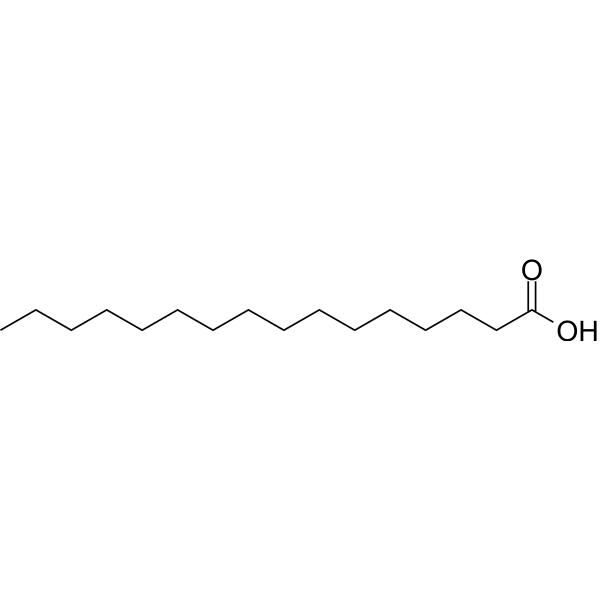
  • HY-N0830
    Palmitic acid
    Maximum Cited Publications
    100 Publications Verification

    Environmental Pollutants Endogenous Metabolite HSP Cardiovascular Disease Neurological Disease Metabolic Disease Cancer
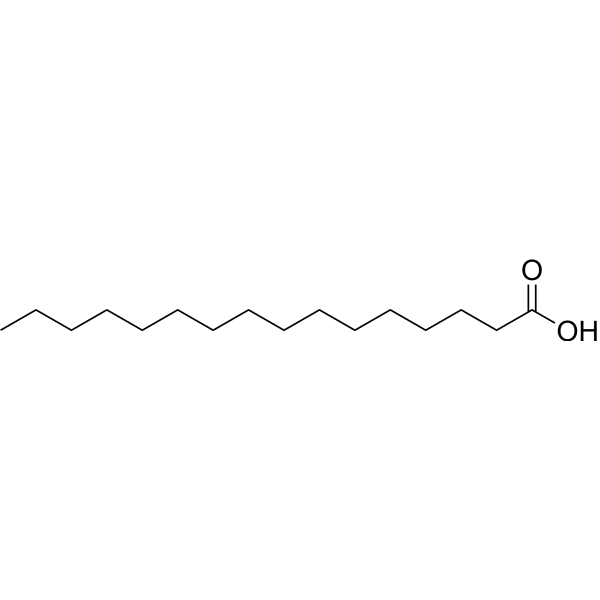
    Palmitic acid is a long-chain saturated fatty acid commonly found in both animals and plants. PA can induce the expression of glucose-regulated protein 78 (GRP78) and CCAAT/enhancer binding protein homologous protein (CHOP) in in mouse granulosa cells. Palmitic acid is used to establish a cell steatosis model .
    Palmitic acid
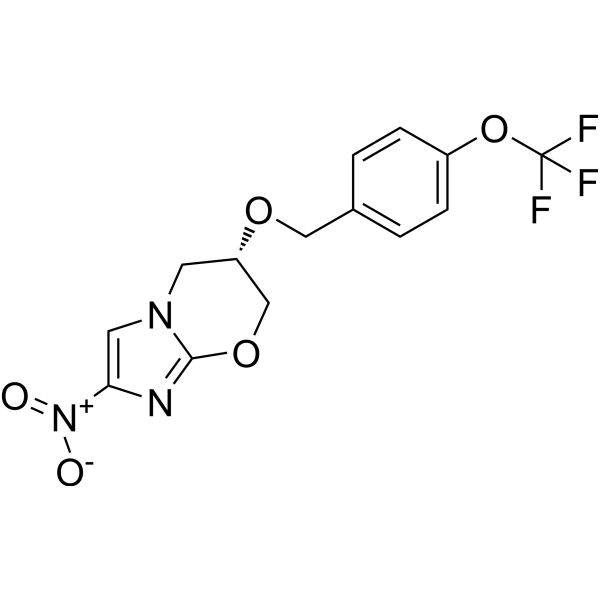
  • HY-10844
    Pretomanid
    10+ Cited Publications

    pa-824; (S)-pa 824

    Bacterial Antibiotic Infection Cancer
    Pretomanid (PA-824) is an antibiotic used for the research of multi-drug-resistant tuberculosis affecting the lungs. Pretomanid exhibits a sub-micromolar MIC against M. tuberculosis (MTB). The MIC values of PA-824 against a panel of MTB pan-sensitive and Rifampin mono-resistant clinical isolates range from 0.015 to 0.25 μg/mL.
    Pretomanid
  • HY-111915

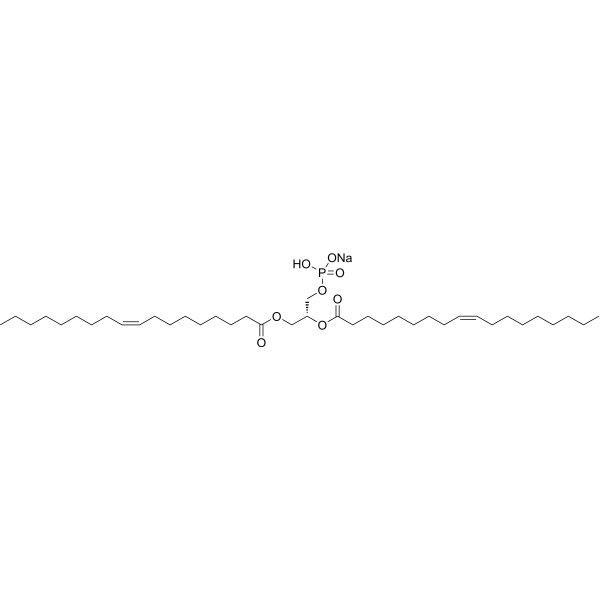
    18:1 pa sodium salt

    Liposome Cancer
    1,2-Dioleoyl-sn-glycero-3-phosphate sodium salt (18:1 PA sodium salt) is an anionic lipid that can be used to prepare liposomes, micelles and artificial membranes .
    1,2-Dioleoyl-sn-glycero-3-phosphate sodium salt
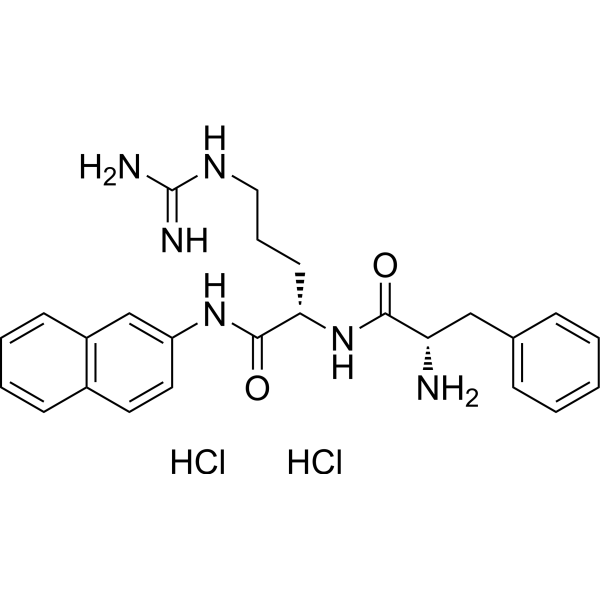
  • HY-101444A
    PAβN dihydrochloride
    10+ Cited Publications

    MC-207,110 dihydrochloride; Phe-Arg-β-naphthylamide dihydrochloride

    Bacterial Infection
    PAβN dihydrochloride (MC-207110 dihydrochloride) is an efflux pump inhibitor.
    PAβN dihydrochloride
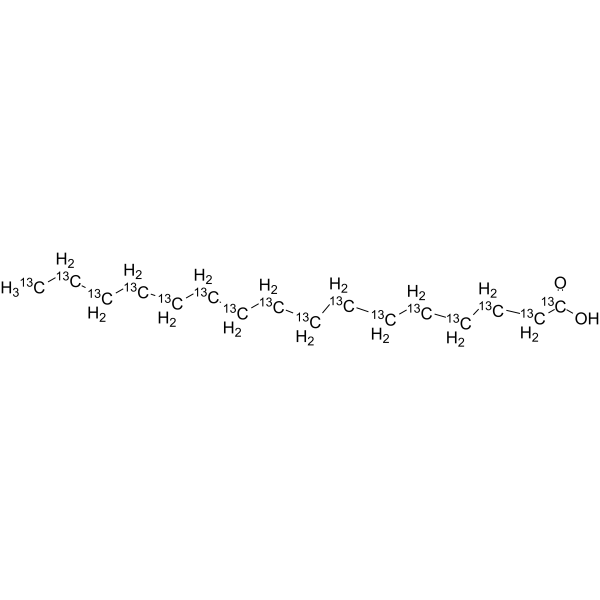
  • HY-N0830S6
    Palmitic acid-13C16
    3 Publications Verification

    HSP Endogenous Metabolite Cardiovascular Disease Neurological Disease Metabolic Disease Cancer
    Palmitic acid- 13C16 is the 13C-labeled Palmitic acid. Palmitic acid is a long-chain saturated fatty acid commonly found in both animals and plants. PA can induce the expression of glucose-regulated protein 78 (GRP78) and CCAAT/enhancer binding protein homologous protein (CHOP) in in mouse granulosa cells .
    Palmitic acid-13C16
  • HY-133529
    PA-8
    2 Publications Verification

    PACAP Receptor Neurological Disease Inflammation/Immunology
    PA-8 is a potent, selective and orally active PACAP type I (PAC1) receptor antagonist. PA-8 inhibits the phosphorylation of CREB induced by PACAP in PAC1-, but not VPAC1- or VPAC2-receptor. PA-8 also inhibits PACAP-induced cAMP elevation with an IC50 of 2 nM .
    PA-8
  • HY-112789
    (+)-JQ1 PA
    1 Publications Verification

    Epigenetic Reader Domain Cancer
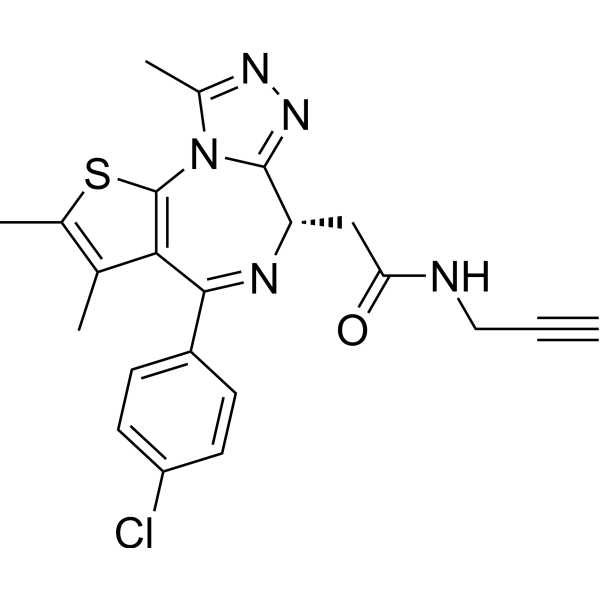
    (+)-JQ1 PA is a derivative of the Bromodomain and extra-terminal (BET) inhibitor JQ1, with an IC50 of 10.4 nM. (+)-JQ1 PA is a click chemistry reagent, it contains an Alkyne group and can undergo copper-catalyzed azide-alkyne cycloaddition (CuAAc) with molecules containing Azide groups.
    (+)-JQ1 PA
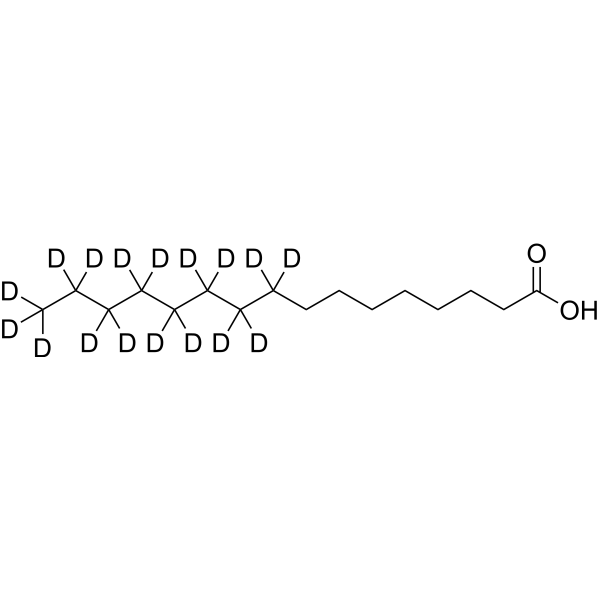
  • HY-N0830S2

    HSP Endogenous Metabolite Cardiovascular Disease Neurological Disease Metabolic Disease Cancer
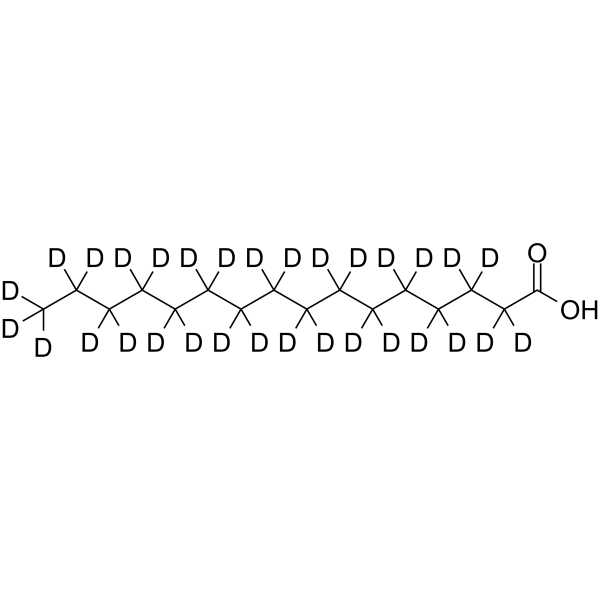
    Palmitic acid-d31 is the deuterium labeled Palmitic acid. Palmitic acid is a long-chain saturated fatty acid commonly found in both animals and plants. PA can induce the expression of glucose-regulated protein 78 (GRP78) and CCAAT/enhancer binding protein homologous protein (CHOP) in in mouse granulosa cells .
    Palmitic acid-d31
  • HY-P10352A

    Bacterial Infection
    Pediocin PA-1 TFA is a class IIa bacteriocin that specifically binds to membrane proteins of susceptible Gram-positive bacteria (such as Listeria monocytogenes) to form voltage-independent hydrophilic pores, leading to dissipation of proton motive force, ATP depletion and cell death. Pediocin PA-1 TFA shows no significant activity against intact Gram-negative bacteria, strains carrying immunity genes and obligate anaerobic commensal gut microbiota, and its bactericidal function depends on the integrity of disulfide bonds, with activity lost upon reduction. Pediocin PA-1 TFA can be used not only as a food biopreservative but also for research on listeriosis .
    Pediocin PA 1 TFA
  • HY-147557
    PA-915
    1 Publications Verification

    paC1R antagonist 1

    PACAP Receptor Neurological Disease
    PA-915 (PAC1R antagonist 1) is a potent and orally active antagonist of PAC1 receptor. PA-915 inhibits pituitary adenylate cyclase-activating polypeptide (PACAP)-induced CREB phosphorylation. PA-915 can inhibit PACAP- and nerve injury-induced allodynia. PA-915 can be used for the research of neuropathic pain .
    PA-915
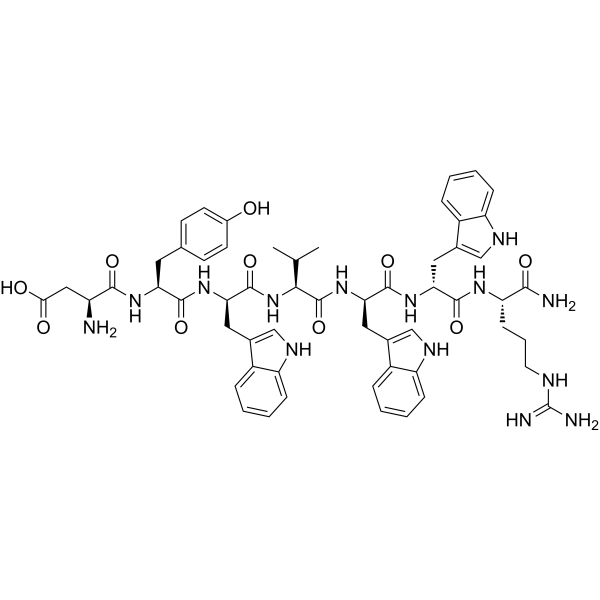
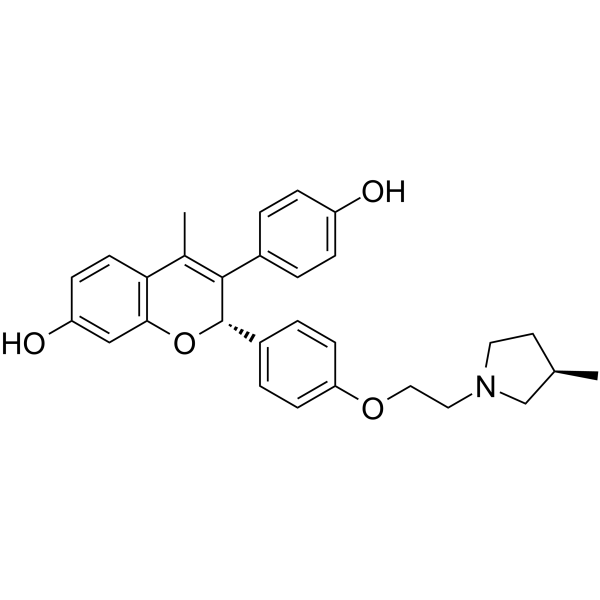
  • HY-108522
    PA452
    1 Publications Verification

    RAR/RXR Metabolic Disease
    PA452, retinoic X receptor (RXR) specific antagonist, inhibits the effect of Retinoic acid (RA) on Th1/Th2 development .
    PA452
  • HY-41919

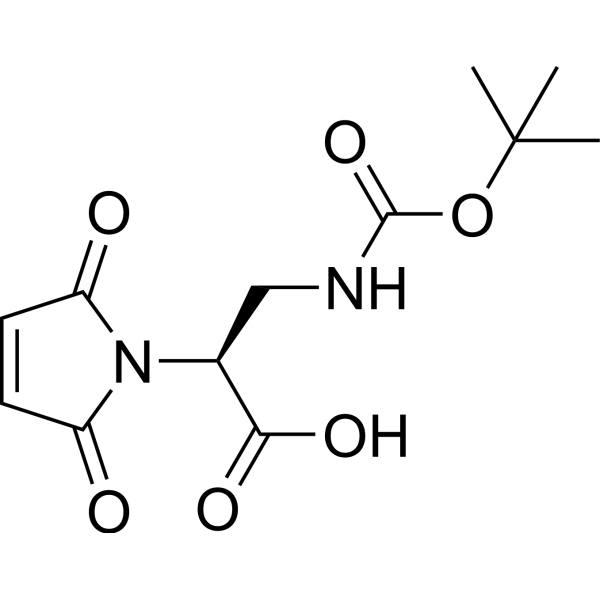
    mDPR(boc); (S)-MALEOYL-DPR(BOC)-OH·DCHA

    ADC Linker Cancer
    Mal-L-PA-NH-Boc is a noncleavable ADC linker used in the synthesis of antibody-drug conjugates (ADCs).
    Mal-L-PA-NH-Boc
  • HY-N0830S5

    HSP Endogenous Metabolite Cardiovascular Disease Neurological Disease Metabolic Disease Cancer
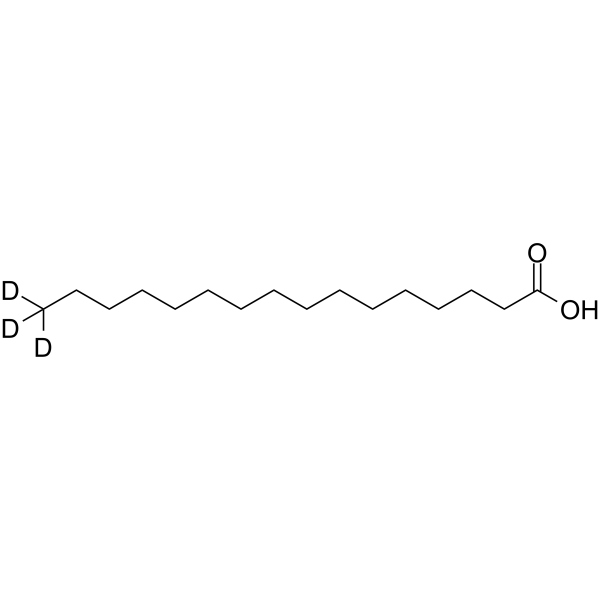
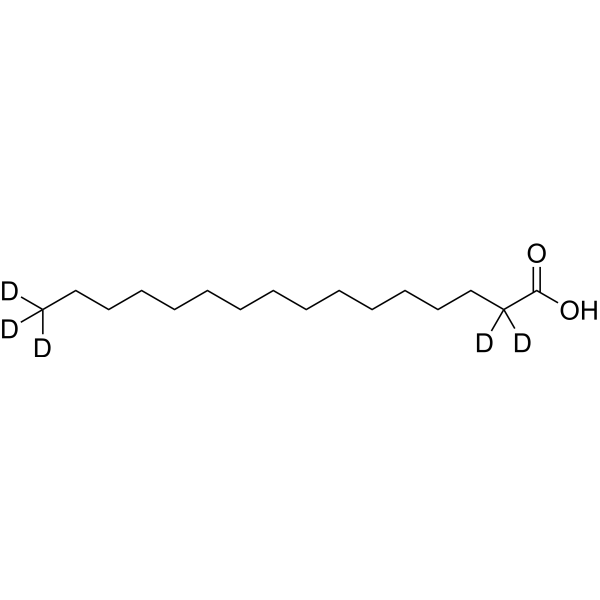
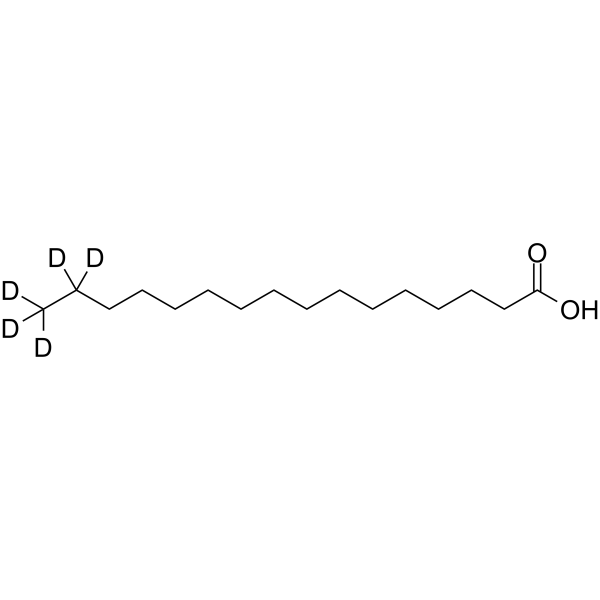
    Palmitic acid-d3 is the deuterium labeled Palmitic acid. Palmitic acid is a long-chain saturated fatty acid commonly found in both animals and plants. PA can induce the expression of glucose-regulated protein 78 (GRP78) and CCAAT/enhancer binding protein homologous protein (CHOP) in in mouse granulosa cells .
    Palmitic acid-d3
  • HY-133535
    PA Janelia Fluor® 646, SE
    1 Publications Verification

    pa-JF646-NHS

    Fluorescent Dye Others
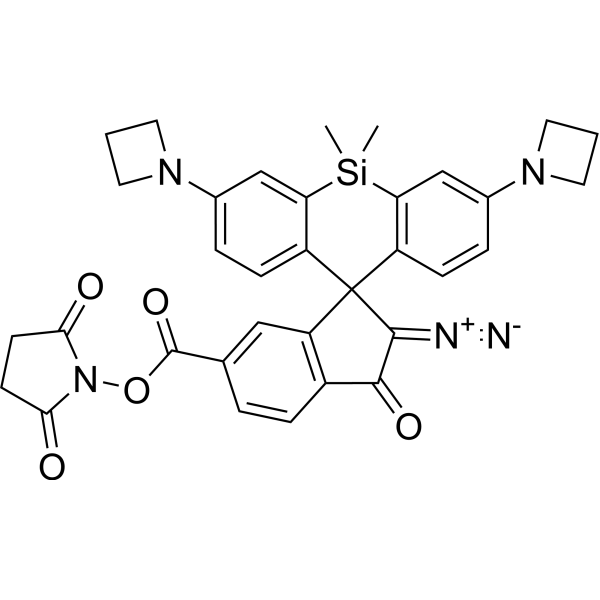
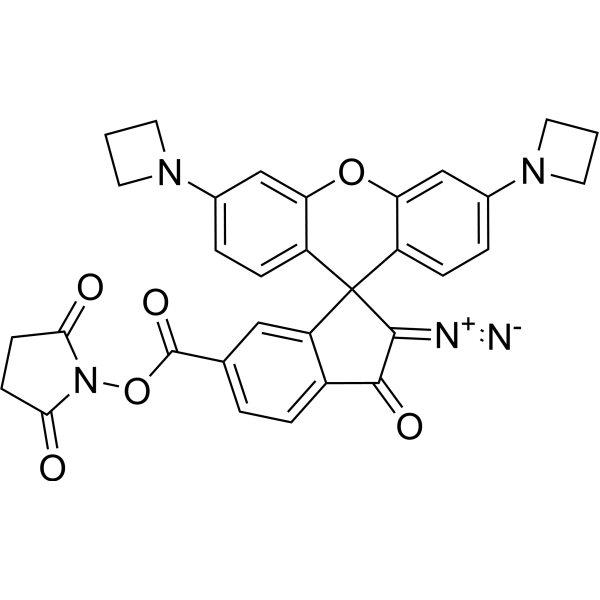
    PA Janelia Fluor® 646, SE (PA-JF646-NHS) is a photo-activatable fluorescent dye. PA Janelia Fluor® 646, SE is a far-red light-excited, 405nm-activated NHS ester-based dye (λex/em = 650/664 nm). PA Janelia Fluor® 646, SE can achieve extremely low background and single-molecule-level ultra-high-resolution imaging through photo-controlled switching, making it a powerful tool for live cell super-resolution microscopy technology.
    PA Janelia Fluor® 646, SE
  • HY-N0842
    Bevirimat
    2 Publications Verification

    pa-457; MPC-4326; YK FH312

    Virus Protease Infection
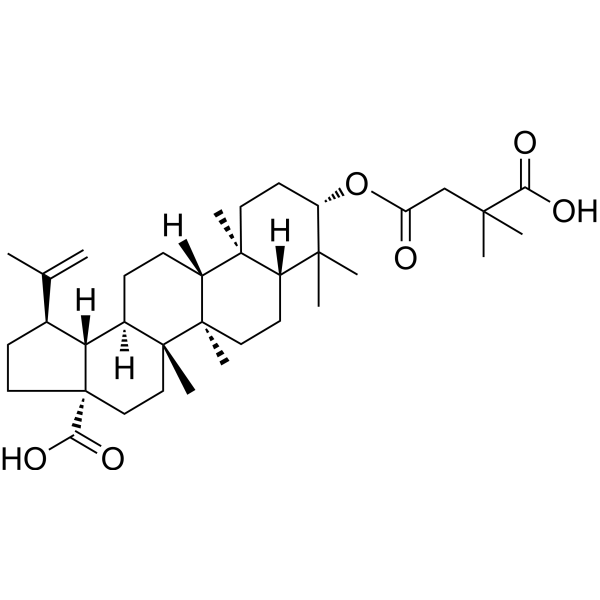
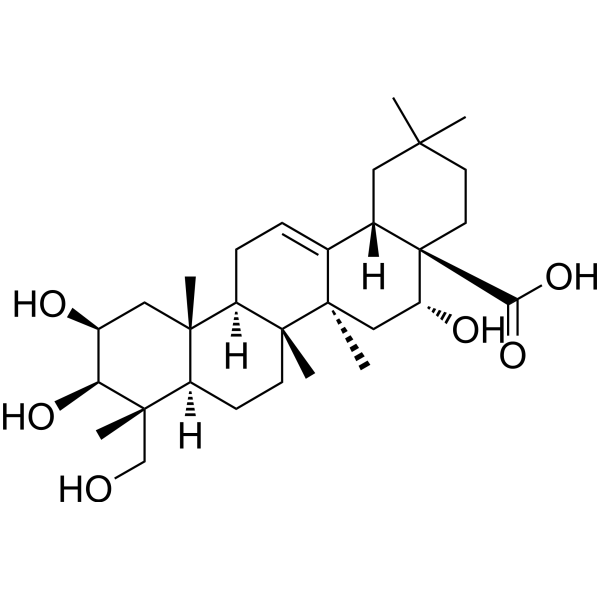
    Bevirimat (PA-457, MPC-4326, YK FH312) is an inhibitor of HIV-1 viral particle maturation.Bevirimat specifically inhibits the final rate-limiting step in Gag processing, preventing the release of the mature capsid protein (CA) from its precursor (CA-SP1), resulting in the production of immature non-infectious viral particles. Bevirimat can be used in HIV-1 infection studies .
    Bevirimat
  • HY-N0830R
    Palmitic acid (Standard)
    95+ Cited Publications

    Reference Standards HSP Endogenous Metabolite Cardiovascular Disease Neurological Disease Metabolic Disease Cancer
    Palmitic acid (Standard) is the analytical standard of Palmitic acid. This product is intended for research and analytical applications. Palmitic acid is a long-chain saturated fatty acid commonly found in both animals and plants. PA can induce the expression of glucose-regulated protein 78 (GRP78) and CCAAT/enhancer binding protein homologous protein (CHOP) in in mouse granulosa cells .
    Palmitic acid (Standard)
  • HY-P10352

    Bacterial Infection
    Pediocin PA 1 is a class IIa bacteriocin that specifically binds to membrane proteins of susceptible Gram-positive bacteria (such as Listeria monocytogenes) to form voltage-independent hydrophilic pores, leading to dissipation of proton motive force, ATP depletion and cell death. Pediocin PA 1 shows no significant activity against intact Gram-negative bacteria, strains carrying immunity genes and obligate anaerobic commensal gut microbiota, and its bactericidal function depends on the integrity of disulfide bonds, with activity lost upon reduction. Pediocin PA 1 can be used not only as a food biopreservative but also for research on listeriosis .
    Pediocin PA 1
  • HY-131678

    pa-5HT

    FAAH Neurological Disease
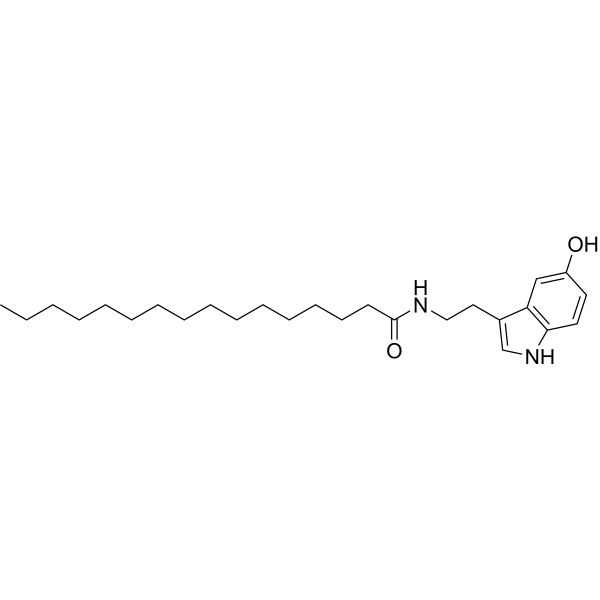
    Palmitoyl serotonin is a hybrid molecule patterned after arachidonoyl serotonin, antagonist of FAAH. Palmitoyl serotonin inhibits L-3,4-dihydroxyphenylalanine (HY-N0304) induced abnormal involuntary movements. Palmitoyl serotonin has the potential for the research of parkinson's disease (PD) .
    Palmitoyl serotonin
  • HY-112544
    IK1 inhibitor PA-6
    1 Publications Verification

    pa-6

    Potassium Channel Cardiovascular Disease
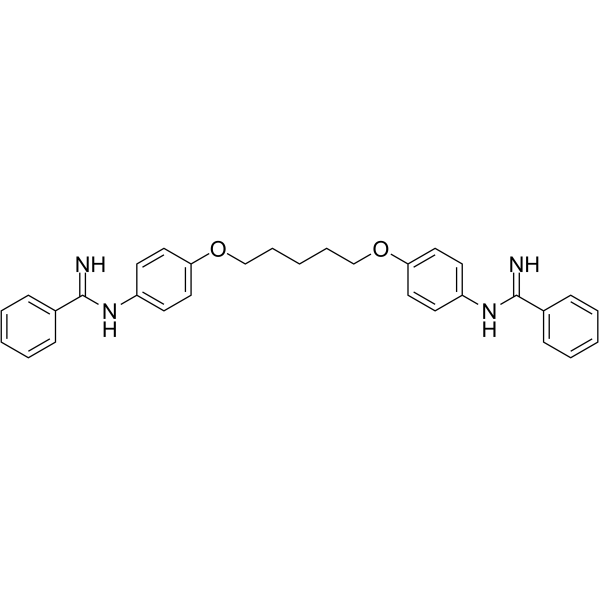
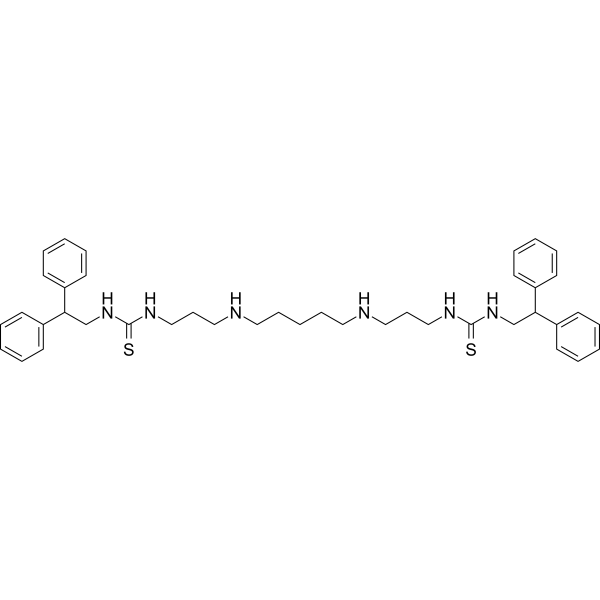
    IK1 inhibitor PA-6 (PA-6), a pentamidine analogue, is a selective and potent IK1 (KIR2.x ion-channel-carried inward rectifier current) inhibitor, with IC50 values of 12-15 nM for human and mouse KIR2.x currents. IK1 inhibitor PA-6 (PA-6) elevates KIR2.1 protein expression and induces intracellular KIR2.1 accumulation. IK1 inhibitor PA-6 (PA-6) has the potential to treat atrial fibrillation and arrhythmia .
    IK1 inhibitor PA-6
  • HY-133536
    PA Janelia Fluor® 549, SE
    1 Publications Verification

    pa-JF549-NHS

    Fluorescent Dye Others
    PA Janelia Fluor 549, SE (PA-JF549-NHS) is a bright photoactivatable fluorophore of JF549,SE (JF549,NHS). JF549,SE (JF549,NHS) is a fluorescent dye with the absorption maximum (λab (max)) of 549 nm and emission maximum (λem (max)) of 571 nm .
    PA Janelia Fluor® 549, SE
  • HY-132141

    5-Propargylamino-dUTP

    DNA/RNA Synthesis Others
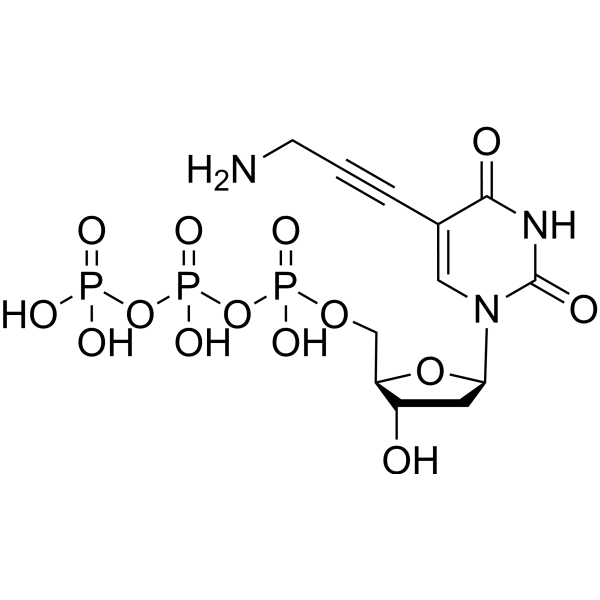
    5-PA-dUTP (5-Propargylamino-dUTP) is a C5-modified nucleotide and can be incorporated into DNA nanoparticles (DNPs) for photosensitizer delivery . 5-PA-dUTP is a click chemistry reagent, it contains an Alkyne group and can undergo copper-catalyzed azide-alkyne cycloaddition (CuAAc) with molecules containing Azide groups.
    5-PA-dUTP
  • HY-N0830S18

    Isotope-Labeled Compounds HSP Endogenous Metabolite Metabolic Disease
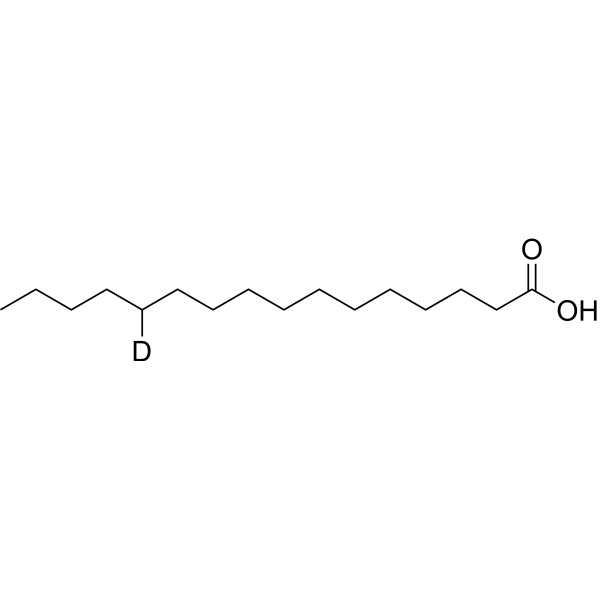
    Palmitic acid-d is the deuterium labeled Palmitic acid. Palmitic acid is a long-chain saturated fatty acid commonly found in both animals and plants. PA can induce the expression of glucose-regulated protein 78 (GRP78) and CCAAT/enhancer binding protein homologous protein (CHOP) in in mouse granulosa cells .
    Palmitic acid-d1
  • HY-W040185

    1,2-DPpa sodium; pa(14:0/14:0) sodium; 1,2-Dimyristoyl-sn-glycero-3-phosphate sodium

    Liposome Metabolic Disease
    1,2-Dimyristoyl-sn-glycero-3-phosphate monosodium is a phospholipid containing the long-chain (14:0) myristic acid inserted at the sn-1 and sn-2 positions. It can be used in the generation of micelles, liposomes, and other types of artificial membranes.
    1,2-Dimyristoyl-sn-glycero-3-phosphate monosodium
  • HY-129421

    PACAP Receptor Neurological Disease Inflammation/Immunology
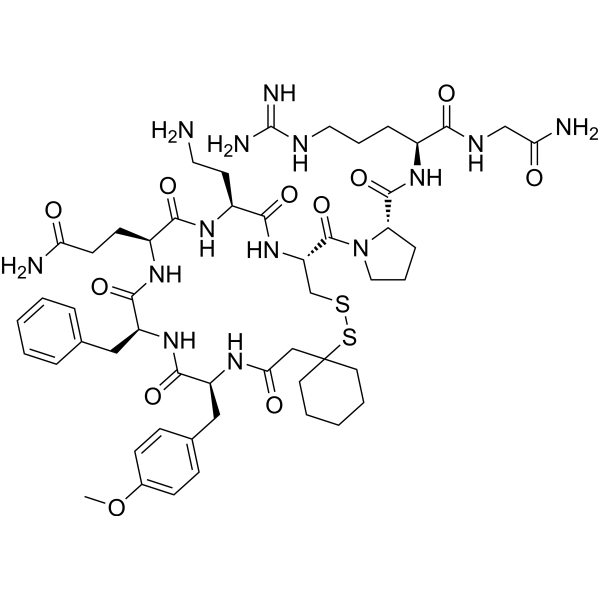
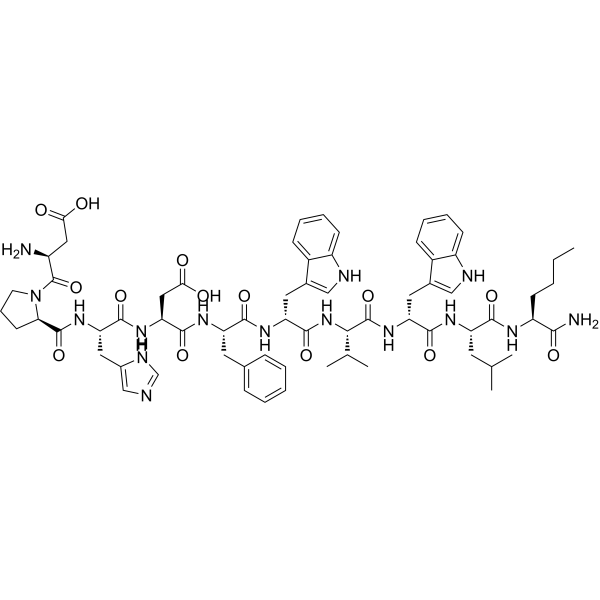
    PA-9 is a pituitary adenylate cyclase-activating polypeptide (PACAP) type I (PAC1) receptor antagonist. PA-9 dose dependently inhibits PACAP-induced cAMP elevation with an IC50 of 5.6 nM. PA-9 can be used for the research of neuropathic and/or inflammatory pain .
    PA-9
  • HY-10844R

    pa-824 (Standard); (S)-pa 824 (Standard)

    Reference Standards Bacterial Antibiotic Infection Cancer
    Pretomanid (Standard) is the analytical standard of Pretomanid. This product is intended for research and analytical applications. Pretomanid (PA-824) is an antibiotic used for the research of multi-drug-resistant tuberculosis affecting the lungs. Pretomanid exhibits a sub-micromolar MIC against M. tuberculosis (MTB). The MIC values of PA-824 against a panel of MTB pan-sensitive and Rifampin mono-resistant clinical isolates range from 0.015 to 0.25 μg/mL.
    Pretomanid (Standard)
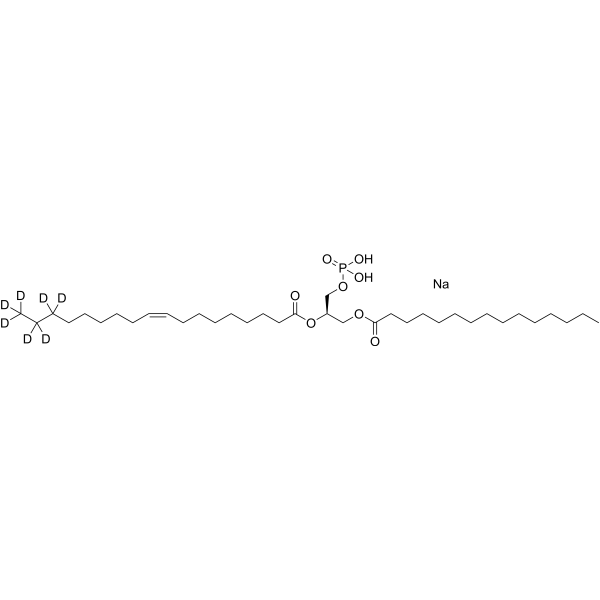
  • HY-146896S

    Isotope-Labeled Compounds Others
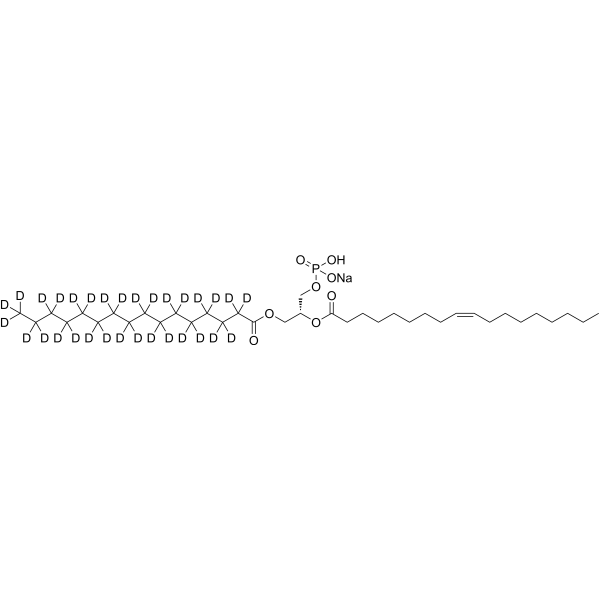
    16:0-18:1 PA-d31 (sodium) is deuterium labeled 16:0-18:1 PA (sodium).
    16:0-18:1 PA-d31 sodium
  • HY-147067

    Biochemical Assay Reagents
    16:0-18:2 PA (sodium) is a biochemical reagent .
    16:0-18:2 PA sodium
  • HY-117319

    TAK-083; pa-155A

    Antibiotic Bacterial Infection Inflammation/Immunology
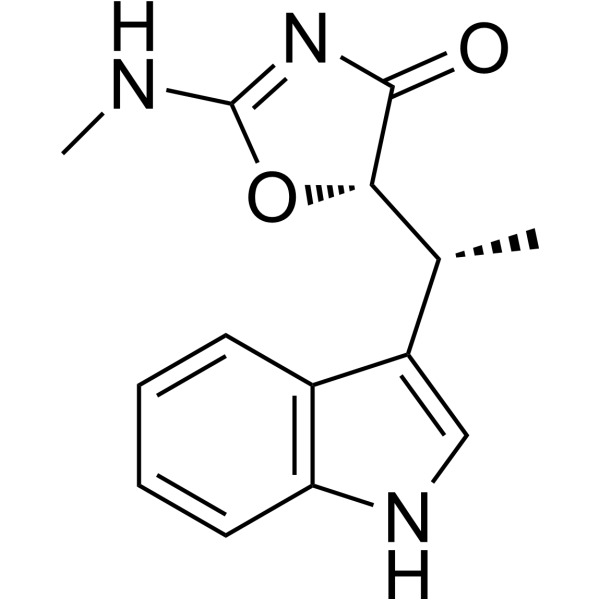
    Indolmycin (TAK-083), an antibiotic, is a competitive inhibitor of prokaryotic tryptophanyl-tRNA synthetase (TrpS). Indolmycin (TAK-083) possesses both anti-viral and anti-bacterial activity .
    Indolmycin
  • HY-W157376

    Bacterial Antibiotic Drug Intermediate Infection Cancer
    PAMAM Dendrimer G0.0 amine is a pore-forming channel antagonist, including anthrax toxin protective antigen 63 (PA63, IC50 = 231 nM) and C. botulinum C2 toxin subunit (C2IIa, IC50 = 940 nM). At concentrations of 10 and 20 µM, PAMAM Dendrimer G0.0 amine reduces C2 toxin-induced death in HeLa cells. Additionally, PAMAM Dendrimer G0.0 amine is a chelator of nickel. In complexes with polysulfone membrane-bound chitosan, PAMAM Dendrimer G0.0 amine selectively captures and stores carbon dioxide (CO2) in a gas-feed system. PAMAM Dendrimer G0.0 amine has been used in the synthesis of PAMAM Dendrimer G0.5 Carboxylate (CAS 339334-01-9) and PAMAM Dendrimer G1.0 Amine (CAS 142986-44-5). PAMAM Dendrimer G0.0 amine can be used in research related to infections, cancer, and drug delivery systems .
    PAMAM Dendrimer G0.0 amine (20% in methanol)
  • HY-P10827A

    Complement System Inflammation/Immunology
    PIC1 PA TFA is the trifluoroacetate salt form of PIC1 PA (HY-P10827). PIC1 PA TFA is a 15-amino acid peptide that is a potent PIC1 analog that inhibits classical complement activation .
    PIC1 PA TFA
  • HY-10844S1

    pa-824-d5; (S)-pa 824-d5

    Antibiotic Bacterial Isotope-Labeled Compounds Infection Cancer
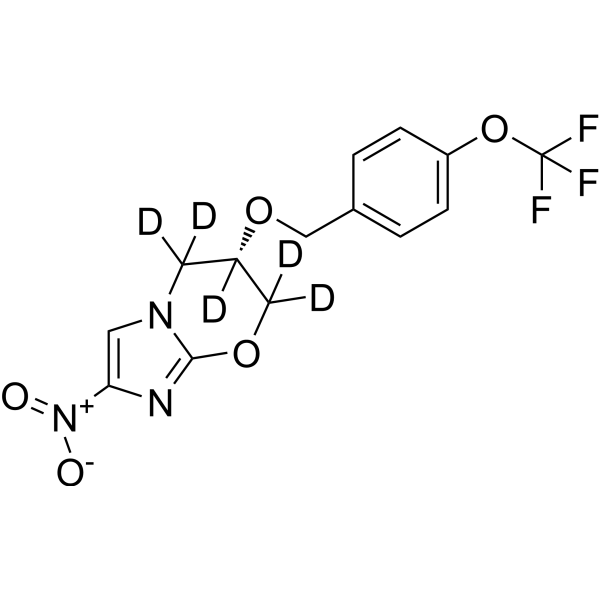
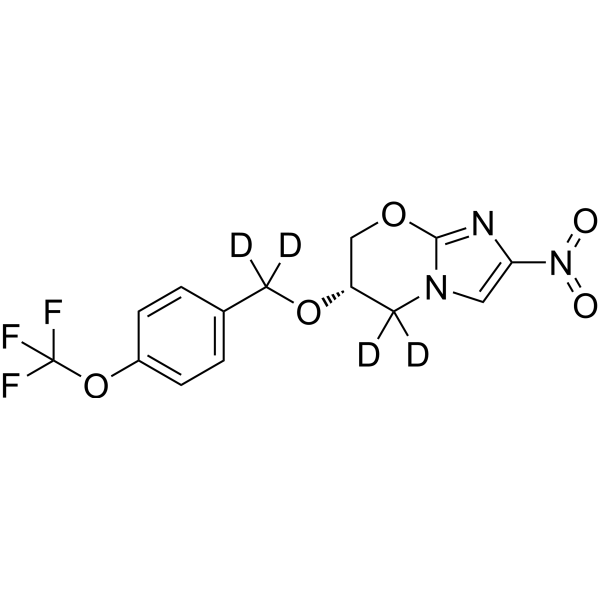
    Pretomanid-d5 is deuterated labeled Pretomanid (HY-10844). Pretomanid (PA-824) is an antibiotic used for the research of multi-drug-resistant tuberculosis affecting the lungs. Pretomanid exhibits a sub-micromolar MIC against M. tuberculosis (MTB). The MIC values of PA-824 against a panel of MTB pan-sensitive and Rifampin mono-resistant clinical isolates range from 0.015 to 0.25 μg/mL.
    Pretomanid-d5
  • HY-P10827

    Complement System Inflammation/Immunology
    PIC1 PA, a 15 amino-acid peptide, is a potent PIC1 analog that inhibits classical pathway mediated complement activation. PIC1 PA functionally disrupts the C1s-C1r-C1r-C1s/MASPs interaction with collagen-like region (CLR) of C1q/MBL, respectively. PIC1 PA specifically binds to the CLR of C1q and bounds to purified C1q with a mean equilibrium dissociation constant (KD) of 33.3 nM .
    PIC1 PA
  • HY-W725309

    1-Stearoyl-2-oleoyl-sn-glycero-3-phosphate sodium

    Biochemical Assay Reagents Others
    18:0-18:1 PA (1-Stearoyl-2-oleoyl-sn-glycero-3-phosphate) sodium is an anionic lipid .
    18:0-18:1 PA sodium
  • HY-N0830S12

    HSP Endogenous Metabolite Cancer
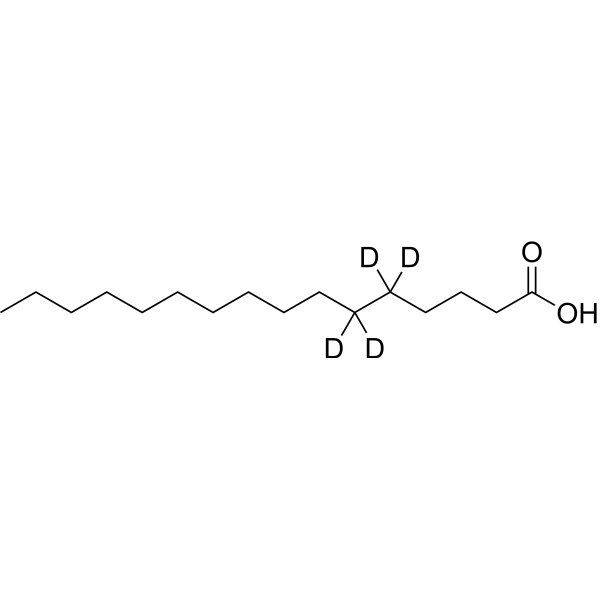
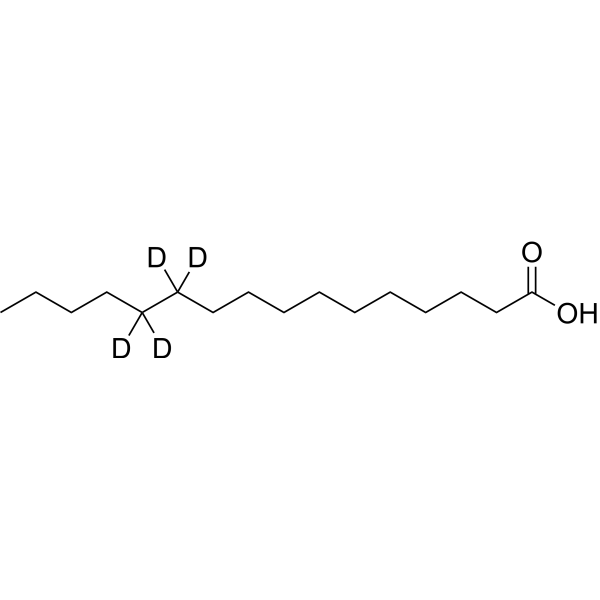
    Palmitic acid-d4-1 is the deuterium labeled Palmitic acid. Palmitic acid is a long-chain saturated fatty acid commonly found in both animals and plants. PA can induce the expression of glucose-regulated protein 78 (GRP78) and CCAAT/enhancer binding protein homologous protein (CHOP) in in mouse granulosa cells .
    Palmitic acid-d4-1
  • HY-D2923

    Fluorescent Dye Others
    PA-JF549-Halo ligand is a covalently linked conjugate comprising the photoactivatable fluorescent dye PA-JF549 and a ligand for the HaloTag protein. PA-JF549-Halo ligand exhibts inherent structural properties and predispose it to localize within mitochondria. PA-JF549-Halo ligand combines the exceptional brightness, photostability, and cell permeability of the JF549 dye with photoactivation capabilities and the high specificity characteristic of HaloTag protein labeling technology. PA-JF549-Halo ligand enables high-quality single-molecule imaging and super-resolution imaging of specific proteins within live cells .
    PA-JF549-Halo ligand
  • HY-157639A

    Others Cardiovascular Disease
    18:2 Lyso PA sodium is an unsaturated lysophosphatidic acid (LysoPA), a lipid mediator mainly present in plasma and thought to be involved in the pathogenesis of acute coronary syndrome (ACS). 18:2 Lyso PA sodium significantly correlates with serum autotaxin (ATX) in peripheral arteries .
    18:2 Lyso PA sodium
  • HY-W040176

    N-palmitoyl-tyrosine phosphoric acid ammonium

    LPL Receptor Cardiovascular Disease Neurological Disease Inflammation/Immunology
    N-PTyrosine PA (N-Palmitoyl-tyrosine phosphoric acid) ammonium is a lysophosphatidic acid (LPA) receptor modulator, which exhibits weak inhibitory activity against LPA1 and partial agonist properties towards LPA5. N-PTyrosine PA ammonium inhibits the activation of LPA receptors and downstream responses by competing with agonists for binding sites. N-PTyrosine PA ammonium can induce morphological changes and aggregation, and also inhibit LPA-induced morphological changes through receptor desensitization caused by pre-incubation. N-PTyrosine PA ammonium can be used in the research of related diseases such as atherosclerosis and acute ischemic syndromes (e.g., unstable angina, myocardial infarction, stroke) .
    N-PTyrosine PA ammonium
  • HY-N0830S19

    Isotope-Labeled Compounds HSP Endogenous Metabolite Metabolic Disease
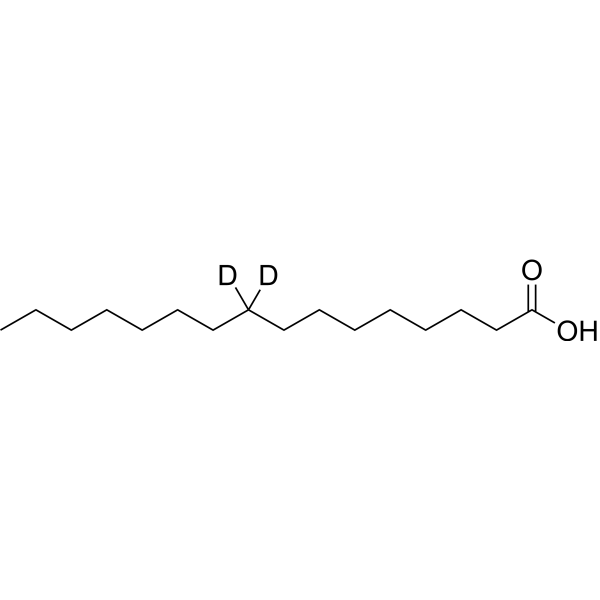
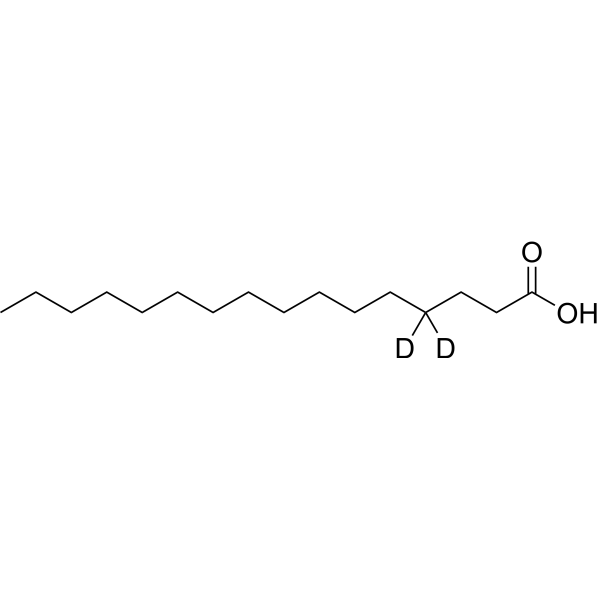
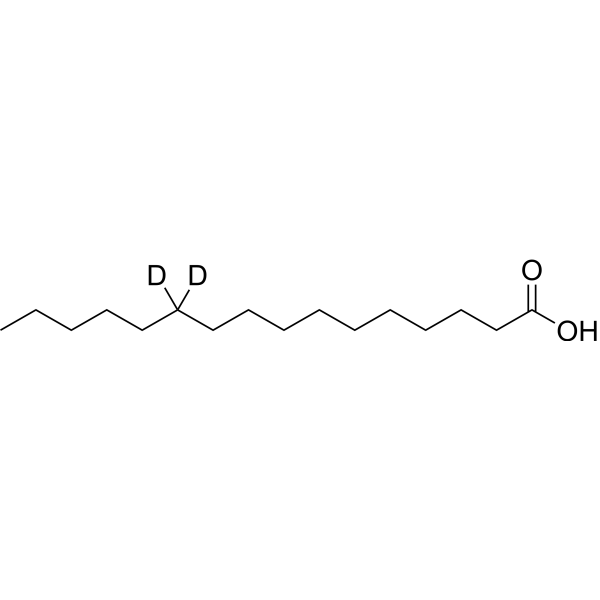
    Palmitic acid-d2-5 is the deuterium labeled Palmitic acid. Palmitic acid is a long-chain saturated fatty acid commonly found in both animals and plants. PA can induce the expression of glucose-regulated protein 78 (GRP78) and CCAAT/enhancer binding protein homologous protein (CHOP) in in mouse granulosa cells .
    Palmitic acid-d2-5
  • HY-P11091

    Bacterial Infection
    PA2-GNU7 is an antimicrobial peptide (AMP). PA2-GNU7 exhibits potent antimicrobial activity with minimal inhibitory concentration (MIC) against P. aeruginosa, E. coli, S. typhimurium, S. aureus, and C. albicans are 2 μM, 1 μM, 2 μM, 2 μM, and 8 μM, respectively. PA2-GNU7 rapidly and selectively kills Pseudomonas aeruginosa without affecting other commensal bacteria. PA2-GNU7 significantly improves survival of mice infected with P. aeruginosa. PA2-GNU7 can be used for the research and development of therapeutic agents against MDR Pseudomonas aeruginosa infections .
    PA2-GNU7
  • HY-155684

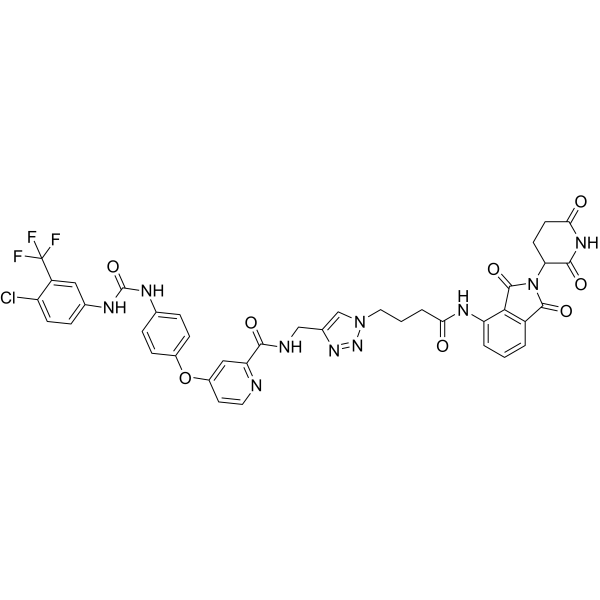
    PROTACs VEGFR PDGFR Ephrin Receptor Cancer
    SA-PA is an intracellular self-assembled PROTAC based on azide and alkyne. SA-PA is able to selectively degrade VEGFR-2, PDGFR-β and EphB4 proteins in U87 cells. SA-PA can be converted to PROTAC in situ by click reaction with the help of endogenous copper in tumor tissues .
    SA-PA
  • HY-P11442

    Lycotoxin-pa2a; TBIU041425

    Bacterial Toll-like Receptor (TLR) Inflammation/Immunology
    Lytx-Pa2a (Lycotoxin-Pa2a) is a peptide inhibitor against bacterial membranes and TLR4 receptor. Lytx-Pa2a exerts antimicrobial effects via non-competitive disruption of outer/cytoplasmic membranes and suppression of LPS-induced TLR4/NF-κB signaling. Lytx-Pa2a is promising for research of bacterial infection and inflammation-related disease (e.g., sepsis) .
    Lytx-Pa2a
  • HY-180501

    Drug Intermediate Infection
    Alloc-NH-PEG8-PA (Compound 48) is a linker that can be used for coupling Pimodivir (HY-12353A) .
    Alloc-NH-PEG8-PA
  • HY-N15817

    Biochemical Assay Reagents Others
    16:0 PA-PEG3-Mannose ammonium is a functionalized lipid.
    16:0 PA-PEG3-Mannose ammonium
  • HY-129968

    PROTAC Linkers Cancer
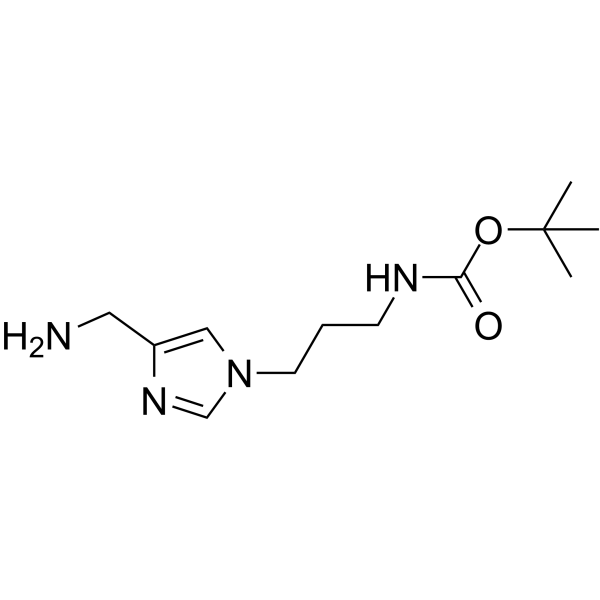
    AM-Imidazole-PA-Boc is an alkyl chain-based PROTAC linker can be used in the synthesis of PROTAC IRAK4 degrader-1 (HY-129966) .
    AM-Imidazole-PA-Boc
  • HY-133590

    DNA Alkylator/Crosslinker Cancer
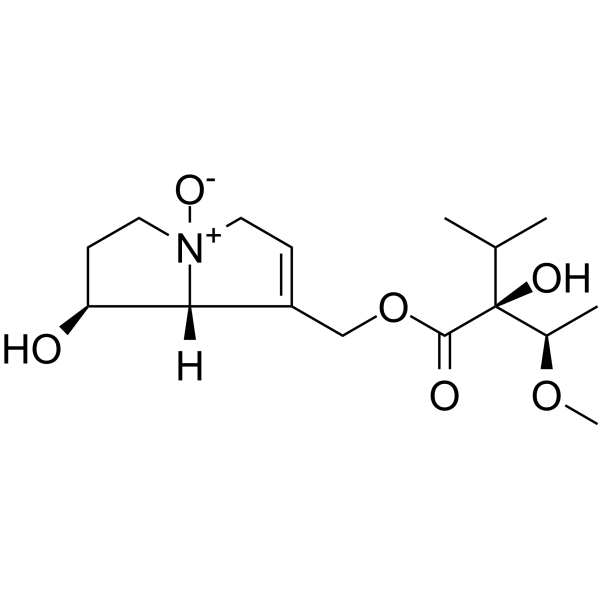
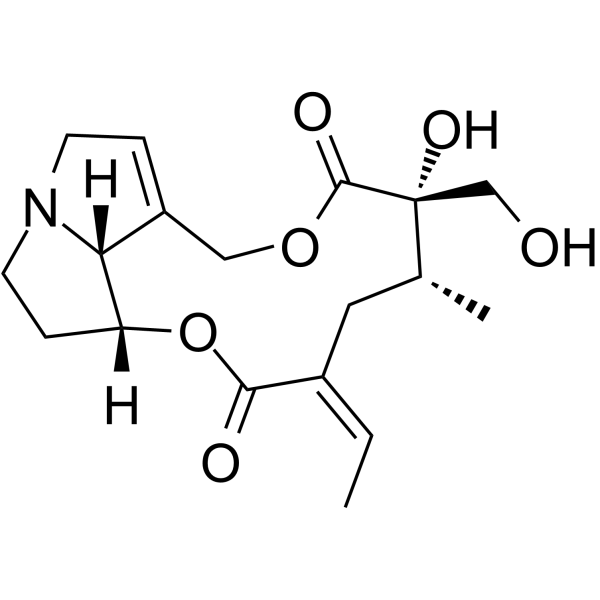
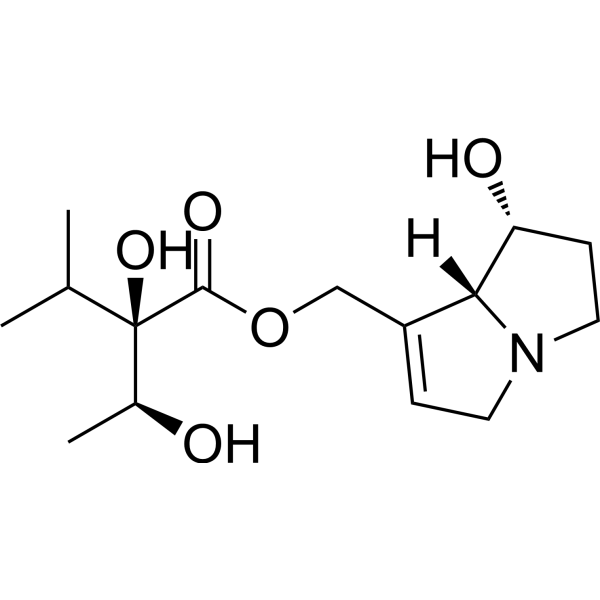
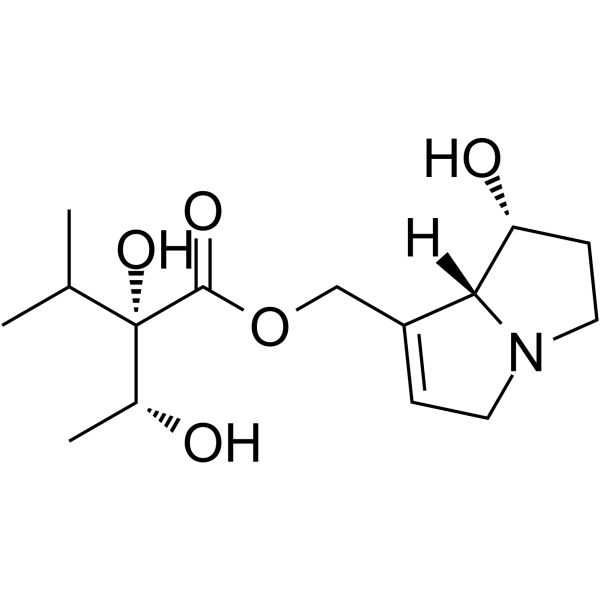
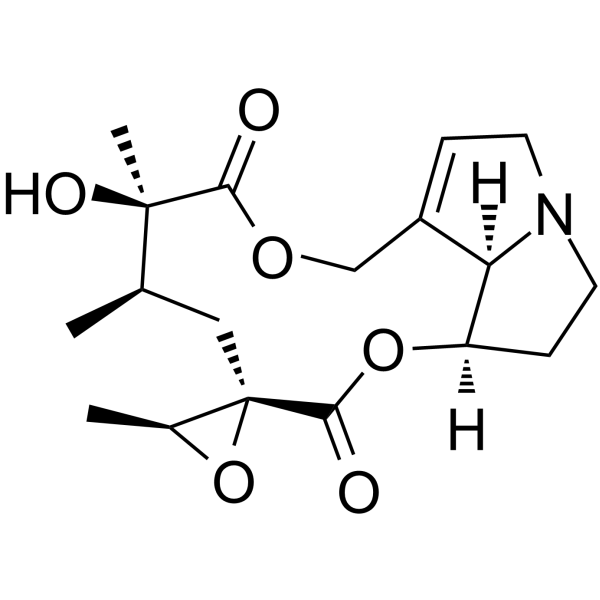
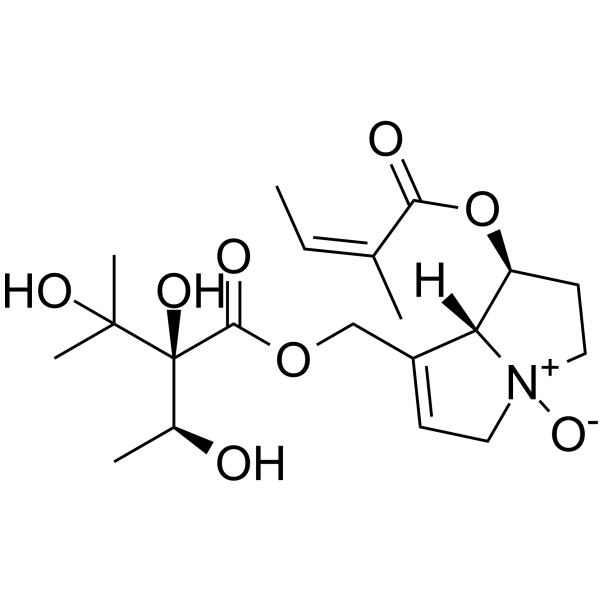
    Heliotrine N-oxide is the corresponding PA (pyrrolizidine alkaloid) N-oxide of Heliotrine (HY-126128). Heliotrine N-oxide leads to the formation of pyrrolic DNA adducts and potential initiation of PA-induced liver tumors in vivo .
    Heliotrine N-oxide
  • HY-171906A

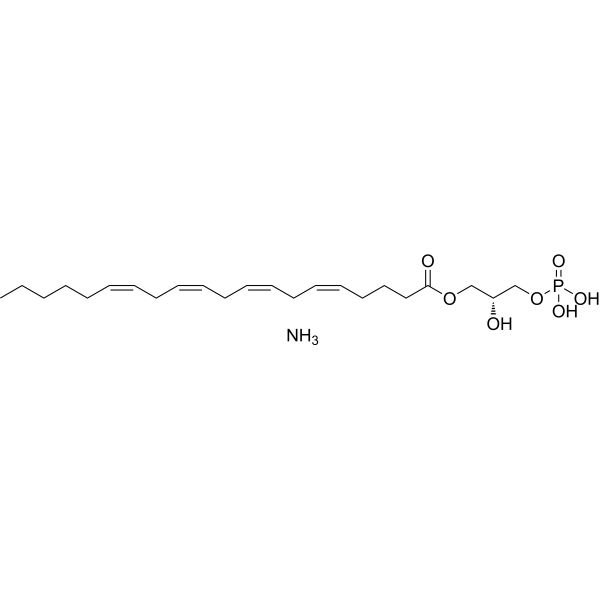
    1-Arachidonoyl-sn-glycerol 3-phosphate sodium; 1-Arachidonoyl Lpa sodium; Lpa (20:4) sodium

    LPL Receptor Cancer
    1-Arachidonoyl-2-hydroxy-sn-glycero-3-PA (sodium) (1-Arachidonoyl-sn-glycerol 3-phosphate (sodium)) is a phospholipid with arachifonic acid at the sn-1 position. 1-Arachidonoyl-2-hydroxy-sn-glycero-3-PA (sodium) binds to the LPA2/EDG4 receptor (EC50 of 10 nM). 1-Arachidonoyl-2-hydroxy-sn-glycero-3-PA (sodium) can be found in rat brain as 37% of the arachidoinic acid-containing lysophosphatidic acid species. 1-Arachidonoyl-2-hydroxy-sn-glycero-3-PA (sodium) is the precursor to 1-arachidonoyl glycerol. 1-Arachidonoyl-2-hydroxy-sn-glycero-3-PA (sodium) can prevent TNF-α and IL-6 secretion in wild type LPS-stimulated dendritic cells. 1-Arachidonoyl-2-hydroxy-sn-glycero-3-PA (sodium) reduces differentiation of HT-29 colon carcinoma cells into goblet cells when sodium butyrate is present .
    1-Arachidonoyl-2-hydroxy-sn-glycero-3-PA sodium
  • HY-W783254

    pa(18:0e/0:0)

    G Protein-coupled Receptor Kinase (GRK) Calcium Channel Cardiovascular Disease Cancer
    C18 LPA (PA(18:0e/0:0)) is a water-soluble phospholipid that functions as a signaling molecule, influencing various cellular responses through G protein-coupled receptors (GPCRs). It is known to promote smooth muscle contraction, cytoskeletal rearrangement, and chemotaxis, while also playing a role in neurotransmitter release, cell proliferation, platelet aggregation, and Ca2+ mobilization. Elevated levels of C18 LPA in human plasma are associated with ovarian cancer and atherosclerosis, suggesting its potential as a biomarker for ovarian cancer.
    C18 LPA
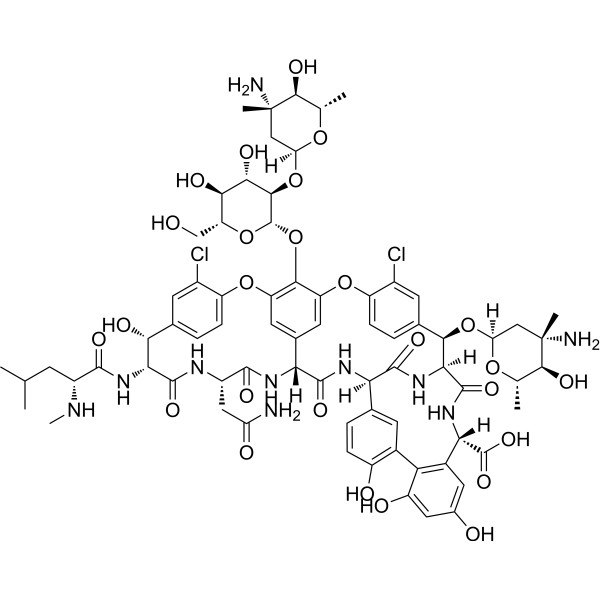
  • HY-100997R

    A82846B (Standard); LY 264826 (Standard); pa 45052A (Standard)

    Reference Standards Antibiotic Bacterial Infection
    Chloroorienticin A (Standard) is the analytical standard of Chloroorienticin A (HY-100997). This product is intended for research and analytical applications. Chloroorienticin A (A82846B) is a glycopeptide antibiotic. Chloroorienticin A exhibits excellent activity against staphylococci and streptococci .
    Chloroorienticin A (Standard)
  • HY-N0830S21

    Isotope-Labeled Compounds HSP Endogenous Metabolite Metabolic Disease
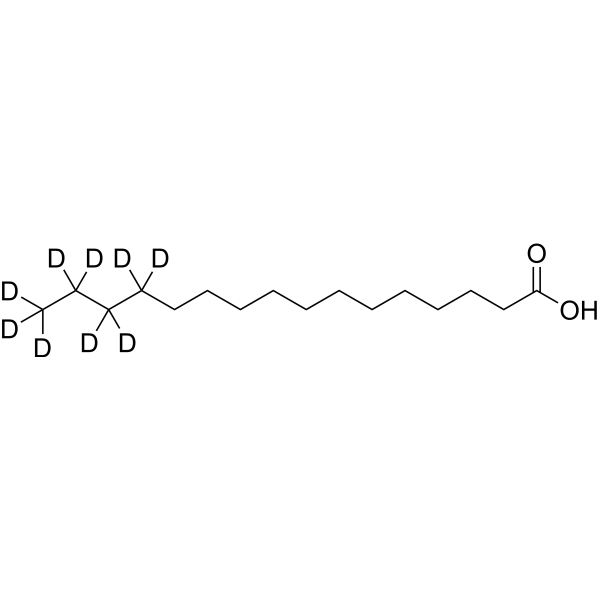
    Palmitic acid-d5 is the deuterium labeled Palmitic acid. Palmitic acid is a long-chain saturated fatty acid commonly found in both animals and plants. PA can induce the expression of glucose-regulated protein 78 (GRP78) and CCAAT/enhancer binding protein homologous protein (CHOP) in in mouse granulosa cells .
    Palmitic acid-d5
  • HY-N0830S16

    Isotope-Labeled Compounds HSP Endogenous Metabolite Cancer
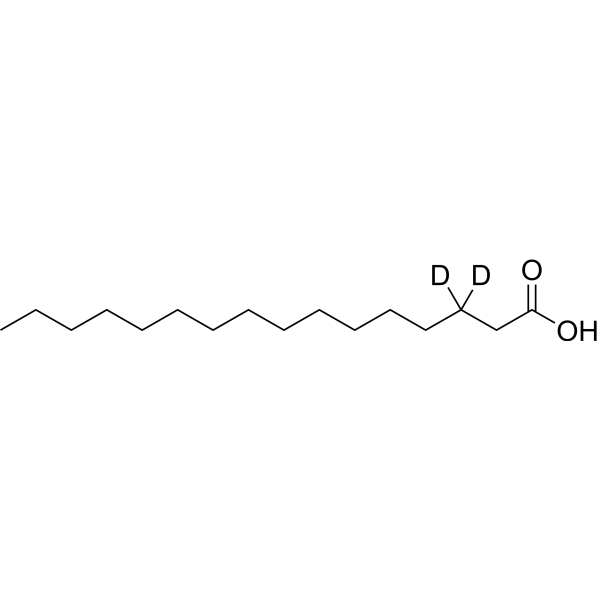
    Palmitic acid-d2-3 is the deuterium labeled Palmitic acid. Palmitic acid is a long-chain saturated fatty acid commonly found in both animals and plants. PA can induce the expression of glucose-regulated protein 78 (GRP78) and CCAAT/enhancer binding protein homologous protein (CHOP) in in mouse granulosa cells .
    Palmitic acid-d2-3

Inquiry Online

Your information is safe with us. * Required Fields.

Salutation


Country or Region *

Applicant Name *


Organization Name *

Department *


Email Address *


Product Name *

Cat. No.


Requested quantity *

Phone Number *


Remarks

Inquiry Online

Inquiry Information

Product Name:
Cat. No.:
Quantity:
MCE Japan Authorized Agent: