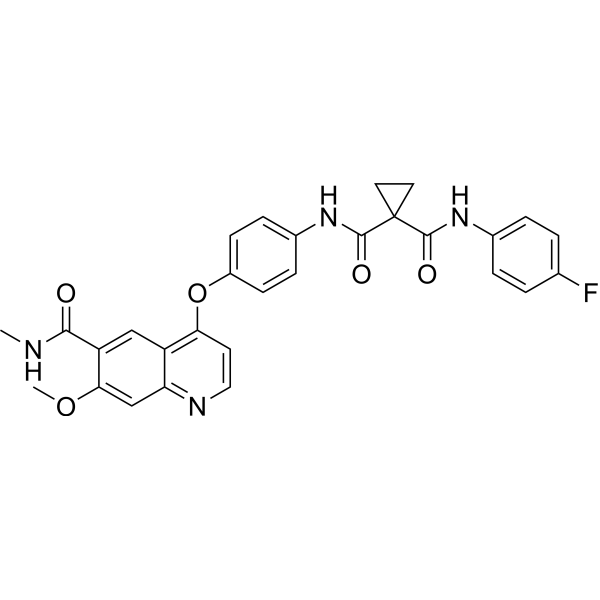
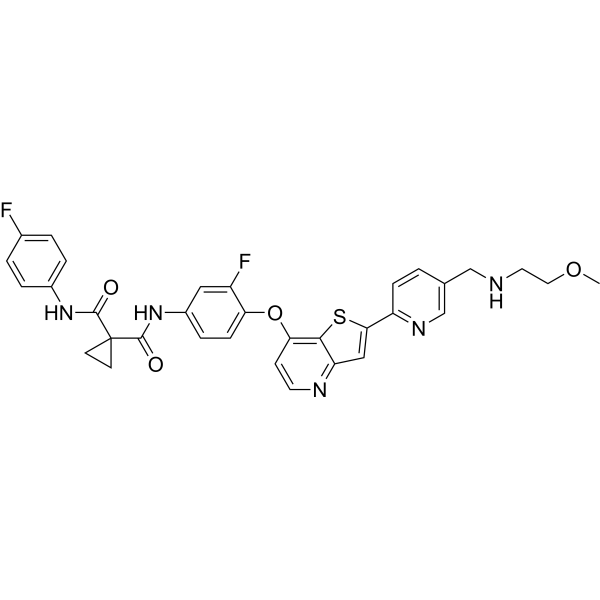
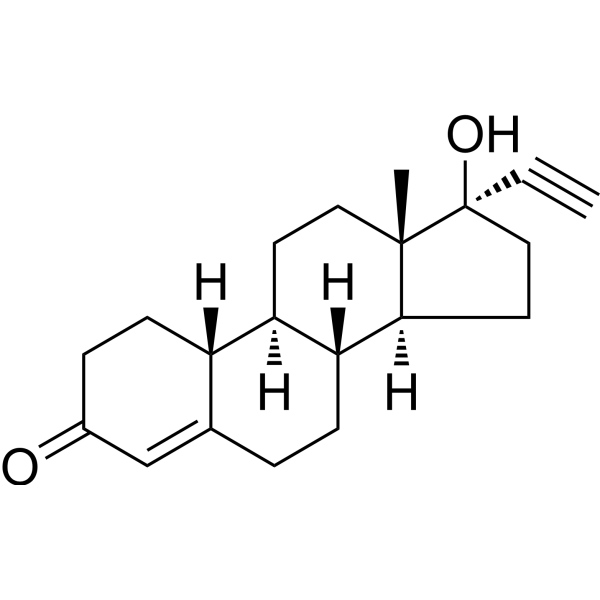
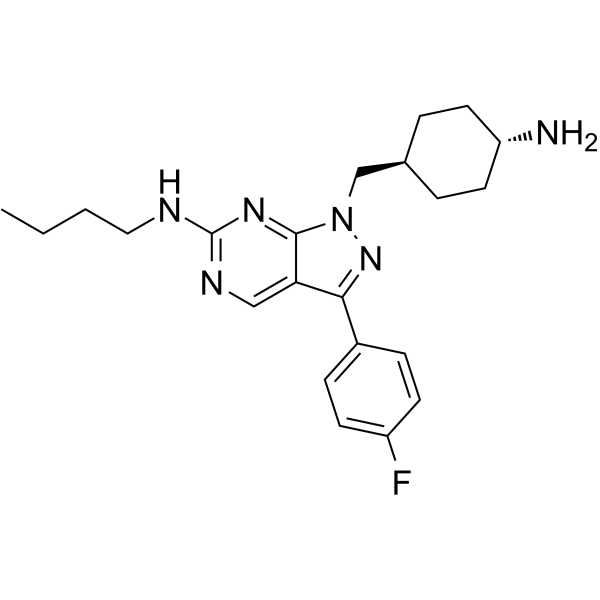
1. Search Result
Search Result
Results for "

Fda approved axl Inhibitors

" in MedChemExpress (MCE) Product Catalog:

194

阻害剤およびアゴニスト

217

スクリーニングライブラリ

3

蛍光色素

8

生化学アッセイ試薬

3

ペプチド

13

阻害性抗体

9

天然物

13

組換えタンパク質

17

同位体標識化合物

6

抗体

2

クリックケミストリー

7

オリゴヌクレオチド

製品番号 製品名
  • HY-L022P
    3,657 compounds

    New drug development is a time-consuming and high-cost process. Drug repurposing (also called drug repositioning, reprofiling or re‑tasking) offers various advantages over developing an entirely new drug for a given indication. First, the risk of failure is lower. Second, the time frame for drug development can be reduced. Third, less investment is needed. Approved drugs have identified bioactivities, good pharmacokinetic characteristics and safety which are suitable for drug repurposing.

    MCE owns a unique collection of 3,657 approved compounds which have been completed extensive preclinical and clinical studies and have well-characterized bioactivities, safety and bioavailability properties. MCE FDA-Approved Drug Library Plus, with more powerful screening capability, further complements FDA-Approved Drug Library (HY-L022) by adding some compounds with low solubility or solution stability (Part B) to this library. All those supplementary are supplied in powder form.

  • HY-L066
    3,741 compounds

    New drug development is a time-consuming and high-cost process. Drug repurposing (also called drug repositioning, reprofiling or retasking) offers various advantages over developing an entirely new drug for a given indication. First, the risk of failure is lower. Second, the time frame for drug development can be reduced. Third, less investment is needed. Approved drugs and pharmacopoeia collected compounds have identified bioactivities, good pharmacokinetic characteristics and safety which are suitable for drug repurposing.

    MCE owns a unique collection of 3,741 compounds from approved institutions such as FDA, EMA, NMPA, PMDA, etc. or pharmacopoeia such as USP, BP, JP, etc. These compounds have well-characterized bioactivities, safety and bioavailability properties. MCE FDA Approved & Pharmacopeial Drug Library is a good tool for drug repurposing which could dramatically accelerate drug development.

  • HY-L022
    3,232 compounds

    New drug development is a time-consuming and high-cost process. Drug repurposing (also called drug repositioning, reprofiling or re‑tasking) offers various advantages over developing an entirely new drug for a given indication. First, the risk of failure is lower. Second, the time frame for drug development can be reduced. Third, less investment is needed. Approved drugs have identified bioactivities, good pharmacokinetic characteristics and safety which are suitable for drug repurposing.

    MCE owns a unique collection of 3,232 approved compounds which have been completed extensive preclinical and clinical studies and have well-characterized bioactivities, safety and bioavailability properties. MCE FDA-Approved Drug Library is a good tool for drug repurposing which could dramatically accelerate drug development.

  • HY-L122
    1,555 compounds

    Cancer is the second leading cause of death worldwide and a serious threat to human health. Multiple treatments have been developed for cancer treatment, but new anti-cancer drugs still need to be developed urgently. Approved drugs, have well-characterized bioactivities, safety and bioavailability properties, will dramatically accelerate drug development.

    MCE offers a unique collection of 1,555 approved drugs with anti-cancer activity, which can be used for discovery of new anti-cancer drugs or as positive compounds used for anti-cancer research.

  • HY-L163
    307 compounds

    Traditional Chinese medicine provides abundant natural resources for medicinal compounds, which are often considered effective and safe for drug discovery. Traditional Chinese medicine is based on the principle of "multiple components, multiple targets, and multiple pathways", and naturally has multiple pharmacological effects. As herbal medicine, the secondary plant metabolites in Chinese herbal medicine play an important role in alleviating many diseases in Traditional medicine and folk use. Therefore, the identification of traditional Chinese medicine derived compounds is also an important process in drug development and a necessary factor in dissecting the overall mechanism of action of traditional Chinese medicine. FDA listed compounds have completed extensive preclinical and clinical studies, exhibiting good biological activity, safety, and bioavailability.

    MCE designs a unique collection of 307 FDA/EMA/NMPA/PMDA etc-approved traditional Chinese medicine active compounds, including flavonoids, polyphenols, alkaloids, terpenoids, and other structural types. It is a good tool for drug reuse and screening drugs from traditional Chinese medicine sources.

  • HY-L022M
    3,232 compounds

    New drug development is a time-consuming and high-cost process. Drug repurposing (also called drug repositioning, reprofiling or re‑tasking) offers various advantages over developing an entirely new drug for a given indication. First, the risk of failure is lower. Second, the time frame for drug development can be reduced. Third, less investment is needed. Approved drugs have identified bioactivities, good pharmacokinetic characteristics and safety which are suitable for drug repurposing.

    MCE owns a unique collection of 3,232 approved compounds which have been completed extensive preclinical and clinical studies and have well-characterized bioactivities, safety and bioavailability properties. The package of this library is 96-well microplate with peelable foil seal, which makes the screening process easier and faster.

  • HY-L116
    725 compounds

    MCE EMA-Approved Drug Library consists of 725 EMA-approved drugs with high pharmacological diversity. All drugs in this library have been completed extensive preclinical and clinical studies and have well-characterized bioactivities, safety and bioavailability properties. MCE EMA-Approved Drug Library is a useful tool for drug repurposing which could dramatically accelerate drug development.

  • HY-L230
    331 compounds

    Kinases are enzymes that catalyze the addition of phosphate groups to substrate molecules, a process known as phosphorylation. Protein phosphorylation serves as a critical regulatory mechanism for numerous cellular processes, including cell division, metabolism, and signal transduction. The human genome encodes over 500 kinases, which collectively regulate approximately 50% of cellular functions. Due to their pivotal roles, kinases represent one of the most important target classes in drug development.

    Kinase inhibitors can selectively block the activity of disease-associated kinases, making them valuable therapeutics for conditions such as cancer and inflammatory diseases. FDA-approved kinase inhibitors have undergone extensive preclinical and clinical studies, demonstrating high bioactivity, favorable safety profiles, and good bioavailability, rendering them suitable for investigating new therapeutic indications.

  • HY-L213
    271 compounds

    The anti-cancer drug library meticulously collects all drugs approved by FDA and other major national drug regulatory authorities for cancer treatment. These drugs cover a variety of cancer types, including but not limited to lung cancer, breast cancer, colorectal cancer, leukemia, and other common cancers. The library includes a wide range of drugs, from classic chemotherapeutic agents to cutting-edge targeted therapies and immunotherapies. It contains various types of drug compounds with different mechanisms of action. There are cytotoxic drugs that directly kill cancer cells, as well as drugs that work by modulating the tumor microenvironment, inhibiting tumor angiogenesis, and activating the immune system. This diversity provides researchers with a broad range of perspectives and options for intervention strategies.

    This library can be used for basic research on cancer treatment, exploring new targets and new mechanisms of drug action; Conducting drug reuse research to look for potential therapeutic effects of existing drugs on other cancer types or diseases; Or conducting research into combination drugs to optimize cancer treatment.

    MCE has collected 271 small-molecule compounds with cancer indications, which are good tools for drug repurposing.

  • HY-L053
    1,504 compounds

    From target identification to clinical research, traditional drug discovery and development is a time-consuming and costly process, which also bears high risk. Compared with traditional drug discovery, drug repositioning or repurposing, also known as old drugs for new uses can greatly shorten the development cycle and reduce development cost, which has become a new trend of drug development. After undergoing clinical trials, approved drugs have identified bioactivities, good pharmacokinetic characteristics and safety, which can greatly improve the success rate of drug discovery. A number of successes have been achieved, such as metformin for type 2 diabetes and thalidomide for leprosy and multiple myeloma, etc.

    MCE provides a unique collection of 1,504 China NMPA (National Medical Products Administration) approved compounds, which have undergone extensive preclinical and clinical studies and have well-characterized bioactivities, safety and bioavailability properties. MCE NMPA-Approved Drug Library is a good tool for drug repurposing which could dramatically accelerate drug development.

  • HY-L218
    167 compounds

    Animal drug (also veterinary drug) refers to a drug intended for use in the diagnosis, cure, mitigation, treatment, or prevention of disease in animals. Animal Drugs @ FDA is a searchable online database that includes most FDA-approved and conditionally approved animal drugs. The major classes of veterinary drugs include antibiotics, anthelmintics, coccidiostats, nonsteroidal anti-inflammatory drugs, sedatives, corticosteroids, beta-agonists, and anabolic hormones.

    MCE has collected 167 FDA-approved veterinary drug compounds for use in scientific research.

  • HY-L904
    1,369 compounds

    The MCE 1K Drug Fragment Library consists of 1,369 drug fragments. These drug fragments are derived from 2,946 FDA-approved drug molecules, and fragments from one drug can appear in other drugs, so these fragments are somewhat correlated with good PK/PD properties. Fragment-based screening can reserve enough chemical space for subsequent structural optimization. This compound library is an essential tool for drug screening based on FBDD (Fragment-Based Drug Discovery).

  • HY-L021M
    5,040 compounds

    From the discovery of traditional Chinese medicine to modern antibiotics, natural products have played an important role in the drug development process. A review of all FDA-approved drugs shows that natural products and natural product-like compounds account for more than one-third of all approved drugs. Nearly half of that came from mammals, a quarter from microbes, and a quarter from plants. Over time, the proportion of microbial natural products and natural product derivatives in approved drugs has increased. Natural products have natural advantages in drug development and can be used as lead compounds in drug discovery for drug identification and mechanism research.

    MCE provides a unique collection of 5,040 natural compounds and natural product-like compounds that contain saccharides and glycosides, phenylpropanoids, quinones, flavonoids, terpenoids and glycosides, steroids, alkaloid, phenols, acids and aldehydes. Natural product and natural product-like compounds library is a useful tool for drug discovery that can be used for high-throughput screening (HTS) and high-content screening (HCS).

  • HY-L127
    37 compounds

    Orthopoxvirus is a genus of viruses in the family Poxviridae and subfamily Chordopoxvirinae. The orthopoxvirus genus consists of 12 viruses including variola virus, vaccinia virus (VV), cowpox viruses (CV), monkeypox virus, and camelpox virus. Smallpox has been eradicated worldwide in 1980, but some other orthopoxvirus, such as monkeypox virus, are still threats to human health.

    There are not many drugs available for orthopoxvirus treatment. The only product currently available for treatment of complications of Orthopoxvirus infection is vaccinia immunoglobulin (VIG). In 2021, brincidofovir was approved by FDA for the treatment of smallpox and tecovirimat was approved by EMA for the treatment of monkeypox in 2022. A few active compounds including interferon and interferon inducers, and a variety of nucleosides or nucleotides have been reported to have activity against orthopoxvirus.

    MCE carefully prepared a unique collection of 37 compounds reported with the anti- orthopoxvirus activity which can be used for drug screening and other research about orthopoxvirus.

  • HY-L924
    1,488 compounds

    Boronic acid and boronic ester represent a relatively novel and promising chemical structure in drug design. Boronic acid exists in an sp²-hybridized state, possessing an empty p-orbital that can act as a Lewis acid to accept lone pairs from heteroatoms (O, N, or S). This Lewis acidity enables it to form reversible covalent bonds with amino acid residues such as lysine, serine, threonine, and histidine. Currently, five FDA-approved drugs containing boronic acid or boronic ester predominantly involve such covalent binding mechanisms in their interactions with target proteins. Furthermore, boronic acid can serve as a bioisostere for carboxylic acids, phosphates, and phenolic groups, utilized to improve pharmacokinetic properties and enhance drug efficacy.

    To date, five boron-containing drugs have been approved by the FDA. The unique properties of boronic acids and boronic esters confer significant potential in drug design, with applications spanning cancer therapy (e.g., multiple myeloma), anti-infectives (e.g., fungal infections, tuberculosis), anti-inflammatory treatments (e.g., atopic dermatitis), antibacterial agents (e.g., carbapenem-resistant bacterial infections), and Reactive Oxygen Species (ROS)-responsive prodrugs, among others. The MCE Boronic Acid/Boronic Ester Fragment Library, which contains 1,488 compounds, serves as a valuable tool for the development of boron-containing drugs.

  • HY-L140
    230 compounds

    Withdrawal or delisting drugs refer to drugs that are recalled or discontinued from the market due to low efficiency, serious side effects, financial and regulatory problems and other reasons. Once the drug is withdrawn from the market, it will cause heavy losses to the original research company that invested a lot of time, finance and other costs to develop the drug.

    Adverse drug reaction (ADR) is the main reason for drug withdrawal from the market. ADR refers to the unexpected effects caused by the reasons such as the target-directed interaction during the treatment. However, studying the mechanism of these ADRs may just be a breakthrough in finding new indications. For example, thalidomide, the protagonist of the drug damage event that caused numerous "seal babies" deformed infants, was found to be due to the degradation of a transcription factor - SALL4 after delisting, which made thalidomide have a new clinical application. In 1998, it was approved by FDA for the treatment of leprosy nodular erythema, and in 2006, it was approved for the treatment of multiple myeloma. ADR study of delisted drugs can not only avoid the loss of drug development in advance but also bring hope to new indications.

    MCE has sorted out 230 drug compounds withdrawn from the market through FDA, EMA and other authoritative platforms. Each compound has withdrawal records in at least one country/market. It is a useful tool for conducting research on drug side effects or drug toxicity mechanisms and discovering new indications of drugs.

  • HY-L115
    3,276 compounds

    Natural products are characterized by enormous scaffold diversity and structural complexity, because of which, natural products do show a wide range of biological activities. Medicinal plants have been the major source of medicines over many centuries. About a quarter of all Food and Drug Administration (FDA) and/or the European Medical Agency (EMA) approved drugs are plant based, with well-known drugs such as Paclitaxel and Aspirin having been isolated from plants.

    MCE provides a unique collection of 3,276 plant-sourced natural products. MCE Plant-Sourced Natural Product Library is a useful tool for drug discovery that can be used for high throughput screening (HTS) and high content screening (HCS).

  • HY-L126
    1,050 compounds

    Nuclear receptors (NR) are proteins found in cells that sense androgen and thyroid hormones and certain other molecules. They are ligand-activated transcription factors that participate in many aspects of human physiology and pathology, and regulate the expression of various important genes.

    Nuclear receptors have become one of the main targets in the development of new drug strategies, providing a unique type of receptors for studying a variety of human diseases, such as breast cancers, skin disorders and diabetes. 13% of U.S. Food and Drug Administration (FDA) approved drugs target nuclear receptors.

    MCE supplies a unique collection of 1,050 nuclear receptor inhibitors and activators, all of which have the identified inhibitory or activated effect on nuclear receptor. MCE Nuclear Receptor Library is a useful tool for drugs research related to cancer, skin disease and diabetes.

  • HY-L009M
    270 compounds

    Kinases is a class of enzymes that adds chemicals called phosphates to other molecules, such as sugars or proteins. Protein phosphorylation serves as a critical regulatory mechanism for numerous cellular processes including cell division, metabolism, and signal transduction, with approximately 50% of cellular functions in humans being regulated by kinase activity. In drug discovery, kinases represent a major category of therapeutic targets, and kinase inhibitors constitute an important class of pharmaceuticals that block the activity of specific disease-associated enzymes, particularly in cancer and inflammatory disorders. Small molecule kinase inhibitors represent one of the fastest-growing drug categories, having received U.S. Food and Drug Administration (FDA) approval for both oncological and non-oncological indications. As of September 2023, over 70 FDA-approved small molecule kinase inhibitors are commercially available.

    The MCE Kinase Inhibitor Library Mini contains 270 kinase inhibitors primarily targeting protein kinases (VEGFR, EGFR, BTK, CDK, Akt, etc.), lipid kinases (PI3K, PI4K, SK, etc.), and carbohydrate kinases. This collection includes 1-3 highly specific representative compounds per target, optimized for screening of kinase-related drug targets in pharmaceutical research.

  • HY-L080
    109 compounds

    Targeted cancer therapies are drugs or other substances that block the growth and spread of cancer by interfering with specific molecular targets that are involved in the growth, progression, and spread of cancer.

    There are several different types of targeted therapy. The most common types are small-molecule drugs and monoclonal antibodies. Small-molecule drugs are small enough to enter cells easily, so they are used for targets that are inside cells, while monoclonal antibodies are usually used for targets that are located outside the cells. Because of high specificity, low side effect and potent anticancer activity, targeted therapy has become the mainstream of new anti-tumor drugs. Various targeted therapies have been approved by FDA and used in the treatment of diseases.

    MCE carefully collects a unique of 109 targeted therapy drugs used in cancer treatment. MCE Targeted therapy drug library is a useful tool for the research of targeted therapy.

  • HY-L225
    259 compounds

    Drug development is both expensive and time-consuming, with approximately one-third of drug discontinuations caused by severe adverse drug reactions (ADRs). Among these, drug-induced cardiotoxicity (DICT) is one of the primary reasons for late-stage clinical drug failures and market withdrawals. To date, cardiotoxicity has been observed in multiple drug classes, such as anticancer drugs, antipsychotics, antidepressants, antibiotics, and neurodegenerative disease medications. To reduce cardiac ADRs, it is crucial to determine the clinical relevance of DICT to treatment, elucidate the underlying molecular mechanisms, identify reliable biomarkers, and develop new diagnostic and therapeutic approaches.

    MCE offers 259 cardiotoxicity compounds, including some FDA-approved drugs as well as inhibitors/blockers of the hERG potassium channel.

  • HY-L176
    6,879 compounds

    The occurrence of diseases is often associated with multiple targets and pathways, and the factors of disease formation are complex and diverse, so the development of more powerful drugs is needed. According to statistics, 21% of the FDA-approved drugs in 2015-2017 were multi-target compounds. Multi-target compounds refer to a drug targeting multiple disease-related targets or multiple subtypes of a target. Multi-target compounds can be applied to drug screening or targeted ligand design. Because the targets of such compounds are diverse and clear, they have the characteristics of saving time and drug cost during the mechanism research of new drug research and development. In addition, due to the diversity of drug targets, multiple strategies can be applied to pharmacological studies.

    MCE supplies a unique collection of 6,879 multi-target compounds that targets two or more different targets or different subtypes of the same target. MCE Multi-Target Compound Library can be used for target protein ligand screening or drug development.

  • HY-L093
    454 compounds

    Food additives are substances added to food to maintain or improve its safety, freshness, taste, texture, or appearance. All food additives used in food undergo a safety assessment, which includes rigorous testing, before they are approved, so all food additives are generally recognized as safe substances.

    MCE supplies 454 approved food additives which are safe substances and can be used for drug discovery and other research.

  • HY-L143
    63 compounds

    Oceans cover more than 70% of the Earth’s surface and host a huge species diversity. Marine organisms are considered the most recent source of bioactive natural products after terrestrial plants and nonmarine microorganisms. Marine biological sources are taxonomically diverse and include sponges, tunicates, corals, mollusks, fungi, and sediment-derived bacteria.

    Marine organisms can produce a plethora of small molecules with novel chemical structures and potent biological properties, being a rich source for the discovery of pharmacologically active compounds, already with several marine-derived agents approved as drugs. Ziconotide, a peptide originally discovered in a tropical cone snail, was the first marine-derived compound to be approved in the United States in December 2004 for the treatment of pain. Then, in October 2007, Trabectedin became the first marine anticancer drug to be approved in the European Union.

    MCE offers a unique collection of 63 marine-sourced natural products which can be used for drug discovery for high throughput screening (HTS) and high content screening (HCS). MCE marine-sourced natural product library is an important source for drug discovery and development.

  • HY-L132
    242 compounds

    Chemokines, or chemotactic cytokines, are small cytokines or signaling proteins secreted by cells. They are a component of intercellular communication, controlling the directional movement of immune cells especially leukocytes, as well as other cell types, for instance, endothelial and epithelial cells, which are essential to maintain human health and the function of the immune system.

    The biological effects of chemokines are achieved by binding to chemokine receptors, which are G protein-coupled receptors found on the surface of leukocytes. Some chemokine receptors are involved in directing tumor metastasis and over-expression by certain tumors. So inhibiting the interaction between chemokine and chemokine receptors on the surface of tumor cells may be a new possible therapeutic approach. Some chemokine receptors are coreceptors for HIV entry, and related inhibitors have been approved by the FDA to treat patients with HIV. Obviously, chemokines and chemokine receptors have become new targets for studying cancer, HIV, inflammation, and other diseases.

    MCE supplies a unique collection of 242 chemokine or chemokine receptor inhibitors and activators, all of which have the identified inhibitory or activated effect on chemokine or chemokine receptors. MCE Chemokine Library is a useful tool for drug research related to cancer, AIDS, and wound therapy.

  • HY-L102
    1,886 compounds

    Rare diseases are an important public-health issue and a challenge for the medical community. Most rare diseases are genetic disorders, which are often severely disabling, substantially affect life expectancy, and impair physical and mental abilities. Currently, there are about 7,000 identified rare diseases, together affecting 10% of the population. However, fewer than 6% of all rare diseases have an approved treatment option, highlighting their tremendous unmet needs in drug development. The process of repurposing drugs for new indications, compared with the development of novel orphan drugs, is a time-saving and cost-efficient method resulting in higher success rates, which can therefore drastically reduce the risk of drug development for rare diseases.

    MCE carefully collects a unique of 1,886 compounds studied in preclinical, clinical trials or approved used in rare diseases treatment. MCE rare diseases drug library is a useful tool for the research of rare diseases. All compounds can provide corresponding indications for rare diseases.

  • HY-L035
    5,119 compounds

    New drug development is a time-consuming and high-cost process. Drug repurposing (also called drug repositioning, reprofiling or re‑tasking) offers various advantages over developing an entirely new drug for a given indication. First, the risk of failure is lower. Second, the time frame for drug development can be reduced. Third, less investment is needed. Approved and clinical drugs, especially after phase I drugs, have identified bioactivities, good pharmacokinetic characteristics and safety which are suitable for drug repurposing.

    MCE Drug Repurposing Compound Library contains 5,119 approved drugs and passed phase Ⅰclinical drugs, which have been completed extensive preclinical and clinical studies and have well-characterized bioactivities, safety and bioavailability properties.

  • HY-L183
    519 compounds

    Pesticide is a single substance or mixture that can be used to prevent, mitigate, iminate pests or as a plant conditioner, defoliant or desiccant. In recent years, scientists have proposed the concept of "Molecules to Ecosystems", bringing the concept of molecular biology to understand the impact of pesticides, degradation and relationship with the environment or organisms. MCE integrates effective compounds approved as pesticides by agencies such as the Environmental Protection Agency (EPA), China Pesticide Information Network and some insecticidal compounds with potential for agricultural applications.

    MCE can provide a library of 519 pesticide compounds that are tool compounds for relevant research.

  • HY-L052
    1,384 compounds

    COVID-19 poses a serious threat to people's health, and it is urgent to develop drugs to treat COVID-19 quickly. The screening of anti-COVID-19 drugs by using the clinical and approved compounds can greatly shorten the research and development cycle. In addition, the virtual screening technology can effectively narrow the scope of screening and improve the screening efficiency in the pre-screening of new drugs.

    Taking advantage of our virtual screening, we conduct virtual screening of approved compound library and clinical compound library based on the 3CL protease (PDB ID: 6LU7), Spike Glycoprotein (PDB ID: 6VSB), NSP15 (PDB ID: 6VWW), RDRP, PLPro and ACE2 (Angiotensin Converting Enzyme 2) structure. We design a unique collection of 1,384 compounds which may have anti-COVID-19 activity. Anti-COVID-19 Compound Library will be a powerful tool for screening new anti-COVID-19 activity drugs.

  • HY-L001
    26,377 compounds

    Bioactive compounds are a general term for a class of substances that can cause certain biological effects in the body, which are the main source of small molecule drugs. These compounds generally penetrate cell membranes, act on specific target proteins in cells, regulate intracellular signaling pathways, and cause some changes in cell phenotype.

    MCE owns a unique collection of 26,377 compounds with confirmed biological activities and clear targets. These compounds include natural products, innovative compounds, approved compounds, and clinical compounds. These can also be used for signal pathway research, drug discovery and drug repurposing, etc.

  • HY-L035P
    6,093 compounds

    New drug development is a time-consuming and high-cost process. Drug repurposing (also called drug repositioning, reprofiling or re‑tasking) offers various advantages over developing an entirely new drug for a given indication. First, the risk of failure is lower. Second, the time frame for drug development can be reduced. Third, less investment is needed. Approved and clinical drugs, especially after phase I drugs, have identified bioactivities, good pharmacokinetic characteristics and safety, which are suitable for drug repurposing.

    MCE Drug Repurposing Compound Library plus contains 6,093 approved and passed phase I clinical drugs, which have been completed extensive preclinical and clinical studies and have well-characterized bioactivities, safety and bioavailability properties.

    MCE Drug Repurposing Compound Library plus, with more powerful screening capability, further complement MCE Drug Repurposing Compound Library (HY-L035) by adding some compounds with low solubility or stability (Part B) to this library. All those supplementary compounds are supplied in powder form.

  • HY-L006
    3,422 compounds

    GPCRs are a large family of cell surface receptors that respond to a variety of external signals. Binding of a signaling molecule to a GPCR results in G protein activation, which in turn triggers the production of any number of second messengers. GPCRs play an important role in the human body, and increased understanding of these receptors has greatly affected modern medicine. In fact, researchers estimate that between one-third to one-half of all approved drugs act by binding to GPCRs. GPCRs are a large group of drug targets in drug discovery.

    MCE provides a unique collection of 3,422 small molecules targeting GPCRs that can be used in the screening for various GPCRs-related research and drug development projects.

  • HY-L187
    2,250 compounds

    Fragment-based drug development (FBDD) is a strategy for drug discovery that can be applied both academically and commercially to enhance the identification of some non-drug targets. Fragment-based drug development has identified low molecular weight molecules (<300 Da) capable of binding to related macromolecules. These fragments can cover a wide chemical space and are easy to optimize later. Currently, several fragment-based drugs have entered clinical trials, of which two drugs, Vemurafenib and Venetoclax, have been approved for marketing.

    Based on Tanimoto coefficient, MCE uses similarity algorithm to carefully select 2,250 high-structurally diverse 'RO3' compliant fragment molecules from large-scale fragment molecules, which can be applied to fragment based drug development.

  • HY-L192
    71 compounds

    Dietary supplement, also known as nutritional supplement or food supplement, include dietary components such as vitamins, minerals, and amino acids. The unique value of dietary supplement is particularly significant in the post-pandemic era. Compared to traditional medication, dietary supplement is often more readily accepted by the public due to their higher safety profile and the natural origin. By orally supplementing essential nutrients and bioactive substances, dietary supplement can help to enhance the body's health level and reduce the risk of diseases. For certain chronic conditions, proper dietary supplement can also serve as a powerful adjunct to conventional medical treatment, enhancing the effectiveness of medication.

    MCE has included 71 dietary supplements, whose ingredients are all derived from the official lists published by authoritative organizations such as the FDA, EFSA, NMPA, etc. These compounds can be utilized in the development of health food products and for the mechanistic research of certain chronic diseases.
  • HY-L199
    4,779 compounds

    Non-alcoholic fatty liver disease (NAFLD) is one of the most common liver diseases worldwide and is the primary liver manifestation of metabolic syndrome. The growth of NAFLD has coincided with the obesity epidemic. NAFLD is composed of excess lipid accumulation in the liver, causing steatotoxicity, and shows a wide range of histopathological abnormalities. NAFLD may progress from simple steatosis to Non-alcoholic steatohepatitis (NASH) with or without fibrosis (NASH), and eventually to cirrhosis and hepatocellular carcinoma. To date, very few drugs have been approved for marketing specifically for the treatment of NAFLD, so increased efforts to develop NAFLD drugs are necessary.

    MCE designs a unique collection of 4,779 small molecules with definite or potential anti-NAFLD activity, which is an important tool for studying the pathological mechanism of NAFLD and developing drugs for NAFLD.

  • HY-L104
    708 compounds

    The lack of availability of appropriate medicines for children is an extensive and urgent problem. A variety of obstacles hinder children's drug development, including the limited commercial interest, lack of suitable infrastructure and competence for conducting paediatric clinical trials, difficulties in trial design, ethical worries and many others. Because of these factors, unlicensed and off-label prescribing is very common in children which may lead to safety concern.

    MCE offers a unique collection of 708 Pediatric medicines, all of which have been approved or studied in clinical trials for children diseases. MCE children’s drug library is a useful tool for drug repurposing to discover new children’s indications.

  • HY-L096
    186 compounds

    An inactive ingredient is any component of a drug product other than the active ingredient. Inactive ingredients are added during the manufacturing process of pharmaceutical products such as tablets, capsules, suppositories, and injections. In new drug development, once an inactive ingredient has appeared in an approved drug product for a particular route of administration, the inactive ingredient is not considered new and may require a less extensive review the next time it is included in a new drug product.

    MCE offers a unique collection of 186 inactive ingredients, which only contain inactive ingredients of the final dosage forms of the drug. MCE Inactive Ingredient library is a powerful tool for aiding in the development of the drug and saving unnecessary time.

  • HY-L138
    6,508 compounds

    Heterocyclic compounds are cyclic organic compounds which contain at least one hetero atom, the most common heteroatoms are nitrogen, oxygen ,and sulfur. Heterocycles are common in biology, featuring a wide range of structures from enzyme co-factors to amino acids and proteins. On the one hand, heterocycles are common structural units in approved drugs and in medicinal chemistry targets in the drug discovery process. In addition, heterocycles have been found as a key structure in medical chemistry and also they are frequently found in large percent of biomolecules such as vitamins, natural products ,and biologically active compounds including antifungal, anti-inflammatory, antibacterial, antioxidant, antiallergic, anti-HIV, antidiabetic, anticancer activity.

    MCE offers a unique collection of 6,508 heterocyclic compounds which can be used for drug discovery for high throughput screening (HTS) and high content screening (HCS). MCE heterocyclic compound library is critical for drug discovery and development.

  • HY-L069
    2,101 compounds

    Alzheimer’s Disease (AD) is a progressive degenerative brain disease which causes mental and physical decline, gradually resulting in death. Despite the significant public health issue that it poses, only few medical treatments have been approved for Alzheimer’s Disease (AD) and these act to control symptoms rather than alter the course of the disease. Discovery of new therapeutic approaches depends on the study of pathology of AD. Recent research findings have led to greater understanding of disease neurobiology in Alzheimer's Disease (AD) and identification of unique targets for drug development. Several important mechanisms have been proposed to explain the underlying pathology of AD, such as Amyloid cascade hypothesis, Tau hypothesis and Cholinergic hypothesis, etc.

    MCE offers a unique collection of 2,101 compounds with anti-Alzheimer’s Disease activities or targeting the unique targets of AD. MCE Anti-Alzheimer’s Disease Compound Library is a useful tool for exploring the mechanism of AD and discovering new drugs for AD.

  • HY-L105S
    832 compounds

    Peptides, composed of amino acids, serve as crucial building blocks for proteins and have gained significant attention in drug development over the past decade. The advancements in production, modification, and analytical technologies have led to a surge in the potential applications of peptides in medicine. Peptides offer a number of advantages over small molecule drugs, including: greater target specificity and efficacy, more predictable metabolic profiles, easier delivery to where they are needed in the body, and fewer side effects. Peptides are increasingly appearing in all branches of medicine as components of innovative drugs, imaging agents, diagnostic agents, and other complex drugs such as peptide-drug conjugates. To date, more than 80 peptide drugs have been approved to treat a variety of diseases, including microbial infections, obesity, anti-diabetes, and cancer, as well as to develop cell targeting platforms and improve cell penetration properties.

    MCE designs a unique collection of 832 peptide compounds. HY-L105S is a peptide compound library that can be provided with solution form based on HY-L105, and can be applied to peptides-based drug development.

  • HY-L229
    158 compounds

    Kidneys are one of the vital organs in the human body. Due to their exposure to higher concentrations of circulating drugs or metabolites, they are highly susceptible to drug-induced renal injury (DIRI). According to statistics, drug-induced kidney injury accounts for approximately 20% of nephrotoxicity reports and can lead to acute kidney injury (AKI), chronic kidney disease (CKD), or even end-stage renal disease (ESRD). Early detection of drug nephrotoxicity is crucial for preventing irreversible kidney damage. Research into its mechanisms can help optimize clinical medication by adjusting dosages or avoiding combinations of nephrotoxic drugs. Additionally, predicting drug-induced nephrotoxicity in early drug development can reduce the risk of late-stage R&D failure.

    MCE offers 158 nephrotoxicity compounds that have been clearly reported by the FDA to be associated with kidney injury. This library can be used for studying molecular mechanisms of nephrotoxicity or developing novel biomarkers.

  • HY-L001P
    32,925 compounds

    Bioactive compounds are a general term for a class of substances that can cause certain biological effects in the body, which are the main source of small molecule drugs. These compounds generally penetrate cell membranes, act on specific target proteins in cells, regulate intracellular signaling pathways, and cause some changes in cell phenotype.

    MCE owns a unique collection of 32,925 compounds with confirmed biological activities and clear targets. These compounds include natural products, innovative compounds, approved compounds, and clinical compounds. This library is a useful tool for signal pathway research, drug discovery and drug repurposing, etc.

    Bioactive Compound Library Plus, with more powerful screening capability, further complements Bioactive Compound Library (HY-L001) by adding some compounds with low solubility or solution stability (Part B) and some novel, rare or exclusive compounds (Part C) to this library. Overall, bioactive compound library plus (HY-L001P) includes tree parts: Part A, Part B and Part C. Compounds in Part A are equal to the products in HY-L001, which can be supplied in solution or solid form. Compounds in Part B and C are only supplied in solid form.

  • HY-L920
    24,816 compounds
    With the aging population and increasing competitive pressures, neurodegenerative diseases of the central nervous system (CNS) have become a serious medical challenge in modern society, including Parkinson's disease, Alzheimer's disease, brain tumors, and multiple sclerosis. The CNS MPO (Multi-Parameter Optimization) score is a widely recognized algorithm in medicinal chemistry. Developed by Pfizer, this method is based on an analysis of approved CNS drugs and their interior CNS drug candidates, establishing the CNS MPO rules. It incorporates six key physicochemical properties (ClogP, ClogD, MW, TPSA, HBD, and pKa) to prospectively optimize CNS drug attributes—such as high blood-brain barrier (BBB) permeability, low P-gp efflux liability, low metabolic clearance, and high safety—thereby improving the clinical success rate of CNS drug candidates. The CNS MPO compound library is a collection of compounds with CNS MPO scores greater than 5, specifically designed for CNS drug discovery.
  • HY-L032
    23,342 compounds

    Fragment-based drug discovery (FBDD) is well suited for discovering both drug leads and chemical probes of protein function; it can cover broad swaths of chemical space and allows the use of creative chemistry. Fragment-based drug discovery is well-established in industry and has resulted in a variety of drugs entering clinical trials, with two, vemurafenib and venetoclax, already approved. FBDD also has key attractions for academia. Notably, it is able to tackle difficult or novel targets for which no chemical matter may be found in existing HTS collections.

    MCE designs a unique collection of 23,342 fragment compounds, all of which obey a heuristic rule called the “Rule of Three (RO3) ”, in which molecular weight ≤300 Da, the number of hydrogen bond donors (H-donors) ≤3, the number of hydrogen bond acceptors (H-acceptors) is ≤3 and cLogP is ≤3. This library is an important source of lead-like drugs.

  • HY-L015
    1,078 compounds

    The PI3K/Akt/mTOR pathway controls many cellular processes that are important for the formation and progression of cancer, including apoptosis, transcription, translation, metabolism, angiogenesis, and cell cycle progression. Every major node of this signaling network is activated in a wide range of human tumors. Mechanisms for the pathway activation include activation of receptor tyrosine kinases (RTKs) upstream of PI3K, mutation or amplification of PIK3CA encoding p110α catalytic subunit of PI3K, mutation or loss of PTEN tumor suppressor gene, and mutation or amplification of Akt1. Once the pathway is activated, signaling through Akt can stimulate a series of substrates including mTOR which is involved in protein synthesis. Thus, inhibition of this pathway is an attractive concept for cancer prevention and/or therapy. Currently some mTOR inhibitors are approved for several indications, and there are several novel PI3K/Akt/mTOR inhibitors in clinical trials.

    MCE owns a unique collection of 1,078 compounds that can be used for PI3K/Akt/mTOR pathway research. PI3K/Akt/mTOR Compound Library also acts as a useful tool for anti-cancer drug discovery.

  • HY-L076
    643 compounds

    Drug-induced liver injury (DILI; also known as drug-induced hepatotoxicity) is caused by medications (prescription or OTC), herbal and dietary supplements (HDS), or other xenobiotics that result in abnormalities in liver tests or in hepatic dysfunction that cannot be explained by other causes. Drugs are an important cause of liver injury. Drug-induced hepatic injury is the most common reason cited for withdrawal of an approved drug.

    DILI is thought to occur via several different mechanisms. Among these are direct impairment of the structural (e.g., mitochondrial dysfunction) and functional integrity of the liver; production of a metabolite that alters hepatocellular structure and function; production of a reactive drug metabolite that binds to hepatic proteins to produce new antigenic drug-protein adducts, which are targeted by hosts’ defenses (the hapten hypothesis); and initiation of a systemic hypersensitivity response (i.e., drug allergy) that damages the liver.

    MCE Drug-induced Liver Injury (DILI) Compound Library contains a unique collection of 643 hepatotoxicity causing compounds and is a powerful tool to research DILI and other drug toxicities. This library can be used to understand the mechanisms of DILI, identify biomarkers for early DILI prediction, and allow timely recognition during drug development, thus finally achieving successful DILI prevention and assessment in the pre-marketing phase.

  • HY-L923
    9000 compounds

    Ion channels are key proteins on the cell membrane that regulate the flow of ions across membranes. They participate in nearly all physiological processes, including nerve conduction, muscle contraction, heart rhythm, and pain perception. Abnormalities in their function can lead to various serious diseases such as arrhythmia, epilepsy, hypertension, neuropathic pain, and cancer. Therefore, ion channels are highly valuable drug targets—over 15% of approved drugs target ion channels currently, demonstrating their irreplaceable therapeutic value in cardiovascular, neurological, and analgesic fields.

    MCE has collected a library of over 5,000 reported ion channel-related bioactive compounds targeting major sites such as Na+ channels, K+ channels, Ca2+ channels, GABA receptors, iGluRs, and others. Using AI models, these compounds are characterized through both 2D representations (molecular fingerprints, pharmacophores) and 3D representations (3D conformation) to screen for a collection of lead-like compounds highly similar to known active molecules. Additionally, an hERG channel prediction algorithm integrating XGB and ISE mapping strategy is employed to assess and exclude potential cardiotoxicity in the library.. This step significantly reduces safety risks in subsequent screenings, particularly for ion channel drug development related to cardiovascular systems (e.g., Nav1.5, Cav1.2), effectively minimizing failures due to hERG inhibition and serving as a valuable tool for ion channel drug screening.

  • HY-L943
    37030 compounds

    MCE-18 stands for Medicinal Chemistry Evolution 2018, which was first published in Journal of Medicinal Chemistry in 2019 for assessing molecular novelty and three-dimensional complexity. Developed based on Clarivate global pharmaceutical patent database, this descriptor was constructed via big-data analysis covering 28,161 patented lead compounds, 1,370 approved drugs and nearly 30,000 preclinical-to-phase III drug candidates from 23 top pharmaceutical companies worldwide between 1950 and 2018, followed by structural clustering and removal of redundant outdated scaffolds for data denoising. Its scoring system integrates five core structural features including aromatic ring (AR), aliphatic heterocycle (NAR), chiral center (CHIRAL), spiro atom (SPIRO), cyclic and acyclic sp³ carbon ratio together with a quadratic topological correction factor. Breaking the limitations of the single Fsp³ parameter, MCE-18 effectively distinguishes conventional flat aromatic scaffolds from modern 3D-enriched novel chemotypes, overcoming typical drawbacks of traditional compound libraries such as scaffold redundancy, low screening hit rates and poor compatibility with allosteric and PPI-related difficult targets.

    This library contains over 37,000 structurally diverse compounds with favorable overall drug-likeness, suitable for high-throughput screening against canonical targets including kinases, GPCRs and proteases as well as challenging allosteric and PPI targets. Compounds comply with the developmental trend of modern novel drug discovery, supporting routine primary screening as well as early hit identification of allosteric modulators and PPI inhibitors, serving as an efficient screening resource for early-stage innovative drug discovery.

  • HY-L250
    63 compounds

    In the progression of various diseases, metabolic reprogramming has emerged as a key hallmark. Lactate, as an important metabolic signaling molecule, is widely involved in tumorigenesis, immune regulation, and inflammatory responses. Particularly within the tumor microenvironment, the abnormal accumulation of lactate not only affects cellular energy metabolism but also promotes disease progression by modulating immune cell functions and mediating protein lactylation, thereby participating in epigenetic regulation and signaling networks. Therefore, systematic investigation of lactate metabolic pathways and their associated metabolites is of great significance for understanding disease mechanisms and developing novel therapeutic strategies.

    The MCE lactic acid metabolite compound library contains 63 compounds and is constructed around key metabolic pathways involving lactate production, transport, and utilization. This library systematically includes core intermediates from glycolysis, the tricarboxylic acid (TCA) cycle, and the lactate cycle. Focusing on disease-associated metabolic reprogramming, it is suitable for research in oncology, inflammation, and metabolic disorders. The library can be used to elucidate the roles of lactate in tumor microenvironment regulation, immune evasion, and epigenetic modifications (such as protein lactylation). In addition, it provides high-quality small-molecule resources for drug screening, facilitating the discovery of potential modulators targeting key enzymes (such as LDH) or transporters (such as MCTs) involved in lactate metabolism.

  • HY-L249
    5,946 compounds

    Protein lactylation, an emerging post-translational modification identified in recent years, plays a critical role in linking cellular metabolic reprogramming, epigenetic regulation, and signaling networks. Based on a systematic framework encompassing lactate metabolism, lactylation, and downstream signaling pathways, this compound library comprehensively targets multiple regulatory layers, including histone modification enzymes (such as p300 and HDACs), key glycolytic enzymes (such as PKM2, LDHA, and GAPDH), transcriptional regulators (such as STAT3, HMGB1, and p53), as well as central signaling pathway nodes including HIF-1α, NF-κB, and PI3K-AKT-mTOR. This integrated design enables a comprehensive representation of the regulatory roles of lactylation across the “metabolism–epigenetics–signaling” axis.

    MCE has assembled a collection of 5,946 known bioactive compounds and potential functional molecules, making this library suitable for a wide range of applications, including high-throughput drug screening, inhibitor identification, and mechanistic studies. It can be used to systematically evaluate the functional roles of lactylation in biological processes such as tumor metabolism, immune regulation, and inflammatory responses, and to efficiently identify small-molecule candidates with regulatory potential, thereby facilitating the development of innovative therapeutics targeting the interplay between metabolism and epigenetic regulation.

オンラインお問い合わせ

入力情報は安全に管理されます. 必須入力項目.

タイトル


国或いは地域 *

お名前 *


組纖名 *

デパートメント *


メールアドレス *


製品名 *

製品番号


カスタマ需要量 *

電話番号 *


必ず会社名を記載ください。個人への返信は行いません。

備考

バルクお問い合わせ

Inquiry Information

製品名:
製品番号:
数量:
MCE 日本正規代理店: