1. Search Result
Search Result
Pathways Recommended: Protein Tyrosine Kinase/RTK
Results for "

PKC kinases

" in MedChemExpress (MCE) Product Catalog:

211

Inhibitors & Agonists

1

Screening Libraries

2

Fluorescent Dyes

3

Biochemical Assay Reagents

29

Peptides

47

Natural
Products

11

Isotope-Labeled Compounds

4

Oligonucleotides

Targets Recommended:
Cat. No. Product Name Target Research Areas Chemical Structure
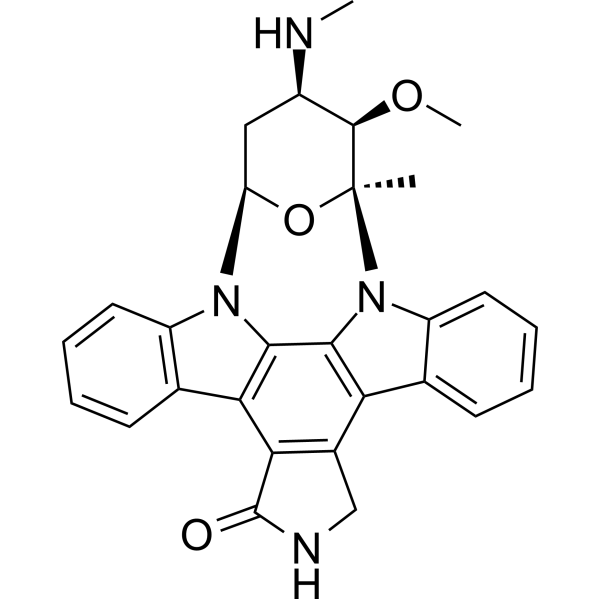
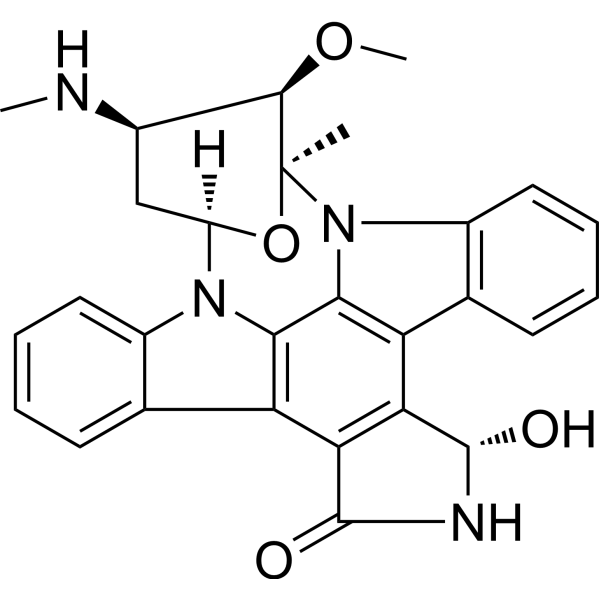
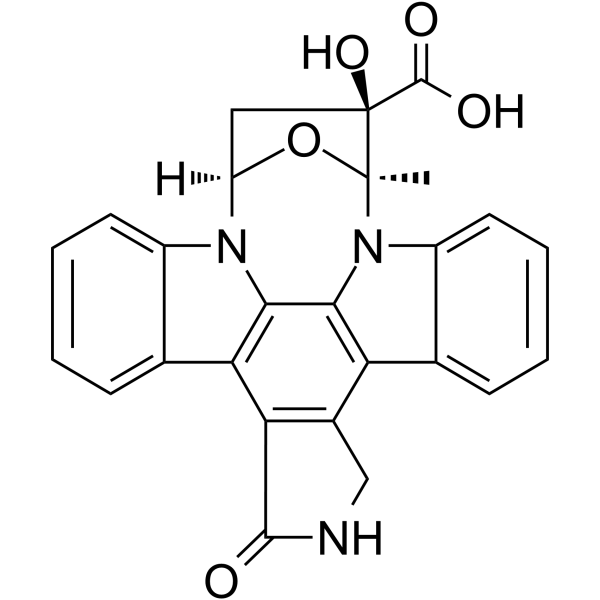
  • HY-15141
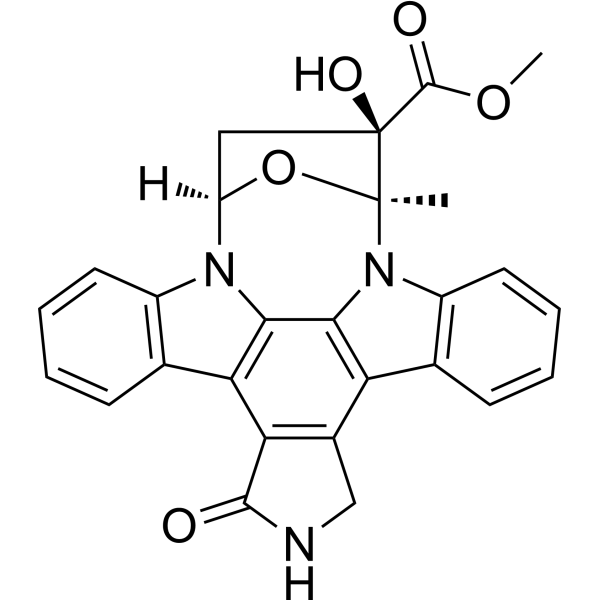
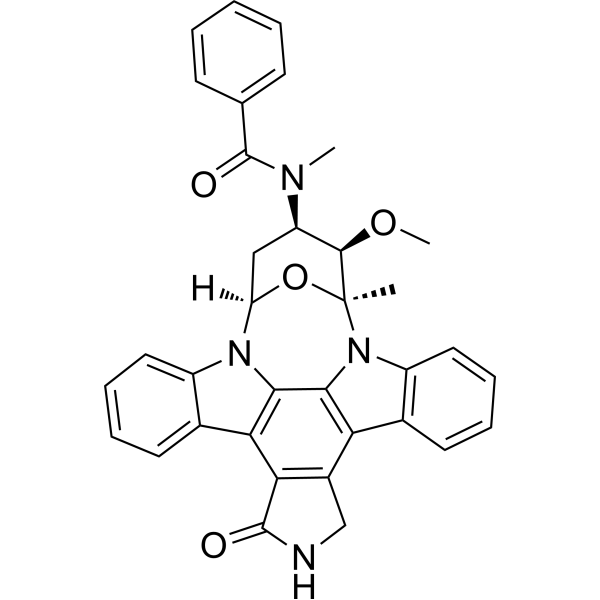
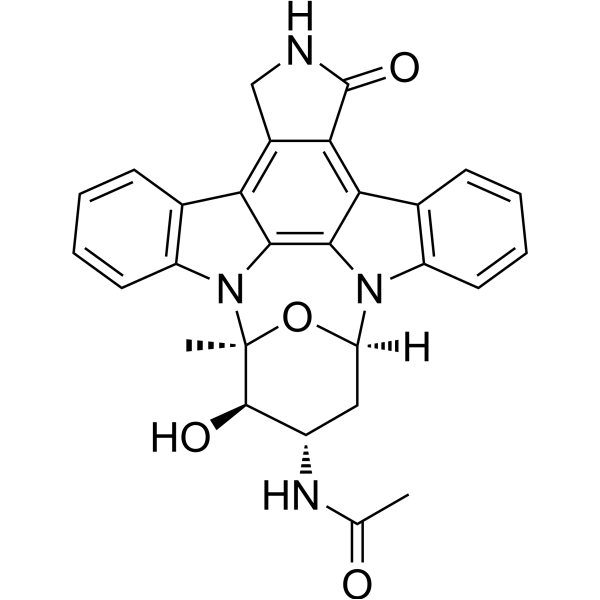
    Staurosporine
    205+ Cited Publications

    Antibiotic AM-2282; STS; AM-2282

    PKC PKA Apoptosis Bacterial Fungal Antibiotic Infection Cancer
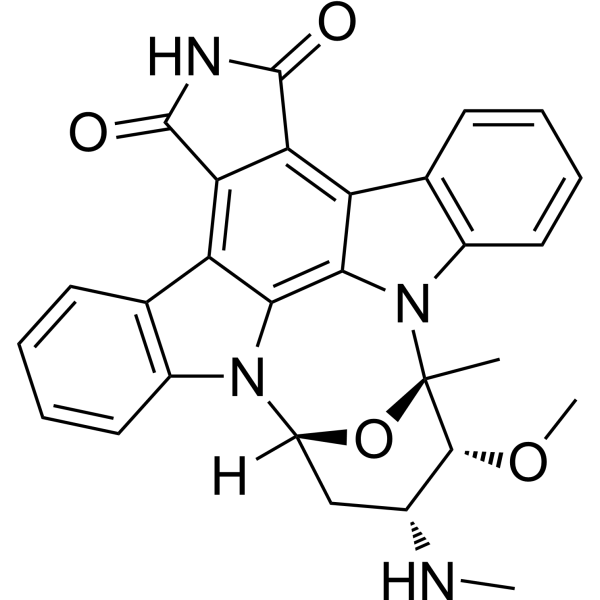
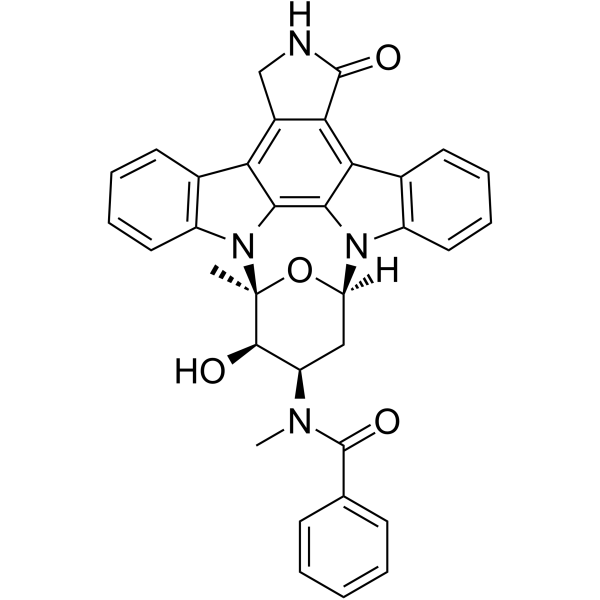
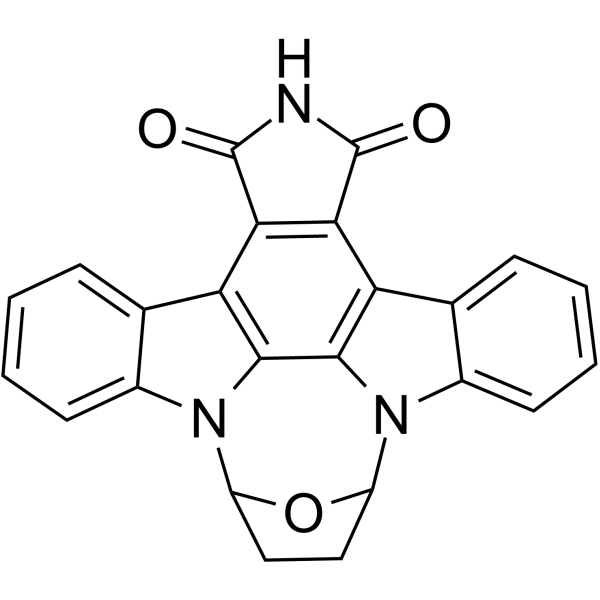
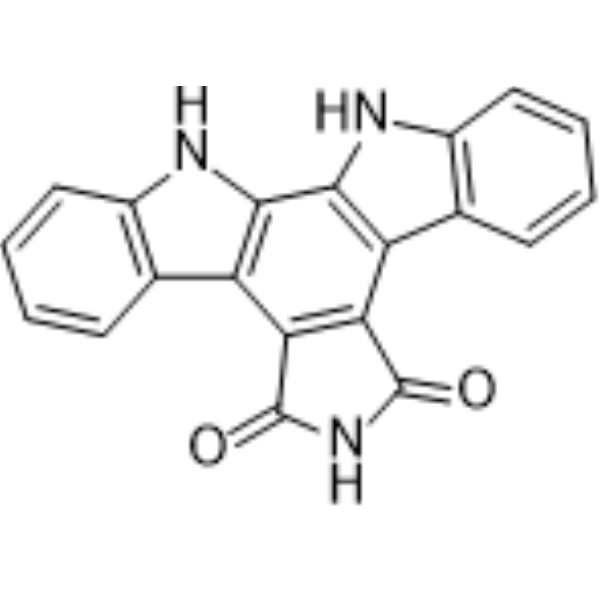
    Staurosporine is a potent, ATP-competitive and non-selective inhibitor of protein kinases with IC50s of 6 nM, 15 nM, 2 nM, and 3 nM for PKC, PKA, c-Fgr, and Phosphorylase kinase respectively. Staurosporine also inhibits TAOK2 with an IC50 of 3 μM. Staurosporine is an apoptosis inducer .
    Staurosporine
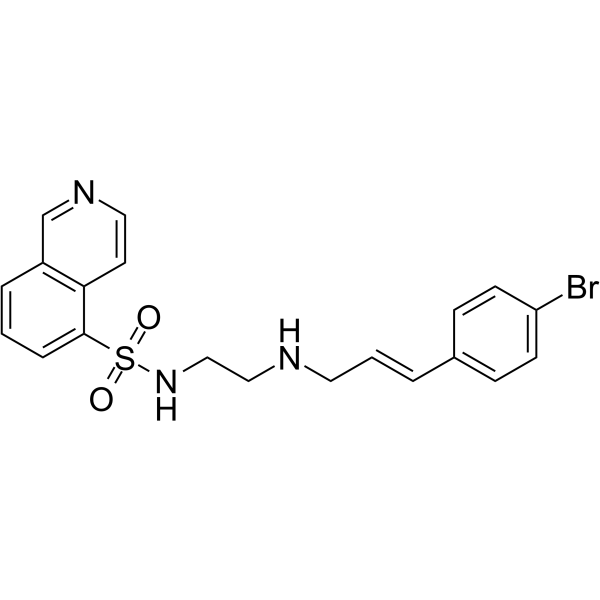
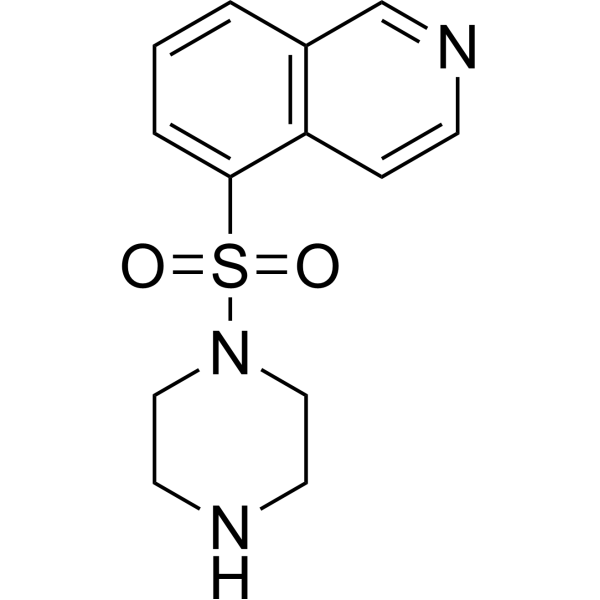
  • HY-15979
    H-89
    175+ Cited Publications

    PKA Autophagy Neurological Disease
    H-89 is a potent and selective inhibitor of cyclic AMP-dependent protein kinase (protein kinase A) with IC50 of 48 nM and has weak inhibition on PKG, PKC, Casein Kinase, and others kinases.
    H-89
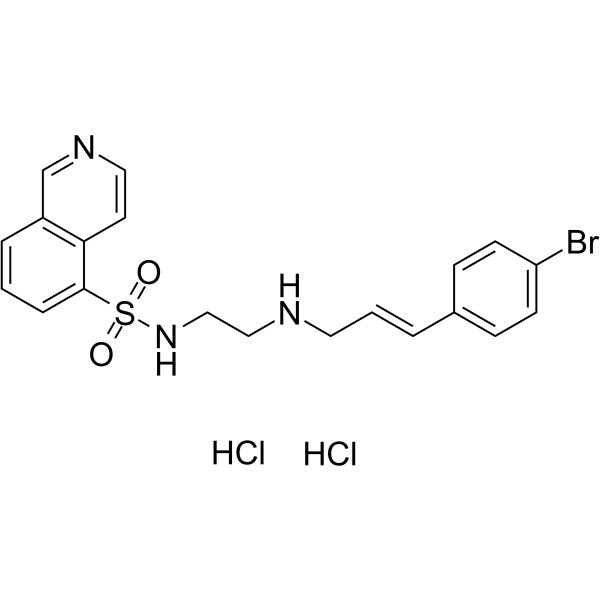
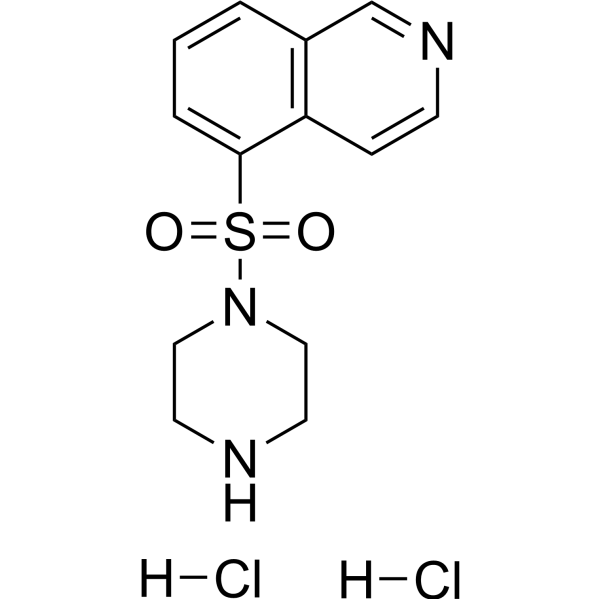
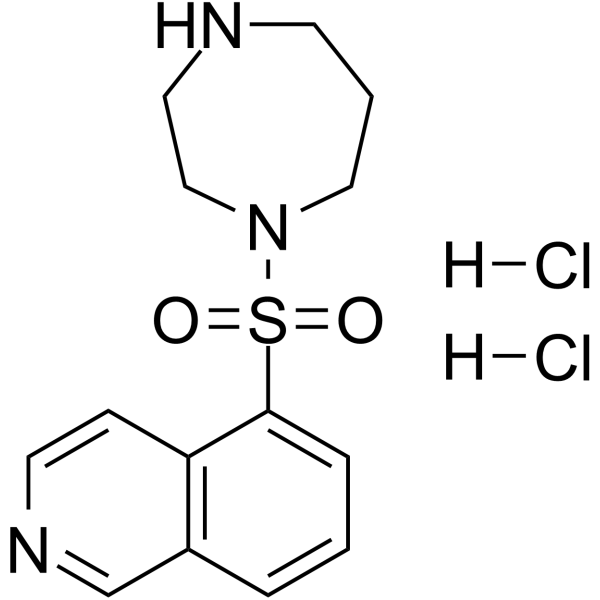
  • HY-15979A
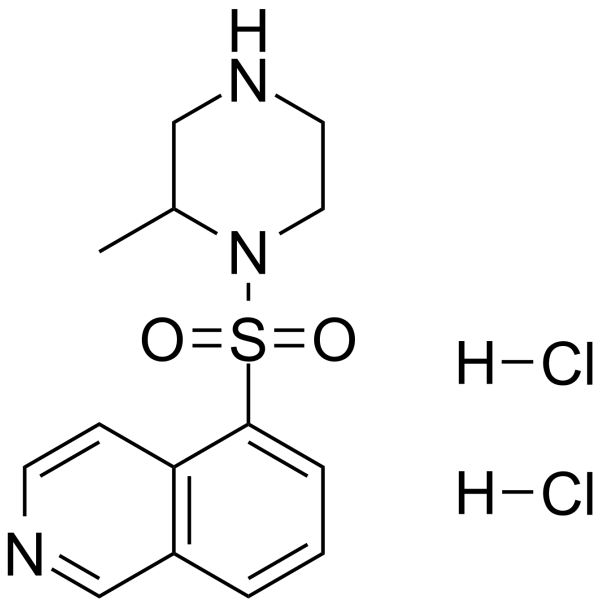
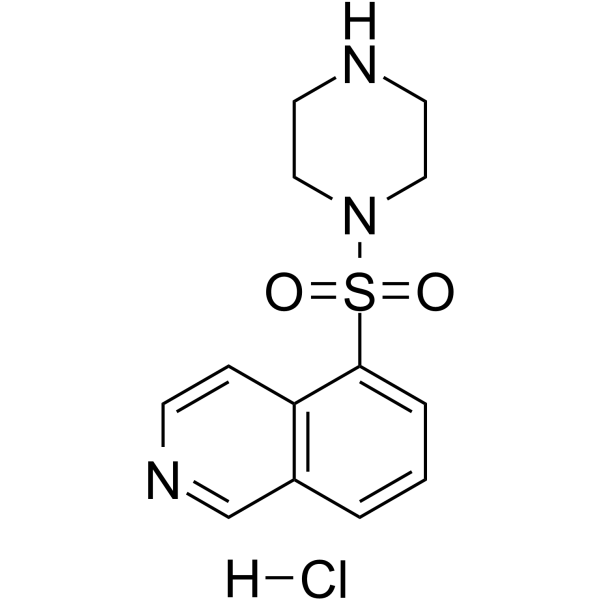
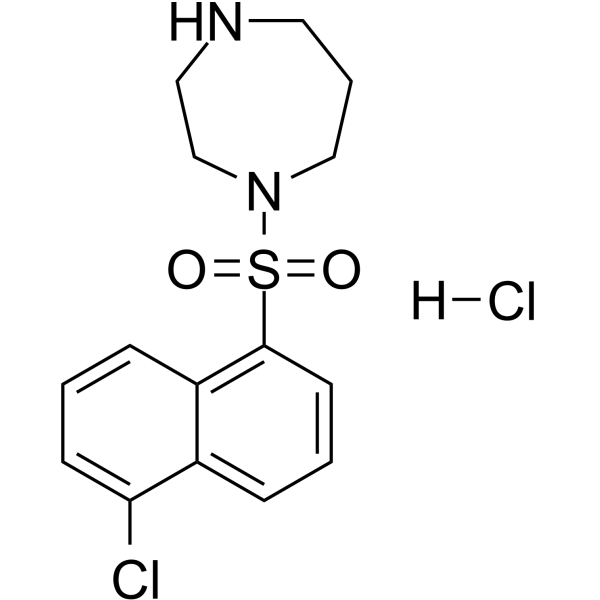
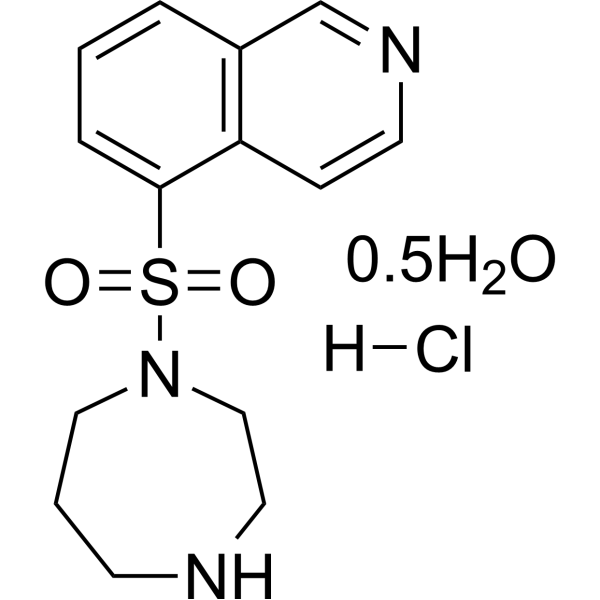
    H-89 dihydrochloride
    175+ Cited Publications

    PKA Autophagy Others
    H-89 dihydrochloride is a potent and selective inhibitor of protein kinase A (PKA) with an IC50 of 48 nM and has weak inhibition on PKG, PKC, Casein Kinase.
    H-89 dihydrochloride
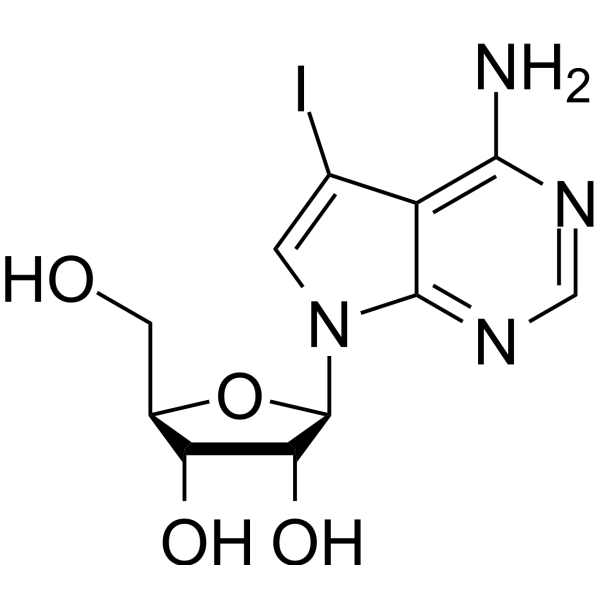
  • HY-15424
    5-Iodotubercidin
    10+ Cited Publications

    NSC 113939; 5-ITu

    Adenosine Kinase Cancer
    5-Iodotubercidin (NSC 113939), an ATP mimetic, is a potent adenosine kinase inhibitor with an IC50 of 26 nM. 5-Iodotubercidin (NSC 113939) initiates glycogen synthesis in isolated hepatocytes by causing inactivation of phosphorylase and activation of glycogen synthase. 5-Iodotubercidin (NSC 113939) also inhibits CK1, insulin receptor tyrosine kinase, phosphorylase kinase, PKA, CK2, PKC and Haspin .
    5-Iodotubercidin
  • HY-12359
    TPPB
    1 Publications Verification

    MARCKS PKC Neurological Disease
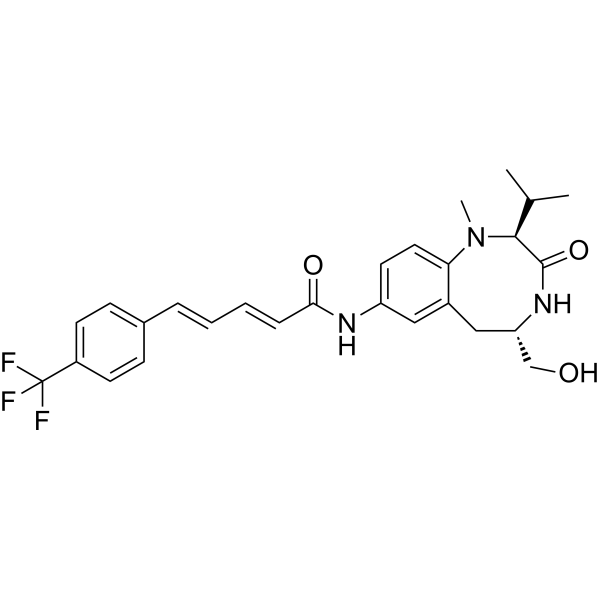
    TPPB is a cell-permeable benzolactam-derived protein kinase C (PKC) activator with a Ki of 11.9 nM.
    TPPB
  • HY-101569
    Darovasertib
    4 Publications Verification

    LXS196; IDE196

    PKC Cancer
    Darovasertib (LXS196) is a potent, selective and orally active protein kinase C (PKC) inhibitor, with IC50 values of 1.9 nM, 0.4 nM and 3.1 μM for PKCα, PKCθ and GSK3β, respectively. Darovasertib has the potential for uveal melanoma research .
    Darovasertib
  • HY-101047
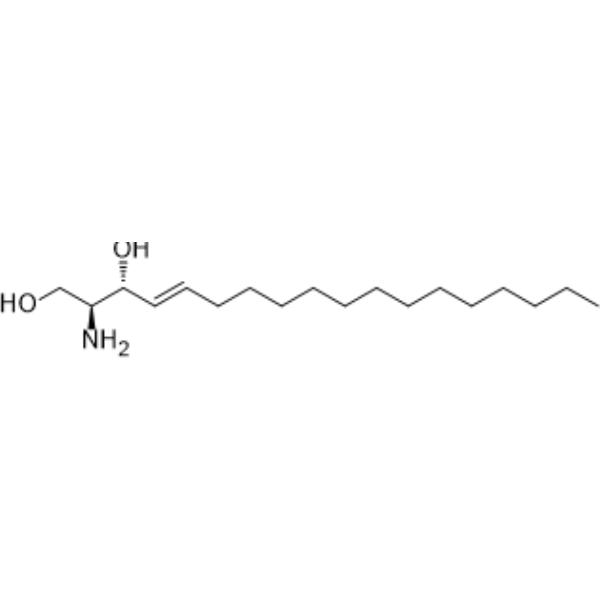
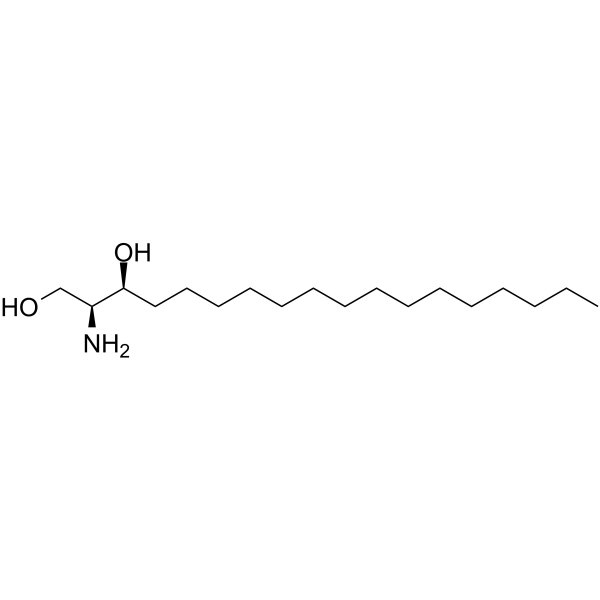
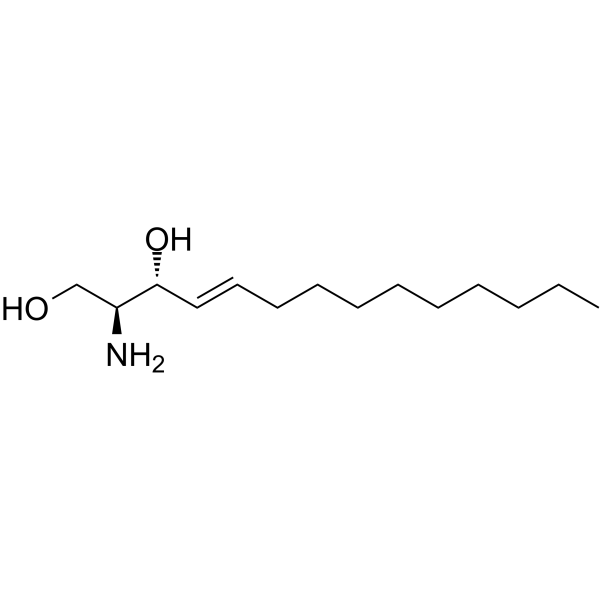
    D-erythro-Sphingosine
    4 Publications Verification

    Erythrosphingosine; erythro-C18-Sphingosine; trans-4-Sphingenine

    PKC Phosphatase Endogenous Metabolite Cancer
    D-erythro-Sphingosine (Erythrosphingosine) is a very potent activator of p32-kinase with an EC50 of 8 μM, and inhibits protein kinase C (PKC). D-erythro-Sphingosine (Erythrosphingosine) is also a PP2A activator .
    D-erythro-Sphingosine
  • HY-N6732
    K-252a
    25+ Cited Publications

    SF2370; Antibiotic K 252a; Antibiotic SF 2370

    Autophagy PKA PKC Trk Receptor CaMK Infection Inflammation/Immunology
    K-252a, a staurosporine analog, inhibits protein kinase, with IC50 values of 470 nM, 140 nM, 270 nM, and 1.7 nM for PKC, PKA, Ca 2+/calmodulin-dependent kinase type II, and phosphorylase kinase, respectively . K-252a is a potent inhibitor (IC50 of 3 nM) of the tyrosine protein kinase (TRK) activity of the NGF receptor gp140trk, the product of the trk protooncogene .
    K-252a
  • HY-10183
    Go6976
    10+ Cited Publications

    PKC Influenza Virus Cancer
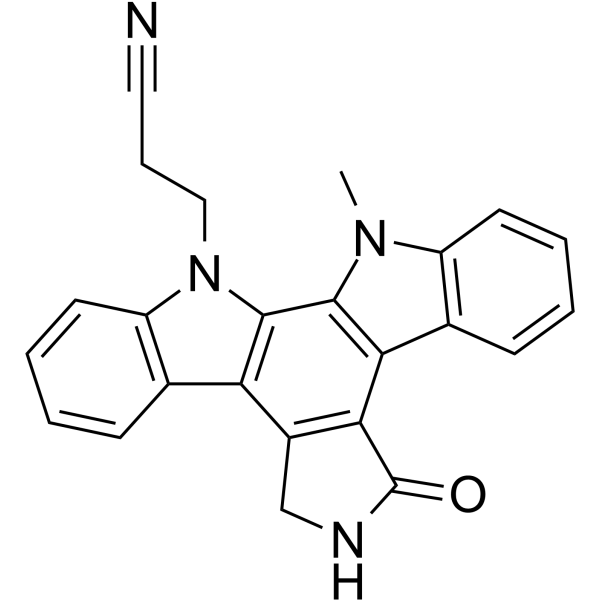
    Go6976 is a Protein Kinase C (PKC) inhibitor, with an IC50 of 20 nM.
    Go6976
  • HY-12598A
    DHPG
    4 Publications Verification

    (RS)-3,5-DHPG

    mGluR Neurological Disease
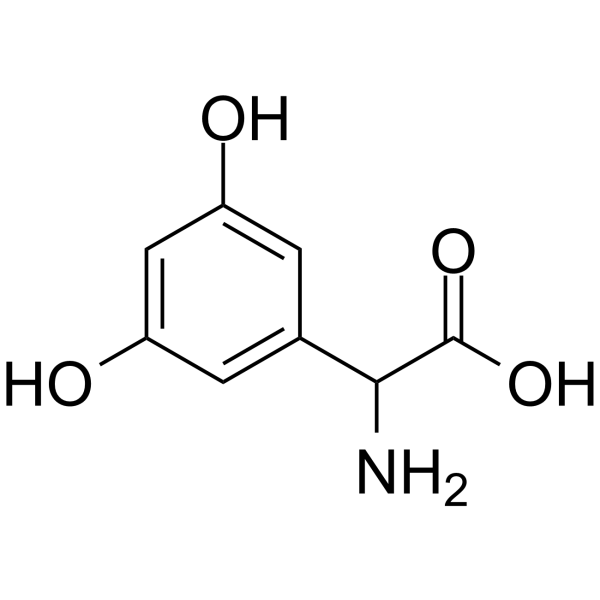
    DHPG is the agonist for mGluR 1/5 (EC50 for mGluR 1 is 60 nM) that activates the phospholipase C (PLC) pathway, and leads ultimately to the activation of protein kinase C (PKC) .
    DHPG
  • HY-112782

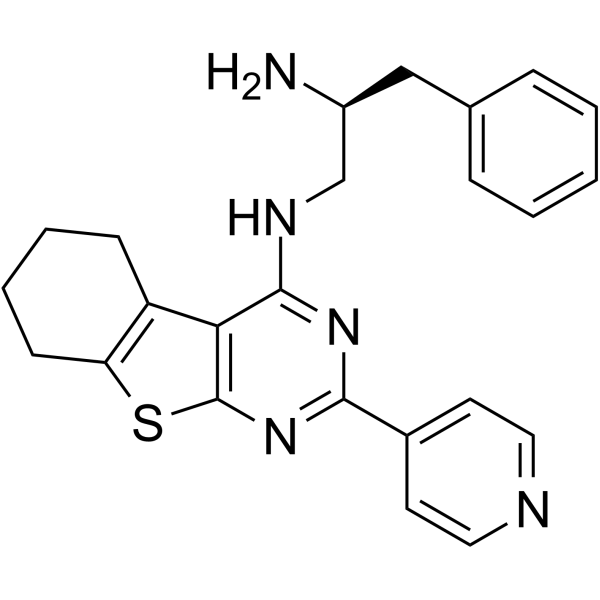
    PKC Inflammation/Immunology
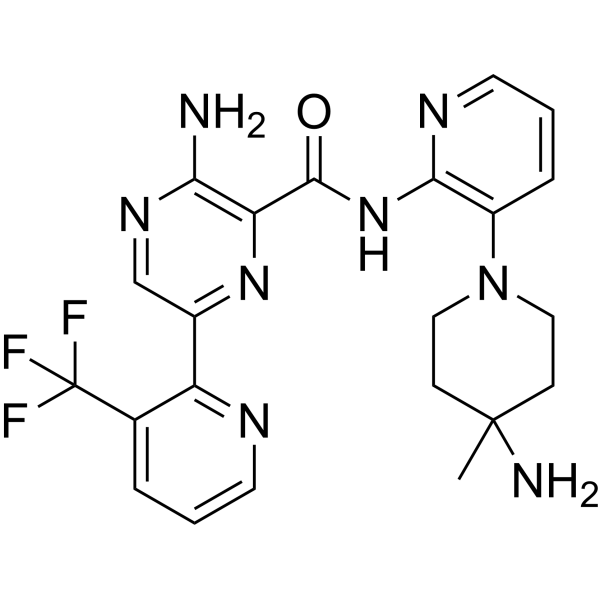
    VTX-27 is a selective protein kinase C θ (PKC θ) inhibitor, with Kis of 0.08 nM and 16 nM for PKC θ and PKC δ.
    VTX-27
  • HY-132304

    PKC Inflammation/Immunology
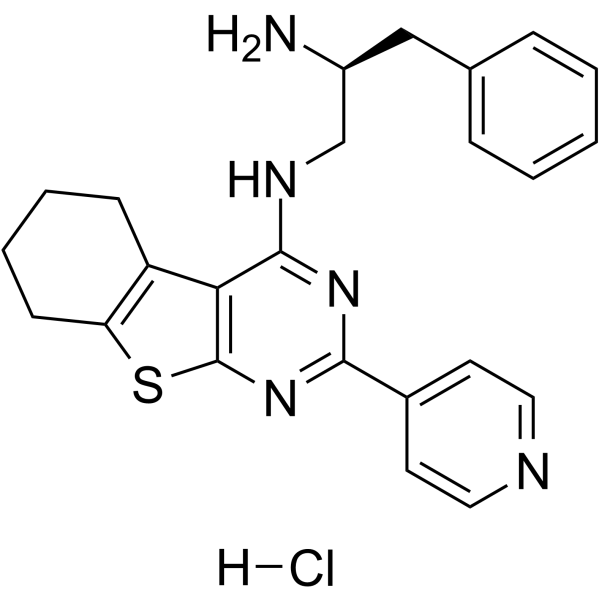
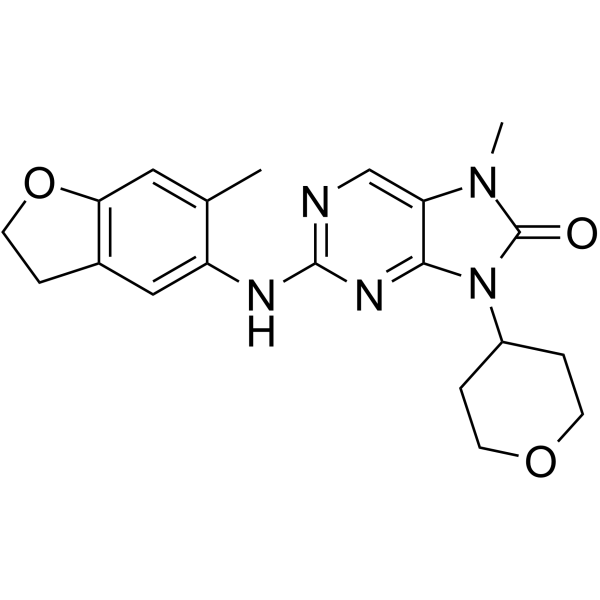
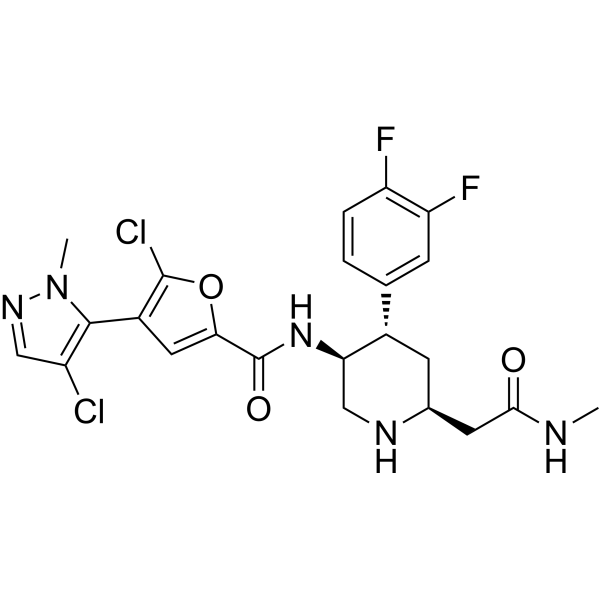
    CC-90005 is a potent, selective and orally active inhibitor of protein kinase C-θ (PKC-θ), with an IC50 of 8 nM. CC-90005 shows selectivity for PKC-θ over PKC-δ (IC50=4440 nM). CC-90005 can inhibit T cell activation by inhibiting IL-2 expression .
    CC-90005
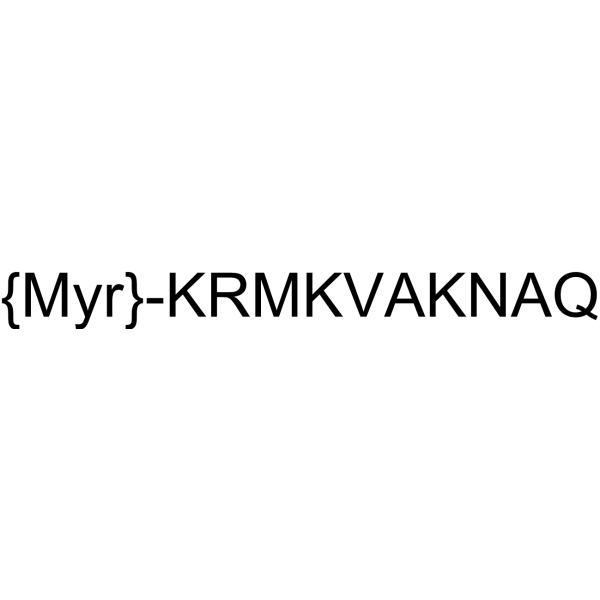
  • HY-P1821
    Myelin Basic Protein
    2 Publications Verification

    MHP4-14

    PKC Neurological Disease
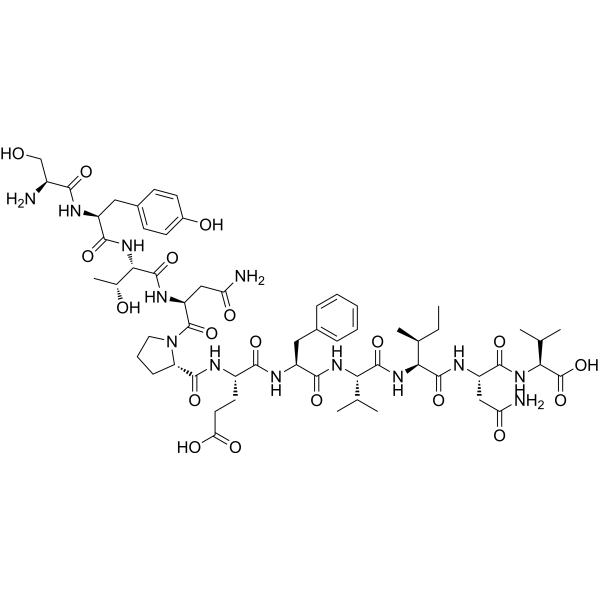
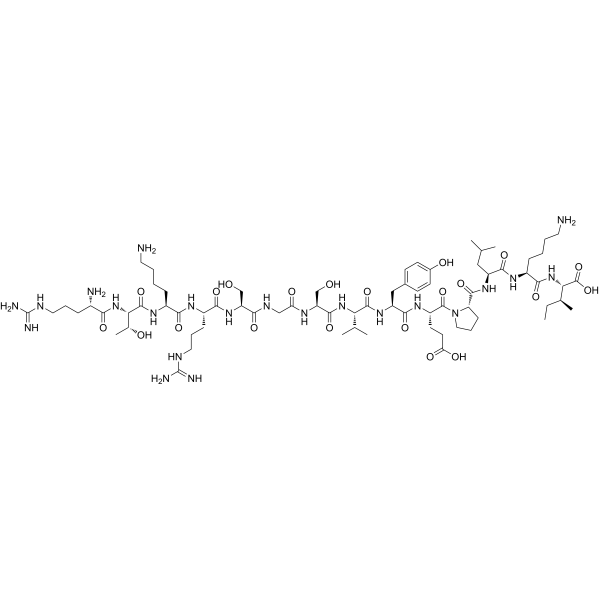
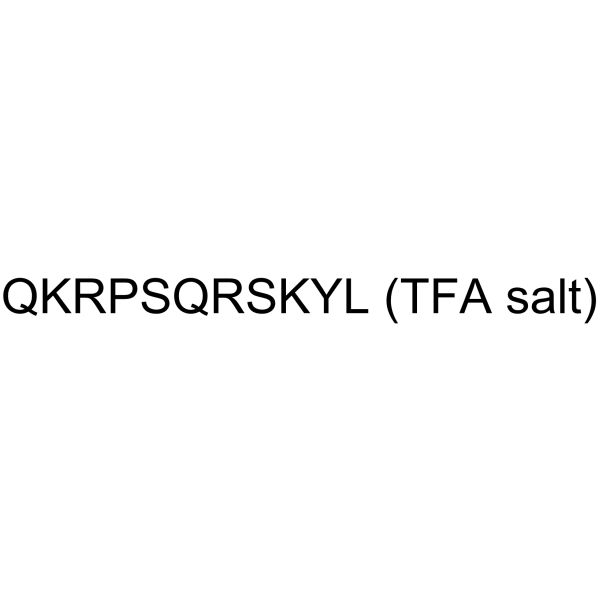
    Myelin Basic Protein (MHP4-14), a synthetic peptide comprising residues 4-14 of myelin basic protein, is a very selective PKC substrate (Km=7 μM). Myelin Basic Protein is not phosphorylated by cyclic AMP-dependent protein kinase, casein kinases I and II, Ca 2+/calmodulin-dependent protein kinase II, or phosphorylase kinase, and can be routinely used for the assay of protein kinase C with low background in the crude tissue extracts .
    Myelin Basic Protein
  • HY-108355
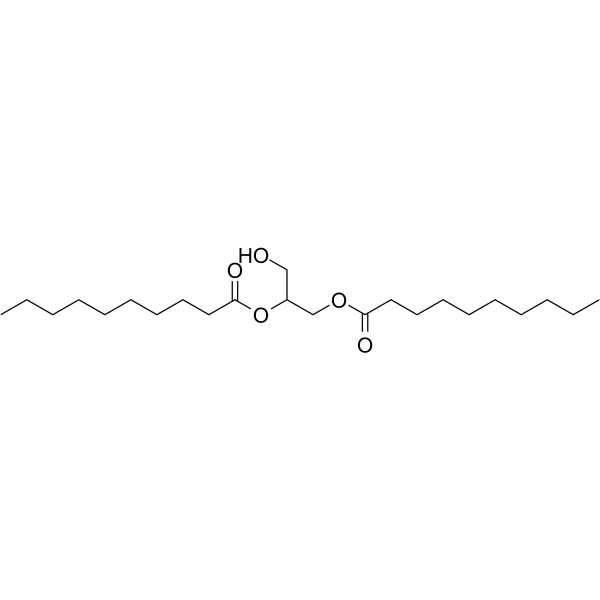
    R59949
    1 Publications Verification

    PKC Cancer
    R59949 is a pan diacylglycerol kinase (DGK) inhibitor with an IC50 of 300 nM. R59949 strongly inhibits the activity of type I DGK α and γ and moderately attenuates the activity of type II DGK θ and κ. R59949 activates protein kinase C (PKC) by enhancing the levels of the endogenous ligand diacyl glycerol .
    R59949
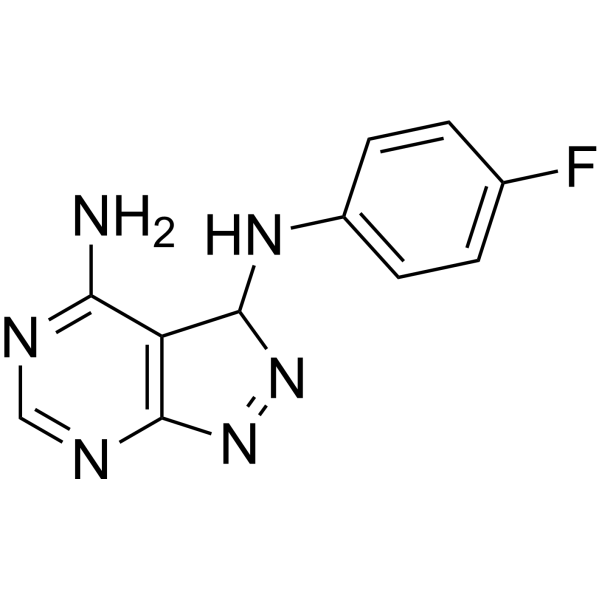
  • HY-10520
    CGP 57380
    3 Publications Verification

    MNK Apoptosis Cancer
    CGP 57380 is a cell-permeable pyrazolo-pyrimidine compound that acts as a selective inhibitor of Mnk1 with IC50 of 2.2 μM, but has no inhibitory activity against p38, JNK1, ERK1/2, PKC, or Src-like kinases.
    CGP 57380
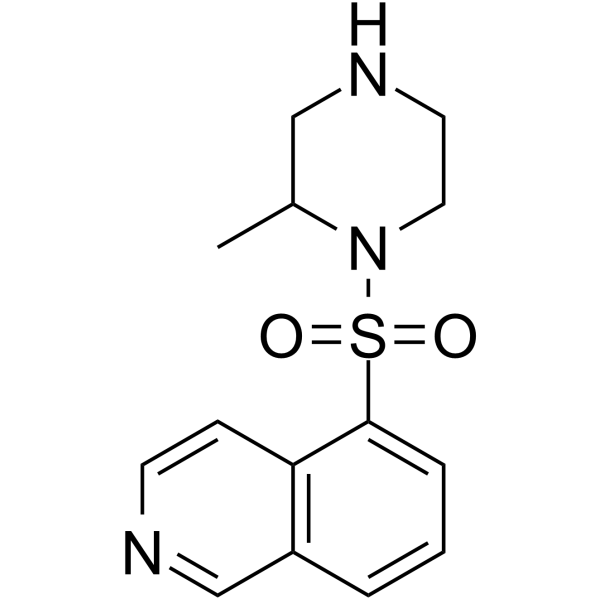
  • HY-100984
    HA-100
    1 Publications Verification

    PKA PKC Myosin ROCK Cancer
    HA-100 is a potent protein kinase inhibitor, with IC50s of 4 μM, 8 μM, 12 μM and 240 μM for cGMP-dependent protein kinase (PKG), cAMP-dependent protein kinase (PKA), protein kinase C (PKC) and MLC-kinase, respectively. HA-100 also used as a ROCK inhibitor .
    HA-100
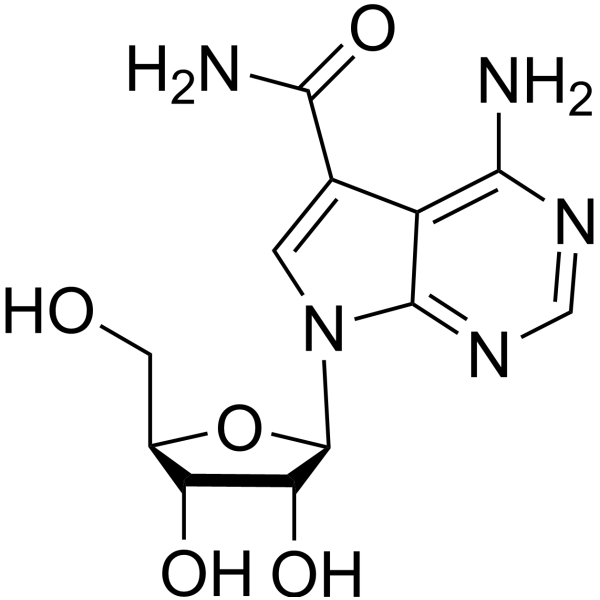
  • HY-118384
    Sangivamycin
    3 Publications Verification

    NSC 65346; BA-90912

    PKC Nucleoside Antimetabolite/Analog Cancer
    Sangivamycin (NSC 65346), a nucleoside analog, is a potent inhibitor of protein kinase C (PKC) with an Ki of 10 μM. Sangivamycin has potent antiproliferative activity against a variety of human cancers .
    Sangivamycin
  • HY-13896
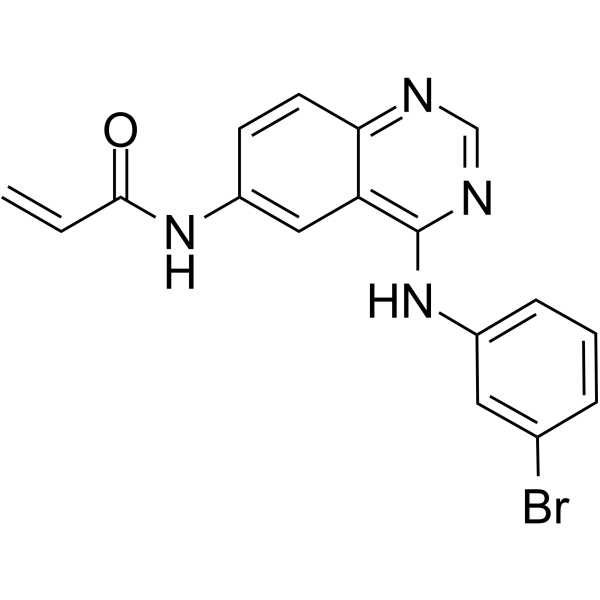
    PD168393
    3 Publications Verification

    EGFR Autophagy Apoptosis Cancer
    PD168393 is a potent, selective and cell-permeable inhibitor of EGFR tyrosine kinase and ErbB2. PD168393 irreversiblely inactivates EGF receptor ( IC50=0.7 nM) and is inactive against insulin receptor, PDGFR, FGFR and PKC .
    PD168393
  • HY-126146
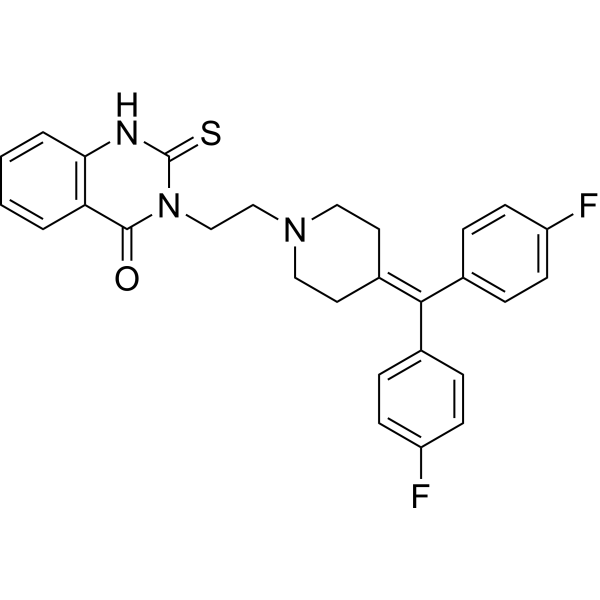
    PKC-iota inhibitor 1
    2 Publications Verification

    PKC AMPK Metabolic Disease Cancer
    PKC-iota inhibitor 1 is a protein kinase C-iota (PKC-ι) inhibitor with an IC50 value of 0.34 μM. PKC-iota inhibitor 1 can be used for the study of cancer .
    PKC-iota inhibitor 1
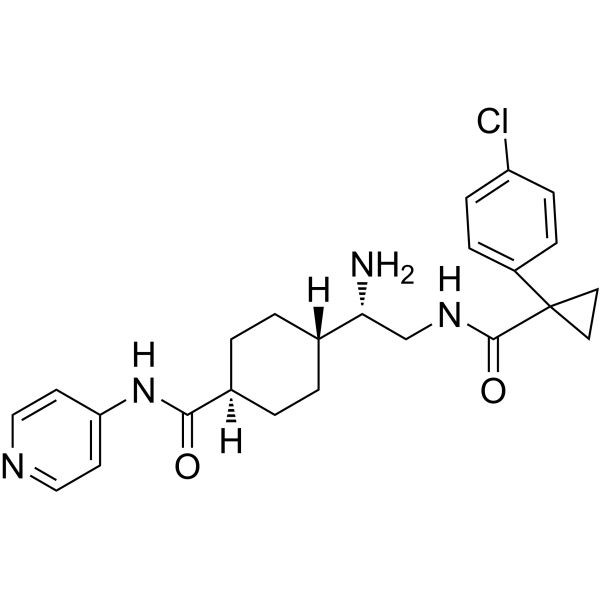
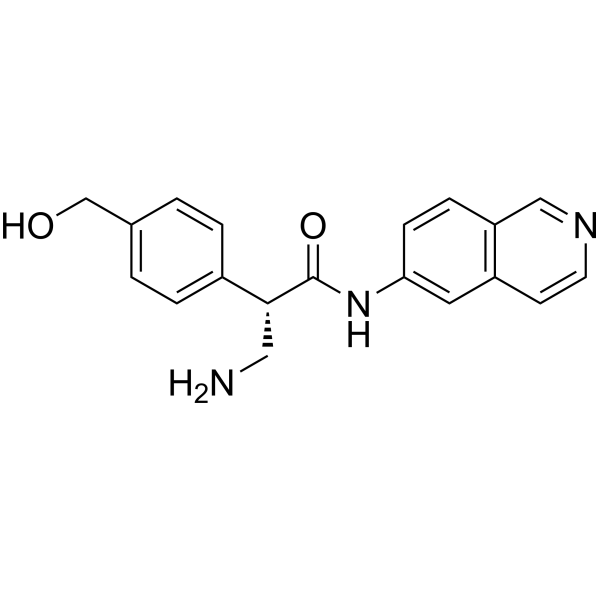
  • HY-18713

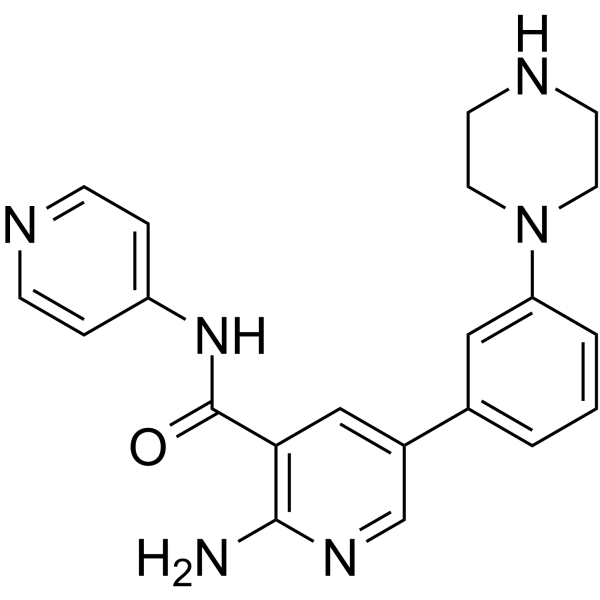
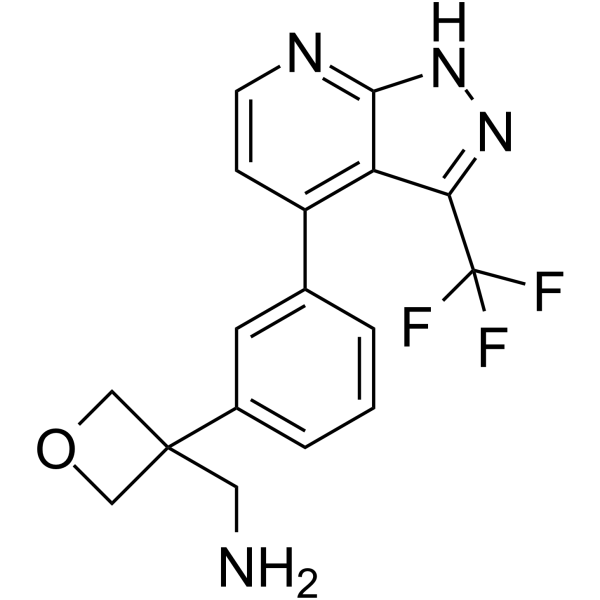
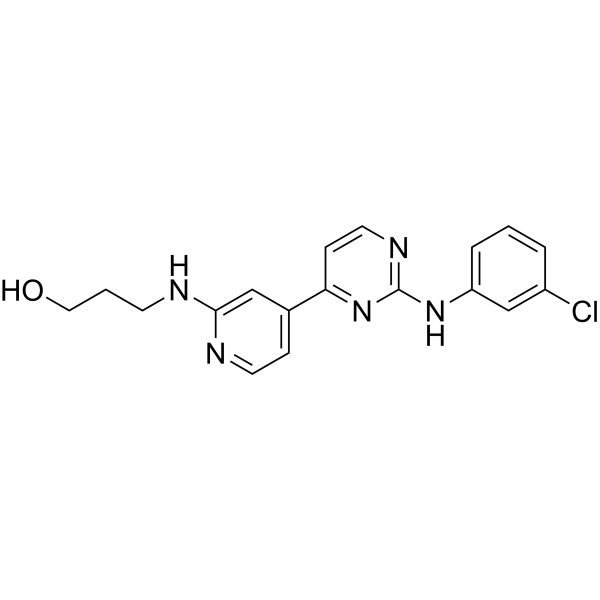
    PKC ROCK Neurological Disease Inflammation/Immunology
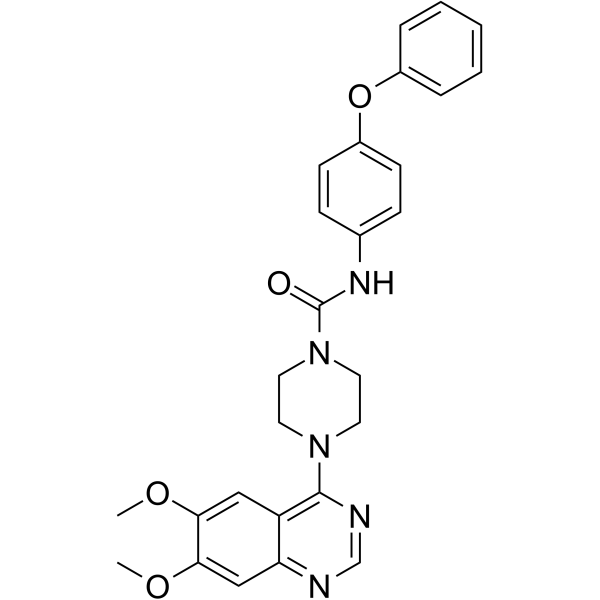
    CRT0066854 is a potent and selective atypical PKC isoenzymes inhibitor. CRT0066854 is against full-length (FL) PKCι, PKCζ, and ROCK-II kinases with IC50 values of 132 nM, 639 nM, and 620 nM, respectively .
    CRT0066854
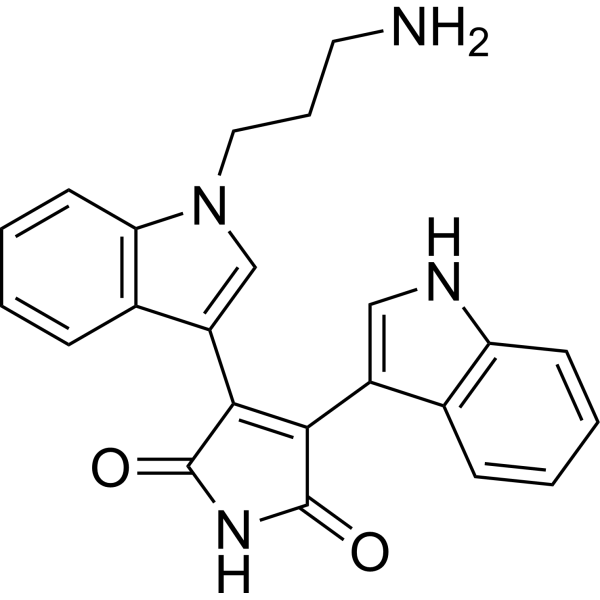
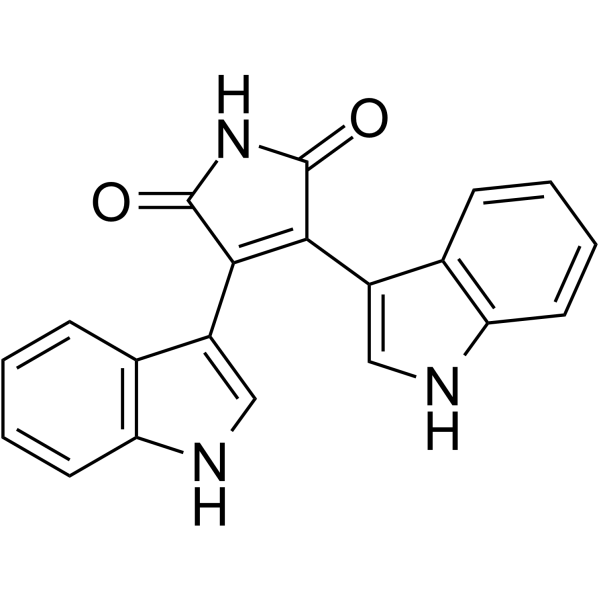
  • HY-129624A
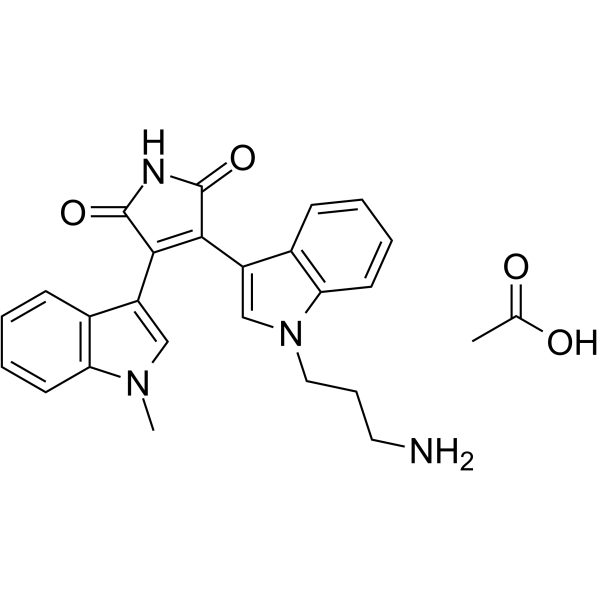
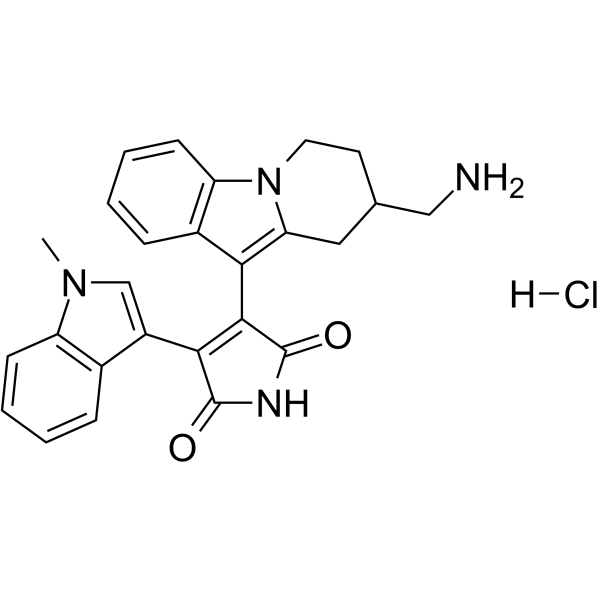
    Bisindolylmaleimide VIII acetate
    1 Publications Verification

    Ro 31-7549 acetate; Bis VIII acetate

    PKC Apoptosis Inflammation/Immunology Cancer
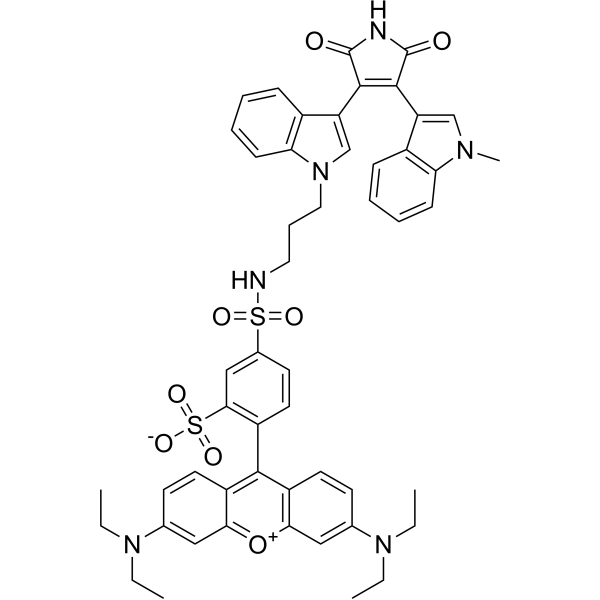
    Bisindolylmaleimide VIII acetate (Ro 31-7549 acetate) is a potent and selective protein kinase C (PKC) inhibitor with an IC50 of 158 nM for rat brain PKC. Bisindolylmaleimide VIII acetate has IC50s of 53, 195, 163, 213, and 175 nM for PKC-α, PKC-βI, PKC-βII, PKC-γ, PKC-ε, respectively . Bisindolylmaleimide VIII acetate facilitates Fas-mediated apoptosis and inhibits T cell-mediated autoimmune diseases .
    Bisindolylmaleimide VIII acetate
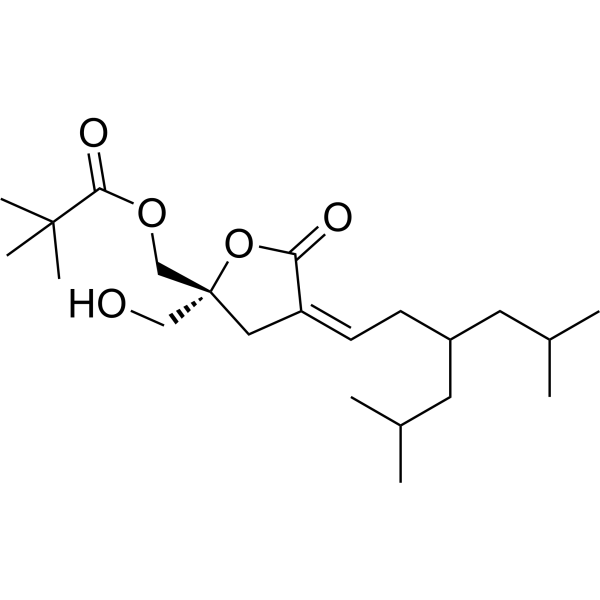
  • HY-100983

    PKC Cancer
    Protein kinase inhibitor H-7 dihydrochloride is a potent PKC (protein kinase C) inhibitor. At 100 μM, Protein kinase inhibitor H-7 dihydrochloride completely inhibits both TPA (skin tumour promoter, 12-O-tetradecanoylphorbol-13-acetate) and phospholipase C-induced ODC (ornithine decarboxylase) .
    Protein kinase inhibitor H-7 dihydrochloride
  • HY-101047S
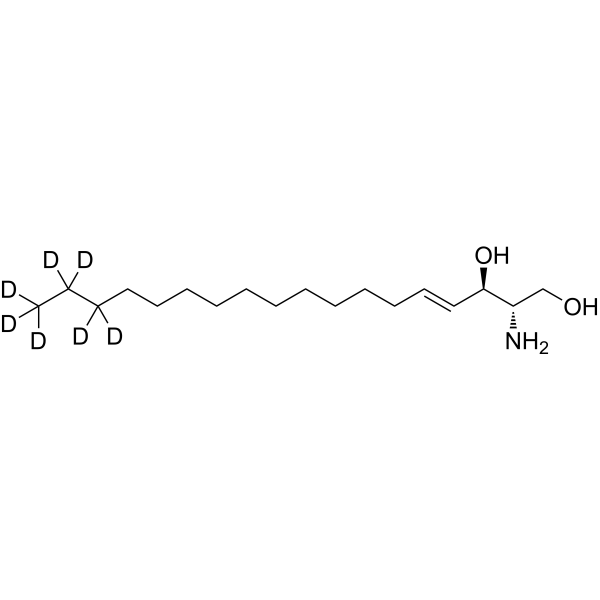
    D-erythro-Sphingosine-d7
    1 Publications Verification

    Erythrosphingosine-d7; erythro-C18-Sphingosine-d7; trans-4-Sphingenine-d7

    PKC Phosphatase Endogenous Metabolite Cancer
    D-erythro-Sphingosine-d7 is the deuterium labeled D-erythro-Sphingosine. D-erythro-Sphingosine (Erythrosphingosine) is a very potent activator of p32-kinase with an EC50 of 8 μM, and inhibits protein kinase C (PKC). D-erythro-Sphingosine (Erythrosphingosine) is also a PP2A activator .
    D-erythro-Sphingosine-d7
  • HY-126328

    PKC Interleukin Related Inflammation/Immunology
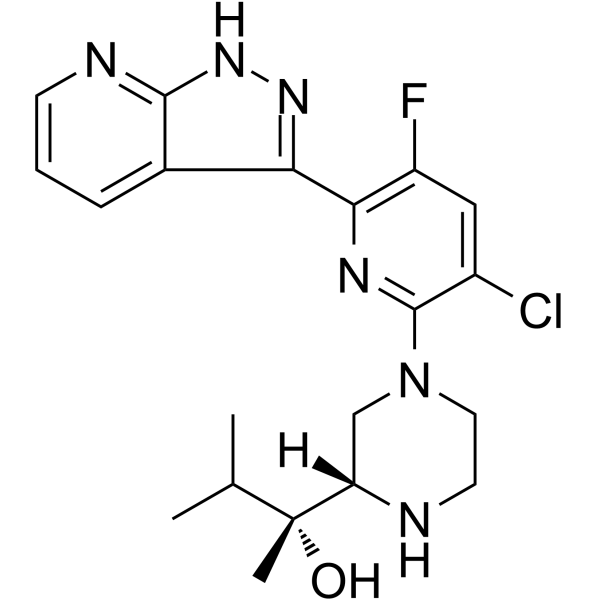
    PKC-theta inhibitor 1 is an orally active and selective ATP-competitive inhibitor of Protein Kinase(PKCθ), with a Ki value of 6 nM. PKC-theta inhibitor 1 inhibits T-cell-mediated inflammatory responses by suppressing the release of proinflammatory cytokines (IL-2 IC50 = 0.21 μM in anti-CD3/CD28-stimulated PBMCs; IL-17 IC50 = 1 μM in CD3/CD28-stimulated Th17 cells) PKC-theta inhibitor 1 significantly reduces symptoms in mice with ongoing experimental autoimmune encephalomyelitis (EAE). PKC-theta inhibitor 1 can be used for the study of T-cell-mediated inflammatory diseases such as multiple sclerosis .
    PKC-theta inhibitor 1
  • HY-16982

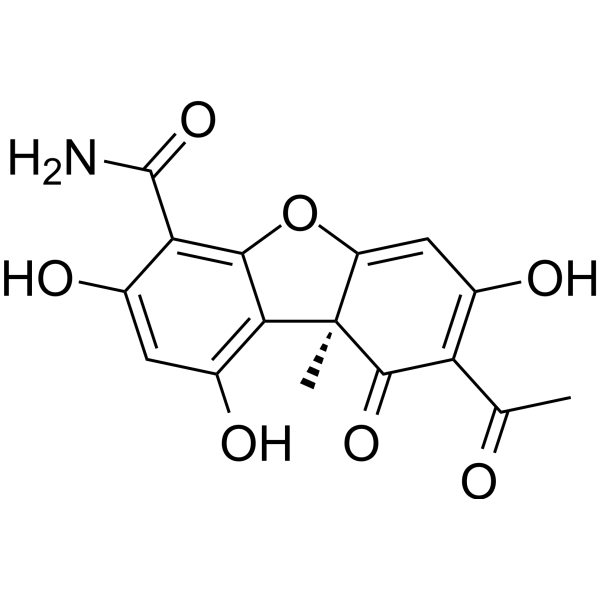
    (-)-Cercosporamide

    Fungal MNK PKC Infection Cancer
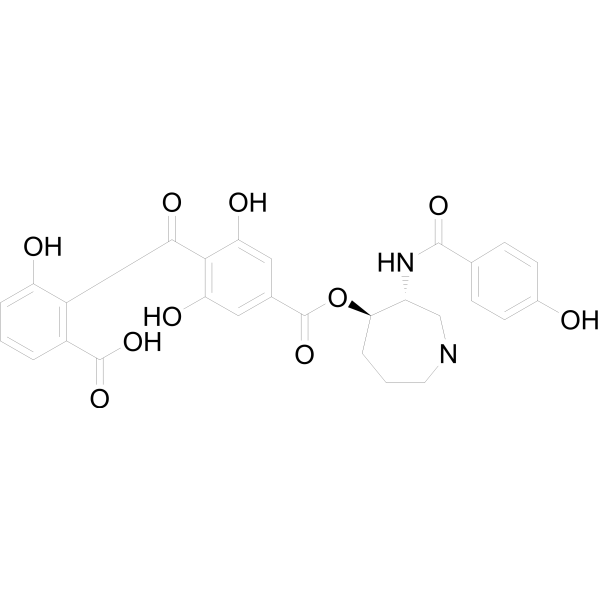
    Cercosporamide is a highly potent, ATP-competitive PKC kinase inhibitor targeting to PKC1, with an IC50 of <50 nM and a Ki of <7 nM. Cercosporamide is a unique Mnk inhibitor.
    Cercosporamide
  • HY-18713A

    PKC ROCK Neurological Disease
    CRT0066854 hydrochloride is a potent and selective atypical PKCs inhibitor. CRT0066854 is against full-length (FL) PKCι, PKCζ, and ROCK-II kinases with IC50 values of 132 nM, 639 nM, and 620 nM, respectively .
    CRT0066854 hydrochloride
  • HY-164756

    PKC Inflammation/Immunology
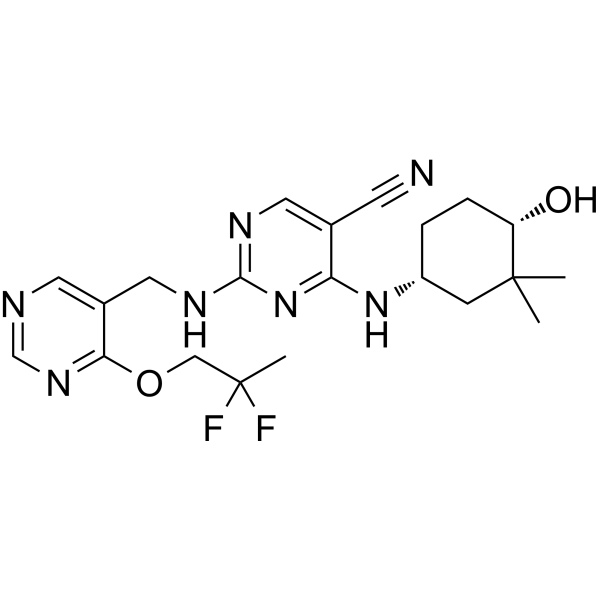
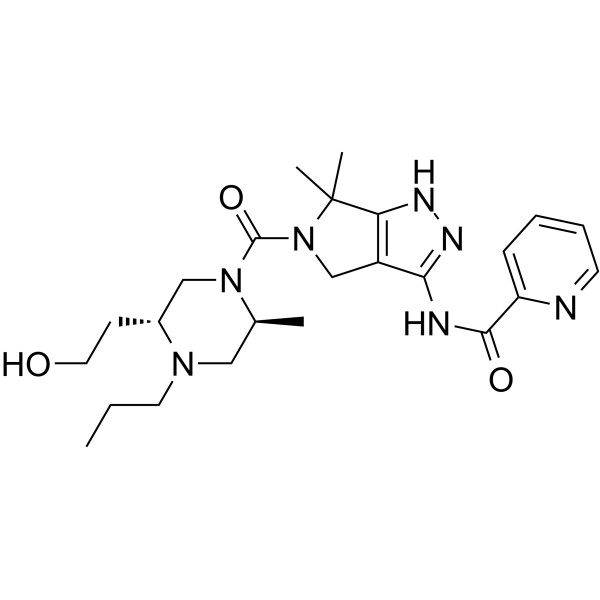
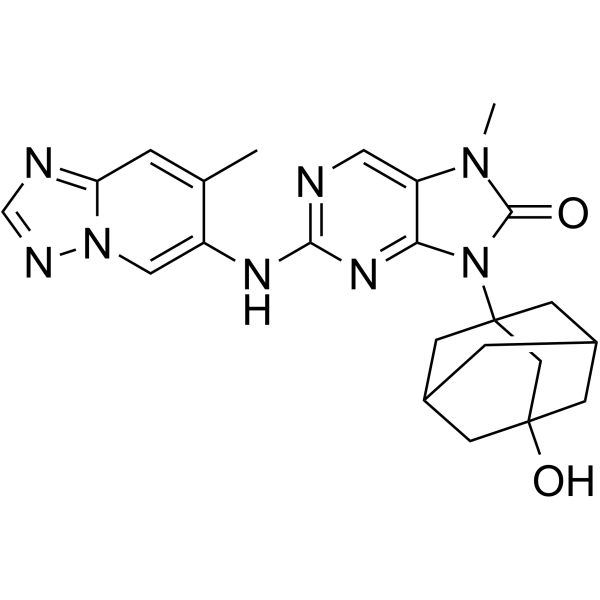
    PKCTheta-IN-2 (compound 14) is a potent and selective PKCθ inhibitor with an IC50 of 0.25 nM. PKCTheta-IN-2 shows good selectivity over a wide range of kinases, including the PKC subfamily (30 kinases). PKCTheta-IN-2 inhibits the IL-2 production in a mouse (IC50 of 682 nM) .
    PKCTheta-IN-2
  • HY-108263

    CGP52421

    FLT3 Cancer
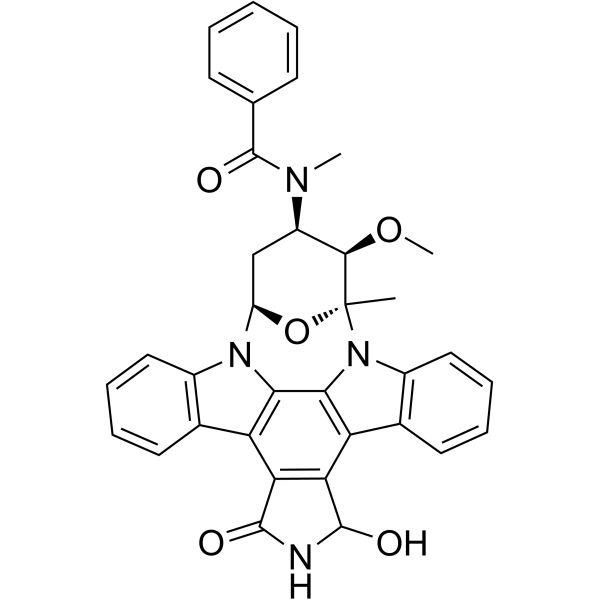
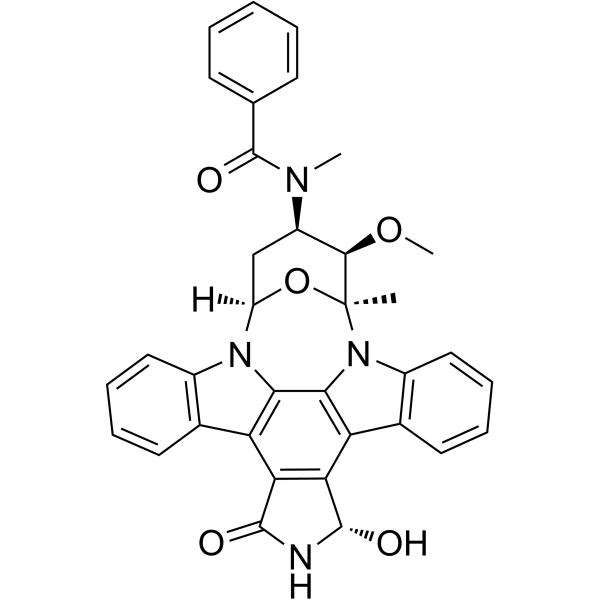
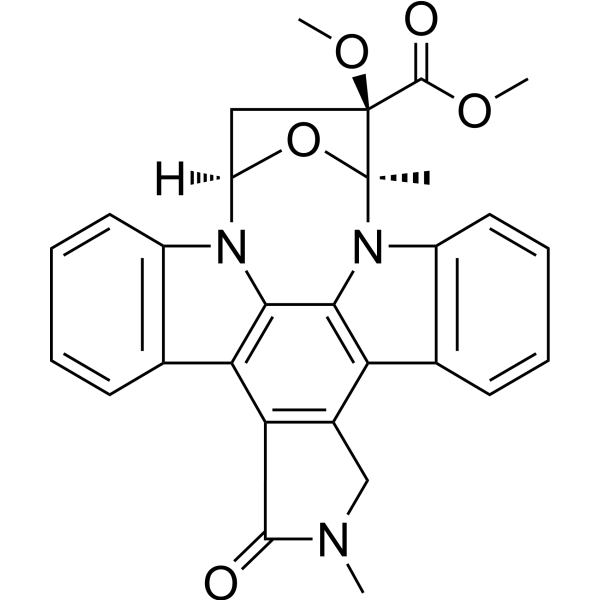
    3-Hydroxy Midostaurin (CGP 52421), a metabolite of PKC412, effectively inhibits FMS-like tyrosine kinase-3 (FLT3) autophosphorylation with IC50s of approximately 132 nM and 9.8 μM in culture medium and plasma, respectively. 3-Hydroxy Midostaurin is less selective but more cytotoxic than PKC412 .
    3-Hydroxy Midostaurin
  • HY-112412

    PDGFR Neurological Disease
    PDGFR Tyrosine kinase-IN-1, a multikinase inhibitor, inhibits PDGFR, EGFR, FGFR, PKA, and PKC, respectively. PDGFR Tyrosine kinase-IN-1 can be used for the research of amyotrophic lateral sclerosis .
    PDGFR Tyrosine kinase-IN-1
  • HY-157767

    PROTACs ATM/ATR Cancer
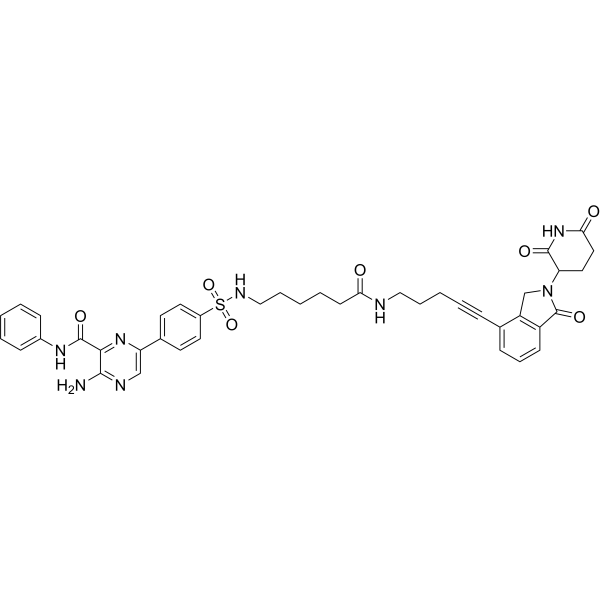
    Abd110 (compound 42i) is a Lenalidomide-based PROTAC ATR kinase degrader. Abd110 selectively decreases ATR and phospho-ATR without affecting related kinases ATM and DNA-PKcs .
    Abd110
  • HY-108262

    7-epi-Hydroxystaurosporine

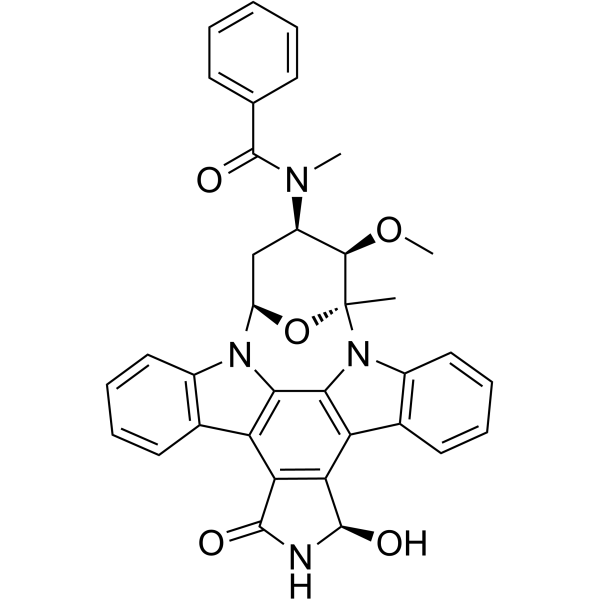
    PKC PKA Cancer
    UCN-02 (7-epi-Hydroxystaurosporine) is a selective protein kinase C (PKC) inhibitor with a PKC IC50 value of 62 nM and a PKA IC50 value of 0.25 μM. UCN-02 can be produced by Streptomyces strain N-126. UCN-02 can be used for the research of breast carcinoma .
    UCN-02
  • HY-117393
    Bisindolylmaleimide III
    1 Publications Verification

    PKC Cancer
    Bisindolylmaleimide III is a potent and selective inhibitor of protein kinase C (PKC). Bisindolylmaleimide III selectively interacts with either PKCα or ribosomal S6 protein kinase 1 after activation of these kinases .
    Bisindolylmaleimide III
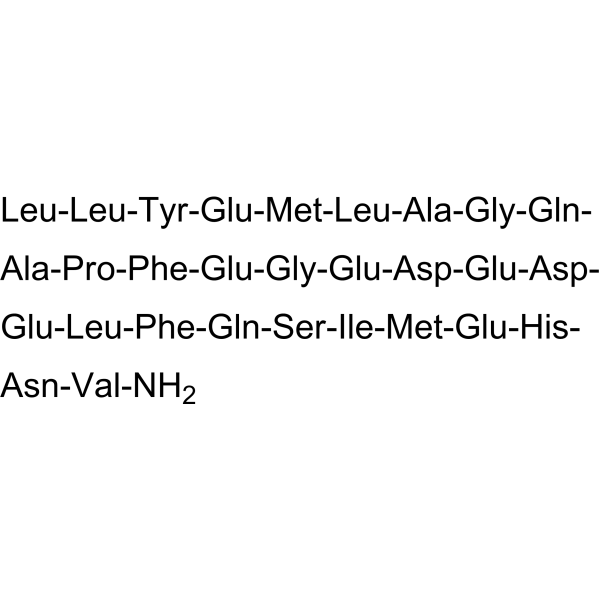
  • HY-P1746
    Protein Kinase C (19-31)
    1 Publications Verification

    PKC (19-31)

    PKC Inflammation/Immunology
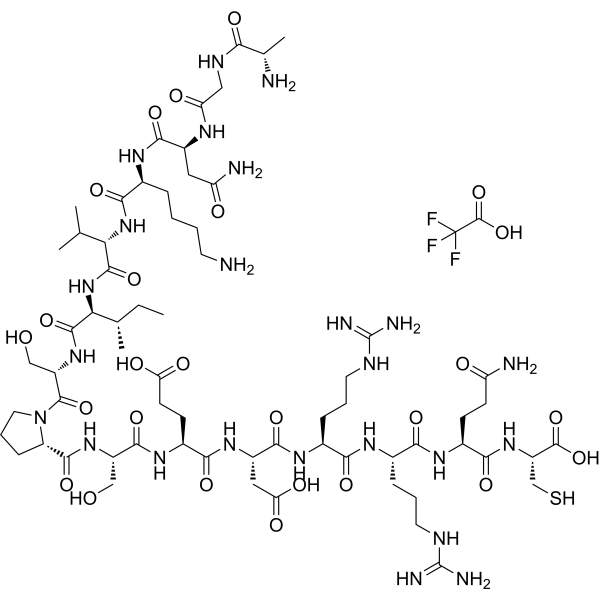
    Protein Kinase C (19-31), a peptide inhibitor of protein kinase C (PKC), derived from the pseudo-substrate regulatory domain of PKCa (residues 19-31), is used as protein kinase C substrate peptide for testing the protein kinase C activity .
    Protein Kinase C (19-31)
  • HY-128142

    PKD PKC Cardiovascular Disease
    PKC/PKD-IN-1 (Compound 13C) is an orally active dual protein kinase C/D (PKC/PKD) inhibitor with an IC50 value of 0.6 nM for PKD1. PKC/PKD-IN-1 can attenuate high-salt diet-induced cardiac hypertrophy and can be used in the study of heart failure .
    PKC/PKD-IN-1
  • HY-108601A

    PKC Neurological Disease Inflammation/Immunology
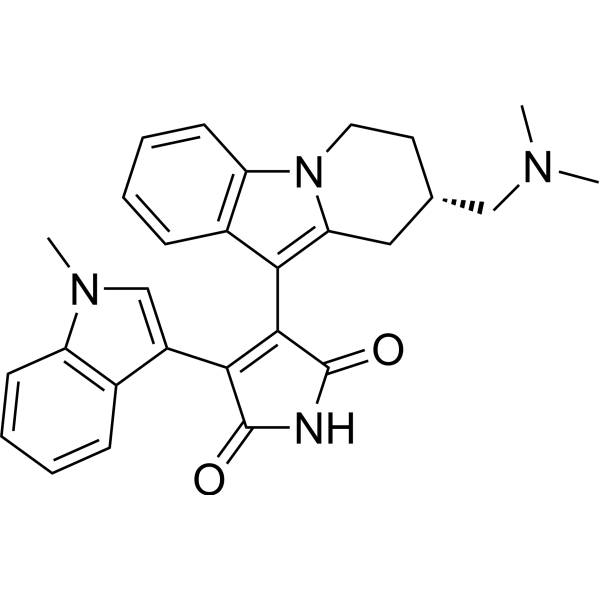
    (S)-Ro 32-0432 is a potent, selective, ATP-competitive and orally active PKC inhibitor. The IC50 values of (S)-Ro 32-0432 for PKCα, PKCβI, PKCβII, PKCγ and PKCε are 9.3 nM, 28 nM, 30 nM, 36.5 nM and 108.3 nM, respectively. (S)-Ro 32-0432 is also a selective G protein-coupled receptor kinase 5 (GRK5) inhibitor. (S)-Ro 32-0432 prevents T-cell activation and has the potential for chronic inflammatory and autoimmune diseases research .
    (S)-Ro 32-0432
  • HY-129980

    PKC Neurological Disease
    NPC-15437 dihydrochloride is a selective, penetrable and reversible protein kinase C (PKC) inhibitor, with an IC50 of 19 μM. NPC-15437 dihydrochloride interferes with mechanisms underlying memory consolidation .
    NPC-15437 dihydrochloride
  • HY-P1821A
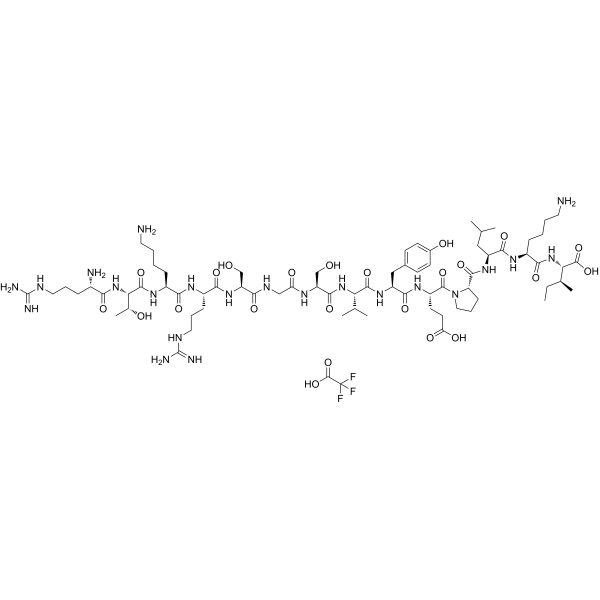
    Myelin basic protein (4-14) TFA
    2 Publications Verification

    MHP4-14 TFA

    PKC Neurological Disease
    Myelin Basic Protein (MHP4-14) TFA, a synthetic peptide comprising residues 4-14 of myelin basic protein, is a very selective PKC substrate (Km=7 μM). Myelin Basic Protein TFA is not phosphorylated by cyclic AMP-dependent protein kinase, casein kinases I and II, Ca 2+/calmodulin-dependent protein kinase II, or phosphorylase kinase, and can be routinely used for the assay of protein kinase C with low background in the crude tissue extracts .
    Myelin basic protein (4-14) TFA
  • HY-N11003
    Vanicoside A
    1 Publications Verification

    PKC Reactive Oxygen Species (ROS) Cancer
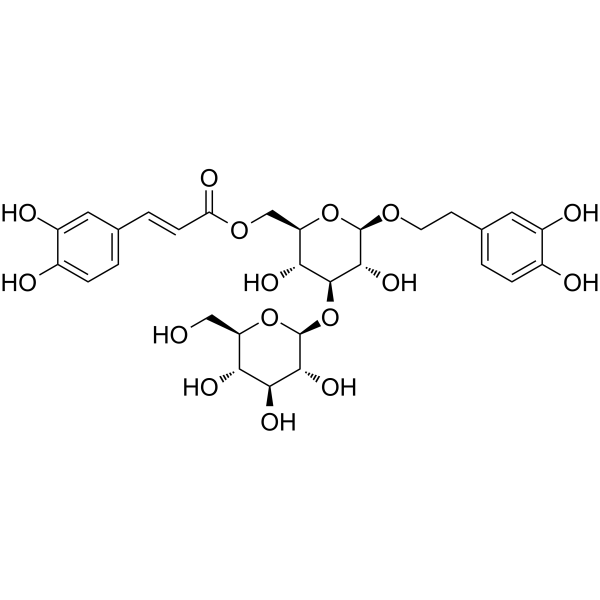
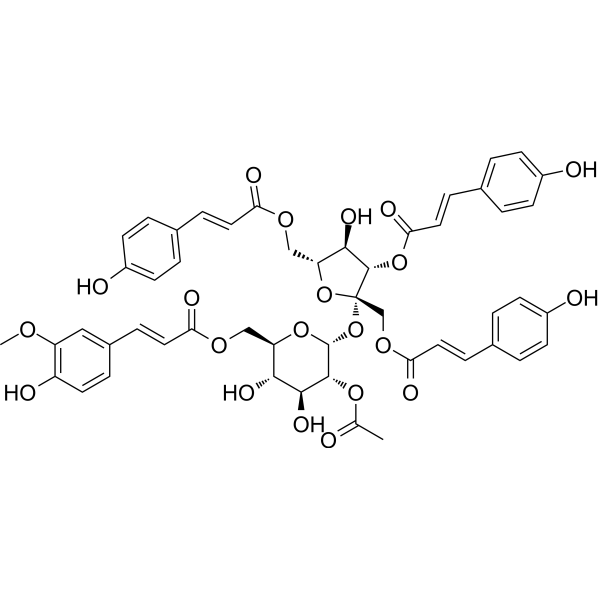
    Vanicoside A is a phenylpropanoid glycoside. Vanicoside A can be isolated from Polygonum pensylvanicum. Vanicoside A inhibits protein kinase C (PKC), induces substantial ROS production. Vanicoside A exhibits anticancer activity against melanoma .
    Vanicoside A
  • HY-P1402

    PKC Others
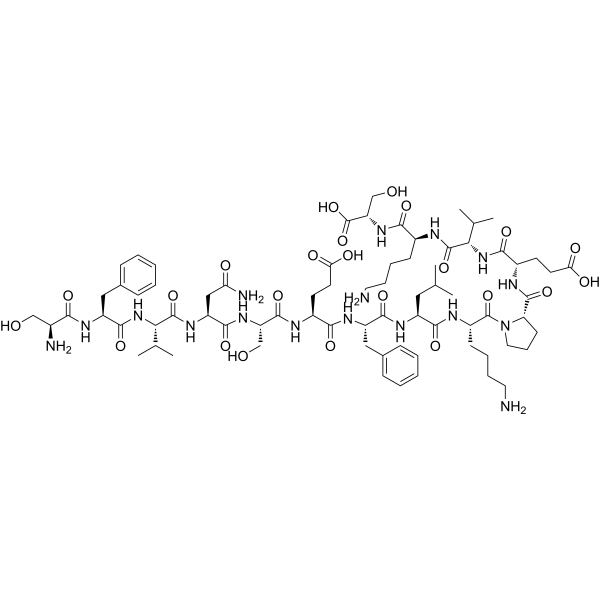
    [Glu27]-PKC (19-36) is an inactive control for protein kinase C (PKC) (19-36). PKC (19-36) is a pseudosubstrate peptide inhibitor of protein kinase C, it may be responsible for maintaining the enzyme in the inactive form in the absence of allosteric activators such as phospholipids .
    [Glu27]-PKC (19-36)
  • HY-P1288

    PKC fragment (530-558)

    PKC Others
    Protein Kinase C (530-558), a peptide fragment of protein kinase C (PKC), is a potent PKC activator. Protein Kinase C (530-558) significantly inhibits osteoclastic bone resorption .
    Protein Kinase C (530-558)
  • HY-P3892

    PKC Inflammation/Immunology
    Protein Kinase C (19-35) Peptide is the PKC pseudosubstrate inhibitor/region. Protein Kinase C (19-35) Peptide possibly blocks the substrate-binding site in its kinase domain, makes the cytoplasmic form of PKC inactive .
    Protein Kinase C (19-35) Peptide
  • HY-W013852

    Ser/Thr Kinase Tyrosinase PKA PKC EGFR Cancer
    PKC-IN-6 (Compound 21) is a selective inhibitor of tyrosine and serine kinases. PKC-IN-6 shows inhibitory activity against PKC-α, PKC-δ, PKA, EGF-R with IC50 values of 240, >500, >500, >100 μM, respectively. PKC-IN-6 is promising for research of cancers .
    PKC-IN-6
  • HY-P1088

    PKC Others
    [Ser25] Protein Kinase C (19-31) is a substrate of protein kinase C (PKC) (Km: 0.3 μM). [Ser25] Protein Kinase C (19-31) is derived from the pseudo-substrate regulatory domain of PKCα (19-31) with a Serine at position 25 replacing the wild-type Alanine .
    [Ser25] Protein Kinase C (19-31)
  • HY-P3940

    PKC Others
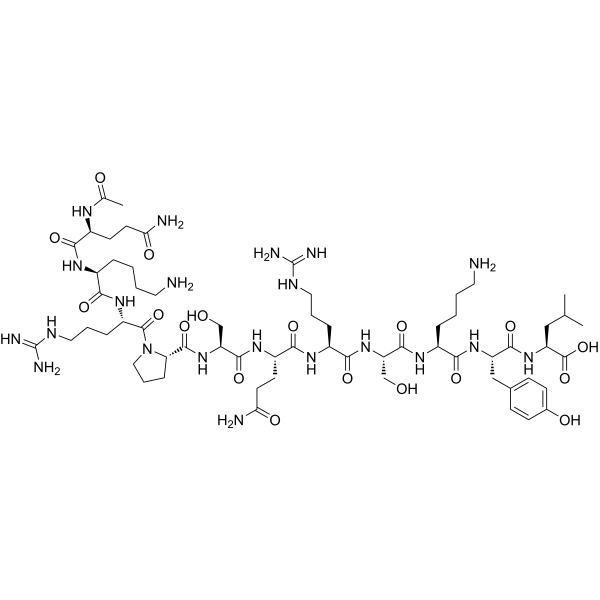
    Ac-MBP (4-14) Peptide is an acetylated MBP (4-14) peptide. MBP (4-14) Peptide is a very selective (protein kinase C) PKC substrate. Ac-MBP (4-14) Peptide can be used for PKC assay in extracts without prior purification to eliminate interfering protein kinases or phosphatases .
    Ac-MBP (4-14) Peptide
  • HY-P3770

    PKC Others
    Phosphate acceptor peptide is a substrate for cAMP-dependent protein kinase (PKA). phosphate acceptor peptide is also a weak PKC inhibitor .
    Phosphate acceptor peptide
  • HY-10230S

    PKC412-d5; CGP 41251-d5

    Isotope-Labeled Compounds PKC Syk Akt PKA c-Kit Cancer
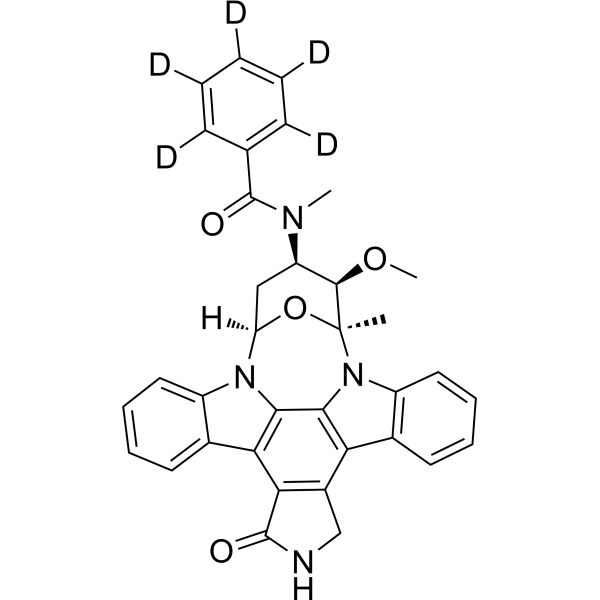
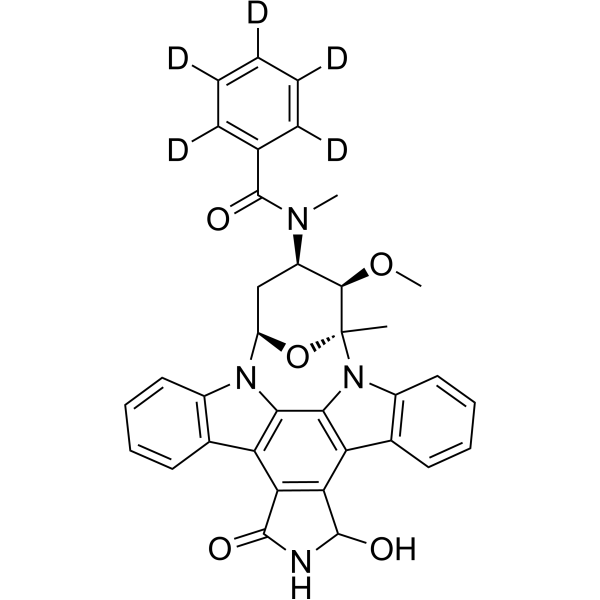
    Midostaurin-d5 (PKC412-d5) is a deuterium labeled Midostaurin. Midostaurin is a multi-targeted protein kinase inhibitor which inhibits PKCα/β/γ, Syk, Flk-1, Akt, PKA, c-Kit, c-Fgr, c-Src, FLT3, PDFRβ and VEGFR1/2 with IC50s ranging from 22-500 nM .
    Midostaurin-d5
  • HY-101047R

    Erythrosphingosine (Standard); erythro-C18-Sphingosine (Standard); trans-4-Sphingenine (Standard)

    Reference Standards PKC Phosphatase Endogenous Metabolite Cancer
    D-erythro-Sphingosine (Standard) is the analytical standard of D-erythro-Sphingosine. This product is intended for research and analytical applications. D-erythro-Sphingosine (Erythrosphingosine) is a very potent activator of p32-kinase with an EC50 of 8 μM, and inhibits protein kinase C (PKC). D-erythro-Sphingosine (Erythrosphingosine) is also a PP2A activator[1][2][3][4].
    D-erythro-Sphingosine (Standard)
  • HY-P3741

    PKC Neurological Disease
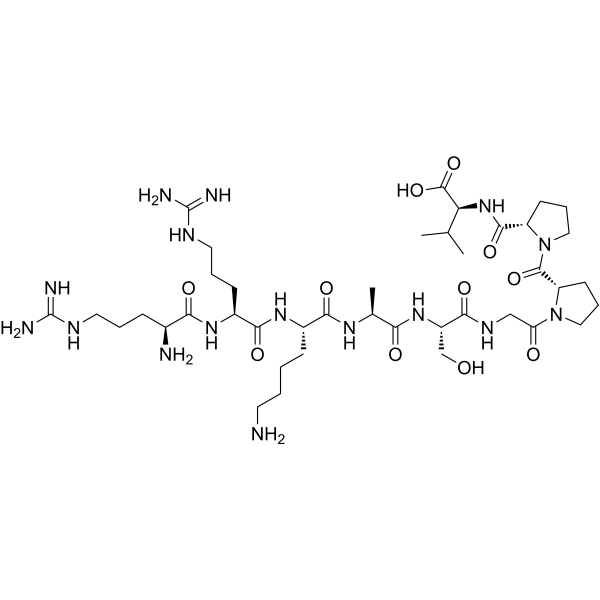
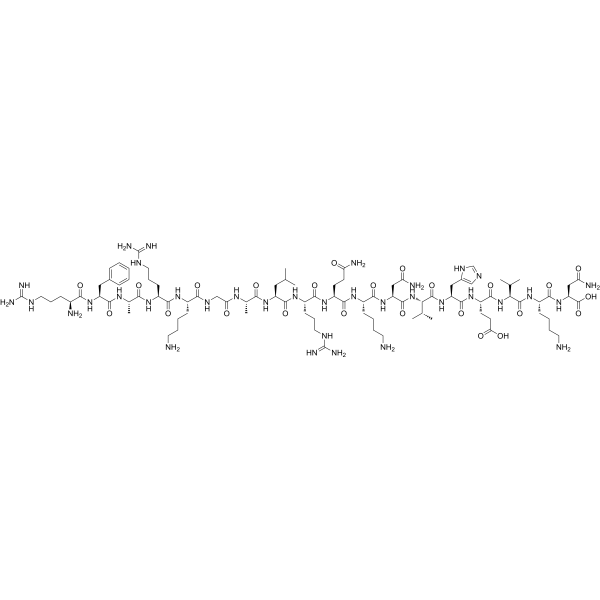
    [Ala9,10, Lys11,12] Glycogen Synthase (1-12) is a selective substrate for phosphorylation by protein kinase C (PKC). [Ala9,10, Lys11,12] Glycogen Synthase (1-12) can be used to determine the activity of protein kinase C .
    [Ala9,10, Lys11,12] Glycogen Synthase (1-12)
  • HY-120515

    PKC Cancer
    7-Oxostaurosporine is a potent protein kinase C (PKC) inhibitor that effectively inhibits tumor growth by inducing apoptosis and inhibiting the nuclear factor (NF)-κB/p-p65 pathway .
    7-Oxostaurosporine
  • HY-125957

    PKA Casein Kinase CaMK PKC Others
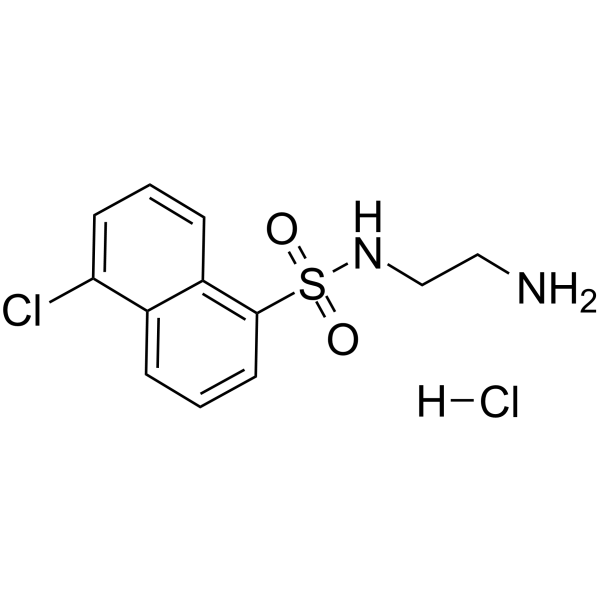
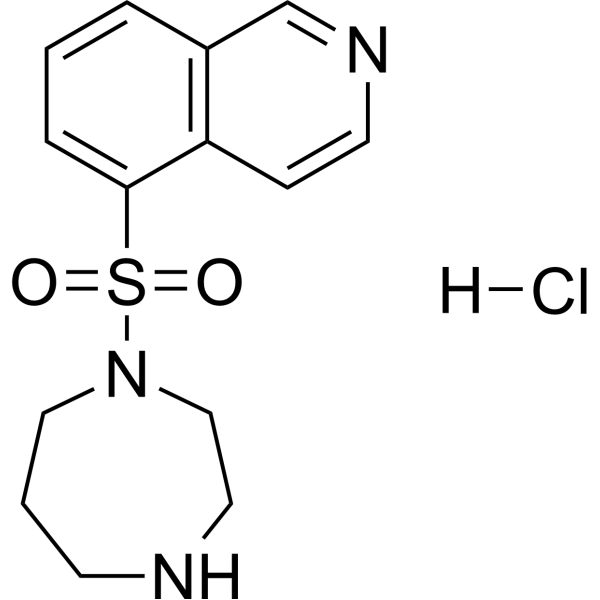
    A-3 hydrochloride is a potent, cell-permeable, reversible, ATP-competitive non-selective antagonist of various kinases. It against PKA (Ki=4.3 µM), casein kinase II (Ki=5.1 µM) and myosin light chain kinase (MLCK) (Ki=7.4 µM). A-3 hydrochloride also inhibits PKC and casein kinase I with Ki values of 47 µM and 80 µM, respectively .
    A-3 hydrochloride

Inquiry Online

Your information is safe with us. * Required Fields.

Salutation


Country or Region *

Applicant Name *


Organization Name *

Department *


Email Address *


Product Name *

Cat. No.


Requested quantity *

Phone Number *


Remarks

Inquiry Online

Inquiry Information

Product Name:
Cat. No.:
Quantity:
MCE Japan Authorized Agent: