1. Search Result
Search Result
Results for "

doxorubicin

" in MedChemExpress (MCE) Product Catalog:

231

Inhibitors & Agonists

1

Screening Libraries

6

Fluorescent Dyes

14

Biochemical Assay Reagents

23

Peptides

1

Inhibitory Antibodies

47

Natural
Products

12

Isotope-Labeled Compounds

4

Antibodies

3

Click Chemistry

8

Oligonucleotides

2

GMP Molecules

Cat. No. Product Name Target Research Areas Chemical Structure
  • HY-15142
    Doxorubicin hydrochloride
    Maximum Cited Publications
    650 Publications Verification

    Hydroxydaunorubicin hydrochloride; ADR

    Topoisomerase ADC Payload AMPK Autophagy Apoptosis HIV HBV Mitophagy Antibiotic Bacterial Fluorescent Dye Infection Cancer
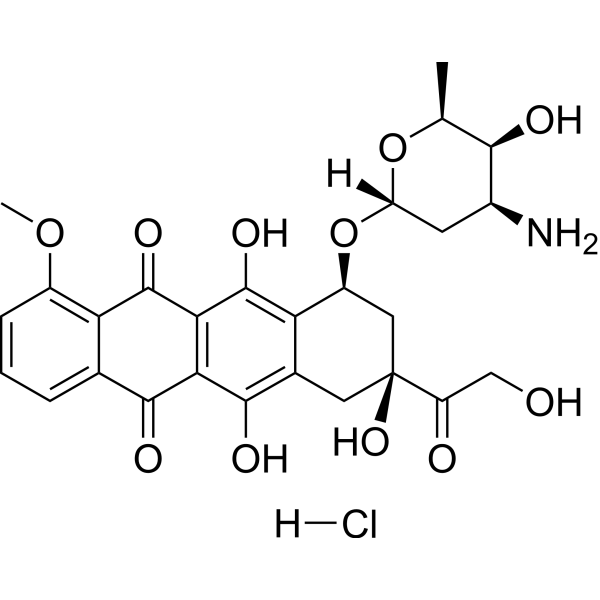
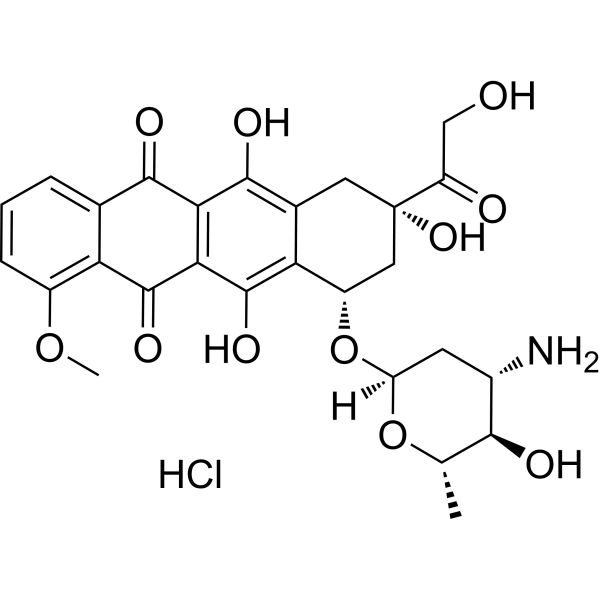
    Doxorubicin hydrochloride (Hydroxydaunorubicin hydrochloride; ADR), a cytotoxic anthracycline antibiotic, is an anti-cancer chemotherapy agent. Doxorubicin hydrochloride is a potent human DNA topoisomerase I and topoisomerase II inhibitor with IC50s of 0.8 μM and 2.67 μM, respectively. Doxorubicin hydrochloride reduces basal phosphorylation of AMPK and its downstream target acetyl-CoA carboxylase. Doxorubicin hydrochloride induces apoptosis and autophagy .
    Doxorubicin hydrochloride
  • HY-15142R
    Doxorubicin hydrochloride (Standard)
    5 Publications Verification

    Hydroxydaunorubicin hydrochloride (Standard); ADR (Standard)

    Reference Standards Topoisomerase ADC Payload AMPK Autophagy Apoptosis HIV HBV Mitophagy Antibiotic Bacterial Fluorescent Dye Infection Cancer
    Doxorubicin hydrochloride (Standard) is the analytical standard of Doxorubicin hydrochloride. This product is intended for research and analytical applications. Doxorubicin (Hydroxydaunorubicin) hydrochloride, a cytotoxic anthracycline antibiotic, is an anti-cancer chemotherapy agent. Doxorubicin hydrochloride is a potent human DNA topoisomerase I and topoisomerase II inhibitor with IC50s of 0.8 μM and 2.67 μM, respectively. Doxorubicin hydrochloride reduces basal phosphorylation of AMPK and its downstream target acetyl-CoA carboxylase. Doxorubicin hydrochloride induces apoptosis and autophagy .
    Doxorubicin hydrochloride (Standard)
  • HY-116063
    Doxorubicin-SMCC
    1 Publications Verification

    Drug-Linker Conjugates for ADC Cancer
    Doxorubicin-SMCC is a agent-linker conjugate for ADC. Doxorubicin-SMCC contains a non-cleavable ADC linker and a DNA topoisomerase II inhibitor Doxorubicin .
    Doxorubicin-SMCC
  • HY-15142A

    Hydroxydaunorubicin

    ADC Payload Antibiotic Bacterial Topoisomerase AMPK HIV Autophagy Mitophagy Apoptosis HBV Fluorescent Dye Infection Cancer
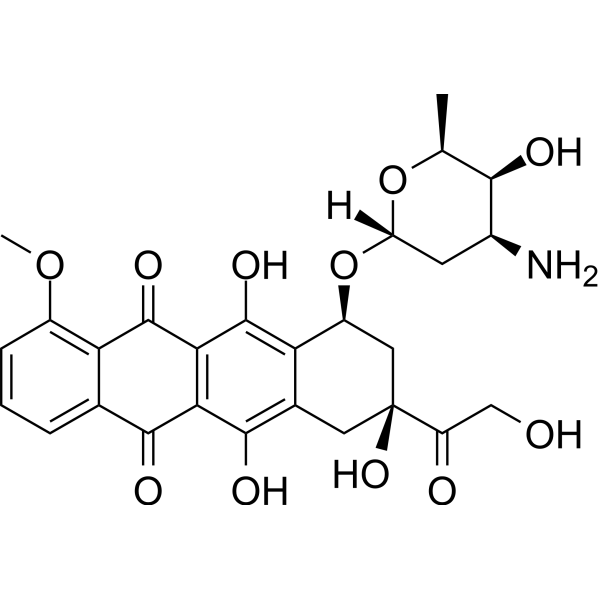
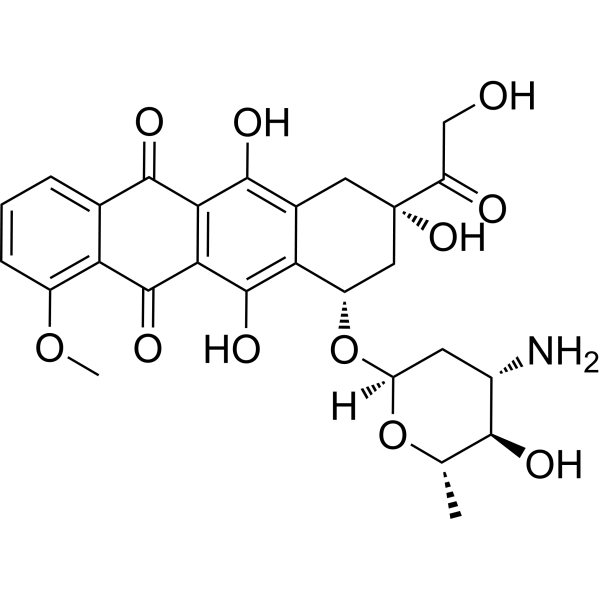
    Doxorubicin (Hydroxydaunorubicin), a cytotoxic anthracycline antibiotic, is an anti-cancer chemotherapy agent. Doxorubicin is a potent human DNA topoisomerase I and topoisomerase II inhibitor with IC50s of 0.8 μM and 2.67 μM, respectively. Doxorubicin reduces basal phosphorylation of AMPK and its downstream target acetyl-CoA carboxylase. Doxorubicin induces apoptosis and autophagy .
    Doxorubicin
  • HY-17507
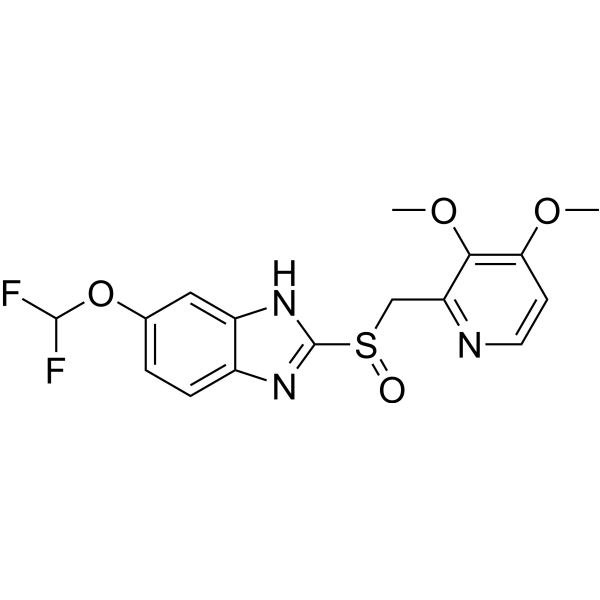
    Pantoprazole
    4 Publications Verification

    BY1023; SKF96022

    Proton Pump Autophagy Apoptosis Bacterial Inflammation/Immunology Cancer
    Pantoprazole (BY10232) is an orally active and potent proton pump inhibitor (PPI) . Pantoprazole, a substituted benzimidazole, is a potent H +/K +-ATPase inhibitor with an IC50 of 6.8 μM. Pantoprazole improves pH stability and has anti-secretory, anti-ulcer activities. Pantoprazole significantly increased tumor growth delay combined with Doxorubicin (HY-15142) .
    Pantoprazole
  • HY-15794
    Nemorubicin
    1 Publications Verification

    Methoxymorpholinyl doxorubicin; FCE 23762; PNU 152243

    G-quadruplex Cancer
    Nemorubicin (Methoxymorpholinyl doxorubicin) is a Doxorubicin derivative with potent antitumor activity. Nemorubicin is highly cytotoxic to a variety of tumor cell lines presenting a multidrug-resistant phenotype. Nemorubicin not only intercalate into the duplex DNA, but also result in significant ligands for G-quadruplex DNA segments, stabilizing their structure. Nemorubicin requirs an intact nucleotide excision repair (NER) system to exert its activity .
    Nemorubicin
  • HY-W190927

    MC-Val-Cit-PAB-doxorubicin

    Drug-Linker Conjugates for ADC Cancer
    MC-Val-Cit-Doxorubicin (MC-Val-Cit-PAB-Doxorubicin) is drug-linker conjugate for ADC. The maleimide can conjugate with thiol containing molecules. Doxorubicin is an anthracycline antibiotic with antineoplastic activity
    MC-Val-Cit-Doxorubicin
  • HY-B0006B

    (S)-BM 14190

    Adrenergic Receptor Cardiovascular Disease
    (S)-Carvedilol, the S-enantiomer of Carvedilol, is a non-selective β/α-1 blocker. (S)-Carvedilol exerts protection against the vascular or cardiac toxicity of Doxorubicin (DOX) .
    (S)-Carvedilol
  • HY-N6712
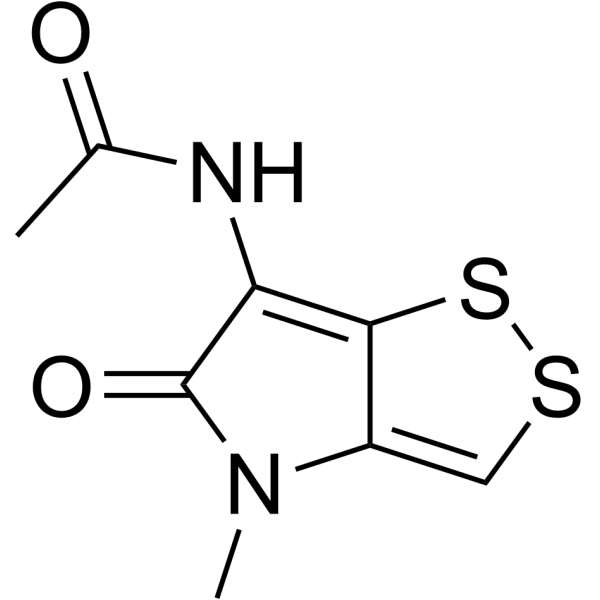
    Thiolutin
    4 Publications Verification

    Acetopyrrothin

    Antibiotic Bacterial Deubiquitinase NOD-like Receptor (NLR) DNA/RNA Synthesis Pyroptosis HMG-CoA Reductase (HMGCR) Infection Cardiovascular Disease Cancer
    Thiolutin (Acetopyrrothin) is a sulfur-containing antibiotic, which is a potent inhibitor of bacterial and yeast RNA polymerases. Thiolutin can be produced by Streptomyces. Thiolutin inhibits AMSH (IC50 = 4 μM) and Rpn11 (IC50 = 0.53 μM). Thiolutin is a dual inhibitor of BRCC36 and the NLRP3 inflammasome, exhibiting anti-inflammatory effects. Thiolutin effectively suppresses the interaction between BRCC36 and HMGCR, leading to the inhibition of HCC growth. Thiolutin attenuates pyroptosis and NLRP3 inflammasome activation. Thiolutin markedly alleviates renal injury and inflammatory process in IgAN. Thiolutin is an anti-angiogenic compound which can ease Doxorubicin-induced cardiotoxicity (DOXIC) [1][2][3][4][5].
    Thiolutin
  • HY-16261B
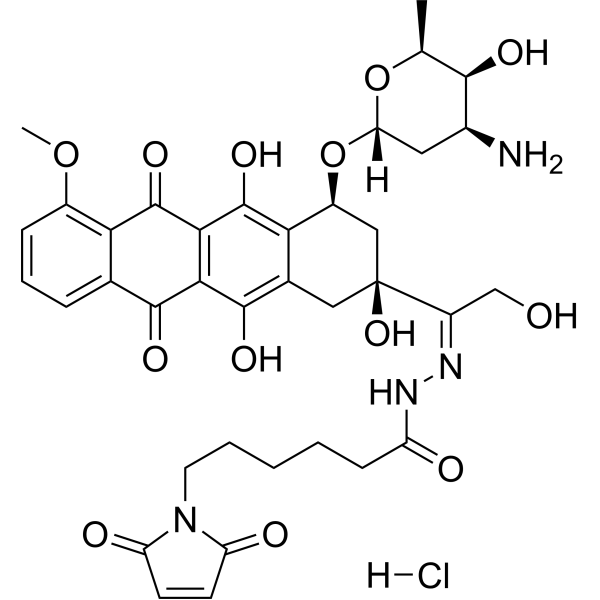
    MC-DOXHZN hydrochloride
    5 Publications Verification

    (E/Z)-Aldoxorubicin hydrochloride; doxorubicin(6-maleimidocaproyl)hydrazone hydrochloride

    ADC Payload Topoisomerase Cancer
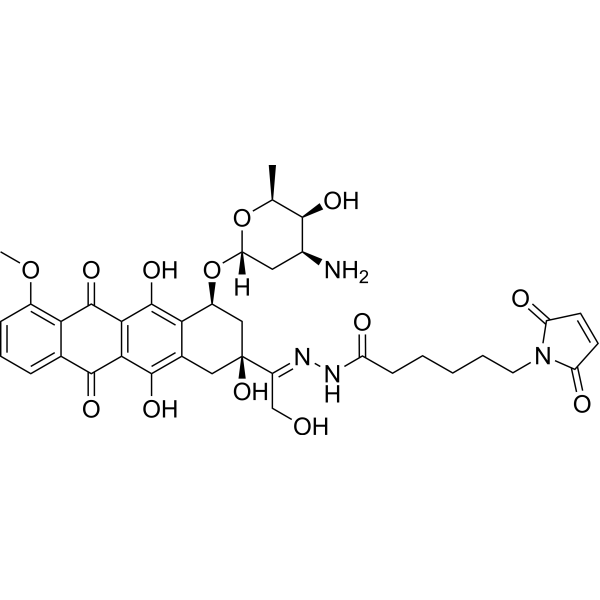
    MC-DOXHZN ((E/Z)-Aldoxorubicin; Doxorubicin(6-maleimidocaproyl)hydrazone) hydrochloride is an albumin-binding proagent of Doxorubicin (HY-15142A) (DNA topoisomerase II inhibitor), with acid-sensitive properties. MC-DOXHZN hydrochloride can be used to synthesize ADC .
    MC-DOXHZN hydrochloride
  • HY-17507B
    Pantoprazole sodium hydrate
    4 Publications Verification

    BY1023 sodium hydrate; SKF96022 sodium hydrate

    Proton Pump Autophagy Apoptosis Bacterial Inflammation/Immunology Cancer
    Pantoprazole sodium hydrate (BY10232 sodium hydrate) is an orally active and potent proton pump inhibitor (PPI) . Pantoprazole sodium hydrate, a substituted benzimidazole, is a potent H +/K +-ATPase inhibitor with an IC50 of 6.8 μM. Pantoprazole sodium hydrate improves pH stability and has anti-secretory, anti-ulcer activities. Pantoprazole sodium hydrate significantly increased tumor growth delay combined with Doxorubicin (HY-15142) .
    Pantoprazole sodium hydrate
  • HY-17507A
    Pantoprazole sodium
    4 Publications Verification

    BY1023 sodium; SKF96022 sodium

    Proton Pump Autophagy Apoptosis Bacterial Inflammation/Immunology Cancer
    Pantoprazole sodium (BY10232 sodium) is an orally active and potent proton pump inhibitor (PPI) . Pantoprazole sodium, a substituted benzimidazole, is a potent H +/K +-ATPase inhibitor with an IC50 of 6.8 μM. Pantoprazole sodium improves pH stability and has anti-secretory, anti-ulcer activities. Pantoprazole sodium significantly increased tumor growth delay combined with Doxorubicin (HY-15142) .
    Pantoprazole sodium
  • HY-N2591

    Endogenous Metabolite Cancer
    Isocorydine is isolated from Dicranostigma leptopodum (Maxim.) Fedde (DLF). Isocorydine combines with Doxorubicin (DOX) has a promising potential to eradicate hepatocellular carcinoma (HCC) .
    Isocorydine
  • HY-G0022

    13-Dihydroadriamycin hydrochloride

    Drug Metabolite Cancer
    Doxorubicinol hydrochloride (13-Dihydroadriamycin hydrochloride) is a secondary alcohol metabolite of Doxorubicin .
    Doxorubicinol hydrochloride
  • HY-W067427
    BAY32-5915
    1 Publications Verification

    IKK Cancer
    BAY32-5915 is a potent IKKα inhibitor with an IC50 value of 60 nM. BAY32-5915 has not affect Doxorubicin (HY-15142A)-induced NF-κB activation .
    BAY32-5915
  • HY-136288

    Drug-Linker Conjugates for ADC Cancer
    Azide-PEG4-VC-PAB-Doxorubicin is a agent-linker conjugate composed of a cytotoxic anthracycline antibiotic Doxorubicin and a linker Azide-PEG4-VC-PAB to make antibody agent conjugate (ADC) . Azide-PEG4-VC-PAB-Doxorubicin is a click chemistry reagent, it contains an Azide group and can undergo copper-catalyzed azide-alkyne cycloaddition reaction (CuAAc) with molecules containing Alkyne groups. It can also undergo strain-promoted alkyne-azide cycloaddition (SPAAC) reactions with molecules containing DBCO or BCN groups.
    Azide-PEG4-VC-PAB-Doxorubicin
  • HY-117071

    Ro 115-1240

    Adrenergic Receptor Apoptosis Cardiovascular Disease Endocrinology
    Dabuzalgron (Ro 115-1240) is an orally active and selective α-1A adrenergic receptor agonist for the treatment of urinary incontinence. Dabuzalgron protects against Doxorubicin-induced cardiotoxicity by preserving mitochondrial function .
    Dabuzalgron
  • HY-121309
    Doxorubicinone
    2 Publications Verification

    Adriamycin aglycone; Adriamycinone

    NF-κB TNF Receptor Interleukin Related Drug Derivative Inflammation/Immunology Cancer
    Doxorubicinone (Adriamycin aglycone) is the aglycone of the antibiotic Doxorubicin (HY-15142A), i.e., its sugar-free parent nucleus structure. Doxorubicinone does not induce DNA damage or bind to RelA, but still downregulates the expression of pro-inflammatory cytokines (such as TNF, IL-12, etc.) regulated by the NF-κB pathway. Doxorubicinone can be used in sepsis-related research .
    Doxorubicinone
  • HY-16532

    AEZS-108; AN-152

    Peptide-Drug Conjugates (PDCs) GnRH Receptor Cancer
    Zoptarelin doxorubicin (AEZS-108; AN-152) is a hybrid anticancer agent, containing Zoptarelin and Doxorubicin. Zoptarelin doxorubicin has been used to research targeting tumors expressing LHRH receptors. Zoptarelin doxorubicin abolishes tumor progression and induces remarkable apoptosis in vitro .
    Zoptarelin doxorubicin
  • HY-176806

    doxorubicin-LNAA-Boc

    Drug Derivative Cancer
    Legubicin (Doxorubicin-LNAA-Boc) is a novel conjugate of Doxorubicin (HY-15142A) and a Legumain-cleavable peptide linker. Legubicin is activated by Legumain to release leucine-doxorubicin while sparing normal tissues. Legubicin inhibits tumor cell growth and reduces DNA binding in non-legumain expressing cells. Legubicin completely arrests tumor growth in mice bearing CT26 tumors. Legubicin can be used for the study of colon carcinoma (CRC) .
    Legubicin
  • HY-Y1832

    3-Methoxysalicylaldehyde

    Fungal Infection Cancer
    o-Vanillin (2-Vanillin) is a nature product, could be extracted from Vanilla planifolia, Pinus koraiensis fruit. o-Vanillin is a potent antifungal agent. o-Vanillin inhibits the growth of mycelia by disrupting the integrity of cell walls and cell membranes. o-Vanillin inhibits Doxorubicin (HY-15142A)- and 4-hydroperoxycyclophosphamide-induced NF-κB activation .
    o-Vanillin
  • HY-122182

    Histone Methyltransferase Apoptosis Cancer
    OTS193320, a imidazo[1,2-a]pyridine compound, is a SUV39H2 methyltransferase activity inhibitor. OTS193320 decreases global histone H3 lysine 9 tri-methylation levels in breast cancer cells and triggers apoptotic cell death. Combination of OTS193320 with Doxorubicin (HY-15142A) results in reduction of γ-H2AX levels as well as cancer cell viability compared to a single agent OTS193320 or DOX .
    OTS193320
  • HY-B0006C

    (R)-BM 14190

    Adrenergic Receptor Calcium Channel Cardiovascular Disease Cancer
    (R)-Carvedilol ((R)-BM 14190) is the orally active R-isomer of Carvedilol (HY-B0006). (R)-Carvedilol has α-receptor blocking activity but no β-receptor blocking activity. (R)-Carvedilol inhibits spontaneous Ca 2+ waves. (R)-Carvedilol inhibits stress-induced ventricular tachycardia and delays the development of UV-induced skin tumors and reduces their malignancy .
    (R)-Carvedilol
  • HY-153797

    Biotin Labeled doxorubicin

    ADC Payload Antibiotic Bacterial Topoisomerase AMPK HIV HBV Apoptosis Autophagy Mitophagy Infection Cancer
    Dox-btn2 is a biotin labeled Doxorubicin (HY-15142A), with a biotin label at the point of conjugation to doxorubicin at 3'-NH2. Dox-btn2 can be used for cell imaging. While Doxorubicin is mainly accumulated in the nucleus, while Dox-btn2 is mainly located in the cytoplasm .
    Dox-btn2
  • HY-16261A

    (E/Z)-Aldoxorubicin; doxorubicin(6-maleimidocaproyl)hydrazone

    ADC Payload Topoisomerase Cancer
    MC-DOXHZN ((E/Z)-Aldoxorubicin; Doxorubicin(6-maleimidocaproyl)hydrazone) is an albumin-binding proagent of Doxorubicin (HY-15142A) (DNA topoisomerase II inhibitor), with acid-sensitive properties. MC-DOXHZN can be used to synthesize ADC .
    MC-DOXHZN
  • HY-100353

    N-Lauroyl-D-erythro-sphingosine; N-Laurylsphingosine

    Endogenous Metabolite Metabolic Disease Cancer
    C12-Ceramide (N-Lauroyl-D-erythro-sphingosine), a naturally occurring ceramide, is formed by hydrolysis of C12 sphingomyelin. C12-Ceramide can enhance the Doxorubicin toxicity in MDA-MB-231 cells. C12-Ceramide also can be used to diagnose types A and B Niemann-Pick disease .
    C12-Ceramide
  • HY-129125

    STAT Cancer
    YMU1 is a selective inhibitor of human thymidylate kinase (hTMPK) with an IC50 of 610 nM. YMU1 inhibits tumor proliferation .
    YMU1
  • HY-119823

    P-glycoprotein Cancer
    PGP-4008 is a specific P-glycoprotein (Pgp) inhibitor. PGP-4008 inhibits tumor growth in a murine syngeneic Pgp-mediated multiple agent resistance (MDR) solid tumor model when given in combination with Doxorubicin .
    PGP-4008
  • HY-14942

    RTA 744 free base; WP 744 free base; WP 769

    NF-κB Apoptosis Caspase Drug Derivative Neurological Disease Cancer
    Berubicin (RTA 744 free base) is a Doxorubicin (HY-15142A) analog that can cross the blood-brain barrier. Berubicin inhibits P-gp and MRP1-mediated efflux and suppresses glioblastoma multiforme (GBM). Berubicin exerts toxic effects on leukemia cells by activating nuclear factor κB (NF-κB) and induces apoptosis in neuroblastoma cells. Berubicin can be used in the study of tumors related to the nervous system .
    Berubicin
  • HY-158329

    N-Alloc doxorubicin

    Apoptosis Topoisomerase Antibiotic AMPK Bacterial Autophagy Mitophagy HIV HBV Cancer
    Alloc-DOX (N-Alloc doxorubicin) is a Doxorubicin (HY-15142A) prodrug. The combination of a catalyst (such as nano-palladium) and alloc-DOX leads to a decrease in cell viability and tumour growth .
    Alloc-DOX
  • HY-W441002

    Drug Derivative Drug Intermediate Cancer
    DSPE-succinic acid is a derivative of Succinic acid (HY-N0420) and an intermediate of DSPE-Doxorubicin. DSPE-succinic acid can be used to synthesize DSPE-Doxorubicin via EDC/NHS activation. DSPE-succinic acid is applicable to the research of triple-negative breast cancer .
    DSPE-succinic acid
  • HY-N1514

    P-glycoprotein Cancer
    Ganoderenic acid B is a lanostane-type triterpene isolated from Ganoderma lucidum. Ganoderenic acid B exhibits potent reversal effect on ABCB1-mediated multidrug resistance of HepG2/ADM cells to Doxorubicin .
    Ganoderenic acid B
  • HY-15142AS1

    Hydroxydaunorubicin-13C,d3 TFA

    Isotope-Labeled Compounds Antibiotic Endogenous Metabolite Infection Cancer
    Doxorubicin- 13C,d3 TFA is the deuterium and 13C labeled Doxorubicin. Doxorubicin (Hydroxydaunorubicin), a cytotoxic anthracycline antibiotic, is an anti-cancer chemotherapy agent. Doxorubicin inhibits topoisomerase II with an IC50 of 2.67 μM, thus stoppin
    Doxorubicin-13C,d3 TFA
  • HY-177083

    AVA-6000

    FAP Cancer
    Faridoxorubicin (AVA-6000) is a prodrug targeting fibroblast activation protein α (FAPα). Faridoxorubicin releases active doxorubicin through FAPα-mediated cleavage, enhancing intratumoral drug exposure and reducing cardiac toxicity. Faridoxorubicin is promising for research of solid tumors (e.g., colorectal cancer liver metastasis) .
    Faridoxorubicin
  • HY-176869

    Drug Derivative Cancer
    EMC-AANL-DOX is a legumain-activated prodrug conjugate of Doxorubicin (DOX) (HY-15142A). EMC-AANL-DOX shows antitumor activity in mouse models of neuroblastoma (NB), breast cancer (4T1), fibrosarcoma (HT1080), and colorectal cancer liver metastases (CT26). EMC-AANL-DOX can be used for cancer research .
    EMC-AANL-DOX
  • HY-152965

    Topoisomerase Antibiotic Apoptosis Autophagy Infection Cancer
    Biotin-doxorubicin is a Biotin-labeled Doxorubicin. Doxorubicin, a broad-spectrum anthracycline antibiotic, is a topoisomerase II inhibitor .
    Biotin-doxorubicin
  • HY-P11455A

    Liposome Others
    Lipopeptide CPE4 TFA is a PEG-modified peptide E4 [(EIAALEK) 4]. Lipopeptide CPE4 TFA is capable of coiled-coil formation when attached to liposomes. Lipopeptide CPE4 TFA triggers membrane fusion between liposomes and living cells with concomitant efficient cytosolic delivery of a variety of compounds such as fluorescent dyes Propidium Iodide (PI) (HY-D0815) and TO-PRO-3 iodide (HY-117070), and Doxorubicin (DOX) (HY-15142A). Lipopeptide CPE4 TFA can be used for drug delivery research .
    Lipopeptide CPE4 TFA
  • HY-141158

    ADC Linker Cancer
    N-(Iodoacetamido)-Doxorubicin is a cleavable ADC linker used in the synthesis of antibody-drug conjugates (ADCs) .
    N-(Iodoacetamido)-Doxorubicin
  • HY-162324

    Survivin Cancer
    MX106-4C is a survivin inhibitor that selectively kills ABCB1-positive colorectal cancer cells. MX106-4C can exert synergistic anticancer effects with Doxorubicin or resensitize drug-resistant ABCB1 cells to Doxorubicin .
    MX106-4C
  • HY-P10759

    Peptide-Drug Conjugates (PDCs) Aminopeptidase Cancer
    DTS-201 sodium (CPI-0004Na) is a peptidic prodrug of Doxorubicin (HY-15142A). DTS-201, comprising the tetrapeptide portion, is cleaved by endopeptidases in the tumor environment to produce metabolites that subsequently enter the cell and are converted to active Doxorubicin. DTS-201 shows antitumoral efficacy in tumor xenograft models of prostate, breast, and lung cancer .
    DTS-201 sodium
  • HY-129410

    Endogenous Metabolite Others
    ADR-925 is an active chelated iron metabolite with the ability to protect neonatal rat cardiomyocytes from doxorubicin (HY-15142A)-induced damage .
    ADR-925
  • HY-154797

    Topoisomerase Cancer
    N,N-Dimethyldoxorubicin is a Doxorubicin (HY-15142A) analogue. N,N-Dimethyldoxorubicin shows cytotoxicity against a panel of tumor cell lines (IC50s < 0.3 μM) .
    N,N-Dimethyldoxorubicin
  • HY-N3486

    Autophagy Cardiovascular Disease
    Isodunnianol is a autophagy inducer. Isodunnianol induces autophagy and increases he expression of pAMPK172, pULK1555,decreases teh expression of pULK1757, SQSTM2. Isodunnianol decreases Doxorubicin (HY-15142A)-induced cardiotoxicity .
    Isodunnianol
  • HY-145427

    DNA-PK Cancer
    NU5455 is a potent, selective, and orally active inhibitor of DNA-PKcs. NU5455 administration increases both the efficacy and the toxicity of a parenterally administered topoisomerase inhibitor. NU5455 enhances the activity of Doxorubicin released locally in liver tumor xenografts without inducing any adverse effect .
    NU5455
  • HY-125807

    G Protein-coupled Receptor Kinase (GRK) Apoptosis Reactive Oxygen Species (ROS) Akt p38 MAPK Cardiovascular Disease Cancer
    IS20 is a Prokineticin receptor 1 (PKR1) agonist. IS20 diminishes Doxorubicin (HY-15142A) mediated apoptosis and ROS production by activating Akt or MAPK pathways. IS20 protects the heart against Doxorubicin-induced cardiovascular toxicity and improves the survival rate and cardiac function in mouse models. IS20 does not alter the cytotoxicity and antitumor activity of acute DOX treatment in breast cancer cells and MDA-MB-231 xenograft mouse models. IS20 can be used for cancers research .
    IS20
  • HY-130908

    Biochemical Assay Reagents Cancer
    11-Maleimidoundecanoic acid is a maleimide-containing hydrophobic core former. 11-Maleimidoundecanoic acid forms a hydrophobic core via maleimide-thiol coupling with cysteine residues on polypeptides, enabling stable loading and controllable release of Doxorubicin (HY-15142A). 11-Maleimidoundecanoic acid can be used for the research of breast cancer .
    11-Maleimidoundecanoic acid
  • HY-17507R

    BY1023 (Standard); SKF96022 (Standard)

    Reference Standards Proton Pump Autophagy Apoptosis Bacterial Inflammation/Immunology Cancer
    Pantoprazole (Standard) is the analytical standard of Pantoprazole. This product is intended for research and analytical applications. Pantoprazole (BY10232) is an orally active and potent proton pump inhibitor (PPI) . Pantoprazole, a substituted benzimidazole, is a potent H +/K +-ATPase inhibitor with an IC50 of 6.8 μM. Pantoprazole improves pH stability and has anti-secretory, anti-ulcer activities. Pantoprazole significantly increased tumor growth delay combined with Doxorubicin (HY-15142) .
    Pantoprazole (Standard)
  • HY-17507BR

    BY1023 sodium hydrate (Standard); SKF96022 sodium hydrate (Standard)

    Reference Standards Proton Pump Autophagy Apoptosis Bacterial Inflammation/Immunology Cancer
    Pantoprazole (sodium hydrate) (Standard) is the analytical standard of Pantoprazole (sodium hydrate). This product is intended for research and analytical applications. Pantoprazole sodium hydrate (BY10232 sodium hydrate) is an orally active and potent proton pump inhibitor (PPI) . Pantoprazole sodium hydrate, a substituted benzimidazole, is a potent H+/K+-ATPase inhibitor with an IC50 of 6.8 μM. Pantoprazole sodium hydrate improves pH stability and has anti-secretory, anti-ulcer activities. Pantoprazole sodium hydrate significantly increased tumor growth delay combined with Doxorubicin (HY-15142) .
    Pantoprazole sodium hydrate (Standard)
  • HY-178174

    DNA/RNA Synthesis Topoisomerase Cancer
    MGB4 is a DNA minor groove binder. MGB4 binds to ARE-containing DNA and inhibition of topoisomerase I activity. MGB4 can impacts key cellular pathways, including inhibition oftranslation and alterations in sphingolipid and amino acid metabolism. MGB4 also reduces spermine and spermidine metabolism companied with Doxorubicin (HY-15142A). MGB4 can be used for the research of cancer, such as Prostate cancer .
    MGB4
  • HY-13745

    MEN 10755

    Topoisomerase Cancer
    Sabarubicin is a doxorubicin disaccharide analogue with striking antitumor activity. Sabarubicin is more effective than doxorubicin as a topoisomerase II poison and stimulated DNA fragmentation at lower intracellular concentrations.
    Sabarubicin

Inquiry Online

Your information is safe with us. * Required Fields.

Salutation


Country or Region *

Applicant Name *


Organization Name *

Department *


Email Address *


Product Name *

Cat. No.


Requested quantity *

Phone Number *


Remarks

Inquiry Online

Inquiry Information

Product Name:
Cat. No.:
Quantity:
MCE Japan Authorized Agent:

