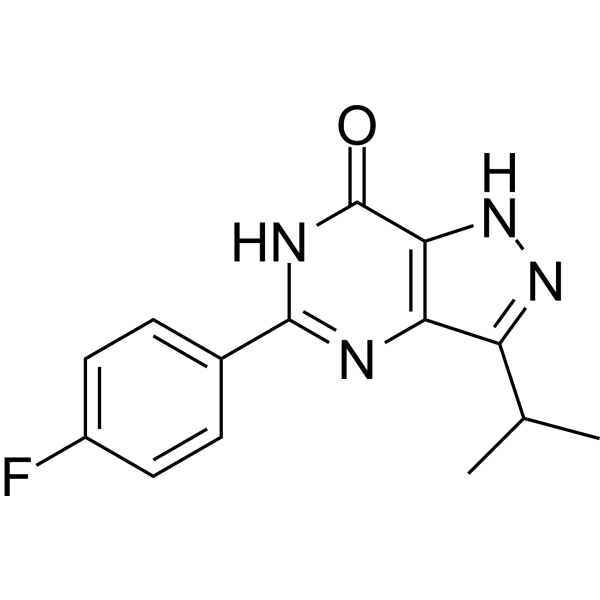
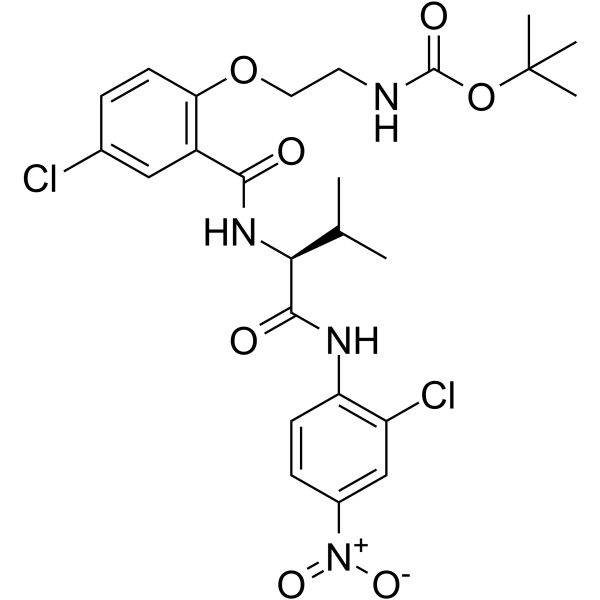
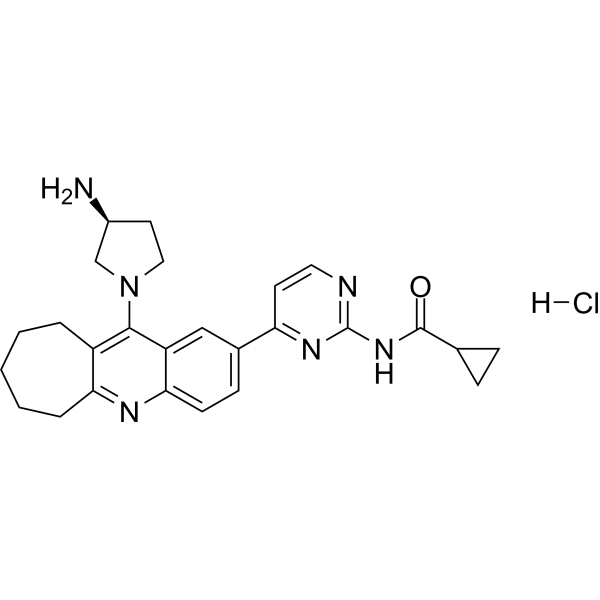
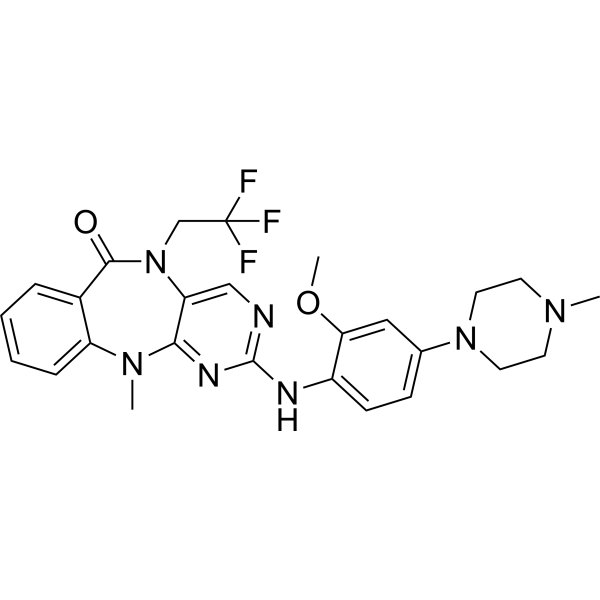
1. Search Result
Search Result
Results for "

low+toxicity

" in MedChemExpress (MCE) Product Catalog:

312

Inhibitors & Agonists

4

Screening Libraries

22

Fluorescent Dyes

22

Biochemical Assay Reagents

18

Peptides

3

MCE Kits

24

Natural
Products

17

Isotope-Labeled Compounds

11

Click Chemistry

6

Oligonucleotides

Cat. No. Product Name Target Research Areas Chemical Structure
  • HY-D0711
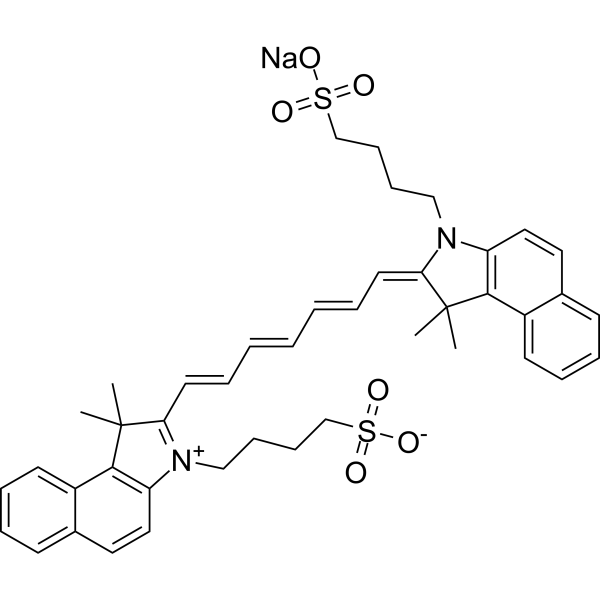
    Indocyanine green
    40+ Cited Publications

    Foxgreen; IC Green; Cardiogreen

    Fluorescent Dye Cancer
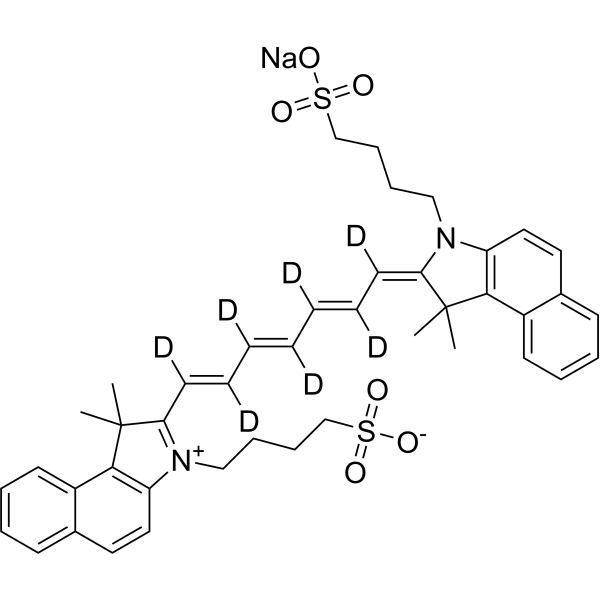
    Indocyanine green (Foxgreen) is a low toxicic fluorescent agent that has been widely used in medical diagnostics, such as determining cardiac output, hepatic function, and liver blood flow, and for ophthalmic angiography (Ex/Em = 785/813 nm) .
    Indocyanine green
  • HY-B0525A
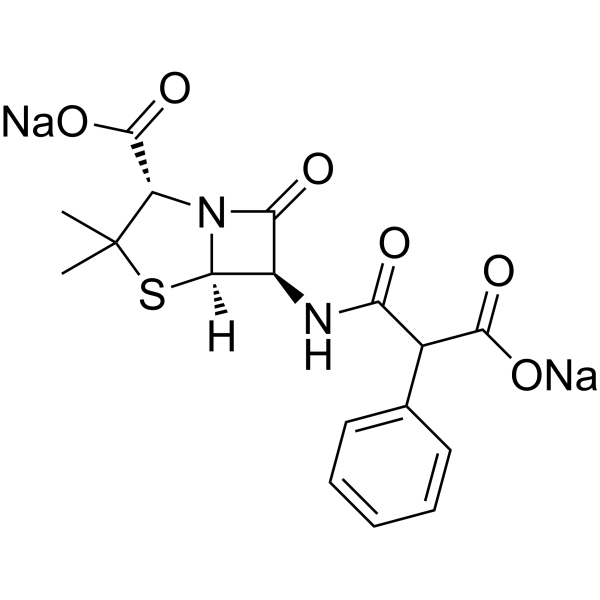
    Carbenicillin disodium
    5+ Cited Publications

    Sodium carbenicillin

    Antibiotic Bacterial Infection
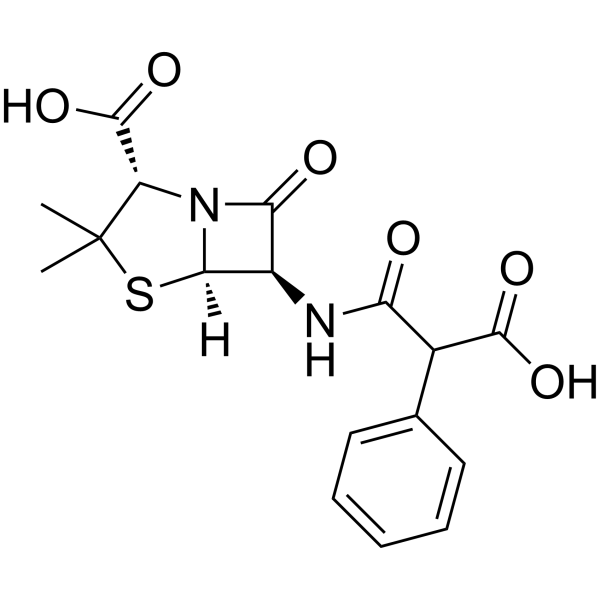
    Carbenicillin disodium (Sodium carbenicillin) is a broad-spectrum semi-synthetic penicillin antibiotic for gram-negative bacteria. Carbenicillin disodium can interfere the cell wall synthesis while displaying low toxicity to plant tissue .
    Carbenicillin disodium
  • HY-D0227
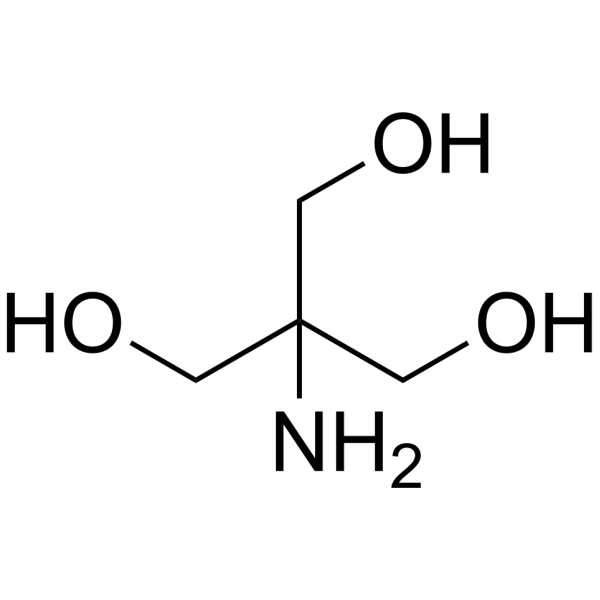
    THAM
    1 Publications Verification

    Tris; Tris(hydroxymethyl)aminomethane

    Biochemical Assay Reagents Metabolic Disease
    THAM (Tris) is a low-toxicity amino alcohol buffer, a specific CO2-consuming proton acceptor that buffers carbon dioxide and acid both in vitro and in vivo. THAM binds protons to form bicarbonate, reduces PaCO2, and induces intracellular alkalization, thereby ameliorating hypercapnia-induced elevation of pulmonary blood vessels and pulmonary arterial pressure. THAM may cause PaCO2 rebound, hypoglycemia, and respiratory depression. THAM removes amniotic epithelium and preserves the basement membrane, but depletes extracellular matrix and reduces the adhesion rate of limbal epithelial cells. THAM can act as a CO2 carrier to enhance the productivity and carbon utilization rate of Scenedesmus obliquus. THAM is a key component of buffer solutions used in various biological, cell culture, biochemical, and molecular biology applications .
    THAM
  • HY-D0227A
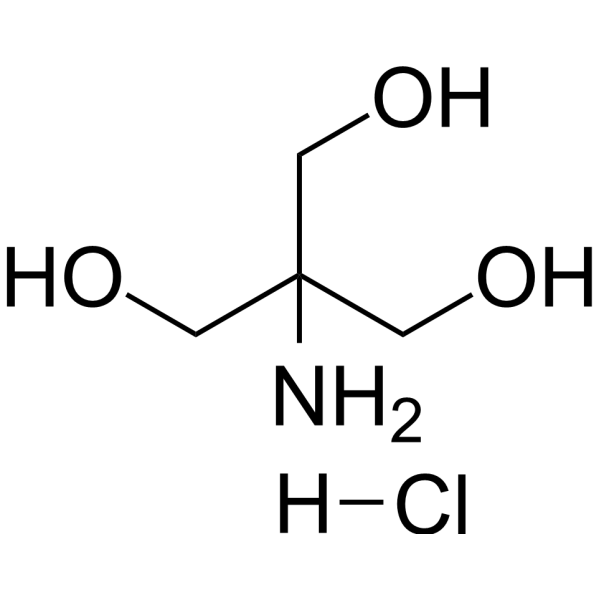
    THAM hydrochloride
    1 Publications Verification

    Tris HCl; Tris(hydroxymethyl)aminomethane hydrochloride

    Biochemical Assay Reagents Metabolic Disease Cancer
    THAM hydrochloride (Tris HCl) is a biologically inert amino alcohol of low toxicity, which buffers carbon dioxide and acids in vitro and in vivo. THAM hydrochloride is an effective amine compound for pH control in the physiological range .
    THAM hydrochloride
  • HY-117288
    S55746
    1 Publications Verification

    BCL201

    Bcl-2 Family Cancer
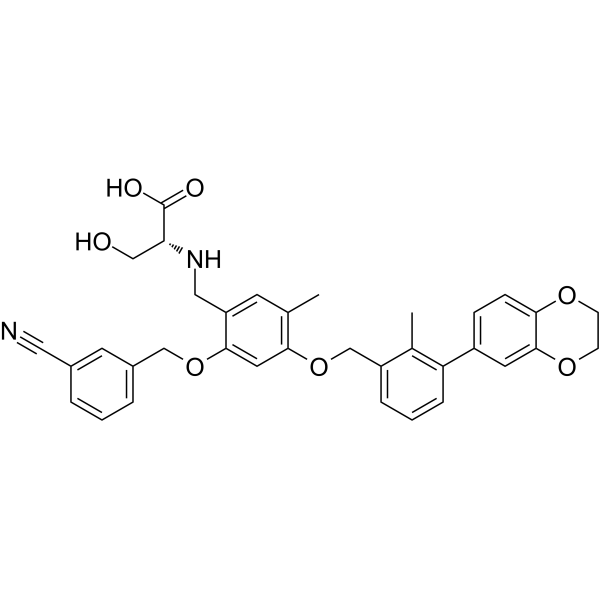
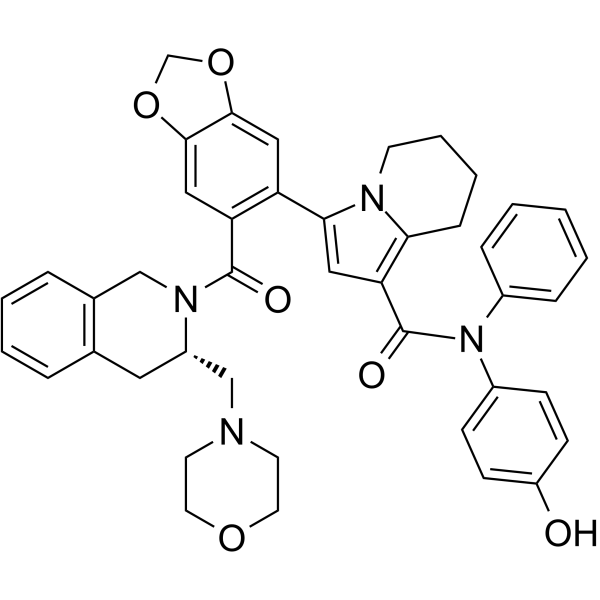
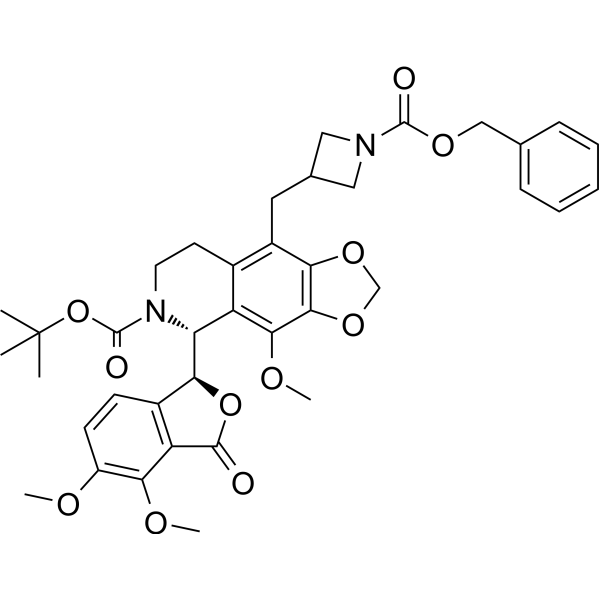
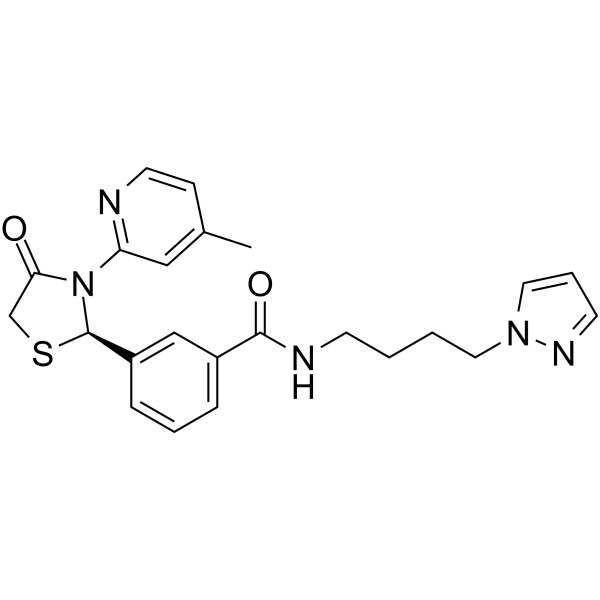
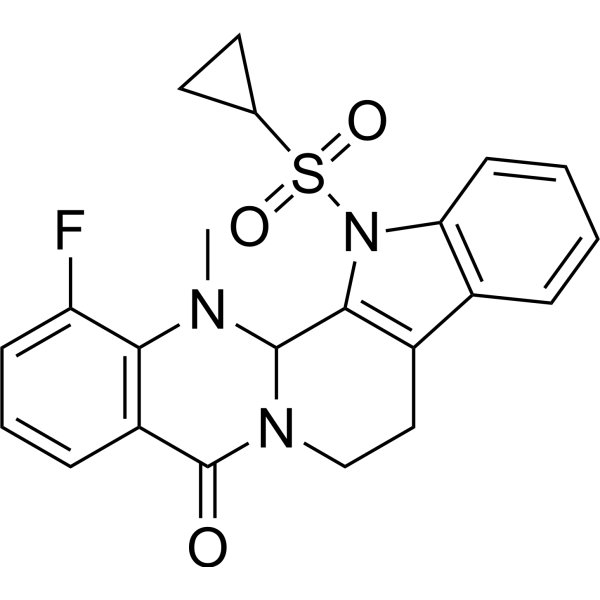
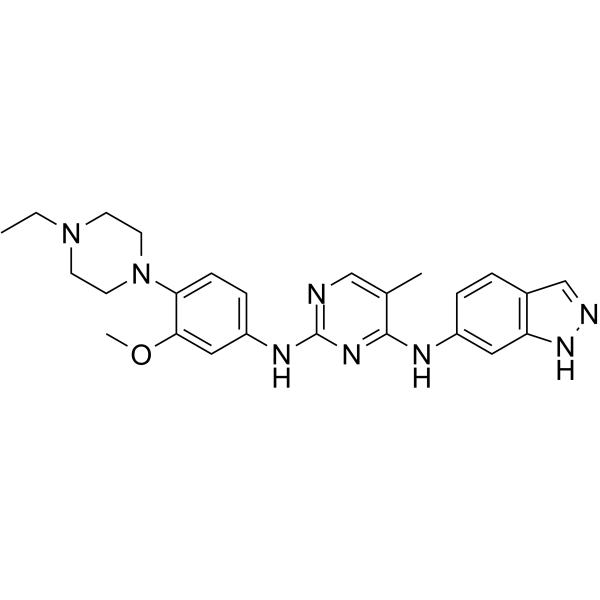
    S55746 (BCL201) is a potent, orally active and selective BCL-2 inhibitor, with a Ki of 1.3 nM and a Kd of 3.9 nM. S55746 (BCL201) has antitumor activity with low toxicity .
    S55746
  • HY-D1583
    Cyanine5 DBCO hexafluorophosphate
    4 Publications Verification

    DBCO-Cy5 hexafluorophosphate; Cyanine5 dibenzocyclooctyne hexafluorophosphate

    Fluorescent Dye Others
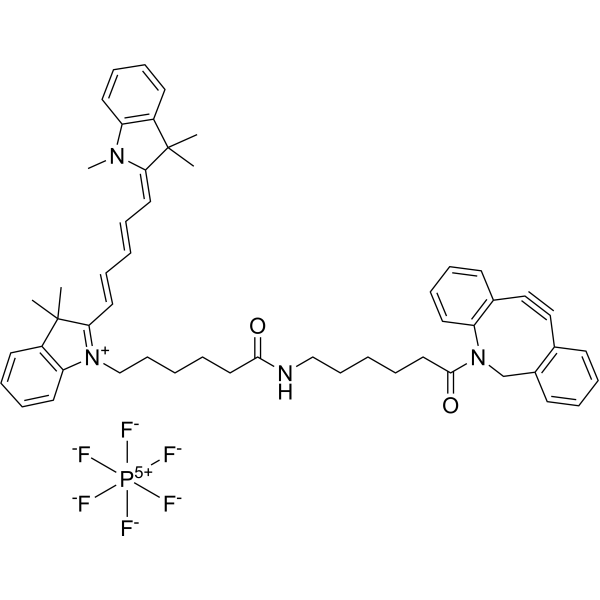
    Cyanine5 DBCO (DBCO-Cy5) hexafluorophosphate is a low-toxicity azide reactive probe (NIR fluorescent dye), for imaging azide-labeled biomolecules via a copper-free "click-through" reaction. Cyanine5 DBCO hexafluorophosphate has no apparent cytotoxicity or animal toxicity and shows no damage to the physiological functions of cells other than the target cells (azide-labeled cells). Cyanine5 DBCO hexafluorophosphate can be used to label and track cells in vitro and in vivo (Ex=635 nm, Em=650-700 nm) .
    Cyanine5 DBCO hexafluorophosphate
  • HY-W017522

    Hexanedioic acid

    Environmental Pollutants Endogenous Metabolite HSV Infection Metabolic Disease
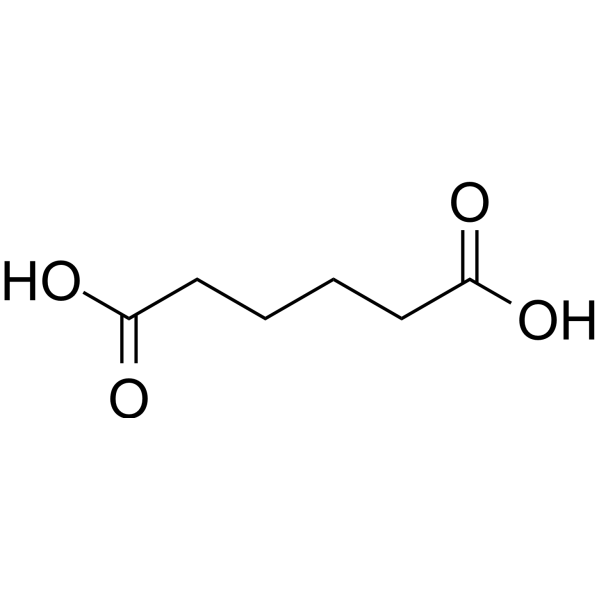
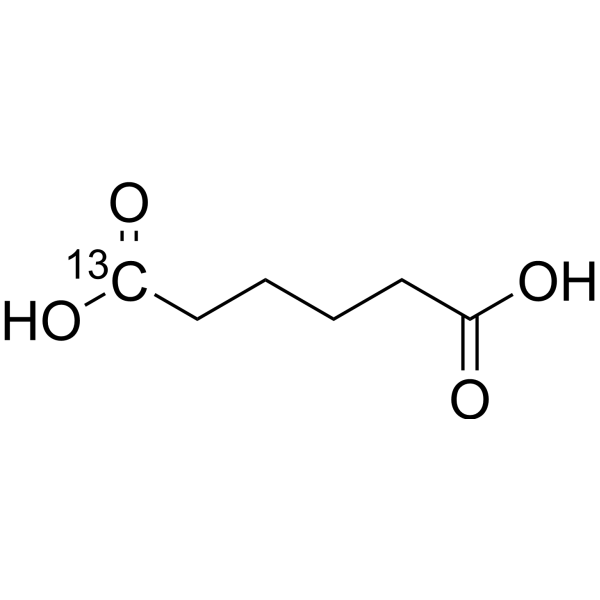
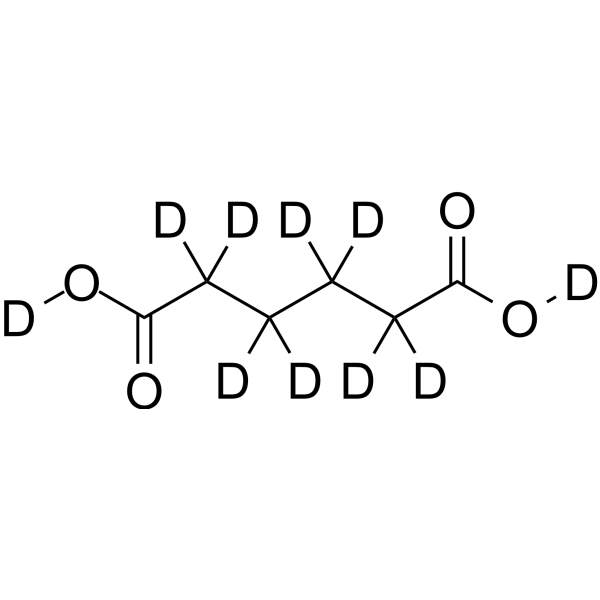
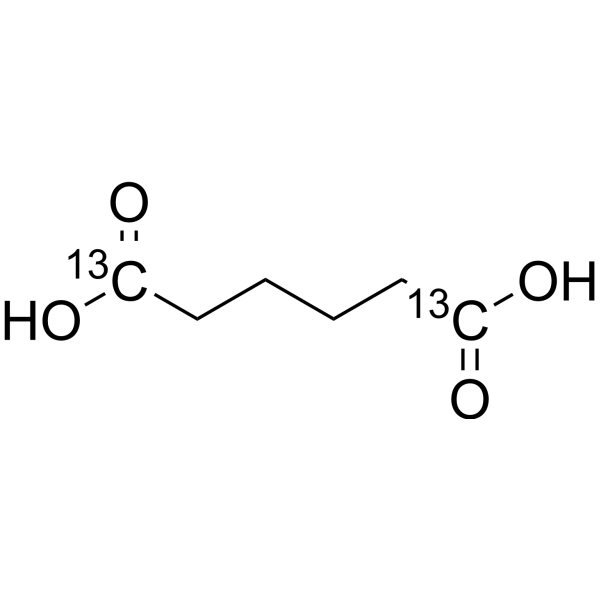
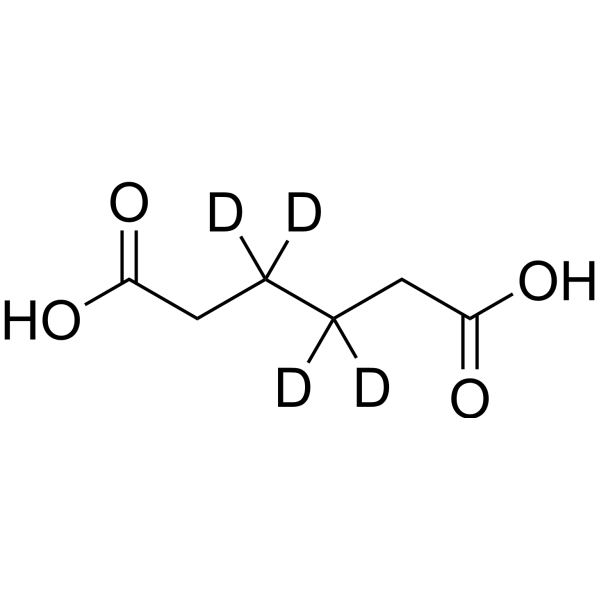
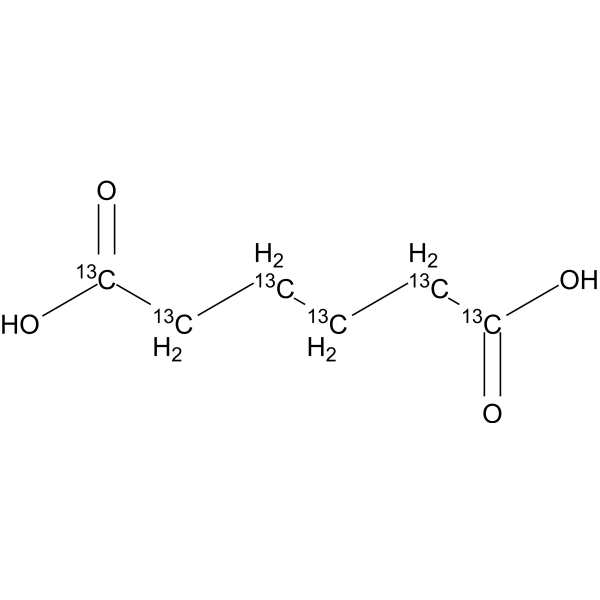
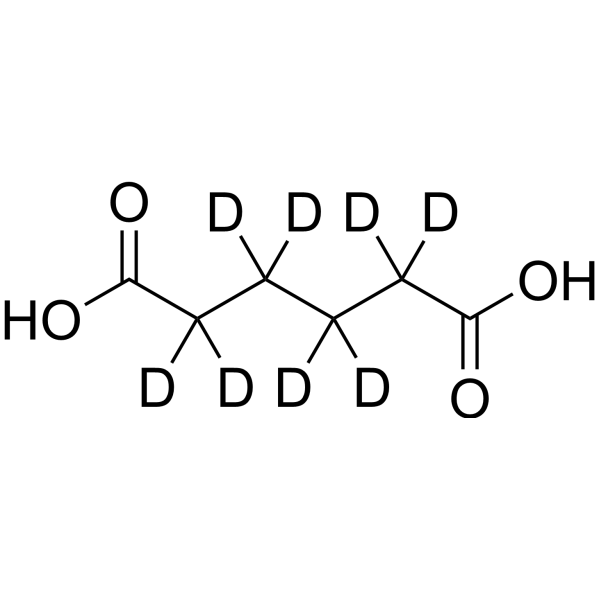
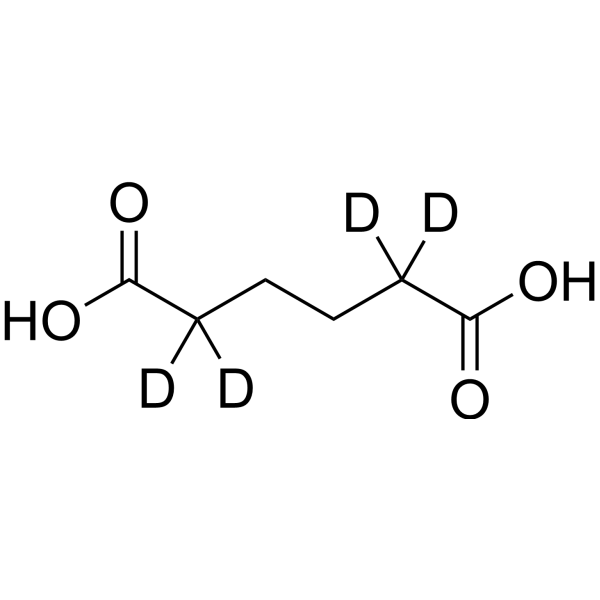
    Adipic acid (Hexanedioic acid) is an orally active compound with anti-HSV-1 activity. Adipic acid has low toxicity and can be used as a food additive and a gelling agent. Adipic acid can also be used in the synthesis of lubricants, artificial resins, plastics, etc .
    Adipic acid
  • HY-P5307

    INF7-A5K-TAT

    Biochemical Assay Reagents Others
    Peptide A5K (INF7-A5K-TAT) is an amphiphilic peptide derived from the HA2-TAT fusion scaffold. Peptide A5K can non-covalently bind to CRISPR ribonucleoproteins and efficiently deliver them to cells, such as primary human T cells, B cells, and NK cells. Peptide A5K enables low-toxicity, precise, and multiplex genome editing, holding great application potential in the field of cell therapy .
    Peptide A5K
  • HY-D1163
    Chromium(III) acetate
    2 Publications Verification

    Chromium acetate; Chromic acetate; Chromium triacetate

    Environmental Pollutants AMPK Metabolic Disease
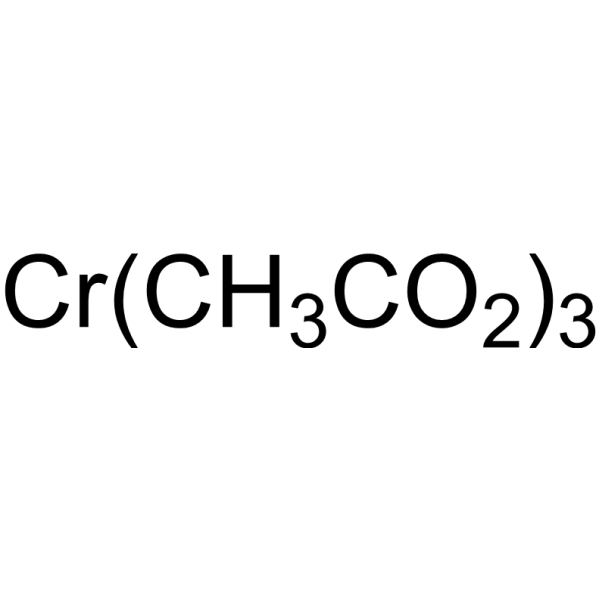
    Chromium(III) acetate (Chromic acetate) is an AMPK inhibitor that promotes lipogenesis by inhibiting AMPK phosphorylation. Chromium(III) acetate has low toxicity in mammals, with an LD50 of 2365 mg/kg in rats .
    Chromium(III) acetate
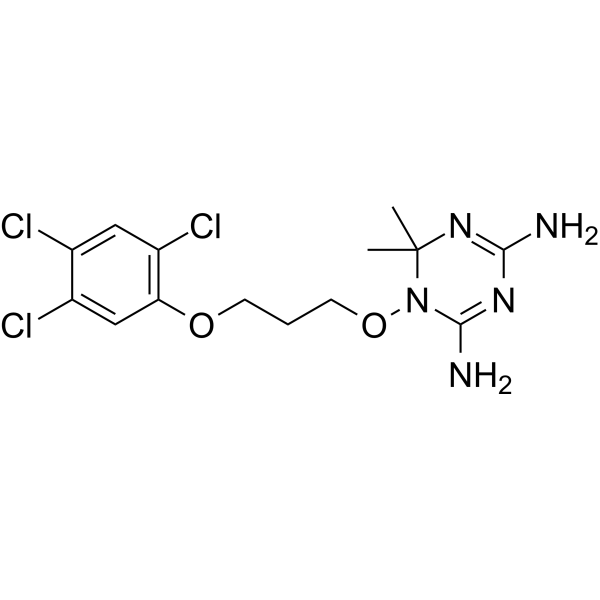
  • HY-116387
    WR99210
    4 Publications Verification

    BRL 6231 free base

    Dihydrofolate reductase (DHFR) Parasite Infection
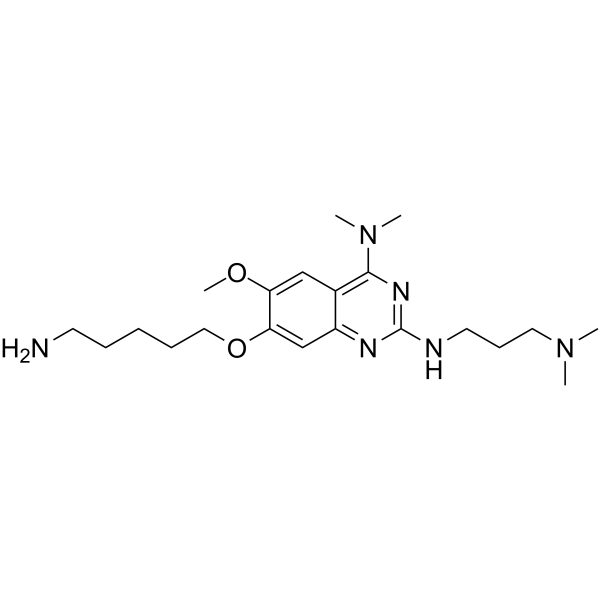
    WR99210 is an orally active and low-toxicity dihydrofolate reductase (DHFR) inhibitor (IC50<0.075 nM). WR99210 shows good antiparasitic activity and is effective against P. falciparum and P. falciparum strains (including Pyrimethamine< (HY-18062)-resistant P. falciparum strains) as well as T. gondii .
    WR99210
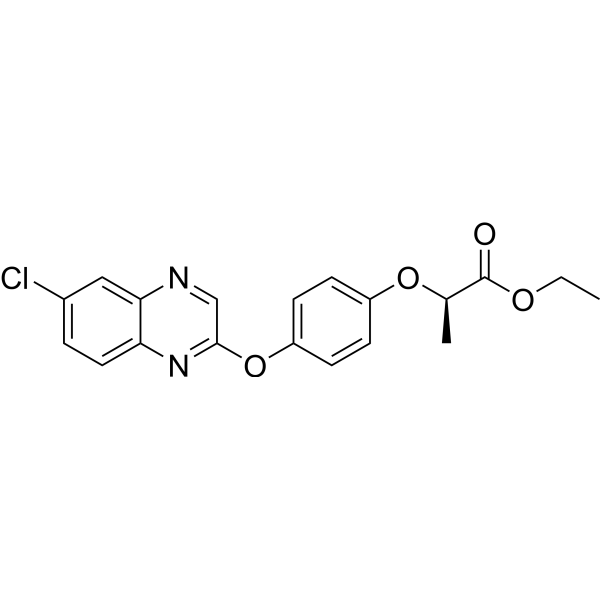
  • HY-B1950

    (R)-Quizalofop ethyl; Quinofop-ethyl

    Environmental Pollutants SOD Herbicide Infection
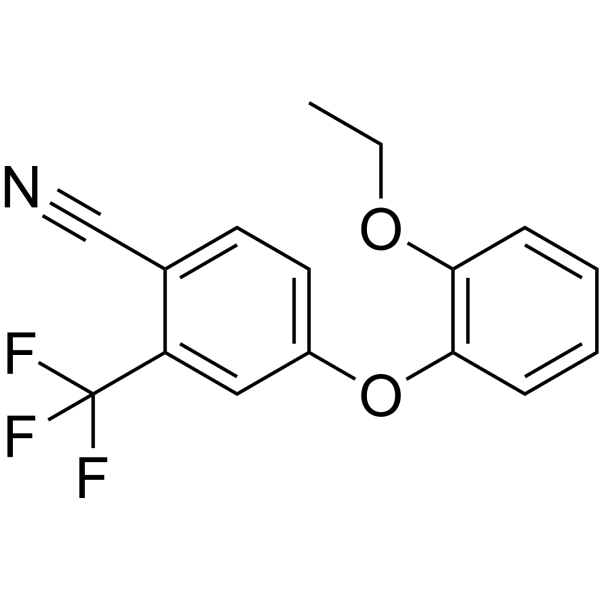
    Quizalofop-P-ethyl is a low-toxicity herbicide, a highly selective new type of post-emergence herbicide for dryland crops, with high selectivity between gramineous weeds and dicotyledonous crops, and it has good control efficacy against gramineous weeds in broadleaf crop fields.
    Quizalofop-p-ethyl
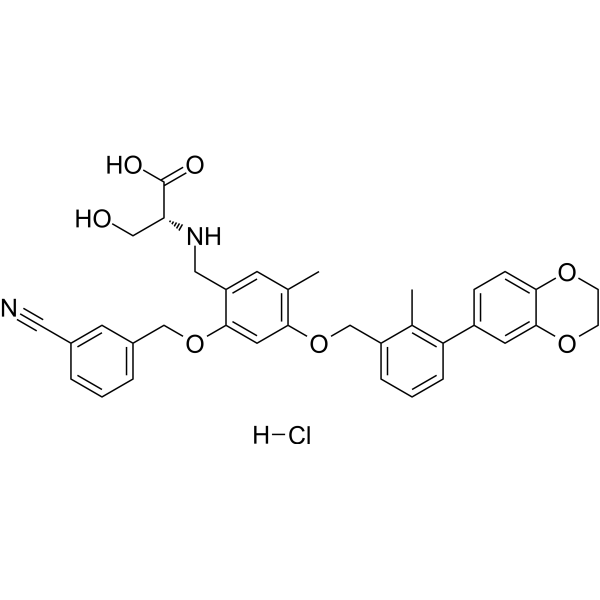
  • HY-120635

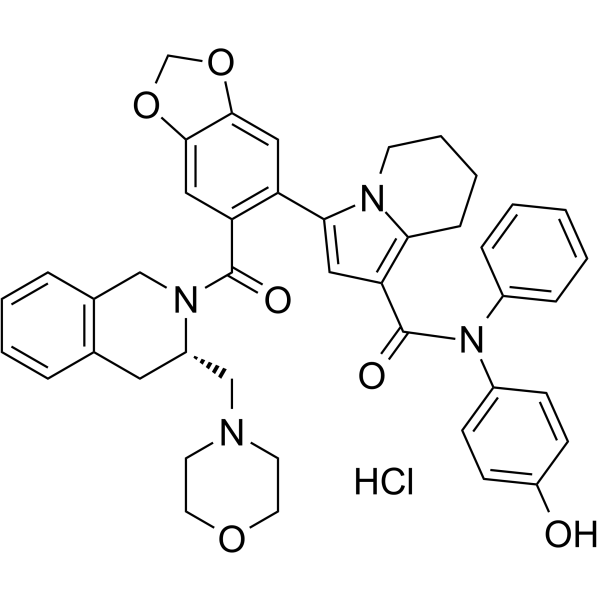
    PD-1/PD-L1 Inflammation/Immunology Cancer
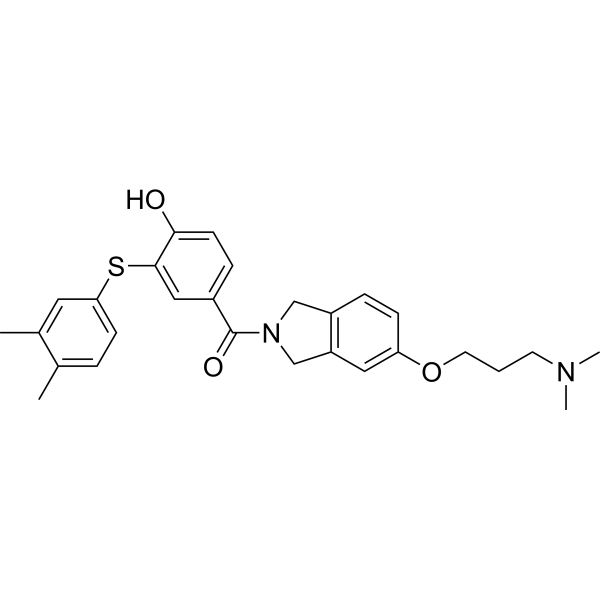
    BMS-1001 is an orally active human PD-L1/PD-1 immune checkpoint inhibitor. BMS-1001 exhibits low-toxicity in cells. The IC50 value of BMS-1001 in a homogeneous time-resolved fluorescence (HTRF) binding assay is 2.25 nM .
    BMS-1001 hydrochloride
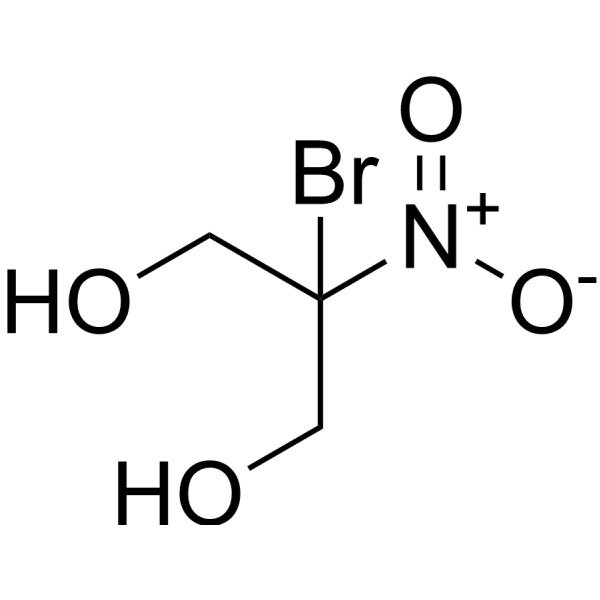
  • HY-B1217

    BNPD; BNPK

    Environmental Pollutants Bacterial Infection
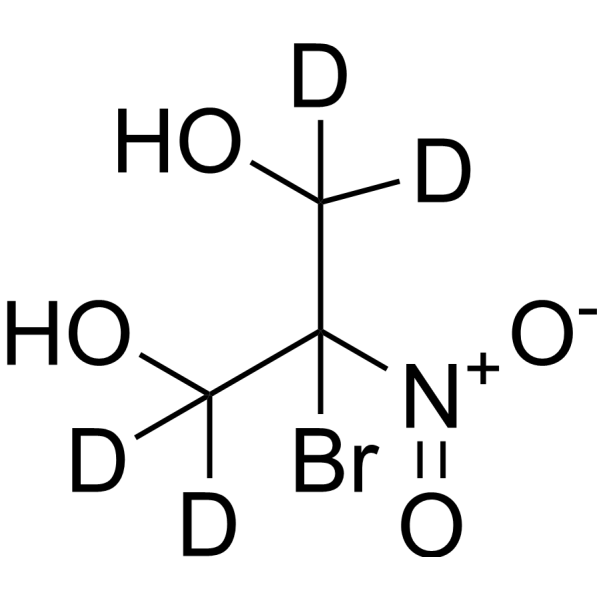
    Bronopol is an antibacterial agent with low toxicity (to mammals) and high activity (especially against Gram-negative bacteria). Bronopol oxidizes protein thiols, inhibits enzymatic activity, and exhibits antibacterial activity. Bronopol is also a formaldehyde releaser .
    Bronopol
  • HY-W133920

    PPG 2000

    Environmental Pollutants Biochemical Assay Reagents Others
    Polypropylene glycol 2000 (PPG 2000) is a polyether produced by ring-opening polymerization of propylene oxide. Polypropylene glycol 2000 has low toxicity, and acts as a dispersant for leather finishing materials, as well as a surfactant and wetting agent for pharmaceutical preparations .

    Polypropylene glycol 2000
  • HY-W013762

    Environmental Pollutants Biochemical Assay Reagents Others
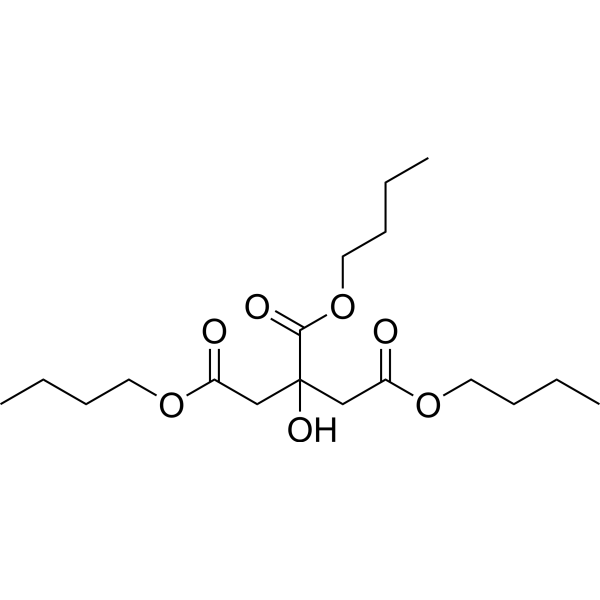
    Tributyl citrate is a low-toxicity and orally active citrate ester with no genotoxicity or skin sensitizing activity. Tributyl citrate also acts as a plasticizer, solvent, FDA-approved indirect food additive, and topical anesthetic, among other uses. Tributyl citrate induces a needle-prick insensitivity response that lasts for more than 2 hours, and a 5% suspension of it temporarily eliminates the corneal reflex in rabbits. Tributyl citrate causes no significant systemic toxicity in rats and cats at most tested doses, and only may cause growth retardation and gastrointestinal reactions such as diarrhea and nausea at high doses or with repeated oral administration .
    Tributyl citrate
  • HY-142122

    Drug Metabolite Neurological Disease
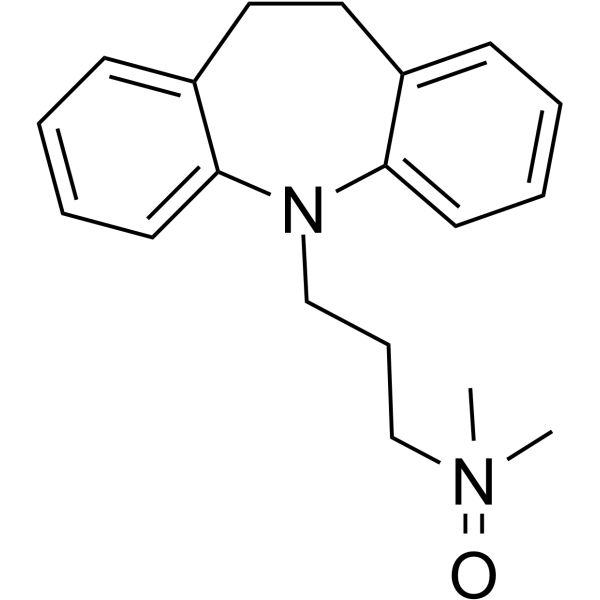
    Imipramine N-oxide is the metabolite of Imipramine. Imipramine N-oxide exhibits low toxicity in rat and mouse experiments. Imipramine N-oxide can be used for the research of endogenous depressions .
    Imipramine N-oxide
  • HY-W393372
    THAM maleate
    1 Publications Verification

    Tris maleate; Tris(hydroxymethyl)aminomethane maleate

    Environmental Pollutants Biochemical Assay Reagents Cardiovascular Disease Metabolic Disease
    THAM (Tris) maleate is a biologically inert amino alcohol of low toxicity, which buffers carbon dioxide and acids in vitro and in vivo. THAM maleate is an effective amine compound for pH control in the physiological range .
    THAM maleate
  • HY-B0525

    Antibiotic Bacterial Infection
    Carbenicillin is a broad-spectrum semi-synthetic penicillin antibiotic for gram-negative bacteria. Carbenicillin can interfere the cell wall synthesis while displaying low toxicity to plant tissue .
    Carbenicillin
  • HY-D0227J

    Tris HCl (≥99%, for cell culture); Tris hydrochloride (≥99%, for cell culture)

    Biochemical Assay Reagents Metabolic Disease
    THAM hydrochloride (≥99%, for cell culture) is a low-toxicity amino alcohol buffer, a specific CO2-consuming proton acceptor that buffers carbon dioxide and acid both in vitro and in vivo. THAM hydrochloride (≥99%, for cell culture) binds protons to form bicarbonate, reduces PaCO2, and induces intracellular alkalization, thereby ameliorating hypercapnia-induced elevation of pulmonary blood vessels and pulmonary arterial pressure. THAM hydrochloride (≥99%, for cell culture) may cause PaCO2 rebound, hypoglycemia, and respiratory depression. THAM hydrochloride (≥99%, for cell culture) removes amniotic epithelium and preserves the basement membrane, but depletes extracellular matrix and reduces the adhesion rate of limbal epithelial cells. THAM hydrochloride (≥99%, for cell culture) can act as a CO2 carrier to enhance the productivity and carbon utilization rate of Scenedesmus obliquus. THAM hydrochloride (≥99%, for cell culture) is a key component of buffer solutions used in various biological, cell culture, biochemical, and molecular biology applications .
    THAM hydrochloride (≥99%, for cell culture)
  • HY-N10508

    Drug Metabolite VD/VDR Metabolic Disease Cancer
    Calcitroic acid is a vitamin D receptor (VDR) agonist that can activate VDR-mediated transcription. Calcitroic acid is the main metabolite of 1,25-dihydroxyvitamin D3, with the highest concentrations found in the liver and mucosa of mice, and it has metabolic stability and very low toxicity .
    Calcitroic acid
  • HY-151483

    Wnt Histone Demethylase Cardiovascular Disease
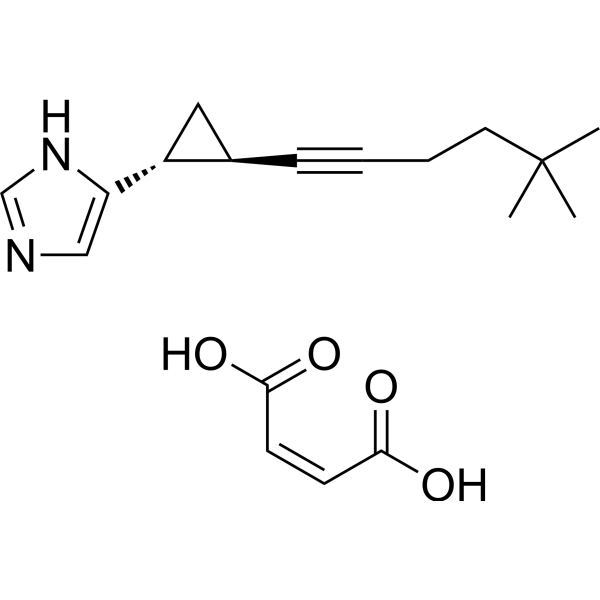
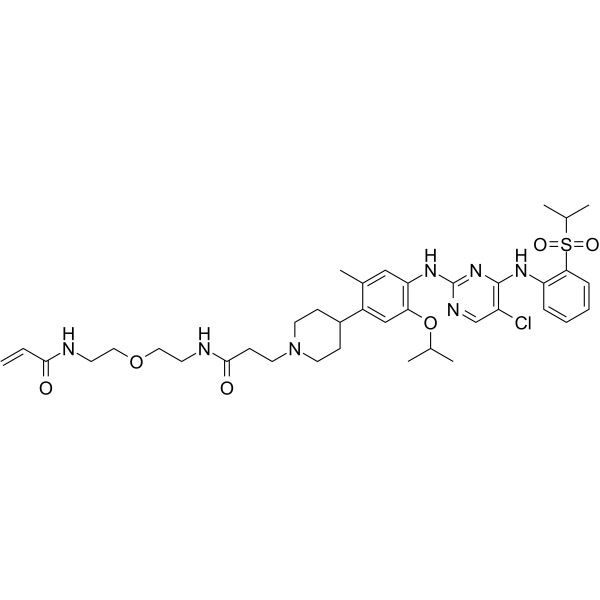
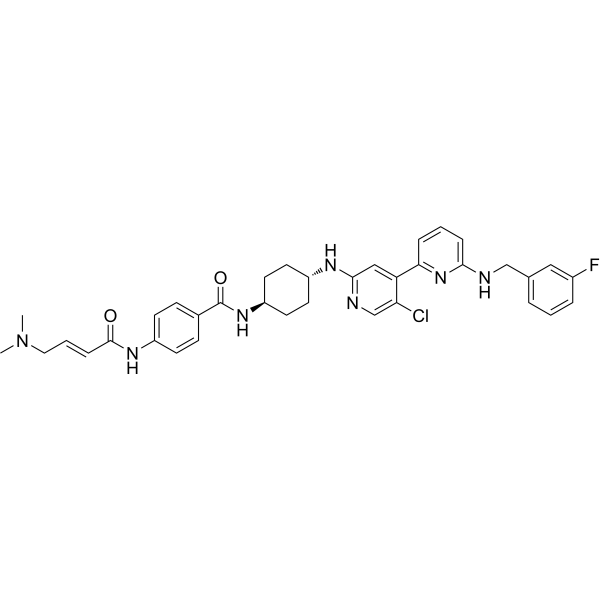
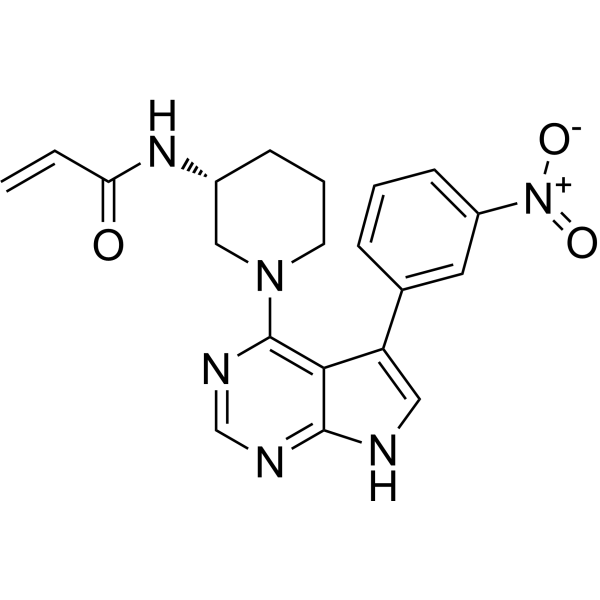
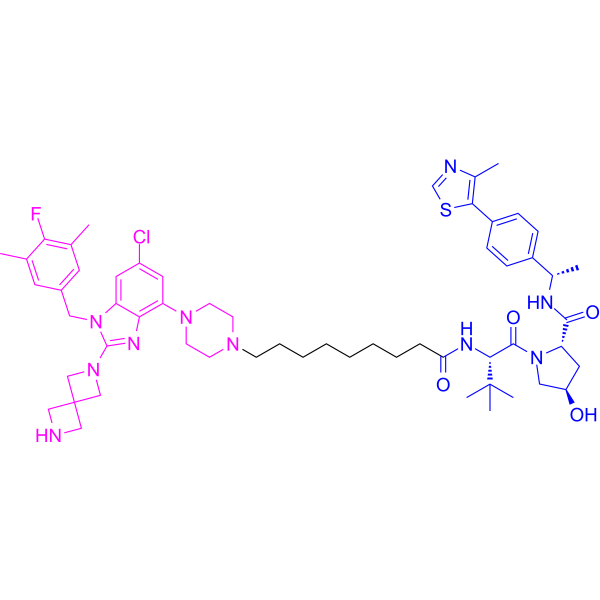
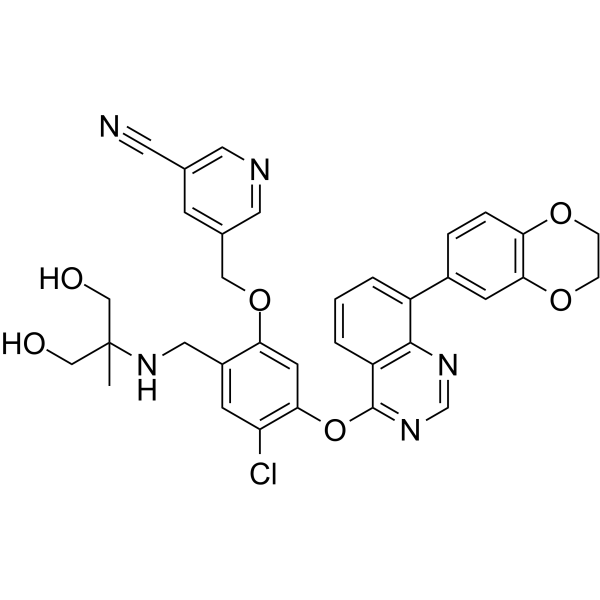
    TK-129 is an orally active, low-toxicity, potent KDM5B inhibitor (with high affinity; IC50=44 nM). TK-129 exerts cardioprotective effects by inhibiting KDM5B and blocking the KDM5B-associated Wnt pathway. TK-129 reduces ang II-induced activation of cardiac fibroblasts in vitro and reduces isoprenaline-induced myocardial remodelling and fibrosis in vivo. TK-129 can be used in studies of cardiovascular disease .
    TK-129
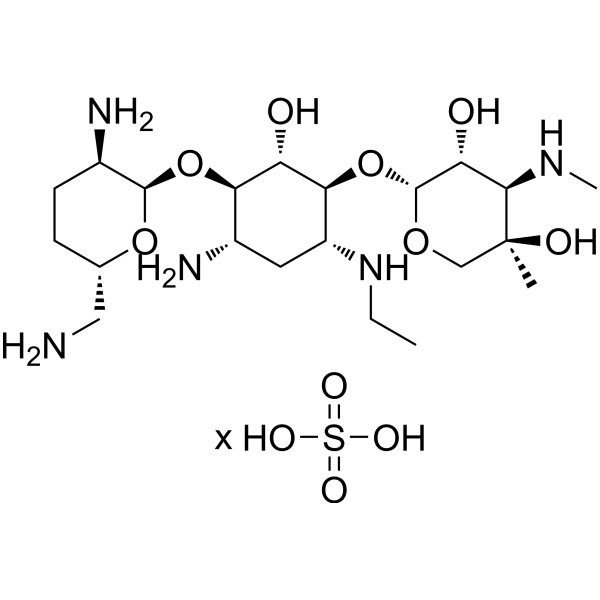
  • HY-B0755

    Antibiotic Infection
    Etimicin (sulfate), a fourth-generation aminoglycoside antibiotic, is now widely clinically used due to its high efficacy and low toxicity.
    Etimicin sulfate
  • HY-79504

    Environmental Pollutants Parasite Infection Cancer
    Ferrocene is an important structural core in bioorganometallic chemistry because of its inherent stability, excellent redox properties, and low toxicity. Ferrocene has antimalarial and anticancer properties .
    Ferrocene
  • HY-156048
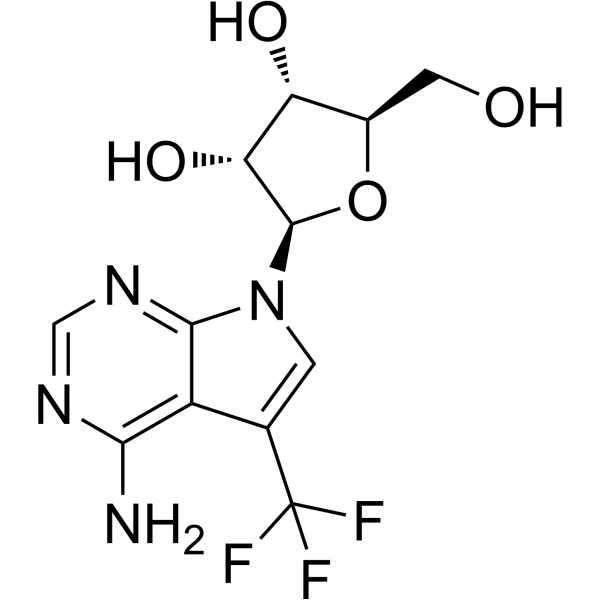
    Trifluoromethyl-tubercidin
    2 Publications Verification

    TFMT

    Influenza Virus Infection
    Trifluoromethyl-tubercidin (TFMT) is an inhibitor of 2'-O-ribose methyltransferase 1 (MTr1). Trifluoromethyl-tubercidin can inhibit the replication of influenza A and B viruses by interfering with the cap-snatching process of the influenza virus. Trifluoromethyl-tubercidin has antiviral activity and low toxicity .
    Trifluoromethyl-tubercidin
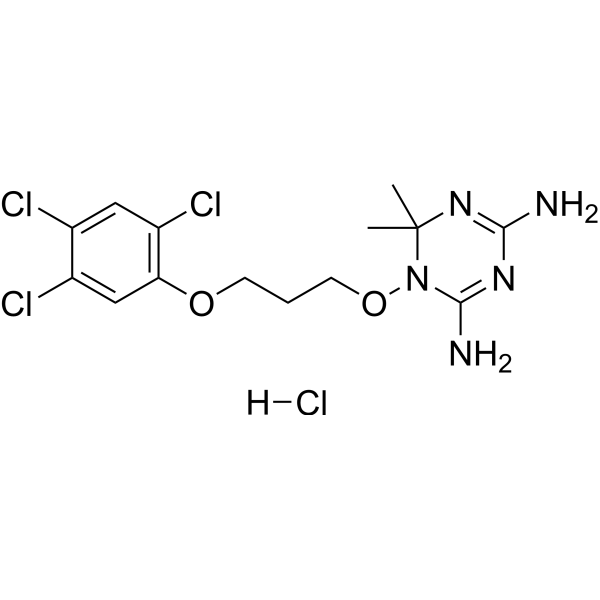
  • HY-116387A
    WR99210 hydrochloride
    4 Publications Verification

    BRL 6231

    Dihydrofolate reductase (DHFR) Parasite Infection
    WR99210 hydrochloride is an orally active and low-toxicity dihydrofolate reductase (DHFR) inhibitor (IC50<0.075 nM). WR99210 hydrochloride shows good antiparasitic activity and is effective against P. falciparum and P. falciparum strains as well as T. gondii .
    WR99210 hydrochloride
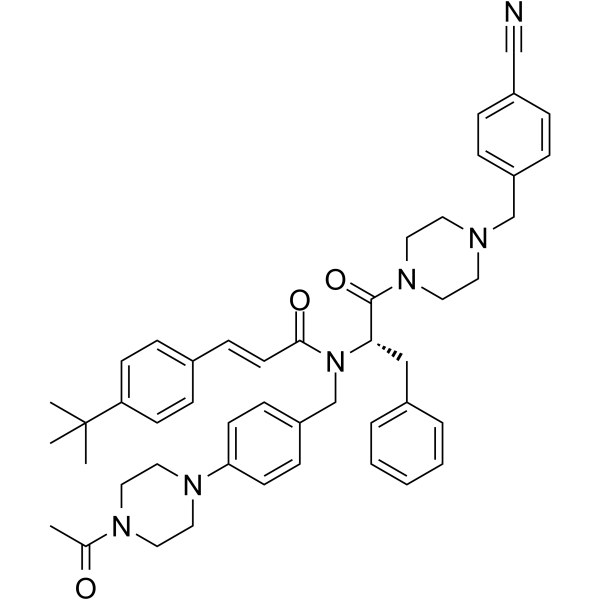
  • HY-111817

    Parasite Infection
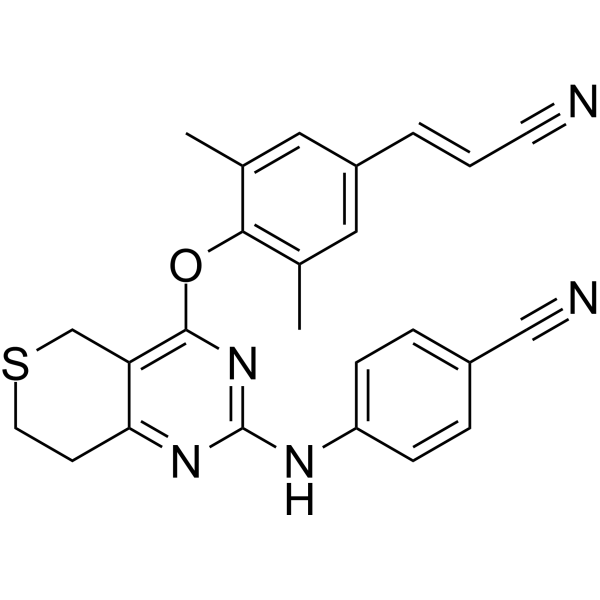
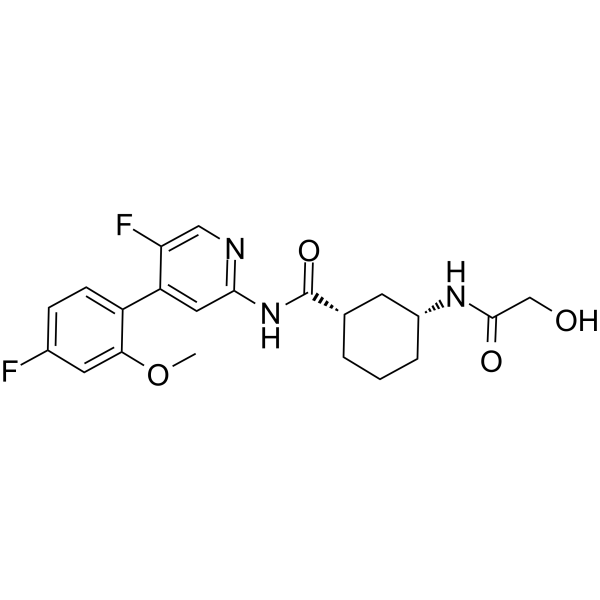
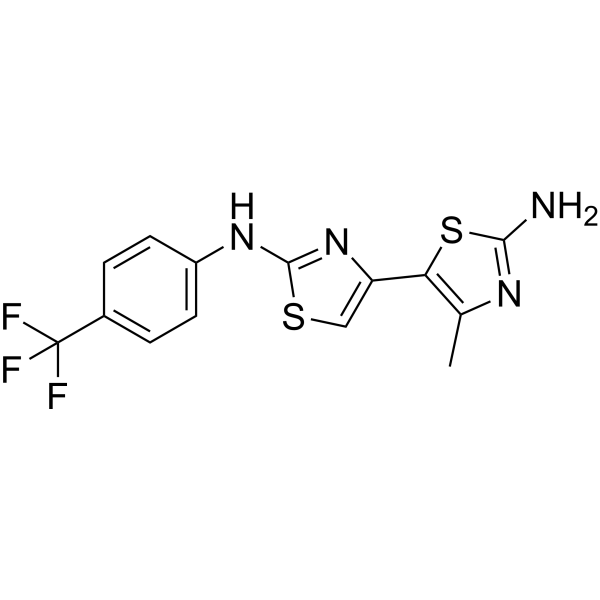
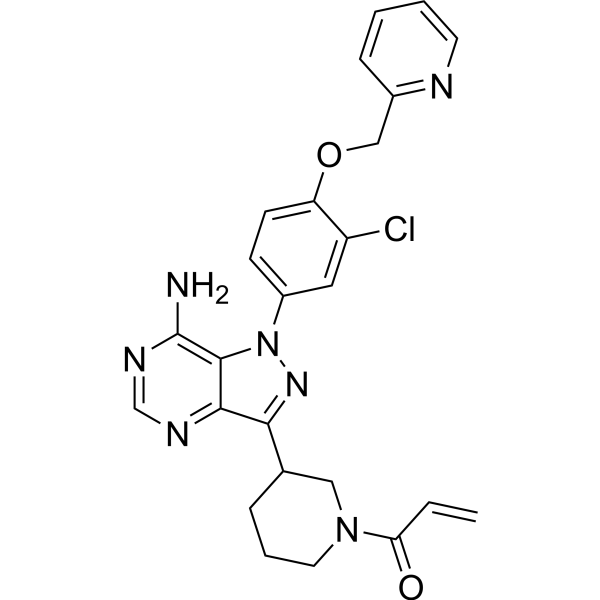
    ACT-451840 is an orally active, potent and low-toxicity compound, showing activity against sensitive and resistant plasmodium falciparum strains. ACT-451840 targets all asexual blood stages of the parasite, has a rapid onset of action. ACT-451840 behaves in a way similar to artemisinin derivatives, with very rapid onset of action and elimination of parasite. ACT-451840 can be used for the research of malarial .
    ACT-451840
  • HY-D2188

    Deubiquitinase Cancer
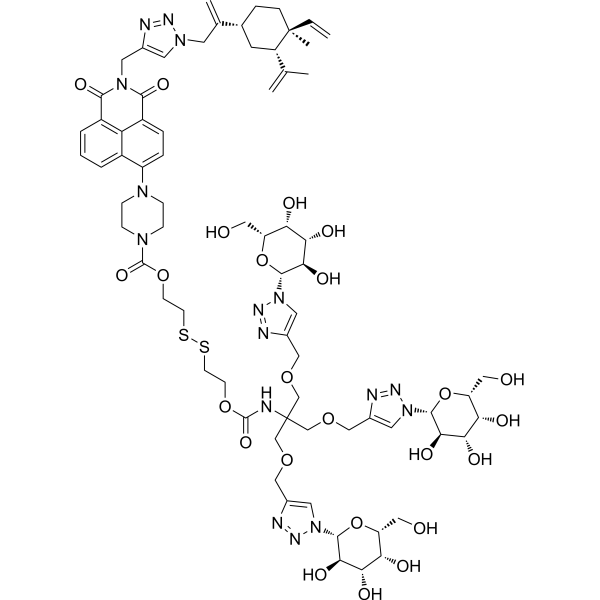
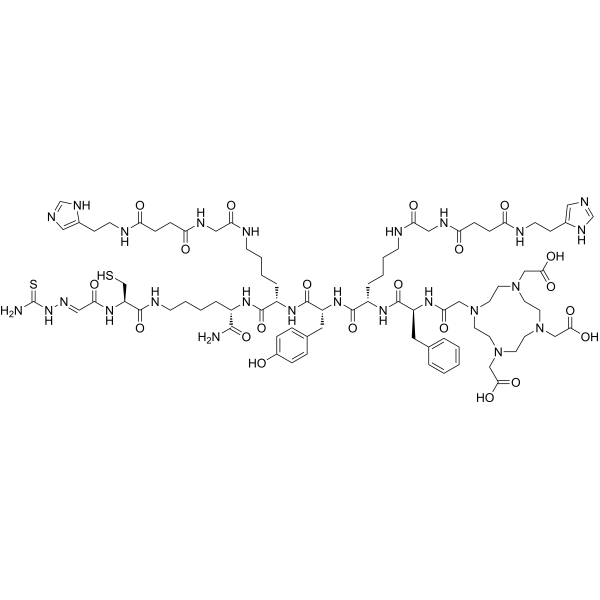
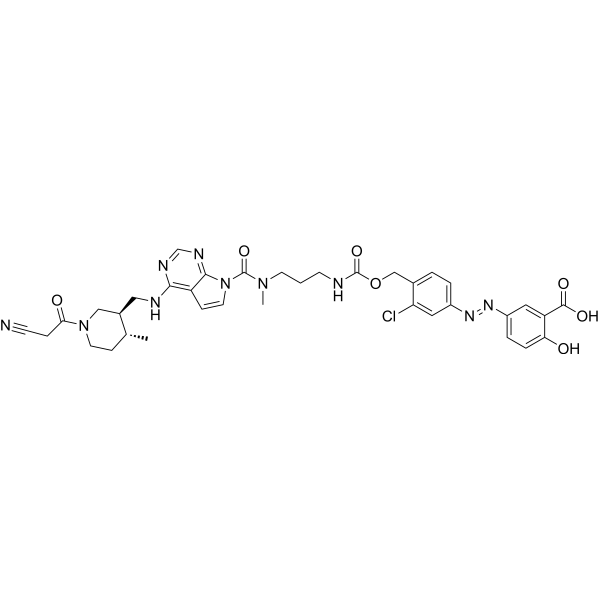
    IMP-2373 is a low-toxicity activity-based probe targeting covalent pan-deubiquitinase (DUB), which modulates and monitors DUB activity via covalent binding to the catalytic cysteine and active site of DUB. IMP-2373 enables real-time tracking of dynamic intracellular DUB activity in physiologically relevant living cell systems, and quantitative analysis of activity changes induced by pharmacological inhibition or MYC dysregulation. IMP-2373 can be used for research on related diseases such as B-cell lymphoma .
    IMP-2373
  • HY-W018584

    o-Phenoxyphenol

    Drug Derivative Others
    2-Phenoxyphenol (o-Phenoxyphenol) is the main product in the photocatalytic reduction and dechlorination reaction of Triclosan (HY-B1119). 2-Phenoxyphenol has low toxicity and can be recycled and utilized as a chemical raw material .
    2-Phenoxyphenol
  • HY-N5058

    Apoptosis Cancer
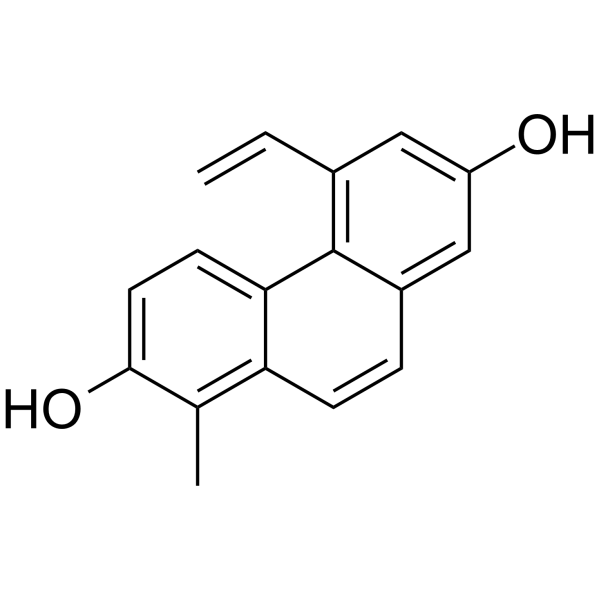
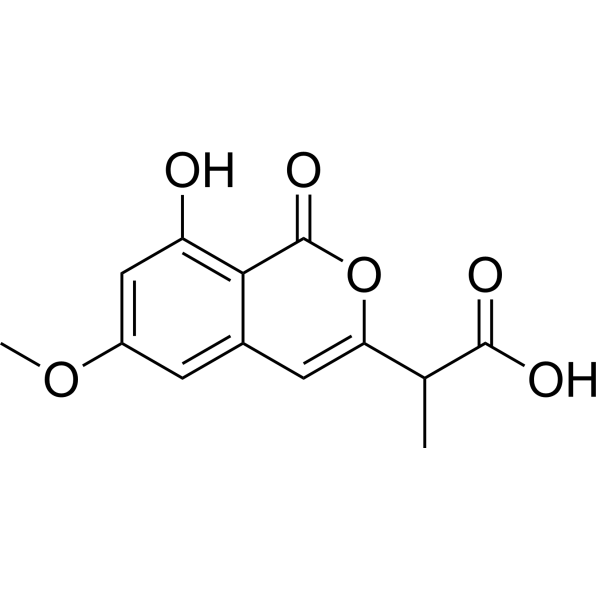
    Dehydroeffusol is a phenanthrene from medicinal herb Juncus effuses. Dehydroeffusol inhibits gastric cancer cell growth and tumorigenicity by selectively inducing tumor-suppressive endoplasmic reticulum stress and a moderate apoptosis. It shows very low toxicity .
    Dehydroeffusol
  • HY-D2907

    DBCO-Cy5; Cyanine5 dibenzocyclooctyne

    Fluorescent Dye Others
    Cyanine5 DBCO (DBCO-Cy5) is a low-toxicity azide reactive probe (NIR fluorescent dye), for imaging azide-labeled biomolecules via a copper-free "click-through" reaction. Cyanine5 DBCO has no apparent cytotoxicity or animal toxicity and shows no damage to the physiological functions of cells other than the target cells (azide-labeled cells). Cyanine5 DBCO can be used to label and track cells in vitro and in vivo (Ex=635 nm, Em=650-700 nm) .
    Cyanine 5 DBCO
  • HY-Y0383

    Biochemical Assay Reagents Others
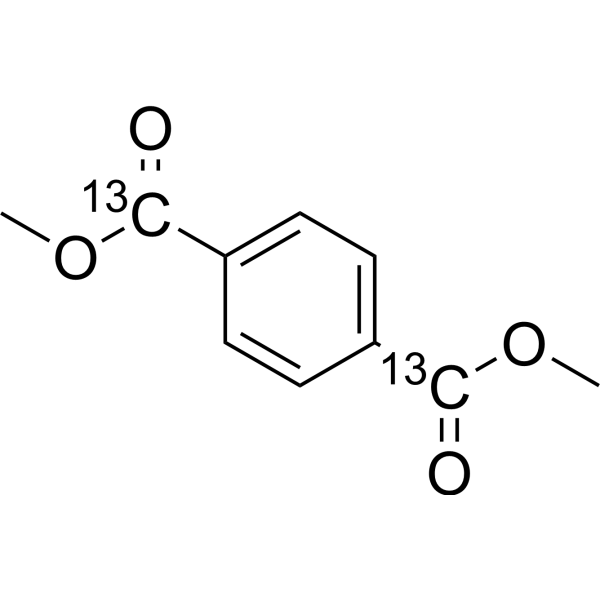
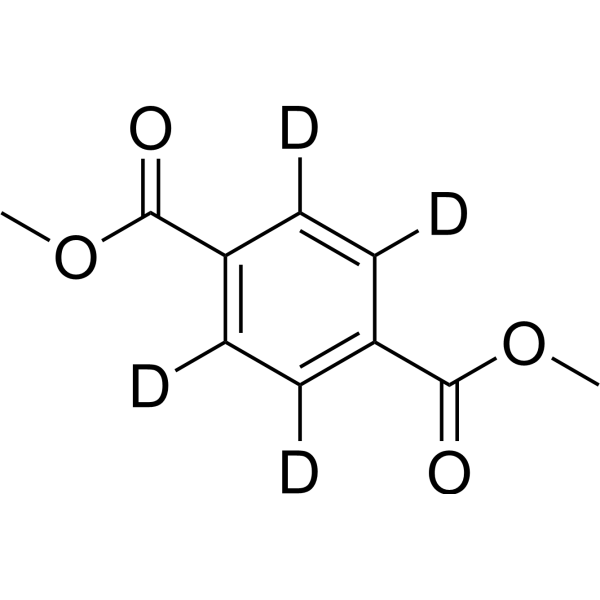
    Dimethyl terephthalate is a low toxicity, low volatility industrial chemical widely used in the production of polyester fibers and films .
    Dimethyl terephthalate
  • HY-D0227B
    THAM acetate
    1 Publications Verification

    Tris acetate; Tris(hydroxymethyl)aminomethane acetate

    Biochemical Assay Reagents Metabolic Disease
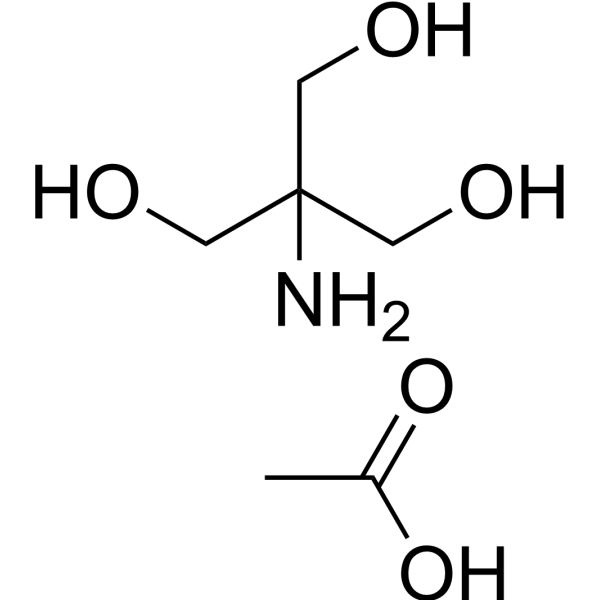
    THAM acetate is a low-toxicity amino alcohol buffer, a CO2-consuming proton acceptor that buffers carbon dioxide and acid both in vitro and in vivo. THAM acetate binds protons to form bicarbonate, reduces PaCO2, and induces intracellular alkalization, thereby ameliorating hypercapnia-induced elevation of pulmonary blood vessels and pulmonary arterial pressure. THAM acetate may cause PaCO2 rebound, hypoglycemia, and respiratory depression. THAM acetate removes amniotic epithelium and preserves the basement membrane, but depletes extracellular matrix and reduces the adhesion rate of limbal epithelial cells. THAM acetate can act as a CO2 carrier to enhance the productivity and carbon utilization rate of Scenedesmus obliquus. THAM acetate is a key component of buffer solutions used in various biological, cell culture, biochemical, and molecular biology applications .
    THAM acetate
  • HY-118992

    X 5108; Goldinomycin

    Antibiotic Bacterial Infection
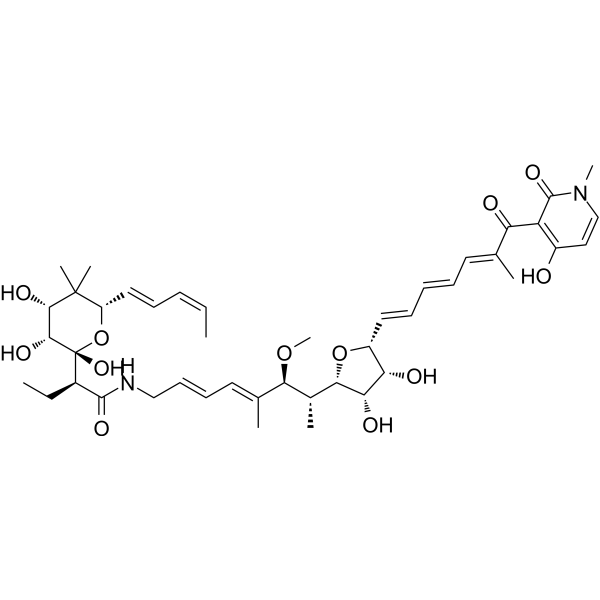
    Aurodox (X 5108) is an antibiotic obtained from a streptomyces variant, Aurodox can against a number of gram-positive bacteria. Aurodox shows a very low toxicity in mice and promoted poultry growth .
    Aurodox
  • HY-152081

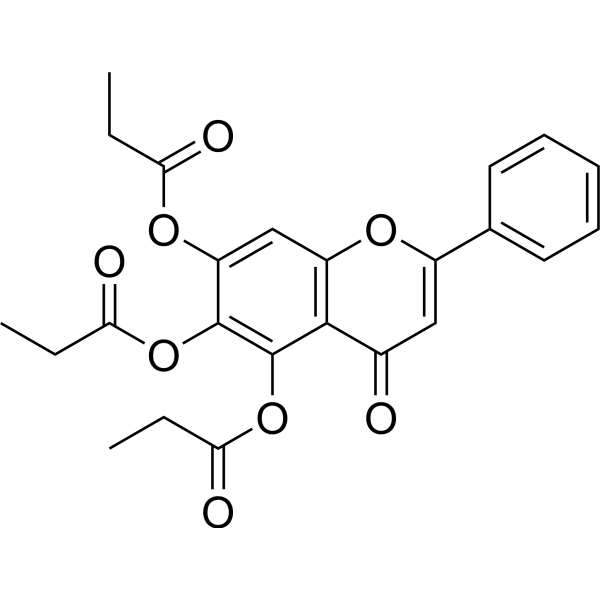
    Flavivirus Dengue Virus HIV DNA/RNA Synthesis Infection
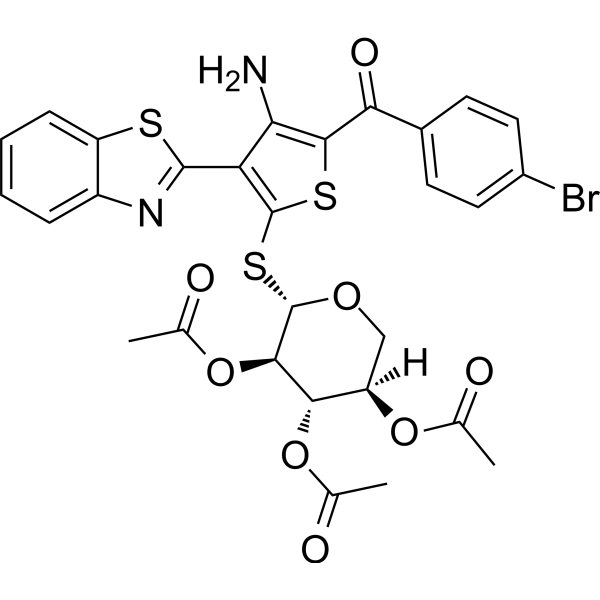
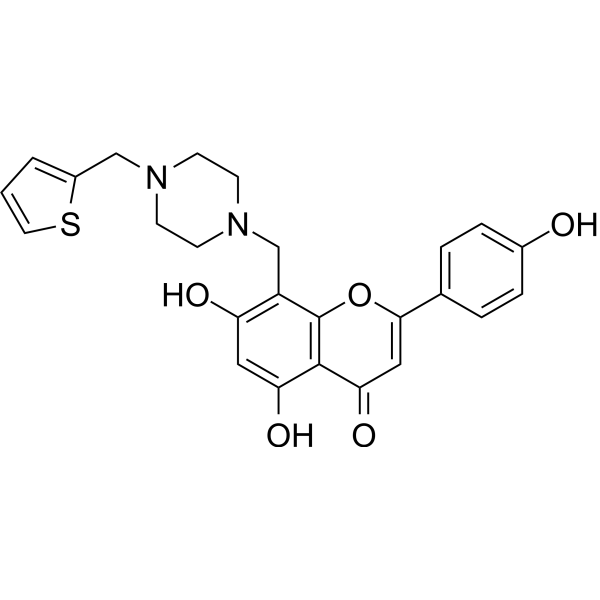
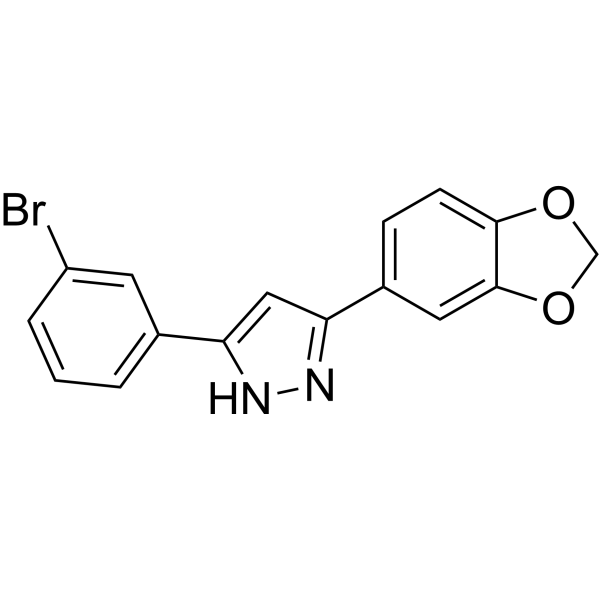
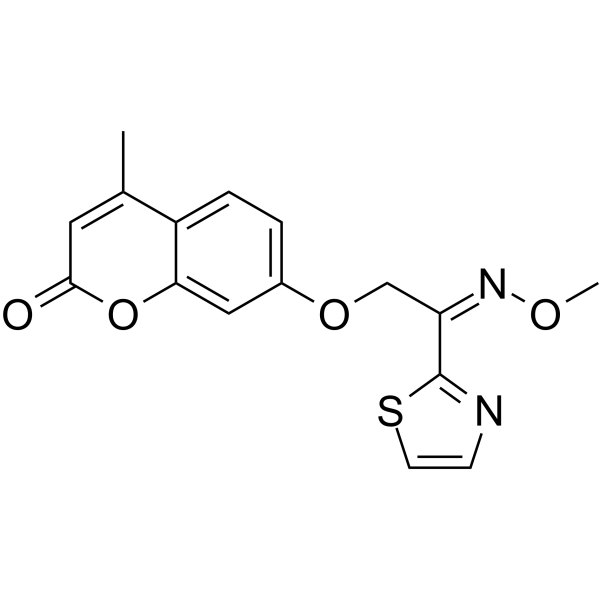
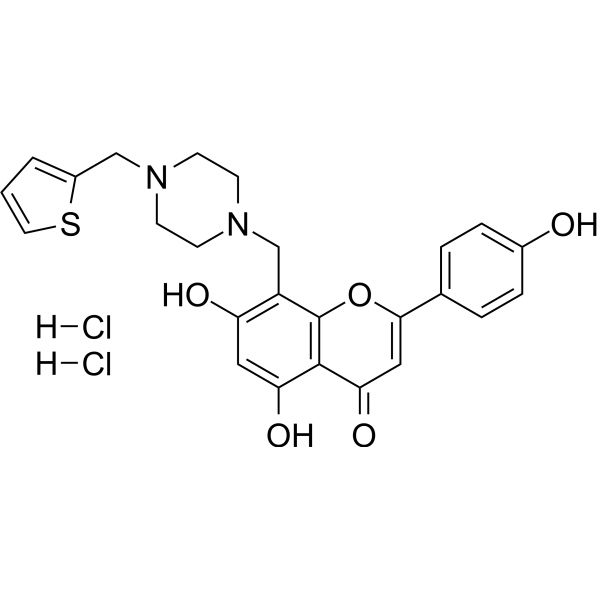
    DENV-IN-7, a flavone analog, is a dengue virus (DENV) inhibitor with an EC50 value of 70 nM. DENV-IN-7 has low toxicity against normal cell and anti-dengue activity .
    DENV-IN-7
  • HY-117288A
    S55746 hydrochloride
    1 Publications Verification

    BCL201 hydrochloride

    Bcl-2 Family Cancer
    S55746 hydrochloride (BCL201 hydrochloride) is a potent, orally active and selective BCL-2 inhibitor, with a Ki of 1.3 nM and a Kd of 3.9 nM. S55746 hydrochloride (BCL201 hydrochloride) has antitumor activity with low toxicity .
    S55746 hydrochloride
  • HY-147648
    Glyoxalase I inhibitor 6
    1 Publications Verification

    Glyoxalase (GLO) Cancer
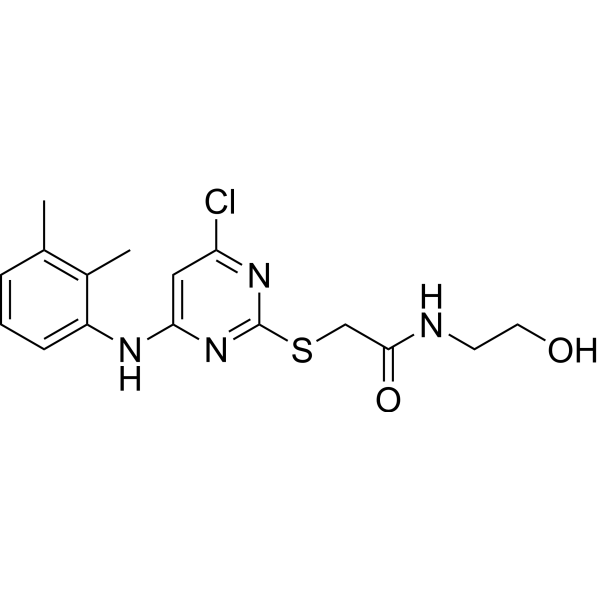
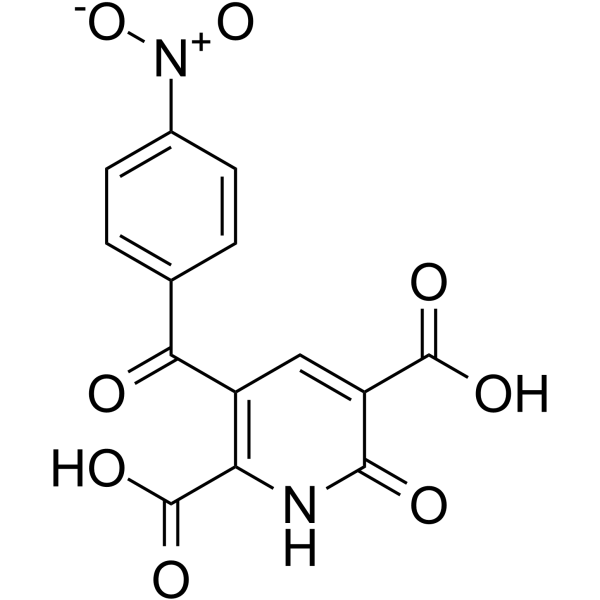
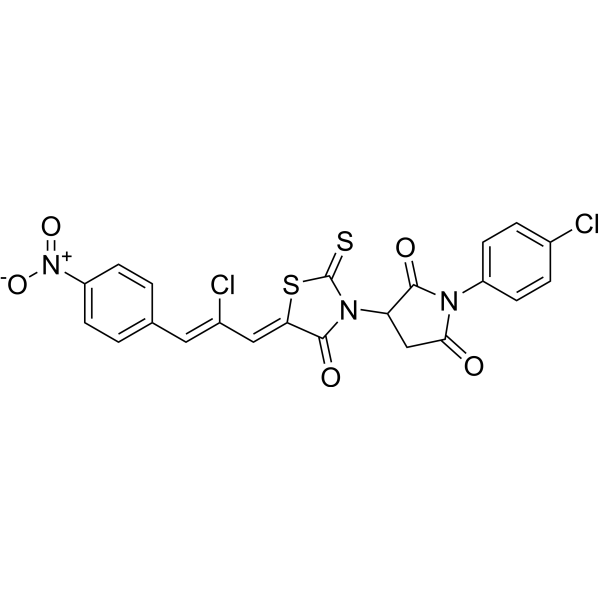
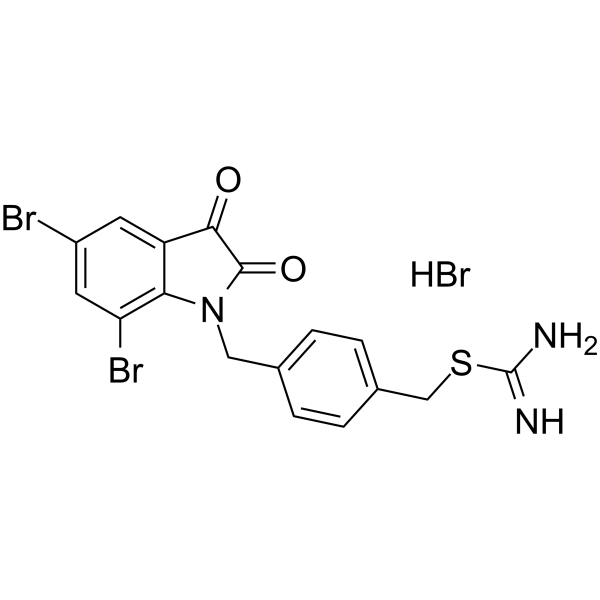
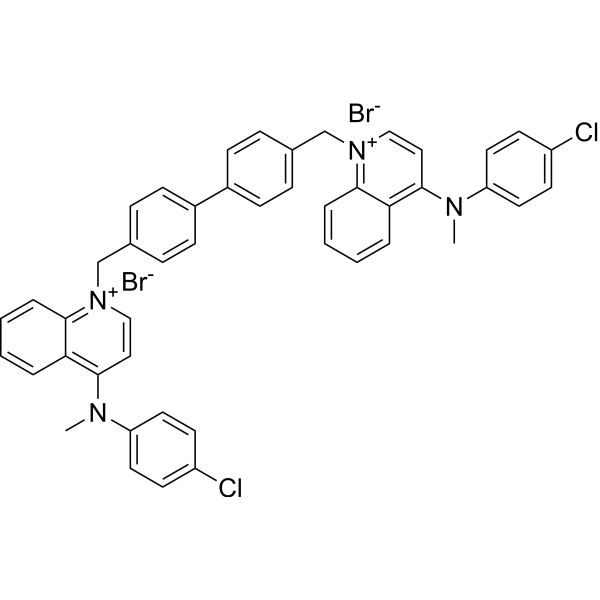
    Glyoxalase I inhibitor 6 (Compound 9j) is a glyoxalase I (Glo-I) inhibitor with an IC50 of 1.13 μM. Glyoxalase I inhibitor 6 can be used as anticancer agent with low toxicity .
    Glyoxalase I inhibitor 6
  • HY-132297A
    PARP1-IN-5 dihydrochloride
    1 Publications Verification

    PARP Cancer
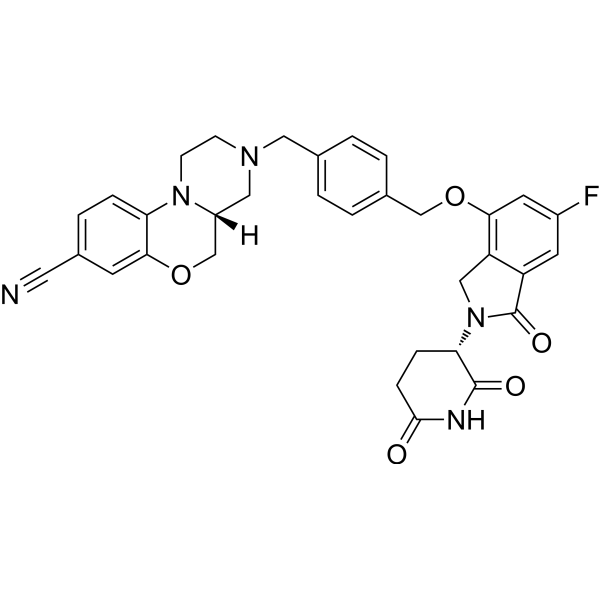
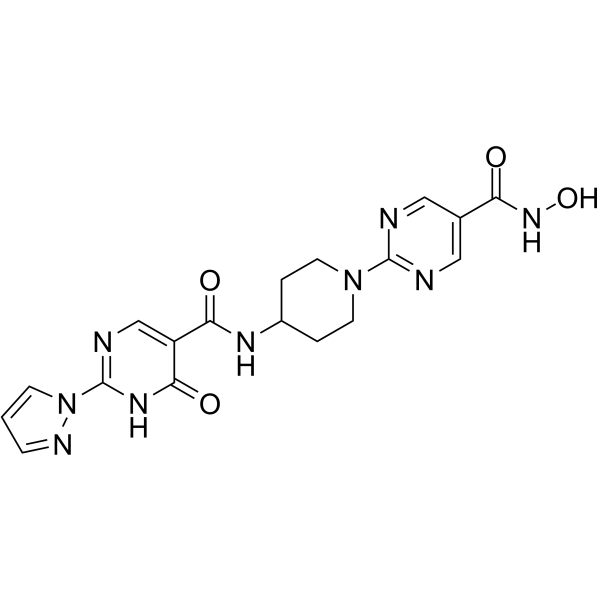
    PARP1-IN-5 dihydrochloride is a low toxicity, orally active, potent and selective PARP-1 inhibitor (IC50 =14.7 nM). PARP1-IN-5 dihydrochloride can be used for the research of cancer .
    PARP1-IN-5 dihydrochloride
  • HY-W704973

    DNA/RNA Synthesis Cancer
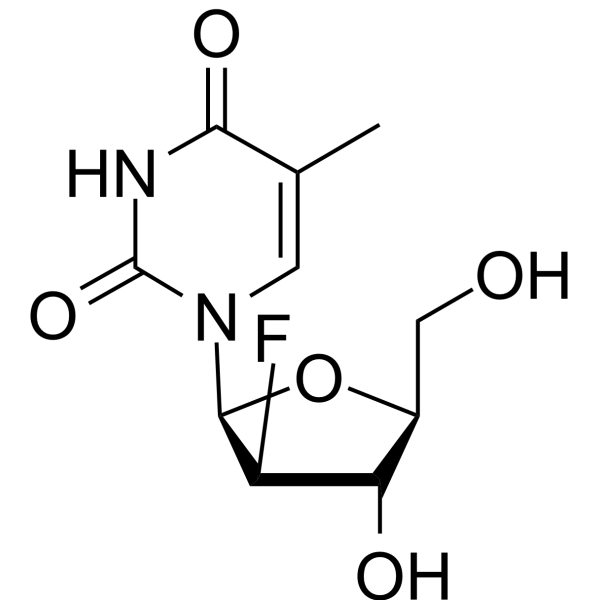
    F-ara-EdU is a low-toxic, highly stable probe for DNA synthesis that is used as a marker for cell proliferation and DNA replication by binding to DNA or RNA in cells. F-ara-EdU can also be used to detect the rate of DNA synthesis within cells, as well as to study the mechanisms of DNA repair and damage .
    F-ara-EdU
  • HY-120647

    PD-1/PD-L1 Inflammation/Immunology Cancer
    BMS-1001 is an orally active human PD-L1/PD-1 immune checkpoint inhibitor. BMS-1001 exhibits low-toxicity in cells. The IC50 value of BMS-1001 in a homogeneous time-resolved fluorescence (HTRF) binding assay is 2.25 nM .
    BMS-1001
  • HY-118165
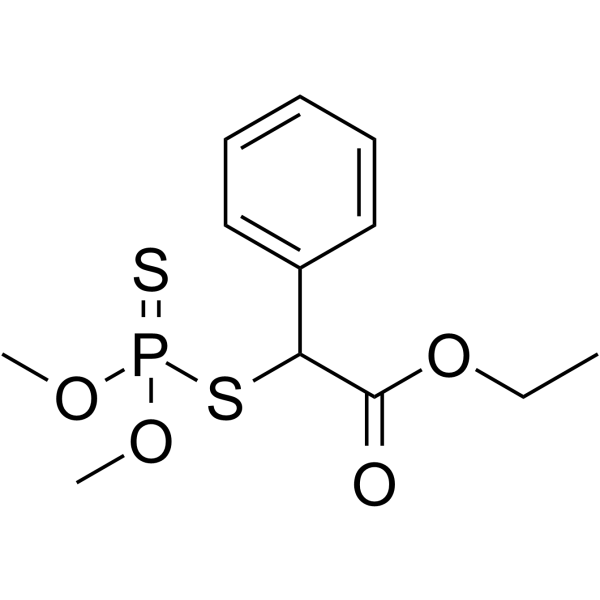
    Phenthoate
    2 Publications Verification

    Environmental Pollutants Cholinesterase (ChE) Neurological Disease
    Phenthoate is an organophosphorus pesticide having low toxicity in animals. Phenthoate is also a AChE inhibitor .
    Phenthoate
  • HY-126199

    Endogenous Metabolite Others
    Tetrachlorvinphos is an organophosphorus pesticide that has the activity of inhibiting cholinesterase. Tetrachlorvinphos is used as a pesticide, mainly for the control of pests. Tetrachlorvinphos has low toxicity to mammals .
    Tetrachlorvinphos
  • HY-N7262

    Others Cancer
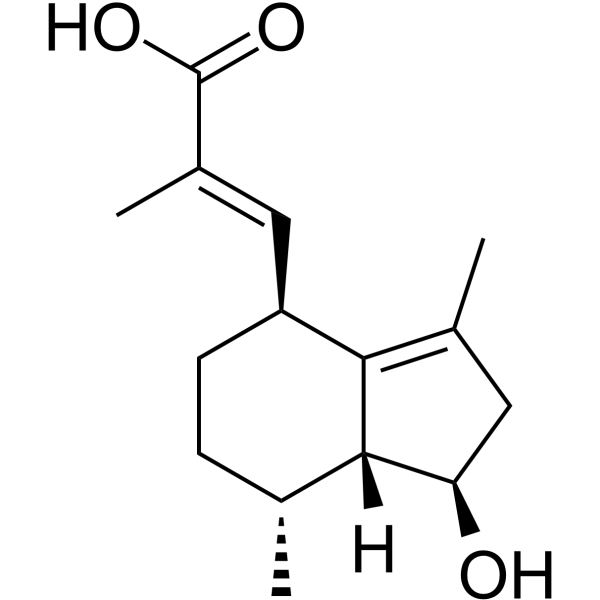
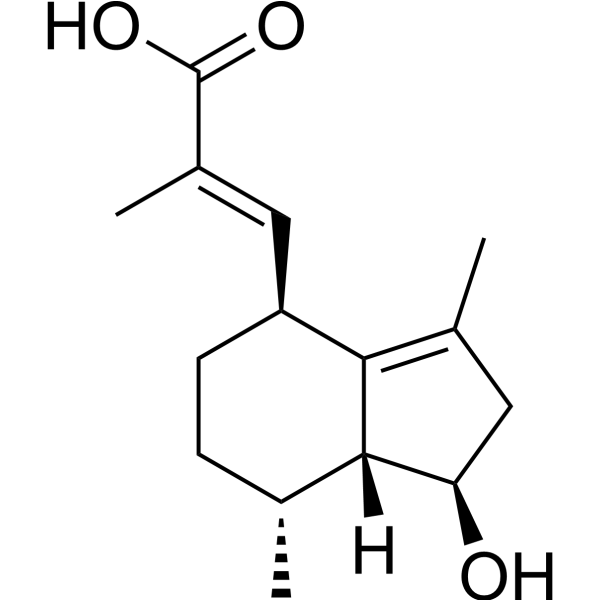
    Hydroxyvalerenic acid is isolated from Verbena officinalis, has a low toxicity with IC50 values of 123 and 165 μM against GLC4 and COLO 320 cells, respectively .
    Hydroxyvalerenic acid
  • HY-140656F

    Fluorescent Dye Others
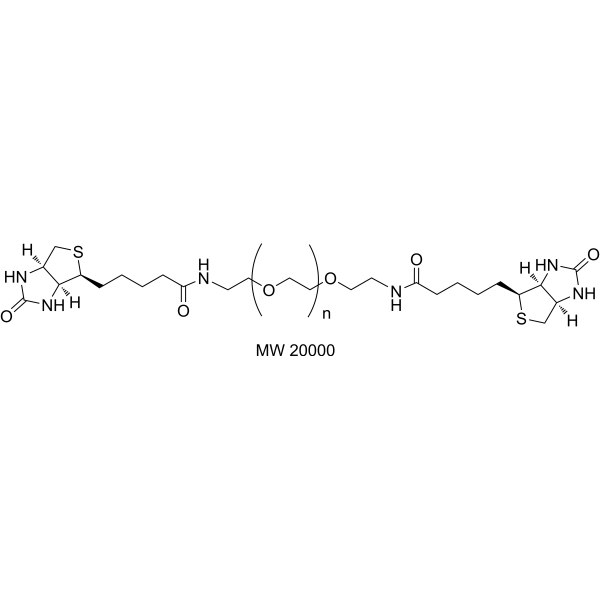
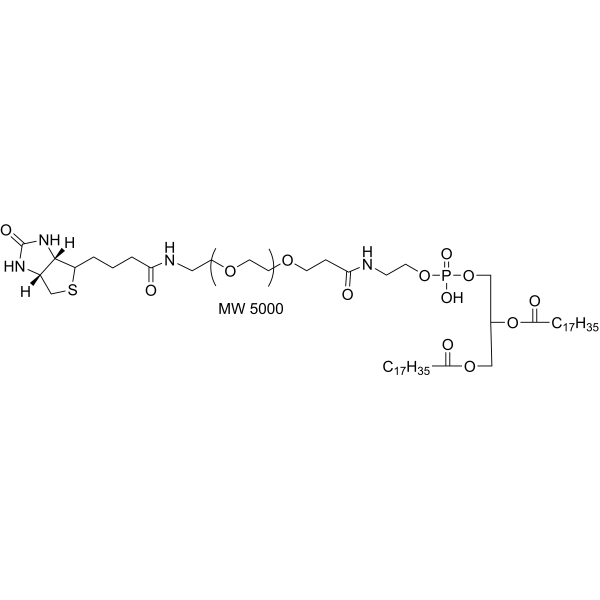
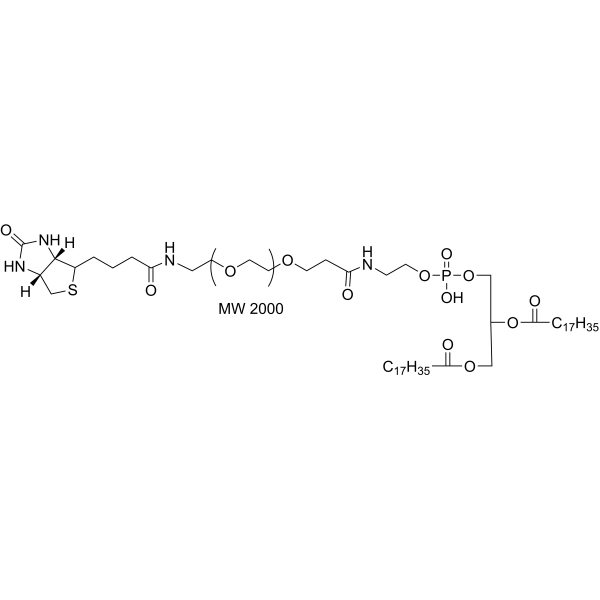
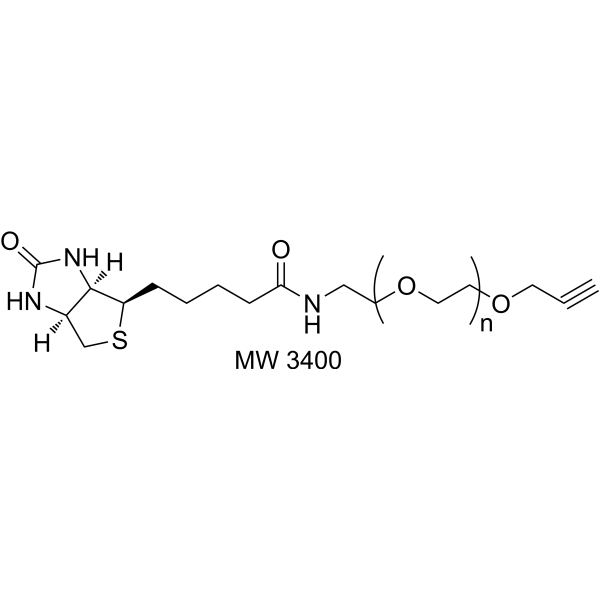
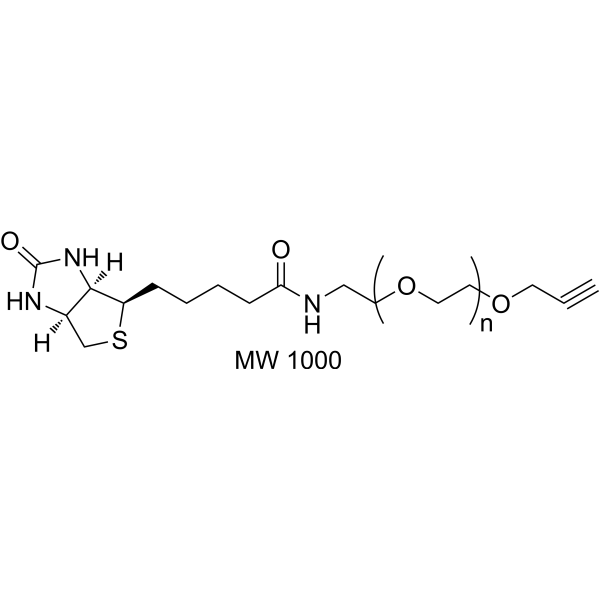
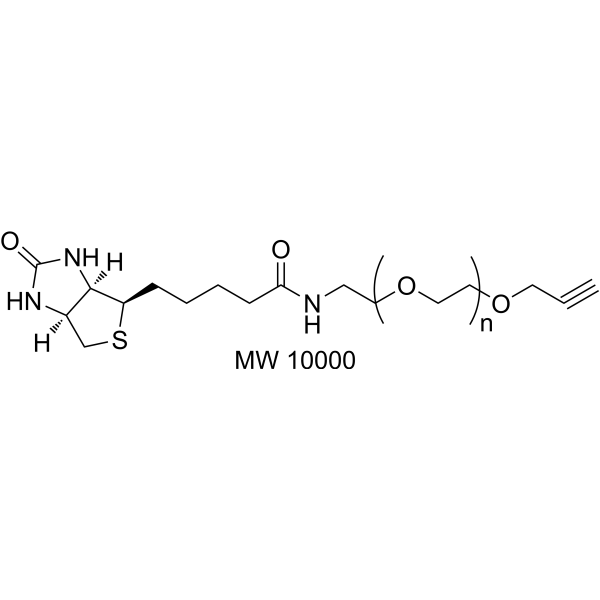
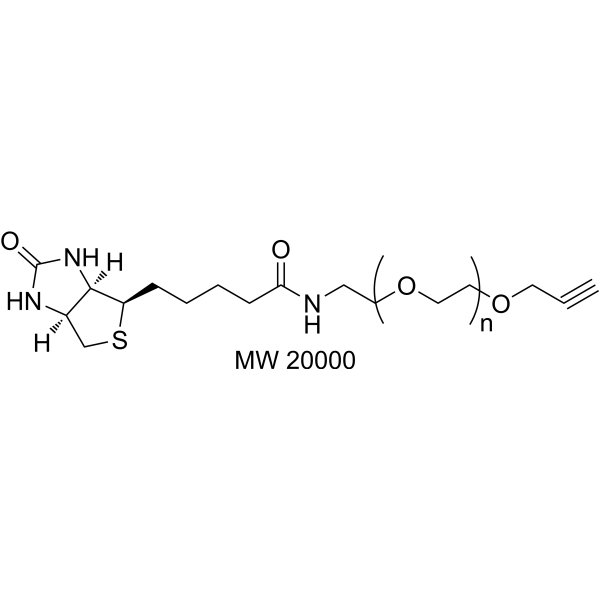
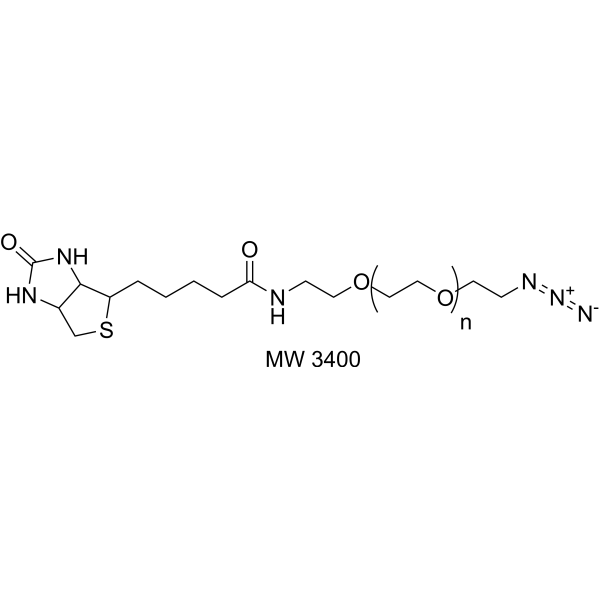
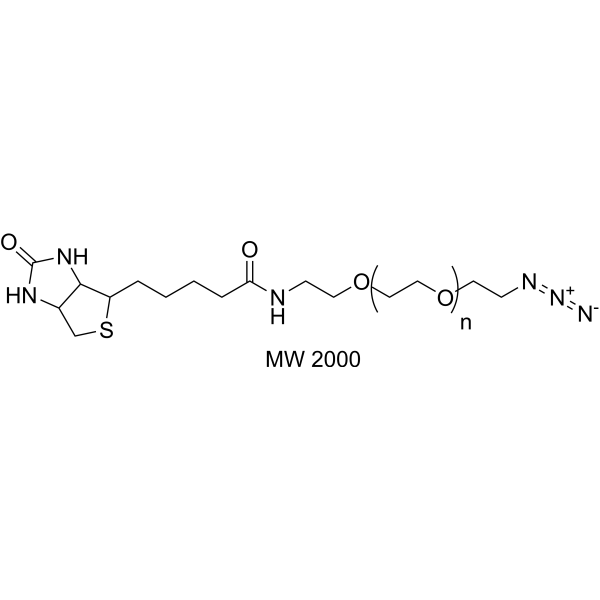
    Biotin-PEG20000-Biotin is a biotin labeled PEG derivative. Biotin is an enzyme co-factor, can be used for labeling protein; PEG is a hydrophilic and water-soluble polymer with low toxicity.
    Biotin-PEG20000-Biotin
  • HY-DY1027

    Fluorescent Dye Cancer
    Indocyanine green (Foxgreen) (solution) is a low toxicic fluorescent agent that has been widely used in medical diagnostics, such as determining cardiac output, hepatic function, and liver blood flow, and for ophthalmic angiography (Ex/Em = 785/813 nm) .
    Solvent and concentration: DMSO: 10 mM
    Indocyanine green (solution)
  • HY-P3912A

    Interleukin Related Infection
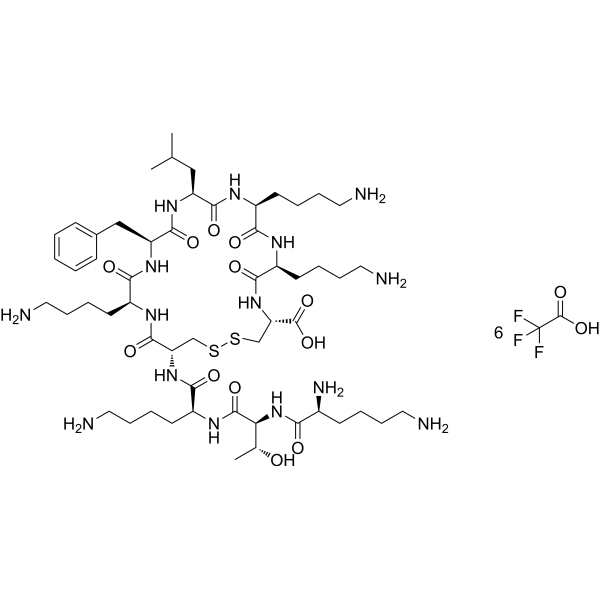
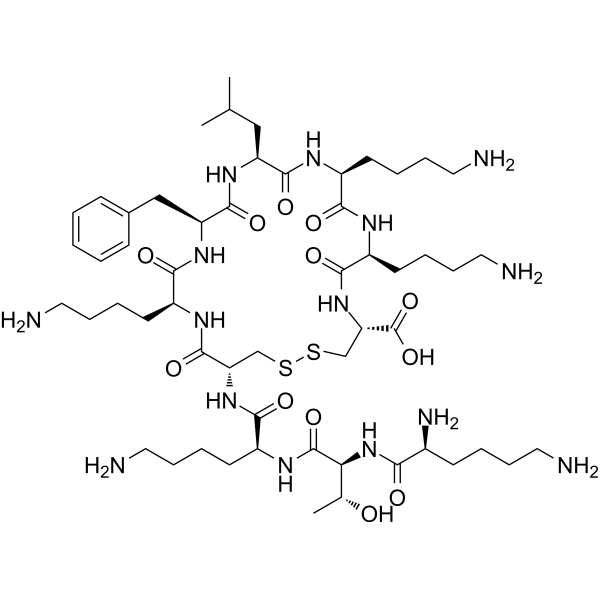
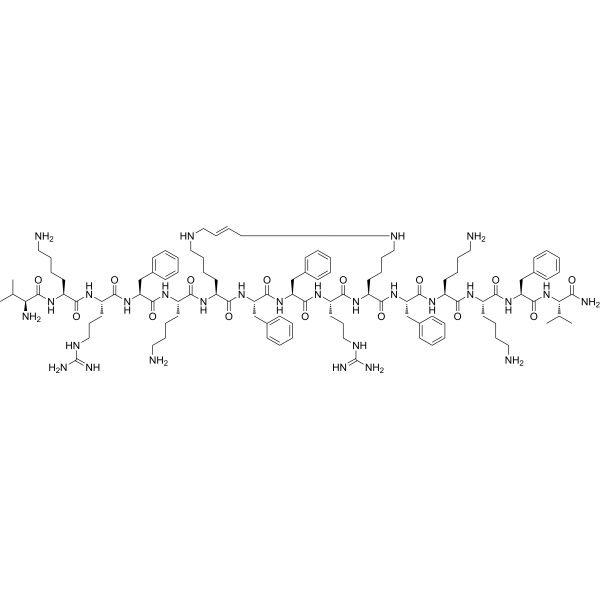
    Endotoxin inhibitor TFA is a synthetic peptide that binds lipid A with high affinity, thereby detoxifying LPS (HY-D1056) and preventing LPS-induced cytokine release in vivo. Endotoxin inhibitor TFA inhibits the febrile response to LPS with very low toxicity and lethality .
    Endotoxin inhibitor TFA
  • HY-135739

    Cytochrome P450 Cardiovascular Disease Metabolic Disease
    Benzobarbital is an active low-toxicity inductor of the liver monooxygenase system. Benzobarbital raises cytochrome P-450 concentration. Benzobarbital can be used in the research of post-ischemic liver disease .
    Benzobarbital
  • HY-106993

    GT-2331

    Histamine Receptor Neurological Disease Endocrinology
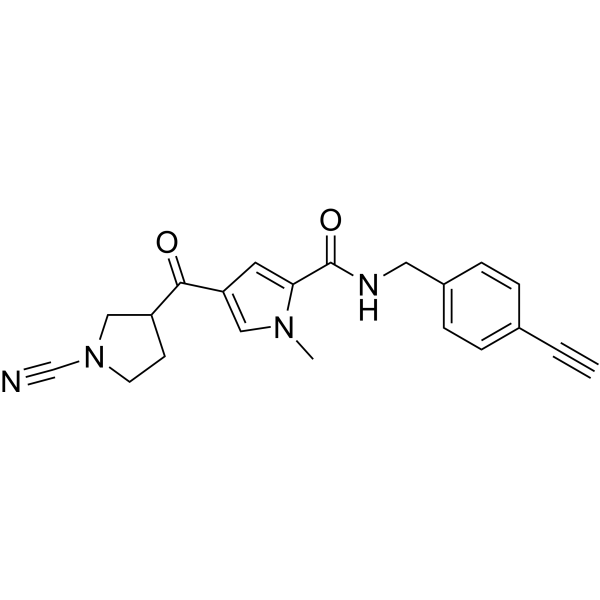
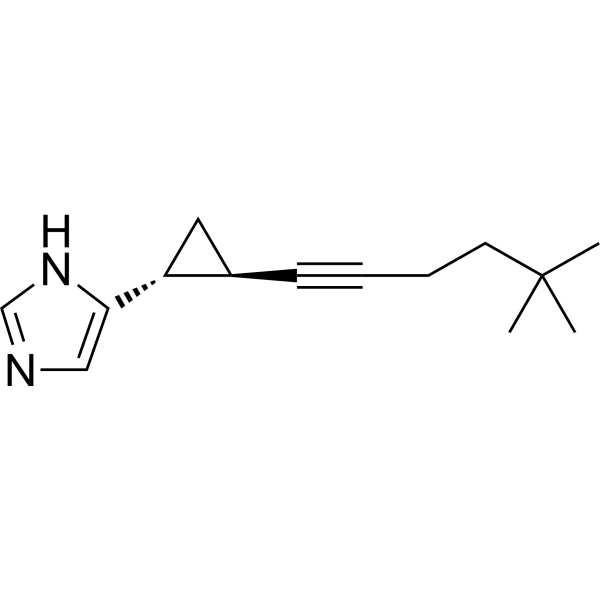
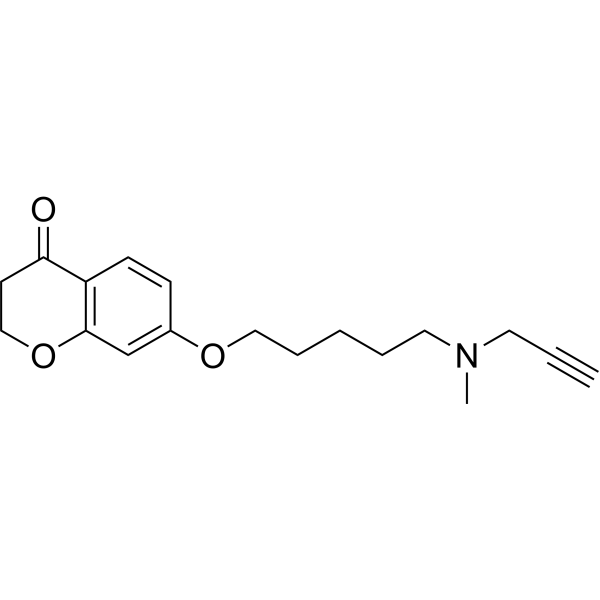
    Cipralisant (GT-2331) is an orally active, low-toxicity, potent, selective, high affinity histamine H3 receptor full antagonist in vivo, and an agonist in vitro, with a pKi of 9.9 for histamine H3 receptor and a Ki of 0.47 nM for rat histamine H3 receptor. Cipralisant has the potential for attention-deficit hyperactivity disorder research . Cipralisant is a click chemistry reagent, it contains an Alkyne group and can undergo copper-catalyzed azide-alkyne cycloaddition (CuAAc) with molecules containing Azide groups.
    Cipralisant
  • HY-P5307A

    INF7-A5K-TAT acetate

    Biochemical Assay Reagents Others
    Peptide A5K (INF7-A5K-TAT) acetate is an amphiphilic peptide derived from the HA2-TAT fusion scaffold. Peptide A5K acetate can non-covalently bind to CRISPR ribonucleoproteins and efficiently deliver them to cells, such as primary human T cells, B cells, and NK cells. Peptide A5K acetate enables low-toxicity, precise, and multiplex genome editing, holding great application potential in the field of cell therapy .
    Peptide A5K acetate
  • HY-100334

    BR-931

    Drug Derivative Metabolic Disease
    Pirinixil is a hypolipidemic agent of low toxicity.
    Pirinixil
  • HY-DY1068

    Fluorescent Dye Others
    Cyanine5 DBCO (DBCO-Cy5) hexafluorophosphate (solution) is a low-toxicity azide reactive probe (NIR fluorescent dye) , for imaging azide-labeled biomolecules via a copper-free "click-through" reaction. Cyanine5 DBCO hexafluorophosphate has no apparent cytotoxicity or animal toxicity and shows no damage to the physiological functions of cells other than the target cells (azide-labeled cells). Cyanine5 DBCO hexafluorophosphate can be used to label and track cells in vitro and in vivo (Ex=635 nm, Em=650-700 nm) .
    Solvent and concentration: DMSO: 10 mM
    Cyanine5 DBCO hexafluorophosphate (solution)

Inquiry Online

Your information is safe with us. * Required Fields.

Salutation


Country or Region *

Applicant Name *


Organization Name *

Department *


Email Address *


Product Name *

Cat. No.


Requested quantity *

Phone Number *


Remarks

Inquiry Online

Inquiry Information

Product Name:
Cat. No.:
Quantity:
MCE Japan Authorized Agent: