
1. Search Result
Search Result
Results for "

Sprague-Dawley rats

" in MedChemExpress (MCE) Product Catalog:

180

Inhibitors & Agonists

4

Biochemical Assay Reagents

13

Peptides

1

Inhibitory Antibodies

35

Natural
Products

4

Oligonucleotides

Cat. No. Product Name Target Research Areas Chemical Structure
  • HY-W009724
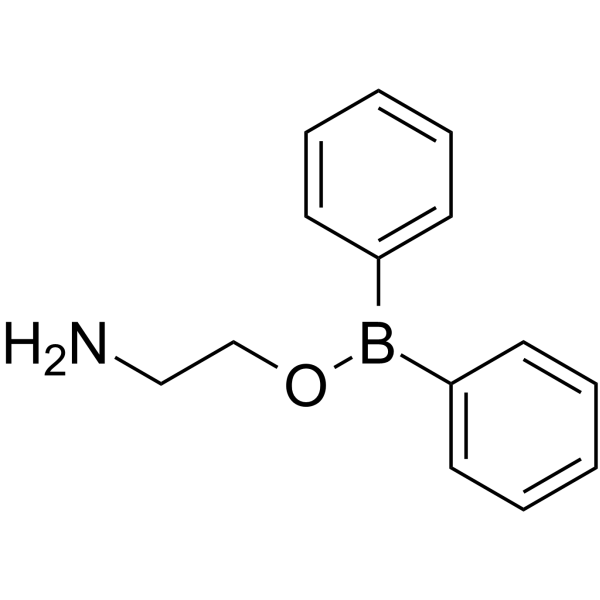
    2-Aminoethyl diphenylborinate
    Maximum Cited Publications
    71 Publications Verification

    2-APB

    Calcium Channel TRP Channel CRAC Channel Cardiovascular Disease Inflammation/Immunology
    2-Aminoethyl diphenylborinate (2-APB) is a cell-permeable inhibitor of Inositol triphosphate receptor (IP3R). 2-Aminoethyl diphenylborinate also inhibits the store-operated Ca 2+ (SOC) channel and activates some TRP channels (V1, V2 and V3). Additionally, 2-Aminoethyl diphenylborinate has inhibitory effects on vasospasm. At high concentrations, it exhibits specific anti-inflammatory and antioxidant effects in neural tissue .
    2-Aminoethyl diphenylborinate
  • HY-149179
    Polymyxin B
    20+ Cited Publications

    Antibiotic Bacterial Infection
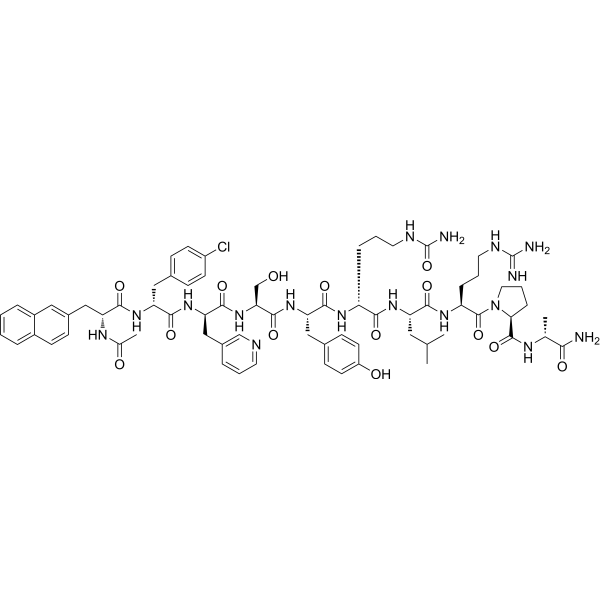
    Polymyxin B is an antibiotic. Polymyxin B inhibits Gram-negative infections by binding to the LPS of the bacterial wall with high affinity. Polymyxin B neutralizes the effect of endotoxin. Polymyxin B induces bacterial death by increasing its permeability. Polymyxin B is used in endotoxemia research .
    Polymyxin B
  • HY-B1232
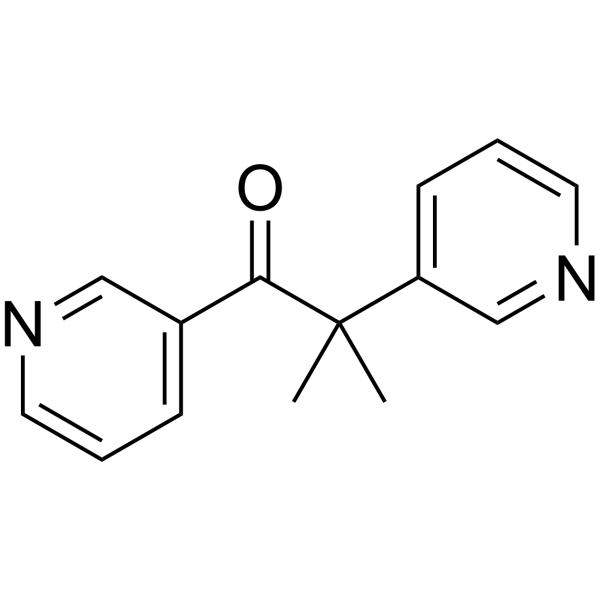
    Metyrapone
    Maximum Cited Publications
    11 Publications Verification

    Su-4885

    Endogenous Metabolite Cytochrome P450 Autophagy Neurological Disease Metabolic Disease Endocrinology Cancer
    Metyrapone (Su-4885) is a potent and orally active 11β-hydroxylase inhibitor and an autophagy activator, also inhibits the production of aldosterone. Metyrapone inhibits synthesis of endogenous adrenal corticosteroid, decreases glucocorticoid levels, and also affects behavior and emotion. In addition, Metyrapone increases the efficiency of autophagic process via downregulation of mTOR pathway, and interacts with Pseudomonas putida cytochrome P-450. Metyrapone can be used for researching Cushing's syndrome and depression .
    Metyrapone
  • HY-W012977
    3,3-Dimethyl-1-butanol
    1 Publications Verification

    DMB; Neohexanol

    TGF-beta/Smad NF-κB Endogenous Metabolite Cardiovascular Disease Metabolic Disease Inflammation/Immunology Cancer
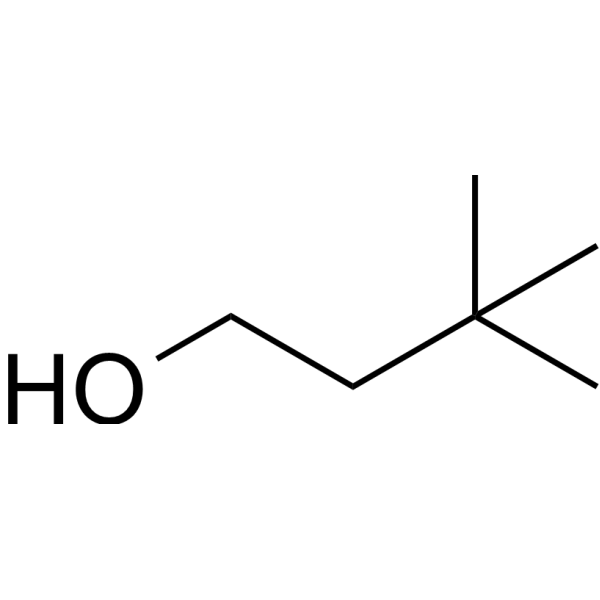
    3,3-Dimethyl-1-butanol (DMB) is an orally active inhibitor of trimethylamine (TMA) and trimethylamine N-oxide (TMAO). 3,3-Dimethyl-1-butanol inhibits the signaling pathway of p65 NF-κB and TGF-β1/Smad3. 3,3-Dimethyl-1-butanol has potential applications in cardiovascular disease (CVD) .
    3,3-Dimethyl-1-butanol
  • HY-133668

    Drug Metabolite Cytochrome P450 PPAR Endocrinology Cancer
    Monoethyl phthalate is an orally active PDX-1 activator and the major hydrolytic metabolite of Diethyl phthalate (HY-Y0284) in vivo, with reproductive toxicity. Monoethyl phthalate targets aromatase (aromatase/CYP19A1) and PPAR to induce cell proliferation. The plasma protein binding rate of Monoethyl phthalate in rats and humans is lower than that of Diethyl phthalate. It exhibits significant enterohepatic circulation in rats and mainly accumulates in liver tissues. Monoethyl phthalate shows no estrogenic activity in estrogen-dependent human breast cancer cells. Monoethyl phthalate can be used in studies of reproductive toxicity and related environmental endocrine disruption mechanisms .
    Monoethyl phthalate
  • HY-B0921
    Succinylsulfathiazole
    1 Publications Verification

    Succinylsulphathiazole

    Antibiotic Bacterial Dihydrofolate reductase (DHFR) mTOR Infection
    Succinylsulfathiazole (Succinylsulphathiazole) is a long-acting sulfonamide antibiotic with localized gut-specific antibacterial activity and is orally active. Succinylsulfathiazole inhibits bacterial folate synthesis, reduces coliform counts, suppresses intestinal bacterial growth and vitamin biosynthesis, and depletes gut folate-producing bacteria. Succinylsulfathiazole modulates hepatic mTOR signaling, diminishes cecal fermentation, decreases hepatic folate levels and total folate excretion, elevates nitrogen excretion and reduces the fermentability of certain dietary fibers. Succinylsulfathiazole induces folate deficiency and triggers biotin- and folate-related nutritional deficiency symptoms in rats and C57BL/6 mice .
    Succinylsulfathiazole
  • HY-14542A
    Ziprasidone hydrochloride
    3 Publications Verification

    CP-88059 hydrochloride

    5-HT Receptor Dopamine Receptor Neurological Disease
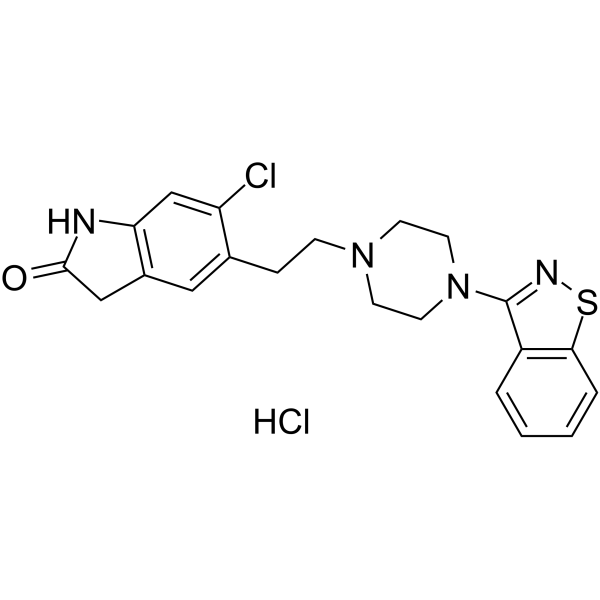
    Ziprasidone (CP-88059) hydrochloride is an orally active combined 5-HT and dopamine receptor antagonist . Ziprasidone hydrochloride has affinities for Rat D2 (Ki=4.8 nM), 5-HT2A (Ki=0.42 nM) and 5-HT1A (Ki=3.4 nM) .
    Ziprasidone hydrochloride
  • HY-A0093
    Mexiletine hydrochloride
    2 Publications Verification

    KOE-1173 hydrochloride

    Sodium Channel Cardiovascular Disease Neurological Disease
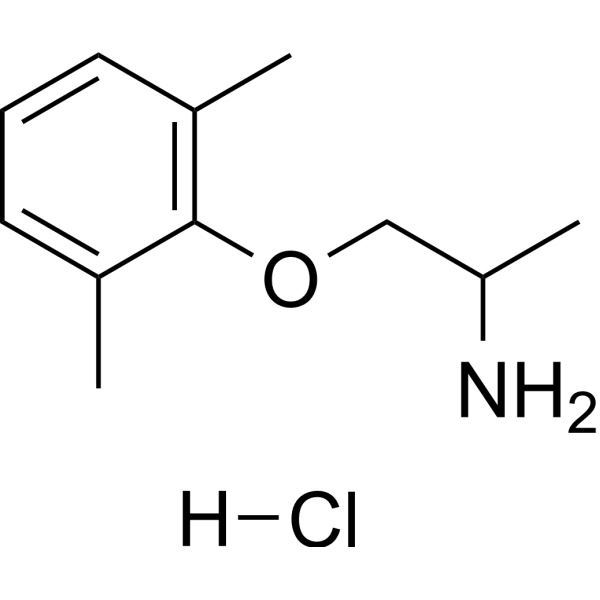
    Mexiletine is an orally effective antiarrhythmic agent which has also been found to be effective for myotonia and neuropathic pain. Mexiletine exerts its efficacy through blocking sodium channels (IC50 : 75±8 μM for tonic block, 23.6±2.8 μM for use-dependent block), therefore can be used for cardiovascular and neurological research .
    Mexiletine hydrochloride
  • HY-N2013
    Aristolactam I
    1 Publications Verification

    Aristololactam; Aristolactam

    Drug Metabolite Aquaporin Cadherin TGF-beta/Smad Endocrinology Cancer
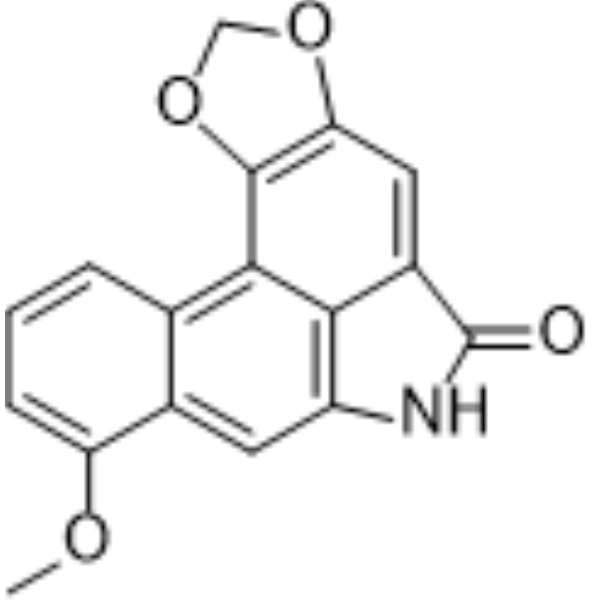
    Aristolactam I is an AQP1 inhibitor and Aristolochic acid I metabolite. Aristolactam I can be isolated from Aristolochia plants. Aristolactam I downregulates Twist1 expression, increases E-cadherin expression, and activates the TGF-β/Smad signaling pathway. Aristolactam I has anticancer activity against breast cancer. Aristolactam I is nephrotoxic. Aristolactam I is mainly used in the study of breast cancer and kidney diseases such as renal interstitial fibrosis .
    Aristolactam I
  • HY-Y1324

    Disodium hydrogen phosphate dodecahydrate; Disodium phosphate dodecahydrate

    Environmental Pollutants Biochemical Assay Reagents Endocrinology
    Phosphoric acid disodium dodecahydrate is an inorganic compound and food additive. Phosphoric acid disodium dodecahydrate promotes gel formation, improves food texture and thermal properties of materials. Phosphoric acid disodium dodecahydrate induces glomerular calcification. Phosphoric acid disodium dodecahydrate can be used in kidney disease research .
    Sodium phosphate dibasic dodecahydrate
  • HY-B0106A

    UCB 6474

    Drug Derivative Neurological Disease
    Etiracetam is a racetam-class nootropic agent. Etiracetam enhances learning and memory in both normal and amnesic rats. Etiracetam can be used in studies related to memory retrieval disorders and amnesic diseases such as Alzheimer's disease .
    Etiracetam
  • HY-W018004

    Amino Acid Derivatives Endogenous Metabolite Inflammation/Immunology
    L-Homocitrulline is a carbamoylated derivative amino acid and a structural analog of L-citrulline. L-Homocitrulline serves not only as an intermediate in polypeptide synthesis but also converts into a variety of cyclic derivatives under enzymatic or acidic conditions. The level of L-Homocitrulline is significantly elevated in the serum of patients with non-alcoholic fatty liver disease (NAFLD), with high diagnostic accuracy. L-Homocitrulline also exists in patients with related diseases such as hypercitrullinemia. L-Homocitrulline is a key biomarker for monitoring abnormal liver metabolism and is widely used in NAFLD research .
    L-Homocitrulline
  • HY-113139
    1-Methylinosine
    3 Publications Verification

    N1-Methylinosine

    Nucleoside Antimetabolite/Analog Endogenous Metabolite Cancer
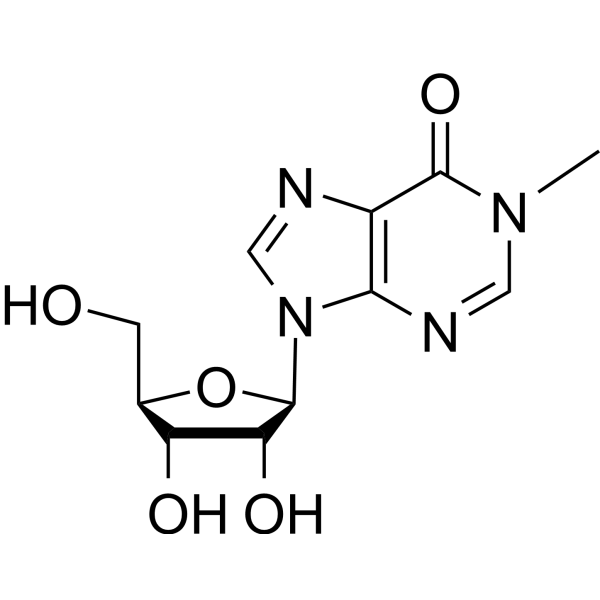
    1-Methylinosine (N1-MetHYlinosine) is a modified nucleotide located at position 37 of eukaryotic tRNA, 3' to the tRNA anticodon. 1-Methylinosine is a minor metabolite of 1-methyladenosine (HY-113081). The level of 1-Methylinosine is significantly elevated in urine samples from breast cancer models .
    1-Methylinosine
  • HY-119521
    Mexiletine
    2 Publications Verification

    KOE-1173

    Sodium Channel Cardiovascular Disease Neurological Disease
    Mexiletine is an orally effective antiarrhythmic agent which has also been found to be effective for myotonia and neuropathic pain. Mexiletine exerts its efficacy through blocking sodium channels (IC50 : 75±8 μM for tonic block, 23.6±2.8 μM for use-dependent block), therefore can be used for cardiovascular and neurological research .
    Mexiletine
  • HY-W353102

    Endogenous Metabolite P-glycoprotein Metabolic Disease
    Estradiol 17-(β-D-Glucuronide) is a D-ring glucuronide metabolite of natural estrogen formed in the liver. Estradiol 17-(β-D-Glucuronide) is a substrate of the organic anion-transporting polypeptide family (Oatp) and multidrug resistance-associated protein 2 (Mrp2). Estradiol 17-(β-D-Glucuronide) regulates MRP8-mediated transport processes and inhibits MRP8-mediated transport of dehydroepiandrosterone 3-sulfate and taurocholic acid. Estradiol 17-(β-D-Glucuronide) induces immediate, reversible reduction of bile flow and acute intrahepatic cholestasis in female rats without altering the bile acid composition in bile. Estradiol 17-(β-D-Glucuronide) can be used in studies related to intrahepatic cholestasis .
    Estradiol 17-(β-D-Glucuronide)
  • HY-W324435

    Sodium 2,4-dinitrobenzenesulfonate; DNBS sodium salt; DNBSO sodium salt

    NF-κB p38 MAPK COX Inflammation/Immunology
    2,4-Dinitrobenzenesulfonic acid (DNBS; DNBSO) sodium salt (Sodium 2,4-dinitrobenzenesulfonate) is a classic colitis inducer that relies on activation of the NF-κB p65/COX-2/p38 pathway. As a hapten, 2,4-Dinitrobenzenesulfonic acid sodium salt stimulates the production of immune responses in colonic tissues, triggers oxidative stress and inflammatory reactions, and thereby leads to colonic injury. 2,4-Dinitrobenzenesulfonic acid sodium salt successfully induces models of colitis and ulcerative colitis in rats, causing pathological changes such as ulcers, edema, stenosis, shortening and organ adhesion in the distal colon, along with significant increases in the levels of inflammatory indicators and endoplasmic reticulum stress marker proteins. 2,4-Dinitrobenzenesulfonic acid sodium salt is widely used in studies on the mechanisms related to colitis and ulcerative colitis .
    2,4-Dinitrobenzenesulfonic acid sodium salt
  • HY-114331

    MAP3K FLT3 PAK STK33 Trk Receptor Neurological Disease
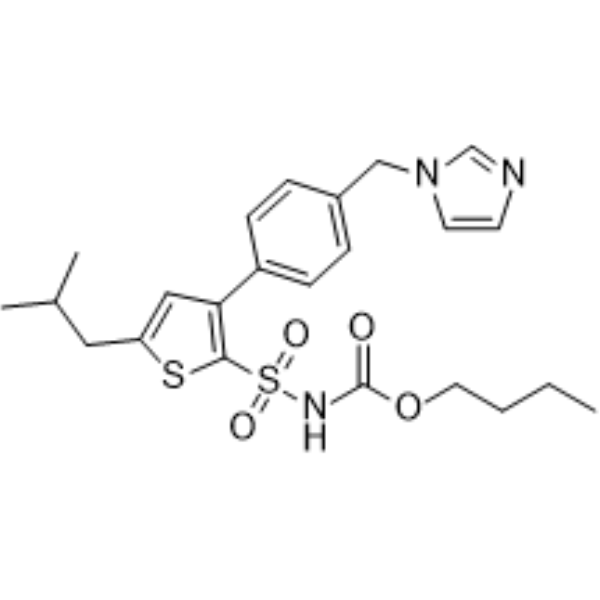
    DLK-IN-1 (Compound 14) is an orally active, blood-brain barrier-penetrable and selective inhibitor of dual leucine zipper kinase (DLK, MAP3K12) with a Ki value of 3 nM. DLK-IN-1 inhibits Flt3, PAK4, STK33 and TrkA. DLK-IN-1 reduces p-c-Jun. DLK-IN-1 can be used in Alzheimer's disease research .
    DLK-IN-1
  • HY-19636

    FAAH Autophagy Neurological Disease
    JNJ-42165279 is an orally active FAAH inhibitor, with IC50 values of 70 nM for hFAAH and 313 nM for rFAAH. JNJ-42165279 can be used in research related to the field of neuropathic pain .
    JNJ-42165279
  • HY-N2109

    Others Others
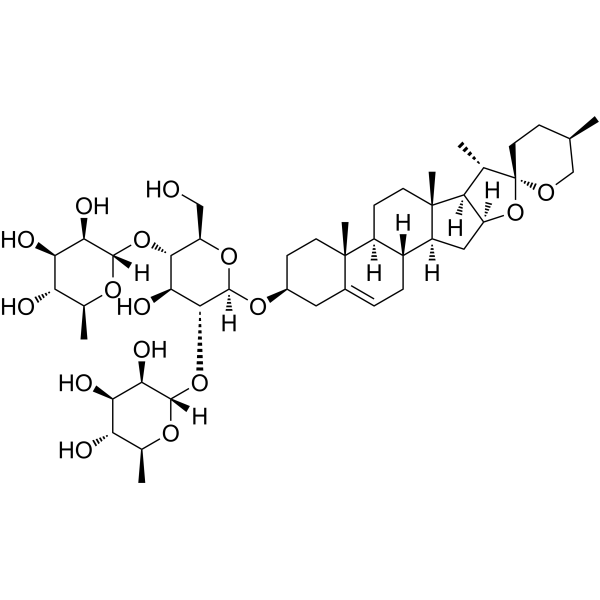
    Macranthoidin A is a saponin. Macranthoidin A can be isolated from the plasma of rats administered oral extracts of Lonicera saponins .
    Macranthoidin A
  • HY-123068

    SQ 14551

    Drug Derivative Cardiovascular Disease
    Captopril disulfide (SQ 14551) is an orally active disulfide dimer prodrug. Captopril disulfide is metabolized to Captopril and acts as a Bradykinin potentiator. Captopril disulfide enhances the vasodilatory effect of Bradykinin in anesthetized rats and the contractile response of isolated guinea pig ileum to Bradykinin. Captopril disulfide exhibits antihypertensive activity in spontaneously hypertensive rats. Captopril disulfide can be used in hypertension-related research .
    Captopril disulfide
  • HY-B1017

    EN-1733A

    Dopamine Receptor Neurological Disease
    Molindone hydrochloride (EN-1733A) is an orally active and brain-penetrant dopamine D2/D5 receptor antagonist. Molindone hydrochloride shows antipsychotic and antidepressant-like activities. Molindone hydrochloride suppresses spontaneous locomotion, and antagonizes apomorphine-induced emesis. Molindone hydrochloride can be used for the research of neurological disease .
    Molindone (hydrochloride)
  • HY-135783
    AT 1001
    1 Publications Verification

    nAChR Neurological Disease Metabolic Disease Inflammation/Immunology
    AT 1001 is an orally effective α3β4 nicotinic acetylcholine receptor (α3β4 nAChR) antagonist with a Ki value of 2.64 nM. AT 1001 reversibly blocks Epibatidine (HY-101078)-induced inward currents in HEK cells transfected with α3β4 nAChR. AT 1001 dose-dependently blocks nicotine self-administration behavior in rats, alleviates gluten-induced gastrointestinal symptoms, blocks tight junction toxin-induced immune responses, and reduces the incidence of type 1 diabetes in rats. AT 1001 can be used in the research of nicotine addiction and celiac disease .
    AT 1001
  • HY-B0662

    KRP-197; ONO-8025

    mAChR Vasopressin Receptor Neurological Disease Endocrinology
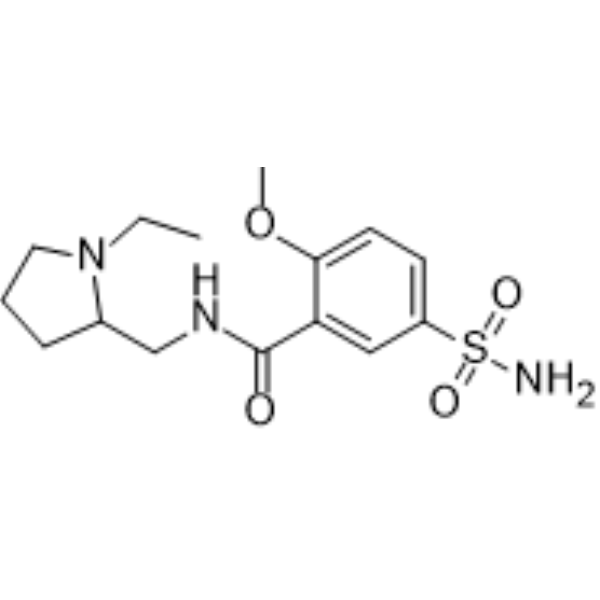
    Imidafenacin (KRP-197; ONO-8025) is an orally active inhibitor of muscarinic (mAChR) M1 and M3 receptors. Imidafenacin potently inhibits bladder contraction in vivo and exerts an antidiuretic effect by enhancing the signaling pathway of vasopressin (antidiuretic hormone). Imidafenacin can be used in research related to overactive bladder .
    Imidafenacin
  • HY-162345

    Calcium Channel Cardiovascular Disease
    CK-963 is an activator for cardiac troponin (cTnC) with Ki of 11.5 μM. CK-963 exhibits activity in enhancing cardiac contractility in Sprague-Dawley rats .
    CK-963
  • HY-16386

    Mitochondrial Metabolism Cancer
    PENAO is a potent tumour cell mitochondrial toxin. PENAO inactivates tumor cell mitochondria by targeting inner-membrane adenine nucleotide transferase .
    PENAO
  • HY-125539

    Antibiotic Phosphatase Fungal Infection
    Roridin E is a glucose-6-phosphatase (G6Pase) inhibitor and antibiotic, and is a metabolic byproduct of Roridin A (HY-N9599). Roridin E induces significant oxidative stress, characterized by depletion of glutathione in vivo, induction of hepatic lipid peroxidation, and inhibition of renal superoxide dismutase activity. Roridin E reduces blood glucose levels in rats, but exhibits acute toxicity (which is enhanced when co-administered with linoleic acid (HY-N0729)) and causes hepatotoxicity in male albino mice. Roridin E induces a decrease in total blood protein and increases in the levels of total lipids, γ-glutamyltransferase, alkaline phosphatase, and 5'-nucleotidase. Roridin E can be isolated from molds, and possesses cytostatic and antifungal activities similar to those of Verrucarin A (HY-107426) and Roridin A. Roridin E exhibits in vivo activity in rodents and is commonly used in hepatotoxicity-related studies .
    Roridin E
  • HY-16386A

    Mitochondrial Metabolism Cancer
    PENAO TFA is the trifluoroacetic acid of PENAO (HY-16386). PENAO is a potent tumour cell mitochondrial toxin. PENAO inactivates tumor cell mitochondria by targeting inner-membrane adenine nucleotide transferase .
    PENAO TFA
  • HY-144627

    PROTACs TAM Receptor Cancer
    PROTAC Axl Degrader 2 is a potent and selective PROTAC Axl degrader with an IC50 of 1.61 μM. PROTAC Axl Degrader 2 shows anti-proliferation activity, anti-migration activity in vitro. PROTAC Axl Degrader 2 induces mehuosis .
    PROTAC Axl Degrader 2
  • HY-17484
    Ampiroxicam
    2 Publications Verification

    CP 65703

    Drug Derivative Inflammation/Immunology
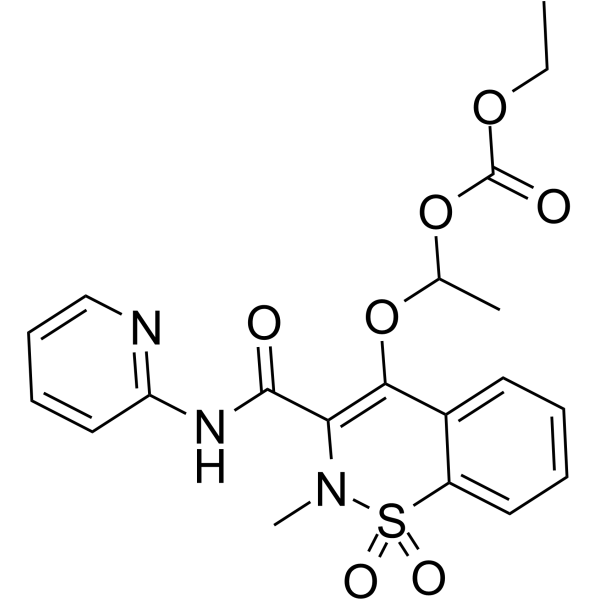
    Ampiroxicam is an orally active prodrug of non-steroidal anti-inflammatory drug (NSAID). Ampiroxicam inhibits paw swelling in adjuvant-induced arthritis and acute inflammation models, and suppresses phenylbenzoquinone-induced stretching responses in mice. Ampiroxicam is rapidly and completely converted to Piroxicam (HY-B0253) via non-specific esterases and first-pass metabolism. Ampiroxicam induces contact hypersensitivity and photosensitivity reactions through photoproducts generated by UVA. Ampiroxicam can be used in research related to photosensitivity, adjuvant-induced arthritis, rheumatism, osteoarthritis and other inflammatory diseases .
    Ampiroxicam
  • HY-Y0308D

    Disodium hydrogen phosphate, meets analytical specification of Ph. Eur. BP USP FCC E339

    Biochemical Assay Reagents Endocrinology
    Sodium phosphate dibasic (Disodium hydrogen phosphate), meets analytical specification of Ph. Eur. BP USP FCC E339 is an inorganic dibasic phosphate that functions as an electrolyte supplement, a buffer carrier for injectable drugs, while also exhibiting nephrotoxicity. Sodium phosphate dibasic, meets analytical specification of Ph. Eur. BP USP FCC E339 induces extensive nephrotic syndrome-like changes, including systemic symptoms such as persistent proteinuria, lipemia, hypercholesterolemia, and anemia, and causes severe renal pathological alterations such as renal enlargement, glomerular calcification, podocyte injury, and tubulointerstitial lesions. Sodium phosphate dibasic, meets analytical specification of Ph. Eur. BP USP FCC E339 has the ability to induce phosphate-induced nephropathy and glomerular calcification, and can be widely used in studies on nephrotic syndrome and related renal pathological mechanisms .
    Sodium phosphate dibasic, meets analytical specification of Ph. Eur. BP USP FCC E339
  • HY-15264
    MC 1046
    1 Publications Verification

    Impurity A of Calcipotriol

    VD/VDR Cancer
    MC 1046 (Impurity A of Calcipotriol) is a hepatic metabolite and an impurity of Calcipotriol (HY-10001). MC 1046 induces differentiation of histiocytic lymphoma cells. MC 1046 can be used for the research of histiocytic lymphoma .
    MC 1046
  • HY-W250580

    Biochemical Assay Reagents Others
    Dimethicone is an orally active biochemical assay reagents consisting of a fully methylated linear siloxane polymer whose ends are blocked by trimethylsiloxane units. Dimethicone can lubricate hair and physically block the respiratory system of lice to remove lice. Dimethicone has potential applications in cosmetics and daily cleaning products .
    Dimethicone
  • HY-115597

    Calcium Channel Neurological Disease
    BTT-266 is an antagonist forcalcium channel, through suppression of the CaVα1-AID-CaVβ3 interaction, with a Ki of 1.4 μM. BTT-266 modulates the activation of voltage-dependent CaV2.2. BTT-266 exhibits analgesic efficacy against neuropathic pain in rats model .
    BTT-266
  • HY-P1025A

    Neuropeptide Y Receptor Cardiovascular Disease Neurological Disease
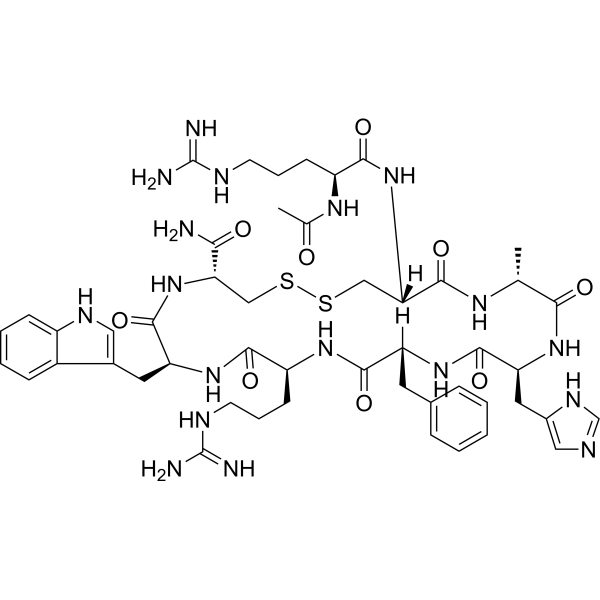
    M40 TFA is the TFA salt form of M40. M40 TFA is an antagonist or a weak agonist for galanin receptor depending on different subtypes of galanin receptors in the brain, hypothalamus, hippocampus, amygdala and pancreas .
    M40 TFA
  • HY-110221
    Rp-8-pCPT-cGMPS sodium
    1 Publications Verification

    PKG Neurological Disease
    Rp-8-pCPT-cGMPS sodium is the sodium salt form of Rp-8-pCPT-cGMPS. Rp-8-pCPT-cGMPS is an inhibitor for cGMP-dependent protein kinase (cGK). Rp-8-pCPT-cGMPS sodium is an agonist for cyclic nucleotide-gated (CNG) channels in a voltage-dependent manner .
    Rp-8-pCPT-cGMPS sodium
  • HY-124064

    Acyltransferase Metabolic Disease
    TMP-153 is an orally active inhibitor of ACAT with an IC50 value of approximately 5-10 nM against hepatic and intestinal ACAT in varicose animals. TMP-153 exhibits cholesterol-lowering effects and can be utilized in the research of atherosclerosis .
    TMP-153
  • HY-123298
    Chrysotoxine
    1 Publications Verification

    Src Akt Apoptosis Cancer
    Chrysotoxine is a dual inhibitor of Src/Akt. Chrysotoxine suppresses cancer stem cells (CSCs) phenotypes by down-regulating Src/Akt signaling. Chrysotoxine reduces cell viability and increases apoptosis level in H460 and H23 cells instead of non-tumor cell lines. Chrysotoxine shows rapid excretion and low bioavailability in rats. Chrysotoxine is used in cancer research .
    Chrysotoxine
  • HY-144624

    PROTACs TAM Receptor Cancer
    PROTAC Axl Degrader 1 is a potent and selective PROTAC Axl degrader with an IC50 of 0.92 μM. PROTAC Axl Degrader 1 shows anti-proliferation activity, anti-migration activity in vitro. PROTAC Axl Degrader 1 induces mehuosis .
    PROTAC Axl Degrader 1
  • HY-W250721D

    Carboxy polymethylene

    Biochemical Assay Reagents Others
    Carbomer (Carboxy polymethylene) is an acrylic acid polymer, which can be used as a thickening agent. Carbomer provides a stable gel matrix, exhibits good heat, light and microbial contamination resistance. Carbomer facilitates the drug release and local application, which can be used in the pharmaceutical industry .
    Carbomer
  • HY-N0320

    Bcl-2 Family Caspase Toll-like Receptor (TLR) MyD88 NF-κB Cardiovascular Disease Neurological Disease Inflammation/Immunology
    Salvianolic acid D is a depside. Salvianolic acid D can be isolated from Salvia miltiorrhiza (Danshen). Salvianolic acid D promotes the expression of Bcl-2, and inhibits the expressions of Bax, Cleaved caspase-3 and -9. Salvianolic acid D reduces the expression levels of TLR4, MyD88 and TRAF6 proteins both in vitro and in vivo, and significantly inhibits the nuclear translocation of NF-κB. Salvianolic acid D inhibits the cytoplasmic translocation of HMGB1. Salvianolic acid D suppresses inflammatory responses and alleviates cerebral ischemia-reperfusion injury. Salvianolic acid D serves as a potential antiplatelet active component .
    Salvianolic acid D
  • HY-N2196

    Others Inflammation/Immunology
    Ajugasterone C is an ecdysteroid isolated from Leuzea carthamoides. Ajugasterone C shows significant inhibitory effect at 100 mg/kg dose on rat paw oedema development due to Carrageenan-induced inflammation in Sprague Dawley rats .
    Ajugasterone C
  • HY-161608

    Myosin Cardiovascular Disease
    Myosin modulator 1 (Compound B141) is a modulator for myosin, that inhibits ATPase in rabbits psoas, porcine atria and in porcine ventricle, with IC25s of 0.42, 0.13 and 3.09 μM, respectively. Myosin modulator 1 regulates systolic cardiac performance in Sprague Dawley rats .
    Myosin modulator 1
  • HY-161609

    Myosin Cardiovascular Disease
    Myosin modulator 2 (Compound B172) is a modulator for myosin, that inhibits ATPase in rabbits psoas, porcine atria and in porcine ventricle, with IC25s of 2.013, 2.94 and 20.93 μM, respectively. Myosin modulator 2 regulates systolic cardiac performance in Sprague Dawley rats .
    Myosin modulator 2
  • HY-P5130

    Endothelin Receptor Cardiovascular Disease
    Big endothelin-1 (rat 1-39) is a 39-residues peptide. Big endothelin-1 (rat 1-39) induces diuretic and natriuretic response in conscious Sprague-Dawley rats. Big endothelin-1 (rat 1-39) raises blood pressure in mice .
    Big endothelin-1 (rat 1-39)
  • HY-162525

    HIV Protease Infection
    GS-9770 is an orally active inhibitor for HIV protease with Ki of 0.16 nM. GS-9770 exhibits antiviral activity aginst HIV-1 strains and HIV-2 strains with EC50 of 1.9-26 nM, and 26 nM. GS-9770 is metabolic stable in human liver microsomes. GS-9770 exhibits good pharmacokinetic characters in Sprague Dawley rats .
    GS-9770
  • HY-139117

    Aryl Hydrocarbon Receptor Cardiovascular Disease
    6,2′,4′-Trimethoxyflavone is an AhR antagonist and has failed to show effective protective effects against cerebral ischemia/reperfusion injury in Sprague-Dawley rats .
    6,2′,4′-Trimethoxyflavone
  • HY-151360

    Sodium Channel Metabolic Disease
    NHE3-IN-3 (Compound 1) is a Na +/H + exchanger isoform 3 (NHE3) inhibitor with pIC50 of 6.2 and 6.6 against human and rat NHE3, respectively. NHE3-IN-3 shows high (98%) oral bioavailability in Sprague–Dawley rats .
    NHE3-IN-3
  • HY-P1025

    Neuropeptide Y Receptor Cardiovascular Disease Neurological Disease
    M40 is an antagonist or a weak agonist for galanin receptor depending on different subtypes of galanin receptors in the brain, hypothalamus, hippocampus, amygdala and pancreas .
    M40
  • HY-158090

    Drug Derivative Cancer
    Triptolide palmitate is the derivative of Triptolide (HY-32735). Triptolide palmitate exhibits cytotoxicity against cancer cell MCF-7 and A549, with IC50 of 7.5 and 6.4 μM. Triptolide palmitate exhibits a half-time T1/2 of 50.4 min in Sprague Dawley rats. Triptolide palmitate can be utilizd as drug carrier .
    Triptolide palmitate
  • HY-107751

    SNC86

    Opioid Receptor Neurological Disease
    BW373U86 (SNC86) is a δ-opioid receptor agonist with an IC50 of 1.49 nM. BW373U86 shows antidepressant-like effects .
    BW373U86

Inquiry Online

Your information is safe with us. * Required Fields.

Salutation


Country or Region *

Applicant Name *


Organization Name *

Department *


Email Address *


Product Name *

Cat. No.


Requested quantity *

Phone Number *


Remarks

Inquiry Online

Inquiry Information

Product Name:
Cat. No.:
Quantity:
MCE Japan Authorized Agent:

