Delivery of temperature sensitive items including proteins and kits will be paused on 6/19 for the Juneteenth holiday. For urgent orders please contact customer service.
Guanosine 5'-triphosphate (5'-GTP) trisodium salt is a G protein (G proteins) signaling activator and a high-energy precursor in the biosynthesis of nucleotide units in DNA and RNA. Guanosine 5'-triphosphate trisodium salt can promote myogenic cell differentiation by upregulating miRNA (miR133a, miR133b) and myogenic regulatory factor expression, and by inducing human myogenic precursor cells to release exosomes containing guanosine molecules. Guanosine-5'-triphosphate disodium salt holds promise for research in biosynthesis and skeletal muscle regeneration .
Guanosine 5'-triphosphate (5'-GTP) trisodium salt is a G protein (G proteins) signaling activator and a high-energy precursor in the biosynthesis of nucleotide units in DNA and RNA. Guanosine 5'-triphosphate trisodium salt can promote myogenic cell differentiation by upregulating miRNA (miR133a, miR133b) and myogenic regulatory factor expression, and by inducing human myogenic precursor cells to release exosomes containing guanosine molecules. Guanosine-5'-triphosphate trisodium salt holds promise for research in biosynthesis and skeletal muscle regeneration .
NF449 octasodium is a highly potent P2X1 receptor antagonist, with IC50s of 0.28, 0.69, and 120 nM for rP2X1, rP2X1+5, P2X2+3, respectively. NF449 octasodium is a Gsα-selective G Protein antagonist. NF449 octasodium suppresses the rate of GTP[γS] binding to Gsα-s, inhibits the stimulation of adenylyl cyclase activity, and blocks the coupling of β-adrenergic receptors to Gs .
KRA-533 is a potent KRAS agonist. KRA-533 binds to the GTP/GDP binding pocket in the KRAS protein to prevent GTP cleavage, resulting in the accumulation of constitutively active GTP-bound KRAS that triggers both apoptotic and autophagic cell death pathways in cancer cells.
GTPγS (Guanosine 5'-[γ-thio]triphosphate) tetralithium is a G-protein activator that protects proteins from proteolytic degradation, stimulates GLUT4 translocation in a tyrosine kinase-dependent manner, stimulate phospholipases and induce actin polymerization. GTPγS tetralithium to couple with G- protein α, to study its effect on kinase activity. GTPγS tetralithium acts as a component of lysis buffer .
BI-2852 is a KRAS inhibitor for the switch I/II pocket (SI/II-pocket) by structure-based agent design with nanomolar affinity. BI-2852 is mechanistically distinct from covalent KRASG12C inhibitor (binds to switch II pocket) and binds ten-fold more strongly to active KRASG12D versus KRASwt (740 nM vs 7.5 μM). BI-2852 blocks GEF, GAP, and effector interactions with KRAS, leading to inhibition of downstream signaling and an antiproliferative effect in KRAS mutant cells.
Guanylyl imidodiphosphate lithium (Gpp (NH) p lithium) is a non-hydrolyzable GTP analog. Guanylyl imidodiphosphate lithium increases adenylate cyclase activity. Guanylyl imidodiphosphate lithium binds to and irreversibly activates G proteins .
2,4-Diamino-6-hydroxypyrimidine is a specific GTP cyclohydrolase I inhibitor (the rate-limiting enzyme in de novo pterin synthesis). 2,4-Diamino-6-hydroxypyrimidine blocks Tetrahydrobiopterin (BH4) synthesis and suppresses NO production .
GTP trisodium salt, 100 mM Solution, PCR Grade (Guanosine triphosphate trisodium salt, 100 mM Solution, PCR Grade) is a solution prepared from GTP at a concentration of 100 mM, free of DNase, RNase and phosphatase contamination, and suitable for molecular biology research .
Guanosine 5'-triphosphate (5'-GTP) trisodium salt hydrate is a G protein (G proteins) signaling activator and a high-energy precursor in the biosynthesis of nucleotide units in DNA and RNA. Guanosine 5'-triphosphate trisodium salt hydrate can promote myogenic cell differentiation by upregulating miRNA (miR133a, miR133b) and myogenic regulatory factor expression, and by inducing human myogenic precursor cells to release exosomes containing guanosine molecules. Guanosine-5'-triphosphate disodium salt hydrate holds promise for research in biosynthesis and skeletal muscle regeneration .
ADT-007 is a potent and orally active pan-RAS inhibitor with strong anticancer effects. ADT-007 binds RAS in a nucleotide-free conformation to block GTP activation. ADT-007 potently and selectively inhibits the growth of cancer cells with mutated or hyper-activated wild-type RAS isozymes .
Guanylyl Imidodiphosphate (Guanosine 5'-[β,γ-imido]triphosphate) trisodium is a non-hydrolysable GTP analogue, an activator of ADP-ribosylation factor (ARF) and a potent stimulator of adenylate cyclase. Imidodiphosphate trisodium can be used in protein synthesis studies .
Guanosine triphosphate (GTP) is a critical nucleotide and regulator of cellular metabolism. Guanosine triphosphate promotes ribosomal DNA localization, pre-rRNA transcription and ribosome biogenesis by binding to RNA polymerase I and GPN proteins (GPN1/3). Guanosine triphosphate links MYC-dependent ribosome biogenesis to nucleotide sufficiency, acts as a metabolic gatekeeper supporting protein synthesis, DNA/RNA synthesis and cellular signal transduction, while also participating in the physiological activities of pancreatic β-cells and serving as an oxidative substrate for reactive oxygen species. In small cell lung cancer with high MYC expression, Guanosine triphosphate accumulates through the IMPDH-driven synthetic pathway, thereby affecting apoptosis and mitotic processes. Guanosine triphosphate is used in the research of small cell lung cancer, hepatoblastoma and cellular metabolism .
(R)-G12Di-7 is a covalent ligand for KRAS-G12D, which selectively labels K-Ras-G12D·GDP and K-Ras-G12D·GppNHp. (R)-G12Di-7 exhibits inhibitory activity against G12D mutated cancer cells .
NF449 is a highly potent P2X1 receptor antagonist, with IC50s of 0.28, 0.69, and 120 nM for rP2X1, rP2X1+5, P2X2+3, respectively. NF449 is a Gsα-selective G Protein antagonist. NF449 suppresses the rate of GTP[γS] binding to Gsα-s, inhibits the stimulation of adenylyl cyclase activity, and blocks the coupling of β-adrenergic receptors to Gs .
TH-Z827 is a mutant selective KRAS(G12D) inhibitor with an IC50 of 2.4 μM. TH-Z827 does not bind KRAS(WT) or KRAS(G12C). TH-Z827 blocked the KRAS(G12D)-CRAF interaction with an IC50 value of 42 μM .
Methylophiopogonanone B is a homoisoflavonoid compound. Methylophiopogonanone B can be isolated from O. japonicus root. Methylophiopogonanone B promotes Rho activation and Tubulin depolymerization. Methylophiopogonanone B significantly increases GTP-Rho, but not GTP-Rac or GTP-CDC42. Methylophiopogonanone B induces cell morphological change via melanocyte dendrite retraction and stress fiber formation. Methylophiopogonanone B exhibits strong antioxidant activity. Methylophiopogonanone B can be used in the research of cervical cancer .
7-Methyl-guanosine-5'-triphosphate (m7GTP) sodium is a guanosine 5'-phosphate. 7-Methyl-guanosine-5'-triphosphate sodium phosphorothioate analog is a potent cap-dependent translation inhibitor .
Guanosine triphosphate- 13C (GTP- 13C) dilithium is 13C-labeled Guanosine triphosphate (HY-113225). Guanosine triphosphate (GTP) is a critical nucleotide and regulator of cellular metabolism. Guanosine triphosphate promotes ribosomal DNA localization, pre-rRNA transcription and ribosome biogenesis by binding to RNA polymerase I and GPN proteins (GPN1/3). Guanosine triphosphate links MYC-dependent ribosome biogenesis to nucleotide sufficiency, acts as a metabolic gatekeeper supporting protein synthesis, DNA/RNA synthesis and cellular signal transduction, while also participating in the physiological activities of pancreatic β-cells and serving as an oxidative substrate for reactive oxygen species. In small cell lung cancer with high MYC expression, Guanosine triphosphate accumulates through the IMPDH-driven synthetic pathway, thereby affecting apoptosis and mitotic processes. Guanosine triphosphate is used in the research of small cell lung cancer, hepatoblastoma and cellular metabolism .
Guanosine triphosphate- 15N5 (GTP- 15N5) dilithium is 15N labeled Guanosine triphosphate (HY-113225). Guanosine triphosphate dilithium (GTP) is a critical nucleotide and regulator of cellular metabolism. Guanosine triphosphate dilithium promotes ribosomal DNA localization, pre-rRNA transcription and ribosome biogenesis by binding to RNA polymerase I and GPN proteins (GPN1/3). Guanosine triphosphate dilithium links MYC-dependent ribosome biogenesis to nucleotide sufficiency, acts as a metabolic gatekeeper supporting protein synthesis, DNA/RNA synthesis and cellular signal transduction, while also participating in the physiological activities of pancreatic β-cells and serving as an oxidative substrate for reactive oxygen species. In small cell lung cancer with high MYC expression, Guanosine triphosphate dilithium accumulates through the IMPDH-driven synthetic pathway, thereby affecting apoptosis and mitotic processes. Guanosine triphosphate dilithium is used in the research of small cell lung cancer, hepatoblastoma and cellular metabolism .
Guanosine triphosphate- 13C10 (GTP- 13C10) dilithium is 13C-labeled Guanosine triphosphate (HY-113225). Guanosine triphosphate dilithium (GTP) is a critical nucleotide and regulator of cellular metabolism. Guanosine triphosphate dilithium promotes ribosomal DNA localization, pre-rRNA transcription and ribosome biogenesis by binding to RNA polymerase I and GPN proteins (GPN1/3). Guanosine triphosphate dilithium links MYC-dependent ribosome biogenesis to nucleotide sufficiency, acts as a metabolic gatekeeper supporting protein synthesis, DNA/RNA synthesis and cellular signal transduction, while also participating in the physiological activities of pancreatic β-cells and serving as an oxidative substrate for reactive oxygen species. In small cell lung cancer with high MYC expression, Guanosine triphosphate dilithium accumulates through the IMPDH-driven synthetic pathway, thereby affecting apoptosis and mitotic processes. Guanosine triphosphate dilithium is used in the research of small cell lung cancer, hepatoblastoma and cellular metabolism .
KRASG12D-IN-1 (compound 22) is a KRAS G12D Inhibitor. KRASG12D-IN-1 has dose-dependent anti-tumor efficacy in the AsPC-1 xenograft mouse models with a tumor growth inhibition .
6-Thio-GTP (tetrasodium) is a Vav1-Rac inhibitor. 6-Thio-GTP (tetrasodium) inhibits TCR-stimulated T cell proliferation and CD28-mediated T cell survival. 6-Thio-GTP (tetrasodium) has an immunosuppressive effect in a mouse cardiac allograft transplant model and prolongs cardiac allograft survival .
KRASG12D-IN-3 is an orally active KRAS G12D inhibitor. KRASG12D-IN-3 inhibits the growth of gastric cancer and pancreatic cancer cells. KRASG12D-IN-3 inhibits the activity of p-ERK in gastric cancer cells. KRASG12D-IN-3 can be used for the research of gastric cancer and pancreatic cancer .
KRASG12D-IN-2 (compound 28) is a KRAS G12D Inhibitor. KRASG12D-IN-1 has dose-dependent anti-tumor efficacy in the AsPC-1 xenograft mouse models with a tumor growth inhibition .
CH091138 is a potent and selective KRASG12D PROTAC degrader with DC50s of 148.3 nM in HeLa cells and 469.8 nM in AsPC-1 cells. CH091138 selectively degrades exogenous and endogenous KRASG12D but not KRAS WT or other KRAS mutants (G12C/G12S/G12V), depending on the VHL-mediated ubiquitin-proteasome system. CH091138 exhibits potent anti-tumor activity and induces cancer cell apoptosis. CH091138 can be used for the studies of pancreatic cancer and colon cancer. (Pink: KRASG12D ligand (HY-175144); Blue: VHL E3 ligase ligand (HY-138678); Black: Linker; VHL E3 ligase ligand + Linker (HY-136006B)) .
(R)-BI-2852 is the isomer of BI-2852 (HY-126247), and can be used as an experimental control. BI-2852 is a KRAS inhibitor for the switch I/II pocket (SI/II-pocket) by structure-based agent design with nanomolar affinity. BI-2852 is mechanistically distinct from covalent KRASG12C inhibitor (binds to switch II pocket) and binds ten-fold more strongly to active KRASG12D versus KRASwt (740 nM vs 7.5 μM). BI-2852 blocks GEF, GAP, and effector interactions with KRAS, leading to inhibition of downstream signaling and an antiproliferative effect in KRAS mutant cells.
Guanosine triphosphate-d14(GTP-d14) dilithium is a deuterium labeled Guanosine triphosphate (HY-113225). Guanosine triphosphate is a native nucleotide. The derivatives of GTP may be used as specific inhibitors against COVID-19 .
KS-58 is a KRpep-2d (HY-P3277) derivative. KS-58 is a K-Ras (G12D) inhibitory peptide that selectively binds K-Ras. KS-58 can enter cells and block intracellular Ras interaction with effector proteins. KS-58 inhibits the proliferation of tumor cells and has antitumor activity .
KRAS-IN-48 (Compound 1-01) is a KRAS mutant inhibitor, with Kd values of 2.58 nM and 5.49 μM for KRAS-G12D and KRAS-G12V, respectively. KRAS-IN-48 can be used in the research of cancer .
ZJK-807 is a highly effective and selective PROTAC degrader targeting KRASG12D (DC50 = 79.5 nM in AsPC-1 cells). ZJK-807 shows minimal impact on wild-type KRAS or other mutants (G12C/S/V, G13D), inducing mutant-specific cytotoxicity. ZJK-807 suppresses RAS/MAPK signaling and uniquely modulates TNF signaling and eukaryotic ribosome biogenesis. ZJK-807 can be used for the study of KRAS-driven pancreatic cancer. Yellow: KRASG12D ligand (HY-W087383); Green: E3 ligase CRBN ligand (HY-178507); Black: Linker (HY-178506) .
8-Oxo-GTP is an oxidized guanine nucleotide, produced by reactive oxygen species (ROS). 8-Oxo-GTP serves as a substrate for MutT protein, GTP cyclohydrolase II, Mycobacterium tuberculosis MutT1, and Mycobacterium tuberculosisRv1700, which hydrolyze it to corresponding nucleoside monophosphates or diphosphates. 8-Oxo-GTP causes detrimental effects including mutations and mistranslation when incorporated into nucleic acids. 8-Oxo-GTP can be used for the research of cancer and tuberculosis .
GTP-14564 is a tyrosine kinase inhibitor targeting to internal tandem duplication (ITD) and FLT3. GTP-14564 inhibits FLT3 ligand-dependent growth in Ba/F3 leukemia cells .
Guanosine triphosphate- 15N5,d14 (GTP- 15N5,d14) dilithium is deuterium and 15N labeled Guanosine triphosphate (HY-113225). Guanosine triphosphate dilithium (GTP) is a critical nucleotide and regulator of cellular metabolism. Guanosine triphosphate dilithium promotes ribosomal DNA localization, pre-rRNA transcription and ribosome biogenesis by binding to RNA polymerase I and GPN proteins (GPN1/3). Guanosine triphosphate dilithium links MYC-dependent ribosome biogenesis to nucleotide sufficiency, acts as a metabolic gatekeeper supporting protein synthesis, DNA/RNA synthesis and cellular signal transduction, while also participating in the physiological activities of pancreatic β-cells and serving as an oxidative substrate for reactive oxygen species. In small cell lung cancer with high MYC expression, Guanosine triphosphate dilithium accumulates through the IMPDH-driven synthetic pathway, thereby affecting apoptosis and mitotic processes. Guanosine triphosphate dilithium is used in the research of small cell lung cancer, hepatoblastoma and cellular metabolism .
8-Br-GTP, a GTP analog, is a competitive FtsZ polymerization and GTPase activity (Ki of 31.8 μM) inhibitor. 8-Br-GTP can be used for nucleic acid modification .
8-Br-GTP (tetrasodium) (8-Bromoguanosine-5'-triphosphate (tetrasodium)) is a derivative of the energy substrate – GTP, for protein synthesis and gluconeogenesis. 8-Br-GTP (tetrasodium) inhibits the E. coli GTPase FtsZ with a Ki of 31.8 μM. 8-Br-GTP (tetrasodium) promotes the assembly of porcine brain microtubules .
KRASG12D-IN-7 is a selective KRAS G12D inhibitor. KRASG12D-IN-7 displays strong binding activity for KRAS G12D in both its GDP- and GTP- bound states, with Kd value of 1.12 nM and 1.86 nM, respectively. KRASG12D-IN-7 inhibits the proliferation of KRAS G12D harboring AsPC-1 cells with an IC50 value of 10 nM and suppresses MAPK signaling. KRASG12D-IN-7 induces G0/G1 phase arrest and apoptosis in AsPC-1 cells, and strongly inhibits their colony formation. KRASG12D-IN-7 can be used for the study of cancers harboring KRAS G12D mutation, particularly pancreatic ductal adenocarcinoma (PDAC) .
3′-Azido-2′,3′-dideoxy-GTP (AZddGTP) is a selective telomerase inhibitor with a Ki value of 1.5 μM. 3′-Azido-2′,3′-dideoxy-GTP can be incorporated into the 3′-terminus of DNA by telomerase. 3′-Azido-2′,3′-dideoxy-GTP inhibits telomerase activity in HeLa cells in vitro .
Guanosine triphosphate tritris (GTP tritris) serves as a vital enhancer of myogenic cell differentiation and plays a critical role in modulating miRNA-myogenic regulator factors. It also facilitates the release of exosomes enriched with guanosine and guanosine-derived molecules, and is regarded as an activated precursor for RNA synthesis. In mitochondrial function, GTP participates in the import of proteins into the matrix, which is essential for various regulated pathways, and is involved in initiating peptide synthesis through the binding of formylmethionyl-tRNA to the ribosome, as well as polypeptide chain elongation. Additionally, GTP acts as a phosphate and pyrophosphate carrier that channels chemical energy into specific biosynthetic pathways. It activates signal transducing G proteins that regulate cellular processes such as proliferation and differentiation, and its hydrolysis by small GTPases, including Ras and Rho, is integral to both proliferation and apoptosis. Furthermore, the small GTPase Rab is instrumental in vesicle docking, fusion, and formation. Beyond signal transduction, GTP is an energy-rich precursor in the enzymatic biosynthesis of DNA and RNA.
KRASG12D-IN-6 is a PROTAC target protein ligand that can be used to synthesize CH091138 (HY-175025). CH091138 is a potent and selective KRASG12D PROTAC degrader with anti-tumor activity .
KRASG12D-IN-5 (Compound 241) is an orally active KRAS(G12D) inhibitor with an IC50 of 11 nM. KRASG12D-IN-5 has potent anticancer activity with no significant cytotoxicity against BxPC-3 (WT), KRAS mutation AsPC-1 (G12D) and MIAPaCa-2 cells (G12C) with CC50s of 10.37, 0.76 and 0.3 μM, respectively. KRASG12D-IN-5 can be used for cancer research, such as lung, pancreatic and colorectal cancer .
KRASG12D-IN-4 (example 38) is a KRas G12D inhibitor with an IC50 of 3.3 nM. KRASG12D-IN-4 inhibits proliferation of pancreatic cancer ASPC-1 cells with an IC50 of 12 nM .
MRTX1133 formic is a noncovalent, potent, and selective KRAS G12D inhibitor. MRTX1133 formic optimally fills the switch II pocket and extends three substituents to favorably interact with the protein, resulting in an estimated KD against KRAS G12D of 0.2 pM. MRTX1133 formic prevents SOS1-catalyzed nucleotide exchange and/or formation of the KRASG12D/GTP/RAF1 complex, thereby inhibiting mutant KRAS-dependent signal transduction. MRTX1133 formic shows efficacy in tumor models harboring KRAS G12D mutations .
K-Ras-IN-58 is a K-RAS inhibitor and shows inhibitory activity against KRASG12D,KRASG12C and KRAS WT. K-Ras-IN-58 inhibits proliferation of cancer cells .
KRAS-IN-41 is an inhibitor of KRAS with IC50 values of <0.01 μM for KRAS G12D and KRAS G12V. KRAS-IN-41 inhibits RAS mutant cell lines, GP2D (KRAS-G12D) and SW620 (KRAS-G12V). KRAS-IN-41 can be used in cancer research .
LY-2624587 is a humanized IgG4 monoclonal antibody antagonist targeting CXCR4. LY-2624587 blocks SDF-1/CXCR4 interaction and SDF-1-induced GTP binding. LY-2624587 significantly inhibits cell migration and induces apoptosis in human lymphoma and leukemia cells. LY-2624587 also inhibits CXCR4 and SDF-1 mediated cell signaling including activation of MAPK and AKT. LY-2624587 can be used for human hematological malignancies like acute myeloid leukemia (AML) research .
3'-Deoxy-GTP (3′-Deoxyguanosine 5′-triphosphate), an analog of GTP, is a RNA chain terminator and suppresses RNA synthesis. 3'-Deoxy-GTP inhibits DENV NS5 RdRp (IC50: 0.02 μM) .
3'-Deoxy-GTP (3′-Deoxyguanosine 5′-triphosphate) trisodium, an analog of GTP, is a RNA chain terminator and suppresses RNA synthesis. 3'-Deoxy-GTP trisodium inhibits DENV NS5 RdRp (IC50: 0.02 μM) .
TNP-β-L-GTP (TNP-β-L-Guanosine 5'-triphosphate) tetrasodium is a fluorescent GTP mimetic that can be used to study the binding kinetics and affinity of GTP-binding proteins (such as G proteins and GTPases). TNP-β-L-GTP tetrasodium carries a TNP fluorophore, which changes fluorescence intensity upon protein binding, allowing for quantitative analysis .
8-Bromo TNP-GTP (8-Bromo TNP-Guanosine 5'-triphosphate) tetrasodium is a fluorescent TNP-GTP analogue with a TNP fluorophore and a bromo group at the 8-position. 8-Bromo TNP-GTP tetrasodium can be used to analyze the binding activity of GTP-binding proteins (such as Ras and Gα subunits) .
3'-Aminoacetyl-GTP sodium,100 mM solution is a labeled modified deoxyoligonucleotide (dNTP) that can release pyrophosphate to produce fluorescence and has special applications in gene synthesis and sequencing .
GDP-mannose pyrophosphorylase (ManC) (GDP-MP) is a cytoplasmic protein that catalyzes the formation of GDP-mannose. GDP-mannose pyrophosphorylase (ManC) is the precursor for the mannose residues in glycoconjugates, using mannose 1-phosphate and GTP as substrates .
7-Methyl-guanosine-5'-triphosphate (m7GTP) disodium is a guanosine 5'-phosphate. 7-Methyl-guanosine-5'-triphosphate disodium phosphorothioate analog is a potent cap-dependent translation inhibitor .
3'-O-Methylguanosine-5'-O-triphosphate (3'-O-Methyl GTP) sodium is a methylated derivative of Guanosine 5'-triphosphate (HY-W010737). 3'-O-Methylguanosine-5'-O-triphosphate has been used as a chain termination reagent in the preparation of early RNA polymerase II elongation intermediates.
2,4-Diamino-6-hydroxypyrimidine (Standard) is the analytical standard of 2,4-Diamino-6-hydroxypyrimidine. This product is intended for research and analytical applications. 2,4-Diamino-6-hydroxypyrimidine is a specific GTP cyclohydrolase I inhibitor (the rate-limiting enzyme in de novo pterin synthesis). 2,4-Diamino-6-hydroxypyrimidine blocks Tetrahydrobiopterin (BH4) synthesis and suppresses NO production .
SCH-53870 is a Ras activation inhibitor that binds to the Ras-GDP complex, keeping the Ras protein in an inactive GDP-bound state and preventing it from switching to an active GTP-bound state. SCH-53870 affects cell signaling and cell proliferation by preventing the activation of Ras protein. SCH-53870 can be used in cancer research .
Rp-GTPαS tetrasodium is a phosphorothioate analogue of Guanosine triphosphate (GTP) (HY-113225) that can activate calcium release and secretion in single rat peritoneal mast cells .
8-AHT-GTP tetrasodium is a aminohexylthiol-substituted derivative of Guanosine triphosphate (GTP) (HY-113225). Guanosine triphosphate is a native nucleotide .
GTP-γ-AmNS (trisodium) is a fluorescent derivative of GTP (λexc 320 nm; λem 460 nm). GTP-γ-AmNS (trisodium) can be used in assays of enzymes specialized to cleave α-β-phosphodiester bonds .
TNP-GTP tetrasodium is a fluorescently labeled GTP (HY-113225) derivative. TNP-GTP tetrasodium can inhibit glutamate dehydrogenase (Ki = 2.7 μM). TNP-GTP tetrasodium is an antagonist of the purinergic P2X2 and P2X2/3 receptors with IC50 values of 0.4 and 1.2 nM, respectively. TNP-GTP tetrasodium also inhibit rat soluble guanylyl cyclase (Ki = 11 nM) .
8-(2-Aminoethylthio)guanosine-5'-O-triphosphate (8-AET-GTP) is a GTP (HY-113225) derivative. GTP is the energy substrate for protein synthesis and gluconeogenesis.
3'-O-Bn-GTP (3'-O-Benzyl-5'-O-guanosine triphosphate) sodium (CAP-164) is an analog of GTP. 3'-O-Bn-GTP sodium has a higher stability against esterases .
GTPγS (Guanosine 5'-[γ-thio]triphosphate) is a G-protein activator that protects proteins from proteolytic degradation, stimulates GLUT4 translocation in a tyrosine kinase-dependent manner, stimulate phospholipases and induce actin polymerization. GTPγS to couple with G- protein α, to study its effect on kinase activity. GTPγS acts as a component of lysis buffer .
8-Oxo-GTP (8-Hydroxyguanosine triphosphate) tetrasodium is an oxidized oxidized guanine nucleotides and acts as a crucial biomarker for oxidative stress .
2'-O-Methylguanosine-5'-O-triphosphate sodium (2'-Methyl GTP sodium), a methylated derivative of Guanosine 5'-triphosphate (HY-W010737), is a HCV NS5B RNA-dependent RNA polymerase inhibitor. 2'-O-Methylguanosine-5'-O-triphosphate sodium is a nucleotide competitor of GTP and acts as a chain terminator to inhibit RNA synthesis. 2'-O-Methylguanosine-5'-O-triphosphate sodium can be used for HCV infections research .
7-Methyl-guanosine-5'-triphosphate (m7GTP) is a guanosine 5'-phosphate. 7-Methyl-guanosine-5'-triphosphate phosphorothioate analog is a potent cap-dependent translation inhibitor .
KRASG12D-IN-8 is an orally active KRAS G12D inhibitor, with a Kd value of 0.003 nM for KRAS G12D and 0.024 nM for KRAS G12V. KRASG12D-IN-8 inhibits the activity of phosphorylated ERK in KRAS-mutated cells. KRASG12D-IN-8 induces tumor regression in ovarian cancer xenograft mouse models. KRASG12D-IN-8 can be used for the research of KRAS-mutated cancers .
RNK08954 is an orally active KRASG12D inhibitor with a Kd of 0.0395 nM. RNK08954 selectively binds the inactive GDP-boundKRASG12D form, suppresses downstream KRAS-mediated signaling pathways p-ERK1/2 experssion. RNK08954 inhibits KRASG12D-mutant cell proliferation, induces G0-G1 cell cycle arrest, and inhibits tumor growth in mouse xenograft models. RNK08954 can be used for the research of non-small cell lung cancer, pancreatic ductal adenocarcinoma .
AXSP0056BS is an allosteric GTP cyclohydrolase I (GCH1) inhibitor with an IC50 of 4 μM. AXSP0056BS is applicable to the research of neuropathic and inflammatory pain disorders .
A(5')ppp(5')(2'-OMeA)pG tetraammonium is an anti-reverse Cap 1 reagent, used for co-transcriptional capping of in vitro transcribed mRNA. A(5')ppp(5')(2'-OMeA)pG tetraammonium does not compete with GTP to initiate transcription in the reaction system, thus effectively avoiding the reduction of the proportion of capped mRNA while maintaining a high GTP concentration. A(5')ppp(5')(2'-OMeA)pG tetraammonium can be used for efficient synthesis of high-quality in vitro transcribed mRNA .
MANT-GppNHp is a competitive adenyl cyclase (AC) inhibitor. MANT-GppNHp is a fluorescently labeled GTP (HY-113225) analogue. MANT-GppNHp interacts with the hydrophobic pocket near the AC catalytic site through its MANT group, thereby directly blocking the binding of the substrate ATP. MANT-GppNHp can be used to study diseases related to the increased activity of AC (such as cholera) .
Sp-2'-O-Me-GTPαS tetrasodium is an analog of GTP (HY-113225). Sp-2'-O-Me-GTPαS tetrasodium can be used for the enzymatic incorporation of thiophosphate and modified 2'-OH groups into RNA.
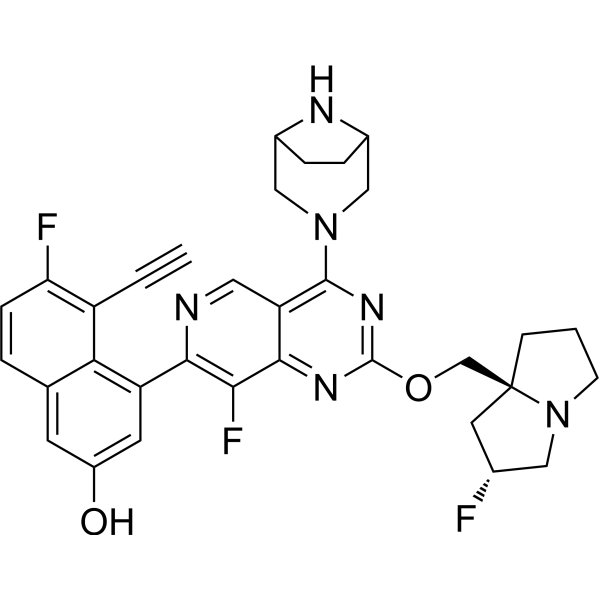
KRAS G12D-IN-36 (Compound 53a) is a highly selective and orally active KRAS-G12D inhibitor with an IC50 of 1.63 nM. KRAS G12D-IN-36 effectively inhibits p-ERK with an IC50 of 8.4 nM. KRAS G12D-IN-36 shows potent anti-proliferative activity against AsPC-1 cells. KRAS G12D-IN-36 can be used for research on pancreatic cancer .
Propylbenzilylcholine mustard (PrBCM) is an irreversible, covalently binding selective antagonist targeting rat cardiac muscarinic receptors, with a preference for muscarinic receptor subtypes that show low affinity for agonists. Propylbenzilylcholine mustard inactivates such receptors in a dose- and time-dependent manner in vitro, and its receptor selectivity remains stable across different ionic strengths and in GTP-containing buffer systems. Propylbenzilylcholine mustard can be applied to basic pharmacological studies on the structure and function of muscarinic receptors, especially focusing on the heterogeneity of cardiac muscarinic receptors and related cardiovascular pharmacological research .
ZINC69391, a specific Rac1 inhibitor, interferes with Rac1-GEF interaction by masking Trp56 residue on Rac1 surface. ZINC69391 interferes with the interaction of Rac1 with Dock180 and reduces Rac1-GTP levels. ZINC69391 induces apoptosis, and shows antiproliferative and antimetastatic effects .
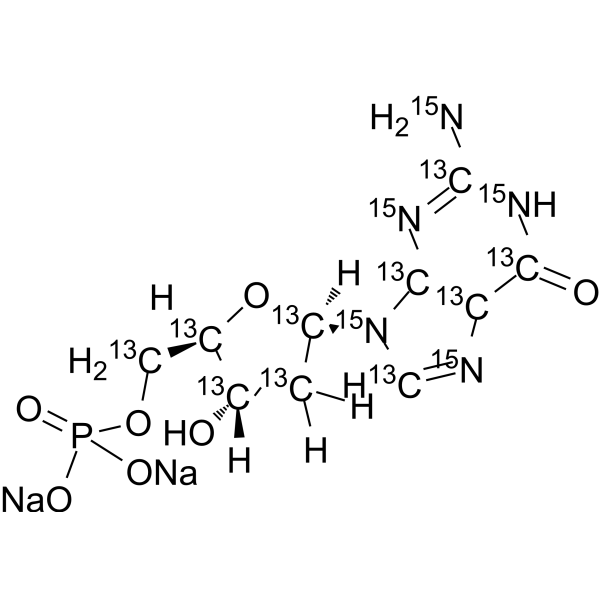
Guanosine triphosphate- 13C10, 15N5 tetraammonium is the 13C and 15N labeled Guanosine triphosphate tetraammonium. Guanosine triphosphate tetraammonium (GTP) is a critical nucleotide and regulator of cellular metabolism. Guanosine triphosphate tetraammonium promotes ribosomal DNA localization, pre-rRNA transcription and ribosome biogenesis by binding to RNA polymerase I and GPN proteins (GPN1/3). Guanosine triphosphate tetraammonium links MYC-dependent ribosome biogenesis to nucleotide sufficiency, acts as a metabolic gatekeeper supporting protein synthesis, DNA/RNA synthesis and cellular signal transduction, while also participating in the physiological activities of pancreatic β-cells and serving as an oxidative substrate for reactive oxygen species. In small cell lung cancer with high MYC expression, Guanosine triphosphate tetraammonium accumulates through the IMPDH-driven synthetic pathway, thereby affecting apoptosis and mitotic processes. Guanosine triphosphate tetraammonium is used in the research of small cell lung cancer, hepatoblastoma and cellular metabolism .
Divarasib (GDC-6036) adipate is an orally active, selective KRASG12C inhibitor with an IC50 of <0.01 μM. Divarasib adipate covalently binds Cys12 in GDP-bound KRASG12C, occupies the switch II pocket, blocks GTP binding and SOS-mediated reactivation, and inhibits oncogenic KRAS signaling. Divarasib adipate induces tumor shrinkage and robust tumor growth inhibition in KRASG12C-positive models and cancer cells. Divarasib adipate can be used for the research of non-small cell lung cancer, colorectal adenocarcinoma, pancreatic ductal adenocarcinoma, and other KRASG12C-mutated solid tumors .
Nexinhib20 is an inhibitor that targets the interactions of Rab27a-JFC1 (IC50: 2.6 μM) and Rac-1-GTP. Nexinhib20 can inhibit neutrophil exocytosis, adhesion, and β2 integrin activation, and has anti-inflammatory activity. Nexinhib20 can be used in the research of diseases such as systemic inflammation and myocardial ischemia-reperfusion injury .
Divarasib (GDC-6036) is an orally active, selective KRASG12C inhibitor with an IC50 of <0.01 μM. Divarasib covalently binds Cys12 in GDP-boundKRASG12C, occupies the switch II pocket, blocks GTP binding and SOS-mediated reactivation, and inhibits oncogenic KRAS signaling. Divarasib induces tumor shrinkage and robust tumor growth inhibition in KRAS G12C-positive models and cancer cells. Divarasib can be used for the research of non-small cell lung cancer, colorectal adenocarcinoma, pancreatic ductal adenocarcinoma, and other KRAS G12C-mutated solid tumors .
Guanosine 3',5'-bisdiphosphate (ppGpp) plays a pivotal role in the regulation of GTP biosynthesis in chloroplasts through specific inhibition of plastid/mitochondrial guanylate kinase activity .
GRP (14-27) (human, porcine, canine) is a bombesin receptor ligand. The specific binding of GRP (14-27) is inhibited by GTP and GDP, whereas GMP was without effect .
Carba1 is a bifunctional Carbazole (HY-D0204) derivative that activates nicotinamide phosphoribosyltransferase (NAMPT) and enhances NAD biosynthesis. Carba1 binds to colchicine site of tubulin, enhancing the anti-tumor effect of various chemotherapy drugs, such as Paclitaxel (HY-B0015). Carba1 exerts neuroprotective effect and can regulate cell energy metabolism. Carba1 can be used for the researches of cancer and chemotherapy-induced peripheral neuropathy (CIPN) .
ZINC69391 (Standard) is the analytical standard of ZINC69391 (HY-102078). This product is intended for research and analytical applications. ZINC69391, a specific Rac1 inhibitor, interferes with Rac1-GEF interaction by masking Trp56 residue on Rac1 surface. ZINC69391 interferes with the interaction of Rac1 with Dock180 and reduces Rac1-GTP levels. ZINC69391 induces apoptosis, and shows antiproliferative and antimetastatic effects .
Grassofermata is a dual Arf1/Arf6 activation inhibitor. ADP ribosylation factors (Arfs) are members of the Arf family of GTP-binding proteins of the Ras superfamily.
Kobe0065 is a novel and effective inhibitor of Ras-Raf interaction, competitively inhibiting the binding of H-Ras·GTP to c-Raf-1 RBD with a Ki value of 46±13 μM.
dGTP-d14 (2'-Deoxyguanosine-5'-triphosphate-d14) dilithium is deuterium labeled dGTP (HY-138616). dGTP (2'-Deoxyguanosine-5'-triphosphate), a guanosine nucleotide, can be used in deoxyribonucleic acid synthesis. Guanosine nucleotides (GDP, GTP, dGDP, and dGTP) are highly susceptible to oxidative damage to 8-oxo-GDP (8-O-GDP), 8-O-dGTP, 8-O-GTP, and 8-O-dGTP.
dGTP- 13C10 (2'-Deoxyguanosine-5'-triphosphate- 13C10) dilithium is 13C-labeled dGTP (HY-138616). dGTP (2'-Deoxyguanosine-5'-triphosphate), a guanosine nucleotide, can be used in deoxyribonucleic acid synthesis. Guanosine nucleotides (GDP, GTP, dGDP, and dGTP) are highly susceptible to oxidative damage to 8-oxo-GDP (8-O-GDP), 8-O-dGTP, 8-O-GTP, and 8-O-dGTP.
dGTP- 15N5 (2'-Deoxyguanosine-5'-triphosphate- 15N5) dilithium is 15N labeled dGTP (HY-138616). dGTP (2'-Deoxyguanosine-5'-triphosphate), a guanosine nucleotide, can be used in deoxyribonucleic acid synthesis. Guanosine nucleotides (GDP, GTP, dGDP, and dGTP) are highly susceptible to oxidative damage to 8-oxo-GDP (8-O-GDP), 8-O-dGTP, 8-O-GTP, and 8-O-dGTP.
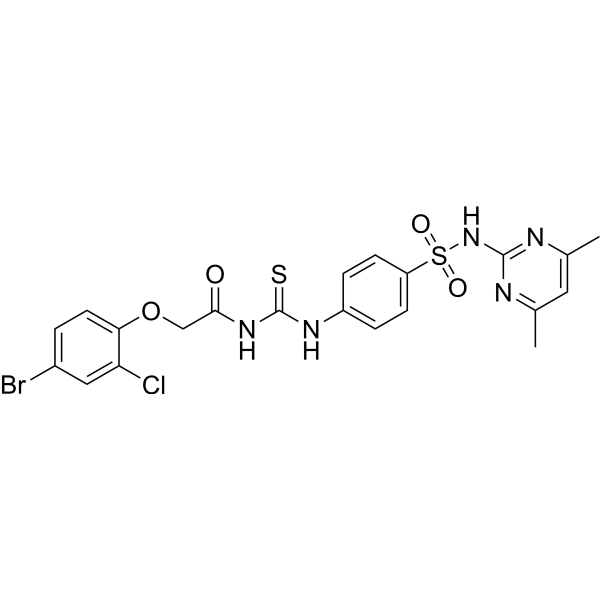
MLS000532223 is a high affinity, selective inhibitor of Rho family GTPases, with EC50 values ranging from 16 μM to 120 μM. MLS000532223 prevents GTP binding to several GTPases .
YK-8S is a dual-targeted K-Ras (G12D/G12C) covalent inhibitor. YK-8S shows no significant binding to wild-type K-Ras and other mutants (G12R, G13D, Q61R/K). YK-8S exhibits anti-proliferative activity against H358 (G12C) and AGS (G12D) cells. YK-8S inhibits the phosphorylation of p-AKT/p-ERK in BaF3/G12D and G12C cells. YK-8S can be used for pancreatic cancer, colorectal cancer and other tumors with high incidence of G12D .
Kobe2602 is a Ras-Raf interaction inhibitor. Kobe2602 inhibits the binding of H-Ras·GTP to c-Raf-1 RBD with a Ki of 149 μM. Kobe2602 has antitumor activity .
MK-6892 is a potent, selective, and full agonist for the high affinity nicotinic acid (NA) receptor GPR109A. Ki and GTPγS EC50 of MK-6892 on the Human GPR109A is 4 nM and 16 nM, respectively.
ASN04885796 (compound IV) is an GPR17 activator with an EC50 of 2.27 nM for GPR17 induced GTPγS binding. ASN04885796 has neuroprotective property and can be used for research of neurological diseases .
RMC-0331 (RM-023) is a potent, selective and orally bioavailable SOS1 inhibitor. RMC-0331 is an in vivo tool compound that blocks RAS activation via disruption of the RAS-SOS1 interaction .
ASN02563583, a compound that regulates the activity of the GPR17 receptor, has a IC50 value of 0.64 nM in [35S]GTPγS binding assay. ASN02563583 can be used in the study of neurological diseases .
dGTP- 13C10, 15N5 (2'-Deoxyguanosine-5'-triphosphate- 13C10, 15N5) dilithium is 13C and 15N-labeled dGTP (HY-138616). dGTP (2'-Deoxyguanosine-5'-triphosphate), a guanosine nucleotide, can be used in deoxyribonucleic acid synthesis. Guanosine nucleotides (GDP, GTP, dGDP, and dGTP) are highly susceptible to oxidative damage to 8-oxo-GDP (8-O-GDP), 8-O-dGTP, 8-O-GTP, and 8-O-dGTP.
dGTP- 15N5,d14 (2'-Deoxyguanosine-5'-triphosphate- 15N5,d14) dilithium is deuterium and 15N labeled dGTP (HY-138616). dGTP (2'-Deoxyguanosine-5'-triphosphate), a guanosine nucleotide, can be used in deoxyribonucleic acid synthesis. Guanosine nucleotides (GDP, GTP, dGDP, and dGTP) are highly susceptible to oxidative damage to 8-oxo-GDP (8-O-GDP), 8-O-dGTP, 8-O-GTP, and 8-O-dGTP.
Mastoparan X is a GTP-binding regulatory protein (G protein)-activating peptide, and a tetradecapeptide from wasp venom. Mastoparan X acts function by the direct activation of G protein that couple to phospholipase C to cause secretion from various kinds of cells .
PC58538 is a cell division inhibitor, targeting to FtsZ. PC58538 shows moderate antibacterial activity, and inhibits cell division in vegetative cells of wild-type B. subtilis. PC58538 is also known to modulate the rate of GTP hydrolysis .
W123, a FTY720 analog, is a competitive sphingosine 1-phosphate type 1 (S1P1) receptor antagonist. W123 is measured by GTPγS activation, MAPK recruitment, cell migration, and ligand-induced receptor internalization .
Fluorphine is an analogue of Brorphine and can bind to μ-opioid receptor (MOR) (Ki: 12.5 nM). Fluorphine has GTPγS binding (EC50: 75 nM) and βarrestin 2 recruitment (EC50: 377 nM) activity. Fluorphine induces respiratory depressant effects .
AZD1283 is a potent P2Y12 receptor antagonist with a binding IC50 of 11 nM and a GTPγS IC50 of 25 nM. AZD1283 has excellent antiplatelet aggregation potency. AZD1283 can be used to research thromboembolic disorders .
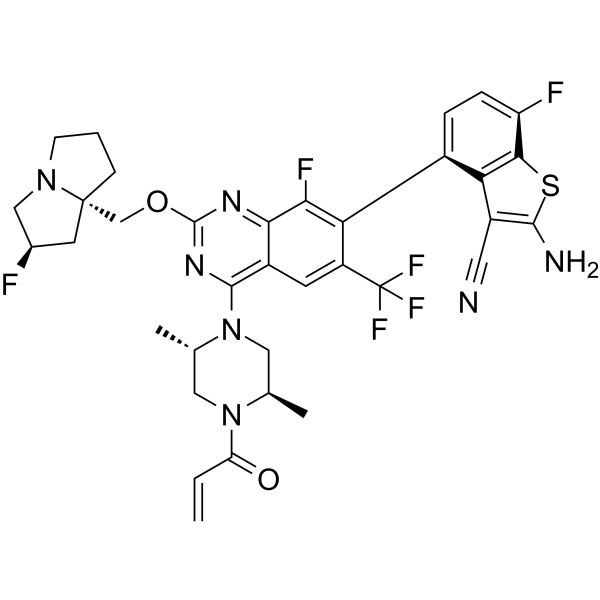
AMG410 is a non-covalent and selective pan-KRAS inhibitor with IC50 values of 1-4 nM for KRAS G12D, KRAS G12V, and KRAS G13D. AMG410 shows greater than 100-fold selectivity against both HRAS and NRAS. AMG410 is a dual GTP(on)- and GDP(off)-state inhibitor (Kd(GDP-state) of 1 nM; Kd(GTP-state) of 22 nM). AMG410 blocks KRAS signaling in a cycling state-independent manner and also blocks proliferation in wildtype KRAS-amplified tumor cells. AMG410 can be used for the study of colorectal, pancreatic, and lung cancers .
Pelitrexol (AG 2037) is an inhibitor of glycinamide ribonucleotide formyltransferase (GARFT), a purine biosynthetic enzyme. Pelitrexol also inhibits mTORC1 by reducing GTP-bound Rheb level, a mTORC1 obligate activator. Pelitrexol shows robust tumor growth suppression in mice .
TG2 inhibitor VA4 (compound VA4) is an irreversible Type 2 transglutaminase (TG2) inhibitor. TG2 inhibitor VA4 reacts exclusively at the TG2 transamidase site, inhibits both transamidase and GTP-binding activities .
2-Ketoglutaric acid (Alpha-Ketoglutaric acid) is an intermediate in the production of ATP or GTP in the Krebs cycle. 2-Ketoglutaric acid also acts as the major carbon skeleton for nitrogen-assimilatory reactions. 2-Ketoglutaric acid is a reversible inhibitor of tyrosinase (IC50=15 mM) .
DM245 is an EPAC1 activator and STAT3 phosphorylation inhibitor with a target pIC50 of 4.801. DM245 activates EPAC1 to increase Rap1-GTP levels, with no activation of EPAC2 or PKA. DM245 reduces IL-6/IL-6Rα-evoked STAT3 phosphorylation in endothelial cells. DM245 suppresses TGF-β1-induced fibroblast-to-myofibroblast transition, reducing αSMA and Collagen I levels. DM245 exhibits minimal cytotoxicity in normal human lung fibroblasts, with negligible loss of intact nuclei after 72 h exposure .
AMG410 diTFA is a non-covalent and selective pan-KRAS inhibitor with IC50 values of 1-4 nM for KRAS G12D, KRAS G12V, and KRAS G13D. AMG410 diTFA shows greater than 100-fold selectivity against both HRAS and NRAS. AMG410 diTFA is a dual GTP(on)- and GDP(off)-state inhibitor (Kd(GDP-state) of 1 nM; Kd(GTP-state) of 22 nM). AMG410 diTFA blocks KRAS signaling in a cycling state-independent manner and also blocks proliferation in wildtype KRAS-amplified tumor cells. AMG410 diTFA can be used for the study of colorectal, pancreatic, and lung cancers .
TBC1D2-IN-1 is a potent orally active and selective TBC1D2 inhibitor with a Kd of 1.1 μM. TBC1D2-IN-1 selectively inhibits TBC1D2-mediated GTP hydrolysis on RAB7A-GTP, promotes RAB7A accumulation on lysosomal membranes, and induces apoptosis and autophagy. TBC1D2-IN-1 exerts selective antiproliferative activity cancer cells. TBC1D2-IN-1 can be used for the research of cervical carcinoma .
MT477 is a potent protein kinase C (PKC) inhibitor. MT477 induces apoptosis and necrosis. MT477 decreases the protein expression of Ras-GTP, p-Erk1/2, p-Elk1. MT477 shows antitumor activity .
Calcium 2-oxoglutarate is an intermediate in the production of ATP or GTP in the Krebs cycle. Calcium 2-oxoglutarate also acts as the major carbon skeleton for nitrogen-assimilatory reactions. Calcium 2-oxoglutarate is a reversible inhibitor of tyrosinase (IC50=15 mM) .
2-Ketoglutaric acid Sodium (Alpha-Ketoglutaric acid Sodium) is an intermediate in the production of ATP or GTP in the Krebs cycle. 2-Ketoglutaric acid Sodium also acts as the major carbon skeleton for nitrogen-assimilatory reactions. 2-Ketoglutaric acid Sodium is a reversible inhibitor of tyrosinase (IC50=15 mM) .
CUMI-101 (compound 8) is a 5-HT1AR agonist (Ki=0.15 nM) with an EC50 of 0.1 nM in the [35S]GTPγS binding assay. CUMI-101 can be used in the research of neurological diseases .
TH1760 is an inhibitor of NUDIX-type 15 (NUDT15) with an IC50 value of 25 nM. TH1760 sensitizes cells to 6-thioguanine by enhancing the accumulation of 6-thio- (d) GTP in nucleic acids. TH1760 enhances the anti-leukemia effect of thiopurine .
GDP-α-D-mannose disodium is the donor substrate for mannosyltransferases and the precursor of GDP-β-L-fucose. GDP-α-D-mannose disodium gives a competitive inhibition with respect to GTP (Ki 14.7 μM) and an uncompetitive inhibition with respect to mannose-1-P (Ki 115 μM) .
GPR84 antagonist 3 (compound 42) is a potent GPR84 (G-protein-coupled receptor 84) antagonist. GPR84 antagonist 3 inhibits GTPγS, with a pIC50 of 8.28. GPR84 antagonist 3 has a favorable pharmacokinetic profile suitable .
2,3,4-Trimethoxybenzaldehyde (Standard) is the analytical standard of 2,3,4-Trimethoxybenzaldehyde. This product is intended for research and analytical applications. 2,3,4-Trimethoxybenzaldehyde (2,3,4-Trihydrooxy Benzaldehyde) can be used to study the effects on tubulin-dependent GTP hydrolysis .
KRAS-IN-56 (Compound 18) is a KRAS inhibitor with an EC50 of 33 μM. KRAS-IN-56 inhibits the interaction between GTP-KRAS and SOS1. KRAS-IN-56 induces a decrease in p-ERK levels. KRAS-IN-56 can be used in research related to lung cancer .
K-Ras-IN-1 is the inhibitor for K-Ras by occupying the binding site of son of sevenless (Sos), preventing the interaction between Sos and K-Ras, inhibiting the Sos-catalyzed GDP to GTP exchange process. K-Ras-IN-1 is promising for research of pancreatic, colon and lung cancer .
NTP 25 mM Solution, PCR Grade is a mixed solution of 25 mM ATP (HY-B2176), 25 mM CTP, 25 mM GTP (HY-113225), and 25 mM UTP (HY-107372). It is free of DNase, RNase, phosphatase, and protease. NTP 25 mM Solution, PCR Grade is suitable for molecular biology research.
XL541 is a potent, selective S1P1 antagonist. XL541 inhibits GDP-GTP exchange. XL541 causes frank surface hemorrhaging of tumors. XL541 collaborates with Paclitaxel (HY-B0015) to exhibit antitumor activity against breast cancer and lung cancer .
NIBR-0213 is a potent, orally active and selective S1P1 antagonist with efficacy in experimental autoimmune encephalomyelitis. NIBR-0213 displays potent and comparable potency on human and rat S1P1 (IC50 of 2.0 nM and 2.3 nM, respectively) in GTPγ 35S assays .
Nucleoside monophosphate kinase, Bovine (EC 2.7.4.6) is an enzymes that catalyze the exchange of phosphate groups between different nucleoside diphosphates. Nucleoside monophosphate kinase, Bovine (EC 2.7.4.6) activities maintain an equilibrium between the concentrations of different nucleoside triphosphates such as, for example, when GTP produced in the citric acid (Krebs) cycle is converted to ATP.
Farnesyl thiosalicylic acid amide (FTS-A) is an orally active derivative of farnesyl thiosalicylic acid (HY-14754). Farnesyl thiosalicylic acid amide reduces Ras-GTP levels and inhibits cell growth with IC50s of 20 and 10 μM for Panc-1 and U87 cells, respectively. Farnesyl thiosalicylic acid amide can be used for the research of cancer .
(R)-ACBI-4 is an isomer of ACBI-4 (HY-176792). ACBI-4 is a selective GTP-loaded active state of KRAS (KRAS(on))PROTAC degrader. ACBI-4 has significant anti-proliferative effect and potently degrades multiple KRAS mutants in cancer cells, such as KRASG12R .
MK-6892 (Standard) is the analytical standard of MK-6892 (HY-10680). This product is intended for research and analytical applications. MK-6892 is a potent, selective, and full agonist for the high affinity nicotinic acid (NA) receptor GPR109A. Ki and GTPγS EC50 of MK-6892 on the Human GPR109A is 4 nM and 16 nM, respectively.
FTS-MOM (Salirasib methoxymethyl ester), a Salirasib (FTS) (HY-14754) derivative, is a selective Rap1 inhibitor with selectivity over Ras. FTS-MOM inhibits GTP loading of Rap1 in quiescent and activated T cells. FTS-MOM inhibits Rap1-dependent T cell adhesion to ICAM-1 .
BI-3406 (compound I-6) is an orally active, highly potent and selective inhibitor of the interaction between KRAS and Son of Sevenless 1 (SOS1) with an IC50 of 6 nM. BI-3406 potently reduces the formation of GTP-loaded KRAS, and inhibits MAPK pathway signaling. BI-3406 has anticancer activity .
Pyrimidyn 7 is an inhibitor of dynamin I/II with IC50 values of 1.1 μM and 1.8 μM, respectively. Pyrimidyn 7 competitively inhibits the interactions between GTP and phospholipids with dynamin I. Additionally, Pyrimidyn 7 reversibly inhibits clathrin-mediated endocytosis (CME) of transferrin and epidermal growth factor (EGF) in various non-neuronal cell linecell [1.
KRAS G12D inhibitor 14 is a potent KRAS G12D inhibitor with a KD of 33 nM for binding to KRAS G12D protein. KRAS G12D inhibitor 14 decreases the active form of KRAS G12D (KRAS G12D-GTP) but not KRAS G13D .
MLS-573151 (MLS000573151) is a selective GTPase Cdc42 inhibitor with an EC50 of 2 μM. MLS-573151 is inactive against other GTPases family members, such as Rab2, Rab7, H-Ras, Rac1, Rac 2 and RhoA wild-type. MLS-573151 acts by blocking the binding of GTP to Cdc42 .
mP6 (Myr-FEEERA-OH) is a myristoylated peptide. mP6 inhibits the interaction of Gα13 with integrin β3 without disrupting talin-dependent integrin function. mP6 can block the GTP usage of Rac1, Rap1, and Rab7, effectively inhibiting the infection of CHO-A24 cells .
G-Protein antagonist peptide TFA is a truncated substance P-related peptide, competes with receptor for G protein binding. G-Protein antagonist peptide TFA inhibits the activation of Gi or Go by M2 muscarinic cholinergic receptor (M2 mAChR) or of Gs by beta-adrenergic receptor in the reconstituted phospholipid vesicles, assayed by receptor-promoted GTP hydrolysis .
(4S)-PROTAC SOS1 degrader-1 is a potent PROTAC SOS1 degrader. (4S)-PROTAC SOS1 degrader-1 decreases the expression of pERK and RAS-GTP level in a dose-dependent manner. (4S)-PROTAC SOS1 degrader-1 significantly inhibits the tumor growth in vivo .
ADT-1004 is an orally active prodrug of ADT-007 (HY-157887). ADT-007 is a reversible, highly potent and selective pan-RAS inhibitor that binds to the nucleotide-free conformation of RAS proteins and blocks their GTP activation, thereby inhibiting the downstream MAPK and AKT signaling pathways. ADT-1004 can be used for the research of pancreatic ductal adenocarcinoma .
RAS activator compound 1 (Compound 7c) is a RAS activator targeting the guanine nucleotide exchange factor (GEF) son of sevenless homologue 1 (SOS1). RAS activator compound 1 can activate the nucleotide exchange process and increase levels of active RAS-GTP in HeLa cells. RAS activator compound 1 can be used for research of RAS-driven tumor .
BMS-986122 is a selective, potent positive allosteric modulator of the mu-opioid receptor (µ-OR). BMS-986122 shows potentiation of orthosteric agonist-mediated β-arrestin recruitment, adenylyl cyclase inhibition, and G protein activation. BMS-986122 potentiates DAMGO-mediated [ 35S]GTPγS binding in mouse brain membranes .
mP6 (Myr-FEEERA-OH) TFA is a myristoylated peptide. mP6 TFA inhibits the interaction of Gα13 with integrin β3 without disrupting talin-dependent integrin function. mP6 TFA can block the GTP usage of Rac1, Rap1, and Rab7, effectively inhibiting the infection of CHO-A24 cells .
N 0840 is a neutral antagonist of adenosine A1 receptor (A1AR), with a Ki value of 279 nM in rats and 1185 nM in humans. N 0840 modulates adenosine A1 receptor to increase forskolin-induced cyclic 3′,5′-adenosine monophosphate production, with a GTP shift value close to 1. N 0840 can be used in studies of neuroprotection, cardiovascular/renal function[1].
(±)-J-113397 is a potent and selective non-peptidyl ORL1 receptor antagonist with a Ki of 1.8 nM for cloned human ORL1. J-113397 inhibited nociceptin/orphanin FQ-stimulated GTPγS binding to CHO cells expressing ORL1 with an IC50 value of 5.3 nM. J-113397 can be used for researching the physiological roles of nociceptin/orphanin FQ .
C-021 dihydrochloride is a potent CC chemokine receptor-4 (CCR4) antagonist. C-021 dihydrochloride potently inhibits functional chemotaxis in human and mouse with IC50s of 140 nM and 39 nM, respectively. C-021 dihydrochloride effectively prevents human CCL22-derived [ 35S]GTPγS from binding to the receptor with an IC50 of 18 nM .
C-021 is a potent CC chemokine receptor-4 (CCR4) antagonist. C-021 potently inhibits functional chemotaxis in human and mouse with IC50s of 140 nM and 39 nM, respectively. C-021 effectively prevents human CCL22-derived [ 35S]GTPγS from binding to the receptor with an IC50 of 18 nM .
Purine riboside-5'-O-triphosphate sodium, an active metabolite of Nebularine (HY-103694), acts as an inhibitor of DNA primase ATP and GTP polymerization activities, with IC50 values of 35 µM and 28 µM for the human enzyme, respectively. Purine riboside-5'-O-triphosphate sodium inhibits calmodulin-dependent protein kinase II (CaMKII) with a Ki value of 590 µM .
Purine riboside-5'-O-triphosphate, an active metabolite of Nebularine (HY-103694), acts as an inhibitor of DNA primase ATP and GTP polymerization activities, with IC50 values of 35 µM and 28 µM for the human enzyme, respectively. Purine riboside-5'-O-triphosphate also inhibits calmodulin-dependent protein kinase II (CaMKII) with a Ki value of 590 µM .
CVT-2759 is a potent inhibitor of A1-ADOR, with the IC50 values of 0.18 μM and 9.5 μM to reduce the binding of [3H]CPX in the absence and presence of 1 mM GTP. CVT-2759 plays an important role in slowing AV nodal conduction and thereby ventricular rate without causing AV block, bradycardia, atrial arrhythmias, or vasodilation .
SOS1-IN-19 (Compound 10i) is a potent inhibitor of SOS1 (Son of Sevenless 1) with an IC50 value of 165.2 nM. SOS1-IN-19 blocks KRAS activation by preventing GDP/GTP exchange in KRAS signaling pathway. SOS1-IN-19 is promising for research of KRAS-driven cancers (e.g., NSCLC and colorectal cancer) .
LY487379 hydrochloride is a selective human mGluR2 positive allosteric modulator (PAM). LY487379 hydrochloride potentiates glutamate-stimulated [ 35S]GTPγS binding with EC50 values of 1.7 μM and >10 μM for mGlu2 and mGlu3 receptors respectively. LY487379 hydrochloride promotes cognitive flexibility and facilitates behavioral inhibition in a rat model. LY487379 hydrochloride can be used for schizophrenia research .
LY487379 is a selective human mGluR2 positive allosteric modulator (PAM). LY487379 potentiates glutamate-stimulated [ 35S]GTPγS binding with EC50 values of 1.7 μM and >10 μM for mGlu2 and mGlu3 receptors respectively. LY487379 promotes cognitive flexibility and facilitates behavioral inhibition in a rat model. LY487379 can be used for schizophrenia research .
(4S)-PROTAC SOS1 degrader-1 (diTFA) is a potent PROTAC SOS1 degrader. (4S)-PROTAC SOS1 degrader-1 (diTFA) decreases the expression of pERK and RAS-GTP level in a dose-dependent manner. (4S)-PROTAC SOS1 degrader-1 (diTFA) significantly inhibits the tumor growth in vivo .
RTICBM-74 is a blood-brain barrier-permeable, selective CB1 allosteric modulator with IC50 values of 23 nM (calcium mobilization assay) and 153 nM ([ 35S]GTPγS assay). RTICBM-74 inhibits CB1 receptor signaling. RTICBM-74 reduces alcohol intake in rats. RTICBM-74 can be used for the research of alcohol use disorder .
RM-018 is a potent, functionally distinct tricomplex KRAS G12C active-state inhibitor. RM-018 retains the ability to bind and inhibit KRAS G12C/Y96D and could overcome resistance. RM-018 binds specifically to the GTP-bound, active [“RAS(ON)”] state of KRAS G12C .
Dephospho-CoA is a key intermediate in the biosynthesis of coenzyme A (CoA), which is catalyzed to form CoA by GTP-dependent Dephospho-CoA kinase (DPCK). Dephospho-CoA completes the final synthetic step of CoA via phosphorylation and participates in energy metabolism and cellular signal transduction. Dephospho-CoA can be used in studies involving cancer (e.g., regulation of cell proliferation) and metabolic diseases (e.g., mitochondrial dysfunction) .
CB1 antagonist 4 (compound 8) is a selective cannabinoid receptor 1 (CB1) inverse agonist with an IC50 of 8.5 nM for human CB1. CB1 antagonist 4 shows selective for CB1 over CB2 receptors (IC50 of 604.9 nM). CB1 antagonist 4 inhibits GTP binding to CB1-overexpressing cell membranes with an EC50 of 18.5 nM .
2-Ketoglutaric acid (Sodium) (Standard) is the analytical standard of 2-Ketoglutaric acid Sodium (HY-W013636A). This product is intended for research and analytical applications. 2-Ketoglutaric acid (Alpha-Ketoglutaric acid) Sodium (Standard) is an intermediate in the production of ATP or GTP in the Krebs cycle. 2-Ketoglutaric acid Sodium also acts as the major carbon skeleton for nitrogen-assimilatory reactions. 2-Ketoglutaric acid Sodium is a reversible inhibitor of tyrosinase (IC50=15 mM) .
Sulfonadyn-47 is a GTP-competitive dynamin I (dynI) inhibitor that targets the active site in the GTPase domain of dynamin I, with IC50 values of 3.5 μM against dynI, 27.3 μM in clathrin-mediated endocytosis (CME) assays, and 12.3 μM in synaptic vesicle endocytosis (SVE) assays. Sulfonadyn-47 increases seizure threshold. Sulfonadyn-47 can be used the study for the seizure.
Ancriviroc (SCH-351125) is an orally active CCR5 antagonist with an IC50 value of 13 nM against hCCR5. Ancriviroc specifically binds to hCCR5, blocks ligand-induced signal transduction, calcium influx, GTPγS binding, chemotaxis, ligand binding, and HIV-1 entry, induces conformational changes in CCR5, and inhibits infection and replication of R5-tropic HIV-1 .
ZCZ011 is a potent and brain-penetrant cannabinoid 1 (CB1) receptor positive allosteric modulator. ZCZ011 potentiates binding of CP55,940 to the CB1 receptor, enhances anandamide (AEA)-stimulated GTPγS binding in mouse brain membranes. ZCZ011 increases β-arrestin recruitment and ERK phosphorylation in hCB1 cells. ZCZ011 can be used for researching neuropathic and inflammatory pain .
2-Ketoglutaric acid-d4 (Alpha-Ketoglutaric acid-d4) is the deuterium labeled 2-Ketoglutaric acid (HY-W013636) . 2-Ketoglutaric acid Sodium is an intermediate in the production of ATP or GTP in the Krebs cycle. 2-Ketoglutaric acid Sodium also acts as the major carbon skeleton for nitrogen-assimilatory reactions. 2-Ketoglutaric acid Sodium is a reversible inhibitor of tyrosinase (IC50=15 mM) .
AMN082, a selective, orally active, and brain penetrant mGluR7 agonist, directly activates receptor signaling via an allosteric site in the transmembrane domain. AMN082 potently inhibits cAMP accumulation and stimulates GTPγS binding (EC50 values, 64-290 nM) at transfected mammalian cells expressing mGluR7. AMN082 shows selectivity over other mGluR subtypes and selected ionotropic glutamate receptors. Antidepressant effects .
2-Ketoglutaric acid-d6 (Alpha-Ketoglutaric acid-d6) is the deuterium labeled 2-Ketoglutaric acid (HY-W013636) . 2-Ketoglutaric acid is an intermediate in the production of ATP or GTP in the Krebs cycle. 2-Ketoglutaric acid also acts as the major carbon skeleton for nitrogen-assimilatory reactions. 2-Ketoglutaric acid is a reversible inhibitor of tyrosinase (IC50=15 mM) .
VUBI1 (SOS1 activator 1) is a benzimidazole derivative and SOS1 activator with a Kd of 44 nM. VUBI1 can significantly activateRAS-GTP and regulate the phosphorylation of ERK. VUBI1 also can serve as a target ligand for synthesizing PROTACs, such as PROTAC SOS1 degrader-1 (HY-145737), to induce SOS1 degradation. VUBI1 can be used in the study of cancer .
MRS2365 is a potent and selective P2Y1 receptor (EC50=0.4 nM) /[ 35S]GTPγS binding/β-arrestin 2 recruitment agonist with an EC50 of 0.4 nM. MRS2365 relieves mechanical allodynia and increases mechanical sensitivity. MRS2365 shows little agonist or antagonist activity at the P2Y12 or P2Y13 receptors .
2-Ketoglutaric acid (Alpha-Ketoglutaric acid) Sodium (GMP) is 2-Ketoglutaric acid Sodium (HY-W013636A) produced by using GMP guidelines. GMP small molecules work appropriately as an auxiliary reagent for cell therapy manufacture. 2-Ketoglutaric acid Sodium is an intermediate in the production of ATP or GTP in the Krebs cycle. 2-Ketoglutaric acid Sodium also acts as the major carbon skeleton for nitrogen-assimilatory reactions. 2-Ketoglutaric acid Sodium is a reversible inhibitor of tyrosinase (IC50=15 mM) .
ACBI-4 is a selective GTP-loaded active state of KRAS (KRAS(on)) PROTAC degrader, with Kd values of 141 nM against KRAS G12R. ACBI-4 forms a stable ternary complex with VHL, triggering ubiquitination and KRAS degradation via the ubiquitin-proteasome system. ACBI-4 induces antiproliferative effects in KRAS mutant-driven cancer cells. ACBI-4 can be used for the research of KRAS mutant-driven cancer .
Trap-101 hydrochloride is a potent, selective and competitive antagonist of NOP receptors over classical opioid receptors. Trap-101 stimulates GTPγ 35S binding to CHOhNOP membranes with pKi values of 8.65, 6.60, 6.14 and <5 for NOP, μ-, κ-, and δ-opioid receptors, respectively. Trap-101 attenuates motor deficits in a rat model of parkinson's disease and can be used for the research of nervous system diseases .
2-Ketoglutaric acid- 13C (Alpha-Ketoglutaric acid- 13C) is a 13C labeled 2-Ketoglutaric acid (HY-W013636) . 2-Ketoglutaric acid (Alpha-Ketoglutaric acid) is an intermediate in the production of ATP or GTP in the Krebs cycle. 2-Ketoglutaric acid also acts as the major carbon skeleton for nitrogen-assimilatory reactions. 2-Ketoglutaric acid is a reversible inhibitor of tyrosinase (IC50=15 mM) .
2-Ketoglutaric acid- 13C2 (Alpha-Ketoglutaric acid- 13C2) is a 13C labeled 2-Ketoglutaric acid (HY-W013636) . 2-Ketoglutaric acid (Alpha-Ketoglutaric acid) is an intermediate in the production of ATP or GTP in the Krebs cycle. 2-Ketoglutaric acid also acts as the major carbon skeleton for nitrogen-assimilatory reactions. 2-Ketoglutaric acid is a reversible inhibitor of tyrosinase (IC50=15 mM) .
Calcium 2-oxoglutarate (Standard) is the analytical standard of Calcium 2-oxoglutarate (HY-W013636B). This product is intended for research and analytical applications. Calcium 2-oxoglutarate is an intermediate in the production of ATP or GTP in the Krebs cycle. Calcium 2-oxoglutarate also acts as the major carbon skeleton for nitrogen-assimilatory reactions. Calcium 2-oxoglutarate is a reversible inhibitor of tyrosinase (IC50=15 mM) .
2-Ketoglutaric acid (Standard) (Alpha-Ketoglutaric acid (Standard)) is the analytical standard of 2-Ketoglutaric acid (HY-W013636). This product is intended for research and analytical applications. 2-Ketoglutaric acid (Alpha-Ketoglutaric acid) is an intermediate in the production of ATP or GTP in the Krebs cycle. 2-Ketoglutaric acid also acts as the major carbon skeleton for nitrogen-assimilatory reactions. 2-Ketoglutaric acid is a reversible inhibitor of tyrosinase (IC50=15 mM) .
2-Ketoglutaric acid- 13C5 (Alpha-Ketoglutaric acid- 13C5) is a 13C labeled 2-Ketoglutaric acid (HY-W013636) . 2-Ketoglutaric acid (Alpha-Ketoglutaric acid) is an intermediate in the production of ATP or GTP in the Krebs cycle. 2-Ketoglutaric acid also acts as the major carbon skeleton for nitrogen-assimilatory reactions. 2-Ketoglutaric acid is a reversible inhibitor of tyrosinase (IC50=15 mM) .
RMC-4998 is an orally active inhibitor targeting the active or GTP-bound state of the KRAS G12C mutant. RMC-4998 can form a ternary complex with intracellular CYPA and the activated KRAS G12C mutant, with an IC50 value of 28 nM. RMC-4998 can inhibit ERK signaling in KRAS G12C mutant cancer cells and induce apoptosis. RMC-4998 can be used for tumor research .
Guanine-2'-deoxy-β-L-ribofuranosyl-5'-O-triphosphate (sodium) is an isomer of dGTP and an inhibitor of telomerase with a Ki of 15 μM for human enzyme .
1,3-Bis[3,5-bis(trifluoromethyl)phenyl]urea is a potent activator of eIF2α kinase heme regulated inhibitor. 1,3-Bis[3,5-bis(trifluoromethyl)phenyl]urea reduces the abundance of eIF2·GTP·tRNAiMet ternary complex. 1,3-Bis[3,5-bis(trifluoromethyl)phenyl]urea inhibits cancer cell proliferation .
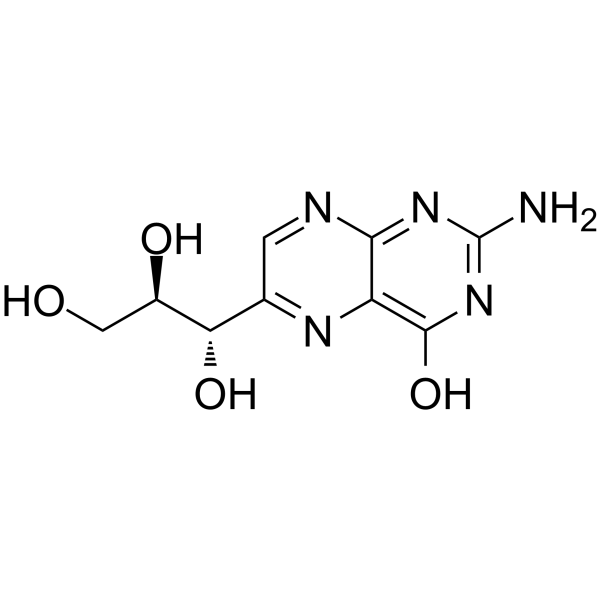
Neopterin is an immune system activator metabolized by GTP and can be produced by activated macrophages. Neopterin has the potential to resist vascular inflammation and atherosclerosis. Neopterin inhibits the phosphorylation of NF-κB and promotes the expression of PPAR-γ, thereby suppressing the inflammatory response of vascular endothelial cells, reducing the formation of macrophage foam cells, and regulating the migration and proliferation of vascular smooth muscle cells. Neopterin can be used in research fields such as cardiovascular diseases (such as atherosclerosis), inflammation-related diseases and tumor immunomonitoring .
DS02312223 (D223) is a molecular glue that promotes the binding of RAS to PI3Kα, with a Kd of 0.76 μM for p110α. DS02312223 increases the binding affinity between GTP-bound KRAS (KRAS-GMPPNP) and p110α by nearly three orders of magnitude (KD = 0.017 μM). DS02312223 stimulates the translocation of GLUT4 to the plasma membrane. DS02312223 promotes glucose uptake in the absence of insulin. DS02312223 can be used in diabetes research .
G3-YSD is a cGAS agonist. G3-YSD directly interacts with cGAS to enhance its enzymatic activity, promote the conversion of ATP and GTP into cGAMP, and trigger STING-dependent IFN-α/β secretion. G3-YSD acts as a viral mimic to replace actual viral DNA . G3-YSD is applicable to research related to long COVID and type 1 human immunodeficiency virus infection .
CID44216842 (Cdc42-IN-1) is a potent Cdc42-selective guanine nucleotide binding lead inhibitor. The EC50s for Cdc42 WT and Cdc42Q61L mutant are 1.0 and 1.2 μM in GTP binding assay, respectively. The EC50s for Cdc42 WT and Cdc42Q61L mutant are 0.3 and 0.5 μM in GDP binding assay, respectively. Use as a molecular probe .
LY302148 is a receptor ligand for 5-HT1F. Compared to the Emax of 5-HT, LY302148 behaves as a partial agonist for the 5-HT1F receptor. In the [ 35S]GTPγS binding assay targeting human 5-HT1F receptors, LY302148 exhibits good potency with an EC50 value of 5.23 nM. LY302148 can be used in the research of migraine .
AMN082 free base, a selective, orally active, and brain penetrant mGluR7 agonist, directly activates receptor signaling via an allosteric site in the transmembrane domain. AMN082 free base potently inhibits cAMP accumulation and stimulates GTPγS binding (EC50 values, 64-290 nM) at transfected mammalian cells expressing mGluR7. AMN082 free base shows selectivity over other mGluR subtypes and selected ionotropic glutamate receptors. Antidepressant effects .
Z62954982 (ZINC08010136) is a potent, selective and cell-permeable Rac1(IC50=12 μM) inhibitor that is 4 times more effective than NSC23766 (HY-15723A) (IC50=50 μM). Z62954982 disrupts the Rac1/Tiam1 complex and decreases cytoplasmic levels of active Rac1 (GTP-bound Rac1), without affecting the activity of other Rho GTPases (such as Cdc42 or RhoA) .
C-021 (dihydrochloride) (Standard) is the analytical standard of C-021 (dihydrochloride). This product is intended for research and analytical applications. C-021 dihydrochloride is a potent CC chemokine receptor-4 (CCR4) antagonist. C-021 dihydrochloride potently inhibits functional chemotaxis in human and mouse with IC50s of 140 nM and 39 nM, respectively. C-021 dihydrochloride effectively prevents human CCL22-derived [35S]GTPγS from binding to the receptor with an IC50 of 18 nM .
C-021 (Standard) is the analytical standard of C-021. This product is intended for research and analytical applications. C-021 is a potent CC chemokine receptor-4 (CCR4) antagonist. C-021 potently inhibits functional chemotaxis in human and mouse with IC50s of 140 nM and 39 nM, respectively. C-021 effectively prevents human CCL22-derived [35S]GTPγS from binding to the receptor with an IC50 of 18 nM .
UCM05 (G28UCM) is a fatty acid synthase (FASN) and filamentous temperature-sensitive protein Z (Ftsz) inhibitor. UCM05 inhibits fatty acid synthesis, viral replication, and Gram-positive bacterial growth. UCM05 binds to FtsZ GTP-binding sites, inhibits GTPase activity, and disrupts Z-ring localization. UCM05 can be used for the research of HSV-1/2 infection, HIV-1 infection, and Gram-positive bacterial infections[1][2][3].
ABD459 is a CB1 receptor antagonist with significant effects on regulating food intake and sleep-wake cycles. ABD459 completely displaces CB1 agonist CP99540 (Ki = 8.6 nM) and antagonizes CP55940-induced GTPγS binding (KB = 7.7 nM). ABD459 may specifically modulate endogenous cannabinoid release through cholinergic activity and plays a role in attention and arousal regulation. ABD459 is suitable for research in neurological disorders .
SHY-867 is a pan RAS inhibitor. SHY-867 effectively prevents the binding of K-Ras proteins and other members of the Ras superfamily of small GTPases with EC50 values of 0.5-3 μM. SHY-867 effectively inhibits the phosphorylation of MEK, ERK1/2, and AKT downstream of K-Ras. SHY-867 inhibits the formation of the Ras-GTP activity complex. SHY-867 can be used to the studies of pancreatic cancer and non-small cell lung cancer .
KOR agonist 4 (compound 39) is an agonist of Kappa Opioid Receptor. KOR agonist 4 is an activator of G-protein signaling. KOR agonist 4 binds with GTPγS with an EC50 of 14 nM and with an Emax of 83 %. KOR agonist 4 demonstrates moderate to high intrinsic clearance in human hepatocytes. KOR agonist 4 exhibits 60- and 810-fold selectivities versus the related mu (MOR) and delta (DOR) opioid receptors. KOR agonist 4 is potential for central nervous system (CNS) disorders research .
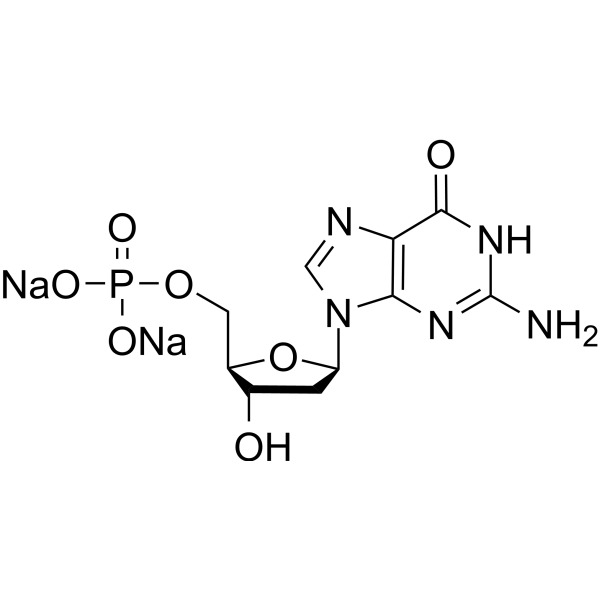
2'-Deoxyguanosine 5'-monophosphate (5′-dGMP) disodium is a mononucleotide having guanine as the nucleobase. 2'-Deoxyguanosine 5'-monophosphate disodium is a reactant involved in analysis of self-assembling in solution and nucleation/growth of G-qudruplexes, nucleophilic trapping and reductive alkylation. 2'-Deoxyguanosine 5'-monophosphate disodium can be used as an oxidizable target. 2'-Deoxyguanosine 5'-monophosphate disodium is a nucleic acid guanosine triphosphate (GTP) derivative and is a nucleotide precursor used in DNA synthesis .
AMN082 (Standard) is the analytical standard of AMN082. This product is intended for research and analytical applications. AMN082, a selective, orally active, and brain penetrant mGluR7 agonist, directly activates receptor signaling via an allosteric site in the transmembrane domain. AMN082 potently inhibits cAMP accumulation and stimulates GTPγS binding (EC50 values, 64-290 nM) at transfected mammalian cells expressing mGluR7. AMN082 shows selectivity over other mGluR subtypes and selected ionotropic glutamate receptors. Antidepressant effects .
COR628 is a positive allosteric modulator of GABA(B) receptors with the activity of enhancing GABA-induced GTPγS stimulation. COR628 showed significant activity in in vitro studies but did not exhibit endogenous agonist activity. COR628 has shown efficacy in experiments in mice by enhancing the sedation/hypnosis induced by baclofen, shortening the onset time and extending the duration of loss of righting reflex when combined with non-sedating doses of baclofen . The cytotoxic effect of COR628 is comparable to or higher than that of GS39783 or BHF177 in concentration .
SHY-855 is a pan RAS inhibitor. SHY-855 effectively prevents the binding of K-Ras proteins and other members of the Ras superfamily of small GTPases with IC50 values of 0.3-5 μM. SHY-855 effectively inhibits the phosphorylation of MEK, ERK1/2, and AKT downstream of K-Ras. SHY-855 inhibits the formation of the Ras-GTP activity complex. SHY-855 can be used to the studies of pancreatic cancer and non-small cell lung cancer .
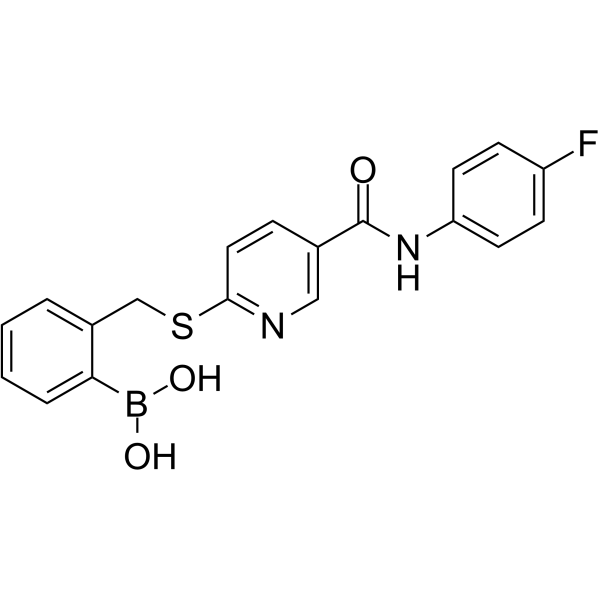
SX-517 is a dual CXCR2/1 antagonist, containing boronic acid. SX-517 inhibits CXCL1-induced Ca 2+ flux (IC50=38 nM), and antagonizes CXCL8-induced [(35)S]GTPγS binding (IC50=60 nM) and ERK1/2 phosphorylation. SX-517 has significant ability for inflammation suppression, in both humanized polymorphonuclear (PMN) cells and in murine model .
Nucleoside diphosphate kinase (Nucleoside 5′-diphosphate kinase) belongs to the family of structurally and functionally conserved NDPK (Nucleotide diphosphate kinase) enzymes. Nucleoside diphosphate kinase catalyzes the reversible transfer of γ-phosphates between nucleoside di-(NDP) and triphosphates (NTP) through ping-pong bi-bi reaction kinetics. Nucleoside diphosphate kinase is the essential housekeeping proteins that produces CTP (cytidine triphosphate) for lipid syntheses, UTP (Uridine triphosphate) for polysaccharide syntheses, and GTP (guanosine triphosphate) for protein syntheses, signal transduction, and microtubules polymerization .
ZCL278 is a selective Cdc42 inhibitor with Kds of 6.4 μM in fluorescence titration and 11.4 μM in surface plasmon resonance (SPR) measurement. ZCL278 is able to disrupt the Cdc42-ITSN interaction as well as GTP/GDP binding. ZCL278 has inhibitory effects on various enveloped viruses, but is ineffective against non-enveloped viruses. ZCL278 can be used for the studies of arsenic neurotoxicity and HER2-positive gastric cancer (GC) .
RMC-5127 is a small molecule inhibitor that binds to GTP-targeted KRAS G12V, with oral bioavailability and blood-brain barrier permeability. RMC-5127 inhibits the activities of the RAS and MAPK pathways, suppresses the proliferation of KRAS G12V-mutant cancer cells and induces their apoptosis. RMC-5127 can be used for the research of KRAS G12V-mutant non-small cell lung cancer, pancreatic ductal adenocarcinoma, colorectal cancer and intracranial KRAS G12V tumors .
RMC-4998 TFA is an orally active inhibitor targeting the active or GTP-bound state of the KRAS G12C mutant. RMC-4998 TFA can form a ternary complex with intracellular CYPA and the activated KRAS G12C mutant, with an IC50 value of 28 nM. RMC-4998 TFA can inhibit ERK signaling in KRAS G12C mutant cancer cells and induce apoptosis. RMC-4998 TFA can be used for for non-small cell lung cancer (NSCLC) research .
Guanosine (Standard) is the analytical standard of Guanosine. This product is intended for research and analytical applications. Guanosine (DL-Guanosine) is a purine nucleoside comprising guanine attached to a ribose (ribofuranose) ring via a β-N9-glycosidic bond. Guanosine possesses anti-HSV activity.
In Vitro: Guanosine can be phosphorylated to become guanosine monophosphate (GMP), cyclic guanosine monophosphate (cGMP), guanosine diphosphate (GDP), and guanosine triphosphate (GTP). These forms play important roles in various biochemical processes such as synthesis of nucleic acids and proteins, photosynthesis, muscle contraction, and intracellular signal transduction (cGMP).
KRAS inhibitor-9, a potent KRAS inhibitor (Kd=92 μM), blocks the formation of GTP-KRAS and downstream activation of KRAS. KRAS inhibitor-9 binds to KRAS G12D, KRAS G12C and KRAS Q61H protein with a moderate binding affinity. KRAS inhibitor-9 causes G2/M cell cycle arrest and induces apoptosis. KRAS inhibitor-9 selectively inhibits the proliferation of NSCLC cells with KRAS mutation but not normal lung cells .
RMC-4998 formic is an orally active inhibitor targeting the active or GTP-bound state of the KRAS G12C mutant. RMC-4998 formic can form a ternary complex with intracellular CYPA and the activated KRAS G12C mutant, with an IC50 value of 28 nM. RMC-4998 formic can inhibit ERK signaling in KRAS G12C mutant cancer cells and induce apoptosis. RMC-4998 formic can be used for non-small cell lung cancer (NSCLC) research .
Ro4491533 is a selective, negative allosteric mGluR2/3 receptor modulator that is equally effective on both subtypes. Ro4491533 can completely block glutamate-induced calcium mobilization and glutamate-induced [35S]GTPγS binding accumulation. Ro4491533 has good pharmacokinetic properties in mice and rats, high oral bioavailability, and can pass through the blood-brain barrier. Ro4491533 can also reverse the motor inhibition effect of LY379268 in mice and show antidepressant activity in the forced swim test and tail suspension test.
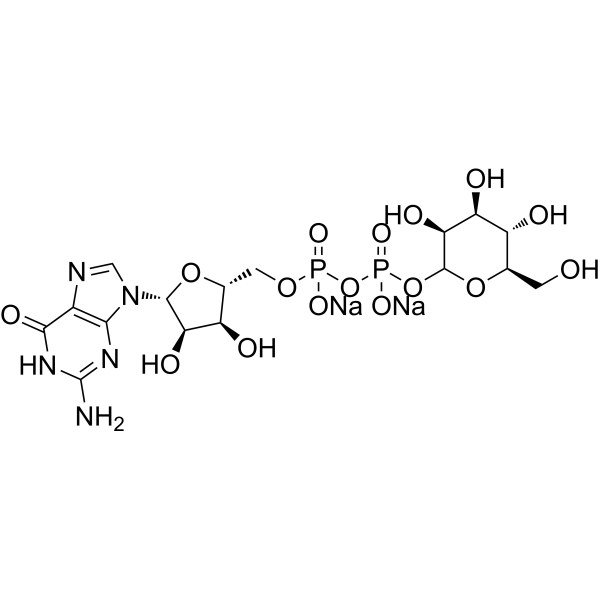
GDP-D-mannose disodium consists of GDP-α-D-mannose (HY-N7389B) and GDP-β-D-mannose. GDP-α-D-mannose serves as a donor substrate for mannosyltransferases and acts as a precursor of GDP-β-L-fucose. GDP-α-D-mannose exerts competitive inhibition on GTP (with a Ki value of 14.7 μM) and non-competitive inhibition on mannose-1-P (with a Ki value of 115 μM). GDP-D-mannose disodium is metabolized to GDP-L-fucose (HY-134433) via GMDS (Gmd) and TSTA3 (WcaG) .
Inosine-5'-triphosphate (ITP) lithium salt is a nucleotide analogue that acts on multiple G proteins. Inosine-5'-triphosphate lithium salt can bind to the α -subunit of G proteins and participate in G protein-mediated signal transduction as a substitute for GTP. Inosine-5'-triphosphate lithium salt interacts with the nucleotide-binding site of the G protein α -subunit, affecting the activity and function of G proteins. Inosine-5'-triphosphate lithium salt is used to explore the role of the G protein signaling pathway in cellular physiological and pathological processes .
m,p-Dimethyl PPE is a D4 dopamine receptor ligand. m,p-Dimethyl PPE promotes GDP/GTP exchange of the G protein α-subunit, dissociates the receptor-G protein complex, stabilizes the low-affinity receptor state, and inhibits adenylate cyclase activity. m,p-Dimethyl PPE inhibits Forskolin (HY-15371)-induced melatonin synthesis in retinal photoreceptor cells and reduces the efficacy of full agonists when used in combination. m,p-Dimethyl PPE can be used in studies related to attention-deficit hyperactivity disorder .
Avicin G is a sphingomyelinase inhibitor and plasma membrane disruptor. Avicin G inhibits the enzymatic activities of neutral sphingomyelinases (SMPD2/3) and acid sphingomyelinase (SMPD1), elevates intracellular sphingomyelin levels, and alters the distribution of sphingomyelin. Avicin G interferes with the lateral segregation of GTP- and GDP-bound H-Ras, inhibits the signal output of oncogenic K-Ras and H-Ras, reduces the phosphorylation of ERK and Akt, increases lysosomal pH, and inhibits the endocytic recycling of epidermal growth factor receptor. Avicin G can be used in research related to pancreatic ductal adenocarcinoma and non-small cell lung cancer .
UCM05 (Standard) is the analytical standard of Lysipressin. This product is intended for research and analytical applications. UCM05 (G28UCM) is a fatty acid synthase (FASN) and filamentous temperature-sensitive protein Z (Ftsz) inhibitor. UCM05 inhibits fatty acid synthesis, viral replication, and Gram-positive bacterial growth. UCM05 binds to FtsZ GTP-binding sites, inhibits GTPase activity, and disrupts Z-ring localization. UCM05 can be used for the research of HSV-1/2 infection, HIV-1 infection, and Gram-positive bacterial infections [1][2][3].
BBO-8520 is a direct small molecule covalent inhibitor targeting KRAS G12C with high oral availability. BBO-8520 has the characteristics of KRAS G12C (OFF) inhibitor and the function of blocking KRAS G12C (ON) signal. BBO-8520 inhibits cell proliferation by inhibiting KRAS G12C (ON) by binding GTP protein. BBO-8520 can block RAS-RAF1 interaction and return KRAS G12C to the inactive (OFF) state. BBO-8520 can be used for the research of cancer .
AMN082 (free base) (Standard) is the analytical standard of AMN082 (free base). This product is intended for research and analytical applications. AMN082 free base, a selective, orally active, and brain penetrant mGluR7 agonist, directly activates receptor signaling via an allosteric site in the transmembrane domain. AMN082 free base potently inhibits cAMP accumulation and stimulates GTPγS binding (EC50 values, 64-290 nM) at transfected mammalian cells expressing mGluR7. AMN082 free base shows selectivity over other mGluR subtypes and selected ionotropic glutamate receptors. Antidepressant effects .
RG-15 is the orally active antagonist for dopamine receptor that exhibits goof affinity to human D2 receptor and human D3 receptor with pKi of 8.23 and 10.49. RG-15 inhibits dopamine-stimulated [ 35S]GTPγS binding with IC50 of 21.2 nM (rat striatal membranes), 36.7 nM (mouse A9 cells expressing human D2L receptors) and 7.2 nM (CHO cells expressing human D3 receptors). RG-15 increases the turnover and biosynthesis of dopamine in mouse striatum and olfactory bulb, exhibiting antipsychotic activity .
KRASG12C IN-15 (Compound 21) is the orally active inhibitor for KRAS G12C, and inhibits SOS1-mediated GDP/GTP exchange with an IC50 of 19 nM. KRASG12C IN-15 inhibits the phosphorylation of ERK with IC50 of 0.051 μM. KRASG12C IN-15 inhibits the cell viability of KRAS G12C mutated MIA PaCa-2 with IC50 of 0.023 μM. KRASG12C IN-15 exhibits antitumor effect in MIA PaCa-2 xenograft mouse models .
DM243 is an EPAC1 activator and STAT3 modulator with an pIC50 of 4.769 for EPAC1. DM243 increases GTP-boundRap1 levels in EPAC1-expressing cells. DM243 reduces IL-6/IL-6Rα-evoked STAT3 phosphorylation in endothelial cells. DM243 suppresses TGF-β1-induced fibroblast-to-myofibroblast transition, reducing α-smooth muscle actin and Collagen I levels in lung fibroblasts. DM243 exhibits minimal cytotoxicity in normal human lung fibroblasts .
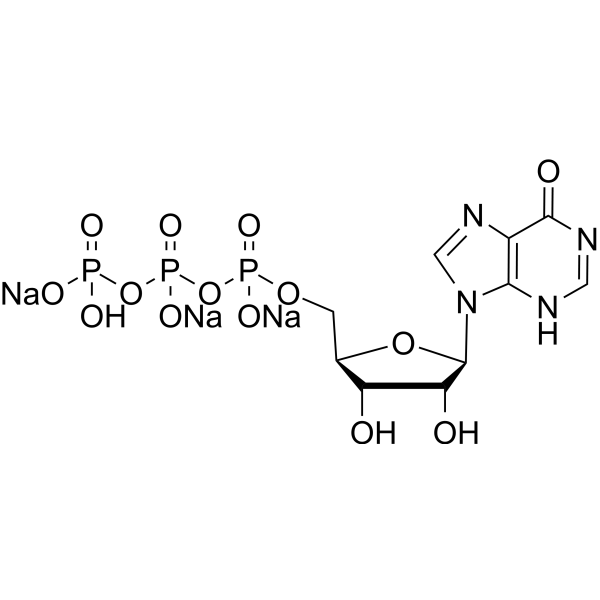
Inosine-5'-triphosphate trisodium salt is a nucleotide analogue that acts on multiple G proteins and is widely used in G protein-related research. It can bind to the α -subunit of G proteins and participate in G protein-mediated signal transduction as a substitute for GTP. Its mechanism of action is to interact with the nucleotide-binding site of the G protein α -subunit, affecting the activity and function of G proteins. In the research field, it is mainly used to explore the role of the G protein signaling pathway in cellular physiological and pathological processes. For example, in HL-60 leukemia cells, its impact on G protein-mediated signal transduction can be studied .
ZCL278- 13C is a 13C-labeled version of ZCL278 (HY-13963). ZCL278 is a selective Cdc42 inhibitor with Kds of 6.4 μM in fluorescence titration and 11.4 μM in surface plasmon resonance (SPR) measurement. ZCL278 can disrupt the interaction between Cdc42 and ITSN, and also inhibit the binding of GTP and GDP. ZCL278 has inhibitory effects on various enveloped viruses, but is ineffective against non-enveloped viruses. ZCL278 can be used in the research of arsenic neurotoxicity and HER2-positive gastric cancer (GC) [1][2][3][4].
SOS1-IN-21 is an orally active inhibitor of son of Sevenless 1 (SOS1) with an IC50 of 15 nM. SOS1 is a guanine nucleotide exchange factor (GEF) that activates KRAS by facilitating the exchange of GDP for GTP. SOS1-IN-21 exhibits potent antiproliferative activity, with IC50 values of 16 nM in NCI-H358 and 17 nM in Mia Paca-2 cell proliferation assays. SOS1-IN-21 exhibits significant antitumor activity in the Mia Paca-2 xenograft model. SOS1-IN-21 can be used for the study of KRAS mutant tumors, such as pancreatic cancer .
KOR agonist 6 is a KOR agonist (Ki = 0.25 pM). KOR agonist 6 shows agonistic activity at MOR and DOR in CHO cells and inhibits Forskolin (HY-15371)-stimulated cAMP accumulation. KOR agonist 6 stimulates KOR-mediated [ 35S]GTPγS binding and inhibits cAMP accumulation in KOR-expressing HEK293 cells with potent agonistic activity, while showing lower β-arrestin recruitment potency. KOR agonist 6 demonstrates anti-nociceptive efficacy in mice. KOR agonist 6 can be used for the study of analgesics with reduced central nervous system (CNS) side effects .
(4R)-BBO-8520 (Compound 314), an isomer of BBO-8520 (HY-158107), is a selective KRAS G12C inhibitor. BBO-8520 has the characteristics of KRAS G12C (OFF) inhibitor and the function of blocking KRAS G12C (ON) signal. BBO-8520 inhibits cell proliferation by inhibiting KRAS G12C (ON) by binding GTP protein. BBO-8520 can block RAS-RAF1 interaction and return KRAS G12C to the inactive (OFF) state. (4R)-BBO-8520 can be used for the research of cancer .
BC-LI-0186 is a potent and selective inhibitor of Leucyl-tRNA synthetase (LRS; LeuRS) and Ras-related GTP-binding protein D (RagD) interaction (IC50=46.11 nM). BC-LI-0186 competitively binds to the RagD interacting site of LRS (Kd=42.1 nM) and has on effects on LRS-Vps34, LRS-EPRS, RagB-RagD association, mTORC1 complex formation or the activities of 12 kinases. BC-LI-0186 can effectively suppress the activity of cancer-associated?MTOR?mutants and the growth of rapamycin-resistant cancer cells.?BC-LI-0186 is a promising agent for lung cancer research .
2-Ketoglutaric acid (Alpha-Ketoglutaric acid) (potassium) is an intermediate in the production of ATP or GTP in the Krebs cycle. 2-Ketoglutaric acid potassium is a reversible and orally active inhibitor of tyrosinase with an IC50 value of 15 mM. 2-Ketoglutaric acid potassium also acts as the major carbon skeleton for nitrogen-assimilatory reactions. 2-Ketoglutaric acid potassium significantly suppresses abnormal intestinal permeability, delocalization of tight junction proteins from the intestinal cells, expression of TNFα in vitro and in vivo. 2-Ketoglutaric acid potassium directly binds to TAK1, and inhibits the TRAF6-TAK1 interaction. 2-Ketoglutaric acid potassium also alleviates inflammatory bowel disease (IBD) symptoms and gut microbiota dysbiosis, evident by the improvements in the intestine length .
1-Oleoyl-sn-glycero-3-phosphocholine (18:1 Lyso PC), a lysophospholipid, is a GPR82 inhibitor. 1-Oleoyl-sn-glycero-3-phosphocholine abrogates constitutive Gi-coupled GPR82 activity, shifts active/inactive equilibrium to inactive, suppresses Gi protein activation, increases cAMP production, and decreases GTPγS binding to Gαi proteins. 1-Oleoyl-sn-glycero-3-phosphocholine contributes to adipocyte lipolysis regulation.1-Oleoyl-sn-glycero-3-phosphocholine exhibits reduced serum levels in mouse models of steatohepatitis, linked to hepatic Lpcat 1-4 up-regulation .
BBO-10203 is a potent inhibitor of PI3Kα and KRAS G12C, selectively and covalently binding to Cys242 in the RAS-Binding Domain of PI3Kα, and inhibiting both the GTP-bound and GDP-bound states of KRAS G12C with an IC50 of 0.031 nM and an EC50 of 0.02 nM. BBO-10203 disrupts the interaction between RAS isoforms and PI3Kα, leading to the inhibition of RAS-mediated PI3Kα activation, and reduces pERK expression, cell growth, and induces G1 arrest and apoptosis. BBO-10203 can be used for the research of breast cancer, colorectal cancer, and non-small cell lung cancer .
RTI-122 is a selective, blood-brain barrier-permeable GPR88 agonist (cAMP EC50=11 nM), with EC50 values of 11.5 nM and 155 nM for human and mouse GPR88, respectively ([ 35S]GTPγS assay). By activating the GPR88 receptor to regulate the cAMP signaling pathway and G protein activity, RTI-122 significantly attenuates Binge-like drinking, reduces alcohol intake, and decreases alcohol-seeking motivation. RTI-122 blocks the reinstatement of alcohol-seeking behavior without affecting water or sucrose intake. RTI-122 exhibits metabolic stability in mice (T1/2=5.8 h) and can be used to investigate alcohol use disorder .
RTI-122 dihydrochloride is a selective, blood-brain barrier-permeable GPR88 agonist (cAMP EC50=11 nM), with EC50 values of 11.5 nM and 155 nM for human and mouse GPR88, respectively ([ 35S]GTPγS assay). By activating the GPR88 receptor to regulate the cAMP signaling pathway and G protein activity, RTI-122 dihydrochloride significantly attenuates Binge-like drinking, reduces alcohol intake, and decreases alcohol-seeking motivation. RTI-122 dihydrochloride blocks the reinstatement of alcohol-seeking behavior without affecting water or sucrose intake. RTI-122 dihydrochloride exhibits metabolic stability in mice (T1/2=5.8 h) and can be used to investigate alcohol use disorder .
GPR110 peptide agonist P12 is a peptide that acts as a GPR110 agonist. GPR110 peptide agonist P12 can significantly enhance the initial rate of GPR110 stimulated G protein GTPγS binding. GPR110 peptide agonist P12 mimics the action of natural ligands, causing the extracellular domain (ECD) of the GPR110 to dissociate from the seven transmembrane domains (7TM), exposing the β-strand-13/stalk region at the N-terminus of the 7TM domain, which acts as an agonist to activate G protein signaling. GPR110 peptide agonist P12 can be used in the study of developmental disorders and cancers related to GPR110 .
2'-Deoxyguanosine 5'-monophosphate (disodium) (Standard) is the analytical standard of 2'-Deoxyguanosine 5'-monophosphate (disodium) (HY-W013159). This product is intended for research and analytical applications. 2'-Deoxyguanosine 5'-monophosphate (5′-dGMP) disodium is a mononucleotide having guanine as the nucleobase. 2'-Deoxyguanosine 5'-monophosphate disodium is a reactant involved in analysis of self-assembling in solution and nucleation/growth of G-qudruplexes, nucleophilic trapping and reductive alkylation. 2'-Deoxyguanosine 5'-monophosphate disodium can be used as an oxidizable target. 2'-Deoxyguanosine 5'-monophosphate disodium is a nucleic acid guanosine triphosphate (GTP) derivative and is a nucleotide precursor used in DNA synthesis .
cGAS-IN-9 is a cyclic guanosine monophosphate-adenosine monophosphate synthase (cGAS) inhibitor, with IC50 values of 27.5 nM and 5.15 μM against human and murine cGAS, respectively. cGAS-IN-9 shows weak inhibitory activity against human soluble adenylate cyclase, with an IC50 of 26.4 μM. cGAS-IN-9 inhibits dsDNA-induced expression of IFNB1 and CXCL10, as well as activation of the NF-κB pathway, in human immune cells. cGAS-IN-9 can be used in research related to cGAS-dependent inflammatory diseases .
LRRKtide is a polypeptide substrate. LRRKtide is a specific phosphorylation substrate of LRRK2, a kinase associated with Parkinson's disease, and its phosphorylation site is a threonine residue. LRRKtide can be used for characterization of the catalytic properties of LRRK2, as well as studies on kinase activity and inhibition. LRRKtide is applicable to research related to Parkinson's disease .
MRTX1133 is a noncovalent, potent, and selective alkyne-based KRAS G12D inhibitor. MRTX1133 optimally fills the switch II pocket and extends three substituents to favorably interact with the protein, resulting in an estimated KD against KRAS G12D of 0.2 pM. MRTX1133 prevents SOS1-catalyzed nucleotide exchange and/or formation of the KRAS G12D/GTP/RAF1 complex, thereby inhibiting mutant KRAS-dependent signal transduction. MRTX1133 selectively inhibits KRAS G12D mutant, but not KRAS wild-type, tumor cells. MRTX1133 has single digit nanomolar activity in cellular assays and marked in vivo efficacy in tumor models harboring KRAS G12D mutations .
2'-Deoxyguanosine 5'-monophosphate- 13C10, 15N5 (dGMP- 13C10, 15N5) disodium is the 13C and 15N labeled 2'-Deoxyguanosine 5'-monophosphate disodium (HY-W013159). 2'-Deoxyguanosine 5'-monophosphate (5′-dGMP) disodium is a mononucleotide having guanine as the nucleobase. 2'-Deoxyguanosine 5'-monophosphate disodium is a reactant involved in analysis of self-assembling in solution and nucleation/growth of G-qudruplexes, nucleophilic trapping and reductive alkylation. 2'-Deoxyguanosine 5'-monophosphate disodium can be used as an oxidizable target. 2'-Deoxyguanosine 5'-monophosphate disodium is a nucleic acid guanosine triphosphate (GTP) derivative and is a nucleotide precursor used in DNA synthesis .
Inosine-5'-triphosphate (trisodium salt) (Standard) is the analytical standard of Inosine-5'-triphosphate (trisodium salt) (HY-W013706). This product is intended for research and analytical applications. Inosine-5'-triphosphate trisodium salt is a nucleotide analogue that acts on multiple G proteins and is widely used in G protein-related research. It can bind to the α -subunit of G proteins and participate in G protein-mediated signal transduction as a substitute for GTP. Its mechanism of action is to interact with the nucleotide-binding site of the G protein α -subunit, affecting the activity and function of G proteins. In the research field, it is mainly used to explore the role of the G protein signaling pathway in cellular physiological and pathological processes. For example, in HL-60 leukemia cells, its impact on G protein-mediated signal transduction can be studied .
Rac/Cdc42-IN-1, the major phase I metabolite of the oral Rac/Cdc42 inhibitor MBQ-167 (HY-112842) in vivo, is a selective Rac inhibitor. Rac/Cdc42-IN-1 functions by blocking the GTP-binding activation of Rac1, targeting the autophosphorylation of Thr 423/Thr 402/Thr 436 and Ser 141/Ser 144/Ser 154 in downstream PAK1/2/3, with an inhibitory effect superior to that of MBQ-167. Rac/Cdc42-IN-1 significantly inhibits cell migration, and suppresses tumor growth and distant metastasis to the lung, liver and kidney in HER2+ breast cancer mouse models. Rac/Cdc42-IN-1 can be used for targeted research on metastatic breast cancer .
MCB-294 is a dual-state pan-KRAS inhibitor that selectively inhibits KRAS over NRAS and HRAS. MCB-294 capable of binding both the active (GTP-bound) and inactive (GDP-bound) forms of KRAS with Kds of approximately 1 pM and 10 nM, respectively. MCB-294 broadly impairs the growth of hTERT-HPNE cells expressing G12D, G12C, G12V, G12S, G13D, and wild-type KRAS, with IC50s of approximately 700 nM. MCB-294 induces irreversible apoptosis in KRAS-mutated tumors. MCB-294 effectively suppress KRAS G12C inhibitor-resistant cancer cells and remodel the tumor immune microenvironment. MCB-294 can be used for the study of pancreatic cancer, colorectal cancer and lung cancer .
KRAS G12C-IN-77 is an orally active and selective KRAS G12C covalent dual-state inhibitor that binds with high affinity to both GDP-bound (inactive state) and GTP-bound (active state) KRAS G12C (IC50 = 133 nM). KRAS G12C-IN-77 rapidly inhibits ERK1/2 phosphorylation, induces the formation of covalent adducts with endogenous KRAS G12C, suppresses the expression of MAPK pathway genes, and inhibits the proliferation of KRAS G12C-mutant cells. KRAS G12C-IN-77 is applicable to research related to KRAS G12C-mutant solid tumors, including pancreatic ductal adenocarcinoma and non-small cell lung cancer .
S 32212 hydrochloride is an inverse agonist of 5-HT receptors5-HT2(CINI) and 5-HT2(CVSV) (Kis=6.6, 8.9 nM) and an antagonist of 5-HT2A and α2β-adrenergic receptors (Ki=5.8, 5.8 nM). S 32212 hydrochloride can reduce the binding of GTPγS to Gαq, and reduce the activity of phospholipase C (PLC) in HEK293 cells expressing 5-HT2(CINI) receptor and CHO cells expressing 5-HT2(CVSV) receptor (EC50=38 and 18.6 nM, respectively). S 32212 hydrochloride (2.5 mg/kg) reduces 5-HT receptor agonist-induced head twitches and penile erections in mice and rats. S 32212 hydrochloride (10, 40 mg/kg) reduces immobility time in the forced swim test and marble burying behavior in mice and rats, exerting antidepressant and anxiolytic activities.
Xaliproden (SR57746) hydrochloride (SR57746A) is an orally active, highly selective 5-HT1A receptor agonist. Xaliproden hydrochloride activates pertussis toxin-sensitive G protein-coupled signaling cascades, as well as the PKC, ERK1/ERK2, Akt and p21Ras/MEK-1 pathways. Xaliproden hydrochloride also downregulates the JNK/p66/c-Jun signaling pathway, induces phosphorylation of the shc adaptor protein, regulates extracellular dopamine and 5-HT levels, and induces [ 35S]GTPγS labeling in rat brain structures rich in 5-HT1A receptors. Xaliproden hydrochloride exerts neurotrophic, neuroprotective, renoprotective, anti-inflammatory, anti-apoptotic, anti-fibrotic and analgesic effects. Xaliproden hydrochloride also enhances NGF-induced neurite outgrowth, promotes motor neuron survival, attenuates renal tubular injury and inhibits chemotherapy-induced mechanical allodynia, without activating or altering NGF-induced TrkA receptor activation. Xaliproden hydrochloride can be used in the research of motor neuron disease, diabetic nephropathy, chemotherapy-induced peripheral neuropathy, amyotrophic lateral sclerosis, Alzheimer's disease, acute tonic nociceptive pain, inflammatory pain, depression and anxiety .
Xaliproden (SR57746) free base is an orally active, highly selective 5-HT1A receptor agonist. Xaliproden free base activates pertussis toxin-sensitive G protein-coupled signaling cascades, as well as the PKC, ERK1/ERK2, Akt and p21Ras/MEK-1 pathways. Xaliproden free base also downregulates the JNK/p66/c-Jun signaling pathway, induces phosphorylation of the shc adaptor protein, regulates extracellular dopamine and 5-HT levels, and induces [ 35S]GTPγS labeling in rat brain structures rich in 5-HT1A receptors. Xaliproden free base exerts neurotrophic, neuroprotective, renoprotective, anti-inflammatory, anti-apoptotic, anti-fibrotic and analgesic effects. Xaliproden free base also enhances NGF-induced neurite outgrowth, promotes motor neuron survival, attenuates renal tubular injury and inhibits chemotherapy-induced mechanical allodynia, without activating or altering NGF-induced TrkA receptor activation. Xaliproden free base can be used in the research of motor neuron disease, diabetic nephropathy, chemotherapy-induced peripheral neuropathy, amyotrophic lateral sclerosis, Alzheimer's disease, acute tonic nociceptive pain, inflammatory pain, depression and anxiety .
Xaliproden (hydrochloride) (Standard) is the analytical standard of Xaliproden (hydrochloride). This product is intended for research and analytical applications. Xaliproden (SR57746) hydrochloride (SR57746A) is an orally active, highly selective 5-HT1A receptor agonist. Xaliproden hydrochloride activates pertussis toxin-sensitive G protein-coupled signaling cascades, as well as the PKC, ERK1/ERK2, Akt and p21Ras/MEK-1 pathways. Xaliproden hydrochloride also downregulates the JNK/p66/c-Jun signaling pathway, induces phosphorylation of the shc adaptor protein, regulates extracellular dopamine and 5-HT levels, and induces [ 35S]GTPγS labeling in rat brain structures rich in 5-HT1A receptors. Xaliproden hydrochloride exerts neurotrophic, neuroprotective, renoprotective, anti-inflammatory, anti-apoptotic, anti-fibrotic and analgesic effects. Xaliproden hydrochloride also enhances NGF-induced neurite outgrowth, promotes motor neuron survival, attenuates renal tubular injury and inhibits chemotherapy-induced mechanical allodynia, without activating or altering NGF-induced TrkA receptor activation. Xaliproden hydrochloride can be used in the research of motor neuron disease, diabetic nephropathy, chemotherapy-induced peripheral neuropathy, amyotrophic lateral sclerosis, Alzheimer's disease, acute tonic nociceptive pain, inflammatory pain, depression and anxiety .
2-Ketoglutaric acid (Alpha-Ketoglutaric acid) Sodium (GMP) is 2-Ketoglutaric acid Sodium (HY-W013636A) produced by using GMP guidelines. GMP small molecules work appropriately as an auxiliary reagent for cell therapy manufacture. 2-Ketoglutaric acid Sodium is an intermediate in the production of ATP or GTP in the Krebs cycle. 2-Ketoglutaric acid Sodium also acts as the major carbon skeleton for nitrogen-assimilatory reactions. 2-Ketoglutaric acid Sodium is a reversible inhibitor of tyrosinase (IC50=15 mM) .
GTP trisodium salt, 100 mM Solution, PCR Grade (Guanosine triphosphate trisodium salt, 100 mM Solution, PCR Grade) is a solution prepared from GTP at a concentration of 100 mM, free of DNase, RNase and phosphatase contamination, and suitable for molecular biology research .
Guanylyl Imidodiphosphate (Guanosine 5'-[β,γ-imido]triphosphate) trisodium is a non-hydrolysable GTP analogue, an activator of ADP-ribosylation factor (ARF) and a potent stimulator of adenylate cyclase. Imidodiphosphate trisodium can be used in protein synthesis studies .
2-Ketoglutaric acid (Alpha-Ketoglutaric acid) (potassium) is an intermediate in the production of ATP or GTP in the Krebs cycle. 2-Ketoglutaric acid potassium is a reversible and orally active inhibitor of tyrosinase with an IC50 value of 15 mM. 2-Ketoglutaric acid potassium also acts as the major carbon skeleton for nitrogen-assimilatory reactions. 2-Ketoglutaric acid potassium significantly suppresses abnormal intestinal permeability, delocalization of tight junction proteins from the intestinal cells, expression of TNFα in vitro and in vivo. 2-Ketoglutaric acid potassium directly binds to TAK1, and inhibits the TRAF6-TAK1 interaction. 2-Ketoglutaric acid potassium also alleviates inflammatory bowel disease (IBD) symptoms and gut microbiota dysbiosis, evident by the improvements in the intestine length .
7-Methyl-guanosine-5'-triphosphate (m7GTP) sodium is a guanosine 5'-phosphate. 7-Methyl-guanosine-5'-triphosphate sodium phosphorothioate analog is a potent cap-dependent translation inhibitor .
NTP 25 mM Solution, PCR Grade is a mixed solution of 25 mM ATP (HY-B2176), 25 mM CTP, 25 mM GTP (HY-113225), and 25 mM UTP (HY-107372). It is free of DNase, RNase, phosphatase, and protease. NTP 25 mM Solution, PCR Grade is suitable for molecular biology research.
3'-Aminoacetyl-GTP sodium,100 mM solution is a labeled modified deoxyoligonucleotide (dNTP) that can release pyrophosphate to produce fluorescence and has special applications in gene synthesis and sequencing .
2-Ketoglutaric acid (Alpha-Ketoglutaric acid) Sodium (GMP) is 2-Ketoglutaric acid Sodium (HY-W013636A) produced by using GMP guidelines. GMP small molecules work appropriately as an auxiliary reagent for cell therapy manufacture. 2-Ketoglutaric acid Sodium is an intermediate in the production of ATP or GTP in the Krebs cycle. 2-Ketoglutaric acid Sodium also acts as the major carbon skeleton for nitrogen-assimilatory reactions. 2-Ketoglutaric acid Sodium is a reversible inhibitor of tyrosinase (IC50=15 mM) .
2,3,4-Trimethoxybenzaldehyde (Standard) is the analytical standard of 2,3,4-Trimethoxybenzaldehyde. This product is intended for research and analytical applications. 2,3,4-Trimethoxybenzaldehyde (2,3,4-Trihydrooxy Benzaldehyde) can be used to study the effects on tubulin-dependent GTP hydrolysis .
LRRKtide is a polypeptide substrate. LRRKtide is a specific phosphorylation substrate of LRRK2, a kinase associated with Parkinson's disease, and its phosphorylation site is a threonine residue. LRRKtide can be used for characterization of the catalytic properties of LRRK2, as well as studies on kinase activity and inhibition. LRRKtide is applicable to research related to Parkinson's disease .
GPR110 peptide agonist P12 acetate is the acetate salt form of GPR110 peptide agonist P12 (HY-P10495). GPR110 peptide agonist P12 acetateis a peptide that acts as a GPR110 agonist. GPR110 peptide agonist P12 acetate can significantly enhance the initial rate of GPR110 stimulated G protein GTPγS binding. GPR110 peptide agonist P12 acetate mimics the action of natural ligands, causing the extracellular domain (ECD) of the GPR110 to dissociate from the seven transmembrane domains (7TM), exposing the β-strand-13/stalk region at the N-terminus of the 7TM domain, which acts as an agonist to activate G protein signaling. GPR110 peptide agonist P12 acetate can be used in the study of developmental disorders and cancers related to GPR110 .
Mastoparan X is a GTP-binding regulatory protein (G protein)-activating peptide, and a tetradecapeptide from wasp venom. Mastoparan X acts function by the direct activation of G protein that couple to phospholipase C to cause secretion from various kinds of cells .
mP6 (Myr-FEEERA-OH) TFA is a myristoylated peptide. mP6 TFA inhibits the interaction of Gα13 with integrin β3 without disrupting talin-dependent integrin function. mP6 TFA can block the GTP usage of Rac1, Rap1, and Rab7, effectively inhibiting the infection of CHO-A24 cells .
KS-58 is a KRpep-2d (HY-P3277) derivative. KS-58 is a K-Ras (G12D) inhibitory peptide that selectively binds K-Ras. KS-58 can enter cells and block intracellular Ras interaction with effector proteins. KS-58 inhibits the proliferation of tumor cells and has antitumor activity .
GPR110 peptide agonist P12 is a peptide that acts as a GPR110 agonist. GPR110 peptide agonist P12 can significantly enhance the initial rate of GPR110 stimulated G protein GTPγS binding. GPR110 peptide agonist P12 mimics the action of natural ligands, causing the extracellular domain (ECD) of the GPR110 to dissociate from the seven transmembrane domains (7TM), exposing the β-strand-13/stalk region at the N-terminus of the 7TM domain, which acts as an agonist to activate G protein signaling. GPR110 peptide agonist P12 can be used in the study of developmental disorders and cancers related to GPR110 .
GRP (14-27) (human, porcine, canine) is a bombesin receptor ligand. The specific binding of GRP (14-27) is inhibited by GTP and GDP, whereas GMP was without effect .
G-Protein antagonist peptide TFA is a truncated substance P-related peptide, competes with receptor for G protein binding. G-Protein antagonist peptide TFA inhibits the activation of Gi or Go by M2 muscarinic cholinergic receptor (M2 mAChR) or of Gs by beta-adrenergic receptor in the reconstituted phospholipid vesicles, assayed by receptor-promoted GTP hydrolysis .
mP6 (Myr-FEEERA-OH) is a myristoylated peptide. mP6 inhibits the interaction of Gα13 with integrin β3 without disrupting talin-dependent integrin function. mP6 can block the GTP usage of Rac1, Rap1, and Rab7, effectively inhibiting the infection of CHO-A24 cells .
LY-2624587 is a humanized IgG4 monoclonal antibody antagonist targeting CXCR4. LY-2624587 blocks SDF-1/CXCR4 interaction and SDF-1-induced GTP binding. LY-2624587 significantly inhibits cell migration and induces apoptosis in human lymphoma and leukemia cells. LY-2624587 also inhibits CXCR4 and SDF-1 mediated cell signaling including activation of MAPK and AKT. LY-2624587 can be used for human hematological malignancies like acute myeloid leukemia (AML) research .
2-Ketoglutaric acid (Alpha-Ketoglutaric acid) is an intermediate in the production of ATP or GTP in the Krebs cycle. 2-Ketoglutaric acid also acts as the major carbon skeleton for nitrogen-assimilatory reactions. 2-Ketoglutaric acid is a reversible inhibitor of tyrosinase (IC50=15 mM) .
Guanosine 5'-triphosphate (5'-GTP) trisodium salt is a G protein (G proteins) signaling activator and a high-energy precursor in the biosynthesis of nucleotide units in DNA and RNA. Guanosine 5'-triphosphate trisodium salt can promote myogenic cell differentiation by upregulating miRNA (miR133a, miR133b) and myogenic regulatory factor expression, and by inducing human myogenic precursor cells to release exosomes containing guanosine molecules. Guanosine-5'-triphosphate disodium salt holds promise for research in biosynthesis and skeletal muscle regeneration .
Guanosine 5'-triphosphate (5'-GTP) trisodium salt is a G protein (G proteins) signaling activator and a high-energy precursor in the biosynthesis of nucleotide units in DNA and RNA. Guanosine 5'-triphosphate trisodium salt can promote myogenic cell differentiation by upregulating miRNA (miR133a, miR133b) and myogenic regulatory factor expression, and by inducing human myogenic precursor cells to release exosomes containing guanosine molecules. Guanosine-5'-triphosphate trisodium salt holds promise for research in biosynthesis and skeletal muscle regeneration .
Inosine-5'-triphosphate trisodium salt is a nucleotide analogue that acts on multiple G proteins and is widely used in G protein-related research. It can bind to the α -subunit of G proteins and participate in G protein-mediated signal transduction as a substitute for GTP. Its mechanism of action is to interact with the nucleotide-binding site of the G protein α -subunit, affecting the activity and function of G proteins. In the research field, it is mainly used to explore the role of the G protein signaling pathway in cellular physiological and pathological processes. For example, in HL-60 leukemia cells, its impact on G protein-mediated signal transduction can be studied .
Guanosine 5'-triphosphate (5'-GTP) trisodium salt hydrate is a G protein (G proteins) signaling activator and a high-energy precursor in the biosynthesis of nucleotide units in DNA and RNA. Guanosine 5'-triphosphate trisodium salt hydrate can promote myogenic cell differentiation by upregulating miRNA (miR133a, miR133b) and myogenic regulatory factor expression, and by inducing human myogenic precursor cells to release exosomes containing guanosine molecules. Guanosine-5'-triphosphate disodium salt hydrate holds promise for research in biosynthesis and skeletal muscle regeneration .
2-Ketoglutaric acid Sodium (Alpha-Ketoglutaric acid Sodium) is an intermediate in the production of ATP or GTP in the Krebs cycle. 2-Ketoglutaric acid Sodium also acts as the major carbon skeleton for nitrogen-assimilatory reactions. 2-Ketoglutaric acid Sodium is a reversible inhibitor of tyrosinase (IC50=15 mM) .
2'-Deoxyguanosine 5'-monophosphate (5′-dGMP) disodium is a mononucleotide having guanine as the nucleobase. 2'-Deoxyguanosine 5'-monophosphate disodium is a reactant involved in analysis of self-assembling in solution and nucleation/growth of G-qudruplexes, nucleophilic trapping and reductive alkylation. 2'-Deoxyguanosine 5'-monophosphate disodium can be used as an oxidizable target. 2'-Deoxyguanosine 5'-monophosphate disodium is a nucleic acid guanosine triphosphate (GTP) derivative and is a nucleotide precursor used in DNA synthesis .
Guanosine triphosphate (GTP) is a critical nucleotide and regulator of cellular metabolism. Guanosine triphosphate promotes ribosomal DNA localization, pre-rRNA transcription and ribosome biogenesis by binding to RNA polymerase I and GPN proteins (GPN1/3). Guanosine triphosphate links MYC-dependent ribosome biogenesis to nucleotide sufficiency, acts as a metabolic gatekeeper supporting protein synthesis, DNA/RNA synthesis and cellular signal transduction, while also participating in the physiological activities of pancreatic β-cells and serving as an oxidative substrate for reactive oxygen species. In small cell lung cancer with high MYC expression, Guanosine triphosphate accumulates through the IMPDH-driven synthetic pathway, thereby affecting apoptosis and mitotic processes. Guanosine triphosphate is used in the research of small cell lung cancer, hepatoblastoma and cellular metabolism .
Dephospho-CoA is a key intermediate in the biosynthesis of coenzyme A (CoA), which is catalyzed to form CoA by GTP-dependent Dephospho-CoA kinase (DPCK). Dephospho-CoA completes the final synthetic step of CoA via phosphorylation and participates in energy metabolism and cellular signal transduction. Dephospho-CoA can be used in studies involving cancer (e.g., regulation of cell proliferation) and metabolic diseases (e.g., mitochondrial dysfunction) .
Neopterin is an immune system activator metabolized by GTP and can be produced by activated macrophages. Neopterin has the potential to resist vascular inflammation and atherosclerosis. Neopterin inhibits the phosphorylation of NF-κB and promotes the expression of PPAR-γ, thereby suppressing the inflammatory response of vascular endothelial cells, reducing the formation of macrophage foam cells, and regulating the migration and proliferation of vascular smooth muscle cells. Neopterin can be used in research fields such as cardiovascular diseases (such as atherosclerosis), inflammation-related diseases and tumor immunomonitoring .
Methylophiopogonanone B is a homoisoflavonoid compound. Methylophiopogonanone B can be isolated from O. japonicus root. Methylophiopogonanone B promotes Rho activation and Tubulin depolymerization. Methylophiopogonanone B significantly increases GTP-Rho, but not GTP-Rac or GTP-CDC42. Methylophiopogonanone B induces cell morphological change via melanocyte dendrite retraction and stress fiber formation. Methylophiopogonanone B exhibits strong antioxidant activity. Methylophiopogonanone B can be used in the research of cervical cancer .
Calcium 2-oxoglutarate is an intermediate in the production of ATP or GTP in the Krebs cycle. Calcium 2-oxoglutarate also acts as the major carbon skeleton for nitrogen-assimilatory reactions. Calcium 2-oxoglutarate is a reversible inhibitor of tyrosinase (IC50=15 mM) .
GDP-D-mannose disodium consists of GDP-α-D-mannose (HY-N7389B) and GDP-β-D-mannose. GDP-α-D-mannose serves as a donor substrate for mannosyltransferases and acts as a precursor of GDP-β-L-fucose. GDP-α-D-mannose exerts competitive inhibition on GTP (with a Ki value of 14.7 μM) and non-competitive inhibition on mannose-1-P (with a Ki value of 115 μM). GDP-D-mannose disodium is metabolized to GDP-L-fucose (HY-134433) via GMDS (Gmd) and TSTA3 (WcaG) .
Guanosine (Standard) is the analytical standard of Guanosine. This product is intended for research and analytical applications. Guanosine (DL-Guanosine) is a purine nucleoside comprising guanine attached to a ribose (ribofuranose) ring via a β-N9-glycosidic bond. Guanosine possesses anti-HSV activity.
In Vitro: Guanosine can be phosphorylated to become guanosine monophosphate (GMP), cyclic guanosine monophosphate (cGMP), guanosine diphosphate (GDP), and guanosine triphosphate (GTP). These forms play important roles in various biochemical processes such as synthesis of nucleic acids and proteins, photosynthesis, muscle contraction, and intracellular signal transduction (cGMP).
2-Ketoglutaric acid (Standard) (Alpha-Ketoglutaric acid (Standard)) is the analytical standard of 2-Ketoglutaric acid (HY-W013636). This product is intended for research and analytical applications. 2-Ketoglutaric acid (Alpha-Ketoglutaric acid) is an intermediate in the production of ATP or GTP in the Krebs cycle. 2-Ketoglutaric acid also acts as the major carbon skeleton for nitrogen-assimilatory reactions. 2-Ketoglutaric acid is a reversible inhibitor of tyrosinase (IC50=15 mM) .
8-Oxo-GTP is an oxidized guanine nucleotide, produced by reactive oxygen species (ROS). 8-Oxo-GTP serves as a substrate for MutT protein, GTP cyclohydrolase II, Mycobacterium tuberculosis MutT1, and Mycobacterium tuberculosisRv1700, which hydrolyze it to corresponding nucleoside monophosphates or diphosphates. 8-Oxo-GTP causes detrimental effects including mutations and mistranslation when incorporated into nucleic acids. 8-Oxo-GTP can be used for the research of cancer and tuberculosis .
GDP-α-D-mannose disodium is the donor substrate for mannosyltransferases and the precursor of GDP-β-L-fucose. GDP-α-D-mannose disodium gives a competitive inhibition with respect to GTP (Ki 14.7 μM) and an uncompetitive inhibition with respect to mannose-1-P (Ki 115 μM) .
2-Ketoglutaric acid (Sodium) (Standard) is the analytical standard of 2-Ketoglutaric acid Sodium (HY-W013636A). This product is intended for research and analytical applications. 2-Ketoglutaric acid (Alpha-Ketoglutaric acid) Sodium (Standard) is an intermediate in the production of ATP or GTP in the Krebs cycle. 2-Ketoglutaric acid Sodium also acts as the major carbon skeleton for nitrogen-assimilatory reactions. 2-Ketoglutaric acid Sodium is a reversible inhibitor of tyrosinase (IC50=15 mM) .
Guanosine 3',5'-bisdiphosphate (ppGpp) plays a pivotal role in the regulation of GTP biosynthesis in chloroplasts through specific inhibition of plastid/mitochondrial guanylate kinase activity .
Calcium 2-oxoglutarate (Standard) is the analytical standard of Calcium 2-oxoglutarate (HY-W013636B). This product is intended for research and analytical applications. Calcium 2-oxoglutarate is an intermediate in the production of ATP or GTP in the Krebs cycle. Calcium 2-oxoglutarate also acts as the major carbon skeleton for nitrogen-assimilatory reactions. Calcium 2-oxoglutarate is a reversible inhibitor of tyrosinase (IC50=15 mM) .
Avicin G is a sphingomyelinase inhibitor and plasma membrane disruptor. Avicin G inhibits the enzymatic activities of neutral sphingomyelinases (SMPD2/3) and acid sphingomyelinase (SMPD1), elevates intracellular sphingomyelin levels, and alters the distribution of sphingomyelin. Avicin G interferes with the lateral segregation of GTP- and GDP-bound H-Ras, inhibits the signal output of oncogenic K-Ras and H-Ras, reduces the phosphorylation of ERK and Akt, increases lysosomal pH, and inhibits the endocytic recycling of epidermal growth factor receptor. Avicin G can be used in research related to pancreatic ductal adenocarcinoma and non-small cell lung cancer .
2'-Deoxyguanosine 5'-monophosphate (disodium) (Standard) is the analytical standard of 2'-Deoxyguanosine 5'-monophosphate (disodium) (HY-W013159). This product is intended for research and analytical applications. 2'-Deoxyguanosine 5'-monophosphate (5′-dGMP) disodium is a mononucleotide having guanine as the nucleobase. 2'-Deoxyguanosine 5'-monophosphate disodium is a reactant involved in analysis of self-assembling in solution and nucleation/growth of G-qudruplexes, nucleophilic trapping and reductive alkylation. 2'-Deoxyguanosine 5'-monophosphate disodium can be used as an oxidizable target. 2'-Deoxyguanosine 5'-monophosphate disodium is a nucleic acid guanosine triphosphate (GTP) derivative and is a nucleotide precursor used in DNA synthesis .
Inosine-5'-triphosphate (trisodium salt) (Standard) is the analytical standard of Inosine-5'-triphosphate (trisodium salt) (HY-W013706). This product is intended for research and analytical applications. Inosine-5'-triphosphate trisodium salt is a nucleotide analogue that acts on multiple G proteins and is widely used in G protein-related research. It can bind to the α -subunit of G proteins and participate in G protein-mediated signal transduction as a substitute for GTP. Its mechanism of action is to interact with the nucleotide-binding site of the G protein α -subunit, affecting the activity and function of G proteins. In the research field, it is mainly used to explore the role of the G protein signaling pathway in cellular physiological and pathological processes. For example, in HL-60 leukemia cells, its impact on G protein-mediated signal transduction can be studied .
RHEB is an important small GTPase that acts as an allosteric activator of the mTORC1 complex, a key nutrient sensor that controls cell growth and biomass production. In response to signals such as nutrients and growth factors, RHEB activates the MTOR kinase within mTORC1 by inducing conformational changes. RHEB Protein, Human (GST) is the recombinant human-derived RHEB protein, expressed by E. coli , with N-GST labeled tag.
As a key enzyme in cellular metabolism, PCK2 protein catalyzes the conversion of oxaloacetate (OAA) into phosphoenolpyruvate (PEP), representing the rate-limiting step in the metabolic pathway and responsible for the production of glucose from other precursors derived from lactate and citric acid cycle. PCK2 Protein, Human (sf9, His-GST) is the recombinant human-derived PCK2 protein, expressed by Sf9 insect cells , with C-His, N-GST labeled tag.
RHEB is an important small GTPase that acts as an allosteric activator of the mTORC1 complex, a key nutrient sensor that controls cell growth and biomass production. In response to signals such as nutrients and growth factors, RHEB activates the MTOR kinase within mTORC1 by inducing conformational changes. RHEB Protein, Human (sf9, N-His) is the recombinant human-derived RHEB protein, expressed by Sf9 insect cells , with N-His labeled tag.
CDC42 is a plasma membrane-associated small GTPase that regulates cellular responses by cycling between an active GTP-bound state and an inactive GDP-bound state. It participates in epithelial cell polarization, regulates the attachment of spindle microtubules to kinetochores, affects cell migration, and plays a key role in the formation of filopodia. CDC42 Protein, Human (Active, GST-His) is the recombinant human-derived CDC42 protein, expressed by E. coli, with N-His and N-GST labeled tag.
RAB11B protein is an important small GTPase in the Rab family, coordinating intracellular membrane transport by regulating vesicle processes. It cycles between GDP and GTP forms, recruiting effectors to control activities such as vesicle formation and movement. RAB11B Protein, Human (HEK293, His) is the recombinant human-derived RAB11B protein, expressed by HEK293 , with N-His labeled tag.
The AK3L1 protein actively maintains cellular nucleotide homeostasis by catalyzing the interconversion of nucleoside phosphates. This multifunctional enzyme efficiently phosphorylates AMP and dAMP using ATP as a phosphate donor, and selectively phosphorylates AMP when utilizing GTP. AK3L1 Protein, Human (sf9) is the recombinant human-derived AK3L1 protein, expressed by Sf9 insect cells , with tag free.
The SPG3A/ATL1 protein is a GTPase that promotes membrane tethering by forming trans homomers, thereby achieving homotypic fusion of the endoplasmic reticulum (ER) membrane. It makes a crucial contribution to the biogenesis of the endoplasmic reticulum tubular network and shaping the structural organization of cells. SPG3A/ATL1 Protein, Human (sf9, His) is the recombinant human-derived SPG3A/ATL1 protein, expressed by Sf9 insect cells , with N-His labeled tag.
The AK3L1 protein actively maintains cellular nucleotide homeostasis by catalyzing the interconversion of nucleoside phosphates. This multifunctional enzyme efficiently phosphorylates AMP and dAMP using ATP as a phosphate donor, and selectively phosphorylates AMP when utilizing GTP. AK3L1 Protein, Human (sf9, His-GST) is the recombinant human-derived AK3L1 protein, expressed by Sf9 insect cells , with N-His, N-GST labeled tag.
GBP4, an IFN-inducible GTPase, crucially defends against various pathogens.It hydrolyzes GTP to GDP and aids inflammasome assembly by releasing ligands from bacteria.GBP4 promotes pathogen-containing vacuole lysis, facilitating cytosolic entry, where it recruits proteins like Gm12250/Irgb10 for bacterial cytolysis.This liberation activates inflammasomes, including CASP4/CASP11 and AIM2.GBP4 may also influence erythroid differentiation.GBP4 protein, mouse (HEK293, His) is the recombinant mouse-derived GBP4 protein, expressed by HEK293 , with N-8*His labeled tag.
2-Ketoglutaric acid- 13C5 (Alpha-Ketoglutaric acid- 13C5) is a 13C labeled 2-Ketoglutaric acid (HY-W013636) . 2-Ketoglutaric acid (Alpha-Ketoglutaric acid) is an intermediate in the production of ATP or GTP in the Krebs cycle. 2-Ketoglutaric acid also acts as the major carbon skeleton for nitrogen-assimilatory reactions. 2-Ketoglutaric acid is a reversible inhibitor of tyrosinase (IC50=15 mM) .
2-Ketoglutaric acid-d4 (Alpha-Ketoglutaric acid-d4) is the deuterium labeled 2-Ketoglutaric acid (HY-W013636) . 2-Ketoglutaric acid Sodium is an intermediate in the production of ATP or GTP in the Krebs cycle. 2-Ketoglutaric acid Sodium also acts as the major carbon skeleton for nitrogen-assimilatory reactions. 2-Ketoglutaric acid Sodium is a reversible inhibitor of tyrosinase (IC50=15 mM) .
MCB-294 is a dual-state pan-KRAS inhibitor that selectively inhibits KRAS over NRAS and HRAS. MCB-294 capable of binding both the active (GTP-bound) and inactive (GDP-bound) forms of KRAS with Kds of approximately 1 pM and 10 nM, respectively. MCB-294 broadly impairs the growth of hTERT-HPNE cells expressing G12D, G12C, G12V, G12S, G13D, and wild-type KRAS, with IC50s of approximately 700 nM. MCB-294 induces irreversible apoptosis in KRAS-mutated tumors. MCB-294 effectively suppress KRAS G12C inhibitor-resistant cancer cells and remodel the tumor immune microenvironment. MCB-294 can be used for the study of pancreatic cancer, colorectal cancer and lung cancer .
Guanosine triphosphate- 13C (GTP- 13C) dilithium is 13C-labeled Guanosine triphosphate (HY-113225). Guanosine triphosphate (GTP) is a critical nucleotide and regulator of cellular metabolism. Guanosine triphosphate promotes ribosomal DNA localization, pre-rRNA transcription and ribosome biogenesis by binding to RNA polymerase I and GPN proteins (GPN1/3). Guanosine triphosphate links MYC-dependent ribosome biogenesis to nucleotide sufficiency, acts as a metabolic gatekeeper supporting protein synthesis, DNA/RNA synthesis and cellular signal transduction, while also participating in the physiological activities of pancreatic β-cells and serving as an oxidative substrate for reactive oxygen species. In small cell lung cancer with high MYC expression, Guanosine triphosphate accumulates through the IMPDH-driven synthetic pathway, thereby affecting apoptosis and mitotic processes. Guanosine triphosphate is used in the research of small cell lung cancer, hepatoblastoma and cellular metabolism .
Guanosine triphosphate- 15N5 (GTP- 15N5) dilithium is 15N labeled Guanosine triphosphate (HY-113225). Guanosine triphosphate dilithium (GTP) is a critical nucleotide and regulator of cellular metabolism. Guanosine triphosphate dilithium promotes ribosomal DNA localization, pre-rRNA transcription and ribosome biogenesis by binding to RNA polymerase I and GPN proteins (GPN1/3). Guanosine triphosphate dilithium links MYC-dependent ribosome biogenesis to nucleotide sufficiency, acts as a metabolic gatekeeper supporting protein synthesis, DNA/RNA synthesis and cellular signal transduction, while also participating in the physiological activities of pancreatic β-cells and serving as an oxidative substrate for reactive oxygen species. In small cell lung cancer with high MYC expression, Guanosine triphosphate dilithium accumulates through the IMPDH-driven synthetic pathway, thereby affecting apoptosis and mitotic processes. Guanosine triphosphate dilithium is used in the research of small cell lung cancer, hepatoblastoma and cellular metabolism .
Guanosine triphosphate- 13C10 (GTP- 13C10) dilithium is 13C-labeled Guanosine triphosphate (HY-113225). Guanosine triphosphate dilithium (GTP) is a critical nucleotide and regulator of cellular metabolism. Guanosine triphosphate dilithium promotes ribosomal DNA localization, pre-rRNA transcription and ribosome biogenesis by binding to RNA polymerase I and GPN proteins (GPN1/3). Guanosine triphosphate dilithium links MYC-dependent ribosome biogenesis to nucleotide sufficiency, acts as a metabolic gatekeeper supporting protein synthesis, DNA/RNA synthesis and cellular signal transduction, while also participating in the physiological activities of pancreatic β-cells and serving as an oxidative substrate for reactive oxygen species. In small cell lung cancer with high MYC expression, Guanosine triphosphate dilithium accumulates through the IMPDH-driven synthetic pathway, thereby affecting apoptosis and mitotic processes. Guanosine triphosphate dilithium is used in the research of small cell lung cancer, hepatoblastoma and cellular metabolism .
KRASG12D-IN-1 (compound 22) is a KRAS G12D Inhibitor. KRASG12D-IN-1 has dose-dependent anti-tumor efficacy in the AsPC-1 xenograft mouse models with a tumor growth inhibition .
dGTP- 13C10 (2'-Deoxyguanosine-5'-triphosphate- 13C10) dilithium is 13C-labeled dGTP (HY-138616). dGTP (2'-Deoxyguanosine-5'-triphosphate), a guanosine nucleotide, can be used in deoxyribonucleic acid synthesis. Guanosine nucleotides (GDP, GTP, dGDP, and dGTP) are highly susceptible to oxidative damage to 8-oxo-GDP (8-O-GDP), 8-O-dGTP, 8-O-GTP, and 8-O-dGTP.
2-Ketoglutaric acid-d6 (Alpha-Ketoglutaric acid-d6) is the deuterium labeled 2-Ketoglutaric acid (HY-W013636) . 2-Ketoglutaric acid is an intermediate in the production of ATP or GTP in the Krebs cycle. 2-Ketoglutaric acid also acts as the major carbon skeleton for nitrogen-assimilatory reactions. 2-Ketoglutaric acid is a reversible inhibitor of tyrosinase (IC50=15 mM) .
2-Ketoglutaric acid- 13C (Alpha-Ketoglutaric acid- 13C) is a 13C labeled 2-Ketoglutaric acid (HY-W013636) . 2-Ketoglutaric acid (Alpha-Ketoglutaric acid) is an intermediate in the production of ATP or GTP in the Krebs cycle. 2-Ketoglutaric acid also acts as the major carbon skeleton for nitrogen-assimilatory reactions. 2-Ketoglutaric acid is a reversible inhibitor of tyrosinase (IC50=15 mM) .
KRASG12D-IN-2 (compound 28) is a KRAS G12D Inhibitor. KRASG12D-IN-1 has dose-dependent anti-tumor efficacy in the AsPC-1 xenograft mouse models with a tumor growth inhibition .
dGTP- 13C10, 15N5 (2'-Deoxyguanosine-5'-triphosphate- 13C10, 15N5) dilithium is 13C and 15N-labeled dGTP (HY-138616). dGTP (2'-Deoxyguanosine-5'-triphosphate), a guanosine nucleotide, can be used in deoxyribonucleic acid synthesis. Guanosine nucleotides (GDP, GTP, dGDP, and dGTP) are highly susceptible to oxidative damage to 8-oxo-GDP (8-O-GDP), 8-O-dGTP, 8-O-GTP, and 8-O-dGTP.
Guanosine triphosphate-d14(GTP-d14) dilithium is a deuterium labeled Guanosine triphosphate (HY-113225). Guanosine triphosphate is a native nucleotide. The derivatives of GTP may be used as specific inhibitors against COVID-19 .
2-Ketoglutaric acid- 13C2 (Alpha-Ketoglutaric acid- 13C2) is a 13C labeled 2-Ketoglutaric acid (HY-W013636) . 2-Ketoglutaric acid (Alpha-Ketoglutaric acid) is an intermediate in the production of ATP or GTP in the Krebs cycle. 2-Ketoglutaric acid also acts as the major carbon skeleton for nitrogen-assimilatory reactions. 2-Ketoglutaric acid is a reversible inhibitor of tyrosinase (IC50=15 mM) .
2'-Deoxyguanosine 5'-monophosphate- 13C10, 15N5 (dGMP- 13C10, 15N5) disodium is the 13C and 15N labeled 2'-Deoxyguanosine 5'-monophosphate disodium (HY-W013159). 2'-Deoxyguanosine 5'-monophosphate (5′-dGMP) disodium is a mononucleotide having guanine as the nucleobase. 2'-Deoxyguanosine 5'-monophosphate disodium is a reactant involved in analysis of self-assembling in solution and nucleation/growth of G-qudruplexes, nucleophilic trapping and reductive alkylation. 2'-Deoxyguanosine 5'-monophosphate disodium can be used as an oxidizable target. 2'-Deoxyguanosine 5'-monophosphate disodium is a nucleic acid guanosine triphosphate (GTP) derivative and is a nucleotide precursor used in DNA synthesis .
Guanosine triphosphate- 15N5,d14 (GTP- 15N5,d14) dilithium is deuterium and 15N labeled Guanosine triphosphate (HY-113225). Guanosine triphosphate dilithium (GTP) is a critical nucleotide and regulator of cellular metabolism. Guanosine triphosphate dilithium promotes ribosomal DNA localization, pre-rRNA transcription and ribosome biogenesis by binding to RNA polymerase I and GPN proteins (GPN1/3). Guanosine triphosphate dilithium links MYC-dependent ribosome biogenesis to nucleotide sufficiency, acts as a metabolic gatekeeper supporting protein synthesis, DNA/RNA synthesis and cellular signal transduction, while also participating in the physiological activities of pancreatic β-cells and serving as an oxidative substrate for reactive oxygen species. In small cell lung cancer with high MYC expression, Guanosine triphosphate dilithium accumulates through the IMPDH-driven synthetic pathway, thereby affecting apoptosis and mitotic processes. Guanosine triphosphate dilithium is used in the research of small cell lung cancer, hepatoblastoma and cellular metabolism .
Guanosine triphosphate- 13C10, 15N5 tetraammonium is the 13C and 15N labeled Guanosine triphosphate tetraammonium. Guanosine triphosphate tetraammonium (GTP) is a critical nucleotide and regulator of cellular metabolism. Guanosine triphosphate tetraammonium promotes ribosomal DNA localization, pre-rRNA transcription and ribosome biogenesis by binding to RNA polymerase I and GPN proteins (GPN1/3). Guanosine triphosphate tetraammonium links MYC-dependent ribosome biogenesis to nucleotide sufficiency, acts as a metabolic gatekeeper supporting protein synthesis, DNA/RNA synthesis and cellular signal transduction, while also participating in the physiological activities of pancreatic β-cells and serving as an oxidative substrate for reactive oxygen species. In small cell lung cancer with high MYC expression, Guanosine triphosphate tetraammonium accumulates through the IMPDH-driven synthetic pathway, thereby affecting apoptosis and mitotic processes. Guanosine triphosphate tetraammonium is used in the research of small cell lung cancer, hepatoblastoma and cellular metabolism .
dGTP-d14 (2'-Deoxyguanosine-5'-triphosphate-d14) dilithium is deuterium labeled dGTP (HY-138616). dGTP (2'-Deoxyguanosine-5'-triphosphate), a guanosine nucleotide, can be used in deoxyribonucleic acid synthesis. Guanosine nucleotides (GDP, GTP, dGDP, and dGTP) are highly susceptible to oxidative damage to 8-oxo-GDP (8-O-GDP), 8-O-dGTP, 8-O-GTP, and 8-O-dGTP.
dGTP- 15N5 (2'-Deoxyguanosine-5'-triphosphate- 15N5) dilithium is 15N labeled dGTP (HY-138616). dGTP (2'-Deoxyguanosine-5'-triphosphate), a guanosine nucleotide, can be used in deoxyribonucleic acid synthesis. Guanosine nucleotides (GDP, GTP, dGDP, and dGTP) are highly susceptible to oxidative damage to 8-oxo-GDP (8-O-GDP), 8-O-dGTP, 8-O-GTP, and 8-O-dGTP.
dGTP- 15N5,d14 (2'-Deoxyguanosine-5'-triphosphate- 15N5,d14) dilithium is deuterium and 15N labeled dGTP (HY-138616). dGTP (2'-Deoxyguanosine-5'-triphosphate), a guanosine nucleotide, can be used in deoxyribonucleic acid synthesis. Guanosine nucleotides (GDP, GTP, dGDP, and dGTP) are highly susceptible to oxidative damage to 8-oxo-GDP (8-O-GDP), 8-O-dGTP, 8-O-GTP, and 8-O-dGTP.
ZCL278- 13C is a 13C-labeled version of ZCL278 (HY-13963). ZCL278 is a selective Cdc42 inhibitor with Kds of 6.4 μM in fluorescence titration and 11.4 μM in surface plasmon resonance (SPR) measurement. ZCL278 can disrupt the interaction between Cdc42 and ITSN, and also inhibit the binding of GTP and GDP. ZCL278 has inhibitory effects on various enveloped viruses, but is ineffective against non-enveloped viruses. ZCL278 can be used in the research of arsenic neurotoxicity and HER2-positive gastric cancer (GC) [1][2][3][4].
ARHG antibody; Ras homolog family member G antibody; Rho G antibody; Rho related GTP binding protein RhoG precursor antibody; Rho-related GTP-binding protein RhoG antibody; RHOG antibody; RHOG_HUMAN antibody;
WB, FC
Human, Monkey
RHOG Antibody (YA6744) is a Rabbit-derived and non-conjugated IgG monoclonal antibody, targeting to RHOG.
ARHE antibody; memB antibody; Protein MemB antibody; Ras homolog gene family member E antibody; Rho family GTPase 3 antibody; Rho-related GTP-binding protein Rho8 antibody; Rho-related GTP-binding protein RhoE antibody; Rho8 antibody; RhoE antibody; Rnd3 antibody
WB, ICC/IF, IHC-P, FC
Human
RND3 Antibody (YA7026) is a Mouse-derived and non-conjugated IgG1 monoclonal antibody, targeting to RND3.
ARHE antibody; memB antibody; Protein MemB antibody; Ras homolog gene family member E antibody; Rho family GTPase 3 antibody; Rho-related GTP-binding protein Rho8 antibody; Rho-related GTP-binding protein RhoE antibody; Rho8 antibody; RhoE antibody; Rnd3 antibody
WB, ICC/IF, IHC-P, FC
Human
RND3 Antibody (YA7026) is a Mouse-derived and non-conjugated IgG1 monoclonal antibody, targeting to RND3.
Mannose-1-phosphate guanyltransferase alpha, GTP-mannose-1-phosphate guanylyltransferase alpha, GMPP-alpha, GDP-mannose pyrophosphorylase A, GDP mannose pyrophosphorylase A
WB, IP, ELISA
human, mouse, rat
GMPPA Antibody (YA9044) is a Mouse-derived and non-conjugated IgG2a monoclonal antibody, targeting to GMPPA.
C21KG antibody; G 22K antibody; G-22K antibody; GTP binding protein smg p21A antibody; GTP-binding protein smg p21A antibody; KREV 1 antibody; KREV1 antibody; OTTHUMP00000013741 antibody; RAP 1A antibody; RAP1 antibody; C21KG antibody; G 22K antibody; G-22K antibody; GTP binding protein smg p21A antibody; GTP-binding protein smg p21A antibody; KREV 1 antibody; KREV1 antibody; OTTHUMP00000013741 antibody; RAP 1A antibody; RAP1 antibody; RAP1A antibody; RAP1A member of RAS oncogene family antibody; RAP1A_HUMAN antibody; Ras related protein Krev 1 antibody; Ras related protein Rap 1A antibody; RAS related protein RAP1A antibody; Ras-related protein Krev-1 antibody; Ras-related protein Rap-1A antibody; SMGP21 antibody; GTP-binding protein smg p21B antibody; K-REV antibody; OK/SW-cl.11 antibody; RAL1B antibody; rap1b antibody; RAP1B member of RAS oncogene family antibody; RAP1B_HUMAN antibody; Ras family small GTP binding protein RAP1B antibody; RAS related protein RAP1B antibody; Ras-related protein Rap-1b antibody; Small GTP binding protein antibody;
WB, FC
Human, Mouse
RAP1A + RAP1B Antibody (YA6741) is a Rabbit-derived and non-conjugated IgG monoclonal antibody, targeting to RAP1A + RAP1B.
9330148M11Rik; C80220; GTP binding protein; LHX; OTTMUSP00000004796; RAB2; RAB2 member RAS oncogene family; RAB2A; RAB2A, member RAS oncogene family; RAB2A_HUMAN; Ras related protein Rab 2A; RAS-associated protein RAB2; Ras-related protein Rab-2A; RP23-183L6.1; Small GTP binding protein RAB2A.
WB, ICC/IF
Human
Rab2 Antibody (YA5218) is a Mouse-derived and non-conjugated monoclonal antibody, targeting to Rab2.
RAN; ARA24; OK/SW-cl.81; GTP-binding nuclear protein Ran; Androgen receptor-associated protein 24; GTPase Ran; Ras-like protein TC4; Ras-related nuclear protein
WB, ICC/IF, IP
Human, Mouse, Monkey
Ran Antibody (YA1821) is a Rabbit-derived and non-conjugated IgG monoclonal antibody, targeting to Ran.
RAN; ARA24; OK/SW-cl.81; GTP-binding nuclear protein Ran; Androgen receptor-associated protein 24; GTPase Ran; Ras-like protein TC4; Ras-related nuclear protein
WB, ICC/IF, IP
Human, Mouse, Monkey
Ran Antibody (YA1821) is a Rabbit-derived and non-conjugated IgG monoclonal antibody, targeting to Ran.
GTP binding protein RAB 1A antibody; mKIAA3012 antibody; RAB 1 antibody; Rab 1A antibody; RAB1 antibody; RAB1, member RAS oncogene family antibody; Rab1A antibody; RAB1A member RAS oncogene family antibody; RAB1A_HUMAN antibody; Ras related protein Rab 1A antibody; GTP binding protein RAB 1A antibody; mKIAA3012 antibody; RAB 1 antibody; Rab 1A antibody; RAB1 antibody; RAB1, member RAS oncogene family antibody; Rab1A antibody; RAB1A member RAS oncogene family antibody; RAB1A_HUMAN antibody; Ras related protein Rab 1A antibody; Ras-associated protein RAB1 antibody; Ras-related protein Rab-1A antibody; YPT1 antibody; YPT1 related protein antibody; YPT1-related protein antibody;
WB, IHC-P, ICC/IF, FC
Human, Mouse, Rat
Rab1A Antibody (YA6750) is a Rabbit-derived and non-conjugated IgG monoclonal antibody, targeting to Rab1A.
MRTX1133 is a noncovalent, potent, and selective alkyne-based KRAS G12D inhibitor. MRTX1133 optimally fills the switch II pocket and extends three substituents to favorably interact with the protein, resulting in an estimated KD against KRAS G12D of 0.2 pM. MRTX1133 prevents SOS1-catalyzed nucleotide exchange and/or formation of the KRAS G12D/GTP/RAF1 complex, thereby inhibiting mutant KRAS-dependent signal transduction. MRTX1133 selectively inhibits KRAS G12D mutant, but not KRAS wild-type, tumor cells. MRTX1133 has single digit nanomolar activity in cellular assays and marked in vivo efficacy in tumor models harboring KRAS G12D mutations .
MCB-294 is a dual-state pan-KRAS inhibitor that selectively inhibits KRAS over NRAS and HRAS. MCB-294 capable of binding both the active (GTP-bound) and inactive (GDP-bound) forms of KRAS with Kds of approximately 1 pM and 10 nM, respectively. MCB-294 broadly impairs the growth of hTERT-HPNE cells expressing G12D, G12C, G12V, G12S, G13D, and wild-type KRAS, with IC50s of approximately 700 nM. MCB-294 induces irreversible apoptosis in KRAS-mutated tumors. MCB-294 effectively suppress KRAS G12C inhibitor-resistant cancer cells and remodel the tumor immune microenvironment. MCB-294 can be used for the study of pancreatic cancer, colorectal cancer and lung cancer .
KRASG12D-IN-1 (compound 22) is a KRAS G12D Inhibitor. KRASG12D-IN-1 has dose-dependent anti-tumor efficacy in the AsPC-1 xenograft mouse models with a tumor growth inhibition .
KRASG12D-IN-2 (compound 28) is a KRAS G12D Inhibitor. KRASG12D-IN-1 has dose-dependent anti-tumor efficacy in the AsPC-1 xenograft mouse models with a tumor growth inhibition .
KRAS-IN-48 (Compound 1-01) is a KRAS mutant inhibitor, with Kd values of 2.58 nM and 5.49 μM for KRAS-G12D and KRAS-G12V, respectively. KRAS-IN-48 can be used in the research of cancer .
KRASG12D-IN-4 (example 38) is a KRas G12D inhibitor with an IC50 of 3.3 nM. KRASG12D-IN-4 inhibits proliferation of pancreatic cancer ASPC-1 cells with an IC50 of 12 nM .
RNK08954 is an orally active KRASG12D inhibitor with a Kd of 0.0395 nM. RNK08954 selectively binds the inactive GDP-boundKRASG12D form, suppresses downstream KRAS-mediated signaling pathways p-ERK1/2 experssion. RNK08954 inhibits KRASG12D-mutant cell proliferation, induces G0-G1 cell cycle arrest, and inhibits tumor growth in mouse xenograft models. RNK08954 can be used for the research of non-small cell lung cancer, pancreatic ductal adenocarcinoma .
KRAS G12D-IN-36 (Compound 53a) is a highly selective and orally active KRAS-G12D inhibitor with an IC50 of 1.63 nM. KRAS G12D-IN-36 effectively inhibits p-ERK with an IC50 of 8.4 nM. KRAS G12D-IN-36 shows potent anti-proliferative activity against AsPC-1 cells. KRAS G12D-IN-36 can be used for research on pancreatic cancer .
Guanosine 5'-triphosphate (5'-GTP) trisodium salt is a G protein (G proteins) signaling activator and a high-energy precursor in the biosynthesis of nucleotide units in DNA and RNA. Guanosine 5'-triphosphate trisodium salt can promote myogenic cell differentiation by upregulating miRNA (miR133a, miR133b) and myogenic regulatory factor expression, and by inducing human myogenic precursor cells to release exosomes containing guanosine molecules. Guanosine-5'-triphosphate disodium salt holds promise for research in biosynthesis and skeletal muscle regeneration .
Guanosine 5'-triphosphate (5'-GTP) trisodium salt is a G protein (G proteins) signaling activator and a high-energy precursor in the biosynthesis of nucleotide units in DNA and RNA. Guanosine 5'-triphosphate trisodium salt can promote myogenic cell differentiation by upregulating miRNA (miR133a, miR133b) and myogenic regulatory factor expression, and by inducing human myogenic precursor cells to release exosomes containing guanosine molecules. Guanosine-5'-triphosphate trisodium salt holds promise for research in biosynthesis and skeletal muscle regeneration .
Inosine-5'-triphosphate trisodium salt is a nucleotide analogue that acts on multiple G proteins and is widely used in G protein-related research. It can bind to the α -subunit of G proteins and participate in G protein-mediated signal transduction as a substitute for GTP. Its mechanism of action is to interact with the nucleotide-binding site of the G protein α -subunit, affecting the activity and function of G proteins. In the research field, it is mainly used to explore the role of the G protein signaling pathway in cellular physiological and pathological processes. For example, in HL-60 leukemia cells, its impact on G protein-mediated signal transduction can be studied .
1-Oleoyl-sn-glycero-3-phosphocholine (18:1 Lyso PC), a lysophospholipid, is a GPR82 inhibitor. 1-Oleoyl-sn-glycero-3-phosphocholine abrogates constitutive Gi-coupled GPR82 activity, shifts active/inactive equilibrium to inactive, suppresses Gi protein activation, increases cAMP production, and decreases GTPγS binding to Gαi proteins. 1-Oleoyl-sn-glycero-3-phosphocholine contributes to adipocyte lipolysis regulation.1-Oleoyl-sn-glycero-3-phosphocholine exhibits reduced serum levels in mouse models of steatohepatitis, linked to hepatic Lpcat 1-4 up-regulation .
Guanosine 5'-triphosphate (5'-GTP) trisodium salt hydrate is a G protein (G proteins) signaling activator and a high-energy precursor in the biosynthesis of nucleotide units in DNA and RNA. Guanosine 5'-triphosphate trisodium salt hydrate can promote myogenic cell differentiation by upregulating miRNA (miR133a, miR133b) and myogenic regulatory factor expression, and by inducing human myogenic precursor cells to release exosomes containing guanosine molecules. Guanosine-5'-triphosphate disodium salt hydrate holds promise for research in biosynthesis and skeletal muscle regeneration .
2'-Deoxyguanosine 5'-monophosphate (5′-dGMP) disodium is a mononucleotide having guanine as the nucleobase. 2'-Deoxyguanosine 5'-monophosphate disodium is a reactant involved in analysis of self-assembling in solution and nucleation/growth of G-qudruplexes, nucleophilic trapping and reductive alkylation. 2'-Deoxyguanosine 5'-monophosphate disodium can be used as an oxidizable target. 2'-Deoxyguanosine 5'-monophosphate disodium is a nucleic acid guanosine triphosphate (GTP) derivative and is a nucleotide precursor used in DNA synthesis .
Guanosine triphosphate (GTP) is a critical nucleotide and regulator of cellular metabolism. Guanosine triphosphate promotes ribosomal DNA localization, pre-rRNA transcription and ribosome biogenesis by binding to RNA polymerase I and GPN proteins (GPN1/3). Guanosine triphosphate links MYC-dependent ribosome biogenesis to nucleotide sufficiency, acts as a metabolic gatekeeper supporting protein synthesis, DNA/RNA synthesis and cellular signal transduction, while also participating in the physiological activities of pancreatic β-cells and serving as an oxidative substrate for reactive oxygen species. In small cell lung cancer with high MYC expression, Guanosine triphosphate accumulates through the IMPDH-driven synthetic pathway, thereby affecting apoptosis and mitotic processes. Guanosine triphosphate is used in the research of small cell lung cancer, hepatoblastoma and cellular metabolism .
7-Methyl-guanosine-5'-triphosphate (m7GTP) sodium is a guanosine 5'-phosphate. 7-Methyl-guanosine-5'-triphosphate sodium phosphorothioate analog is a potent cap-dependent translation inhibitor .
G3-YSD is a cGAS agonist. G3-YSD directly interacts with cGAS to enhance its enzymatic activity, promote the conversion of ATP and GTP into cGAMP, and trigger STING-dependent IFN-α/β secretion. G3-YSD acts as a viral mimic to replace actual viral DNA . G3-YSD is applicable to research related to long COVID and type 1 human immunodeficiency virus infection .
3′-Azido-2′,3′-dideoxy-GTP (AZddGTP) is a selective telomerase inhibitor with a Ki value of 1.5 μM. 3′-Azido-2′,3′-dideoxy-GTP can be incorporated into the 3′-terminus of DNA by telomerase. 3′-Azido-2′,3′-dideoxy-GTP inhibits telomerase activity in HeLa cells in vitro .
7-Methyl-guanosine-5'-triphosphate (m7GTP) disodium is a guanosine 5'-phosphate. 7-Methyl-guanosine-5'-triphosphate disodium phosphorothioate analog is a potent cap-dependent translation inhibitor .
3'-O-Methylguanosine-5'-O-triphosphate (3'-O-Methyl GTP) sodium is a methylated derivative of Guanosine 5'-triphosphate (HY-W010737). 3'-O-Methylguanosine-5'-O-triphosphate has been used as a chain termination reagent in the preparation of early RNA polymerase II elongation intermediates.
N1-Methyl-GTP is a nucleotide analog of GTP. N1-Methyl-GTP shows a half-maximal inhibitory concentration of 8.1 μM and an inhibition constant of 1.5 μM against yeast RTPase. N1-Methyl-GTP can be used as a probe molecule to explore the structural flexibility of the active site of RNA triphosphatase and the mechanism of substrate recognition .
7-Methyl-guanosine-5'-triphosphate (m7GTP) is a guanosine 5'-phosphate. 7-Methyl-guanosine-5'-triphosphate phosphorothioate analog is a potent cap-dependent translation inhibitor .
2-Ketoglutaric acid (Alpha-Ketoglutaric acid) Sodium (GMP) is 2-Ketoglutaric acid Sodium (HY-W013636A) produced by using GMP guidelines. GMP small molecules work appropriately as an auxiliary reagent for cell therapy manufacture. 2-Ketoglutaric acid Sodium is an intermediate in the production of ATP or GTP in the Krebs cycle. 2-Ketoglutaric acid Sodium also acts as the major carbon skeleton for nitrogen-assimilatory reactions. 2-Ketoglutaric acid Sodium is a reversible inhibitor of tyrosinase (IC50=15 mM) .
Inquiry Online
Your information is safe with us. * Required Fields.
Western blot analysis of extracts from THP-1(lane 2(20μg), Jurkat (lane 3(20μg) and NIH3T3(lane 4(20μg) using FOXO1A (HY-P80132) Rabbit mAb. Proteins were transferred
to a PVDF membrane and blocked with 5% non-fat milk in TBST for 2 hour at room temperature. The primary antibody (1/1000) and Loading control antibody (Beta Actin, HY-P80438, 1/10000) was
used in 5% non-fat milk in TBST at 4°C overnight. Goat Anti-Mouse/Rabbit IgG-HRP Secondary Antibody (1/10000) was used for 1 hour at room temperature.
Western blot analysis of extracts from THP-1(lane 2(20μg), Jurkat (lane 3(20μg) and NIH3T3(lane 4(20μg) using FOXO1A (HY-P80132) Rabbit mAb. Proteins were transferred
to a PVDF membrane and blocked with 5% non-fat milk in TBST for 2 hour at room temperature. The primary antibody (1/1000) and Loading control antibody (Beta Actin, HY-P80438, 1/10000) was
used in 5% non-fat milk in TBST at 4°C overnight. Goat Anti-Mouse/Rabbit IgG-HRP Secondary Antibody (1/10000) was used for 1 hour at room temperature.
Western blot analysis of extracts from THP-1(lane 2(20μg), Jurkat (lane 3(20μg) and NIH3T3(lane 4(20μg) using FOXO1A (HY-P80132) Rabbit mAb. Proteins were transferred
to a PVDF membrane and blocked with 5% non-fat milk in TBST for 2 hour at room temperature. The primary antibody (1/1000) and Loading control antibody (Beta Actin, HY-P80438, 1/10000) was
used in 5% non-fat milk in TBST at 4°C overnight. Goat Anti-Mouse/Rabbit IgG-HRP Secondary Antibody (1/10000) was used for 1 hour at room temperature.
Western blot analysis of extracts from THP-1(lane 2(20μg), Jurkat (lane 3(20μg) and NIH3T3(lane 4(20μg) using FOXO1A (HY-P80132) Rabbit mAb. Proteins were transferred
to a PVDF membrane and blocked with 5% non-fat milk in TBST for 2 hour at room temperature. The primary antibody (1/1000) and Loading control antibody (Beta Actin, HY-P80438, 1/10000) was
MedchemExpress Validation 03
Western blot analysis of extracts from THP-1(lane 2(20μg), Jurkat (lane 3(20μg) and NIH3T3(lane 4(20μg) using FOXO1A (HY-P80132) Rabbit mAb. Proteins were transferred
MedchemExpress Validation 04
Western blot analysis of extracts from THP-1(lane 2(20μg), Jurkat (lane 3(20μg) and NIH3T3(lane 4(20μg) using FOXO1A (HY-P80132) Rabbit mAb. Proteins were transferred
to a PVDF membrane and blocked with 5% non-fat milk in TBST for 2 hour at room temperature. The primary antibody (1/1000) and Loading control antibody (Beta Actin, HY-P80438, 1/10000) was
used in 5% non-fat milk in TBST at 4°C overnight. Goat Anti-Mouse/Rabbit IgG-HRP Secondary Antibody (1/10000) was used for 1 hour at room temperature.
MedchemExpress Validation
Western blot analysis of extracts from THP-1(lane 2(20μg), Jurkat (lane 3(20μg) and NIH3T3(lane 4(20μg) using FOXO1A (HY-P80132) Rabbit mAb. Proteins were transferred
to a PVDF membrane and blocked with 5% non-fat milk in TBST for 2 hour at room temperature. The primary antibody (1/1000) and Loading control antibody (Beta Actin, HY-P80438, 1/10000) was
used in 5% non-fat milk in TBST at 4°C overnight. Goat Anti-Mouse/Rabbit IgG-HRP Secondary Antibody (1/10000) was used for 1 hour at room temperature.
Western blot analysis of extracts from THP-1(lane 2(20μg), Jurkat (lane 3(20μg) and NIH3T3(lane 4(20μg) using FOXO1A (HY-P80132) Rabbit mAb. Proteins were transferred
to a PVDF membrane and blocked with 5% non-fat milk in TBST for 2 hour at room temperature. The primary antibody (1/1000) and Loading control antibody (Beta Actin, HY-P80438, 1/10000) was
used in 5% non-fat milk in TBST at 4°C overnight. Goat Anti-Mouse/Rabbit IgG-HRP Secondary Antibody (1/10000) was used for 1 hour at room temperature.
MedchemExpress Validation
Western blot analysis of extracts from THP-1(lane 2(20μg), Jurkat (lane 3(20μg) and NIH3T3(lane 4(20μg) using FOXO1A (HY-P80132) Rabbit mAb. Proteins were transferred
to a PVDF membrane and blocked with 5% non-fat milk in TBST for 2 hour at room temperature. The primary antibody (1/1000) and Loading control antibody (Beta Actin, HY-P80438, 1/10000) was
used in 5% non-fat milk in TBST at 4°C overnight. Goat Anti-Mouse/Rabbit IgG-HRP Secondary Antibody (1/10000) was used for 1 hour at room temperature.
MedchemExpress Validation
Western blot analysis of extracts from THP-1(lane 2(20μg), Jurkat (lane 3(20μg) and NIH3T3(lane 4(20μg) using FOXO1A (HY-P80132) Rabbit mAb. Proteins were transferred
to a PVDF membrane and blocked with 5% non-fat milk in TBST for 2 hour at room temperature. The primary antibody (1/1000) and Loading control antibody (Beta Actin, HY-P80438, 1/10000) was
used in 5% non-fat milk in TBST at 4°C overnight. Goat Anti-Mouse/Rabbit IgG-HRP Secondary Antibody (1/10000) was used for 1 hour at room temperature.
MedchemExpress Validation
Western blot analysis of extracts from THP-1(lane 2(20μg), Jurkat (lane 3(20μg) and NIH3T3(lane 4(20μg) using FOXO1A (HY-P80132) Rabbit mAb. Proteins were transferred
to a PVDF membrane and blocked with 5% non-fat milk in TBST for 2 hour at room temperature. The primary antibody (1/1000) and Loading control antibody (Beta Actin, HY-P80438, 1/10000) was
used in 5% non-fat milk in TBST at 4°C overnight. Goat Anti-Mouse/Rabbit IgG-HRP Secondary Antibody (1/10000) was used for 1 hour at room temperature.
MedchemExpress Validation
Western blot analysis of extracts from THP-1(lane 2(20μg), Jurkat (lane 3(20μg) and NIH3T3(lane 4(20μg) using FOXO1A (HY-P80132) Rabbit mAb. Proteins were transferred
to a PVDF membrane and blocked with 5% non-fat milk in TBST for 2 hour at room temperature. The primary antibody (1/1000) and Loading control antibody (Beta Actin, HY-P80438, 1/10000) was
used in 5% non-fat milk in TBST at 4°C overnight. Goat Anti-Mouse/Rabbit IgG-HRP Secondary Antibody (1/10000) was used for 1 hour at room temperature.
MedchemExpress Validation
Western blot analysis of extracts from THP-1(lane 2(20μg), Jurkat (lane 3(20μg) and NIH3T3(lane 4(20μg) using FOXO1A (HY-P80132) Rabbit mAb. Proteins were transferred
to a PVDF membrane and blocked with 5% non-fat milk in TBST for 2 hour at room temperature. The primary antibody (1/1000) and Loading control antibody (Beta Actin, HY-P80438, 1/10000) was
used in 5% non-fat milk in TBST at 4°C overnight. Goat Anti-Mouse/Rabbit IgG-HRP Secondary Antibody (1/10000) was used for 1 hour at room temperature.
MedchemExpress Validation
Western blot analysis of extracts from THP-1(lane 2(20μg), Jurkat (lane 3(20μg) and NIH3T3(lane 4(20μg) using FOXO1A (HY-P80132) Rabbit mAb. Proteins were transferred
to a PVDF membrane and blocked with 5% non-fat milk in TBST for 2 hour at room temperature. The primary antibody (1/1000) and Loading control antibody (Beta Actin, HY-P80438, 1/10000) was
used in 5% non-fat milk in TBST at 4°C overnight. Goat Anti-Mouse/Rabbit IgG-HRP Secondary Antibody (1/10000) was used for 1 hour at room temperature.
MedChemExpress values your privacy and your trust is important to us. We use cookies to enhance your website experience. Some cookies are necessary to run the website.
Privacy and Cookie Policy





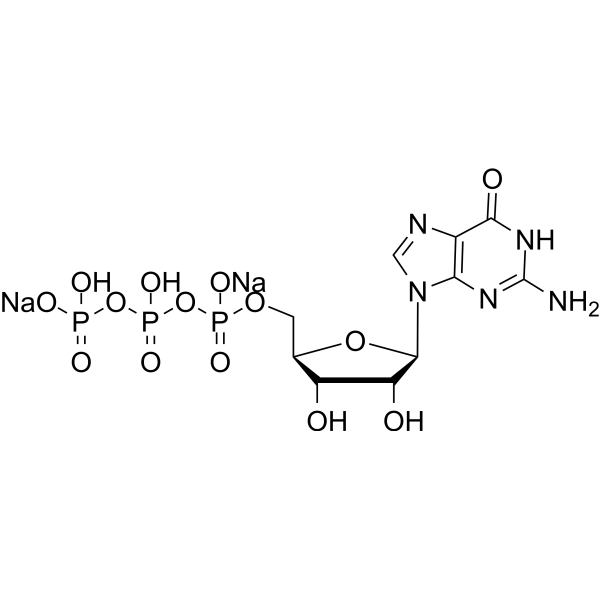
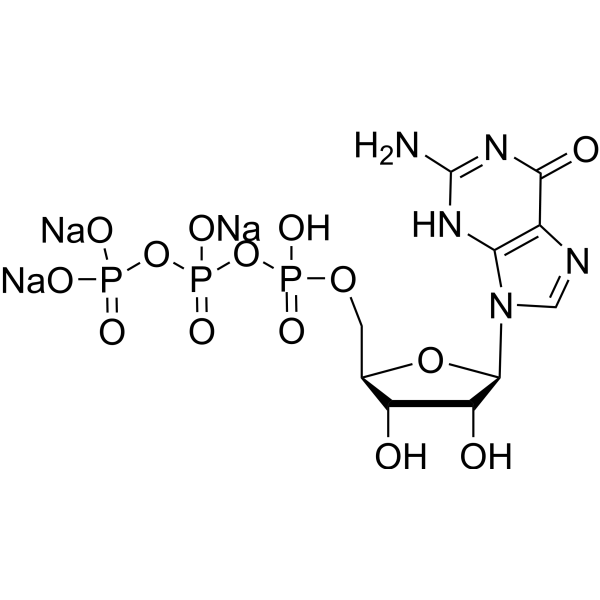
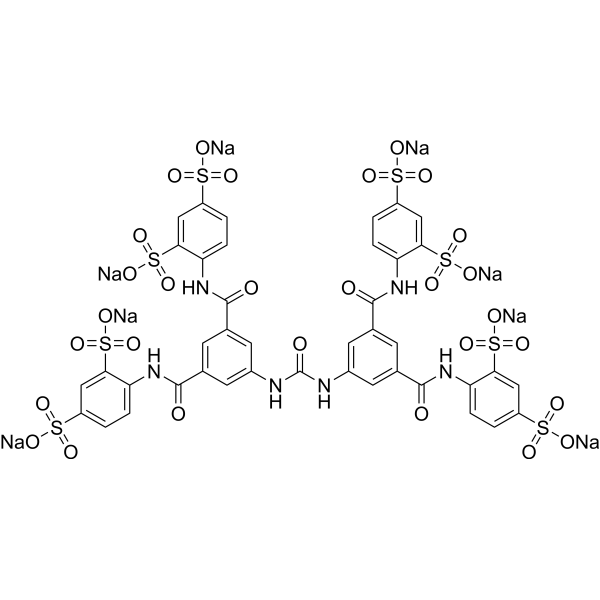
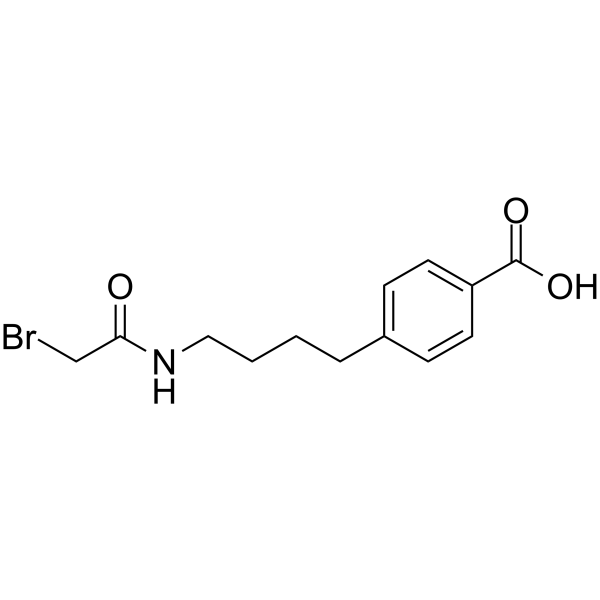
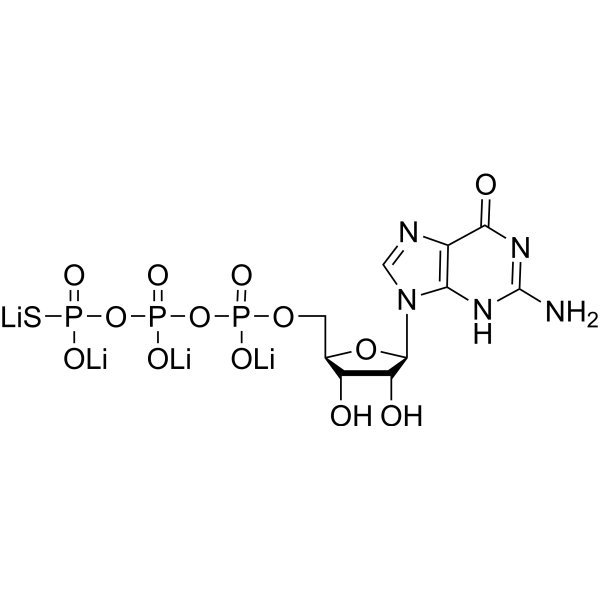
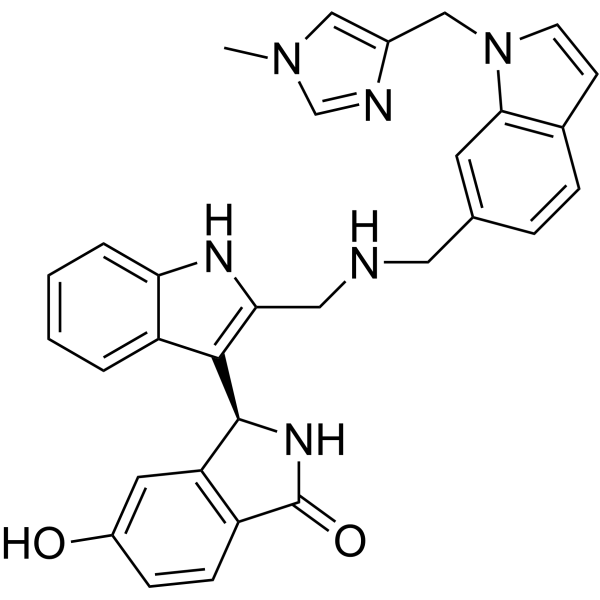
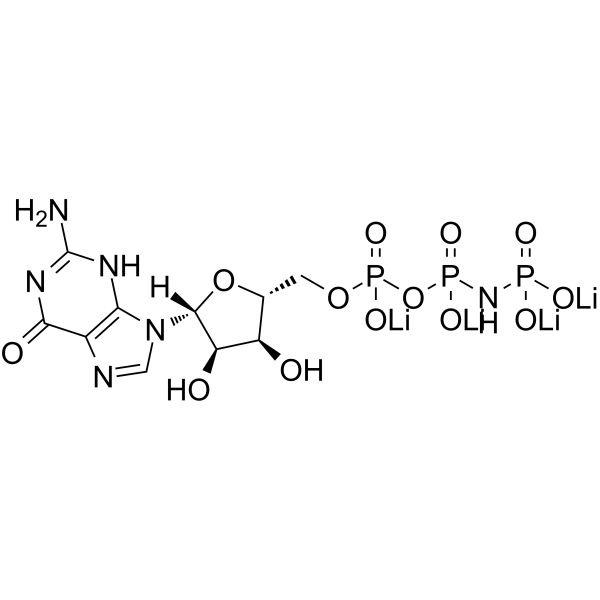
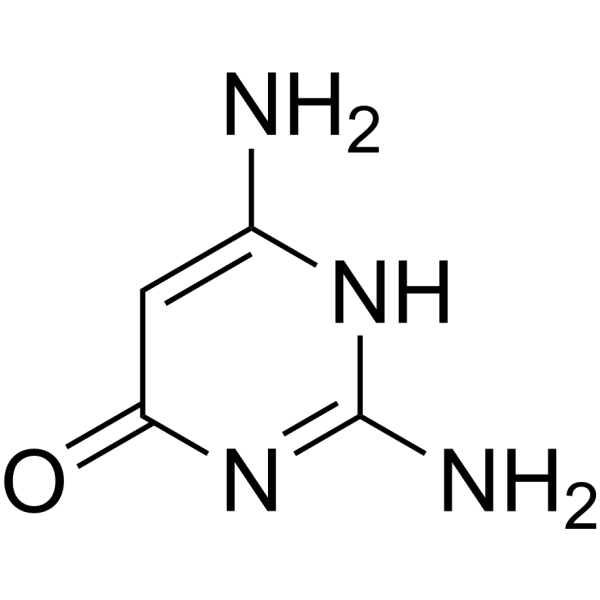

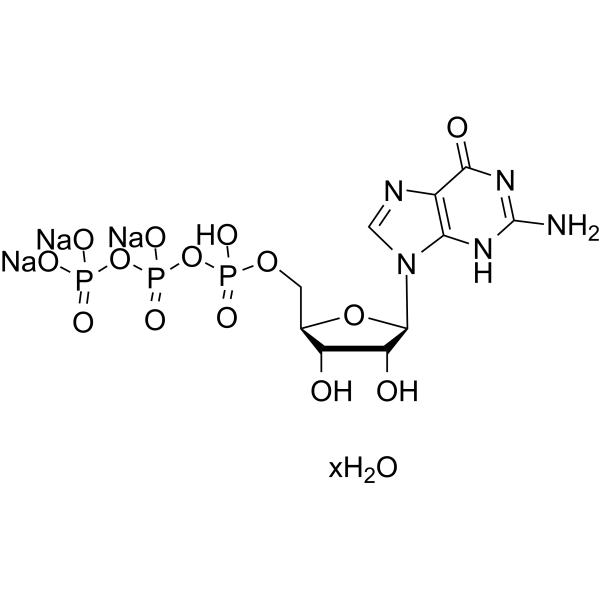
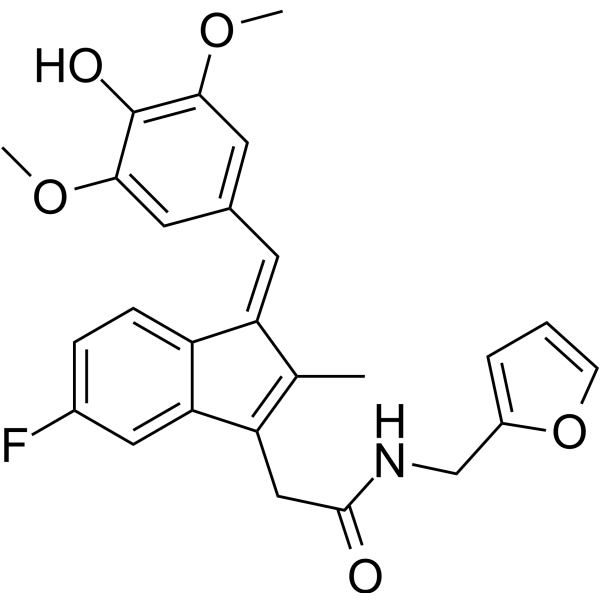
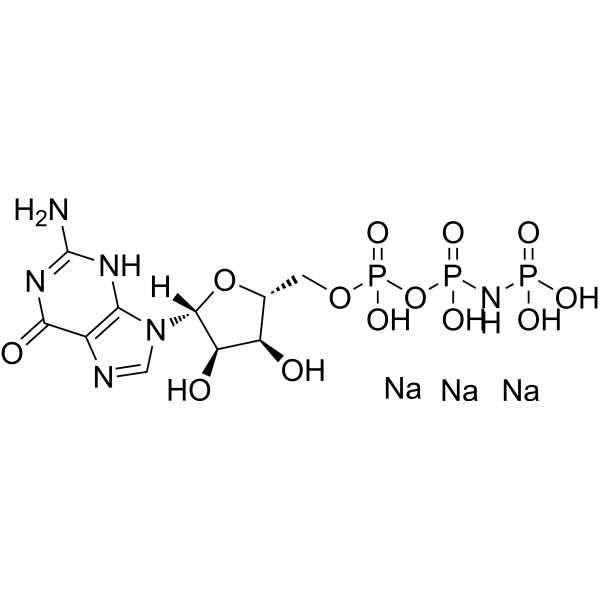
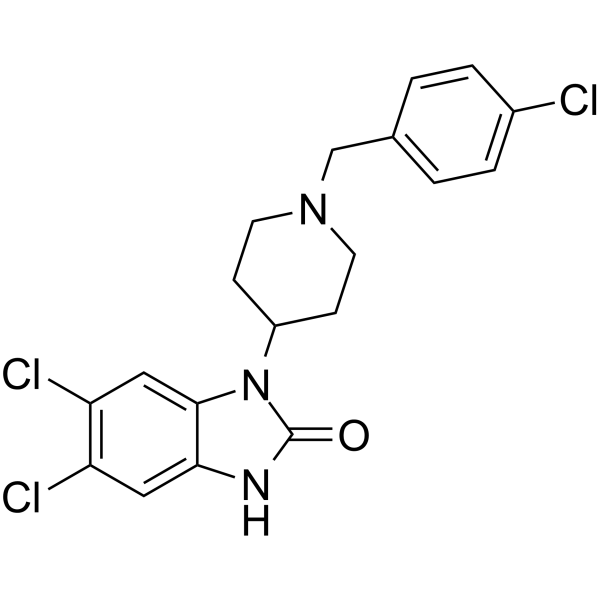
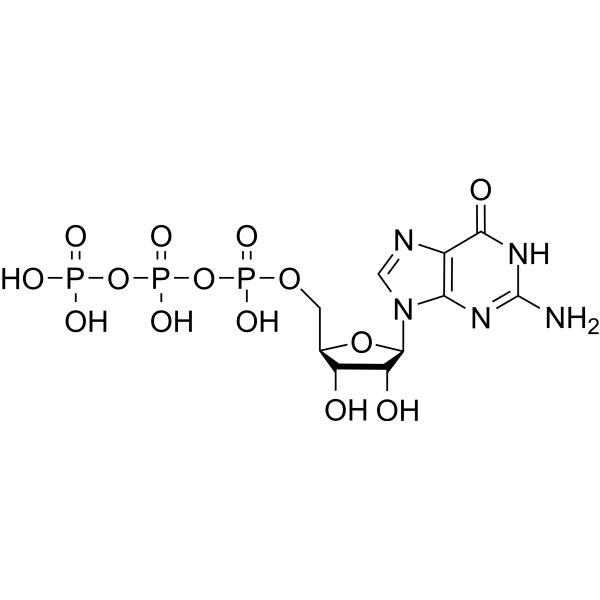
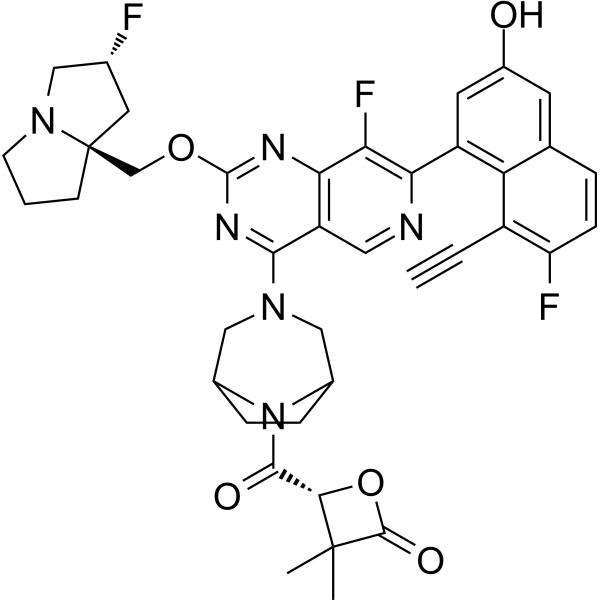

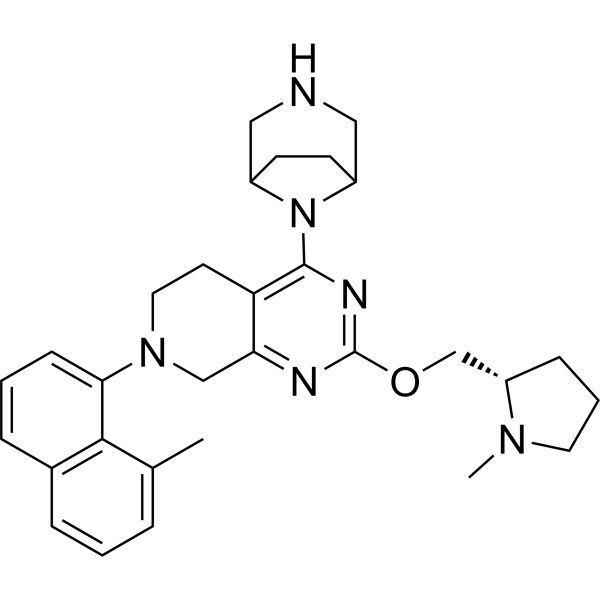
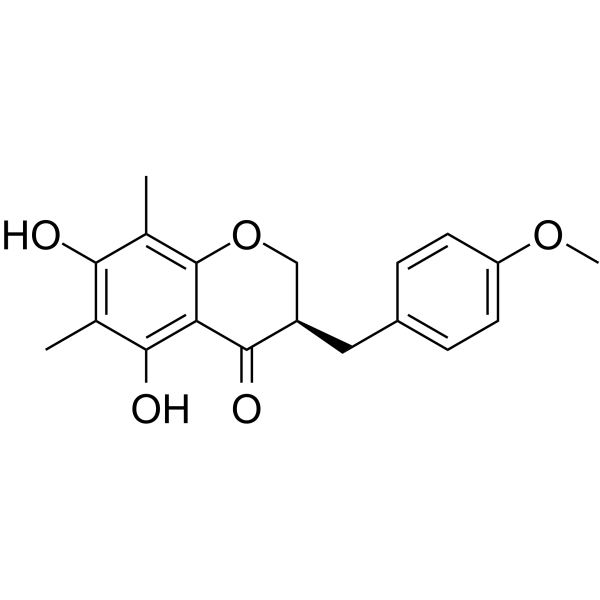
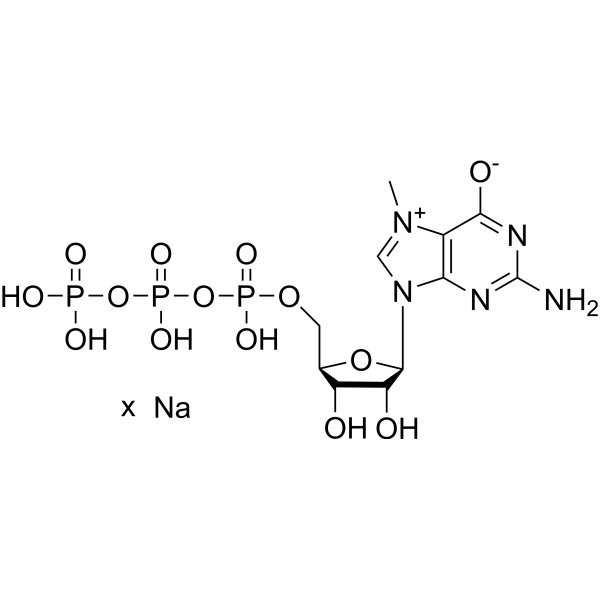


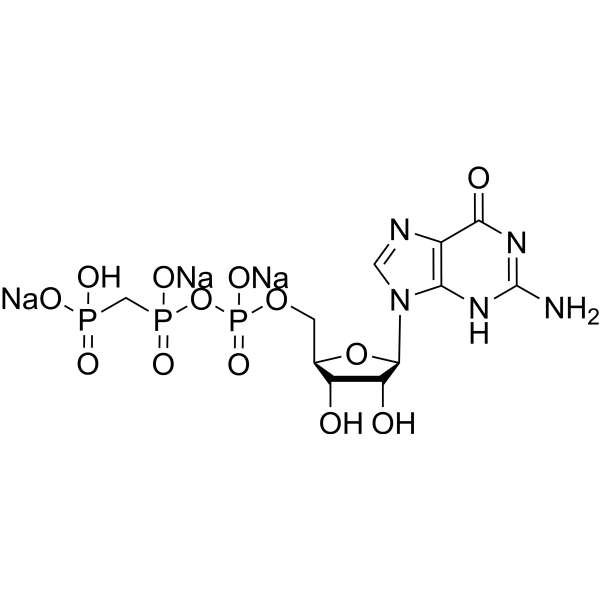
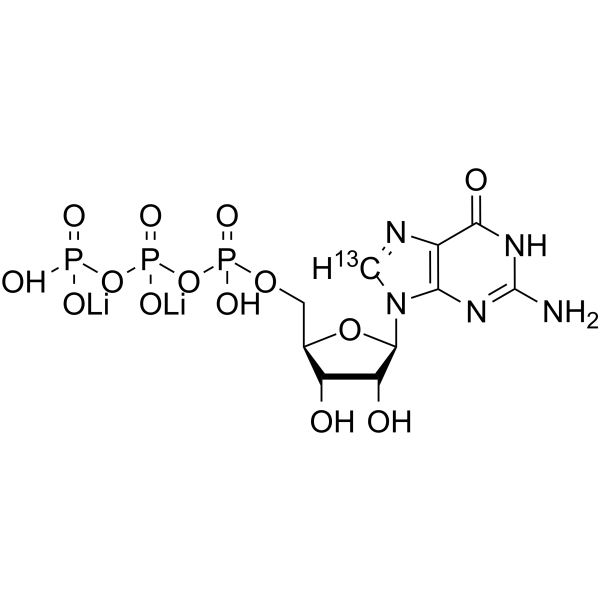
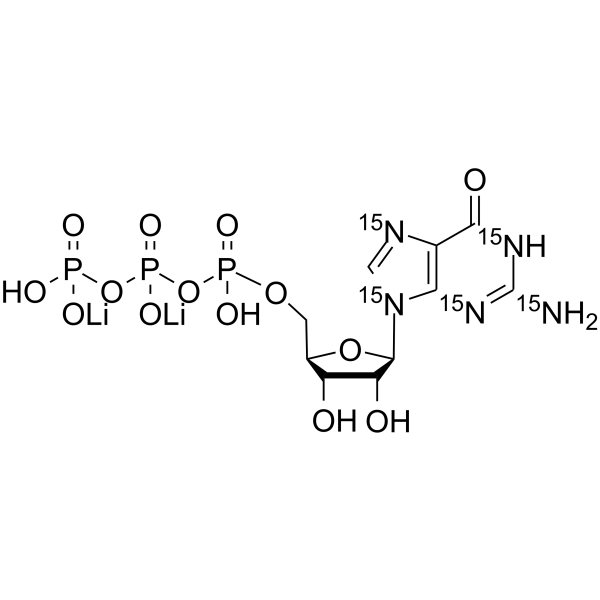
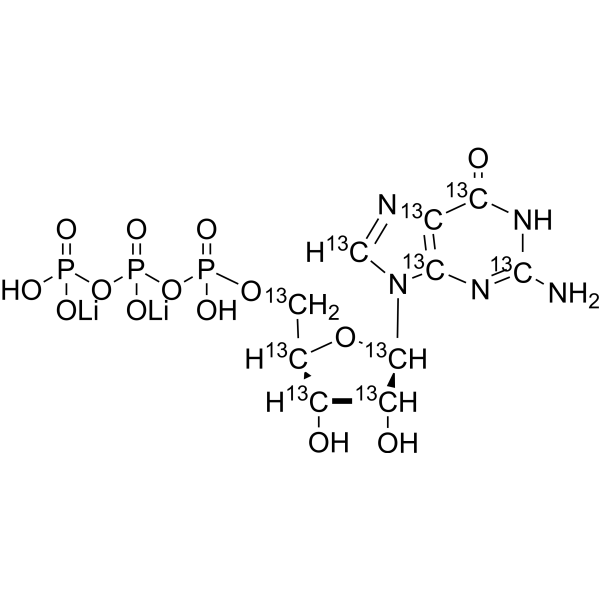
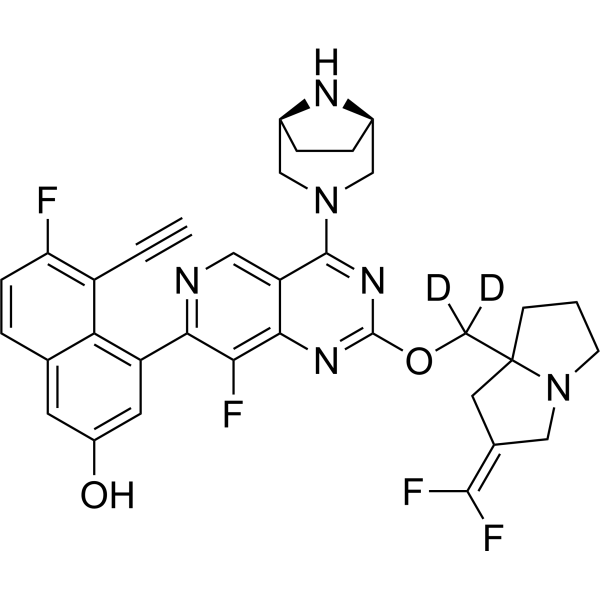

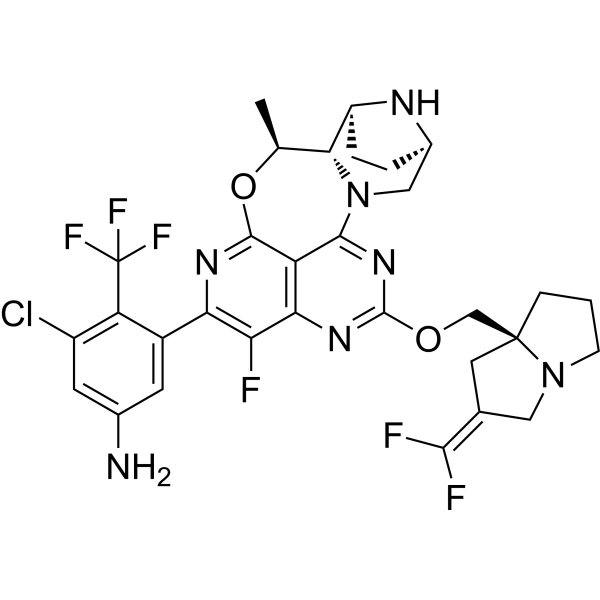
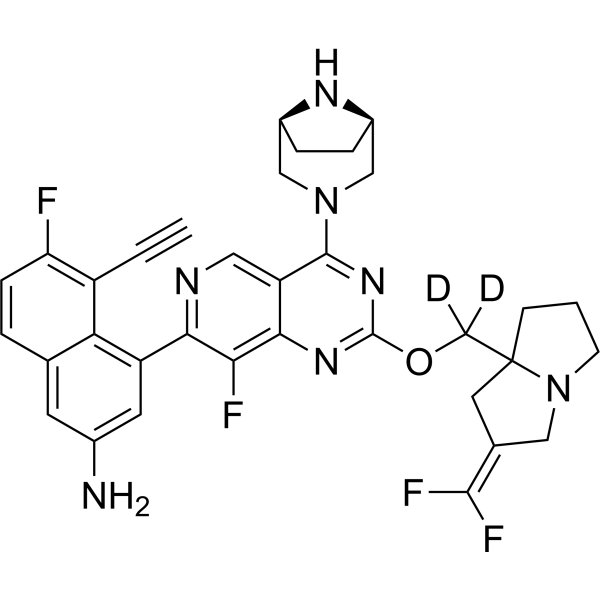

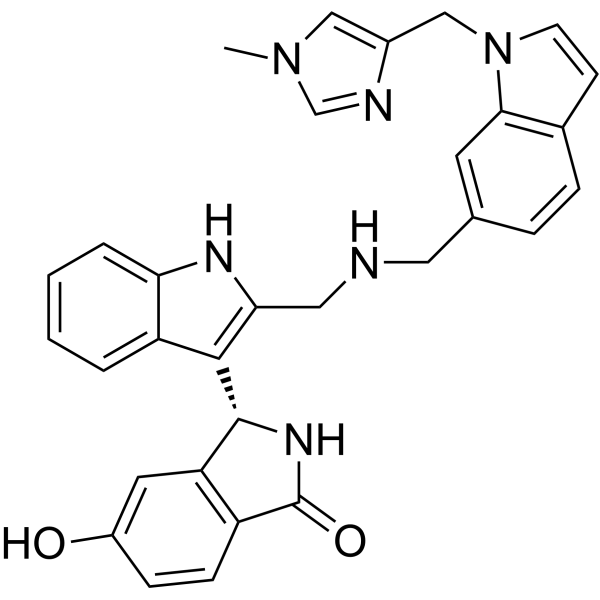
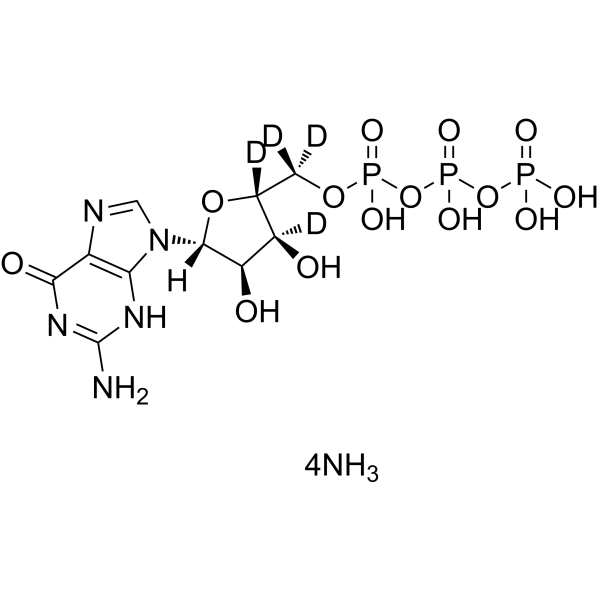
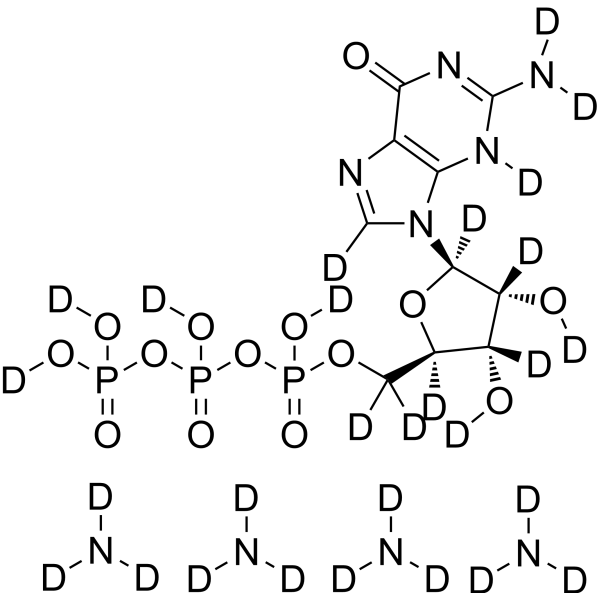


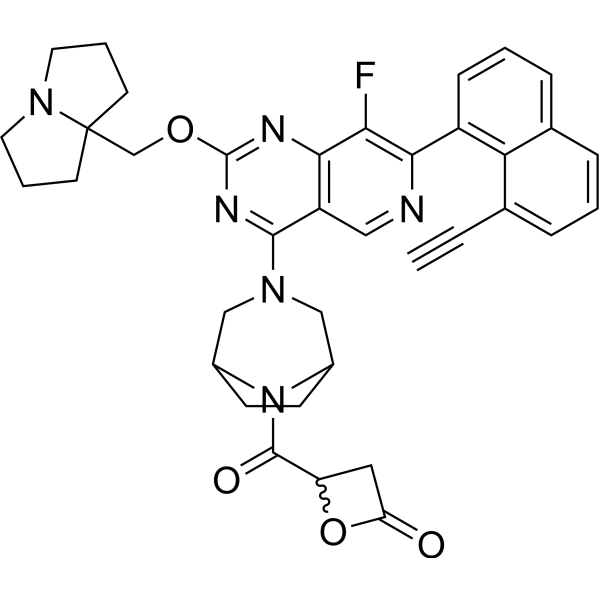


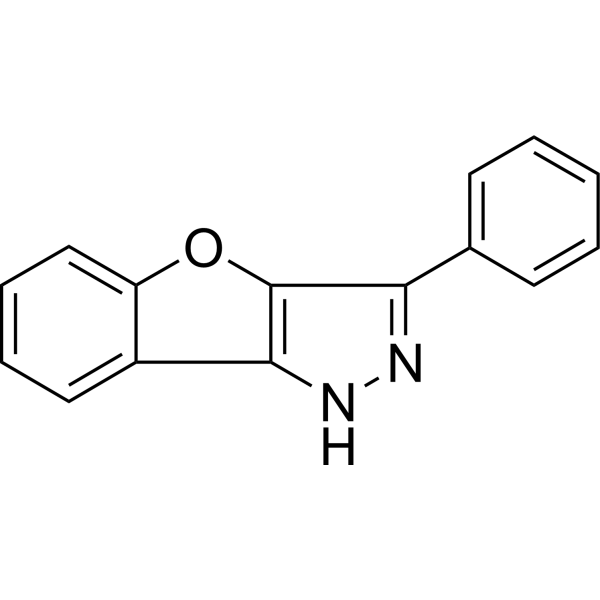
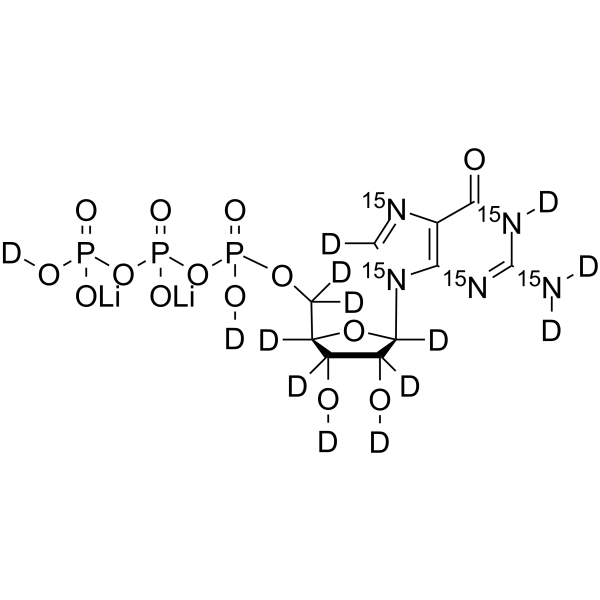
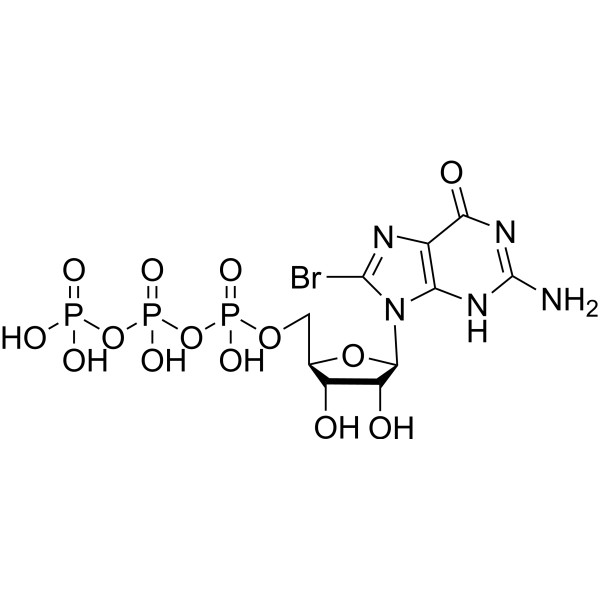


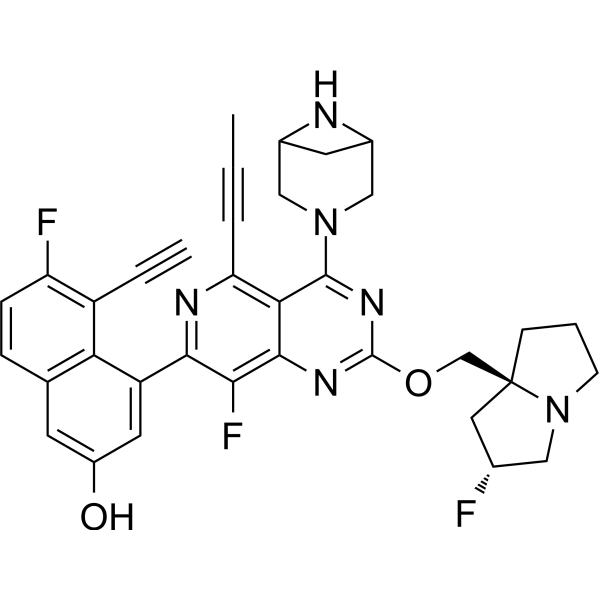


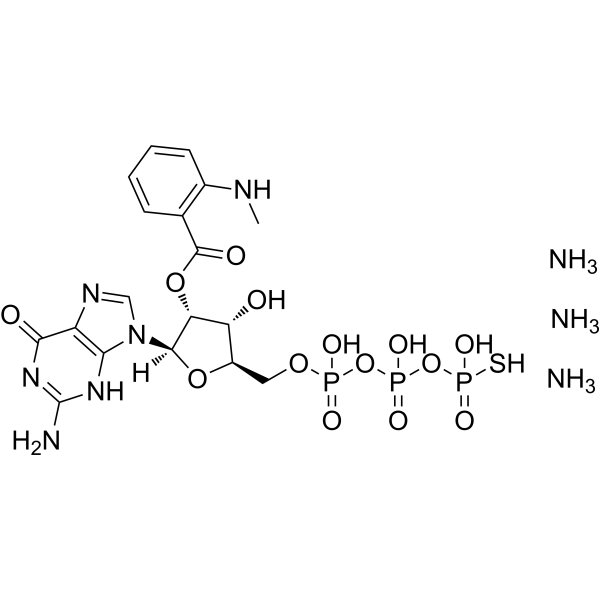





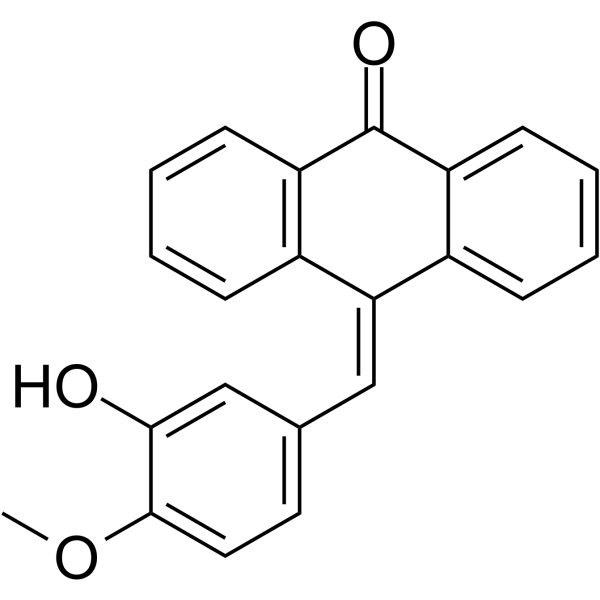


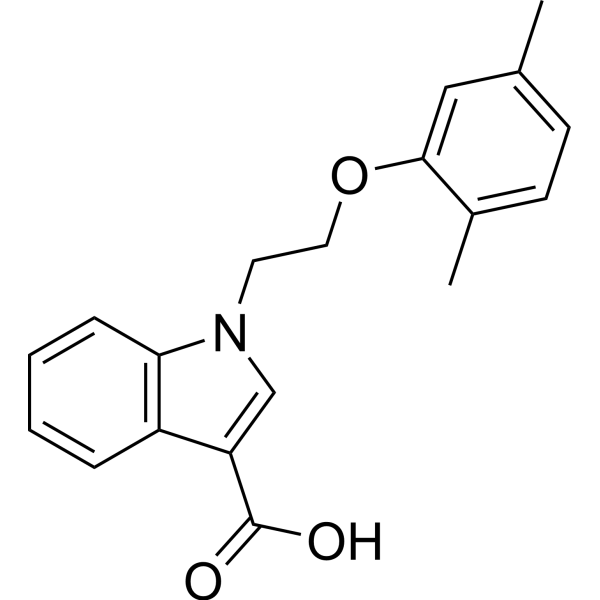
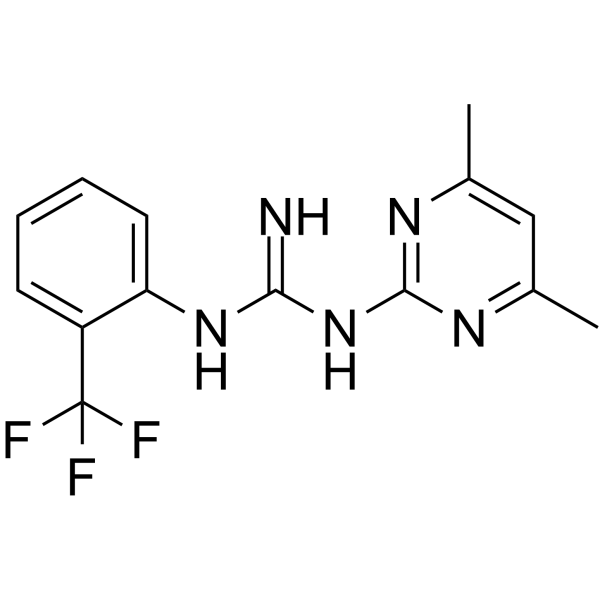


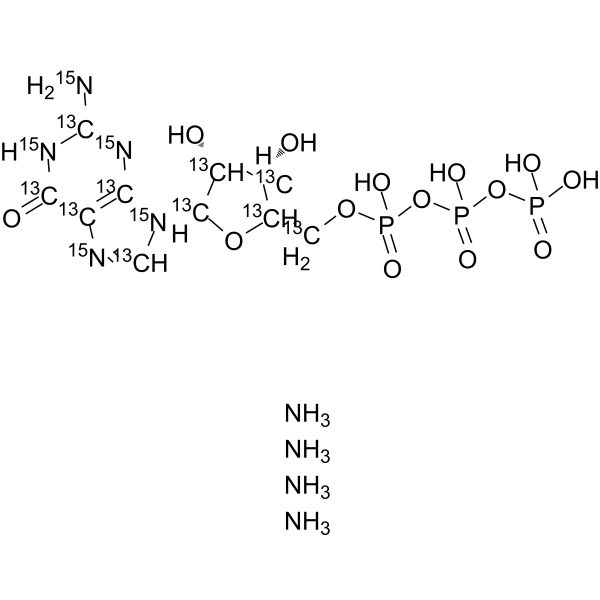
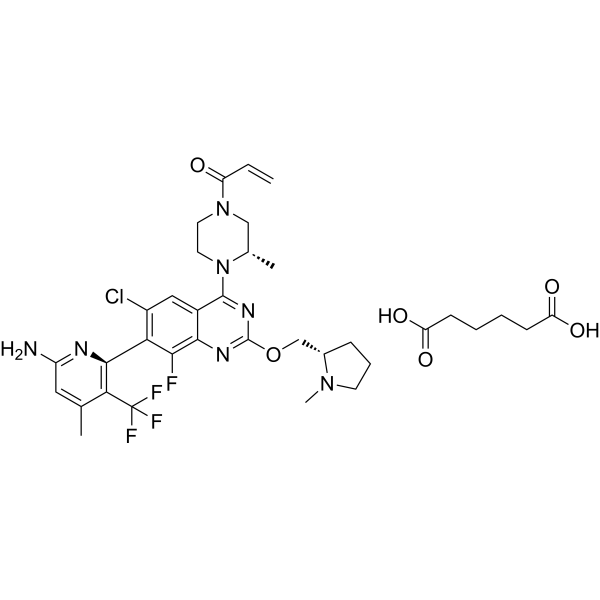
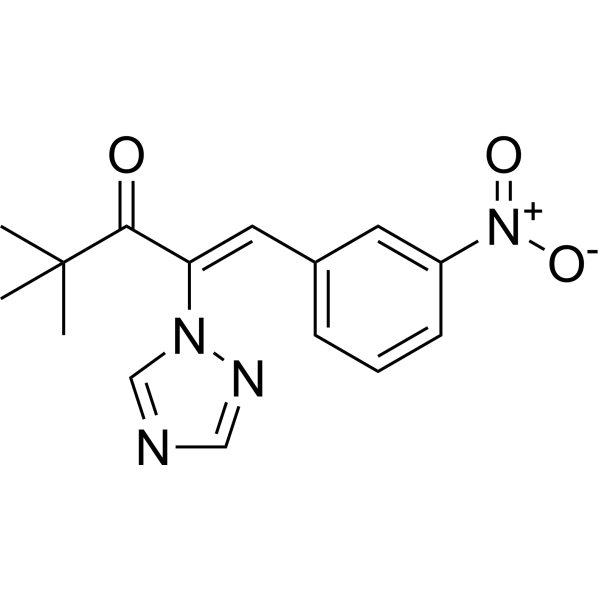

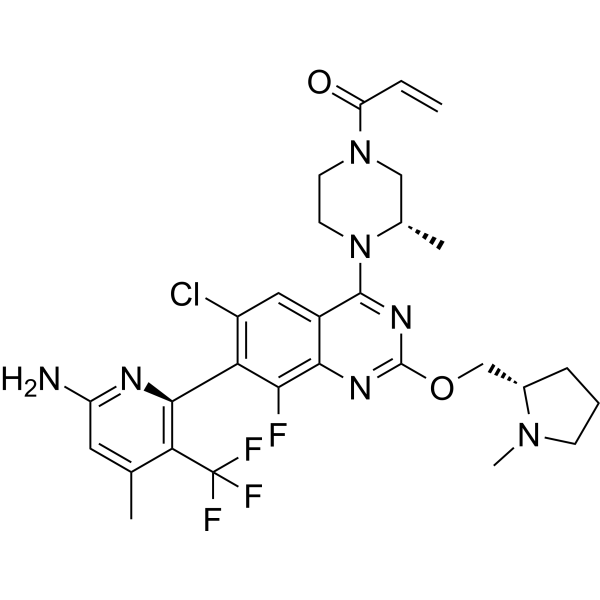


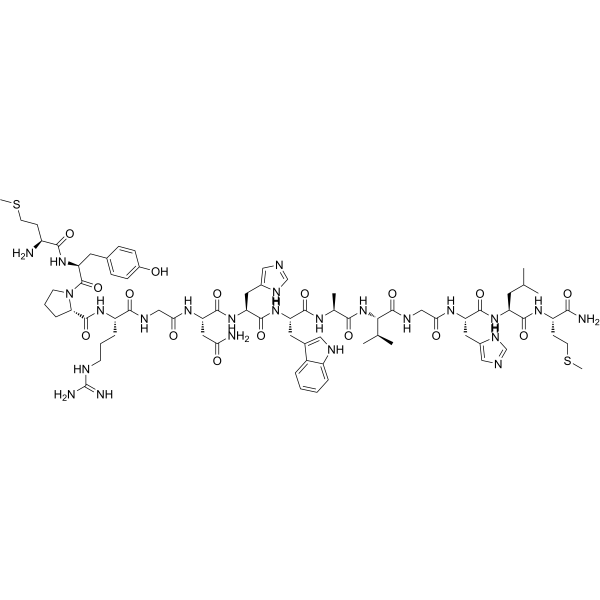


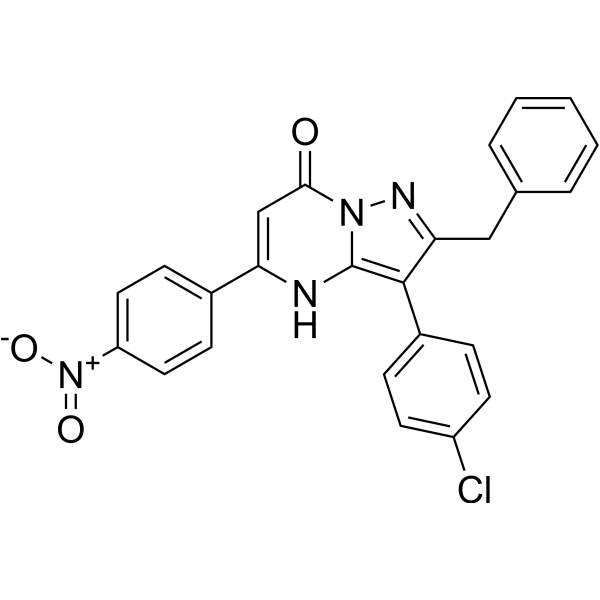
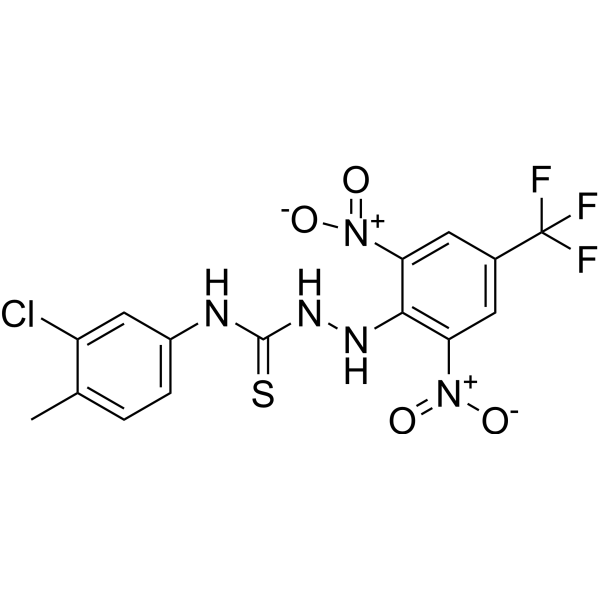

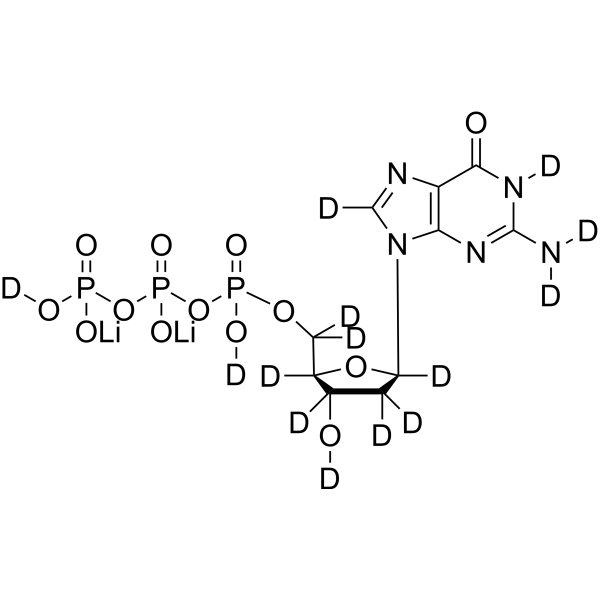
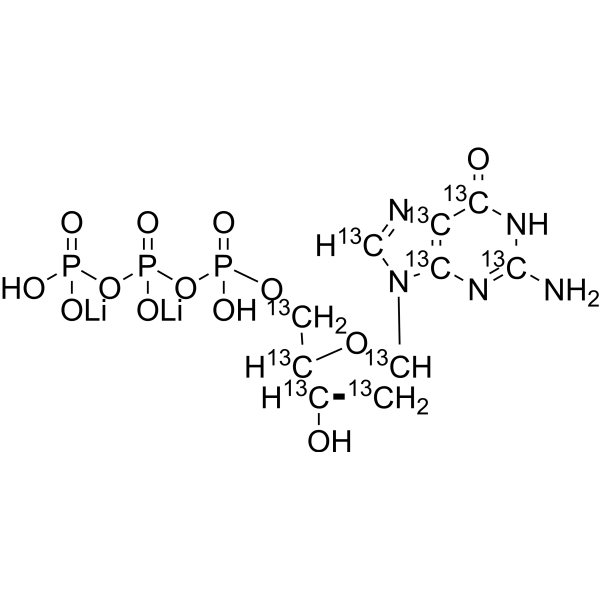
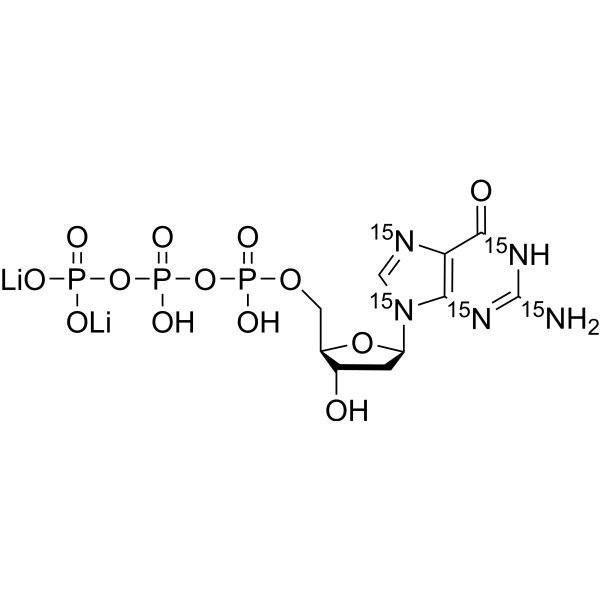
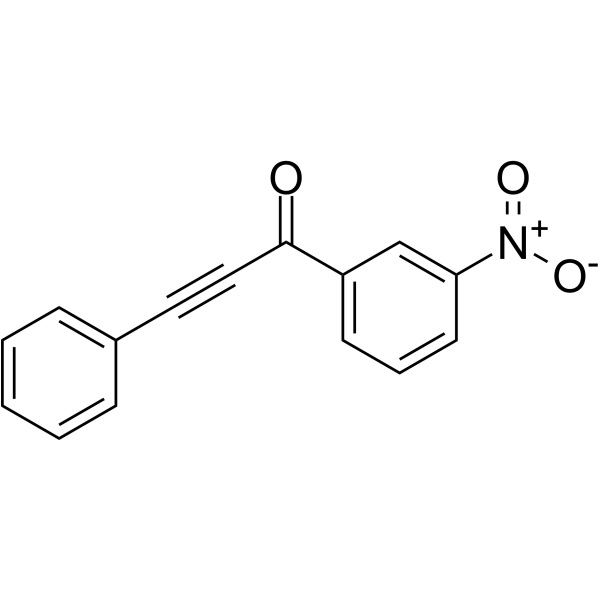

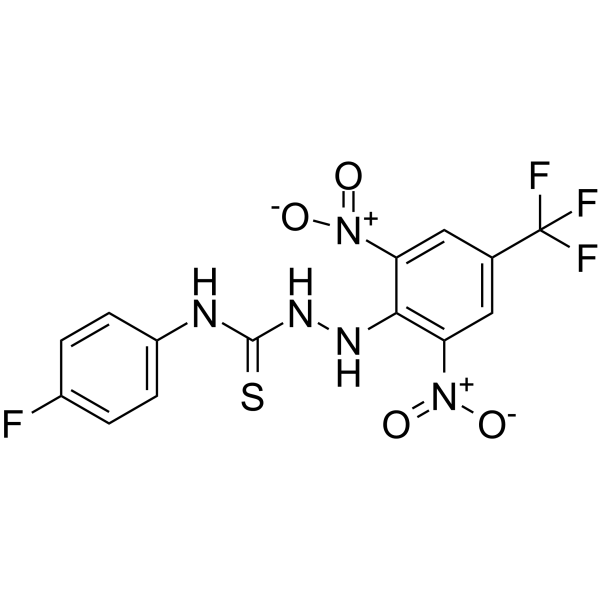
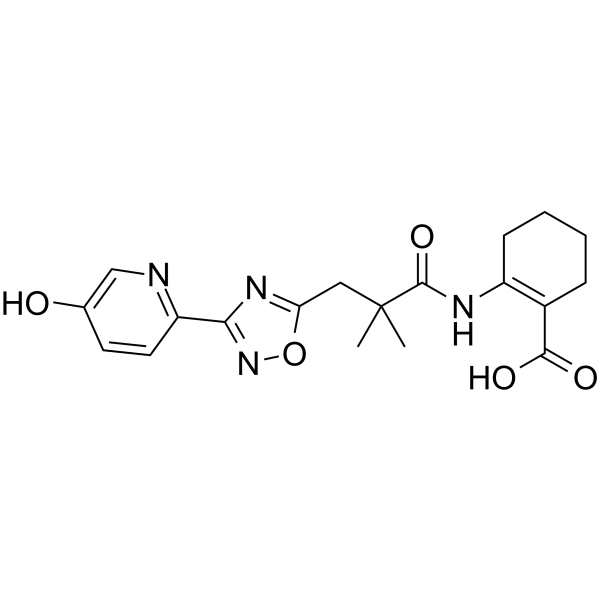
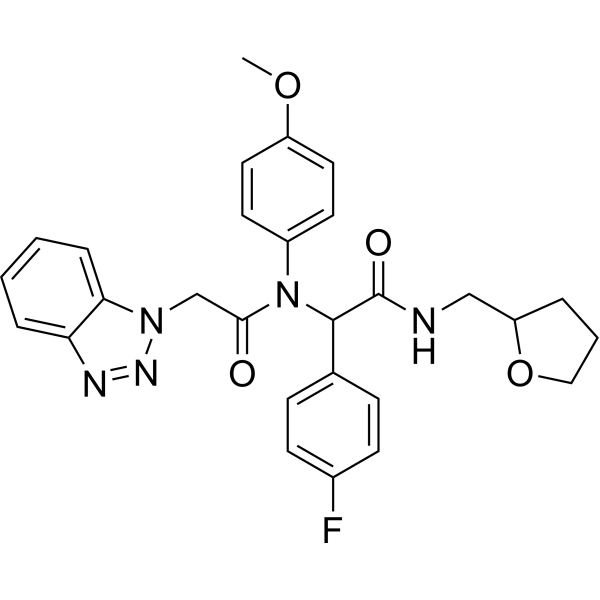
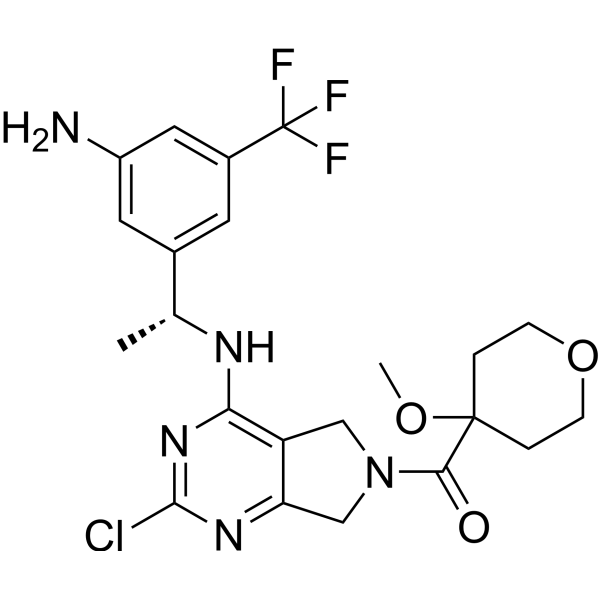
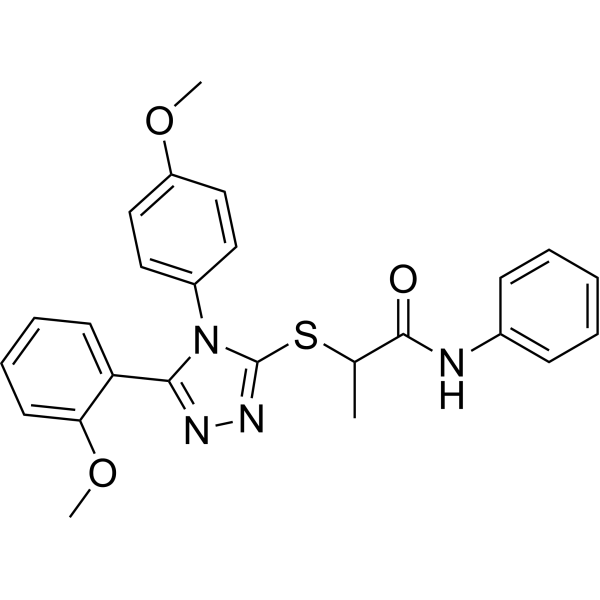
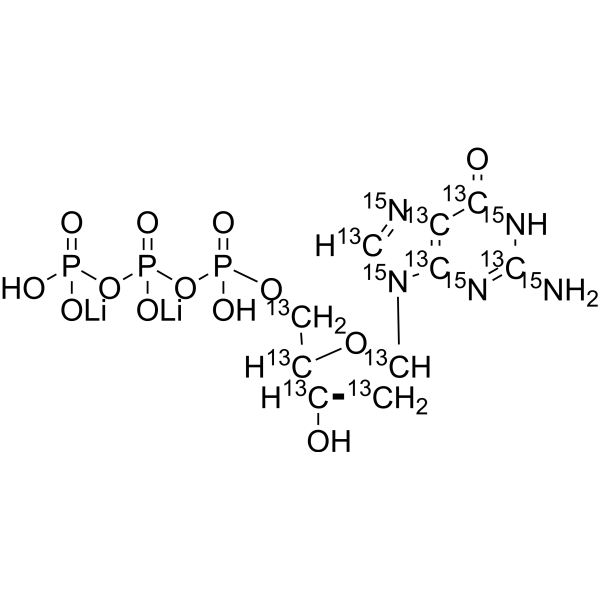
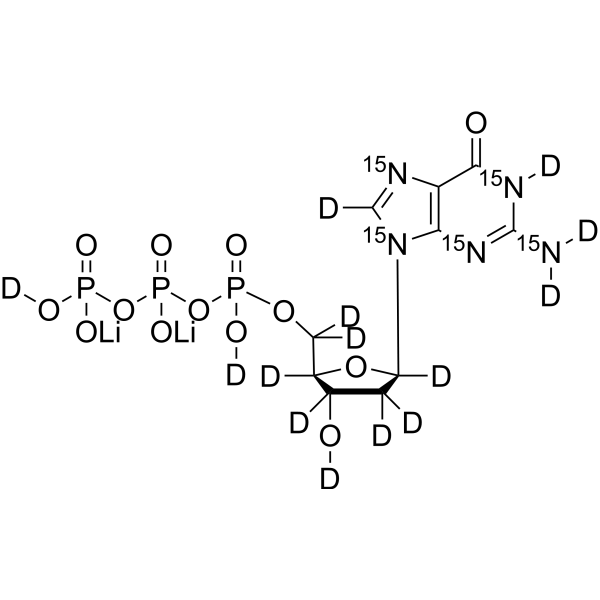

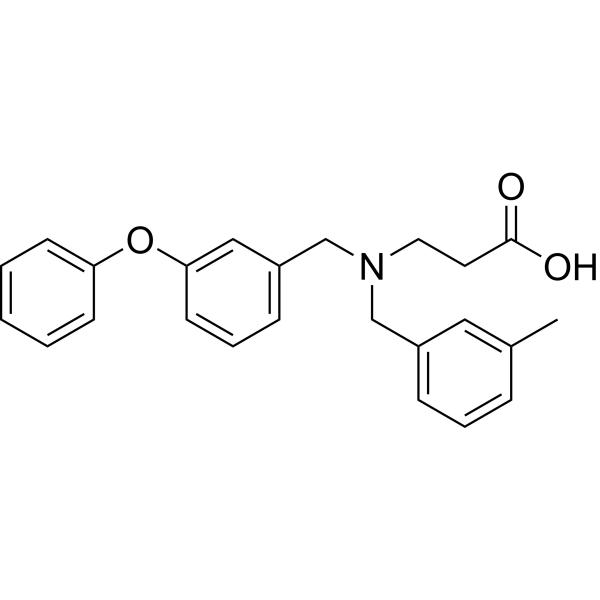
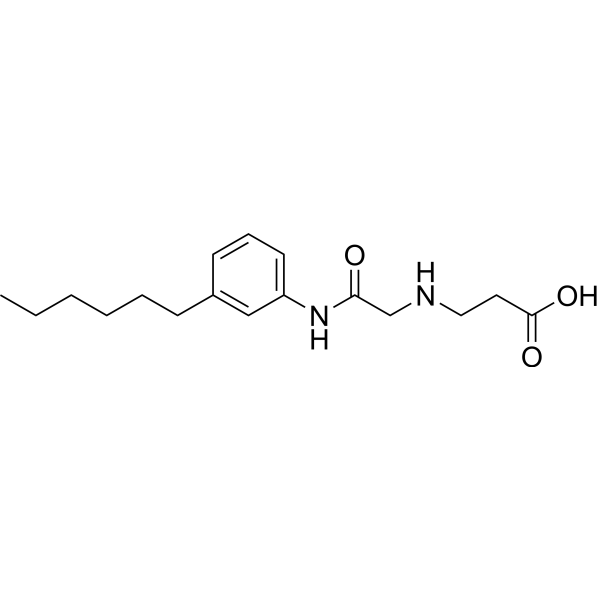


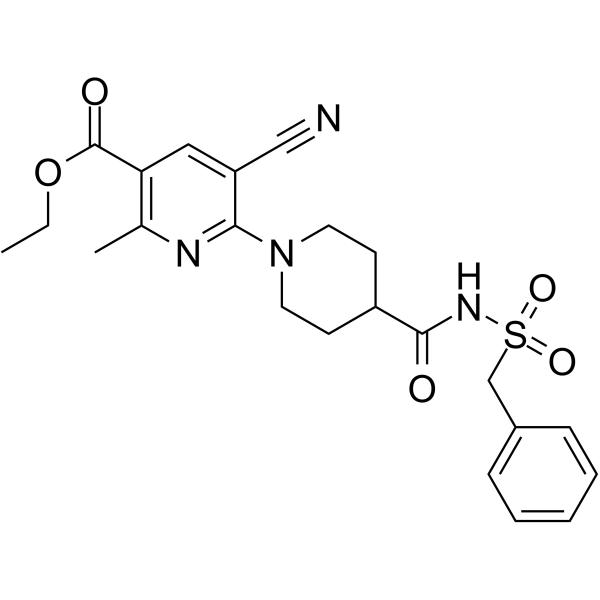
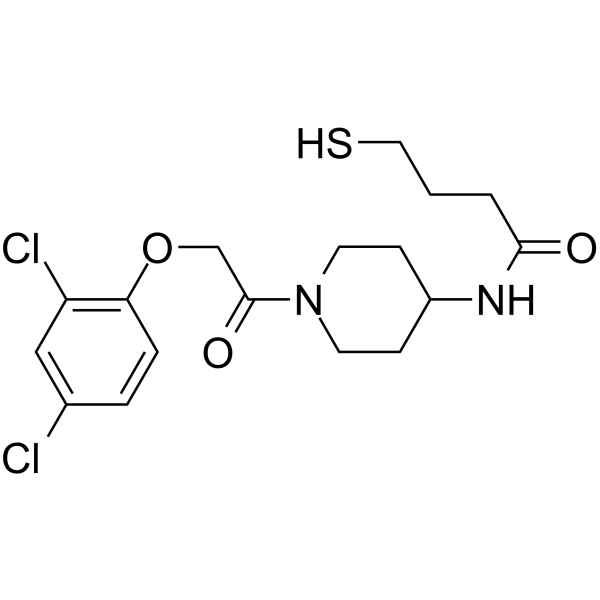
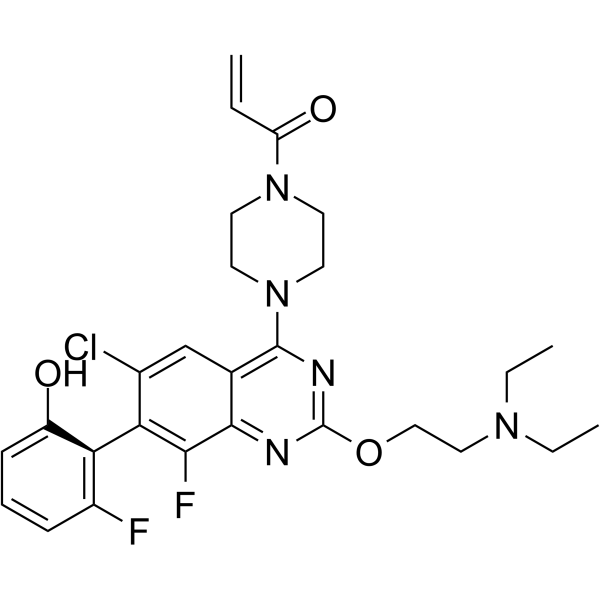
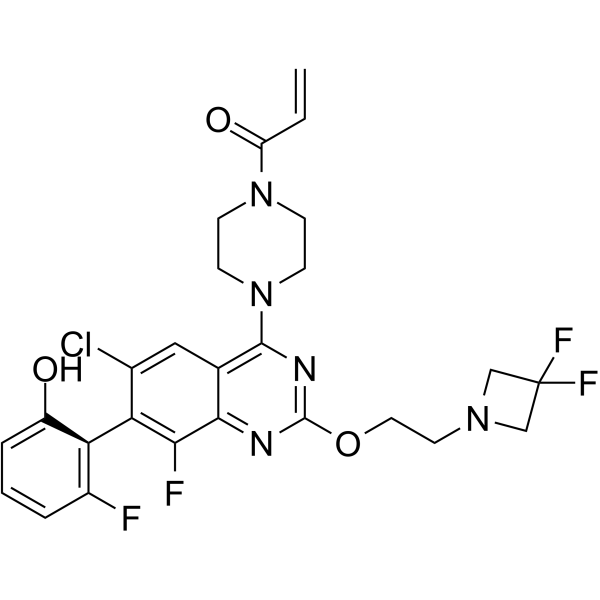
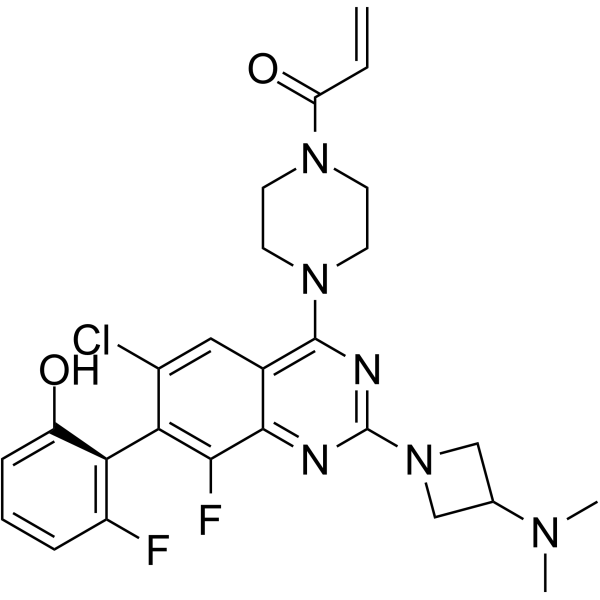

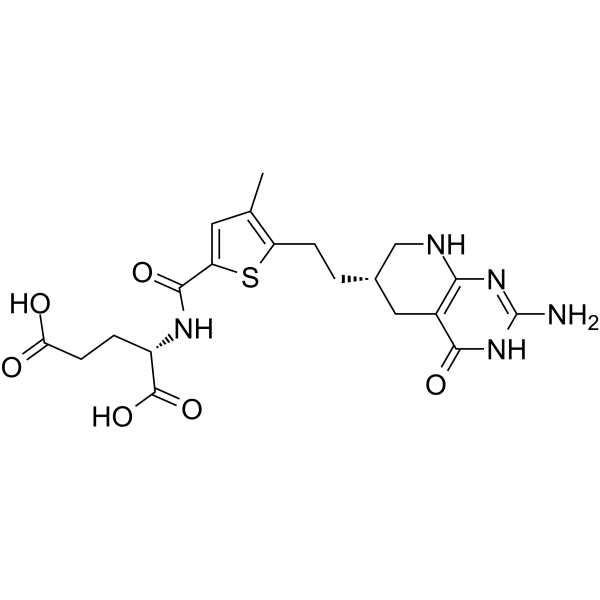

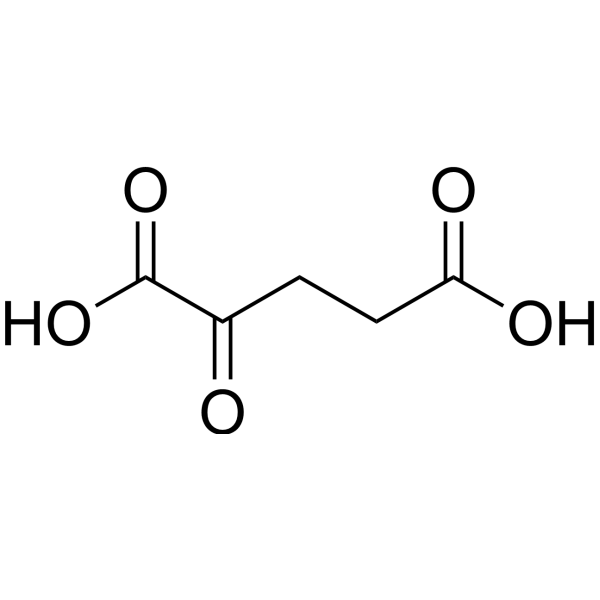


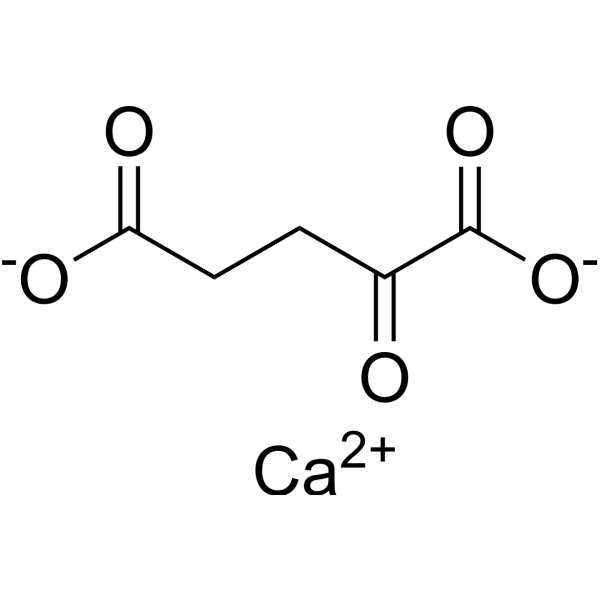
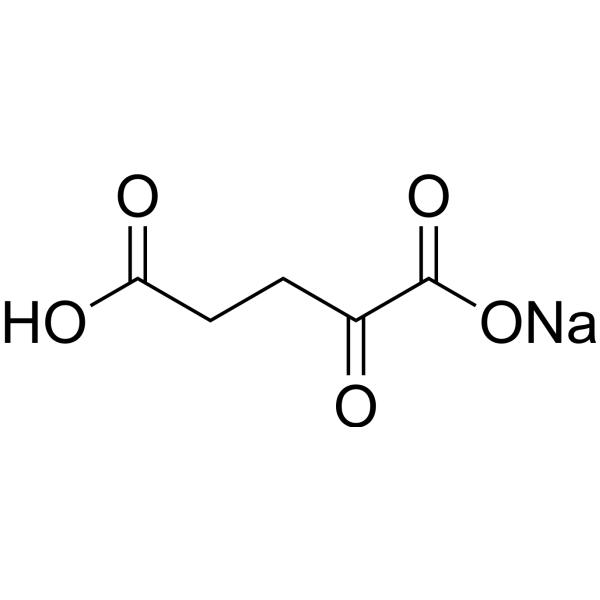

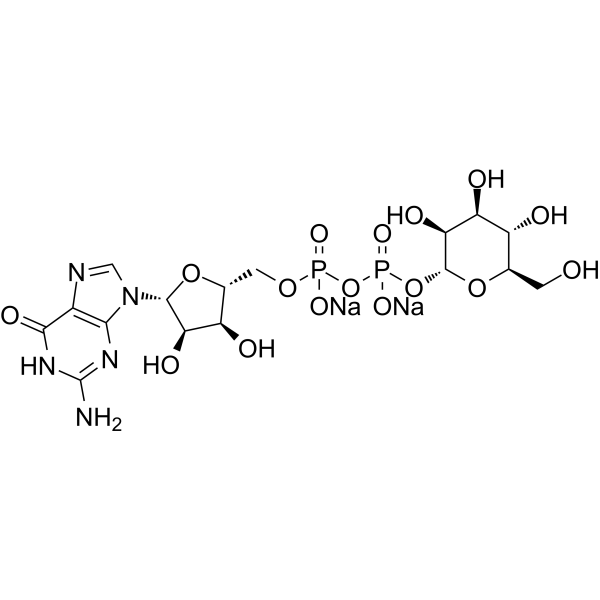
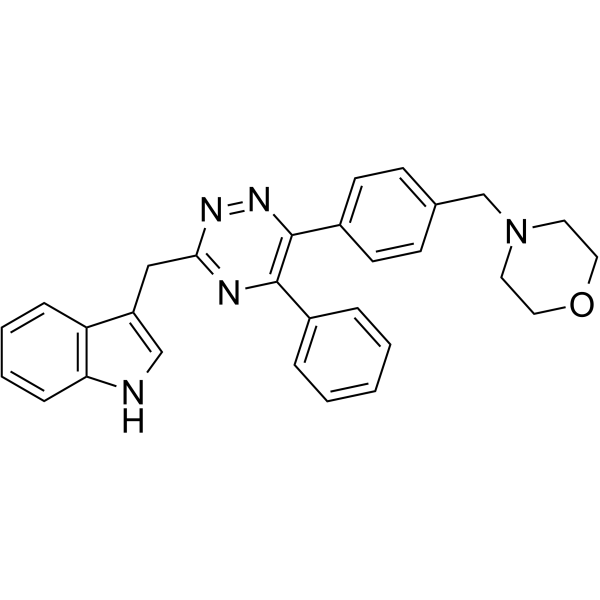


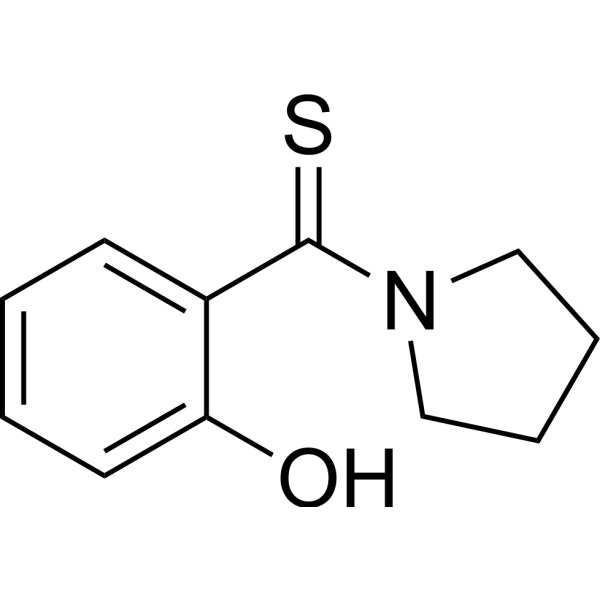

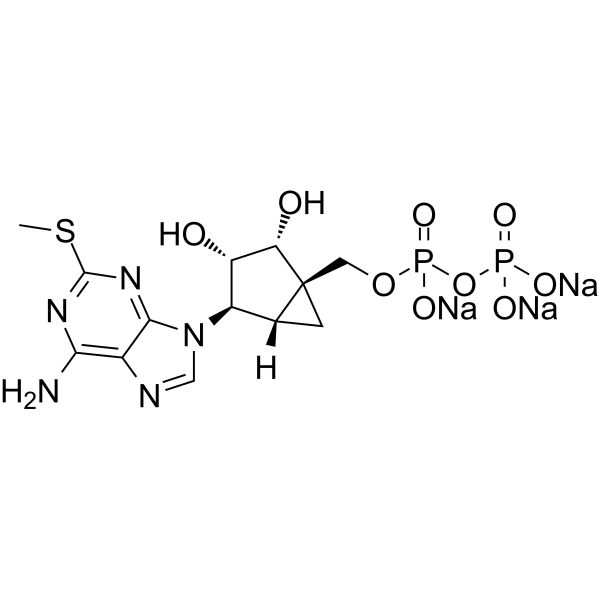

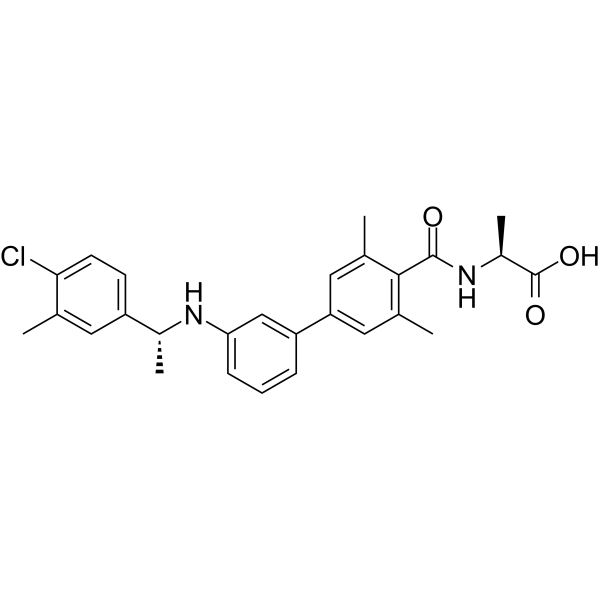
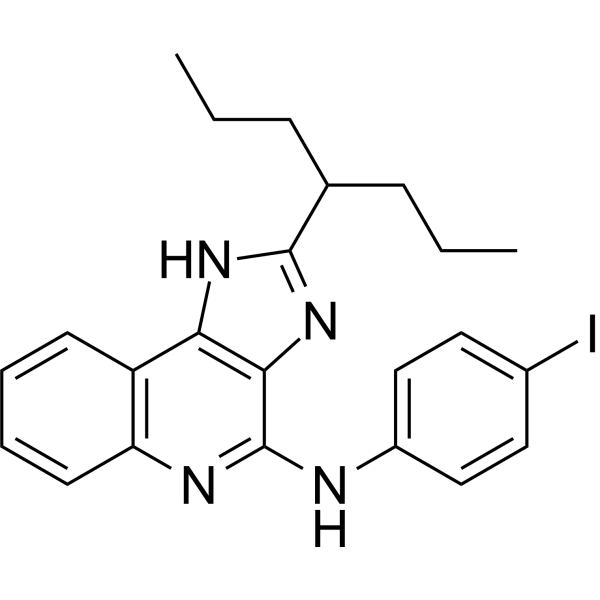

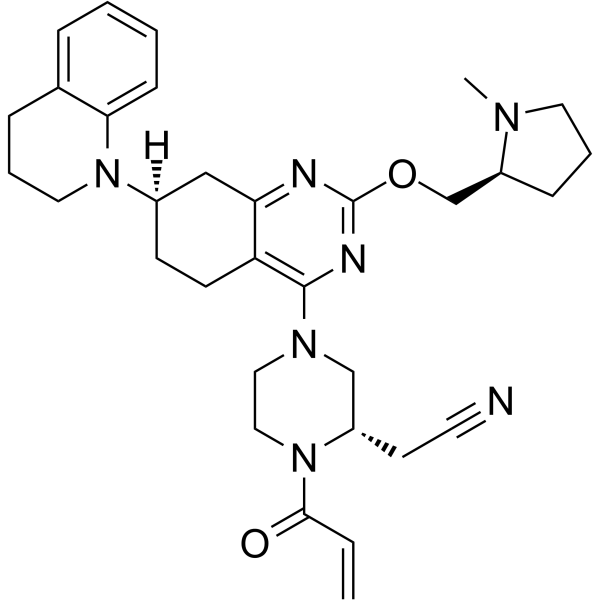
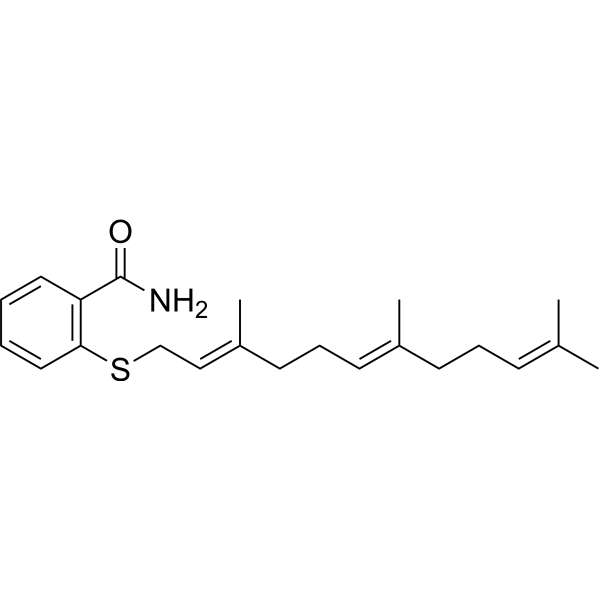


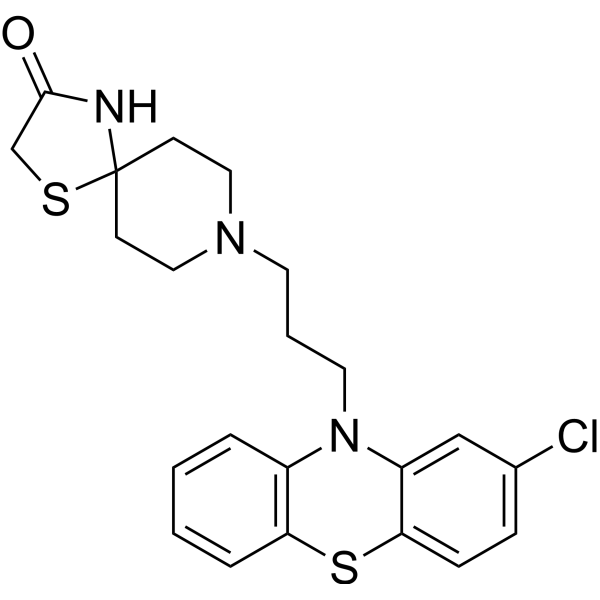
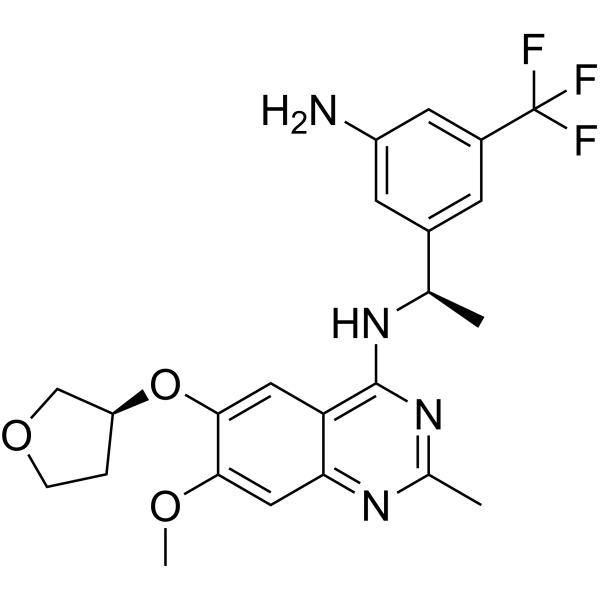

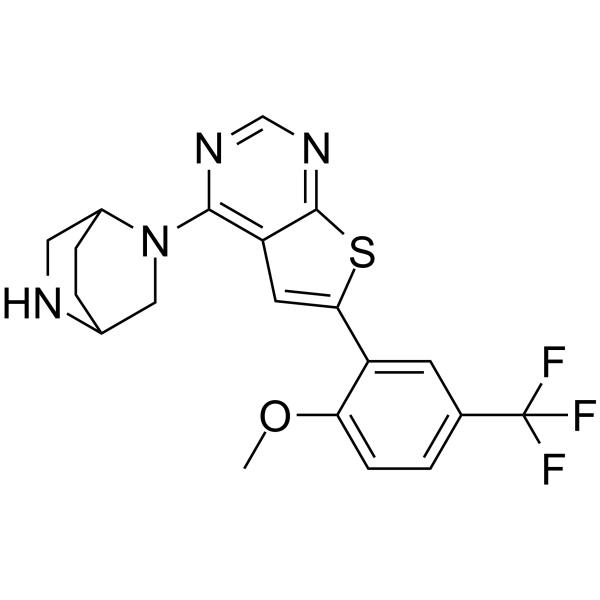
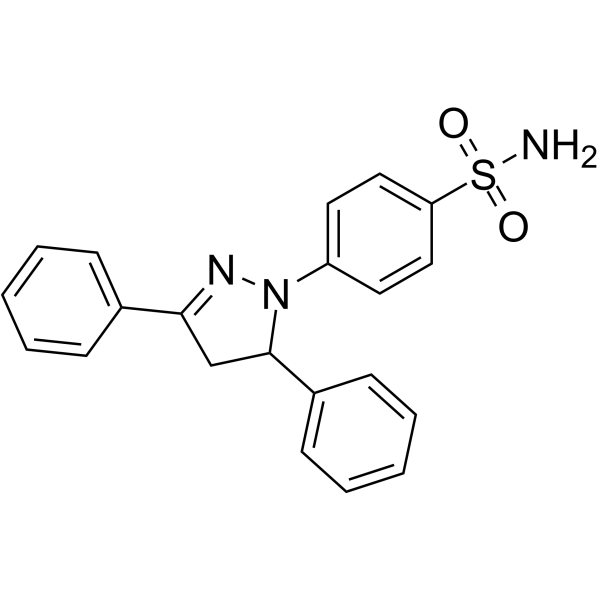
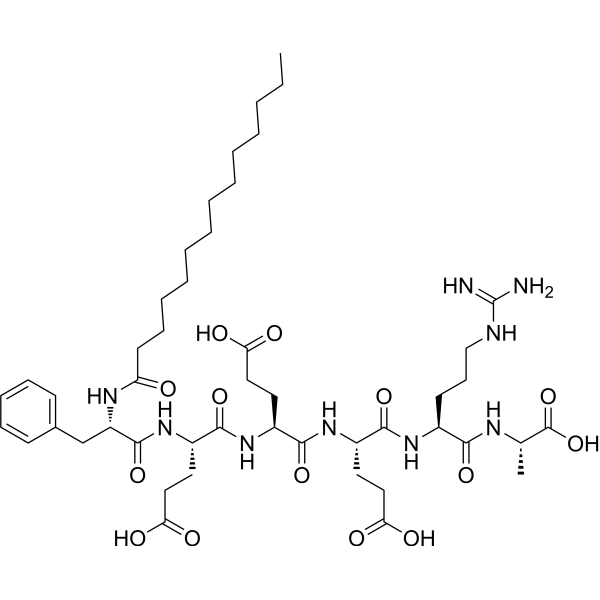
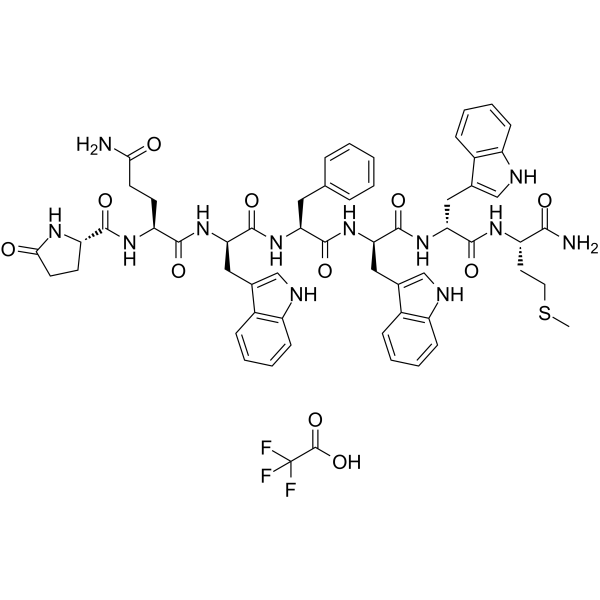
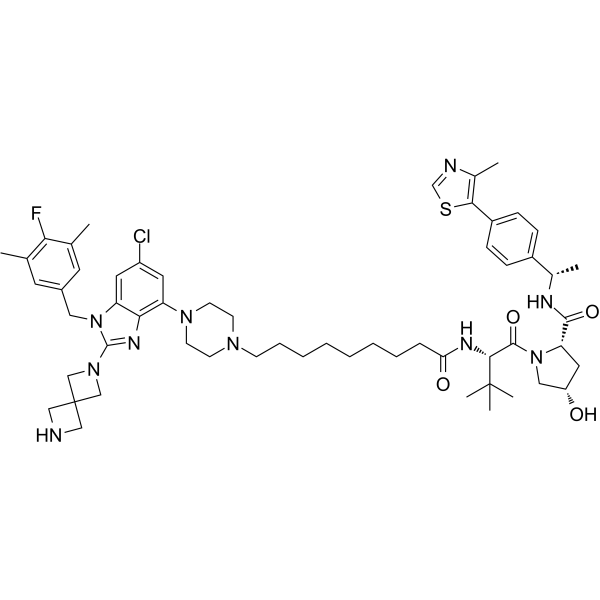


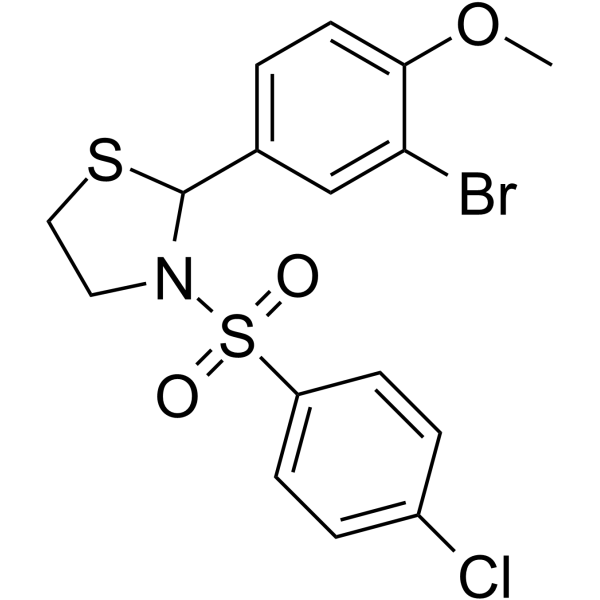


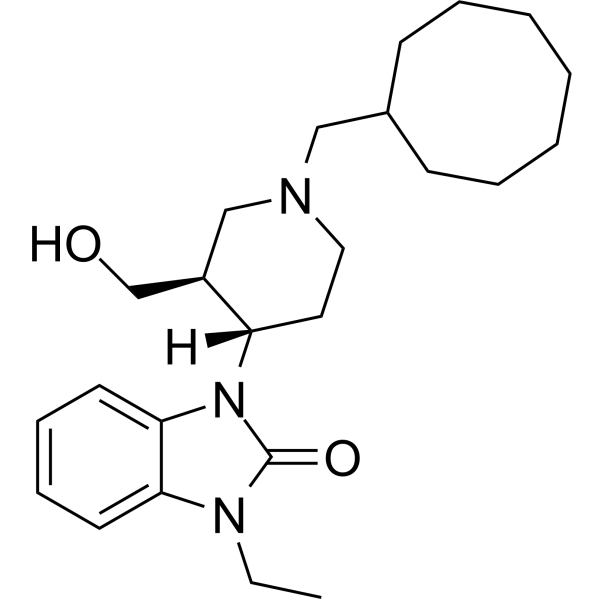
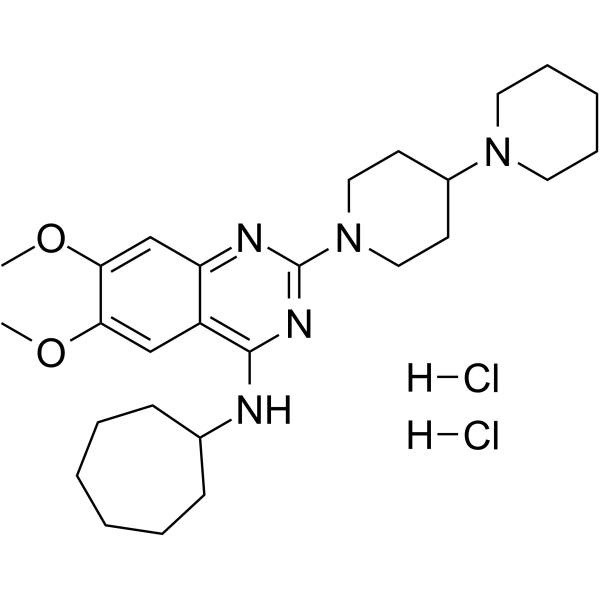
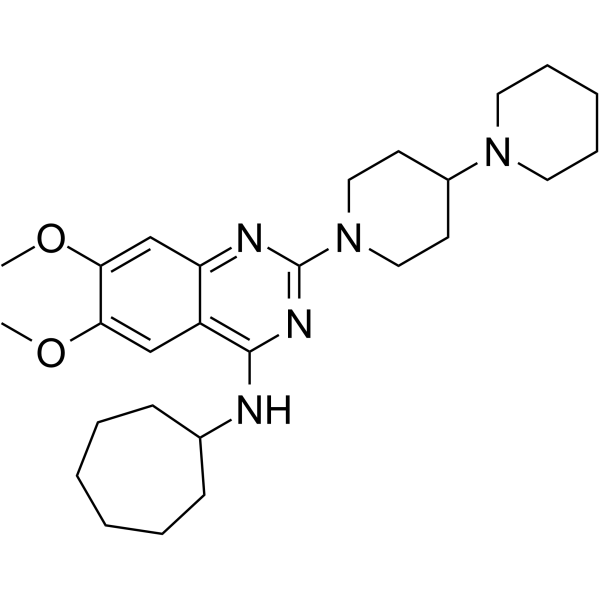

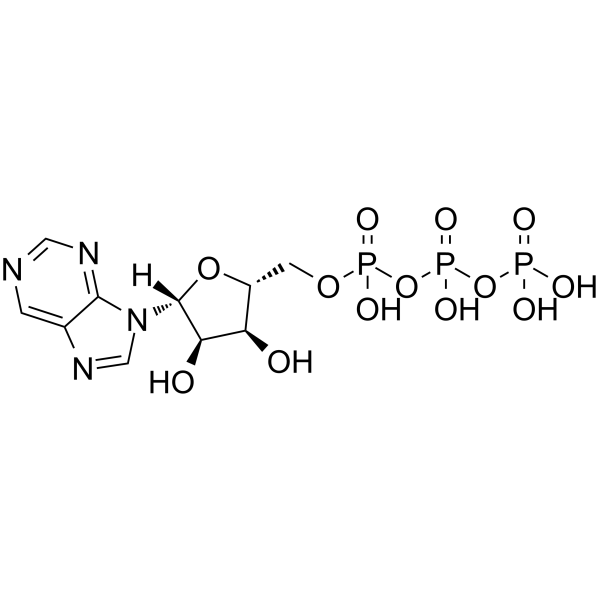


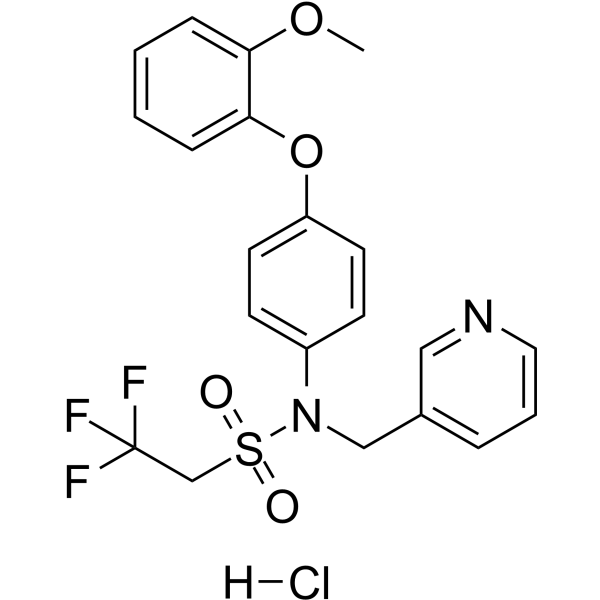
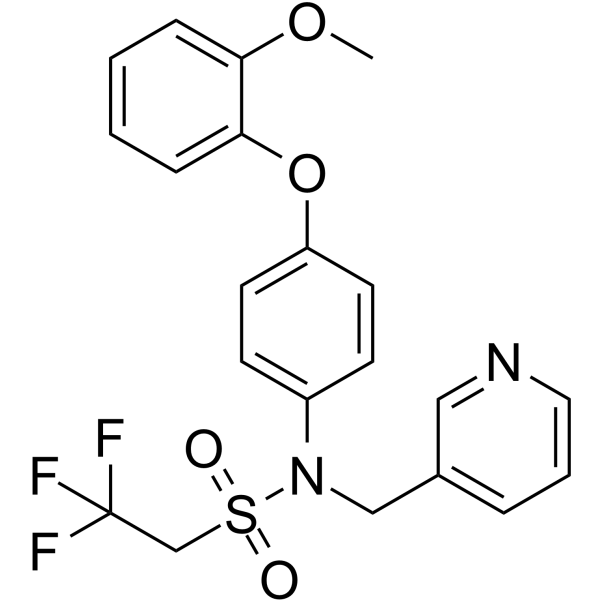
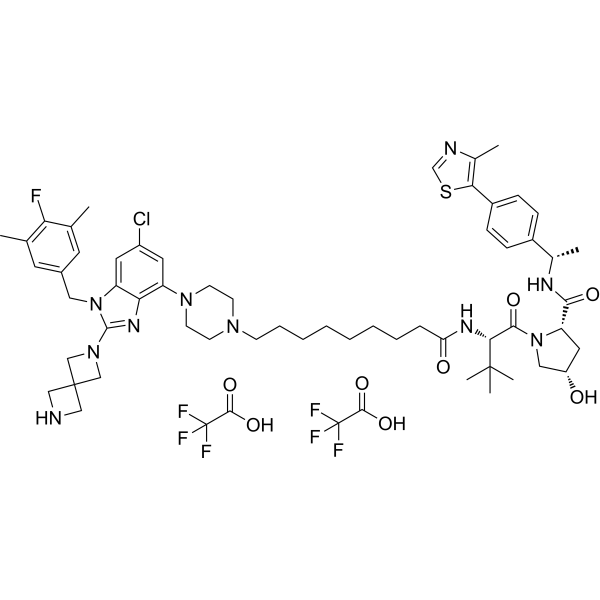

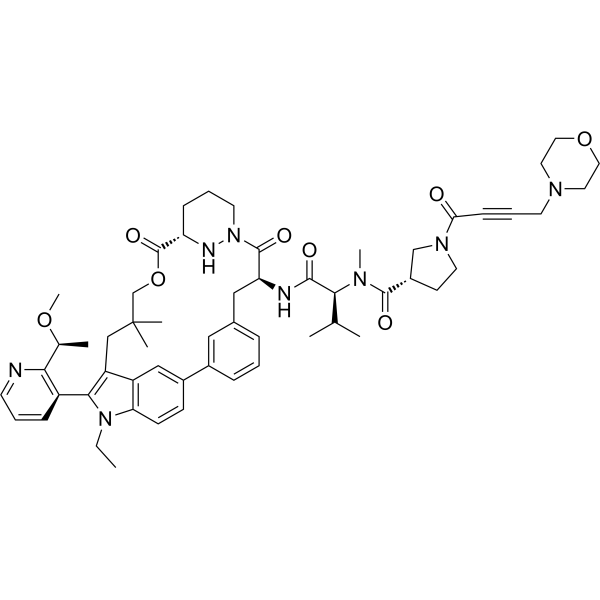
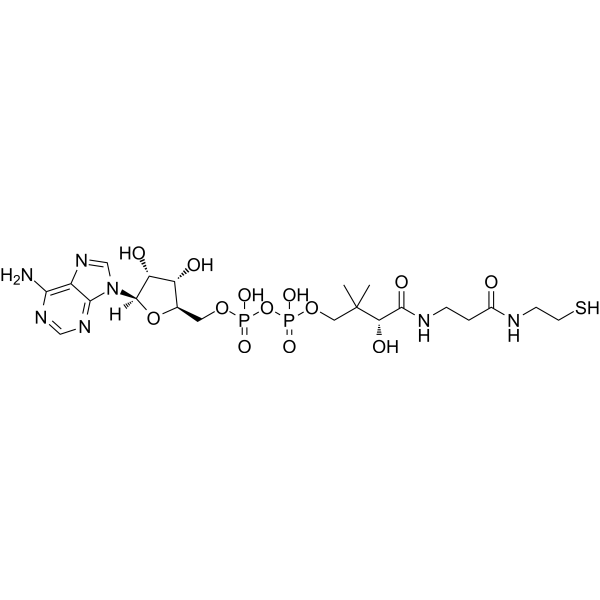
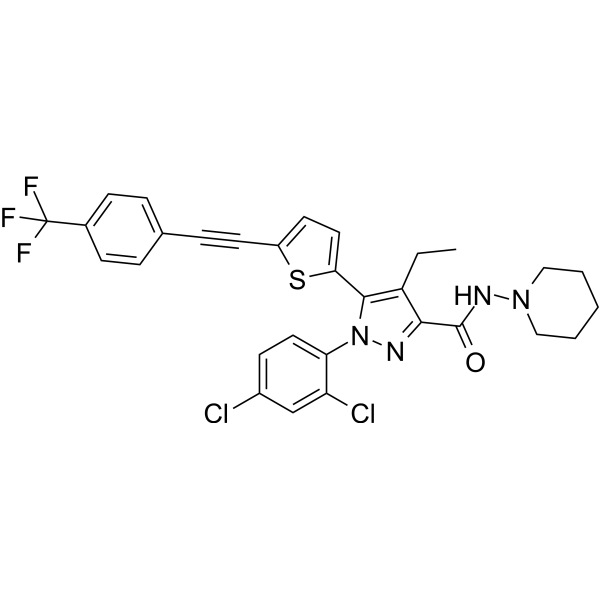


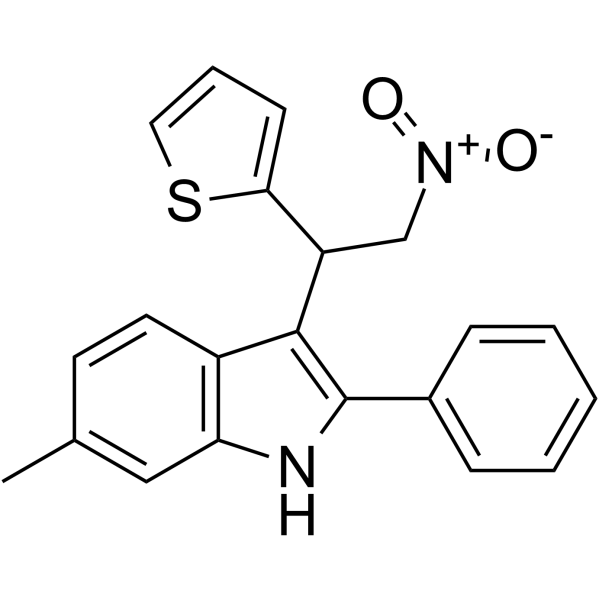
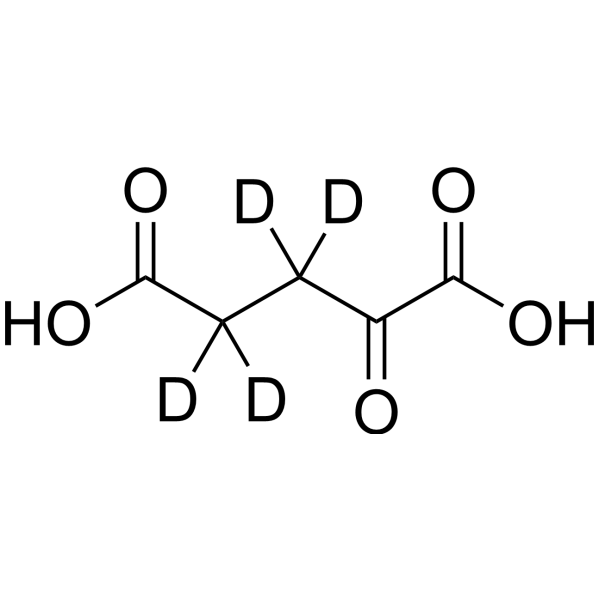
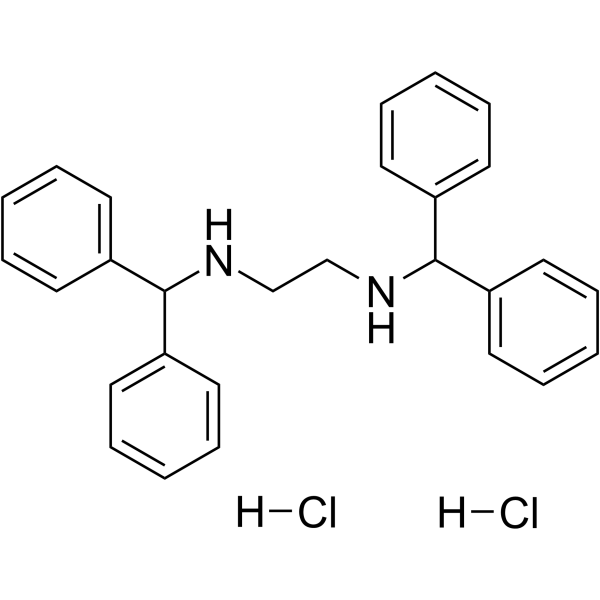
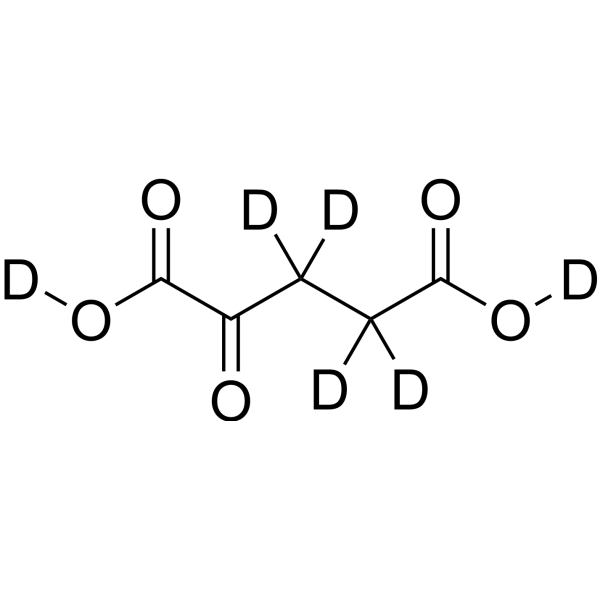
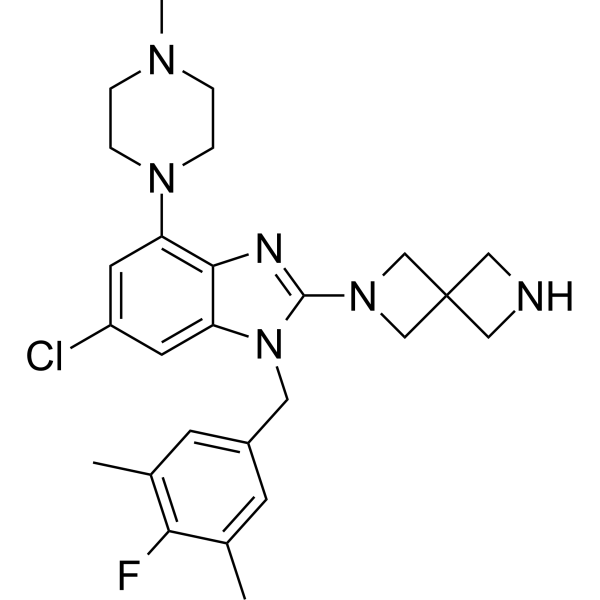
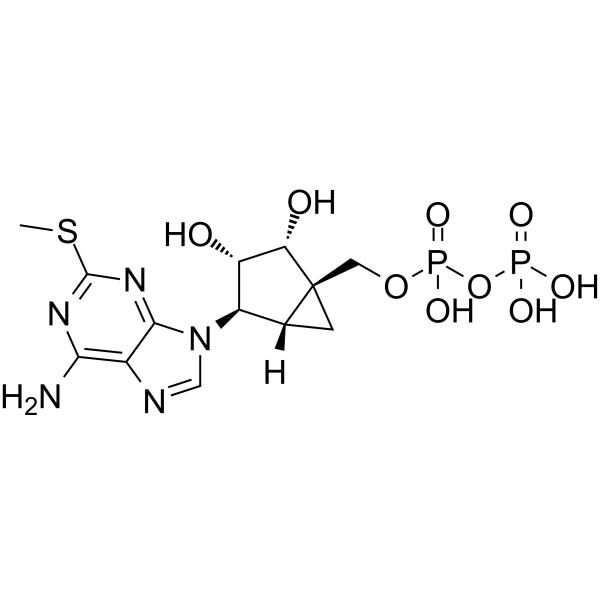


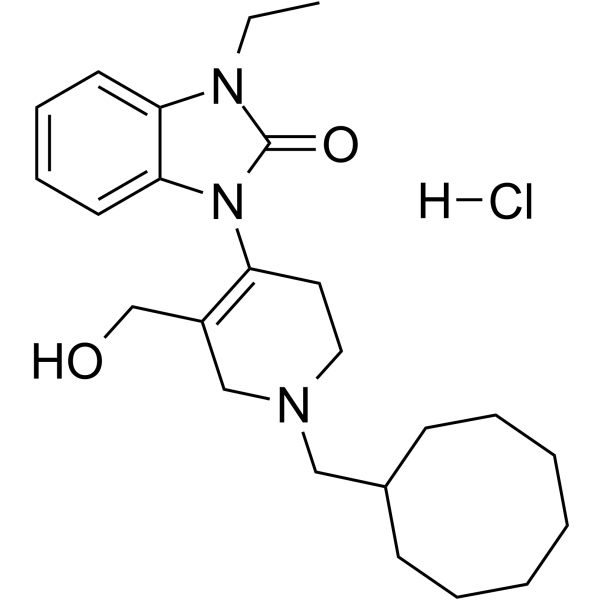
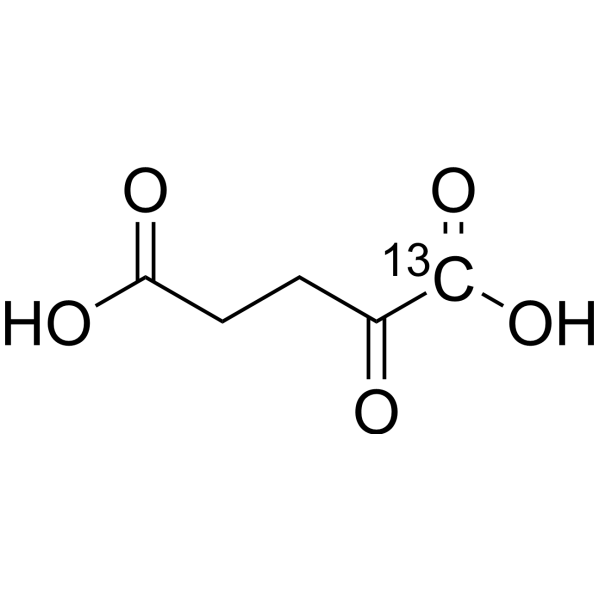


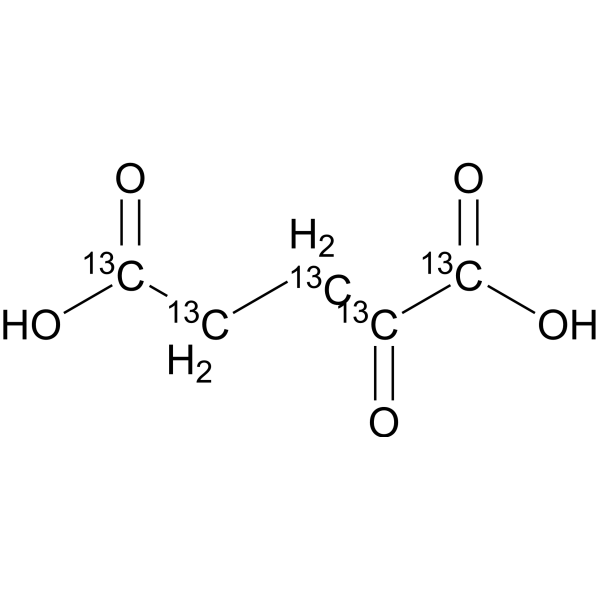
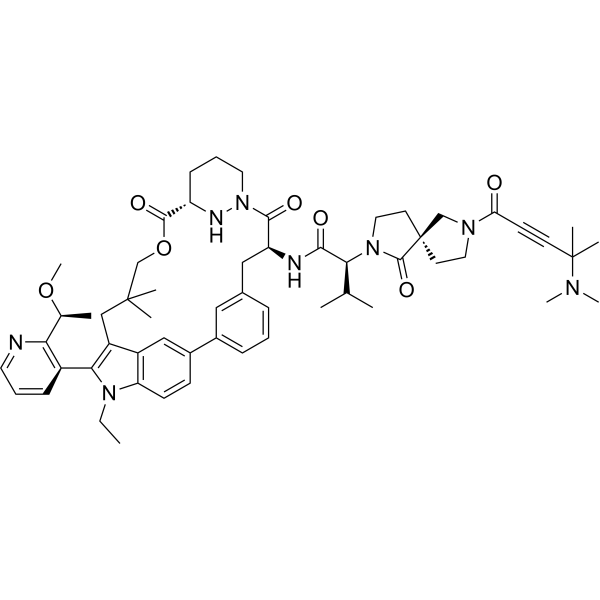

![1,3-Bis[3,5-bis(trifluoromethyl)phenyl]urea](http://file.medchemexpress.com/product_pic/hy-w046841.gif)