
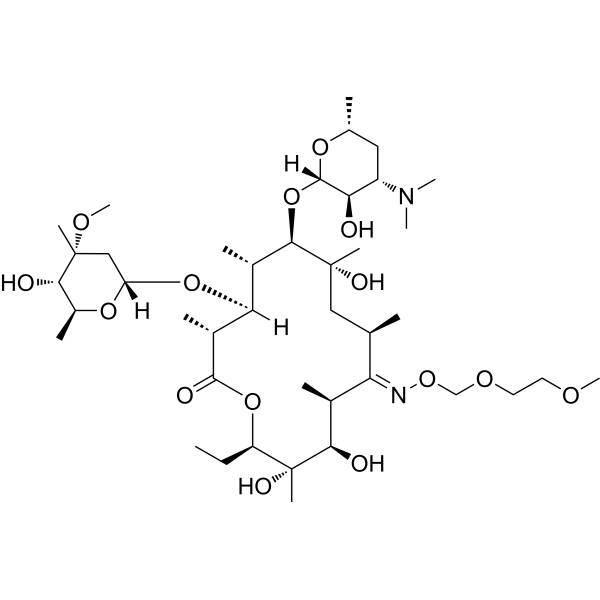

1. Search Result
Search Result
Results for "

tumours

" in MedChemExpress (MCE) Product Catalog:

253

Inhibitors & Agonists

2

Screening Libraries

4

Fluorescent Dye

2

Biochemical Assay Reagents

13

Peptides

38

Inhibitory Antibodies

28

Natural
Products

8

Isotope-Labeled Compounds

4

Click Chemistry

3

Oligonucleotides

Cat. No. Product Name Target Research Areas Chemical Structure
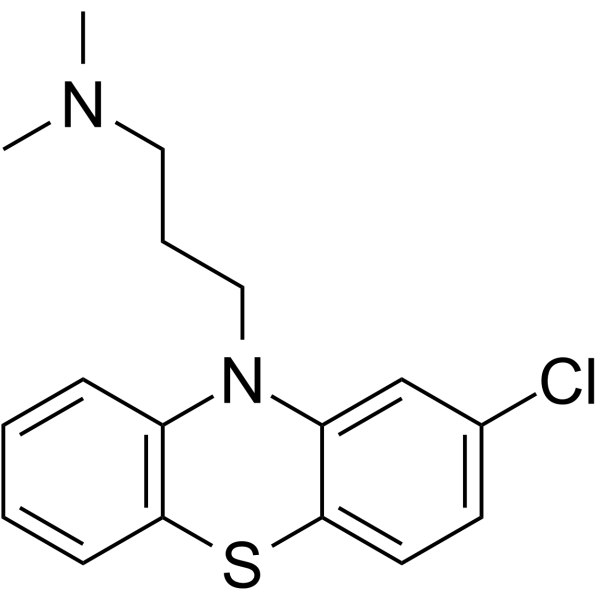
  • HY-12708
    Chlorpromazine
    125+ Cited Publications

    Dopamine Receptor Cytochrome P450 Autophagy 5-HT Receptor Cardiovascular Disease Neurological Disease Cancer
    Chlorpromazine is an orally active, blood-brain barrier-transparent antipsychotic agent that effectively antagonises D2 dopamine receptors and 5-HT2A, which is widely used in schizophrenia and other psychiatric disorders. Chlorpromazine exerts anti-cancer activity through a variety of pathways, including anti-proliferation, induction of autophagy and cycle arrest (G2-M phase), inhibition of cytochrome c oxidase (CcO), inhibition of tumour growth and metastasis, and inhibition of tumour immune escape. Chlorpromazine also blocks hNav1.7 channels (IC50=25.9 μM; concentration-dependent) and HERG potassium channels (IC50=21.6 μM), which has potential for analgesic and cardiac arrhythmic studies. Chlorpromazine also can inhibit clathrin-mediated endocytosis .
    Chlorpromazine
  • HY-P9908
    Adalimumab
    Maximum Cited Publications
    12 Publications Verification

    Anti-Human TNF-alpha, Human Antibody; ABBV-3373 Antibody

    TNF Receptor Bacterial Inflammation/Immunology Cancer
    Adalimumab is a human monoclonal IgG1 antibody targeting tumour necrosis factor α (TNF-α).
    Adalimumab
  • HY-101488
    CC-885
    15+ Cited Publications

    Molecular Glues Ligands for E3 Ligase Cancer
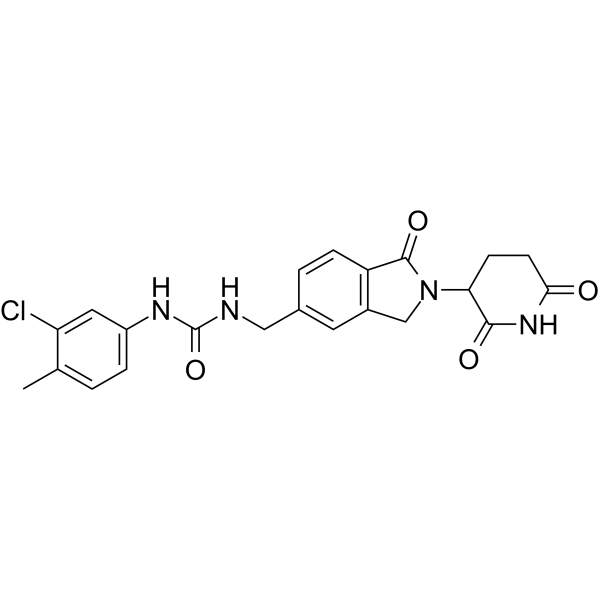
    CC-885 is a cereblon (CRBN) modulator with potent anti-tumour activity. CC-885 is also a known degrader of GSPT1, inhibiting protein translation.
    CC-885
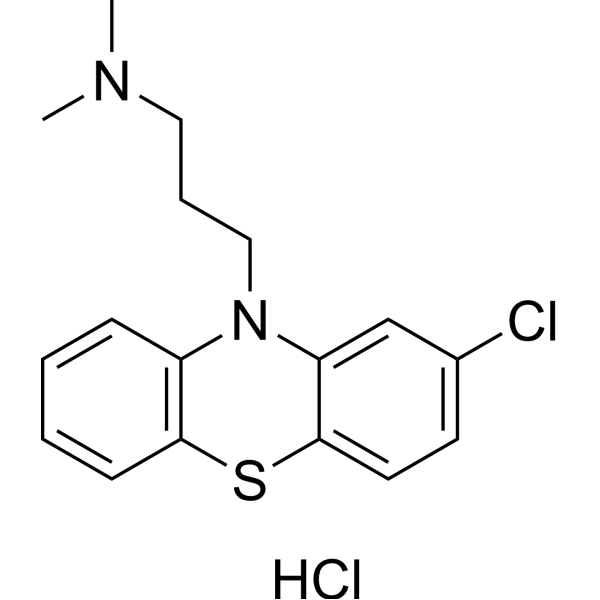
  • HY-B0407A
    Chlorpromazine hydrochloride
    125+ Cited Publications

    Dopamine Receptor Autophagy Cytochrome P450 5-HT Receptor Cardiovascular Disease Neurological Disease Cancer
    Chlorpromazine hydrochloride is an orally active, blood-brain barrier-transparent antipsychotic agent that effectively antagonises D2 dopamine receptors and 5-HT2A, which is widely used in schizophrenia and other psychiatric disorders. Chlorpromazine hydrochloride exerts anti-cancer activity through a variety of pathways, including anti-proliferation, induction of autophagy and cycle arrest (G2-M phase), inhibition of cytochrome c oxidase (CcO), inhibition of tumour growth and metastasis, and inhibition of tumour immune escape. Chlorpromazine hydrochloride also blocks hNav1.7 channels (IC50=25.9 μM; concentration-dependent) and HERG potassium channels (IC50=21.6 μM), which has potential for analgesic and cardiac arrhythmic studies. Chlorpromazine hydrochloride also can inhibit clathrin-mediated endocytosis .
    Chlorpromazine hydrochloride
  • HY-P99675
    Ivonescimab
    1 Publications Verification

    AK112

    PD-1/PD-L1 VEGFR Cancer
    Ivonescimab (AK112) is a PD-1/VEGF bispecific antibody. Ivonescimab competitively inhibiting PD-1/PD-L1 interaction, reversing the immunosuppression mediated by it, and blocks the binding of VEGF-A to VEGFR2, inhibiting tumour angiogenesis in the tumour microenvironment. Ivonescimab also has significantly anticancer activity against EGFR-mutated locally advanced or metastatic non-squamous non-small cell lung cancer (NSCL) .
    Ivonescimab
  • HY-16293
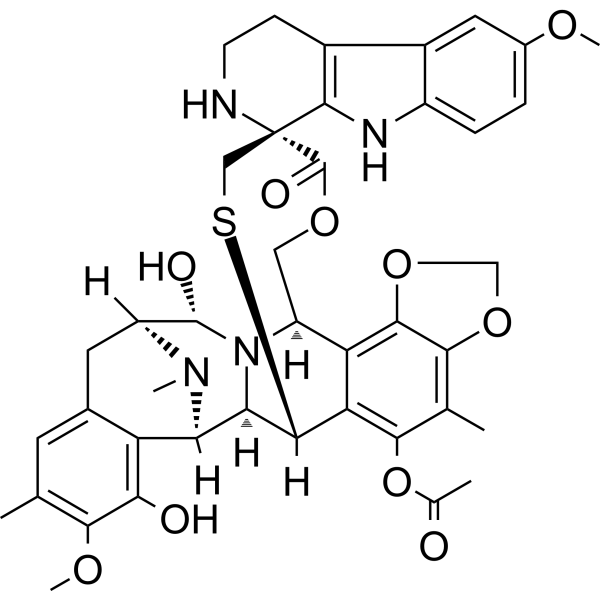
    Lurbinectedin
    5+ Cited Publications

    PM01183; LY-01017

    DNA Alkylator/Crosslinker DNA/RNA Synthesis Cancer
    Lurbinectedin (PM01183) is a DNA minor groove covalent binder with potent anti-tumour activity; inhibits RMG1 and RMG2 cell growth with IC50 values of 1.25 and 1.16 nM, respectively.
    Lurbinectedin
  • HY-B0448
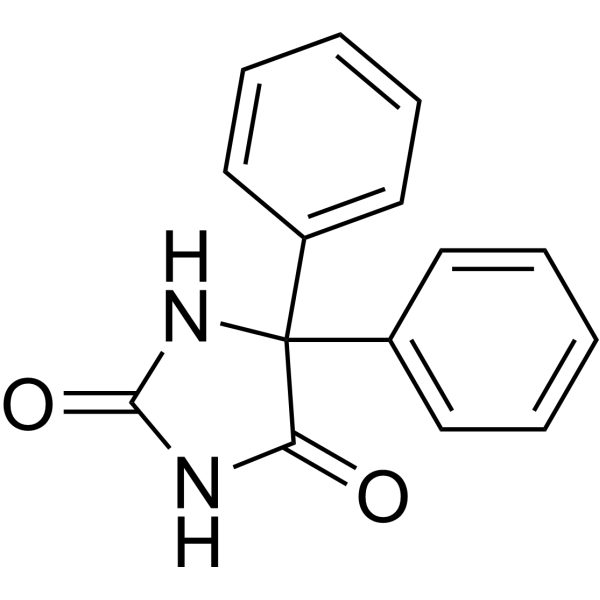
    Phenytoin
    5+ Cited Publications

    5,5-Diphenylhydantoin

    Sodium Channel Virus Protease Neurological Disease Cancer
    Phenytoin (5,5-Diphenylhydantoin) is a potent Voltage-gated Na + channels (VGSCs) blocker. Phenytoin has antiepileptic activity and reduces breast tumour growth and metastasis in mice .
    Phenytoin
  • HY-P99380
    Zanidatamab
    1 Publications Verification

    ZW 25; ZW-49 Antibody

    EGFR Cancer
    Zanidatamab (ZW25) is a humanised, bispecific monoclonal antibody targeting 2 distinct HER2 epitopes (ECD2 and ECD4). Zanidatamab has anti-tumour activity .
    Zanidatamab
  • HY-137067
    IMT1B
    5+ Cited Publications

    LDC203974

    DNA/RNA Synthesis Cancer
    IMT1B (LDC203974) is an orally active, noncompetitive and specific allosteric inhibitor of mitochondrial RNA polymerase (POLRMT) and inhibits mitochondrial DNA (mtDNA) expression. IMT1B has anti-tumour effects .
    IMT1B
  • HY-P99160

    hMN14

    Transmembrane Glycoprotein Cancer
    Labetuzumab is a humanised anti-carcinoembryonic antigen (CEA) monoclonal antibody that inhibits tumour growth and sensitises human medullary thyroid cancer xenografts to Dacarbazine chemotherapy .
    Labetuzumab
  • HY-17449

    CA 4DP; CA 4P; Combretastatin A4 disodium phosphate

    Microtubule/Tubulin Apoptosis Cancer
    Fosbretabulin disodium (CA 4DP) is a tubulin destabilizing agent. Fosbretabulin disodium is the Combretastatin A4 proagent that selectively targets endothelial cells, induces regression of nascent tumour neovessels, reduces tumour blood flow and causes central tumour necrosis .
    Fosbretabulin disodium
  • HY-136641

    Radionuclide-Drug Conjugates (RDCs) FAP Cancer
    NOTA-FAPI is a fibroblast activation protein (FAP) inhibitor. NOTA-FAPI can be used as a probe for FAP-targeted tumour imaging. NOTA-FAPI has good tumour detection efficacy and excellent imaging quality .
    NOTA-FAPI
  • HY-108669
    AZ10606120 dihydrochloride
    2 Publications Verification

    P2X Receptor Neurological Disease Cancer
    AZ10606120 dihydrochloride is a selective, high affinity antagonist for P2X7 receptor (P2X7R) at human and rat with an IC50 of about 10 nM. AZ10606120 dihydrochloride is little or no effect at other P2XR subtypes. AZ10606120 dihydrochloride has anti-depressant effects and reduces tumour growth .
    AZ10606120 dihydrochloride
  • HY-B0448A
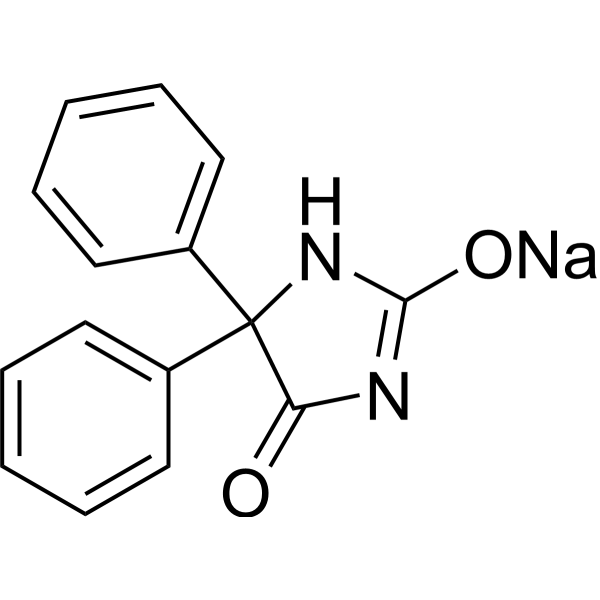
    Phenytoin sodium
    5+ Cited Publications

    5,5-Diphenylhydantoin sodium salt

    Sodium Channel Virus Protease Neurological Disease Cancer
    Phenytoin sodium (5,5-Diphenylhydantoin sodium salt) is a potent Voltage-gated Na + channels (VGSCs) blocker. Phenytoin has antiepileptic activity and reduces breast tumour growth and metastasis in mice .
    Phenytoin sodium
  • HY-15940
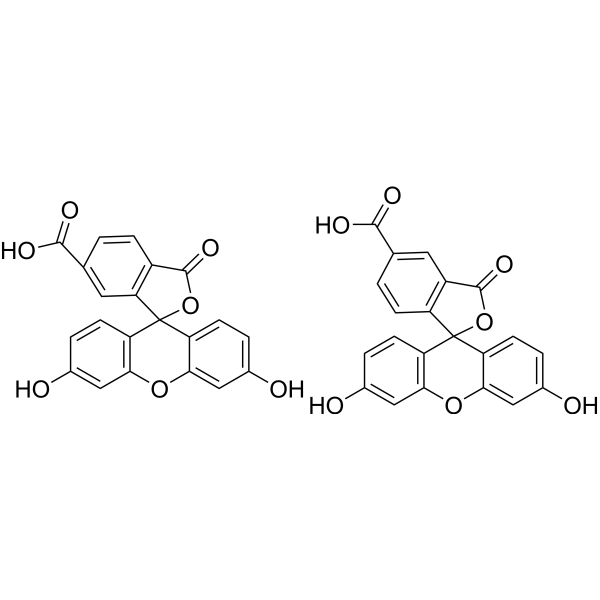
    5(6)-Carboxyfluorescein
    5 Publications Verification

    5(6)-FAM; 5-(and-6)-Carboxyfluorescein mixed isomers

    Fluorescent Dye Cancer
    5(6)-Carboxyfluorescein (5(6)-FAM) is an amine-reactive pH-sensitive green fluorescent probe. 5(6)-Carboxyfluorescein (5(6)-FAM) can be used to label proteins, peptides and nucleotides. 5(6)-Carboxyfluorescein can be used for the detection of tumour areas in vivo .
    5(6)-Carboxyfluorescein
  • HY-119367

    FGFR VEGFR Cancer
    ODM-203 is an orally active and selective FGFR/VEGFR inhibitor with IC50 values of 6, 11, 16, 5, 9, 26 and 35 nM for FGFR3/1/2 and VEGFR3/2/1/4, respectively. ODM-203 has strong anti-tumour activity and activates immune responses in the tumour microenvironment .
    ODM-203
  • HY-13619
    Efaproxiral
    1 Publications Verification

    RSR13

    Hemoglobin Infection Cancer
    Efaproxiral (RSR13) is a haemoglobin (Hb) synthetic allosteric modifier. Efaproxiral decreases Hb-oxygen (O2) binding affinity and enhances oxygenation of hypoxic tumours during radiation therapy .
    Efaproxiral
  • HY-110244

    BRK Cancer
    Tilfrinib (compound 4f) is a potent and selective Brk/PTK6 inhibitor with an IC50 value of 3.15 nM for Brk. Tilfrinib shows good anti-proliferative activity and has potential of anti-tumour .
    Tilfrinib
  • HY-108345

    Antibiotic Cancer
    Bleomycin is a glycopeptide antibiotic. Bleomycin has potent antitumour activities against a range of lymphomas, head and neck cancers and germ-cell tumours. Bleomycin can be used for the research of cancer and chemotherapy .
    Bleomycin
  • HY-13543

    CB 1954

    Quinone Reductase DNA Alkylator/Crosslinker Cancer
    Tretazicar (CB 1954), an antitumor proagent, is highly selective against the Walker 256 rat tumour line. Tretazicar is enzymatically activated to generate a bifunctional agent, which can form DNA-DNA interstrand cross-links. Tretazicar in rat cells involves the reduction of its 4-nitro group to a 4-hydroxylamine by the enzyme NAD(P)H:quinone oxidoreductase 1 (NQO1) .
    Tretazicar
  • HY-19350
    BML-210
    2 Publications Verification

    HDAC Apoptosis Cancer
    BML-210 is a potent HDAC inhibitor. BML-210 can inhibit the HDAC4-VP16-driven reporter signal with an apparent IC50 of ∼5 µM. BML-210 has a specific disruptive effect on the HDAC4:MEF2 interaction. BML-210 causes an increase in the G0/G1 phase. BML-210 induces apoptosis and displays antitumour activities in orthotopic mammary tumours in mice .
    BML-210
  • HY-P99245

    RG 7155; RO 5509554

    c-Fms Cancer
    Emactuzumab(RG 7155) is a specific monoclonal antibody that inhibits colonystimulating factor 1 receptor (CSF1R) activation. Emactuzumab has high affinity for CSF-1R with Ki value of 0.2 nM to blocks CSF-1R dimerization. Emactuzumab can be used for the research of several diseases, such as diffuse-type tenosynovial giant cell tumour (dt-GCT) .
    Emactuzumab
  • HY-P99617

    REGN3767

    LAG-3 Inflammation/Immunology Cancer
    Fianlimab (REGN3767) is a human monoclonal antibody that targets the immune checkpoint receptor LAG-3 on T cells and has anti-tumour activity .
    Fianlimab
  • HY-N0793

    Corydinine

    Cholinesterase (ChE) Infection Neurological Disease Inflammation/Immunology Cancer
    Protopine (Corydinine), an isoquinoline alkaloid, is a specific reversible and competitive inhibitor of acetylcholinesterase. Protopine exhibits anti-inflammation, anti-microbial, anti-angiogenic and anti-tumour activity .
    Protopine
  • HY-P99450

    IPH 5401; Anti-C5aR1 mAb

    Complement System Inflammation/Immunology Cancer
    Avdoralimab (IPH 5401) is a fully human IgGκ monoclonal antibody that targets the complement C5a receptor 1 (C5aR1) that prevents its binding to C5a. Avdoralimab can be used for complement-driven inflammatory diseases and solid tumours research .
    Avdoralimab
  • HY-13432
    Nanatinostat
    2 Publications Verification

    CHR-3996

    HDAC Apoptosis Cancer
    Nanatinostat (CHR-3996) is a potent, class I selective and orally active HDAC inhibitor with IC50s of 3 nM, 4 nM, and 7 nM for HDAC1, HDAC2, and HDAC3, respectively. Nanatinostat has low activity against HDAC5 (IC50 of 200 nM) and HDAC6 (IC50 of 2100 nM). Nanatinostat induces apoptosis in myeloma cells. Nanatinostat has potent anticancer effects, such as myeloma, advanced solid tumours and colorectal cancer .
    Nanatinostat
  • HY-113136
    1-Methylguanosine
    3 Publications Verification

    N1-Methylguanosine

    Endogenous Metabolite Cancer
    1-Methylguanosine (N1-Methylguanosine) is a methylated nucleoside originating from RNA degradation. 1-Methylguanosine is a tumour marker .
    1-Methylguanosine
  • HY-16045

    Hexyl 5-aminolevulinate hydrochloride; P-1206; 5-Aminolevulinic acid hexyl ester hydrochloride

    Fluorescent Dye Cancer
    Hexaminolevulinate (Hexyl 5-aminolevulinate) hydrochloride, a porphyrin precursor, is a photosensitiser that can be used in photodynamic therapy (PDT) for certain tumor. Hexaminolevulinate hydrochloride can improve the visualisation of bladder tumours .
    Hexaminolevulinate hydrochloride
  • HY-N3845
    Ergosterol peroxide
    1 Publications Verification

    Bacterial Inflammation/Immunology Cancer
    Ergosterol peroxide is a steroid derivative and can be isolated from a variety of fungi, yeast, lichens or sponges. Ergosterol peroxide has anti-tumour, proapoptotic, anti-inflammatory, anti-mycobacterial, and anti-proliferative activities .
    Ergosterol peroxide
  • HY-100983

    PKC Cancer
    Protein kinase inhibitor H-7 dihydrochloride is a potent PKC (protein kinase C) inhibitor. At 100 μM, Protein kinase inhibitor H-7 dihydrochloride completely inhibits both TPA (skin tumour promoter, 12-O-tetradecanoylphorbol-13-acetate) and phospholipase C-induced ODC (ornithine decarboxylase) .
    Protein kinase inhibitor H-7 dihydrochloride
  • HY-152219

    CDK Infection Cancer
    CLK1-IN-2 is metabolically stable Clk1 inhibitor. CLK1-IN-2 has selectivity for Clk1 with an IC50 value of 1.7 nM. CLK1-IN-2 can be used for the research of tumour, Duchenne's muscular dystrophy and viral infections such as HIV-1 and influenza .
    CLK1-IN-2
  • HY-151379

    Histone Methyltransferase Cancer
    EM127 (compound 11c) is a SMYD3 covalent inhibitor with high selectivity, high affinity (KD=13 μM) and site-specificity. EM127 effectively inhibits ERK1/2 phosphorylation and reduces transcriptional regulation of SMYD3 target genes. EM127 effectively and prolongedly impairs methyltransferase activity. EM127 can be used in cancer research, particularly in SMYD3 positive tumours .
    EM127
  • HY-13619A
    Efaproxiral sodium
    1 Publications Verification

    RSR13 sodium

    Hemoglobin Infection Cancer
    Efaproxiral (RSR13) sodium is a haemoglobin (Hb) synthetic allosteric modifier. Efaproxiral sodium decreases Hb-oxygen (O2) binding affinity and enhances oxygenation of hypoxic tumours during radiation therapy .
    Efaproxiral sodium
  • HY-46568

    CDK Cancer
    CDK7/12-IN-1 is a selective CDK7/12 inhibitor with IC50s of 3 and 277 nM for CDK7 and CDK 12, respectively. CDK7 and CDK12 inhibition is an effective strategy to inhibit tumour growth .
    CDK7/12-IN-1
  • HY-B0448AR

    5,5-Diphenylhydantoin sodium salt (Standard)

    Reference Standards Sodium Channel Virus Protease Neurological Disease Cancer
    Phenytoin (sodium) (Standard) is the analytical standard of Phenytoin (sodium). This product is intended for research and analytical applications. Phenytoin sodium (5,5-Diphenylhydantoin sodium salt) is a potent Voltage-gated Na+ channels (VGSCs) blocker. Phenytoin has antiepileptic activity and reduces breast tumour growth and metastasis in mice .
    Phenytoin sodium (Standard)
  • HY-19376

    FAK Cancer
    NAMI-A is a ruthenium-based drug characterised by the selective activity against tumour metastases, inhibits the adhesion and migration.
    NAMI-A
  • HY-16386

    Mitochondrial Metabolism Cancer
    PENAO is a potent tumour cell mitochondrial toxin. PENAO inactivates tumor cell mitochondria by targeting inner-membrane adenine nucleotide transferase .
    PENAO
  • HY-P99895

    PD-1/PD-L1 Inflammation/Immunology Cancer
    Rulonilimab is a human IgG1 monoclonal antibody against PD-1 that targets, binds and inhibits PD-1 and its downstream signalling pathways with potential immune checkpoint inhibition and anti-tumour activity .
    Rulonilimab
  • HY-139179

    STING Infection Cancer
    STING agonist-14 (compound 12b) is a potent STING agonist that is efficacious across species. STING agonist-14 could activate the pathway by directly binding human STING. STING agonist-14 can be used for the research of tumours or viral infections .
    STING agonist-14
  • HY-148278

    SOS1 Ras Cancer
    BI-0474 is a potent KRAS G12C inhibitor with an IC50 value of 7.0 nM for the GDP-KRAS::SOS1 protein-protein interaction. BI-0474 exhibits good anti-proliferative activity against NCI-H358 cells carrying the G12C mutation. BI-0474 also shows good anti-tumour activity in non-small cell lung cancer xenograft models .
    BI-0474
  • HY-120213

    FAK Src PI3K MMP Apoptosis Cancer
    YH-306 is an antitumor agent. YH-306 suppresses colorectal tumour growth and metastasis via FAK pathway. YH-306 significantly inhibits the migration and invasion of colorectal cancer cells. YH-306 potently suppresses uninhibited proliferation and induces cell apoptosis. YH-306 suppresses the activation of FAK, c-Src, paxillin, and PI3K, Rac1 and the expression of MMP2 and MMP9. YH-306 also inhibita actin-related protein (Arp2/3) complex-mediated actin polymerization .
    YH-306
  • HY-16386A

    Mitochondrial Metabolism Cancer
    PENAO TFA is the trifluoroacetic acid of PENAO (HY-16386). PENAO is a potent tumour cell mitochondrial toxin. PENAO inactivates tumor cell mitochondria by targeting inner-membrane adenine nucleotide transferase .
    PENAO TFA
  • HY-W013514

    Environmental Pollutants DNA/RNA Synthesis Cancer
    2-Acetamidofluorene is a potent carcinogenan. 2-Acetamidofluorene is can be used fot induction of hepatocellular carcinoma (HCC) and multiple primary tumours .
    2-Acetamidofluorene
  • HY-B0448R

    5,5-Diphenylhydantoin (Standard)

    Reference Standards Sodium Channel Virus Protease Neurological Disease Cancer
    Phenytoin (Standard) is the analytical standard of Phenytoin. This product is intended for research and analytical applications. Phenytoin (5,5-Diphenylhydantoin) is a potent Voltage-gated Na + channels (VGSCs) blocker. Phenytoin has antiepileptic activity and reduces breast tumour growth and metastasis in mice .
    Phenytoin (Standard)
  • HY-158329

    N-Alloc doxorubicin

    Apoptosis Topoisomerase Antibiotic AMPK Bacterial Autophagy Mitophagy HIV HBV Cancer
    Alloc-DOX (N-Alloc doxorubicin) is a Doxorubicin (HY-15142A) prodrug. The combination of a catalyst (such as nano-palladium) and alloc-DOX leads to a decrease in cell viability and tumour growth .
    Alloc-DOX
  • HY-119995

    Apoptosis Histamine Receptor Cardiovascular Disease Cancer
    Chloropyramine is competitive reversible H1 receptor antagonist. Chloropyramine also has anti-tumour activity in breast cancer. Chloropyramine can be used for the research of allergic conditions, such as conjunctivitis and bronchial asthma .
    Chloropyramine
  • HY-177850

    ACSL Family Metabolic Disease Endocrinology Cancer
    ACSL5-IN-3 (page 115 line 11) is an ACSL5 inhibitor. ACSL5-IN-3 can be used for research of tumours, digestive system diseases, and endocrine and metabolic diseases .
    ACSL5-IN-3
  • HY-N3797A

    Ditaine chloride

    Apoptosis Cancer
    Echitamine (Ditaine) chloride is the major monoterpene indole alkaloid present in Alstonia scholaris with potent anti-tumour activity. Echitamine chloride induces DNA fragmentation and cells apoptosis. Echitamine chloride inhibits pancreatic lipase with an IC50 of 10.92 μM .
    Echitamine chloride
  • HY-156675

    Microtubule/Tubulin Cancer
    Plecstatin-1 is a potent organoruthenium anti-cancer agent . Plecstatin-1 selectively targets plectin (a scaffold protein and cytolinker) in tumour spheroids .
    Plecstatin-1
  • HY-P991469

    MEDI-565

    Transmembrane Glycoprotein Cancer
    AMG-211 (MEDI-565)i s a bispecific antibody targeting CD3E and CEACAM5/CEA/CD66e. AMG-211 can be used in Gastrointestinal cancer and Solid tumours research .
    AMG-211

Inquiry Online

Your information is safe with us. * Required Fields.

Salutation


Country or Region *

Applicant Name *


Organization Name *

Department *


Email Address *


Product Name *

Cat. No.


Requested quantity *

Phone Number *


Remarks

Inquiry Online

Inquiry Information

Product Name:
Cat. No.:
Quantity:
MCE Japan Authorized Agent:

