
Search Result
Results for "
lipoproteins
" in MedChemExpress (MCE) Product Catalog:
6
Biochemical Assay Reagents
19
Isotope-Labeled Compounds
| Cat. No. |
상품명 |
Target |
연구분야 |
Chemical Structure |
-
- HY-D1048
-
DiR
Maximum Cited Publications
96 Publications Verification
Cy7 DiC18
|
Fluorescent Dye
|
Cancer
|
|
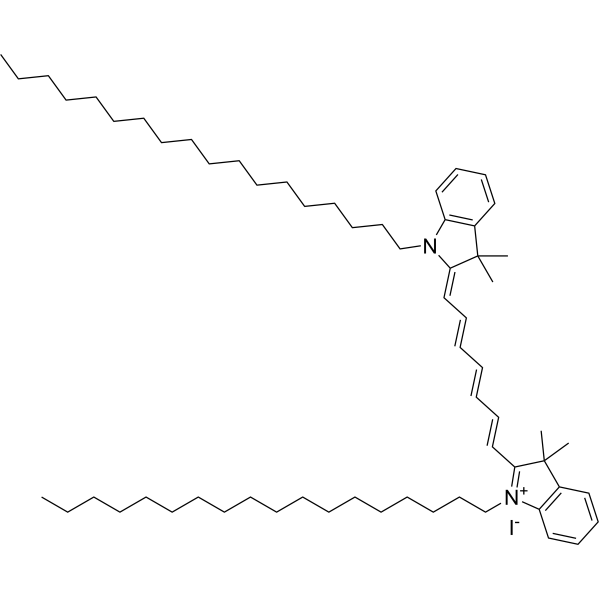
DiR is a long-chain carbocyanine dye. Carbocyanine dyes are widely used as Di to label cells, organelles, liposomes, viruses and lipoproteins .
|
-
-
- HY-D0083
-
|
DiIC18(3)
|
Fluorescent Dye
|
Others
|
|
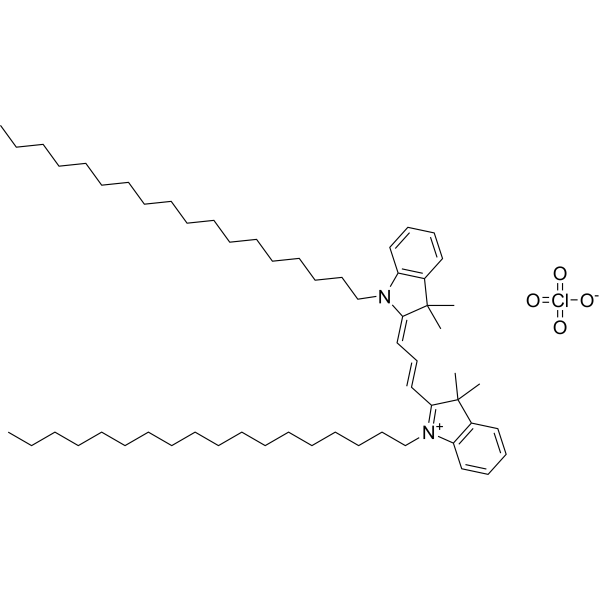
DiI is a long-chain carbocyanine dye. Carbocyanine dyes are widely used as Di to label cells, organelles, liposomes, viruses and lipoproteins .
|
-
-
- HY-17504
-
|
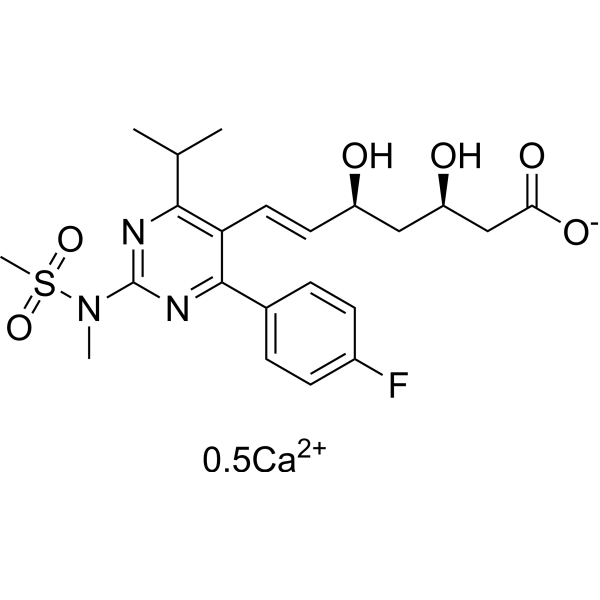
Rosuvastatin hemicalcium; ZD 4522 Calcium
|
HMG-CoA Reductase (HMGCR)
Autophagy
Potassium Channel
Bacterial
|
Cardiovascular Disease
Metabolic Disease
Cancer
|
|
Rosuvastatin Calcium is a competitive HMG-CoA reductase (HMGCR) inhibitor, with an IC50 of 11 nM. Rosuvastatin Calcium potently blocks hERG current with an IC50 of 195 nM . Rosuvastatin Calcium reduces the expression of the mature hERG and the interaction of heat shock protein 70 (Hsp70) with the hERG protein. Rosuvastatin Calcium effectively lowers low-density lipoprotein (LDL) cholesterol, triglycerides, and C-reactive protein levels .
|
-
-
- HY-D0969
-
|
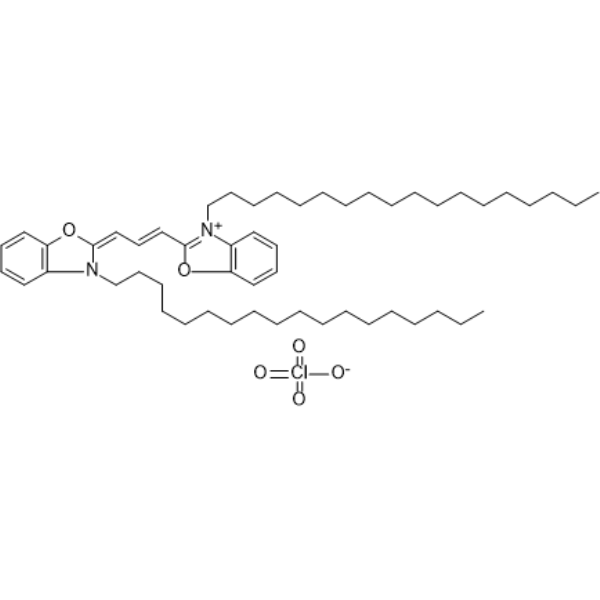
DiOC18(3); 3,3'-Dioctadecyloxacarbocyanine perchlorate
|
Fluorescent Dye
|
Others
|
|
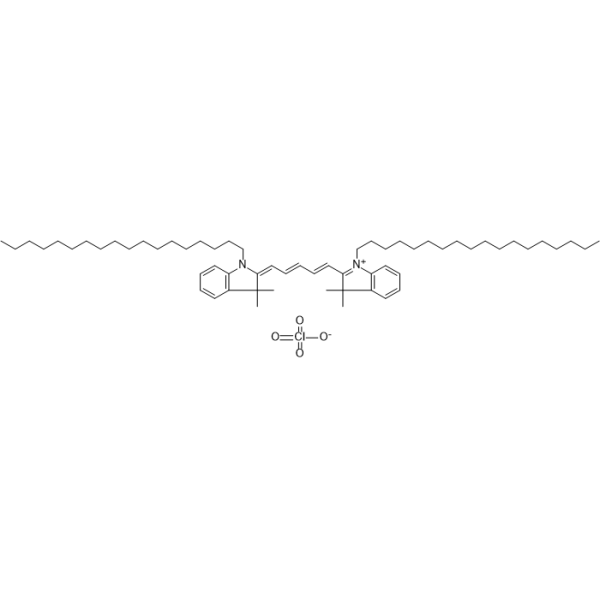
DiO is a long-chain carbocyanine dye. Carbocyanine dyes are widely used as Di to label cells, organelles, liposomes, viruses and lipoproteins .
|
-
-
- HY-D1028
-
|
|
Fluorescent Dye
|
Others
|
|
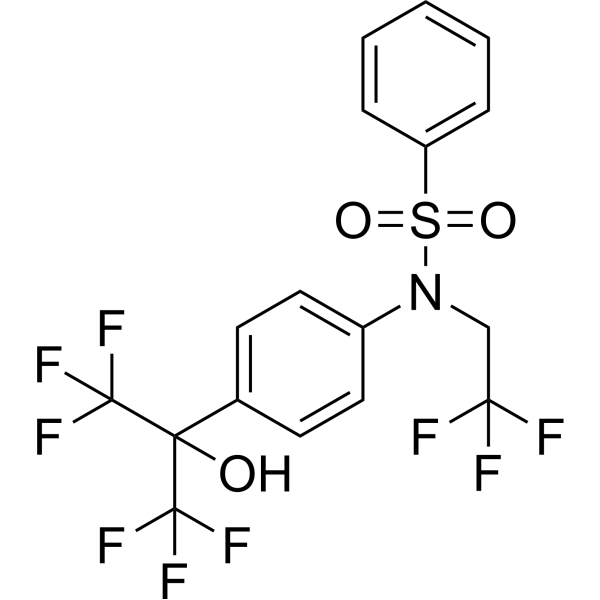
DiD is a long-chain carbocyanine dye. Carbocyanine dyes are widely used as Di to label cells, organelles, liposomes, viruses and lipoproteins (Ex/Em = 633/665 nm) .
|
-
-
- HY-17504A
-
|
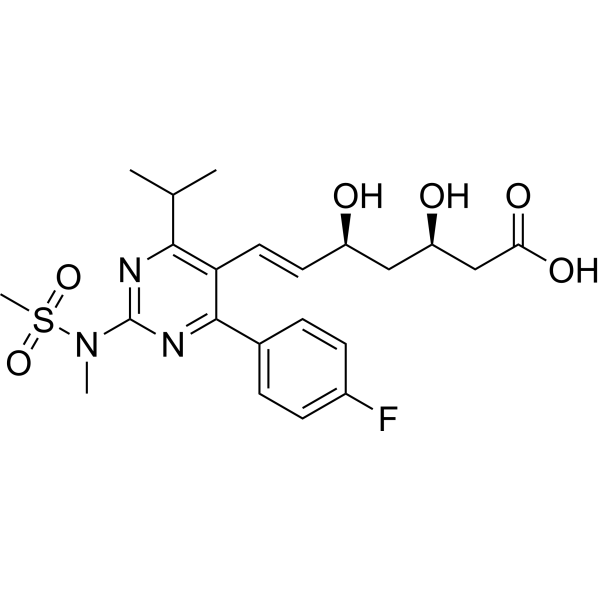
ZD 4522
|
HMG-CoA Reductase (HMGCR)
Autophagy
Potassium Channel
Bacterial
|
Cardiovascular Disease
Metabolic Disease
Cancer
|
|
Rosuvastatin (ZD 4522) is a competitive HMG-CoA reductase inhibitor with an IC50 of 11 nM. Rosuvastatin potently blocks hERG current with an IC50 of 195 nM, delayed cardiac repolarization, and thereby prolonged action potential durations (APDs) and corrected QT interval (QTc) intervals. Rosuvastatin reduces the expression of the mature hERG and the interaction of heat shock protein 70 (Hsp70) with the hERG protein. Rosuvastatin effectively lowers low-density lipoprotein (LDL) cholesterol, triglycerides, and C-reactive protein levels .
|
-
-
- HY-116767
-
|
Block lipid transport-1
|
HCV
|
Metabolic Disease
Inflammation/Immunology
|
|
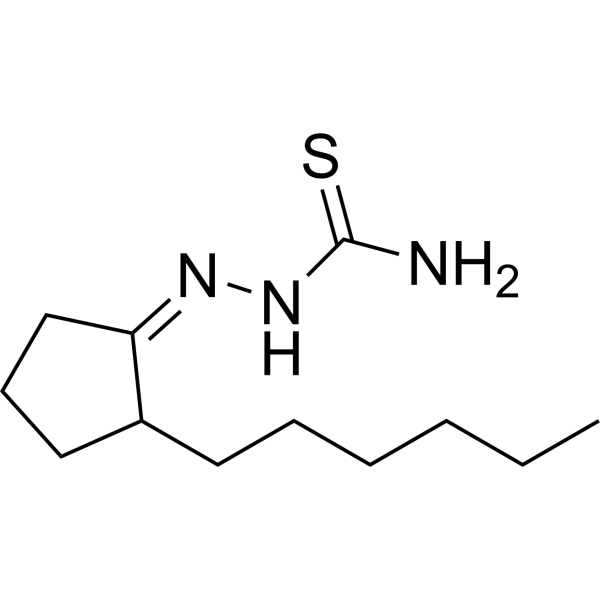
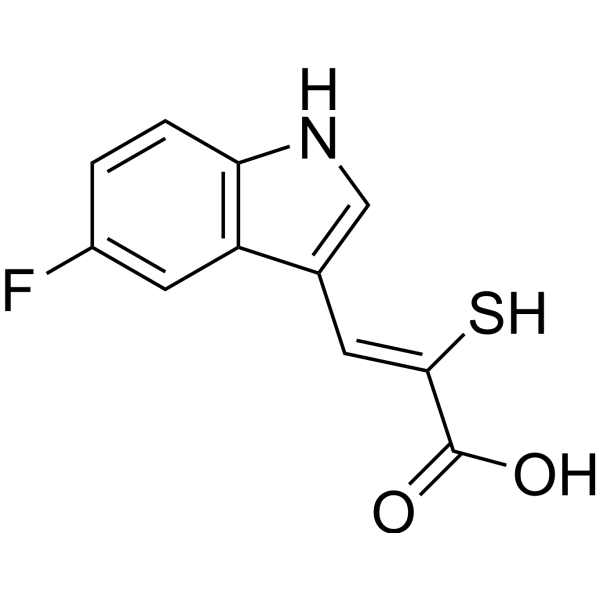
BLT-1, a thiosemicarbazone copper chelator, is a selective scavenger receptor B, type 1 (SR-BI) inhibitor. BLT-1 inhibits the transfer of lipids between high-density lipoproteins (HDL) and cells mediated by SR-BI. BLT-1 is a potent HCV entry inhibitor .
|
-
-
- HY-112540B
-
|
|
Endogenous Metabolite
|
Metabolic Disease
|
|
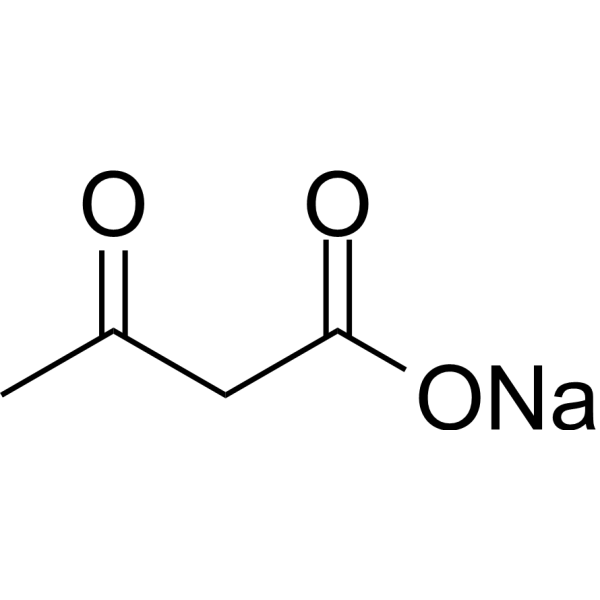
Acetoacetic acid sodium is an oxidative stress inducer that affects the antioxidant enzyme system and lipoprotein metabolism. Acetoacetic acid sodium induces oxidative stress by decreasing the mRNA expression and activity of superoxide dismutase (SOD), catalase (CAT), and glutathione peroxidase (GSH-Px), increasing MDA content, and inhibiting very low density lipoprotein (VLDL) assembly by downregulating apolipoprotein ApoB100, ApoE, and low density lipoprotein receptor (LDLR), leading to triglyceride (TG) accumulation in hepatocytes. Acetoacetic acid sodium can be used to study metabolic diseases .
|
-
-
- HY-NP013
-
|
Mouse ox-LDL
|
LDLR
ROR
β-catenin
|
Cardiovascular Disease
|
|
Oxidized low density lipoprotein (mouse) (Mouse ox-LDL) is an oxidized low density lipoprotein (LDL). Oxidized low density lipoprotein (mouse) induces atherosclerosis (AS) by facilitating endothelial dysfunction and accelerating the VSMCs growth and migration. Oxidized low density lipoprotein (mouse) can be used to construct an in vitro model of AS .
|
-
-
- HY-N0483
-
|
Phillygenol; Epipinoresinol methyl ether; (+)-Phillygenin
|
Reactive Oxygen Species (ROS)
|
Others
|
|
Phillygenin (Phillygenol) is an active ingredient from Forsythia with many medicinal properties, such as antioxidant, reducing blood lipid, inhibition of low density lipoprotein oxidation.
|
-
-
- HY-17504B
-
|
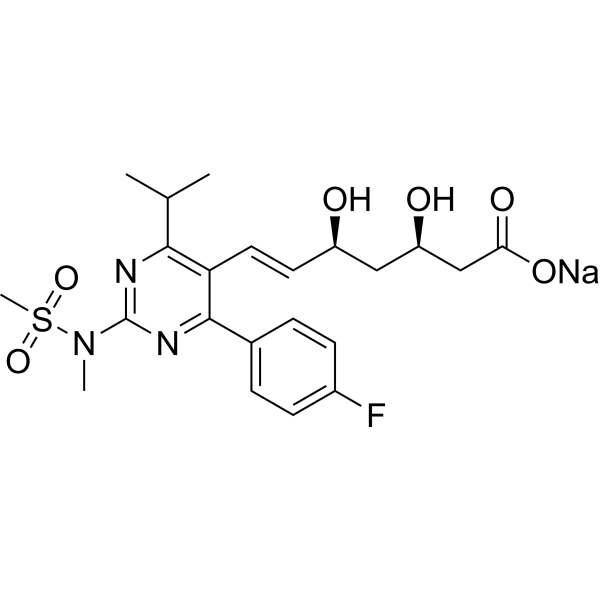
ZD 4522 Sodium; X-Plended Sodium; Crestor Sodium
|
HMG-CoA Reductase (HMGCR)
Potassium Channel
Autophagy
Bacterial
|
Cardiovascular Disease
Metabolic Disease
Cancer
|
|
Rosuvastatin Sodium is a competitive HMG-CoA reductase (HMGCR) inhibitor, with an IC50 of 11 nM. Rosuvastatin Sodium potently blocks hERG current with an IC50 of 195 nM . Rosuvastatin Sodium reduces the expression of the mature hERG and the interaction of heat shock protein 70 (Hsp70) with the hERG protein. Rosuvastatin Sodium effectively lowers low-density lipoprotein (LDL) cholesterol, triglycerides, and C-reactive protein levels .
|
-
-
- HY-P99646
-
|
MEDI6570
|
LOX-1
|
Metabolic Disease
Inflammation/Immunology
|
|
Gocdacimab (MEDI6570) is a fully human IgG1 monoclonal antibody inhibitor targeting the lectin-like oxidized low-density lipoprotein receptor LOX-1. By binding to LOX-1 and blocking its function, gocdacimab effectively reduces the level of free soluble LOX-1, thereby inhibiting key pathological processes such as lipid accumulation, foam cell formation, and vascular wall inflammation. Gocdacimab can interfere with atherosclerosis-related mechanisms, and it is used for research on atherosclerosis, and type 2 diabetes mellitus .
|
-
-
- HY-14668
-
|
AEGR-733 mesylate; BMS-201038 mesylate
|
Microsomal Triglyceride Transfer Protein (MTP)
mTOR
LDLR
Autophagy
Apoptosis
|
Cardiovascular Disease
Neurological Disease
Metabolic Disease
Cancer
|
|
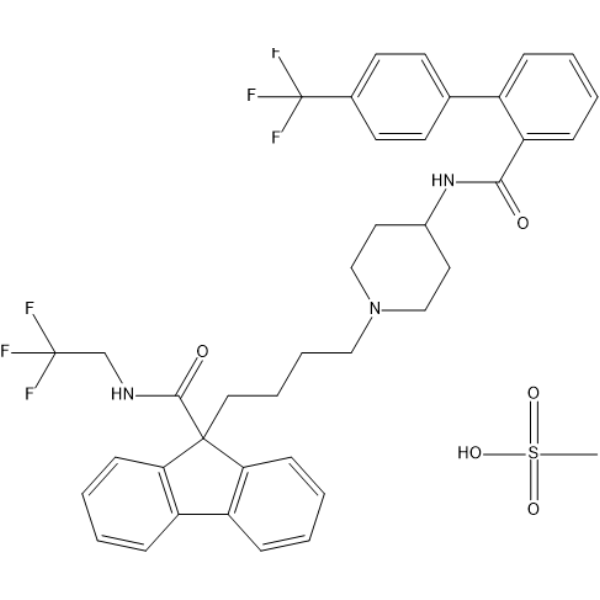
Lomitapide (AEGR-733; BMS-201038) mesylate is an orally active microsomal triglyceride transfer protein (MTP) inhibitor and a selective mTORC1 inhibitor with lipid-lowering activity and BBB permeability. Lomitapide mesylate significantly reduces plasma LDL levels by blocking the assembly and secretion of very-low-density lipoprotein (VLDL). Lomitapide mesylate inhibits mTORC1 in an ATP-dependent manner, thereby inducing AMPK-independent autophagic cell death and suppressing cancer cell growth and apoptosis. Lomitapide mesylate also enhances tumor infiltration of CD8 + T cells. In addition, Lomitapide mesylate inhibits HDAC, improves endothelial function, effectively alleviates vascular inflammation and oxidative stress, and exerts neuroprotective effects in a cerebral ischemia/reperfusion injury model. Lomitapide mesylate can be used in research on related diseases such as colorectal cancer, breast cancer, melanoma, ischemic stroke, and familial hypercholesterolemia .
|
-
-
- HY-112540
-
|
|
Endogenous Metabolite
|
Metabolic Disease
|
|
Acetoacetic acid is an oxidative stress inducer that affects the antioxidant enzyme system and lipoprotein metabolism. Acetoacetic acid induces oxidative stress by decreasing the mRNA expression and activity of superoxide dismutase (SOD), catalase (CAT), and glutathione peroxidase (GSH-Px), increasing MDA content, and inhibiting very low density lipoprotein (VLDL) assembly by downregulating apolipoprotein ApoB100, ApoE, and low density lipoprotein receptor (LDLR), leading to triglyceride (TG) accumulation in hepatocytes. Acetoacetic acid can be used to study metabolic diseases .
|
-
-
- HY-164036
-
|
|
Antibiotic
Bacterial
|
Infection
|
|
Lolamicin is an orally effective inhibitor that specifically targets the Gram-negative bacteria lipoprotein transport system LolCDE complex. It selectively inhibits the transmembrane transport of outer membrane lipoproteins by competitively binding to lipoprotein binding sites. Lolamicin destroys the integrity of the bacterial outer membrane, leading to cell death, and has both bactericidal and antibacterial activity. It has significant effects on multidrug-resistant Enterobacteriaceae pathogens (such as Escherichia coli and Klebsiella pneumoniae). Lolamicin can be used to inhibit the study of acute pneumonia, sepsis and other infections caused by Gram-negative bacteria .
|
-
-
- HY-18778
-
|
TA-8995; DEZ-001; AMG-899
|
CETP
Apolipoprotein
LPL Receptor
LDLR
|
Cardiovascular Disease
|
|
Obicetrapib (TA-8995; DEZ-001) is an orally active cholesteryl ester transfer protein (CETP) inhibitor. Obicetrapib potently reduces atherogenic lipoproteins (such as LDL-C, ApoB, Lp (a)) and increases HDL-C. Obicetrapib can be used for the research of dyslipidemia and atherosclerotic cardiovascular disease (ASCVD) .
|
-
-
- HY-109523
-
|
|
HMG-CoA Reductase (HMGCR)
Ferroptosis
|
Cardiovascular Disease
Cancer
|
|
Cerivastatin sodium is a synthetic lipid-lowering agent and a highly potent, well-tolerated and orally active HMG-CoA reductase inhibitor, with a Ki of 1.3 nM/L. Cerivastatin sodium reduces low-density lipoprotein cholesterol levels. Cerivastatin sodium also inhibits proliferation and invasiveness of MDA-MB-231 cells, mainly by RhoA inhibition, and has anti-cancer effect .
|
-
-
- HY-113110
-
|
L-Cysteinylglycine; Cys-Gly; H-Cys-Gly-OH
|
Endogenous Metabolite
Reactive Oxygen Species (ROS)
DNA/RNA Synthesis
|
Cardiovascular Disease
Cancer
|
|
Cysteinylglycine (L-Cysteinylglycine; Cys-Gly) is a dipeptide formed by the peptide bond linkage between cysteine (Cysteine) and glycine (Glycine). Cysteinylglycine is an important metabolic intermediate in the human body, mainly derived from the degradation of glutathione (GSH). Cysteinylglycine reduces ferric iron to ferrous iron, drives the redox cycle of iron, generates reactive oxygen species (ROS), stimulates oxidative reactions, induces lipid peroxidation of human plasma LDL lipoproteins, and causes oxidative damage to DNA bases. Cysteinylglycine can be used as a biomarker to evaluate ischemic heart disease, breast cancer and other conditions .
|
-
-
- HY-P6306
-
CS-6253
1 Publications Verification
|
Apolipoprotein
Amyloid-β
|
Neurological Disease
Metabolic Disease
|
|
CS-6253 is an agonist of ABCA1. CS-6253 can regulate lipoprotein metabolism, promote high-density lipoprotein biogenesis, and cellular cholesterol efflux. CS-6253 also has certain neuroprotective effects and can clear Aβ from the brain. CS-6253 can be used for research on cholesterol metabolism and diseases such as Alzheimer’s disease .
|
-
-
- HY-NP203
-
|
HDL (human)
|
Apolipoprotein
NO Synthase
LPL Receptor
Akt
PI3K
p38 MAPK
|
Neurological Disease
Metabolic Disease
Inflammation/Immunology
Cancer
|
|
High density lipoprotein (human) (HDL (human)) is a human-derived high-density lipoprotein. High density lipoprotein can cross the blood-brain barrier, and partially acts on endothelial nitric oxide synthase (eNOS) by activating surface receptors such as SR-B1 and S1P3R, as well as intracellular signaling cascades involving Akt, PI3K and MAPK, thereby inducing the production of NO in endothelial cells. High density lipoprotein (human) can be used in research related to type 2 diabetes, Alzheimer's disease, cancer and atherosclerosis .
|
-
-
- HY-N0627
-
|
|
LDLR
|
Others
|
|
Kaempferol-7-O-β-D-glucopyranoside is a flavonoid glycoside. Kaempferol-7-O-β-D-glucopyranoside exists in the root bark of Cudrania tricuspidata. Kaempferol-7-O-β-D-glucopyranoside inhibits Cu 2+-induced lipid peroxidation of low-density lipoprotein. Kaempferol-7-O-β-D-glucopyranoside possesses antioxidant activity and scavenges DPPH free radicals .
|
-
-
- HY-112540A
-
|
|
Endogenous Metabolite
|
Metabolic Disease
|
|
Acetoacetic acid lithium is an oxidative stress inducer that affects the antioxidant enzyme system and lipoprotein metabolism. Acetoacetic acid lithium induces oxidative stress by decreasing the mRNA expression and activity of superoxide dismutase (SOD), catalase (CAT), and glutathione peroxidase (GSH-Px), increasing MDA content, and inhibiting very low density lipoprotein (VLDL) assembly by downregulating apolipoprotein ApoB100, ApoE, and low density lipoprotein receptor (LDLR), leading to triglyceride (TG) accumulation in hepatocytes. Acetoacetic acid lithium can be used to study metabolic diseases .
|
-
-
- HY-DY1012
-
|
|
Fluorescent Dye
|
Others
|
DiI (solution) is a long-chain carbocyanine dye. Carbocyanine dyes are widely used as Di to label cells, organelles, liposomes, viruses and lipoproteins . Solvent and concentration: DMSO: 5 mM
|
-
-
- HY-145001
-
|
|
LDLR
CETP
|
Metabolic Disease
|
|
20-HC-Me-Pyrrolidine (compound AI-3d) is a potent Aster protein inhibitor with IC50s of 0.11 μM, 0.06 μM, and 0.71 μM for Aster-A, Aster-B, and Aster-C, respectively. 20-HC-Me-Pyrrolidine blocks the ability of Asters to bind and transfer cholesterol. 20-HC-Me-Pyrrolidine also inhibits the movement of low-density lipoprotein (LDL) cholesterol to the endoplasmic reticulum (ER) .
|
-
-
- HY-P2752
-
|
LPL
|
Endogenous Metabolite
|
Metabolic Disease
Cancer
|
|
Lipoprotein lipase, Pseudomonas sp (LPL) is a multifunctional enzyme from adipose tissue, heart and skeletal muscle, islets and macrophages. Lipoprotein lipase promotes normal lipoprotein metabolism, delivery and utilization of tissue-specific substrates. Lipoprotein lipase catalyzes the rate-limiting step of lipids in blood circulation .
|
-
-
- HY-126356
-
|
|
Liposome
|
Cardiovascular Disease
|
|
1-Stearoyl-2-arachidonoyl-sn-glycero-3-phosphocholine is a major phospholipid in low-density lipoprotein and belongs to the group of 1-acyl phosphatidylcholines. 1-Stearoyl-2-arachidonoyl-sn-glycero-3-phosphocholine does not induce morphological changes in washed human platelets. 1-Stearoyl-2-arachidonoyl-sn-glycero-3-phosphocholine can be used for the research of atherosclerosis and thrombotic diseases .
|
-
-
- HY-P10502
-
|
|
LDLR
|
Infection
|
|
L57 is a low-density lipoprotein receptor-related protein 1 (LRP1)-binding peptide. L57 exhibits high affinity for LRP1, with an EC50 of 45 nM. L57 possesses blood-brain barrier (BBB) permeability and plasma stability. L57 can serve as a carrier for central nervous system drug delivery .
|
-
-
- HY-P99793
-
|
MLDL1278A
|
LDLR
|
Inflammation/Immunology
|
|
Orticumab (MLDL1278A) is an antibody targeting to oxidized or malondialdehyde-modified lipoprotein (LDL). Orticumab specifically inhibits oxidized low-density lipoproteins (oxLDL). Orticumab involves in modulation of autoimmune responses against oxLDL, improves atherosclerosis in animal model. Orticumab also can be used for research of psoriasis improvement .
|
-
-
- HY-N5015
-
|
|
COX
|
Inflammation/Immunology
Cancer
|
|
Rosmanol could inhibit the oxidation of low density lipoprotein (LPL) and significantly inhibit lipopolysaccharide induced iNOS and COX-2 expression, with anti-inflammatory effect.
|
-
-
- HY-117549
-
|
NO-1886
|
Lipase
|
Cardiovascular Disease
|
|
Ibrolipim (NO-1886) is an orally active lipoprotein lipase (LPL)-promoting agent. Ibrolipim decreases plasma triglycerides, increases high-density lipoprotein cholesterol levels. Ibrolipim has renoprotective and hypolipidemic effects .
|
-
-
- HY-126359
-
|
SLPC; 18:0-18:2 PC
|
Endogenous Metabolite
|
Cardiovascular Disease
Metabolic Disease
|
|
1-Stearoyl-2-linoleoyl-sn-glycero-3-phosphocholine (SLPC; 18:0-18:2 PC) is an endogenous phospholipid marker molecule in the glycerophospholipid metabolic pathway. 1-Stearoyl-2-linoleoyl-sn-glycero-3-phosphocholine is a core component of the phospholipid bilayer of biological membranes and a key responsive lipid for radiation injury and cardiometabolic diseases. 1-Stearoyl-2-linoleoyl-sn-glycero-3-phosphocholine constitutes the phospholipid bilayers of cell membranes and high-density lipoprotein (HDL), and regulates the core activity of lipoprotein functional homeostasis. The content of 1-Stearoyl-2-linoleoyl-sn-glycero-3-phosphocholine in mouse serum shows a significant dose-dependent decrease with increasing ionizing radiation dose, and its level in human HDL also decreases significantly in metabolic syndrome. 1-Stearoyl-2-linoleoyl-sn-glycero-3-phosphocholine can serve as a biological dosimeter marker for ionizing radiation injury, and is used for rapid and accurate assessment of radiation absorbed dose in exposed individuals. 1-Stearoyl-2-linoleoyl-sn-glycero-3-phosphocholine can also act as a lipidomics research target for cardiometabolic diseases such as lipid metabolic syndrome and early-onset coronary heart disease .
|
-
-
- HY-P99822
-
|
SHR-1209
|
PCSK9
|
Metabolic Disease
|
|
Recaticimab (SHR-1209) is a humanized IgG1 mAb that selectively targets PCSK9. Recaticimab reduces low-density lipoprotein cholesterol (LDL-C), non-high-density lipoprotein cholesterol (non-HDL-C), apolipoprotein B (ApoB), triglyceride (TG), and lipoprotein(a) levels. Recaticimab can be used for hyperlipidemia research .
|
-
-
- HY-153491A
-
|
ISIS 678354 sodium; IONIS-APOCIII-LRx sodium; AKCEA-APOCIII-LRx sodium
|
Apolipoprotein
|
Cardiovascular Disease
|
|
Olezarsen (ISIS 678354;IONIS-APOCIII-LRx) sodium is a GalNAc-modified antisense oligonucleotide. Olezarsen sodium binds to APOC3 mRNA and induces its degradation via ribonuclease H1-mediated sense strand cleavage, thereby reducing hepatic apolipoprotein C-III (apoC-III) synthesis. Olezarsen sodium reduces plasma triglyceride, apolipoprotein B and non-high-density lipoprotein cholesterol levels. Olezarsen sodium is applicable to research related to familial chylomicronemia syndrome, hypertriglyceridemia and atherosclerotic cardiovascular disease .
|
-
-
- HY-109567
-
|
PD-72953
|
LDLR
|
Metabolic Disease
Inflammation/Immunology
|
|
Gemcabene (PD-72953), a first-in-class lipid-lowering agent, lowers low-density lipoprotein cholesterol (LDL-C), decreases triglycerides, and raises high-density lipoprotein cholesterol (HDL-C) and lowers pro-inflammatory acute-phase protein, C-reactive protein (CRP), exerting anti-inflammatory activity .
|
-
-
- HY-14456A
-
|
|
Bacterial
|
Infection
|
|
MAC13243, an antibacterial agent, is an inhibitor of bacterial lipoprotein targeting chaperone, LolA. MAC13243 is an antibacterial agent with Gram-negative selectivity .
|
-
-
- HY-158424
-
|
|
LDLR
|
Cardiovascular Disease
|
|
LSN3353871 is a potent inhibitor of lipoprotein(a) (Lp(a)) that can binds to Kringle IV (KIV) 8, KIV7-8 and KIV5-8, with Kd of 756 nM, 605 nM and 423 nM, respectively. LSN3353871 disrupts the formation of Lp(a) with the IC50 of 1.69 μM. LSN3353871 has oral bioactivity .
|
-
-
- HY-P10697A
-
|
|
LDLR
|
Metabolic Disease
|
|
VH4127 TFA is a cyclic peptide targeting the low density lipoprotein receptor (LDLR) with a KD of 18 nM for hLDLR. VH4127 TFA specifically binds to rodent and human epidermal growth factor (EGF) homology domain of LDLR .
|
-
-
- HY-177640
-
-
-
- HY-P10502A
-
|
|
LDLR
|
Others
|
|
L57 acetate is a Low-density lipoprotein receptor-related protein 1 (LRP1)-binding peptide. L57 acetate exhibits high affinity to LRP1 with Ki of 45 nM. L57 acetate exhibits blood-brain barrier (BBB) permeability and plasma stability. L57 acetate can be utilized as the carrier for CNS drug delivery .
|
-
-
- HY-100469
-
|
|
LXR
|
Inflammation/Immunology
|
|
LXRβ agonist-2 is an orally active and selective LXRβ agonist. LXRβ agonist-2 increases high-density lipoprotein cholesterol levels without elevating plasma triglyceride levels. LXRβ agonist-2 decreases lipid accumulation area in the aortic arch. LXRβ agonist-2 can be used for the research of atherosclerosis .
|
-
-
- HY-19513
-
-
-
- HY-46749
-
|
LY3473329 tetrahydrochloride
|
PAI-1
|
Cardiovascular Disease
|
|
Muvalaplin tetrahydrochloride (LY3473329) is an orally active reagent of lipoprotein (a) (Lp (a)). At present, research on Muvalaplin tetrahydrochloride oral reagent is ongoing .
|
-
-
- HY-119741
-
|
|
Glycosidase
Lipase
|
Metabolic Disease
|
|
Salacinol, compound found in Salacia reticulata, is an orally active α-glucosidase/lipase inhibitor. Salacinol inhibits enzymatic activity of intestinal maltase (IC50 = 3.2 μg/mL, Ki = 0.31 μg/mL), sucrase (IC50 = 0.84 μg/mL, Ki = 0.32 μg/mL), and isomaltase (IC50 = 0.59 μg/mL, Ki = 0.47 μg/mL), and inhibits increases in serum glucose levels in sucrose-loaded rats. Salacinol also inhibits pancreatic lipase and lipoprotein lipase. Salacinol can be used for the research of diabetes mellitus .
|
-
-
- HY-N2339
-
|
Cholesteryl docosanoate; Cholesterol behenate
|
Endogenous Metabolite
|
Metabolic Disease
|
|
Cholesteryl behenate is a cholesterol ester associated with the neutral core of low density lipoprotein Receptor-LDL complexes are taken up by lysosomes and hydrolyzed to release cholesterol from the esters.
|
-
-
- HY-D1076
-
|
|
Fluorescent Dye
|
Metabolic Disease
|
|
DiIC16(3) is a long-chain carbocyanine dye. Carbocyanine dyes are widely used as Di to label cells, organelles, liposomes, viruses and lipoproteins .
|
-
-
- HY-153497A
-
|
IONIS ANGPT-L3Rx sodium; ISIS 703802 sodium
|
ANGPTL
|
Metabolic Disease
|
|
Vupanorsen (sodium) is an N-acetyl galactosamine-conjugated antisense oligonucleotide that inhibits Angiopoietin-like 3 (ANGPTL3) protein synthesis. Vupanorsen (sodium) lowers triglycerides and atherogenic lipoproteins.
|
-
-
- HY-129458
-
|
|
HMG-CoA Reductase (HMGCR)
Ferroptosis
|
Cardiovascular Disease
Cancer
|
|
Cerivastatin is a synthetic lipid-lowering agent and a highly potent, well-tolerated and orally active HMG-CoA reductase inhibitor, with a Ki of 1.3 nM/L. Cerivastatin reduces low-density lipoprotein cholesterol levels. Cerivastatin also inhibits proliferation and invasiveness of MDA-MB-231 cells, mainly by RhoA inhibition, and has anti-cancer effect .
|
-
-
- HY-P991574
-
|
REG-101
|
ATGL
|
Cardiovascular Disease
|
|
MEDI-5884 is a humanized IgG4Pκ neutralizing monoclonal antibody targeting Endothelial lipase (EL). MEDI-5884 inhibits EL and increases quantity (particularly phosphatidylinositols and cholesteryl esters) and function of high-density lipoproteins (HDL). MEDI-5884 can be used for cardiovascular disease like coronary artery disease (CAD) research .
|
-
-
- HY-P6306A
-
|
|
Apolipoprotein
Amyloid-β
|
Neurological Disease
Metabolic Disease
|
|
CS-6253 TFA is an agonist of ABCA1. CS-6253 TFA can regulate lipoprotein metabolism, promote high-density lipoprotein biogenesis, and cellular cholesterol efflux. CS-6253 TFA also has certain neuroprotective effects and can clear Aβ from the brain. CS-6253 TFA can be used for research on cholesterol metabolism and diseases such as Alzheimer’s disease .
|
-
-
- HY-W423578
-
|
|
LDLR
|
Cardiovascular Disease
|
|
LDLR regulator-1 (Compound 7b) is a regulator of the low-density lipoprotein receptor (LDLR), capable of increasing the mRNA expression of LDLR .
|
-
- HY-139007
-
|
|
LXR
|
Metabolic Disease
|
|
BLT-4 is a specific, reversible inhibitor of scavenger receptor, class B, type I (SR-BI). BLT-4 inhibits the transfer of lipids between high-density lipoproteins (HDL) and cells mediated by SR-BI. .
|
-
- HY-177640A
-
-
- HY-19513A
-
|
|
Thyroid Hormone Receptor
|
Metabolic Disease
Endocrinology
|
|
MB-07344 sodium is a potent thyroid hormone receptor (TR)-β agonist with a Ki of 2.17 nM. MB-07344 sodium has additive cholesterol lowering activity in combination with Atorvastatin (HY-B0589) in rabbits, dogs and monkeys .
|
-
- HY-148626
-
|
|
PCSK9
|
Metabolic Disease
|
|
CVI-LM001 is an inhibitor PCSK 9. CVI-LM001 inhibits the interaction of PCSK9 with low-density lipoprotein receptor (LDLR), regulates the level of low-density lipoprotein cholesterol (LDL-C) in the blood, and exhibits lipid-lowering efficacy .
|
-
- HY-120651
-
|
|
LDLR
|
Metabolic Disease
|
|
LDL-IN-2 (compound 3) is an antioxidant against copper mediated low-density lipoproteins (LDL) oxidation .
|
-
- HY-153497
-
|
IONIS ANGPT-L3Rx; ISIS 703802
|
ANGPTL
|
Metabolic Disease
|
|
Vupanorsen is an N-acetyl galactosamine-conjugated antisense oligonucleotide that inhibits Angiopoietin-like 3 (ANGPTL3) protein synthesis. Vupanorsen lowers triglycerides and atherogenic lipoproteins.
|
-
- HY-DY1010
-
|
|
Fluorescent Dye
|
Others
|
DiO (solution) is a long-chain carbocyanine dye. Carbocyanine dyes are widely used as Di to label cells, organelles, liposomes, viruses and lipoproteins . Solvent and concentration: DMSO: 5 mM
|
-
- HY-105316
-
|
|
CETP
|
Metabolic Disease
|
|
CP-800569 is an orally active cholesteryl ester transfer protein (CETP) inhibitor. CP-800569 can decrease low-density lipoprotein and postprandial triglyceride and increase high-density lipoprotein. CP-800569 can be used for the research of metabolic disease .
|
-
- HY-113288
-
|
|
LDLR
|
Metabolic Disease
|
|
Campestanol is a phytosterol that can be found in plant food. Campestanol lowers serum cholesterol and low-density lipoprotein. Campestanol can be used for the research of metabolic disorders .
|
-
- HY-176817
-
|
|
GPR109A
|
Cardiovascular Disease
Metabolic Disease
|
|
GPR109 receptor agonist-3 is an orally active GPR109 receptor agonist, with an IC50 of 310 nM.
GPR109 receptor agonist-3 retains the antioxidation and cytoprotection of Lipoic acid (HY-18733). GPR109 receptor agonist-3 reduces total cholesterol (TC), triglyceride (TG), low-density lipoprotein cholesterol (LDL-C) and increases high-density lipoprotein cholesterol (HDL-C) in high-fat diet-fed rats. GPR109 receptor agonist-3 can be used for the study of atherosclerosis .
|
-
- HY-W040221
-
|
|
Platelet-activating Factor Receptor (PAFR)
|
Metabolic Disease
|
|
Butanoyl PAF, a compound closely related to Azelaoyl PC (HY-134154), maintains over 10% of the agonist potency of platelet-activating factor (PAF). Butanoyl PAF's concentration in oxidized low-density lipoprotein surpasses that of enzymatically generated PAF by more than 100-fold .
|
-
- HY-123039
-
|
|
CETP
|
Metabolic Disease
|
|
CP-532623 is a CETP inhibitor and elevates high-density lipoprotein cholesterolion. CP-532623 is a close structural analogue of Torcetrapib. CP-532623 has highly lipophilic properties .
|
-
- HY-P10697
-
|
|
LDLR
|
Metabolic Disease
|
|
VH4127 is a cyclic peptide targeting the low density lipoprotein receptor (LDLR) with a KD of 18 nM for hLDLR. VH4127, bearing non-natural amino acid residues, specifically binds to rodent and human epidermal growth factor (EGF) homology domain of LDLR .
|
-
- HY-175676
-
|
|
Thyroid Hormone Receptor
|
Metabolic Disease
Inflammation/Immunology
|
|
THR-β agonist 10 is an orally active and selective THR-β agonist, with an EC50 of 11 nM. THR-β agonist 10 significantly reduces ALT (Alanine Aminotransferase), TC (Total Cholesterol), and LDL-C (Low-Density Lipoprotein Cholesterol) levels, and improves steatosis, ballooning, inflammation and fibrosis in the metabolic dysfunction-associated steatohepatitis (MASH) mouse model. THR-β agonist 10 can be used for the study of MASH .
|
-
- HY-17504BR
-
|
ZD 4522 Sodium (Standard); X-Plended Sodium (Standard); Crestor Sodium (Standard)
|
HMG-CoA Reductase (HMGCR)
Potassium Channel
Autophagy
Bacterial
Reference Standards
|
Cardiovascular Disease
Metabolic Disease
Cancer
|
|
Rosuvastatin (Sodium) (Standard) is the analytical standard of Rosuvastatin (Sodium). This product is intended for research and analytical applications. Rosuvastatin Sodium is a competitive HMG-CoA reductase (HMGCR) inhibitor, with an IC50 of 11 nM. Rosuvastatin Sodium potently blocks hERG current with an IC50 of 195 nM . Rosuvastatin Sodium reduces the expression of the mature hERG and the interaction of heat shock protein 70 (Hsp70) with the hERG protein. Rosuvastatin Sodium effectively lowers low-density lipoprotein (LDL) cholesterol, triglycerides, and C-reactive protein levels .
|
-
- HY-17504BS2
-
|
ZD 4522-13C,d3 sodium; X-Plended-13C,d3 sodium; Crestor-13C,d3 sodium
|
Autophagy
Bacterial
HMG-CoA Reductase (HMGCR)
Potassium Channel
Isotope-Labeled Compounds
|
Cardiovascular Disease
Metabolic Disease
|
|
Rosuvastatin- 13C,d3 sodium is 13C and deuterated labeled Rosuvastatin sodium (HY-17504B). Rosuvastatin Sodium is a competitive HMG-CoA reductase (HMGCR) inhibitor, with an IC50 of 11 nM. Rosuvastatin Sodium potently blocks hERG current with an IC50 of 195 nM . Rosuvastatin Sodium reduces the expression of the mature hERG and the interaction of heat shock protein 70 (Hsp70) with the hERG protein. Rosuvastatin Sodium effectively lowers low-density lipoprotein (LDL) cholesterol, triglycerides, and C-reactive protein levels .
|
-
- HY-100902
-
|
|
Cytochrome P450
|
Metabolic Disease
|
|
CDD3506 is used for elevating high density lipoprotein cholesterol (HDL) by inducing hepatic cytochrome P450IIIA (CYP3A) activity.
|
-
- HY-P10188
-
|
|
Apolipoprotein
|
Cardiovascular Disease
|
|
apoB (4372-4392) is a potent lipoprotein(a) assembly inhibitor, with an IC50 of 40 μM. apoB (4372-4392) can noncovalently bind to apolipoprotein(a) with high affinity .
|
-
- HY-171465
-
|
|
Apolipoprotein
|
Cardiovascular Disease
|
|
Lp(a)-IN-6 (Compound 6) is a lipoprotein(a) (Lp(a)) inhibitor, with an IC50 of <0.314 nM. Lp(a)-IN-6 can be used for the research of cardiovascular disease (CVD) .
|
-
- HY-115914
-
|
|
LDLR
|
Others
|
|
Lipid-lowering agent-1 is a potent lipid-lowering agent. Lipid-lowering agent-1 has significant pharmacological effects on the inhibition of low-density lipoprotein cholesterol (LDLC) and promotion of high-density lipoprotein cholesterol (HDLC) production. Lipid-lowering agent-1 shows potent hypolipidemic effect in high-fat diet rats .
|
-
- HY-116977
-
|
|
SARS-CoV
|
Metabolic Disease
|
|
Binifibrate is an active compound and has a beneficial effect on lipoprotein metabolism. Binifibrate can be used for the research of hyperlipidemia .
|
-
- HY-147279
-
|
|
LDLR
|
Others
|
|
Milpocitide is a low-density lipoprotein receptor (human LDL receptor, LDLR), (293-333)-peptide fragment (EGF-like domain 1) .
|
-
- HY-142670
-
|
|
Phospholipase
|
Neurological Disease
Metabolic Disease
|
|
Lp-PLA2-IN-5 is a potent inhibitor of lipoprotein-associated phospholipase A2 (Lp-PLA2). Lp-PLA2 previously known as platelet- activating factor acetylhydrolase (PAF-AH), is a phospholipase A2 enzyme involved in hydrolysis of lipoprotein lipids or phospholipids. Lp-PLA2-IN-5 has the potential for the research of diseases associated with the activity of Lp-PLA2, for example atherosclerosis, Alzheimer's disease (extracted from patent WO2021228159A1, compound 32) .
|
-
- HY-142669
-
|
|
Phospholipase
|
Neurological Disease
Metabolic Disease
|
|
Lp-PLA2-IN-4 is a potent inhibitor of lipoprotein-associated phospholipase A2 (Lp-PLA2). Lp-PLA2 previously known as platelet- activating factor acetylhydrolase (PAF-AH), is a phospholipase A2 enzyme involved in hydrolysis of lipoprotein lipids or phospholipids. Lp-PLA2-IN-4 has the potential for the research of diseases associated with the activity of Lp-PLA2, for example atherosclerosis, Alzheimer's disease (extracted from patent WO2021228159A1, compound 38) .
|
-
- HY-142779
-
|
|
Phospholipase
|
Neurological Disease
Metabolic Disease
|
|
Lp-PLA2-IN-11 is a potent inhibitor of lipoprotein-associated phospholipase A2 (Lp-PLA2). Lp-PLA2 previously known as platelet- activating factor acetylhydrolase (PAF-AH), is a phospholipase A2 enzyme involved in hydrolysis of lipoprotein lipids or phospholipids. Lp-PLA2-IN-11 has the potential for the research of diseases associated with the activity of Lp-PLA2, for example atherosclerosis, Alzheimer's disease (extracted from patent WO2014114249A1, compound E145) .
|
-
- HY-142778
-
|
|
Phospholipase
|
Neurological Disease
Metabolic Disease
|
|
Lp-PLA2-IN-10 is a potent inhibitor of lipoprotein-associated phospholipase A2 (Lp-PLA2). Lp-PLA2 previously known as platelet- activating factor acetylhydrolase (PAF-AH), is a phospholipase A2 enzyme involved in hydrolysis of lipoprotein lipids or phospholipids. Lp-PLA2-IN-10 has the potential for the research of neurodegenerative-related diseases such as Alzheimer's disease (AD), glaucoma, age-related macular degeneration (AMD), or cardiovascular diseases including atherosclerosis (extracted from patent WO2022001881A1, compound 4) .
|
-
- HY-153451
-
|
|
PCSK9
|
Metabolic Disease
|
|
PCSK9-IN-15 (compound 5) is a potent inhibitor of proprotein convertase subtilisin/kexin 9 (PCSK9, KD <200 nM). PCSK9 is involved in cholesterol metabolism and regulates levels of low-density lipoprotein cholesterol (LDL-C) in the blood. PCSK9- in -15 can be used to study cholesterol-lowering and dyslipidemia .
|
-
- HY-109523S
-
|
|
Ferroptosis
HMG-CoA Reductase (HMGCR)
Isotope-Labeled Compounds
|
Cardiovascular Disease
Cancer
|
|
Cerivastatin-d3 sodium is deuterated labeled Cerivastatin sodium (HY-109523). Cerivastatin sodium is a synthetic lipid-lowering agent and a highly potent, well-tolerated and orally active HMG-CoA reductase inhibitor, with a Ki of 1.3 nM/L. Cerivastatin sodium reduces low-density lipoprotein cholesterol levels. Cerivastatin sodium also inhibits proliferation and invasiveness of MDA-MB-231 cells, mainly by RhoA inhibition, and has anti-cancer effect .
|
-
- HY-106278A
-
|
|
PPAR
|
Metabolic Disease
|
|
GW 590735 sodium is a potent and selective PPARα agonist with activity in regulating lipid metabolism. GW 590735 significantly increased high-density lipoprotein (HDL) cholesterol, decreased low-density lipoprotein (LDL) and very low-density lipoprotein (VLDL) cholesterol, and significantly reduced triglycerides. The maximum increases in HDL cholesterol for GW 590735 were 37%, 53% and 84%, respectively, compared with bezafibrate, torcetrapib and GW 590735 .
|
-
- HY-N13235
-
|
|
Bacterial
Antibiotic
|
Cardiovascular Disease
|
|
Garlic Extract is a garlic extract, and its components include: Allicin. Garlic Extract is beneficial to cardiovascular disease and has the potential to reduce the risk of cardiovascular disease. Garlic Extract can effectively reduce total cholesterol, low-density lipoprotein levels and improve high-density lipoprotein levels. .
|
-
- HY-132303
-
|
|
CETP
|
Cardiovascular Disease
Metabolic Disease
|
|
MK-8262 is an orally active and potent cholesteryl ester transfer protein (CETP) inhibitor with an IC50 of 53 nM and a log D of 5.3. MK-8262, a bistrifluoromethyl analogue, has the potential for coronary heart disease (CHD) correlated high-density lipoprotein (HDL) and low-density lipoprotein (LDL) research .
|
-
- HY-109567A
-
|
PD-72953 calcium
|
LDLR
|
Metabolic Disease
Inflammation/Immunology
|
|
Gemcabene calcium (PD-72953 calcium), a first-in-class lipid-lowering agent, lowers low-density lipoprotein cholesterol (LDL-C), decreases triglycerides, and raises high-density lipoprotein cholesterol (HDL-C) and lowers pro-inflammatory acute-phase protein, C-reactive protein (CRP), exerting anti-inflammatory activity .
|
-
- HY-112540AR
-
|
|
Endogenous Metabolite
Reference Standards
|
Metabolic Disease
|
|
Acetoacetic acid (lithium) (Standard) is the analytical standard of Acetoacetic acid (lithium). This product is intended for research and analytical applications. Acetoacetic acid lithium is an oxidative stress inducer that affects the antioxidant enzyme system and lipoprotein metabolism. Acetoacetic acid lithium induces oxidative stress by decreasing the mRNA expression and activity of superoxide dismutase (SOD), catalase (CAT), and glutathione peroxidase (GSH-Px), increasing MDA content, and inhibiting very low density lipoprotein (VLDL) assembly by downregulating apolipoprotein ApoB100, ApoE, and low density lipoprotein receptor (LDLR), leading to triglyceride (TG) accumulation in hepatocytes. Acetoacetic acid lithium can be used to study metabolic diseases .
|
-
- HY-165512
-
|
|
LDLR
|
Cardiovascular Disease
|
|
Nicanartine, an orally active antioxidant and lipid-lowering compound, is an antiatherogenic drug. Nicanartine inhibits the oxidation of low-density lipoprotein (LDL).
|
-
- HY-169723
-
|
|
CETP
|
Metabolic Disease
|
|
CP 524515 is a potent inhbitor of cholesteryl ester transfer protein (CETP) that leads to elevated high-density lipoprotein cholesterol levels .
|
-
- HY-100901
-
|
|
Cytochrome P450
|
Metabolic Disease
|
|
CDD3505 is used for elevating high density lipoprotein cholesterol (HDL) by inducing hepatic cytochrome P450IIIA (CYP3A) activity.
|
-
- HY-123260
-
|
|
LDLR
|
Cardiovascular Disease
|
|
S12340 is a a inhibitor of the oxidative modification of low-density lipoprotein and shows protective effect on cardiac cells exposed to oxidative stress .
|
-
- HY-18778B
-
|
TA-8995 potassium; DEZ-001 potassium; AMG-899 potassium
|
Apolipoprotein
CETP
LPL Receptor
LDLR
|
Metabolic Disease
|
|
Obicetrapib (TA-8995; DEZ-001) potassium is an orally active cholesteryl ester transfer protein (CETP) inhibitor. Obicetrapib potassium potently reduces atherogenic lipoproteins (such as LDL-C, ApoB, Lp (a)) and increases HDL-C. Obicetrapib potassium can be used for the research of dyslipidemia and atherosclerotic cardiovascular disease (ASCVD) .
|
-
- HY-W706341
-
|
|
Drug Derivative
|
Others
|
|
7,7-Azo-3-α,12-α-dihydroxycholanic acid is a photoinactive (photopolymerization) derivative of Cholic acid (HY-N0324), and it has a relatively low affinity for high-density lipoprotein (HDL) .
|
-
- HY-P2752A
-
|
|
Endogenous Metabolite
|
Metabolic Disease
|
|
Lipoprotein lipase, Bovine (EC 3.1.1.34) belongs to the lipase gene family and is a water-soluble enzyme that hydrolyzes triglycerides in lipoproteins (such as those in chylomicrons and very low-density lipoproteins (VLDL)) into two free fatty acid molecules and one monoacylglycerol molecule. Lipoprotein also participates in promoting cellular uptake of chylomicron remnants, cholesterol-rich lipoproteins, and free fatty acids. Lipoprotein requires ApoC-II as a cofactor. Lipoprotein attaches to the luminal surface of capillary endothelial cells via glycosylphosphatidylinositol high-density lipoprotein-binding protein 1 (GPIHBP1) and heparan sulfate proteoglycan.
|
-
- HY-P2752B
-
|
|
Endogenous Metabolite
|
Metabolic Disease
|
|
Lipoprotein Lipase, Burkholderia sp. (EC 3.1.1.34) belongs to the lipase gene family and is a water-soluble enzyme that hydrolyzes triglycerides in lipoproteins (such as those in chylomicrons and very low-density lipoproteins (VLDL)) into two free fatty acid molecules and one monoacylglycerol molecule. Lipoprotein also participates in promoting cellular uptake of chylomicron remnants, cholesterol-rich lipoproteins, and free fatty acids. Lipoprotein requires ApoC-II as a cofactor. Lipoprotein attaches to the luminal surface of capillary endothelial cells via glycosylphosphatidylinositol high-density lipoprotein-binding protein 1 (GPIHBP1) and heparan sulfate proteoglycan.
|
-
- HY-P992470
-
|
ARGX-116; NN5058
|
Apolipoprotein
|
Cardiovascular Disease
Metabolic Disease
|
|
STT-5058 (ARGX-116; NN5058) is a human monoclonal antibody targeting ApoC3 and belongs to the class of ApoC3 inhibitors. STT-5058 exhibits pH-dependent circulation properties and binds to a unique epitope on ApoC3. STT-5058 reduces triglyceride levels and accelerates the clearance of atherogenic remnant lipoproteins containing ApoC3. STT-5058 can be used in research related to hypertriglyceridemia, dyslipidemia and cardiovascular diseases .
|
-
- HY-182320
-
|
|
CETP
|
Cardiovascular Disease
|
|
DRL-17822 is a selective cholesteryl ester transfer protein (CETP) inhibitor. DRL-17822 increases high-density lipoprotein levels. The exposure of DRL-17822 nanocrystal formulation increases significantly after a high-fat breakfast. The exposure of DRL-17822 in the fasted state is higher than that of its nanocrystal formulation. DRL-17822 can be used in the research of type II hyperlipidemia and atherosclerotic cardiovascular disease .
|
-
- HY-201256
-
|
|
Bacterial
MDM-2/p53
|
Infection
|
|
UCI-14 is a gltA1/lprQ modulator with in vitro anti-tuberculosis activity against drug-sensitive and multidrug-resistant mycobacteria. UCI-14 upregulates the expression of genes encoding citrate synthase I, downregulates the expression of genes encoding conserved mycobacterial lipoprotein, and alters the carbon metabolism of mycobacteria. UCI-14 reactivates the expression of wild-type p53 target genes in p53-mutated cells. UCI-14 can be used in the research of tuberculosis and cancer .
|
-
- HY-W1126955
-
|
MK-0616 (decanoate)
|
PCSK9
|
Metabolic Disease
Inflammation/Immunology
|
|
Enlicitide (MK-0616) decanoate is an orally active macrocyclic peptide PCSK9 inhibitor. Enlicitide decanoate binds to PCSK9, blocks its interaction with low-density lipoprotein receptor (LDLR), and enhances hepatic clearance of LDL-C. Enlicitide decanoate reduces atherogenic lipoproteins, including non-HDL cholesterol, apolipoprotein B, and lipoprotein (a). Enlicitide decanoate is applicable to research related to hypercholesterolemia, heterozygous familial hypercholesterolemia, and atherosclerotic cardiovascular disease .
|
-
- HY-P2752C
-
-
- HY-N8353
-
|
|
Others
|
Metabolic Disease
|
|
Stachybotramide is a natural fungal metabolite with the property of modulating the activity of cholesteryl ester transfer protein (CETP). Stachybotramide stimulates the transfer of cholesteryl esters (CE) from high-density lipoprotein (HDL) to very-low-density lipoprotein (VLDL) and low-density lipoprotein (LDL), increasing the transfer efficiency by 1.3- to 1.5-fold. Stachybotramide slightly reduced the transfer of cholesteryl esters from LDL and VLDL to HDL at 0.5 mM. The effect of Stachybotramide on the transfer of triglycerides (TG) from HDL was not significant. By these results, Stachybotramide was shown to preferentially stimulate the CETP-mediated transfer of cholesteryl esters from HDL to VLDL and LDL .
|
-
- HY-109567R
-
|
PD-72953 (Standard)
|
Others
Reference Standards
|
Metabolic Disease
Inflammation/Immunology
|
|
Gemcabene (Standard) is the analytical standard of Gemcabene. This product is intended for research and analytical applications. Gemcabene (PD-72953), a first-in-class lipid-lowering agent, lowers low-density lipoprotein cholesterol (LDL-C), decreases triglycerides, and raises high-density lipoprotein cholesterol (HDL-C) and lowers pro-inflammatory acute-phase protein, C-reactive protein (CRP), exerting anti-inflammatory activity .
|
-
- HY-D3305
-
|
|
Fluorescent Dye
|
Others
|
|
DiD is a long-chain carbocyanine dye. Carbocyanine dyes are widely used as Di to label cells, organelles, liposomes, viruses and lipoproteins (Ex/Em = 633/665 nm) .
|
-
- HY-W559684
-
|
Cy5 DIC18
|
Fluorescent Dye
|
Others
|
|
DiD is a long-chain carbocyanine dye. Carbocyanine dyes are widely used as Di to label cells, organelles, liposomes, viruses and lipoproteins (Ex/Em = 633/665 nm) .
|
-
- HY-DY1013
-
|
|
Fluorescent Dye
|
Cancer
|
DiR (solution) is a long-chain carbocyanine dye. Carbocyanine dyes are widely used as Di to label cells, organelles, liposomes, viruses and lipoproteins . Solvent and concentration: DMSO: 5 mM
|
-
- HY-120984
-
|
|
Endogenous Metabolite
|
Metabolic Disease
|
|
AcylCoA:cholesterol acyltransferase (ACAT) is an intracellular cholesteryl ester synthase tied closely to the absorption of dietary cholesterol.1 Oleic acid-2,6-diisopropylanilide is an inhibitor of acylCoA:cholesterol acyltransferase with an IC50 of 7 nM.2 When co-administered to rabbits or rats fed a high fat, high cholesterol diet, oleic acid-2,6-diisopropylanilide decreased low density lipoproteins and elevated high density lipoprotein levels when administered at 0.05%.
|
-
- HY-157536
-
|
|
Bacterial
|
Infection
Inflammation/Immunology
|
|
SMT-738 is a bacterial bactericide. SMT-738 targets the small molecules responsible for lipoprotein transport in Enterobacteriaceae, causing abnormal lipoprotein localization and bacterial cell death. SMT-738 inhibits the growth of E. coli and K. pneumoniae. SMT-738 reduces bacterial loads in mouse models of urinary tract infection, bloodstream infection, and pulmonary infection caused by Enterobacterales. SMT-738 can be used in the research of Enterobacteriaceae infections, urinary tract infections, bloodstream infections, and pneumonia .
|
-
- HY-161940
-
|
|
PCSK9
|
Cardiovascular Disease
|
|
PCSK9-IN-30 (Compound 3f) is a PCSK9 inhibitor. PCSK9-IN-30 interacts with a cryptic binding groove of PCSK9, inhibiting the binding of PCSK9 to the low-density lipoprotein receptor (LDLR) (IC50 = 537 nM), restoring the uptake of low-density lipoprotein (LDL) by liver cells, and ultimately reducing plasma cholesterol levels. PCSK9-IN-30 exhibits good bioavailability in mice and can be used for research in the field of cardiovascular diseases .
|
-
- HY-DY1084
-
|
|
Fluorescent Dye
|
Others
|
DiD perchlorate (solution)is a long-chain carbocyanine dye. Carbocyanine dyes are widely used as Di to label cells, organelles, liposomes, viruses and lipoproteins . Solvent and concentration: DMSO: 5 mM
|
-
- HY-W020798
-
|
|
Fluorescent Dye
|
Others
|
|
1-Palmitoyl-2-[3-(diphenylhexatriene)propanoyl]-sn-phosphatidylcholine is a fluorescent probe with a polar phosphatidylethanolamine head group for the determination of surface lipid oxidation in lipoproteins and plasma .
|
-
- HY-121776
-
|
|
Drug Derivative
|
Cardiovascular Disease
|
|
Nicomol is an orally active hypolipidemic agent that can increase the high density lipoprotein cholesterol (HDL-C) level. Nicomol inhibits the rapid rise of plasma free fatty acids .
|
-
- HY-115486
-
|
|
Glutathione Peroxidase
|
Cardiovascular Disease
|
|
MPO-IN-28 is a selective myeloperoxidase (MPO) inhibitor with an IC50 of 44 nM. MPO-IN-28 can effectively inhibit MPO-mediated low-density lipoprotein oxidation with an IC50 of 90 nM .
|
-
- HY-130576
-
|
|
Apoptosis
|
Cardiovascular Disease
|
|
POVPC is an oxidized phospholipid can be found in in oxidatively modified low density lipoprotein (oxLDL). POVPC inhibits VSMC growth in high serum condition. POVPC induces apoptosis in low serum condition .
|
-
- HY-P10911
-
|
|
LDLR
|
Others
|
|
IETP2 targets low-density lipoprotein receptor-related protein 1 (LRP1) with a KD of 738 nM and can be used for drug- and imaging agents delivery across the blood-labyrinth barrier (BLB) .
|
-
- HY-153561
-
|
|
Phospholipase
|
Neurological Disease
|
|
Lp-PLA2-IN-15 (example 2) is a lipoprotein-associated phospholipase A2 (Lp-PLA 2) inhibitor, which can be used in the research of Alzheimer's disease, etc .
|
-
- HY-153561A
-
|
|
Phospholipase
|
Neurological Disease
|
|
Lp-PLA2-IN-16 (example 1) is a lipoprotein-associated phospholipase A2 (Lp-PLA 2) inhibitor, which can be used in the research of Alzheimer's disease, etc .
|
-
- HY-W510159
-
|
|
PCSK9
|
Cardiovascular Disease
|
|
5-O-Methylembelin is a natural isocoumarin that inhibits PCSK9, inducible degrader of the low-density lipoprotein receptor (IDLR), and sterol regulatory element binding protein 2 (SREBP2) mRNA expression .
|
-
- HY-169114
-
|
|
5-HT Receptor
Phospholipase
|
Cardiovascular Disease
|
|
Goxalapladib is a 5-HT6 receptor modulator that blocks lipoprotein-associated phospholipase A2 (Lp-PLA2) activity. Goxalapladib is promising for research of atherosclerosis-associated cardiovascular diseases .
|
-
- HY-P6365
-
|
L-4F TFA
|
Apolipoprotein
|
Cardiovascular Disease
|
|
APL180 TFA (L-4F) is an apolipoprotein AI mimetic peptide that enhances the anti-inflammatory activity of high-density lipoprotein (HDL). APL180 can be used in the study of cardiovascular diseases.
|
-
- HY-P6365A
-
|
L-4F
|
Apolipoprotein
|
Cardiovascular Disease
|
|
APL180 (L-4F) is an apolipoprotein A-I mimic peptide, that improves the anti-inflammatory activity of high-density lipoprotein (HDL). APL180 can be used in researches of cardiovascular diseases .
|
-
- HY-W719862
-
|
|
Liposome
|
Others
|
|
16:0 PDP PE belongs to a class of head group modified functionalized lipids. 16:0 PDP PE has been used in preparation of rhodamine high-density lipoprotein nanoparticle (Rh-HDL NP) synthesis.
|
-
- HY-148758
-
-
- HY-128762
-
|
|
Phospholipase
|
Cancer
|
|
ML256 is a covalent lipoprotein-associated phospholipase A2 (Lp-PLA2 inhibitor. ML256 can be used for the study of neoplasms harboring a constitutively active variant of one or both of KRAS or HRAS .
|
-
- HY-173323
-
|
|
Apolipoprotein
|
Cardiovascular Disease
|
|
Lp(a)-IN-7 (example 1) is a lipoprotein (a) (Lp(a)) formation inhibitor with an IC50 of 2.51 nM in conditioned media containing apolipoprotein B (apoB) and apolipoprotein(a). Lp(a)-IN-7 can be used for the study of cardiovascular disease .
|
-
- HY-106256
-
|
|
Estrogen Receptor/ERR
|
Metabolic Disease
Endocrinology
|
|
HMR-3339 is a new selective estrogen receptor modulator. HMR-3339 reduces total cholesterol, low-density lipoprotein cholesterol, and homocysteine. HMR-3339 corrects bone alterations induced by ovariectomy .
|
-
- HY-102004
-
|
SB 659032
|
Phospholipase
|
Neurological Disease
Inflammation/Immunology
|
|
Rilapladib (SB 659032) is a selective Lp-PLA2 (lipoprotein-associated phospholipase A2) inhibitor with an IC50 of 230 pM . Rilapladib (SB 659032) is also a PAFR (Platelet Activating Factor Receptor) antagonist .
|
-
- HY-133148
-
|
|
Phospholipase
|
Inflammation/Immunology
|
|
Lp-PLA2-IN-2 is a potent and selective lipoprotein-associated phospholipase A2 (Lp-PLA2) inhibitor, with an IC50 0f 120 nM for recombinant human Lp-PLA2 .
|
-
- HY-N15706
-
|
|
LDLR
|
Cardiovascular Disease
Metabolic Disease
|
|
Luteolin-7-O-β-D-glucuronide methyl ester is a flavonoid with antioxidative activity. Luteolin-7-O-β-D-glucuronide methyl ester exhibits potent antioxidative activity with an IC50 of 3.05 μg/mL in the NBT superoxide scavenging assay. Luteolin-7-O-β-D-glucuronide methyl ester inhibits LDL oxidation induced by Cu 2+ with the IC50 value is 71.13 μg/mL .
|
-
- HY-P10735
-
|
Gastric inhibitory polypeptide(mouse); GIP(1-42) (mouse)
|
Lipase
Apoptosis
|
Metabolic Disease
|
|
GIP (Gastric inhibitory polypeptide) (mouse) is a gastrointestinal hormone that is secreted by the intestinal K cells, and also expressed in and secreted from pancreatic islets. GIP (mouse) promotes insulin secretion from pancreatic β cells via the G-protein-coupled GIP receptor (GIPR). GIP (mouse) promotes pancreatic β cell proliferation and inhibits apoptosis. GIP (mouse) also exerts direct lipogenic effects on adipose tissue .
|
-
- HY-133149
-
|
|
Phospholipase
|
Cardiovascular Disease
|
|
Lp-PLA2-IN-3 is a potent and orally bioavailable lipoprotein-associated phospholipase A2 (Lp-PLA2) inhibitor, with an IC50 of 14 nM for recombinant human Lp-PLA2 (rhLpPLA2) .
|
-
- HY-19757
-
-
- HY-148663
-
|
Tripalmitoyl pentapeptide
|
MAPKAPK2 (MK2)
|
Inflammation/Immunology
|
|
Mitogenic Pentapeptide (Tripalmitoyl pentapeptide) is an effective activator of B lymphocyte mitogen and polyclonal. Mitogen Pentapeptide is a synthetic N-terminal analog of E. coli outer membrane lipoproteins. Mitogenic Pentapeptide can be used for the study of immune adjuvants .
|
-
- HY-N5015R
-
|
|
Reference Standards
COX
|
Inflammation/Immunology
Cancer
|
|
Rosmanol (Standard) is the analytical standard of Rosmanol. This product is intended for research and analytical applications. Rosmanol could inhibit the oxidation of low density lipoprotein (LPL) and significantly inhibit lipopolysaccharide induced iNOS and COX-2 expression, with anti-inflammatory effect.
|
-
- HY-145653
-
-
- HY-108744
-
|
|
HMG-CoA Reductase (HMGCR)
|
Cardiovascular Disease
|
|
Pitavastatin magnesium is an orally active HMG-CoA Reductase inhibitor. Pitavastatin magnesium lowers total cholesterol and low-density lipoprotein cholesterol in a hyperlipidemic rat model. Pitavastatin magnesium can be used in research on cardiovascular and cerebrovascular diseases such as hyperlipidemia .
|
-
- HY-139414
-
|
|
Interleukin Related
p38 MAPK
ERK
Apoptosis
|
Inflammation/Immunology
|
|
Lysophosphatidylcholines is an orally active lysolipid and a component of oxidized low density lipoprotein (LDL). Lysophosphatidylcholines induces cell injury, the production of IL-1β and apoptosis. Lysophosphatidylcholines has a proactive effect on sepsis .
|
-
- HY-12089
-
|
CP-529414
|
CETP
|
Endocrinology
|
|
Torcetrapib (CP-529414) is a selective, potent cholesteryl ester transfer protein (CETP) inhibitor. A typical inhibition curve for whole human plasma, having a CETP concentration of 37 nM .
|
-
- HY-B1189S
-
|
Dicrotalic acid-d3; 3-Hydroxy-3-methylglutaric acid-d3
|
Autophagy
HMG-CoA Reductase (HMGCR)
Endogenous Metabolite
|
Cardiovascular Disease
|
|
Meglutol-d3 is the deuterium labeled Meglutol . Meglutol is an antilipemic agent which lowers cholesterol, triglycerides, serum beta-lipoproteins and phospholipids, and inhibits the activity of hydroxymethylglutarryl CoA reductases, which is the rate limiting enzyme in the biosynthesis of cholesterol.
|
-
- HY-126463
-
|
|
Bacterial
|
Infection
|
|
LolCDE-IN-4 (Compound 1) is exhibits antibacterial efficacy against gram negative bacteria Escherichia coli (MIC of 0.25-32 µg/ml) and Haemophilus influenzae, through inhibition LolCDE complex and disruption of lipoproteins release from the inner membrane .
|
-
- HY-124658
-
|
|
Bacterial
|
Infection
|
|
G0507, a pyrrolopyrimidinedione compound, is a potent LolCDE ABC Transporter inhibitor. G0507 is a inhibitor of Escherichia coli growth and induces the extracytoplasmic σE stress response. G0507 acts as a chemical probe to dissect lipoprotein trafficking in Gram-negative bacteria .
|
-
- HY-W007347
-
|
|
Biochemical Assay Reagents
LDLR
|
Cardiovascular Disease
Metabolic Disease
|
|
1,2-Cyclohexanedione is an arginine modification reagent. 1,2-Cyclohexanedione interferes with the degradation of low-density lipoprotein by modifying the arginine group in apolipoprotein. 1,2-Cyclohexanedione can be used in the research of familial hypercholesterolemia .
|
-
- HY-172661
-
|
|
Thyroid Hormone Receptor
Interleukin Related
LDLR
|
Infection
Metabolic Disease
|
|
KYLO-0603 is an orally active, selective THR-β agonist (EC50 : 31.07 nM). KYLO-0603 has significant activity in lowering serum cholesterol and low-density lipoprotein cholesterol. KYLO-0603 upregulates the expression of THR-regulated genes (including iodothyronine deiodinase 1 (Dio1), malic enzyme 1 (Me1), and thyroid hormone response (Thrsp) gene) and inhibits the expression of inflammatory and fibrotic genes (low-density lipoprotein receptor (LDL-R) gene) by activating THR-β receptors. KYLO-0603 can be used to treat metabolic dysfunction-associated steatohepatitis (MASH) and liver fibrosis research .
|
-
- HY-P10389
-
|
|
Bacterial
|
Infection
|
|
Globomycin derivative G2A (Compound G2A) is an inhibitor for lipoprotein signal peptidase II (LspA), with an IC50 of 604 nM. Globomycin derivative G2A inhibits E. coli, P. aeruginosa and A. baumannii, with MIC ranging from 12.5 to 32 μg/mL .
|
-
- HY-100901R
-
|
|
Cytochrome P450
Reference Standards
|
Metabolic Disease
|
|
CDD3505 (Standard) is the analytical standard of CDD3505 (HY-100901). This product is intended for research and analytical applications. CDD3505 is used for elevating high density lipoprotein cholesterol (HDL) by inducing hepatic cytochrome P450IIIA (CYP3A) activity.
|
-
- HY-123494
-
|
|
CaMK
|
Cardiovascular Disease
Neurological Disease
|
|
BRD0418 is a diversity-oriented synthesis (DOS) molecule that regulates the expression of tribbles pseudokinase 1. BRD0418 has the effect of causing hot lipoprotein metabolism from fat production to clearance. BRD0418 can be used in the study of coronary artery disease (CAD) .
|
-
- HY-121776R
-
|
|
Drug Derivative
Reference Standards
|
Cardiovascular Disease
|
|
Nicomol (Standard) is the analytical standard of Nicomol. This product is intended for research and analytical applications. Nicomol is an orally active hypolipidemic agent that can increase the high density lipoprotein cholesterol (HDL-C) level. Nicomol inhibits the rapid rise of plasma free fatty acids .
|
-
- HY-113269
-
|
|
Drug Metabolite
|
Others
|
|
alpha-CEHC is a water-soluble metabolite of alpha-tocopherol (α-TOH) with potential antioxidant activity. alpha-CEHC slightly inhibits macrophage-induced low-density lipoprotein (LDL) oxidation, and its inhibitory potency is concentration-dependent .
|
-
- HY-126551
-
|
|
LDLR
Platelet-activating Factor Receptor (PAFR)
Calcium Channel
|
Metabolic Disease
|
|
Butenoyl-PAF is a phospholipid analog of platelet activating factor (PAF-like) that is generated in oxidized low-density lipoprotein (DLDR). Butenoyl-PAF can activate cells that express human PAF receptors, such as neutrophils, monocytes, and platelets, and it stimulates an increase in intracellular calcium ion concentration .
|
-
- HY-W041171S
-
|
|
Endogenous Metabolite
|
Others
|
|
3-Chloro-L-tyrosine- 13C6 is the 13C labeled 3-Chloro-L-tyrosine . 3-Chloro-L-tyrosine is a specific marker of myeloperoxidase-catalyzed oxidation, and is markedly elevated in low density lipoprotein isolated from human atherosclerotic intima .
|
-
- HY-171464
-
|
|
Apolipoprotein
|
Cardiovascular Disease
|
|
Lp(a)-IN-5 (Compound A) is an orally active lipoprotein (a) (Lp(a)) inhibitor. Lp(a)-IN-5 inhibits the assembly of Apo(a) and ApoB proteins with an IC50 value of 0.41 nM. Lp(a)-IN-5 is promising for research of diseases related to elevated plasma Lp(a) levels, such as cardiovascular diseases .
|
-
- HY-161942
-
|
|
PCSK9
|
Metabolic Disease
|
|
PCSK9-IN-31 (Compound WX002) is an orally active PCSK9 inhibitor. PCSK9-IN-31 can lower low-density lipoprotein cholesterol (LDL-C) and total cholesterol (TC) in high cholesterol fed model rats .
|
-
- HY-W709553
-
|
Triglyceride
|
Endogenous Metabolite
|
Cardiovascular Disease
Inflammation/Immunology
|
|
Glyceryl Triformate (Triglyceride) is the major form of storage and transport of fatty acids within cells and in the plasma. Glyceryl Triformate forms lipoproteins with cholesterol ester, and participates in the blood circulation. Glyceryl Triformate can lead to hypertriglyceridemia (HTG), which increases the risk of atherosclerotic cardiovascular disease (ASCVD) and pancreatitis .
|
-
- HY-42680A
-
|
|
Biochemical Assay Reagents
|
Metabolic Disease
|
|
Tagatose is a low-calorie sugar substitute. Tagatose exhibits beneficial effects on postprandial hyperglycaemia and hyperinsulinaemia. Tagatose can induce weight loss and raise high-density lipoprotein cholesterol. Tagatose has antioxidant activity. Tagatose can be studied in research on type 2 diabetes and obesity .
|
-
- HY-171464A
-
|
|
Apolipoprotein
|
Cardiovascular Disease
|
|
Lp(a)-IN-5 (Compound A) hydrochloride is an orally active lipoprotein (a) (Lp(a)) inhibitor. Lp(a)-IN-5 hydrochloride inhibits the assembly of Apo(a) and ApoB proteins with an IC50 value of 0.41 nM. Lp(a)-IN-5 hydrochloride is promising for research of diseases related to elevated plasma Lp(a) levels, such as cardiovascular diseases .
|
-
- HY-N7072
-
|
|
Apoptosis
|
Metabolic Disease
Inflammation/Immunology
Cancer
|
|
Grape seed extract is a natural product, with anti-inflammatory and anti-proliferative effects. Grape seed extract shows inhibitory activity on the fat-metabolizing enzymes pancreatic lipase and lipoprotein lipase. Grape seed extract induces apoptotic in human colorectal cancer cells .
|
-
- HY-128334
-
|
|
PCSK9
|
Metabolic Disease
|
|
PCSK9 modulator-2 (Compound 1) is a potent modulator of PCSK9 with an EC50 value of 202 nM. PCSK9 is a recently validated target for lowering low-density lipoprotein cholesterol (LDL-C). PCSK9 modulator-2 has the potential for the research of hyperlipidemia .
|
-
- HY-19251
-
|
|
Acyltransferase
|
Cardiovascular Disease
Metabolic Disease
|
|
CL-283796 is a potent and orally active acyl-CoA:cholesterol acyltransferase (ACAT) inhibitor. CL-283796 reduces low-density lipoprotein (LDL) cholesterol without affecting cholesterol absorption in African green monkeys. CL-283796 can be used for hypercholesterolemia research .
|
-
- HY-174526
-
|
|
mRNA
|
Inflammation/Immunology
|
|
Human TLR2 mRNA encodes the human toll like receptor 2 (TLR2) protein, a member of the Toll-like receptor (TLR) family which plays a fundamental role in pathogen recognition and activation of innate immunity. TLR2 is thought to promote apoptosis in response to bacterial lipoproteins.
|
-
- HY-18778A
-
|
TA-8995 sodium; DEZ-001 sodium; AMG-899 sodium
|
Apolipoprotein
CETP
LPL Receptor
LDLR
|
Cardiovascular Disease
|
|
Obicetrapib (TA-8995; DEZ-001) sodium is an orally active cholesteryl ester transfer protein (CETP) inhibitor. Obicetrapib sodium potently reduces atherogenic lipoproteins (such as LDL-C, ApoB, Lp (a)) and increases HDL-C. Obicetrapib sodium can be used for the research of dyslipidemia and atherosclerotic cardiovascular disease (ASCVD) .
|
-
- HY-182014
-
|
|
LXR
|
Cardiovascular Disease
Metabolic Disease
|
|
TLC-2716 is an orally available, gut- and liver-restricted inhibitor against LXRα and LXRβ, with EC50 values of 7 nM and 15 nM, respectively. TLC-2716 represses LXRα/β transcriptional activity, downregulates genes involved in lipogenesis, lipid absorption and lipoprotein metabolism, and preserves peripheral reverse cholesterol transport. TLC-2716 reduces lipid accumulation, suppresses inflammation and fibrotic gene expression, enhances triglyceride-rich lipoprotein clearance, and improves glucose homeostasis and insulin sensitivity. TLC-2716 lowers serum and hepatic triglycerides, plasma cholesterol and other atherogenic lipid profiles in experimental models and humanized liver mice. TLC-2716 can be used for the research of dyslipidemia and related cardiometabolic disorders .
|
-
- HY-146085
-
|
|
PCSK9
|
Metabolic Disease
|
|
PCSK9 modulator-4 (Compound 21) is a potent modulator of PCSK9 with an EC50 value of 0.15 nM. PCSK9 is a recently validated target for lowering low-density lipoprotein cholesterol (LDL-C). PCSK9 modulator-4 has the potential for the research of hyperlipidemia .
|
-
- HY-146084
-
|
|
PCSK9
|
Metabolic Disease
|
|
PCSK9 modulator-3 (Compound 13) is a potent modulator of PCSK9 with an EC50 value of 2.46 nM. PCSK9 is a recently validated target for lowering low-density lipoprotein cholesterol (LDL-C). PCSK9 modulator-3 has the potential for the research of hyperlipidemia .
|
-
- HY-16274
-
|
TAK-475
|
Farnesyl Transferase
|
Metabolic Disease
|
|
Lapaquistat acetate (TAK-475) is a squalene synthase inhibitor, blocking the conversion of farnesyl diphosphate (FPP) to squalene in the cholesterol biosynthesis pathway . Lapaquistat acetate is effective at lowering low-density lipoprotein cholesterol, but it might cause liver damage. Lapaquistat acetate is used for hypercholesterolemia and mevalonate kinase deficiency (MKD) research .
|
-
- HY-119265
-
|
|
Acyltransferase
|
Metabolic Disease
|
|
LDL-IN-4 (Compound 2) inhibits human acyl-CoA:cholesterol acyltransferase-1 and -2 activities. LDL-IN-4 inhibits copper-mediated low density lipoprotein (LDL) oxidation, with an IC50 of 3 μM. LDL-IN-4 has anti-atherosclerotic biological activity .
|
-
- HY-152857
-
|
LY3473329
|
LDLR
|
Cardiovascular Disease
|
|
Muvalaplin (LY3473329) is an orally active, selective small molecule inhibitor of lipoprotein (a) (Lp (a)) that disrupts the initial non-covalent interaction between apo(a) and apoB100, preventing the disulphide bond and Lp(a)
formation. Muvalaplin reduces the levels of Lp (a) in transgenic mice and in cynomolgus monkeys .
|
-
- HY-130245
-
|
|
PCSK9
|
Metabolic Disease
|
|
PCSK9 degrader 1 (Compound 16) is a small molecule ligand for proprotein convertase substilisin-like/kexin type 9 (PCSK9) and shows high affinity to PCSK9 with a Ki of 107 nM. PCSK9 degrader 1 can involve in a protein-protein interaction with the low-density lipoprotein (LDL) receptor .
|
-
- HY-19852
-
|
|
PPAR
|
Metabolic Disease
|
|
KRP-105 is a potent, highly selective, and orally effective PPAR alpha (EC50 = 8 nM) agonist. KRP-105 can significantly reduce serum triglyceride, total cholesterol, and non high density lipoprotein cholesterol levels. KRP-105 can be used for research on metabolic diseases such as dyslipidemia .
|
-
- HY-P6365B
-
|
D-4F
|
Apolipoprotein
|
Cardiovascular Disease
|
|
APP-018 (D-4F) is 18 D-amino acids peptide that mimics apolipoprotein A-I (apoA-I). APP-018 improves the anti-inflammatory activity of high-density lipoprotein (HDL). APP-018 can be used in researches of cardiovascular diseases .
|
-
- HY-10473
-
|
KB2115
|
Thyroid Hormone Receptor
|
Metabolic Disease
Endocrinology
|
|
Eprotirome (KB2115) is a liver-selective thyroid hormone receptor (TR) agonist. KB2115 has modestly higher affinity for TRβ than for TRα. Eprotirome reduces low-density lipoprotein (LDL) cholesterol concentrations. Eprotirome can be used for dyslipidemias and obesity research .
|
-
- HY-B1189
-
|
Dicrotalic acid; 3-Hydroxy-3-methylglutaric acid
|
HMG-CoA Reductase (HMGCR)
Autophagy
Endogenous Metabolite
|
Cardiovascular Disease
Metabolic Disease
|
|
Meglutol is a lipid-lowering agent. Meglutol can reduces cholesterol, triglycerides, serum β-lipoprotein, and phospholipids, and inhibits the activity of HMG-CoA reductase (a rate-limiting enzyme in cholesterol biosynthesis). Meglutol can induce significant lipid oxidative damage in brain tissue. It is promising for research in the field of cardiovascular diseases and metabolic diseases .
|
-
- HY-127055
-
|
|
Apolipoprotein
|
Metabolic Disease
Endocrinology
|
|
Tiadenol is an absorbable hypolipidemic agent. Tiadenol can effectively reduce triglycerides and decrease the level of apolipoprotein E in very low-density lipoproteins in hyperlipoproteinemia. Tiadenol causes hepatomegaly in rats and affects their hepatic lipid levels, cholesterol synthesis and absorption at high doses. Tiadenol can be used in the research of endocrine and metabolic diseases such as hyperlipidemia .
|
-
- HY-N10638
-
|
|
Reactive Oxygen Species (ROS)
NF-κB
|
Inflammation/Immunology
|
|
N-Acetyldopamine dimer-2 (compound 2) is a N-acetyldopamine dimer that can be isolated from the yellow powder form Periostracum Cicadae with antioxidant and anti-inflammatory activities. N-Acetyldopamine dimer-2 inhibits oxidized low-density lipoprotein (LDL) oxidation, ROS generation, NO production, and NF-κB activity .
|
-
- HY-174522
-
|
|
mRNA
|
Inflammation/Immunology
|
|
Human TLR6 mRNA encodes the human toll like receptor 6 (TLR6) protein, a member of the Toll-like receptor (TLR) family which plays a fundamental role in pathogen recognition and activation of innate immunity. TLR6 interacts with toll-like receptor 2 to mediate cellular response to bacterial lipoproteins.
|
-
- HY-126573
-
-
- HY-16403
-
|
|
Sodium Channel
|
Cardiovascular Disease
|
|
Polythiazide is a potent and orally active thiazide diuretic agent that has antihypertensive effect. Polythiazide can decrease edema and decrease blood pressure. Polythiazide also has phototoxicity .
|
-
- HY-P2233
-
|
|
Bacterial
Antibiotic
|
Infection
|
|
Globomycin is a lipopeptide antibiotic and a signal peptidase II (LspA) inhibitor. Globomycin inhibits processing of the prolipoprotein by binding irreversibly to the peptidase. Globomycin has toxic for the mollicute Spiroplasma melliferum with a MIC in the range 6.25-12.5 μM .
|
-
- HY-102004R
-
|
SB 659032 (Standard)
|
Reference Standards
Phospholipase
|
Neurological Disease
Inflammation/Immunology
|
|
Rilapladib (Standard) is the analytical standard of Rilapladib (HY-102004). This product is intended for research and analytical applications. Rilapladib (SB 659032) is a selective Lp-PLA2 (lipoprotein-associated phospholipase A2) inhibitor with an IC50 of 230 pM . Rilapladib (SB 659032) is also a PAFR (Platelet Activating Factor Receptor) antagonist .
|
-
- HY-113046
-
|
5-Methyl THF; 5-MTHF
|
Endogenous Metabolite
|
Cardiovascular Disease
Metabolic Disease
|
|
5-Methyltetrahydrofolic acid (5-Methyl THF) is the main circulating form of folic acid in the body and is involved in a variety of biochemical reactions. 5-Methyltetrahydrofolic acid regulates cardiovascular function by increasing the production of endothelin-1 (ET-1) in low-density lipoprotein-treated endothelial cells and can be used in the study of cardiovascular diseases .
|
-
- HY-B0144AS1
-
|
NK-104-d5 sodium
|
Apoptosis
HMG-CoA Reductase (HMGCR)
Mitophagy
Autophagy
|
Metabolic Disease
Cancer
|
|
Pitavastatin-d5 (sodium) is the deuterium labeled Pitavastatin sodium. Pitavastatin (NK-104) is a potent hydroxymethylglutaryl-CoA (HMG-CoA) reductase inhibitor. Pitavastatin inhibits cholesterol synthesis from acetic acid with an IC50 of 5.8 nM in HepG2 cells. Pitavastatin is an efficient hepatocyte low-density lipoprotein-cholesterol (LDL-C) receptor inducer. Anti-cancer activity.
|
-
- HY-156081
-
|
|
Keap1-Nrf2
Apoptosis
|
Metabolic Disease
|
|
Nrf2 activator-9 (compound D-36) is an Nrf2 activator that inhibits oxidized low-density lipoprotein (oxLDL) and high glucose (HG)-induced apoptosis in HUVEC cells. Nrf2 activator-9 inhibits oxLDL and HG-induced vascular endothelial cell (VEC) injury and can effectively prevent and treat atherosclerosis .
|
-
- HY-P99505
-
|
COR-001; MEDI-5117; MEDI-5117; NN-6018; WBP-216
|
Interleukin Related
LDLR
|
Inflammation/Immunology
Endocrinology
|
|
Ziltivekimab (COR-001) is a fully human monoclonal antibody and also an IL-6 inhibitor. Ziltivekimab significantly reduces inflammatory biomarkers and Lipoprotein (a) in chronic kidney disease patients with systemic inflammation. Ziltivekimab does not increase pro-atherosclerotic lipid levels. Ziltivekimab is used in studies related to atherosclerotic thrombotic diseases and chronic kidney disease .
|
-
- HY-121212
-
|
|
LDLR
|
Metabolic Disease
Inflammation/Immunology
|
|
Icosabutate, an orally active ω-3 polyunsaturated fatty acid, is an aeicosapentaenoic acid (EPA) derivative. Icosabutate overcomes the drawbacks of unmodified EPA for liver targeting and improves insulin sensitivity, hepatic inflammation and fibrosis . Icosabutate is well tolerated, and efficacious in lowering non-high-density lipoprotein cholesterol (non-HDL-C) levels in persistent hypertriglyceridemia .
|
-
- HY-116175
-
|
|
LDLR
|
Metabolic Disease
|
|
BIBB 515 is a potent, selective and orally active 2,3-oxidosqualene cyclase (OSC) inhibitor with ED50 values of 0.2-0.5 mg/kg and 0.36-33.3 mg/kg in rats and mice (1-5 hours), respectively. BIBB 515 exerts lipid-lowering effect mainly by inhibiting the production of low-density lipoprotein (LDL) .
|
-
- HY-151123A
-
|
AKCEA-APO(a)-LRx sodium; ISIS 681257 sodium; TQJ230 sodium
|
Apolipoprotein
DNA/RNA Synthesis
|
Metabolic Disease
|
|
Pelacarsen sodium (ISIS 681257 sodium) is a GalNAc3-conjugated 2′-MOE-modified antisense oligonucleotide. Pelacarsen sodium reduces apo (a) .
|
-
- HY-W747992
-
|
|
Endogenous Metabolite
|
Cardiovascular Disease
Metabolic Disease
|
|
Indicaxanthin is a natural water-soluble betalain, presenting a yellow-orange color. Indicaxanthin possesses free radical scavenging ability and can inhibit lipid peroxidation, reducing the formation of malondialdehyde (MDA). Indicaxanthin can be used in the research of cardiovascular diseases and diabetes .
|
-
- HY-151123
-
-
- HY-118518
-
|
|
Calcium Channel
|
Cardiovascular Disease
Cancer
|
|
Ronipamil is a calcium ion antagonist. Ronipamil increases the specific binding and internalization of human 125I-LDL in human skin fibroblasts (HSF) and the human hepatoma cell line Hep G2 .
|
-
- HY-P11071
-
|
|
PCSK9
|
Cardiovascular Disease
|
|
PCSK9 Inhibitor, EGF-A is a PCSK9 inhibitor. PCSK9 Inhibitor, EGF-A is residues 293-334 of the EGF-A domain of the low-density lipoprotein (LDL) receptor. PCSK9 Inhibitor, EGF-A can prevent PCSK9-induced intracellular LDLR degradation. PCSK9 Inhibitor, EGF-A can be used in the study of hypercholesterolemia and premature atherosclerosis .
|
-
- HY-N12385
-
|
(R)-Hispaglabridin B
|
FOXO
|
Others
|
|
Hispaglabridin B is an anti-oxidant agent that can be isolated from Glycyrrhiza glabra. Hispaglabridin B exhibits potent peroxynitrite scavenging activity with an IC50 of 3.2 μM, and shows activity in a low-density lipoprotein (LDL) oxidation system . Hispaglabridin B is also a FoxO1 inhibitor . Hispaglabridin B improves muscle wasting by inhibiting catabolism in vivo and in vitro.
|
-
- HY-P10698
-
|
|
Peptide-Drug Conjugates (PDCs)
LDLR
|
Neurological Disease
|
|
VH-N412 is a vectorized neuropeptide (NT) with good blood-brain barrier permeability. VH-N412 binds to the low-density lipoprotein receptor (LDLR) and neuropeptide receptor 1 (NTSR-1), and acts as a pharmacological-induced hypothermia (PIH) inducer. VH-N412 exhibits anticonvulsant and neuroprotective effects, and can be used in the study of neurological diseases such as epilepsy.
|
-
- HY-164813
-
|
7-Ketocholesteryl-9-carboxynonanoate
|
NF-κB
|
Metabolic Disease
|
|
oxLig-1 (7-Ketocholesteryl-9-carboxynonanoate) is the lipid moiety of oxidized low-density lipoprotein (oxLDL) and is a key ligand for β-glycoprotein I (β(2)-GPI). oxLig-1 causes nuclear translocation by activating the NF-κB pathway. oxLig-1 can be used in the study of atherosclerosis (AS) .
|
-
- HY-117219
-
|
|
Cytochrome P450
HMG-CoA Reductase (HMGCR)
Endogenous Metabolite
|
Metabolic Disease
|
|
SKF 104976 is a 3,2-carboxylic acid derivative with potent 14-alpha-demethylase (14 alpha DM) inhibitory activity. SKF 104976 inhibited 14 alpha DM activity by 50% at 2 nM in Hep G2 cell extracts. SKF 104976 inhibited the incorporation of [14C]acetate into cholesterol in intact cells at similar concentrations, accompanied by accumulation of lanosterol, and resulted in a 40-70% decrease in 3-hydroxy-3-methylglutaryl-CoA reductase (HMGR) activity. SKF 104976 did not affect the uptake and degradation of low-density lipoprotein in Hep G2 cells, indicating that HMGR and low-density lipoprotein receptor activities are not coordinately regulated under these conditions. The inhibitory effect of SKF 104976 on HMGR activity remained unchanged even when the flux of carbon units in the sterol synthesis pathway was reduced by 80%. SKF 104976 did not inhibit HMGR activity under conditions where sterol synthesis was almost completely blocked by lovastatin .
|
-
- HY-P4073
-
|
GRN1005; Paclitaxel trevatide
|
Peptide-Drug Conjugates (PDCs)
LDLR
|
Cancer
|
|
ANG1005 (Paclitaxel trevatide) is a brain-penetrating peptide-drug conjugate. ANG1005, a taxane derivative, consists of three paclitaxel (HY-B0015) molecules covalently linked to Angiopep-2, designed to cross the blood-brain and blood-cerebrospinal barriers and to penetrate malignant cells via low density lipoprotein receptor-related protein (LRP1) transport system .
|
-
- HY-B1189R
-
|
Dicrotalic acid (Standard); 3-Hydroxy-3-methylglutaric acid (Standard)
|
HMG-CoA Reductase (HMGCR)
Autophagy
Endogenous Metabolite
Reference Standards
|
Cardiovascular Disease
Metabolic Disease
|
|
Meglutol (Standard) is the analytical standard of Meglutol. This product is intended for research and analytical applications. Meglutol is a lipid-lowering agent. Meglutol can reduces cholesterol, triglycerides, serum β-lipoprotein, and phospholipids, and inhibits the activity of HMG-CoA reductase (a rate-limiting enzyme in cholesterol biosynthesis). Meglutol can induce significant lipid oxidative damage in brain tissue. It is promising for research in the field of cardiovascular diseases and metabolic diseases .
|
-
- HY-134154
-
|
PAzePC; Azelaoyl PC; 1-Palmitoyl-2-Azelaoyl PC
|
Endogenous Metabolite
|
Metabolic Disease
|
|
Oxidized low-density lipoprotein (oxLDL) particles contain low molecular weight species which are cytotoxic and pro-atherogenic. Many of these substances were isolated and purified from oxLDL and identified as phosphatidylcholine species containing a fragmented, oxidized short-chain fatty acid remnant at the sn-2 position. PAz-PC (Azelaoyl PC) is one of the predominant oxLDL species and may be one of the important structural determinants of oxLDL.
|
-
- HY-10626
-
|
|
LXR
FXR
ROR
Apoptosis
|
Cardiovascular Disease
Metabolic Disease
Cancer
|
|
T0901317 is an orally active and highly selective LXR agonist with an EC50 of 20 nM for LXRα . T0901317 activates FXR with an EC50 of 5 μM . T0901317 is RORα and RORγ dual inverse agonist with Ki values of 132 nM and 51 nM, respectively . T0901317 induces apoptosis and inhibits the development of atherosclerosis in low-density lipoprotein (LDL) receptor-deficient mice .
|
-
- HY-129982
-
|
|
Apical Sodium-Dependent Bile Acid Transporter
|
Metabolic Disease
|
|
SC-435 is an orally effective apical sodium codependent bile acid transporter (ASBT) inhibitor. SC-435 effectively removes neurotoxic bile acids and ammonia from the blood by inhibiting intestinal ASBT, thereby alleviating liver and brain damage caused by liver failure. SC-435 can alter hepatic cholesterol metabolism and lower plasma low-density lipoprotein-cholesterol concentrations .
|
-
- HY-122816
-
|
|
Wnt
β-catenin
Apoptosis
|
Cardiovascular Disease
Neurological Disease
Cancer
|
|
HLY78, a Lycorine (HY-N0288) derivative, is a potent activator of the Wnt/β-catenin signaling pathway. HLY78 targets the DIX domain of Axin and promotes the Axin-LRP6 (lipoprotein receptor-related protein 6) association, thus promoting LRP6 phosphorylation and Wnt signal transduction. HLY78 can be used for subarachnoid hemorrhage (SAH) research .
|
-
- HY-112490
-
|
|
HMG-CoA Reductase (HMGCR)
|
Cardiovascular Disease
Others
|
|
Atorvastatin calcium salt trihydrate is a drug belonging to the statin class of drugs used to lower blood cholesterol levels. Atorvastatin calcium salt trihydrate has unique chemical properties that make it an effective tool in controlling high levels of low-density lipoprotein (LDL) cholesterol and triglycerides in the body, reducing the risk of heart attack and stroke. Atorvastatin calcium salt trihydrate works by inhibiting HMG-CoA reductase, the enzyme responsible for producing cholesterol in the liver.
|
-
- HY-179517
-
|
|
ASK1
JNK
p38 MAPK
|
Metabolic Disease
Inflammation/Immunology
|
|
ASK1-IN-12 is an ASK1 inhibitor with an IC50 of 6.3 nM. ASK1-IN-12 inhibits TNF-α-induced activation of the ASK1-p38/JNK pathway. ASK1-IN-12 can reduce free fatty acid-induced cholesterol increase, lipid droplet accumulation and improves hepatocellular steatosis. ASK1-IN-12 can be used for the research of non-alcoholic steatohepatitis (NASH) .
|
-
- HY-10473R
-
|
KB2115 (Standard)
|
Reference Standards
Thyroid Hormone Receptor
|
Metabolic Disease
Endocrinology
|
|
Eprotirome (Standard) is the analytical standard of Eprotirome (HY-10473). This product is intended for research and analytical applications. Eprotirome (KB2115) is a liver-selective thyroid hormone receptor (TR) agonist. KB2115 has modestly higher affinity for TRβ than for TRα. Eprotirome reduces low-density lipoprotein (LDL) cholesterol concentrations. Eprotirome can be used for dyslipidemias and obesity research .
|
-
- HY-B0144A
-
|
NK-104
|
HMG-CoA Reductase (HMGCR)
Autophagy
Mitophagy
Apoptosis
|
Cardiovascular Disease
Neurological Disease
Metabolic Disease
Cancer
|
|
Pitavastatin (NK-104) is a potent hydroxymethylglutaryl-CoA (HMG-CoA) reductase inhibitor. Pitavastatin inhibits cholesterol synthesis from acetic acid with an IC50 of 5.8 nM in HepG2 cells. Pitavastatin is an efficient hepatocyte low-density lipoprotein-cholesterol (LDL-C) receptor inducer. Pitavastatin also possesses anti-atherosclerotic, anti-asthmatic, anti-osteoarthritis, antineoplastic, neuroprotective, hepatoprotective and reno-protective effects .
|
-
- HY-N6738
-
|
|
Antibiotic
Bacterial
Fungal
Proton Pump
|
Infection
Neurological Disease
|
|
Bafilomycin B1 is a macrolide antibiotic that can be isolated from mycelium of Streptomyces gresuis. Bafilomycin B1 is neuroprotective against Chloroquine (HY-17589A)-induced death. Bafilomycin B1 is a structural analog of Bafilomycin A1 and has the ability to inhibit V-ATPase. Bafilomycin B1 inhibits significantly the oxidized low density lipoprotein (LDL)-induced accumulation of lipid droplets .
|
-
- HY-P2733C
-
|
GPO, microorganism
|
Endogenous Metabolite
|
Metabolic Disease
|
|
Glycerol-3-phosphate oxidase, microorganism is an enzyme that catalyzes the oxidation of glycerol-3-phosphate to dihydroxyacetone phosphate, producing hydrogen peroxide in the process. Glycerol-3-phosphate oxidase is located in the mitochondria of microorganisms and is involved in the glycerol-3-phosphate cycle, regulating cellular energy metabolism. Glycerol-3-phosphate oxidase, microorganism can be used in conjunction with Lipoprotein Lipase and Glycerol Kinase to determine triglyceride levels .
|
-
- HY-B0144B
-
|
NK-104 sodium
|
HMG-CoA Reductase (HMGCR)
Autophagy
Mitophagy
Apoptosis
|
Cardiovascular Disease
Neurological Disease
Metabolic Disease
Cancer
|
|
Pitavastatin (NK-104) sodium is a potent hydroxymethylglutaryl-CoA (HMG-CoA) reductase inhibitor. Pitavastatin sodium inhibits cholesterol synthesis from acetic acid with an IC50 of 5.8 nM in HepG2 cells. Pitavastatin sodium is an efficient hepatocyte low-density lipoprotein-cholesterol (LDL-C) receptor inducer. Pitavastatin sodium also possesses anti-atherosclerotic, anti-asthmatic, anti-osteoarthritis, antineoplastic, neuroprotective, hepatoprotective and reno-protective effects .
|
-
- HY-B0374
-
|
BDF5895
|
Imidazoline Receptor
Adrenergic Receptor
LDLR
|
Cardiovascular Disease
Neurological Disease
|
|
Moxonidine (BDF5895) is an orally active imidazoline type 1 receptor (I1-R) agonist. Moxonidine activates imidazoline I1 receptors and α2 adrenoceptors, affecting oxidized low-density lipoprotein uptake. Moxonidine reduces atherosclerotic lesions and lowers blood pressure. Moxonidine can be used in the study of hypertension, heart failure, and atherosclerosis .
|
-
- HY-B0374A
-
|
BDF5895 hydrochloride
|
Imidazoline Receptor
Adrenergic Receptor
LDLR
|
Cardiovascular Disease
Neurological Disease
|
|
Moxonidine (BDF5895) hydrochloride is an orally active imidazoline type 1 receptor (I1-R) agonist. Moxonidine hydrochloride activates imidazoline I1 receptors and α2 adrenoceptors, affecting oxidized low-density lipoprotein uptake. Moxonidine hydrochloride reduces atherosclerotic lesions and lowers blood pressure. Moxonidine hydrochloride can be used in the study of hypertension, heart failure, and atherosclerosis .
|
-
- HY-17504BS1
-
|
|
HMG-CoA Reductase (HMGCR)
Autophagy
|
Cardiovascular Disease
Metabolic Disease
|
|
Rosuvastatin-d6 sodium is deuterium labeled Rosuvastatin sodium (HY-17504B). Rosuvastatin Sodium is a competitive HMG-CoA reductase (HMGCR) inhibitor, with an IC50 of 11 nM. Rosuvastatin Sodium potently blocks hERG current with an IC50 of 195 nM. Rosuvastatin Sodium reduces the expression of the mature hERG and the interaction of heat shock protein 70 (Hsp70) with the hERG protein. Rosuvastatin Sodium effectively lowers low-density lipoprotein (LDL) cholesterol, triglycerides, and C-reactive protein levels.
|
-
- HY-130245A
-
|
|
PCSK9
|
Metabolic Disease
|
|
(R,R)-PCSK9 degrader 1 is the isomer of PCSK9 degrader 1 (HY-130245). PCSK9 degrader 1 (Compound 16) is a small molecule ligand for proprotein convertase substilisin-like/kexin type 9 (PCSK9) and shows high affinity to PCSK9 with a Ki of 107 nM. PCSK9 degrader 1 can involve in a protein-protein interaction with the low-density lipoprotein (LDL) receptor .
|
-
- HY-146398
-
|
|
AMPK
|
Metabolic Disease
|
|
AMPK activator 6 (Compound GC) reduces lipid content and activates the AMPK pathway in HepG2 and 3T3-L1 cells. AMPK activator 6 significantly suppresses the increase in triglyceride (TG) , total cholesterol (TC), low-density lipoprotein-C (LDL-C), and other biochemical indices in blood serum. AMPK activator 6 can be used for the research of non-alcoholic fatty liver disease (NAFLD) and metabolic syndrome .
|
-
- HY-B0144S
-
|
NK-104-d4 hemicalcium; Pitavastatin-d4 hemicalcium
|
Isotope-Labeled Compounds
HMG-CoA Reductase (HMGCR)
Autophagy
Mitophagy
Apoptosis
|
Metabolic Disease
Cancer
|
|
Pitavastatin-d4 (hemicalcium) is deuterium labeled Pitavastatin (Calcium). Pitavastatin Calcium (NK-104 hemicalcium) is a potent hydroxymethylglutaryl-CoA (HMG-CoA) reductase inhibitor. Pitavastatin Calcium (NK-104 hemicalcium) inhibits cholesterol synthesis from acetic acid with an IC50 of 5.8 nM in HepG2 cells. Pitavastatin Calcium is an efficient hepatocyte low-density lipoprotein-cholesterol (LDL-C) receptor inducer. Anti-cancer activity[1][2][3].
|
-
- HY-D1005
-
|
PEG-PPG-PEG, 12600 (Average Mn)
|
Environmental Pollutants
LPL Receptor
|
Inflammation/Immunology
|
|
Poloxamer 407 (F127) is a nonionic surfactant that is 100% active and relatively non-toxic to cells at low concentrations, and frequently used with dye AM esters such as Indo-1 AM, Fura-2 AM, Calcein AM, Fluo-3 AM, Fluo-4 AM, Quest Fluo-8 AM and Quest Rhod-4 AM, etc. to improve their water solubility. Poloxamer 407 is also a lipoprotein lipase inhibitor .
|
-
- HY-117459
-
|
|
PPAR
|
Metabolic Disease
|
|
E-3030 free acid is a potent dual activator of peroxisome proliferator-activated receptor (PPAR) alpha and PPARgamma, exhibiting significant antidiabetic and lipid-modulating effects. E-3030 decreases blood glucose, triglyceride, non-esterified fatty acids, and insulin levels, while increasing blood adiponectin levels. E-3030 improves glucose tolerance and shows remarkable triglyceride- and non-high-density lipoprotein cholesterol-lowering effects in animal models.
|
-
- HY-144120
-
|
|
SARS-CoV
|
Infection
|
|
αGalCer-RBD is a self-adjuvanting lipoprotein conjugate. αGalCer-RBD induces potent immunity against SARS-CoV-2 and its variants of concern. αGalCer-RBD conjugate induces RBD-specific, cytokine-producing T cell development. αGalCer-RBD has great potential to be an effective COVID-19 vaccine candidate. α-Galactosylceramide (αGalCer) is a potent invariant natural killer T cell (iNKT) agonist . RBD: receptor-binding domain
|
-
- HY-125507
-
|
|
MMP
|
Metabolic Disease
|
|
F81-1144b is a MMP-1 and MMP-3 inhibitor with IC50 values of 5 nM and 29 nM, respectively. F81-1144b reduces serum and hepatic triacylglycerol levels, decreases the secretion of very-low-density lipoprotein-triacylglycerol, inhibits de novo hepatic fatty acid synthesis, and lowers serum insulin and glucose levels. F81-1144b can be used for the research of hypertriglyceridemia .
|
-
- HY-108471
-
|
|
Toll-like Receptor (TLR)
|
Cancer
|
|
CU-CPT22 is a potent protein complex of toll-like receptor 1 and 2 (TLR1/2) inhibitor, and competes with the synthetic triacylated lipoprotein (Pam3CSK4) binding to TLR1/2 with a Ki of 0.41 µM. CU-CPT22 blocks Pam3CSK4-induced TLR1/2 activation with an IC50 of 0.58 µM .
|
-
- HY-17504R
-
|
Rosuvastatin hemicalcium (Standard); ZD 4522 Calcium (Standard)
|
Reference Standards
HMG-CoA Reductase (HMGCR)
Autophagy
Potassium Channel
Bacterial
|
Cardiovascular Disease
Metabolic Disease
Cancer
|
|
Rosuvastatin (Calcium) (Standard) is the analytical standard of Rosuvastatin (Calcium). This product is intended for research and analytical applications. Rosuvastatin Calcium is a competitive HMG-CoA reductase (HMGCR) inhibitor, with an IC50 of 11 nM. Rosuvastatin Calcium potently blocks hERG current with an IC50 of 195 nM . Rosuvastatin Calcium reduces the expression of the mature hERG and the interaction of heat shock protein 70 (Hsp70) with the hERG protein. Rosuvastatin Calcium effectively lowers low-density lipoprotein (LDL) cholesterol, triglycerides, and C-reactive protein levels .
|
-
- HY-B0388
-
-
- HY-P5169
-
|
|
Apolipoprotein
Amino Acid Derivatives
|
Inflammation/Immunology
|
|
LVGRQLEEFL (mouse) can be named as G * peptide, corresponding to amino acids 113 to 122 in apolipoprotein J ([113,122] apoJ)}. LVGRQLEEFL (mouse) exhibits anti-inflammatory and anti-atherogenic properties. LVGRQLEEFL (mouse) can be added to an apoJ mimetic, to form HM-10/10 peptide, which is a mimetic peptide and a novel chimeric high density lipoprotein. HM-10/10 peptide protects retinal pigment epithelium (RPE) and photoreceptors from oxidant induced cell death .
|
-
- HY-113046S1
-
|
5-Methyl THF-13C6; 5-MTHF-13C6
|
Isotope-Labeled Compounds
Endogenous Metabolite
|
Cardiovascular Disease
Metabolic Disease
|
|
5-Methyltetrahydrofolic acid- 13C6 (5-Methyl THF- 13C6) is 13C labeled 5-Methyltetrahydrofolic acid. 5-Methyltetrahydrofolic acid (5-Methyl THF) is the main circulating form of folic acid in the body and is involved in a variety of biochemical reactions. 5-Methyltetrahydrofolic acid regulates cardiovascular function by increasing the production of endothelin-1 (ET-1) in low-density lipoprotein-treated endothelial cells and can be used in the study of cardiovascular diseases .
|
-
- HY-10626R
-
|
|
Reference Standards
LXR
FXR
ROR
Apoptosis
|
Cardiovascular Disease
Metabolic Disease
Cancer
|
|
T0901317 (Standard) is the analytical standard of T0901317. This product is intended for research and analytical applications. T0901317 is an orally active and highly selective LXR agonist with an EC50 of 20 nM for LXRα . T0901317 activates FXR with an EC50 of 5 μM . T0901317 is RORα and RORγ dual inverse agonist with Ki values of 132 nM and 51 nM, respectively . T0901317 induces apoptosis and inhibits the development of atherosclerosis in low-density lipoprotein (LDL) receptor-deficient mice .
|
-
- HY-B0144AR
-
|
NK-104 (Standard)
|
HMG-CoA Reductase (HMGCR)
Autophagy
Mitophagy
Apoptosis
Reference Standards
|
Cardiovascular Disease
Neurological Disease
Metabolic Disease
Cancer
|
|
Pitavastatin (Standard) is the analytical standard of Pitavastatin. This product is intended for research and analytical applications. Pitavastatin (NK-104) is a potent hydroxymethylglutaryl-CoA (HMG-CoA) reductase inhibitor. Pitavastatin inhibits cholesterol synthesis from acetic acid with an IC50 of 5.8 nM in HepG2 cells. Pitavastatin is an efficient hepatocyte low-density lipoprotein-cholesterol (LDL-C) receptor inducer. Pitavastatin also possesses anti-atherosclerotic, anti-asthmatic, anti-osteoarthritis, antineoplastic, neuroprotective, hepatoprotective and reno-protective effects .
|
-
- HY-B0144
-
|
NK-104 hemicalcium; Pitavastatin hemicalcium
|
HMG-CoA Reductase (HMGCR)
Autophagy
Mitophagy
Apoptosis
|
Cardiovascular Disease
Neurological Disease
Metabolic Disease
Cancer
|
|
Pitavastatin Calcium (NK-104 hemicalcium) is a potent hydroxymethylglutaryl-CoA (HMG-CoA) reductase inhibitor. Pitavastatin Calcium (NK-104 hemicalcium) inhibits cholesterol synthesis from acetic acid with an IC50 of 5.8 nM in HepG2 cells. Pitavastatin Calcium is an efficient hepatocyte low-density lipoprotein-cholesterol (LDL-C) receptor inducer. Pitavastatin Calcium also possesses anti-atherosclerotic, anti-asthmatic, anti-osteoarthritis, antineoplastic, neuroprotective, hepatoprotective and reno-protective effects .
|
-
- HY-N2118
-
|
|
PPAR
PKA
Akt
p38 MAPK
ERK
|
Metabolic Disease
|
|
Bilobetin, an active component of Ginkgo biloba, can reduce blood lipids and improve the effects of insulin. Bilobetin ameliorated insulin resistance, increased the hepatic uptake and oxidation of lipids, reduced very-low-density lipoprotein triglyceride secretion and blood triglyceride levels, enhanced the expression and activity of enzymes involved in β-oxidation and attenuated the accumulation of triglycerides and their metabolites in tissues. Bilobetin also increased the phosphorylation, nuclear translocation and activity of PPARα accompanied by elevated cAMP level and PKA activity .
|
-
- HY-N0686R
-
|
|
Reference Standards
Fatty Acid Synthase (FASN)
MicroRNA
|
Metabolic Disease
|
|
Pseudoprotodioscin (Standard) is the analytical standard of Pseudoprotodioscin. This product is intended for research and analytical applications. Pseudoprotodioscin, a furostanoside, inhibits SREBP1/2 and microRNA 33a/b levels and reduces the gene expression regarding the synthesis of cholesterol and triglycerides .
|
-
- HY-100976
-
-
- HY-N0686
-
-
- HY-153491
-
|
ISIS 678354; IONIS-APOCIII-LRx; AKCEA-APOCIII-LRx
|
Apolipoprotein
|
Cardiovascular Disease
|
|
Olezarsen (ISIS 678354;IONIS-APOCIII-LRx) is a GalNAc-modified antisense oligonucleotide. Olezarsen binds to APOC3 mRNA and induces its degradation via ribonuclease H1-mediated sense strand cleavage, thereby reducing hepatic apolipoprotein C-III (apoC-III) synthesis. Olezarsen reduces plasma triglyceride, apolipoprotein B and non-high-density lipoprotein cholesterol levels. Olezarsen is applicable to research related to familial chylomicronemia syndrome, hypertriglyceridemia and atherosclerotic cardiovascular disease .
|
-
- HY-P5169A
-
|
|
Apolipoprotein
Amino Acid Derivatives
|
Inflammation/Immunology
|
|
LVGRQLEEFL (mouse) TFA can be named as G * peptide, corresponding to amino acids 113 to 122 in apolipoprotein J ([113,122] apoJ)}. LVGRQLEEFL (mouse) TFA exhibits anti-inflammatory and anti-atherogenic properties. LVGRQLEEFL (mouse) TFA can be added to an apoJ mimetic, to form HM-10/10 peptide, which is a mimetic peptide and a novel chimeric high density lipoprotein. HM-10/10 peptide protects retinal pigment epithelium (RPE) and photoreceptors from oxidant induced cell death .
|
-
- HY-17504D
-
|
|
HMG-CoA Reductase (HMGCR)
Potassium Channel
Autophagy
|
Cardiovascular Disease
Metabolic Disease
|
|
(3S,5R)-Rosuvastatin is the (3S,5R)-enantiomer of Rosuvastatin. Rosuvastatin is a competitive HMG-CoA reductase inhibitor with an IC50 of 11 nM . Rosuvastatin potently blocks human ether-a-go-go related gene (hERG) current with an IC50 of 195 nM . Rosuvastatin reduces the expression of the mature hERG and the interaction of heat shock protein 70 (Hsp70) with the hERG protein. Rosuvastatin is very effective in lowering low-density lipoprotein (LDL) cholesterol, triglycerides, and C-reactive protein levels .
|
-
- HY-113046S2
-
|
5-Methyl THF-d4; 5-MTHF-d4
|
Isotope-Labeled Compounds
Endogenous Metabolite
|
Cardiovascular Disease
Metabolic Disease
|
|
5-Methyltetrahydrofolic acid-d4 (5-Methyl THF-d4) is the deuterium labeled 5-Methyltetrahydrofolic acid (HY-113046). 5-Methyltetrahydrofolic acid (5-Methyl THF) is the main circulating form of folic acid in the body and is involved in a variety of biochemical reactions. 5-Methyltetrahydrofolic acid regulates cardiovascular function by increasing the production of endothelin-1 (ET-1) in low-density lipoprotein-treated endothelial cells and can be used in the study of cardiovascular diseases .
|
-
- HY-B0374R
-
|
BDF5895 (Standard)
|
Reference Standards
Imidazoline Receptor
Adrenergic Receptor
LDLR
|
Cardiovascular Disease
Neurological Disease
|
|
Moxonidine (Standard) is the analytical standard of Moxonidine (HY-B0374). This product is intended for research and analytical applications. Moxonidine (BDF5895) is an orally active imidazoline type 1 receptor (I1-R) agonist. Moxonidine activates imidazoline I1 receptors and α2 adrenoceptors, affecting oxidized low-density lipoprotein uptake. Moxonidine reduces atherosclerotic lesions and lowers blood pressure. Moxonidine can be used in the study of hypertension, heart failure, and atherosclerosis .
|
-
- HY-B0374S1
-
-
- HY-B0374AR
-
|
BDF5895 hydrochloride (Standard)
|
Imidazoline Receptor
Adrenergic Receptor
LDLR
Reference Standards
|
Cardiovascular Disease
Neurological Disease
|
|
Moxonidine hydrochloride (Standard) is the analytical standard of Moxonidine hydrochloride (HY-B0374A). This product is intended for research and analytical applications. Moxonidine (BDF5895) is an orally active imidazoline type 1 receptor (I1-R) agonist. Moxonidine activates imidazoline I1 receptors and α2 adrenoceptors, affecting oxidized low-density lipoprotein uptake. Moxonidine reduces atherosclerotic lesions and lowers blood pressure. Moxonidine can be used in the study of hypertension, heart failure, and atherosclerosis .
|
-
- HY-17504C
-
|
|
HMG-CoA Reductase (HMGCR)
Potassium Channel
Autophagy
|
Cardiovascular Disease
Metabolic Disease
|
|
(3R,5R)-Rosuvastatin is the (3R,5R)-enantiomer of Rosuvastatin. Rosuvastatin is a competitive HMG-CoA reductase inhibitor with an IC50 of 11 nM . Rosuvastatin potently blocks human ether-a-go-go related gene (hERG) current with an IC50 of 195 nM . Rosuvastatin reduces the expression of the mature hERG and the interaction of heat shock protein 70 (Hsp70) with the hERG protein. Rosuvastatin is very effective in lowering low-density lipoprotein (LDL) cholesterol, triglycerides, and C-reactive protein levels .
|
-
- HY-177291
-
|
|
Microsomal Triglyceride Transfer Protein (MTP)
Smo
Hedgehog
LDLR
|
Cardiovascular Disease
Cancer
|
|
LAB687 is a microsomal triglyceride transfer protein (MTP) inhibitor with an IC50 of 0.9 nM for apolipoprotein B (apoB) secretion in HepG2 cells. LAB687 also acts as a Smoothened (Smo) antagonist, with IC50 values of 2.48 μM and 3.42 μM against mouse and human Smo receptors, respectively. LAB687 reduces triglyceride and low-density lipoprotein cholesterol (LDL-C) levels, and inhibits the Hedgehog signaling pathway. LAB687 can be used in studies related to Hedgehog-dependent cancers .
|
-
- HY-182569
-
|
|
VEGFR
|
Inflammation/Immunology
Cancer
|
|
FR 111142 is an angiogenesis inhibitor (IC50 = 18.4 μM) and has anti-inflammatory activity (IC50 = 20.6 μM). FR 111142 inhibits capillary-like tube formation as well as nitric oxide production in LPS (HY-D1056)-activated murine macrophages. FR 111142 enhances catabolism of low-density lipoprotein (LDL). FR 111142 does not induce significant cytotoxicity in human endothelial progenitor cells, nor affect cell viability of murine macrophages. FR 111142 can be used for the research of cancer, inflammatory diseases .
|
-
- HY-163436
-
|
|
FXR
Cytochrome P450
RAR/RXR
PPAR
ROR
|
Metabolic Disease
|
|
F44-A13 is an orally active and highly selective farnesoid X receptor (FXR) antagonist with an IC50 value of 1.1 μM. F44-A13 can optimize cholesterol metabolism and reduce its activity by inducing CYP7A1 expression. F44-A13 reduces levels of cholesterol, triglycerides, and low-density lipoprotein cholesterol (LDL-C) in mouse models. F44-A13 can be used in the study of metabolic diseases associated with lipid disorders .
|
-
- HY-N2118R
-
|
|
Reference Standards
PPAR
PKA
Akt
p38 MAPK
ERK
|
Metabolic Disease
|
|
Bilobetin (Standard) is the analytical standard of Bilobetin. This product is intended for research and analytical applications. Bilobetin, an active component of Ginkgo biloba, can reduce blood lipids and improve the effects of insulin. Bilobetin ameliorated insulin resistance, increased the hepatic uptake and oxidation of lipids, reduced very-low-density lipoprotein triglyceride secretion and blood triglyceride levels, enhanced the expression and activity of enzymes involved in β-oxidation and attenuated the accumulation of triglycerides and their metabolites in tissues. Bilobetin also increased the phosphorylation, nuclear translocation and activity of PPARα accompanied by elevated cAMP level and PKA activity .
|
-
- HY-117912
-
|
|
Endogenous Metabolite
|
Cardiovascular Disease
|
|
TRC210258 is a TGR5 agonist with activity to improve diabetes-associated hyperglycemia and dyslipidemia. TRC210258 promotes energy expenditure by enhancing the release of glucagon-like peptide-1. TRC210258 is able to improve glucose metabolic control in high-fat diet-induced obese mice. TRC210258 also showed improvement in lipid parameters in high-fat-fed hamsters, including reductions in plasma triglyceride and low-density lipoprotein cholesterol levels. TRC210258 improved emerging lipid-related cardiovascular risk parameters including remnant cholesterol and triglyceride clearance .
|
-
- HY-B0374AS
-
|
BDF5895-13C,d3 hydrochloride
|
Imidazoline Receptor
Isotope-Labeled Compounds
Adrenergic Receptor
LDLR
|
Cardiovascular Disease
Neurological Disease
|
|
Moxonidine- 13C,d3 hydrochloride is 13C and deuterated labeled Moxonidine hydrochloride (HY-B0374A). Moxonidine (BDF5895) is an orally active imidazoline type 1 receptor (I1-R) agonist. Moxonidine activates imidazoline I1 receptors and α2 adrenoceptors, affecting oxidized low-density lipoprotein uptake. Moxonidine reduces atherosclerotic lesions and lowers blood pressure. Moxonidine can be used in the study of hypertension, heart failure, and atherosclerosis .
|
-
- HY-B0374S2
-
|
BDF5895-d3
|
Isotope-Labeled Compounds
Imidazoline Receptor
Adrenergic Receptor
LDLR
|
Cardiovascular Disease
Neurological Disease
|
|
Moxonidine-d3 (BDF5895-d3) is deuterium labeled Moxonidine (HY-B0374). Moxonidine (BDF5895) is an orally active imidazoline type 1 receptor (I1-R) agonist. Moxonidine activates imidazoline I1 receptors and α2 adrenoceptors, affecting oxidized low-density lipoprotein uptake. Moxonidine reduces atherosclerotic lesions and lowers blood pressure. Moxonidine can be used in the study of hypertension, heart failure, and atherosclerosis .
|
-
- HY-143243
-
|
|
Apoptosis
NF-κB
Keap1-Nrf2
Reactive Oxygen Species (ROS)
|
Cardiovascular Disease
|
|
Antioxidant agent-5 (compound D-6) is a potent antioxidant agent. Antioxidant agent-5 can inhibit oxLDL (oxidized low-density lipoprotein)-induced apoptosis and the expression of ICAM-1 and VCAM-1 in VECs. Antioxidant agent-5 suppresses oxLDL-induced increase of ROS level and nuclear translocation of NF-κB. Antioxidant agent-5 protects against oxLDL-induced endothelial injury by activating Nrf2/HO-1 anti-oxidation pathway .
|
-
- HY-N0120
-
|
(E/Z)-Piceid
|
Drug Isomer
|
Cardiovascular Disease
Metabolic Disease
Inflammation/Immunology
Cancer
|
|
(E/Z)-Polydatin ((E/Z)-Piceid) is a mixture of the E/Z configurations of Polydatin (HY-N0120A). Polydatin can be isolated from Polygonum cuspidatum, grapes, peanuts, red wine, hop pellets, cocoa-containing products and chocolate products. Polydatin exhibits multiple biological properties, such as anti-platelet aggregation, anti-low-density lipoprotein oxidation, cardioprotective activity, anti-inflammatory and immunomodulatory functions. Polydatin shows favorable cytotoxic effects against various tumor cell lines, including cervical cancer cells, liver cancer cells, and nasopharyngeal carcinoma cells .
|
-
- HY-181876
-
|
|
FXR
|
Metabolic Disease
|
|
F44-S101 is an orally active, potent, and selective gut-restricted FXR antagonist with an IC50 of 0.48 μM and lipid-lowering activity. F44-S101 selectively antagonizes intestinal FXR, feedback-activates hepatic FXR, promotes cholesterol metabolism and reduces lipid accumulation. F44-S101 decreases total cholesterol, triglyceride and low-density lipoprotein cholesterol levels. F44-S101 can be used in studies related to hyperlipidemia .
|
-
- HY-B0144AS3
-
|
NK-104-d4-1 sodium
|
Isotope-Labeled Compounds
HMG-CoA Reductase (HMGCR)
Autophagy
Mitophagy
Apoptosis
|
Cardiovascular Disease
Neurological Disease
Metabolic Disease
|
|
Pitavastatin-d4-1 (NK-104-d4-1) sodium is the deuterium labeled Pitavastatin sodium (HY-B0144B). Pitavastatin (NK-104) is a potent hydroxymethylglutaryl-CoA (HMG-CoA) reductase inhibitor. Pitavastatin inhibits cholesterol synthesis from acetic acid with an IC50 of 5.8 nM in HepG2 cells. Pitavastatin is an efficient hepatocyte low-density lipoprotein-cholesterol (LDL-C) receptor inducer. Pitavastatin also possesses anti-atherosclerotic, anti-asthmatic, anti-osteoarthritis, antineoplastic, neuroprotective, hepatoprotective and reno-protective effects .
|
-
- HY-113110A
-
|
L-Cysteinylglycine TFA; Cys-Gly TFA; H-Cys-Gly-OH TFA
|
Endogenous Metabolite
Reactive Oxygen Species (ROS)
DNA/RNA Synthesis
|
Cardiovascular Disease
Cancer
|
|
Cysteinylglycine (L-Cysteinylglycine; Cys-Gly) TFA is a dipeptide formed by the peptide bond connection of cysteine and glycine. Cysteinylglycine TFA is an important metabolic intermediate in the human body, mainly derived from the degradation of glutathione (GSH). Cysteinylglycine TFA can reduce trivalent iron to divalent iron, driving the redox cycle of iron, generating reactive oxygen species (ROS), stimulating oxidative reactions, inducing lipid peroxidation in human plasma LDL lipoproteins, and causing oxidative damage to DNA base. Cysteinylglycine TFA can be used as a biomarker to assess ischemic heart disease and breast cancer, etc [1][2][3][4].
|
-
- HY-B0374S
-
|
|
Isotope-Labeled Compounds
Imidazoline Receptor
Adrenergic Receptor
LDLR
|
Cardiovascular Disease
Neurological Disease
|
|
Moxonidine-d4 (BDF5895-d4) is the deuterium labeled Moxonidine (HY-B0374). Moxonidine (BDF5895) is an orally active imidazoline type 1 receptor (I1-R) agonist. Moxonidine activates imidazoline I1 receptors and α2 adrenoceptors, affecting oxidized low-density lipoprotein uptake. Moxonidine reduces atherosclerotic lesions and lowers blood pressure. Moxonidine can be used in the study of hypertension, heart failure, and atherosclerosis .
|
-
- HY-159595
-
|
|
LDLR
PCSK9
|
Metabolic Disease
Inflammation/Immunology
|
PCSK9-IN-29 is a lipid-lowering agent. PCSK9-IN-29 can increase low-density lipoprotein receptor (LDLR) protein expression and decrease PCSK9 protein expression in hepG2 cells. PCSK9-IN-29 can reduce the levels of serum LDL-C, TC, and liver enzyme ALT in crab eating macaques fed a high-fat diet, lower body weight and fat, and increase bone mineral content. PCSK9-IN-29 can be used for research on non-alcoholic fatty liver disease and obesity .
|
-
- HY-165061
-
|
Sciadonic acid
|
Apolipoprotein
|
Inflammation/Immunology
|
|
5(Z),11(Z),14(Z)-Eicosatrienoic acid (Sciadonic acid), a polyunsaturated fatty acid sourced from maritime pine seed oil, gymnospermae leaves and seeds, and freshwater gastropods, has been shown to reduce high-density lipoprotein and ApoA1 levels in transgenic mice expressing human ApoA1 when included in their diet. In vitro studies indicate that it diminishes cholesterol efflux, and when applied topically in its methyl ester form, it alleviates inflammatory processes, likely by displacing arachidonic acid from phospholipid pools and lowering concentrations of downstream inflammatory mediators such as prostaglandin E2 and leukotrienes.
|
-
- HY-B0144R
-
|
NK-104 hemicalcium (Standard); Pitavastatin hemicalcium (Standard)
|
Reference Standards
HMG-CoA Reductase (HMGCR)
Autophagy
Mitophagy
Apoptosis
|
Cardiovascular Disease
Neurological Disease
Metabolic Disease
Cancer
|
|
Pitavastatin (Calcium) (Standard) is the analytical standard of Pitavastatin (Calcium). This product is intended for research and analytical applications. Pitavastatin Calcium (NK-104 hemicalcium) is a potent hydroxymethylglutaryl-CoA (HMG-CoA) reductase inhibitor. Pitavastatin Calcium (NK-104 hemicalcium) inhibits cholesterol synthesis from acetic acid with an IC50 of 5.8 nM in HepG2 cells. Pitavastatin Calcium is an efficient hepatocyte low-density lipoprotein-cholesterol (LDL-C) receptor inducer. Pitavastatin Calcium also possesses anti-atherosclerotic, anti-asthmatic, anti-osteoarthritis, antineoplastic, neuroprotective, hepatoprotective and reno-protective effects .
|
-
- HY-162562
-
|
|
PCSK9
|
Metabolic Disease
Inflammation/Immunology
|
|
E28362 is an orally active lipid-lowering agent and a selective PCSK9 antagonist. E28362 blocks the interaction between PCSK9 and LDLR, and induces PCSK9 degradation via the ubiquitin-proteasome pathway. E28362 significantly increases the levels of cell surface and total LDLR proteins, enhances low-density lipoprotein uptake, thereby effectively reducing plasma lipids, hepatic cholesterol and triglyceride levels. E28362 shows no obvious cytotoxicity at high concentrations, and significantly attenuates atherosclerotic lesions in animal models. E28362 is an important molecule in research of hyperlipidemia and atherosclerosis .
|
-
- HY-17504AS1
-
|
ZD 4522-d6
|
Isotope-Labeled Compounds
Autophagy
Bacterial
HMG-CoA Reductase (HMGCR)
Potassium Channel
|
Cardiovascular Disease
Metabolic Disease
Cancer
|
|
Rosuvastatin-d6 (ZD 4522-d6) is deuterium labeled Rosuvastatin. Rosuvastatin (ZD 4522) is a competitive HMG-CoA reductase inhibitor with an IC50 of 11 nM. Rosuvastatin potently blocks hERG current with an IC50 of 195 nM, delayed cardiac repolarization, and thereby prolonged action potential durations (APDs) and corrected QT interval (QTc) intervals. Rosuvastatin reduces the expression of the mature hERG and the interaction of heat shock protein 70 (Hsp70) with the hERG protein. Rosuvastatin effectively lowers low-density lipoprotein (LDL) cholesterol, triglycerides, and C-reactive protein levels .
|
-
- HY-108471R
-
|
|
Reference Standards
Toll-like Receptor (TLR)
|
Cancer
|
|
CU-CPT22 (Standard) is the analytical standard of CU-CPT22 (HY-108471). This product is intended for research and analytical applications. CU-CPT22 is a potent protein complex of toll-like receptor 1 and 2 (TLR1/2) inhibitor, and competes with the synthetic triacylated lipoprotein (Pam3CSK4) binding to TLR1/2 with a Ki of 0.41 µM. CU-CPT22 blocks Pam3CSK4-induced TLR1/2 activation with an IC50 of 0.58 µM .
|
-
- HY-D0932
-
|
Solvent Red 24; C.I. 26105
|
Environmental Pollutants
Biochemical Assay Reagents
Cytochrome P450
Aryl Hydrocarbon Receptor
|
Metabolic Disease
|
|
Sudan IV is an agonist of the aryl hydrocarbon receptor (AhR) that activates downstream signaling pathways and induces CYP1A1 expression. Sudan IV promotes CYP1A1 gene transcription by activating AhR-ARNT heterodimers and binding to exogenous response elements (XREs) on DNA, thereby enhancing drug metabolizing enzyme activity. Sudan IV can be used to study the toxicity mechanisms of industrial dyes and the effects of interactions with serum proteins (such as bovine serum albumin (BSA)) on their distribution in vivo. Sudan IV is a fat-soluble diazo dye that can be used to stain lipids, triglycerides, and lipoproteins on frozen sections .
|
-
- HY-113110R
-
|
L-Cysteinylglycine (Standard); Cys-Gly (Standard); H-Cys-Gly-OH (Standard)
|
Reference Standards
Endogenous Metabolite
Reactive Oxygen Species (ROS)
DNA/RNA Synthesis
|
Cardiovascular Disease
Cancer
|
|
Cysteinylglycine (Standard) is the analytical standard of Cysteinylglycine. This product is intended for research and analytical applications. Cysteinylglycine is a dipeptide formed by the peptide bond linkage between cysteine (Cysteine) and glycine (Glycine). Cysteinylglycine is an important metabolic intermediate in the human body, mainly derived from the degradation of glutathione (GSH). Cysteinylglycine reduces ferric iron to ferrous iron, drives the redox cycle of iron, generates reactive oxygen species (ROS), stimulates oxidative reactions, induces lipid peroxidation of human plasma LDL lipoproteins, and causes oxidative damage to DNA bases. Cysteinylglycine can be used as a biomarker to evaluate ischemic heart disease, breast cancer and other conditions .
|
-
- HY-W013061
-
|
|
Endogenous Metabolite
|
Metabolic Disease
|
|
Propane-1,2,3-triyl tripalmitate is a saturated fat. Propane-1,2,3-triyl tripalmitate enhances the lymphatic transport of Glycerol tristearate (HY-127035) .
|
-
- HY-15929
-
TBHBA
1 Publications Verification
2,4,6-Tribromo-3-hydroxybenzoic acid
|
Biochemical Assay Reagents
|
Others
|
|
TBHBA (2,4,6-Tribromo-3-hydroxybenzoic acid) is a chemical colorimetric agent and nanomaterial surface modifier. TBHBA can react with some oxidants (such as H2O2) to generate high-absorbance quinoneimine dyes, which enhance the sensitivity of HDL cholesterol enzymatic determination. TBHBA can be used as a bromine-containing coupling agent to modify the surface of silica nanoparticles through esterification reaction. Thereby, organic flame retardant groups are introduced to improve the thermal stability and flame retardant properties of nanocomposites. TBHBA can be used in clinical biochemical testing (such as serum lipoprotein analysis) and the preparation of flame-retardant polymer nanocomposites .
|
-
- HY-106539
-
|
|
FXR
G protein-coupled Bile Acid Receptor 1
GLP Receptor
|
Metabolic Disease
Cancer
|
|
Colesevelam hydrochloride is an orally active bile acid sequestrant, lipid-lowering agent, and glycemic control agent. Colesevelam hydrochloride binds bile acids in the gastrointestinal tract to form nonabsorbable complexes, interrupts enterohepatic recirculation and increases fecal bile acid elimination. Colesevelam hydrochloride modulates FXR, TGR5, and Cyp7a1 activity and triggers cAMP signaling and GLP-1 release. Colesevelam hydrochloride alters hepatic lipid and glucose metabolism, suppresses hepatic glycogenolysis, reduces hepatic triglyceride and cholesterol levels, and increases LDL-C (low-density lipoprotein cholesterol) clearance. Colesevelam hydrochloride can be used for the research of type 2 diabetes mellitus, hypercholesterolemia, and alcohol-related liver disease .
|
-
- HY-126726
-
|
|
Biochemical Assay Reagents
|
Others
|
|
Oxidized low-density lipoprotein (oxLDL) particles contain low molecular weight species that are cytotoxic and proatherogenic. Many of these species were recently isolated and purified from oxLDL and identified as phosphatidylcholine species containing fragmented oxidized short-chain fatty acid residues at the sn-2 position. 1-(Palmitoyl)-2-(5-keto-6-octene-dioyl)phosphatidylcholine or KOdiA-PC is one of the most potent CD36 ligands of the oxLDL species. KOdiA-PC confers CD36 scavenger receptor binding affinity to LDL at a frequency of only 2 to 3 KOdiA-PC molecules/LDL particle and may be one of the more important structural determinants of oxLDL.
|
-
- HY-132187
-
|
|
TGF-beta/Smad
TRP Channel
Apoptosis
PAI-1
|
Cardiovascular Disease
Neurological Disease
Metabolic Disease
Inflammation/Immunology
Cancer
|
|
Sphingosylphosphorylcholine is a bioactive lipid and a major component of plasma high-density lipoprotein that binds to OGR1 with a Kd of 33.3 nM. Sphingosylphosphorylcholine triggers delayed phosphorylation of Smad2, upregulates α-SMA expression, and activates TRPM3. Sphingosylphosphorylcholine reduces Apoptosis and upregulates the expression of uPA and its receptor uPA-R. Sphingosylphosphorylcholine exerts anti-apoptotic, anti-cardiac hypertrophy and pro-wound healing effects. Sphingosylphosphorylcholine induces scratching behavior in mice. Sphingosylphosphorylcholine is used in studies related to atopic dermatitis, promyelocytic leukemia, heart failure, myocardial ischemia/reperfusion injury, ovarian cancer, breast cancer, pancreatic cancer, and skin wound healing disorders in genetically impaired healing diabetes .
|
-
- HY-D0932R
-
|
Solvent Red 24 (Standard); C.I. 26105 (Standard)
|
Biochemical Assay Reagents
Aryl Hydrocarbon Receptor
Cytochrome P450
Reference Standards
|
Metabolic Disease
|
|
Sudan IV (Standard) (Solvent Red 24 (Standard)) is the analytical standard of Sudan IV (HY-D0932). This product is intended for research and analytical applications. Sudan IV is an agonist of the aryl hydrocarbon receptor (AhR) that activates downstream signaling pathways and induces CYP1A1 expression. Sudan IV promotes CYP1A1 gene transcription by activating AhR-ARNT heterodimers and binding to exogenous response elements (XREs) on DNA, thereby enhancing drug metabolizing enzyme activity. Sudan IV can be used to study the toxicity mechanisms of industrial dyes and the effects of interactions with serum proteins (such as bovine serum albumin (BSA)) on their distribution in vivo. Sudan IV is a fat-soluble diazo dye that can be used to stain lipids, triglycerides, and lipoproteins on frozen sections.
|
-
- HY-W015600
-
|
Orthocetamol
|
Ferroptosis
Glutathione Peroxidase
Reactive Oxygen Species (ROS)
LDLR
|
Cardiovascular Disease
Inflammation/Immunology
|
|
2-Acetamidophenol (Orthocetamol) is a regulator that targets ferroptosis and glutathione metabolic pathways, is the ortho-regioisomer of Paracetamol (HY-66005). 2-Acetamidophenol has anti-atherosclerotic activity, and inhibiting total cholesterol (TC) and triglyceride (TG) in a zebrafish hyperlipidemia model with IC50s for 30 μM and 40 μM, respectively. 2-Acetamidophenol upregulates the expression of glutathione synthesis-related genes (such as GCLC, GCLM, GSS) and iron ion transport genes (such as FPN1, FTH), reduces the accumulation of intracellular reactive oxygen species (ROS) and ferrous ions (Fe 2+), and enhances the activity of glutathione peroxidase GPX4, thereby inhibiting macrophage phagocytosis of oxidized low-density lipoprotein (ox-LDL) and foam cell formation .
|
-
- HY-14744
-
|
(S)-Amlodipine; Levoamlodipine
|
Calcium Channel
MMP
|
Cardiovascular Disease
Neurological Disease
|
Levamlodipine ((S)-Amlodipine; Levoamlodipin) is an orally active L-type calcium channel blocker and MMP-9 modulator with high permeability and retention properties. Levamlodipine significantly enhances plaque stability and improves lipid profiles by reducing blood pressure, decreasing systolic blood pressure variability, and inhibiting MMP-9 expression in atherosclerotic plaques. Levamlodipine not only alleviates cardiac and aortic hypertrophy and prevents renal atrophy, but also produces synergistic effects in blood pressure reduction and organ protection when combined with bisoprolol (HY-129029). Levamlodipine exerts no significant inhibitory effect on abdominal aortic intimal hyperplasia. When excessively accumulated in the epidermis, Levamlodipine may induce changes in keratin structure, impair the skin barrier and trigger inflammation; long-term use further exacerbates skin irritation caused by local administration. Levamlodipine can be used in research related to hypertension and atherosclerosis .
|
-
- HY-17504AS
-
-
- HY-126356S
-
|
|
Isotope-Labeled Compounds
Liposome
|
Cardiovascular Disease
|
|
1-Stearoyl-2-arachidonoyl-sn-glycero-3-phosphocholine-d11 is the deuterium labeled 1-Stearoyl-2-arachidonoyl-sn-glycero-3-phosphocholine (HY-126356). 1-Stearoyl-2-arachidonoyl-sn-glycero-3-phosphocholine is a major phospholipid in low-density lipoprotein and belongs to the group of 1-acyl phosphatidylcholines. 1-Stearoyl-2-arachidonoyl-sn-glycero-3-phosphocholine does not induce morphological changes in washed human platelets. 1-Stearoyl-2-arachidonoyl-sn-glycero-3-phosphocholine can be used for the research of atherosclerosis and thrombotic diseases .
|
-
- HY-101448
-
TMI-1
1 Publications Verification
WAY-171318
|
MMP
Apoptosis
Interleukin Related
TNF Receptor
Caspase
|
Infection
Neurological Disease
Inflammation/Immunology
Cancer
|
|
TMI-1 (WAY-171318) inhibits TNF converting enzyme (TACE) (IC50 of 8.4 nM), ADAM-TS-4, ADAM-17 and various MMPs with oral activity. TMI-1 significantly suppresses the secretion of TNF-α , alleviating collagen-induced arthritis in mice. TMI-1 inhibits cancer cell proliferation, induces apoptosis through a caspase-dependent pathway. TMI-1 also reverses TRPV1 upregulation and lowers the levels of inflammatory factors (TNF-α、IL-1β、IL-6) in nerve cells, protecting against paclitaxel-induced neurotoxicity. TMI-1 leads to changes in pro-atherogenic lipoprotein profiles, but does not affect the progression of early lesions .
|
-
- HY-D0932S
-
|
Solvent Red 24-d6; C.I. 26105-d6
|
Isotope-Labeled Compounds
Biochemical Assay Reagents
Aryl Hydrocarbon Receptor
Cytochrome P450
|
Metabolic Disease
|
|
Sudan IV-d6 (Solvent Red 24-d6) is the deuterium labeled Sudan IV(HY-D0932). Sudan IV is an agonist of the aryl hydrocarbon receptor (AhR) that activates downstream signaling pathways and induces CYP1A1 expression. Sudan IV promotes CYP1A1 gene transcription by activating AhR-ARNT heterodimers and binding to exogenous response elements (XREs) on DNA, thereby enhancing drug metabolizing enzyme activity. Sudan IV can be used to study the toxicity mechanisms of industrial dyes and the effects of interactions with serum proteins (such as bovine serum albumin (BSA)) on their distribution in vivo. Sudan IV is a fat-soluble diazo dye that can be used to stain lipids, triglycerides, and lipoproteins on frozen sections .
|
-
- HY-179037
-
|
|
Necroptosis
Reactive Oxygen Species (ROS)
Mitochondrial Metabolism
|
Neurological Disease
|
|
NecroX-2 is a potent inhibitor of caspase-independent necrosis. NecroX-2 exhibits antioxidant activity by scavenging DPPH radicals and peroxynitrite. NecroX-2 inhibits t-BHP-induced mitochondrial ROS/RNS generation, and protects t-BHP and Doxorubicin (HY-15142A)-induced cell death in vitro. NecroX-2 can be used for research on neurological diseases .
|
-
- HY-W015600S
-
|
Orthocetamol-d3
|
Isotope-Labeled Compounds
Ferroptosis
Glutathione Peroxidase
Reactive Oxygen Species (ROS)
LDLR
|
Cardiovascular Disease
Inflammation/Immunology
|
|
2-Acetamidophenol-d3 (Orthocetamol-d3) is the deuterium labeled 2-Acetamidophenol (HY-W015600). 2-Acetamidophenol (Orthocetamol) is a regulator that targets ferroptosis and glutathione metabolic pathways, is the ortho-regioisomer of Paracetamol (HY-66005). 2-Acetamidophenol has anti-atherosclerotic activity, and inhibiting total cholesterol (TC) and triglyceride (TG) in a zebrafish hyperlipidemia model with IC50s for 30 μM and 40 μM, respectively. 2-Acetamidophenol upregulates the expression of glutathione synthesis-related genes (such as GCLC, GCLM, GSS) and iron ion transport genes (such as FPN1, FTH), reduces the accumulation of intracellular reactive oxygen species (ROS) and ferrous ions (Fe2+), and enhances the activity of glutathione peroxidase GPX4, thereby inhibiting macrophage phagocytosis of oxidized low-density lipoprotein (ox-LDL) and foam cell formation .
|
-
- HY-W015600R
-
|
Orthocetamol (Standard)
|
Reference Standards
Ferroptosis
Glutathione Peroxidase
Reactive Oxygen Species (ROS)
LDLR
|
Cardiovascular Disease
Inflammation/Immunology
|
|
2-Acetamidophenol (Standard) is the analytical standard of 2-Acetamidophenol. This product is intended for research and analytical applications. 2-Acetamidophenol (Orthocetamol) is a regulator that targets ferroptosis and glutathione metabolic pathways, is the ortho-regioisomer of Paracetamol (HY-66005). 2-Acetamidophenol has anti-atherosclerotic activity, and inhibiting total cholesterol (TC) and triglyceride (TG) in a zebrafish hyperlipidemia model with IC50s for 30 μM and 40 μM, respectively. 2-Acetamidophenol upregulates the expression of glutathione synthesis-related genes (such as GCLC, GCLM, GSS) and iron ion transport genes (such as FPN1, FTH), reduces the accumulation of intracellular reactive oxygen species (ROS) and ferrous ions (Fe 2+), and enhances the activity of glutathione peroxidase GPX4, thereby inhibiting macrophage phagocytosis of oxidized low-density lipoprotein (ox-LDL) and foam cell formation .
|
-
- HY-N0594
-
|
|
SOD
Interleukin Related
TNF Receptor
|
Inflammation/Immunology
|
|
Deacetylasperulosidic Acid is an orally active antioxidant. Deacetylasperulosidic Acid exerts a definite in vivo antioxidant effect and alleviates oxidative stress injury by enhancing SOD activity. In atopic dermatitis models, Deacetylasperulosidic Acid corrects Th2-skewed immune imbalance and reduces allergy-related factors; in immunosuppression models, it activates cellular immunity, enhances NK cell activity and IL-2 production. Deacetylasperulosidic Acid can be used in the research of atopic dermatitis .
|
-
- HY-101448R
-
|
WAY-171318 (Standard)
|
MMP
Reference Standards
Apoptosis
Interleukin Related
TNF Receptor
Caspase
|
Infection
Neurological Disease
Inflammation/Immunology
Cancer
|
|
TMI-1 (Standard) is the analytical standard of TMI-1 (HY-101448). This product is intended for research and analytical applications. TMI-1 (WAY-171318) inhibits TNF converting enzyme (TACE) (IC50 of 8.4 nM), ADAM-TS-4, ADAM-17 and various MMPs with oral activity. TMI-1 significantly suppresses the secretion of TNF-α , alleviating collagen-induced arthritis in mice. TMI-1 inhibits cancer cell proliferation, induces apoptosis through a caspase-dependent pathway. TMI-1 also reverses TRPV1 upregulation and lowers the levels of inflammatory factors (TNF-α、IL-1β、IL-6) in nerve cells, protecting against paclitaxel-induced neurotoxicity. TMI-1 leads to changes in pro-atherogenic lipoprotein profiles, but does not affect the progression of early lesions .
|
-
- HY-130064
-
-
- HY-134988
-
|
|
FXR
Phosphatase
Cytochrome P450
|
Inflammation/Immunology
|
|
EDP-305 is an orally active, potent and selective farnesoid X receptor (FXR) agonist, with EC50 values of 34 nM (chimeric FXR in CHO cells) and 8 nM (full-length FXR in HEK cells). EDP-305 shows a potent and consistent antifibrotic effect. EDP-305 can be used for primary biliary cholangitis (PBC) and non-alcoholic steatohepatitis (NASH) research .
|
-
- HY-110390
-
|
|
Carboxylesterase (CES)
Free Fatty Acid Receptor
Reactive Oxygen Species (ROS)
Mitochondrial Metabolism
Ferroptosis
Apoptosis
|
Cardiovascular Disease
Cancer
|
|
GR148672X is an inhibitor of carboxylesterase 1 (CES1) and hepatic microsomal triglyceride hydrolase (TGH). GR148672X blocks the catalytic activity of CES1, impairs the functions of triglyceride and cholesteryl ester lipase, reduces triglyceride mobilization and secretion, and decreases apolipoprotein B-100 secretion in primary rat hepatocytes. Under low-glucose conditions, GR148672X inhibits the survival of colorectal cancer cells by reducing free fatty acid availability, inducing toxic triglyceride accumulation, ROS production, mitochondrial damage, ferroptosis and apoptosis. GR148672X can be used in studies related to colorectal cancer and atherosclerosis .
|
-
- HY-114164G
-
-
- HY-N11737
-
|
|
Drug Derivative
|
Inflammation/Immunology
|
|
Monasfluore A is an azaphenanthrenone derivative with antioxidant activity. Monasfluore A inhibits LPS-induced nitric oxide production. Monasfluore A scavenges DPPH and superoxide anion free radicals. Monasfluore A exerts cellular antioxidant activity in oxidatively damaged colon adenocarcinoma cells. Monasfluore A shows no antiproliferative effect on human laryngeal cancer cells and colon adenocarcinoma cells .
|
-
- HY-116538
-
|
trans-10,cis-12 CLA2
|
Endogenous Metabolite
PPAR
NF-κB
Stearoyl-CoA Desaturase (SCD)
Lipase
|
Metabolic Disease
Inflammation/Immunology
Cancer
|
|
(10E,12Z)-Octadeca-10,12-dienoic acid (trans-10,cis-12 CLA2) is an orally active PPARα activator and inhibits adipocyte differentiation. (10E,12Z)-Octadeca-10,12-dienoic acid and its downstream metabolites have various antioxidant and antitumor activities. (10E,12Z)-Octadeca-10,12-dienoic acid can induce proinflammatory cytokines and chemokines, which would lead to decreased adipogenesis and insulin resistance in adipose tissue. (10E,12Z)-Octadeca-10,12-dienoic acid can affect many aspects of milk fat synthesis. (10E,12Z)-Octadeca-10,12-dienoic acid reduces expression of lipogenic enzymes and inhibits the desaturation of fatty acids. (10E,12Z)-Octadeca-10,12-dienoic acid can reduce lipoprotein lipase (LPL) activity in cultured 3T3-L1 adipocytes and enhance triacylglycerol release from these cells. (10E,12Z)-Octadeca-10,12-dienoic acid decreases the expression of hepatic stearoyl-CoA desatyrase mRNA in mice. (10E,12Z)-Octadeca-10,12-dienoic acid is associated with changes in mucosal NF-κB and Cyclin D1 protein levels in mice .
|
-
-
- HY-D1048
-
DiR
Maximum Cited Publications
96 Publications Verification
Cy7 DiC18
|
Fluorescent Dyes
|
|
DiR is a long-chain carbocyanine dye. Carbocyanine dyes are widely used as Di to label cells, organelles, liposomes, viruses and lipoproteins .
|
-
- HY-D0083
-
|
DiIC18(3)
|
Fluorescent Dyes
|
|
DiI is a long-chain carbocyanine dye. Carbocyanine dyes are widely used as Di to label cells, organelles, liposomes, viruses and lipoproteins .
|
-
- HY-D0969
-
|
DiOC18(3); 3,3'-Dioctadecyloxacarbocyanine perchlorate
|
Fluorescent Dyes
|
|
DiO is a long-chain carbocyanine dye. Carbocyanine dyes are widely used as Di to label cells, organelles, liposomes, viruses and lipoproteins .
|
-
- HY-D1028
-
|
|
Fluorescent Dyes
|
|
DiD is a long-chain carbocyanine dye. Carbocyanine dyes are widely used as Di to label cells, organelles, liposomes, viruses and lipoproteins (Ex/Em = 633/665 nm) .
|
-
- HY-DY1012
-
|
|
Fluorescent Dyes
|
DiI (solution) is a long-chain carbocyanine dye. Carbocyanine dyes are widely used as Di to label cells, organelles, liposomes, viruses and lipoproteins . Solvent and concentration: DMSO: 5 mM
|
-
- HY-D0932
-
|
Solvent Red 24; C.I. 26105
|
Fluorescent Dyes
|
|
Sudan IV is an agonist of the aryl hydrocarbon receptor (AhR) that activates downstream signaling pathways and induces CYP1A1 expression. Sudan IV promotes CYP1A1 gene transcription by activating AhR-ARNT heterodimers and binding to exogenous response elements (XREs) on DNA, thereby enhancing drug metabolizing enzyme activity. Sudan IV can be used to study the toxicity mechanisms of industrial dyes and the effects of interactions with serum proteins (such as bovine serum albumin (BSA)) on their distribution in vivo. Sudan IV is a fat-soluble diazo dye that can be used to stain lipids, triglycerides, and lipoproteins on frozen sections .
|
-
- HY-DY1013
-
|
|
Fluorescent Dyes
|
DiR (solution) is a long-chain carbocyanine dye. Carbocyanine dyes are widely used as Di to label cells, organelles, liposomes, viruses and lipoproteins . Solvent and concentration: DMSO: 5 mM
|
-
- HY-D1076
-
|
|
Fluorescent Dyes
|
|
DiIC16(3) is a long-chain carbocyanine dye. Carbocyanine dyes are widely used as Di to label cells, organelles, liposomes, viruses and lipoproteins .
|
-
- HY-D0932R
-
|
Solvent Red 24 (Standard); C.I. 26105 (Standard)
|
Fluorescent Dyes
|
|
Sudan IV (Standard) (Solvent Red 24 (Standard)) is the analytical standard of Sudan IV (HY-D0932). This product is intended for research and analytical applications. Sudan IV is an agonist of the aryl hydrocarbon receptor (AhR) that activates downstream signaling pathways and induces CYP1A1 expression. Sudan IV promotes CYP1A1 gene transcription by activating AhR-ARNT heterodimers and binding to exogenous response elements (XREs) on DNA, thereby enhancing drug metabolizing enzyme activity. Sudan IV can be used to study the toxicity mechanisms of industrial dyes and the effects of interactions with serum proteins (such as bovine serum albumin (BSA)) on their distribution in vivo. Sudan IV is a fat-soluble diazo dye that can be used to stain lipids, triglycerides, and lipoproteins on frozen sections.
|
-
- HY-DY1010
-
|
|
Fluorescent Dyes
|
DiO (solution) is a long-chain carbocyanine dye. Carbocyanine dyes are widely used as Di to label cells, organelles, liposomes, viruses and lipoproteins . Solvent and concentration: DMSO: 5 mM
|
-
- HY-W020798
-
|
|
Fluorescent Dyes
|
|
1-Palmitoyl-2-[3-(diphenylhexatriene)propanoyl]-sn-phosphatidylcholine is a fluorescent probe with a polar phosphatidylethanolamine head group for the determination of surface lipid oxidation in lipoproteins and plasma .
|
-
- HY-D3305
-
|
|
Fluorescent Dyes
|
|
DiD is a long-chain carbocyanine dye. Carbocyanine dyes are widely used as Di to label cells, organelles, liposomes, viruses and lipoproteins (Ex/Em = 633/665 nm) .
|
-
- HY-W559684
-
|
Cy5 DIC18
|
Fluorescent Dyes
|
|
DiD is a long-chain carbocyanine dye. Carbocyanine dyes are widely used as Di to label cells, organelles, liposomes, viruses and lipoproteins (Ex/Em = 633/665 nm) .
|
-
- HY-DY1084
-
|
|
Fluorescent Dyes
|
DiD perchlorate (solution)is a long-chain carbocyanine dye. Carbocyanine dyes are widely used as Di to label cells, organelles, liposomes, viruses and lipoproteins . Solvent and concentration: DMSO: 5 mM
|
-
- HY-D1005
-
|
PEG-PPG-PEG, 12600 (Average Mn)
|
Biochemical Assay Reagents
|
|
Poloxamer 407 (F127) is a nonionic surfactant that is 100% active and relatively non-toxic to cells at low concentrations, and frequently used with dye AM esters such as Indo-1 AM, Fura-2 AM, Calcein AM, Fluo-3 AM, Fluo-4 AM, Quest Fluo-8 AM and Quest Rhod-4 AM, etc. to improve their water solubility. Poloxamer 407 is also a lipoprotein lipase inhibitor .
|
-
- HY-139414
-
|
|
Biochemical Assay Reagents
|
|
Lysophosphatidylcholines is an orally active lysolipid and a component of oxidized low density lipoprotein (LDL). Lysophosphatidylcholines induces cell injury, the production of IL-1β and apoptosis. Lysophosphatidylcholines has a proactive effect on sepsis .
|
-
- HY-NP013
-
|
Mouse ox-LDL
|
Biochemical Assay Reagents
|
|
Oxidized low density lipoprotein (mouse) (Mouse ox-LDL) is an oxidized low density lipoprotein (LDL). Oxidized low density lipoprotein (mouse) induces atherosclerosis (AS) by facilitating endothelial dysfunction and accelerating the VSMCs growth and migration. Oxidized low density lipoprotein (mouse) can be used to construct an in vitro model of AS .
|
-
- HY-NP203
-
|
HDL (human)
|
Biochemical Assay Reagents
|
|
High density lipoprotein (human) (HDL (human)) is a human-derived high-density lipoprotein. High density lipoprotein can cross the blood-brain barrier, and partially acts on endothelial nitric oxide synthase (eNOS) by activating surface receptors such as SR-B1 and S1P3R, as well as intracellular signaling cascades involving Akt, PI3K and MAPK, thereby inducing the production of NO in endothelial cells. High density lipoprotein (human) can be used in research related to type 2 diabetes, Alzheimer's disease, cancer and atherosclerosis .
|
-
- HY-15929
-
TBHBA
1 Publications Verification
2,4,6-Tribromo-3-hydroxybenzoic acid
|
Biochemical Assay Reagents
|
|
TBHBA (2,4,6-Tribromo-3-hydroxybenzoic acid) is a chemical colorimetric agent and nanomaterial surface modifier. TBHBA can react with some oxidants (such as H2O2) to generate high-absorbance quinoneimine dyes, which enhance the sensitivity of HDL cholesterol enzymatic determination. TBHBA can be used as a bromine-containing coupling agent to modify the surface of silica nanoparticles through esterification reaction. Thereby, organic flame retardant groups are introduced to improve the thermal stability and flame retardant properties of nanocomposites. TBHBA can be used in clinical biochemical testing (such as serum lipoprotein analysis) and the preparation of flame-retardant polymer nanocomposites .
|
-
- HY-126726
-
|
|
Biochemical Assay Reagents
|
|
Oxidized low-density lipoprotein (oxLDL) particles contain low molecular weight species that are cytotoxic and proatherogenic. Many of these species were recently isolated and purified from oxLDL and identified as phosphatidylcholine species containing fragmented oxidized short-chain fatty acid residues at the sn-2 position. 1-(Palmitoyl)-2-(5-keto-6-octene-dioyl)phosphatidylcholine or KOdiA-PC is one of the most potent CD36 ligands of the oxLDL species. KOdiA-PC confers CD36 scavenger receptor binding affinity to LDL at a frequency of only 2 to 3 KOdiA-PC molecules/LDL particle and may be one of the more important structural determinants of oxLDL.
|
| Cat. No. |
상품명 |
Target |
Research Area |
-
- HY-113110
-
|
L-Cysteinylglycine; Cys-Gly; H-Cys-Gly-OH
|
Endogenous Metabolite
Reactive Oxygen Species (ROS)
DNA/RNA Synthesis
|
Cardiovascular Disease
Cancer
|
|
Cysteinylglycine (L-Cysteinylglycine; Cys-Gly) is a dipeptide formed by the peptide bond linkage between cysteine (Cysteine) and glycine (Glycine). Cysteinylglycine is an important metabolic intermediate in the human body, mainly derived from the degradation of glutathione (GSH). Cysteinylglycine reduces ferric iron to ferrous iron, drives the redox cycle of iron, generates reactive oxygen species (ROS), stimulates oxidative reactions, induces lipid peroxidation of human plasma LDL lipoproteins, and causes oxidative damage to DNA bases. Cysteinylglycine can be used as a biomarker to evaluate ischemic heart disease, breast cancer and other conditions .
|
-
- HY-P4073
-
|
GRN1005; Paclitaxel trevatide
|
Peptide-Drug Conjugates (PDCs)
LDLR
|
Cancer
|
|
ANG1005 (Paclitaxel trevatide) is a brain-penetrating peptide-drug conjugate. ANG1005, a taxane derivative, consists of three paclitaxel (HY-B0015) molecules covalently linked to Angiopep-2, designed to cross the blood-brain and blood-cerebrospinal barriers and to penetrate malignant cells via low density lipoprotein receptor-related protein (LRP1) transport system .
|
-
- HY-P6306
-
CS-6253
1 Publications Verification
|
Apolipoprotein
Amyloid-β
|
Neurological Disease
Metabolic Disease
|
|
CS-6253 is an agonist of ABCA1. CS-6253 can regulate lipoprotein metabolism, promote high-density lipoprotein biogenesis, and cellular cholesterol efflux. CS-6253 also has certain neuroprotective effects and can clear Aβ from the brain. CS-6253 can be used for research on cholesterol metabolism and diseases such as Alzheimer’s disease .
|
-
- HY-P10735
-
|
Gastric inhibitory polypeptide(mouse); GIP(1-42) (mouse)
|
Lipase
Apoptosis
|
Metabolic Disease
|
|
GIP (Gastric inhibitory polypeptide) (mouse) is a gastrointestinal hormone that is secreted by the intestinal K cells, and also expressed in and secreted from pancreatic islets. GIP (mouse) promotes insulin secretion from pancreatic β cells via the G-protein-coupled GIP receptor (GIPR). GIP (mouse) promotes pancreatic β cell proliferation and inhibits apoptosis. GIP (mouse) also exerts direct lipogenic effects on adipose tissue .
|
-
- HY-P2233
-
|
|
Bacterial
Antibiotic
|
Infection
|
|
Globomycin is a lipopeptide antibiotic and a signal peptidase II (LspA) inhibitor. Globomycin inhibits processing of the prolipoprotein by binding irreversibly to the peptidase. Globomycin has toxic for the mollicute Spiroplasma melliferum with a MIC in the range 6.25-12.5 μM .
|
-
- HY-P10502
-
|
|
LDLR
|
Infection
|
|
L57 is a low-density lipoprotein receptor-related protein 1 (LRP1)-binding peptide. L57 exhibits high affinity for LRP1, with an EC50 of 45 nM. L57 possesses blood-brain barrier (BBB) permeability and plasma stability. L57 can serve as a carrier for central nervous system drug delivery .
|
-
- HY-P10697A
-
|
|
LDLR
|
Metabolic Disease
|
|
VH4127 TFA is a cyclic peptide targeting the low density lipoprotein receptor (LDLR) with a KD of 18 nM for hLDLR. VH4127 TFA specifically binds to rodent and human epidermal growth factor (EGF) homology domain of LDLR .
|
-
- HY-P10502A
-
|
|
LDLR
|
Others
|
|
L57 acetate is a Low-density lipoprotein receptor-related protein 1 (LRP1)-binding peptide. L57 acetate exhibits high affinity to LRP1 with Ki of 45 nM. L57 acetate exhibits blood-brain barrier (BBB) permeability and plasma stability. L57 acetate can be utilized as the carrier for CNS drug delivery .
|
-
- HY-P6365B
-
|
D-4F
|
Apolipoprotein
|
Cardiovascular Disease
|
|
APP-018 (D-4F) is 18 D-amino acids peptide that mimics apolipoprotein A-I (apoA-I). APP-018 improves the anti-inflammatory activity of high-density lipoprotein (HDL). APP-018 can be used in researches of cardiovascular diseases .
|
-
- HY-P6365
-
|
L-4F TFA
|
Apolipoprotein
|
Cardiovascular Disease
|
|
APL180 TFA (L-4F) is an apolipoprotein AI mimetic peptide that enhances the anti-inflammatory activity of high-density lipoprotein (HDL). APL180 can be used in the study of cardiovascular diseases.
|
-
- HY-P6306A
-
|
|
Apolipoprotein
Amyloid-β
|
Neurological Disease
Metabolic Disease
|
|
CS-6253 TFA is an agonist of ABCA1. CS-6253 TFA can regulate lipoprotein metabolism, promote high-density lipoprotein biogenesis, and cellular cholesterol efflux. CS-6253 TFA also has certain neuroprotective effects and can clear Aβ from the brain. CS-6253 TFA can be used for research on cholesterol metabolism and diseases such as Alzheimer’s disease .
|
-
- HY-P11071
-
|
|
PCSK9
|
Cardiovascular Disease
|
|
PCSK9 Inhibitor, EGF-A is a PCSK9 inhibitor. PCSK9 Inhibitor, EGF-A is residues 293-334 of the EGF-A domain of the low-density lipoprotein (LDL) receptor. PCSK9 Inhibitor, EGF-A can prevent PCSK9-induced intracellular LDLR degradation. PCSK9 Inhibitor, EGF-A can be used in the study of hypercholesterolemia and premature atherosclerosis .
|
-
- HY-148663
-
|
Tripalmitoyl pentapeptide
|
MAPKAPK2 (MK2)
|
Inflammation/Immunology
|
|
Mitogenic Pentapeptide (Tripalmitoyl pentapeptide) is an effective activator of B lymphocyte mitogen and polyclonal. Mitogen Pentapeptide is a synthetic N-terminal analog of E. coli outer membrane lipoproteins. Mitogenic Pentapeptide can be used for the study of immune adjuvants .
|
-
- HY-P10389
-
|
|
Bacterial
|
Infection
|
|
Globomycin derivative G2A (Compound G2A) is an inhibitor for lipoprotein signal peptidase II (LspA), with an IC50 of 604 nM. Globomycin derivative G2A inhibits E. coli, P. aeruginosa and A. baumannii, with MIC ranging from 12.5 to 32 μg/mL .
|
-
- HY-113110A
-
|
L-Cysteinylglycine TFA; Cys-Gly TFA; H-Cys-Gly-OH TFA
|
Endogenous Metabolite
Reactive Oxygen Species (ROS)
DNA/RNA Synthesis
|
Cardiovascular Disease
Cancer
|
|
Cysteinylglycine (L-Cysteinylglycine; Cys-Gly) TFA is a dipeptide formed by the peptide bond connection of cysteine and glycine. Cysteinylglycine TFA is an important metabolic intermediate in the human body, mainly derived from the degradation of glutathione (GSH). Cysteinylglycine TFA can reduce trivalent iron to divalent iron, driving the redox cycle of iron, generating reactive oxygen species (ROS), stimulating oxidative reactions, inducing lipid peroxidation in human plasma LDL lipoproteins, and causing oxidative damage to DNA base. Cysteinylglycine TFA can be used as a biomarker to assess ischemic heart disease and breast cancer, etc [1][2][3][4].
|
-
- HY-P10697
-
|
|
LDLR
|
Metabolic Disease
|
|
VH4127 is a cyclic peptide targeting the low density lipoprotein receptor (LDLR) with a KD of 18 nM for hLDLR. VH4127, bearing non-natural amino acid residues, specifically binds to rodent and human epidermal growth factor (EGF) homology domain of LDLR .
|
-
- HY-P10258
-
|
|
Peptides
|
Cardiovascular Disease
Inflammation/Immunology
|
|
KRES peptide is an apolipoprotein with 4 amino acid residues. KRES peptide interacts with lipids, reduces lipoprotein lipid hydroperoxides (LOOH), activates antioxidant enzymes associated with high-density lipoprotein. KRES peptide exhibits anti-inflammatory and anti-atherogenic properties. KRES peptide is orally active .
|
-
- HY-P10188
-
|
|
Apolipoprotein
|
Cardiovascular Disease
|
|
apoB (4372-4392) is a potent lipoprotein(a) assembly inhibitor, with an IC50 of 40 μM. apoB (4372-4392) can noncovalently bind to apolipoprotein(a) with high affinity .
|
-
- HY-P6365A
-
|
L-4F
|
Apolipoprotein
|
Cardiovascular Disease
|
|
APL180 (L-4F) is an apolipoprotein A-I mimic peptide, that improves the anti-inflammatory activity of high-density lipoprotein (HDL). APL180 can be used in researches of cardiovascular diseases .
|
-
- HY-P10698
-
|
|
Peptide-Drug Conjugates (PDCs)
LDLR
|
Neurological Disease
|
|
VH-N412 is a vectorized neuropeptide (NT) with good blood-brain barrier permeability. VH-N412 binds to the low-density lipoprotein receptor (LDLR) and neuropeptide receptor 1 (NTSR-1), and acts as a pharmacological-induced hypothermia (PIH) inducer. VH-N412 exhibits anticonvulsant and neuroprotective effects, and can be used in the study of neurological diseases such as epilepsy.
|
-
- HY-P10911
-
|
|
LDLR
|
Others
|
|
IETP2 targets low-density lipoprotein receptor-related protein 1 (LRP1) with a KD of 738 nM and can be used for drug- and imaging agents delivery across the blood-labyrinth barrier (BLB) .
|
-
- HY-P5169
-
|
|
Apolipoprotein
Amino Acid Derivatives
|
Inflammation/Immunology
|
|
LVGRQLEEFL (mouse) can be named as G * peptide, corresponding to amino acids 113 to 122 in apolipoprotein J ([113,122] apoJ)}. LVGRQLEEFL (mouse) exhibits anti-inflammatory and anti-atherogenic properties. LVGRQLEEFL (mouse) can be added to an apoJ mimetic, to form HM-10/10 peptide, which is a mimetic peptide and a novel chimeric high density lipoprotein. HM-10/10 peptide protects retinal pigment epithelium (RPE) and photoreceptors from oxidant induced cell death .
|
-
- HY-P5169A
-
|
|
Apolipoprotein
Amino Acid Derivatives
|
Inflammation/Immunology
|
|
LVGRQLEEFL (mouse) TFA can be named as G * peptide, corresponding to amino acids 113 to 122 in apolipoprotein J ([113,122] apoJ)}. LVGRQLEEFL (mouse) TFA exhibits anti-inflammatory and anti-atherogenic properties. LVGRQLEEFL (mouse) TFA can be added to an apoJ mimetic, to form HM-10/10 peptide, which is a mimetic peptide and a novel chimeric high density lipoprotein. HM-10/10 peptide protects retinal pigment epithelium (RPE) and photoreceptors from oxidant induced cell death .
|
-
- HY-W1126955
-
|
MK-0616 (decanoate)
|
PCSK9
|
Metabolic Disease
Inflammation/Immunology
|
|
Enlicitide (MK-0616) decanoate is an orally active macrocyclic peptide PCSK9 inhibitor. Enlicitide decanoate binds to PCSK9, blocks its interaction with low-density lipoprotein receptor (LDLR), and enhances hepatic clearance of LDL-C. Enlicitide decanoate reduces atherogenic lipoproteins, including non-HDL cholesterol, apolipoprotein B, and lipoprotein (a). Enlicitide decanoate is applicable to research related to hypercholesterolemia, heterozygous familial hypercholesterolemia, and atherosclerotic cardiovascular disease .
|
-
- HY-K0253
-
|
|
|
MCE Heparin Agarose 6FF is suitable for the separation and purification of heparin-binding biomolecules, including antithrombin III, coagulation factors, other plasma proteins, DNA-binding proteins, lipoproteins, protein synthesis factors, nucleic acid-related enzymes, and steroid receptors.
|
| Cat. No. |
상품명 |
Target |
Research Area |
Image |
-
- HY-P99646
-
|
MEDI6570
|
LOX-1
|
Metabolic Disease
Inflammation/Immunology
|
|
Gocdacimab (MEDI6570) is a fully human IgG1 monoclonal antibody inhibitor targeting the lectin-like oxidized low-density lipoprotein receptor LOX-1. By binding to LOX-1 and blocking its function, gocdacimab effectively reduces the level of free soluble LOX-1, thereby inhibiting key pathological processes such as lipid accumulation, foam cell formation, and vascular wall inflammation. Gocdacimab can interfere with atherosclerosis-related mechanisms, and it is used for research on atherosclerosis, and type 2 diabetes mellitus .
|
-
(5)
-
- HY-P99505
-
|
COR-001; MEDI-5117; MEDI-5117; NN-6018; WBP-216
|
Interleukin Related
LDLR
|
Inflammation/Immunology
Endocrinology
|
|
Ziltivekimab (COR-001) is a fully human monoclonal antibody and also an IL-6 inhibitor. Ziltivekimab significantly reduces inflammatory biomarkers and Lipoprotein (a) in chronic kidney disease patients with systemic inflammation. Ziltivekimab does not increase pro-atherosclerotic lipid levels. Ziltivekimab is used in studies related to atherosclerotic thrombotic diseases and chronic kidney disease .
|
-
(5)
-
- HY-P99793
-
|
MLDL1278A
|
LDLR
|
Inflammation/Immunology
|
|
Orticumab (MLDL1278A) is an antibody targeting to oxidized or malondialdehyde-modified lipoprotein (LDL). Orticumab specifically inhibits oxidized low-density lipoproteins (oxLDL). Orticumab involves in modulation of autoimmune responses against oxLDL, improves atherosclerosis in animal model. Orticumab also can be used for research of psoriasis improvement .
|
-
(5)
-
- HY-P99822
-
|
SHR-1209
|
PCSK9
|
Metabolic Disease
|
|
Recaticimab (SHR-1209) is a humanized IgG1 mAb that selectively targets PCSK9. Recaticimab reduces low-density lipoprotein cholesterol (LDL-C), non-high-density lipoprotein cholesterol (non-HDL-C), apolipoprotein B (ApoB), triglyceride (TG), and lipoprotein(a) levels. Recaticimab can be used for hyperlipidemia research .
|
-
(5)
-
- HY-P991574
-
|
REG-101
|
ATGL
|
Cardiovascular Disease
|
|
MEDI-5884 is a humanized IgG4Pκ neutralizing monoclonal antibody targeting Endothelial lipase (EL). MEDI-5884 inhibits EL and increases quantity (particularly phosphatidylinositols and cholesteryl esters) and function of high-density lipoproteins (HDL). MEDI-5884 can be used for cardiovascular disease like coronary artery disease (CAD) research .
|
-
(5)
-
- HY-P992470
-
|
ARGX-116; NN5058
|
Apolipoprotein
|
Cardiovascular Disease
Metabolic Disease
|
|
STT-5058 (ARGX-116; NN5058) is a human monoclonal antibody targeting ApoC3 and belongs to the class of ApoC3 inhibitors. STT-5058 exhibits pH-dependent circulation properties and binds to a unique epitope on ApoC3. STT-5058 reduces triglyceride levels and accelerates the clearance of atherogenic remnant lipoproteins containing ApoC3. STT-5058 can be used in research related to hypertriglyceridemia, dyslipidemia and cardiovascular diseases .
|
-
(5)
| Cat. No. |
상품명 |
Category |
Target |
Chemical Structure |
-
- HY-113046
-
-
-
- HY-112540B
-
-
-
- HY-N0483
-
-
-
- HY-112540
-
|
|
Human Gut Microbiota Metabolites
Microorganisms
Endogenous metabolite
Source Classification
|
Endogenous Metabolite
|
|
Acetoacetic acid is an oxidative stress inducer that affects the antioxidant enzyme system and lipoprotein metabolism. Acetoacetic acid induces oxidative stress by decreasing the mRNA expression and activity of superoxide dismutase (SOD), catalase (CAT), and glutathione peroxidase (GSH-Px), increasing MDA content, and inhibiting very low density lipoprotein (VLDL) assembly by downregulating apolipoprotein ApoB100, ApoE, and low density lipoprotein receptor (LDLR), leading to triglyceride (TG) accumulation in hepatocytes. Acetoacetic acid can be used to study metabolic diseases .
|
-
-
- HY-N2118
-
-
-
- HY-113110
-
-
-
- HY-W510159
-
-
-
- HY-N7072
-
-
-
- HY-W013061
-
-
-
- HY-N0594
-
-
-
- HY-N0627
-
-
-
- HY-112540A
-
-
-
- HY-B1189
-
-
-
- HY-126573
-
-
-
- HY-N0120
-
|
(E/Z)-Piceid
|
Structural Classification
Stilbenes
Classification of Application Fields
Polygonaceae
Reynoutria japonica Houtt.
Phenols
Polyphenols
Plants
Inflammation/Immunology
Disease Research Fields
Source Classification
|
Drug Isomer
|
|
(E/Z)-Polydatin ((E/Z)-Piceid) is a mixture of the E/Z configurations of Polydatin (HY-N0120A). Polydatin can be isolated from Polygonum cuspidatum, grapes, peanuts, red wine, hop pellets, cocoa-containing products and chocolate products. Polydatin exhibits multiple biological properties, such as anti-platelet aggregation, anti-low-density lipoprotein oxidation, cardioprotective activity, anti-inflammatory and immunomodulatory functions. Polydatin shows favorable cytotoxic effects against various tumor cell lines, including cervical cancer cells, liver cancer cells, and nasopharyngeal carcinoma cells .
|
-
-
- HY-126356
-
-
-
- HY-N5015
-
-
-
- HY-W007347
-
-
-
- HY-N0686
-
-
-
- HY-126359
-
|
SLPC; 18:0-18:2 PC
|
Structural Classification
Classification of Application Fields
Metabolic Disease
Endogenous metabolite
Disease Research Fields
Lipid
Source Classification
|
Endogenous Metabolite
|
|
1-Stearoyl-2-linoleoyl-sn-glycero-3-phosphocholine (SLPC; 18:0-18:2 PC) is an endogenous phospholipid marker molecule in the glycerophospholipid metabolic pathway. 1-Stearoyl-2-linoleoyl-sn-glycero-3-phosphocholine is a core component of the phospholipid bilayer of biological membranes and a key responsive lipid for radiation injury and cardiometabolic diseases. 1-Stearoyl-2-linoleoyl-sn-glycero-3-phosphocholine constitutes the phospholipid bilayers of cell membranes and high-density lipoprotein (HDL), and regulates the core activity of lipoprotein functional homeostasis. The content of 1-Stearoyl-2-linoleoyl-sn-glycero-3-phosphocholine in mouse serum shows a significant dose-dependent decrease with increasing ionizing radiation dose, and its level in human HDL also decreases significantly in metabolic syndrome. 1-Stearoyl-2-linoleoyl-sn-glycero-3-phosphocholine can serve as a biological dosimeter marker for ionizing radiation injury, and is used for rapid and accurate assessment of radiation absorbed dose in exposed individuals. 1-Stearoyl-2-linoleoyl-sn-glycero-3-phosphocholine can also act as a lipidomics research target for cardiometabolic diseases such as lipid metabolic syndrome and early-onset coronary heart disease .
|
-
-
- HY-113269
-
|
|
Microorganisms
Source Classification
|
Drug Metabolite
|
|
alpha-CEHC is a water-soluble metabolite of alpha-tocopherol (α-TOH) with potential antioxidant activity. alpha-CEHC slightly inhibits macrophage-induced low-density lipoprotein (LDL) oxidation, and its inhibitory potency is concentration-dependent .
|
-
-
- HY-N6738
-
-
-
- HY-119741
-
|
|
Structural Classification
Natural Products
Salacia reticulata Wight
Celastraceae
Plants
Source Classification
|
Glycosidase
Lipase
|
|
Salacinol, compound found in Salacia reticulata, is an orally active α-glucosidase/lipase inhibitor. Salacinol inhibits enzymatic activity of intestinal maltase (IC50 = 3.2 μg/mL, Ki = 0.31 μg/mL), sucrase (IC50 = 0.84 μg/mL, Ki = 0.32 μg/mL), and isomaltase (IC50 = 0.59 μg/mL, Ki = 0.47 μg/mL), and inhibits increases in serum glucose levels in sucrose-loaded rats. Salacinol also inhibits pancreatic lipase and lipoprotein lipase. Salacinol can be used for the research of diabetes mellitus .
|
-
-
- HY-N2339
-
-
-
- HY-132187
-
|
|
Structural Classification
Natural Products
Endogenous metabolite
Source Classification
|
TGF-beta/Smad
TRP Channel
Apoptosis
PAI-1
|
|
Sphingosylphosphorylcholine is a bioactive lipid and a major component of plasma high-density lipoprotein that binds to OGR1 with a Kd of 33.3 nM. Sphingosylphosphorylcholine triggers delayed phosphorylation of Smad2, upregulates α-SMA expression, and activates TRPM3. Sphingosylphosphorylcholine reduces Apoptosis and upregulates the expression of uPA and its receptor uPA-R. Sphingosylphosphorylcholine exerts anti-apoptotic, anti-cardiac hypertrophy and pro-wound healing effects. Sphingosylphosphorylcholine induces scratching behavior in mice. Sphingosylphosphorylcholine is used in studies related to atopic dermatitis, promyelocytic leukemia, heart failure, myocardial ischemia/reperfusion injury, ovarian cancer, breast cancer, pancreatic cancer, and skin wound healing disorders in genetically impaired healing diabetes .
|
-
-
- HY-113110A
-
-
-
- HY-N15706
-
|
|
Flavonoids
Astragalus laxmannii Jacq.
Flavones
Labiatae
Plants
Source Classification
|
LDLR
|
|
Luteolin-7-O-β-D-glucuronide methyl ester is a flavonoid with antioxidative activity. Luteolin-7-O-β-D-glucuronide methyl ester exhibits potent antioxidative activity with an IC50 of 3.05 μg/mL in the NBT superoxide scavenging assay. Luteolin-7-O-β-D-glucuronide methyl ester inhibits LDL oxidation induced by Cu 2+ with the IC50 value is 71.13 μg/mL .
|
-
-
- HY-W747992
-
-
-
- HY-113110R
-
-
-
- HY-112540AR
-
|
|
Structural Classification
Ketones, Aldehydes, Acids
Endogenous metabolite
Source Classification
|
Endogenous Metabolite
Reference Standards
|
|
Acetoacetic acid (lithium) (Standard) is the analytical standard of Acetoacetic acid (lithium). This product is intended for research and analytical applications. Acetoacetic acid lithium is an oxidative stress inducer that affects the antioxidant enzyme system and lipoprotein metabolism. Acetoacetic acid lithium induces oxidative stress by decreasing the mRNA expression and activity of superoxide dismutase (SOD), catalase (CAT), and glutathione peroxidase (GSH-Px), increasing MDA content, and inhibiting very low density lipoprotein (VLDL) assembly by downregulating apolipoprotein ApoB100, ApoE, and low density lipoprotein receptor (LDLR), leading to triglyceride (TG) accumulation in hepatocytes. Acetoacetic acid lithium can be used to study metabolic diseases .
|
-
-
- HY-N5015R
-
-
-
- HY-B1189R
-
-
-
- HY-N0686R
-
-
-
- HY-N2118R
-
|
|
Structural Classification
Flavonoids
Ginkgoaceae
Phenols
Polyphenols
Plants
Biflavones
Ginkgo biloba
Source Classification
|
Reference Standards
PPAR
PKA
Akt
p38 MAPK
ERK
|
|
Bilobetin (Standard) is the analytical standard of Bilobetin. This product is intended for research and analytical applications. Bilobetin, an active component of Ginkgo biloba, can reduce blood lipids and improve the effects of insulin. Bilobetin ameliorated insulin resistance, increased the hepatic uptake and oxidation of lipids, reduced very-low-density lipoprotein triglyceride secretion and blood triglyceride levels, enhanced the expression and activity of enzymes involved in β-oxidation and attenuated the accumulation of triglycerides and their metabolites in tissues. Bilobetin also increased the phosphorylation, nuclear translocation and activity of PPARα accompanied by elevated cAMP level and PKA activity .
|
-
-
- HY-N8353
-
|
|
Natural Products
Microorganisms
Source Classification
|
Others
|
|
Stachybotramide is a natural fungal metabolite with the property of modulating the activity of cholesteryl ester transfer protein (CETP). Stachybotramide stimulates the transfer of cholesteryl esters (CE) from high-density lipoprotein (HDL) to very-low-density lipoprotein (VLDL) and low-density lipoprotein (LDL), increasing the transfer efficiency by 1.3- to 1.5-fold. Stachybotramide slightly reduced the transfer of cholesteryl esters from LDL and VLDL to HDL at 0.5 mM. The effect of Stachybotramide on the transfer of triglycerides (TG) from HDL was not significant. By these results, Stachybotramide was shown to preferentially stimulate the CETP-mediated transfer of cholesteryl esters from HDL to VLDL and LDL .
|
-
-
- HY-N12385
-
-
-
- HY-182569
-
|
|
Structural Classification
Natural Products
Microorganisms
Source Classification
|
VEGFR
|
|
FR 111142 is an angiogenesis inhibitor (IC50 = 18.4 μM) and has anti-inflammatory activity (IC50 = 20.6 μM). FR 111142 inhibits capillary-like tube formation as well as nitric oxide production in LPS (HY-D1056)-activated murine macrophages. FR 111142 enhances catabolism of low-density lipoprotein (LDL). FR 111142 does not induce significant cytotoxicity in human endothelial progenitor cells, nor affect cell viability of murine macrophages. FR 111142 can be used for the research of cancer, inflammatory diseases .
|
-
-
- HY-N11737
-
|
|
Structural Classification
Natural Products
Microorganisms
Source Classification
|
Drug Derivative
|
|
Monasfluore A is an azaphenanthrenone derivative with antioxidant activity. Monasfluore A inhibits LPS-induced nitric oxide production. Monasfluore A scavenges DPPH and superoxide anion free radicals. Monasfluore A exerts cellular antioxidant activity in oxidatively damaged colon adenocarcinoma cells. Monasfluore A shows no antiproliferative effect on human laryngeal cancer cells and colon adenocarcinoma cells .
|
-
| Cat. No. |
상품명 |
Chemical Structure |
-
- HY-B0144AS1
-
|
|
|
Pitavastatin-d5 (sodium) is the deuterium labeled Pitavastatin sodium. Pitavastatin (NK-104) is a potent hydroxymethylglutaryl-CoA (HMG-CoA) reductase inhibitor. Pitavastatin inhibits cholesterol synthesis from acetic acid with an IC50 of 5.8 nM in HepG2 cells. Pitavastatin is an efficient hepatocyte low-density lipoprotein-cholesterol (LDL-C) receptor inducer. Anti-cancer activity.
|
-
-
- HY-113046S1
-
|
|
|
5-Methyltetrahydrofolic acid- 13C6 (5-Methyl THF- 13C6) is 13C labeled 5-Methyltetrahydrofolic acid. 5-Methyltetrahydrofolic acid (5-Methyl THF) is the main circulating form of folic acid in the body and is involved in a variety of biochemical reactions. 5-Methyltetrahydrofolic acid regulates cardiovascular function by increasing the production of endothelin-1 (ET-1) in low-density lipoprotein-treated endothelial cells and can be used in the study of cardiovascular diseases .
|
-
-
- HY-17504AS1
-
|
|
|
Rosuvastatin-d6 (ZD 4522-d6) is deuterium labeled Rosuvastatin. Rosuvastatin (ZD 4522) is a competitive HMG-CoA reductase inhibitor with an IC50 of 11 nM. Rosuvastatin potently blocks hERG current with an IC50 of 195 nM, delayed cardiac repolarization, and thereby prolonged action potential durations (APDs) and corrected QT interval (QTc) intervals. Rosuvastatin reduces the expression of the mature hERG and the interaction of heat shock protein 70 (Hsp70) with the hERG protein. Rosuvastatin effectively lowers low-density lipoprotein (LDL) cholesterol, triglycerides, and C-reactive protein levels .
|
-
-
- HY-W015600S
-
|
|
|
2-Acetamidophenol-d3 (Orthocetamol-d3) is the deuterium labeled 2-Acetamidophenol (HY-W015600). 2-Acetamidophenol (Orthocetamol) is a regulator that targets ferroptosis and glutathione metabolic pathways, is the ortho-regioisomer of Paracetamol (HY-66005). 2-Acetamidophenol has anti-atherosclerotic activity, and inhibiting total cholesterol (TC) and triglyceride (TG) in a zebrafish hyperlipidemia model with IC50s for 30 μM and 40 μM, respectively. 2-Acetamidophenol upregulates the expression of glutathione synthesis-related genes (such as GCLC, GCLM, GSS) and iron ion transport genes (such as FPN1, FTH), reduces the accumulation of intracellular reactive oxygen species (ROS) and ferrous ions (Fe2+), and enhances the activity of glutathione peroxidase GPX4, thereby inhibiting macrophage phagocytosis of oxidized low-density lipoprotein (ox-LDL) and foam cell formation .
|
-
-
- HY-B1189S
-
|
|
|
Meglutol-d3 is the deuterium labeled Meglutol . Meglutol is an antilipemic agent which lowers cholesterol, triglycerides, serum beta-lipoproteins and phospholipids, and inhibits the activity of hydroxymethylglutarryl CoA reductases, which is the rate limiting enzyme in the biosynthesis of cholesterol.
|
-
-
- HY-17504BS1
-
|
|
|
Rosuvastatin-d6 sodium is deuterium labeled Rosuvastatin sodium (HY-17504B). Rosuvastatin Sodium is a competitive HMG-CoA reductase (HMGCR) inhibitor, with an IC50 of 11 nM. Rosuvastatin Sodium potently blocks hERG current with an IC50 of 195 nM. Rosuvastatin Sodium reduces the expression of the mature hERG and the interaction of heat shock protein 70 (Hsp70) with the hERG protein. Rosuvastatin Sodium effectively lowers low-density lipoprotein (LDL) cholesterol, triglycerides, and C-reactive protein levels.
|
-
-
- HY-17504AS
-
|
|
|
Rosuvastatin-d3 (ZD 4522-d3) is a deuterium labeled Rosuvastatin. Rosuvastatin (ZD 4522) is a competitive HMG-CoA reductase inhibitor with an IC50 of 11 nM . Rosuvastatin potently blocks human ether-a-go-go related gene (hERG) current with an IC50 of 195 nM, delayed cardiac repolarization, and thereby prolonged action potential durations (APDs) and corrected QT interval (QTc) intervals .
|
-
-
- HY-17504BS2
-
|
|
|
Rosuvastatin- 13C,d3 sodium is 13C and deuterated labeled Rosuvastatin sodium (HY-17504B). Rosuvastatin Sodium is a competitive HMG-CoA reductase (HMGCR) inhibitor, with an IC50 of 11 nM. Rosuvastatin Sodium potently blocks hERG current with an IC50 of 195 nM . Rosuvastatin Sodium reduces the expression of the mature hERG and the interaction of heat shock protein 70 (Hsp70) with the hERG protein. Rosuvastatin Sodium effectively lowers low-density lipoprotein (LDL) cholesterol, triglycerides, and C-reactive protein levels .
|
-
-
- HY-B0144S
-
|
|
|
Pitavastatin-d4 (hemicalcium) is deuterium labeled Pitavastatin (Calcium). Pitavastatin Calcium (NK-104 hemicalcium) is a potent hydroxymethylglutaryl-CoA (HMG-CoA) reductase inhibitor. Pitavastatin Calcium (NK-104 hemicalcium) inhibits cholesterol synthesis from acetic acid with an IC50 of 5.8 nM in HepG2 cells. Pitavastatin Calcium is an efficient hepatocyte low-density lipoprotein-cholesterol (LDL-C) receptor inducer. Anti-cancer activity[1][2][3].
|
-
-
- HY-B0144AS3
-
|
|
|
Pitavastatin-d4-1 (NK-104-d4-1) sodium is the deuterium labeled Pitavastatin sodium (HY-B0144B). Pitavastatin (NK-104) is a potent hydroxymethylglutaryl-CoA (HMG-CoA) reductase inhibitor. Pitavastatin inhibits cholesterol synthesis from acetic acid with an IC50 of 5.8 nM in HepG2 cells. Pitavastatin is an efficient hepatocyte low-density lipoprotein-cholesterol (LDL-C) receptor inducer. Pitavastatin also possesses anti-atherosclerotic, anti-asthmatic, anti-osteoarthritis, antineoplastic, neuroprotective, hepatoprotective and reno-protective effects .
|
-
-
- HY-B0374S
-
|
|
|
Moxonidine-d4 (BDF5895-d4) is the deuterium labeled Moxonidine (HY-B0374). Moxonidine (BDF5895) is an orally active imidazoline type 1 receptor (I1-R) agonist. Moxonidine activates imidazoline I1 receptors and α2 adrenoceptors, affecting oxidized low-density lipoprotein uptake. Moxonidine reduces atherosclerotic lesions and lowers blood pressure. Moxonidine can be used in the study of hypertension, heart failure, and atherosclerosis .
|
-
-
- HY-109523S
-
|
|
|
Cerivastatin-d3 sodium is deuterated labeled Cerivastatin sodium (HY-109523). Cerivastatin sodium is a synthetic lipid-lowering agent and a highly potent, well-tolerated and orally active HMG-CoA reductase inhibitor, with a Ki of 1.3 nM/L. Cerivastatin sodium reduces low-density lipoprotein cholesterol levels. Cerivastatin sodium also inhibits proliferation and invasiveness of MDA-MB-231 cells, mainly by RhoA inhibition, and has anti-cancer effect .
|
-
-
- HY-W041171S
-
|
|
|
3-Chloro-L-tyrosine- 13C6 is the 13C labeled 3-Chloro-L-tyrosine . 3-Chloro-L-tyrosine is a specific marker of myeloperoxidase-catalyzed oxidation, and is markedly elevated in low density lipoprotein isolated from human atherosclerotic intima .
|
-
-
- HY-B0374S1
-
|
|
|
Moxonidine-d7 is deuterated labeled Moxonidine (HY-B0374). Moxonidine (BDF5895) is an orally active imidazoline type 1 receptor (I1-R) agonist. Moxonidine activates imidazoline I1 receptors and α2 adrenoceptors, affecting oxidized low-density lipoprotein uptake. Moxonidine reduces atherosclerotic lesions and lowers blood pressure. Moxonidine can be used in the study of hypertension, heart failure, and atherosclerosis .
|
-
-
- HY-B0374AS
-
|
|
|
Moxonidine- 13C,d3 hydrochloride is 13C and deuterated labeled Moxonidine hydrochloride (HY-B0374A). Moxonidine (BDF5895) is an orally active imidazoline type 1 receptor (I1-R) agonist. Moxonidine activates imidazoline I1 receptors and α2 adrenoceptors, affecting oxidized low-density lipoprotein uptake. Moxonidine reduces atherosclerotic lesions and lowers blood pressure. Moxonidine can be used in the study of hypertension, heart failure, and atherosclerosis .
|
-
-
- HY-B0374S2
-
|
|
|
Moxonidine-d3 (BDF5895-d3) is deuterium labeled Moxonidine (HY-B0374). Moxonidine (BDF5895) is an orally active imidazoline type 1 receptor (I1-R) agonist. Moxonidine activates imidazoline I1 receptors and α2 adrenoceptors, affecting oxidized low-density lipoprotein uptake. Moxonidine reduces atherosclerotic lesions and lowers blood pressure. Moxonidine can be used in the study of hypertension, heart failure, and atherosclerosis .
|
-
-
- HY-126356S
-
|
|
|
1-Stearoyl-2-arachidonoyl-sn-glycero-3-phosphocholine-d11 is the deuterium labeled 1-Stearoyl-2-arachidonoyl-sn-glycero-3-phosphocholine (HY-126356). 1-Stearoyl-2-arachidonoyl-sn-glycero-3-phosphocholine is a major phospholipid in low-density lipoprotein and belongs to the group of 1-acyl phosphatidylcholines. 1-Stearoyl-2-arachidonoyl-sn-glycero-3-phosphocholine does not induce morphological changes in washed human platelets. 1-Stearoyl-2-arachidonoyl-sn-glycero-3-phosphocholine can be used for the research of atherosclerosis and thrombotic diseases .
|
-
-
- HY-D0932S
-
|
|
|
Sudan IV-d6 (Solvent Red 24-d6) is the deuterium labeled Sudan IV(HY-D0932). Sudan IV is an agonist of the aryl hydrocarbon receptor (AhR) that activates downstream signaling pathways and induces CYP1A1 expression. Sudan IV promotes CYP1A1 gene transcription by activating AhR-ARNT heterodimers and binding to exogenous response elements (XREs) on DNA, thereby enhancing drug metabolizing enzyme activity. Sudan IV can be used to study the toxicity mechanisms of industrial dyes and the effects of interactions with serum proteins (such as bovine serum albumin (BSA)) on their distribution in vivo. Sudan IV is a fat-soluble diazo dye that can be used to stain lipids, triglycerides, and lipoproteins on frozen sections .
|
-
-
- HY-113046S2
-
|
|
|
5-Methyltetrahydrofolic acid-d4 (5-Methyl THF-d4) is the deuterium labeled 5-Methyltetrahydrofolic acid (HY-113046). 5-Methyltetrahydrofolic acid (5-Methyl THF) is the main circulating form of folic acid in the body and is involved in a variety of biochemical reactions. 5-Methyltetrahydrofolic acid regulates cardiovascular function by increasing the production of endothelin-1 (ET-1) in low-density lipoprotein-treated endothelial cells and can be used in the study of cardiovascular diseases .
|
-
| Cat. No. |
상품명 |
|
Classification |
-
- HY-D1005
-
|
PEG-PPG-PEG, 12600 (Average Mn)
|
|
Emulsifiers
Solubilizing Agents
|
|
Poloxamer 407 (F127) is a nonionic surfactant that is 100% active and relatively non-toxic to cells at low concentrations, and frequently used with dye AM esters such as Indo-1 AM, Fura-2 AM, Calcein AM, Fluo-3 AM, Fluo-4 AM, Quest Fluo-8 AM and Quest Rhod-4 AM, etc. to improve their water solubility. Poloxamer 407 is also a lipoprotein lipase inhibitor .
|
-
- HY-126573
-
|
|
|
Fillers
|
|
Trilaurin is an orally active triglyceride. Trilaurin inhibits DMBA-induced, croton oil-promoted skin tumor formation in Swiss Webster mice. Trilaurin increases plasma high-density lipoprotein cholesterol and apolipoprotein A-I concentrations. Trilaurin is used as an occlusive skin conditioning agent and/or non-aqueous thickener in cosmetics .
|
-
- HY-151123A
-
|
AKCEA-APO(a)-LRx sodium; ISIS 681257 sodium; TQJ230 sodium
|
|
Antisense Oligonucleotides
|
|
Pelacarsen sodium (ISIS 681257 sodium) is a GalNAc3-conjugated 2′-MOE-modified antisense oligonucleotide. Pelacarsen sodium reduces apo (a) .
|
-
- HY-153491
-
|
ISIS 678354; IONIS-APOCIII-LRx; AKCEA-APOCIII-LRx
|
|
Antisense Oligonucleotides
|
|
Olezarsen (ISIS 678354;IONIS-APOCIII-LRx) is a GalNAc-modified antisense oligonucleotide. Olezarsen binds to APOC3 mRNA and induces its degradation via ribonuclease H1-mediated sense strand cleavage, thereby reducing hepatic apolipoprotein C-III (apoC-III) synthesis. Olezarsen reduces plasma triglyceride, apolipoprotein B and non-high-density lipoprotein cholesterol levels. Olezarsen is applicable to research related to familial chylomicronemia syndrome, hypertriglyceridemia and atherosclerotic cardiovascular disease .
|
-
- HY-153491A
-
|
ISIS 678354 sodium; IONIS-APOCIII-LRx sodium; AKCEA-APOCIII-LRx sodium
|
|
Antisense Oligonucleotides
|
|
Olezarsen (ISIS 678354;IONIS-APOCIII-LRx) sodium is a GalNAc-modified antisense oligonucleotide. Olezarsen sodium binds to APOC3 mRNA and induces its degradation via ribonuclease H1-mediated sense strand cleavage, thereby reducing hepatic apolipoprotein C-III (apoC-III) synthesis. Olezarsen sodium reduces plasma triglyceride, apolipoprotein B and non-high-density lipoprotein cholesterol levels. Olezarsen sodium is applicable to research related to familial chylomicronemia syndrome, hypertriglyceridemia and atherosclerotic cardiovascular disease .
|
-
- HY-177640
-
-
- HY-N2339
-
|
Cholesteryl docosanoate; Cholesterol behenate
|
|
Cholesterol
|
|
Cholesteryl behenate is a cholesterol ester associated with the neutral core of low density lipoprotein Receptor-LDL complexes are taken up by lysosomes and hydrolyzed to release cholesterol from the esters.
|
-
- HY-153497A
-
|
IONIS ANGPT-L3Rx sodium; ISIS 703802 sodium
|
|
Antisense Oligonucleotides
|
|
Vupanorsen (sodium) is an N-acetyl galactosamine-conjugated antisense oligonucleotide that inhibits Angiopoietin-like 3 (ANGPTL3) protein synthesis. Vupanorsen (sodium) lowers triglycerides and atherogenic lipoproteins.
|
-
- HY-151123
-
|
AKCEA-APO(a)-LRx; ISIS 681257; TQJ230
|
|
Antisense Oligonucleotides
|
|
Pelacarsen (ISIS 681257) is a GalNAc3-conjugated 2′-MOE-modified antisense oligonucleotide. Pelacarsen reduces apo (a) .
|
-
- HY-177640A
-
|
LY3819469 sodium
|
|
siRNAs
siRNA drugs
|
|
Lepodisiran sodium is an siRNA targeted to lipoprotein(a).
|
-
- HY-153497
-
|
IONIS ANGPT-L3Rx; ISIS 703802
|
|
Antisense Oligonucleotides
|
|
Vupanorsen is an N-acetyl galactosamine-conjugated antisense oligonucleotide that inhibits Angiopoietin-like 3 (ANGPTL3) protein synthesis. Vupanorsen lowers triglycerides and atherogenic lipoproteins.
|
-
- HY-W719862
-
|
|
|
Cationic Lipids
|
|
16:0 PDP PE belongs to a class of head group modified functionalized lipids. 16:0 PDP PE has been used in preparation of rhodamine high-density lipoprotein nanoparticle (Rh-HDL NP) synthesis.
|
-
- HY-174522
-
|
|
|
mRNA
|
|
Human TLR6 mRNA encodes the human toll like receptor 6 (TLR6) protein, a member of the Toll-like receptor (TLR) family which plays a fundamental role in pathogen recognition and activation of innate immunity. TLR6 interacts with toll-like receptor 2 to mediate cellular response to bacterial lipoproteins.
|
-
- HY-174526
-
|
|
|
mRNA
|
|
Human TLR2 mRNA encodes the human toll like receptor 2 (TLR2) protein, a member of the Toll-like receptor (TLR) family which plays a fundamental role in pathogen recognition and activation of innate immunity. TLR2 is thought to promote apoptosis in response to bacterial lipoproteins.
|
Your information is safe with us. * Required Fields.
Inquiry Information
- 상품명:
- Cat. No.:
- 수량:
- MCE Japan Authorized Agent:

