1. Search Result
Search Result
Results for "

multi+drug+resistant

" in MedChemExpress (MCE) Product Catalog:

238

Inhibitors & Agonists

2

Screening Libraries

3

Fluorescent Dyes

1

Biochemical Assay Reagents

18

Peptides

55

Natural
Products

24

Isotope-Labeled Compounds

3

Click Chemistry

1

Oligonucleotides

1

GMP Molecules

Cat. No. Product Name Target Research Areas Chemical Structure
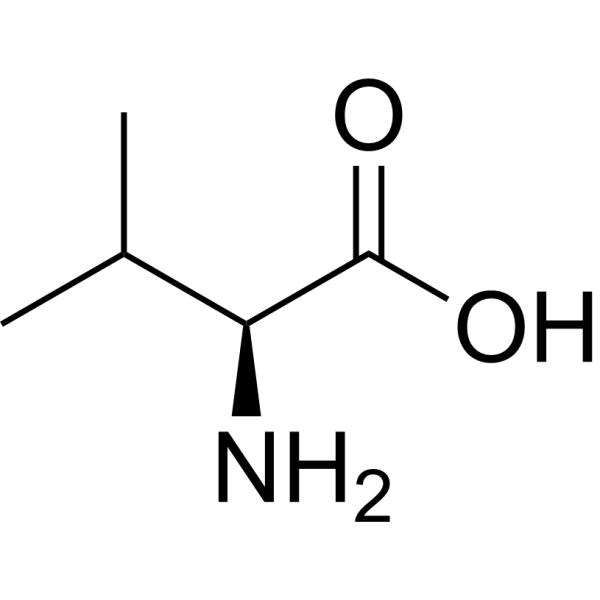
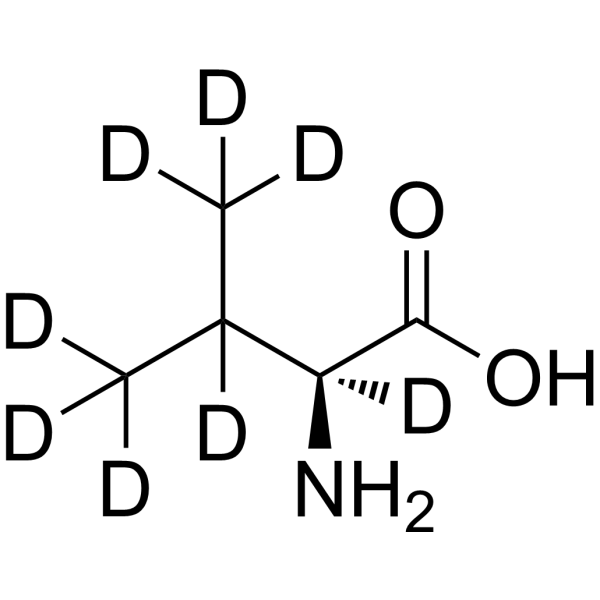
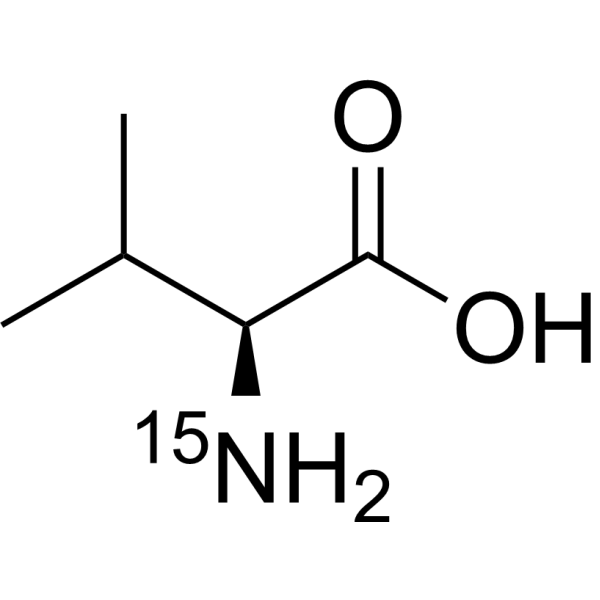
  • HY-N0717
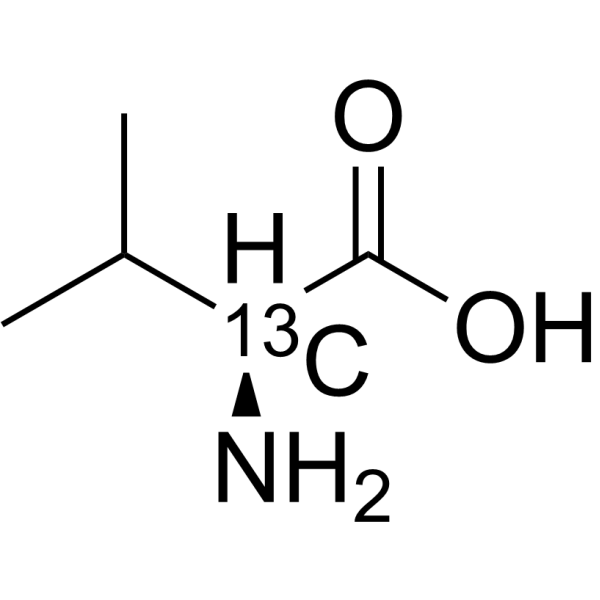
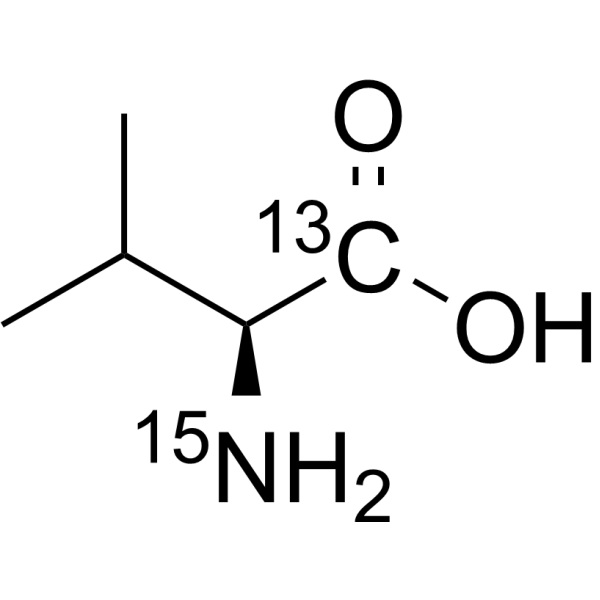
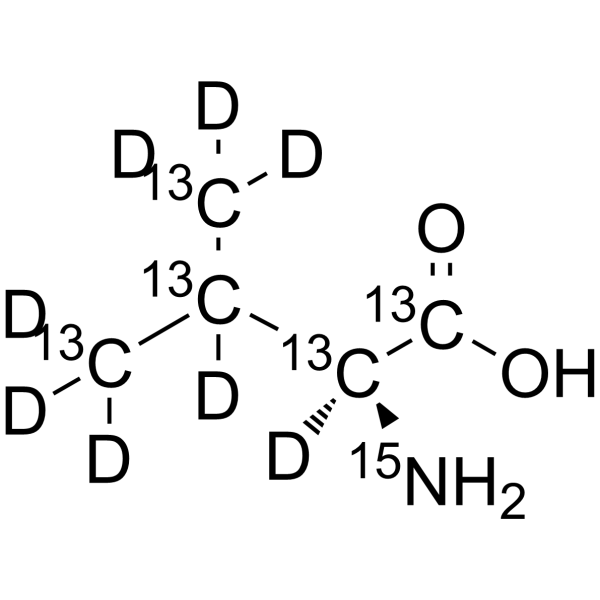
    L-Valine
    5 Publications Verification

    (S)-Valine

    Bacterial Arginase Akt Infection
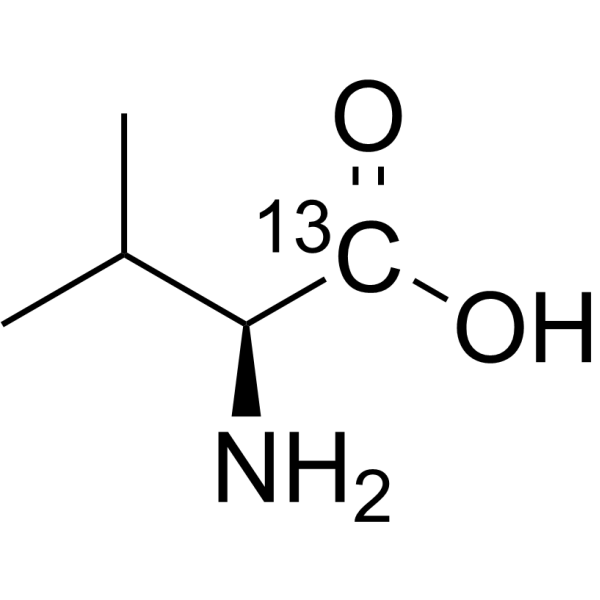
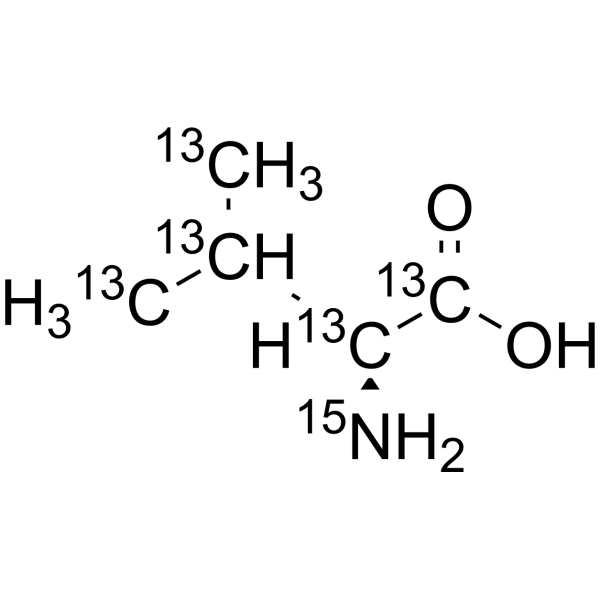
    L-Valine ((S)-Valine) is a nonlinear semiorganic material. L-Valine causes lipid peroxidation and accumulation of malondialdehyde (MDA), exhibits inhibitory activity against cyanobacteria. L-Valine inhibits multidrug-resistant bacteria through activation of PI3K/Akt signaling pathway and inhibition of arginase .
    L-Valine
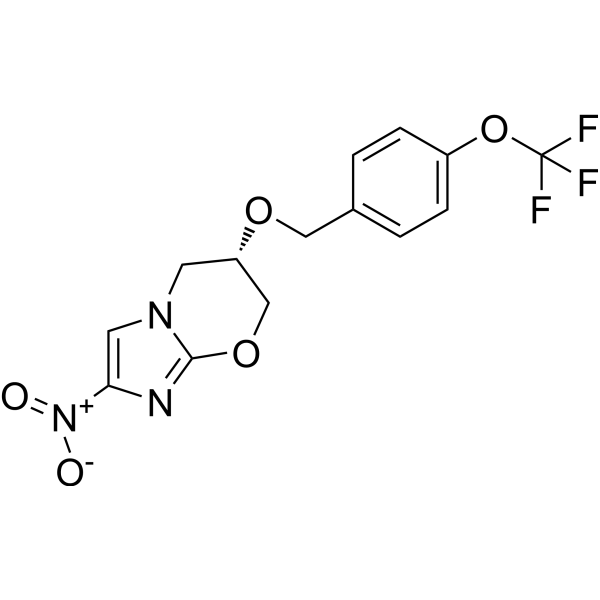
  • HY-10844
    Pretomanid
    10+ Cited Publications

    PA-824; (S)-PA 824

    Bacterial Antibiotic Infection Cancer
    Pretomanid (PA-824) is an antibiotic used for the research of multi-drug-resistant tuberculosis affecting the lungs. Pretomanid exhibits a sub-micromolar MIC against M. tuberculosis (MTB). The MIC values of PA-824 against a panel of MTB pan-sensitive and Rifampin mono-resistant clinical isolates range from 0.015 to 0.25 μg/mL.
    Pretomanid
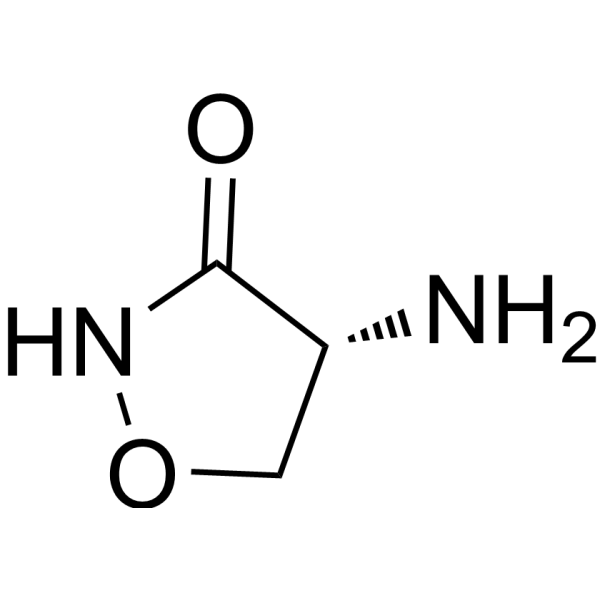
  • HY-B0030
    D-Cycloserine
    5+ Cited Publications

    iGluR Bacterial Antibiotic Infection Neurological Disease Cancer
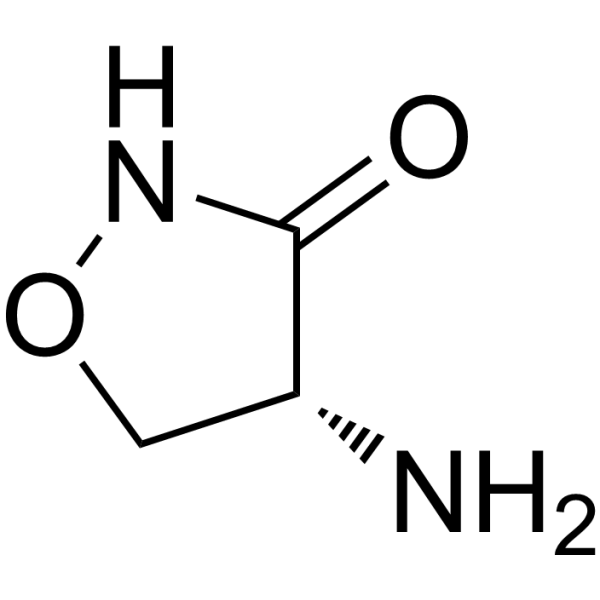
    D-Cycloserine is an antibiotic which targets sequential bacterial cell wall peptidoglycan biosynthesis enzymes, with blood-brain barrier permeability. D-Cycloserine is a partial NMDA agonist that can improve cognitive functions. D-Cycloserine can be used for multidrug-resistant tuberculosis research .
    D-Cycloserine
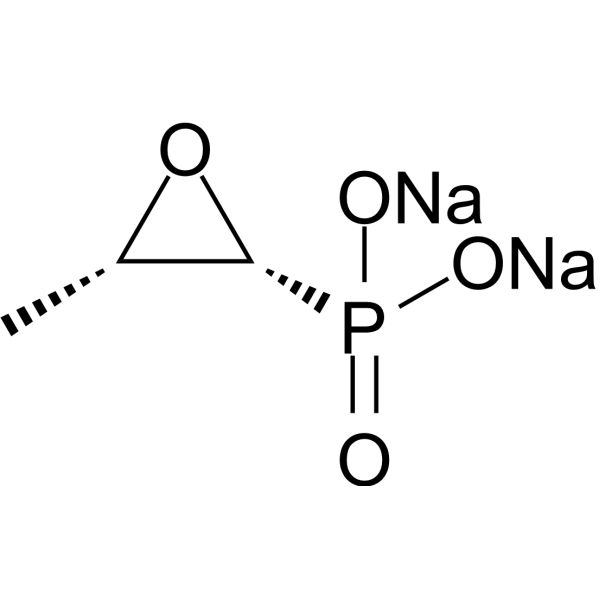
  • HY-W016420
    Fosfomycin sodium
    Maximum Cited Publications
    14 Publications Verification

    MK-0955 sodium

    Bacterial Antibiotic Infection Cancer
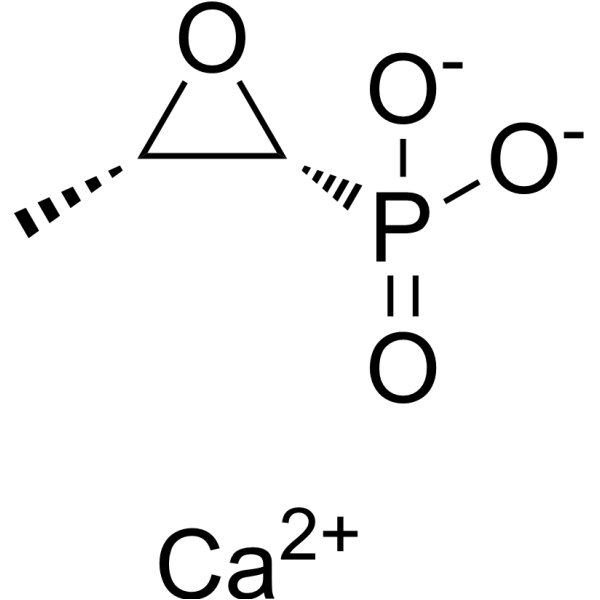
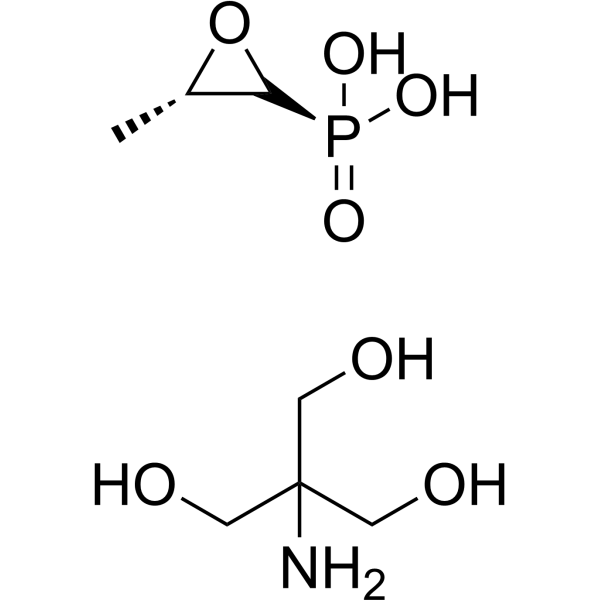
    Fosfomycin (MK-0955) sodium is a blood-brain barrier penetrating, broad-spectrum antibiotic by irreversibly inhibiting an early stage in cell wall synthesis. Fosfomycin sodium shows both in vivo and in vitro activity against a wide range of bacteria, including multidrug-resistant (MDR), extensively drug-resistant (XDR), and pan-drug-resistant (PDR) bacteria .
    Fosfomycin sodium
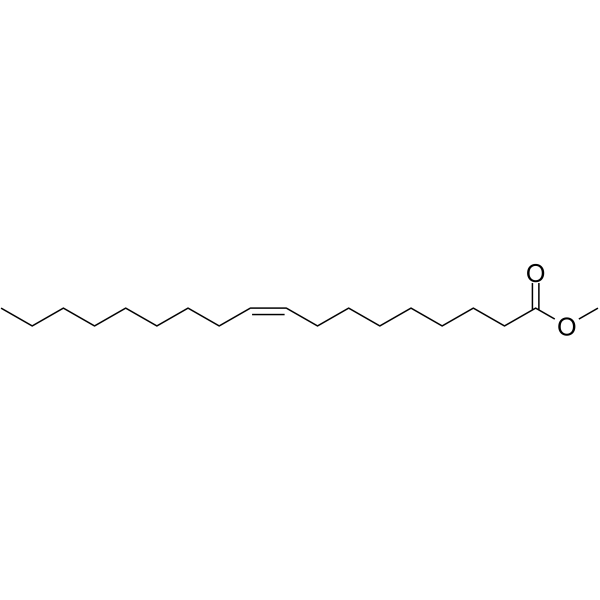
  • HY-N2598

    Environmental Pollutants Bacterial Infection Cancer
    Methyl oleate is a fatty acid methyl ester (FAME) with anti-extended spectrum β-Lactamase (ESBL) potential, anticancer and antibacterial activities. Methyl oleate substantially improves the antioxidation ability but markedly impaired the antiwear capacity of zinc dialkyldithiophosphate (ZDDP). Methyl oleate is promising for research of ESBL producing multi drug resistant (MDR) pathogens .
    Methyl oleate
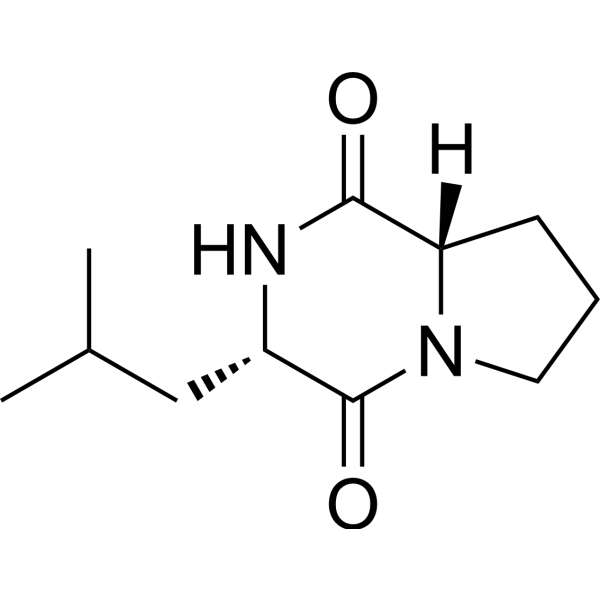
  • HY-P1939

    Cyclo(L-prolyl-L-leucyl)

    Fungal Bacterial Influenza Virus Infection
    Cyclo(L-Leu-L-Pro) is a cyclic dipeptide with broad-spectrum antibacterial, antiviral and antifungal activities. Its biological activity is highly dependent on the stereoconfiguration and is widely present in microbial metabolites. Cyclo(L-Leu-L-Pro) efficiently and specifically inhibits the production of aflatoxin by Aspergillus flavus. The cis configuration of Cyclo(L-Leu-L-Pro) (cis-cyclo(L-Leu-L-Pro)) has broad-spectrum antibacterial activity against multi-drug resistant bacteria and significantly inhibits the influenza A virus H3N2 .
    Cyclo(L-Leu-L-Pro)
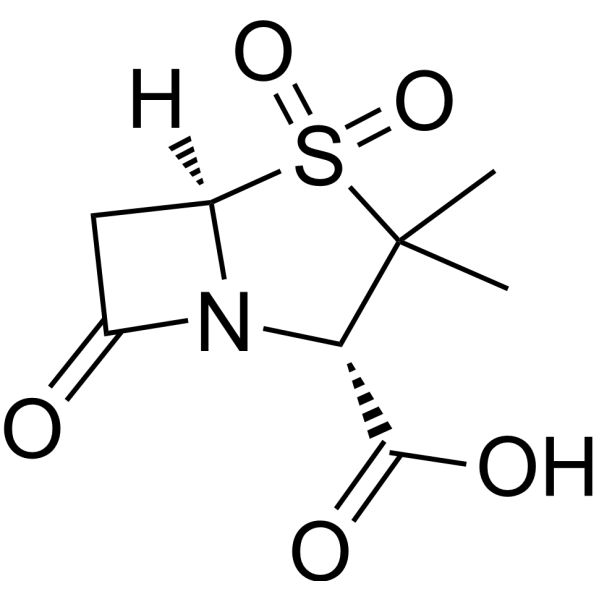
  • HY-B0334
    Sulbactam
    10+ Cited Publications

    CP45899

    Bacterial Antibiotic Infection
    Sulbactam (CP45899) is a competitive, irreversible beta-lactamase inhibitor. Sulbactam shows antimicrobial activity against multidrug-resistant (MDR) acinetobacter calcoaceticus--Acinetobacter baumannii (Acb) complex .
    Sulbactam
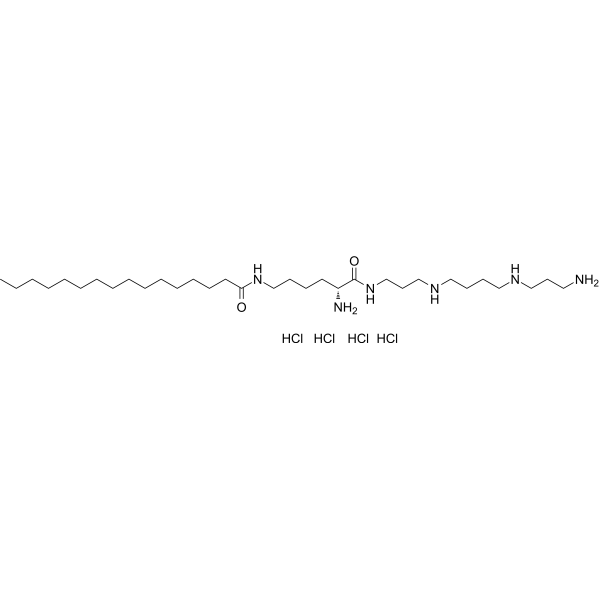
  • HY-124617A
    AMXT-1501 tetrahydrochloride
    5+ Cited Publications

    Apoptosis Bacterial Infection Inflammation/Immunology Cancer
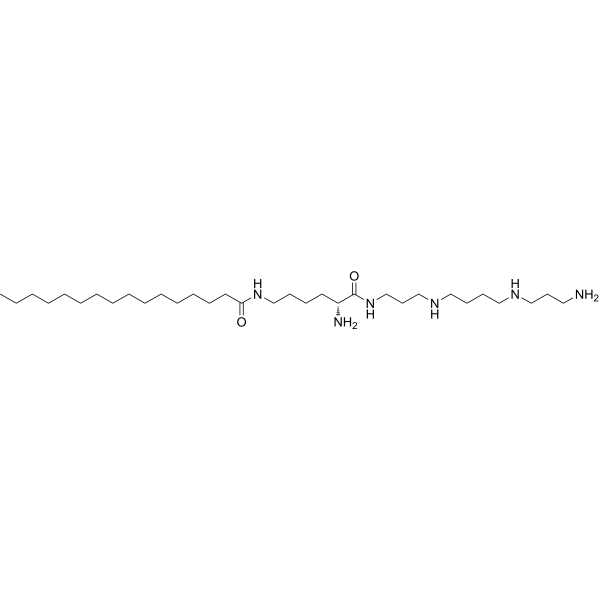
    AMXT-1501 tetrahydrochloride is a Bacterial agent and polyamine transport system inhibitor. AMXT-1501 tetrahydrochloride targets membrane phospholipids and exhibits antibacterial activity against a variety of Gram-positive and Gram-negative multidrug-resistant bacteria . AMXT-1501 tetrahydrochloride inhibits capsular biosynthesis in Streptococcus pneumoniae . AMXT-1501 tetrahydrochloride targets ornithine decarboxylase and polyamines to inhibit the proliferation of neuroblastoma cells . AMXT-1501 tetrahydrochloride in combination with DFMO (HY-B0744) induces Apoptosis in neuroblastoma cells. AMXT-1501 tetrahydrochloride is applicable to research related to multidrug-resistant bacterial infections, pneumococcal infections, Streptococcus pneumoniae infections, and neuroblastoma .
    AMXT-1501 tetrahydrochloride
  • HY-113678

    Polymyxin E

    Antibiotic Bacterial Infection
    Colistin is an orally active polypeptide antibiotic. Colistin has excellent activity against various Gram-negative rod-shaped bacteria, including multidrug-resistant Pseudomonas aeruginosa, Acinetobacter baumannii and Klebsiella pneumoniae. Colistin is associated with nephrotoxicity. Colistin can be used for the research of infections caused by Gram-negative bacilli .
    Colistin
  • HY-124617
    AMXT-1501
    5+ Cited Publications

    Apoptosis Bacterial Infection Cancer
    AMXT-1501 is a Bacterial agent and polyamine transport system inhibitor. AMXT-1501 targets membrane phospholipids and exhibits antibacterial activity against a variety of Gram-positive and Gram-negative multidrug-resistant bacteria . AMXT-1501 inhibits capsular biosynthesis in Streptococcus pneumoniae . AMXT-1501 targets ornithine decarboxylase and polyamines to inhibit the proliferation of neuroblastoma cells . AMXT-1501 in combination with DFMO (HY-B0744) induces Apoptosis in neuroblastoma cells. AMXT-1501 is applicable to research related to multidrug-resistant bacterial infections, pneumococcal infections, Streptococcus pneumoniae infections, and neuroblastoma .
    AMXT-1501
  • HY-146331

    Bacterial Infection
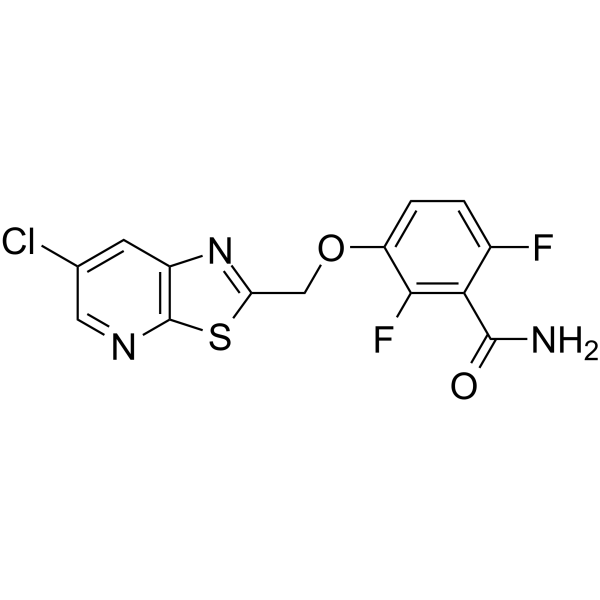
    PC190723 is a bacterial cell division protein FtsZ inhibitor (IC50 = 55 nM). PC 190723 prevents cell division. PC190723 has potent and selective bactericidal activity against staphylococci, including methicillin- and multi-drug-resistant Staphylococcus aureus. PC190723 induces nucleated assembly of Bs-FtsZ into single-stranded coiled protofilaments and polymorphic condensates. PC190723 can be studied in anti-bacterial infection research .
    PC190723
  • HY-B0334A
    Sulbactam sodium
    10+ Cited Publications

    CP45899 sodium

    Bacterial Antibiotic Infection
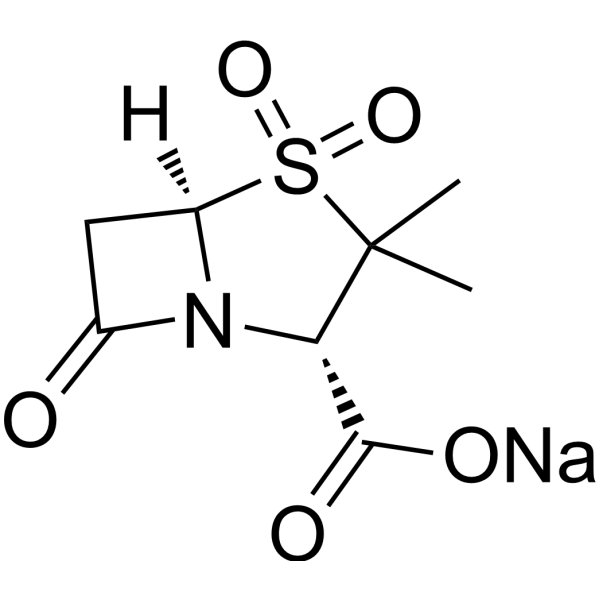
    Sulbactam (CP45899) sodium is a competitive, irreversible beta-lactamase inhibitor. Sulbactam sodium shows antimicrobial activity against multidrug-resistant (MDR) acinetobacter calcoaceticus--Acinetobacter baumannii (Acb) complex .
    Sulbactam sodium
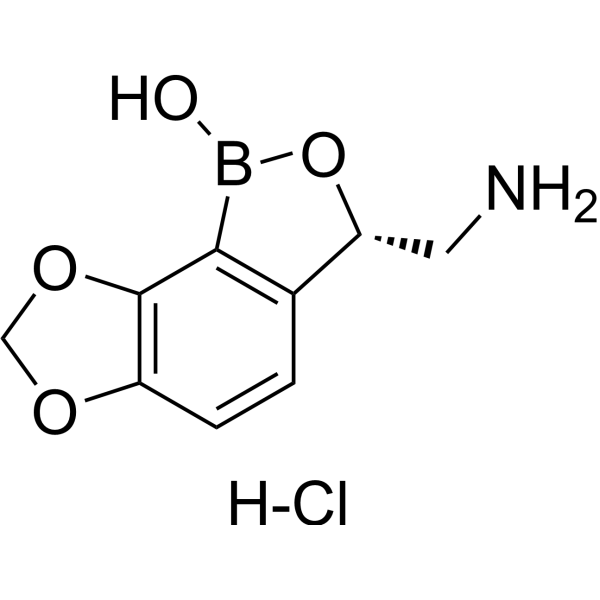
  • HY-12479A
    Epetraborole hydrochloride
    2 Publications Verification

    GSK2251052 hydrochloride

    Bacterial Aminoacyl-tRNA Synthetase Infection
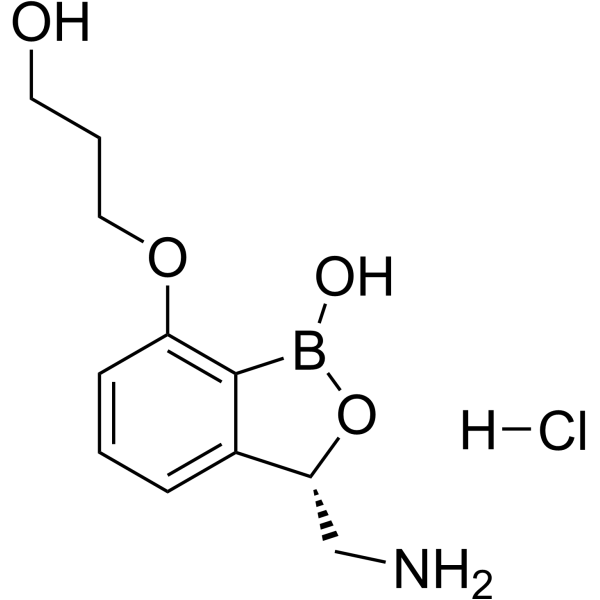
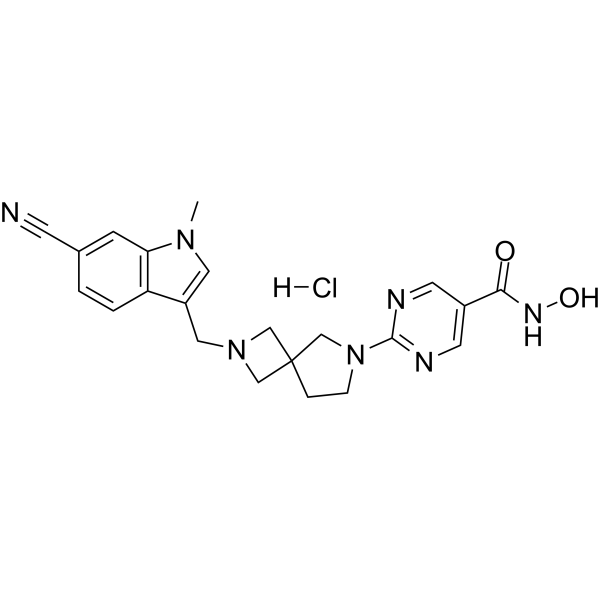
    Epetraborole (GSK2251052) hydrochloride is a novel leucyl-tRNA synthetase (LeuRS) inhibitor (IC50=0.31 μM), thereby inhibiting protein synthesis. Epetraborole hydrochloride can be used in multidrug-resistant gram-negative pathogens infection research .
    Epetraborole hydrochloride
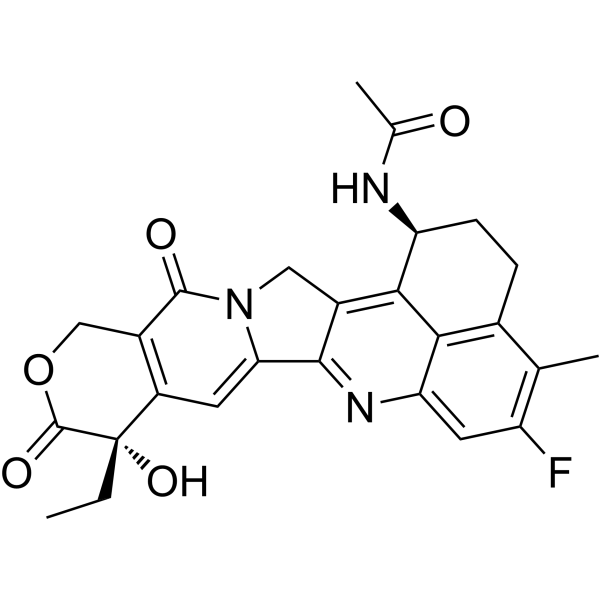
  • HY-79490

    ADC Payload Topoisomerase Cancer
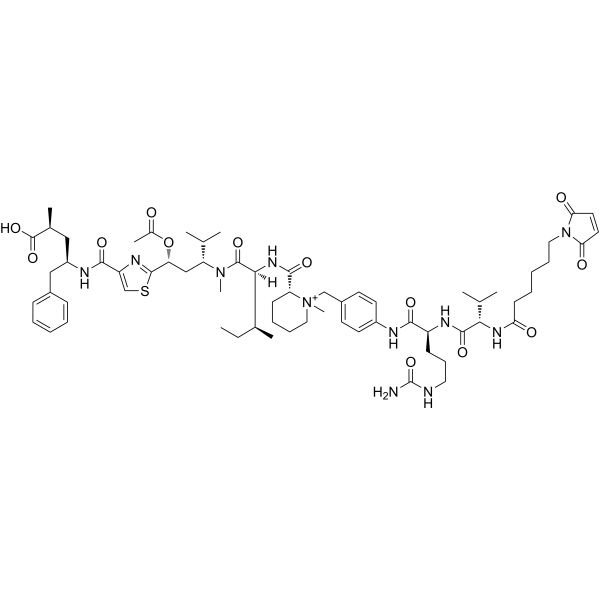
    Ac-Exatecan is acetylation-modified Exatecan (HY-13631). Exatecan is a common toxin component in ADC preparation (ADC cytotoxin) and an inhibitor of DNA topoisomerase I (IC50 = 2.2 μM). Exatecan has antitumor activity. Exatecan can be used as a payload for ADC. Exatecan is effective against P-glycoprotein mediated multi-drug resistant cells .
    Ac-Exatecan
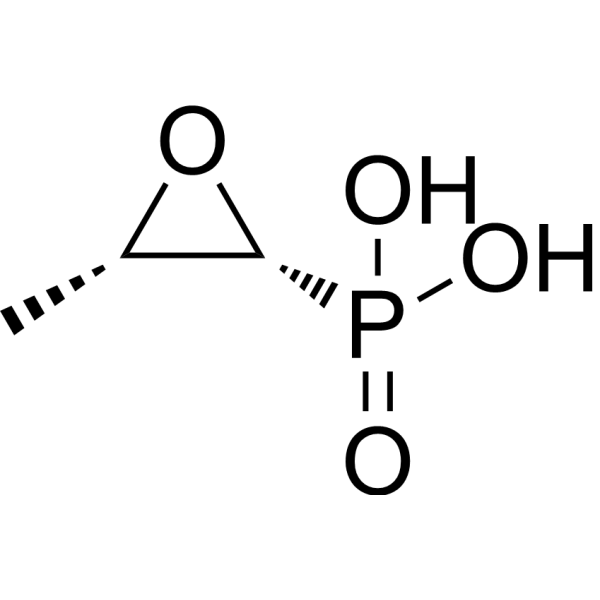
  • HY-B1075A

    MK-0955

    Bacterial Antibiotic Infection Cancer
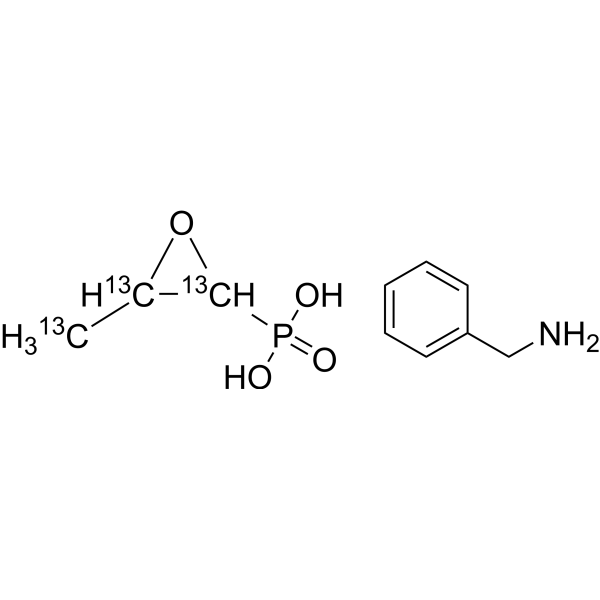
    Fosfomycin (MK-0955) is a broad-spectrum antibiotic. Fosfomycin can cross blood-brain barrier penetrating, and irreversibly inhibits an early stage in cell wall synthesis. Fosfomycin shows anti-bacteria activity for a range of bacteria, including multidrug-resistant (MDR), extensively drug-resistant (XDR), and pan-drug-resistant (PDR) bacteria .
    Fosfomycin
  • HY-137433
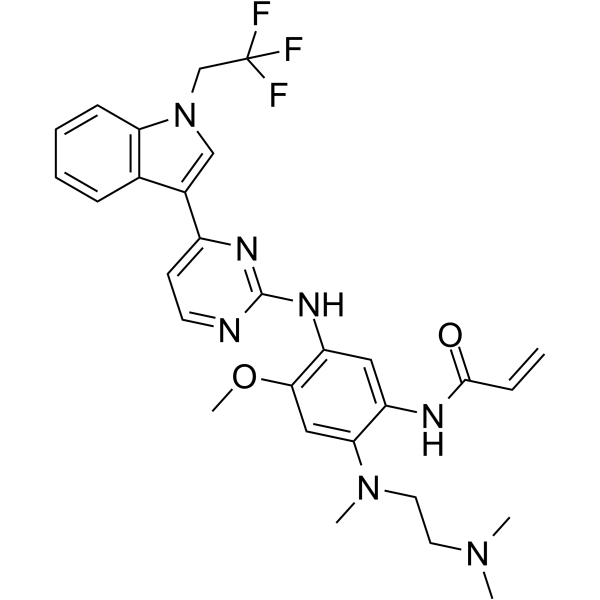
    Befotertinib
    2 Publications Verification

    D-0316

    EGFR P-glycoprotein Apoptosis Cancer
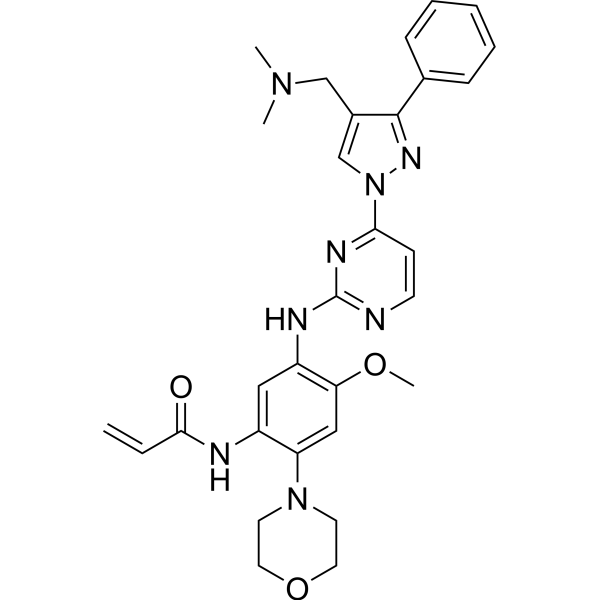
    Befotertinib (D-0316) is an orally active EGFR inhibitor and ABCB1 inhibitor. Befotertinib selectively targets EGFR mutations including EGFR T790M, EGFR L858R and delE746-A750, forms covalent bonds with EGFR C797, inhibits oncogenic signaling pathways, and exerts antiproliferative effects. Befotertinib inhibits ABCB1-mediated drug efflux, activates the ATPase activity of ABCB1, acts as a chemosensitizer and apoptosis enhancer, and restores the sensitivity of multidrug-resistant cancer cells. Befotertinib can be used in research related to multidrug-resistant cancers and non-small cell lung cancer .
    Befotertinib
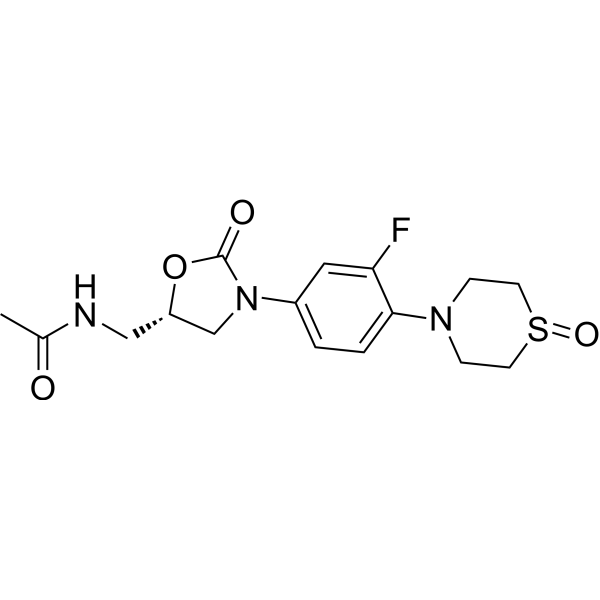
  • HY-125941

    Bacterial Infection
    PNU-101603 is a sulfoxide metabolite of Sutezolid (HY-10392). PNU-101603 alone or combined with SQ109 (HY-14989) shows excellent activity against Mycobacterium tuberculosis (MTB), as well as against agent-susceptible and multidrug-resistant TB .
    PNU-101603
  • HY-N10549
    Gigantol
    1 Publications Verification

    Ferroptosis c-Myc Glutathione Peroxidase JNK Reactive Oxygen Species (ROS) GSK-3 Infection Metabolic Disease Cancer
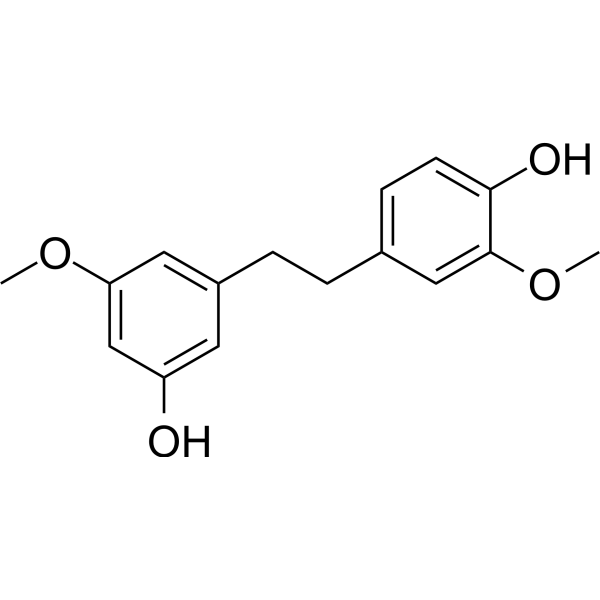
    Gigantol is an orally active bibenzyl compound. Gigantol targets MYC to promote its ubiquitin-proteasomal degradation and inhibit the growth of lung cancer cells. Gigantol exerts anti-lung cancer activity by inducing ferroptosis (Ferroptosis) via the SLC7A11-GPX4 axis. Gigantol restores the sensitivity of mcr-harboring multidrug-resistant bacteria to colistin. Gigantol ameliorates carbon tetrachloride-induced liver injury by inhibiting the activation of the JNK/cPLA2/12-LOX inflammatory pathway. Gigantol promotes cholesterol metabolism and progesterone biosynthesis in Leydig cells. Gigantol can be used in studies related to diseases such as lung cancer, multidrug-resistant Gram-negative bacterial infections, and acute liver injury .
    Gigantol
  • HY-N1050

    mTOR Ribosomal S6 Kinase (RSK) Bacterial Infection Neurological Disease Cancer
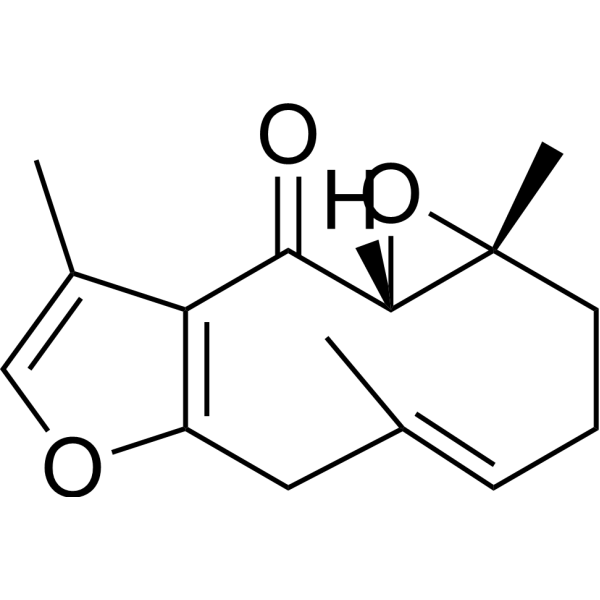
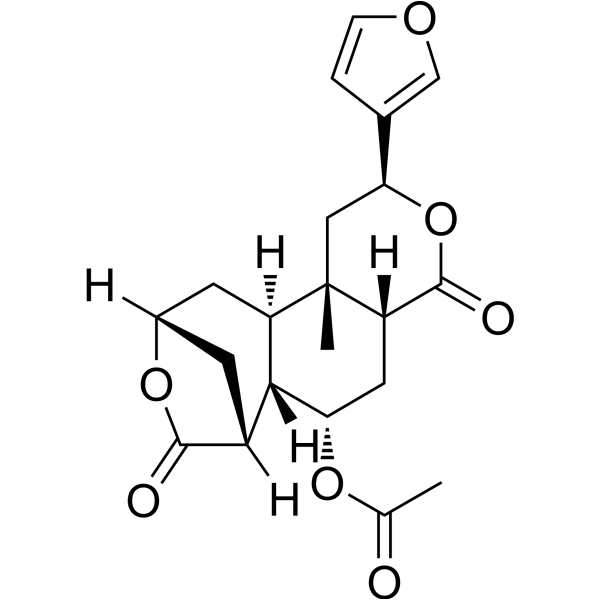
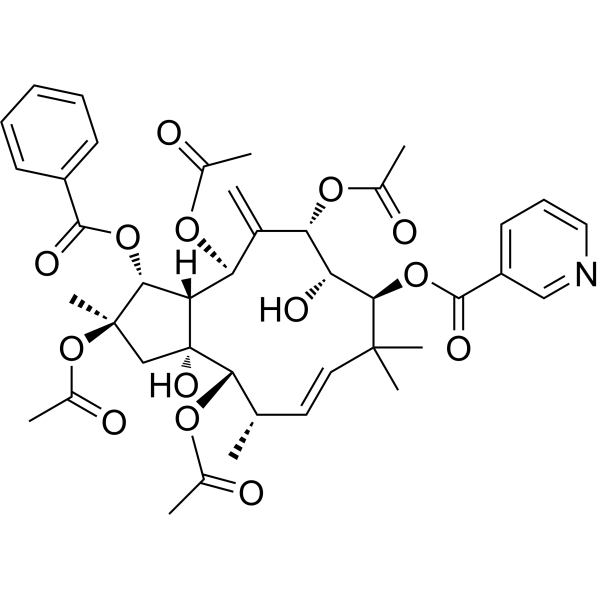
    Zederone is a sesquiterpene. Zederone inhibits ovarian cancer cell proliferation through mTOR/p70s6K signalling pathway. Zederone inhibits CYP activities with IC50s of 2.9 μM (CYP2B6), 9.2 μM (CYP2C9), 11,2 μM (CYP2C19) and >30 μM (CYP1A2 and CYP2D6). Zederone is hepatotoxic with LD50 value at 24 hours in mice of approximately 223 mg/kg and cytotoxic against the KG1a cell line. Zederone shows antibacterial activity against a number of multi-drug resistant and Methicillin (HY-121544)-resistant Staphylococcus aureus strain. Zederone shows cognition improving capacity and assists in the modulation of gut bacterial dysbiosis .
    Zederone
  • HY-135813
    LtaS-IN-1
    1 Publications Verification

    Bacterial Infection
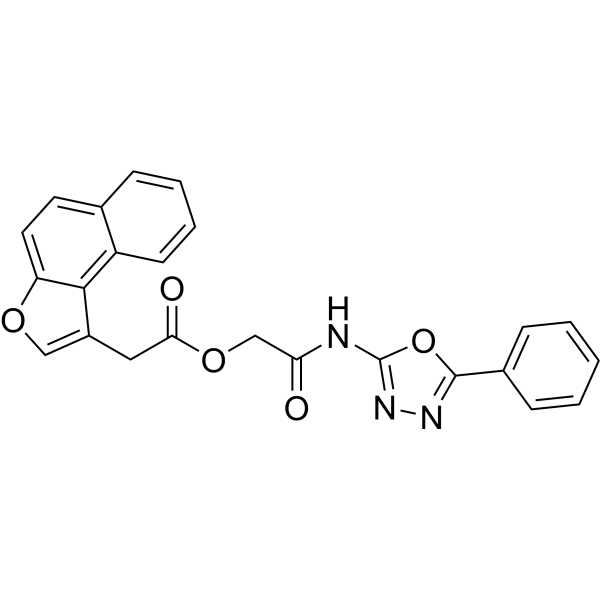
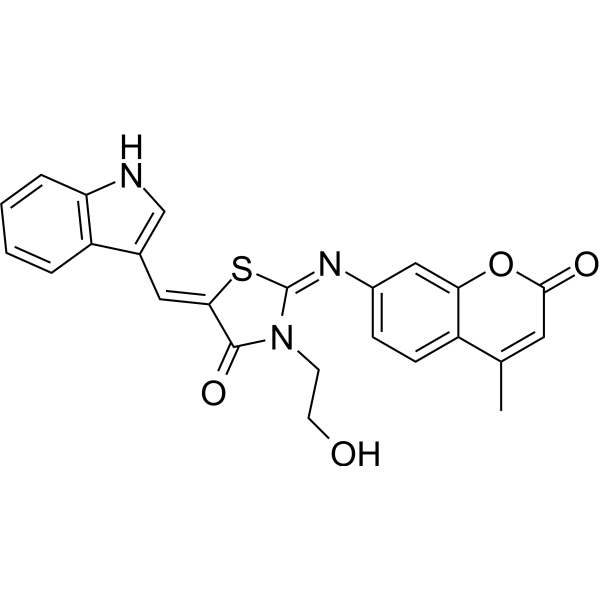
    LtaS-IN-1 (compound 1771) is a potent small-molecule inhibitor of Lipoteichoic acid (LTA) synthesis in multidrug-resistant (MDR) E. faecium and by altering the cell wall morphology. LtaS-IN-1 alone inhibits Enterococcus.spp 28 strains with varying MIC values ranging from 0.5 μg/mL to 64 μg/mL. LtaS-IN-1 combination with antibiotics abolishs multidrug-resistant E. faecium growth almost completely .
    LtaS-IN-1
  • HY-N125722

    Aabomycin A1

    ATP Synthase Antibiotic Infection
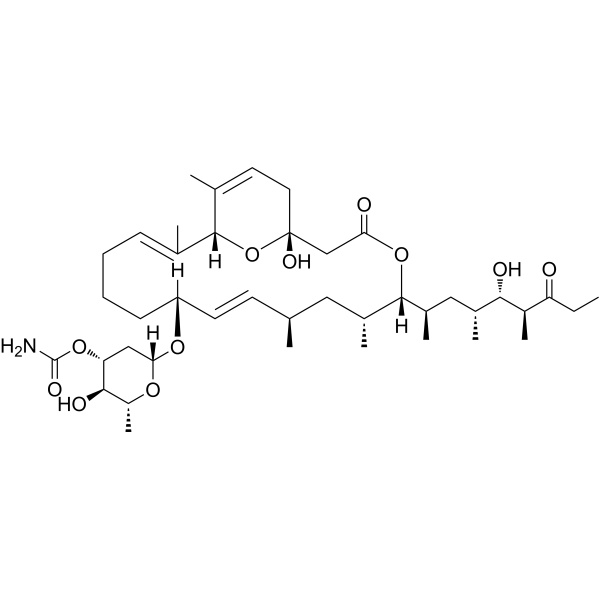
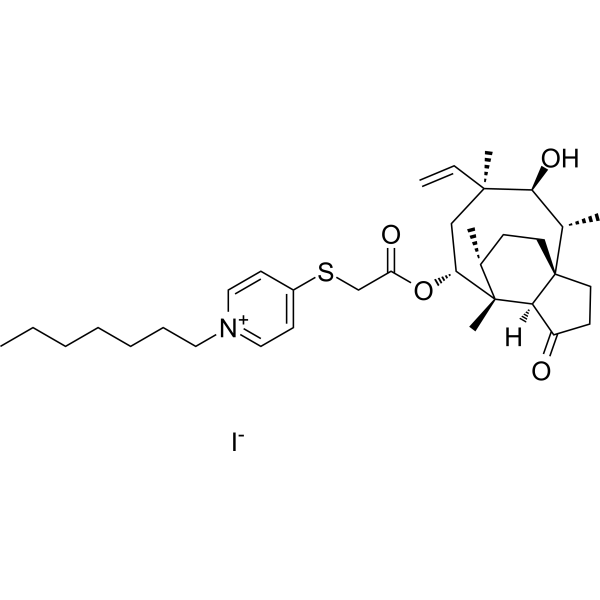
    Venturicidin A (Aabomycin A1), from actinomycetes, is a membrane-active natural product inhibitor of ATP synthase. Venturicidin A potentiates the aminoglycoside antibiotic gentamicin against multidrug-resistant clinical isolates of Staphylococcus, Enterococcus, and Pseudomonas aeruginosa. Venturicidin A shows noticeable toxicity toward human embryonic-kidney (HEK)cells with an IC50 of 31 μg/mL.
    Venturicidin A
  • HY-162959

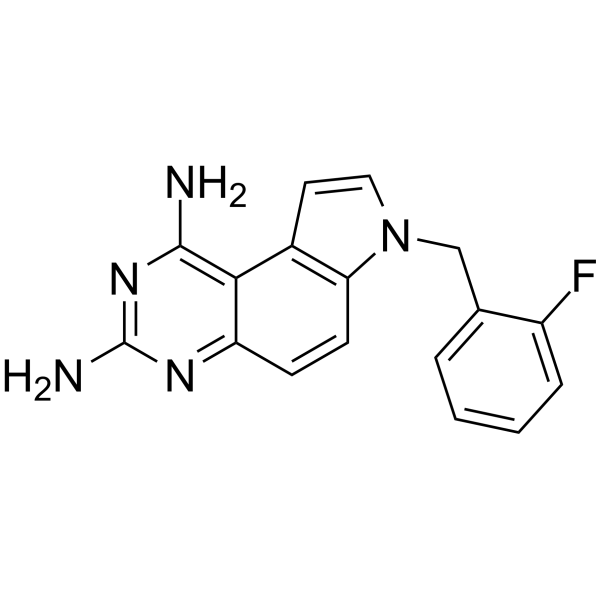
    Bacterial Topoisomerase DNA/RNA Synthesis Infection
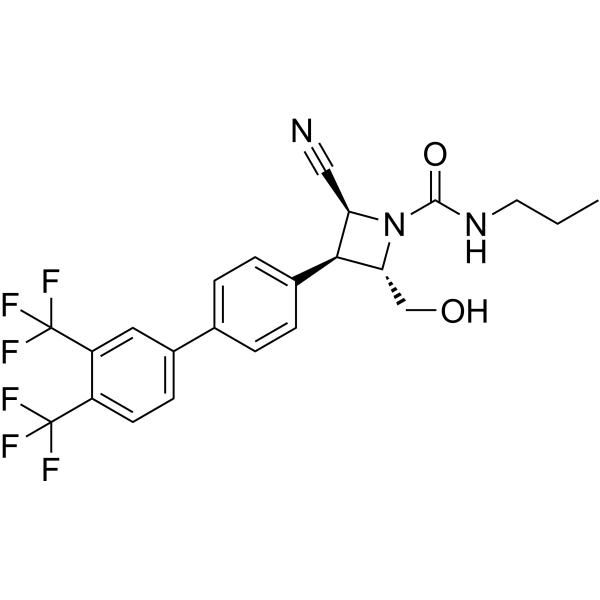
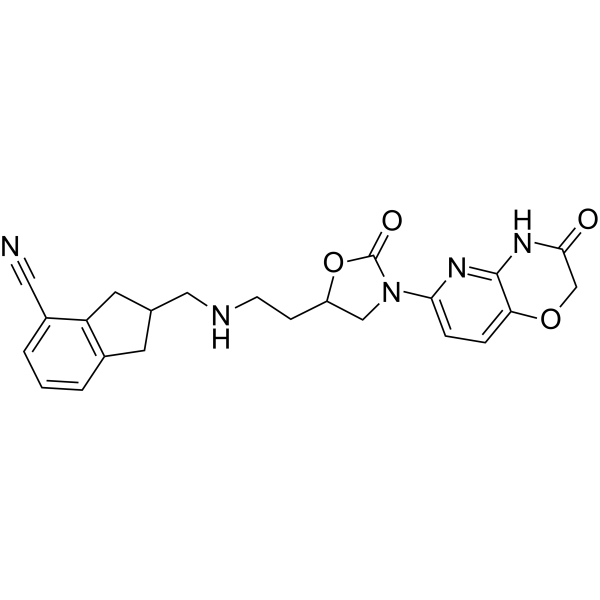
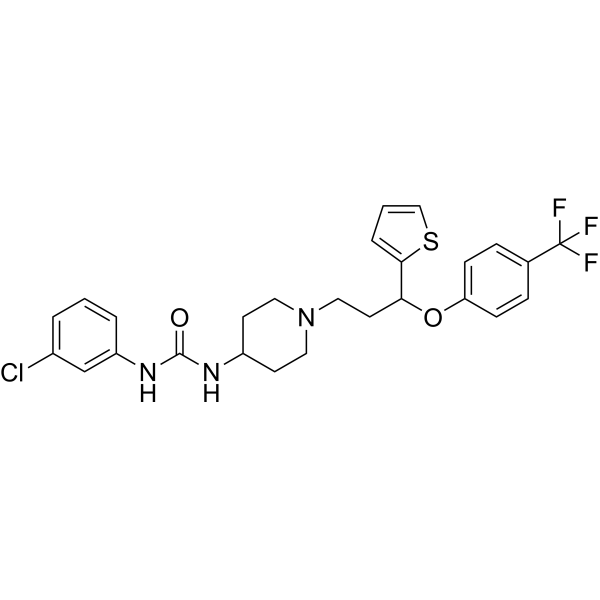
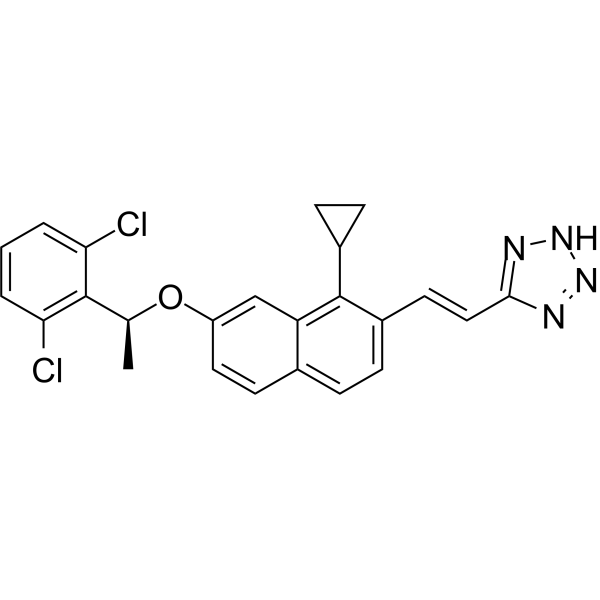
    BWC0977 is an antibacterial agent that inhibits bacterial DNA replication via inhibition of DNA gyrase and topoisomerase IV. BWC0977 exhibits a minimum inhibitory concentration (MIC90) of 0.03-2 µg/mL against MDR (Multi-Drug Resistant) Gram-negative bacteria .
    BWC0977
  • HY-N3373

    Bacterial Infection
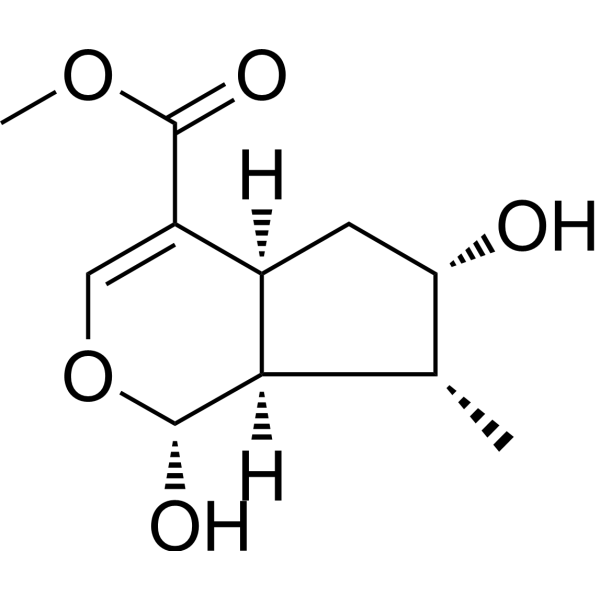
    Loganetin is a non-toxic natural product that may be applied in the antibacterial agent development for treating multidrug-resistant Gram negative infections.
    Loganetin
  • HY-N2103

    P-glycoprotein Cancer
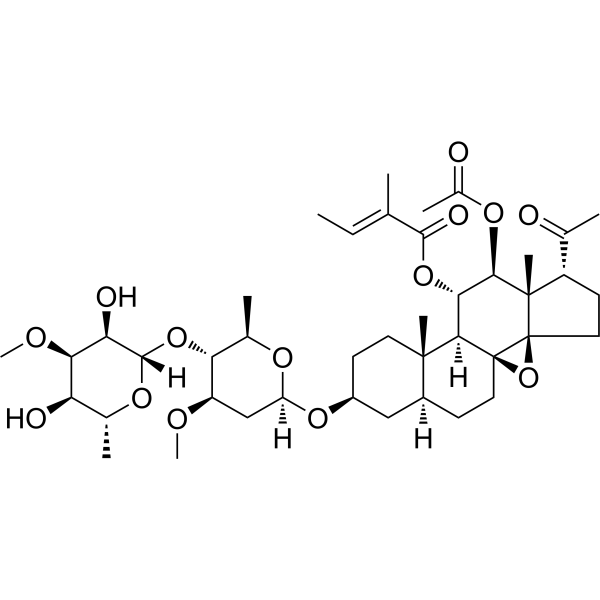
    Tenacissoside G is a C21 steroid from the stems of Marsdenia tenacissima. Tenacissoside G reverses multidrug resistance in P-glycoprotein (Pgp)-overexpressing multidrug-resistant cancer cells .
    Tenacissoside G
  • HY-10844R

    PA-824 (Standard); (S)-PA 824 (Standard)

    Reference Standards Bacterial Antibiotic Infection Cancer
    Pretomanid (Standard) is the analytical standard of Pretomanid. This product is intended for research and analytical applications. Pretomanid (PA-824) is an antibiotic used for the research of multi-drug-resistant tuberculosis affecting the lungs. Pretomanid exhibits a sub-micromolar MIC against M. tuberculosis (MTB). The MIC values of PA-824 against a panel of MTB pan-sensitive and Rifampin mono-resistant clinical isolates range from 0.015 to 0.25 μg/mL.
    Pretomanid (Standard)
  • HY-B0030R
    D-Cycloserine (Standard)
    5+ Cited Publications

    Reference Standards iGluR Bacterial Antibiotic Infection Neurological Disease Cancer
    D-Cycloserine (Standard) is the analytical standard of D-Cycloserine. This product is intended for research and analytical applications. D-Cycloserine is an antibiotic which targets sequential bacterial cell wall peptidoglycan biosynthesis enzymes. D-Cycloserine is a partial NMDA agonist that can improve cognitive functions. D-Cycloserine can be used for multidrug-resistant tuberculosis research .
    D-Cycloserine (Standard)
  • HY-10844S1

    PA-824-d5; (S)-PA 824-d5

    Antibiotic Bacterial Isotope-Labeled Compounds Infection Cancer
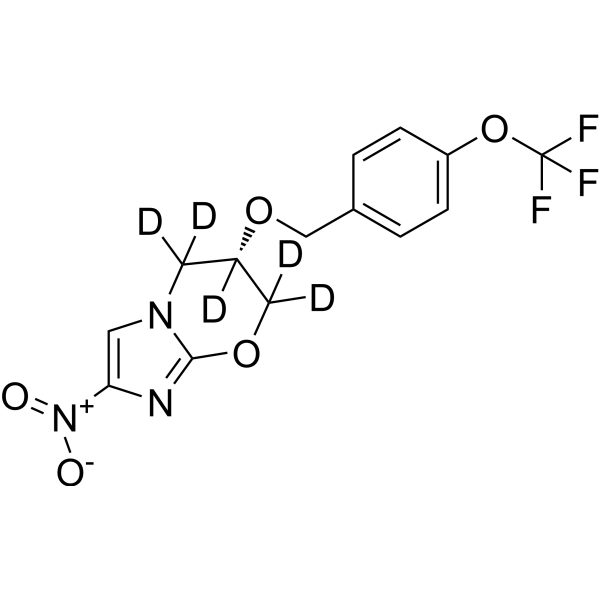
    Pretomanid-d5 is deuterated labeled Pretomanid (HY-10844). Pretomanid (PA-824) is an antibiotic used for the research of multi-drug-resistant tuberculosis affecting the lungs. Pretomanid exhibits a sub-micromolar MIC against M. tuberculosis (MTB). The MIC values of PA-824 against a panel of MTB pan-sensitive and Rifampin mono-resistant clinical isolates range from 0.015 to 0.25 μg/mL.
    Pretomanid-d5
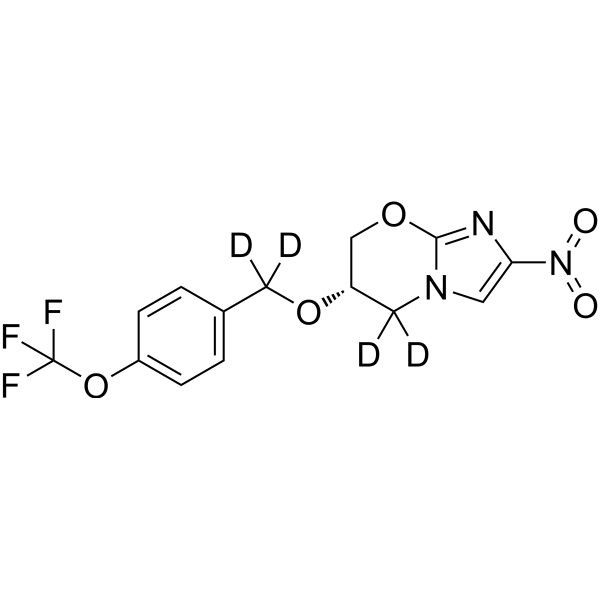
  • HY-10844S

    Isotope-Labeled Compounds Bacterial Antibiotic Infection Cancer
    Pretomanid-d4 is the deuterium labeled Pretomanid. Pretomanid (PA-824) is an antibiotic used for the research of multi-drug-resistant tuberculosis affecting the lungs. Pretomanid exhibits a sub-micromolar MIC against M. tuberculosis (MTB). The MIC values of PA-824 against a panel of MTB pan-sensitive and Rifampin mono-resistant clinical isolates range from 0.015 to 0.25 μg/mL .
    Pretomanid-d4
  • HY-N15551

    Bacterial Infection
    Armeniaspirol C is a potent antibacterial agent targeting Gram-positive bacteria. Armeniaspirol C is is promising for research of infections caused by multidrug-resistant Gram-positive bacteria .
    Armeniaspirol C
  • HY-W064918

    Bacterial Infection
    NITD-304 is an orally active anti-tuberculosis agent. NITD-304 exerts inhibitory and bactericidal activities gainst Mycobacterium tuberculosis and multidrug-resistant Mycobacterium tuberculosis. NITD-304 inhibits mycobacterial cell wall biosynthesis and demonstrates synergistic or additive growth inhibitory activity with select antibacterial agents. NITD-304 shows low risk of cardiotoxicity and drug-drug interactions, with no inhibition of major cytochrome P-450 enzymes or hERG channel. NITD-304 can be used for the research of tuberculosis and multidrug-resistant tuberculosis .
    NITD-304
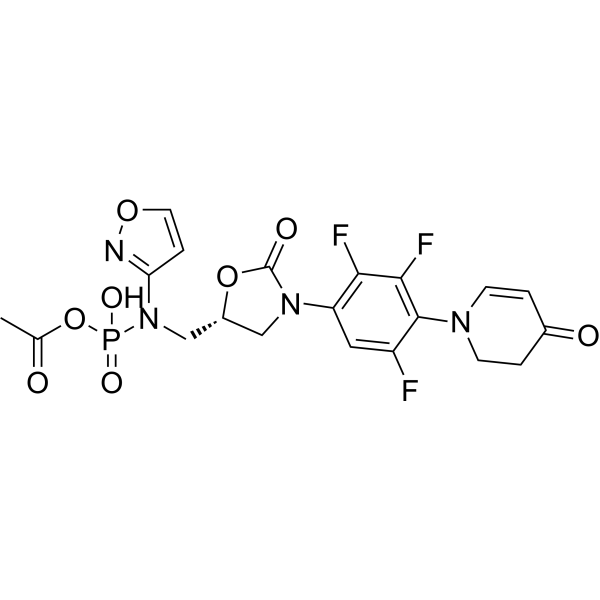
  • HY-19915A

    MRX-4

    Bacterial Antibiotic Infection Inflammation/Immunology
    Contezolid acefosamil (MRX-4) is the orally active proagent of the active antimicrobial metabolite Contezolid (MRX-I), an oxazolidinone which shows potent in vitro activity against various multidrug-resistant Gram-positive bacteria, including MRSA .
    Contezolid acefosamil
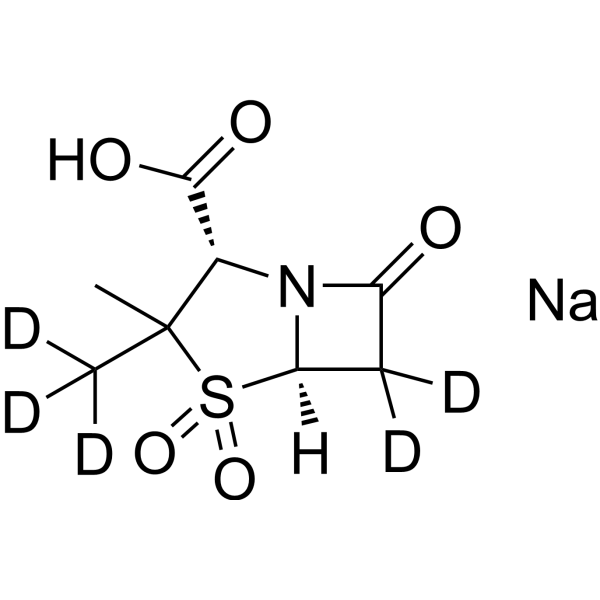
  • HY-B0334AS

    Bacterial Antibiotic Infection
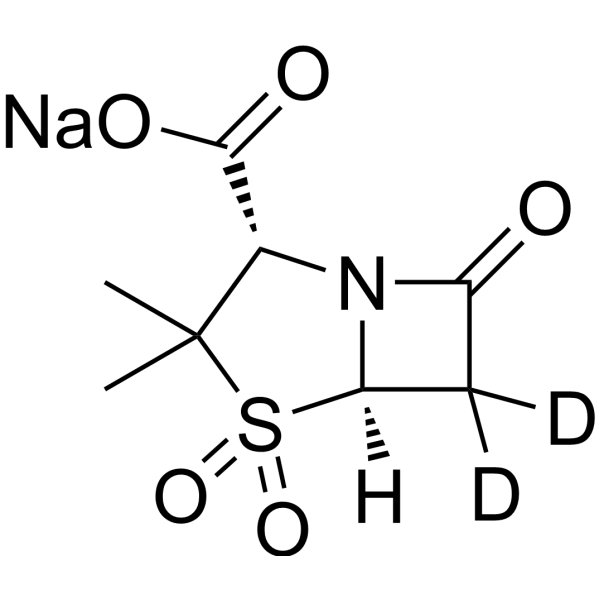
    Sulbactam-d5 (sodium) is the deuterium labeled Sulbactam sodium. Sulbactam (CP45899) sodium is a competitive, irreversible beta-lactamase inhibitor. Sulbactam sodium shows antimicrobial activity against multidrug-resistant (MDR) acinetobacter calcoaceticus--Acinetobacter baumannii (Acb) complex .
    Sulbactam-d5 sodium
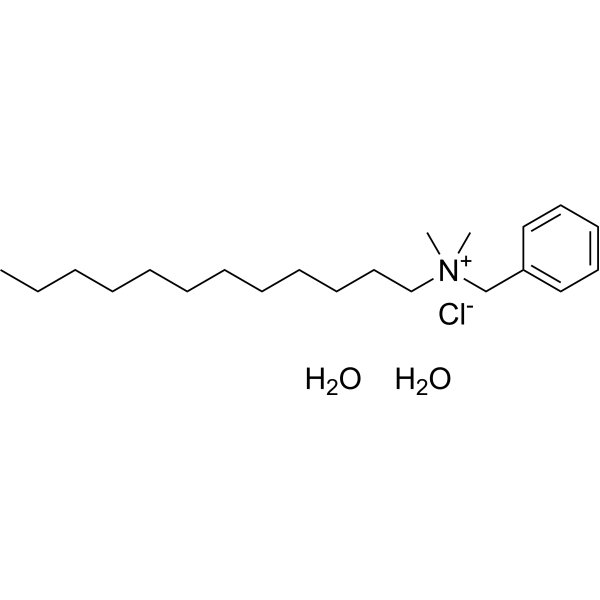
  • HY-128384

    Bacterial Infection
    Benzyldodecyldimethylammonium chloride dihydrate is a quaternary ammonium compound (QAC) and can be used as a biocide to target antibiotic-resistant bacteria, such as methicillin-resistant Staphylococcus aureus (MRSA), multidrug-resistant (MDR) P. aeruginosa et. al. Benzyldodecyldimethylammonium chloride dihydrate, an antimicrobial agent, bacteriostatic or bactericidal properties depending on the concentration.
    Benzyldodecyldimethylammonium chloride dihydrate
  • HY-B0334AR

    CP45899 sodium (Standard)

    Reference Standards Bacterial Antibiotic Infection
    Sulbactam (sodium) (Standard) is the analytical standard of Sulbactam (sodium). This product is intended for research and analytical applications. Sulbactam (CP45899) sodium is a competitive, irreversible beta-lactamase inhibitor. Sulbactam sodium shows antimicrobial activity against multidrug-resistant (MDR) acinetobacter calcoaceticus--Acinetobacter baumannii (Acb) complex .
    Sulbactam sodium (Standard)
  • HY-16955

    ACHN 490

    Antibiotic Bacterial Infection Inflammation/Immunology
    Plazomicin (ACHN 490) is a semi-synthetic aminoglycoside Antibiotic. Plazomicin acts as a substrate for Aminoglycoside acetyltransferase and Aminoglycoside phosphotransferase. Plazomicin is not modified by various common aminoglycoside-modifying enzymes. Plazomicin selectively inhibits MATE2-K. Plazomicin exhibits activity against multidrug-resistant bacteria, including carbapenem-resistant Enterobacterales .
    Plazomicin
  • HY-101741

    A-289099

    Microtubule/Tubulin Apoptosis Cancer
    A-259745 is an orally active antimitotic agent that binds to the colchicine-binding site of tubulin. A-259745 exhibits potent in vitro cytotoxic activity against both multi-drug-resistant and non-multi-drug-resistant cancer cell lines, with ED50 values of 0.018 μM against HCT-15 and 0.028 μM against NCI-H460 cell lines. A-259745 inhibits tubulin polymerization, disrupts the dynamic equilibrium of the mitotic spindle, arrests dividing cells in metaphase, and subsequently induces apoptosis. A-259745 shows dose-dependent antitumor efficacy in murine tumor models. A-259745 can be used for the study of cancer .
    A-259745
  • HY-162959A

    Bacterial Topoisomerase DNA/RNA Synthesis Infection
    BWC0977 formic is an antibacterial agent that inhibits bacterial DNA replication via inhibition of DNA gyrase and topoisomerase IV. BWC0977 formic exhibits a minimum inhibitory concentration (MIC90) of 0.03-2 µg/mL against MDR (Multi-Drug Resistant) Gram-negative bacteria .
    BWC0977 formic
  • HY-178504

    Bacterial Infection
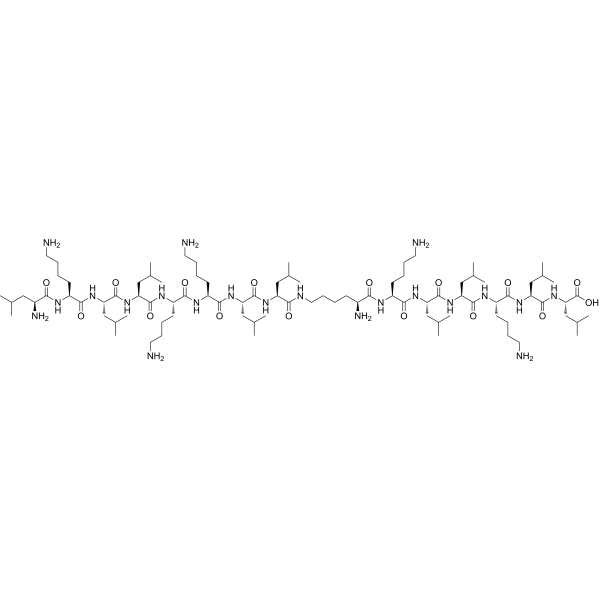
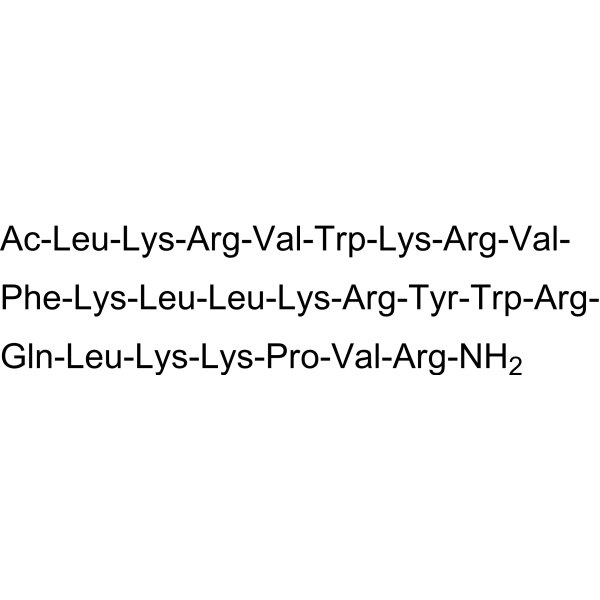
    Lug-15 is a rapid bactericidal agent. Lug-15 exhibits strong antibacterial activity against both Gram-positive and Gram-negative bacteria, including drug-resistant strains. Lug-15 rapidly kills bacteria primarily through membrane disruption and had a very low propensity to induce bacterial resistance. Lug-15 demonstrates low hemolytic toxicity and significant therapeutic potential in various infection models. Lug-15 can be used for research on combating infections caused by multi-drug resistant bacteria .
    Lug-15
  • HY-178942

    VEGFR EGFR Apoptosis Bcl-2 Family Caspase MDM-2/p53 Cancer
    EGFR/VEGFR2-IN-9 (Compound 9b) is an inhibitor of VEGFR-2 (IC50 = 1.325 μM) and EGFR (IC50 = 1.891 μM). EGFR/VEGFR2-IN-9 significantly inhibits the proliferation of multiple cancer cell lines, particularly leukemia cells. EGFR/VEGFR2-IN-9 upregulates the expression levels of Bax, caspase-3, and p53, while downregulating the expression of Bcl-2. EGFR/VEGFR2-IN-9 induces apoptosis and arrests the cell cycle in the G1 phase. EGFR/VEGFR2-IN-9 can be used to investigate anti-tumor angiogenesis and multi-drug resistant cancers .
    EGFR/VEGFR2-IN-9
  • HY-178952

    Bacterial Infection
    Anti-infective agent 12 (Compound A09) is a competitive inhibitor of type I signal peptidease (SPase I), with an IC50 of 4.475 μM and a Kd of 16.3 μM. Anti-infective agent 12 has the ability to disrupt bacterial membranes and remove biofilms. Anti-infective agent 12 exhibits potent bactericidal activity against Gram-positive bacteria, with MIC values of 4, 4, 8, and 8 μg/mL for Staphylococcus aureus, Enterococcus faecalis, Enterococcus faecium, and Streptococcus suis, respectively. Anti-infective agent 12 remains effective against multi-drug resistant strains, but has weaker activity against Gram-negative bacteria (such as Escherichia coli and Salmonella), with MIC values > 64 μg/mL. Anti-infective agent 12 has low hemolytic activity and shows significant efficacy in mouse skin infection models .
    Anti-infective agent 12
  • HY-174219

    Bacterial Infection
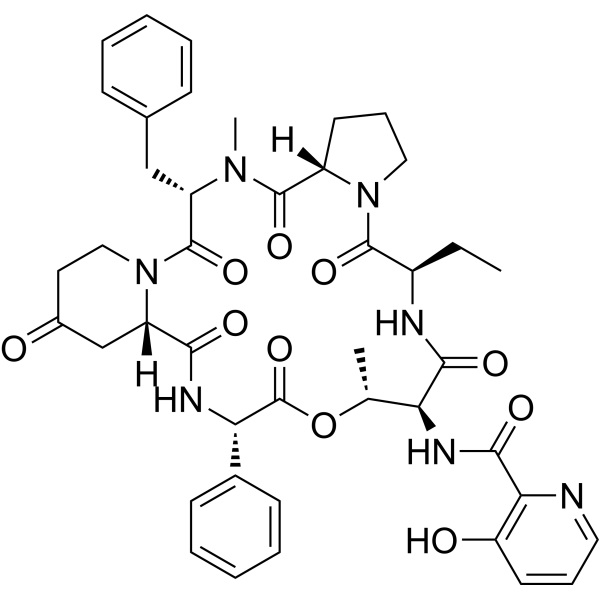
    BT-33 is a fuorinated macrobicyclic oxepanoprolinamide antibiotic with broad-spectrum activity against multidrug-resistant bacterial pathogens .
    BT-33
  • HY-18051

    Calcium Channel Cancer
    CXL 017 is a sarco/endoplasmic reticulum Ca 2+-ATPase (SERCA) inhibitor. CXL 017 can inhibit the ATPase activity of SERCA by competing with ATP for binding. CXL 017 exhibits selective cytotoxicity against multidrug-resistant acute myeloid leukemia cells HL60/MX2. CXL 017 can be used in the research of tumors such as multidrug-resistant acute myeloid leukemia .
    CXL 017
  • HY-P1720

    Antibiotic Bacterial Infection
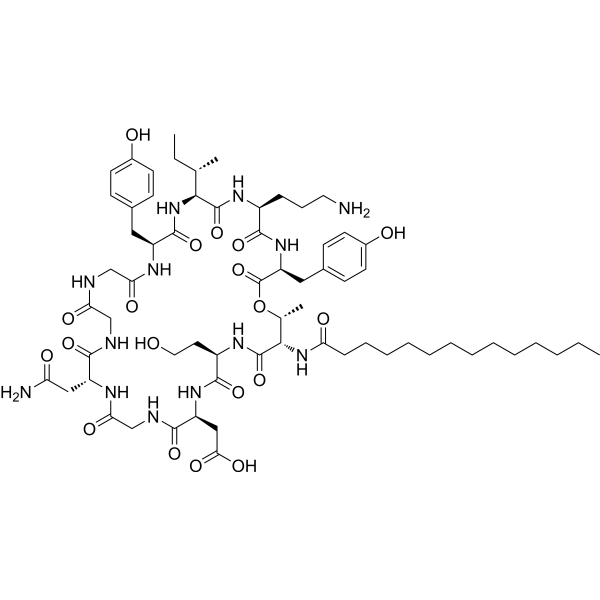
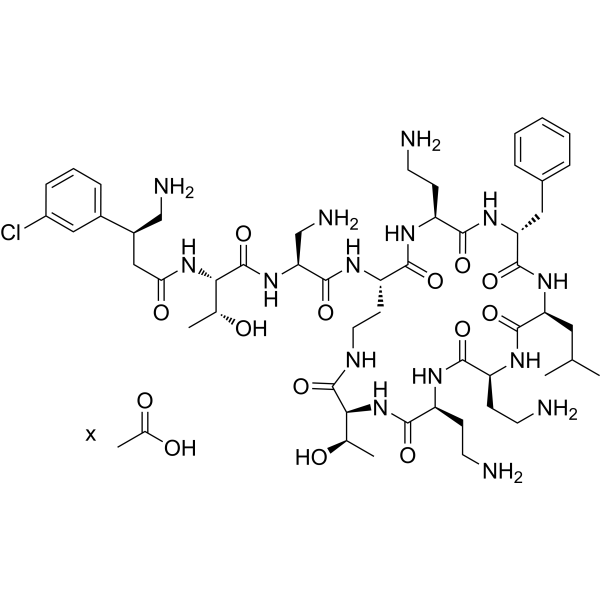
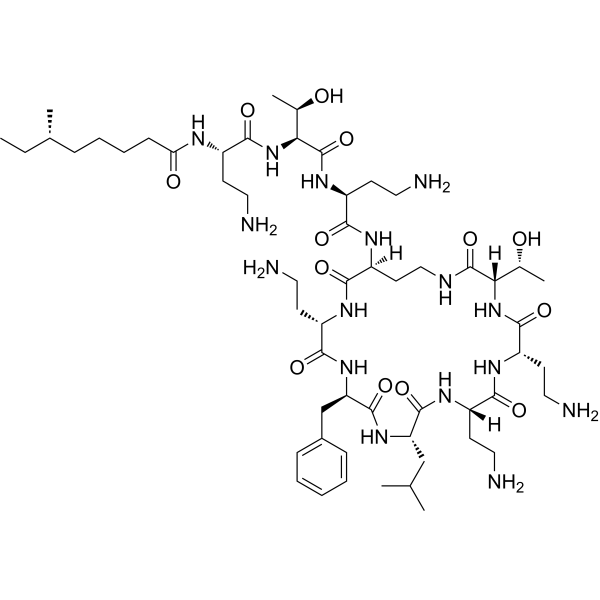
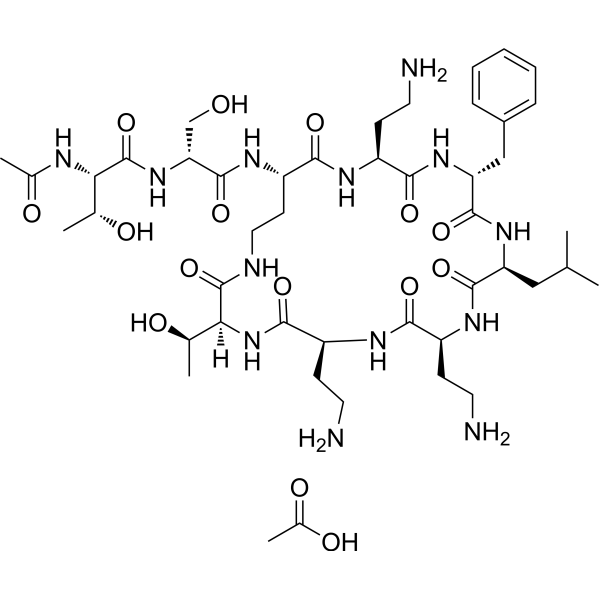
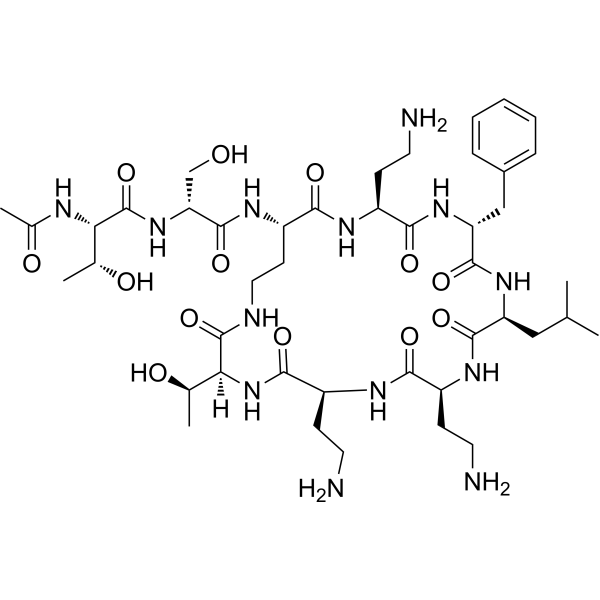
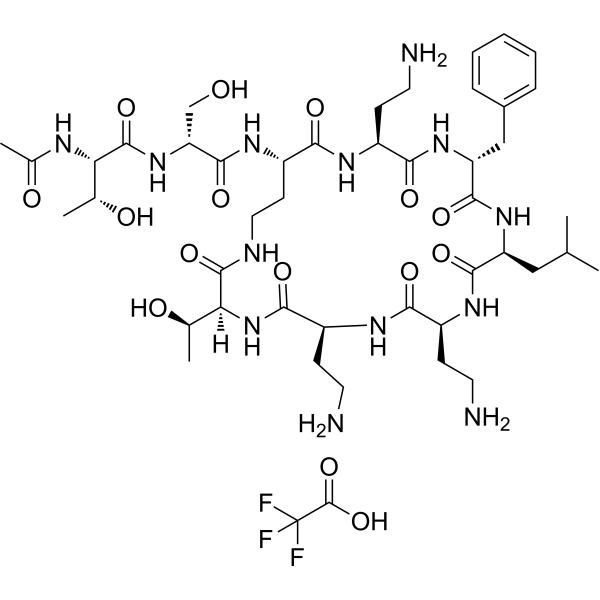
    Telomycin is a calcium-dependent antibiotic, which can be produced by Streptomyces. Telomycin inhibits gram-positive bacteria, including multidrug-resistant (MDR) pathogens .
    Telomycin
  • HY-B2170

    Bacterial Infection
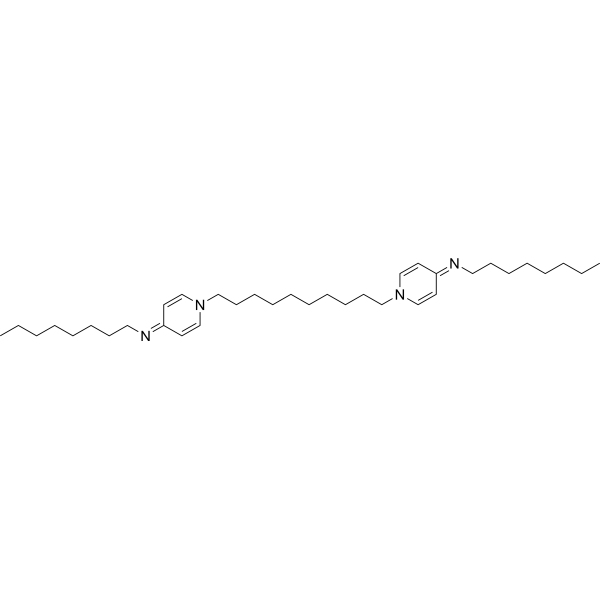
    Octenidine is a potent antibacterial agent, possessing activity against multidrug-resistant Gram-negative pathogens. Octenidine can inhibit the expression of biofilm genes and destroy the formation of biofilms .
    Octenidine
  • HY-129279

    Farnesyl Transferase Cancer
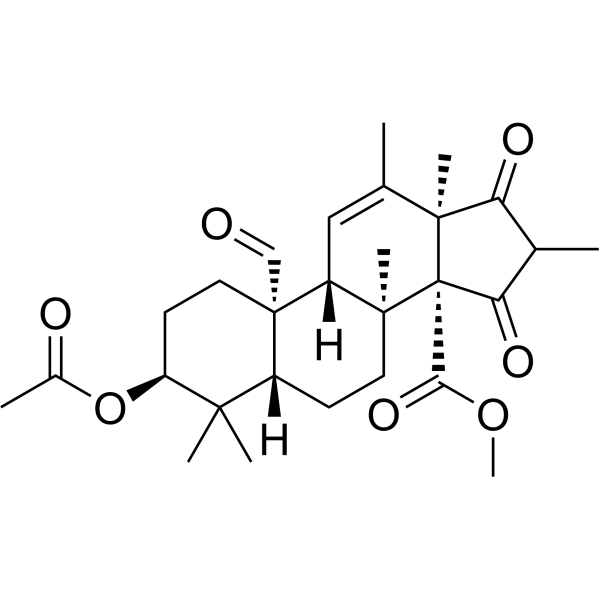
    Andrastin A meroterpenoid compound, is a farnesyltransferase inhibitor. Andrastin A inhibits the efflux of anticancer compounds from multidrug-resistant cancer cells. Andrastin A can be isolated from Penicillium species .
    Andrastin A
  • HY-120924

    Dihydroorotate Dehydrogenase DNA/RNA Synthesis Parasite Infection
    BRD9185 is a Dihydroorotate dehydrogenase (DHODH) inhibitor, with an EC50 of 16 nM against multidrug-resistant blood-stage parasites in vitro and is curative after just three doses in a P. berghei mouse model .
    BRD9185
  • HY-12479

    GSK-2251052; AN 3365

    Bacterial Aminoacyl-tRNA Synthetase Infection
    Epetraborole (GSK2251052) is a leucyl-tRNA synthetase (LeuRS) inhibitor (IC50=0.31 μM), thereby inhibiting protein synthesis. Epetraborole can be used in multidrug-resistant gram-negative pathogens infection research .
    Epetraborole
  • HY-N2906

    Atalantoflavone

    Parasite Cancer
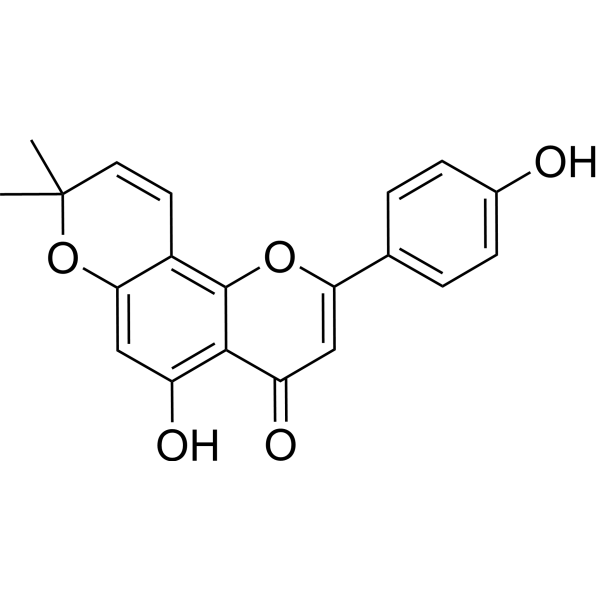
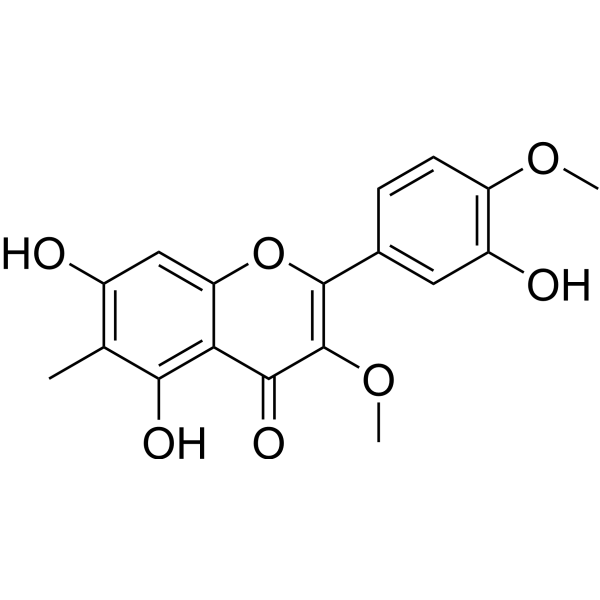
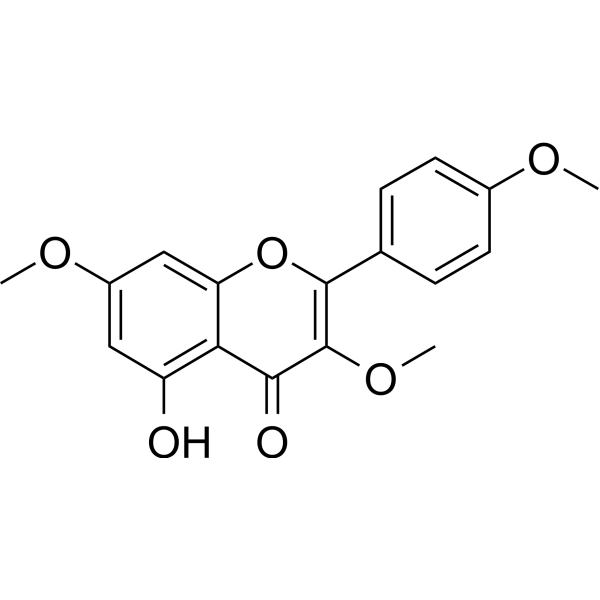
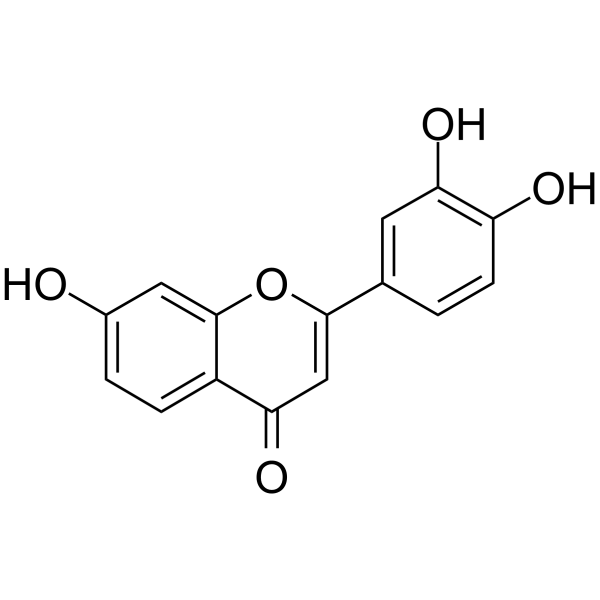
    Limonianin (Atalantoflavone) is a flavone, that can be isolated from Erythrina sigmoidea and the root bark of Citrus limonia. Limonianin presents inhibitory effect against P. gingivalis. Limonianin shows cytotoxic activity against multidrug-resistant (MDR) cancer cell lines .
    Limonianin
  • HY-105510

    Topoisomerase DNA/RNA Synthesis Cancer
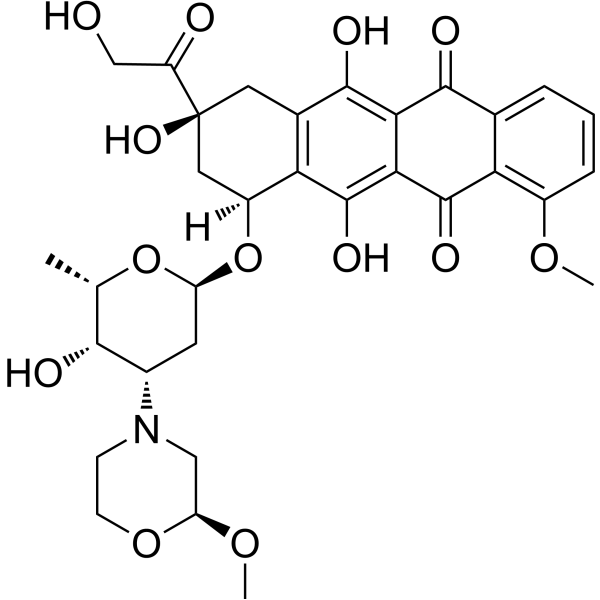
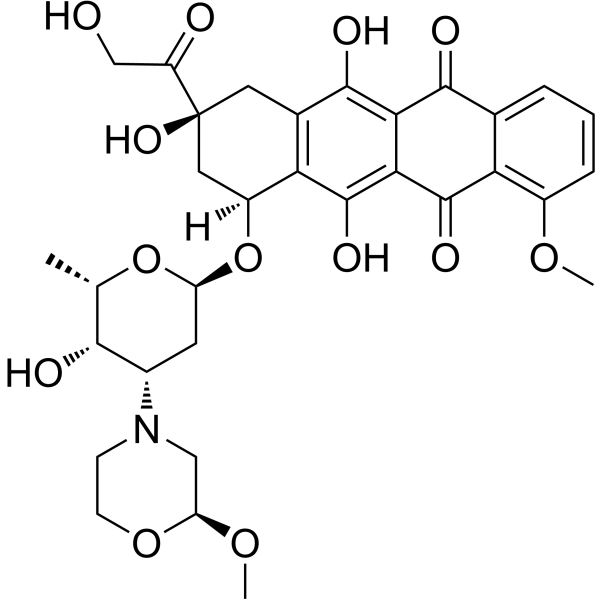
    Hydroxyrubicin is an antitumor agent. Hydroxyrubicin can induce topoisomerase II-mediated DNA cleavage. Hydroxyrubicin induces DNA unwinding. Hydroxyrubicin has a significant inhibitory effect on tumor cells. Hydroxyrubicin can be used for the study of Multidrug-resistant (MDR) leukemia .
    Hydroxyrubicin
  • HY-137433A

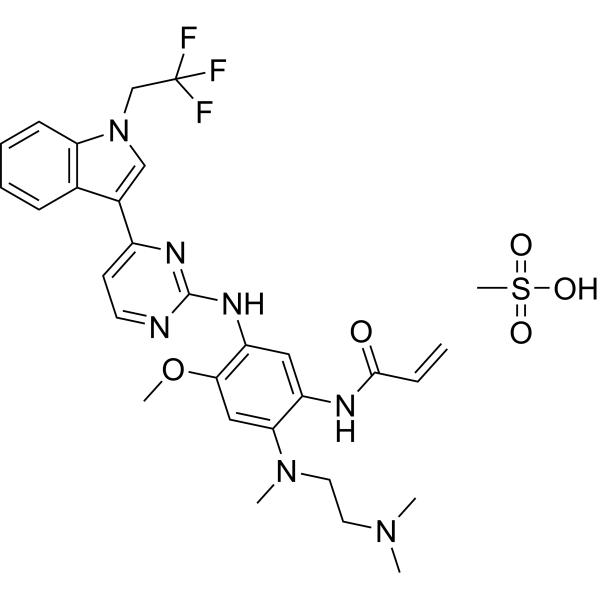
    D-0316 mesylate

    EGFR P-glycoprotein Apoptosis Inflammation/Immunology Cancer
    Befotertinib (D-0316) mesylate is an orally active EGFR inhibitor and ABCB1 inhibitor. Befotertinib mesylate selectively targets EGFR mutations including EGFR T790M, EGFR L858R and delE746-A750, forms covalent bonds with EGFR C797, inhibits oncogenic signaling pathways, and exerts antiproliferative effects. Befotertinib mesylate inhibits ABCB1-mediated drug efflux, activates the ATPase activity of ABCB1, acts as a chemosensitizer and apoptosis enhancer, and restores the sensitivity of multidrug-resistant cancer cells. Befotertinib mesylate can be used in research related to multidrug-resistant cancers and non-small cell lung cancer .
    Befotertinib mesylate

Inquiry Online

Your information is safe with us. * Required Fields.

Salutation


Country or Region *

Applicant Name *


Organization Name *

Department *


Email Address *


Product Name *

Cat. No.


Requested quantity *

Phone Number *


Remarks

Inquiry Online

Inquiry Information

Product Name:
Cat. No.:
Quantity:
MCE Japan Authorized Agent: