



BRD9185
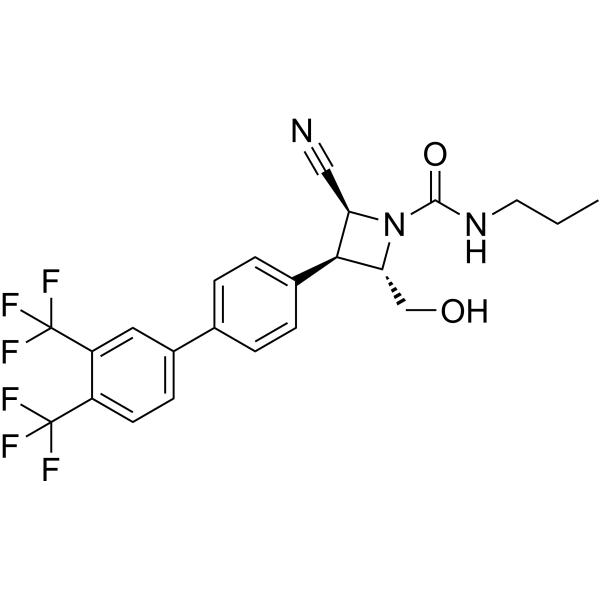
BRD9185 is a Dihydroorotate dehydrogenase (DHODH) inhibitor, with an EC50 of 16 nM against multidrug-resistant blood-stage parasites in vitro and is curative after just three doses in a P. berghei mouse model.
Nos produits utilisent uniquement pour la recherche. Nous ne vendons pas aux patients.
- CAS No.: 2057420-29-6
- Formule: C23H21F6N3O2
- Masse moléculaire:485.42
-
Stockage:
Please store the product under the recommended conditions in the Certificate of Analysis.

To place orders, for customer services and technical support, please contact: MedChemExpress USA
Tel: 609-228-6898 E-mail: [email protected] [email protected]


-
 Activité biologique
-
Chemical Information
- Protocole
- Pureté et documentation
- Références
-
 Help & FAQs


-
HY-112645
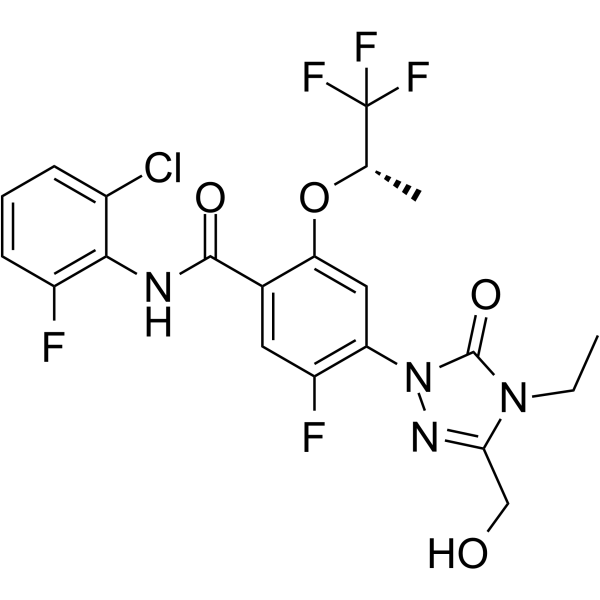
BAY-2402234DHODH Inhibitor -
HY-129239
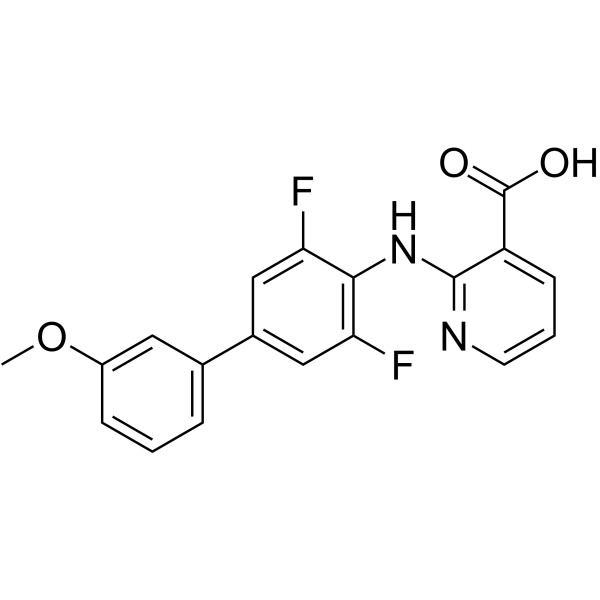
FarudodstatDHODH Inhibitor -
HY-100688
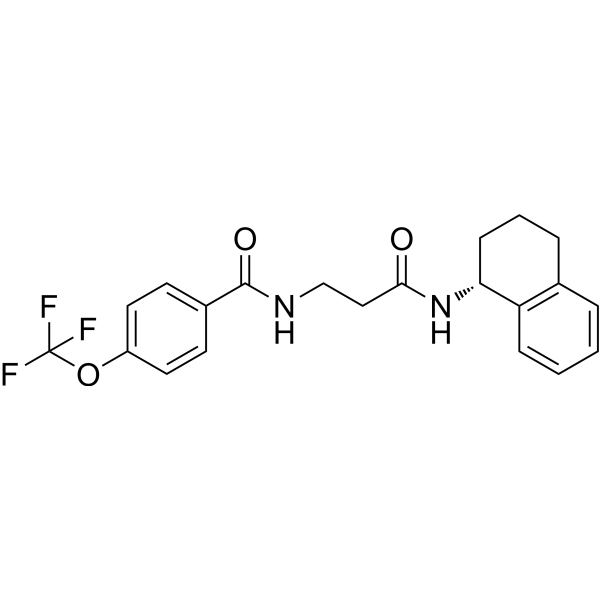
ML390DHODH Inhibitor -

HY-100688R
ML390 (Standard)DHODH Inhibitor -
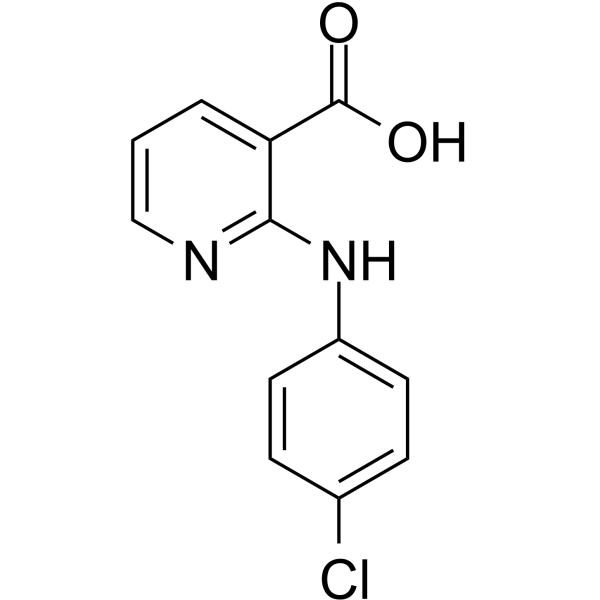
HY-128068
DHODH-IN-17DHODH Inhibitor -
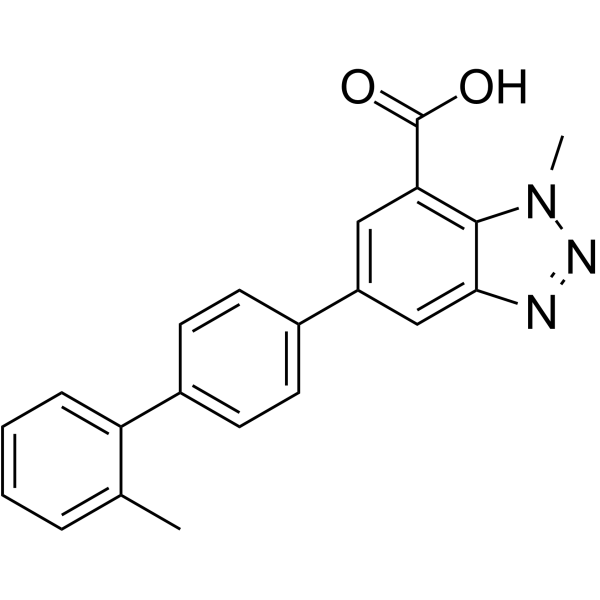
HY-137463
AG-636DHODH Inhibitor -
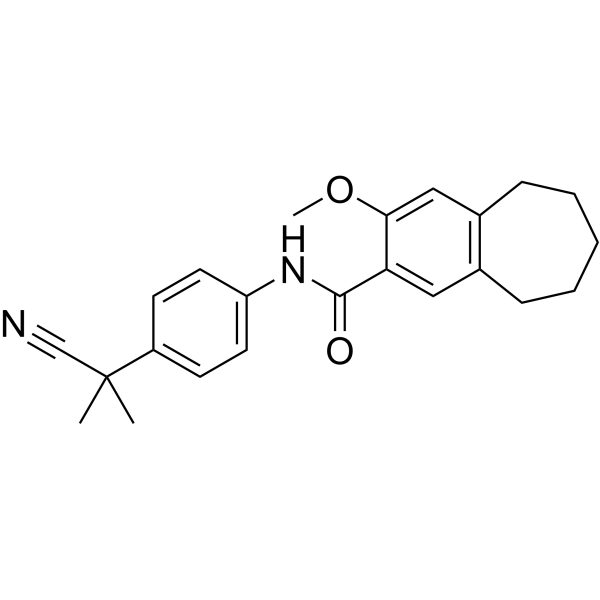
HY-132174
CHIKV-IN-2CHIKV Inhibitor -
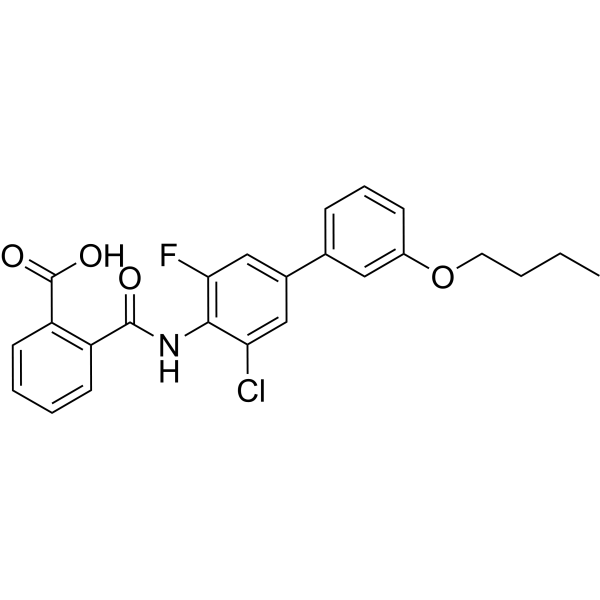
HY-153112
DHODH-IN-23DHODH Inhibitor -
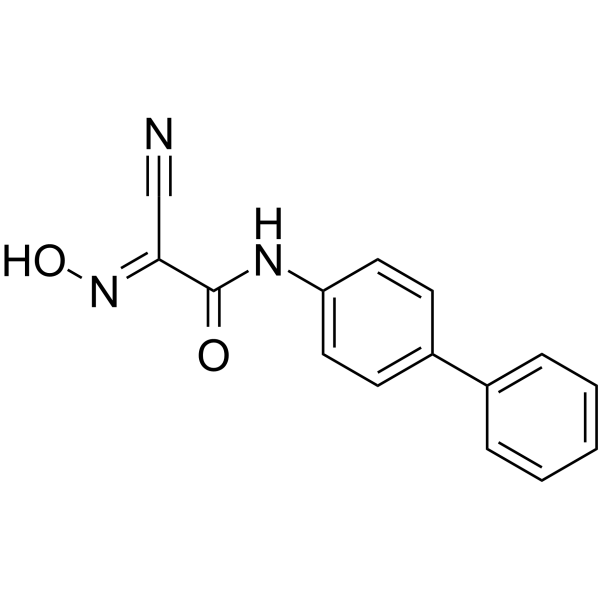
HY-135675
DHODH-IN-11Rat DHODH Inhibitor -
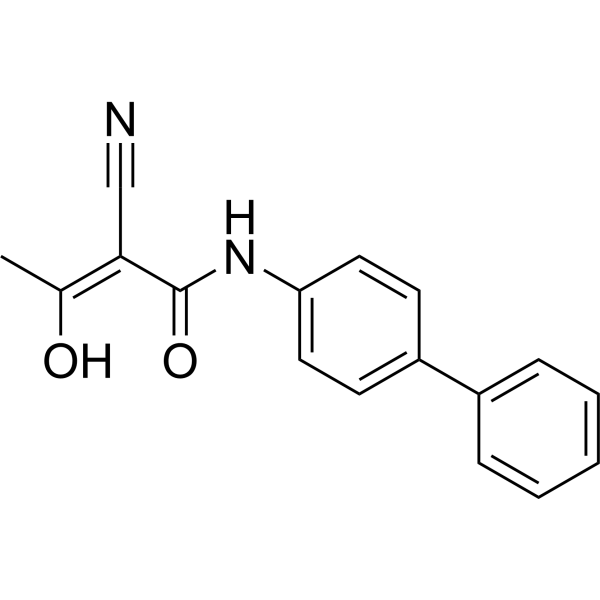
HY-135658
hDHODH-IN-1hDHODH Inhibitor -
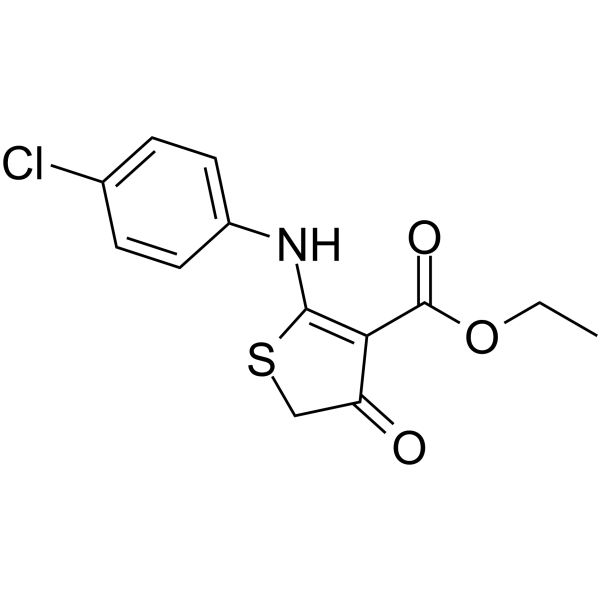
HY-W078844
PfDHODH-IN-2PfDHODH Inhibitor
Voir tous les produits spécifiques à Isoform DNA/RNA Synthesis
MoreVoir tous les produits spécifiques à Isoform Parasite
More

Activité biologique
Description
IC50 & Target
EC50: 16 nM (DHODH in vitro)[1].


Chemical Information
-
CAS No. 2057420-29-6
-
Masse moléculaire 485.42
-
Formule C23H21F6N3O2
-
SMILES
O=C(N1[C@@H]([C@H]([C@H]1C#N)C2=CC=C(C3=CC=C(C(C(F)(F)F)=C3)C(F)(F)F)C=C2)CO)NCCC
-
Livraison
Room temperature in continental US; may vary elsewhere.
-
Stockage
Please store the product under the recommended conditions in the Certificate of Analysis.

Protocole
-
How to Choose the Right Model Animal
Choosing the right model animal is a validity-driven decision in which the species, strain, sex, age, genetic background, disease-induction method, outcome measures, and welfare burden must match the scientific question rather than laboratory tradition or convenience. A model should be selected by judging face validity, construct validity, and predictive validity: whether it resembles the human phenotype, whether it reproduces relevant mechanisms, and whether results are likely to predict human biology or treatment response. Animal studies often fail to translate because of species differences, weak disease resemblance, poor experimental design, inadequate reporting, publication bias, and underuse of randomization, blinding, and sample-size justification. Unresolved questions include how to rank competing models objectively, how much human-disease complexity must be reproduced for a given objective, and when non-animal systems such as organoids, ex vivo tissue, or computational models


Pureté et documentation
Références

Calculators
Concentration (start) × Volume (start) = Concentration (final) × Volume (final)


BRD9185 Related Classifications
HY-120924 Related Classifications
 Powered by Bioz