


Search Result
Results for "
long acting
" in MedChemExpress (MCE) Product Catalog:
3
Biochemical Assay Reagents
42
Isotope-Labeled Compounds
| Cat. No. |
Product Name |
Target |
Research Areas |
Chemical Structure |
-
- HY-17365
-
-
-
- HY-136278
-
|
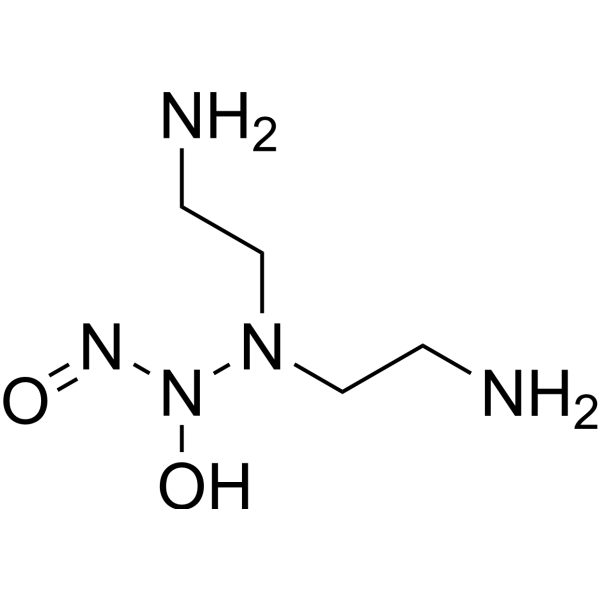
Diethylamine NONOate; NOC-18
|
NO Synthase
|
Cardiovascular Disease
|
|
DETA NONOate (NOC 18) is an exogenous nitric oxide (NO) donor. DETA NONOate shows a slow release normal amounts of NO and long-acting .
|
-
-
- HY-B0104
-
-
-
- HY-13443A
-
-
-
- HY-13443
-
-
-
- HY-17404
-
|
FRC-8653
|
Calcium Channel
|
Cardiovascular Disease
|
|
Cilnidipine is a long-acting, second-generation dihydropyridine Ca 2+-channel blocker on L and N-type Ca 2+ channel . Antihypertensive effects .
|
-
-
- HY-B0439
-
|
Sulphadoxine
|
Parasite
HIV
Antibiotic
Endogenous Metabolite
|
Infection
|
|
Sulfadoxine(Sulphadoxine) is a long acting sulfonamide that is used, usually in combination with other agents, for respiratory, urinary tract and malarial infections. Sulfadoxine inhibits HIV replication in peripheral blood mononuclear cells.
|
-
-
- HY-A0250
-
-
-
- HY-P11285A
-
|
long acting GIPRA-1 TFA
|
Insulin Receptor
|
Metabolic Disease
|
|
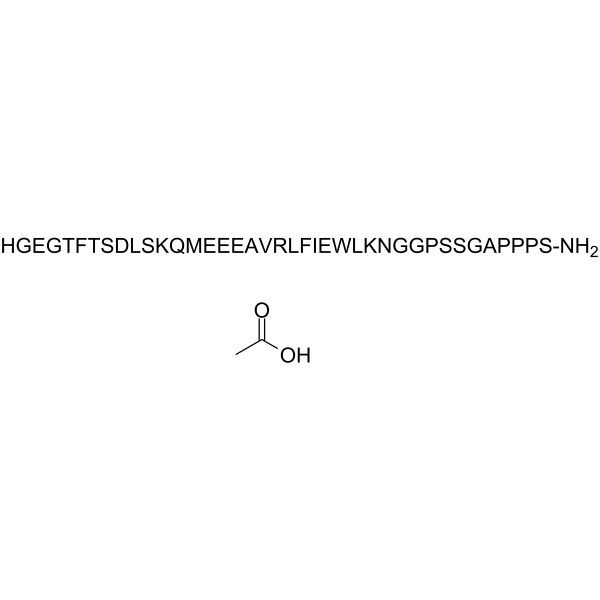
LAGIPRA peptide TFA is a long-acting GIP1R agonist. LAGIPRA peptide TFA enhances insulin sensitivity by augmenting glucose disposal and reduces branched-chain amino acids (BCAAs) and ketoacids. LAGIPRA peptide TFA has the potential for the research of type 2 diabetes .
|
-
-
- HY-A0071
-
-
-
- HY-B2168
-
-
-
- HY-A0145
-
|
|
VD/VDR
|
Others
Cancer
|
|
Phenprocoumon is a coumarin derivative that acts as a long acting oral anticoagulant and an antagonist of vitamin K.
|
-
-
- HY-U00103
-
-
-
- HY-106541
-
|
|
Fungal
|
Infection
Cancer
|
|
Neticonazole is an imidazole derivative and a potent and long-acting antifungal agent. Neticonazole has anti-infection and anti-cancer effects .
|
-
-
- HY-P99850
-
-
-
- HY-B1655
-
|
R 6218; Redeptin
|
Calcium Channel
|
Neurological Disease
|
|
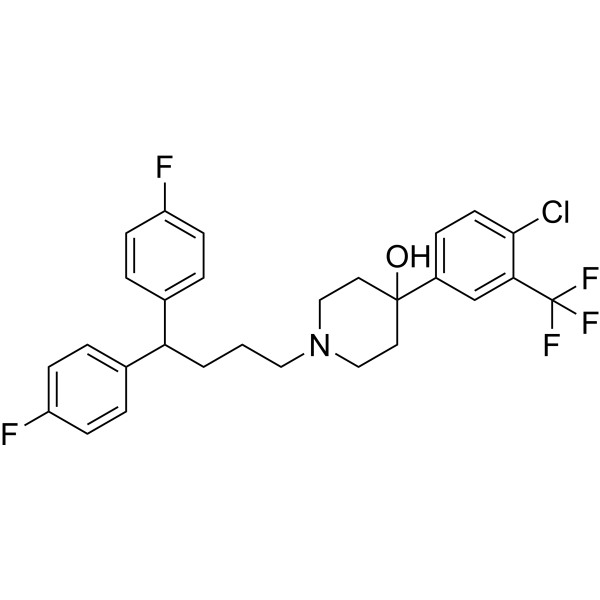
Fluspirilene is a non-competitive antagonist of L-type calcium channels with an IC50 of 0.03 μM. Fluspirileneis a long-acting injectable depot antipsychotic agent used for schizophrenia.
|
-
-
- HY-B1904
-
|
|
Dopamine Receptor
|
Neurological Disease
|
|
Fluphenazine decanoate is a CNS-penetrant dopamine D2 receptor inhibitor, is a long-acting phenothiazine neuroleptic. Fluphenazine can be used for schizophrenia research .
|
-
-
- HY-P11285
-
|
long acting GIPRA-1
|
Insulin Receptor
|
Metabolic Disease
|
|
LAGIPRA peptide is a long-acting GIP1R agonist. LAGIPRA peptide enhances insulin sensitivity by augmenting glucose disposal and reduces branched-chain amino acids (BCAAs) and ketoacids. LAGIPRA peptide has the potential for the research of type 2 diabetes .
|
-
-
- HY-17501A
-
|
(±)-Bambuterol hydrochloride; KWD-2183 hydrochloride
|
Adrenergic Receptor
|
Endocrinology
|
|
Bambuterol hydrochloride ((±)-Bambuterol hydrochloride; KWD-2183 hydrochloride) is a long acting beta-adrenoceptor agonist (LABA) used in the treatment of asthma; it also is a proagent of terbutaline.
|
-
-
- HY-128365
-
|
|
Fungal
|
Infection
Cancer
|
|
Neticonazole hydrochloride is an imidazole derivative and a potent and long-acting antifungal agent. Neticonazole hydrochloride has anti-infection and anti-cancer effects .
|
-
-
- HY-145786
-
|
|
Cytochrome P450
|
Cancer
|
|
Abiraterone decanoate is a potent Abiraterone proagent. Abiraterone decanoate provide a controlled release of Abiraterone and long-acting CYP17 inhibition with intramuscular (IM) delivery .
|
-
-
- HY-P0165
-
|
ITM077; R1583; BIM51077
|
GCGR
|
Metabolic Disease
|
|
Taspoglutide is a long-acting glucagon-like peptide 1 (GLP-1) receptor agonist developed for treatment of type 2 diabetes, with an EC50 value of 0.06 nM.
|
-
-
- HY-P0098
-
-
-
- HY-W224327A
-
|
β-Phenylisopropylhydrazine hydrochloride
|
Monoamine Oxidase
|
Neurological Disease
|
|
Pheniprazine hydrochloride is a potent and long acting inhibitor of monoamine oxidase. Pheniprazine has the potential for the research of depression .
|
-
-
- HY-19664
-
-
-
- HY-111144
-
|
AZD0548; LAS100977
|
Adrenergic Receptor
|
Inflammation/Immunology
|
|
Abediterol (LAS100977) is an inhaled long-acting β2-adrenoceptor agonist (LABA) and can be used for the research of asthma and chronic obstructive pulmonary disease (COPD) .
|
-
-
- HY-103416
-
|
|
Dopamine Receptor
|
Neurological Disease
|
|
A-77636 hydrochloride is a potent, orally active, selective and long acting dopamine D1 receptor agonist (pKi=7.40; Ki=39.8 nM) with antiparkinsonian activity. A-77636 hydrochloride is functionally inactive at dopamine D2 receptor .
|
-
-
- HY-108795
-
|
GLP-1-Gly8; GLP-1 (7-36) analog
|
GLP Receptor
|
Metabolic Disease
|
|
Albiglutide fragment (GLP-1 (7-36) analog) is an active fragment of Albiglutide (7-36) and a glucagon-like peptide-1 (GLP-1) analog (a long-acting GLP-1 receptor agonist). Albiglutide is produced by the fusion of DPP-4 resistant GLP-1 dimer with the human albumin gene. Moreover, Albiglutide fragment significantly reduces glycosylated hemoglobin (A1C) and is used in type 2 diabetes (T2D) studies .
|
-
-
- HY-119447
-
|
|
COX
|
Inflammation/Immunology
|
|
Mavacoxib is a selective, oral long-acting cyclooxygenase-2 (COX-2) inhibitor and a long-acting non-steroidal anti-inflammatory drug (NSAID). Mavacoxib is used to treat pain and inflammation associated with degenerative joint disease in dogs .
|
-
-
- HY-B0917
-
-
-
- HY-P99924
-
|
|
GHR
|
Others
|
|
Efpegsomatropin is a long-acting human growth hormone-Fc conjugate. Efpegsomatropin is applicable for biochemical research .
|
-
-
- HY-U00131
-
|
N 3517; Sulfabromomethazine
|
Bacterial
|
Infection
|
|
Sulfabrom (N 3517; Sulfabromomethazine) is a long-acting Sulfonamide that is used for the treatment of coccidiosis and various bacterial infections in the poultry, swine and cattle.
|
-
-
- HY-121650A
-
|
|
Dopamine Receptor
|
Neurological Disease
|
|
ADTN hydrobromide is a long-acting dopamine agonist. ADTN hydrobromide significantly decreases the behavioral visual threshold of DA-IPC-depleted zebrafish .
|
-
-
- HY-B1667
-
|
|
mAChR
|
Metabolic Disease
|
|
Isopropamide iodide is a long-acting quaternary anticholinergic agent. Isopropamide iodide is used in peptic ulcer and other gastrointestinal disorders marked by hyperacidity and hypermotility .
|
-
-
- HY-B0104R
-
|
Glimperide (Standard); HOE-490 (Standard)
|
Amyloid-β
Reference Standards
|
Metabolic Disease
|
|
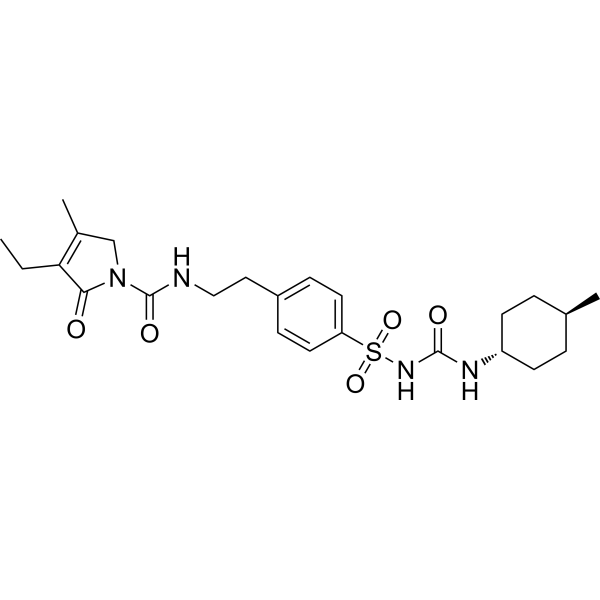
Glimepiride (Standard) is the analytical standard of Glimepiride. This product is intended for research and analytical applications. Glimepiride (Glimperide) is a medium-to-long acting sulfonylurea anti-diabetic compound with an ED50 of 182 μg/kg.
|
-
-
- HY-B2168R
-
-
-
- HY-169342
-
-
-
- HY-B0010S
-
-
-
- HY-U00044
-
-
-
- HY-159637
-
|
NVP-IWY357
|
Parasite
|
Infection
|
|
IWY357 is a long-acting, blood-stage inhibitor of Plasmodium falciparum .
|
-
-
- HY-P3953
-
-
-
- HY-B1904A
-
|
|
Dopamine Receptor
|
Neurological Disease
|
|
Fluphenazine decanoate dihydrochloride is a CNS-penetrant dopamine D2 receptor inhibitor, is a long-acting phenothiazine neuroleptic. Fluphenazine can be used for schizophrenia research .
|
-
-
- HY-17501S
-
|
(±)-Bambuterol-d9 hydrochloride; KWD-2183-d9 hydrochloride
|
Adrenergic Receptor
|
Endocrinology
|
|
Bambuterol-d9 (hydrochloride) is the deuterium labeled Bambuterol. Bambuterol ((±)-Bambuterol) hydrochloride is a long acting beta-adrenoceptor agonist (LABA) used in the treatment of asthma; it also is a prodrug of terbutaline.
|
-
-
- HY-P4407
-
-
-
- HY-14298
-
|
GSK-159797C
|
Adrenergic Receptor
|
Endocrinology
|
|
Milveterol hydrochloride is a long-acting β2-adrenergic receptor agonist. Milveterol hydrochloride can be used in study asthma and chronic obstructive pulmonary disease (COPD) .
|
-
-
- HY-119447S
-
|
|
Isotope-Labeled Compounds
COX
|
Inflammation/Immunology
|
|
Mavacoxib-d4 is the deuterium labeled Mavacoxib. Mavacoxib is a selective, oral long-acting cyclooxygenase-2 (COX-2) inhibitor and a long-acting non-steroidal anti-inflammatory drug (NSAID). Mavacoxib is used to treat pain and inflammation associated with degenerative joint disease in dogs .
|
-
-
- HY-153782
-
|
|
HIV
|
Infection
|
|
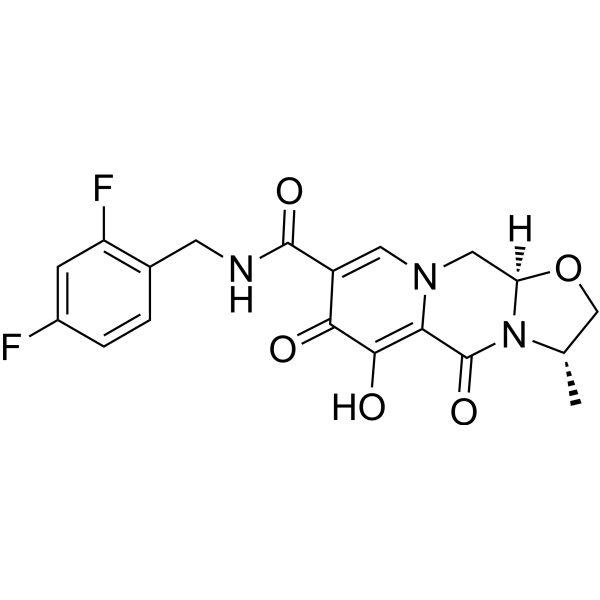
GSK878 is a highly potent, long-acting HIV-1 inhibitor with the EC50 of 39 pM .
|
-
-
- HY-A0229
-
|
GR 138950
|
Angiotensin Receptor
|
Others
|
|
Saprisartan (GR 138950) is a selective, long-acting AT1 receptor antagonist with low receptor dissociation kinetics.
|
-
-
- HY-B1485
-
|
|
Opioid Receptor
|
Neurological Disease
|
|
Nalmefene hydrochloride is a long acting opioid (MOR and DOR antagonist), and a partial KOR agonist. Nalmefene hydrochloride is used for opioid overdose and alcohol dependence .
|
-
-
- HY-17501
-
|
(±)-Bambuterol; KWD-2183
|
Adrenergic Receptor
|
Endocrinology
|
|
Bambuterol ((±)-Bambuterol; KWD-2183) is a long acting beta-adrenoceptor agonist (LABA) used in the treatment of asthma; it also is a proagent of terbutaline.
|
-
- HY-16183
-
|
Echothiophate iodide
|
Cholinesterase (ChE)
|
Neurological Disease
|
|
Echothiopate iodide is a potent hBChE (human butyrylcholinesterase) inhibitor. Echothiopate iodide is a long-acting anticholinesterase agent. Echothiopate iodide can be used for glaucoma research .
|
-
- HY-167084A
-
|
|
mAChR
|
Inflammation/Immunology
|
|
ASP9133 is a long-acting muscarinic antagonist. ASP9133 inhibits bronchoconstriction. ASP9133 can be used for research of Chronic obstructive pulmonary disease (COPD) [1]/ .
|
-
- HY-13443F
-
|
Lys27(Biotin)-Exendin 4
|
GCGR
|
Others
|
|
Exendin 4, biotin labeled is a biotin labeled Exendin 4 (HY-13443). Exendin 4 is a long-acting GLP-1 receptor agonist .
|
-
- HY-100640
-
|
|
Phosphodiesterase (PDE)
|
Inflammation/Immunology
|
|
Roflumilast Impurity E is the impurity of Roflumilast. Roflumilast(Daliresp) is a agent which acts as a selective and long-acting inhibitor of the enzyme PDE-4 with an IC50 value of 0.8 nM.
|
-
- HY-109060
-
|
ZYDPLA1
|
Dipeptidyl Peptidase
|
Metabolic Disease
|
|
Garvagliptin (ZYDPLA1) is an orally active, competitive and long acting DPP4 Inhibitor, with an IC50 of 2.99 nM against human recombinant DPP IV. Garvagliptin (ZYDPLA1) exhibits antihyperglycemic effect .
|
-
- HY-108795A
-
|
GLP-1-Gly8 TFA; GLP-1 (7-36) analog TFA
|
GLP Receptor
|
Metabolic Disease
|
|
Albiglutide fragment (GLP-1 (7-36) analog) TFA is an active fragment of Albiglutide (7-36) and a glucagon-like peptide-1 (GLP-1) analog (a long-acting GLP-1 receptor agonist). Albiglutide is produced by the fusion of DPP-4 resistant GLP-1 dimer with the human albumin gene. Moreover, Albiglutide fragment TFA significantly reduces glycosylated hemoglobin (A1C) and is used in type 2 diabetes (T2D) studies .
|
-
- HY-129479
-
-
- HY-P990721
-
|
|
GHR
|
Endocrinology
|
|
Inpegsomatropin is a pegylated long-acting recombinant human growth hormone .
|
-
- HY-101759
-
-
- HY-U00018
-
-
- HY-A0229A
-
-
- HY-107947
-
|
|
Others
|
Neurological Disease
|
|
Fluphenazine enanthate is a long-acting injectable (LAI) antipsychotic for the treatment of schizophrenia .
|
-
- HY-139858
-
-
- HY-115896
-
|
|
Others
|
Neurological Disease
|
|
Zuclopenthixol decanoate is a long-acting agent for schizophrenia and other serious mental illnesses research .
|
-
- HY-119447R
-
|
|
COX
|
Inflammation/Immunology
|
|
Mavacoxib (Standard) is the analytical standard of Mavacoxib. This product is intended for research and analytical applications. Mavacoxib is a selective, oral long-acting cyclooxygenase-2 (COX-2) inhibitor and a long-acting non-steroidal anti-inflammatory drug (NSAID). Mavacoxib is used to treat pain and inflammation associated with degenerative joint disease in dogs .
|
-
- HY-W224327
-
|
β-Phenylisopropylhydrazine
|
Monoamine Oxidase
|
Neurological Disease
|
|
Pheniprazine is a potent and long acting inhibitor of monoamine oxidase. Pheniprazine has the potential for the research of depression .
|
-
- HY-B1377
-
|
|
Histone Methyltransferase
|
Infection
|
|
Acedapsone is a compound with antimalarial and antimicrobial activities. Acedapsone is mainly used as a long-acting leprosy inhibitor .
|
-
- HY-141862
-
|
|
Influenza Virus
|
Infection
|
|
Zanamivir–cholesterol conjugate is a long-acting neuraminidase inhibitor with potent efficacy against drug-resistant influenza viruses.
|
-
- HY-159686
-
|
|
Adrenergic Receptor
|
Inflammation/Immunology
Endocrinology
|
|
Aclidinium is a long-acting muscarinic antagonist and long-acting β2-adrenoceptor (β2-AR) agonist with bronchodilator activity. Aclidinium can reduce hyperinflation of the lungs and increase lung function and exercise endurance time. Aclidinium is used in research on chronic obstructive pulmonary disease (COPD) .
|
-
- HY-133007
-
|
|
Progesterone Receptor
|
Metabolic Disease
|
|
Algestone acetophenide is a progesterone drug. Algestone acetophenide can be used in combination with estrogen as a long-acting injectable contraceptive .
|
-
- HY-119921
-
-
- HY-A0071R
-
|
|
Reference Standards
Bacterial
Antibiotic
|
Infection
|
|
Tildipirosin (Standard) is the analytical standard of Tildipirosin. This product is intended for research and analytical applications. Tildipirosin, a long-acting macrolide, has antibiotic activity.
|
-
- HY-B1387S1
-
|
|
Isotope-Labeled Compounds
|
Infection
|
|
Sulfamethoxypyridazine-d3 is the deuterium-labeled Sulfamethoxypyridazine (HY-B1387) . Sulfamethoxypyridazine (Kynex) a long-acting dulfonamide .
|
-
- HY-171234
-
-
- HY-A0250R
-
-
- HY-B0104S
-
-
- HY-W742895
-
-
- HY-B0104S1
-
-
- HY-B2168S
-
-
- HY-14786
-
|
GSK233705
|
mAChR
|
Neurological Disease
Inflammation/Immunology
|
|
Darotropium bromide (GSK233705), a long-acting muscarinic antagonist and an inhaled anticholinergic, can be used for the research of chronic obstructive pulmonary disease (COPD) .
|
-
- HY-A0130S
-
-
- HY-A0145R
-
|
|
VD/VDR
Reference Standards
|
Others
Cancer
|
|
Phenprocoumon (Standard) is the analytical standard of Phenprocoumon. This product is intended for research and analytical applications. Phenprocoumon is a coumarin derivative that acts as a long acting oral anticoagulant and an antagonist of vitamin K.
|
-
- HY-111084
-
-
- HY-P4410
-
|
|
Drug Derivative
|
Metabolic Disease
|
|
(D-Asp28)-Exenatide is an Exenatide (HY-13443) impurity. Exenatide is a long-acting glucagon-like peptide-1 receptor agonist .
|
-
- HY-118910
-
-
- HY-A0145S
-
|
|
Isotope-Labeled Compounds
VD/VDR
|
Cancer
|
|
Phenprocoumon-d5 is the deuterium labeled Phenprocoumon (HY-A0145). Phenprocoumon is a coumarin derivative that acts as a long acting oral anticoagulant and an antagonist of vitamin K.
|
-
- HY-131579
-
|
|
Drug Metabolite
|
Inflammation/Immunology
|
|
Deschloro Cetirizine Dihydrochloride is a Cetirizine impurity. Cetirizine, a second-generation antihistamine and the carboxylated metabolite of hydroxyzine, is a specific, orally active and long-acting histamine H1-receptor antagonist.
|
-
- HY-14299B
-
|
|
Adrenergic Receptor
|
Others
|
|
(S)-Indacaterol is the S-enantiomer of Indacaterol (HY-14299). Indacaterol is an orally active ultra-long-acting β2 adrenergic receptor (ADRB2) agonist .
|
-
- HY-117024
-
|
AZD0548 napadisylate; LAS100977 napadisylate
|
Adrenergic Receptor
|
Inflammation/Immunology
|
|
Abediterol napadisylate is an inhaled long-acting β2-adrenoceptor agonist (LABA) and can be used for the research of asthma and chronic obstructive pulmonary disease (COPD) .
|
-
- HY-W699159
-
-
- HY-108908
-
-
- HY-U00103R
-
|
|
Glucocorticoid Receptor
Reference Standards
|
Inflammation/Immunology
|
|
Triamcinolone hexacetonide (Standard) is the analytical standard of Triamcinolone hexacetonide. This product is intended for research and analytical applications. Triamcinolone hexacetonide is a commonly used long-acting steroids in treatment of subacute and chronic inflammatory joint diseases.
|
-
- HY-B0104S3
-
|
Glimperide-d4-2; HOE-490-d4-2
|
Isotope-Labeled Compounds
Amyloid-β
|
Metabolic Disease
|
|
Glimepiride-d4-2 (GliAmperide-d4-2) is deuterium labeled Glimepiride. Glimepiride (Glimperide) is a medium-to-long acting sulfonylurea anti-diabetic compound with an ED50 of 182 μg/kg.
|
-
- HY-108795R
-
|
GLP-1-Gly8 (Standard); GLP-1 (7-36) analog (Standard)
|
Reference Standards
GLP Receptor
|
Metabolic Disease
|
|
Albiglutide fragment (Standard) is the analytical standard of Albiglutide fragment (HY-108795). This product is intended for research and analytical applications. Albiglutide fragment (GLP-1 (7-36) analog) is an active fragment of Albiglutide (7-36) and a glucagon-like peptide-1 (GLP-1) analog (a long-acting GLP-1 receptor agonist). Albiglutide is produced by the fusion of DPP-4 resistant GLP-1 dimer with the human albumin gene. Moreover, Albiglutide fragment significantly reduces glycosylated hemoglobin (A1C) and is used in type 2 diabetes (T2D) studies .
|
-
- HY-181025
-
-
- HY-19871
-
-
- HY-105646A
-
|
Carbocromen hydrochloride
|
Biochemical Assay Reagents
|
Cardiovascular Disease
|
|
Chromonar hydrochloride (Carbocromen hydrochloride) is an orally active, selective long-acting coronary vasodilator. Chromonar hydrochloride increases coronary blood flow. Chromonar hydrochloride is used for the research of angina pectoris .
|
-
- HY-120403A
-
|
|
Calcium Channel
|
Neurological Disease
|
|
Pramiverine hydrochloride is a long-acting anticholinergic agent. Pramiverine hydrochloride exerts a tonic inhibitory effect on esophageal peristalsis during swallowing. Pramiverine hydrochloride can be used for research on gastrointestinal spasms .
|
-
- HY-W700598
-
|
|
Dopamine Receptor
|
Neurological Disease
|
|
Pipotiazine palmitate is a dopamine receptor antagonist. Pipotiazine palmitate is a long-acting phenothiazine antipsychotic agent that can be administered by intramuscular injection. Pipotiazine palmitate can be used in the research of mental illnesses such as schizophrenia .
|
-
- HY-137909
-
-
- HY-109062
-
|
BGS-649
|
Cytochrome P450
|
Others
|
|
CGP 47645 is a long-acting nonsteroidal aromatase inhibitor. CGP 47645 can significantly affect testicular function. CGP 47645 can be used to study the physiological role of estrogen in regulating testicular function .
|
-
- HY-P3366
-
|
XW003
|
GCGR
|
Metabolic Disease
|
|
Ecnoglutide (XW003) is a long-acting, cAMP-biased glucagon-like peptide 1 (GLP-1) receptor agonist. Ecnoglutide can be used for research of T2DM and obesity .
|
-
- HY-14296
-
-
- HY-14144
-
|
LAS 34273; LAS-W 330
|
mAChR
|
Inflammation/Immunology
|
|
Aclidinium Bromide (LAS 34273; LAS-W 330) is a long-acting, inhaled muscarinic antagonist. Aclidinium Bromide has the potential for chronic obstructive pulmonary disease (COPD) research .
|
-
- HY-113692
-
|
|
mAChR
|
Others
|
|
AZD-9164 (bromide) is a long-acting muscarinic M3 antagonist. AZD-9164 (bromide) is promising for research of airways diseases, such as chronic obstructive pulmonary disease (COPD) or asthma .
|
-
- HY-131256A
-
|
|
Histamine Receptor
|
Inflammation/Immunology
Endocrinology
|
|
Cetirizine Impurity C dihydrochloride is an impurity of Cetirizine. Cetirizine, a second-generation antihistamine and the carboxylated metabolite of hydroxyzine, is a specific, orally active and long-acting histamine H1-receptor antagonist [1] [2] .
|
-
- HY-131256
-
|
|
Histamine Receptor
|
Inflammation/Immunology
Endocrinology
|
|
Cetirizine Impurity C is an impurity of Cetirizine. Cetirizine, a second-generation antihistamine and the carboxylated metabolite of hydroxyzine, is a specific, orally active and long-acting histamine H1-receptor antagonist [1] [2] .
|
-
- HY-U00112
-
|
BLE 00084; E2MATE; ES-J 995
|
Steroid Sulfatase
|
Cancer
|
|
Estradiol 3-sulfamate (BLE 00084; E2MATE; ES-J 995) is a potent, long-acting, and orally active steroid sulfatase inhibitor; inhibits estrone sulfatase with an IC50 of 251 nM and a Ki of 133 nM.
|
-
- HY-133056R
-
|
|
Reference Standards
Antibiotic
Bacterial
|
Infection
|
|
Algestone acetophenide (Standard) is the analytical standard of Algestone acetophenide. This product is intended for research and analytical applications. Algestone acetophenide is a progesterone drug. Algestone acetophenide can be used in combination with estrogen as a long-acting injectable contraceptive .
|
-
- HY-12966
-
|
|
Histamine Receptor
|
Inflammation/Immunology
Endocrinology
|
|
Cetirizine methyl ester is an impurity of Cetirizine (HY-17042). Cetirizine, a second-generation antihistamine and the carboxylated metabolite of hydroxyzine, is a specific, orally active and long-acting histamine H1-receptor antagonist .
|
-
- HY-133668R
-
|
|
Drug Metabolite
Reference Standards
|
Cancer
|
|
Sulfamonomethoxine (sodium) (Standard) is the analytical standard of Sulfamonomethoxine (sodium). This product is intended for research and analytical applications. Sulfamonomethoxine sodium is a long acting sulfonamide antibacterial agent, used in blood kinetic studies,and blocks the synthesis of folic acid by inhibiting synthetase of dihydropteroate .
|
-
- HY-107744R
-
-
- HY-159640
-
|
|
Parasite
|
Infection
|
|
NVP-FVP954 is a fast-acting antimalarial agent with potential for severe malaria. FVP954 has a high barrier to resistance, long half-life, and high solubility, making it suitable for intravenous administration .
|
-
- HY-19664R
-
|
OPC-13340 (Standard)
|
Calcium Channel
Reference Standards
|
Cardiovascular Disease
|
|
Pranidipine (Standard) is the analytical standard of Pranidipine. This product is intended for research and analytical applications. Pranidipine (OPC-13340) is a potent, long acting 1,4-dihydropyridine calcium channel blocker with antihypertensive activity .
|
-
- HY-W097570R
-
|
|
Bacterial
Antibiotic
Reference Standards
|
Infection
|
|
Sulfamonomethoxine (sodium) (Standard) is the analytical standard of Sulfamonomethoxine (sodium). This product is intended for research and analytical applications. Sulfamonomethoxine sodium is a long acting sulfonamide antibacterial agent, used in blood kinetic studies,and blocks the synthesis of folic acid by inhibiting synthetase of dihydropteroate .
|
-
- HY-116638
-
|
|
Lipoxygenase
|
Endocrinology
|
|
AHR-5333 is a selective human blood neutrophil 5-lipoxygenase inhibitor. AHR-5333 exhibits potent, long-acting activity in rat and guinea pig in vivo models of immediate hypersensitivity .
|
-
- HY-133007R
-
|
|
Progesterone Receptor
Reference Standards
|
Metabolic Disease
|
|
Algestone acetophenide (Standard) is the analytical standard of Algestone acetophenide. This product is intended for research and analytical applications. Algestone acetophenide is a progesterone drug. Algestone acetophenide can be used in combination with estrogen as a long-acting injectable contraceptive .
|
-
- HY-15852
-
|
|
Drug Metabolite
|
Others
|
|
THRX-195518 is the major metabolite of Revefenacin (HY-15851), a lung-selective and long-acting muscarinic antagonist. THRX-195518 can be utilized in research related to chronic obstructive pulmonary disease .
|
-
- HY-106541R
-
|
|
Reference Standards
Fungal
|
Infection
Cancer
|
|
Neticonazole (Standard) is the analytical standard of Neticonazole. This product is intended for research and analytical applications. Neticonazole is an imidazole derivative and a potent and long-acting antifungal agent. Neticonazole has anti-infection and anti-cancer effects .
|
-
- HY-B0743A
-
|
|
nAChR
|
Neurological Disease
|
|
Pipecuronium bromide is a potent long-acting nondepolarizing steroidal neuromuscular blocking agent (NMBA), and a bisquaternary ammonium compound. Pipecuronium bromide is a powerful competitive nAChR antagonist with a Kd of 3.06 μM .
|
-
- HY-P10032
-
-
- HY-B0213
-
|
Sulfametoxydiazine; 5-Methoxysulfadiazine; NSC 683528
|
Antibiotic
Bacterial
|
Infection
|
|
Sulfameter (Sulfametoxydiazine) is an orally active long-acting sulfonamide antibiotic. Sulfameter is active against both Gram-positive and Gram-negative bacteria. Sulfameter can be used for the research of diseases such as respiratory and urinary tract infections .
|
-
- HY-17501AR
-
|
(±)-Bambuterol hydrochloride (Standard); KWD-2183 hydrochloride (Standard)
|
Reference Standards
Adrenergic Receptor
|
Endocrinology
|
|
Bambuterol hydrochloride (Standard) is the analytical standard of Bambuterol hydrochloride. This product is intended for research and analytical applications. Bambuterol hydrochloride ((±)-Bambuterol hydrochloride; KWD-2183 hydrochloride) is a long acting beta-adrenoceptor agonist (LABA) used in the treatment of asthma; it also is a proagent of terbutaline.
|
-
- HY-108582
-
|
|
Potassium Channel
|
Cardiovascular Disease
|
|
Y-27152, a proagent of the KATP (Kir6) channel opener Y-26763, is a long-acting K+ channel opener with less tachycardia: antihypertensive effects in hypertensive rats and dogs in conscious state .
|
-
- HY-101314
-
|
Tropine 4-chlorobenzhydryl ether hydrochloride
|
Dopamine Transporter
|
Neurological Disease
|
|
3-CPMT (Tropine 4-chlorobenzhydryl ether hydrochloride) is a potent dopamine uptake inhibitor . 3-CPMT (Tropine 4-chlorobenzhydryl ether hydrochloride) acts as a potent long-acting antihistaminic agent .
|
-
- HY-119683A
-
|
|
Fungal
Apoptosis
|
Infection
|
|
(Rac)-Epoxiconazole is a chiral triazole fungicide that is released into the environment as a racemate and has broad-spectrum, long-acting, and excellent fungicidal effects. (Rac)-Epoxiconazole is highly persistent in soil, with a reported half-life of more than 300 days .
|
-
- HY-153168
-
|
|
Phosphodiesterase (PDE)
|
Cardiovascular Disease
|
|
Bemoradan (compound 10a) is an orally active and selective canine Phosphodiesterase (PDE) fraction III inhibitor. Bemoradan is a long-acting, potent, inotropic vasodilator and a novel cardiotonic agent, and can be used in congestive heart
failure research .
|
-
- HY-116638A
-
|
|
Lipoxygenase
|
Endocrinology
|
|
AHR-5333 mandelate is a selective human blood neutrophil 5-lipoxygenase inhibitor. AHR-5333 mandelate exhibits potent, long-acting activity in rat and guinea pig in vivo models of immediate hypersensitivity .
|
-
- HY-P1714
-
|
FE 203799
|
GLP Receptor
|
Metabolic Disease
|
|
Apraglutide (FE 203799), a synthetic 33-amino-acid peptide and a long-acting GLP-2 analogue, enhances adaptation and linear intestinal growth in a neonatal piglet model of short bowel syndrome with total resection of the ileum .
|
-
- HY-171758
-
|
|
Opioid Receptor
|
Neurological Disease
|
|
BU72 is a highly potent and long-acting agonist of μ and κ opioid receptors, and also has a partial agonist effect on δ opioid receptors (EC50 values are 0.054, 0.033, and 0.58 nM, respectively). BU72 has a strong and long-lasting analgesic effect, which is mainly mediated by μ opioid receptors. BU72 has a long-lasting activity and can partially reverse the analgesic effect of morphine. BU72 can be used in the study of opioid dependence .
|
-
- HY-B0328
-
-
- HY-B0231A
-
|
MK-422 anhydrous
|
Angiotensin-converting Enzyme (ACE)
|
Cardiovascular Disease
|
|
Enalaprilat (MK-422 anhydrous), the active metabolite of the oral proagent Enalapril, is a potent, competitive and long-acting angiotensin-converting enzyme (ACE) inhibitor, with an IC50 of 1.94 nM. Enalaprilat can be used for the research of hypertension .
|
-
- HY-B2158
-
|
|
Estrogen Receptor/ERR
COX
|
Cardiovascular Disease
Endocrinology
|
|
Chlorotrianisene is a long-acting non-steroidal estrogen and an orally active estrogen receptor modulator. Chlorotrianisene exhibits antiestrogenic activity. Chlorotrianisene potently inhibits the enzyme COX-1 and inhibits platelet aggregation in whole blood .
|
-
- HY-15553B
-
|
Ro 40-5967 dihydrochloride hydrate
|
Calcium Channel
|
Cardiovascular Disease
Cancer
|
|
Mibefradil dihydrochloride hydrate (Ro 40-5967 dihydrochloride hydrate) is a effectively long-acting calcium channel antagonist, used as an antihypertensive agent. Mibefradil dihydrochloride hydrate acts via a higher affinity block for low-voltage-activated (T) than for high-voltage-activated (L) calcium channels .
|
-
- HY-B0439S
-
|
Sulphadoxine-d4
|
Parasite
HIV
Antibiotic
Endogenous Metabolite
|
Infection
|
|
Sulfadoxine-d4 is the deuterium labeled Sulfadoxine. Sulfadoxine(Sulphadoxine) is a long acting sulfonamide that is used, usually in combination with other agents, for respiratory, urinary tract and malarial infections. Sulfadoxine inhibits HIV replication in peripheral blood mononuclear cells.
|
-
- HY-B2105
-
|
Tetranitrate; Nitroerythrite
|
Drug Derivative
|
Cardiovascular Disease
|
|
Erythrityl tetranitrate (Tetranitrate; Nitroerythrite), a nitrate ester, is a long-acting vasodilator with properties similar to nitroglycerin. Erythrityl tetranitrate decreases the counter load of the heart and improvement of the pump function of left ventricle in an acute experiment in case of chronic cardiac insufficiency with stasis .
|
-
- HY-P3462A
-
|
|
CGRP Receptor
|
Metabolic Disease
|
|
Cagrilintide acetate is a non-selective AMYR/CTR agonist and long-acting acylated amylase analogue. Cagrilintide acetate causes a reduction in food intake and significant weight loss in a dose-dependent manner. Cagrilintide acetate can be used in obesity studies .
|
-
- HY-B1904R
-
|
|
Reference Standards
Dopamine Receptor
|
Neurological Disease
|
|
Fluphenazine decanoate (Standard) is the analytical standard of Fluphenazine decanoate. This product is intended for research and analytical applications. Fluphenazine decanoate is a dopamine D2 receptor inhibitor, is a long-acting phenothiazine neuroleptic. Fluphenazine can be used for schizophrenia research .
|
-
- HY-109064
-
|
Oxycodegol; NKTR-181
|
Opioid Receptor
|
Neurological Disease
|
|
Loxicodegol (Oxycodegol) is a first-in-class, long-acting, orally active, and selective mu-opioid agonist with structural properties that reduce its rate of entry across the blood-brain barrier compared with traditional mu-opioid agonists .
|
-
- HY-P1714A
-
|
FE 203799 TFA
|
GLP Receptor
|
Metabolic Disease
|
|
Apraglutide TFA (FE 203799 TFA), a synthetic 33-amino-acid peptide and a long-acting GLP-2 analogue, enhances adaptation and linear intestinal growth in a neonatal piglet model of short bowel syndrome with total resection of the ileum .
|
-
- HY-B0231
-
|
MK-422
|
Angiotensin-converting Enzyme (ACE)
|
Cardiovascular Disease
|
|
Enalaprilat dihydrate (MK-422), the active metabolite of the oral proagent Enalapril, is a potent, competitive and long-acting angiotensin-converting enzyme (ACE) inhibitor, with an IC50 of 1.94 nM. Enalaprilat dihydrate can be used for the research of hypertension .
|
-
- HY-103179
-
|
WAG-994; N6-Cyclohexy-2'-0-methyladenosine
|
Adenosine Receptor
|
Cardiovascular Disease
|
|
SDZ-WAG994 (WAG-994) is a stable, long-acting, selective and orally active A1-adenosine receptor agonist with a KD of 23 nM. SDZ-WAG994 can be used for the research of atrial fibrillation .
|
-
- HY-U00131S
-
|
N 3517-d4; Sulfabromomethazine-d4
|
Isotope-Labeled Compounds
|
Others
|
|
Sulfabrom-d4 (N 3517-d4) is is the deuterium labeled Sulfabrom (HY-U00131). Sulfabrom is a long-acting Sulfonamide that is used for the treatment of coccidiosis and various bacterial infections in the poultry, swine and cattle .
|
-
- HY-153522
-
|
|
Dipeptidyl Peptidase
|
Metabolic Disease
|
|
ZY15557 is a novel, competitive, long acting, orally active DPP-4 inhibitor, with a Ki of 5.53 nM. ZY15557 inhibits plasma DPP-4 activity. ZY15557 can be used in the research of type 2 diabetes .
|
-
- HY-17404S
-
-
- HY-B1667R
-
|
|
mAChR
Reference Standards
|
Metabolic Disease
|
|
Isopropamide (iodide) (Standard) is the analytical standard of Isopropamide (iodide). This product is intended for research and analytical applications. Isopropamide iodide is a long-acting quaternary anticholinergic agent. Isopropamide iodide is used in peptic ulcer and other gastrointestinal disorders marked by hyperacidity and hypermotility .
|
-
- HY-B0130S
-
-
- HY-17042A
-
|
P071
|
Histamine Receptor
|
Inflammation/Immunology
Endocrinology
Cancer
|
|
Cetirizine dihydrochloride, a second-generation antihistamine and the carboxylated metabolite of hydroxyzine, is a specific, orally active and long-acting histamine H1-receptor antagonist. Cetirizine dihydrochloride marks antiallergic properties and inhibits eosinophil chemotaxis during the allergic response .
|
-
- HY-118860
-
|
Org 36286; MK-8962
|
Estrogen Receptor/ERR
|
Endocrinology
|
|
Corifollitropin alfa (Org 36286) is a long-acting recombinant follicle-stimulating hormone (FSH) analog. Corifollitropin alfa is a FSH Receptor agonist with an EC50 of 5.0 pM. Corifollitropin alfa stimulates ovulation and can be used in the research of infertility .
|
-
- HY-108719
-
|
|
Insulin Receptor
Akt
|
Metabolic Disease
Cancer
|
|
Insulin glargine is a long-acting insulin analog. Insulin glargine has the effect of lowering blood sugar and can be used in the research of diabetes. In addition, high doses of Insulin glargine can promote the proliferation of bladder cancer cells .
|
-
- HY-P99908
-
|
NT-17
|
Interleukin Related
|
Cancer
|
|
Efineptakin alfa (NT-17) is a long-acting recombinant human IL-7. Efineptakin alfa supports the proliferation and survival CD4 + and CD8 + cells in both human and mice. Efineptakin alfa can be used for glioblastoma research .
|
-
- HY-119832
-
|
EGIS-2062 free acid; EGYT-2062 free acid
|
Histamine Receptor
|
Inflammation/Immunology
|
|
Setastine (EGIS-2062 (free acid); EGYT-2062 (free acid) is an orally effective, non-sedative and long acting anti-allergic agent. Setastine possesses potent histamine Hi-receptor blocking properties and can be used for allergies and rhinitis research [1]<.
|
-
- HY-17042
-
|
|
Histamine Receptor
|
Inflammation/Immunology
Endocrinology
|
|
Cetirizine, a second-generation antihistamine and the carboxylated metabolite of hydroxyzine, is a specific, orally active and long-acting histamine H1-receptor antagonist. Cetirizine marks antiallergic properties and inhibits eosinophil chemotaxis during the allergic response .
|
-
- HY-14818C
-
|
CS-8958 hydrate
|
Influenza Virus
|
Infection
|
|
Laninamivir octanoate hydrate (CS-8958 hydrate), a prodrug of Laninamivir, is a long-acting neuraminidase (NA) inhibitor with anti-influenza virus activity. Laninamivir octanoate hydrate shows anti-influenza activity against Oseltamivir-resistant viruses, and also against the pandemic influenza viruses .
|
-
- HY-A0285
-
|
Norigest
|
Progesterone Receptor
|
Endocrinology
|
|
Norethisterone enanthate is a long-acting parenteral progestogen. Norethisterone enanthate is orally active . Norethisterone enanthate is a click chemistry reagent, it contains an Alkyne group and can undergo copper-catalyzed azide-alkyne cycloaddition (CuAAc) with molecules containing Azide groups.
|
-
- HY-P11672
-
|
HDM1005
|
GLP Receptor
|
Metabolic Disease
|
|
Poterepatide (HDM1005) is a long-acting GLP-1R/GIPR peptide dual agonist. Poterepatide exhibits potent activity on both GLP-1 and GIP receptors. Poterepatide can be used for the study of obesity and type 2 diabetes .
|
-
- HY-B0439R
-
|
Sulphadoxine (Standard)
|
Reference Standards
Parasite
HIV
Antibiotic
Endogenous Metabolite
|
Infection
|
|
Sulfadoxine (Standard) is the analytical standard of Sulfadoxine. This product is intended for research and analytical applications. Sulfadoxine(Sulphadoxine) is a long acting sulfonamide that is used, usually in combination with other agents, for respiratory, urinary tract and malarial infections. Sulfadoxine inhibits HIV replication in peripheral blood mononuclear cells.
|
-
- HY-14818A
-
|
CS-8958
|
Influenza Virus
|
Infection
|
|
Laninamivir octanoate (CS-8958), a proagent of Laninamivir, is a long-acting neuraminidase (NA) inhibitor with anti-influenza virus activity. Laninamivir octanoate shows anti-influenza activity against Oseltamivir-resistant viruses, and also against the pandemic influenza viruses .
|
-
- HY-P99458
-
|
CG 10639
|
c-Fms
|
Cancer
|
|
Balugrastim (CG 10639) is a novel long-acting recombinant granulocyte colony-stimulating factor (G-CSF) obtained by means of a genetic fusion between recombinant human serum albumin and granulocyte colony-stimulating factor. Balugrastim can be used for the research of breast cancer .
|
-
- HY-P10377
-
|
|
Neuropeptide FF Receptor
|
Metabolic Disease
|
|
GUB03385 is a long-acting PrRP31 analogue. GUB03385 is a potent dual agonist for GPR10 (full agonist, EC50: 0.4 nM) and NPFF2R (partial agonist, EC50: 20 nM). GUB03385 has anti-obesity effect .
|
-
- HY-17404R
-
|
FRC-8653 (Standard)
|
Reference Standards
Calcium Channel
|
Cardiovascular Disease
|
|
Cilnidipine (Standard) is the analytical standard of Cilnidipine. This product is intended for research and analytical applications. Cilnidipine is a long-acting, second-generation dihydropyridine Ca 2+-channel blocker on L and N-type Ca 2+ channel . Antihypertensive effects .
|
-
- HY-B1424
-
|
|
Carbonic Anhydrase
|
Cardiovascular Disease
Cancer
|
|
Benzthiazide is a long-acting diuretic and a hypertension agent. Benzthiazide is an inhibitor of carbonic anhydrase 9 (CA9), with Kis of 8.0, 8.8 and 10 nM for CA9, CA2 and CA1, respectively. Benzthiazide also suppresses proliferation of cancer cells .
|
-
- HY-108286
-
|
Cordanum
|
Adrenergic Receptor
|
Cardiovascular Disease
|
|
Talinolol (Cordanum) is a long-acting, cardioselective β1-adrenergic receptor blocker. Talinolol exhibits cardioprotective and antihypertensive activities. Talinolol is also a well-known and frequently used probe substrate for P-glycoprotein (P-gp) activity .
|
-
- HY-14818B
-
|
R 125489 TFA
|
Influenza Virus
|
Infection
|
|
Laninamivir TFA (R 125489 TFA) is an antiviral compound with inhibitory and prophylactic activity against influenza A and B viruses. Laninamivir TFA is a long-acting neuraminidase inhibitor administered by nasal inhalation. Laninamivir TFA has shown good safety and efficacy in the inhibition of influenza viruses .
|
-
- HY-100660A
-
|
|
Drug Metabolite
|
Others
|
|
Cetirizine Impurity B dihydrochloride is an impurity of Cetirizine dihydrochloride. Cetirizine, a second-generation antihistamine, is a specific, orally active and long-acting histamine H1-receptor antagonist. Cetirizine marks antiallergic properties and inhibits eosinophil chemotaxis during the allergic response .
|
-
- HY-P5131
-
|
|
Opioid Receptor
|
Others
|
|
[Dmt1]DALDA is a potent and long-acting analgesic binds to the mu opioid receptor with high affinity and selectivity. [Dmt1]DALDA is a full agonist at hMOR (Kd = 0.199 nM) and hDOR, but only partial agonist against hKOR .
|
-
- HY-14751A
-
|
SCH619734 hydrochloride
|
Neurokinin Receptor
|
Neurological Disease
Cancer
|
|
Rolapitant (SCH619734) hydrochloride is a potent, selective, long-acting and orally active neurokinin 1 (NK1) receptor antagonist with a Ki of 0.66 nM. Rolapitant hydrochloride does not interact with CYP3A4. Rolapitant hydrochloride shows potent anti-emetic activity in a ferret emesis model .
|
-
- HY-P10032A
-
-
- HY-16436
-
|
SCH619734 hydrochloride hydrate
|
Neurokinin Receptor
|
Neurological Disease
Cancer
|
|
Rolapitant hydrochloride hydrate (SCH619734 hydrochloride hydrate) is a potent, selective, long-acting and orally active neurokinin 1 (NK1) receptor antagonist with a Ki of 0.66 nM. Rolapitant hydrochloride hydrate does not interact with CYP3A4. Rolapitant hydrochloride hydrate shows potent anti-emetic activity in a ferret emesis model .
|
-
- HY-100661
-
|
|
Histamine Receptor
|
Inflammation/Immunology
Endocrinology
|
|
Cetirizine Impurity D is an impurity of Cetirizine. Cetirizine, a second-generation antihistamine, is a specific, orally active and long-acting histamine H1-receptor antagonist. Cetirizine marks antiallergic properties and inhibits eosinophil chemotaxis during the allergic response .
|
-
- HY-14751
-
|
SCH619734
|
Neurokinin Receptor
|
Neurological Disease
|
|
Rolapitant (SCH619734) is a potent, selective, long-acting and orally active neurokinin 1 (NK1) receptor antagonist with a Ki of 0.66 nM. Rolapitant does not interact with CYP3A4. Rolapitant shows potent anti-emetic activity in a ferret emesis model .
|
-
- HY-147257
-
|
HSK7653
|
Dipeptidyl Peptidase
|
Metabolic Disease
|
|
Cofrogliptin (HSK7653) (compound 2), a tetrahydropyran derivative, is a potent oral dipeptidyl aminopeptidase 4 (DPP-4) inhibitor with Long-acting antidiabetic efficacy. Cofrogliptin (compound 2) has a great potential for type 2 diabetes mellitus (T2DM) .
|
-
- HY-108901
-
|
|
Adrenergic Receptor
|
Neurological Disease
Inflammation/Immunology
|
|
Formoterol hemifumarate hydrate is a selective, long-acting beta 2-adrenoceptor agonist. Formoterol is a bronchodilator used for the research of the asthma and chronic obstructive pulmonary disease (COPD). Formoterol hemifumarate hydrate induces mitochondrial biogenesis and promotes cognitive recovery after traumatic brain injury .
|
-
- HY-183795
-
|
|
SULT
|
Endocrinology
|
|
Norethisterone caproate is an impurity of norethisterone that exhibits inhibitory activity against cytosolic sulfotransferase (SULT). Norethisterone caproate inhibits estrus in sexually mature rats during the estrous cycle, displaying long-acting progestogenic activity. Norethisterone caproate can be used in the research of reproductive system diseases .
|
-
- HY-106454
-
|
Norfludiazepam
|
Calcium Channel
|
Neurological Disease
|
|
N-Desalkylflurazepam (Norfludiazepam) is a long-acting metabolite of benzodiazepine compounds, such as Flurazepam. N-Desalkylflurazepam inhibits L-type voltage-gated calcium channels with IC50 values of 55 μM and 37 μM for Cav1.2 and Cav1.3, respectively .
|
-
- HY-19304
-
|
BIIL 284
|
Leukotriene Receptor
|
Inflammation/Immunology
|
|
Amelubant (BIIL 284) is a potent, oral and long acting LTB4 receptor antagonist, negligibly binds to LTB4 receptor, with Kis of 221 nM and 230 nM in vital cells and membranes. Amelubant (BIIL 284) is a proagent of active metabolites BIIL 260 and BIIL 315. Anti-inflammatory activity .
|
-
- HY-P3462
-
|
|
CGRP Receptor
|
Metabolic Disease
|
|
Cagrilintide is an investigational novel long-acting acylated amylin analogue, acts as nonselective amylin receptors (AMYR) and calcitonin G protein-coupled receptor (CTR) agonist. Cagrilintide induces significant weight loss and reduces food intake. Cagrilintide has the potential for the research of obesity .
|
-
- HY-105911
-
|
|
5-HT Receptor
|
Neurological Disease
|
|
Org 6582 is a competitive, selective, and long-acting 5-HT (Ki = 89 nM) uptake inhibitor. Org 6582’s inhibitory effect on 5-HT uptake can last for more than 48 hours. Org 6582 can be used for research on depressive disorders .
|
-
- HY-100640R
-
|
|
Reference Standards
Phosphodiesterase (PDE)
|
Inflammation/Immunology
|
|
Roflumilast Impurity E (Standard) is the analytical standard of Roflumilast Impurity E. This product is intended for research and analytical applications. Roflumilast Impurity E is the impurity of Roflumilast. Roflumilast(Daliresp) is a agent which acts as a selective and long-acting inhibitor of the enzyme PDE-4 with an IC50 value of 0.8 nM.
|
-
- HY-117618
-
|
|
Drug Derivative
|
Cardiovascular Disease
|
|
KF-14124, an orally active organic nitrate, a long-acting vasodilator with highly selective venous dilating action. KF-14124 is used in the study for angina pectoris. KF-14124 shows good oral inhibition of lysine-vasopressin induced coronary vasospasm with a potency .
|
-
- HY-B2158S
-
-
- HY-17404S1
-
-
- HY-113735
-
|
|
Antibiotic
Bacterial
|
Infection
|
|
Cephapirin hemibenzathine is an intrauterine-administered, long-acting cephalosporin antibiotic suitable for the anaerobic environment of the postpartum uterus. Cephapirin hemibenzathine effectively improves the recovery of postpartum buffaloes with subclinical endometritis (SCE) and enhances their reproductive performance. Cephapirin hemibenzathine can be used for the study of subclinical endometritis in postpartum buffaloes .
|
-
- HY-B0010E
-
|
(R,R)-Formoterol maleate
|
Adrenergic Receptor
|
Inflammation/Immunology
|
|
Arformoterol ((R,R)-Formoterol) maleate, the (R,R)-enantiomer of Formoterol, is a long-acting β2-adrenergic receptor (β2-AR) agonist, with a Kd of 2.9 nM. Arformoterol maleate can be used for the research of chronic obstructive pulmonary disease (COPD) .
|
-
- HY-U00302
-
|
|
mAChR
|
Inflammation/Immunology
|
|
CHF5407 is a selective, long-acting and competitive muscarinic M3 receptor antagonist. CHF5407 shows subnanomolar affinities for human muscarinic M1 (hM1), M2 (hM2) and M3 (hM3) receptors. CHF5407 shows a prolonged antibronchospastic activity .
|
-
- HY-14144R
-
|
LAS 34273 (Standard); LAS-W 330 (Standard)
|
Reference Standards
mAChR
|
Inflammation/Immunology
|
|
Aclidinium (Bromide) (Standard) is the analytical standard of Aclidinium (Bromide). This product is intended for research and analytical applications. Aclidinium Bromide (LAS 34273; LAS-W 330) is a long-acting, inhaled muscarinic antagonist. Aclidinium Bromide has the potential for chronic obstructive pulmonary disease (COPD) research .
|
-
- HY-B0010A
-
|
(R,R)-Formoterol
|
Adrenergic Receptor
|
Inflammation/Immunology
|
|
Arformoterol ((R,R)-Formoterol), the (R,R)-enantiomer of Formoterol, is a long-acting β2-adrenergic receptor (β2-AR) agonist, with a Kd of 2.9 nM. Arformoterol can be used for the research of chronic obstructive pulmonary disease (COPD) .
|
-
- HY-17042AS
-
|
|
Isotope-Labeled Compounds
Histamine Receptor
|
Inflammation/Immunology
|
|
Cetirizine-d4 (dihydrochloride) is a deuterium labeled Cetirizine. Cetirizine, a second-generation antihistamine and the carboxylated metabolite of hydroxyzine, is a specific, orally active and long-acting histamine H1-receptor antagonist. Cetirizine marks antiallergic properties and inhibits eosinophil chemotaxis during the allergic response .
|
-
- HY-17042S1
-
|
|
Histamine Receptor
|
Inflammation/Immunology
|
|
Cetirizine-d8 is a deuterium labeled Cetirizine. Cetirizine, a second-generation antihistamine and the carboxylated metabolite of hydroxyzine, is a specific, orally active and long-acting histamine H1-receptor antagonist. Cetirizine marks antiallergic properties and inhibits eosinophil chemotaxis during the allergic response .
|
-
- HY-17042AS1
-
|
|
Isotope-Labeled Compounds
Histamine Receptor
|
Inflammation/Immunology
|
|
Cetirizine-d8 (dihydrochloride) is a deuterium labeled Cetirizine. Cetirizine, a second-generation antihistamine and the carboxylated metabolite of hydroxyzine, is a specific, orally active and long-acting histamine H1-receptor antagonist. Cetirizine marks antiallergic properties and inhibits eosinophil chemotaxis during the allergic response .
|
-
- HY-108743
-
|
|
Insulin Receptor
|
Endocrinology
|
|
Insulin degludec is an ultra-long-acting form of insulin used for the research of hyperglycemia caused by type 1 and type 2 dabetes. Insulin degludec shows binding efficiency with an IC50 value of 19.59 nM for insulin receptor. Insulin degludec can be used for the research of type 1 and type 2 diabetes .
|
-
- HY-B1810
-
|
C-78 free base
|
Adrenergic Receptor
|
Inflammation/Immunology
Endocrinology
|
|
Tulobuterol (C-78 free base) is a long-acting β2-adrenoceptor agonist, which reduces the frequency of exacerbations of chronic obstructive pulmonary disease and bronchial asthma. Tulobuterol is also a sympathomimetic agent used as a transdermal patch, and increases normal diaphragm muscle strength .
|
-
- HY-10791
-
-
- HY-B2158R
-
|
|
Reference Standards
Estrogen Receptor/ERR
COX
|
Cardiovascular Disease
Endocrinology
|
|
Chlorotrianisene (Standard) is the analytical standard of Chlorotrianisene. This product is intended for research and analytical applications. Chlorotrianisene is a long-acting non-steroidal estrogen and an orally active estrogen receptor modulator. Chlorotrianisene exhibits antiestrogenic activity. Chlorotrianisene potently inhibits the enzyme COX-1 and inhibits platelet aggregation in whole blood .
|
-
- HY-P990966
-
|
JR-142
|
GHR
IGF-1R
|
Others
|
|
Redalsomatropin alfa (JR-142) is a recombinant long-acting growth hormone. Redalsomatropin alfa extends its half-life through fusion with modified serum albumin. Redalsomatropin alfa is well-tolerated and can maintain IGF-1 levels. Redalsomatropin alfa can be used in research related to growth hormone deficiency .
|
-
- HY-108286S
-
|
|
Isotope-Labeled Compounds
Adrenergic Receptor
|
Cardiovascular Disease
|
|
(Rac)-Talinolol-d5 is the racemate of Talinolol. Talinolol (Cordanum) is a long-acting, cardioselective β1-adrenergic receptor blocker. Talinolol exhibits cardioprotective and antihypertensive activities. Talinolol is also a well-known and frequently used probe substrate for P-glycoprotein (P-gp) activity .
|
-
- HY-B0460
-
|
BA-679 BR monohydrate
|
mAChR
|
Inflammation/Immunology
|
|
Tiotropium bromide monohydrate (BA-679 BR monohydrate) is a long-acting anticholinergic bronchodilator. Tiotropium bromide monohydrate blocks the action of acetylcholine at muscarinic M1, M2, and M3 receptors, prevents bronchoconstriction, and dilates bronchial airways. Tiotropium bromide monohydrate is applicable to research related to chronic obstructive pulmonary disease and asthma .
|
-
- HY-17360
-
|
BA679 BR
|
mAChR
|
Inflammation/Immunology
|
|
Tiotropium bromide (BA-679 BR) is a long-acting anticholinergic bronchodilator. Tiotropium bromide blocks the action of acetylcholine at muscarinic M1, M2, and M3 receptors, prevents bronchoconstriction, and dilates bronchial airways. Tiotropium bromide is applicable to research related to chronic obstructive pulmonary disease and asthma .
|
-
- HY-108908R
-
|
UK-74505 (Standard)
|
Dengue Virus
Flavivirus
Reference Standards
|
Infection
Inflammation/Immunology
|
|
(Rac)-Modipafant (Standard) is the analytical standard of (Rac)-Modipafant (HY-108908). This product is intended for research and analytical applications. (Rac)-Modipafant (UK-74505) is an orally active, selective, long-acting irreversible platelet activating factor receptor (PAFR) antagonist. (Rac)-Modipafant prevents dengue infection .
|
-
- HY-14297
-
|
|
Adrenergic Receptor
|
Endocrinology
|
|
Milveterol is a long-acting β(2)-adrenoceptor agonist with high binding activity. Milveterol exhibits high potency in vitro and a prolonged duration of action in a guinea pig bronchoprotection model. Milveterol has been structurally optimized to show enhanced binding potency compared to its parent monomer .
|
-
- HY-B0010D
-
|
(R,R)-Formoterol tartrate
|
Adrenergic Receptor
|
Inflammation/Immunology
|
|
Arformoterol ((R,R)-Formoterol) tartrate, the (R,R)-enantiomer of Formoterol, is a long-acting β2-adrenergic receptor (β2-AR) agonist, with a Kd of 2.9 nM. Arformoterol tartrate can be used for the research of chronic obstructive pulmonary disease (COPD) .
|
-
- HY-103374
-
|
(-)-Eseroline phenylcarbamate; (-)-Phenserine
|
Cholinesterase (ChE)
Amyloid-β
|
Neurological Disease
|
|
Phenserine ((-)-Eseroline phenylcarbamate) is a derivative of Physostigmine (HY-N6608) and is a potent, noncompetitive, long-acting and selective AChE inhibitor. Phenserine reduces β-amyloid precursor protein (APP) and β-amyloid peptide (Aβ) formation. Phenserine improves cognitive performance and attenuates the progression of Alzheimer's disease .
|
-
- HY-17042S
-
|
|
Histamine Receptor
|
Inflammation/Immunology
|
|
Cetirizine-d4 is a deuterium labeled Cetirizine. Cetirizine, a second-generation antihistamine and the carboxylated metabolite of hydroxyzine, is a specific, orally active and long-acting histamine H1-receptor antagonist. Cetirizine marks antiallergic properties and inhibits eosinophil chemotaxis during the allergic response[1][2][3].
|
-
- HY-16952A
-
|
(±)-Bepridil hydrochloride hydrate; Org 5730 hydrochloride hydrate
|
Calcium Channel
|
Cardiovascular Disease
|
|
Bepridil hydrochloride hydrate ((±)-Bepridil hydrochloride hydrate) is a non-selective, long-acting Ca + channel antagonist and Na +, K + channel inhibitor, with antianginal and type I antiarrhythmic effects. Bepridil hydrochloride hydrate also acts as a cardiac Na +/Ca2 + exchange (NCX1) inhibitor. Bepridil hydrochloride hydrate can be used for the research of cardiovascular disorders .
|
-
- HY-B1453R
-
|
DL-Carnitine chloride (Standard); DL-Levocarnitine chloride (Standard)
|
Reference Standards
Reactive Oxygen Species (ROS)
|
Metabolic Disease
|
|
Benoxaprofen (Standard) is the analytical standard of Benoxaprofen. This product is intended for research and analytical applications. Benoxaprofen (LRCL 3794) is a potent and long-acting anti-inflammatory and antipyretic compound. Benoxaprofen is a relatively weak inhibitor of cyclooxygenase in in vitro systems, inhibits lipoxygenase in other systems, and inhibits monocyte migration in some animal models of inflammation .
|
-
- HY-120802
-
|
AZD-8871; LAS191351
|
mAChR
Adrenergic Receptor
|
Inflammation/Immunology
|
|
Navafenterol (AZD-8871) is an inhaled dual-acting, potent, selective, and long-lasting M3-antagonist/β2-agonist (MABA) with long-lasting effects and favorable safety profile. The pIC50 is 9.5 for human M3 receptor, and the pEC50 is 9.5 for β2-adrenoceptor. Navafenterol can be used for the research of chronic obstructive pulmonary disease (COPD). Bronchoprotective and antisialagogue effects. Favorable cardiovascular profile .
|
-
- HY-U00346A
-
|
|
Dipeptidyl Peptidase
|
Metabolic Disease
|
|
TS-021 is a selective,orally active,reversible and long-acting DPP-IV inhibitor,and exhibits significant inhibition selectivity against DPP-8 (> 600 fold),DPP-9 (> 1200 fold) and other peptidases (> 15,000 fold). TS-021 inhibits DPP-IV activity in human plasma with an IC50 value of 5.34 nM. TS-021 has long-term persistent plasma drug concentration and potent antihyperglycemic activity,and increases in the active form of GLP-1 .
|
-
- HY-178269
-
|
|
Drug Metabolite
Neurokinin Receptor
|
Neurological Disease
|
|
SCH-720881 is the active metabolite of Rolapitant (HY-14751). Rolapitant (SCH619734) is a potent, selective, long-acting and orally active neurokinin 1 (NK1) receptor antagonist with a Ki of 0.66 nM. Rolapitant does not interact with CYP3A4. Rolapitant shows potent anti-emetic activity in a ferret emesis model .
|
-
- HY-17042R
-
|
|
Reference Standards
Histamine Receptor
|
Inflammation/Immunology
Endocrinology
Cancer
|
|
Cetirizine (Standard) is the analytical standard of Cetirizine. This product is intended for research and analytical applications. Cetirizine, a second-generation antihistamine and the carboxylated metabolite of hydroxyzine, is a specific, orally active and long-acting histamine H1-receptor antagonist. Cetirizine marks antiallergic properties and inhibits eosinophil chemotaxis during the allergic response .
|
-
- HY-180397
-
|
|
Histamine Receptor
|
Inflammation/Immunology
|
|
ORF 17910 is a potent, long-acting, orally active histamine H2 receptor antagonist. ORF 17910 exhibits significant and prolonged acid-suppressing activity in dogs and rats. However, the cardiac depressant effect of ORF 17910 cannot be completely overcome at high concentrations. ORF 17910 may be used to study diseases such as gastric ulcers .
|
-
- HY-A0294
-
|
MK-0826
|
Antibiotic
Bacterial
|
Infection
Cancer
|
|
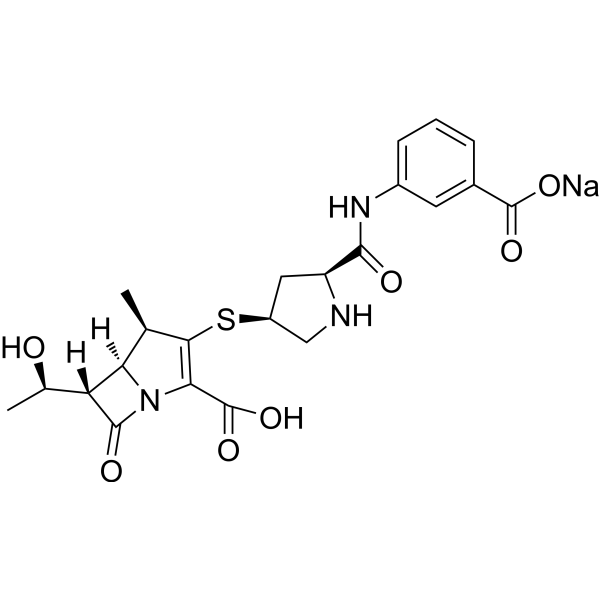
Ertapenem (MK-0826) is a broad spectrum and long acting β-lactam antibiotic. Ertapenem has a broad-spectrum anti-anaerobic activity against a variety of anaerobes with a mode MIC of 0.12 μg/mL. Ertapenem can be used for the research of severe infections caused by bacteria in the skin, lungs, stomach, pelvis, and urinary tract .
|
-
- HY-160455
-
|
|
Glutathione S-transferase
|
Cancer
|
|
GSTP1-1 inhibitor 1 (compound 6b) is an irreversible, long-acting, glutathione S-transferase inhibitor with an IC50 of 21 μM targeting GSTP1-1 . GSTP1-1 is a key tumor suppressor target, and GSTP1-1 inhibitor 1 has potential anticancer activity .
|
-
- HY-13625
-
|
L-749345; MK-826
|
Bacterial
Antibiotic
|
Infection
Cancer
|
|
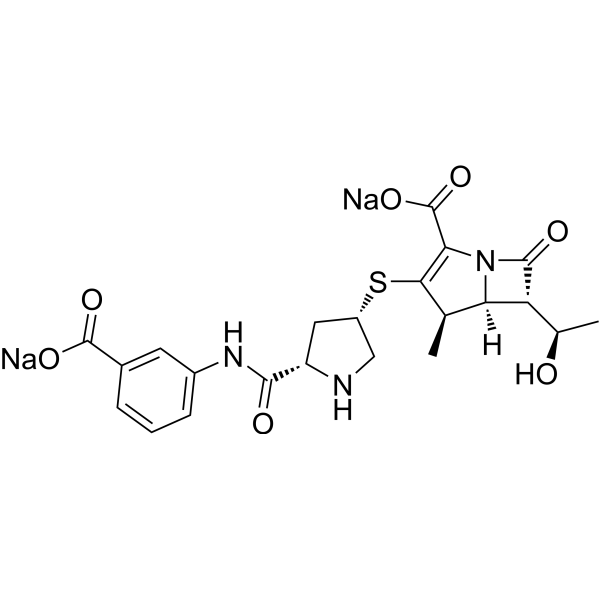
Ertapenem sodium (L-749345) is a broad spectrum and long acting β-lactam antibiotic. Ertapenem sodium has a broad-spectrum anti-anaerobic activity against a variety of anaerobes with a mode MIC of 0.12 μg/mL. Ertapenem sodium can be used for the research of severe infections caused by bacteria in the skin, lungs, stomach, pelvis, and urinary tract .
|
-
- HY-B0213S
-
|
Sulfametoxydiazine-d4; 5-Methoxysulfadiazine-d4; NSC 683528-d4
|
Isotope-Labeled Compounds
Antibiotic
Bacterial
|
Infection
|
|
Sulfameter-d4 (Sulfametoxydiazine-d4) is the deuterium labeled Sulfameter (HY-B0213) . Sulfameter (Sulfametoxydiazine) is an orally active long-acting sulfonamide antibiotic. Sulfameter is active against both Gram-positive and Gram-negative bacteria. Sulfameter can be used for the research of diseases such as respiratory and urinary tract infections .
|
-
- HY-17042AR
-
|
P071 (Standard)
|
Reference Standards
Histamine Receptor
|
Inflammation/Immunology
Endocrinology
Cancer
|
|
Cetirizine (dihydrochloride) (Standard) is the analytical standard of Cetirizine (dihydrochloride). This product is intended for research and analytical applications. Cetirizine dihydrochloride, a second-generation antihistamine and the carboxylated metabolite of hydroxyzine, is a specific, orally active and long-acting histamine H1-receptor antagonist. Cetirizine dihydrochloride marks antiallergic properties and inhibits eosinophil chemotaxis during the allergic response .
|
-
- HY-B1300A
-
|
|
Antibiotic
Bacterial
Beta-lactamase
Interleukin Related
|
Infection
|
|
Cefonicid is a long-acting cephalosporin antibiotic. Cefonicid also acts as a noncompetitive class I β-lactamase inhibitor with a Ki value of 0.8 μM. Cefonicid exhibits broad-spectrum antimicrobial activity and is effective against a variety of Gram-positive and Gram-negative bacteria. Cefonicid can be used for research on infections .
|
-
- HY-P2221B
-
|
ZP1848 acetate
|
GCGR
|
Inflammation/Immunology
|
|
Glepaglutide (ZP1848) acetate, a long-acting GLP-2 analogue, is a potent GLP-2R agonist. Glepaglutide acetate reduces faecal output and increases intestinal absorption. Glepaglutide acetate alleviates small intestinal inflammation. Glepaglutide acetate can be used in the research of inflammatory bowel disease (IBD) and Crohn’s disease .
|
-
- HY-B0231R
-
|
MK-422 (Standard)
|
Reference Standards
Angiotensin-converting Enzyme (ACE)
|
Cardiovascular Disease
|
|
Enalaprilat (dihydrate) (Standard) is the analytical standard of Enalaprilat (dihydrate). This product is intended for research and analytical applications. Enalaprilat dihydrate (MK-422), the active metabolite of the oral proagent Enalapril, is a potent, competitive and long-acting angiotensin-converting enzyme (ACE) inhibitor, with an IC50 of 1.94 nM. Enalaprilat dihydrate can be used for the research of hypertension .
|
-
- HY-79135
-
|
SOM230 ditrifluoroacetate; Pasireotide TFA salt
|
Somatostatin Receptor
|
Endocrinology
Cancer
|
|
Pasireotide (SOM230) ditrifluoroacetate, a long-acting cyclohexapeptide somatostatin analogue, can improve agonist activity at somatostatin receptors (subtypes sst1/2/3/4/5, pKi=8.2/9.0/9.1/<7.0/9.9, respectively). Pasireotide ditrifluoroacetate exhibits antisecretory, antiproliferative, and proapoptotic activity .
|
-
- HY-B1300
-
|
|
Antibiotic
Bacterial
Beta-lactamase
Interleukin Related
|
Infection
|
|
Cefonicid sodium is a long-acting cephalosporin antibiotic. Cefonicid sodium also acts as a noncompetitive class I β-lactamase inhibitor with a Ki value of 0.8 μM. Cefonicid sodium exhibits broad-spectrum antimicrobial activity and is effective against a variety of Gram-positive and Gram-negative bacteria. Cefonicid sodium can be used for research on infections .
|
-
- HY-P2221
-
|
ZP1848
|
GCGR
|
Inflammation/Immunology
|
|
Glepaglutide (ZP1848), a long-acting GLP-2 analogue, is a potent GLP-2R agonist. Glepaglutide reduces faecal output and increases intestinal absorption. Glepaglutide alleviates small intestinal inflammation. Glepaglutide can be used in the research of inflammatory bowel disease (IBD) and Crohn’s disease .
|
-
- HY-P10798
-
|
LY-3841136
|
Amylin Receptor
|
Metabolic Disease
|
|
Eloralintide is an amylin receptor (AMYR) activator and long-acting peptide. Eloralintide selectively activates amylin receptors. Eloralintide is modified with a C20 fatty diacid moiety that binds to amylin receptors while retaining selectivity from calcitonin receptors. Eloralintide induces decreased appetite.Eloralintide reduces body weight. Eloralintide can be used for the research of obesity .
|
-
- HY-P99879
-
|
Benegrastim; Bineuta; F 627
|
STAT
|
Inflammation/Immunology
|
|
Efbemalenograstim alfa (F 627) is a recombinant fusion protein. Efbemalenograstim alfa is a long acting dimeric granulocyte colony-stimulating factor (G-CSF) that contains two human G-CSF fused to a human immunoglobulin G2 (hIgG2)-Fc fragment with a peptide linker. Efbemalenograstim alfa induces the production of white blood cells .
|
-
- HY-103374A
-
|
(-)-Eseroline phenylcarbamate tartrate; (-)-Phenserine (+)-tartrate
|
Cholinesterase (ChE)
Amyloid-β
|
Neurological Disease
|
|
Phenserine tartrate ((-)-Eseroline phenylcarbamate) is a derivative of Physostigmine (HY-N6608) and is a potent, noncompetitive, long-acting and selective AChE inhibitor. Phenserine tartrate reduces β-amyloid precursor protein (APP) and β-amyloid peptide (Aβ) formation. Phenserine tartrate improves cognitive performance and attenuates the progression of Alzheimer's disease .
|
-
- HY-14751R
-
|
SCH619734 (Standard)
|
Reference Standards
Neurokinin Receptor
|
Neurological Disease
Cancer
|
|
Rolapitant (Standard) is the analytical standard of Rolapitant. This product is intended for research and analytical applications. Rolapitant (SCH619734) is a potent, selective, long-acting and orally active neurokinin 1 (NK1) receptor antagonist with a Ki of 0.66 nM. Rolapitant does not interact with CYP3A4. Rolapitant shows potent anti-emetic activity in a ferret emesis model .
|
-
- HY-15445
-
CTEP
2 Publications Verification
RO 4956371; mGluR5 inhibitor
|
mGluR
|
Neurological Disease
|
|
CTEP (RO 4956371) is a novel, long-acting, orally bioavailable allosteric antagonist of mGlu5 receptor with IC50 of 2.2 nM, and shows > 1000-fold selectivity over other mGlu receptors. CTEP is a click chemistry reagent, it contains an Alkyne group and can undergo copper-catalyzed azide-alkyne cycloaddition (CuAAc) with molecules containing Azide groups.
|
-
- HY-16381B
-
|
SOM230 (diaspartate)
|
Somatostatin Receptor
|
Neurological Disease
Cancer
|
|
Pasireotide (SOM230) diaspartate, a long-acting cyclohexapeptide somatostatin analogue, can improve agonist activity at somatostatin receptors (subtypes sst1/2/3/4/5, pKi=8.2/9.0/9.1/<7.0/9.9, respectively). Pasireotide diaspartate exhibits antisecretory, antiproliferative, and proapoptotic activity .
|
-
- HY-A0285R
-
|
Norigest (Standard)
|
Reference Standards
Progesterone Receptor
|
Endocrinology
|
|
Norethisterone enanthate (Standard) is the analytical standard of Norethisterone enanthate. This product is intended for research and analytical applications. Norethisterone enanthate is a long-acting parenteral progestogen. Norethisterone enanthate is orally active . Norethisterone enanthate is a click chemistry reagent, it contains an Alkyne group and can undergo copper-catalyzed azide-alkyne cycloaddition (CuAAc) with molecules containing Azide groups.
|
-
- HY-108768
-
|
SOM230 pamoate
|
Somatostatin Receptor
|
Endocrinology
Cancer
|
|
Pasireotide (SOM230) pamoate, a long-acting cyclohexapeptide somatostatin analogue, can improve agonist activity at somatostatin receptors (subtypes sst1/2/3/4/5, pKi=8.2/9.0/9.1/<7.0/9.9, respectively). Pasireotide pamoate exhibits antisecretory, antiproliferative, and proapoptotic activity .
|
-
- HY-B0213R
-
|
Sulfametoxydiazine (Standard); 5-Methoxysulfadiazine (Standard); NSC 683528 (Standard)
|
Reference Standards
Antibiotic
Bacterial
|
Infection
|
|
Sulfameter (Standard) (Sulfametoxydiazine (Standard)) is the analytical standard of Sulfameter (HY-B0213). This product is intended for research and analytical applications. Sulfameter (Sulfametoxydiazine) is an orally active long-acting sulfonamide antibiotic. Sulfameter is active against both Gram-positive and Gram-negative bacteria. Sulfameter can be used for the research of diseases such as respiratory and urinary tract infections .
|
-
- HY-149196
-
|
|
TGF-β Receptor
|
Cancer
|
|
TGFβ-IN-3 (Compound 8) is a long-acting tumor-activating prodrug of TGFβR1 inhibitor. TGFβ-IN-3 can achieve selective drug release in tumors, and the tumor/blood ratio is increased by 2.2 times. TGFβ-IN-3 can be used for the study of colon cancer .
|
-
- HY-114641
-
|
|
Leukotriene Receptor
|
Inflammation/Immunology
|
|
BIIL-260 is a potent and long-acting orally active leukotriene B(4) receptor LTB4 antagonist, with anti-inflammatory activity. BIIL-260 interacts with the LTB4 receptor in a saturable, reversible, and competitive manner, has high affinity to the LTB4 receptor on isolated human neutrophil cell membranes with the Ki value of 1.7 nM .
|
-
- HY-B1424R
-
|
|
Carbonic Anhydrase
Reference Standards
|
Cardiovascular Disease
Cancer
|
|
Benzthiazide (Standard) is the analytical standard of Benzthiazide. This product is intended for research and analytical applications. Benzthiazide is a long-acting diuretic and a hypertension agent. Benzthiazide is an inhibitor of carbonic anhydrase 9 (CA9), with Kis of 8.0, 8.8 and 10 nM for CA9, CA2 and CA1, respectively. Benzthiazide also suppresses proliferation of cancer cells .
|
-
- HY-108751
-
|
|
Dopamine Receptor
|
Neurological Disease
|
|
Aripiprazole lauroxil, an N-acyloxymethyl proagent of Aripiprazole (HY-14546), is a Long-acting injectable (LAI) typical antipsychotic for schizophrenia and a ligand of dopamine receptor D2R/D4R. Aripiprazole lauroxil is cleaved by body’s enzyme esterase to N-hydroxymethyl aripiprazole (plus lauric acid) and then to aripiprazole (plus formaldehyde), no toxicity.
|
-
- HY-106961
-
|
ONO-AP 500-02
|
Prostaglandin Receptor
|
Cardiovascular Disease
|
|
ONO 1301 (ONO-AP 500-02), a prostaglandin (PG) I2 mimetic, is an orally active, long-acting prostacyclin agonist with thromboxane-synthase inhibitory activity. ONO 1301 promotes production of hepatocyte growth factor (HGF) from various cell types and ameliorates ischemia-induced left ventricle dysfunction in the mouse, rat and pig .
|
-
- HY-141496
-
|
|
Dopamine Receptor
|
Neurological Disease
|
|
A-77636 is an orally active, potent, selective and long-acting dopamine D1 receptor agonist (pEC50 = 8.13; EC50 = 1.1 nM). A-77636 shows the highest affinity (pKi = 7.40 ± 0.09; Ki = 39.8 nM) for the dopamine D1 receptor. A-77636 shows antiparkinsonian activity .
|
-
- HY-W011733
-
|
C-78
|
Adrenergic Receptor
Influenza Virus
Antibiotic
|
Infection
Inflammation/Immunology
Endocrinology
|
|
Tulobuterol hydrochloride (C-78) is a long-acting β2-adrenoceptor agonist, which reduces the frequency of exacerbations of chronic obstructive pulmonary disease and bronchial asthma. Tulobuterol hydrochloride is also a sympathomimetic agent used as a transdermal patch, increases normal diaphragm muscle strength . Tulobuterol hydrochloride inhibit rhinovirus replication and modulate airway inflammation .
|
-
- HY-114641A
-
|
|
Leukotriene Receptor
|
Inflammation/Immunology
|
|
BIIL-260 hydrochloride is a potent and long-acting orally active leukotriene B(4) receptor LTB4 antagonist, with anti-inflammatory activity. BIIL-260 hydrochloride interacts with the LTB4 receptor in a saturable, reversible, and competitive manner, has high affinity to the LTB4 receptor on isolated human neutrophil cell membranes with Ki values of 1.7 nM .
|
-
- HY-B0010AS
-
|
|
Isotope-Labeled Compounds
Adrenergic Receptor
|
Inflammation/Immunology
|
|
Formoterol-d3 is deuterium labeled Arformoterol. Arformoterol ((R,R)-Formoterol), the (R,R)-enantiomer of Formoterol, is a long-acting β2-adrenergic receptor (β2-AR) agonist, with a Kd of 2.9 nM. Arformoterol can be used for the research of chronic obstructive pulmonary disease (COPD) .
|
-
- HY-153934
-
|
|
GHR
|
Endocrinology
|
|
Tetrazole-C15-(N-acetylsulfamoyl)butanoic acid (Ligand 1) improves the pharmacokinetic properties of therapeutic peptides and proteins through non-covalent binding with human serum albumin (HSA). Tetrazole-C15-(N-acetylsulfamoyl)butanoic acid can be used for synthesis of long-acting human growth hormone (HGH) analog somapacitan .
|
-
- HY-120802A
-
|
AZD-8871 saccharinate; LAS191351 saccharinate
|
mAChR
Adrenergic Receptor
|
Infection
Inflammation/Immunology
|
|
Navafenterol (AZD-8871) saccharinate is an inhaled dual-acting, potent, selective, and long-lasting M3-antagonist/β2-agonist (MABA) with long-lasting effects and favorable safety profile. The pIC50 is 9.5 for human M3 receptor, and the pEC50 is 9.5 for β2-adrenoceptor. Navafenterol saccharinate can be used for the research of chronic obstructive pulmonary disease (COPD). Bronchoprotective and antisialagogue effects. Favorable cardiovascular profile .
|
-
- HY-136409R
-
|
C10-HSL (Standard)
|
Reference Standards
Bacterial
Reactive Oxygen Species (ROS)
|
Infection
|
|
Formoterol (hemifumarate hydrate) (Standard) is the analytical standard of Formoterol (hemifumarate hydrate). This product is intended for research and analytical applications. Formoterol hemifumarate hydrate is a selective, long-acting beta 2-adrenoceptor agonist. Formoterol is a bronchodilator used for the research of the asthma and chronic obstructive pulmonary disease (COPD). Formoterol hemifumarate hydrate induces mitochondrial biogenesis and promotes cognitive recovery after traumatic brain injury .
|
-
- HY-106454R
-
|
Norfludiazepam (Standard)
|
Reference Standards
Calcium Channel
|
Neurological Disease
|
|
N-Desalkylflurazepam (Standard) is the analytical standard of N-Desalkylflurazepam. This product is intended for research and analytical applications. N-Desalkylflurazepam (Norfludiazepam) is a long-acting metabolite of benzodiazepine compounds, such as Flurazepam. N-Desalkylflurazepam inhibits L-type voltage-gated calcium channels with IC50 values of 55 μM and 37 μM for Cav1.2 and Cav1.3, respectively .
|
-
- HY-P10746
-
|
|
Neurokinin Receptor
|
Metabolic Disease
|
|
EB1002 is a highly selective, long-acting NK2R agonist. EB1002 exerts central appetite suppression, increases peripheral energy expenditure and enhances insulin sensitivity, which effectively reduces body weight, improves glucose and lipid metabolism, with favorable safety profiles. EB1002 can be used for research on diseases such as obesity and type 2 diabetes .
|
-
- HY-P3291
-
|
ZP7570
|
GCGR
|
Metabolic Disease
|
|
Dapiglutide (ZP7570) is a long-acting glucagon-like peptide-1 receptor 1R (GLP-1R)/Glucagon-like peptide-2 receptor (GLP-2R) dual agonist. Dapiglutide alleviates intestinal dysfunction in a mouse short bowel model and has anti-obesity effects .
|
-
- HY-A0294A
-
|
MK-0826 disodium
|
Bacterial
Antibiotic
|
Infection
Cancer
|
|
Ertapenem (MK-0826) disodium is a broad spectrum and long acting β-lactam antibiotic. Ertapenem disodium has a broad-spectrum anti-anaerobic activity against a variety of anaerobes with a mode MIC of 0.12 μg/mL. Ertapenem disodium can be used for the research of severe infections caused by bacteria in the skin, lungs, stomach, pelvis, and urinary tract .
|
-
- HY-W701464
-
|
|
Isotope-Labeled Compounds
|
Others
|
|
N-Desalkylflurazepam-d4 is a deuterated labeled N-Desalkylflurazepam (HY-106454). N-Desalkylflurazepam (Norfludiazepam) is a long-acting metabolite of benzodiazepine compounds, such as Flurazepam. N-Desalkylflurazepam inhibits L-type voltage-gated calcium channels with IC50 values of 55 μM and 37 μM for Cav1.2 and Cav1.3, respectively .
|
-
- HY-B0213S1
-
|
Sulfametoxydiazine-13C6; 5-Methoxysulfadiazine-13C6; NSC 683528-13C6
|
Isotope-Labeled Compounds
Antibiotic
Bacterial
|
Infection
|
|
Sulfameter- 13C6 (Sulfametoxydiazine- 13C6) is the 13C6 labeled Sulfameter (HY-B0213). Sulfameter (Sulfametoxydiazine) is an orally active long-acting sulfonamide antibiotic. Sulfameter is active against both Gram-positive and Gram-negative bacteria. Sulfameter can be used for the research of diseases such as respiratory and urinary tract infections .
|
-
- HY-B1300B
-
|
|
Antibiotic
Bacterial
Beta-lactamase
Interleukin Related
|
Infection
|
|
Cefonicid monosodium is a long-acting cephalosporin antibiotic. Cefonicid monosodium also acts as a noncompetitive class I β-lactamase inhibitor with a Ki value of 0.8 μM. Cefonicid monosodium exhibits broad-spectrum antimicrobial activity and is effective against a variety of Gram-positive and Gram-negative bacteria. Cefonicid monosodium can be used for research on infections .
|
-
- HY-79136
-
|
SOM230 L-aspartate
|
Somatostatin Receptor
|
Endocrinology
Cancer
|
|
Pasireotide (SOM230) L-aspartate salt, a long-acting cyclohexapeptide somatostatin analogue, can improve agonist activity at somatostatin receptors (subtypes sst1/2/3/4/5, pKi=8.2/9.0/9.1/<7.0/9.9, respectively). Pasireotide L-aspartate salt exhibits antisecretory, antiproliferative, and proapoptotic activity .
|
-
- HY-B1810S
-
|
C-78-d9
|
Isotope-Labeled Compounds
Adrenergic Receptor
|
Inflammation/Immunology
Endocrinology
|
|
Tulobuterol-d9 (hydrochloride) is the deuterium labeled Tulobuterol. Tulobuterol (C-78 free base) is a long-acting β2-adrenoceptor agonist, which reduces the frequency of exacerbations of chronic obstructive pulmonary disease and bronchial asthma. Tulobuterol is also a sympathomimetic agent used as a transdermal patch, and increases normal diaphragm muscle strength .
|
-
- HY-108901R
-
|
|
Reference Standards
Adrenergic Receptor
|
Neurological Disease
Inflammation/Immunology
|
|
Formoterol (hemifumarate hydrate) (Standard) is the analytical standard of Formoterol (hemifumarate hydrate). This product is intended for research and analytical applications. Formoterol hemifumarate hydrate is a selective, long-acting beta 2-adrenoceptor agonist. Formoterol is a bronchodilator used for the research of the asthma and chronic obstructive pulmonary disease (COPD). Formoterol hemifumarate hydrate induces mitochondrial biogenesis and promotes cognitive recovery after traumatic brain injury .
|
-
- HY-108719R
-
|
|
Reference Standards
Insulin Receptor
Akt
|
Metabolic Disease
Cancer
|
|
Insulin glargine (Standard) is the analytical standard of Insulin glargine (HY-108719). This product is intended for research and analytical applications. Insulin glargine is a long-acting insulin analog. Insulin glargine has the effect of lowering blood sugar and can be used in the research of diabetes. In addition, high doses of Insulin glargine can promote the proliferation of bladder cancer cells .
|
-
- HY-108286R
-
|
Cordanum (Standard)
|
Reference Standards
Adrenergic Receptor
|
Cardiovascular Disease
|
|
Talinolol (Standard) is the analytical standard of Talinolol (HY-108286). This product is intended for research and analytical applications. Talinolol (Cordanum) is a long-acting, cardioselective β1-adrenergic receptor blocker. Talinolol exhibits cardioprotective and antihypertensive activities. Talinolol is also a well-known and frequently used probe substrate for P-glycoprotein (P-gp) activity .
|
-
- HY-14299D
-
|
|
Adrenergic Receptor
|
Cardiovascular Disease
Endocrinology
Cancer
|
|
Indacaterol acetate is an orally active ultra-long-acting β2 adrenergic receptor (ADRB2) agonist. Indacaterol acetate inhibits NF-κB activity in a β-arrestin2-dependent manner, preventing further lung damage and improving lung function in COPD (chronic obstructive pulmonary disorder). Indacaterol acetate can also be used in cardiovascular disease research .
|
-
- HY-148191
-
|
|
HIV Protease
|
Infection
Cardiovascular Disease
Inflammation/Immunology
Cancer
|
|
CL-197 is an orally active and long-acting purine anti-HIV nucleoside reverse transcriptase inhibitor (NRTI). CL-197 has potential effect on the research of viral, oncological and cerebrovascular diseases . CL-197 is a click chemistry reagent, it contains an Alkyne group and can undergo copper-catalyzed azide-alkyne cycloaddition (CuAAc) with molecules containing Azide groups.
|
-
- HY-17360S1
-
|
BA679 BR-d6
|
Isotope-Labeled Compounds
mAChR
|
Neurological Disease
|
|
Tiotropium-d6 (bromide) is deuterium labeled Tiotropium (Bromide). Tiotropium bromide (BA-679 BR) is a long-acting anticholinergic bronchodilator. Tiotropium bromide blocks the action of acetylcholine at muscarinic M1, M2, and M3 receptors, prevents bronchoconstriction, and dilates bronchial airways. Tiotropium bromide is applicable to research related to chronic obstructive pulmonary disease and asthma .
|
-
- HY-B1810R
-
|
C-78 free base (Standard)
|
Reference Standards
Adrenergic Receptor
|
Inflammation/Immunology
Endocrinology
|
|
Tulobuterol (Standard) is the analytical standard of Tulobuterol. This product is intended for research and analytical applications. Tulobuterol (C-78 free base) is a long-acting β2-adrenoceptor agonist, which reduces the frequency of exacerbations of chronic obstructive pulmonary disease and bronchial asthma. Tulobuterol is also a sympathomimetic agent used as a transdermal patch, and increases normal diaphragm muscle strength .
|
-
- HY-19105A
-
|
|
Histamine Receptor
|
Inflammation/Immunology
|
|
IT 066 hydrochloride is a Histamine H2 receptor antagonist. IT 066 hydrochloride possesses antioxidant activity and can protect rats against acute gastric mucosal injury induced by ischemia-reperfusion. IT 066 hydrochloride can also inhibit secretagogue-induced gastric acid secretion in rats and exert a long-acting anti-lesion effect on experimental gastric and duodenal lesions in rats. IT 066 hydrochloride is applicable for the research of gastrointestinal diseases .
|
-
- HY-14299
-
|
|
Adrenergic Receptor
|
Cardiovascular Disease
Endocrinology
Cancer
|
|
Indacaterol is an orally active ultra-long-acting β2 adrenergic receptor (ADRB2) agonist. Indacaterol inhibits NF-κB activity in a β-arrestin2-dependent manner, preventing further lung damage and improving lung function in COPD (chronic obstructive pulmonary disorder). Indacaterol can also be used in cardiovascular disease research .
|
-
- HY-10791R
-
-
- HY-17360S
-
|
BA679 BR-d3
|
Isotope-Labeled Compounds
mAChR
|
Neurological Disease
|
|
Tiotropium-d3 (bromide) is the deuterium labeled Tiotropium (Bromide). Tiotropium bromide (BA-679 BR) is a long-acting anticholinergic bronchodilator. Tiotropium bromide blocks the action of acetylcholine at muscarinic M1, M2, and M3 receptors, prevents bronchoconstriction, and dilates bronchial airways. Tiotropium bromide is applicable to research related to chronic obstructive pulmonary disease and asthma .
|
-
- HY-100661R
-
|
|
Reference Standards
Histamine Receptor
|
Inflammation/Immunology
Endocrinology
|
|
Cetirizine Impurity D (Standard) is the analytical standard of Cetirizine Impurity D. This product is intended for research and analytical applications. Cetirizine Impurity D is an impurity of Cetirizine. Cetirizine, a second-generation antihistamine, is a specific, orally active and long-acting histamine H1-receptor antagonist. Cetirizine marks antiallergic properties and inhibits eosinophil chemotaxis during the allergic response .
|
-
- HY-P5311
-
|
GSK-716155
|
GLP Receptor
|
Metabolic Disease
|
|
Albiglutide is a long acting GLP-1 receptor agonist. Albiglutide is a recombinant fusion protein consisting of two copies of a 30-amino-acid sequence of modified human GLP-1 (fragment 7-36), modified with a glycine substituted for the naturally occurring alanine at position 8 in order to augment resistance to DPP-4. Albiglutide can be used for research of Type 2 diabetes .
|
-
- HY-P11321A
-
|
acyl-GIP hydrochloride
|
Insulin Receptor
|
Metabolic Disease
|
|
IUB0271 (acyl-GIP) hydrochloride is a fatty acylated and long-acting glucose-dependent insulinotropic polypeptide (GIP). IUB0271 hydrochloride increases cFos neuronal activity in hypothalamic feeding centers and decreases body weight, food intake and glycemia in DIO mouse models, and these effects depend on CNS-GIPR signaling. IUB0271 hydrochloride can be used for type 2 diabetes mellitus (T2DM) and obesity research .
|
-
- HY-14299A
-
|
QAB149
|
Adrenergic Receptor
|
Cardiovascular Disease
Endocrinology
Cancer
|
|
Indacaterol maleate (QAB149) is an orally active ultra-long-acting β2 adrenergic receptor (ADRB2) agonist. Indacaterol maleate inhibits NF-κB activity in a β-arrestin2-dependent manner, preventing further lung damage and improving lung function in COPD (chronic obstructive pulmonary disorder). Indacaterol maleate can also be used in cardiovascular disease research .
|
-
- HY-13443S
-
-
- HY-174210
-
|
|
PROTACs
Epigenetic Reader Domain
|
Cancer
|
|
PROTAC BRD4 Degrader-31 is a BRD4 PROTAC degrader with DC50 s of 164 and 80 nM at 4 h and 24 h, respectively. PROTAC BRD4 Degrader-31 potently degrades BRD4 in cells with long acting degradation kinetics . Pink: BRD4 ligand (HY-78695); Blue: KLHDC2 ligand (HY-174218)
|
-
- HY-117766
-
|
|
Fungal
Cytochrome P450
|
Infection
|
|
PC945, a potent, long-acting antifungal triazole, possesses activity against a broad range of both azole-susceptible and azole-resistant strains of Aspergillus fumigatus. PC945 is also a potent, tightly binding inhibitor of A. fumigatus sterol 14α-demethylase activity, CYP51A and CYP51B, with IC50s of 0.23 μM and 0.22 μM, respectively .
|
-
- HY-14301
-
|
BI1744
|
Adrenergic Receptor
|
Inflammation/Immunology
Endocrinology
|
|
Olodaterol (BI1744) is a selective, long acting β2-adrenoceptor (β2-AR) agonist (EC50=0.1 nM and pKi= 9.14 for human β2-adrenoceptor, respectively). Olodaterol can be used for chronic obstructive pulmonary disease (COPD) and pulmonary fibrosis .
|
-
- HY-12463
-
|
|
Adrenergic Receptor
|
Inflammation/Immunology
|
|
Carmoterol hydrochloride is a highly potent, selective and long-acting β2-adrenoceptor agonist with the pEC50 of 10.19. Carmoterol has 53 times higher affinity for the β2-adrenoceptors than for the β1-adrenoceptors. Carmoterol hydrochloride can be used for the research of asthma and chronic obstructive pulmonary disease (COPD) .
|
-
- HY-14299C
-
|
|
Adrenergic Receptor
|
Inflammation/Immunology
|
|
Indacaterol xinafoate is an orally active long-acting β2-adrenergic agonist (LABA) with bronchodilatory effect. Indacaterol inhibits NF-κB activity in a β-arrestin2-dependent manner, preventing further lung damage and improving lung function in COPD (chronic obstructive pulmonary disorder). Indacaterol xinafoate can be utilized in asthma research .
|
-
- HY-14301A
-
|
BI1744 hydrochloride
|
Adrenergic Receptor
|
Inflammation/Immunology
Endocrinology
|
|
Olodaterol (BI1744) hydrochloride is a selective, long acting β2-adrenoceptor (β2-AR) agonist (EC50=0.1 nM and pKi= 9.14 for human β2-adrenoceptor, respectively). Olodaterol can be used for chronic obstructive pulmonary disease (COPD) and pulmonary fibrosis .
|
-
- HY-P11321
-
|
acyl-GIP
|
Insulin Receptor
|
Metabolic Disease
|
|
IUB0271 (acyl-GIP) is a fatty acylated and long-acting glucose-dependent insulinotropic polypeptide (GIP). IUB0271 increases cFos neuronal activity in hypothalamic feeding centers and decreases body weight, food intake and glycemia in DIO mouse models, and these effects depend on CNS-GIPR signaling. IUB0271 can be used for type 2 diabetes mellitus (T2DM) and obesity research .
|
-
- HY-P9914
-
|
Anti-Human C5, Humanized Antibody; h5G1.1
|
Complement System
|
Cardiovascular Disease
Neurological Disease
|
|
Eculizumab (Anti-Human C5, Humanized Antibody) is a long-acting humanized monoclonal antibody targeted against complement C5. Eculizumab inhibits the cleavage of C5 into C5a and C5b and inhibits deployment of the terminal complement system including the formation of membrane attack complex (MAC). Eculizumab prevents anti-ganglioside antibody-mediated neuropathy in mice. Eculizumab can be used in hemolysis studies .
|
-
- HY-B0010DR
-
|
(R,R)-Formoterol tartrate (Standard)
|
Reference Standards
Adrenergic Receptor
|
Inflammation/Immunology
|
|
Arformoterol (tartrate) (Standard) is the analytical standard of Arformoterol (tartrate). This product is intended for research and analytical applications. Arformoterol ((R,R)-Formoterol) tartrate, the (R,R)-enantiomer of Formoterol, is a long-acting β2-adrenergic receptor (β2-AR) agonist, with a Kd of 2.9 nM. Arformoterol tartrate can be used for the research of chronic obstructive pulmonary disease (COPD) .
|
-
- HY-17360R
-
|
BA679 BR (Standard)
|
Reference Standards
mAChR
|
Neurological Disease
|
|
Tiotropium (Bromide) (Standard) is the analytical standard of Tiotropium (Bromide). This product is intended for research and analytical applications.
Tiotropium bromide (BA-679 BR) is a long-acting anticholinergic bronchodilator. Tiotropium bromide blocks the action of acetylcholine at muscarinic M1, M2, and M3 receptors, prevents bronchoconstriction, and dilates bronchial airways. Tiotropium bromide is applicable to research related to chronic obstructive pulmonary disease and asthma .
|
-
- HY-P11245
-
|
|
Amylin Receptor
|
Metabolic Disease
|
|
NN1213, a long-acting human amylin peptide analog, is a selective Amylin receptor agonist with EC50 values of 0.177 and 0.262 nM for hAMY3R and rAMY3R, respectively. NN1213 significantly reduces food intake and fat mass. NN1213 can reduce body weightin diet-induced obese rats. NN1213 can be used for the research of obesity .
|
-
- HY-P11245A
-
|
|
Amylin Receptor
|
Metabolic Disease
|
|
NN1213 acetate, a long-acting human amylin peptide analog, is a selective Amylin receptor agonist with EC50 values of 0.177 and 0.262 nM for hAMY3R and rAMY3R, respectively. NN1213 acetate significantly reduces food intake and fat mass. NN1213 acetate can reduce body weightin diet-induced obese rats. NN1213 acetate can be used for the research of obesity .
|
-
- HY-103374B
-
|
(±)-Eseroline phenylcarbamate
|
Cholinesterase (ChE)
Amyloid-β
|
Neurological Disease
|
|
(±)Phenserine ((±)-Eseroline phenylcarbamate) is the racemic form of Phenserine (HY-103374). Phenserine is a derivative of Physostigmine (HY-N6608) and is an effective, non-competitive, long-acting and selective AChE inhibitor. Phenserine can reduce the formation of β-amyloid precursor protein (APP) and β-amyloid peptide (Aβ). Phenserine can improve cognitive ability and slow down the progression of Alzheimer's disease .
|
-
- HY-B0130R
-
|
S-9490 (Standard)
|
Angiotensin-converting Enzyme (ACE)
NF-κB
STAT
Sirtuin
Reference Standards
|
Cardiovascular Disease
Neurological Disease
Cancer
|
|
Perindopril (Standard) is the analytical standard of Perindopril. This product is intended for research and analytical applications. Perindopril (S-9490) is an orally available, long-acting angiotensin-converting enzyme (ACE) inhibitor. Perindopril inhibits inflammatory cell influx and intimal thickening, preserving elastin on the inside of the aorta. Perindopril effectively inhibits experimental abdominal aortic aneurysm (AAA) formation in a rat model and reduces pulmonary vasoconstriction in rats with pulmonary hypertension .
|
-
- HY-P3491
-
-
- HY-P11584
-
|
|
Amylin Receptor
CGRP Receptor
|
Metabolic Disease
|
|
KBP-066A is a long-acting dual amylin and calcitonin receptor agonist. KBP-066A can activate the CTR and AMY-R potently, with no off-target activity. KBP-066A reduces fasting blood glucose levels, fasting insulin levels, and body weight in diabetic rat models. KBP-066A can be used for the research of type 2 diabetes mellitus, obesity .
|
-
- HY-162423
-
|
|
5-HT Receptor
Androgen Receptor
|
Neurological Disease
|
|
CYB210010 is an orally bioavailable, long-acting serotonin 5-HT2 receptor agonist that selectively targets 5-HT2A and 5-HT2C receptors (EC50: 4.1 n, 7.3 nM). CYB210010 can enter the central nervous system, cause a head twitch response (HTR), and is not prone to behavioral tolerance during chronic administration .
|
-
- HY-13625R
-
|
L-749345 (Standard); MK-826 (Standard)
|
Reference Standards
Bacterial
Antibiotic
|
Infection
Cancer
|
|
Ertapenem sodium (Standard) is the analytical standard of Ertapenem sodium. This product is intended for research and analytical applications. Ertapenem sodium (L-749345) is a broad spectrum and long acting β-lactam antibiotic. Ertapenem sodium has a broad-spectrum anti-anaerobic activity against a variety of anaerobes with a mode MIC of 0.12 μg/mL. Ertapenem sodium can be used for the research of severe infections caused by bacteria in the skin, lungs, stomach, pelvis, and urinary tract[1][2].
|
-
- HY-P11625
-
|
|
RXFP Receptor
|
Cardiovascular Disease
|
|
R9-13 is a fatty acid-conjugated relaxin and an agonist of LGR7 (RXFP1). R9-13 induces sustained pubic symphysis elongation in estrogen-pretreated mice. R9-13 exhibits long-acting pharmacokinetic profiles in rodents, with in vivo activity lasting up to one week after administration. R9-13 can be used in studies related to acute heart failure .
|
-
- HY-B0563C
-
|
|
Sodium Channel
Potassium Channel
|
Cardiovascular Disease
Neurological Disease
Cancer
|
|
Ropivacaine mesylate is a long-acting amide local anaesthetic agent for a spinal block and effectively blocks neuropathic pain. Ropivacaine blocks impulse conduction via reversible inhibition of?sodium ion influx?in nerve fibressup>[1] . Ropivacaine is also an inhibitor of K2P (two-pore domain potassium channel)?TREK-1?with an IC50?of 402.7 μM in COS-7 cell's membrane .
|
-
- HY-W011733R
-
|
C-78 (Standard)
|
Reference Standards
Adrenergic Receptor
Influenza Virus
Antibiotic
|
Infection
Inflammation/Immunology
Endocrinology
|
|
Tulobuterol (hydrochloride) (Standard) is the analytical standard of Tulobuterol (hydrochloride). This product is intended for research and analytical applications. Tulobuterol hydrochloride (C-78) is a long-acting β2-adrenoceptor agonist, which reduces the frequency of exacerbations of chronic obstructive pulmonary disease and bronchial asthma. Tulobuterol hydrochloride is also a sympathomimetic agent used as a transdermal patch, increases normal diaphragm muscle strength . Tulobuterol hydrochloride inhibit rhinovirus replication and modulate airway inflammation .
|
-
- HY-P99583
-
|
MEDI4893
|
Bacterial
|
Infection
Inflammation/Immunology
|
|
Suvratoxumab (MEDI4893) is a long-acting, high-affinity human anti-α-toxin monoclonal antibody (IgG1κ type). Suvratoxumab potently neutralizes α-toxin, a key S. aureus virulence factor. Suvratoxumab improves survival and reduces lung injury in an immunocompromised mice model of pneumonia. Suvratoxumab also enhances the antibacterial activity of Vancomycin (HY-B0671) or Linezolid (HY-10394) .
|
-
- HY-B1300R
-
|
|
Reference Standards
Antibiotic
Bacterial
Beta-lactamase
Interleukin Related
|
Infection
|
|
Cefonicid sodium (Standard) is the analytical standard of Cefonicid sodium (HY-B1300). This product is intended for research and analytical applications. Cefonicid sodium is a long-acting cephalosporin antibiotic. Cefonicid sodium also acts as a noncompetitive class I β-lactamase inhibitor with a Ki value of 0.8 μM. Cefonicid sodium exhibits broad-spectrum antimicrobial activity and is effective against a variety of Gram-positive and Gram-negative bacteria. Cefonicid sodium can be used for research on infections .
|
-
- HY-A0294S
-
|
MK-0826-d4
|
Isotope-Labeled Compounds
Bacterial
Antibiotic
|
Infection
Cancer
|
|
Ertapenem-d4 (MK-0826-d4) is deuterium labeled Ertapenem. Ertapenem (MK-0826) is a broad spectrum and long acting β-lactam antibiotic. Ertapenem has a broad-spectrum anti-anaerobic activity against a variety of anaerobes with a mode MIC of 0.12 μg/mL. Ertapenem can be used for the research of severe infections caused by bacteria in the skin, lungs, stomach, pelvis, and urinary tract .
|
-
- HY-108751R
-
|
|
Others
Reference Standards
|
Neurological Disease
|
|
Aripiprazole Lauroxil (Standard) is the analytical standard of Aripiprazole Lauroxil. This product is intended for research and analytical applications. Aripiprazole lauroxil, an N-acyloxymethyl proagent of Aripiprazole (HY-14546), is a Long-acting injectable (LAI) typical antipsychotic for schizophrenia and a ligand of dopamine receptor D2R/D4R. Aripiprazole lauroxil is cleaved by body’s enzyme esterase to N-hydroxymethyl aripiprazole (plus lauric acid) and then to aripiprazole (plus formaldehyde), no toxicity.
|
-
- HY-106837
-
|
Y 24180
|
Platelet-activating Factor Receptor (PAFR)
|
Inflammation/Immunology
|
|
Israpafant (Y-24180) is a potent, selective and long-acting platelet activation factor (PAF) receptor antagonist with IC50s of 0.84 nM and 3.84 nM against PAF-induced human and rabbit platelet aggregation, respectively. Israpafant stimulates both extracellular Ca 2+ influx and intracellular Ca 2+ release in prostate cancer cells. Israpafant suppresses the allergic cutaneous reactions including eosinophilia, cytokine production, edema and erythema in mice .
|
-
- HY-B0130S1
-
-
- HY-P10965
-
|
ZT002
|
GLP Receptor
|
Metabolic Disease
|
|
Zovaglutide (ZT002) is a long-acting, selective GLP-1 receptor agonist. Zovaglutide enhances albumin binding capacity via dual fatty acid chain modification. Zovaglutide exerts metabolic effects through central and peripheral GLP-1 pathways, thereby promoting satiety, reducing caloric intake and enhancing glucose-dependent insulin secretion, with no activity against GIP or glucagon receptors. Zovaglutide can be used in research on type 2 diabetes or obesity .
|
-
- HY-103701
-
|
2-Phospho-L-ascorbic acid; LAA2P
|
Phosphatase
Reactive Oxygen Species (ROS)
Endogenous Metabolite
|
Metabolic Disease
|
|
L-ascorbic acid 2-phosphate (2-Phospho-L-ascorbic acid) is a long-acting vitamin C derivative that can stimulate collagen formation and expression . L-ascorbic acid 2-phosphate (2-Phospho-L-ascorbic acid) can be used as a culture medium supplement for the osteogenic differentiation of human adipose stem cells (hASCs). L-ascorbic acid 2-phosphate increases alkaline phosphatase (ALP) activity and expression of runx2A in hASCs during the osteogenic differentiation .
|
-
- HY-A0294AR
-
|
MK-0826 disodium (Standard)
|
Reference Standards
Bacterial
Antibiotic
|
Infection
Cancer
|
|
Ertapenem (disodium) (Standard) is the analytical standard of Ertapenem (disodium). This product is intended for research and analytical applications. Ertapenem (MK-0826) disodium is a broad spectrum and long acting β-lactam antibiotic. Ertapenem disodium has a broad-spectrum anti-anaerobic activity against a variety of anaerobes with a mode MIC of 0.12 μg/mL. Ertapenem disodium can be used for the research of severe infections caused by bacteria in the skin, lungs, stomach, pelvis, and urinary tract[1][2].
|
-
- HY-14299R
-
|
|
Reference Standards
Adrenergic Receptor
|
Cardiovascular Disease
Endocrinology
Cancer
|
|
Indacaterol (Standard) is the analytical standard of Indacaterol. This product is intended for research and analytical applications. Indacaterol is an orally active ultra-long-acting β2 adrenergic receptor (ADRB2) agonist. Indacaterol inhibits NF-κB activity in a β-arrestin2-dependent manner, preventing further lung damage and improving lung function in COPD (chronic obstructive pulmonary disorder). Indacaterol can also be used in cardiovascular disease research .
|
-
- HY-16381A
-
|
SOM230 acetate
|
Somatostatin Receptor
|
Endocrinology
Cancer
|
|
Pasireotide (SOM230) acetate, a long-acting cyclohexapeptide somatostatin analogue, can improve agonist activity at somatostatin receptors (subtypes sst1/2/3/4/5, pKi=8.2/9.0/9.1/<7.0/9.9, respectively). Pasireotide acetate can suppress GH, IGF-I and ACTH secretion, indicating potential efficacy in acromegaly and Cushing's disease. Pasireotide acetate also exhibits antisecretory, antiproliferative, and proapoptotic activity .
|
-
- HY-103701B
-
|
2-Phospho-L-ascorbic acid magnesium hydrate; LAA2P magnesium hydrate
|
Phosphatase
Reactive Oxygen Species (ROS)
Endogenous Metabolite
|
Metabolic Disease
|
|
L-ascorbic acid 2-phosphate (2-Phospho-L-ascorbic acid) magnesium hydrate is a long-acting vitamin C derivative that can stimulate collagen formation and expression. L-ascorbic acid 2-phosphate magnesium hydrate can be used as a culture medium supplement for the osteogenic differentiation of human adipose stem cells (hASCs). L-ascorbic acid 2-phosphate magnesium hydrate increases alkaline phosphatase (ALP) activity and expression of runx2A in hASCs during the osteogenic differentiation .
|
-
- HY-A0179
-
|
|
Glucocorticoid Receptor
Cytochrome P450
|
Neurological Disease
Metabolic Disease
Inflammation/Immunology
|
|
Paramethasone is an orally active long-acting glucocorticoid. Paramethasone directly inhibits testicular aromatase, thereby reducing the synthesis of estradiol. Paramethasone suppresses the basal and midcycle luteinizing hormone surges in female animals and blocks estrogen synthesis. Paramethasone also decreases circulating levels of dihydrotestosterone, androstenedione and estradiol in male animals. Paramethasone inhibits cartilage degeneration and alleviates joint pathological damage in osteoarthritis models. Paramethasone can be used in research related to osteoarthritis and endocrinology .
|
-
- HY-106961A
-
|
(Z)-ONO-AP 500-02
|
Prostaglandin Receptor
|
Cardiovascular Disease
|
|
(Z)-ONO 1301 is the isomer of ONO 1301 (HY-106961), and can be used as an experimental control. ONO 1301 (ONO-AP 500-02), a prostaglandin (PG) I2 mimetic, is an orally active, long-acting prostacyclin agonist with thromboxane-synthase inhibitory activity. ONO 1301 promotes production of hepatocyte growth factor (HGF) from various cell types and ameliorates ischemia-induced left ventricle dysfunction in the mouse, rat and pig .
|
-
- HY-16381
-
|
SOM230
|
Somatostatin Receptor
|
Endocrinology
Cancer
|
|
Pasireotide (SOM230), a long-acting cyclohexapeptide somatostatin analogue, can improve agonist activity at somatostatin receptors (subtypes sst1/2/3/4/5, pKi=8.2/9.0/9.1/<7.0/9.9, respectively). Pasireotide can suppress GH, IGF-I and ACTH secretion, indicating potential efficacy in acromegaly and Cushing's disease. Pasireotide also exhibits antisecretory, antiproliferative, and proapoptotic activity .
|
-
- HY-107939
-
|
|
Glucocorticoid Receptor
Cytochrome P450
|
Neurological Disease
Metabolic Disease
Inflammation/Immunology
|
|
Paramethasone Acetate is an orally active long-acting glucocorticoid. Paramethasone Acetate directly inhibits testicular aromatase, thereby reducing the synthesis of estradiol. Paramethasone Acetate suppresses the basal and midcycle luteinizing hormone surges in female animals and blocks estrogen synthesis. Paramethasone Acetate also decreases circulating levels of dihydrotestosterone, androstenedione and estradiol in male animals. Paramethasone Acetate inhibits cartilage degeneration and alleviates joint pathological damage in osteoarthritis models. Paramethasone Acetate can be used in research related to osteoarthritis and endocrinology .
|
-
- HY-14532
-
|
CMX001; HDP-CDV
|
CMV
HSV
Orthopoxvirus
|
Infection
|
|
Brincidofovir (CMX001), the lipid-conjugated prodrug of Cidofovir (HY-17438), is an orally available, long-acting antiviral. Brincidofovir shows activity against a broad spectrum of DNA viruses including cytomegalovirus (CMV), adenovirus (ADV), varicella zoster virus, herpes simplex virus, polyomaviruses, papillomaviruses, poxviruses, and mixed double-stranded DNA virus infections. Brincidofovir, an oral antiviral in late stage development, has proven effective against orthopoxviruses in vitro and in vivo .
|
-
- HY-14299AR
-
|
QAB149 (Standard)
|
Reference Standards
Adrenergic Receptor
|
Cardiovascular Disease
Endocrinology
Cancer
|
|
Indacaterol (maleate) (Standard) is the analytical standard of Indacaterol (maleate). This product is intended for research and analytical applications. Indacaterol maleate (QAB149) is an orally active ultra-long-acting β2 adrenergic receptor (ADRB2) agonist. Indacaterol maleate inhibits NF-κB activity in a β-arrestin2-dependent manner, preventing further lung damage and improving lung function in COPD (chronic obstructive pulmonary disorder). Indacaterol maleate can also be used in cardiovascular disease research .
|
-
- HY-145649A
-
|
AD-85481 sodium; ALN-AGT sodium
|
Small Interfering RNA (siRNA)
Asialoglycoprotein Receptor (ASGPR)
|
Cardiovascular Disease
|
|
Zilebesiran (AD-85481; ALN-AGT) sodium is a long-acting liver-targeted small interfering RNA (siRNA) antihypertensive agent. Zilebesiran sodium binds to the hepatic asialoglycoprotein receptor (ASGPR), activates the RNA-induced silencing complex to degrade hepatic angiotensinogen mRNA, thereby inhibiting the gene expression and synthesis of angiotensinogen. Zilebesiran sodium dose-dependently reduces serum angiotensinogen levels and 24-hour ambulatory blood pressure, with its effect persisting throughout the circadian cycle. Zilebesiran sodium is applicable to research related to hypertension .
|
-
- HY-14301AR
-
|
BI1744 hydrochloride (Standard)
|
Reference Standards
Adrenergic Receptor
|
Inflammation/Immunology
Endocrinology
|
|
Olodaterol (hydrochloride) (Standard) is the analytical standard of Olodaterol (hydrochloride). This product is intended for research and analytical applications. Olodaterol (BI1744) hydrochloride is a selective, long acting β2-adrenoceptor (β2-AR) agonist (EC50=0.1 nM and pKi= 9.14 for human β2-adrenoceptor, respectively). Olodaterol can be used for chronic obstructive pulmonary disease (COPD) and pulmonary fibrosis .
|
-
- HY-120423
-
|
|
Cannabinoid Receptor
|
Neurological Disease
|
|
AM6538 is a long-acting, high affinity and pseudo-irreversible cannabinoid (CB) antagonist. AM6538 is a structural analog of rimonabant. AM6538 can be effectively used to evaluate the apparent efficacy of cannabinoid full and partial agonists. AM6538 may be useful in future studies that require temporary reductions in cannabinoid receptor availability . AM-6538 is a click chemistry reagent, it contains an Alkyne group and can undergo copper-catalyzed azide-alkyne cycloaddition (CuAAc) with molecules containing Azide groups.
|
-
- HY-B0098C
-
|
(S)-UK 33274
|
Adrenergic Receptor
|
Cardiovascular Disease
Neurological Disease
|
|
(S)-Doxazosin is a long-acting selective α1-adrenoceptor antagonist. (S)-Doxazosin exhibits antihypertensive activity through lowering total perioheral resistance by selective postsynaptic α1-blockade. (S)-Doxazosin reduces blood pressure in dog model with experimentally induced renal hypertension. (S)-Doxazosin can alleviate bladder outflow obstruction. (S)-Doxazosin can also be studied in mental health disorder-related research .
|
-
- HY-109163
-
|
INS-1009
|
Prostaglandin Receptor
|
Inflammation/Immunology
Endocrinology
|
|
Treprostinil palmitil is a long-acting inhaled pulmonary vasodilator prodrug of Treprostinil (HY-100441), formulated in a lipid nanoparticle (LNP). Treprostinil palmitil can inhibit pulmonary vascular remodeling induced by Su/Hx challenge in rats. Treprostinil palmitil can induce cough. Treprostinil palmitil demonstrates a sustained presence in the lungs with reduced systemic exposure and prolonged inhibition of hypoxia-induced pulmonary vasoconstriction in vivo. Treprostinil palmitil can be studied in research for pulmonary arterial hypertension and interstitial lung disease .
|
-
- HY-103701A
-
|
2-Phospho-L-ascorbic acid magnesium; LAA2P magnesium
|
Phosphatase
Reactive Oxygen Species (ROS)
Endogenous Metabolite
|
Metabolic Disease
|
|
L-Ascorbic acid 2-phosphate magnesium (2-Phospho-L-ascorbic acid magnesium) is a long-acting vitamin C derivative that can stimulate collagen formation and expression . L-Ascorbic acid 2-phosphate magnesium (2-Phospho-L-ascorbic acid magnesium) can be used as a culture medium supplement for the osteogenic differentiation of human adipose stem cells (hASCs). L-Ascorbic acid 2-phosphate magnesium (2-Phospho-L-ascorbic acid magnesium) increases alkaline phosphatase (ALP) activity and expression of runx2A in hASCs during the osteogenic differentiation .
|
-
- HY-107939R
-
|
|
Glucocorticoid Receptor
Reference Standards
Cytochrome P450
|
Neurological Disease
Metabolic Disease
Inflammation/Immunology
|
|
Paramethasone Acetate (Standard) is the analytical standard of Paramethasone Acetate (HY-107939). This product is intended for research and analytical applications. Paramethasone Acetate is an orally active long-acting glucocorticoid. Paramethasone Acetate directly inhibits testicular aromatase, thereby reducing the synthesis of estradiol. Paramethasone Acetate suppresses the basal and midcycle luteinizing hormone surges in female animals and blocks estrogen synthesis. Paramethasone Acetate also decreases circulating levels of dihydrotestosterone, androstenedione and estradiol in male animals. Paramethasone Acetate inhibits cartilage degeneration and alleviates joint pathological damage in osteoarthritis models. Paramethasone Acetate can be used in research related to osteoarthritis and endocrinology.
|
-
- HY-106961R
-
|
ONO-AP 500-02 (Standard)
|
Reference Standards
Prostaglandin Receptor
|
Cardiovascular Disease
|
|
ONO 1301 (Standard) (ONO-AP 500-02 (Standard)) is the analytical standard of ONO 1301 (HY-106961). This product is intended for research and analytical applications. ONO 1301 (ONO-AP 500-02), a prostaglandin (PG) I2 mimetic, is an orally active, long-acting prostacyclin agonist with thromboxane-synthase inhibitory activity. ONO 1301 promotes production of hepatocyte growth factor (HGF) from various cell types and ameliorates ischemia-induced left ventricle dysfunction in the mouse, rat and pig .
|
-
- HY-14300
-
|
GW642444
|
Adrenergic Receptor
|
Inflammation/Immunology
Endocrinology
Cancer
|
|
Vilanterol (GW642444) is a long-acting β2 adrenergic receptor agonist. Vilanterol has pEC50 values for β2-AR, β1-AR, and β3-AR of 9.4, 6.4, and 6.1, respectively. Vilanterol selectively activates airway β2 adrenergic receptors, increases cAMP and thus relaxes bronchial smooth muscle. Vilanterol can be used in asthma research [3][5].
|
-
- HY-W744625
-
|
BI1744-d3 hydrochloride
|
Isotope-Labeled Compounds
Adrenergic Receptor
|
Endocrinology
|
|
Olodaterol-d3 hydrochloride (BI1744-d3 hydrochloride) is the deuterium labeled Olodaterol hydrochloride (HY-14301A). Olodaterol (BI1744) hydrochloride is a selective, long acting β2-adrenoceptor (β2-AR) agonist (EC50=0.1 nM and pKi= 9.14 for human β2-adrenoceptor, respectively). Olodaterol can be used for chronic obstructive pulmonary disease (COPD) and pulmonary fibrosis .
|
-
- HY-15592A
-
|
GSK-1265744 sodium; S/GSK1265744 sodium
|
OAT
HIV
HIV Integrase
|
Infection
|
|
Cabotegravir (GSK-1265744) sodium is a orally active and long-acting HIV integrase strand transfer inhibitor and organic anion transporter 1/3 (OAT1/OAT3) inhibitor with IC50 values of 2.5 nM, 0.41 μM and 0.81 μM for HIVADA, OAT3 and OAT1, respectively. Cabotegravir sodium is primarily metabolized by uridine diphosphate glucuronosyltransferase (UGT) 1A1, with low potential to interact with other antiretroviral agents (ARVs). Cabotegravir sodium can be used to research AIDS .
|
-
- HY-107837
-
|
2-Phospho-L-ascorbic acid trisodium
|
Phosphatase
Reactive Oxygen Species (ROS)
Endogenous Metabolite
|
Metabolic Disease
|
|
L-Ascorbic acid 2-phosphate trisodium (2-Phospho-L-ascorbic acid trisodium) is a long-acting vitamin C derivative that can stimulate collagen formation and expression . L-Ascorbic acid 2-phosphate trisodium (2-Phospho-L-ascorbic acid trisodium) can be used as a culture medium supplement for the osteogenic differentiation of human adipose stem cells (hASCs). L-Ascorbic acid 2-phosphate trisodium (2-Phospho-L-ascorbic acid trisodium) increases alkaline phosphatase (ALP) activity and expression of runx2A in hASCs during the osteogenic differentiation .
|
-
- HY-15592
-
|
GSK-1265744; S/GSK1265744
|
OAT
HIV
HIV Integrase
|
Infection
|
|
Cabotegravir (GSK-1265744) is a orally active and long-acting HIV integrase strand transfer inhibitor and organic anion transporter 1/3 (OAT1/OAT3) inhibitor with IC50 values of 2.5 nM, 0.41 μM and 0.81 μM for HIVADA, OAT3 and OAT1, respectively. Cabotegravir is primarily metabolized by uridine diphosphate glucuronosyltransferase (UGT) 1A1, with low potential to interact with other antiretroviral agents (ARVs). Cabotegravir can be used to research AIDS .
|
-
- HY-W002438
-
|
|
Biochemical Assay Reagents
Endogenous Metabolite
OAT
Ferroptosis
|
Neurological Disease
Metabolic Disease
|
|
6-Hydroxyindole is an orally active, endogenous long-acting OATP1B1 inhibitor. 6-Hydroxyindole does not alter the cell surface expression or subcellular localization of OATP1B1. 6-Hydroxyindole protects cells against Ferroptosis. 6-Hydroxyindole possesses intrinsic radical-trapping antioxidant activity. 6-Hydroxyindole serves as a component of oxidative hair dyes. 6-Hydroxyindole can be used in research related to renal failure and neurodegenerative diseases .
|
-
- HY-175053
-
|
SOM230 (aspartate) TFA
|
Somatostatin Receptor
Apoptosis
|
Metabolic Disease
|
|
Pasireotide (aspartate) TFA, a long-acting cyclohexapeptide somatostatin analogue, can improve agonist activity at somatostatin receptors (subtypes sst1/2/3/4/5, pKi=8.2/9.0/9.1/<7.0/9.9, respectively). Pasireotide (aspartate) TFA can suppress GH, IGF-I and ACTH secretion, indicating potential efficacy in acromegaly and Cushing's disease. Pasireotide (aspartate) TFA also exhibits antisecretory, antiproliferative, and proapoptotic activity .
|
-
- HY-14300D
-
|
GW642444 acetate
|
Adrenergic Receptor
|
Inflammation/Immunology
|
|
Vilanterol (GW642444) acetate is a long-acting β2 adrenergic receptor agonist. Vilanterol acetate has pEC50 values for β2-AR, β1-AR, and β3-AR of 9.4, 6.4, and 6.1, respectively. Vilanterol acetate selectively activates airway β2 adrenergic receptors, increases cAMP and thus relaxes bronchial smooth muscle. Vilanterol acetate can be used in asthma research [1][2].
|
-
- HY-P3375
-
|
IBI-362; LY-3305677; OXM-3
|
GCGR
GLP Receptor
|
Metabolic Disease
|
|
Mazdutide (IBI-362; LY-3305677) is a long-acting synthetic oxyntomodulin analog. Mazdutide is also a co-agonist of glucagon-like peptide (GLP-1R) and glucagon receptor (GCGR). Mazdutide binds human and mouse GCGR (Ki: 17.7 nM and 15.9 nM, respectively) and GLP-1R (Ki: 28.6 nM and 25.1 nM, respectively) and stimulates insulin secretion from mouse islets (EC50: 5.2 nM). Mazdutide is used in studies of obesity and type 2 diabetes (T2D) .
|
-
- HY-100903
-
|
nor-Binaltorphimine dihydrochloride; nor-BNI dihydrochloride
|
Opioid Receptor
|
Neurological Disease
|
|
Norbinaltorphimine dihydrochloride (nor-Binaltorphimine dihydrochloride; nor-BNI dihydrochloride) is a selective, long-acting competitive antagonist of the κ-opioid receptor. Norbinaltorphimine dihydrochloride blocks κ-opioid receptor-mediated analgesic effects, and inhibits butorphanol-induced changes in κ-opioid receptor binding kinetics, desensitization and down-regulation. Norbinaltorphimine dihydrochloride suppresses specific opioid withdrawal symptoms, precipitates withdrawal behaviors in butorphanol-dependent rats, and serves as a molecular probe for studying κ-opioid receptor-agonist interactions. Norbinaltorphimine dihydrochloride is applicable to research related to neurological disorders such as pain .
|
-
- HY-135698
-
|
M-CAM
|
Opioid Receptor
|
Neurological Disease
|
|
Methocinnamox (M-CAM) a selective and long-acting μ-opioid receptor (MOR) antagonist with a Ki of 0.6 nM. Methocinnamox binds to the orthosteric site of the MOR in a pseudo-irreversible, non-covalent manner, resulting in prolonged receptor blockade that persists until new receptors are synthesized. Methocinnamox acts as a reversible antagonist at both the kappa-opioid receptor (KOR) (Ki = 4.9 nM) and delta-opioid receptor (DOR) (Ki = 2.2 nM), and it exhibits no intrinsic agonist activity at these receptors. Methocinnamox can be used to reverse and prevent opioid overdose and addiction .
|
-
- HY-P991599
-
|
|
Interleukin Related
|
Inflammation/Immunology
|
|
SHR-1703 is a long-acting humanized anti-IL-5 IgG1 monoclonal antibody. SHR-1703 can selectively recognize and bind to IL-5, blocking the binding of IL-5 to the α chain of the receptor on the surface of eosinophils, thereby inhibiting the proliferation, activation, and migration of eosinophils, and ultimately reducing eosinophil-mediated inflammation and damage. SHR-1703 can be used in the research of eosinophil-related diseases, such as eosinophilic asthma. Recommend Isotype Controls: Human IgG1 kappa, Isotype Control (HY-P99001) .
|
-
- HY-121814A
-
|
(R)-Acenocoumarin; (R)-Nicoumalone
|
VD/VDR
|
Cardiovascular Disease
|
|
(R)-Acenocoumarol ((R)-Acenocoumarin; (R)-Nicoumalone) is a short-acting and orally active anticoagulant, like Warfarin (HY-B0687), works by inhibiting vitamin K epoxide reductase. (R)-Acenocoumarol has a greater in vivo anticoagulant potency than Warfarin. (R)-Acenocoumarol has a single chiral center that produces two different enantiomeric forms. (R)-Acenocoumarol has a longer plasma elimination half-life (6.6 h) and a slower plasma clearance rate (1.9 L/h) than the (S)-enantiomer, resulting in a stronger in vivo anticoagulant effect.
|
-
- HY-14300A
-
|
GW642444 trifenatate
|
Adrenergic Receptor
|
Inflammation/Immunology
Endocrinology
Cancer
|
|
Vilanterol (GW642444) trifenatate is a long-acting β2 adrenergic receptor agonist. Vilanterol trifenatate has pEC50 values for β2-AR, β1-AR, and β3-AR of 9.4, 6.4, and 6.1, respectively. Vilanterol trifenatate selectively activates airway β2 adrenergic receptors, increases cAMP and thus relaxes bronchial smooth muscle. Vilanterol trifenatate can be used in asthma research [2][4].
|
-
- HY-117040
-
|
Norbinaltorphimine; NorBNI
|
Opioid Receptor
|
Neurological Disease
|
|
nor-Binaltorphimine (Norbinaltorphimine; NorBNI) is a selective, long-acting competitive antagonist of the κ-opioid receptor. nor-Binaltorphimine blocks κ-opioid receptor-mediated analgesic effects, and inhibits butorphanol-induced changes in κ-opioid receptor binding kinetics, desensitization and down-regulation. nor-Binaltorphimine suppresses specific opioid withdrawal symptoms, precipitates withdrawal behaviors in butorphanol-dependent rats, and serves as a molecular probe for studying κ-opioid receptor-agonist interactions. nor-Binaltorphimine is applicable to research related to neurological disorders such as pain .
|
-
- HY-B0653
-
|
(S)-(-)-Bupivacaine
|
Sodium Channel
Ferroptosis
|
Neurological Disease
Cancer
|
|
Levobupivacaine ((S)-(-)-Bupivacaine) is a long-acting amide local agent that can suppress or relieve pain. Levobupivacaine exerts agent that can suppress or relieve pain. and analgesic effects through reversible blockade of neuronal sodium channel. Levobupivacaine can inhibit impulse transmission and conduction in cardiovascular and other tissues, possessing certain cardiac and CNS toxicity. Levobupivacaine is metabolized by hepatic cytochrome P450 (CYP450) enzymes in vivo. Levobupivacaine can also induce ferroptosis by miR-489-3p/SLC7A11 signaling in gastric cancer .
|
-
- HY-150618
-
-
- HY-P3375A
-
|
IBI-362 TFA; LY-3305677 TFA; OXM-3 TFA
|
GCGR
GLP Receptor
|
Metabolic Disease
|
|
Mazdutide (IBI-362; LY-3305677) TFA is a long-acting synthetic oxyntomodulin analog. Mazdutide is also a co-agonist of glucagon-like peptide (GLP-1R) and glucagon receptor (GCGR). Mazdutide TFA binds human and mouse GCGR (Ki: 17.7 nM and 15.9 nM, respectively) and GLP-1R (Ki: 28.6 nM and 25.1 nM, respectively) and stimulates insulin secretion from mouse islets (EC50: 5.2 nM). Mazdutide TFA is used in studies of obesity and type 2 diabetes (T2D) .
|
-
- HY-B0653A
-
|
(S)-(-)-Bupivacaine monohydrochloride
|
Sodium Channel
Ferroptosis
|
Cardiovascular Disease
Neurological Disease
Cancer
|
|
Levobupivacaine hydrochloride ((S)-(-)-Bupivacaine monohydrochloride) is a long-acting amide local agent that can suppress or relieve pain. Levobupivacaine hydrochloride exerts agent that can suppress or relieve pain. and analgesic effects through reversible blockade of neuronal sodium channel. Levobupivacaine hydrochloride can inhibit impulse transmission and conduction in cardiovascular and other tissues, possessing certain cardiac and CNS toxicity. Levobupivacaine hydrochloride is metabolized by hepatic cytochrome P450 (CYP450) enzymes in vivo. Levobupivacaine hydrochloride can also induce ferroptosis by miR-489-3p/SLC7A11 signaling in gastric cancer .
|
-
- HY-14300S2
-
-
- HY-B1077
-
|
R-16341
|
Calcium Channel
Dopamine Receptor
Autophagy
Apoptosis
|
Neurological Disease
Inflammation/Immunology
Cancer
|
|
Penfluridol (R-16341) is a potent, long-acting, first-generation, oral diphenylbutylpiperidine antipsychotic agent by targeting D2-like dopamine receptor. Penfluridol effectively inhibits TNFα-induced NF-κB activation and alleviates the severity of arthritis and colitis in vivo. Penfluridol is a Ca2+-calmodulin inhibitor. Penfluridol induces apoptosis and autophagy. Penfluridol is used for chronic schizophrenia, acute psychosis, Tourette syndrome and autoimmune diseases. Penfluridol inhibites the growth of E. faecalis planktonic cells with the MIC of 7.81 μg/ml .
|
-
- HY-14300AS
-
|
GW642444-d4 trifenatate
|
Isotope-Labeled Compounds
Adrenergic Receptor
|
Inflammation/Immunology
Endocrinology
|
|
Vilanterol-d4 (trifenatate) is deuterium labeled Vilanterol (trifenatate).Vilanterol (GW642444) acetate is a long-acting β2 adrenergic receptor agonist. Vilanterol acetate has pEC50 values for β2-AR, β1-AR, and β3-AR of 9.4, 6.4, and 6.1, respectively. Vilanterol acetate selectively activates airway β2 adrenergic receptors, increases cAMP and thus relaxes bronchial smooth muscle. Vilanterol acetate can be used in asthma research.
|
-
- HY-15592R
-
|
GSK-1265744 (Standard); S/GSK1265744 (Standard)
|
OAT
Reference Standards
HIV
HIV Integrase
|
Infection
|
|
Cabotegravir (Standard) is the analytical standard of Cabotegravir. This product is intended for research and analytical applications. Cabotegravir (GSK-1265744) is a orally active and long-acting HIV integrase strand transfer inhibitor and organic anion transporter 1/3 (OAT1/OAT3) inhibitor with IC50 values of 2.5 nM, 0.41 μM and 0.81 μM for HIVADA, OAT3 and OAT1, respectively. Cabotegravir is primarily metabolized by uridine diphosphate glucuronosyltransferase (UGT) 1A1, with low potential to interact with other antiretroviral agents (ARVs). Cabotegravir can be used to research AIDS .
|
-
- HY-12463A
-
|
|
Adrenergic Receptor
|
Inflammation/Immunology
|
|
Carmoterol is a highly potent and selective long-acting β2-adrenergic receptor agonist with a pEC50 of 10.19. Carmoterol shows 53-fold higher affinity for β2-adrenergic receptors than for β1-adrenergic receptors. Carmoterol stimulates cyclic adenosine monophosphate accumulation, induces airway smooth muscle relaxation, inhibits bronchoconstriction, reduces thromboxane B2 release, and prolongs survival time. Carmoterol can be used in research related to asthma and chronic obstructive pulmonary disease (COPD) .
|
-
- HY-159127
-
|
|
Ras
MEK
PERK
Apoptosis
|
Cancer
|
|
HRS-4642 is a high affinity, selective, long-acting, and non-covalent KRAS G12D inhibitor with a Kd value of 0.083 nM. HRS-4642 inhibits the binding of KRAS G12D to SOS1 or RAF1, thereby blocking the downstream MEK-ERK signaling pathway. HRS-4642 promotes Apoptosis. HRS-4642 alone or combined with Carfilzomib (HY-10455) effectively shapes the tumor microenvironment. HRS-4642 has an anti-cancer effect on pancreatic and colorectal cancers carrying the KRAS G12D mutation[1][2][3].
|
-
- HY-B0921
-
|
Succinylsulphathiazole
|
Antibiotic
Bacterial
Dihydrofolate reductase (DHFR)
mTOR
|
Infection
|
|
Succinylsulfathiazole (Succinylsulphathiazole) is a long-acting sulfonamide antibiotic with localized gut-specific antibacterial activity and is orally active. Succinylsulfathiazole inhibits bacterial folate synthesis, reduces coliform counts, suppresses intestinal bacterial growth and vitamin biosynthesis, and depletes gut folate-producing bacteria. Succinylsulfathiazole modulates hepatic mTOR signaling, diminishes cecal fermentation, decreases hepatic folate levels and total folate excretion, elevates nitrogen excretion and reduces the fermentability of certain dietary fibers. Succinylsulfathiazole induces folate deficiency and triggers biotin- and folate-related nutritional deficiency symptoms in rats and C57BL/6 mice .
|
-
- HY-14532S
-
|
CMX001-d6; HDP-CDV-d6
|
Isotope-Labeled Compounds
HSV
CMV
Orthopoxvirus
|
Infection
|
|
Brincidofovir-d6 (CMX001-d6) is the deuterium labeled Brincidofovir (HY-14532). Brincidofovir (CMX001), the lipid-conjugated prodrug of Cidofovir (HY-17438), is an orally available, long-acting antiviral. Brincidofovir shows activity against a broad spectrum of DNA viruses including cytomegalovirus (CMV), adenovirus (ADV), varicella zoster virus, herpes simplex virus, polyomaviruses, papillomaviruses, poxviruses, and mixed double-stranded DNA virus infections. Brincidofovir, an oral antiviral in late stage development, has proven effective against orthopoxviruses in vitro and in vivo. .
|
-
- HY-164535
-
|
AMG 133
|
Antibody-Drug Conjugates (ADCs)
GLP Receptor
Insulin Receptor
|
Metabolic Disease
|
|
Maridebart cafraglutide (AMG 133) is a long-acting peptide-antibody conjugate that combines GLP-1 receptor agonist with glucose-dependent insulinotropic polypeptide (GIP) receptor antagonism. Maridebart cafraglutide shows antagonist activity against human, cynomolgus monkey and rat GIPR with IC50 values of 46.4 nM, 26.5 nM, 822.3 nM, respectively. Maridebart cafraglutide shows agonist activity against human, cynomolgus monkey, rat and mouse GLP-1R with EC50 values of 24.4 pM, 5.7 pM, 2.4 pM and 123 pM, respectively. Maridebart cafraglutide can be used for the study of obesity and type 2 diabetes .
|
-
- HY-B1077R
-
|
R-16341 (Standard)
|
Reference Standards
Calcium Channel
Dopamine Receptor
Autophagy
Apoptosis
|
Neurological Disease
Inflammation/Immunology
Cancer
|
|
Penfluridol (Standard) is the analytical standard of Penfluridol. This product is intended for research and analytical applications. Penfluridol (R-16341) is a potent, long-acting, first-generation, oral diphenylbutylpiperidine antipsychotic agent by targeting D2-like dopamine receptor. Penfluridol effectively inhibits TNFα-induced NF-κB activation and alleviates the severity of arthritis and colitis in vivo. Penfluridol is a Ca2+-calmodulin inhibitor. Penfluridol induces apoptosis and autophagy. Penfluridol is used for chronic schizophrenia, acute psychosis, Tourette syndrome and autoimmune diseases. Penfluridol inhibites the growth of E. faecalis planktonic cells with the MIC of 7.81 μg/ml .
|
-
- HY-100903R
-
|
nor-Binaltorphimine dihydrochloride (Standard); nor-BNI dihydrochloride (Standard)
|
Opioid Receptor
Reference Standards
|
Neurological Disease
|
|
Norbinaltorphimine dihydrochloride (Standard) is the analytical standard of Norbinaltorphimine dihydrochloride (HY-100903). This product is intended for research and analytical applications. Norbinaltorphimine dihydrochloride (nor-Binaltorphimine dihydrochloride; nor-BNI dihydrochloride) is a selective, long-acting competitive antagonist of the κ-opioid receptor. Norbinaltorphimine dihydrochloride blocks κ-opioid receptor-mediated analgesic effects, and inhibits butorphanol-induced changes in κ-opioid receptor binding kinetics, desensitization and down-regulation. Norbinaltorphimine dihydrochloride suppresses specific opioid withdrawal symptoms, precipitates withdrawal behaviors in butorphanol-dependent rats, and serves as a molecular probe for studying κ-opioid receptor-agonist interactions. Norbinaltorphimine dihydrochloride is applicable to research related to neurological disorders such as pain .
|
-
- HY-76711
-
|
|
Opioid Receptor
|
Neurological Disease
Metabolic Disease
Inflammation/Immunology
Cancer
|
Naltrexone is an orally active, long-acting opioid receptor (opioid receptor) antagonist. Naltrexone blocks the euphoric effects of exogenous opioids and reduces alcohol craving by blocking opioid receptors (μ, κ, and δ) as well as opioid growth factor receptors. Low doses of Naltrexone are used to relieve chronic pain, treat inflammatory diseases and inhibit tumor growth, while high doses or continuous administration exert pro-inflammatory or pro-proliferative effects. Naltrexone relieves intractable pruritus caused by psoriasis, atopic dermatitis and other conditions, and its combination with Bupropion (HY-B0403) inhibits food craving, thereby reducing body weight .
|
-
- HY-103701AR
-
|
2-Phospho-L-ascorbic acid magnesium (Standard); LAA2P magnesium (Standard)
|
Reference Standards
Phosphatase
Reactive Oxygen Species (ROS)
Endogenous Metabolite
|
Metabolic Disease
|
|
L-Ascorbic acid 2-phosphate (magnesium) (Standard) is the analytical standard of L-Ascorbic acid 2-phosphate (magnesium). This product is intended for research and analytical applications. L-Ascorbic acid 2-phosphate magnesium (2-Phospho-L-ascorbic acid magnesium) is a?long-acting?vitamin?C?derivative?that can stimulate collagen formation and expression . L-Ascorbic acid 2-phosphate magnesium (2-Phospho-L-ascorbic acid magnesium) can be used as a culture medium supplement for the osteogenic differentiation of human adipose stem cells (hASCs). L-Ascorbic acid 2-phosphate magnesium (2-Phospho-L-ascorbic acid magnesium) increases alkaline phosphatase (ALP) activity and expression of runx2A in hASCs during the osteogenic differentiation .
|
-
- HY-107837R
-
|
2-Phospho-L-ascorbic acid trisodium (Standard)
|
Reference Standards
Phosphatase
Reactive Oxygen Species (ROS)
Endogenous Metabolite
|
Metabolic Disease
|
|
L-Ascorbic acid 2-phosphate (trisodium) (Standard) is the analytical standard of L-Ascorbic acid 2-phosphate (trisodium). This product is intended for research and analytical applications. L-Ascorbic acid 2-phosphate trisodium (2-Phospho-L-ascorbic acid trisodium) is a long-acting vitamin C derivative that can stimulate collagen formation and expression[1]. L-Ascorbic acid 2-phosphate trisodium (2-Phospho-L-ascorbic acid trisodium) can be used as a culture medium supplement for the osteogenic differentiation of human adipose stem cells (hASCs). L-Ascorbic acid 2-phosphate trisodium (2-Phospho-L-ascorbic acid trisodium) increases alkaline phosphatase (ALP) activity and expression of runx2A in hASCs during the osteogenic differentiation[2][3].
|
-
- HY-B0653AS
-
|
(S)-(–)-Bupivacaie-d9hydrochloride
|
Isotope-Labeled Compounds
Ferroptosis
Sodium Channel
|
Cardiovascular Disease
Neurological Disease
Cancer
|
|
Levobupivacaine-d9 ((S)-(–)-Bupivacaie-d9) hydrochloride is deuterium labeled Levobupivacaine hydrochloride (HY-B0653A). Levobupivacaine hydrochloride ((S)-(-)-Bupivacaine monohydrochloride) is a long-acting amide local agent that can suppress or relieve pain. Levobupivacaine hydrochloride exerts agent that can suppress or relieve pain. and analgesic effects through reversible blockade of neuronal sodium channel. Levobupivacaine hydrochloride can inhibit impulse transmission and conduction in cardiovascular and other tissues, possessing certain cardiac and CNS toxicity. Levobupivacaine hydrochloride is metabolized by hepatic cytochrome P450 (CYP450) enzymes in vivo. Levobupivacaine hydrochloride can also induce ferroptosis by miR-489-3p/SLC7A11 signaling in gastric cancer .
|
-
- HY-76711R
-
|
|
Reference Standards
Opioid Receptor
|
Neurological Disease
Metabolic Disease
Inflammation/Immunology
Cancer
|
Naltrexone (Standard) is the analytical standard of Naltrexone (HY-76711). This product is intended for research and analytical applications. Naltrexone is an orally active, long-acting opioid receptor (opioid receptor) antagonist. Naltrexone blocks the euphoric effects of exogenous opioids and reduces alcohol craving by blocking opioid receptors (μ, κ, and δ) as well as opioid growth factor receptors. Low doses of Naltrexone are used to relieve chronic pain, treat inflammatory diseases and inhibit tumor growth, while high doses or continuous administration exert pro-inflammatory or pro-proliferative effects. Naltrexone relieves intractable pruritus caused by psoriasis, atopic dermatitis and other conditions, and its combination with Bupropion (HY-B0403) inhibits food craving, thereby reducing body weight.
|
-
- HY-B0921R
-
|
Succinylsulphathiazole (Standard)
|
Reference Standards
Bacterial
Antibiotic
Dihydrofolate reductase (DHFR)
mTOR
|
Infection
|
|
Succinylsulfathiazole (Standard) (Succinylsulphathiazole) is the analytical standard of Succinylsulfathiazole (HY-B0921). This product is intended for research and analytical applications. Succinylsulfathiazole is a long-acting sulfonamide antibiotic with localized gut-specific antibacterial activity and is orally active. Succinylsulfathiazole inhibits bacterial folate synthesis, reduces coliform counts, suppresses intestinal bacterial growth and vitamin biosynthesis, and depletes gut folate-producing bacteria. Succinylsulfathiazole modulates hepatic mTOR signaling, diminishes cecal fermentation, decreases hepatic folate levels and total folate excretion, elevates nitrogen excretion and reduces the fermentability of certain dietary fibers. Succinylsulfathiazole induces folate deficiency and triggers biotin- and folate-related nutritional deficiency symptoms in rats and C57BL/6 mice .
|
-
- HY-P990735
-
|
|
Interleukin Related
|
Inflammation/Immunology
|
|
Donzakimig is a trispecific anti-IL-13/IL-22/HSA antibody. Donzakimig adopts a Fab-scFv-scFv structural format (without an Fc region), in which the Fab domain is linked to the scFv domains via a S (G4S)2 linker. Donzakimig binds to and inhibits the activities of IL-13 and IL-22, thereby blocking the signal transduction of these two cytokines. Donzakimig can extend its serum half-life by binding to human serum albumin, enhancing its in vivo stability and achieving long-acting efficacy. Donzakimig can be used in research on moderate-to-severe atopic dermatitis, moderate-to-severe asthma (especially eosinophilic type), psoriasis, inflammatory bowel disease, and other conditions .
|
-
- HY-76711S
-
|
|
Isotope-Labeled Compounds
Opioid Receptor
|
Neurological Disease
Metabolic Disease
Inflammation/Immunology
Cancer
|
Naltrexone-d4 is deuterium labeled Naltrexone (HY-76711). Naltrexone is an orally active, long-acting opioid receptor (opioid receptor) antagonist. Naltrexone blocks the euphoric effects of exogenous opioids and reduces alcohol craving by blocking opioid receptors (μ, κ, and δ) as well as opioid growth factor receptors. Low doses of Naltrexone are used to relieve chronic pain, treat inflammatory diseases and inhibit tumor growth, while high doses or continuous administration exert pro-inflammatory or pro-proliferative effects. Naltrexone relieves intractable pruritus caused by psoriasis, atopic dermatitis and other conditions, and its combination with Bupropion (HY-B0403) inhibits food craving, thereby reducing body weight.
|
-
- HY-114118
-
|
|
GLP Receptor
Insulin Receptor
α-synuclein
Apoptosis
p38 MAPK
Autophagy
Bcl-2 Family
|
Neurological Disease
Metabolic Disease
Cancer
|
|
Semaglutide is a long-acting, selective, competitive GLP-1R agonist that can penetrate the blood-brain barrier. After activating GLP-1R, Semaglutide promotes insulin secretion, inhibits gastric emptying and appetite, and at the same time enhances autophagy, inhibits oxidative stress and apoptosis. Semaglutide also regulates mitochondrial function and lipid metabolism (such as reducing de novo lipogenesis in the liver). Semaglutide has activities such as lowering blood sugar, reducing weight, neuroprotection (such as improving motor function in Parkinson's disease models, reducing α-synuclein aggregation) and improving hepatic steatosis. Semaglutide can be used for the study of neurodegenerative diseases and liver diseases such as type 2 diabetes, obesity, Parkinson's disease, metabolic associated fatty liver disease (MASLD), and cancer .
|
-
- HY-114118B
-
|
|
GLP Receptor
Insulin Receptor
α-synuclein
Apoptosis
p38 MAPK
Autophagy
Bcl-2 Family
|
Neurological Disease
Metabolic Disease
Cancer
|
|
Semaglutide acetate is a long-acting, selective, competitive GLP-1R agonist that can penetrate the blood-brain barrier. After activating GLP-1R, Semaglutide acetate promotes insulin secretion, inhibits gastric emptying and appetite, and at the same time enhances autophagy, inhibits oxidative stress and apoptosis. Semaglutide acetate also regulates mitochondrial function and lipid metabolism (such as reducing de novo lipogenesis in the liver). Semaglutide acetate has activities such as lowering blood sugar, reducing weight, neuroprotection (such as improving motor function in Parkinson's disease models, reducing α-synuclein aggregation) and improving hepatic steatosis. Semaglutide acetate can be used for the study of neurodegenerative diseases and liver diseases such as type 2 diabetes, obesity, Parkinson's disease, metabolic associated fatty liver disease (MASLD), and cancer .
|
-
- HY-114118C
-
|
|
GLP Receptor
Insulin Receptor
α-synuclein
Apoptosis
p38 MAPK
Autophagy
Bcl-2 Family
|
Neurological Disease
Metabolic Disease
Cancer
|
|
Semaglutide sodium is a long-acting, selective, competitive GLP-1R agonist that can penetrate the blood-brain barrier. After activating GLP-1R, Semaglutide sodium promotes insulin secretion, inhibits gastric emptying and appetite, and at the same time enhances autophagy, inhibits oxidative stress and apoptosis. Semaglutide sodium also regulates mitochondrial function and lipid metabolism (such as reducing de novo lipogenesis in the liver). Semaglutide sodium has activities such as lowering blood sugar, reducing weight, neuroprotection (such as improving motor function in Parkinson's disease models, reducing α-synuclein aggregation) and improving hepatic steatosis. Semaglutide sodium can be used for the study of neurodegenerative diseases and liver diseases such as type 2 diabetes, obesity, Parkinson's disease, metabolic associated fatty liver disease (MASLD), and cancer .
|
-
- HY-114118S1
-
|
|
Isotope-Labeled Compounds
GLP Receptor
Insulin Receptor
α-synuclein
Apoptosis
p38 MAPK
Autophagy
Bcl-2 Family
|
Neurological Disease
Metabolic Disease
Cancer
|
|
Semaglutide-d8 tetraTFA is the deuterium labeled Semaglutide (HY-114118). Semaglutide is a long-acting, selective, competitive GLP-1R agonist that can penetrate the blood-brain barrier. After activating GLP-1R, Semaglutide promotes insulin secretion, inhibits gastric emptying and appetite, and at the same time enhances autophagy, inhibits oxidative stress and apoptosis. Semaglutide also regulates mitochondrial function and lipid metabolism (such as reducing de novo lipogenesis in the liver). Semaglutide has activities such as lowering blood sugar, reducing weight, neuroprotection (such as improving motor function in Parkinson's disease models, reducing α-synuclein aggregation) and improving hepatic steatosis. Semaglutide can be used for the study of neurodegenerative diseases and liver diseases such as type 2 diabetes, obesity, Parkinson's disease, metabolic associated fatty liver disease (MASLD), and cancer .
|
-
- HY-114118A
-
|
|
GLP Receptor
Insulin Receptor
α-synuclein
Apoptosis
p38 MAPK
Autophagy
Bcl-2 Family
|
Neurological Disease
Metabolic Disease
Cancer
|
|
Semaglutide TFA is a long-acting, selective, competitive GLP-1R agonist that can penetrate the blood-brain barrier. After activating GLP-1R, Semaglutide TFA promotes insulin secretion, inhibits gastric emptying and appetite, and at the same time enhances autophagy, inhibits oxidative stress and apoptosis. Semaglutide TFA also regulates mitochondrial function and lipid metabolism (such as reducing de novo lipogenesis in the liver). Semaglutide TFA has activities such as lowering blood sugar, reducing weight, neuroprotection (such as improving motor function in Parkinson's disease models, reducing α-synuclein aggregation) and improving hepatic steatosis. Semaglutide TFA can be used for the study of neurodegenerative diseases and liver diseases such as type 2 diabetes, obesity, Parkinson's disease, metabolic associated fatty liver disease (MASLD), and cancer .
|
-
- HY-114118CP
-
|
|
GLP Receptor
Insulin Receptor
α-synuclein
Apoptosis
p38 MAPK
Autophagy
Bcl-2 Family
|
Neurological Disease
Metabolic Disease
Cancer
|
|
Semaglutide (crude) is the crude form of Semaglutide (HY-114118). Semaglutide is a long-acting, selective, competitive GLP-1R agonist that can penetrate the blood-brain barrier. After activating GLP-1R, Semaglutide promotes insulin secretion, inhibits gastric emptying and appetite, and at the same time enhances Autophagy, inhibits oxidative stress and Apoptosis. Semaglutide also regulates mitochondrial function and lipid metabolism (such as reducing de novo lipogenesis in the liver). Semaglutide has activities such as lowering blood sugar, reducing weight, neuroprotection (such as improving motor function in Parkinson's disease models, reducing α-synuclein aggregation) and improving hepatic steatosis. Semaglutide can be used for the study of neurodegenerative diseases and liver diseases such as type 2 diabetes, obesity, Parkinson's disease, metabolic associated fatty liver disease (MASLD), and cancer .
|
-
- HY-114118S
-
|
|
Isotope-Labeled Compounds
GLP Receptor
Insulin Receptor
α-synuclein
Apoptosis
p38 MAPK
Autophagy
Bcl-2 Family
|
Neurological Disease
Metabolic Disease
Cancer
|
|
Semaglutide-d8 is the deuterium labeled Semaglutide (HY-114118). Semaglutide is a long-acting, selective, competitive GLP-1R agonist that can penetrate the blood-brain barrier. After activating GLP-1R, Semaglutide promotes insulin secretion, inhibits gastric emptying and appetite, and at the same time enhances autophagy, inhibits oxidative stress and apoptosis. Semaglutide also regulates mitochondrial function and lipid metabolism (such as reducing de novo lipogenesis in the liver). Semaglutide has activities such as lowering blood sugar, reducing weight, neuroprotection (such as improving motor function in Parkinson's disease models, reducing α-synuclein aggregation) and improving hepatic steatosis. Semaglutide can be used for the study of neurodegenerative diseases and liver diseases such as type 2 diabetes, obesity, Parkinson's disease, metabolic associated fatty liver disease (MASLD), and cancer .
|
-
- HY-147294
-
|
ACT-539313
|
Orexin Receptor (OX Receptor)
Cytochrome P450
|
Neurological Disease
|
|
Nivasorexant (ACT-539313) is an orally active, blood-brain barrier penetrant, selective orexin OX1R inhibitor. Nivasorexant specifically blocks central OX1Rs without affecting OX2Rs, and exhibits competitive inhibitory activity against CYP2C8, CYP2C9, CYP2C19 and CYP3A4 (IC50 values are 25 μM, 8.6 μM, 1.6 μM, 19 μM/44 μM, respectively). Nivasorexant significantly reduces binge-like eating behavior of highly palatable food in rat models and has long-acting properties. Nivasorexant shows no relevant off-target activity against over 130 selected proteins, exhibits favorable safety profiles, and can be used for studies related to binge eating disorder .
|
-
- HY-B0708
-
|
1,3,5(10)-Estratriene-3,17β-diol 17-acetate
|
Estrogen Receptor/ERR
|
Endocrinology
|
|
β-Estradiol 17-acetate (1,3,5(10)-Estratriene-3,17β-diol 17-acetate) is a long-acting endogenous estrogen precursor and also a cell viability and proliferation enhancer. β-Estradiol 17-acetate promotes the adhesion and proliferation of freshly isolated and revived female-derived human brain microvascular endothelial cells, and reverses the decreased viability of revived male-derived human brain microvascular endothelial cells. β-Estradiol 17-acetate exerts the microvascular protective effect of estrogen, enabling non-tumor human brain microvascular endothelial cells to be cultured in vitro for 2 months after cryopreservation. β-Estradiol 17-acetate is biotransformed into β-estradiol via hydrolase action in the in vitro skin of humans, hairless dogs, rats and hairless mice .
|
-
- HY-114118S3
-
|
|
Isotope-Labeled Compounds
GLP Receptor
Insulin Receptor
α-synuclein
Apoptosis
p38 MAPK
Autophagy
Bcl-2 Family
|
Metabolic Disease
|
|
Semaglutide- 13C6, 15N TFA is the 13C- and 15N-labeled Semaglutide TFA (HY-114118A). Semaglutide TFA is a long-acting, selective, competitive GLP-1R agonist that can penetrate the blood-brain barrier. After activating GLP-1R, Semaglutide TFA promotes insulin secretion, inhibits gastric emptying and appetite, and at the same time enhances autophagy, inhibits oxidative stress and apoptosis. Semaglutide TFA also regulates mitochondrial function and lipid metabolism (such as reducing de novo lipogenesis in the liver). Semaglutide TFA has activities such as lowering blood sugar, reducing weight, neuroprotection (such as improving motor function in Parkinson's disease models, reducing α-synuclein aggregation) and improving hepatic steatosis. Semaglutide TFA can be used for the study of neurodegenerative diseases and liver diseases such as type 2 diabetes, obesity, Parkinson's disease, metabolic associated fatty liver disease (MASLD), and cancer .
|
-
- HY-128586A
-
|
|
NEDD8-activating Enzyme
Carbonic Anhydrase
Apoptosis
|
Cancer
|
|
TAS4464 hydrochloride is a long-acting, highly selective covalent inhibitor targeting NEDD8-activating enzyme (NAE) (IC50=0.955 nM), and also inhibits CAII with an IC50 of 0.73 μM, which is less potent than MLN4924 (HY-70062). The IC50 values of TAS4464 hydrochloride against other E1 enzymes UAE and SAE are 449 nM and 1280 nM, respectively. TAS4464 hydrochloride targets NEDD8 in an ATP-dependent manner to inhibit NAE, blocks the neddylation pathway, causes accumulation of CRL ubiquitin ligase substrates (such as CDT1, p27, phosphorylated IκBα), and further induces tumor cell apoptosis. TAS4464 hydrochloride exhibits antiproliferative and cytotoxic effects, and has broad-spectrum antitumor activity against various hematologic and solid tumor cell lines as well as patient-derived tumor cells. TAS4464 hydrochloride has a wide therapeutic window, without obvious toxicity. TAS4464 hydrochloride can be used in the research of hematologic malignancies (leukemia, lymphoma, multiple myeloma, etc.) and solid tumors (small cell lung cancer, colorectal cancer, sarcoma, endometrial cancer, ovarian cancer, etc.) .
|
-
- HY-128586
-
|
|
Apoptosis
Carbonic Anhydrase
NEDD8-activating Enzyme
|
Cancer
|
|
TAS4464 is a long-acting, highly selective covalent inhibitor targeting NEDD8-activating enzyme (NAE) (IC50=0.955 nM), and also inhibits CAII with an IC50 of 0.73 μM, which is less potent than MLN4924 (HY-70062). The IC50 values of TAS4464 against other E1 enzymes UAE and SAE are 449 nM and 1280 nM, respectively. TAS4464 targets NEDD8 in an ATP-dependent manner to inhibit NAE, blocks the neddylation pathway, causes accumulation of CRL ubiquitin ligase substrates (such as CDT1, p27, phosphorylated IκBα), and further induces tumor cell apoptosis. TAS4464 exhibits antiproliferative and cytotoxic effects, and has broad-spectrum antitumor activity against various hematologic and solid tumor cell lines as well as patient-derived tumor cells. TAS4464 has a wide selcetive window, without obvious toxicity. TAS4464 can be used in the research of hematologic malignancies (leukemia, lymphoma, multiple myeloma, etc.) and solid tumors (small cell lung cancer, colorectal cancer, sarcoma, endometrial cancer, ovarian cancer, etc.) .
|
-
| Cat. No. |
Product Name |
Type |
-
- HY-164535
-
|
AMG 133
|
Fluorescent Dyes
|
|
Maridebart cafraglutide (AMG 133) is a long-acting peptide-antibody conjugate that combines GLP-1 receptor agonist with glucose-dependent insulinotropic polypeptide (GIP) receptor antagonism. Maridebart cafraglutide shows antagonist activity against human, cynomolgus monkey and rat GIPR with IC50 values of 46.4 nM, 26.5 nM, 822.3 nM, respectively. Maridebart cafraglutide shows agonist activity against human, cynomolgus monkey, rat and mouse GLP-1R with EC50 values of 24.4 pM, 5.7 pM, 2.4 pM and 123 pM, respectively. Maridebart cafraglutide can be used for the study of obesity and type 2 diabetes .
|
| Cat. No. |
Product Name |
Type |
-
- HY-103701B
-
|
2-Phospho-L-ascorbic acid magnesium hydrate; LAA2P magnesium hydrate
|
Biochemical Assay Reagents
|
|
L-ascorbic acid 2-phosphate (2-Phospho-L-ascorbic acid) magnesium hydrate is a long-acting vitamin C derivative that can stimulate collagen formation and expression. L-ascorbic acid 2-phosphate magnesium hydrate can be used as a culture medium supplement for the osteogenic differentiation of human adipose stem cells (hASCs). L-ascorbic acid 2-phosphate magnesium hydrate increases alkaline phosphatase (ALP) activity and expression of runx2A in hASCs during the osteogenic differentiation .
|
-
- HY-121650A
-
|
|
Biochemical Assay Reagents
|
|
ADTN hydrobromide is a long-acting dopamine agonist. ADTN hydrobromide significantly decreases the behavioral visual threshold of DA-IPC-depleted zebrafish .
|
-
- HY-W002438
-
|
|
Biochemical Assay Reagents
|
|
6-Hydroxyindole is an orally active, endogenous long-acting OATP1B1 inhibitor. 6-Hydroxyindole does not alter the cell surface expression or subcellular localization of OATP1B1. 6-Hydroxyindole protects cells against Ferroptosis. 6-Hydroxyindole possesses intrinsic radical-trapping antioxidant activity. 6-Hydroxyindole serves as a component of oxidative hair dyes. 6-Hydroxyindole can be used in research related to renal failure and neurodegenerative diseases .
|
| Cat. No. |
Product Name |
Target |
Research Area |
-
- HY-114118
-
|
|
GLP Receptor
Insulin Receptor
α-synuclein
Apoptosis
p38 MAPK
Autophagy
Bcl-2 Family
|
Neurological Disease
Metabolic Disease
Cancer
|
|
Semaglutide is a long-acting, selective, competitive GLP-1R agonist that can penetrate the blood-brain barrier. After activating GLP-1R, Semaglutide promotes insulin secretion, inhibits gastric emptying and appetite, and at the same time enhances autophagy, inhibits oxidative stress and apoptosis. Semaglutide also regulates mitochondrial function and lipid metabolism (such as reducing de novo lipogenesis in the liver). Semaglutide has activities such as lowering blood sugar, reducing weight, neuroprotection (such as improving motor function in Parkinson's disease models, reducing α-synuclein aggregation) and improving hepatic steatosis. Semaglutide can be used for the study of neurodegenerative diseases and liver diseases such as type 2 diabetes, obesity, Parkinson's disease, metabolic associated fatty liver disease (MASLD), and cancer .
|
-
- HY-P3462
-
|
|
CGRP Receptor
|
Metabolic Disease
|
|
Cagrilintide is an investigational novel long-acting acylated amylin analogue, acts as nonselective amylin receptors (AMYR) and calcitonin G protein-coupled receptor (CTR) agonist. Cagrilintide induces significant weight loss and reduces food intake. Cagrilintide has the potential for the research of obesity .
|
-
- HY-P10798
-
|
LY-3841136
|
Amylin Receptor
|
Metabolic Disease
|
|
Eloralintide is an amylin receptor (AMYR) activator and long-acting peptide. Eloralintide selectively activates amylin receptors. Eloralintide is modified with a C20 fatty diacid moiety that binds to amylin receptors while retaining selectivity from calcitonin receptors. Eloralintide induces decreased appetite.Eloralintide reduces body weight. Eloralintide can be used for the research of obesity .
|
-
- HY-17365
-
-
- HY-P3375
-
|
IBI-362; LY-3305677; OXM-3
|
GCGR
GLP Receptor
|
Metabolic Disease
|
|
Mazdutide (IBI-362; LY-3305677) is a long-acting synthetic oxyntomodulin analog. Mazdutide is also a co-agonist of glucagon-like peptide (GLP-1R) and glucagon receptor (GCGR). Mazdutide binds human and mouse GCGR (Ki: 17.7 nM and 15.9 nM, respectively) and GLP-1R (Ki: 28.6 nM and 25.1 nM, respectively) and stimulates insulin secretion from mouse islets (EC50: 5.2 nM). Mazdutide is used in studies of obesity and type 2 diabetes (T2D) .
|
-
- HY-13443A
-
-
- HY-P3462A
-
|
|
CGRP Receptor
|
Metabolic Disease
|
|
Cagrilintide acetate is a non-selective AMYR/CTR agonist and long-acting acylated amylase analogue. Cagrilintide acetate causes a reduction in food intake and significant weight loss in a dose-dependent manner. Cagrilintide acetate can be used in obesity studies .
|
-
- HY-P10746
-
|
|
Neurokinin Receptor
|
Metabolic Disease
|
|
EB1002 is a highly selective, long-acting NK2R agonist. EB1002 exerts central appetite suppression, increases peripheral energy expenditure and enhances insulin sensitivity, which effectively reduces body weight, improves glucose and lipid metabolism, with favorable safety profiles. EB1002 can be used for research on diseases such as obesity and type 2 diabetes .
|
-
- HY-114118B
-
|
|
GLP Receptor
Insulin Receptor
α-synuclein
Apoptosis
p38 MAPK
Autophagy
Bcl-2 Family
|
Neurological Disease
Metabolic Disease
Cancer
|
|
Semaglutide acetate is a long-acting, selective, competitive GLP-1R agonist that can penetrate the blood-brain barrier. After activating GLP-1R, Semaglutide acetate promotes insulin secretion, inhibits gastric emptying and appetite, and at the same time enhances autophagy, inhibits oxidative stress and apoptosis. Semaglutide acetate also regulates mitochondrial function and lipid metabolism (such as reducing de novo lipogenesis in the liver). Semaglutide acetate has activities such as lowering blood sugar, reducing weight, neuroprotection (such as improving motor function in Parkinson's disease models, reducing α-synuclein aggregation) and improving hepatic steatosis. Semaglutide acetate can be used for the study of neurodegenerative diseases and liver diseases such as type 2 diabetes, obesity, Parkinson's disease, metabolic associated fatty liver disease (MASLD), and cancer .
|
-
- HY-114118A
-
|
|
GLP Receptor
Insulin Receptor
α-synuclein
Apoptosis
p38 MAPK
Autophagy
Bcl-2 Family
|
Neurological Disease
Metabolic Disease
Cancer
|
|
Semaglutide TFA is a long-acting, selective, competitive GLP-1R agonist that can penetrate the blood-brain barrier. After activating GLP-1R, Semaglutide TFA promotes insulin secretion, inhibits gastric emptying and appetite, and at the same time enhances autophagy, inhibits oxidative stress and apoptosis. Semaglutide TFA also regulates mitochondrial function and lipid metabolism (such as reducing de novo lipogenesis in the liver). Semaglutide TFA has activities such as lowering blood sugar, reducing weight, neuroprotection (such as improving motor function in Parkinson's disease models, reducing α-synuclein aggregation) and improving hepatic steatosis. Semaglutide TFA can be used for the study of neurodegenerative diseases and liver diseases such as type 2 diabetes, obesity, Parkinson's disease, metabolic associated fatty liver disease (MASLD), and cancer .
|
-
- HY-P3366
-
|
XW003
|
GCGR
|
Metabolic Disease
|
|
Ecnoglutide (XW003) is a long-acting, cAMP-biased glucagon-like peptide 1 (GLP-1) receptor agonist. Ecnoglutide can be used for research of T2DM and obesity .
|
-
- HY-108743
-
|
|
Insulin Receptor
|
Endocrinology
|
|
Insulin degludec is an ultra-long-acting form of insulin used for the research of hyperglycemia caused by type 1 and type 2 dabetes. Insulin degludec shows binding efficiency with an IC50 value of 19.59 nM for insulin receptor. Insulin degludec can be used for the research of type 1 and type 2 diabetes .
|
-
- HY-P11245A
-
|
|
Amylin Receptor
|
Metabolic Disease
|
|
NN1213 acetate, a long-acting human amylin peptide analog, is a selective Amylin receptor agonist with EC50 values of 0.177 and 0.262 nM for hAMY3R and rAMY3R, respectively. NN1213 acetate significantly reduces food intake and fat mass. NN1213 acetate can reduce body weightin diet-induced obese rats. NN1213 acetate can be used for the research of obesity .
|
-
- HY-114118CP
-
|
|
GLP Receptor
Insulin Receptor
α-synuclein
Apoptosis
p38 MAPK
Autophagy
Bcl-2 Family
|
Neurological Disease
Metabolic Disease
Cancer
|
|
Semaglutide (crude) is the crude form of Semaglutide (HY-114118). Semaglutide is a long-acting, selective, competitive GLP-1R agonist that can penetrate the blood-brain barrier. After activating GLP-1R, Semaglutide promotes insulin secretion, inhibits gastric emptying and appetite, and at the same time enhances Autophagy, inhibits oxidative stress and Apoptosis. Semaglutide also regulates mitochondrial function and lipid metabolism (such as reducing de novo lipogenesis in the liver). Semaglutide has activities such as lowering blood sugar, reducing weight, neuroprotection (such as improving motor function in Parkinson's disease models, reducing α-synuclein aggregation) and improving hepatic steatosis. Semaglutide can be used for the study of neurodegenerative diseases and liver diseases such as type 2 diabetes, obesity, Parkinson's disease, metabolic associated fatty liver disease (MASLD), and cancer .
|
-
- HY-13443
-
-
- HY-108719
-
|
|
Insulin Receptor
Akt
|
Metabolic Disease
Cancer
|
|
Insulin glargine is a long-acting insulin analog. Insulin glargine has the effect of lowering blood sugar and can be used in the research of diabetes. In addition, high doses of Insulin glargine can promote the proliferation of bladder cancer cells .
|
-
- HY-16381
-
|
SOM230
|
Somatostatin Receptor
|
Endocrinology
Cancer
|
|
Pasireotide (SOM230), a long-acting cyclohexapeptide somatostatin analogue, can improve agonist activity at somatostatin receptors (subtypes sst1/2/3/4/5, pKi=8.2/9.0/9.1/<7.0/9.9, respectively). Pasireotide can suppress GH, IGF-I and ACTH secretion, indicating potential efficacy in acromegaly and Cushing's disease. Pasireotide also exhibits antisecretory, antiproliferative, and proapoptotic activity .
|
-
- HY-P1714
-
|
FE 203799
|
GLP Receptor
|
Metabolic Disease
|
|
Apraglutide (FE 203799), a synthetic 33-amino-acid peptide and a long-acting GLP-2 analogue, enhances adaptation and linear intestinal growth in a neonatal piglet model of short bowel syndrome with total resection of the ileum .
|
-
- HY-P11285A
-
|
long acting GIPRA-1 TFA
|
Insulin Receptor
|
Metabolic Disease
|
|
LAGIPRA peptide TFA is a long-acting GIP1R agonist. LAGIPRA peptide TFA enhances insulin sensitivity by augmenting glucose disposal and reduces branched-chain amino acids (BCAAs) and ketoacids. LAGIPRA peptide TFA has the potential for the research of type 2 diabetes .
|
-
- HY-P3375A
-
|
IBI-362 TFA; LY-3305677 TFA; OXM-3 TFA
|
GCGR
GLP Receptor
|
Metabolic Disease
|
|
Mazdutide (IBI-362; LY-3305677) TFA is a long-acting synthetic oxyntomodulin analog. Mazdutide is also a co-agonist of glucagon-like peptide (GLP-1R) and glucagon receptor (GCGR). Mazdutide TFA binds human and mouse GCGR (Ki: 17.7 nM and 15.9 nM, respectively) and GLP-1R (Ki: 28.6 nM and 25.1 nM, respectively) and stimulates insulin secretion from mouse islets (EC50: 5.2 nM). Mazdutide TFA is used in studies of obesity and type 2 diabetes (T2D) .
|
-
- HY-P2221
-
|
ZP1848
|
GCGR
|
Inflammation/Immunology
|
|
Glepaglutide (ZP1848), a long-acting GLP-2 analogue, is a potent GLP-2R agonist. Glepaglutide reduces faecal output and increases intestinal absorption. Glepaglutide alleviates small intestinal inflammation. Glepaglutide can be used in the research of inflammatory bowel disease (IBD) and Crohn’s disease .
|
-
- HY-P3291
-
|
ZP7570
|
GCGR
|
Metabolic Disease
|
|
Dapiglutide (ZP7570) is a long-acting glucagon-like peptide-1 receptor 1R (GLP-1R)/Glucagon-like peptide-2 receptor (GLP-2R) dual agonist. Dapiglutide alleviates intestinal dysfunction in a mouse short bowel model and has anti-obesity effects .
|
-
- HY-P11245
-
|
|
Amylin Receptor
|
Metabolic Disease
|
|
NN1213, a long-acting human amylin peptide analog, is a selective Amylin receptor agonist with EC50 values of 0.177 and 0.262 nM for hAMY3R and rAMY3R, respectively. NN1213 significantly reduces food intake and fat mass. NN1213 can reduce body weightin diet-induced obese rats. NN1213 can be used for the research of obesity .
|
-
- HY-16381A
-
|
SOM230 acetate
|
Somatostatin Receptor
|
Endocrinology
Cancer
|
|
Pasireotide (SOM230) acetate, a long-acting cyclohexapeptide somatostatin analogue, can improve agonist activity at somatostatin receptors (subtypes sst1/2/3/4/5, pKi=8.2/9.0/9.1/<7.0/9.9, respectively). Pasireotide acetate can suppress GH, IGF-I and ACTH secretion, indicating potential efficacy in acromegaly and Cushing's disease. Pasireotide acetate also exhibits antisecretory, antiproliferative, and proapoptotic activity .
|
-
- HY-114118S1
-
|
|
Isotope-Labeled Compounds
GLP Receptor
Insulin Receptor
α-synuclein
Apoptosis
p38 MAPK
Autophagy
Bcl-2 Family
|
Neurological Disease
Metabolic Disease
Cancer
|
|
Semaglutide-d8 tetraTFA is the deuterium labeled Semaglutide (HY-114118). Semaglutide is a long-acting, selective, competitive GLP-1R agonist that can penetrate the blood-brain barrier. After activating GLP-1R, Semaglutide promotes insulin secretion, inhibits gastric emptying and appetite, and at the same time enhances autophagy, inhibits oxidative stress and apoptosis. Semaglutide also regulates mitochondrial function and lipid metabolism (such as reducing de novo lipogenesis in the liver). Semaglutide has activities such as lowering blood sugar, reducing weight, neuroprotection (such as improving motor function in Parkinson's disease models, reducing α-synuclein aggregation) and improving hepatic steatosis. Semaglutide can be used for the study of neurodegenerative diseases and liver diseases such as type 2 diabetes, obesity, Parkinson's disease, metabolic associated fatty liver disease (MASLD), and cancer .
|
-
- HY-114118S
-
|
|
Isotope-Labeled Compounds
GLP Receptor
Insulin Receptor
α-synuclein
Apoptosis
p38 MAPK
Autophagy
Bcl-2 Family
|
Neurological Disease
Metabolic Disease
Cancer
|
|
Semaglutide-d8 is the deuterium labeled Semaglutide (HY-114118). Semaglutide is a long-acting, selective, competitive GLP-1R agonist that can penetrate the blood-brain barrier. After activating GLP-1R, Semaglutide promotes insulin secretion, inhibits gastric emptying and appetite, and at the same time enhances autophagy, inhibits oxidative stress and apoptosis. Semaglutide also regulates mitochondrial function and lipid metabolism (such as reducing de novo lipogenesis in the liver). Semaglutide has activities such as lowering blood sugar, reducing weight, neuroprotection (such as improving motor function in Parkinson's disease models, reducing α-synuclein aggregation) and improving hepatic steatosis. Semaglutide can be used for the study of neurodegenerative diseases and liver diseases such as type 2 diabetes, obesity, Parkinson's disease, metabolic associated fatty liver disease (MASLD), and cancer .
|
-
- HY-P11285
-
|
long acting GIPRA-1
|
Insulin Receptor
|
Metabolic Disease
|
|
LAGIPRA peptide is a long-acting GIP1R agonist. LAGIPRA peptide enhances insulin sensitivity by augmenting glucose disposal and reduces branched-chain amino acids (BCAAs) and ketoacids. LAGIPRA peptide has the potential for the research of type 2 diabetes .
|
-
- HY-P0165
-
|
ITM077; R1583; BIM51077
|
GCGR
|
Metabolic Disease
|
|
Taspoglutide is a long-acting glucagon-like peptide 1 (GLP-1) receptor agonist developed for treatment of type 2 diabetes, with an EC50 value of 0.06 nM.
|
-
- HY-P0098
-
-
- HY-P2221B
-
|
ZP1848 acetate
|
GCGR
|
Inflammation/Immunology
|
|
Glepaglutide (ZP1848) acetate, a long-acting GLP-2 analogue, is a potent GLP-2R agonist. Glepaglutide acetate reduces faecal output and increases intestinal absorption. Glepaglutide acetate alleviates small intestinal inflammation. Glepaglutide acetate can be used in the research of inflammatory bowel disease (IBD) and Crohn’s disease .
|
-
- HY-P10032
-
-
- HY-P10377
-
|
|
Neuropeptide FF Receptor
|
Metabolic Disease
|
|
GUB03385 is a long-acting PrRP31 analogue. GUB03385 is a potent dual agonist for GPR10 (full agonist, EC50: 0.4 nM) and NPFF2R (partial agonist, EC50: 20 nM). GUB03385 has anti-obesity effect .
|
-
- HY-79136
-
|
SOM230 L-aspartate
|
Somatostatin Receptor
|
Endocrinology
Cancer
|
|
Pasireotide (SOM230) L-aspartate salt, a long-acting cyclohexapeptide somatostatin analogue, can improve agonist activity at somatostatin receptors (subtypes sst1/2/3/4/5, pKi=8.2/9.0/9.1/<7.0/9.9, respectively). Pasireotide L-aspartate salt exhibits antisecretory, antiproliferative, and proapoptotic activity .
|
-
- HY-108795
-
|
GLP-1-Gly8; GLP-1 (7-36) analog
|
GLP Receptor
|
Metabolic Disease
|
|
Albiglutide fragment (GLP-1 (7-36) analog) is an active fragment of Albiglutide (7-36) and a glucagon-like peptide-1 (GLP-1) analog (a long-acting GLP-1 receptor agonist). Albiglutide is produced by the fusion of DPP-4 resistant GLP-1 dimer with the human albumin gene. Moreover, Albiglutide fragment significantly reduces glycosylated hemoglobin (A1C) and is used in type 2 diabetes (T2D) studies .
|
-
- HY-P3953
-
-
- HY-P4407
-
-
- HY-P1714A
-
|
FE 203799 TFA
|
GLP Receptor
|
Metabolic Disease
|
|
Apraglutide TFA (FE 203799 TFA), a synthetic 33-amino-acid peptide and a long-acting GLP-2 analogue, enhances adaptation and linear intestinal growth in a neonatal piglet model of short bowel syndrome with total resection of the ileum .
|
-
- HY-108768
-
|
SOM230 pamoate
|
Somatostatin Receptor
|
Endocrinology
Cancer
|
|
Pasireotide (SOM230) pamoate, a long-acting cyclohexapeptide somatostatin analogue, can improve agonist activity at somatostatin receptors (subtypes sst1/2/3/4/5, pKi=8.2/9.0/9.1/<7.0/9.9, respectively). Pasireotide pamoate exhibits antisecretory, antiproliferative, and proapoptotic activity .
|
-
- HY-P11321A
-
|
acyl-GIP hydrochloride
|
Insulin Receptor
|
Metabolic Disease
|
|
IUB0271 (acyl-GIP) hydrochloride is a fatty acylated and long-acting glucose-dependent insulinotropic polypeptide (GIP). IUB0271 hydrochloride increases cFos neuronal activity in hypothalamic feeding centers and decreases body weight, food intake and glycemia in DIO mouse models, and these effects depend on CNS-GIPR signaling. IUB0271 hydrochloride can be used for type 2 diabetes mellitus (T2DM) and obesity research .
|
-
- HY-P11321
-
|
acyl-GIP
|
Insulin Receptor
|
Metabolic Disease
|
|
IUB0271 (acyl-GIP) is a fatty acylated and long-acting glucose-dependent insulinotropic polypeptide (GIP). IUB0271 increases cFos neuronal activity in hypothalamic feeding centers and decreases body weight, food intake and glycemia in DIO mouse models, and these effects depend on CNS-GIPR signaling. IUB0271 can be used for type 2 diabetes mellitus (T2DM) and obesity research .
|
-
- HY-P3491
-
-
- HY-P10965
-
|
ZT002
|
GLP Receptor
|
Metabolic Disease
|
|
Zovaglutide (ZT002) is a long-acting, selective GLP-1 receptor agonist. Zovaglutide enhances albumin binding capacity via dual fatty acid chain modification. Zovaglutide exerts metabolic effects through central and peripheral GLP-1 pathways, thereby promoting satiety, reducing caloric intake and enhancing glucose-dependent insulin secretion, with no activity against GIP or glucagon receptors. Zovaglutide can be used in research on type 2 diabetes or obesity .
|
-
- HY-13443F
-
|
Lys27(Biotin)-Exendin 4
|
GCGR
|
Others
|
|
Exendin 4, biotin labeled is a biotin labeled Exendin 4 (HY-13443). Exendin 4 is a long-acting GLP-1 receptor agonist .
|
-
- HY-P5131
-
|
|
Opioid Receptor
|
Others
|
|
[Dmt1]DALDA is a potent and long-acting analgesic binds to the mu opioid receptor with high affinity and selectivity. [Dmt1]DALDA is a full agonist at hMOR (Kd = 0.199 nM) and hDOR, but only partial agonist against hKOR .
|
-
- HY-13443S
-
-
- HY-108795A
-
|
GLP-1-Gly8 TFA; GLP-1 (7-36) analog TFA
|
GLP Receptor
|
Metabolic Disease
|
|
Albiglutide fragment (GLP-1 (7-36) analog) TFA is an active fragment of Albiglutide (7-36) and a glucagon-like peptide-1 (GLP-1) analog (a long-acting GLP-1 receptor agonist). Albiglutide is produced by the fusion of DPP-4 resistant GLP-1 dimer with the human albumin gene. Moreover, Albiglutide fragment TFA significantly reduces glycosylated hemoglobin (A1C) and is used in type 2 diabetes (T2D) studies .
|
-
- HY-P4410
-
|
|
Drug Derivative
|
Metabolic Disease
|
|
(D-Asp28)-Exenatide is an Exenatide (HY-13443) impurity. Exenatide is a long-acting glucagon-like peptide-1 receptor agonist .
|
-
- HY-P10032A
-
-
- HY-175053
-
|
SOM230 (aspartate) TFA
|
Somatostatin Receptor
Apoptosis
|
Metabolic Disease
|
|
Pasireotide (aspartate) TFA, a long-acting cyclohexapeptide somatostatin analogue, can improve agonist activity at somatostatin receptors (subtypes sst1/2/3/4/5, pKi=8.2/9.0/9.1/<7.0/9.9, respectively). Pasireotide (aspartate) TFA can suppress GH, IGF-I and ACTH secretion, indicating potential efficacy in acromegaly and Cushing's disease. Pasireotide (aspartate) TFA also exhibits antisecretory, antiproliferative, and proapoptotic activity .
|
-
- HY-108795R
-
|
GLP-1-Gly8 (Standard); GLP-1 (7-36) analog (Standard)
|
Reference Standards
GLP Receptor
|
Metabolic Disease
|
|
Albiglutide fragment (Standard) is the analytical standard of Albiglutide fragment (HY-108795). This product is intended for research and analytical applications. Albiglutide fragment (GLP-1 (7-36) analog) is an active fragment of Albiglutide (7-36) and a glucagon-like peptide-1 (GLP-1) analog (a long-acting GLP-1 receptor agonist). Albiglutide is produced by the fusion of DPP-4 resistant GLP-1 dimer with the human albumin gene. Moreover, Albiglutide fragment significantly reduces glycosylated hemoglobin (A1C) and is used in type 2 diabetes (T2D) studies .
|
- HY-P11672
-
|
HDM1005
|
GLP Receptor
|
Metabolic Disease
|
|
Poterepatide (HDM1005) is a long-acting GLP-1R/GIPR peptide dual agonist. Poterepatide exhibits potent activity on both GLP-1 and GIP receptors. Poterepatide can be used for the study of obesity and type 2 diabetes .
|
- HY-108719R
-
|
|
Reference Standards
Insulin Receptor
Akt
|
Metabolic Disease
Cancer
|
|
Insulin glargine (Standard) is the analytical standard of Insulin glargine (HY-108719). This product is intended for research and analytical applications. Insulin glargine is a long-acting insulin analog. Insulin glargine has the effect of lowering blood sugar and can be used in the research of diabetes. In addition, high doses of Insulin glargine can promote the proliferation of bladder cancer cells .
|
- HY-P11584
-
|
|
Amylin Receptor
CGRP Receptor
|
Metabolic Disease
|
|
KBP-066A is a long-acting dual amylin and calcitonin receptor agonist. KBP-066A can activate the CTR and AMY-R potently, with no off-target activity. KBP-066A reduces fasting blood glucose levels, fasting insulin levels, and body weight in diabetic rat models. KBP-066A can be used for the research of type 2 diabetes mellitus, obesity .
|
- HY-P11625
-
|
|
RXFP Receptor
|
Cardiovascular Disease
|
|
R9-13 is a fatty acid-conjugated relaxin and an agonist of LGR7 (RXFP1). R9-13 induces sustained pubic symphysis elongation in estrogen-pretreated mice. R9-13 exhibits long-acting pharmacokinetic profiles in rodents, with in vivo activity lasting up to one week after administration. R9-13 can be used in studies related to acute heart failure .
|
- HY-114118C
-
|
|
GLP Receptor
Insulin Receptor
α-synuclein
Apoptosis
p38 MAPK
Autophagy
Bcl-2 Family
|
Neurological Disease
Metabolic Disease
Cancer
|
|
Semaglutide sodium is a long-acting, selective, competitive GLP-1R agonist that can penetrate the blood-brain barrier. After activating GLP-1R, Semaglutide sodium promotes insulin secretion, inhibits gastric emptying and appetite, and at the same time enhances autophagy, inhibits oxidative stress and apoptosis. Semaglutide sodium also regulates mitochondrial function and lipid metabolism (such as reducing de novo lipogenesis in the liver). Semaglutide sodium has activities such as lowering blood sugar, reducing weight, neuroprotection (such as improving motor function in Parkinson's disease models, reducing α-synuclein aggregation) and improving hepatic steatosis. Semaglutide sodium can be used for the study of neurodegenerative diseases and liver diseases such as type 2 diabetes, obesity, Parkinson's disease, metabolic associated fatty liver disease (MASLD), and cancer .
|
| Cat. No. |
Product Name |
Target |
Research Area |
Image |
-
- HY-P9914
-
|
Anti-Human C5, Humanized Antibody; h5G1.1
|
Complement System
|
Cardiovascular Disease
Neurological Disease
|
|
Eculizumab (Anti-Human C5, Humanized Antibody) is a long-acting humanized monoclonal antibody targeted against complement C5. Eculizumab inhibits the cleavage of C5 into C5a and C5b and inhibits deployment of the terminal complement system including the formation of membrane attack complex (MAC). Eculizumab prevents anti-ganglioside antibody-mediated neuropathy in mice. Eculizumab can be used in hemolysis studies .
|
-
(5)
-
- HY-P99908
-
|
NT-17
|
Interleukin Related
|
Cancer
|
|
Efineptakin alfa (NT-17) is a long-acting recombinant human IL-7. Efineptakin alfa supports the proliferation and survival CD4 + and CD8 + cells in both human and mice. Efineptakin alfa can be used for glioblastoma research .
|
-
(5)
-
- HY-P99583
-
|
MEDI4893
|
Bacterial
|
Infection
Inflammation/Immunology
|
|
Suvratoxumab (MEDI4893) is a long-acting, high-affinity human anti-α-toxin monoclonal antibody (IgG1κ type). Suvratoxumab potently neutralizes α-toxin, a key S. aureus virulence factor. Suvratoxumab improves survival and reduces lung injury in an immunocompromised mice model of pneumonia. Suvratoxumab also enhances the antibacterial activity of Vancomycin (HY-B0671) or Linezolid (HY-10394) .
|
-
(5)
-
- HY-P990735
-
|
|
Interleukin Related
|
Inflammation/Immunology
|
|
Donzakimig is a trispecific anti-IL-13/IL-22/HSA antibody. Donzakimig adopts a Fab-scFv-scFv structural format (without an Fc region), in which the Fab domain is linked to the scFv domains via a S (G4S)2 linker. Donzakimig binds to and inhibits the activities of IL-13 and IL-22, thereby blocking the signal transduction of these two cytokines. Donzakimig can extend its serum half-life by binding to human serum albumin, enhancing its in vivo stability and achieving long-acting efficacy. Donzakimig can be used in research on moderate-to-severe atopic dermatitis, moderate-to-severe asthma (especially eosinophilic type), psoriasis, inflammatory bowel disease, and other conditions .
|
-
(5)
-
- HY-P99850
-
-
(5)
-
- HY-P99879
-
|
Benegrastim; Bineuta; F 627
|
STAT
|
Inflammation/Immunology
|
|
Efbemalenograstim alfa (F 627) is a recombinant fusion protein. Efbemalenograstim alfa is a long acting dimeric granulocyte colony-stimulating factor (G-CSF) that contains two human G-CSF fused to a human immunoglobulin G2 (hIgG2)-Fc fragment with a peptide linker. Efbemalenograstim alfa induces the production of white blood cells .
|
-
(5)
-
- HY-P99924
-
|
|
GHR
|
Others
|
|
Efpegsomatropin is a long-acting human growth hormone-Fc conjugate. Efpegsomatropin is applicable for biochemical research .
|
-
(5)
-
- HY-P99935
-
|
PRS-060; AZD1402
|
Inhibitory Antibodies
|
Inflammation/Immunology
|
|
Elarekibep (PRS-060) (AZD1402) is a high affinity, slowly dissociating, long-acting full antagonist of IL-4Ra. Elarekibep can be used for the research of T2 endotype asthma .
|
-
(5)
-
- HY-118860
-
|
Org 36286; MK-8962
|
Estrogen Receptor/ERR
|
Endocrinology
|
|
Corifollitropin alfa (Org 36286) is a long-acting recombinant follicle-stimulating hormone (FSH) analog. Corifollitropin alfa is a FSH Receptor agonist with an EC50 of 5.0 pM. Corifollitropin alfa stimulates ovulation and can be used in the research of infertility .
|
-
(5)
-
- HY-P990966
-
|
JR-142
|
GHR
IGF-1R
|
Others
|
|
Redalsomatropin alfa (JR-142) is a recombinant long-acting growth hormone. Redalsomatropin alfa extends its half-life through fusion with modified serum albumin. Redalsomatropin alfa is well-tolerated and can maintain IGF-1 levels. Redalsomatropin alfa can be used in research related to growth hormone deficiency .
|
-
(5)
-
- HY-P990721
-
|
|
GHR
|
Endocrinology
|
|
Inpegsomatropin is a pegylated long-acting recombinant human growth hormone .
|
-
(5)
-
- HY-P99458
-
|
CG 10639
|
c-Fms
|
Cancer
|
|
Balugrastim (CG 10639) is a novel long-acting recombinant granulocyte colony-stimulating factor (G-CSF) obtained by means of a genetic fusion between recombinant human serum albumin and granulocyte colony-stimulating factor. Balugrastim can be used for the research of breast cancer .
|
-
(5)
-
- HY-P990963
-
|
|
Inhibitory Antibodies
|
Inflammation/Immunology
Cancer
|
|
Albipagrastim alfa is a long-acting granulocyte colony-stimulating factor (G-CSF), which is formed by the fusion of highly active recombinant G-CSF and human serum albumin (HSA). Albipagrastim alfa can significantly inhibit the clearance pathway mediated by the G-CSF receptor. Albipagrastim alfa can be used in tumor-related research .
|
-
(5)
-
- HY-P991599
-
|
|
Interleukin Related
|
Inflammation/Immunology
|
|
SHR-1703 is a long-acting humanized anti-IL-5 IgG1 monoclonal antibody. SHR-1703 can selectively recognize and bind to IL-5, blocking the binding of IL-5 to the α chain of the receptor on the surface of eosinophils, thereby inhibiting the proliferation, activation, and migration of eosinophils, and ultimately reducing eosinophil-mediated inflammation and damage. SHR-1703 can be used in the research of eosinophil-related diseases, such as eosinophilic asthma. Recommend Isotype Controls: Human IgG1 kappa, Isotype Control (HY-P99001) .
|
-
(5)
-
- HY-P5311
-
|
GSK-716155
|
GLP Receptor
|
Metabolic Disease
|
|
Albiglutide is a long acting GLP-1 receptor agonist. Albiglutide is a recombinant fusion protein consisting of two copies of a 30-amino-acid sequence of modified human GLP-1 (fragment 7-36), modified with a glycine substituted for the naturally occurring alanine at position 8 in order to augment resistance to DPP-4. Albiglutide can be used for research of Type 2 diabetes .
|
-
(5)
| Cat. No. |
Product Name |
Category |
Target |
Chemical Structure |
-
- HY-103701A
-
-
-
- HY-107837
-
-
-
- HY-103701
-
-
-
- HY-103701B
-
-
-
- HY-17042
-
-
-
- HY-B0439
-
-
-
- HY-B0328
-
-
-
- HY-B0708
-
|
1,3,5(10)-Estratriene-3,17β-diol 17-acetate
|
Structural Classification
Monophenols
Animals
Classification of Application Fields
Phenols
Disease Research Fields
Endocrinology
Steroids
Source Classification
|
Estrogen Receptor/ERR
|
|
β-Estradiol 17-acetate (1,3,5(10)-Estratriene-3,17β-diol 17-acetate) is a long-acting endogenous estrogen precursor and also a cell viability and proliferation enhancer. β-Estradiol 17-acetate promotes the adhesion and proliferation of freshly isolated and revived female-derived human brain microvascular endothelial cells, and reverses the decreased viability of revived male-derived human brain microvascular endothelial cells. β-Estradiol 17-acetate exerts the microvascular protective effect of estrogen, enabling non-tumor human brain microvascular endothelial cells to be cultured in vitro for 2 months after cryopreservation. β-Estradiol 17-acetate is biotransformed into β-estradiol via hydrolase action in the in vitro skin of humans, hairless dogs, rats and hairless mice .
|
-
-
- HY-W002438
-
-
-
- HY-136409R
-
|
C10-HSL (Standard)
|
Microorganisms
Source Classification
|
Reference Standards
Bacterial
Reactive Oxygen Species (ROS)
|
|
Formoterol (hemifumarate hydrate) (Standard) is the analytical standard of Formoterol (hemifumarate hydrate). This product is intended for research and analytical applications. Formoterol hemifumarate hydrate is a selective, long-acting beta 2-adrenoceptor agonist. Formoterol is a bronchodilator used for the research of the asthma and chronic obstructive pulmonary disease (COPD). Formoterol hemifumarate hydrate induces mitochondrial biogenesis and promotes cognitive recovery after traumatic brain injury .
|
-
-
- HY-103701AR
-
|
2-Phospho-L-ascorbic acid magnesium (Standard); LAA2P magnesium (Standard)
|
Structural Classification
Natural Products
Human Gut Microbiota Metabolites
Endogenous metabolite
Source Classification
|
Reference Standards
Phosphatase
Reactive Oxygen Species (ROS)
Endogenous Metabolite
|
|
L-Ascorbic acid 2-phosphate (magnesium) (Standard) is the analytical standard of L-Ascorbic acid 2-phosphate (magnesium). This product is intended for research and analytical applications. L-Ascorbic acid 2-phosphate magnesium (2-Phospho-L-ascorbic acid magnesium) is a?long-acting?vitamin?C?derivative?that can stimulate collagen formation and expression . L-Ascorbic acid 2-phosphate magnesium (2-Phospho-L-ascorbic acid magnesium) can be used as a culture medium supplement for the osteogenic differentiation of human adipose stem cells (hASCs). L-Ascorbic acid 2-phosphate magnesium (2-Phospho-L-ascorbic acid magnesium) increases alkaline phosphatase (ALP) activity and expression of runx2A in hASCs during the osteogenic differentiation .
|
-
-
- HY-17501
-
-
-
- HY-B0439R
-
-
-
- HY-133056R
-
|
|
Microorganisms
Source Classification
|
Reference Standards
Antibiotic
Bacterial
|
|
Algestone acetophenide (Standard) is the analytical standard of Algestone acetophenide. This product is intended for research and analytical applications. Algestone acetophenide is a progesterone drug. Algestone acetophenide can be used in combination with estrogen as a long-acting injectable contraceptive .
|
-
-
- HY-133668R
-
|
|
Other disease
Disease markers
Endogenous metabolite
|
Drug Metabolite
Reference Standards
|
|
Sulfamonomethoxine (sodium) (Standard) is the analytical standard of Sulfamonomethoxine (sodium). This product is intended for research and analytical applications. Sulfamonomethoxine sodium is a long acting sulfonamide antibacterial agent, used in blood kinetic studies,and blocks the synthesis of folic acid by inhibiting synthetase of dihydropteroate .
|
-
-
- HY-B1453R
-
-
-
- HY-17042R
-
-
-
- HY-107837R
-
|
2-Phospho-L-ascorbic acid trisodium (Standard)
|
Structural Classification
Ketones, Aldehydes, Acids
Endogenous metabolite
Source Classification
|
Reference Standards
Phosphatase
Reactive Oxygen Species (ROS)
Endogenous Metabolite
|
|
L-Ascorbic acid 2-phosphate (trisodium) (Standard) is the analytical standard of L-Ascorbic acid 2-phosphate (trisodium). This product is intended for research and analytical applications. L-Ascorbic acid 2-phosphate trisodium (2-Phospho-L-ascorbic acid trisodium) is a long-acting vitamin C derivative that can stimulate collagen formation and expression[1]. L-Ascorbic acid 2-phosphate trisodium (2-Phospho-L-ascorbic acid trisodium) can be used as a culture medium supplement for the osteogenic differentiation of human adipose stem cells (hASCs). L-Ascorbic acid 2-phosphate trisodium (2-Phospho-L-ascorbic acid trisodium) increases alkaline phosphatase (ALP) activity and expression of runx2A in hASCs during the osteogenic differentiation[2][3].
|
-
| Cat. No. |
Product Name |
Chemical Structure |
-
- HY-114118S3
-
|
|
|
Semaglutide- 13C6, 15N TFA is the 13C- and 15N-labeled Semaglutide TFA (HY-114118A). Semaglutide TFA is a long-acting, selective, competitive GLP-1R agonist that can penetrate the blood-brain barrier. After activating GLP-1R, Semaglutide TFA promotes insulin secretion, inhibits gastric emptying and appetite, and at the same time enhances autophagy, inhibits oxidative stress and apoptosis. Semaglutide TFA also regulates mitochondrial function and lipid metabolism (such as reducing de novo lipogenesis in the liver). Semaglutide TFA has activities such as lowering blood sugar, reducing weight, neuroprotection (such as improving motor function in Parkinson's disease models, reducing α-synuclein aggregation) and improving hepatic steatosis. Semaglutide TFA can be used for the study of neurodegenerative diseases and liver diseases such as type 2 diabetes, obesity, Parkinson's disease, metabolic associated fatty liver disease (MASLD), and cancer .
|
-
-
- HY-W744625
-
|
|
|
Olodaterol-d3 hydrochloride (BI1744-d3 hydrochloride) is the deuterium labeled Olodaterol hydrochloride (HY-14301A). Olodaterol (BI1744) hydrochloride is a selective, long acting β2-adrenoceptor (β2-AR) agonist (EC50=0.1 nM and pKi= 9.14 for human β2-adrenoceptor, respectively). Olodaterol can be used for chronic obstructive pulmonary disease (COPD) and pulmonary fibrosis .
|
-
-
- HY-114118S1
-
|
|
|
Semaglutide-d8 tetraTFA is the deuterium labeled Semaglutide (HY-114118). Semaglutide is a long-acting, selective, competitive GLP-1R agonist that can penetrate the blood-brain barrier. After activating GLP-1R, Semaglutide promotes insulin secretion, inhibits gastric emptying and appetite, and at the same time enhances autophagy, inhibits oxidative stress and apoptosis. Semaglutide also regulates mitochondrial function and lipid metabolism (such as reducing de novo lipogenesis in the liver). Semaglutide has activities such as lowering blood sugar, reducing weight, neuroprotection (such as improving motor function in Parkinson's disease models, reducing α-synuclein aggregation) and improving hepatic steatosis. Semaglutide can be used for the study of neurodegenerative diseases and liver diseases such as type 2 diabetes, obesity, Parkinson's disease, metabolic associated fatty liver disease (MASLD), and cancer .
|
-
-
- HY-114118S
-
|
|
|
Semaglutide-d8 is the deuterium labeled Semaglutide (HY-114118). Semaglutide is a long-acting, selective, competitive GLP-1R agonist that can penetrate the blood-brain barrier. After activating GLP-1R, Semaglutide promotes insulin secretion, inhibits gastric emptying and appetite, and at the same time enhances autophagy, inhibits oxidative stress and apoptosis. Semaglutide also regulates mitochondrial function and lipid metabolism (such as reducing de novo lipogenesis in the liver). Semaglutide has activities such as lowering blood sugar, reducing weight, neuroprotection (such as improving motor function in Parkinson's disease models, reducing α-synuclein aggregation) and improving hepatic steatosis. Semaglutide can be used for the study of neurodegenerative diseases and liver diseases such as type 2 diabetes, obesity, Parkinson's disease, metabolic associated fatty liver disease (MASLD), and cancer .
|
-
-
- HY-17360S1
-
|
|
|
Tiotropium-d6 (bromide) is deuterium labeled Tiotropium (Bromide). Tiotropium bromide (BA-679 BR) is a long-acting anticholinergic bronchodilator. Tiotropium bromide blocks the action of acetylcholine at muscarinic M1, M2, and M3 receptors, prevents bronchoconstriction, and dilates bronchial airways. Tiotropium bromide is applicable to research related to chronic obstructive pulmonary disease and asthma .
|
-
-
- HY-76711S
-
|
|
Naltrexone-d4 is deuterium labeled Naltrexone (HY-76711). Naltrexone is an orally active, long-acting opioid receptor (opioid receptor) antagonist. Naltrexone blocks the euphoric effects of exogenous opioids and reduces alcohol craving by blocking opioid receptors (μ, κ, and δ) as well as opioid growth factor receptors. Low doses of Naltrexone are used to relieve chronic pain, treat inflammatory diseases and inhibit tumor growth, while high doses or continuous administration exert pro-inflammatory or pro-proliferative effects. Naltrexone relieves intractable pruritus caused by psoriasis, atopic dermatitis and other conditions, and its combination with Bupropion (HY-B0403) inhibits food craving, thereby reducing body weight.
|
-
-
- HY-17042S1
-
|
|
|
Cetirizine-d8 is a deuterium labeled Cetirizine. Cetirizine, a second-generation antihistamine and the carboxylated metabolite of hydroxyzine, is a specific, orally active and long-acting histamine H1-receptor antagonist. Cetirizine marks antiallergic properties and inhibits eosinophil chemotaxis during the allergic response .
|
-
-
- HY-B0010S
-
|
|
|
Formoterol-d6 is the deuterium labeled Formoterol. Formoterol ((±)Formoterol) is a potent, selective and long-acting β2-adrenoceptor agonist .
|
-
-
- HY-17501S
-
|
|
|
Bambuterol-d9 (hydrochloride) is the deuterium labeled Bambuterol. Bambuterol ((±)-Bambuterol) hydrochloride is a long acting beta-adrenoceptor agonist (LABA) used in the treatment of asthma; it also is a prodrug of terbutaline.
|
-
-
- HY-B0010AS
-
|
|
|
Formoterol-d3 is deuterium labeled Arformoterol. Arformoterol ((R,R)-Formoterol), the (R,R)-enantiomer of Formoterol, is a long-acting β2-adrenergic receptor (β2-AR) agonist, with a Kd of 2.9 nM. Arformoterol can be used for the research of chronic obstructive pulmonary disease (COPD) .
|
-
-
- HY-14532S
-
|
|
|
Brincidofovir-d6 (CMX001-d6) is the deuterium labeled Brincidofovir (HY-14532). Brincidofovir (CMX001), the lipid-conjugated prodrug of Cidofovir (HY-17438), is an orally available, long-acting antiviral. Brincidofovir shows activity against a broad spectrum of DNA viruses including cytomegalovirus (CMV), adenovirus (ADV), varicella zoster virus, herpes simplex virus, polyomaviruses, papillomaviruses, poxviruses, and mixed double-stranded DNA virus infections. Brincidofovir, an oral antiviral in late stage development, has proven effective against orthopoxviruses in vitro and in vivo. .
|
-
-
- HY-119447S
-
|
|
|
Mavacoxib-d4 is the deuterium labeled Mavacoxib. Mavacoxib is a selective, oral long-acting cyclooxygenase-2 (COX-2) inhibitor and a long-acting non-steroidal anti-inflammatory drug (NSAID). Mavacoxib is used to treat pain and inflammation associated with degenerative joint disease in dogs .
|
-
-
- HY-17404S
-
|
|
|
Cilnidipine-d7 is deuterium labeled Cilnidipine. Cilnidipine is a long-acting, second-generation dihydropyridine Ca2+-channel blocker on L and N-type Ca2+ channel . Antihypertensive effects .
|
-
-
- HY-17042S
-
|
|
|
Cetirizine-d4 is a deuterium labeled Cetirizine. Cetirizine, a second-generation antihistamine and the carboxylated metabolite of hydroxyzine, is a specific, orally active and long-acting histamine H1-receptor antagonist. Cetirizine marks antiallergic properties and inhibits eosinophil chemotaxis during the allergic response[1][2][3].
|
-
-
- HY-17360S
-
|
|
|
Tiotropium-d3 (bromide) is the deuterium labeled Tiotropium (Bromide). Tiotropium bromide (BA-679 BR) is a long-acting anticholinergic bronchodilator. Tiotropium bromide blocks the action of acetylcholine at muscarinic M1, M2, and M3 receptors, prevents bronchoconstriction, and dilates bronchial airways. Tiotropium bromide is applicable to research related to chronic obstructive pulmonary disease and asthma .
|
-
-
- HY-13443S
-
|
|
|
Exendin-4 (Leu- 13C6, 15N) (Exenatide (Leu- 13C6, 15N)) TFA is the 13C- and 15N-labeled Exendin-4 TFA (HY-13443). Exendin-4 (Exenatide), a 39 amino acid peptide, is a long-acting glucagon-like peptide-1 receptor agonist with an IC50 of 3.22 nM .
|
-
-
- HY-14300AS
-
|
|
|
Vilanterol-d4 (trifenatate) is deuterium labeled Vilanterol (trifenatate).Vilanterol (GW642444) acetate is a long-acting β2 adrenergic receptor agonist. Vilanterol acetate has pEC50 values for β2-AR, β1-AR, and β3-AR of 9.4, 6.4, and 6.1, respectively. Vilanterol acetate selectively activates airway β2 adrenergic receptors, increases cAMP and thus relaxes bronchial smooth muscle. Vilanterol acetate can be used in asthma research.
|
-
-
- HY-B1387S1
-
|
|
|
Sulfamethoxypyridazine-d3 is the deuterium-labeled Sulfamethoxypyridazine (HY-B1387) . Sulfamethoxypyridazine (Kynex) a long-acting dulfonamide .
|
-
-
- HY-B0104S
-
|
|
|
Glimepiride-d5 is the deuterium labeled Glimepiride. Glimepiride (Glimperide) is a medium-to-long acting sulfonylurea anti-diabetic compound with an ED50 of 182 μg/kg.
|
-
-
- HY-W742895
-
|
|
|
Tildipirosin-d10 is the deuterium labeled Tildipirosin (HY-A0071). Tildipirosin, a long-acting?macrolide, has?antibiotic?activity .
|
-
-
- HY-B0104S1
-
|
|
|
Glimepiride-d4-1 is deuterium labeled Glimepiride. Glimepiride (Glimperide) is a medium-to-long acting sulfonylurea anti-diabetic compound with an ED50 of 182 μg/kg.
|
-
-
- HY-B2168S
-
|
|
|
Mequitazine-d8 hydrobromide is deuterated labeled Mequitazine (HY-B2168). Mequitazine is a potent, and long-acting histamine H1 antagonist.
|
-
-
- HY-A0130S
-
|
|
|
Sulfalene- 13C6 is the 13C6 labeled Sulfalene. Sulfalene (Sulfametopyrazine) is an antimalarial agent. Sulfalene is also a long-acting sulfonamide antibacterial .
|
-
-
- HY-A0145S
-
|
|
|
Phenprocoumon-d5 is the deuterium labeled Phenprocoumon (HY-A0145). Phenprocoumon is a coumarin derivative that acts as a long acting oral anticoagulant and an antagonist of vitamin K.
|
-
-
- HY-W699159
-
|
|
|
Acedapsone-d8 is the deuterium labeled Acedapsone (HY-B1377). Acedapsone is a compound with antimalarial and antimicrobial activities. Acedapsone is mainly used as a long-acting leprosy inhibitor .
|
-
-
- HY-B0104S3
-
|
|
|
Glimepiride-d4-2 (GliAmperide-d4-2) is deuterium labeled Glimepiride. Glimepiride (Glimperide) is a medium-to-long acting sulfonylurea anti-diabetic compound with an ED50 of 182 μg/kg.
|
-
-
- HY-B0439S
-
|
|
|
Sulfadoxine-d4 is the deuterium labeled Sulfadoxine. Sulfadoxine(Sulphadoxine) is a long acting sulfonamide that is used, usually in combination with other agents, for respiratory, urinary tract and malarial infections. Sulfadoxine inhibits HIV replication in peripheral blood mononuclear cells.
|
-
-
- HY-U00131S
-
|
|
|
Sulfabrom-d4 (N 3517-d4) is is the deuterium labeled Sulfabrom (HY-U00131). Sulfabrom is a long-acting Sulfonamide that is used for the treatment of coccidiosis and various bacterial infections in the poultry, swine and cattle .
|
-
-
- HY-B0130S
-
|
|
|
Perindopril-d4 t-butylamine salt is the deuterium labeled Perindopril t-butylamine salt. Perindopril t-butylamine salt is a long-acting ACE inhibitor of which is used to treat high blood pressure, heart failure or stable coronary artery disease .
|
-
-
- HY-B2158S
-
|
|
|
Chlorotrianisene-d9 is the deuterium labeled Chlorotrianisene. Chlorotrianisene is a long-acting non-steroidal estrogen and an orally active estrogen receptor modulator. Chlorotrianisene exhibits antiestrogenic activity. Chlorotrianisene potently inhibits the enzyme COX-1 and inhibits platelet aggregation in whole blood .
|
-
-
- HY-17404S1
-
|
|
|
Cilnidipine-d4 (FRC-8653-d4) is deuterium labeled Cilnidipine. Cilnidipine is a long-acting, second-generation dihydropyridine Ca 2+-channel blocker on L and N-type Ca 2+ channel . Antihypertensive effects .
|
-
-
- HY-17042AS1
-
|
|
|
Cetirizine-d8 (dihydrochloride) is a deuterium labeled Cetirizine. Cetirizine, a second-generation antihistamine and the carboxylated metabolite of hydroxyzine, is a specific, orally active and long-acting histamine H1-receptor antagonist. Cetirizine marks antiallergic properties and inhibits eosinophil chemotaxis during the allergic response .
|
-
-
- HY-17042AS
-
|
|
|
Cetirizine-d4 (dihydrochloride) is a deuterium labeled Cetirizine. Cetirizine, a second-generation antihistamine and the carboxylated metabolite of hydroxyzine, is a specific, orally active and long-acting histamine H1-receptor antagonist. Cetirizine marks antiallergic properties and inhibits eosinophil chemotaxis during the allergic response .
|
-
-
- HY-108286S
-
|
|
|
(Rac)-Talinolol-d5 is the racemate of Talinolol. Talinolol (Cordanum) is a long-acting, cardioselective β1-adrenergic receptor blocker. Talinolol exhibits cardioprotective and antihypertensive activities. Talinolol is also a well-known and frequently used probe substrate for P-glycoprotein (P-gp) activity .
|
-
-
- HY-B0213S
-
|
|
|
Sulfameter-d4 (Sulfametoxydiazine-d4) is the deuterium labeled Sulfameter (HY-B0213) . Sulfameter (Sulfametoxydiazine) is an orally active long-acting sulfonamide antibiotic. Sulfameter is active against both Gram-positive and Gram-negative bacteria. Sulfameter can be used for the research of diseases such as respiratory and urinary tract infections .
|
-
-
- HY-B1810S
-
|
|
|
Tulobuterol-d9 (hydrochloride) is the deuterium labeled Tulobuterol. Tulobuterol (C-78 free base) is a long-acting β2-adrenoceptor agonist, which reduces the frequency of exacerbations of chronic obstructive pulmonary disease and bronchial asthma. Tulobuterol is also a sympathomimetic agent used as a transdermal patch, and increases normal diaphragm muscle strength .
|
-
-
- HY-W701464
-
|
|
|
N-Desalkylflurazepam-d4 is a deuterated labeled N-Desalkylflurazepam (HY-106454). N-Desalkylflurazepam (Norfludiazepam) is a long-acting metabolite of benzodiazepine compounds, such as Flurazepam. N-Desalkylflurazepam inhibits L-type voltage-gated calcium channels with IC50 values of 55 μM and 37 μM for Cav1.2 and Cav1.3, respectively .
|
-
-
- HY-B0213S1
-
|
|
|
Sulfameter- 13C6 (Sulfametoxydiazine- 13C6) is the 13C6 labeled Sulfameter (HY-B0213). Sulfameter (Sulfametoxydiazine) is an orally active long-acting sulfonamide antibiotic. Sulfameter is active against both Gram-positive and Gram-negative bacteria. Sulfameter can be used for the research of diseases such as respiratory and urinary tract infections .
|
-
-
- HY-A0294S
-
|
|
|
Ertapenem-d4 (MK-0826-d4) is deuterium labeled Ertapenem. Ertapenem (MK-0826) is a broad spectrum and long acting β-lactam antibiotic. Ertapenem has a broad-spectrum anti-anaerobic activity against a variety of anaerobes with a mode MIC of 0.12 μg/mL. Ertapenem can be used for the research of severe infections caused by bacteria in the skin, lungs, stomach, pelvis, and urinary tract .
|
-
-
- HY-B0130S1
-
|
|
|
Perindopril-d5 (S-9490-d5) is deuterium labeled Perindopril. Perindopril (S-9490) is an orally available, long-acting angiotensin-converting enzyme (ACE) inhibitor. Perindopril inhibits inflammatory cell influx and intimal thickening, preserving elastin on the inside of the aorta. Perindopril effectively inhibits experimental abdominal aortic aneurysm (AAA) formation in a rat model and reduces pulmonary vasoconstriction in rats with pulmonary hypertension .
|
-
-
- HY-14300S2
-
|
|
|
Vilanterol-d12 (GW642444-d12) is deuterium labeled Vilanterol. Vilanterol (GW642444) is a long-acting β2-adrenoceptor (β2-AR) agonist with 24 h activity. The pEC50s for β2-AR,β1-AR and β3-AR is 10.37±0.05, 6.98±0.03 and 7.36±0.03, respectively.
|
-
-
- HY-B0653AS
-
|
|
|
Levobupivacaine-d9 ((S)-(–)-Bupivacaie-d9) hydrochloride is deuterium labeled Levobupivacaine hydrochloride (HY-B0653A). Levobupivacaine hydrochloride ((S)-(-)-Bupivacaine monohydrochloride) is a long-acting amide local agent that can suppress or relieve pain. Levobupivacaine hydrochloride exerts agent that can suppress or relieve pain. and analgesic effects through reversible blockade of neuronal sodium channel. Levobupivacaine hydrochloride can inhibit impulse transmission and conduction in cardiovascular and other tissues, possessing certain cardiac and CNS toxicity. Levobupivacaine hydrochloride is metabolized by hepatic cytochrome P450 (CYP450) enzymes in vivo. Levobupivacaine hydrochloride can also induce ferroptosis by miR-489-3p/SLC7A11 signaling in gastric cancer .
|
-
| Cat. No. |
Product Name |
|
Classification |
-
- HY-A0285
-
|
Norigest
|
|
Alkynes
|
|
Norethisterone enanthate is a long-acting parenteral progestogen. Norethisterone enanthate is orally active . Norethisterone enanthate is a click chemistry reagent, it contains an Alkyne group and can undergo copper-catalyzed azide-alkyne cycloaddition (CuAAc) with molecules containing Azide groups.
|
-
- HY-148191
-
|
|
|
Alkynes
|
|
CL-197 is an orally active and long-acting purine anti-HIV nucleoside reverse transcriptase inhibitor (NRTI). CL-197 has potential effect on the research of viral, oncological and cerebrovascular diseases . CL-197 is a click chemistry reagent, it contains an Alkyne group and can undergo copper-catalyzed azide-alkyne cycloaddition (CuAAc) with molecules containing Azide groups.
|
| Cat. No. |
Product Name |
|
Classification |
-
- HY-14532
-
|
CMX001; HDP-CDV
|
|
Phospholipids
|
|
Brincidofovir (CMX001), the lipid-conjugated prodrug of Cidofovir (HY-17438), is an orally available, long-acting antiviral. Brincidofovir shows activity against a broad spectrum of DNA viruses including cytomegalovirus (CMV), adenovirus (ADV), varicella zoster virus, herpes simplex virus, polyomaviruses, papillomaviruses, poxviruses, and mixed double-stranded DNA virus infections. Brincidofovir, an oral antiviral in late stage development, has proven effective against orthopoxviruses in vitro and in vivo .
|
-
- HY-145649A
-
|
AD-85481 sodium; ALN-AGT sodium
|
|
siRNAs
siRNA drugs
|
|
Zilebesiran (AD-85481; ALN-AGT) sodium is a long-acting liver-targeted small interfering RNA (siRNA) antihypertensive agent. Zilebesiran sodium binds to the hepatic asialoglycoprotein receptor (ASGPR), activates the RNA-induced silencing complex to degrade hepatic angiotensinogen mRNA, thereby inhibiting the gene expression and synthesis of angiotensinogen. Zilebesiran sodium dose-dependently reduces serum angiotensinogen levels and 24-hour ambulatory blood pressure, with its effect persisting throughout the circadian cycle. Zilebesiran sodium is applicable to research related to hypertension .
|
Your information is safe with us. * Required Fields.
Inquiry Information
- Product Name:
- Cat. No.:
- Quantity:
- MCE Japan Authorized Agent:

