



Aclidinium Bromide
Based on 5 publication(s) in Google Scholar
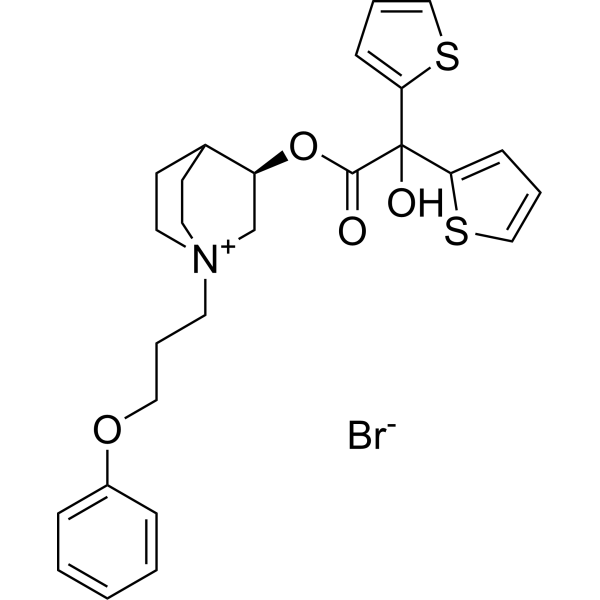
Aclidinium Bromide (LAS 34273; LAS-W 330) is a long-acting, inhaled muscarinic antagonist. Aclidinium Bromide has the potential for chronic obstructive pulmonary disease (COPD) research.
For research use only. We do not sell to patients.
- Purity : 98.96%
- CAS No.: 320345-99-1
- Formula: C26H30BrNO4S2
- Molecular Weight:564.55
-
Storage:
4°C, sealed storage, away from moisture
* In solvent : -80°C, 6 months; -20°C, 1 month (sealed storage, away from moisture)

To place orders, for customer services and technical support, please contact: MedChemExpress USA
Tel: 609-228-6898 E-mail: [email protected] [email protected]


-
 Biological Activity
-
Chemical Information
-
Solvent & Solubility
- Purity & Documentation
- References
-
 Help & FAQs


-
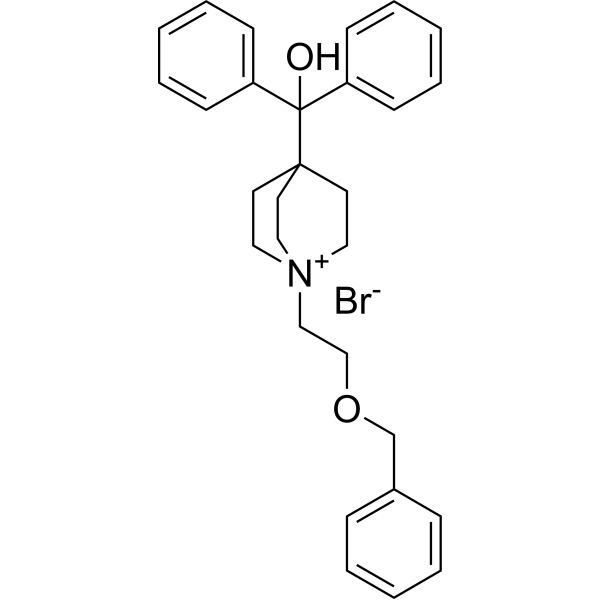
HY-12100
Umeclidinium bromidemAChR Antagonist -
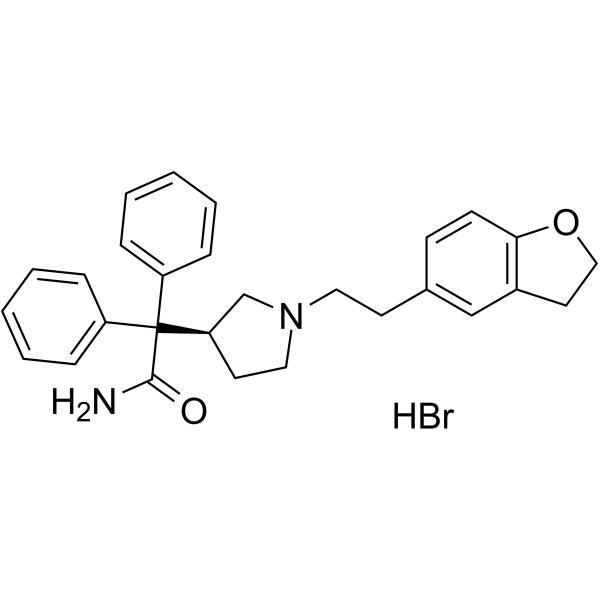
HY-A0012
Darifenacin hydrobromideM3 Muscarinic Receptor Antagonist -
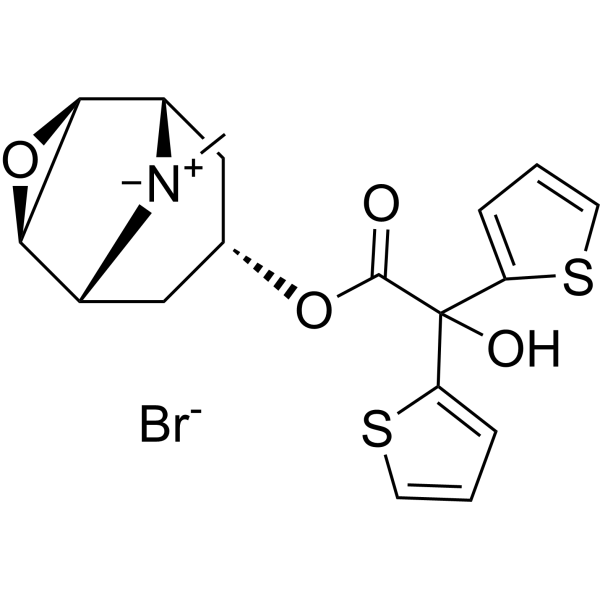
HY-17360
Tiotropium BromidemAChR Antagonist -
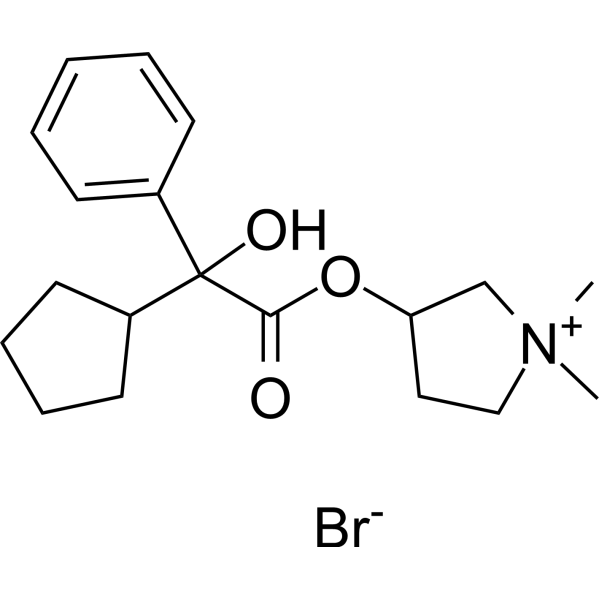
HY-17465
GlycopyrrolateMuscarinic Receptor Antagonist -
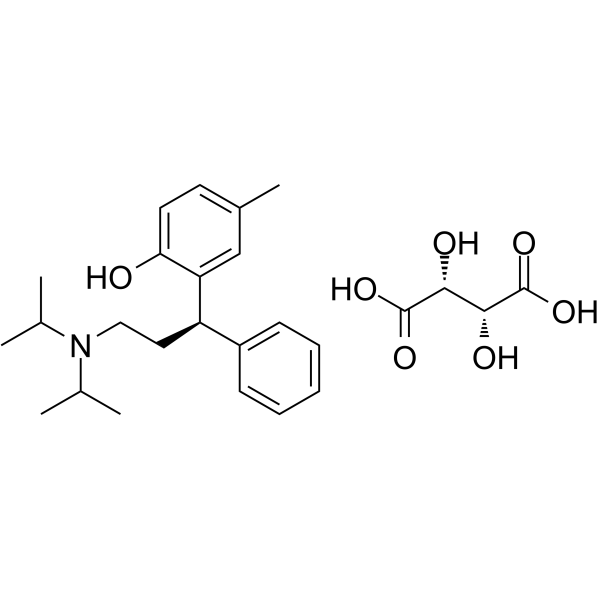
HY-90010
Tolterodine tartratemAChR Inhibitor -
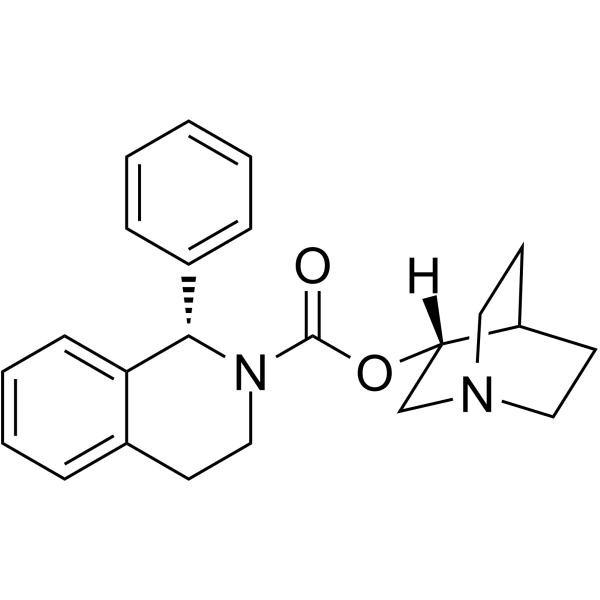
HY-A0034
SolifenacinmAChR Antagonist -
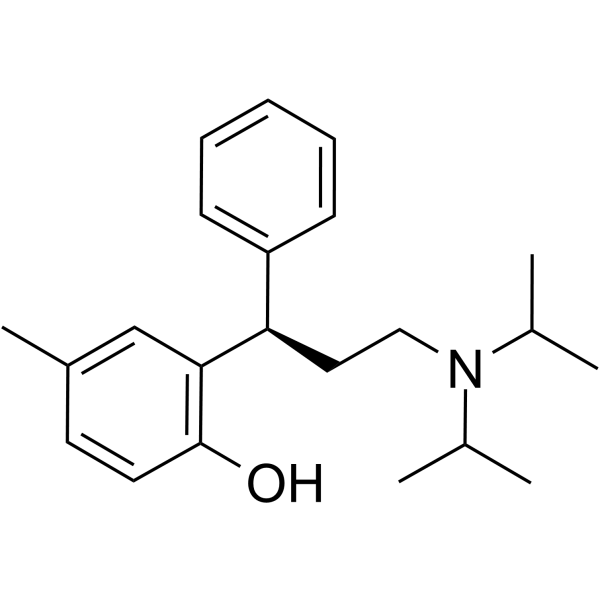
HY-A0024
TolterodinemAChR Inhibitor -
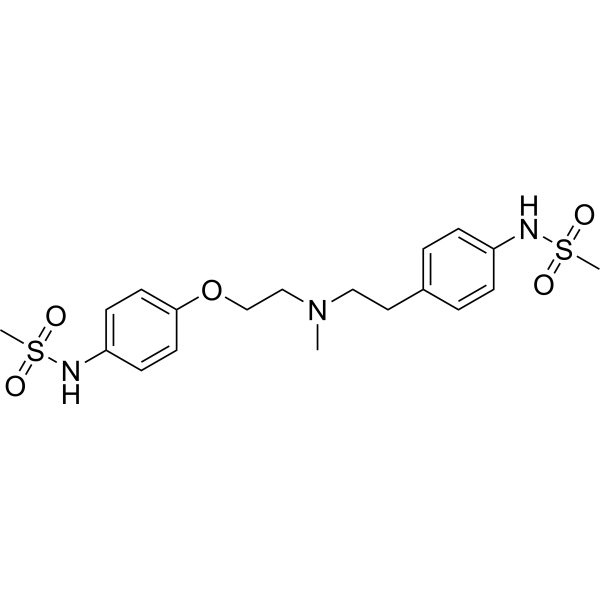
HY-B0232
DofetilideIKr Blocker -
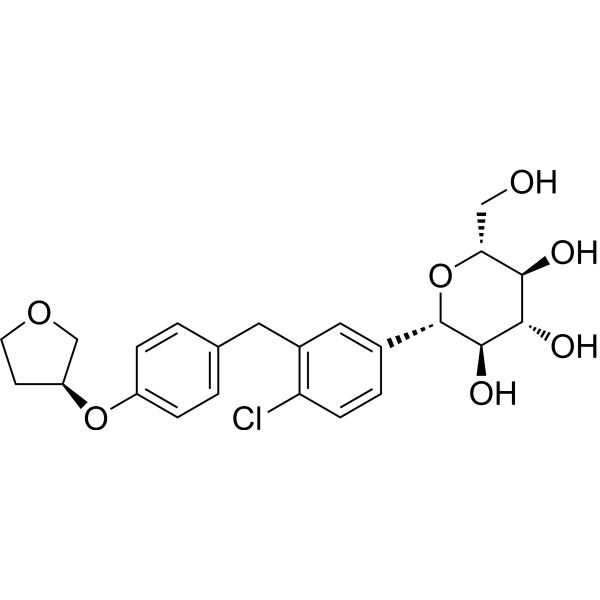
HY-15409
EmpagliflozinSGLT2 Inhibitor -
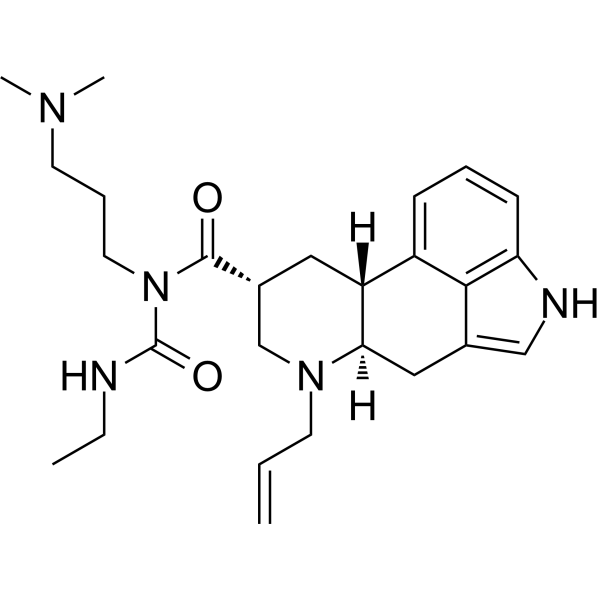
HY-15296
CabergolineAutophagy Inducer -
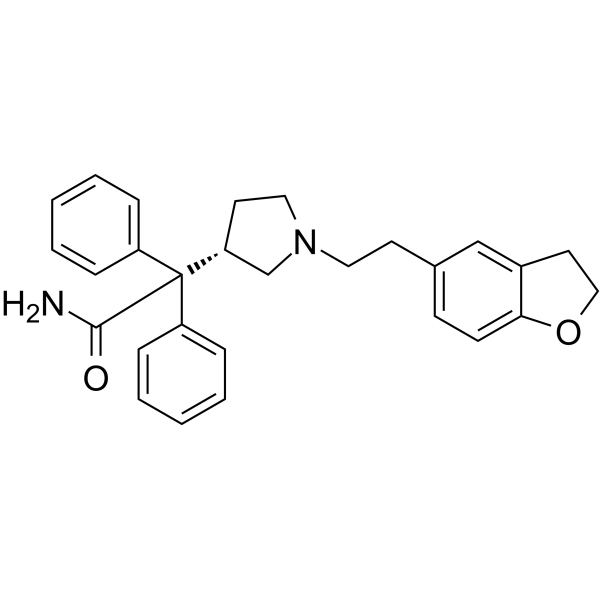
HY-A0033
DarifenacinM3 Muscarinic Receptor Antagonist -
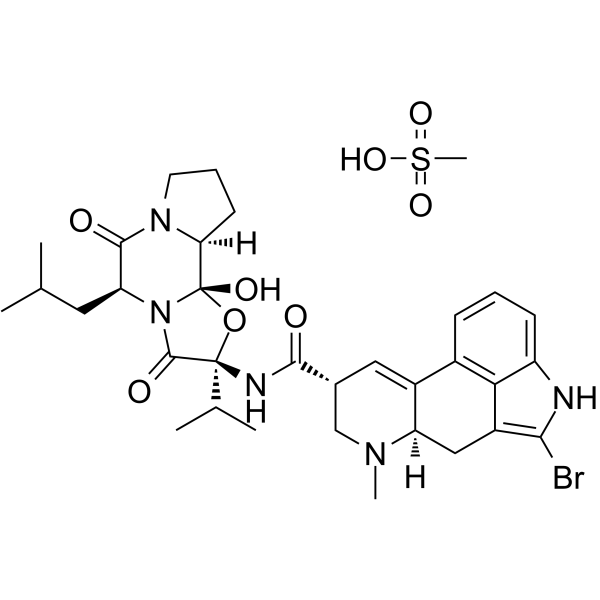
HY-12705A
Bromocriptine mesylate
Publications Citing Use of MedChemExpress (MCE) Aclidinium Bromide
More Customer Validation & Images

-
WB


Biological Activity
Description
Cellular Effect
|
Cell Line

|
Type | Value | Description | References |
|---|---|---|---|---|
| CHO-K1 | IC50 |
0.14 nM
Compound: 56
|
Displacement of [3H]NMS from human muscarinic M1 receptor expressed in CHOK1 cells by microplate scintillation counting
Displacement of [3H]NMS from human muscarinic M1 receptor expressed in CHOK1 cells by microplate scintillation counting
|
[PMID: 19653626] |
| CHO-K1 | IC50 |
0.17 nM
Compound: 56
|
Displacement of [3H]NMS from human muscarinic M2 receptor expressed in CHOK1 cells by microplate scintillation counting
Displacement of [3H]NMS from human muscarinic M2 receptor expressed in CHOK1 cells by microplate scintillation counting
|
[PMID: 19653626] |
| CHO-K1 | IC50 |
0.17 nM
Compound: 56
|
Displacement of [3H]NMS from human muscarinic M3 receptor expressed in CHOK1 cells by microplate scintillation counting
Displacement of [3H]NMS from human muscarinic M3 receptor expressed in CHOK1 cells by microplate scintillation counting
|
[PMID: 19653626] |
In Vitro
Preclinically, aclidinium showed potent antagonism of human muscarinic receptors, with a long residence time at M3 receptors and a shorter residence time at M2 receptors, indicating the potential to provide sustained bronchodilation. Aclidinium is rapidly hydrolysed in human plasma, unlike other currently available antimuscarinics including tiotropium. Early clinical studies in healthy subjects have confirmed the low systemic bioavailability and favourable safety profile of single and multiple doses of aclidinium. In a subsequent Phase IIb study, which included 464 patients with moderate to severe COPD, aclidinium displayed long-lasting bronchodilatory activity and was well tolerated.
MedChemExpress (MCE) has not independently confirmed the accuracy of these methods. They are for reference only.
Clinical Trial
| NCT Number | Sponsor | Condition | Start Date |
Phase
|
|---|---|---|---|---|
| NCT01329991 | 2011-05 | PHASE1 |


Chemical Information
-
CAS No. 320345-99-1
-
Appearance Solid
-
Molecular Weight 564.55
-
Formula C26H30BrNO4S2
-
Color Off-white to pink
-
SMILES
O=C(O[C@H]1C[N+]2(CCCOC3=CC=CC=C3)CCC1CC2)C(C4=CC=CS4)(O)C5=CC=CS5.[Br-]
-
Synonyms
LAS 34273; LAS-W 330
-
Shipping
Room temperature in continental US; may vary elsewhere.
-
Storage
4°C, sealed storage, away from moisture
* In solvent : -80°C, 6 months; -20°C, 1 month (sealed storage, away from moisture)


Publications (5)
-
Journal Impact Factor
-
Most Recent
-
Eur J Pharm Biopharm
Evaluating β2-agonists as siRNA delivery adjuvants for pulmonary surfactant-coated nanogel inhalation therapy. [Abstract]2024 Apr:197:114223. PMID: 38367760 -
Oncol Lett
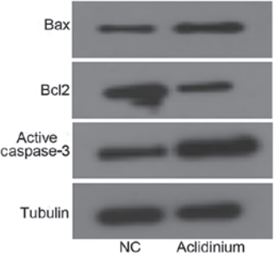
Aclidinium inhibits proliferation and metastasis of ovarian cancer SKOV3 cells via downregulating PI3K/AKT/mTOR signaling pathway. [Abstract]2018 Nov;16(5):6417-6422. PMID: 30405778
Aclidinium Bromide purchased from MedChemExpress. Usage Cited in: Oncol Lett. 2018 Nov;16(5):6417-6422. [Abstract]
Western blotting is used to examine the proteins closely related with apoptosis. Results reveal that after treatment with Aclidinium, the expression of the anti-apoptotic protein, Bcl-2, is decreased while the level of pro-apoptotic protein Bax and active-caspase-3 are increased significantly.
-
Eur Rev Med Pharmacol Sci
Aclidinium bromide inhibits proliferation of osteosarcoma cells through regulation of PI3K/Akt pathway. [Abstract]2019 Jan;23(1):105-112. PMID: 30657552 -
-


Solvent & Solubility
In Vitro:
DMSO : 33.33 mg/mL (59.04 mM; Need ultrasonic; Hygroscopic DMSO has a significant impact on the solubility of product, please use newly opened DMSO)
Please refer to the solubility information to select the appropriate solvent. Once prepared, please aliquot and store the solution to prevent product inactivation from repeated freeze-thaw cycles.
Storage method and period of stock solution: -80°C, 6 months; -20°C, 1 month (sealed storage, away from moisture). When stored at -80°C, please use it within 6 months. When stored at -20°C, please use it within 1 month.
Please refer to the solubility information to select the appropriate solvent. Once prepared, please aliquot and store the solution to prevent product inactivation from repeated freeze-thaw cycles.
Storage method and period of stock solution: -80°C, 6 months; -20°C, 1 month (sealed storage, away from moisture). When stored at -80°C, please use it within 6 months. When stored at -20°C, please use it within 1 month.
Concentration (start) × Volume (start) = Concentration (final) × Volume (final)
In Vivo:
Select the appropriate dissolution method based on your experimental animal and administration route.
- For the following dissolution methods, please ensure to first prepare a clear stock solution using an In Vitro approach and then sequentially add co-solvents:
- To ensure reliable experimental results, the clarified stock solution can be appropriately stored based on storage conditions. As for the working solution for In Vivo experiments, it is recommended to prepare freshly and use it on the same day.
- The percentages shown for the solvents indicate their volumetric ratio in the final prepared solution. If precipitation or phase separation occurs during preparation, heat and/or sonication can be used to aid dissolution.
Add each solvent one by one: 10% DMSO 40% PEG300 5% Tween-80 45% Saline
Solubility: ≥ 2.5 mg/mL (4.43 mM); Clear solution
This protocol yields a clear solution of ≥ 2.5 mg/mL (saturation unknown).
Taking 1 mL working solution as an example, add 100 μL DMSO stock solution (25.0 mg/mL) to 400 μL PEG300, and mix evenly; then add 50 μL Tween-80 and mix evenly; then add 450 μL Saline to adjust the volume to 1 mL.
Preparation of Saline: Dissolve 0.9 g sodium chloride in ddH₂O and dilute to 100 mL to obtain a clear Saline solution.
Add each solvent one by one: 10% DMSO 90% (20% SBE-β-CD in Saline)
Solubility: ≥ 2.5 mg/mL (4.43 mM); Clear solution
This protocol yields a clear solution of ≥ 2.5 mg/mL (saturation unknown).
Taking 1 mL working solution as an example, add 100 μL DMSO stock solution (25.0 mg/mL) to 900 μL 20% SBE-β-CD in Saline, and mix evenly.
Preparation of 20% SBE-β-CD in Saline (4°C, storage for one week): 2 g SBE-β-CD powder is dissolved in 10 mL Saline, completely dissolve until clear.
In Vivo Dissolution Calculator
Please enter the basic information of animal experiments:
-
-
-
-
Recommended: Prepare an additional quantity of animals to account for potential losses during experiments.
Please enter your animal formula composition:
-
%DMSO +
Recommended: Keep the proportion of DMSO in working solution below 2% if your animal is weak.
-
%+
-
+%Tween-80 + +
-
%Saline +
The co-solvents required include: DMSO, . All of co-solvents are available by MedChemExpress (MCE). , Tween 80. All of co-solvents are available by MedChemExpress (MCE).
Working solution concentration: 0.22 mg/mL
Method for preparing stock solution: mg drug dissolved in μL DMSO. Stock solution concentration: mg/mL. * In solvent : -80°C, 6 months; -20°C, 1 month (sealed storage, away from moisture)
1. Take μL DMSO stock solution;
2. Add μL .
μL , mix evenly;
3. Then add μL Tween 80, mix evenly;
4. Then add μL
Please ensure that the stock solution in the first step is dissolved to a clear state, and add co-solvents in sequence. You can use ultrasonic heating (ultrasonic cleaner, recommended frequency 20-40 kHz), vortexing, etc. to assist dissolution.


Purity & Documentation
-
Data Sheet (277 KB)
-
SDS (393 KB)
- English - EN (393 KB)
- Français - FR (393 KB)
- Deutsch - DE (393 KB)
- Norwegian - NO (393 KB)
- Español - ES (393 KB)
- Swedish - SV (393 KB)
- Italian - IT (393 KB)
- Korean - KR (393 KB)
- Portuguese - PT (393 KB)
-
Handling Instructions (2659 KB)
References
[1]. Cazzola M. Aclidinium bromide, a novel long-acting muscarinic M3 antagonist for the treatment of COPD. Curr Opin Investig Drugs. 2009 May;10(5):482-90. [Content Brief]
[2]. Joos GF. Potential for long-acting muscarinic antagonists in chronic obstructive pulmonary disease. Expert Opin Investig Drugs. 2010 Feb;19(2):257-64. [Content Brief]
[3]. Sentellas S, Ramos I, Albertí J et al. Aclidinium bromide, a new, long-acting, inhaled muscarinic antagonist: in vitro plasma inactivation and pharmacological activity of its main metabolites. Eur J Pharm Sci. 2010 Mar 18;39(5):283-90. [Content Brief]
[4]. Sims MW, Panettieri RA Jr. Profile of aclidinium bromide in the treatment of chronic obstructive pulmonary disease. Int J Chron Obstruct Pulmon Dis. 2011;6:457-66. [Content Brief]


Complete Stock Solution Preparation Table
Please refer to the solubility information to select the appropriate solvent. Once prepared, please aliquot and store the solution to prevent product inactivation from repeated freeze-thaw cycles.
Storage method and period of stock solution: -80°C, 6 months; -20°C, 1 month (sealed storage, away from moisture). When stored at -80°C, please use it within 6 months. When stored at -20°C, please use it within 1 month.
| Optional Solvent | Concentration Solvent Mass | 1 mg | 5 mg | 10 mg | 25 mg |
|---|---|---|---|---|---|
| DMSO | 1 mM | 1.7713 mL | 8.8566 mL | 17.7132 mL | 44.2831 mL |
| 5 mM | 0.3543 mL | 1.7713 mL | 3.5426 mL | 8.8566 mL | |
| 10 mM | 0.1771 mL | 0.8857 mL | 1.7713 mL | 4.4283 mL | |
| 15 mM | 0.1181 mL | 0.5904 mL | 1.1809 mL | 2.9522 mL | |
| 20 mM | 0.0886 mL | 0.4428 mL | 0.8857 mL | 2.2142 mL | |
| 25 mM | 0.0709 mL | 0.3543 mL | 0.7085 mL | 1.7713 mL | |
| 30 mM | 0.0590 mL | 0.2952 mL | 0.5904 mL | 1.4761 mL | |
| 40 mM | 0.0443 mL | 0.2214 mL | 0.4428 mL | 1.1071 mL | |
| 50 mM | 0.0354 mL | 0.1771 mL | 0.3543 mL | 0.8857 mL |


Aclidinium Bromide Related Classifications
HY-14144 Related Classifications
 Powered by Bioz