
Search Result
Results for "
α-glucosidases
" in MedChemExpress (MCE) Product Catalog:
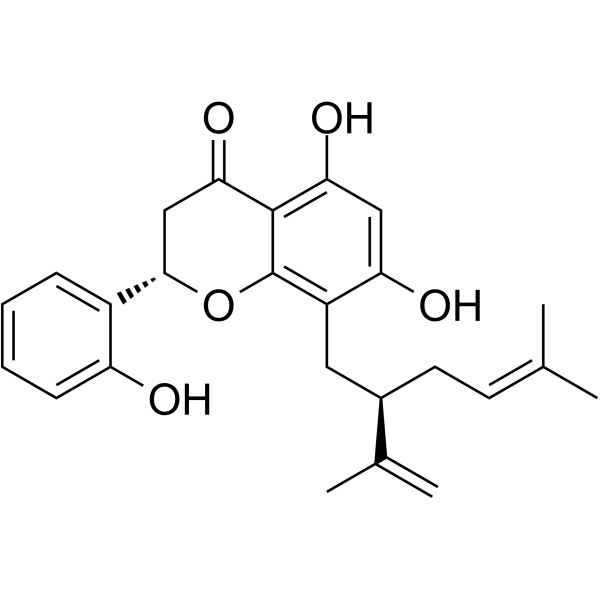
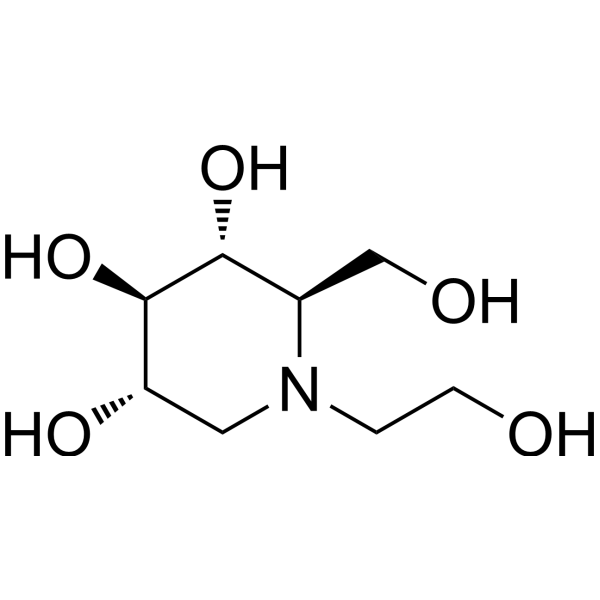
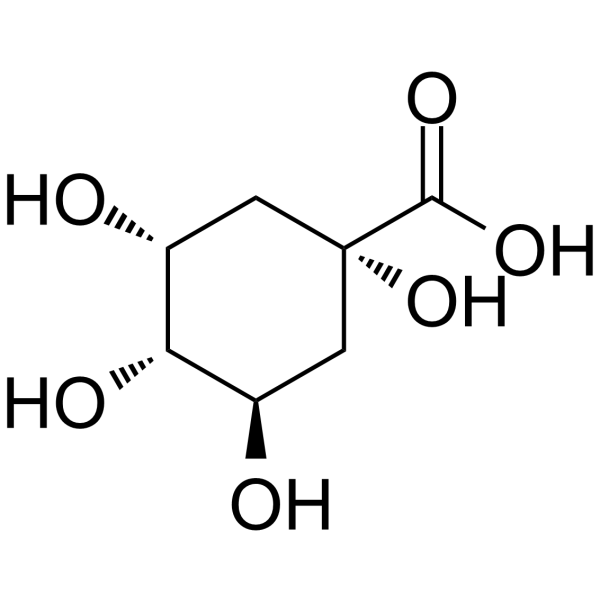
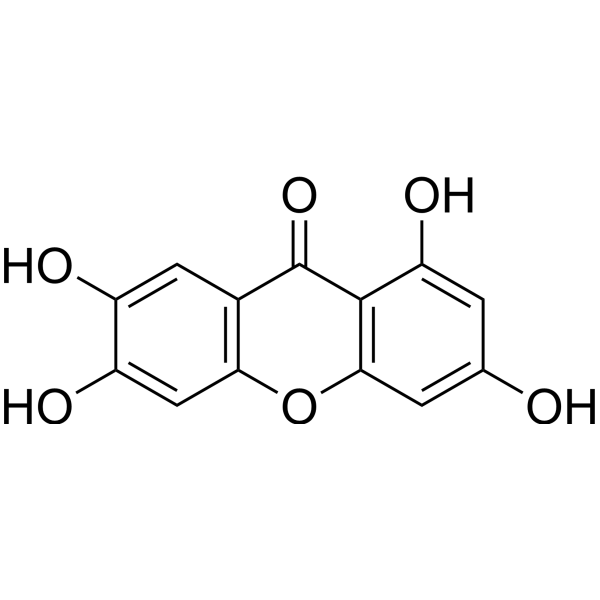
7
Biochemical Assay Reagents
6
Isotope-Labeled Compounds
| Cat. No. |
Product Name |
Target |
Research Areas |
Chemical Structure |
-
- HY-B0481
-
|
BAY1099; BAY-m1099
|
Glycosidase
AMPK
Reactive Oxygen Species (ROS)
|
Metabolic Disease
|
|
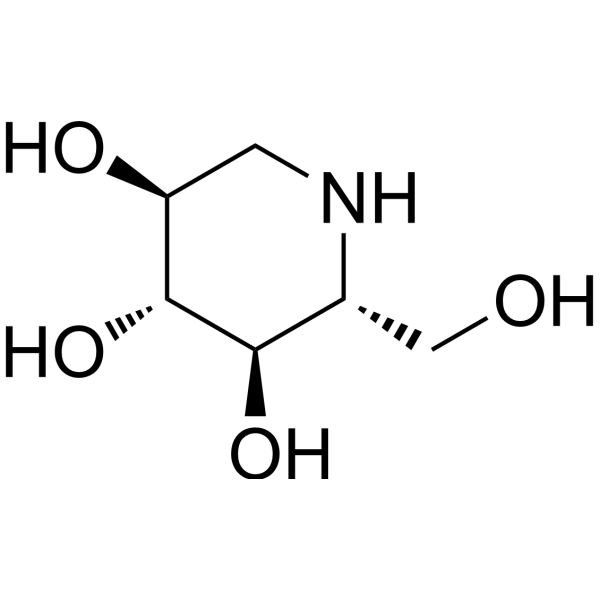
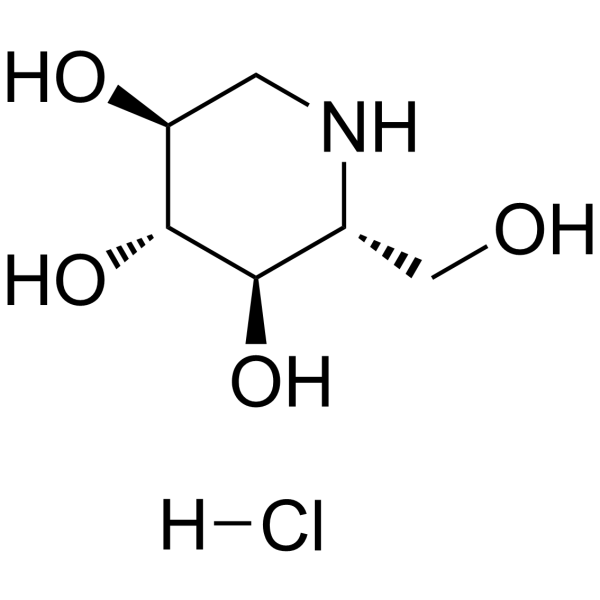
Miglitol (BAY-m1099) is an orally active antidiabetic compound that inhibits the breakdown of glycoconjugates into glucose. Miglitol inhibits glycoside hydrolase enzymes called α-glucosidases. Miglitol inhibits oxidative stress-induced apoptosis and mitochondrial ROS over-production in endothelial cells by enhancement of AMP-activated protein kinase. Dietary supplementation with Miglitol from pre-onset stage in OLETF rats delays the onset and development of diabetes and preserves the insulin secretory function of pancreatic islets .
|
-
-
- HY-113585
-
|
|
Endogenous Metabolite
|
Others
|
|
1,4-Dideoxy-1,4-imino-D-arabinitol hydrochloride is a naturally occurring pyrrolidine alkaloid that acts as an inhibitor of glycogen phosphorylase and α-glucosidases, and is sourced from Arachniodes standishii and Angylocalyx boutiqueanus.
|
-
-
- HY-124662
-
|
|
Flavivirus
Dengue Virus
Glycosidase
|
Infection
|
|
IHVR-19029 is a potent endoplasmic reticulum (ER) α-glucosidases I and II inhibitor, with an IC50 of 0.48 μM for ER a-glucosidase I. IHVR-19029 efficiently blocks the replication of several hemorrhagic fever viruses, such as Dengue virus (DENV), Ebola virus (EBOV) and Rift Valley fever virus. The combination of IHVR-19029 with Favipiravir (HY-14768) improves the antiviral efficacy .
|
-
-
- HY-150560
-
|
|
Glycosidase
|
Metabolic Disease
|
|
α-Glucosidase-IN-11 is a highly permeable competitive α-glucosidase inhibitor with the IC50 value of 0.56 μM. α-Glucosidase-IN-11 binds to Trp residues in α-glucosidase and regulates protein folding. α-Glucosidase-IN-11 can be used to regulate blood glucose levels .
|
-
-
- HY-117721
-
-
-
- HY-179141
-
|
|
Amylases
Glycosidase
|
Metabolic Disease
|
|
α-Amylase/α-Glucosidase-IN-23 (Compound 5e) is a α-Amylase/α-Glucosidase inhibitor with IC50 values of 73.68 nM for α-glucosidase and 146.18 nM for α-amylase. α-Amylase/α-Glucosidase-IN-23 can be used in the research of hypoglycemia .
|
-
-
- HY-P2802D
-
|
|
Glycosidase
|
Others
|
|
exo-α-Glucosidase,Bacteroides thetaiotaomicron (EC.3.2.1.20) is a α-Glucosidase. exo-α-Glucosidase, using maltose as a donor, exhibits excellent transglycosidic activity towards various receptors .
|
-
-
- HY-152158
-
|
|
Glycosidase
|
Metabolic Disease
|
|
α-Glucosidase-IN-22 (Compound 7i) is a α-glucosidase inhibitor with an IC50 value of 0.64 μM. α-Glucosidase-IN-22 can be used for the research of type 2 diabetes .
|
-
-
- HY-179511
-
|
|
Glycosidase
|
Metabolic Disease
|
|
α-Glucosidase-IN-104 (Compound 9s) is an efficient inhibitor of α-glucosidase with an IC50 of 24.32 μM. α-Glucosidase-IN-104 has a weak inhibitory effect on α-amylase and avoids gastrointestinal side effects. α-Glucosidase-IN-104 can be used for research on type 2 diabetes .
|
-
-
- HY-175605
-
|
|
Glycosidase
Amylases
|
Metabolic Disease
|
|
α-Amylase/α-Glucosidase-IN-21 (Compound 4) is a dual-functional inhibitor of α-Glucosidase and α-Amylase with IC50s of 0.27 and 0.19 µg/mL for α-Glucosidase and α-Amylase, respectively. α-Amylase/α-Glucosidase-IN-21 has an antidiabetic activity.α-Amylase/α-Glucosidase-IN-21 can be used for diabetes mellitus research .
|
-
-
- HY-149342
-
|
|
Glycosidase
|
Metabolic Disease
|
|
α-Glucosidase-IN-29 (compound 19) is a α-glucosidases inhibitor (IC50=1.21 μM, Ki=1.80 μM). α-Glucosidase-IN-29 ca be used for research of diabetes and related diseases .
|
-
-
- HY-117603
-
|
|
Glucokinase
|
Infection
|
|
CM-10-18 is a potent and orally active inhibitor of both α-glucosidases I and II in vitro and in animals. CM-10-18 inhibits DENV infection of cultured human cells and reduces the peak viremia of DENV in mice .
|
-
-
- HY-145275
-
|
|
Glycosidase
|
Infection
|
|
EB-0176 is a potent inhibitor of ER α-glucosidases (α-Glu) Iand II with IC50s of 0.6439 and 0.0011 μM, respectively. EB-0176 is a N-substituted derivative of valiolamine with broad-spectrum antiviral. EB-0176 has the potential for the reseach of broad-spectrum agent against the existing and emerging viruses .
|
-
-
- HY-145274
-
|
|
Glycosidase
|
Infection
|
|
EB-0156 is a potent inhibitor of ER α-glucosidases (α-Glu) Iand II with IC50s of 0.0479 and less than 0.001 μM, respectively. EB-0156 is a N-substituted derivative of valiolamine with broad-spectrum antiviral. EB-0156 has the potential for the reseach of broad-spectrum agent against the existing and emerging viruses .
|
-
-
- HY-156078
-
|
|
Glycosidase
|
Metabolic Disease
|
|
α-Glucosidase-IN-32 (compound f26) is a reversible, noncompetitive and orally active α-glucosidase inhibitor with an IC50 value of 3.07 μM. α-Glucosidase-IN-32 complex with α-glucosidase through hydrogen bonds and hydrophobic interactions, led to changes in the conformation and secondary strictures of α-glucosidase and further the inhibition of the enzymatic activity. α-Glucosidase-IN-32 can be used for diabetic disease research .
|
-
-
- HY-157489
-
|
|
Glycosidase
|
Metabolic Disease
|
|
α-Glucosidase-IN-47 (compound 8H) is a non-competitive α-glucosidase (α-glucosidase) inhibitor with IC50 value is 38.2 μM and Ki value is 38.2 μM. α-Glucosidase-IN-47 can be used in diabetes research. .
|
-
-
- HY-148575
-
|
|
Glycosidase
|
Metabolic Disease
|
|
α-Glucosidase-IN-23 is an orally active α-Glucosidase inhibitor. α-Glucosidase-IN-23 decreases blood glucose by a-glucosidase inhibition with an IC50 value of 4.48 μM. α-Glucosidase-IN-23 can be used for the research of diabetes .
|
-
-
- HY-161522
-
|
|
Glycosidase
Carbonic Anhydrase
|
Endocrinology
|
|
α-Glucosidase-IN-63 (Compound 4d) is an inhibitor of α-Glucosidase (IC50=0.44 μM). α-Glucosidase-IN-63 inhibits hCA II with an activity of Ki= 7.0 nM. α-Glucosidase-IN-63 is orally effective. .
|
-
-
- HY-149341
-
|
|
Glycosidase
|
Metabolic Disease
|
|
α-Glucosidase-IN-28 (Compound 18) is a α-Glucosidase inhibitor (IC50: 0.62 μM, Ki: 3.93 μM). α-Glucosidase-IN-28 binds to α-glucosidase at the original binding site (OBS), and forms multiple hydrophobic interactions with nearby amino acids. α-Glucosidase-IN-28 can be used for research of diabetes and related diseases .
|
-
-
- HY-149579
-
|
|
Glycosidase
|
Metabolic Disease
|
|
α-Glucosidase-IN-36 (compound 5g) is a potent α-glucosidase inhibitor, with an IC50 of 6.69 ± 0.18 μM, Ki and Kis of 1.65 μM and 4.54 μM, respectively. α-Glucosidase-IN-36 may inhibit α-glucosidase activity by binding with its active site as well as changing the secondary structure of α-glucosidase. α-Glucosidase-IN-36 can be used for type 2 diabetes mellitus (T2DM) research .
|
-
-
- HY-163066
-
|
|
Glycosidase
|
Metabolic Disease
|
|
α-Glucosidase-IN-44 (compound IT4) is an inhibitor of α-glucosidase with IC50 value of 2.35 μM. α-Glucosidase-IN-44 has an oral activity. α-Glucosidase-IN-44 suppresses fasting blood glucose levels in diabetic mice .
|
-
-
- HY-161999
-
|
|
Glycosidase
|
Metabolic Disease
Inflammation/Immunology
|
|
α-Glucosidase-IN-73 (compound 16b) is an α-Glucosidase inhibitor with IC50 of 0.158 μM. α-Glucosidase-IN-73 can activate PPAR γ. α-Glucosidase-IN-73 can be used in anti-diabetic and anti-inflammatory studies .
|
-
-
- HY-155372
-
|
|
Glycosidase
|
Metabolic Disease
|
|
α-Glucosidase-IN-39 is a potent inhibitor of α-glucosidase enzyme with an IC50 of 869.06 ppm. α-Glucosidase-IN-39 can used in study antidiabetic .
|
-
-
- HY-N11512
-
|
|
Glycosidase
|
Metabolic Disease
|
|
α-Glucosidase-IN-24 (Compound 13) is an α-Glucosidase inhibitor with an IC50 of 451 μM. α-Glucosidase-IN-24 can be isolated from Swertia kouitchensis .
|
-
-
- HY-115978
-
|
|
Glycosidase
|
Metabolic Disease
|
|
α-Glucosidase-IN-2 (compound 5d) is a potent α-Glucosidase inhibitor with an IC50 of 9.48 µM. α-Glucosidase-IN-2 is an antidiabetic agent .
|
-
-
- HY-162287
-
-
-
- HY-162286
-
-
-
- HY-W783267
-
|
|
Glycosidase
|
Metabolic Disease
|
|
α-Glucosidase-IN-35 (compound 1) is a kind of chromene. α-Glucosidase-IN-35 can be isolated from the aqueous extract of the aerial parts of Brickellia cavanillesii. α-Glucosidase-IN-35 is a potent inhibitor of α-glucosidase with an IC50 value of 0.169 mg/mL .
|
-
-
- HY-147823
-
|
|
Glycosidase
|
Metabolic Disease
|
|
α-Glucosidase-IN-6 (compound 18) is a competitive α-glucosidase inhibitor with an IC50 of 5.69 µM. α-Glucosidase-IN-6 has anti-diabetic potential .
|
-
-
- HY-170866
-
|
|
Glycosidase
|
Metabolic Disease
|
|
α-Glucosidase-IN-81 (Compound 5) is a potent α-Glucosidase inhibitor with an IC50 value of 5.30 μM. α-Glucosidase-IN-81 is promising for research of diabetes .
|
-
-
- HY-157488
-
|
|
Glycosidase
|
Metabolic Disease
|
|
α-Glucosidase-IN-46 is a potent α-glucosidase inhibitor with an IC50 of 26.0 μM. α-Glucosidase-IN-46 can be used for the research of type 2 diabetes .
|
-
-
- HY-161318
-
|
|
Glycosidase
|
Metabolic Disease
|
|
α-Glucosidase-IN-52 (Compound 3h) is an α-glucosidase inhibitor with an IC50 of 2.8 μM. α-Glucosidase-IN-52 can be used for diabetes research .
|
-
-
- HY-149676
-
|
|
Glycosidase
|
Metabolic Disease
|
|
α-Glucosidase-IN-42 (Compound 26) is a 9-O-berberrubine carboxylate derivative. α-Glucosidase-IN-42 has potent α-glucosidase inhibitory activities with an IC50 value in the range of 1.61 μM. α-Glucosidase-IN-42 can be used for the research of antidiabetic .
|
-
-
- HY-149668
-
|
|
Glycosidase
|
Metabolic Disease
|
|
α-Glucosidase-IN-41 (compound 5o) is a potent α-glucosidase inhibitor. α-Glucosidase-IN-41 can arise the changed secondary structure of α-Glu to hinder enzyme catalytic activity. α-Glucosidase-IN-41 can be used for diabetes mellitus research .
|
-
-
- HY-161764
-
|
|
Amylases
Glycosidase
|
Metabolic Disease
|
|
α-Glucosidase-IN-67 (compound 5k) is a potent α-Glucosidase inhibitor with IC50 values of 0.31, 4.51 µM for alpha-glucosidase and alpha-amylase, respectively. α-Glucosidase-IN-67 has the potential for the research of type-2 diabetes .
|
-
-
- HY-147718
-
|
|
Glutaminase
|
Metabolic Disease
|
|
α-Glucosidase-IN-5 (compound 8) is a potent α-glucosidase inhibitor with an IC50 of 57.9 µM. α-Glucosidase-IN-5 has the potential for the research of diabetes mellitus .
|
-
-
- HY-151142
-
|
|
Glycosidase
|
Metabolic Disease
|
|
α-Glucosidase-IN-18 (7B) is an orally active α-glucosidase inhibitor with an IC50 value of 3.96 μM. α-Glucosidase-IN-18 has antidiabetic activity .
|
-
-
- HY-151141
-
|
|
Glycosidase
|
Metabolic Disease
|
|
α-Glucosidase-IN-17 (Compound 12B) is a potent, orally active α-glucosidase inhibitor with an IC50 of 3.79 μM. α-Glucosidase-IN-17 shows antidiabetic activity .
|
-
-
- HY-147964
-
|
|
Glycosidase
|
Metabolic Disease
|
|
α-Glucosidase-IN-9 (compound 7) is a potent α-glucosidase inhibitor, with an IC50 of 55.6 μM. α-Glucosidase-IN-9 can be used for type II diabetes research .
|
-
-
- HY-151135
-
|
|
Glycosidase
|
Metabolic Disease
|
|
α-Glucosidase-IN-15 (Compound 14B) is a potent, orally active α-glucosidase inhibitor with an IC50 of 3.34 μM. α-Glucosidase-IN-15 shows antidiabetic activity .
|
-
-
- HY-147965
-
|
|
Glycosidase
|
Metabolic Disease
|
|
α-Glucosidase-IN-10 (compound 13) is a potent α-glucosidase inhibitor, with an IC50 of 92.7 μM. α-Glucosidase-IN-10 can be used for type II diabetes research .
|
-
-
- HY-151143
-
|
|
Glycosidase
|
Metabolic Disease
|
|
α-Glucosidase-IN-19 (Compound 6B) is a potent, orally active α-glucosidase inhibitor with an IC50 of 3.63 μM. α-Glucosidase-IN-19 shows anti-diabetic activity .
|
-
-
- HY-157311
-
|
|
Glycosidase
|
Cancer
|
|
α-Glucosidase-IN-45 (compound 11E) is an inhibitor of α-glucosidase. α-Glucosidase-IN-45 is a novel indol-fused pyrano[2,3-D]pyrimidine compound .
|
-
-
- HY-N12664
-
|
|
Glycosidase
|
Metabolic Disease
|
|
α-Glucosidase-IN-54 (compound 2) is a α-glucosidase inhibitor with the IC50 of 0.011 mM, and can be isolated form Syzygium jambos (L.). α-Glucosidase-IN-54 can be used for study of diabetes .
|
-
-
- HY-158697
-
|
|
Glycosidase
|
Metabolic Disease
|
|
α-Glucosidase-IN-65 (compound 5) is a Schiff base derivative of 3,4-dihydroxyphenylacetic acid. α-Glucosidase-IN-65 is a potent α-glucosidase inhibitor, with an IC50 of 12.84 μM .
|
-
-
- HY-151145
-
|
|
Glycosidase
|
Metabolic Disease
|
|
α-Glucosidase-IN-21 (Compound 2B) is a potent, orally active α-glucosidase inhibitor with an IC50 of 2.62 μM. α-Glucosidase-IN-21 shows anti-diabetic activity .
|
-
-
- HY-151144
-
|
|
Glycosidase
|
Metabolic Disease
|
|
α-Glucosidase-IN-20 (Compound 3B) is a potent, orally active α-glucosidase inhibitor with an IC50 of 3.01 μM. α-Glucosidase-IN-20 shows anti-diabetic activity .
|
-
-
- HY-175170
-
|
|
Glycosidase
|
Metabolic Disease
|
|
α-Glucosidase-IN-95 (Compound 21c) is a competitive α-Glucosidase inhibitor with an IC50 of 0.44 μM. α-Glucosidase-IN-95 has a significant inhibitory potency without cytotoxicity to normal cells. α-Glucosidase-IN-95 can be used for metabolic disorders like diabetes mellitus research .
|
-
-
- HY-146225
-
|
|
Glycosidase
|
Metabolic Disease
|
|
α-Amylase/α-Glucosidase-IN-2 (compound 5) is a potent α-amylase and α-glucosidase dual inhibitor with IC50 values of 13.02, 13.09 µM for α-amylase and α-glucosidase, respectively. α-Amylase/α-Glucosidase-IN-2 has the potential for the research of diabetic complications .
|
-
-
- HY-N12689
-
|
|
Glycosidase
|
Metabolic Disease
|
|
α-Glucosidase-IN-56 (compound 1) is an orally active, potent α‐glucosidase inhibitor with an IC50 value of 45.86 μM. α-Glucosidase-IN-56 has potent anti-glycation activities .
|
-
- HY-168465
-
|
|
Glycosidase
|
Metabolic Disease
|
|
α-Glucosidase-IN-83 (compound I-1) is a potent inhibitor of α-Glucosidase, with the IC50 of 1.49 μg/mL. α-Glucosidase-IN-83 shows reduction in blood glucose levels in vivo .
|
-
- HY-179154
-
|
|
Glycosidase
Cytochrome P450
|
Metabolic Disease
|
|
α-Glucosidase-IN-101 (Compound 13j) is an uncompetitive α-glucosidase inhibitor, with an IC50 of 120 nM. α-Glucosidase-IN-101 properly inhibits CYP1A2, CYP2C19, and CYP2C9 isoforms of cytochrome P450. α-Glucosidase-IN-101 can be used in the research of diabetes .
|
-
- HY-147711
-
|
|
Glycosidase
|
Metabolic Disease
|
|
α-Amylase/α-Glucosidase-IN-1 (compound 33) is a potent α-amylase/α-glucosidase inhibitor with IC50s of 2.01, 2.09 µM for α-amylase and α-glucosidase, respectively. Kinetic studies predict that α-Amylase/α-Glucosidase-IN-1 has the potential of anti hyperglycemia .
|
-
- HY-170588
-
|
|
Glycosidase
|
Metabolic Disease
|
|
α-Glucosidase-IN-78 (Compound 12m) is an inhibitor for α-glucosidase with a reversible, competitive IC50 6.0 μM. α-Glucosidase-IN-78 can be used in research of diabete for its hypoglycemic property .
|
-
- HY-155344
-
|
|
Glycosidase
|
Metabolic Disease
|
|
α-Glucosidase-IN-38 (Compound 11j) is a potent inhibitor of α-glucosidase inhibitor with IC50 of 12.44±0.38 μM.α-Glucosidase-IN-38 plays an important role in Diabetes mellitus (DM) .
|
-
- HY-162697
-
|
|
Glycosidase
|
Metabolic Disease
|
|
α-Glucosidase-IN-69 (compound 5k) is a competitive α-glucosidase inhibitor with an IC50 of 26.8 µM and a Ki value of 26.0 µM. α-Glucosidase-IN-69 has the potential for the diabetes research .
|
-
- HY-162541
-
|
|
Glycosidase
|
Metabolic Disease
|
|
α-Glucosidase-IN-64 (compound 10) is a potent α-glucosidase inhibitor with an IC50 value of 8.62 µM. α-Glucosidase-IN-64 is a polycyclic polyprenylated acylphloroglucinol that can be isolated from hypericum beanii .
|
-
- HY-146156
-
-
- HY-150960
-
-
- HY-N12347
-
|
|
Others
|
Inflammation/Immunology
|
|
α-Glucosidase-IN-37 (Compound 11) moderately inhibits LPS-induced NO production with an IC50 value of 23.7 μM in macrophages. α-Glucosidase-IN-37 has weak inhibitory activity against α-Glucosidase .
|
-
- HY-154998
-
|
|
Glycosidase
|
Metabolic Disease
|
|
α-Glucosidase-IN-27 (compound 8l) is an α-glucosidase inhibitor (IC50=25.78 μM). α-Glucosidase-IN-27 has the potential to study type 2 diabetes (D2M) .
|
-
- HY-174319
-
|
|
Amylases
Glycosidase
|
Metabolic Disease
|
|
α-Amylase/α-Glucosidase-IN-20 (Compound 6b) is a dual inhibitor of α-Amylase and α-Glucosidase with IC50s of 414.57 and 924.15 μM for α-Amylase and α-Glucosidase, respectively. α-Amylase/α-Glucosidase-IN-20 shows a potent anti-diabetic activity, promising for diabetes research .
|
-
- HY-150959
-
-
- HY-150961
-
-
- HY-162395
-
-
- HY-162262
-
-
- HY-149332
-
|
|
Glycosidase
|
Metabolic Disease
|
|
α-Glucosidase-IN-26 (Compound 7i) is an α-glucosidase inhibitor (IC50=4.63 µM). α-Glucosidase-IN-26 can be used in the study of type 2 diabetes mellitus (T2DM) .
|
-
- HY-163907
-
|
|
Glycosidase
|
Metabolic Disease
|
|
α-Glucosidase-IN-71 (Compound 7h) is a competitive α-glucosidase inhibitor (IC50: 98.0 µM). α-Glucosidase-IN-71 can be used for research of carbohydrate-related diseases, especially type 2 diabetes mellitus .
|
-
- HY-172138
-
|
|
Glycosidase
|
Metabolic Disease
|
|
α-Glucosidase-IN-84 (Compound 7j) is a competitive α-glucosidase inhibitor with an IC50 of 50 μM and a Ki of 32 μM. α-Glucosidase-IN-84 holds potential for use in the field of metabolic diseases, such as the study of type 2 diabetes .
|
-
- HY-161281
-
|
|
Glycosidase
|
Metabolic Disease
|
|
α-Glucosidase-IN-49 (compound C23) is a potent inhibitor of α-Glucosidase, with IC50 of 0.52 μM. α-Glucosidase-IN-49 has oral bioactivity that can reduce blood glucose and improve glucose tolerance in mice .
|
-
- HY-149409
-
|
|
Glycosidase
|
Metabolic Disease
|
|
α-Glucosidase-IN-31 (compound R1) is an orally active, potent α-Glucosidase inhibitor with an IC50 value of 10.1 μM. α-Glucosidase-IN-31 significantly reduces the blood glucose level and has antidiabetic activity .
|
-
- HY-173183
-
|
|
Glycosidase
|
Metabolic Disease
|
|
α-Glucosidase-IN-87 (Compound 11c) is an orally active α-glucosidase inhibitor with an IC50 value of 119.7 μM. α-Glucosidase-IN-87 has hypoglycemic activity and can be used in the research of metabolic diseases such as diabetes .
|
-
- HY-156447
-
|
|
Glycosidase
|
Metabolic Disease
|
|
α-Glucosidase-IN-40 (compound 5) is a noncompetitive α-glucosidase enzyme inhibitor with an IC50 of 24.62 μM .
|
-
- HY-147879
-
-
- HY-174310
-
|
|
Glycosidase
|
Metabolic Disease
|
|
α-Glucosidase-IN-91 (Compound 15j) is a competitive and potent inhibitor for α-Glucosidase (IC50 = 6.6 μM). α-Glucosidase-IN-91 has a potent binding affinity towards α-Glucosidase. α-Glucosidase-IN-91 exhibits high stability, interacting and inhibiting α-Glucosidase selectively. α-Glucosidase-IN-91 can be studied in research for type 2 diabetes and blood glucose control .
|
-
- HY-180275
-
|
|
Glycosidase
|
Inflammation/Immunology
|
|
α-Glucosidase-IN-107 (Compound 1) is an α-glucosidase inhibitor with an IC50 of 1.01 μM. α-Glucosidase-IN-107 binds to the allosteric site of α-glucosidase. α-Glucosidase-IN-107 shows non-cytotoxic to normal lung fibrolast cells .
|
-
- HY-174223
-
|
|
Glycosidase
|
Metabolic Disease
|
|
α-Glucosidase-IN-90 (Compound 7b) is an α-Glucosidase inhibitor (IC50: 14.48 nM). α-Glucosidase-IN-90 binds to HIS:280 and ASN:415 residues of α-glucosidase via hydrogen bonds, inhibiting the activity of the enzyme. α-Glucosidase-IN-90 can be used in the study of diabetes .
|
-
- HY-186199
-
|
|
Glycosidase
|
Metabolic Disease
Inflammation/Immunology
|
|
α-Glucosidase-IN-117 is a low-activity α-glucosidase (α-glucosidase) inhibitor belonging to the coumarin derivative class, with an inhibition rate of 19.51% at 100 μM. α-Glucosidase-IN-117 can be used in diabetes research .
|
-
- HY-179092
-
|
|
Glycosidase
|
Metabolic Disease
|
|
α-Glucosidase-IN-100 (compound 6) is a potent alpha glucosidase inhibitor. α-Glucosidase-IN-100 can be used to study metabolic diseases such as diabetes .
|
-
- HY-181253
-
|
|
Glycosidase
|
Metabolic Disease
|
|
α-Glucosidase-IN-111 (Compound 5d) is an α-glucosidase (α-Glucosidase) inhibitor with a IC50 of 34.99 μg/mL. α-Glucosidase-IN-111 effectively scavenges DPPH free radicals and ABTS free radicals, with IC50 values of 5.33 and 5.84 μg/mL, respectively. α-Glucosidase-IN-111 can be used in the research of type 2 diabetes .
|
-
- HY-181476
-
|
|
Glycosidase
|
Metabolic Disease
|
|
α-Glucosidase-IN-113 is an α-glucosidase inhibitor with an IC50 of 17.52 μM. α-Glucosidase-IN-113 shows antiglycating activity and inhibits advanced glycation end-product formation. α-Glucosidase-IN-113 can be used for the research of type 2 diabetes .
|
-
- HY-178383
-
|
|
Glycosidase
|
Metabolic Disease
|
|
α-Glucosidase-IN-98 is a potent orally active α-Glucosidase inhibitor with an IC50 of 18.1 μM. α-Glucosidase-IN-98 reversibly binds with α-Glucosidase via hydrogen bonds, electrostatic interactions and hydrophobic effects, which induces significant conformational alterations in the secondary structure of α-Glucosidase. α-Glucosidase-IN-98 decreases postprandial hyperglycemia in Starch (HY-B2225B)/Sucrose (HY-B1779)-challenged mice. α-Glucosidase-IN-98 can be used for type 2 diabetes mellitus (T2DM) research .
|
-
- HY-182311
-
|
|
Aldose Reductase
Glycosidase
|
Metabolic Disease
|
|
ALR2/α-Glucosidase-IN-1 (Compound 4) is a competitive ALR2 inhibitor and competitive α-glucosidase inhibitor, with an IC50 of 0.250 μM against ALR2 and an IC50 of 0.561 μM against α-glucosidase. ALR2/α-Glucosidase-IN-1 binds to the active sites of ALR2 and α-glucosidase, and inhibits enzymatic activity by competing with their respective substrates. ALR2/α-Glucosidase-IN-1 can be used in diabetes-related research .
|
-
- HY-178742
-
|
|
Glycosidase
|
Metabolic Disease
|
|
α-Glucosidase-IN-99 (Compound 21) is an α-Glucosidase inhibitor, with an IC50 of 52.79 μM. α-Glucosidase-IN-99 can be used for the study of type 2 diabetes .
|
-
- HY-173130
-
|
|
Glycosidase
|
Metabolic Disease
Inflammation/Immunology
|
|
α-Glucosidase-IN-86 (Compound A4) is an orally active α-glucosidase inhibitor with an IC50 of 2.72 μM. α-Glucosidase-IN-86 has high safety in mice. α-Glucosidase-IN-86 can reduce fasting blood glucose levels, improve glucose tolerance, regulate blood lipids, and has antioxidant effects in diabetic mice. α-Glucosidase-IN-86 can be used for the research of diabetes .
|
-
- HY-179698
-
|
|
Glycosidase
Amylases
|
Metabolic Disease
|
|
α-Glucosidase-IN-105 is a selective and potent α-Glucosidase inhibitor with an IC50 of 31.36 μM. α-Glucosidase-IN-105 also inhibits α-Amylase (IC50 = 104.2 μM). α-Glucosidase-IN-105 exhibits inhibitory effects comparable to the standard drug \rAcarbose (HY-B0089). α-Glucosidase-IN-105 can be used for the research of type 2 diabetes .
|
-
- HY-181353
-
|
|
Glycosidase
|
Metabolic Disease
Cancer
|
|
α-Glucosidase-IN-112 is an α-glucosidase inhibitor with an IC50 of 2.03 μM and a Ki of 0.44 μM. α-Glucosidase-IN-112 exerts antioxidant effects by scavenging ABTS + free radicals. α-Glucosidase-IN-112 exerts antiproliferative effects by inhibiting the proliferation of bladder cancer cells. α-Glucosidase-IN-112 can be used in research related to type 2 diabetes and bladder cancer .
|
-
- HY-179487
-
|
|
Glycosidase
|
Metabolic Disease
|
|
α-Glucosidase-IN-102 (Compound 8e) is a competitive inhibitor of α-glucosidase with an IC50 value of 36.2 μM. α-Glucosidase-IN-102 can be used for research on diabetes .
|
-
- HY-174839
-
|
|
Glycosidase
|
Metabolic Disease
|
|
α-Glucosidase-IN-93 (Compound 5b) is a potent α-glucosidase inhibitor with an IC50 value of 49.18 nM. α-Glucosidase-IN-93 is promising for research of type 2 diabetes .
|
-
- HY-174840
-
|
|
Glycosidase
|
Metabolic Disease
|
|
α-Glucosidase-IN-94 (Compound 6e) is a potent α-glucosidase inhibitor with an IC50 value of 0.1412 mM. α-Glucosidase-IN-94 is promising for research of type 2 diabetes .
|
-
- HY-169251
-
-
- HY-173035
-
|
|
Glycosidase
|
Metabolic Disease
|
|
α-Glucosidase-IN-85 (Compound 8D1) is the inhibitor for α-Glucosidase with an IC50 of 5.43 μM. α-Glucosidase-IN-85 can be used in research of type 2 diabetes .
|
-
- HY-182776
-
|
|
Glycosidase
|
Metabolic Disease
|
|
α-Glucosidase-IN-115 (compound 3m) is a non-competitive α-Glucosidase inhibitor with an IC50 value of 45.07 μM. α-Glucosidase-IN-115 is applicable to the research of type 2 diabetes .
|
-
- HY-175494
-
|
|
Glycosidase
|
Metabolic Disease
|
|
α-Glucosidase-IN-96 (Compounds 7b) is a potent α-Glucosidase inhibitor with IC50 values of 9.23 ~ 9.61 μM. α-Glucosidase-IN-96 can be used in diabetes research .
|
-
- HY-169406
-
|
|
Glycosidase
|
Cancer
|
|
α-Glucosidase-IN-76 (Compound 4r) is an inhibitor for α-glucosidase with an IC50 of 5.44 μM. α-Glucosidase-IN-76 scavenges ABTS+ free radicals with a TEAC value of 0.49. α-Glucosidase-IN-76 inhibits the proliferation of T24 bladder cancer cell with IC50 of 1.74 μM .
|
-
- HY-N18381
-
|
|
Glycosidase
|
Others
|
|
Deacylhericene is an α-glucosidase inhibitor with an IC50 of 12.5 μM. Deacylhericene functionally inhibits the activity of α-glucosidase .
|
-
- HY-180577
-
|
|
Glycosidase
|
Metabolic Disease
|
|
α-Glucosidase-IN-108 (Compound 2h) is a potent competitive α-glucosidase inhibitor with an IC50 of 9.64 μM and a Ki of 7.39 μM. α-Glucosidase-IN-108 can be used for the research of type 2 diabetes .
|
-
- HY-181091
-
|
|
Glycosidase
|
Metabolic Disease
|
|
α-Glucosidase-IN-109 is an orally active α-glucosidase inhibitor with an IC50 of 0.0136 μM. α-Glucosidase-IN-109 modulates carbohydrate and lipid metabolism, reduces fasting blood glucose levels, alleviates weight loss, and exhibits protective effects on liver and kidney function. α-Glucosidase-IN-109 can be used in research related to type 2 diabetes .
|
-
- HY-179729
-
|
|
Glycosidase
|
Metabolic Disease
|
|
α-Glucosidase-IN-106 (Compound 17F) is an inhibitor of α-glucosidase with an IC50 of 14.9 μM. α-Glucosidase-IN-106 can effectively inhibit the peak of blood glucose after sucrose loading in normal mice, and shows a more significant anti-hyperglycemic effect in diabetic mice. α-Glucosidase-IN-106 can be used for research on diabetes .
|
-
- HY-P2802H
-
|
|
Endogenous Metabolite
|
Metabolic Disease
|
|
α-Glucosidase, Saccharomyces cerevisiae (EC 3.2.1.20), is a glucosidase located at the brush border of the small intestine, acting on 1,4-α-glycosidic bonds. α-Glucosidase breaks down starch and disaccharides into glucose.
|
-
- HY-161421
-
|
|
Glycosidase
|
Metabolic Disease
|
α-Glucosidase-IN-61 (Compd 1j), a competitive α-glucosidase inhibitor, demonstrates excellent inhibition with an IC50 of 0.73 μM. α-Glucosidase-IN-61 (Compd 1j) is used for the research of type 2 diabetes mellitus .
|
-
- HY-168462
-
|
|
Glycosidase
|
Metabolic Disease
|
|
α-Glucosidase-IN-82 (compound 8l) is a potent inhibitor of α-Glucosidase, with the IC50 of 13.66 μM. α-Glucosidase-IN-82 exhibits a 52-fold increase in inhibitory activity relative to Acarbose (HY-B0089) .
|
-
- HY-N13173
-
|
|
Glycosidase
|
Metabolic Disease
|
|
α-Glucosidase-IN-70 (compound 9) is an α-glucosidase inhibitor (IC50=31.1 μM) isolated from the traditional Chinese herbal medicine Swertia mussotii. α-Glucosidase-IN-70 can be used in the research of diabetes .
|
-
- HY-178138
-
|
|
Glycosidase
|
Metabolic Disease
|
|
α-Glucosidase-IN-97 (Compound 9i) is a highly selective α-glucosidase inhibitor (IC50=1.05 μM). α-Glucosidase-IN-97 is promising for research of type 2 diabetes mellitus (T2DM) .
|
-
- HY-168594
-
|
|
Glycosidase
NOD-like Receptor (NLR)
|
Neurological Disease
Metabolic Disease
|
|
α-Glucosidase/NLRP3-IN-1 (Compound 8) is a dual inhibitor of α-glucosidase and NLRP3, exhibiting an IC50 of 6.6 μM against α-glucosidase and inhibiting NLRP3 in multiple cell lines at a concentration of 100 μM. α-Glucosidase/NLRP3-IN-1 demonstrates neuroprotective and antidiabetic properties, and can be utilized in relevant research .
|
-
- HY-181094
-
|
|
Glycosidase
|
Metabolic Disease
|
|
α-Glucosidase-IN-110 is a selective and orally active competitive inhibitor of α-Glucosidase with an IC50 of 7.09 μM and a Ki of 6.9 μM. α-Glucosidase-IN-110 can reduce fasting blood glucose levels, improve glucose tolerance, and restore the histomorphology of liver and pancreatic tissues in diabetic rat models. α-Glucosidase-IN-110 can be used for the research of diabetes .
|
-
- HY-172758
-
|
|
Glycosidase
|
Others
|
α-Glucosidase-IN-89 (8g) is α-glucosidase inhibitor, with an IC50 of 0.5 μM and a Ki of 0.46 µM .
|
-
- HY-163975
-
|
|
Glycosidase
|
Cancer
|
|
α-Glucosidase-IN-72 (compound 5i) is a 2,4-dichloro-N-phenylacetamide derivative and an α-glucosidase inhibitor (IC50: 6 μM). α-Glucosidase-IN-72 does not follow Lipinski's "rule of five" and does not induce cancer .
|
-
- HY-170797
-
|
|
Glycosidase
|
Metabolic Disease
|
|
α-Glucosidase-IN-80 (Compound 10n) is a potent competitive inhibitor of α-glucosidase, with an IC50 of 48.4 μM. α-Glucosidase-IN-80 has good pharmacokinetic properties and toxicity profiles and can be used in the research of diabetes-related diseases .
|
-
- HY-179508
-
|
|
Glycosidase
|
Metabolic Disease
|
|
α-Glucosidase-IN-103 (compound 5u) is a potent and competitive α-Glucosidase inhibitor with an IC50 of 5.38 µM and a Ki of 3.57 µM. α-Glucosidase-IN-103 can be used for type 2 diabetes (T2DM) research .
|
-
- HY-169117
-
|
|
Glycosidase
|
Metabolic Disease
|
|
α-Glucosidase-IN-74 (Compound 7d), an isatin-thiazole derivative, is a α-glucosidase inhibitor. α-Glucosidase-IN-74 exhibits antidiabetic activity by decreasing glycaemia and triglyceride levels in Streptozotocin (HY-13753)-induced diabetic animals .
|
-
- HY-168185
-
|
|
Glycosidase
Phosphatase
Amylases
|
Metabolic Disease
|
|
α-glucosidase/PTP1B-IN-1 (compound 8a) is a potent α-glucosidase and PTP1B inhibitor with an IC50 value of 66.3 μM and 47.0 μM, respectively. α-glucosidase/PTP1B-IN-1 exhibits excellent activities against α-amylase with an IC50 of 30.62 μM. α-glucosidase/PTP1B-IN-1 can dock into the active pockets of α-glucosidase and PTP1B. α-glucosidase/PTP1B-IN-1 has potential to reduce the postprandial blood glucose and is used for Type 2 diabetes mellitus .
|
-
- HY-163005
-
|
|
Glycosidase
|
Metabolic Disease
|
|
α-Glucosidase-IN-43 (compound AS14) is an α-glucosidase inhibitor (IC50: 4.32 μM) with acute hypoglycemic activity. α-Glucosidase-IN-43 exhibits safety and in vivo efficacy, is nontoxic to normal mouse fibroblasts, and is able to rescue streptozotocin (HY-13753)-induced diabetic rats. α-Glucosidase-IN-43 can be used to study postprandial hyperglycemia in diabetic patients .
|
-
- HY-172211
-
|
|
Amylases
Glycosidase
|
Metabolic Disease
Cancer
|
|
α-Amylase/α-Glucosidase-IN-17 (Compound 3) is an inhibitor of α-amylase and α-glucosidase, with IC50 values of 14.61 μM and 25.38 μM, respectively. α-Amylase/α-Glucosidase-IN-17 has certain inhibitory activity against A549 cancer cells. α-Amylase/α-Glucosidase-IN-17 has anti-tumor and anti-diabetic effects .
|
-
- HY-168961
-
|
|
Amylases
Glycosidase
|
Metabolic Disease
|
|
α-Amylase/α-Glucosidase-IN-18 (Compound 9g) is the inhibitor for α-Amylase and α-Glucosidase with IC50 of 49.17 nM and 10.71 nM. α-Amylase/α-Glucosidase-IN-18 can be used in research of type 2 diabetes mellitus .
|
-
- HY-146981
-
-
- HY-170606
-
|
|
Glycosidase
|
Metabolic Disease
|
|
α-Glucosidase-IN-79 (Compound 4d9) is a non-competitive α-Glucosidase inhibitor with an IC50 of 2.11 μM, which is more potent than existing α-Glucosidase inhibitors such as Acarbose (HY-B0089) (IC50 of 327.0 μM) and HXH8r (IC50 of 15.32 μM). α-Glucosidase-IN-79 is non-cytotoxic to human normal hepatocyte (LO2) cells and shows good metabolic stability in rat plasma. α-Glucosidase-IN-79 holds promise for research into type 2 diabetes .
|
-
- HY-151138
-
|
|
Glycosidase
|
Metabolic Disease
|
|
α-Glucosidase-IN-16 is a potent and orally active α-glucosidase inhibitor with an IC50 value of 3.28 μM. α-Glucosidase-IN-16 can reduce the level of blood glucose in Streptozotocin (HY-13753)-induced diabetic rats. Antidiabetic activity .
|
-
- HY-172757
-
|
|
Glycosidase
|
Metabolic Disease
|
|
α-Glucosidase-IN-88 (Compound 3K) is an orally active and potent α-glucosidase inhibitor with an IC50 value of 6.40 µM. α-Glucosidase-IN-88 inhibits carbohydrate hydrolysis by blocking the enzyme's ability to break down glycosidic bonds, thereby reducing postprandial blood glucose levels. α-Glucosidase-IN-88 is promising for research of type 2 diabetes mellitus (T2DM) .
|
-
- HY-162639
-
|
|
Glycosidase
Cholinesterase (ChE)
|
Neurological Disease
Metabolic Disease
|
|
α-Glucosidase-IN-68 (Compound 2) is an inhibitor for α-Glucosidase, AChE, and BChE, with IC50 of 0.251, 0.774 and 0.793 μM, respectively. α-Glucosidase-IN-68 exhibits antioxidant efficacy, with IC50 of 0.69 μM and 0.02 μM, in DPPH and ABTS experiments. α-Glucosidase-IN-68 exhibits antidiabetic effect in Streptozotocin (HY-13753)-induced diabetic rat models .
|
-
- HY-162390
-
|
|
Amylases
Glycosidase
|
Endocrinology
|
|
α-Amylase/α-Glucosidase-IN-11 (Compound 5d) is a isoxazolidine-isatin hybrid with significant antidiabetic activity. α-Amylase/α-Glucosidase-IN-11 competitively inhibits α-amylase (IC50 = 30.39 μM) and α-glucosidase (IC50 = 65.1 μM), two key digestive enzymes. α-Amylase/α-Glucosidase-IN-11 does not cross the blood-brain barrier .
|
-
- HY-162169
-
|
|
Amylases
Glycosidase
|
Metabolic Disease
|
|
α-Amylase/α-Glucosidase-IN-8 (Compound 7p) is a potent dual inhibitor of α-amylase and α-glucosidase, with IC50s of 10.19 and 10.33 μM, respectively. α-Amylase/α-Glucosidase-IN-8 has good anti-oxidant activity(IC50 = 14.93 μM). α-Amylase/α-Glucosidase-IN-8 can be used for the research of diabetes .
|
-
- HY-161411
-
|
|
Glycosidase
|
Metabolic Disease
|
|
α-Glucosidase-IN-60 (Compound 5k) exhibits a competitive inhibitory efficacy against α-Glucosidase, with IC50 of 10.8 μM .
|
-
- HY-176221
-
|
|
Glycosidase
|
Metabolic Disease
|
|
α-Glucosidase-IN-92 (compound 14b) is a non-competitive inhibitor targeting α-glucosidase (IC50=64.0 μM), with better inhibitory potency than Acarbose (HY-B0089) (IC50=750 μM). α-Glucosidase-IN-92 has good oral bioavailability and can cross the blood-brain barrier. α-Glucosidase-IN-92 can delay carbohydrate hydrolysis and reduce postprandial blood glucose. α-Glucosidase-IN-92 can be used in anti-glycemic research for type 2 diabetes .
|
-
- HY-149557
-
|
|
Glycosidase
Amylases
|
Metabolic Disease
|
|
α-Amylase/α-Glucosidase-IN-5 (compound 4l) is a dual inhibitor of α-glucosidase (Glucosidase) and α-amylase (Amylases) with IC50s of 5.96 μM and 1.62 μM, respectively. α-Amylase/α-Glucosidase-IN-4 has potential antidiabetic activity .
|
-
- HY-162673
-
|
|
Amylases
Glycosidase
|
Metabolic Disease
|
|
α-Amylase/α-Glucosidase-IN-16 (compound 15) is a potent dual inhibitor of α-amylase and α-Glucosidase with IC50 values of 0.8 and 1.2 μM, respectively. α-Amylase/α-Glucosidase-IN-16 can be used in the study of diabetes mellitus (DM) .
|
-
- HY-156380
-
|
|
Amylases
Glycosidase
|
Metabolic Disease
|
|
α-Amylase/α-Glucosidase-IN-6 (compound 5j) is a potent dual inhibitor of α-amylase and α-glucosidase, with IC50s of 17.0 and 40.1 µM, respectively. α-Amylase/α-Glucosidase-IN-6 exhibits anti-hyperglycemic activities .
|
-
- HY-155241
-
|
|
Glycosidase
Amylases
|
Metabolic Disease
|
|
α-Amylase/α-Glucosidase-IN-4 (compound 5) is a dual inhibitor of α-glucosidase (Glucosidase) and α-amylase (Amylases) with IC50s of 0.15 μM and 1.10 μM, respectively. α-Amylase/α-Glucosidase-IN-4 has potential antidiabetic activity .
|
-
- HY-154972
-
|
|
Glycosidase
Amylases
|
Metabolic Disease
|
|
α-Amylase/α-Glucosidase-IN-3 (Compound 17) is an α-Amylase/α-Glucosidase dual inhibitor, with IC50s of 0.70 μM and 1.10 μM. α-Amylase/α-Glucosidase-IN-3 can be used for research of type-II diabetes mellitus .
|
-
- HY-161469
-
-
- HY-P2802B
-
|
|
Glycosidase
|
Metabolic Disease
|
|
α-Glucosidase, rice is a GH31 glycoside hydrolase in rice seeds, with high selectivity for α-1,4-glycosidic bonds. α-Glucosidase, rice can be inhibited by rice husk extracts (IC50 = 1.25 μg/mL) and steroidal components (IC50 = 1.83 μg/mL). α-Glucosidase, rice exists in two major isoforms, among which isoform II is more sensitive to inhibitors. α-Glucosidase, rice can directly bind to and degrade starch granules in rice seeds. α-Glucosidase, rice can form ONG2-I and ONG2-II via post-translational proteolysis. α-Glucosidase, rice can be used in type 2 diabetes research .
|
-
- HY-162036
-
|
|
Glycosidase
Amylases
Cholinesterase (ChE)
|
Neurological Disease
Metabolic Disease
|
|
α-Amylase/α-Glucosidase-IN-7 (Compound 3f) is a competitive α-glucosidase and α-amylase enzyme inhibitor with IC50 values of 18.52 and 20.25 µM, respectively. α-Amylase/α-Glucosidase-IN-7 can also effectively inhibit AChE and BChE, with IC50 values of 9.25 and 10.06 µM respectively. α-Amylase/α-Glucosidase-IN-7 can be used in diabetes and Alzheimer’s research .
|
-
- HY-N2223
-
|
Ganodermadiol
|
Glycosidase
|
Metabolic Disease
|
|
Ganoderol B is a potent α-glucosidase inhibitor. Ganoderol B has high α-glucosidase inhibition with an IC50 of 48.5 μg/mL (119.8 μM) .
|
-
- HY-163433
-
|
|
Glycosidase
|
Metabolic Disease
|
|
α-Glucosidase-IN-57 (Compound 10c) is a competitive and orally active α-glucosidase inhibitor with an IC50 value of 0.180 μM and a Ki of 0.15 μM. α-Glucosidase-IN-57 can reduce fasting and overall blood glucose levels in mice, and can be used for anti-diabetes research .
|
-
- HY-169411
-
|
|
Glycosidase
|
Metabolic Disease
|
|
α-Glucosidase-IN-77 (Compound H7) is a non-competitive inhibitor for α-glucosidase with an IC50 of 1.25 μM. α-Glucosidase-IN-77 lowers blood glucose levels, improves glucose tolerance, regulates intestinal microbiota, and exhibits hepatoprotective effect in mouse type 2 diabetes model .
|
-
- HY-N17553
-
|
|
Glycosidase
|
Metabolic Disease
|
|
N-Formyldehydroanonaine is a potent α-glucosidase inhibitor with an IC50 of 104.6 μM against yeast α-glucosidase. N-Formyldehydroanonaine can be used for the research of diabetes mellitus .
|
-
- HY-P2802
-
|
α-D-Glucosidase, Yeast
|
Glycosidase
|
Metabolic Disease
|
|
α-Glucosidase, Yeast (α-D-Glucosidase, Yeast), a carbohydrate hydrolyzing enzyme, catalyzes the liberation of α-glucose from the non-reducing end of the substrate. α-Glucosidase can facilitate the absorption of glucose by the small intestine. Inhibition of α-Glucosidase is an effective management of non-insulin-dependent diabetes mellitus (NIDDM) .
|
-
- HY-158037
-
|
|
Glycosidase
|
Metabolic Disease
|
|
α-Glucosidase-IN-55 (Compound 8g) is an orally active and competitive alpha-glucosidase inhibitor, with IC50 and Ki values of 12.1 and 9.66 µM, respectively. α-Glucosidase-IN-55 can be used for the research into type 2 diabetes mellitus (T2DM) to improve blood sugar control and metabolic health .
|
-
- HY-146305
-
-
- HY-149533
-
|
|
Glycosidase
|
Metabolic Disease
|
|
α-Glucosidase-IN-34 (compound 7f) is a potent α-glucosidase inhibitor (IC50: 2.90 μM) and can be used in the study of type 2 diabetes and hyperglycemia .
|
-
- HY-149532
-
|
|
Glycosidase
|
Metabolic Disease
|
|
α-Glucosidase-IN-33 (compound 7c) is a potent α-glucosidase inhibitor (IC50: 2.39 μM) and can be used in the study of type 2 diabetes and hyperglycemia .
|
-
- HY-178170
-
|
|
Amylases
Glycosidase
|
Metabolic Disease
|
|
α-Amylase/α-Glucosidase-IN-22 is an inhibitor of α-Amylase and α-Glucosidase with IC50 values of 1.71 and 10.36 nM (5 and 23.8 folds more potent than Acarbose (HY-B0089)). α-Amylase/α-Glucosidase-IN-22 can be used for the researches of metabolic disease, such as diabetes .
|
-
- HY-172622
-
-
- HY-N0374
-
|
|
Glycosidase
|
Metabolic Disease
|
|
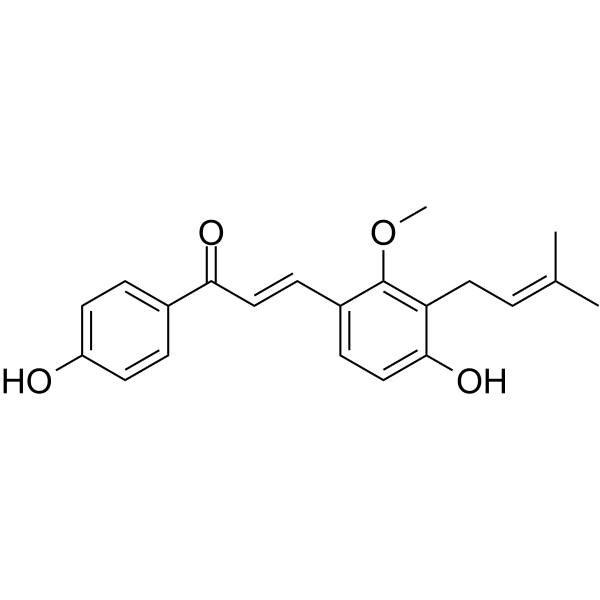
Licochalcone C could inhibit α-glucosidase, with IC50s of <100 nM and 92.43 μM for α-glucosidase and protein tyrosine phosphatase 1B (PTP1B), respectively.
|
-
- HY-W011411
-
|
|
Glycosidase
|
Others
|
|
4-Nitrophenyl a-D-glucopyranoside is a chromogenic substrate for α-glucosidase. 4-Nitrophenyl a-D-glucopyranoside can be used to measure of α-glucosidase activity .
|
-
- HY-155030
-
|
|
Glycosidase
|
Metabolic Disease
|
|
α-Glucosidase-IN-25 (Compound (R)-8k) is a competitive inhibitor of α-glucosidase, with an IC50 of 1.19μM and can be used for anti-diabetic research .
|
-
- HY-146984
-
|
|
Glycosidase
|
Inflammation/Immunology
|
|
α-Glucosidase-IN-3 is an oleanolic acid (OA) oxime ester derivative against α-glucosidase (IC50=1.28 µM) and α-amylase (IC50=3.8 µM) .
|
-
- HY-155105
-
|
|
Glycosidase
|
Metabolic Disease
|
|
α-Glucosidase-IN-30 (compound 8c) is a potent, orally active, competitive inhibitor against α-glucosidase, with Ki of 40.0 µM and IC50 value of 49.0 µM. α-Glucosidase-IN-30 is non-cytotoxic against the cancer and normal cell lines MCF-7 and HDF, and can be used for Type 2 diabetes study .
|
-
- HY-162634
-
|
|
Amylases
Glycosidase
|
Metabolic Disease
|
|
α-Amylase/α-Glucosidase-IN-15 (compound 6C) is an oral bioactive inhibitor of α-Glucosidase and α-amylase, with the IC50s of 21 μM and 61 μM, respectively .
|
-
- HY-125713
-
|
|
Glycosidase
Enterovirus
|
Infection
|
|
Ganoderic acid Y is a α-glucosidase inhibitor with an IC50 of 170 μM for yeast α-glucosidase. Ganoderic acid Y inhibits enterovirus 71 (EV71) replication through blocking EV71 uncoating .
|
-
- HY-N8120
-
-
- HY-162373
-
|
|
Amylases
Glycosidase
P-glycoprotein
|
Metabolic Disease
|
|
α-Amylase/α-Glucosidase-IN-10 (compound 5d) is an α-amylase and α-glucosidase inhibitor (IC50: 30.39 μM and 65.1 μM) with potential diabetes inhibitory effects. α-Amylase/α-Glucosidase-IN-10 exhibits high gastrointestinal (GI) absorption in ADMET (Absorption, Distribution, Metabolism, Excretion and Toxicity) prediction. While α-Amylase/α-Glucosidase-IN-10 acts as a substrate for P-gp and does not cross the blood-brain barrier (BBB), there may be a risk of central nervous system side effects .
|
-
- HY-161355
-
|
|
Amylases
Glycosidase
|
Metabolic Disease
|
|
α-Amylase/α-Glucosidase-IN-9 (compound 5h) is a dual inhibitor for both α-amylase (IC50 = 16.4 μM) and α-glucosidase (IC50 = 31.6 μM) enzymes .
|
-
- HY-163439
-
|
|
Amylases
Glycosidase
|
Metabolic Disease
|
|
α-Amylase/α-Glucosidase-IN-12 (compound 10k) is a dual inhibitor targeting α-glucosidase and α-amylase with IC50 of 34.52 nM and 24.62 nM, respectively. α-Amylase/α-Glucosidase-IN-12 is an inhibitor designed based on triazolo[4,3-b][1,2,4]triazine and has the potential to be used in diabetes research .
|
-
- HY-P2802E
-
|
|
Endogenous Metabolite
|
Metabolic Disease
|
|
α-Glucosidase, Escherichia coli (EC 3.2.1.20), is a glucosidase located at the brush border of the small intestine, acting on 1,4-α-glycosidic bonds. α-Glucosidase breaks down starch and disaccharides into glucose.
|
-
- HY-162635
-
|
|
Amylases
Glycosidase
|
Metabolic Disease
|
|
α-Amylase/α-Glucosidase-IN-14 (compound 6E) is an oral bioactive inhibitor of α-amylase and α-glucosidase, with the IC50s of 45.53 μM and 27.73 μM, respectively .
|
-
- HY-U00090
-
|
MOR 14; N-Methyl-1-deoxynojirimycin; N-Methylmoranolin
|
Glycosidase
|
Metabolic Disease
|
|
N-Methylmoranoline (MOR 14) is an α-glucosidase inhibitor.
|
-
- HY-N3962
-
-
- HY-145273
-
|
|
Glycosidase
|
Infection
|
|
EB-0150 is a potent inhibitor of ER α-glucosidases (α-Glu) Iand II with IC50s of 0.73 and 0.0337 μM, respectively. EB-0150 is a N-substituted derivative of valiolamine with broad-spectrum antiviral. EB-0150 has the potential for the reseach of broad-spectrum agent against the existing and emerging viruses . EB-0150 is a click chemistry reagent, it contains an Azide group and can undergo copper-catalyzed azide-alkyne cycloaddition reaction (CuAAc) with molecules containing Alkyne groups. It can also undergo strain-promoted alkyne-azide cycloaddition (SPAAC) reactions with molecules containing DBCO or BCN groups.
|
-
- HY-131114
-
|
|
Glycosidase
|
Infection
|
|
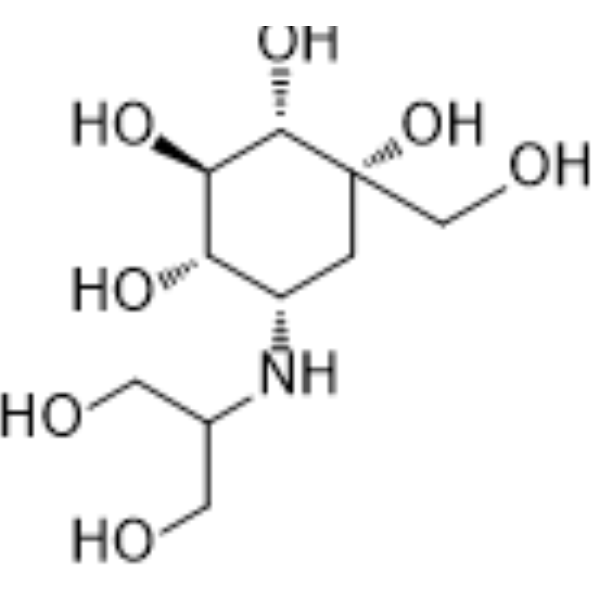
Valiolamine, an aminocyclitol, is an alpha-glucosidase inhibitor. Valiolamine has potent alpha-glucosidase inhibitory activity against porcine intestinal sucrase, maltase and isomaltase. Valiolamine binds to porcine intestinal maltase and sucrase with Ki values of 350 nM and 30 nM, respectively .
|
-
- HY-P2802A
-
|
|
Endogenous Metabolite
|
Metabolic Disease
|
|
α-Glucosidase, bacillus stearothermophilus is a carbohydrase enzyme that catalyzes the release of α-glucose molecules. α-Glucosidase, bacillus stearothermophilus retains exoglycosidases, which hydrolyze α-glucosidic linkage at the nonreducing end of a substrate .
|
-
- HY-182460
-
|
|
Glycosidase
|
Metabolic Disease
Cancer
|
|
Gambogin is an α-glucosidase inhibitor, found in the resin and dry latex of Garcinia hanburyi. Gambogin exists as an inseparable diastereomeric pair of C-2 epimers (8a and 8b), with 8a having an α-glucosidase inhibitory IC50 of 209.2 μM and 8b showing α-glucosidase inhibitory IC50 > 300 μM. Gambogin can be used for the research of type 2 diabetes and cervical cancer .
|
-
- HY-125426
-
|
|
Glycosidase
Dengue Virus
|
Infection
|
|
ToP-DNJ is a selective endoplasmic reticulum α-glucosidase II (GluII) inhibitor with an IC50 value of 9.0 μM. ToP-DNJ selectively inhibits the two catalytic reactions of GluII, and exhibits stronger activity in the first step of converting di-glycosylated glycans to mono-glycosylated glycans. ToP-DNJ exhibits anti-DENV activity. ToP-DNJ can be used in studies related to dengue virus infection .
|
-
- HY-W127945
-
|
|
Glycosidase
|
Metabolic Disease
|
|
N-(E)-Caffeoyldopamine is an inhibitor of α-glucosidase that can be purified from Clerodendranthus Spicatus. N-(E)-Caffeoyldopamine shows a 53.73% inhibitory activity againstα-glucosidase. N-(E)-Caffeoyldopamine can be studied in diabetes research .
|
-
- HY-119593
-
-
- HY-N15138
-
|
|
Glycosidase
|
Infection
Metabolic Disease
Inflammation/Immunology
|
|
Sativanone is a compound that can be isolated from Dalbergia tonkinensis. Sativanone is a potent α-glucosidase inhibitor, with an EC50 of 0.357 mg/mL for rat α-glucosidase. Sativanone has antibacterial activity against Ralstonia solanacearum. Sativanone also has anti-senescent and antioxidant effects .
|
-
- HY-165100
-
|
DG(16:1/0:0/16:1); 1,3-Dipalmitolein
|
Glycosidase
|
Others
|
|
1,3-Dipalmitoleoyl glycerol (DG(16:1/0:0/16:1)) is a compound isolated from sea cucumber viscera, which has α-glucosidase inhibitory activity and has different degrees of inhibitory effects on α-glucosidase from different sources.
|
-
- HY-W102510
-
|
|
Glycosidase
|
Metabolic Disease
|
|
Gallacetophenone is an inhibitor of α-glucosidase with an IC50 value of 408.6 μM. When combined with 1-Deoxynojirimycin (HY-14860), Gallacetophenone exhibits synergistic inhibitory effects on mammalian α-glucosidase at high concentrations. Gallacetophenone can be used in the study of diseases such as type 2 diabetes .
|
-
- HY-U00266
-
-
- HY-N1901
-
-
- HY-168058
-
|
|
Glycosidase
|
|
|
WXC-25 is an inhibitor of α-glucosidase with an IC50 value of 2.02 μM .
|
-
- HY-N12761
-
|
|
Phosphatase
Glycosidase
|
Metabolic Disease
Inflammation/Immunology
|
|
Penpaxilloids A (Compound 1) is a non-competitive inhibitor of protein tyrosine phosphatase 1B (PTP1B) with an IC50 value of 8.60 μM. Penpaxilloids A can be isolated from the fungus Penicillium sp. ZYX-Z-143. Penpaxilloids A is also an α-glucosidase (α-glucosidase) inhibitor with anti-inflammatory activity .
|
-
- HY-131114R
-
|
|
Glycosidase
Reference Standards
|
Infection
|
|
Valiolamine (Standard) is the analytical standard of Valiolamine (HY-13114). This product is intended for research and analytical applications. Valiolamine, an aminocyclitol, is an alpha-glucosidase inhibitor. Valiolamine has potent alpha-glucosidase inhibitory activity against porcine intestinal sucrase, maltase and isomaltase. Valiolamine binds to porcine intestinal maltase and sucrase with Ki values of 350 nM and 30 nM, respectively .
|
-
- HY-N3101
-
-
- HY-N3503
-
|
|
Glycosidase
|
Endocrinology
|
|
Ganoderlactone D shows inhibitory effects of yeast α-Glucosidase with IC50 values of 41.7 μM .
|
-
- HY-N12790
-
|
Ananonin B
|
Glycosidase
|
Metabolic Disease
|
|
Arisanschinin D (Ananonin B) is an α-Glucosidase inhibitor and can be isolated from Schisandra arisanensis Hay .
|
-
- HY-N4258
-
|
|
Glycosidase
|
Metabolic Disease
|
|
Panasenoside is a flavonoid isolated from Lilium pumilum DC. Panasenoside exhibits α-glucosidase inhibitory activity .
|
-
- HY-N13813
-
|
|
Phosphatase
Glycosidase
|
Others
|
|
Ethyl-3,5-di-O-caffeoylquinate is an ethyl caffeoylquinate (ECQ), and ECQ analogs are potential α-glucosidase (α-glucosidase) inhibitors and PTP1B inhibitors. Ethyl-3,5-di-O-caffeoylquinate, which can be isolated from the flower buds of Lonicera macranthoides, is an isomer of chlorogenic acid (ethyl dicaffeoylquinate) .
|
-
- HY-W826489
-
|
α-Sophorose, 98%
|
Biochemical Assay Reagents
|
Others
|
|
D-Glucopyranose, 98% serves as a substrate for various glycosidase enzymes, including α-glucosidase, and is also used in glycobiology research.
|
-
- HY-134960
-
-
- HY-W009417
-
|
|
Environmental Pollutants
Glycosidase
|
Metabolic Disease
|
|
Cedryl acetate is an orally active α-glucosidase inhibitor with an IC50 of 94 μM against yeast α-glucosidase. Cedryl acetate reduces high-fat diet-induced body weight gain, visceral fat pad weight, adipocyte hypertrophy, hepatic lipid accumulation, glucose intolerance, insulin resistance and gluconeogenesis. Cedryl acetate can be used in the research of obesity and obesity-related metabolic syndrome .
|
-
- HY-N19646
-
|
|
Glycosidase
Tyrosinase
|
Metabolic Disease
|
|
[8]-Dehydrogingerdione is a Hydroxyphenylalkanone. [8]-Dehydrogingerdione can be isolated from the seeds of Aframomum melegueta and the rhizomes of Curcuma xanthorrhia. [8]-Dehydrogingerdione acts as an inhibitor of α-glucosidase and Tyrosinase, with an IC50 value of 19.5 μM against α-glucosidase and an approximate IC50 value of 100 μM against tyrosinase. [8]-Dehydrogingerdione can be used in diabetes-related research .
|
-
- HY-132179
-
-
- HY-N9478
-
|
|
Glycosidase
|
Others
|
|
Sumaresinolic acid (compound 6) is a natural product which can be extracted from heterophyllum root . Sumaresinolic acid is a alpha-glucosidase inhibitor .
|
-
- HY-N13137
-
|
|
Glycosidase
|
Metabolic Disease
|
|
Timosaponin N is a natural steroidal saponin that inhibits the activity of α-Glucosidase. Timosaponin N can be used in diabetes-related research .
|
-
- HY-N3962R
-
|
|
Reference Standards
Glycosidase
|
Metabolic Disease
|
|
Glycyrrhisoflavone (Standard) is the analytical standard of Glycyrrhisoflavone. This product is intended for research and analytical applications. Glycyrrhisoflavone, an active prenylflavonoid, inhibits α-glucosidase .
|
-
- HY-N2929
-
|
|
Glycosidase
|
Cardiovascular Disease
|
|
β-Hydroxypropiovanillone, a natural compound, shows significant concentration-dependent inhibitory effects on α-glucosidase with an IC50 of 257.8 μg/mL .
|
-
- HY-N9317
-
|
|
Glycosidase
|
Metabolic Disease
|
|
Tangshenoside I, isolated from the roots of Codonopsis lanceolata, exhibits weak α-glucosidase inhibitory activities in vitro with an IC50 of 1.4 mM .
|
-
- HY-N11530
-
|
|
Glycosidase
|
Metabolic Disease
|
|
Kouitchenside G is a natural product that can be isolated from Swertia kouitchensis. Kouitchenside G inhibits α-Glucosidase with an IC50 of 956 μM .
|
-
- HY-N6675
-
|
|
Amylases
Glycosidase
|
Inflammation/Immunology
|
|
Gardenia yellow is a competitive inhibitor of α-Amylase (HY-B2193) and α-glucosidase. Gardenia yellow can bind to the catalytic sites of α-Amylase and α-glucosidase, inhibit starch digestion, and significantly increase the contents of resistant starch and slowly digestible starch in starch-based systems. Gardenia yellow reduces the glycemic index and hydrolysis index. Gardenia yellow can be used in diabetes-related research .
|
-
- HY-100127
-
|
|
Glycosidase
|
Metabolic Disease
|
|
ML247 is a non-inhibitory and selective small molecule chaperone of acid alpha glucosidase. ML247 can be used for the research of metabolic disease, such as Pompe disease .
|
-
- HY-108828
-
|
rhGAA
|
Glycosidase
|
Metabolic Disease
|
|
Alglucosidase alfa (rhGAA) is a hydrolytic lysosomal glycogen-specific recombinant human α-glucosidase. Alglucosidase alfa can be used for Pompe disease research .
|
-
- HY-N15229
-
|
|
Glycosidase
|
Metabolic Disease
|
|
Resinacein L is an inhibitor for α-glucosidase with an IC50 of 0.635 mM. Resinacein L slows down the digestion and absorption of carbohydrates, thereby decreasing postprandial blood glucose .
|
-
- HY-E70183
-
|
EC:3.2.1.20; GAA
|
Biochemical Assay Reagents
|
Others
|
|
Lysosomal α-Glucosidase (EC:3.2.1.20) is a γ-amylase with specificity for glycogen and several natural and synthetic oligoglucosides .
|
-
- HY-138992
-
|
|
Glycosidase
Endogenous Metabolite
|
Others
|
|
2,3-Indolobetulin is a pentacyclic triterpene and a derivative of betulin. 2,3-Indolobetulin can be used in the synthesis of α-glucosidase inhibitors .
|
-
- HY-W009417R
-
|
|
Reference Standards
Glycosidase
Environmental Pollutants
|
Metabolic Disease
|
|
Cedryl acetate (Standard) is the analytical standard of Cedryl acetate. This product is intended for research and analytical applications. Cedryl acetate is an orally active α-glucosidase inhibitor with an IC50 of 94 μM against yeast α-glucosidase. Cedryl acetate reduces high-fat diet-induced body weight gain, visceral fat pad weight, adipocyte hypertrophy, hepatic lipid accumulation, glucose intolerance, insulin resistance and gluconeogenesis. Cedryl acetate can be used in the research of obesity and obesity-related metabolic syndrome .
|
-
- HY-N17717
-
|
Flavosativaside
|
Glycosidase
|
Metabolic Disease
|
|
Vitexin-2''-O-glucoside (Flavosativaside) is a potent and selective alpha-glucosidase inhibitor found in hawthorn leaf flavonoids. Vitexin-2''-O-glucoside can reversibly inhibit the α-glucosidase activity on the brush border of the small intestine, and its inhibitory effect is superior to that of the Acarbose (HY-B0089). Vitexin-2''-O-glucoside can be used for the research of type 2 diabetes .
|
-
- HY-112835
-
|
pNP-G7
|
Amylases
Glycosidase
|
Inflammation/Immunology
|
|
Ethylidene-4-nitrophenyl-α-D-Maltoheptaoside (EPS; pNP-G7) serves as a substrate for α-amylase. In the presence of an auxiliary enzyme such as α-glucosidase (α-glucosidase), Ethylidene-4-nitrophenyl-α-D-Maltoheptaoside is degraded by amylase (Amylase) to release a chromophore, enabling the measurement of amylase activity. Ethylidene-4-nitrophenyl-α-D-Maltoheptaoside is applicable for the diagnosis of pancreatitis [2].
|
-
- HY-119821
-
|
|
Glycosidase
|
Infection
|
|
Terphenyllin is a naturally abundant p-terphenyl metabolite isolated from the coral derived fungus Aspergillus candidus, has significant α-glucosidase inhibitory activity .
|
-
- HY-N10426
-
|
|
Glycosidase
|
Metabolic Disease
|
|
(+)-Cembrene A (Compound 5) is a α-glucosidase inhibitor with an IC50 of 30.31 μM. (+)-Cembrene A is nontoxic towards human normal hepatocyte (LO2) cells .
|
-
- HY-162637
-
|
|
Glycosidase
|
Metabolic Disease
|
|
CTL26 is a potent and orally active α-glucosidase inhibitor with an IC50 value of 2.81 µM. CTL26 shows anti-diabetic efficacy .
|
-
- HY-129131
-
|
|
Glycosidase
|
Metabolic Disease
|
|
Chrysin 6-C-arabinoside 8-C-glucoside is a α±-glucosidase inhibitors which are widely used in the study for type 2 diabetes .
|
-
- HY-121991
-
|
|
Glycosidase
|
Others
|
|
N-5-Carboxypentyl-1-deoxynojirimycin is an alpha-glucosidase inhibitor, and also can be used to prepare affinity matrices for binding to resins.
|
-
- HY-131504A
-
|
|
Glycosidase
|
Metabolic Disease
|
|
Valienamine is the alpha-glucosidase inhibitor. Valienamine is the key functional component of many natural glycosidase inhibitors including the crop protectant validamycin A and the antidiabetic agent acarbose .
|
-
- HY-N7203
-
|
|
Glycosidase
|
Metabolic Disease
|
|
N-Caffeoyl O-methyltyramine is a class of alkaloid isolated from Cuscuta reflexa with strong inhibitory activity against α-glucosidase (IC50 of 103.58 μM) .
|
-
- HY-N1218
-
|
|
Glycosidase
Bcl-2 Family
|
Others
|
|
Stellasterol is a natural product. Stellasterol has high affinity towards Bcl-2 protein (Ki: 118.05 nM). Stellasterol is a weak α-glucosidase inhibitor .
|
-
- HY-W130043
-
|
|
Glycosidase
|
Infection
Metabolic Disease
|
|
N-Methyltetrachlorophthalimide (Compound 4) is an inhibitor of α-glucosidase with an IC50 of 22.1 μM. N-Methyltetrachlorophthalimide can be used in anti-diabetic and anti-viral research .
|
-
- HY-170796
-
|
|
Amylases
|
Metabolic Disease
|
|
α-Amylase-IN-11 (compound C5f) is an α-Amylase inhibitor (IC50=0.56 μM) that can reduce the sugar level in vivo. α-Amylase-IN-11 has a moderate inhibitory effect on α-glucosidase (α-glucosidase), with IC50=11.03 μM. α-Amylase-IN-11 can significantly reduce the glucose concentration in a mouse model and has the potential for use in diabetes research .
|
-
- HY-118434
-
|
|
Glycosidase
|
Metabolic Disease
|
|
3,4-Methylenedioxychalcone (Compound 40) is an α-glucosidase inhibitor with an IC50 of 1870 μM. 3,4-Methylenedioxychalcone is applicable to the research of type 2 diabetes .
|
-
- HY-200541
-
|
|
Others
|
Metabolic Disease
|
|
Dihydro-α-ionone is a volatile compound found in the essential oil of Persicaria hydropiper L. leaves. The essential oil can inhibit α-glucosidase and α-amylase activities .
|
-
- HY-N17857
-
|
|
Glycosidase
|
Infection
|
|
Quercetin 3'-methoxy-3-O-α-L-arabinofuranoside is a weak inhibitor of α-glucosidase, which can found in the leaves and twigs of Fagus hayatae .
|
-
- HY-N12500
-
|
|
Glycosidase
|
Others
|
|
1'-O-Methyl neochebulinate, hydrolyzable tannin, is an α-glucosidase inhibitor with IC50 value of 59.5 μM, isolated from the fruits of Terminalia chebula Retz .
|
-
- HY-N17925
-
|
|
Glycosidase
|
Metabolic Disease
|
|
Falandioside B is an α-glucosidase inhibitor with an IC50 of 107.52 μM. Falandioside B scavenges ABTS radical cations. Falandioside B is applicable to research related to postprandial hyperglycemia .
|
-
- HY-N19933
-
|
|
Glycosidase
|
Others
|
|
cis-3-O-Hydroxycinnamoyl-ursolic acid is a cis-cinnamic acid ester derivative. cis-3-O-Hydroxycinnamoyl-ursolic acid exhibits no α-glucosidase inhibitory activity .
|
-
- HY-16134A
-
|
MBI 3253 hydrochloride; MDL 28574 hydrochloride; MX3253 hydrochloride
|
Flavivirus
Dengue Virus
Glycosidase
HCV
HIV
|
Infection
|
|
Celgosivir hydrochloride (MBI 3253 hydrochloride; MDL 28574 hydrochloride; MX3253 hydrochloride) is an α-glucosidase I inhibitor; inhibits bovine viral diarrhoea virus (BVDV) with an IC50 of 1.27 μM in in vitro assay.
|
-
- HY-N4069
-
-
- HY-16134
-
|
MBI 3253; MDL 28574; MX3253
|
Flavivirus
Dengue Virus
Glycosidase
HCV
HIV
|
Infection
|
|
Celgosivir (MBI 3253; MDL 28574; MX3253) is an α-glucosidase I inhibitor; inhibits bovine viral diarrhoea virus (BVDV) with an IC50 of 1.27 μM in in vitro assay.
|
-
- HY-N7683
-
|
|
Glycosidase
|
Metabolic Disease
|
|
Prunetin 5-O-β-D-glucopyranoside is an isoflavone. Prunetin 5-O-β-D-glucopyranoside can be isolated from the pedicels of Prunus avium and Prunus cerasus. Prunetin 5-O-β-D-glucopyranoside acts as a non-competitive α-glucosidase inhibitor, with a IC50 of 56.05 μg/mL and a Ki of 121 μg/mL against Saccharomyces cerevisiae α-glucosidase. Prunetin 5-O-β-D-glucopyranoside can be used in studies related to type 2 diabetes .
|
-
- HY-N10606
-
|
|
Glycosidase
|
Metabolic Disease
|
|
Uvagrandol potently inhibits α-glucosidase and porcine lipase (IC50: 15.2 μM, 11.2 μM respectively). Uvagrandol can be used in the research of Type 2 diabetes and obesity .
|
-
- HY-169255
-
-
- HY-N10969
-
|
|
Others
|
Others
|
|
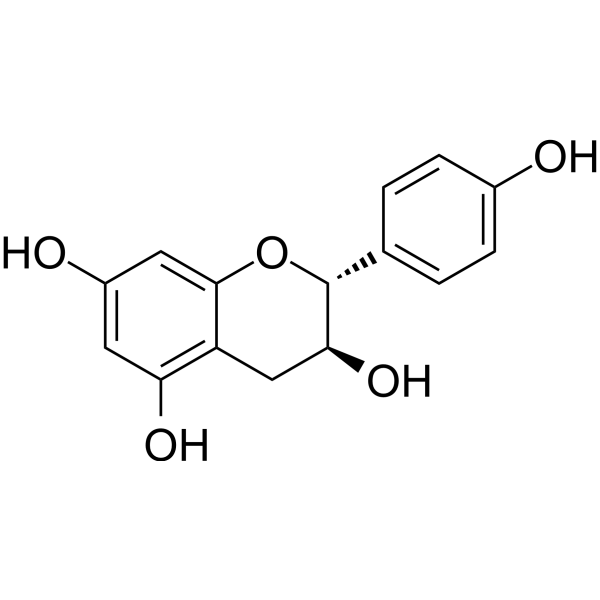
(+)-5,7,4'-Trimethoxyafzelechin is a derivative of (+)-Afzelechin HY-N2821. (+)-Afzelechin is an α-glucosidase activity inhibitor. (+)-Afzelechin can be isolated from rhizomes of Bergenia ligulata .
|
-
- HY-N4195
-
|
Resveratrol glycoside; trans-Resveratrol 4'-O-β-D-glucopyranoside
|
Glycosidase
|
Cardiovascular Disease
Metabolic Disease
|
|
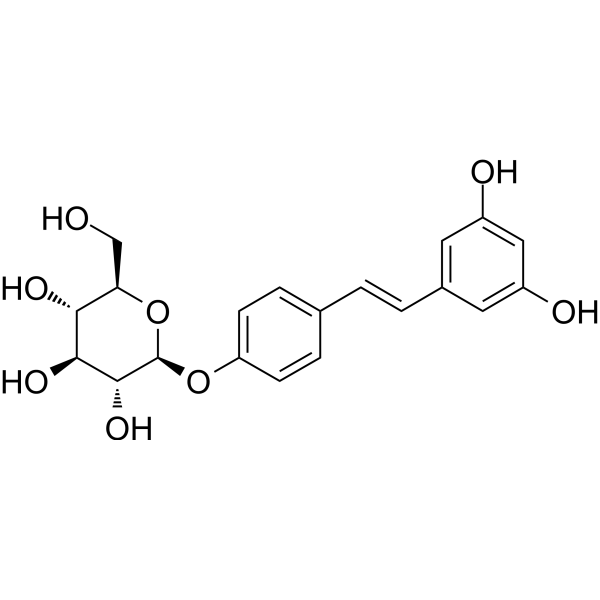
Resveratroloside (Resveratrol glycoside) is an orally active competitive inhibitor of α-glucosidase. Resveratroloside has hypoglycemic and cardioprotective effects. Resveratroloside can be used for the research of diabetes and heart system diseases .
|
-
- HY-W354556
-
|
|
Glycosidase
|
Inflammation/Immunology
|
|
3-Hydroxyproline is a non-glycosyl microbial α-glucosidase inhibitor. 3-Hydroxyproline is used in the research of diabetes (type 2 diabetes/non-insulin-dependent diabetes mellitus) .
|
-
- HY-N8018
-
-
- HY-N12138
-
|
|
Glycosidase
|
Metabolic Disease
|
|
Flaccidoside III is a triterpenoid isolated from the aerial parts of N. sativa (Ranunculaceae). Flaccidoside III inhibits α-Glucosidase (IC50: 256.7 μM) and has potential antioxidant and antidiabetic activities .
|
-
- HY-N6575
-
-
- HY-146128
-
|
|
Glycosidase
|
Metabolic Disease
|
|
Anti-hyperglycemic agent-1 (compound 10) is a potent α-Glucosidase inhibitor, with an IC50 of 0.53 μM. Anti-hyperglycemic agent-1 can be used for diabetes research .
|
-
- HY-B0089
-
|
BAY g 5421
|
Glycosidase
|
Infection
Metabolic Disease
Cancer
|
|
Acarbose (BAY g 5421), antihyperglycemic agent, is an orally active alpha-glucosidase inhibitor (IC50=11 nM). Acarbose can potentiate the hypoglycemic effects of sulfonylureas or insulin .
|
-
- HY-N10076
-
-
- HY-N7096
-
|
CTZ sodium
|
Bacterial
Antibiotic
|
Infection
|
|
Ceftezole sodium (CTZ sodium) is a broad-spectrum cephem antibiotic against many species of gram-positive and gram-negative bacteria. Ceftezole sodium (CTZ sodium) is an alpha-glucosidase inhibitor with in vivo anti-diabetic activity .
|
-
- HY-122782
-
|
Lucialdehyde C
|
Glycosidase
|
Metabolic Disease
Cancer
|
|
Lucidal (Lucialdehyde C) is a natural lanostante-type triterpene aldehyde that shows inhibitory effects against α-glucosidase (Glucosidase) with an IC50 of 0.635 mM. Lucidal has anticancer and antidiabetic effects .
|
-
- HY-N9075
-
|
|
Glycosidase
|
Cancer
|
|
9-(4′-Hydroxyphenyl)-2-methoxyphenalen-1-one is a phytoalexin and mixed competitive α-glucosidase inhibitor of Bacillus stearothermophilus (IC50: 3.86 mg/L) .
|
-
- HY-N7095
-
|
CTZ
|
Bacterial
Antibiotic
|
Infection
|
|
Ceftezole (CTZ) is a broad-spectrum cephem antibiotic against many species of gram-positive and gram-negative bacteria. Ceftezole (CTZ) is an alpha-glucosidase inhibitor with in vivo anti-diabetic activity .
|
-
- HY-N11840
-
|
|
Glycosidase
|
Metabolic Disease
|
|
Mortatarin F (Compound 1) is an inhibitor of α‑glucosidase with an IC50 of 8.7 μΜ. Mortatarin F is an renylated flavonoid that can be isolated from mulberry leaves and can be used for hypoglycemic research .
|
-
- HY-N10413
-
|
|
Glycosidase
|
Metabolic Disease
|
|
Diphlorethohydroxycarmalol, a kind of phlorotannin, is an orally active α-glucosidase and α-amylase inhibitor with IC50s of 0.16 mM and 0.53 mM, respectively. Diphlorethohydroxycarmalol has anti-diabetic activities .
|
-
- HY-N2809
-
|
|
Others
|
Others
|
|
Acantrifoside E (Compound 8) is a nature compound. Acantrifoside E can be isolated from the 90% ethanol extract of Salacia cochinchinensis. Acantrifoside E has none α-glucosidase inhibitory activity .
|
-
- HY-N2703
-
|
|
Glycosidase
|
Metabolic Disease
|
|
6β-Hydroxyipolamiide can be isolated from the methanolic extract of S. jamaicensis leaves. 6β-Hydroxyipolamiide has α-glucosidase inhibitory activity with an IC50 of 539.17 μg/mL .
|
-
- HY-N7763
-
|
|
Glycosidase
|
Neurological Disease
|
|
Casuarictin is a potent and competitive α-glucosidase inhibitor with an IC50 of 0.21 μg/mL. Casuarictin is a presenilin stabilization factor like protein (PSFL) protein inhibitor. Casuarictin can be used for Alzheimer's disease research .
|
-
- HY-N8947
-
|
|
Endogenous Metabolite
Glycosidase
|
Metabolic Disease
|
|
Glyurallin A (Compound 79) is isolated from the
naturalGlycyrrhiza uralensis. Glyurallin A inhibitsα-Glucosidase(HY-P2802)(IC50=0.3 μM). Glyurallin A
can be used in the study of anti-diabetes .
|
-
- HY-N11841
-
|
|
Glycosidase
|
Metabolic Disease
|
|
Mortatarin G (compound 3) is a prenylated flavonoid, that can be isolated from mulberry leaves. Mortatarin G exhibits good α-glucosidase inhibitory activity, with an IC50 of 20.4±1.4 μM .
|
-
- HY-169292
-
|
|
Glycosidase
Reactive Oxygen Species (ROS)
|
Cancer
|
|
Antitumor agent-188 (compound C6) exerts α-glucosidase inhibitory activity, and antitumor effects.Antitumor agent-188 induces excessive production of ROS to trigger oxidative stress .
|
-
- HY-W005598
-
|
|
Glycosidase
Amylases
|
Metabolic Disease
|
|
2-Hydroxyquinoline is an inhibitor of α-glucosidase and α-amylase with IC50 values of 64.4 µg/mL and 130.5 µg/mL, respectively. 2-Hydroxyquinoline can be used in the study of diabetes .
|
-
- HY-N10002
-
|
|
Phosphatase
Glycosidase
|
Metabolic Disease
|
|
Caffeoyltryptophan is a competitive PTP1B inhibitor, with an IC50 of 16.99 μM. Caffeoyltryptophan can also inhibit α-glucosidase, linoleic acid peroxidation and haemolysis. Caffeoyltryptophan can be used for the research of type 2 diabetes .
|
-
- HY-N19811
-
|
|
Glycosidase
|
Metabolic Disease
|
|
Eleuthoside B is a naphthyl gentiobioside identified from the bulbs of Eleutherine americana. Eleuthoside B has an IC50 >1.00 mM against α-glucosidase, and it is not the main contributor to the antidiabetic (hypoglycemic) activity exhibited by the plant extract .
|
-
- HY-B0089A
-
|
Bay-g 5421 sulfate
|
Glycosidase
|
Cardiovascular Disease
Metabolic Disease
Cancer
|
|
Acarbose (BAY g 5421) sulfate, antihyperglycemic agent, is an orally active alpha-glucosidase inhibitor (IC50=11 nM). Acarbose sulfate can potentiate the hypoglycemic effects of sulfonylureas or insulin .
|
-
- HY-N8517
-
|
|
Glycosidase
Apoptosis
|
Infection
Metabolic Disease
Cancer
|
|
Malabaricone B, a naturally occurring plant phenolic, is an orally active α-glucosidase inhibitor with an IC50 of 63.7 µM. Malabaricone B has anticancer, antimicrobial, anti-oxidation and antidiabetic activities .
|
-
- HY-78000
-
|
4-Carbomethoxybenzaldehyde; 4-Carboxybenzaldehyde methyl ester; Terephthalaldehydic acid methyl ester; Methyl 4-formylbenzoate
|
Drug Intermediate
|
Metabolic Disease
|
|
Methyl 4-formylbenzoate (4-Carbomethoxybenzaldehyde; 4-Carboxybenzaldehyde methyl ester; Terephthalaldehydic acid methyl ester; Methyl 4-formylbenzoate) is a intermediate that can be used for the synthesis of chalcone amide α-glucosidase inhibitors .
|
-
- HY-N10064
-
|
|
Others
|
Metabolic Disease
|
|
Ficusonolide has significant antidiabetic activity with a possible mechanism of interaction with dipeptidyl peptidase-IV (DPP-IV), protein tyrosine phosphatase 1B (PTP-1B), α-glucosidase, and α-amylase.
|
-
- HY-N7729
-
|
|
Amylases
Glycosidase
|
Metabolic Disease
|
|
Sekikaic acid is an α-glucosidase (Glucosidase) and α-amylase (Amylases) inhibitor with hypolipidemic, antioxidant and antidiabetic activities. Sekikaic acid significantly reduces LDL, total cholesterol, and total glyceride levels and causes pancreatic beta cell regeneration .
|
-
- HY-143268
-
|
|
Amylases
Glycosidase
|
Metabolic Disease
|
|
HPA-IN-1 (Compound 1) is a potent and selective human pancreatic α-amylase (HPA) inhibitor with IC50 values of 12.0 μM and 410.4 μM against HPA and α-glucosidase, respectively .
|
-
- HY-N13188
-
|
Michelioside A
|
Glycosidase
|
Cancer
|
|
2'-Rhamnoechinacoside (Michelioside A), a compound of phenylethanoid glycosides, is a α-glucosidase inhibitor with anti-tumor activity, which is derived from Phlomis stewartii. 2'-Rhamnoechinacoside can be used for research of UV-absorbing and cancers .
|
-
- HY-N2821
-
|
|
Glycosidase
|
Metabolic Disease
|
|
(+)-Afzelechin, isolated from rhizomes of Bergenia ligulata, is an alpha-glucosidase activity inhibitor with an ID50 (50% inhibition dose) value of 0.13 mM. (+)-Afzelechin can delay the absorption of carbohydrates in food to suppress postprandial hyperglycemia and hyperinsulinemia .
|
-
- HY-N2024R
-
|
|
Reference Standards
Endogenous Metabolite
Glycosidase
|
Metabolic Disease
|
|
Maltose (Standard) is the analytical standard of Maltose. This product is intended for research and analytical applications. Maltose is a disaccharide composed of two glucose molecules linked together. Maltose is an endogenous metabolic product in plants, yeast, or bacteria, and it participates in carbon source storage and metabolism. Maltose is a key core metabolite and main transport form in the temporary starch degradation, carbon output, and subsequent sucrose synthesis metabolism of the night chloroplast. In X. dendrorhous, maltose can act as a sugar donor and is converted into isomaltulose by α-glucosidase (α-Glucosidase). Maltose can act as a osmotic agent, supporting continuous capillary ultrafiltration and preventing severe metabolic disorders.
|
-
- HY-N17215
-
|
3,4,6-Trigalloylglucose
|
Amylases
Glycosidase
|
Metabolic Disease
Inflammation/Immunology
|
|
3,4,6-Tri-O-galloyl-D-glucose (3,4,6-Trigalloylglucose) is an α-amylase (porcine α-amylase IC50 = 334.6 μM; Ki = 307.5 μM) and α-glucosidase (yeast α-glucosidase IC50 = 46.5 μM; Ki = 39.9 μM) mixed type inhibitor. 3,4,6-Tri-O-galloyl-D-glucose exhibits free radical scavenging ability, ferric-reducing power, and antioxidant activity. 3,4,6-Tri-O-galloyl-D-glucose can be used for the research of diabetes .
|
-
- HY-N0464
-
-
- HY-161150
-
-
- HY-143269
-
|
|
Amylases
Glycosidase
|
Metabolic Disease
|
|
HPA-IN-2 (Compound 2a-1) is a potent and selective human pancreatic α-amylase (HPA) inhibitor with IC50 values of 8.2 μM and 450.7 μM against HPA and α-glucosidase, respectively .
|
-
- HY-105528
-
|
|
Glycosidase
|
Metabolic Disease
|
|
MDL-25637 is an α-glucosidase inhibitor. MDL-25637 can inhibit the activity of sucrose enzyme, maltase, isomaltase, glucose amylase, and trehalose in the intestinal tract of rats. MDL-25637 can be used in the research of diabetes .
|
-
- HY-W112651
-
|
|
Glycosidase
Amylases
|
Metabolic Disease
|
|
2,4,6-Triphenylaniline has anti-diabetic activity and can be encapsulated in nano-emulsions (NE) to enhance stability and permeability. The NE loaded with 2,4,6-Triphenylaniline inhibits α-glucosidase and α-amylase .
|
-
- HY-N16575
-
|
|
Glycosidase
|
Metabolic Disease
|
|
16-Oxoserratenediol (Compound 11) is a serratene-type triterpenoid found in Lycopodium cernuum L.. 16-Oxoserratenediol is a α-glucosidase inhibitor with inhibition rate of 43.93% at 100 μM. 16-Oxoserratenediol can be used for the research of diabetes .
|
-
- HY-N7377
-
|
|
Glycosidase
|
Metabolic Disease
|
|
Butyl isobutyl phthalate is isolated from the rhizoid of Laminaria japonica. Butyl isobutyl phthalate is a non-competitive α-glucosidase inhibitor with an IC50 value of 38 μM. Butyl isobutyl phthalate shows a hypoglycemic effect and has the potential for diabetes treatment .
|
-
- HY-126067
-
|
|
Glycosidase
Apoptosis
|
Inflammation/Immunology
|
|
(-)-Pinoresinol is a plant-derived tetrahydrofuran lignan that inhibits α-glucosidase and acts as a hypoglycemic agent. (-)-Pinoresinol has some anti-inflammatory effects and acts as a chemopreventive agent, inducing increased apoptosis and cell cycle G2/M arrest .
|
-
- HY-N17777
-
|
|
Dipeptidyl Peptidase
Glycosidase
|
Others
|
|
Cyclocarin A is a triterpenoid compound that can be isolated from the leaves of Cyclocarya paliurus. Cyclocarin A shows only weak inhibitory activity against α-glucosidase, lipase, DPP-IV, aldose reductase, and human cancer cell lines (IC50>10 μM) .
|
-
- HY-14860A
-
|
Duvoglustat hydrochloride
|
Glycosidase
PI3K
Bacterial
Antibiotic
|
Infection
Metabolic Disease
|
|
1-Deoxynojirimycin hydrochloride (Duvoglustat hydrochloride) is a potent and orally active α-glucosidase inhibitor. 1-Deoxynojirimycin hydrochloride suppresses postprandial blood glucose and is widely used for diabetes mellitus. 1-Deoxynojirimycin hydrochloride possesses antihyperglycemic, anti-obesity, and antiviral features .
|
-
- HY-N12006
-
|
|
Glycosidase
|
Others
|
|
6,8-Dihydroxy-1,2,7-trimethoxy-3-methylanthraquinone (compound 1) is an anthraquinone α-glucosidase inhibitor (IC50:185 μM), which can be isolated from Cassia seeds .
|
-
- HY-14860
-
|
Duvoglustat
|
Glycosidase
PI3K
|
Metabolic Disease
|
|
1-Deoxynojirimycin (Duvoglustat) is a potent and orally active α-glucosidase inhibitor. 1-Deoxynojirimycin suppresses postprandial blood glucose and is widely used for diabetes mellitus. 1-Deoxynojirimycin possesses antihyperglycemic, anti-obesity, and antiviral features .
|
-
- HY-N1186
-
|
|
Glycosidase
|
Metabolic Disease
|
|
Tachioside inhibits nitric oxide production in lipopolysaccharide (HY-D1056)-stimulated RAW 264.7 cells with IC50 value of 12.14 μM. Tachioside has anti-obesity, antioxidant and α-glucosidase inhibitory activities .
|
-
- HY-N10294
-
|
|
HIV
|
Infection
Inflammation/Immunology
|
|
Epicoccone B, firstly reported from C. globosum, exhibits the DPPH free radical scavenging ability with IC50 value of 10.8 μM, and has potent α-glucosidase inhibition with IC50 value of 27.3 μM. Anti-HIV activity .
|
-
- HY-N3256
-
|
|
Glycosidase
|
Others
|
|
Millewanin H is a Flavonoids product that can be isolated from the herbs of Millettia pachycarpa . Millewanin H has antiestrogenic activity and inhibit 17β-estradiol-induced-β-galactosidase activity . Millewanin H showes α-glucosidase inhibition .
|
-
- HY-N3078
-
|
|
Glycosidase
|
Endocrinology
Cancer
|
|
p-Hydroxyphenethyl trans-ferulate has anti-hyperglycemic (yeast α-glucosidase, IC50=19.24 ± 1.73 µM), antioxidant, and anti-inflammatory activities . p-Hydroxyphenethyl trans-ferulate shows inhibiting anticancer and serotonergic activity .
|
-
- HY-N7599
-
|
|
Phosphatase
Glycosidase
|
Metabolic Disease
|
|
Chrysophanol triglucoside is an anthraquinone isolated from Cassia obtusifolia, inhibits protein tyrosine phosphatases 1B (PTP1B) and α-glucosidase with IC50s of 80.17 and 197.06 µM, respectively. Chrysophanol triglucoside has the potential for diabetes research .
|
-
- HY-162893
-
|
|
Glycosidase
|
Metabolic Disease
|
|
SX29 is an orally active non-competitive α-glucosidase inhibitor with an IC50 value of 2.12 μM. SX29 exhibits hypoglycemic activity, and oral administration of SX29 can reduce blood glucose levels and improve glucose tolerance in diabetic mice .
|
-
- HY-148925
-
|
|
Glycosidase
|
Inflammation/Immunology
|
|
α-Amyrenone is a triterpenoid that occurs naturally in very low concentrations in several oleoresins from Brazilian Amazon species of Protium (Burseraceae). The mixture of α and β-amyrenone inhibits α-glucosidase, and can reduce mechanical hypersensitivity and paw-oedema induced by carrageenan .
|
-
- HY-121323R
-
|
|
Reference Standards
Apoptosis
|
Neurological Disease
Inflammation/Immunology
Cancer
|
|
Acarbose (Standard) is the analytical standard of Acarbose. This product is intended for research and analytical applications. Acarbose (BAY g 5421), antihyperglycemic agent, is an orally active alpha-glucosidase inhibitor (IC50=11 nM). Acarbose can potentiate the hypoglycemic effects of sulfonylureas or insulin .
|
-
- HY-N7096R
-
|
CTZ sodium (Standard)
|
Reference Standards
Bacterial
Antibiotic
|
Infection
|
|
Ceftezole (sodium) (Standard) is the analytical standard of Ceftezole (sodium). This product is intended for research and analytical applications. Ceftezole sodium (CTZ sodium) is a broad-spectrum cephem antibiotic against many species of gram-positive and gram-negative bacteria. Ceftezole sodium (CTZ sodium) is an alpha-glucosidase inhibitor with in vivo anti-diabetic activity .
|
-
- HY-B0089R
-
|
BAY g 5421 (Standard)
|
Reference Standards
Glycosidase
|
Metabolic Disease
Cancer
|
|
Acarbose (Standard) is the analytical standard of Acarbose. This product is intended for research and analytical applications. Acarbose (BAY g 5421), antihyperglycemic agent, is an orally active alpha-glucosidase inhibitor (IC50=11 nM). Acarbose can potentiate the hypoglycemic effects of sulfonylureas or insulin .
|
-
- HY-101399R
-
|
H-γ-Glu-Phe-OH (Standard); γ-Glutamylphenylalanine (Standard)
|
Reference Standards
Endogenous Metabolite
|
Others
|
|
Ceftezole (sodium) (Standard) is the analytical standard of Ceftezole (sodium). This product is intended for research and analytical applications. Ceftezole sodium (CTZ sodium) is a broad-spectrum cephem antibiotic against many species of gram-positive and gram-negative bacteria. Ceftezole sodium (CTZ sodium) is an alpha-glucosidase inhibitor with in vivo anti-diabetic activity .
|
-
- HY-163335
-
-
- HY-N19401
-
|
|
Cholinesterase (ChE)
Carbonic Anhydrase
Glycosidase
JNK
p38 MAPK
|
Metabolic Disease
Inflammation/Immunology
|
|
Vescalagin is a hexahydroxyphenol. Vescalagin is isolable from Camu-camu (Myrciaria dubia) and immature wax apple fruits. Vescalagin exhibits inhibitory activity against a variety of enzymes, with a Ki value of 5.87 nM against AChE, 3.89 nM against BChE, 11.75 nM against hCA I, 16.23 nM against hCA II, and 16.08 nM against α-glucosidase. Vescalagin inhibits hCA I, hCA II and α-glucosidase in a non-competitive manner. Vescalagin downregulates JNK/p38 MAPK to protect pancreatic β-cells and improve insulin secretion in methylglyoxal-treated rats. Vescalagin reduces hyperglycemia and hypertriglyceridemia in rats fed a high-fructose diet. Vescalagin possesses anti-inflammatory and antioxidant properties .
|
-
- HY-137873
-
|
4-Methylumbelliferyl-α-D-Glucose; 4-Methylumbelliferyl-α-D-Glucoside; 4-MU-α-D-Glucopyranoside
|
Fluorescent Dye
Glycosidase
|
Others
|
|
4-Methylumbelliferyl-α-D-Glucopyranoside (4-Methylumbelliferyl-α-D-Glucose) is a fluorescent substrate for α-glucosidase, which releases the fluorescent moiety 4-methylumbelliferyl (4-MU) upon cleavage. 4-MU has pH-dependent fluorescence excitation activity, with excitation wavelengths of 320 nm at low pH (1.97-6.72) and 360 nm at high pH (7.12-10.3), respectively. The emission wavelength of 4-Methylumbelliferyl-α-D-Glucopyranoside increases with decreasing pH, ranging from 445-455 nm. 4-Methylumbelliferyl-α-D-Glucopyranoside can be used as a biomarker for Fabry and Pompe diseases to quantify α-glucosidase activity in infant blood spot samples.
|
-
- HY-N0419
-
|
Quercetin-7-O-β-D-glucopyranoside
|
Glycosidase
c-Kit
MMP
VEGFR
Aurora Kinase
|
Metabolic Disease
Cancer
|
|
Quercimeritrin (Quercetin-7-O-β-D-glucopyranoside) is an orally active α-glucosidase inhibitor (with an IC50 of 79.88 μM against the Saccharomyces cerevisiae enzyme) and a P-gp substrate, with anti-angiogenic and antioxidant activities. Quercimeritrin does not cross the blood-brain barrier and does not inhibit cytochrome P450 enzymes. Quercimeritrin precisely binds to and inhibits the active sites of c-Kit, MMP-2, Aurora-A kinases and α-glucosidase, thereby disrupting target functions. Quercimeritrin effectively regulates postprandial blood glucose and also exhibits significant anti-angiogenic activity, which inhibits endothelial cell proliferation and microvascular growth. Quercimeritrin can be used in the research of diabetes and breast cancer .
|
-
- HY-N3542
-
|
|
Glycosidase
|
Cancer
|
|
Carpachromene is a potent α-glucosidase enzyme inhibitor. Carpachromene ameliorates insulin resistance in HepG2 cells via modulating IR/IRS1/PI3k/Akt/GSK3/FoxO1 pathway .
|
-
- HY-N11598
-
|
|
Others
|
Metabolic Disease
|
|
α-GLU stands for α-glucosidase. α-GLU hydrolyzes starch and disaccharides via targeting to terminal, non-reducing (1→4)-linked α-D-glucose residues to produce α-glucose. α-GLU is substrate selective .
|
-
- HY-178200
-
|
|
Glycosidase
|
Metabolic Disease
|
|
5-C-phenethyl-DNJ hydrochloride is an orally active acid α-glucosidase (GAA) activator. 5-C-phenethyl-DNJ hydrochloride can increase GAA activity in various tissues, particularly in the diaphragm. 5-C-phenethyl-DNJ hydrochloride can be used for the research of metabolic disease, such as Pompe disease .
|
-
- HY-N7203R
-
|
|
Reference Standards
Glycosidase
|
Metabolic Disease
|
|
N-Caffeoyl O-methyltyramine (Standard) is the analytical standard of N-Caffeoyl O-methyltyramine. This product is intended for research and analytical applications. N-Caffeoyl O-methyltyramine is a class of alkaloid isolated from Cuscuta reflexa with strong inhibitory activity against α-glucosidase (IC50 of 103.58 μM) .
|
-
- HY-78000R
-
|
4-Carbomethoxybenzaldehyde (Standard); 4-Carboxybenzaldehyde methyl ester (Standard); Terephthalaldehydic acid methyl ester (Standard); Methyl 4-formylbenzoate (Standard)
|
Reference Standards
Drug Intermediate
|
Metabolic Disease
|
|
Methyl 4-formylbenzoate (4-Carbomethoxybenzaldehyde) (Standard) is the analytical standard of Methyl 4-formylbenzoate (HY-78000). This product is intended for research and analytical applications. Methyl 4-formylbenzoate is a drug intermediate that can be used to synthesis chalcone amide α-glucosidase inhibitors .
|
-
- HY-N9821
-
|
|
Glycosidase
|
Metabolic Disease
|
|
Giffonin P is a selective inhibitor targeting α-glucosidase with an IC50 of 55.3 μM. Giffonin P delays carbohydrate hydrolysis and glucose absorption, exerting anti-hyperglycemic activity. Giffonin P reduces postprandial blood glucose levels and is primarily used in research on type 2 diabetes .
|
-
- HY-168944
-
|
|
Amylases
Glycosidase
|
Metabolic Disease
|
|
ABCB1-IN-4 (Compound C6z) is an orally active and potent dual α-amylase and α-glucosidase inhibitor with IC50 values of 1.63 μM and 0.14 μM, respectively. ABCB1-IN-4 is promising for research of diabetes .
|
-
- HY-114506
-
|
|
Drug Derivative
Glycosidase
HIV
|
Infection
Metabolic Disease
|
|
trans-2-Methoxycinnamic acid (Compound 6) is a trans-cinnamic acid (HY-N0610) derivative. trans-2-Methoxycinnamic acid inhibits α-glucosidase with an IC50 of 4.34 mM. trans-2-Methoxycinnamic acid can be used in the research of HIV infection and hyperglycemia .
|
-
- HY-154995
-
|
|
Glycosidase
|
Infection
|
|
N-4′-(p-Trifluoromethylphenyl)butyl-DAB (compound 5g) is an agonit of lysosomal acid α-glucosidase (GAA). N-4′-(p-Trifluoromethylphenyl)butyl-DAB increases intracellular GAA activities dose-dependently, in Pompe patient's fibroblasts with the M519V mutation .
|
-
- HY-N11999
-
|
|
Glycosidase
|
Others
|
|
5,4'-Dihydroxy-3,4,3'-trimethoxybibenzyl (compound 8) can be isolated from Dendrobium infundibulum (D. infundibulum). 5,4'-Dihydroxy-3,4,3'-trimethoxybibenzyl has no inhibitory activity against α-glucosidase and pancreatic lipase .
|
-
- HY-B0986
-
-
- HY-N7626
-
|
|
Fungal
Glycosidase
|
Infection
|
|
Eleutherol is a naphthalene isolated from E. americana with antifungal activities . Eleutherol is against yeasts Candida albicans, C. tropicalis, Saccharomyces cerevisiae and Cryptococcus neoformans with MIC values between 7.8 µg/mL and 250 µg/mL . Eleutherol inhibits α-glucosidase function with an IC50>1.00 mM .
|
-
- HY-126535
-
|
|
Glycosidase
|
Metabolic Disease
Cancer
|
|
Magnoloside B is an α-glucosidase inhibitor (IC50=0.69 mM), which can be obtained from Magnolia officinalis stem bark. Magnoloside B shows moderate inhibitory activity against MGC-803 and HepG2 cells. Magnoloside B has the potential to study cancer and diabetes .
|
-
- HY-B0089S
-
|
BAY g 5421-d4
|
Isotope-Labeled Compounds
Glycosidase
|
Metabolic Disease
Cancer
|
|
Acarbose-d4 (BAY g 5421-d4) is deuterium labeled Acarbose. Acarbose (BAY g 5421), antihyperglycemic agent, is an orally active alpha-glucosidase inhibitor (IC50=11 nM). Acarbose can potentiate the hypoglycemic effects of sulfonylureas or insulin .
|
-
- HY-113133
-
|
|
Glycosidase
|
Infection
Metabolic Disease
Inflammation/Immunology
|
|
Kojibiose, an orally active prebiotic disaccharide, can specifically inhibit the activity of α-glucosidase I. kojibiose is a proliferation factor for Bifidobacterium, lactic acid bacteria, and eubacteria. kojibiose is a low-calorie sweetener capable of increasing the absorption of iron. Kojibiose exhibits antitoxic activity. Kojibiose reduces hepatic expression of inflammatory markers in vivo .
|
-
- HY-N0464S
-
-
- HY-N16523
-
|
|
Glycosidase
|
Cancer
|
|
Ferruginoside C is a phenylethanoid. Ferruginoside C can be isolated from V. leiocarpum. Ferruginoside C shows potent alpha-glucosidase inhibitory activity with an IC50 of 19.93 μM. Ferruginoside C shows antioxidant activities. Ferruginoside C can be used in the research of cervical cancer, ovarian cancer, and colon cancer .
|
-
- HY-19602
-
|
|
Endogenous Metabolite
|
Cancer
|
|
Cedefingol is an antitumor compound with α-glucosidase inhibitory activity. Cedefingol was identified together with other compounds in fermented dark tea samples. The biotransformation of cedefingol is related to enzymatic hydrolysis, hydrolysis and biosynthesis. Cedefingol exhibited different bioactivities in samples with different fermentation times. The antioxidant properties of cedefingol showed certain activity in the DPPH model .
|
-
- HY-159796A
-
|
GR69153
|
Bacterial
Antibiotic
Glycosidase
|
Infection
Metabolic Disease
|
|
Ceftezole (GR69153) is a broad-spectrum cephalosporin antibiotic and an α-glucosidase inhibitor. Ceftezole inhibits bacterial cell lysis by inhibiting cell wall synthesis and binding to penicillin-binding proteins (PBPs). Ceftezole exhibits in vivo anti-diabetic activity in diabetic mice. Ceftezole can be used in antibacterial and anti-diabetic research .
|
-
- HY-N0464R
-
-
- HY-N16656
-
|
|
Amylases
Glycosidase
|
Metabolic Disease
Inflammation/Immunology
|
|
Ladyginoside A is a triterpenoid saponin found in the leaves of Polyscias fruticosa (L.) Harms. Ladyginoside A has inhibitory activities against α-amylase and α-glucosidase, and can regulate carbohydrate metabolism. Ladyginoside A also exhibits potential anti-inflammatory and mast cell stabilizing effects. Ladyginoside A can be used for the researches of inflammation and metabolic disease, such as diabetes .
|
-
- HY-B0025
-
|
|
Glycosidase
|
Metabolic Disease
|
|
Voglibose is an orally active alpha-glucosidase inhibitor that prevents the development of colorectal precancerous lesions induced by obesity and diabetes. Voglibose reduces oxidative stress in an inflammatory environment and inhibits the insulin-like growth factor/insulin-like growth factor-1 receptor (IGF/IGF-1R) functional axis .
|
-
- HY-178202
-
|
|
Glycosidase
|
Metabolic Disease
|
|
5-C-phenethyl-DNJ is a selective α-glucosidase GAA inhibitor, with its Ki value for rhGAA being 0.81 μM. 5-C-phenethyl-DNJ exhibits extremely high selectivity for GANAB, GBA1, and GBA2. 5-C-phenethyl-DNJ can be used for the study of Pompe disease .
|
-
- HY-161429
-
|
|
Amylases
Glycosidase
|
Metabolic Disease
|
|
Antidiabetic agent 5 (compound S1) is a antidiabetic agent. Antidiabetic agent 5 inhibits the activity of α-glucosidase and α-amylase with IC50 values of 3.91,8.89 μM,respectively. Antidiabetic agent 5 decreases sugar levels. Antidiabetic agent 5 has the potential for the research of type-II diabetes .
|
-
- HY-N10360
-
|
|
Dipeptidyl Peptidase
|
Metabolic Disease
|
|
Ellipyrone A, a γ-pyrone enclosed macrocyclic poyketide, shows inhibition potential against dipeptidyl peptidase-4 (IC50=0.35 mM). Ellipyrone A also has anti-carbolytic property against α-glucosidase (IC50=0.74 mM) and α-amylase (IC50=0.59 mM) .
|
-
- HY-N10440
-
|
|
Glycosidase
|
Infection
Inflammation/Immunology
|
|
3-Oxo-hop-22(29)-ene is a yeast α-glucosidase inhibitor. 3-Oxo-hop-22(29)-ene shows a moderate effect on the viability of T. cruzi and L. mexicana. 3-Oxo-hop-22(29)-ene shows marginal activity of anti-inflammatory .
|
-
- HY-N17601
-
|
|
Phosphatase
Glycosidase
|
Metabolic Disease
|
|
Parvisoflavone B is a prenylated flavonoid. Parvisoflavone B can be isolated from root bark of Erythrina mildbraedii. Parvisoflavone B inhibits PTP1B activity with an IC50 of 42.6 μM. Parvisoflavone B inhibits α-glucosidase with an IC50 of 12.19 μM. Parvisoflavone B can be used in the research of type 2 diabetes and obesity .
|
-
- HY-N14093
-
|
|
Cholinesterase (ChE)
Lipase
Reactive Oxygen Species (ROS)
Apoptosis
Bacterial
|
Infection
Inflammation/Immunology
Cancer
|
|
Aspulvinone H is an orally active inhibitor of AChE, pancreatic lipase, glutamic-oxaloacetic transaminase 1, and α-glucosidase, with IC50 values of 25.95 μM, 47.06 μM, 5.91/6.91 μM, and 4.6 μM, respectively. It has a Ka of 2.14 μM against GOT1 and a Ki of 6.58 μM against α-glucosidase. Aspulvinone H inhibits cancer cell proliferation, interferes with glutamine metabolism, elevates ROS levels, and induces cell apoptosis and S-phase arrest. Aspulvinone H exhibits antibacterial activity against Staphylococcus aureus. Aspulvinone H inhibits the growth of pancreatic ductal adenocarcinoma xenografts. Aspulvinone H reduces postprandial blood glucose in mice. Aspulvinone H can be used in research related to pancreatic ductal adenocarcinoma, diabetes, and Staphylococcus aureus infection .
|
-
- HY-N1839
-
|
|
Apoptosis
Glycosidase
|
Cancer
|
|
3-Hydroxybakuchiol can be isolated from Otholobium mexicanum J. W. Grimes. 3-Hydroxybakuchiol is an electron transport chain (ETC) inhibitor. 3-Hydroxybakuchiol has antitumor activity, and induces tumor cell apoptosis. 3-Hydroxybakuchiol also has moderate inhibitory activity against α-glucosidase (IC50: 345 μM) .
|
-
- HY-N12688
-
|
|
Glycosidase
Amylases
|
Metabolic Disease
|
|
2,3-Dihydrocalodenin B (Compound 6) is a compound that can be isolated from Knema globularia. 2,3-Dihydrocalodenin B is a potent and non-competitive inhibitor against α-glucosidase and α-amylase, with IC50 values of 1.1 and 2.6 μM, respectively. 2,3-Dihydrocalodenin B can be used for the research of diabetes .
|
-
- HY-N9051
-
|
|
Glycosidase
|
Inflammation/Immunology
Cancer
|
|
6-Prenylquercetin-3-Me ether is a natural product that can be extracted from G. uralensis leaves.
6-Prenylquercetin-3-Me ether has radical scavenging activity toward DPPH. 6-Prenylquercetin-3-Me ether also has inhibitory activity against α-glucosidase .
|
-
- HY-181683
-
|
|
|
Metabolic Disease
|
|
Antidiabetic agent 8 is an orally active multi-target inhibitor, with IC50 values of 9.79, 6.36 and 19.08 μM against α-glucosidase, α-amylase and PTP1B, respectively. Antidiabetic agent 8 reduces postprandial blood glucose elevation. Antidiabetic agent 8 can be used in the research of type 2 diabetes .
|
-
- HY-14860R
-
|
Duvoglustat (Standard)
|
Reference Standards
Glycosidase
PI3K
|
Metabolic Disease
|
|
1-Deoxynojirimycin (Standard) is the analytical standard of 1-Deoxynojirimycin. This product is intended for research and analytical applications. 1-Deoxynojirimycin (Duvoglustat) is a potent and orally active α-glucosidase inhibitor. 1-Deoxynojirimycin suppresses postprandial blood glucose and is widely used for diabetes mellitus. 1-Deoxynojirimycin possesses antihyperglycemic, anti-obesity, and antiviral features .
|
-
- HY-N7170
-
|
|
Glycosidase
|
Metabolic Disease
|
|
(-)-6β-Hydroxy-5β,8β,9β,10α-cleroda-3,13-dien-16,15-olid-18-oic acid (compound 4) is a α-Glucosidase inhibitor with an IC50 value of 577.7 µM .
|
-
- HY-182289
-
|
|
Glycosidase
|
Metabolic Disease
|
|
LY-23 is an orally active α-glucosidase inhibitor (Ki = 0.05 μM), with IC50 values of 0.18 μM, 0.14 μM and 0.51 μM against maltase, sucrase and isomaltase, respectively. LY-23 reduces the level of postprandial blood glucose elevation. LY-23 is applicable to research related to postprandial hyperglycemia .
|
-
- HY-155961
-
-
- HY-N9283
-
|
|
Reactive Oxygen Species (ROS)
|
Neurological Disease
Cancer
|
|
1,2-Diacetoxy-4,7,8-trihydroxy-3-(4-hydroxyphenyl)dibenzofuran, isolated from the edible mushroom Sarcodon leucopus, has antioxidant effects in the DPPH scavenging assay with the IC50 of 28 μM, inhibits malondialdehyde (MDA) with the IC50 of 71 μM, and inhibits α-glucosidase with the IC50 of 6.22 μM .
|
-
- HY-N2574
-
|
|
Glycosidase
|
Metabolic Disease
|
|
Gitogenin is a natural steroid isolated from the whole plant of Tribulus longipetalus. Gitogenin is a selective inhibitor of UDP-glucuronosyltransferase 1A4 (UGT1A4) and enzyme α-glucosidase with IC50 values of 0.69 μM (use trifluoperazine as a substrate) and 37.2 μM, respectively, and does not inhibit the activities of major human cytochrome P450 isoforms .
|
-
- HY-N1029
-
|
Mangiferitin
|
Glycosidase
PPAR
|
Infection
Inflammation/Immunology
Cancer
|
|
Norathyriol (Mangiferitin) is a natural metabolite of Mangifera. Norathyriol inhibits α-glucosidase in a noncompetitive manner with an IC50 of 3.12 μM . Norathyriol inhibits PPARα, PPARβ, and PPARγ with IC50s of 92.8 µM, 102.4 µM, and 153.5 µM, respectively . Antioxidant, anticancer, antimicrobial, anti-inflammatory, anti-bacterial activities.
|
-
- HY-139338
-
Erlose
1 Publications Verification
|
Glycosidase
|
Others
|
Erlose is a trisaccharide sucrose derivative and low-calorie sweetener synthesized from glucose and sucrose via an α-glucosidase-mediated transglycosylation reaction. Erlose is often used as a marker to identify whether honey is adulterated with artificial sucrose. Erlose has approximately half the sweetness of sucrose but a similar taste, and it effectively inhibits crystal formation and browning reactions during food heat treatment .
|
-
- HY-N15602
-
|
|
Glycosidase
NO Synthase
|
Inflammation/Immunology
|
|
Isosojagol (Compound 5) is a α-Glucosidase inhibitor with an IC50 of 32.2 μM. Isosojagol can be isolated from the Roots of Dolichos trilobus. Isosojagol has anti-inflammatory activity and inhibits LPS (HY-D1056A1)-induced NO production in RAW264.7 cells. Isosojagol can be used for fracture, soft tissue injuries and rheumatoid arthritis research .
|
-
- HY-105291
-
|
|
Glycosidase
Bacterial
|
Infection
Metabolic Disease
|
|
CKD-711 is an orally active aminooligosaccharide α-glucosidase inhibitor with an IC50 of 78 μg/mL. CKD-711 also inhibits porcine intestinal maltase and sucrose with IC50 values of 2.5 and 0.5 μg/mL. CKD-711 shows selective antibacterial activity against Comamonas terrigena. CKD-711 can be used for the researches of infection and metabolic disease, such as diabetes .
|
-
- HY-163332
-
|
|
Glycosidase
Dipeptidyl Peptidase
Glutathione Peroxidase
|
Cardiovascular Disease
|
|
MPO-IN-6 (compound ADC) is an electrophile with good antioxidant and anti-inflammatory properties. MPO-IN-6 is a myeloperoxidase (MPO), dipeptidyl peptidase-4 (DPP-4), and α-glucosidase (α-GD) inhibitor with IC50s of 10 μM, 31.02 μM, and 46.05 μM, respectively. MPO-IN-6 is a potential cardiovascular preventive agent .
|
-
- HY-150723
-
|
|
Glycosidase
|
Metabolic Disease
|
|
PBI-6DNJ is an orally active and potent multivalent glycosidase inhibitor. PBI-6DNJ exhibits good inhibition activity against α-glucosidase from mice, with a Ki of 0.14 μM. PBI-6DNJ exhibits good hypoglycemic activity. PBI-6DNJ can be used for type 2 diabetes research .
|
-
- HY-N2230
-
|
|
Cholinesterase (ChE)
Parasite
Glycosidase
|
Infection
Neurological Disease
|
|
N-p-trans-Coumaroyltyramine is a natural phenolic amide compound and an inhibitor of AChE (IC50: 122 μM) and α-glucosidase (IC50: 2.7 μM). N-p-trans-Coumaroyltyramine also has anti-trypanosomal activity, with an IC50 of 13.3 µM against T. brucei rhodesiense. N-p-trans-Coumaroyltyramine can be used in the research of diseases such as Alzheimer's disease .
|
-
- HY-B0986R
-
|
4-Hexylresorcinol (Standard)
|
Reference Standards
Parasite
Bacterial
Apoptosis
Glycosidase
Endogenous Metabolite
|
Infection
Metabolic Disease
Cancer
|
|
Hexylresorcinol (Standard) is the analytical standard of Hexylresorcinol. This product is intended for research and analytical applications. Hexylresorcinol (4-Hexylresorcinol) is a natural compound found in plants with antimicrobial, anthelmintic, antiseptic and antitumor activities. Hexylresorcinol can induce apoptosis in squamous carcinoma cells. Hexylresorcinol is a reversible and noncompetitive inhibitor of α-glucosidase. Hexylresorcinol has protective effects against oxidative DNA damage .
|
-
- HY-N8220
-
|
Flidersiachromone
|
Glycosidase
|
Neurological Disease
Cancer
|
|
2-(2-Phenylethyl) chromone (Flidersiachromone) is a chromone derivative and antioxidant. 2-(2-Phenylethyl) chromone scavenges ABTS· + free radicals, and its derivatives exhibit diverse activities including anti-inflammatory, neuroprotective, anti-tumor, and α-glucosidase inhibitory effects. 2-(2-Phenylethyl) chromone is applicable to experimental research in fields such as inflammation-related diseases, tumors, and neurodegenerative diseases .
|
-
- HY-B0025R
-
|
|
Reference Standards
Glycosidase
|
Metabolic Disease
|
|
Voglibose (Standard) is the analytical standard of Voglibose. This product is intended for research and analytical applications. Voglibose is an orally active alpha-glucosidase inhibitor that prevents the development of colorectal precancerous lesions induced by obesity and diabetes. Voglibose reduces oxidative stress in an inflammatory environment and inhibits the insulin-like growth factor/insulin-like growth factor-1 receptor (IGF/IGF-1R) functional axis[1].
|
-
- HY-113133R
-
|
|
Reference Standards
Glycosidase
|
Infection
Metabolic Disease
Inflammation/Immunology
|
|
Kojibiose (Standard) is the analytical standard of Kojibiose. This product is intended for research and analytical applications. Kojibiose, an orally active prebiotic disaccharide, can specifically inhibit the activity of α-glucosidase I. kojibiose is a proliferation factor for Bifidobacterium, lactic acid bacteria, and eubacteria. kojibiose is a low-calorie sweetener capable of increasing the absorption of iron. Kojibiose exhibits antitoxic activity. Kojibiose reduces hepatic expression of inflammatory markers in vivo[1][2].
|
-
- HY-N1510R
-
|
|
Reference Standards
Glycosidase
|
Metabolic Disease
|
|
Kaempferol 3-O-gentiobioside (Standard) is the analytical standard of Kaempferol 3-O-gentiobioside. This product is intended for research and analytical applications. Kaempferol 3-O-gentiobioside is a flavonoid isolated from C. alata leaves with antidiabetic activity. Kaempferol 3-O-gentiobioside possesses activity against α-glucosidase and displays carbohydrate enzyme inhibitory effect with an IC50 of 50.0 μM .
|
-
- HY-162480
-
|
|
Glycosidase
Phosphatase
|
Endocrinology
|
PTP1B-IN-27 (Compound 7i) is an inhibitor of protein tyrosine phosphatase 1-B (PTP‐1B)(IC50=8.2 µM). PTP1B-IN-27 also inhibits α-Glucosidase (IC50=120 µM) and shows competitive inhibition (Ki=118 µM) .
|
-
- HY-122522
-
|
|
Glycosidase
Parasite
|
Infection
|
|
2-Methylcardol triene is a phenol found in cashew nut shell liquid that inhibits α-glucosidase (IC50=39.6 μM). 2-Methylcardol triene is schistosomicidal, killing 100% of adult S. mansoni worms after 24 hours when used at concentrations of 100 and 200 μM. 2-Methylcardol triene has been used as a starting material for the synthesis of mono- and bis-benzoxazines.
|
-
- HY-126052
-
|
|
COX
Tyrosinase
HDAC
|
Metabolic Disease
Cancer
|
|
Gnetol is a phenolic compound isolated from the root of Gnetum montanum . Gnetol potently inhibits COX-1 (IC50 of 0.78 μM) and HDAC. Gnetol is a potent tyrosinase inhibitor with an IC50 of 4.5 μM for murine tyrosinase and suppresses melanin biosynthesis. Gnetol has antioxidant, antiproliferative, anticancer and hepatoprotective activity. Gnetol also possesses concentration-dependent α-Amylase, α-glucosidase, and adipogenesis activities .
|
-
- HY-139663
-
|
|
Glycosidase
|
Infection
|
|
IHVR-17028 is a potent and broad-spectrum antiviral agent. IHVR-17028 exhibits antiviral activity against BVDV, TCRV and DENV with EC50 values of 0.4 μM, 0.26 μM, 0.3 μM, respectively. IHVR-17028 is a potent ER α-glucosidase I inhibitor with an IC50 of 0.24 μM. IHVR-17028 can be used for infectious diseases research .
|
-
- HY-N0057
-
|
3,4-Di-O-caffeoylquinic acid; Isochlorogenic acid B
|
Glycosidase
Influenza Virus
Apoptosis
Endogenous Metabolite
|
Infection
Cancer
|
|
3,4-Dicaffeoylquinic acid (3,4-Di-O-caffeoylquinic acid), naturally isolated from Laggera alata, has antioxidative, DNA protective, neuroprotective and hepatoprotective properties. 3,4-Dicaffeoylquinic acid exerts apoptosis-mediated cytotoxicity and α-glucosidase inhibitory effects. 3,4-Dicaffeoylquinic acid possesses a unique mechanism of anti-influenza viral activity, that is, enhancing viral clearance by increasing TRAIL .
|
-
- HY-159491
-
|
|
Dipeptidyl Peptidase
Glycosidase
Amylases
|
Metabolic Disease
|
|
DPP-4-IN-11 (compound 10) is an orally active DPP-4 inhibitor (IC50=2.75 μM) with anti-type 2 diabetes activity. DPP-4-IN-11 exerts its glucose-lowering effect by inhibiting the activities of α-glucosidase (IC50=3.02 μM) and α-amylase (IC50=3.3 μM) .
|
-
- HY-W749516
-
|
|
Isotope-Labeled Compounds
Glycosidase
|
Metabolic Disease
|
|
Voglibose- 13C3 is the 13C-labeled Voglibose (HY-B0025). Voglibose is an orally active alpha-glucosidase inhibitor that prevents the development of colorectal precancerous lesions induced by obesity and diabetes. Voglibose reduces oxidative stress in an inflammatory environment and inhibits the insulin-like growth factor/insulin-like growth factor-1 receptor (IGF/IGF-1R) functional axis.
|
-
- HY-163463
-
|
|
Phosphatase
Fungal
HIV
Bacterial
|
Infection
Metabolic Disease
|
|
PTP1B-IN-25 (Compound 19) is a PTP1B inhibitor with remarkable antiviral, antibacterial, and antidiabetic activities. PTP1B-IN-25 has IC50 values of 0.37 μM, 8.6 μM, 3.7 μM, and 29 μM against PTP1B, HIV, α-Glucosidase, and methicillin-resistant Staphylococcus aureus (MRSA) respectively .
|
-
- HY-N11728
-
|
|
Amylases
Glycosidase
|
Metabolic Disease
|
|
2,7"-Phloroglucinol-6,6'-bieckol is an orally active dual α-amylase/α-glucosidase inhibitor with IC50 values of 6.94 μM and 23.35 μM respectively. 2,7"-Phloroglucinol-6, 6'-bieckol alleviates postprandial hyperglycemia in diabetic mice. 2,7"-Phloroglucinol-6,6'-bieckol can be used in diabetes research .
|
-
- HY-N2025
-
|
|
PPAR
Glycosidase
|
Metabolic Disease
|
|
Oroxin A is the major component of an ethanol-water Oroxylum indicum (L.) Kurz (Bignoniaceae) seed extract (OISE). Oroxin A acts as a partial PPARγ agonist that can activate PPARγ transcriptional activation. Oroxin A activates PPARγ by docking into the PPARγ protein ligand-binding domain. Oroxin A also exhibits an inhibitory activity against α-glucosidase and an antioxidant capacity . Oroxin A exerts anti-breast cancer effects by inducing ER stress-mediated senescence .
|
-
- HY-N2574R
-
|
|
Reference Standards
Glycosidase
|
Metabolic Disease
|
|
Gitogenin (Standard) is the analytical standard of Gitogenin. This product is intended for research and analytical applications. Gitogenin is a natural steroid isolated from the whole plant of Tribulus longipetalus. Gitogenin is a selective inhibitor of UDP-glucuronosyltransferase 1A4 (UGT1A4) and enzyme α-glucosidase with IC50 values of 0.69 μM (use trifluoperazine as a substrate) and 37.2 μM, respectively, and does not inhibit the activities of major human cytochrome P450 isoforms .
|
-
- HY-N4095
-
|
|
Aryl Hydrocarbon Receptor
Glycosidase
Reactive Oxygen Species (ROS)
GLUT
|
Metabolic Disease
Inflammation/Immunology
Cancer
|
|
Brevifolincarboxylic acid is a phenolic compound. Brevifolincarboxylic acid can be isolated from Duchesnea chrysantha. Brevifolincarboxylic acid inhibits α-glucosidase with an IC50 value of 323.46 μM. Brevifolincarboxylic acid has an inhibitory effect on the aryl hydrocarbon receptor (AhR). Brevifolincarbacid scavenges ROS. Brevifolincarbacid restores the glucose uptake activity of myotubes. Brevifolincarboxylic acid has antitumor activity against lung and gastric cancer. Brevifolincarbacid can be used in the study of diabetes and inflammatory diseases .
|
-
- HY-113159A
-
|
Clupanodonic acid sodium
|
Amylases
Glycosidase
|
Metabolic Disease
Inflammation/Immunology
|
|
Docosapentaenoic acid (22n-3) sodium is a component of phospholipids. Docosapentaenoic acid 22n-3 sodium has inhibitory activity against α-amylase and α-glucosidase, with IC50s value of 17 μg/mL and 22 μg/mL, respectively. Docosapentaenoic acid 22n-3 sodium increases cell vitality. Docosapentaenoic acid 22n-3 sodium has a weak anti-inflammatory effect .
|
-
- HY-113159
-
|
Clupanodonic acid
|
Amylases
Glycosidase
|
Metabolic Disease
Inflammation/Immunology
|
|
Docosapentaenoic acid (22n-3) is a component of phospholipids. Docosapentaenoic acid 22n-3 has inhibitory activity against α-amylase and α-glucosidase, with IC50s value of 17 μg/mL and 22 μg/mL, respectively. Docosapentaenoic acid 22n-3 increases cell vitality. Docosapentaenoic acid 22n-3 has a weak anti-inflammatory effect .
|
-
- HY-168495
-
|
|
Amylases
Glycosidase
|
Metabolic Disease
|
|
α-Amylase-IN-12 (Compound 5e) is an α-amylase inhibitor (IC50: 0.15 mM) with a mixed inhibition. α-Amylase-IN-12 has an IC50 of 9.40 mM against α-glucosidase. α-Amylase-IN-12 promotes glucose uptake in yeast cells and exhibits significant antiglycation activity at high concentrations. α-Amylase-IN-12 can be used for the research of diabetes .
|
-
- HY-129149
-
|
|
HMG-CoA Reductase (HMGCR)
|
Metabolic Disease
|
|
Ganoderic acid SZ is a natural product with 3-hydroxy-3-methylglutaryl-CoA reductase inhibitory activity. Ganoderic acid SZ shows stronger activity than the positive control atorvastatin in inhibiting HMG-CoA reductase. Ganoderic acid SZ exhibits significant inhibition of yeast-derived α-glucosidase with IC50 values achieved at very low concentrations. Ganoderic acid SZ also exhibits cytotoxicity against K562 cells with IC?? values in the range of 10-20 μM .
|
-
- HY-N2925
-
|
β-Amyron
|
Fungal
COX
PPAR
|
Infection
Metabolic Disease
Inflammation/Immunology
|
|
β-Amyrone (β-Amyron) is a triterpene compound which has anti-inflammatory activity through inhibiting the expression of COX-2. β-Amyrone has antifungal activity , as well as antiviral activity against Chikungunya virus. β-Amyrone also inhibits α-glucosidase and acetylcholinesterase (AChE) activity. β-Amyrone can be used in the research of disease like inflammation, infection, and obesity .
|
-
- HY-P99803
-
|
VAL-1221
|
Glycosidase
|
Others
|
|
Clervonafusp alfa (VAL-1221) is a fusion protein targeting both cytosolic and lysosomal glycogen. Clervonafusp alfa is comprised of the Fab portion of a cell-penetrating antibody and recombinant human acid alpha glucosidase (rhGAA), the former utilizing the nucleoside transporter ENT-2 to gain access to the cytosol, and the latter enters lysosomes via mannose-6-phosphate receptors (M6PRs). Clervonafusp alfa can be used for late-onset Pompe disease research .
|
-
- HY-169404
-
|
|
PPAR
|
Metabolic Disease
|
|
PPARγ agonist 15 (Compound 7c) is an agonist for PPARγ. PPARγ agonist 15 inhibits the expression of alpha-amylase (HPA) and alpha-glucosidase (HLAG) with IC50 of 28.35 µM and 26.21 µM. PPARγ agonist 15 enhances glucose uptake in the L6 myotube cell. PPARγ agonist 15 improves glucose homeostasis, insulin sensitivity, and lipid metabolism in rat Streptozotocin (HY-13753)-induced diabetes model .
|
-
- HY-N2278
-
|
Leachianone E
|
Tyrosinase
Glycosidase
|
Cancer
|
|
Kushenol A (Leachianone E) is isolated from the root of Sophora flavescent. Kushenol A is a non-competitive tyrosinase inhibitor to block the conversion of L-tyrosine to L-DOPA, shows IC50 and Kivalues of 1.1 μM and 0.4 μM, respectively . Kushenol A is a flavonoid antioxidant, has inhibitory effects on alpha-glucosidase (IC50: 45 μM; Ki: 6.8 μM) and β-amylase . Kushenol A is confirmed as potential inhibitors of enzymes targeted by cosmetics for skin whitening and aging .
|
-
- HY-N1881
-
|
|
Lipoxygenase
Glycosidase
|
Inflammation/Immunology
|
|
4',5-Dihydroxyflavone (Compound 2c; Compound B3) is a type of flavonoid compound. 4',5-Dihydroxyflavone can inhibit various oxidases and its IC50 values for collagenase A (ColA) and α-glucosidase are less than 1 μM and 66 μM respectively; for soybean lipoxygenase-1 (LOX-1), its Ki value is 102.6 μM. 4',5-Dihydroxyflavone can be used in studies on anti-toxicity and anti-diabetes .
|
-
- HY-N16529
-
|
|
Glycosidase
|
Metabolic Disease
|
|
1,6,8-Trihydroxy-2,7-dimethoxy-3-methylanthraquinone (Compound 2) is a anthraquinone aglycone found in Cassia obtusefolia. 1,6,8-Trihydroxy-2,7-dimethoxy-3-methylanthraquinone can inhibit α-glucosidase with an IC50 of 120.65 μg/mL. 1,6,8-Trihydroxy-2,7-dimethoxy-3-methylanthraquinone can be used for the research of diabetes .
|
-
- HY-107532
-
|
NN-DNJ; Nonyl-DNJ
|
Glycosidase
Flavivirus
Parasite
|
Infection
Metabolic Disease
Cancer
|
|
N-Nonyldeoxynojirimycin (NN-DNJ) is a deoxynojirimycin derivative with a hydrophobic long chain. N-Nonyldeoxynojirimycin is an orally active inhibitor of acid α-glucosidase (IC50: 0.42 μM) and α-1,6-glucosidase (IC50: 8.4 μM). N-Nonyldeoxynojirimycin has activities of inhibiting glycogen breakdown, anti-virus and anti-tumor. N-Nonyldeoxynojirimycin also has insecticidal effects, with an LD50 of 5 mM for adults of Bemisia tabaci .
|
-
- HY-N17855
-
|
|
Glycosidase
Reactive Oxygen Species (ROS)
|
Metabolic Disease
|
|
Guavinoside B is an orally active α-glucosidase inhibitor with an IC50 of 0.21 mM. Guavinoside B upregulates the expressions of Nrf2, GCLC and NQO1 induced by Acetaminophen (HY-66005), downregulates the expression of p-JNK, and reduces intracellular ROS levels. Guavinoside B decreases serum TNF-α levels induced by Acetaminophen, alleviates hepatocellular infiltration and necrosis, and improves liver-related biochemical parameters. Guavinoside B is applicable to the research of diabetes and Acetaminophen-induced liver injury .
|
-
- HY-N8161
-
|
Kaempferol 3,7-diglucoside
|
Glycosidase
Cholinesterase (ChE)
|
Neurological Disease
|
|
Kaempferol-3,7-di-O-β-glucoside (Kaempferol 3,7-diglucoside), a flavonol, possesses enzyme inhibition property towards α-amylase, α-glucosidase and Acetylcholinesterase. Kaempferol-3,7-di-O-β-glucoside protects differentiating neuronal cells, SH-SY5Y from Amyloid β peptide-induced injury. Kaempferol-3,7-di-O-β-glucoside has the potential for Alzheimer's research .
|
-
- HY-N2024
-
Maltose
1 Publications Verification
|
Endogenous Metabolite
Glycosidase
|
Metabolic Disease
|
|
Maltose is a disaccharide composed of two glucose molecules linked together. Maltose is an endogenous metabolic product in plants, yeast, or bacteria, and it participates in carbon source storage and metabolism. Maltose is a key core metabolite and main transport form in the temporary starch degradation, carbon output, and subsequent sucrose synthesis metabolism of the night chloroplast. In X. dendrorhous, maltose can act as a sugar donor and is converted into isomaltulose by α-glucosidase). Maltose can act as a osmotic agent, supporting continuous capillary ultrafiltration and preventing severe metabolic disorders .
|
-
- HY-N2230R
-
|
|
Reference Standards
Cholinesterase (ChE)
Parasite
Glycosidase
|
Infection
Neurological Disease
|
|
N-p-trans-Coumaroyltyramine (Standard) is the analytical standard of N-p-trans-Coumaroyltyramine (HY-N2230). This product is intended for research and analytical applications. N-p-trans-Coumaroyltyramine is a natural phenolic amide compound and an inhibitor of AChE (IC50: 122 μM) and α-glucosidase (IC50: 2.7 μM). N-p-trans-Coumaroyltyramine also has anti-trypanosomal activity, with an IC50 of 13.3 µM against T. brucei rhodesiense. N-p-trans-Coumaroyltyramine can be used in the research of diseases such as Alzheimer's disease.
|
-
- HY-N3405
-
|
|
Glycosidase
Bcl-2 Family
Apoptosis
TGF-β Receptor
NF-κB
Fungal
|
Infection
Metabolic Disease
Inflammation/Immunology
Cancer
|
|
Lariciresinol is an orally active ingredient. Lariciresinol can be isolated from Arabidopsis thaliana. Lariciresinol inhibits α-glucosidase activity (IC50 of 6.97 μM; Ki of 0.046 μM). Lariciresinol dereases Bcl-2, upregulates Bax and induces Apoptosis. Lariciresinol regulates TGF-β and NF-κB pathways. Lariciresinol has antitumor activity against liver cancer, gastric cancer, and breast cancer. Lariciresinol shows antifungal activity and anti-diabetic activity .
|
-
- HY-W036120
-
|
2,2′,4,4′-Tetrahydroxybenzophenone
|
Environmental Pollutants
Glycosidase
Estrogen Receptor/ERR
Pregnane X Receptor (PXR)
|
Metabolic Disease
Endocrinology
|
|
Benzophenone-2 (2,2',4,4'-Tetrahydroxybenzophenone) is an organic ultraviolet absorber that is widely used in personal care products and industrial products such as plastics and coatings. Benzophenone-2 is an endocrine disruptor that can interfere with estrogen receptors (ERα receptor) and pregnane X receptor (PXR receptor) activity, leading to reproductive toxicity, immune disorders, and metabolic abnormalities. Benzophenone-2 can inhibit the activity of α-glucosidase (IC50 = 49.72 μM), and can be used for research on diabetes .
|
-
- HY-N2024A
-
|
|
Endogenous Metabolite
Glycosidase
|
Metabolic Disease
|
|
Maltose monohydrate is a disaccharide composed of two glucose molecules linked together. Maltose monohydrate is an endogenous metabolic product in plants, yeast, or bacteria, and it participates in carbon source storage and metabolism. Maltose monohydrate is a key core metabolite and main transport form in the temporary starch degradation, carbon output, and subsequent sucrose synthesis metabolism of the night chloroplast. In X. dendrorhous, maltose can act as a sugar donor and is converted into isomaltulose by α-glucosidase. Maltose monohydrate can act as a osmotic agent, supporting continuous capillary ultrafiltration and preventing severe metabolic disorders .
|
-
- HY-119741
-
|
|
Glycosidase
Lipase
|
Metabolic Disease
|
|
Salacinol, compound found in Salacia reticulata, is an orally active α-glucosidase/lipase inhibitor. Salacinol inhibits enzymatic activity of intestinal maltase (IC50 = 3.2 μg/mL, Ki = 0.31 μg/mL), sucrase (IC50 = 0.84 μg/mL, Ki = 0.32 μg/mL), and isomaltase (IC50 = 0.59 μg/mL, Ki = 0.47 μg/mL), and inhibits increases in serum glucose levels in sucrose-loaded rats. Salacinol also inhibits pancreatic lipase and lipoprotein lipase. Salacinol can be used for the research of diabetes mellitus .
|
-
- HY-N0058
-
|
Isochlorogenic acid C
|
HBV
Endogenous Metabolite
Apoptosis
Glycosidase
|
Infection
|
|
4,5-Dicaffeoylquinic acid (Isochlorogenic acid C) is an antioxidant, can be isolated from Gynura divaricata and Laggera alata. 4,5-Dicaffeoylquinic acid reduces islet cell apoptosis and improves pancreatic function in type 2 diabetic mice, and has obvious inhibitory activities against yeast α-glucosidase. 4,5-Dicaffeoylquinic acid inhibits prostate cancer cells through cell cycle arrest. 4,5-Dicaffeoylquinic acid also has anti-apoptotic, anti-injury and anti-hepatitis B virus effects .
|
-
- HY-N2025R
-
|
|
Reference Standards
PPAR
Glycosidase
|
Metabolic Disease
|
|
Oroxin A (Standard) is the analytical standard of Oroxin A. This product is intended for research and analytical applications. Oroxin A is the major component of an ethanol-water Oroxylum indicum (L.) Kurz (Bignoniaceae) seed extract (OISE). Oroxin A acts as a partial PPARγ agonist that can activate PPARγ transcriptional activation. Oroxin A activates PPARγ by docking into the PPARγ protein ligand-binding domain. Oroxin A also exhibits an inhibitory activity against α-glucosidase and an antioxidant capacity . Oroxin A exerts anti-breast cancer effects by inducing ER stress-mediated senescence .
|
-
- HY-N11477
-
|
|
Glycosidase
|
Metabolic Disease
|
|
(2α,3β,4α)-2,3,19-Trihydroxyurs-12-ene-23,28-dioic acid is a saponin that can be isolated from Rubus ellipticus var. obcordatus. (2α,3β,4α)-2,3,19-Trihydroxyurs-12-ene-23,28-dioic acid inhibits α-Glucosidase with an IC50 of 1.68 mM .
|
-
- HY-N2168
-
|
(+)-Pinoresinol 4-O-β-D-glucopyranoside
|
Glycosidase
Estrogen Receptor/ERR
Phosphodiesterase (PDE)
|
Neurological Disease
Metabolic Disease
Cancer
|
|
Pinoresinol 4-O-β-D-glucopyranoside ((+)-Pinoresinol 4-O-β-D-glucopyranoside) is an orally active α-glucosidase inhibitor, with an IC50 of 48.13 μg/mL. Pinoresinol 4-O-β-D-glucopyranoside binds to estrogen receptors. Pinoresinol 4-O-β-D-glucopyranoside inhibits phosphodiesterase. Pinoresinol 4-O-β-D-glucopyranoside exhibits various activities such as antioxidant, anti-inflammatory, anti-hyperglycemic, hepatoprotective and anti-epileptic effects .
|
-
- HY-N0057R
-
|
3,4-Di-O-caffeoylquinic acid (Standard); Isochlorogenic acid B (Standard)
|
Reference Standards
Glycosidase
Influenza Virus
Apoptosis
Endogenous Metabolite
|
Infection
Cancer
|
|
3,4-Dicaffeoylquinic acid (Standard) is the analytical standard of 3,4-Dicaffeoylquinic acid. This product is intended for research and analytical applications. 3,4-Dicaffeoylquinic acid (3,4-Di-O-caffeoylquinic acid), naturally isolated from Laggera alata, has antioxidative, DNA protective, neuroprotective and hepatoprotective properties. 3,4-Dicaffeoylquinic acid exerts apoptosis-mediated cytotoxicity and α-glucosidase inhibitory effects. 3,4-Dicaffeoylquinic acid possesses a unique mechanism of anti-influenza viral activity, that is, enhancing viral clearance by increasing TRAIL .
|
-
- HY-N4095R
-
|
|
Reference Standards
Aryl Hydrocarbon Receptor
Glycosidase
Reactive Oxygen Species (ROS)
GLUT
|
Metabolic Disease
Inflammation/Immunology
Cancer
|
|
Brevifolincarboxylic acid (Standard) is the analytical standard of Brevifolincarboxylic acid (HY-N4095). This product is intended for research and analytical applications. Brevifolincarboxylic acid is a phenolic compound. Brevifolincarboxylic acid can be isolated from Duchesnea chrysantha. Brevifolincarboxylic acid inhibits α-glucosidase with an IC50 value of 323.46 μM. Brevifolincarboxylic acid has an inhibitory effect on the aryl hydrocarbon receptor (AhR). Brevifolincarbacid scavenges ROS. Brevifolincarbacid restores the glucose uptake activity of myotubes. Brevifolincarboxylic acid has antitumor activity against lung and gastric cancer. Brevifolincarbacid can be used in the study of diabetes and inflammatory diseases .
|
-
- HY-172832
-
|
|
Drug Metabolite
Amylases
Glycosidase
|
Metabolic Disease
Inflammation/Immunology
|
|
(±)7(8)-DiHDTE is a metabolite of Docosapentaenoic acid (22n-3) (HY-113159). Docosapentaenoic acid (22n-3) is a component of phospholipids. Docosapentaenoic acid 22n-3 has inhibitory activity against α-amylase and α-glucosidase with IC50s of 17 and 22 μg/mL, respectively. Docosapentaenoic acid 22n-3 increases cell vitality. Docosapentaenoic acid 22n-3 has a weak anti-inflammatory effect .
|
-
- HY-N2024AS
-
|
|
Isotope-Labeled Compounds
Endogenous Metabolite
Glycosidase
|
Metabolic Disease
|
|
Maltose monohydrate-d14 is the deuterium labeled Maltose monohydrate. Maltose monohydrate is a disaccharide composed of two glucose molecules linked together. Maltose monohydrate is an endogenous metabolic product in plants, yeast, or bacteria, and it participates in carbon source storage and metabolism. Maltose monohydrate is a key core metabolite and main transport form in the temporary starch degradation, carbon output, and subsequent sucrose synthesis metabolism of the night chloroplast. In X. dendrorhous, maltose can act as a sugar donor and is converted into isomaltulose by α-glucosidase. Maltose monohydrate can act as a osmotic agent, supporting continuous capillary ultrafiltration and preventing severe metabolic disorders.
|
-
- HY-N2024AS2
-
|
|
Isotope-Labeled Compounds
Endogenous Metabolite
Glycosidase
|
Metabolic Disease
|
|
Maltose monohydrate- 13C is the 13C labeled isotope of Maltose monohydrate. Maltose monohydrate is a disaccharide composed of two glucose molecules linked together. Maltose monohydrate is an endogenous metabolic product in plants, yeast, or bacteria, and it participates in carbon source storage and metabolism. Maltose monohydrate is a key core metabolite and main transport form in the temporary starch degradation, carbon output, and subsequent sucrose synthesis metabolism of the night chloroplast. In X. dendrorhous, maltose can act as a sugar donor and is converted into isomaltulose by α-glucosidase. Maltose monohydrate can act as a osmotic agent, supporting continuous capillary ultrafiltration and preventing severe metabolic disorders.
|
-
- HY-Y0790
-
|
p-Isopropylbenzaldehyde
|
Environmental Pollutants
α-synuclein
|
Infection
Neurological Disease
Inflammation/Immunology
Cancer
|
|
Cuminaldehyde is the main component of Cuminum cyminum and has multiple biological activities, including anti-inflammatory, anti-cancer, anti-diabetic, anti-injury, anti-neuropathy and antibacterial effects. Cuminaldehyde is an inhibitor of aldose reductase (IC50= 0.00085 mg/mL), α-glucosidase (IC50=0.5 mg/mL) and lipoxygenase (IC50=1370 μM). Cuminaldehyde also inhibits the fibrillation of α-synuclein and prevents its aggregation. Cuminaldehyde has potential application value in the research of neurodegenerative diseases, cancer, diabetes and neuropathic pain diseases .
|
-
- HY-N17439
-
|
|
Glycosidase
|
Metabolic Disease
|
|
4-Ethoxy-5,8-dihydroxy-3,4-dihydronaphthalen-1(2H)-one is a naphthalene derivative and a weak α-glucosidase inhibitor. 4-Ethoxy-5,8-dihydroxy-3,4-dihydronaphthalen-1(2H)-one can be found in the leaves of Cyclocarya paliurus. 4-Ethoxy-5,8-dihydroxy-3,4-dihydronaphthalen-1(2H)-one can be used for the research of diabetes .
|
-
- HY-180506
-
|
|
Tyrosinase
Glycosidase
Cholinesterase (ChE)
|
Others
|
|
Tyrosinase-IN-47 (compound 6a) is a potent competitive tyrosinase inhibitor with an IC50 of 1.43 µM and a Ki of 0.1142 μM. Tyrosinase-IN-47 also shows inhibition activity in α-Glucosidase (IC50 = 36.26 μM) and acetylcholinesterase (IC50 = 8.26 μM). Tyrosinase-IN-47 exhibits in vitro antioxidant activity, with good scavenging ability for DPPH (IC50 = 4.75 μM) and ABTS (IC50 = 0.04 μM). Tyrosinase-IN-47 displays anti-browning effect on freshly cut potatoes. Tyrosinase-IN-47 can be used for pharmaceutical research .
|
-
- HY-107532R
-
|
NN-DNJ (Standard); Nonyl-DNJ (Standard)
|
Reference Standards
Glycosidase
Flavivirus
Parasite
|
Infection
Metabolic Disease
Cancer
|
|
N-Nonyldeoxynojirimycin (Standard) is the analytical standard of N-Nonyldeoxynojirimycin (HY-107532). This product is intended for research and analytical applications. N-Nonyldeoxynojirimycin (NN-DNJ) is a deoxynojirimycin derivative with a hydrophobic long chain. N-Nonyldeoxynojirimycin is an orally active inhibitor of acid α-glucosidase (IC50: 0.42 μM) and α-1,6-glucosidase (IC50: 8.4 μM). N-Nonyldeoxynojirimycin has activities of inhibiting glycogen breaKdown, anti-virus and anti-tumor. N-Nonyldeoxynojirimycin also has insecticidal effects, with an LD50 of 5 mM for adults of Bemisia tabaci .
|
-
- HY-168074
-
|
|
Amylases
Glycosidase
|
Metabolic Disease
Inflammation/Immunology
|
|
4″-C18 EGCG is a potent inhibitor of α-amylase and α-glucosidase with IC50 values of 3.74 and 0.81 μM, respectively. 4″-C18 EGCG inhibits carbohydrate hydrolases, reduces oxidative stress and inflammation, and exhibits antidiabetic activity. 4″-C18 EGCG also downregulates proinflammatory cytokines and is cytotoxic to primary human peripheral blood mononuclear cells (PBMCs), non-cancer cell lines 3T3-L1, and HEK 293 at 50 μM .
|
-
- HY-N2024AS1
-
|
|
Isotope-Labeled Compounds
Endogenous Metabolite
Glycosidase
|
Metabolic Disease
|
|
Maltose monohydrate- 13C12 is the 13C labeled isotope of Maltose monohydrate. Maltose monohydrate is a disaccharide composed of two glucose molecules linked together. Maltose monohydrate is an endogenous metabolic product in plants, yeast, or bacteria, and it participates in carbon source storage and metabolism. Maltose monohydrate is a key core metabolite and main transport form in the temporary starch degradation, carbon output, and subsequent sucrose synthesis metabolism of the night chloroplast. In X. dendrorhous, maltose can act as a sugar donor and is converted into isomaltulose by α-glucosidase. Maltose monohydrate can act as a osmotic agent, supporting continuous capillary ultrafiltration and preventing severe metabolic disorders.
|
-
- HY-N2024AR
-
|
|
Reference Standards
Endogenous Metabolite
Glycosidase
|
Metabolic Disease
|
|
Maltose monohydrate (Standard) is the analytical standard of Maltose monohydrate. This product is intended for research and analytical applications. Maltose monohydrate is a disaccharide composed of two glucose molecules linked together. Maltose monohydrate is an endogenous metabolic product in plants, yeast, or bacteria, and it participates in carbon source storage and metabolism. Maltose monohydrate is a key core metabolite and main transport form in the temporary starch degradation, carbon output, and subsequent sucrose synthesis metabolism of the night chloroplast. In X. dendrorhous, maltose can act as a sugar donor and is converted into isomaltulose by α-glucosidase. Maltose monohydrate can act as a osmotic agent, supporting continuous capillary ultrafiltration and preventing severe metabolic disorders.
|
-
- HY-N6606
-
|
|
Glycosidase
Tyrosinase
Heme Oxygenase (HO)
HSP
|
Metabolic Disease
Inflammation/Immunology
|
|
Delphinidin-3-O-galactoside chloride is an anthocyanin found in abbiteye blueberry. Delphinidin-3-O-galactoside chloride show inhibitory activitiesagainst α-glucosidase with an IC50 of 68.33 μM, and tyrosinase with an IC50 of 34.14 μM. Delphinidin-3-O-galactoside chloride attenuates HO-1 and HSP70 messenger RNA down-regulation, suppresses cytotoxicity, reduces endoplasmic reticulum stress responses, scavenges free radicals, reduces intracellular triglyceride levels and lipid droplet accumulation. Delphinidin-3-O-galactoside chloride can be used for the researches of diabesity, melanoma and inflammation .
|
-
- HY-N6821
-
|
|
Drug Derivative
|
Inflammation/Immunology
Cancer
|
|
2-O-α-D-Glucopyranosyl-L-ascorbic Acid is an orally active glucoside derivative of ascorbic acid. 2-O-α-D-Glucopyranosyl-L-ascorbic Acid can be hydrolyzed by α-glucosidase to release ascorbic acid. 2-O-α-D-Glucopyranosyl-L-ascorbic Acid inhibits melanin synthesis, prevents UV-induced cell damage, and promotes collagen synthesis in skin fibroblasts. 2-O-α-D-Glucopyranosyl-L-ascorbic Acid also induces oxidative stress to inhibit tumor growth. 2-O-α-D-Glucopyranosyl-L-ascorbic Acid can be used in research related to tumors, inflammation, and other conditions .
|
-
- HY-N2024B
-
|
|
Endogenous Metabolite
Glycosidase
|
Metabolic Disease
|
|
Maltose solution, 20% in H2O is a 20% aqueous maltose solution. Maltose is a disaccharide composed of two glucose molecules linked together. Maltose is an endogenous metabolic product in plants, yeast, or bacteria, and it participates in carbon source storage and metabolism. Maltose is a key core metabolite and main transport form in the temporary starch degradation, carbon output, and subsequent sucrose synthesis metabolism of the night chloroplast. In X. dendrorhous, maltose can act as a sugar donor and is converted into isomaltulose by α-glucosidase. Maltose can act as a osmotic agent, supporting continuous capillary ultrafiltration and preventing severe metabolic disorders .
|
-
- HY-N0946
-
|
(-)-Pinoresinol 4-O-β-D-glucopyranoside
|
Glycosidase
|
Metabolic Disease
|
|
(-)-Pinoresinol 4-O-glucoside ((-)-Pinoresinol 4-O-β-D-glucopyranoside) is a potent and orally active α-glucosidase inhibitor with an IC50 value of 48.13 µM. (-)-Pinoresinol 4-O-glucoside increases cell migration and early differentiation of pre-osteoblasts. (-)-Pinoresinol 4-O-glucoside increases protein level of BMP2, p-Smad1/5/8, RUNX2. (-)-Pinoresinol 4-O-glucoside attenuates oxidative stress, hyperglycemia and hepatic toxicity. (-)-Pinoresinol 4-O-glucoside has the potential for the research of osteoporosis and periodontal disease .
|
-
- HY-N4309
-
|
|
Amylases
Glycosidase
|
Neurological Disease
Metabolic Disease
Cancer
|
|
Lotusine is an orally active signaling pathway modulator and enzyme inhibitor, with an IC50 of 30.60 μg/mL against α-amylase and an IC50 of 36.15 μg/mL against α-glucosidase. Lotusine inhibits the EGFR-Akt-ERK signaling pathway by reducing the levels of phosphorylated EGFR, Akt and ERK. Lotusine induces apoptosis, triggers G0/G1 cell cycle arrest and inhibits cancer cell proliferation. Lotusine reduces lipid peroxidation and increases the activities of SOD, CAT and GPx. Lotusine is applicable to researches related to non-small cell lung cancer, type 2 diabetes and autism spectrum disorder .
|
-
- HY-N2376
-
|
|
Glycosidase
Amylases
NF-κB
|
Metabolic Disease
Inflammation/Immunology
|
|
Chrysin-7-O-glucuronide is a flavonoid found in Scutellaria baicalensis. Chrysin-7-O-glucuronide inhibits α-glucosidase and α-amylase with IC50 values of 612.13 and 980.73 μg/mL. Chrysin-7-O-glucuronide suppresses NF-κB signaling activity. Chrysin-7-O-glucuronide scavenges free radicals, acts as a tight junction protector, and mitigates intestinal mucosal barrier injury. Chrysin-7-O-glucuronide can be used for the research of type 2 diabetes and severe acute pancreatitis-induced intestinal mucosal barrier injury .
|
-
- HY-181519
-
|
|
DNA Alkylator/Crosslinker
Aldose Reductase
Glycosidase
|
Metabolic Disease
Inflammation/Immunology
|
|
ALR2/α-GLY-IN-1 is a potent dual-target inhibitor that targets aldose reductase ALR2 and α-glucosidase (IC50 values are 0.72 μM and 0.82 μM, respectively; Ki values are 1.67 μM and 1.37 μM, respectively). ALR2/α-GLY-IN-1 also acts as a DNA binder, which stably interacts with calf thymus double-stranded DNA through non-covalent interactions such as groove-binding mode and water-bridged hydrogen bonds. ALR2/α-GLY-IN-1 can be used in studies related to diabetes and its complications .
|
-
- HY-N0466
-
|
|
Glycosidase
HMG-CoA Reductase (HMGCR)
Fatty Acid Synthase (FASN)
LDLR
|
Others
|
|
Rebaudioside A is an orally effective steviol glycoside with high sweetness. Rebaudioside A acts as an inhibitor of α-glucosidase with an IC50 value of 35.01 μg/mL. Rebaudioside A increases the ATP/ADP ratio in β cells in a glucose-dependent manner, thereby inhibiting KATP channels, leading to membrane depolarization, calcium influx, and ultimately stimulating insulin secretion. Rebaudioside A activates the SREBP signaling pathway by inhibiting HMGCR, the rate-limiting enzyme in cholesterol synthesis, resulting in increased expression of LDLR on the cell surface, thus promoting the uptake of LDL-C in the blood. Rebaudioside A can be used for studies on blood glucose and lipid regulation as well as anti-obesity .
|
-
- HY-N0058R
-
|
Isochlorogenic acid C (Standard)
|
Reference Standards
HBV
Endogenous Metabolite
Apoptosis
Glycosidase
|
Infection
|
|
4,5-Dicaffeoylquinic acid (Standard) is the analytical standard of 4,5-Dicaffeoylquinic acid. This product is intended for research and analytical applications. 4,5-Dicaffeoylquinic acid (Isochlorogenic acid C) is an antioxidant, can be isolated from Gynura divaricata and Laggera alata. 4,5-Dicaffeoylquinic acid reduces islet cell apoptosis and improves pancreatic function in type 2 diabetic mice, and has obvious inhibitory activities against yeast α-glucosidase. 4,5-Dicaffeoylquinic acid inhibits prostate cancer cells through cell cycle arrest. 4,5-Dicaffeoylquinic acid also has anti-apoptotic, anti-injury and anti-hepatitis B virus effects .
|
-
- HY-173411
-
|
|
Glycosidase
SARS-CoV
|
Infection
Inflammation/Immunology
|
|
DNJ-20 is an α-glucosidase inhibitor (IC50: 55.3 μg/mL). DNJ-20 has broad-spectrum anti-SARS-CoV-2 activity. DNJ-20 inhibits the correct processing of viral glycoproteins by interfering with the endoplasmic reticulum-associated glycoprotein folding process (ERQC), thereby blocking the formation and infection of viral particles. DNJ-20 has IC50 values up to 1.49 uM against several SARS-CoV-2 variants, as well as HCoV-229E and HCoV-0C43。DNJ-20 can be used for pan-coronavirus research .
|
-
- HY-N0466R
-
|
|
Reference Standards
Glycosidase
HMG-CoA Reductase (HMGCR)
Fatty Acid Synthase (FASN)
LDLR
|
Others
|
|
Rebaudioside A (Standard) is the analytical standard of Rebaudioside A. This product is intended for research and analytical applications. Rebaudioside A is an orally effective steviol glycoside with high sweetness. Rebaudioside A acts as an inhibitor of α-glucosidase with an IC50 value of 35.01 μg/mL. Rebaudioside A increases the ATP/ADP ratio in β cells in a glucose-dependent manner, thereby inhibiting KATP channels, leading to membrane depolarization, calcium influx, and ultimately stimulating insulin secretion. Rebaudioside A activates the SREBP signaling pathway by inhibiting HMGCR, the rate-limiting enzyme in cholesterol synthesis, resulting in increased expression of LDLR on the cell surface, thus promoting the uptake of LDL-C in the blood. Rebaudioside A can be used for studies on blood glucose and lipid regulation as well as anti-obesity.
|
-
- HY-N4309A
-
|
|
Amylases
Glycosidase
|
Cardiovascular Disease
|
|
Lotusine hydroxide is an orally active signaling pathway modulator and enzyme inhibitor, with an IC50 of 30.60 μg/mL against α-amylase and an IC50 of 36.15 μg/mL against α-glucosidase. Lotusine hydroxide inhibits the EGFR-Akt-ERK signaling pathway by reducing the levels of phosphorylated EGFR, Akt and ERK. Lotusine hydroxide induces apoptosis, triggers G0/G1 cell cycle arrest and inhibits cancer cell proliferation. Lotusine hydroxide reduces lipid peroxidation and increases the activities of SOD, CAT and GPx. Lotusine hydroxide is applicable to researches related to non-small cell lung cancer, type 2 diabetes and autism spectrum disorder .
|
-
- HY-N2168R
-
|
(+)-Pinoresinol 4-O-β-D-glucopyranoside (Standard)
|
Glycosidase
Reference Standards
Estrogen Receptor/ERR
Phosphodiesterase (PDE)
|
Neurological Disease
Metabolic Disease
Cancer
|
|
Pinoresinol 4-O-β-D-glucopyranoside (Standard) is the analytical standard of Pinoresinol 4-O-β-D-glucopyranoside (HY-N2168). This product is intended for research and analytical applications. Pinoresinol 4-O-β-D-glucopyranoside is an orally active α-glucosidase inhibitor, with an IC50 of 48.13 μg/mL. Pinoresinol 4-O-β-D-glucopyranoside binds to estrogen receptors. Pinoresinol 4-O-β-D-glucopyranoside inhibits phosphodiesterase. Pinoresinol 4-O-β-D-glucopyranoside exhibits various activities such as antioxidant, anti-inflammatory, anti-hyperglycemic, hepatoprotective and anti-epileptic effects .
|
-
- HY-123115
-
|
5-O-α-D-Glucopyranosyl-D-fructose
|
JAK
STAT
TNF Receptor
Interleukin Related
|
Metabolic Disease
Inflammation/Immunology
|
|
Leucrose (5-O-α-D-Glucopyranosyl-D-fructose) is an orally active Sucrose (HY-B1779) isomer naturally found in pollen and honey. Leucrose promotes phosphorylation of JAK1 and STAT6, reduces pro-inflammatory mediators and cytokinesas (TNFα, and IL-1β), increases M2 macrophage polarization and suppresses DSS (HY-116282C)-induced colitis. Leucrose suppresses hepatic triglyceride accumulation, improves fasting blood glucose levels, and regulates hepatic lipogenesis and fatty acid β-oxidation in high-fat diet-induced obese mice. Leucrose is slowly hydrolyzed into glucose and fructose by α-glucosidase and acts as as a sugar substitute in diet .
|
-
- HY-N8599
-
-
- HY-N6606R
-
|
|
Reference Standards
Glycosidase
Tyrosinase
Heme Oxygenase (HO)
HSP
|
Metabolic Disease
Inflammation/Immunology
|
|
Delphinidin-3-O-galactoside chloride (Standard) is the analytical standard of Delphinidin-3-O-galactoside chloride (HY-N6606). This product is intended for research and analytical applications. Delphinidin-3-O-galactoside chloride is an anthocyanin found in abbiteye blueberry. Delphinidin-3-O-galactoside chloride show inhibitory activitiesagainst α-glucosidase with an IC50 of 68.33 μM, and tyrosinase with an IC50 of 34.14 μM. Delphinidin-3-O-galactoside chloride attenuates HO-1 and HSP70 messenger RNA down-regulation, suppresses cytotoxicity, reduces endoplasmic reticulum stress responses, scavenges free radicals, reduces intracellular triglyceride levels and lipid droplet accumulation. Delphinidin-3-O-galactoside chloride can be used for the researches of diabesity, melanoma and inflammation .
|
-
- HY-N2376R
-
|
|
Reference Standards
Glycosidase
Amylases
NF-κB
|
Metabolic Disease
Inflammation/Immunology
|
|
Chrysin-7-O-glucuronide (Standard) is the analytical standard of Chrysin-7-O-glucuronide (Hy-N2376). This product is intended for research and analytical applications. Chrysin-7-O-glucuronide is a flavonoid found in Scutellaria baicalensis. Chrysin-7-O-glucuronide inhibits α-glucosidase and α-amylase with IC50 values of 612.13 and 980.73 μg/mL. Chrysin-7-O-glucuronide suppresses NF-κB signaling activity. Chrysin-7-O-glucuronide scavenges free radicals, acts as a tight junction protector, and mitigates intestinal mucosal barrier injury. Chrysin-7-O-glucuronide can be used for the research of type 2 diabetes and severe acute pancreatitis-induced intestinal mucosal barrier injury .
|
-
- HY-N9454
-
|
|
Pregnane X Receptor (PXR)
COX
NF-κB
Amylases
β-glucuronidase
DNA/RNA Synthesis
Amyloid-β
NOD-like Receptor (NLR)
Pyroptosis
|
Cancer
|
|
Garcinoic acid is an orally active anti-inflammatory agent that crosses the blood-brain barrier. Garcinoic acid also enhances efferocytosis and enzyme/receptor regulation, and selectively inhibits human COX-2, porcine α-amylase, Saccharomyces cerevisiae α-glucosidase and human DNA polymerase β (IC50=11 μM), as well as activates human PXR. Garcinoic acid enhances macrophage efferocytosis via receptors such as MerTK and LRP-1, and promotes the production of pro-resolving lipid mediators. Garcinoic acid inhibits NF-κB activation and pro-inflammatory cytokine secretion, interferes with Aβ aggregation, downregulates NLRP3 inflammasome activity, and binds to targets including CD44 and EGFR to inhibit leukemia cell proliferation. The pharmacological activities of Garcinoic acid, such as antioxidant, anti-inflammatory and lipid metabolism-regulating effects, are widely used in studies related to various diseases including atherosclerosis, Alzheimer's disease, type 2 diabetes, inflammatory bowel disease and viral pneumonia .
|
-
- HY-Y0790R
-
|
p-Isopropylbenzaldehyde (Standard)
|
α-synuclein
Reference Standards
|
Infection
Neurological Disease
Inflammation/Immunology
Cancer
|
|
Cuminaldehyde Standard is the analytical standard of Cuminaldehyde. This product is intended for research and analytical applications. Cuminaldehyde is the main component of Cuminum cyminum and has multiple biological activities, including anti-inflammatory, anti-cancer, anti-diabetic, anti-injury, anti-neuropathy and antibacterial effects. Cuminaldehyde is an inhibitor of aldose reductase (IC50= 0.00085 mg/mL) and α-glucosidase (IC50=0.5 mg/mL). Cuminaldehyde also inhibits the fibrillation of α-synuclein and prevents its aggregation Cuminaldehyde can induce apoptosis in colon adenocarcinoma cells by targeting topoisomerase I and II. In addition, Cuminaldehyde also exerts anti-inflammatory activity by inhibiting lipoxygenase. Cuminaldehyde has a strong inhibitory effect on the growth of Aspergillus flavus and the biosynthesis of aflatoxin B1 (AFB1). Cuminaldehyde can exert anti-injury and anti-neuropathy effects by participating in opioid receptors, L-arginine/NO/cGMP pathways and anti-inflammatory effects. Cuminaldehyde has potential application value in the research of neurodegenerative diseases, cancer, diabetes and neuropathic pain diseases .
|
-
- HY-N17771
-
|
|
Endogenous Metabolite
|
Metabolic Disease
|
|
(6-O-p-Coumaroyl)-β-D-glucopyranosyl-2-O-(4-hydroxybenzoyl)-4-O-β-D-glucopyranosyl-6-hydroxyphenylacetate is a selective α-glucosidase inhibitor (IC50=10.53 μg/mL) with anti-hepatic fibrosis and anti-diabetic properties. It also inhibits the growth of mouse hepatic stellate cells (t-HSC/Cl-6) with an IC50 of 109.2 μg/mL. (6-O-p-Coumaroyl)-β-D-glucopyranosyl-2-O-(4-hydroxybenzoyl)-4-O-β-D-glucopyranosyl-6-hydroxyphenylacetate can be isolated from the ester derivatives of Impatiens balsamina L. flowers. (6-O-p-Coumaroyl)-β-D-glucopyranosyl-2-O-(4-hydroxybenzoyl)-4-O-β-D-glucopyranosyl-6-hydroxyphenylacetate can be used in research related to hepatic fibrosis and type 2 diabetes.
|
-
- HY-N1510
-
|
|
Glycosidase
Notch
Toll-like Receptor (TLR)
NF-κB
Mucin
Reactive Oxygen Species (ROS)
Bacterial
TGF-beta/Smad
Anaplastic lymphoma kinase (ALK)
|
Infection
Inflammation/Immunology
Cancer
|
|
Kaempferol 3-O-gentiobioside is an orally active flavonoid, with a Ka value of 57 µM against human NOTCH1 and an IC50 value of 50 μM against α-glucosidase. Kaempferol 3-O-gentiobioside inhibits the NOTCH signaling pathway. It downregulates the expression of TLR4 and NLRP3, and suppresses the activation and nuclear translocation of NF-κB. Kaempferol 3-O-gentiobioside inhibits the expression of MUC5AC, reduces nitrite and ROS levels, and attenuates excessive mucus secretion. It exhibits antibacterial activity, reducing the formation and growth of MRSA biofilms. Kaempferol 3-O-gentiobioside blocks the TGF-β/ALK5/Smad signaling pathway and inhibits epithelial-mesenchymal transition. It suppresses the proliferation, migration, invasion and metastatic growth of tumor cells. Kaempferol 3-O-gentiobioside alleviates airway inflammation and mucus hypersecretion in mice with allergic asthma . It reduces the volume of ovarian cancer xenografts in mice. Kaempferol 3-O-gentiobioside can be used in research related to allergic asthma, diabetes, MRSA infection, breast cancer, gastric cancer and ovarian cancer .
|
-
| Cat. No. |
Product Name |
Type |
-
- HY-78000
-
|
4-Carbomethoxybenzaldehyde; 4-Carboxybenzaldehyde methyl ester; Terephthalaldehydic acid methyl ester; Methyl 4-formylbenzoate
|
Biochemical Assay Reagents
|
|
Methyl 4-formylbenzoate (4-Carbomethoxybenzaldehyde; 4-Carboxybenzaldehyde methyl ester; Terephthalaldehydic acid methyl ester; Methyl 4-formylbenzoate) is a intermediate that can be used for the synthesis of chalcone amide α-glucosidase inhibitors .
|
-
- HY-W005598
-
|
|
Biochemical Assay Reagents
|
|
2-Hydroxyquinoline is an inhibitor of α-glucosidase and α-amylase with IC50 values of 64.4 µg/mL and 130.5 µg/mL, respectively. 2-Hydroxyquinoline can be used in the study of diabetes .
|
-
- HY-E70183
-
|
EC:3.2.1.20; GAA
|
Biochemical Assay Reagents
|
|
Lysosomal α-Glucosidase (EC:3.2.1.20) is a γ-amylase with specificity for glycogen and several natural and synthetic oligoglucosides .
|
-
- HY-N2024B
-
|
|
Biochemical Assay Reagents
|
|
Maltose solution, 20% in H2O is a 20% aqueous maltose solution. Maltose is a disaccharide composed of two glucose molecules linked together. Maltose is an endogenous metabolic product in plants, yeast, or bacteria, and it participates in carbon source storage and metabolism. Maltose is a key core metabolite and main transport form in the temporary starch degradation, carbon output, and subsequent sucrose synthesis metabolism of the night chloroplast. In X. dendrorhous, maltose can act as a sugar donor and is converted into isomaltulose by α-glucosidase. Maltose can act as a osmotic agent, supporting continuous capillary ultrafiltration and preventing severe metabolic disorders .
|
-
- HY-123115
-
|
5-O-α-D-Glucopyranosyl-D-fructose
|
Biochemical Assay Reagents
|
|
Leucrose (5-O-α-D-Glucopyranosyl-D-fructose) is an orally active Sucrose (HY-B1779) isomer naturally found in pollen and honey. Leucrose promotes phosphorylation of JAK1 and STAT6, reduces pro-inflammatory mediators and cytokinesas (TNFα, and IL-1β), increases M2 macrophage polarization and suppresses DSS (HY-116282C)-induced colitis. Leucrose suppresses hepatic triglyceride accumulation, improves fasting blood glucose levels, and regulates hepatic lipogenesis and fatty acid β-oxidation in high-fat diet-induced obese mice. Leucrose is slowly hydrolyzed into glucose and fructose by α-glucosidase and acts as as a sugar substitute in diet .
|
-
- HY-W826489
-
|
α-Sophorose, 98%
|
Biochemical Assay Reagents
|
|
D-Glucopyranose, 98% serves as a substrate for various glycosidase enzymes, including α-glucosidase, and is also used in glycobiology research.
|
-
- HY-78000R
-
|
4-Carbomethoxybenzaldehyde (Standard); 4-Carboxybenzaldehyde methyl ester (Standard); Terephthalaldehydic acid methyl ester (Standard); Methyl 4-formylbenzoate (Standard)
|
Biochemical Assay Reagents
|
|
Methyl 4-formylbenzoate (4-Carbomethoxybenzaldehyde) (Standard) is the analytical standard of Methyl 4-formylbenzoate (HY-78000). This product is intended for research and analytical applications. Methyl 4-formylbenzoate is a drug intermediate that can be used to synthesis chalcone amide α-glucosidase inhibitors .
|
| Cat. No. |
Product Name |
Target |
Research Area |
-
- HY-101399R
-
|
H-γ-Glu-Phe-OH (Standard); γ-Glutamylphenylalanine (Standard)
|
Reference Standards
Endogenous Metabolite
|
Others
|
|
Ceftezole (sodium) (Standard) is the analytical standard of Ceftezole (sodium). This product is intended for research and analytical applications. Ceftezole sodium (CTZ sodium) is a broad-spectrum cephem antibiotic against many species of gram-positive and gram-negative bacteria. Ceftezole sodium (CTZ sodium) is an alpha-glucosidase inhibitor with in vivo anti-diabetic activity .
|
| Cat. No. |
Product Name |
Target |
Research Area |
Image |
-
- HY-P99803
-
|
VAL-1221
|
Glycosidase
|
Others
|
|
Clervonafusp alfa (VAL-1221) is a fusion protein targeting both cytosolic and lysosomal glycogen. Clervonafusp alfa is comprised of the Fab portion of a cell-penetrating antibody and recombinant human acid alpha glucosidase (rhGAA), the former utilizing the nucleoside transporter ENT-2 to gain access to the cytosol, and the latter enters lysosomes via mannose-6-phosphate receptors (M6PRs). Clervonafusp alfa can be used for late-onset Pompe disease research .
|
-
(5)
| Cat. No. |
Product Name |
Category |
Target |
Chemical Structure |
- HY-N12761
-
-
- HY-N12790
-
-
- HY-N9478
-
-
- HY-N13137
-
-
- HY-N3962R
-
-
- HY-N2929
-
-
- HY-N11530
-
-
- HY-W009417R
-
-
- HY-N12500
-
-
- HY-N4069
-
-
- HY-N10606
-
-
- HY-N10969
-
-
- HY-N8018
-
-
- HY-N12138
-
-
- HY-N6575
-
-
- HY-N9075
-
-
- HY-N11840
-
-
- HY-N2703
-
-
- HY-N8947
-
-
- HY-N11841
-
-
- HY-B0089A
-
-
- HY-N10064
-
-
- HY-N7729
-
-
- HY-N13188
-
-
- HY-N12006
-
-
- HY-N1186
-
-
- HY-N10294
-
-
- HY-148925
-
-
- HY-N7599
-
-
- HY-N11598
-
-
- HY-N7203R
-
-
- HY-N11999
-
-
- HY-N18381
-
-
- HY-N17553
-
-
- HY-182460
-
-
- HY-N13813
-
-
- HY-N19646
-
-
- HY-N15229
-
-
- HY-N17717
-
-
- HY-N17857
-
-
- HY-N17925
-
-
- HY-N19933
-
-
- HY-N2809
-
-
- HY-N19811
-
-
- HY-N17215
-
|
3,4,6-Trigalloylglucose
|
Structural Classification
Natural Products
Euphorbia fischeriana Steud.
Euphorbiaceae
Plants
Source Classification
|
Amylases
Glycosidase
|
|
3,4,6-Tri-O-galloyl-D-glucose (3,4,6-Trigalloylglucose) is an α-amylase (porcine α-amylase IC50 = 334.6 μM; Ki = 307.5 μM) and α-glucosidase (yeast α-glucosidase IC50 = 46.5 μM; Ki = 39.9 μM) mixed type inhibitor. 3,4,6-Tri-O-galloyl-D-glucose exhibits free radical scavenging ability, ferric-reducing power, and antioxidant activity. 3,4,6-Tri-O-galloyl-D-glucose can be used for the research of diabetes .
|
-
- HY-N17777
-
-
- HY-N3256
-
-
- HY-N19401
-
|
|
Structural Classification
Phenols
Polyphenols
Myrciaria dubia (Kunth) McVaugh
Myrtaceae
Plants
Source Classification
|
Cholinesterase (ChE)
Carbonic Anhydrase
Glycosidase
JNK
p38 MAPK
|
|
Vescalagin is a hexahydroxyphenol. Vescalagin is isolable from Camu-camu (Myrciaria dubia) and immature wax apple fruits. Vescalagin exhibits inhibitory activity against a variety of enzymes, with a Ki value of 5.87 nM against AChE, 3.89 nM against BChE, 11.75 nM against hCA I, 16.23 nM against hCA II, and 16.08 nM against α-glucosidase. Vescalagin inhibits hCA I, hCA II and α-glucosidase in a non-competitive manner. Vescalagin downregulates JNK/p38 MAPK to protect pancreatic β-cells and improve insulin secretion in methylglyoxal-treated rats. Vescalagin reduces hyperglycemia and hypertriglyceridemia in rats fed a high-fructose diet. Vescalagin possesses anti-inflammatory and antioxidant properties .
|
-
- HY-114506
-
-
- HY-N9821
-
-
- HY-B0986
-
-
- HY-N7626
-
-
- HY-126535
-
-
- HY-113133
-
|
|
Microorganisms
Source Classification
|
Glycosidase
|
|
Kojibiose, an orally active prebiotic disaccharide, can specifically inhibit the activity of α-glucosidase I. kojibiose is a proliferation factor for Bifidobacterium, lactic acid bacteria, and eubacteria. kojibiose is a low-calorie sweetener capable of increasing the absorption of iron. Kojibiose exhibits antitoxic activity. Kojibiose reduces hepatic expression of inflammatory markers in vivo .
|
-
- HY-N16523
-
-
- HY-N0464R
-
-
- HY-N16656
-
-
- HY-B0025
-
-
- HY-N10360
-
-
- HY-N10440
-
-
- HY-N17601
-
-
- HY-N14093
-
|
|
Structural Classification
Microorganisms
Phenols
Polyphenols
Source Classification
|
Cholinesterase (ChE)
Lipase
Reactive Oxygen Species (ROS)
Apoptosis
Bacterial
|
|
Aspulvinone H is an orally active inhibitor of AChE, pancreatic lipase, glutamic-oxaloacetic transaminase 1, and α-glucosidase, with IC50 values of 25.95 μM, 47.06 μM, 5.91/6.91 μM, and 4.6 μM, respectively. It has a Ka of 2.14 μM against GOT1 and a Ki of 6.58 μM against α-glucosidase. Aspulvinone H inhibits cancer cell proliferation, interferes with glutamine metabolism, elevates ROS levels, and induces cell apoptosis and S-phase arrest. Aspulvinone H exhibits antibacterial activity against Staphylococcus aureus. Aspulvinone H inhibits the growth of pancreatic ductal adenocarcinoma xenografts. Aspulvinone H reduces postprandial blood glucose in mice. Aspulvinone H can be used in research related to pancreatic ductal adenocarcinoma, diabetes, and Staphylococcus aureus infection .
|
-
- HY-N1839
-
-
- HY-N12688
-
|
|
Microorganisms
Phenols
Polyphenols
Source Classification
|
Glycosidase
Amylases
|
|
2,3-Dihydrocalodenin B (Compound 6) is a compound that can be isolated from Knema globularia. 2,3-Dihydrocalodenin B is a potent and non-competitive inhibitor against α-glucosidase and α-amylase, with IC50 values of 1.1 and 2.6 μM, respectively. 2,3-Dihydrocalodenin B can be used for the research of diabetes .
|
-
- HY-N9051
-
-
- HY-14860R
-
-
- HY-N7170
-
-
- HY-N9283
-
-
- HY-N2574
-
-
- HY-N1029
-
-
- HY-139338
-
-
- HY-N15602
-
-
- HY-N2230
-
-
- HY-B0986R
-
-
- HY-N8220
-
-
- HY-B0025R
-
|
|
Structural Classification
Microorganisms
Saccharides
Source Classification
|
Reference Standards
Glycosidase
|
|
Voglibose (Standard) is the analytical standard of Voglibose. This product is intended for research and analytical applications. Voglibose is an orally active alpha-glucosidase inhibitor that prevents the development of colorectal precancerous lesions induced by obesity and diabetes. Voglibose reduces oxidative stress in an inflammatory environment and inhibits the insulin-like growth factor/insulin-like growth factor-1 receptor (IGF/IGF-1R) functional axis[1].
|
-
- HY-113133R
-
|
|
Microorganisms
Source Classification
|
Reference Standards
Glycosidase
|
|
Kojibiose (Standard) is the analytical standard of Kojibiose. This product is intended for research and analytical applications. Kojibiose, an orally active prebiotic disaccharide, can specifically inhibit the activity of α-glucosidase I. kojibiose is a proliferation factor for Bifidobacterium, lactic acid bacteria, and eubacteria. kojibiose is a low-calorie sweetener capable of increasing the absorption of iron. Kojibiose exhibits antitoxic activity. Kojibiose reduces hepatic expression of inflammatory markers in vivo[1][2].
|
-
- HY-N1510R
-
-
- HY-126052
-
-
- HY-N0057
-
|
3,4-Di-O-caffeoylquinic acid; Isochlorogenic acid B
|
Infection
Caprifoliaceae
Classification of Application Fields
Ketones, Aldehydes, Acids
Phenols
Polyphenols
Plants
Endogenous metabolite
Disease Research Fields
Source Classification
|
Glycosidase
Influenza Virus
Apoptosis
Endogenous Metabolite
|
|
3,4-Dicaffeoylquinic acid (3,4-Di-O-caffeoylquinic acid), naturally isolated from Laggera alata, has antioxidative, DNA protective, neuroprotective and hepatoprotective properties. 3,4-Dicaffeoylquinic acid exerts apoptosis-mediated cytotoxicity and α-glucosidase inhibitory effects. 3,4-Dicaffeoylquinic acid possesses a unique mechanism of anti-influenza viral activity, that is, enhancing viral clearance by increasing TRAIL .
|
-
- HY-N11728
-
|
|
Microorganisms
Phenols
Polyphenols
Source Classification
|
Amylases
Glycosidase
|
|
2,7"-Phloroglucinol-6,6'-bieckol is an orally active dual α-amylase/α-glucosidase inhibitor with IC50 values of 6.94 μM and 23.35 μM respectively. 2,7"-Phloroglucinol-6, 6'-bieckol alleviates postprandial hyperglycemia in diabetic mice. 2,7"-Phloroglucinol-6,6'-bieckol can be used in diabetes research .
|
-
- HY-N2025
-
-
- HY-N2574R
-
-
- HY-N4095
-
-
- HY-113159
-
-
- HY-129149
-
|
|
Microorganisms
Ketones, Aldehydes, Acids
Source Classification
|
HMG-CoA Reductase (HMGCR)
|
|
Ganoderic acid SZ is a natural product with 3-hydroxy-3-methylglutaryl-CoA reductase inhibitory activity. Ganoderic acid SZ shows stronger activity than the positive control atorvastatin in inhibiting HMG-CoA reductase. Ganoderic acid SZ exhibits significant inhibition of yeast-derived α-glucosidase with IC50 values achieved at very low concentrations. Ganoderic acid SZ also exhibits cytotoxicity against K562 cells with IC?? values in the range of 10-20 μM .
|
-
- HY-N2925
-
|
β-Amyron
|
Triterpenes
Caprifoliaceae
Plants
Sambucus adnata Wall. ex DC.
Source Classification
|
Fungal
COX
PPAR
|
|
β-Amyrone (β-Amyron) is a triterpene compound which has anti-inflammatory activity through inhibiting the expression of COX-2. β-Amyrone has antifungal activity , as well as antiviral activity against Chikungunya virus. β-Amyrone also inhibits α-glucosidase and acetylcholinesterase (AChE) activity. β-Amyrone can be used in the research of disease like inflammation, infection, and obesity .
|
-
- HY-N2278
-
-
- HY-N1881
-
-
- HY-N16529
-
-
- HY-N17855
-
-
- HY-N8161
-
-
- HY-N2024
-
-
- HY-N2230R
-
-
- HY-N3405
-
-
- HY-N2024A
-
-
- HY-119741
-
|
|
Structural Classification
Natural Products
Salacia reticulata Wight
Celastraceae
Plants
Source Classification
|
Glycosidase
Lipase
|
|
Salacinol, compound found in Salacia reticulata, is an orally active α-glucosidase/lipase inhibitor. Salacinol inhibits enzymatic activity of intestinal maltase (IC50 = 3.2 μg/mL, Ki = 0.31 μg/mL), sucrase (IC50 = 0.84 μg/mL, Ki = 0.32 μg/mL), and isomaltase (IC50 = 0.59 μg/mL, Ki = 0.47 μg/mL), and inhibits increases in serum glucose levels in sucrose-loaded rats. Salacinol also inhibits pancreatic lipase and lipoprotein lipase. Salacinol can be used for the research of diabetes mellitus .
|
-
- HY-N0058
-
-
- HY-N2025R
-
-
- HY-N11477
-
|
|
Triterpenes
Terpenoids
Rosaceae
Plants
Source Classification
Rubus ellipticus Smith
|
Glycosidase
|
|
(2α,3β,4α)-2,3,19-Trihydroxyurs-12-ene-23,28-dioic acid is a saponin that can be isolated from Rubus ellipticus var. obcordatus. (2α,3β,4α)-2,3,19-Trihydroxyurs-12-ene-23,28-dioic acid inhibits α-Glucosidase with an IC50 of 1.68 mM .
|
-
- HY-N2168
-
-
- HY-N0057R
-
|
3,4-Di-O-caffeoylquinic acid (Standard); Isochlorogenic acid B (Standard)
|
Structural Classification
Caprifoliaceae
Ketones, Aldehydes, Acids
Phenols
Polyphenols
Plants
Endogenous metabolite
Source Classification
|
Reference Standards
Glycosidase
Influenza Virus
Apoptosis
Endogenous Metabolite
|
|
3,4-Dicaffeoylquinic acid (Standard) is the analytical standard of 3,4-Dicaffeoylquinic acid. This product is intended for research and analytical applications. 3,4-Dicaffeoylquinic acid (3,4-Di-O-caffeoylquinic acid), naturally isolated from Laggera alata, has antioxidative, DNA protective, neuroprotective and hepatoprotective properties. 3,4-Dicaffeoylquinic acid exerts apoptosis-mediated cytotoxicity and α-glucosidase inhibitory effects. 3,4-Dicaffeoylquinic acid possesses a unique mechanism of anti-influenza viral activity, that is, enhancing viral clearance by increasing TRAIL .
|
-
- HY-N4095R
-
-
- HY-Y0790
-
|
p-Isopropylbenzaldehyde
|
Structural Classification
Classification of Application Fields
Ketones, Aldehydes, Acids
Rudbeckia laciniata L.
Umbelliferae
Plants
Endogenous metabolite
Disease Research Fields
Source Classification
Cancer
|
Environmental Pollutants
α-synuclein
|
|
Cuminaldehyde is the main component of Cuminum cyminum and has multiple biological activities, including anti-inflammatory, anti-cancer, anti-diabetic, anti-injury, anti-neuropathy and antibacterial effects. Cuminaldehyde is an inhibitor of aldose reductase (IC50= 0.00085 mg/mL), α-glucosidase (IC50=0.5 mg/mL) and lipoxygenase (IC50=1370 μM). Cuminaldehyde also inhibits the fibrillation of α-synuclein and prevents its aggregation. Cuminaldehyde has potential application value in the research of neurodegenerative diseases, cancer, diabetes and neuropathic pain diseases .
|
-
- HY-N17439
-
-
- HY-N2024AR
-
|
|
Structural Classification
Polysaccharides
other families
Plants
Endogenous metabolite
Saccharides
Source Classification
|
Reference Standards
Endogenous Metabolite
Glycosidase
|
|
Maltose monohydrate (Standard) is the analytical standard of Maltose monohydrate. This product is intended for research and analytical applications. Maltose monohydrate is a disaccharide composed of two glucose molecules linked together. Maltose monohydrate is an endogenous metabolic product in plants, yeast, or bacteria, and it participates in carbon source storage and metabolism. Maltose monohydrate is a key core metabolite and main transport form in the temporary starch degradation, carbon output, and subsequent sucrose synthesis metabolism of the night chloroplast. In X. dendrorhous, maltose can act as a sugar donor and is converted into isomaltulose by α-glucosidase. Maltose monohydrate can act as a osmotic agent, supporting continuous capillary ultrafiltration and preventing severe metabolic disorders.
|
-
- HY-N6606
-
-
- HY-N0946
-
|
(-)-Pinoresinol 4-O-β-D-glucopyranoside
|
Cicer arietinum L.
Plants
Compositae
Saccharides
Monosaccharides
Source Classification
|
Glycosidase
|
|
(-)-Pinoresinol 4-O-glucoside ((-)-Pinoresinol 4-O-β-D-glucopyranoside) is a potent and orally active α-glucosidase inhibitor with an IC50 value of 48.13 µM. (-)-Pinoresinol 4-O-glucoside increases cell migration and early differentiation of pre-osteoblasts. (-)-Pinoresinol 4-O-glucoside increases protein level of BMP2, p-Smad1/5/8, RUNX2. (-)-Pinoresinol 4-O-glucoside attenuates oxidative stress, hyperglycemia and hepatic toxicity. (-)-Pinoresinol 4-O-glucoside has the potential for the research of osteoporosis and periodontal disease .
|
-
- HY-N4309
-
-
- HY-N2376
-
-
- HY-N0466
-
-
- HY-N0058R
-
|
Isochlorogenic acid C (Standard)
|
Structural Classification
Ketones, Aldehydes, Acids
Phenols
Polyphenols
Bowdichia virgilioides
Plants
Compositae
Endogenous metabolite
Source Classification
|
Reference Standards
HBV
Endogenous Metabolite
Apoptosis
Glycosidase
|
|
4,5-Dicaffeoylquinic acid (Standard) is the analytical standard of 4,5-Dicaffeoylquinic acid. This product is intended for research and analytical applications. 4,5-Dicaffeoylquinic acid (Isochlorogenic acid C) is an antioxidant, can be isolated from Gynura divaricata and Laggera alata. 4,5-Dicaffeoylquinic acid reduces islet cell apoptosis and improves pancreatic function in type 2 diabetic mice, and has obvious inhibitory activities against yeast α-glucosidase. 4,5-Dicaffeoylquinic acid inhibits prostate cancer cells through cell cycle arrest. 4,5-Dicaffeoylquinic acid also has anti-apoptotic, anti-injury and anti-hepatitis B virus effects .
|
-
- HY-N0466R
-
|
|
Structural Classification
Trifolium hybridum L.
Terpenoids
Diterpenoids
Plants
Compositae
Endogenous metabolite
Source Classification
|
Reference Standards
Glycosidase
HMG-CoA Reductase (HMGCR)
Fatty Acid Synthase (FASN)
LDLR
|
|
Rebaudioside A (Standard) is the analytical standard of Rebaudioside A. This product is intended for research and analytical applications. Rebaudioside A is an orally effective steviol glycoside with high sweetness. Rebaudioside A acts as an inhibitor of α-glucosidase with an IC50 value of 35.01 μg/mL. Rebaudioside A increases the ATP/ADP ratio in β cells in a glucose-dependent manner, thereby inhibiting KATP channels, leading to membrane depolarization, calcium influx, and ultimately stimulating insulin secretion. Rebaudioside A activates the SREBP signaling pathway by inhibiting HMGCR, the rate-limiting enzyme in cholesterol synthesis, resulting in increased expression of LDLR on the cell surface, thus promoting the uptake of LDL-C in the blood. Rebaudioside A can be used for studies on blood glucose and lipid regulation as well as anti-obesity.
|
-
- HY-N4309A
-
-
- HY-N2168R
-
-
- HY-N8599
-
-
- HY-N6606R
-
|
|
Structural Classification
Anthocyans
Flavonoids
Cornaceae
Cornus officinalis Sieb. et Zucc.
Phenols
Polyphenols
Plants
Source Classification
|
Reference Standards
Glycosidase
Tyrosinase
Heme Oxygenase (HO)
HSP
|
|
Delphinidin-3-O-galactoside chloride (Standard) is the analytical standard of Delphinidin-3-O-galactoside chloride (HY-N6606). This product is intended for research and analytical applications. Delphinidin-3-O-galactoside chloride is an anthocyanin found in abbiteye blueberry. Delphinidin-3-O-galactoside chloride show inhibitory activitiesagainst α-glucosidase with an IC50 of 68.33 μM, and tyrosinase with an IC50 of 34.14 μM. Delphinidin-3-O-galactoside chloride attenuates HO-1 and HSP70 messenger RNA down-regulation, suppresses cytotoxicity, reduces endoplasmic reticulum stress responses, scavenges free radicals, reduces intracellular triglyceride levels and lipid droplet accumulation. Delphinidin-3-O-galactoside chloride can be used for the researches of diabesity, melanoma and inflammation .
|
-
- HY-N2376R
-
-
- HY-N9454
-
|
|
Structural Classification
Monophenols
other families
Classification of Application Fields
Ketones, Aldehydes, Acids
Phenols
Plants
Disease Research Fields
Source Classification
Cancer
|
Pregnane X Receptor (PXR)
COX
NF-κB
Amylases
β-glucuronidase
DNA/RNA Synthesis
Amyloid-β
NOD-like Receptor (NLR)
Pyroptosis
|
|
Garcinoic acid is an orally active anti-inflammatory agent that crosses the blood-brain barrier. Garcinoic acid also enhances efferocytosis and enzyme/receptor regulation, and selectively inhibits human COX-2, porcine α-amylase, Saccharomyces cerevisiae α-glucosidase and human DNA polymerase β (IC50=11 μM), as well as activates human PXR. Garcinoic acid enhances macrophage efferocytosis via receptors such as MerTK and LRP-1, and promotes the production of pro-resolving lipid mediators. Garcinoic acid inhibits NF-κB activation and pro-inflammatory cytokine secretion, interferes with Aβ aggregation, downregulates NLRP3 inflammasome activity, and binds to targets including CD44 and EGFR to inhibit leukemia cell proliferation. The pharmacological activities of Garcinoic acid, such as antioxidant, anti-inflammatory and lipid metabolism-regulating effects, are widely used in studies related to various diseases including atherosclerosis, Alzheimer's disease, type 2 diabetes, inflammatory bowel disease and viral pneumonia .
|
-
- HY-Y0790R
-
|
p-Isopropylbenzaldehyde (Standard)
|
Structural Classification
Ketones, Aldehydes, Acids
Rudbeckia laciniata L.
Umbelliferae
Plants
Endogenous metabolite
Source Classification
|
α-synuclein
Reference Standards
|
|
Cuminaldehyde Standard is the analytical standard of Cuminaldehyde. This product is intended for research and analytical applications. Cuminaldehyde is the main component of Cuminum cyminum and has multiple biological activities, including anti-inflammatory, anti-cancer, anti-diabetic, anti-injury, anti-neuropathy and antibacterial effects. Cuminaldehyde is an inhibitor of aldose reductase (IC50= 0.00085 mg/mL) and α-glucosidase (IC50=0.5 mg/mL). Cuminaldehyde also inhibits the fibrillation of α-synuclein and prevents its aggregation Cuminaldehyde can induce apoptosis in colon adenocarcinoma cells by targeting topoisomerase I and II. In addition, Cuminaldehyde also exerts anti-inflammatory activity by inhibiting lipoxygenase. Cuminaldehyde has a strong inhibitory effect on the growth of Aspergillus flavus and the biosynthesis of aflatoxin B1 (AFB1). Cuminaldehyde can exert anti-injury and anti-neuropathy effects by participating in opioid receptors, L-arginine/NO/cGMP pathways and anti-inflammatory effects. Cuminaldehyde has potential application value in the research of neurodegenerative diseases, cancer, diabetes and neuropathic pain diseases .
|
-
- HY-N17771
-
|
|
Structural Classification
Impatiens balsamina Linn.
Balsaminaceae
Phenols
Polyphenols
Plants
Source Classification
|
Endogenous Metabolite
|
|
(6-O-p-Coumaroyl)-β-D-glucopyranosyl-2-O-(4-hydroxybenzoyl)-4-O-β-D-glucopyranosyl-6-hydroxyphenylacetate is a selective α-glucosidase inhibitor (IC50=10.53 μg/mL) with anti-hepatic fibrosis and anti-diabetic properties. It also inhibits the growth of mouse hepatic stellate cells (t-HSC/Cl-6) with an IC50 of 109.2 μg/mL. (6-O-p-Coumaroyl)-β-D-glucopyranosyl-2-O-(4-hydroxybenzoyl)-4-O-β-D-glucopyranosyl-6-hydroxyphenylacetate can be isolated from the ester derivatives of Impatiens balsamina L. flowers. (6-O-p-Coumaroyl)-β-D-glucopyranosyl-2-O-(4-hydroxybenzoyl)-4-O-β-D-glucopyranosyl-6-hydroxyphenylacetate can be used in research related to hepatic fibrosis and type 2 diabetes.
|
-
- HY-N1510
-
|
|
Flavonols
Structural Classification
Flavonoids
Sauropus spatulifolius Beille
Classification of Application Fields
Phenols
Polyphenols
Metabolic Disease
Euphorbiaceae
Plants
Disease Research Fields
Source Classification
|
Glycosidase
Notch
Toll-like Receptor (TLR)
NF-κB
Mucin
Reactive Oxygen Species (ROS)
Bacterial
TGF-beta/Smad
Anaplastic lymphoma kinase (ALK)
|
|
Kaempferol 3-O-gentiobioside is an orally active flavonoid, with a Ka value of 57 µM against human NOTCH1 and an IC50 value of 50 μM against α-glucosidase. Kaempferol 3-O-gentiobioside inhibits the NOTCH signaling pathway. It downregulates the expression of TLR4 and NLRP3, and suppresses the activation and nuclear translocation of NF-κB. Kaempferol 3-O-gentiobioside inhibits the expression of MUC5AC, reduces nitrite and ROS levels, and attenuates excessive mucus secretion. It exhibits antibacterial activity, reducing the formation and growth of MRSA biofilms. Kaempferol 3-O-gentiobioside blocks the TGF-β/ALK5/Smad signaling pathway and inhibits epithelial-mesenchymal transition. It suppresses the proliferation, migration, invasion and metastatic growth of tumor cells. Kaempferol 3-O-gentiobioside alleviates airway inflammation and mucus hypersecretion in mice with allergic asthma . It reduces the volume of ovarian cancer xenografts in mice. Kaempferol 3-O-gentiobioside can be used in research related to allergic asthma, diabetes, MRSA infection, breast cancer, gastric cancer and ovarian cancer .
|
-
| Cat. No. |
Product Name |
Chemical Structure |
-
- HY-N2024AS1
-
|
|
|
Maltose monohydrate- 13C12 is the 13C labeled isotope of Maltose monohydrate. Maltose monohydrate is a disaccharide composed of two glucose molecules linked together. Maltose monohydrate is an endogenous metabolic product in plants, yeast, or bacteria, and it participates in carbon source storage and metabolism. Maltose monohydrate is a key core metabolite and main transport form in the temporary starch degradation, carbon output, and subsequent sucrose synthesis metabolism of the night chloroplast. In X. dendrorhous, maltose can act as a sugar donor and is converted into isomaltulose by α-glucosidase. Maltose monohydrate can act as a osmotic agent, supporting continuous capillary ultrafiltration and preventing severe metabolic disorders.
|
-
-
- HY-N2024AS
-
|
|
|
Maltose monohydrate-d14 is the deuterium labeled Maltose monohydrate. Maltose monohydrate is a disaccharide composed of two glucose molecules linked together. Maltose monohydrate is an endogenous metabolic product in plants, yeast, or bacteria, and it participates in carbon source storage and metabolism. Maltose monohydrate is a key core metabolite and main transport form in the temporary starch degradation, carbon output, and subsequent sucrose synthesis metabolism of the night chloroplast. In X. dendrorhous, maltose can act as a sugar donor and is converted into isomaltulose by α-glucosidase. Maltose monohydrate can act as a osmotic agent, supporting continuous capillary ultrafiltration and preventing severe metabolic disorders.
|
-
-
- HY-N0464S
-
|
|
|
Quinic acid- 13C3 is the 13C-labeled D-(-)-Quinic acid. D-(-)-Quinic acid scavenges hydrogen peroxide (IC50=87.11 μg/mL) and exhibits antioxidant activity. D-(-)-Quinic acid is the inhibitor for MAO and α-Glucosidase (IC50 =93.75 μg/mL). D-(-)-Quinic acid is orally active .
|
-
-
- HY-B0089S
-
|
|
|
Acarbose-d4 (BAY g 5421-d4) is deuterium labeled Acarbose. Acarbose (BAY g 5421), antihyperglycemic agent, is an orally active alpha-glucosidase inhibitor (IC50=11 nM). Acarbose can potentiate the hypoglycemic effects of sulfonylureas or insulin .
|
-
-
- HY-N2024AS2
-
|
|
|
Maltose monohydrate- 13C is the 13C labeled isotope of Maltose monohydrate. Maltose monohydrate is a disaccharide composed of two glucose molecules linked together. Maltose monohydrate is an endogenous metabolic product in plants, yeast, or bacteria, and it participates in carbon source storage and metabolism. Maltose monohydrate is a key core metabolite and main transport form in the temporary starch degradation, carbon output, and subsequent sucrose synthesis metabolism of the night chloroplast. In X. dendrorhous, maltose can act as a sugar donor and is converted into isomaltulose by α-glucosidase. Maltose monohydrate can act as a osmotic agent, supporting continuous capillary ultrafiltration and preventing severe metabolic disorders.
|
-
-
- HY-W749516
-
|
|
|
Voglibose- 13C3 is the 13C-labeled Voglibose (HY-B0025). Voglibose is an orally active alpha-glucosidase inhibitor that prevents the development of colorectal precancerous lesions induced by obesity and diabetes. Voglibose reduces oxidative stress in an inflammatory environment and inhibits the insulin-like growth factor/insulin-like growth factor-1 receptor (IGF/IGF-1R) functional axis.
|
-
| Cat. No. |
Product Name |
|
Classification |
-
- HY-145273
-
|
|
|
Azide
|
|
EB-0150 is a potent inhibitor of ER α-glucosidases (α-Glu) Iand II with IC50s of 0.73 and 0.0337 μM, respectively. EB-0150 is a N-substituted derivative of valiolamine with broad-spectrum antiviral. EB-0150 has the potential for the reseach of broad-spectrum agent against the existing and emerging viruses . EB-0150 is a click chemistry reagent, it contains an Azide group and can undergo copper-catalyzed azide-alkyne cycloaddition reaction (CuAAc) with molecules containing Alkyne groups. It can also undergo strain-promoted alkyne-azide cycloaddition (SPAAC) reactions with molecules containing DBCO or BCN groups.
|
| Cat. No. |
Product Name |
|
Classification |
-
- HY-N2024
-
Maltose
1 Publications Verification
|
|
Sweetening Agents
|
|
Maltose is a disaccharide composed of two glucose molecules linked together. Maltose is an endogenous metabolic product in plants, yeast, or bacteria, and it participates in carbon source storage and metabolism. Maltose is a key core metabolite and main transport form in the temporary starch degradation, carbon output, and subsequent sucrose synthesis metabolism of the night chloroplast. In X. dendrorhous, maltose can act as a sugar donor and is converted into isomaltulose by α-glucosidase). Maltose can act as a osmotic agent, supporting continuous capillary ultrafiltration and preventing severe metabolic disorders .
|
Your information is safe with us. * Required Fields.
Inquiry Information
- Product Name:
- Cat. No.:
- Quantity:
- MCE Japan Authorized Agent:

