Search Result
Results for "
HeLa+cell
" in MedChemExpress (MCE) Product Catalog:
2
Biochemical Assay Reagents
8
Isotope-Labeled Compounds
| Cat. No. |
Product Name |
Target |
Research Areas |
Chemical Structure |
-
- HY-12053A
-
-
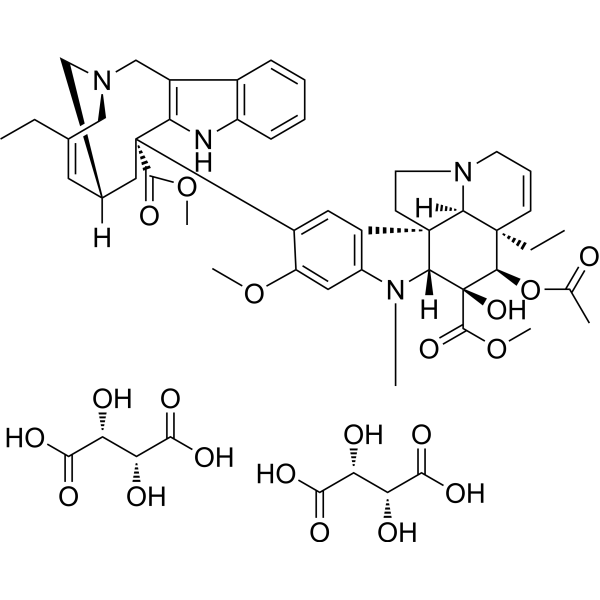
-
- HY-10225
-
|
PXD101; PX105684
|
HDAC
Autophagy
|
Cancer
|
|
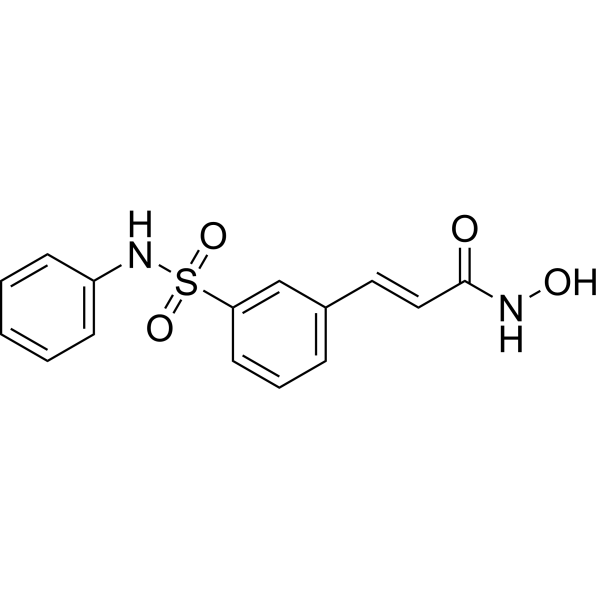
Belinostat (PXD101; PX105684) is a potent HDAC inhibitor with an IC50 of 27 nM in HeLa cell extracts.
|
-
-
- HY-100947
-
-
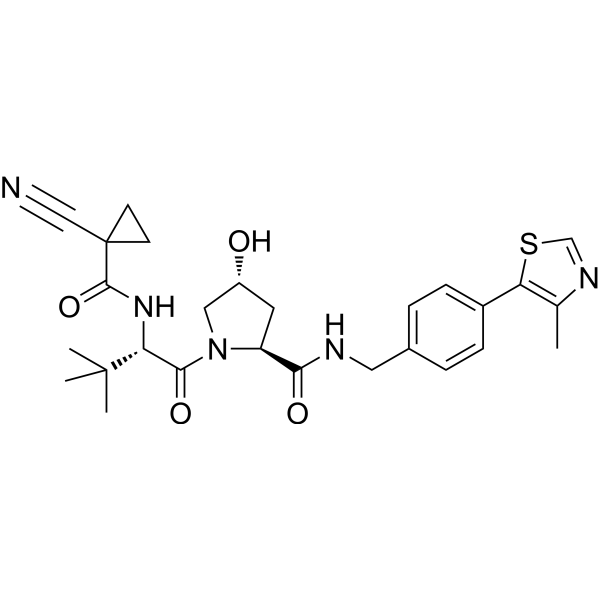
-
- HY-N0144
-
-
-
- HY-122571
-
Retro-2
2 Publications Verification
|
Filovirus
Parasite
Autophagy
|
Infection
Cancer
|
|
Retro-2 is a selective inhibitor of retrograde protein trafficking at the endosome-trans-Golgi network interface. Retro-2 is an ebolavirus (EBOV) infection inhibitor with an EC50 of 12.2 μM in HeLa cells. Retro-2 induces cell autophagy .
|
-
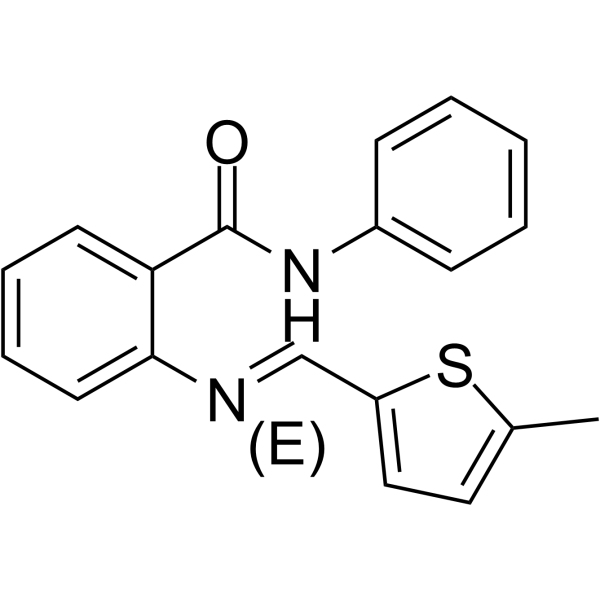
-
- HY-112716
-
|
|
Amino Acid Derivatives
|
Cancer
|
|
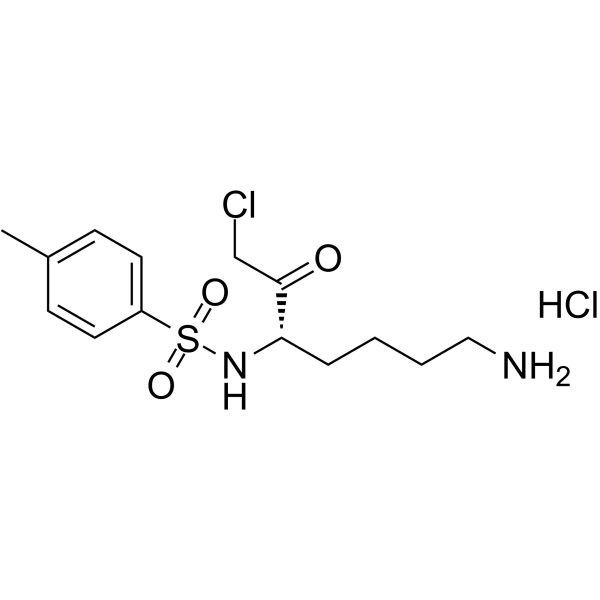
N-alpha-Tosyl-L-lysine chloromethyl ketone (TLCK), a trypsin like protease inhibitor, sensitizes HeLa cells to Fas-mediated cell death.
|
-
-
- HY-N8015
-
Octanal
1 Publications Verification
|
Environmental Pollutants
Endogenous Metabolite
Fungal
Bacterial
|
Infection
Cancer
|
|
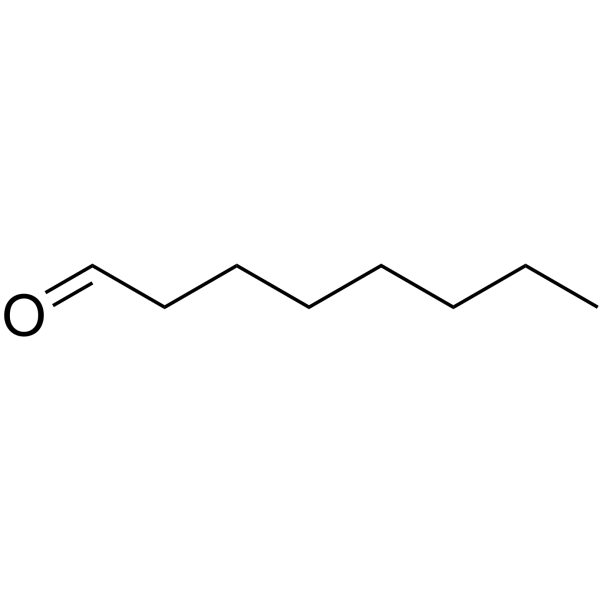
Octanal is a fragrant aldehyde with antioxidant and antibacterial activity. Its antifungal effect against G. citri-aurantii may be related to the disruption of cell membrane integrity and the leakage of cellular components. Additionally, Octanal exhibits cytotoxicity towards HeLa cells, with an IC50 value of 3.5 μg/mL .
|
-
-
- HY-100771
-
|
|
Indoleamine 2,3-Dioxygenase (IDO)
|
Cardiovascular Disease
|
|
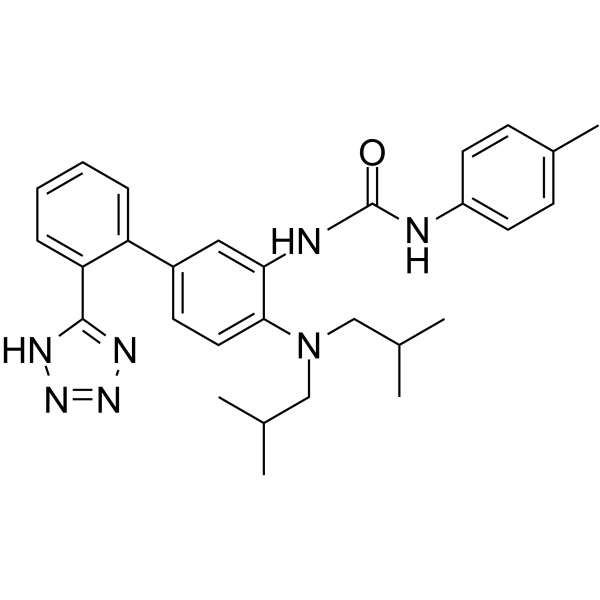
PCC0208009 is a potent IDO inhibitor with an IC50 value of 4.52 nM in HeLa cell. PCC0208009 alleviates neuropathic pain and comorbidities by regulating synaptic plasticity of anterior cingulate cortex (ACC) and amygdala .
|
-
-
- HY-119401
-
|
BML-241
|
LPL Receptor
|
Cancer
|
|
CAY10444 (BML-241) is a sphingosine-1-phosphate 3 (S1P3) antagonist. CAY10444 inhibits by 37% S1P-induced increases in Ca2+ in HeLa cells expressing S1P3 receptors .
|
-
-
- HY-12053
-
-
-
- HY-18399
-
YM-1
1 Publications Verification
|
HSP
NO Synthase
|
Cancer
|
|
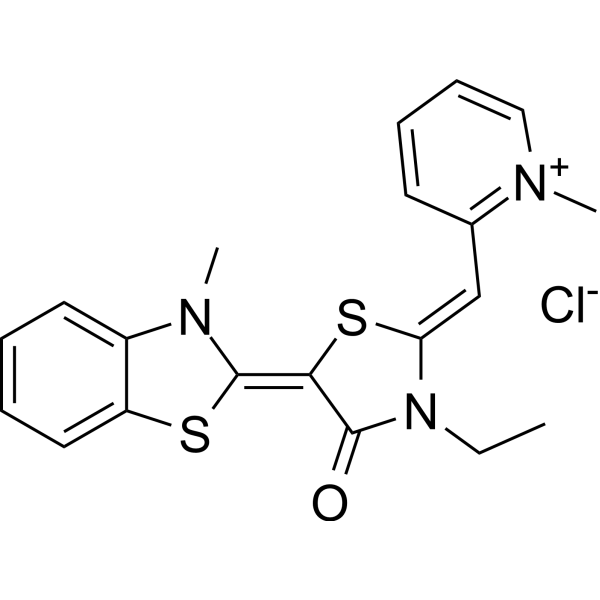
YM-1 is a stable MKT-077 (HY-15096) analog and an orally active Hsp70 inhibitor. YM-1 induces cell death of HeLa cells and up-regulates the level of p53 and p21 proteins .
|
-
-
- HY-100541
-
|
|
NEKs
Apoptosis
|
Cancer
|
|
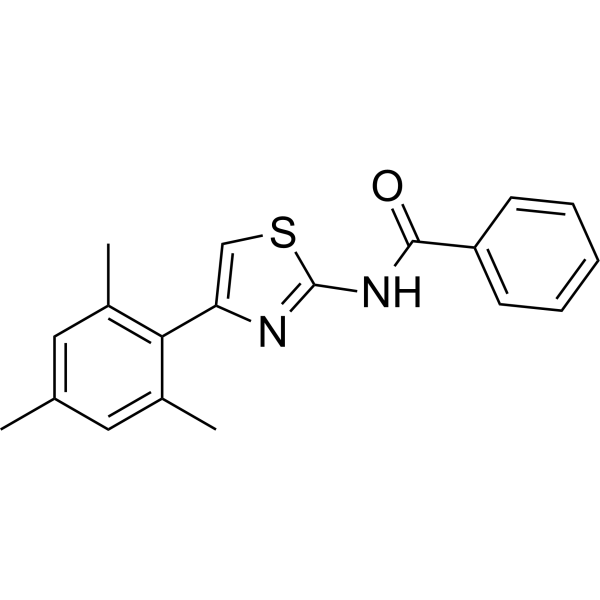
INH6 is a potent Nek2/Hec1 inhibitor; inhibits the growth of HeLa cells with an IC50 of 2.4 μM.
|
-
-
- HY-103349
-
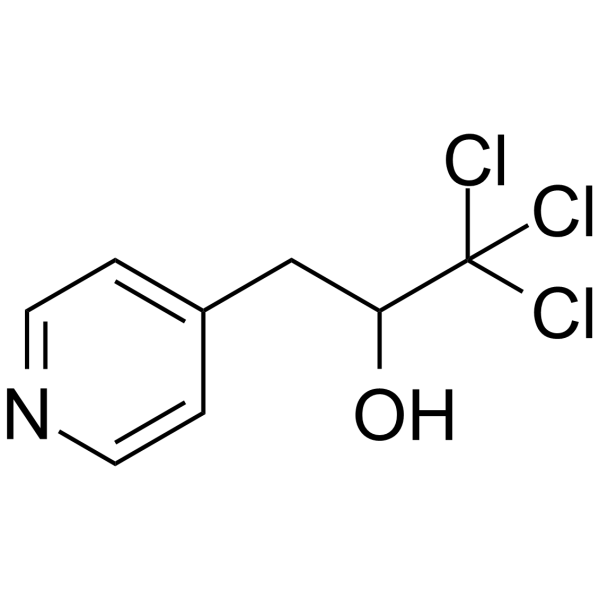
PETCM
1 Publications Verification
|
Caspase
Apoptosis
|
Cancer
|
|
PETCM is an activator of caspase-3 and acts as an cytochrome c (cyto c)-dependent manner. PETCM promotes Apaf-1 oligomerization and induces cell apoptosis in HeLa cells .
|
-
-
- HY-77572
-
|
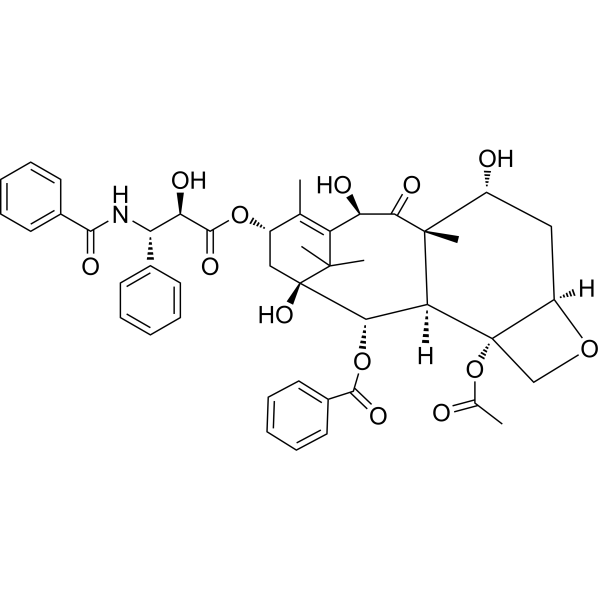
7-epi-10-deacetyltaxol; 10-Deacetyl-7-epipaclitaxel
|
ADC Payload
|
Cancer
|
|
7-Epi 10-desacetyl paclitaxel (7-epi-10-deacetyltaxol), a taxol derivative, exhibits cytotoxicity against HeLa cells with an IC50 of 85 μM .
|
-
-
- HY-162655
-
|
|
LPL Receptor
|
Neurological Disease
|
|
SLF80821178 is a potent and orally active inhibitor of Sphingosine-1-Phosphate Transporter (Spns2). SLF80821178 inhibits S1P release with an IC50 of 51 nM in HeLa cells and a T1/2 of 2.4 h in mouse .
|
-

-
- HY-100853
-
|
|
Porcupine
Wnt
|
Cancer
|
|
IWP-O1 is a highly potent Porcupine (Porcn) inhibitor, with an EC50 of 80 pM in L-Wnt-STF cells. IWP-O1 prevents the secretion of Wnt proteins. IWP-O1 suppresses the phosphorylation of Dvl2/3 and LRP6 in HeLa cells .
|
-
-
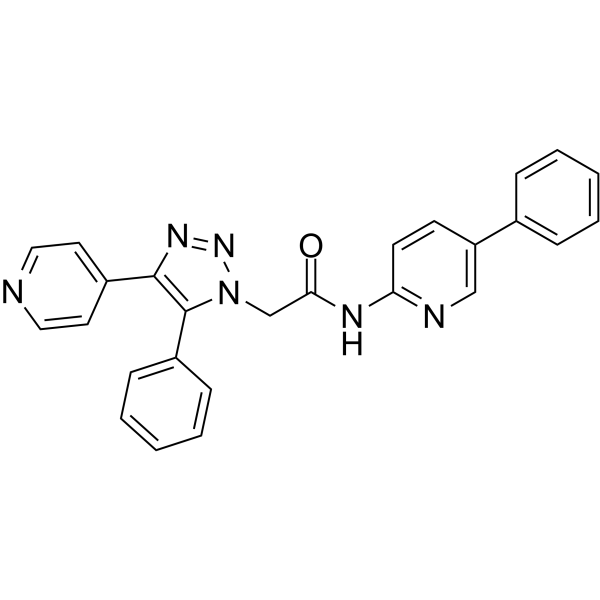
- HY-169794
-
|
|
DNA/RNA Synthesis
|
Others
|
|
N-Palmitoyl-phenylalanine is an N-acyl amide that contains the long-chain saturated fatty acid Palmitic acid (HY-N0830) conjugated via an amide bond to the essential amino acid L-Phenylalanine (HY-N0215). N-Palmitoyl-phenylalanine inhibits pre-mRNA splicing in HeLa cell nuclear lysates (IC50 > 400 μM) but has no splicing activity in intact HeLa cells .
|
-

-
- HY-N4208
-
|
|
Microtubule/Tubulin
|
Cancer
|
|
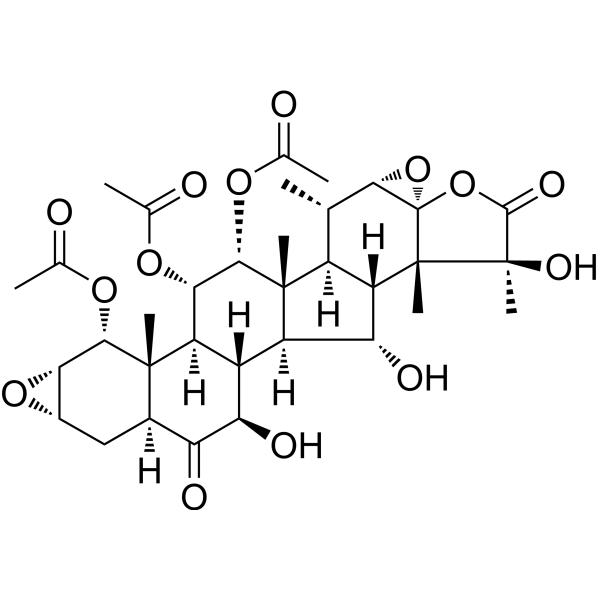
Taccalonolide AJ is a semi-synthesis compound with cellular microtubule stabilizing activity. Taccalonolide AJ exhibits high potency antiproliferative activity against cancer cells, with an IC50 of 4.2 nM for HeLa cells .
|
-
-
- HY-170944
-
|
|
HSP
Apoptosis
Caspase
|
Cancer
|
|
BAG3/HSP70-IN-1 (compound 16) is the first-in-class BAG3 and HSP70 dual inhibitor. BAG3/HSP70-IN-1 binds to BAG3 full-length, BAG3-BD, and HSP70 proteins with Kds of 33.10 μM, 27.90 μM, and 33.80 μM, respectively. BAG3/HSP70-IN-1 inhibits HeLa cells with an IC50 of 49.46 μM. BAG3/HSP70-IN-1 induces apoptosis by activating caspase 3 and caspase 9 levels in HeLa cells. BAG3/HSP70-IN-1 elevates p21 levels while reduces FOXM1 expression in HeLa cells. BAG3/HSP70-IN-1 decreases ATPase activity .
|
-

-
- HY-137498
-
|
|
Filovirus
|
Infection
|
|
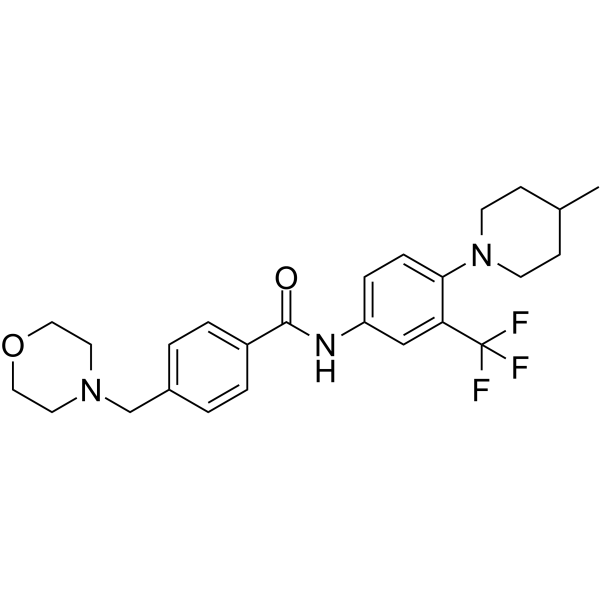
EBOV/MARV-IN-1 is a potent inhibitor of Ebola virus (EBOV) and Marburg virus (MARV), with broad-spectrum activity (EC50=0.31, and 0.82 µM, respectively) and low cytotoxicity (SI>100) in HeLa cells .
|
-
-
- HY-139290A
-
|
RG4326 sodium
|
MicroRNA
|
Cancer
|
|
RGLS4326 sodium is a first-in-class, short oligonucleotide inhibitor of microRNA-17 (miR-17). RGLS4326 sodium can be used for the research of autosomal dominant polycystic kidney disease (ADPKD). RGLS4326 sodium inhibits miR-17 function in HeLa cells with an EC50 value of 28.3 nM .
|
-

-
- HY-N0144R
-
|
Bioperine (Standard); 1-Piperoylpiperidine (Standard)
|
Reference Standards
P-glycoprotein
Autophagy
Endogenous Metabolite
|
Inflammation/Immunology
Cancer
|
|
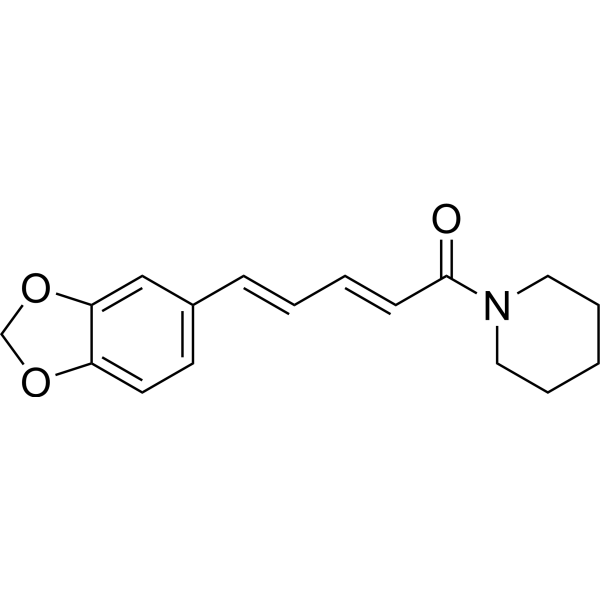
Piperine (Standard) is the analytical standard of Piperine. This product is intended for research and analytical applications. Piperine is an alkaloid, can be isolated from pepper. Piperine can inhibit the activity of P-glycoprotein and CYP3A4. Piperine inhibits HeLa cells with an IC50 of 61.94±0.054 μg/mL .
|
-

-
- HY-123554
-
|
|
Apoptosis
|
Cancer
|
|
Flavagline FL3 is a flavagline with potent and selective cytotoxicity in cancer cells.Flavagline FL3 induces apoptosis of HL60 and Hela cells by triggering the translocation of Apoptosis Inducing Factor (AIF) and caspase-12 to the nucleus .
|
-

-
- HY-122751
-
|
|
Phosphodiesterase (PDE)
|
Cancer
|
|
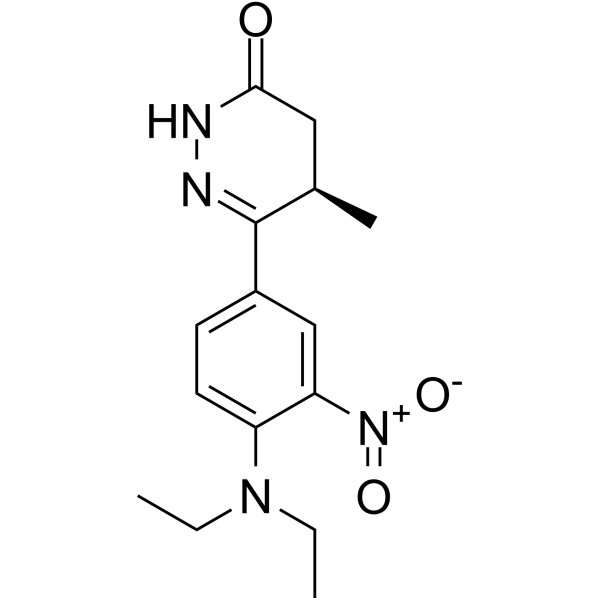
(R)-DNMDP is a potent and selective cancer cell cytotoxic agent. (R)-DNMDP, the R-form of DNMDP, binds PDE3A directly. (R)-DNMDP has a 500-fold lower EC50 compared to the (S)-enantiomer in HeLa cell line .
|
-
-
- HY-N8228
-
|
|
Bacterial
|
Infection
Inflammation/Immunology
Cancer
|
|
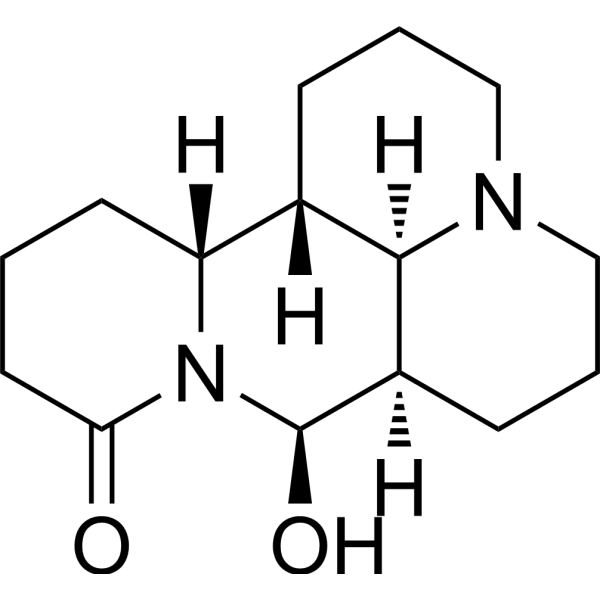
17-Hydroxyneomatrine, extracted from Sophora flavescens, can well inhibit the growth of human cervical carcinoma Hela cells, has the wide-range antibacterial, anti-allergy, anti-tumor, anti-arrhythmia, swelling-subsiding diuresis, immunizing, and biological regulation functions .
|
-
-
- HY-N7654
-
|
|
Apoptosis
|
Cancer
|
|
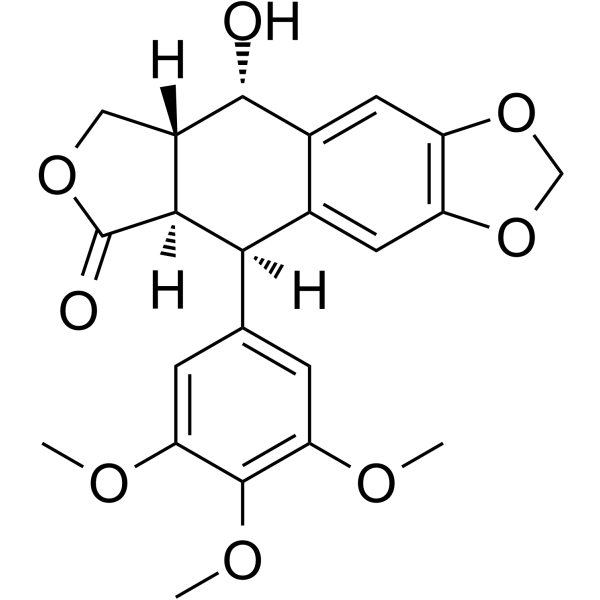
(-)-Epipodophyllotoxin (2) is an antiproliferative agent against cancer cells isolated from American mayapple Podophyllum peltatum, with GI50s of 0.36 and 0.24 μM in HeLa cells and MCF-7 cells, respectively. (-)-Epipodophyllotoxin can inhibit mitotic spindle assembly in vitro .
|
-
-
- HY-174215
-
|
|
Tau Protein
|
Neurological Disease
|
|
TAU-IN-3 (Compound 2) is an orally active TAU inhibitor. TAU-IN-3 inhibits the expression of MAPT exon 10 DDPAC mutant gene in HeLa cells (IC50: 0.6 µM). TAU-IN-3 reduces the 4R/3R MAPT mRNA ratio in HeLa cells transfected with WT or DDPAC minigenes. TAU-IN-3 inhibits the insertion of endogenous MAPT exon 10 and the production of 4R tau protein in cells. TAU-IN-3 modulates tau splicing in htau mice and improves the associated behavioral phenotypes. TAU-IN-3 can be used to study neurodegenerative diseases .
|
-

-
- HY-103394
-
|
|
17β-HSD
|
Cancer
|
|
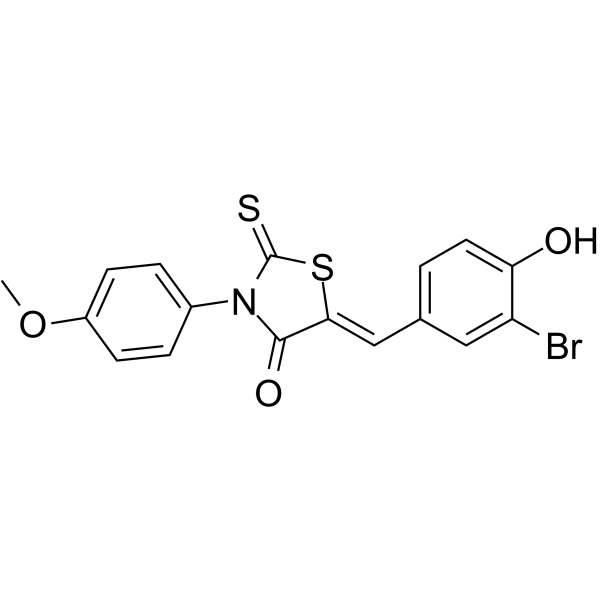
TC HSD 21 is a selective inhibitor of 17β-hydroxysteroid dehydrogenase type 3 (17β-HSD3) against related 17β-HSD isozymes, with an IC50 of 14 nM in HeLa cells. TC HSD 21 can be used in the research of prostate cancer .
|
-
-
- HY-144712
-
|
|
G-quadruplex
Apoptosis
|
Cancer
|
|
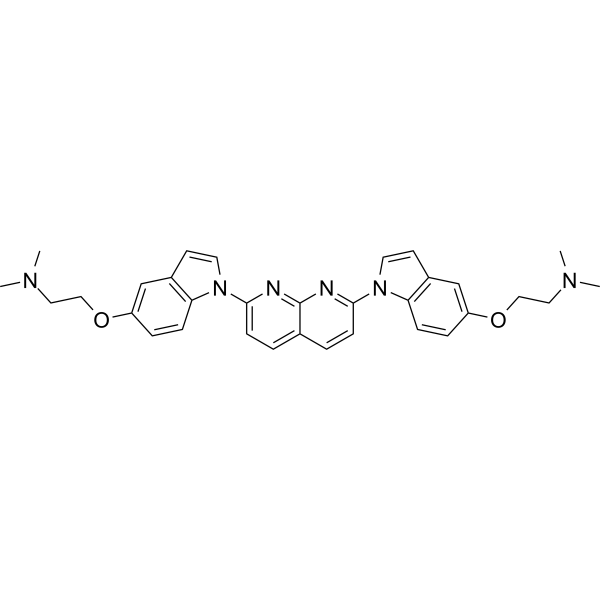
L5-DA is a G-quadruplex (G4) ligand and selectively stabilized for G4s over ds26. L5-DA exhibits significant cytotoxicity against HeLa cells (IC50=4.3 μM). L5-DA stabilizes G4s in HeLa cells, induces apoptosis, and cell cycle arrest .
|
-
-
- HY-N4062
-
|
|
Others
|
Others
|
|
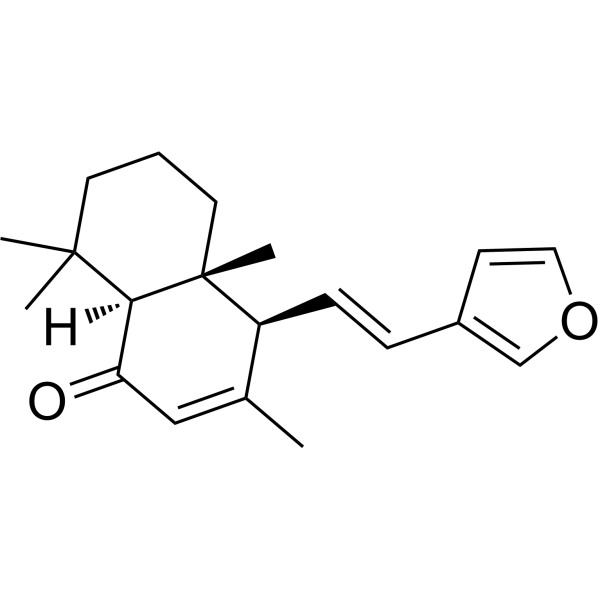
Hedychenone (compound 3) is a labdane diterpene. Hedychenone can be isolated from the rhizomes of Hedychium yunnanense. Hedychenone against HeLa cell with IC50 value of 9.76 μg/ml.
|
-
-
- HY-131871
-
-
-
- HY-150409
-
|
|
TSPO
|
Cancer
|
|
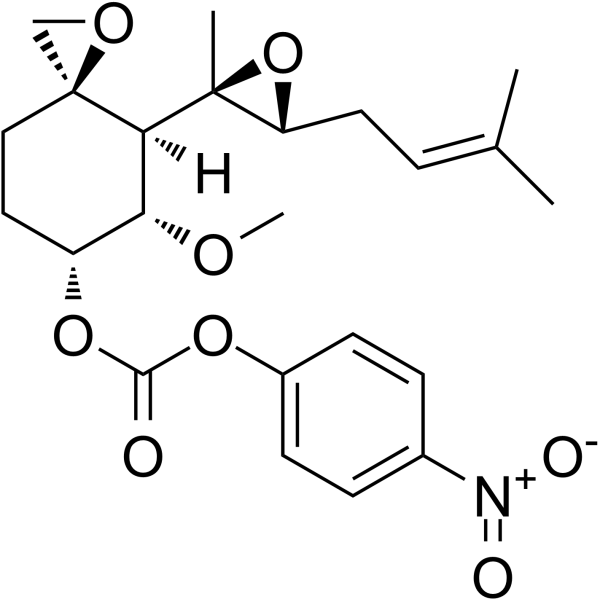
TSPO ligand-2 is a ligand of AUTAC1. AUTAC1 contains an p-fluorobenzylguanine (FBnG) and a Fumagillol moiety, which can silence endogenous MetAP2 in HeLa cells .
|
-
-
- HY-161771
-
|
|
RSV
|
Infection
|
|
JNJ-7184 is a non-nucleoside inhibitor of the RSV-Large (L) polymerase, with the pEC50 and pCC50 of 7.86 and 4.29 in Hela cells, respectively. JNJ-7184 prevents RSV replication and transcription by inhibiting initiation or early elongation .
|
-

-
- HY-N4048
-
|
|
Others
|
Cancer
|
|
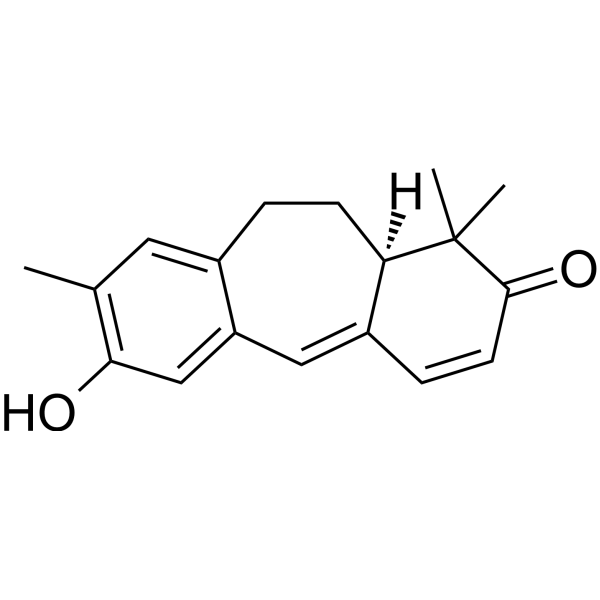
Heudelotinone is a dinorditerpenoid that can be isolated from the stem bark and roots of Ricinodendron heudelotii. Heudelotinone shows cytotoxicity against SMMC-7721, A549 and Hela cells with IC50s of 21.68, 16.04 and 10.67 μM, respectively .
|
-
-
- HY-N10871
-
|
|
SARS-CoV
|
Cancer
|
|
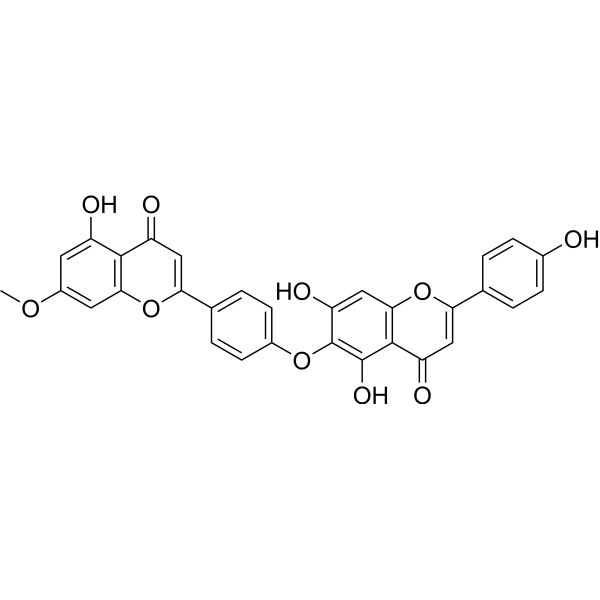
Neocryptomerin, a biflavonoid, shows inhibitory activity against U251, MCF-7, HeLa cell. Neocryptomerin has favorable binding affinities in the active pocket of SARS-CoV-2. Neocryptomerin is the leading compound of rational compounds against COVID-19 .
|
-
-
- HY-175175
-
|
|
p38 MAPK
Bcl-2 Family
Caspase
Reactive Oxygen Species (ROS)
PARP
Apoptosis
|
Cancer
|
|
MAPK-IN-5 is a potent MAPK inhibitor with an IC50 of 1.35 μM against HeLa cells. MAPK-IN-5 inhibits HeLa cell proliferation by inducing ROS-mediated DNA damage and mitochondrial apoptosis via the MAPK pathway. MAPK-IN-5 significantly inhibits colony formation, reduces the number of live cells, suppresses cell migration, and causes cell cycle arrest in the G2/M phase in HeLa cells. MAPK-IN-5 can be used for the study of cervical cancer .
|
-

-
- HY-12053AS
-
|
KW-2307-d3 ditartrate; Nor-5'-anhydrovinblastine-d3 ditartrate
|
Microtubule/Tubulin
Autophagy
|
Cancer
|
|
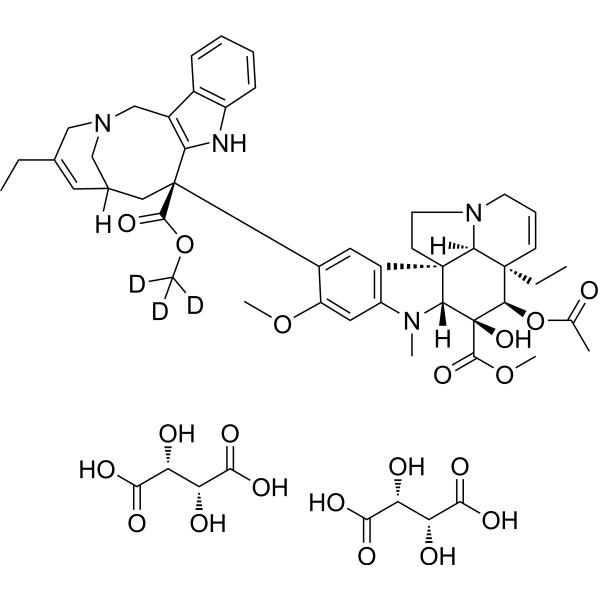
Vinorelbine-d3 (ditartrate) is the deuterium labeled Vinorelbine ditartrate. Vinorelbine (ditartrate) is an anti-mitotic agent which inhibits the proliferation of Hela cells with IC50 of 1.25 nM.
|
-
-
- HY-128599
-
|
|
PARP
|
Cancer
|
|
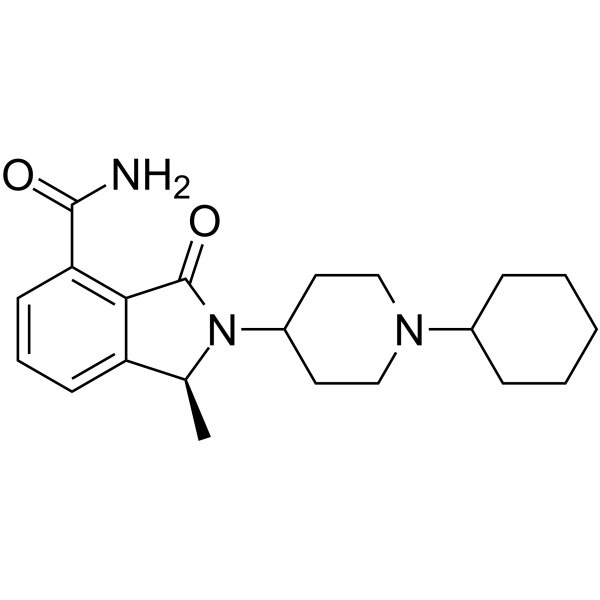
NMS-P515 is a potent, orally active and stereospecific PARP-1 inhibitor, with a Kd of 16 nM and an IC50 of 27 nM (in Hela cells). Anti-tumor activity .
|
-
-
- HY-123583
-
|
|
Fluorescent Dye
|
Others
|
|
MitoBADY is a mitochondria-selective Raman probe that successfully visualizes mitochondria in live HeLa cells at a concentration of 200-400 nM for 10 minutes. MitoBADY can be utilized for the study of mitochondrial dynamics .
|
-

-
- HY-N11636
-
|
|
Apoptosis
|
Cancer
|
|
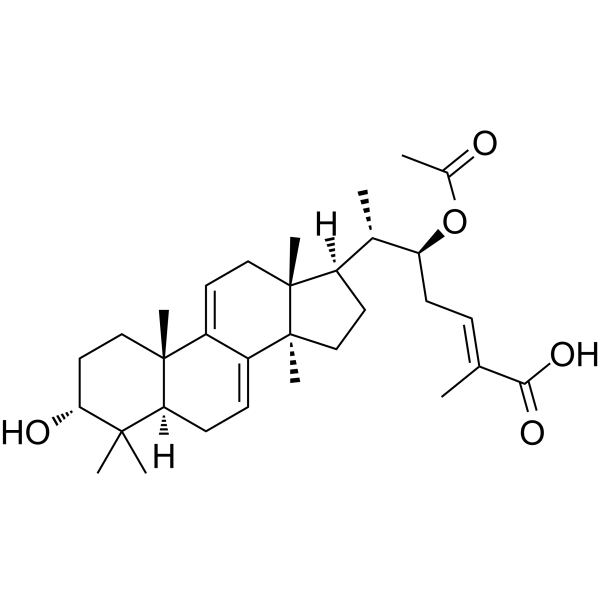
Ganoderic acid S is a positional isomer of ganoderic acids, that can be isolated from the fermented mycelia of Ganoderma lucidum. Ganoderic acid S can induce apoptosis in HeLa cells through the mitochondria pathway .
|
-
-
- HY-131822
-
|
Uridine-5'-O-monophosphorothioate
|
P2Y Receptor
|
Cancer
|
|
5'-UMPS (Uridine-5'-O-monophosphorothioate) is a P2Y14 receptor agonist. 5'-UMPS can induce HeLa cell growth slightly .
|
-

-
- HY-N12233
-
|
|
Apoptosis
MDM-2/p53
Reactive Oxygen Species (ROS)
|
Cancer
|
|
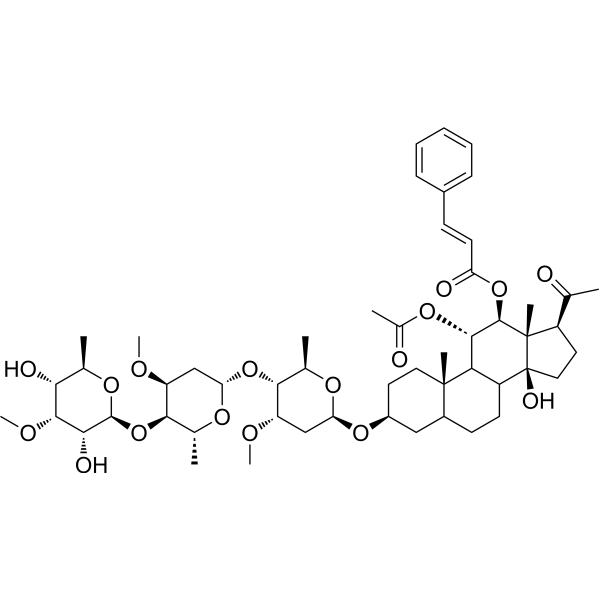
Condurango glycoside A is an activator of p53. Condurango glycoside A initiates ROS generation and up-regulates p53 expression. Condurango glycoside A induces apoptosis and pre-mature senescence associated with DNA damage in HeLa cells .
|
-
-
- HY-150655
-
|
|
HSP
|
Cancer
|
|
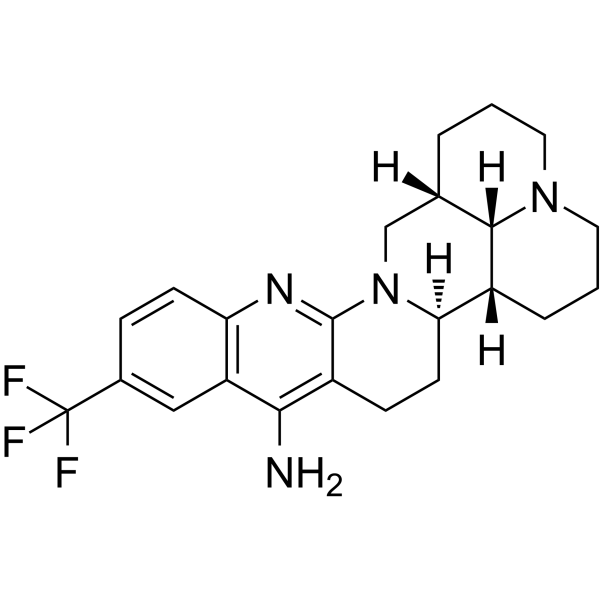
Hsp90-IN-15 is an Hsp90 inhibitor with anticancer activity. Hsp90-IN-15 induces cell apoptosis, arrests the cell cycle at S phase and decreases the expression level of Hsp90 in Hela cell .
|
-
-
- HY-N3191
-
|
|
Others
|
Others
|
|
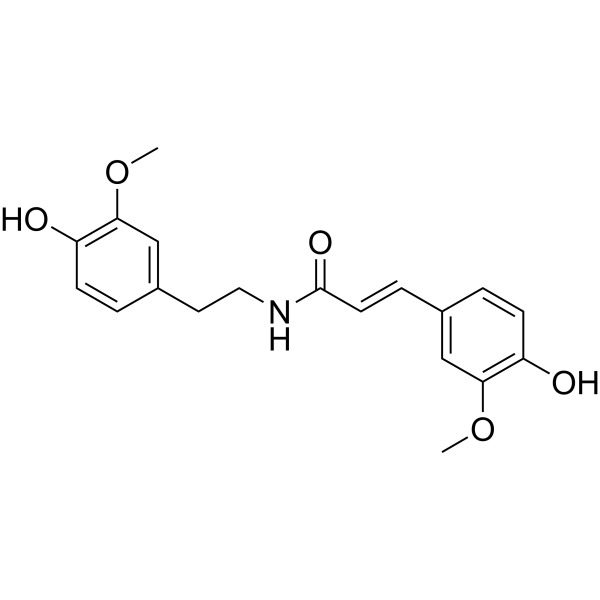
N-trans-Feruloyl-3-methyldopamine (compound 4) is an anticancer compound isolated from Alternanthera philoxeroides. N-trans-Feruloyl-3-methyldopamine is cytotoxic to HeLa cells, with an inhibition rate of 72.2% at a concentration of 30 μg/mL .
|
-
-
- HY-N2802
-
|
9-Oxo-10,11-dehydroageraphorone
|
Apoptosis
Caspase
Parasite
|
Infection
Cancer
|
|
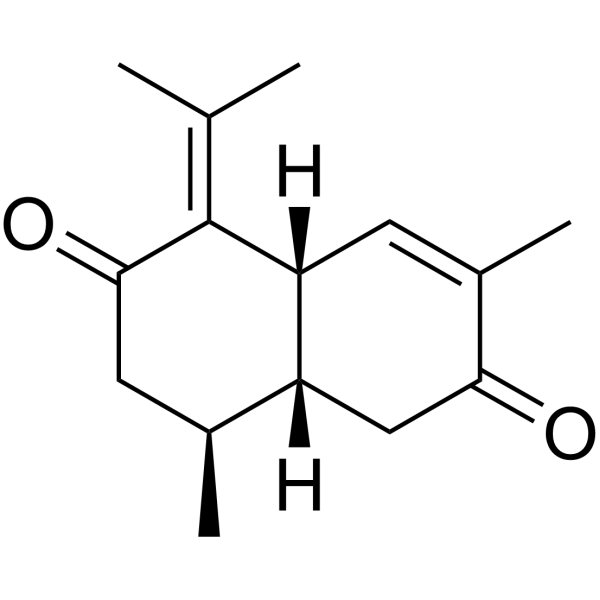
Euptox A (9-Oxo-10, 11-dehydroageraphorone), a cadenine sesquiterpene, is the main toxin that can be isolated from Eupatorium adenophorum. Euptox A induces apoptosis by improving the gene expression level of apoptotic proteases such as caspase-10 in HeLa cells .
|
-
-
- HY-18406
-
|
|
HSP
|
Cancer
|
|
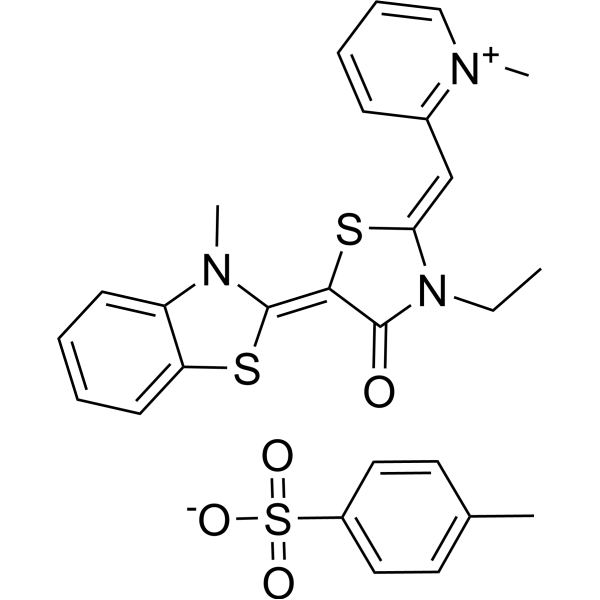
YM-1 tosylate is a stable MKT-077 (HY-15096) analog and an orally active Hsp70 inhibitor. YM-1 tosylate induces cell death of HeLa cells and up-regulates the level of p53 and p21 proteins .
|
-
-
- HY-147896
-
|
|
Microtubule/Tubulin
|
Cancer
|
|
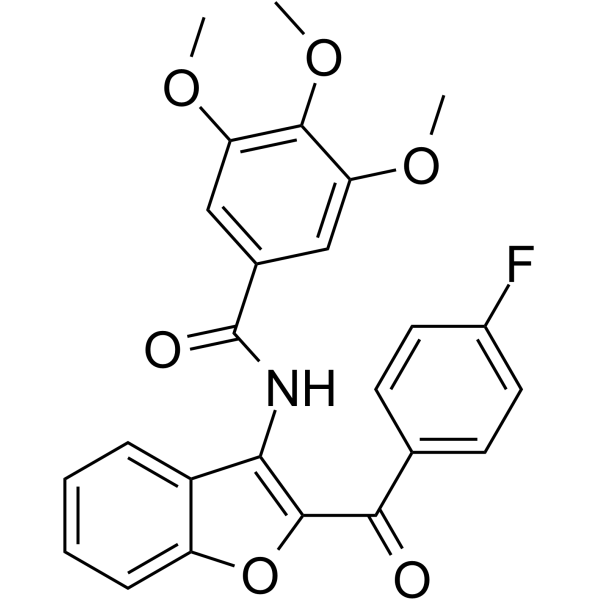
Tubulin polymerization-IN-29 (compound 6g) is a potent tubulin polymerization inhibitor. Tubulin polymerization-IN-29 exhibits potent antiproliferative activity. Tubulin polymerization-IN-29 can induce HeLa cells arrest in G2/M phase .
|
-
-
- HY-W654320
-
-

-
- HY-130073
-
|
|
NF-κB
Apoptosis
|
Cancer
|
|
Amorfrutin A is the inhibition of NF-κB activation, that inhibits TNF-α-induced IκBα degradation, p65 nuclear translocation, and DNA-binding activity. Amorfrutin A promotes TNF-α-induced apoptosis in HeLa cell through promotion of caspase-3 and PARP proteolysis .
|
-

-
- HY-137949
-
|
|
Apoptosis
|
Cancer
|
|
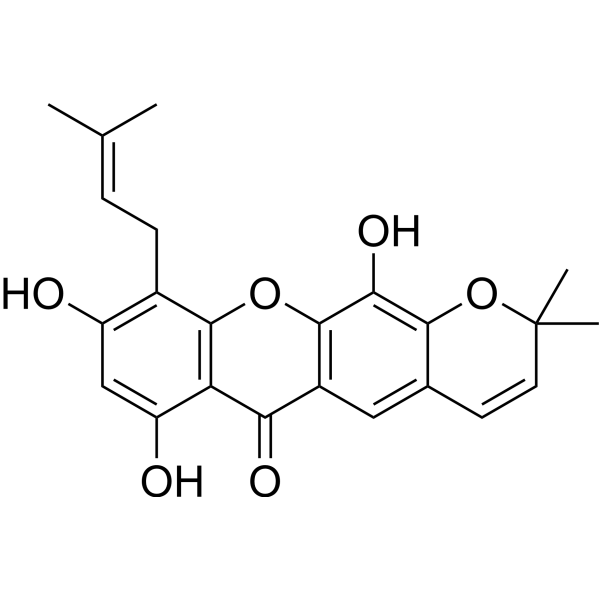
Formoxanthone A is an apoptosis inducing compound that can significantly reduce the viability of HeLa cells at 25 μM .
|
-
- HY-117125
-
|
|
Others
|
Cancer
|
|
Longifolin is an anticancer agent that exhibits significant cytotoxicity against HeLa cell lines (IC50: 0.21 μg/mL).
|
-

- HY-125720
-
|
|
Antibiotic
|
Infection
|
|
A-39183A is an antibiotic that shows significant cytotoxicity to HeLa cells, with an IC50 value of 1.8 μM .
|
-

- HY-119730
-
|
|
Histone Demethylase
|
Cancer
|
|
Tripartin is an inhibitor of histone demethylase. Tripartin inhibits the histone H3 lysine 9 demethylase KDM4 in HeLa cells .
|
-

- HY-144468
-
-
- HY-N2213
-
|
|
Others
|
Cancer
|
|
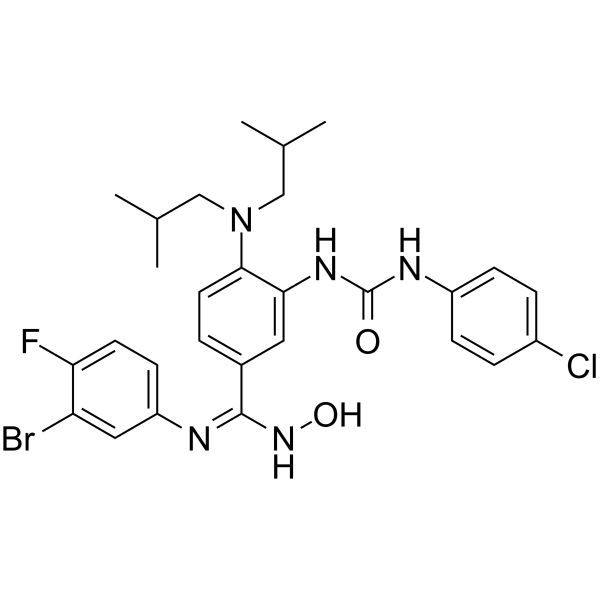
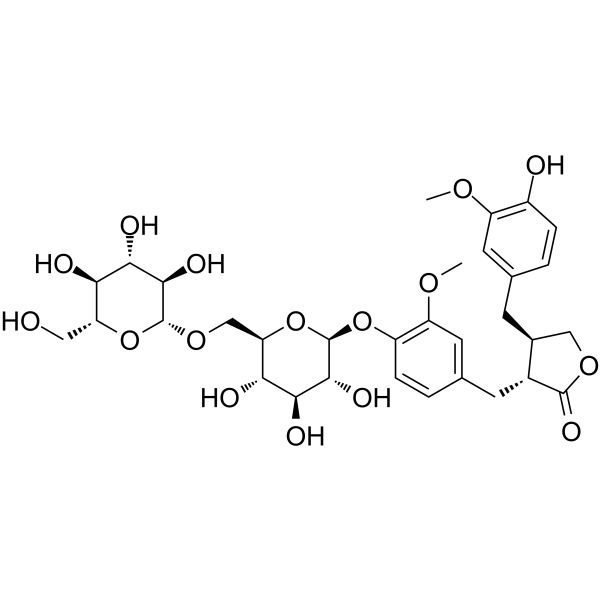
Matairesinol 4′-O-β-D-glucopyranoside displays cytotoxic activity against HeLa cell line with an IC50 of 47.1 μM .
|
-
- HY-W285243
-
-

- HY-120190
-
|
|
Drug Metabolite
|
Infection
|
|
Citreoindole is a diketopiperazine metabolite isolated from a hybrid cell fusion of two strains of P. citreovirde that is cytotoxic in vitro against HeLa cells at 8.4 μM.
|
-

- HY-155278
-
|
|
Others
|
Cancer
|
|
Anticancer agent 162 (compound 1d) is an effective anticancer agent. Anticancer agent 162 induces oncosis of Hela cells with lipophilicity and cytotoxicity selectivity .
|
-
- HY-113722
-
|
|
Microtubule/Tubulin
|
Cancer
|
|
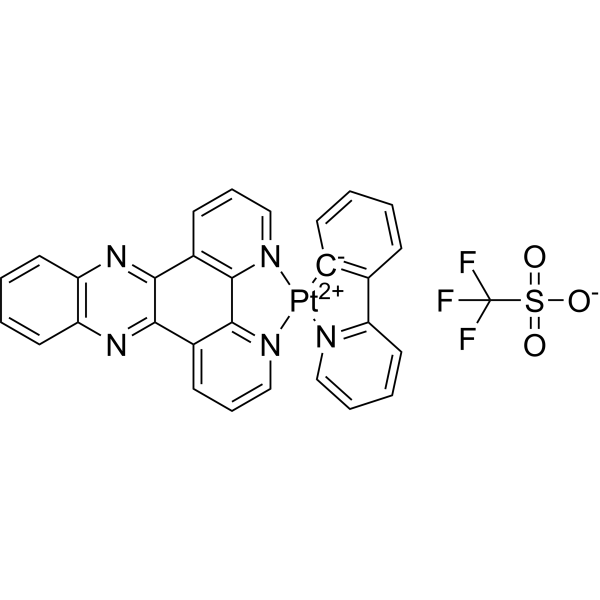
DAT1 is a potent antimitotic agent with anticancer effects. In HeLa cells, DAT1 blocks the spindle function by disturbing spindle microtubule and chromosome organization .
|
-

- HY-119113
-
|
|
Drug Derivative
|
Cancer
|
|
C 175 is a nitroacridine derivative with antitumor activity. C 175 inhibits the growth of HeLa cells monolayer (ED50=0.49 μM) .
|
-

- HY-150411
-
|
|
AUTACs
|
Cancer
|
|
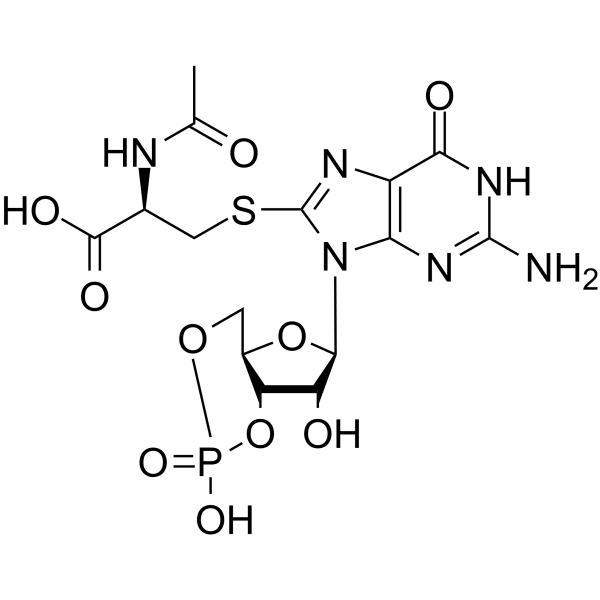
Cys-C-cGMP is a autophagy tag for AUTACs. Cys-C-cGMP can increase the K63-linked ubiquitination of mitochondria in HeLa cells .
|
-
- HY-114708
-
|
LL-Z 1272β
|
Bacterial
|
Infection
Cancer
|
|
Ilicicolin B (LL-Z 1272β) inhibits Bacillus carbonifera with the concentration of 6 μg/mL and its toxic concentration to Hela cells is 0.3 μg/mL .
|
-

- HY-12053AR
-
|
KW-2307 (Standard); Nor-5'-anhydrovinblastine ditartrate (Standard)
|
Reference Standards
Microtubule/Tubulin
Autophagy
|
Cancer
|
|
Vinorelbine (ditartrate) (Standard) is the analytical standard of Vinorelbine (ditartrate). This product is intended for research and analytical applications. Vinorelbine (ditartrate) is an anti-mitotic agent which inhibits the proliferation of Hela cells with IC50 of 1.25 nM.
|
-

- HY-146261
-
|
|
Microtubule/Tubulin
Indoleamine 2,3-Dioxygenase (IDO)
Apoptosis
|
Cancer
|
|
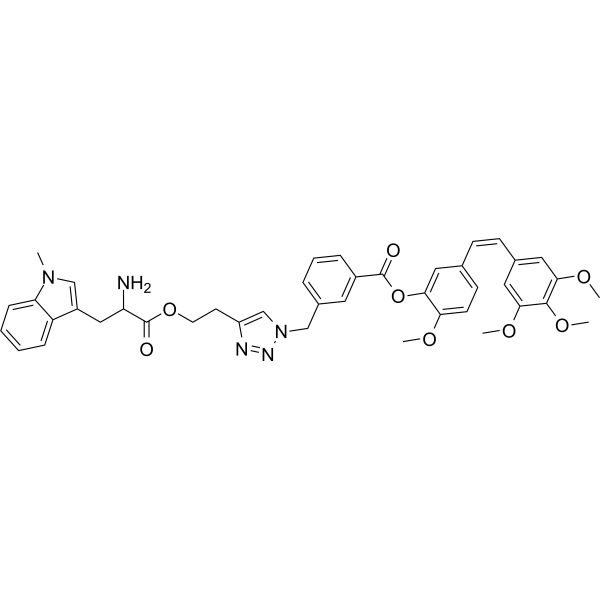
HI5 is a potent tublin and IDO inhibitor, with an IC50 value of 70 nM in HeLa cells. HI5 inhibit IDO expression and decrease kynurenine production, leading to stimulating T cells activation and proliferation. HI5 can inhibit tubulin polymerization and cell migration, cause G2/M phase arrest, and induce apoptosis via the mitochondrial dependent apoptosis pathway and cause reactive oxidative stress generation in HeLa cells. HI5 can be used for researching anticancer .
|
-
- HY-N8876
-
|
|
Others
|
Cancer
|
|
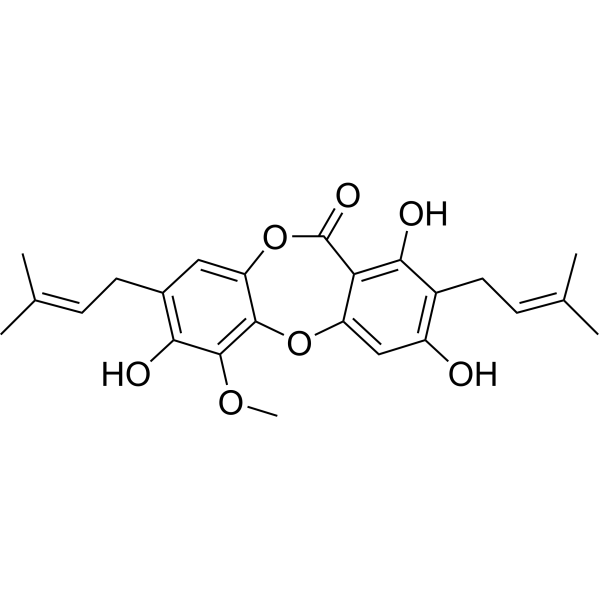
Paucinervin A (Compound 1) is a type of bittern.
Paucinervin A inhibits the growth of HeLa cells (IC50=29.5
μM). Paucinervin A is isolated from the natural Garcinia
paucinervis .
|
-
- HY-N7485
-
|
(-)-Gomisin K1
|
Others
|
Cancer
|
|
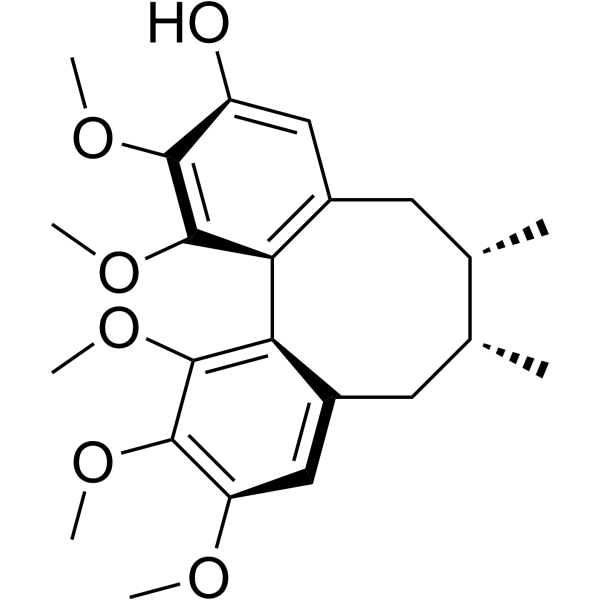
Gomisin K1 ((-)-Gomisin K1) is a lignan that exhibits anti-cancer activity. Gomisin K1 inhibits HeLa cell growth, with an IC50 of 5.46 μM .
|
-
- HY-129148
-
|
GAAM1
|
Others
|
Cancer
|
|
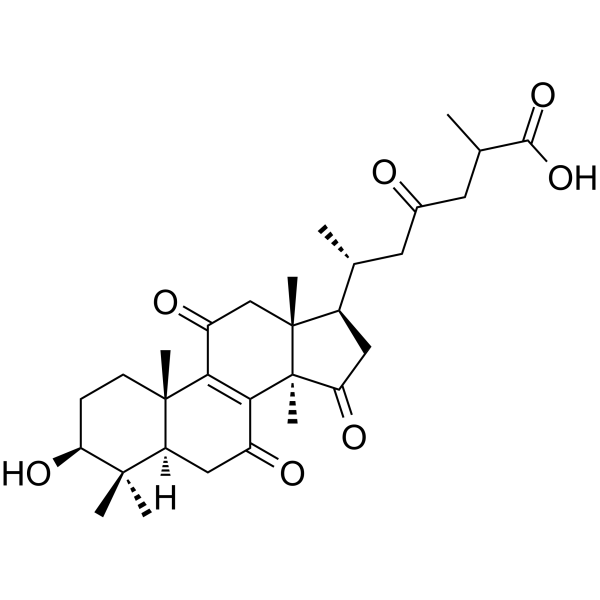
Ganoderic acid AM1 (GAAM1) is a natural product that can be found in ganoderma lucidum. Ganoderic acid AM1 shows cytotoxicity with an IC50 value of 19.8 µM for HeLa cells .
|
-
- HY-D2215
-
|
|
Fluorescent Dye
|
Cancer
|
|
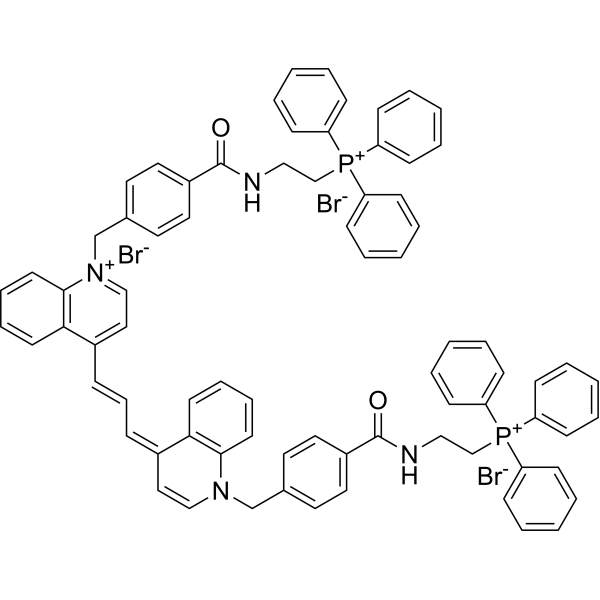
Mito-CCY is a mitochondria-targeted, NIR-absorbing cryptocyanine probe. Mito-CCY displays a high photothermal conversion efficiency, good biological compatibility in vitro, and photoinduced cytotoxicity in HeLa cells .
|
-
- HY-N14822
-
|
|
Antibiotic
Bacterial
|
Infection
Cancer
|
|
4-O-Demethyl-11-deoxydoxorubicin is an anthracycline antibiotic with antibacterial and antitumor activities. 4-O-Demethyl-11-deoxydoxorubicin is cytotoxic to Hela cells .
|
-

- HY-N14571
-
|
|
Bacterial
|
Infection
Cancer
|
|
Quinomycin B has a strong effect on Gram-positive bacteria and HeLa cells, and also on some Gram-negative bacteria. Quinomycin B also has a protective effect on mice inoculated with poliovirus .
|
-

- HY-N10332
-
|
|
Proteasome
|
Cancer
|
|
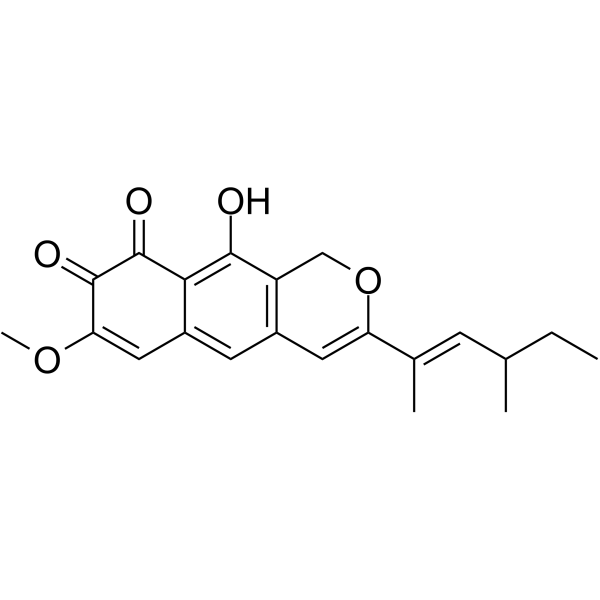
Leptosphaerodione, isolated from Remotididymella sp. Fungus, is a potent ubiquitin-proteasome system (UPS) inhibitor. Leptosphaerodione exhibits cytotoxicity in HeLa cells with IC50 value of 3.2 μM. Anti-tumor agent .
|
-
- HY-N12866
-
|
|
Antibiotic
Bacterial
|
Infection
Cancer
|
|
Monensin C is an oxygen-containing heterocyclic polyether antibiotic. Monensin C has antibacterial, mycobacterial, fungal and protozoan activity, but it has a weaker effect on Gram-negative bacteria and has an inhibitory effect on HeLa cells .
|
-

- HY-150410
-
|
|
AUTACs
|
Cancer
|
|
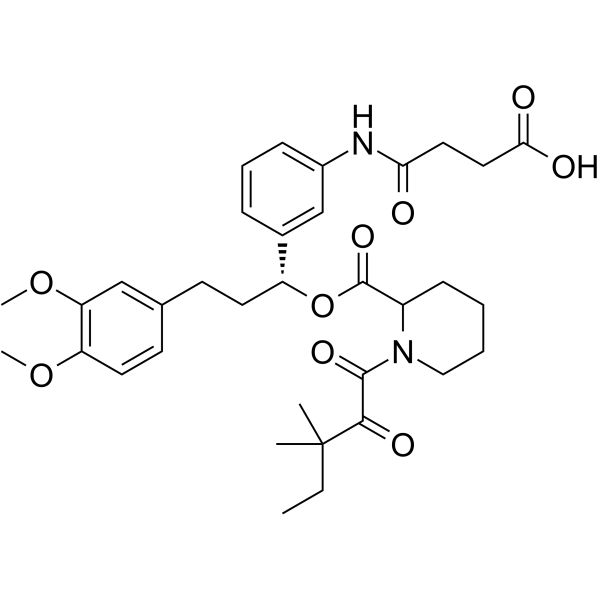
TSPO ligand-3 is a ligand of AUTAC2. AUTAC2 contains an p-fluorobenzylguanine (FBnG) and an synthetic ligand of FKBP (SLF) moiety, which can cause significant silencing of FKBP12 in HeLa cells .
|
-
- HY-N15076
-
|
|
Src
Antibiotic
Bacterial
|
Infection
Cancer
|
|
Herbimycin B is an ansamycin antibiotic that acts as a Src family kinase inhibitor. Herbimycin B has herbicidal effect on most monocotyledons and dicotyledons, inhibits the activity of tobacco Mosaic virus (TMV), HeLa cells and Ehrlich cells .
|
-

- HY-172537
-
|
|
DNA/RNA Synthesis
|
Inflammation/Immunology
Cancer
|
|
Indolimine-214 is a metabolite of M. morganii Indolimine-214 increases the level of γH2AX in HeLa cells. Indolimine-214 can be used in the study of inflammatory bowel disease (IBD) and colorectal cancer (CRC) .
|
-

- HY-N16671
-
|
Bufogenin B; Deacetylbufotalin
|
Others
|
Cancer
|
|
Desacetylbufotalin (Bufogenin B; Deacetylbufotalin) is a bufadienolide found in Chinese drug "Chan'Su". Desacetylbufotalin shows strong anti-proliferative activity on the of Hela cells (IC50 = 0.01 μM). Desacetylbufotalin can be used for the research of cancer, such as cervical cancer .
|
-

- HY-146692
-
|
|
Microtubule/Tubulin
|
Cancer
|
|
IQTub4P is a potent microtubule (MT) inhibitor. IQTub4P has the cytotoxicity in in HeLa cells, with EC50 of 170 nM. IQTub4P inhibits microtubule structure and function. IQTub4P is well-tolerated in vivo .
|
-
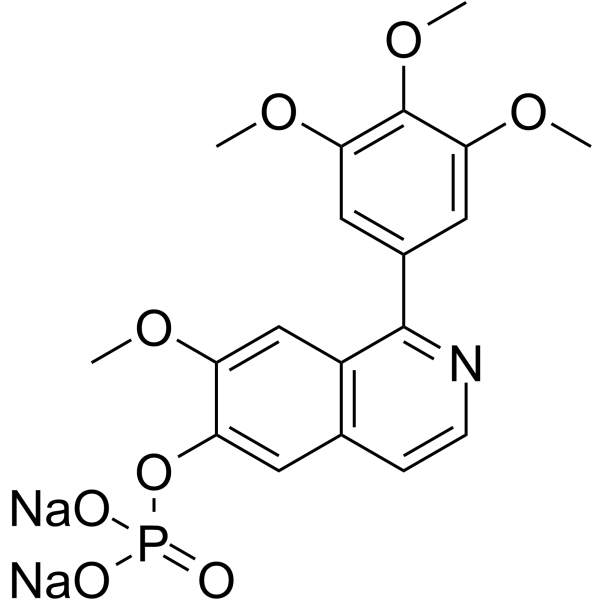
- HY-172452
-
|
|
RSV
|
Infection
|
|
RSV L-protein-6 (Compound 19a) is a respiratory syncytial virus polymerase inhibitor, with an IC50 of 13 nM in SPA primer extensions enzymatic assay. RSV L-protein-6 can inhibit RSV replication in Hela cells .
|
-

- HY-110387
-
|
|
Indoleamine 2,3-Dioxygenase (IDO)
|
Cancer
|
|
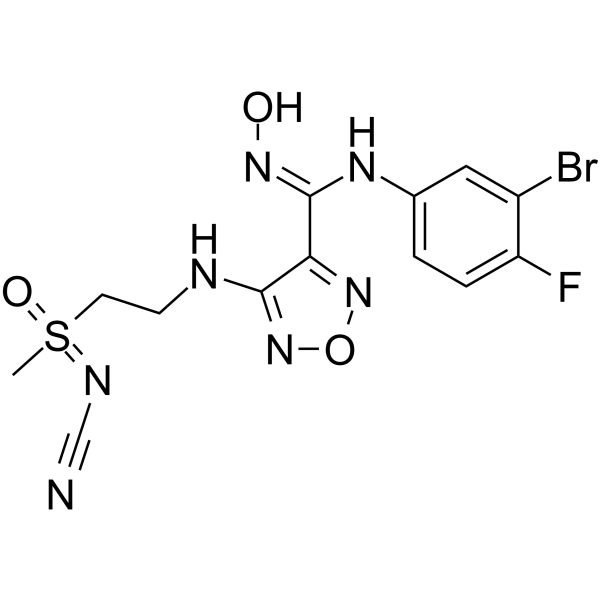
IDO-IN-9 is an indoleamine-2,3-dioxygenase (IDO) inhibitor with IC50s of 0.011 μM (Kinase) and 0.0018 μM (Hela Cell), extracted from patent WO 2016041489 A1, compound 6.
|
-
- HY-111234
-
|
|
Indoleamine 2,3-Dioxygenase (IDO)
|
Cancer
|
|
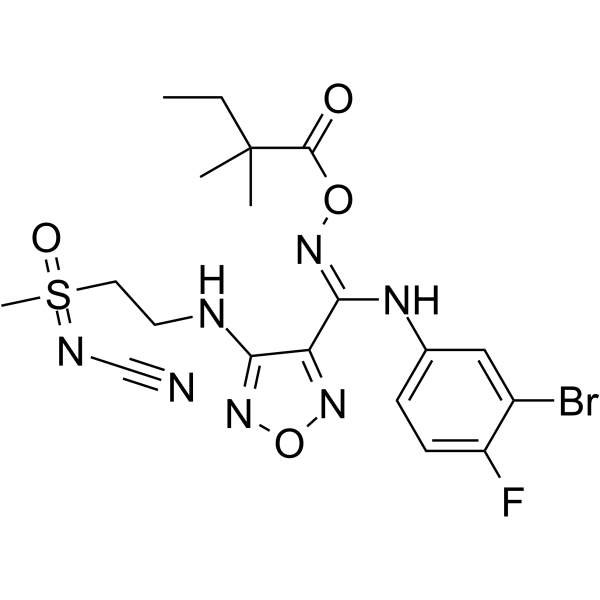
IDO-IN-11 is an indoleamine-2,3-dioxygenase (IDO) inhibitor with IC50s of 0.18 μM (Kinase) and 0.014 μM (Hela Cell), extracted from patent WO 2016041489 A1, compound 13.
|
-
- HY-N11643
-
|
GA-Mk
|
Apoptosis
Reactive Oxygen Species (ROS)
MMP
Caspase
|
Cancer
|
|
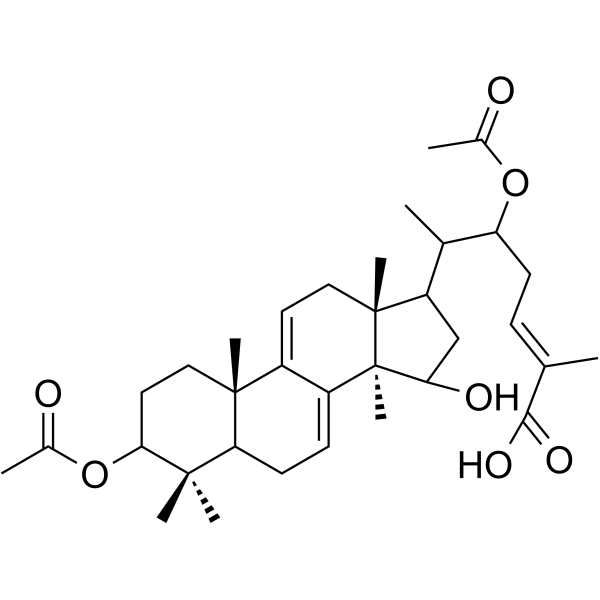
Ganoderic acid Mk (GA-Mk) is a triterpenoid acid, that can be isolated from the mycelia of Ganoderma lucidum. Ganoderic acid Mk is efficiently anti-proliferative and can induce apoptosis of HeLa cells by mitochondria-mediated pathway. Ganoderic acid Mk can be used for cervical cancer research .
|
-
- HY-150605
-
|
|
ERK
|
Cancer
|
|
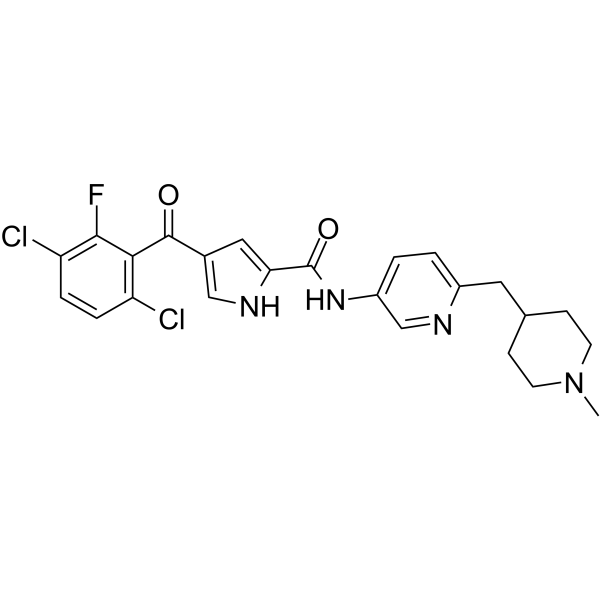
ERK5-IN-3 (compound 33j) is a potent and selective ERK5 (extracellular signal-related kinase 5) inhibitor, with an IC50 of 6 nM. ERK5-IN-3 shows antiproliferation activity against Hela cells, with an IC50 of 31 nM .
|
-
- HY-101848A
-
|
|
HSV
|
Infection
Cancer
|
|
16-epi-latrunculin B is anticancer agent, which can inhibit the growth of HeLa cells with IC50 value of 3.9 uM . 16-epi-latrunculin B has antiviral activity against HSV-1 (ED50 of 1 µg/mL) .
|
-

- HY-N7821
-
|
Aphidicolin 17-monoacetate
|
DNA/RNA Synthesis
|
Cancer
|
|
Aphidicolin 17-acetate is a selective eukaryotic DNA polymerase α inhibitor. Aphidicolin 17-acetate does not inhibit DNA polymerase β and γ. Aphidicolin 17-acetate markedly inhibits the in vivo DNA synthesis of sea urchin embryos and HeLa cells but not RNA and protein syntheses .
|
-

- HY-N12255
-
|
|
Glyoxalase (GLO)
|
Cancer
|
|
COTC is a bacterial metabolite with anticancer activity that is found in S. griseosporeus. COTC inhibits glyoxalase in the presence of glutathione (GSH). COTC also inhibits the proliferation of HeLa cells (IC50 = 18 µg/mL), as well as reduces tumor growth and improves survival in an Ehrlich murine spontaneous adenocarcinoma model .
|
-

- HY-N12137
-
|
|
Others
|
Cancer
|
|
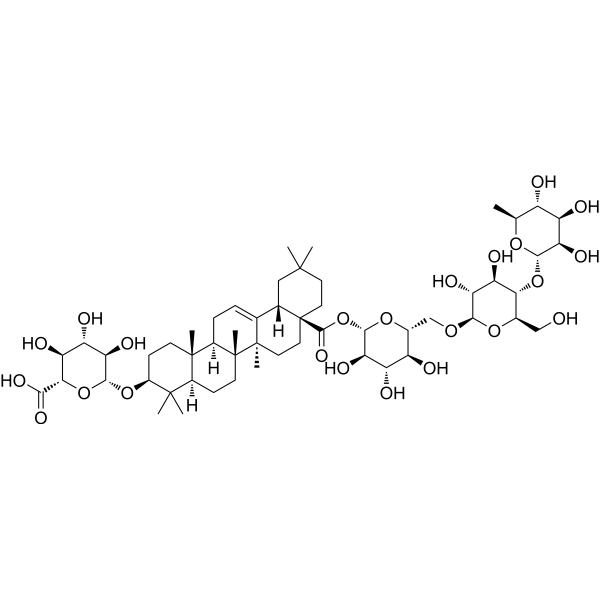
Glycoside St-J (Compound 2) is a triterpenoid saponin. Glycoside St-J has antitumor activity and inhibits HeLa cell proliferation. Glycoside St-J Isolates from natural Anemone flaccida. Glycoside St-J can be used in the development of new anticancer agents .
|
-
- HY-N7507
-
|
|
Others
|
Cancer
|
|
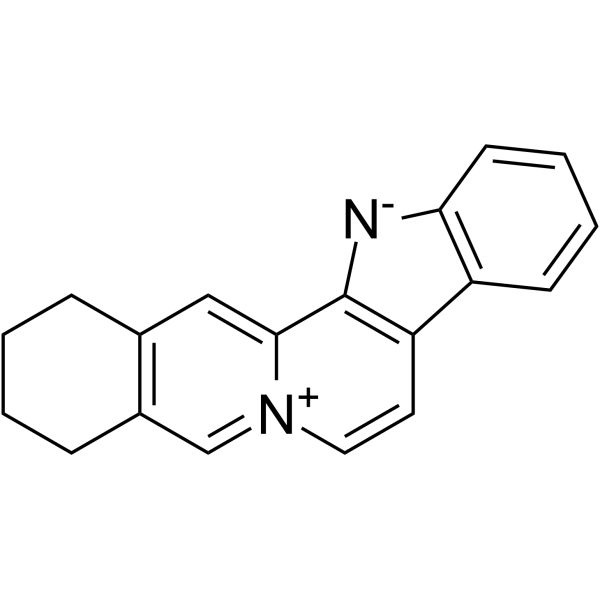
Sempervirine is an indole alkaloid isolated from Gelsemium sempervirens with anti-tumor activities. Sempervirine is against sempervirine-sensitive tumor cells with EC50 values of 2.7 μM, 1.77 μM, and 1.96 μM for Raji, MDA-MB-231 and HeLa cells, respectively .
|
-
- HY-172616
-
|
|
Microtubule/Tubulin
|
Cancer
|
|
Tubulin inhibitor 50 (compound 07) is a tubulin inhibitor that increases the mitochondrial reactive oxygen species level. Tubulin inhibitor 50 has anti-cancer effect in HeLa cells with IC50 value of 0.46 μM. Tubulin inhibitor 50 shows low toxicity in normal cell lines .
|
-

- HY-P5937
-
|
|
Apoptosis
|
Cancer
|
|
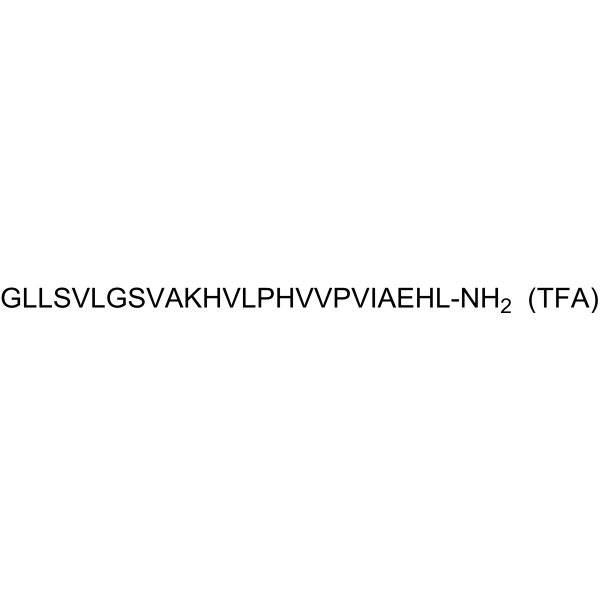
Caerin 1.1 TFA is a host defense peptide isolated from the glandular secretions of the Australian tree frog Litoria. Caerin 1.1 TFA inhibits HeLa cell proliferation and mediates apoptosis. Caerin 1.1 TFA may enhance adaptive T cell immune responses .
|
-
- HY-178143
-
|
|
KLF
|
Cancer
|
|
Sp1-IN-1 is a selective specificity protein 1 (Sp1) inhibitor. Sp1-IN-1 inhibits the proliferation of Hela cells and MCF-7 cells. Sp1-IN-1 can be used to the studies of cervical cancer and breast cancer .
|
-

- HY-N15226
-
|
|
NO Synthase
Interleukin Related
Autophagy
|
Inflammation/Immunology
|
|
Butyrolactone Ia is the inhibitor for the NO production with an IC50 of 18 μM. Butyrolactone Ia inhibits LPS (HY-D1056)-induced mRNA expression of iNOS and the inflammatory cytokine IL-1β. Butyrolactone Ia modulates autophagy in HeLa cells, and exhibits immune suppressive activity .
|
-

- HY-N12495
-
|
|
Others
|
Cancer
|
|
Paucinervin D is a compound that can be isolated from the leaves of Garcinia paucinervis. Paucinervin D exhibits low cytotoxicity on HeLa cells (IC50 = 29.5 μM) .
|
-

- HY-180989
-
|
|
PROTACs
Polo-like Kinase (PLK)
Apoptosis
|
Cancer
|
|
PROTAC PLK1 Degrader-2 (Compound NC1) is a PLK1 PROTAC degrader with an Kd of 6.06 μM. PROTAC PLK1 Degrader-2 significantly inhibits the proliferation of HeLa cells, induces cell cycle arrest and apoptosis. PROTAC PLK1 Degrader-2 exhibits significant anti-tumor activity in a HeLa cell xenograft tumor mouse model. PROTAC PLK1 Degrader-2 can be used for the study of cervical cancer.
|
-

- HY-N11470
-
|
|
Others
|
Cancer
|
|
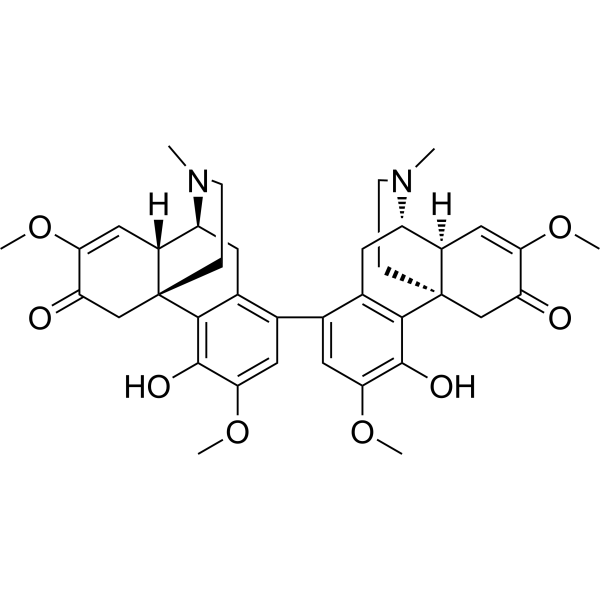
1,1′-Disinomenine is an alkaloid that can be isolated from the stems of Sinomenium acutum. 1,1′-Disinomenine shows weak inhibition against A549 and Hela cells .
|
-
- HY-10225R
-
|
PXD101 (Standard); PX105684 (Standard)
|
Reference Standards
HDAC
Autophagy
|
Cancer
|
|
Belinostat (Standard) is the analytical standard of Belinostat (HY-10225). This product is intended for research and analytical applications. Belinostat (PXD101; PX105684) is a potent HDAC inhibitor with an IC50 of 27 nM in HeLa cell extracts.
|
-

- HY-N15500
-
|
|
Others
|
Cancer
|
|
Trichodermoside is a sesquiterpene glycoside compound discovered from Trichoderma sp. PT2. Trichodermoside has the activity of weakly inhibiting the growth of human HeLa cells and can be used in the research related to the anti-tumor field .
|
-

- HY-10225S
-
|
PXD101-d5; PX105684-d5
|
Isotope-Labeled Compounds
Autophagy
HDAC
|
Cancer
|
|
Belinostat-d5 (PXD101-d5) is the deuterium labeled Belinostat (HY-10225). Belinostat (PXD101; PX105684) is a potent HDAC inhibitor with an IC50 of 27 nM in HeLa cell extracts.
|
-

- HY-N6060A
-
|
|
Drug Derivative
|
Cancer
|
|
(Rac)-Ophiopogonanone B is a homoisoflavonoid that can be found in the tubers of Liriope graminifolia (Linn.) Baker. (Rac)-Ophiopogonanone B exhibits cytotoxic activity against Hela cells with an IC50 of 14.0 μg/mL. (Rac)-Ophiopogonanone B can be used in the research of cancer .
|
-

- HY-N9885
-
|
|
Others
|
Cancer
|
|
Xuedanencins D is a cucurbitane-type triterpenoid natural product without significant cytotoxicity against human cervical cancer HeLa cells (IC50 >100 μM). Xuedanencins D can be naturally extracted from the 95% ethanol extract of the tubers of Hemsleya penxianensis (a plant of the Hemsleya genus in the Cucurbitaceae family) .
|
-

- HY-103349R
-
|
|
Reference Standards
Caspase
Apoptosis
|
Cancer
|
|
PETCM (Standard) is the analytical standard of PETCM (HY-103349). This product is intended for research and analytical applications. PETCM is an activator of caspase-3 and acts as an cytochrome c (cyto c)-dependent manner. PETCM promotes Apaf-1 oligomerization and induces cell apoptosis in HeLa cells .
|
-

- HY-B0497
-
Niclosamide
Maximum Cited Publications
40 Publications Verification
BAY2353
|
Environmental Pollutants
Antibiotic
Parasite
STAT
|
Infection
Cancer
|
|
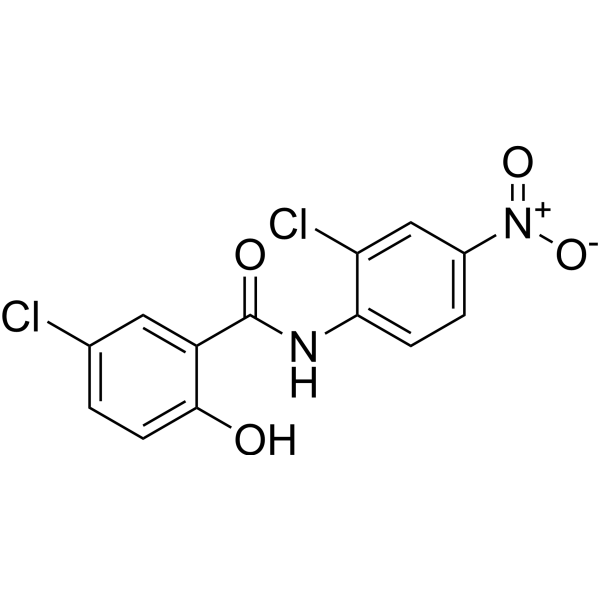
Niclosamide (BAY2353) is an orally active antihelminthic agent used in parasitic infection research . Niclosamide is a STAT3 inhibitor with an IC50 of 0.25 μM in HeLa cells . Niclosamide has biological activities against cancer, inhibits DNA replication in Vero E6 cells .
|
-
- HY-N2892
-
|
Aristololactam A IIIa; Sch 546909
|
DYRK
|
Cardiovascular Disease
Cancer
|
|
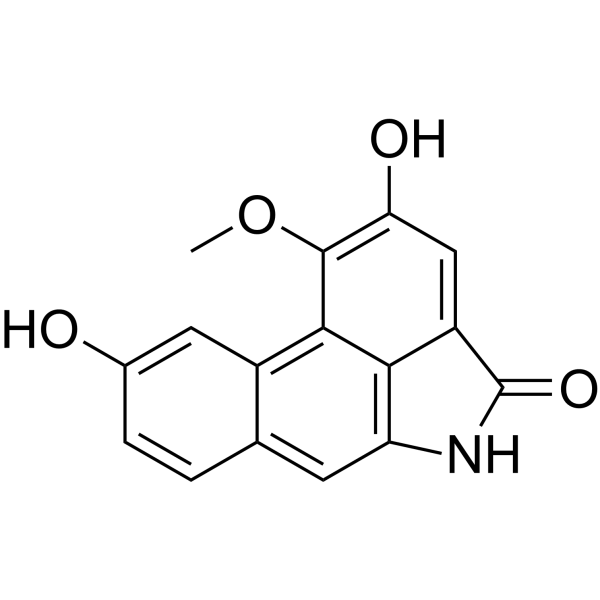
Aristolactam A IIIa (Sch 546909) is an aristolactam-type alkaloid that can be isolated from Glycosmis chlorosperma. Aristolactam A IIIa is a DYRK1A Inhibitor. Aristolactam A IIIa inhibits platelet aggregation induced by arachidonic acid (AA), collagen and platelet-activating factor (PAF). Aristolactam A IIIa has strong cytotoxic effect on HeLa cells .
|
-
- HY-125300
-
|
|
Fungal
Antibiotic
|
Cancer
|
|
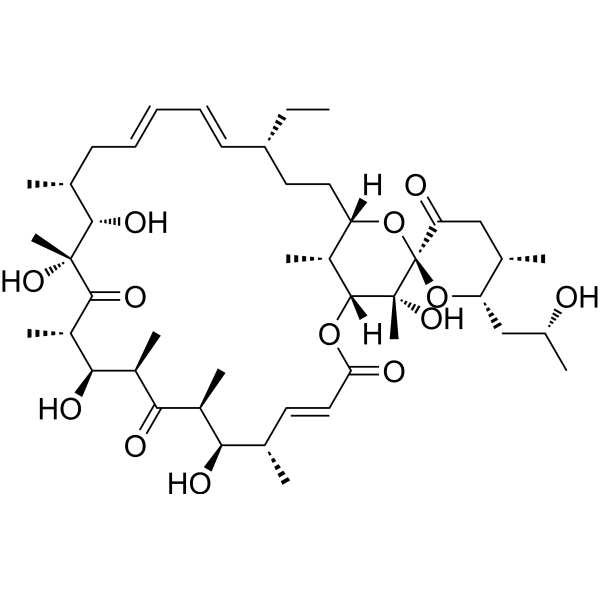
Oligomycin E is a antitumor antibiotic that can be isolated from Streptomyces. Oligomycin E has significant antifungal activity, showing minimal inhibitory concentrations (MICs) values between 2 and 75μg/mL. Oligomycin E has strong antitumor activity against HeLa cells, with an IC50 of 0.014 μg/mL .
|
-
- HY-B0497A
-
|
BAY2353 sodium
|
Antibiotic
STAT
Parasite
|
Infection
Cancer
|
|
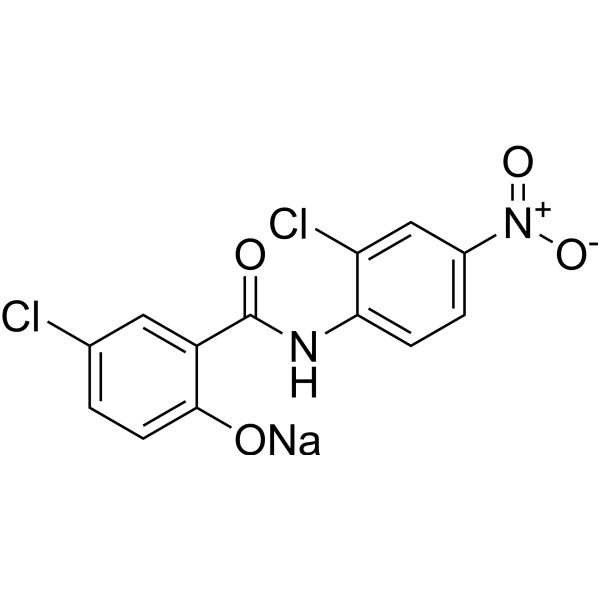
Niclosamide (BAY2353) sodium is an orally active antihelminthic agent used in parasitic infection research . Niclosamide sodium is a STAT3 inhibitor with an IC50 of 0.25 μM in HeLa cells . Niclosamide sodium has biological activities against cancer, and inhibits DNA replication in Vero E6 cells .
|
-
- HY-D2360
-
|
|
HIF/HIF Prolyl-Hydroxylase
HSP
|
Cancer
|
|
O-Carboranylphenoxyacetanilide is a HIF-1α inhibitor and inhibits HIF-1α activation. O-Carboranylphenoxyacetanilide inhibits transcriptional activity of HIF in HeLa cells (IC50: 0.74 μM). O-Carboranylphenoxyacetanilide inhibits HSP60 chaperone activity and HSP60 ATPase activity .
|
-

- HY-B0497B
-
|
BAY2353 monohydrate
|
STAT
Antibiotic
Parasite
|
Infection
Cancer
|
|
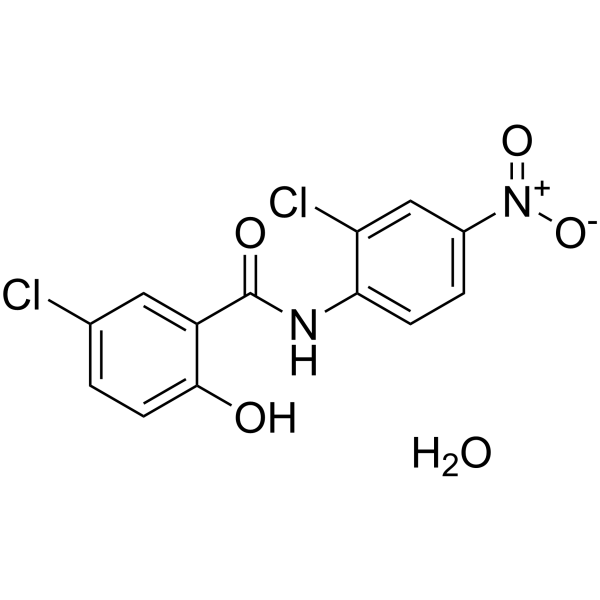
Niclosamide (BAY2353) monohydrate is an orally active antihelminthic agent used in parasitic infection research . Niclosamide monohydrate is a STAT3 inhibitor with an IC50 of 0.25 μM in HeLa cells . Niclosamide monohydrate has biological activities against cancer, and inhibits DNA replication in Vero E6 cells .
|
-
- HY-W004588
-
|
|
MOFs
|
Cancer
|
|
tBu2bpy is a ligand of [Ru(tBu2bpy)2(phox)]PF6, which together contributes to anticancer activity, showing and LC50 values of 1.3 and 0.3 μM in HeLa cells after 24- and 72-hour incubation, respectively [1[.
|
-

- HY-119789
-
|
|
Antibiotic
Bacterial
|
Infection
|
|
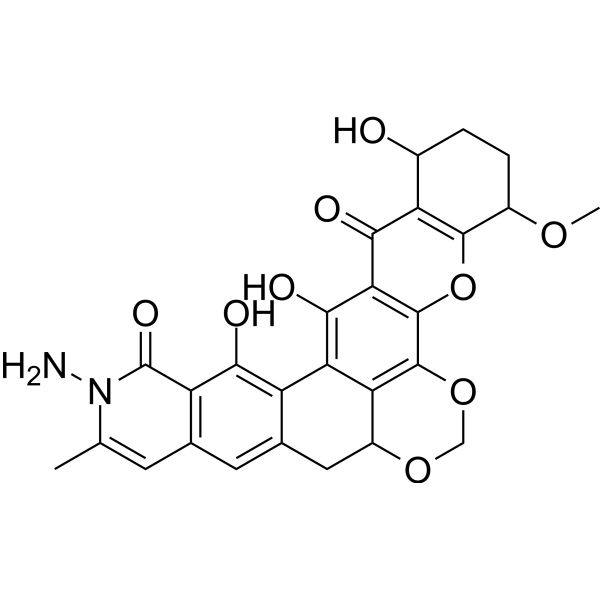
Albofungin (Antibiotic P-42-1) is isolated from the culture filtrate of Actinomyces tumemacerans strain INMI.P-42. Albofungin shows highly active on a wide variety of gram-positive bacteria and fungi. Albofungin shows cytotoxic to HeLa cell cultures and exhibited antitumor activity on EHRLICH ascites tumor in mice.
|
-
- HY-175368
-
|
|
Dengue Virus
|
Infection
|
|
DENV-IN-13 (Compound 30) is a DENV2 protease inhibitor with an EC50 of 9.8 μM for DENV2 protease in HeLa cells. DENV-IN-13 has potent antiviral activity with negligible cytotoxicity and no inhibition of the off-targets thrombin and trypsin. DENV-IN-13 can be used for flaviviral infections research .
|
-

- HY-139290
-
|
RG4326
|
MicroRNA
|
Metabolic Disease
Cancer
|
|
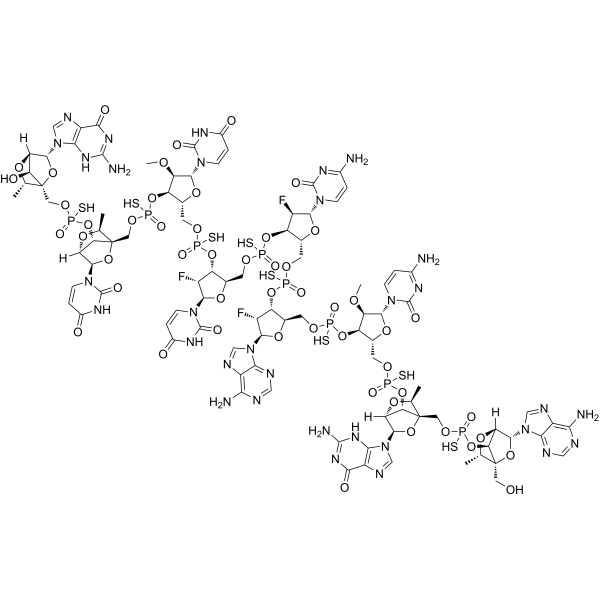
RGLS4326 (RG4326) is a first-in-class, short oligonucleotide inhibitor of microRNA-17 (miR-17). RGLS4326 can be used for the research of autosomal dominant polycystic kidney disease (ADPKD). RGLS4326 inhibits miR-17 function in HeLa cells with an EC50 value of 28.3 nM .
|
-
- HY-N12229
-
|
|
Endogenous Metabolite
Bacterial
|
Infection
|
|
Penipurdin A (Compound 1), an anthraquinone, is a microbial secondary metabolite. Penipurdin A can be isolated from the soil fungus Penicillium purpurogenum SC0070. Penipurdin A has no significant cytotoxicity against cancer cells, such as A549, HepG2 and Hela cells. Penipurdin A has antibacterial activity against Enterococcus faecalis and Staphylococcus aureus .
|
-

- HY-B0497S1
-
|
BAY2353-13C6
|
Isotope-Labeled Compounds
STAT
Parasite
Antibiotic
|
Infection
Cancer
|
|
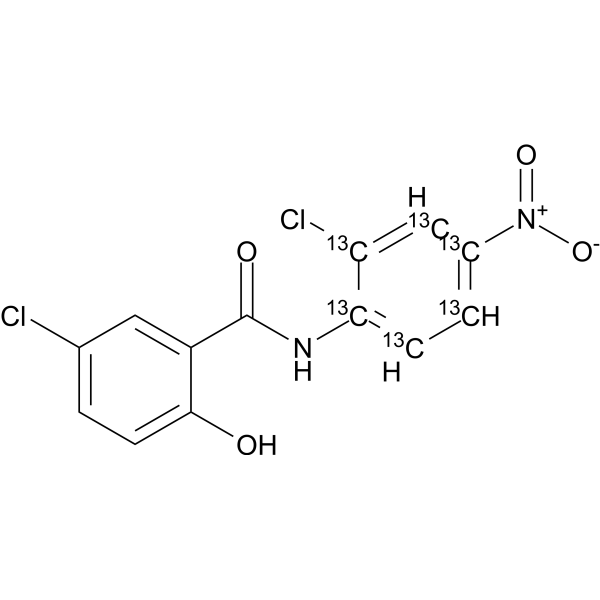
Niclosamide- 13C6 is the 13C6 labeled Niclosamide. Niclosamide (BAY2353) is an orally bioavailable chlorinated salicylanilide, with anthelmintic and potential antineoplastic activity. Niclosamide (BAY2353) inhibits STAT3 with IC50 of 0.25 μM in HeLa cells and inhibits DNA replication in a cell-free assay.
|
-
- HY-N1464A
-
|
|
Complement System
Apoptosis
|
Cancer
|
|
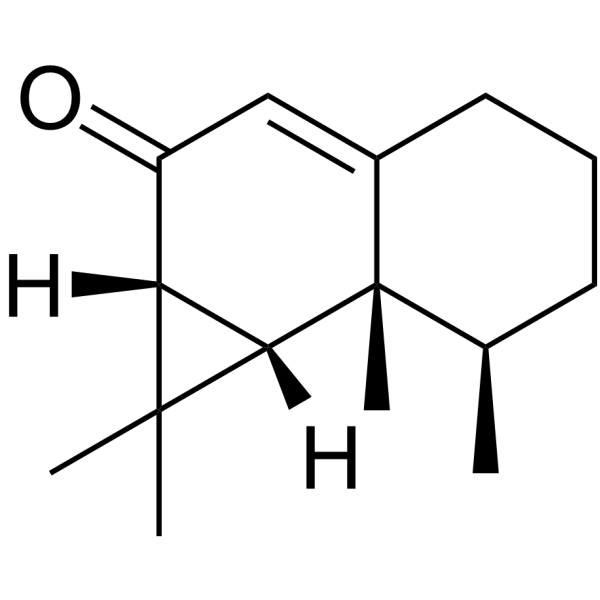
Aristolone is a sesquiterpene that can be isolated from Aristolochia debilis, Rosmarinus officinalis and Ficus Auriculata. Aristolone in Ara Fruit can be used as a prediction of apoptosis in HeLa cells. Aristolone inhibits the C1 complement component. Aristolone produces cytotoxicity effects on cells. Aristolone has anticancer properties and can be studied in research for cervical cancer .
|
-
- HY-175204
-
|
|
AUTACs
SHP2
Apoptosis
Autophagy
Atg8/LC3
|
Cancer
|
|
SHP2 protein degrader-3 is a SHP2 AUTAC degrader. SHP2 protein degrader-3 shows dose-dependent SHP2 degradation ability (DC50 = 3.22 μM) and anti-tumor activity (IC50 = 5.59 μM) in HeLa cells. SHP2 protein degrader-3 induces degradation through the LC3-mediated autophagy pathway, which can be inhibited by lysosome inhibitors. SHP2 protein degrader-3 induces apoptosis in various cancer cells (HeLa cells, HepG2 cells, LoVo cells, Huh-7 cells) (SHP2 Ligand : (HY-100388); LC3 Ligand: (HY-10542); Linker : (HY-128834)) .
|
-

- HY-W023557
-
|
3-Methylmaleimide; 2-Methylmaleimide
|
Drug Intermediate
|
Others
|
|
Citraconimide is a 3-methylmaleimide derivative. Citraconimide has thiol affinity and can undergo highly regioselective addition with a variety of alkyl thiols. Citraconimide derivatives show growth inhibitory activity against HeLa cells. Citraconimide can be modified by N-substitution, halogenation and other reactions for use in bioactive molecule design and drug development research .
|
-

- HY-N15349
-
|
|
Others
|
Cancer
|
|
Nocapyrone Q is a polyketide compound discovered in the karst cave mold Streptomyces sp. FD-2-6. At a dose of 100 μM, Nocapyrone Q exhibits inhibitory activity against human hepatocellular carcinoma HepG2 cells and human cervical cancer HeLa cells. Nocapyrone Q holds potential for research in the field of cancer therapy .
|
-

- HY-N8015S
-
|
|
Isotope-Labeled Compounds
Bacterial
Endogenous Metabolite
Fungal
|
Infection
Cancer
|
|
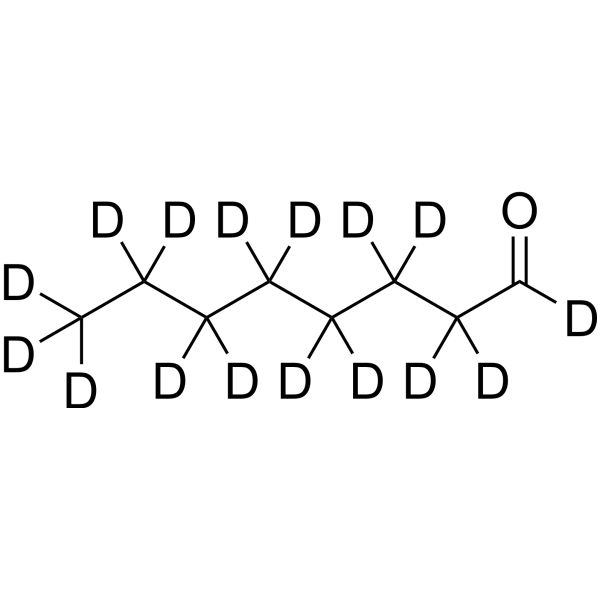
Octanal-d16 is the deuterium labeled Octanal. Octanal is a fragrant aldehyde with antioxidant and antibacterial activity. Its antifungal effect against G. citri-aurantii may be related to the disruption of cell membrane integrity and the leakage of cellular components. Additionally, Octanal exhibits cytotoxicity towards HeLa cells, with an IC50 value of 3.5 μg/mL .
|
-
- HY-169882
-
|
|
Microtubule/Tubulin
|
Cancer
|
|
Tubulin inhibitor 49 (Compound 18) is an inhibitor for tubulin polymerization with an IC50 of 48 μM. Tubulin inhibitor 49 disrupts the cell microtubule network, arrests the cell cycle at G2 phase, and exhibits cytotoxicity (IC50=8.8 μM in HeLa cell). Tubulin inhibitor 49 can be used in the research of cervical cancer .
|
-

- HY-114372
-
|
|
Lipoxygenase
Caspase
Apoptosis
|
Cancer
|
|
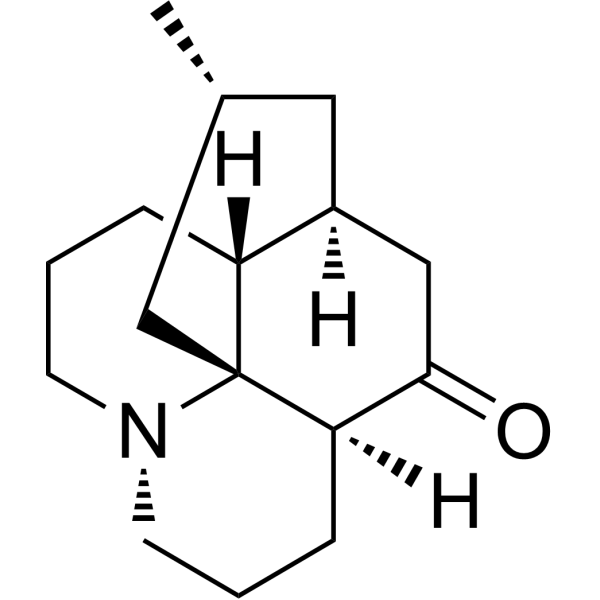
Lycopodine, a pharmacologically important bioactive component derived from Lycopodium clavatumspores, triggers apoptosis by modulating 5-lipoxygenase, and depolarizing mitochondrial membrane potential in refractory prostate cancer cells without modulating p53 activity . Lycopodine inhibits proliferation of HeLa cells through induction of apoptosis via caspase-3 activation .
|
-
- HY-B0497C
-
|
BAY2353 olamine
|
Environmental Pollutants
Antibiotic
STAT
Parasite
|
Infection
Cancer
|
|
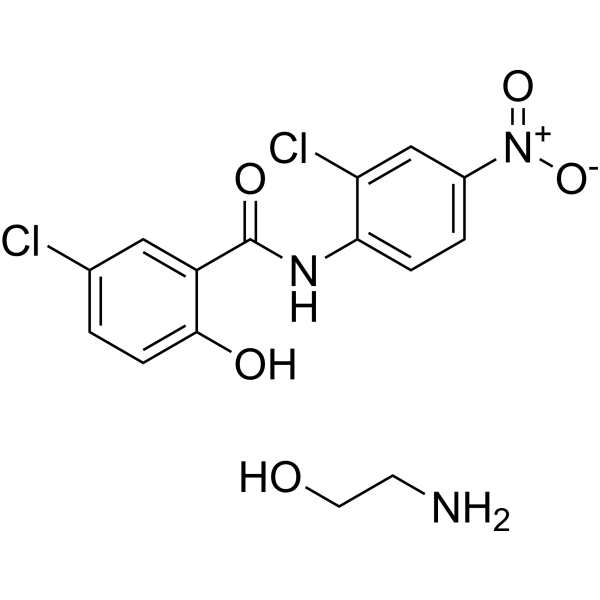
Niclosamide (BAY2353) olamine is an orally active antihelminthic agent used in parasitic infection research . Niclosamide olamin is a STAT3 inhibitor with an IC50 of 0.25 μM in HeLa cells . Niclosamide olamin has biological activities against cancer, and inhibits DNA replication in Vero E6 cells .
|
-
- HY-147690
-
|
|
Photosensitizer
|
Cancer
|
|
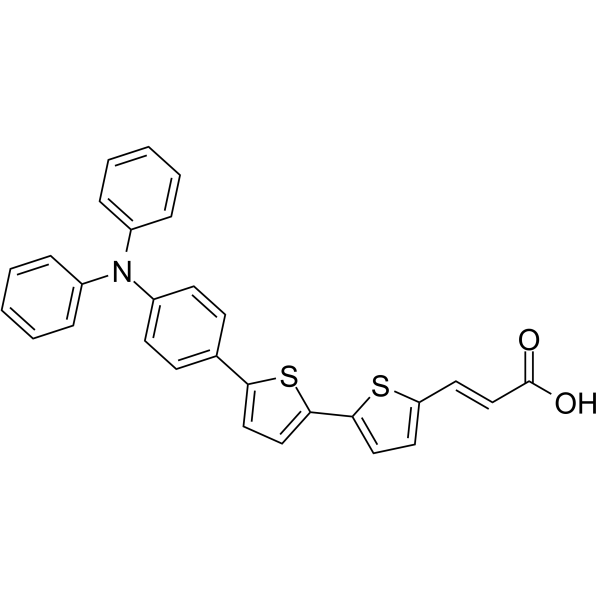
Photosensitizer-2 (compound 1) is a organic D-π-A sensitizer against phototoxicity. Photosensitizer-2 contains an acrylic acid moiety that exerts high levels of phototoxicity. Photosensitizer-2 shows antitumor activity against HeLa cells, with IC50 values of 20.9 ± 4.5 μM (dark) and 0.046 ± 0.012 μM (irradiation), respectively .
|
-
- HY-19805A
-
|
|
CaMK
AMPK
Autophagy
|
Metabolic Disease
|
|
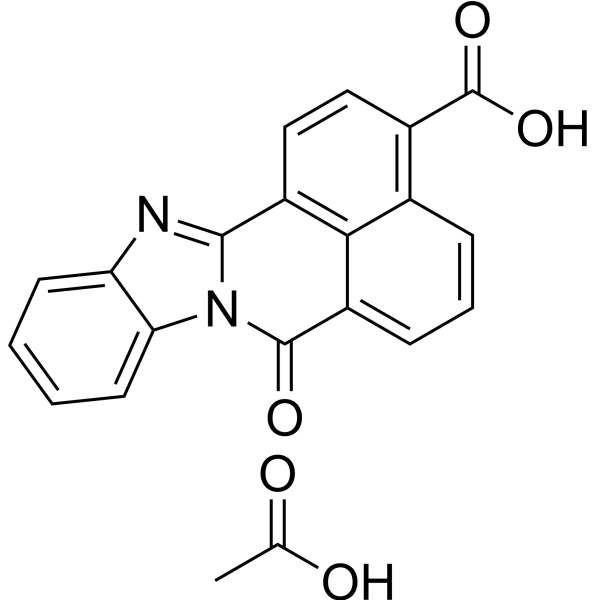
STO-609 acetate is a selective and cell-permeable inhibitor of the Ca 2+/calmodulin-dependent protein kinase kinase (CaM-KK), with Ki values of 80 and 15 ng/mL for recombinant CaM-KKα and CaM-KKβ, respectively. STO-609 acetate inhibits AMP-activated protein kinase kinase (AMPKK) activity in HeLa cell lysates with an IC50 ~0.02 g/ml.
|
-
- HY-169882A
-
|
|
Microtubule/Tubulin
|
Cancer
|
|
Tubulin inhibitor 49 (Compound 18) hydrobromide is an inhibitor for tubulin polymerization with an IC50 of 48 μM. Tubulin inhibitor 49 hydrobromide disrupts the cell microtubule network, arrests the cell cycle at G2 phase, and exhibits cytotoxicity (IC50=8.8 μM in HeLa cell). Tubulin inhibitor 49 hydrobromide can be used in the research of cervical cancer .
|
-

- HY-19805
-
|
|
CaMK
AMPK
Autophagy
|
Metabolic Disease
|
|
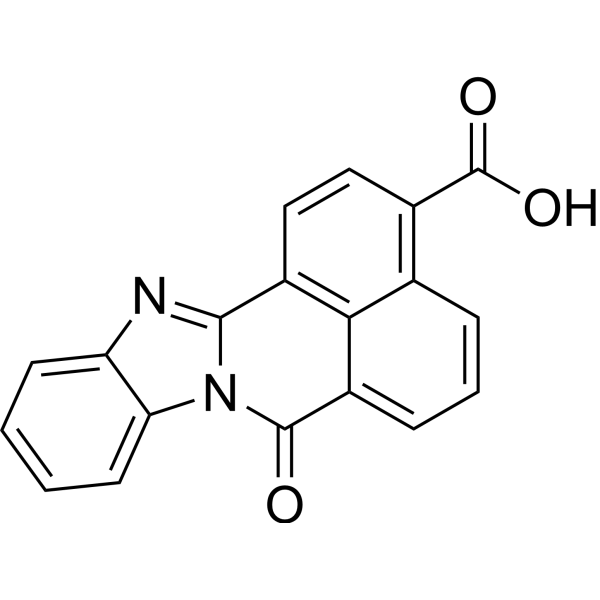
STO-609 is a selective and cell-permeable inhibitor of the Ca 2+/calmodulin-dependent protein kinase kinase (CaM-KK), with Ki values of 80 and 15 ng/mL for recombinant CaM-KKα and CaM-KKβ, respectively. STO-609 inhibits AMP-activated protein kinase kinase (AMPKK) activity in HeLa cell lysates with an IC50 ~0.02 g/ml.
|
-
- HY-N8954
-
|
|
Others
|
Cancer
|
|
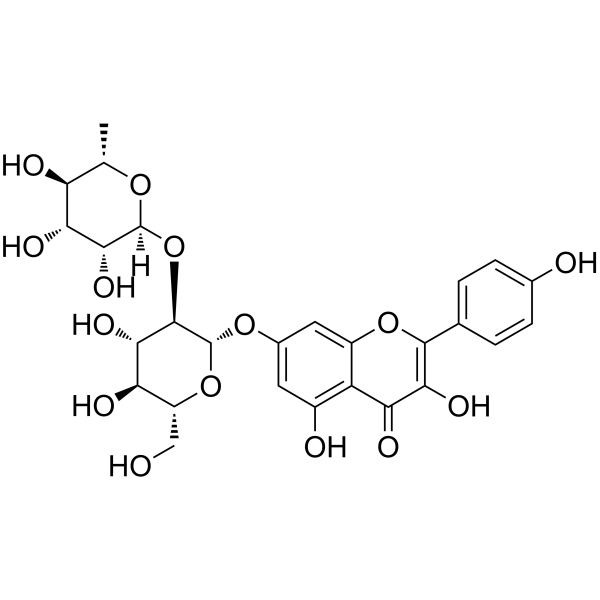
Kaempferol 7-O-neohesperidoside is a ?avonoid glycoside that can be isolated from Litchi chinensis. Kaempferol 7-O-neohesperidoside exhibits significant cytotoxic activity against A549, LAC, Hep-G2, and HeLa cell lines with IC50s of 0.53, 7.93, 0.020, and 0.051 μM, respectively .
|
-
- HY-N8015R
-
|
|
Reference Standards
Endogenous Metabolite
Bacterial
Fungal
|
Infection
Cancer
|
|
Octanal (Standard) is the analytical standard of Octanal. This product is intended for research and analytical applications. Octanal is a fragrant aldehyde with antioxidant and antibacterial activity. Its antifungal effect against G. citri-aurantii may be related to the disruption of cell membrane integrity and the leakage of cellular components. Additionally, Octanal exhibits cytotoxicity towards HeLa cells, with an IC50 value of 3.5 μg/mL .
|
-

- HY-169086
-
|
|
PROTACs
|
Cancer
|
|
KL-465 is a MAGE-A3 PROTAC degrader that degrades MAGE-A3 in HeLa cells with a DC50 of 2 μM. KL-465 inhibits the proliferation of MAGE-A3-positive cancer cells. KL-465 can be used for the research of MAGE-A3-related cancers .
|
-

- HY-N8015S2
-
|
|
Bacterial
Isotope-Labeled Compounds
Endogenous Metabolite
Fungal
|
Infection
Cancer
|
|
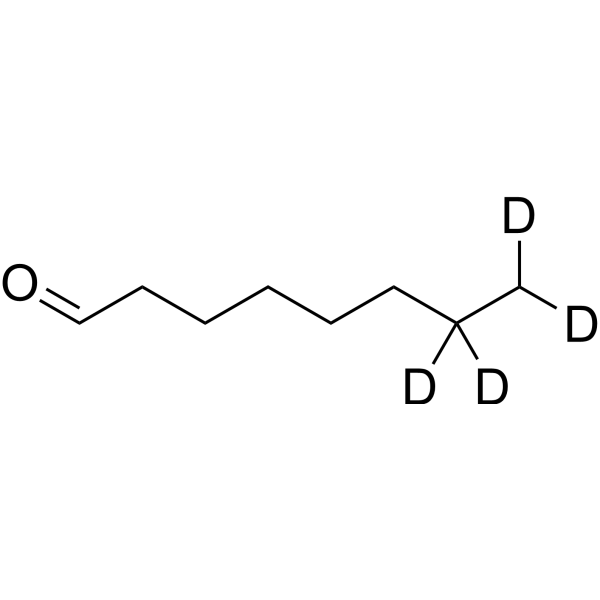
Octanal-d4 is deuterated labeled Octanal (HY-N8015). Octanal is a fragrant aldehyde with antioxidant and antibacterial activity. Its antifungal effect against G. citri-aurantii may be related to the disruption of cell membrane integrity and the leakage of cellular components. Additionally, Octanal exhibits cytotoxicity towards HeLa cells, with an IC50 value of 3.5 μg/mL .
|
-
- HY-135691
-
|
|
c-Myc
Apoptosis
|
Cancer
|
|
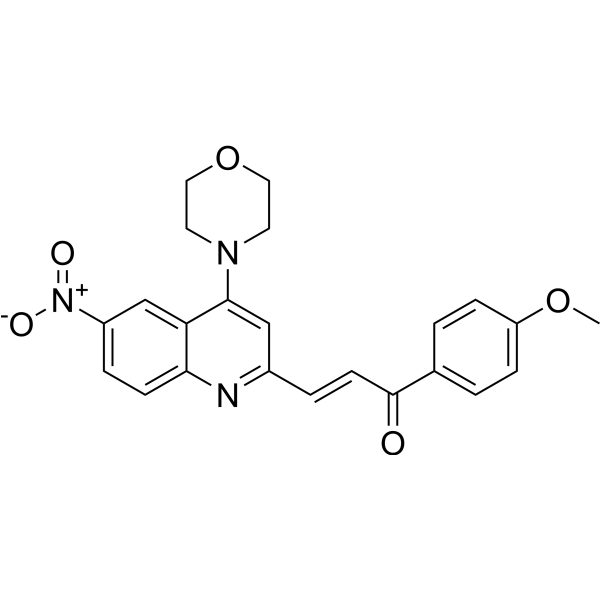
hnRNPK-IN-1 is a heterogeneous nuclear ribonucleoprotein K (hnRNPK) binding ligand with Kd values of 4.6 μM and 2.6 μM measured with SPR and MST, respectively. hnRNPK-IN-1 inhibits c-myc transcription by disrupting the binding of hnRNPK and c-myc promoter. hnRNPK-IN-1 induces Hela cells apoptosis and has strongly anti-tumor activities .
|
-
- HY-122482
-
|
|
HIV
Reverse Transcriptase
Telomerase
Bacterial
|
Infection
Metabolic Disease
Cancer
|
|
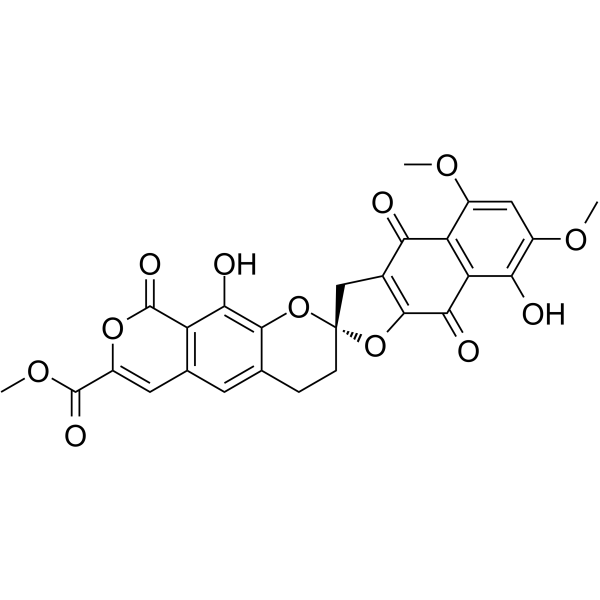
β-Rubromycin, a quinone antibacterial agent, is a selective HIV-1 reverse transcriptase inhibitor with a Ki of 0.27 μM. β-Rubromycin is a potent telomerase inhibitor with an IC50 of 3 μM. β-Rubromycin inhibits the proliferation of both K-562 and HeLa cells with IC50 values of 19.5 µM and 22.7 µM, respectively .
|
-
- HY-B0497R
-
|
BAY2353 (Standard)
|
Reference Standards
STAT
Parasite
Antibiotic
|
Infection
Cancer
|
|
Niclosamide (Standard) is the analytical standard of Niclosamide. This product is intended for research and analytical applications. Niclosamide (BAY2353) is an orally active antihelminthic agent used in parasitic infection research . Niclosamide is a STAT3 inhibitor with an IC50 of 0.25 μM in HeLa cells . Niclosamide has biological activities against cancer, inhibits DNA replication in Vero E6 cells .
|
-

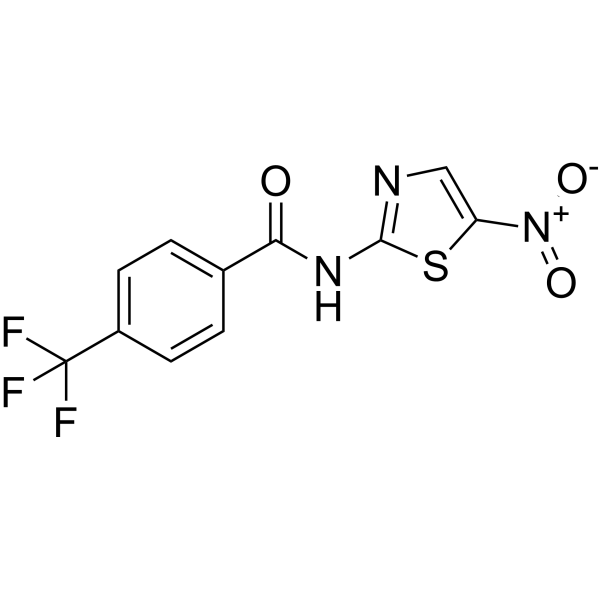
- HY-148706
-
|
|
STAT
|
Infection
Cancer
|
|
STAT3-IN-17 is a moderate STAT3 inhibitor (IC50=0.7 μM; HEK-Blue IL-6), with antiproliferative activity in HeLa cells. STAT3-IN-17 has good pharmacokinetic characteristics. STAT3-IN-17 also inhibits pyruvate-ferredoxin oxidoreductase (PFOR), and inhibits Helicobacter pylori .
|
-
- HY-171573
-
|
AZddGTP
|
Telomerase
|
Others
|
|
3′-Azido-2′,3′-dideoxy-GTP (AZddGTP) is a selective telomerase inhibitor with a Ki value of 1.5 μM. 3′-Azido-2′,3′-dideoxy-GTP can be incorporated into the 3′-terminus of DNA by telomerase. 3′-Azido-2′,3′-dideoxy-GTP inhibits telomerase activity in HeLa cells in vitro .
|
-

- HY-B0497BS
-
|
BAY2353-13C6 monohydrate
|
STAT
Parasite
Antibiotic
|
Cancer
|
|
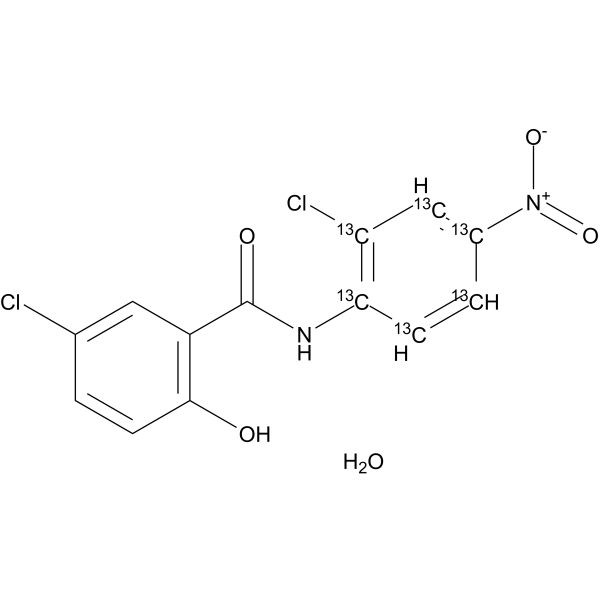
Niclosamide- 13C6 (monohydrate) is the 13C labeled Niclosamide monohydrate . Niclosamide (BAY2353) monohydrate is an orally active antihelminthic agent used in parasitic infection research . Niclosamide monohydrate is a STAT3 inhibitor with an IC50 of 0.25 μM in HeLa cells . Niclosamide monohydrate has biological activities against cancer, and inhibits DNA replication in Vero E6 cells .
|
-
- HY-124755
-
|
|
Ras
SOS1
|
Cancer
|
|
RAS activator compound 1 (Compound 7c) is a RAS activator targeting the guanine nucleotide exchange factor (GEF) son of sevenless homologue 1 (SOS1). RAS activator compound 1 can activate the nucleotide exchange process and increase levels of active RAS-GTP in HeLa cells. RAS activator compound 1 can be used for research of RAS-driven tumor .
|
-

- HY-155382
-
|
|
Monocarboxylate Transporter
|
Others
Cancer
|
|
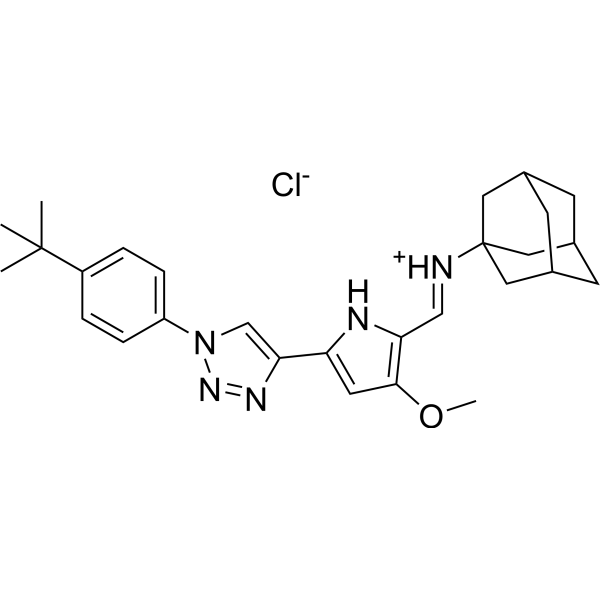
Lactate transportor 1 (compound 1) is an active lactate transporter in living cells. Lactate transportor 1 displays the cytotoxic effect, with IC50 values of 3.36, 3.27,5.58 and 7.66 μM in Hela, CAL27, MCF7 and MCF10A, respectively. Lactate transportor 1 has an additive effect with Cisplatin (HY-17394) observed in HeLa cells .
|
-
- HY-77572R
-
|
7-epi-10-deacetyltaxol (Standard); 10-Deacetyl-7-epipaclitaxel (Standard)
|
ADC Payload
Reference Standards
|
Cancer
|
|
7-Epi 10-desacetyl paclitaxel (Standard) is the analytical standard of 7-Epi 10-desacetyl paclitaxel. This product is intended for research and analytical applications. 7-Epi 10-desacetyl paclitaxel (7-epi-10-deacetyltaxol), a taxol derivative, exhibits cytotoxicity against HeLa cells with an IC50 of 85 μM .
|
-

- HY-161597
-
|
|
PROTACs
DYRK
|
Cancer
|
|
PROTAC DYRK2 degrader 1 is a DYRK2 PROTAC degrader with DC50 values of 1.607 μM (MDA-MB-231 cells) and 3.265 μM (HeLa cells), respectively. PROTAC DYRK2 degrader 1 induces DYRK2 degradation via the ubiquitin-proteasome system. It is applicable to the research of triple-negative breast cancer and cervical cancer .
|
-

- HY-N18186
-
|
|
Others
|
Cancer
|
|
Neojiangyouaconitine is a diterpenoid alkaloid cytotoxin isolated from Aconitum soongaricum var. pubescens. Neojiangyouaconitine exhibits cytotoxic activity against human breast cancer, prostate cancer and lung cancer cells, with weak inhibitory effect on HeLa cells. Neojiangyouaconitine has the ability to kill specific tumor cell lines and can be applied to the research on the mechanisms of related cancers such as breast cancer, prostate cancer and lung cancer .
|
-

- HY-144786
-
|
|
Microtubule/Tubulin
Apoptosis
|
Cancer
|
|
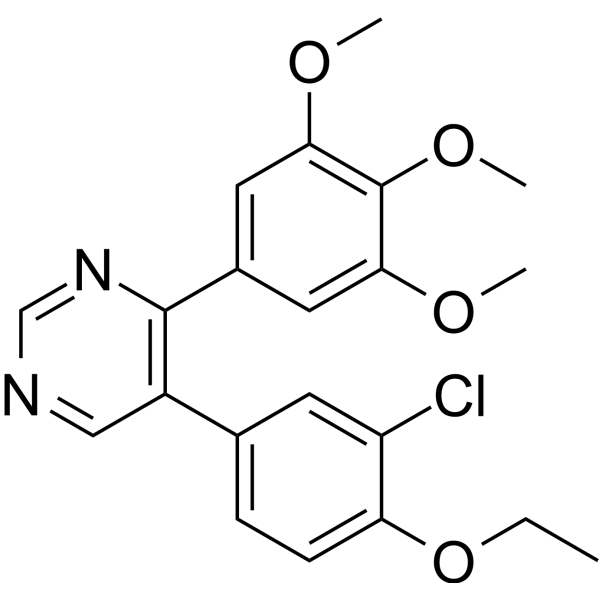
Tubulin polymerization-IN-4 is a potent tubulin polymerization inhibitor with IC50 value of 4.6 μM. Tubulin polymerization-IN-4 can disrupt tubulin polymerization and vasculature, arrest the cell cycle at the G2/M phase, induce apoptosis, and suppress clonogenesis and migration in HeLa cells. Tubulin polymerization-IN-4 can be used for researching cervical cancer .
|
-
- HY-W014785
-
|
|
Drug Intermediate
|
Cancer
|
|
1,4-Diphenylbuta-1,3-diyne (Compound 2a) is a synthetic symmetrical 1,3-diene derivative. 1,4-Diphenylbuta-1,3-diyne exhibits significant selective anti-proliferative activity against HeLa cells. 1,4-Diphenylbuta-1,3-diyne can be utilized in cervical cancer research .
|
-

- HY-144396
-
|
|
SHP2
Phosphatase
Akt
Apoptosis
|
Cancer
|
|
SHP2-IN-8 is a highly potent, selective, and cellularly active allosteric SHP2 inhibitor with IC50 value of 23 nM and Ki of 22 nM. SHP2-IN-8 is reversible and noncompetitive. SHP2-IN-8 causes a significant thermal shift with the ΔTm of 7.01 °C. SHP2-IN-8 induces the apoptosis and inhibits the phosphorylation of AKT in Hela cells .
|
-
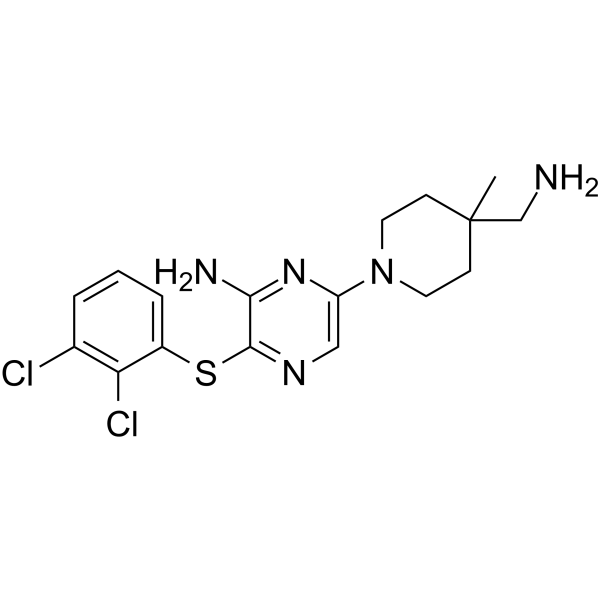
- HY-180766
-
|
|
JAK
|
Cancer
|
|
JAK2-IN-19 (Compound 3p) is a JAK2 inhibitor with a KD value of 1.11 μM. JAK2-IN-19 inhibits the proliferation of K562 cells and HeLa cells. JAK2-IN-19 significantly reduces the level of p-JAK2. JAK2-IN-19 can be used for research on cervical cancer and leukemia .
|
-

- HY-119648
-
|
|
Bacterial
|
Infection
|
CCR-11 is an antibacterial agent. CCR-11 can inhibit the proliferation of B. subtilis cells with an IC50 value of 1.2 μM. CCR-11 inhibits HeLa cell proliferation with an IC50 value of 18.1 μM. CCR-11 inhibits bacterial cytokinesis by inhibiting FtsZ assembly. CCR-11 can be used for the research of FtsZ-targeted antibacterial agents .
|
-
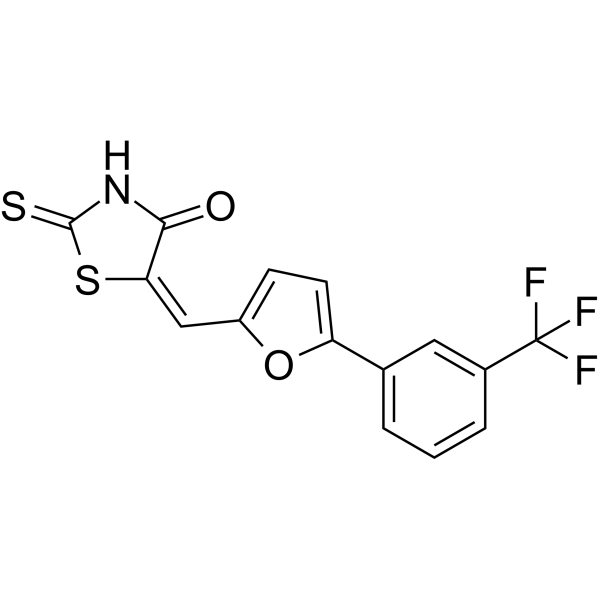
- HY-100947R
-
-

- HY-P10714
-
|
|
Proteasome
Apoptosis
Deubiquitinase
|
Cancer
|
Ub4ix is a DUB/26S proteasome inhibitor. Ub4ix can protect K48-linked Ub chains from being chopped up by deubiquitinating enzymes (DUBs) and prevent the proteasomal degradation of Ub-tagged proteins. Ub4ix can reduce the viability of Hela cells and induce apoptosis, with an IC50 value of 1.6 μM .
|
-

- HY-N1107
-
|
NSC 119993; NSC 277290; Odorigeni
|
Others
|
Cancer
|
|
Uzarigenin (NSC 119993; NSC 277290; Odorigeni) is a carnolide can be isolated from Pergularia tomentosa and exhibits antiproliferative activity. Uzarigenin resists the proliferation of PC3 cells, HeLa cells, Calu-1 cells, MCF-7 cells and U251MG cells, with IC50 values of 0.3 μM, 3.0 μM, 8.0 μM, 6.0 μM and 6.0 μM respectively .
|
-
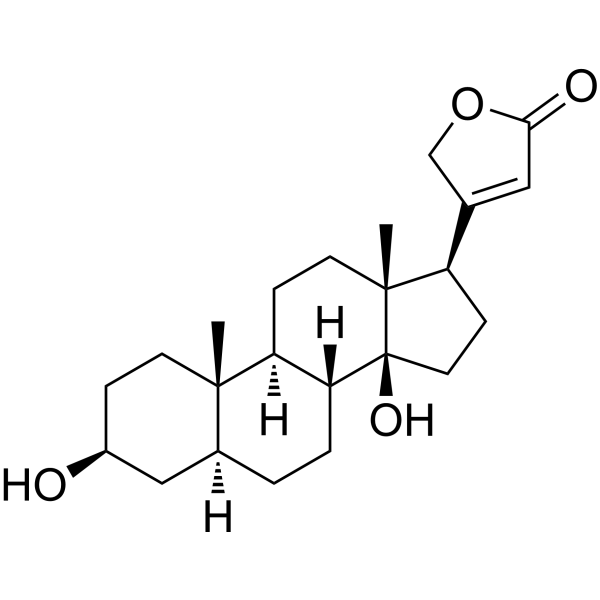
- HY-160691
-
|
|
Aurora Kinase
|
Others
|
|
GW814408X is a kinase chemical genome group (KCGS) compound that inhibits the AURKC kinase involved in cell cycle progression, checkpoint regulation, and cell division. GW814408X exhibits cell line-dependent toxicity, e.g., cytotoxic effects on HeLa cells. GW814408X acts as a protein kinase inhibitor across ATP-dependent and -independent luciferases with potential implications for Fluc reporter assays .
|
-
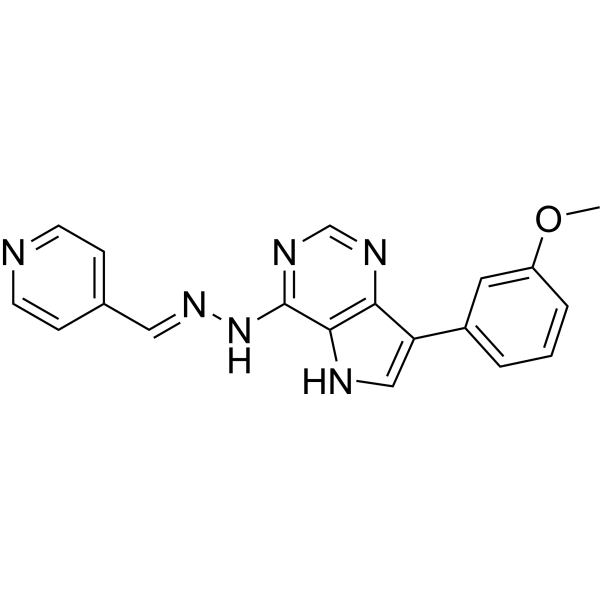
- HY-175867
-
|
|
PROTACs
Epigenetic Reader Domain
|
Cancer
|
|
PROTAC SMARCA2 degrader-34 (compound 52) is a selective SMARCA2 PROTAC degrader (DC50 in HeLa cell: < 0.1 μM for SMARCA2, > 1 μM for SMARCA4). PROTAC SMARCA2 degrader-34 can be used for study of cancer. (Pink: SMARCA2 ligand (HY-178414) ; Blue: E3 ligand (HY-168055) ; Black: linker) .
|
-

- HY-B0497S2
-
|
BAY2353-d3
|
Isotope-Labeled Compounds
Antibiotic
STAT
Parasite
|
Infection
Cancer
|
|
Niclosamide-d3 (BAY2353-d3) is deuterium labeled Niclosamide. Niclosamide (BAY2353) is an orally active antihelminthic agent used in parasitic infection research . Niclosamide is a STAT3 inhibitor with an IC50 of 0.25 μM in HeLa cells . Niclosamide has biological activities against cancer, inhibits DNA replication in Vero E6 cells .
|
-

- HY-157419
-
|
7-(4-Ethylphenyl)-FL118
|
Apoptosis
|
Cancer
|
|
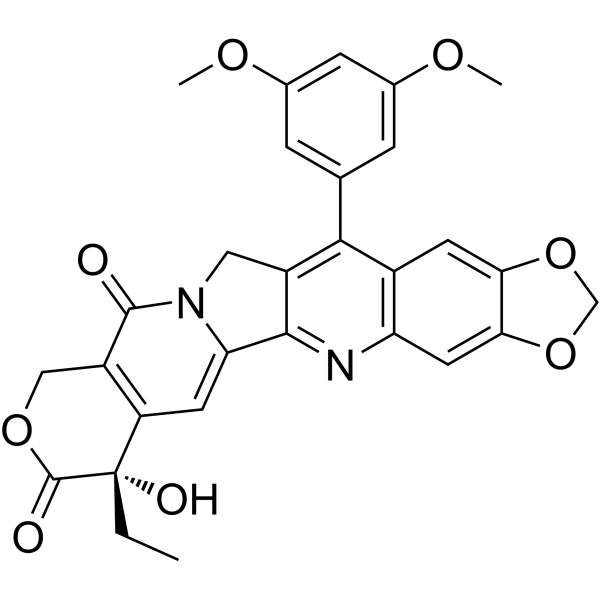
FL77-24, a FL118 analog and apoptosis inducer, possesses antitumor activity, with IC50 values of 99.4 nM, 118 nM, <6.4 nM, 28.5 nM and <6.4 nM in HCT116, HepG2, MCF-7, A549 and HeLa cells, respectively. FL77-24 mainly causes cell cycle arrest in S and G2/M phases .
|
-
- HY-139248
-
|
|
Drug Derivative
|
Cancer
|
|
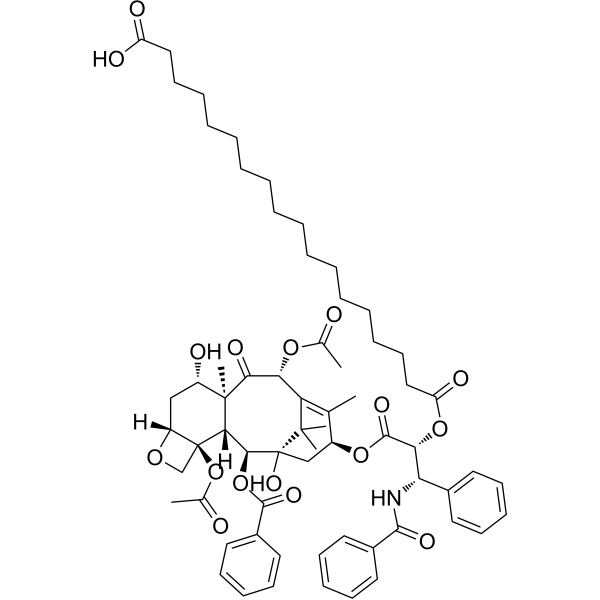
Paclitaxel octadecanedioate (compound PTX-FA18) is comprised of Paclitaxel (HY-B0015) conjugated to 1,18-octadecanedioic acid (HY-W005178). Paclitaxel octadecanedioate mixed with human serum albumin (HAS) is cytotoxic to HT-1080, PANC-1, HT-29 and Hela cells (IC50s = 12, 2.48, 8.62, and 64.42 nM, respectively) .
|
-
- HY-N14853
-
|
|
Bacterial
Fungal
|
Infection
|
|
Ossamycin is a macrolide antibiotic. Ossamycin has anti-fungal effect, and it has weaker anti-Gram-positive bacterial effect. Ossamycin inhibits L cells, Epstein-Barr ascites cancer cells, KB cells, sarcoma-180 cells, L-1210 cells, HeLa cells in cell culture with IC50s (μg/mL) of 0.007, 0.008, 0.005, 0.008, 0.003, 0.005, respectively .
|
-

- HY-113505
-
|
Δ12-PGJ2
|
Endogenous Metabolite
Apoptosis
|
Cancer
|
|
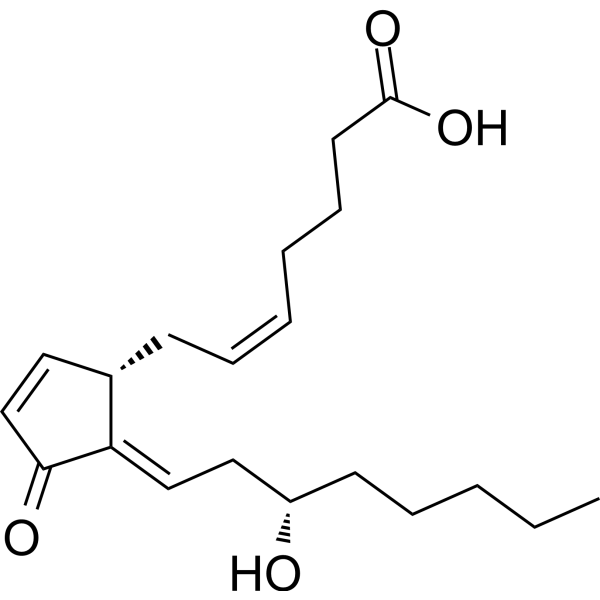
Delta-12-Prostaglandin J2 (Δ12-PGJ2) is a cyclopentenone prostaglandin (PG) with anti-proliferative effect on various tumor cell growth. Delta-12-Prostaglandin J2, a naturally occurring dehydration product of prostaglandin D2, is able to induce apoptosis in HeLa cells via caspase activation .
|
-
- HY-103394R
-
|
|
Reference Standards
17β-HSD
|
Cancer
|
|
TC HSD 21 (Standard) is the analytical standard of TC HSD 21 (HY-103394). This product is intended for research and analytical applications. TC HSD 21 is a selective inhibitor of 17β-hydroxysteroid dehydrogenase type 3 (17β-HSD3) against related 17β-HSD isozymes, with an IC50 of 14 nM in HeLa cells. TC HSD 21 can be used in the research of prostate cancer .
|
-

- HY-16558
-
|
2’,3,4,4’-tetrahydroxy Chalcone
|
EGFR
Autophagy
Apoptosis
Phosphodiesterase (PDE)
|
Cancer
|
|
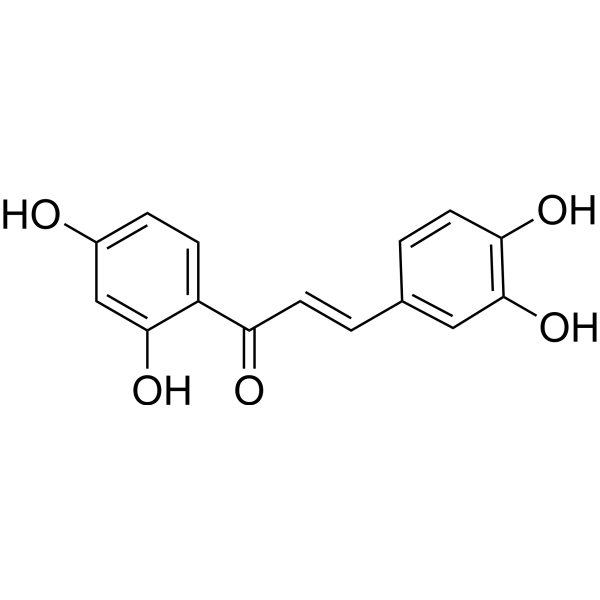
Butein is a cAMP-specific PDE inhibitor with an IC50 of 10.4 μM for PDE4 . Butein is a specific protein tyrosine kinase inhibitor with IC50s of 16 and 65 μM for EGFR and p60 c-src in HepG2 cells . Butein sensitizes HeLa cells to Cisplatin through AKT and ERK/p38 MAPK pathways by targeting FoxO3a . Butein is a SIRT1 activator (STAC).
|
-
- HY-149354
-
|
|
Aurora Kinase
|
Cancer
|
|
Aurora kinase-IN-4 (Compound 11c) is a covalent and ATP competitive aurora kinase A inhibitor (IC50: 1.7 nM). Aurora kinase-IN-4 inhibits cell proliferation in SJSA-1, MDA-MB-231, A54, HeLa cells with IC50s of 4.27, 1.54, 3.08, 6.99 μM. Aurora kinase-IN-4 can be used for research of triple negative breast cancer (TNBC) .
|
-
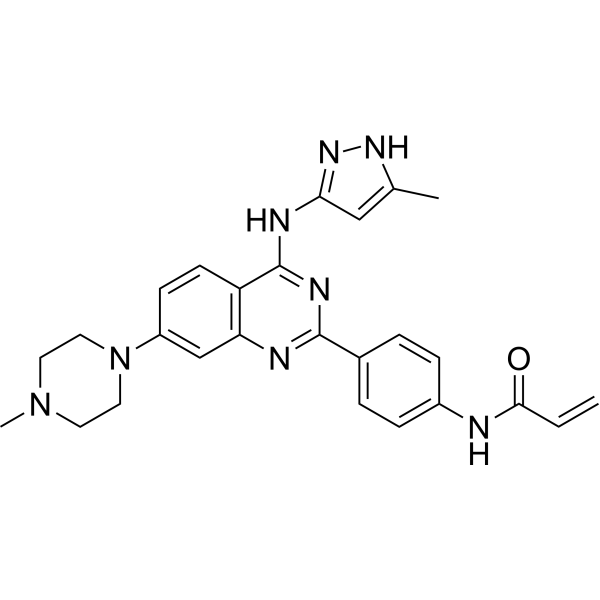
- HY-N13115A
-
|
(E)-21-Angeloyl-protoaescigenin
|
Others
|
Cancer
|
|
Protoescigenin 21-tiglate (compound 10) is a glycosidic oleanane-type triterpenoid (BAT) that can be isolated from the acid hydrolysis product (AHP) of the crude extract of Aesculus chinensis seeds. Aesculus-derived triterpenoids (BAT) generally exhibit good antitumor, anti-inflammatory, and anti-Alzheimer's activities. However, the antitumor activity of Protoescigenin 21-tiglate is relatively weak, with IC50 values of >80 μM and 80 μM against MCF-7 and HeLa cells, respectively .
|
-

- HY-N13115
-
|
(Z)-Protoescigenin 21-tiglate
|
Others
|
Cancer
|
|
21-Angeloyl-protoaescigenin (compound 11) is a glycosidic oleanane-type triterpenoid (BAT) that can be isolated from the acid hydrolysis product (AHP) of the crude extract of Aesculus chinensis seeds. Aesculus-derived triterpenoids (BAT) generally exhibit good antitumor, anti-inflammatory, and anti-Alzheimer's activities. Protoescigenin 21-tiglate has antitumor activity, with IC50 values of 38.2 μM and 33 μM against MCF-7 and HeLa cells, respectively .
|
-

- HY-N14970
-
|
|
Parasite
Bacterial
|
Infection
Cancer
|
|
Hexacyclinol has moderate anti-Gram-positive bacteria activity, 4-40 μg/mL can inhibit the production of oxidants by polymorphonuclear neutrophils (PMNL) stimulated by zymosan. Hexacyclinol inhibits the growth of L-930 and K 562 cells with IC50s of 1.4 μg/mL and 0.4 μg/mL, respectively, and the IC50 of HeLa cells is 10 μg/mL. Hexacyclinol also has an anti-Plasmodium effect, and its IC50 for Plasmodium falciparum is 2.4 μg/mL .
|
-

- HY-15672
-
|
|
HIF/HIF Prolyl-Hydroxylase
|
Neurological Disease
Cancer
|
|
FM19G11 is a hypoxia-inducible factor-1-alpha (HIF-1α) inhibitor, and it inhibits hypoxia-induced luciferase activity with an IC50 of 80 nM in HeLa cells. FM19G11 modulates other signaling pathways, including mTOR and PI3K/Akt/eNOS, when the HIF-1α pathway is inactivated under normoxic conditions .
|
-
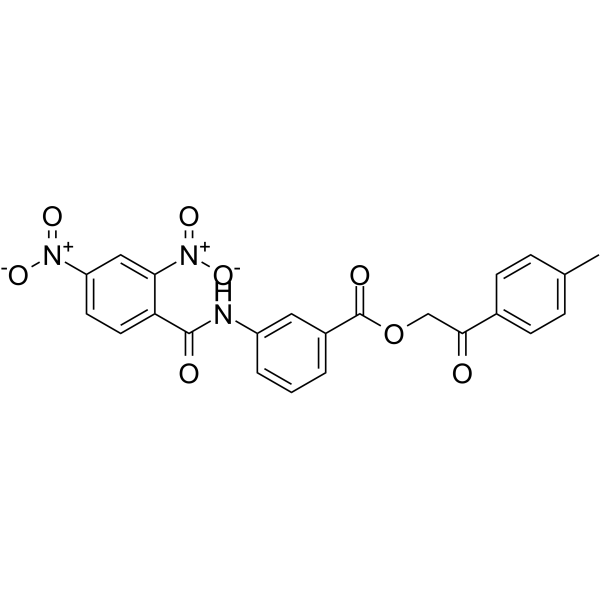
- HY-B0497G
-
|
BAY2353
|
Antibiotic
Parasite
STAT
|
Cancer
|
|
Niclosamide (GMP) is Niclosamide (HY-B0497) produced by using GMP guidelines. GMP small molecules work appropriately as an auxiliary reagent for cell therapy manufacture. Niclosamide (BAY2353) is an orally active antihelminthic agent used in parasitic infection research . Niclosamide is a STAT3 inhibitor with an IC50 of 0.25 μM in HeLa cells . Niclosamide has biological activities against cancer, inhibits DNA replication in Vero E6 cells .
|
-
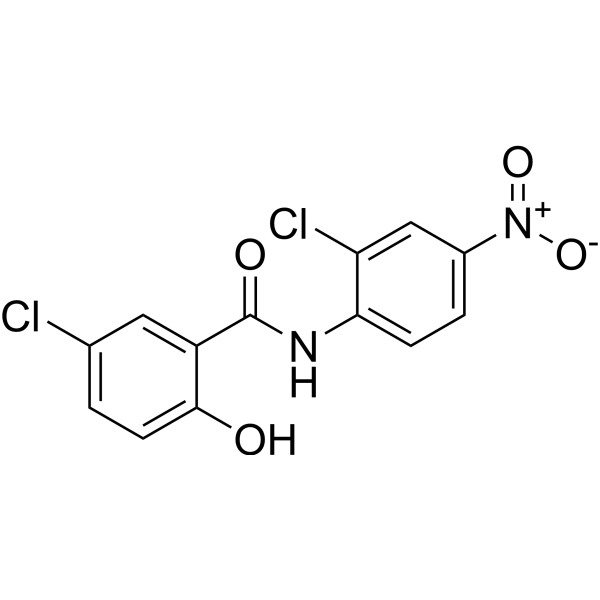
- HY-183061
-
|
|
LYTACs
Epigenetic Reader Domain
|
Neurological Disease
Cancer
|
|
MrTAC-8, methylarginine-targeting chimera (MrTAC), is a BRD4 degrader with DC50 values of 46 nM in HeLa cells. MrTAC-8 recruits PRMT1, PRMT3, PRMT4, PRMT5, and PRMT7 to target proteins, inducing arginine methylation that triggers lysosomal degradation. MrTAC-8 degrades proteins across diverse subcellular localizations and independent of native proteolytic routes. MrTAC-8 can be used for the research of cervical cancer, glioblastoma .
|
-

- HY-178215
-
|
|
PROTACs
|
Cancer
|
|
BRM/BRG1 ligand 4 (Compound 6) is a SMARCA2/4 PROTAC degrader. BRM/BRG1 ligand 4 exhibits potent degradation activity against both SMARCA2 and SMARCA4 in HeLa cells, with DC50 less than 0.1 nM. BRM/BRG1 ligand 4 can be used for the study of cancers associated with SMARCA2/SMARCA4 abnormalities or SWI/SNF mutations .
|
-

- HY-149630
-
|
|
VEGFR
HDAC
Apoptosis
|
Cancer
|
|
VEGFR2/HDAC1-IN-1 (compound 13) is a potent VEGFR-2/HDAC dual inhibitor, with IC50s of 57.83 nM and 9.82 nM, respectively. VEGFR2/HDAC1-IN-1 arrests the cell cycle at the S and G2 phases, and induces apoptosis in HeLa cells. VEGFR2/HDAC1-IN-1 exhibits anti-angiogenic effect .
|
-
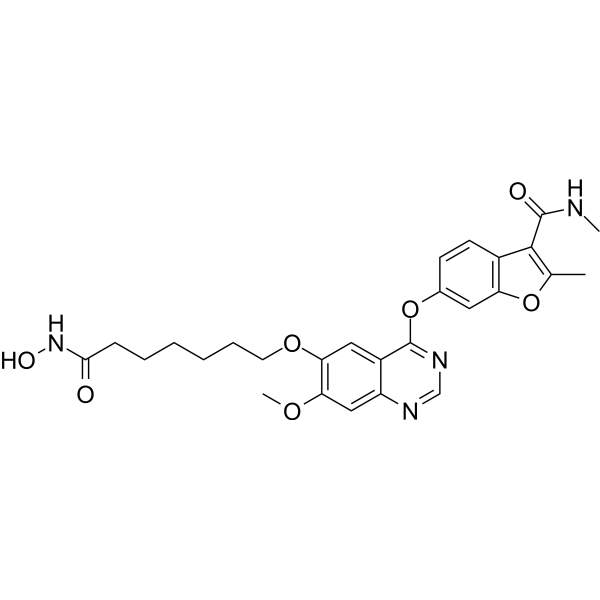
- HY-100591
-
|
|
Sirtuin
|
Neurological Disease
Inflammation/Immunology
Cancer
|
|
SirReal2 is a potent, isotype-selective Sirt2 inhibitor with an IC50 value of 140 nM and has very little effect on the activities of Sirt3-5. SirReal2 leads to tubulin hyperacetylation in HeLa cells and induces destabilization of the checkpoint protein BubR1. SirReal2 combined with VS-5584 (HY-16585) suppresses tumor growth and extends the survival rate of mice in tumor xenograft model. SirReal2 is is promising for research of cancer, inflammation and neurodegeneration .
|
-
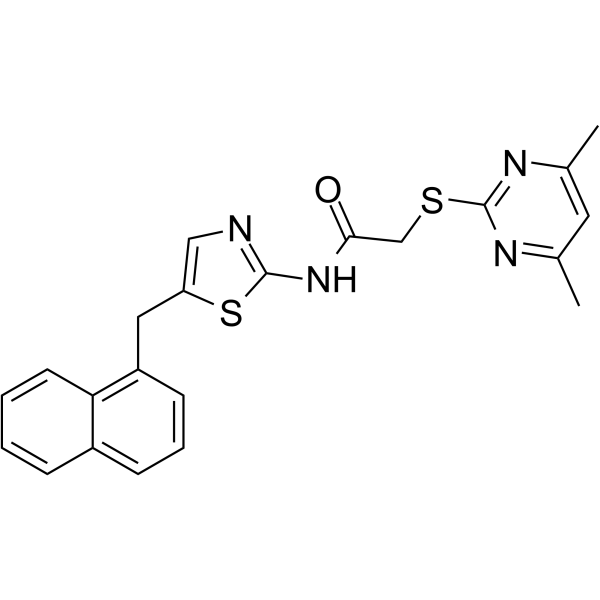
- HY-178954
-
|
|
Indoleamine 2,3-Dioxygenase (IDO)
|
Cancer
|
|
IDO1-IN-32 (Compound 45) is a potent and orally effective IDO1 inhibitor with an IC50 of 10 pM. IDO1-IN-32 exhibits significant anti-proliferative activity against Hela cells. IDO1-IN-32 can significantly inhibit tumor growth in CT26 and LCC transplanted mouse models by activating anti-tumor immunity. IDO1-IN-32 can be used for research on colon cancer and breast cancer .
|
-

- HY-122247
-
|
|
Kinesin
|
Cancer
|
|
PVZB1194 is a biphenyl-type
inhibitor of Kinesin-5 ATPase activity that binds to the α4/α6 site of the motor domain in a nucleotide competitive manner. PVZB1194 has an IC50 of 0.12 μM for KSP ATPase. PVZB1194 induces mitotic arrest with the formation of a monopolar spindle, and inhibits HeLa cells proliferatio (IC50: 5.5 μM). PVZB1194 can be used in the study of tumors .
|
-
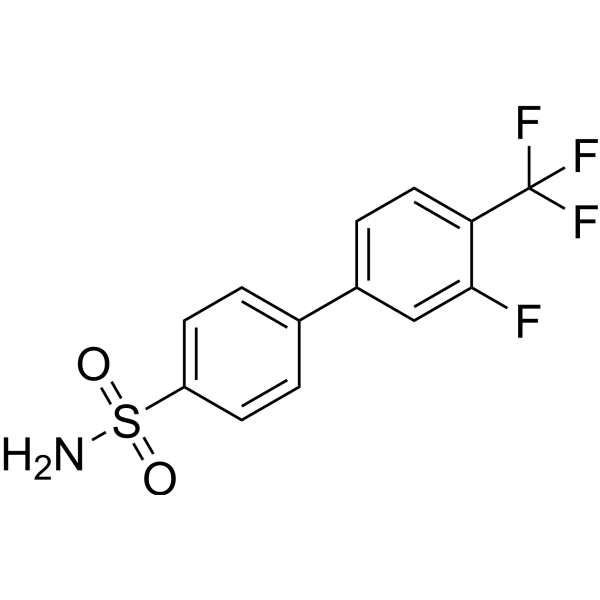
- HY-172784
-
|
|
PI3K
Akt
Apoptosis
|
Cancer
|
|
Anticancer agent 273 (Compound 9q) is a potent anticancer agent found in matrine. Anticancer agent 273 inhibits the proliferation of cancer cells (e.g., HeLa cells with an IC50 value of 4.48 μM). Anticancer agent 273 exerts anticancer effects by modulating the expression of PI3K/AKT and activating transcription factor 4 (ATF4), which promotes endoplasmic reticulum stress and induces apoptosis. Anticancer agent 273 is promising for research of cancers, such as cervical cancer .
|
-

- HY-16558R
-
|
2’,3,4,4’-tetrahydroxy Chalcone (Standard)
|
Reference Standards
EGFR
Autophagy
Apoptosis
Phosphodiesterase (PDE)
|
Cancer
|
|
Butein (Standard) is the analytical standard of Butein. This product is intended for research and analytical applications. Butein is a cAMP-specific PDE inhibitor with an IC50 of 10.4 μM for PDE4 . Butein is a specific protein tyrosine kinase inhibitor with IC50s of 16 and 65 μM for EGFR and p60c-src in HepG2 cells . Butein sensitizes HeLa cells to Cisplatin through AKT and ERK/p38 MAPK pathways by targeting FoxO3a . Butein is a SIRT1 activator (STAC).
|
-

- HY-150408
-
|
|
AUTACs
|
Cancer
|
|
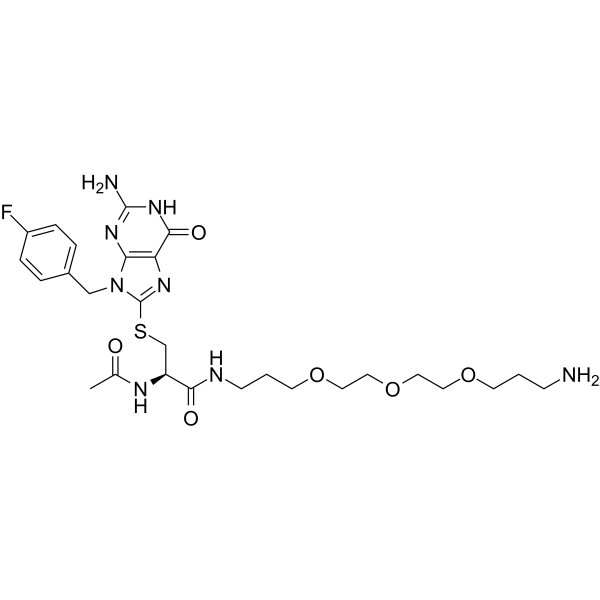
FBnG-(Cys-acetamide)-CH2-PEG3-CH2-CH2-CH2-NH2 is a tag-linker conjugate of AUTAC4 (HY-134640) that incorporates a degradation tag FBnG (HY-W073762) and a glycol linker. AUTAC4 contains an p-fluorobenzylguanine (FBnG) and a phenylindole moiety, which can induce K63-linked polyubiquitination and degradation of mitochondria in HeLa cells .
|
-
- HY-182510
-
|
|
STAT
Interleukin Related
Apoptosis
|
Cancer
|
|
NTZ-24 is a selective STAT3 pathway inhibitor. NTZ-24 suppresses STAT3 phosphorylation at Tyr705, blocks STAT3-DNA interaction, and downregulates the levels of STAT3 downstream target proteins. NTZ-24 induces cell-cycle arrest and promotes apoptosis in cancer cells. NTZ-24 exerts significant antiproliferative activity against HeLa cells (IC50 = 3.3 μM). NTZ-24 can be used for the research of cervical cancer .
|
-

- HY-D1422
-
|
BDNCA-346
|
Fluorescent Dye
|
Others
|
|
ER Tracker Yellow is an endoplasmic reticulum-targeted temperature-visible fluorescent probe. ER Tracker Yellow has high temperature sensitivity (3.9%/°C) and is not affected by pH and Ca 2+ interference. ER Tracker Yellow can be used for real-time monitoring of local temperature changes in the ER area. ER Tracker Yellow maintains its function in fixed cells. ER Tracker Yellow is suitable for various cell lines and primary cells, such as HeLa cells, MEF cells, and other cells .
|
-
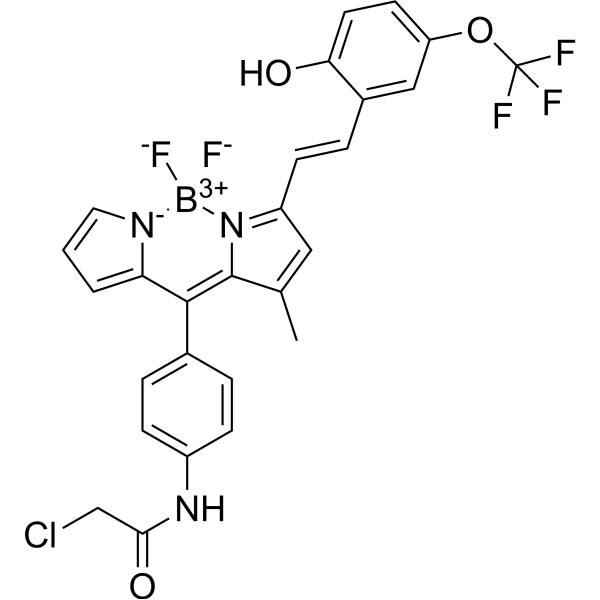
- HY-N14773
-
|
|
Ser/Thr Protease
|
Infection
Cancer
|
|
Laccaridione B can inhibit the activity of antiserine protease. Laccaridione B inhibits trypsin, papain, thermophilic protease, collagenase and zinc protease with IC50s of 10.9 μg/mL, 5.1 μg/mL, 8.4 μg/mL, 5.7 μg/mL and 3.0 μg/mL, respectively. Laccaridione B also has a strong anti-proliferative activity against L-929, K-562 and HeLa cells with IC50s of 2.4 μg/mL, 1.8 μg/mL and 13.9 μg/mL, respectively .
|
-

- HY-178297
-
|
|
Phosphatase
|
Cancer
|
|
VHR-IN-7 is a selective vaccinia H1-related (VHR) phosphatase inhibitor with an IC50 of 71 nM. VHR-IN-7 shows very weaker inhibitory activity against MKP-1 (IC50 = 0.47 μM), CD45 (IC50 = 0.3 μM), Cdc25A (IC50 = 3.4 μM), PTP1B (IC50 = 0.59 μM), and HePTP (IC50 = 1.2 μM). VHR-IN-7 inhibits the proliferation of HeLa cells. VHR-IN-7 can be used for the research of cervical cancer .
|
-

- HY-146411
-
|
|
MicroRNA
Apoptosis
|
Cancer
|
|
microRNA-21-IN-1 (compound A7) is an efficient microRNA inhibitor. microRNA-21-IN-1 has antiproliferative activity against Hela and HCT-116 cells with IC50s of 5.5 μM and 2.8 μM respectively, as well as promotes apoptosis of Hela cells. microRNA-21-IN-1 upregulates the expression of microRNA-21 downstream functional targets (PTEN, EGR1 and SLIT2). microRNA-21-IN-1 can be used for researching anticancer .
|
-
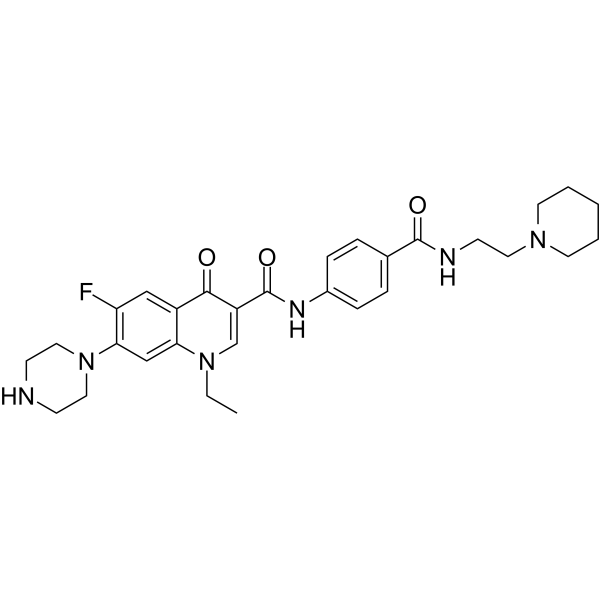
- HY-178296
-
|
|
Phosphatase
|
Cancer
|
|
VHR-IN-6 is a selective vaccinia H1-related (VHR) phosphatase inhibitor with an IC50 of 74 nM. VHR-IN-6 shows very weaker inhibitory activity against MKP-1 (IC50 = 0.52 μM), CD45 (IC50 = 0.50 μM), Cdc25A (IC50 = 2.8 μM), PTP1B (IC50 = 0.42 μM), and HePTP (IC50 = 0.87 μM). VHR-IN-6 inhibits the proliferation of HeLa cells. VHR-IN-6 can be used for the research of cervical cancer .
|
-

- HY-116863
-
|
|
Bacterial
|
Infection
|
|
KKL-40 is a small molecule inhibitor that targets the trans-transcription process and is effective against methicillin-sensitive and -resistant Staphylococcus aureus (S. aureus) as well as other Gram-positive pathogens including vancomycin-resistant Enterococcus faecium, Bacillus subtilis, and Streptococcus pyogenes. KKL-40 synergizes with the human antimicrobial peptide LL-37 to inhibit S. aureus, but does not synergize with other antibiotics such as daptomycin, kanamycin, or erythromycin. Trans-transcription is an extreme form of recoding, and KKL-40 inhibits trans-transcription but is nontoxic to HeLa cells .
|
-

- HY-178301
-
|
|
Phosphatase
|
Cancer
|
|
VHR-IN-9 is a selective vaccinia H1-related (VHR) phosphatase inhibitor with an IC50 of 270 nM. VHR-IN-9 shows very weaker inhibitory activity against MKP-1 (IC50 = 2.8 μM), CD45 (IC50 = 1.8 μM), Cdc25A (IC50 = > 10 μM), PTP1B (IC50 = 2.2 μM), and HePTP (IC50 = 2.4 μM). VHR-IN-9 inhibits the proliferation of HeLa cells. VHR-IN-9 can be used for the research of cervical cancer .
|
-

- HY-178295
-
|
|
Phosphatase
|
Cancer
|
|
VHR-IN-5 is a selective vaccinia H1-related (VHR) phosphatase inhibitor with an IC50 of 78 nM. VHR-IN-5 shows very weaker inhibitory activity against MKP-1 (IC50 = 0.78 μM), CD45 (IC50 = 0.61 μM), Cdc25A (IC50 = 3.4 μM), PTP1B (IC50 = 1.8 μM), and HePTP (IC50 = 1.5 μM). VHR-IN-5 inhibits the proliferation of HeLa cells. VHR-IN-5 can be used for the research of cervical cancer .
|
-

- HY-158230
-
|
|
Topoisomerase
|
Cancer
|
|
SN-398 is a derivative of Camptothecin (HY-158230), which is an antitumor drug. Acting by inhibiting mammalian DNA topoisomerase I (Topo I), stabilizing the Topo I-DNA complex prevents DNA rewiring to induce Topo I mediated DNA breaks. In Hela cell tests, SN-398 shows stronger antitumor activity than SN-38 (HY-13704) (IC50=1.562 μM). SN-398 can be used to study the anti-proliferation and growth inhibition of Topo I in cancer cells .
|
-

- HY-N15454
-
|
Altertenuol
|
Herbicide
Bacterial
|
Infection
|
|
Altenuisol is a compound that can be found in the pathogenic fungus of the genus Alternaria in Xanthium italicum. It has herbicidal activity. At a low concentration of Altenuisol (10 μg/mL), it promotes the root growth of Pennisetum alopecuroides and Medicago sativa by 75.2% and 51.0% respectively. At a high concentration of Altenuisol (1000 μg/mL), the inhibition rates of root growth of Pennisetum alopecuroides and Medicago sativa are 52.0% and 42.0% respectively. In addition, Altenuisol is cytotoxic to HeLa cells and also exhibits antibacterial and antioxidant activities. Altenuisol is expected to be used in research in fields such as agricultural weeding, anti - tumor, and anti - infection .
|
-

- HY-165539
-
|
|
Autophagy
Atg8/LC3
Huntingtin
α-synuclein
|
Neurological Disease
|
|
SMER10 is a small-molecule enhancer that can induce autophagy. SMER10 can increase the number of EGFP-LC3 positive autophagosoms in COS-7 and HeLa cells, promoting the conversion of LC3-I to autophagosome-associated LC3-II. SMER10 can efficiently promote the degradation of autophagy substrates, including the mutant huntingtin protein (EGFP-HDQ74) associated with Huntington's disease and the A53T α-synuclein protein associated with Parkinson's disease. SMER10 exerts neuroprotective effect .
|
-

- HY-175182
-
|
|
Indoleamine 2,3-Dioxygenase (IDO)
TNF Receptor
Interleukin Related
|
Inflammation/Immunology
Cancer
|
|
IDO1-IN-27 (Compound I-1) is a Indoleamine 2,3-Dioxygenase 1 (IDO1) inhibitor with an IC50 of 0.3951 μM for recombinant hIDO1. IDO1-IN-27 also inhibits hIDO1 expression in HeLa cells (EC50: 62 nM). IDO1-IN-27 effectively stimulates T cell proliferation by reducing the mRNA expression of pro-inflammatory factors (TNF-α, IL-6, and IL-1β) while concurrently inhibiting LLC cells growth .
|
-

- HY-119337
-
|
|
Ser/Thr Protease
|
Infection
|
|
CE-2072 is an inhibitor of serine proteases neutrophil elastase and proteinase-3. CE-2072 inhibits HIV-1 production and p24 production in response to IL-18 or NaCl in infected U1 monocytic cells, reduces virus replication in infected peripheral blood mononuclear cells and blocks infection of permissive HeLa cells. CE-2072 suppresses activation of the HIV-1-inducing transcription factor NF-kB in U1 cells. CE-2072 is promising for research of HIV-1-related disease .
|
-

- HY-N12257
-
|
|
Cytochrome P450
Reactive Oxygen Species (ROS)
Apoptosis
|
Infection
Cancer
|
|
Antimycin A2 is a selective inhibitor of the cytochrome b-c1 complex in the mitochondrial electron transport chain. Antimycin A2 disrupts mitochondrial membrane potential and produces reactive oxygen species (ROS) by inhibiting electron transfer between cytochrome b and c. Antimycin A2 has bactericidal and piscicidal activity, as well as tumor cell growth inhibitory effects, and can induce S-phase cell cycle arrest and apoptosis in HeLa cells. Antimycin A2 is suitable for research of cervical cancer and fisheries management. Antimycin A2 can be naturally isolated from the fermentation products of Streptomyces sp. strains .
|
-

- HY-100591R
-
|
|
Sirtuin
Reference Standards
|
Neurological Disease
Inflammation/Immunology
Cancer
|
|
SirReal2 (Standard) is the analytical standard of SirReal2 (HY-100591). This product is intended for research and analytical applications. SirReal2 is a potent, isotype-selective Sirt2 inhibitor with an IC50 value of 140 nM and has very little effect on the activities of Sirt3-5. SirReal2 leads to tubulin hyperacetylation in HeLa cells and induces destabilization of the checkpoint protein BubR1. SirReal2 combined with VS-5584 (HY-16585) suppresses tumor growth and extends the survival rate of mice in tumor xenograft model. SirReal2 is is promising for research of cancer, inflammation and neurodegeneration .
|
-

- HY-129265
-
|
|
Polo-like Kinase (PLK)
|
Cancer
|
|
Poloxin-2 is a small molecule Plk1 PBD inhibitor that can effectively induce cell mitotic arrest with an EC50 of approximately 15 μM in HeLa cells. Poloxin-2HT was developed by conjugating a hydrophobic tag (HT) to Poloxin-2, a new application of inhibitors targeting protein-protein interactions. Poloxin-2HT significantly enhanced the effects on cell viability and apoptosis by selectively degrading Plk1 protein, and its effect was stronger than that of untagged Poloxin-2. These data validate hydrophobic tags as a new strategy for targeting and disrupting disease-associated proteins.
|
-

- HY-N8301
-
|
LL-Z 1272ζ
|
Bacterial
|
Infection
|
|
Ilicicolin F is a fungal metabolite that has been found in Fusarium and has diverse biological activities. It inhibits T. vivax alternative oxidase and the E. coli ubiquinol oxidase cytochrome bo (IC50s=0.43 and 0.37 μM, respectively) but not the E. coli ubiquinol oxidase cytochrome bd (IC50=85 μM).2 Ilicicolin F is active against the fungi A. fumigatus and C. albicans (MICs=1.66-3.33 and 6.66-13.33 μg/mL, respectively). It is cytotoxic to HeLa cells with an EC50 value of 0.003 μg/mL.
|
-

- HY-N9848
-
|
|
Others
|
Cancer
|
|
2α,3α,24-Trihydroxyursa-12,20(30)-dien-28-oic acid is a triterpenoid with anticancer effects. 2α,3α,24-Trihydroxyursa-12,20(30)-dien-28-oic acid inhibits HepG2, A549, MCF-7, SK-OV-3, and HeLa cells with IC50 values of 19.62 μM, 18.86 μM, 45.94 μM, 62.41 μM, and 28.74 μM, respectively .
|
-

- HY-181947
-
|
|
Indoleamine 2,3-Dioxygenase (IDO)
|
Cancer
|
|
IDO1-IN-33 (Compound YC-16) is a IDO1 inhibitor (with an IC50 of 0.18 μM for IDO1 in HeLa cells). IDO1-IN-33 acts as an apo-IDO1 inhibitor by slowly and competitively displacing heme from mature holo-IDO1 and rapidly binding to the heme-binding site of immature apo-IDO1, without altering the expression level of IDO1. IDO1-IN-33 can be used for the research of hepatocellular carcinoma, non-small cell lung cancer, triple-negative breast cancer, and cervical cancer .
|
-

- HY-131864A
-
|
|
PROTACs
EGFR
|
Cancer
|
|
SJF-1528 (PROTAC 1) hemihydrate is a potent EGFR PROTAC degrader with DC50 values of 39.2 nM and 736.2 nM for wild-type EGFR in OVCAR8 cells and Exon 20 Ins mutant EGFR in HeLa cells. SJF-1528 hemihydrate also degrades HER2. SJF-1528 hemihydrate promotes ubiquitination and degradation of EGFR and can be used in breast cancer research (Pink: ligand for target protein (HY-159047); Black: linker Tos-PEG2-CH2-Boc (HY-130532); Blue: ligand for E3 ligase (S,R,S)-AHPC (HY-125845)) .
|
-

- HY-178960
-
|
|
Microtubule/Tubulin
Apoptosis
|
Cancer
|
|
Tubulin-IN-59 (Compound 8g) is an orally active Tubulin inhibitor. Tubulin-IN-59 exhibits potent anti-proliferative activity against HCT116 colorectal cancer, HeLa cervical cancer, and HepG2 liver cancer cell lines, with its IC₅₀ value ranging from 16 to 35 nM. Tubulin-IN-59 arrests HeLa cells in the G2/M phase and induces cell apoptosis. Tubulin-IN-59 demonstrates significant anti-tumor activity in the HT29 human colon cancer mouse xenograft model. Tubulin-IN-59 can be used for the study of colorectal cancer and cervical cancer .
|
-

- HY-131864
-
|
|
PROTACs
EGFR
|
Cancer
|
|
SJF-1528 (PROTAC 1) is a potent EGFR PROTAC degrader with DC50 values of 39.2 nM and 736.2 nM for wild-type EGFR in OVCAR8 cells and Exon 20 Ins mutant EGFR in HeLa cells. SJF-1528 also degrades HER2. SJF-1528 promotes ubiquitination and degradation of EGFR and can be used in breast cancer research (Pink: ligand for target protein (HY-159047); Black: linker Tos-PEG2-CH2-Boc (HY-130532); Blue: ligand for E3 ligase (S,R,S)-AHPC (HY-125845)) .
|
-
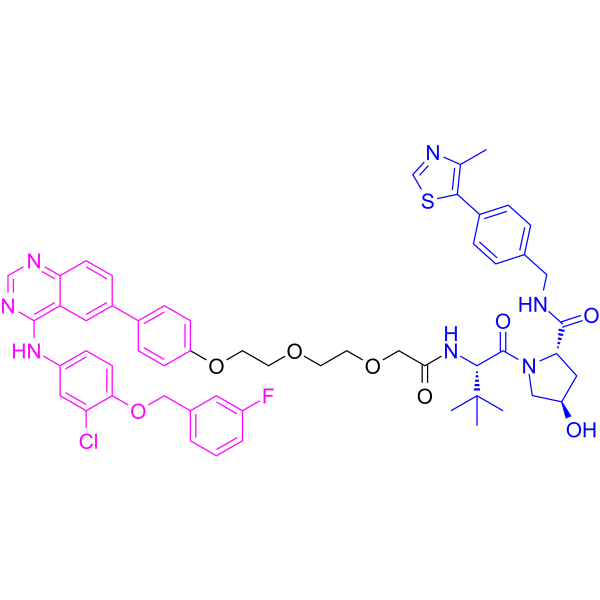
- HY-175591
-
|
|
Photosensitizer
Apoptosis
Reactive Oxygen Species (ROS)
|
Cancer
|
|
Photosensitizer-7 is a endoplasmic reticulum (ER)-targeted photosensitizer (PS) (λab = 610 nm, λem = 622 nm). Photosensitizer-7shows an IC50 of 4.006 μM in HeLa cells and 3.28 μM in MCF-7 cells under light irradiation. Photosensitizer-7 exhibits dose-dependent cellular uptake and predominant colocalization with ER. Photosensitizer-7 induces dose-dependent intracellular ROS generation, reduces mitochondrial membrane potential, and increases apoptosis upon light irradiation in cells. Photosensitizer-7 significantly inhibits tumor growth in MCF-7 tumor-bearing mice. Photosensitizer-7 can be used for the study of photodynamic anticancer applications .
|
-

- HY-169056
-
|
|
Reactive Oxygen Species (ROS)
|
Cancer
|
|
SLC7A11-IN-2 (Compound 1) is an SLC7A11/xCT inhibitor. SLC7A11-IN-2 induces cell death in HeLa cells by lowering intracellular glutathione levels and increasing oxidative stress, thereby disrupting the oxidative balance within the cells, with an IC50 value of 10.23 μM. Molecular dynamics simulation analysis indicates that SLC7A11-IN-2 has a stronger binding affinity to SLC7A11 compared to Erastin (HY-15763). SLC7A11-IN-2 can be utilized in research within the field of cervical cancer .
|
-

- HY-149407
-
|
|
VEGFR
CDK
EGFR
Necroptosis
Apoptosis
|
Cancer
|
|
Multi-kinase-IN-4 (compound 5d) is multi-targeted kinase inhibitor, including VEGFR2, EGFR, HER2, and CDK2, with IC50 values of 0.33, 0.22, 0.18 and 2.09 μM, respectively. Multi-kinase-IN-4 shows broad-spectrum anti-cancer activities against HepG2, MCF-7, MDA-231, and HeLa cell lines (IC50 = 1.94–7.1 µM), but exhibits lower toxicity in the WI-38 cells (IC50 = 40.85 µM). Multi-kinase-IN-4 induces apoptosis and arrests cell cycle at S phase in HepG2 cells. Multi-kinase-IN-4 has the potential for the research of cancer .
|
-
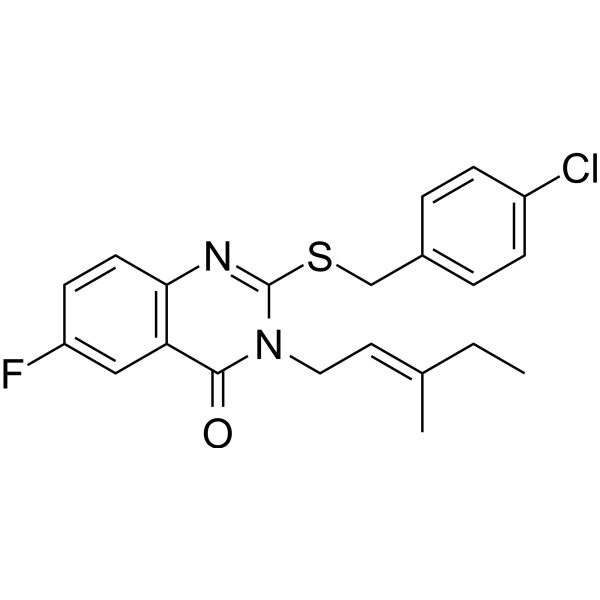
- HY-P11657
-
|
|
Bacterial
|
Infection
|
|
GN-2 peptoid is a 9-mer cationic amphipathic peptoid and bactericidal agent with an overall net charge of +4, broad-spectrum antimicrobial activity, and low hemolytic and cytotoxic activity against mammalian cells. GN-2 peptoid exerts bactericidal action against Escherichia coli in a concentration-dependent manner. GN-2 peptoid exhibits antimicrobial activity against Gram-positive Staphylococcus aureus and Gram-negative Escherichia coli, Pseudomonas aeruginosa strains. GN-2 peptoid shows low toxicity against human red blood cells and HeLa cells. GN-2 peptoid maintains antimicrobial activity in the presence of 50% human blood plasma. GN-2 peptoid can be used for the research of bacterial infections .
|
-

- HY-174322
-
|
|
SHP2
ERK
Fluorescent Dye
|
Cancer
|
|
SHP2-IN-38 is a novel green-fluorescent SHP2 inhibitor with IC50 values of 2.89 μM (SHP2), 8.73 μM (SHP1), 11.08 μM (PTP1B), 33.07 μM (TCPTP). SHP2-IN-38 blocks the SHP2-mediated ERK signaling pathway and inhibits MV4-11 cells proliferation in vitro with IC50 of 7.90 μM. SHP2-IN-38 has an excitation wavelength of 360 nm, with a maximum emission wavelength of 550 nm in DMSO and 540 nm in DMF. SHP2-IN-38 shows green fluorescence imaging in HeLa cells and zebrafish.
|
-

- HY-178819
-
|
|
Integrin
Drug Intermediate
|
Cancer
|
|
NM-001 is a theranostic prodrug that targets ανβ3 integrin. NM-001 consists of cRGD and GFLG peptides, a DCM fluorophore and Chlorambucil (HY-13593). NM-001 internalizes into lysosomes of tumor cells via the cRGD peptide, and generates NM-002 (HY-178820) and Chlorambucil through intracellular cleavage at the GFLG peptide by overexpressed Cathepsin B (CTSB). NM-001 exhibits green fluorescence under physiological conditions, and converts to NIR fluorescence by CTSB activation. NM-001 has significant antitumor activity with low toxicity in HeLa cell xenografts mouse models. NM-001 can be used for real-time drug release monitoring research .
|
-

- HY-147913
-
|
|
PI3K
Akt
mTOR
Apoptosis
|
Cancer
|
|
PI3K/Akt/mTOR-IN-3 (compound 3d) is a potent PI3K/AKT/mTOR inhibitor. PI3K/Akt/mTOR-IN-3 displays the inhibitory activity in MCF-7, HeLa and HepG2 cells, with IC50 values of 0.77, 1.23, and 4.57μM, respectively. PI3K/Akt/mTOR-IN-3 inhibits the migration of MCF-7 and HeLa cells at the concentration of 4 μM. PI3K/Akt/mTOR-IN-3 induces cell apoptosis and S phase arrest .
|
-
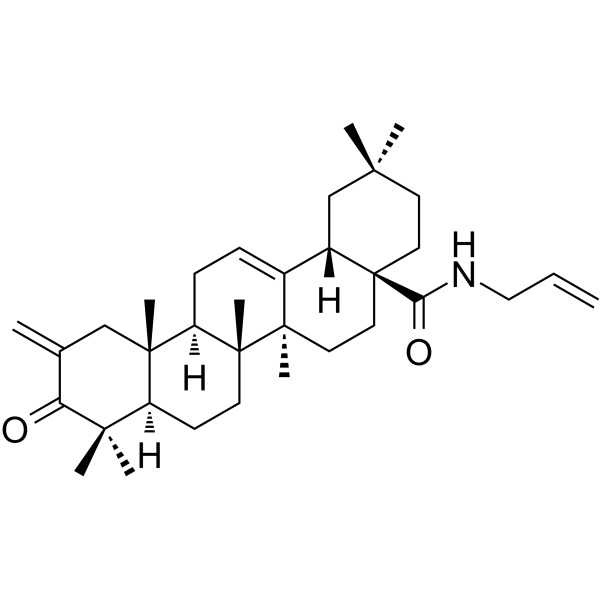
- HY-175025
-
|
|
PROTACs
Ras
Apoptosis
|
Cancer
|
|
CH091138 is a potent and selective KRASG12D PROTAC degrader with DC50s of 148.3 nM in HeLa cells and 469.8 nM in AsPC-1 cells. CH091138 selectively degrades exogenous and endogenous KRASG12D but not KRAS WT or other KRAS mutants (G12C/G12S/G12V), depending on the VHL-mediated ubiquitin-proteasome system. CH091138 exhibits potent anti-tumor activity and induces cancer cell apoptosis. CH091138 can be used for the studies of pancreatic cancer and colon cancer. (Pink: KRASG12D ligand (HY-175144); Blue: VHL E3 ligase ligand (HY-138678); Black: Linker; VHL E3 ligase ligand + Linker (HY-136006B)) .
|
-

- HY-179424
-
|
|
PROTACs
HIF/HIF Prolyl-Hydroxylase
p38 MAPK
Akt
PI3K
MEK
Apoptosis
|
Cancer
|
|
PROTAC HIF-1α degrader-2 is a highly efficient and selective PROTAC degrader targeting HIF-1α. PROTAC HIF-1α degrader-2 promotes HIF-1α degradation via the ubiquitin-proteasome pathway by facilitating the formation of a HIF-1α/VHL ternary complex. PROTAC HIF-1α degrader-2 inhibits HeLa cell proliferation, migration, and colony formation, and induces apoptosis. PROTAC HIF-1α degrader-2 reduces p-MEK and p-AKT expression in the MAPK and PI3K/AKT pathways. PROTAC HIF-1α degrader-2 can be used for the study of cervical cancer .
|
-

- HY-W097625
-
|
|
Toll-like Receptor (TLR)
MyD88
p38 MAPK
NF-κB
Heme Oxygenase (HO)
|
Neurological Disease
Inflammation/Immunology
Cancer
|
|
6-Methoxyflavone is an orally active methoxyflavone. 6-Methoxyflavone suppresses neuroinflammation in microglia through the inhibition of TLR4/MyD88/p38 MAPK/NF-κB dependent pathways and the activation of HO-1/NQO-1 signaling. 6-Methoxyflavone induces S-phase arrest through the CCNA2/CDK2/p21CIP1 signaling pathway in HeLa cells. 6-Methoxyflavone inhibits NFAT Translocation into the nucleus and suppresses T cell activation. 6-Methoxyflavone partially restores chronic ethanol-induced behavioral deficits in mice. 6-Methoxyflavone antagonizes chronic constriction injury and diabetes associated neuropathic nociception expression. 6-Methoxyflavone can be used for the study of cancer, inflammation and neurological diseases .
|
-
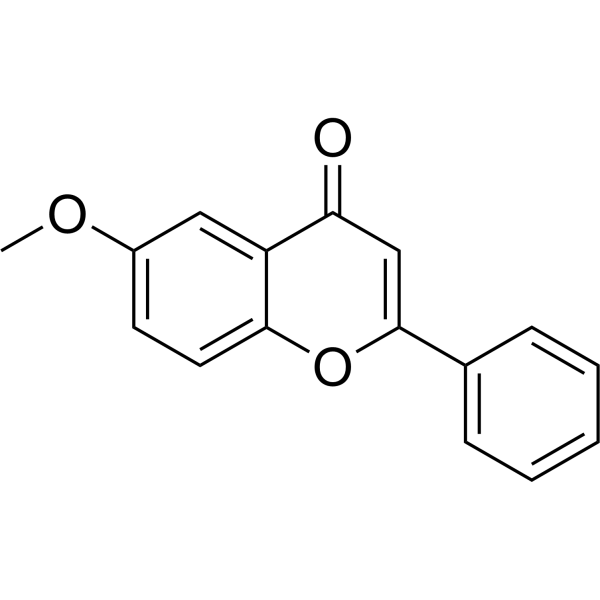
- HY-112624E
-
|
Dextran 0.8; Dextran D0.8; Dextran T0.8(MW 640-960)
|
Biochemical Assay Reagents
|
Others
|
|
Dextran T0.8 (Dextran 0.8; Dextran T0.8(MW 640-960)) is a food additive with a porous network structure that exhibits strong hydration capacity and low browning activity. Dextran T0.8 (MW 800) can improve the coagulation of dairy products and is used as a prebiotic in baked goods. Dextran T0.8 (MW 800) is non-toxic to HeLa cells at a concentration of ~500 μg/mL and has a low relative browning rate in the Maillard reaction. The Dextran series of compounds are also natural polysaccharide drug carriers that can be connected to drugs through covalent bonding methods such as ester bonds, amide bonds or click chemistry, or self-assembled to form carriers such as nanoparticles and hydrogels. Dextran is biodegradable and biocompatible, and can achieve targeted delivery and controlled release of drugs. Dextran derivatives can prolong the half-life of drugs, increase local concentrations, and reduce the activity of immune clearance .
|
-

- HY-N12135
-
|
|
Others
|
Cancer
|
|
15α-Hydroxy-20-oxo-6,7-seco-ent-kaur-16-en-1,7α(6,11α)-diolide (compound 2) is an enantio-kaurene diterpenoid (ent -kaurene diterpenoid), which can be isolated from Rubescens rubescens. 15α-Hydroxy-20-oxo-6,7-seco-ent-kaur-16-en-1,7α(6,11α)-diolide has cellular activity against EC-1, U87, A549, MCF-7 and HeLa cell lines Toxicity, IC50s are 37.69 μM, 79.362 μM, 80.07 μM, 197.35 μM, 462.13 μM, and 180.09 μM respectively .
|
-
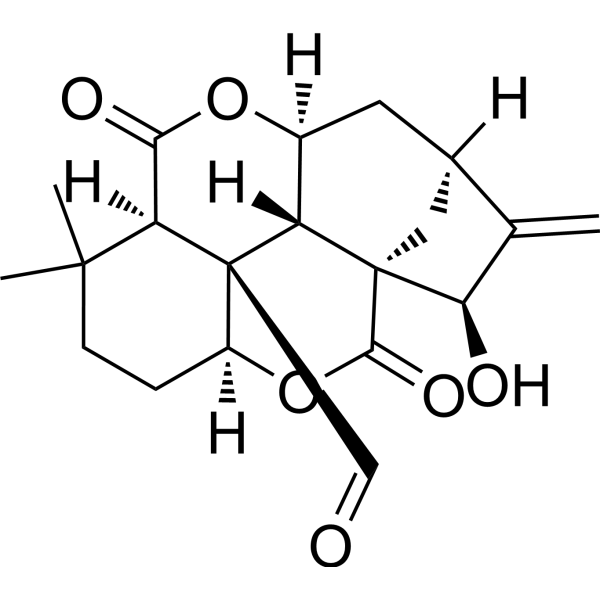
- HY-159607
-
|
|
PROTACs
SWI/SNF Complex
|
Cancer
|
|
PRT3789 is a selective SMARCA2 PROTAC degrader (DC50 in HeLa cell: 0.72 nM for SMARCA2, 14 nM for SMARCA4). PRT3789 forms a stable ternary complex with Von Hippel-Lindau (VHL) E3 ligase, induces polyubiquitination at SMARCA2-specific lysine residues, and drives proteasome-dependent SMARCA2 degradation. PRT3789 disrupts SWI/SNF chromatin remodeling complex integrity, induces dissociation of specific subunits, suppresses oncogenic gene expression, reduces chromatin accessibility, and upregulates antigen processing/presentation-related gene expression. PRT3789 induces synthetic lethality, inhibits proliferation and colony formation, and drives tumor growth inhibition and regression in SMARCA4-deficient contexts. PRT3789 can be used for the research of SMARCA4-mutated solid tumors, non-small cell lung cancer, endometrial cancer, colorectal cancer, bladder cancer, esophageal cancer, ovarian cancer, and gastric cancer .
|
-

- HY-138185
-
|
SF 2738A
|
Bacterial
Apoptosis
|
Cancer
|
|
Collismycin A is a bacterial metabolite originally isolated from Streptomyces that has diverse biological activities, including antibacterial, antiproliferative, and neuroprotective properties. It is active against a variety of bacteria (MICs=6.25 and 100 μg/mL) and fungi (MICs=12.5-100 μg/mL). It inhibits proliferation of A549 lung, HCT116 colon, and HeLa cervical cancer cells (IC50s=0.3, 0.6, and 0.3 μM, respectively) and NIH373 fibroblasts (IC50=56.6 μM) but not MDA-MD-231 breast cancer cells (IC50=>100 μM). Collismycin A forms a complex with Fe(II) and Fe(III) at a 2:1 ratio, and the addition of iron ions inhibits the antiproliferative effect of collismycin A on HeLa cells, an effect that does not occur with the addition of zinc, manganese, copper, or magnesium ions.3 Collismycin A (1 μM) prevents apoptosis in the brain region of zebrafish larvae in a model of neuronal cell death induced by all-trans retinoic acid.
|
-

- HY-W157376
-
|
|
Bacterial
Antibiotic
Drug Intermediate
|
Infection
Cancer
|
|
PAMAM Dendrimer G0.0 amine is a pore-forming channel antagonist, including anthrax toxin protective antigen 63 (PA63, IC50 = 231 nM) and C. botulinum C2 toxin subunit (C2IIa, IC50 = 940 nM). At concentrations of 10 and 20 µM, PAMAM Dendrimer G0.0 amine reduces C2 toxin-induced death in HeLa cells. Additionally, PAMAM Dendrimer G0.0 amine is a chelator of nickel. In complexes with polysulfone membrane-bound chitosan, PAMAM Dendrimer G0.0 amine selectively captures and stores carbon dioxide (CO2) in a gas-feed system. PAMAM Dendrimer G0.0 amine has been used in the synthesis of PAMAM Dendrimer G0.5 Carboxylate (CAS 339334-01-9) and PAMAM Dendrimer G1.0 Amine (CAS 142986-44-5). PAMAM Dendrimer G0.0 amine can be used in research related to infections, cancer, and drug delivery systems .
|
-

- HY-W097625R
-
|
|
Toll-like Receptor (TLR)
MyD88
p38 MAPK
NF-κB
Heme Oxygenase (HO)
Reference Standards
PERK
|
Neurological Disease
Metabolic Disease
Inflammation/Immunology
Cancer
|
|
6-Methoxyflavone (Standard) is the analytical standard of 6-Methoxyflavone (HY-W097625). This product is intended for research and analytical applications. 6-Methoxyflavone is an orally active methoxyflavone. 6-Methoxyflavone suppresses neuroinflammation in microglia through the inhibition of TLR4/MyD88/p38 MAPK/NF-κB dependent pathways and the activation of HO-1/NQO-1 signaling. 6-Methoxyflavone induces S-phase arrest through the CCNA2/CDK2/p21CIP1 signaling pathway and activates the PERK/EIF2a/ATF4/CHOP pathway in HeLa cells. 6-Methoxyflavone acts as a Flumazenil (HY-B0009)-insensitive positive allosteric modulator at human recombinant α1β2γ2L and α2β2γ2L GABAα receptors. 6-Methoxyflavone inhibits NFAT Translocation into the nucleus and suppresses T cell activation. 6-Methoxyflavone partially restores chronic ethanol-induced behavioral deficits in mice. 6-Methoxyflavone antagonizes chronic constriction injury and diabetes associated neuropathic nociception expression. 6-Methoxyflavone can be used for the study of cancer, inflammation and neurological diseases .
|
-

| Cat. No. |
Product Name |
Type |
-
- HY-D1422
-
|
BDNCA-346
|
Fluorescent Dyes
|
|
ER Tracker Yellow is an endoplasmic reticulum-targeted temperature-visible fluorescent probe. ER Tracker Yellow has high temperature sensitivity (3.9%/°C) and is not affected by pH and Ca 2+ interference. ER Tracker Yellow can be used for real-time monitoring of local temperature changes in the ER area. ER Tracker Yellow maintains its function in fixed cells. ER Tracker Yellow is suitable for various cell lines and primary cells, such as HeLa cells, MEF cells, and other cells .
|
-
- HY-D2215
-
|
|
Fluorescent Dyes
|
|
Mito-CCY is a mitochondria-targeted, NIR-absorbing cryptocyanine probe. Mito-CCY displays a high photothermal conversion efficiency, good biological compatibility in vitro, and photoinduced cytotoxicity in HeLa cells .
|
-
- HY-D2360
-
|
|
Fluorescent Dyes
|
|
O-Carboranylphenoxyacetanilide is a HIF-1α inhibitor and inhibits HIF-1α activation. O-Carboranylphenoxyacetanilide inhibits transcriptional activity of HIF in HeLa cells (IC50: 0.74 μM). O-Carboranylphenoxyacetanilide inhibits HSP60 chaperone activity and HSP60 ATPase activity .
|
-
- HY-B0497G
-
|
BAY2353
|
Fluorescent Dyes
|
|
Niclosamide (GMP) is Niclosamide (HY-B0497) produced by using GMP guidelines. GMP small molecules work appropriately as an auxiliary reagent for cell therapy manufacture. Niclosamide (BAY2353) is an orally active antihelminthic agent used in parasitic infection research . Niclosamide is a STAT3 inhibitor with an IC50 of 0.25 μM in HeLa cells . Niclosamide has biological activities against cancer, inhibits DNA replication in Vero E6 cells .
|
-
- HY-160065F
-
|
|
Fluorescent Dyes
|
|
FAM-sgc8c aptamer sodium is a 5-FAM labeled sgc8c aptamer sodium (HY-160065). sgc8c aptamer sodium is an aptamer that specifically targets the human protein tyrosine kinase PTK-7, which is mainly expressed on cervical cancer HeLa cells. Binding of FAM-sgc8c aptamer sodium to PTK-7 induces the assembly of nanotags on the cell surface, resulting in strong fluorescence and SERS signals .
|
| Cat. No. |
Product Name |
Type |
-
- HY-112624E
-
|
Dextran 0.8; Dextran D0.8; Dextran T0.8(MW 640-960)
|
Biochemical Assay Reagents
|
|
Dextran T0.8 (Dextran 0.8; Dextran T0.8(MW 640-960)) is a food additive with a porous network structure that exhibits strong hydration capacity and low browning activity. Dextran T0.8 (MW 800) can improve the coagulation of dairy products and is used as a prebiotic in baked goods. Dextran T0.8 (MW 800) is non-toxic to HeLa cells at a concentration of ~500 μg/mL and has a low relative browning rate in the Maillard reaction. The Dextran series of compounds are also natural polysaccharide drug carriers that can be connected to drugs through covalent bonding methods such as ester bonds, amide bonds or click chemistry, or self-assembled to form carriers such as nanoparticles and hydrogels. Dextran is biodegradable and biocompatible, and can achieve targeted delivery and controlled release of drugs. Dextran derivatives can prolong the half-life of drugs, increase local concentrations, and reduce the activity of immune clearance .
|
-
- HY-B0497G
-
|
BAY2353
|
Biochemical Assay Reagents
|
|
Niclosamide (GMP) is Niclosamide (HY-B0497) produced by using GMP guidelines. GMP small molecules work appropriately as an auxiliary reagent for cell therapy manufacture. Niclosamide (BAY2353) is an orally active antihelminthic agent used in parasitic infection research . Niclosamide is a STAT3 inhibitor with an IC50 of 0.25 μM in HeLa cells . Niclosamide has biological activities against cancer, inhibits DNA replication in Vero E6 cells .
|
| Cat. No. |
Product Name |
Target |
Research Area |
-
- HY-P10714
-
|
|
Proteasome
Apoptosis
Deubiquitinase
|
Cancer
|
Ub4ix is a DUB/26S proteasome inhibitor. Ub4ix can protect K48-linked Ub chains from being chopped up by deubiquitinating enzymes (DUBs) and prevent the proteasomal degradation of Ub-tagged proteins. Ub4ix can reduce the viability of Hela cells and induce apoptosis, with an IC50 value of 1.6 μM .
|
-
- HY-204478
-
|
|
Peptides
|
Cancer
|
|
Ac-KVPL-CMK is an inhibitor that specifically targets Granzyme M (GrM). Ac-KVPL-CMK significantly inhibits GrM-mediated tumor cell death. Ac-KVPL-CMK reduces the cytotoxic activity of LAK cells against HeLa cells. Ac-KVPL-CMK can be used for the study of cancer .
|
-
- HY-204478A
-
|
|
Peptides
|
Cancer
|
|
Ac-KVPL-CMK TFA is the trifluoroacetic acid of Ac-KVPL-CMK (HY-204478). Ac-KVPL-CMK is an inhibitor that specifically targets Granzyme M (GrM). Ac-KVPL-CMK significantly inhibits GrM-mediated tumor cell death. Ac-KVPL-CMK reduces the cytotoxic activity of LAK cells against HeLa cells. Ac-KVPL-CMK can be used for the study of cancer .
|
-
- HY-P5937
-
|
|
Apoptosis
|
Cancer
|
|
Caerin 1.1 TFA is a host defense peptide isolated from the glandular secretions of the Australian tree frog Litoria. Caerin 1.1 TFA inhibits HeLa cell proliferation and mediates apoptosis. Caerin 1.1 TFA may enhance adaptive T cell immune responses .
|
-
- HY-180989
-
|
|
PROTACs
Polo-like Kinase (PLK)
Apoptosis
|
Cancer
|
|
PROTAC PLK1 Degrader-2 (Compound NC1) is a PLK1 PROTAC degrader with an Kd of 6.06 μM. PROTAC PLK1 Degrader-2 significantly inhibits the proliferation of HeLa cells, induces cell cycle arrest and apoptosis. PROTAC PLK1 Degrader-2 exhibits significant anti-tumor activity in a HeLa cell xenograft tumor mouse model. PROTAC PLK1 Degrader-2 can be used for the study of cervical cancer.
|
-
- HY-P11657
-
|
|
Bacterial
|
Infection
|
|
GN-2 peptoid is a 9-mer cationic amphipathic peptoid and bactericidal agent with an overall net charge of +4, broad-spectrum antimicrobial activity, and low hemolytic and cytotoxic activity against mammalian cells. GN-2 peptoid exerts bactericidal action against Escherichia coli in a concentration-dependent manner. GN-2 peptoid exhibits antimicrobial activity against Gram-positive Staphylococcus aureus and Gram-negative Escherichia coli, Pseudomonas aeruginosa strains. GN-2 peptoid shows low toxicity against human red blood cells and HeLa cells. GN-2 peptoid maintains antimicrobial activity in the presence of 50% human blood plasma. GN-2 peptoid can be used for the research of bacterial infections .
|
| Cat. No. |
Product Name |
Category |
Target |
Chemical Structure |
-
- HY-12053A
-
-
-
- HY-N0144
-
-
-
- HY-16558
-
-
-
- HY-N8015
-
-
-
- HY-N12257
-
|
|
Structural Classification
Monophenols
Microorganisms
Phenols
Source Classification
|
Cytochrome P450
Reactive Oxygen Species (ROS)
Apoptosis
|
|
Antimycin A2 is a selective inhibitor of the cytochrome b-c1 complex in the mitochondrial electron transport chain. Antimycin A2 disrupts mitochondrial membrane potential and produces reactive oxygen species (ROS) by inhibiting electron transfer between cytochrome b and c. Antimycin A2 has bactericidal and piscicidal activity, as well as tumor cell growth inhibitory effects, and can induce S-phase cell cycle arrest and apoptosis in HeLa cells. Antimycin A2 is suitable for research of cervical cancer and fisheries management. Antimycin A2 can be naturally isolated from the fermentation products of Streptomyces sp. strains .
|
-
-
- HY-77572
-
-
-
- HY-N1464A
-
-
-
- HY-W097625
-
|
|
Flavonoids
Flavones
Thymelaeaceae
Plants
Pimelea simplex F.Muell.
Source Classification
|
Toll-like Receptor (TLR)
MyD88
p38 MAPK
NF-κB
Heme Oxygenase (HO)
|
|
6-Methoxyflavone is an orally active methoxyflavone. 6-Methoxyflavone suppresses neuroinflammation in microglia through the inhibition of TLR4/MyD88/p38 MAPK/NF-κB dependent pathways and the activation of HO-1/NQO-1 signaling. 6-Methoxyflavone induces S-phase arrest through the CCNA2/CDK2/p21CIP1 signaling pathway in HeLa cells. 6-Methoxyflavone inhibits NFAT Translocation into the nucleus and suppresses T cell activation. 6-Methoxyflavone partially restores chronic ethanol-induced behavioral deficits in mice. 6-Methoxyflavone antagonizes chronic constriction injury and diabetes associated neuropathic nociception expression. 6-Methoxyflavone can be used for the study of cancer, inflammation and neurological diseases .
|
-
-
- HY-N0144R
-
-
-
- HY-N8228
-
-
-
- HY-N7654
-
-
-
- HY-113505
-
-
-
- HY-N4062
-
-
-
- HY-N4048
-
-
-
- HY-N10871
-
-
-
- HY-N2892
-
-
-
- HY-125300
-
|
|
Natural Products
Microorganisms
Source Classification
|
Fungal
Antibiotic
|
|
Oligomycin E is a antitumor antibiotic that can be isolated from Streptomyces. Oligomycin E has significant antifungal activity, showing minimal inhibitory concentrations (MICs) values between 2 and 75μg/mL. Oligomycin E has strong antitumor activity against HeLa cells, with an IC50 of 0.014 μg/mL .
|
-
-
- HY-119789
-
-
-
- HY-N8954
-
-
-
- HY-N11636
-
-
-
- HY-N12233
-
-
-
- HY-N3191
-
-
-
- HY-N2802
-
-
-
- HY-130073
-
-
-
- HY-77572R
-
-
-
- HY-16558R
-
-
-
- HY-137949
-
-
-
- HY-117125
-
-
-
- HY-125720
-
-
-
- HY-N2213
-
-
-
- HY-114708
-
-
-
- HY-12053AR
-
-
-
- HY-N8876
-
-
-
- HY-N7485
-
-
-
- HY-129148
-
-
-
- HY-N14822
-
-
-
- HY-N14571
-
-
-
- HY-N10332
-
-
-
- HY-N12866
-
-
-
- HY-N15076
-
-
-
- HY-N16671
-
|
Bufogenin B; Deacetylbufotalin
|
Structural Classification
Animals
Animal Venoms
Steroids
Source Classification
|
Others
|
|
Desacetylbufotalin (Bufogenin B; Deacetylbufotalin) is a bufadienolide found in Chinese drug "Chan'Su". Desacetylbufotalin shows strong anti-proliferative activity on the of Hela cells (IC50 = 0.01 μM). Desacetylbufotalin can be used for the research of cancer, such as cervical cancer .
|
-
-
- HY-N11643
-
-
-
- HY-N7821
-
-
-
- HY-N12255
-
|
|
Natural Products
Microorganisms
Source Classification
|
Glyoxalase (GLO)
|
|
COTC is a bacterial metabolite with anticancer activity that is found in S. griseosporeus. COTC inhibits glyoxalase in the presence of glutathione (GSH). COTC also inhibits the proliferation of HeLa cells (IC50 = 18 µg/mL), as well as reduces tumor growth and improves survival in an Ehrlich murine spontaneous adenocarcinoma model .
|
-
-
- HY-N12137
-
-
-
- HY-N7507
-
-
-
- HY-N15226
-
-
-
- HY-N15349
-
|
|
Natural Products
Microorganisms
Source Classification
|
Others
|
|
Nocapyrone Q is a polyketide compound discovered in the karst cave mold Streptomyces sp. FD-2-6. At a dose of 100 μM, Nocapyrone Q exhibits inhibitory activity against human hepatocellular carcinoma HepG2 cells and human cervical cancer HeLa cells. Nocapyrone Q holds potential for research in the field of cancer therapy .
|
-
-
- HY-N8015R
-
-
-
- HY-N1107
-
|
NSC 119993; NSC 277290; Odorigeni
|
Apocynaceae
Cardiacglycosides
Plants
Steroids
Source Classification
|
Others
|
|
Uzarigenin (NSC 119993; NSC 277290; Odorigeni) is a carnolide can be isolated from Pergularia tomentosa and exhibits antiproliferative activity. Uzarigenin resists the proliferation of PC3 cells, HeLa cells, Calu-1 cells, MCF-7 cells and U251MG cells, with IC50 values of 0.3 μM, 3.0 μM, 8.0 μM, 6.0 μM and 6.0 μM respectively .
|
-
- HY-N14853
-
|
|
Microorganisms
Macrolide Antibiotics
Antibiotics
Source Classification
|
Bacterial
Fungal
|
|
Ossamycin is a macrolide antibiotic. Ossamycin has anti-fungal effect, and it has weaker anti-Gram-positive bacterial effect. Ossamycin inhibits L cells, Epstein-Barr ascites cancer cells, KB cells, sarcoma-180 cells, L-1210 cells, HeLa cells in cell culture with IC50s (μg/mL) of 0.007, 0.008, 0.005, 0.008, 0.003, 0.005, respectively .
|
-
- HY-N13115A
-
|
(E)-21-Angeloyl-protoaescigenin
|
Aesculus chinensis Bunge
Triterpenes
Terpenoids
Hippocastanaceae
Plants
Source Classification
|
Others
|
|
Protoescigenin 21-tiglate (compound 10) is a glycosidic oleanane-type triterpenoid (BAT) that can be isolated from the acid hydrolysis product (AHP) of the crude extract of Aesculus chinensis seeds. Aesculus-derived triterpenoids (BAT) generally exhibit good antitumor, anti-inflammatory, and anti-Alzheimer's activities. However, the antitumor activity of Protoescigenin 21-tiglate is relatively weak, with IC50 values of >80 μM and 80 μM against MCF-7 and HeLa cells, respectively .
|
-
- HY-N13115
-
|
(Z)-Protoescigenin 21-tiglate
|
Aesculus chinensis Bunge
Triterpenes
Terpenoids
Hippocastanaceae
Plants
Source Classification
|
Others
|
|
21-Angeloyl-protoaescigenin (compound 11) is a glycosidic oleanane-type triterpenoid (BAT) that can be isolated from the acid hydrolysis product (AHP) of the crude extract of Aesculus chinensis seeds. Aesculus-derived triterpenoids (BAT) generally exhibit good antitumor, anti-inflammatory, and anti-Alzheimer's activities. Protoescigenin 21-tiglate has antitumor activity, with IC50 values of 38.2 μM and 33 μM against MCF-7 and HeLa cells, respectively .
|
-
- HY-N14970
-
|
|
Microorganisms
Antibiotics
Other Antibiotics
Source Classification
|
Parasite
Bacterial
|
|
Hexacyclinol has moderate anti-Gram-positive bacteria activity, 4-40 μg/mL can inhibit the production of oxidants by polymorphonuclear neutrophils (PMNL) stimulated by zymosan. Hexacyclinol inhibits the growth of L-930 and K 562 cells with IC50s of 1.4 μg/mL and 0.4 μg/mL, respectively, and the IC50 of HeLa cells is 10 μg/mL. Hexacyclinol also has an anti-Plasmodium effect, and its IC50 for Plasmodium falciparum is 2.4 μg/mL .
|
-
- HY-N15454
-
|
Altertenuol
|
Microorganisms
Phenols
Polyphenols
Source Classification
|
Herbicide
Bacterial
|
|
Altenuisol is a compound that can be found in the pathogenic fungus of the genus Alternaria in Xanthium italicum. It has herbicidal activity. At a low concentration of Altenuisol (10 μg/mL), it promotes the root growth of Pennisetum alopecuroides and Medicago sativa by 75.2% and 51.0% respectively. At a high concentration of Altenuisol (1000 μg/mL), the inhibition rates of root growth of Pennisetum alopecuroides and Medicago sativa are 52.0% and 42.0% respectively. In addition, Altenuisol is cytotoxic to HeLa cells and also exhibits antibacterial and antioxidant activities. Altenuisol is expected to be used in research in fields such as agricultural weeding, anti - tumor, and anti - infection .
|
-
- HY-N12135
-
|
|
Senegalia pennata (L.) Maslin
Terpenoids
Labiatae
Diterpenoids
Plants
Source Classification
|
Others
|
|
15α-Hydroxy-20-oxo-6,7-seco-ent-kaur-16-en-1,7α(6,11α)-diolide (compound 2) is an enantio-kaurene diterpenoid (ent -kaurene diterpenoid), which can be isolated from Rubescens rubescens. 15α-Hydroxy-20-oxo-6,7-seco-ent-kaur-16-en-1,7α(6,11α)-diolide has cellular activity against EC-1, U87, A549, MCF-7 and HeLa cell lines Toxicity, IC50s are 37.69 μM, 79.362 μM, 80.07 μM, 197.35 μM, 462.13 μM, and 180.09 μM respectively .
|
-
- HY-N12495
-
-
- HY-N11470
-
-
- HY-N15500
-
-
- HY-N6060A
-
-
- HY-N9885
-
-
- HY-N12229
-
|
|
Quinones
Microorganisms
Anthraquinones
Source Classification
|
Endogenous Metabolite
Bacterial
|
|
Penipurdin A (Compound 1), an anthraquinone, is a microbial secondary metabolite. Penipurdin A can be isolated from the soil fungus Penicillium purpurogenum SC0070. Penipurdin A has no significant cytotoxicity against cancer cells, such as A549, HepG2 and Hela cells. Penipurdin A has antibacterial activity against Enterococcus faecalis and Staphylococcus aureus .
|
-
- HY-N18186
-
-
- HY-N14773
-
|
|
Quinones
Microorganisms
Naphthalene Quinones
Source Classification
|
Ser/Thr Protease
|
|
Laccaridione B can inhibit the activity of antiserine protease. Laccaridione B inhibits trypsin, papain, thermophilic protease, collagenase and zinc protease with IC50s of 10.9 μg/mL, 5.1 μg/mL, 8.4 μg/mL, 5.7 μg/mL and 3.0 μg/mL, respectively. Laccaridione B also has a strong anti-proliferative activity against L-929, K-562 and HeLa cells with IC50s of 2.4 μg/mL, 1.8 μg/mL and 13.9 μg/mL, respectively .
|
-
- HY-N9848
-
|
|
Triterpenes
Senegalia pennata (L.) Maslin
Terpenoids
Labiatae
Plants
Source Classification
|
Others
|
|
2α,3α,24-Trihydroxyursa-12,20(30)-dien-28-oic acid is a triterpenoid with anticancer effects. 2α,3α,24-Trihydroxyursa-12,20(30)-dien-28-oic acid inhibits HepG2, A549, MCF-7, SK-OV-3, and HeLa cells with IC50 values of 19.62 μM, 18.86 μM, 45.94 μM, 62.41 μM, and 28.74 μM, respectively .
|
-
- HY-W097625R
-
|
|
Structural Classification
Flavonoids
Flavones
Thymelaeaceae
Plants
Pimelea simplex F.Muell.
Source Classification
|
Toll-like Receptor (TLR)
MyD88
p38 MAPK
NF-κB
Heme Oxygenase (HO)
Reference Standards
PERK
|
|
6-Methoxyflavone (Standard) is the analytical standard of 6-Methoxyflavone (HY-W097625). This product is intended for research and analytical applications. 6-Methoxyflavone is an orally active methoxyflavone. 6-Methoxyflavone suppresses neuroinflammation in microglia through the inhibition of TLR4/MyD88/p38 MAPK/NF-κB dependent pathways and the activation of HO-1/NQO-1 signaling. 6-Methoxyflavone induces S-phase arrest through the CCNA2/CDK2/p21CIP1 signaling pathway and activates the PERK/EIF2a/ATF4/CHOP pathway in HeLa cells. 6-Methoxyflavone acts as a Flumazenil (HY-B0009)-insensitive positive allosteric modulator at human recombinant α1β2γ2L and α2β2γ2L GABAα receptors. 6-Methoxyflavone inhibits NFAT Translocation into the nucleus and suppresses T cell activation. 6-Methoxyflavone partially restores chronic ethanol-induced behavioral deficits in mice. 6-Methoxyflavone antagonizes chronic constriction injury and diabetes associated neuropathic nociception expression. 6-Methoxyflavone can be used for the study of cancer, inflammation and neurological diseases .
|
-
| Cat. No. |
Product Name |
Chemical Structure |
| Cat. No. |
Product Name |
|
Classification |
-
- HY-139290
-
|
RG4326
|
|
Antisense Oligonucleotides
|
|
RGLS4326 (RG4326) is a first-in-class, short oligonucleotide inhibitor of microRNA-17 (miR-17). RGLS4326 can be used for the research of autosomal dominant polycystic kidney disease (ADPKD). RGLS4326 inhibits miR-17 function in HeLa cells with an EC50 value of 28.3 nM .
|
-
- HY-169794
-
|
|
|
Cationic Lipids
|
|
N-Palmitoyl-phenylalanine is an N-acyl amide that contains the long-chain saturated fatty acid Palmitic acid (HY-N0830) conjugated via an amide bond to the essential amino acid L-Phenylalanine (HY-N0215). N-Palmitoyl-phenylalanine inhibits pre-mRNA splicing in HeLa cell nuclear lysates (IC50 > 400 μM) but has no splicing activity in intact HeLa cells .
|
-
- HY-139290A
-
|
RG4326 sodium
|
|
Antisense Oligonucleotides
|
|
RGLS4326 sodium is a first-in-class, short oligonucleotide inhibitor of microRNA-17 (miR-17). RGLS4326 sodium can be used for the research of autosomal dominant polycystic kidney disease (ADPKD). RGLS4326 sodium inhibits miR-17 function in HeLa cells with an EC50 value of 28.3 nM .
|
-
- HY-160065
-
|
|
|
Aptamers
|
|
sgc8c aptamer sodium is an aptamer that specifically targets the human protein tyrosine kinase PTK-7, which is mainly expressed on cervical cancer HeLa cells. sgc8c aptamer sodium can precisely bring the nanotags connected to it to the surface of cells expressing PTK-7, thus achieving specific recognition and labeling of target cells .
|
-
- HY-171573
-
|
AZddGTP
|
|
Nucleotide Analogs
Guanine Nucleotide
|
|
3′-Azido-2′,3′-dideoxy-GTP (AZddGTP) is a selective telomerase inhibitor with a Ki value of 1.5 μM. 3′-Azido-2′,3′-dideoxy-GTP can be incorporated into the 3′-terminus of DNA by telomerase. 3′-Azido-2′,3′-dideoxy-GTP inhibits telomerase activity in HeLa cells in vitro .
|
| Cat. No. |
Product Name |
Target |
Research Areas |
Chemical Structure |
-
- HY-B0497G
-
|
BAY2353
|
Antibiotic
Parasite
STAT
|
Cancer
|
|
Niclosamide (GMP) is Niclosamide (HY-B0497) produced by using GMP guidelines. GMP small molecules work appropriately as an auxiliary reagent for cell therapy manufacture. Niclosamide (BAY2353) is an orally active antihelminthic agent used in parasitic infection research . Niclosamide is a STAT3 inhibitor with an IC50 of 0.25 μM in HeLa cells . Niclosamide has biological activities against cancer, inhibits DNA replication in Vero E6 cells .
|
-
Your information is safe with us. * Required Fields.
Inquiry Information
- Product Name:
- Cat. No.:
- Quantity:
- MCE Japan Authorized Agent:








