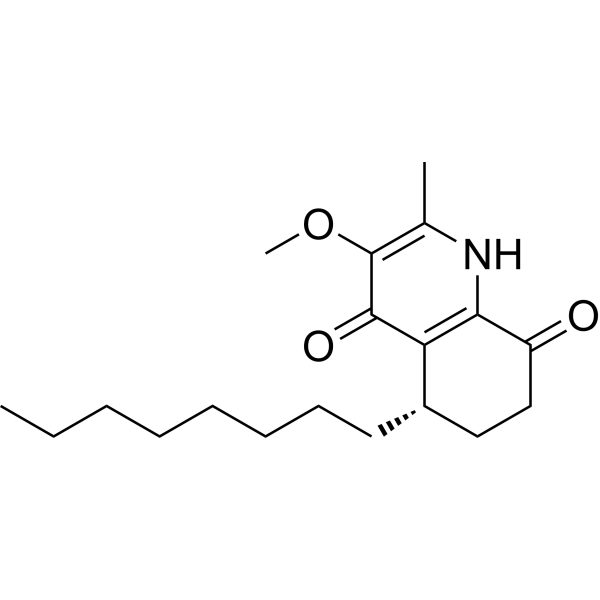
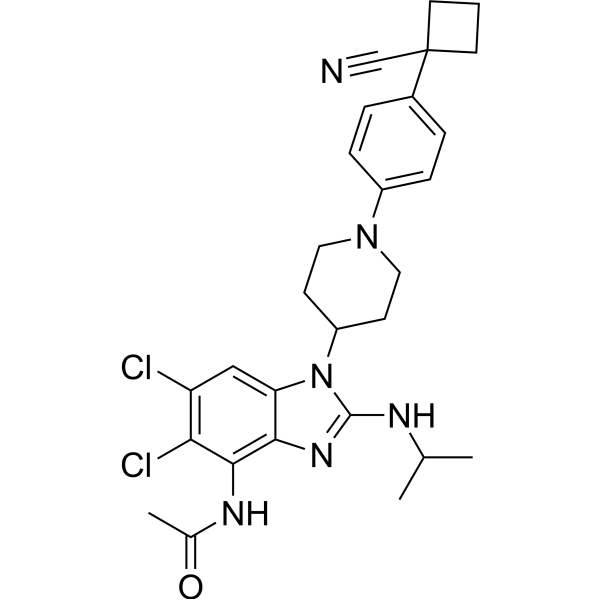
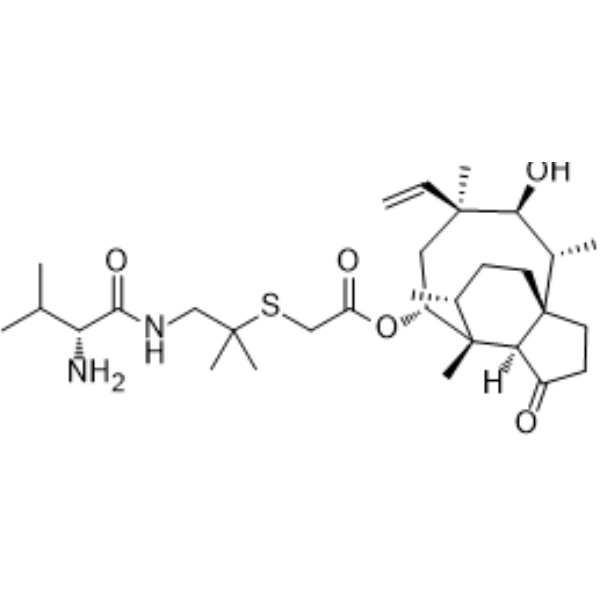
1. Search Result
Search Result
Results for "

Lung+Injury

" in MedChemExpress (MCE) Product Catalog:

216

Inhibitors & Agonists

1

Fluorescent Dyes

4

Biochemical Assay Reagents

16

Peptides

7

Inhibitory Antibodies

72

Natural
Products

9

Isotope-Labeled Compounds

1

Click Chemistry

1

Oligonucleotides

Cat. No. Product Name Target Research Areas Chemical Structure
  • HY-17443
    Sivelestat
    Maximum Cited Publications
    30 Publications Verification

    EI546; LY544349; ONO5046

    Elastase SARS-CoV Cancer
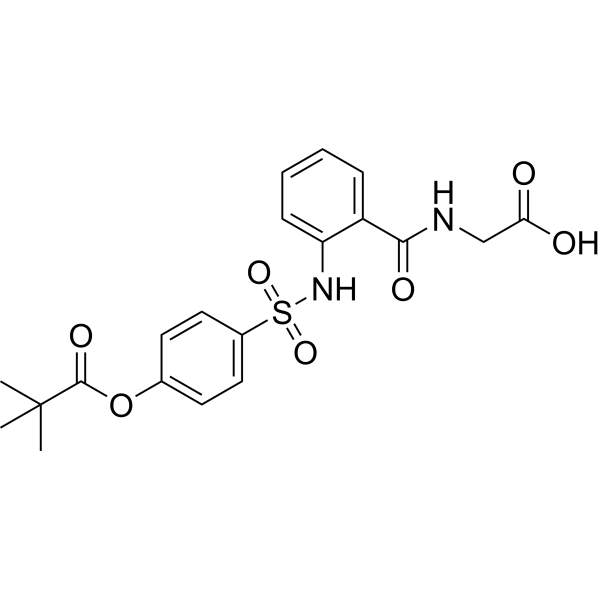
    Sivelestat (EI546) is a competitive inhibitor of human neutrophil elastase, with an IC50 of 44 nM and a Ki of 200 nM. Sivelestat (EI546) has the potential for the study of acute lung injury/acute respiratory distress syndrome or disseminated intravascular coagulation in COVID-19 .
    Sivelestat
  • HY-B0182
    Carmofur
    5+ Cited Publications

    HCFU

    Nucleoside Antimetabolite/Analog SARS-CoV Virus Protease FAAH Ceramidase Glutathione Peroxidase Infection Inflammation/Immunology Cancer
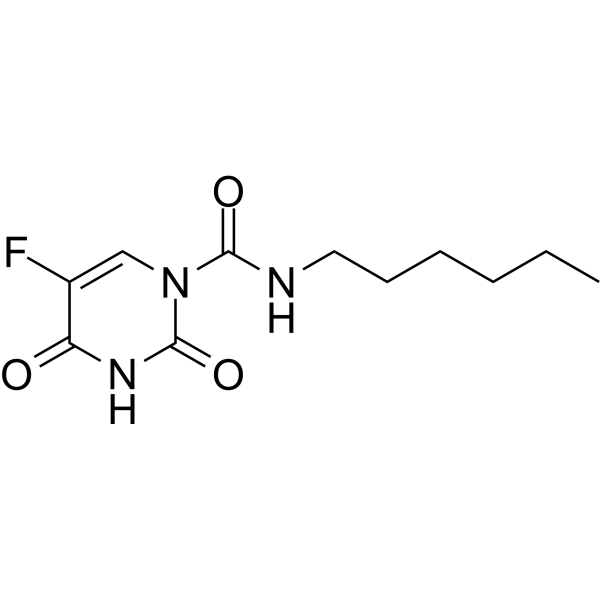
    Carmofur (HCFU) is a rat recombinant acid ceramidase inhibitor with an IC50 of 29 nM. Carmofur is also a protease inhibitor of SARS-CoV-2 main protease (Mpro), fatty acid amide hydrolase (FAAH) and N-acylethanolamine acid amidase (NAAA). Carmofur has anti-cancer, anti-inflammatory and anti-virus activities, and can be used for the study of COVID-19 and acute lung injury (ALI) .
    Carmofur
  • HY-13518
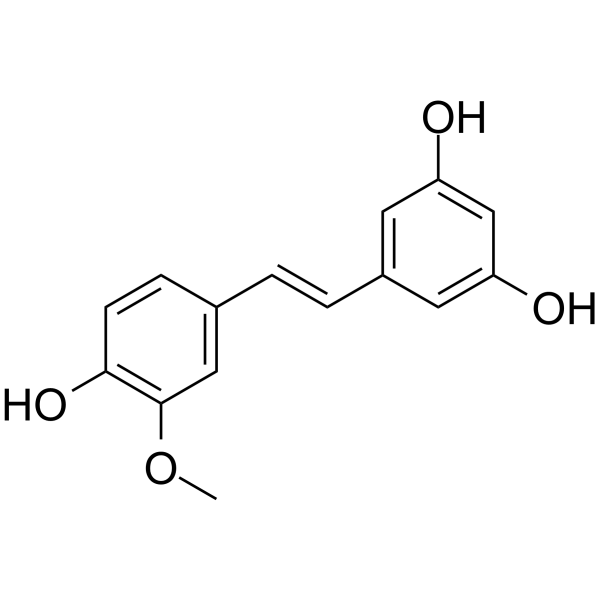
    Piceatannol
    Maximum Cited Publications
    24 Publications Verification

    Astringenin; trans-Piceatannol

    Syk Autophagy Apoptosis Endogenous Metabolite Cancer
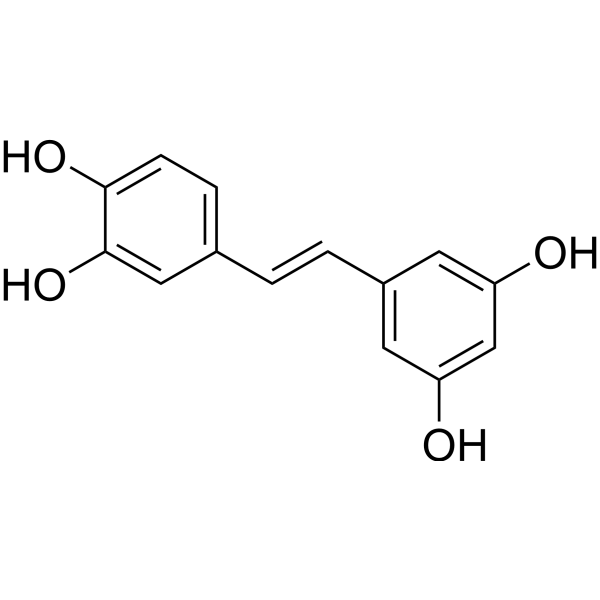
    Piceatannol is a well-known Syk inhibitor and reduces the expression of iNOS induced by TNF. Piceatannol is an effective agent for research of acute lung injury (ALI) . Piceatannol is a naturally occurring polyphenolic stilbene found in various fruits and vegetables and exhibits anticancer and anti-inflammatory properties . Piceatannol induces apoptosis in DLBCL cell lines . Piceatannol induces autophagy and apoptosis in MOLT-4 human leukemia cells .
    Piceatannol
  • HY-N3006
    Sakuranetin
    5+ Cited Publications

    Fungal Infection Inflammation/Immunology
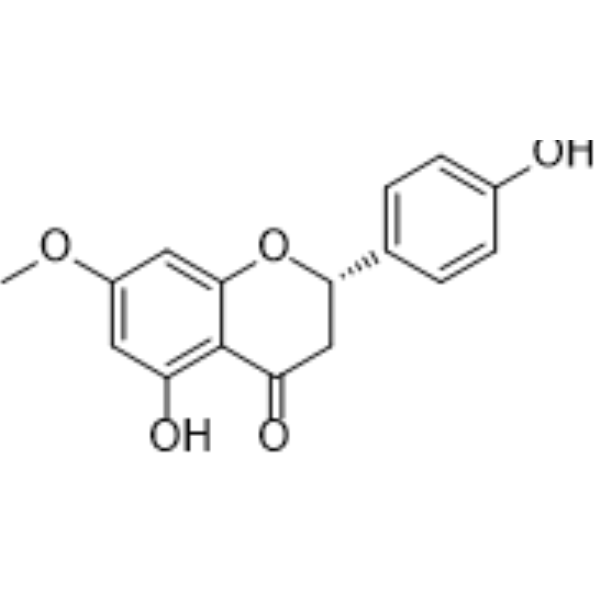
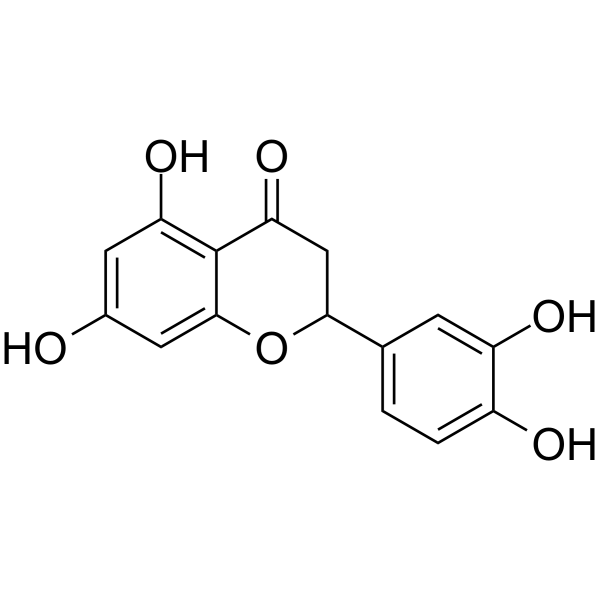
    Sakuranetin is a cherry flavonoid phytoalexin, shows strong antifungal activity . Sakuranetin has anti-inflammatory and antioxidative activities. Sakuranetin ameliorates LPS-induced acute lung injury .
    Sakuranetin
  • HY-17443A
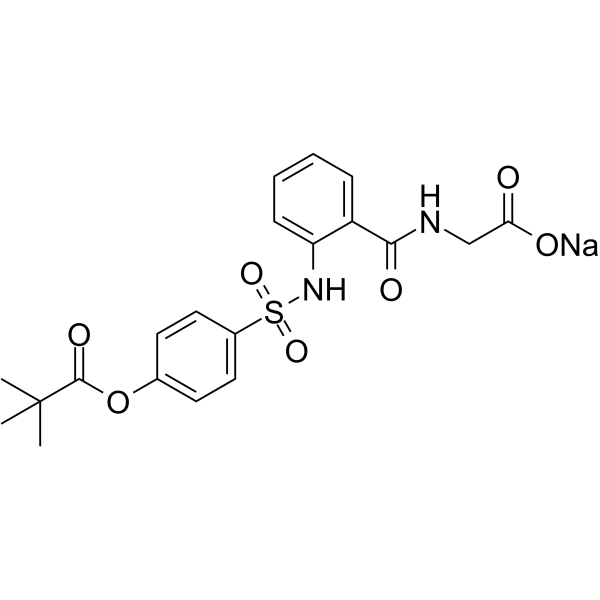
    Sivelestat sodium
    Maximum Cited Publications
    30 Publications Verification

    ONO5046-Na; Sodium sivelestat; EI546 sodium; LY544349 sodium

    Elastase SARS-CoV Cancer
    Sivelestat (EI546) sodium is a competitive inhibitor of human neutrophil elastase, with an IC50 of 44 nM and a Ki of 200 nM. Sivelestat (EI546) sodium has the potential for the study of acute lung injury/acute respiratory distress syndrome or disseminated intravascular coagulation in COVID-19 .
    Sivelestat sodium
  • HY-B1092A

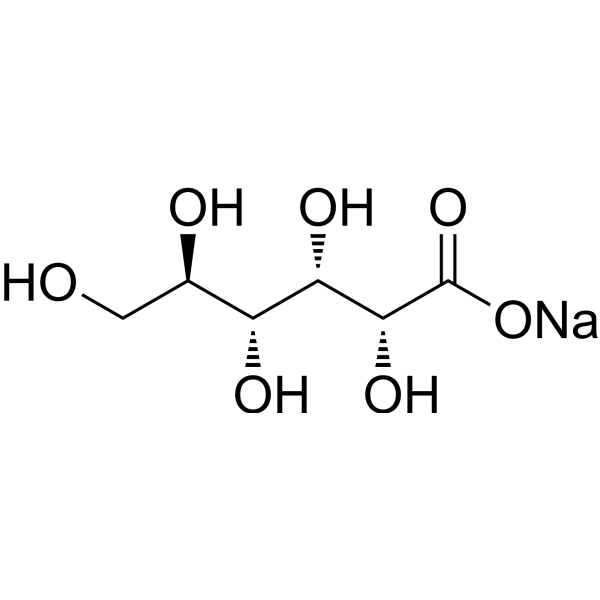
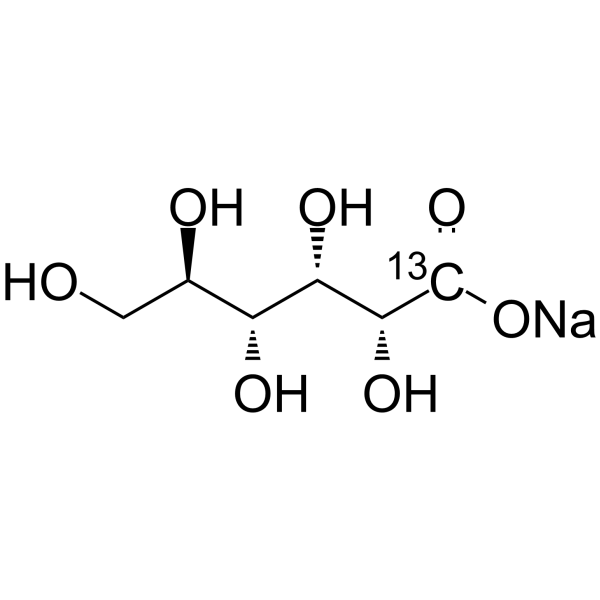
    D-Gluconic acid sodium salt; Sodium D-gluconate; D-Gluconate sodium salt

    Environmental Pollutants ERK NO Synthase Endogenous Metabolite Interleukin Related Cardiovascular Disease Inflammation/Immunology Cancer
    Gluconate sodium (D-Gluconic acid sodium salt) is an orally active glucose derivative. Gluconate sodium reduces nitric oxide and inflammatory cytokines (IL-1β and IL-6). Gluconate sodium inhibits ERK phosphorylation. Gluconate sodium has antioxidant and antiplatelet activation activities. Gluconate sodium has antitumor activity against colorectal cancer. Gluconate sodium improves osteoarthritis, intestinal damage and acute lung injury .
    Gluconate sodium
  • HY-15698A
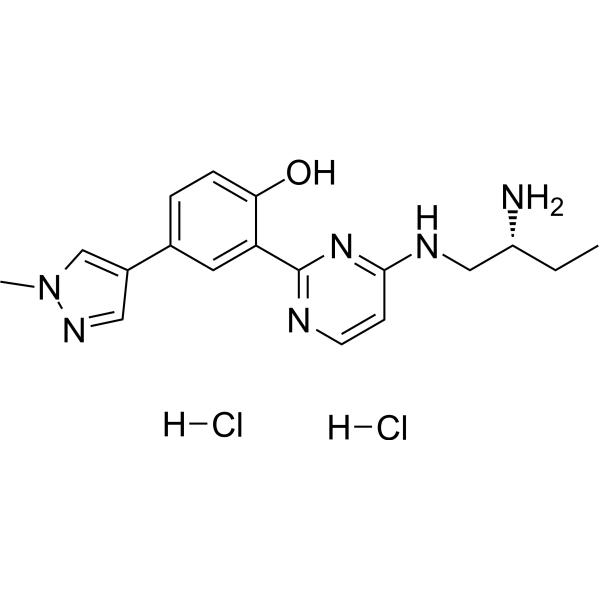
    CRT0066101 dihydrochloride
    3 Publications Verification

    PKD Pim Apoptosis Inflammation/Immunology Cancer
    CRT0066101 dihydrochloride is a potent and orally active PKD inhibitor with IC50 values of 1 nM, 2.5 nM and 2 nM for PKD1, PKD2, and PKD3, respectively . CRT0066101 dihydrochloride is also a potent PIM2 inhibitor with an IC50 of ~135.7 nM. CRT0066101 dihydrochloride exhibits anti-inflammatory activity in mice LPS (HY-D1056)-induced lung injury models, and has anticancer effects .
    CRT0066101 dihydrochloride
  • HY-N2179
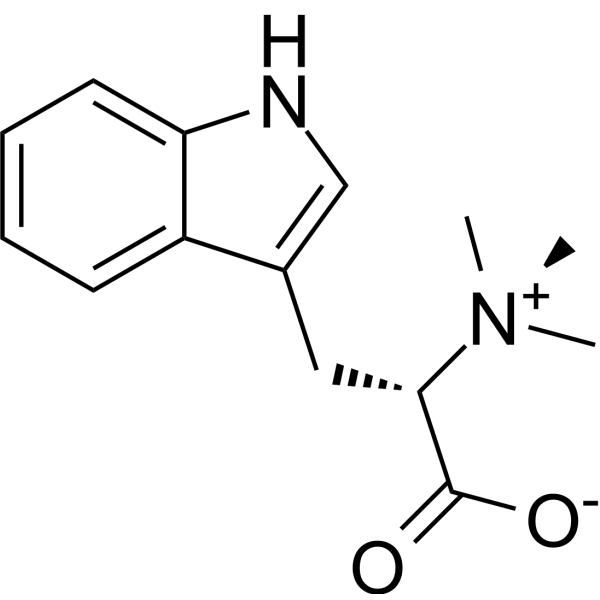
    Hypaphorine
    2 Publications Verification

    p38 MAPK JNK Neurological Disease Metabolic Disease Inflammation/Immunology
    Hypaphorine is an indole found in Caragana korshinskii. Hypaphorine has neurological and glucose-lowering effects. Hypaphorine prevents Lipopolysaccharides (LPS) (HY-D1056)-mediated acute lung injury (ALI) and proinflammatory response via inactivating the p38/JNK signaling pathway by upregulating DUSP1 .
    Hypaphorine
  • HY-17443B
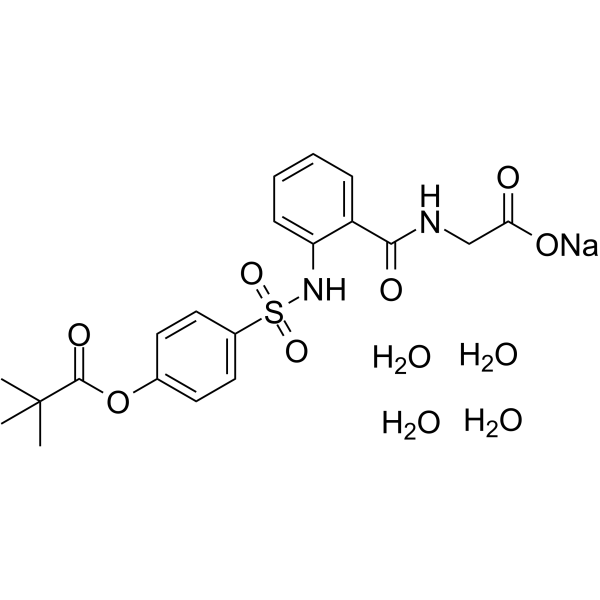
    Sivelestat sodium tetrahydrate
    Maximum Cited Publications
    30 Publications Verification

    EI546 sodium tetrahydrate; LY544349 sodium tetrahydrate; ONO5046 sodium tetrahydrate

    Elastase SARS-CoV Cancer
    Sivelestat (EI546) sodium tetrahydrate is a competitive inhibitor of human neutrophil elastase, with an IC50 of 44 nM and a Ki of 200 nM. Sivelestat (EI546) sodium tetrahydrate has the potential for the study of acute lung injury/acute respiratory distress syndrome or disseminated intravascular coagulation in COVID-19 .
    Sivelestat sodium tetrahydrate
  • HY-N0168A

    TGF-beta/Smad NF-κB Infection Inflammation/Immunology Cancer
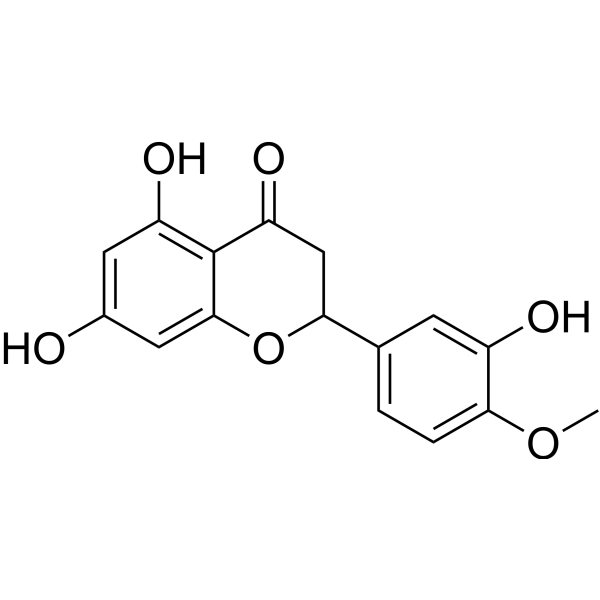
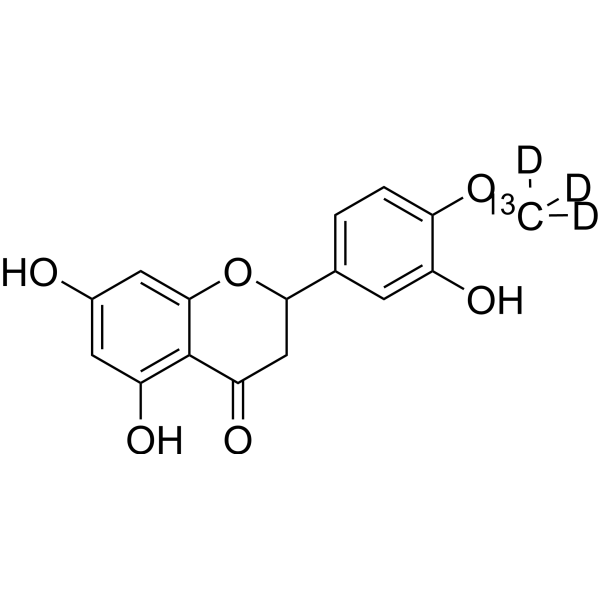
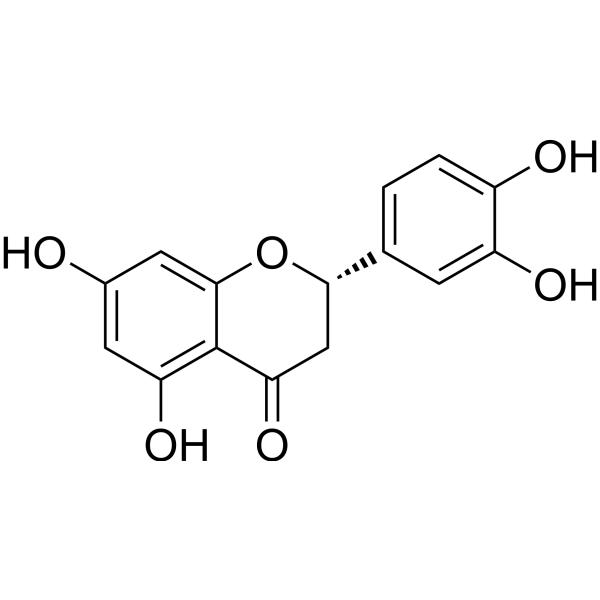
    (Rac)-Hesperetin is the racemate of Hesperetin (HY-N0168), an orally active multi-target inhibitor. (Rac)-Hesperetin exhibits significant anti-tumor and anti-inflammatory activities by blocking the TGF-β1-mediated Fyn/RhoA signaling axis and the TLR4-MyD88-NF-κB inflammatory pathway. (Rac)-Hesperetin inhibits the formation of actin stress fibers and the migration and invasion of cancer cells, and is suitable for triple-negative breast cancer research. In inflammation models, (Rac)-Hesperetin effectively alleviates lung injury by reducing the release of pro-inflammatory mediators and regulating the activity of oxidative stress enzymes, and is suitable for acute lung injury research. (Rac)-Hesperetin also interferes with the entry and early replication processes of channel catfish virus, inhibits viral gene expression and progeny virus production, thereby protecting cells from virus-induced cytopathic effects .
    (Rac)-Hesperetin
  • HY-15698
    CRT0066101
    3 Publications Verification

    PKD Pim Apoptosis Inflammation/Immunology Cancer
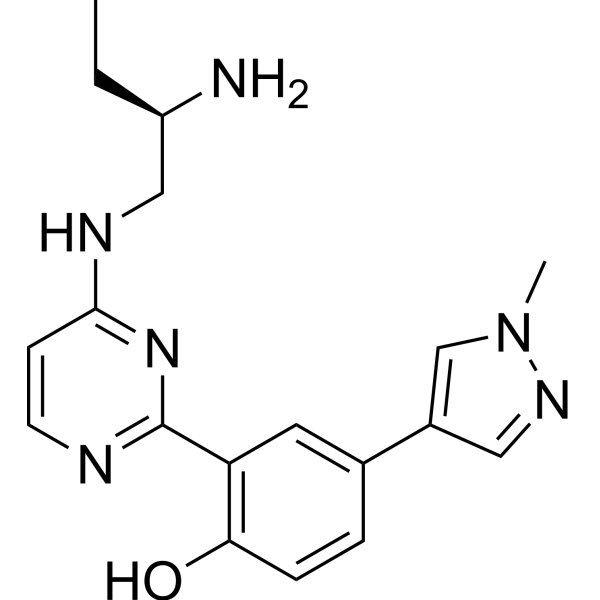
    CRT0066101 is a potent and orally active PKD inhibitor with IC50 values of 1 nM, 2.5 nM and 2 nM for PKD1, PKD2, and PKD3, respectively . CRT0066101 is also a potent PIM2 inhibitor with an IC50 of ~135.7 nM. CRT0066101 exhibits anti-inflammatory activity in mice LPS (HY-D1056)-induced lung injury models, and has anticancer effects .
    CRT0066101
  • HY-P3042

    SARS-CoV Virus Protease NF-κB Interleukin Related Inflammation/Immunology
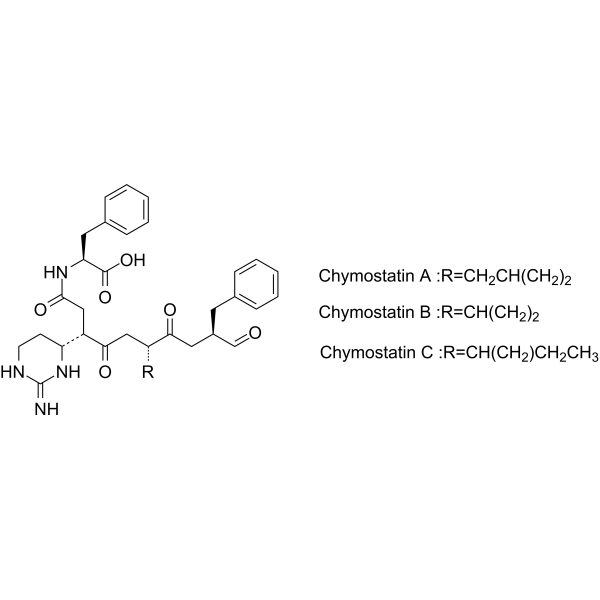
    Chymostatin is a SARS-CoV-2 M pro inhibitor. Chymostatin up-regulates endocan and inhibits NF-κBp65 activity. Chymostatin reduces proinflammatory cytokines (IL-1β and IL-6) and HMGB1. Chymostatin shows protective effects against Paraquat-induced acute lung injury. Chymostatin exhibits anticancer activity against lung cancer .
    Chymostatin
  • HY-15382
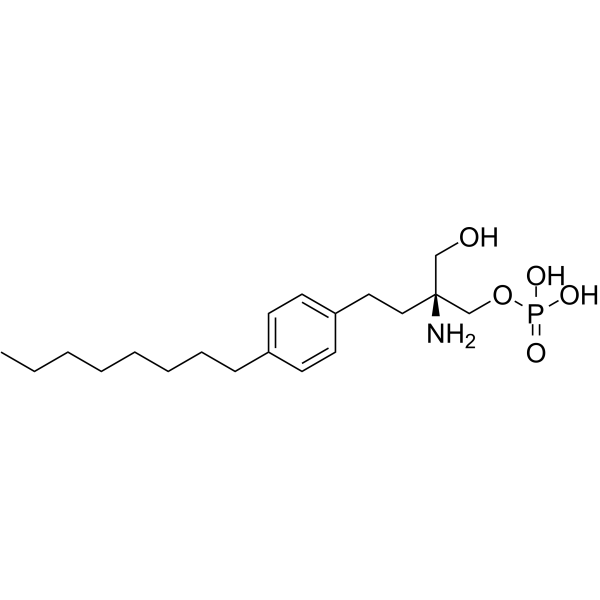
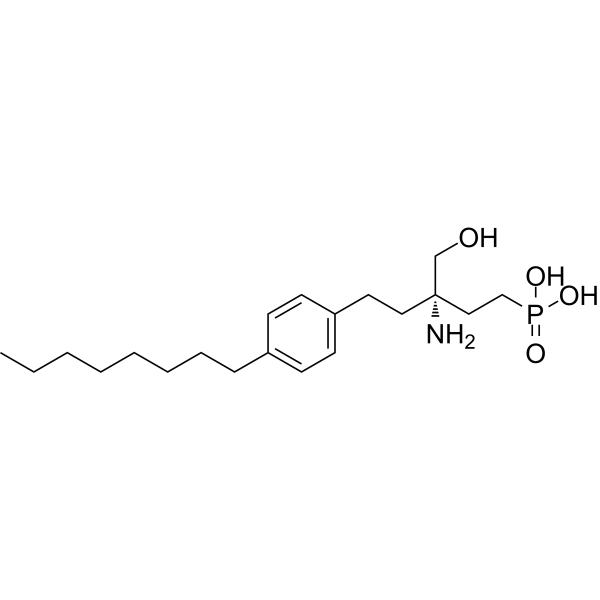
    FTY720 (S)-Phosphate
    3 Publications Verification

    (S)-FTY720P; (S)-FTY720 phosphate

    LPL Receptor Inflammation/Immunology
    FTY720 (S)-Phosphate is an agonist of S1P receptor 1 (S1PR1), used in the research of acute inflammatory diseases such as acute lung injury.
    FTY720 (S)-Phosphate
  • HY-N5042

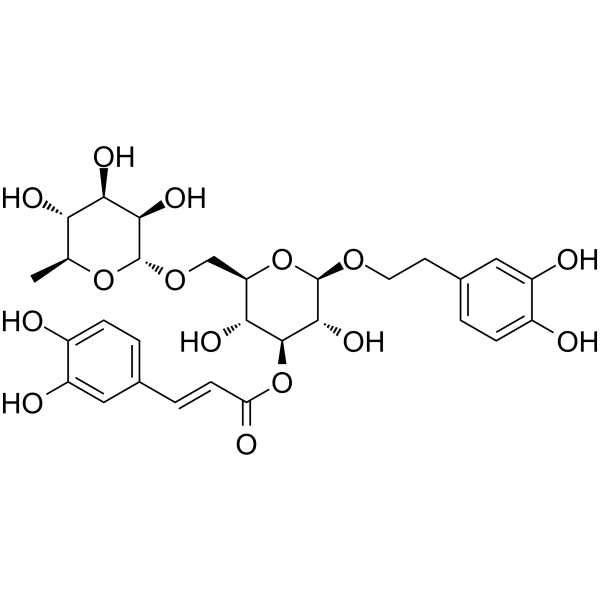
    Interleukin Related NOD-like Receptor (NLR) Arrestin Caspase Apoptosis SOD Inflammation/Immunology
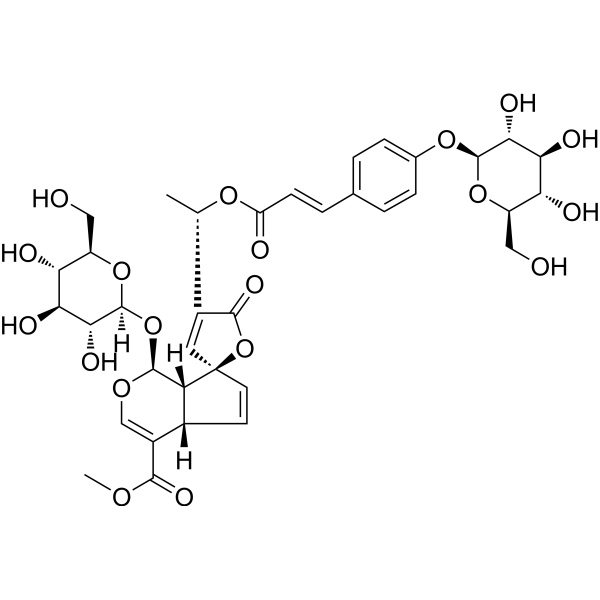
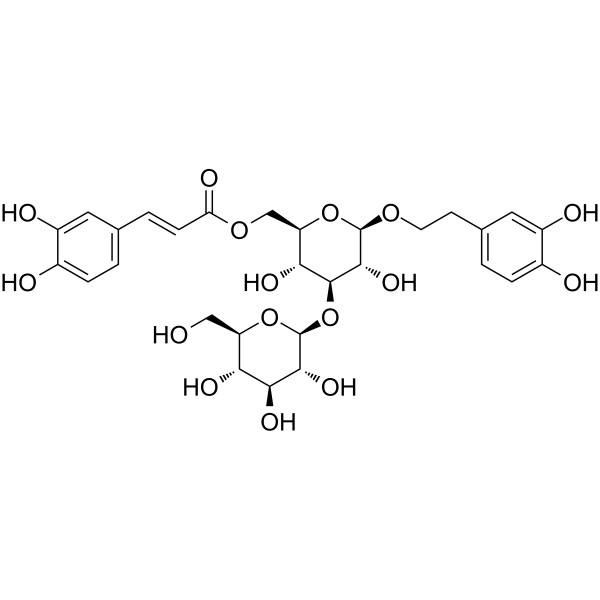
    Forsythoside I is an orally active caffeoyl phenylethanoid glycoside (CPG) that can be isolated from Forsythia suspense (Thunb.) Vahl. Forsythoside I has anti-inflammatory activity and can exert a protective effect in a mouse model of acute lung injury .
    Forsythoside I
  • HY-B0435
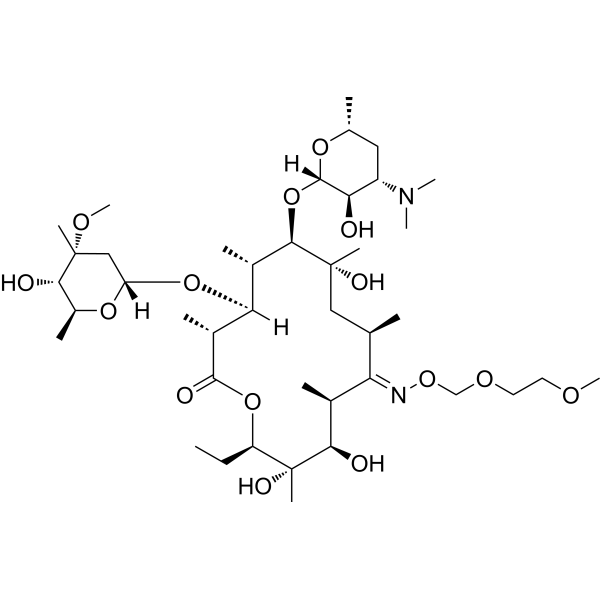
    Roxithromycin
    5+ Cited Publications

    RU-28965

    Bacterial Antibiotic Apoptosis p38 MAPK NF-κB Infection Cardiovascular Disease Inflammation/Immunology Cancer
    Roxithromycin (RU-28965) is an orally active semi-synthethic macrolide antibiotic. Roxithromycin inhibits protein biosynthesis in the elongation step by binding to 50S bacterial ribosome. Roxithromycin has antimicrobial, antiproliferative, anti-inflammatory, tumour vasculature inhibiting and lung injury ameliorating effects .
    Roxithromycin
  • HY-128423
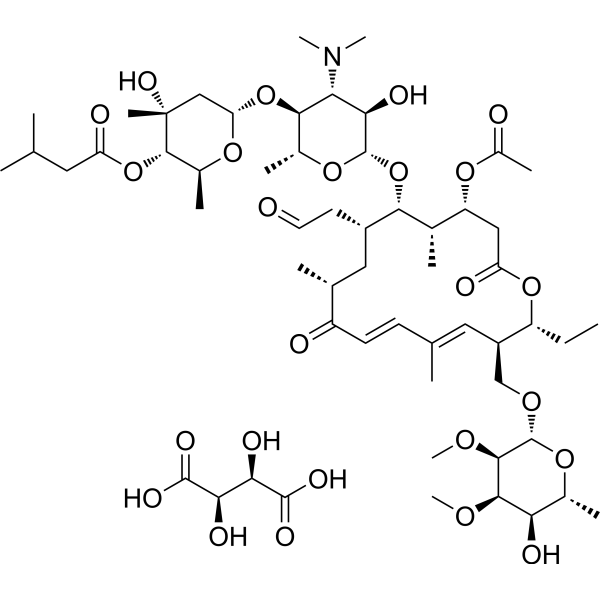
    Tylvalosin tartrate
    2 Publications Verification

    Acetylisovaleryltylo​sin tartrate

    Antibiotic Bacterial NF-κB Apoptosis Infection Inflammation/Immunology
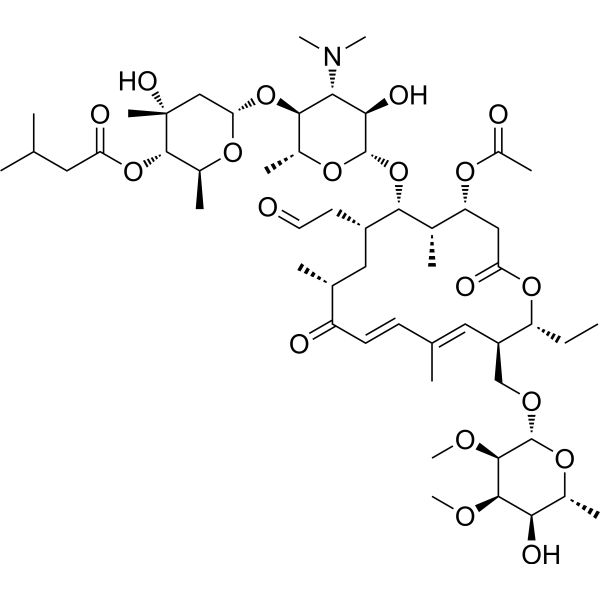
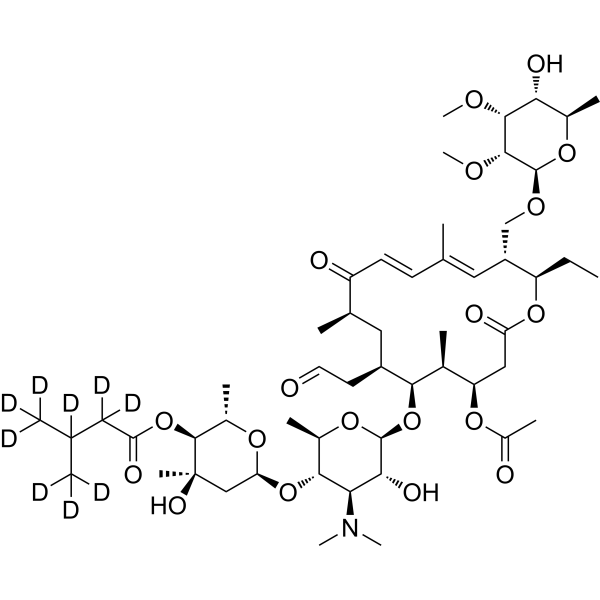
    Tylvalosin (Acetylisovaleryltylosin) tartrate is an orally active, broad-spectrum macrolide antibiotic with antimicrobial activity. Tylvalosin tartrate is an antiviral agent useful in studying PRRSV infection. Tylvalosin tartrate induces apoptosis. Tylvalosin tartrate also has anti-inflammatory activity, relieves oxidative stress, and alleviates acute lung injury by inhibiting NF-κB activation .
    Tylvalosin tartrate
  • HY-P99583

    MEDI4893

    Bacterial Infection Inflammation/Immunology
    Suvratoxumab (MEDI4893) is a long-acting, high-affinity human anti-α-toxin monoclonal antibody (IgG1κ type). Suvratoxumab potently neutralizes α-toxin, a key S. aureus virulence factor. Suvratoxumab improves survival and reduces lung injury in an immunocompromised mice model of pneumonia. Suvratoxumab also enhances the antibacterial activity of Vancomycin (HY-B0671) or Linezolid (HY-10394) .
    Suvratoxumab
  • HY-N2443
    Tribuloside
    1 Publications Verification

    Phosphodiesterase (PDE) Bacterial PKA Tyrosinase TRP Channel Microphthalmia Associated Transcription Factor (MITF) Interleukin Related Infection Metabolic Disease Inflammation/Immunology
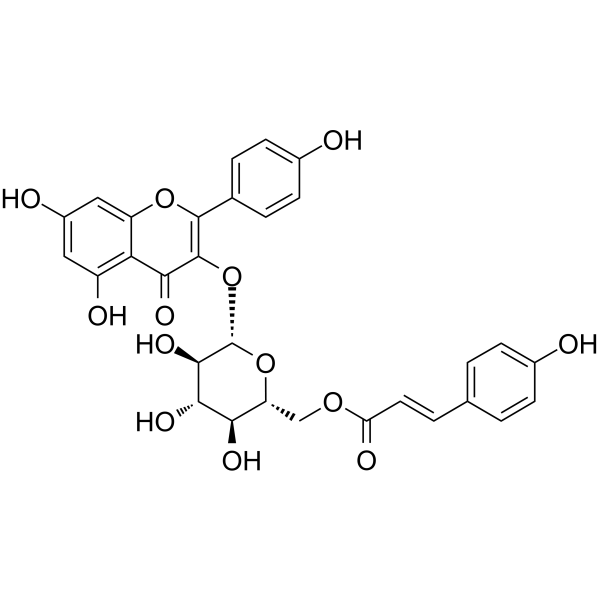
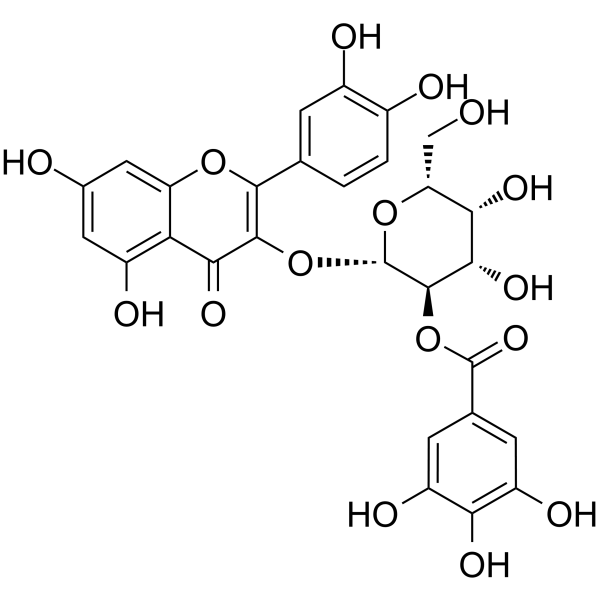
    Tribuloside is a flavonoid and PDE4 inhibitor (IC50: 6 μM). Tribuloside exhibits antibacterial and antioxidant activities, capable of scavenging DPPH free radicals. Tribuloside also promotes melanogenesis. Tribuloside can be used in the research of hypopigmentary diseases, sun protection, and inflammatory diseases such as acute lung injury .
    Tribuloside
  • HY-128423A
    Tylvalosin
    2 Publications Verification

    Acetylisovaleryltylo​sin

    Antibiotic Bacterial NF-κB Apoptosis Infection Inflammation/Immunology Cancer
    Tylvalosin (Acetylisovaleryltylo?sin) is an orally active, broad-spectrum macrolide antibiotic with antimicrobial activity. Tylvalosin is an antiviral agent used to study PRRSV infection. Tylvalosin induces apoptosis. Tylvalosin also has anti-inflammatory activity, alleviates oxidative stress, and alleviates acute lung injury by inhibiting NF-κB activation .
    Tylvalosin
  • HY-N4093

    trans-Astringin

    Apoptosis Ferroptosis Reactive Oxygen Species (ROS) Interleukin Related PI3K NF-κB Akt Toll-like Receptor (TLR) MyD88 Neurological Disease Metabolic Disease Inflammation/Immunology Cancer
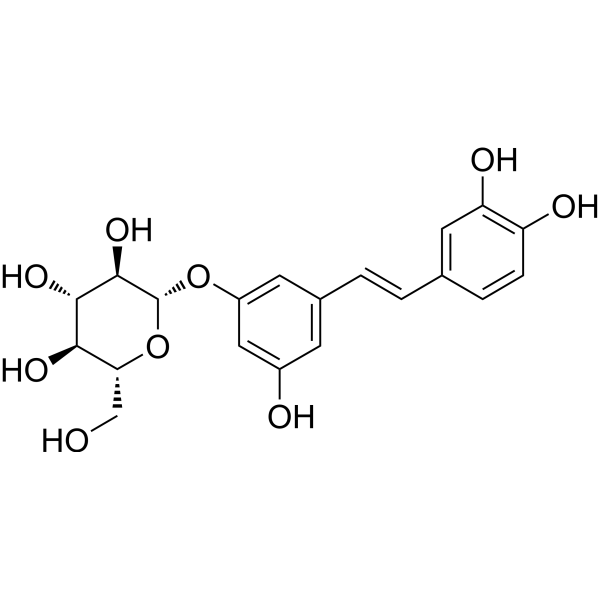
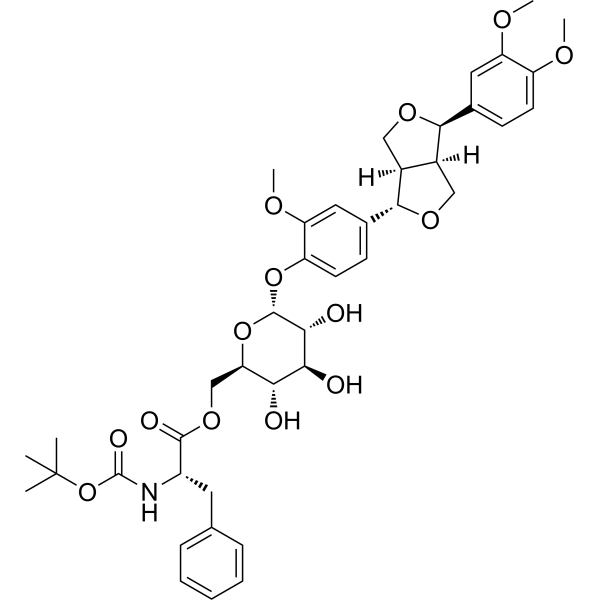
    Astringin (trans-Astringin) is an orally active natural phenolic stilbene glucoside. Astringin can inhibit the production of oxidative stress, inflammatory factors, etc. Astringin has multiple activities such as anti-oxidation, anti-inflammation, and anti-apoptosis. Astringin is also an inhibitor of ferroptosis. Astringin can be used in the research of diseases such as acute lung injury .
    Astringin
  • HY-P991400

    TNF Receptor Apoptosis Interleukin Related NF-κB JNK p38 MAPK Inflammation/Immunology
    GSK1995057 is a human monoclonal antibody (mAb) targeting TNFRSF1A. GSK1995057 selectively binds to TNFR1, blocks the binding of TNF-α and LT-α, and does not interfere with TNFR2 signaling. GSK1995057 inhibits the activation of NF-κB, JNK and MAPK pathways, alleviates apoptosis (apoptosis) and inflammatory responses (inhibiting IL-1β, IL-6, IL-10, TNF-α), and prevents viability loss of human nucleus pulposus cells. GSK1995057 inhibits the expression of cytokines and neutrophil adhesion molecules in human pulmonary microvascular endothelial cell monolayers, and reduces inflammatory responses and lung injury symptoms in non-human primates. GSK1995057 forms complexes with HAVH autoantibodies, thereby activating TNFR1 and triggering the release of cytokines and IL-8 in human cells. GSK1995057 can be used in research related to intervertebral disc degeneration and acute lung injury .
    GSK1995057
  • HY-114869
    DPQ
    3 Publications Verification

    PARP Neurological Disease Cancer
    DPQ is a selective PARP-1 inhibitor that blocks PARP-1-mediated DNA damage repair and NAD +/ATP consumption, thereby inhibiting excessive inflammatory responses. DPQ inhibits NF-κB pathway activation, reduces the expression of pro-inflammatory factors (such as TNF-α, IL-6) and oxidative stress. DPQ can be used in inflammation-related studies of acute lung injury, myocardial infarction, and neurodegenerative diseases .
    DPQ
  • HY-N0924
    (±)-Stylopine
    1 Publications Verification

    Tetrahydrocoptisine

    Interleukin Related NO Synthase p38 MAPK PERK NF-κB Neurological Disease Inflammation/Immunology
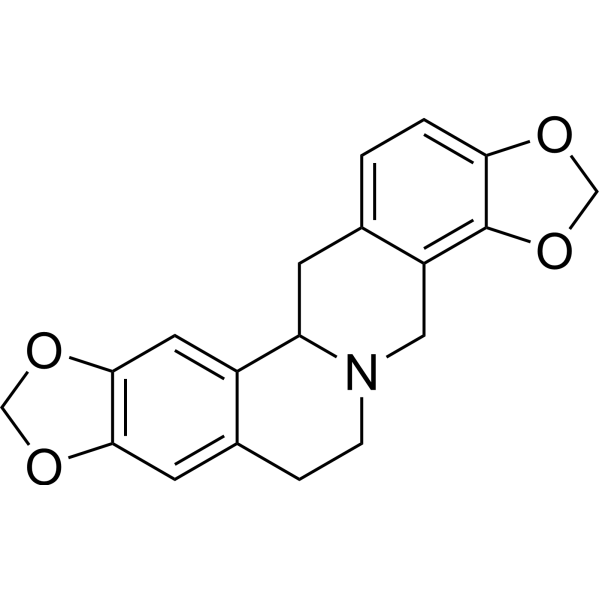
    (±)-Stylopine (Tetrahydrocoptisine) is an alkaloid compound. (±)-Stylopine can be isolated from the tubers of the plant Corydalis. (±)-Stylopine inhibits TNF-α, IL-6, and NO production, and attenuates phosphorylation of p38 MAPK, ERK1/2. (±)-Stylopine inhibits NF-κB expression. (±)-Stylopine exhibits anti-inflammatory activity. (±)-Stylopine has protective effects against foot edema, gastric ulcers, anxiety, depression, and acute lung injury .
    (±)-Stylopine
  • HY-W001583
    Manganese(salen) chloride
    1 Publications Verification

    EUK-8

    Reactive Oxygen Species (ROS) Cardiovascular Disease
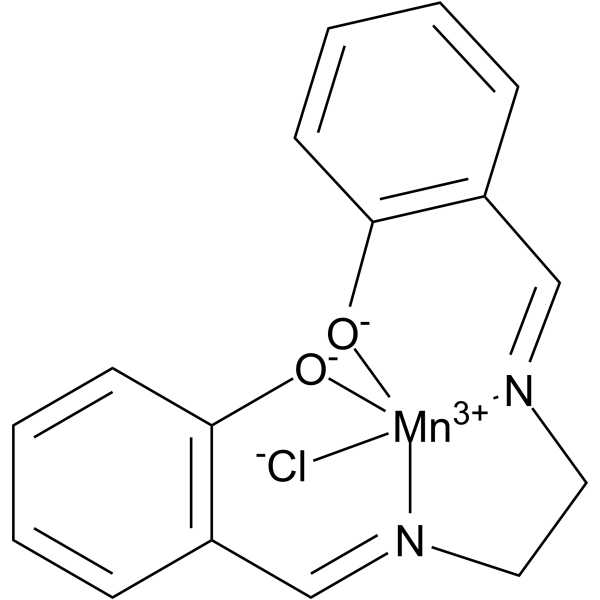
    Manganese(salen) chloride (EUK-8), a superoxide dismutase and catalase mimetic, is an antioxidant with oxyradical scavenging properties. Manganese(salen) chloride ameliorates acute lung injury in endotoxemic swine .
    Manganese(salen) chloride
  • HY-W145486

    Environmental Pollutants Biochemical Assay Reagents Neurological Disease Metabolic Disease Inflammation/Immunology
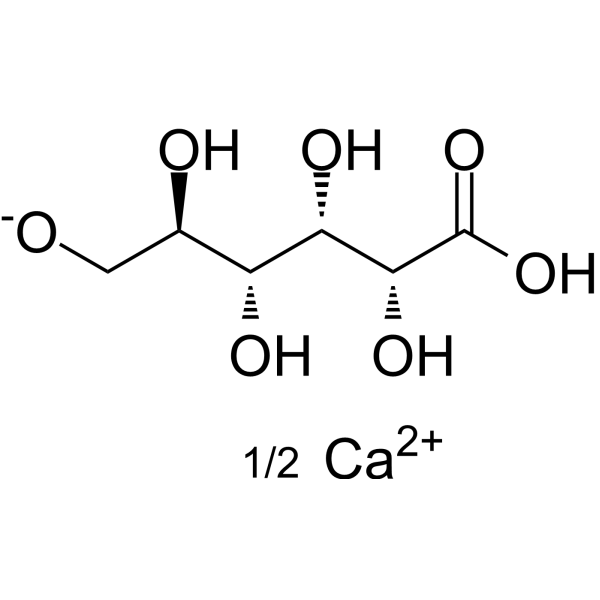
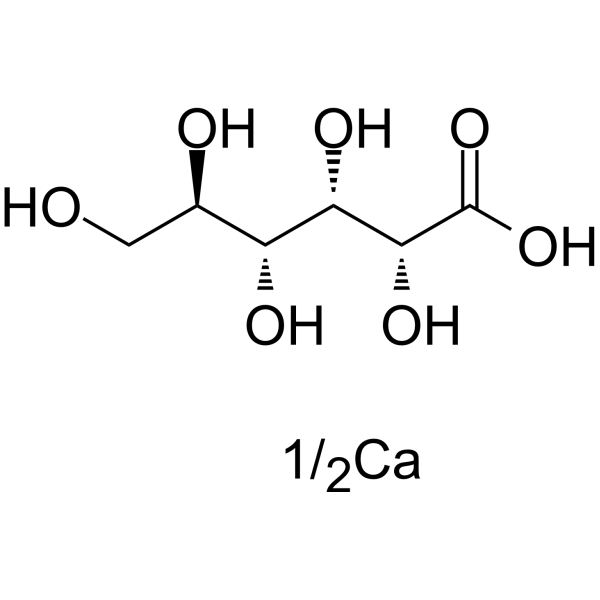
    Calcium gluconate is an orally effective calcium salt supplement . Calcium gluconate reduces elevated serum potassium, decreased serum calcium, and postoperative myalgia associated with succinylcholine administration. Calcium gluconate restores calcium homeostasis, skeletal integrity, bone mineralization and bone density, and maintains levels of parathyroid hormone, bone resorption markers and osteoclasts. Calcium gluconate reverses LPS (HY-D1056)-induced ERK phosphorylation, inflammatory cytokine release and acute lung injury, alleviates airway inflammatory damage and suppresses immune responses. Calcium gluconate can be used in research related to postoperative myalgia, osteoporosis/osteomalacia and acute lung injury .
    Calcium gluconate
  • HY-158312
    UH15-38
    1 Publications Verification

    Necroptosis RIP kinase Influenza Virus Infection Inflammation/Immunology
    UH15-38 is a potent RIPK3 inhibitor with an IC50 value of 20 nM. UH15-38 blocks IAV (influenza A virus)-activated necroptosis. UH15-38 dampens IAV-induced lung injury .
    UH15-38
  • HY-N6066

    Calcium Channel NF-κB Pregnane X Receptor (PXR) Cytochrome P450 Interleukin Related Cardiovascular Disease Inflammation/Immunology
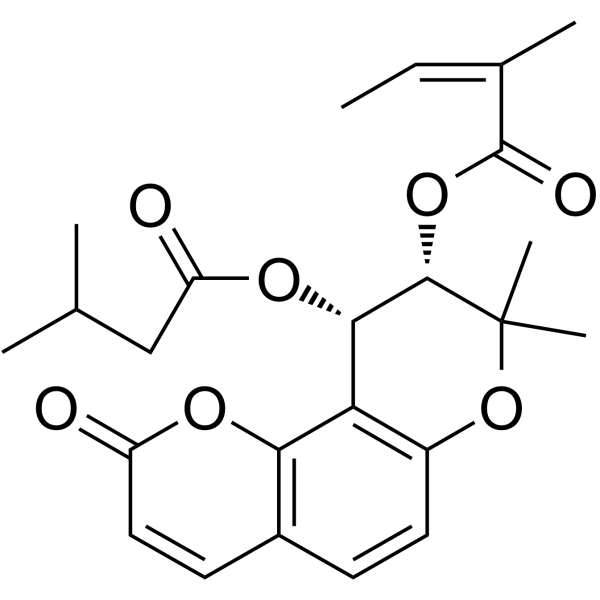
    Praeruptorin E is an orally active pyranocoumarin compound. Praeruptorin E can be isolated from the dried roots of Peucedanum praeruptorum Dunn. Praeruptorin E reduces the expression of NF-κB. Praeruptorin E upregulates the expression of PXR and CYP3A4. Praeruptorin E inhibits Th2 cytokines, TNF-α, IL6, MPO, and blocks the Ca 2+ slow channel. Praeruptorin E promotes pulmonary tissue repair and relaxes porcine coronary artery strips. Praeruptorin E protects mice from lipopolysaccharide- and hydrochloric acid-induced acute lung injury. Praeruptorin E can be used in studies related to asthma and acute lung injury .
    Praeruptorin E
  • HY-P991401

    TNF Receptor Inflammation/Immunology
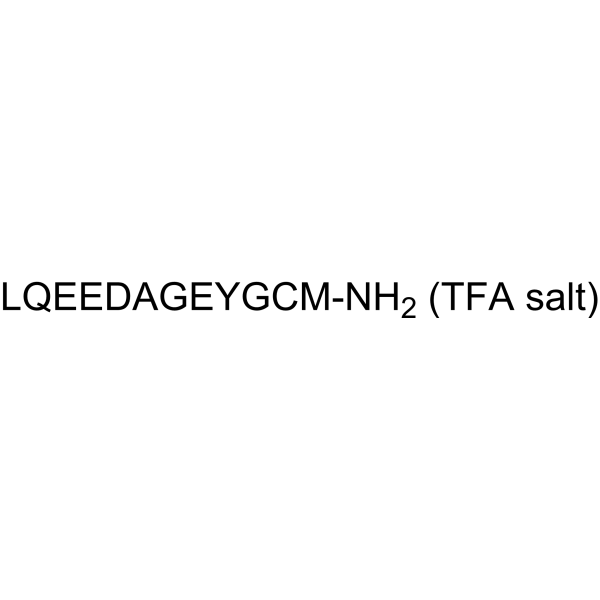
    GSK2862277 is a human monoclonal antibody (mAb) targeting TNFRSF1A. GSK2862277 increases neutrophil extracellular trap formation and alveolar macrophage phagocytosis. GSK2862277 can be used in Acute lung injury and Acute Respiratory Distress Syndrome (ARDS) research. Recommended isotype control: VHH-hFc .
    GSK2862277
  • HY-126154
    L48H37
    1 Publications Verification

    Toll-like Receptor (TLR) Inflammation/Immunology
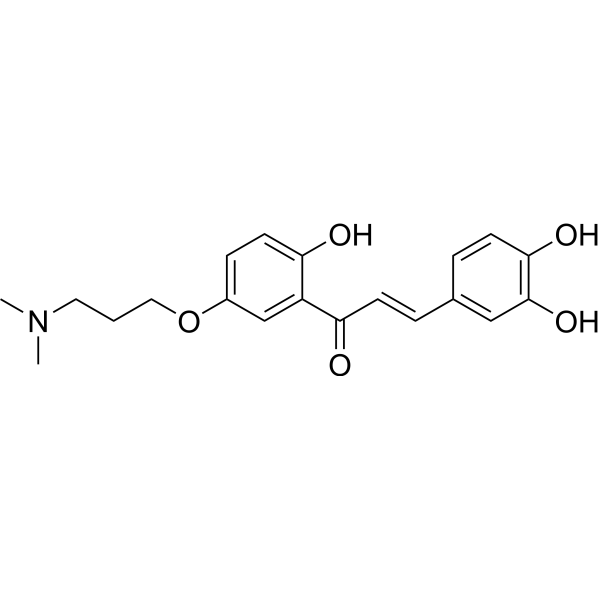
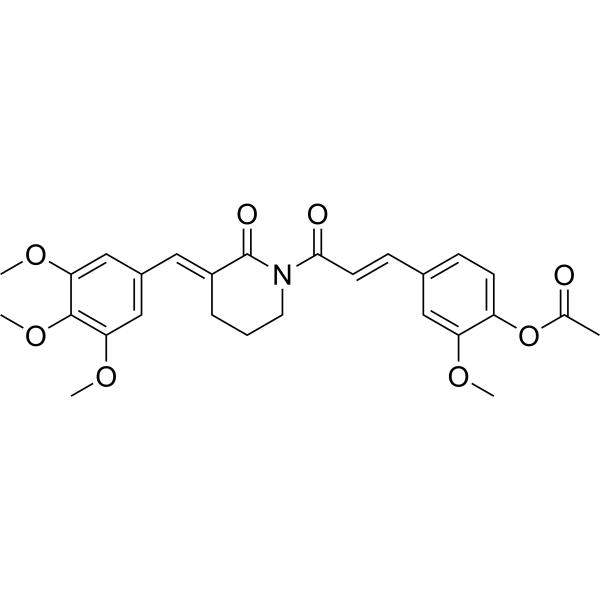
    L48H37 is an analog of Curcumin (HY-N0005) with improved chemical stability. L48H37 is a potent and specific myeloid differentiation protein 2 (MD2) inhibitor and inhibits the interaction and signaling transduction of LPS-TLR4/MD2. L48H37 is used for the research of sepsis or lung injury treatment .
    L48H37
  • HY-P10943

    Fluorescent Dye Inflammation/Immunology Cancer
    APO-15 is a phosphatidylserine-binding fluorescent probe and apoptosis imaging reagent. APO-15 exhibits high chemical stability under proteolytic and oxidative conditions, enables quantification and imaging of drug-induced apoptosis in preclinical mouse models, and is applicable to fixed tissue samples and multiple in vivo administration routes (Ex = 488 nm; Em = 525 nm). APO-15 can be used in studies related to acute lung injury and breast cancer .
    APO-15
  • HY-109540

    AF-0150

    Heme Oxygenase (HO) Interleukin Related Inflammation/Immunology
    Perfluorohexane (AF-0150) is a perfluorocarbon. Perfluorohexane is also an enhancer of high-intensity focused ultrasound (HIFU) therapy. Perfluorohexane increases HO-1 and IL-10. Perfluorohexane exerts an antioxidant effect. Perfluorohexane alleviates lung injury induced by LPS (HY-D1056A1). Perfluorohexane improves the efficiency and precision of HIFU and reduces damage to surrounding normal tissues. Perfluorohexane can be used in the study of acute lung injury .
    Perfluorohexane
  • HY-P99226

    MEDI7734; VIB7734

    SARS-CoV Human leukocyte immunoglobulin (Ig)-like receptors (LILR) Cancer
    Daxdilimab is an anti-ILT7 monoclonal antibody, ILT7 is a cell surface molecule specific to the pDC type of dendritic cells. Daxdilimab can be used in acute lung injury (ALI) in patients with COVID-19 infection research .
    Daxdilimab
  • HY-158315

    Dipeptidyl Peptidase Inflammation/Immunology
    NZ-97 is an inhibitor for dipeptidyl peptidase 4 (DPP4) with an IC50 of 18 nM. NZ-97 exhibits a low initial plasma exposure with Cmax of 0.13 µM, which is eliminated in 8 h. NZ-97 ameliorates damage in the Lipopolysaccharides (HY-D1056)-induced lung injury and Bleomycin (HY-108345)-induced lung fibrosis in mice model .
    NZ-97
  • HY-155765

    NF-κB Inflammation/Immunology
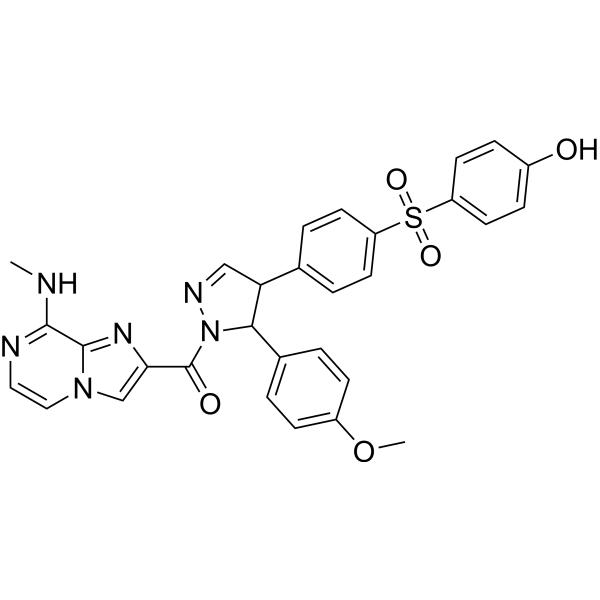
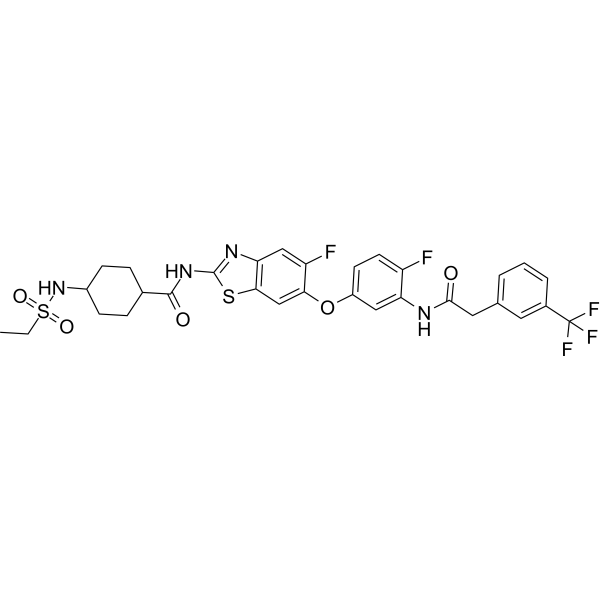
    Anti-inflammatory agent 51 (compound 11d) is an amide/sulfonamide derivative with anti-inflammatory activities. Anti-inflammatory agent 51 inhibits NF-κB activation, has the potential for acute lung injury and ulcerative colitis research .
    Anti-inflammatory agent 51
  • HY-125516

    Endogenous Metabolite Others Inflammation/Immunology
    MCTR3 is a potent cytokine of pro-resolving mediating maresin conjugates in tissue regeneration (MCTR), which reduces the inflammatory response and promotes the tissue regeneration. MCTR3 exhibits potency in ameliorating LPS-induced acute lung injury and arthritis .
    MCTR3
  • HY-106377

    MARCKS Inflammation/Immunology
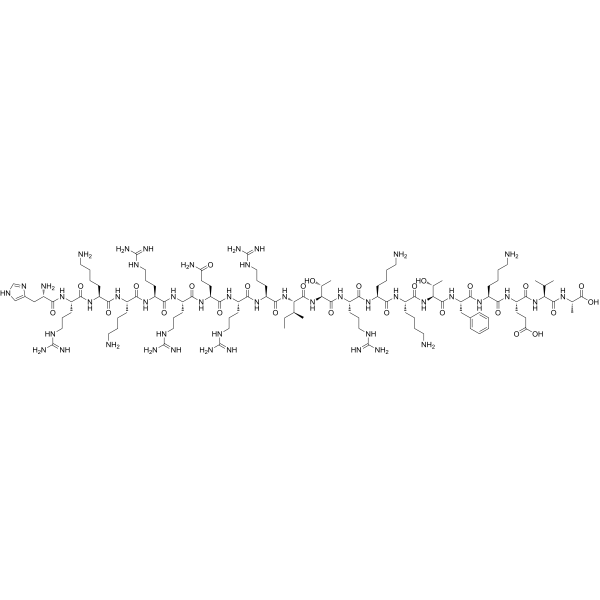
    BIO-11006 is a peptide that inhibits the function of the MARCKS protein. BIO-11006 attenuates LPS-induced neutrophil influx into the lungs, NF-κB activation, and expression of the proinflammatory cytokines KC and TNF-α. BIO-11006 also reverses disease progression in an LPS-induced mouse lung injury model. BIO-11006 is indicated for research on acute lung injury/acute respiratory distress syndrome (ALI/ARDS) .
    BIO-11006
  • HY-132849

    TD-0903

    JAK Infection Inflammation/Immunology
    Nezulcitinib (TD-0903) is an inhaled and lung-selective pan-Janus kinase (JAK) inhibitor. Nezulcitinib can be used for the research of COVID-19 associated acute lung injury and impaired oxygenation .
    Nezulcitinib
  • HY-150055

    NO Synthase Inflammation/Immunology
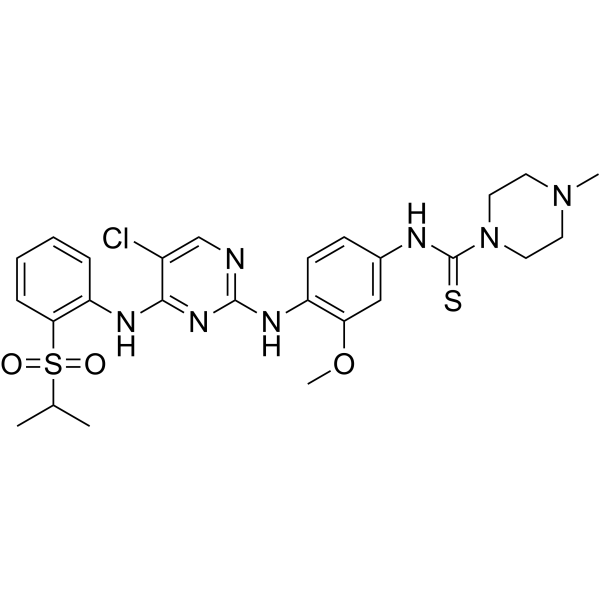
    iNOs-IN-3 (Compound 2d) is an orally active nitric oxide synthase (iNOS) inhibitor (IC50=3.342 µM). iNOs-IN-3 shows anti-inflammatory activity and can be used in LPS-induced acute lung injury (ALI) research .
    iNOs-IN-3
  • HY-151537

    Fluorescent Dye Infection Inflammation/Immunology
    Gol-NTR is a Golgi-targetable probe with high selectivity and sensitivity. Gol-NTR is Nitroreductase (NTR)-activated and has visualization acute lung injury (ALI) and repair function. Gol-NTR has a low detection limit of 54.8 ng/mL. Gol-NTR can be used for the research for monitoring and assessing research response of sepsis-induced ALI .
    Gol-NTR
  • HY-17443R

    EI546 (Standard); LY544349 (Standard); ONO5046 (Standard)

    Elastase SARS-CoV Reference Standards Cancer
    Sivelestat (Standard) is the analytical standard of Sivelestat. This product is intended for research and analytical applications. Sivelestat (EI546) is a competitive inhibitor of human neutrophil elastase, with an IC50 of 44 nM and a Ki of 200 nM. Sivelestat (EI546) has the potential for the study of acute lung injury/acute respiratory distress syndrome or disseminated intravascular coagulation in COVID-19 .
    Sivelestat (Standard)
  • HY-145390A

    Keap1-Nrf2 Inflammation/Immunology
    (R,R)-Nrf2 activator-1 is the enantiomer of Nrf2 activator-1. Nrf2 activator-1 is a potent activator of NF-E2 related factor 2 (Nrf2). Nrf2 activator-1 has the potential for the research of COPD and other respiratory diseases, including asthma, Acute Lung Injury (ALI), Acute Respiratory Distress Syndrome (ARDS) and pulmonary fibrosis .
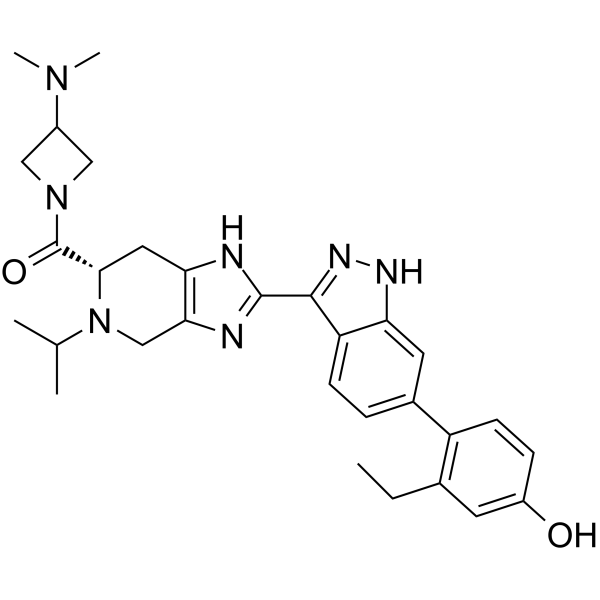
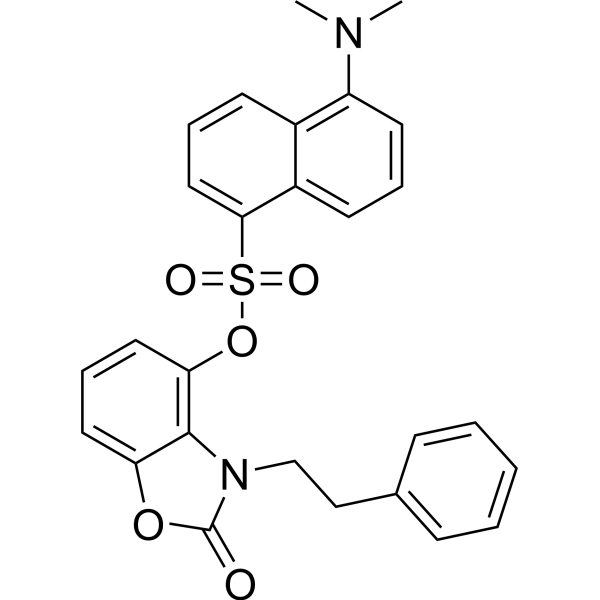
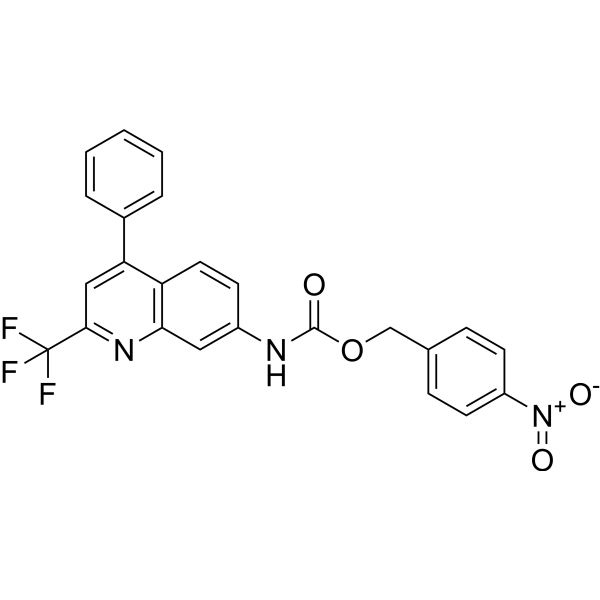
    (R,R)-Nrf2 activator-1
  • HY-15382A

    LPL Receptor Inflammation/Immunology
    FTY720 (S)-Phosphate is an agonist of S1P receptor 1 (S1PR1), used in the research of acute inflammatory diseases such as acute lung injury.
    (S)-FTY720-phosphonate
  • HY-172226

    P2Y Receptor Inflammation/Immunology
    P2Y14R antagonist 3 (Compound A) is a potent and orally active P2Y14R antagonist with an IC50 value of 23.60 nM and a Kd value of 7.26 μM. P2Y14R antagonist 3 can reduce the degree of lung injury in the Lipopolysaccharides (LPS) (HY-D1056)-induced acute lung injury mice. P2Y14R antagonist 3 can be used for inflammatory diseases .
    P2Y14R antagonist 3
  • HY-119731

    p38 MAPK NF-κB Others
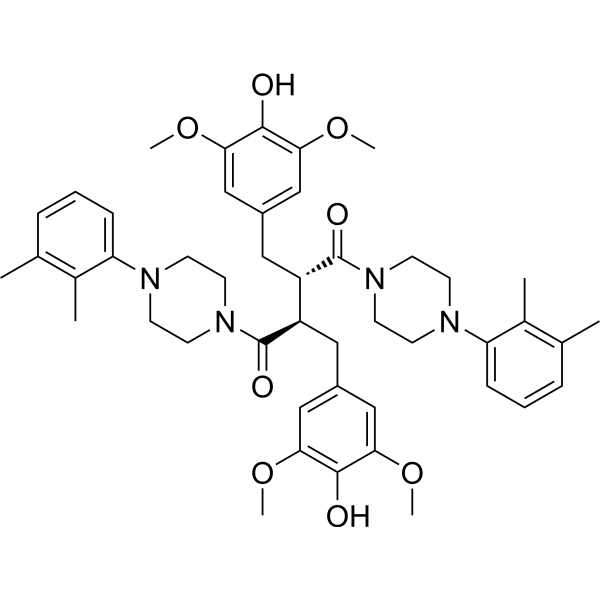
    Antidesmone is a isoquinoline alkaloid that can be isolated from Antidesma membranaceum . Antidesmone can prevent acute lung injury in vivo via inhibiting MAPK and NF-κb activities .
    Antidesmone
  • HY-N3006R

    Reference Standards Fungal Infection Inflammation/Immunology
    Sakuranetin is a cherry flavonoid phytoalexin, shows strong antifungal activity . Sakuranetin has anti-inflammatory and antioxidative activities. Sakuranetin ameliorates LPS-induced acute lung injury .
    Sakuranetin (Standard)
  • HY-179429

    NOD-like Receptor (NLR) TNF Receptor Interleukin Related Inflammation/Immunology
    NLRP3-IN-85 (compound 5d) is a potent NLRP3 inhibitor that targets mitochondria in a ΔΨm-independent manner. NLRP3-IN-85 protects mitochondria from oxidative stress and inflammation damage and suppresses key inflammatory factors (NO, TNF-α, IL-6). NLRP3-IN-85 relives acute lung injury in mice and inhibits paw edema in rats. NLRP3-IN-85 can be used for acute lung injury (ALI) research .
    NLRP3-IN-85
  • HY-106162A

    NO Synthase Cardiovascular Disease Inflammation/Immunology Cancer
    ONO-1714 is an orally active nitric oxide synthase inhibitor. ONO-1714 attenuates endotoxin-induced acute lung injury, reduces intestinal ischemia–reperfusion injury, represses biliary carcinogenesis .
    ONO-1714
  • HY-149823

    TRP Channel Neurological Disease
    TRPV4 antagonist 4 is a potent TRPV4 antagonist with an IC50 value of 22.65 nM. TRPV4 antagonist 4 inhibits TRPV4 current. TRPV4 antagonist 4 shows protective effects on acute lung injury .
    TRPV4 antagonist 4
  • HY-P1931

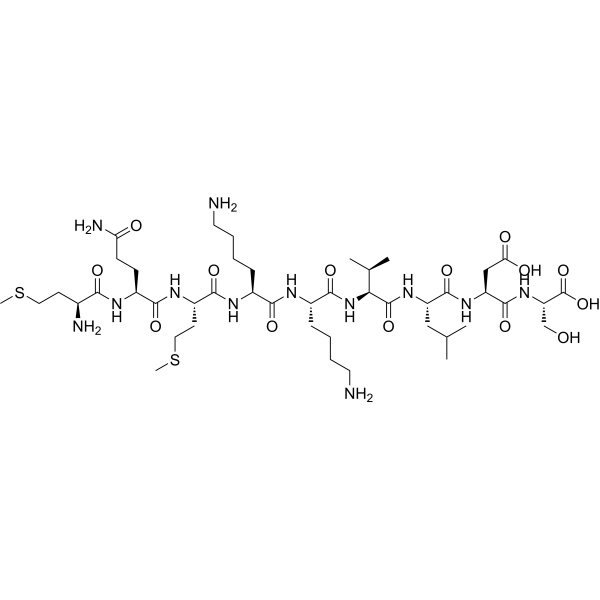
    Uteroglobin(39-47)

    Interleukin Related Inflammation/Immunology
    Antiflammin-1 is an anti-inflammatory peptide 1 (MQMKKVLDS). Antiflammin-1 is a derivative of uteroglobin. Antiflammin-1 has anti-inflammatory and antifibrotic actions in bleomycin (HY-108345)-induced lung injury .
    Antiflammin-1
  • HY-159159

    NOD-like Receptor (NLR) Inflammation/Immunology
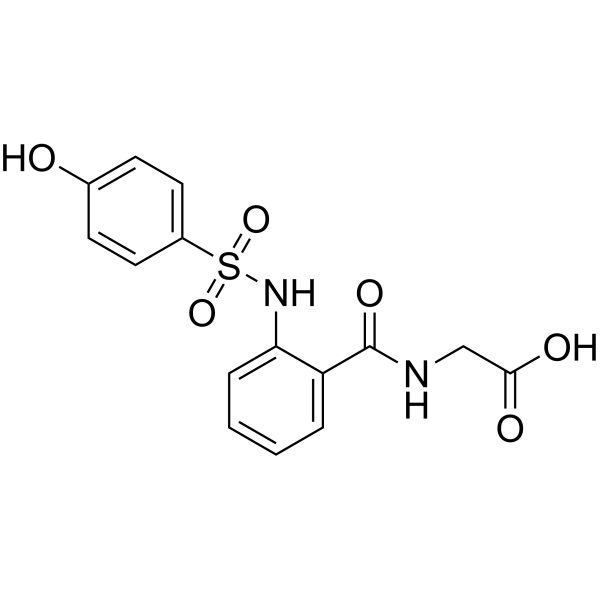
    MS-II-124 is an effective and selective NLRP3 inhibitor (IC50=0.12 μM) with anti-inflammatory and immunomodulatory activities, which can be used in the research of acute lung injury (ALI)/acute respiratory distress syndrome (ARDS) .
    MS-II-124

Inquiry Online

Your information is safe with us. * Required Fields.

Salutation


Country or Region *

Applicant Name *


Organization Name *

Department *


Email Address *


Product Name *

Cat. No.


Requested quantity *

Phone Number *


Remarks

Inquiry Online

Inquiry Information

Product Name:
Cat. No.:
Quantity:
MCE Japan Authorized Agent: