
1. Search Result
Search Result
Results for "

biofilm formation

" in MedChemExpress (MCE) Product Catalog:

254

Inhibitors & Agonists

1

Screening Libraries

12

Biochemical Assay Reagents

23

Peptides

74

Natural
Products

14

Isotope-Labeled Compounds

1

Click Chemistry

1

Oligonucleotides

Cat. No. 상품명 Target 연구분야 Chemical Structure
  • HY-Y1891
    Tween 80
    105+ Cited Publications

    Polysorbate 80

    Environmental Pollutants Biochemical Assay Reagents Others
    Tween 80 (Polysorbate 80), a surfactant, has been widely used as a solvent for pharmacological experiments. Tween 80 can also reduce bacterial attachment and inhibit biofilm formation.
    Tween 80
  • HY-114816
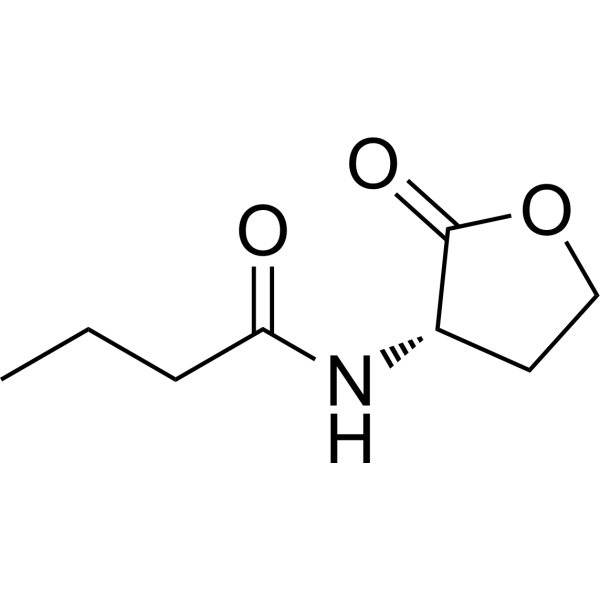
    N-Butanoyl-L-homoserine lactone
    3 Publications Verification

    C4-HSL; N-Butyryl-L-homoserine lactone

    ADC Linker Bacterial Infection Inflammation/Immunology
    N-Butanoyl-L-homoserine lactone (C4-HSL) is a cleavable ADC linker used in the synthesis of antibody-drug conjugates (ADCs). N-Butanoyl-L-homoserine lactone has antibacterial activity and is used in antibacterial biofilm . N-Butanoyl-L-homoserine lactone aptamers blocks qurom sensing and inhibits biofilm formation in Pseudomonas aeruginosa .
    N-Butanoyl-L-homoserine lactone
  • HY-W001132
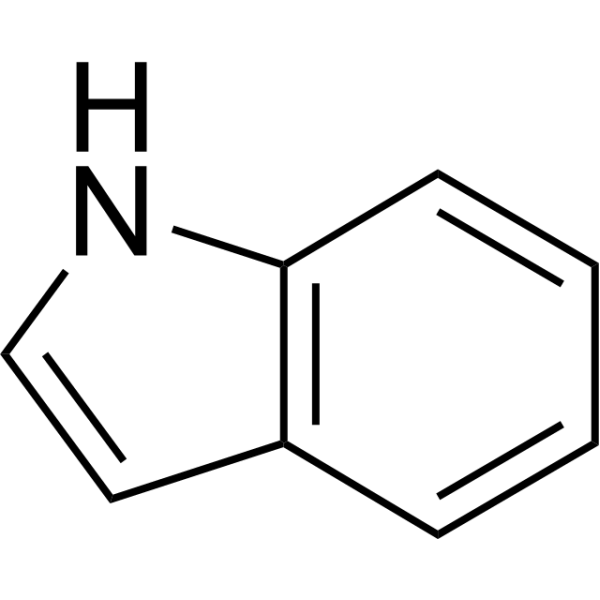
    Indole
    2 Publications Verification

    Environmental Pollutants Endogenous Metabolite Infection
    Indole is an aromatic, heterocyclic, organic compound which widely distributed in the natural environment and can be produced by a variety of bacteria. Indole regulates various aspects of bacterial physiology, including spore formation, plasmid stability, resistance to drugs, biofilm formation, and virulence as an intercellular signal molecule .
    Indole
  • HY-W010155
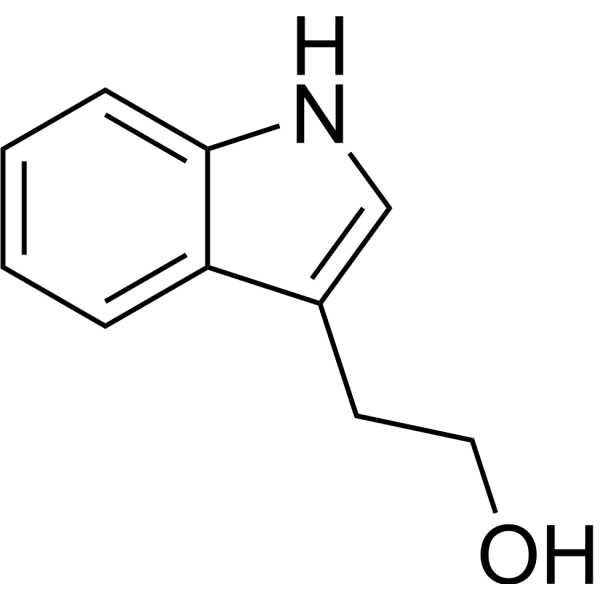
    Tryptophol
    2 Publications Verification

    Indole-3-ethanol

    Endogenous Metabolite Apoptosis Caspase Bacterial Infection Cardiovascular Disease Neurological Disease Metabolic Disease Inflammation/Immunology
    Tryptophol is an aromatic alcohol and secondary metabolite produced by microorganisms. Tryptophol induces apoptosis and cleavage of caspase-8. Tryptophol inhibits Cunninghamella blakesleeana biofilm. Tryptophol has anti-phage infection, biofilm formation regulation, anti-inflammatory, hemolytic, sleep induction, temperature change, seizure susceptibility and immune regulation activities. Tryptophol is used in the research of African trypanosomiasis, sleep disorders, epilepsy .
    Tryptophol
  • HY-W062216

    Bacterial Arginase Infection
    2-Aminoimidazole is a potent antibiofilm agent that can be used as an adjuvant to antimicrobial. 2-aminoimidazoles disrupts the ability of bacteria to protect themselves by inhibiting biofilm formation and genetically-encoded antibiotic resistance traits. 2-Aminoimidazole is also a weak noncompetitive inhibitor of human arginase I with a Ki of 3.6 mM .
    2-Aminoimidazole
  • HY-N0717A

    (R)-Valine

    Endogenous Metabolite Infection Metabolic Disease
    D-Valine is the enantiomer of L-Valine (HY-N0717). L-Valine is one of 20 proteinogenic amino acids. L-Valine is an essential amino acid.
    D-Valine
  • HY-Y0079

    Endogenous Metabolite Infection
    D-Phenylalanine is an atypical D-amino acid and an inhibitor of bacterial biofilm formation. D-Phenylalanine mainly replaces D-alanine (D-Ala) by incorporating into the fourth and fifth positions of bacterial peptidoglycan (PG), changing the cell wall structure, enhancing bacterial acid resistance and affecting biofilm formation. D-Phenylalanine may promote the secretion of peptide tyrosine tyrosine (PYY) in mammals by activating the intestinal GPR109B receptor. D-Phenylalanine can inhibit the maturation of microbial biofilms and promote the release of specific hormones. It can be used for antibacterial preservation, improving the yield of probiotics in the food industry, and studying appetite regulation and blood sugar control in metabolic diseases such as diabetes .
    D-Phenylalanine
  • HY-Y0444

    Tyrosinase Metabolic Disease
    D-Tyrosine is the D-isomer of tyrosine. D-Tyrosine negatively regulates melanin synthesis by inhibiting tyrosinase activity. D-Tyrosine inhibits biofilm formation and trigger the self-dispersal of biofilms without suppressing bacterial growth .
    D-Tyrosine
  • HY-121362

    Bacterial Endogenous Metabolite TrxR Infection Neurological Disease Inflammation/Immunology Cancer
    Evernic Acid is an orally active thioredoxin reductase 1 (TrxR1) inhibitor and antiproliferative agent. Evernic Acid inhibits the proliferation and migration of human breast cancer cells. Evernic Acid blocks the NF-κB pathway by inhibiting p65 nuclear translocation and IκBα phosphorylation, thereby suppressing downstream inflammatory mediators. Evernic Acid acts as an antioxidant, anti-inflammatory agent and neuroprotective agent, protects neurons from cell death, mitochondrial dysfunction and oxidative stress damage, reduces astrocyte activation, and ameliorates dopaminergic neuron loss and neuroinflammation. Evernic Acid inhibits enoyl reductases FabI and FabZ of Plasmodium falciparum. Evernic Acid downregulates the expression of lasB and rhlA genes in Pseudomonas aeruginosa, inhibits quorum sensing and biofilm formation, and exerts antibacterial activity against Gram-positive bacteria, Gram-negative bacteria and fungi. Evernic Acid is applicable to research related to breast cancer, Parkinson's disease, bacterial infections and fungal infections .
    Evernic Acid
  • HY-B1344

    Oxantel embonate

    Parasite Infection
    Oxantel pamoate (Oxantel embonate) is an anthelmintic agent that potently against Trichuris muris. Oxantel pamoate inhibits fumarate reductase (Frd) activity in some pathogenic bacteria and inhibits P. gingivalis homotypic biofilm formation (IC50 of 2.2 μM) .
    Oxantel pamoate
  • HY-113362
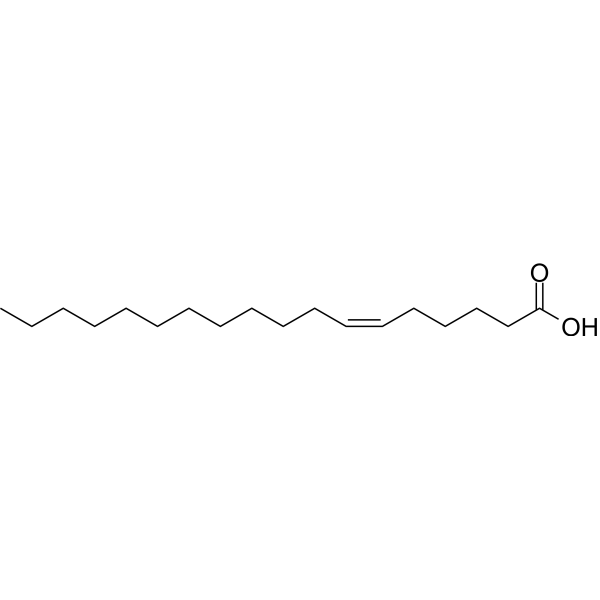
    Petroselinic acid
    1 Publications Verification

    Antibiotic Bacterial Fungal Infection
    Petroselinic acid, a positional isomer of oleic acid, is isolated from the vegetable oil of Coriandrum sativum fruits. Petroselinic acid is used as substrate for sophorolipid fermentation. Petroselinic acid inhibits the biofilm formation in microorganisms, exhibits antibacterial and antifungal activities. Petroselinic acid is orally active [4.
    Petroselinic acid
  • HY-118697
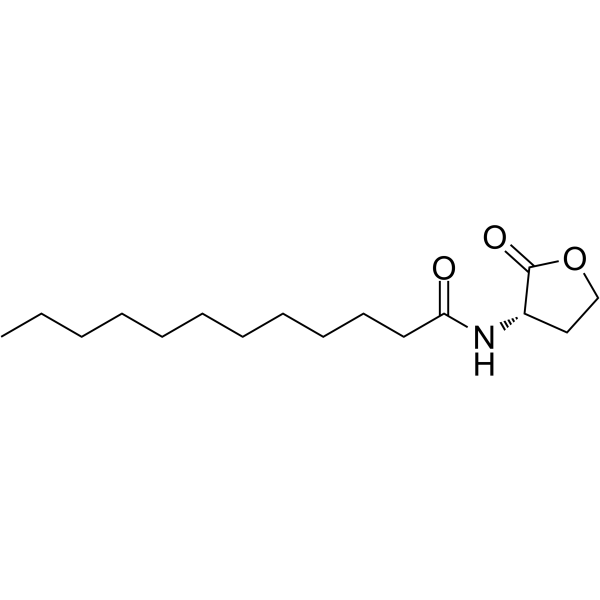
    N-dodecanoyl-L-Homoserine lactone
    1 Publications Verification

    C12-HSL

    Bacterial Infection
    N-dodecanoyl-L-Homoserine lactone (C12-HSL) is a quorum sensing (QS) signaling molecule. N-dodecanoyl-L-Homoserine lactone (C12-HSL) aptamers blocks qurom sensing and inhibits biofilm formation in Pseudomonas aeruginosa .
    N-dodecanoyl-L-Homoserine lactone
  • HY-30236

    Bacterial Infection
    5-Bromoindole is an antibacterial agent with a MIC of 200 μg/mL. 5-Bromoindole inhibits biofilm and curli formation, reduces swarming motility and swimming motility. 5-Bromoindole can be used for the research of enterohemorrhagic escherichia coli o157:h7 infection .
    5-Bromoindole
  • HY-N4104
    Agaric acid
    1 Publications Verification

    Agaricinic Acid

    Mitochondrial Metabolism Bacterial Calcium Channel Infection Metabolic Disease
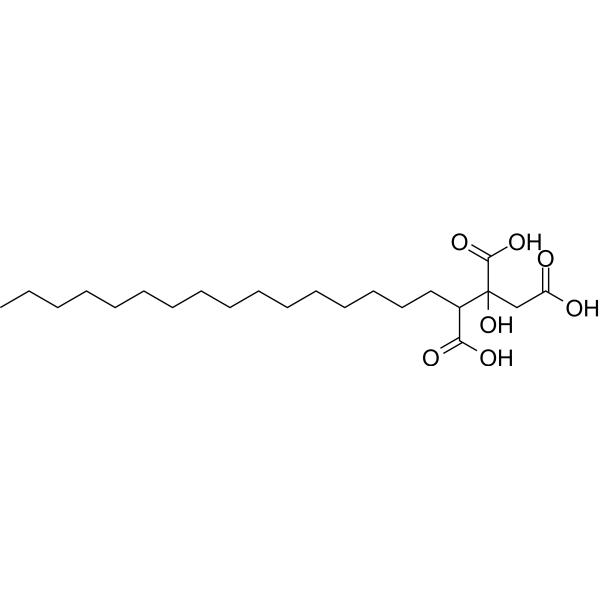
    Agaric acid (Agaricinic Acid) is an orally active inhibitor of adenine nucleotide translocase found in specific fungi. Agaric acid can inhibit the biofilm formation of various bacteria such as Salmonella. Agaric acid can also induce mitochondrial permeability transition, prompting mitochondria to release Ca 2+, disrupting the transmembrane potential, and causing mitochondrial swelling. In addition, Agaric acid can also inhibit citrate transport in liver mitochondria and participate in the inhibition of fatty acid synthesis, affecting multiple metabolic processes .
    Agaric acid
  • HY-W008270

    γ-Crotonolactone

    Endogenous Metabolite Bacterial Infection Neurological Disease
    2(5H)-Furanone (γ-Crotonolactone) is an endogenous metabolite. 2(5H)-Furanone mimics N-acyl homoserine lactone signals, occupies the binding site of LuxR homologs, and interferes with quorum sensing-mediated gene regulation. 2(5H)-Furanone inhibits quorum sensing mediated by AHLs with different acyl chain lengths. 2(5H)-Furanone inhibits biofilm formation of environmental Aeromonas hydrophila strains on polystyrene plates. 2(5H)-Furanone suppresses spike-and-wave discharges in a rat model of generalized absence seizures and exhibits selective activity against absence seizures. 2(5H)-Furanone can be used in studies related to bacteria infections and generalized absence seizures.
    2(5H)-Furanone
  • HY-131011
    Furanone C-30
    1 Publications Verification

    Bacterial Infection
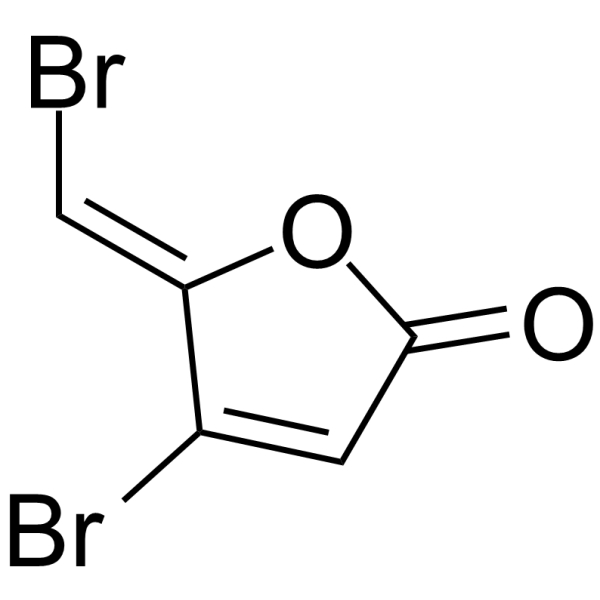
    Furanone C-30 is a quorum sensing inhibitor. Furanone C-30 can effectively inhibit bacterial biofilm formation by S. mutans and its luxSmutant strain .
    Furanone C-30
  • HY-Y1718
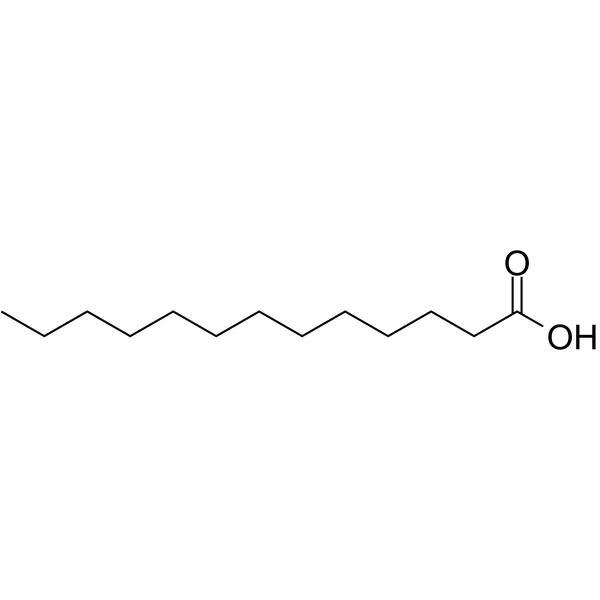
    Tridecanoic acid
    1 Publications Verification

    N-Tridecanoic acid

    Endogenous Metabolite Bacterial Infection
    Tridecanoic acid (N-Tridecanoic acid) is a medium-chain saturated fatty acid and inhibitor with no antibacterial activity against enterohemorrhagic E. coli (EHEC). When used in combination with Ciprofloxacin (HY-B0356) or Ampicillin (HY-B0522), Tridecanoic acid suppresses persister formation in exponentially growing E. coli and EHEC, but exerts no inhibitory effect on persister formation induced by Kanamycin (HY-16566) or in stationary-phase cells. Tridecanoic acid inhibits biofilm formation in EHEC. It can be used in the research of bacterial infections .
    Tridecanoic acid
  • HY-W012572

    Mitochondrial Metabolism Bacterial Infection Metabolic Disease
    D-Histidine is an anti-biofilm agent that targets bacterial quorum sensing systems (such as RhlI/RhlR pathway) and has antibacterial activity. D-Histidine works by non-covalently binding to bacterial regulatory factors or copper ion complexes, selectively inhibiting bacterial biofilm formation and motility. D-Histidine downregulates quorum sensing-related gene expression, reduces the synthesis of virulence factors (such as alginate and proteases), and interferes with bacterial membrane stability, inhibiting biofilm formation, promoting the disintegration of mature biofilms, and enhancing antibiotic sensitivity. D-Histidine is also an efficient catalyst for the salt-induced peptide formation (SIPF) reaction, which promotes the condensation of amino acids to form dipeptides (such as dialanine and dilysine) by forming a complex with copper ions (Cu 2+) .
    D-Histidine
  • HY-Y0248

    trans,trans-Farnesol; (2E,6E)-Farnesol

    Fungal Infection
    (E,E)-Farnesol (trans,trans-Farnesol) is a quorum-sensing molecule of Candida species. (E,E)-Farnesol can inhibit the growth, metabolism and biofilm formation of various Candida species, and affect their morphology and invasiveness .
    (E,​E)​-​Farnesol
  • HY-124833

    Casein Kinase Apoptosis Fungal Reactive Oxygen Species (ROS) Caspase MDM-2/p53 PARP Bcl-2 Family Akt ERK STAT JNK p38 MAPK CDK Infection Cancer
    Quinalizarin is a protein kinase CK2 inhibitor with a Ki of 0.052 μM. Quinalizarin exhibits antifungal and anticancer activities. Quinalizarin induces ROS production, apoptotic signaling, mitochondrial pathway activation, cell cycle arrest, and cytotoxicity in cancer cells. Quinalizarin inhibits hyphal growth, biofilm formation, and mature biofilm integrity of Candida albicans. Quinalizarin can be used in research related to cancer and fungal infections .
    Quinalizarin
  • HY-W010608

    Bacterial Infection
    2-Methyltetrahydrofuran-3-one is a quorum sensing inhibitor that can inhibit biofilm formation by H. alvei. 2-Methyltetrahydrofuran-3-one is one of the volatile constituents of roasted coffee .
    2-Methyltetrahydrofuran-3-one
  • HY-20349

    Bacterial Infection
    Monobehenin, an bacterial biofilm formation inhibitor, has strong inhibitory activity toward bacterial biofilm formation of S. mutans, X. oryzae, and Y. enterocolitica in a strain specific manner .
    Monobehenin
  • HY-122950

    Fungal Infection
    Harzianic acid, a tetramic acid derivative, with activity of antimicrobial, antibiofilm formation and biofilm disaggregation. Harzianic acid interferes with biofilm formation by limiting bacterial iron availability. Harzianic acid is also a selective inhibitor of Acetohydroxyacid synthase (AHAS), the first enzyme in the branched-chain amino acid biosynthetic pathway. Harzianic acid can used for herbicide and fungicide .
    Harzianic acid
  • HY-W001132R
    Indole (standard)
    2 Publications Verification

    Reference Standards Endogenous Metabolite Infection
    Indole (Standard) is the analytical standard of Indole. This product is intended for research and analytical applications. Indole is an aromatic, heterocyclic, organic compound which widely distributed in the natural environment and can be produced by a variety of bacteria. Indole regulates various aspects of bacterial physiology, including spore formation, plasmid stability, resistance to drugs, biofilm formation, and virulence as an intercellular signal molecule .
    Indole (standard)
  • HY-127041

    Bacterial Infection
    Virstatin inhibits the pili system synthesis and prevents A. baumannii biofilm formation. Virstatin also inhibits dimerization of the transcriptional activator ToxT .
    Virstatin
  • HY-W412175
    Coproporphyrin III dihydrochloride
    2 Publications Verification

    Zincphyrin dihydrochloride

    Bacterial Infection
    Coproporphyrin III dihydrochloride is a bioactive molecule excreted by nostril- and skin-associated Propionibacterium species that induces aggregation of Staphylococcus aureus (conditions: during early stationary phase growth, low pH: 4-6). Coproporphyrin III dihydrochloride also induces plasma-independent biofilm formation on abiotic surfaces by Staphylococcus aureus. Coproporphyrin III dihydrochloride may be an important mediator of S. aureus accumulation and/or biofilm formation in the nostrils or other sites where Propionibacterium and S. aureus inhabit .
    Coproporphyrin III dihydrochloride
  • HY-Y0444S2

    Isotope-Labeled Compounds Tyrosinase Metabolic Disease
    D-Tyrosine-d7 is the deuterium labeled D-Tyrosine (HY-Y0444) . D-Tyrosine is the D-isomer of tyrosine. D-Tyrosine negatively regulates melanin synthesis by inhibiting tyrosinase activity. D-Tyrosine inhibits biofilm formation and trigger the self-dispersal of biofilms without suppressing bacterial growth .
    D-Tyrosine-d7
  • HY-134215

    Bacterial Fungal Infection
    cis-11-Methyl-2-dodecenoic acid is a quorum sensing (QS) signal that acts as a diffusion signaling factor (DSF) in extracellular microbial and fungal communication systems. DSF is involved in the regulation of virulence and biofilm formation of a variety of bacterial pathogens .
    cis-11-Methyl-2-dodecenoic acid
  • HY-B0050

    Bacterial Infection
    Delmopinol is an antimicrobial agent that can be used in the oral cavity to inhibit the formation of dental biofilm.
    Delmopinol
  • HY-W012572A

    Mitochondrial Metabolism Bacterial Infection Metabolic Disease
    D-Histidine hydrochloride hydrate is an anti-biofilm agent that targets bacterial quorum sensing systems (such as RhlI/RhlR pathway) and has antibacterial activity. D-Histidine hydrochloride hydrate works by non-covalently binding to bacterial regulatory factors or copper ion complexes, selectively inhibiting bacterial biofilm formation and motility. D-Histidine hydrochloride hydrate downregulates quorum sensing-related gene expression, reduces the synthesis of virulence factors (such as alginate and proteases), and interferes with bacterial membrane stability, inhibiting biofilm formation, promoting the disintegration of mature biofilms, and enhancing antibiotic sensitivity. D-Histidine hydrochloride hydrate is also an efficient catalyst for the salt-induced peptide formation (SIPF) reaction, which promotes the condensation of amino acids to form dipeptides (such as dialanine and dilysine) by forming a complex with copper ions (Cu 2+) .
    D-Histidine hydrochloride hydrate
  • HY-124498

    CP-14445

    Parasite Infection
    Oxantel (CP-14445) is an anthelmintic agent that potently against Trichuris muris. Oxantel inhibits fumarate reductase (Frd) activity in some pathogenic bacteria and inhibits P. gingivalis homotypic biofilm formation (IC50 of 2.2 μM) .
    Oxantel
  • HY-P11165

    Bacterial Infection
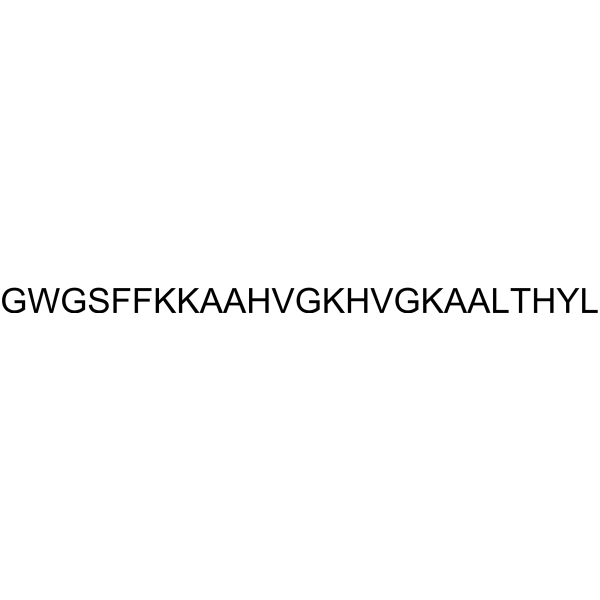
    DRGN-1 is an antimicrobial peptide. DRGN-1 exhibits potent antimicrobial and anti-biofilm activities, inhibiting both Gram-negative and Gram-positive bacteria, with an EC50 range of 0.50-4.62 μM. DRGN-1 exerts its antimicrobial effect by disrupting bacterial membrane permeability and slightly depolarizing the membrane potential. DRGN-1 inhibits the formation of biofilms of single bacterial species and mixed species of Pseudomonas aeruginosa and Staphylococcus aureus. DRGN-1 can significantly promote the healing of uninfected and mixed biofilm-infected mouse wounds. DRGN-1 can be used for the study of infections .
    DRGN-1
  • HY-123087

    N-(3-oxodecanoyl)-homoserine lactone

    Bacterial Infection
    N-(3-Hydroxytetradecanoyl)-DL-homoserine lactone (N-(3-oxodecanoyl)-homoserine lactone) is a member of N-Acyl homoserine lactone (AHL) from V. alginolyticus strains. N-(3-Hydroxytetradecanoyl)-DL-homoserine lactone is used for biofilm formation and has antibacterial activity .
    N-(3-Hydroxytetradecanoyl)-DL-homoserine lactone
  • HY-145814

    HSP Fungal Infection
    HSP90-IN-9 is a potent and selective HSP90 inhibitor. HSP90-IN-9 displays a fungicidal effect in a dose-dependent manner. HSP90-IN-9 inhibits fungal biofilm formation and fungal morphological changes after being combined with FLC. HSP90-IN-9 recovers FLC resistance by down-regulating the expression of related genes (ERG11, CDR1 and CDR2) .
    HSP90-IN-9
  • HY-N0717AR

    (R)-Valine (Standard)

    Reference Standards Endogenous Metabolite Infection Metabolic Disease
    D-Valine is the enantiomer of L-Valine (HY-N0717). L-Valine is one of 20 proteinogenic amino acids. L-Valine is an essential amino acid.
    D-Valine (Standard)
  • HY-B2170

    Bacterial Infection
    Octenidine is a potent antibacterial agent, possessing activity against multidrug-resistant Gram-negative pathogens. Octenidine can inhibit the expression of biofilm genes and destroy the formation of biofilms .
    Octenidine
  • HY-B0050A

    Bacterial Infection
    Delmopinol hydrochloride is an antimicrobial agent that can be used in the oral cavity to inhibit the formation of dental biofilm .
    Delmopinol hydrochloride
  • HY-N16657

    LI-F 04b

    Bacterial Infection
    Fusaricidin B (LI-F 04b) is one of the components of a lipopeptide biosurfactant extracted from the marine bacterium Paenibacillus polymyxa. Fusaricidin B can significantly inhibit the formation of multiple single species biofilms, including Gram positive and Gram negative bacteria. Fusaricidin B also has inhibitory effects on complex biofilms and can effectively destroy mature biofilms that have already formed. Fusaricidin B can be used for research on bacterial infections .
    Fusaricidin B
  • HY-149286

    Bacterial Infection
    Antibacterial agent 142, an aromatic hydrazidesis, has antibacterial activity. Antibacterial agent 142 has bacteriostatic and inhibits biofilm formation .
    Antibacterial agent 142
  • HY-157143

    Bacterial Infection
    Antibacterial agent 164 (compound 2a) is an antibacterial and antibiofilm agent. Antibacterial agent 164 inhibits S. aureus and B. subtilis (MIC of 0.09 mM), and also exhibits strong anti-B. Subtilis biofilm formation .
    Antibacterial agent 164
  • HY-158193

    C10-CPA

    Bacterial Infection
    N-Decanoyl cyclopentylamide (C10-CPA) is a potent inhibitor of quorum sensing in Pseudomonas aeruginosa. N-Decanoyl cyclopentylamide interferes with expression of Pseudomonas aeruginosa virulence factors regulated by the las and rhl quorum-sensing systems. N-Decanoyl cyclopentylamide inhibits production of elastase, pyocyanin, and rhamnolipid and biofilm formation .
    N-Decanoyl cyclopentylamide
  • HY-178108

    Bacterial Penicillin-binding protein (PBP) Fungal Infection
    Anti-MRSA agent 35 (Compound 6b) is an anti-MRSA agent. Anti-MRSA agent 35 significantly inhibits MRSA biofilm formation, suppresses penicillin-binding protein (PBP2a) expression and induces mecA virulence gene mutation. Anti-MRSA agent 35 has potent bactericidal and fungicidal activities with MIC50s of 7.8-31.25 μg/mL for gram positive bacteria, gram-negative bacteria and Fungi. .
    Anti-MRSA agent 35
  • HY-W062216R

    Reference Standards Bacterial Arginase Infection
    2-Aminoimidazole is a potent antibiofilm agent that can be used as an adjuvant to antimicrobial. 2-aminoimidazoles disrupts the ability of bacteria to protect themselves by inhibiting biofilm formation and genetically-encoded antibiotic resistance traits. 2-Aminoimidazole is also a weak noncompetitive inhibitor of human arginase I with a Ki of 3.6 mM .
    2-Aminoimidazole (Standard)
  • HY-162957

    Bacterial Antibiotic Infection
    LasR-IN-5 (compound 3C) is a LasR antagonist with an IC50 of 1.37 μM, demonstrating a 77% inhibition of biofilm formation in Pseudomonas aeruginosa. LasR-IN-5 also exhibits quorum sensing (QS) inhibition activity and has potential applications in Pseudomonas aeruginosa infection research .
    LasR-IN-5
  • HY-146304

    Bacterial Infection
    YXL-13 is a potent Pseudomonas aeruginosa (PAO1) inhibitor with an IC50 value of 3.686 μM. YXL-13 can inhibit virulence factors and biofilm formation of PAO1. YXL-13 reduces the pathogenicity and agent resistance of PAO1 by inhibition of the quorum sensing (QS) system. YXL-13 can be used for researching anti-bacteria .
    YXL-13
  • HY-131337

    Bacterial Infection
    RhlR antagonist 1 is a potent RhlR antagonist with an IC50 of 26 μM. RhlR antagonist 1 displays selective RhlR antagonism over LasR and PqsR, strong inhibition of biofilm formation in static and dynamic settings, and reduces production of virulence factors such as rhamnolipid and pyocyanin in P. aeruginosa. RhlR antagonist 1 can be utilized for developing QS-modulating molecules in the control of P. aeruginosa infections . RhlR antagonist 1 is a click chemistry reagent, it contains an Alkyne group and can undergo copper-catalyzed azide-alkyne cycloaddition (CuAAc) with molecules containing Azide groups.
    RhlR antagonist 1
  • HY-W141788

    Bacterial Infection
    N-Butyryl-DL-homocysteine thiolactone is an N-acyl homoserine lactone (AHL) analogue. AHLs are potent inhibitors of biofilm formation and virulence factors, and has been used for degrading microbial communities, reducing bacterial pathogenicity .
    N-Butyryl-DL-homocysteine thiolactone
  • HY-W013429

    Bacterial Infection
    4-Glycidyloxycarbazole (compound 8) is an antimicrobial agent that disrupts bacterial biofilm formation .
    4-Glycidyloxycarbazole
  • HY-B2170B

    Bacterial Infection
    Octenidine saccharin is a potent antibacterial agent, possessing activity against multidrug-resistant Gram-negative pathogens. Octenidine saccharin can inhibit the expression of biofilm genes and destroy the formation of biofilms .
    Octenidine (saccharin)
  • HY-W399439

    Antibiotic Bacterial Infection
    Aurantiogliocladin is a weak antibiotic which was active against Staphylococcus epidermidis but not S. aureus. Aurantiogliocladin could inhibit biofilm formation .
    Aurantiogliocladin

온라인 문의

Your information is safe with us. * Required Fields.

호칭


Country or Region *

고객명 *


회사명 *

Department *


메일주소 *


상품명 *

Cat. No.


Requested quantity *

전화번호 *


비고

온라인 문의

Inquiry Information

상품명:
Cat. No.:
수량:
MCE Japan Authorized Agent:

