



Petroselinic acid
Based on 1 publication(s) in Google Scholar
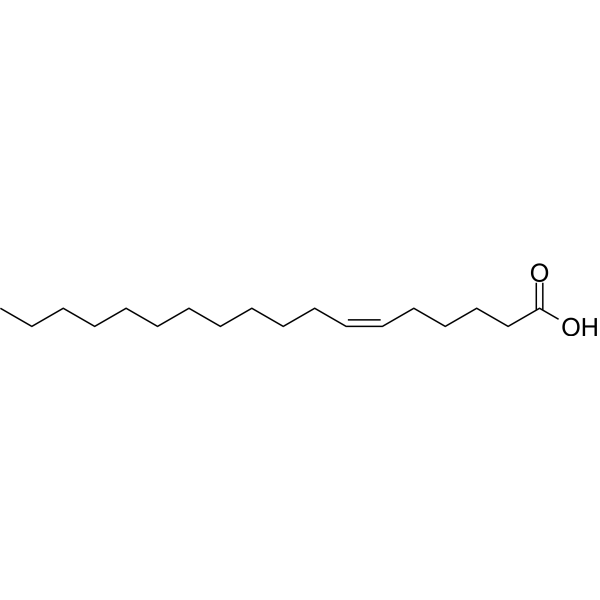
Petroselinic acid, a positional isomer of oleic acid, is isolated from the vegetable oil of Coriandrum sativum fruits. Petroselinic acid is used as substrate for sophorolipid fermentation. Petroselinic acid inhibits the biofilm formation in microorganisms, exhibits antibacterial and antifungal activities. Petroselinic acid is orally active[4.
For research use only. We do not sell to patients.
- Purity : 99.91%
- CAS No.: 593-39-5
- Formula: C18H34O2
- Molecular Weight:282.46
-
Storage:
-20°C, stored under nitrogen, away from moisture
* In solvent : -80°C, 6 months; -20°C, 1 month (stored under nitrogen, away from moisture)

To place orders, for customer services and technical support, please contact: MedChemExpress USA
Tel: 609-228-6898 E-mail: [email protected] [email protected]


-
 Biological Activity
-
Chemical Information
-
Solvent & Solubility
- Protocols
- Purity & Documentation
- References
-
 Help & FAQs


-
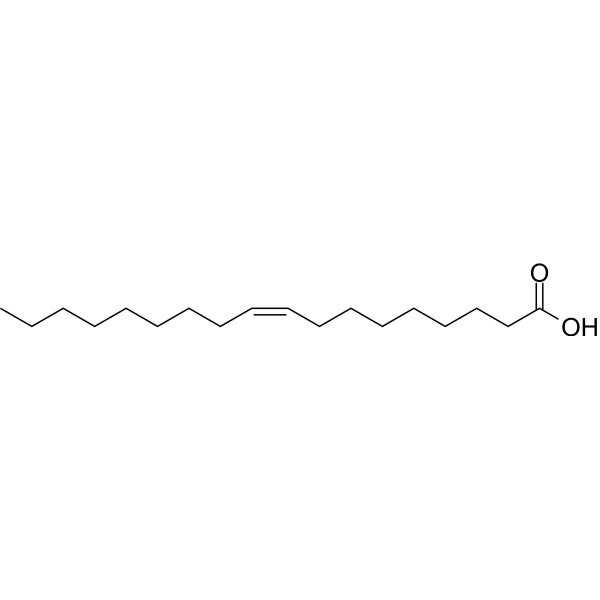
HY-N1446
Oleic acidMonounsaturated Fatty Acid -
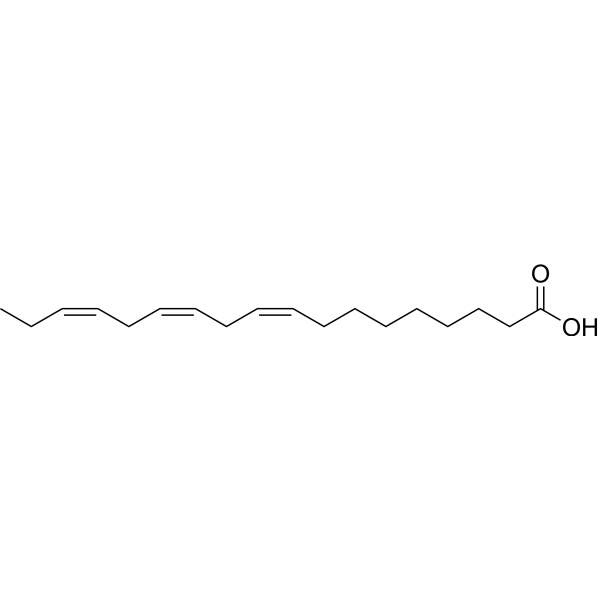
HY-N0728
α-Linolenic acidEssential Fatty Acid -
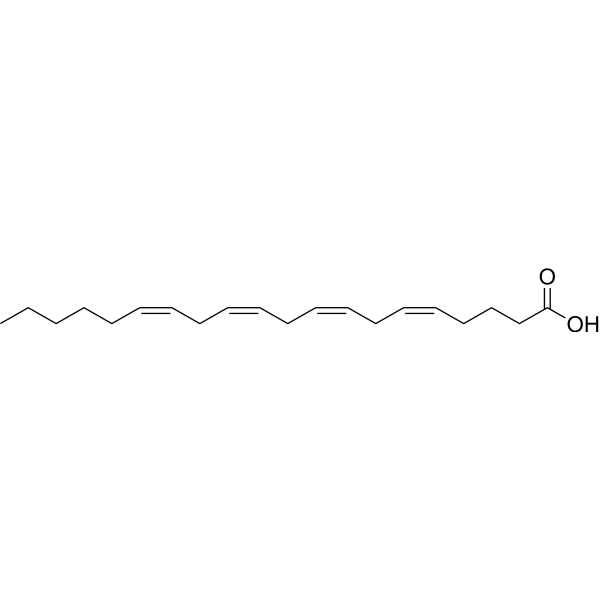
HY-109590
Arachidonic acidPolyunsaturated Fatty Acid -
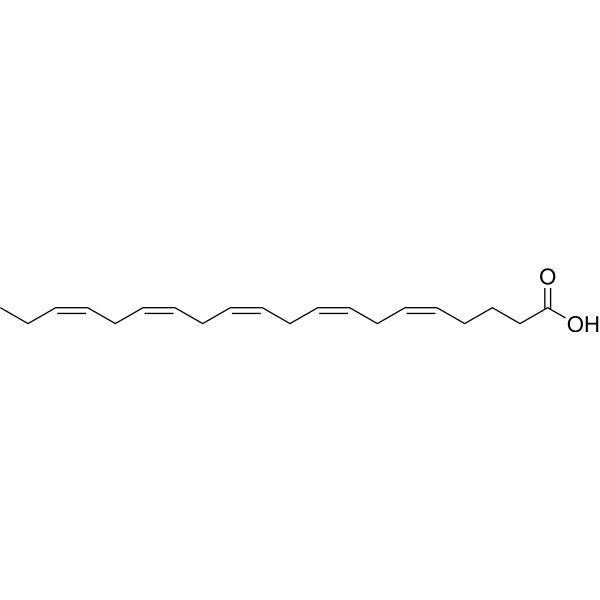
HY-B0660
Eicosapentaenoic AcidLC-PUFA -
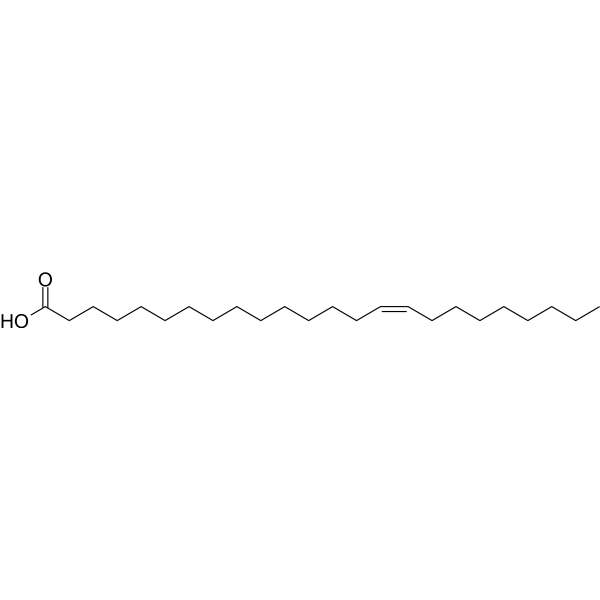
HY-N2526
Nervonic acidEndogenous Metabolite -
HY-Y0366
Lauric acidMiddle Chain-free Fatty Acid -
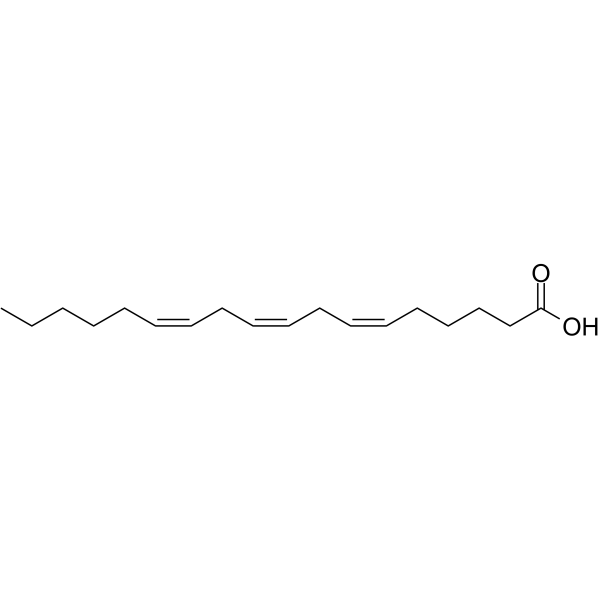
HY-N7140
Gamma-Linolenic acidEndogenous Metabolite -
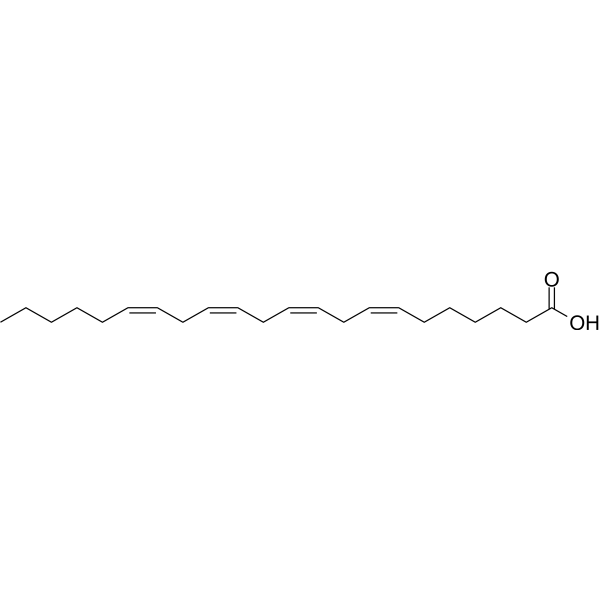
HY-W013215
Adrenic acid -
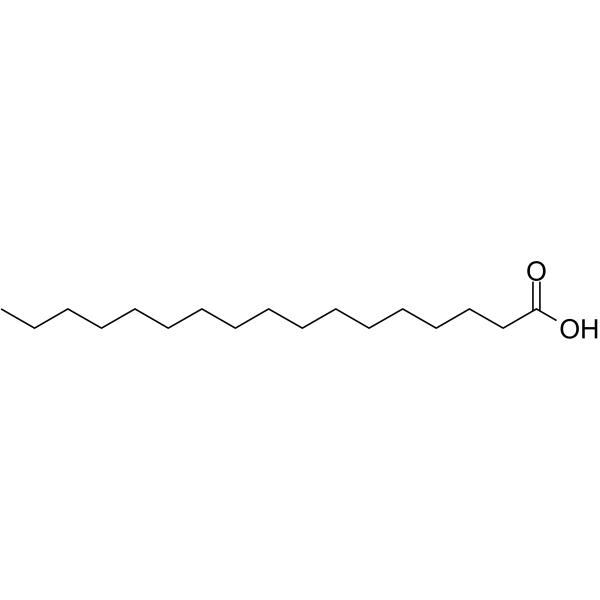
HY-W004284
Heptadecanoic acidEndogenous Metabolite -
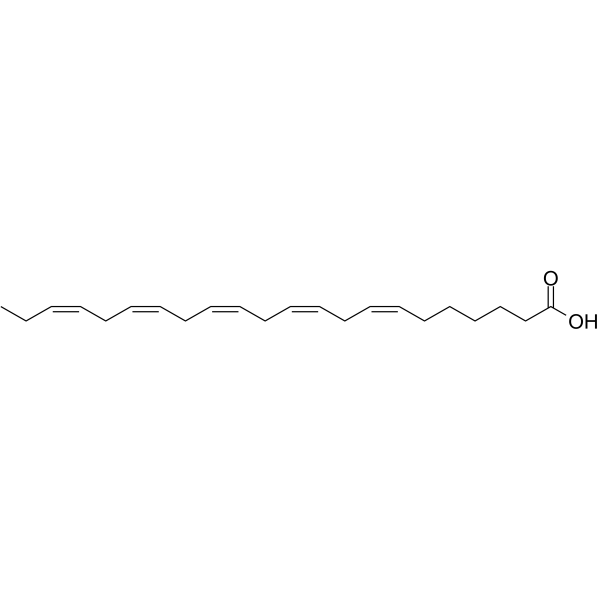
HY-113159
Docosapentaenoic acid (22n-3)Component Of Phospholipids -
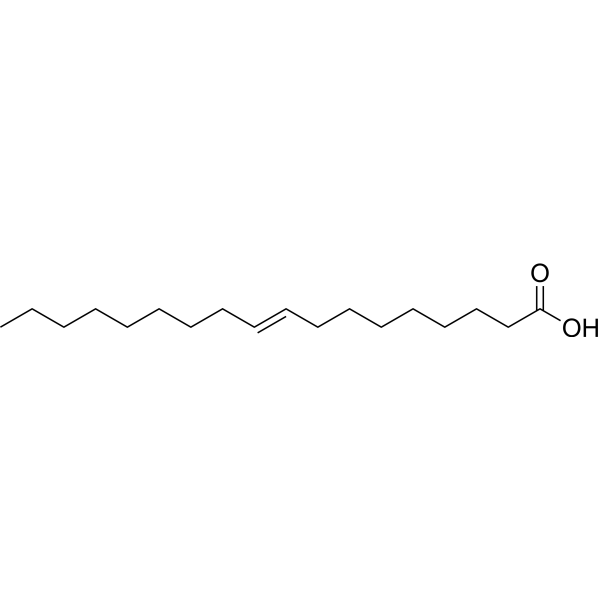
HY-113016
Elaidic acidTrans Fatty Acid -
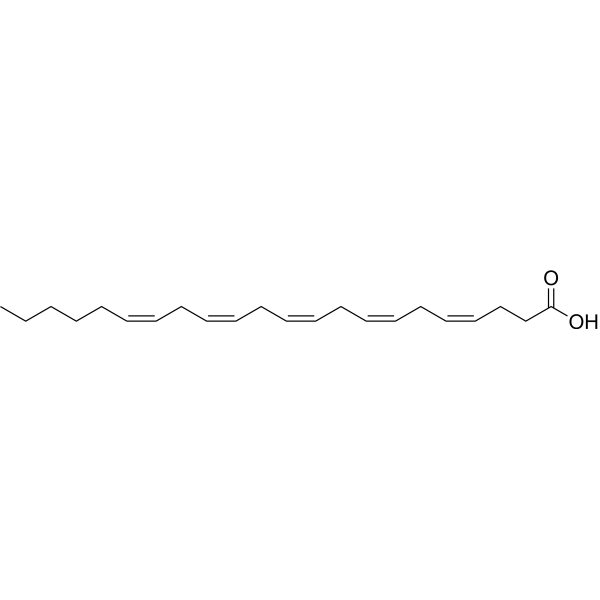
HY-N7864
Osbond acidFatty acid
Publications Citing Use of MedChemExpress (MCE) Petroselinic acid
MoreAll Antibiotic Isoforms
More

Biological Activity
Description
IC50 & Target
|
Human Endogenous Metabolite |
Cellular Effect
|
Cell Line

|
Type | Value | Description | References |
|---|---|---|---|---|
| K562 | IC50 |
15 μM
Compound: Petroselenic acid
|
Inhibition of telomerase extracted from human K562 cells preincubated for 10 mins followed by dNTPs and telomerase substrate primer TS-A addition measured after 30 mins by TRAP assay
Inhibition of telomerase extracted from human K562 cells preincubated for 10 mins followed by dNTPs and telomerase substrate primer TS-A addition measured after 30 mins by TRAP assay
|
10.1039/C0MD00241K |
In Vitro
Petroselinic acid (10-100 μg/mL, 24 h) inhibits the production of virulence factors (such as staphyloxanthin, lipase, and α-hemolysin) in Staphylococcus aureus, suppresses the growth of S. aureus (125% inhibition rate at 100 μg/mL) through inhibition of quorum sensing pathways[2].
Petroselinic acid inhibits hyphae formation of Candida albicans, inhibits C. albicans (MIC = 2-16 μg/mL) without significant toxicity in mammalian cell HUVECs (at a dose of 64 μg/mL)[4].
Petroselinic acid enhances the β-oxidation, modulates the fatty acid metabolism, and can be used as a potential dietary supplement[3].
MedChemExpress (MCE) has not independently confirmed the accuracy of these methods. They are for reference only. Further protocols information, click here.
-
Cell Line:methicillin-sensitive S. aureus 6538
-
Concentration:10-100 μg/mL
-
Incubation Time:24 h
-
Result:Inhibited the expression of genes such as agrA, RNAIII, hla, nuc1, nuc2, and saeR.
In Vivo
MedChemExpress (MCE) has not independently confirmed the accuracy of these methods. They are for reference only.
-
Animal Model:C. albicans-infected mice[4]
-
Dosage:8-32 mg/kg
-
Administration:po, once daily for 10 days
-
Result:Prolonged the survival of C. albicans-infected mice.


Chemical Information
-
CAS No. 593-39-5
-
Appearance Liquid to low melt solid
-
Molecular Weight 282.46
-
Formula C18H34O2
-
Color Colorless to off-white
-
SMILES
CCCCCCCCCCC/C=C\CCCCC(O)=O
-
Structure Classification
-
Shipping
Room temperature in continental US; may vary elsewhere.
-
Storage
-20°C, stored under nitrogen, away from moisture
* In solvent : -80°C, 6 months; -20°C, 1 month (stored under nitrogen, away from moisture)


Publications (1)
-
Journal Impact Factor
-
Most Recent
-
Br J Anaesth
Preoperative fasting confers protection against intestinal ischaemia/reperfusion injury by modulating gut microbiota and their metabolites in a mouse model. [Abstract]2022 Mar;128(3):501-512. PMID: 34930601


Solvent & Solubility
In Vitro:
DMSO : ≥ 100 mg/mL (354.03 mM; Hygroscopic DMSO has a significant impact on the solubility of product, please use newly opened DMSO)
* "≥" means soluble, but saturation unknown.
Please refer to the solubility information to select the appropriate solvent. Once prepared, please aliquot and store the solution to prevent product inactivation from repeated freeze-thaw cycles.
Storage method and period of stock solution: -80°C, 6 months; -20°C, 1 month (stored under nitrogen, away from moisture). When stored at -80°C, please use it within 6 months. When stored at -20°C, please use it within 1 month.
Please refer to the solubility information to select the appropriate solvent. Once prepared, please aliquot and store the solution to prevent product inactivation from repeated freeze-thaw cycles.
Storage method and period of stock solution: -80°C, 6 months; -20°C, 1 month (stored under nitrogen, away from moisture). When stored at -80°C, please use it within 6 months. When stored at -20°C, please use it within 1 month.
Concentration (start) × Volume (start) = Concentration (final) × Volume (final)
In Vivo:
Select the appropriate dissolution method based on your experimental animal and administration route.
- For the following dissolution methods, please ensure to first prepare a clear stock solution using an In Vitro approach and then sequentially add co-solvents:
- To ensure reliable experimental results, the clarified stock solution can be appropriately stored based on storage conditions. As for the working solution for In Vivo experiments, it is recommended to prepare freshly and use it on the same day.
- The percentages shown for the solvents indicate their volumetric ratio in the final prepared solution. If precipitation or phase separation occurs during preparation, heat and/or sonication can be used to aid dissolution.
Add each solvent one by one: 10% DMSO 40% PEG300 5% Tween-80 45% Saline
Solubility: ≥ 2.5 mg/mL (8.85 mM); Clear solution
This protocol yields a clear solution of ≥ 2.5 mg/mL (saturation unknown).
Taking 1 mL working solution as an example, add 100 μL DMSO stock solution (25.0 mg/mL) to 400 μL PEG300, and mix evenly; then add 50 μL Tween-80 and mix evenly; then add 450 μL Saline to adjust the volume to 1 mL.
Preparation of Saline: Dissolve 0.9 g sodium chloride in ddH₂O and dilute to 100 mL to obtain a clear Saline solution.
Add each solvent one by one: 10% DMSO 90% (20% SBE-β-CD in Saline)
Solubility: ≥ 2.5 mg/mL (8.85 mM); Clear solution
This protocol yields a clear solution of ≥ 2.5 mg/mL (saturation unknown).
Taking 1 mL working solution as an example, add 100 μL DMSO stock solution (25.0 mg/mL) to 900 μL 20% SBE-β-CD in Saline, and mix evenly.
Preparation of 20% SBE-β-CD in Saline (4°C, storage for one week): 2 g SBE-β-CD powder is dissolved in 10 mL Saline, completely dissolve until clear.
In Vivo Dissolution Calculator
Please enter the basic information of animal experiments:
-
-
-
-
Recommended: Prepare an additional quantity of animals to account for potential losses during experiments.
Please enter your animal formula composition:
-
%DMSO +
Recommended: Keep the proportion of DMSO in working solution below 2% if your animal is weak.
-
%+
-
+%Tween-80 + +
-
%Saline +
The co-solvents required include: DMSO, . All of co-solvents are available by MedChemExpress (MCE). , Tween 80. All of co-solvents are available by MedChemExpress (MCE).
Working solution concentration: 0.22 mg/mL
Method for preparing stock solution: mg drug dissolved in μL DMSO. Stock solution concentration: mg/mL. * In solvent : -80°C, 6 months; -20°C, 1 month (stored under nitrogen, away from moisture)
1. Take μL DMSO stock solution;
2. Add μL .
μL , mix evenly;
3. Then add μL Tween 80, mix evenly;
4. Then add μL
Please ensure that the stock solution in the first step is dissolved to a clear state, and add co-solvents in sequence. You can use ultrasonic heating (ultrasonic cleaner, recommended frequency 20-40 kHz), vortexing, etc. to assist dissolution.

Protocols
-
Research Protocol for Infectious Diseases
Infectious-disease experiments test how pathogens interact with host barriers, innate immune receptors, inflammatory signaling, pathogen replication, and tissue injury; pattern-recognition receptors such as TLRs, RIG-I-like receptors, NOD-like receptors, and inflammasomes detect microbial molecules and activate NF-κB, interferon, and cytokine responses. The central hypothesis is that infection severity reflects the balance between pathogen burden and host response: protective inflammation restricts pathogen growth, whereas excessive or mislocalized inflammation contributes to tissue damage and disease phenotype. Unresolved questions include which host pathways are protective versus pathogenic, why some infection models fail to translate to human disease, and which combined readouts best predict clinically relevant infection outcomes.
-
Fungal Biofilm Culture
Fungal biofilm culture is an in vitro method for growing surface-attached fungal communities, most commonly Candida albicans, on abiotic substrates such as polystyrene wells, silicone elastomer, or polymethylmethacrylate; the assay models adhesion, proliferation, filamentation, extracellular-matrix-associated maturation, and dispersion. Biofilm output can be read by optical density at 600 nm for adherent biomass, XTT reduction for metabolic activity, CFU recovery for viable attached or dispersed cells, and microscopy for architecture.


Purity & Documentation
-
Data Sheet (272 KB)
-
SDS (394 KB)
- English - EN (394 KB)
- Français - FR (394 KB)
- Deutsch - DE (394 KB)
- Norwegian - NO (394 KB)
- Español - ES (394 KB)
- Swedish - SV (394 KB)
- Italian - IT (394 KB)
- Korean - KR (394 KB)
- Portuguese - PT (394 KB)
-
Handling Instructions (2659 KB)
References
[1]. Delbeke EIP, et al. Petroselinic acid purification and its use for the fermentation of new sophorolipids. AMB Express. 2016 Mar;6(1):28. [Content Brief]
[2]. Lee JH, et al., Inhibition of Staphylococcus aureus Biofilm Formation and Virulence Factor Production by Petroselinic Acid and Other Unsaturated C18 Fatty Acids. Microbiol Spectr. 2022 Jun 29;10(3):e0133022. [Content Brief]
[3]. Teoh CY, et al., Evaluation of the impact of dietary petroselinic acid on the growth performance, fatty acid composition, and efficacy of long chain-polyunsaturated fatty acid biosynthesis of farmed Nile tilapia. J Agric Food Chem. 2013 Jun 26;61(25):6056-68. [Content Brief]
[4]. Wang XR, et al., Discovery of petroselinic acid with in vitro and in vivo antifungal activity by targeting fructose-1,6-bisphosphate aldolase. Phytomedicine. 2024 Oct;133:155948. [Content Brief]


Complete Stock Solution Preparation Table
Please refer to the solubility information to select the appropriate solvent. Once prepared, please aliquot and store the solution to prevent product inactivation from repeated freeze-thaw cycles.
Storage method and period of stock solution: -80°C, 6 months; -20°C, 1 month (stored under nitrogen, away from moisture). When stored at -80°C, please use it within 6 months. When stored at -20°C, please use it within 1 month.
| Optional Solvent | Concentration Solvent Mass | 1 mg | 5 mg | 10 mg | 25 mg |
|---|---|---|---|---|---|
| DMSO | 1 mM | 3.5403 mL | 17.7016 mL | 35.4032 mL | 88.5081 mL |
| 5 mM | 0.7081 mL | 3.5403 mL | 7.0806 mL | 17.7016 mL | |
| 10 mM | 0.3540 mL | 1.7702 mL | 3.5403 mL | 8.8508 mL | |
| 15 mM | 0.2360 mL | 1.1801 mL | 2.3602 mL | 5.9005 mL | |
| 20 mM | 0.1770 mL | 0.8851 mL | 1.7702 mL | 4.4254 mL | |
| 25 mM | 0.1416 mL | 0.7081 mL | 1.4161 mL | 3.5403 mL | |
| 30 mM | 0.1180 mL | 0.5901 mL | 1.1801 mL | 2.9503 mL | |
| 40 mM | 0.0885 mL | 0.4425 mL | 0.8851 mL | 2.2127 mL | |
| 50 mM | 0.0708 mL | 0.3540 mL | 0.7081 mL | 1.7702 mL | |
| 60 mM | 0.0590 mL | 0.2950 mL | 0.5901 mL | 1.4751 mL | |
| 80 mM | 0.0443 mL | 0.2213 mL | 0.4425 mL | 1.1064 mL | |
| 100 mM | 0.0354 mL | 0.1770 mL | 0.3540 mL | 0.8851 mL |


Petroselinic acid Related Classifications
HY-113362 Related Classifications
 Powered by Bioz