1. Search Result
Search Result
Pathways Recommended: Stem Cell/Wnt Cell Cycle/DNA Damage
Results for "

K562 cell

" in MedChemExpress (MCE) Product Catalog:

256

Inhibitors & Agonists

4

Fluorescent Dyes

3

Biochemical Assay Reagents

3

Peptides

6

Inhibitory Antibodies

72

Natural
Products

8

Isotope-Labeled Compounds

3

Oligonucleotides

1

GMP Molecules

Cat. No. Product Name Target Research Areas Chemical Structure
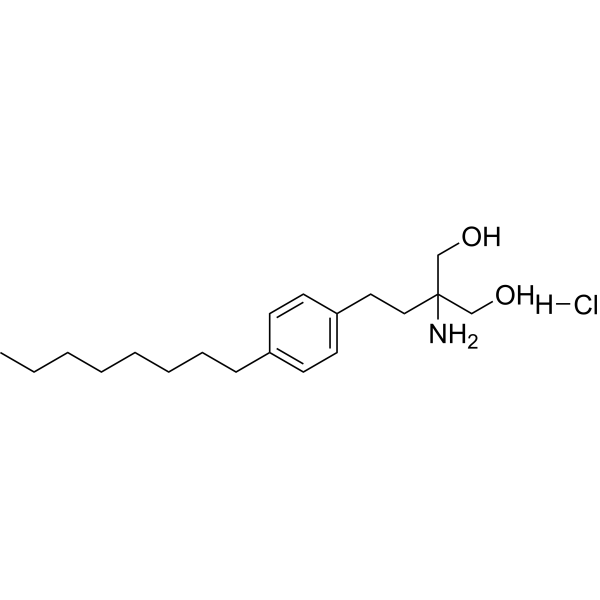
  • HY-12005
    Fingolimod hydrochloride
    Maximum Cited Publications
    76 Publications Verification

    FTY720

    LPL Receptor PAK Inflammation/Immunology Cancer
    Fingolimod (FTY720) hydrochloride is a sphingosine 1-phosphate (S1P) antagonist with IC50 of 0.033 nM in K562 and NK cells. Fingolimod hydrochloride is also a pak1 activator and immunosuppressant .
    Fingolimod hydrochloride
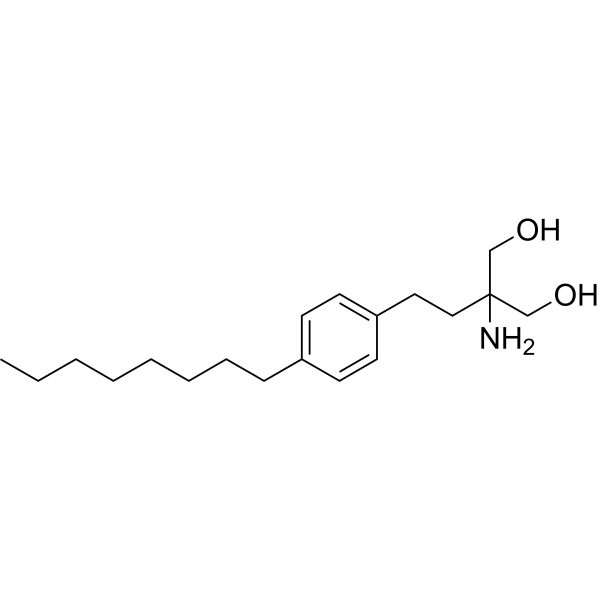
  • HY-11063
    Fingolimod
    Maximum Cited Publications
    76 Publications Verification

    FTY720 free base

    LPL Receptor PAK Infection Neurological Disease Inflammation/Immunology Cancer
    Fingolimod (FTY720 free base) is a brain-penetrant sphingosine 1-phosphate (S1P) antagonist with an IC50 of 0.033 nM in K562 and NK cells. Fingolimod also is a pak1 activator, a immunosuppressant .
    Fingolimod
  • HY-N0083
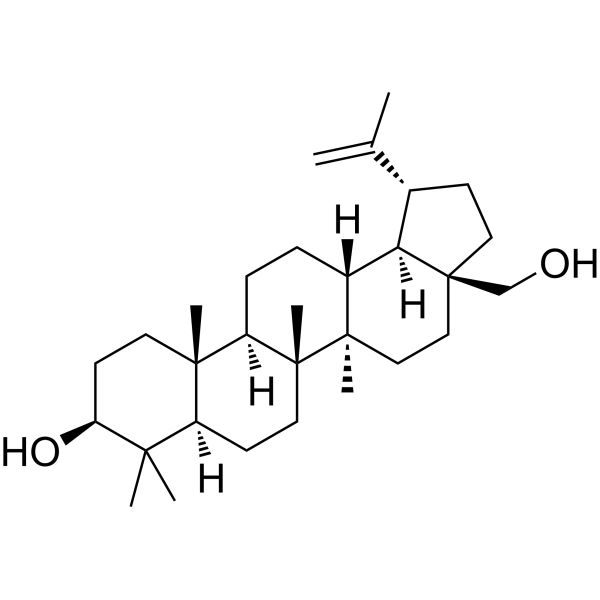
    Betulin
    10+ Cited Publications

    Trochol

    Fatty Acid Synthase (FASN) Apoptosis Endogenous Metabolite Cancer
    Betulin (Trochol), is a sterol regulatory element-binding protein (SREBP) inhibitor with an IC50 of 14.5 μM in K562 cell line .
    Betulin
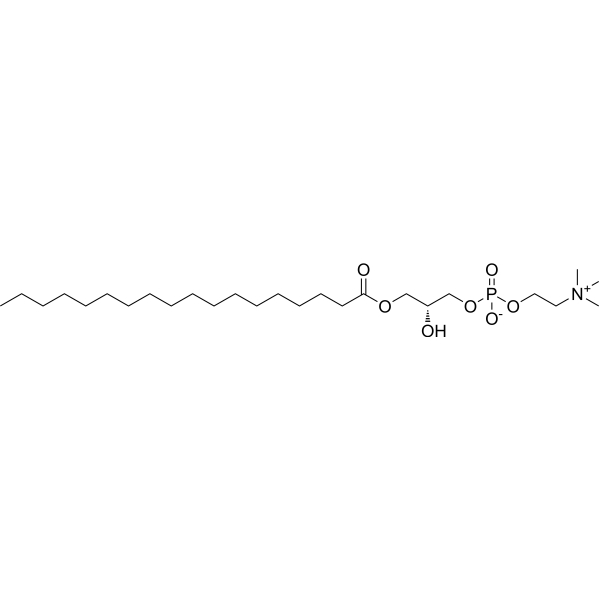
  • HY-125771

    18:0 Lyso-PC; LPC(18:0)

    Endogenous Metabolite HDAC STAT Apoptosis Cancer
    1-Stearoyl-sn-glycero-3-phosphocholine is a lysophosphatidylcholine that inhibits HDAC3 activity and phosphorylation of STAT3 in K562 cells. 1-Stearoyl-sn-glycero-3-phosphocholine induces apoptosis and exhibits anticancer activity in chronic myelogenous leukemia (CML) K562 cells .
    1-Stearoyl-sn-glycero-3-phosphocholine
  • HY-N3584
    Paris saponin VII
    4 Publications Verification

    Chonglou Saponin VII

    Akt p38 MAPK P-glycoprotein Bcl-2 Family Caspase PARP Autophagy Apoptosis Cancer
    Paris saponin VII (Chonglou Saponin VII) is a steroidal saponin isolated from the roots and rhizomes of Trillium tschonoskii. Paris saponin VII-induced apoptosis in K562/ADR cells is associated with Akt/MAPK and the inhibition of P-gp. Paris saponin VII attenuates mitochondrial membrane potential, increases the expression of apoptosis-related proteins, such as Bax and cytochrome c, and decreases the protein expression levels of Bcl-2, caspase-9, caspase-3, PARP-1, and p-Akt. Paris saponin VII induces a robust autophagy in K562/ADR cells and provides a biochemical basis in the treatment of leukemia .
    Paris saponin VII
  • HY-12461

    PI3K EGFR GABA Receptor FLT3 IKK Neurological Disease Metabolic Disease Inflammation/Immunology
    WS6 is an IkB kinase and EBP1 inhibitor, with IC50 values of 0.24 nM, 0.21 nM, and 40.48 nM in MV4-11, MOLM13, and K562 cells, respectively. WS6 promotes the proliferation of alpha and beta cells in the pancreas, has antioxidant and anti-inflammatory activities, and can alleviate depression like behavior in rats [1][2][4].
    WS6
  • HY-100490

    Imidazoline Receptor Adrenergic Receptor Apoptosis Autophagy Cardiovascular Disease Cancer
    Rilmenidine, an innovative antihypertensive agent, is an orally active, selective I1 imidazoline receptor agonist. Rilmenidine is an alpha 2-adrenoceptor agonist. Rilmenidine induces autophagy. Rilmenidine acts both centrally by reducing sympathetic overactivity and in the kidney by inhibiting the Na +/H + antiport. Rilmenidine modulates proliferation and stimulates the proapoptotic protein Bax thus inducing the perturbation of the mitochondrial pathway and apoptosis in human leukemic K562 cells .
    Rilmenidine
  • HY-151361
    AMPK-IN-3
    5 Publications Verification

    AMPK Cancer
    AMPK-IN-3 (compound 67) is a potent and selective AMPK inhibitor with IC50s of 60.7, 107 and 3820 nM for AMPK (α2), AMPK (α1) and KDR, respectively. AMPK-IN-3 inhibits AMPK does not affect cell viability or cause significant cytotoxicity in K562 cells. AMPK-IN-3 can be used in study of cancer .
    AMPK-IN-3
  • HY-100490B

    Imidazoline Receptor Adrenergic Receptor Apoptosis Autophagy Cardiovascular Disease Cancer
    Rilmenidine phosphate, an innovative antihypertensive agent, is an orally active, selective I1 imidazoline receptor agonist. Rilmenidine phosphate is an alpha 2-adrenoceptor agonist. Rilmenidine phosphate induces autophagy. Rilmenidine phosphate acts both centrally by reducing sympathetic overactivity and in the kidney by inhibiting the Na +/H + antiport. Rilmenidine phosphate modulates proliferation and stimulates the proapoptotic protein Bax thus inducing the perturbation of the mitochondrial pathway and apoptosis in human leukemic K562 cells .
    Rilmenidine phosphate
  • HY-141881

    PROTACs Apoptosis SF3B1 Cancer
    PROTAC-O4I2 is a PROTAC targets splicing factor 3B1 (SF3B1). PROTAC-O4I2 induces FLAG-SF3B1 degradation with an IC50 value of 0.244 μM in K562 cells. PROTAC-O4I2 also induces cellular apoptosis in K562 WT cells .
    PROTAC-O4I2
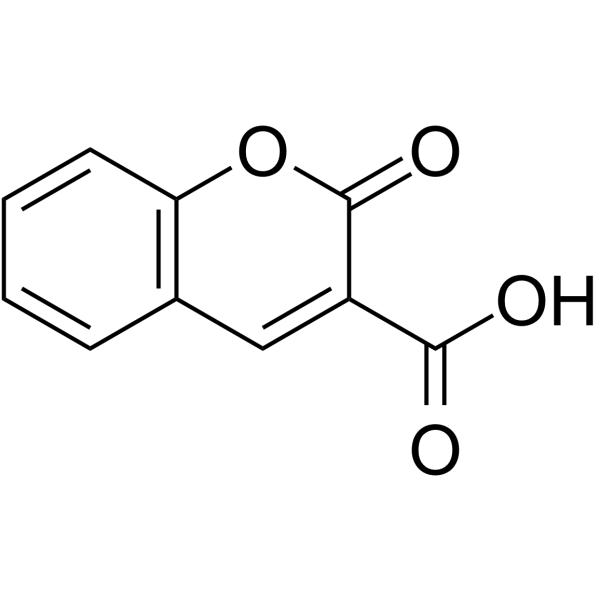
  • HY-W027968
    Coumarin-3-carboxylic Acid
    2 Publications Verification

    2-Oxochromene-3-carboxylic acid

    Fluorescent Dye Cancer
    Coumarin-3-carboxylic acid (2- Oxochromene-3-carboxylic acid) is an important initial compound for the synthesis of coumarins which are well known natural products for their diverse biological activities. Lanthanide complexes of Coumarin-3-carboxylic acid exhibit antiproliferative activity towards K-562 cell line .
    Coumarin-3-carboxylic Acid
  • HY-80012
    SJB3-019A
    10+ Cited Publications

    Deubiquitinase Cancer
    SJB3-019A is a potent and novel USP1 inhibitor, 5 times more potent than SJB2-043 in promoting ID1 degradation and cytoxicity in K562 cells with IC50 of 0.0781 μM.
    SJB3-019A
  • HY-B0790

    NEKs Apoptosis Cancer
    TAI-1, an orally active anticancer agent, is a highly potent first-in-class Hec1 inhibitor, with a GI50 of 13.48 nM in K562 cells .
    TAI-1
  • HY-100490A

    Imidazoline Receptor Adrenergic Receptor Apoptosis Autophagy Cardiovascular Disease Cancer
    Rilmenidine hemifumarate, an innovative antihypertensive agent, is an orally active, selective I1 imidazoline receptor agonist. Rilmenidine hemifumarate is an alpha 2-adrenoceptor agonist. Rilmenidine hemifumarate induces autophagy. Rilmenidine hemifumarate acts both centrally by reducing sympathetic overactivity and in the kidney by inhibiting the Na +/H + antiport. Rilmenidine hemifumarate modulates proliferation and stimulates the proapoptotic protein Bax thus inducing the perturbation of the mitochondrial pathway and apoptosis in human leukemic K562 cells .
    Rilmenidine hemifumarate
  • HY-149470

    Histone Acetyltransferase Cancer
    MOZ-IN-3 (Compound 6j) is a KAT6A (MOZ) acetyltransferase inhibitor (IC50: 30 nM). MOZ-IN-3 has antitumor activity against four different myeloid leukemia cell lines (HL-60, U937, SKNO-1, K562). MOZ-IN-3 has favorable metabolic stability and pharmacokinetics .
    MOZ-IN-3
  • HY-116392D

    Glucosylceramide Synthase (GCS) Apoptosis Cancer
    PDMP hydrochloride is a glucosylceramide synthase (GCS) inhibitor. PDMP hydrochloride induces apoptosis in K562/A02 cells. PDMP hydrochloride can be used in cancer (such as leukemia) research .
    PDMP hydrochloride
  • HY-153415

    PROTACs Bcr-Abl Cancer
    PROTAC BCR-ABL Degrader-1 (compound PROTAC 1) is a PROTAC with a 2-oxoethyl linker. PROTAC BCR-ABL Degrader-1 induces Bcr-Abl degradation in a ubiquitinproteasom-dependent manner. PROTAC BCR-ABL Degrader-1 exhibits antiproliferative activity against K562 cells, and has the potential to study cancer .
    PROTAC BCR-ABL Degrader-1
  • HY-N10678

    Others Cancer
    R-30-Hydroxygambogic acid is polyprenylated xanthone epimer that can be isolated from gamboges of Garcinia hanburyi. R-30-Hydroxygambogic acid shows cytotoxicities to Human Leukemia K562 cell lines of IC50 values of 2.89 and 1.27 μM for K562/R and K562/S, respectively. R-30-Hydroxygambogic acid can be used for the research of cancer .
    R-30-Hydroxygambogic acid
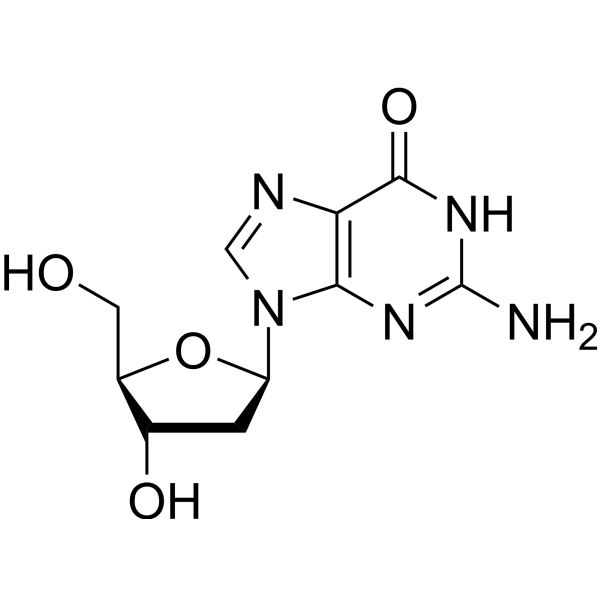
  • HY-17563R

    Deoxyguanosine (Standard); Guanine deoxyriboside (Standard)

    Reference Standards Endogenous Metabolite Cancer
    2'-Deoxyguanosine (Standard) is the analytical standard of 2'-Deoxyguanosine. This product is intended for research and analytical applications. 2’-Deoxyguanosine (Deoxyguanosine) is a purine nucleoside with a variety of biological activities. 2’-Deoxyguanosine can induce DNA division in mouse thymus cells. 2’-Deoxyguanosine is a potent cell division inhibitor in plant cells . In Vitro: 2'-Deoxyguanosine inhibits the clonal growth of HL-60 and K562 leukemia cells with IC50 values of 50 and 80 μM, respectively .
    2'-Deoxyguanosine (Standard)
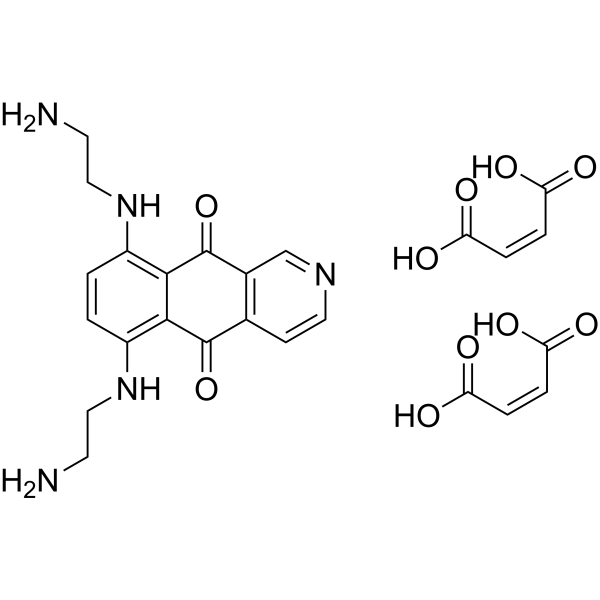
  • HY-108969

    NSC 366140; PD 115934

    Topoisomerase Apoptosis Cancer
    Pyrazoloacridine (NSC 366140), an intercalating agent with anti-cancer activity, inhibits the activity of topoisomerases 1 and 2. Pyrazoloacridine (NSC 366140) exhibits an IC50 of 1.25 μM in K562 myeloid leukemia cells for 24 h treatment .
    Pyrazoloacridine
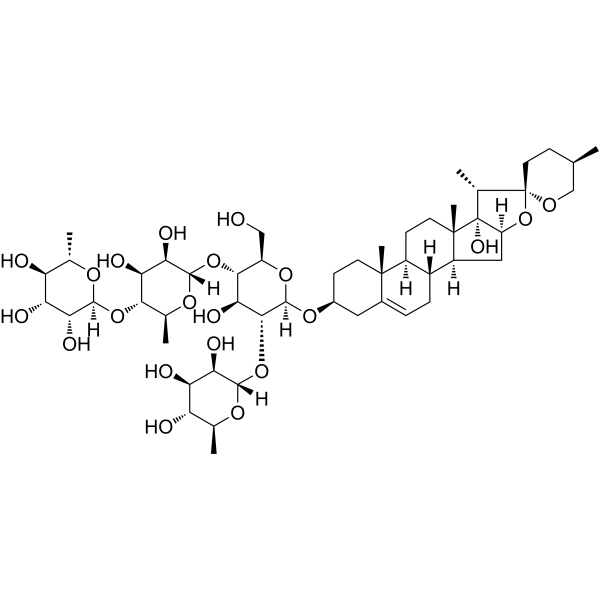
  • HY-N8105

    Fungal Infection Cancer
    Protoneogracillin, a furostanol glycoside, shows anti-fungal activity against the plant pathogenic fungus P.oryzae (MMDC=94.0 μM) and cytotoxic activity on K562 cancer cells (IC50=6.6 μM) .
    Protoneogracillin
  • HY-11063R

    FTY720 free base (Standard)

    Reference Standards LPL Receptor PAK Inflammation/Immunology Cancer
    Fingolimod (Standard) is the analytical standard of Fingolimod. This product is intended for research and analytical applications. Fingolimod (FTY720 free base) is a brain-penetrant sphingosine 1-phosphate (S1P) antagonist with an IC50 of 0.033 nM in K562 and NK cells. Fingolimod also is a pak1 activator, a immunosuppressant .
    Fingolimod (Standard)
  • HY-W100491

    Drug Derivative Cancer
    Trimethylbenzoquinone (Compound 5) is a methylated benzoquinone. Trimethylbenzoquinone exhibits moderate cytotoxicity against K562 cells, with its IC50 being 0.75 μM. Trimethylbenzoquinone is completely unable to cause inter-strand DNA cross-linking and cannot alkylate DNA guanines. Trimethylbenzoquinone can be used to study the relationship between the nitrogen heterocyclic group and DNA cross-linking .
    Trimethylbenzoquinone
  • HY-163854

    HSP Bcl-2 Family Apoptosis Cancer
    HSP70-IN-6 (Compound JL-15) is an inhibitor of Hsp70-Bim protein-protein interaction (PPI) (IC50: 70 nM). HSP70-IN-6 induces apoptosis in chronic myeloid leukemia (CML) cells, with EC50s of 0.43 μM(BV173), 0.88 μM (K562), 0.19 μM (K562-R3) .
    HSP70-IN-6
  • HY-N12153

    Others Cancer
    Theasaponin E2 shows cytotoxicity against K562 and HL60 cells (IC50: 14.7 μg/mL). Theasaponin E2 can be isolated from Camellia sinensis .
    Theasaponin E2
  • HY-110104

    Transmembrane Glycoprotein Others
    8MDP is a potent equilibrative nucleoside transporter 1 (ENT1) inhibitor with an IC50 of 0.43 nM. 8MDP inhibits hENT1 and hENT2 uptake of [H 3] uridine by K562 cells and K15NTD cells .
    8MDP
  • HY-150239

    BAY-299N

    DNA/RNA Synthesis Cancer
    BAY-364 (BAY-299N) is an inhibitor of the second bromine domain in TAF1. BAY-364 inhibits the TAF1 of Kasumi-1 cells, CD34 + cells and K562 cells with IC50 values of 1.0 µM, 10.4 µM and 10.0 µM respectively .
    BAY-364
  • HY-136121

    Microtubule/Tubulin Cancer
    Tubulin inhibitor 6 (Compound 14b) is a tubulin inhibitor and a potent inhibitor of multiple cancer cell lines. Tubulin inhibitor 6 inhibits tubulin polymerization with an IC50 of 0.87 μM. Tubulin inhibitor 6 inhibits K562 cell growth with an IC50 of 840 nM .
    Tubulin inhibitor 6
  • HY-N10073

    Others Cancer
    Eupahualin C is a sesquiterpene lactone that can be isolated from Eupatorium hualienense. Eupahualin C shows cytotoxicity to K562 and U2OS cancer cells .
    Eupahualin C
  • HY-N9339

    (+)-Norglaucine

    Others Cancer
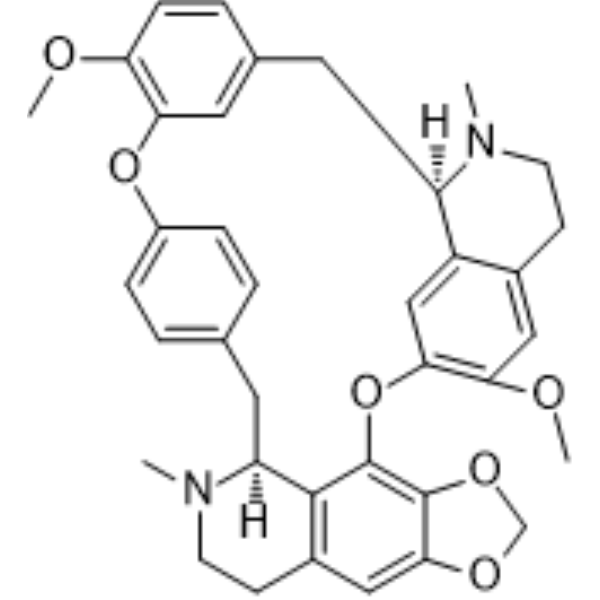
    Norglaucine ((+)-Norglaucine), a cytotoxic alkaloid, exhibits cytotoxicity towards the tumor cell lines B16-F10, HepG2, K562 and HL-60 cells .
    Norglaucine
  • HY-125771S

    18:0 Lyso-PC-d35; LPC(18:0)-d35

    Isotope-Labeled Compounds Endogenous Metabolite HDAC STAT Apoptosis Cancer
    1-Stearoyl-sn-glycero-3-phosphocholine-d35 is deuterium labeled 1-Stearoyl-sn-glycero-3-phosphocholine (HY-125771). 1-Stearoyl-sn-glycero-3-phosphocholine is a lysophosphatidylcholine that inhibits HDAC3 activity and phosphorylation of STAT3 in K562 cells. 1-Stearoyl-sn-glycero-3-phosphocholine induces apoptosis and exhibits anticancer activity in chronic myelogenous leukemia (CML) K562 cells .
    1-Stearoyl-sn-glycero-3-phosphocholine-d35
  • HY-122482

    HIV Reverse Transcriptase Telomerase Bacterial Infection Metabolic Disease Cancer
    β-Rubromycin, a quinone antibacterial agent, is a selective HIV-1 reverse transcriptase inhibitor with a Ki of 0.27 μM. β-Rubromycin is a potent telomerase inhibitor with an IC50 of 3 μM. β-Rubromycin inhibits the proliferation of both K-562 and HeLa cells with IC50 values of 19.5 µM and 22.7 µM, respectively .
    β-Rubromycin
  • HY-11063S

    FTY720 free based-d4

    LPL Receptor PAK Inflammation/Immunology Cancer
    Fingolimod-d4 is the deuterium labeled Fingolimod. Fingolimod (FTY720 free base) is a brain-penetrant sphingosine 1-phosphate (S1P) antagonist with an IC50 of 0.033 nM in K562 and NK cells. Fingolimod also is a pak1 activator, a immunosuppressant .
    Fingolimod-d4
  • HY-155390

    Caspase Apoptosis Cancer
    Caspase-3 activator 3 (compound 2h) induces apoptosis in HL-60 and K562 cells via significant caspase 3 activation. Caspase-3 activator 3 shows antileukemic acticity against HL-60 and K562 cells, with IC50 values of 42.89 and 33.61 μM, respectively .
    Caspase-3 activator 3
  • HY-W700620

    Bcr-Abl Drug Metabolite Apoptosis Src Inflammation/Immunology
    Hydroxymethyl dasatinib (M24), a benzylhydroxy metabolite of Dasatinib (HY-10181), exhibits an IC50 of 46.7nM in K562 CML cells .
    Hydroxymethyl dasatinib
  • HY-N0083R

    Trochol (Standard)

    Reference Standards Fatty Acid Synthase (FASN) Apoptosis Endogenous Metabolite Cancer
    Betulin (Standard) is the analytical standard of Betulin. This product is intended for research and analytical applications. Betulin (Trochol), is a sterol regulatory element-binding protein (SREBP) inhibitor with an IC50 of 14.5 μM in K562 cell line.
    Betulin (Standard)
  • HY-129592

    Apoptosis Cancer
    p-Tolylmaleimide (compound 9) is a naphthalimide derivative that has cytotoxic effects on cancer cells. p-Tolylmaleimide can arrest the cell cycle of human acute myeloid leukemia cells K562 in the sub-G0/G1 phase and induce apoptosis .
    p-Tolylmaleimide
  • HY-162658

    HDAC Apoptosis Cancer
    Leuxinostat is an inhibitor for HDAC with IC50 of 30 nM for hHDAC6. Leuxinostat inhibits the proliferation of cells THP1, K562, U937 and MEK1, induces apoptosis in leukemia cells NB4 and MOLT-4. Leuxinostat inhibits the expansion of hematopoietic stem cells and exhibits antileukemic activity in zebrafish models .
    Leuxinostat
  • HY-177768

    HDAC Apoptosis Cancer
    HDAC-IN-96 (Compound 3f) is a selective HDAC1/2 inhibitor with IC50 values of 457.1 and 433.7 nM. HDAC-IN-96 has strong inhibitory activity against multiple hematological tumor cells (RS4;11, K562, RPMI-8226, U266), with IC50 values ranging from 2.11 to 5.35 μM. HDAC-IN-96 can induce cancer cells apoptosis and S phase arrest. HDAC-IN-96 can be used for the research of cancer, such as acute lymphoblastic leukemia .
    HDAC-IN-96
  • HY-N0083G

    Trochol

    Endogenous Metabolite Apoptosis Fatty Acid Synthase (FASN) Cancer
    Betulin (GMP) (Trochol (GMP)) is Betulin (HY-N0083) produced by using GMP guidelines. GMP small molecules works appropriately as an auxiliary reagent for cell therapy manufacture. Betulin (Trochol), is a sterol regulatory element-binding protein (SREBP) inhibitor with an IC50 of 14.5 μM in K562 cell line.
    Betulin
  • HY-175398

    Glutathione S-transferase Cancer
    OZO-Cl is an OZO derivative. OZO-Cl has anti-cancer activity. OZO-Cl significantly decreases the intracellular glutathion S-transferase Pi (GST) activity. OZO-Cl exhibits cytotoxicity to cancer cell lines, with IC50s of 150 and 120 μmol/L in Panc-1 and K562 cells respectively .
    OZO-Cl
  • HY-179247

    Bcr-Abl Cancer
    BCR-ABL1-IN-2 (compound 8) is a potent BCR-ABL1 tyrosine kinase inhibitor. BCR-ABL1-IN-2 exhibits activity in Imatinib (HY-15463) resistant K562/DOX cells with LC50 of 5.29 μM. BCR-ABL1-IN-2 shows no significant toxicity in nontumor cells. BCR-ABL1-IN-2 can be used for chronic myeloid leukemia research .
    BCR-ABL1-IN-2
  • HY-122724

    Apoptosis Cancer
    IQDMA is an anti-tumor compound. IQDMA can induce apoptosis in tumor cells, such as K562 cells .
    IQDMA
  • HY-158968

    MDM-2/p53 Cancer
    MMs02943764 is a 1,2,4-triazole derivative with anticancer activity. MMs02943764 has significant antiproliferative effects on multiple cancer cell lines. PAC, a structural analog of MMs02943764, has significant cytotoxicity against the leukemia cell line K562 (IC50=35.264 μM), reduces the degradation of p53 by inhibiting Mdm2 and Pirh2, and induces K562 cell cycle arrest .
    MMs02943764
  • HY-N14609

    Antibiotic Bacterial Infection Cancer
    Respinomycin A2 is an anthracycline antibiotic that causes the differentiation of leukemic K-562 cells .
    Respinomycin A2
  • HY-N10677

    Others Cancer
    S-30-Hydroxygambogic acid is polyprenylated xanthone epimer that can be isolated from gamboges of Garcinia hanburyi. S-30-Hydroxygambogic acid shows cytotoxicities to Human Leukemia K562 cell lines of IC50 values of 4.49 and 3.61 μM for K562/R and K562/S, respectively. S-30-Hydroxygambogic acid can be used for the research of cancer .
    S-30-Hydroxygambogic acid
  • HY-169608

    Bcr-Abl Cancer
    BCR-ABL-IN-11 (Compound 2) is a BCR-ABL inhibitor. BCR-ABL-IN-11 shows anticancer activity against chronic myelogenous leukemia (CML) (IC50 of 129.61 μM for K562 cells) .
    BCR-ABL-IN-11
  • HY-170323

    Apoptosis Cancer
    4-TM.P binds to the minor groove of DNA, inhibits proliferation of cancer cell K562 with an IC50 of 25 µM, arrests the cell cycle at G0/G1 phase, and induces apoptosis in cell K562. 4-TM.P can be used in anti-leukemia research .
    4-TM.P
  • HY-154978

    Drug Derivative Cancer
    Cisplatin-resistant cells-IN-1 (Compound 8) has high cytotoxicity against Cisplatin (HY-17394)-resistant cells. Cisplatin-resistant cells-IN-1 reduces the metabolic activity effectively in the low nanomolar range (IC50: 0.14-1.79 μM in A549/A549-R, K562/K562-R, and MCF-7/MCF-7TamR cells) .
    Cisplatin-resistant cells-IN-1
  • HY-129334

    Telomerase Cancer
    Macrocalin B is a diterpenoid, which can be isolated from Isodon xerophilus. Macrocalin B inhibits the proliferation of cancer cells K562, HL-60, A549, MKN, CA and HCT with IC50 of 2.81-171 μM. Macrocalin B inhibits the telomerase in K562 with an IC50 in nanomolar level .
    Macrocalin B

Inquiry Online

Your information is safe with us. * Required Fields.

Salutation


Country or Region *

Applicant Name *


Organization Name *

Department *


Email Address *


Product Name *

Cat. No.


Requested quantity *

Phone Number *


Remarks

Inquiry Online

Inquiry Information

Product Name:
Cat. No.:
Quantity:
MCE Japan Authorized Agent:

