Search Result
Results for "
Nitric oxide synthases
" in MedChemExpress (MCE) Product Catalog:
7
Biochemical Assay Reagents
12
Isotope-Labeled Compounds
| Cat. No. |
Product Name |
Target |
Research Areas |
Chemical Structure |
-
- HY-N0455
-
-
-
- HY-N0455A
-
|
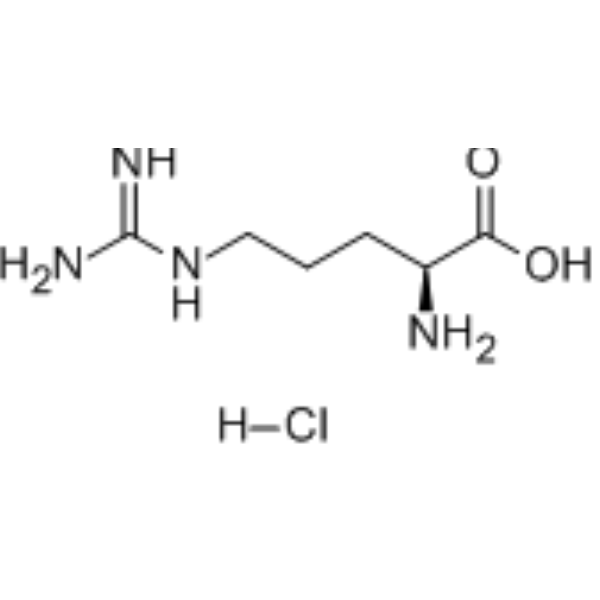
(S)-(+)-Arginine hydrochloride
|
NO Synthase
Endogenous Metabolite
|
Cardiovascular Disease
Inflammation/Immunology
|
|
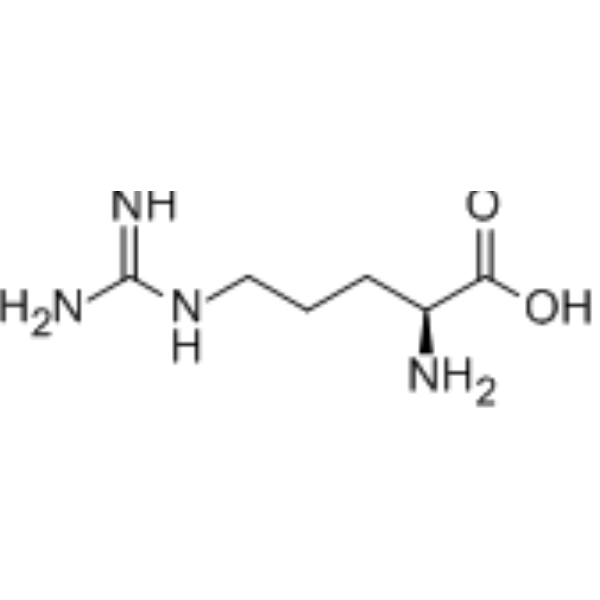
L-Arginine ((S)-(+)-Arginine) is the substrate for the endothelial nitric oxide synthase (eNOS) to generate NO. L-Arginine is transported into vascular smooth muscle cells by the cationic amino acid transporter family of proteins where it is metabolized to nitric oxide (NO), polyamines, or L-proline. L-Arginine is a potent vasodilator, and can be used to induce experimental acute pancreatitis .
|
-
-
- HY-113216
-
-
-
- HY-107383
-
-
-
- HY-101410
-
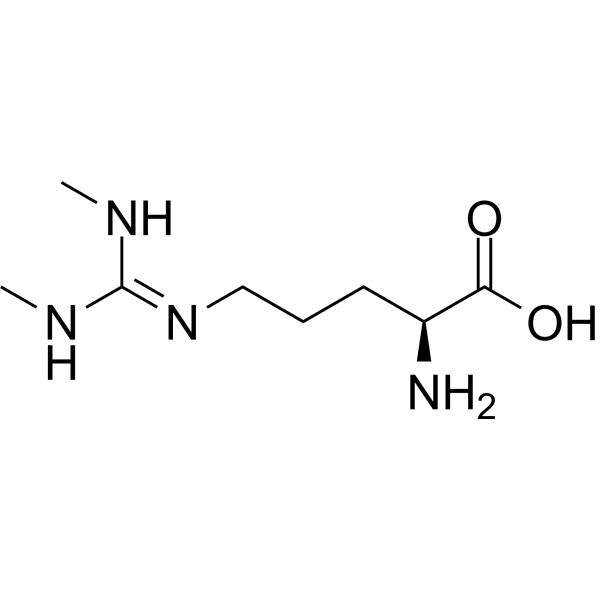
SDMA
3 Publications Verification
Symmetric dimethylarginine; NG,NG'-Dimethyl-L-arginine
|
Endogenous Metabolite
NO Synthase
NF-κB
|
Inflammation/Immunology
|
|
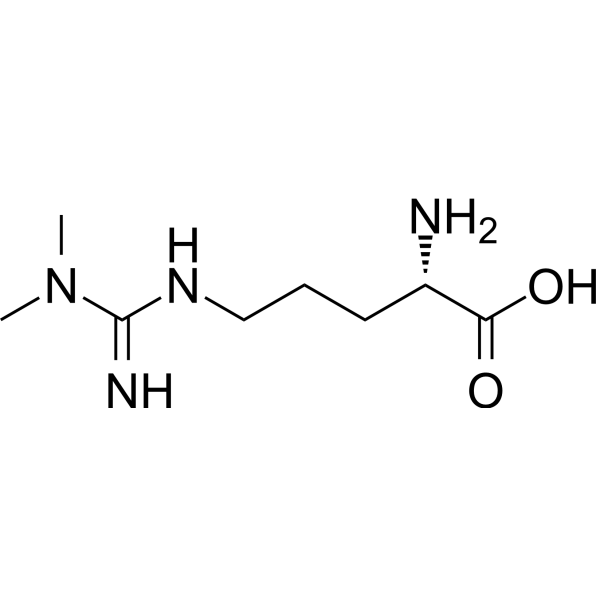
SDMA (Symmetric dimethylarginine) is an endogenous inhibitor of nitric oxide (NO) synthase activity. SDMA, a novel kidney biomarker, permits earlier diagnosis of kidney disease than traditional creatinine testing.
|
-
-
- HY-100986
-
|
|
NO Synthase
|
Cardiovascular Disease
|
|
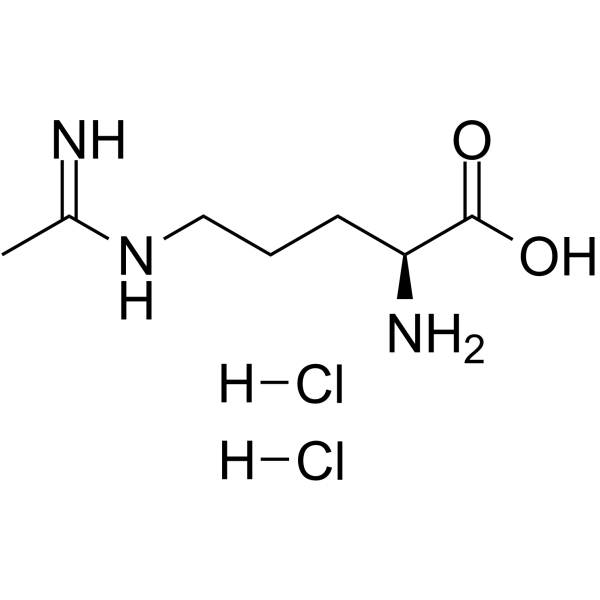
L-NIO dihydrochloride is a potent, non-selective and NADPH-dependent nitric oxide synthase (NOS) inhibitor, with Kis of 1.7, 3.9, 3.9 μM for neuronal (nNOS), endothelial (eNOS), and inducible (iNOS), respectively . L-NIO dihydrochloride induces a consistentfocal ischemic infarctin rats .
|
-
-
- HY-N0577
-
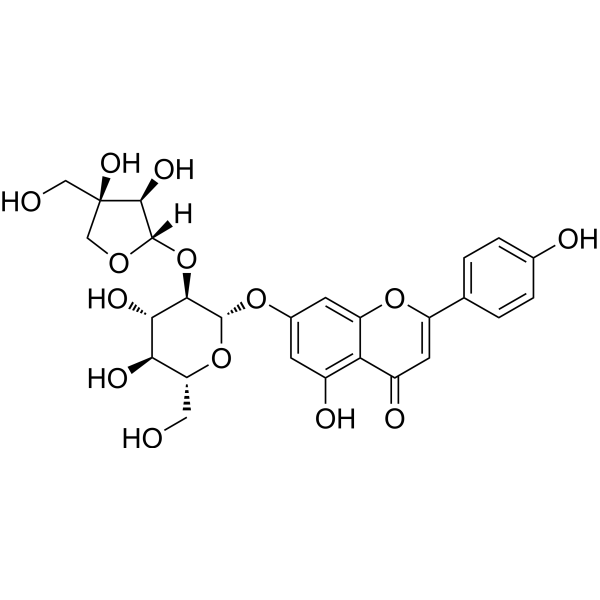
Apiin
1 Publications Verification
Apigenin 7-O-apiosylglucoside; Apigenin 7-(2-O-apiosylglucoside)
|
NO Synthase
|
Inflammation/Immunology
|
|
Apiin is a flavonoid glycoside-based iNOS inhibitor. Apiin inhibits the expression of inducible nitric oxide synthase in activated macrophages. Apiin exhibits anti-inflammatory activity .
|
-
-
- HY-101238
-
-
-
- HY-110275
-
|
|
Keap1-Nrf2
NO Synthase
|
Infection
Inflammation/Immunology
|
|
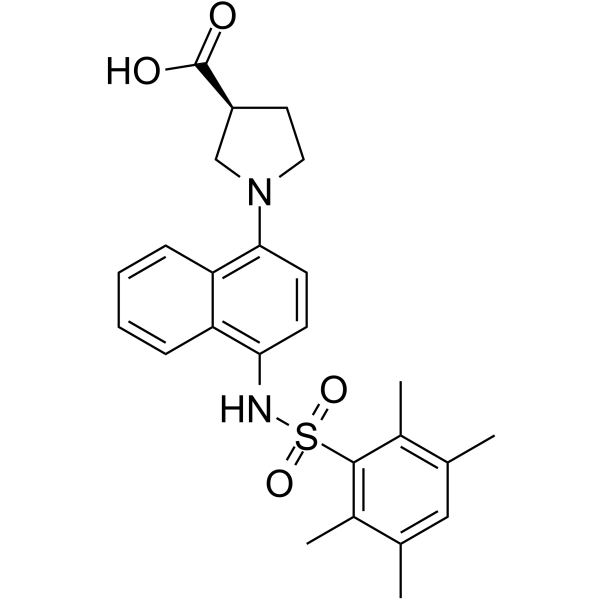
RA839 is a selective Nrf2/ARE pathway agonist and non-covalent small molecule binder of Keap1 (Kd is approximately 6 μM). RA839 prevents inducible nitric oxide synthase expression and nitric oxide release. RA839 exerts anti-rotaviral and anti-inflammatory effects .
|
-
-
- HY-W003969
-
|
Ascensil; 2-Amino-4-methylpyridine
|
NO Synthase
|
Inflammation/Immunology
|
|
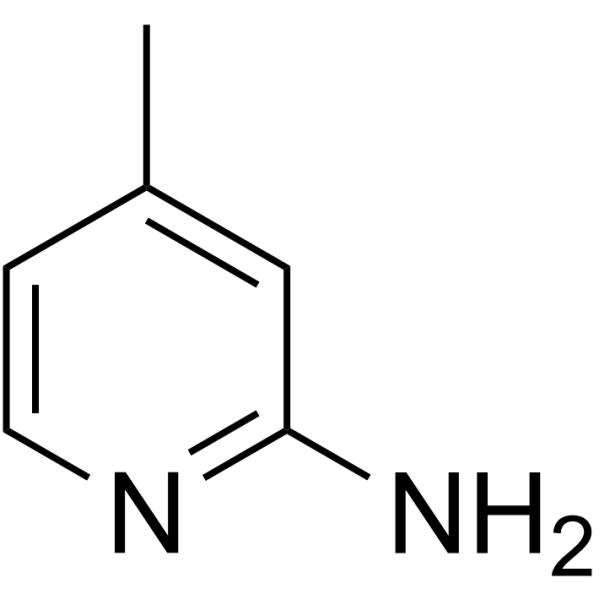
Aminopicoline (Ascensil) is a potent and non-selective inhibitor of nitric oxide synthase (NOS) isoenzymes (iNOS, nNOS, eNOS). Aminopicoline competes with arginine at the substrate-binding site of nitric oxide synthase, reduces cellular nitric oxide production, inhibits the elevation of plasma nitrate, increases mean arterial pressure at high doses, and also serves as a basis for radiolabeled ligands to localize nitric oxide synthase binding sites. Aminopicoline can be used in the research of diseases associated with septic shock, joint inflammation, intestinal inflammation, and CNS inflammation .
|
-
-
- HY-107260
-
|
Lucidenic acid D2
|
NO Synthase
COX
|
Infection
Inflammation/Immunology
Cancer
|
|
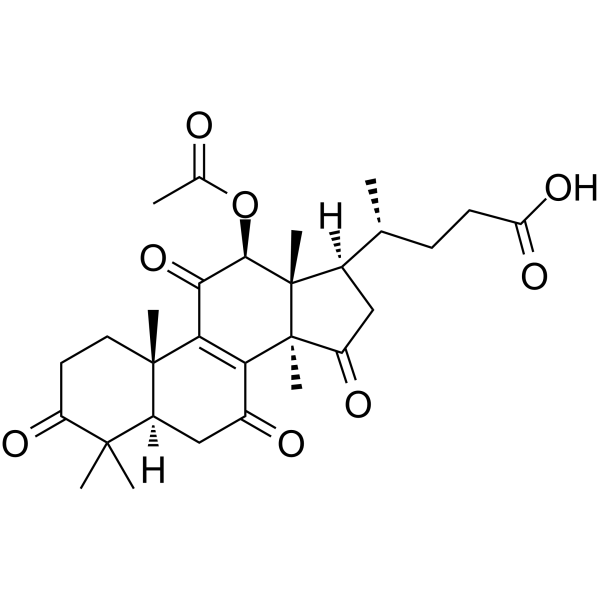
Lucidenic acid D is a highly oxidized triterpenoid with anti-inflammatory and antiviral activities. Lucidenic acid D attenuates lipopolysaccharide-induced release of proinflammatory cytokines and nitric oxide, reduces the expression of inducible nitric oxide synthase (iNOS) and cyclooxygenase-2 (COX-2), and inhibits skin inflammation. Lucidenic acid D suppresses 12-O-tetradecanoylphorbol-13-acetate (TPA)-induced expression of Epstein-Barr virus (EBV) early antigen and maintains the viability of Raji cells. Lucidenic acid D can be used in studies of cancer chemoprevention .
|
-
-
- HY-W008646
-
|
|
SOD
Apoptosis
NO Synthase
|
Cardiovascular Disease
Neurological Disease
|
|
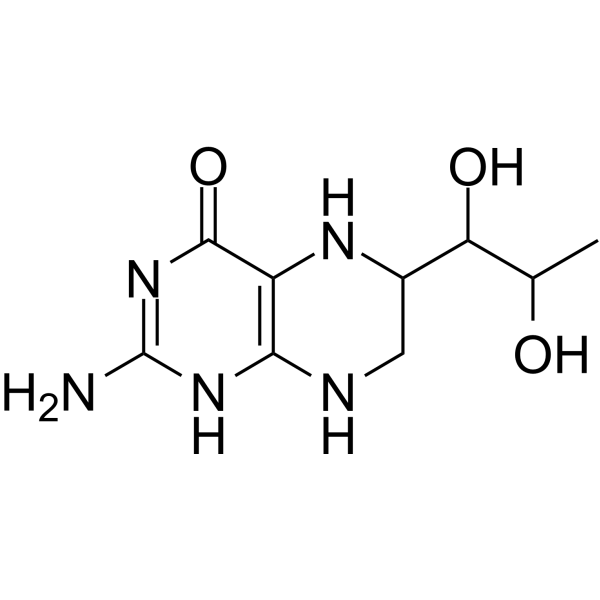
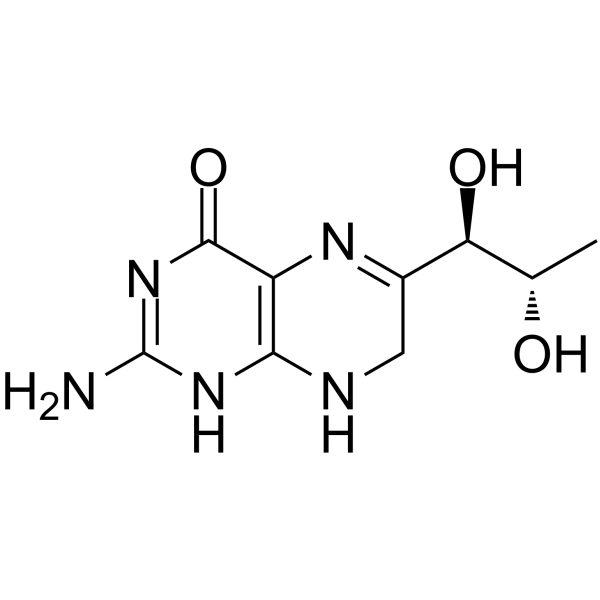
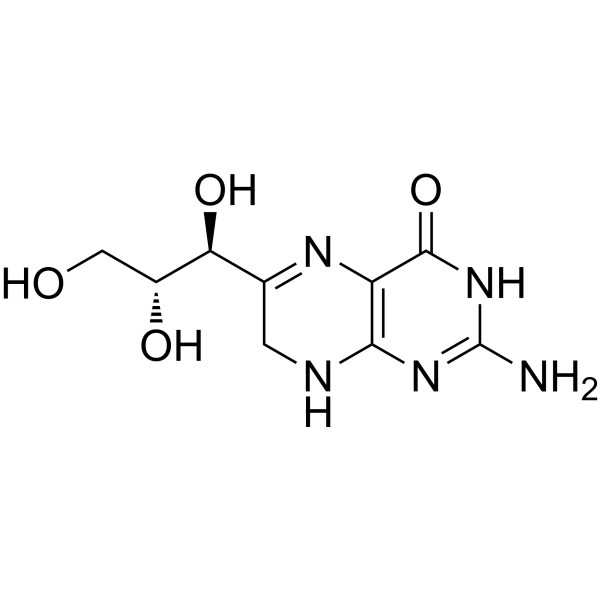
7,8-Dihydro-L-biopterin is a NOS uncoupling inducer with blood-brain barrier permeability, and it is a reduced non-conjugated pteridine. 7,8-Dihydro-L-biopterin is the main metabolite of 4-amino-tetrahydro-L-biopterin, and it undergoes photooxidation to form biopterin. 7,8-Dihydro-L-biopterin promotes the conversion of nitric oxide synthase to a superoxide-producing form, thereby increasing oxidative stress levels in the renal outer medulla and inducing apoptosis. 7,8-Dihydro-L-biopterin is sensitive to the inhibitory effect of SOD, and it can be applied to research related to salt-sensitive hypertension, moderate to severe traumatic brain injury, and neurodegenerative diseases .
|
-
-
- HY-N1382
-
-
-
- HY-136341
-
-
-
- HY-N0455R
-
|
|
Reference Standards
NO Synthase
Endogenous Metabolite
|
Cardiovascular Disease
Cancer
|
|
L-Arginine (Standard) is the analytical standard of L-Arginine. This product is intended for research and analytical applications. L-Arginine ((S)-(+)-Arginine) is the substrate for the endothelial nitric oxide synthase (eNOS) to generate NO. L-Arginine is transported into vascular smooth muscle cells by the cationic amino acid transporter family of proteins where it is metabolized to nitric oxide (NO), polyamines, or L-proline. L-Arginine is a potent vasodilator, and can be used to induce experimental acute pancreatitis .
|
-

-
- HY-B1448
-
|
KW-3049
|
Calcium Channel
Apoptosis
|
Cardiovascular Disease
|
|
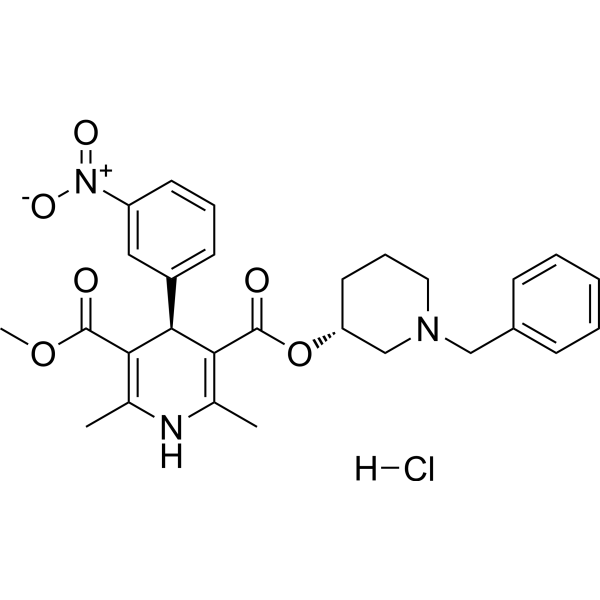
Benidipine hydrochloride is an orally active calcium channel antagonist. Benidipine hydrochloride can inhibit cell proliferation and apoptosis. Benidipine hydrochloride has antioxidant activity and can increase nitric oxide synthase activity and improve coronary circulation in hypertensive rats .
|
-
-
- HY-18730
-
|
W1400
|
NO Synthase
Apoptosis
|
Cardiovascular Disease
Inflammation/Immunology
Cancer
|
|
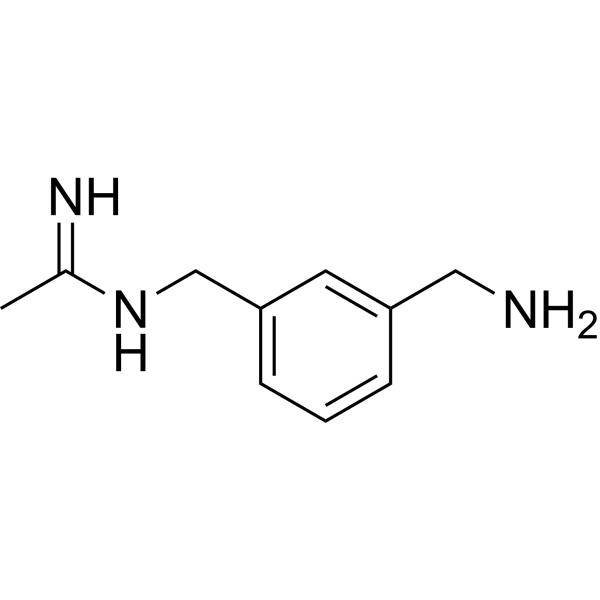
1400W is a slow, tight binding, and highly selective inducible nitric-oxide synthase (iNOS) inhibitor, with a Kd value ≤ 7 nM. 1400W inhibits iNOS induction in microglial cells, and reduces generation of NO, thereby mitigating oxidative stress and neuronal cell apoptosis in the rat cerebral cortex, and improving the spatial memory dysfunction caused by acute hypobaric hypoxia-reoxygenation .
|
-
-
- HY-N0724
-
|
|
TNF Receptor
|
Neurological Disease
|
|
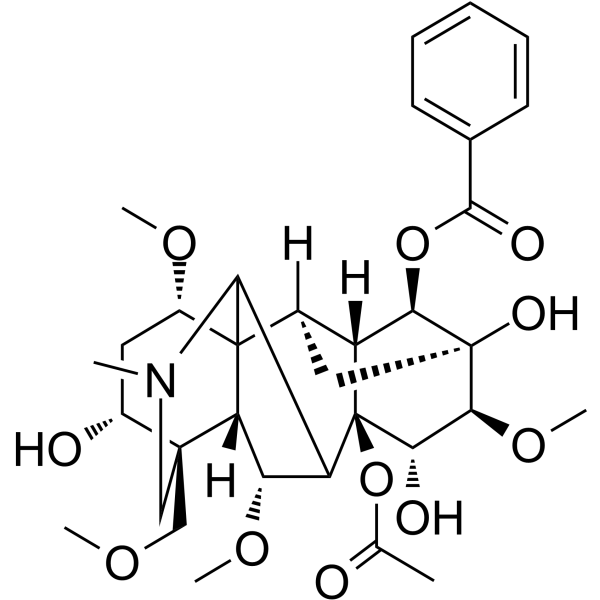
Mesaconitine is a nitric oxide synthase activator. Mesaconitine drives extracellular Na + and Ca 2+ influx into endothelial cells, increases intracellular Na + and Ca 2+ concentrations, and triggers nitric oxide release. Mesaconitine is applicable for pain-related research .
|
-
-
- HY-18732
-
|
Tilarginine; Methylarginine
|
NO Synthase
|
Neurological Disease
Inflammation/Immunology
Cancer
|
|
L-NMMA (Tilarginine) is a non-selective and competitive inhibitor of nitric oxide synthase. L-NMMA inhibits three subtypes, namely nNOS, eNOS, and iNOS, and reduces NO production . L-NMMA alleviates mechanical allodynia, thermal hyperalgesia, and choroidal fibrosis. L-NMMA is applicable to research related to nociception, bone cancer pain, and myopia .
|
-

-
- HY-N0268
-
|
|
NO Synthase
|
Inflammation/Immunology
|
|
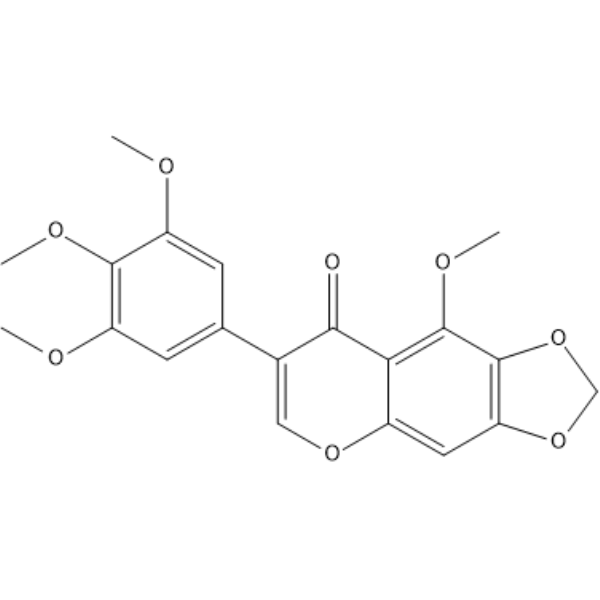
Irisflorentin, a naturally occurring isoflavone, is an abundant active constituent in Belamcanda chinensis. Irisflorentin markedly reduces the transcriptional and translational levels of inducible nitric oxide synthase (iNOS) as well as the production of NO. Anti-inflammatory activity .
|
-
-
- HY-N2237
-
|
Quzhaqigan
|
NO Synthase
Arginase
|
Cardiovascular Disease
|
|
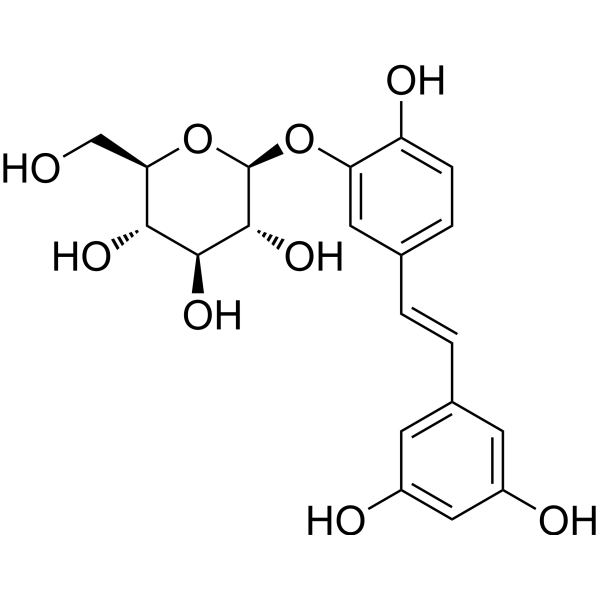
Piceatannol 3'-O-glucoside, an active component of Rhubarb, activates endothelial nitric oxide (NO) synthase through inhibition of arginase activity with IC50s of 11.22 μM and 11.06 μM against arginase I and arginase II, respectively.
|
-
-
- HY-19504
-
-
-
- HY-101410S
-
|
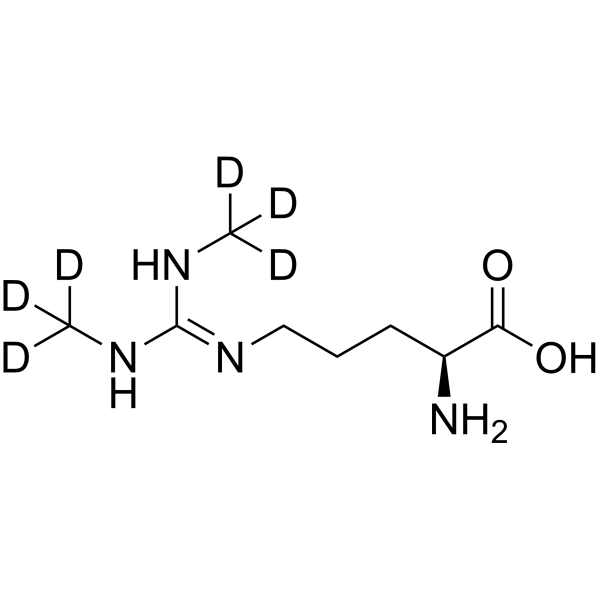
Symmetric dimethylarginine-d6; NG,NG'-Dimethyl-L-arginine-d6
|
Endogenous Metabolite
|
Inflammation/Immunology
|
|
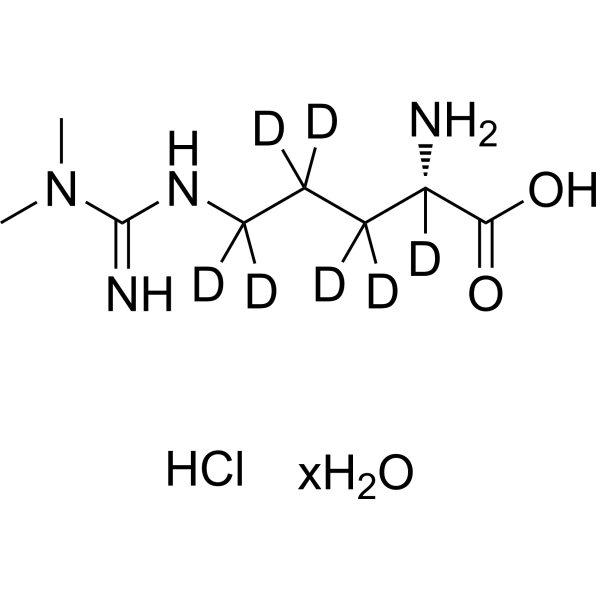
SDMA-d6 is the deuterium labeled SDMA. SDMA (Symmetric dimethylarginine) is an endogenous inhibitor of nitric oxide (NO) synthase activity .
|
-
-
- HY-79457
-
|
|
NO Synthase
HSV
|
Infection
Inflammation/Immunology
|
|
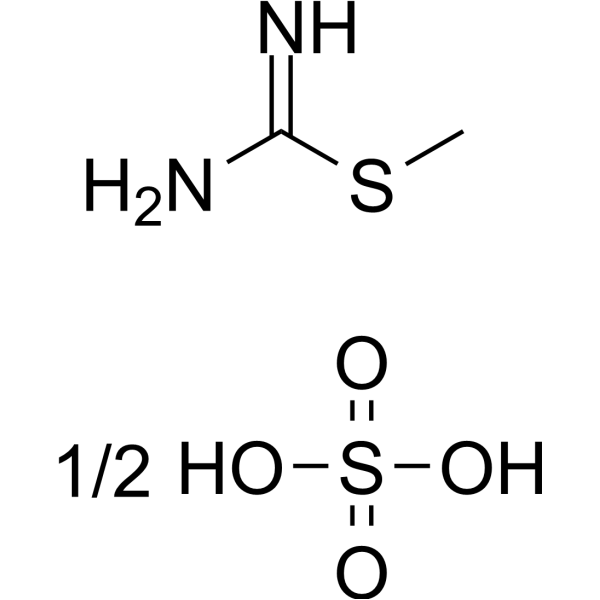
S-Methylisothiourea sulfate is a potent, selective and competitive inhibitor of inducible nitric oxide synthase (iNOS). S-Methylisothiourea sulfate exerts beneficial effects in rodent models of septic shock .
|
-
-
- HY-119720
-
|
|
NF-κB
NO Synthase
|
Inflammation/Immunology
|
|
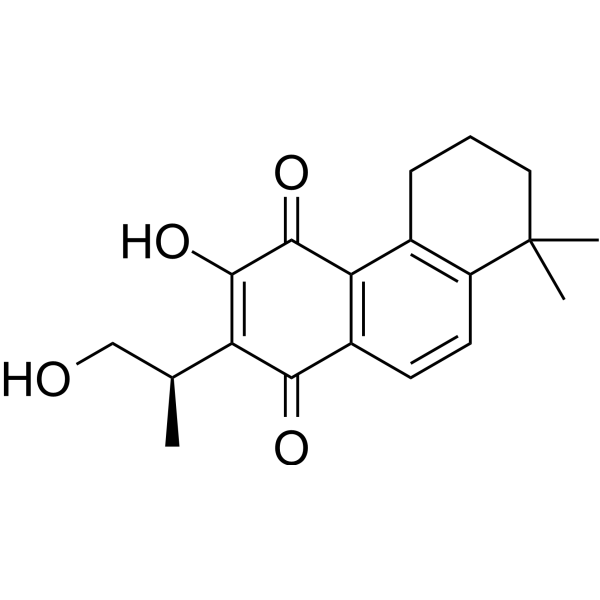
Neocryptotanshinone, a fatty diterpenoids from Salvia Miltiorrhiza, inhibits lipopolysaccharide-induced inflammation by suppression of NF-κB and iNOS signaling pathways .
|
-
-
- HY-34748
-
-

-
- HY-B1041A
-
|
Pimagedine; GER-11free base ; Aminoguanidinium
|
NO Synthase
Apoptosis
|
Endocrinology
|
|
Aminoguanidine (Pimagedine hydrochloride) is an inhibitor of diamine oxidase and nitric oxide synthase. Aminoguanidine has a dose-dependent inhibitory effect on apoptosis induced by Doxorubicin (HY-15142). Aminoguanidine has antioxidant properties. Aminoguanidine can be used in diabetic nephropathy research .
|
-

-
- HY-145846
-
|
|
NO Synthase
Interleukin Related
|
Inflammation/Immunology
|
|
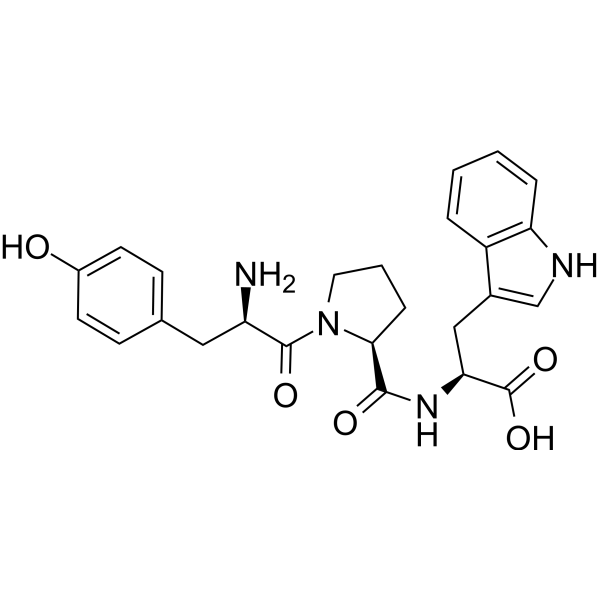
iNOs-IN-1 (YPW) is a potent inducible nitric oxide synthase (iNOS) inhibitor. iNOs-IN-1 can significantly inhibit the expression of IL-6 and iNOS, as well as reduce LPS-induced NO generation with dose-dependent manner in mouse macrophages. Anti-inflammatory effects .
|
-
-
- HY-102062A
-
|
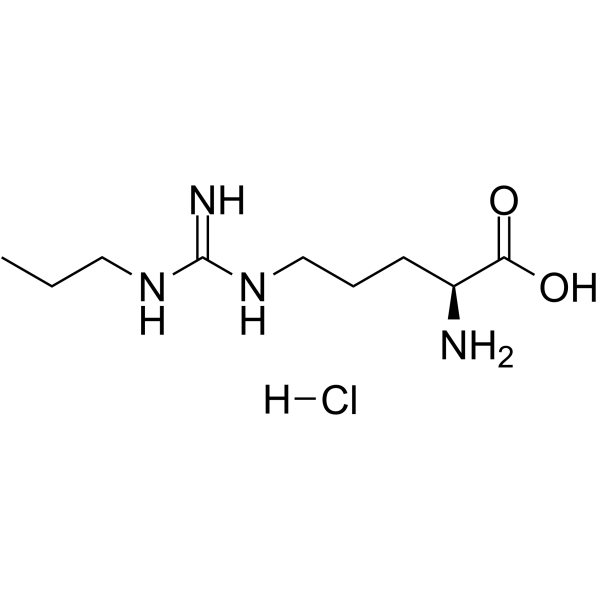
N-omega-Propyl-L-arginine hydrochloride
|
NO Synthase
|
Neurological Disease
|
|
Nω-Propyl-L-arginine (N-omega-Propyl-L-arginine) hydrochloride is a potent, competitive, and highly selective inhibitor of neuronal nitric oxide synthase (nNOS), with a Ki of 57 nM. Nω-Propyl-L-arginine hydrochloride displays a 149-fold selectivity for nNOS over endothelial NOS (eNOS) .
|
-
-
- HY-102062
-
|
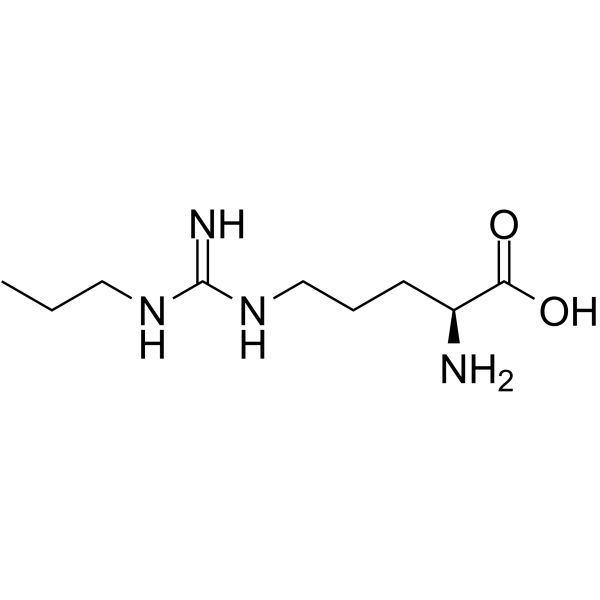
N-omega-Propyl-L-arginine
|
NO Synthase
|
Neurological Disease
|
|
Nω-Propyl-L-arginine (N-omega-Propyl-L-arginine) is a potent, competitive, and highly selective inhibitor of neuronal nitric oxide synthase (nNOS), with a Ki of 57 nM. Nω-Propyl-L-arginine displays a 149-fold selectivity for nNOS over endothelial NOS (eNOS) .
|
-
-
- HY-127029A
-
|
|
NO Synthase
Lipoxygenase
|
Neurological Disease
Inflammation/Immunology
Cancer
|
|
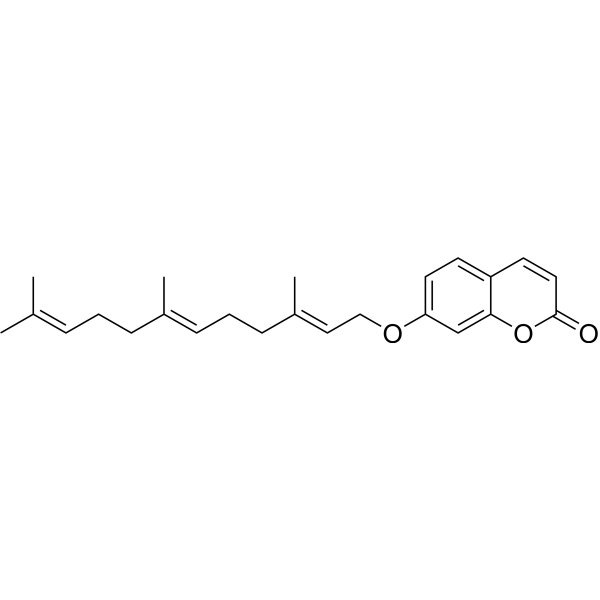
Umbelliprenin, a prenylated coumarin, is an antioxidant with anticancer, anti-inflammatory and immunomodulatory effects. Umbelliprenin inhibits lipoxygenase managing the inflammation pathways. In inflammatory macrophages, Umbelliprenin suppresses nitric oxide production as well as inducible nitric oxide synthase (NO synthase) .
|
-
-
- HY-U00432A
-
|
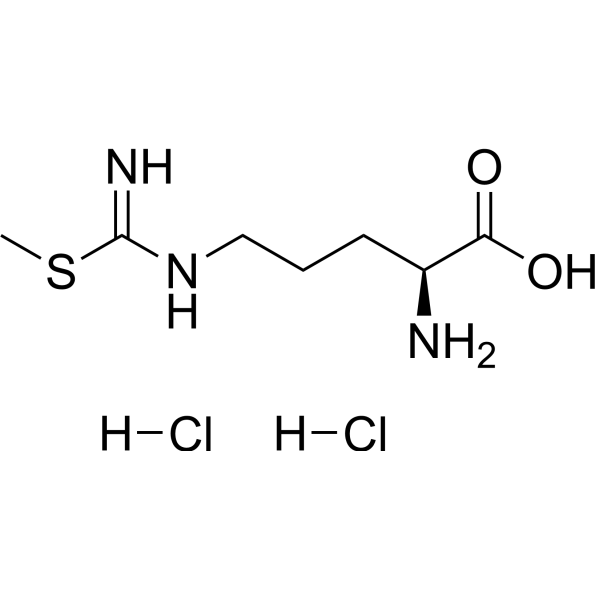
S-Methyl-L-thiocitrulline dihydrochloride
|
NO Synthase
|
Neurological Disease
|
|
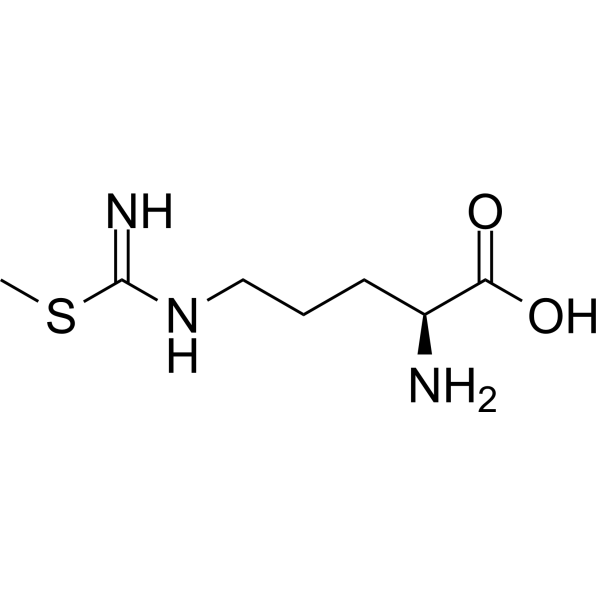
S-MTC (S-Methyl-L-thiocitrulline) dihydrochloride is a selective type I nitric oxide synthase (NOS) inhibitor.
|
-
-
- HY-N6770
-
|
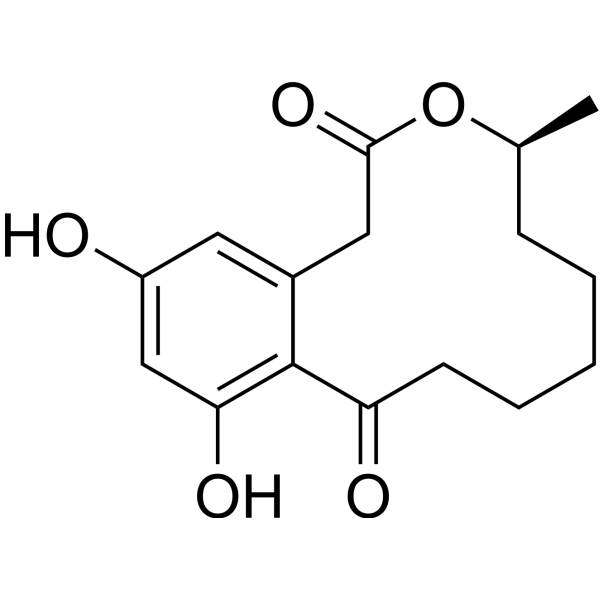
(S)-Curvularin
|
NO Synthase
|
Infection
Inflammation/Immunology
|
|
Curvularin, a fungal metabolite and a potent mycotoxin naturally isolated from Curvularia lunata, inhibits cytokine-induced nitric oxide synthase (iNOS), with an IC50 of 9.5 µM .
|
-
-
- HY-101175
-
|
|
NO Synthase
|
Neurological Disease
Metabolic Disease
|
|
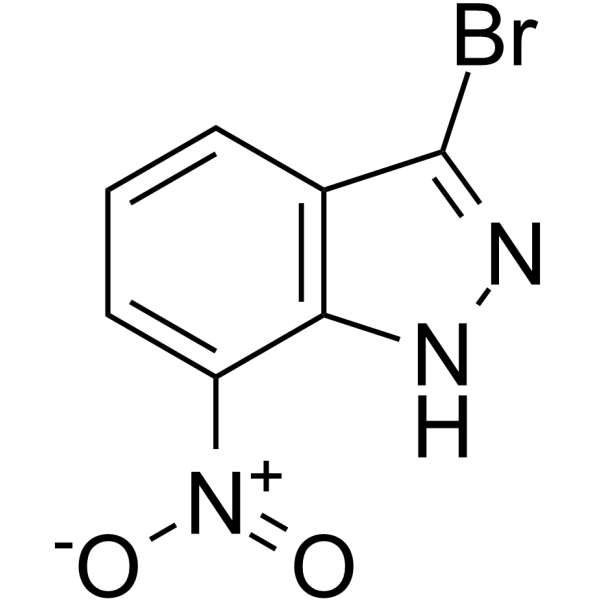
3-Bromo-7-nitroindazole is a potent and selective inhibitor of neuronal nitric oxide synthase (nNOS). 3-Bromo-7-nitroindazole affects the intercellular messenger nitric oxide (NO) synthesis throughout the body and brain. 3-Bromo-7-nitroindazole can be used for the researches of metabolic and neurological disease, such as diabetes, stroke and depression .
|
-
-
- HY-101316
-
|
|
NO Synthase
|
Neurological Disease
|
|
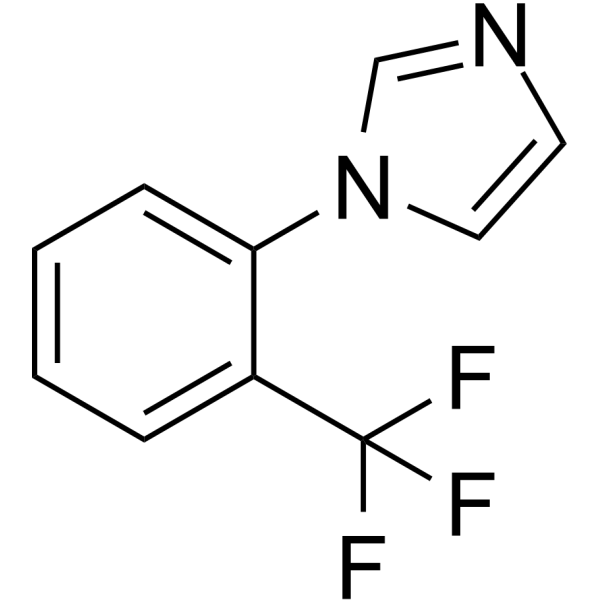
TRIM is a potent nitric oxide synthase inhibitor. TRIM inhibits mouse cerebellar nNOS and rat lung iNOS in vitro with IC50 values of 28.2 and 27.0 µM, respectively. Antidepressant- and anxiolytic-like effects .
|
-
-
- HY-12122A
-
|
|
NO Synthase
|
Neurological Disease
Inflammation/Immunology
|
|
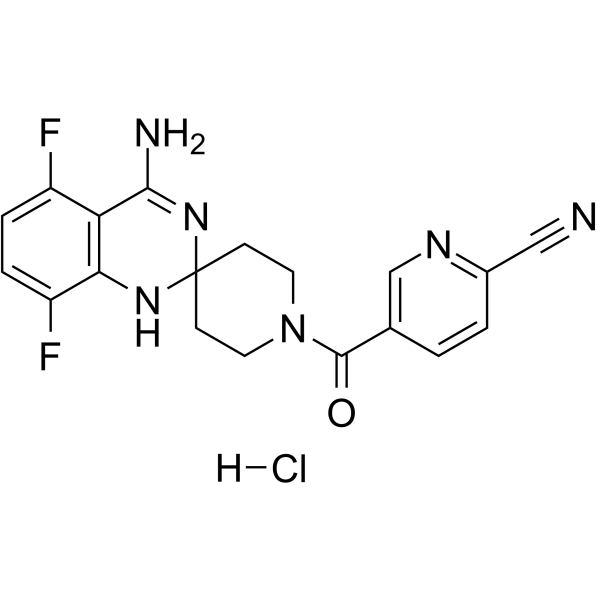
AR-C102222 hydrochloride is a potent, competitive, orally active and highly selective inducible nitric oxide synthase (iNOS) inhibitor, with an IC50 of 37 nM . AR-C102222 hydrochloride has antinociception and anti-inflammatory activities .
|
-
-
- HY-W022047
-
-

-
- HY-135224
-
|
1,4-PB-ITU dihydrobromide
|
NO Synthase
|
Cancer
|
|
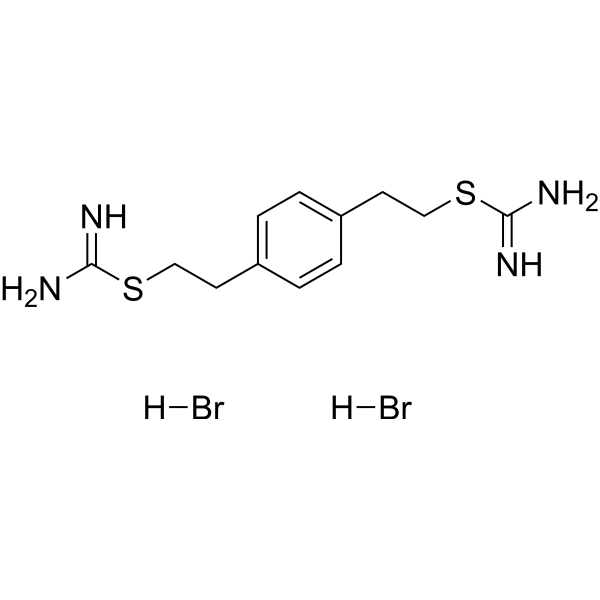
1,4-PBIT (1,4-PB-ITU) dihydrobromide (compound 46) is a potent nitric oxide synthases (NOS) inhibitor, with Ki values of 7.6 nM, 360 nM, and 16 nM for the inducible (iNOS), endothelial (eNOS), and neuronal (nNOS) isozymes, respectively .
|
-
-
- HY-101410R
-
|
Symmetric dimethylarginine (Standard); NG,NG'-Dimethyl-L-arginine (Standard)
|
Reference Standards
Endogenous Metabolite
NO Synthase
NF-κB
|
Inflammation/Immunology
|
|
SDMA (Standard) is the analytical standard of SDMA. This product is intended for research and analytical applications. SDMA (Symmetric dimethylarginine) is an endogenous inhibitor of nitric oxide (NO) synthase activity. SDMA, a novel kidney biomarker, permits earlier diagnosis of kidney disease than traditional creatinine testing.
|
-

-
- HY-12124
-
|
|
NO Synthase
|
Cardiovascular Disease
|
|
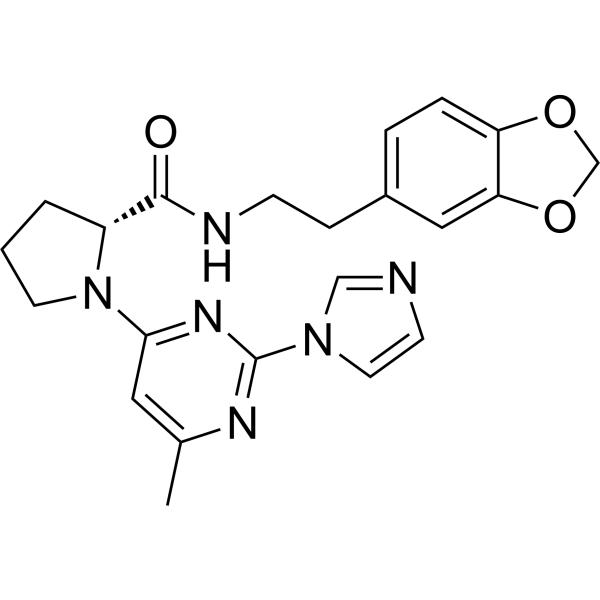
BBS-4 is a potent and selective inducible nitric oxide synthase (NOS2) dimerization inhibitor, with an IC50 of 0.49 nM. BBS-4 can protect mice from the cardiovascular dysfunction of sepsis .
|
-
-
- HY-101238R
-
-

-
- HY-B1448A
-
|
KW-3049 free base
|
Apoptosis
Calcium Channel
|
Cardiovascular Disease
|
|
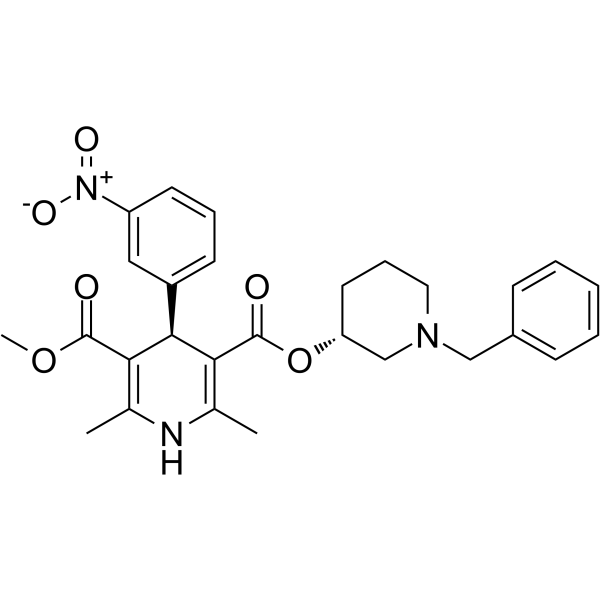
Benidipine is a potent and orally active calcium channel antagonist . Benidipine shows anti-apoptosis effects in ischaemic/reperfused myocardial cells . Benidipine increases the activity of endothelial cell-type nitric oxide synthase and improves coronary circulation in hypertensive rats .
|
-
-
- HY-125863B
-
|
G6PD (yeast, recombinant)
|
Endogenous Metabolite
|
Cardiovascular Disease
Metabolic Disease
Cancer
|
|
Glucose 6-phosphate dehydrogenase (yeast, recombinant) is the rate-limiting enzyme of the pentose phosphate pathway and a major source of NADPH in antioxidant pathways, nitric oxide synthase, NADPH oxidase, and cytochrome P450 systems. Glucose 6-phosphate dehydrogenase helps cells resist oxidative stress and regulates metabolic rates. It holds potential for research in fields such as diabetes, endothelial dysfunction, cancer, and cardiomyopathy .
|
-

-
- HY-100986B
-
|
|
NO Synthase
|
Cardiovascular Disease
|
|
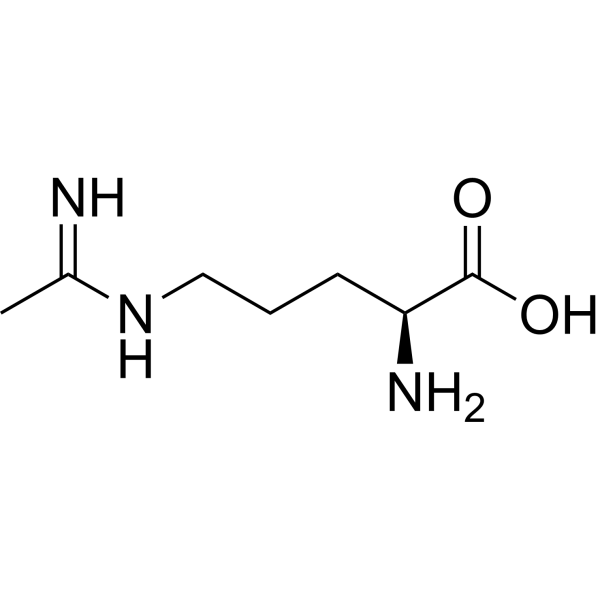
L-NIO is a potent, non-selective and NADPH-dependent nitric oxide synthase (NOS) inhibitor, with Kis of 1.7, 3.9, 3.9 μM for neuronal (nNOS), endothelial (eNOS), and inducible (iNOS), respectively . L-NIO induces a consistentfocal ischemic infarctin rats .
|
-
-
- HY-130579
-
|
L-VNIO hydrochloride
|
NO Synthase
NADPH Oxidase
|
Cardiovascular Disease
Neurological Disease
|
|
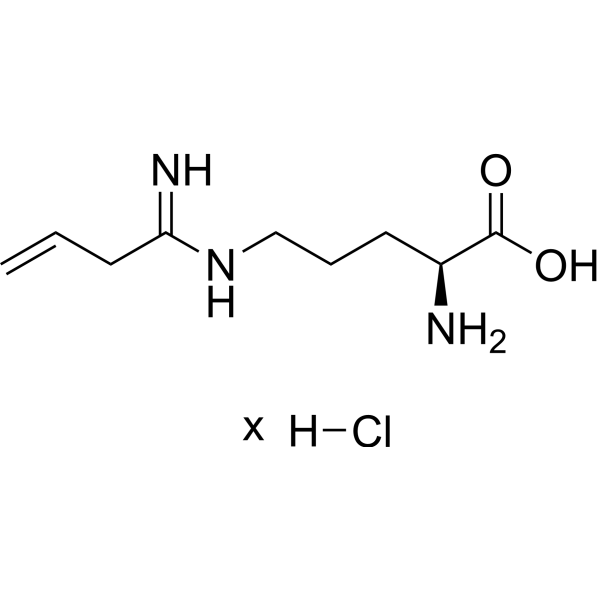
Vinyl-L-NIO (L-VNIO) hydrochloride is a neuronal nitric oxide synthase (NOS) inhibitor with a rat Ki of 0.10 μM. Vinyl-L-NIO hydrochloride inhibits NADPH oxidase activity, attenuates renal fibrosis, inflammation, oxidative stress indices, and albuminuria. Vinyl-L-NIO hydrochloride can be used for the research of parkinson's disease, migraine headache, and hypertension .
|
-
-
- HY-129876
-
|
D-NG-nitroarginine methyl ester hydrochloride; H-D-Arg(NO2)-OMe hydrochloride
|
NO Synthase
|
Neurological Disease
|
|
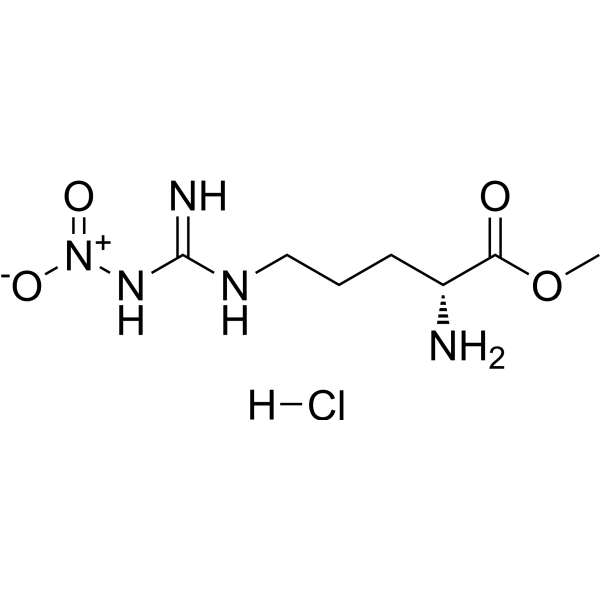
D-NAME (D-NG-nitroarginine methyl ester) hydrochloride is a potent nitric oxide synthase (NOS) inhibitor. D-NAME hydrochloride inhibits the activity of NOS, reducing the production of nitric oxide .
|
-
-
- HY-150055
-
|
|
NO Synthase
|
Inflammation/Immunology
|
|
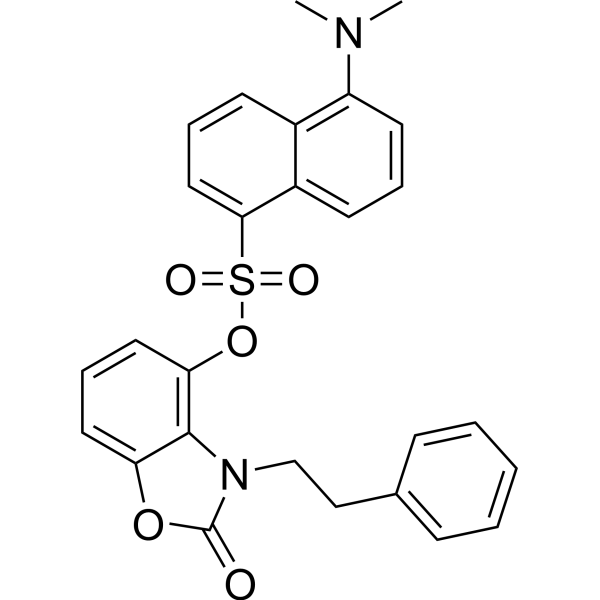
iNOs-IN-3 (Compound 2d) is an orally active nitric oxide synthase (iNOS) inhibitor (IC50=3.342 µM). iNOs-IN-3 shows anti-inflammatory activity and can be used in LPS-induced acute lung injury (ALI) research .
|
-
-
- HY-101238S
-
-

-
- HY-146309
-
|
|
NO Synthase
|
Inflammation/Immunology
|
|
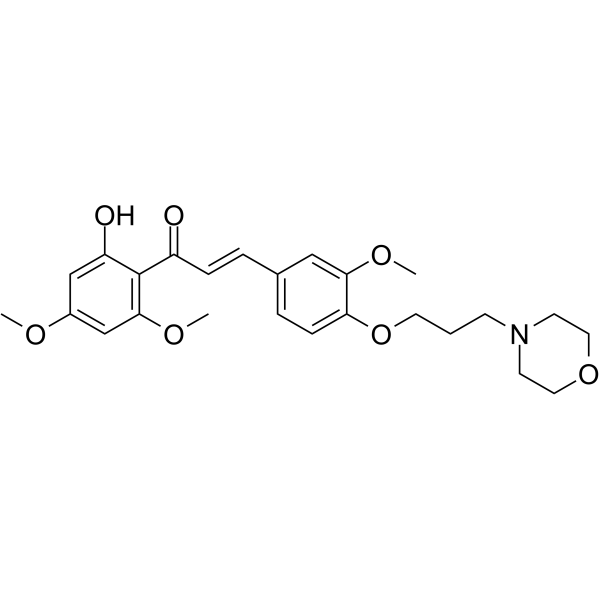
iNOS-IN-2 (Compound 53) is a potent down-regulator of inducible nitric oxide synthase (iNOS) protein. iNOS-IN-2 effectively inhibits the NO production (IC50=6.4 μM). iNOS-IN-2 has a potential therapeutic effect on chronic inflammation .
|
-
-
- HY-U00432
-
-
- HY-122060
-
|
|
NO Synthase
|
Metabolic Disease
|
|
BYK 191023 is a selective and L-arginine competitive inducible nitric-oxide synthase inhibitor with an IC50 value of 86 nM, 17 µM, 162 µM for inducible (iNOS), neuronal (nNOS), and endothelial (eNOS) NO synthases respectively .
|
-

- HY-N0455C
-
|
|
NO Synthase
Endogenous Metabolite
|
Cardiovascular Disease
Inflammation/Immunology
|
|
L-Arginine arginine is the substrate for the endothelial nitric oxide synthase (eNOS) to generate NO. L-Arginine is transported into vascular smooth muscle cells by the cationic amino acid transporter family of proteins where it is metabolized to nitric oxide (NO), polyamines, or L-proline. L-Arginine is a potent vasodilator, and can be used to induce experimental acute pancreatitis .
|
-

- HY-114798
-
-

- HY-107584
-
|
|
NO Synthase
|
Metabolic Disease
|
|
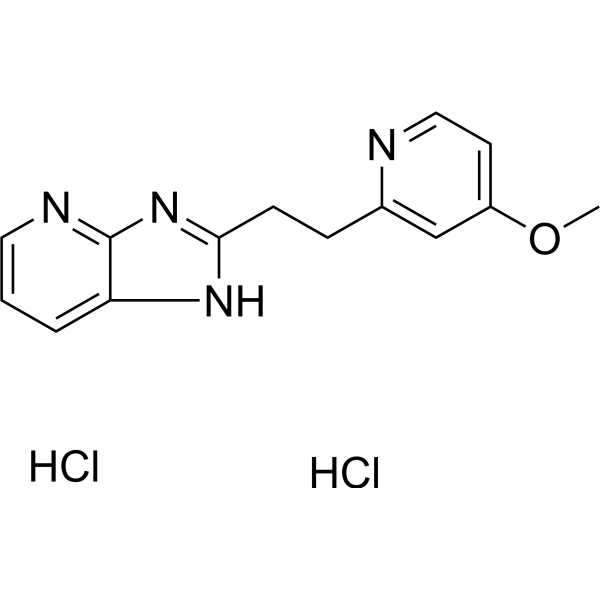
BYK 191023 is a highly selective inducible nitric-oxide synthase (iNOS) inhibitor. BYK 191023 interacts with the catalytic center of the enzyme. BYK 191023 can be used to study the in vivo and in vitro effects mediated by iNOS .
|
-
- HY-106162A
-
-

- HY-105407
-
-

- HY-164361
-
|
|
NO Synthase
|
Inflammation/Immunology
|
|
α-Gracinoic acid is a Chalcone (HY-121054) derivative with anti-inflammatory activity. α-Gracinoic acid inhibits nitric oxide production catalyzed by inducible nitric oxide synthase (iNOS) in lipopolysaccharide (LPS)-treated RAW 264.7 cells .
|
-

- HY-149339
-
|
|
NO Synthase
|
Neurological Disease
|
|
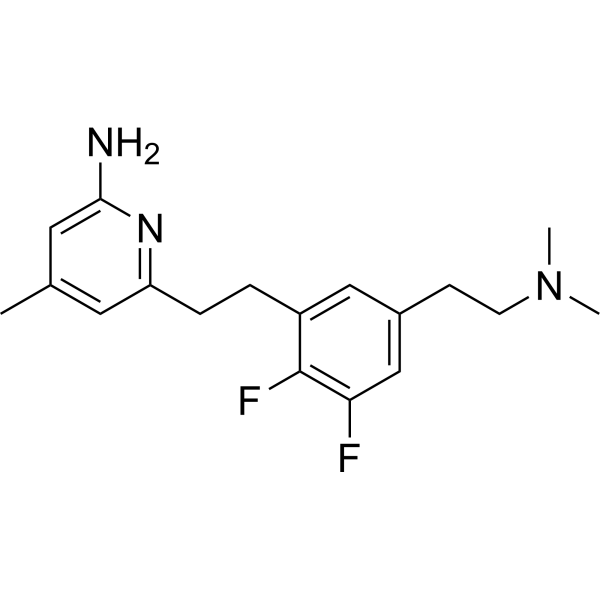
hnNOS-IN-2 (compound 17) is a human neuronal nitric oxide synthase (hnNOS) inhibitor with good metabolic stability. hnNOS-IN-2 can be used for research in neurodegenerative diseases .
|
-
- HY-N12224
-
|
MG(17:0/0:0/0:0); 1-Heptadecanoin
|
NO Synthase
|
Inflammation/Immunology
|
|
1-Heptadecanoyl-rac-glycerol (1-Heptadecanoin) is a glyceride compound with anti-inflammatory activity. 1-Heptadecanoyl-rac-glycerol inhibits the occurrence of inflammation by suppressing the expression of inducible nitric oxide synthase (iNOS) related to inflammation. 1-Heptadecanoyl-rac-glycerol can be used for research on diseases related to inflammation .
|
-

- HY-N11085
-
|
|
NO Synthase
IKK
|
Inflammation/Immunology
|
|
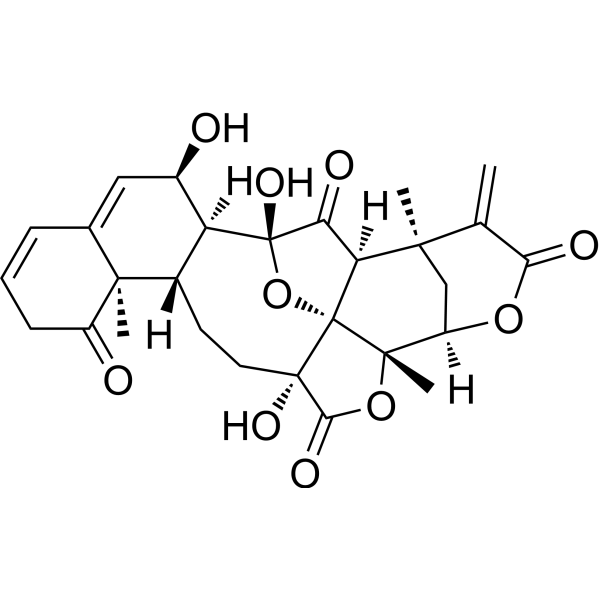
Isophysalin A is a physalin with alpha and beta unsaturated ketone components. Isophysalin A binds to GSH and targets multiple cysteine residues on IKKβ. Isophysalin A also inhibits inducible NO synthase (iNOS) and nitric oxide (NO) production, showing anti-inflammatory activity .
|
-
- HY-U00432B
-
|
S-Methyl-L-thiocitrulline acetate
|
NO Synthase
Endogenous Metabolite
|
Inflammation/Immunology
|
|
S-MTC acetate (S-Methyl-L-thiocitrulline acetate) acts as a powerful inhibitor of inducible nitric oxide synthase, favoring the inhibition of constitutive (neuronal) nitric oxide synthase over inducible (endothelial) nitric oxide synthase.
|
-

- HY-108515
-
|
JO1784
|
Sigma Receptor
NO Synthase
|
Cardiovascular Disease
Neurological Disease
Inflammation/Immunology
|
|
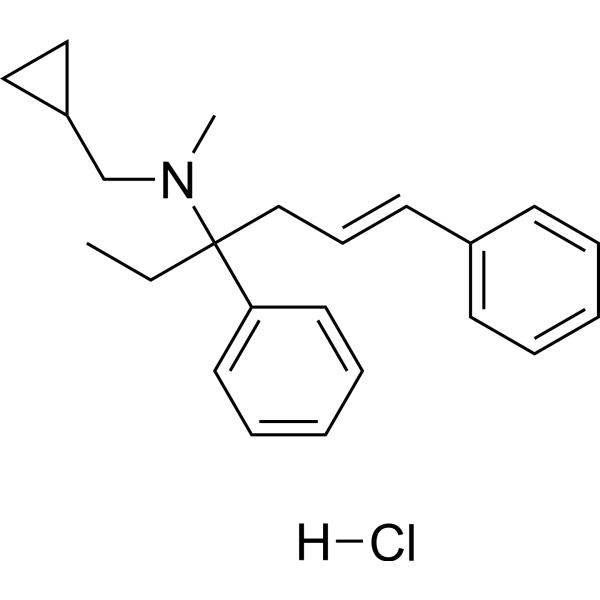
(+)-Igmesine hydrochloride (JO1784) is an orally active and selective σ1 receptor ligand with an IC50 of 39 nM. (+)-Igmesine hydrochloride binds σ1 receptors to activate G-proteins and modulate Ca 2+ uptake. (+)-Igmesine (hydrochloride) attenuates ischaemia-induced nitric oxide synthase activity and hyperactivity. (+)-Igmesine hydrochloride can be used for the research of duodenal ulcers, gastric ulcers, and cerebral ischaemia .
|
-
- HY-W698343
-
|
NOHA acetate
|
Arginase
Endogenous Metabolite
|
Others
|
|
NG-Hydroxy-L-arginine acetate (NOHA acetate) serves as a physiological inhibitor of arginase, playing a crucial role in the conversion of arginine to nitric oxide and citrulline by nitric oxide synthase.
|
-

- HY-125458
-
|
|
NO Synthase
|
Others
|
|
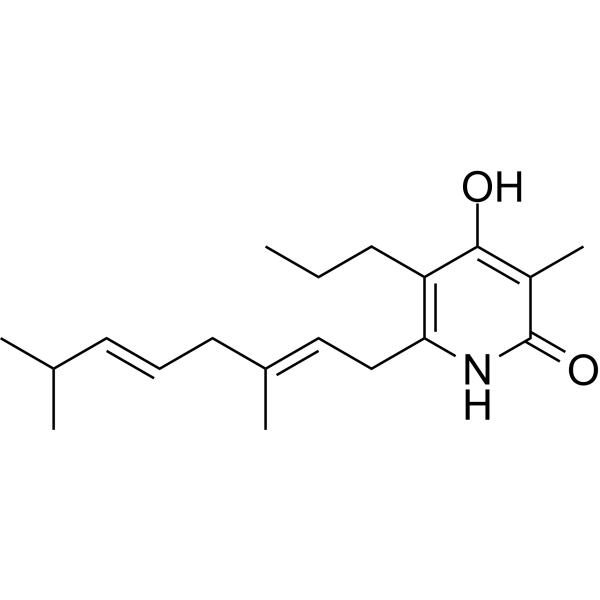
Iromycin A is a potent inhibitor of nitric oxide synthases (NO synthase) that can be isolated from Streptomyces sp. .
|
-
- HY-W003969R
-
|
Ascensil (Standard); 2-Amino-4-methylpyridine (Standard)
|
Reference Standards
NO Synthase
|
Others
|
|
Aminopicoline (Standard) is the analytical standard of Aminopicoline. Aminopicoline (Ascensil) is a potent and non-selective inhibitor of nitric oxide synthase (NOS) isoenzymes (iNOS, nNOS, eNOS). Aminopicoline competes with arginine at the substrate-binding site of nitric oxide synthase, reduces cellular nitric oxide production, inhibits the elevation of plasma nitrate, increases mean arterial pressure at high doses, and also serves as a basis for radiolabeled ligands to localize nitric oxide synthase binding sites. Aminopicoline can be used in the research of diseases associated with septic shock, joint inflammation, intestinal inflammation, and CNS inflammation 。
|
-

- HY-N3602A
-
|
Rengyolone
|
TNF Receptor
NF-κB
NO Synthase
|
Inflammation/Immunology
|
|
rel-Cleroindicin F (Rengyolone) is a cyclohexyl acetyl compound that can be isolated from the fruit of forsythia and has anti-inflammatory activity. It strongly inhibits the production of nitric oxide (NO) and tumor necrosis factor-alpha (TNF-α). rel-Cleroindicin F does this by downregulating the activity of NF-κB and NF-κB kinases in RAW 264.7 cells stimulated by LPS (HY-D1056), thus inhibiting the expression of inducible nitric oxide synthase (NO Synthase) and nitric oxide production .
|
-

- HY-130658
-
-
- HY-130673
-
|
|
NO Synthase
|
Cardiovascular Disease
|
|
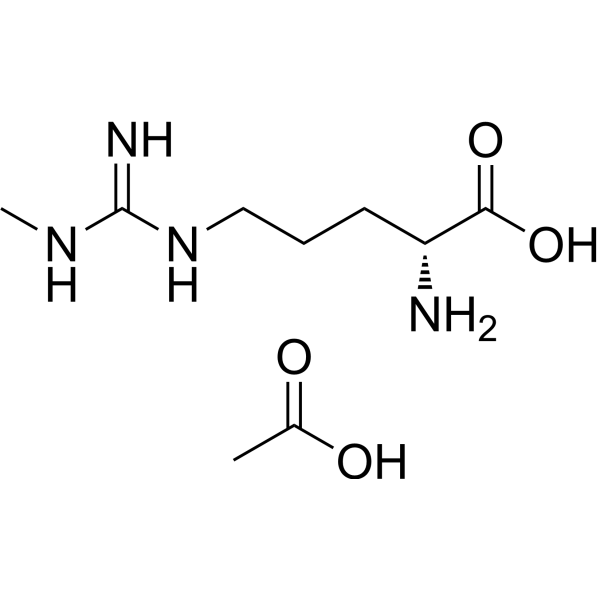
L-NABE is a nitric oxide (NO) synthase inhibitor. L-NABE is also a potent endothelium dependent vasoconstrictor and inhibitor of relaxation .
|
-
- HY-W408607
-
|
|
NO Synthase
|
Inflammation/Immunology
|
|
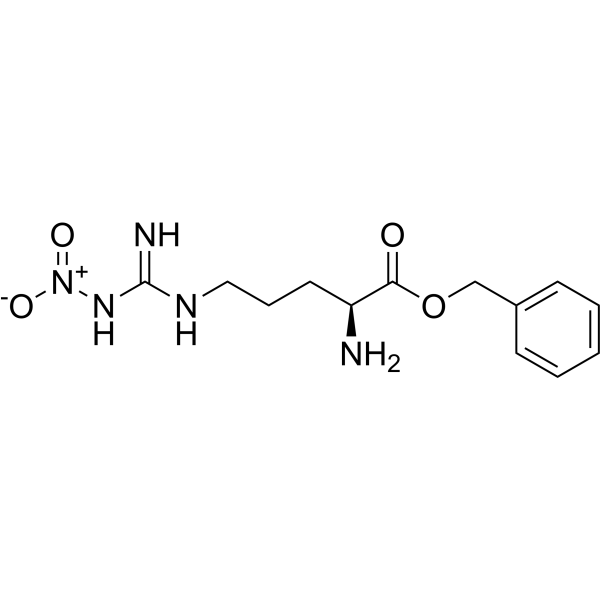
N-Benzylacetamidine (hydrobromide) is a acetamidine compound. N-Benzylacetamidine (hydrobromide) is a selective inducible nitric oxide synthase (iNOS) inhibitor with an IC50 of 0.20 μM .
|
-

- HY-115744
-
|
|
NO Synthase
|
Inflammation/Immunology
|
|
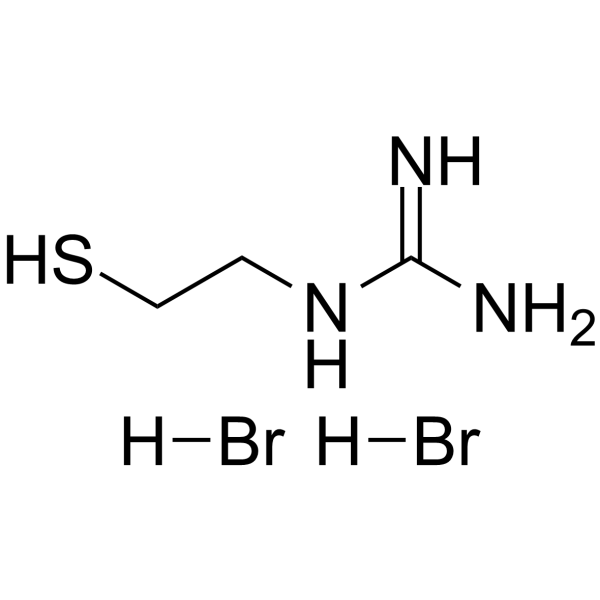
Mercaptoethylguanidine (MEG) dihydrobromide is selective inhibitor of the inducible nitric oxide synthase and peroxynitrite scavenger. Mercaptoethylguanidine (MEG) dihydrobromide has the potential for inflammatory bowel diseases research.
|
-
- HY-133098
-
|
|
NO Synthase
|
Inflammation/Immunology
|
|
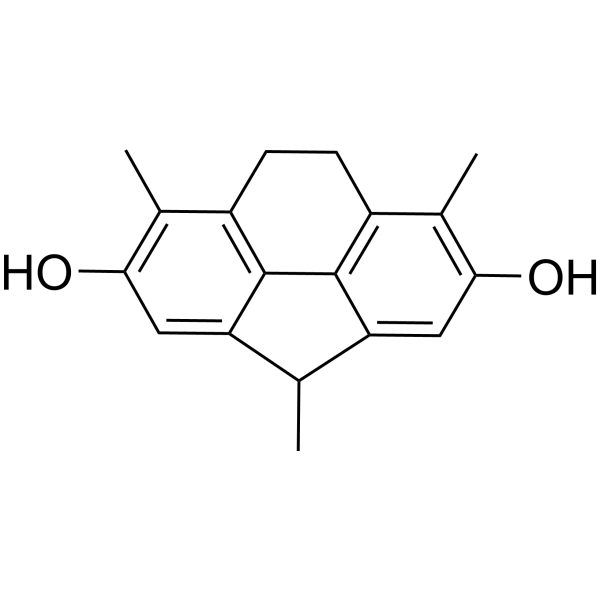
Juncutol is a potent inducible nitric oxide synthase (iNOS) inhibitor. Juncutol decreases the LPS (HY-D1056)-stimulated iNOS protein expression .
|
-
- HY-122584
-
-

- HY-P0184
-
|
|
NO Synthase
|
Neurological Disease
|
|
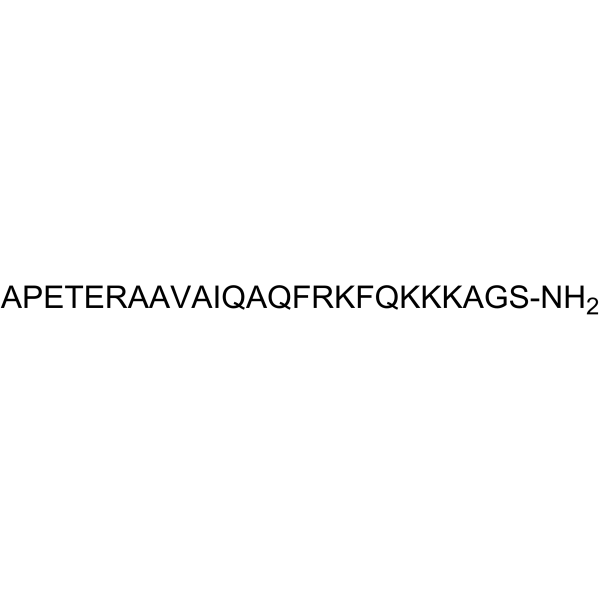
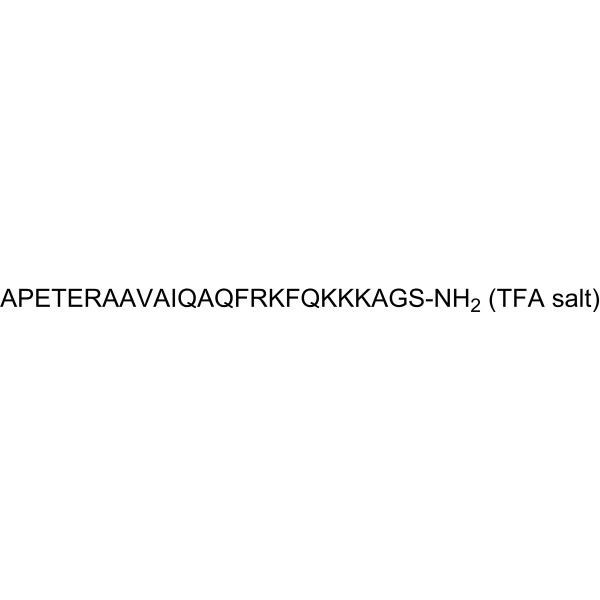
Camstatin, a functionally active 25-residue fragment of PEP-19's IQ motif, binds calmodulin and inhibits neuronal nitric oxide (NO) synthase .
|
-
- HY-113216S
-
-
- HY-117786
-
|
|
PKC
|
Neurological Disease
|
|
Go 7874 is a protein kinase C (PKC) inhibitor. Go 7874 mediated neuroprotection against LPS/IFNg-induced neuronal cell death in an immune-mediated neurotoxicity model, not through PKC activity. In contrast, the neuroprotective mechanism of Go 7874 involves inhibition of inducible nitric oxide synthase (iNOS) gene expression, followed by reduced nitric oxide (NO) production .
|
-

- HY-P0184A
-
|
|
NO Synthase
|
Neurological Disease
|
|
Camstatin TFA, a functionally active 25-residue fragment of PEP-19's IQ motif, binds calmodulin and inhibits neuronal nitric oxide (NO) synthase .
|
-
- HY-170236
-
|
|
NO Synthase
|
Neurological Disease
|
|
nNOS-IN-5 (Compound 9) is a potent human neuronal NOS (nNOS) inhibitor (Ki = 22 nM). nNOS-IN-5 exhibits excellent selectivity, with a 900-fold preference for human nNOS over human endothelial NOS (eNOS). nNOS-IN-5 can be used for neurodegenerative diseases study, such as Alzheimer's disease and Parkinson’s disease .
|
-

- HY-N8444
-
|
|
Interleukin Related
|
Cardiovascular Disease
|
|
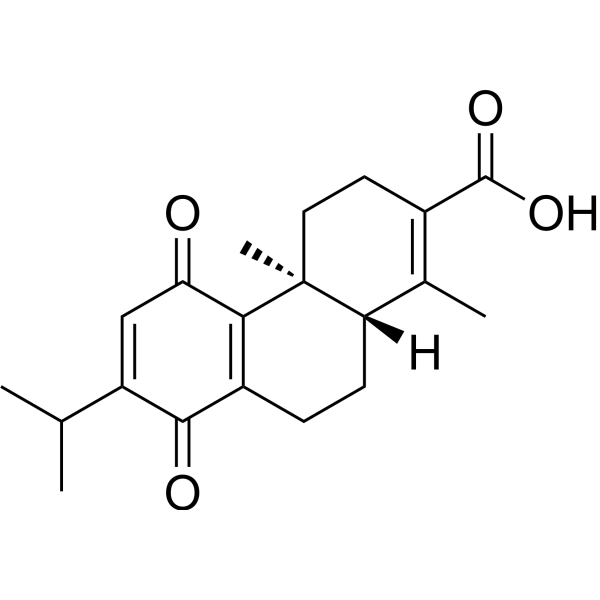
Triptoquinone A, an interleukin 1 inhibitor, inhibits endomycin (LPS) or interleukin (IL-1β)-promoted induction of nitric oxide synthase (NOS) in vascular smooth muscle, thereby inhibiting Arg-induced vascular relaxation .
|
-
- HY-N0455AR
-
|
(S)-(+)-Arginine hydrochloride (Standard)
|
Reference Standards
NO Synthase
Endogenous Metabolite
|
Cancer
|
|
L-Arginine (hydrochloride) (Standard) is the analytical standard of L-Arginine (hydrochloride). This product is intended for research and analytical applications. L-Arginine ((S)-(+)-Arginine) is the substrate for the endothelial nitric oxide synthase (eNOS) to generate NO. L-Arginine is transported into vascular smooth muscle cells by the cationic amino acid transporter family of proteins where it is metabolized to nitric oxide (NO), polyamines, or L-proline. L-Arginine is a potent vasodilator, and can be used to induce experimental acute pancreatitis .
|
-

- HY-146161
-
|
|
COX
NO Synthase
|
Inflammation/Immunology
|
|
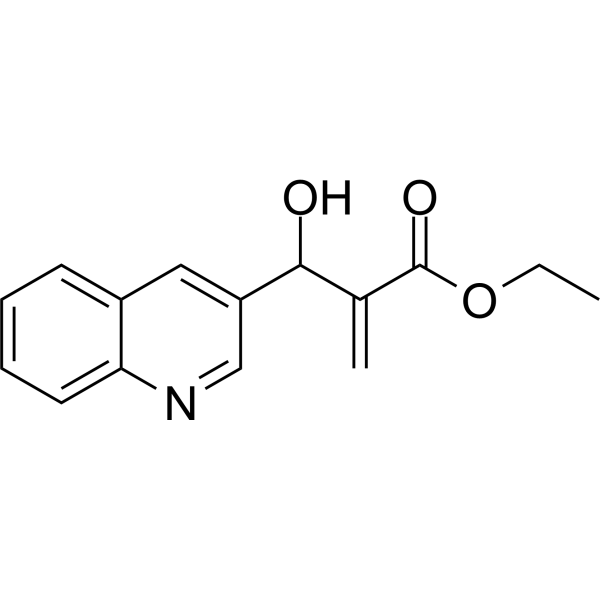
COX-2/NO-IN-1 is an orally active nitric oxide synthase (iNOS), COX-2 expression and NO (IC50 of 3.52 μM) inhibitor. COX-2/NO-IN-1 has anti-inflammatory effects .
|
-
- HY-161255
-
|
|
NO Synthase
|
Inflammation/Immunology
|
|
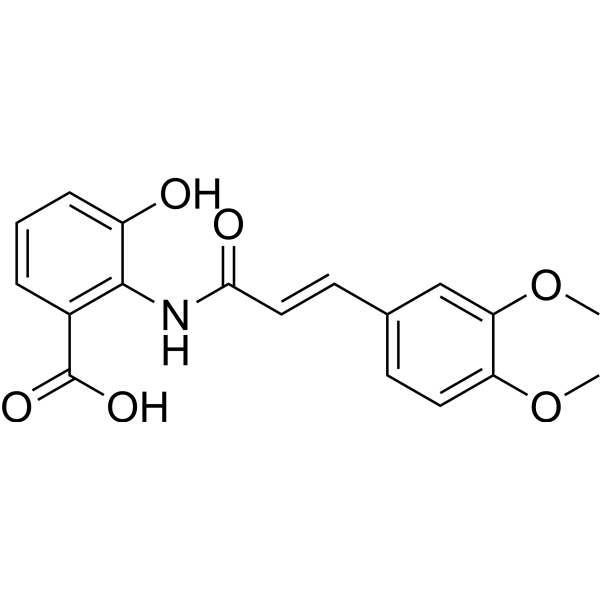
3,4-DAA is an orally active Anthranilic acid derivative with potent immunosuppressive activities. 3, 4-DAA can alleviate the severity of colitis through inhibiting Th1 cells response, promoting Th2 cytokines expression and inducing CD4 +CD25 + T cells expression . 3,4-DAA suppressed expression of inducible nitric oxide synthase (iNOS) and nitric oxide (NO) release from EOC20 cells induced by IFN-γ and Lipopolysaccharide .
|
-
- HY-N1382R
-
|
|
Reference Standards
NO Synthase
|
Metabolic Disease
Inflammation/Immunology
|
|
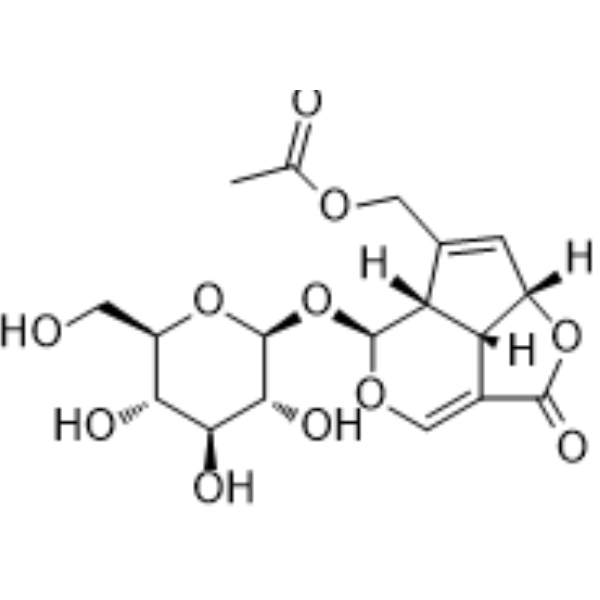
Asperuloside (Standard) is the analytical standard of Asperuloside. This product is intended for research and analytical applications. Asperuloside is an iridoid isolated from Hedyotis diffusa, with anti-inflammatory activity. Asperuloside inhibits inducible nitric oxide synthase (iNOS), suppresses NF-κB and MAPK signaling pathways .
|
-

- HY-N9814
-
|
|
NO Synthase
|
Inflammation/Immunology
|
|
Shanciol B, isolated from the ethyl acetate extract of the air-dried whole plant of Pholidota imbricate Hook, inhibits nitric oxide (NO) production and 1,1-diphenyl-2-picrylhydrazil (DPPH) radical scavenging activity . Shanciol B is a microsomal prostaglandin E synthase-1 (mPGES-1) inhibitor with anti-inflammatory activity .
|
-
- HY-124996
-
|
|
NO Synthase
|
Neurological Disease
Inflammation/Immunology
Cancer
|
|
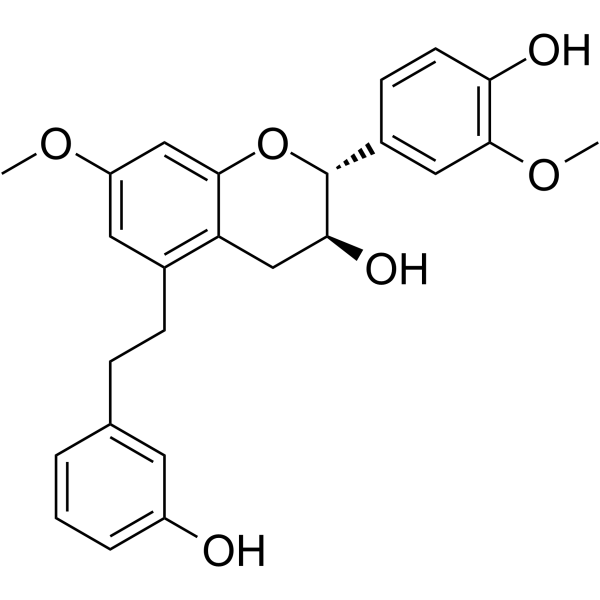
(Rac)-ZLc-002, an inhibitor of nNOS interaction with nitric oxide synthase 1 adaptor protein (NOS1AP), suppresses inflammatory nociception and chemotherapy-induced neuropathic pain and synergizes with Paclitaxel (HY-B0015) to reduce tumor cell viability .
|
-
- HY-69019A
-
|
|
NO Synthase
|
Cardiovascular Disease
Neurological Disease
|
|
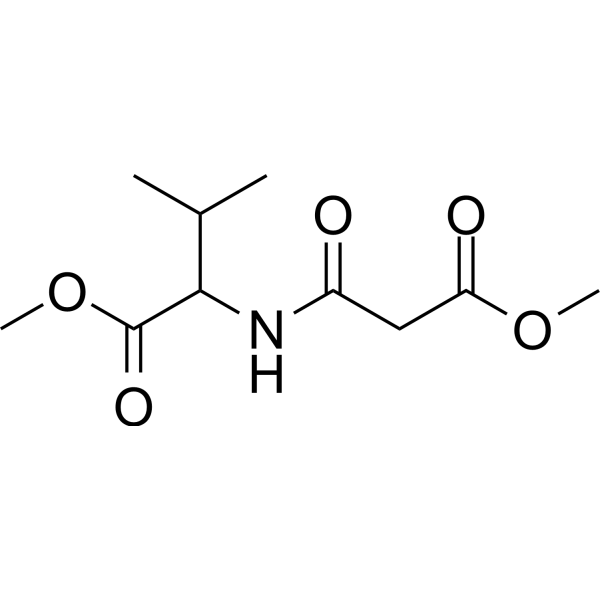
7-Nitroindazole sodium is a selective and BBB-penetrable inhibitor of nitric oxide synthase (NOS). 7-Nitroindazole sodium can inhibit the activity of central NOS with an IC50 of 0.47 μM in the cerebellum of mice. 7-Nitroindazole sodium has anti-injurious and neuroprotective properties .
|
-

- HY-N0268R
-
|
|
Reference Standards
NO Synthase
|
Inflammation/Immunology
|
|
Irisflorentin (Standard) is the analytical standard of Irisflorentin. This product is intended for research and analytical applications. Irisflorentin, a naturally occurring isoflavone, is an abundant active constituent in Belamcanda chinensis. Irisflorentin markedly reduces the transcriptional and translational levels of inducible nitric oxide synthase (iNOS) as well as the production of NO. Anti-inflammatory activity .
|
-

- HY-N6966R
-
-

- HY-182519
-
|
|
NO Synthase
|
Neurological Disease
|
|
HMN-1180 is a selective, competitive neuronal nitric oxide synthase (nNOS) inhibitor with a Ki value of 5.4 μM against rat nNOS. HMN-1180 exerts no significant effect on endothelial nitric oxide synthase (eNOS) or inducible nitric oxide synthase (iNOS). HMN-1180 inhibits nitric oxide production. HMN-1180 can be used for the study of nNOS-related neuronal functional physiology .
|
-

- HY-101328A
-
|
|
NO Synthase
|
Neurological Disease
Inflammation/Immunology
|
|
2-Iminopiperidine hydrochloride is an orally active inducible nitric oxide synthase inhibitor. 2-Iminopiperidine hydrochloride can be used to investigate NO-mediated arthritis, inflammatory bowel disease, diabetes, allodynia, cerebral ischemia and other central nervous system diseases .
|
-

- HY-181156
-
|
|
COX
NO Synthase
TNF Receptor
Interleukin Related
|
Inflammation/Immunology
|
|
Anti-inflammatory agent 112 is an inducible nitric oxide synthase (iNOS) inhibitor, a COX-2 inhibitor, and an anti-inflammatory agent. Anti-inflammatory agent 112 suppresses i-NOS and COX-2 protein expression, reduces nitric oxide, IL-6, and TNF-α production, and attenuates lipopolysaccharide (LPS)-induced inflammatory responses. Anti-inflammatory agent 112 can be used for the research of inflammatory disorders .
|
-

- HY-N19854
-
|
|
NO Synthase
|
Neurological Disease
|
|
Mariaterpenoside A is an inducible nitric oxide synthase (iNOS) inhibitor. Mariaterpenoside A interacts with the active cavity of iNOS protein via hydrogen bonds with specific residues of the binding site. Mariaterpenoside A suppresses NO release in LPS (HY-D1056)-induced murine microglial BV-2 cells. Mariaterpenoside A can be used for the research of neurodegenerative disease .
|
-

- HY-183647
-
|
|
NO Synthase
|
Inflammation/Immunology
|
|
iNOs-IN-9 (Compound 10) is a selective inducible nitric oxide synthase (iNOS) inhibitor with an IC50 of 82 nM against hiNOS. iNOs-IN-9 reduces cytokine-induced inflammatory responses and cell necrosis in inflammatory cell models. iNOs-IN-9 can be used for research related to psoriasis .
|
-

- HY-181642
-
|
|
NO Synthase
|
Neurological Disease
Cancer
|
|
nNOS-IN-3 (compound 4) is an orally active, selective, neuronal nitric oxide synthase (nNOS) inhibitor with a human hnNOS Ki of 25 nM, rat rnNOS Ki of 18 nM, human heNOS Ki of 58140 nM, human hiNOS Ki of 6422 nM. nNOS-IN-3 binds to nNOS active sites via hydrogen bonds with Glu and chalcogen bonds with Met, fails to form chalcogen bonds with heNOS, and undergoes passive transcellular transport with minimal efflux liability. nNOS-IN-3 can be used for the research of neurodegenerative diseases and melanoma .
|
-

- HY-181755
-
|
|
NO Synthase
|
Inflammation/Immunology
|
|
Phenylaminojuglone AJ-2 is a nitric oxide synthase inhibitor that interacts with soluble guanylate cyclase, β-adrenergic receptor, CaV1.2 calcium channel, KV channel and KCa channel. Phenylaminojuglone AJ-2 blocks extracellular Ca 2+ influx, regulates the activity of the NO?sGC?cGMP signaling pathway, and inhibits pharmacologic and electromechanical contractions of smooth muscle. Phenylaminojuglone AJ-2 is applicable to studies related to intestinal spasm .
|
-

- HY-183944
-
-

- HY-W839206
-
|
|
NO Synthase
|
Neurological Disease
|
|
NOS-IN-4 (Compound 3) is a neuronal nitric oxide synthase (nNOS) inhibitor with an IC50 of 4.00 μM that inhibits nNOS activity. The combined use of alpha-lipoic acid and NOS-IN-4 has a protective effect against MPTP (HY-W114750)-induced dopamine depletion in the mouse brain. NOS-IN-4 can be used for the research of neurological disease .
|
-

- HY-181545A
-
|
|
NO Synthase
IFNAR
|
Cancer
|
|
nNOS-IN-2 trihydrochloride is a blood-brain barrier-permeable nitric oxide synthase (nNOS) inhibitor. nNOS-IN-2 trihydrochloride exhibits Ki values of 1.7 nM and 2.3 nM against human and rat nNOS, respectively, and shows high selectivity for human eNOS and iNOS. nNOS-IN-2 trihydrochloride also effectively reduces PD-L1 expression in human melanoma cells under both basal conditions and IFN-γ exposure. nNOS-IN-2 trihydrochloride can be used for the study of melanoma and related signaling pathways .
|
-

- HY-181711
-
|
|
NO Synthase
|
Neurological Disease
Cancer
|
|
nNOS-IN-6 is a human neuronal nitric oxide synthase (hnNOS) inhibitor with a human hnNOS Ki of 16 nM, ~1800-fold selectivity over human eNOS, ~2900-fold selectivity over human iNOS, and a rat nNOS Ki of 34 nM.nNOS-IN-6 exhibits high effective permeability in PAMPA-BBB assays, crosses the blood-brain barrier, and shows sustained systemic exposure, low clearance, and robust brain penetration in mouse in vivo pharmacokinetic studies.nNOS-IN-6 can be used for the research of neurodegenerative diseases, melanoma .
|
-

- HY-N16735
-
|
|
NO Synthase
|
Inflammation/Immunology
|
|
Isofouquierol is a selective inhibitor targeting nitric oxide (NO) production with anti-inflammatory activity. Isofouquierol blocks NO overproduction by inhibiting the inducible nitric oxide synthase (iNOS)-related pathway. Isofouquierol can be used in the study of inflammation-related diseases (such as chronic inflammation, immune disorders) .
|
-

- HY-W071685
-
|
|
Endogenous Metabolite
|
Others
|
|
6, 7-dimethyl-5,6,7, 8-Tetrahydropterin hydrochloride is a synthetic analogue of tetrahydro-L-bioterin and is used as a cofactor required for the NOS isoforms, phenylalanine, tyrosine and tryptophan hydroxylases, and other enzymes .
|
-

- HY-161513
-
|
|
COX
NO Synthase
|
Inflammation/Immunology
|
|
iNOS/COX-2-IN-1 (Compound 12e) is an inhibitor of cyclooxygenase-2 (COX-2) and inducible nitric oxide synthase (iNOS). iNOS/COX-2-IN-1 inhibits the NF-κB and MAPKs signaling pathways and thus exerts anti-inflammatory effects .
|
-

- HY-100807
-
-
- HY-N6966
-
|
|
NF-κB
NO Synthase
COX
PGE synthase
|
Inflammation/Immunology
Cancer
|
|
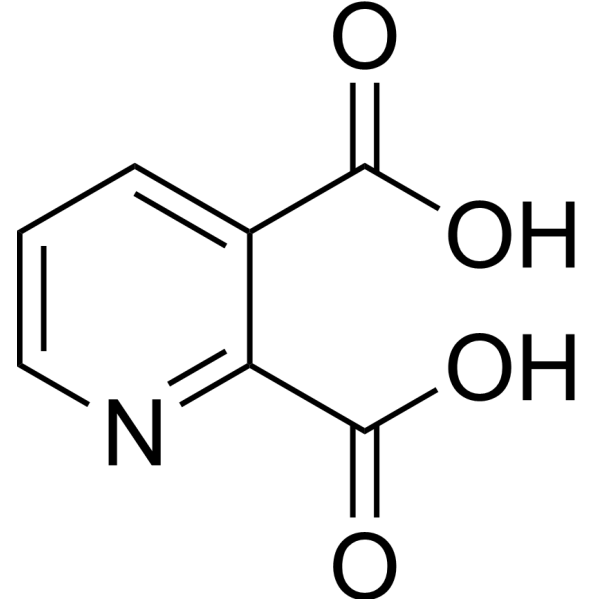
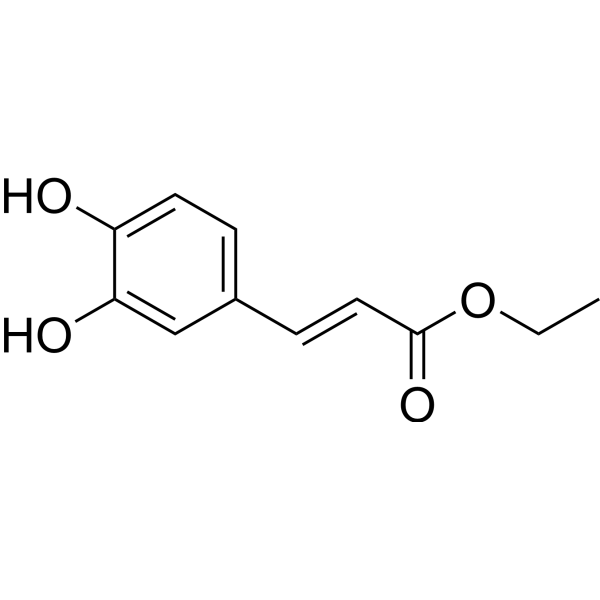
Ethyl Caffeate is a natural phenolic compound isolated from Bidens pilosa. Ethyl caffeate suppresses NF-κB activation and its downstream inflammatory mediators, inducible nitric oxide synthase (iNOS), cyclooxygenase-2 (COX-2), and prostaglandin E2 (PGE2) in vitro or in mouse skin .
|
-
- HY-100807S
-
-
- HY-100807R
-
-
- HY-N2406
-
|
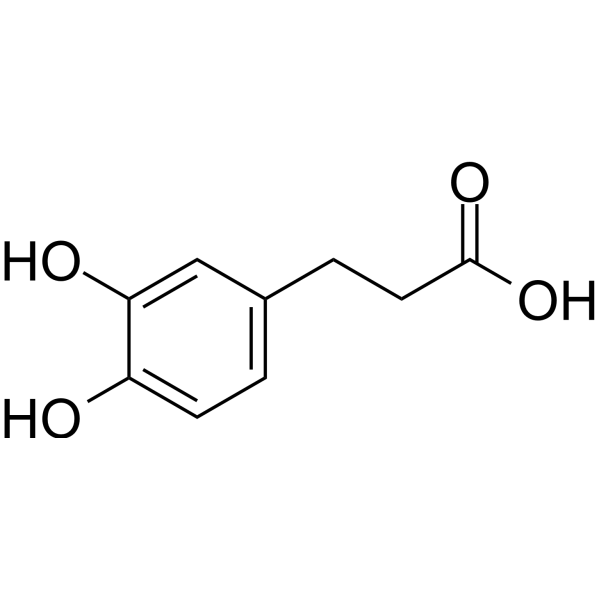
3,4-Dihydroxy-benzenepropanoic acid
|
p38 MAPK
Endogenous Metabolite
Reactive Oxygen Species (ROS)
NO Synthase
|
Inflammation/Immunology
|
|
Dihydrocaffeic acid is a microbial metabolite of flavonoids. Dihydrocaffeic acid scavenges intracellular ROS and increases nitric oxide synthase activity. Dihydrocaffeic acid reduces phosphorylation of MAPK p38 and prevent UVB-induced skin damage. Dihydrocaffeic acid has antioxidant, anti-inflammatory and anti-cartilage degradation activities .
|
-
- HY-156241
-
|
|
NO Synthase
Fungal
|
Infection
Inflammation/Immunology
|
|
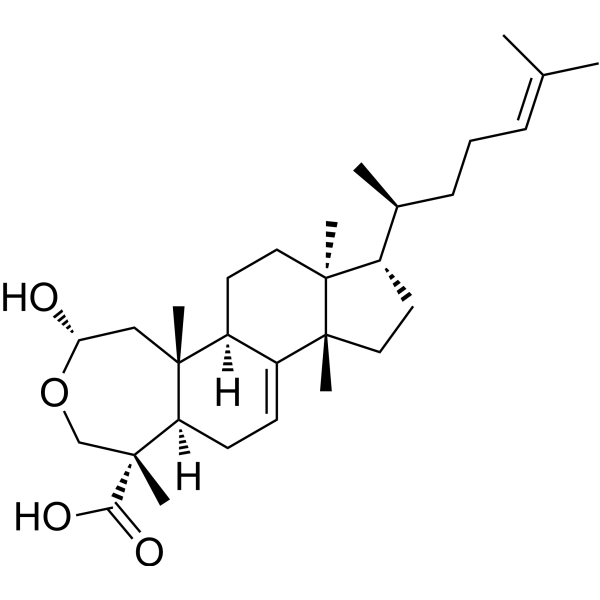
Meliadubin B is a natural triterpenoid with significant inflammatory inhibition effect toward superoxide anion generation in human neutrophils (EC50 of 5.54 μM). Meliadubin B inhibits inducible nitric oxide synthase. Meliadubin B shows remarkable inhibition against the rice pathogenic fungus Magnaporthe oryzae with IC50 of 182.50 μM.
|
-
- HY-115750
-
|
|
NO Synthase
|
Neurological Disease
|
|
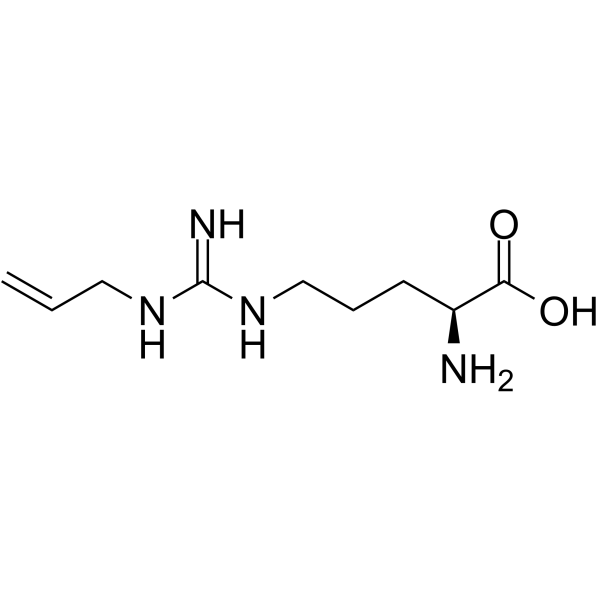
Nω-allyl-L-arginine is a competitive and reversible inhibitor of bovine brain nitric oxide synthase (nNOS). Nω-allyl-L-arginine can inactivate nNOS in a time-dependent manner. Nω-allyl-L-arginine also is a substrate, producing L-arginine, acrolein, and H2O .
|
-
- HY-W251598B
-
|
Sodium hydrogen carbonate for molecular biology; Soda bicarbonate for molecular biology
|
Bacterial
NO Synthase
|
Inflammation/Immunology
Cancer
|
|
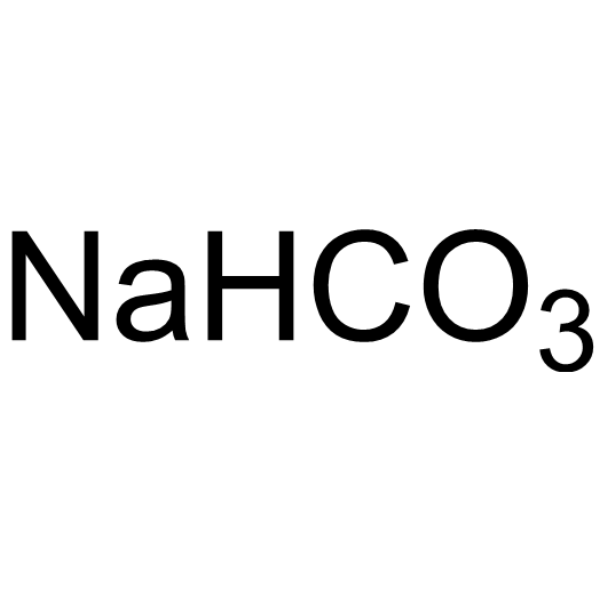
Sodium bicarbonate, for molecular biology (Sodium hydrogen carbonate for molecular biolog; Soda bicarbonate for molecular biolog) is an inorganic salt. Sodium bicarbonate can maintain the pH of the culture medium, thereby affecting the expression of inducible nitric oxide synthase (iNOS) and nitric oxide (NO) production in macrophages and reversing the acidosis of the tumor microenvironment. Sodium bicarbonate is widely used in the fields of food, cosmetics, etc. Its main uses include buffers, flavoring agents, disinfectants, pharmaceuticals, and proton gradient regulators. Sodium bicarbonate is also commonly used as an antacid to inhibit gastrointestinal diseases, neutralize gastric acid, and reduce gastric discomfort .
|
-
- HY-18731
-
|
|
NO Synthase
Apoptosis
|
Cardiovascular Disease
Inflammation/Immunology
Cancer
|
|
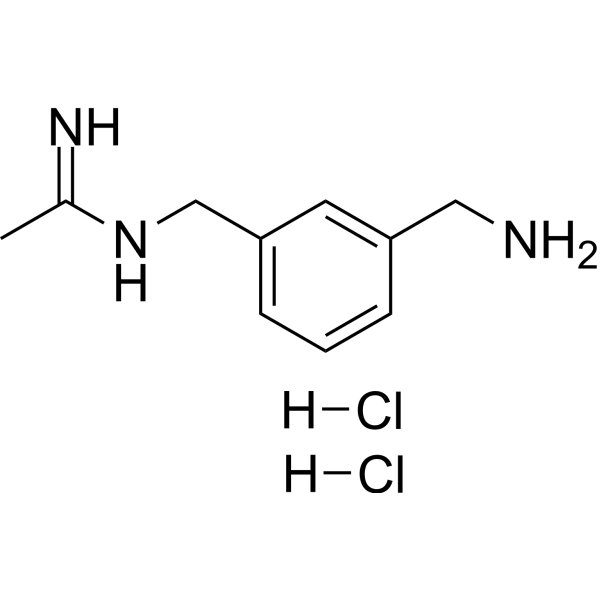
1400W dihydrochloride is the dihydrochloride form of 1400W (HY-18730). 1400W is a slow, tight binding, and highly selective inducible nitric-oxide synthase (iNOS) inhibitor, with a Kd value ≤ 7 nM. 1400W inhibits iNOS induction in microglial cells, and reduces generation of NO, thereby mitigating oxidative stress and neuronal cell apoptosis in the rat cerebral cortex, and improving the spatial memory dysfunction caused by acute hypobaric hypoxia-reoxygenation .
|
-
- HY-101410A
-
|
Symmetric dimethylarginine (p-hydroxyazobenzene-p′-sulfonate); NG,NG'-Dimethyl-L-arginine (p-hydroxyazobenzene-p′-sulfonate)
|
Endogenous Metabolite
NO Synthase
NF-κB
|
Inflammation/Immunology
|
|
SDMA p-hydroxyazobenzene-p′-sulfonate is the p-hydroxyazobenzene-p′-sulfonate salt form of SDMA (HY-101410). SDMA p-hydroxyazobenzene-p′-sulfonate is an endogenous inhibitor of nitric oxide synthase (NO synthase) activity. SDMA p-hydroxyazobenzene-p′-sulfonate is an activator for NF-κB, and promotes the expression of IL-6 and TNF-α. SDMA p-hydroxyazobenzene-p′-sulfonate is stable in serum and plasma, and can be used as a kidney biomarker of hepatic and renal dysfunction .
|
-

- HY-B0503S
-
|
Thiouracil-13C,15N2
|
Isotope-Labeled Compounds
NO Synthase
|
Endocrinology
Cancer
|
|
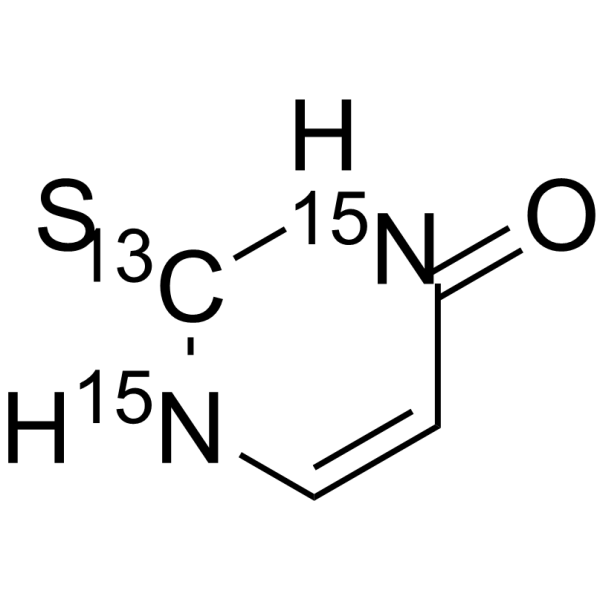
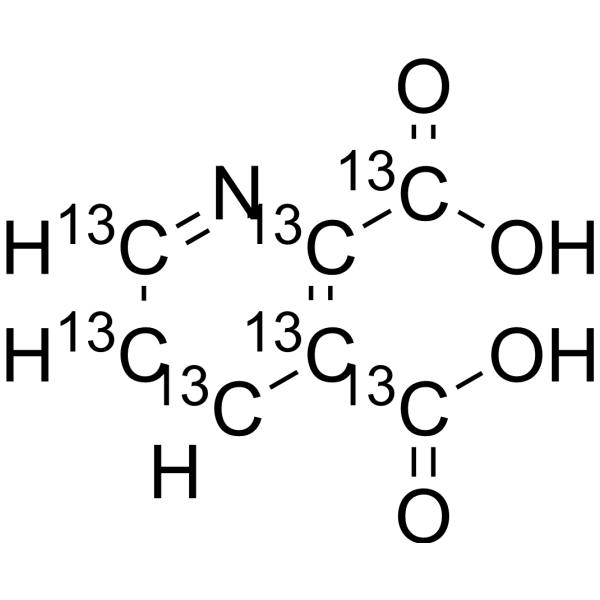
2-Thiouracil- 13C, 15N2 is the 13C, 15N labeled 2-Thiouracil. 2-Thiouracil (Thiouracil) is an antithyroid compound. 2-Thiouracil can function as a highly specific melanoma seeker. 2-Thiouracil is a selective inhibitor of neuronal nitric oxide synthase (nNOS) with a Ki of 20 μM.
|
-
- HY-100807S1
-
-
- HY-18732A
-
|
Tilarginine acetate; Methylarginine acetate
|
NO Synthase
|
Neurological Disease
Inflammation/Immunology
Cancer
|
|
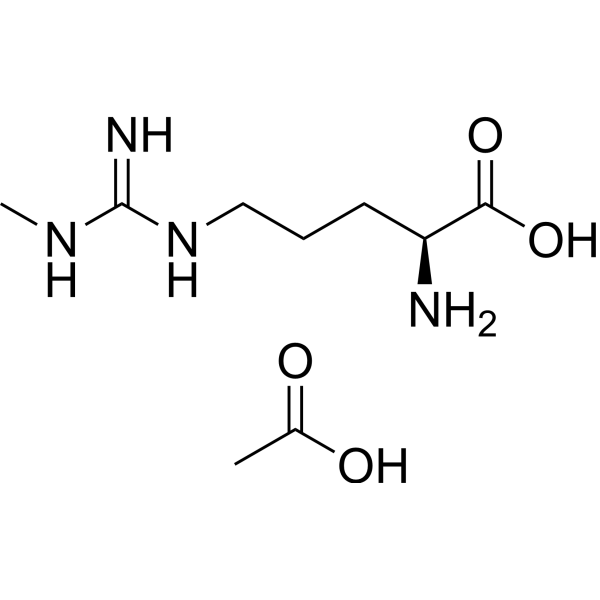
L-NMMA (Tilarginine) acetate is a non-selective and competitive inhibitor of nitric oxide synthase. L-NMMA acetate inhibits three subtypes, namely nNOS, eNOS, and iNOS, and reduces NO production . L-NMMA acetate alleviates mechanical allodynia, thermal hyperalgesia, and choroidal fibrosis. L-NMMA acetate is applicable to research related to nociception, bone cancer pain, and myopia .
|
-
- HY-18732C
-
|
Tilarginine hydrochloride; Methylarginine hydrochloride
|
NO Synthase
Endogenous Metabolite
|
Cardiovascular Disease
Cancer
|
|
L-NMMA (Tilarginine) hydrochloride is a non-selective and competitive inhibitor of nitric oxide synthase. L-NMMA hydrochloride inhibits three subtypes, namely nNOS, eNOS, and iNOS, and reduces NO production . L-NMMA hydrochloride alleviates mechanical allodynia, thermal hyperalgesia, and choroidal fibrosis. L-NMMA hydrochloride is applicable to research related to nociception, bone cancer pain, and myopia .
|
-

- HY-B1448AS
-
|
|
Apoptosis
Calcium Channel
|
Cardiovascular Disease
|
|
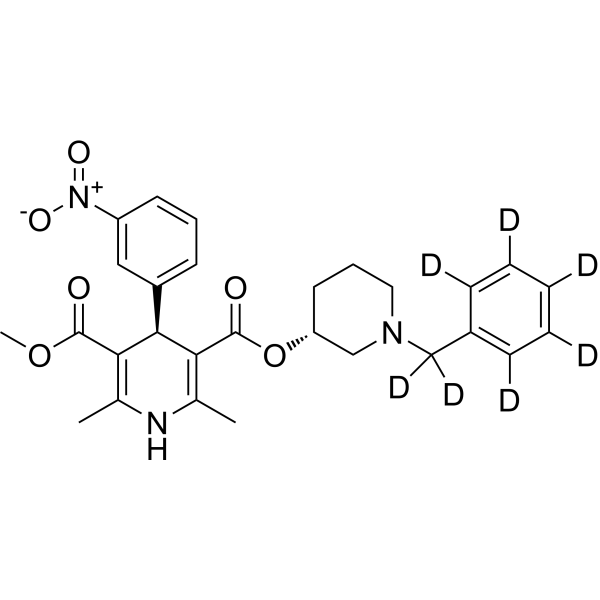
(Rac)-Benidipine-d7 is the deuterium labeled Benidipine . Benidipine is a potent and orally active calcium channel antagonist . Benidipine shows anti-apoptosis effects in ischaemic/reperfused myocardial cells . Benidipine increases the activity of endothelial cell-type nitric oxide synthase and improves coronary circulation in hypertensive rats .
|
-
- HY-N17131
-
|
|
NF-κB
ERK
|
Inflammation/Immunology
|
|
24-O-Acetyllycoclavanol (compound 1) is a triterpenoid anti-inflammatory agent that selectively targets the NF-κB and ERK1/2 signaling pathways. It exerts its anti-inflammatory activity by inhibiting lipopolysaccharide (LPS)-induced inducible nitric oxide synthase (iNOS) and COX-2 expression, reducing the production of inflammatory mediators such as nitric oxide (NO), IL-1β, and IL-8. 24-O-Acetyllycoclavanol can be used in research related to inflammatory bowel disease (IBD). 24-O-Acetyllycoclavanol can be biologically isolated from the ethyl acetate extract of Lycopodium clavatum .
|
-

- HY-119119
-
|
|
NO Synthase
Apoptosis
|
Metabolic Disease
Inflammation/Immunology
|
|
ATV399 is an inducible nitric oxide synthase (iNOS) inhibitor. ATV399 reduces NO production via allosteric inhibition of iNOS dimerization, thereby protecting rat pancreatic islet β-cells from cytokine-induced mitochondrial stress, endoplasmic reticulum stress, and apoptosis. ATV399 can be used in research related to type 1 diabetes .
|
-

- HY-122063
-
|
|
NO Synthase
|
Inflammation/Immunology
|
|
FR260330 is a selective, orally active inhibitor for inducible nitric oxide synthase (iNOS) through suppression of iNOS dimerization. FR260330 inhibits the NO accumulation in rat splenocytes and human DLD-110 cells, with IC50 of 27 and 10 nM. FR260330 ameliorates the Lipopolysaccharides (HY-D1056)-induced inflammatory diseases in rats model .
|
-

- HY-B1041R
-
|
Pimagedine hydrochloride (Standard); GER-11 (Standard); Aminoguanidinium chloride (Standard)
|
NO Synthase
Apoptosis
Reference Standards
|
Endocrinology
|
|
Aminoguanidine (hydrochloride) (Standard) is the analytical standard of Aminoguanidine (hydrochloride). This product is intended for research and analytical applications. Aminoguanidine hydrochloride (Pimagedine hydrochloride) is an inhibitor of diamine oxidase and nitric oxide synthase. Aminoguanidine hydrochloride has a dose-dependent inhibitory effect on apoptosis induced by Doxorubicin (HY-15142). Aminoguanidine hydrochloride has antioxidant properties. Aminoguanidine hydrochloride can be used in diabetic nephropathy research .
|
-

- HY-N17743
-
|
|
Drug Derivative
NO Synthase
|
Inflammation/Immunology
|
|
Deltoin is a Coumarine derivative. Deltoin can be isolated from Seseli resinosum. Deltoin shows inhibitory activity on NO. Deltoin causes a significant inhibition against paw oedema. Deltoin shows anti-inflammatory activity .
|
-

- HY-W251598I
-
|
Sodium hydrogen carbonate, meets analytical specification of Ph. Eur., BP, USP, FCC, E500
|
Bacterial
NO Synthase
|
Inflammation/Immunology
Cancer
|
|
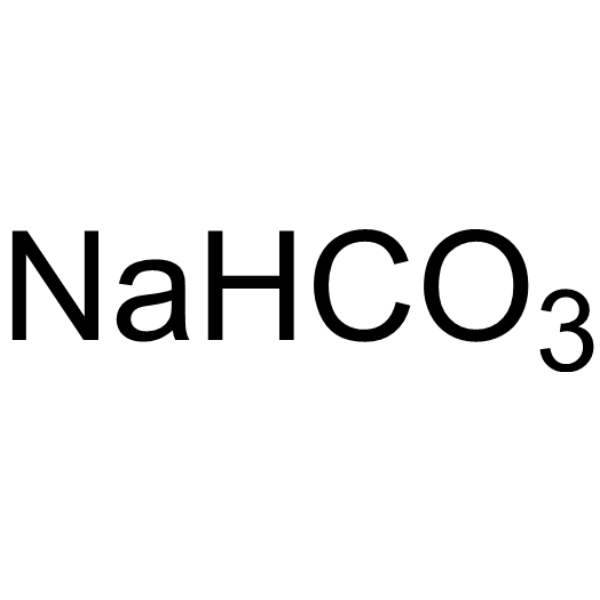
Sodium bicarbonate, meets analytical specification of Ph. Eur., BP, USP, FCC, E500 is an inorganic salt that is neutral to slightly alkaline and easily decomposes when exposed to moisture in the air. Sodium bicarbonate can maintain the pH of the culture medium, thereby affecting the expression of inducible nitric oxide synthase (iNOS) and nitric oxide (NO) production in macrophages and reversing the acidosis of the tumor microenvironment. Sodium bicarbonate is widely used in the fields of food, medicine, cosmetics, etc. Its main uses include buffers, flavoring agents, disinfectants, pharmaceuticals, and proton gradient regulators. Sodium bicarbonate is also commonly used as an antacid to inhibit gastrointestinal diseases, neutralize gastric acid, and reduce gastric discomfort .
|
-
- HY-W005255
-
|
|
Endogenous Metabolite
|
Cardiovascular Disease
|
|
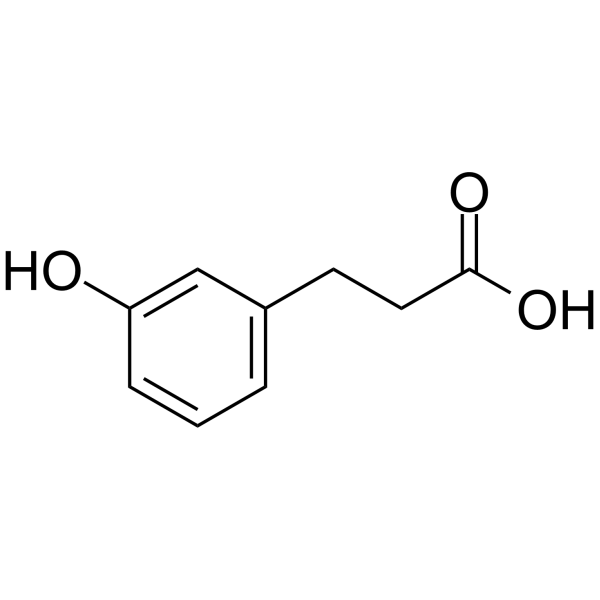
3-(3-Hydroxyphenyl)propionic acid (3HPPA) is an endothelium-dependent nitric oxide (NO) release promoter and endothelial nitric oxide synthase (eNOS) activator. 3-(3-Hydroxyphenyl)propionic acid activates eNOS to mediate vascular smooth muscle relaxation and enhances endothelial cell NO synthesis, inducing vasodilation and reducing peripheral vascular resistance. 3-(3-Hydroxyphenyl)propionic acid can dose-dependently reduce systolic and diastolic blood pressure in spontaneously hypertensive rats (SHR) without affecting cardiac contractility or heart rate. 3-(3-Hydroxyphenyl)propionic acid has antihypertensive and vascular protective effects and can be used in the prevention and treatment of cardiovascular diseases .
|
-
- HY-18732B
-
|
Methylarginine citrate; Tilarginine citrate
|
NO Synthase
Endogenous Metabolite
|
Cardiovascular Disease
Cancer
|
|
L-NMMA (Tilarginine) citrate is a non-selective and competitive inhibitor of nitric oxide synthase. L-NMMA citrate inhibits three subtypes, namely nNOS, eNOS, and iNOS, and reduces NO production . L-NMMA citrate alleviates mechanical allodynia, thermal hyperalgesia, and choroidal fibrosis. L-NMMA citrate is applicable to research related to nociception, bone cancer pain, and myopia .
|
-

- HY-148417
-
|
|
Serotonin Transporter
|
Neurological Disease
|
|
ZZL-7 is a fast-onset antidepressant agent. ZZL-7 works by disrupting the interaction between the serotonin transporter (SERT) and neuronal nitric oxide synthase (nNOS) in the dorsal raphe nucleus (DRN). ZZL-7 can cross the blood-brain barrier readily. ZZL-7 can be used for the research of major depressive disorder (MDD) .
|
-
- HY-B0503
-
|
Thiouracil
|
NO Synthase
|
Endocrinology
Cancer
|
|
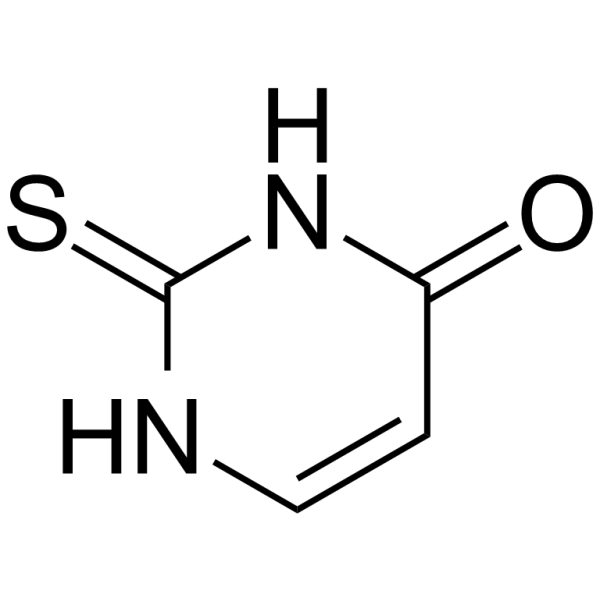
2-Thiouracil (Thiouracil) is a selective neuronal nitric oxide synthase (nNOS) inhibitor with a Ki value of 20 μM. 2-Thiouracil antagonizes BH4-induced nNOS dimerization. 2-Thiouracil is also an antithyroid compound and a highly specific melanoma detector. 2-Thiouracil stimulates the growth of pea and corn root segments .
|
-
- HY-118700
-
|
Guanidinobiotin
|
NO Synthase
|
Neurological Disease
|
|
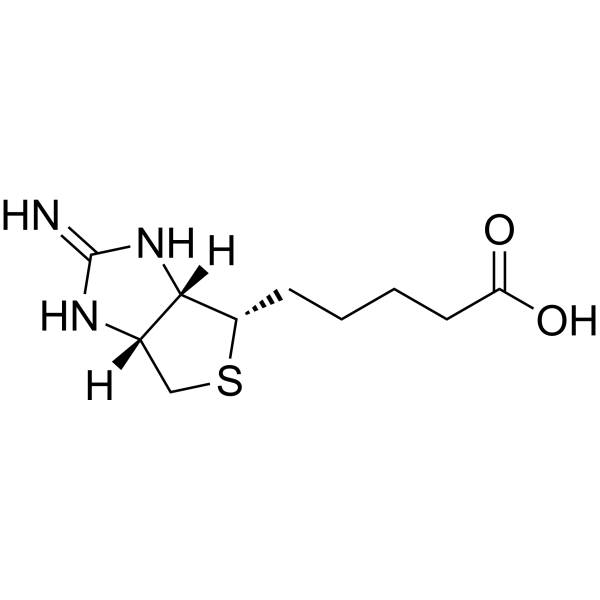
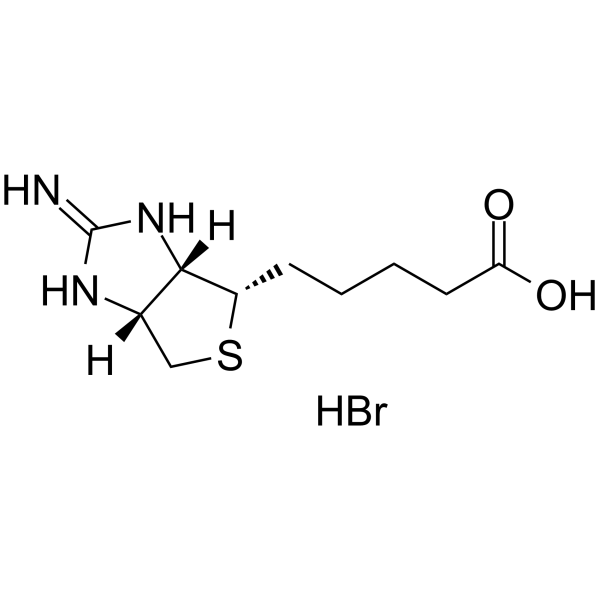
2-Iminobiotin (Guanidinobiotin) is a biotin (vitamin H or B7) analog. 2-Iminobiotin is a reversible nitric oxide synthases inhibitor with Kis of 21.8 and 37.5μM for murine iNOS and rat n-cNOS, respectively . 2-Iminobiotin superimposes on hypothermia protects human neuronal cells from hypoxia-induced cell damage .
|
-
- HY-100807S2
-
-
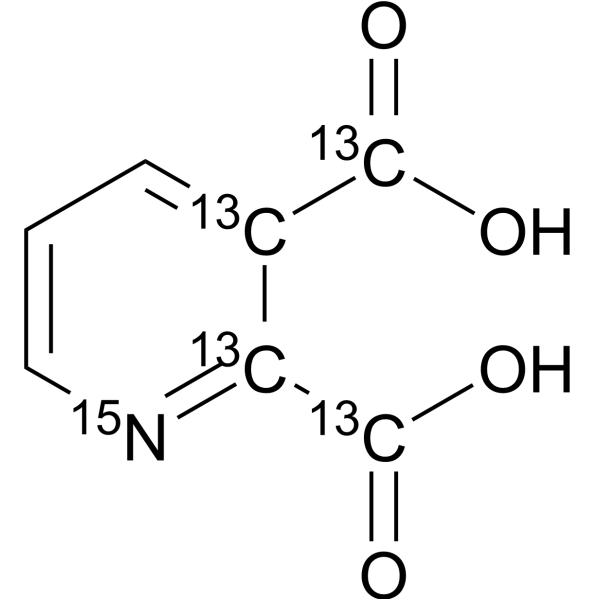
- HY-101304
-
|
S-isopropyl ITU; IPTU
|
NO Synthase
|
Cardiovascular Disease
Neurological Disease
|
|
S-Isopropylisothiourea hydrobromide (S-isopropyl ITU; IPTU) is a blood-brain barrier (BBB) penetrant NOS inhibitor with IC50 values of 0.66, 0.75 and 0.29 μM against mouse spinal cord, cerebellar, bovine aortic and porcine endothelial cell NOS. S-Isopropylisothiourea exhibits a significant blood pressure-raising effect without damaging the perfusion of vital organs and can also inhibit the late-phase pain response induced by formalin. S-Isopropylisothiourea hydrobromide is used in the researchs for hemorrhagic shock and pain response based on NOS .
|
-

- HY-W750903
-
|
|
NO Synthase
|
Inflammation/Immunology
|
|
Dihydroxanthohumol is a chalcone found in Humulus lupulus L. Dihydroxanthohumol is a nitric oxide (NO) production inhibitor. Dihydroxanthohumol slightly suppresses LPS (HY-D1056)/IFN-γ-induced iNOS protein expression and NO production. Dihydroxanthohumol exhibits cytotoxicity at high concentrations .
|
-

- HY-W251598J
-
|
Sodium hydrogen carbonate (Pharmaceutical primary standard, USP); Soda bicarbonate (Pharmaceutical primary standard, USP)
|
Bacterial
NO Synthase
|
Inflammation/Immunology
Cancer
|
|
Sodium bicarbonate, United States Pharmacopeia (USP) Reference Standard is an inorganic salt. Sodium bicarbonate, United States Pharmacopeia (USP) Reference Standard can maintain the pH of the culture medium, thereby affecting the expression of inducible nitric oxide synthase (iNOS) and nitric oxide (NO) production in macrophages and reversing the acidosis of the tumor microenvironment. Sodium bicarbonate, United States Pharmacopeia (USP) Reference Standard is widely used in the fields of food, cosmetics, etc. Its main uses include buffers, flavoring agents, disinfectants, pharmaceuticals, and proton gradient regulators. Sodium bicarbonate, United States Pharmacopeia (USP) Reference Standard is also commonly used as an antacid to inhibit gastrointestinal diseases, neutralize gastric acid, and reduce gastric discomfort .
|
-
- HY-W251598S
-
|
|
Reference Standards
Bacterial
NO Synthase
|
Inflammation/Immunology
Cancer
|
|
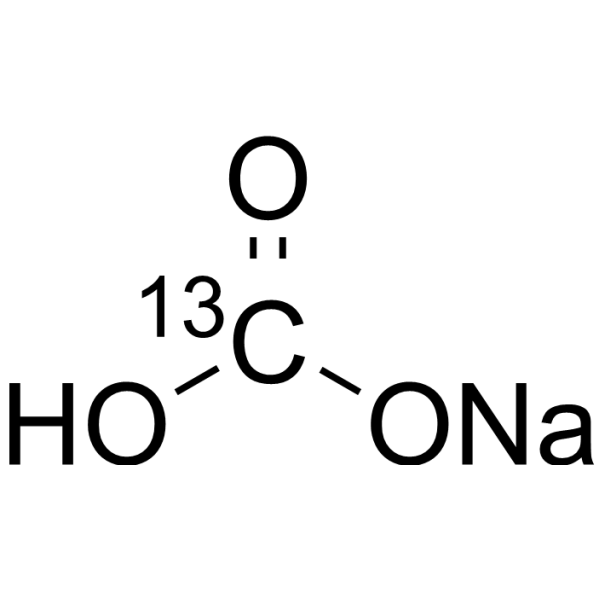
Bicarbonate- 13C sodium is the 13C-labeled Sodium bicarbonate (HY-Y0756). Sodium bicarbonate is an inorganic salt that is neutral to slightly alkaline and easily decomposes when exposed to moisture in the air. Sodium bicarbonate can maintain the pH of the culture medium, thereby affecting the expression of inducible nitric oxide synthase (iNOS) and nitric oxide (NO) production in macrophages and reversing the acidosis of the tumor microenvironment. Sodium bicarbonate is widely used in the fields of food, medicine, cosmetics, etc. Its main uses include buffers, flavoring agents, disinfectants, pharmaceuticals, and proton gradient regulators. Sodium bicarbonate is also commonly used as an antacid to inhibit gastrointestinal diseases, neutralize gastric acid, and reduce gastric discomfort .
|
-
- HY-W251598C
-
|
Sodium hydrogen carbonate for cell culture; Soda bicarbonate for cell culture
|
Environmental Pollutants
Bacterial
|
Inflammation/Immunology
Cancer
|
|
Sodium bicarbonate, for cell culture (Sodium hydrogen carbonate for cell culture; Soda bicarbonate for cell culture) is an inorganic salt that is neutral to slightly alkaline and easily decomposes when exposed to moisture in the air. Sodium bicarbonate, for cell culture can maintain the pH of the culture medium, thereby affecting the expression of inducible nitric oxide synthase (iNOS) and nitric oxide (NO) production in macrophages and reversing the acidosis of the tumor microenvironment. Sodium bicarbonate is widely used in the fields of food, medicine, cosmetics, etc. Its main uses include buffers, flavoring agents, disinfectants, pharmaceuticals, and proton gradient regulators. Sodium bicarbonate is also commonly used as an antacid to inhibit gastrointestinal diseases, neutralize gastric acid, and reduce gastric discomfort .
|
-
- HY-17408
-
-
- HY-115889
-
|
|
NO Synthase
|
Neurological Disease
|
|
L-NAPNA is a nitric oxide synthase (NOS) inhibitor with an IC50 of 1.4 μM. L-NAPNA exhibits analgesic effects by inhibiting formalin-induced paw licking behavior in mice (ED50 of 57.2 mg/kg) and suppressing acetic acid-induced abdominal writhing in mice (ED50 of 25 mg/kg). L-NAPNA can be used in research related to central nervous system diseases .
|
-

- HY-B1041
-
|
Pimagedine hydrochloride; GER-11; Aminoguanidinium chloride
|
NO Synthase
Apoptosis
ERK
|
Neurological Disease
Metabolic Disease
Inflammation/Immunology
|
|
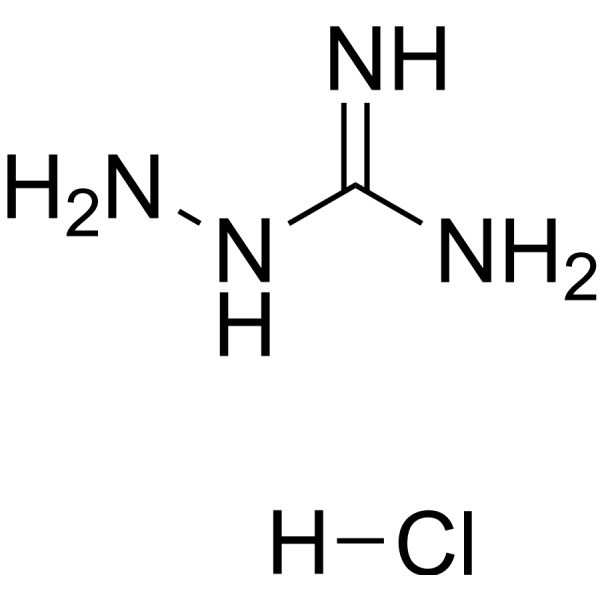
Aminoguanidine (Pimagedine) hydrochloride is an inhibitor of diamine oxidase (DAO) and nitric oxide synthase (NOS). Aminoguanidine hydrochloride can reduce the formation of advanced glycation end products (AGEs). Aminoguanidine hydrochloride has a dose-dependent inhibitory effect on Doxorubicin (HY-15142)-induced cell apoptosis. Aminoguanidine hydrochloride has antioxidant properties. Aminoguanidine hydrochloride can be used in the research of diabetic nephropathy .
|
-
- HY-16151
-
|
|
Autophagy
NO Synthase
|
Inflammation/Immunology
Cancer
|
|
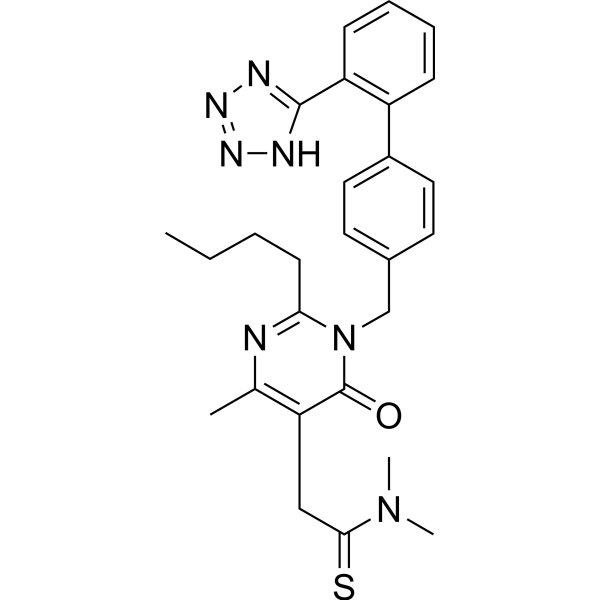
CR-3294 is an autophagy inducer in hypoxic cells. CR-3294 is an inducible enzyme nitric oxide synthase (iNOS) inhibitor. CR-3294 inhibits both the DNA binding of HIF-1alpha and VEGF mRNA synthesis. CR-3294 can be used for the study of breast cancer and inflammatory bowel disease (IBD), such as Crohn’s disease, ulcerative colitis .
|
-

- HY-B0780
-
-
- HY-146765
-
|
|
NOD-like Receptor (NLR)
|
Neurological Disease
Inflammation/Immunology
|
|
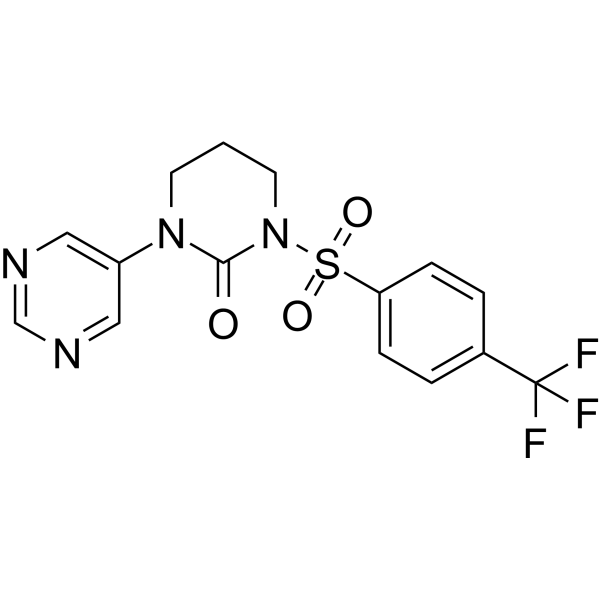
AMS-17 is a potent NLRP3 inhibitor, inhibiting microglia activation in vitro and in vivo. AMS-17 also inhibits cytokines such as caspase-1, TNF-α, IL-1β and inducible nitric oxide synthase (iNOS) in N9 cells. AMS-17 can be used for researching inflammation-associated neurological disorders, such as vascular dementia (VaD) .
|
-
- HY-N2237R
-
|
Quzhaqigan (Standard)
|
Reference Standards
NO Synthase
Arginase
|
Cardiovascular Disease
|
|
Piceatannol 3'-O-glucoside (Standard) is the analytical standard of Piceatannol 3'-O-glucoside. This product is intended for research and analytical applications. Piceatannol 3'-O-glucoside, an active component of Rhubarb, activates endothelial nitric oxide (NO) synthase through inhibition of arginase activity with IC50s of 11.22 μM and 11.06 μM against arginase I and arginase II, respectively.
|
-

- HY-118700A
-
|
Guanidinobiotin hydrobromide
|
NO Synthase
|
Neurological Disease
|
|
2-Iminobiotin hydrobromide (Guanidinobiotin hydrobromide) is a biotin (vitamin H or B7) analog. 2-Iminobiotin hydrobromide is a reversible nitric oxide synthases inhibitor with Kis of 21.8 and 37.5 μM for murine iNOS and rat n-cNOS, respectively . 2-Iminobiotin hydrobromide superimposes on hypothermia protects human neuronal cells from hypoxia-induced cell damage .
|
-
- HY-N6966A
-
|
|
Others
|
Inflammation/Immunology
|
|
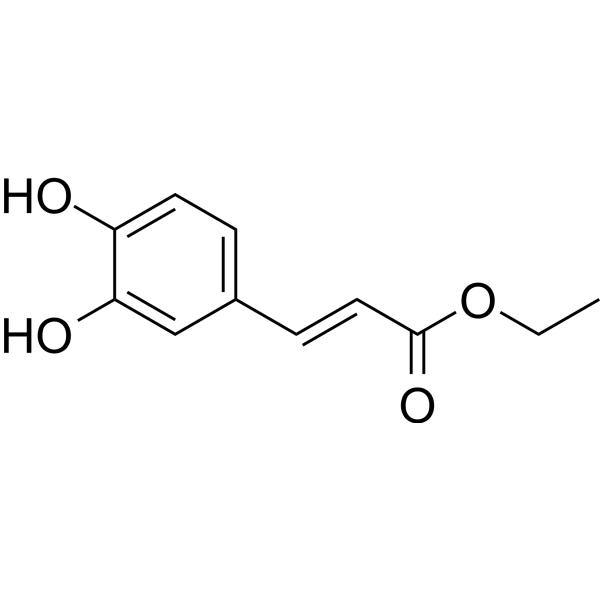
Ethyl trans-caffeate is the trans form of Ethyl Caffeate (HY-N6966). Ethyl Caffeate is a natural phenolic compound isolated from Bidens pilosa. Ethyl caffeate suppresses NF-κB activation and its downstream inflammatory mediators, inducible nitric oxide synthase (iNOS), cyclooxygenase-2 (COX-2), and prostaglandin E2 (PGE2) in vitro or in mouse skin .
|
-
- HY-N1445
-
|
Isoquercetin; Quercetin 3-glucoside
|
NF-κB
NO Synthase
|
Inflammation/Immunology
Cancer
|
|
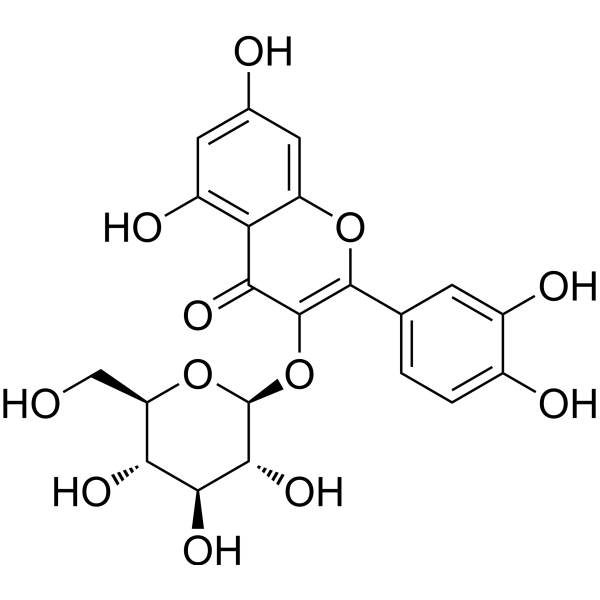
Isoquercetin (Quercetin 3-glucoside) is a naturally occurring polyphenol that has antioxidant, anti-proliferative, and anti-inflammatory properties. Isoquercetin alleviates ethanol-induced hepatotoxicity, oxidative stress, and inflammatory responses via the Nrf2/ARE antioxidant signaling pathway . Isoquercetin regulates the expression of nitric oxide synthase 2 (NO2) via modulating the nuclear factor-κB (NF-κB) transcription regulation system. Isoquercetin has high bioavailability and low toxicity, is a promising candidate agent to prevent birth defects in diabetic pregnancies .
|
-
- HY-18731R
-
|
|
NO Synthase
Apoptosis
|
Cardiovascular Disease
Inflammation/Immunology
Cancer
|
|
1400W (Dihydrochloride) (Standard) is the analytical standard of 1400W (Dihydrochloride). This product is intended for research and analytical applications. 1400W dihydrochloride is the dihydrochloride form of 1400W (HY-18730). 1400W is a slow, tight binding, and highly selective inducible nitric-oxide synthase (iNOS) inhibitor, with a Kd value ≤ 7 nM. 1400W inhibits iNOS induction in microglial cells, and reduces generation of NO, thereby mitigating oxidative stress and neuronal cell apoptosis in the rat cerebral cortex, and improving the spatial memory dysfunction caused by acute hypobaric hypoxia-reoxygenation .
|
-

- HY-69019
-
|
|
NO Synthase
|
Cardiovascular Disease
Neurological Disease
|
|
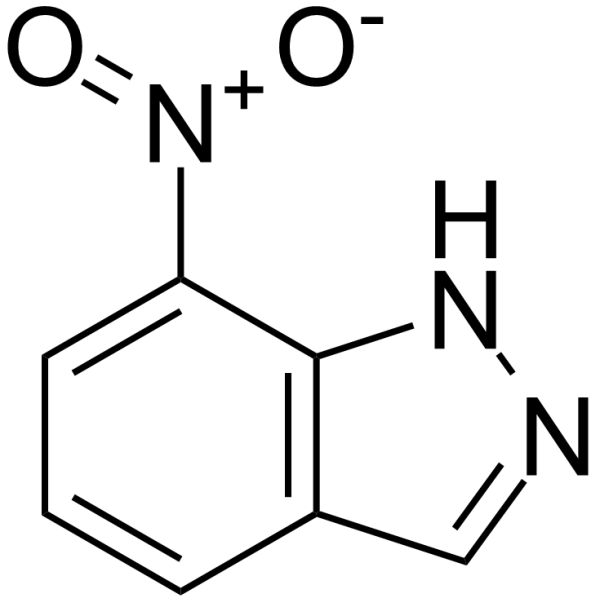
7-Nitroindazole is a selective and BBB-penetrable inhibitor of nitric oxide synthase (NOS) (IC50 = 0.47 μM in mouse cerebellum). 7-Nitroindazole does not affect blood pressure or endothelium-dependent relaxation while inhibiting nNOS in experimental animals. 7-Nitroindazole has anti-injurious and neuroprotective properties, and can be studied in research for neurological diseases such as Parkinson’s disease .
|
-
- HY-129997
-
|
|
CD38
NADPH Oxidase
Tyrosinase
|
Cardiovascular Disease
|
|
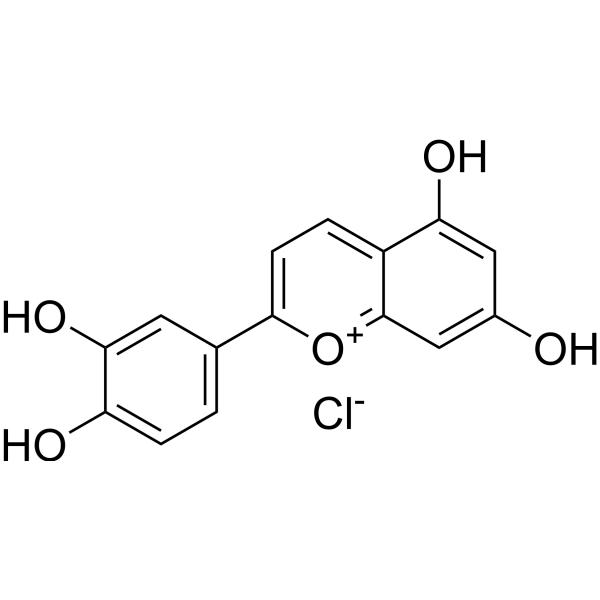
Luteolinidin chloride is a deoxyanthocyanidin isolated from the plant Sorghum bicolor with antioxidant activity. Luteolinidin chloride is a potent CD38 inhibitor (Ki=11.4 μM) and protects the heart from ischemia/reperfusion injury by preserving endothelial nitric oxide synthase (eNOS) function and preventing endothelial dysfunction. Luteolinidin chloride is also a competitive inhibitor of tyrosinase (IC50=3.7 μM) and blocks the production of melanin .
|
-
- HY-125863
-
|
G6PD
|
Endogenous Metabolite
|
Metabolic Disease
Cancer
|
|
Glucose-6-phosphate dehydrogenase, Microorganism (G6PD) is the rate-limiting enzyme of the pentose phosphate pathway. Glucose-6-phosphate dehydrogenase, Microorganism is a primary source of NADPH in antioxidant pathways, nitric oxide synthase, NADPH oxidase, cytochrome p450 systems, and others. Glucose-6-phosphate dehydrogenase, Microorganism is applicable in research related to diabetes, endothelial dysfunction, cancer, and cardiomyopathy .
|
-
- HY-12119B
-
|
|
NO Synthase
|
Neurological Disease
Inflammation/Immunology
|
|
GW274150 (dihydrochloride) is a potent, selective, orally active and NADPH-dependent inhibitor of human inducible nitric oxide synthase (iNOS) (IC50=2.19 μM; Kd=40 nM) and rat iNOS (ED50=1.15 μM). GW274150 (dihydrochloride) displays less potency for both humans or rats endothelial NOS (eNOS) and neuronal NOS (nNOS). GW274150 (dihydrochloride) exerts a protective role in an acute model of lung injury inflammation .
|
-
- HY-102062R
-
|
N-omega-Propyl-L-arginine (Standard)
|
Reference Standards
NO Synthase
|
Neurological Disease
|
|
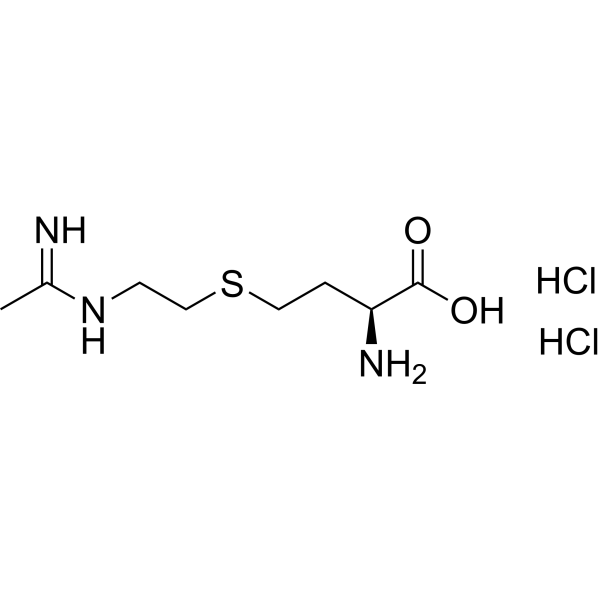
Nω-Propyl-L-arginine (Standard) is the analytical standard of Nω-Propyl-L-arginine (HY-102062). This product is intended for research and analytical applications. Nω-Propyl-L-arginine (N-omega-Propyl-L-arginine) is a potent, competitive, and highly selective inhibitor of neuronal nitric oxide synthase (nNOS), with a Ki of 57 nM. Nω-Propyl-L-arginine displays a 149-fold selectivity for nNOS over endothelial NOS (eNOS) .
|
-

- HY-B1041AS
-
|
Pimagedine-13C, 15N4; GER-11free base-13C, 15N4; Aminoguanidinium-13C, 15N4
|
Isotope-Labeled Compounds
NO Synthase
Apoptosis
|
Endocrinology
|
|
Aminoguanidine- 13C, 15N4 (Pimagedine- 13C, 15N4) is the 13C- and 15N-labeled Aminoguanidine (HY-B1041A). Aminoguanidine (Pimagedine hydrochloride) is an inhibitor of diamine oxidase and nitric oxide synthase. Aminoguanidine has a dose-dependent inhibitory effect on apoptosis induced by Doxorubicin (HY-15142). Aminoguanidine has antioxidant properties. Aminoguanidine can be used in diabetic nephropathy research .
|
-

- HY-180828
-
|
|
NO Synthase
|
Cardiovascular Disease
Neurological Disease
|
|
iNOs-IN-8 (Compound 13h) is an efficient and highly selective inducible nitric oxide synthase (iNOS) inhibitor, with an IC50 of 238 nM. iNOs-IN-8 exhibits significant neuroprotective effects in oxygen-glucose deprivation/reoxygenation (OGD/R) and hydrogen peroxide-induced neuronal and endothelial cell damage. iNOs-IN-8 significantly reduces the volume of cerebral infarction and improves neurological function in rat models. iNOs-IN-8 can be used for the study of ischemic stroke .
|
-

- HY-12119
-
|
|
NO Synthase
|
Neurological Disease
Inflammation/Immunology
|
|
GW274150 is a potent, selective, orally active and NADPH-dependent inhibitor of human inducible nitric oxide synthase (iNOS) (IC50=2.19 μM; Kd=40 nM) and rat iNOS (ED50=1.15 μM). GW274150 also displays less potency for both humans or rats endothelial NOS (eNOS) and neuronal NOS (nNOS). GW274150 exerts a protective role in an acute model of lung injury inflammation .
|
-
- HY-12119A
-
|
|
NO Synthase
|
Neurological Disease
Inflammation/Immunology
|
|
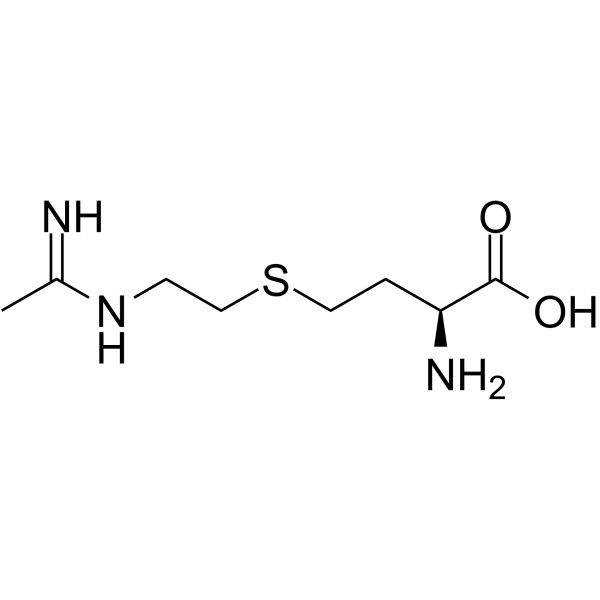
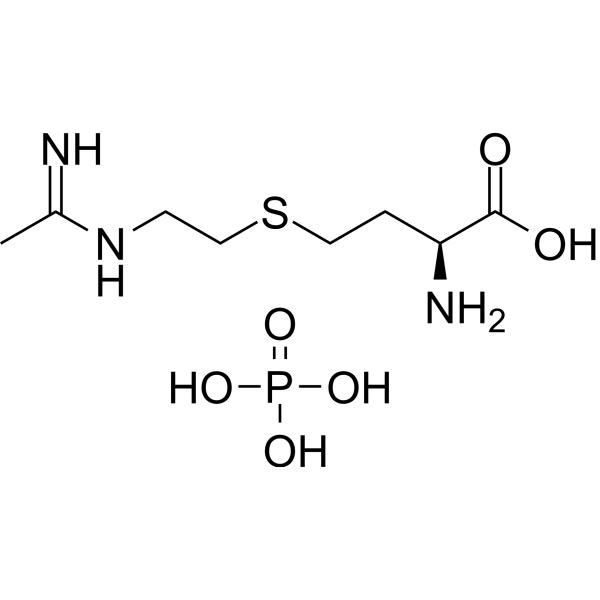
GW274150 phosphate is a potent, selective, orally active and NADPH-dependent inhibitor of human inducible nitric oxide synthase (iNOS) (IC50=2.19 μM; Kd=40 nM) and rat iNOS (ED50=1.15 μM). GW274150 phosphate displays less potency for both humans or rats endothelial NOS (eNOS) and neuronal NOS (nNOS). GW274150 phosphate exerts a protective role in an acute model of lung injury inflammation .
|
-
- HY-18732AR
-
|
Tilarginine acetate (Standard); Methylarginine acetate (Standard)
|
Reference Standards
NO Synthase
|
Cardiovascular Disease
Cancer
|
|
L-NMMA (Tilarginine) acetate (Standard) is the analytical standard of L-NMMA acetate (HY-18732A). This product is intended for research and analytical applications. L-NMMA (Tilarginine) acetate is a non-selective and competitive inhibitor of nitric oxide synthase. L-NMMA acetate inhibits three subtypes, namely nNOS, eNOS, and iNOS, and reduces NO production . L-NMMA acetate alleviates mechanical allodynia, thermal hyperalgesia, and choroidal fibrosis. L-NMMA acetate is applicable to research related to nociception, bone cancer pain, and myopia .
|
-

- HY-17408R
-
-
- HY-N11996
-
|
|
NO Synthase
NF-κB
|
Others
|
|
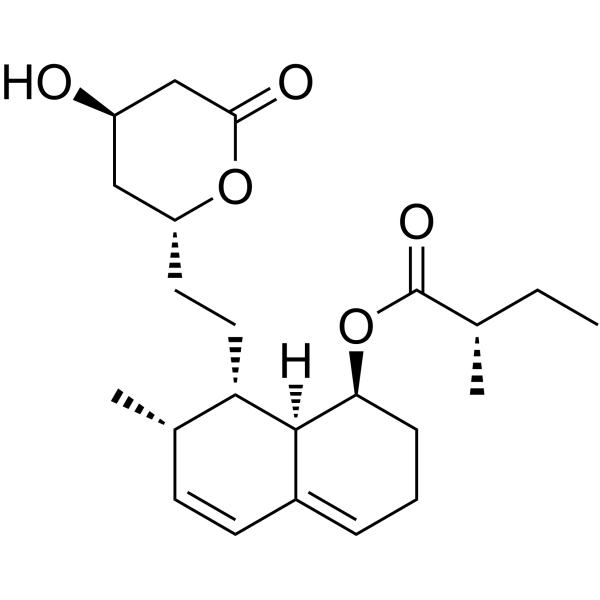
Aloenin aglycone (compound 13) is an NF-κB inhibitor that can be isolated from aloe exudate. Aloenin aglycone inhibits TNFα-induced NF-κB transcriptional activity (IC50: 18.7 μM). Aloenin aglycone (10 μM) also reduced inducible nitric oxide synthase (iNOS) and intercellular adhesion molecule 1 (ICAM-1) gene expression after treatment of HepG2 cells with 10 ng/mL TNFα .
|
-
- HY-N1445R
-
|
Isoquercetin (Standard); Quercetin 3-glucoside (Standard)
|
Reference Standards
NF-κB
NO Synthase
|
Inflammation/Immunology
Cancer
|
|
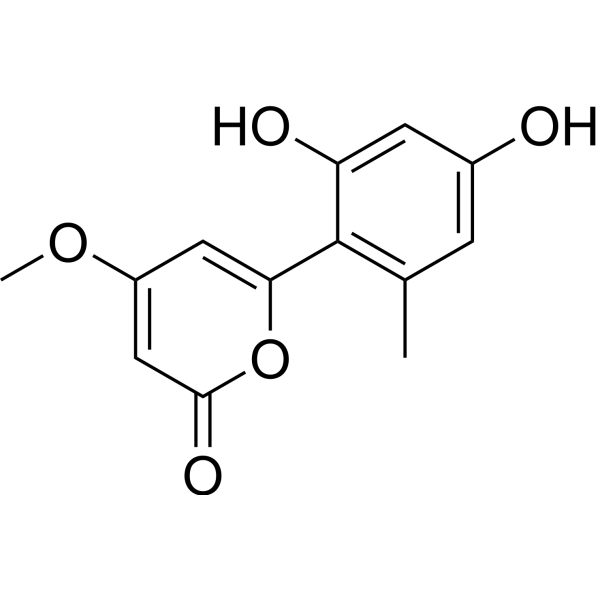
Isoquercetin (Standard) is the analytical standard of Isoquercetin. This product is intended for research and analytical applications. Isoquercetin (Quercetin 3-glucoside) is a naturally occurring polyphenol that has antioxidant, anti-proliferative, and anti-inflammatory properties. Isoquercetin alleviates ethanol-induced hepatotoxicity, oxidative stress, and inflammatory responses via the Nrf2/ARE antioxidant signaling pathway . Isoquercetin regulates the expression of nitric oxide synthase 2 (NO2) via modulating the nuclear factor-κB (NF-κB) transcription regulation system. Isoquercetin has high bioavailability and low toxicity, is a promising candidate agent to prevent birth defects in diabetic pregnancies .
|
-

- HY-P10586A
-
|
MALP-2 TFA
|
Toll-like Receptor (TLR)
NO Synthase
|
Cardiovascular Disease
Metabolic Disease
|
|
Macrophage-activating lipopeptide 2 TFA is an agonist of Toll like receptors TLR-2/TLR-6. Macrophage-activating lipopeptide-2 enhances endothelial nitric oxide synthase (eNOS) phosphorylation and endothelial cell release of NO, thereby improving vasodilation. Macrophage-activating lipopeptide-2 enhances endothelial adhesion of white blood cells and improve perfusion recovery and collateral growth in the hind limbs of hypercholesterolemic Apoe deficient mice undergoing experimental femoral artery ligation (FAL) .
|
-

- HY-163712
-
|
|
Estrogen Receptor/ERR
|
Endocrinology
|
|
17-Epiestriol is an estrogen metabolite and a selective estrogen receptor (ER) β agonist. 17-epiestriol inhibits the mRNA and protein expression of the vascular cell adhesion molecule VCAM-1 induced by tumor necrosis factor α (TNFα). 17-epiestriol also inhibits TNFα-induced VCAM-1 expression and prevents NF-κB migration to the nucleus. 17-Epiestriol also induces the mRNA and protein expression of endothelial nitric oxide synthase .
|
-

- HY-112234
-
|
Sepiapterin
|
Endogenous Metabolite
|
Cancer
|
|
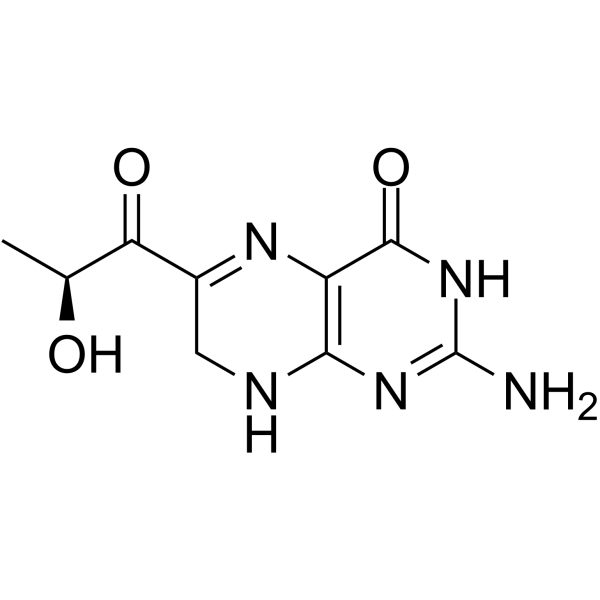
L-Sepiapterin (Sepiapterin), is a phenylalanine hydroxylase activator, is a precursor of the endothelial nitric oxide synthase (eNOS) cofactor tetrahydrobiopterin (BH4). L-Sepiapterin improves endothelial dysfunction in small mesenteric arteries from db/db mice, and induces angiogenesis. L-Sepiapterin inhibits cell proliferation and migration of ovarian cancer cells via down-regulation of p70 S6K-dependent VEGFR-2 expression. L-Sepiapterin can be used for the study of hyperphenylalaninemia .
|
-
- HY-138166S
-
|
|
Isotope-Labeled Compounds
Potassium Channel
Drug Metabolite
NO Synthase
|
Cardiovascular Disease
|
|
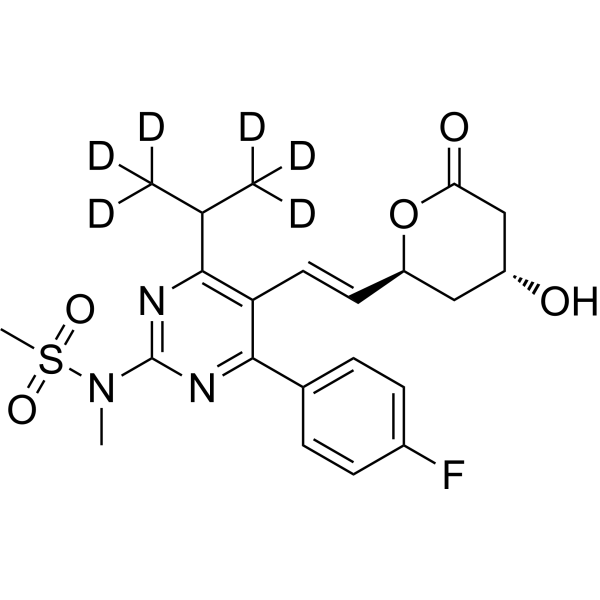
Rosuvastatin lactone-d6 is the deuterium labeled Rosuvastatin lactone. Rosuvastatin lactone is a metabolite of Rosuvastatin (HY-17504A), a statin lipid-lowering agent and HMG-CoA inhibitor. Rosuvastatin lactone exhibits endothelium-independent and HMG-CoA reductase-independent vasorelaxant activity in rat aortic rings, and its vasorelaxant effect is jointly mediated by NO produced by inducible nitric oxide synthase (iNOS) located in vascular smooth muscle and activation of potassium channels. Rosuvastatin lactone itself has no lipid-lowering effect .
|
-
- HY-181155
-
|
|
NO Synthase
COX
TNF Receptor
Interleukin Related
|
Inflammation/Immunology
|
|
Anti-inflammatory agent 111 is a potent anti-inflammatory agent. Anti-inflammatory agent 111 reduces Lipopolysaccharides (LPS) (HY-D1056)-induced i-NOS and COX-2 protein expression, decreases nitric oxide, IL-6, and TNF-α production. Anti-inflammatory agent 111 maintains normal cell viability at bioactive concentrations.Anti-inflammatory agent 111 can be used for the research of inflammation-related disorders .
|
-

- HY-B0300R
-
|
D-(-)-Penicillamine (Standard)
|
Cuproptosis
Reference Standards
Drug Metabolite
|
Inflammation/Immunology
Cancer
|
|
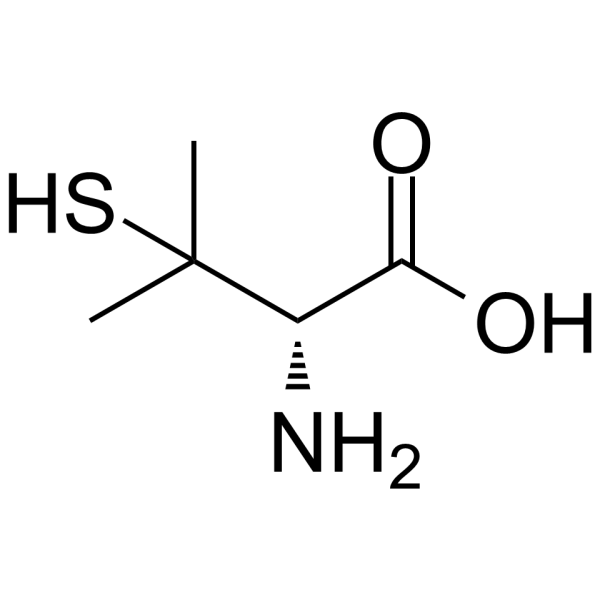
Penicillamine (Standard) is the analytical standard of Penicillamine. This product is intended for research and analytical applications. Penicillamine (D-(-)-Penicillamine) is a penicillin metabolic degradation product, can be used as a heavy metal chelator. Penicillamine increases free copper and increases oxidative stress. Penicillamine has effect of seizures through nitric oxide/NMDA pathways. Penicillamine is a potential immune modulator. Penicillamine can be used for the research of Wilson disease, rheumatoid arthritis, and cystinuria .
|
-

- HY-B0300
-
|
D-(-)-Penicillamine
|
Cuproptosis
Drug Metabolite
|
Inflammation/Immunology
Cancer
|
|
Penicillamine (D-(-)-Penicillamine) is a penicillin metabolic degradation product, can be used as a heavy metal chelator. Penicillamine increases free copper and increases oxidative stress. Penicillamine has effect of seizures through nitric oxide/NMDA pathways. Penicillamine is a potential immune modulator. Penicillamine can be used for the research of Wilson disease, rheumatoid arthritis, and cystinuria .
|
-
- HY-10230
-
Midostaurin
Maximum Cited Publications
37 Publications Verification
PKC412; CGP 41251
|
PKC
VEGFR
c-Kit
NO Synthase
Apoptosis
|
Cancer
|
|
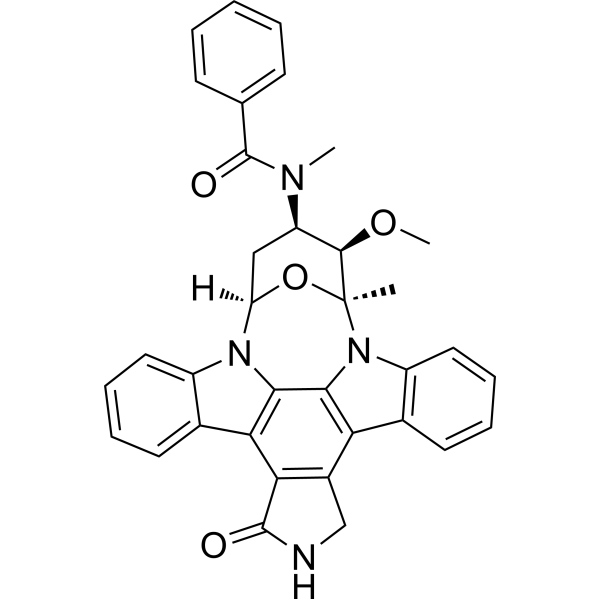
Midostaurin (PKC412; CGP 41251) is an orally active, reversible multi-targeted protein kinase inhibitor. Midostaurin inhibits PKCα/β/γ, Syk, Flk-1, Akt, PKA, c-Kit, c-Fgr, c-Src, FLT3, PDFRβ and VEGFR1/2 with IC50s ranging from 22-500 nM . Midostaurin also upregulates endothelial nitric oxide synthase (eNOS) gene expression. Midostaurin shows powerful anticancer effects .
|
-
- HY-D0958
-
|
Basic Blue 9 hydrate; CI-52015 hydrate; Methylthioninium chloride hydrate
|
Guanylate Cyclase
Monoamine Oxidase
NO Synthase
Microtubule/Tubulin
|
Infection
Inflammation/Immunology
Cancer
|
|
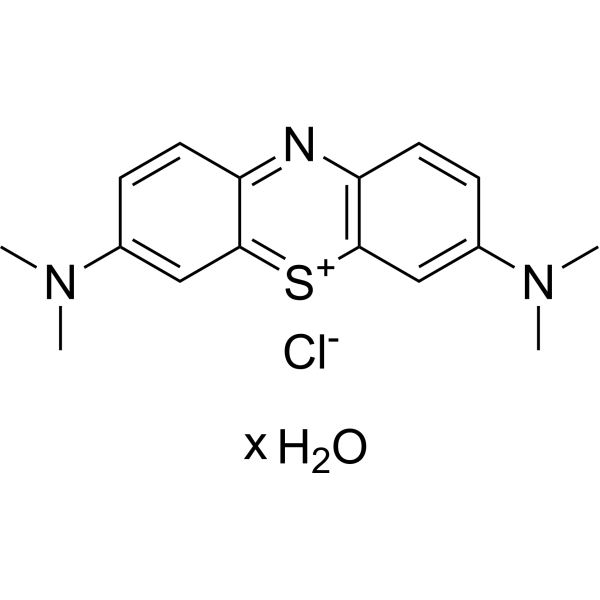
Methylene blue (Basic Blue 9) hydrate is a guanylyl cyclase (sGC), monoamine oxidase A (MAO-A) and NO synthase (NOS) inhibitor. Methylene blue is a vasopressor and is often used as a dye in several medical procedures. Methylene blue hydrate through the nitric oxide syntase/guanylate cyclase signalling pathway to reduce prepulse inhibition. Methylene blue hydrate is a REDOX cycling compound and able to cross the blood-brain barrier. Methylene blue hydrate is a Tau aggregation inhibitor. Methylene blue hydrate reduces cerebral edema, attenuated microglial activation and reduced neuroinflammation .
|
-
- HY-P10586
-
|
MALP-2
|
Toll-like Receptor (TLR)
NO Synthase
|
Cardiovascular Disease
|
|
Macrophage-activating lipopeptide 2 (MALP-2) is an agonist of Toll like receptors TLR-2/TLR-6. Macrophage-activating lipopeptide-2 can enhance endothelial nitric oxide synthase (eNOS) phosphorylation and endothelial cell release of NO, thereby improving vasodilation. Macrophage-activating lipopeptide-2 can enhance endothelial adhesion of white blood cells and improve perfusion recovery and collateral growth in the hind limbs of hypercholesterolemic Apoe deficient mice undergoing experimental femoral artery ligation (FAL) .
|
-

- HY-N0617
-
|
|
Phosphatase
ERK
NF-κB
Apoptosis
|
Cardiovascular Disease
Inflammation/Immunology
Cancer
|
|
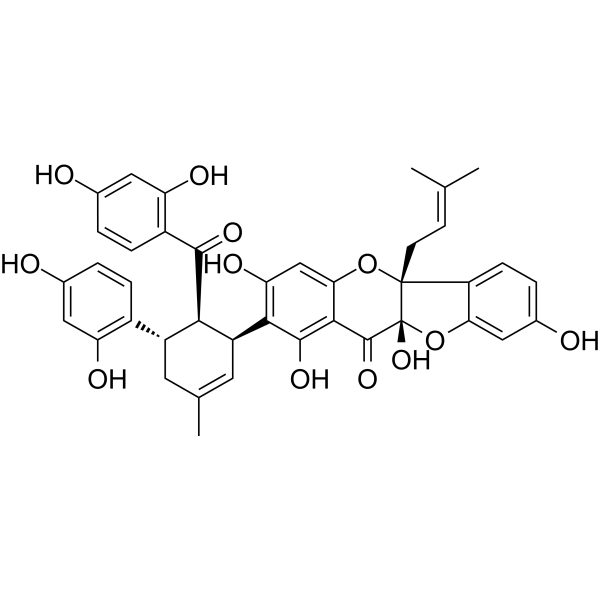
Sanggenon C, a flavonoid, exerts protective effects against cardiac hypertrophy and fibrosis via suppression of the calcineurin/NFAT2 pathway. Sanggenon C inhibits mitochondrial fission to induce apoptosis by blocking the ERK signaling pathway. Sanggenon C inhibits inducible nitric oxide synthase expression in RAW264.7 cells, and TNF-α-stimulated cell adhesion and VCAM-1 expression, by suppressing NF-κB activity. Sanggenon C possesses antioxidant, anti-inflammatory and antitumor activities .
|
-
- HY-138166R
-
|
|
Reference Standards
Potassium Channel
Drug Metabolite
NO Synthase
|
Cardiovascular Disease
|
|
Rosuvastatin lactone (Standard) is the analytical standard of Rosuvastatin lactone. This product is intended for research and analytical applications. Rosuvastatin lactone is a metabolite of Rosuvastatin (HY-17504A), a statin lipid-lowering agent and HMG-CoA inhibitor. Rosuvastatin lactone exhibits endothelium-independent and HMG-CoA reductase-independent vasorelaxant activity in rat aortic rings, and its vasorelaxant effect is jointly mediated by NO produced by inducible nitric oxide synthase (iNOS) located in vascular smooth muscle and activation of potassium channels. Rosuvastatin lactone itself has no lipid-lowering effect .
|
-

- HY-14536
-
|
Basic Blue 9; CI-52015; Methylthioninium chloride
|
Environmental Pollutants
Monoamine Oxidase
Guanylate Cyclase
Microtubule/Tubulin
NO Synthase
|
Infection
Neurological Disease
Cancer
|
|
Methylene blue (Basic Blue 9) is a guanylyl cyclase (sGC), monoamine oxidase A (MAO-A) and NO synthase (NOS) inhibitor. Methylene blue is a vasopressor and is often used as a dye in several medical procedures. Methylene blue through the nitric oxide syntase/guanylate cyclase signalling pathway to reduce prepulse inhibition. Methylene blue is a REDOX cycling compound and able to cross the blood-brain barrier. Methylene blue is a Tau aggregation inhibitor. Methylene Blue is a photosensitizer and redox agent. Methylene blue reduces cerebral edema, attenuated microglial activation and reduced neuroinflammation .
|
-
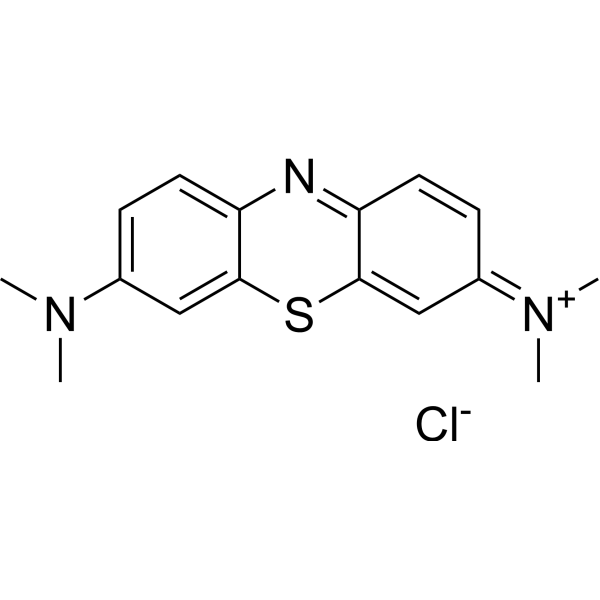
- HY-NP203
-
|
HDL (human)
|
Apolipoprotein
NO Synthase
LPL Receptor
Akt
PI3K
p38 MAPK
|
Neurological Disease
Metabolic Disease
Inflammation/Immunology
Cancer
|
|
High density lipoprotein (human) (HDL (human)) is a human-derived high-density lipoprotein. High density lipoprotein can cross the blood-brain barrier, and partially acts on endothelial nitric oxide synthase (eNOS) by activating surface receptors such as SR-B1 and S1P3R, as well as intracellular signaling cascades involving Akt, PI3K and MAPK, thereby inducing the production of NO in endothelial cells. High density lipoprotein (human) can be used in research related to type 2 diabetes, Alzheimer's disease, cancer and atherosclerosis .
|
-

- HY-N8936
-
|
|
Others
|
Inflammation/Immunology
|
|
Narchinol B (Compound 4) is a sesquiter penoid
compound. Narchinol B has anti-inflammatory effects. Narchinol B works by
inhibiting proinflammatory mediators, including prostaglandin E2 (PGE2),
inducible nitric oxide synthase (iNOS), and cyclooxygenase-2 (COX-2) proteins,
as well as proinflammatory cytokines, such as interleukin-1b, IL-6, and tumor
necrosis factor-α (TNF-α). Narchinol B significantly inhibits LPS-induced
overproduction of NO in BV2 cells (IC50=2.43 μM)
.
|
-
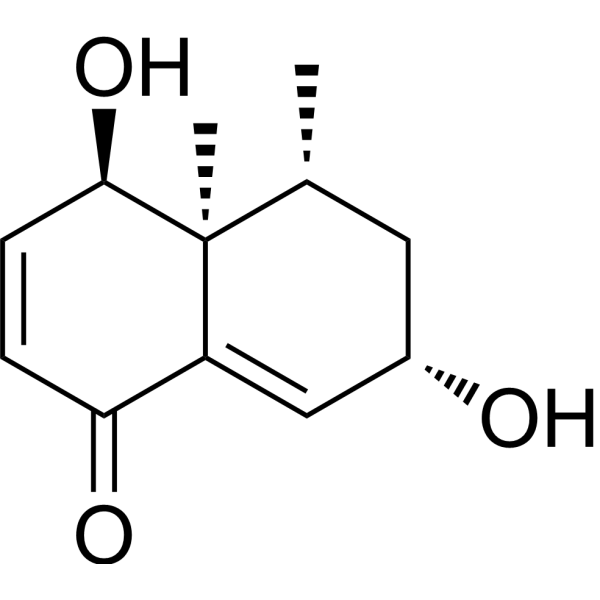
- HY-W008646R
-
|
|
Reference Standards
SOD
Apoptosis
NO Synthase
|
Others
|
|
NADH (disodium salt) (Standard) is the analytical standard of NADH (disodium salt). This product is intended for research and analytical applications. 7,8-Dihydro-L-biopterin is a NOS uncoupling inducer with blood-brain barrier permeability, and it is a reduced non-conjugated pteridine. 7,8-Dihydro-L-biopterin is the main metabolite of 4-amino-tetrahydro-L-biopterin, and it undergoes photooxidation to form biopterin. 7,8-Dihydro-L-biopterin promotes the conversion of nitric oxide synthase to a superoxide-producing form, thereby increasing oxidative stress levels in the renal outer medulla and inducing apoptosis. 7,8-Dihydro-L-biopterin is sensitive to the inhibitory effect of SOD, and it can be applied to research related to salt-sensitive hypertension, moderate to severe traumatic brain injury, and neurodegenerative diseases .
|
-

- HY-10230R
-
|
PKC412 (Standard); CGP 41251 (Standard)
|
Reference Standards
PKC
VEGFR
c-Kit
NO Synthase
Apoptosis
|
Cancer
|
|
Midostaurin (Standard) is the analytical standard of Midostaurin. This product is intended for research and analytical applications. Midostaurin (PKC412; CGP 41251) is an orally active, reversible multi-targeted protein kinase inhibitor. Midostaurin inhibits PKCα/β/γ, Syk, Flk-1, Akt, PKA, c-Kit, c-Fgr, c-Src, FLT3, PDFRβ and VEGFR1/2 with IC50s ranging from 22-500 nM . Midostaurin also upregulates endothelial nitric oxide synthase (eNOS) gene expression. Midostaurin shows powerful anticancer effects .
|
-

- HY-14536R
-
|
Basic Blue 9 (Standard); CI-52015 (Standard); Methylthioninium chloride (Standard)
|
Reference Standards
Guanylate Cyclase
Monoamine Oxidase
NO Synthase
Microtubule/Tubulin
|
Infection
Neurological Disease
Cancer
|
|
Methylene Blue (Standard) is the analytical standard of Methylene Blue. This product is intended for research and analytical applications. Methylene blue (Basic Blue 9) is a guanylyl cyclase (sGC), monoamine oxidase A (MAO-A) and NO synthase (NOS) inhibitor. Methylene blue is a vasopressor and is often used as a dye in several medical procedures. Methylene blue through the nitric oxide syntase/guanylate cyclase signalling pathway to reduce prepulse inhibition. Methylene blue is a REDOX cycling compound and able to cross the blood-brain barrier. Methylene blue is a Tau aggregation inhibitor. Methylene blue reduces cerebral edema, attenuated microglial activation and reduced neuroinflammation .
|
-

- HY-D0958R
-
|
Basic Blue 9 hydrate (Standard); CI-52015 hydrate (Standard); Methylthioninium chloride hydrate (Standard)
|
Reference Standards
Guanylate Cyclase
Monoamine Oxidase
NO Synthase
Microtubule/Tubulin
|
Infection
Inflammation/Immunology
Cancer
|
|
Methylene blue (hydrate) (Standard) is the analytical standard of Methylene blue (hydrate). This product is intended for research and analytical applications. Methylene blue (Basic Blue 9) hydrate is a guanylyl cyclase (sGC), monoamine oxidase A (MAO-A) and NO synthase (NOS) inhibitor. Methylene blue is a vasopressor and is often used as a dye in several medical procedures. Methylene blue hydrate through the nitric oxide syntase/guanylate cyclase signalling pathway to reduce prepulse inhibition. Methylene blue hydrate is a REDOX cycling compound and able to cross the blood-brain barrier. Methylene blue hydrate is a Tau aggregation inhibitor. Methylene blue hydrate reduces cerebral edema, attenuated microglial activation and reduced neuroinflammation .
|
-

- HY-14536A
-
|
Basic Blue 9 (purity≥70%); CI-52015 (purity≥70%); Methylthioninium chloride (purity≥70%)
|
Environmental Pollutants
Monoamine Oxidase
Guanylate Cyclase
Microtubule/Tubulin
NO Synthase
|
Infection
Neurological Disease
Cancer
|
|
Methylene blue (purity≥70%) is a guanylyl cyclase (sGC), monoamine oxidase A (MAO-A) and NO synthase (NOS) inhibitor. Methylene blue (purity≥70%) is a vasopressor and is often used as a dye in several medical procedures. Methylene blue (purity≥70%) through the nitric oxide syntase/guanylate cyclase signalling pathway to reduce prepulse inhibition. Methylene blue (purity≥70%) is a REDOX cycling compound and able to cross the blood-brain barrier. Methylene blue (purity≥70%) is a Tau aggregation inhibitor. Methylene blue reduces cerebral edema, attenuated microglial activation and reduced neuroinflammation .
|
-

- HY-163712S
-
|
|
Isotope-Labeled Compounds
Estrogen Receptor/ERR
|
Endocrinology
|
|
17-Epiestriol-d5-1 is the deuterium labeled 17-Epiestriol (HY-163712). 17-Epiestriol is an estrogen metabolite and a selective estrogen receptor (ER) β agonist. 17-epiestriol inhibits the mRNA and protein expression of the vascular cell adhesion molecule VCAM-1 induced by tumor necrosis factor α (TNFα). 17-epiestriol also inhibits TNFα-induced VCAM-1 expression and prevents NF-κB migration to the nucleus. 17-Epiestriol also induces the mRNA and protein expression of endothelial nitric oxide synthase .
|
-

- HY-W751179
-
|
PKC412-13C6; CGP 41251-13C6
|
Isotope-Labeled Compounds
Apoptosis
VEGFR
PKC
c-Kit
NO Synthase
|
Cancer
|
|
Midostaurin- 13C6 (PKC412- 13C6) is the 13C-labeled Midostaurin (HY-10230). Midostaurin (PKC412; CGP 41251) is an orally active, reversible multi-targeted protein kinase inhibitor. Midostaurin inhibits PKCα/β/γ, Syk, Flk-1, Akt, PKA, c-Kit, c-Fgr, c-Src, FLT3, PDFRβ and VEGFR1/2 with IC50s ranging from 22-500 nM . Midostaurin also upregulates endothelial nitric oxide synthase (eNOS) gene expression. Midostaurin shows powerful anticancer effects .
|
-

- HY-N0854
-
|
|
HBV
ERK
JNK
p38 MAPK
STAT
NF-κB
TNF Receptor
Interleukin Related
NO Synthase
COX
|
Metabolic Disease
Cancer
|
|
Alisol F is a protostane-type triterpenoid with anti-inflammatory and anti-hepatitis B virus activities. Alisol F inhibits LPS (HY-D1056)-induced phosphorylation of ERK, JNK, p38, STAT3 and NF-κB (p65), suppresses the production of NO, IL-6, TNF-α and IL-1β, and also downregulates the levels of iNOS and COX-2. Alisol F reduces the serum alanine aminotransferase and aspartate aminotransferase levels in mice with acute liver injury and ameliorates their liver pathological damage .
|
-
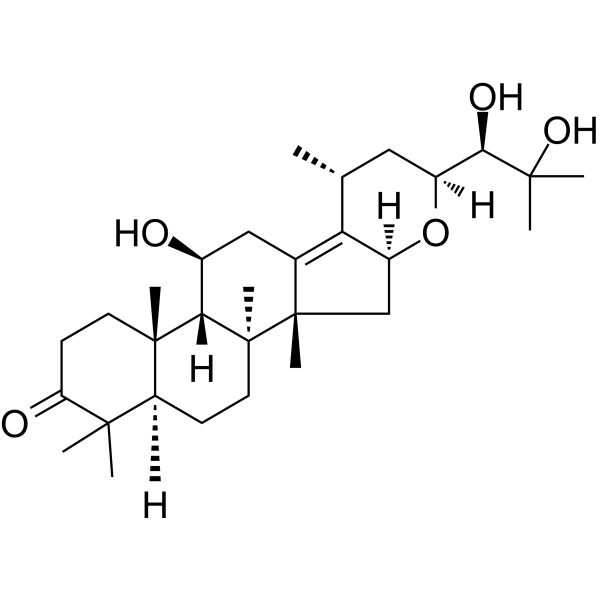
- HY-N1989
-
|
|
Na+/K+ ATPase
CaMK
Apoptosis
Cholinesterase (ChE)
NO Synthase
NF-κB
|
Neurological Disease
Cancer
|
Bacoside A is an orally active, blood-brain barrier-permeable triterpenoid saponin that modulates the activities of ATPases, AChE, CaMK2A and iNOS. Derived from Bacopa monniera. Bacoside A exerts significant antioxidant, anti-inflammatory and anti-apoptotic effects by maintaining ion balance, scavenging reactive oxygen species, stabilizing cell membranes, and regulating the expression of NF-κB and apoptosis-related proteins. Bacoside A counteracts morphine-induced reductions in Na +/K +-ATPase, Ca 2+-ATPase and Mg 2+-ATPase activities, increases mitochondrial membrane potential, and decreases intracellular reactive oxygen species levels. Bacoside A specifically binds to calcium/calmodulin-dependent protein kinase IIA to trigger endoplasmic reticulum calcium release. Bacoside A exhibits non-apoptotic cytotoxicity against glioblastoma cells while protecting normal nerve cells from stress-induced damage. Bacoside A is applicable to the research of Parkinson's disease and glioblastoma multiforme .
|
-
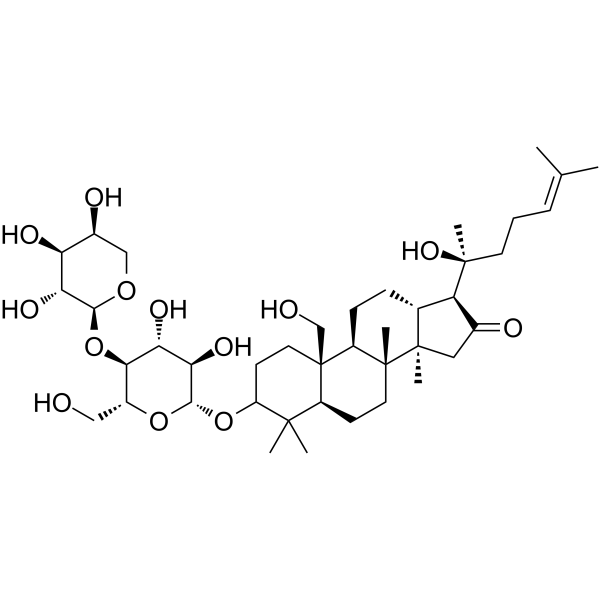
- HY-N18025
-
-

- HY-12379
-
NS-2028
1 Publications Verification
|
Guanylate Cyclase
|
Inflammation/Immunology
|
|
NS-2028 is a highly selective soluble Guanylyl Cyclase (sGC) inhibitor with IC50 values of 30 nM and 200 nM for basal and NO-stimulated enzyme activity . NS-2028 inhibits soluble Guanylyl Cyclase activity in homogenates of mouse cerebellum and neuronal NO synthase with IC50 values of 17 nM and 20 nM . NS-2028 inhibits 3-morpholino-sydnonimine (SIN-1)-elicited formation of cyclic GMP in human cultured umbilical vein endothelial cells with an IC50 of 30 nM . NS-2028 is commonly used in the research of nitric oxide signaling pathways, it inhibits NO-dependent relaxant responses in non-vascular smooth muscle completely (1 μM) . NS-2028 reduces vascular endothelial growth factor-induced angiogenesis and permeability .
|
-
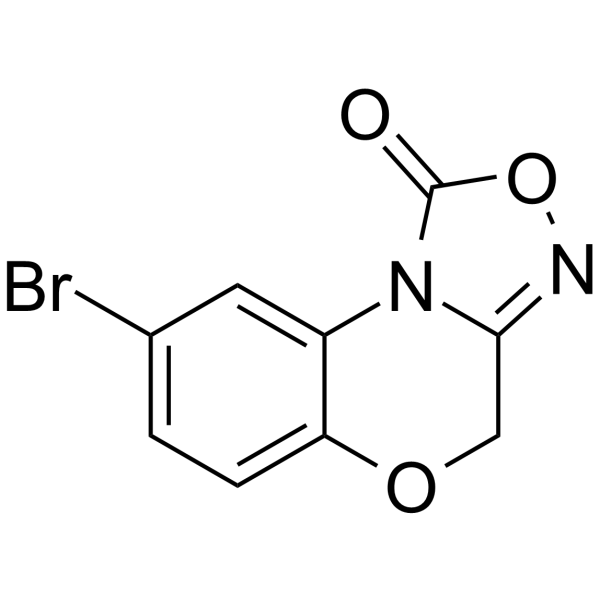
- HY-N9541
-
|
|
Others
|
Inflammation/Immunology
|
|
Chaetoglobosin Vb is a novel cytotoxic alkaloid with anti-inflammatory and antioxidant activities. Chaetoglobosin Vb can inhibit oxidative stress induced by LPS stimulation, reduce the production of reactive oxygen species and increase the expression of the antioxidant enzyme superoxide dismutase (SOD). Chaetoglobosin Vb significantly reduced the gene and protein expression of inducible nitric oxide synthase (iNOS) and cyclooxygenase-2 (COX-2) induced by LPS, and alleviated the production of proinflammatory cytokines such as TNF-α, IL-6 and IL-1β. Chaetoglobosin Vb exerts its biological activity through the TLR4-mediated MyD88-dependent signaling pathway and the TRIF-dependent signaling pathway, which is specifically manifested by inhibiting the phosphorylation of p38, ERK, and JNK MAPK and the translocation of NF-κB p65 subunit to the nucleus. Chaetoglobosin Vb showed no cytotoxic effect in the concentration range of 25-100 μM and promoted SOD enzyme activity and phosphorylation of p38, ERK1/2 and JNK in a dose-dependent manner .
|
-

- HY-125740
-
|
Malvidin-3-O-glucoside chloride; Oenin chloride
|
NF-κB
TNF Receptor
NO Synthase
Interleukin Related
|
Inflammation/Immunology
|
|
Malvidin-3-glucoside (Malvidin-3-O-glucoside; Oenin) chloride is an orally active inhibitor of the NF-κB pathway, which blocks inflammatory responses induced by TNF-α, reduces IκB-α degradation and p65 nuclear translocation, and upregulates endothelial nitric oxide synthase eNOS to increase NO production. Malvidin-3-glucoside chloride exerts anti-inflammatory and antioxidant effects by inhibiting pro-inflammatory molecules such as MCP-1, ICAM-1, and IL-6, and regulating intestinal microorganisms and metabolites, while protecting endothelial cells and improving intestinal microecological dysbiosis under inflammatory conditions. Malvidin-3-glucoside chloride can be used to study chronic inflammatory-related diseases such as atherosclerosis and inflammatory bowel disease, and has the potential to prevent vascular inflammation and improve intestinal health .
|
-
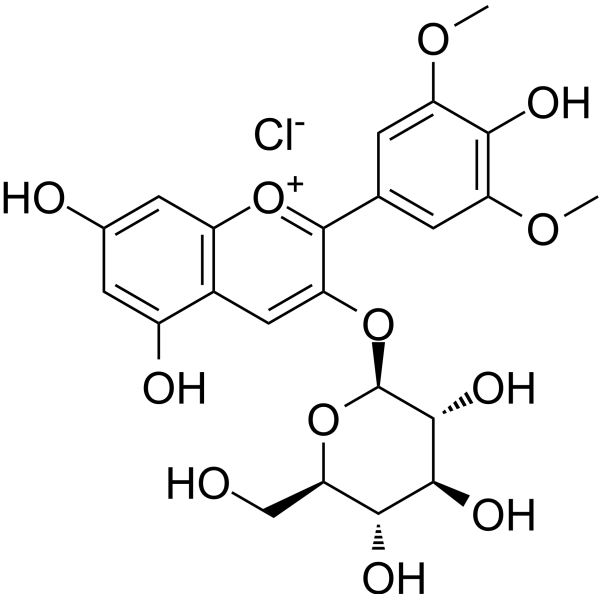
- HY-P0117
-
Tat-NR2B9c
Maximum Cited Publications
8 Publications Verification
Tat-NR2Bct; NA-1
|
iGluR
NO Synthase
|
Neurological Disease
|
|
Tat-NR2B9c (Tat-NR2Bct; NA-1) is a postsynaptic density-95 (PSD-95) inhibitor, with EC50 values of 6.7 nM and 670 nM for PSD-95d2 (PSD-95 PDZ domain 2) and PSD-95d1, respectively. Tat-NR2B9c disrupts the PSD-95/NMDAR interaction, inhibiting NR2A and NR2B binding to PSD-95 with IC50 values of 0.5 μM and 8 μM, respectively. Tat-NR2B9c also inhibits neuronal nitric oxide synthase (nNOS)/PSD-95 interaction, and possesses neuroprotective efficacy .
|
-

- HY-P0117A
-
|
Tat-NR2Bct TFA; NA-1 TFA
|
iGluR
NO Synthase
|
Neurological Disease
|
|
Tat-NR2B9c TFA (Tat-NR2Bct TFA) is a postsynaptic density-95 (PSD-95) inhibitor, with EC50 values of 6.7 nM and 670 nM for PSD-95d2 (PSD-95 PDZ domain 2) and PSD-95d1, respectively. Tat-NR2B9c TFA disrupts the PSD-95/NMDAR interaction, inhibiting NR2A and NR2B binding to PSD-95 with IC50 values of 0.5 μM and 8 μM, respectively. Tat-NR2B9c TFA also inhibits neuronal nitric oxide synthase (nNOS)/PSD-95 interaction, and possesses neuroprotective efficacy .
|
-

- HY-W008829
-
|
|
NF-κB
NO Synthase
Interleukin Related
TNF Receptor
Cytochrome P450
|
Inflammation/Immunology
|
|
N,N-Diethylacetamide is a polar solvent widely used in film and fiber manufacturing, as well as in laboratories as a carrier for water-insoluble chemicals. N,N-Diethylacetamide exerts potent anti-inflammatory effects by inhibiting the NF-κB pathway, suppressing the expression of NO and iNOS, and downregulating key inflammatory cytokines such as TNF-α and IL-6, without affecting the MAPK pathway. N,N-Diethylacetamide can be used to study inflammatory preterm birth.
|
-

- HY-106950
-
|
Diphosphofructose; Esafosfan; FDP
|
Toll-like Receptor (TLR)
COX
|
Cardiovascular Disease
Neurological Disease
Metabolic Disease
|
|
Fosfructose is an orally active cyclooxygenase-2 inhibitor and Toll-like receptor 4 modulator. Fosfructose reduces the expression of cyclooxygenase-2, thereby decreasing prostaglandin production. By inhibiting the Toll-like receptor 4 signaling pathway, Fosfructose downregulates LPS-induced adhesion molecule expression. Fosfructose is applicable to research related to ischemic stroke, epilepsy, sepsis, myocardial injury, osteoporosis, and ultraviolet B-induced skin damage .
|
-
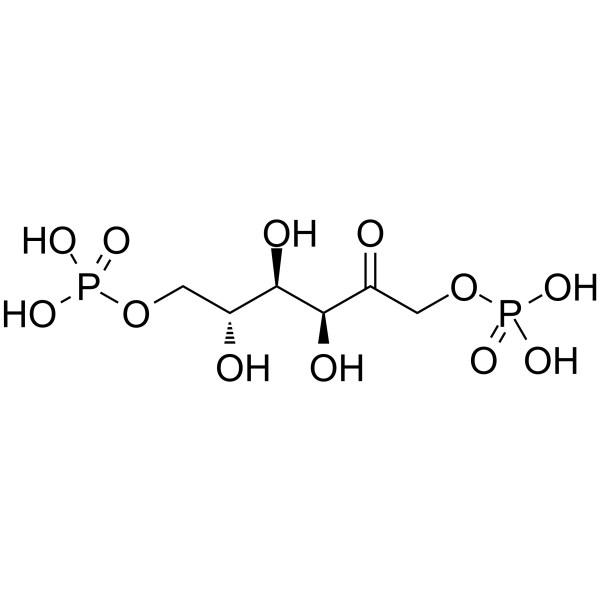
- HY-183342
-
|
|
NO Synthase
Drug Derivative
|
Metabolic Disease
|
|
DHEA Benzophenone-biotin is a photoactive DHEA (HY-14650) analog containing Biotin (HY-B0511) and Benzophenone (HY-Y0546) groups. DHEA Benzophenone-biotin inhibits plasma membrane binding of DHEA, activates endothelial NO synthase. DHEA Benzophenone-biotin cross-links to plasma membrane DHEA binding sites upon UV irradiation to identify associated proteins .
|
-

- HY-135451
-
|
|
Guanylate Cyclase
NO Synthase
|
Cardiovascular Disease
|
|
CFM 1571 is a soluble guanylyl cyclase (sGC) activator with an IC50 of ~5.5 μM. CFM 1571 activates sGC in a NO-independent manner and exerts a synergistic effect with NO. CFM 1571 inhibits platelet aggregation .
|
-

- HY-125740R
-
|
Malvidin-3-O-glucoside chloride (Standard); Oenin chloride (Standard)
|
Reference Standards
Interleukin Related
NO Synthase
NF-κB
TNF Receptor
|
Metabolic Disease
Inflammation/Immunology
|
|
Malvidin-3-glucoside (Malvidin-3-O-glucoside; Oenin) chloride (Standard) is the analytical standard of Malvidin-3-glucoside chloride (HY-125740). This product is intended for research and analytical applications. Malvidin-3-glucoside chloride is an orally active inhibitor of the NF-κB pathway, which blocks inflammatory responses induced by TNF-α, reduces IκB-α degradation and p65 nuclear translocation, and upregulates endothelial nitric oxide synthase eNOS to increase NO production. Malvidin-3-glucoside chloride exerts anti-inflammatory and antioxidant effects by inhibiting pro-inflammatory molecules such as MCP-1, ICAM-1, and IL-6, and regulating intestinal microorganisms and metabolites, while protecting endothelial cells and improving intestinal microecological dysbiosis under inflammatory conditions. Malvidin-3-glucoside chloride can be used to study chronic inflammatory-related diseases such as atherosclerosis and inflammatory bowel disease, and has the potential to prevent vascular inflammation and improve intestinal health .
|
-

- HY-P991316
-
|
DX-2400; DX-2410
|
MMP
NO Synthase
|
Inflammation/Immunology
Cancer
|
|
KD014 (DX-2400) is a human monoclonal antibody that selectively targets MMP‑14. KD014 inhibits collagen degradation and regulates the polarization of macrophages toward an anti-inflammatory/anti-tumor phenotype. KD014 alleviates joint damage in rheumatoid arthritis and suppresses tumor growth and invasion. KD014 can be used in studies related to breast cancer and rheumatoid arthritis .
|
-

- HY-W009300
-
|
4-OHE1
|
Endogenous Metabolite
Estrogen Receptor/ERR
Sirtuin
MDM-2/p53
PDI
Ferroptosis
Reactive Oxygen Species (ROS)
|
Neurological Disease
Metabolic Disease
Cancer
|
|
4-Hydroxyestrone (4-OHE1) is a brain-penetrant estrogen metabolite. 4-Hydroxyestrone shows neuroprotective effects involving increased cytoplasmic localization of p53 resulting from SIRT1-mediated p53 deacetylation. 4-Hydroxyestrone relies on PDI to mediate its protective effect against chemically induced ferroptosis in estrogen receptor-negative cancer cells. 4-Hydroxyestrone inhibits lipid peroxidation and lipid-ROS accumulation. 4-Hydroxyestrone blocks preovulatory luteinizing hormone surges in Rattus norvegicus. 4-Hydroxyestrone can be used for the researches of neurodegeneration, breast cancer and endocrine disease .
|
-
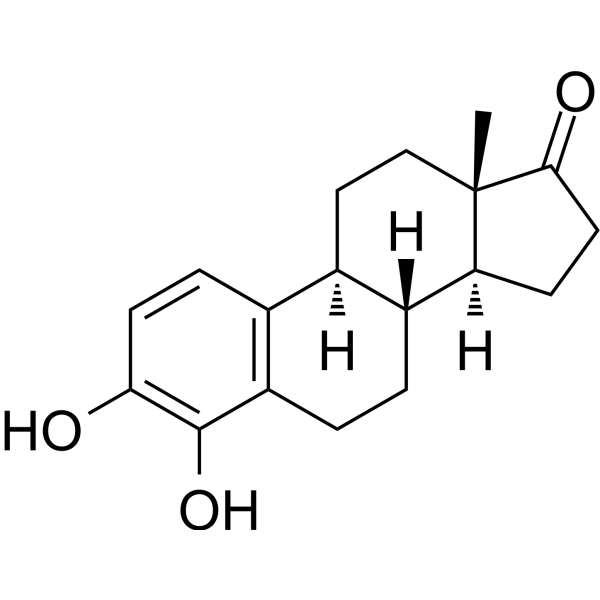
- HY-112847B
-
|
(E/Z)-Sulfo-N-succinimidyl oleate sodium
|
Transmembrane Glycoprotein
Mitochondrial Metabolism
Drug Isomer
|
Inflammation/Immunology
|
|
(E/Z)-Sulfosuccinimidyl oleate sodium is the racemate of (E)-Sulfosuccinimidyl oleate sodium and (Z)-Sulfosuccinimidyl oleate sodium. Sulfosuccinimidyl oleate sodium (Sulfo-N-succinimidyl oleate sodium) is a long-chain fatty acid that inhibits fatty acid transport into cells. Sulfosuccinimidyl oleate sodium is a potent and irreversible inhibitor of the mitochondrial respiratory chain. Sulfosuccinimidyl oleate sodium binds to the CD36 receptor on the surface of microglial cells. Sulfosuccinimidyl oleate sodium exhibits anti-inflammatory effects .
|
-

- HY-P1856
-
|
|
Insulin Receptor
PDGFR
MAPKAPK2 (MK2)
|
Cardiovascular Disease
Metabolic Disease
Inflammation/Immunology
|
|
Proinsulin C-peptide (human) is a peptide consisting of 31 amino acids that links the A and B chains of proinsulin to ensure its correct folding. Proinsulin C-peptide (human) inhibits the high glucose-induced increase in PDGF-β receptor protein expression and the phosphorylation of p42/p44 MAP kinase. Proinsulin C-peptide (human) increases the deformability of erythrocytes derived from type 1 diabetes, inhibits insulin-induced neointimal thickening, and suppresses the proliferation of rat aortic smooth muscle cells cultured under high-glucose conditions .
|
-
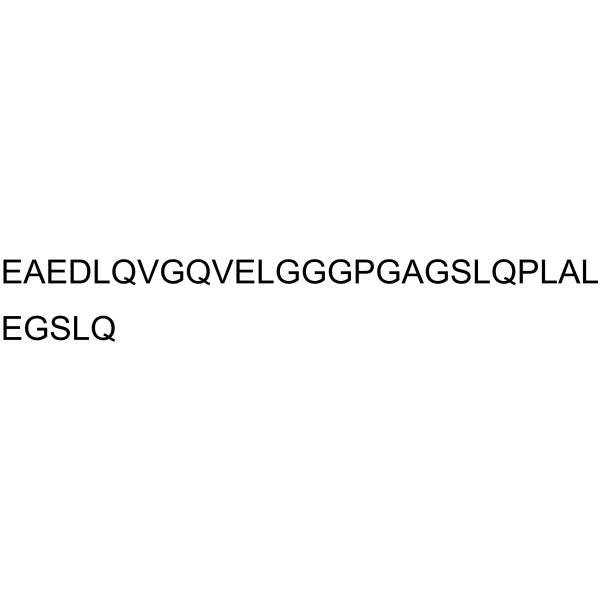
| Cat. No. |
Product Name |
Type |
-
- HY-14536
-
|
Basic Blue 9; CI-52015; Methylthioninium chloride
|
Fluorescent Dyes
|
|
Methylene blue (Basic Blue 9) is a guanylyl cyclase (sGC), monoamine oxidase A (MAO-A) and NO synthase (NOS) inhibitor. Methylene blue is a vasopressor and is often used as a dye in several medical procedures. Methylene blue through the nitric oxide syntase/guanylate cyclase signalling pathway to reduce prepulse inhibition. Methylene blue is a REDOX cycling compound and able to cross the blood-brain barrier. Methylene blue is a Tau aggregation inhibitor. Methylene Blue is a photosensitizer and redox agent. Methylene blue reduces cerebral edema, attenuated microglial activation and reduced neuroinflammation .
|
-
- HY-14536A
-
|
Basic Blue 9 (purity≥70%); CI-52015 (purity≥70%); Methylthioninium chloride (purity≥70%)
|
Fluorescent Dyes
|
|
Methylene blue (purity≥70%) is a guanylyl cyclase (sGC), monoamine oxidase A (MAO-A) and NO synthase (NOS) inhibitor. Methylene blue (purity≥70%) is a vasopressor and is often used as a dye in several medical procedures. Methylene blue (purity≥70%) through the nitric oxide syntase/guanylate cyclase signalling pathway to reduce prepulse inhibition. Methylene blue (purity≥70%) is a REDOX cycling compound and able to cross the blood-brain barrier. Methylene blue (purity≥70%) is a Tau aggregation inhibitor. Methylene blue reduces cerebral edema, attenuated microglial activation and reduced neuroinflammation .
|
-
- HY-14536R
-
|
Basic Blue 9 (Standard); CI-52015 (Standard); Methylthioninium chloride (Standard)
|
Fluorescent Dyes
|
|
Methylene Blue (Standard) is the analytical standard of Methylene Blue. This product is intended for research and analytical applications. Methylene blue (Basic Blue 9) is a guanylyl cyclase (sGC), monoamine oxidase A (MAO-A) and NO synthase (NOS) inhibitor. Methylene blue is a vasopressor and is often used as a dye in several medical procedures. Methylene blue through the nitric oxide syntase/guanylate cyclase signalling pathway to reduce prepulse inhibition. Methylene blue is a REDOX cycling compound and able to cross the blood-brain barrier. Methylene blue is a Tau aggregation inhibitor. Methylene blue reduces cerebral edema, attenuated microglial activation and reduced neuroinflammation .
|
| Cat. No. |
Product Name |
Type |
-
- HY-W251598C
-
|
Sodium hydrogen carbonate for cell culture; Soda bicarbonate for cell culture
|
Biochemical Assay Reagents
|
|
Sodium bicarbonate, for cell culture (Sodium hydrogen carbonate for cell culture; Soda bicarbonate for cell culture) is an inorganic salt that is neutral to slightly alkaline and easily decomposes when exposed to moisture in the air. Sodium bicarbonate, for cell culture can maintain the pH of the culture medium, thereby affecting the expression of inducible nitric oxide synthase (iNOS) and nitric oxide (NO) production in macrophages and reversing the acidosis of the tumor microenvironment. Sodium bicarbonate is widely used in the fields of food, medicine, cosmetics, etc. Its main uses include buffers, flavoring agents, disinfectants, pharmaceuticals, and proton gradient regulators. Sodium bicarbonate is also commonly used as an antacid to inhibit gastrointestinal diseases, neutralize gastric acid, and reduce gastric discomfort .
|
-
- HY-W251598B
-
|
Sodium hydrogen carbonate for molecular biology; Soda bicarbonate for molecular biology
|
Biochemical Assay Reagents
|
|
Sodium bicarbonate, for molecular biology (Sodium hydrogen carbonate for molecular biolog; Soda bicarbonate for molecular biolog) is an inorganic salt. Sodium bicarbonate can maintain the pH of the culture medium, thereby affecting the expression of inducible nitric oxide synthase (iNOS) and nitric oxide (NO) production in macrophages and reversing the acidosis of the tumor microenvironment. Sodium bicarbonate is widely used in the fields of food, cosmetics, etc. Its main uses include buffers, flavoring agents, disinfectants, pharmaceuticals, and proton gradient regulators. Sodium bicarbonate is also commonly used as an antacid to inhibit gastrointestinal diseases, neutralize gastric acid, and reduce gastric discomfort .
|
-
- HY-NP203
-
|
HDL (human)
|
Biochemical Assay Reagents
|
|
High density lipoprotein (human) (HDL (human)) is a human-derived high-density lipoprotein. High density lipoprotein can cross the blood-brain barrier, and partially acts on endothelial nitric oxide synthase (eNOS) by activating surface receptors such as SR-B1 and S1P3R, as well as intracellular signaling cascades involving Akt, PI3K and MAPK, thereby inducing the production of NO in endothelial cells. High density lipoprotein (human) can be used in research related to type 2 diabetes, Alzheimer's disease, cancer and atherosclerosis .
|
-
- HY-34748
-
|
Ethylideneacetone; (3Z)-pent-3-en-2-one
|
Biochemical Assay Reagents
|
|
3-Penten-2-one (Ethylideneacetone) inhibits nitric oxide production and inducible nitric oxide synthase expression via heme oxygenase-1 induction in RAW264.7 macrophages activated with Lipopolysaccharides (HY-D1056) (LPS) .
|
-
- HY-W251598I
-
|
Sodium hydrogen carbonate, meets analytical specification of Ph. Eur., BP, USP, FCC, E500
|
Biochemical Assay Reagents
|
|
Sodium bicarbonate, meets analytical specification of Ph. Eur., BP, USP, FCC, E500 is an inorganic salt that is neutral to slightly alkaline and easily decomposes when exposed to moisture in the air. Sodium bicarbonate can maintain the pH of the culture medium, thereby affecting the expression of inducible nitric oxide synthase (iNOS) and nitric oxide (NO) production in macrophages and reversing the acidosis of the tumor microenvironment. Sodium bicarbonate is widely used in the fields of food, medicine, cosmetics, etc. Its main uses include buffers, flavoring agents, disinfectants, pharmaceuticals, and proton gradient regulators. Sodium bicarbonate is also commonly used as an antacid to inhibit gastrointestinal diseases, neutralize gastric acid, and reduce gastric discomfort .
|
-
- HY-101410A
-
|
Symmetric dimethylarginine (p-hydroxyazobenzene-p′-sulfonate); NG,NG'-Dimethyl-L-arginine (p-hydroxyazobenzene-p′-sulfonate)
|
Biochemical Assay Reagents
|
|
SDMA p-hydroxyazobenzene-p′-sulfonate is the p-hydroxyazobenzene-p′-sulfonate salt form of SDMA (HY-101410). SDMA p-hydroxyazobenzene-p′-sulfonate is an endogenous inhibitor of nitric oxide synthase (NO synthase) activity. SDMA p-hydroxyazobenzene-p′-sulfonate is an activator for NF-κB, and promotes the expression of IL-6 and TNF-α. SDMA p-hydroxyazobenzene-p′-sulfonate is stable in serum and plasma, and can be used as a kidney biomarker of hepatic and renal dysfunction .
|
-
- HY-W251598J
-
|
Sodium hydrogen carbonate (Pharmaceutical primary standard, USP); Soda bicarbonate (Pharmaceutical primary standard, USP)
|
Biochemical Assay Reagents
|
|
Sodium bicarbonate, United States Pharmacopeia (USP) Reference Standard is an inorganic salt. Sodium bicarbonate, United States Pharmacopeia (USP) Reference Standard can maintain the pH of the culture medium, thereby affecting the expression of inducible nitric oxide synthase (iNOS) and nitric oxide (NO) production in macrophages and reversing the acidosis of the tumor microenvironment. Sodium bicarbonate, United States Pharmacopeia (USP) Reference Standard is widely used in the fields of food, cosmetics, etc. Its main uses include buffers, flavoring agents, disinfectants, pharmaceuticals, and proton gradient regulators. Sodium bicarbonate, United States Pharmacopeia (USP) Reference Standard is also commonly used as an antacid to inhibit gastrointestinal diseases, neutralize gastric acid, and reduce gastric discomfort .
|
| Cat. No. |
Product Name |
Target |
Research Area |
-
- HY-P1856
-
|
|
Insulin Receptor
PDGFR
MAPKAPK2 (MK2)
|
Cardiovascular Disease
Metabolic Disease
Inflammation/Immunology
|
|
Proinsulin C-peptide (human) is a peptide consisting of 31 amino acids that links the A and B chains of proinsulin to ensure its correct folding. Proinsulin C-peptide (human) inhibits the high glucose-induced increase in PDGF-β receptor protein expression and the phosphorylation of p42/p44 MAP kinase. Proinsulin C-peptide (human) increases the deformability of erythrocytes derived from type 1 diabetes, inhibits insulin-induced neointimal thickening, and suppresses the proliferation of rat aortic smooth muscle cells cultured under high-glucose conditions .
|
-
- HY-P0117
-
Tat-NR2B9c
Maximum Cited Publications
8 Publications Verification
Tat-NR2Bct; NA-1
|
iGluR
NO Synthase
|
Neurological Disease
|
|
Tat-NR2B9c (Tat-NR2Bct; NA-1) is a postsynaptic density-95 (PSD-95) inhibitor, with EC50 values of 6.7 nM and 670 nM for PSD-95d2 (PSD-95 PDZ domain 2) and PSD-95d1, respectively. Tat-NR2B9c disrupts the PSD-95/NMDAR interaction, inhibiting NR2A and NR2B binding to PSD-95 with IC50 values of 0.5 μM and 8 μM, respectively. Tat-NR2B9c also inhibits neuronal nitric oxide synthase (nNOS)/PSD-95 interaction, and possesses neuroprotective efficacy .
|
-
- HY-P10586A
-
|
MALP-2 TFA
|
Toll-like Receptor (TLR)
NO Synthase
|
Cardiovascular Disease
Metabolic Disease
|
|
Macrophage-activating lipopeptide 2 TFA is an agonist of Toll like receptors TLR-2/TLR-6. Macrophage-activating lipopeptide-2 enhances endothelial nitric oxide synthase (eNOS) phosphorylation and endothelial cell release of NO, thereby improving vasodilation. Macrophage-activating lipopeptide-2 enhances endothelial adhesion of white blood cells and improve perfusion recovery and collateral growth in the hind limbs of hypercholesterolemic Apoe deficient mice undergoing experimental femoral artery ligation (FAL) .
|
-
- HY-P0117A
-
|
Tat-NR2Bct TFA; NA-1 TFA
|
iGluR
NO Synthase
|
Neurological Disease
|
|
Tat-NR2B9c TFA (Tat-NR2Bct TFA) is a postsynaptic density-95 (PSD-95) inhibitor, with EC50 values of 6.7 nM and 670 nM for PSD-95d2 (PSD-95 PDZ domain 2) and PSD-95d1, respectively. Tat-NR2B9c TFA disrupts the PSD-95/NMDAR interaction, inhibiting NR2A and NR2B binding to PSD-95 with IC50 values of 0.5 μM and 8 μM, respectively. Tat-NR2B9c TFA also inhibits neuronal nitric oxide synthase (nNOS)/PSD-95 interaction, and possesses neuroprotective efficacy .
|
-
- HY-P10586
-
|
MALP-2
|
Toll-like Receptor (TLR)
NO Synthase
|
Cardiovascular Disease
|
|
Macrophage-activating lipopeptide 2 (MALP-2) is an agonist of Toll like receptors TLR-2/TLR-6. Macrophage-activating lipopeptide-2 can enhance endothelial nitric oxide synthase (eNOS) phosphorylation and endothelial cell release of NO, thereby improving vasodilation. Macrophage-activating lipopeptide-2 can enhance endothelial adhesion of white blood cells and improve perfusion recovery and collateral growth in the hind limbs of hypercholesterolemic Apoe deficient mice undergoing experimental femoral artery ligation (FAL) .
|
-
- HY-P0184
-
|
|
NO Synthase
|
Neurological Disease
|
|
Camstatin, a functionally active 25-residue fragment of PEP-19's IQ motif, binds calmodulin and inhibits neuronal nitric oxide (NO) synthase .
|
-
- HY-P0184A
-
|
|
NO Synthase
|
Neurological Disease
|
|
Camstatin TFA, a functionally active 25-residue fragment of PEP-19's IQ motif, binds calmodulin and inhibits neuronal nitric oxide (NO) synthase .
|
| Cat. No. |
Product Name |
Target |
Research Area |
Image |
-
- HY-P991316
-
|
DX-2400; DX-2410
|
MMP
NO Synthase
|
Inflammation/Immunology
Cancer
|
|
KD014 (DX-2400) is a human monoclonal antibody that selectively targets MMP‑14. KD014 inhibits collagen degradation and regulates the polarization of macrophages toward an anti-inflammatory/anti-tumor phenotype. KD014 alleviates joint damage in rheumatoid arthritis and suppresses tumor growth and invasion. KD014 can be used in studies related to breast cancer and rheumatoid arthritis .
|
-

(5)
| Cat. No. |
Product Name |
Category |
Target |
Chemical Structure |
-
- HY-N0455
-
-
-
- HY-100807
-
-
-
- HY-N1445
-
-
-
- HY-B0300
-
-
-
- HY-N0455A
-
-
-
- HY-113216
-
-
-
- HY-107383
-
-
-
- HY-101410
-
-
-
- HY-17408
-
-
-
- HY-N6966
-
-
-
- HY-18732A
-
-
-
- HY-N0577
-
-
-
- HY-101238
-
-
-
- HY-125863
-
|
G6PD
|
Structural Classification
Natural Products
Classification of Application Fields
Metabolic Disease
Endogenous metabolite
Disease Research Fields
Source Classification
Cancer
|
Endogenous Metabolite
|
|
Glucose-6-phosphate dehydrogenase, Microorganism (G6PD) is the rate-limiting enzyme of the pentose phosphate pathway. Glucose-6-phosphate dehydrogenase, Microorganism is a primary source of NADPH in antioxidant pathways, nitric oxide synthase, NADPH oxidase, cytochrome p450 systems, and others. Glucose-6-phosphate dehydrogenase, Microorganism is applicable in research related to diabetes, endothelial dysfunction, cancer, and cardiomyopathy .
|
-
-
- HY-112234
-
-
-
- HY-106950
-
-
-
- HY-N2406
-
-
-
- HY-107260
-
-
-
- HY-W008646
-
|
|
Structural Classification
Natural Products
Human Gut Microbiota Metabolites
Classification of Application Fields
Other Diseases
Endogenous metabolite
Disease Research Fields
Source Classification
|
SOD
Apoptosis
NO Synthase
|
|
7,8-Dihydro-L-biopterin is a NOS uncoupling inducer with blood-brain barrier permeability, and it is a reduced non-conjugated pteridine. 7,8-Dihydro-L-biopterin is the main metabolite of 4-amino-tetrahydro-L-biopterin, and it undergoes photooxidation to form biopterin. 7,8-Dihydro-L-biopterin promotes the conversion of nitric oxide synthase to a superoxide-producing form, thereby increasing oxidative stress levels in the renal outer medulla and inducing apoptosis. 7,8-Dihydro-L-biopterin is sensitive to the inhibitory effect of SOD, and it can be applied to research related to salt-sensitive hypertension, moderate to severe traumatic brain injury, and neurodegenerative diseases .
|
-
-
- HY-N1382
-
-
-
- HY-136341
-
-
-
- HY-N0455R
-
-
-
- HY-W005255
-
-
-
- HY-N0617
-
-
-
- HY-N0724
-
-
-
- HY-N0268
-
-
-
- HY-N2237
-
-
-
- HY-100807R
-
-
-
- HY-129997
-
-
-
- HY-125740
-
-
-
- HY-119720
-
-
-
- HY-N1445R
-
|
Isoquercetin (Standard); Quercetin 3-glucoside (Standard)
|
Apocynaceae
Flavonols
Structural Classification
Flavonoids
Phenols
Polyphenols
Plants
Apocynum venetum Linn.
Source Classification
|
Reference Standards
NF-κB
NO Synthase
|
|
Isoquercetin (Standard) is the analytical standard of Isoquercetin. This product is intended for research and analytical applications. Isoquercetin (Quercetin 3-glucoside) is a naturally occurring polyphenol that has antioxidant, anti-proliferative, and anti-inflammatory properties. Isoquercetin alleviates ethanol-induced hepatotoxicity, oxidative stress, and inflammatory responses via the Nrf2/ARE antioxidant signaling pathway . Isoquercetin regulates the expression of nitric oxide synthase 2 (NO2) via modulating the nuclear factor-κB (NF-κB) transcription regulation system. Isoquercetin has high bioavailability and low toxicity, is a promising candidate agent to prevent birth defects in diabetic pregnancies .
|
-
-
- HY-127029A
-
-
-
- HY-N6770
-
-
-
- HY-101410R
-
-
-
- HY-N0854
-
-
-
- HY-N1989
-
|
|
Triterpenes
Structural Classification
Classification of Application Fields
Terpenoids
Scrophulariaceae
Metabolic Disease
Plants
Disease Research Fields
Bacopa monnieri (Linn.) Wettst.
Source Classification
|
Na+/K+ ATPase
CaMK
Apoptosis
Cholinesterase (ChE)
NO Synthase
NF-κB
|
Bacoside A is an orally active, blood-brain barrier-permeable triterpenoid saponin that modulates the activities of ATPases, AChE, CaMK2A and iNOS. Derived from Bacopa monniera. Bacoside A exerts significant antioxidant, anti-inflammatory and anti-apoptotic effects by maintaining ion balance, scavenging reactive oxygen species, stabilizing cell membranes, and regulating the expression of NF-κB and apoptosis-related proteins. Bacoside A counteracts morphine-induced reductions in Na +/K +-ATPase, Ca 2+-ATPase and Mg 2+-ATPase activities, increases mitochondrial membrane potential, and decreases intracellular reactive oxygen species levels. Bacoside A specifically binds to calcium/calmodulin-dependent protein kinase IIA to trigger endoplasmic reticulum calcium release. Bacoside A exhibits non-apoptotic cytotoxicity against glioblastoma cells while protecting normal nerve cells from stress-induced damage. Bacoside A is applicable to the research of Parkinson's disease and glioblastoma multiforme .
|
-
-
- HY-W009300
-
-
-
- HY-101238R
-
-
-
- HY-W008646R
-
|
|
Structural Classification
Natural Products
Human Gut Microbiota Metabolites
Microorganisms
Endogenous metabolite
Source Classification
|
Reference Standards
SOD
Apoptosis
NO Synthase
|
|
NADH (disodium salt) (Standard) is the analytical standard of NADH (disodium salt). This product is intended for research and analytical applications. 7,8-Dihydro-L-biopterin is a NOS uncoupling inducer with blood-brain barrier permeability, and it is a reduced non-conjugated pteridine. 7,8-Dihydro-L-biopterin is the main metabolite of 4-amino-tetrahydro-L-biopterin, and it undergoes photooxidation to form biopterin. 7,8-Dihydro-L-biopterin promotes the conversion of nitric oxide synthase to a superoxide-producing form, thereby increasing oxidative stress levels in the renal outer medulla and inducing apoptosis. 7,8-Dihydro-L-biopterin is sensitive to the inhibitory effect of SOD, and it can be applied to research related to salt-sensitive hypertension, moderate to severe traumatic brain injury, and neurodegenerative diseases .
|
-
-
- HY-N6966A
-
|
|
Erythrophleum fordii Oliv.
Plants
Compositae
Source Classification
|
Others
|
|
Ethyl trans-caffeate is the trans form of Ethyl Caffeate (HY-N6966). Ethyl Caffeate is a natural phenolic compound isolated from Bidens pilosa. Ethyl caffeate suppresses NF-κB activation and its downstream inflammatory mediators, inducible nitric oxide synthase (iNOS), cyclooxygenase-2 (COX-2), and prostaglandin E2 (PGE2) in vitro or in mouse skin .
|
-
-
- HY-125740R
-
|
Malvidin-3-O-glucoside chloride (Standard); Oenin chloride (Standard)
|
Structural Classification
Anthocyans
Flavonoids
Vitis vinifera cv. Zalema
Phenols
Polyphenols
Plants
Vitaceae
Source Classification
|
Reference Standards
Interleukin Related
NO Synthase
NF-κB
TNF Receptor
|
|
Malvidin-3-glucoside (Malvidin-3-O-glucoside; Oenin) chloride (Standard) is the analytical standard of Malvidin-3-glucoside chloride (HY-125740). This product is intended for research and analytical applications. Malvidin-3-glucoside chloride is an orally active inhibitor of the NF-κB pathway, which blocks inflammatory responses induced by TNF-α, reduces IκB-α degradation and p65 nuclear translocation, and upregulates endothelial nitric oxide synthase eNOS to increase NO production. Malvidin-3-glucoside chloride exerts anti-inflammatory and antioxidant effects by inhibiting pro-inflammatory molecules such as MCP-1, ICAM-1, and IL-6, and regulating intestinal microorganisms and metabolites, while protecting endothelial cells and improving intestinal microecological dysbiosis under inflammatory conditions. Malvidin-3-glucoside chloride can be used to study chronic inflammatory-related diseases such as atherosclerosis and inflammatory bowel disease, and has the potential to prevent vascular inflammation and improve intestinal health .
|
-
-
- HY-114798
-
-
-
- HY-N12224
-
-
-
- HY-N11085
-
-
-
- HY-125458
-
-
-
- HY-N3602A
-
|
Rengyolone
|
Natural Products
Oleaceae
Forsythia koreana (Rehder) Nakai
Plants
Source Classification
|
TNF Receptor
NF-κB
NO Synthase
|
|
rel-Cleroindicin F (Rengyolone) is a cyclohexyl acetyl compound that can be isolated from the fruit of forsythia and has anti-inflammatory activity. It strongly inhibits the production of nitric oxide (NO) and tumor necrosis factor-alpha (TNF-α). rel-Cleroindicin F does this by downregulating the activity of NF-κB and NF-κB kinases in RAW 264.7 cells stimulated by LPS (HY-D1056), thus inhibiting the expression of inducible nitric oxide synthase (NO Synthase) and nitric oxide production .
|
-
-
- HY-133098
-
-
-
- HY-N8444
-
-
-
- HY-N0455AR
-
|
(S)-(+)-Arginine hydrochloride (Standard)
|
Structural Classification
Natural Products
Endogenous metabolite
Source Classification
|
Reference Standards
NO Synthase
Endogenous Metabolite
|
|
L-Arginine (hydrochloride) (Standard) is the analytical standard of L-Arginine (hydrochloride). This product is intended for research and analytical applications. L-Arginine ((S)-(+)-Arginine) is the substrate for the endothelial nitric oxide synthase (eNOS) to generate NO. L-Arginine is transported into vascular smooth muscle cells by the cationic amino acid transporter family of proteins where it is metabolized to nitric oxide (NO), polyamines, or L-proline. L-Arginine is a potent vasodilator, and can be used to induce experimental acute pancreatitis .
|
-
- HY-N1382R
-
-
- HY-N9814
-
-
- HY-N0268R
-
-
- HY-N6966R
-
-
- HY-156241
-
-
- HY-N2237R
-
-
- HY-18732AR
-
|
Tilarginine acetate (Standard); Methylarginine acetate (Standard)
|
Structural Classification
Natural Products
Endogenous metabolite
Source Classification
|
Reference Standards
NO Synthase
|
|
L-NMMA (Tilarginine) acetate (Standard) is the analytical standard of L-NMMA acetate (HY-18732A). This product is intended for research and analytical applications. L-NMMA (Tilarginine) acetate is a non-selective and competitive inhibitor of nitric oxide synthase. L-NMMA acetate inhibits three subtypes, namely nNOS, eNOS, and iNOS, and reduces NO production . L-NMMA acetate alleviates mechanical allodynia, thermal hyperalgesia, and choroidal fibrosis. L-NMMA acetate is applicable to research related to nociception, bone cancer pain, and myopia .
|
-
- HY-N11996
-
|
|
Liliaceae
Phenols
Polyphenols
Aloe vera (L.) Burm. f.
Plants
Source Classification
|
NO Synthase
NF-κB
|
|
Aloenin aglycone (compound 13) is an NF-κB inhibitor that can be isolated from aloe exudate. Aloenin aglycone inhibits TNFα-induced NF-κB transcriptional activity (IC50: 18.7 μM). Aloenin aglycone (10 μM) also reduced inducible nitric oxide synthase (iNOS) and intercellular adhesion molecule 1 (ICAM-1) gene expression after treatment of HepG2 cells with 10 ng/mL TNFα .
|
-
- HY-B0300R
-
|
D-(-)-Penicillamine (Standard)
|
Structural Classification
Microorganisms
Ketones, Aldehydes, Acids
Source Classification
|
Cuproptosis
Reference Standards
Drug Metabolite
|
|
Penicillamine (Standard) is the analytical standard of Penicillamine. This product is intended for research and analytical applications. Penicillamine (D-(-)-Penicillamine) is a penicillin metabolic degradation product, can be used as a heavy metal chelator. Penicillamine increases free copper and increases oxidative stress. Penicillamine has effect of seizures through nitric oxide/NMDA pathways. Penicillamine is a potential immune modulator. Penicillamine can be used for the research of Wilson disease, rheumatoid arthritis, and cystinuria .
|
-
- HY-N8936
-
|
|
Terpenoids
Sesquiterpenes
Nardostachys jatamansi (D. Don) DC.
Plants
Valerianaceae
Source Classification
|
Others
|
|
Narchinol B (Compound 4) is a sesquiter penoid
compound. Narchinol B has anti-inflammatory effects. Narchinol B works by
inhibiting proinflammatory mediators, including prostaglandin E2 (PGE2),
inducible nitric oxide synthase (iNOS), and cyclooxygenase-2 (COX-2) proteins,
as well as proinflammatory cytokines, such as interleukin-1b, IL-6, and tumor
necrosis factor-α (TNF-α). Narchinol B significantly inhibits LPS-induced
overproduction of NO in BV2 cells (IC50=2.43 μM)
.
|
-
- HY-N19854
-
-
- HY-N16735
-
-
- HY-N17131
-
|
|
Lycopodiaceae
Triterpenes
Structural Classification
Ketones, Aldehydes, Acids
Terpenoids
Plants
Source Classification
|
NF-κB
ERK
|
|
24-O-Acetyllycoclavanol (compound 1) is a triterpenoid anti-inflammatory agent that selectively targets the NF-κB and ERK1/2 signaling pathways. It exerts its anti-inflammatory activity by inhibiting lipopolysaccharide (LPS)-induced inducible nitric oxide synthase (iNOS) and COX-2 expression, reducing the production of inflammatory mediators such as nitric oxide (NO), IL-1β, and IL-8. 24-O-Acetyllycoclavanol can be used in research related to inflammatory bowel disease (IBD). 24-O-Acetyllycoclavanol can be biologically isolated from the ethyl acetate extract of Lycopodium clavatum .
|
-
- HY-N17743
-
-
- HY-W750903
-
-
- HY-N18025
-
-
- HY-N9541
-
|
|
Alkaloids
Microorganisms
Pyrrole Alkaloids
Source Classification
|
Others
|
|
Chaetoglobosin Vb is a novel cytotoxic alkaloid with anti-inflammatory and antioxidant activities. Chaetoglobosin Vb can inhibit oxidative stress induced by LPS stimulation, reduce the production of reactive oxygen species and increase the expression of the antioxidant enzyme superoxide dismutase (SOD). Chaetoglobosin Vb significantly reduced the gene and protein expression of inducible nitric oxide synthase (iNOS) and cyclooxygenase-2 (COX-2) induced by LPS, and alleviated the production of proinflammatory cytokines such as TNF-α, IL-6 and IL-1β. Chaetoglobosin Vb exerts its biological activity through the TLR4-mediated MyD88-dependent signaling pathway and the TRIF-dependent signaling pathway, which is specifically manifested by inhibiting the phosphorylation of p38, ERK, and JNK MAPK and the translocation of NF-κB p65 subunit to the nucleus. Chaetoglobosin Vb showed no cytotoxic effect in the concentration range of 25-100 μM and promoted SOD enzyme activity and phosphorylation of p38, ERK1/2 and JNK in a dose-dependent manner .
|
-
| Cat. No. |
Product Name |
Chemical Structure |
-
- HY-100807S
-
2 Publications Verification
|
|
Quinolinic acid-d3 is the deuterium labeled Quinolinic acid. Quinolinic acid, an endogenous metabolite of tryptophan, is a N-methyl-D-aspartate receptor (NMDA receptor) agonist. Quinolinic acid increases glutamate efflux, induces the generation of ROS, activates nitric oxide synthase, produces excessive NO, leading to calcium ion influx and neuronal apoptosis.
|
-
-
- HY-W251598S
-
|
|
|
Bicarbonate- 13C sodium is the 13C-labeled Sodium bicarbonate (HY-Y0756). Sodium bicarbonate is an inorganic salt that is neutral to slightly alkaline and easily decomposes when exposed to moisture in the air. Sodium bicarbonate can maintain the pH of the culture medium, thereby affecting the expression of inducible nitric oxide synthase (iNOS) and nitric oxide (NO) production in macrophages and reversing the acidosis of the tumor microenvironment. Sodium bicarbonate is widely used in the fields of food, medicine, cosmetics, etc. Its main uses include buffers, flavoring agents, disinfectants, pharmaceuticals, and proton gradient regulators. Sodium bicarbonate is also commonly used as an antacid to inhibit gastrointestinal diseases, neutralize gastric acid, and reduce gastric discomfort .
|
-
-
- HY-101410S
-
|
|
|
SDMA-d6 is the deuterium labeled SDMA. SDMA (Symmetric dimethylarginine) is an endogenous inhibitor of nitric oxide (NO) synthase activity .
|
-
-
- HY-100807S2
-
|
|
|
Quinolinic acid-13C4, 15N is an isotopic labeled Quinolinic acid (HY-100807). Quinolinic acid, an endogenous metabolite of tryptophan, is a N-methyl-D-aspartate receptor (NMDA receptor) agonist. Quinolinic acid increases glutamate efflux, induces the generation of ROS, activates nitric oxide synthase, produces excessive NO, leading to calcium ion influx and neuronal apoptosis.
|
-
-
- HY-100807S1
-
|
|
|
Quinolinic acid- 13C7 is the 13C labeled Quinolinic acid (HY-100807). Quinolinic acid, an endogenous metabolite of tryptophan, is a N-methyl-D-aspartate receptor (NMDA receptor) agonist. Quinolinic acid increases glutamate efflux, induces the generation of ROS, activates nitric oxide synthase, produces excessive NO, leading to calcium ion influx and neuronal apoptosis.
|
-
-
- HY-101238S
-
|
|
|
Agmatine-d8 sulfate is a deuterium labeled Agmatine sulfate (HY-101238). Agmatine sulfate exerts modulatory action at multiple molecular targets, such as neurotransmitter systems, ion channels and nitric oxide synthesis. It is an endogenous agonist at imidazoline receptor and a NO synthase inhibitor .
|
-
-
- HY-113216S
-
|
|
|
Asymmetric dimethylarginine-d7 (hydrochloride hydrate) is the deuterium labeled Asymmetric dimethylarginine. Asymmetric dimethylarginine is an endogenous inhibitor of nitric oxide synthase (NOS), and functions as a marker of endothelial dysfunction in a num
|
-
-
- HY-B0503S
-
|
|
|
2-Thiouracil- 13C, 15N2 is the 13C, 15N labeled 2-Thiouracil. 2-Thiouracil (Thiouracil) is an antithyroid compound. 2-Thiouracil can function as a highly specific melanoma seeker. 2-Thiouracil is a selective inhibitor of neuronal nitric oxide synthase (nNOS) with a Ki of 20 μM.
|
-
-
- HY-B1448AS
-
|
|
|
(Rac)-Benidipine-d7 is the deuterium labeled Benidipine . Benidipine is a potent and orally active calcium channel antagonist . Benidipine shows anti-apoptosis effects in ischaemic/reperfused myocardial cells . Benidipine increases the activity of endothelial cell-type nitric oxide synthase and improves coronary circulation in hypertensive rats .
|
-
-
- HY-138166S
-
|
|
|
Rosuvastatin lactone-d6 is the deuterium labeled Rosuvastatin lactone. Rosuvastatin lactone is a metabolite of Rosuvastatin (HY-17504A), a statin lipid-lowering agent and HMG-CoA inhibitor. Rosuvastatin lactone exhibits endothelium-independent and HMG-CoA reductase-independent vasorelaxant activity in rat aortic rings, and its vasorelaxant effect is jointly mediated by NO produced by inducible nitric oxide synthase (iNOS) located in vascular smooth muscle and activation of potassium channels. Rosuvastatin lactone itself has no lipid-lowering effect .
|
-
-
- HY-163712S
-
|
|
|
17-Epiestriol-d5-1 is the deuterium labeled 17-Epiestriol (HY-163712). 17-Epiestriol is an estrogen metabolite and a selective estrogen receptor (ER) β agonist. 17-epiestriol inhibits the mRNA and protein expression of the vascular cell adhesion molecule VCAM-1 induced by tumor necrosis factor α (TNFα). 17-epiestriol also inhibits TNFα-induced VCAM-1 expression and prevents NF-κB migration to the nucleus. 17-Epiestriol also induces the mRNA and protein expression of endothelial nitric oxide synthase .
|
-
-
- HY-W751179
-
|
|
|
Midostaurin- 13C6 (PKC412- 13C6) is the 13C-labeled Midostaurin (HY-10230). Midostaurin (PKC412; CGP 41251) is an orally active, reversible multi-targeted protein kinase inhibitor. Midostaurin inhibits PKCα/β/γ, Syk, Flk-1, Akt, PKA, c-Kit, c-Fgr, c-Src, FLT3, PDFRβ and VEGFR1/2 with IC50s ranging from 22-500 nM . Midostaurin also upregulates endothelial nitric oxide synthase (eNOS) gene expression. Midostaurin shows powerful anticancer effects .
|
-
| Cat. No. |
Product Name |
|
Classification |
-
- HY-N0455
-
|
|
|
Solubilizing Agents
|
|
L-Arginine ((S)-(+)-Arginine) is the substrate for the endothelial nitric oxide synthase (eNOS) to generate NO. L-Arginine is transported into vascular smooth muscle cells by the cationic amino acid transporter family of proteins where it is metabolized to nitric oxide (NO), polyamines, or L-proline. L-Arginine is a potent vasodilator, and can be used to induce experimental acute pancreatitis .
|
Your information is safe with us. * Required Fields.
Inquiry Information
- Product Name:
- Cat. No.:
- Quantity:
- MCE Japan Authorized Agent:








