



Dihydrocaffeic acid
Based on 2 publication(s) in Google Scholar
Dihydrocaffeic acid is a microbial metabolite of flavonoids. Dihydrocaffeic acid scavenges intracellular ROS and increases nitric oxide synthase activity. Dihydrocaffeic acid reduces phosphorylation of MAPK p38 and prevent UVB-induced skin damage. Dihydrocaffeic acid has antioxidant, anti-inflammatory and anti-cartilage degradation activities.
연구목적의 판매만을 진행합니다. 환자를 대상으로 한 판매는 하지 않습니다.
- Purity : 99.86%
- CAS No.: 1078-61-1
- 화학식: C9H10O4
- 분자량:182.17
-
보관:Powder -20°C, 3 years , 4°C, 2 years ; In solvent -80°C, 6 months , -20°C, 1 month

To place orders, for customer services and technical support, please contact: MedChemExpress USA
Tel: 609-228-6898 E-mail: [email protected] [email protected]


-
 Biological Activity
-
Chemical Information
-
용액&용해도
- Protocol
- 순도&문서
- References
-
 Help & FAQs


-
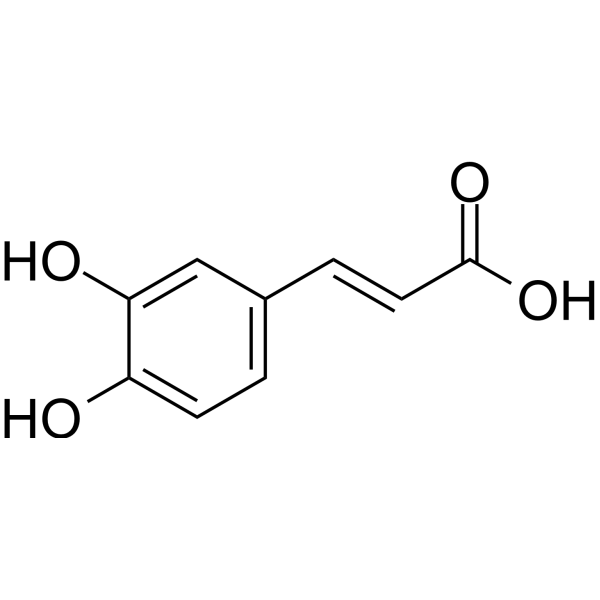
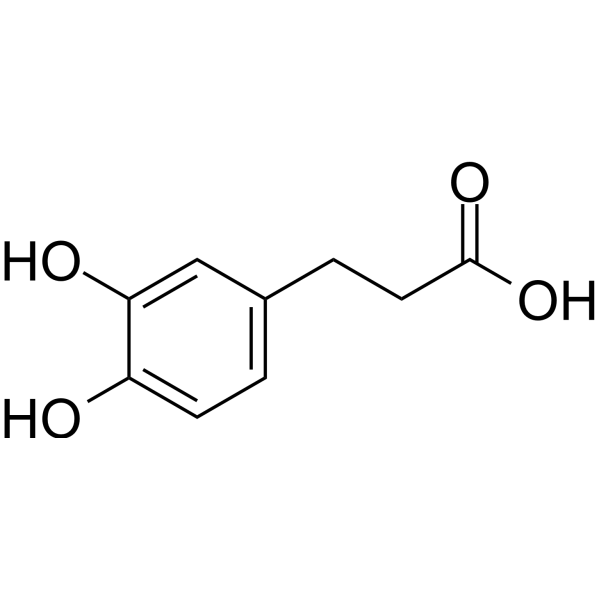
HY-N0172
Caffeic acidEndogenous Metabolite -
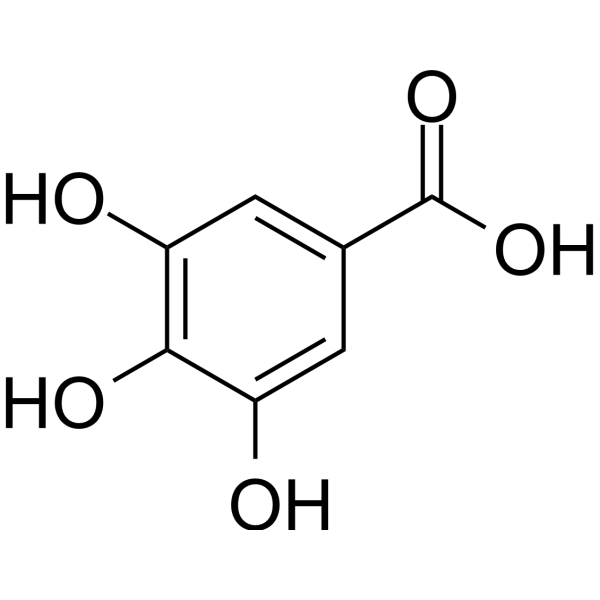
HY-N0523
Gallic acidBioactive Polyhydroxyphenolic Compound -
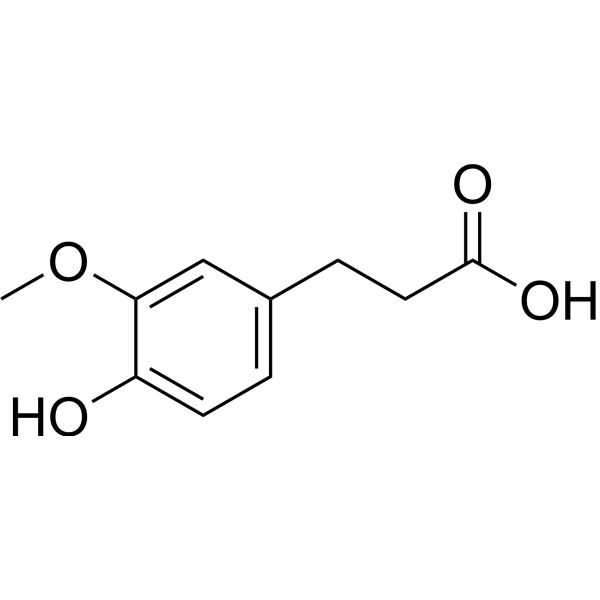
HY-N7080
Dihydroferulic acidAntioxidant Agent -
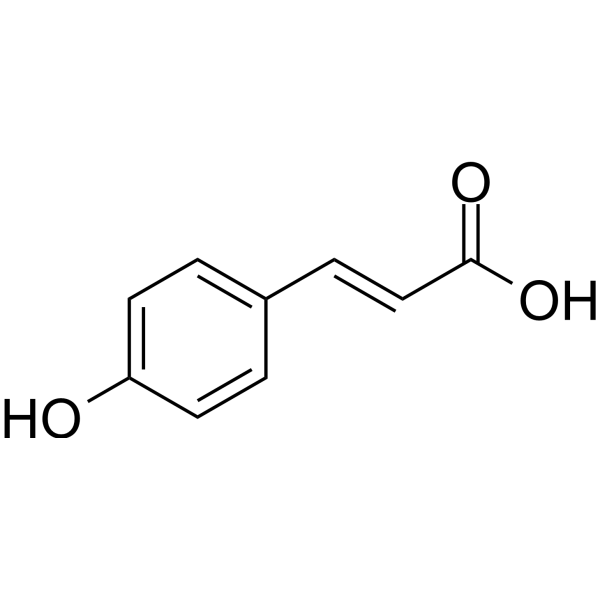
HY-N0351
p-Coumaric acidAntibacterial agent -
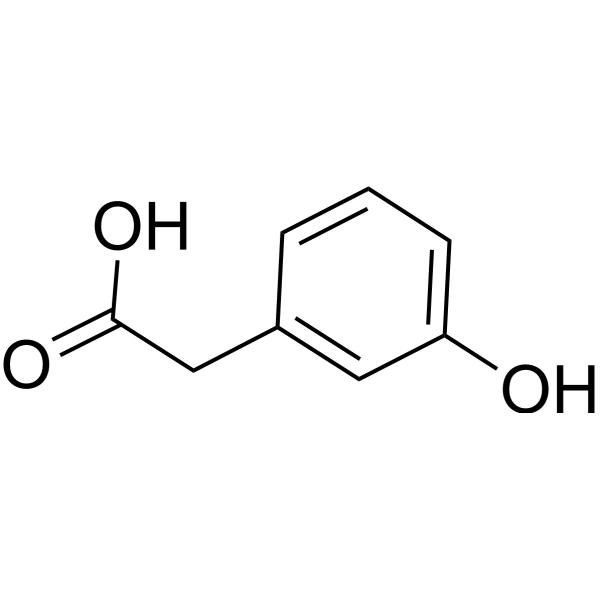
HY-W001083
3-Hydroxyphenylacetic acidFlavonoid Metabolite -

HY-N2406R
Dihydrocaffeic acid (Standard)Endogenous Metabolite -
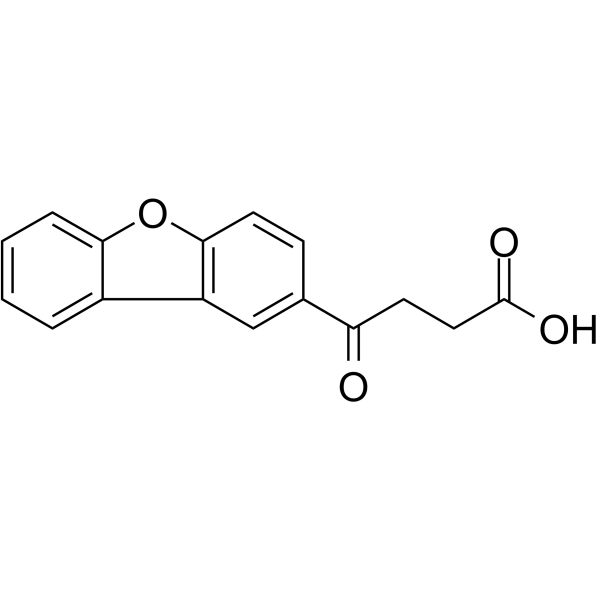
HY-105808
FurobufenAnti-inflammatory Agent -
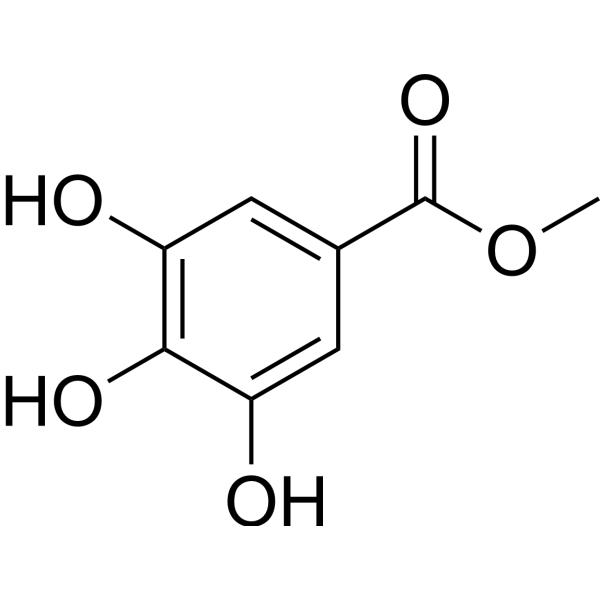
HY-N2010
Methyl gallateAntioxidant -
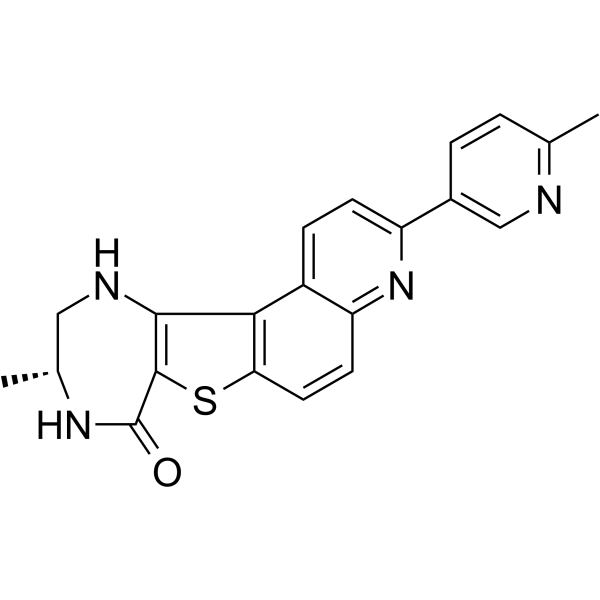
HY-107427
PF-3644022MK2 Inhibitor -
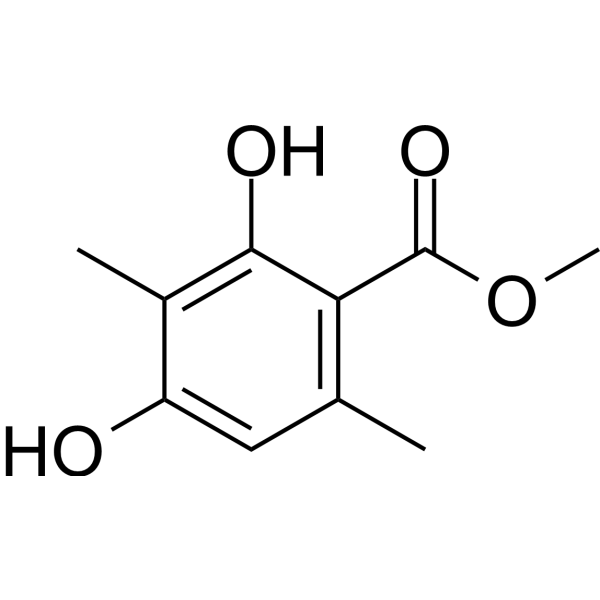
HY-N2908
Atraric acidAndrogen Receptor Antagonist -
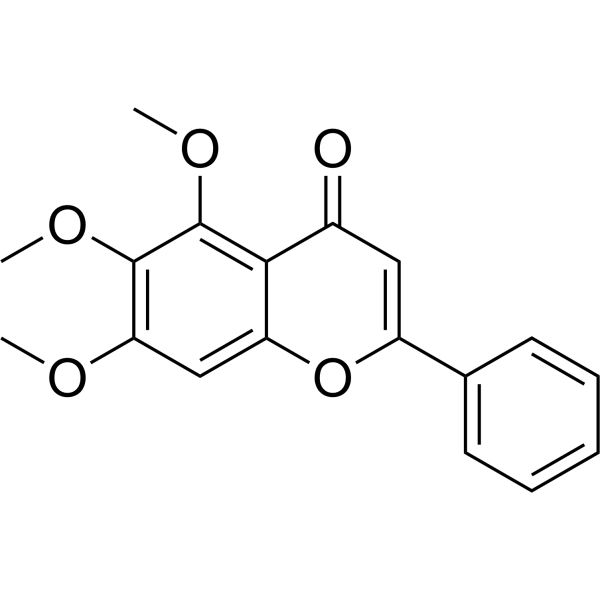
HY-110398
5,6,7-Trimethoxyflavonep38 MAPK Inhibitor -
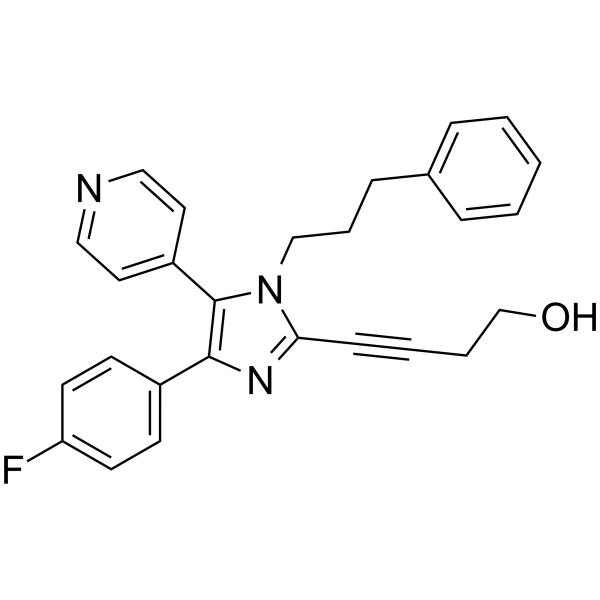
HY-15505
RWJ-67657p38α/β Inhibitor
Publications Citing Use of MedChemExpress (MCE) Dihydrocaffeic acid
More Customer Validation & Images

-
Histological Imaging/Staining
-
ELISA
-
Cell Proliferation/Viability Assay
-
WB
-
IP
All Endogenous Metabolite Isoforms
More

Biological Activity
제품 설명
IC50 & Target
[1]|
Microbial Metabolite |
p38 MAPK |
Human Endogenous Metabolite |
Cellular Effect
|
Cell Line

|
Type | Value | Description | References |
|---|---|---|---|---|
| HEp-2 | CC50 |
>200 μg/mL
Compound: 3
|
Cytotoxicity against human Hep2 cells after 24 hrs by MTT assay
Cytotoxicity against human Hep2 cells after 24 hrs by MTT assay
|
[PMID: 26260341] |
| HFF-1 | CC50 |
>200 μg/mL
Compound: 3
|
Cytotoxicity against human HFF1 cells after 24 hrs by MTT assay
Cytotoxicity against human HFF1 cells after 24 hrs by MTT assay
|
[PMID: 26260341] |
| Oocyte | IC50 |
86.8 μM
Compound: alpha,beta-diH-Caf-COOH, dihydrocaffeic acid
|
Antagonist activity at Gloeobacter violaceus ligand-gated ion channel expressed in Xenopus oocytes assessed as inhibition of MES buffer pH 5.5 -induced currents after 30 secs by voltage clamp technique
Antagonist activity at Gloeobacter violaceus ligand-gated ion channel expressed in Xenopus oocytes assessed as inhibition of MES buffer pH 5.5 -induced currents after 30 secs by voltage clamp technique
|
[PMID: 23682762] |
| U-937 | IC50 |
212.7 μM
Compound: 20, DHCA
|
Antiproliferative activity against human U937 cells assessed as incorporation of [3H]-methyl-thymidine after 12 hrs by scintillation counting
Antiproliferative activity against human U937 cells assessed as incorporation of [3H]-methyl-thymidine after 12 hrs by scintillation counting
|
[PMID: 22925447] |
| U-937 | CC50 |
>2000 μM
Compound: 20, DHCA
|
Cytotoxicity against human U937 cells after 48 hrs by trypan blue assay
Cytotoxicity against human U937 cells after 48 hrs by trypan blue assay
|
[PMID: 22925447] |
| Vero | CC50 |
>200 μg/mL
Compound: 3
|
Cytotoxicity against African green monkey Vero cells after 24 hrs by MTT assay
Cytotoxicity against African green monkey Vero cells after 24 hrs by MTT assay
|
[PMID: 26260341] |
In Vitro
Dihydrocaffeic acid (24-96 h) shows cytotoxicity against human Hep2 and HFF1 cells, with CD50s of >200 μg/mL[2].
.
Dihydrocaffeic acid (0.15 μM-2.0 mM) shows antiproliferative activity against human U937 cells, with IC50 of 212.7 μM[3].
.
Dihydrocaffeic acid (16-24 h) shows antioxidant effects in human EA.hy926 endothelial cells[4].
Dihydrocaffeic acid (25-100 μM, 24 h) reduces cytotoxicity and pro-inflammatory cytokine production (interleukin-6 and -8) in HaCaT cells, a keratinocyte model, following UV radiation[5].
Dihydrocaffeic acid (40 μM, 24 h) improves IL-1β-induced inflammation and cartilage degradation in mouse OA chondrocytes via inhibiting NF-κB and MAPK signalling pathways[6].
Dihydrocaffeic acid (10 μM) significantly decreases P-selectin expression in ADP-stimulated platelets[7].
MedChemExpress (MCE) has not independently confirmed the accuracy of these methods. They are for reference only.
In Vivo
MedChemExpress (MCE) has not independently confirmed the accuracy of these methods. They are for reference only.


Chemical Information
-
CAS No. 1078-61-1
-
Appearance Solid
-
분자량 182.17
-
화학식 C9H10O4
-
Color Off-white to light brown
-
SMILES
O=C(O)CCC1=CC=C(O)C(O)=C1
-
Synonyms
3,4-Dihydroxy-benzenepropanoic acid
-
Structure Classification
-
Initial Source
-
선적
Room temperature in continental US; may vary elsewhere.
-
보관
Powder -20°C 3 years 4°C 2 years In solvent -80°C 6 months -20°C 1 month


Publications (2)
-
Journal Impact Factor
-
Most Recent
-
Cell Commun Signal
Chemo-proteomics reveals dihydrocaffeic acid exhibits anti-inflammation effects via Transaldolase 1 mediated PERK-NF-κB pathway. [Abstract]2025 Feb 5;23(1):65. PMID: 39910568
Dihydrocaffeic acid purchased from MedChemExpress. Usage Cited in: Cell Commun Signal. 2025 Feb 5;23(1):65. [Abstract]
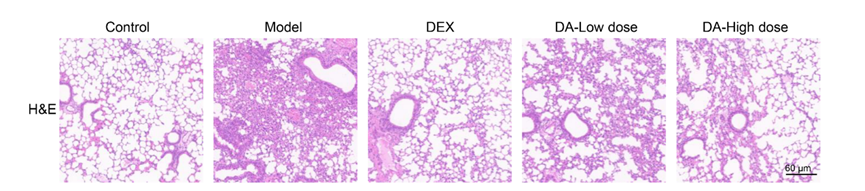
Dihydrocaffeic acid (DA) (low dose: 10 mg/kg; high dosen: 20 mg/kg) attenuated these injuries, and its protective effect was similar to that of the positive drug DEX by H&E staining.
Dihydrocaffeic acid purchased from MedChemExpress. Usage Cited in: Cell Commun Signal. 2025 Feb 5;23(1):65. [Abstract]
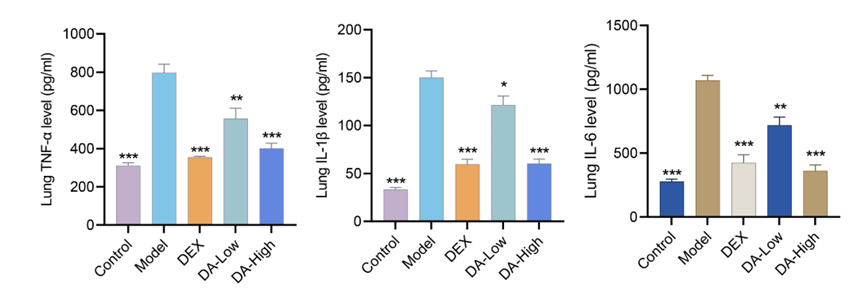
The release of TNF-α, IL-1β and IL-6 in lung tissue treated with (low dose: 10 mg/kg; high dosen: 20 mg/kg).
Dihydrocaffeic acid purchased from MedChemExpress. Usage Cited in: Cell Commun Signal. 2025 Feb 5;23(1):65. [Abstract]
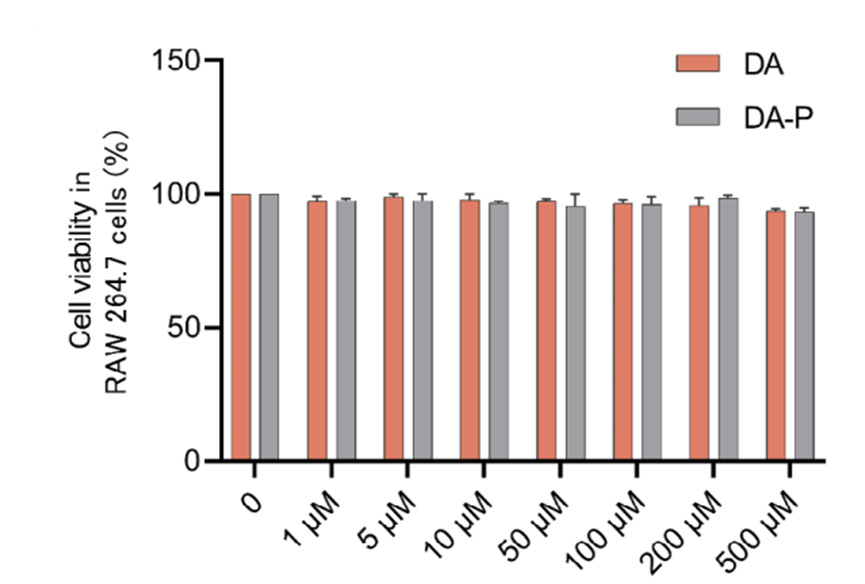
Cytotoxicity assessment of Dihydrocaffeic acid (DA) (1, 5, 10, 50, 100, 200, 500 μM) and DA-P in cells.
Dihydrocaffeic acid purchased from MedChemExpress. Usage Cited in: Cell Commun Signal. 2025 Feb 5;23(1):65. [Abstract]
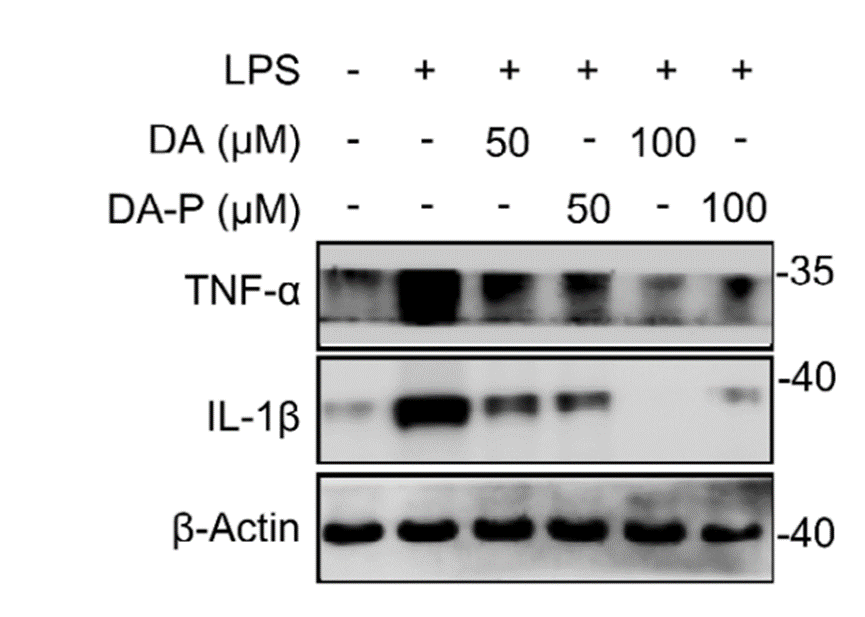
Expression and densitometry analysis of inflammatory cytokines treated with Dihydrocaffeic acid (DA) (50, 100 μM).
Dihydrocaffeic acid purchased from MedChemExpress. Usage Cited in: Cell Commun Signal. 2025 Feb 5;23(1):65. [Abstract]
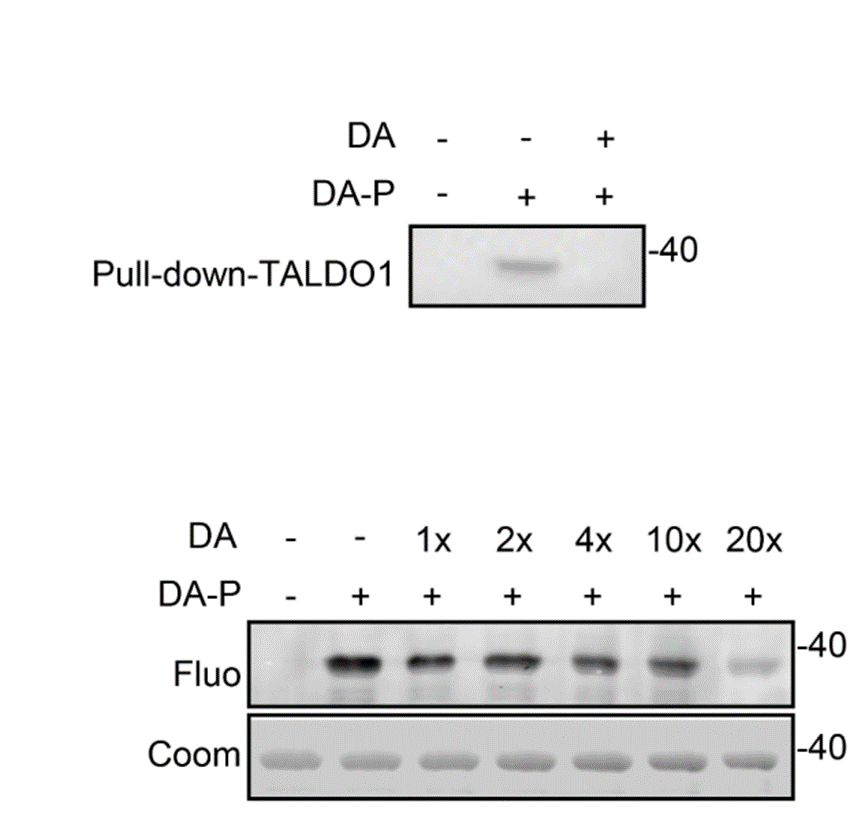
Pull-down assay followed by western blot (up) and recombinant TALDO1 labeled by DA-P with Dihydrocaffeic acid (DA) (down).
-
Bone Joint Res
Dihydrocaffeic acid improves IL-1β-induced inflammation and cartilage degradation via inhibiting NF-κB and MAPK signalling pathways. [Abstract]2023 Apr 6;12(4):259-273. PMID: 37492935


용액&용해도
In Vitro:
DMSO : 250 mg/mL (1372.34 mM; Need ultrasonic; Hygroscopic DMSO has a significant impact on the solubility of product, please use newly opened DMSO)
H2O : ≥ 100 mg/mL (548.94 mM)
* "≥" means soluble, but saturation unknown.
Please refer to the solubility information to select the appropriate solvent. Once prepared, please aliquot and store the solution to prevent product inactivation from repeated freeze-thaw cycles.
Storage method and period of stock solution: -80°C, 6 months; -20°C, 1 month. When stored at -80°C, please use it within 6 months. When stored at -20°C, please use it within 1 month.
* Note: If you choose water as the stock solution, please dilute it to the working solution, then filter and sterilize it with a 0.22 μm filter before use.
Please refer to the solubility information to select the appropriate solvent. Once prepared, please aliquot and store the solution to prevent product inactivation from repeated freeze-thaw cycles.
Storage method and period of stock solution: -80°C, 6 months; -20°C, 1 month. When stored at -80°C, please use it within 6 months. When stored at -20°C, please use it within 1 month.
* Note: If you choose water as the stock solution, please dilute it to the working solution, then filter and sterilize it with a 0.22 μm filter before use.
Concentration (start) × Volume (start) = Concentration (final) × Volume (final)
In Vivo:
Select the appropriate dissolution method based on your experimental animal and administration route.
- For the following dissolution methods, please ensure to first prepare a clear stock solution using an In Vitro approach and then sequentially add co-solvents:
- To ensure reliable experimental results, the clarified stock solution can be appropriately stored based on storage conditions. As for the working solution for In Vivo experiments, it is recommended to prepare freshly and use it on the same day.
- The percentages shown for the solvents indicate their volumetric ratio in the final prepared solution. If precipitation or phase separation occurs during preparation, heat and/or sonication can be used to aid dissolution.
Add each solvent one by one: 10% DMSO 40% PEG300 5% Tween-80 45% Saline
Solubility: ≥ 2.08 mg/mL (11.42 mM); Clear solution
This protocol yields a clear solution of ≥ 2.08 mg/mL (saturation unknown).
Taking 1 mL working solution as an example, add 100 μL DMSO stock solution (20.8 mg/mL) to 400 μL PEG300, and mix evenly; then add 50 μL Tween-80 and mix evenly; then add 450 μL Saline to adjust the volume to 1 mL.
Preparation of Saline: Dissolve 0.9 g sodium chloride in ddH₂O and dilute to 100 mL to obtain a clear Saline solution.
Add each solvent one by one: 10% DMSO 90% (20% SBE-β-CD in Saline)
Solubility: ≥ 2.08 mg/mL (11.42 mM); Clear solution
This protocol yields a clear solution of ≥ 2.08 mg/mL (saturation unknown).
Taking 1 mL working solution as an example, add 100 μL DMSO stock solution (20.8 mg/mL) to 900 μL 20% SBE-β-CD in Saline, and mix evenly.
Preparation of 20% SBE-β-CD in Saline (4°C, storage for one week): 2 g SBE-β-CD powder is dissolved in 10 mL Saline, completely dissolve until clear.
In Vivo Dissolution Calculator
Please enter the basic information of animal experiments:
-
-
-
-
Recommended: Prepare an additional quantity of animals to account for potential losses during experiments.
Working solution concentration: 0.22 mg/mL
This product has good water solubility, please refer to the measured solubility data in water/PBS/Saline for details.


순도&문서
-
Data Sheet (276 KB)
-
SDS (394 KB)
- English - EN (394 KB)
- Français - FR (394 KB)
- Deutsch - DE (394 KB)
- Norwegian - NO (394 KB)
- Español - ES (394 KB)
- Swedish - SV (394 KB)
- Italian - IT (394 KB)
- Korean - KR (394 KB)
- Portuguese - PT (394 KB)
-
Handling Instructions (2659 KB)
References
[1]. Oliveira MM, et al. Dihydrocaffeic Acid Prevents UVB-Induced Oxidative Stress Leading to the Inhibition of Apoptosis and MMP-1 Expression via p38 Signaling Pathway. Oxid Med Cell Longev. 2019 Jan 17;2019:2419096. [Content Brief]
[2]. Botta G, et al. Carbon nanotubes supported tyrosinase in the synthesis of lipophilic hydroxytyrosol and dihydrocaffeoyl catechols with antiviral activity against DNA and RNA viruses. Bioorg Med Chem. 2015 Sep 1;23(17):5345-51. [Content Brief]
[3]. Vázquez R, et al. Structure-anti-leukemic activity relationship study of ortho-dihydroxycoumarins in U-937 cells: key role of the δ-lactone ring in determining differentiation-inducing potency and selective pro-apoptotic action. Bioorg Med Chem. 2012 Sep 15;20(18):5537-49. [Content Brief]
[4]. Huang J, et al. Antioxidant effects of dihydrocaffeic acid in human EA.hy926 endothelial cells. J Nutr Biochem. 2004 Dec;15(12):722-9. [Content Brief]
[5]. Poquet L, et al. Effect of dihydrocaffeic acid on UV irradiation of human keratinocyte HaCaT cells. Arch Biochem Biophys. 2008 Aug 15;476(2):196-204. [Content Brief]
[6]. Lu R, et al. Dihydrocaffeic acid improves IL-1β-induced inflammation and cartilage degradation via inhibiting NF-κB and MAPK signalling pathways. Bone Joint Res. 2023 Apr 6;12(4):259-273. [Content Brief]
[7]. Baeza G, et al. The colonic metabolites dihydrocaffeic acid and dihydroferulic acid are more effective inhibitors of in vitro platelet activation than their phenolic precursors. Food Funct. 2017 Mar 22;8(3):1333-1342. [Content Brief]
[8]. Lee K, et al. Protective Effects of Dihydrocaffeic Acid, a Coffee Component Metabolite, on a Focal Cerebral Ischemia Rat Model. Molecules. 2015 Jun 30;20(7):11930-40. [Content Brief]


Complete Stock Solution Preparation Table
Please refer to the solubility information to select the appropriate solvent. Once prepared, please aliquot and store the solution to prevent product inactivation from repeated freeze-thaw cycles.
Storage method and period of stock solution: -80°C, 6 months; -20°C, 1 month. When stored at -80°C, please use it within 6 months. When stored at -20°C, please use it within 1 month.
| Optional Solvent | Concentration Solvent Mass | 1 mg | 5 mg | 10 mg | 25 mg |
|---|---|---|---|---|---|
| H2O / DMSO | 1 mM | 5.4894 mL | 27.4469 mL | 54.8938 mL | 137.2345 mL |
| 5 mM | 1.0979 mL | 5.4894 mL | 10.9788 mL | 27.4469 mL | |
| 10 mM | 0.5489 mL | 2.7447 mL | 5.4894 mL | 13.7234 mL | |
| 15 mM | 0.3660 mL | 1.8298 mL | 3.6596 mL | 9.1490 mL | |
| 20 mM | 0.2745 mL | 1.3723 mL | 2.7447 mL | 6.8617 mL | |
| 25 mM | 0.2196 mL | 1.0979 mL | 2.1958 mL | 5.4894 mL | |
| 30 mM | 0.1830 mL | 0.9149 mL | 1.8298 mL | 4.5745 mL | |
| 40 mM | 0.1372 mL | 0.6862 mL | 1.3723 mL | 3.4309 mL | |
| 50 mM | 0.1098 mL | 0.5489 mL | 1.0979 mL | 2.7447 mL | |
| 60 mM | 0.0915 mL | 0.4574 mL | 0.9149 mL | 2.2872 mL | |
| 80 mM | 0.0686 mL | 0.3431 mL | 0.6862 mL | 1.7154 mL | |
| 100 mM | 0.0549 mL | 0.2745 mL | 0.5489 mL | 1.3723 mL |
* Note: If you choose water as the stock solution, please dilute it to the working solution, then filter and sterilize it with a 0.22 μm filter before use.


Dihydrocaffeic acid Related Classifications
HY-N2406 Related Classifications
 Powered by Bioz