Search Result
Results for "
tyrosine+kinase+inhibitors
" in MedChemExpress (MCE) Product Catalog:
2
Biochemical Assay Reagents
33
Isotope-Labeled Compounds
| Cat. No. |
Product Name |
Target |
Research Areas |
Chemical Structure |
-
- HY-10159
-
|
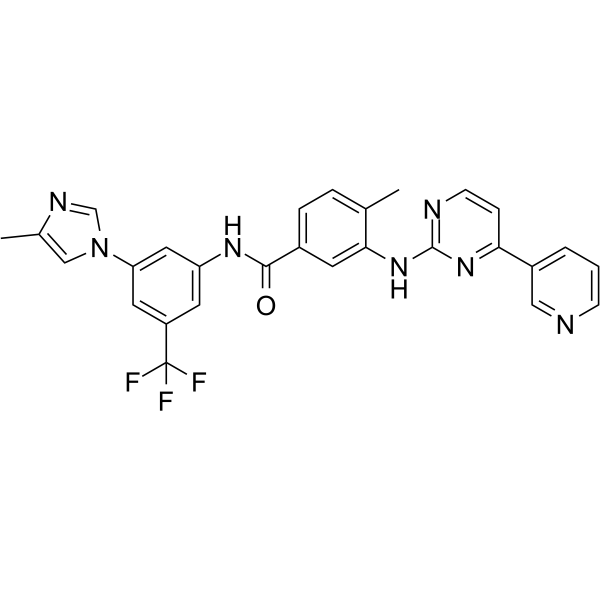
AMN107
|
Bcr-Abl
Autophagy
|
Cancer
|
|
Nilotinib is an orally available Bcr-Abl tyrosine kinase inhibitor with antineoplastic activity.
|
-
-
- HY-10158
-
|
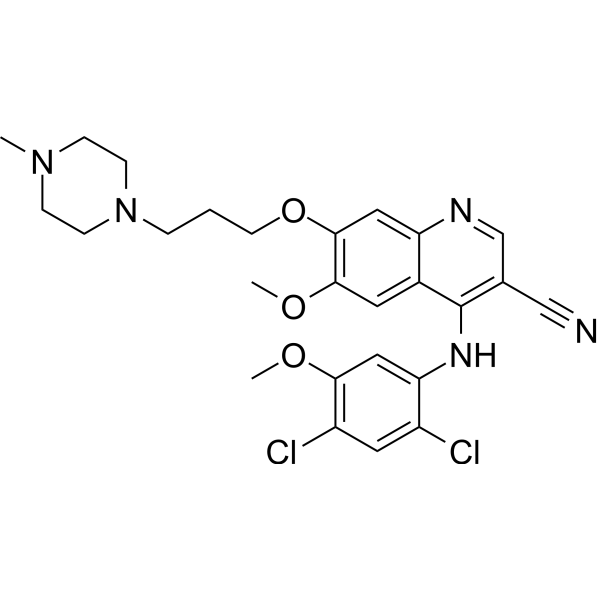
SKI-606
|
Src
Bcr-Abl
Autophagy
|
Cancer
|
|
Bosutinib is an orally active Src/Abl tyrosine kinase inhibitor with IC50 of 1.2 nM and 1 nM, respectively .
|
-
-
- HY-N0198
-
-
-
- HY-12000
-
|
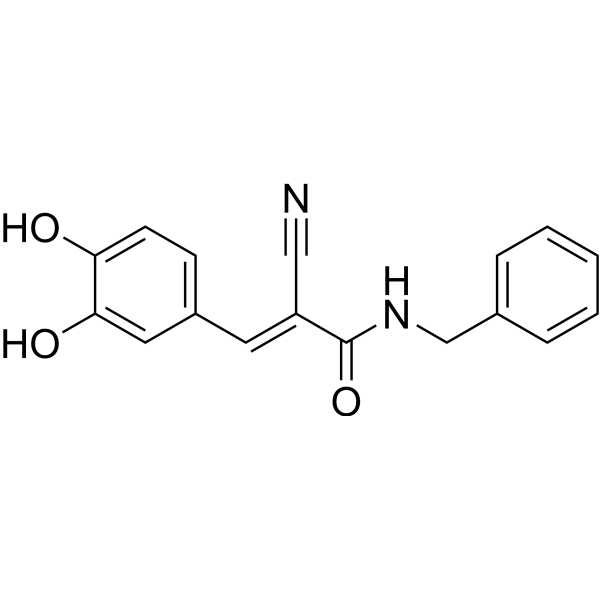
Tyrphostin AG490; Tyrphostin B42
|
EGFR
STAT
JAK
Autophagy
|
Cancer
|
|
AG490 (Tyrphostin AG490) is a tyrosine kinase inhibitor that inhibits EGFR, Stat-3 and JAK2/3.
|
-
-
- HY-50946
-
-
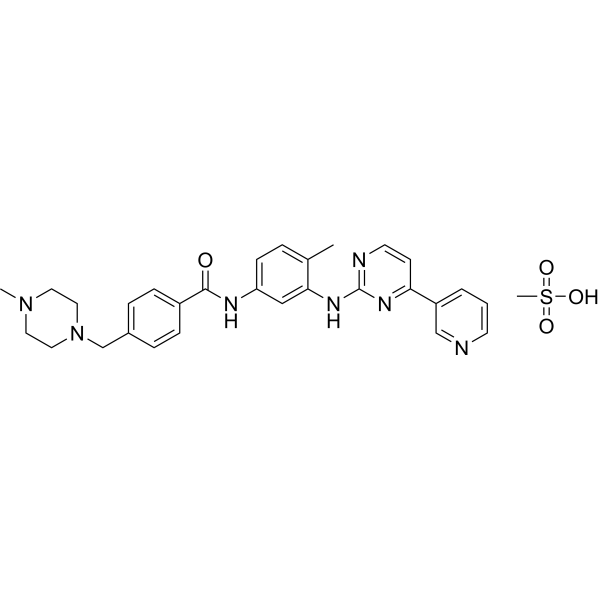
-
- HY-13524
-
-
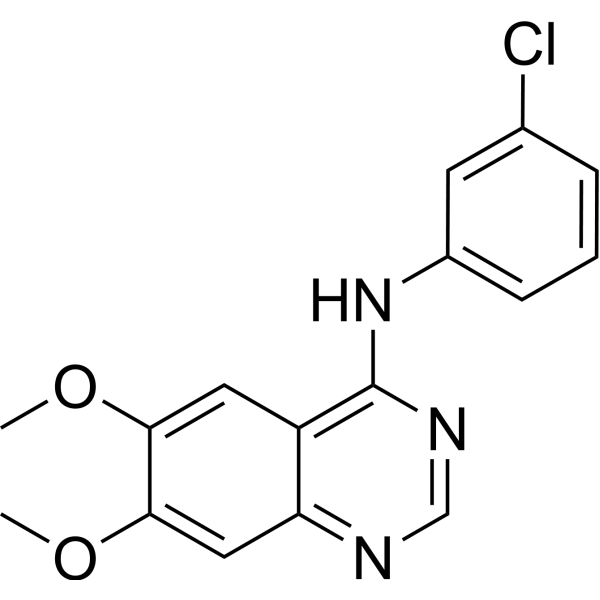
-
- HY-10338
-
|
XL880; GSK1363089; GSK089; EXEL-2880
|
VEGFR
c-Met/HGFR
|
Cancer
|
|
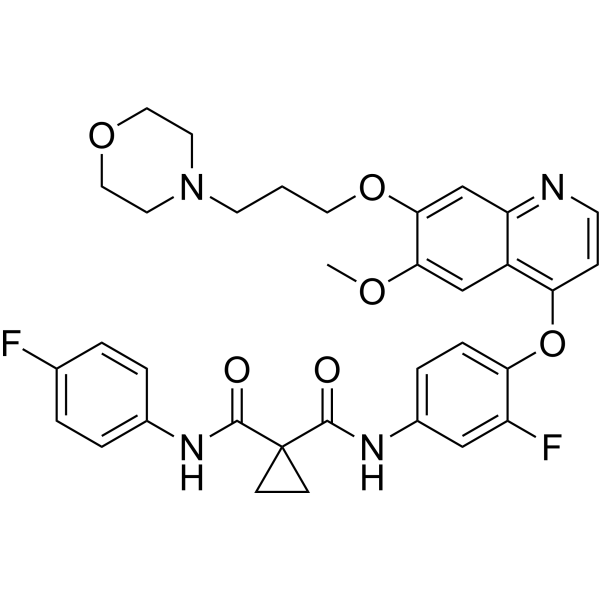
Foretinib is a multi-target tyrosine kinase inhibitor with IC50s of 0.4 nM and 0.9 nM for Met and KDR.
|
-
-
- HY-10407
-
|
|
VEGFR
FGFR
PDGFR
|
Cancer
|
|
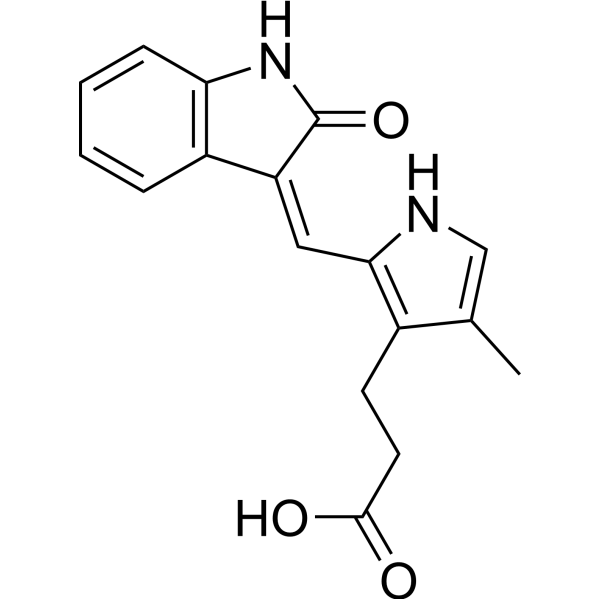
SU 5402 is a potent multi-targeted receptor tyrosine kinase inhibitor with IC50 of 20 nM, 30 nM, and 510 nM for VEGFR2, FGFR1, and PDGFRβ, respectively.
|
-
-
- HY-12297
-
|
Surufatinib; HMPL-012
|
FGFR
VEGFR
|
Cancer
|
|
Sulfatinib (Surufatinib) is a potent and highly selective tyrosine kinase inhibitor against VEGFR1/2/3, FGFR1 and CSF1R with IC50s of in a range of 1 to 24 nM.
|
-
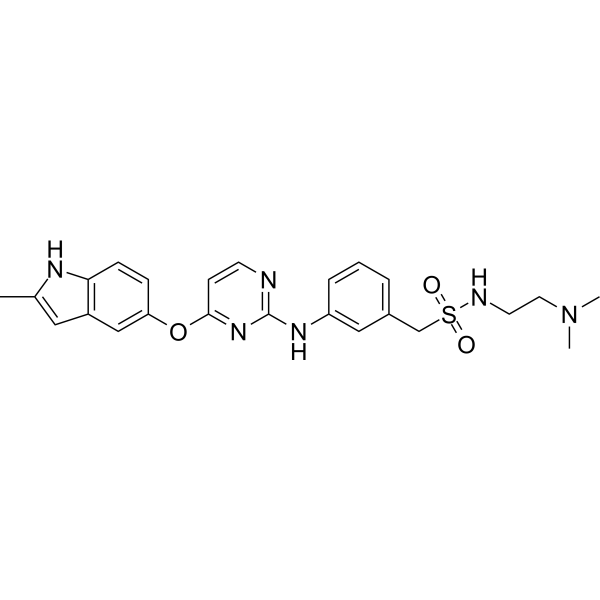
-
- HY-10159A
-
|
AMN107 monohydrochloride monohydrate
|
Bcr-Abl
Autophagy
|
Cancer
|
|
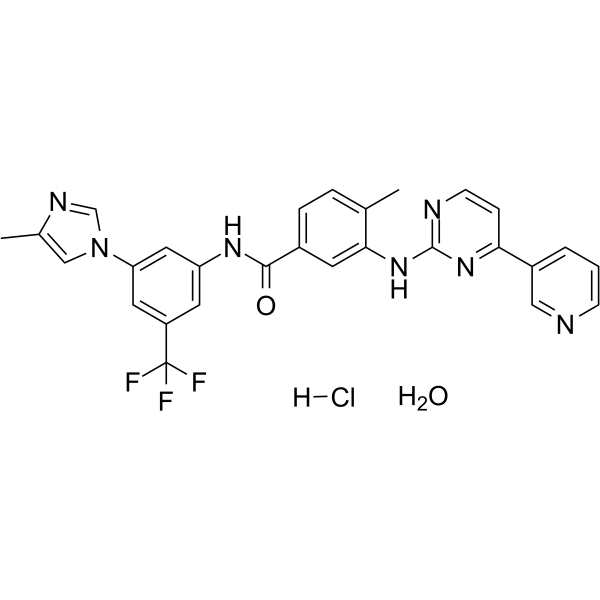
Nilotinib monohydrochloride monohydrate is a second generation tyrosine kinase inhibitor (TKI), is significantly potent against BCR-ABL, and is active against many BCR-ABL mutants.
|
-
-
- HY-101053
-
|
Src Kinase Inhibitor 1; Src-l1
|
Src
|
Cancer
|
|
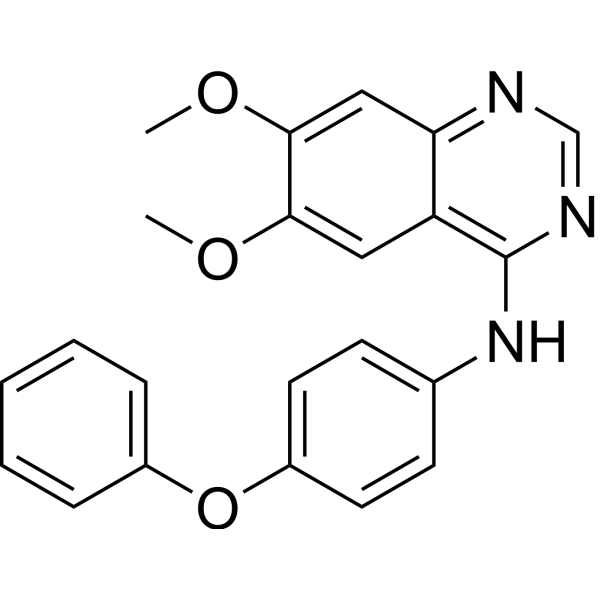
Src Inhibitor 1 is a potent, ATP-competitive and selective dual site Src tyrosine kinase inhibitor with IC50 values of 44 nM for Src and 88nM for Lck.
|
-
-
- HY-13979
-
|
|
Discoidin Domain Receptor
|
Cancer
|
|
DDR1-IN-1 is a potent and selective DDR1 receptor tyrosine kinase inhibitor with an IC50 of 105 nM; 4-fold less potent for DDR2 (IC50 = 413 nM) .
|
-
-
- HY-18007
-
|
Eph receptor tyrosine kinase inhibitor
|
Ephrin Receptor
|
Cancer
|
|
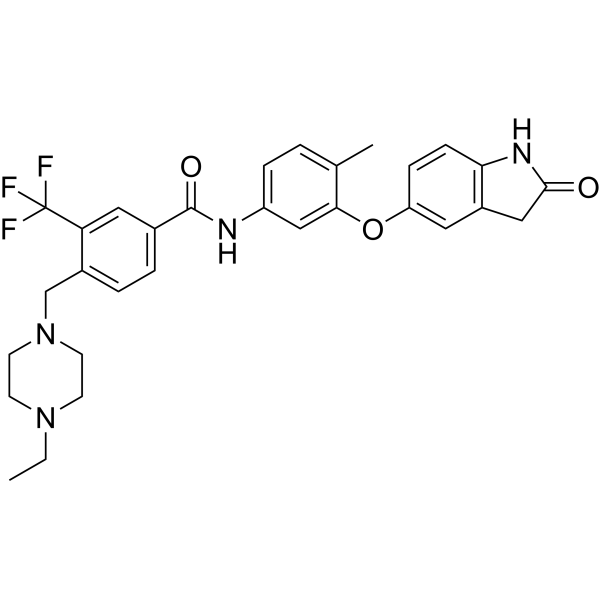
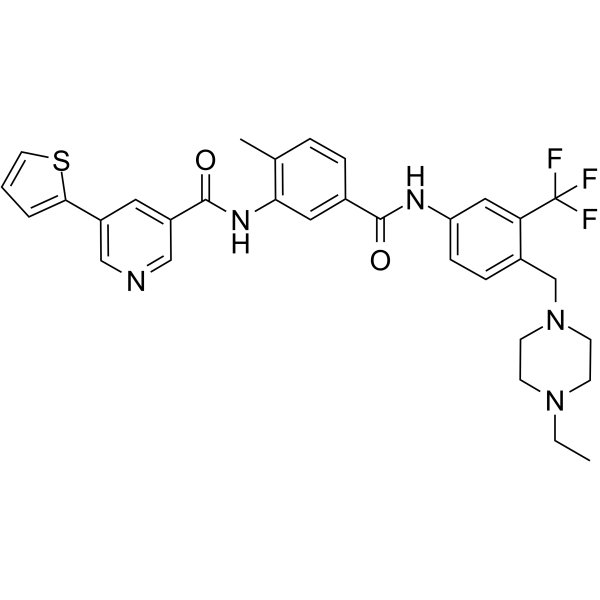
ALW-II-41-27 is a Eph family tyrosine kinase inhibitor with an IC50 of 11 nM for Eph2.
|
-
-
- HY-12963
-
|
TP-0903
|
TAM Receptor
Apoptosis
|
Cancer
|
|
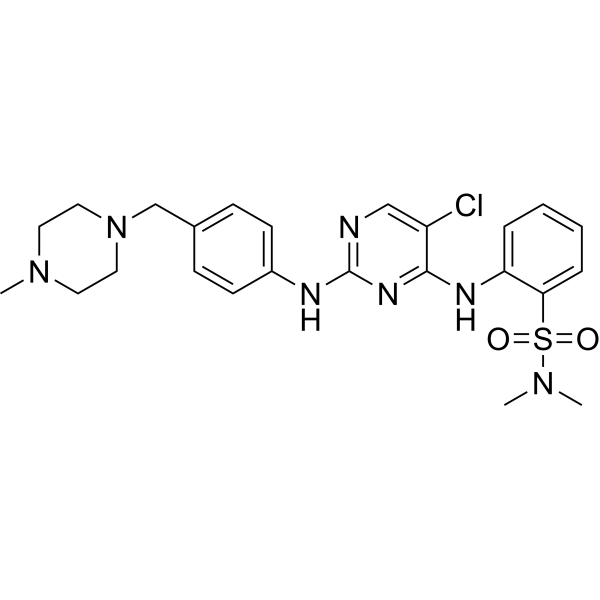
Dubermatinib (TP-0903) is a potent and selective Axl receptor tyrosine kinase inhibitor with an IC50 value of 27 nM.
|
-
-
- HY-13804
-
|
AGL 1872; EI 275
|
Src
Apoptosis
|
Cancer
|
|
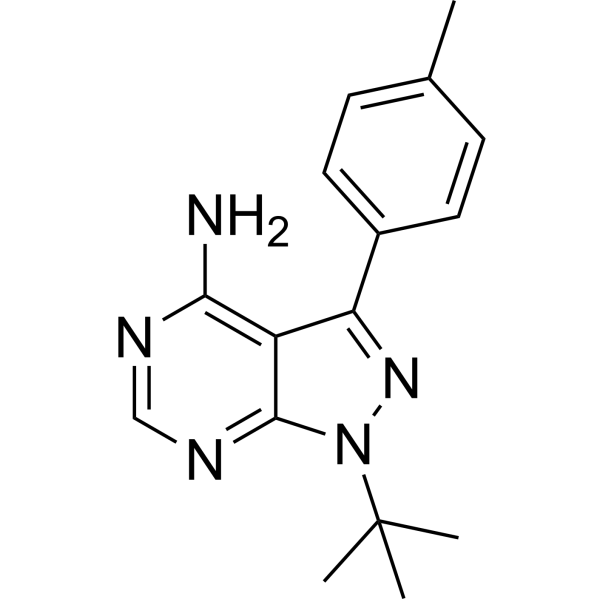
PP1 is a potent, and Src family-selective tyrosine kinase inhibitor with IC50 of 5 and 6 nM for Lck and Fyn, respectively.
|
-
-
- HY-19730
-
|
HM61713; BI 1482694
|
EGFR
|
Cancer
|
|
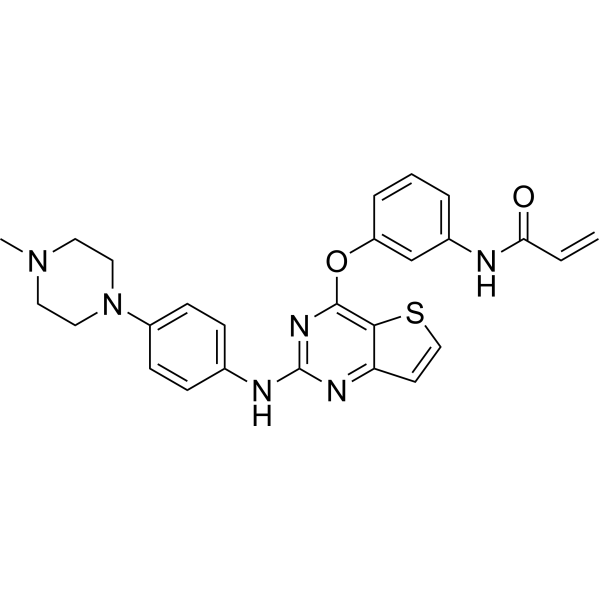
Olmutinib (HM61713; BI-1482694) is an orally active and irreversible third EGFR tyrosine kinase inhibitor that binds to a cysteine residue near the kinase domain. Olmutinib is used for NSCLC .
|
-
-
- HY-101296
-
|
|
FGFR
Autophagy
|
Cancer
|
|
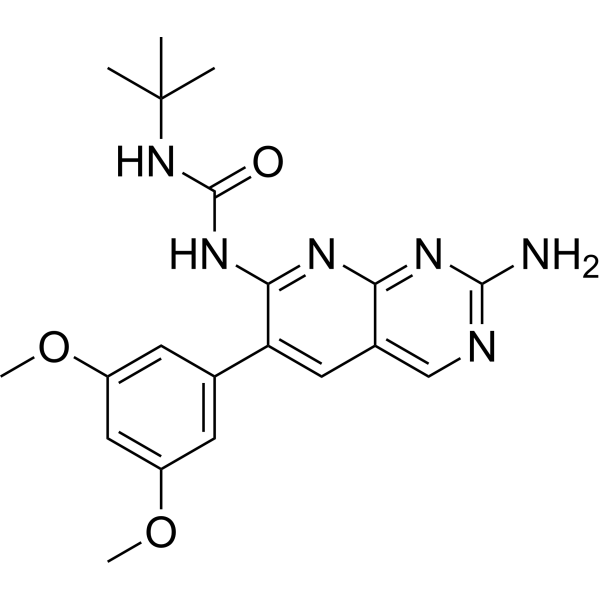
PD166866 is a selective FGFR1 tyrosine kinase inhibitor with an IC50 of 52.4 nM.
|
-
-
- HY-50686
-
|
ARQ 197; (3R,4R)-ARQ 198
|
c-Met/HGFR
Apoptosis
|
Cancer
|
|
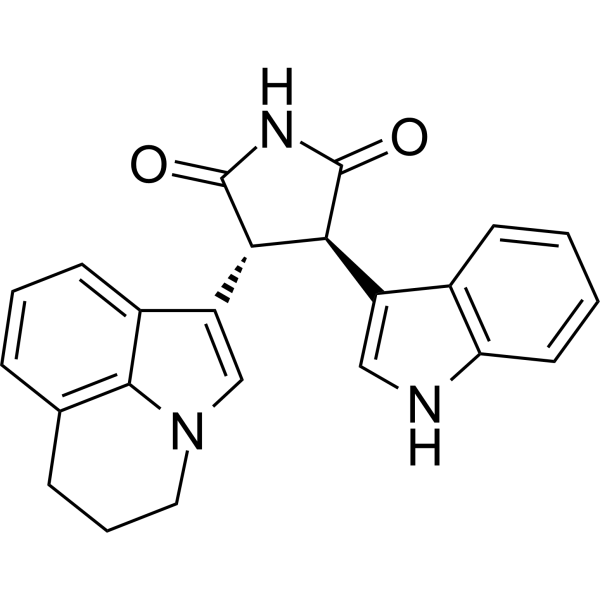
Tivantinib is a highly selective c-Met tyrosine kinase inhibitor with a Ki of 355 nM.
|
-
-
- HY-107145A
-
|
|
TAM Receptor
VEGFR
c-Met/HGFR
|
Cancer
|
|
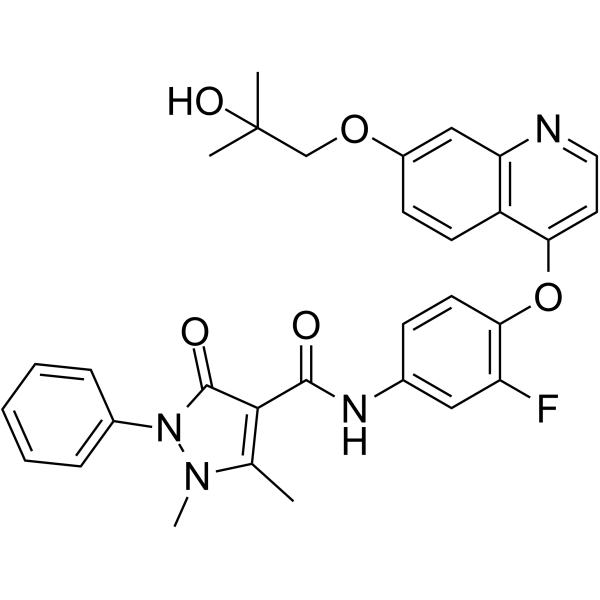
Ningetinib is a potent, orally bioavailable small molecule tyrosine kinase inhibitor (TKI) with IC50s of 6.7, 1.9 and <1.0 nM for c-Met, VEGFR2 and Axl, respectively.
|
-
-
- HY-117155
-
PKI-166
1 Publications Verification
|
EGFR
|
Cancer
|
|
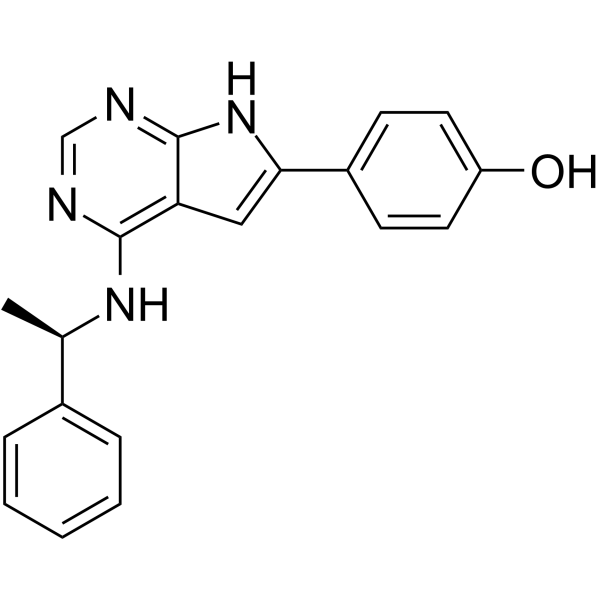
PKI-166 is a potent, selective and orally bioavailable EGFR tyrosine kinase inhibitor, with an IC50 of 0.7 nM .
|
-
-
- HY-147316
-
|
|
STAT
TNK1
|
Cancer
|
|
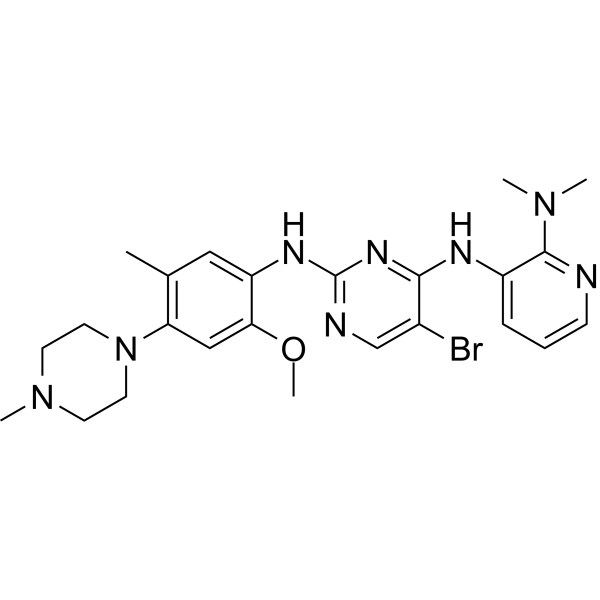
TP-5801 is an orally active TNK1 (non-receptor tyrosine kinase) inhibitor (IC50=1.40 nM), and shows anti-tumor activity .
|
-
-
- HY-10501
-
SU14813
1 Publications Verification
|
PDGFR
VEGFR
c-Kit
|
Cancer
|
|
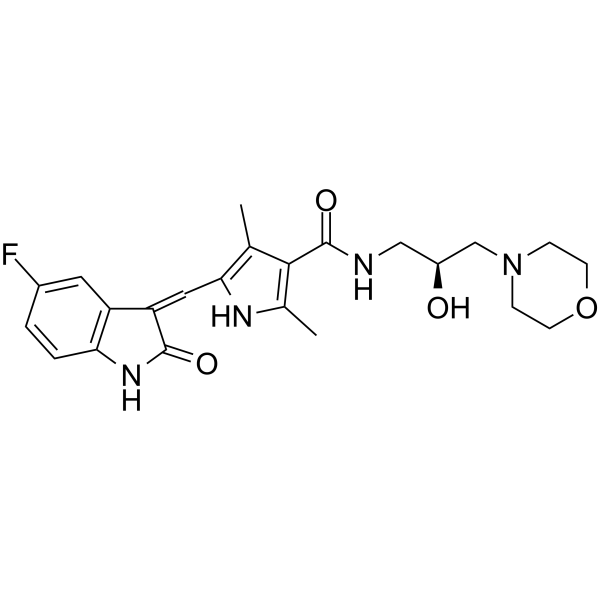
SU14813 is a multi-targeted receptor tyrosine kinases inhibitor with IC50s of 50, 2, 4, 15 nM for VEGFR2, VEGFR1, PDGFRβ and KIT.
|
-
-
- HY-10181S
-
|
BMS-354825-d8
|
Bcr-Abl
Src
Apoptosis
Autophagy
|
Cancer
|
|
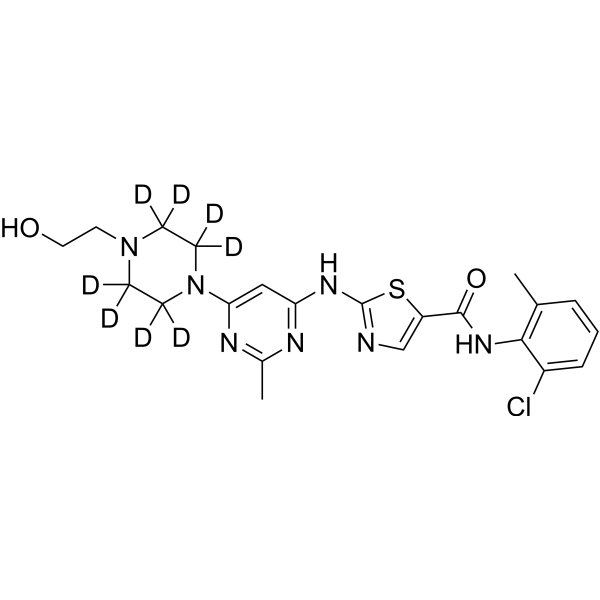
Dasatinib-d8 (BMS-354825-d8) is a deuterium labeled Dasatinib. Dasatinib is a dual Bcr-Abl and Src family tyrosine kinase inhibitor.
|
-
-
- HY-10421
-
|
|
c-Met/HGFR
|
Cancer
|
|
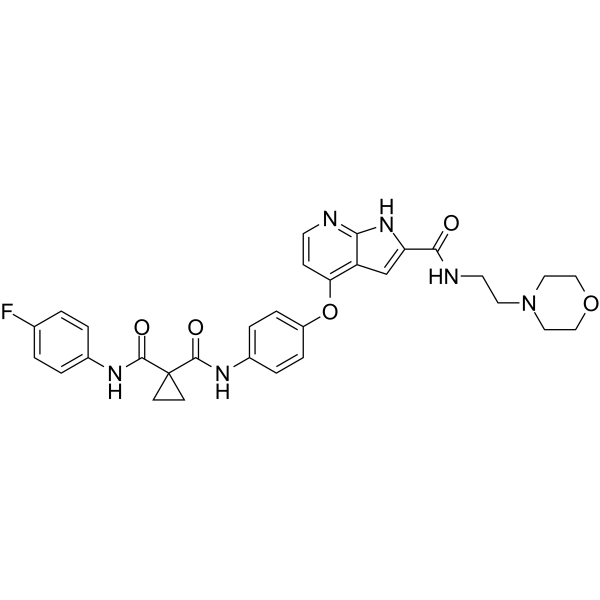
Tyrosine kinase inhibitor is a potent tyrosine kinase inhibitor.
|
-
-
- HY-152840
-
|
|
c-Met/HGFR
|
Cancer
|
|
Emzeltrectinib is a potent tyrosine kinase inhibitor with antineoplastic activity .
|
-
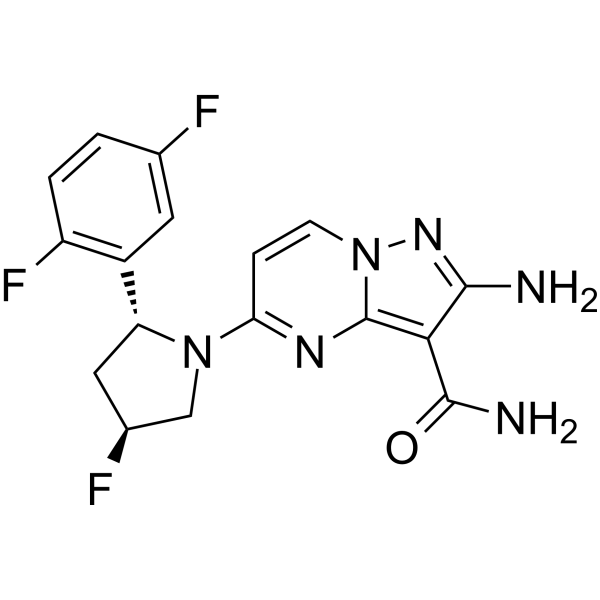
-
- HY-131005
-
-
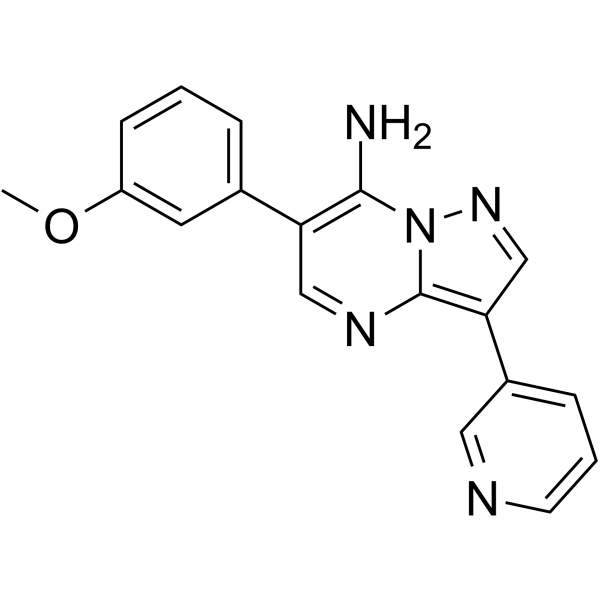
-
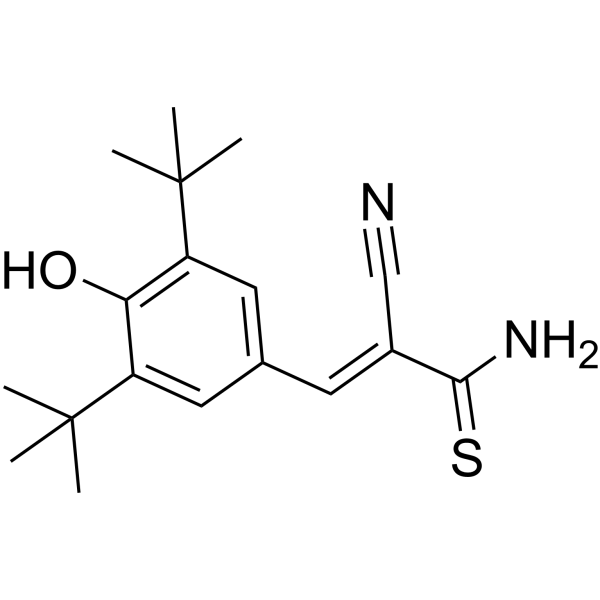
- HY-20878
-
|
AG 879
|
Trk Receptor
EGFR
Apoptosis
|
Cancer
|
|
Tyrphostin AG 879 (AG 879) is a tyrosine kinase inhibitor that inhibits TrKA phosphorylation (IC50 of 10 μM), but not TrKB and TrKC. Tyrphostin AG 879 is also a selective ErbB2 tyrosine kinase inhibitor with an IC50 of 1 μM, and has at least 500-fold higher selectivity to ErbB2 than EGFR. Tyrphostin AG 879 has anticancer activity .
|
-
-
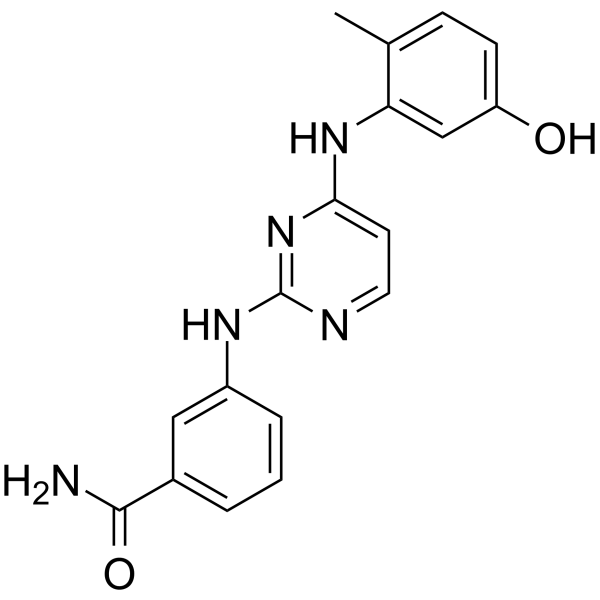
- HY-10644
-
|
|
Src
|
Inflammation/Immunology
|
|
Lck inhibitor 2 is a multi-target tyrosine kinase inhibitor with IC50s of 13nM, 9nM, 3nM, 26nM and 2nM for Lck, Btk, Lyn, Btk and Txk respectively.
|
-
-
- HY-152852
-
|
Mifanertinib
|
c-Met/HGFR
|
Cancer
|
|
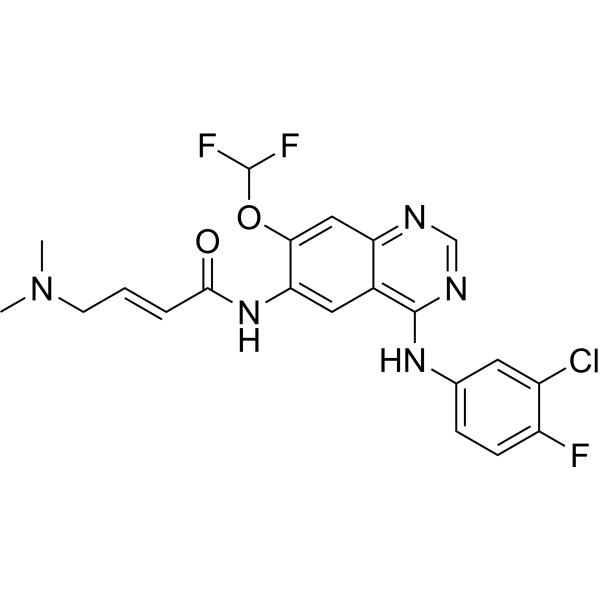
Mefatinib free base is a potent tyrosine kinase inhibitor with antineoplastic activity .
|
-
-
- HY-108484
-
|
|
EGFR
|
Cancer
|
|
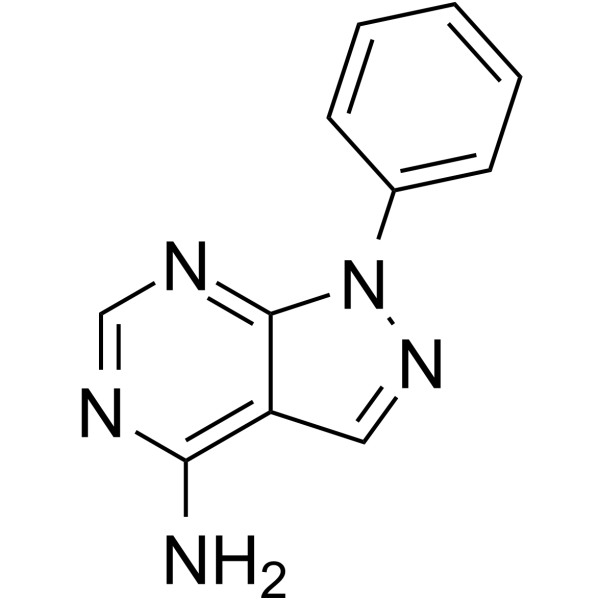
PP 3 (Compound 3) is an EGFR tyrosine kinase inhibitor with an IC50 of 2.7 μM .
|
-
-
- HY-101820
-
|
|
EGFR
|
Cancer
|
|
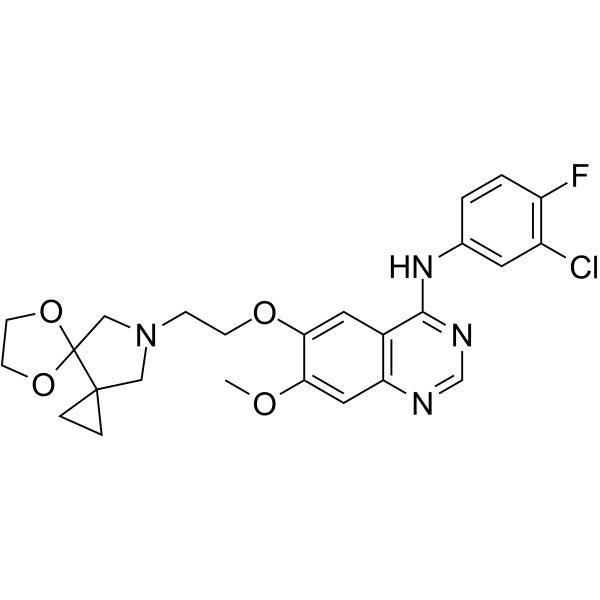
Simotinib is a selective, specific, and orally bioavailable EGFR tyrosine kinase inhibitor, with an IC50 of 19.9 nM. Antineoplastic activities .
|
-
-
- HY-156603
-
|
|
c-Met/HGFR
|
Cancer
|
|
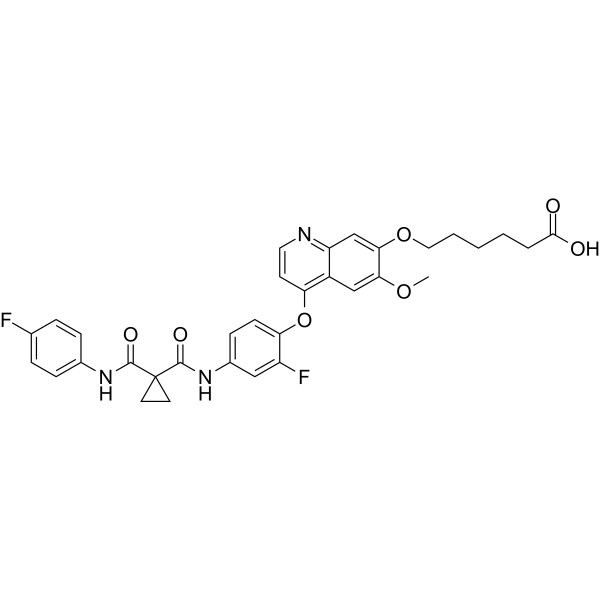
Canlitinib is a tyrosine kinase inhibitor, extracted from patent WO2018072614 (IV-2). Canlitinib has the potential for cancer study.
|
-
-
- HY-153110
-
|
|
EGFR
IRAK
Btk
|
Cancer
|
|
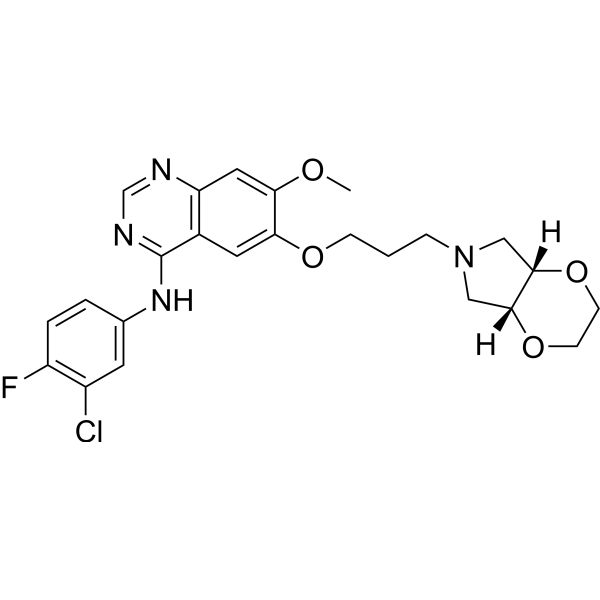
Larotinib is a potent broad-spectrum and orally active tyrosine kinase inhibitor (TKI) with EGFR as the main target with an IC50 of 0.6 nM .
|
-
-
- HY-101961
-
|
AG 1288
|
c-Kit
|
Inflammation/Immunology
|
|
Tyrphostin AG 1288 is a potent Tyrosine Kinase inhibitor. Tyrphostin AG 1288 inhibits ICAM1 expression and TNFα-mediated cytotoxicity in vitro .
|
-

-
- HY-145587
-
|
PBI-200; PPI-5278
|
Tyrosinase
Trk Receptor
|
Inflammation/Immunology
Cancer
|
|
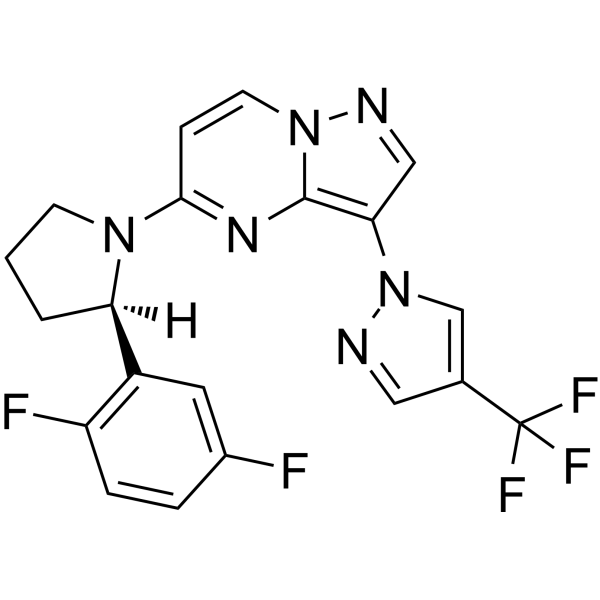
Paltimatrectinib (compound I-147) is a potent tyrosine kinase inhibitor with an IC50 of <10 nM for tropomyosin kinases A (TrkA). Paltimatrectinib has the potential for cancer and inflammatory diseases .
|
-
-
- HY-101429
-
RG13022
1 Publications Verification
Tyrphostin RG13022
|
EGFR
|
Cancer
|
|
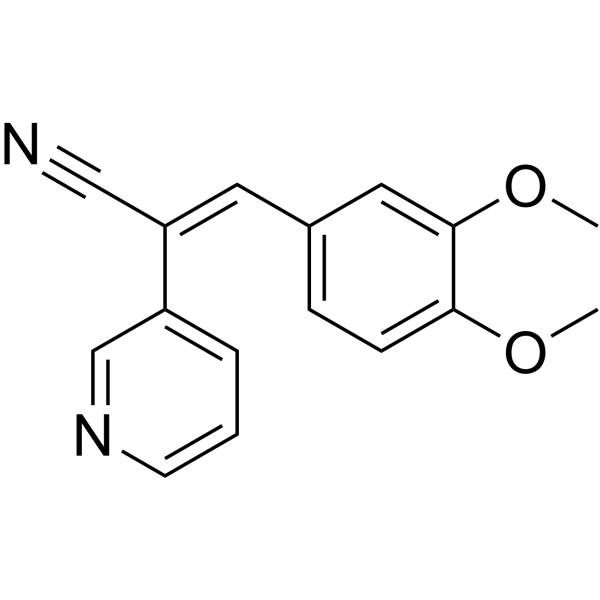
RG13022 is a tyrosine kinase inhibitor; inhibits the autophosphorylation reaction of the EGF receptor with an IC50 of 4 μM.
|
-
-
- HY-128576
-
|
|
EGFR
|
Cancer
|
|
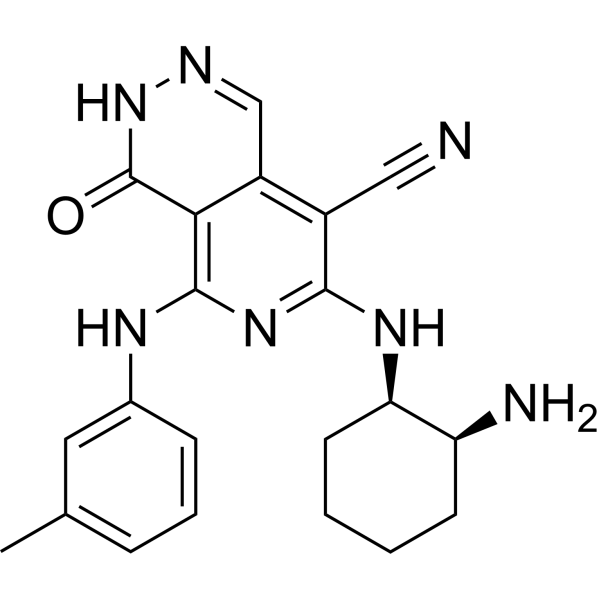
DS21360717 is a potent and orally active FER tyrosine kinase inhibitor, with an IC50 of 0.49 nM. Anti-cancer activity .
|
-
-
- HY-10159S
-
|
AMN107-d6
|
Bcr-Abl
Autophagy
|
Cancer
|
|
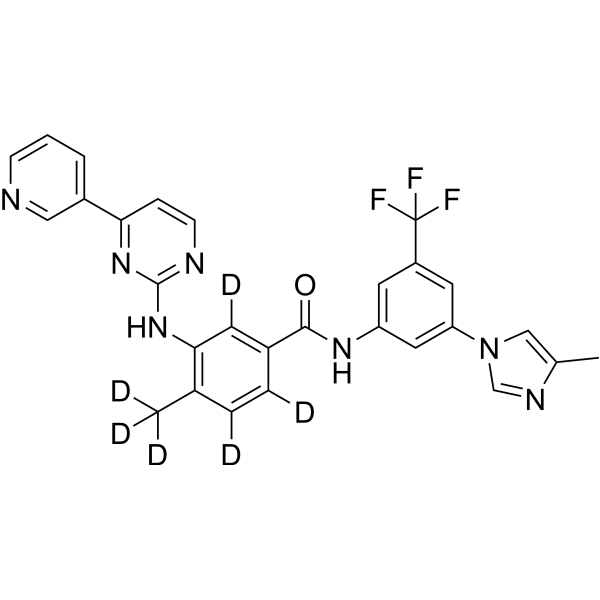
Nilotinib-d6 is a deuterium labeled Nilotinib. Nilotinib is an orally available Bcr-Abl tyrosine kinase inhibitor with antineoplastic activity .
|
-
-
- HY-172423
-
|
KO-2806
|
Farnesyl Transferase
mTOR
VEGFR
|
Cancer
|
|
Darlifarnib (KO-2806) is an orally active farnesyl transferase inhibitor. Darlifarnib inhibits the mTORC1 signaling pathway, thereby enhancing the anti-angiogenic properties of tyrosine kinase inhibitors. When used in combination with anti-VEGFR tyrosine kinase inhibitors, Darlifarnib promotes renal cell carcinoma tumor regression and inhibits tumor neovascularization. Darlifarnib sensitizes renal cell carcinoma tumors that progress after anti-VEGFR TKI treatment .
|
-

-
- HY-121799
-
|
THCA
|
Endogenous Metabolite
|
Cancer
|
|
Taurohyocholic acid is a taurine-conjugated hyocholic acid. Taurohyocholic acid is predictor of the efficacy of tyrosine kinase inhibitors combined withPD-1 inhibitors in hepatocellular carcinoma (HCC) .
|
-

-
- HY-P99969
-
|
CMAB-302; Cipterbin
|
EGFR
|
Cancer
|
|
Inetetamab is a monoclonal antibody binding to domain IV of HER2 receptor. Inetetamab alone or together with tyrosine kinase inhibitors has antitumor activities .
|
-

-
- HY-121799A
-
|
THCA sodium salt
|
Endogenous Metabolite
|
Others
|
|
Taurohyocholic acid (THCA) sodium salt is a taurine-conjugated hyocholic acid. Taurohyocholic acid sodium salt is predictor of the efficacy of tyrosine kinase inhibitors combined withPD-1 inhibitors in hepatocellular carcinoma (HCC) .
|
-

-
- HY-10501A
-
|
|
PDGFR
VEGFR
c-Kit
|
Cancer
|
|
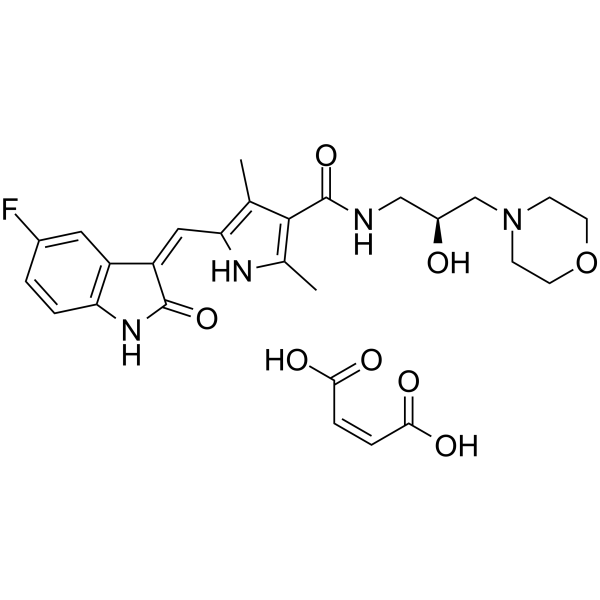
SU14813 maleate is a multi-targeted receptor tyrosine kinases inhibitor with IC50s of 50, 2, 4, 15 nM for VEGFR2, VEGFR1, PDGFRβ and KIT.
|
-
-
- HY-126319
-
|
|
VEGFR
EGFR
|
Cancer
|
|
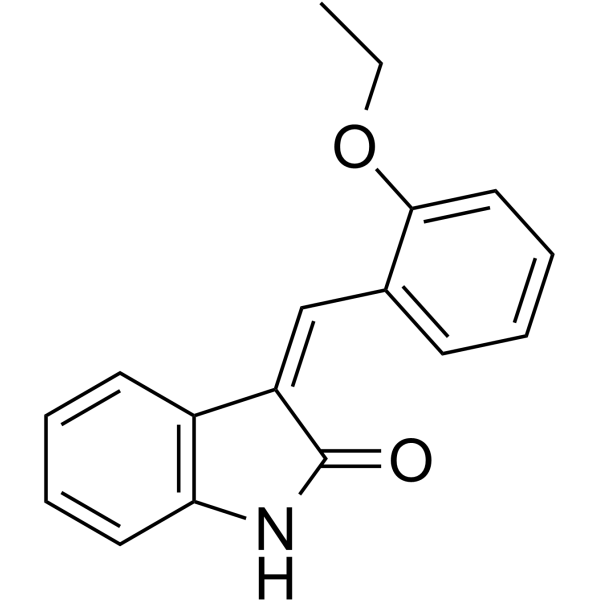
SU5204, a tyrosine kinase inhibitor, has IC50s of 4 and 51.5 μM for FLK-1 (VEGFR-2) and HER2, respectively .
|
-
-
- HY-132808
-
|
SAR 444727; PRN473
|
Btk
|
Inflammation/Immunology
|
|
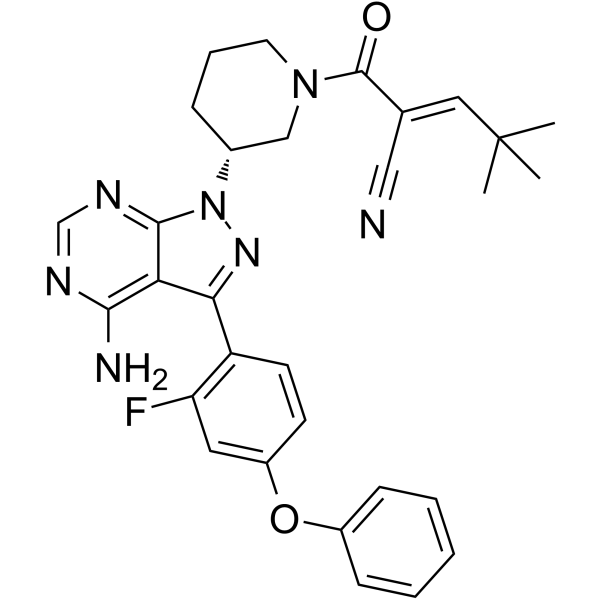
Atuzabrutinib (SAR 444727) is a potent, selective reversible inhibitor of Btk (Bruton's tyrosine kinase) inhibitor. Atuzabrutinib inhibits neutrophil recruitment via inhibition of macrophage antigen-1 signalling .
|
-
-
- HY-13979A
-
|
|
Discoidin Domain Receptor
|
Cancer
|
|
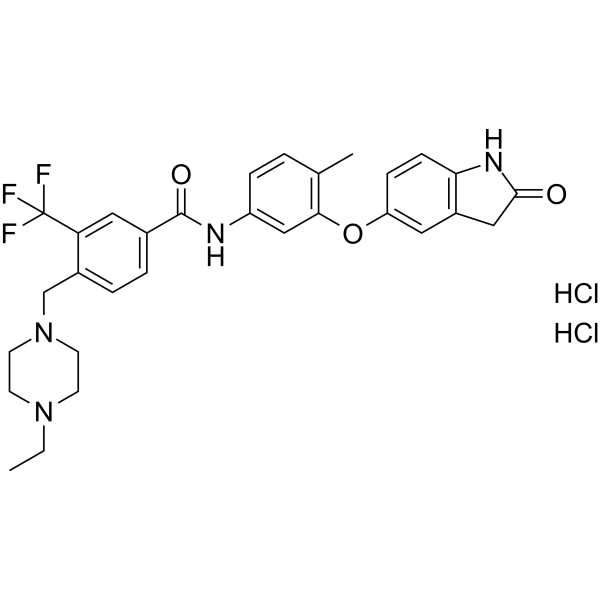
DDR1-IN-1 dihydrochloride is a potent and selective DDR1 receptor tyrosine kinase inhibitor with an IC50 of 105 nM; 4-fold less potent for DDR2 (IC50 = 413 nM) .
|
-
-
- HY-153110A
-
|
|
EGFR
IRAK
Btk
|
Cancer
|
|
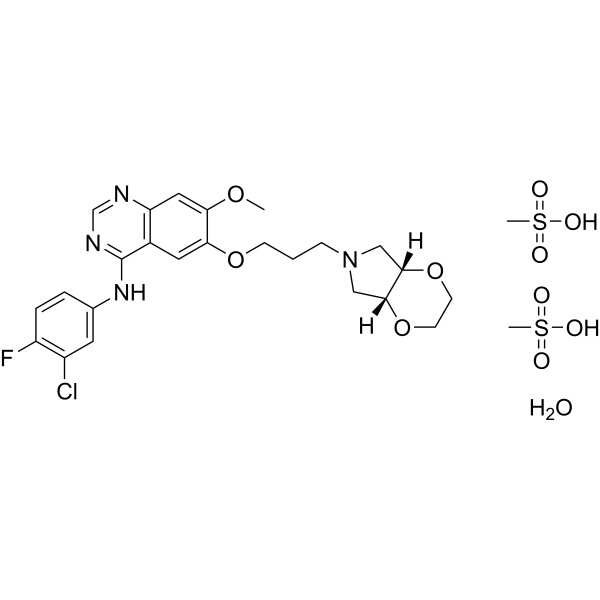
Larotinib mesylate hydrate is a potent broad-spectrum and orally active tyrosine kinase inhibitor (TKI) with EGFR as the main target with an IC50 of 0.6 nM .
|
-
-
- HY-152849
-
|
HL5101
|
c-Met/HGFR
|
Cancer
|
|
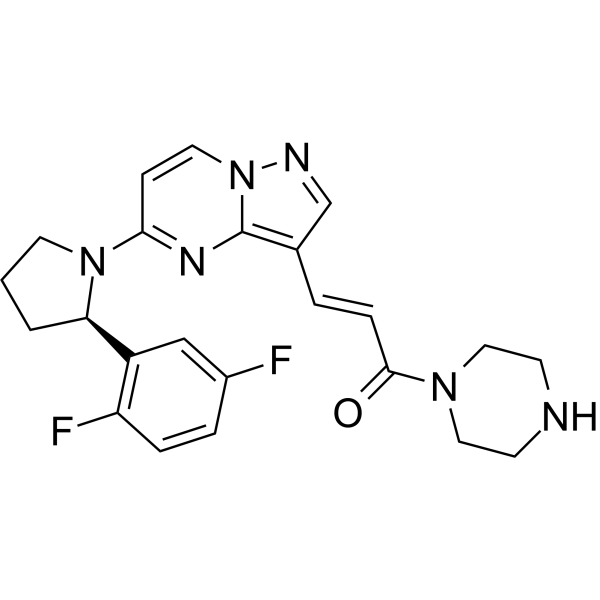
Boditrectinib is a potent tyrosine kinase inhibitor. Boditrectinib serves as an antineoplastic agent. Boditrectinib is useful in the research of cancer, inflammation, neurodegenerative diseases and certain infectious diseases .
|
-
-
- HY-10159C
-
|
AMN107 hydrochloride dihydrate
|
Autophagy
Bcr-Abl
|
Cancer
|
|
Nilotinib (AMN107) hydrochloride dihydrate is an orally active Bcr-Abl tyrosine kinase inhibitor with antineoplastic activity and can be used in studies of chronic myelogenous leukaemia .
|
-

-
- HY-15492
-
|
AG-013958
|
VEGFR
|
Cardiovascular Disease
|
|
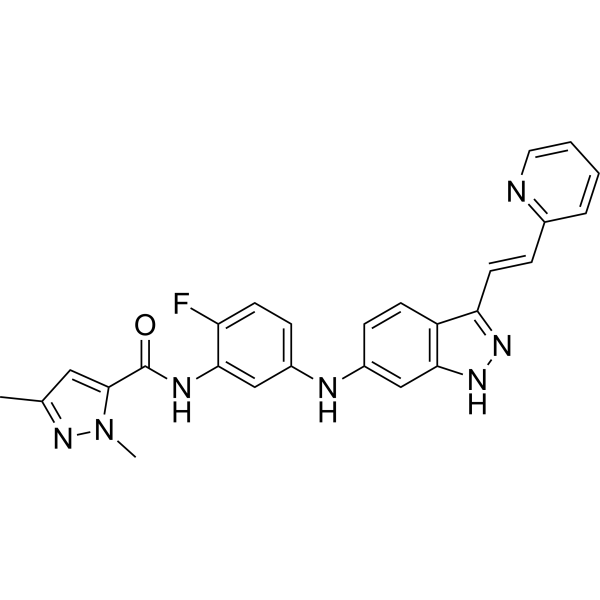
AG-13958 (AG-013958), a potent VEGFR tyrosine kinase inhibitor, is used for treatment of choroidal neovascularization associated with age-related macular degeneration (AMD) .
|
-
- HY-15772S3
-
|
asandeutertinibum; Osimertinib-d3; AZD-9291-d3
|
EGFR
|
Cancer
|
|
Asandeutertinib (Osimertinib-d3; AZD-9291-d3) is a epidermal growth factor receptor (EGFR) tyrosine kinase inhibitor, with antineoplastic effect .
|
-

- HY-147316A
-
|
|
STAT
TNK1
|
Cancer
|
|
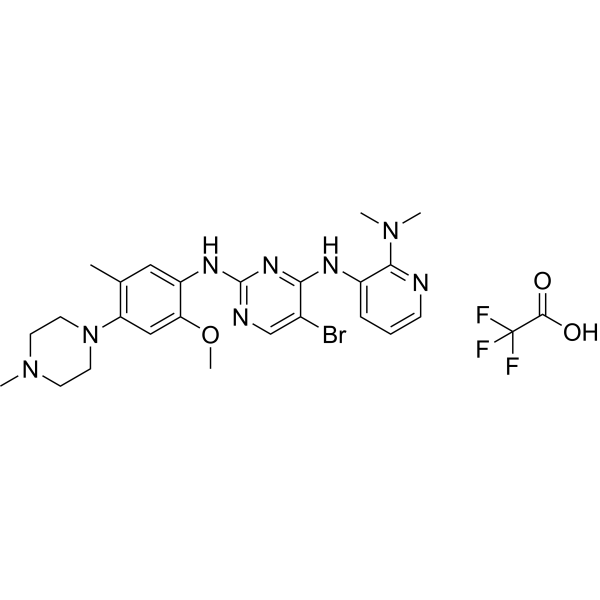
TP-5801 TFA is an orally active TNK1 (non-receptor tyrosine kinase) inhibitor (IC50=1.40 nM), and shows anti-tumor activity .
|
-
- HY-10331S
-
|
BAY 73-4506-d3
|
VEGFR
Autophagy
PDGFR
Raf
RET
|
Cancer
|
|
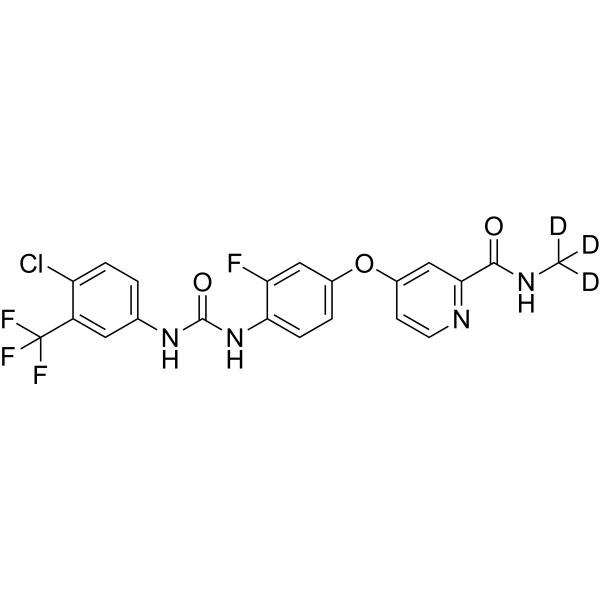
Regorafenib-d3 (BAY 73-4506-d3) is a deuterium labeled Regorafenib (HY-10331). Regorafenib is a multi-targeted receptor tyrosine kinase inhibitor .
|
-
- HY-10159R
-
|
AMN107 (Standard)
|
Reference Standards
Bcr-Abl
Autophagy
|
Cancer
|
|
Nilotinib (Standard) is the analytical standard of Nilotinib. This product is intended for research and analytical applications. Nilotinib is an orally available Bcr-Abl tyrosine kinase inhibitor with antineoplastic activity.
|
-

- HY-10159B
-
|
AMN107 hydrochloride
|
Bcr-Abl
Autophagy
|
Cancer
|
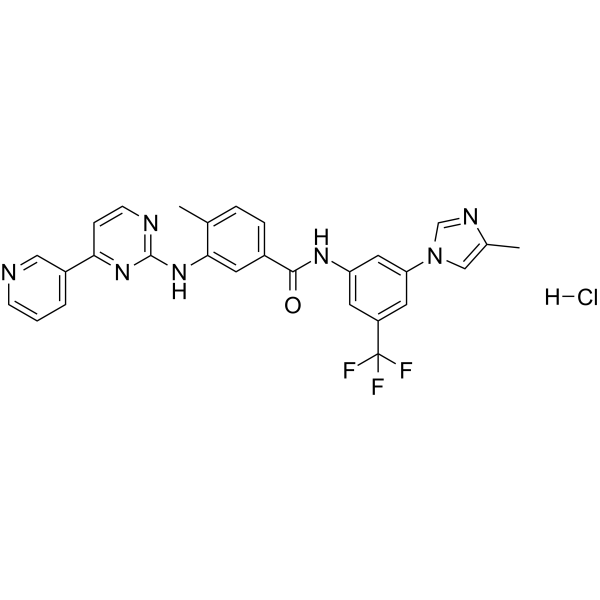
Nilotinib (AMN107) hydrochloride is an orally active Bcr-Abl tyrosine kinase inhibitor with antineoplastic activity and can be used in studies of chronic myelogenous leukaemia .
|
-
- HY-176462
-
|
|
Drug Derivative
|
Cancer
|
|
Gly-Dasatinib (compound I-7-1), an amino acid analog of Dasatinib (HY-10181), is a tyrosine kinase inhibitor. Gly-Dasatinib can be used for the study of cancer .
|
-

- HY-N0198R
-
-

- HY-152849A
-
|
HL5101 oxalate
|
c-Met/HGFR
|
Cancer
|
|
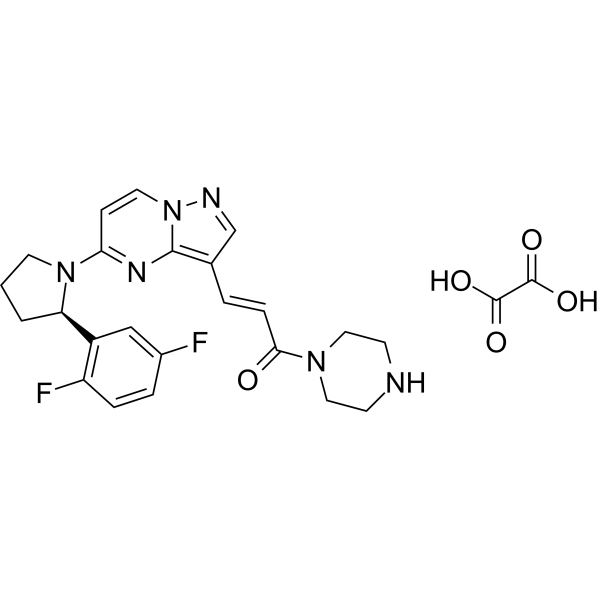
Boditrectinib oxalate is a potent tyrosine kinase inhibitor. Boditrectinib oxalate serves as an antineoplastic agent. Boditrectinib oxalate is useful in the research of cancer, inflammation, neurodegenerative diseases and certain infectious diseases .
|
-
- HY-152852A
-
|
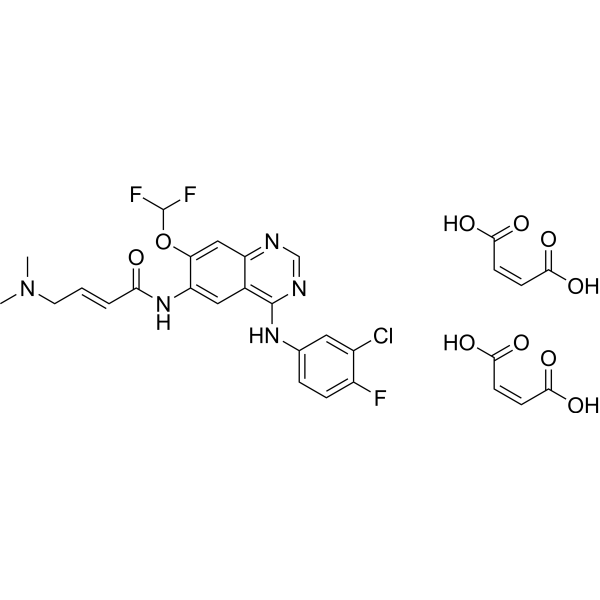
Mifanertinib dimaleate
|
c-Met/HGFR
|
Cancer
|
|
Mefatinib is a potent tyrosine kinase inhibitor with antineoplastic activity .
|
-
- HY-W002950
-
-

- HY-101756
-
|
SDZ-LAP 977
|
EGFR
|
Cancer
|
|
SDZ 281-977 is a derivative of the EGF receptor tyrosine kinase inhibitor Lavendustin A.
|
-
- HY-159840
-
|
|
FGFR
|
Cancer
|
|
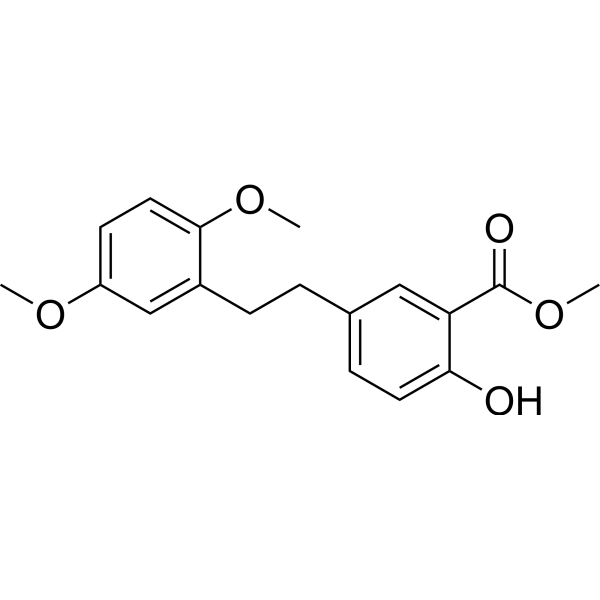
Fanregratinib is a fibroblast growth factor receptor (FGFR) tyrosine kinase inhibitor .
|
-

- HY-159503
-
|
3D185 free base; HH185 free base
|
FGFR
c-Fms
|
Cancer
|
|
Segigratinib is a fibroblast growth factor receptor tyrosine kinase inhibitor, with antineoplastic effect .
|
-

- HY-15333
-
-
- HY-101820A
-
|
|
EGFR
|
Cancer
|
|
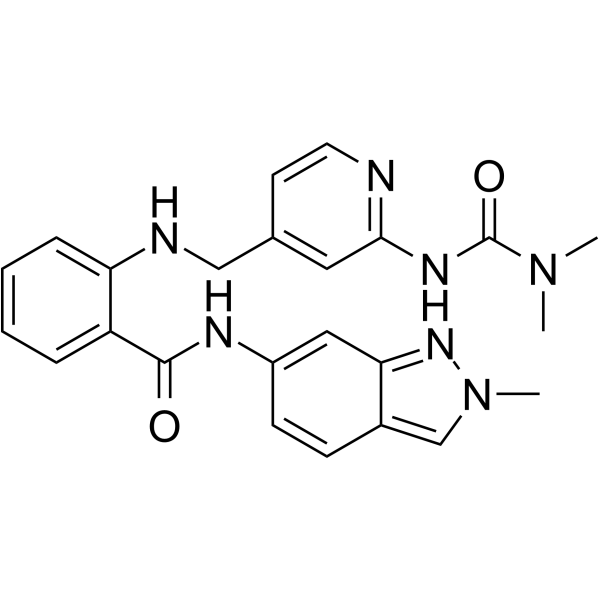
Simotinib hydrochloride is a selective, specific, and orally bioavailable EGFR tyrosine kinase inhibitor, with an IC50 of 19.9 nM. Antineoplastic activities .
|
-
- HY-19730A
-
|
HM61713 hydrochloride; BI 1482694 hydrochloride
|
EGFR
|
Cancer
|
|
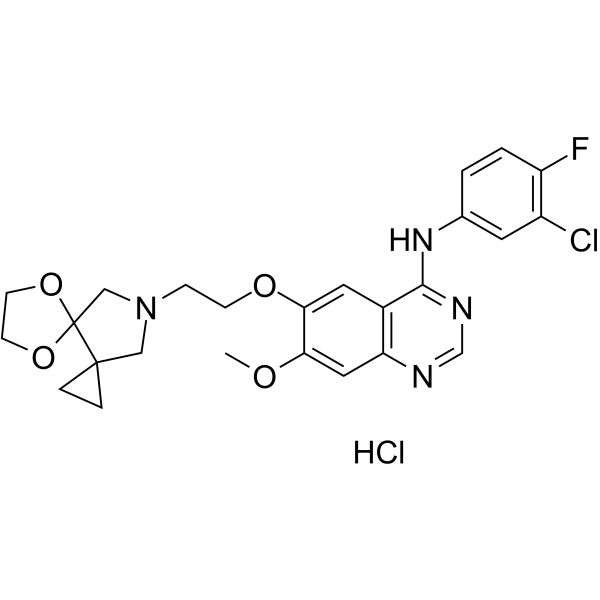
Olmutinib hydrochloride is an orally active and irreversible third EGFR tyrosine kinase inhibitor that binds to a cysteine residue near the kinase domain. Olmutinib hydrochloride is used for NSCLC .
|
-

- HY-100636
-
|
|
EGFR
|
Cancer
|
|
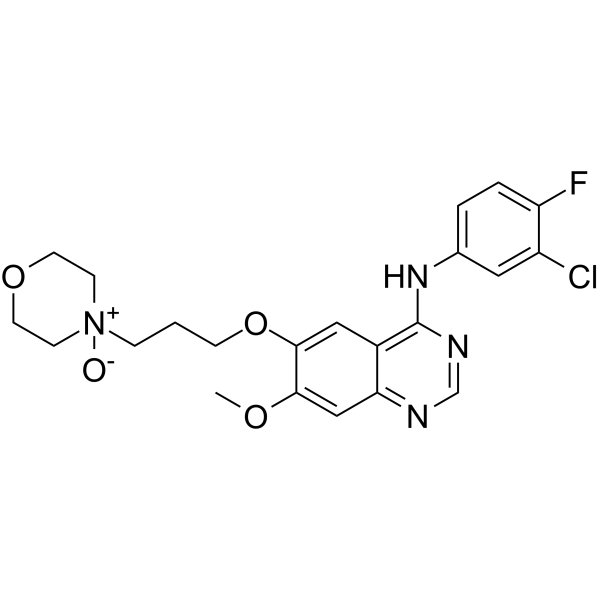
Gefitinib N-oxide is the N-oxide derivative of Gefitinib. Gefitinib is an EGFR tyrosine kinase inhibitor, with IC50 of 2-37 nM in NR6wtEGFR cells .
|
-
- HY-15656S
-
-
- HY-172228
-
|
|
PDGFR
|
Cardiovascular Disease
|
|
RPR-101511 is a 3-substituted quinoline derivative. RPR-101511 is a PDGF receptor tyrosine kinase inhibitor (IC50: 0.001-0.02 μM) .
|
-

- HY-148228
-
|
|
ROS Kinase
|
Cancer
|
|
ROS kinases-IN-1 (pag 98) is a ROS tyrosine kinase inhibitor with IC50 value of 1.22 μM. ROS kinases-IN-1 shows anti-tumor activity .
|
-
- HY-W754546
-
|
|
Drug Metabolite
|
Cancer
|
|
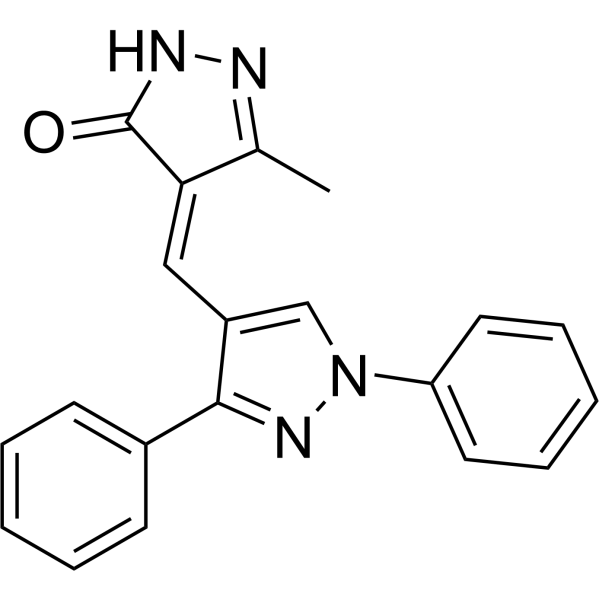
2-Formyl sunitinib (1-CHO) is a metabolite of tyrosine kinase inhibitor Sunitinib (HY-10255A). 2-Formyl sunitinib can be used for the research of cancer .
|
-

- HY-107145
-
|
|
TAM Receptor
VEGFR
c-Met/HGFR
|
Cancer
|
|
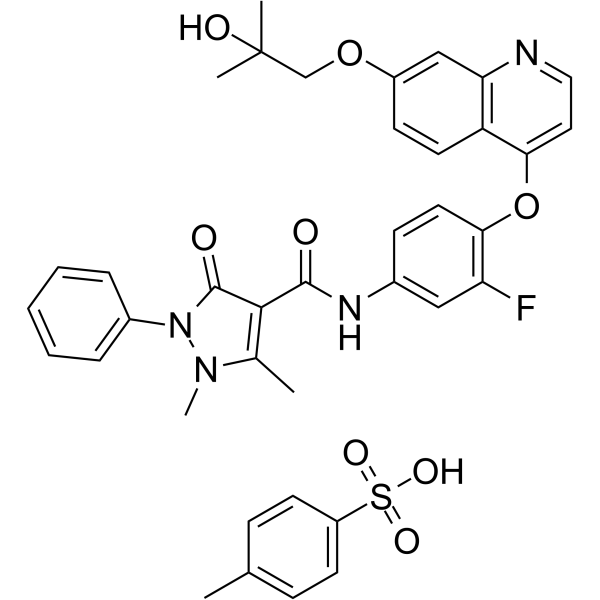
Ningetinib Tosylate is a potent, orally bioavailable small molecule tyrosine kinase inhibitor (TKI) with IC50s of 6.7, 1.9 and <1.0 nM for c-Met, VEGFR2 and Axl, respectively.
|
-
- HY-10338R
-
|
XL880 (Standard); GSK1363089 (Standard); GSK089 (Standard); EXEL-2880 (Standard)
|
Reference Standards
VEGFR
c-Met/HGFR
|
Cancer
|
|
Foretinib (Standard) is the analytical standard of Foretinib. This product is intended for research and analytical applications. Foretinib is a multi-target tyrosine kinase inhibitor with IC50s of 0.4 nM and 0.9 nM for Met and KDR.
|
-

- HY-N14279
-
|
|
Src
|
Infection
|
|
Hibarimicin G is a tyrosine kinase inhibitor found in Microbispora rosea subsp. Hibaria .
|
-

- HY-147612
-
|
|
c-Met/HGFR
|
Cancer
|
|
Tyrosine kinase-IN-4 (EXAMPLE 107) is a protein tyrosine kinase inhibitor .
|
-
- HY-153941
-
|
|
RET
|
Cancer
|
|
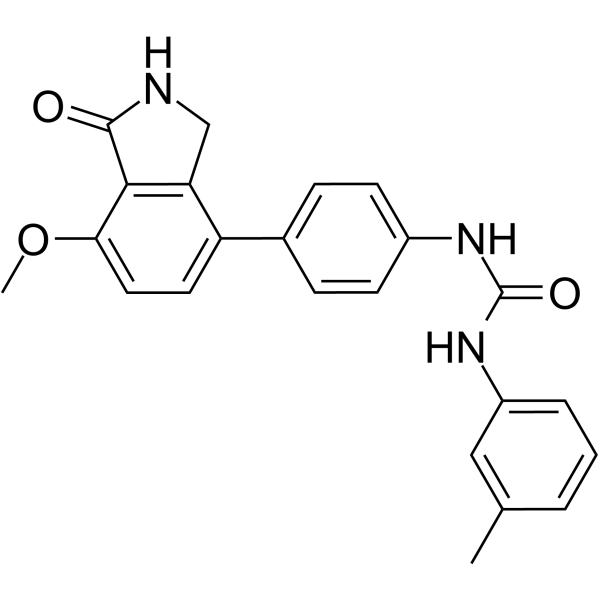
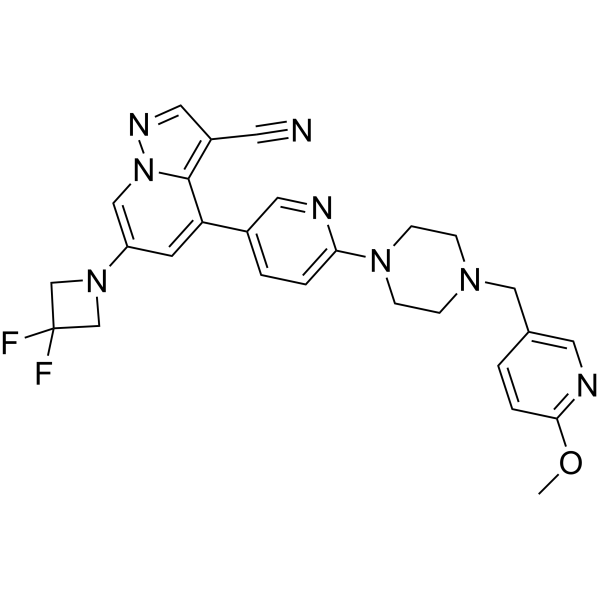
RET-IN-24 (Compound 26) is a selective RET tyrosine kinase inhibitor with antitumor activity .
|
-
- HY-117253
-
|
|
Drug Metabolite
|
Cancer
|
|
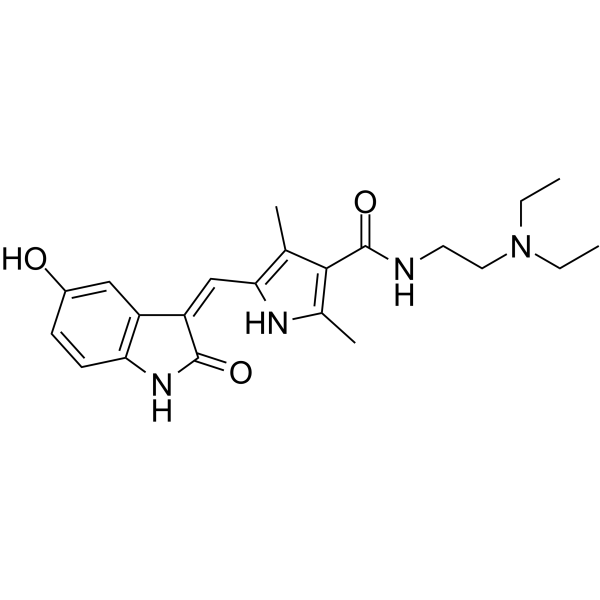
PHA-782584 is a metabolite of sunitinib. Sunitinib is an oral multitargeted tyrosine kinase inhibitor with antitumor activities .
|
-
- HY-110328
-
|
|
EGFR
|
Cancer
|
|
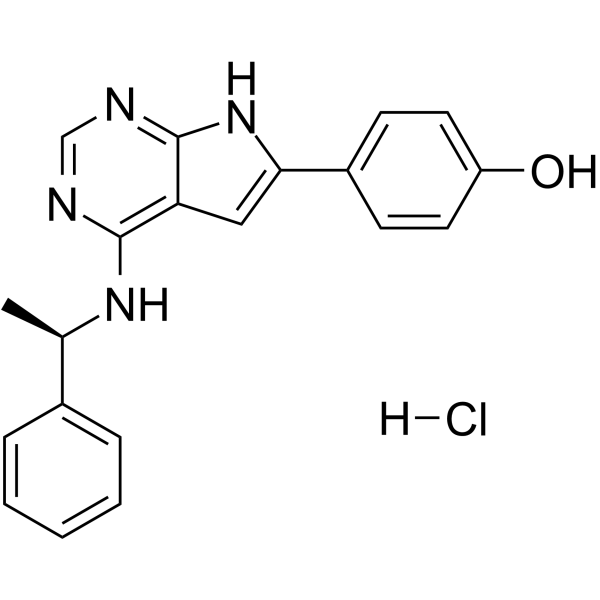
PKI-166 hydrochloride is a potent, selective and orally active EGFR tyrosine kinase inhibitor, with an IC50 of 0.7 nM .
|
-
- HY-125350
-
|
Tyrphostin AG1290
|
c-Met/HGFR
|
Metabolic Disease
|
|
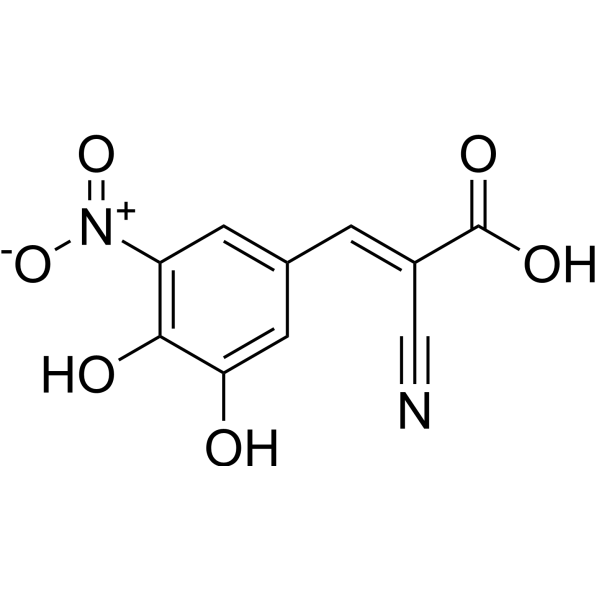
Entacapone acid (Tyrphostin AG1290) is a tyrosine kinase inhibitor. Entacapone acid reduces hepatic protein synthesis rate (HPS) in vivo .
|
-
- HY-156604
-
|
|
Btk
|
Cancer
|
|
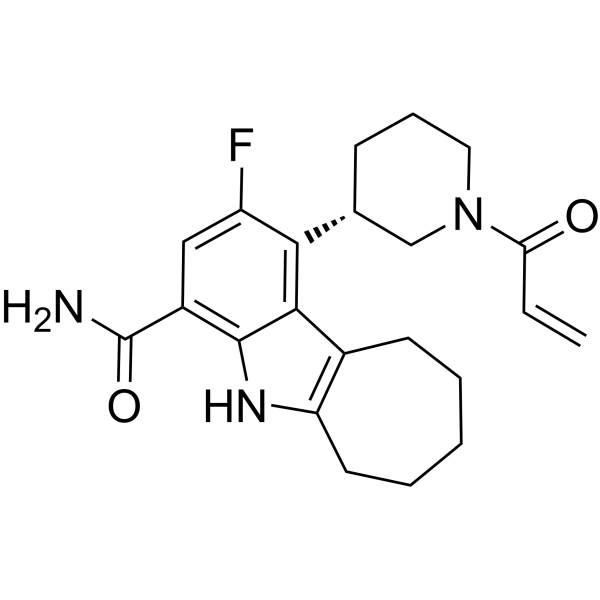
Cinsebrutinib is a Bruton's tyrosine kinase inhibitor, extracted from patent WO2021207549 (compound 5-6). Cinsebrutinib has the potential for cancer study.
|
-
- HY-132549S
-
-
- HY-112405
-
|
PD 159121
|
EGFR
|
Cancer
|
|
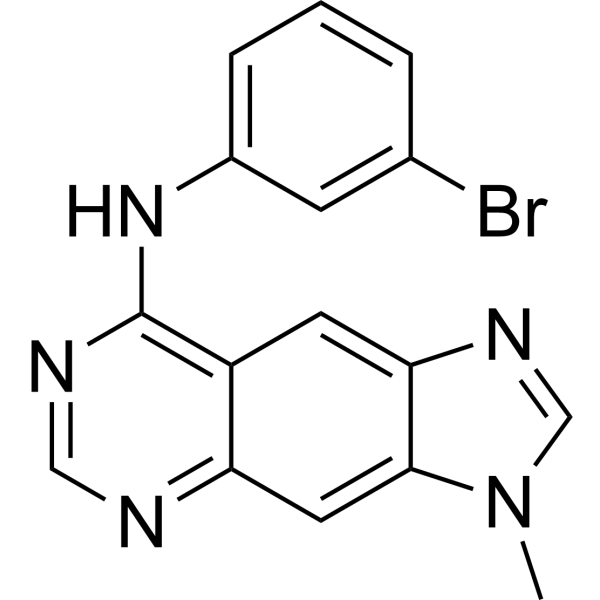
BPIQ-I (PD 159121) is a potent and ATP-competitive EGFR tyrosine kinase inhibitor.. BPIQ-I shows anti-proliferative actively .
|
-
- HY-161695
-
|
|
VEGFR
|
Cancer
|
|
Angiogenesis inhibitor 6 (Compound 8) is a non-tyrosine kinase inhibitor with effective antiangiogenic properties. Angiogenesis inhibitor 6 has antitumor activity .
|
-

- HY-76688
-
|
(Rac)-ARQ 197; (Rac)-ARQ 198
|
c-Met/HGFR
|
Cancer
|
|
(Rac)-Tivantinib is the isomer of Tivantinib (HY-50686), and can be used as an experimental control. Tivantinib is a highly selective c-Met tyrosine kinase inhibitor with a Ki of 355 nM.
|
-
- HY-101959A
-
|
|
Ser/Thr Protease
|
Cancer
|
|
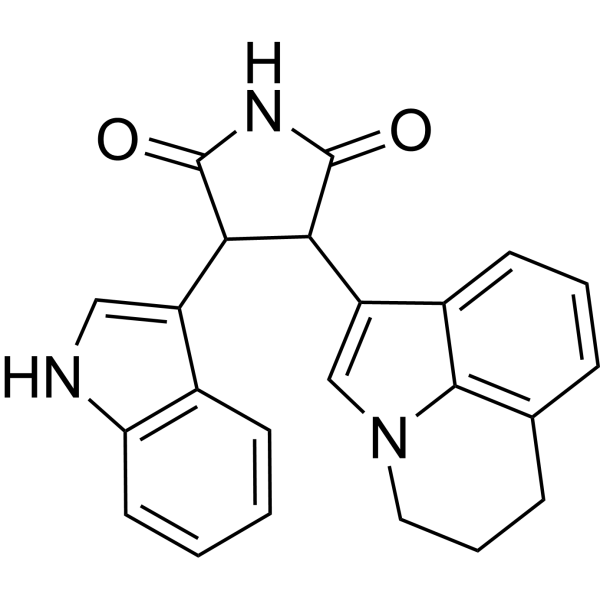
Tyrphostin 47 is a nonspecific inhibitor of WNK1. Tyrphostin 47 is a protein tyrosine kinase inhibitor. Tyrphostin 47 inhibits smooth-muscle cell proliferation
|
-

- HY-152852S
-
|
Mifanertinib-d6
|
Isotope-Labeled Compounds
c-Met/HGFR
|
Cancer
|
|
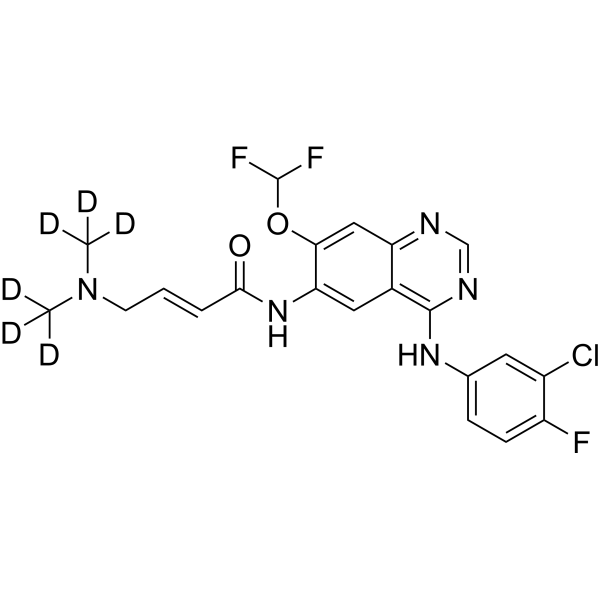
Mefatinib-d6 free base (Mifanertinib-d6) is the deuterium labeled Mefatinib. Mefatinib is a potent tyrosine kinase inhibitor with antineoplastic activity .
|
-
- HY-50896S1
-
|
CP-358774-13C6; NSC 718781-13C6; OSI-774-13C6
|
Isotope-Labeled Compounds
EGFR
Autophagy
|
Cancer
|
|
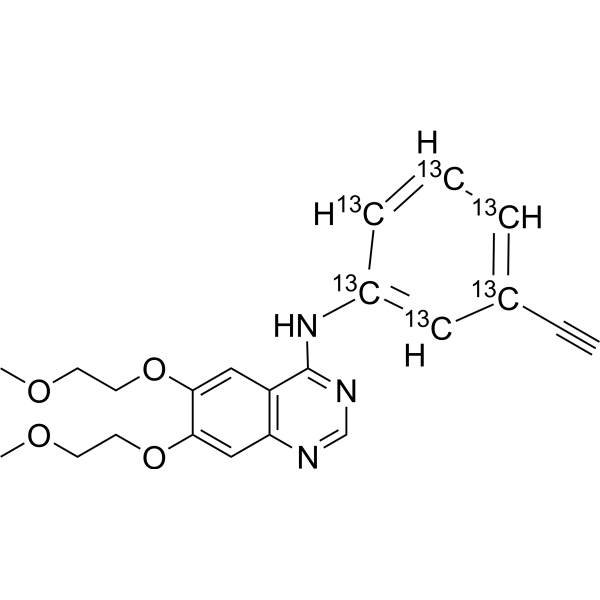
Erlotinib- 13C6 is a 13C-labeled Erlotinib. Erlotinib is a directly acting EGFR tyrosine kinase inhibitor, with an IC50 of 2 nM for human EGFR .
|
-
- HY-100636A
-
|
|
EGFR
|
Cancer
|
|
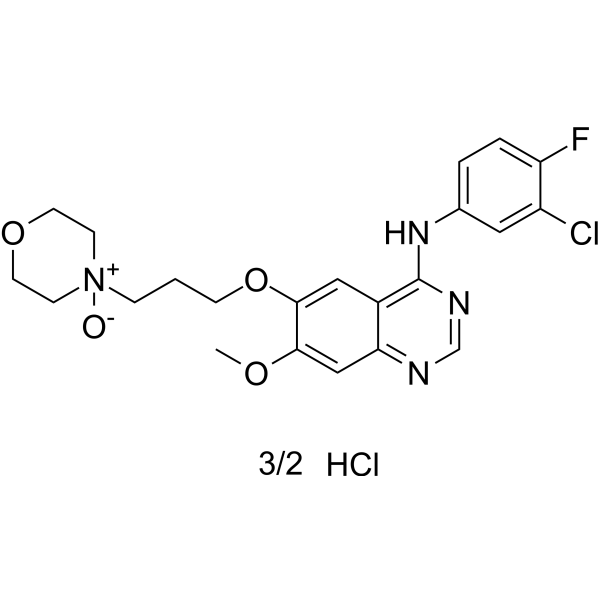
Gefitinib N-oxide hydrochloride is the N-oxide derivative of Gefitinib. Gefitinib is an EGFR tyrosine kinase inhibitor, with IC50 of 2-37 nM in NR6wtEGFR cells .
|
-
- HY-161057
-
-
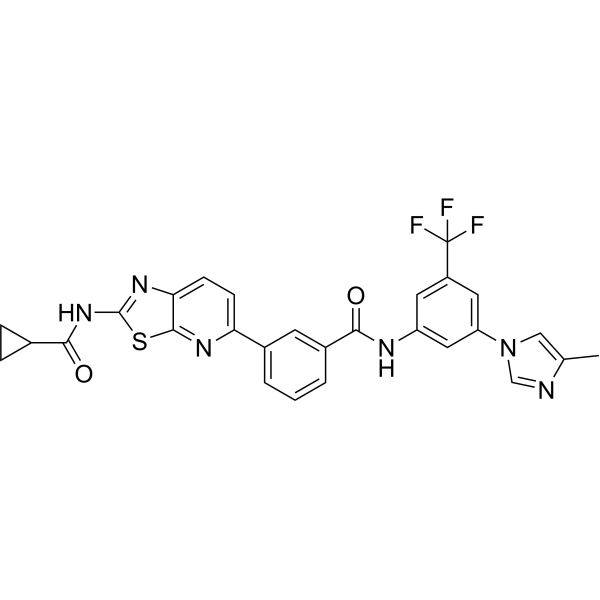
- HY-135742
-
|
Lenvatinib impurity 10
|
VEGFR
|
Cancer
|
|
Lenvatinib N-Oxide (Lenvatinib impurity 10) is the impurity of Lenvatinib (HY-10981). Lenvatinib (E7080) is an orally active, multi-targeted tyrosine kinase inhibitor .
|
-

- HY-118964
-
|
|
Bcr-Abl
|
Others
|
|
Tyrphostin AG 568 is a tyrphostin tyrosine kinase inhibitor that induces erythroid differentiation. Tyrphostin AG 568 can be utilized in research related to autologous bone marrow transplantation .
|
-

- HY-10159S1
-
-

- HY-19909A
-
|
|
EGFR
|
Cancer
|
|
NRC-2694-A is an orally effective EGFR tyrosine kinase inhibitor. NRC-2694-A can be used in the study of malignant squamous cell carcinoma (HNSCC) .
|
-

- HY-112446
-
|
|
Others
|
Inflammation/Immunology
|
|
ST638 is a potent tyrosine kinase inhibitor (IC50=370 nM). ST638 also targets the CSF-1 receptor and inhibits PGE2 production .
|
-
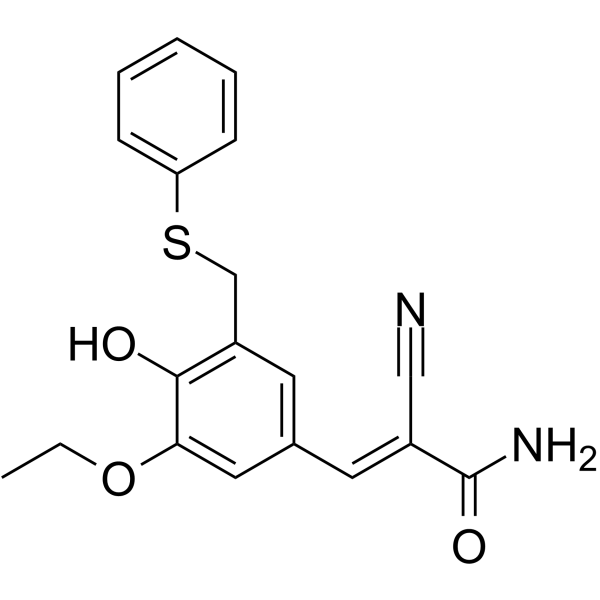
- HY-135725
-
|
|
EGFR
|
Cancer
|
|
D-69491 hydrochloride is a HER-2 tyrosine kinase inhibitor that reduces HER-2 phosphorylation, inhibits the proliferation of SKOV-3 cells, and has anticancer activity .
|
-

- HY-101820R
-
|
|
Reference Standards
EGFR
|
Cancer
|
|
Simotinib (Standard) is the analytical standard of Simotinib. This product is intended for research and analytical applications. Simotinib is a selective, specific, and orally bioavailable EGFR tyrosine kinase inhibitor, with an IC50 of 19.9 nM. Antineoplastic activities .
|
-

- HY-10421R
-
|
|
Reference Standards
c-Met/HGFR
|
Cancer
|
|
Tyrosine kinase inhibitor (Standard) is the analytical standard of Tyrosine kinase inhibitor (HY-10421). This product is intended for research and analytical applications. Tyrosine kinase inhibitor is a potent tyrosine kinase inhibitor.
|
-

- HY-15492A
-
|
AG-013958 monohydrochloride
|
VEGFR
|
Cardiovascular Disease
|
|
AG-13958 monohydrochloride, a potent VEGFR tyrosine kinase inhibitor, is used for treatment of choroidal neovascularization associated with age-related macular degeneration (AMD) .
|
-

- HY-182458
-
|
|
c-Met/HGFR
|
Cancer
|
|
GNE-203 is a heterobicyclic pyrazole compound and receptor tyrosine kinase inhibitor targeting c-Met.GNE-203 can be used for the research of cancer .
|
-

- HY-182713
-
|
|
Tyrosinase
|
Others
|
|
Tyrphostin AG-808 is a protein tyrosine kinase inhibitor that does not reduce neointimal formation. Perivascular implantation of Tyrphostin AG-808 causes medial damage in rats .
|
-

- HY-101957
-
AG 1295
4 Publications Verification
|
PDGFR
|
Cardiovascular Disease
|
|
AG 1295 is a selective platelet-derived growth factor receptor (PDGFR) tyrosine-kinase inhibitor. AG1295 abolishes autophosphorylation of the PDGFR whereas not affects the autophosphorylation of the EGF receptor .
|
-
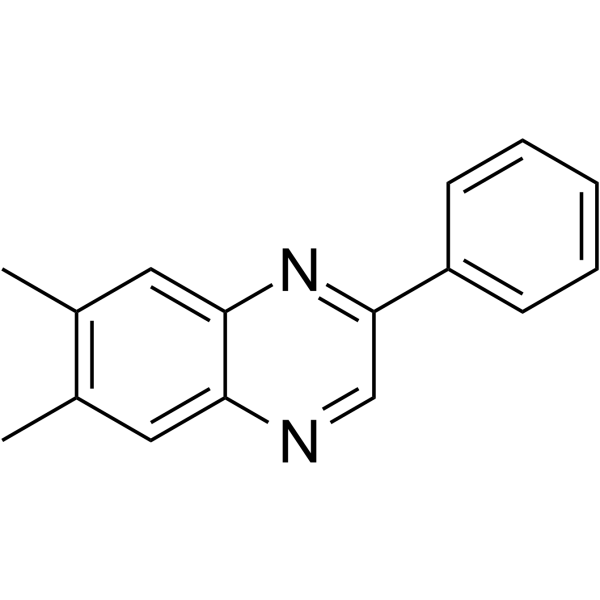
- HY-123390
-
|
|
Bcr-Abl
Akt
|
Cancer
|
|
DB07107 is a potent agent resistant T315I mutant Bcr-Abl tyrosine kinase inhibitor. DB07107 is also a potent Akt1 inhibitor with an IC50 value of 360 nM .
|
-
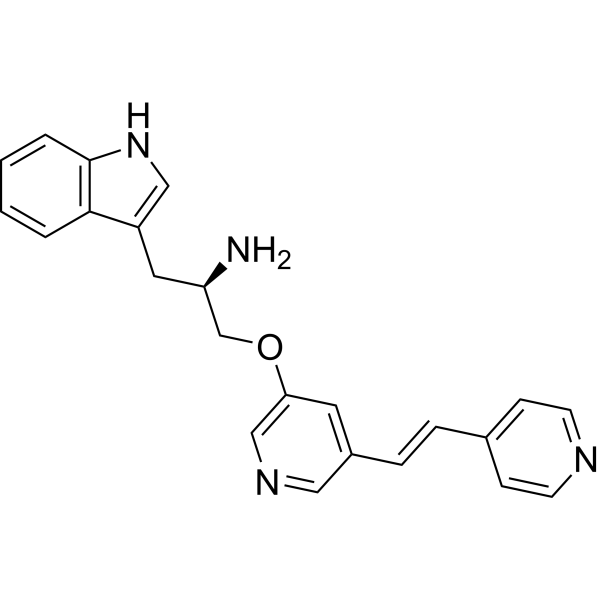
- HY-145557
-
|
CGT9486; PLX 9486
|
c-Kit
|
Cancer
|
|
Bezuclastinib (CGT9486) is an orally active, highly selective tyrosine kinase inhibitor with potent activity against KIT D816V. Bezuclastinib can be used for the research of nonadvanced systemic mastocytosis (NonAdvSM) .
|
-
- HY-128893
-
|
|
Drug-Linker Conjugates for ADC
|
Cancer
|
|
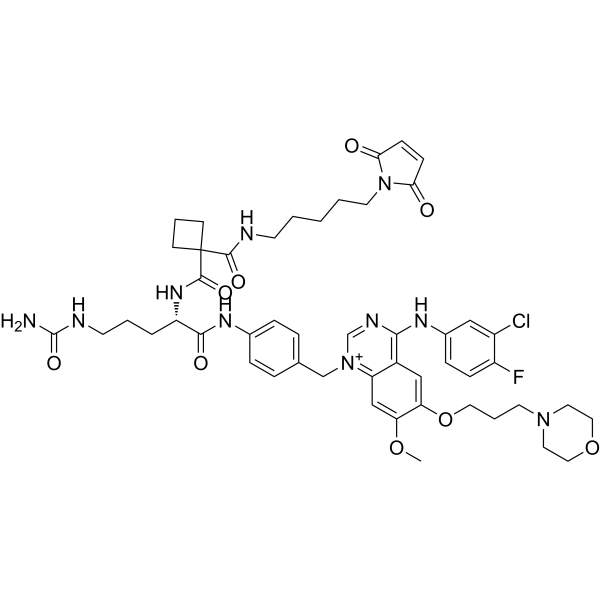
MC-Sq-Cit-PAB-Gefitinib is a agent-linker conjugate for ADC with potent antitumor activity by using Gefitinib (an EGFR tyrosine kinase inhibitor), linked via the ADC linker MC-Sq-Cit-PAB.
|
-
- HY-163377
-
|
|
Enterovirus
EGFR
|
Infection
|
|
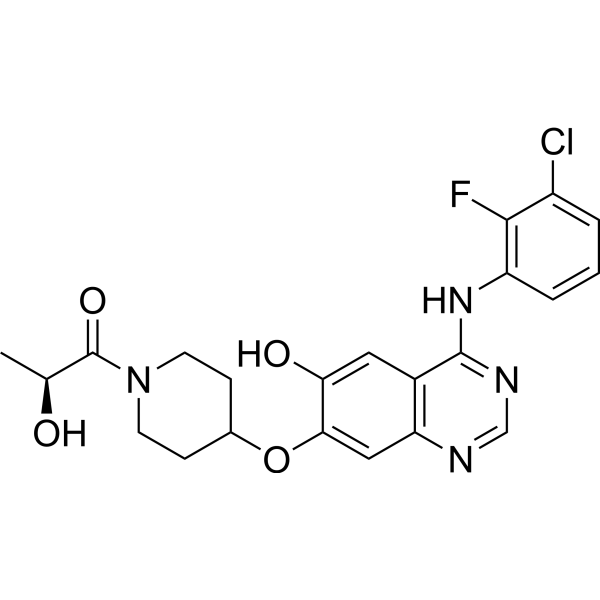
AZ5385 is an EGFR-tyrosine kinase inhibitor. AZ5385 is a HRV-2 virus blocker, with EC50 of 0.35 µM. AZ5385 affects the late stage of viral life cycle .
|
-
- HY-10981A
-
|
E7080 mesylate
|
VEGFR
FGFR
PDGFR
RET
c-Kit
|
Cancer
|
|
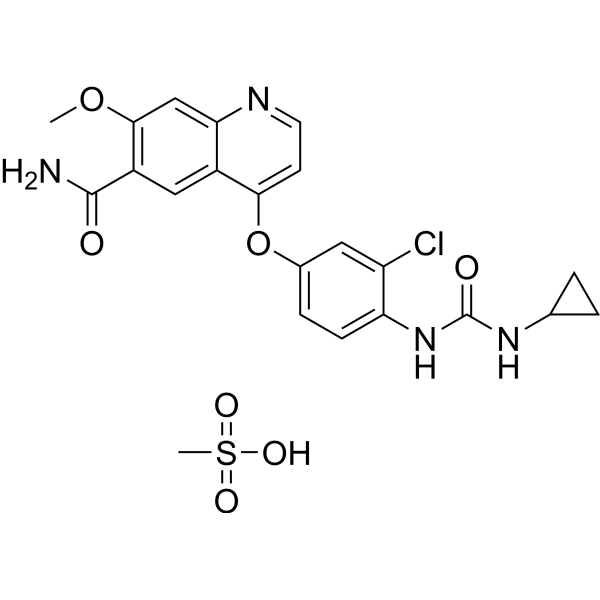
Lenvatinib mesylate (E7080 mesylate), an oral, multi-targeted tyrosine kinase inhibitor that inhibits VEGFR1-3, FGFR1-4, PDGFR, KIT, and RET, shows potent antitumor activities .
|
-
- HY-108330
-
AG126
3 Publications Verification
Tyrphostin AG126
|
ERK
Mitosis
|
Inflammation/Immunology
|
|
AG126 is a tyrosine kinase inhibitor, can inhibit the phosphorylation of ERK1 and ERK2 at 25-50 μM. AG126 can be used in meiosis, mitosis, and postmitotic research .
|
-
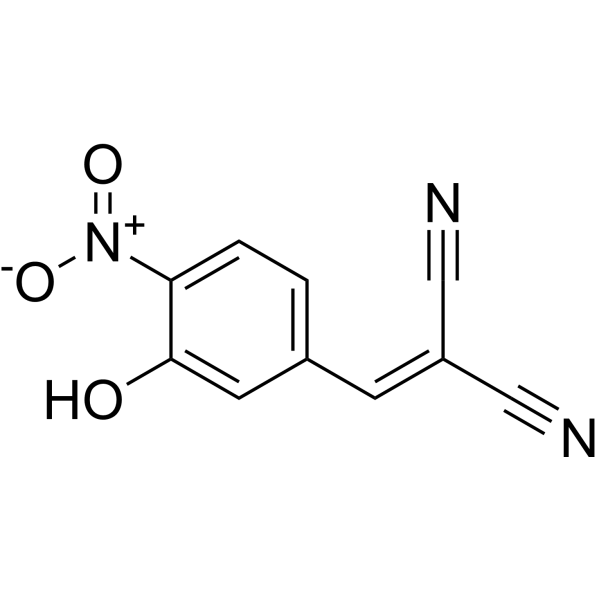
- HY-10981
-
|
E7080
|
VEGFR
FGFR
PDGFR
c-Kit
RET
|
Cancer
|
|
Lenvatinib (E7080) is an oral, multi-targeted tyrosine kinase inhibitor that inhibits VEGFR1-3, FGFR1-4, PDGFR, KIT, and RET, shows potent antitumor activities .
|
-
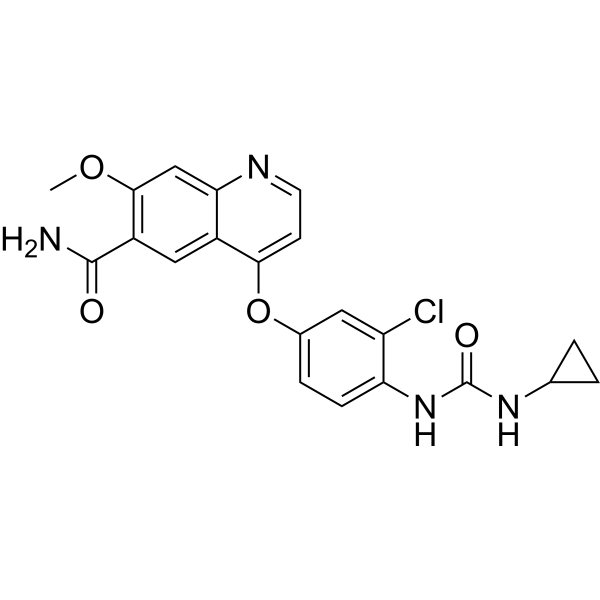
- HY-110367A
-
|
|
Src
|
Others
|
|
LCB 03-0110, a thienopyridine derivative, is a potent pan-discoidin domain receptor/c-Src family tyrosine kinase inhibitor. LCB 03-0110 suppresses scar formation by inhibiting fibroblast and macrophage activation .
|
-
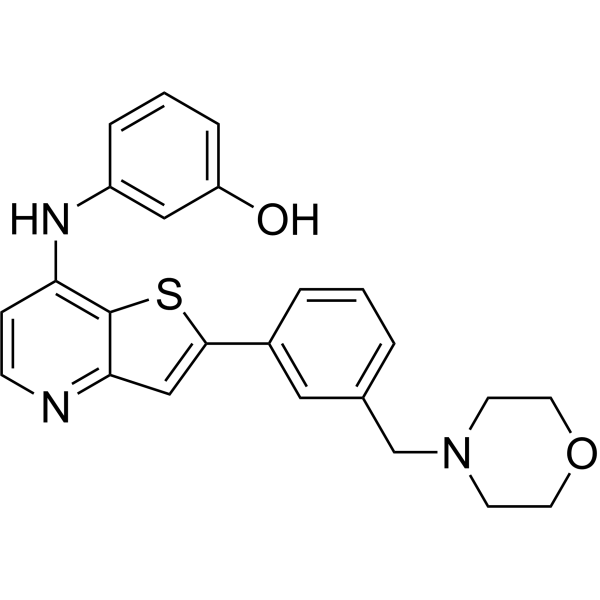
- HY-136430
-
|
JGK037
|
EGFR
|
Cancer
|
|
JCN037 (JGK037) is non-covalent and BBB-penetrant EGFR tyrosine kinase inhibitor, with IC50 values of 2.49 nM, 3.95 nM, 4.48 nM for EGFR, p-wtEGFR and pEGFRvⅢ, respectively .
|
-
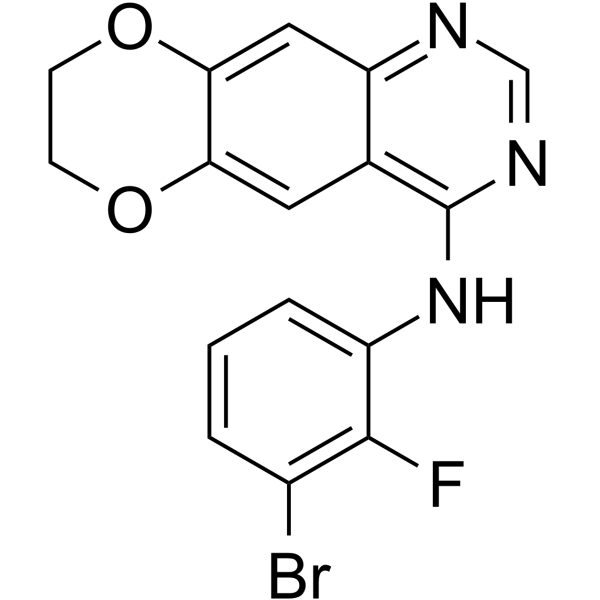
- HY-123506
-
|
|
Src
|
Neurological Disease
Inflammation/Immunology
|
|
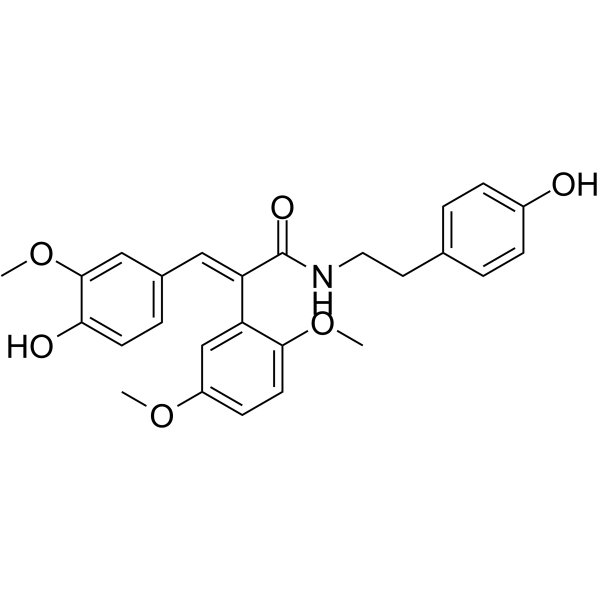
Fenlean, a natural squamosamide derivative, is a Src tyrosine kinase inhibitor. Fenlean can inhibit over-activated microglia and protect dopaminergic neurons. Fenlean can attenuate neuroinflammation in Parkinson's disease models .
|
-
- HY-148793
-
|
|
c-Met/HGFR
|
Cancer
|
|
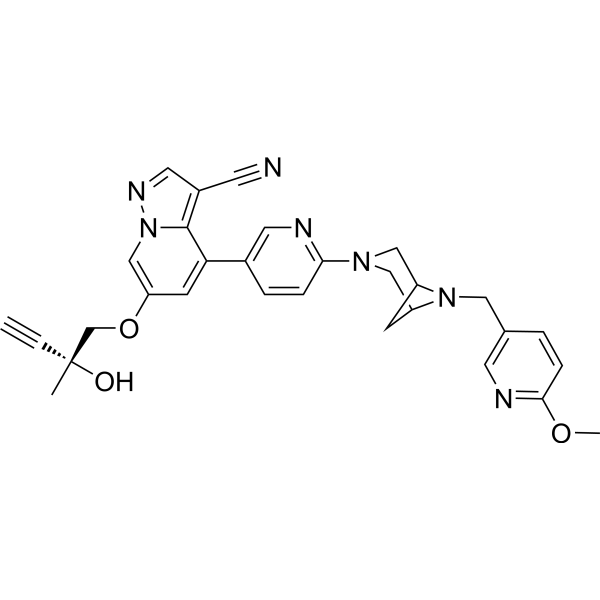
Resencatinib is a potent tyrosine kinase inhibitor with antineoplastic activity . Resencatinib is a click chemistry reagent, it contains an Alkyne group and can undergo copper-catalyzed azide-alkyne cycloaddition (CuAAc) with molecules containing Azide groups.
|
-
- HY-101296R
-
|
|
FGFR
Reference Standards
Autophagy
|
Cancer
|
|
PD-166866 (Standard) is the analytical standard of PD-166866 (HY-101296). This product is intended for research and analytical applications. PD166866 is a selective FGFR1 tyrosine kinase inhibitor with an IC50 of 52.4 nM.
|
-

- HY-10517
-
|
SU6668; TSU-68
|
PDGFR
FGFR
VEGFR
Apoptosis
|
Cancer
|
|
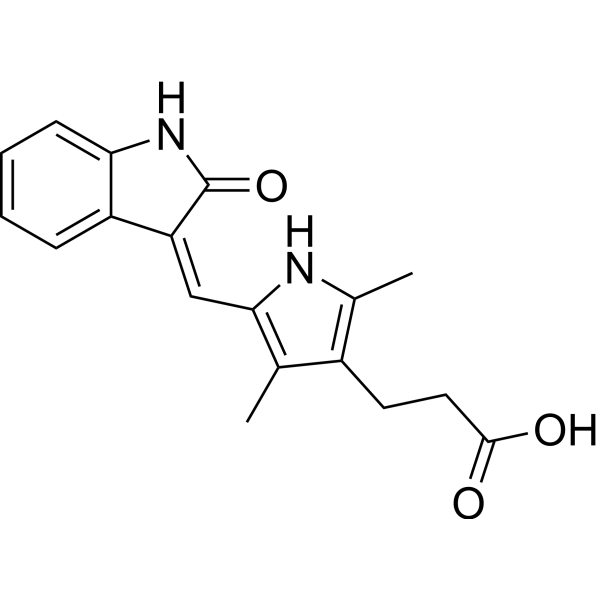
Orantinib (SU6668; TSU-68) is a multi-targeted receptor tyrosine kinase inhibitor with Kis of 2.1 μM, 8 nM and 1.2 μM for Flt-1, PDGFRβ and FGFR1, respectively.
|
-
- HY-10065
-
|
AG-013736
|
VEGFR
PDGFR
|
Cancer
|
|
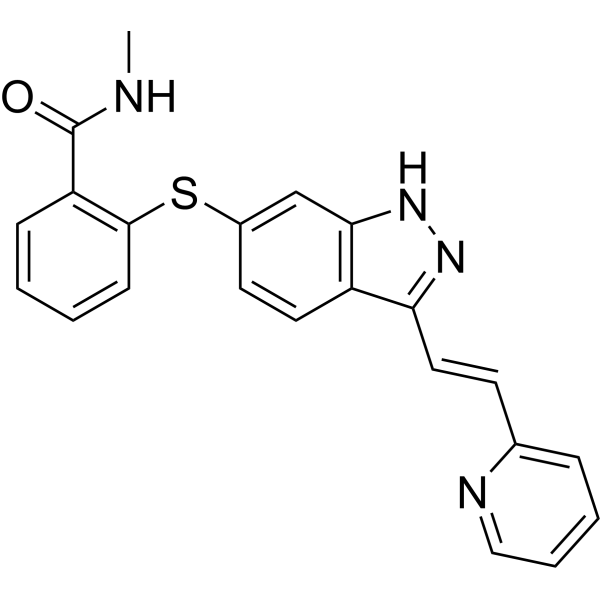
Axitinib is a multi-targeted tyrosine kinase inhibitor with IC50s of 0.1, 0.2, 0.1-0.3, 1.6 nM for VEGFR1, VEGFR2, VEGFR3 and PDGFRβ, respectively.
|
-
- HY-50895S
-
|
ZD1839-d8
|
EGFR
Autophagy
|
Cancer
|
|
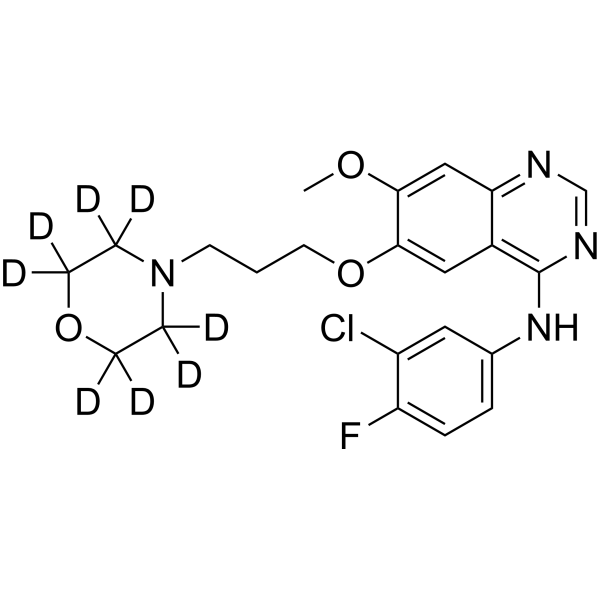
Gefitinib-d8 (ZD1839-d8) is a deuterium labeled Gefitinib. Gefitinib is an EGFR tyrosine kinase inhibitor, with IC50 of 2-37 nM in NR6wtEGFR cells .
|
-
- HY-108484R
-
|
|
Reference Standards
EGFR
|
Cancer
|
|
PP 3 (Standard) is the analytical standard of PP 3 (HY-108484). This product is intended for research and analytical applications. PP 3 (Compound 3) is an EGFR tyrosine Kinase inhibitor with an IC50 of 2.7 μM .
|
-

- HY-171217
-
|
|
Src
Bcr-Abl
Ephrin Receptor
|
Cancer
|
|
TG-100435 is a multitargeted, orally active protein tyrosine kinase inhibitor, with Ki of 13 to 64 nM for Src, Lyn, Abl, Yes, Lck, and EphB4. TG-100435 plays an important role in cancer research .
|
-

- HY-101549A
-
|
UNC2371 hydrochloride
|
FLT3
|
Cancer
|
|
MRX-2843 hydrochloride is an orally active, ATP-competitive dual MERTK and FLT3 tyrosine kinases inhibitor (TKI) with enzymatic IC50s of 1.3 nM for MERTK and 0.64 nM for FLT3, respectively .
|
-

- HY-15463S
-
|
STI571-d8; CGP-57148B-d8
|
Bcr-Abl
PDGFR
c-Kit
SARS-CoV
Autophagy
|
Cancer
|
|
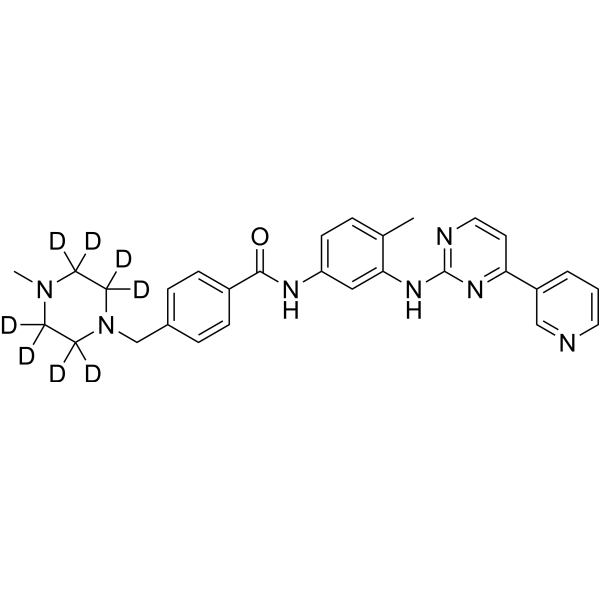
Imatinib-d8 is a deuterium labeled Imatinib (STI571). Imatinib is an orally bioavailable tyrosine kinases inhibitor that selectively inhibits BCR/ABL, v-Abl, PDGFR and c-kit kinase activity .
|
-
- HY-148832
-
|
|
Btk
|
Inflammation/Immunology
Cancer
|
|
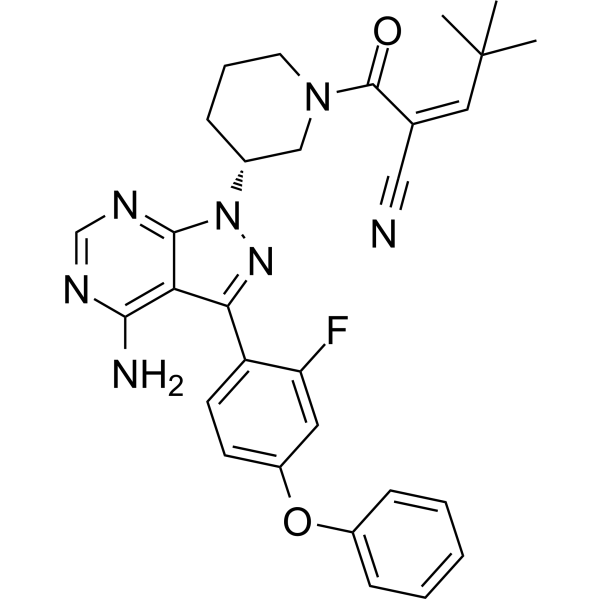
BTK-IN-20 (compound 283) is a BTK tyrosine kinase inhibitor and a 1H-pyrazolo[3,4-d]pyrimidine derivative. BTK-IN-20 can be used for the research of cancer and inflammation .
|
-
- HY-10332
-
|
(Z)-SU5416
|
c-Met/HGFR
|
Cancer
|
|
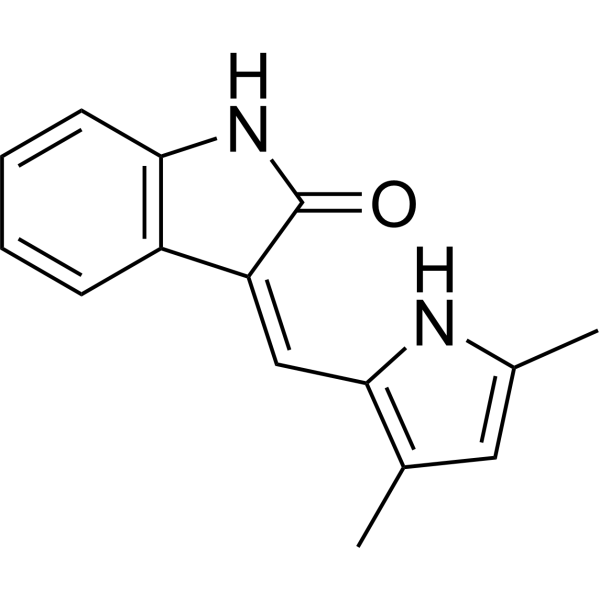
(Z)-Semaxanib (compound (z)-1) is a potent tyrosine kinase inhibitor. (Z)-Semaxanib shows cytotoxicity for TAMH and HepG2 cells with IC50s of 6.28 µM and 8.17 µM, respectively .
|
-
- HY-15661A
-
|
CP 373413
|
Drug Metabolite
|
Cancer
|
|
OSI-413 (free base) (CP 373413) is a major metabolite of Erlotinib (HY-50896). Erlotinib (CP-358774) is a directly acting EGFR tyrosine kinase inhibitor, with an IC50 of 2 nM for human EGFR .
|
-

- HY-15749
-
-
- HY-W591818
-
|
|
Drug Derivative
|
Cancer
|
|
Sunitinib carboxylic acid is a carboxylic acid metabolite of Sunitinib (HY-10255A). Sunitinib is a multi-target tyrosine kinase inhibitor, mainly used to inhibit malignant tumors such as gastrointestinal stromal tumors, renal cell carcinoma, and pancreatic neuroendocrine tumors .
|
-

- HY-148810
-
|
BI 1810631
|
c-Met/HGFR
|
Cancer
|
|
Zongertinib (BI 1810631) is a potent and selective HER2 and EGFR tyrosine kinase inhibitor with IC50 values of 13 nM and 579 nM, respectively. Zongertinib has antitumor activity and can be used in the study of multiple solid tumors .
|
-
- HY-110026
-
|
|
FLT3
|
Cancer
|
|
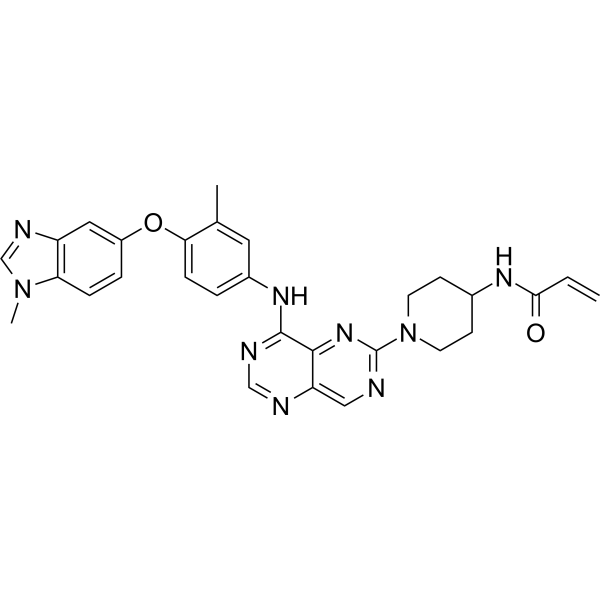
GTP-14564 is a tyrosine kinase inhibitor targeting to internal tandem duplication (ITD) and FLT3. GTP-14564 inhibits FLT3 ligand-dependent growth in Ba/F3 leukemia cells .
|
-
- HY-100962A
-
|
Tyrphostin 46; Tyrphostin AG 99
|
Tyrosinase
|
Cancer
|
|
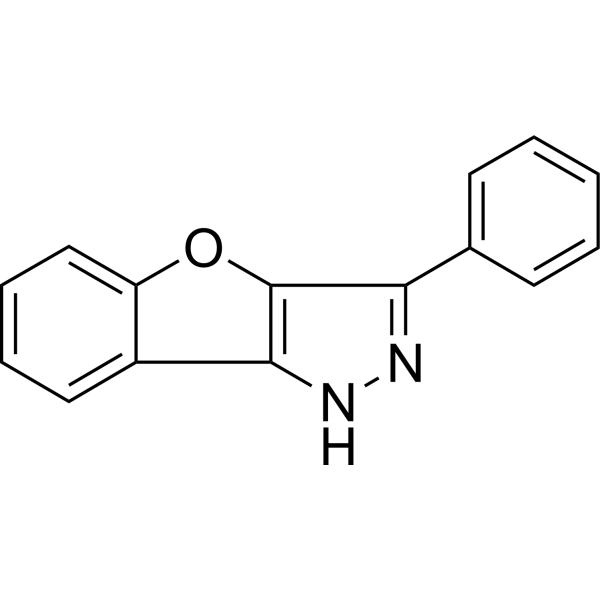
AG 99 (Tyrphostin 46), a tyrphostin derivative, is a tyrosine kinase inhibitor that increases sister chromatid exchange frequency in transformed CHO-K1 and primary CHE cells. AG 99 is promising for research of proliferative diseases .
|
-

- HY-13524A
-
-
- HY-148871
-
|
|
Drug-Linker Conjugates for ADC
|
Cancer
|
|
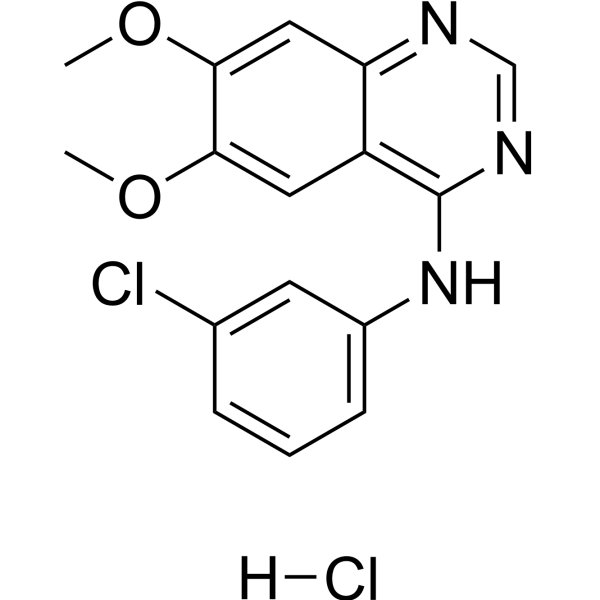
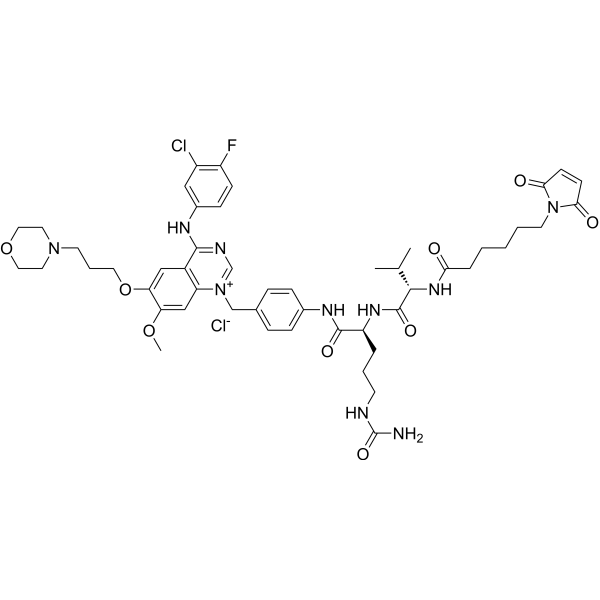
Mc-Val-Cit-PAB-Gefitinib chloride is a agent-linker conjugates for ADC. Mc-Val-Cit-PAB-Gefitinib chloride consists of Gefitinib (HY-50895) (an EGFR tyrosine kinase inhibitor) and the ADC linker Mc-Val-Cit-PAB .
|
-
- HY-101549
-
|
UNC2371
|
FLT3
|
Cancer
|
|
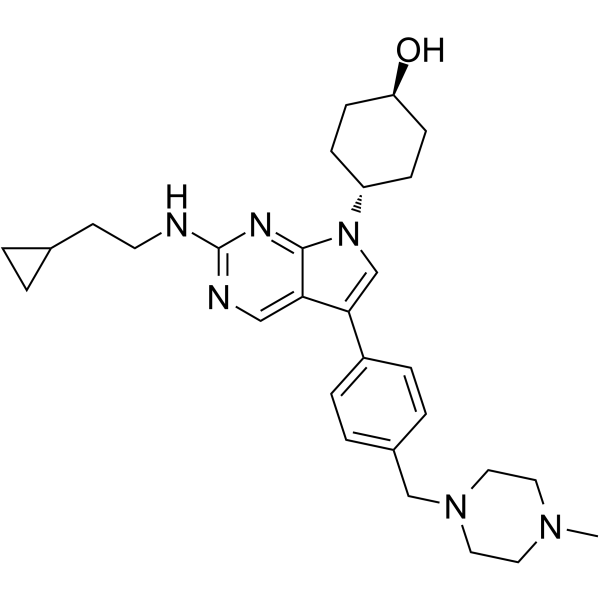
MRX-2843 (UNC2371) is an orally active, ATP-competitive dual MERTK and FLT3 tyrosine kinases inhibitor (TKI) with enzymatic IC50s of 1.3 nM for MERTK and 0.64 nM for FLT3, respectively .
|
-
- HY-101962
-
|
|
Insulin Receptor
|
Metabolic Disease
|
|
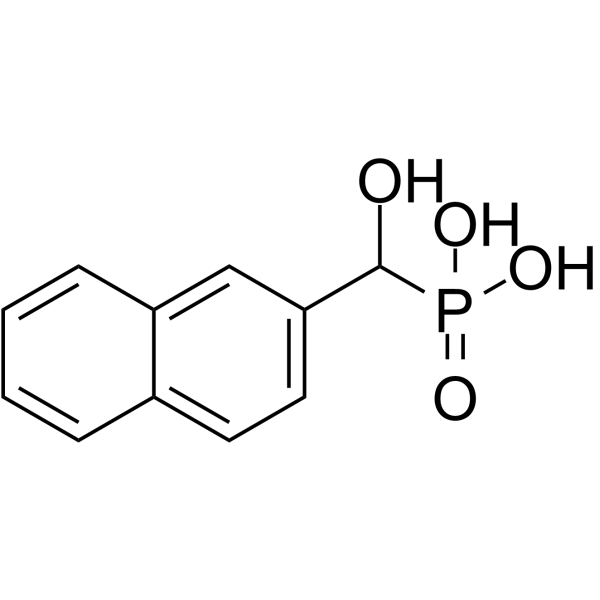
HNMPA is a membrane impermeable insulin receptor tyrosine kinase inhibitor. HNMPA inhibits serine and tyrosine autophosphorylation by the human insulin receptor. HNMPA has no effect on protein kinase C or cyclic AMP-dependent protein kinase activities
|
-
- HY-50946R
-
|
STI571 Mesylate (Standard); CGP-57148B Mesylate (Standard)
|
Reference Standards
c-Kit
Bcr-Abl
PDGFR
Autophagy
|
Cancer
|
|
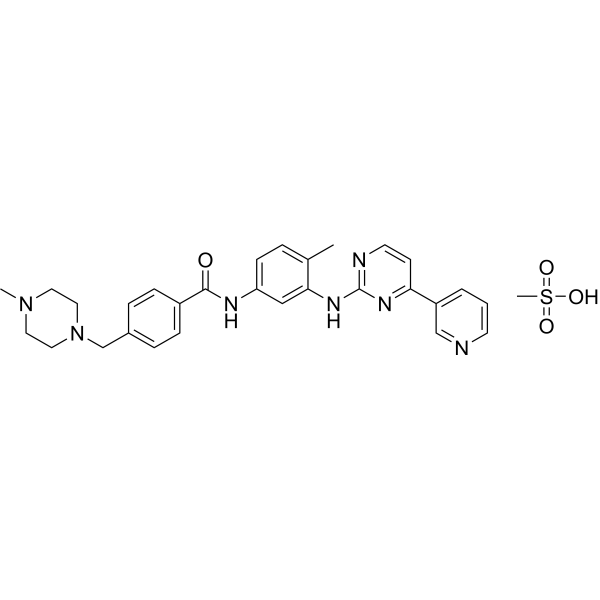
Imatinib (Mesylate) (Standard) is the analytical standard of Imatinib (Mesylate). This product is intended for research and analytical applications. Imatinib Mesylate (STI571 Mesylate) is an orally active tyrosine kinases inhibitor that inhibits c-Kit, Bcr-Abl, and PDGFR (IC50=100 nM) tyrosine kinases.
|
-
- HY-19642
-
|
MGCD265
|
TAM Receptor
c-Met/HGFR
|
Cancer
|
|
Glesatinib (MGCD265) is an orally active, potent MET/SMO dual inhibitor. Glesatinib, a tyrosine kinase inhibitor, antagonizes P-glycoprotein (P-gp) mediated multidrug resistance (MDR) in non-small cell lung cancer (NSCLC) .
|
-
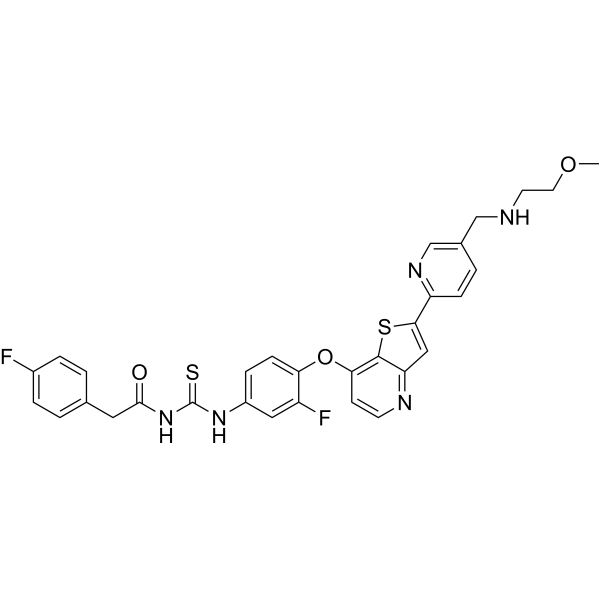
- HY-19642A
-
|
MGCD265 hydrochloride
|
TAM Receptor
c-Met/HGFR
|
Cancer
|
|
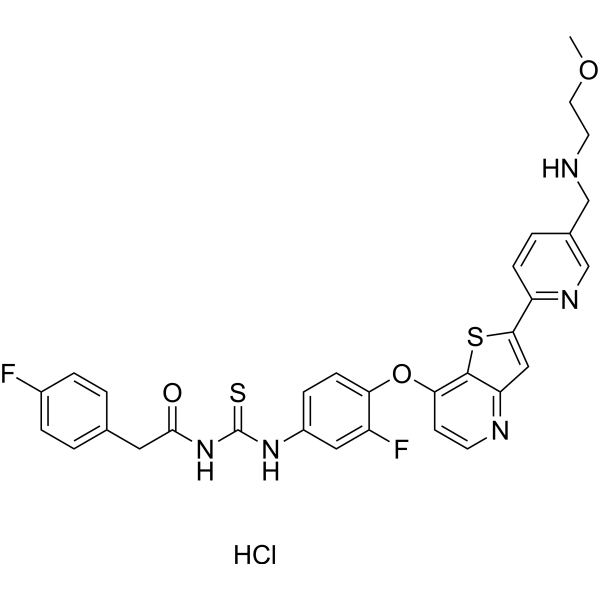
Glesatinib hydrochloride (MGCD265 hydrochloride) is an orally active, potent MET/SMO dual inhibitor. Glesatinib hydrochloride, a tyrosine kinase inhibitor, antagonizes P-glycoprotein (P-gp) mediated multidrug resistance (MDR) in non-small cell lung cancer (NSCLC) .
|
-
- HY-114356
-
|
|
c-Met/HGFR
|
Cancer
|
|
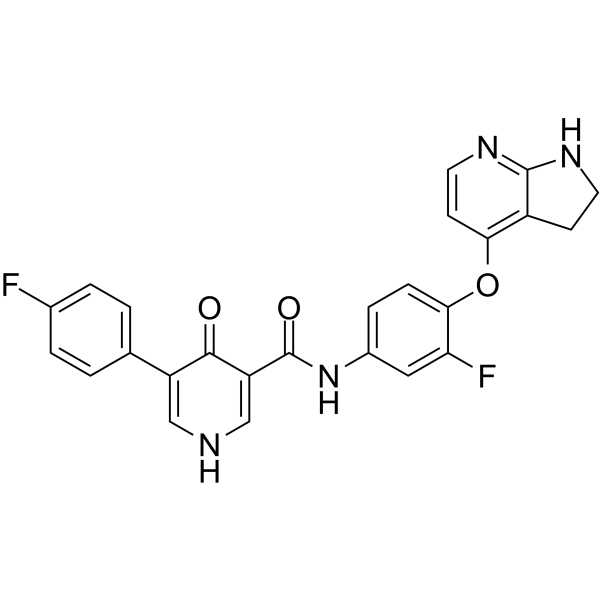
BPI-9016M is a potent, orally active, and selective dual c-Met and AXL tyrosine kinases inhibitor. BPI-9016M suppresses tumor cell growth, migration and invasion of lung adenocarcinoma .
|
-
- HY-10159AR
-
|
AMN107 monohydrochloride monohydrate (Standard)
|
Reference Standards
Bcr-Abl
Autophagy
|
Cancer
|
|
Nilotinib (monohydrochloride monohydrate) (Standard) is the analytical standard of Nilotinib (monohydrochloride monohydrate). This product is intended for research and analytical applications. Nilotinib monohydrochloride monohydrate is a second generation tyrosine kinase inhibitor (TKI), is significantly potent against BCR-ABL, and is active against many BCR-ABL mutants.
|
-

- HY-169948
-
|
|
EGFR
|
Cancer
|
|
BML-265 is a potent EGFR tyrosine kinase inhibitor. BML-265 disrupts Golgi integrity and abolishes secretory protein transport of diverse cargos. BML-265 affects Golgi integrity and transport in human cells but not in rodent cells .
|
-

- HY-19981A
-
|
ARQ-087 Racemate
|
FGFR
|
Cancer
|
|
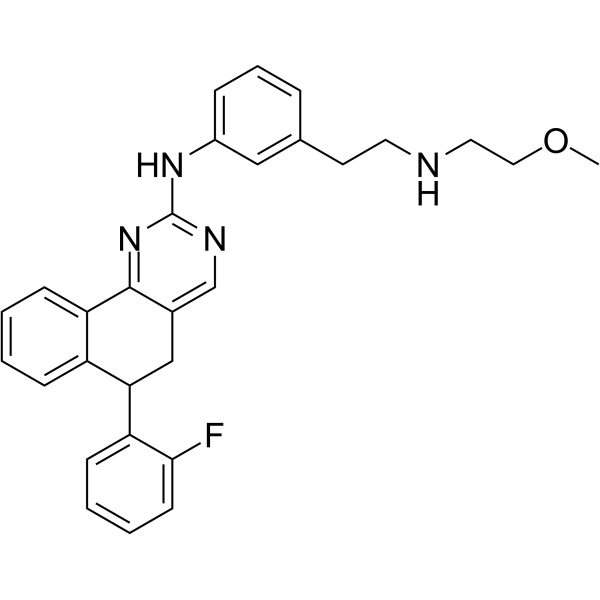
Derazantinib Racemate (ARQ-087 Racemate) is the racemate of Derazantinib. Derazantinib is an orally bioavailable, ATP competitive tyrosine kinase inhibitor; exhibits potent activity against FGFR1-3 chondrocytes with IC50s of 4.5, 1.8, and 4.5 nM, respectively.
|
-
- HY-108372
-
|
PROTAC Linker 2
|
PROTAC Linkers
|
Cancer
|
|
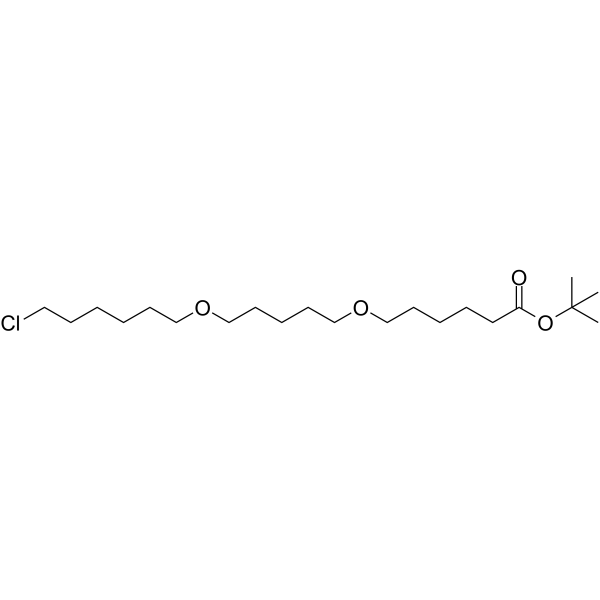
Boc-C5-O-C5-O-C6-Cl (PROTAC Linker 2) is a PROTAC linker utilized to connect the respective tyrosine kinase inhibitor (TKI) to the E3 recruiting ligand.
|
-
- HY-100315
-
|
Tyrosine kinase-IN-1
|
VEGFR
PDGFR
FGFR
|
Cardiovascular Disease
Cancer
|
|
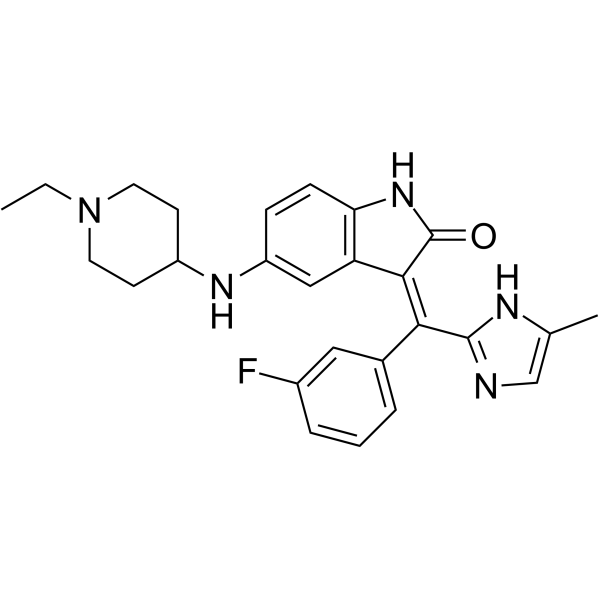
XL999 is a multi-target tyrosine kinase inhibitor. XL999 has IC50 values for KDR, Flt-1, FGFR1 and PDGFRα of 4 nM, 20 nM, 4 nM and 2 nM, respectively. XL999 can be used in the research of cancer .
|
-
- HY-32721S
-
|
|
EGFR
|
Cancer
|
|
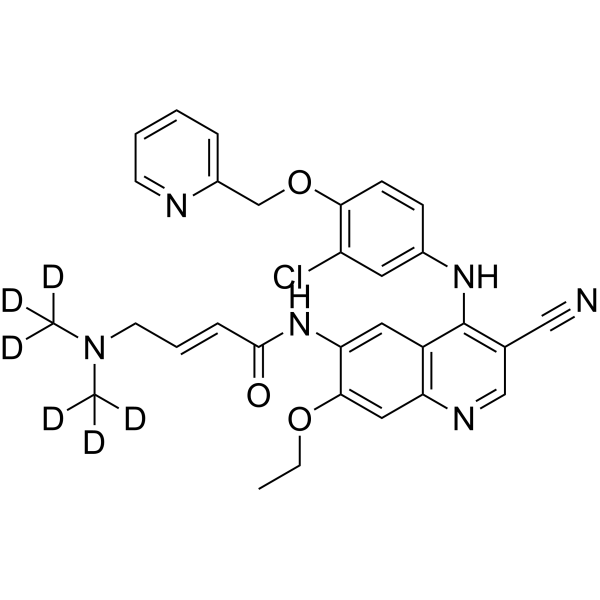
Neratinib-d6 (HKI-272-d6) is the deuterium labeled Neratinib. Neratinib (HKI-272) is an orally available, irreversible tyrosine kinase inhibitor with IC50s of 59 nM and 92 nM for HER2 and EGFR, respectively.
|
-
- HY-50895G
-
|
ZD1839
|
EGFR
Autophagy
Apoptosis
|
Cancer
|
|
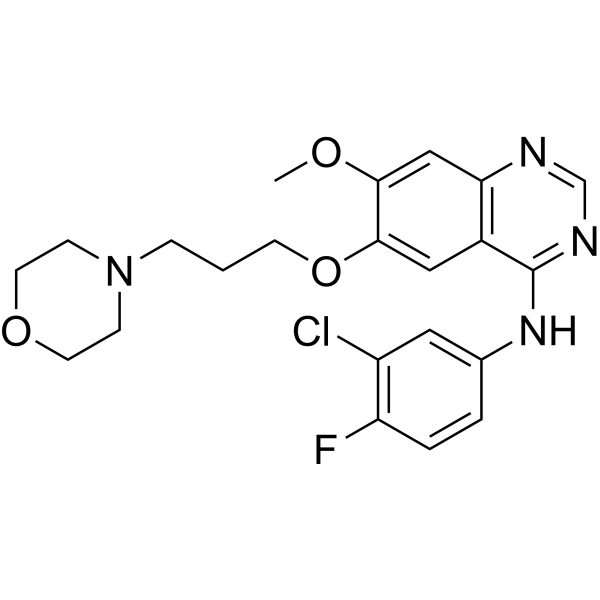
Gefitinib (ZD1839) (GMP) is Gefitinib (HY-50895) produced by using GMP guidelines. GMP small molecules work appropriately as an auxiliary reagent for cell therapy manufacture. Gefitinib is a potent, selective and orally active EGFR tyrosine kinase inhibitor .
|
-
- HY-10501B
-
|
|
VEGFR
PDGFR
Drug Derivative
|
Cancer
|
|
(Z)-SU14813 is an analog of SU14813 (HY-10501). SU14813 is a multi-targeted receptor tyrosine kinases inhibitor with IC50s of 50, 2, 4, 15 nM for VEGFR2, VEGFR1, PDGFRβ and KIT .
|
-

- HY-16135A
-
|
ESK981 tosylate; BOL 303213X tosylate
|
VEGFR
FGFR
|
Others
Cancer
|
|
CEP-11981 (tosylate) (ESK981 (tosylate), BOL 303213X (tosylate)) is an orally active tyrosine kinase inhibitor (TKI), which can target TIE2, VEGFR1-3 and FGFR1, and has potential anti-tumor and anti-angiogenic effects .
|
-
- HY-N14271
-
|
Angelmicin B
|
Src
Bacterial
|
Infection
Cancer
|
|
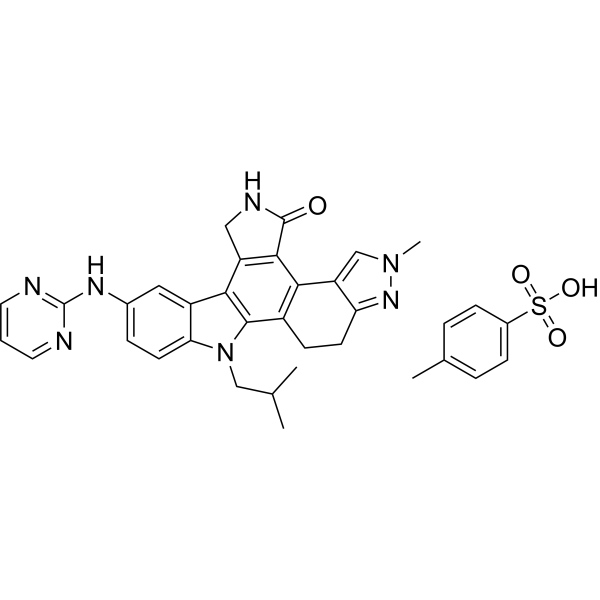
Hibarimicin B (Angelmicin B) is a tyrosine kinase inhibitor. It selectively inhibits the activity of src tyrosine kinase without affecting protein kinase A and C. It also has moderate anti-Gram-positive bacteria activity with a MIC of 0.8-12.56 μg/mL .
|
-

- HY-101837
-
|
|
PDGFR
|
Inflammation/Immunology
|
|
CGP 53716 is a potent protein tyrosine kinase inhibitor. CGP 53716 has selective activity of platelet-derived growth factor (PDGF) receptor. CGP 53716 can be used in the study of disease induced by abnormal cell proliferation induced by PDGF receptor activation .
|
-
- HY-10981S1
-
|
E7080-d5
|
VEGFR
FGFR
PDGFR
c-Kit
RET
|
Cancer
|
|
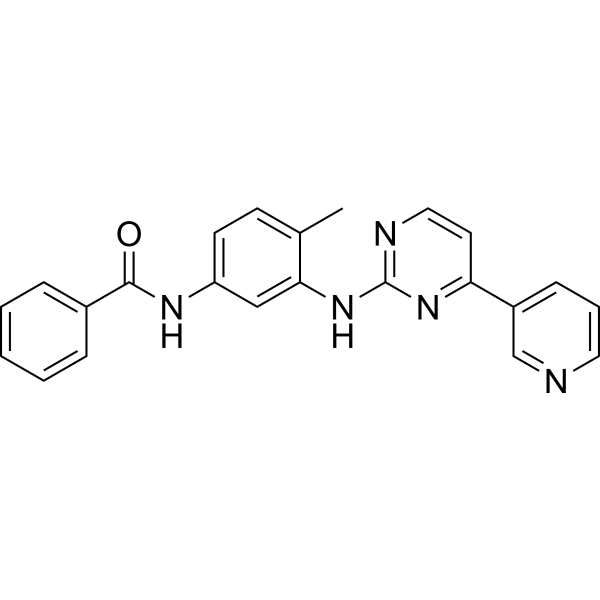
Lenvatinib-d5 is the deuterium labeled Lenvatinib. Lenvatinib (E7080) is an oral, multi-targeted tyrosine kinase inhibitor that inhibits VEGFR1-3, FGFR1-4, PDGFR, KIT, and RET, shows potent antitumor activities .
|
-
- HY-176205
-
|
AB801
|
TAM Receptor
|
Cancer
|
|
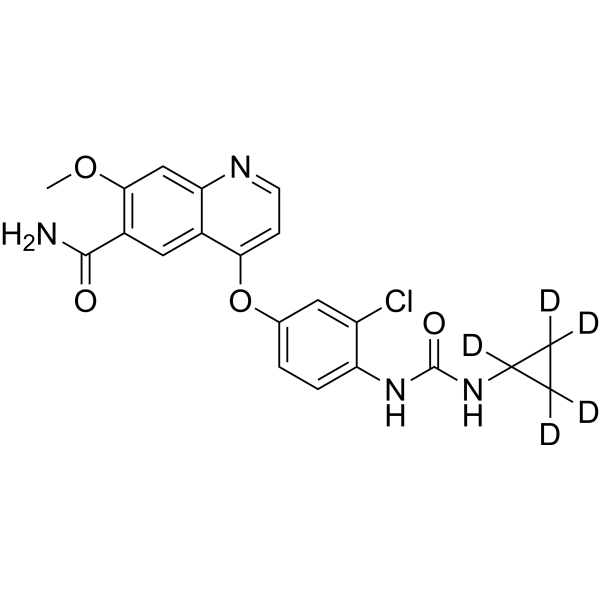
Ligritinib (AB801) is an orally active AXL receptor tyrosine kinase inhibitor. Ligritinib blocks the downstream signaling pathway by inhibiting the kinase activity of AXL. Ligritinib can be used in cancer research, especially in combination with chemotherapy for non-small cell lung cancer (NSCLC) .
|
-

- HY-10158S1
-
-

- HY-15511
-
|
Tyrphostin 9; Malonoben
|
Environmental Pollutants
VEGFR
PDGFR
Influenza Virus
|
Infection
Cancer
|
|
Tyrphostin A9, a PDGFR inhibitor, is a potent inducer of mitochondrial fission. Tyrphostin A9 emerged as the most potent and selective of 51 tyrosine kinase inhibitors tested against the TNF-induced respiratory burst. Tyrphostin A9 has anti-influenza virus activities.
|
-
- HY-163471
-
|
|
PDGFR
VEGFR
|
Cancer
|
|
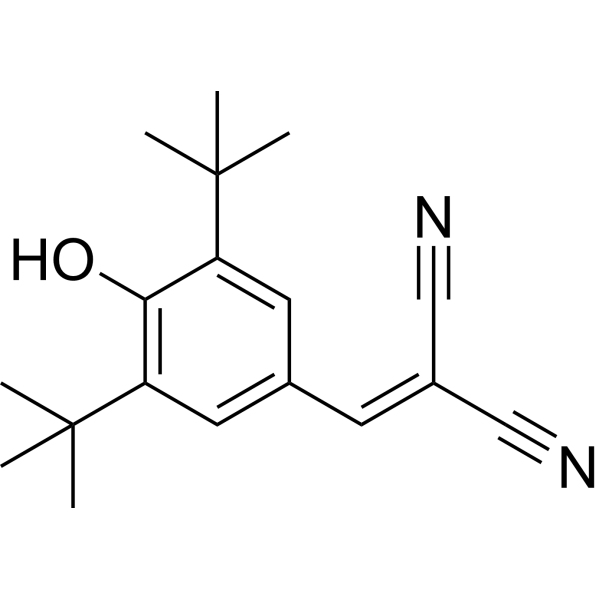
PDGFRα/β/VEGFR-2-IN-1 (6f), a multiple PDGFRα/ and VEGFR-2 tyrosine kinase inhibitor, particularly targets PDGFRα, PDGFRβ, and VEGFR-2 kinases with Nano molar concentrations .
|
-
- HY-164461
-
|
|
Trk Receptor
|
Cancer
|
|
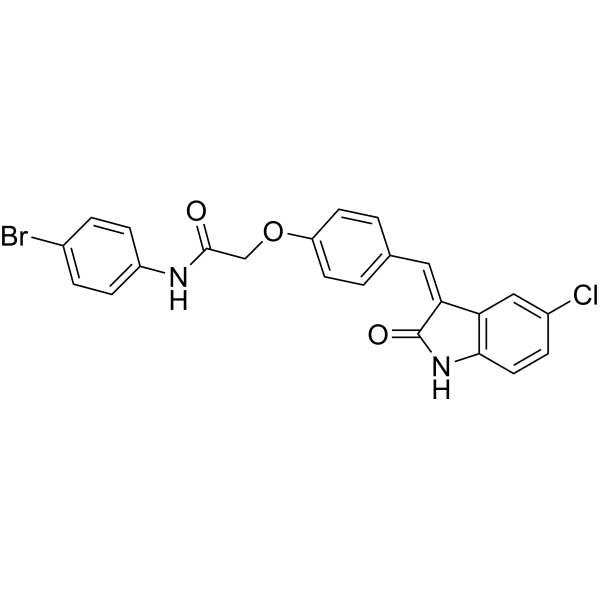
AZD6918 is an orally active and selective Trk tyrosine kinase inhibitor. AZD6918 induces cell death as a single agent and attenuates BDNF/TrkB-induced protection from Etoposide (HY-13629) in vitro. AZD6918 can be used for the research of neuroblastoma .
|
-

- HY-118532
-
|
AG30
|
EGFR
|
Cancer
|
|
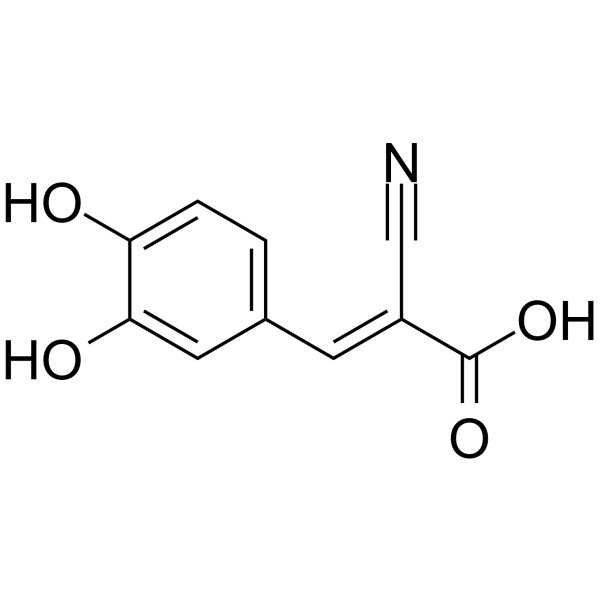
Tyrphostin AG30 (AG30) is a potent and selective EGFR tyrosine kinase inhibitor. Tyrphostin AG30 (AG30) selectively inhibits self renewal induction by c-ErbB, and is able to inhibit activation of STAT5 by c-ErbB in primary erythroblasts .
|
-
- HY-10981S
-
|
E7080-d4
|
VEGFR
FGFR
PDGFR
c-Kit
RET
|
Cancer
|
|
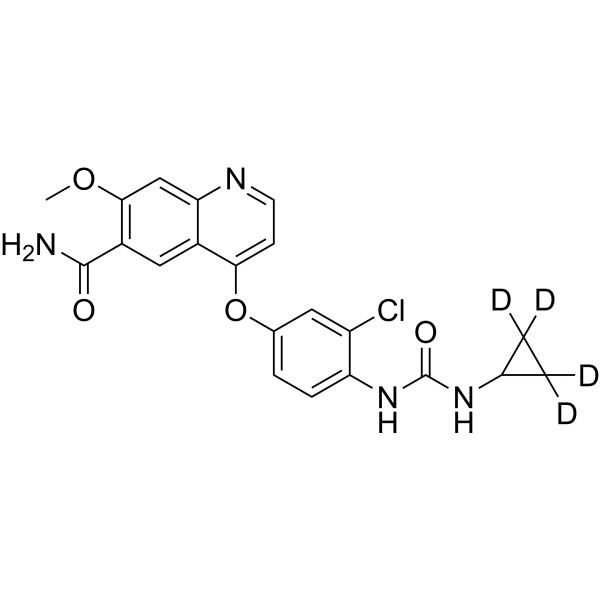
Lenvatinib-d4 is the deuterium labeled Lenvatinib. Lenvatinib (E7080) is an oral, multi-targeted tyrosine kinase inhibitor that inhibits VEGFR1-3, FGFR1-4, PDGFR, KIT, and RET, shows potent antitumor activities .
|
-
- HY-15463S1
-
|
STI571 d4; CGP-57148B d4
|
Bcr-Abl
PDGFR
c-Kit
SARS-CoV
Autophagy
|
Cancer
|
|
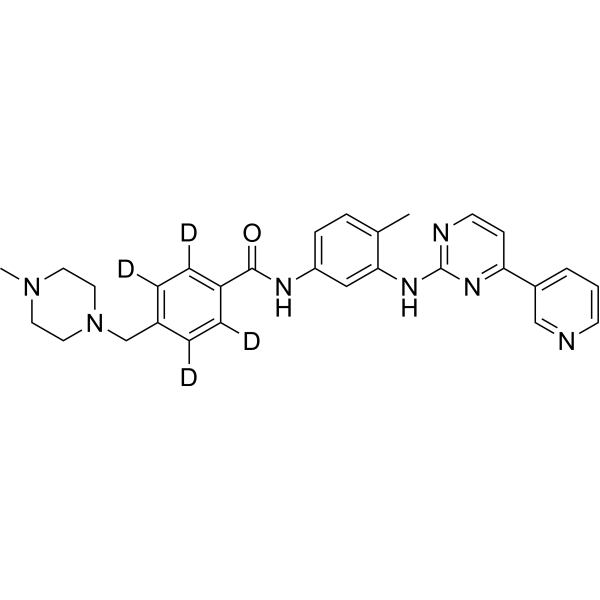
Imatinib-d4 (STI571-d4) is a deuterium labeled Imatinib (STI571). Imatinib is an orally bioavailable tyrosine kinases inhibitor that selectively inhibits BCR/ABL, v-Abl, PDGFR and c-kit kinase activity .
|
-
- HY-16135
-
|
ESK981; BOL 303213X
|
VEGFR
FGFR
|
Cancer
|
|
CEP-11981(ESK981; BOL 303213X) is an orally active tyrosine kinase inhibitor (TKI), which can target TIE2, VEGFR1-3 and FGFR1, and has potential anti-tumor and anti-angiogenic effects .
|
-
- HY-133980
-
|
|
Drug Metabolite
|
Cancer
|
|
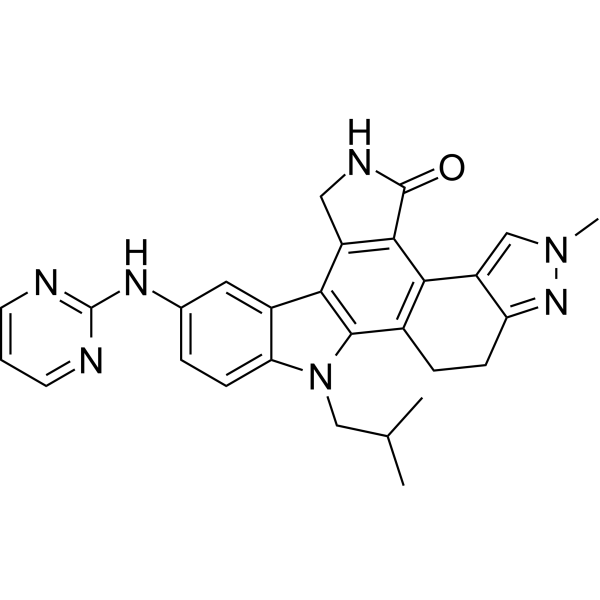
O-Demethyl Lenvatinib is a metabolite of Lenvatinib (HY-10981). Lenvatinib (E7080) is an oral, multi-targeted tyrosine kinase inhibitor that inhibits VEGFR1-3, FGFR1-4, PDGFR, KIT, and RET, shows potent antitumor activities .
|
-
- HY-19565
-
|
|
Aurora Kinase
IGF-1R
Apoptosis
|
Cancer
|
|
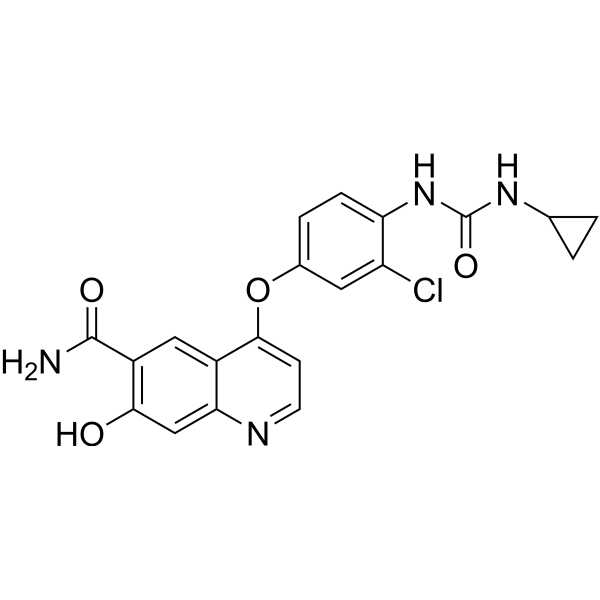
KW-2450 tosylate is an orally active Aurora A and B kinases, IGF-1R, and IR tyrosine kinases inhibitor. KW-2450 tosylate induces Apoptosis. KW-2450 tosylate also exhibits anticancer activity against triple-negative breast cancer .
|
-

- HY-12297R
-
|
Surufatinib (Standard); HMPL-012 (Standard)
|
Reference Standards
FGFR
VEGFR
|
Cancer
|
|
Sulfatinib (Standard) is the analytical standard of Sulfatinib. This product is intended for research and analytical applications. Sulfatinib (Surufatinib) is a potent and highly selective tyrosine kinase inhibitor against VEGFR1/2/3, FGFR1 and CSF1R with IC50s of in a range of 1 to 24 nM.
|
-

- HY-12044
-
|
XL184 S-malate; BMS-907351 S-malate
|
VEGFR
Apoptosis
|
Cancer
|
|
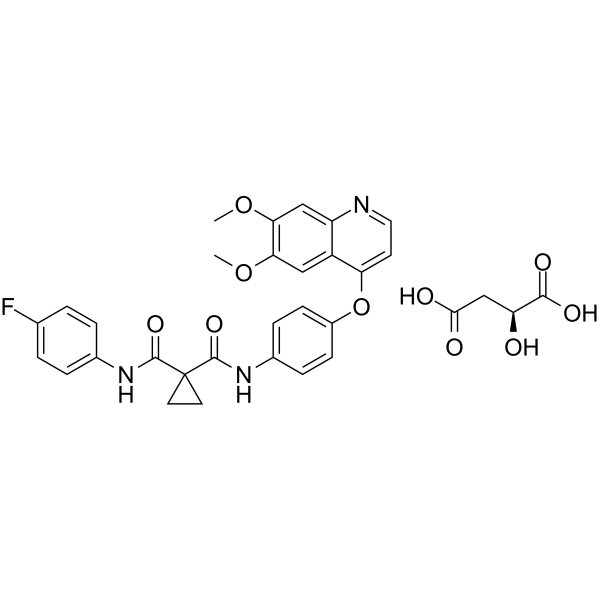
Cabozantinib S-malate (XL184 S-malate) is a potent multiple receptor tyrosine kinases inhibitor that inhibits VEGFR2, c-Met, Kit, Axl and Flt3 with IC50s of 0.035, 1.3, 4.6, 7 and 11.3 nM, respectively.
|
-
- HY-176892A
-
|
|
Src
|
Neurological Disease
|
|
Papaveroline hydrochloride is an orally active Fyn tyrosine kinase inhibitor. Papaveroline hydrochloride stably binds to the active site of Fyn tyrosine kinase via hydrogen bonding and hydrophobic interactions, thereby inhibiting kinase activity associated with the pathogenesis of Alzheimer's disease. Papaveroline hydrochloride can be used for the research of Alzheimer's disease .
|
-

- HY-10407R
-
|
|
Reference Standards
VEGFR
FGFR
PDGFR
|
Cancer
|
|
SU 5402 (Standard) is the analytical standard of SU 5402 (HY-10407). This product is intended for research and analytical applications. SU 5402 is a potent multi-targeted receptor tyrosine kinase inhibitor with IC50 of 20 nM, 30 nM, and 510 nM for VEGFR2, FGFR1, and PDGFRβ, respectively.
|
-

- HY-176892
-
|
|
Src
|
Neurological Disease
|
|
Papaveroline is an orally active Fyn tyrosine kinase inhibitor. Papaveroline stably binds to the active site of Fyn tyrosine kinase via hydrogen bonding and hydrophobic interactions, thereby inhibiting kinase activity associated with the pathogenesis of Alzheimer's disease. Papaveroline can be used for the research of Alzheimer's disease .
|
-

- HY-122113
-
|
|
Src
Bcr-Abl
Apoptosis
Wee1
|
Cancer
|
|
PD173952 is a tyrosine kinases inhibitor with IC50s of 0.3, 1.7 and 6.6 nM against Lyn, Abl and Csk, respectively. PD173952 is also a potent Myt1 kinase inhibitor with a Ki of 8.1 nM. PD173952 induces apoptosis .
|
-
- HY-N14273
-
|
|
Src
Bacterial
|
Infection
Cancer
|
|
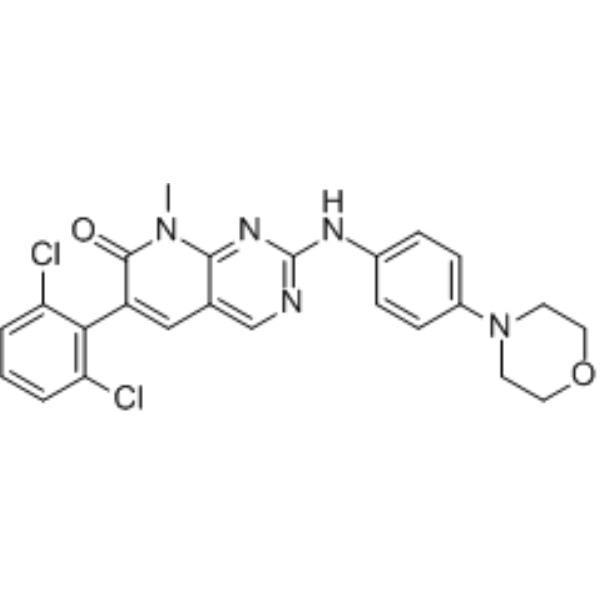
Hibarimicin C is a tyrosine kinase inhibitor. Hibarimicin C selectively inhibits the activity of src tyrosine kinase without affecting protein kinase A and C. Hibarimicin C also has moderate anti-Gram-positive bacteria activity with a MIC of 0.8-12.56 μg/mL .
|
-

- HY-N14689
-
|
|
Src
|
Infection
Cancer
|
|
Hibarimicin D is a tyrosine kinase inhibitor. Hibarimicin D selectively inhibits the activity of src tyrosine kinase without affecting protein kinase A and C. Hibarimicin D also has moderate anti-Gram-positive bacteria activity with a MIC of 0.8-12.56 μg/mL .
|
-

- HY-10205
-
|
AZD2171
|
VEGFR
Autophagy
PDGFR
|
Infection
Neurological Disease
Inflammation/Immunology
Cancer
|
|
Cediranib (AZD2171) is a highly potent, orally available and blood-brain barrier permeability VEGFR tyrosine kinase inhibitor with IC50s of <1, <3, 5, 5, 36, 2 nM for Flt1, KDR, Flt4, PDGFRα, PDGFRβ, c-Kit, respectively.
|
-
- HY-101053R
-
|
Src Kinase Inhibitor 1 (Standard); Src-l1 (Standard)
|
Src
Reference Standards
|
Cancer
|
|
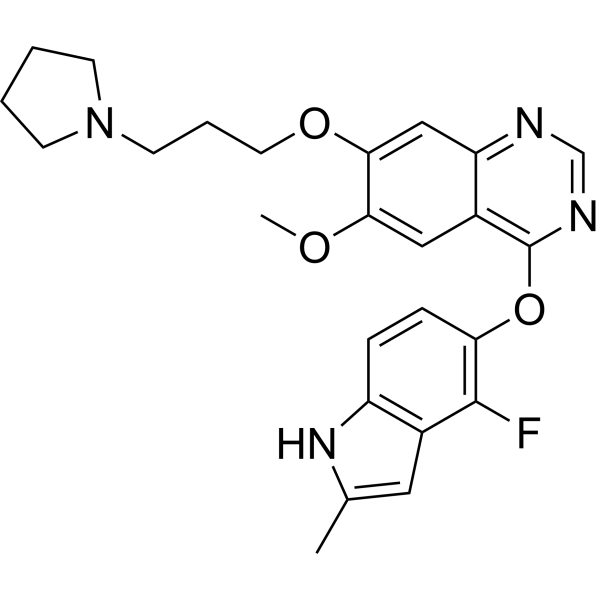
Src Inhibitor 1 (Standard) is the analytical standard of Src Inhibitor 1 (HY-101053). This product is intended for research and analytical applications. Src Inhibitor 1 is a potent, ATP-competitive and selective dual site Src tyrosine kinase inhibitor with IC50 values of 44 nM for Src and 88nM for Lck.
|
-

- HY-10255A
-
|
SU 11248
|
VEGFR
PDGFR
IRE1
Mitophagy
Autophagy
Apoptosis
|
Cancer
|
|
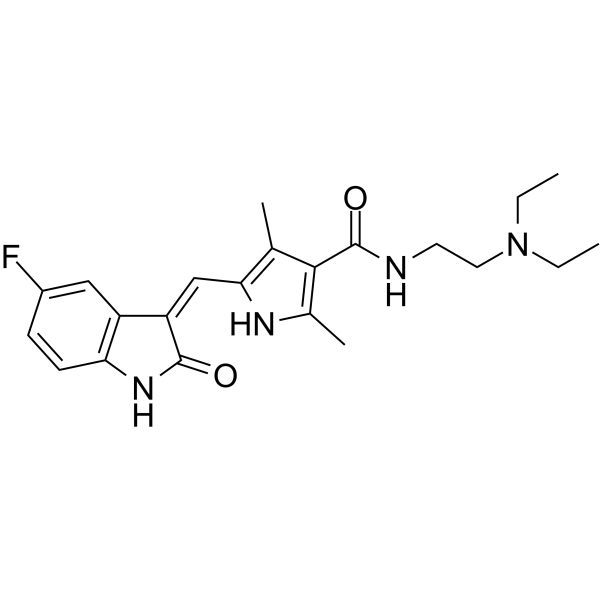
Sunitinib (SU 11248) is a multi-targeted receptor tyrosine kinase inhibitor with IC50s of 80 nM and 2 nM for VEGFR2 and PDGFRβ, respectively . Sunitinib, an ATP-competitive inhibitor, effectively inhibits autophosphorylation of Ire1α by inhibiting autophosphorylation and consequent RNase activation .
|
-
- HY-112299
-
|
TAS6417; CLN-081
|
EGFR
Apoptosis
|
Cancer
|
|
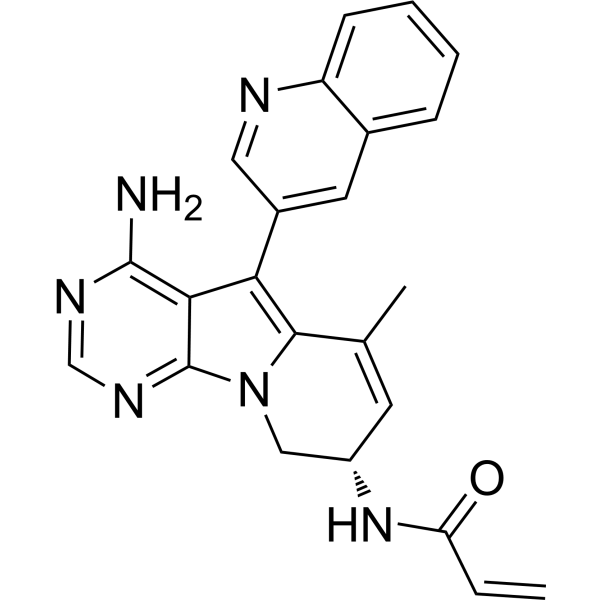
Zipalertinib (TAS6417; CLN-081) is a highly effective, orally active and pan-mutation-selective EGFR tyrosine kinase inhibitor with a unique scaffold fitting into the ATP-binding site of the EGFR hinge region, with IC50 values ranging from 1.1-8.0 nM .
|
-
- HY-133980A
-
|
|
Drug Metabolite
|
Cancer
|
|
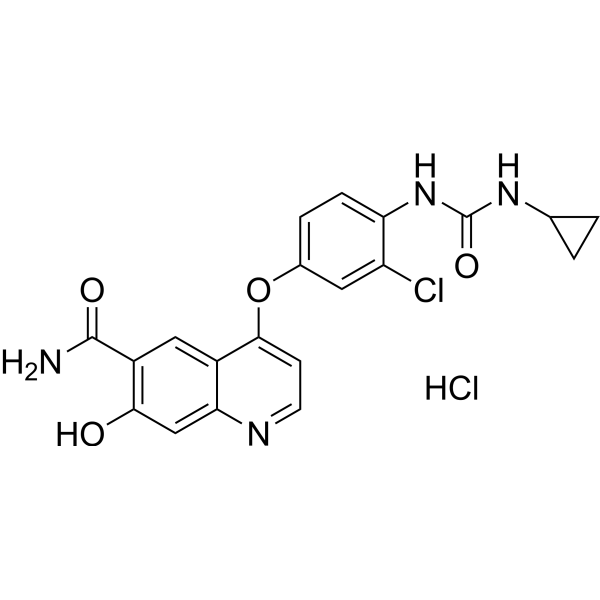
O-Demethyl Lenvatinib hydrochloride is a metabolite of Lenvatinib (HY-10981). Lenvatinib (E7080) is an oral, multi-targeted tyrosine kinase inhibitor that inhibits VEGFR1-3, FGFR1-4, PDGFR, KIT, and RET. Lenvatinib shows potent antitumor activities .
|
-
- HY-10981R
-
|
E7080 (Standard)
|
Reference Standards
VEGFR
FGFR
PDGFR
c-Kit
RET
|
Cancer
|
|
Lenvatinib (Standard) is the analytical standard of Lenvatinib. This product is intended for research and analytical applications. Lenvatinib (E7080) is an oral, multi-targeted tyrosine kinase inhibitor that inhibits VEGFR1-3, FGFR1-4, PDGFR, KIT, and RET, shows potent antitumor activities .
|
-

- HY-139300
-
|
HMPL-813
|
EGFR
|
Cancer
|
|
Epitinib (HMPL-813) is a selective, orally active, blood-brain barrier-permeable EGFR tyrosine kinase inhibitor. Epitinib is applicable to research on EGFR T790M-positive non-small cell lung cancer with brain metastasis and advanced solid tumors .
|
-
- HY-117718
-
|
Tyrphostin AG957; NSC 654705
|
Bcr-Abl
|
Cancer
|
|
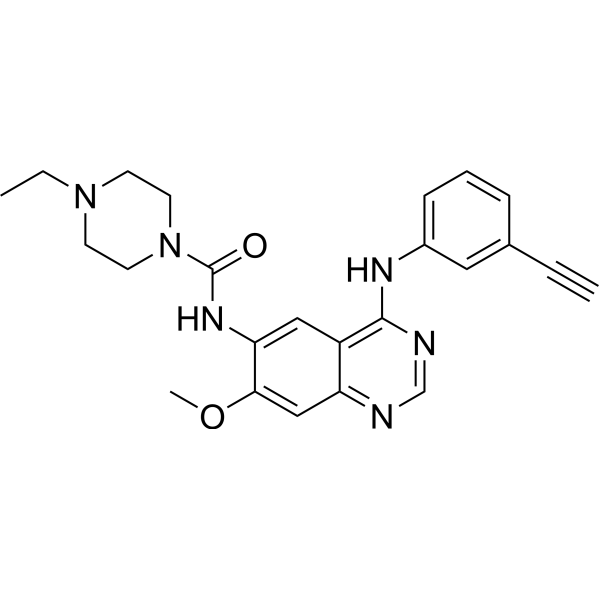
AG957 (Tyrphostin AG957;NSC 654705) is a tyrosine kinase inhibitor with anti-BCR/ABL tyrosine kinase activity . AG957 is a bcr/abl kinase inhibitor with an IC50 of 2.9 μM for p210 bcr/abl autokinase activity .
|
-
- HY-N14267
-
|
|
Src
Bacterial
|
Infection
Cancer
|
|
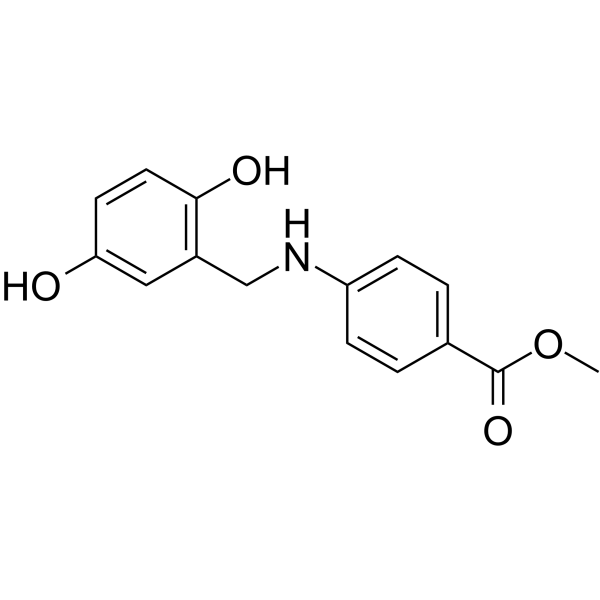
Hibarimicin A is a tyrosine kinase inhibitor found in Microbispora rosea subsp. hibaria. Hibarimicin A selectively inhibits the activity of src tyrosine kinase without affecting protein kinase A and C. Hibarimicin A also has moderate anti-Gram-positive bacteria activity with a MIC of 0.8-12.56 μg/mL .
|
-

- HY-101246
-
|
|
RET
|
Cancer
|
|
RPI-1 is a specific, orally available 2-indolinone Ret tyrosine kinase inhibitor. RPI-1 inhibits proliferation, Ret tyrosine phosphorylation, Ret protein expression, and the activation of PLCgamma, ERKs and AKT in human medullary thyroid carcinoma TT cells. Antitumor activity .
|
-
- HY-10981AR
-
|
E7080 mesylate (Standard)
|
Reference Standards
VEGFR
FGFR
PDGFR
RET
c-Kit
|
Cancer
|
|
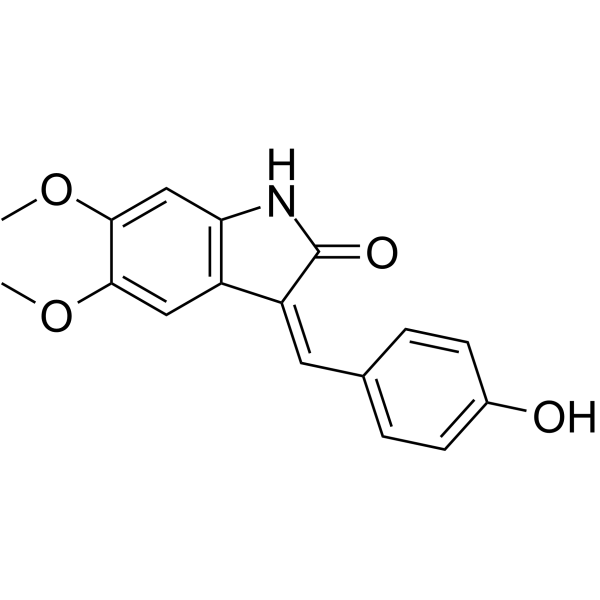
Lenvatinib (mesylate) (Standard) is the analytical standard of Lenvatinib (mesylate). This product is intended for research and analytical applications. Lenvatinib mesylate (E7080 mesylate), an oral, multi-targeted tyrosine kinase inhibitor that inhibits VEGFR1-3, FGFR1-4, PDGFR, KIT, and RET, shows potent antitumor activities .
|
-

- HY-16590
-
X-376
1 Publications Verification
|
Anaplastic lymphoma kinase (ALK)
c-Met/HGFR
|
Cancer
|
|
X-376 is a potent and highly specific ALK tyrosine kinase inhibitor (TKI) (IC50=0.61 nM). X-376 is a less potent inhibitor of MET (IC50=0.69 nM). X-376 displays potent anti-tumor activity .
|
-
- HY-118203
-
|
|
FGFR
PDGFR
Insulin Receptor
|
Cancer
|
|
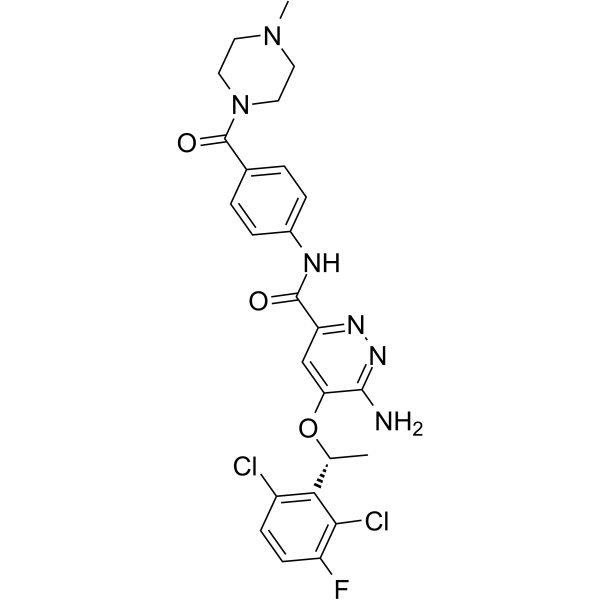
SU4984 is a protein tyrosine kinase inhibitor, with an IC50 of 10-20 μM for fibroblast growth factor receptor 1 (FGFR1). SU4984 is also inhibits platelet-derived growth factor receptor, and insulin receptor. SU4984 can be used for the research of cancer .
|
-
- HY-10501R
-
|
|
Reference Standards
PDGFR
VEGFR
c-Kit
|
Cancer
|
|
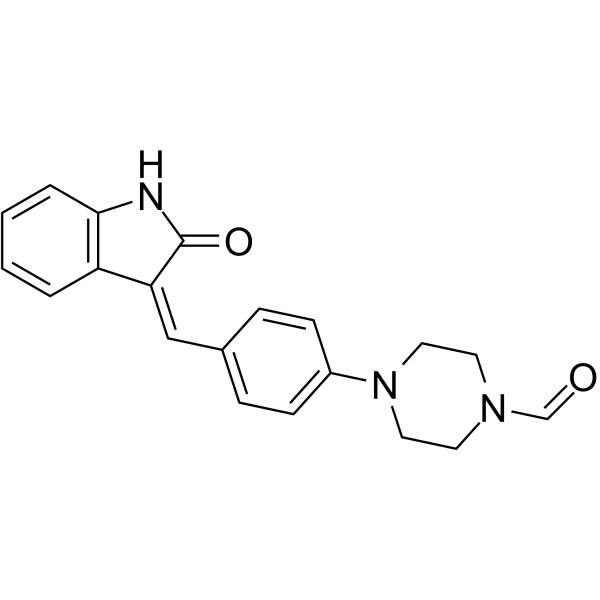
SU14813 (Standard) is the analytical standard of SU14813 (HY-10501). This product is intended for research and analytical applications. SU14813 is a multi-targeted receptor tyrosine kinases inhibitor with IC50s of 50, 2, 4, 15 nM for VEGFR2, VEGFR1, PDGFRβ and KIT.
|
-

- HY-142680
-
|
|
EGFR
|
Cancer
|
|
EGFR-IN-23 is a potent EGFR TKI (tyrosine kinase inhibitor) with an IC50 of 8.05 nM for BaF3/EGFR-DEL19/T790M/C797S cell (WO2021244502A1, compound 8) .
|
-
- HY-103439A
-
|
|
Tyrosine Hydroxylase
EGFR
|
Cancer
|
|
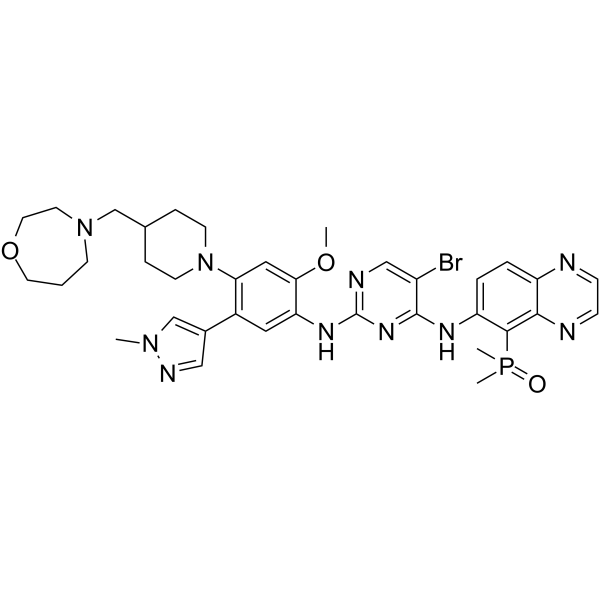
GW583340 is an orally active ErbB-2/EGFR tyrosine kinase inhibitor. GW583340 exhibits antitumor activity in xenograft models with EGFR overexpression or ErbB-2 overexpression. GW583340 is applicable to research related to head and neck cancer, breast cancer, and gastric cancer .
|
-

- HY-107145R
-
|
|
Reference Standards
TAM Receptor
VEGFR
c-Met/HGFR
|
Cancer
|
|
Ningetinib Tosylate (Standard) is the analytical standard of Ningetinib Tosylate (HY-107145). This product is intended for research and analytical applications. Ningetinib Tosylate is a potent, orally bioavailable small molecule tyrosine Kinase inhibitor (TKi) with IC50s of 6.7, 1.9 and <1.0 nM for c-Met, VEGFR2 and Axl, respectively.
|
-

- HY-10255C
-
|
SU 11248 glucuronate
|
PDGFR
VEGFR
IRE1
Mitophagy
Autophagy
Apoptosis
|
Cancer
|
|
Sunitinib (SU 11248) glucuronate is a multi-targeted receptor tyrosine kinase inhibitor with IC50s of 80 nM and 2 nM for VEGFR2 and PDGFRβ, respectively . Sunitinib glucuronate, an ATP-competitive inhibitor, effectively inhibits autophosphorylation of Ire1α by inhibiting autophosphorylation and consequent RNase activation .
|
-

- HY-107145AR
-
|
|
Reference Standards
TAM Receptor
VEGFR
c-Met/HGFR
|
Cancer
|
|
Ningetinib (Standard) is the analytical standard of Ningetinib (HY-107145A). This product is intended for research and analytical applications. Ningetinib is a potent, orally bioavailable small molecule tyrosine Kinase inhibitor (TKi) with IC50s of 6.7, 1.9 and <1.0 nM for c-Met, VEGFR2 and Axl, respectively.
|
-

- HY-10255
-
|
SU 11248 Malate
|
PDGFR
VEGFR
IRE1
Mitophagy
Autophagy
Apoptosis
|
Infection
Inflammation/Immunology
Cancer
|
|
Sunitinib (SU 11248) Malat is a multi-targeted receptor tyrosine kinase inhibitor with IC50s of 80 nM and 2 nM for VEGFR2 and PDGFRβ, respectively . Sunitinib Malat, an ATP-competitive inhibitor, effectively inhibits autophosphorylation of Ire1α by inhibiting autophosphorylation and consequent RNase activation .
|
-
- HY-176204
-
|
|
TAM Receptor
|
Cancer
|
|
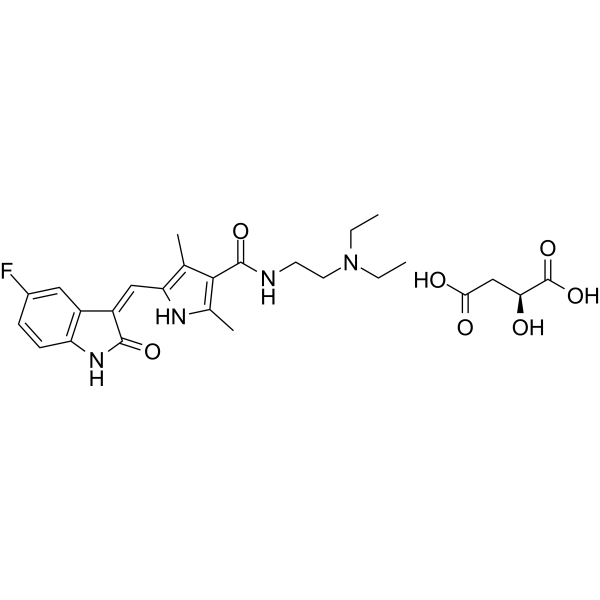
Axl-IN-19 (Compound 68) is a selective AXL (a membrane-bound receptor tyrosine kinase) inhibitor (IC50: 5.3 nM; Cellular KD = 6.8 nM). Axl-IN-19 has favorable rat PK with low clearance and moderate bioavailability. Axl-IN-19 can be used for cancer research .
|
-

- HY-101957R
-
|
|
Reference Standards
PDGFR
|
Cardiovascular Disease
|
|
AG 1295 (Standard) is the analytical standard of AG 1295. This product is intended for research and analytical applications. AG 1295 is a selective platelet-derived growth factor receptor (PDGFR) tyrosine-kinase inhibitor. AG1295 abolishes autophosphorylation of the PDGFR whereas not affects the autophosphorylation of the EGF receptor .
|
-

- HY-145844
-
|
|
EGFR
Apoptosis
|
Cancer
|
|
EGFR-IN-44 (Compound 6a) is a potent, orally active EGFR tyrosine kinase inhibitor with an IC50 of 4.11 nM. EGFR-IN-44 induces cell apoptosis and shows an oral bioavailability value of 33.57%. EGFR-IN-44 can be studied for non-small-cell lung cancers .
|
-
- HY-103439
-
|
|
Tyrosine Hydroxylase
EGFR
|
Cancer
|
|
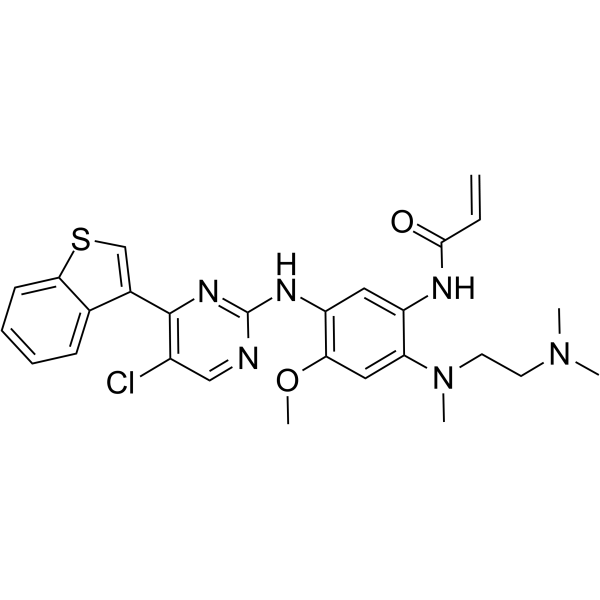
GW 583340 dihydrochloride is an orally active ErbB-2/EGFR tyrosine kinase inhibitor. GW 583340 dihydrochloride exhibits antitumor activity in xenograft models with EGFR overexpression or ErbB-2 overexpression. GW 583340 dihydrochloride is applicable to research related to head and neck cancer, breast cancer, and gastric cancer .
|
-
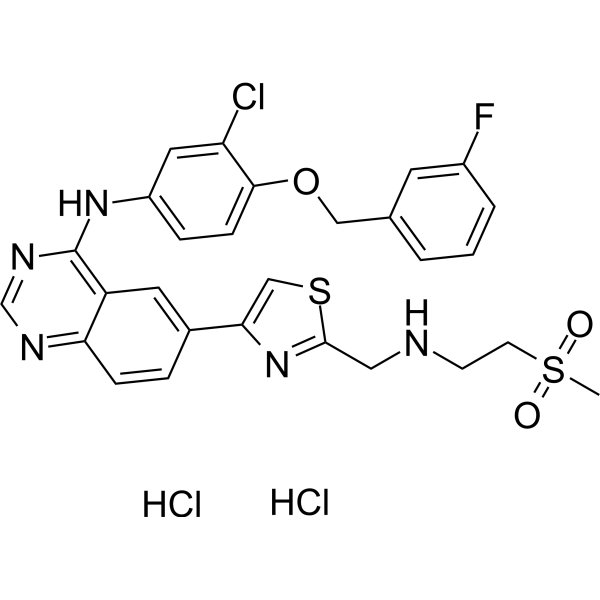
- HY-10065R
-
|
AG-013736 (Standard)
|
Reference Standards
VEGFR
PDGFR
|
Cancer
|
|
Axitinib (Standard) is the analytical standard of Axitinib. This product is intended for research and analytical applications. Axitinib is a multi-targeted tyrosine kinase inhibitor with IC50s of 0.1, 0.2, 0.1-0.3, 1.6 nM for VEGFR1, VEGFR2, VEGFR3 and PDGFRβ, respectively.
|
-

- HY-13524R
-
-

- HY-10644R
-
|
|
Reference Standards
Src
|
Inflammation/Immunology
|
|
Lck inhibitor 2 (Standard) is the analytical standard of Lck inhibitor 2 (HY-10644). This product is intended for research and analytical applications. Lck inhibitor 2 is a multi-target tyrosine kinase inhibitor with IC50s of 13nM, 9nM, 3nM, 26nM and 2nM for Lck, Btk, Lyn, Btk and Txk respectively.
|
-

- HY-108330R
-
|
Tyrphostin AG126 (Standard)
|
ERK
Mitosis
Reference Standards
|
Inflammation/Immunology
|
|
AG126 (Standard) is the analytical standard of AG126. This product is intended for research and analytical applications. AG126 is a tyrosine kinase inhibitor, can inhibit the phosphorylation of ERK1 and ERK2 at 25-50 μM. AG126 can be used in meiosis, mitosis, and postmitotic research .
|
-

- HY-164413
-
|
|
VEGFR
EGFR
RET
Apoptosis
|
Cancer
|
|
CLM3, a pyrazolopyrimidine derivative, is a multiple tyrosine kinase inhibitor. CLM3 shows antiproliferative and proapoptotic activity on endothelial and cancer cells, synergistically enhanced by SN38 (HY-13704). These effects are mainly due to its inhibition of phosphorylation of VEGFR-2, EGFR and RET tyrosine kinases and their related signaling pathways .
|
-

- HY-10517R
-
|
SU6668 (Standard); TSU-68 (Standard)
|
Reference Standards
PDGFR
FGFR
VEGFR
Apoptosis
|
Cancer
|
|
Orantinib (Standard) is the analytical standard of Orantinib (HY-10517). This product is intended for research and analytical applications. Orantinib (SU6668; TSU-68) is a multi-targeted receptor tyrosine kinase inhibitor with Kis of 2.1 μM, 8 nM and 1.2 μM for Flt-1, PDGFRβ and FGFR1, respectively.
|
-

- HY-B0062
-
|
TKI258 lactate hydrate; CHIR-258 lactate hydrate
|
FLT3
c-Kit
FGFR
VEGFR
PDGFR
|
Cancer
|
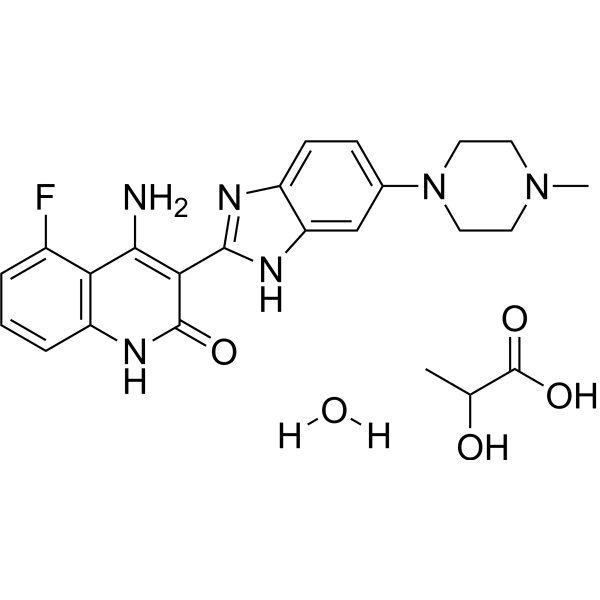
|
Dovitinib lactate hydrate (TKI258 lactate hydrate) is a multi-targeted tyrosine kinase inhibitor with IC50s of 1, 2, 8/9, 10/13/8, 27/210 nM for FLT3, c-Kit, FGFR1/3, VEGFR1/2/3 and PDGFRα/β, respectively .
|
-
- HY-173218
-
|
|
EGFR
|
Cancer
|
|
anti-NSCLC agent-1 (compound 8dc) is an inhibitor of tyrosine kinase inhibitors (TKIs) with IC50 values of 0.05 and 0.09 μM in A549 and NCI-H441 cells. anti-NSCLC agent-1 shows anti-NSCLC activities in colony formation, migration, and invasion .
|
-

- HY-107459
-
|
(E/Z)-Tyrphostin AG490; (E/Z)-Tyrphostin B42
|
EGFR
STAT
JAK
|
Cancer
|
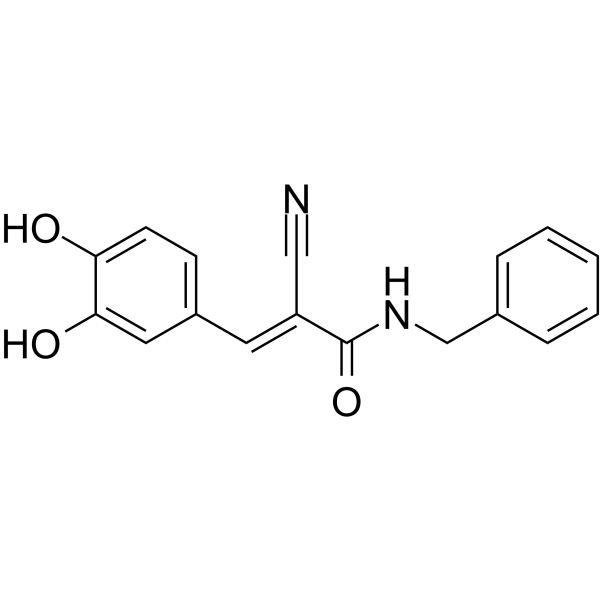
|
(E/Z)-AG490 ((E/Z)-Tyrphostin AG490) is a racemic compound of (E)-AG490 and (Z)-AG490 isomers. (E)-AG490 (HY-12000) is a tyrosine kinase inhibitor that inhibits EGFR, Stat-3 and JAK2/3.
|
-
- HY-15656A
-
-
- HY-10207
-
|
CHIR-258 lactate; TKI-258 lactate
|
FLT3
c-Kit
FGFR
VEGFR
PDGFR
|
Cancer
|
|
Dovitinib lactate (TKI258 lactate) is a multi-targeted tyrosine kinase inhibitor with IC50s of 1, 2, 8/9, 10/13/8, 27/210 nM for FLT3, c-Kit, FGFR1/3, VEGFR1/2/3 and PDGFRα/β, respectively .
|
-
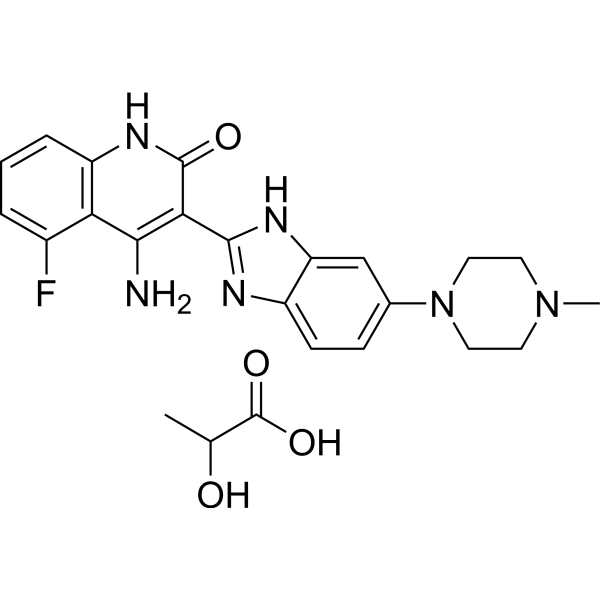
- HY-15656B
-
-

- HY-50895A
-
|
ZD-1839 hydrochloride
|
EGFR
|
Cancer
|
|
Gefitinib hydrochloride (ZD1839 hydrochloride) is a potent, selective and orally active EGFR tyrosine kinase inhibitor with an IC50 of 33 nM. Gefitinib hydrochloride selectively inhibits EGF-stimulated tumor cell growth (IC50 of 54 nM) and that blocks EGF-stimulated EGFR autophosphorylation in tumor cells. Gefitinib hydrochloride also induces autophagy. Gefitinib hydrochloride has antitumour activity .
|
-
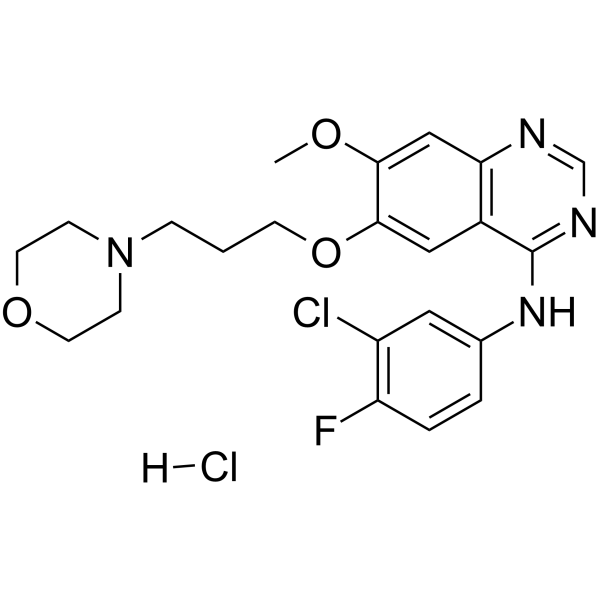
- HY-15656
-
-
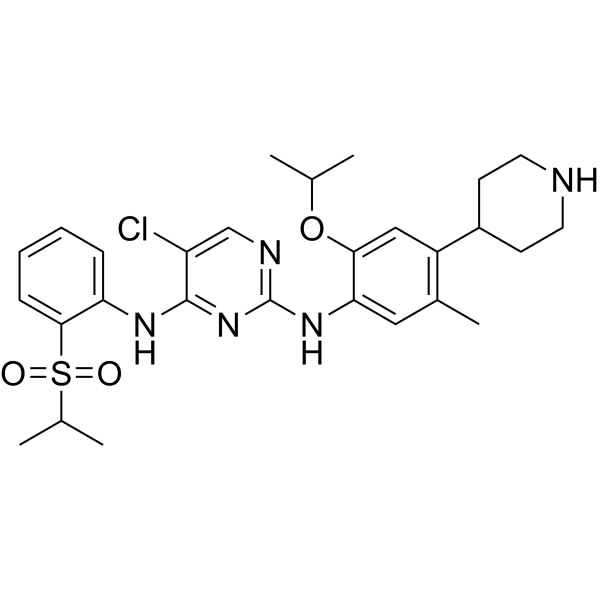
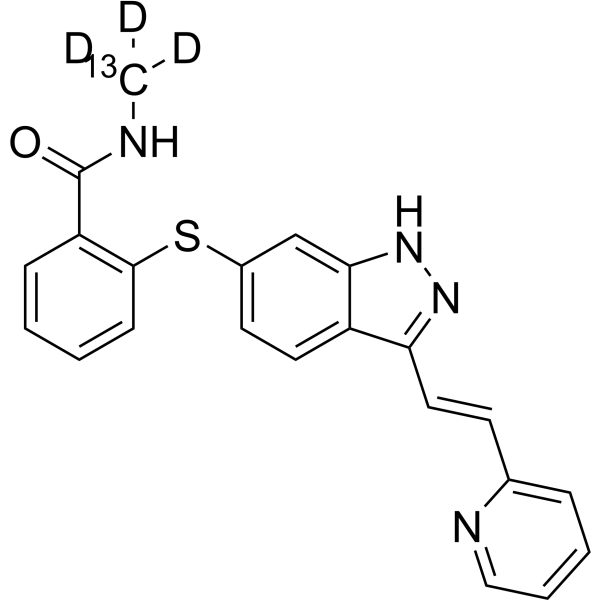
- HY-10065S
-
|
AG-013736-13C,d3
|
VEGFR
PDGFR
|
Cancer
|
|
Axitinib- 13C,d3 is a 13C-labeled and deuterium labeled Axitinib. Axitinib is a multi-targeted tyrosine kinase inhibitor with IC50 values of 0.1, 0.2, 0.1-0.3, 1.6 nM for VEGFR1, VEGFR2, VEGFR3 and PDGFRβ, respectively .
|
-
- HY-10981S2
-
|
E7080-15N,d4
|
VEGFR
c-Kit
FGFR
RET
PDGFR
Isotope-Labeled Compounds
|
Cancer
|
|
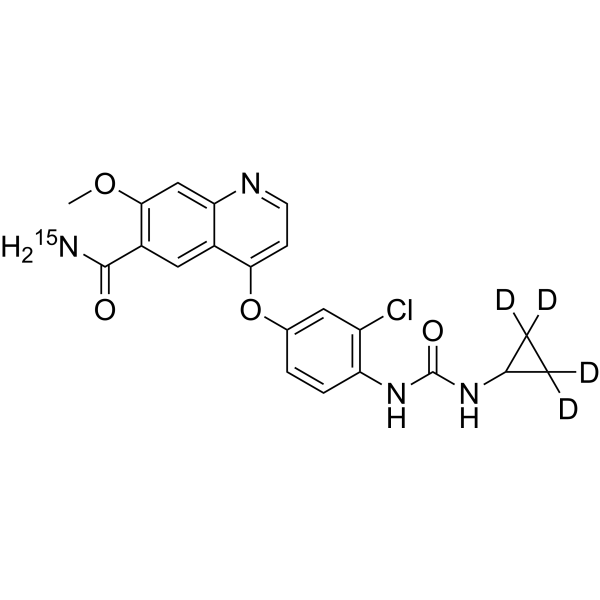
Lenvatinib- 15N,d4 is 15N and deuterated labeled Lenvatinib (HY-10981). Lenvatinib (E7080) is an oral, multi-targeted tyrosine kinase inhibitor that inhibits VEGFR1-3, FGFR1-4, PDGFR, KIT, and RET, shows potent antitumor activities .
|
-
- HY-10255AS1
-
|
|
Isotope-Labeled Compounds
VEGFR
PDGFR
IRE1
Mitophagy
Autophagy
Apoptosis
|
Cancer
|
|
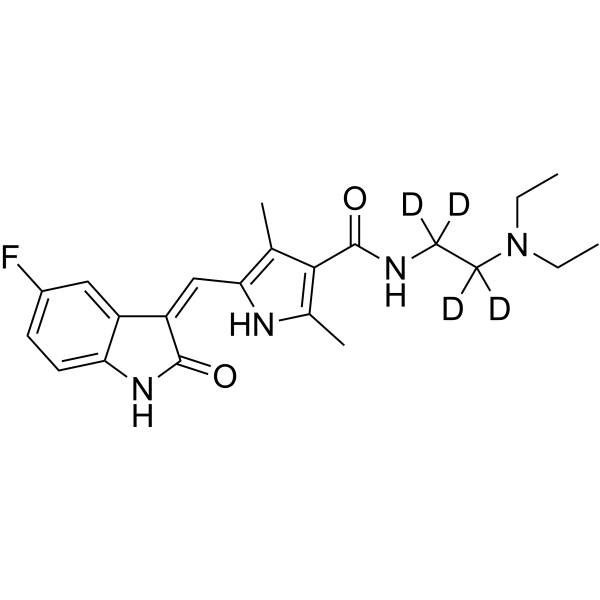
Sunitinib-d4 is the deuterium labeled Sunitinib. Sunitinib (SU 11248) is a multi-targeted receptor tyrosine kinase inhibitor with IC50s of 80 nM and 2 nM for VEGFR2 and PDGFRβ, respectively . Sunitinib, an ATP-competitive inhibitor, effectively inhibits autophosphorylation of Ire1α by inhibiting autophosphorylation and consequent RNase activation .
|
-
- HY-107144
-
|
|
Tyrosinase
Ephrin Receptor
VEGFR
PDGFR
FLT3
Tie
|
Cancer
|
|
LY2457546 is a potent and orally active multi-targeted anti-angiogenic tyrosine kinases inhibitor. LY2457546 demonstrates potent activity against targets that include VEGFR2, PDGFRβ, FLT-3, Tie-2 and members of the Eph family of receptors. LY2457546 can be used for the research of cancer, such as leukemia .
|
-

- HY-10065S1
-
|
AG-013736-d3
|
VEGFR
|
Cancer
|
|
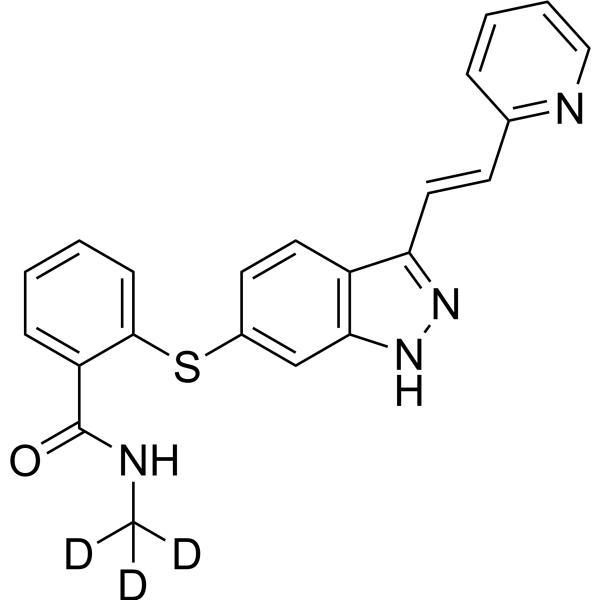
Axitinib-d3 (AG-013736-d3) is deuterium labeled Axitinib. Axitinib is a multi-targeted tyrosine kinase inhibitor with IC50s of 0.1, 0.2, 0.1-0.3, 1.6 nM for VEGFR1, VEGFR2, VEGFR3 and PDGFRβ, respectively .
|
-
- HY-109189
-
|
BPI-7711
|
EGFR
|
Cancer
|
|
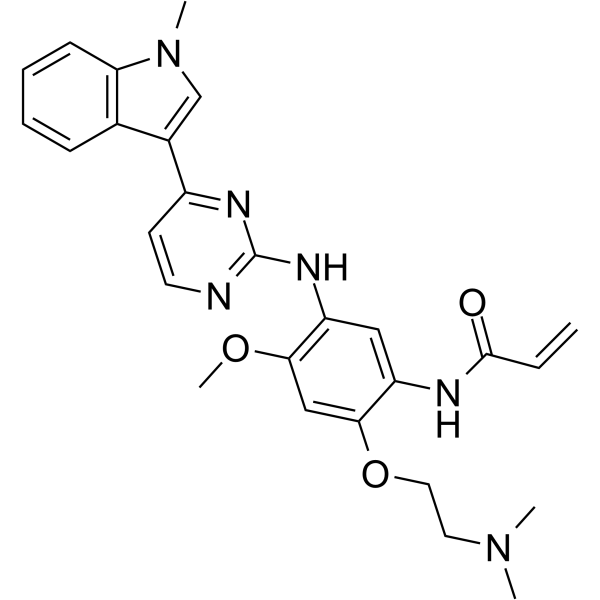
Rezivertinib (BPI-7711) is an orally active, highly selective and irreversible third-generation EGFR tyrosine kinase inhibitor (TKI). Rezivertinib exhibits high potency against the common activation EGFR and the resistance T790M mutations. Rezivertinib has excellent central nervous system (CNS) penetration and has antitumor activity .
|
-
- HY-10205R
-
|
AZD2171 (Standard)
|
Reference Standards
VEGFR
Autophagy
PDGFR
|
Cancer
|
|
Cediranib (Standard) is the analytical standard of Cediranib. This product is intended for research and analytical applications. Cediranib (AZD2171) is a highly potent, orally available VEGFR tyrosine kinase inhibitor with IC50s of <1, <3, 5, 5, 36, 2 nM for Flt1, KDR, Flt4, PDGFRα, PDGFRβ, c-Kit, respectively.
|
-

- HY-10407G
-
|
|
VEGFR
EGFR
PDGFR
|
Cancer
|
|
SU 5402 (GMP) is SU 5402 (HY-10407) produced by using GMP guidelines. GMP small molecules work appropriately as an auxiliary reagent for cell therapy manufacture. SU 5402 is a potent multi-targeted receptor tyrosine kinase inhibitor with IC50 of 20 nM, 30 nM, and 510 nM for VEGFR2, FGFR1, and PDGFRβ, respectively .
|
-
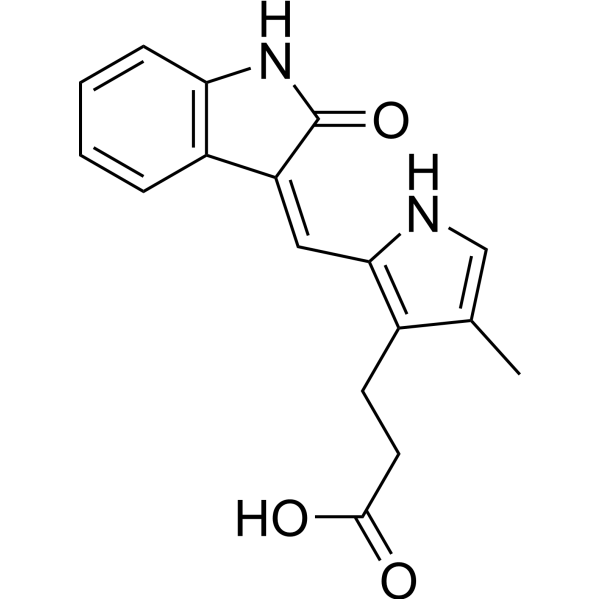
- HY-117852
-
|
TRX-13
|
EGFR
Tyrosinase
|
Cancer
|
|
CGP-59326 (TRX-13) is a highly potent and selective epidermal growth factor receptor (EGFR) tyrosine kinase inhibitor (IC50=0.027 μM). CGP-59326 blocks the EGFR signaling pathwa, demonstrating highly selective inhibition of EGFR-dependent tumor cells. CGP-59326 is promising for research of cancers .
|
-

- HY-119757
-
|
SU1433; AG1433
|
PDGFR
VEGFR
|
Cancer
|
|
Tyrphostin AG1433 (SU1433) is a tyrosine kinases inhibitor. AG1433 is also a selective PDGFRβ and VEGFR-2 (Flk-1/KDR) inhibitor with IC50s of 5.0 μM and 9.3 μM, respectively. Tyrphostin AG1433 prevents blood vessel formation .
|
-
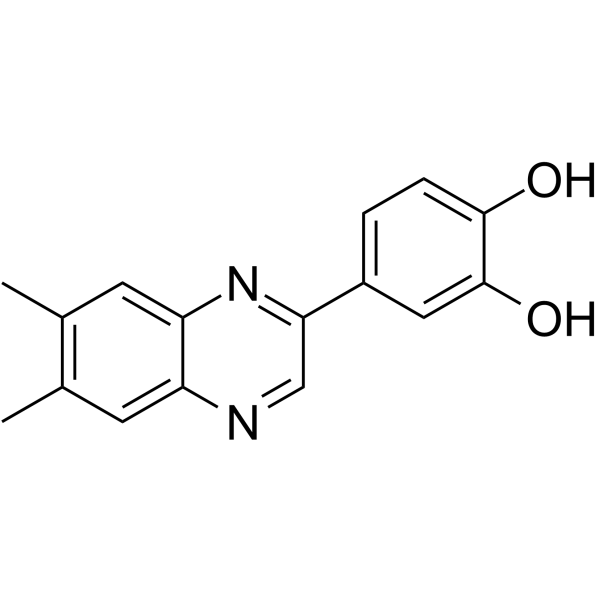
- HY-116138
-
|
|
EGFR
|
Others
|
|
RG-14467 is an epidermal growth factor receptor tyrosine kinase inhibitor with activity that inhibits enzyme activity. RG-14467 has similar inhibition kinetics to Lavendustin-A, with a dissociation constant of 3.4μM for the initial rapidly formed complex and an overall dissociation constant estimated to be less than or equal to 30nM, and is a partially competitive inhibitor for ATP.
|
-

- HY-131257
-
|
|
Drug Metabolite
|
Others
Cancer
|
|
Gefitinib impurity 1 is the impurity of Gefitinib. Gefitinib (ZD1839) is a potent, selective and orally active EGFR tyrosine kinase inhibitor with an IC50 of 33 nM. Gefitinib selectively inhibits EGF-stimulated tumor cell growth (IC50 of 54 nM) and that blocks EGF-stimulated EGFR autophosphorylation in tumor cells. Gefitinib also induces autophagy. Gefitinib has antitumour activity .
|
-
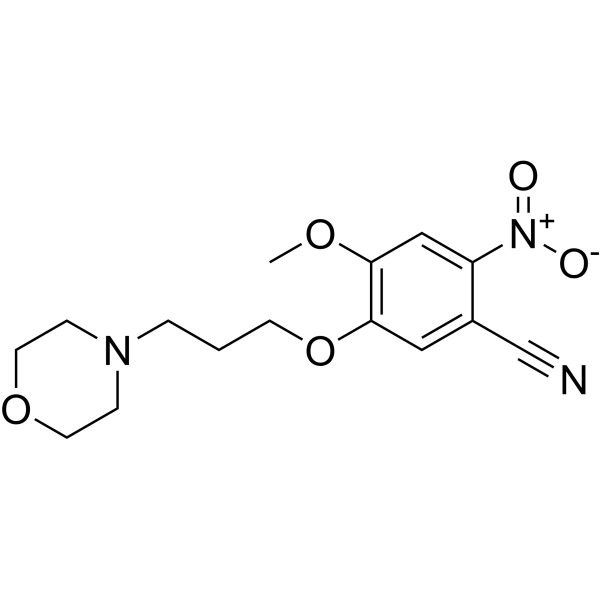
- HY-14674
-
|
|
EGFR
Apoptosis
|
Cancer
|
|
CP-724714 is a potent, selective and orally active ErbB2 (HER2) tyrosine kinase inhibitor, with an IC50 of 10 nM. CP-724714 displays a marked selectivity against EGFR kinase (IC50=6400 nM). CP-724714 potently inhibits ErbB2 receptor autophosphorylation in intact cells. Antitumor activities .
|
-
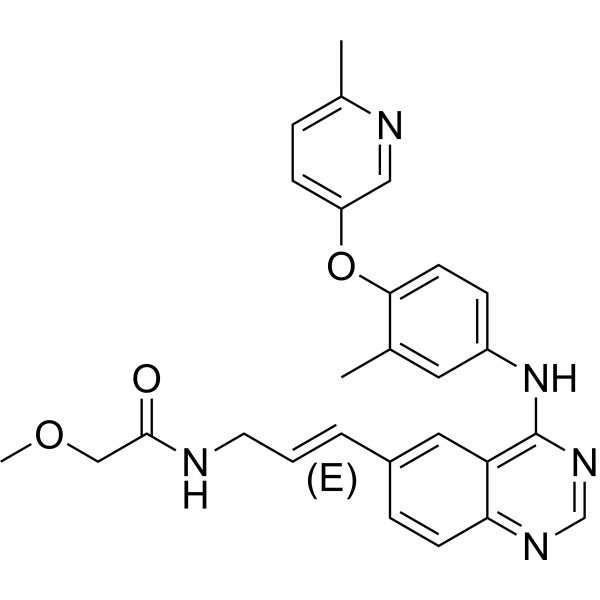
- HY-101549R
-
|
UNC2371 (Standard)
|
FLT3
Reference Standards
|
Cancer
|
|
MRX-2843 (Standard) is the analytical standard of MRX-2843 (HY-101549). This product is intended for research and analytical applications. MRX-2843 (UNC2371) is an orally active, ATP-competitive dual MERTK and FLT3 tyrosine kinases inhibitor (TKI) with enzymatic IC50s of 1.3 nM for MERTK and 0.64 nM for FLT3, respectively .
|
-

- HY-N12726
-
|
|
p38 MAPK
MMP
|
Infection
Inflammation/Immunology
Cancer
|
Halociline, a derivative of alkaloids, that can be isolated from the marine fungus Penicillium griseofulvum.
Halociline targets MAPK1, MMP-9, and PIK3CA in gastric cancer cells, potentially mediated by diverse pathways including cancer, lipid metabolism, atherosclerosis, and EGFR tyrosine kinase inhibitor resistance. Halociline possesses antimicrobial, antioxidant and biofilm inhibitory activities .
|
-
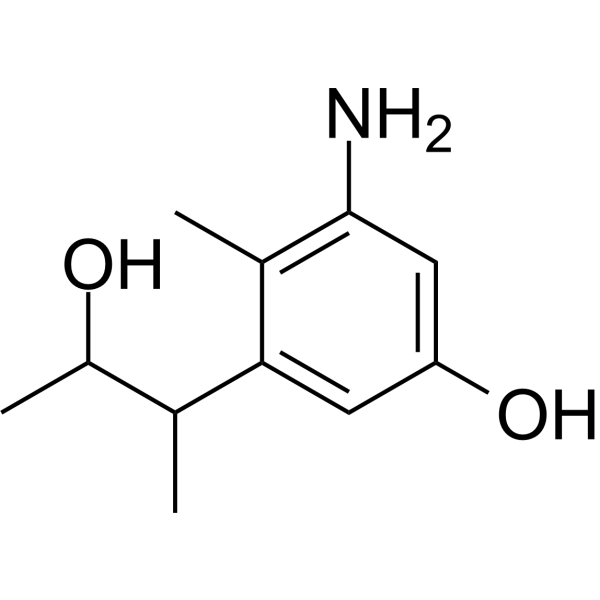
- HY-100315R
-
|
Tyrosine kinase-IN-1 (Standard)
|
VEGFR
Reference Standards
PDGFR
FGFR
|
Cardiovascular Disease
Cancer
|
|
XL 999 (Standard) is the analytical standard of XL 999 (HY-100315). This product is intended for research and analytical applications. XL999 is a multi-target tyrosine kinase inhibitor. XL999 has IC50 values for KDR, Flt-1, FGFR1 and PDGFRα of 4 nM, 20 nM, 4 nM and 2 nM, respectively. XL999 can be used in the research of cancer .
|
-

- HY-116437
-
|
|
EGFR
|
Cancer
|
|
Selatinib is an orally active EGFR and HER2 tyrosine kinase inhibitor with IC50 values of 13.0 nM and 8.5 nM, respectively. Selatinib undergoes oxidative metabolism in vivo to produce Lapatinib (HY-50898). Selatinib inhibits the growth of breast, gastric and ovarian tumors. Selatinib can be used in research related to gastric cancer, breast cancer and ovarian cancer .
|
-
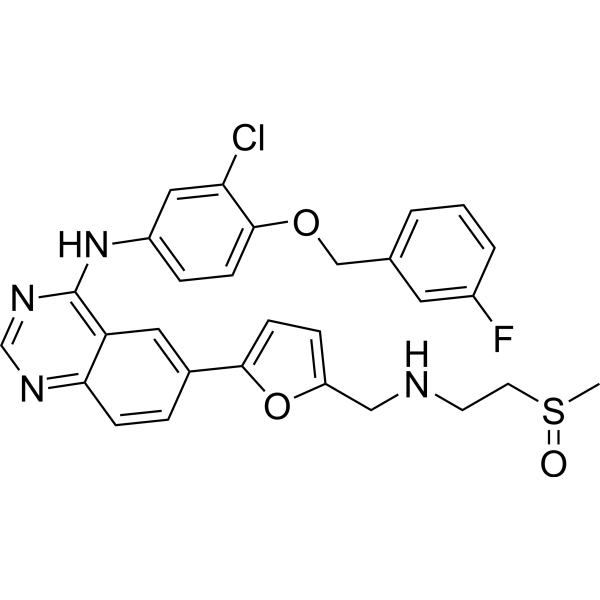
- HY-50895S1
-
|
ZD1839-d6
|
EGFR
Autophagy
|
Cancer
|
|
Gefitinib-d6 is the deuterium labeled Gefitinib. Gefitinib (ZD1839) is a potent, selective and orally active EGFR tyrosine kinase inhibitor with an IC50 of 33 nM. Gefitinib selectively inhibits EGF-stimulated tumor cell growth (IC50 of 54 nM) and that blocks EGF-stimulated EGFR autophosphorylation in tumor cells. Gefitinib also induces autophagy. Gefitinib has antitumour activity .
|
-
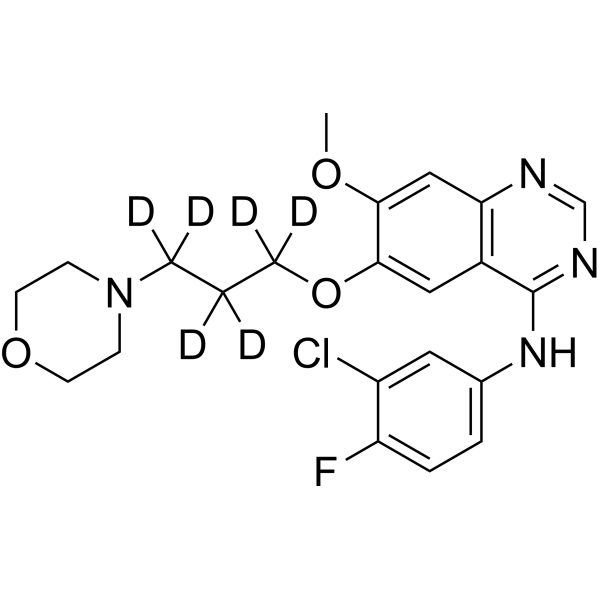
- HY-10331
-
|
BAY 73-4506
|
VEGFR
Autophagy
PDGFR
Raf
RET
c-Kit
FGFR
Tie
|
Cancer
|
|
Regorafenib (BAY 73-4506) is an orally active and potent multi-targeted receptor tyrosine kinase inhibitor, with IC50 values of 13/4.2/46, 22, 7, 1.5 and 2.5 nM for VEGFR1/2/3, PDGFRβ, Kit, RET and Raf-1, respectively. Regorafenib shows very robust antitumor and antiangiogenic activity .
|
-
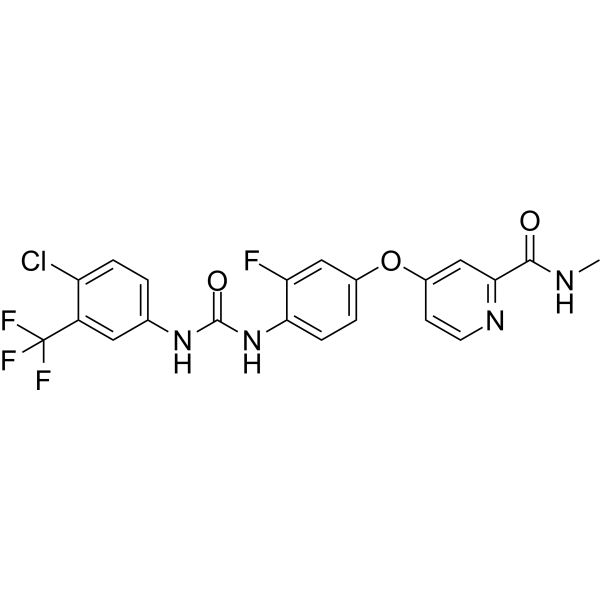
- HY-10252
-
|
ADW742; GSK 552602A; ADW
|
IGF-1R
Insulin Receptor
Apoptosis
|
Endocrinology
Cancer
|
|
NVP-ADW742 (ADW742) is an orally active, selective IGF-1R tyrosine kinase inhibitor with an IC50 of 0.17 μM. NVP-ADW742 inhibits insulin receptor (InsR) with an IC50 of 2.8 μM. NVP-ADW742 induces pleiotropic antiproliferative/proapoptotic biologic sequelae in tumor cells .
|
-
- HY-139300A
-
|
HMPL-813 succinate
|
EGFR
|
Cancer
|
|
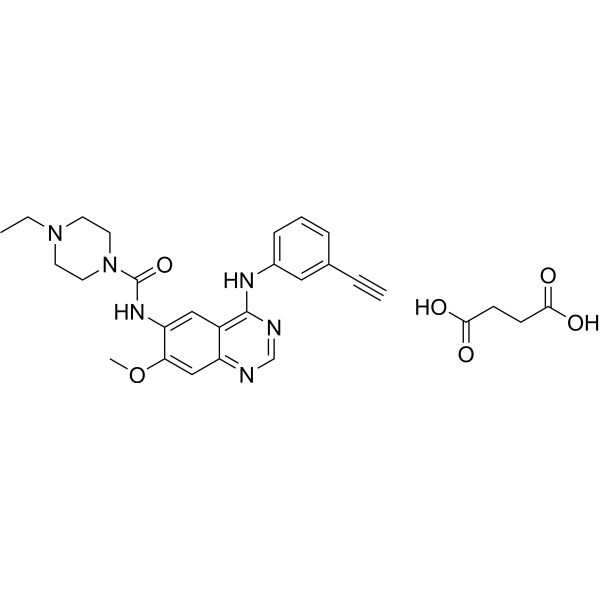
Epitinib succinate is an orally active and selective epidermal growth factor receptor tyrosine kinase inhibitor (EGFR-TKI) designed for optimal brain penetration. Epitinib succinate can be used for the research of cancer . Epitinib (succinate) is a click chemistry reagent, it contains an Alkyne group and can undergo copper-catalyzed azide-alkyne cycloaddition (CuAAc) with molecules containing Azide groups.
|
-
- HY-117039
-
|
|
VEGFR
|
Cancer
|
|
YM-359445 dihydroxybutanedioate is an orally active VEGFR2 tyrosine kinase inhibitor, with an IC50 of 8.5 nM. YM-359445 dihydroxybutanedioate shows a complete inhibition of vascular permeability induced by VEGF. YM-359445 dihydroxybutanedioate shows antitumor activity against both lung cancer and Paclitaxel (HY-B0015)-resistant colon cancer .
|
-

- HY-10331B
-
|
BAY 73-4506 mesylate
|
VEGFR
PDGFR
RET
Raf
c-Kit
FGFR
Autophagy
Tie
|
Cancer
|
|
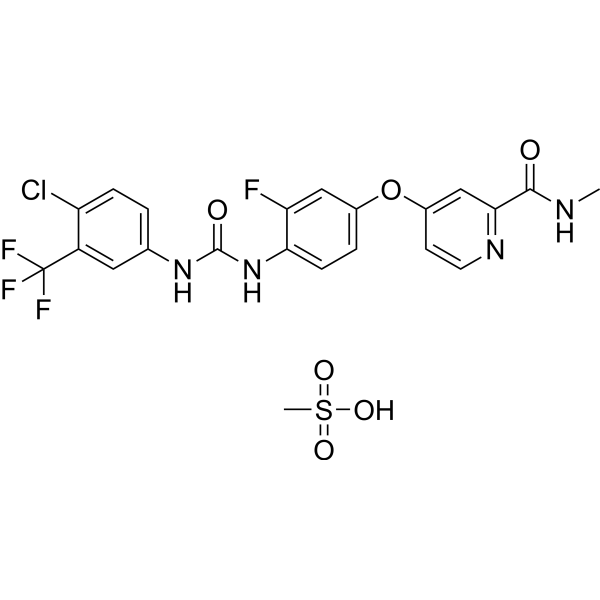
Regorafenib (BAY 73-4506) mesylate is an orally active and potent multi-targeted receptor tyrosine kinase inhibitor, with IC50 values of 13/4.2/46, 22, 7, 1.5 and 2.5 nM for VEGFR1/2/3, PDGFRβ, Kit, RET and Raf-1, respectively. Regorafenib mesylate shows very robust antitumor and antiangiogenic activity .
|
-
- HY-160689
-
|
UNC10112731
|
c-Myc
c-Kit
Discoidin Domain Receptor
PDGFR
|
Others
|
|
GW694590A (UNC10112731) is a MYC protein stabilizer that increases endogenous MYC protein levels. GW694590A also targets receptor tyrosine kinases, inhibiting DDR2, KIT and PDGFRα by 81% at 1 μM. , 68% and 67%. GW694590A is a protein kinase inhibitor across ATP-dependent and -independent luciferases with potential effects on the Fluc reporter gene .
|
-
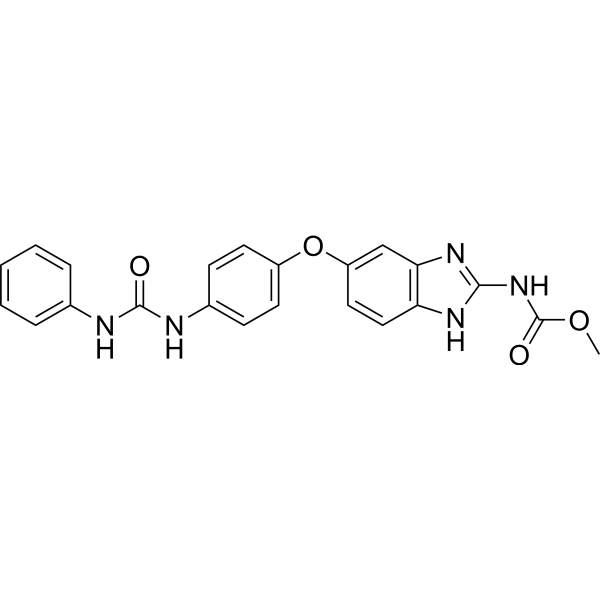
- HY-10331A
-
|
BAY 73-4506 monohydrate
|
VEGFR
Autophagy
PDGFR
Raf
RET
FGFR
c-Kit
Tie
|
Cancer
|
|
Regorafenib (BAY 73-4506) monohydrate is an orally active and potent multi-targeted receptor tyrosine kinase inhibitor, with IC50 values of 13/4.2/46, 22, 7, 1.5 and 2.5 nM for VEGFR1/2/3, PDGFRβ, Kit, RET and Raf-1, respectively. Regorafenib monohydrate shows very robust antitumor and antiangiogenic activity .
|
-
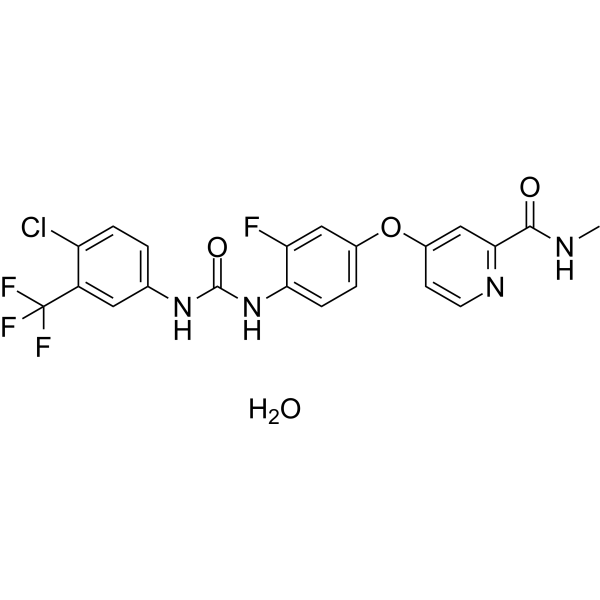
- HY-10255AR
-
|
SU 11248 (Standard)
|
Reference Standards
VEGFR
PDGFR
IRE1
Mitophagy
Autophagy
Apoptosis
|
Cancer
|
|
Sunitinib (Standard) is the analytical standard of Sunitinib. This product is intended for research and analytical applications. Sunitinib (SU 11248) is a multi-targeted receptor tyrosine kinase inhibitor with IC50s of 80 nM and 2 nM for VEGFR2 and PDGFRβ, respectively . Sunitinib, an ATP-competitive inhibitor, effectively inhibits autophosphorylation of Ire1α by inhibiting autophosphorylation and consequent RNase activation .
|
-

- HY-10255AS
-
|
SU 11248-d10
|
VEGFR
PDGFR
IRE1
Mitophagy
Autophagy
Apoptosis
|
Cancer
|
|
Sunitinib-d10 (SU 11248-d10) is a deuterium labeled Sunitinib. Sunitinib is a multi-targeted receptor tyrosine kinase inhibitor with IC50s of 80 nM and 2 nM for VEGFR2 and PDGFRβ, respectively . Sunitinib, an ATP-competitive inhibitor, effectively inhibits autophosphorylation of Ire1α by inhibiting autophosphorylation and consequent RNase activation .
|
-
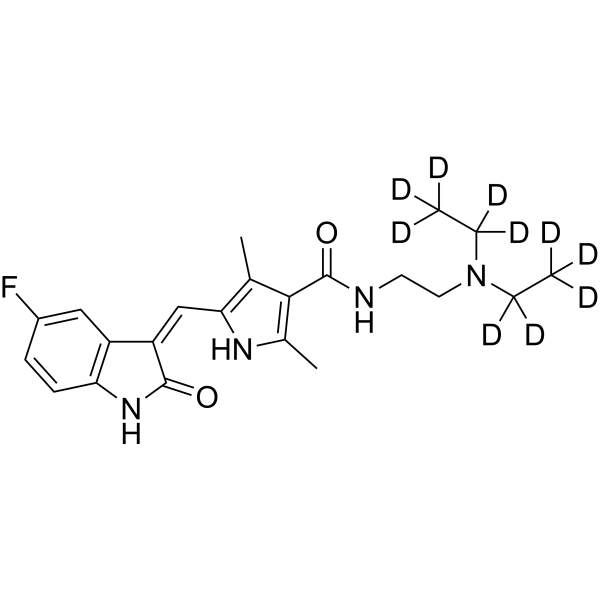
- HY-15511R
-
|
Tyrphostin 9 (Standard); Malonoben (Standard)
|
VEGFR
Influenza Virus
PDGFR
Reference Standards
|
Infection
Cancer
|
|
Tyrphostin A9 (Standard) is the analytical standard of Tyrphostin A9. This product is intended for research and analytical applications. Tyrphostin A9, a PDGFR inhibitor, is a potent inducer of mitochondrial fission. Tyrphostin A9 emerged as the most potent and selective of 51 tyrosine kinase inhibitors tested against the TNF-induced respiratory burst. Tyrphostin A9 has anti-influenza virus activities.
|
-

- HY-109189A
-
|
BPI-7711 hydrochloride
|
EGFR
|
Cancer
|
|
Rezivertinib (BPI-7711) hydrochloride is an orally active, highly selective and irreversible third-generation EGFR tyrosine kinase inhibitor (TKI). Rezivertinib hydrochloride exhibits high potency against the common activation EGFR and the resistance T790M mutations. Rezivertinib hydrochloride has excellent central nervous system (CNS) penetration and has antitumor activity, such as non-small cell lung cancer (NSCLC) .
|
-

- HY-19815
-
|
CK-101; RX518
|
EGFR
|
Cancer
|
|
Olafertinib (CK-101) is an orally available, third generation and irreversible epidermal growth factor receptor tyrosine kinase inhibitor (EGFR-TKI). Olafertinib selectively inhibits both EGFR-TKI-sensitizing and resistance mutations with minimal activity on wild-type EGFR. Olafertinib can be used in research for non-small cell lung cancer (NSCLC) with EGFR mutations and other advanced malignancies .
|
-
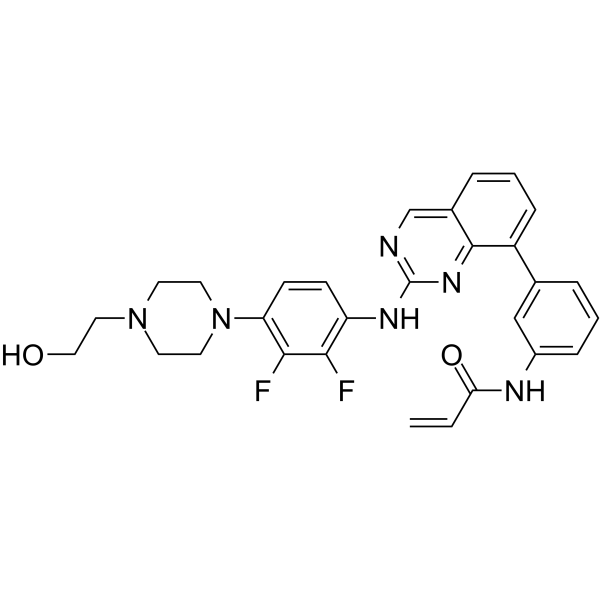
- HY-50895B
-
|
ZD 1839 dihydrochloride
|
EGFR
Autophagy
Apoptosis
|
Cancer
|
|
Gefitinib (ZD 1839) dihydrochloride is a potent, selective and orally active EGFR tyrosine kinase inhibitor with an IC50 of 33 nM. Gefitinib dihydrochloride selectively inhibits EGF-stimulated tumor cell growth (IC50 of 54 nM) and blocks EGF-stimulated EGFR autophosphorylation in tumor cells. Gefitinib dihydrochloride also induces autophagy and cell apoptosis, which can be used for cancer related research, such as Lung cancer and breast cancer .
|
-
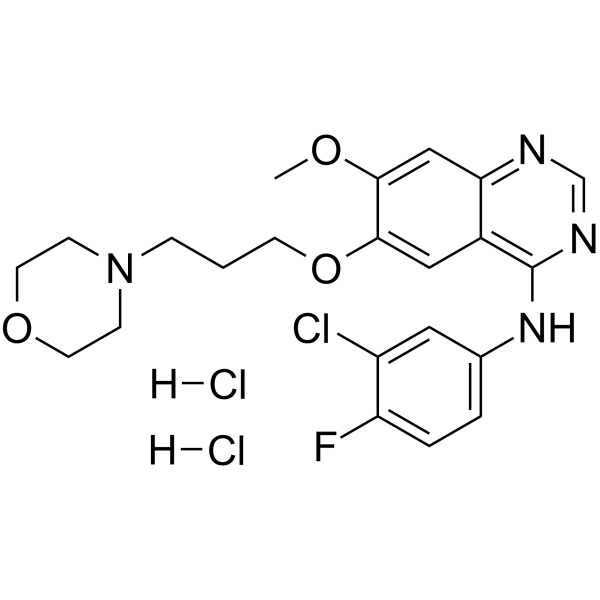
- HY-100663
-
|
|
EGFR
|
Others
Cancer
|
|
Gefitinib impurity 2 is the impurity of Gefitinib. Gefitinib (ZD1839; HY-50895) is a potent, selective and orally active EGFR tyrosine kinase inhibitor with an IC50 of 33 nM. Gefitinib selectively inhibits EGF-stimulated tumor cell growth (IC50 of 54 nM) and that blocks EGF-stimulated EGFR autophosphorylation in tumor cells. Gefitinib also induces autophagy. Gefitinib has antitumour activity .
|
-
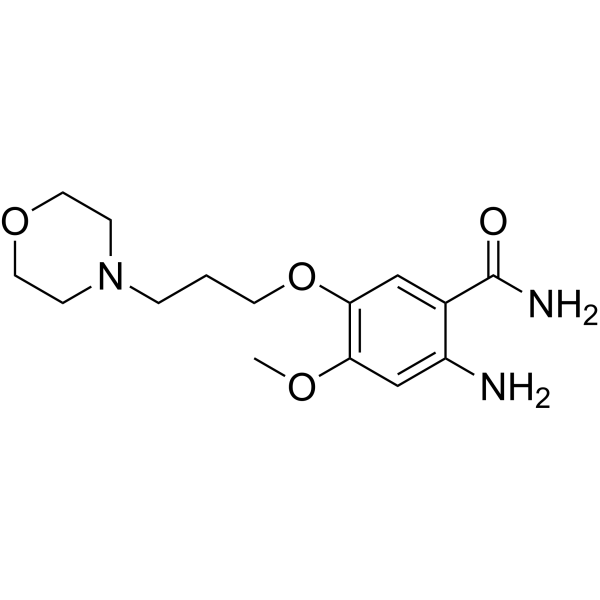
- HY-130854
-
|
|
E3 Ligase Ligand-Linker Conjugates
Autophagy
Apoptosis
|
Cancer
|
|
Thalidomide-NH-C6-NH-Boc is a synthesized E3 ligase ligand-linker conjugate that incorporates the Thalidomide based cereblon ligand and a linker used for MI-389 (compound 22) synthesis. MI-389 is a potent phthalimide PROTAC degrader based on the multi-targeted receptor tyrosine kinase inhibitor sunitinib (HY-10255A) .
|
-
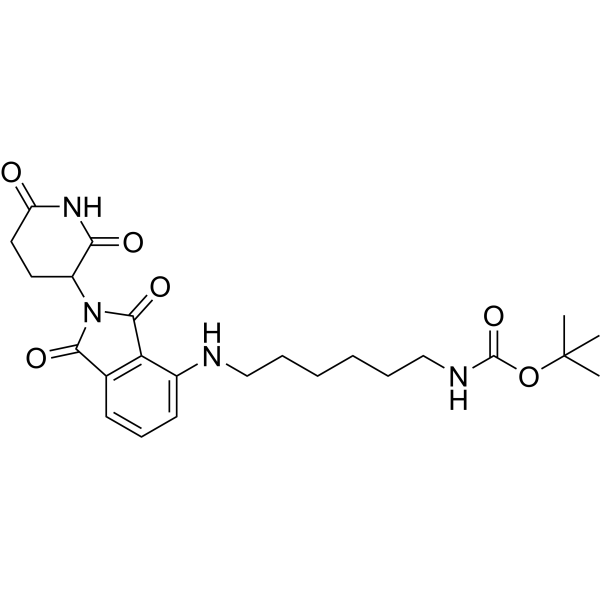
- HY-12044R
-
|
XL184 S-malate (Standard); BMS-907351 S-malate (Standard)
|
Reference Standards
VEGFR
Apoptosis
|
Cancer
|
|
Cabozantinib (S-malate) (Standard) is the analytical standard of Cabozantinib (S-malate). This product is intended for research and analytical applications. Cabozantinib S-malate (XL184 S-malate) is a potent multiple receptor tyrosine kinases inhibitor that inhibits VEGFR2, c-Met, Kit, Axl and Flt3 with IC50s of 0.035, 1.3, 4.6, 7 and 11.3 nM, respectively.
|
-

- HY-112369
-
|
|
Src
Interleukin Related
|
Neurological Disease
Inflammation/Immunology
|
|
LDDN-0003499 is a Src family tyrosine kinase inhibitor and anti-inflammatory agent. LDDN-0003499 reduces basal and Aβ-stimulated levels of active, phosphorylated Lyn and Src kinases, and attenuates Aβ-stimulated secretion of pro-inflammatory cytokines TNFα and IL-6 in microglial cells. LDDN-0003499 can be used for the research of Alzheimer's disease .
|
-

- HY-133779
-
|
|
Drug Metabolite
|
Cancer
|
|
Gefitinib impurity 5 is the impurity of Gefitinib (HY-133779). Gefitinib (ZD1839) is a potent, selective and orally active EGFR tyrosine kinase inhibitor with an IC50 of 33 nM. Gefitinib selectively inhibits EGF-stimulated tumor cell growth (IC50 of 54 nM) and that blocks EGF-stimulated EGFR autophosphorylation in tumor cells. Gefitinib also induces Autophagy. Gefitinib has antitumour activity .
|
-
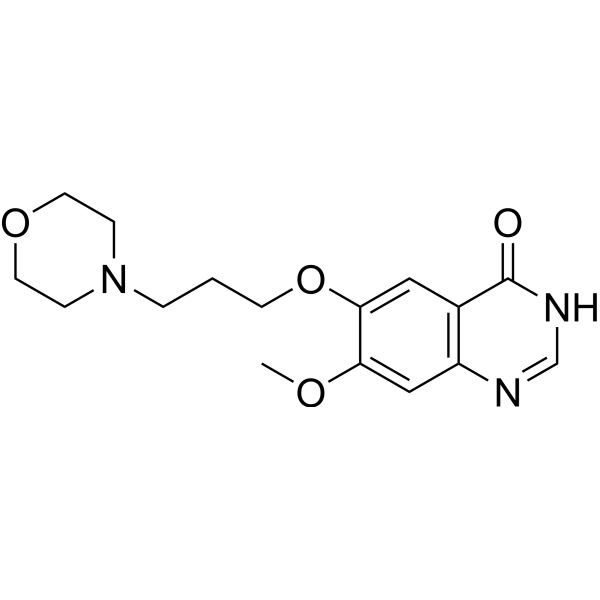
- HY-10206
-
|
MP470; HPK 56
|
c-Kit
PDGFR
RAD51
FLT3
c-Met/HGFR
RET
Apoptosis
|
Cancer
|
|
Amuvatinib (MP470) is an orally bioavailable multi-targeted tyrosine kinase inhibitor with potent activity against mutant c-Kit, PDGFRα, Flt3, c-Met and c-Ret. Amuvatinib (MP470) is also a DNA repair suppressor through suppression of DNA repair protein RAD51, thereby disrupting DNA damage repair . Antineoplastic activity .
|
-
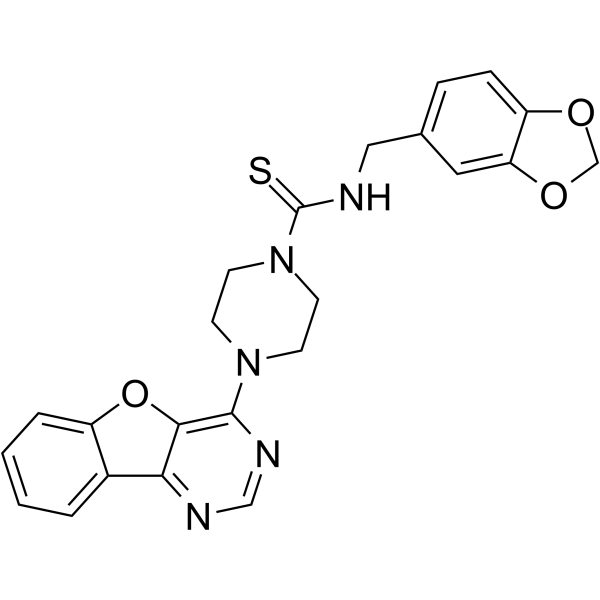
- HY-50895
-
Gefitinib
Maximum Cited Publications
200 Publications Verification
ZD1839
|
EGFR
Autophagy
Apoptosis
|
Cancer
|
|
Gefitinib (ZD1839) is a potent, selective and orally active EGFR tyrosine kinase inhibitor with an IC50 of 33 nM. Gefitinib selectively inhibits EGF-stimulated tumor cell growth (IC50 of 54 nM) and that blocks EGF-stimulated EGFR autophosphorylation in tumor cells. Gefitinib also induces autophagy and cell apoptosis, which can be used for cancer related research, such as Lung cancer and breast cancer .
|
-
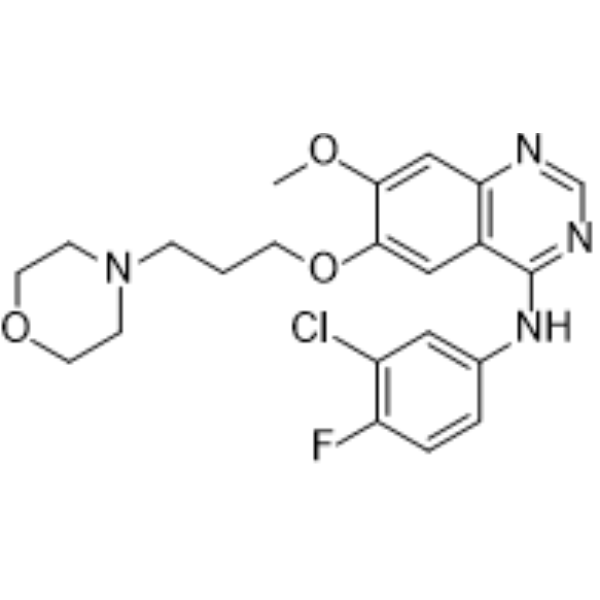
- HY-162489
-
|
|
Bcr-Abl
|
Others
|
|
Tyrosine kinase-IN-8 (compound 4e) is a BCR‐ABL1 tyrosine kinase inhibitor (TKI). Tyrosine kinase-IN-8 shows anti-proliferative activity against K562 cells, a chronic myeloid leukemia (CML) cell line (CC50=0.8 µM). Tyrosine kinase-IN-8 can be used in the study of chronic leukemia .
|
-

- HY-100833R
-
|
|
Reference Standards
Bacterial
Antibiotic
|
Infection
|
|
Cabozantinib (S-malate) (Standard) is the analytical standard of Cabozantinib (S-malate). This product is intended for research and analytical applications. Cabozantinib S-malate (XL184 S-malate) is a potent multiple receptor tyrosine kinases inhibitor that inhibits VEGFR2, c-Met, Kit, Axl and Flt3 with IC50s of 0.035, 1.3, 4.6, 7 and 11.3 nM, respectively.
|
-

- HY-160828
-
|
PF-05199265
|
Drug Metabolite
EGFR
|
Cancer
|
|
O-Desmethyl dacomitinib (PF-05199265) is the major circulating metabolite of dacomitinib (HY-13272) and acts as a pan-epidermal growth factor receptor (ErbB) tyrosine kinase inhibitor. O-Desmethyl dacomitinib exhibits a much lower exposure level than dacomitinib in the body. O-Desmethyl dacomitinib is highly dependent on the enzymatic activity of CYP2D6 for its formation .
|
-

- HY-10206A
-
|
MP470 hydrochloride; HPK 56 hydrochloride
|
c-Kit
PDGFR
RAD51
FLT3
c-Met/HGFR
RET
|
Cancer
|
|
Amuvatinib hydrochloride (MP470 hydrochloride) is an orally bioavailable multi-targeted tyrosine kinase inhibitor with potent activity against mutant c-Kit, PDGFRα, Flt3, c-Met and c-Ret. Amuvatinib hydrochloride (MP470 hydrochloride) is also a DNA repair suppressor through suppression of DNA repair protein RAD51, thereby disrupting DNA damage repair . Antineoplastic activity .
|
-
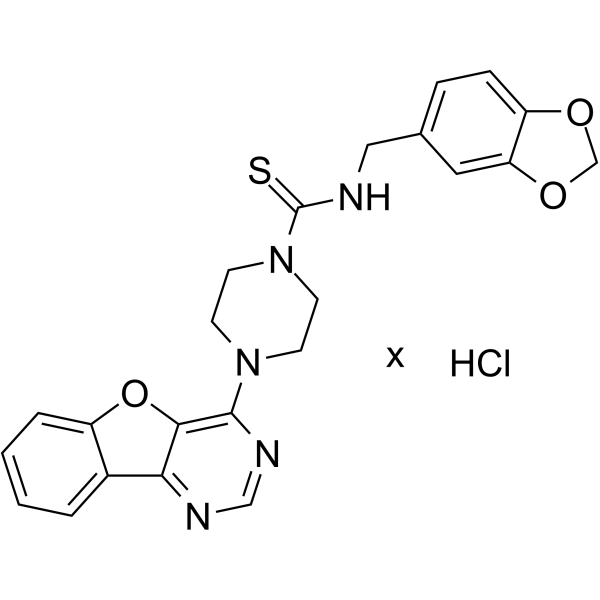
- HY-N6856
-
|
|
Bacterial
Endogenous Metabolite
|
Infection
Cancer
|
|
4-Hydroxycoumarin is an orally active coumarin derivative, one of the most versatile heterocyclic scaffolds, often used in the synthesis of various organic compounds. 4-Hydroxycoumarin possesses both electrophilic and nucleophilic properties. 4-Hydroxycoumarin is an HIV protease inhibitor and tyrosine kinase inhibitor. 4-Hydroxycoumarin has anti-inflammatory, antibacterial and anti-tumor effects .
|
-
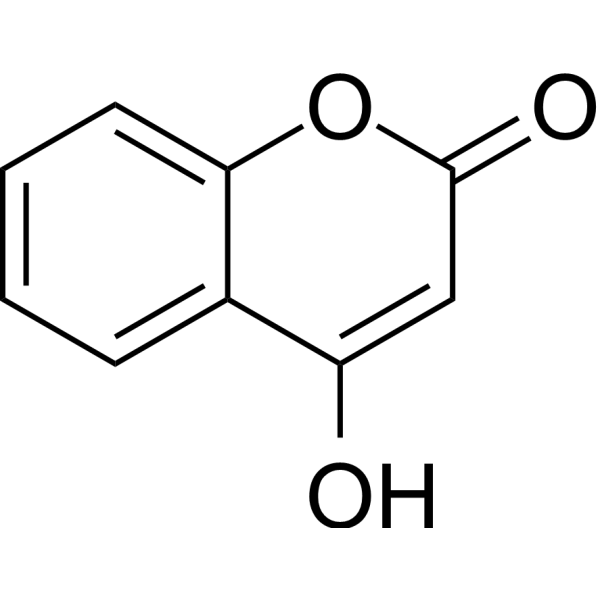
- HY-10322
-
|
BIBX 1382
|
EGFR
|
Cancer
|
|
Falnidamol (BIBX 1382) is an orally active, selective EGFR tyrosine kinase inhibitor with an IC50 of 3 nM. Falnidamol displays > 1000-fold lower potency against ErbB2 (IC50=3.4 μM) and a range of other related tyrosine kinases (IC50>10 μM). Falnidamol is a pyrimido-pyrimidine compound and has anti-cancer activity .
|
-
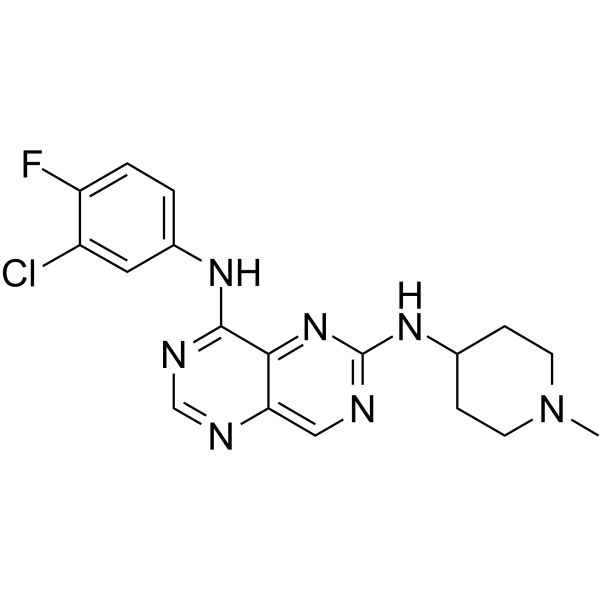
- HY-50868
-
|
INNO-406; NS-187
|
Bcr-Abl
Src
Apoptosis
|
Cancer
|
|
Bafetinib is an orally active Lyn/Bcr-Abl tyrosine kinase inhibitor. Bafetinib enhances the activity of several pro-apoptotic Bcl-2 homology (BH) 3-pure proteins (Bim, Bad, Bmf, and Bik) through intrinsic apoptotic pathways regulated by the Bcl-2 family, and induces apoptosis of Ph + leukemia cells. Bafetinib has antitumor activity .
|
-
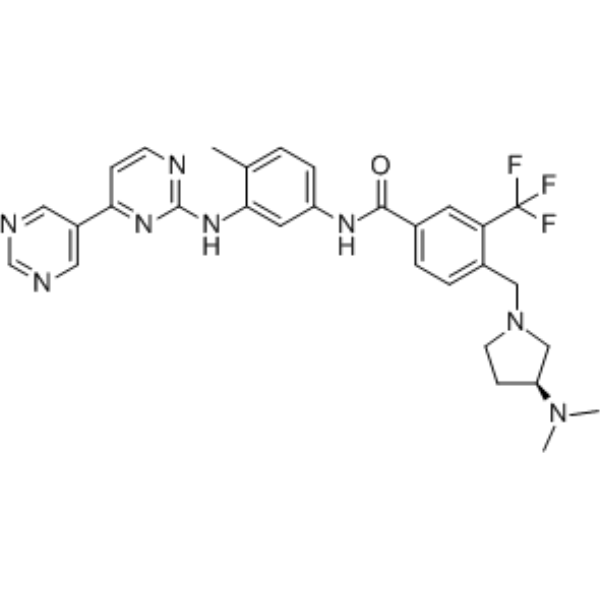
- HY-10331S1
-
|
BAY 73-4506-13C,d3
|
VEGFR
Autophagy
PDGFR
Raf
RET
|
Cancer
|
|
Regorafenib- 13C,d3 is the 13C- and deuterium labeled Regorafenib. Regorafenib (BAY 73-4506) is a multi-targeted receptor tyrosine kinase inhibitor with IC50s of 13/4.2/46, 22, 7, 1.5 and 2.5 nM for VEGFR1/2/3, PDGFRβ, Kit, RET and Raf-1, respectively.
|
-
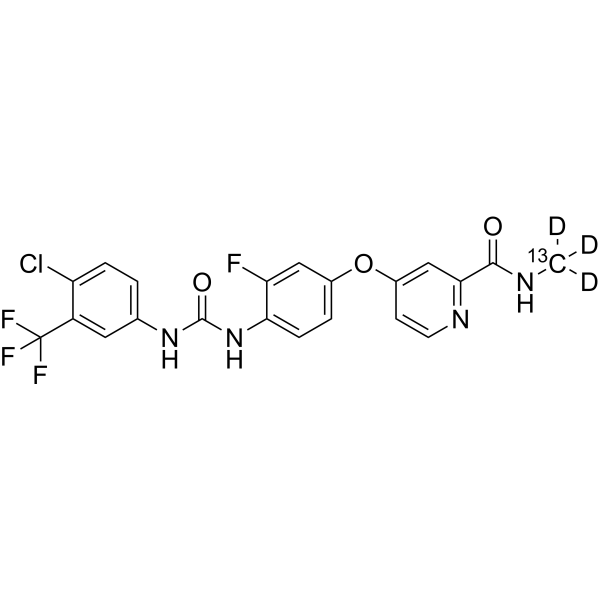
- HY-156741
-
|
|
EGFR
|
Cancer
|
|
EGFR-IN-87 (Compound Example 2) is a EGFR tyrosine kinase inhibitor. EGFR-IN-87 has IC50 value of 3.1 nM, 1.3 nM and 7.1 nM for EGFR_d746-750, EGFR_L858R/T790 and EGFR_WT in A431 cells, respectively. EGFR-IN-87 can be used for cancer diseases research .
|
-
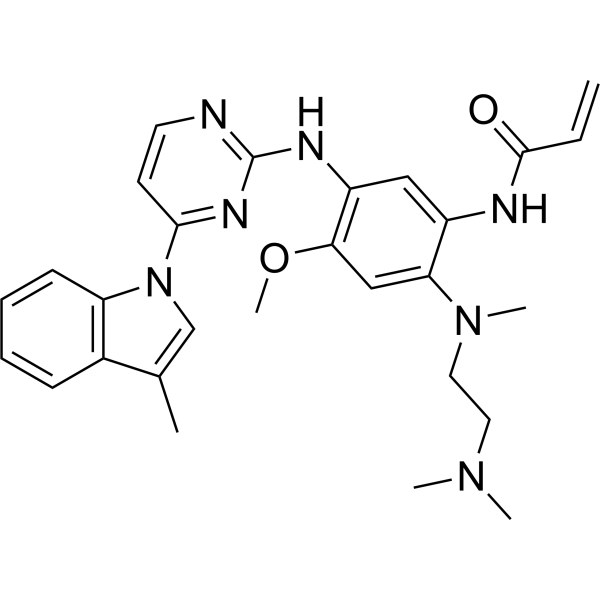
- HY-50896S
-
|
CP-358774-d6; NSC 718781-d6; OSI-774-d6
|
EGFR
|
Cancer
|
|
Erlotinib-d6 (CP-358774 D6) is a deuterium labeled Erlotinib (CP-358774). Erlotinib is a directly acting inhibitor EGFR tyrosine kinase inhibitor with an IC50 of 2 nM for human EGFR . Erlotinib-d6 is a click chemistry reagent, it contains an Alkyne group and can undergo copper-catalyzed azide-alkyne cycloaddition (CuAAc) with molecules containing Azide groups.
|
-
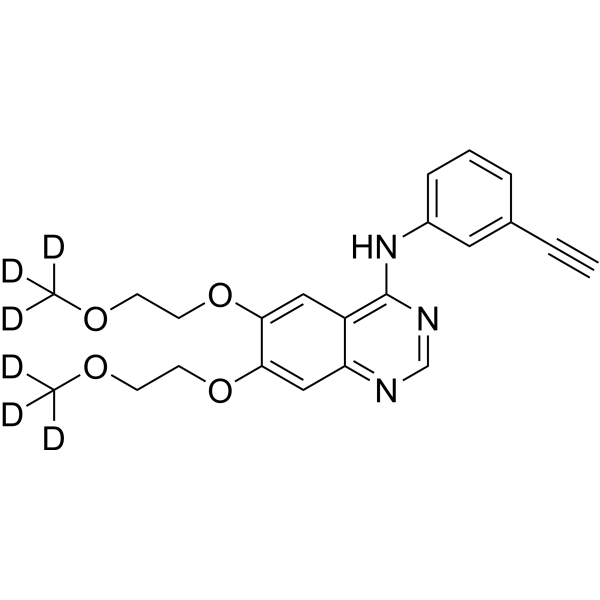
- HY-16590R
-
|
|
Reference Standards
Anaplastic lymphoma kinase (ALK)
c-Met/HGFR
|
Cancer
|
|
X-376 (Standard) is the analytical standard of X-376. This product is intended for research and analytical applications. X-376 is a potent and highly specific ALK tyrosine kinase inhibitor (TKI) (IC50=0.61 nM). X-376 is a less potent inhibitor of MET (IC50=0.69 nM). X-376 displays potent anti-tumor activity .
|
-

- HY-156741A
-
|
|
EGFR
|
Cancer
|
|
EGFR-IN-87 (Compound Example 2) hydrochloride is a EGFR tyrosine kinase inhibitor. EGFR-IN-87 hydrochloride has IC50 value of 3.1 nM, 1.3 nM and 7.1 nM for EGFR_d746-750, EGFR_L858R/T790 and EGFR_WT in A431 cells, respectively. EGFR-IN-87 hydrochloride can be used for cancer diseases research .
|
-

- HY-15656R
-
-

- HY-100499
-
|
Tyrphostin B66; AG 528
|
EGFR
|
Cancer
|
|
Tyrphostin AG 528 is an inhibitor of EGFR and ErbB2 with IC50s of 4.9 and 2.1 μM, respectively.
Tyrphostin AG 528 (Tyrphostin B66) is a protein tyrosine kinase inhibitor, with IC50s of 4.9 μM for epidermal growth factor receptors (EGFR) and 2.1 μM for ErbB2 . Tyrphostin AG 528 is also an anticancer agent .
|
-
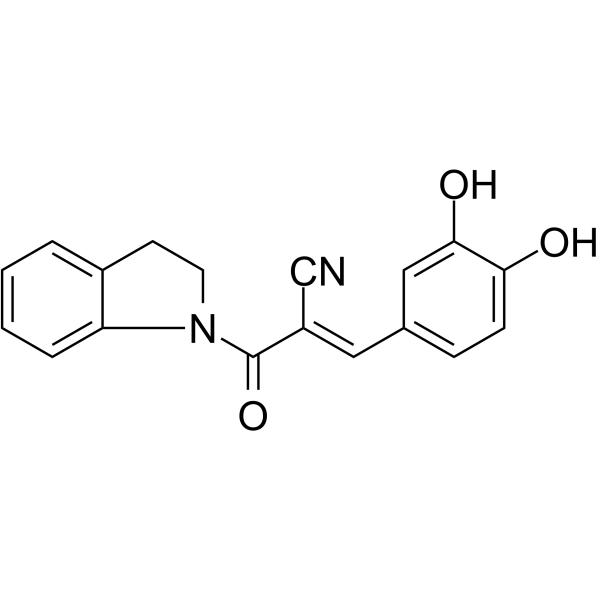
- HY-15463
-
|
STI571; CGP-57148B
|
Bcr-Abl
PDGFR
c-Kit
SARS-CoV
Autophagy
|
Cancer
|
|
Imatinib (STI571) is an orally bioavailable tyrosine kinases inhibitor that selectively inhibits BCR/ABL, v-Abl, PDGFR and c-kit kinase activity. Imatinib (STI571) works by binding close to the ATP binding site, locking it in a closed or self-inhibited conformation, therefore inhibiting the enzyme activity of the protein semicompetitively . Imatinib also is an inhibitor of SARS-CoV and MERS-CoV .
|
-
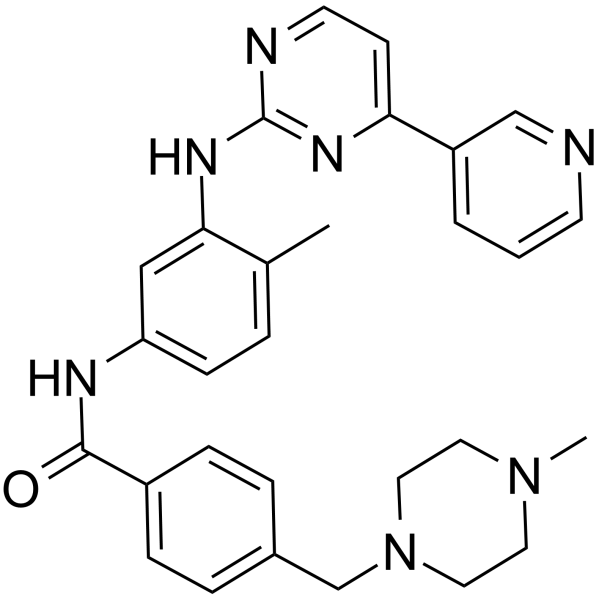
- HY-117718R
-
|
Tyrphostin AG957 (Standard); NSC 654705 (Standard)
|
Bcr-Abl
Reference Standards
|
Cancer
|
|
AG957 (Standard) is the analytical standard of AG957. This product is intended for research and analytical applications. AG957 (Tyrphostin AG957;NSC 654705) is a tyrosine kinase inhibitor with anti-BCR/ABL tyrosine kinase activity . AG957 is a bcr/abl kinase inhibitor with an IC50 of 2.9 μM for p210bcr/abl autokinase activity .
|
-

- HY-180834
-
|
|
PDGFR
Src
c-Met/HGFR
Apoptosis
ERK
|
Endocrinology
Cancer
|
|
Tyrosine kinase-IN-11 (Compound 4b) is a tyrosine kinase inhibitor. Tyrosine kinase-IN-11 decreases general tyrosine kinase activity, selectively inhibits PDGFR-β, SRC, and c-MET kinases. Tyrosine kinase-IN-11 induces apoptosis, accompanied by reduced ERK signalings. Tyrosine kinase-IN-11 exhibits selective anticancer activity against pancreatic cancer and renal cancer .
|
-

- HY-10255R
-
|
SU 11248 Malate (Standard)
|
Reference Standards
PDGFR
VEGFR
IRE1
Mitophagy
Autophagy
Apoptosis
|
Cancer
|
|
Sunitinib (Malate) (Standard) is the analytical standard of Sunitinib (Malate). This product is intended for research and analytical applications. Sunitinib Malate (SU 11248 Malate) is a multi-targeted receptor tyrosine kinase inhibitor with IC50s of 80 nM and 2 nM for VEGFR2 and PDGFRβ, respectively . Sunitinib Malate, an ATP-competitive inhibitor, effectively inhibits autophosphorylation of Ire1α by inhibiting autophosphorylation and consequent RNase activation .
|
-

- HY-112352
-
|
|
Endogenous Metabolite
|
Others
|
|
SU9518 is a tyrosine kinase inhibitor with specific activity against PDGFRα. SU9518 can inhibit the development of proliferative vitreoretinopathy (PVR) in fibroblast and Muller cell rabbit models. SU9518 showed effective inhibitory effects in these models without toxic effects. Therefore, SU9518 has the potential to be used to inhibit PVR in humans and other proliferative eye diseases involving fibrosis and gliosis .
|
-

- HY-10654
-
|
|
Ephrin Receptor
|
Cancer
|
|
EphB4-IN-2 is a tyrosine kinase inhibitor targeting the Eph family and Src family. EphB4-IN-2 binds to the ATP-binding site of the kinase domain of EphB4, and exhibits high affinity for tyrosine kinases with threonine as the gatekeeper residue, such as Abl, Lck and Src. EphB4-IN-2 can be used in research related to tumor-associated angiogenesis .
|
-

- HY-50896
-
|
CP-358774; NSC 718781; OSI-774
|
EGFR
Autophagy
|
Cancer
|
|
Erlotinib (CP-358774) is a directly acting EGFR tyrosine kinase inhibitor, with an IC50 of 2 nM for human EGFR. Erlotinib reduces EGFR autophosphorylation in intact tumor cells with an IC50 of 20 nM. Erlotinib is used for the treatment of non-small cell lung cancer . Erlotinib is a click chemistry reagent, itcontains an Alkyne group and can undergo copper-catalyzed azide-alkyne cycloaddition (CuAAc) with molecules containing Azide groups.
|
-
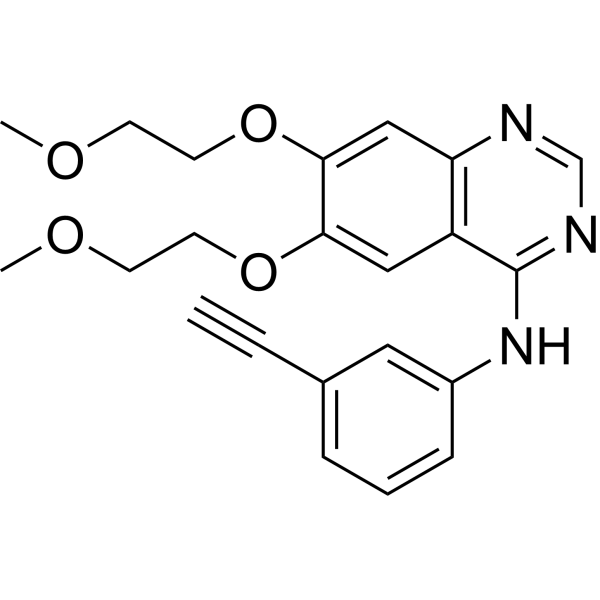
- HY-130616
-
|
|
EGFR
Apoptosis
|
Cancer
|
|
EGFR-IN-11 is a fourth-generation EGFR-tyrosine kinase inhibitor (EGFR-TKI) with an IC50 of 18 nM for triple mutant EGFR L858R/T790M/C797S. EGFR-IN-11 significantly suppresses the EGFR phosphorylation, induce the apoptosis, and arrest cell cycle at G0/G1 .
|
-
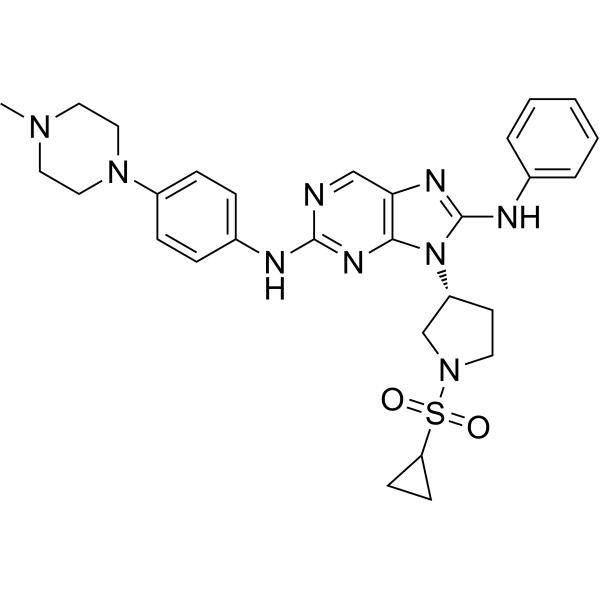
- HY-111158
-
|
|
c-Met/HGFR
|
Cancer
|
|
BMS-748730 is an oral tyrosine kinase inhibitor. BMS-748730 inhibits tyrosine kinase activity by competing with the ATP binding site of the tyrosine kinase, which prevents the kinase from phosphorylating the substrate protein, thereby inhibiting signaling pathways associated with cell proliferation and tumor growth. BMS-748730 can be used in the study of certain types of cancer, including chronic myeloid leukemia (CML) .
|
-

- HY-50895AR
-
|
ZD-1839 hydrochloride (Standard)
|
EGFR
Reference Standards
|
Cancer
|
|
Gefitinib (hydrochloride) (Standard) is the analytical standard of Gefitinib (hydrochloride). This product is intended for research and analytical applications. Gefitinib hydrochloride (ZD1839 hydrochloride) is a potent, selective and orally active EGFR tyrosine kinase inhibitor with an IC50 of 33 nM. Gefitinib hydrochloride selectively inhibits EGF-stimulated tumor cell growth (IC50 of 54 nM) and that blocks EGF-stimulated EGFR autophosphorylation in tumor cells. Gefitinib hydrochloride also induces autophagy. Gefitinib hydrochloride has antitumour activity .
|
-

- HY-107367
-
|
S-22611
|
EGFR
|
Cancer
|
|
Epertinib (S-22611) is a potent, orally active, reversible, and selective tyrosine kinase inhibitor of EGFR, HER4 and HER2, with IC50s of 1.48 nM, 2.49 nM and 7.15 nM, respectively. Epertinib shows potent antitumor activity . Epertinib is a click chemistry reagent, it contains an Alkyne group and can undergo copper-catalyzed azide-alkyne cycloaddition (CuAAc) with molecules containing Azide groups.
|
-
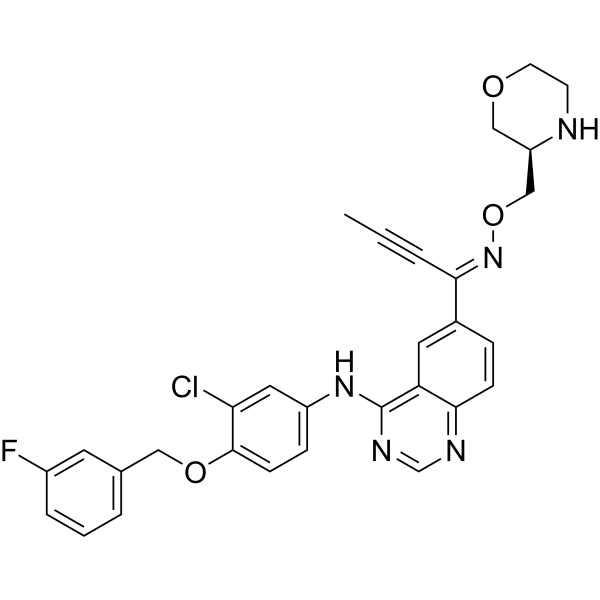
- HY-156092
-
|
|
BCRP
Apoptosis
|
Cancer
|
|
Antitumor photosensitizer-4 (compound 10b) is a potent tyrosine kinase inhibitor (TKI) targeting ABCG2. Antitumor photosensitizer-4 is a photosensitizer (PS) consisting of a conjugate of dasatinib (HY-10181) and imatinib (HY-15463). Antitumor photosensitizer-4 induces apoptosis and ROS production and exhibits strong phototoxicity to HepG2 and B16-F10 cells .
|
-
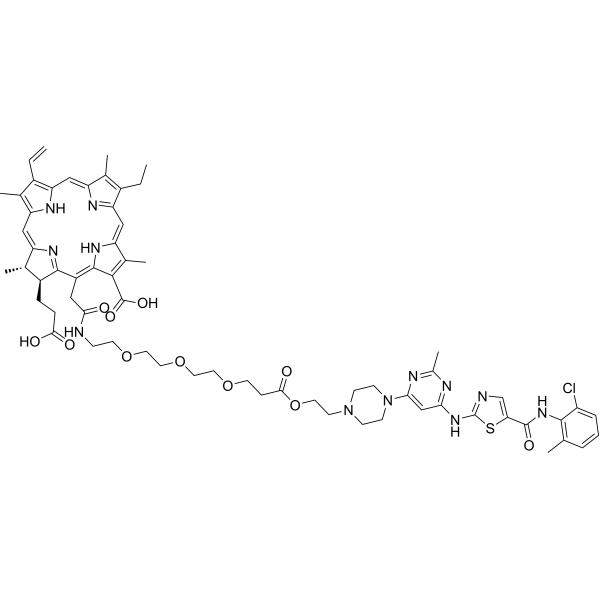
- HY-10207R
-
|
CHIR-258 lactate (Standard); TKI-258 lactate (Standard)
|
Reference Standards
FLT3
c-Kit
FGFR
VEGFR
PDGFR
|
Cancer
|
|
Dovitinib (lactate) (Standard) is the analytical standard of Dovitinib (lactate). This product is intended for research and analytical applications. Dovitinib lactate (TKI258 lactate) is a multi-targeted tyrosine kinase inhibitor with IC50s of 1, 2, 8/9, 10/13/8, 27/210 nM for FLT3, c-Kit, FGFR1/3, VEGFR1/2/3 and PDGFRα/β, respectively .
|
-

- HY-15656AR
-
|
LDK378 dihydrochloride (Standard)
|
Anaplastic lymphoma kinase (ALK)
Insulin Receptor
IGF-1R
Reference Standards
|
Metabolic Disease
Inflammation/Immunology
Cancer
|
|
Ceritinib (LDK378) dihydrochloride (Standard) is the analytical standard of Ceritinib dihydrochloride (HY-15656A). This product is intended for research and analytical applications. Ceritinib dihydrochloride is a selective, orally bioavailable, and ATP-competitive ALK tyrosine kinase inhibitor with an IC50 of 200 pM. Ceritinib dihydrochloride also inhibits IGF-1R, InsR, and STK22D with IC50 values of 8, 7, and 23 nM, respectively. Ceritinib shows great antitumor potency .
|
-

- HY-15463S2
-
|
STI571-d3 hydrochloride; CGP-57148B-d3 hydrochloride
|
Autophagy
Bcr-Abl
c-Kit
SARS-CoV
PDGFR
|
Cancer
|
|
Imatinib-d3 (hydrochloride) is the deuterium labeled Imatinib. Imatinib (STI571) is an orally bioavailable tyrosine kinases inhibitor that selectively inhibits BCR/ABL, v-Abl, PDGFR and c-kit kinase activity. Imatinib (STI571) works by binding close to the ATP binding site, locking it in a closed or self-inhibited conformation, therefore inhibiting the enzyme activity of the protein semicompetitively. Imatinib also is an inhibitor of SARS-CoV and MERS-CoV.
|
-
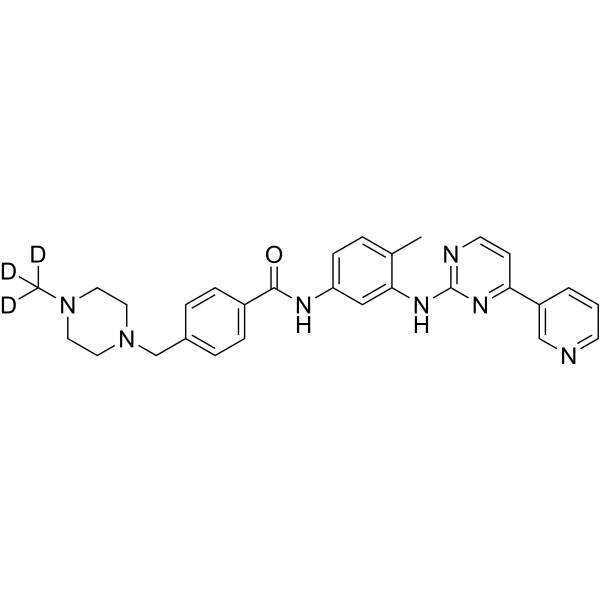
- HY-107367A
-
|
S-22611 hydrochloride
|
EGFR
|
Cancer
|
|
Epertinib (S-22611) hydrochloride is a potent, orally active, reversible, and selective tyrosine kinase inhibitor of EGFR, HER4 and HER2, with IC50s of 1.48 nM, 2.49 nM and 7.15 nM, respectively. Epertinib hydrochloride shows potent antitumor activity . Epertinib (hydrochloride) is a click chemistry reagent, it contains an Alkyne group and can undergo copper-catalyzed azide-alkyne cycloaddition (CuAAc) with molecules containing Azide groups.
|
-
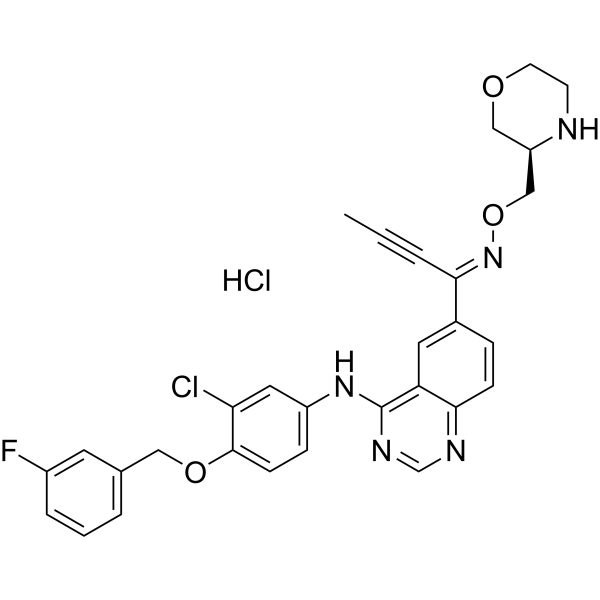
- HY-181166
-
|
|
EGFR
Apoptosis
|
Cancer
|
|
EGFR-IN-194 is a potent EGFR tyrosine kinase inhibitor with an IC50 of 54.3 nM against human EGFR. EGFR-IN-194 induces apoptosis, inhibits migration in cancer cells, selectively promotes invasion in cancer cells, and exhibits antiproliferative effects across multiple cancer cell lines. EGFR-IN-194 can be used for the research of prostate adenocarcinoma, non-small cell lung carcinoma, breast carcinoma, chronic myeloid leukemia .
|
-

- HY-171191
-
|
|
Antibody-Drug Conjugates (ADCs)
Microtubule/Tubulin
c-Met/HGFR
|
Cancer
|
|
REGN5093-M114 is a bispecific antibody-drug conjugate (ADC) that targets two epitopes of the MET receptor tyrosine kinase inhibits the proliferation of NSCLC cells, exhibits antitumor efficacy in mouse models. REGN5093-M114 is composed of the human monoclonal anti-MET antibody Davutamig (HY-P990073) and the tubulin-inhibiting linker-payload (HY-148528) .
|
-

- HY-50867
-
|
CEP-701; KT-5555
|
JAK
FLT3
Trk Receptor
Apoptosis
STAT
|
Cancer
|
|
Lestaurtinib (CEP-701) is an orally active and selective RPTKs (receptor protein tyrosine kinase) inhibitor, competitively inhibits ATP binding to the TrkA/B/C domain. Lestaurtinib inhibits RPTKs phosphorylation, with IC50s of 2, 25 and 0.9 nM for FLT3, TrkA and JAK2, respectively. Lestaurtinib induces apoptosis and cycle arrest, also can inhibit growth of tumor .
|
-
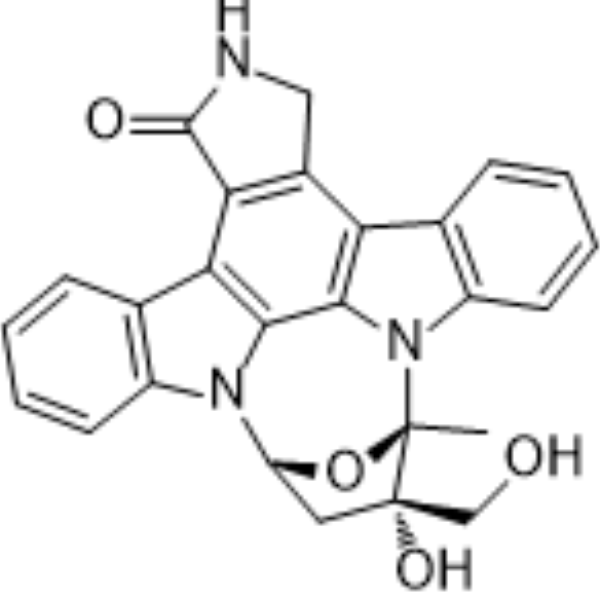
- HY-50895S2
-
|
|
Isotope-Labeled Compounds
EGFR
Autophagy
|
Cancer
|
|
Gefitinib-d3 (ZD1839-d3) is the deuterium labeled Gefitinib. Gefitinib (ZD1839) is a potent, selective and orally active EGFR tyrosine kinase inhibitor with an IC50 of 33 nM. Gefitinib selectively inhibits EGF-stimulated tumor cell growth (IC50 of 54 nM) and that blocks EGF-stimulated EGFR autophosphorylation in tumor cells. Gefitinib also induces autophagy. Gefitinib has antitumour activity .
|
-
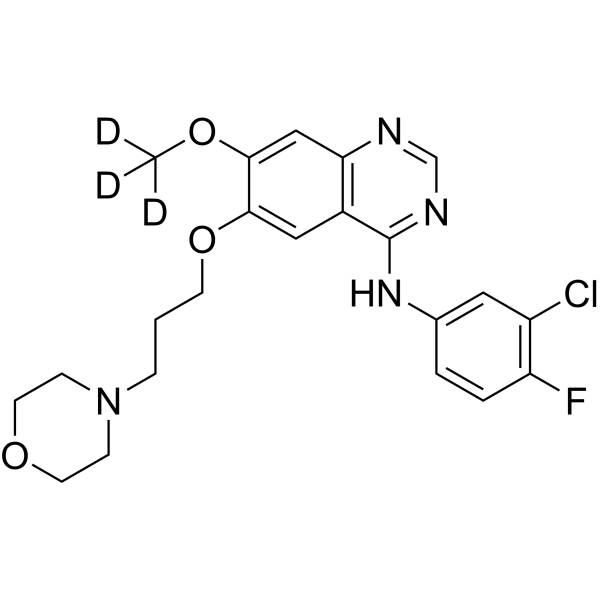
- HY-164487
-
|
|
Proteasome
|
Cancer
|
|
JBJ-08-178-01 is a mutant-selective tyrosine kinase inhibitor against human epidermal growth factor receptor 2 (HER2) with an antitumoral activity. JBJ-08-178-01 reduces both the kinase activity and protein levels of HER2 by inducing proteasomal degradation of the receptor in lung cancer. JBJ-08-178-01 is promising for research of non-small-cell lung cancer .
|
-

- HY-131275
-
|
|
Drug Metabolite
|
Others
|
|
Imatinib Impurity E is the impurity of Imatinib. Imatinib is an orally bioavailable tyrosine kinases inhibitor that selectively inhibits BCR/ABL, v-Abl, PDGFR and c-kit kinase activity. Imatinib (STI571) works by binding close to the ATP binding site, locking it in a closed or self-inhibited conformation, therefore inhibiting the enzyme activity of the protein semicompetitively . Imatinib also is an inhibitor of SARS-CoV and MERS-CoV .
|
-
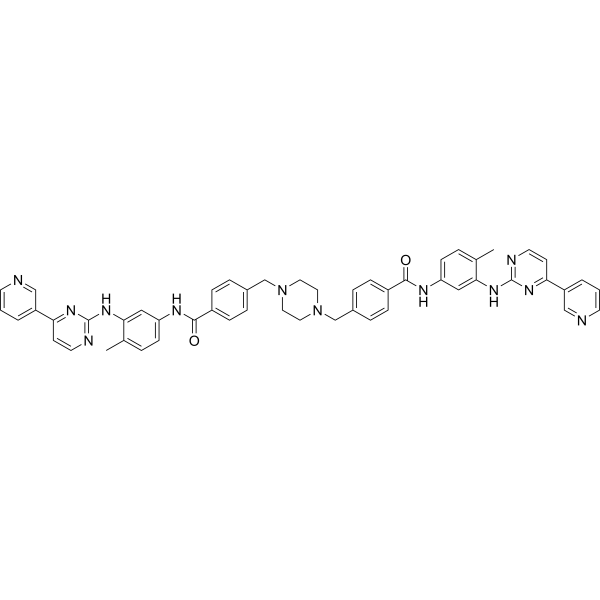
- HY-12972
-
|
PF-06747775
|
EGFR
|
Cancer
|
|
Mavelertinib is a selective, orally available and irreversible EGFR tyrosine kinase inhibitor (EGFR TKI), with IC50s of 5, 4, 12 and 3 nM for Del, L858R, and double mutants T790M/L858R and T790M/Del, respectively. Mavelertinib can be used for the research of non-small-cell lung cancer (NSCLC) .
|
-
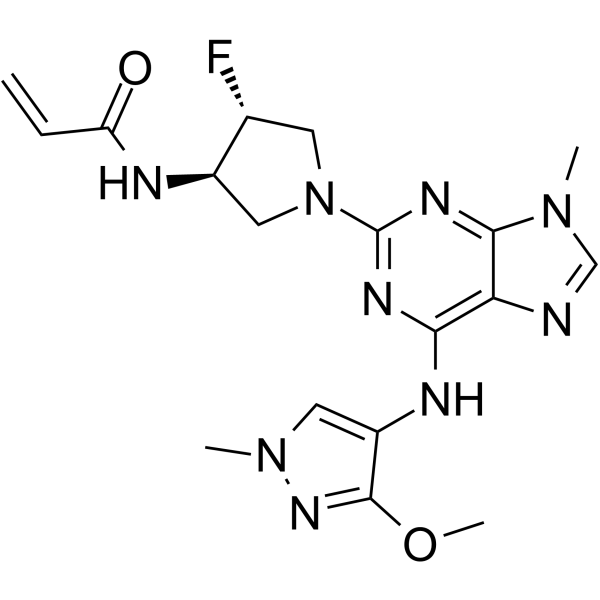
- HY-16558
-
|
2’,3,4,4’-tetrahydroxy Chalcone
|
EGFR
Autophagy
Apoptosis
Phosphodiesterase (PDE)
|
Cancer
|
|
Butein is a cAMP-specific PDE inhibitor with an IC50 of 10.4 μM for PDE4 . Butein is a specific protein tyrosine kinase inhibitor with IC50s of 16 and 65 μM for EGFR and p60 c-src in HepG2 cells . Butein sensitizes HeLa cells to Cisplatin through AKT and ERK/p38 MAPK pathways by targeting FoxO3a . Butein is a SIRT1 activator (STAC).
|
-
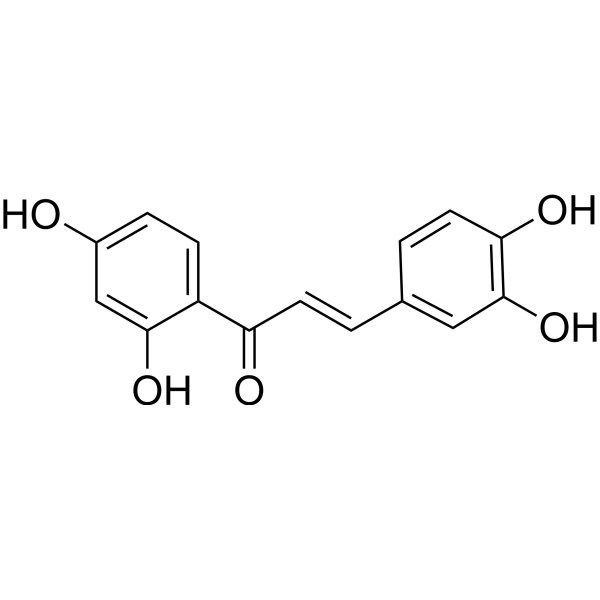
- HY-W011266
-
|
|
PDGFR
|
Cancer
|
|
JNJ-10198409 is a relatively selective, orally active, and ATP competitive PDGF-RTK (platelet-derived growth factor receptor tyrosine kinase) inhibitor (IC50=2 nM). It is a dual-mechanism, antiangiogenic, and tumor cell antiproliferative agent. JNJ-10198409 has good activity against PDGFR-β kinase (IC50=4.2 nM) and PDGFR-α kinase (IC50=45 nM) .
|
-
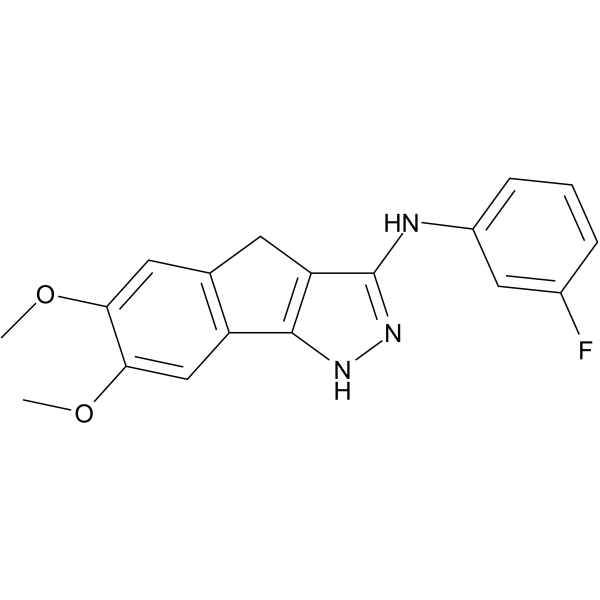
- HY-144680
-
|
ZL-2313
|
EGFR
|
Cancer
|
|
BLU-945 is a potent, highly selective, reversible and orally active epidermal growth factor receptor (EGFR) tyrosine kinase inhibitor (TKIs). BLU-945 can effectively inhibit EGFR with L858R and/or exon 19 deletion mutation, T790M mutation and C797S mutation. BLU-945 can be used for the research of lung cancer including non-small cell lung cancer (NSCLC) .
|
-
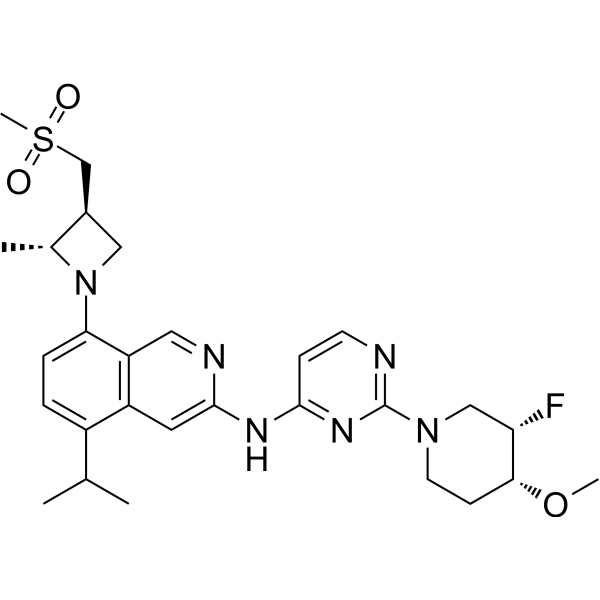
- HY-10206R
-
|
MP470 (Standard); HPK 56 (Standard)
|
Reference Standards
c-Kit
PDGFR
RAD51
FLT3
c-Met/HGFR
RET
Apoptosis
|
Cancer
|
|
Amuvatinib (Standard) is the analytical standard of Amuvatinib. This product is intended for research and analytical applications. Amuvatinib (MP470) is an orally bioavailable multi-targeted tyrosine kinase inhibitor with potent activity against mutant c-Kit, PDGFRα, Flt3, c-Met and c-Ret. Amuvatinib (MP470) is also a DNA repair suppressor through suppression of DNA repair protein RAD51, thereby disrupting DNA damage repair . Antineoplastic activity .
|
-

- HY-133779R
-
|
|
Drug Metabolite
Reference Standards
|
Others
Cancer
|
|
Gefitinib impurity 5 (Standard) is the analytical standard of Gefitinib impurity 5. This product is intended for research and analytical applications. Gefitinib impurity 5 is the impurity of Gefitinib. Gefitinib (ZD1839) is a potent, selective and orally active EGFR tyrosine kinase inhibitor with an IC50 of 33 nM. Gefitinib selectively inhibits EGF-stimulated tumor cell growth (IC50 of 54 nM) and that blocks EGF-stimulated EGFR autophosphorylation in tumor cells. Gefitinib also induces autophagy. Gefitinib has antitumour activity .
|
-

- HY-10331R
-
|
BAY 73-4506 (Standard)
|
Reference Standards
VEGFR
Autophagy
PDGFR
Raf
RET
c-Kit
FGFR
Tie
|
Cancer
|
|
Regorafenib (Standard) is the analytical standard of Regorafenib. This product is intended for research and analytical applications. Regorafenib (BAY 73-4506) is an orally active and potent multi-targeted receptor tyrosine kinase inhibitor, with IC50 values of 13/4.2/46, 22, 7, 1.5 and 2.5 nM for VEGFR1/2/3, PDGFRβ, Kit, RET and Raf-1, respectively. Regorafenib shows very robust antitumor and antiangiogenic activity .
|
-

- HY-50868R
-
|
INNO-406 (Standard); NS-187 (Standard)
|
Bcr-Abl
Src
Apoptosis
Reference Standards
|
Cancer
|
|
Bafetinib (Standard) is the analytical standard of Bafetinib. This product is intended for research and analytical applications. Bafetinib is an orally active Lyn/Bcr-Abl tyrosine kinase inhibitor. Bafetinib enhances the activity of several pro-apoptotic Bcl-2 homology (BH) 3-pure proteins (Bim, Bad, Bmf, and Bik) through intrinsic apoptotic pathways regulated by the Bcl-2 family, and induces apoptosis of Ph+ leukemia cells. Bafetinib has antitumor activity .
|
-

- HY-50895R
-
|
ZD1839 (Standard)
|
Reference Standards
EGFR
Autophagy
Apoptosis
|
Cancer
|
|
Gefitinib (Standard) is the analytical standard of Gefitinib. This product is intended for research and analytical applications. Gefitinib (ZD1839) is a potent, selective and orally active EGFR tyrosine kinase inhibitor with an IC50 of 33 nM. Gefitinib selectively inhibits EGF-stimulated tumor cell growth (IC50 of 54 nM) and that blocks EGF-stimulated EGFR autophosphorylation in tumor cells. Gefitinib also induces autophagy and cell apoptosis, which can be used for cancer related research, such as Lung cancer and breast cancer .
|
-
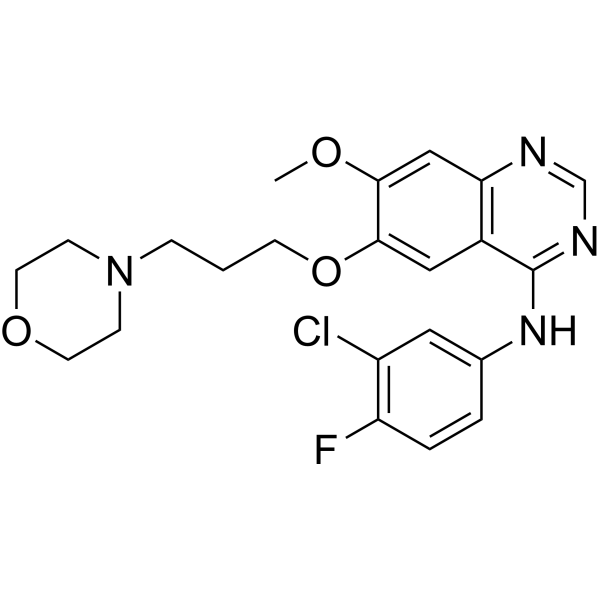
- HY-156638
-
|
|
Tie
VEGFR
|
Cardiovascular Disease
|
|
TIE-2/VEGFR-2 kinase-IN-5 is an anti-angiogenic agent. TIE-2/VEGFR-2 kinase-IN-5 also is a potent TIE-2 and VEGFR-2 tyrosine kinase inhibitor with pIC50 values of 7.78 nM and 8.11 nM, respectively. TIE-2/VEGFR-2 kinase-IN-5 can be used for the research of angiogenesis .
|
-
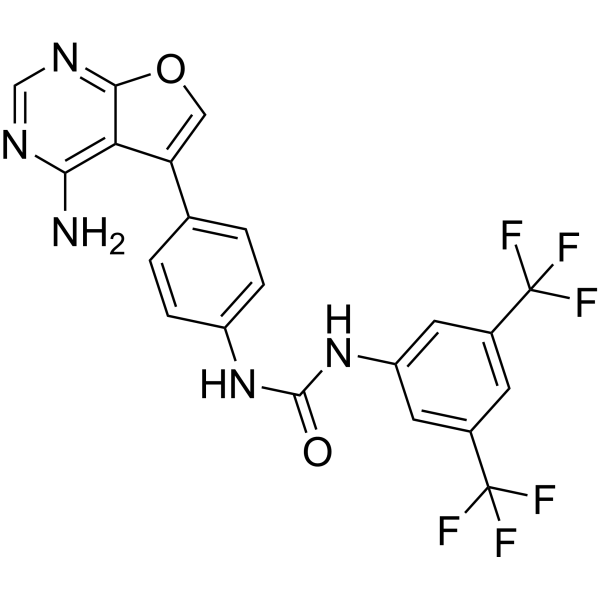
- HY-50905S
-
|
|
FLT3
c-Kit
FGFR
VEGFR
PDGFR
c-Fms
|
Cancer
|
|
Dovitinib-d8 is the deuterium labeled Dovitinib. Dovitinib (CHIR-258) is a multi-targeted tyrosine kinase inhibitor with IC50s of 1, 2, 8/9, 10/13/8, 27/210 nM for FLT3, c-Kit, FGFR1/FGFR3, VEGFR1/VEGFR2/VEGFR3 and PDGFRα/PDGFRβ, respectively .
|
-
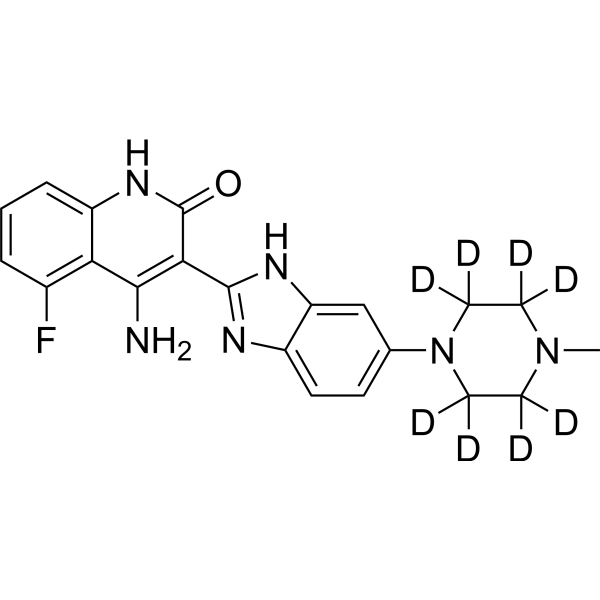
- HY-10331AR
-
|
BAY 73-4506 monohydrate (Standard)
|
Reference Standards
VEGFR
Autophagy
PDGFR
Raf
RET
FGFR
c-Kit
Tie
|
Cancer
|
|
Regorafenib (monohydrate) (Standard) is the analytical standard of Regorafenib (monohydrate). This product is intended for research and analytical applications. Regorafenib (BAY 73-4506) monohydrate is an orally active and potent multi-targeted receptor tyrosine kinase inhibitor, with IC50 values of 13/4.2/46, 22, 7, 1.5 and 2.5 nM for VEGFR1/2/3, PDGFRβ, Kit, RET and Raf-1, respectively. Regorafenib monohydrate shows very robust antitumor and antiangiogenic activity .
|
-

- HY-129510
-
|
|
EGFR
Mitosis
|
Cancer
|
|
4-Methyl erlotinib, is a potent and selective epidermal growth factor receptor (EGFR) tyrosine kinase inhibitor. 4-Methyl erlotinib potently inhibits EGF-mediated tumor cell mitosis by reducing EGFr-specific tyrosine phosphorylation. Using a mouse model of human tumor transplantation, 4-Methyl erlotinib demonstrated significant and sustained suppression of EGFr phosphotyrosine levels, resulting in significant growth inhibition of EGFr-dependent human cancers .
|
-

- HY-101042
-
|
Tyrphostin AG 494
|
EGFR
CDK
|
Cancer
|
|
AG-494 (Tyrphostin AG 494) is a potent and selective EGFR tyrosine kinase inhibitor (IC50=0.7 μM). AG-494 inhibits the autophosphorylation of EGFR, ErbB2, HER1-2 and PDGF-R with IC50s 1.1, 39, 45 and 6 μM, respectively. AG-494 blocks Cdk2 activation and inhibits EGF-dependent DNA synthesis .
|
-
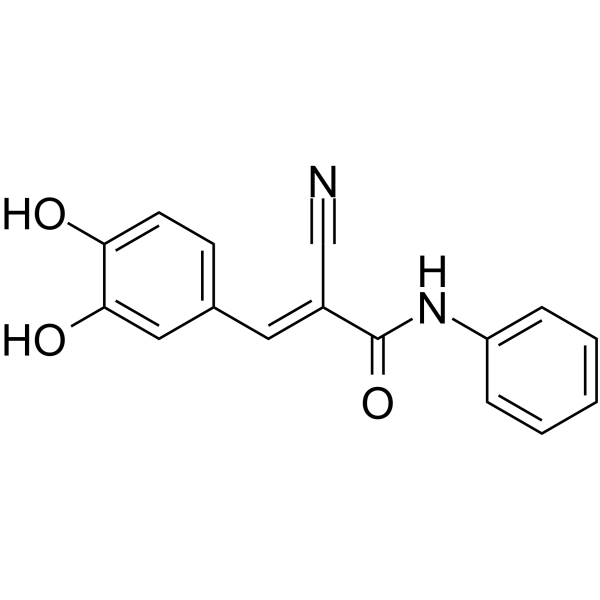
- HY-124097
-
|
|
Insulin Receptor
|
Metabolic Disease
|
|
HNMPA-(AM)3 is a cell-permeable and selective insulin receptor tyrosine kinase inhibitor analog of HNMPA. HNMPA-(AM)3 greatly inhibits the ability of prothoracicotropic hormone (PTTH) to activate ERK phosphorylation and stimulate ecdysteroidogenesis. HNMPA-(AM)3 is also effective in inhibiting ecdysteroid production (IC50=14.2 μM) and insulin receptor activity (IC50 is 14.2 μM and 200 μM in mosquitoes and mammals, respectively) .
|
-
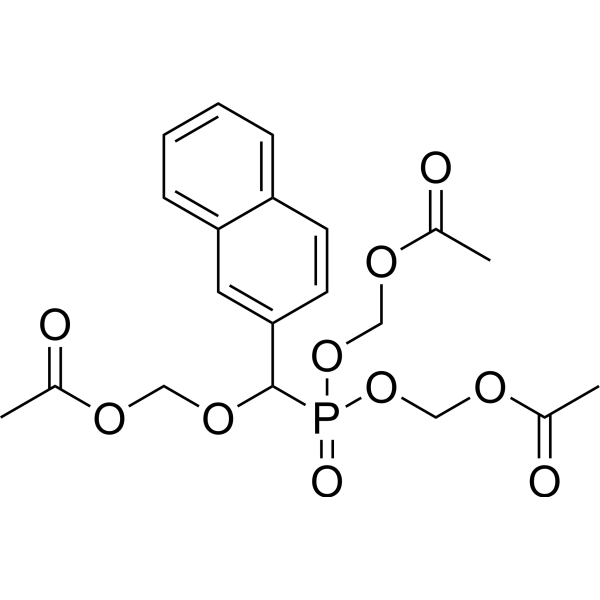
- HY-10322R
-
|
BIBX 1382 (Standard)
|
Reference Standards
EGFR
|
Cancer
|
|
Falnidamol (Standard) is the analytical standard of Falnidamol. This product is intended for research and analytical applications. Falnidamol (BIBX 1382) is an orally active, selective EGFR tyrosine kinase inhibitor with an IC50 of 3 nM. Falnidamol displays > 1000-fold lower potency against ErbB2 (IC50=3.4 μM) and a range of other related tyrosine kinases (IC50>10 μM). Falnidamol is a pyrimido-pyrimidine compound and has anti-cancer activity .
|
-

- HY-125102
-
|
|
IGF-1R
|
Cancer
|
|
AZ12253801 is an ATP-competitive IGF-1R tyrosine kinase inhibitor that shows ∼10-fold selectivity over the insulin receptor. AZ12253801 inhibits IGF-1R–driven proliferation in 3T3 mouse fibroblasts (transfected with human IGF-1R) with an IC50 of 17 nmol/L. The IC50 for epidermal growth factor receptor (EGFR)–driven proliferation is 440 nmol/L. Anti-tumor activity.
|
-
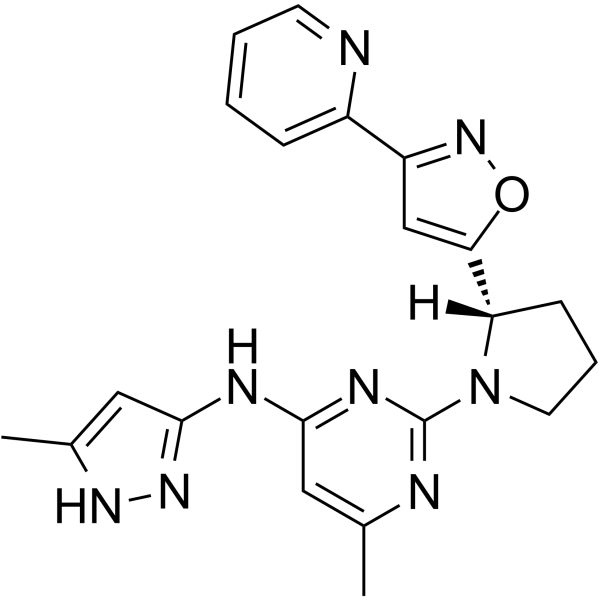
- HY-107459R
-
|
(E/Z)-Tyrphostin AG490 (Standard); (E/Z)-Tyrphostin B42 (Standard)
|
Reference Standards
EGFR
STAT
JAK
|
Cancer
|
|
(E/Z)-AG490 (Standard) is the analytical standard of (E/Z)-AG490 (HY-107459). This product is intended for research and analytical applications. (E/Z)-AG490 ((E/Z)-Tyrphostin AG490) is a racemic compound of (E)-AG490 and (Z)-AG490 isomers. (E)-AG490 (HY-12000) is a tyrosine Kinase inhibitor that inhibits EGFR, Stat-3 and JAK2/3.
|
-

- HY-50896R
-
|
CP-358774 (Standard); NSC 718781 (Standard); OSI-774 (Standard)
|
Reference Standards
EGFR
Autophagy
|
Cancer
|
|
Erlotinib (Standard) is the analytical standard of Erlotinib. This product is intended for research and analytical applications. Erlotinib (CP-358774) is a directly acting EGFR tyrosine kinase inhibitor, with an IC50 of 2 nM for human EGFR. Erlotinib reduces EGFR autophosphorylation in intact tumor cells with an IC50 of 20 nM. Erlotinib is used for the treatment of non-small cell lung cancer . Erlotinib is a click chemistry reagent, itcontains an Alkyne group and can undergo copper-catalyzed azide-alkyne cycloaddition (CuAAc) with molecules containing Azide groups.
|
-

- HY-N3373R
-
|
|
Reference Standards
Bacterial
|
Infection
|
|
4-Hydroxycoumarin (Standard) is the analytical standard of 4-Hydroxycoumarin. This product is intended for research and analytical applications. 4-Hydroxycoumarin is an orally active coumarin derivative, one of the most versatile heterocyclic scaffolds, often used in the synthesis of various organic compounds. 4-Hydroxycoumarin possesses both electrophilic and nucleophilic properties. 4-Hydroxycoumarin is an HIV protease inhibitor and tyrosine kinase inhibitor. 4-Hydroxycoumarin has anti-inflammatory, antibacterial and anti-tumor effects .
|
-

- HY-148794
-
|
IkT-148009
|
c-Met/HGFR
Bcr-Abl
|
Neurological Disease
Cancer
|
|
Risvodetinib (IkT-148009) is an orally active, selective and brain-penetrant protein tyrosine kinase inhibitor, displaying excellent target efficacy against c-Abl1, c-Abl2/Arg with IC50 values of 33 nM, 14 nM, respectively. Risvodetinib suppresses c-Abl activation and substantially protects dopaminergic neurons from degeneration in mouse models of both inherited and sporadic Parkinson’s disease (PD), which is promising for research in the field of PD .
|
-
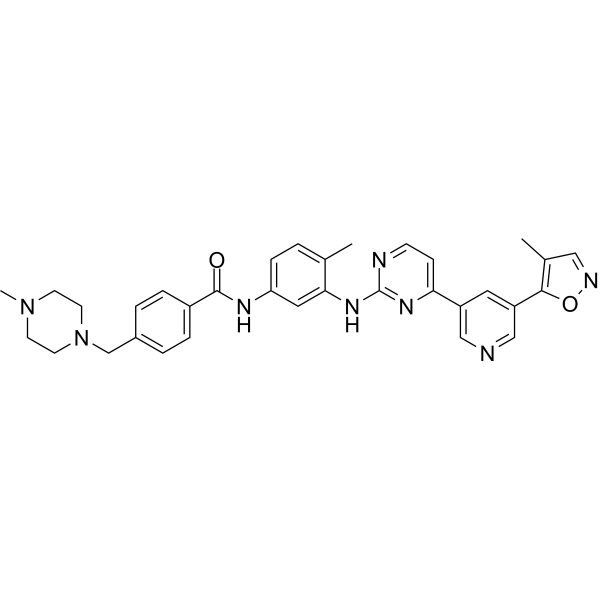
- HY-W012848
-
|
DL-α-Methylbenzylamine
|
Endogenous Metabolite
|
Neurological Disease
Cancer
|
|
1-Phenylethanamine is a potential central nervous system stimulant and a related compound of β-phenylethylamine. Due to the replacement of its benzene ring with an indole group, its brain glycogenolytic activity is significantly reduced. Therefore, 1-Phenylethanamine can be used to study the impact of the chemical structure of phenylethylamine derivatives on central nervous system activity. In addition, 1-Phenylethanamine can also be used to synthesize the tyrosine kinase (tyrosine kinase) inhibitor CLM3 (HY-164413) .
|
-

- HY-118144
-
|
|
Src
Bcr-Abl
p38 MAPK
|
Cancer
|
|
PD166326 is an orally active tyrosine kinase inhibitor with a IC50 of 8 nM against abl tyrosine kinase and a IC50 of 6 nM against src tyrosine kinase. PD166326 blocks Bcr/Abl kinase activity. PD166326 inhibits Bcr/Abl-dependent proliferation and cell cycle progression. PD166326 reduces peripheral blood granulocytosis, alleviates splenomegaly and prolongs survival in a mouse model of chronic myeloid leukemia. PD166326 can be used in research related to chronic myeloid leukemia .
|
-
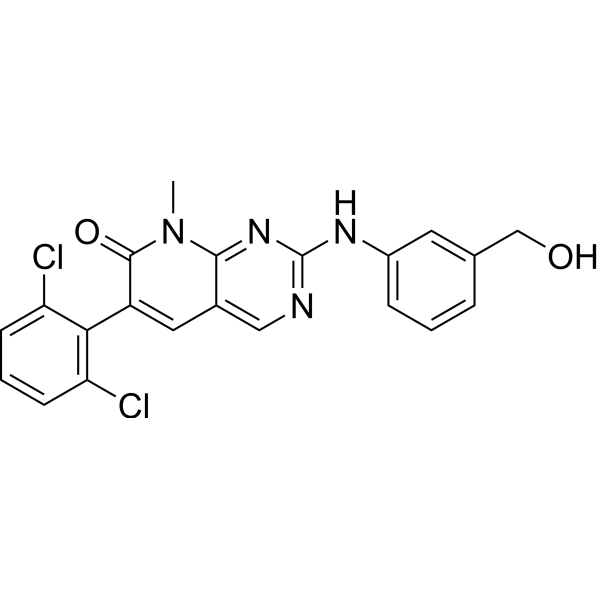
- HY-10252A
-
|
cis-ADW742; cis-GSK 552602A; cis-ADW
|
IGF-1R
Insulin Receptor
Apoptosis
|
Inflammation/Immunology
|
|
cis-NVP-ADW742 (cis-ADW742) is a cis isomer of NVP-ADW742 (HY-10252). NVP-ADW742 is an orally active, selective IGF-1R tyrosine kinase inhibitor with an IC50 of 0.17 μM. NVP-ADW742 inhibits insulin receptor (InsR) with an IC50 of 2.8 μM. NVP-ADW742 induces pleiotropic antiproliferative/proapoptotic biologic sequelae in tumor cells .
|
-

- HY-15463R
-
|
STI571 (Standard); CGP-57148B (Standard)
|
Reference Standards
Bcr-Abl
PDGFR
c-Kit
SARS-CoV
Autophagy
|
Cancer
|
|
Imatinib (Standard) is the analytical standard of Imatinib. This product is intended for research and analytical applications. Imatinib (STI571) is an orally bioavailable tyrosine kinases inhibitor that selectively inhibits BCR/ABL, v-Abl, PDGFR and c-kit kinase activity. Imatinib (STI571) works by binding close to the ATP binding site, locking it in a closed or self-inhibited conformation, therefore inhibiting the enzyme activity of the protein semicompetitively . Imatinib also is an inhibitor of SARS-CoV and MERS-CoV .
|
-

- HY-N6856R
-
|
|
Reference Standards
Bacterial
Endogenous Metabolite
|
Infection
Cancer
|
|
4-Hydroxycoumarin (Standard) is the analytical standard of 4-Hydroxycoumarin. This product is intended for research and analytical applications. 4-Hydroxycoumarin is an orally active coumarin derivative, one of the most versatile heterocyclic scaffolds, often used in the synthesis of various organic compounds. 4-Hydroxycoumarin possesses both electrophilic and nucleophilic properties. 4-Hydroxycoumarin is an HIV protease inhibitor and tyrosine kinase inhibitor. 4-Hydroxycoumarin has anti-inflammatory, antibacterial and anti-tumor effects .
|
-

- HY-16558R
-
|
2’,3,4,4’-tetrahydroxy Chalcone (Standard)
|
Reference Standards
EGFR
Autophagy
Apoptosis
Phosphodiesterase (PDE)
|
Cancer
|
|
Butein (Standard) is the analytical standard of Butein. This product is intended for research and analytical applications. Butein is a cAMP-specific PDE inhibitor with an IC50 of 10.4 μM for PDE4 . Butein is a specific protein tyrosine kinase inhibitor with IC50s of 16 and 65 μM for EGFR and p60c-src in HepG2 cells . Butein sensitizes HeLa cells to Cisplatin through AKT and ERK/p38 MAPK pathways by targeting FoxO3a . Butein is a SIRT1 activator (STAC).
|
-

- HY-179247
-
|
|
Bcr-Abl
|
Cancer
|
|
BCR-ABL1-IN-2 (compound 8) is a potent BCR-ABL1 tyrosine kinase inhibitor. BCR-ABL1-IN-2 exhibits activity in Imatinib (HY-15463) resistant K562/DOX cells with LC50 of 5.29 μM. BCR-ABL1-IN-2 shows no significant toxicity in nontumor cells. BCR-ABL1-IN-2 can be used for chronic myeloid leukemia research .
|
-

- HY-120089
-
|
|
FLT3
ERK
Akt
STAT
Apoptosis
|
Cancer
|
|
UNC1666 is an ATP-competitive dual-target Mer/Flt3 tyrosine kinase inhibitor with IC50 values of 0.55 nM and 0.69 nM, and Ki values of 0.16 nM and 0.67 nM, respectively. UNC1666 reduces the phosphorylation levels of Mer and Flt3, suppresses downstream pro-survival signaling pathways (Erk1/2, Akt and Stat), induces cell apoptosis, and decreases colony formation of acute myeloid leukemia cells. UNC1666 is applicable to research related to acute myeloid leukemia .
|
-

- HY-50896S3
-
|
CP-358774-d8; NSC 718781-d8; OSI-774-d8
|
Isotope-Labeled Compounds
|
Cancer
|
|
Erlotinib-d8 (CP-358774-d8) is deuterium labeled Erlotinib. Erlotinib (CP-358774) is a directly acting EGFR tyrosine kinase inhibitor, with an IC50 of 2 nM for human EGFR. Erlotinib reduces EGFR autophosphorylation in intact tumor cells with an IC50 of 20 nM. Erlotinib is used for the treatment of non-small cell lung cancer . Erlotinib is a click chemistry reagent, itcontains an Alkyne group and can undergo copper-catalyzed azide-alkyne cycloaddition (CuAAc) with molecules containing Azide groups.
|
-

- HY-W706452
-
|
XL184-d4 S-malate; BMS-907351-d4 S-malate
|
Isotope-Labeled Compounds
Apoptosis
VEGFR
|
Cancer
|
|
Cabozantinib-d4 (S-malate) (XL184-d4 (S-malate); BMS-907351-d4 (S-malate)) is the deuterium labeled Cabozantinib (S-malate) (HY-12044). Cabozantinib S-malate (XL184 S-malate) is a potent multiple receptor tyrosine kinases inhibitor that inhibits VEGFR2, c-Met, Kit, Axl and Flt3 with IC50s of 0.035, 1.3, 4.6, 7 and 11.3 nM, respectively.
|
-

- HY-183682
-
|
|
EGFR
p38 MAPK
ERK
Akt
|
Cancer
|
|
AZ14289671 is an orally active, blood-brain barrier-penetrant tyrosine kinase (tyrosine kinase) inhibitor (TKI) that specifically targets non-small cell lung cancer (NSCLC) harboring EGFR exon 20 insertion mutations (EGFR Exon20Ins), while largely sparing wild-type EGFR to reduce off-target toxicities such as rash and diarrhea. AZ14289671 inhibits the downstream MAPK/ERK/AKT pathway, suppressing tumor cell proliferation, survival and migration. AZ14289671 can be used for NSCLC research .
|
-

- HY-50896S2
-
|
CP-358774-d4; NSC 718781-d4; OSI-774-d4
|
Isotope-Labeled Compounds
Autophagy
EGFR
|
Cancer
|
|
Erlotinib-d4 (CP-358774-d4) is deuterium labeled Erlotinib. Erlotinib (CP-358774) is a directly acting EGFR tyrosine kinase inhibitor, with an IC50 of 2 nM for human EGFR. Erlotinib reduces EGFR autophosphorylation in intact tumor cells with an IC50 of 20 nM. Erlotinib is used for the treatment of non-small cell lung cancer . Erlotinib is a click chemistry reagent, itcontains an Alkyne group and can undergo copper-catalyzed azide-alkyne cycloaddition (CuAAc) with molecules containing Azide groups.
|
-

- HY-10252R
-
|
ADW742 (Standard); GSK 552602A (Standard); ADW (Standard)
|
Reference Standards
IGF-1R
Insulin Receptor
Apoptosis
|
Endocrinology
Cancer
|
|
NVP-ADW742 (Standard) is the analytical standard of NVP-ADW742 (HY-10252). This product is intended for research and analytical applications. NVP-ADW742 (ADW742) is an orally active, selective IGF-1R tyrosine kinase inhibitor with an IC50 of 0.17 μM. NVP-ADW742 inhibits insulin receptor (InsR) with an IC50 of 2.8 μM. NVP-ADW742 induces pleiotropic antiproliferative/proapoptotic biologic sequelae in tumor cells .
|
-

- HY-12965B
-
|
|
TAM Receptor
|
Cancer
|
|
(Z)-S49076 hydrochloride is an orally active inhibitor of MET and AXL that blocks the downstream signaling of these receptors both in vitro and in vivo, inhibiting the proliferation and migration of tumor cells and suppressing tumor growth in xenograft models. (Z)-S49076 hydrochloride is capable of overcoming the resistance to epidermal growth factor receptor (EGFR) tyrosine kinase inhibitors (TKIs) due to MET amplification in Erlotinib (HY-50896)-resistant cell lines both in vitro and in vivo. (Z)-S49076 hydrochloride can be used for research in non-small cell lung cancer (NSCLC) .
|
-

- HY-107367AR
-
|
S-22611 hydrochloride (Standard)
|
Reference Standards
EGFR
|
Cancer
|
|
Epertinib hydrochloride (Standard) (S-22611 hydrochloride (Standard)) is the analytical standard of Epertinib (hydrochloride) (HY-107367A). This product is intended for research and analytical applications. Epertinib (S-22611) hydrochloride is a potent, orally active, reversible, and selective tyrosine Kinase inhibitor of EGFR, HER4 and HER2, with IC50s of 1.48 nM, 2.49 nM and 7.15 nM, respectively. Epertinib hydrochloride shows potent antitumor activity . Epertinib (hydrochloride) is a click chemistry reagent, it contains an Alkyne group and can undergo copper-catalyzed azide-alkyne cycloaddition (CuAAc) with molecules containing Azide groups.
|
-

- HY-15463S3
-
|
STI571-13C,d3; CGP-57148B-13C,d3
|
Isotope-Labeled Compounds
Autophagy
SARS-CoV
Bcr-Abl
PDGFR
c-Kit
|
Cancer
|
|
Imatinib- 13C,d3 (STI571- 13C,d3) is 13C labeled Imatinib. Imatinib (STI571) is an orally bioavailable tyrosine kinases inhibitor that selectively inhibits BCR/ABL, v-Abl, PDGFR and c-kit kinase activity. Imatinib (STI571) works by binding close to the ATP binding site, locking it in a closed or self-inhibited conformation, therefore inhibiting the enzyme activity of the protein semicompetitively . Imatinib also is an inhibitor of SARS-CoV and MERS-CoV .
|
-

- HY-103440
-
|
|
EGFR
|
Cancer
|
|
EGFR/ErbB-2/ErbB-4 inhibitor-3 (compound 29) is a potent tyrosine kinase inhibitor with IC50s of 0.3, 1.1, 0.5, 2.5, 24 nM for erbB1, erbB2, erbB4, EGF, HER, respectively . EGFR/ErbB-2/ErbB-4 inhibitor-3 is a click chemistry reagent, it contains an Alkyne group and can undergo copper-catalyzed azide-alkyne cycloaddition (CuAAc) with molecules containing Azide groups.
|
-
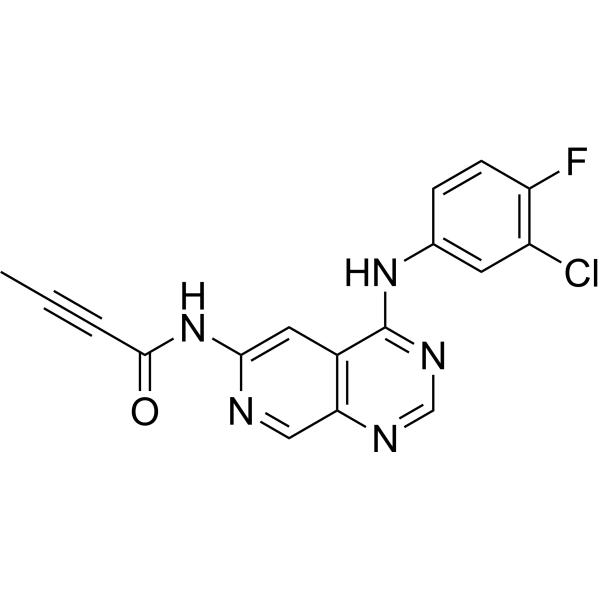
- HY-109061R
-
|
YH25448 (Standard); GNS-1480 (Standard)
|
Apoptosis
Akt
TRP Channel
EGFR
ERK
Reference Standards
|
Infection
Neurological Disease
Metabolic Disease
Cancer
|
|
Lazertinib (Standard) is the analytical standard of Lazertinib (HY-109061). This product is intended for research and analytical applications. Lazertinib (YH25448) is a potent, selective, CNS-penetrant, orally available and irreversible EGFR tyrosine Kinase inhibitor, exhibiting high selectivity for activating (EGFRm) and T790M resistance mutations. Lazertinib inhibits phosphorylation of EGFR, AKT and ERK, leading to apoptosis and suppression of tumor growth in mouse H1975-luc brain metastasis xenograft models. Lazertinib can be used in the study of non-small cell lung cancer .
|
-

- HY-173118
-
|
|
EGFR
Apoptosis
|
Cancer
|
|
EGFR-IN-152 (compound D4) is a potent EGFR tyrosine kinase inhibitor, exhibiting potent EGFR L858R/T790M/C797S inhibition activity (IC50 = 40 nM). EGFR-IN-152 induces G0/G1 phase cell cycle arrest and apoptosis, thereby inhibiting colony formation and cell proliferation of non-small cell lung cancer (NSCLC) cells. EGFR-IN-152 can be used for NSCLC research .
|
-

- HY-137460
-
|
K0706
|
Bcr-Abl
|
Cancer
|
|
Vodobatinib (K0706) is a potent, third generation and orally active Bcr-Abl1 tyrosine kinase inhibitor with an IC50 of 7 nM. Vodobatinib exhibits activity against most BCR-ABL1 point mutants, and has no activity against BCR-ABL1T315I. Vodobatinib can be used for chronic myeloid leukemia (CML) research . Vodobatinib is a click chemistry reagent, it contains an Alkyne group and can undergo copper-catalyzed azide-alkyne cycloaddition (CuAAc) with molecules containing Azide groups.
|
-
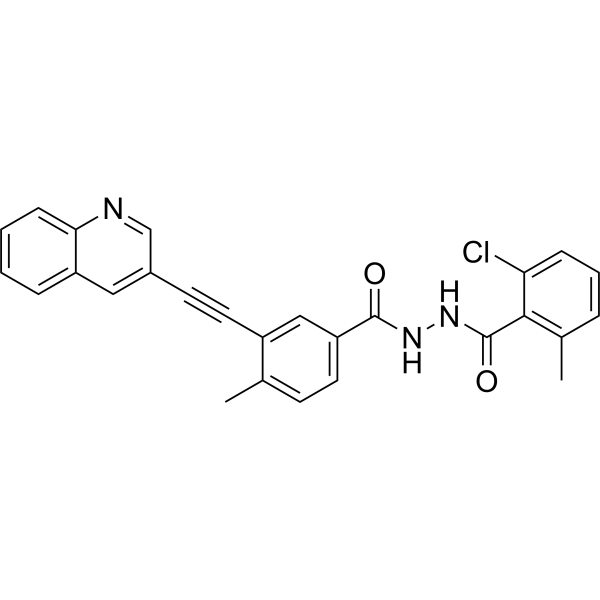
- HY-109061BR
-
|
YH25448 mesylate (Standard); GNS-1480 mesylate (Standard)
|
Reference Standards
|
Cancer
|
|
Lazertinib mesylate (Standard) is the analytical standard of Lazertinib (mesylate) (HY-109061B). This product is intended for research and analytical applications. Lazertinib (YH25448) mesylate is a potent, selective, CNS-penetrant, orally available and irreversible EGFR tyrosine Kinase inhibitor, exhibiting high selectivity for activating (EGFRm) and T790M resistance mutations. Lazertinib mesylate inhibits phosphorylation of EGFR, AKT and ERK, leading to apoptosis and suppression of tumor growth in mouse H1975-luc brain metastasis xenograft models. Lazertinib mesylate can be used in the study of non-small cell lung cancer .
|
-

- HY-123726
-
|
|
EGFR
|
Cancer
|
|
ErbB-1/ErbB-2 tyrosine kinase-IN-1 is a dual ErbB-1/ErbB-2 tyrosine kinase inhibitor with IC50 values of 0.027 μM and 0.026 μM. ErbB-1/ErbB-2 tyrosine kinase-IN-1 targets the ATP binding region of ErbB-1 and ErbB-2 tyrosine kinases. ErbB-1/ErbB-2 tyrosine kinase-IN-1 inhibits cancer cells proliferation .
|
-

- HY-185227
-
|
|
Ephrin Receptor
Src
Bcr-Abl
EGFR
|
Cancer
|
|
EphB4-IN-1 is a selective EphB4 tyrosine kinase inhibitor with IC50 values of 0.16-0.30 μM. EphB4-IN-1 binds to the ATP binding site of EphB4 in a DFG-in conformation, forming four stable intermolecular hydrogen bonds. EphB4-IN-1 also inhibits Src, Abl1, Lck, and EGFR kinases. EphB4-IN-1 inhibits EphB4 autophosphorylation. EphB4-IN-1 can be used for the research of cancer, such as non small cell lung cancer .
|
-

- HY-112823A
-
|
HS-10296 mesylate
|
EGFR
|
Cancer
|
|
Almonertinib (HS-10296) mesylate is an orally available, irreversible, third-generation EGFR tyrosine kinase inhibitor with high selectivity for EGFR-sensitizing and T790M resistance mutations. Almonertinib mesylate shows great inhibitory activity against T790M, T790M/L858R and T790M/Del19 (IC50: 0.37, 0.29 and 0.21 nM, respectively), and is less effective against wild type (3.39 nM). Almonertinib mesylate is used for the research of the non-small cell lung cancer .
|
-
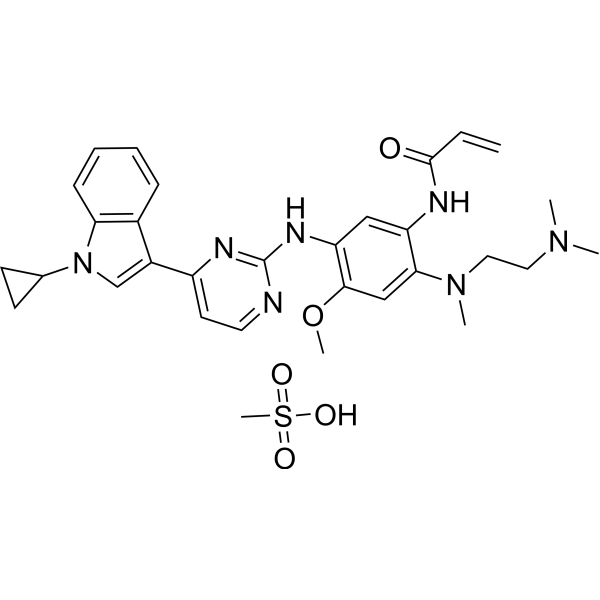
- HY-129510R
-
|
|
EGFR
Mitosis
Reference Standards
|
Cancer
|
|
4-Methyl erlotinib (Standard) is the analytical standard of 4-Methyl erlotinib. This product is intended for research and analytical applications. 4-Methyl erlotinib, is a potent and selective epidermal growth factor receptor (EGFR) tyrosine kinase inhibitor. 4-Methyl erlotinib potently inhibits EGF-mediated tumor cell mitosis by reducing EGFr-specific tyrosine phosphorylation. Using a mouse model of human tumor transplantation, 4-Methyl erlotinib demonstrated significant and sustained suppression of EGFr phosphotyrosine levels, resulting in significant growth inhibition of EGFr-dependent human cancers .
|
-

- HY-112823
-
|
HS-10296
|
EGFR
|
Cancer
|
|
Almonertinib (HS-10296) is an orally available, irreversible, third-generation EGFR tyrosine kinase inhibitor with high selectivity for EGFR-sensitizing and T790M resistance mutations. Almonertinib shows great inhibitory activity against T790M, T790M/L858R and T790M/Del19 (IC50: 0.37, 0.29 and 0.21 nM, respectively), and is less effective against wild type (3.39 nM). Almonertinib is used for the research of the non-small cell lung cancer .
|
-
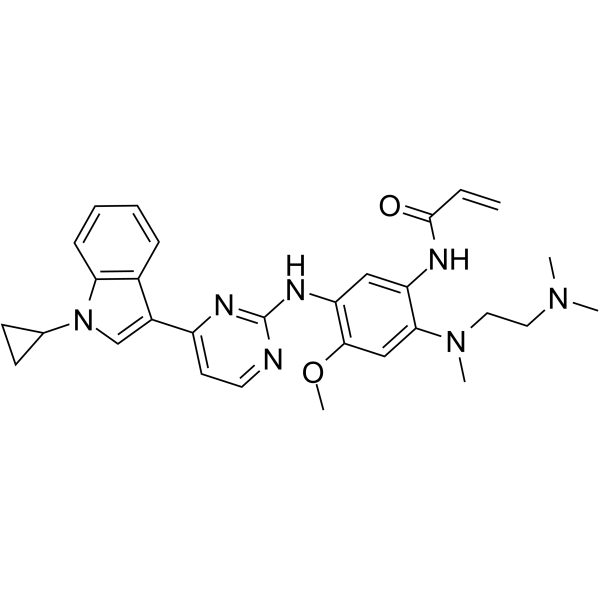
- HY-112823B
-
|
HS-10296 hydrochloride
|
EGFR
|
Cancer
|
|
Almonertinib (HS-10296) hydrochloride is an orally available, irreversible, third-generation EGFR tyrosine kinase inhibitor with high selectivity for EGFR-sensitizing and T790M resistance mutations. Almonertinib hydrochloride shows great inhibitory activity against T790M, T790M/L858R and T790M/Del19 (IC50: 0.37, 0.29 and 0.21 nM, respectively), and is less effective against wild type (3.39 nM). Almonertinib hydrochloride is used for the research of the non-small cell lung cancer .
|
-
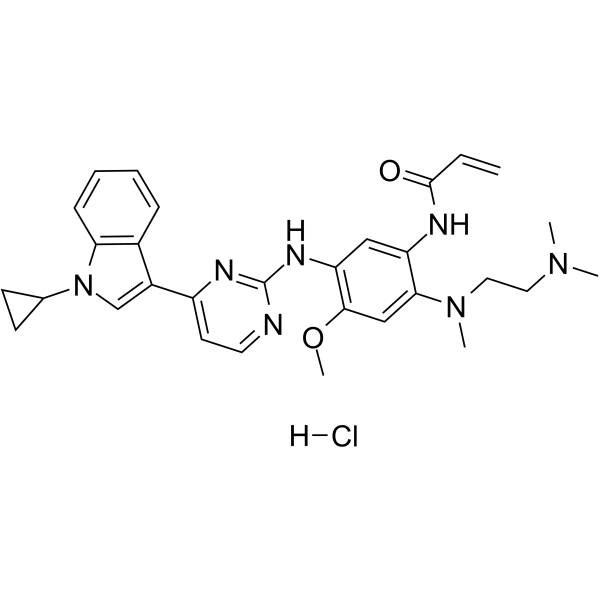
- HY-125387
-
|
|
Src
|
Inflammation/Immunology
|
|
TOP1210 is a narrow-spectrum tyrosine kinase inhibitor with potent inhibitory activity against P38α, Src, and Syk kinases. TOP1210 effectively reduced proinflammatory cytokines released by peripheral blood monocytes, primary macrophages, HT29 cells, inflammatory cells in ulcerative colitis (UC) biopsies, and myofibroblasts isolated from inflamed colonic UC mucosa. TOP1210 showed significant anti-inflammatory effects in cell experiments and UC biopsies, superior to some selective kinase inhibitors. The multi-kinase inhibition of TOP1210 provides the possibility of obtaining a wider range of therapeutic effects, especially in the regulation of autoimmune responses .
|
-

- HY-P992396
-
|
|
c-Met/HGFR
|
Cancer
|
|
KTN0073 is a high-affinity MET receptor tyrosine kinase inhibitor. KTN0073 can be used in studies related to non-small cell lung cancer and human cancers driven by HGF, MET amplification, or exon 14 mutation. KTN0073 binds to the Sema/PSI domain to block the HGF-MET interaction, and induces ubiquitination and degradation of oncogenic MET receptors via an HGF-independent pathway, thereby inhibiting MET-dependent signal transduction. KTN0073 exhibits significant antitumor activity in vivo, and its tumor suppressive activity is superior to that of the IgG1 subtype when grafted to the IgG2 constant region .
|
-

- HY-112823R
-
|
HS-10296 (Standard)
|
Reference Standards
EGFR
|
Cancer
|
|
Almonertinib (Standard) is the analytical standard of Almonertinib. This product is intended for research and analytical applications. Almonertinib (HS-10296) is an orally available, irreversible, third-generation EGFR tyrosine kinase inhibitor with high selectivity for EGFR-sensitizing and T790M resistance mutations. Almonertinib shows great inhibitory activity against T790M, T790M/L858R and T790M/Del19 (IC50: 0.37, 0.29 and 0.21 nM, respectively), and is less effective against wild type (3.39 nM). Almonertinib is used for the research of the non-small cell lung cancer .
|
-

- HY-129550
-
|
|
EGFR
|
Cancer
|
|
BI-4020 is a fourth-generation, orally active, and non-covalent EGFR tyrosine kinase inhibitor. BI-4020 inhibits not only the triple mutant EGFR del19 T790M C797S variant (IC50=0.2 nM in BaF3 cell lines) but also the double mutant EGFR del19 T790M and primary mutant EGFR del19 (IC50=1 nM). BI-4020 also shows activity against EGFR wt (IC50=190 nM). BI-4020 shows high kinome selectivity and good DMPK properties .
|
-
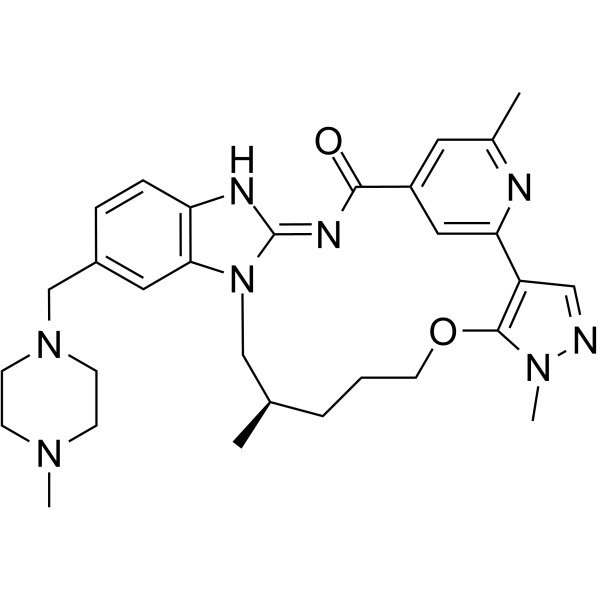
- HY-164482
-
|
|
RET
|
Cancer
|
|
HG-6-63-01 is a type II RET tyrosine kinase inhibitor (TKI). HG-6-63-01 also inhibits REarranged during Transfection (RET) kinase and signaling in human thyroid cancer cell lines carrying oncogenic RET alleles. HG-6-63-01 impairs phosphorylation and signalling of RET oncogenic mutants. HG-6-63-01 blunts proliferation of RET/C634R and RET/M918T-transformed fibroblasts and of RET mutant thyroid cancer cells, which is promising for research of cancers harboring oncogenic activation of RET .
|
-

- HY-78263
-
MNS
3 Publications Verification
NSC 170724; 5-(2-Nitrovinyl)benzodioxole
|
Src
Syk
NOD-like Receptor (NLR)
Integrin
PANoptosis
|
Neurological Disease
Inflammation/Immunology
Cancer
|
|
MNS (NSC 170724), the beta-nitrostyrene derivative, is an orally active tyrosine kinase inhibitor, a broad-spectrum antiplatelet agent, and a PANoptosis inhibitor. MNS inhibits Src, Syk, and FAK with IC50 of 27.3, 2.8, and 97.6 μM, respectively. MNS inhibits NLRP3 inflammasome and β1 integrin. MNS completely inhibits U46619, ADP-, arachidonic acid-, collagen-, and thrombin-induced platelet aggregation with IC50 values of 2.1, 4.1, 5.8, 7.0, and 12.7 μM, respectively. MNS is cytotoxic to a variety of cells .
|
-
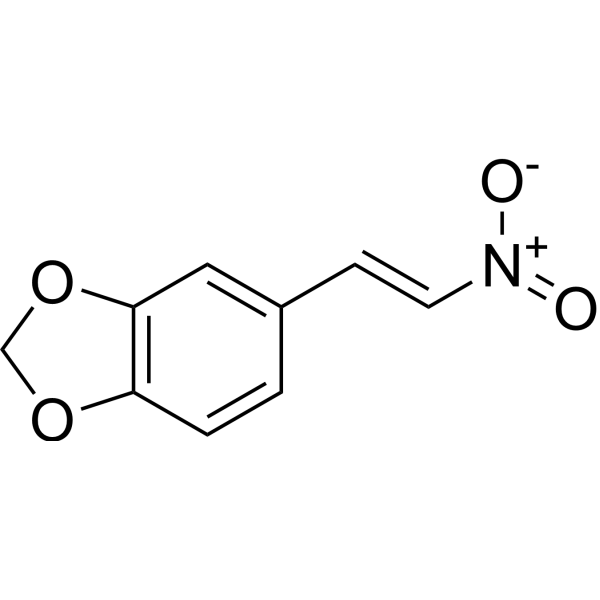
- HY-179392
-
|
|
Apoptosis
DNA Alkylator/Crosslinker
VEGFR
PDGFR
|
Cancer
|
|
Sunitinib-platinum(IV) prodrug-1 (Complex A) is a Pt(IV) prodrug based on Cisplatin (HY-17394), and this design aims to enable Pt(IV) to be reduced to active Pt(II) under intracellular reducing conditions, while simultaneously releasing a derivative of Sunitinib (HY-10255A) with tyrosine kinase inhibitor (TKI) activity. Sunitinib-platinum(IV) prodrug-1 exhibits excellent cytotoxicity against renal cell carcinoma (RCC), causing DNA crosslinking and apoptosis. Sunitinib-platinum(IV) prodrug-1 inhibits the VEGFR/PDGFR signaling pathway, suppressing tumor growth and angiogenesis. Sunitinib-platinum(IV) prodrug-1 can be used for research on renal cell carcinoma .
|
-

- HY-179572
-
|
|
EGFR
Akt
Mitochondrial Metabolism
|
Metabolic Disease
|
|
STA-013 is a EphB tyrosine kinase inhibitor. STA-013 shows promising potency against EphB1 (IC50 = 0.69 µM), EphB2 (IC50 = 1.73 µM), and EphB4 (IC50 = 1.02 µM) tyrosine kinases. STA-013 results a inhibition of the EphB phosphorylated signal, coupled with increased p-AKT/AKT signaling, to suggest insulin signaling activation. STA-013 inhibits EphB tyrosine kinase by enhancing insulin receptor beta (IRβ) signaling, and decreasing TGF-β levels in the heart. STA-013 can be used for the study of type 2 diabetes and cardiac complications (diabetic cardiomyopathy) .
|
-

- HY-116116
-
|
SIM010603
|
c-Kit
RET
VEGFR
|
Cancer
|
|
Tafetinib (SIM010603) is an oral multi-targets receptor tyrosine kinases inhibitor. Tafetinib inhibitsstem cell factor receptor (Kit),vascular endothelial growth factor receptor-2 (VEGFR-2),platelet-derived growth factor receptor-β (PDGFR-β),glial cell line-derived neurotrophic factor receptor (Rearranged during Transfection; RET), andFms-like tyrosine kinase-3 (FLT3)withIC50values between 5.0 and 68.1 nmol/l. Tafetinib inhibits the phosphorylation ofPDGFR-βandVEGFR-2. Tafetinib inhibits endothelial cell proliferation, endothelial cells chemotaxis, and corneal angiogenesis .
|
-
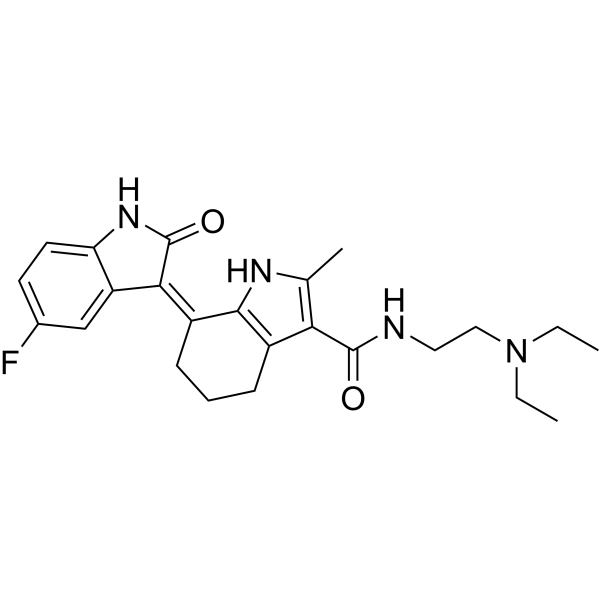
- HY-131088
-
|
|
Drug-Linker Conjugates for ADC
EGFR
|
Cancer
|
|
N3-PEG8-Phe-Lys-PABC-Gefitinib is a agent-linker conjugate for ADC with potent antitumor activity by using the anti-tumor agent, Gefitinib (HY-50895) (orally active EGFR tyrosine kinase inhibitor), linked via the cleavable linker N3-PEG8-Phe-Lys-PABC. N3-PEG8-Phe-Lys-PABC-Gefitinib is a click chemistry reagent, it contains an Azide group and can undergo copper-catalyzed azide-alkyne cycloaddition reaction (CuAAc) with molecules containing Alkyne groups. It can also undergo strain-promoted alkyne-azide cycloaddition (SPAAC) reactions with molecules containing DBCO or BCN groups.
|
-
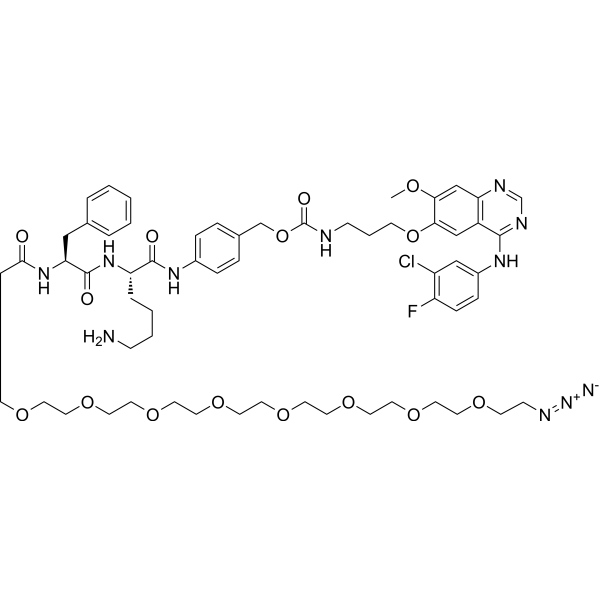
- HY-112823S
-
|
HS-10296-d6
|
Isotope-Labeled Compounds
EGFR
|
Cancer
|
|
Almonertinib-d6 (HS-10296-d6) is the deuterium labeled Almonertinib (HY-112823). Almonertinib (HS-10296) is an orally available, irreversible, third-generation EGFR tyrosine kinase inhibitor with high selectivity for EGFR-sensitizing and T790M resistance mutations. Almonertinib shows great inhibitory activity against T790M, T790M/L858R and T790M/Del19 (IC50: 0.37, 0.29 and 0.21 nM, respectively), and is less effective against wild type (3.39 nM). Almonertinib is used for the research of the non-small cell lung cancer .
|
-

- HY-13342AS
-
|
YN968D1-d8 free base
|
Src
VEGFR
Autophagy
c-Kit
RET
|
Cancer
|
|
Apatinib-d8 (free base) is the deuterium labeled Apatinib free base . Apatinib free base (YN968D1 free base) is an orally bioavailable tyrosine kinase inhibitor, which selectively targets VEGFR-2 (IC50=1 nM). Apatinib free base (YN968D1 free base) is an anti-angiogenic drug for the research of advanced or metastatic gastric cancer. Apatinib free base (YN968D1 free base) potently inhibits Ret, c-Kit and c-Src with IC50s of 13, 429 and 530 nM, respectively. It also inhibits cellular phosphorylation of VEGFR-2, c-kit and PDGFRβ .
|
-
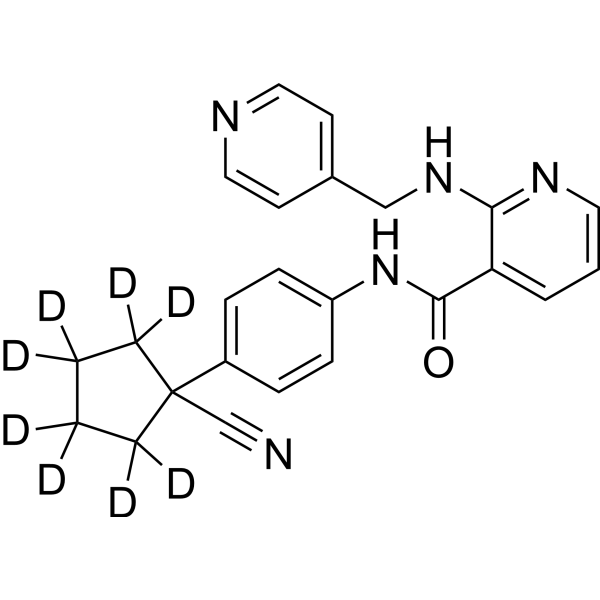
- HY-170958
-
|
|
Src
Apoptosis
|
Cancer
|
Scr-IN-1 (Compound 4e) is a Tyrosine kinase inhibitor. Scr-IN-1 inhibits HCT-116 cells and MIA-PaCa-2 cells with IC50s of 0.16 μM and 1.16 μM, respectively. Scr-IN-1 displays selectivity profile on HCT-116 cells and MIA-PaCa-2 cells with SI > 625 and SI > 86, respectively. Scr-IN-1 induces Apoptosis in HCT-116 colon cancer cell and does not cause any change in the rate of necrotic cells. Scr-IN-1 is a novel SRC kinase inhibitor candidate for HCT-116 cells. Scr-IN-1 is potential for cancer research .
|
-

- HY-P990947
-
|
AZD9592 Antibody
|
ADC Antibody
EGFR
|
Cancer
|
|
Tilatamig (AZD9592 Antibody) is a human antibody of the Ig (G1-κ_G1-λ2) subtype that targets EGFR/MET. Tilatamig conjugates with the Top1 inhibitor AZ14170133 (HY-145399) to form the antibody-drug conjugate (ADC) Tilatamig samrotecan (HY-171124) (AZD9592). Tilatamig accurately targets NSCLC models including EGFR-mutant, EGFR-wildtype, and EGFR tyrosine kinase inhibitor-treated ones, and its activity correlates with high expression of EGFR, c-MET and SLFN11. Tilatamig is available for in vivo anti-tumor studies in patient-derived xenograft models of non-small cell lung cancer (NSCLC) and head and neck squamous cell carcinoma (HNSCC) .
|
-

- HY-131088A
-
|
|
Drug-Linker Conjugates for ADC
EGFR
|
Cancer
|
|
N3-PEG8-Phe-Lys-PABC-Gefitinib TFA is a agent-linker conjugate for ADC with potent antitumor activity by using the anti-tumor agent, Gefitinib (HY-50895) (orally active EGFR tyrosine kinase inhibitor), linked via the cleavable linker N3-PEG8-Phe-Lys-PABC. N3-PEG8-Phe-Lys-PABC-Gefitinib TFA is a click chemistry reagent, it contains an Azide group and can undergo copper-catalyzed azide-alkyne cycloaddition reaction (CuAAc) with molecules containing Alkyne groups. It can also undergo strain-promoted alkyne-azide cycloaddition (SPAAC) reactions with molecules containing DBCO or BCN groups.
|
-

- HY-147183
-
|
|
EGFR
|
Cancer
|
|
JBJ-09-063 is a mutant-selective allosteric EGFR inhibitor with IC50s of 0.147 nM, 0.063 nM, 0.083 nM and 0.396 nM for EGFR L858R, EGFR L858R/T790M, EGFR L858R/T790M/C797S and EGFRLT/L747S. JBJ-09-063 effectively reduces EGFR, Akt and ERK1/2 phosphorylation. JBJ-09-063 is effective across EGFR tyrosine kinase inhibitor (TKI)-sensitive and resistant models. JBJ-09-063 can be used for researching EGFR-mutant lung cancer .
|
-
- HY-103440R
-
|
|
Reference Standards
EGFR
|
Cancer
|
|
EGFR/ErbB-2/ErbB-4 inhibitor-3 (Standard) is the analytical standard of EGFR/ErbB-2/ErbB-4 inhibitor-3 (HY-103440). This product is intended for research and analytical applications. EGFR/ErbB-2/ErbB-4 inhibitor-3 (compound 29) is a potent tyrosine kinase inhibitor with IC50s of 0.3, 1.1, 0.5, 2.5, 24 nM for erbB1, erbB2, erbB4, EGF, HER, respectively . EGFR/ErbB-2/ErbB-4 inhibitor-3 is a click chemistry reagent, it contains an Alkyne group and can undergo copper-catalyzed azide-alkyne cycloaddition (CuAAc) with molecules containing Azide groups.
|
-

- HY-123450
-
|
|
Bcr-Abl
Apoptosis
PDGFR
|
Cancer
|
|
S116836, a potent, orally active BCR-ABL tyrosine kinase inhibitor, blocks both wild-type as well as T315I Bcr-Abl. S116836 arrests the cells in the G0/G1 phase of cell cycle, induces apoptosis, increases ROS production, and decreases GSH production in BaF3/WT and BaF3/T315I cells. S116836 also inhibits SRC, LYN, HCK, LCK and BLK, and receptor tyrosine kinases such as FLT3, TIE2, KIT, PDGFR-β. Antitumor activies . S116836 is a click chemistry reagent, it contains an Alkyne group and can undergo copper-catalyzed azide-alkyne cycloaddition (CuAAc) with molecules containing Azide groups.
|
-
- HY-147183A
-
|
|
EGFR
|
Cancer
|
|
JBJ-09-063 TFA is a mutant-selective allosteric EGFR inhibitor with IC50s of 0.147 nM, 0.063 nM, 0.083 nM and 0.396 nM for EGFR L858R, EGFR L858R/T790M, EGFR L858R/T790M/C797S and EGFRLT/L747S. JBJ-09-063 TFA effectively reduces EGFR, Akt and ERK1/2 phosphorylation. JBJ-09-063 TFA is effective across EGFR tyrosine kinase inhibitor (TKI)-sensitive and resistant models. JBJ-09-063 TFA can be used for researching EGFR-mutant lung cancer .
|
-
- HY-112411
-
|
|
EGFR
ERK
PDGFR
FGFR
|
Neurological Disease
Inflammation/Immunology
|
|
PD 174265 is a highly selective, reversible EGFR/ErbB2 tyrosine kinase inhibitor (IC50=0.45 nM) and cell differentiation inducer. By blocking receptor autophosphorylation and the downstream ERK signaling pathway (with an IC50 of 0.45 μM for full-length ERK), PD 174265 effectively inhibits tumor growth and exhibits antitumor activity without obvious toxicity in in vivo models. PD 174265 drives oligodendrocyte precursor cells to switch from a proliferative state to a differentiated state, significantly upregulates the expression of myelin proteins such as CNP, PLP and MBP, and induces neurite branching. PD 174265 shows no inhibitory effect on other kinases including insulin, PDGF and basic FGF receptors, and serves as a crucial tool molecule for investigating the treatment of human epidermoid carcinoma and the mechanism of myelin repair in multiple sclerosis .
|
-
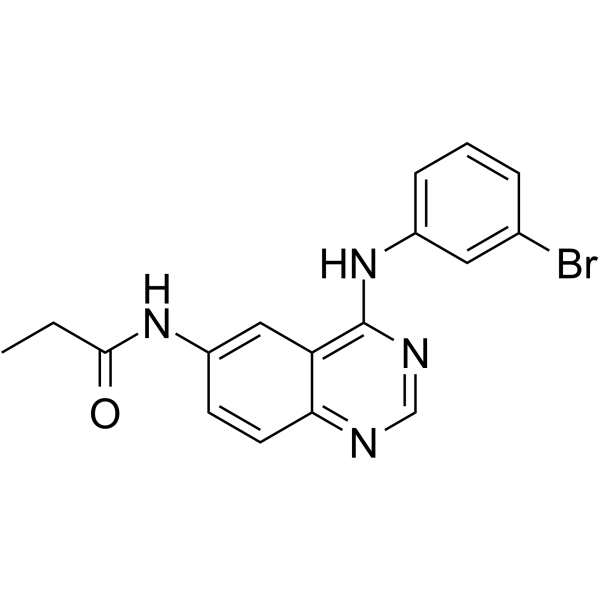
- HY-147183B
-
|
|
EGFR
|
Cancer
|
|
JBJ-09-063 hydrochloride is a mutant-selective allosteric EGFR inhibitor with IC50s of 0.147 nM, 0.063 nM, 0.083 nM and 0.396 nM for EGFR L858R, EGFR L858R/T790M, EGFR L858R/T790M/C797S and EGFRLT/L747S. JBJ-09-063 hydrochloride effectively reduces EGFR, Akt and ERK1/2 phosphorylation. JBJ-09-063 hydrochloride is effective across EGFR tyrosine kinase inhibitor (TKI)-sensitive and resistant models. JBJ-09-063 hydrochloride can be used for researching EGFR-mutant lung cancer .
|
-
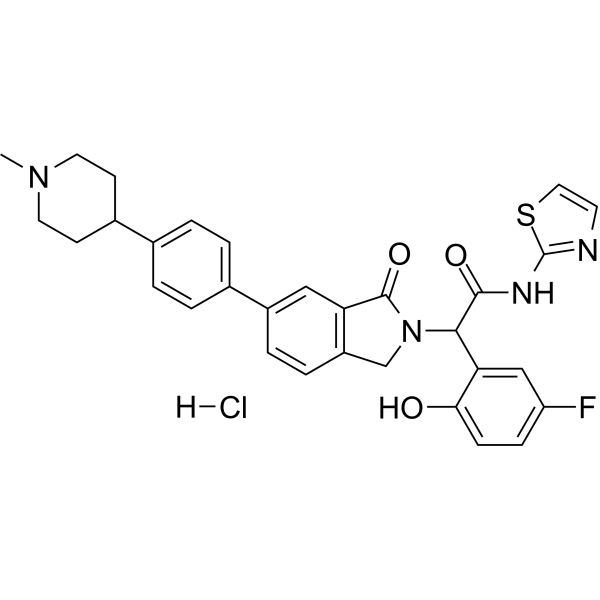
- HY-13590
-
|
|
VEGFR
|
Cancer
|
|
CEP-7055 (compound 21) is a novel vascular endothelial growth factor R2 (VEGF-R2) tyrosine kinase inhibitor with potent inhibitory activity. Studies have found that the inhibitor activity can be significantly improved by optimizing the R9 substituent. Compound 21 has potent low nanomolar inhibition of human VEGF-R tyrosine kinase and shows good selectivity against multiple tyrosine and serine/threonine kinases. N,N-dimethylglycine ester 40 was prepared to improve its water solubility and oral bioavailability. In animal pharmacokinetic studies, a significant increase in the plasma level of 21 was observed after oral administration of 40. Compound 21 showed significant in vivo antitumor activity in multiple tumor models and has entered phase I clinical trials as a water-soluble N,N-dimethylglycine ester proagent of 40 (CEP-7055).
|
-

- HY-175864
-
|
|
EGFR
Apoptosis
p38 MAPK
ERK
Akt
STAT
|
Inflammation/Immunology
Cancer
|
|
EGFR-IN-173 is an orally active, pan-mutant EGFR tyrosine kinase inhibitor that targets EGFR 19del, L858R/T790M and C797S triple-mutations, potently inhibiting EGFR 19del/T790M/C797S with an IC50 of 1.19 nM while showing over 100-fold selectivity for mutant over wild-type EGFR (IC50 = 19.362 μM against WT). EGFR-IN-173 significantly inhibits cell migration, induces apoptosis in non-small cell lung cancer (NSCLC) cells. EGFR-IN-173 inhibits EGFR phosphorylation and suppresses the downstream pathways (MAPK/ERK, AKT, STAT3). EGFR-IN-173 exhibits antitumor efficacy in NSCLC and Ba/F3 xenograft models. EGFR-IN-173 can be used for NSCLC research .
|
-

- HY-147414
-
|
PF-114
|
Bcr-Abl
|
Cancer
|
|
Vamotinib (PF-114) is a potent, selective and orally active tyrosine kinase inhibitor. Vamotinib inhibits the autophosphorylation of BCR/ABL and BCR/ABL-T315I. Vamotinib induces apoptosis. Vamotinib shows anti-proliferative and anti-tumor activity. Vamotinib has the potential for the research of resistant philadelphia chromosome-positive (Ph+) leukemia. Vamotinib inhibits ABL series kinases with IC50s of 0.49 nM (ABL), 0.78 nM (ABL T315I), 9.5 nM (ABL E255K), 2.0 nM (ABL F317I), 7.4 nM (ABL G250E), 1.0 nM (ABL H396P), 2.8 nM (ABL M351T), 12 nM (ABL Q252H), and 4.1 nM (ABL Y253F), respectively . Vamotinib is a click chemistry reagent, it contains an Alkyne group and can undergo copper-catalyzed azide-alkyne cycloaddition (CuAAc) with molecules containing Azide groups.
|
-
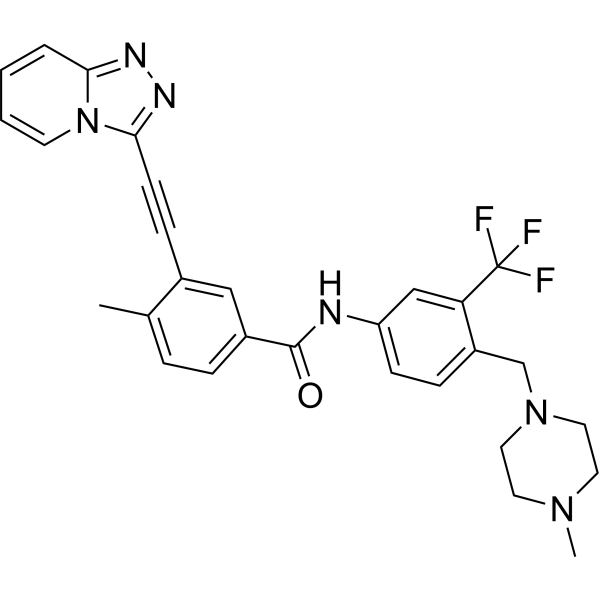
- HY-182354
-
|
|
VEGFR
FGFR
FLT3
PDGFR
RET
Akt
ERK
c-Kit
|
Cancer
|
|
VEGFR2-IN-84 is an orally active, multi-targeted tyrosine kinase inhibitor based on a naphthalene ring scaffold. VEGFR2-IN-84 inhibits VEGFR2 with sub-nanomolar affinity and broadly targets kinases including Kit, FGFR, PDGFR, and Ret. By competitively binding to the ATP-binding pocket, VEGFR2-IN-84 blocks the phosphorylation of VEGFR2 and its downstream AKT/ERK signaling pathway, thereby significantly inhibiting endothelial cell proliferation, migration, and tumor angiogenesis. VEGFR2-IN-84 exhibits broad-spectrum antiproliferative activity against various solid tumors such as liver cancer, lung cancer, and renal cancer, shows weak toxicity to normal cells, and has superior potency to Lenvatinib (HY-10981). VEGFR2-IN-84 possesses favorable pharmacokinetic properties and high safety (LD50>2000 mg/kg), and can be used in related studies of various malignant tumors .
|
-

- HY-164392
-
|
|
EGFR
Apoptosis
|
Cancer
|
|
TAS-121 is an orally active, selective, covalent, third-generation mutant EGFR-tyrosine kinase inhibitor (EGFR-TKI). TAS-121 inhibits the L858R mutation (IC50=1.7 nM), Ex19del mutation (IC50=2.7 nM), L858R/T790M mutation (IC50=0.56 nM) and Ex19del/T790M mutation (IC50=1.1 nM) and wild-type EGFR (IC50=8.2 nM). TAS-121 inhibits HER2 and HER4 with IC50s of 110 and 2.6 nM, respectively. TAS-121 inhibits phosphorylation of EGFR and its downstream signaling targets to block cell proliferation. TAS-121 induces apoptosis and displays antitumor activity in SW48 (EGFR G719S) and NCI-H1975 (EGFR L858R/T790M) xenograft models .
|
-

- HY-109061A
-
|
YH25448 mesylate hydrate; GNS-1480 mesylate hydrate
|
Apoptosis
Akt
TRP Channel
EGFR
ERK
|
Cancer
|
|
Lazertinib (YH25448; GNS-1480) mesylate hydrate is an orally active, blood-brain barrier permeable third-generation EGFR tyrosine kinase inhibitor, as well as an ABCB1/ABCG2 inhibitor and a TRPA1 activator. Lazertinib mesylate hydrate exhibits IC50 values of 0.4 mM and 0.2 mM against human ABCB1 and ABCG2, respectively. By inhibiting mutant EGFR signaling, EGFR phosphorylation and the downstream ERK/AKT pathway, as well as upregulating surface expression of EGFR/MET, Lazertinib mesylate hydrate induces cell cycle arrest, apoptosis, spontaneous calcium responses, hyperexcitability of dorsal root ganglion (DRG) neurons, and TRPA1-dependent pain-like behaviors. Lazertinib mesylate hydrate competitively binds to the substrate-binding sites of ABCB1/ABCG2, stimulates their ATPase activity without altering their expression or plasma membrane localization, thereby enhancing ADCC activity, acting as a chemosensitizer, and reversing ABCB1-mediated multidrug resistance. It exerts antitumor activity as a single agent or in combination with other drugs. Lazertinib mesylate hydrate is applicable to research related to non-small cell lung cancer, multidrug-resistant cancers, and paresthesia .
|
-

- HY-109061B
-
|
YH25448 mesylate; GNS-1480 mesylate
|
TRP Channel
EGFR
Akt
ERK
Apoptosis
|
Cancer
|
|
Lazertinib (YH25448; GNS-1480) mesylate is an orally active, blood-brain barrier permeable third-generation EGFR tyrosine kinase inhibitor, as well as an ABCB1/ABCG2 inhibitor and a TRPA1 activator. Lazertinib mesylate exhibits IC50 values of 0.4 mM and 0.2 mM against human ABCB1 and ABCG2, respectively. By inhibiting mutant EGFR signaling, EGFR phosphorylation and the downstream ERK/AKT pathway, as well as upregulating surface expression of EGFR/MET, Lazertinib mesylate induces cell cycle arrest, apoptosis, spontaneous calcium responses, hyperexcitability of dorsal root ganglion (DRG) neurons, and TRPA1-dependent pain-like behaviors. Lazertinib mesylate competitively binds to the substrate-binding sites of ABCB1/ABCG2, stimulates their ATPase activity without altering their expression or plasma membrane localization, thereby enhancing ADCC activity, acting as a chemosensitizer, and reversing ABCB1-mediated multidrug resistance. It exerts antitumor activity as a single agent or in combination with other drugs. Lazertinib mesylate is applicable to research related to non-small cell lung cancer, multidrug-resistant cancers, and paresthesia .
|
-

- HY-109061
-
|
YH25448; GNS-1480
|
Apoptosis
Akt
TRP Channel
EGFR
ERK
|
Infection
Neurological Disease
Metabolic Disease
Cancer
|
|
Lazertinib (YH25448; GNS-1480) is an orally active, blood-brain barrier permeable third-generation EGFR tyrosine kinase inhibitor, as well as an ABCB1/ABCG2 inhibitor and a TRPA1 activator. Lazertinib exhibits IC50 values of 0.4 mM and 0.2 mM against human ABCB1 and ABCG2, respectively. By inhibiting mutant EGFR signaling, EGFR phosphorylation and the downstream ERK/AKT pathway, as well as upregulating surface expression of EGFR/MET, Lazertinib induces cell cycle arrest, apoptosis, spontaneous calcium responses, hyperexcitability of dorsal root ganglion (DRG) neurons, and TRPA1-dependent pain-like behaviors. Lazertinib competitively binds to the substrate-binding sites of ABCB1/ABCG2, stimulates their ATPase activity without altering their expression or plasma membrane localization, thereby enhancing ADCC activity, acting as a chemosensitizer, and reversing ABCB1-mediated multidrug resistance. It exerts antitumor activity as a single agent or in combination with other drugs. Lazertinib is applicable to research related to non-small cell lung cancer, multidrug-resistant cancers, and paresthesia .
|
-
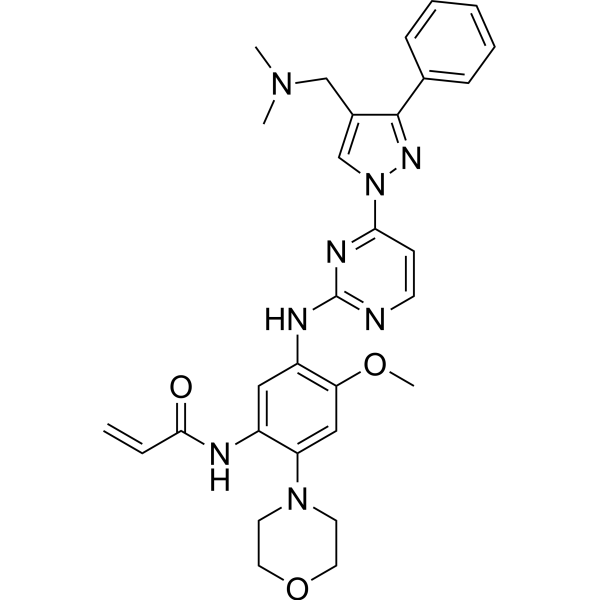
| Cat. No. |
Product Name |
Type |
-
- HY-10407G
-
|
|
Fluorescent Dyes
|
|
SU 5402 (GMP) is SU 5402 (HY-10407) produced by using GMP guidelines. GMP small molecules work appropriately as an auxiliary reagent for cell therapy manufacture. SU 5402 is a potent multi-targeted receptor tyrosine kinase inhibitor with IC50 of 20 nM, 30 nM, and 510 nM for VEGFR2, FGFR1, and PDGFRβ, respectively .
|
-
- HY-50895G
-
|
ZD1839
|
Fluorescent Dyes
|
|
Gefitinib (ZD1839) (GMP) is Gefitinib (HY-50895) produced by using GMP guidelines. GMP small molecules work appropriately as an auxiliary reagent for cell therapy manufacture. Gefitinib is a potent, selective and orally active EGFR tyrosine kinase inhibitor .
|
-
- HY-171191
-
|
|
Fluorescent Dyes
|
|
REGN5093-M114 is a bispecific antibody-drug conjugate (ADC) that targets two epitopes of the MET receptor tyrosine kinase inhibits the proliferation of NSCLC cells, exhibits antitumor efficacy in mouse models. REGN5093-M114 is composed of the human monoclonal anti-MET antibody Davutamig (HY-P990073) and the tubulin-inhibiting linker-payload (HY-148528) .
|
| Cat. No. |
Product Name |
Type |
-
- HY-10407G
-
|
|
Biochemical Assay Reagents
|
|
SU 5402 (GMP) is SU 5402 (HY-10407) produced by using GMP guidelines. GMP small molecules work appropriately as an auxiliary reagent for cell therapy manufacture. SU 5402 is a potent multi-targeted receptor tyrosine kinase inhibitor with IC50 of 20 nM, 30 nM, and 510 nM for VEGFR2, FGFR1, and PDGFRβ, respectively .
|
-
- HY-50895G
-
|
ZD1839
|
Biochemical Assay Reagents
|
|
Gefitinib (ZD1839) (GMP) is Gefitinib (HY-50895) produced by using GMP guidelines. GMP small molecules work appropriately as an auxiliary reagent for cell therapy manufacture. Gefitinib is a potent, selective and orally active EGFR tyrosine kinase inhibitor .
|
| Cat. No. |
Product Name |
Target |
Research Area |
-
- HY-P3788
-
|
|
Peptides
|
Others
|
|
Ac-Asp-Tyr(2-malonyl)-Val-Pro-Met-Leu-NH2 is a peptide, can be used to synthesise tyrosine kinase inhibitor for hair growth reduction .
|
| Cat. No. |
Product Name |
Target |
Research Area |
Image |
-
- HY-P99969
-
|
CMAB-302; Cipterbin
|
EGFR
|
Cancer
|
|
Inetetamab is a monoclonal antibody binding to domain IV of HER2 receptor. Inetetamab alone or together with tyrosine kinase inhibitors has antitumor activities .
|
-

(5)
-
- HY-P990947
-
|
AZD9592 Antibody
|
ADC Antibody
EGFR
|
Cancer
|
|
Tilatamig (AZD9592 Antibody) is a human antibody of the Ig (G1-κ_G1-λ2) subtype that targets EGFR/MET. Tilatamig conjugates with the Top1 inhibitor AZ14170133 (HY-145399) to form the antibody-drug conjugate (ADC) Tilatamig samrotecan (HY-171124) (AZD9592). Tilatamig accurately targets NSCLC models including EGFR-mutant, EGFR-wildtype, and EGFR tyrosine kinase inhibitor-treated ones, and its activity correlates with high expression of EGFR, c-MET and SLFN11. Tilatamig is available for in vivo anti-tumor studies in patient-derived xenograft models of non-small cell lung cancer (NSCLC) and head and neck squamous cell carcinoma (HNSCC) .
|
-
(5)
-
- HY-P992396
-
|
|
c-Met/HGFR
|
Cancer
|
|
KTN0073 is a high-affinity MET receptor tyrosine kinase inhibitor. KTN0073 can be used in studies related to non-small cell lung cancer and human cancers driven by HGF, MET amplification, or exon 14 mutation. KTN0073 binds to the Sema/PSI domain to block the HGF-MET interaction, and induces ubiquitination and degradation of oncogenic MET receptors via an HGF-independent pathway, thereby inhibiting MET-dependent signal transduction. KTN0073 exhibits significant antitumor activity in vivo, and its tumor suppressive activity is superior to that of the IgG1 subtype when grafted to the IgG2 constant region .
|
-
(5)
| Cat. No. |
Product Name |
Category |
Target |
Chemical Structure |
| Cat. No. |
Product Name |
Chemical Structure |
-
- HY-10181S
-
1 Publications Verification
|
|
Dasatinib-d8 (BMS-354825-d8) is a deuterium labeled Dasatinib. Dasatinib is a dual Bcr-Abl and Src family tyrosine kinase inhibitor.
|
-
-
- HY-10065S
-
|
|
|
Axitinib- 13C,d3 is a 13C-labeled and deuterium labeled Axitinib. Axitinib is a multi-targeted tyrosine kinase inhibitor with IC50 values of 0.1, 0.2, 0.1-0.3, 1.6 nM for VEGFR1, VEGFR2, VEGFR3 and PDGFRβ, respectively .
|
-
-
- HY-10981S
-
|
|
|
Lenvatinib-d4 is the deuterium labeled Lenvatinib. Lenvatinib (E7080) is an oral, multi-targeted tyrosine kinase inhibitor that inhibits VEGFR1-3, FGFR1-4, PDGFR, KIT, and RET, shows potent antitumor activities .
|
-
-
- HY-15463S1
-
|
|
|
Imatinib-d4 (STI571-d4) is a deuterium labeled Imatinib (STI571). Imatinib is an orally bioavailable tyrosine kinases inhibitor that selectively inhibits BCR/ABL, v-Abl, PDGFR and c-kit kinase activity .
|
-
-
- HY-10065S1
-
|
|
|
Axitinib-d3 (AG-013736-d3) is deuterium labeled Axitinib. Axitinib is a multi-targeted tyrosine kinase inhibitor with IC50s of 0.1, 0.2, 0.1-0.3, 1.6 nM for VEGFR1, VEGFR2, VEGFR3 and PDGFRβ, respectively .
|
-
-
- HY-15463S
-
1 Publications Verification
|
|
Imatinib-d8 is a deuterium labeled Imatinib (STI571). Imatinib is an orally bioavailable tyrosine kinases inhibitor that selectively inhibits BCR/ABL, v-Abl, PDGFR and c-kit kinase activity .
|
-
-
- HY-13342AS
-
|
|
|
Apatinib-d8 (free base) is the deuterium labeled Apatinib free base . Apatinib free base (YN968D1 free base) is an orally bioavailable tyrosine kinase inhibitor, which selectively targets VEGFR-2 (IC50=1 nM). Apatinib free base (YN968D1 free base) is an anti-angiogenic drug for the research of advanced or metastatic gastric cancer. Apatinib free base (YN968D1 free base) potently inhibits Ret, c-Kit and c-Src with IC50s of 13, 429 and 530 nM, respectively. It also inhibits cellular phosphorylation of VEGFR-2, c-kit and PDGFRβ .
|
-
-
- HY-10159S
-
|
|
|
Nilotinib-d6 is a deuterium labeled Nilotinib. Nilotinib is an orally available Bcr-Abl tyrosine kinase inhibitor with antineoplastic activity .
|
-
-
- HY-50896S
-
|
|
|
Erlotinib-d6 (CP-358774 D6) is a deuterium labeled Erlotinib (CP-358774). Erlotinib is a directly acting inhibitor EGFR tyrosine kinase inhibitor with an IC50 of 2 nM for human EGFR . Erlotinib-d6 is a click chemistry reagent, it contains an Alkyne group and can undergo copper-catalyzed azide-alkyne cycloaddition (CuAAc) with molecules containing Azide groups.
|
-
-
- HY-15772S3
-
|
|
|
Asandeutertinib (Osimertinib-d3; AZD-9291-d3) is a epidermal growth factor receptor (EGFR) tyrosine kinase inhibitor, with antineoplastic effect .
|
-
-
- HY-10331S
-
|
|
|
Regorafenib-d3 (BAY 73-4506-d3) is a deuterium labeled Regorafenib (HY-10331). Regorafenib is a multi-targeted receptor tyrosine kinase inhibitor .
|
-
-
- HY-50895S2
-
|
|
|
Gefitinib-d3 (ZD1839-d3) is the deuterium labeled Gefitinib. Gefitinib (ZD1839) is a potent, selective and orally active EGFR tyrosine kinase inhibitor with an IC50 of 33 nM. Gefitinib selectively inhibits EGF-stimulated tumor cell growth (IC50 of 54 nM) and that blocks EGF-stimulated EGFR autophosphorylation in tumor cells. Gefitinib also induces autophagy. Gefitinib has antitumour activity .
|
-
-
- HY-10255AS1
-
|
|
|
Sunitinib-d4 is the deuterium labeled Sunitinib. Sunitinib (SU 11248) is a multi-targeted receptor tyrosine kinase inhibitor with IC50s of 80 nM and 2 nM for VEGFR2 and PDGFRβ, respectively . Sunitinib, an ATP-competitive inhibitor, effectively inhibits autophosphorylation of Ire1α by inhibiting autophosphorylation and consequent RNase activation .
|
-
-
- HY-10255AS
-
|
|
|
Sunitinib-d10 (SU 11248-d10) is a deuterium labeled Sunitinib. Sunitinib is a multi-targeted receptor tyrosine kinase inhibitor with IC50s of 80 nM and 2 nM for VEGFR2 and PDGFRβ, respectively . Sunitinib, an ATP-competitive inhibitor, effectively inhibits autophosphorylation of Ire1α by inhibiting autophosphorylation and consequent RNase activation .
|
-
-
- HY-15656S
-
|
|
|
Ceritinib (LDK378)-d7 is a deuterium labeled Ceritinib (HY-15656). Ceritinib is a selective, orally bioavailable and ATP-competitive ALK tyrosine kinase inhibitor . Ceritinib is a selective, orally bioavailable, and ATP-competitive ALK tyrosine kinase inhibitor with an IC50 of 200 pM. Ceritinib also inhibits IGF-1R, InsR, and STK22D with IC50 values of 8, 7, and 23 nM, respectively. Ceritinib shows great antitumor potency .
|
-
-
- HY-50895S
-
|
|
|
Gefitinib-d8 (ZD1839-d8) is a deuterium labeled Gefitinib. Gefitinib is an EGFR tyrosine kinase inhibitor, with IC50 of 2-37 nM in NR6wtEGFR cells .
|
-
-
- HY-32721S
-
|
|
|
Neratinib-d6 (HKI-272-d6) is the deuterium labeled Neratinib. Neratinib (HKI-272) is an orally available, irreversible tyrosine kinase inhibitor with IC50s of 59 nM and 92 nM for HER2 and EGFR, respectively.
|
-
-
- HY-10981S1
-
|
|
|
Lenvatinib-d5 is the deuterium labeled Lenvatinib. Lenvatinib (E7080) is an oral, multi-targeted tyrosine kinase inhibitor that inhibits VEGFR1-3, FGFR1-4, PDGFR, KIT, and RET, shows potent antitumor activities .
|
-
-
- HY-10981S2
-
|
|
|
Lenvatinib- 15N,d4 is 15N and deuterated labeled Lenvatinib (HY-10981). Lenvatinib (E7080) is an oral, multi-targeted tyrosine kinase inhibitor that inhibits VEGFR1-3, FGFR1-4, PDGFR, KIT, and RET, shows potent antitumor activities .
|
-
-
- HY-50895S1
-
|
|
|
Gefitinib-d6 is the deuterium labeled Gefitinib. Gefitinib (ZD1839) is a potent, selective and orally active EGFR tyrosine kinase inhibitor with an IC50 of 33 nM. Gefitinib selectively inhibits EGF-stimulated tumor cell growth (IC50 of 54 nM) and that blocks EGF-stimulated EGFR autophosphorylation in tumor cells. Gefitinib also induces autophagy. Gefitinib has antitumour activity .
|
-
-
- HY-10331S1
-
|
|
|
Regorafenib- 13C,d3 is the 13C- and deuterium labeled Regorafenib. Regorafenib (BAY 73-4506) is a multi-targeted receptor tyrosine kinase inhibitor with IC50s of 13/4.2/46, 22, 7, 1.5 and 2.5 nM for VEGFR1/2/3, PDGFRβ, Kit, RET and Raf-1, respectively.
|
-
-
- HY-50905S
-
|
|
|
Dovitinib-d8 is the deuterium labeled Dovitinib. Dovitinib (CHIR-258) is a multi-targeted tyrosine kinase inhibitor with IC50s of 1, 2, 8/9, 10/13/8, 27/210 nM for FLT3, c-Kit, FGFR1/FGFR3, VEGFR1/VEGFR2/VEGFR3 and PDGFRα/PDGFRβ, respectively .
|
-
-
- HY-15463S3
-
|
|
|
Imatinib- 13C,d3 (STI571- 13C,d3) is 13C labeled Imatinib. Imatinib (STI571) is an orally bioavailable tyrosine kinases inhibitor that selectively inhibits BCR/ABL, v-Abl, PDGFR and c-kit kinase activity. Imatinib (STI571) works by binding close to the ATP binding site, locking it in a closed or self-inhibited conformation, therefore inhibiting the enzyme activity of the protein semicompetitively . Imatinib also is an inhibitor of SARS-CoV and MERS-CoV .
|
-
-
- HY-132549S
-
|
|
|
Nilotinib-d3 is the deuterium labeled Nilotinib. Nilotinib is an orally available Bcr-Abl tyrosine kinase inhibitor with antineoplastic activity .
|
-
-
- HY-152852S
-
|
|
|
Mefatinib-d6 free base (Mifanertinib-d6) is the deuterium labeled Mefatinib. Mefatinib is a potent tyrosine kinase inhibitor with antineoplastic activity .
|
-
-
- HY-50896S1
-
|
|
|
Erlotinib- 13C6 is a 13C-labeled Erlotinib. Erlotinib is a directly acting EGFR tyrosine kinase inhibitor, with an IC50 of 2 nM for human EGFR .
|
-
-
- HY-10159S1
-
|
|
|
Nilotinib-13C,d3 is a deuterated labeled Nilotinib . Nilotinib is an orally available Bcr-Abl tyrosine kinase inhibitor with antineoplastic activity.
|
-
-
- HY-10158S1
-
|
|
|
Bosutinib- 13C,d3 (SKI-606- 13C,d3) is 13C labeled Bosutinib. Bosutinib is an orally active Src/Abl tyrosine kinase inhibitor with IC50 of 1.2 nM and 1 nM, respectively .
|
-
-
- HY-15463S2
-
|
|
|
Imatinib-d3 (hydrochloride) is the deuterium labeled Imatinib. Imatinib (STI571) is an orally bioavailable tyrosine kinases inhibitor that selectively inhibits BCR/ABL, v-Abl, PDGFR and c-kit kinase activity. Imatinib (STI571) works by binding close to the ATP binding site, locking it in a closed or self-inhibited conformation, therefore inhibiting the enzyme activity of the protein semicompetitively. Imatinib also is an inhibitor of SARS-CoV and MERS-CoV.
|
-
-
- HY-50896S3
-
|
|
|
Erlotinib-d8 (CP-358774-d8) is deuterium labeled Erlotinib. Erlotinib (CP-358774) is a directly acting EGFR tyrosine kinase inhibitor, with an IC50 of 2 nM for human EGFR. Erlotinib reduces EGFR autophosphorylation in intact tumor cells with an IC50 of 20 nM. Erlotinib is used for the treatment of non-small cell lung cancer . Erlotinib is a click chemistry reagent, itcontains an Alkyne group and can undergo copper-catalyzed azide-alkyne cycloaddition (CuAAc) with molecules containing Azide groups.
|
-
-
- HY-W706452
-
|
|
|
Cabozantinib-d4 (S-malate) (XL184-d4 (S-malate); BMS-907351-d4 (S-malate)) is the deuterium labeled Cabozantinib (S-malate) (HY-12044). Cabozantinib S-malate (XL184 S-malate) is a potent multiple receptor tyrosine kinases inhibitor that inhibits VEGFR2, c-Met, Kit, Axl and Flt3 with IC50s of 0.035, 1.3, 4.6, 7 and 11.3 nM, respectively.
|
-
-
- HY-50896S2
-
|
|
|
Erlotinib-d4 (CP-358774-d4) is deuterium labeled Erlotinib. Erlotinib (CP-358774) is a directly acting EGFR tyrosine kinase inhibitor, with an IC50 of 2 nM for human EGFR. Erlotinib reduces EGFR autophosphorylation in intact tumor cells with an IC50 of 20 nM. Erlotinib is used for the treatment of non-small cell lung cancer . Erlotinib is a click chemistry reagent, itcontains an Alkyne group and can undergo copper-catalyzed azide-alkyne cycloaddition (CuAAc) with molecules containing Azide groups.
|
-
-
- HY-112823S
-
|
|
|
Almonertinib-d6 (HS-10296-d6) is the deuterium labeled Almonertinib (HY-112823). Almonertinib (HS-10296) is an orally available, irreversible, third-generation EGFR tyrosine kinase inhibitor with high selectivity for EGFR-sensitizing and T790M resistance mutations. Almonertinib shows great inhibitory activity against T790M, T790M/L858R and T790M/Del19 (IC50: 0.37, 0.29 and 0.21 nM, respectively), and is less effective against wild type (3.39 nM). Almonertinib is used for the research of the non-small cell lung cancer .
|
-
| Cat. No. |
Product Name |
|
Classification |
-
- HY-50896
-
|
CP-358774; NSC 718781; OSI-774
|
|
Alkynes
|
|
Erlotinib (CP-358774) is a directly acting EGFR tyrosine kinase inhibitor, with an IC50 of 2 nM for human EGFR. Erlotinib reduces EGFR autophosphorylation in intact tumor cells with an IC50 of 20 nM. Erlotinib is used for the treatment of non-small cell lung cancer . Erlotinib is a click chemistry reagent, itcontains an Alkyne group and can undergo copper-catalyzed azide-alkyne cycloaddition (CuAAc) with molecules containing Azide groups.
|
-
- HY-139300
-
|
HMPL-813
|
|
Alkynes
|
|
Epitinib (HMPL-813) is a selective, orally active, blood-brain barrier-permeable EGFR tyrosine kinase inhibitor. Epitinib is applicable to research on EGFR T790M-positive non-small cell lung cancer with brain metastasis and advanced solid tumors .
|
-
- HY-131088
-
|
|
|
ADC Synthesis
Azide
|
|
N3-PEG8-Phe-Lys-PABC-Gefitinib is a agent-linker conjugate for ADC with potent antitumor activity by using the anti-tumor agent, Gefitinib (HY-50895) (orally active EGFR tyrosine kinase inhibitor), linked via the cleavable linker N3-PEG8-Phe-Lys-PABC. N3-PEG8-Phe-Lys-PABC-Gefitinib is a click chemistry reagent, it contains an Azide group and can undergo copper-catalyzed azide-alkyne cycloaddition reaction (CuAAc) with molecules containing Alkyne groups. It can also undergo strain-promoted alkyne-azide cycloaddition (SPAAC) reactions with molecules containing DBCO or BCN groups.
|
-
- HY-50896S
-
|
CP-358774-d6; NSC 718781-d6; OSI-774-d6
|
|
Alkynes
|
|
Erlotinib-d6 (CP-358774 D6) is a deuterium labeled Erlotinib (CP-358774). Erlotinib is a directly acting inhibitor EGFR tyrosine kinase inhibitor with an IC50 of 2 nM for human EGFR . Erlotinib-d6 is a click chemistry reagent, it contains an Alkyne group and can undergo copper-catalyzed azide-alkyne cycloaddition (CuAAc) with molecules containing Azide groups.
|
-
- HY-139300A
-
|
HMPL-813 succinate
|
|
Alkynes
|
|
Epitinib succinate is an orally active and selective epidermal growth factor receptor tyrosine kinase inhibitor (EGFR-TKI) designed for optimal brain penetration. Epitinib succinate can be used for the research of cancer . Epitinib (succinate) is a click chemistry reagent, it contains an Alkyne group and can undergo copper-catalyzed azide-alkyne cycloaddition (CuAAc) with molecules containing Azide groups.
|
-
- HY-129510
-
|
|
|
Alkynes
|
|
4-Methyl erlotinib, is a potent and selective epidermal growth factor receptor (EGFR) tyrosine kinase inhibitor. 4-Methyl erlotinib potently inhibits EGF-mediated tumor cell mitosis by reducing EGFr-specific tyrosine phosphorylation. Using a mouse model of human tumor transplantation, 4-Methyl erlotinib demonstrated significant and sustained suppression of EGFr phosphotyrosine levels, resulting in significant growth inhibition of EGFr-dependent human cancers .
|
-
- HY-148793
-
|
|
|
Alkynes
|
|
Resencatinib is a potent tyrosine kinase inhibitor with antineoplastic activity . Resencatinib is a click chemistry reagent, it contains an Alkyne group and can undergo copper-catalyzed azide-alkyne cycloaddition (CuAAc) with molecules containing Azide groups.
|
-
- HY-131088A
-
|
|
|
Azide
|
|
N3-PEG8-Phe-Lys-PABC-Gefitinib TFA is a agent-linker conjugate for ADC with potent antitumor activity by using the anti-tumor agent, Gefitinib (HY-50895) (orally active EGFR tyrosine kinase inhibitor), linked via the cleavable linker N3-PEG8-Phe-Lys-PABC. N3-PEG8-Phe-Lys-PABC-Gefitinib TFA is a click chemistry reagent, it contains an Azide group and can undergo copper-catalyzed azide-alkyne cycloaddition reaction (CuAAc) with molecules containing Alkyne groups. It can also undergo strain-promoted alkyne-azide cycloaddition (SPAAC) reactions with molecules containing DBCO or BCN groups.
|
-
- HY-50896S1
-
|
CP-358774-13C6; NSC 718781-13C6; OSI-774-13C6
|
|
Alkynes
|
|
Erlotinib- 13C6 is a 13C-labeled Erlotinib. Erlotinib is a directly acting EGFR tyrosine kinase inhibitor, with an IC50 of 2 nM for human EGFR .
|
-
- HY-15661A
-
|
CP 373413
|
|
Alkynes
|
|
OSI-413 (free base) (CP 373413) is a major metabolite of Erlotinib (HY-50896). Erlotinib (CP-358774) is a directly acting EGFR tyrosine kinase inhibitor, with an IC50 of 2 nM for human EGFR .
|
-
- HY-125387
-
|
|
|
Alkynes
|
|
TOP1210 is a narrow-spectrum tyrosine kinase inhibitor with potent inhibitory activity against P38α, Src, and Syk kinases. TOP1210 effectively reduced proinflammatory cytokines released by peripheral blood monocytes, primary macrophages, HT29 cells, inflammatory cells in ulcerative colitis (UC) biopsies, and myofibroblasts isolated from inflamed colonic UC mucosa. TOP1210 showed significant anti-inflammatory effects in cell experiments and UC biopsies, superior to some selective kinase inhibitors. The multi-kinase inhibition of TOP1210 provides the possibility of obtaining a wider range of therapeutic effects, especially in the regulation of autoimmune responses .
|
| Cat. No. |
Product Name |
|
Classification |
-
- HY-121799A
-
|
THCA sodium salt
|
|
Cholesterol
|
|
Taurohyocholic acid (THCA) sodium salt is a taurine-conjugated hyocholic acid. Taurohyocholic acid sodium salt is predictor of the efficacy of tyrosine kinase inhibitors combined withPD-1 inhibitors in hepatocellular carcinoma (HCC) .
|
| Cat. No. |
Product Name |
Target |
Research Areas |
Chemical Structure |
-
- HY-50895G
-
|
ZD1839
|
EGFR
Autophagy
Apoptosis
|
Cancer
|
|
Gefitinib (ZD1839) (GMP) is Gefitinib (HY-50895) produced by using GMP guidelines. GMP small molecules work appropriately as an auxiliary reagent for cell therapy manufacture. Gefitinib is a potent, selective and orally active EGFR tyrosine kinase inhibitor .
|
-
-
- HY-10407G
-
|
|
VEGFR
EGFR
PDGFR
|
Cancer
|
|
SU 5402 (GMP) is SU 5402 (HY-10407) produced by using GMP guidelines. GMP small molecules work appropriately as an auxiliary reagent for cell therapy manufacture. SU 5402 is a potent multi-targeted receptor tyrosine kinase inhibitor with IC50 of 20 nM, 30 nM, and 510 nM for VEGFR2, FGFR1, and PDGFRβ, respectively .
|
-
Your information is safe with us. * Required Fields.
Inquiry Information
- Product Name:
- Cat. No.:
- Quantity:
- MCE Japan Authorized Agent:








